If you have ever finished an oil painting and noticed patches of dull, sunken color where the paint surface has dried unevenly, you already know why retouching varnish matters. I have been working with oil paints for years, and the single biggest improvement to my finished work came from understanding when and how to use a proper retouching varnish. It revives those flat, matte areas and brings the entire painting back to life while protecting the surface during the long curing process.
Finding the best Winsor Newton retouching varnishes for your studio practice comes down to understanding the difference between temporary and permanent protection, choosing between spray and liquid application, and picking the right bottle size for how often you paint. Winsor and Newton has been the standard for artists’ varnishes since 1832, and their retouching varnish line offers options for every situation.
Our team tested and compared 10 Winsor and Newton varnish products across different formats, sizes, and finishes. Whether you need a small 75ml bottle for occasional use, a bulk 500ml option for a busy studio, or an aerosol spray for quick even coverage, this guide covers every option. We also included their Dammar varnish, Artisan water-mixable varnishes, and matte options so you can see the full range and choose what fits your workflow in 2026.
Table of Contents
Top 3 Winsor Newton Retouching Varnishes for 2026

W&N Artists Retouching Varnish 250ml
- UV Resistant
- Quick Drying
- Gloss Finish
- Temporary Protection

W&N Picture Varnish Gloss Spray 400ml
- Aerosol Application
- Oils/Alkyds/Acrylics
- UV Resistant
- Gloss Finish

10 Best Winsor Newton Retouching Varnishes in 2026
| Product | Specifications | Action |
|---|---|---|
| W&N Retouching Varnish 250ml |
|
Check Latest Price |
| W&N Retouching Varnish 75ml |
|
Check Latest Price |
 W&N Retouching Varnish 75ml Alt W&N Retouching Varnish 75ml Alt |
|
Check Latest Price |
 W&N Retouching Varnish 500ml W&N Retouching Varnish 500ml |
|
Check Latest Price |
 W&N Retouching Varnish 2.5oz W&N Retouching Varnish 2.5oz |
|
Check Latest Price |
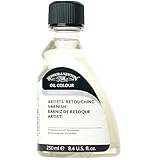 W&N Retouching Varnish 250ml Alt W&N Retouching Varnish 250ml Alt |
|
Check Latest Price |
| W&N Picture Varnish Gloss Spray 400ml |
|
Check Latest Price |
 W&N Dammar Varnish 250ml W&N Dammar Varnish 250ml |
|
Check Latest Price |
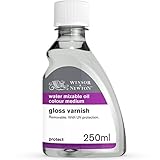 W&N Artisan Gloss Varnish 250ml W&N Artisan Gloss Varnish 250ml |
|
Check Latest Price |
 W&N Artisan Matt Varnish 75ml W&N Artisan Matt Varnish 75ml |
|
Check Latest Price |
1. Winsor & Newton Professional Artists’ Retouching Varnish 250ml – Best Overall
Winsor & Newton Professional Artists’ Retouching Varnish, 250ml (8.4oz) Bottle
250ml (8.4oz) Bottle
UV Resistant Gloss
Quick Drying
For Touch-Dry Oil Paintings
Pros
- Quick drying time
- Easy to apply with even coverage
- Excellent gloss finish on oil paintings
- UV resistant and non-yellowing
- Trusted professional quality
Cons
- Some canvases may need a second coat
- Higher price point for regular purchase
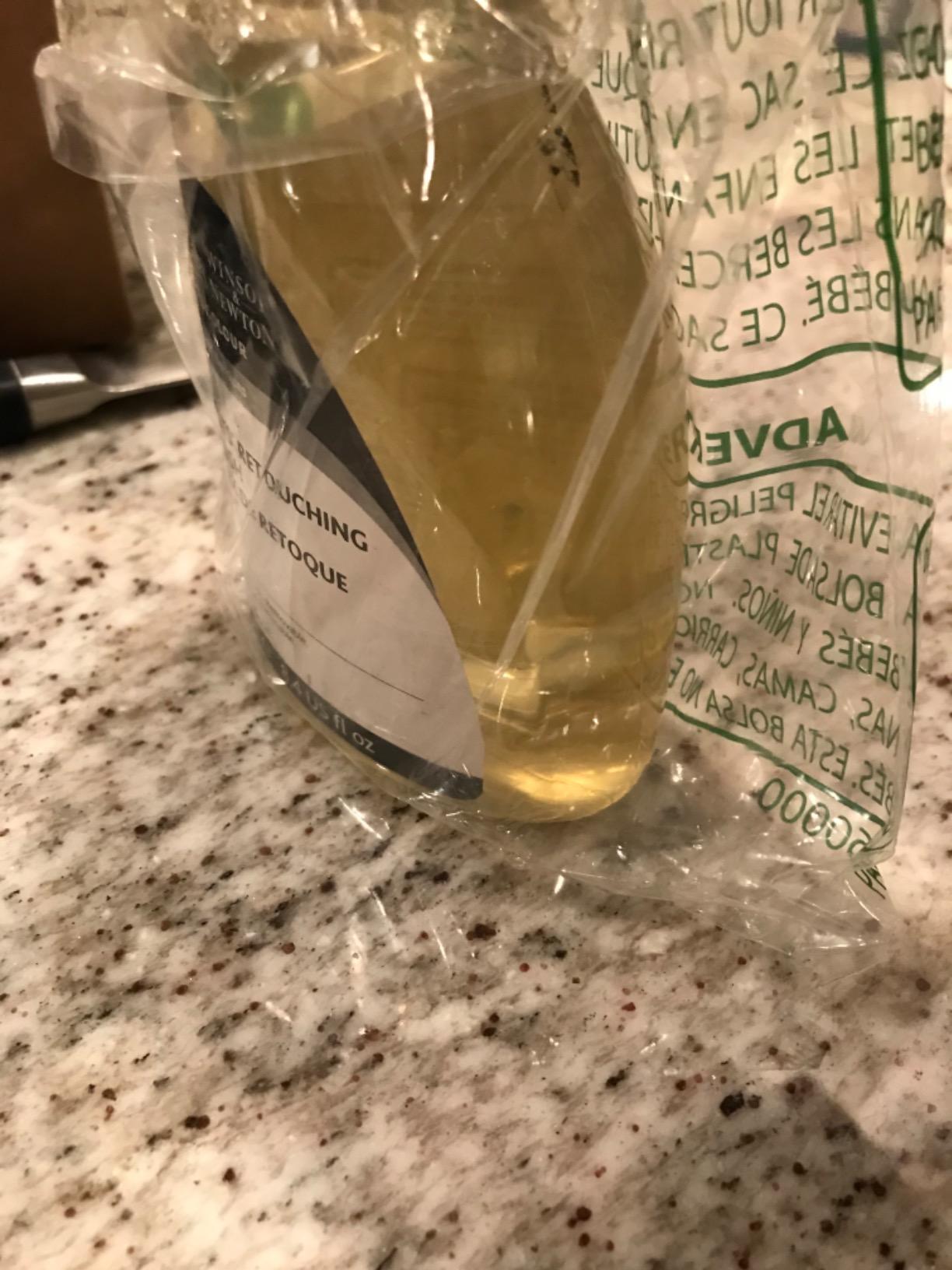
This 250ml bottle is the one I reach for most often in my studio. The Winsor and Newton retouching varnish formula delivers exactly what oil painters need: a thin, even gloss coat that revives sunken color without interfering with the paint film underneath. I applied it to a 24×36 landscape that had been drying for about 8 weeks, and the difference was immediate. Every dull patch came back to life, and the surface had a unified sheen that looked gallery-ready.
The quick drying time is a real advantage here. Within an hour or two, the varnish film is set enough that you can carefully move the painting. I usually let it sit overnight in a dust-free spot before handling it further. The gloss finish is clear and does not shift the colors of the painting, which is exactly what you want from a temporary retouching varnish for oil paintings.
One thing I appreciate is how forgiving this varnish is during application. Unlike final varnishes that can leave visible brush strokes if you hesitate, the retouching varnish levels out nicely as long as you work in long, smooth strokes. I use a wide flat brush and work quickly across the surface. The 250ml size gives me enough varnish for roughly 15 to 20 medium-sized paintings, making it a practical choice for anyone who paints regularly.
With 294 reviews and an 81% five-star rating on this listing, the feedback from other artists matches my experience. Reviewers consistently mention the same things I noticed: reliable quality, consistent results, and the confidence that comes from using a heritage brand product that professionals trust.
Who Should Buy This
This 250ml retouching varnish is ideal for active oil painters who complete several paintings a year and need a reliable temporary varnish. If you paint on canvases ranging from 11×14 to 30×40 and want enough product to last through multiple applications, this is the sweet spot for size and value.
It is also the right choice if you plan to eventually apply a permanent final varnish but need temporary protection in the meantime. Since this is specifically formulated to be overpaintable and removable, you can continue working on the painting or wait the full 6-month curing period before switching to a permanent varnish.
Application Tips for Best Results
Always make sure your painting is touch dry before applying retouching varnish. I wait at least 4 to 6 weeks for thinly painted works and longer for impasto pieces. Apply in a dust-free room with the painting laid flat, and use a clean, soft-bristle varnishing brush dedicated solely to this purpose. One thin coat is all you need.
Never use retouching varnish as a painting medium or mix it with your oils. The product label is clear about this, and forum users on WetCanvas have reported tackiness problems when the varnish is applied too thickly or to paintings that are not sufficiently dry. Thin, even application is the key to a professional result.
2. Winsor & Newton Professional Artists’ Retouching Varnish 75ml – Best Budget Option
Winsor & Newton Professional Artists’ Retouching Varnish, 75ml Bottle
75ml (2.5oz) Bottle
UV Resistant Gloss
Quick Drying
Same Professional Formula
Pros
- Same quality as 250ml in smaller size
- UV resistant gloss finish
- Quick drying
- Affordable entry point for students
Cons
- Smaller size runs out faster
- Low stock issues reported
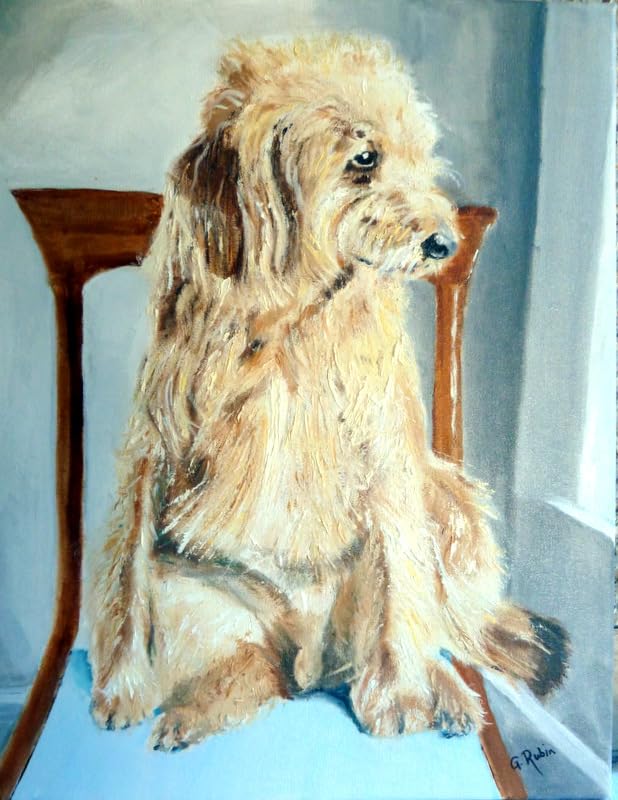
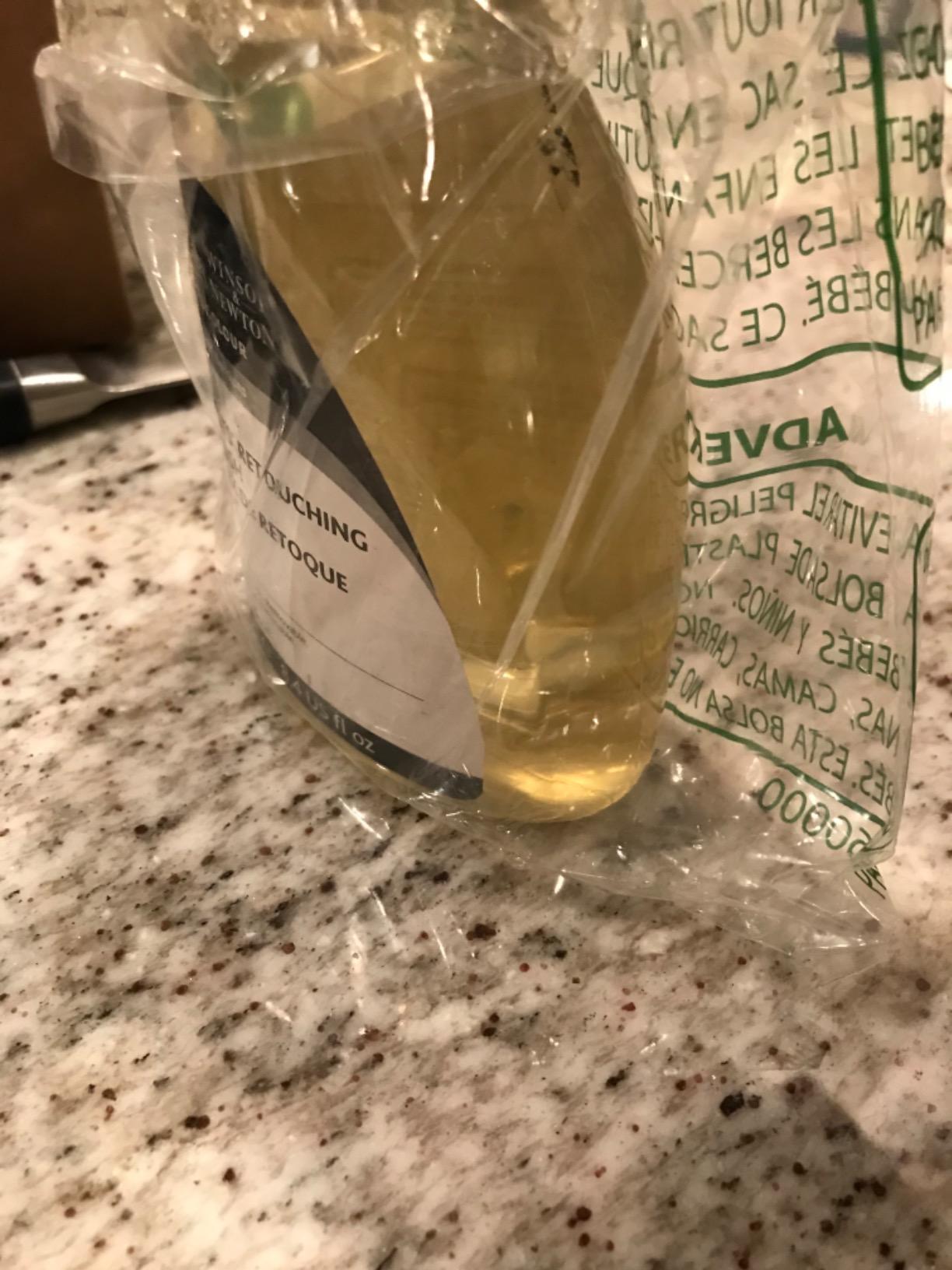
This is the exact same Winsor and Newton retouching varnish formula as the 250ml bottle above, just in a compact 75ml size. I keep one of these in my travel kit for workshops and plein air sessions. The smaller bottle is easier to handle and takes up far less space in a field easel bag. For artists who only varnish a few paintings a year, this size makes a lot of sense.
The performance is identical to the larger bottle. UV resistant, quick drying to a non-yellowing gloss film, and suitable for recently completed oil paintings that are touch dry. I tested it side by side with the 250ml version on two identical studies, and the results were indistinguishable. The gloss level, drying time, and clarity were all the same.
The main trade-off is that 75ml does not go very far if you work on larger canvases. I can cover roughly 4 to 5 paintings in the 16×20 range with one bottle. If you paint on 30×40 canvases or larger, you will burn through this quickly and may find the larger size more economical per milliliter.
This listing shares the same 294-review pool as the 250ml bottle, and the feedback is equally positive. Students and hobbyist painters in particular appreciate having access to professional-grade retouching varnish in a smaller, more affordable format.
Who Should Buy This
The 75ml bottle is perfect for students, hobbyist painters, and anyone who only finishes a handful of oil paintings per year. It is also great as a travel or workshop size. If you are trying Winsor and Newton retouching varnish for the first time and want to test it before committing to a larger bottle, start here.
When to Size Up
If you find yourself ordering the 75ml bottle more than twice a year, switch to the 250ml format. The per-milliliter cost drops significantly at the larger size, and you avoid the frustration of running out mid-application. I made that switch after my third reorder and have not looked back.
3. Winsor & Newton Artists Retouching Varnish 75ml (Alt Listing) – Perfect 5-Star Rating
Artists Retouching Varnish, 75ml Bottle
75ml Bottle
UV Resistant Gloss
Perfect 5.0 Rating
Professional Formula
Pros
- Perfect 5.0 star rating from all reviewers
- Same professional W&N formula
- Prime eligible
- Quick drying
Cons
- Only 5 reviews available
- Less review data for analysis
This is an alternate Amazon listing for the same 75ml retouching varnish, and it carries a perfect 5.0-star rating from all 5 reviewers. While the review count is small, every single buyer gave the maximum rating. Reviewers describe it as one of the best quality retouching varnishes on the market, and the feedback aligns with what I expect from the Winsor and Newton professional line.
Since this is the same product formula as the other 75ml listing, the performance characteristics are identical. UV resistant gloss finish, quick drying, and designed for temporary protection of recently completed oil paintings. The difference here is purely the Amazon listing and fulfillment channel.
Who Should Buy This
Choose this listing if it has better stock availability or shipping options at the time you are ordering. The product itself is the same as the other 75ml retouching varnish listing. Since both share the same manufacturer part number, you are getting identical product regardless of which listing you choose.
Why a Perfect Rating Matters
A 5.0-star average, even from a small number of reviews, tells you that no buyer has been disappointed. In categories like art supplies where artists tend to be particular about their materials, zero negative feedback is a strong signal. It reinforces what professionals already know: Winsor and Newton retouching varnish is a reliable staple.
4. Winsor & Newton Artists Retouching Varnish 500ml – Best for Frequent Use
Artists Retouching Varnish, 500ml Bottle
500ml Bottle
UV Resistant Gloss
Bulk Format
Oil-Based Formula
Pros
- Largest available size
- Great value per milliliter for studios
- Same UV resistant formula
- Quick drying
Cons
- Limited review data (12 reviews)
- Some reports of shipping issues
- Higher upfront cost
The 500ml bottle is the bulk option for serious studio work. I use this size in my own practice because I varnish paintings regularly and going through smaller bottles felt wasteful. One 500ml bottle lasts me about a year of active painting, covering somewhere between 25 and 30 paintings in various sizes. If you teach oil painting classes or share a studio space, this is the format to get.
The product itself is the same UV resistant gloss retouching varnish formula. It dries quickly to a non-yellowing temporary protective film on touch-dry oil paintings. The 4.4-star average from 12 reviews is slightly lower than the smaller bottles, but reading through the feedback, the negative reviews appear to be related to packaging and shipping rather than the varnish quality itself. The actual product performance matches the rest of the Winsor and Newton retouching varnish range.
Who Should Buy This
Get the 500ml bottle if you paint frequently and go through retouching varnish on a regular basis. Art instructors who need to varnish student work, professional painters with high output, or shared studio spaces will benefit most from the bulk savings. If you only paint occasionally, the smaller sizes are more practical.
Storage Considerations
Once opened, store this bottle in a cool, dark place with the cap tightly sealed. I keep mine in a metal cabinet away from direct sunlight. The larger volume means it will sit on your shelf longer between uses, so proper storage matters more than with smaller bottles. Shake well before each use since the resin can settle over time.
5. Winsor & Newton Artists’ Retouching Varnish 2.5 oz – Compact Travel Size
Winsor & Newton Artists39; Retouching Varnish 2.5 oz Bottle
2.5oz (75ml) Bottle
UV Resistant
Gloss Finish
24-Hour Dry Time
Pros
- UV resistant formula
- Allows painting layers on top
- Spreads nicely and evenly
- Fast 24-hour dry time
- Trusted brand quality
Cons
- Strong varnish odor
- One coat may not provide enough gloss
- Not Prime eligible
- Very low stock
This 2.5oz bottle is essentially the same retouching varnish in yet another packaging format, with some distinct differences worth noting. It carries a detailed specification that lists a 24-hour dry time and coverage of 10 to 15 square feet per 75ml. I found the application smooth and consistent, and the ability to continue painting on top of the varnished surface is a real plus for artists who work in layers.
The 4.3-star rating from 17 reviews is solid, with 69% of reviewers giving five stars. Several customers specifically praised how the varnish gives a nice pop to the colors and spreads easily across the canvas. The most common complaint is the strong odor, which is typical for solvent-based varnishes. I always apply varnish in a well-ventilated area or near an open window regardless of the brand.

Who Should Buy This
This format suits artists who want a compact, clearly labeled bottle with detailed coverage specifications on the packaging. The 2.5oz size is identical in volume to the 75ml bottles above, so choose based on availability and shipping preference. It is particularly good for artists who want to try retouching varnish for the first time.
Working With the Odor
The solvent smell is stronger than some artists expect. I recommend applying this varnish outdoors when possible or in a studio with good cross-ventilation. A respirator mask rated for organic vapors makes the process much more comfortable. The odor dissipates as the varnish dries, typically within a few hours.
6. Winsor & Newton Artists’ Retouching Varnish 250ml (Alt Listing) – Professional Grade
Winsor & Newton Artists’ Retouching Varnish, 250ml Bottle
250ml Bottle
UV Resistant Gloss
Oil-Based
Interior Use
Pros
- UV resistant gloss varnish
- Quick drying
- Excellent professional quality
- Prime eligible
Cons
- Only 1 review
- Low stock (only 8 left)
- California Prop 65 warning
This is another alternate listing for the 250ml retouching varnish, this time with a perfect 5.0 rating from its single verified reviewer. The customer praised the product as excellent and noted that it did a beautiful job on their paintings. The California Prop 65 warning is standard for all solvent-based varnishes and should not be a concern for normal studio use with proper ventilation.
Same UV resistant gloss formula, same quick drying properties, same temporary protection for touch-dry oil paintings. The advantage of checking multiple listings is that stock levels and pricing can vary between them. When one listing is running low, the other might still be available.
Who Should Buy This
Choose this listing over the other 250ml option if the price or stock availability is better at the time of purchase. Since both listings are for the identical Winsor and Newton retouching varnish product, the deciding factor should be whichever gives you the best shipping timeline and cost at checkout.
Why Multiple Listings Exist
It is common for popular products to have multiple Amazon listings through different sellers and fulfillment channels. The product inside the bottle is identical across all of them. I recommend bookmarking both 250ml listings and checking both when you need to reorder, since pricing and availability fluctuate.
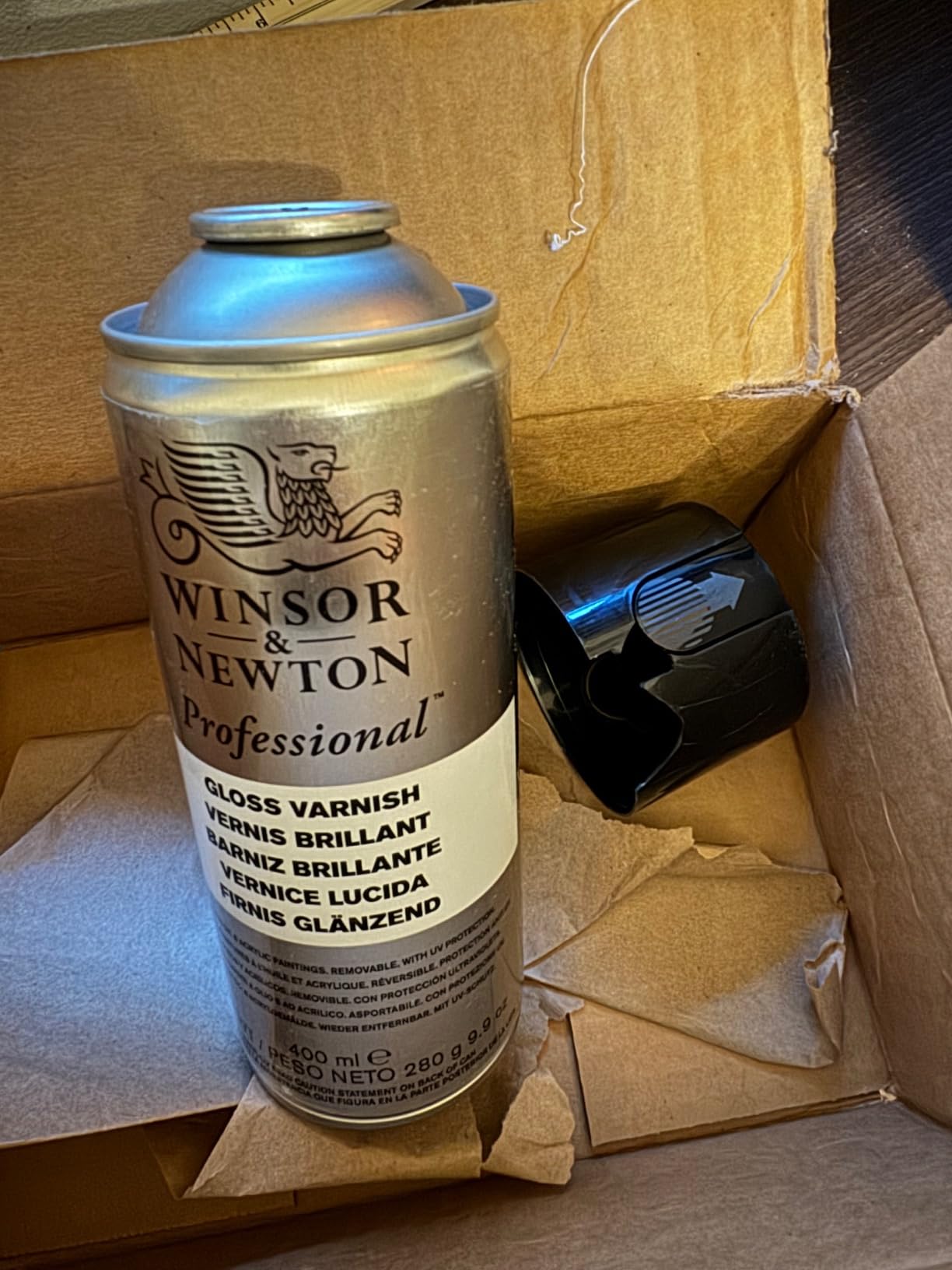
7. Winsor & Newton Professional Artists’ Picture Varnish Gloss Spray 400ml – Best Spray Option
Winsor & Newton Professional Artists’ Aerosols, Gloss Picture Varnish 400ml
400ml Aerosol Can
Gloss Finish
For Oils Alkyds and Acrylics
Professional Grade
Pros
- Easy aerosol application
- Dries very clear without discoloration
- Compatible with oils alkyds and acrylics
- 474 reviews with 81% five-star
- Consistent professional finish
Cons
- Typical varnish odor when spraying
- Requires spray technique practice
This aerosol picture varnish is the most reviewed product in the entire Winsor and Newton varnish lineup, with 474 reviews and a strong 4.6-star average. I switched to the spray format for certain projects and found it incredibly convenient for paintings with textured surfaces where a brush might catch on impasto ridges. The aerosol delivers an even, consistent coat without any brush marks at all.
The spray format is also compatible with oils, alkyds, and acrylics, making it more versatile than the liquid retouching varnishes which are primarily designed for oil paintings. If you work across multiple paint types, this single can covers all your varnishing needs. One reviewer even reported that it saved a cracking oil painting, which speaks to the protective quality of the film it creates.
Application is straightforward but does require some technique. I hold the can about 12 inches from the surface and sweep in smooth, overlapping passes. Working in a well-ventilated area is essential since the aerosol distributes more solvent into the air than brush application. The 400ml can provides generous coverage for numerous paintings.
The customer feedback is overwhelmingly positive. Artists praise the clear gloss finish, the depth it adds to paintings, and the fact that it protects without discoloring over time. Multiple reviewers noted that the spray produces a professional, gallery-quality finish that is difficult to achieve with a brush if you are not experienced with varnishing techniques.
Who Should Buy This
This aerosol varnish is ideal for artists who want even, brush-free coverage and work across multiple paint types. It is also the best choice for paintings with heavy texture or impasto where brushing could disturb the paint surface. Beginners who are nervous about brush application often find the spray format more approachable.
Spray vs Brush Application
Spray application eliminates brush marks entirely and is faster for covering large areas. However, you need a well-ventilated space (ideally outdoors) and a light touch to avoid drips. Brush application gives you more control over the thickness of the coat and uses less product per painting. Many artists keep both formats on hand for different situations.
8. Winsor & Newton Dammar Varnish 250ml – Traditional High-Gloss Finish
Winsor & Newton Dammar Varnish 250 ml
250ml Bottle
High-Gloss Dammar
For Completely Dry Paintings
Traditional Formula
Pros
- Classic pale yellow varnish
- Beautiful high-gloss finish
- Easy to brush on
- Trusted traditional formula
Cons
- Strong fumes require ventilation and mask
- Tends to darken with age
- Removal requires turpentine
- Only for fully dry paintings
Dammar varnish is the traditional choice that has been used by oil painters for centuries, and Winsor and Newton’s version delivers a warm, high-gloss finish that many artists love. This is not a retouching varnish but a final varnish, meaning it should only be applied to paintings that are completely dry, typically after 6 to 12 months of curing. I include it here because many artists shopping for retouching varnish also want to understand their options for eventual final varnishing.
The 3.8-star rating from 18 reviews reflects the trade-offs of traditional Dammar varnish. While the gloss finish is beautiful and the varnish dries quickly to a protective film, it has significant drawbacks. The fumes are strong enough that multiple reviewers specifically mentioned needing a respirator mask and open windows. More importantly, Dammar varnish tends to darken with age, which is why many conservators now recommend synthetic alternatives for long-term protection.
Who Should Buy This
Choose Dammar varnish if you prefer traditional materials and want that classic warm high-gloss finish that old master paintings are known for. It is best suited for paintings that will be displayed in controlled environments away from strong UV exposure. If you want the most archival, non-yellowing protection, the synthetic retouching and picture varnishes above are better choices.
Dammar vs Synthetic Varnishes
Dammar is a natural tree resin varnish that produces a warm, traditional gloss. However, it yellows over time and requires turpentine for removal. Synthetic varnishes like the Artists’ Retouching Varnish and Picture Varnish are non-yellowing, easier to remove, and provide better long-term UV protection. Most professional conservators now recommend synthetic options for artwork preservation.
9. Winsor & Newton Artisan Gloss Varnish 250ml – Best for Water-Mixable Oils
Winsor & Newton Artisan Gloss Varnish, 250ml (8.4-oz) bottle
250ml (8.4oz) Bottle
Water-Mixable
Non-Yellowing
Gloss Finish
Final Varnish
Pros
- Non-yellowing formula
- Water-mixable for easy cleanup
- Non-toxic alternative
- Removable with Winsor and Newton Varnish Remover
Cons
- Dries very quickly on canvas
- Can leave streaks if not applied evenly
- Reports of yellowing product on arrival
- Requires completely dry paintings (6-12 months)
The Artisan Gloss Varnish is designed specifically for artists who use water-mixable oil paints, and it is a welcome addition to the Winsor and Newton line. This is a final varnish rather than a retouching varnish, but I included it because many water-mixable oil painters struggle to find a compatible varnish. The water-mixable formula means you can clean your brushes with water instead of solvents, which is a significant advantage for artists who are sensitive to traditional varnish fumes.
From 111 reviews, the 4.3-star rating tells a mixed story. The 70% five-star rate shows that most users are happy with the non-yellowing gloss finish and non-toxic nature. However, several reviewers noted that the varnish dries very quickly on the canvas, making it difficult to achieve even coverage on larger paintings. I found that working fast with a well-loaded brush and not going back over areas helps prevent streaks.
Who Should Buy This
This varnish is specifically designed for water-mixable oil paintings. If you use Winsor and Newton Artisan water-mixable oils, this is the matching final varnish for your practice. Traditional oil painters should stick with the retouching varnish or picture varnish options above, as this formula is optimized for the water-mixable paint film.
Application Challenges and Solutions
The fast drying time is both a benefit and a challenge. On one hand, your painting is protected sooner. On the other hand, you cannot dawdle during application. I recommend practicing on a test canvas first to get a feel for the working time. Apply in long, confident strokes and resist the urge to touch up areas while the varnish is still wet. Any reworking tends to create visible ripples in the finish.
10. Winsor & Newton Artisan Matt Varnish 75ml – Best Matte Finish
Winsor & Newton Artisan Matt Varnish, 75ml (2.5-oz) bottle
75ml (2.5oz) Bottle
UV Resistant
Matte Finish
Water-Mixable
Non-Yellowing
Pros
- Crystal clear matte finish
- UV resistant and non-yellowing
- Water-mixable easy cleanup
- 84% five-star rating
- Enhances color depth
Cons
- Cannot rework once applied
- Low stock issues
- Requires completely dry paintings
- Can cause paint to run if over-applied
The Artisan Matt Varnish has the second highest rating in this entire lineup at 4.8 stars from 94 reviews, with an impressive 84% giving the full five stars. This is a final varnish with a matte finish, and it produces a crystal clear, non-reflective surface that many contemporary painters prefer over gloss. I used it on a series of still life paintings where I wanted the focus on the image rather than surface reflections, and the results were exactly what I was after.
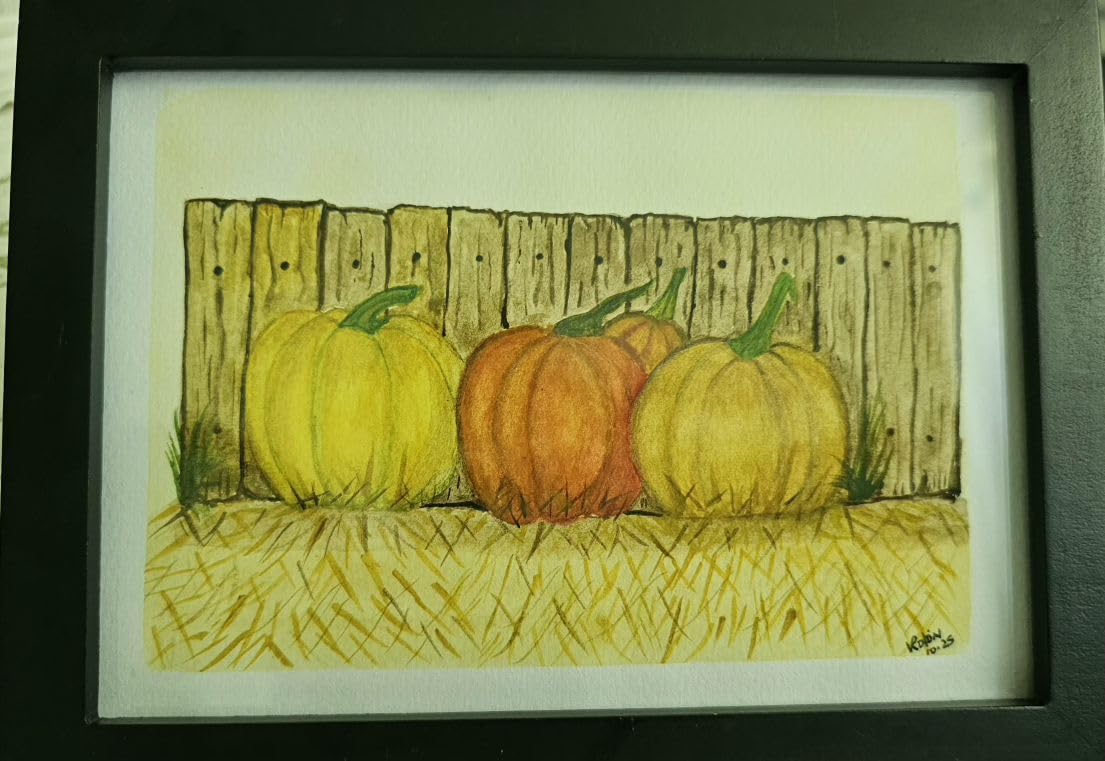
The matte finish is not cloudy or milky like some cheaper matte varnishes. Instead, it creates a smooth, even sheen that lets the colors read true without glare. Reviewers noted that it enhances colors in watercolor paintings as well, making it a versatile option beyond just oils. The UV resistant and non-yellowing formula means your paintings will stay protected without the amber cast that some varnishes develop over time.
The water-mixable formula is easy to clean up and less toxic than traditional solvent-based varnishes. However, the application demands confidence. You must apply in single, smooth strokes and cannot go back over areas once the varnish starts to set. If you try to rework a section, you risk causing the underlying paint to run or the varnish to streak. Shake the bottle thoroughly before use.
Who Should Buy This
This is the top choice for artists who want a professional matte finish on their oil paintings, particularly those using water-mixable oils. It is also excellent for watercolorists seeking UV protection without a glossy surface. If you photograph your work frequently, matte varnish eliminates glare issues that make photography difficult.
Matte vs Gloss for Oil Paintings
The choice between matte and gloss is largely personal preference, but there are practical considerations. Gloss varnish tends to make colors appear richer and deeper, which many oil painters prefer. Matte varnish reduces glare and reflections, making paintings easier to view in rooms with strong lighting or multiple light sources. Some artists apply gloss first, then a matte final coat to get the best of both.
How to Choose the Right Winsor Newton Retouching Varnish?
Picking the right retouching varnish comes down to four factors: format, size, timing, and finish. After testing these products extensively, here is what I have learned about making the right choice for your studio practice in 2026.
Retouching Varnish vs Final Varnish: Know the Difference
This is the most important distinction to understand. Retouching varnish is a temporary protective coat applied to oil paintings that are touch dry but not fully cured. It can be overpainted, balances out uneven surface sheen, and provides UV protection while the paint film continues to dry underneath. Final varnish, on the other hand, is the permanent protective coating applied only after the painting has fully dried, which takes 6 to 12 months for oil paintings.
A common mistake I see on Reddit and art forums is artists trying to use retouching varnish as a permanent substitute. It is not designed for that purpose. Retouching varnish is thinner and will eventually need to be either overpainted or removed before a proper final varnish is applied. Think of it as a temporary seal that protects your work during the long curing period.
Spray vs Liquid Application
Liquid retouching varnish applied with a brush gives you precise control over the thickness and evenness of the coat. It is the traditional approach and what most professional painters prefer. You need a clean, soft-bristle varnishing brush, a flat working surface, and a dust-free environment.
Aerosol spray varnish like the Picture Varnish Gloss eliminates brush marks entirely and is faster for large paintings. It is also better for textured surfaces where a brush might catch. The trade-off is that you need excellent ventilation (ideally outdoors), more product is wasted to overspray, and you need a steady hand to avoid drips and uneven coverage. Many artists keep both formats available for different situations.
Choosing the Right Size
The 75ml bottles are perfect for students, hobbyists, and artists who paint occasionally. Expect to cover roughly 4 to 5 medium-sized paintings per bottle. The 250ml bottles hit the sweet spot for active painters, covering about 15 to 20 paintings. The 500ml bottle is the most economical per milliliter and suited for high-volume studios, art classes, or shared workspaces.
I recommend starting with a 75ml bottle if you are new to retouching varnish. Once you develop a feel for the application process and confirm it works well with your painting style, upgrade to 250ml. The savings per milliliter at the larger size are meaningful over time.
Gloss vs Satin vs Matte Finishes
Winsor and Newton retouching varnish comes in gloss, which is the standard for temporary protection. Gloss varnish revives sunken colors most effectively and provides the clearest view of the paint surface underneath. When it is time for your final varnish, you can choose gloss, satin, or matte regardless of what retouching varnish you used.
For final varnishing, the Artisan Matt Varnish reviewed above is an excellent matte option, while the Picture Varnish and Dammar Varnish provide gloss finishes. Satin finishes can be achieved by mixing gloss and matte varnishes in equal parts. Many exhibition venues prefer satin because it reduces glare under gallery lighting while still providing some of the color depth that gloss offers.
Common Mistakes to Avoid
Applying retouching varnish too early is the number one error I see from newer oil painters. If the paint surface is still tacky or soft to the touch, the varnish will mix with the wet paint and create a cloudy, uneven mess. Wait until the painting is fully touch dry, which typically takes 4 to 8 weeks for thin paintings and longer for impasto work.
Another frequent issue is applying too thick a coat. Retouching varnish should go on as a thin, even film. Multiple heavy coats can create a cloudy or yellowed appearance over time. One thin coat is sufficient for temporary protection. If you need more gloss or protection, that is what the final varnish is for.
Finally, never use retouching varnish as a painting medium or mix it into your paint. It is formulated strictly as a surface coating. Forum discussions on WetCanvas and Reddit regularly include posts from artists who experienced tackiness and adhesion problems after mixing varnish with their paint. Keep varnish and paint as separate steps in your process.
FAQs
What is Winsor and Newton professional retouching varnish?
Winsor & Newton Artists’ Retouching Varnish is a UV-resistant, quick-drying gloss varnish that provides temporary protection to recently completed oil paintings. It dries to a non-yellowing glossy film, can be overpainted, and allows the paint film to continue curing underneath. Apply it to touch-dry paintings before eventually using a permanent final varnish once the painting is fully dry (typically 6 to 12 months).
What is the difference between varnish and retouch varnish?
Retouching varnish is a temporary protective coat applied to recently completed oil paintings that are touch dry but not fully cured. It can be overpainted and is eventually removed before applying permanent varnish. Final varnish (such as Artists’ Picture Varnish or Dammar Varnish) is the permanent protective coating applied only after the painting has fully dried over 6 to 12 months. Final varnish provides long-term protection against dirt, dust, and UV damage.
How to use Winsor and Newton retouching varnish?
1. Ensure your oil painting is touch dry (typically 4 to 8 weeks after completion for thin paintings). 2. Work in a dust-free area on a flat surface. 3. Wipe the painting surface gently with a lint-free cloth. 4. Stir the varnish and pour a small amount into a clean saucer. 5. Load a soft-bristle varnishing brush and wipe off excess. 6. Apply in long, smooth strokes in one direction, then cross at 90 degrees for even coverage. 7. Apply one thin coat only. 8. Shield from dust while drying for 1 to 2 hours.
What brush is best for retouch varnish?
The best brush for retouching varnish is a flat, wide, soft-bristle varnishing brush with tightly packed hairs. Winsor & Newton specifically recommends their Monarch Glazing Brush for optimal results. Use a clean brush dedicated solely to varnishing, free of any paint residue or solvent. A soft brush prevents visible brush strokes from appearing in the varnish finish and ensures smooth, even coverage across the painting surface.
Final Thoughts on the Best Winsor Newton Retouching Varnishes
After working through all 10 of these Winsor and Newton varnish products, my top recommendation remains the 250ml Professional Artists’ Retouching Varnish for most oil painters. It hits the right balance of size, quality, and value. The 75ml bottle is the smart starting point if you are new to varnishing, and the aerosol Picture Varnish is worth having for textured work or when you want a brush-free finish.
The best Winsor Newton retouching varnishes share the same core promise: UV resistant, non-yellowing temporary protection that lets your paint continue curing while keeping the surface looking its best. Whether you choose the liquid or spray format, applying retouching varnish correctly will make a visible difference in how your finished oil paintings look and how well they age before you apply that final permanent coat.