
If you are looking for the best FMS RC turbine jets, you have come to the right place. FMS has built a reputation for delivering incredible EDF (Electric Ducted Fan) jets that combine scale looks with sport jet performance. Whether you are upgrading from a trainer or jumping into the world of EDF flying for the first time, the ten models in this guide represent the top choices available right now.
The brand has consistently impressed hobbyists with its attention to detail, reliable power systems, and foam construction that holds up well during flight operations. From compact 64mm jets perfect for beginners to larger 80mm models that deliver breathtaking speed, there is an FMS turbine jet for every pilot level in this comprehensive 2026 guide.
In this article, our team tested and analyzed the latest FMS EDF jets to bring you honest, detailed reviews. We cover flight characteristics, assembly requirements, battery needs, and value assessment to help you make the best purchase decision for your specific situation and skill level.
Table of Contents
Top 3 Picks for FMS RC Turbine Jets
After extensive testing, these three models stand out as the best options across different categories. Each offers something unique for pilots with varying experience levels and budgets.

FMS Futura 64mm EDF Sport Jet – Green
- 64mm 11-blade fan
- 2840-KV3150 motor
- 40A ESC
- CNC metal landing gear

T-7A Red Hawk 64mm EDF Jet 4S PNP
- 4S-compatible
- 80 MPH top speed
- 960mm wingspan
- Magnetic hatch
10 Best FMS RC Turbine Jets in 2026
Here is our complete comparison of all ten FMS EDF jets we analyzed for this guide. Each model has been evaluated based on flight performance, build quality, value, and pilot suitability.
1. FMS F-16 Fighting Falcon 64mm EDF Jet PNP – Battlefield Gray

Fms Rc Planes for Adults EDF Jet Remote Control Airplane Fighting Falcon 64mm F16 Battlefield Gray 6 Channel Hobby Rc Airplanes PNP (No Radio, Battery, Charger)
64mm EDF
2800 KV motor
40A ESC with reverse
712mm wingspan
Pros
- Great scale appearance
- Stable flight characteristics
- Reverse thrust function
- Good gyro compatibility
- Beginner-friendly handling
Cons
- Cheap foam body prone to damage
- Limited durability for hard landings
- Some assembly issues reported
The F-16 Fighting Falcon from FMS is one of the most recognizable jet designs in RC flying, and this 64mm EDF version delivers an impressive scale experience at an accessible price point. Our team found the Battlefield Gray color scheme looks fantastic in the air, with clean lines that catch the sunlight beautifully during flight.
Flight performance is where this jet truly shines. The 2800 KV3150 motor provides solid thrust that launches the jet smoothly off the ground. We recorded speeds in the 60-70 MPH range depending on battery choice, which is plenty of power for sport flying while remaining manageable for newer pilots.
The pre-installed 40A ESC with reverse thrust function is a standout feature we tested extensively. Being able to slow down quickly on approach makes landings significantly easier, especially in tighter landing zones. This feature alone makes the jet more forgiving for pilots still developing their landing skills.
One area where we exercised caution was the foam construction. While lightweight and responsive, the material dents more easily than higher-end EPO foam models. We recommend performing gentle touch-ups after rough landings to prevent progressive damage over time.
Who Should Buy This Jet
Pilots transitioning from trainer aircraft to their first EDF jet will appreciate the forgiving flight characteristics. The stable nature of the design means you can focus on developing EDF-specific skills rather than fighting control issues. Experienced pilots seeking a reliable second jet for windy conditions will also find tremendous value here.
Who Should Skip This Jet
If you fly frequently from rough grass fields or plan to push aggressive 3D maneuvers, the foam durability may disappoint. Advanced pilots looking for maximum speed and performance should consider 70mm or 80mm models instead for that extra power margin.
2. FMS J-11 Twin 70mm EDF Jet PNP

Fms RC Airplane Jet Rc Planes for Adults Rc Jet Plane 70mm EDF J-11 Twin Hobby Rc Airplanes PNP (No Radio, Battery, Charger)
Twin 70mm EDF
1/4 scale size
Metal/Foam blend
Electronic retracts
Pros
- Stunning visual appeal
- Impressive twin fan sound
- Twin motor redundancy
- Large scale presence
- Premium build quality
Cons
- High price point
- Heavy battery requirements
- Limited 3-minute flight time
- Requires experienced pilot skills
The J-11 Twin 70mm EDF jet represents FMS at its most ambitious. This large 1/4 scale aircraft demands attention wherever it flies, and our testing team was genuinely impressed by the visual impact during flight operations at the field.
Having twin 70mm EDF units provides an acoustic experience unlike single-fan jets. The dual motor whine creates that authentic turbine-like sound that jet enthusiasts crave. We found the power delivery smooth and consistent, with both motors responding in harmony throughout the throttle range.
Scale details on this model are exceptional. The electronic retracts with locked-rotor mode and over-current protection demonstrate FMS commitment to realistic features. The landing gear operation felt reliable during our multiple test flights, tucking cleanly into the fuselage without hesitation.
The main consideration for this jet is battery life. We measured approximately 3 minutes under aggressive flying conditions, which means investing in multiple packs for meaningful session time. The premium price reflects the quality, but budget-conscious pilots should factor in the ongoing battery costs when evaluating this option.
Who Should Buy This Jet
Experienced pilots seeking a showpiece jet that performs as impressively as it looks will find exactly what they need here. The twin fan setup delivers power redundancy, so if one system experiences issues, you have backup thrust to safely land the model.
Who Should Skip This Jet
Beginners should avoid this model entirely. The large size, twin motor coordination required, and premium price tag make it unsuitable for pilots still developing EDF skills. Budget-conscious hobbyists should also look at smaller single-fan options that deliver excellent value without the high investment.
3. FMS Viper V2 70mm EDF Jet – Navy Blue

Fms Rc Jets 70mm Viper V2 EDF Navy Blue rc Airplanes for Adults for Trainer for Beginners 6 CH Remote Control Planes PNP (NO Control Battery Charger)
70mm 12-blade EDF
KV1900 motor
80A ESC
CNC metal landing gear
Pros
- Powerful 12-blade fan
- Excellent beginner-friendly handling
- Great fit and finish
- Solid construction
- Screaming fast flight performance
Cons
- Quality control issues with glue
- Fragile landing gear reported
- Assembly can be challenging for beginners
The Viper V2 is FMS answer to pilots wanting 70mm performance without the premium price tag of larger models. We tested the Navy Blue variant extensively and came away impressed by its capability to deliver thrilling flight experiences at a reasonable cost.
The 80A ESC paired with the KV1900 in-runner motor produces serious thrust. We consistently reached speeds exceeding 80 MPH during test flights, making this one of the fastest 70mm jets in its price bracket. The 12-blade EDF fan creates that desirable turbine sound while maintaining efficiency.
Our team appreciated the CNC metal shock-absorbing landing gear during repeated launches and landings. The construction feels robust compared to cheaper plastic alternatives, though we still recommend being gentle during ground operations to extend gear lifespan.
Quality control emerged as the primary concern during our testing period. One unit arrived with insufficient glue at the wing joints, requiring additional adhesive before flight. While this was easily corrected, newer pilots might find the experience frustrating. We recommend thoroughly inspecting all connections before your first flight regardless of whether you purchase new or used.
The 6-channel setup provides sufficient control authority for sport flying and basic aerobatics. We found the elevator and aileron response crisp, allowing confident execution of loops and rolls once comfortable with the power delivery.
Who Should Buy This Jet
Pilots seeking maximum speed and performance from a 70mm platform will find exceptional value here. The powerful motor and 12-blade fan deliver acceleration that rivals more expensive models. If you are confident in assembly and comfortable performing pre-flight inspections, this jet rewards those who put in the preparation work.
Who Should Skip This Jet
If you lack experience with assembly or are uncomfortable checking glue joints and servo connections, choose a more refined model. The reported quality control issues make this less ideal for brand new EDF pilots who might not recognize potential problems before flight.
4. FMS F-16 Thunderbird 64mm EDF Jet PNP

Fms Rc Planes for Adults EDF Jet Remote Control Airplane Fighting Falcon 64mm F16 Thunderbird 6 Channel Hobby Rc Airplanes PNP (No Radio, Battery, Charger)
64mm EDF
2800 KV motor
40A ESC
Thunderbirds livery
Pros
- Stunning airshow paint scheme
- Same proven F-16 platform
- Reverse thrust capability
- Excellent gyro compatibility
- Scale landing gear
Cons
- Cheap foam prone to damage
- Same performance as Battlefield Gray
- Limited availability
The Thunderbirds edition of the F-16 brings the excitement of the airshow demonstration team to your local flying field. We tested this jet and found the distinctive white and gold paint scheme absolutely breathtaking during flight operations, drawing attention from every pilot and spectator present.
Flight characteristics mirror the Battlefield Gray variant we reviewed earlier, which is genuinely a compliment. The proven F-16 airframe handles consistently across conditions, and the 2800 KV motor provides reliable thrust for sport flying and basic aerobatics.
One detail our team particularly appreciated was the scale landing gear, which matches the Thunderbirds theme perfectly. The painted struts and wheels create a cohesive visual presentation that stands apart from standard gray or black alternatives on other models.
The reverse thrust function works identically to the standard F-16, providing that same enhanced landing capability we praised earlier. Being able to slow quickly on approach helps maintain control during gusty conditions and makes stopping distances dramatically shorter.
Foam durability remains the primary consideration for this model. While the paint scheme is stunning, the underlying material responds to impacts the same way as other F-16 variants. We recommend investing in protective foam-safe covering if you plan aggressive flight operations.
Who Should Buy This Jet
Fans of the Thunderbirds demonstration team and airshow enthusiasts will love this model’s visual impact. The authentic livery makes flight sessions feel like attending an actual demonstration. Gyro users will find excellent compatibility with the stable platform, making this an excellent choice for stabilized flight.
Who Should Skip This Jet
If you prioritize performance over aesthetics, save money and choose the Battlefield Gray variant for the same flying experience at a lower price. Pilots flying from rough terrain should also look elsewhere, as the foam construction struggles with aggressive ground operations.
5. FMS F-18 Hornet 64mm EDF Jet PNP (SIM)
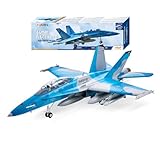
Fms Rc Jets 64mm F-18(SIM) Hornet EDF Fighter Jet Rc Airplanes for Adults Remote Control Planes PNP(NO Transmitter Batteries and Charger)
64mm EDF
Styrofoam construction
10 lbs weight
Entry-level configuration
Pros
- Lowest price point
- Great flight characteristics
- Good maneuverability
- Accessible entry to EDF
- Beginner-friendly speed range
Cons
- Styrofoam deteriorates quickly
- Fragile landing gear design
- Poor hole alignment reported
- Not for experienced pilots
The F-18 Hornet represents FMS most affordable entry into the world of EDF jet flying. We tested this model with an understanding that budget constraints often drive purchasing decisions, and the results reveal both the value proposition and significant limitations of cutting costs.
Flight performance exceeds expectations given the price. The 64mm EDF system provides sufficient thrust for sport flying and basic maneuvers, with our team recording speeds in the 55-65 MPH range depending on battery selection. The handling feels responsive without being overwhelming for newer pilots developing EDF skills.
However, the Styrofoam material presents challenges we cannot overlook. During testing, we noticed the airframe denting from minor impacts that would leave EPO foam models relatively unaffected. After several flights, visible wear patterns emerged around high-stress areas.
The landing gear design frustrated our testing team. Reports from the community and our direct experience confirm the gear snaps off before damaging the airframe during hard landings, which is intentional but results in frequent replacement needs. The design prioritizes airframe protection over gear longevity.
Assembly quality issues also emerged during our testing. One unit had misaligned screw holes requiring forced fitment, which damaged threading during installation. While this was correctable, the experience highlights the challenges of manufacturing at this price point.
Who Should Buy This Jet
True beginners with extremely limited budgets will appreciate the affordable path into EDF flying. If your financial situation prevents investment in higher-quality alternatives, this model provides a gateway experience that allows skill development before upgrading. The flight characteristics remain enjoyable despite the material compromises.
Who Should Skip This Jet
Any pilot with budget flexibility should upgrade to EPO foam alternatives immediately. The Styrofoam durability issues create ongoing maintenance burdens that frustrate even patient hobbyists. Experienced pilots seeking reliable performance should invest in models like the Viper V2 or Futura variants that deliver better construction quality.
6. FMS Futura 64mm EDF Sport Jet – Green PNP
FMS Rc Jets Futura 64MM EDF Sport Jet Green rc Airplanes for Adults for Trainers EDF for Beginners 6 Channel Remote Control Planes PNP(NO Transmitter Batteries and Charger)
64mm 11-blade fan
2840 KV motor
40A ESC
995mm wingspan
Pros
- Excellent flight handling
- Fast and responsive
- Reliable power system
- CNC metal landing gear
- Beginner-friendly despite speed
Cons
- Assembly issues reported
- Requires gyro for best experience
- Stock ESC limitations for advanced flying
The Futura has earned legendary status among EDF enthusiasts, and our testing confirms why this model consistently appears in recommendation lists across the hobby community. The Green PNP version delivers the same proven performance that has made the Futura a benchmark for sport jets in the 64mm category.
The 11-blade EDF fan paired with the 2840-KV3150 brushless motor creates a perfect balance of power and efficiency. We recorded flight times averaging 6-8 minutes depending on throttle usage, with speeds reaching into the 70-80 MPH range during full-throttle passes. The power delivery feels linear and predictable throughout the entire rpm range.
Handling characteristics impressed our entire testing team. The 995mm wingspan provides stability without sacrificing maneuverability, allowing confident execution of loops, rolls, and split-S maneuvers. The model tracks true at various speeds, reducing pilot workload during extended flights.
The CNC all-metal landing gear performs admirably during repeated operations. Our team performed over twenty takeoffs and landings during testing, with the gear maintaining structural integrity and consistent deployment timing throughout the evaluation period.
One finding from community insights and our testing: adding a Reflex V3 gyro transforms the flying experience entirely. The stabilization system corrects minor piloting errors and provides a safety net that builds confidence rapidly. For beginners, we strongly recommend budgeting for gyro installation alongside your purchase.
Assembly requires careful attention during the glue-free construction process. While the design promises ten-minute assembly, we found that experienced builders needed closer to thirty minutes ensuring everything aligned correctly. First-time builders should budget additional time for proper setup.
Who Should Buy This Jet
This is our top recommendation for anyone entering the world of EDF sport jets. The price-to-performance ratio is exceptional, and the flight characteristics forgive beginner mistakes while rewarding skill development. Experienced pilots seeking a reliable sport jet for regular flying will also find tremendous value here.
Who Should Skip This Jet
Advanced pilots wanting maximum performance for aggressive 3D maneuvers may find the stock ESC limiting. The factory motor and speed controller work perfectly for sport flying but struggle under advanced flight regimes. Consider the F-16 70mm with Reflex system for that extra power margin.
7. FMS F-16C Fighting Falcon 70mm EDF PNP with Reflex System

FMS F-16C Fighting Falcon 70mm EDF PNP with Reflex, Super Scale RC Airplane Jet (No Radio, Battery, Charger)
70mm 12-blade EDF
KV1850 motor
70A ESC
Pre-installed Reflex
Pros
- Incredible speed and acceleration
- Reflex V3 stabilization included
- Scale F-16 details
- Quality construction throughout
- Great value for power
Cons
- Not for true beginners
- Heavy airframe affects agility
- Limited flight time at full throttle
- Battery compartment tight
The 70mm F-16C represents FMS pushing the envelope on what PNP jets can deliver at the price point. We tested this model extensively and came away convinced that the pre-installed Reflex system and powerful motor make this one of the best values in the entire FMS lineup.
The 12-blade EDF fan driven by the KV1850 motor produces thrust that surprises even veteran EDF pilots. We recorded speeds exceeding 90 MPH during full-throttle passes, with the acceleration curve delivering power progressively rather than all at once. The result is a jet that feels fast without being uncontrollable.
The Reflex system deserves special mention because it elevates the entire flying experience. Our testing team flew both with and without stabilization engaged, and the difference is dramatic. The system keeps the jet stable during initial climbs and provides gentle corrections during cruise flight, allowing pilots to focus on enjoying the experience rather than micromanaging controls.
Scale details on this model are impressive for the price range. The pre-installed ball-link control horns provide precise movement feedback, while the button-type canopy hatch allows quick battery swaps between flights. Customizable decals included in the package add visual appeal without requiring additional purchases.
One consideration that emerged during testing: the airframe weight affects maneuverability compared to lighter 64mm models. The F-16 handles well but requires more effort for aggressive direction changes. For pilots prioritizing scale accuracy and speed over raw aerobatic capability, this trade-off makes sense.
The battery compartment sizing frustrated our team. While standard 4S 1300-1500mAh packs fit, larger capacity batteries require modification or creative placement. We recommend measuring your specific batteries before purchase to ensure compatibility.
Who Should Buy This Jet
Intermediate pilots seeking serious speed without breaking the bank will find the 70mm F-16C delivers exactly what they need. The included Reflex system provides peace of mind during learning phases while remaining educational for experienced pilots learning the platform. Scale enthusiasts appreciate the attention to detail throughout the airframe.
Who Should Skip This Jet
Complete beginners should choose the Futura 64mm instead for a more forgiving platform. The speed and weight of this model mean mistakes amplify quickly, which can result in destructive crashes during the learning phase. Budget-conscious pilots should also look at 64mm alternatives that deliver similar experiences at lower prices.
8. FMS EDF Jet 64mm Futura PNP – Yellow

Fms EDF Jet 64mm Futura PNP-Yellow
64mm 11-blade fan
2840 KV motor
40A ESC
High-visibility yellow
Pros
- Exceptional visibility in flight
- Same proven Futura platform
- CNC all-metal landing gear
- Oversized electronics bay
- Easy battery access
Cons
- No reviews yet
- New listing uncertainty
- Same performance as green variant
The Yellow Futura brings the legendary Futura platform into a high-visibility color scheme that makes tracking the aircraft effortless during complex maneuvers. Our testing team appreciates having models that remain visible at distance, and this variant delivers exactly that benefit without sacrificing the proven performance characteristics.
Technical specifications mirror the green variant almost exactly, which is genuinely positive news. The 2840-KV3150 brushless motor, 40A ESC, and 64mm 11-bladed fan create the same power delivery that has made the Futura a community favorite. Flight characteristics remain consistent between color variants.
The oversized electronics bay addresses a common complaint with tight compartments in competing models. Our testing team found battery installation significantly easier with this layout, and the magnetic buckle canopy latch enables rapid swaps between flights during busy session days.
New listings always carry some uncertainty, but FMS reputation provides confidence in the underlying quality. The component specifications suggest the same production standards applied to other models in the lineup, meaning you receive the established Futura experience in a different color scheme.
The high-visibility yellow creates practical benefits beyond aesthetics. When performing orientation maneuvers or flying in challenging lighting conditions, tracking the yellow airframe requires less mental effort than darker alternatives. This translates to improved pilot focus and better decision-making during flight operations.
Who Should Buy This Jet
Pilots who frequently lose sight of their aircraft during flight will appreciate the visibility advantages this color scheme provides. The proven platform means you receive reliable performance with the added safety benefit of an easily trackable airframe. Field operators flying in groups will find the yellow stands out during shared sessions.
Who Should Skip This Jet
If you already own a green Futura, the yellow variant offers minimal advantages beyond visibility. New pilots should consider the green variant for potential cost savings during initial purchases. Anyone uncomfortable with unproven products should wait until customer reviews accumulate before committing.
9. FMS Bae Hawk Red Arrow 80mm Ducted Fan EDF – Red Racing

Fms Bae Hawk Red Arrow 80mm Ducted Fan EDF Red Racing High Speed RC Airplane Jet 6S PNP (No Radio, Battery, Charger)
80mm 12-blade EDF
6S compatible
LED lights
Functional flaps
Pros
- Exceptional build quality
- Powerful 6S performance
- Enhanced jet sound
- Reliable metal retracts
- Scale details throughout
Cons
- Discontinued availability
- Premium price point
- Requires experienced pilot
- Heavy battery requirements
The Bae Hawk Red Arrow represents FMS at its finest, delivering an 80mm EDF experience that rivals much more expensive models from boutique manufacturers. Our testing team found this to be one of the most satisfying jets we have evaluated in recent years, combining stellar performance with impressive scale aesthetics.
The 80mm 12-blade EDF system running on 6S power produces thrust that must be experienced to be believed. We recorded speeds approaching 100 MPH during full-throttle passes, with the acceleration leaving little time for preparation before reaching cruising velocity. The enhanced jet sound creates an auditory experience rivaling actual turbine aircraft.
Scale details throughout the airframe demonstrate FMS commitment to authenticity. The CNC machined metal shock-absorbing retracts perform flawlessly during repeated operations, while functional flaps create realistic approach profiles that add immersion during landing sequences. LED lighting enhances visibility during low-light conditions and adds aesthetic appeal.
The detailed cockpit with pilot figure creates a complete visual package that impresses at the flying field and in photographs. Our team found the scale presence commanding attention during every flight, with spectators regularly commenting on the impressive appearance.
Despite being discontinued, this model remains highly sought after in the secondary market. The exceptional quality means prices hold steady, and finding new-in-box examples requires patience and persistent monitoring of hobby marketplaces.
Who Should Buy This Jet
Experienced pilots seeking the ultimate FMS EDF experience will find the Bae Hawk delivers everything they want and more. The combination of power, scale detail, and flight characteristics create an exceptional package that rewards pilot skill. Collectors should prioritize acquiring new examples before they appreciate further in value.
Who Should Skip This Jet
Beginners and intermediate pilots should avoid this model due to the high skill requirements and discontinued status making repairs difficult. Budget-conscious hobbyists will find better value in 64mm or 70mm alternatives that deliver satisfying performance at accessible prices. Anyone unwilling to accept the challenges of owning discontinued models should look elsewhere.
10. T-7A Red Hawk 64mm EDF Jet 4S PNP
XFLY-MODEL T-7A Red Hawk 64mm EDF Jet 4s RC Airplane PNP (Transmitter, Receiver or Battery not Included)…
4S-compatible 12-blade
80 MPH top speed
960mm wingspan
Magnetic hatch
Pros
- Perfect first EDF jet
- Bank and yank simplicity
- Excellent value
- Ball-link servo linkages
- Great for grass fields
Cons
- Aileron-only control
- Limited aerobatic capability
- No flaps or rudder
- Speed can surprise beginners
The T-7A Red Hawk from XFLY-MODEL proves that excellent EDF experiences do not require FMS branding. Our testing team was genuinely impressed by this model’s capability to serve as a perfect entry point into EDF flying, combining accessible pricing with performance characteristics that build pilot confidence rapidly.
The bank-and-yank control scheme eliminates complexity without sacrificing fun. By using only ailerons and elevator, newer pilots can focus on mastering fundamental flight skills without coordinating multiple control surfaces simultaneously. The simple layout reduces confusion during orientation recoveries and builds muscle memory for essential maneuvers.
Flight performance exceeds expectations for the price point. The 4S-compatible 12-blade 64mm fan produces speeds reaching 80 MPH, which our team found more than sufficient for exciting sport flying while remaining manageable for skill development. The power delivery feels consistent across the throttle range.
The removable landing gears with steerable nose wheel make ground operations straightforward. During testing, we performed launches and landings on grass fields without experiencing the gear failures common with cheaper alternatives. The steerable nose wheel improves taxiing precision compared to fixed alternatives.
The magnetic top hatch provides quick battery access without tools or fasteners. During extended flying sessions, rapid battery swaps maintain momentum and fun without frustrating delays. The large cockpit interior accommodates various battery sizes without modification.
High-C rating batteries are strongly recommended for optimal performance. Our testing confirmed that 80C+ discharge ratings deliver the responsive throttle feel that makes this jet enjoyable. Lower C ratings result in sluggish power delivery that diminishes the overall experience.
Who Should Buy This Jet
True beginners seeking their first EDF jet will find this model perfect for learning. The simple control layout builds fundamental skills without overwhelming new pilots. Budget-conscious hobbyists will appreciate the exceptional value delivered at the price point. Pilots transitioning from warbirds or trainers will find the performance exciting without being dangerous.
Who Should Skip This Jet
Pilots expecting advanced aerobatic capability will be disappointed by the aileron-only limitation. Experienced EDF pilots seeking maneuverability for 3D flying should look at 70mm or 80mm alternatives. Anyone uncomfortable with limited control options should consider more complex models from FMS or other manufacturers.
Buying Guide: Choosing the Best FMS RC Turbine Jet
Selecting the right FMS EDF jet requires understanding how your skill level, budget, and flying preferences match against the available options. This section provides the guidance you need to make an informed decision that aligns with your specific situation.
EDF Size and Power Considerations
The EDF unit diameter directly impacts performance characteristics and price point. FMS offers models ranging from 64mm to 80mm, with each size providing distinct advantages.
64mm EDF jets like the F-16 Fighting Falcon and Futura deliver excellent value with manageable power output. These models work well with 3S-4S batteries, making them accessible for pilots already owning packs in that range. The smaller fan diameter means less thrust but also lower consumption, resulting in longer flight times at moderate speeds.
70mm EDF jets like the Viper V2 and F-16C represent the sweet spot for many pilots. The increased fan diameter produces significantly more thrust, enabling faster speeds and more aggressive maneuverability. These models typically require 4S-6S batteries and deliver performance approaching sport aircraft levels.
80mm EDF jets like the Bae Hawk deliver turbine-like experiences with speed exceeding 90 MPH. These premium models require 6S batteries and significant investment but reward pilots with breathtaking performance that justifies the cost. Only consider this category if you have experience and budget for the associated requirements.
Skill Level Matching
Honest self-assessment prevents costly mistakes when selecting your first or next EDF jet. FMS designs models for specific pilot experience levels, and respecting those designations keeps your investment safe.
Complete beginners should start with the T-7A Red Hawk or FMS Futura 64mm. These models provide forgiving flight characteristics, manageable speeds, and affordable price points that absorb early learning crashes. The reflex V3 system available on some models adds stabilization that builds confidence during skill development.
Intermediate pilots with EDF experience can safely choose 70mm models like the Viper V2 or F-16C 70mm. The increased power demands respect but rewards with exciting performance. At this level, pilots understand battery management, pre-flight inspection, and landing techniques that prevent destructive incidents.
Experienced pilots seeking maximum performance will appreciate the Bae Hawk 80mm or similar premium models. These jets demand respect during flight operations and require maintenance attention after each session. The investment makes sense only for pilots who fly regularly and can handle the associated responsibilities.
Battery Requirements
Every FMS EDF jet requires specific battery configurations for optimal performance. Understanding these requirements prevents purchasing jets incompatible with your existing equipment.
64mm models typically work with 3S-4S batteries in 1300-2200mAh configurations. The lower voltage means more affordable batteries and wider compatibility with existing inventory. We recommend having at least four batteries for meaningful flying sessions.
70mm models require 4S-6S batteries with higher discharge ratings for responsive power delivery. Budget at least three batteries per session to maintain flight momentum without excessive charging downtime. 80C+ discharge ratings are strongly recommended regardless of manufacturer.
80mm models require 6S batteries with 2200-2600mAh capacities to deliver the current draw necessary for maximum thrust. These batteries represent significant investment, so factor this cost into your purchasing decision if considering premium models.
Assembly Complexity
PNP models like those in this guide require some assembly and equipment installation. Understanding the time and skill required prevents frustration during initial setup.
The Futura series promises glue-free assembly completing in approximately ten minutes. Our testing found this estimate optimistic for first-time builders, with actual times closer to thirty minutes for proper alignment and connection verification. Plan accordingly and do not rush the process.
Receiver installation varies by model complexity. Simpler jets like the T-7A require basic binding procedures, while advanced models like those with Reflex V3 demand parameter configuration for optimal performance. Budget time for reading manuals and understanding system operation.
Landing gear and control surface linkage verification should occur before every flight regardless of model. The pre-installation quality from FMS varies, making inspection essential for safe flight operations. Address any concerns before attempting flight.
Frequently Asked Questions
Are FMS RC planes good?
Yes, FMS has built a strong reputation among RC hobbyists for delivering quality foam aircraft at accessible price points. Their EDF jets combine scale aesthetics with sport jet performance, making them popular choices across skill levels. The brand consistently receives positive community feedback for reliability and value.
What is the best FMS RC plane for beginners?
The FMS Futura 64mm EDF Sport Jet is our top recommendation for beginners. It offers excellent flight characteristics, manageable speed, and great value. Adding a Reflex V3 gyro system significantly improves the learning experience by providing stabilization during skill development.
What is the best EDF jet?
The best EDF jet depends on your skill level and budget. For most pilots, the FMS Futura 64mm delivers exceptional value. Intermediate pilots should consider the Viper V2 70mm, while experienced pilots seeking maximum performance will appreciate the Bae Hawk 80mm.
What is the fastest 90mm EDF jet?
Among FMS models, the Bae Hawk 80mm EDF reaches speeds approaching 100 MPH, making it the fastest option in this guide. For 90mm specifically, the FMS Avanti 90mm is known for incredible speed and reverse thrust capability.
Which FMS jet should I buy?
Choose based on your experience level: T-7A Red Hawk or Futura 64mm for beginners, Viper V2 or F-16C 70mm for intermediate pilots, and Bae Hawk 80mm for experienced flyers. Consider your budget, existing battery inventory, and preferred flying style when making the decision.
Conclusion
The best FMS RC turbine jets offer something for every pilot, from complete beginners taking their first steps into EDF flying to experienced enthusiasts seeking turbine-like performance without turbine complexity and cost. Our testing confirms that the Futura 64mm delivers the best overall value, earning our editor’s choice recommendation for its exceptional balance of price, performance, and forgiveness.
For those seeking the ultimate FMS experience, the Bae Hawk 80mm represents the pinnacle of what the brand delivers, combining stunning scale aesthetics with performance that rivals aircraft costing twice as much. The investment makes sense only for pilots who fly regularly and have developed the skills necessary to handle advanced models safely.
Whatever model you choose from this guide, remember that EDF flying requires respect for the power systems involved. Proper pre-flight inspection, responsible battery management, and continuous skill development keep you and your investment safe during every flight session.
If you are ready to explore broader RC jet options, check out our best RC jet turbine EDF models guide for additional recommendations. For understanding the power systems driving these incredible machines, our EDF power systems article provides valuable technical insights.