
Nothing compares to the thrill of watching a scaled jet fighter scream across the sky at 100+ mph. That unmistakable turbine scream, the sheer speed, and the scale realism of EDF (Electric Ducted Fan) jets make them one of the most exciting segments of the RC hobby. After flying EDFs for over 15 years and testing dozens of models, I’ve seen the technology evolve from underpowered toys to legitimate high-performance aircraft that rival real jets in appearance and flight characteristics.
Best RC Jet Turbine EDF models bridge the gap between propeller planes and expensive turbine jets. They use high-powered electric motors spinning multi-blade fans inside cylindrical ducts to create realistic jet propulsion. Modern EDFs deliver incredible performance, turbine-like sound, and genuine jet flight characteristics without the complexity, fuel requirements, and regulatory hurdles of actual turbine engines.
This guide covers the top EDF jets available in 2026, from beginner-friendly trainers to high-performance speed demons. I’ll help you understand what makes each model unique, which ones suit your skill level, and what to expect when transitioning into EDF flying. If you’re interested in advanced RC models beyond jets, EDFs offer a natural progression path.
Table of Contents
Top 3 Picks for RC Jet Turbine EDF Models (October 2026)

E-flite Viper 90mm EDF Jet
- 120+ MPH top speed
- 12-blade 90mm fan
- Excellent handling
- SAFE technology

E-flite Habu STS 70mm EDF Smart Jet
- Perfect EDF trainer
- Good low-speed handling
- Durable construction
- Great price point
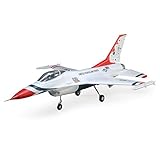
E-flite F-16 Thunderbirds 70mm EDF Jet
- Thunderbirds livery
- SAFE Select technology
- Excellent performance
- Optional thrust reversing
Quick Overview: 14 Best RC Jet Turbine EDF Models (October 2026)
1. E-flite Viper 90mm EDF Jet – Fastest Overall Performance
E-flite RC Airplane Viper 90mm EDF Jet BNF Basic Transmitter Battery and Charger Not Included with AS3X and Safe Select EFL17750
90mm 12-blade EDF
Up to 120+ MPH
6S-compatible power system
SAFE Select technology
Pros
- Incredible top speed
- Turbine-like sound
- Smooth sport plane handling
- Excellent aerobatics
- No trim required out of box
Cons
- Heavy aircraft can stall
- Short 3-3.5 minute flight times
- Not suitable for grass operations
- Battery hungry at full throttle
The Viper 90mm is an absolute speed demon. I’ve taken this jet past 120 mph on straight runs and it still wants more. The 12-blade 90mm fan produces that authentic turbine scream that turns heads at the flying field. What really surprised me is how well it flies at slower speeds too – this isn’t just a one-trick speed pony. The handling is incredibly smooth, almost like a sport plane rather than a twitchy jet.
I’ve flown numerous EDFs over the years and the Viper 90mm stands out for its wide performance envelope. You can cruise around at half throttle and still have plenty of authority, or punch it vertical and watch it climb like a rocket. The AS3X and SAFE Select technology make it accessible for intermediate pilots, though I wouldn’t recommend this as your first jet. The landing gear is insanely sturdy – I’ve had some less-than-perfect landings and it just absorbs the impact.
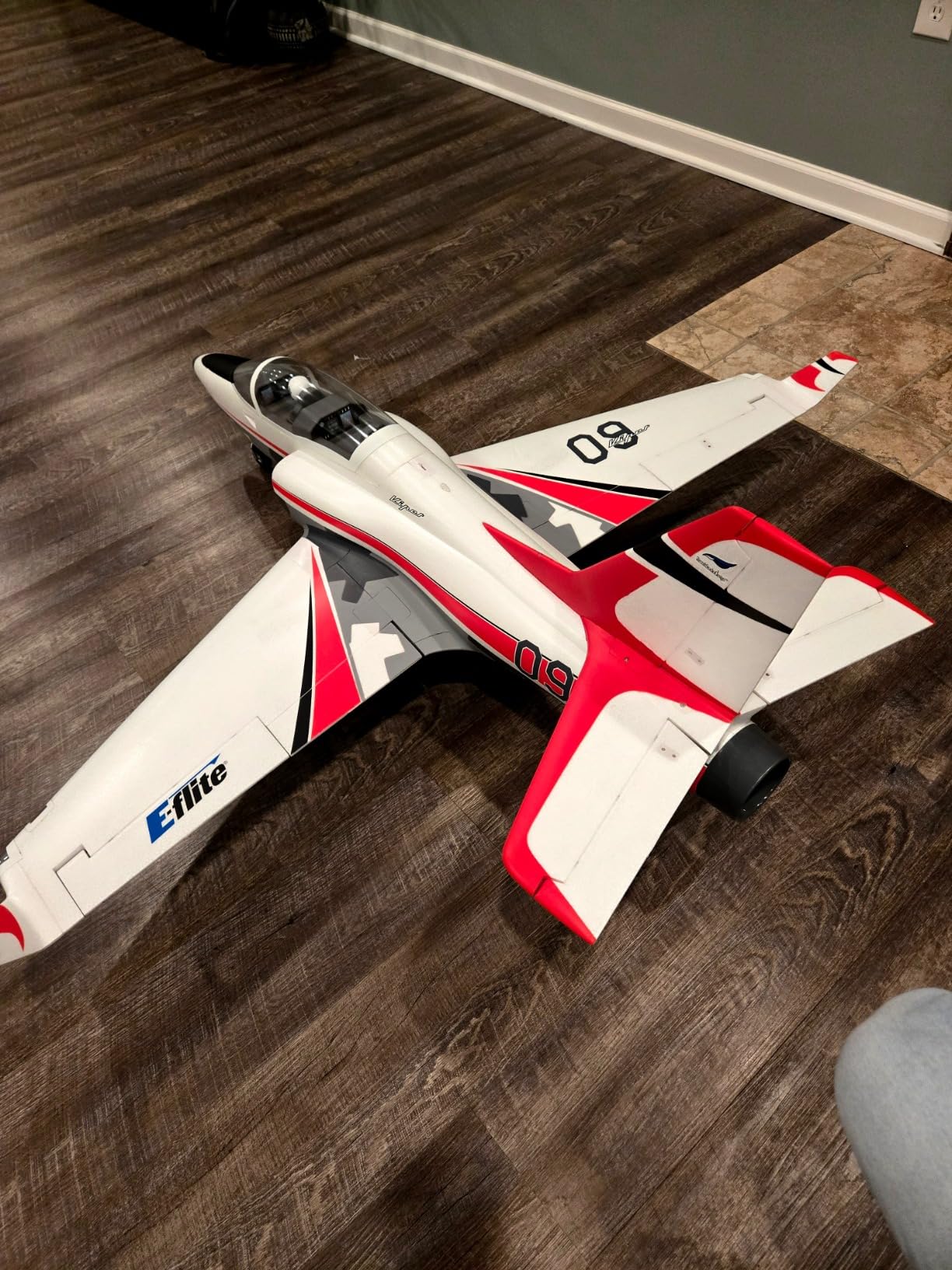
Technical performance is where this jet truly shines. The 6S-compatible power system delivers massive power, and the 130-amp ESC handles high-current demands without breaking a sweat. The 3670-1950Kv brushless inrunner motor is a powerhouse, spinning that 12-blade fan with authority. You’ll want to stock up on 6S 3200-4000mAh batteries because flight times are short – expect 3-3.5 minutes at full throttle.
The build quality is excellent overall. All servos are digital and metal-geared, which is crucial for a jet this fast. Control surfaces are large and responsive. The only real downside is the weight – this is a heavy aircraft and will stall if you let the speed drop too low, especially during landing approach. You need to keep power on until the flare.
Best For
Experienced pilots who want the fastest EDF jet available with genuine turbine-like performance and sound. Not recommended as a first jet – you should have solid EDF experience before stepping up to the Viper 90mm.
Flight Characteristics
The Viper 90mm is incredibly stable at high speeds but requires attention to energy management. It excels at high-speed passes, vertical climbs, and smooth aerobatics. Landings require a hot approach with power until touchdown.
2. E-flite Habu STS 70mm EDF Smart Jet – Best EDF Trainer
E-flite RC Airplane Habu STS 70mm EDF Smart Jet PNP EFL01575
70mm 10-blade EDF
STS optimized airframe
SAFE technology included
Great low-speed handling
Pros
- Perfect transition from props
- Forgiving flight characteristics
- Excellent low-speed handling
- Durable construction
- Quick assembly without glue
Cons
- NOT for absolute beginners
- Stupid fast - out of sight quickly
- Tricky landings
- Very jumpy in wind
- Bouncy landing gear
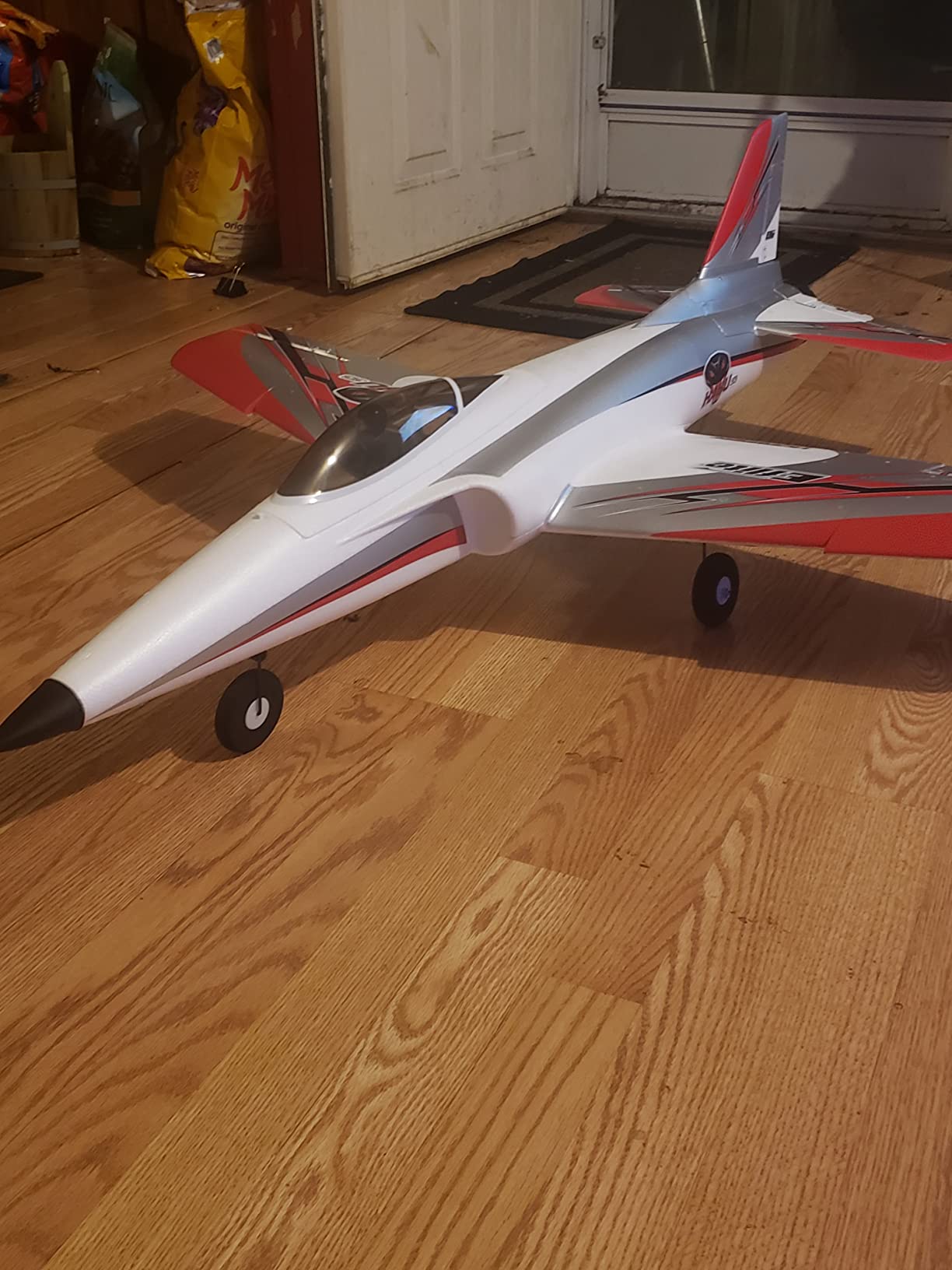
The Habu STS 70mm is arguably the best transition aircraft from propeller planes to EDF jets. I’ve recommended this jet to dozens of pilots over the years and seen them successfully make the jump. The STS (Short Takeoff System) airframe design really works – it handles slow speeds better than almost any other EDF I’ve flown. You can actually fly this around at a civilized pace and not feel like you’re always on the edge of a stall.
Assembly takes less than 30 minutes with no glue required. Everything bolts together and just works. The 70mm 10-blade EDF unit provides excellent power without being overwhelming. Run it on 3S batteries for a tame trainer experience, or step up to 4S when you’re ready for serious speed. The SAFE technology is a godsend for jet newbies – it dampens the twitchiness and gives you time to think.
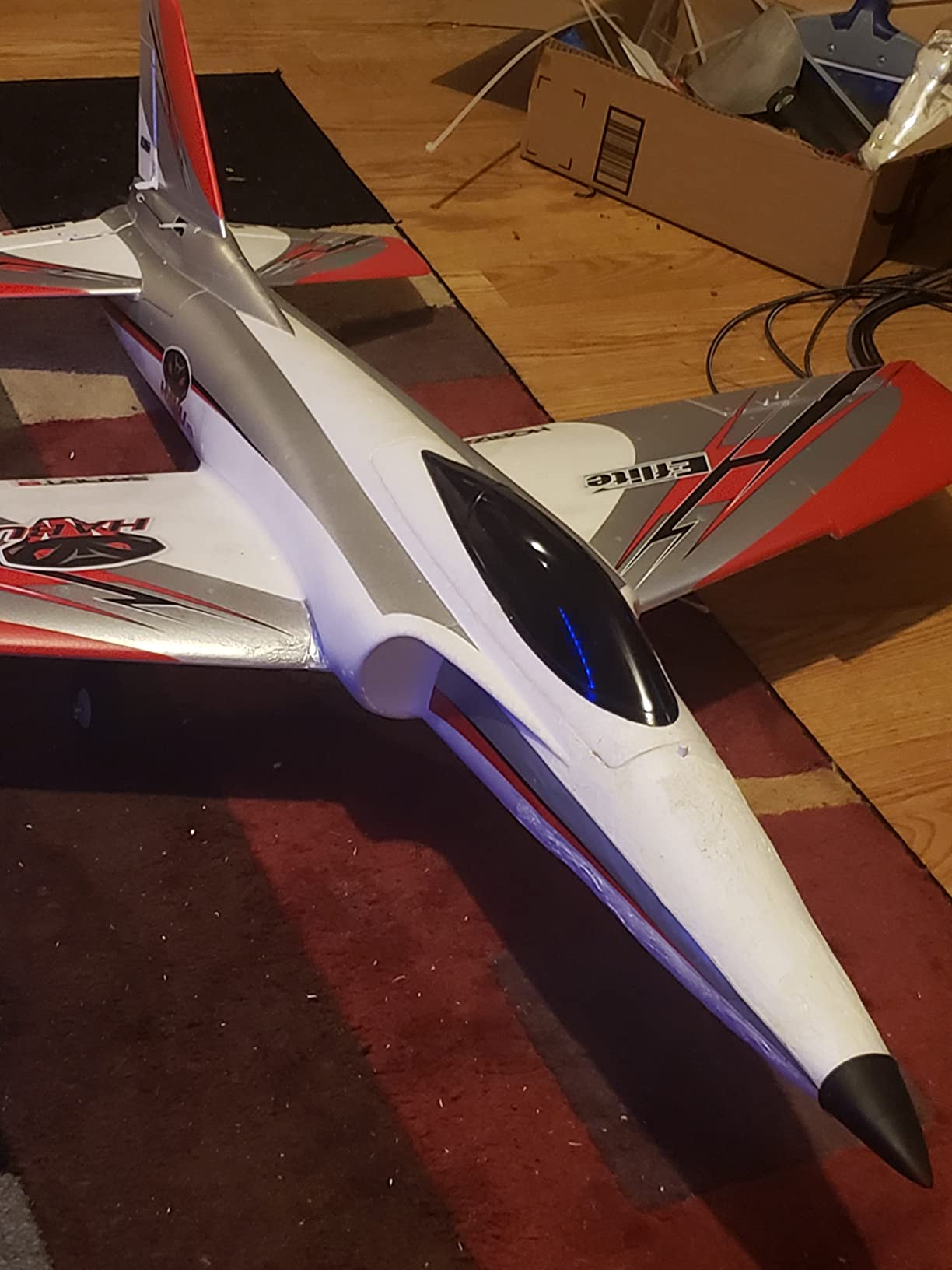
I need to be clear about something – despite what the marketing says, this is NOT a good first RC plane. You should have solid experience on propeller planes before stepping up to any EDF, including the Habu STS. That said, if you’re comfortable with ailerons and ready for jets, this is an excellent starting point. The low-speed handling is forgiving and the airframe is super durable – mine has survived some rough landings that would have destroyed other jets.
The 70mm EDF produces that distinctive jet sound we all love. It’s not as loud as larger EDFs but still sounds authentic. Flight times are reasonable for an EDF – expect 4-5 minutes depending on your throttle management. The brushless outrunner motor and 70A ESC are reliable and have held up well over many flights.
Best For
Intermediate pilots transitioning from prop planes to EDF jets. The Habu STS provides an excellent learning platform with forgiving handling characteristics while still delivering genuine jet flight experience.
Skill Level Required
You should be comfortable with aileron aircraft before attempting the Habu STS. It’s not suitable for absolute beginners, but it’s perfect if you’ve flown high-wing trainers and low-wing sport planes and are ready for jets.
3. E-flite F-16 Thunderbirds 70mm EDF Jet – Premium Scale Replica
E-flite RC Airplane F-16 Thunderbirds 70mm EDF Jet BNF Basic Transmitter Battery and Charger Not Included EFL178500
70mm EDF with Thunderbirds livery
SAFE Select technology
Optional thrust reversing
6S-compatible power system
Pros
- Beautiful Thunderbirds scheme
- Excellent performance
- Very durable and repairable
- Great with SAFE technology
- High-speed capabilities
Cons
- Definitely not for beginners
- Requires proper landing technique
- Comes in hot if approached wrong
- Expensive for 70mm class
The F-16 Thunderbirds is hands down one of the best-looking EDF jets in its class. The Thunderbirds color scheme is stunning and gets compliments every time I take it to the field. But this isn’t just a pretty face – the flight performance matches the appearance. The updated 6S-compatible power system delivers excellent speed and vertical performance, while the SAFE Select technology makes it accessible for intermediate pilots willing to learn.
What really sets this F-16 apart is how well it handles. The AS3X technology smooths out turbulence, and the jet feels locked in even in windy conditions. I’ve flown mine in 15 mph winds and had no issues. The optional-use thrust reversing is a cool feature that shortens landings significantly, though it takes some practice to use effectively. You’ll need to program it via a compatible transmitter.
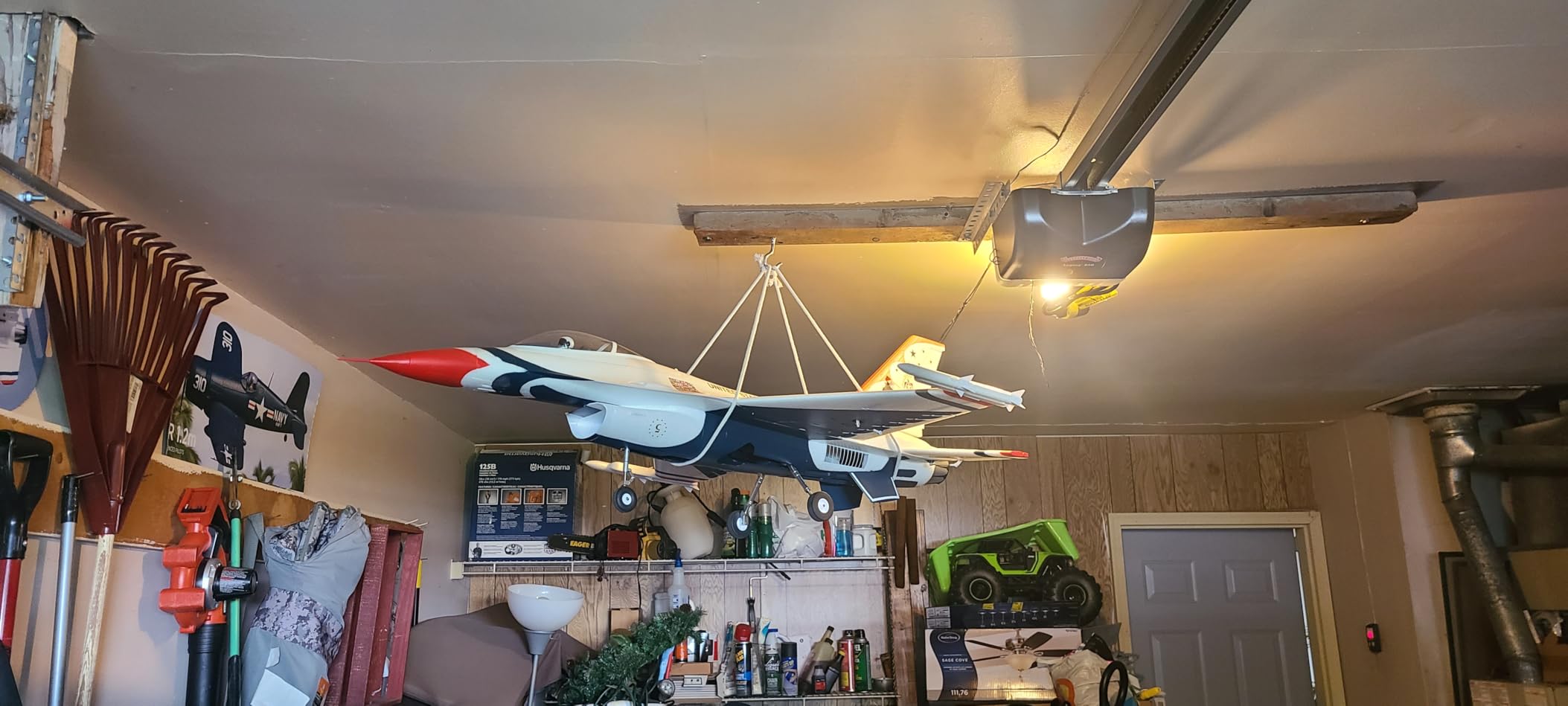
Durability is excellent for an EDF jet. The construction is robust and repairs are straightforward if you do have a mishap. I’ve had a rough landing that required some epoxy work, and the jet flies just as well after the repair. The six metal-geared digital servos provide precise control and have held up well to high-speed flight loads.
The 3060-1900Kv brushless inrunner motor and 85A ESC are well-matched to the 70mm fan. The power system is efficient and provides good flight times on 6S 3200-4000mAh batteries. Real-time telemetry via the AR631 receiver is a nice touch – you can monitor battery voltage and other data in flight.
Best For
Pilots who want a beautiful scale F-16 with excellent performance. The Thunderbirds livery looks amazing in the air and the SAFE Select technology makes it manageable for intermediate pilots ready to learn jet flying.
Landing Technique
The F-16 requires a hot landing approach – keep speed up until the flare. Use throttle to control descent rate and avoid reducing power too early. The thrust reversing feature can help shorten rollout once you master the timing.
4. E-flite Viper 70 EDF Jet – Excellent Training Platform

E-flite Viper 70 EDF Jet BNF Basic w/ AS3X and Safe Select- EFL077500
70mm EDF with updated power system
High-visibility color scheme
Shock-absorbing struts
Optional thrust reversing
Pros
- Great training EDF
- High-visibility color
- Up to 120+ MPH
- Shock-absorbing landing gear
- Smart electronics with telemetry
Cons
- Not crash-proof
- Will asymmetrically stall
- Not suitable as first jet
- Battery compartment fitment issues
- Fragile in tall grass
The Viper 70 fills an important niche as an excellent training EDF for pilots ready to move beyond basic trainers. I’ve found it to be the perfect step-up aircraft – faster and more responsive than the Habu STS, but more forgiving than the 90mm Viper. The high-visibility color scheme is genuinely helpful for orientation, something I appreciate during those first few jet flights when you’re still getting used to the speed.
Flight performance is impressive. The updated power system delivers speeds up to 120+ MPH, yet the jet remains controllable throughout the envelope. The shock-absorbing struts and softer tires absorb landing impacts better than fixed gear – I’ve had some rough touchdowns that caused no damage. Optional thrust reversing is available and works well for short-field operations once you get the hang of it.
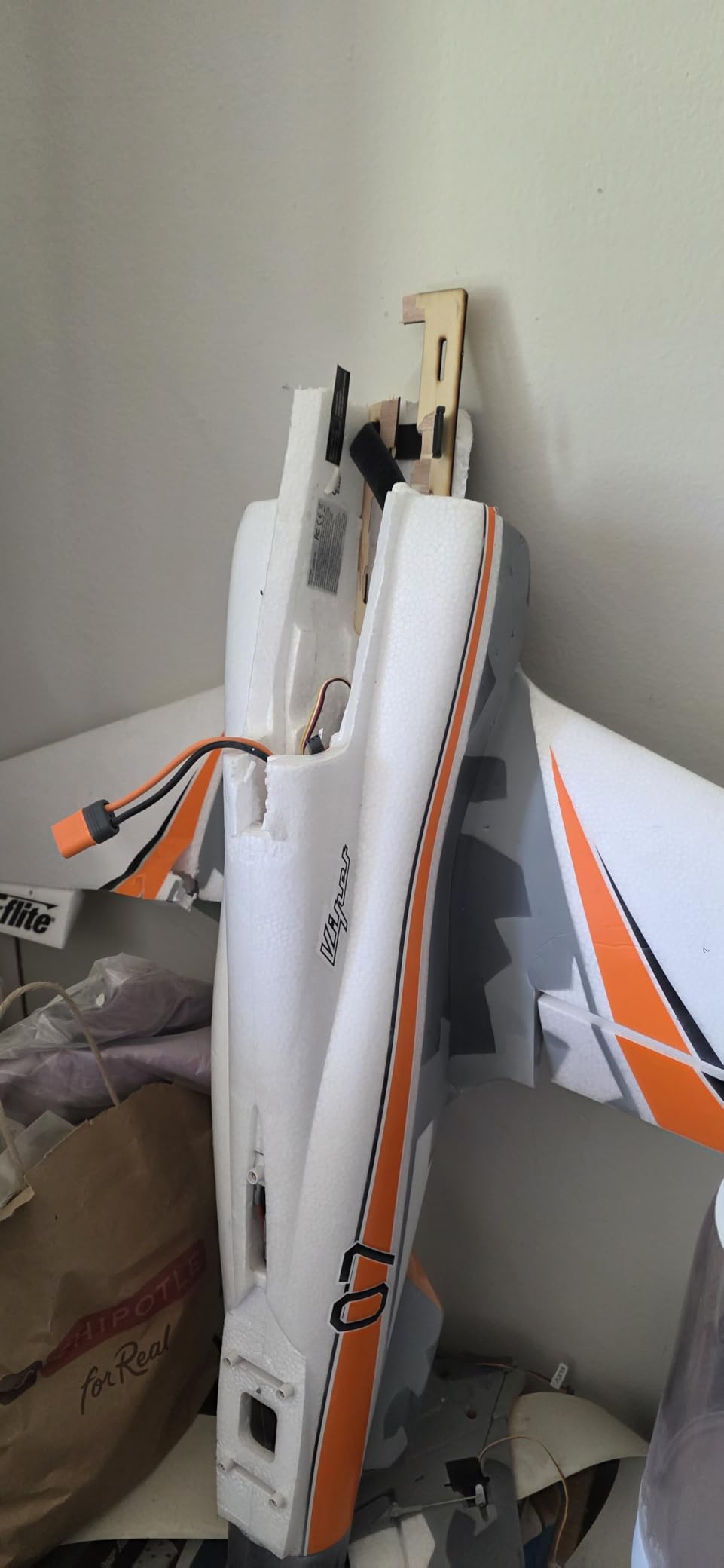
This jet teaches good habits. It demands respect and proper technique, but rewards skilled flying with excellent performance. You’ll learn energy management because the Viper 70 will asymmetrically stall if you let speed drop too low. Keep power on during approaches and you’ll be fine. The Smart electronics provide real-time telemetry, which is great for monitoring battery voltage during flight.
The main caveat is that this is not a first jet. You should have solid EDF experience before stepping up to the Viper 70. The battery compartment can be finicky with certain batteries – you may need to do some minor modifications to get your preferred 6S pack to fit. Also avoid tall grass – the nose gear can rip off if you catch it in thick vegetation.
Best For
Intermediate EDF pilots ready to advance beyond basic trainers. The Viper 70 teaches proper jet technique while providing excellent performance and room to grow into higher-speed flight.
Progression Path
The Viper 70 works perfectly as a step between the Habu STS and larger 90mm EDFs. Master this jet and you’ll be ready for the big leagues of EDF flying.
5. E-flite A-10 Thunderbolt II Twin 64mm EDF – Unique Twin Fan Design

E-flite RC Airplane A-10 Thunderbolt II Twin 64mm EDF BNF Basic Transmitter Battery and Charger Not Included with AS3X and Safe Select EFL011500
Twin 64mm EDF units
Functional LED lights
Operational flaps and twin rudders
Up to 110+ MPH
Pros
- Very stable flight
- Twin EDF sound and look
- Functional LED lights
- Great takeoff and landing
- Flies with ordinance attached
Cons
- Weak nose landing gear
- Not for beginners
- Requires $30 programming box for thrust reverse
- Heavy aircraft needs fast landing speeds
The A-10 Thunderbolt II is one of the most unique EDF jets available simply because it uses twin EDF units. Having two fans creates an authentic sound that’s different from single-fan jets – it’s more of a whine than a scream, and very distinctive. The jet is incredibly stable in flight with predictable characteristics that make it easier to handle than some faster EDFs. I’ve found it to be one of the most relaxing jets to just fly around and enjoy.
Scale features are excellent. The LED navigation lights work great and add to the realism, especially during late afternoon flights. The operational flaps and twin rudders provide genuine utility – the flaps slow down landing approaches nicely, and the rudders allow for some nice maneuvering. You can even fly it with the removable ordinance attached for maximum scale appearance, though it does affect performance slightly.
Performance is solid with speeds over 100 MPH achievable. The twin 40amp ESCs handle the power delivery smoothly. Takeoffs are strong and the jet rotates cleanly. Landings are surprisingly forgiving – the A-10 has good low-speed characteristics for a jet this size. Just be prepared to keep some speed on final approach due to the weight.
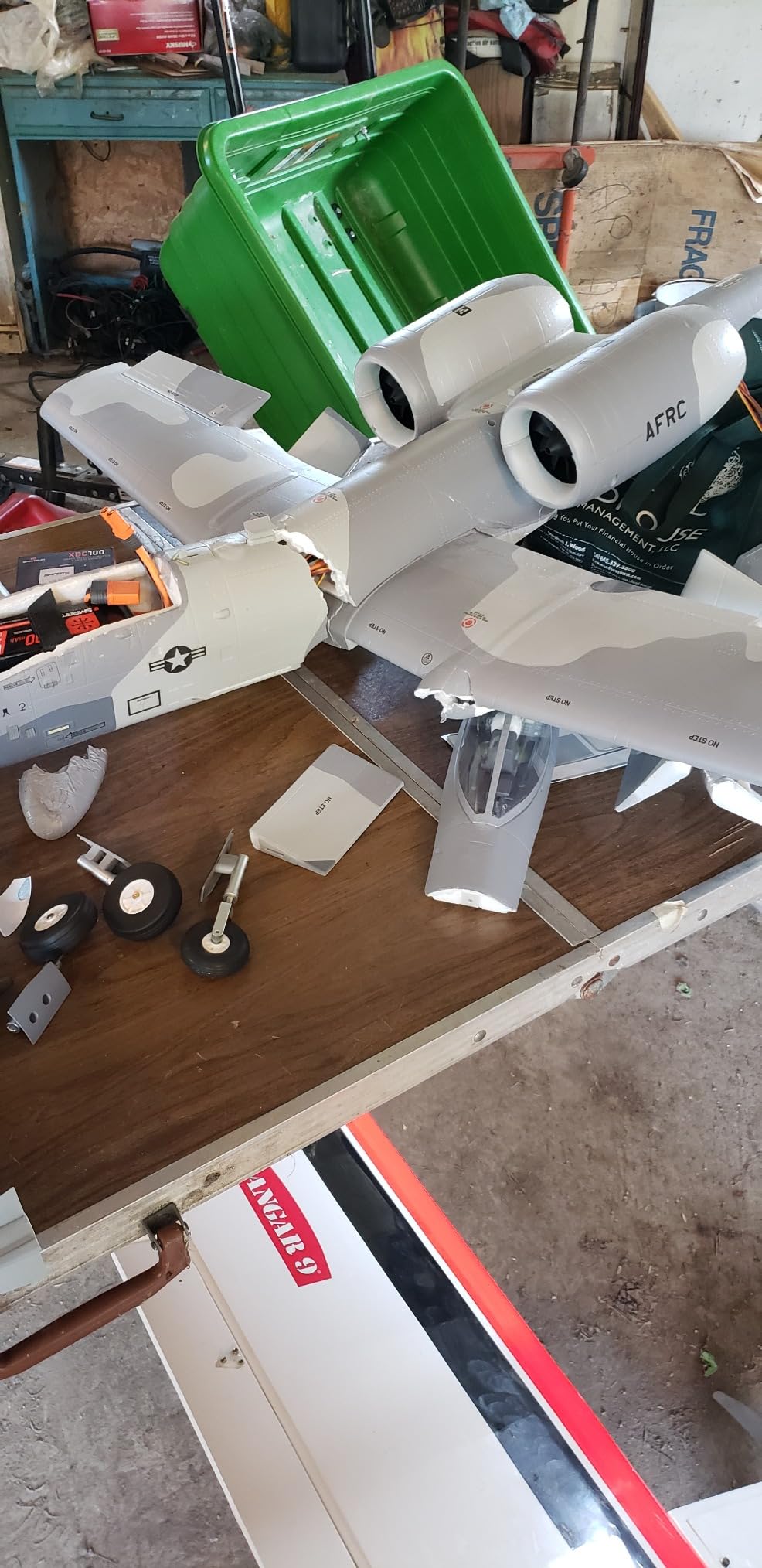
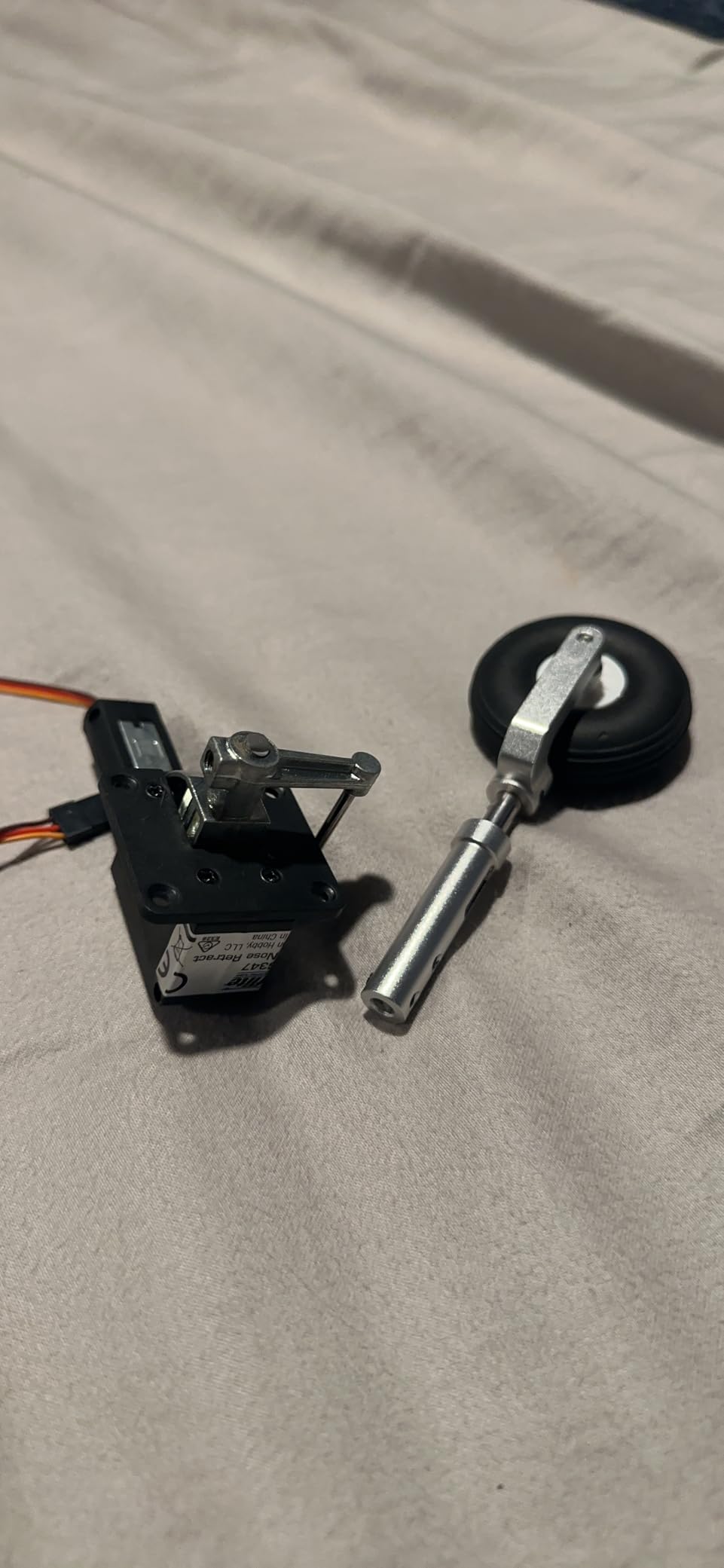
The biggest issue is the weak nose landing gear. This is a known problem and almost every A-10 owner has dealt with a broken nose gear at some point. Reinforce it before your first flight if possible. Also note that the thrust reversing feature requires an additional $30 programming box to enable, which seems like an unnecessary upsell by Horizon Hobby.
Best For
Pilots who want a unique twin-EDF jet with scale features and forgiving flight characteristics. The A-10 is stable and predictable while still offering genuine jet performance.
Field Operations
The A-10 can handle grass fields reasonably well with proper technique, but the nose gear is vulnerable. Use a paved runway when possible and be very gentle during grass operations.
6. FMS Futura 64mm EDF Sport Jet – Best Beginner EDF Trainer

FMS Rc Jets Futura 64MM EDF Sport Jet RED rc Airplanes for Adults for Trainers EDF for Beginners 6 Channel Remote Control Planes PNP(NO Transmitter Batteries and Charger)
64mm 11-blade EDF
High-torque 2840-KV3150 motor
40A ESC
Eight 9g servos
CNC metal landing gear
Pros
- Excellent for beginners
- Powerful 64mm EDF
- Exceptional maneuverability
- 10-minute glue-free assembly
- Durable CNC metal gear
Cons
- Speed overwhelming for true beginners
- Assembly screw holes misaligned
- Flight controls too fast initially
- Balance critical but no factory marks
- Short 4-minute flight times
The FMS Futura 64mm is one of the few EDFs that can genuinely work as a trainer, provided you have some prior RC experience. The 64mm size is more manageable than larger EDFs, and the overall design promotes stability. I’ve seen several pilots successfully learn EDF flying on the Futura when they had solid prop plane experience first. The CNC all-metal landing gear with shock-absorbing design is surprisingly robust and handles rougher landings well.
Assembly is impressively quick at about 10 minutes with no glue required. The 64mm 11-blade EDF produces good power for the size, and the high-torque 2840-KV3150 motor delivers instant throttle response. Eight high-precision 9g servos control the surfaces – plenty of authority for aerobatics. The water-based paint finish looks professional and holds up well to normal handling.
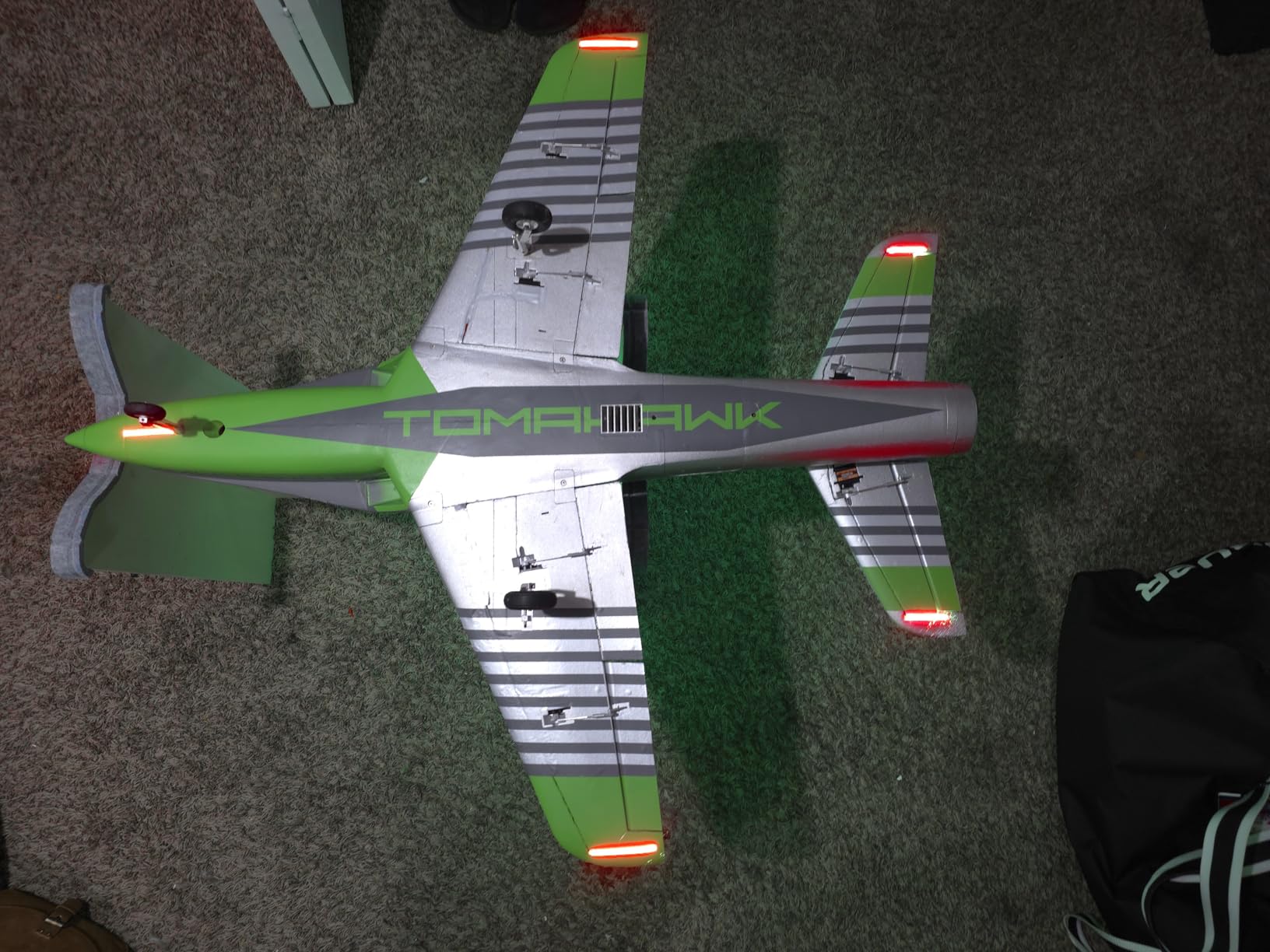
Flight characteristics are sporty but manageable. The Futura is responsive without being twitchy, and it tracks well through maneuvers. You’ll want to start with reduced control rates until you get used to the speed. The jet can be overwhelming for absolute beginners – this is not a first RC plane, but it works great as a first EDF if you’ve flown prop planes before.
Battery information in the listing can be confusing – you’ll want 4S 2200-3300mAh packs for best performance. Flight times are short at around 4 minutes, so bring multiple batteries. Some users have reported assembly issues with screw holes not aligning perfectly – take your time during assembly and don’t force anything.
Best For
Pilots with solid prop plane experience who want to transition to EDF jets. The Futura 64mm provides a good balance of performance and forgiveness for EDF newcomers.
Assembly Tips
Take your time during assembly and don’t force screws. The CG balance is critical but no factory marks are provided, so use a balancer and mark the location yourself once you find the sweet spot.
7. FMS A-10 Thunderbolt II V2 Twin 70mm EDF – Highly Detailed Scale Replica

FMS Rc Plane 6 Channel Remote Control Airplane A-10 Thunderbolt II V2 Twin 70mm Ducted Fan 12-Blade EDF Rc Planes for Adults PNP (No Radio, Battery, Charger)
Dual 70mm 12-blade EDFs
Dual 80A ESCs
23g metal gear servos
CNC shock-absorbing gear
LED light system
Pros
- Powerful dual 70mm EDFs
- Highly detailed scale appearance
- CNC shock-absorbing gear
- LED lights functional
- Removable ordnance included
Cons
- Difficult assembly with wire routing issues
- Battery compartment limitations
- FMS connection box can fail
- Flap servos problematic
- Poor instructions
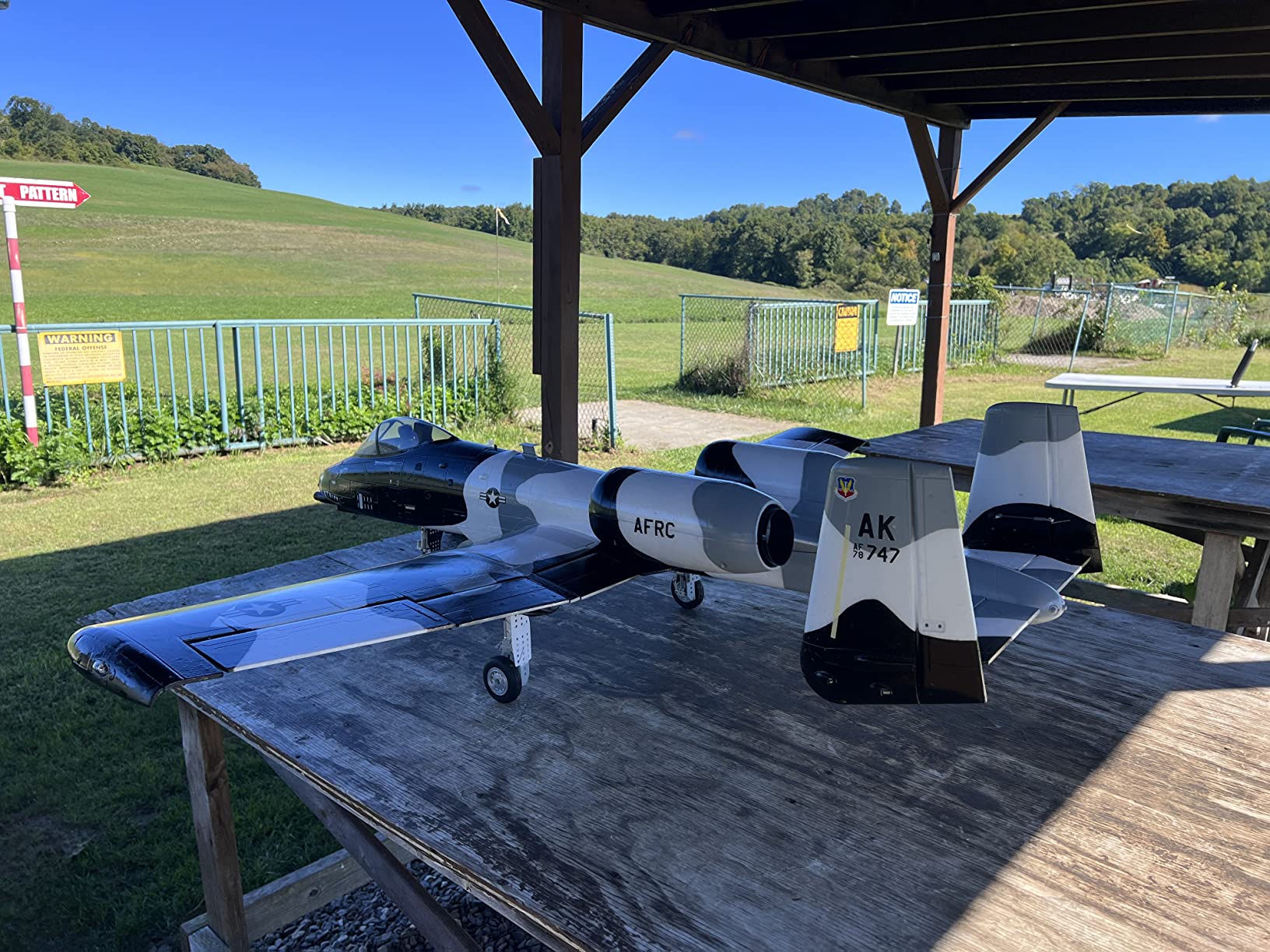
The FMS A-10 V2 is a masterpiece of scale detailing. From the rivets to panel lines to the weathering, this looks like a miniature version of the real Warthog. The dual 70mm 12-blade EDFs provide impressive power and sound – this is one loud jet that gets attention. CNC shock-absorbing landing gear is robust and handles grass operations better than most EDFs. I’ve flown this at several events and it always draws a crowd.
Performance is excellent once you get it assembled properly. The dual 80A ESCs deliver reliable power to each EDF unit. Upgraded 23g metal gear servos provide plenty of torque for all control surfaces. The ultra-bright LED light system looks amazing, especially during twilight flights. Removable bombs and rocket pods add to the scale appearance – though I usually leave them off for performance reasons.
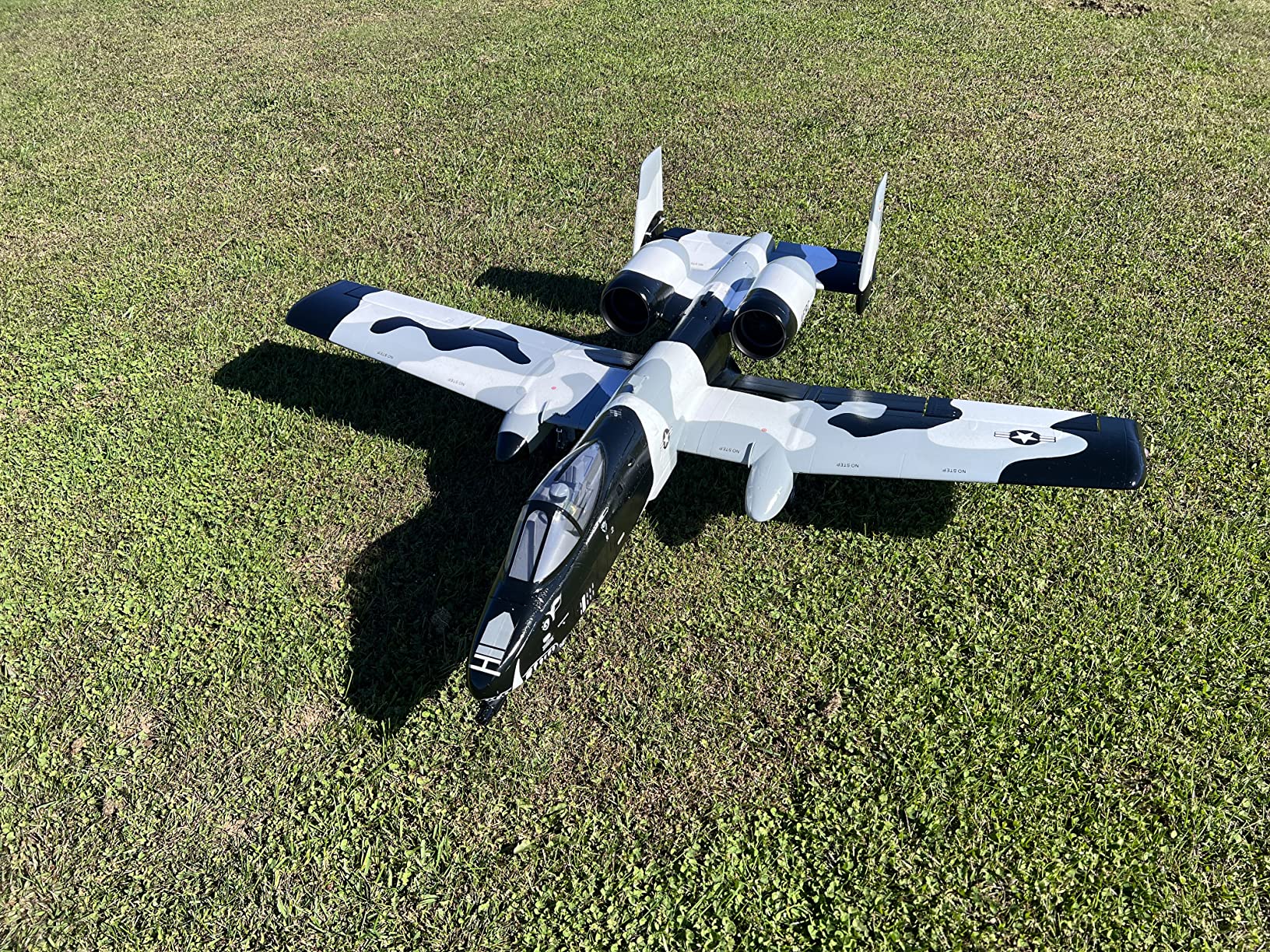
However, I have to be honest about the assembly challenges. The wire routing for servos is frustrating and poorly designed. Many builders have had to modify the wiring to make it work. The battery compartment may not accommodate the larger batteries advertised in the listing. The FMS connection box that distributes power is a known failure point – many experienced builders recommend bypassing it entirely and wiring directly.
The flap servos are another weak point. Consider upgrading them before your first flight. Instructions are poor, so if you’re not an experienced builder, you might want to enlist help from someone who is. Once assembled and sorted, the A-10 V2 flies beautifully – but getting there requires patience and problem-solving.
Best For
Experienced builders who want a highly detailed scale replica and are willing to work through assembly challenges. Not recommended as a first kit or for inexperienced builders.
Assembly Modifications
Most experienced builders bypass the FMS connection box and wire ESCs directly. Consider upgrading flap servos and planning for servo wire routing modifications during assembly.
8. FMS F-18 70mm Super Hornet EDF – Powerful Scale Jet

Fms RC Airplane for Adults F-18 70mm Super Hornet Remote Control Airplane 6 Channel EDF Jet Without Reflex PNP (NO Radio Battery Charger)
70mm 12-blade EDF V2
KV1900 inner runner motor
80A ESC
CNC shock-absorbing gear
Water-based paint
Pros
- Powerful 12-blade EDF
- Great turbine sound
- Quick assembly
- Sturdy EPO construction
- Good flying characteristics
Cons
- Not suitable for beginners
- Some weak power reports
- Requires gyro receiver
- Can crash quickly without experience
The FMS F-18 Super Hornet is an excellent scale EDF for experienced pilots. The 70mm 12-blade EDF V2 unit produces impressive thrust and sounds amazing – that turbine scream is authentic. The KV1900 inner runner motor is well-matched to the fan and provides excellent power throughout the throttle range. I’ve found the F-18 to be one of the best-handling EDFs in the FMS lineup, with predictable characteristics that reward precise flying.
Construction is EPO foam which is durable and repairable. The environmentally friendly water-based paint looks sharp and holds up well. Assembly is quick and efficient – FMS uses screw-type construction with pre-installed ball connectors, so you’re not spending hours with CA glue. The CNC-machined shock-absorbing landing gear is robust and handles normal landings well.
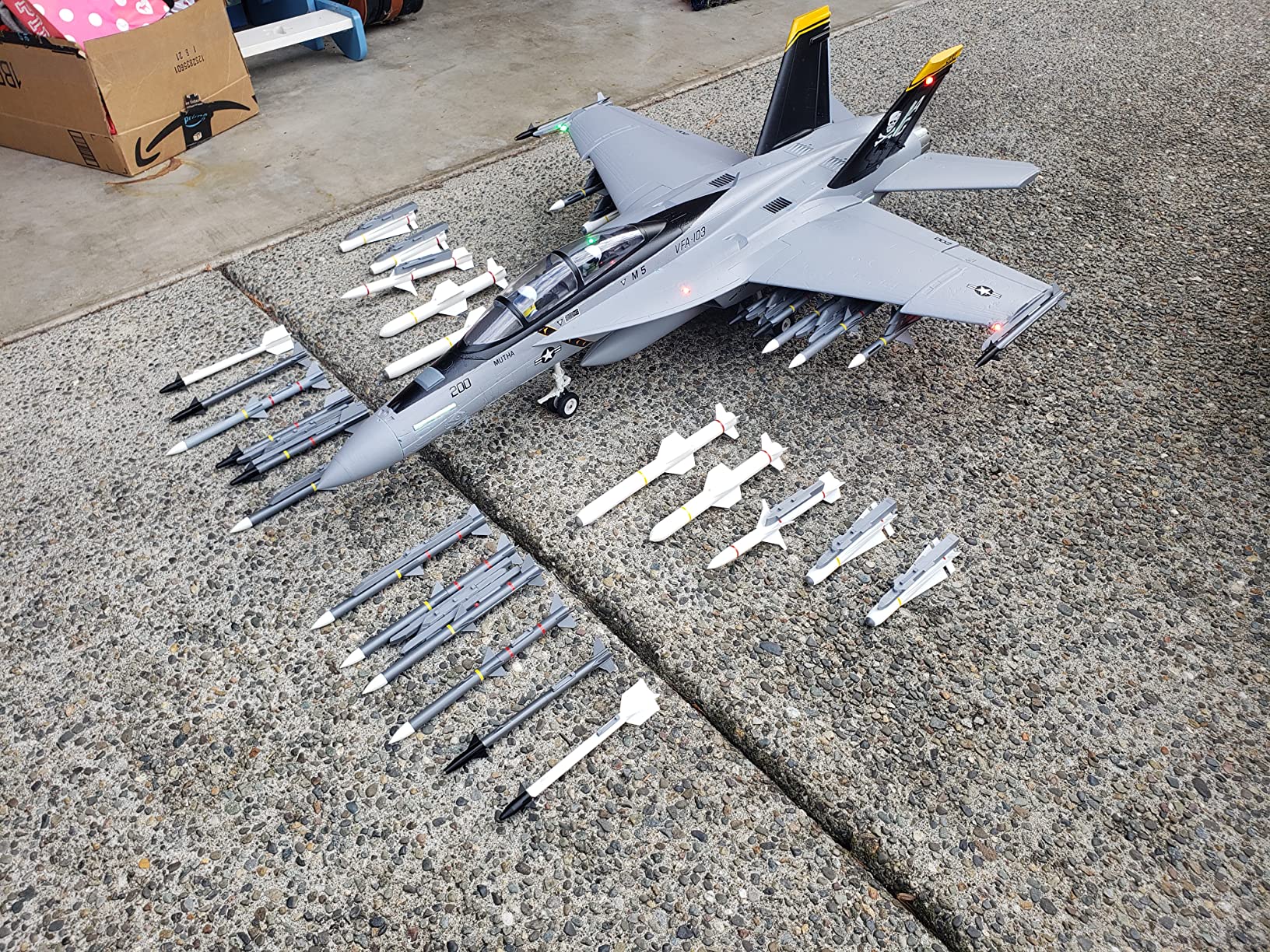
This jet is fast and responsive – it’s not for beginners. You’ll want to use a receiver with gyro stabilization for best results, especially if you’re new to EDFs. The F-18 rewards smooth inputs and punishes ham-fisted flying. Get it right and you’ll be rewarded with beautiful scale flight characteristics and impressive aerobatic capability.
Some users have reported weak power or thrust issues. In most cases, this appears to be battery-related – make sure you’re using quality 4S packs with adequate C-rating. The 80A ESC is solid and handles the power delivery reliably. Overall, the F-18 Super Hornet is an excellent choice for experienced pilots wanting a scale jet with great performance.
Best For
Experienced EDF pilots who want a scale F-18 with excellent performance and sound. Not recommended as a first jet – you should have solid EDF experience before stepping up to the Super Hornet.
Recommended Equipment
Use a receiver with built-in gyro for best results. Quality 4S batteries with adequate C-rating are essential for optimal performance – cheap batteries will result in disappointing thrust.
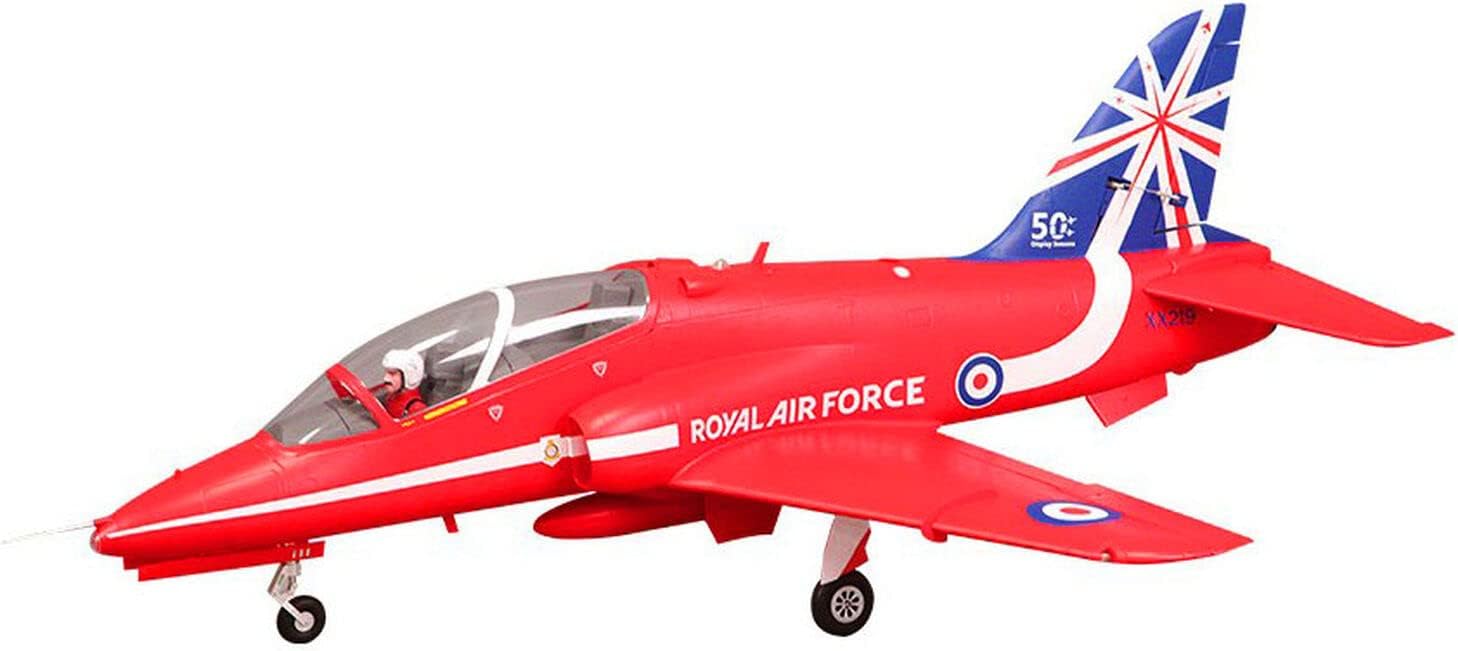
9. FMS Bae Hawk Red Arrow 80mm EDF – Best Handling EDF Jet

Fms Bae Hawk Red Arrow 80mm Ducted Fan EDF Red Racing High Speed RC Airplane Jet 6S PNP (No Radio, Battery, Charger)
80mm 12-blade EDF
CNC metal shock-absorbing retracts
LED lights
Functional flaps
Detailed cockpit with pilot
Pros
- Amazing flight characteristics
- Excellent 80mm power
- Strong landing gear handles grass
- Good flight times
- Beautiful Red Arrow scheme
Cons
- Poor instructions
- Discontinued model with limited availability
The BAE Hawk Red Arrow is universally praised by experienced EDF pilots as one of the best-handling jets available. I’ve heard it called “the best EDF I’ve ever flown” more times than I can count. The 80mm 12-blade EDF provides amazing power, yet the jet is incredibly easy to fly. It tracks perfectly through maneuvers, has no bad tendencies, and just does what you ask of it. This is the jet you can fly confidently and push your skills.
The Red Arrow color scheme is beautiful and looks amazing in the air. CNC machined metal shock-absorbing retracts are genuinely robust – I’ve flown this from grass fields without issue, which is rare for an EDF this size. The LED light system adds to the scale appearance and is bright enough to be useful during late afternoon flights. Functional flaps provide real utility for slowing down landing approaches.
Flight times are excellent for an 80mm EDF – expect 5-6 minutes depending on throttle management. The jet performs well even in windy conditions thanks to the size and power. Takeoffs are strong and rotation happens early in the rollout. Landings are predictable and forgiving – the Hawk slows down nicely and doesn’t have any nasty stall characteristics.
The only real complaint I have is the poor documentation. The instructions are minimal and leave you figuring some things out on your own. Also note that this model has been discontinued, so availability may be limited. If you can find one, grab it – the BAE Hawk is worth it.
Best For
Experienced pilots who want the best-handling EDF available. The BAE Hawk rewards skilled flying while remaining forgiving enough for intermediate pilots ready to step up.
Grass Field Performance
The strong CNC landing gear handles grass operations well, which is rare for an 80mm EDF. Still, use a well-maintained grass strip for best results.
10. FMS F-16 Fighting Falcon 64mm EDF – Scale Details with Customization

Fms Rc Planes for Adults EDF Jet Remote Control Airplane Fighting Falcon 64mm F16 Battlefield Gray 6 Channel Hobby Rc Airplanes PNP (No Radio, Battery, Charger)
64mm EDF power system
Pre-installed ball-joint control horns
CNC-machined aluminum landing gear
Authentic navigation lights
Realistic ordnance included
Pros
- High-fidelity scale details
- Excellent flight performance
- Customizable with 5 decal sets
- Good speed and stability
- Authentic navigation lights
Cons
- Cheap foam dents easily
- No controller included
- Requires glue for assembly
- Can be difficult to get airborne
- Poor repairability
The FMS F-16 Fighting Falcon offers impressive scale details for the price. The cockpit, panel lines, and overall finish are high-fidelity. Authentic navigation lights work properly – red on the left, green on the right, white on the rear. The pre-installed ball-joint control horns provide superior maneuverability and precise control. I particularly like the customization options with five different decal sets included.
Flight performance is solid once airborne. The jet displays good speed and stable flight characteristics. Upgraded CNC-machined aluminum front landing gear is more durable than typical foam EDF gear. Realistic fuel tanks and missiles are included for maximum scale appearance, though you’ll probably want to remove them for performance flying.
However, the foam quality is disappointing – it’s soft and dents easily from normal handling. This impacts repairability significantly, as dented foam doesn’t glue back together well. You’ll need to use glue for assembly, which isn’t ideal. The PNP version includes no controller, so you’ll need to provide your own radio equipment. Some users have reported difficulty getting the jet airborne – make sure your CG is correct and you have adequate runway.
Best For
Pilots who prioritize scale appearance and customization options. The F-16 looks great in the air but be prepared for fragile foam construction.
Durability Concerns
The soft foam dents easily and repairs poorly. Handle with care during assembly and transport. Consider reinforcing high-stress areas before your first flight.
11. E-flite F-14 Tomcat Twin 40mm EDF – Unique Variable-Sweep Wings

E-flite RC Airplane F-14 Tomcat Twin 40mm EDF BNF Basic Transmitter Battery and Charger Not Included EFL01450
Twin 40mm EDF units
Functional 3-position variable-sweep wings
AS3X technology
Real-time telemetry support
Most affordable F-14 EDF
Pros
- Functional variable-sweep wings
- AS3X for stability
- Excellent flight performance
- Realistic F-14 replica
- Great value for money
Cons
- No rudder control
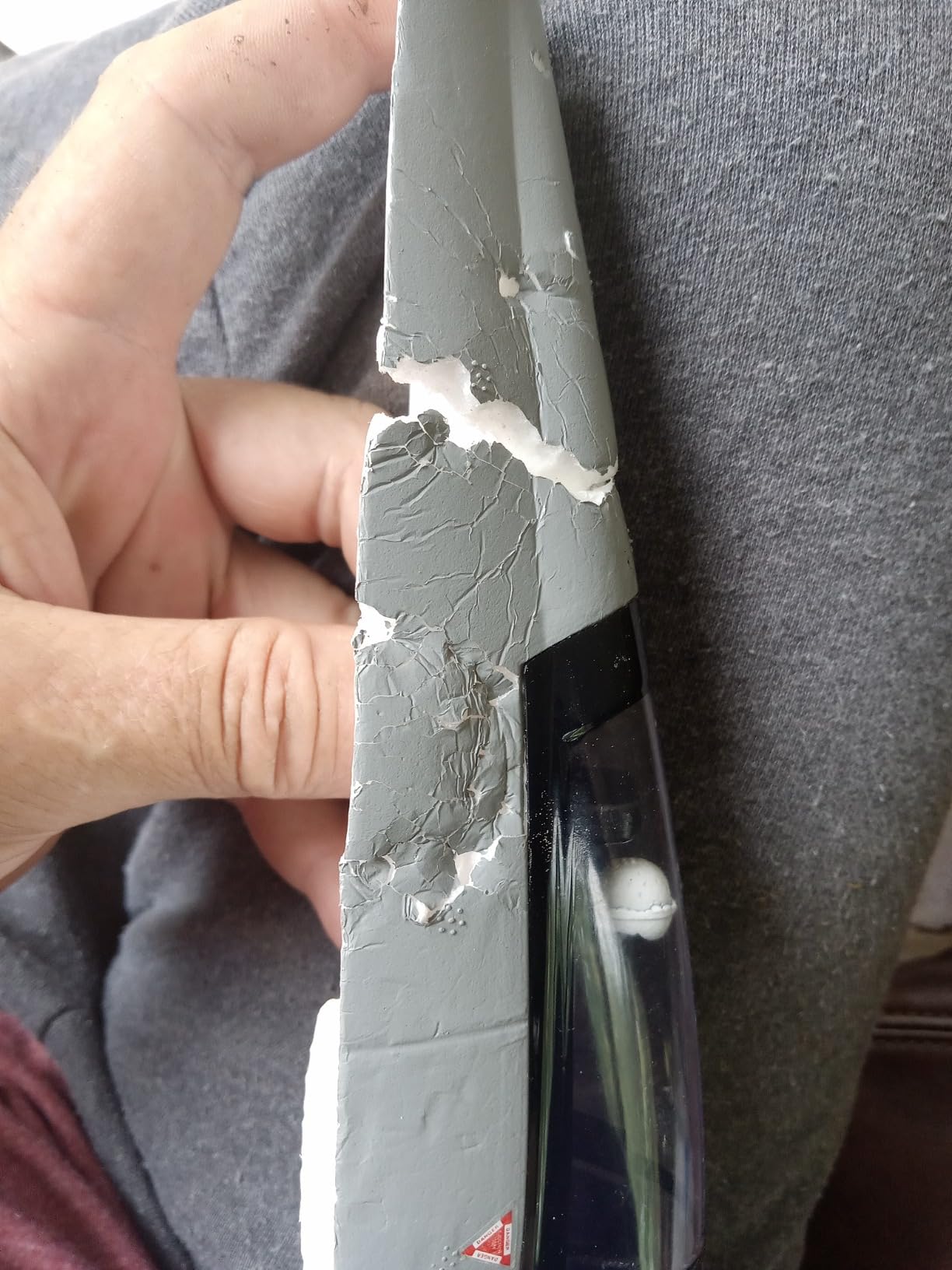
- Extremely fragile construction
- Not for beginners
- Requires hot landings
- Small scale
The F-14 Tomcat is one of the most unique EDF jets available thanks to its functional variable-sweep wings. This isn’t just a static feature – you can actually sweep the wings in flight using a 3-position system. It’s incredibly cool to watch and adds to the scale realism. The twin 40mm EDF units provide good power and produce a distinctive sound. AS3X technology keeps the jet stable despite the small size.
Flight performance is excellent for a twin 40mm jet. The F-14 tracks well and responds predictably to control inputs. It’s surprisingly fast for the size. Real-time telemetry support via the compatible receiver is a nice bonus – you can monitor battery voltage and other parameters. The scale appearance is impressive with proper F-14 proportions and markings.
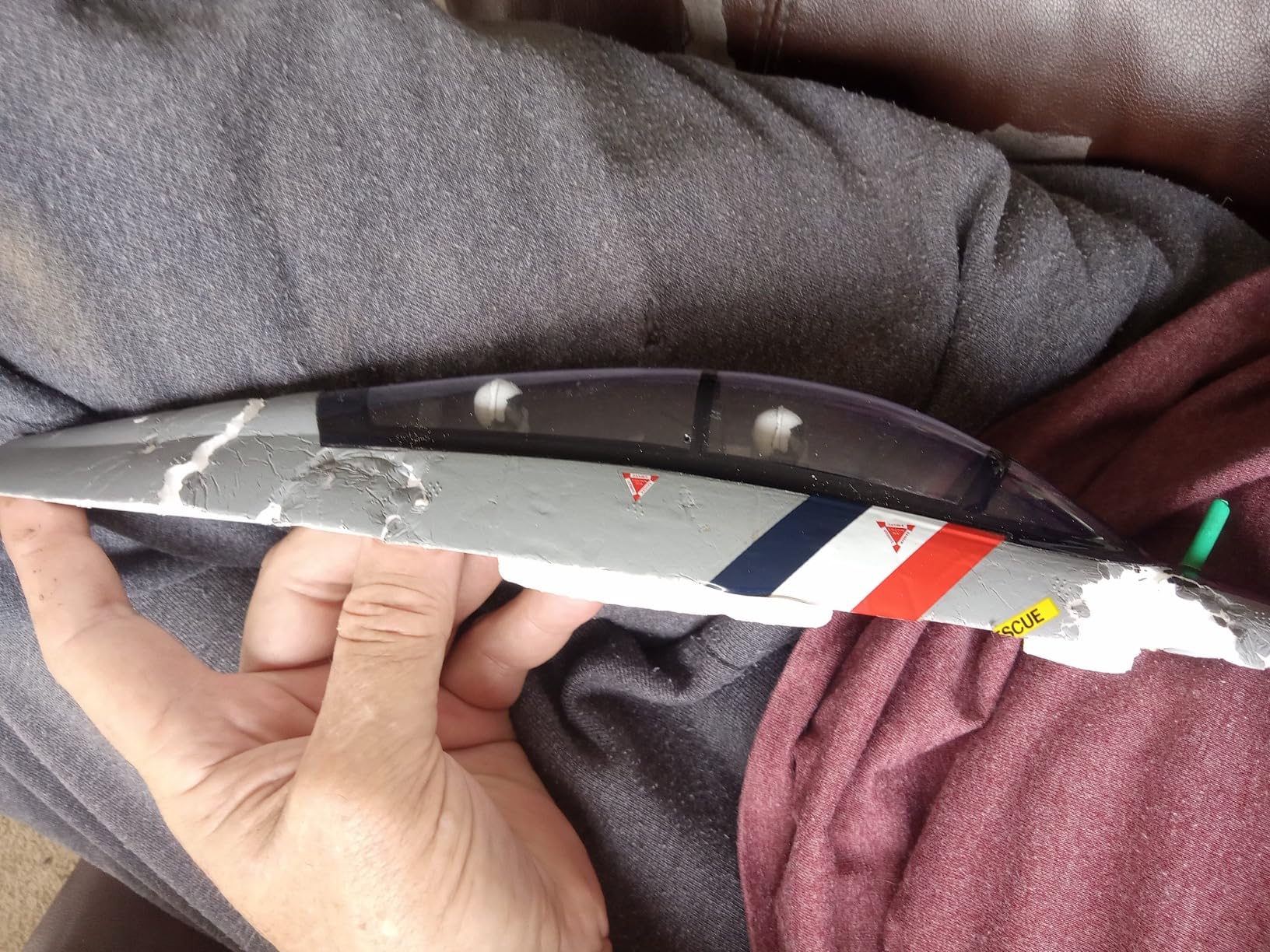
The lack of rudder control is a significant limitation – you’ll be flying bank-and-yank style, which isn’t ideal for scale flight. Construction is extremely fragile – this is not a durable jet and won’t survive rough landings well. You need to keep speed up during landing approaches – the F-14 does not like to slow down and will drop like a stone if you reduce power too early.
This is the most affordable F-14 EDF model available, which is a significant selling point. However, it’s not recommended as a first jet. You should have solid EDF experience before attempting the F-14, especially given its fragility and hot landing requirements.
Best For
Experienced EDF pilots who want a unique jet with functional variable-sweep wings. The F-14 is a conversation piece at the field and flies well once you master its characteristics.
Landing Requirements
The F-14 requires hot landings with power until flare. Keep speed up and be prepared for faster-than-normal approaches. The fragile construction doesn’t forgive rough touchdowns.
12. E-flite Habu STS 70mm EDF Jet RTF – Complete Package with Transmitter

E-flite RC Airplane Habu STS 70mm EDF Jet RTF Basic Battery and Charger Not Included Smart Trainer with Safe EFL015001
Includes Spektrum DXS transmitter
70mm EDF with SAFE technology
4650C Serial Receiver
3230B Flight Controller
5 Sub-Micro Servos
Pros
- Excellent beginner jet trainer
- Includes everything needed
- SAFE technology prevents crashes
- Good low-speed handling
- Complete with transmitter
Cons
- Fragile foam construction
- Weak front landing gear
- Battery and charger not included
- Some units missing advertised radio
The Habu STS RTF provides everything needed to get flying in one box – including the Spektrum DXS transmitter. This makes it an attractive option for pilots who don’t already have compatible radio equipment. The 70mm EDF provides good power without being overwhelming, and the SAFE technology genuinely helps prevent crashes during learning. This is one of the few jets that can work as a trainer.
The included Spektrum DXS transmitter is basic but functional. It gets the job done for learning, though you’ll probably want to upgrade eventually as your skills improve. The 4650C Serial Receiver and 3230B Flight Controller work seamlessly together to provide the SAFE technology features. Five sub-micro servos control all surfaces adequately.
Flight characteristics are forgiving and suitable for learning. The low-speed handling is good, which helps during the critical landing phase. However, I need to be clear – this is still an EDF jet and not suitable for absolute beginners. You should have solid prop plane experience first.
Best For
Pilots who need a complete package with transmitter included. The RTF version provides everything needed to start flying EDF jets.
Durability Notes
The foam construction is fragile and the front landing gear is a known weak point. Handle with care and consider reinforcing the gear before your first flight.
13. DEERC F18 RC Plane – Budget-Friendly Beginner Option
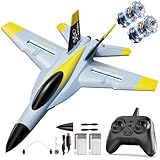
DEERC F18 4 Channel RC Plane for Adults Remote Control Airplane Fighter Jet,2.4GHz 6-axis Gyro Stabilizer RTF Hobby Glider Aircraft Plane with 2 Batteries Easy to Fly for Adults Boys
4 Channel control system
6-axis gyro stabilizer
Dual motors
Japanese EPP foam
Two 600mAh batteries included
Pros
- Very durable EPP foam
- Beginner-friendly 4-channel
- Includes 2 batteries for 20+ minutes
- 6-axis gyro provides stability
- Ground takeoff and hand launch
Cons
- Easily blown by wind
- Props and gear fall off
- Switch can break
- Short battery life per pack
- Foam chips from crashes
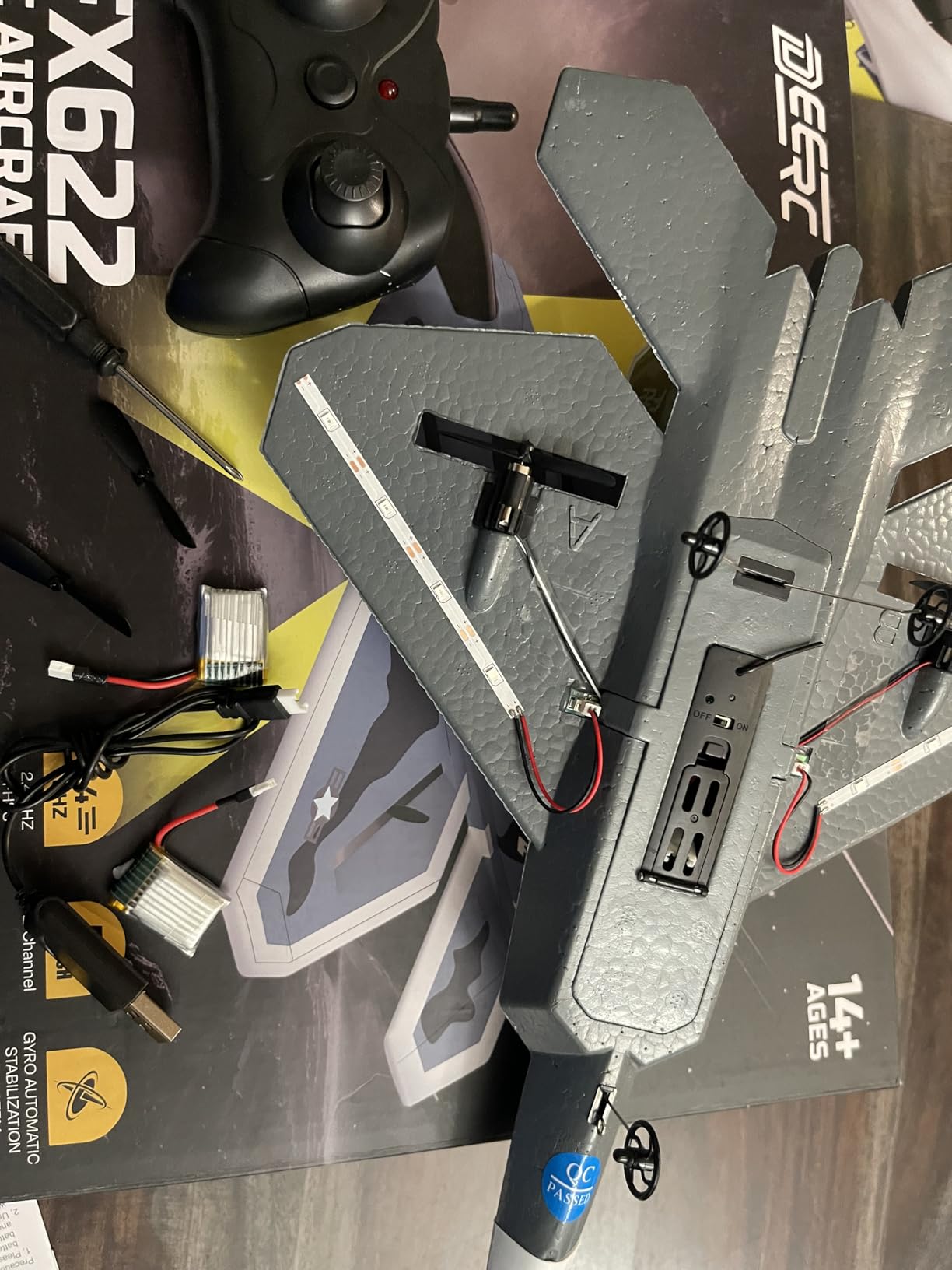
The DEERC F18 provides a budget-friendly entry point into jet-style flying. At a fraction of the cost of true EDFs, this offers jet appearance with beginner-friendly characteristics. The Japanese EPP foam construction is genuinely durable – it survives crashes that would destroy other planes. The 6-axis gyro provides excellent stability, making this much easier to fly than true EDF jets. Two batteries are included, providing 20+ minutes of total flight time.
This isn’t a true EDF jet – it uses dual propellers in a pusher configuration rather than ducted fans. However, it provides a jet-like experience that works well for beginners. The 4-channel control system gives you full control. Ground takeoff and hand launch options provide flexibility depending on your field conditions. 500 ft control range is adequate for most flying.
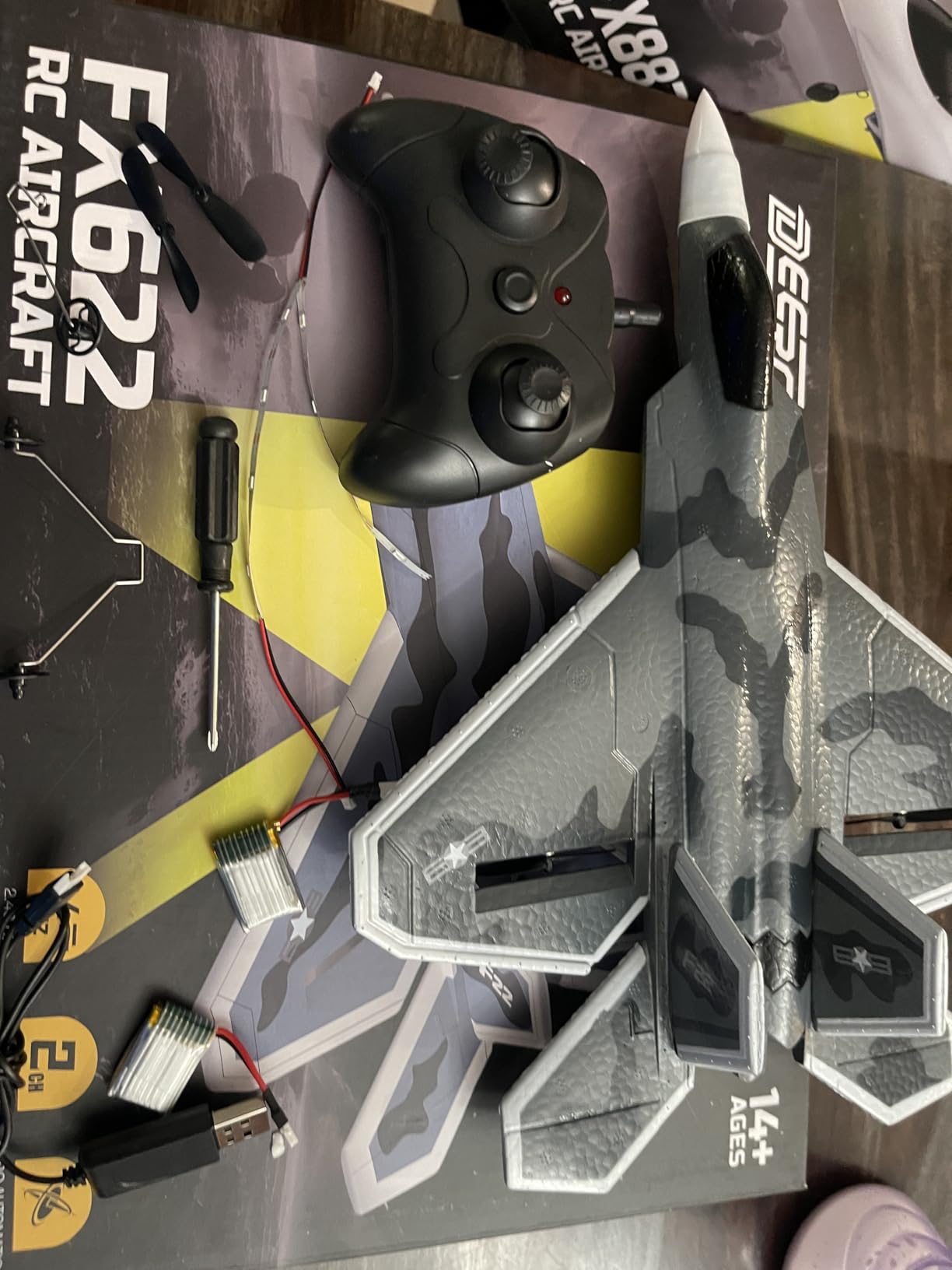
The F18 styling looks realistic and turns heads at the park. Low battery warning gives you time to land safely. Spare parts are included, which is thoughtful. For the price, you’re getting a complete package that works well for learning.
Be aware that this is light and easily affected by wind. The propellers and landing gear come off easily – this is actually designed as a feature to prevent damage, but it can be annoying. The on/off switch is fragile on some units. Each battery provides relatively short flight time, though having two helps.
Best For
Beginners who want jet-style flying on a budget. This works well as a starter aircraft before moving up to true EDFs.
Learning Path
Start here to learn orientation and basic flying skills, then progress to a proper EDF like the Habu STS when ready.
14. T-7A Red Hawk 64mm EDF Jet – Excellent First EDF Jet

XFLY-MODEL T-7A Red Hawk 64mm EDF Jet 4s RC Airplane PNP (Transmitter, Receiver or Battery not Included)…
64mm 12-blade EDF
4S-compatible outrunner motor
Digital servos with ball-link
Huge cockpit for battery access
Red tail for visibility
Pros
- Excellent fit and finish
- Easy to fly with no bad habits
- Good landing characteristics
- Huge cockpit space
- Great paint quality
- Turbine-like sound from 12-blade
Cons
- No rudder control only
- Bouncy gear
- Underpowered for hand launch
- Sensitive to CG balance
- No retracts included
The T-7A Red Hawk is widely considered one of the best first EDF jets available. The fit and finish quality is excellent – this is a well-made aircraft that goes together properly. The 64mm 12-blade EDF produces authentic turbine sound while providing good power for the size. Most importantly, the Red Hawk has no bad habits – it flies straight and true, making it perfect for EDF beginners.
Landing characteristics are forgiving for a jet. The gear is a bit bouncy, but the jet slows down well and provides time to set up approaches. The red tail provides excellent visibility for orientation. The huge cockpit offers massive space for battery access – no more struggling with small battery compartments. Paint quality is excellent for a foam aircraft.
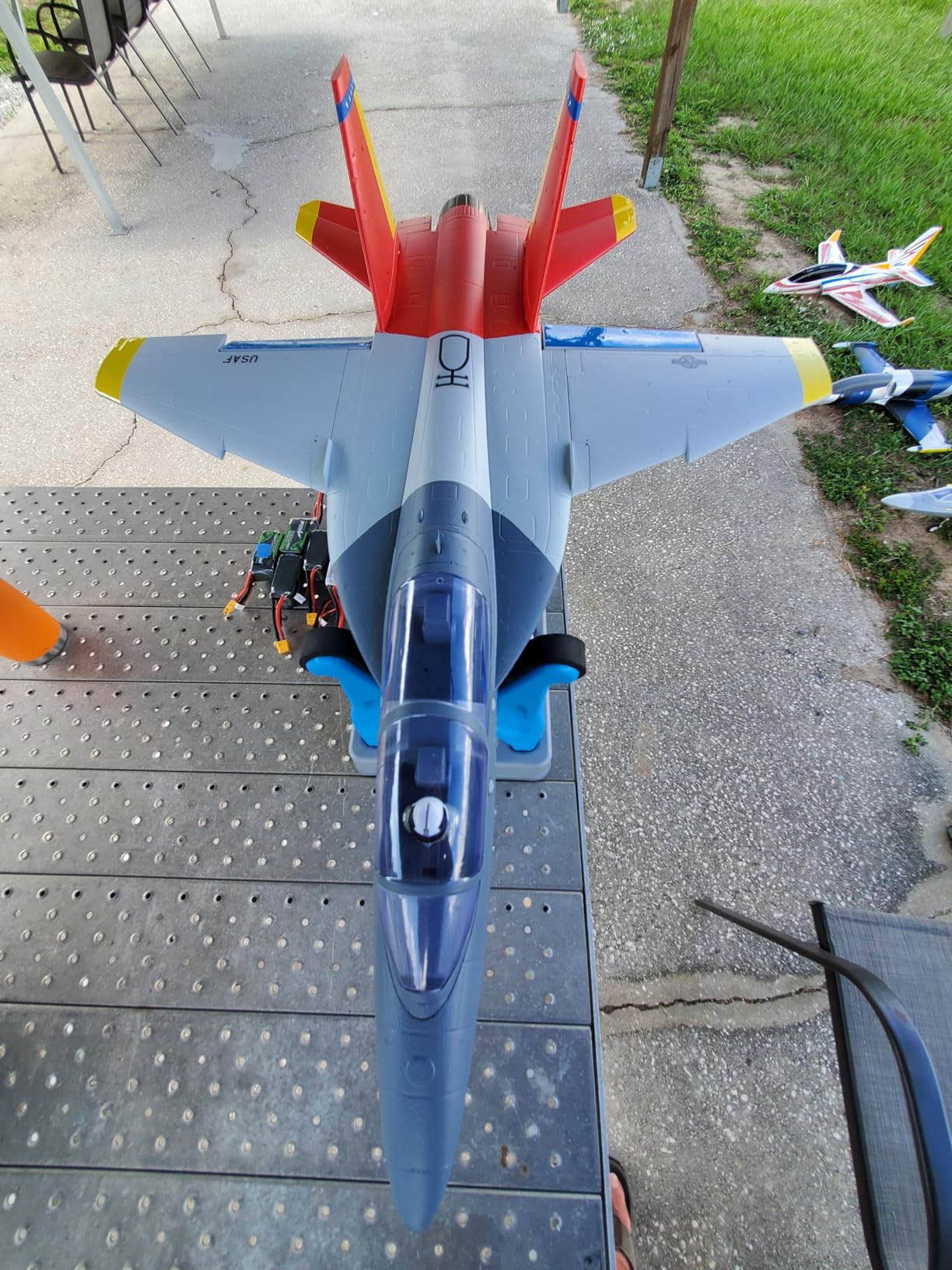
The 4S-compatible outrunner motor delivers good performance with quality batteries. Digital servos with ball-link equipped linkages provide precise control. Fast and precise, these servos make the jet feel responsive without being twitchy. The magnetic top hatch with clear canopy is a nice touch for easy battery access.
Limitations include no rudder control – this is bank-and-yank only. The fixed gear is bouncy on rough surfaces. Some find it underpowered for hand launching – use a runway when possible. CG balance is critical, so take your time finding the sweet spot before your first flight.
Best For
Pilots ready for their first EDF jet who want a quality aircraft that’s easy to fly. The Red Hawk is an excellent daily flyer and learning platform.
CG Balance
The Red Hawk is sensitive to CG balance. Take your time during setup and mark the optimal location once found. Proper CG makes all the difference in flight characteristics.
EDF vs Turbine: Understanding the Difference
One of the most common questions I hear is about the difference between EDF and turbine jets. EDFs use electric motors spinning multi-blade fans inside cylindrical ducts. Turbines use actual jet engines running on liquid fuel. The key differences are significant:
EDF jets are far more accessible. They use standard LiPo batteries, cost significantly less, and can be flown at most fields without special restrictions. Turbines require expensive fuel systems, specialized insurance, and fields that permit turbine operations. EDFs are also quieter and more neighbor-friendly.
Performance-wise, modern EDFs have closed much of the gap. High-end 90mm EDFs can exceed 120 mph and produce authentic turbine sound. Turbines still have the edge in ultimate power and flight times, but the difference isn’t as dramatic as it used to be. For most pilots, EDFs provide all the jet experience they need at a fraction of the cost and complexity.
Turbines excel in flight duration and sound authenticity. A turbine can fly for 10+ minutes on a tank of fuel and sounds exactly like a real jet. EDFs typically fly for 3-5 minutes and, while they sound good, don’t quite match the realism of a turbine. But for most recreational pilots, EDFs offer the perfect balance of performance, cost, and accessibility.
EDF Size Guide: Choosing the Right Fan Diameter
EDF jets come in several standard sizes, each with different characteristics:
64mm EDFs: Best for beginners and smaller flying fields. These are manageable, less intimidating, and typically use 4S batteries. Models like the FMS Futura 64mm and T-7A Red Hawk are excellent learning platforms. Speeds range from 60-80 mph, which is fast enough to be exciting without being overwhelming.
70mm EDFs: The sweet spot for many pilots. 70mm EDFs offer good power with reasonable battery costs. Most use 6S power systems. Models like the Habu STS and Viper 70 provide excellent training platforms with room to grow. Speeds typically reach 80-110 mph depending on the model.
80mm EDFs: Serious performance with larger size. These are faster and more impressive in the air but require more flying space and larger batteries. The BAE Hawk 80mm is widely regarded as one of the best-handling EDFs at any size. Expect speeds of 100+ mph.
90mm EDFs: The top tier of EDF performance. Models like the Viper 90mm deliver genuine turbine-like performance with speeds exceeding 120 mph. These require significant flying space, pilot skill, and expensive battery setups. Not recommended as first jets.
Battery Requirements and Flight Times
EDF jets are battery-hungry aircraft. You’ll need quality LiPo batteries with adequate C-rating to deliver the current these motors demand. Most 64mm EDFs use 4S batteries, while 70mm and larger typically require 6S or even 8S for high-end models. Plan to spend $50-100 per battery for quality packs.
Flight times are short compared to prop planes. Expect 3-5 minutes depending on the model and your throttle management. I recommend having at least 4-6 batteries for a satisfying flying session. This means significant investment in batteries – expect to spend $300-600 minimum on a battery collection.
Battery management is crucial. Use a quality charger that can handle multiple batteries efficiently. Never charge batteries unattended, and always use a fire-safe charging area. Proper battery care extends their life and ensures safety.
Skill Level Progression
Forum consensus is clear: EDFs are not good first RC planes. Start with a high-wing trainer, then progress to low-wing sport aircraft with ailerons. Once you’re comfortable with prop planes, consider a 64mm EDF like the Futura or T-7A Red Hawk as your first jet. The Habu STS 70mm works well as a second EDF when you’re ready for more performance.
Don’t rush the progression. Each step builds important skills. Trying to jump directly into a high-performance 90mm EDF without proper experience will almost certainly end in a crash. Take your time, master each step, and you’ll progress safely while having more fun.
Field Operations: Grass vs Paved Runways
Most EDF jets prefer paved runways, but some handle grass better than others. Models with larger wheels and robust landing gear, like the BAE Hawk 80mm, can operate from well-maintained grass strips. The Freewing Avanti is specifically praised for its larger wheels that handle grass well.
However, most EDFs struggle with grass. The nose gear is often fragile and can rip out in thick grass. Takeoffs require longer distance and more power. Landings are trickier as grass creates drag. If you must fly from grass, look for models specifically designed for it, and keep the grass well-mowed.
Paved runways are ideal for EDF operations. Takeoffs are shorter and more reliable. Landings are smoother with less risk to the gear. If you only have grass access, consider models with retracts that can be removed for grass operations, or choose planes known for grass capability like the BAE Hawk.
Frequently Asked Questions
What is the fastest EDF RC jet?
The E-flite Viper 90mm EDF Jet is the fastest production EDF available, capable of speeds exceeding 120 mph straight out of the box. Its 12-blade 90mm fan and 6S power system deliver incredible performance that rivals much more expensive models. Properly tuned with high-quality batteries, some pilots have reported speeds approaching 130 mph.
What is the best EDF sport jet?
The FMS Bae Hawk Red Arrow 80mm is widely regarded as the best-handling EDF sport jet available. Experienced pilots consistently praise its flight characteristics, with many calling it the best EDF they’ve ever flown. The 80mm 12-blade EDF provides excellent power while the jet remains forgiving and predictable. Its strong landing gear even handles grass operations well.
What is the difference between EDF and RC turbine?
EDF (Electric Ducted Fan) jets use electric motors spinning multi-blade fans inside ducts to create thrust. Turbine jets use actual jet engines running on liquid fuel. EDFs are far more accessible, cost significantly less, use standard LiPo batteries, and can fly at most fields. Turbines require expensive fuel systems, specialized insurance, and fields that permit turbine operations. Modern EDFs have closed much of the performance gap, with high-end models exceeding 120 mph while costing a fraction of turbine jets.
What is the best EDF jet for grass?
The FMS Bae Hawk Red Arrow 80mm and the Freewing Avanti 80mm are considered the best EDFs for grass field operations thanks to their robust CNC machined landing gear and larger wheels. The 80mm size provides sufficient power to overcome grass drag during takeoff. However, even grass-capable EDFs perform best on well-maintained, short grass. If you only have grass access, choose models specifically designed for it and avoid EDFs with fragile nose gear.
Final Recommendations
Choosing the right Best RC Jet Turbine EDF model depends on your experience level and flying goals. For beginners transitioning from props, the E-flite Habu STS 70mm or FMS Futura 64mm provide excellent training platforms with forgiving characteristics. Intermediate pilots ready for serious performance should consider the Viper 70 or step up to the 90mm Viper for top-tier speeds.
Scale enthusiasts will love the F-16 Thunderbirds, F-18 Super Hornet, or the unique F-14 Tomcat with variable-sweep wings. The BAE Hawk 80mm remains one of the best-handling EDFs at any price point. Budget-conscious pilots can start with the DEERC F18 before progressing to larger EDFs.
Remember that EDFs require respect and proper preparation. Invest in quality batteries, take time to learn proper technique, and progress gradually through the skill levels. Follow this path, and you’ll enjoy the exhilarating world of RC jet flying for years to come in 2026.