Finding the right reference books can transform your modeling hobby from frustrating trial-and-error into a rewarding creative journey. I have spent years building my own reference library and testing which books actually deliver on their promises. Best Reference Books for Scale Modelers and Hobbyists will help you avoid the expensive mistake of buying guides that sit on your shelf unused.
The modeling community consistently points to a few standout publishers. Kalmbach Media produces accessible guides through their FineScale Modeler series. AK Interactive and AMMO of Mig Jimenez offer premium technique guides with stunning photography. Osprey and Crowood Press deliver comprehensive masterclass series for serious builders. Each publisher brings a different approach to teaching.
In this guide, I have reviewed 15 essential reference books covering every modeling discipline. Whether you are new to the hobby or looking to master advanced weathering techniques, you will find specific recommendations tailored to your skill level and interests.
Table of Contents
Top 3 Picks for Reference Books for Scale Modelers and Hobbyists
Essential Skills for Scale Modelers
- Perfect for beginners
- Covers all model types
- Step-by-step photos
- Construction to weathering
- Clear practical advice

Airbrushing for Scale Modelers
- 127 pages of techniques
- 14 step-by-step projects
- Basic to advanced methods
- Troubleshooting guide
- Covers all model types

Getting Started in Scale Modeling
- AK-Interactive quality
- Laminated durable pages
- Equipment selection guide
- Tool and paint advice
- Comprehensive starting point
15 Best Reference Books for Scale Modelers and Hobbyists in 2026
| Product | Specifications | Action |
|---|---|---|
| Essential Skills for Scale Modelers |
|
Check Latest Price |
| Airbrushing for Scale Modelers |
|
Check Latest Price |
| Getting Started in Scale Modeling |
|
Check Latest Price |
 Armor Modelers Guide Armor Modelers Guide |
|
Check Latest Price |
 Airbrushing and Finishing Scale Models Airbrushing and Finishing Scale Models |
|
Check Latest Price |
 Modeling Aircraft Modeling Aircraft |
|
Check Latest Price |
 Model Builders’ Manual Model Builders’ Manual |
|
Check Latest Price |
 Airbrushing Scale Model Aircraft Airbrushing Scale Model Aircraft |
|
Check Latest Price |
 Weathering for Railway Modellers Weathering for Railway Modellers |
|
Check Latest Price |
 Model Railroader’s Handbook Model Railroader’s Handbook |
|
Check Latest Price |
 Model-Making: Materials and Methods Model-Making: Materials and Methods |
|
Check Latest Price |
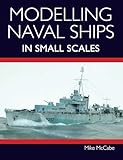 Modelling Naval Ships in Small Scales Modelling Naval Ships in Small Scales |
|
Check Latest Price |
 Modeling Military Figures Modeling Military Figures |
|
Check Latest Price |
 Model Dioramas Handbook Model Dioramas Handbook |
|
Check Latest Price |
 Creating Realistic Dioramas with Combined Scales Creating Realistic Dioramas with Combined Scales |
|
Check Latest Price |
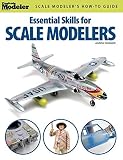
1. Essential Skills for Scale Modelers – The Foundation Every Builder Needs
Essential Skills for Scale Modelers (FineScale Modeler Books)
96 pages
Paperback
All model types
Construction to weathering
Beginner to intermediate
Pros
- Perfect starting point for beginners
- Clear step-by-step photos
- Covers tanks planes cars ships figures
- Good refresher for returning modelers
- Written by FSM editor
Cons
- Limited cockpit masking coverage
- No index included
- Lacks aftermarket part detail
I consider this book the single best investment for anyone entering the hobby. Aaron Skinner, editor of FineScale Modeler magazine, distilled decades of expertise into 96 accessible pages.
The book covers every fundamental skill you need. Assembly techniques, painting basics, weathering introductions, and even photo-etch handling. Each section includes numbered photographs that guide you through the process visually.
What sets this apart from online tutorials is the structured progression. You start with basic construction and gradually advance to display techniques. The modeling community consistently calls this “truly an essential addition to any modeler’s reference library.”
I recommend starting here if you are new or returning after years away. The clear instructions and broad coverage give you a foundation that specialized books can then build upon.
Best for Beginners Building Core Skills
This book excels at teaching fundamentals without overwhelming you. The 261 reviewers confirm it works for complete newcomers who have never opened a model kit. You learn proper tool use, adhesive selection, and basic painting before moving to intermediate techniques.
If you want to build military vehicles, aircraft, cars, ships, or figures, this single book covers them all. You avoid buying separate guides for each interest until you are ready.
Limitations for Advanced Modelers
Experienced builders already familiar with basic construction may find this redundant. The book deliberately avoids complex aftermarket parts and advanced masking techniques. Consider this your starting point, not your final reference.
2. Airbrushing for Scale Modelers – Master Your Spray Technique
Airbrushing for Scale Modelers
127 pages
Paperback
14 step-by-step projects
Basic to advanced
All model types
Pros
- 573 positive reviews
- Well illustrated with clear photos
- Covers comprehensive techniques
- 14 practical projects
- Good value for content
Cons
- Limited compressor selection info
- May be too basic for advanced users
- Focuses on technique not equipment
Airbrushing separates amateur builds from professional-quality results. This guide by Aaron Skinner teaches you to spray with confidence across armor, aircraft, cars, ships, and figures.
I found the project-based approach particularly effective. Rather than abstract theory, you work through 14 specific builds that demonstrate techniques in context. Each project includes numbered photos showing exactly how to achieve the finish.
The troubleshooting section saved me countless hours. Common problems like tip dry, spidering, and overspray each get specific solutions with photographic examples.
At 127 pages, this strikes the right balance between comprehensive and concise. You learn basic operation, paint mixing, masking methods, and advanced effects without wading through filler content.
Perfect for Learning Airbrush Fundamentals
New airbrush owners get exactly what they need. The book explains tool types, maintenance procedures, and paint compatibility in straightforward language. You avoid the common beginner mistake of blaming your equipment when technique is the real issue.
The 14 projects give you structured practice. You progress from simple single-color applications to complex camouflage schemes and weathering effects.
Equipment Selection Could Be Expanded
The one gap I noticed was compressor selection guidance. The book assumes you have appropriate equipment and focuses on technique. If you are still shopping for your first airbrush setup, supplement this with online research on compressor specifications.
3. Getting Started in Scale Modeling – The Ultimate Beginner Launchpad
Getting Started in Scale Modeling
135 pages
Laminated pages
Equipment selection guide
Tool and paint advice
AK-Interactive quality
Pros
- Laminated durable pages
- Great equipment starting point
- Explains why behind choices
- Detail work information
- Comprehensive encyclopedia format
Cons
- Heavy AK product focus
- Some product placement concerns
- Could have more depth
AK-Interactive produces some of the most visually stunning modeling guides available. This entry-level book combines their signature quality with beginner-friendly explanations.
The laminated pages immediately impressed me. Unlike standard paperbacks that stain and tear in a workshop environment, this book withstands constant reference use. You can flip through it with paint-stained fingers without worry.
What elevates this above other beginner guides is the decision-making framework. Rather than simply listing recommended tools, the book explains why specific choices matter. You learn to evaluate equipment based on your needs rather than blindly following prescriptions.
The focus on AK products does not bother me as much as some reviewers. The techniques transfer to any brand. You learn the approach, then apply it with whatever supplies you prefer.
Durable Format for Workshop Use
Most modeling books stay pristine on shelves while YouTube tutorials handle practical reference. The laminated pages change that equation. This book belongs on your workbench, not in a bookcase.
I appreciate the comprehensive equipment coverage. Beginners often buy the wrong tools because they do not understand what each item actually does. This guide prevents those expensive mistakes.
AK Brand Focus Requires Perspective
If you dislike product-specific recommendations, this may frustrate you. AK-Interactive wrote the book around their product line. I recommend mentally translating recommendations to equivalent products from your preferred brands.
4. Armor Modelers Guide – Learn from a Modeling Legend
Armor Modelers Guide (Finescale Modeler)
144 pages
Shep Paine authored
Weathering focus
Diorama techniques
Beginner to advanced
Pros
- Written by legendary modeler
- Comprehensive armor coverage
- Weathering techniques transfer
- Includes diorama section
- Compiled by respected peers
Cons
- Some content from older publications
- May duplicate existing collections
- Single subject focus
Shep Paine defined the art of military modeling for generations. This book compiles his wisdom into a comprehensive guide that deserves a place on every armor modeler’s shelf.
The 144 pages divide into two sections. Basics covers assembly, painting, and simple weathering. Detailed Projects demonstrates advanced techniques through specific builds. This structure lets you grow with the book rather than outgrow it.
I found the weathering techniques particularly valuable. While focused on tanks and vehicles, these methods apply equally to aircraft, ships, and figures. The washes, filters, and pigment applications work across any subject.
The community consensus confirms my experience. Reviewers call this “an essential reference” and praise how it provides “hope and guidance even for experienced modelers.”
Capturing a Master Modeler’s Knowledge
Shep Paine passed away in 2015, making this compilation even more valuable. You learn directly from one of the hobby’s most influential figures. The techniques that won him international recognition are explained in detail.
The diorama section addresses a gap in many armor books. You learn not just to build standalone vehicles, but to create complete scenes that tell stories.
Check Your Existing Library First
Some content appeared in earlier Kalmbach publications. If you own multiple Shep Paine books already, verify how much new material you are actually getting. For new collectors, this represents the definitive single-volume collection.
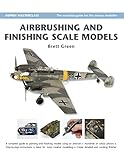
5. Airbrushing and Finishing Scale Models – The Workshop Workhorse
Airbrushing and Finishing Scale Models (Modelling Masterclass)
192 pages
Spiral-bound hardcover
Aircraft focus
Weathering included
All skill levels
Pros
- Spiral binding lies flat
- 192 comprehensive pages
- Real-world examples with photos
- Thorough technique coverage
- Includes problem solutions
Cons
- Heavy WWII aircraft focus
- Not for model railroaders
- Needs more filling and scribing detail
Osprey’s Modelling Masterclass series targets serious builders who want deep technique coverage. Brett Green delivers exactly that in this spiral-bound reference that stays open on your workbench.
The 192 pages justify the higher price point. You get comprehensive coverage of airbrush mechanics, paint selection, priming, camouflage application, and finishing techniques. Real models from the author’s collection illustrate every method.
I particularly value the problem-solution format. The book shows common mistakes alongside their corrections. You learn what goes wrong and exactly how to fix it.
The spiral binding makes this uniquely practical. Standard paperbacks constantly close while you are trying to reference them. This stays flat, letting you work through techniques with the book beside you.
Practical Format for Active Use
Most modeling books are designed for reading, not reference. The spiral binding acknowledges reality. Modelers work with their hands occupied and need books that cooperate.
The extensive photography demonstrates actual models rather than idealized demonstrations. You see the imperfections and how to address them.
Aircraft Bias Limits Universal Appeal
Modelers focused on armor, ships, or figures may find the aircraft emphasis distracting. While the techniques transfer, the specific examples will not match your interests. Consider this primarily if you build aircraft or want universal airbrushing knowledge.
6. Modeling Aircraft – Project-Based Learning from Beginner to Expert
Modeling Aircraft: 15 Modeling Projects for Beginner to Expert Modelers (FineScale Modeler)
143 pages
15 detailed projects
Beginner to expert
Multiple scales and eras
Aircraft specific
Pros
- 15 complete projects
- Clear photos and descriptions
- Covers different scales
- Multiple time periods
- Excellent value
Cons
- Assumes airbrush ownership
- Heavy aftermarket emphasis
- Some expensive projects
This FineScale Modeler guide structures learning around 15 complete aircraft projects. Each demonstrates specific techniques across varying difficulty levels, scales, and historical periods.
I appreciate the progression design. Early projects require minimal equipment and experience. Later builds introduce advanced techniques like scratch-building and complex weathering. You grow naturally without hitting walls.
The photography quality matches what you expect from FSM publications. Each step includes clear images with explanatory captions. You never wonder what the text actually means.
The 139 reviewers averaging 4.7 stars confirm this works for modelers at every level. Beginners get accessible starting points. Experts find advanced techniques and fresh approaches.
Structured Skill Development
Many technique books overwhelm beginners with advanced methods they are not ready for. This book respects the learning curve. You master fundamentals before advancing.
The variety of aircraft types exposes you to different construction challenges. Propellers, jets, and helicopters each appear with appropriate technique coverage.
Budget Considerations for Completing Projects
Some advanced projects assume substantial aftermarket part purchases. The book demonstrates these parts effectively, but completing every project exactly as shown could become expensive. Treat the advanced sections as technique demonstrations rather than shopping lists.
7. Model Builders’ Manual – Understanding the Industry and History
Model Builders’ Manual: A practical introduction to building plastic model construction kits (Enthusiasts’ Manual)
188 pages
History and production focus
Decal making
Tool overview
International scope
Pros
- Excellent modeling history
- Injection molding explained
- Custom decal information
- Quality photos
- Comprehensive overview
Cons
- More production than building
- No dry fitting coverage
- Title somewhat misleading
- Lacks detailed assembly
Mat Irvine brings unique perspective to this Haynes manual. Rather than another technique guide, this book explains how model kits are designed, manufactured, and distributed.
The injection molding section fascinated me. Understanding how sprues are designed and why certain kit limitations exist actually improved my building. You learn to work with the plastic rather than fighting it.
Custom decal making receives dedicated coverage. Most modelers rely entirely on aftermarket decals without realizing how accessible custom work is. This opens new possibilities for unique builds.
The 287 reviewers show solid satisfaction, though some expected more hands-on building instruction. The title does suggest practical guidance that the book only partially delivers.
Understanding Your Materials
Modeling improves when you understand what you are working with. The manufacturing explanations transform your relationship with kits. You recognize why parts fit certain ways and how to handle plastic limitations.
The international scope covers modeling history and markets worldwide. You gain appreciation for how the hobby evolved across different regions.
Not a Primary Building Guide
Do not buy this expecting step-by-step construction instruction. The value lies in knowledge about the hobby itself, not technique tutorials. Pair this with a hands-on guide for complete coverage.
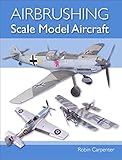
8. Airbrushing Scale Model Aircraft – The Definitive Aircraft Spray Guide
Airbrushing Scale Model Aircraft
Equipment types and settings
Compressor coverage
Priming to weathering
Engine effects
All skill levels
Pros
- Best aircraft airbrushing book
- Detailed equipment coverage
- Includes compressor guidance
- Shows corrections and problems
- Easy to follow instructions
Cons
- Some products region-specific
- Pricey compared to alternatives
- Digital format only
Robin Carpenter wrote the definitive aircraft airbrushing guide. Where general airbrushing books dilute coverage across multiple subjects, this focuses entirely on the techniques aircraft modelers need.
The equipment coverage impressed me. Most airbrushing books avoid compressor details, leaving you confused about pressure settings and moisture traps. This explains everything from airbrush mechanics through compressor selection and maintenance.
The photography includes both successful results and common problems with corrections. This honest approach helps you diagnose your own mistakes rather than just showing perfect outcomes.
Engine weathering receives specific attention that general books skip. Aircraft engines have unique weathering challenges from heat staining and oil leaks. You learn realistic depiction of these effects.
Comprehensive Equipment Guidance
Airbrush selection confuses beginners with conflicting recommendations. This book cuts through the confusion with specific criteria for evaluating tools. You understand what features matter for your specific needs.
The step-by-step format lets you follow along with your own builds. Each technique builds logically on previous skills.
Regional Product Availability
The book references some products primarily available in the UK. American readers may need to research equivalent alternatives for a few recommendations. The techniques remain universal even when specific products differ.
9. Weathering for Railway Modellers – Apply Real-World Observation
Weathering for Railway Modellers: Buildings, Scenery and the Lineside
176 pages
Buildings and scenery focus
Rust effects
Lineside equipment
Observation-based approach
Pros
- Excellent weathering techniques
- Quality real-world photo references
- Covers buildings and vehicles
- Easy to follow methods
- Suitable for all skill levels
Cons
- UK products not universal
- Some techniques need more depth
- Railway focus limits aircraft use
George Dent brings his weathering expertise to railway modeling in this Crowood Press guide. The principles apply far beyond trains to any modeling subject requiring realistic wear and aging.
The observation-based approach distinguishes this book. Rather than arbitrary technique prescriptions, Dent emphasizes studying real-world subjects. You learn to replicate what you actually see rather than copying standard formulas.
Railway subjects offer unique weathering opportunities. Buildings, track, rolling stock, and scenery each present different aging challenges. The comprehensive coverage transfers to military dioramas and vehicle bases.
The 123 reviewers praise the photograph quality and clear explanations. Both beginners and experienced modelers find valuable content here.
Universal Weathering Principles
While titled for railway modelers, this teaches weathering fundamentals applicable anywhere. Rust, dirt, wear patterns, and material aging work the same regardless of subject.
The real-world reference approach trains your eye. You stop applying generic weathering and start creating authentic appearances based on actual observation.
Railway-Specific Examples
Aircraft and armor modelers must mentally translate some content. The techniques are universal but the examples are railway-focused. If you prefer seeing your specific subject, consider a more targeted guide.
10. Model Railroader’s Handbook – The Complete Railroading Reference
Model Railroader’s Handbook
208 pages
NMRA Master Model Railroader
Comprehensive coverage
Planning and layout
Intuitive organization
Pros
- Comprehensive single reference
- NMRA expert author
- Excellent organization
- Wide topic coverage
- Acts as modeling search engine
Cons
- Advanced modeler focus
- Imperial measurements only
- Some topics lack depth
Gerry Leone earned NMRA Master Model Railroader status before writing this comprehensive handbook. That expertise shows in every section of this 208-page reference.
The organization impressed me immediately. Topics flow logically from planning through construction to detailing. You can find specific information quickly without reading entire chapters.
One reviewer called this a “modeling search engine” and I agree. The comprehensive coverage means most questions have answers here. You might not get complete depth on every topic, but you get enough to proceed or identify where deeper research is needed.
The planning and layout guidance helps avoid expensive mistakes. Many modelers start building before properly planning, leading to rework and frustration. This book emphasizes proper preparation.
Tribal Knowledge Collected
Railway modeling has extensive oral tradition passed through clubs and shows. This book captures that knowledge in written form. You gain access to expertise normally requiring years of community involvement.
The adhesive and tool recommendations come from actual experience. You learn what actually works rather than what manufacturers claim.
Measurement System Limitation
The exclusive use of imperial measurements frustrates international modelers. Metric users must convert dimensions constantly. This does not affect technique content but complicates planning and construction details.
11. Model-Making: Materials and Methods – Professional Techniques for Hobbyists
Model-Making: Materials and Methods
176 pages
Professional-grade techniques
Material selection
Supplier lists
Multi-discipline coverage
Pros
- Professional model maker author
- Comprehensive material coverage
- Clear precise explanations
- Beautiful photography
- Valuable supplier information
Cons
- Some UK materials unavailable
- Brief coverage of some topics
- Some editing issues noted
David Neat works as a professional model and diorama maker. This book transfers professional techniques to hobbyist applications, elevating your work regardless of subject.
The materials coverage distinguishes this guide. Most modeling books focus on technique while assuming standard materials. This explores material properties, alternatives, and selection criteria in depth.
I found the supplier lists particularly valuable. Professional-grade materials often have obscure sources. Neat shares where to find the best supplies for specific applications.
The photography demonstrates professional results you can achieve with proper techniques. The gap between hobbyist and professional work narrows when you understand the methods professionals use.
Theater and Film Techniques
Professional model making for theater and film has different demands than hobby work. These techniques emphasize durability and appearance under scrutiny. Your models benefit from that professional rigor.
The book applies to multiple modeling disciplines. Whether you build miniatures, architectural models, or traditional hobby subjects, the material knowledge transfers.
International Supply Considerations
UK-based supplier recommendations may not help international readers. You will need to research local alternatives for some materials. The technique information remains valuable even when specific suppliers differ.
12. Modelling Naval Ships in Small Scales – Specialized Ship Modeling Expertise
Modelling Naval Ships in Small Scales
144 pages
1/200 to 1/1250 scale
Plastic and resin techniques
PE parts guidance
Rigging and water bases
Pros
- Excellent small scale guidance
- Great tips for plastic vs resin
- Comprehensive PE parts section
- Rigging techniques covered
- Realistic water base methods
Cons
- Some readers want more detail
- Limited to small scales
- Ship-specific focus
Naval ship modeling presents unique challenges at small scales. Mike McCabe addresses these specifically in this Crowood Press guide covering 1/200 through 1/1250 scales.
The plastic versus resin comparison helps you choose appropriate kits and handle each material properly. Resin requires different preparation and assembly techniques than injection-molded plastic. McCabe explains both thoroughly.
Photo-etched parts create particular challenges for ship modelers. The fine railings and details require specialized handling. This book provides the most comprehensive PE guidance I have found for small-scale ships.
The water base techniques complete the coverage. A ship model needs realistic water to display properly. You learn multiple approaches to achieving convincing sea surfaces.
Small Scale Specialization
Most ship modeling books focus on larger scales where detail work differs significantly. This targets the specific challenges of working small. Rigging, painting, and detailing all require adjusted approaches at these scales.
The pragmatic tone avoids fluff. You get direct instruction on what works without romanticized descriptions.
Scale-Specific Limitations
If you build ships in larger scales, some content will not apply directly. The principles transfer but specific techniques target small-scale challenges. Verify the scale coverage matches your interests before purchasing.
13. Modeling Military Figures – Bringing Human Elements to Life
Modeling Military Figures
96 pages
Figure painting focus
Facial expressions
Diorama positioning
Step-by-step guidance
Pros
- Excellent figure painting guide
- Superb step-by-step instructions
- Quality images throughout
- Helpful for all skill levels
- Great facial expression coverage
Cons
- Not recommended as only guide
- Brief at 96 pages
- Limited to military subjects
Joe Hudson specializes in military figures, and this expertise shows in this focused 96-page guide. Figures transform military dioramas from static displays into storytelling scenes.
The positioning and action guidance matters as much as painting technique. A figure’s posture conveys emotion and narrative. Hudson explains how to select and modify poses for maximum impact.
Facial expression painting receives deserved attention. The face makes or breaks a figure’s realism. You learn to paint eyes, skin tones, and expressions that bring miniature people to life.
The 68 reviewers averaging 4.7 stars confirm this delivers for figure painters at every level. Beginners get accessible starting points. Advanced modelers find refined techniques and fresh approaches.
Completing the Diorama Story
Military vehicles alone tell limited stories. Adding figures introduces human elements that viewers connect with emotionally. This book ensures those figures enhance rather than detract from your work.
The step-by-step format lets you follow along with actual figure painting. Each stage includes clear photography and explanation.
Supplementary Rather Than Comprehensive
At 96 pages, this introduces figure painting rather than exhaustively covering it. Consider this your starting point for figure work. Plan to supplement with additional references as you advance.
14. Model Dioramas Handbook – Complete Scene Construction
publication” pros=”Comprehensive diorama coverage,Experienced author,192 pages of techniques,Modern updated methods,Good value for information” cons=”Limited reviews available,Newer book with less feedback,Focus on dioramas only” manual_rating=”4.5″ button_text=”Check Price” disclosure=”We earn a commission, at no additional cost to you.”]Mat Irvine returns with this comprehensive diorama handbook from 2024. The modern publication date means techniques reflect current materials and methods.
The 192 pages cover every aspect of diorama construction. Base preparation, terrain modeling, vegetation, structures, and integration with vehicles or figures each receive detailed attention.
I appreciate the emphasis on planning. Dioramas require coordination between multiple elements. Poor planning leads to composition problems that painting cannot fix. This book emphasizes design before construction.
The newer publication means fewer reviews than established classics. Early feedback is positive but the book has not yet accumulated the review volume of older titles.
Modern Technique Updates
Diorama materials and methods evolve constantly. This book reflects current best practices rather than decades-old approaches. You learn what works with modern products.
The comprehensive coverage lets you tackle any diorama type. Military scenes, urban environments, and natural settings each receive appropriate guidance.
Limited Community Feedback
With only 8 reviews currently, community consensus has not yet formed. The content quality suggests positive long-term reputation, but early adopters take a small risk on unproven longevity.
15. Creating Realistic Dioramas with Combined Scales – Advanced Composition Techniques
Creating Realistic Dioramas with Combined Scales
112 pages
Mixed scale techniques
Depth creation
Historical scene guidance
Figure painting included
Pros
- Insanely detailed work
- Good figure painting info
- Mixed scale guidance
- Depth techniques explained
- Fascinating ideas
Cons
- Not what some readers expected
- Could use more plan views
- Relatively thin book
Enrique Carrasco specializes in historical scene recreation with mixed scales. This advanced technique creates forced-perspective dioramas that appear larger than they actually are.
The combined scales approach fascinates me. By mixing 1/35 vehicles with 1/48 or 1/72 figures and accessories, you create apparent depth impossible in single-scale builds. The book explains exactly how to make these transitions seamless.
Figure painting coverage adds value beyond the scale-mixing focus. The human elements in your dioramas need proper treatment, and Carrasco provides specific guidance.
The 29 reviewers rate this 4.4 stars, though some expected different content. The specific focus on mixed-scale dioramas means this serves a particular niche rather than general diorama builders.
Advanced Depth Illusion
Standard dioramas present everything at the same scale. This limits the apparent depth you can achieve. Carrasco’s techniques create recession that makes scenes feel expansive despite small physical size.
The historical scene recreation guidance helps you research and plan authentic dioramas. Accuracy matters when telling historical stories through modeling.
Specialized Rather Than General
This book specifically targets mixed-scale diorama techniques. If you want standard single-scale diorama guidance, other books cover that better. Buy this only if the combined scales approach interests you.
How to Choose the Right Reference Books for Your Modeling Journey?
Selecting the best reference books for scale modelers and hobbyists requires matching your current skills and interests to appropriate content. I have watched too many beginners buy advanced technique books they cannot yet use, or experienced modelers stuck with basic guides they have outgrown.
Start with your modeling subject. Aircraft builders need different references than armor or ship modelers. While universal technique books provide foundation, specialized guides offer subject-specific knowledge that accelerates improvement.
Consider your equipment situation. Some books assume airbrush ownership while others teach brush techniques. If you have not invested in an airbrush yet, prioritize books that teach the methods you can actually implement.
Skill level matters significantly. Beginners need comprehensive fundamentals. Intermediate modelers benefit from focused technique deep-dives. Advanced builders seek specialized references and inspiration rather than instruction.
Building Your Library Strategically
I recommend starting with one comprehensive beginner book and one subject-specific guide. Essential Skills for Scale Modelers provides universal foundation regardless of your specific interest. Add a focused book for your chosen subject area.
Expand gradually as skills develop. Airbrushing books become relevant once you own equipment. Advanced weathering guides make sense after mastering basics. Figure painting references apply when you start adding human elements to scenes.
Digital Versus Print Considerations
Physical books remain valuable in workshops where screens are inconvenient. However, digital versions offer searchability and portability. Consider your workspace setup when choosing formats. Many titles now offer both options.
Frequently Asked Questions About Scale Modeling Reference Books
What is the best reference book for scale modelers?
Essential Skills for Scale Modelers by Aaron Skinner is the best overall reference for most modelers. It covers construction, painting, and weathering fundamentals across all model types. For beginners specifically, Getting Started in Scale Modeling by AK-Interactive provides excellent equipment guidance with durable laminated pages.
What modelling/reference books do you have?
Experienced modelers typically build libraries covering their specific interests. Common essential books include Essential Skills for Scale Modelers for fundamentals, subject-specific guides like Armor Modelers Guide or Modeling Aircraft for their chosen category, and technique books for airbrushing and weathering. The community particularly values works from AK Interactive, Kalmbach Media, and Osprey Publishing.
Are scale modeling how-to books worth the read?
Yes, modeling books provide structured learning that fragmented online tutorials cannot match. Books offer curated, tested techniques presented in logical progression. The forum community consistently confirms that quality reference books accelerate skill development faster than trial-and-error or random video watching. Books also provide workshop-ready reference you can consult while building.
What books do experienced modelers recommend?
Experienced modelers recommend different books for different purposes. Essential Skills for Scale Modelers remains the top beginner recommendation. AK Interactive and AMMO of Mig Jimenez books receive praise for advanced weathering techniques. Jake Melampy’s Reid Air Publications are valued for technical aircraft information. The Weathering Magazine by AMMO Mig and books by Shep Paine are consistently mentioned as where experienced modelers learned their best techniques.
Should I buy digital or print modeling books?
Print books work better in workshops where paint, glue, and tools make screens impractical. Physical books stay open on your workbench for reference while building. However, digital books offer searchability and portability for reading away from your workspace. Many modelers prefer print for active reference and use digital for initial learning and research.
Final Thoughts on Building Your Modeling Reference Library
The best reference books for scale modelers and hobbyists provide structured learning paths that online tutorials cannot match. I have watched my own modeling improve dramatically since building a proper reference library and consulting it regularly during builds.
Start with Essential Skills for Scale Modelers if you are new or returning to the hobby. Add Airbrushing for Scale Modelers when you are ready to spray paint. Choose subject-specific guides like Armor Modelers Guide or Modeling Aircraft based on your particular interests.
Remember that books are investments in your skills. The cost of a comprehensive guide is minimal compared to the value of techniques you will use for years. The modeling community consistently confirms that quality reference books remain essential even in the internet age. Your library will serve you through hundreds of builds in 2026 and beyond.