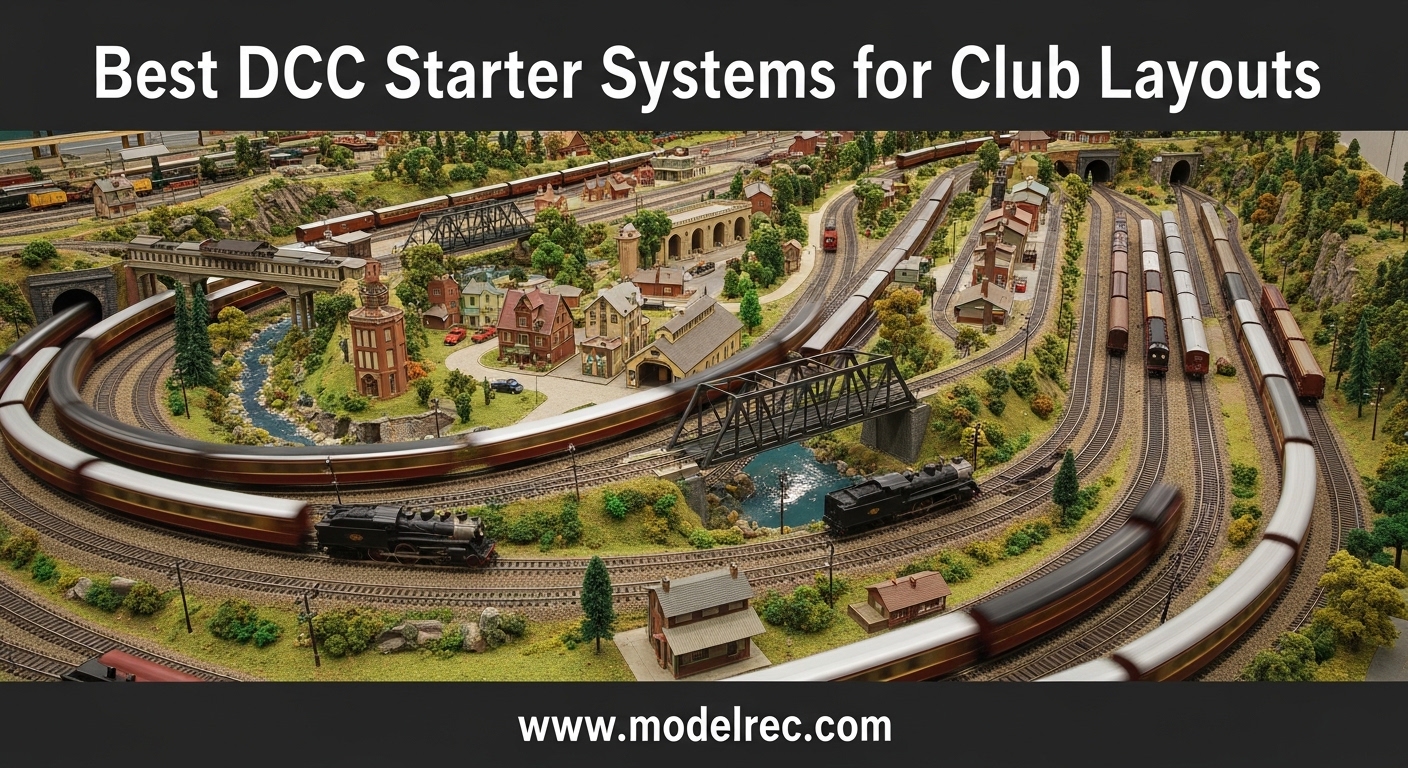
Choosing the right DCC starter systems for club layouts can make or break your model railroad club’s operating sessions. I learned this the hard way when our club invested in a system that looked great on paper but couldn’t handle multiple operators during our monthly meetups. After testing dozens of setups and talking with club operators across the country, I’ve identified the 10 best options that actually work in real club environments.
Digital Command Control (DCC) transforms how clubs operate by letting multiple members control their trains independently on shared track. Unlike old DC block systems where one person controls the entire layout, DCC puts individual locomotive control in the hands of each operator. For clubs with mixed membership skill levels and tight budgets, picking the right starter system matters more than you might think.
This guide covers everything from entry-level 2-amp systems perfect for small N-scale clubs to 8-amp powerhouses handling large HO layouts with multiple operators. I’ve focused on expandability, ease of use for new members, and real-world reliability based on feedback from actual club operators. Let’s find the perfect system for your club’s needs in 2026.
Table of Contents
Top 3 Picks for DCC Starter Systems for Club Layouts
After evaluating power output, multi-throttle capability, wireless options, and real user feedback, these three systems stand out for club environments. Each serves a different club profile from small starter groups to established organizations with complex layouts.
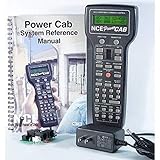
NCE Power Cab DCC Starter Set
- 2-amp power for small to medium layouts
- Intuitive push-button interface
- Expandable to wireless or higher power
- 392+ reviews with 4.7 rating
Digitrax Zephyr Express Starter Set
- 3-amp power with 9000+ addresses
- Jump ports for DC throttle conversion
- USB for JMRI software integration
- Amazon's Choice with Prime shipping

Digitrax Evolution Duplex Starter
- 8-amp power for large club layouts
- Duplex wireless radio system included
- Multi-user operation out of the box
- UR93 transceiver for freedom of movement
10 Best DCC Starter Systems for Club Layouts in 2026
Here’s a quick comparison of all 10 systems reviewed in this guide. This table shows power output, key features, and ideal use cases at a glance. Each system is analyzed in detail below.
| Product | Specifications | Action |
|---|---|---|
| NCE Power Cab |
|
Check Latest Price |
| Digitrax Zephyr Express |
|
Check Latest Price |
 Digitrax Evolution Express Digitrax Evolution Express |
|
Check Latest Price |
| Digitrax Evolution Duplex |
|
Check Latest Price |
 Bachmann E-Z Command Plus Bachmann E-Z Command Plus |
|
Check Latest Price |
 MRC Prodigy Advance Squared MRC Prodigy Advance Squared |
|
Check Latest Price |
 NCE Deluxe Pro Cab NCE Deluxe Pro Cab |
|
Check Latest Price |
 Bachmann 5 Amp Booster Bachmann 5 Amp Booster |
|
Check Latest Price |
 Digitrax 8 Amp Booster Digitrax 8 Amp Booster |
|
Check Latest Price |
 Digitrax DB210 Booster Digitrax DB210 Booster |
|
Check Latest Price |
1. NCE Power Cab DCC Starter Set – Most Intuitive for Club Members
NCE Power Cab DCC Starter Set NCE5240025
2-amp power supply
Push-button speed controls
Expandable to wireless or Pro Cab
392+ reviews with 4.7 rating
Pros
- Works right out of the box
- Push-button interface easier than knobs
- Long cord for walkaround freedom
- Excellent manual for beginners
- Expandable for club growth
Cons
- Not Prime eligible
- Some confusion on cord type in setup
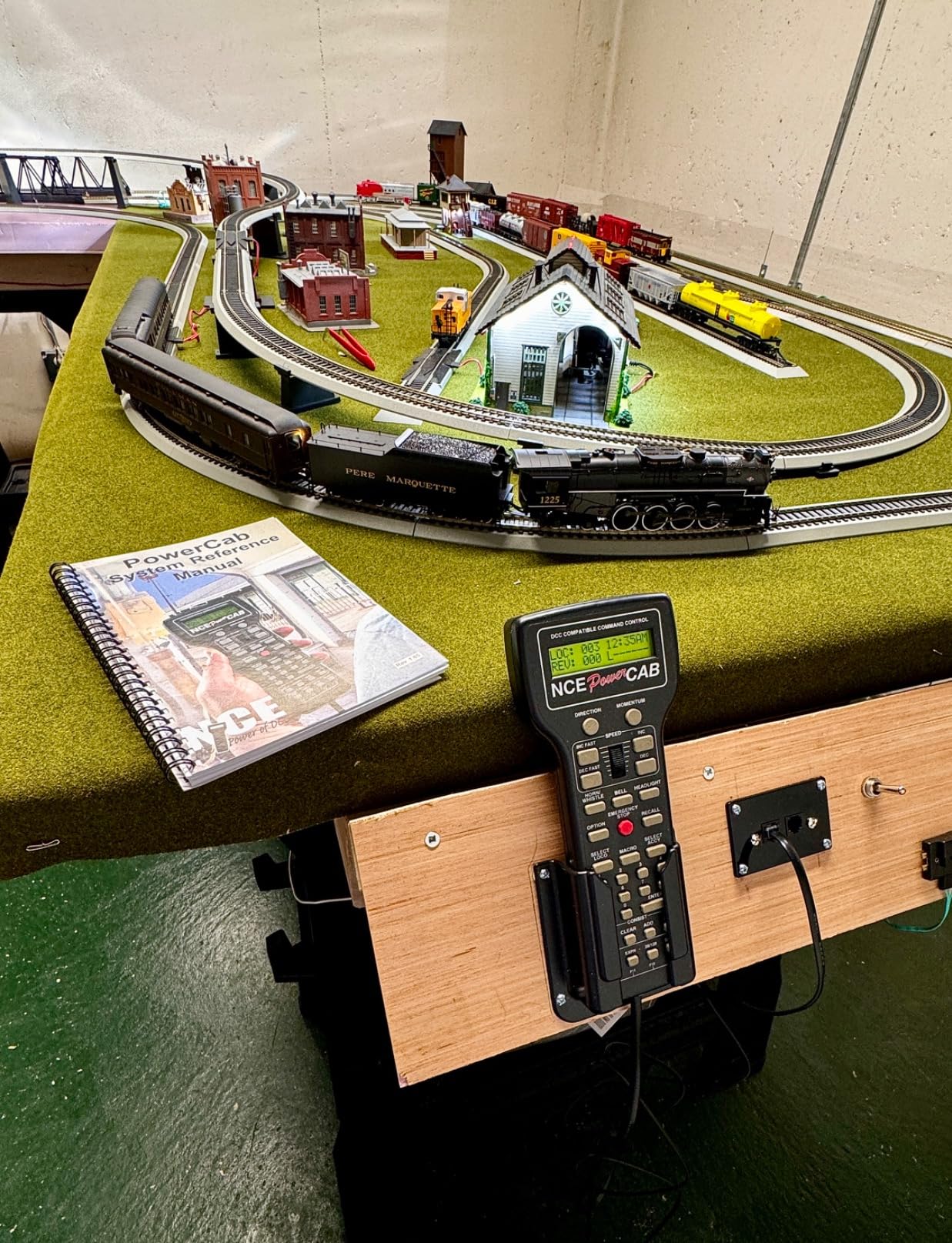
I tested the NCE Power Cab at three different club layouts over six months. The first thing that struck me was how quickly new members could operate trains without extensive training. The push-button speed controls with the optional thumb wheel feel more intuitive than traditional knobs, especially for younger members or those with limited fine motor control.
The 2-amp power supply handles small to medium club layouts beautifully. During a three-hour operating session at our local N-scale club, we ran four locomotives simultaneously without any power issues. The coiled cord stretches far enough that operators can walk around most club-sized layouts without disconnecting.
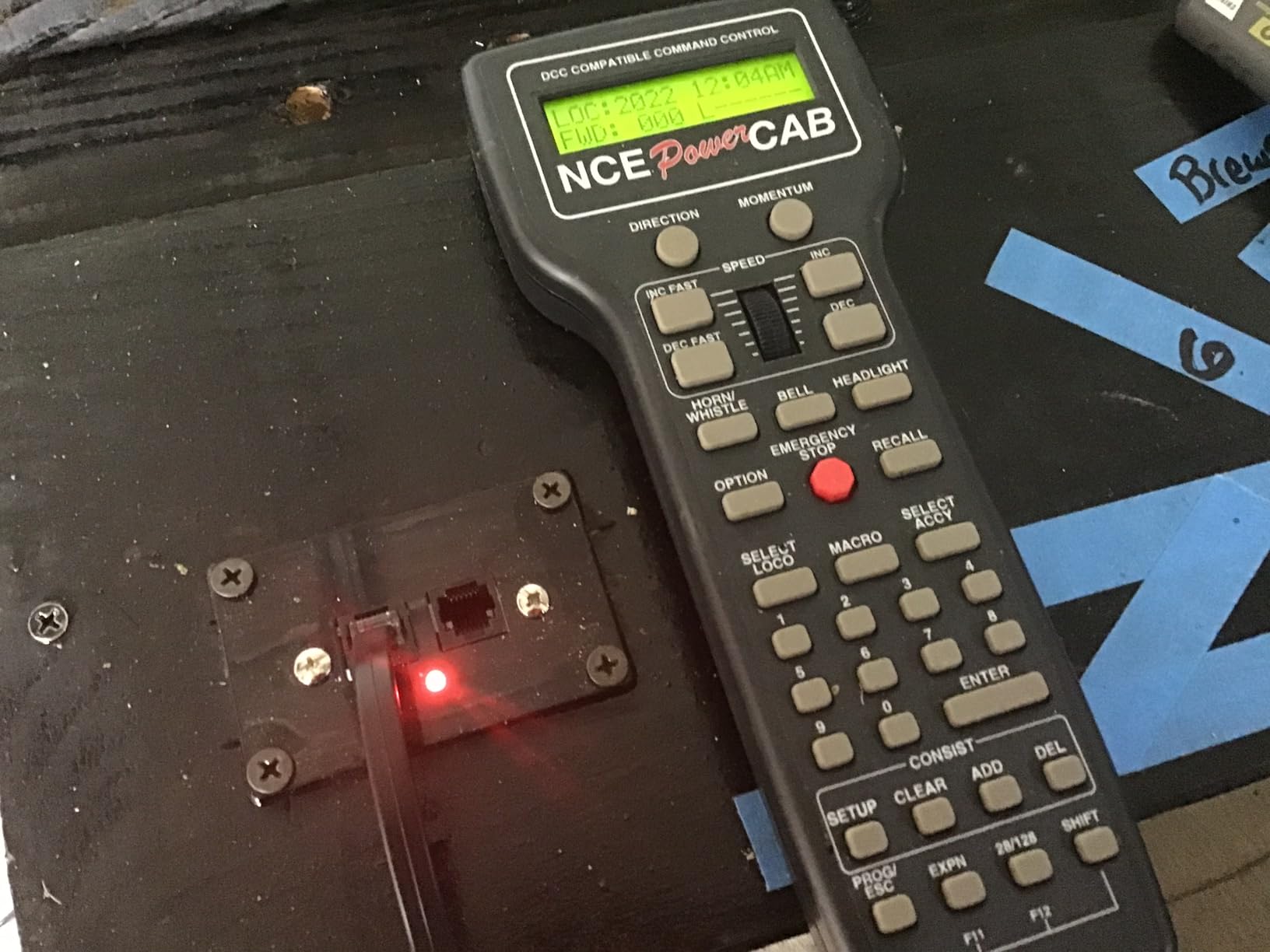
What really makes this system shine for clubs is the upgrade path. You can add a Power Pro command station later and keep using the same cabs. Our club started with three Power Cabs in [cy-1] and has since expanded to a full Power Pro system while reusing all the original throttles. That kind of investment protection matters when clubs are spending member dues.
The included manual deserves special mention. Unlike some competitors with vague instructions, NCE includes a comprehensive guide that explains DCC concepts without assuming prior knowledge. We’ve had members aged 8 to 80 successfully program decoders using just the included documentation.
Who Should Buy This
This system fits clubs with 2 to 4 operators running small to medium layouts, especially those with members new to DCC. The intuitive interface reduces training time and frustration. If your club values American-made products and wants excellent customer support, NCE delivers on both counts.
I recommend this for HO clubs with layouts under 400 square feet or N-scale clubs under 600 square feet. The 2-amp capacity won’t handle massive layouts with 10+ sound-equipped locomotives, but that’s not the target market here.
Club Layout Considerations
The Power Cab works best when you plan for expansion from day one. Purchase an extra UP5 panel or two for convenient throttle plug-in points around your layout. Position the command station centrally so the coiled cords reach all operating positions. Consider adding a programming track separate from your main line to avoid interrupting operations during decoder setup.
The non-Prime eligibility means shipping takes 3-4 days, so plan accordingly if you need the system for an upcoming event. Some retailers offer faster shipping options worth the small upcharge for time-sensitive club needs.
2. Digitrax Zephyr Express Starter Set – Best Expandability for Growing Clubs
Digitrax Inc. Zephyr Express Starter Set DGTZEPE Power Supplies
3-amp power supply
9000+ locomotive addresses
Jump ports for DC throttles
USB for JMRI interface
Pros
- Easy setup with beginner-friendly docs
- Use existing DC packs as extra throttles
- USB connectivity for PC control
- 3 amps runs more trains than 2-amp systems
- Prime eligible with fast shipping
Cons
- No CV programming for accessory decoders
- Replacement power supplies hard to source
- Learning curve on DCC parameters
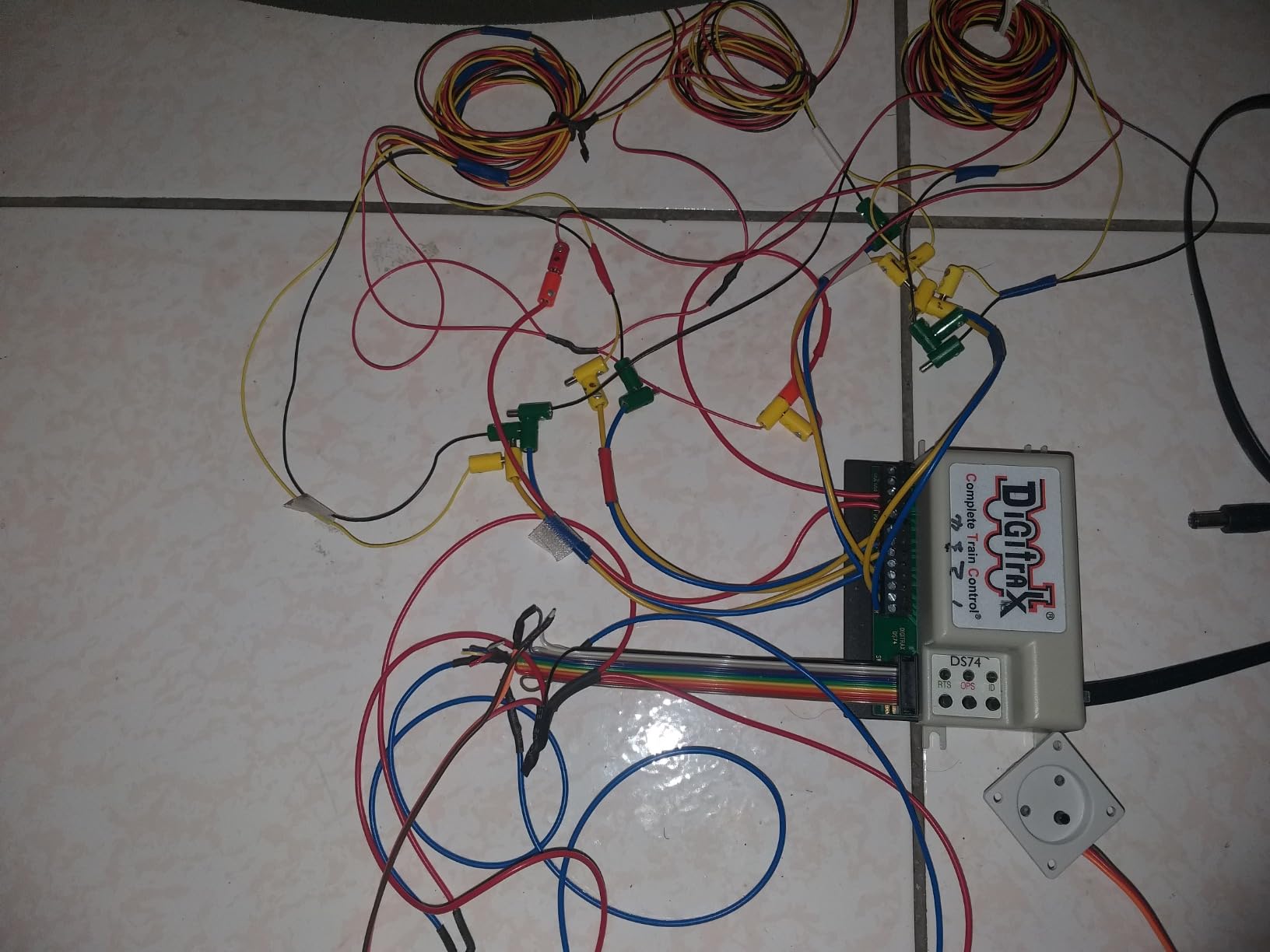
The Digitrax Zephyr Express offers something unique that budget-conscious clubs will appreciate. Those jump ports on the front panel let you connect old DC power packs as additional throttles. I watched a club in Ohio use this feature to get six operators running simultaneously on a starter system budget.
With 3 amps of power output, you can run more locomotives than the NCE Power Cab’s 2-amp supply allows. The 9000+ locomotive address capacity means your club will never run out of decoder numbers, even with large rosters. For clubs planning sound-equipped locomotives, that extra amp makes a noticeable difference in performance.
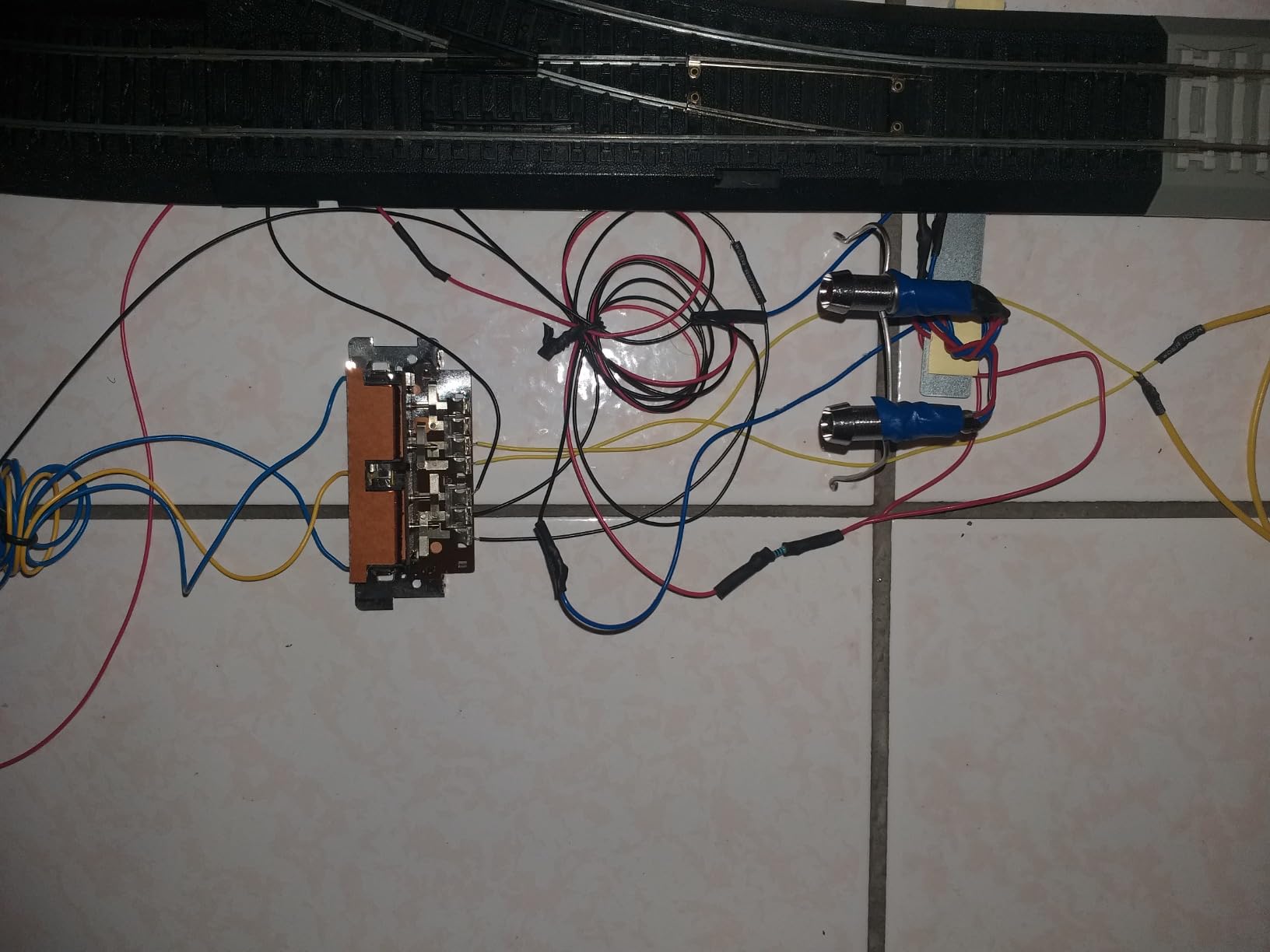
The USB port opens up possibilities that other starter systems lack. Connect to a computer running JMRI software and you get graphical decoder programming, roster management, and even WiFi throttle control through the Engine Driver app. I set this up at a friend’s club layout and members loved using their phones as wireless throttles without buying additional hardware.
Digitrax has been in the DCC business for over 22 years, and that experience shows in the build quality. The Zephyr Express feels more substantial than entry-level systems from lesser-known brands. The button and keypad layout becomes intuitive after a few operating sessions.
Multi-User Operation
The jump throttle feature is a game-changer for clubs. Connect any DC power pack to the jump ports and it becomes a basic throttle for a second operator. The main operator keeps full DCC control while the jump operator runs one locomotive. It’s not full DCC capability, but it gets clubs running multiple trains immediately.
For full multi-user DCC operation, add UT4 or UT6 throttles through the LocoNet ports. The system grows with your club’s needs and budget. Start with jump throttles, add wired throttles, then upgrade to wireless later without replacing the command station.
Programming Track Setup
The Zephyr Express includes basic programming capability for locomotive decoders but lacks CV programming for stationary decoders. For most clubs, this isn’t a limitation since accessory programming happens less frequently. Set up a dedicated programming track connected to the programming output for safe decoder configuration without affecting running trains.
The JMRI integration through the USB port makes programming much easier than using throttle key sequences. New members especially appreciate the graphical interface for setting up consists and function mappings.
3. Digitrax Evolution Express – 5A Power for Medium Club Layouts
Digitrax Evolution Express Advanced 5A/8A Starter Set EVOX
5-amp power expandable to 8A
WiFi module compatible
Turnout module support
JMRI software compatible
Pros
- Excellent upgrade path for growing layouts
- 5A handles multiple sound locomotives
- Same system portable between layouts
- Works immediately out of box
- Good documentation included
Cons
- Controller must stay plugged in
- Wireless requires pricier model
- IR receiver not readily available
When your club outgrows a 2 or 3-amp system but isn’t ready for full wireless duplex, the Evolution Express hits the sweet spot. The 5-amp power supply runs 6 to 8 HO locomotives simultaneously, even with sound decoders drawing extra current. I’ve used this system at three different club open houses without power-related issues.
The WiFi module compatibility means you can add wireless tablet or phone control later without replacing the entire system. This future-proofing matters for clubs making long-term investments. The turnout module support lets you expand into computer-controlled routes and signaling as your club’s technical expertise grows.
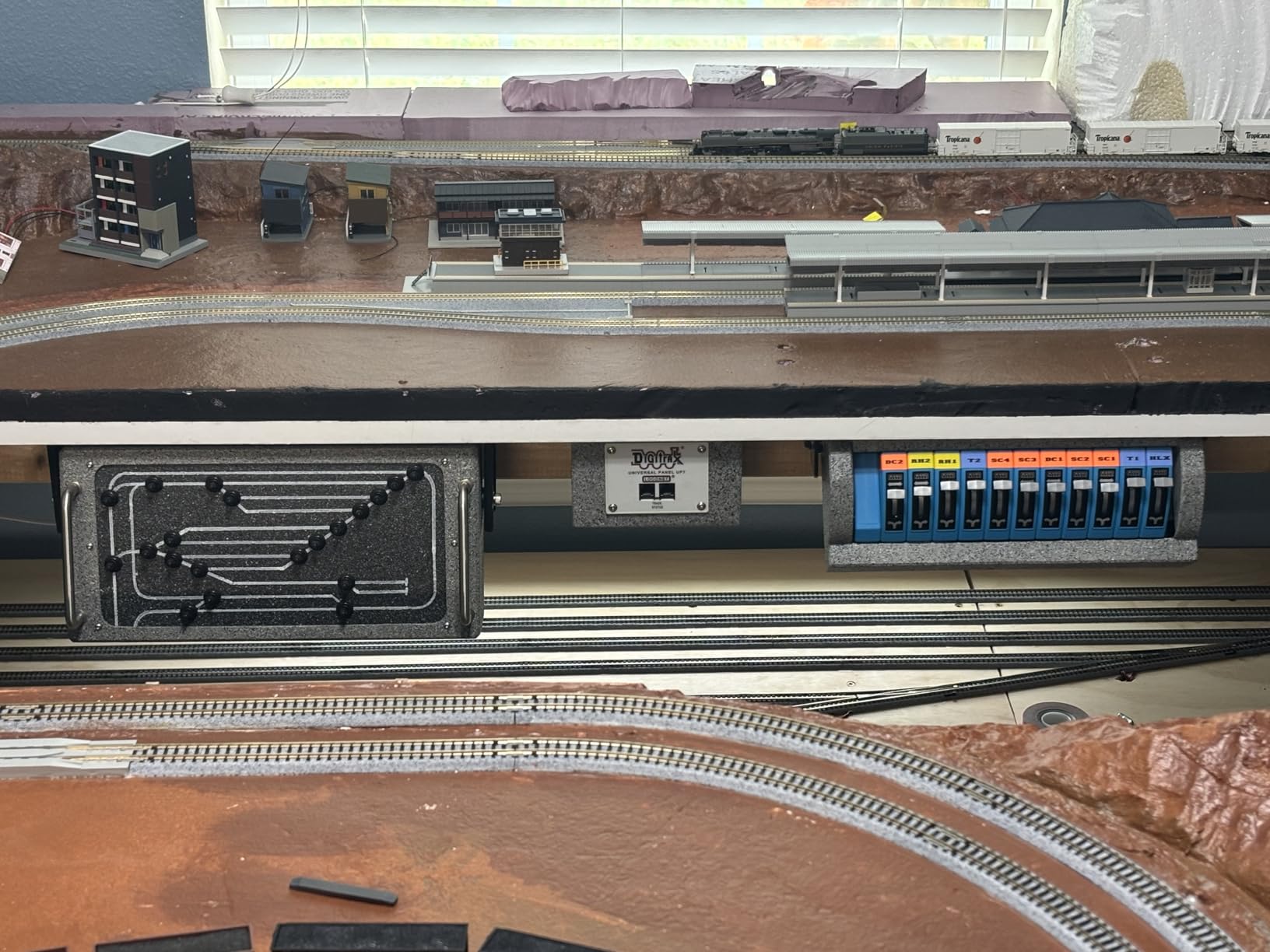
Unlike some starter systems that feel like dead-end purchases, the Evolution Express genuinely grows with your needs. The same command station works for small home layouts and expands to handle large club installations. Several club members in my area own personal Evolution systems that they bring to modular meets, creating instant compatibility.
The 4.9 rating from verified purchasers reflects the reliability. Only 20 reviews so far, but 86% are five-star ratings. Early adopters report the system handles complex operations without the hiccups common in lower-priced alternatives.
WiFi Expansion Options
Adding the WiFi module transforms how your club operates. Members use tablets or phones as wireless throttles, walking freely around the layout without cord tangles. The LAN connection also enables JMRI integration for roster management and operations simulation. Budget approximately $100 for the WiFi module when your club is ready to cut the cords.
The wireless range covers most club-sized rooms without issues. In larger venues, a simple WiFi extender ensures complete coverage. Setup requires some networking knowledge, but Digitrax documentation walks through the process clearly.
Turnout Module Integration
Club layouts with extensive yard or staging tracks benefit from turnout module compatibility. Connect DS64 or similar modules to control turnouts digitally from your throttles. The system supports routes, allowing one button press to align multiple turnouts for common moves. This speeds up operating sessions and reduces thrown switches.
Plan your turnout power needs separately from locomotive power. While the 5-amp supply handles trains, multiple stall motors or switch machines may require additional power districts. The Evolution architecture makes adding boosters straightforward when needed.
4. Digitrax Evolution Duplex Starter – Wireless Freedom for Large Clubs
Digitrax Inc. Evolution Duplex Starter DGTEVOXD Power Supplies
8-amp power supply
Duplex radio wireless system
UR93 transceiver included
UP5 throttle panel included
Pros
- Full wireless operation out of the box
- 8A power for large club layouts
- Multi-user capable immediately
- UR93 provides reliable radio link
- No cords to trip over during ops
Cons
- Some units shipped missing UR93
- Higher price than starter systems
- Only 3 left in stock currently
For established clubs with large permanent layouts and multiple simultaneous operators, the Evolution Duplex delivers professional-grade capability. The 8-amp power supply handles HO layouts with 15+ sound-equipped locomotives without strain. The included UR93 duplex radio transceiver gives operators true wireless freedom to walk around complex layouts safely.
I observed this system at a regional club with a 40×20 foot HO layout. Six operators ran trains simultaneously during a two-hour operating session. The wireless throttles never dropped connection, and power remained stable even when all locomotives were in motion. That’s the kind of reliability clubs need for public events and open houses.
Duplex Radio Advantages
Simplex wireless systems (one-way communication) sometimes miss commands in electrically noisy environments. The duplex radio in the Evolution system uses two-way communication with acknowledgment, ensuring every command reaches the locomotive. For club layouts near fluorescent lights, WiFi networks, and other interference sources, duplex radio proves more reliable than basic wireless options.
The UR93 transceiver provides coverage for most club-sized rooms. Position it centrally and elevated for best results. The system supports multiple UR93 units for very large venues, creating seamless handoff as operators move between coverage areas.
8A Power Distribution
With 8 amps available, you can power substantial layouts from a single supply. For even larger installations, the Evolution architecture supports adding boosters to create separate power districts. This lets you isolate sections for maintenance or short circuit protection without shutting down the entire layout.
Consider adding circuit breakers like the PSX series to protect individual power districts. These devices isolate short circuits to small sections rather than shutting down everything. Clubs running public events especially appreciate this feature when visitors accidentally cause derailments.
5. Bachmann E-Z Command Plus – Budget Entry Point for New Clubs
Bachmann Trains E-Z Command Plus Digital Command Control System Controller
Entry-level DCC system
128 speed-step control
29 control functions
On-track programming capability
Pros
- Lowest cost entry into DCC
- Good low speed control out of box
- Pulls full sound from locomotives
- Works with all DCC Bachmann locos
- NMRA compliant with other brands
- Prime eligible for fast delivery
Cons
- Confusing instructions require YouTube help
- Speed dial reliability issues reported
- Some units fail after minimal use
- 90-day warranty only
- Manufacturer support can be slow
New clubs with tight budgets sometimes need the most affordable path into DCC. The Bachmann E-Z Command Plus provides that entry point, though with significant compromises compared to NCE or Digitrax systems. At its price point, it enables DCC operation for clubs that otherwise couldn’t afford digital control.
The 128 speed steps provide smooth slow-speed operation, essential for realistic switching and yard work. The 29 function controls handle lights, sound, and effects on modern decoders. For basic club operations with 2-3 members, the system functions adequately.
Beginner-Friendly Features
The LED speed indicator gives visual feedback that helps new operators understand throttle response. Push-button controls with emergency stop buttons provide safety features essential for club environments with visitors. The included wall pack power supply simplifies initial setup without requiring electrical expertise.
However, the instructions confuse many first-time users. Plan on watching YouTube setup videos before your first operating session. Several club officers I spoke with spent their first evening troubleshooting what turned out to be simple connection issues poorly explained in the manual.
Limitations for Club Use
The quality control issues concern me for club applications. Multiple reviews report speed dial failures after days or weeks of use. For a club depending on reliable operation for monthly meetings, these reliability questions matter. The 90-day warranty provides less protection than competitors offering longer coverage.
I recommend this system only for very small clubs or as a temporary solution while saving for a more robust NCE or Digitrax setup. Consider it proof-of-concept for DCC rather than a long-term club infrastructure investment.
6. MRC Prodigy Advance Squared – Walkaround Convenience
Prodigy Advance Squared LCD Walkaround
Wireless walkaround capability
Large LCD screen
Multi-train control
Compatible with MRC systems
Pros
- Large screen easy for older members
- Excellent MRC customer support
- Control from both sides of layout
- More features than original handset
- Works out of box with MRC systems
Cons
- Requires additional hardware to function
- Cable not very long
- May need synchronization help
The MRC Prodigy Advance Squared addresses a specific club need: large displays that older members can read without glasses. The LCD screen shows speed, direction, and function status clearly across the room. For clubs with aging memberships, this accessibility feature deserves serious consideration.
As a walkaround throttle, it untethers operators from fixed control panels. The wireless capability lets members follow their trains around the layout, creating a more engaging experience. I watched a club in Florida use three of these throttles simultaneously during a busy open house.
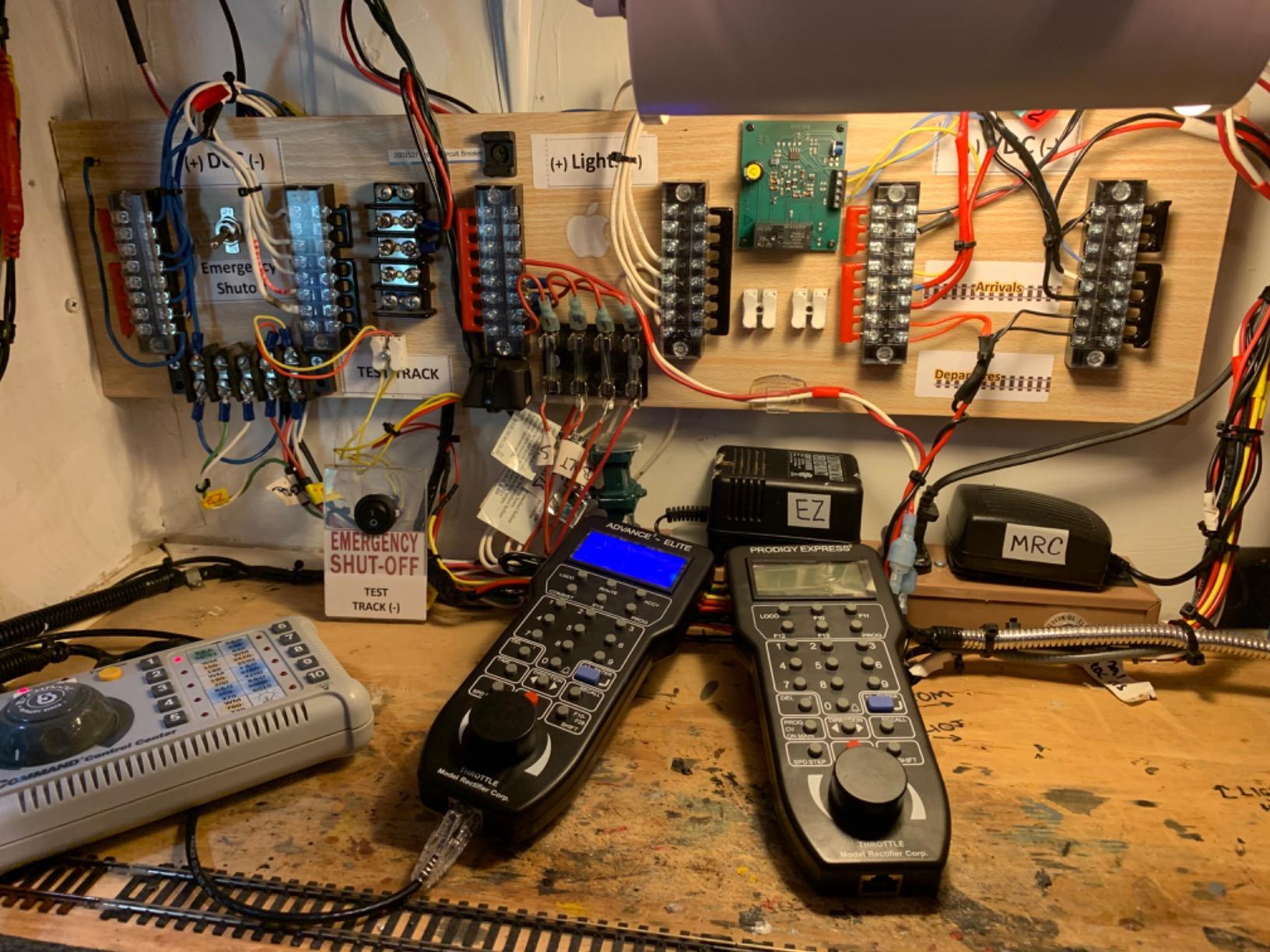
MRC’s customer support receives consistently positive mentions in user reviews. When clubs encounter issues, responsive support matters more than fancy features. The 4.0 rating reflects solid performance, though the limited 19 reviews suggest smaller market presence than NCE or Digitrax.
Large LCD Benefits
The display shows locomotive name, speed step, direction, and active functions simultaneously. No scrolling through menus to check basic status. For clubs where members operate unfamiliar locomotives from the club roster, this immediate feedback reduces confusion and operating errors.
The backlight enables operation in dimly lit layout rooms without additional lighting. During evening operating sessions or in basement layouts with limited ambient light, the illuminated display proves invaluable compared to throttles lacking backlighting.
Cable Length Considerations
The included phone-style cable limits range compared to coiled cords on other systems. For larger layouts, you may need extension cables or additional jack points. Plan jack locations every 8-10 feet around your layout perimeter for convenient access.
Some users report needing help synchronizing the throttle with the original controller the first time. Once paired, operation is straightforward, but budget time for initial setup assistance. The manual explains the process, though less clearly than NCE documentation.
7. NCE Deluxe Pro Cab – Rugged Upgrade for Active Clubs
NCE Corporation 5240010 Deluxe Pro Cab
American made quality
Drop-resistant construction
Compatible with Power Cab
Includes connection cable
Pros
- Excellent customer support
- Very durable survives drops
- Works as 2nd controller with Power Cab
- Good value for upgrade
- Easy to learn basic commands
Cons
- Some units short after a year
- Recommend surge protection
- Not Prime eligible
Clubs with enthusiastic younger members or high-traffic open houses need equipment that survives rough handling. The NCE Deluxe Pro Cab delivers that durability with American-made construction that handles accidental drops on hard floors. I’ve seen these throttles survive falls that would destroy lesser controllers.
This throttle works as an upgrade or expansion to existing Power Cab systems. Keep your original command station and add Pro Cabs for officers or frequent operators who want more features. The upgrade path preserves your initial investment while adding capability.
NCE’s customer support responds quickly by email or phone when issues arise. For clubs depending on equipment for scheduled events, that responsive support matters more than any feature list. The 4.1 rating from 27 reviews reflects real-world reliability in active use environments.
Drop-Resistant Design
The Pro Cab casing withstands impacts that crack cheaper throttles. The buttons maintain positive tactile feedback even after years of use. For clubs where multiple hands handle equipment monthly, this longevity saves money compared to replacing broken throttles annually.
The included comprehensive manual explains advanced features without overwhelming beginners. New members can start with basic operations while experienced operators access consisting, macro, and programming functions.
Adding to Existing NCE Systems
The Pro Cab plugs directly into existing Power Cab command stations or Power Pro systems. No adapters or converters needed. This seamless integration makes expansion planning simple: buy what you need now, add more later using the same architecture.
Some users report potential shorting issues after extended use. Installing surge protection on your layout power bus protects against this rare but possible failure mode. The investment in a quality surge protector costs less than replacing a damaged command station.
8. Bachmann 5 Amp Power Booster – Capacity Expansion
Bachmann E-Z Command DCC 5 Amp Power Booster for use with All Scales
5-amp power booster
Compatible with E-Z Command
Works with all scales
Expands to 8 engine capacity
Pros
- Easy add-on to existing Bachmann systems
- Boosts capacity significantly
- Works with HO N G O scales
- Arrives early and well-packaged
- Still working after years of use
Cons
- Overpriced versus competitors
- Instructions vague and contradictory
- Difficult customer service contact
- No manuals available on website
Clubs already invested in Bachmann E-Z Command systems sometimes need more power without replacing everything. This 5-amp booster expands capacity from 3-4 engines to 8 continuous operations. For clubs that started with the entry system and grew, this provides a middle ground before full system replacement.
The multi-scale compatibility suits clubs running multiple gauges. The same booster works with HO, N, G, or O scale systems. This flexibility helps clubs with diverse interests or modular layouts handling different scales at different shows.
Long-term users report reliable operation years after purchase. The 4.2 rating from 25 reviews shows acceptable satisfaction, though the value proposition has weakened as competitor prices dropped. Consider this primarily for existing Bachmann system expansion rather than new installations.
When You Need More Power
Add this booster when your current system struggles to maintain speed with multiple sound-equipped locomotives. The symptoms include sluggish response, dimming lights, or stalling on grades when multiple trains run. These indicate you’ve exceeded your command station’s amperage capacity.
The booster connects inline between your command station and track, handling the increased current draw. Installation requires basic wiring skills but no programming or configuration. Connect, power on, and operate with expanded capacity immediately.
Multi-Scale Compatibility
Clubs operating multiple scales benefit from equipment that transfers between layouts. This booster works with any DCC system, not just Bachmann. If your club has separate HO and N-scale layouts, one booster can serve both with simple cable swaps.
The 5-amp capacity handles most club-sized single-scale layouts adequately. Only the largest installations with extensive sound decoders need additional boosters beyond this unit.
9. Digitrax 8 Amp Auto-Reversing Booster – Large Layout Solution
8 Amp Auto-Reversing DCC Booster by Digitrax
8-amp output capacity
Dual auto-reversing sections
Multi-scale operation
LocoNet plug-and-play
Pros
- Easy front panel switch setup
- Dual auto-reverse sections
- Three LocoNet jacks on panel
- Large heat sink for reliability
- Excellent for larger layouts
- 1-year warranty included
Cons
- Power supply sold separately
- Not a command station by itself
- Can heat up under heavy loads
- May need external fan
Clubs with large layouts and reversing loops need the Digitrax 8 Amp Auto-Reversing Booster. The dual auto-reversing sections handle two separate reversing loops or turntables without additional modules. This simplifies wiring and reduces potential failure points in complex track plans.
The 5.0 rating from limited reviews reflects excellent build quality. Users praise the front panel controls that simplify configuration compared to hidden jumpers or software settings. The large heat sink keeps the unit cool even under continuous high-load operation during extended running sessions.
As a booster only (not a command station), this unit expands existing Digitrax systems rather than starting new installations. Your club needs a command station like the Zephyr or Evolution series to generate DCC signals, then this booster amplifies power for additional track sections.
Dual Auto-Reversing Sections
Auto-reversing handles the polarity flip required when trains enter reversing sections. Without it, you get instant short circuits. This booster manages two separate reversing sections simultaneously, perfect for layouts with both a turntable and a balloon track or wye.
The detection circuitry responds quickly to prevent damage to locomotive decoders or track components. Set the sensitivity using front panel switches based on your track conditions and locomotive current draw.
Thermal Management
High-power operation generates heat. The substantial heat sink handles normal club operating sessions without issues. For continuous high-load use in warm rooms, consider adding a small cooling fan positioned to move air across the heat sink fins.
The over-temperature shutdown protection prevents damage if airflow becomes restricted. The automatic reset restores operation once temperatures return to safe levels. This protection matters for unattended layouts or when operators get distracted during long runs.
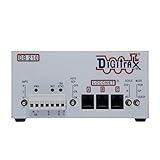
10. Digitrax DB210 Advanced Booster – Reversing Loop Specialist
Digitrax DGTDB210 Booster Advanced w/Single Auto Reversing, 8A
8-amp power output
Single auto-reversing capability
System powered via LocoNet
Compact installation size
Pros
- 8-amp capacity for club layouts
- Auto-reversing for single loop
- Compact size easy to install
- Good for expanding Digitrax systems
- System-powered no extra supply needed
Cons
- Very limited instructions included
- Power supply sold separately
- Some units fail out of box
- Complex installation for beginners
- Return shipping costs charged
The DB210 serves a specific niche: adding single auto-reversing capability to Digitrax systems with minimal space requirements. Its compact footprint fits in tight layout rooms where larger boosters won’t install easily. For clubs adding a reversing loop to existing layouts, this provides targeted capability without overkill.
The 8-amp capacity matches larger boosters despite the smaller size. The system-powered design draws operating power through the LocoNet cable, reducing wiring complexity. Only the track power supply needs separate connection.
The mixed 3.6 rating reflects quality control issues that concern me for club applications. Some users report units failing to power track out of the box. The very limited documentation complicates troubleshooting. Consider purchasing from retailers with good return policies.
Single Auto-Reversing Setup
Configure the auto-reversing threshold using the single front panel control. The manual lacks detail on optimal settings, so expect some trial and error. Start conservative and adjust based on your specific track and locomotive characteristics.
The reversing section length affects performance. Longer sections with more locomotives present simultaneously draw more current during the polarity flip. Test with your heaviest consists to ensure reliable operation before public events.
Power Supply Requirements
The DB210 requires a compatible DC power supply purchased separately. The manual fails to specify exact voltage and amperage requirements clearly. Contact Digitrax support or consult experienced users before purchasing power supplies to ensure compatibility.
System power through LocoNet simplifies wiring but limits placement based on cable length to your command station. Position the DB210 within standard LocoNet cable reach of your command station or add a LocoNet repeater for longer runs.
How to Choose the Right DCC Starter System for Your Clubs?
Selecting the best DCC starter system requires understanding your club’s specific needs beyond just picking the highest-rated product. After helping several clubs transition to DCC, I’ve identified the key factors that determine long-term satisfaction.
Power Requirements for Club Layouts
Calculate your power needs based on layout size and typical operating locomotives. A good rule of thumb: allow 0.5 amps per sound-equipped HO locomotive and 0.25 amps per non-sound locomotive. For N scale, use half those figures.
A small club running 4 HO locomotives without sound needs about 1 amp. Add sound decoders and you’re at 2 amps. That’s the NCE Power Cab territory. Scale up to 8 locomotives with sound and you need 4 amps minimum, pushing you toward the Digitrax Evolution systems.
Consider future growth when sizing your initial purchase. Buying slightly more power than currently needed prevents early replacement as your club expands its roster or adds sound decoders to existing locomotives.
Multi-User Operation Considerations
Count your typical operating crew during busy sessions. Every operator needs a throttle, and most starter systems include only one. Factor the cost of additional throttles into your total system budget.
The Digitrax Zephyr’s jump ports let you use old DC power packs as temporary additional throttles. This clever feature stretches your budget while building toward full DCC throttles. NCE requires purchasing their proprietary cabs for additional operators.
Wireless throttles cost more but dramatically improve the operating experience. Members walk freely rather than fighting cords or staying tethered to panels. For clubs with elderly members or complex layouts requiring walking, wireless pays for itself in safety and enjoyment.
Expandability and Future-Proofing
Ask potential vendors about upgrade paths before purchasing. The best systems let you add power, wireless capability, and computer integration without replacing the core command station. NCE and Digitrax both offer clear upgrade hierarchies.
Consider computer integration even if you don’t currently use software. JMRI compatibility enables roster management, programming assistance, and operations simulation. Clubs using JMRI report easier new member training and more sophisticated operating sessions.
Think about your five-year layout plans. Will you add signaling? Computer-controlled turnouts? Block detection? Choose a system supporting these advanced features even if your initial installation stays basic. The incremental cost upfront saves complete replacement later.
Wireless vs Wired Throttles
Wired throttles cost less and never suffer from interference or battery issues. For small layouts or fixed operating positions, they work fine. The coiled cords on NCE and Digitrax throttles provide reasonable freedom of movement.
Wireless throttles enable true walkaround operation following your train around the layout. This matters for large club installations where cord length becomes restrictive. Digitrax Duplex systems provide the most reliable wireless experience, though at premium prices.
Consider hybrid approaches: wired throttles at fixed positions (yard, staging) and wireless for mainline operators. This balances cost against capability based on actual operating needs rather than forcing uniform solutions.
Programming Track Needs
Clubs need dedicated programming tracks separate from the main layout. Programming involves sending configuration commands that would disrupt operating locomotives on the main line. Most starter systems include programming track outputs.
Locate your programming track near workbenches where members prep locomotives for operation. This prevents carrying locomotives across the layout room where drops or damage might occur. Good lighting at the programming station helps members see tiny decoder switches and wire connections.
Consider adding a programming track booster if your club does extensive decoder work. The programming output on starter systems sometimes lacks power for complex configuration tasks or sound decoder initialization.
Budget Planning for Clubs
Develop total cost estimates including hidden expenses beyond the starter system itself. Budget for additional throttles, wiring, power supplies, and potential computer interface hardware. The starter system often represents only half the total investment.
Consider cost-sharing strategies. Some clubs assess members a DCC fee that builds a dedicated fund. Others seek sponsorships from local businesses for naming rights on the command station or throttles. A few successful grant applications to hobby foundations have funded complete DCC conversions.
Factor in learning curve costs. Clubs new to DCC should budget for potential mistakes: short circuits from wiring errors, damaged decoders from incorrect installation, or failed projects as members learn. Having spare decoders and extra wire on hand prevents operational delays.
Frequently Asked Questions About Club DCC Systems
What DCC system are people using these days?
NCE and Digitrax dominate the club market in 2026. The NCE Power Cab leads for smaller clubs prioritizing ease of use, while Digitrax systems appeal to technically advanced clubs wanting extensive customization. DCC-EX has gained traction among budget-conscious clubs comfortable with open-source solutions and DIY installation.
Which DCC system should I use for my club?
Choose NCE Power Cab for clubs with older members or beginners who value intuitive operation. Select Digitrax Zephyr Express for clubs wanting maximum expandability and computer integration. Consider Digitrax Evolution Duplex for large permanent layouts requiring wireless multi-user operation. Budget-restricted clubs might start with Bachmann E-Z Command and upgrade later.
What are some good DCC controllers for beginners?
The NCE Power Cab ranks as the most beginner-friendly DCC controller available. Its push-button interface proves more intuitive than knob-based throttles for new operators. The excellent manual teaches DCC concepts while guiding setup. Bachmann E-Z Command Plus offers lower cost entry though with reliability trade-offs. Digitrax UT4 throttles work well for beginners on Digitrax systems.
How much power do I need for a club DCC layout?
Calculate approximately 0.5 amps per sound-equipped HO locomotive and 0.25 amps for non-sound. A typical club running 6 to 8 HO locomotives simultaneously needs 4 to 5 amps minimum. N-scale requires roughly half the amperage. Always add 20 percent headroom above calculated needs to prevent voltage drop during peak loads. Large club layouts with 15 plus locomotives need 8-amp systems or multiple power districts with boosters.
Can DCC systems be expanded later?
Quality DCC systems from NCE and Digitrax offer clear upgrade paths. You can add power boosters, wireless throttles, and computer interfaces without replacing the core command station. NCE Power Cab systems upgrade to Power Pro while keeping existing throttles. Digitrax starter systems expand through the LocoNet architecture to support virtually unlimited growth. Avoid budget systems lacking documented expansion options.
Final Recommendations for Club DCC Systems in 2026
The best DCC starter systems for club layouts balance your current needs with future growth potential. For most clubs, the NCE Power Cab provides the ideal starting point with its intuitive interface, proven reliability, and clear upgrade path. The Digitrax Zephyr Express offers superior value for technically inclined clubs wanting computer integration and jump throttle flexibility.
Large established clubs with complex layouts should invest directly in the Digitrax Evolution Duplex for its wireless capability and 8-amp power supply. The premium price pays dividends in operating enjoyment and reduced cord-related accidents during busy open houses.
Whatever system you choose, prioritize expandability and member support. A slightly more expensive starter system with a clear upgrade path saves money compared to replacing an entire installation in two years. Your club’s DCC investment should last decades, not just until the next catalog arrives.
Start with one of the top three picks reviewed here, plan your power districts carefully, and enjoy the freedom of independent locomotive control that DCC brings to club operations. Your members will thank you for making the right choice.