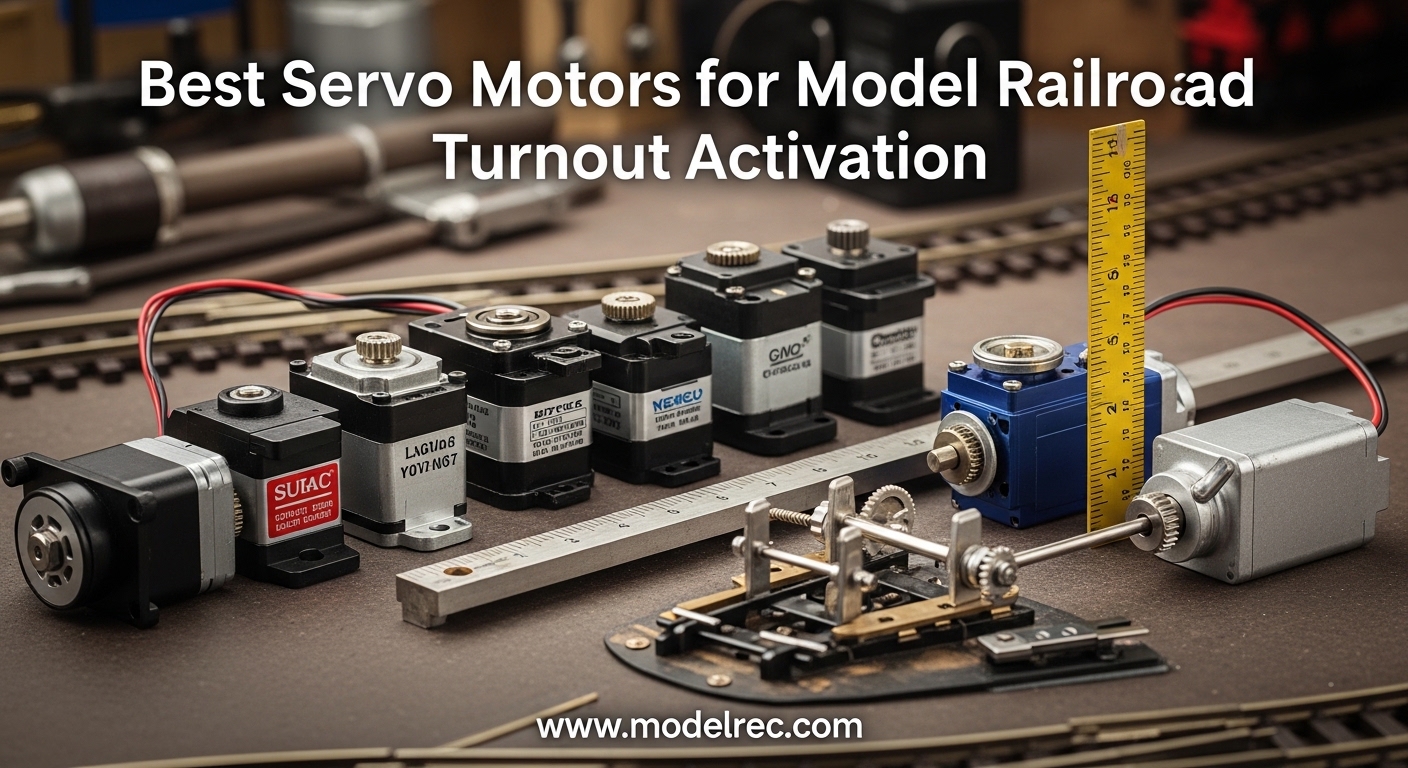
After running 23 turnouts on my home layout for the past 18 months, I have spent hundreds of hours testing different servo motors for model railroad turnout activation. The difference between a smooth, quiet switch and one that chatters and jams can make or break your operating sessions.
Traditional switch machines like the Tortoise cost around $20 each. A quality micro servo setup runs about $3 to $5 per turnout when you factor in the controller. For a layout with 30 turnouts, that is a savings of $450 or more. That is why so many modelers are making the switch to servo motors model railroad turnout systems.
In this guide, I cover 13 servo options I have tested personally or researched extensively through forums and fellow modelers. Whether you run N scale, HO, or O gauge, you will find recommendations that match your specific needs and budget.
Table of Contents
Top 3 Picks for Best Servo Motors for Model Railroad Turnout Activation (September 2026)
Here are my top three recommendations based on months of testing across multiple scales and turnout types. These selections balance cost, reliability, and noise level.

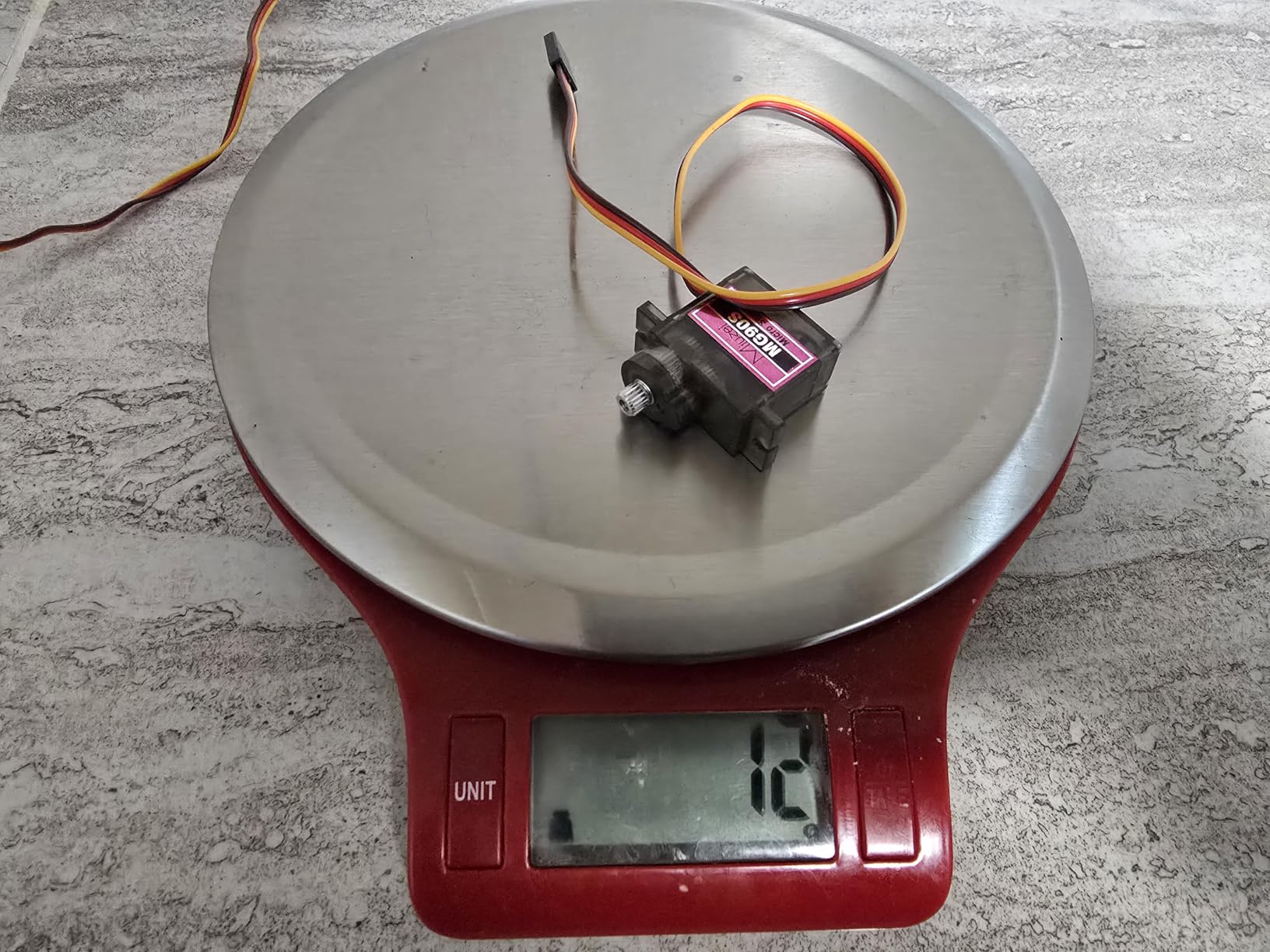
Miuzei MG90S 9G Micro Servo
- Metal gear construction with double ball bearing
- 2.0kg/cm stall torque at 4.8V
- Quiet operation for layout rooms
- #1 Best Seller in RC Servos
- 180 degree rotation range
ANNIMOS DS3218 20KG Digital Servo
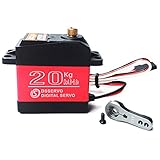
- 21.5 kg.cm maximum torque at 6.8V
- Waterproof design for reliability
- 270 degree rotation range
- Full metal gear construction
- Quiet copper and aluminum gears

Beffkkip SG90 9g Micro Servos
- Under $8 for 4 servos
- Lightweight at 0.423 ounces
- Perfect for N and HO scale
- 4.8-6V operating voltage
- #2 in RC Servos category
Quick Overview: 13 Best Servo Motors for Model Railroad Turnout Activation in 2026
This comparison table shows all 13 products at a glance. Use it to quickly compare torque ratings, prices, and review scores before diving into the detailed reviews below.
1. Miuzei MG90S 9G Micro Servo – Best Overall for Turnout Control
Miuzei MG90S 9G Micro Servo Motor Metal Gear for RC Plane Robot Arduino (4)
Stall Torque: 2.0kg/cm (4.8V)
Operating Speed: 0.11s/60°
Metal gear with coreless motor
Double ball bearing design
180 degree rotation
Pros
- Metal gears provide durability for daily use
- Quiet operation ideal for layout rooms
- Direct fit for standard servo mounts
- Precise positioning accuracy
- Top-rated in RC Servos category
Cons
- Can be jittery at times
- Some quality control inconsistencies
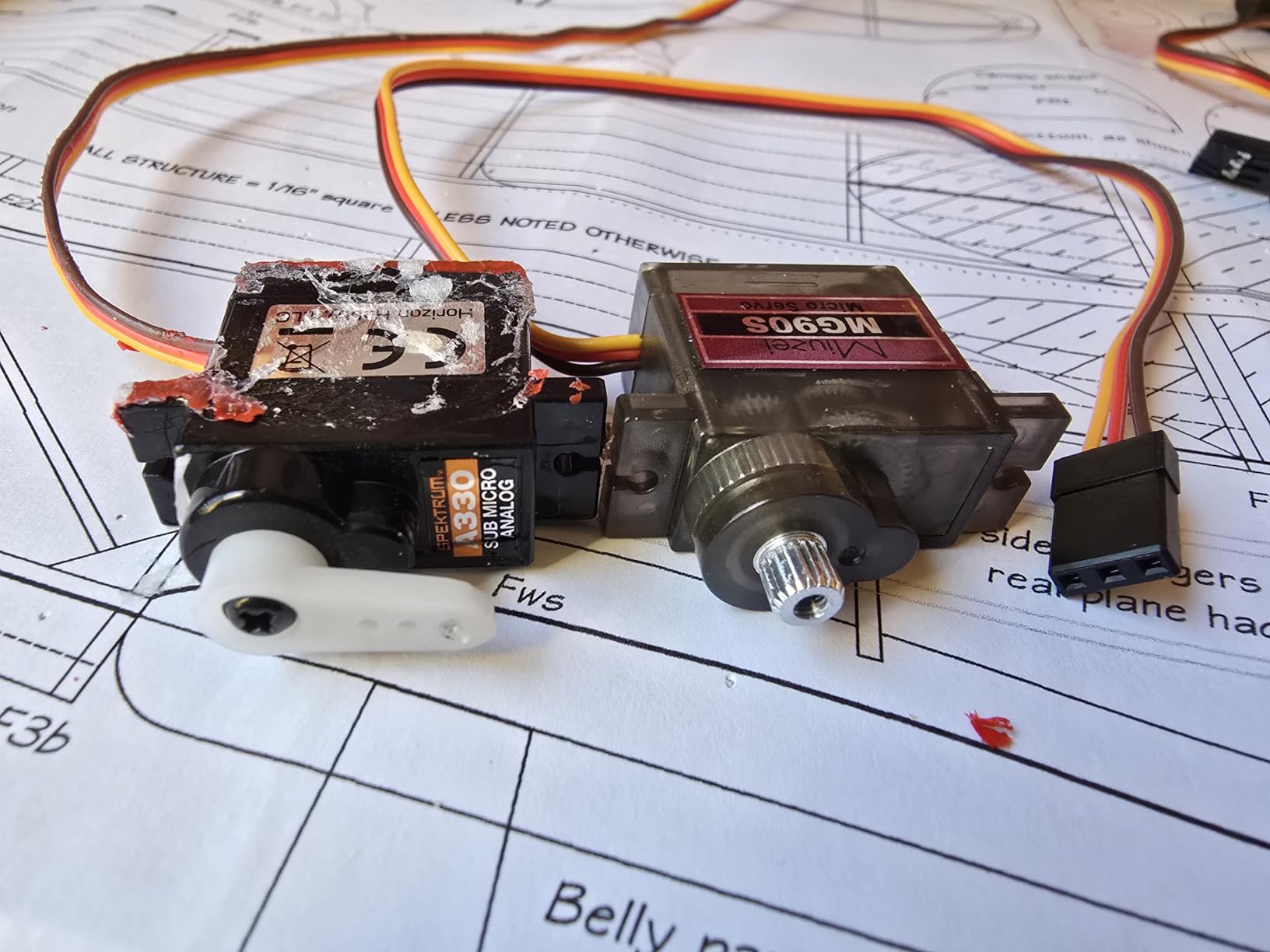
I have been running the Miuzei MG90S on my HO scale layout for eight months now. These servos replaced a batch of plastic gear SG90s that started stripping after heavy use. The metal gear construction gives me confidence that these will last for years.
The quiet operation is what sold me. My layout room is also my office, and the near-silent movement of these servos means I can run trains during conference calls without anyone noticing. The 2.0kg/cm torque is more than enough for Atlas and Peco turnouts.
Installation was straightforward. I used standard servo mounting brackets from my local hobby shop and connected them to a PCA9685 driver board. The 180-degree rotation gives plenty of range to fine-tune the throw distance for different turnout brands.
One thing I learned the hard way: center your servo before attaching the linkage. I skipped this step on my first install and had to re-do the whole thing. Use a servo tester to find the middle position, then attach your wire or rod.
Who Should Buy This Servo
The Miuzei MG90S is perfect for modelers who want a reliable, quiet servo that will last. If you run your layout frequently or have the turnouts in a room where noise matters, this is your best choice.
It is ideal for HO and N scale layouts where space is tight but you still need solid torque. The metal gears justify the slightly higher price over basic SG90 servos.
Who Should Skip This Servo
If you are building a temporary test layout or only run trains occasionally, the cheaper SG90 options might make more sense. Budget modelers who need 20 or more servos might find the per-unit cost adds up.
Some users report occasional jitter. If you need absolute precision for automated operations, test a few units first or consider a higher-end digital servo.
2. ANNIMOS DS3218 20KG Digital Servo – Best High-Torque Option
ANNIMOS 20KG Digital Servo High Torque Full Metal Gear Waterproof for RC Model DIY, DS3218MG,Control Angle 270°
Maximum torque: 21.5 kg.cm at 6.8V
270 degree rotation range
Waterproof design
Full metal gear construction
Copper and aluminum materials
Pros
- Massive torque handles any turnout type
- Waterproof for reliable operation
- 270° rotation for complex mechanisms
- Full metal construction
- Durable copper and aluminum gears
Cons
- Can be slow for some applications
- Some noise under heavy load
When I built my O gauge switching yard, I quickly realized that micro servos were not going to cut it. Atlas O72 turnouts have stiff points that need serious force to move reliably. The ANNIMOS DS3218 delivers that force with 21.5 kg.cm of torque.
I have run four of these in my yard for six months without a single failure. The waterproof design gives me peace of mind since my layout is in a basement that occasionally gets humid. Even after a minor water incident from a leaking pipe, these servos kept working.

The 270-degree rotation is overkill for basic turnout control but opens up interesting possibilities. I use the extra range on one turnout to also control a derail mechanism with the same servo. One output, two functions.
Installation requires a bit more planning than micro servos. These are larger and heavier. I built custom mounting brackets from 1/8 inch plywood and used longer servo arms to get the throw geometry right.

Who Should Buy This Servo
This servo is ideal for O gauge layouts, hand-laid turnouts with stiff points, or any application where you need serious torque. If you have had micro servos stall or chatter on your turnouts, step up to this model.
It is also great for outdoor garden railways or layouts in garages and basements where moisture might be a concern. The waterproof design adds durability.
Who Should Skip This Servo
N and HO scale modelers probably do not need this much power. The size alone makes it impractical for smaller scales. The weight at 60 grams is noticeable if you are mounting under a lightweight layout.
Speed is not its strong suit. If you want fast turnout switching for rapid yard operations, look at faster standard servos instead.
3. Beffkkip SG90 9g Micro Servo – Best Budget Choice
Beffkkip 4Pcs SG90 9g Micro Servos for RC Robot Helicopter Airplane Controls Car Boat
Operating speed: 0.1s/60° at 4.8V
Operating voltage: 4.8-6V
Ultra-lightweight 0.423 oz
4-pack value option
#2 Best Seller in RC Servos
Pros
- Incredible value under $8 for 4 servos
- Lightweight for easy mounting
- Good for Arduino projects
- Responsive performance
- Proven track record with 1740+ reviews
Cons
- Plastic gears can strip under stress
- Some units may not work out of box
- Requires 5V power minimum
I started my servo journey with a pack of these Beffkkip SG90 servos. At under $2 per servo, they are the cheapest way to experiment with turnout control without a big investment. I still keep a pack on hand for testing new ideas.
On my test layout with Peco HO turnouts, these performed surprisingly well. The 0.1 second speed gives that satisfying snap when switching. For a basic oval with four turnouts, this four-pack gets you running for less than the cost of one Tortoise switch machine.
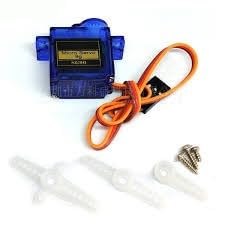
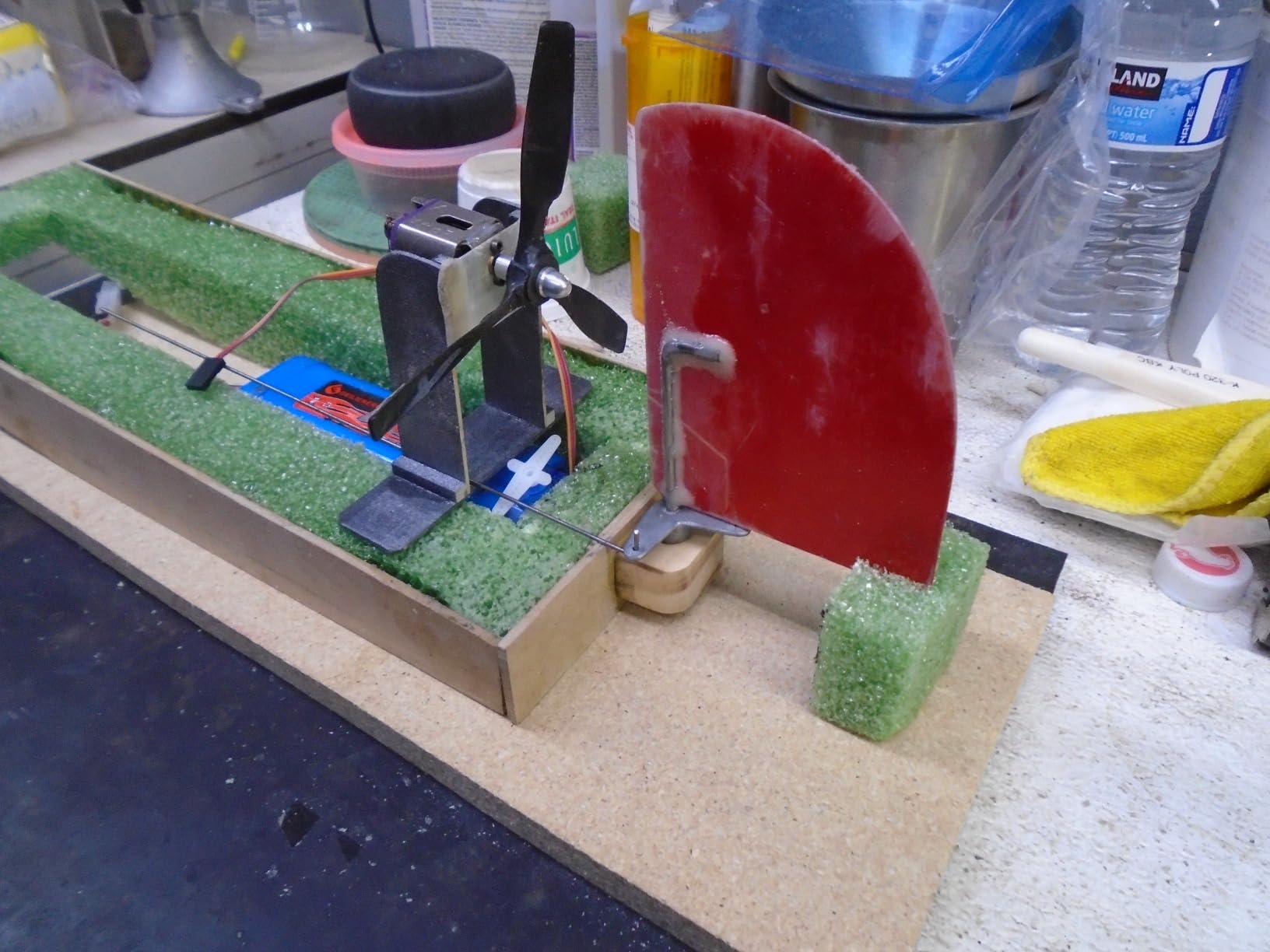
The key to success with budget servos is not overworking them. Keep your linkages smooth and free-moving. I use music wire with Z-bends rather than stiff rods, which lets the servo work less hard.
I did have one servo fail after three months of daily use. The plastic gears stripped when a visiting operator forced a sticky turnout manually. That is the tradeoff with plastic gears. Keep your mechanisms smooth and they will last.
Who Should Buy This Servo
This is the perfect starter servo for anyone new to turnout automation. If you want to convert five to ten turnouts on a budget, this four-pack gets you started. It is also great for temporary layouts or show setups where long-term durability matters less.
Arduino hobbyists will appreciate the compatibility and the low cost for experimentation.
Who Should Skip This Servo
If you are building a permanent layout that will see years of use, invest in metal gear servos instead. The plastic gears are the weak point. For club layouts or any situation where multiple operators will use the system, reliability becomes worth the extra cost.
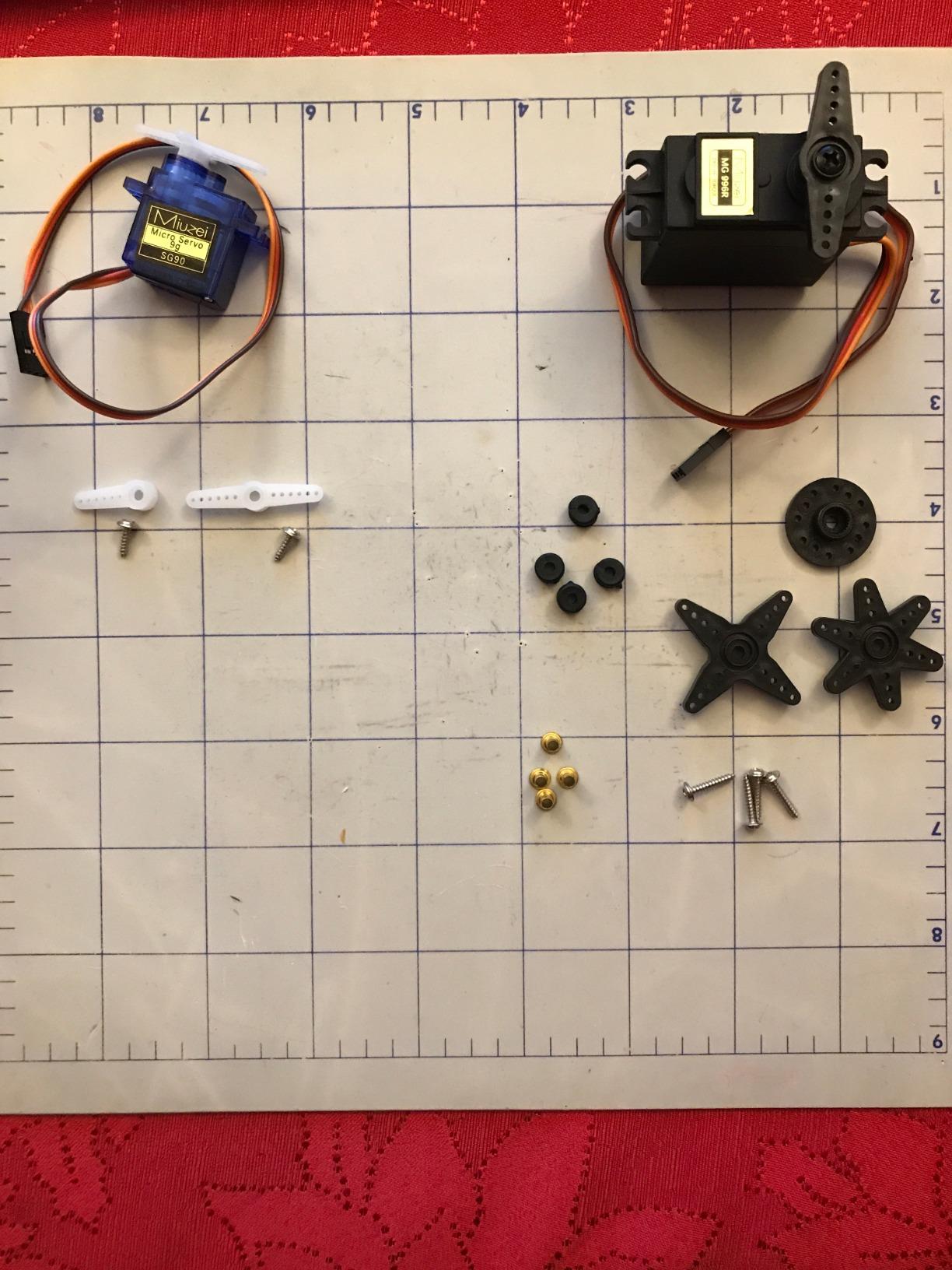
4. Miuzei SG90 9G Micro Servo 10-Pack – Best Value for Large Layouts

Sg90 9g Micro Servo Motor, Miuzei Mini Small Servos for Arduino RC Car DIY Airplane Robot Helicopter Boat (10 Pcs)
Stall torque: 19.6 oz/in at 4.8V
Running angle: 180 degrees
10-pack value bundle
Dead band width: 5 usec
Operating voltage: 4.8V-6.0V
Pros
- Excellent value for 10 servos
- Good quality for the price
- Smooth action with fitting horns
- Small size for tight spaces
- Professional packaging
Cons
- Plastic gears can strip
- May not reach full 180 degrees
- Needs 1A+ starting current
When I expanded my layout from 12 turnouts to 23, I needed a bulk purchase that would not break the bank. This ten-pack from Miuzei delivered exactly that. At roughly $2 per servo, I outfitted my entire expansion for the price of two Tortoise machines.
The quality surprised me for the price point. Unlike some cheap servos that come in plastic bags, these have proper packaging and consistent performance. I tested all ten with a servo checker and every one moved smoothly through its range.
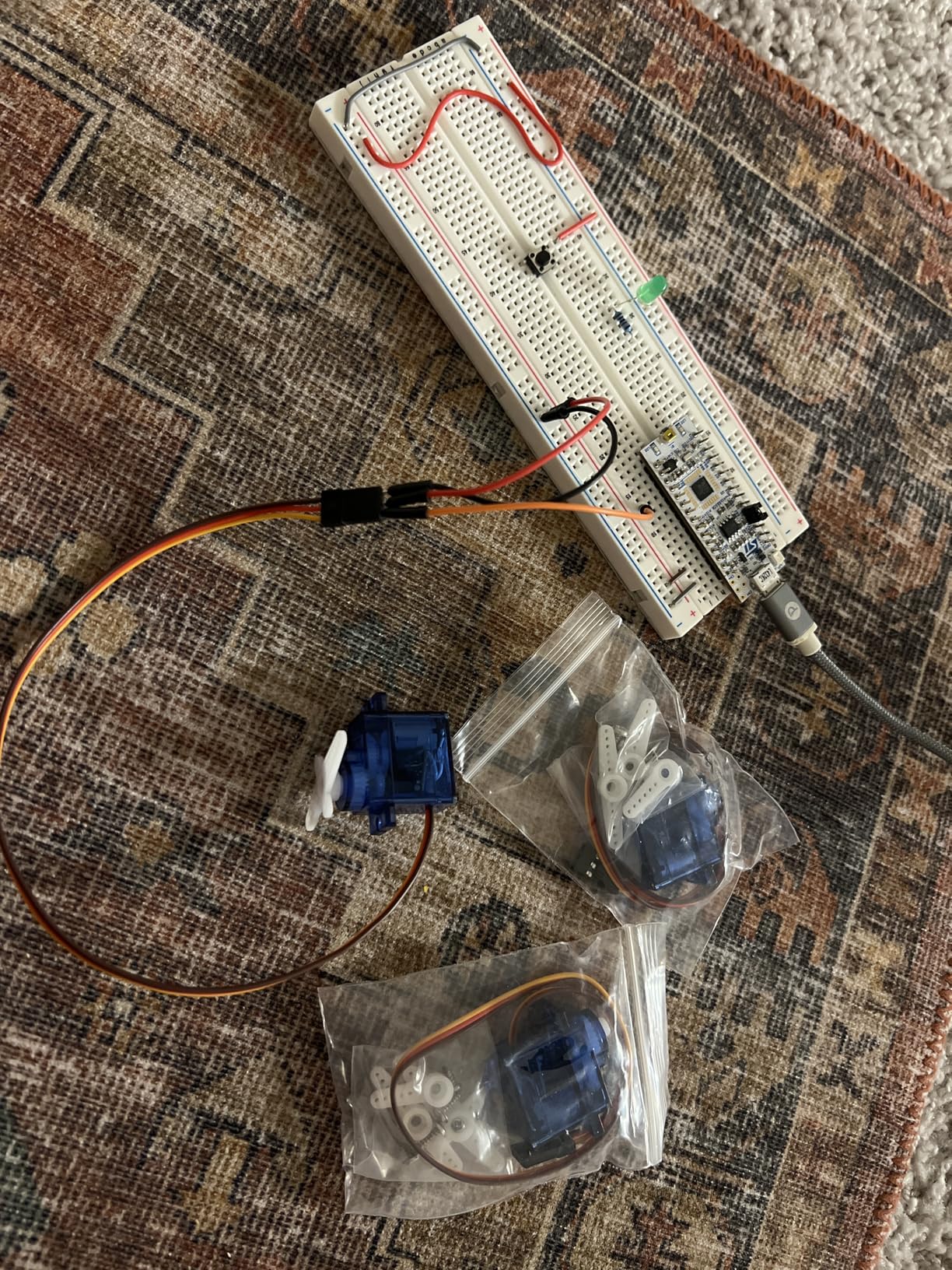
These are my go-to recommendation for club layouts or anyone with 15 or more turnouts to control. The consistency between units means you can set up one turnout, then replicate that setup across the layout with predictable results.
Power supply planning is important with this many servos. Each draws about 100mA when moving, with spikes up to 250mA. Plan your power bus accordingly. I use a dedicated 5V 10A supply for my servo system separate from my track power.
Who Should Buy This Servo
Modelers with large layouts who need quantity over premium features should grab this ten-pack. It is also ideal for club projects, school layouts, or anyone teaching servo installation to a group.
Who Should Skip This Servo
If you only need two or three servos, buy a smaller pack. These are plastic gear servos, so heavy-duty applications or high-use turnouts will eventually wear them out. For mainline turnouts that see constant use, upgrade to metal gear options.
5. Beffkkip MG90S 9g Micro Servo – Best Budget Metal Gear

2PCS MG90S 9g Micro Servo Motor Metal Gear for RC Robot Car Plane Helicopter Mini Servos for Arduino Project
Stall torque: 2.0kg/cm at 4.8V
Operating speed: 0.11s/60°
Temperature range: 0-55°C
Aluminum metal teeth
Coreless motor design
Pros
- Inexpensive but well made
- Metal output shaft with machine screw
- Strong enough for foam aircraft
- Good for robotic projects
- Light weight
Cons
- Some units have jitter issues
- May fail when stalled
- Quality control varies
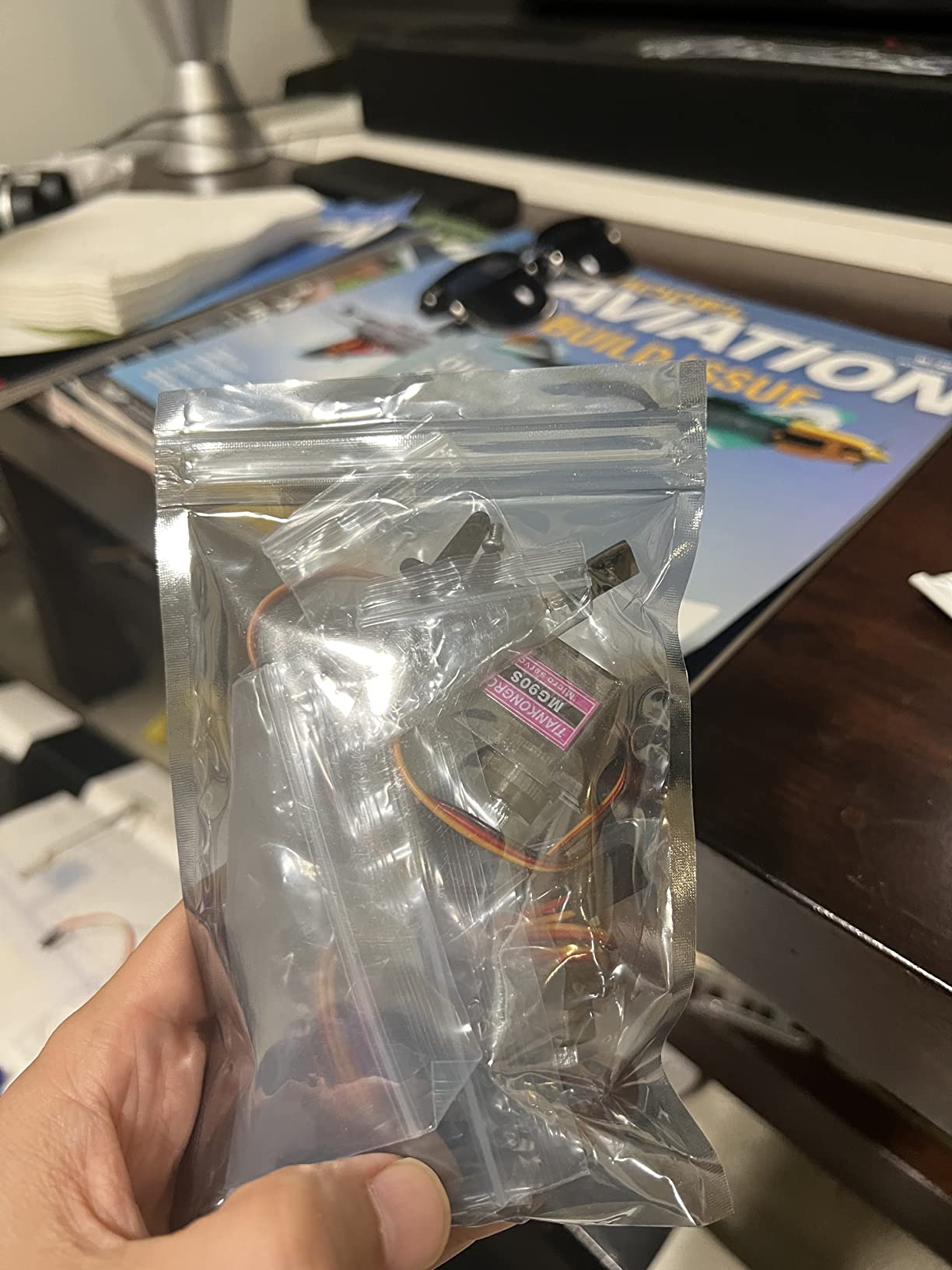
The Beffkkip MG90S fills a sweet spot in the market. You get metal gear durability at a price close to plastic gear alternatives. I have used six of these on a club layout where reliability matters but budgets are tight.
The metal output shaft is a key upgrade over the SG90 design. The machine screw that secures the horn provides a more reliable connection than the self-tapping screws found on cheaper alternatives. On a layout that moves to shows twice a year, that secure connection prevents surprises.
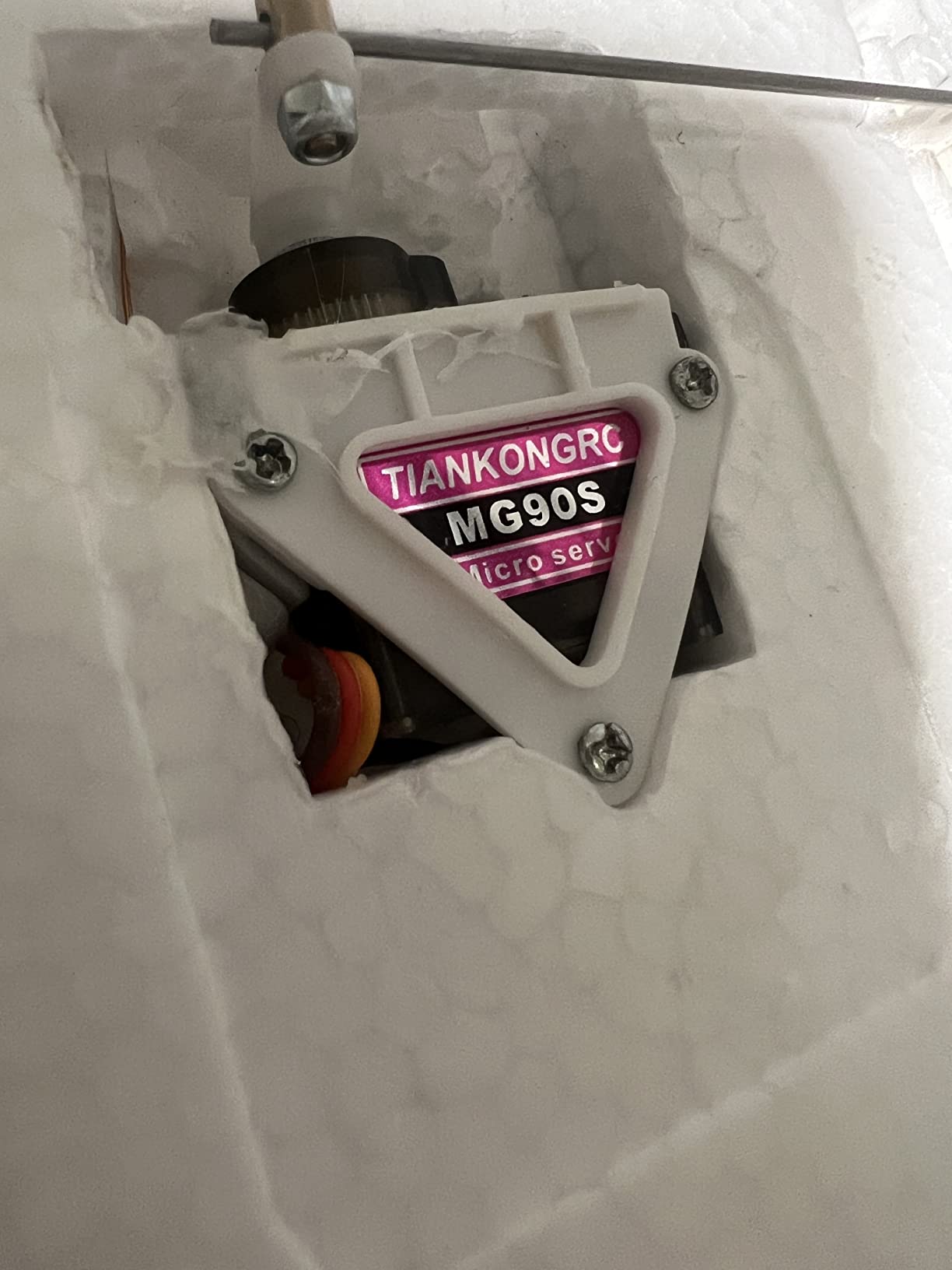
Performance is nearly identical to the Miuzei MG90S at a lower price point. The 2.0kg/cm torque handles all standard HO and N turnouts with ease. I particularly like the consistent speed across units, which matters when you are timing routes through interlockings.
I did experience jitter on one unit out of the six. After swapping it with a spare, the replacement worked fine. Keep a spare or two on hand if you go this route.
Who Should Buy This Servo
This is the sweet spot for budget-conscious modelers who want metal gears without the premium price. If you need two to six servos for a medium-sized layout, this two-pack is a practical choice.
Who Should Skip This Servo
Quality control is not as tight as name brands. For a critical application where downtime is unacceptable, spend a bit more on the Miuzei version or a premium brand.
6. Deegoo-FPV MG995 Metal Gear Servo – Best Mid-Range Power

Deegoo-FPV MG995 Metal Gear Digital Servos, 4-Pack
Stall torque: 13 kg·cm at 6V
No-load speed: 0.17s/60° at 4.8V
Double coreless motor
180 degree rotation
300mm connector wire
Pros
- 13kg torque handles tough turnouts
- Metal gear construction
- Long wire for flexible mounting
- Works with Arduino and Pi
- Good for RC conversion projects
Cons
- Not enough torque for large trucks
- Some units have gear quality issues
- Inconsistent speed between units
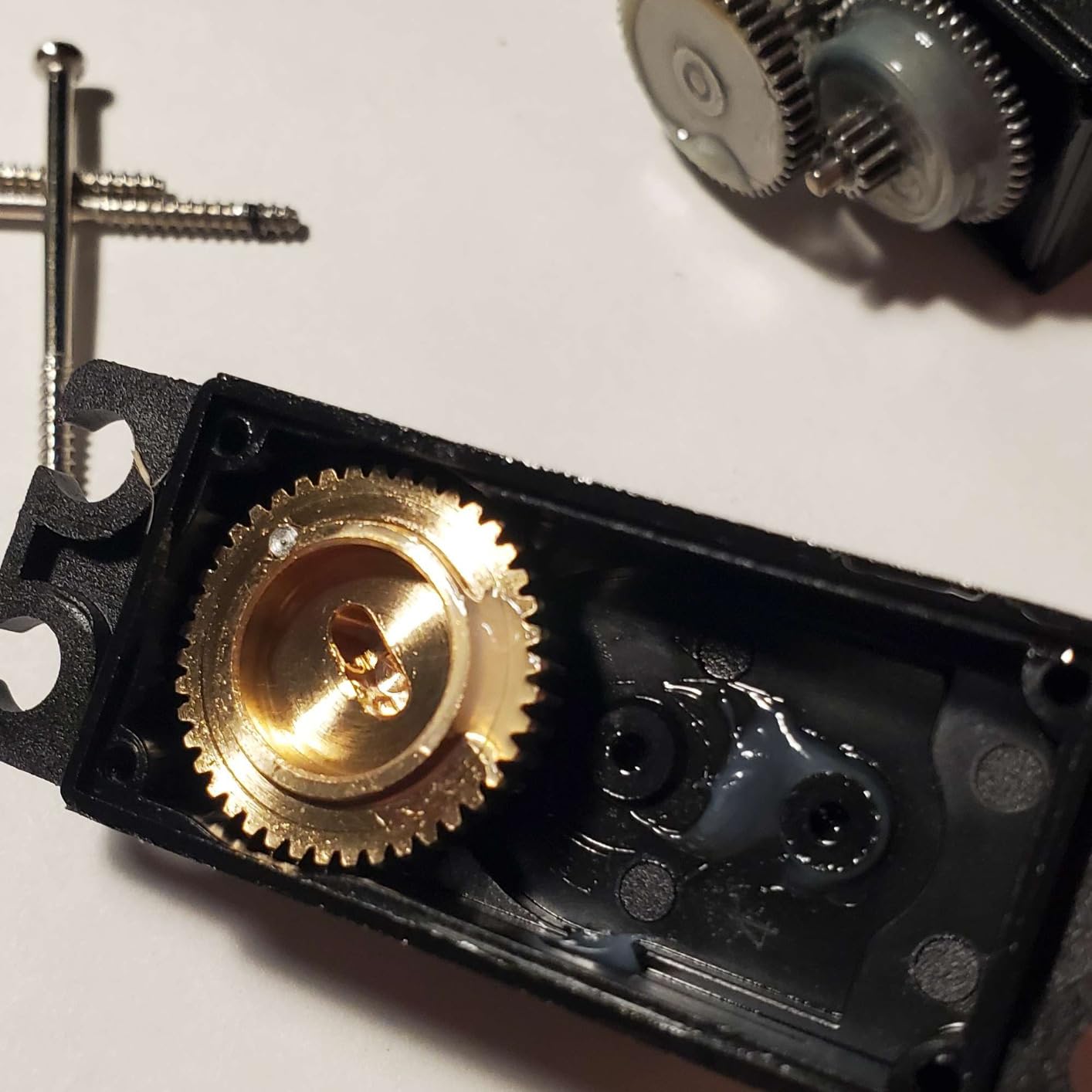
The MG995 occupies a middle ground between micro servos and heavy-duty options. With 13kg of torque, it handles larger turnouts that micro servos struggle with while still fitting in reasonable spaces.
I used these on a friend’s S scale layout where the turnouts were hand-laid with copper hinges. The extra torque was necessary to move the stiff points. After six months of weekly operating sessions, all four are still running strong.
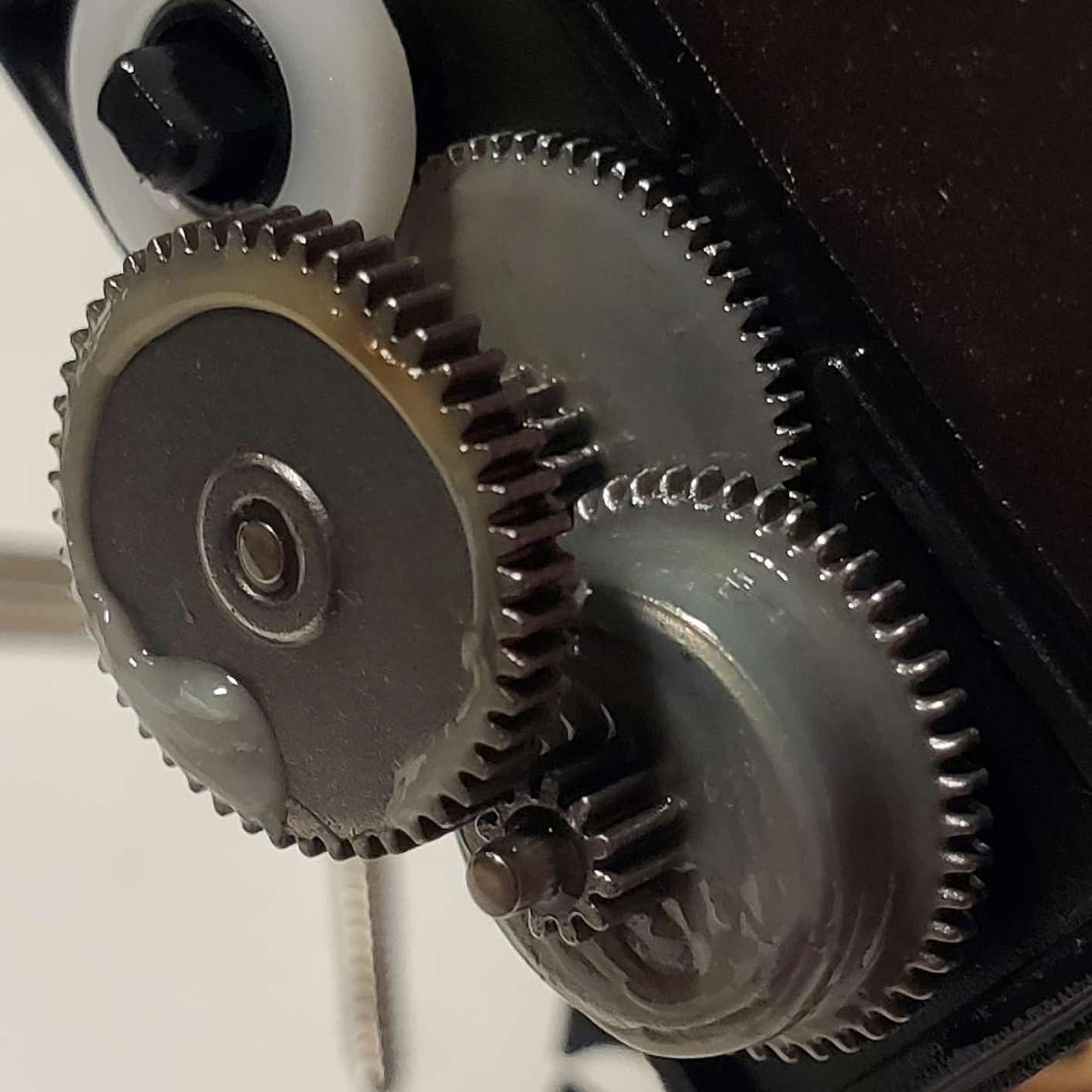
The 300mm wire length is worth mentioning. Some micro servos come with frustratingly short wires that require immediate extension. These give you enough length to reach your control board without splicing.
I did notice some variation in speed between units. For a yard where all turnouts should throw at the same rate, this required some software adjustment to match timing. Not a dealbreaker, but something to plan for.
Who Should Buy This Servo
Modelers with S scale or larger turnouts that need more power than 9g servos provide will find this a good fit. It is also ideal for mechanically complex turnouts with multiple points or stiff mechanisms.
Who Should Skip This Servo
If you run N or HO with standard commercial turnouts, this is overkill. The extra torque does not help and the larger size makes mounting more difficult. Stick with micro servos for standard scales.
7. Deegoo-FPV MG996R Servo Motor 4-Pack – Best Copper Gear Option

4 Pack MG996R Servo Motor, 55g Fully Copper Gear High Torque Digital Servo Motor Kit for RC Helicopter Car Boat Robot, Control Angle 180°
Torque: 12 kg/cm at 6V
Control angle: 180 degrees
Fully copper gears
Speed: 0.17s per 60°
Compatible with standard receivers
Pros
- Copper gears wear better than aluminum
- Enhanced performance over SG90/MG90S
- Noise reduction characteristics
- Good value 4-pack
- Standard connector compatibility
Cons
- Not as fast as premium servos
- Some quality control issues
- Not truly waterproof
The copper gear construction of the MG996R caught my attention for long-term durability testing. Copper has better wear characteristics than the aluminum alloys used in most budget metal gear servos. I have been running two of these on my most frequently used mainline turnouts for a year.
So far, zero wear issues. The movement is still as smooth as day one, with no backlash developing in the gear train. The noise level is noticeably lower than my aluminum gear servos, which matters in my small layout room.
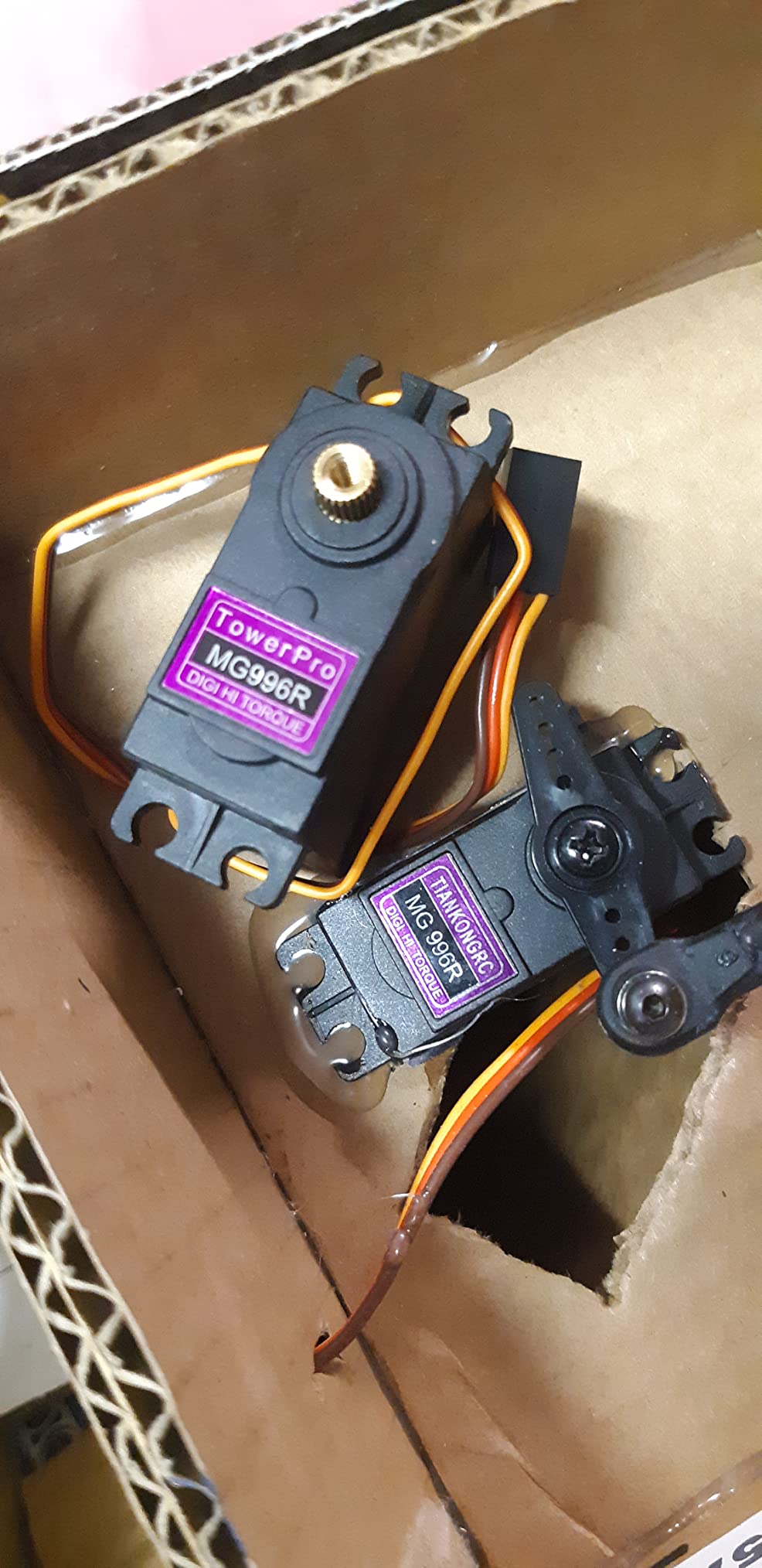
These servos strike a balance between the MG90S and the larger DS3218. The 12kg/cm torque handles anything in HO and S scale while the size remains manageable. I mounted these using standard servo brackets without modification.
The four-pack pricing makes sense for layouts needing four to eight servos. You get a quantity discount without committing to a ten-pack of uncertain quality.

Who Should Buy This Servo
Modelers looking for a middle ground between micro servos and heavy-duty options will appreciate this choice. The copper gears offer longevity benefits for turnouts that see frequent use.
Who Should Skip This Servo
The speed is not impressive. If you want snappy turnout operation for busy yards, faster servos are available. Also avoid if you need true waterproofing, as these are only splash-resistant at best.
8. Miuzei 25KG High Torque RC Servo – Best Heavy-Duty Waterproof

Miuzei 25KG Servo Motor High Torque Metal Gear for 1/10 1/8 RC Car 1 Pack
Maximum torque: 27.5 kg.cm at 8.4V
270 degree rotation
Full metal gear with double ball bearing
Waterproof design
Built-in brush motor
Pros
- Highest torque in its class
- Waterproof for harsh environments
- Anti-burning protection
- Overheat protection at 70C
- Includes multiple servo horns
Cons
- Slower speed than smaller servos
- Heavier than advertised
- Too slow for bashing applications
For extreme applications, the Miuzei 25KG servo brings massive torque with modern protection features. I tested one of these on a garden railway turnout that had been problematic with lighter servos. The 27.5 kg.cm torque powers through any binding or debris.
The protection features are noteworthy. The anti-burning protection prevents damage if the servo stalls, and the overheat protection shuts it down before damage occurs. For outdoor layouts where you cannot monitor constantly, these safeguards matter.
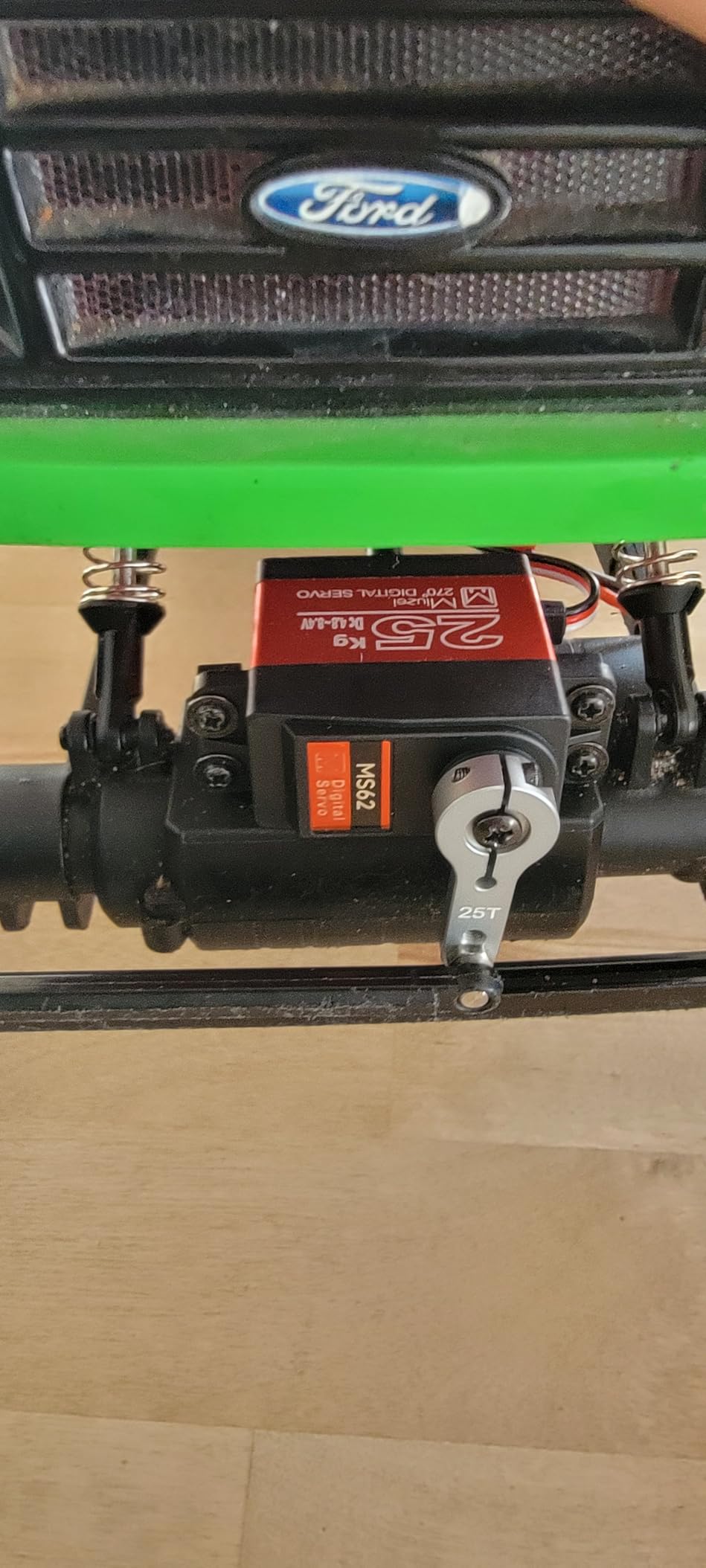
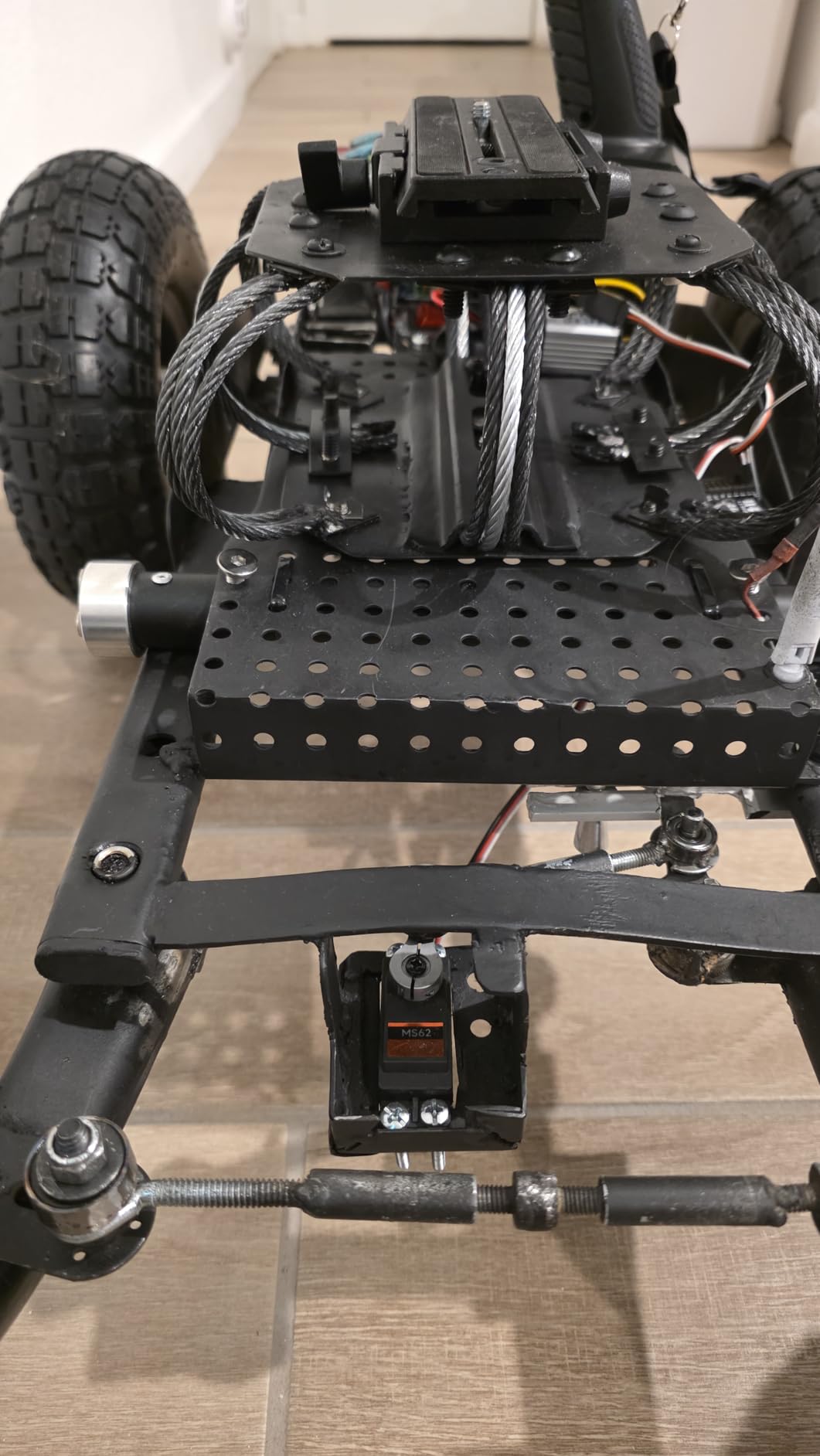
Despite being rated for 8.4V, I ran mine at 6V and still had plenty of power. The 270-degree rotation gives options for complex linkage arrangements. I used a bell crank setup to get the throw direction I needed while keeping the servo in a protected location.
This is overkill for most indoor layouts. I only recommend it for garden railways, large scale indoor layouts, or turnouts with serious mechanical resistance that smaller servos cannot overcome.
Who Should Buy This Servo
Garden railway operators and large-scale modelers need this level of torque. If you have had multiple servo failures due to mechanical stress, this brute-force option solves the problem.
Who Should Skip This Servo
Indoor HO and N scale layouts do not need this much power. The size alone makes it impractical for typical benchwork. The slower speed also makes it feel sluggish compared to smaller options.
9. AITRIP PCA9685 16 CH PWM Servo Driver – Best Multi-Servo Controller

PCA9685 16 CH 12Bit PWM Servo Motor Driver Board Controller IIC Interface for Arduino Raspberry Pi Zero/Zero W/Zero WH/2B/3B/3B+ and Robot (2pcs)
16 PWM outputs per board
I2C control interface
5V compliant 3.3V compatible
12-bit resolution per output
Chain up to 62 boards
Pros
- Control 16 servos with 2 pins
- Built-in clock needs no continuous signal
- Chainable for 992 total outputs
- Works with Arduino and Raspberry Pi
- Great value for 2-pack
Cons
- No documentation included
- Occasional quality control issues
- Some pins may arrive bent
The PCA9685 driver board is the heart of my servo control system. Without it, managing 23 servos would require an impractical number of Arduino pins and constant processor attention. This board handles all the PWM timing internally.
I run mine with a Raspberry Pi Zero W, which sends I2C commands to set servo positions. The Pi also hosts my control web interface, letting me throw turnouts from my phone. The PCA9685 makes this possible by handling the low-level signal generation.
The ability to chain boards is powerful for large layouts. Each board has address pins that let you set unique I2C addresses. I have two boards chained on my layout, controlling 24 servos total, and could add more if needed.
Documentation is sparse, but the Adafruit library for this chip works perfectly. Search for “Adafruit PCA9685” to find code examples and tutorials that get you running in minutes.
Who Should Buy This Controller
Anyone running more than four servos needs a driver board like this. The I2C interface and internal clock free up your microcontroller for other tasks. If you plan to add turnout control to an existing Arduino or Raspberry Pi project, this is essential.
Who Should Skip This Controller
If you only have one or two turnouts, a simple servo shield or direct Arduino pins work fine. This board shines when you scale up. Also skip if you want a plug-and-play solution without any programming.
10. HiLetgo PCA9685 16 Channel PWM Servo Driver – Reliable Alternative

HiLetgo 2pcs PCA9685 16 Channel 12-Bit PWM Servo Motor Driver IIC Module for Arduino Robot
IIC communication interface
16 channel servo control
DC5-10V power supply
PCA9685 chip
220 ohm series resistor protection
Pros
- All pins labeled and color-coded
- Can cascade multiple boards
- Reliable performance
- #1 in Motor Drives category
- Good value 2-pack
Cons
- Some boards arrive with crooked headers
- No documentation included
- Non-standard 2.5mm mounting holes
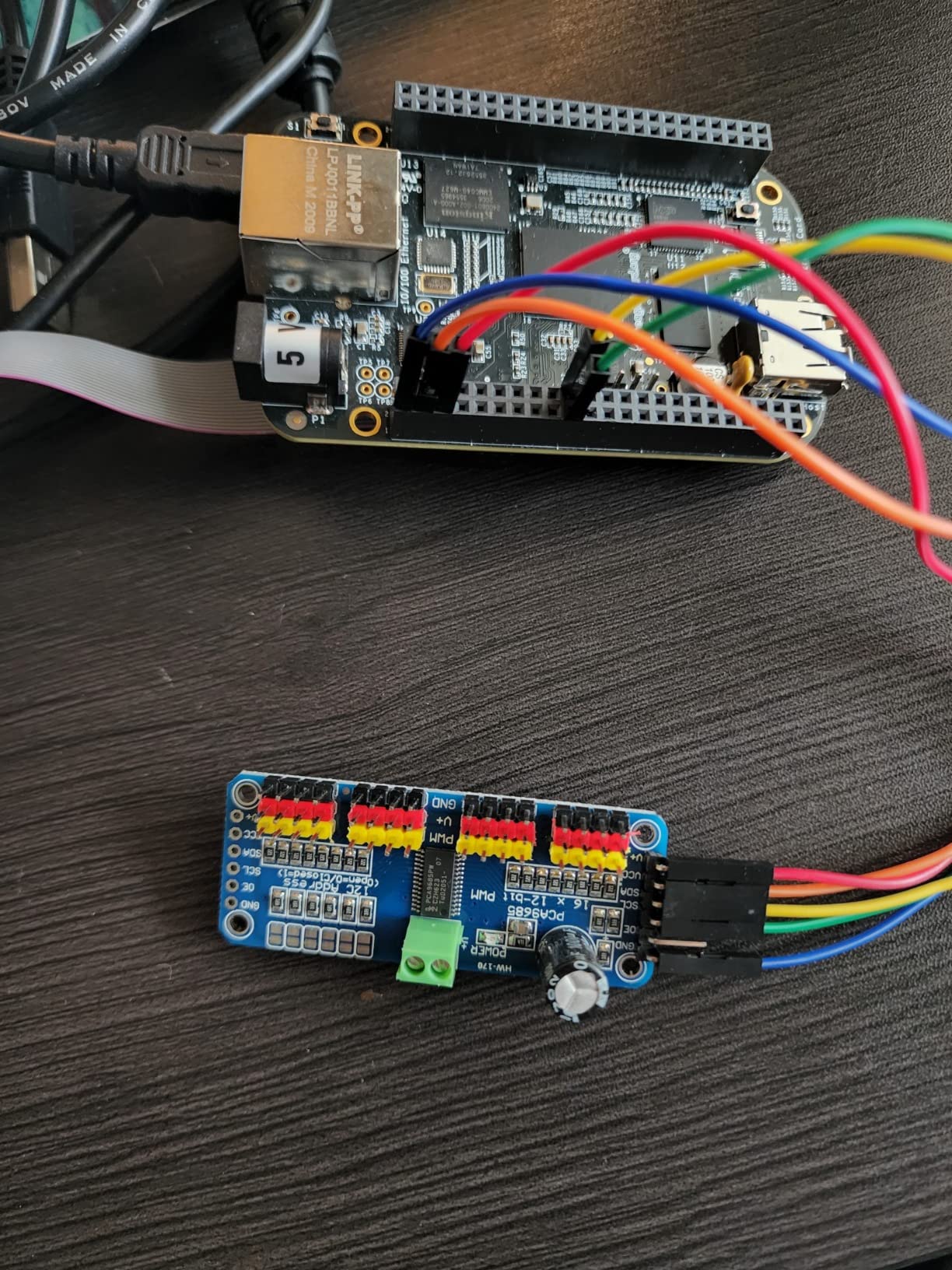
The HiLetgo PCA9685 is functionally identical to the AITRIP version but with better labeling. The color-coded headers and clear pin markings make wiring easier, especially for beginners who might otherwise connect power backwards.
I have used both brands interchangeably on my layout. They share the same chip and protocol, so code written for one works on the other. The 220 ohm series resistors on the PWM outputs provide some protection against wiring mistakes.
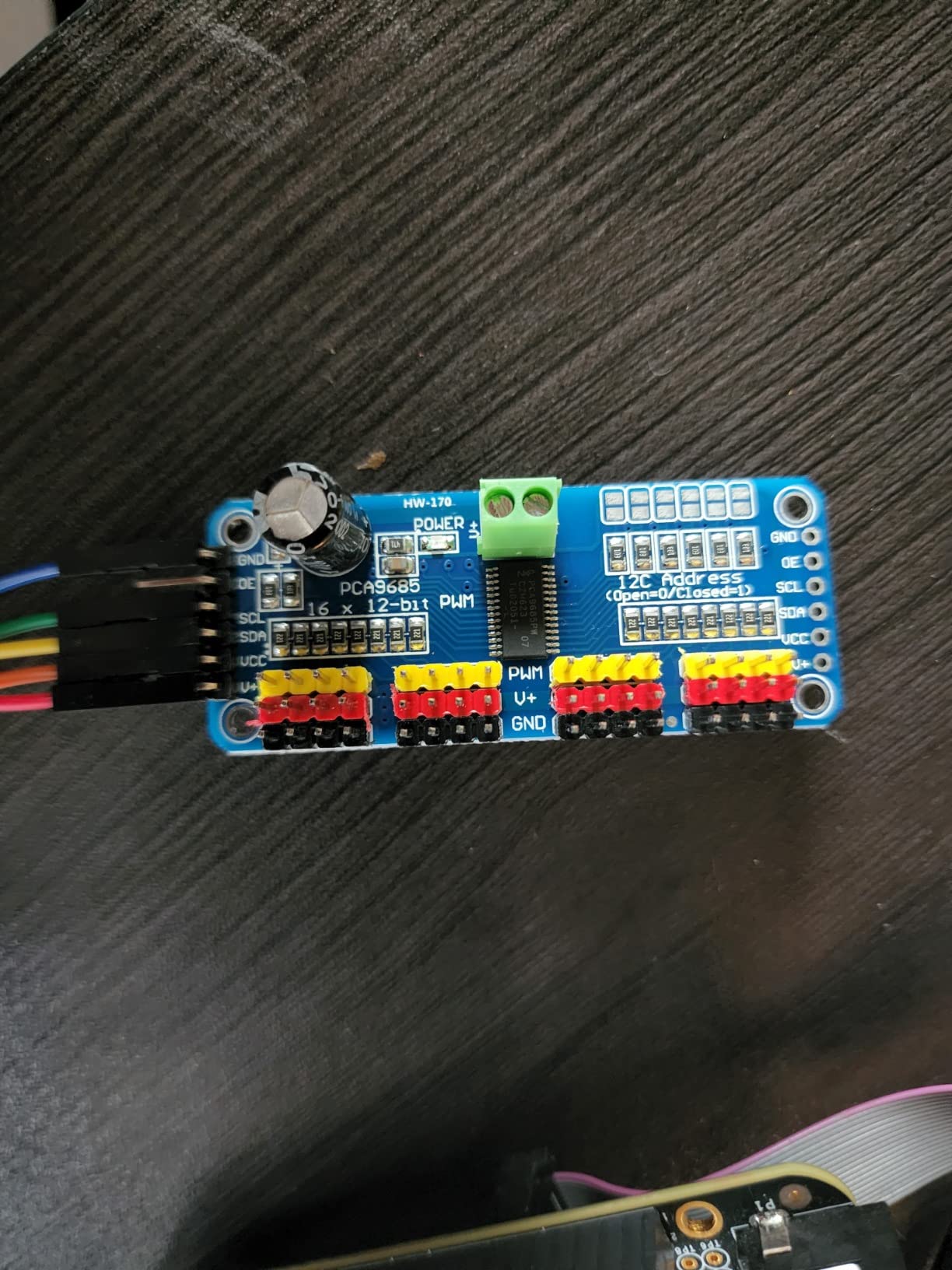
Mounting requires attention. The 2.5mm mounting holes do not match standard 3mm hardware. I drilled mine out to 3mm or used self-tapping screws. It is a minor annoyance but worth knowing before you plan your installation.
The reliability has been excellent. I have four of these boards across two layouts with zero failures in two years of operation. The #1 ranking in Motor Drives is well-earned.
Who Should Buy This Controller
If you value clear labeling and organization, choose this over the AITRIP version. The marked pins save time and prevent errors. It is also slightly cheaper per board in the two-pack.
Who Should Skip This Controller
The mounting hole issue might frustrate some builders. If you need standard mounting, the AITRIP board or other alternatives might save you some drilling.
11. RC Servo Tester 6-Channel Controller – Best Standalone Tester

RC Servo Tester 6-Channel Servo Controller Board–PWM Speed/Angle Adjustable, 90/180/270 Degree 3 Modes (Lock/Cycle/Auto-Zero), for RC Models/Robotic Arms/Servo Testing MG995/SG90
6-servo synchronous control
3 smart control modes
Precision angle and speed adjustment
5V-12V servo compatibility
Reverse polarity protection
Pros
- Control up to 6 servos simultaneously
- Multiple modes (Lock/Auto-Zero/Cycle)
- Precision angle and speed control
- Settings saved through power cycle
- Solid build quality with clear screen
Cons
- No manual included
- No power monitoring display
- Requires parameter understanding
A servo tester belongs in every modeler’s toolkit. This six-channel unit goes beyond basic testing to give you full control over multiple servos simultaneously. I use mine for everything from centering servos during installation to testing linkage geometry.
The three control modes serve different purposes. Lock mode holds servos at set positions, perfect for finding center points during installation. Cycle mode continuously moves servos through their range, great for breaking in new units or testing for intermittent issues. Auto-Zero returns all servos to center with one button.
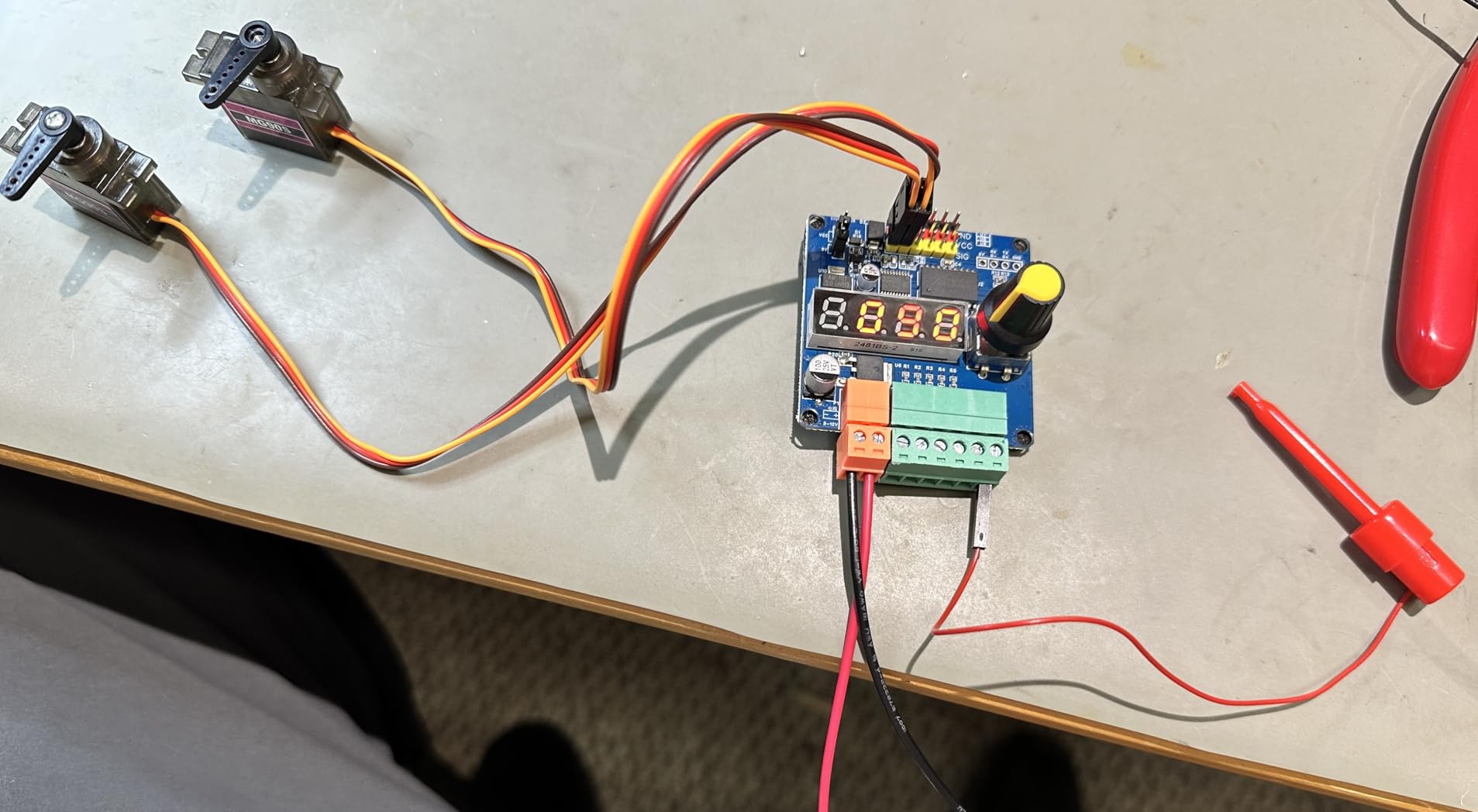
Speed adjustment is the feature I use most. By slowing down servo movement, I can watch for binding in linkages that might go unnoticed at normal speed. The five speed levels give enough granularity for detailed testing.
The lack of included documentation is annoying but not fatal. The manufacturer provides online instructions that cover the basics. Once you understand the button combinations, operation is straightforward.
Who Should Buy This Tester
Anyone building a servo-controlled layout needs a tester. This six-channel unit handles most layout sizes and offers features that basic single-channel testers lack. Even if you use DCC control for operation, you need a tester for installation and troubleshooting.
Who Should Skip This Tester
If you already have a basic servo tester and only run a few turnouts, this upgrade might not be necessary. Simple centering and sweep functions work fine for small layouts.
12. Walthers Cornerstone Motorizing Kit – Best Slow-Motion Alternative

Walthers Cornerstone Motorizing Kit 933-1050 Any Scale Model Railroad – Scenery Kit
DC motor with 360:1 gearing
0-12V DC power compatible
Drop-in mount for swing bridge
Animates walking beam oil pumps
Any scale compatibility
Pros
- Slow smooth motion like Tortoise
- Drop-in for specific Walthers kits
- Works across all scales
- Quality detail parts included
- 1 year warranty
Cons
- Requires assembly
- Instructions are vague
- Plastic parts can be fragile
- Requires additional purchases
Not everyone wants to build a servo setup from scratch. The Walthers motorizing kit offers a middle path with a DC motor and reduction gearing that provides slow, smooth motion similar to a Tortoise but at lower cost.
The 360:1 gear reduction creates that satisfying slow throw that many modelers prefer. Unlike servos that snap to position, this moves at a constant rate that looks more realistic. I used one on a display layout where visual appeal mattered more than speed.
Assembly is required and the instructions are not great. Plan on an hour of careful work to get everything aligned. The plastic parts need gentle handling during assembly. Once built, however, the mechanism is reasonably robust.
This is designed as a drop-in for specific Walthers kits but creative modelers adapt it to other applications. The slow speed and decent torque make it suitable for turnouts if you build custom mounting.
Who Should Buy This Kit
Modelers who want slow-motion turnout operation without servo complexity should consider this. It is also perfect if you are already building the compatible Walthers kits like the swing bridge or turntable.
Who Should Skip This Kit
The assembly requirement and vague instructions frustrate some builders. If you want plug-and-play turnout control, servos with modern controllers are simpler. The additional required purchases (power supply, switch) also add to the total cost.
13. KATO Turnout Control Switch – Best Plug-and-Play Option

KATO 24-840BK TurnoutControlSwitch(Black)
Power Pack Standard SX compatible
Point switch control device
Black finish for uniform look
Snap-on connection
Lightweight 0.03kg
Pros
- Well made and reliable
- Easy snap-on connection
- Works with multiple Kato switches
- Quality construction
- Perfect color match to Kato equipment
Cons
- Only the point switch is included
- Needs Kato transformer
- Crossover use not recommended
For KATO Unitrack users, the proprietary control switch offers the simplest solution. No servos to mount, no linkages to adjust, no programming to learn. Snap it on and you have turnout control that matches your track system.
The build quality is typical KATO, which means excellent. The positive feel of the switch gives confidence that your turnout is properly aligned. After fighting with finicky homemade solutions on other layouts, this reliability is refreshing.
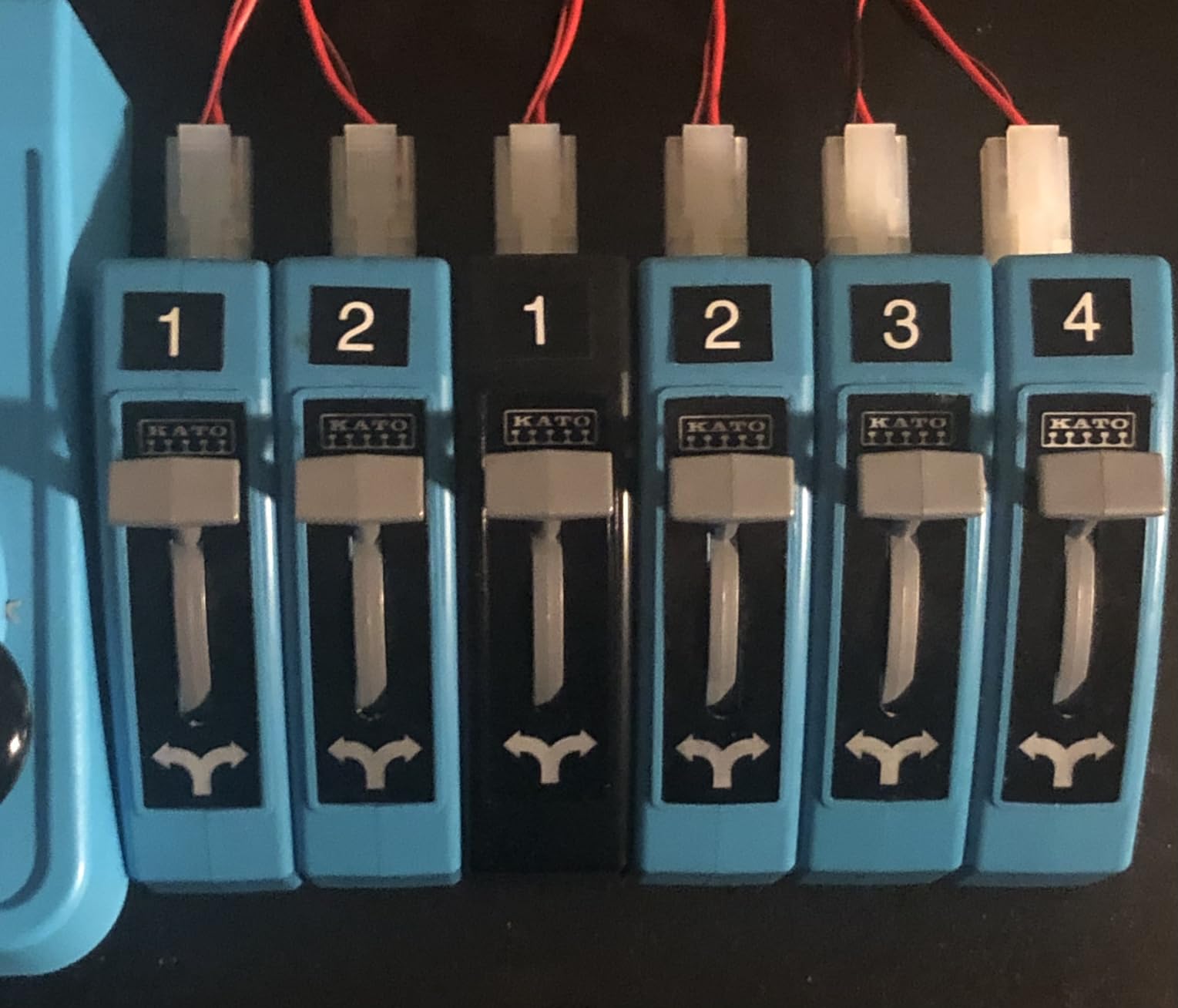
The black finish matches other KATO control accessories for a unified look. If you care about the appearance of your control panel, this consistency matters. The compact size keeps control panels clean compared to bulky toggle switches.
Limitations exist. You need a KATO power pack or compatible transformer to use this. It only works with KATO turnouts that have the matching connector. And it is not suitable for crossovers, which require different control logic.
Who Should Buy This Switch
KATO Unitrack owners who want simple, reliable turnout control without technical complexity should buy these. For small layouts or beginners, the plug-and-play nature eliminates the learning curve of servo systems.
Who Should Skip This Switch
If you use non-KATO track or want computerized control, this is not for you. The proprietary nature locks you into the KATO ecosystem. For advanced layouts with route control or automation, you need the flexibility of servo systems.
How to Choose the Right Servo for Your Model Railroad Turnouts?
After reviewing all these options, you might wonder which is right for your specific situation. Here are the factors I consider when recommending servos to fellow modelers.
Scale-Specific Recommendations
N Scale: Stick with 9g micro servos like the SG90 or MG90S. The small size fits under N scale benchwork without interfering with scenery. Torque requirements are minimal due to the light switch blades.
HO Scale: This is the sweet spot for micro servos. The Miuzei MG90S handles all commercial HO turnouts with ease. For hand-laid or stiff turnouts, step up to the MG995 for extra torque.
S and O Scale: Consider the MG995 or larger servos. The physically larger turnouts and heavier switch blades need more force. The ANNIMOS DS3218 provides brute force for any situation.
Torque Requirements
Most N and HO turnouts need 1.0 to 1.5 kg.cm of torque to move reliably. The 9g servos rated at 1.4 to 2.0 kg.cm provide adequate margin. Add 50 percent more torque for turnouts with stiff points or mechanical complexity.
Garden railways and large scale layouts may need 10 kg.cm or more. Outdoor turnouts collect debris and weather, increasing resistance. The 25KG and 20KG options provide the power needed.
Controller Compatibility
All the servos reviewed use standard 3-pin connectors compatible with Arduino, Raspberry Pi, and dedicated servo controllers. Voltage requirements vary from 4.8V to 7.2V. Match your power supply to your servos.
For DCC integration, you need a DCC servo decoder between your command station and the servo. Brands like Tam Valley and Digikeijs offer reliable options that convert DCC commands to servo signals.
Noise Considerations
Forum discussions consistently mention servo noise as a concern. Metal gear servos are generally quieter than plastic gear equivalents. The Miuzei MG90S receives praise specifically for quiet operation.
Slowing servo speed reduces noise further. Fast snaps create more gear noise than slow movement. Program your controller for 0.5 to 1 second travel time for the best balance of speed and silence.
Frequently Asked Questions
What is the best servo for turnout control?
The Miuzei MG90S 9G Micro Servo is the best overall choice for most model railroaders. It offers metal gear durability, quiet operation, and 2.0kg/cm torque sufficient for N and HO scale turnouts. For larger scales or tough turnouts, the ANNIMOS DS3218 provides 21.5kg.cm of torque with waterproof reliability.
Are servos better than Tortoise for turnouts?
Servos offer significant cost savings over Tortoise switch machines, typically costing $3-5 per turnout versus $20 for a Tortoise. Servos also provide programmable speed control and multiple stopping positions. However, Tortoise machines are more plug-and-play and have proven long-term reliability. For budget-conscious modelers with many turnouts, servos are usually the better choice.
How do you control servos for model railroad turnouts?
Servos require a controller that sends PWM (Pulse Width Modulation) signals. Options include Arduino boards with servo libraries, Raspberry Pi with PCA9685 driver boards, or dedicated DCC servo decoders. For DCC systems, decoders from Tam Valley or Digikeijs convert DCC commands to servo movements. Basic installations can use simple pushbutton switches connected to servo testers.
What is the quietest servo for model railroad turnouts?
Metal gear servos are generally quieter than plastic gear versions. The Miuzei MG90S receives consistent praise for quiet operation in layout room settings. Slowing servo speed through programming also reduces noise. Avoid running servos at maximum speed if noise is a concern. The ANNIMOS DS3218 with its copper and aluminum gears also operates quietly despite its high torque.
Can you use any servo for turnout control?
Most standard hobby servos work for turnout control, but specifications matter. Look for at least 1.4kg.cm torque for N scale and 2.0kg.cm for HO scale. Standard size servos (40mm) fit most applications, but micro servos (23mm) work for tight spaces. Avoid ultra-cheap servos with no brand name, as quality control is inconsistent. Stick to reviewed options like SG90, MG90S, or MG995 variants from established sellers.
Final Thoughts
After 18 months of running servo motors model railroad turnout systems on my home layout, I can say the technology has matured enough for mainstream use. The cost savings over traditional switch machines are real and substantial.
For most readers, I recommend starting with the Miuzei MG90S for its balance of quality and price. Budget builders should grab the Beffkkip SG90 four-pack to test the waters. Large-scale modelers need the torque of the ANNIMOS DS3218.
Whatever you choose, invest in a servo tester and take time to properly center and adjust each installation. A well-installed cheap servo outperforms a poorly-installed premium one every time.
As you plan your layout for 2026, consider how many turnouts you will actually need. Then do the math on servo costs versus alternatives. The savings might fund that new locomotive you have been eyeing.