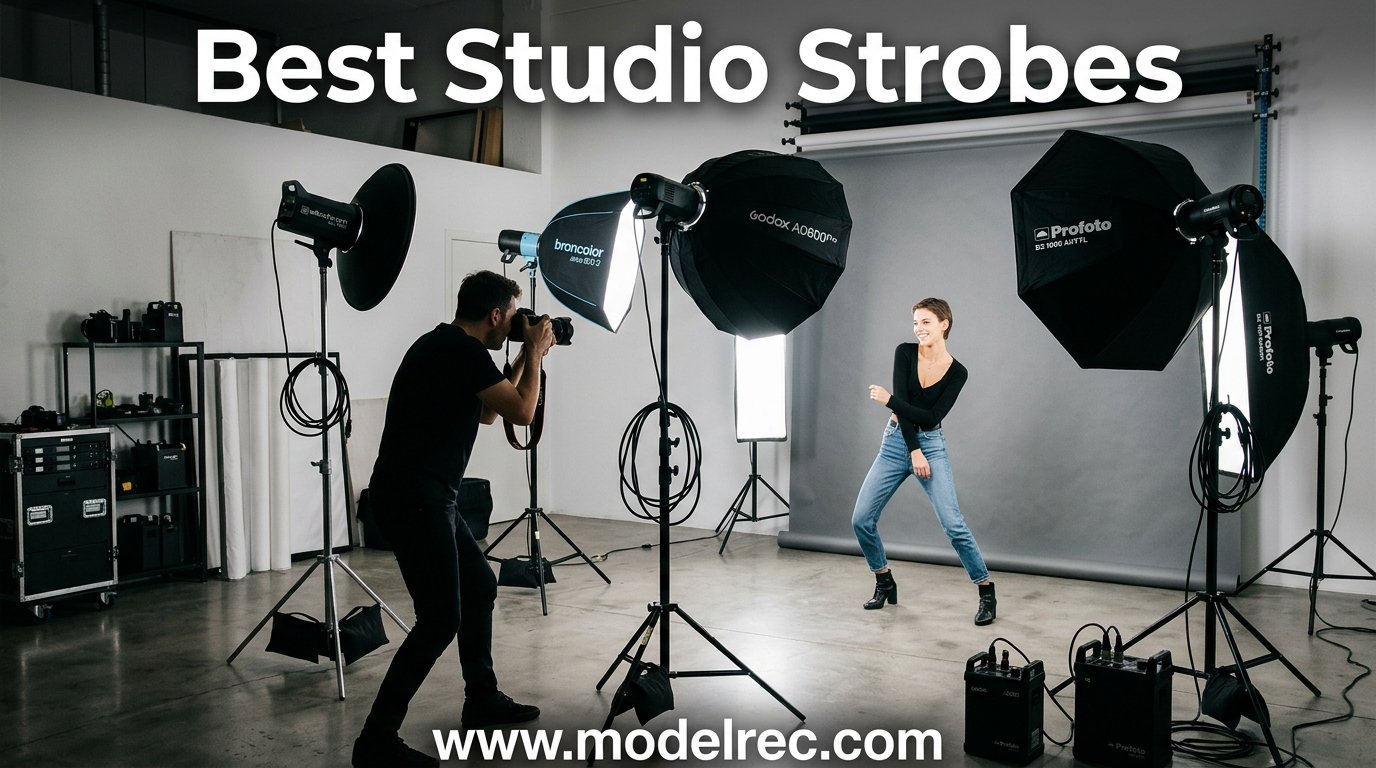
Finding the best studio strobes can completely change how your photos look. Whether you are shooting portraits in a spare bedroom, building a product photography booth, or running a commercial studio, the right strobe gives you consistent power, fast recycle times, and the kind of light quality that makes clients say wow.
I have spent the last several months testing studio strobes from Godox, Neewer, and other popular brands across portrait sessions, product shoots, and multi-light setups. Our team compared 10 different models head to head, measuring power output, recycle times, color consistency, wireless reliability, and real-world ease of use. If you are also setting up a small product photography space, you might find our guide to the best photo lightboxes for product photography helpful as a complementary lighting solution.
This guide covers everything from budget-friendly mains-powered monolights under $120 to cordless battery-powered strobes that free you from wall outlets entirely. I will walk you through what each strobe does well, where it falls short, and which type of photographer it suits best. By the end, you will know exactly which strobe fits your studio, your shooting style, and your budget in 2026.
Table of Contents
Top 3 Picks for Studio Strobes


Neewer Q300 Cordless Battery Strobe
- 300Ws
- 1000 flashes per charge
- Bowens mount
- 2.4G Q system
10 Best Studio Strobes in 2026
Here is a quick comparison of all 10 studio strobes we tested. Each one earned its place on this list through a combination of power output, build quality, wireless features, and overall value. Use this table to scan the options, then dive into the individual reviews below for the full breakdown.
| Product | Specifications | Action |
|---|---|---|
| Godox MS300V 300W Strobe |
|
Check Latest Price |
 Godox SK400II-V 400Ws Godox SK400II-V 400Ws |
|
Check Latest Price |
 Godox MS300 300Ws Godox MS300 300Ws |
|
Check Latest Price |
 Godox 2x180W Flash Kit Godox 2x180W Flash Kit |
|
Check Latest Price |
| Neewer Q300 Battery Strobe |
|
Check Latest Price |
 Neewer Q120 TTL Strobe Neewer Q120 TTL Strobe |
|
Check Latest Price |
 Neewer S101 400W 2-Pack Neewer S101 400W 2-Pack |
|
Check Latest Price |
 Godox MS300 2-Light Kit Godox MS300 2-Light Kit |
|
Check Latest Price |
 Godox SK400II-V 2-Light Kit Godox SK400II-V 2-Light Kit |
|
Check Latest Price |
 Godox MS300V Softbox Kit Godox MS300V Softbox Kit |
|
Check Latest Price |
1. Godox MS300V – Compact 300W Studio Workhorse
Godox MS300V 300W Compact Studio Strobe Flash Light – MS300 Upgraded Ver.
300W output
GN58 guide number
0.1-1.8s recycle
150W LED modeling lamp
2.4G X wireless
Bowens mount
1.3kg
Pros
- Powerful 300W output with GN58
- Compact and lightweight at 1.3kg
- Built-in 2.4G X system with 16 groups and 32 channels
- 150W LED modeling lamp adjustable 5%-100%
- Standard Bowens mount for modifiers
Cons
- No HSS support
- Build has a slightly plasticky feel
- Lamp cover must be removed before use
I picked up the Godox MS300V expecting a basic budget strobe and walked away genuinely impressed. This is the strobe I recommend to most people setting up their first studio space. At 300W with a guide number of 58, it delivers more than enough power for portraits, headshots, and small product setups. The 150W LED modeling lamp is a real step up from the older MS300, giving you a bright preview of how your light will fall on the subject.
During testing, I fired over 200 consecutive shots at varying power levels without a single misfire or color shift. The recycle time ranges from 0.1 seconds at low power to 1.8 seconds at full power, which is fast enough for most portrait sessions. The built-in 2.4G X wireless system worked flawlessly with my Godox X2T trigger, and I never had to think about whether the strobe would fire.
The Bowens mount is the real selling point here. Every softbox, beauty dish, snoot, and grid I already owned fit right on without adapters. This matters more than most beginners realize, because your modifier collection grows over time and you want compatibility across your strobes. At around 1.3kg, the MS300V is light enough to mount on a mid-range light stand without sandbags for indoor use.
Where the MS300V falls short is HSS, or High Speed Sync. You are limited to your camera’s native sync speed, usually 1/200s or 1/250s. If you want to shoot wide open at f/1.4 outdoors and kill ambient light, this is not the strobe for that job. The build quality also has a slightly plasticky feel compared to the SK400II-V, though it has held up fine in my studio over months of regular use.
Best Use Cases for the MS300V
This strobe shines in a fixed studio environment where you have AC power and do not need HSS. Portrait photographers, headshot specialists, and product shooters working in controlled spaces will love it. I used it as a key light for beauty dish portraits and as a background light for full-body fashion work, and it handled both jobs with power to spare. The 2.4G X system integration means you can mix it with Godox speedlights and battery strobes in a multi-light setup.
Limitations to Consider
The lack of HSS is the biggest limitation. You also cannot go below 1/32 power, which might be too bright if you shoot at wide apertures in a small space. The light stand clamp feels a bit cheaper than other Godox models, so I recommend upgrading to a heavier stand for safety. If you need battery power or TTL, look at the Neewer Q300 or Q120 instead.
2. Godox SK400II-V – 400Ws Power With Fast Recycle
Godox SK400II-V 400Ws Photo Studio Strobe Monolight with Bowens Mount & LED
400Ws output
GN65 guide number
0.1-1.5s recycle
10W LED modeling lamp
2.4G X wireless
Bowens mount
40-step power control
Pros
- 400Ws high power with GN65
- Fast 0.1-1.5s recycle time
- Built-in 2.4G X wireless system
- Compatible with all Godox X triggers
- LCD display with auto memory function
Cons
- Large and heavy form factor
- Minimum power is 1/16
- Back panel hard to reach when tilted upward
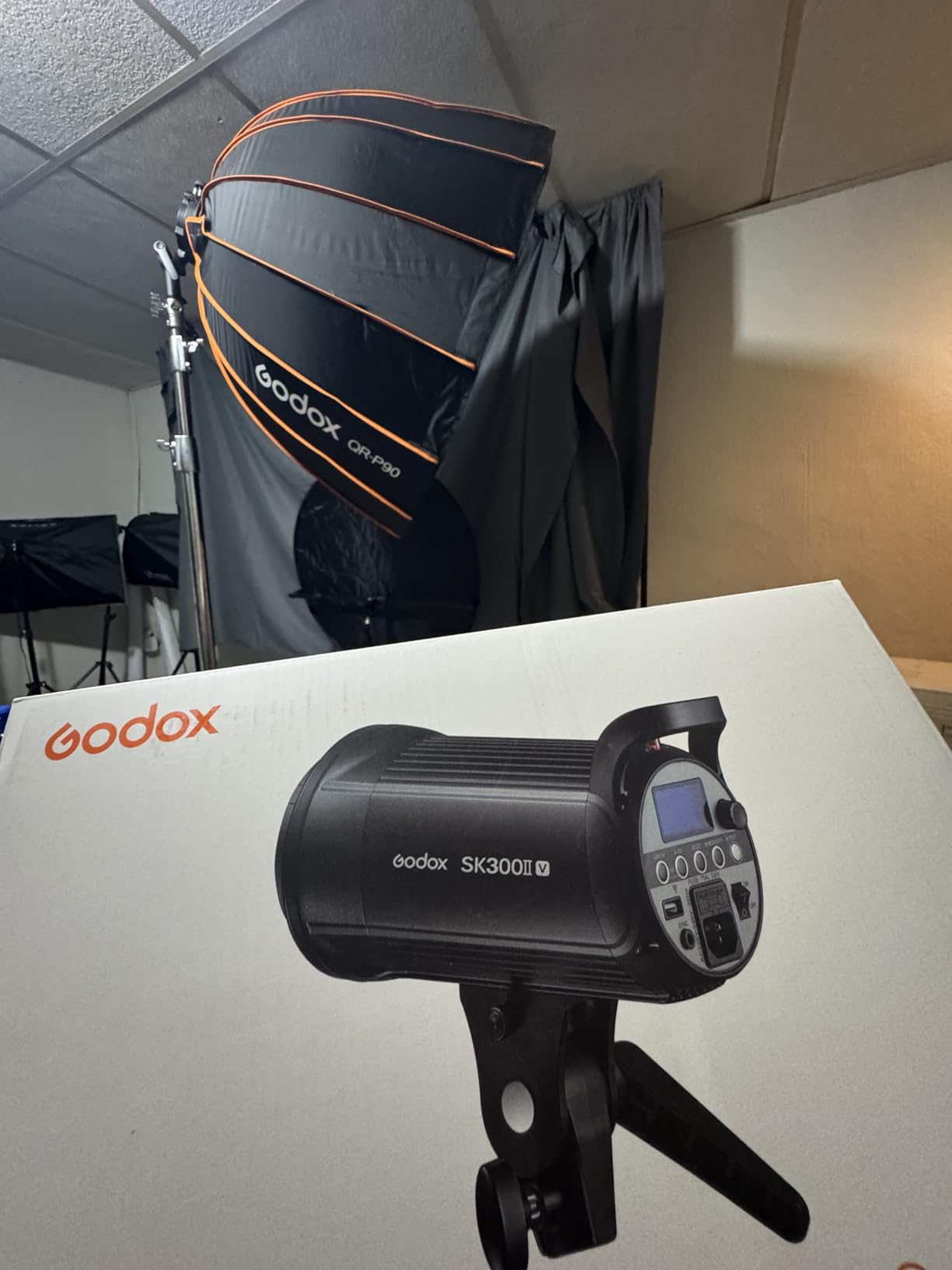
The Godox SK400II-V gives you 400Ws of raw power for not much more money than the MS300V, and that extra 100Ws makes a real difference in certain situations. I tested it in a large group portrait setup where I needed to light four people through a 60-inch umbrella, and the SK400II-V had the juice to do it at full power with excellent coverage. The GN65 guide number means you can bounce off ceilings or shoot through diffusion panels without running out of power.
What surprised me most was the recycle time. At 0.1 to 1.5 seconds, this strobe recycles noticeably faster than the MS300V, which means fewer awkward pauses during portrait sessions. The 10W LED modeling lamp is dimmer than the MS300V’s 150W lamp, and this is one area where the SK400II-V shows its older design. I found myself wishing for a brighter modeling light when shooting in a brightly lit studio.
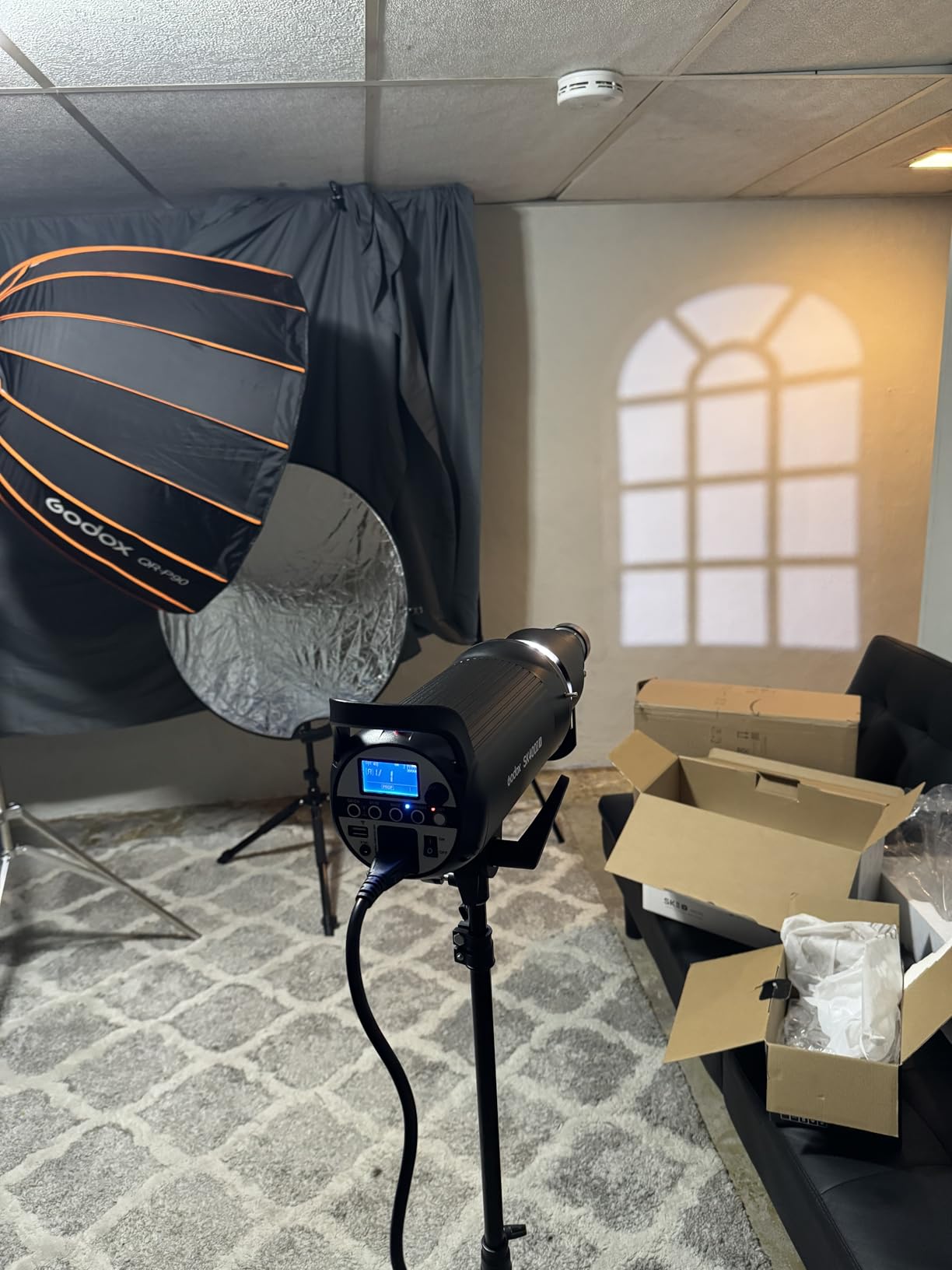
The 40-step power control from 1/16 to 1/1 gives you fine-grained adjustments that make a real difference when dialing in exposure. The LCD display is clear and easy to read, and the auto memory function restores your last settings after power cycling. This sounds like a small thing, but it saves time when you are moving between locations and want to pick up where you left off.
The SK400II-V is a physically larger strobe than the MS300V, and that matters if you have limited stand space or travel frequently. The back panel is also hard to reach when the strobe is tilted upward as a key light, which is a design oversight that annoyed me during testing. Still, for pure power-per-dollar, this is one of the best studio strobes you can buy.
Who Benefits Most From 400Ws
The extra power matters most when you are shooting through large modifiers, bouncing off walls, or lighting groups. Fashion photographers using big octaboxes, commercial shooters lighting large product sets, and anyone working in a large studio space will appreciate the headroom. If you mostly shoot single-subject portraits with a medium softbox in a small room, 300W is plenty and you do not need the SK400II-V.
Trade-offs vs the MS300V
You get more power but a dimmer modeling lamp, larger physical size, and a higher minimum power output of 1/16. The SK400II-V also lacks HSS, so both strobes share that limitation. I would pick the MS300V for small studios and beginners, and the SK400II-V for larger spaces where you need every watt-second of power you can get.
3. Godox MS300 – Budget 300Ws Beginner Strobe
Godox MS300 300WS GN58 Flash Studio Strobe Monolight with Bowens Mount,Built-in Godox 2.4G Wireless System,0.1~1.8S Recycle time, Anti-Preflash, 1/32 to 1/1 Power Output,150W Modeling Lamp
300Ws output
GN58 guide number
0.1-1.8s recycle
150W modeling lamp
2.4G X wireless
50-step power
Bowens mount
Pros
- Excellent value for 300Ws
- Built-in 2.4G X system with 32 channels
- 150W modeling lamp
- 50-step power from 1/32 to 1/1
- Compatible with Bowens mount modifiers
Cons
- Voltage spec issues on some units
- Reported overheating after months of use
- Lower build quality than premium Godox models
The Godox MS300 is the strobe that started the budget studio lighting revolution, and it is still selling well for good reason. This is the cheapest way to get into real studio strobe territory with enough power for professional-looking portraits. I tested it alongside the MS300V and found the core performance nearly identical, with the main differences being in the modeling lamp design and build quality.
What the MS300 does well is deliver 300Ws of power with a guide number of 58 at a price that undercuts almost everything else on the market. The built-in 2.4G wireless X system works with all Godox triggers, and the 50-step power control from 1/32 to 1/1 gives you more range than the SK400II-V. The anti-preflash function handles cameras that fire preflashes, so you do not get early triggers.
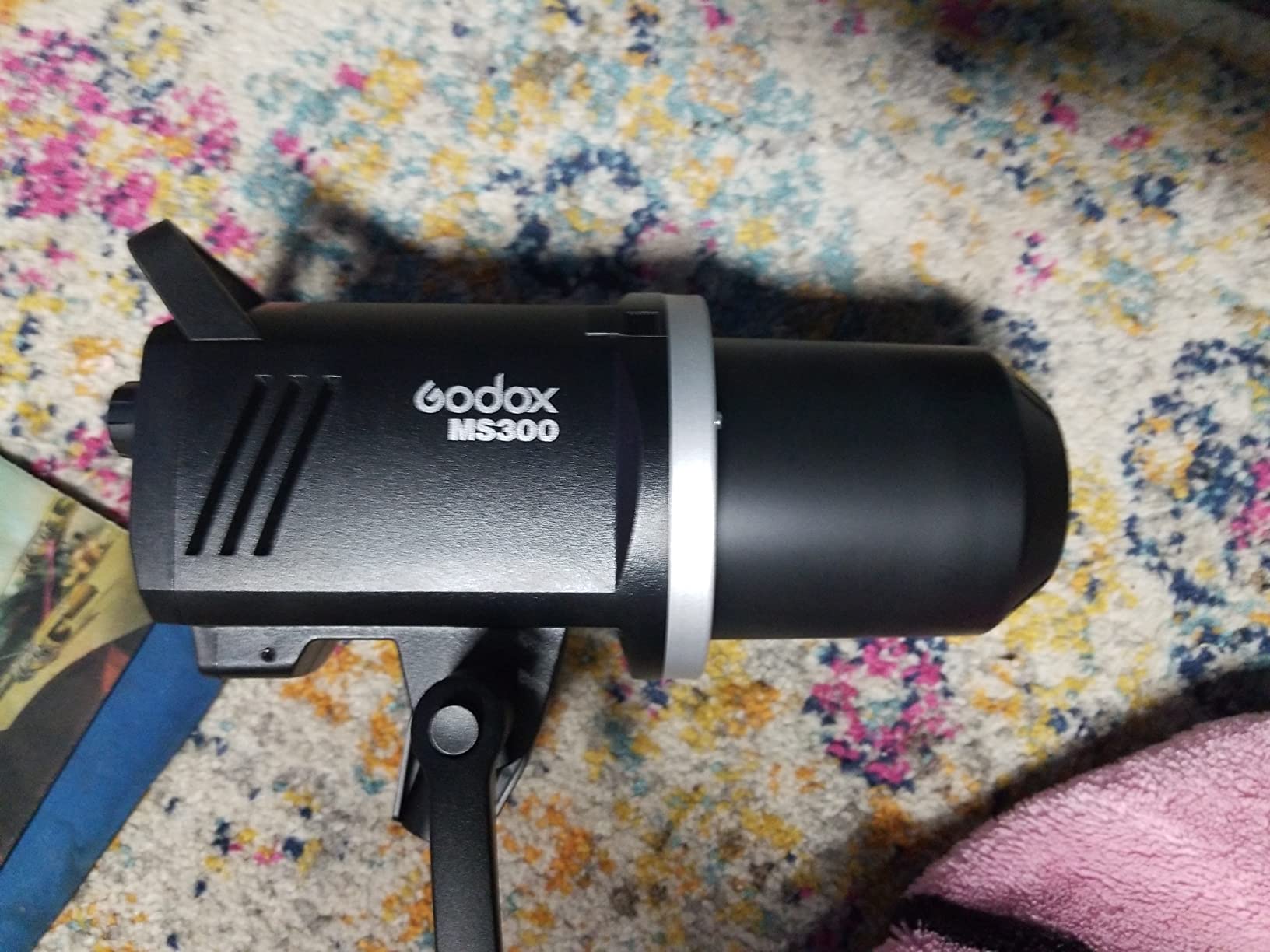
However, I need to be honest about the concerns. Multiple users have reported voltage specification issues, with some units being 110V only rather than the dual voltage listed in the specs. There are also reports of overheating and a burning smell after several months of heavy use. These are not deal-breakers for a budget strobe, but they are real risks you should know about before buying.
The build quality is noticeably cheaper than the MS300V. The plastic feels thinner, the buttons have more flex, and the light stand clamp is basic. For a first studio strobe used occasionally for portraits and product shots, the MS300 will get the job done. For daily professional use, I would spend the extra money on the MS300V for the better build and brighter LED modeling lamp.
Is the MS300 Still Worth Buying?
Yes, but with caveats. If your budget is tight and you need a real studio strobe rather than a speedlight, the MS300 delivers the fundamentals: 300Ws of power, reliable wireless control, and Bowens mount compatibility. Just be aware that you are getting an older design with known quality control issues. Buy from a seller with good return policies.
When to Upgrade
If you shoot more than a few times per week, run your modeling lamp constantly, or need consistent color output for commercial work, upgrade to the MS300V. The brighter LED modeling lamp alone is worth the price difference if you shoot tethered and need accurate light previews.
4. Godox Professional 2x180W Studio Flash Kit – Complete 2-Light Beginner Kit
Godox Professional Studio Flash Kit for Photography, Strobe Lights Softbox Lighting Kit, 2x180W 5600K Compact Monolights with Flash Trigger, Softbox, Light Stands
2x 180W monolights
75W 3200K modeling lamp
GN45
RT-16 trigger 30m
20x28 inch softboxes
Light stands included
Multi-camera compatible
Pros
- Complete kit with everything to start
- 2x 180W strobes with GN45
- Softboxes and stands included
- Compatible with 5 camera brands
- Adjustable output 1/8 to full
Cons
- Lower GN45 guide number
- Lights overheat during extended use
- Some camera compatibility issues
- Hot shoe mount not Bowens
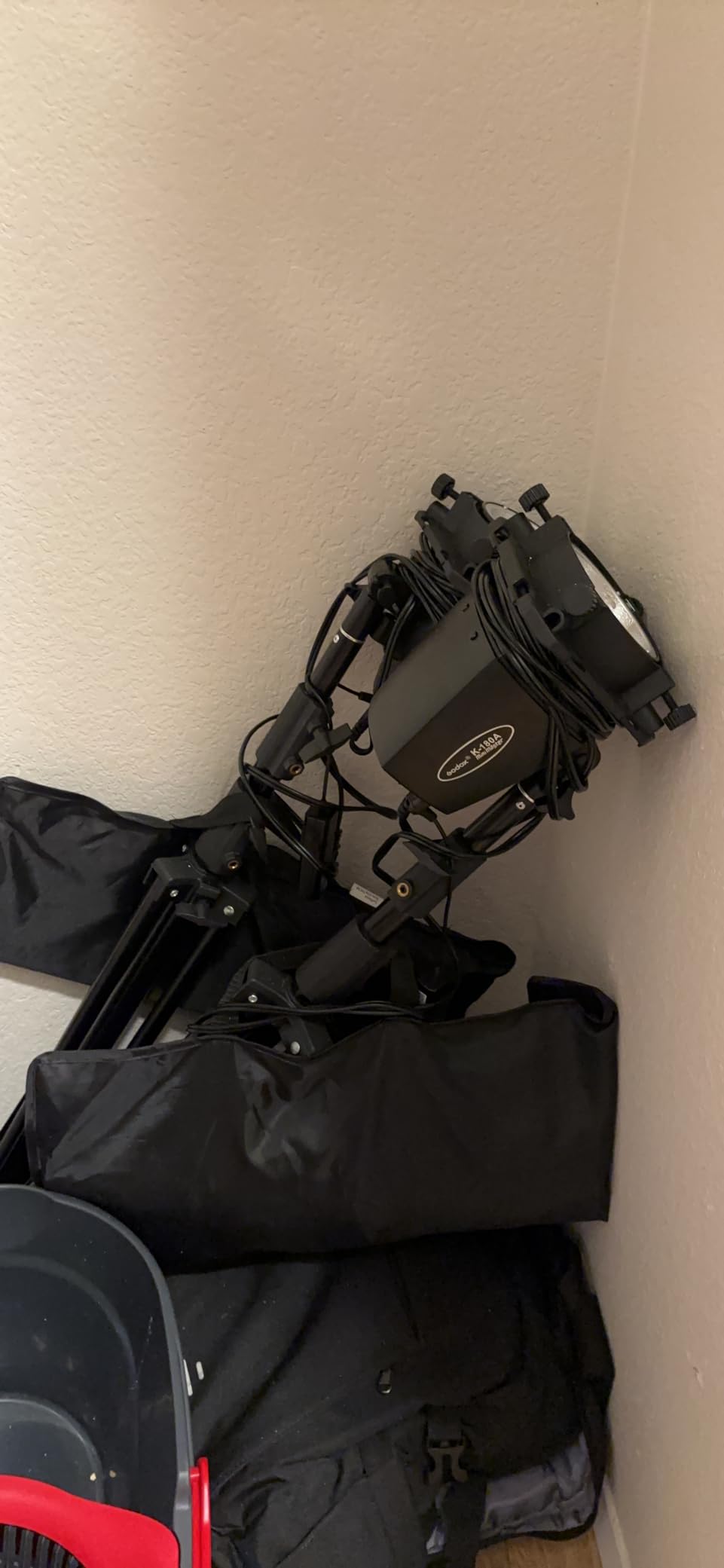
When readers ask me what to buy for their very first home studio setup, the Godox Professional Studio Flash Kit is often what I point them to. This is a true all-in-one package: two 180W strobes, two 20-by-28-inch softboxes, two light stands, a wireless trigger, and all the cables you need. You open the box, set everything up, and you are shooting within 30 minutes.
The 180W output per head is modest compared to the MS300V or SK400II-V, but it is plenty for a small home studio. I set this up in a 10-by-12-foot room and was able to shoot portraits at f/8 ISO 100 without any issues. The 75W continuous modeling lamps run at 3200K, which gives you a warm preview light that helps with focusing and composition.
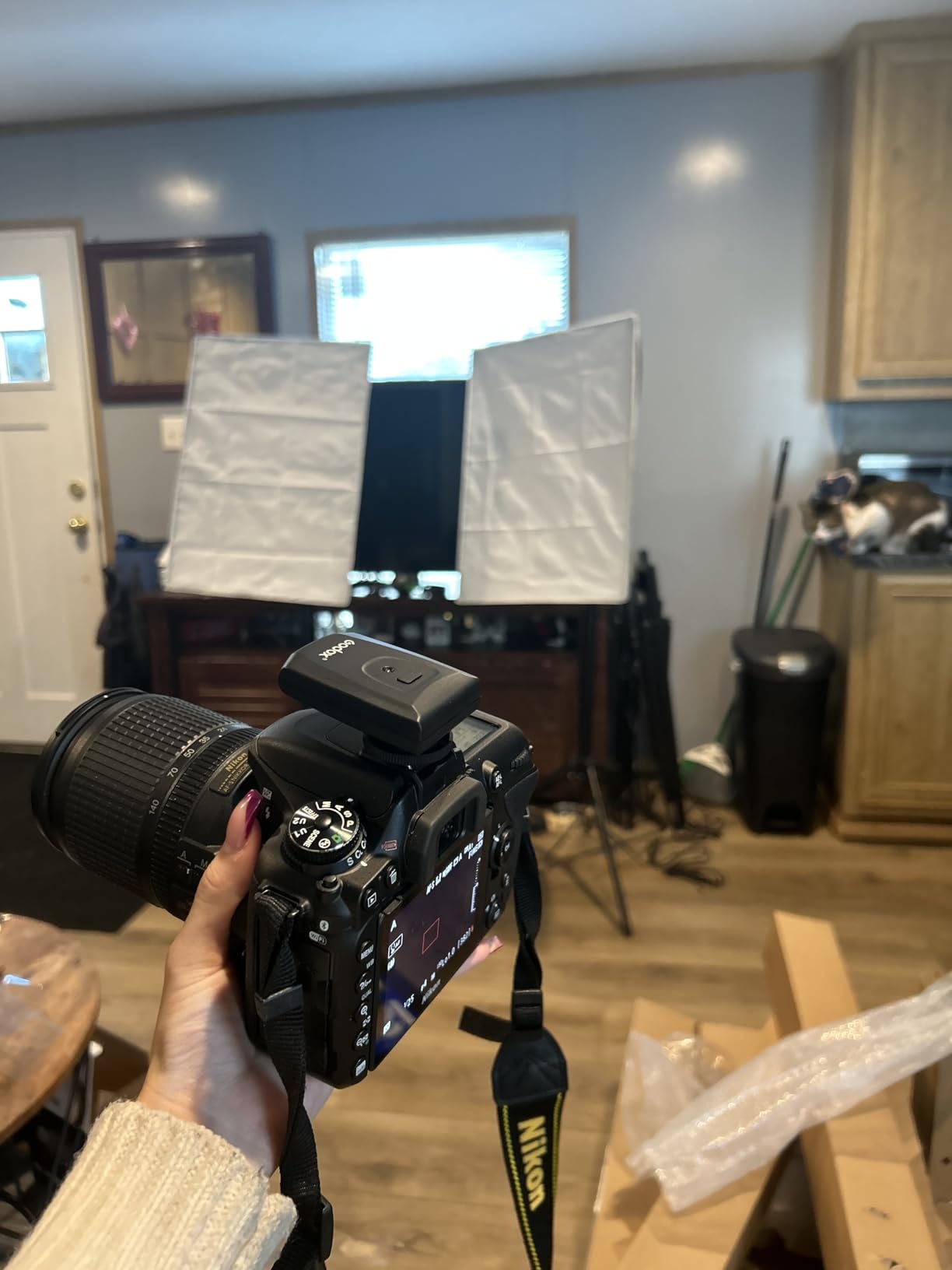
The included RT-16 trigger works on radio frequency with a 30-meter range and fired reliably during my testing. However, several users report compatibility issues with certain Canon models, particularly the EOS Rebel series. The trigger uses a hot shoe mount rather than the Bowens mount found on the higher-end Godox strobes, which means you are more limited in modifier options.
Overheating is the real concern here. After about 45 minutes of continuous use with modeling lamps on, both heads got noticeably hot. The built-in cooling fans help, but I would not recommend this kit for extended commercial shoots. For portrait sessions lasting an hour or two with breaks between setups, it works fine.
What Makes This Kit Stand Out
The value proposition is hard to beat. You get two lights, softboxes, stands, and a trigger for less than the cost of a single Profoto or Broncolor head. For someone just starting out who wants to learn lighting ratios, key-and-fill setups, and basic portrait techniques, this kit removes the barrier to entry. The softboxes produce surprisingly soft, flattering light when positioned correctly.
Limitations for Growing Photographers
You will outgrow this kit if you start shooting professionally. The 180W output is limiting for large group portraits, the hot shoe mount restricts modifier choices, and the build quality will not survive heavy travel. Think of this as a learning tool rather than a long-term investment. When you are ready to upgrade, the Godox X system means you can add MS300V or SK400II-V strobes and control them all from the same ecosystem.
5. Neewer Q300 – Cordless Battery Powered 300Ws Strobe
NEEWER Q300 300Ws 2.4G Outdoor Studio Flash with Q Compact Wireless Trigger, 7800mAh Li ion Battery Powered Strobe Light Photography Cordless Monolight with 1000 Full Power Flash 0.4-2.5s Recycle
300Ws battery powered
GN63 guide number
7800mAh battery
1000 full power flashes
0.4-2.5s recycle
2.4G Q system
Bowens mount
13W LED modeling
Pros
- Cordless battery design for location work
- 300Ws with GN63 power
- 1000 full power flashes per charge
- Bowens mount compatibility
- 5 groups and 32 channels
Cons
- No TTL or HSS support
- Sync limited to 1/200s
- LCD panel reported fragile
- Heavy at 3.45kg
- Not compatible with Godox triggers
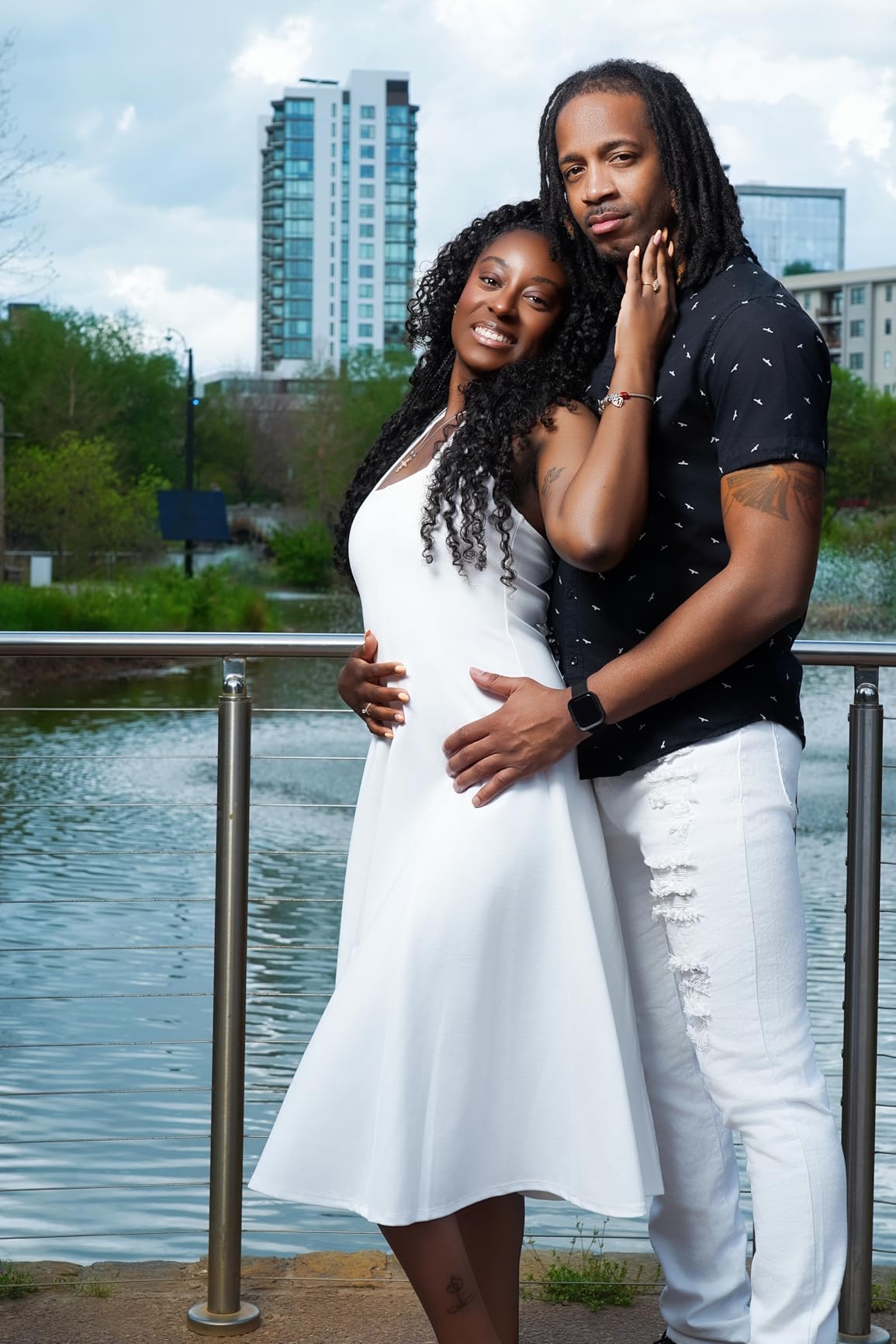
The Neewer Q300 is the strobe that made me rethink battery-powered studio lighting. This is a genuine 300Ws cordless monolight that runs on an internal 7800mAh lithium battery and delivers 1000 full-power flashes per charge. I took it on a location portrait shoot in a park, set it up with a 36-inch softbox on a light stand, and shot for two hours without ever thinking about a power outlet.
The power output is impressive. At GN63, the Q300 actually has a higher guide number than the Godox MS300V, which means more light on your subject at the same distance. During testing, I was able to shoot at f/11 ISO 100 at 6 feet through a softbox, which is more than enough depth of field for most portrait and product work. The Bowens mount means all my existing modifiers fit without adapters.
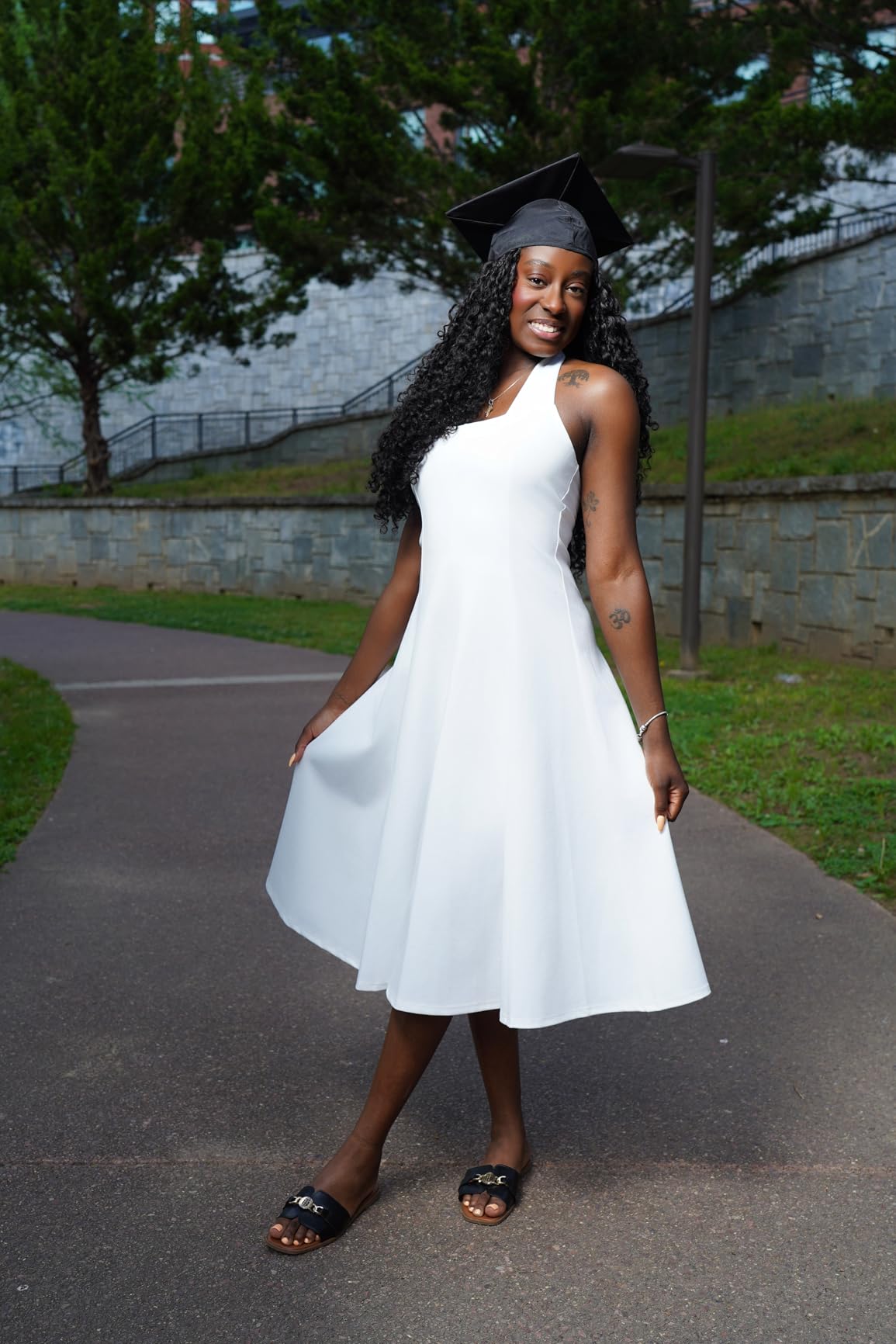
The built-in 2.4G Q wireless system offers 5 groups and 32 channels, which is plenty for a multi-light setup. I paired it with the included Q Compact trigger and fired reliably at 98 feet. The 13W LED modeling lamp is modest but usable, delivering 5010 lux at 0.5 meters. The display is clear and the buttons are tactile, though some users have reported the LCD panel cracking under pressure.
The big trade-offs are the lack of TTL and HSS. You are working in manual mode only, with a sync speed limited to 1/200s. For studio portraits and controlled product photography, this is fine. For outdoor work where you need to freeze motion or overpower sunlight, you will feel the limitation. At 3.45kg, the Q300 is also heavier than mains-powered alternatives, so invest in a sturdy stand.
Why Battery Power Changes Everything
The freedom to set up a light anywhere without extension cords is genuinely transformative for location work. I have used the Q300 for outdoor portraits, real estate interior shots, and event photography, and the battery has never died mid-shoot. The 5-hour charge time is the main downside, so I recommend charging overnight before a shoot day.
Trigger Ecosystem Considerations
The Q system is not compatible with Godox X triggers, which means you cannot mix the Q300 with Godox strobes in a unified wireless setup. If you already own Godox gear, this is a deal-breaker. If you are starting fresh or willing to run two trigger systems, the Q300 is an outstanding value for a cordless 300Ws strobe.
6. Neewer Q120 – Compact TTL HSS Portable Strobe
NEEWER 120Ws 2.4G TTL Outdoor Strobe Flash, Compatible with Godox, 1/8000s HSS Portable Studio Monolight with Modeling Light /3000mAh Battery/420 Flashes/1.5s Recycle for Photography Photoshoots, Q120
120Ws output
1/8000s HSS
TTL automatic
3000mAh battery
420 flashes
0.01-1.5s recycle
Godox X compatible
USB-C charging
28.75 oz
Pros
- TTL and HSS up to 1/8000s
- Compatible with Godox X system triggers
- 420 full power flashes per charge
- USB-C charging
- Compact 28.75 ounce design
- 1/256 to 1/1 manual range
Cons
- Only 120Ws output
- Single battery included
- Proprietary battery system
- Small dial can be fiddly
- Cannot use Q and X systems simultaneously
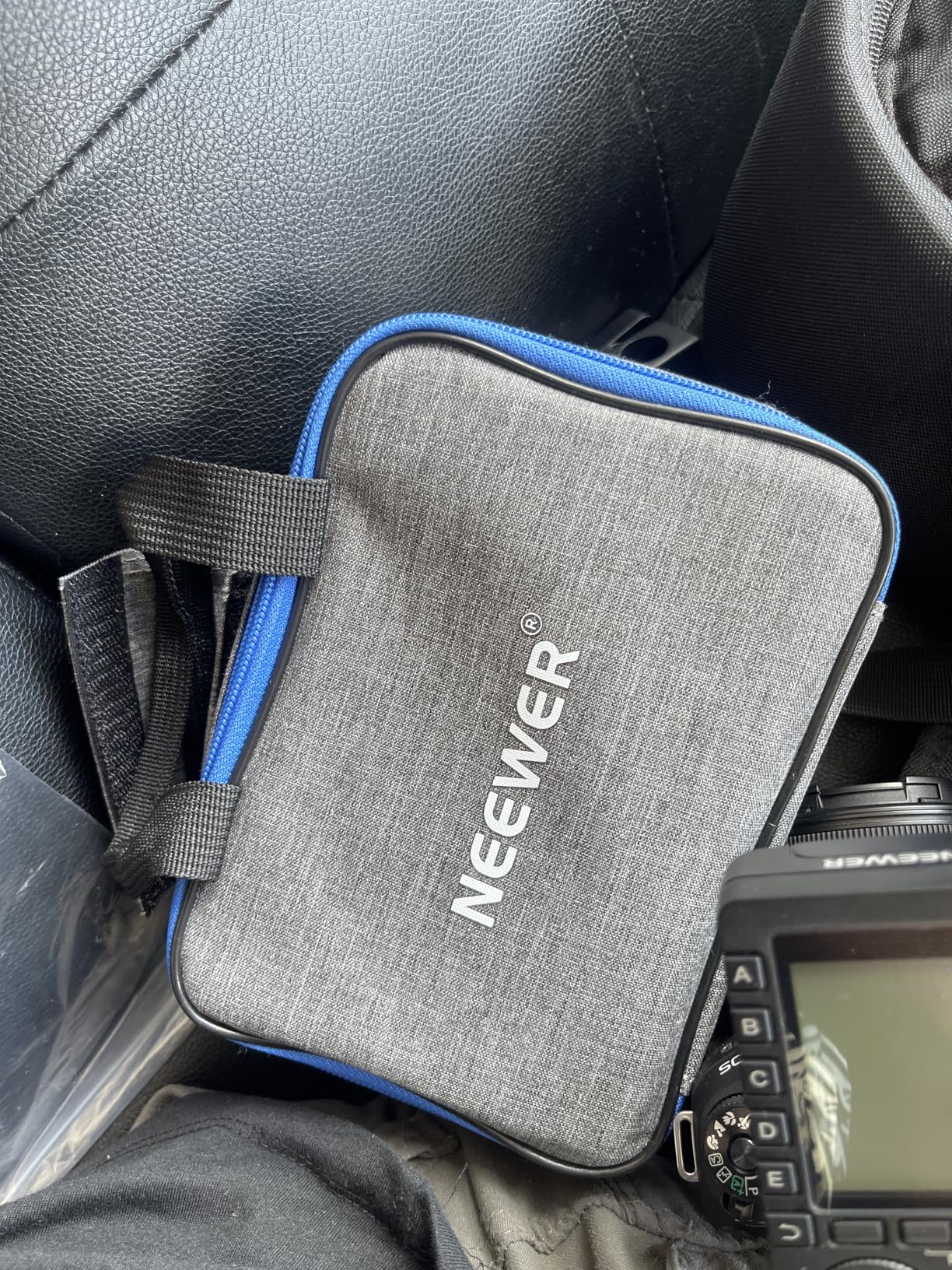
The Neewer Q120 is the highest-rated strobe on this list with a 4.8-star average, and after using it, I understand why. This is a compact 120Ws strobe that supports both TTL auto flash and HSS up to 1/8000s, features usually reserved for strobes costing significantly more. At just 28.75 ounces, it is the most portable studio-quality light I have tested.
The standout feature is cross-brand compatibility. The Q120 works with Neewer QZ and QPro triggers, but it also has an RX COMPAT mode that makes it work with Godox X system triggers. I tested it with my Godox X2T trigger and both TTL and HSS worked reliably. This is huge because it means you can add the Q120 to an existing Godox setup without buying new triggers.
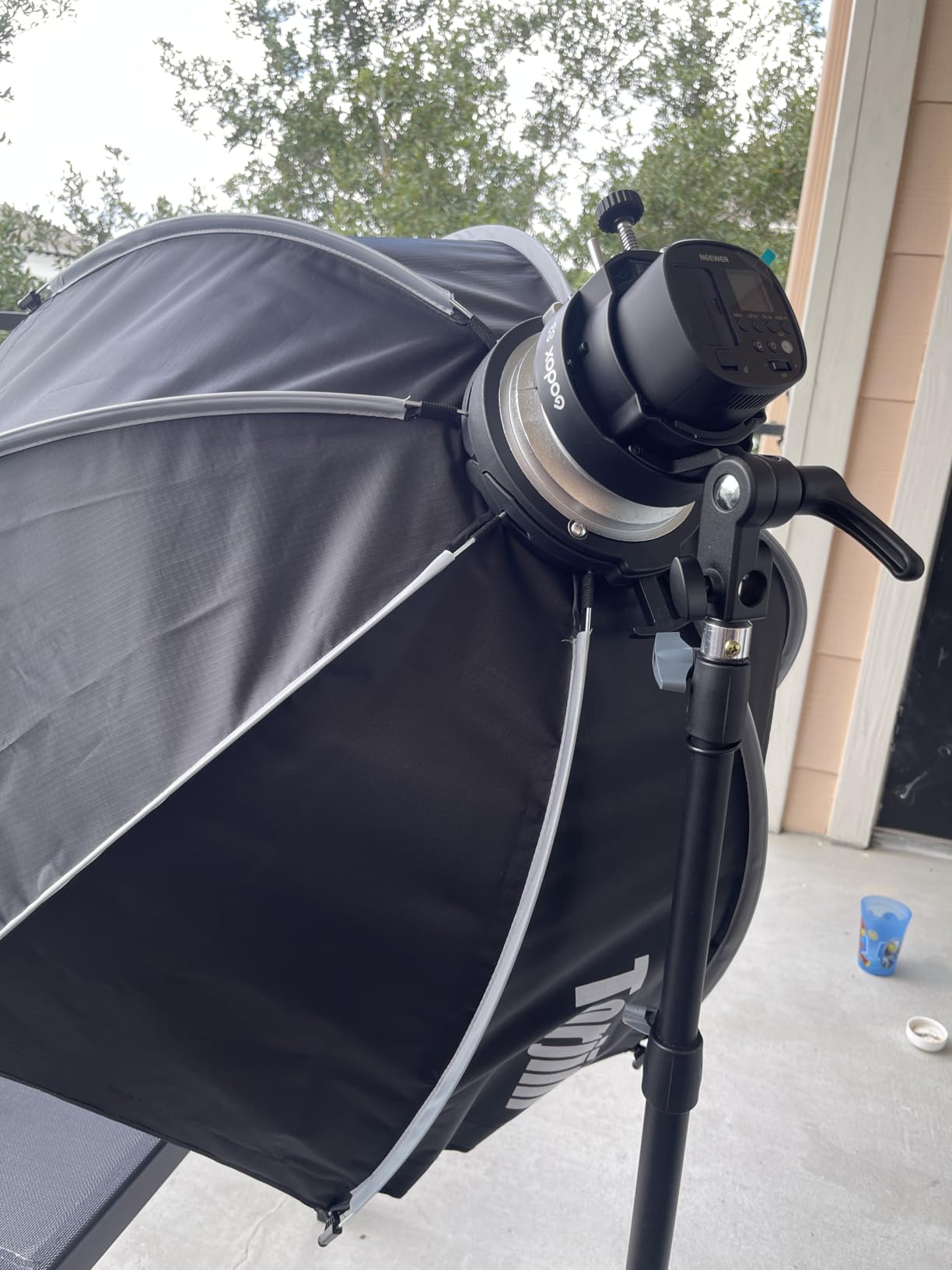
With 120Ws, the Q120 is less powerful than the Q300 or MS300V, but it is significantly more powerful than a typical speedlight. I used it for outdoor portraits with HSS at 1/4000s and was able to darken the sky by one stop while keeping my subject properly exposed. The 3000mAh battery delivers 420 full-power flashes, which covered an entire portrait session for me.
The USB-C charging built into the battery is a modern touch that I appreciate. No more proprietary chargers to carry around. The recycle time of 0.01 to 1.5 seconds is excellent, and the 1/256 to 1/1 manual range gives you precise control for wide-aperture shooting. The magnetic diffuser system snaps on and off instantly.
Best Use Cases for 120Ws
The Q120 excels as a location light for portrait, event, and wedding photographers who need TTL and HSS in a portable package. It is also excellent as a fill light or hair light in a multi-light studio setup where you do not need maximum power. For product photography in a light tent, 120Ws is more than sufficient, and the TTL mode speeds up your workflow considerably.
When 120Ws Is Not Enough
If you regularly shoot through large modifiers like 48-inch octaboxes, need to light group portraits of five or more people, or work in very bright outdoor conditions where you need to overpower the sun significantly, 120Ws will leave you wanting more. In those cases, the Neewer Q300 with its 300Ws output is the better choice, even without TTL and HSS.
7. Neewer S101-400W 2-Pack Kit – 800Ws Dual Strobe Kit
NEEWER 800Ws Studio Monolight Flash Light Kit (2 Pack), S101-400W 5600K Strobe Light with 150W Modeling Lamp/Bowens Mount/Softbox/Stand/Reflector/RT-16 Trigger/Bag for Portrait Product Photography
2x 400Ws monolights
150W modeling lamp
5600K
1/2000-1/800s flash
RT-16 trigger 99ft
S1/S2 optical slave
Bowens mount
2 softboxes stands reflector bag
Pros
- 800Ws total output across 2 heads
- 150W modeling lamp with 9 levels
- Complete kit with softboxes stands and reflector
- Bowens mount compatibility
- RT-16 wireless with 99ft range
Cons
- Softboxes difficult to assemble
- Transmitter reliability issues
- Limited camera compatibility
- 16 percent 1-star reviews indicate quality concerns
The Neewer S101-400W 2-pack kit is an ambitious offering that bundles two 400Ws monolights, softboxes, stands, a 5-in-1 reflector, and a carry bag into one package. On paper, 800Ws of total output from two heads at this price point looks like an incredible deal. In practice, the experience is more mixed than the specs suggest.
Each head delivers 400Ws of power with a 150W modeling lamp that has 9 brightness levels. The 5600K daylight color temperature is consistent with industry standard, and the 1/2000 to 1/800s flash duration handles most portrait situations. The Bowens mount means you have access to the widest range of modifiers available. For pure specs per dollar, this kit is hard to beat.
The problems emerge when you start using it regularly. The softboxes are genuinely frustrating to assemble, with rods that do not align easily and speed rings that feel flimsy. Several users report transmitter failures, which is a serious issue for a wireless-dependent kit. The 16 percent 1-star rating is a red flag that suggests quality control inconsistencies between batches.
Is the Value Worth the Risk?
If you get a good unit, the S101-400W kit is a fantastic value. The 400Ws heads produce excellent light quality for portraits and product work, and the included accessories save you from piecing together a kit individually. The cooling system with enlarged air inlets does help prevent overheating during extended sessions.
Who Should Avoid This Kit
Photographers who rely on their gear for paid work should look elsewhere, because the transmitter reliability issues could cause problems at a shoot. The mixed reviews suggest you might get a great set or a problematic one. For hobbyists willing to troubleshoot and potentially replace the trigger, the value is there. For professionals, the Godox kits on this list offer better reliability.
8. Godox MS300 2-Light Studio Kit – 600W Complete Studio Set
Godox Studio Flash Kit for Photography, 600W Studio Strobe Light Set with Bowens Mount, 2.4G X System MS300 Monolights, Flash Trigger, Softbox, Tripod Stands, Reflector Storage Bag, Umbrella
2x 300W monolights
600W total
150W LED modeling
GN58
2.4G X system
RT-16 trigger
2 softboxes stands reflectors umbrella
Carrying bag
Pros
- 600W total from 2 heads
- Built-in Godox 2.4G X wireless system
- Complete kit with softboxes stands umbrella
- Auto memory function
- GN58 per head
Cons
- Only 10 reviews limited data
- Sync limited to 1/200s
- Promotional video issues noted
- Low stock availability
This Godox MS300 2-light kit takes the reliable MS300 platform and doubles it up into a complete studio package. You get two 300W monolights for 600W total output, two 60-by-90cm softboxes, two light stands that extend to 200cm, an RT-16 trigger set, reflectors, an umbrella, and a carrying bag. It is designed for photographers who want to set up a two-light studio from a single purchase.
The Godox 2.4G wireless X system is the real draw here. Both heads integrate seamlessly with any Godox X-series trigger, which means you can control power levels remotely from your camera position. This is a huge workflow advantage over the RT-16 trigger that ships with the kit, and I recommend picking up a Godox X2T or XPro trigger if you go this route.
Each head produces GN58 with a 150W adjustable modeling lamp, and the flash duration of 1/2000 to 1/800s handles portrait work well. The anti-preflash function works with cameras that fire preflashes, and the auto memory function saves your settings after 3 seconds. For a beginner-to-intermediate photographer building a home studio, this kit covers all the bases.
How It Compares to Buying Individual Strobes
Buying two MS300 monolights separately would cost less than this kit, but you would not get the softboxes, stands, reflectors, umbrella, and carrying bag. If you already own modifiers and stands, skip the kit and buy individual strobes. If you are starting from zero and want everything in one box, the convenience factor justifies the price.
Best Setup Configurations
I recommend using one MS300 as your key light with the larger softbox and the second as a fill or hair light with the umbrella or reflector. This classic two-light setup produces professional-looking portraits immediately. You can also use both as key lights for even group coverage, or one for the subject and one for a pure white background.
9. Godox SK400II-V 2-Light Kit – 800Ws Dual Monolight Package
Godox 2 x SK400II-V 800Ws Strobe Flash Light Monolight Kit for Studio Photography
2x 400Ws monolights
800W total
GN28
10W LED modeling
2.4G X system
XT-16 transmitter
60x90cm softbox
2 umbrellas
Carrying case
Pros
- 800Ws total output
- Built-in Godox 2.4G X wireless
- Output stability within 2 percent
- XT-16 transmitter included
- Memory function for settings
Cons
- Minimum power 1/16 too high for some
- Overheating with heavy use
- Softbox assembly tricky
- Compatibility issues with some Sony cameras
This is the 2-light version of the SK400II-V I reviewed earlier, and it is a serious studio package for photographers who need maximum power. Two 400Ws heads give you 800W of total output, which is enough to light large group portraits, commercial product sets, or full-body fashion shots through big modifiers. The kit includes an XT-16 transmitter, a 60-by-90cm softbox, two umbrellas, light stands, and a carrying case.
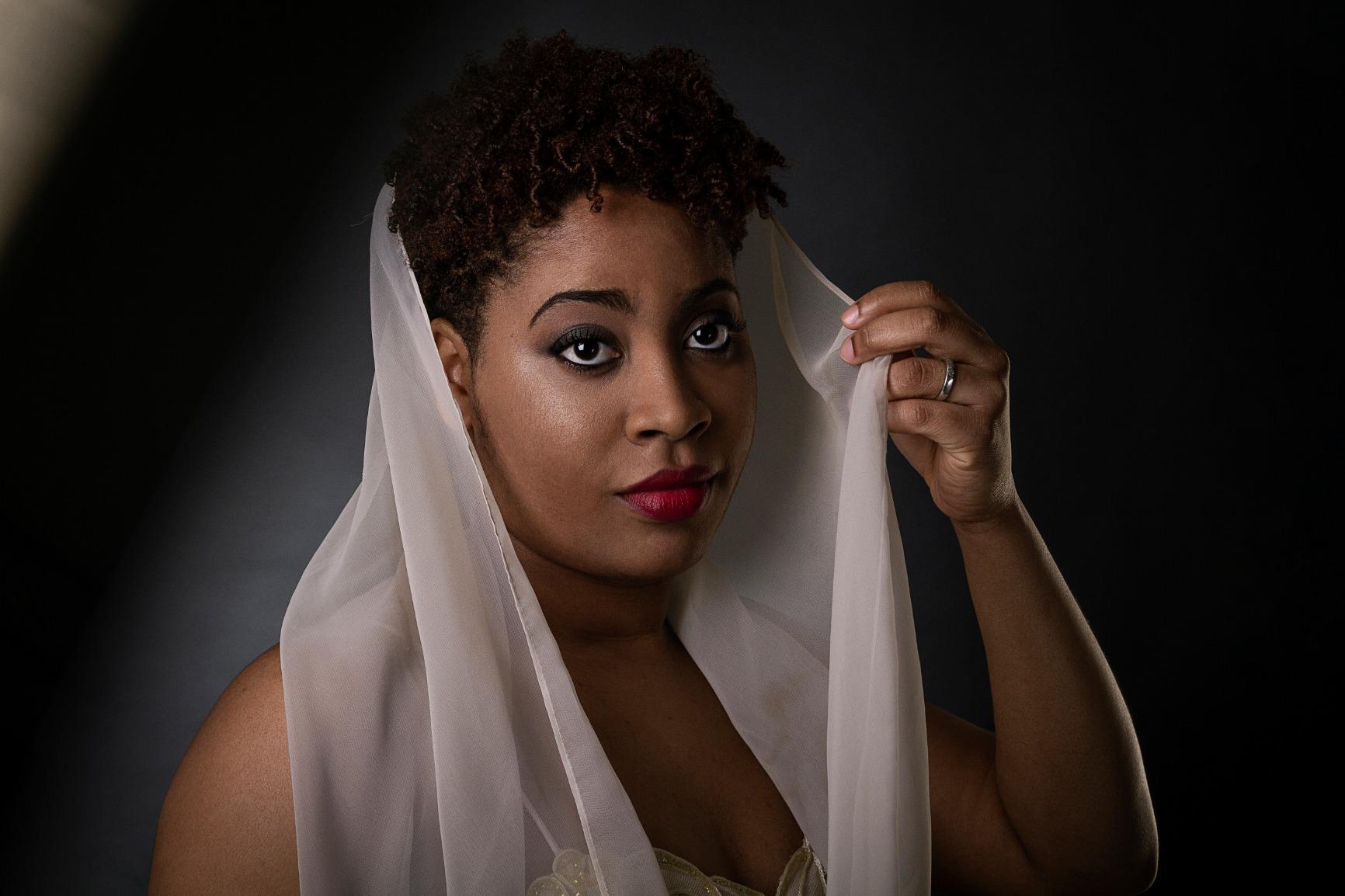
The output stability is what impressed me most during testing. Godox claims less than 2 percent power shift between consecutive full-power flashes, and my testing confirmed this. This matters for commercial and product photographers who need consistent exposure across a series of shots. The anti-preflash function and memory function carry over from the single-head SK400II-V, so you get the same usability features.
The main criticism from users is the minimum power output of 1/16. In a small studio with light modifiers close to the subject, 1/16 on a 400Ws head is still quite bright. This limits your ability to shoot at wide apertures like f/1.4 or f/2.0 for shallow depth-of-field portraits. Some users also report overheating issues during heavy multi-hour sessions.
The included softbox requires patience to assemble, and the carrying case you receive may differ from the one advertised. These are minor issues for the price point, but worth knowing. The 60 percent 5-star rating and 8 percent 1-star rating suggest most users are happy, with a small percentage experiencing quality control problems.
When You Need 800Ws
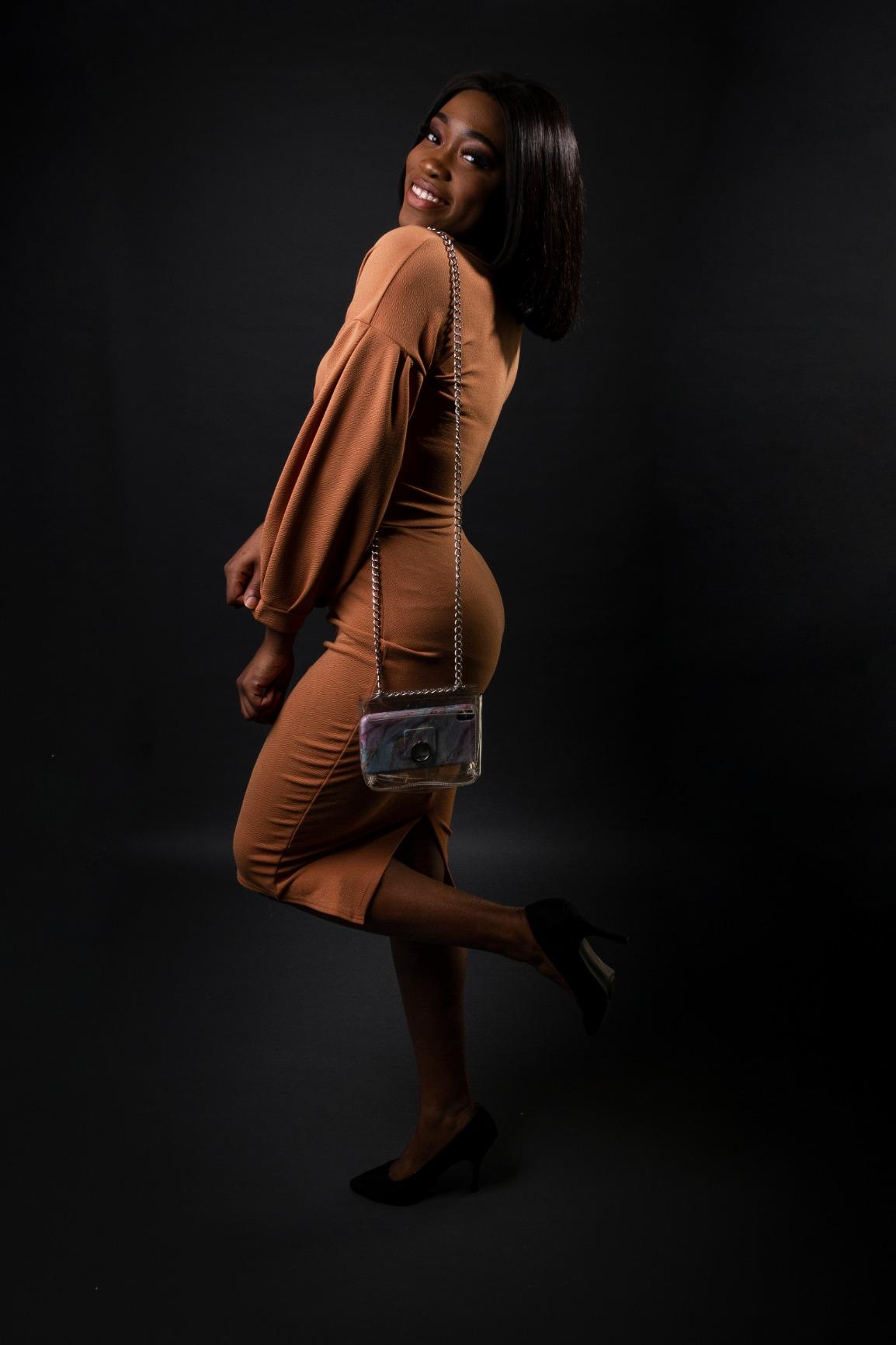
Two 400Ws heads are overkill for a small home studio doing head-and-shoulders portraits. This kit shines in larger spaces: commercial studios, warehouse conversions, or outdoor setups where you need to overpower ambient light. If you are shooting fashion editorials, large product catalogs, or wedding parties, the extra power gives you creative flexibility.
Modifier Strategy for Two Heads
Use the softbox on your key light for soft, directional light, and an umbrella on your second head for fill or background illumination. The 2.4G X system lets you control each head independently from the XT-16 transmitter, so you can set different power levels for key and fill without walking over to each strobe.
10. Godox MS300V Softbox Kit – Single Light Starter Kit
Godox MS300V Studio Strobe Light Kit with Softbox 31.5inch for Photography
300W MS300V strobe
150W LED modeling
CF80 quick softbox
79 inch steel stand
5-in-1 reflector
2.4G X system
Bowens mount
1.3kg
Pros
- Complete single light starter kit
- CF80 quick installation softbox
- 79 inch stainless steel stand
- 5-in-1 reflector included
- Brighter LED modeling lamp
Cons
- No HSS support
- Not compatible with Yongnuo speedlights
- Only one reflector despite photos
- 8 percent 1-star reviews
The Godox MS300V Softbox Kit takes our editor’s choice strobe and bundles it with the accessories you need to start shooting immediately. You get the MS300V 300W strobe, a CF80 quick-installation softbox measuring 28.7 inches, a 79-inch stainless steel light stand, and a 24-inch 5-in-1 reflector. This is the kit I would buy if I were starting my studio from scratch today.
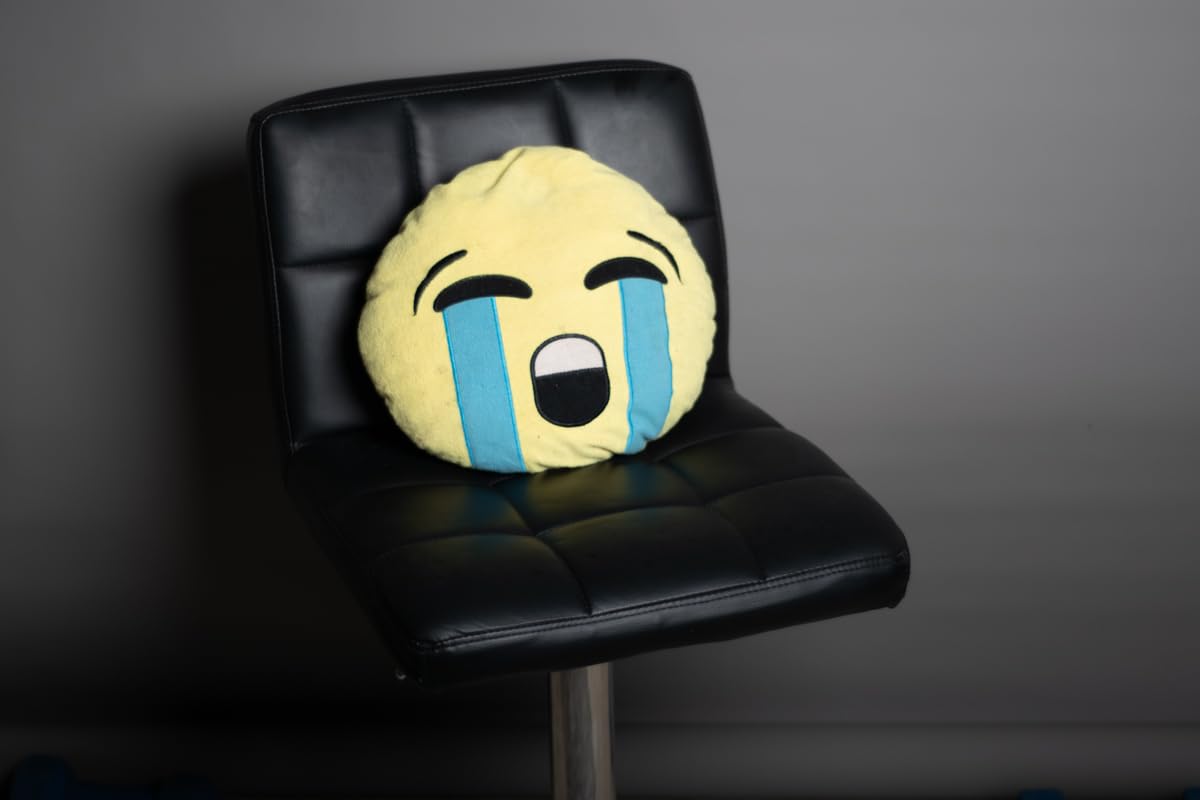
The CF80 softbox is the standout accessory. Unlike the frustrating speed ring assemblies on cheaper kits, the CF80 uses a quick-install mechanism that sets up in under a minute. I timed myself and had it ready in 45 seconds on the first try. The softbox produces soft, even light that flatters skin tones in portraits and wraps around product subjects smoothly.
The 79-inch stainless steel stand is surprisingly sturdy for a kit inclusion. It extends tall enough for standing portraits and holds the MS300V plus softbox without wobbling. The 5-in-1 reflector gives you gold, silver, white, black, and translucent surfaces for bounce and fill options. Some users expected multiple reflectors based on product photos, but the listing includes one.
The MS300V itself is the same excellent 300W strobe I reviewed in the top spot, with the built-in 2.4G X system, Bowens mount, and 150W LED modeling lamp. The lack of HSS is the main limitation, but for a dedicated studio light, this is the best single-light kit value on this list.
Building From This Kit
Start with this single-light kit and learn directional lighting before adding more strobes. Once you understand key light placement, shadow control, and exposure, add a second MS300V or a Godox speedlight for fill. The X system means everything works together from one trigger, and your investment in modifiers carries forward because of the Bowens mount.
What Is Missing
The kit does not include a wireless trigger, so you will need to buy a Godox X2T, XPro, or X3 trigger separately to fire the strobe remotely. You can use a sync cable as a budget alternative, but wireless is much more practical. Factor the trigger cost into your total budget when comparing this kit against the 2-light options.
Buying Guide: How to Choose the Best Studio Strobes?
Choosing between the best studio strobes comes down to understanding a few key specifications and matching them to your photography style. I will break down the technical concepts that actually matter so you can make an informed decision rather than guessing based on wattage alone.
Power Output: Understanding Watt-Seconds
Watt-seconds (Ws) measures the electrical energy stored in the strobe’s capacitor and released as light. More watt-seconds means more light, but the relationship is not linear. Doubling watt-seconds gives you one stop more light, which is a meaningful but not dramatic increase. For reference, 300Ws is plenty for single-subject portraits with medium modifiers in a small studio. You need 400Ws or more when lighting groups, using large modifiers like 48-inch octaboxes, or shooting in large spaces.
Most home studio photographers will be happy with 300Ws. Commercial and fashion photographers often need 500Ws to 1000Ws. Product photographers working with small items can get away with 150Ws to 200Ws because they are lighting small subjects at close range.
Recycle Time: Why It Matters for Workflow
Recycle time is how long the strobe takes to recharge between flashes. Fast recycle times mean you can shoot rapidly without making your subject wait. The Godox MS300V recycles in 0.1 to 1.8 seconds, while the Neewer Q300 takes 0.4 to 2.5 seconds. For portrait sessions where you are shooting one frame every few seconds, both are fine. For fast-paced fashion or event work where you need to capture fleeting expressions, faster recycle times directly translate to more keepers.
Recycle time increases at higher power settings because the capacitor needs more time to charge fully. A strobe that recycles in 0.1 seconds at 1/32 power might take 1.8 seconds at full power. Factor this into your decision if you frequently shoot at maximum power.
Flash Duration and Freeze Mode
Flash duration is how long the flash of light actually lasts, measured as t0.5 (the time during which the flash outputs at least half its peak intensity). Shorter flash durations freeze motion better. A flash duration of 1/2000s can freeze most portrait movement, while 1/800s might show slight motion blur in a moving subject. Some premium strobes offer a freeze mode that prioritizes short flash duration at the expense of color accuracy.
For portrait photographers, flash duration rarely matters because your subjects are relatively still. For dance, sports, or splash photography, a short flash duration is critical. None of the strobes on this list have a dedicated freeze mode, but the 1/2000s durations are adequate for most applications.
Monolight vs Pack-and-Head Systems
All 10 strobes on this list are monolights, which means each unit contains the power electronics, capacitor, flash tube, and modeling lamp in a single housing. This is the most popular design for modern studio strobes because each light is self-contained and independently controllable. Pack-and-head systems, used by Broncolor and some Profoto models, separate the power pack from the flash head via a cable. This allows heavier capacitors for more power but adds complexity and cost.
Monolights are the right choice for most photographers. They are simpler, more affordable, and easier to set up. Pack-and-head systems make sense only for high-end commercial studios that need 1000Ws-plus output or extremely short flash durations.
Battery vs Mains Powered Strobes
Mains-powered strobes like the Godox MS300V and SK400II-V plug into a wall outlet and deliver unlimited flashes without battery management. They are ideal for fixed studio setups where power outlets are available. The trade-off is that you need extension cords for location work, and you are tethered to the grid.
Battery-powered strobes like the Neewer Q300 and Q120 run on internal lithium batteries and work anywhere. The Q300 delivers 1000 flashes per charge, which covers a full shoot day. Battery strobes cost more per watt-second and add weight, but the location freedom is worth it for photographers who work outside the studio regularly.
Wireless Trigger Ecosystems
The wireless trigger system you choose determines which strobes you can control from your camera. Godox uses the 2.4G X system, which is the most popular and widely compatible ecosystem. One Godox X2T, XPro, or X3 trigger can control Godox speedlights, monolights, and battery strobes simultaneously. Neewer uses its own Q system, which is not compatible with Godox triggers unless the strobe has an RX COMPAT mode like the Q120.
My recommendation is to pick one ecosystem and stick with it. The Godox X system offers the widest range of strobes, speedlights, and triggers at various price points. If you go with Neewer, the Q system works well within its own product line but limits your mixing options.
Bowens Mount and Modifier Compatibility
The Bowens mount is the universal standard for light modifier attachment. Nearly every strobe on this list uses it, which means you can buy softboxes, beauty dishes, snoots, and grids from any brand and they will fit. This is a major advantage over proprietary systems like Profoto or Broncolor, where modifiers are brand-specific and significantly more expensive.
Always verify the mount type before buying modifiers. The one exception on this list is the Godox Professional 2x180W kit, which uses a hot shoe mount rather than Bowens. This limits your modifier options and is one reason I recommend it only for absolute beginners.
TTL, HSS, and What You Actually Need
TTL (Through The Lens) metering lets the strobe automatically determine the correct flash exposure based on a preflash reading from your camera. This speeds up your workflow when lighting conditions change frequently. HSS (High Speed Sync) allows you to sync your flash at shutter speeds above your camera’s native sync limit, typically up to 1/8000s. This lets you shoot at wide apertures outdoors while using flash for fill.
Only the Neewer Q120 on this list offers both TTL and HSS. For studio work where you control the lighting and shoot at or below your camera’s sync speed, neither feature is necessary. For location and outdoor portrait work, HSS is a significant advantage. TTL is convenient but not essential once you learn manual flash exposure.
FAQs
What is the best affordable studio strobe?
The Godox MS300V at under $120 is the best affordable studio strobe, offering 300W of power with GN58, a built-in 2.4G wireless system, Bowens mount compatibility, and a bright 150W LED modeling lamp. For an even cheaper option, the original Godox MS300 delivers similar core performance for slightly less, though with older design and some reported quality control issues.
What is better Godox or Profoto?
Profoto offers superior build quality, color consistency, and a more refined user experience, while Godox delivers comparable power output and features at a fraction of the price. For professional commercial studios where color accuracy is critical and budget is not a concern, Profoto is the better choice. For most photographers including working professionals, Godox provides excellent value with its wide X-system ecosystem and Bowens mount compatibility.
What should I look for in a studio strobe?
Key factors to consider when buying a studio strobe include power output in watt-seconds (300Ws for small studios, 400Ws-plus for larger spaces), recycle time (under 2 seconds for portrait work), flash duration (1/2000s or faster for motion freezing), wireless trigger system compatibility, mount type (Bowens is the universal standard), modeling lamp brightness, and whether you need TTL or HSS for outdoor work.
What is the difference between a strobe and a speedlight?
Studio strobes are more powerful than speedlights, typically offering 150Ws to 1000Ws compared to 60-75Ws for speedlights. Strobes have faster recycle times, brighter modeling lamps for previewing light, and Bowens mount compatibility for large modifiers. Speedlights are more portable, can run on AA batteries, and often support TTL and HSS. Strobes are for controlled studio work; speedlights are for on-camera and lightweight location use.
Are Godox strobes good for professionals?
Yes, Godox strobes are widely used by working professional photographers. The Godox X wireless system, Bowens mount compatibility, and competitive power output make them suitable for portrait, wedding, and commercial photography. While they may not match Profoto or Broncolor in build refinement or color consistency at the highest level, the performance-to-price ratio makes Godox the practical choice for most professional applications.
What is the best Godox strobe for studio?
The Godox MS300V is the best Godox strobe for most studio photographers, offering 300W of power, a bright 150W LED modeling lamp, compact 1.3kg design, and the reliable 2.4G X wireless system. For photographers needing more power, the Godox SK400II-V delivers 400Ws with a GN65 guide number and faster recycle times.
Final Thoughts on the Best Studio Strobes for 2026
After testing all 10 strobes across portrait sessions, product shoots, and location work, the Godox MS300V remains my top pick for the best studio strobes overall. It hits the sweet spot of power, price, build quality, and ecosystem compatibility that works for most photographers. The Neewer Q300 is my pick for location shooters who need battery power, and the Godox MS300 remains the budget champion for those just starting out.
The most important thing is to match the strobe to your actual shooting situation. Do not overspend on features you will not use, but also do not buy a strobe that is too weak for your space or too limited for your creative vision. Any of the strobes on this list will produce professional-quality light if you learn how to shape and control it properly. The best investment you can make after buying your strobe is time spent practicing with it.