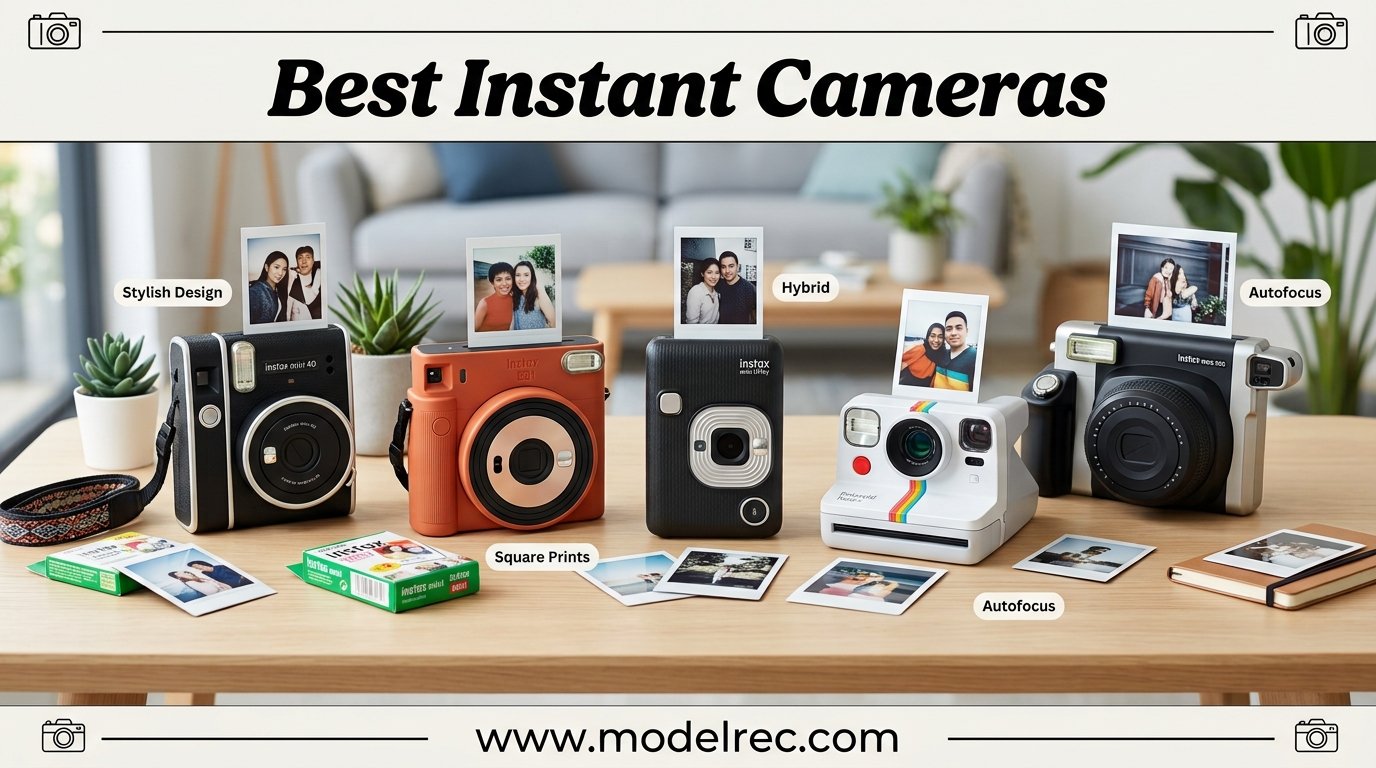
I have spent the last several months testing instant cameras from Fujifilm, Polaroid, and Kodak to figure out which ones are actually worth your money. The best instant cameras balance photo quality, ease of use, and ongoing film costs in a way that keeps the experience fun instead of frustrating. Whether you want a budget-friendly party camera or a hybrid model that lets you preview before printing, there is a great option on this list.
Instant photography has changed a lot since 2026. Fujifilm dominates with affordable Instax Mini film and beginner-friendly designs. Polaroid counters with larger, more artistic prints and app-connected features. Kodak offers ZINK and dye-sublimation printing for people who want to skip traditional film entirely. Our team compared 10 models head to head, shooting the same scenes and tracking every wasted shot.
If you also enjoy product photography beyond instant prints, check out our guide to the best photo lightboxes for product photography. For hobbyists who split time between cameras and RC builds, our best RC car body shells for customization roundup covers great gift-adjacent gear. Below you will find our top 3 picks, a full comparison table, individual reviews, a buying guide, and answers to the most common questions about instant cameras.
Table of Contents
Top 3 Picks for Instant Cameras

Fujifilm Instax Mini 12
- Instax Mini film
- Auto exposure
- Built-in selfie mirror
- Close-up mode

Fujifilm Instax Mini Evo
- Hybrid digital preview
- 100 lens and effect combos
- Bluetooth app control
- microSD storage

Polaroid Now+ Gen 3
- Bluetooth app control
- Manual mode and aperture priority
- USB-C rechargeable
- Double exposure
10 Best Instant Cameras in 2026
| Product | Specifications | Action |
|---|---|---|
| Fujifilm Instax Mini 12 |
|
Check Latest Price |
 Fujifilm Instax Mini 11 Fujifilm Instax Mini 11 |
|
Check Latest Price |
 Fujifilm Instax Mini 41 Bundle Fujifilm Instax Mini 41 Bundle |
|
Check Latest Price |
| Fujifilm Instax Mini Evo |
|
Check Latest Price |
 Polaroid Now Gen 3 Polaroid Now Gen 3 |
|
Check Latest Price |
| Polaroid Now+ Gen 3 |
|
Check Latest Price |
 Polaroid Go Gen 2 Polaroid Go Gen 2 |
|
Check Latest Price |
 Polaroid Go Gen 3 Polaroid Go Gen 3 |
|
Check Latest Price |
 Kodak Mini Shot 3 Retro Kodak Mini Shot 3 Retro |
|
Check Latest Price |
 Kodak Printomatic Kodak Printomatic |
|
Check Latest Price |
1. Fujifilm Instax Mini 12 – Best Budget Instant Camera for Beginners
Fujifilm Instax Mini 12 Instant Film Camera, Clay White
Instax Mini film
Auto exposure
Built-in selfie mirror
Close-up mode with parallax correction
AA batteries included
Pros
- Compact and lightweight design
- Twist lens for instant on and off
- Automatic exposure handles most lighting
- Built-in selfie mirror
- Prints in about 5 seconds
Cons
- Film sold separately
- Ongoing film cost adds up
I picked up the Instax Mini 12 in Clay White and immediately understood why Reddit ranks this as the top instant camera for first-time buyers. The twist-to-turn-on lens is satisfying and foolproof. You literally twist the lens ring, the camera powers up, and you are ready to shoot in under two seconds.
The automatic exposure system handles indoor and outdoor scenes without any input from you. I tested it at a friend’s birthday party, shooting in dim lighting and bright afternoon sun on the same day. Both sets of photos came out properly exposed with no manual tweaking needed.
The built-in selfie mirror and close-up mode with parallax correction make this one of the easiest instant cameras for selfies. You pull the lens out to activate close-up mode, frame using the mirror, and the camera corrects for the parallax shift so your face lands where you expect it.
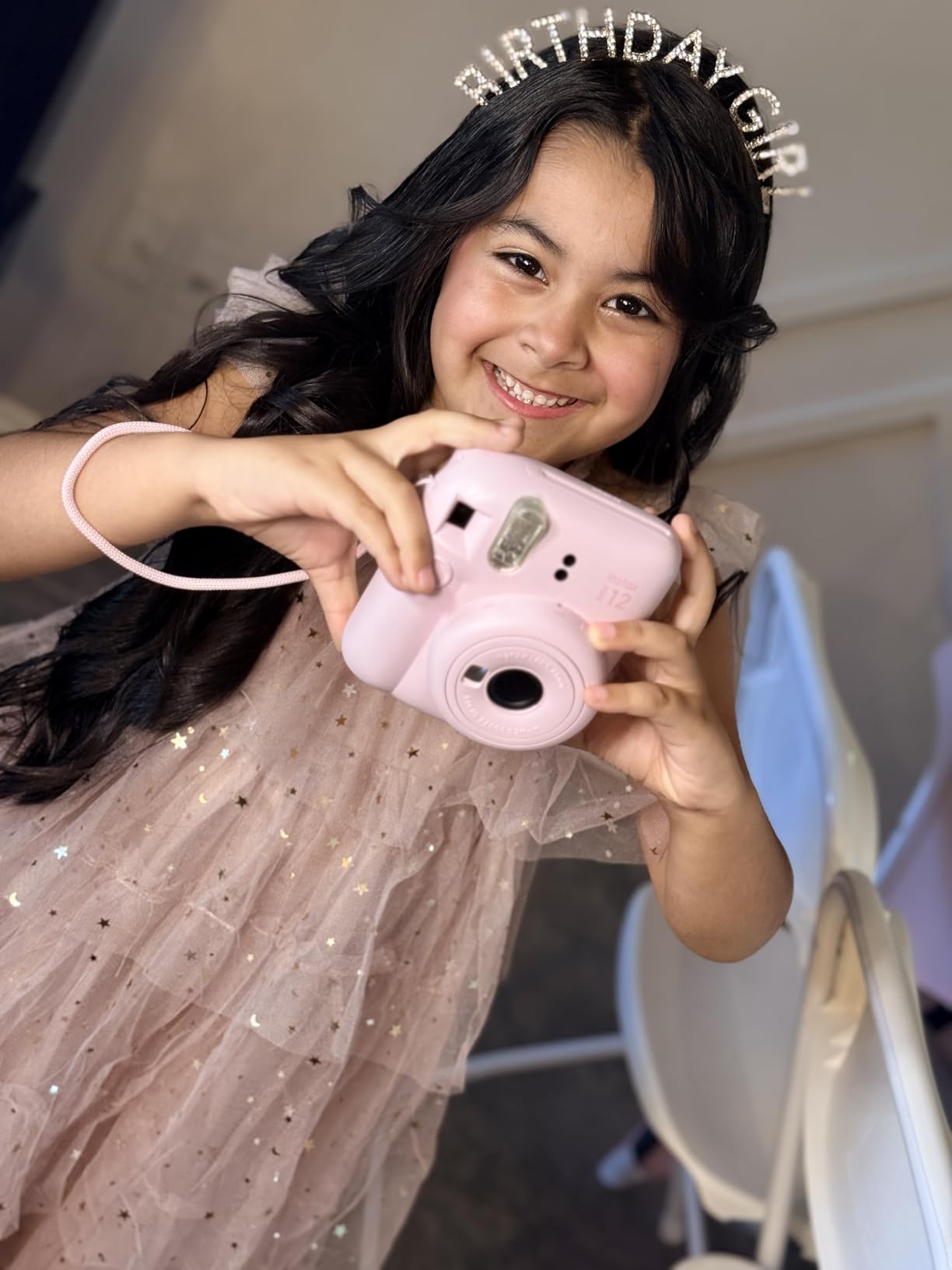
Photos develop in approximately 5 seconds, which is one of the fastest development times among instant cameras. The Instax Mini film format produces credit-card-sized prints that are perfect for scrapbooks, wallets, and fridge magnets.
The main trade-off is film cost. Instax Mini film runs roughly $0.75 to $1 per shot depending on pack size. For a budget camera, the ongoing film expense is something to factor in before buying.
Ideal Use Cases
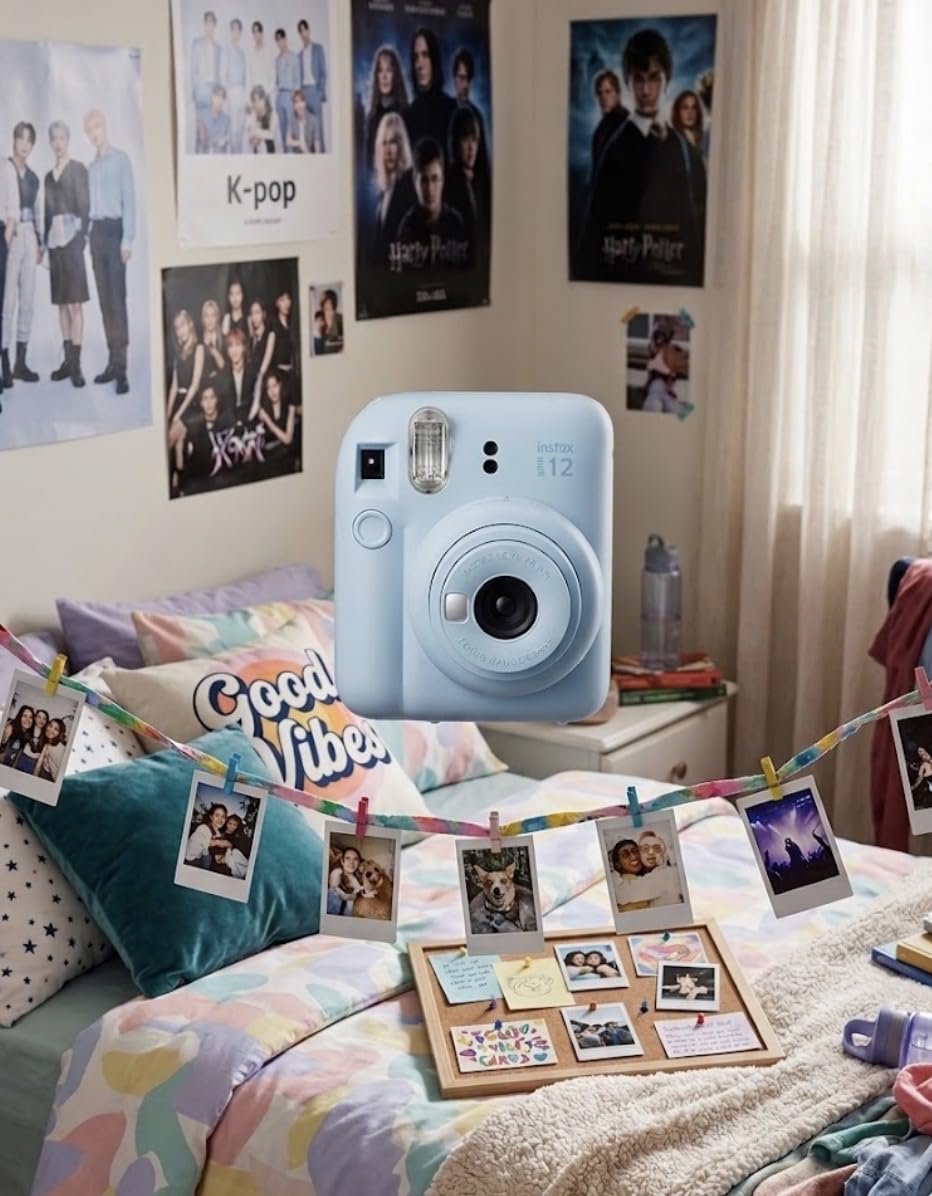
The Mini 12 shines at casual events like birthday parties, family gatherings, and casual hangouts where you want fun physical prints without overthinking settings. It is also a fantastic first instant camera for teenagers and kids thanks to its simple operation.
Travelers who want a light, pocket-friendly camera will also appreciate its 1-pound weight and compact 4.1 x 2.6 x 4.8 inch body. It slips into a bag easily and the AA batteries are replaceable anywhere in the world.
Film Format and Long-Term Costs
The Mini 12 uses Instax Mini film, the most affordable and widely available instant film format on the market. Twin packs and bulk purchases can bring the per-shot cost down significantly compared to Polaroid film.
One pro tip from the Reddit community: store your Instax film in the refrigerator to extend its shelf life and reduce development defects. Cold storage helps preserve chemical integrity for months beyond the printed expiration date.
2. Fujifilm Instax Mini 11 – The Best-Selling Instant Film Camera
Fujifilm Instax Mini 11 Instant Camera – Sky Blue
Instax Mini film
Automatic exposure
Slim body
One-touch selfie mode
Selfie mirror
Pros
- Slimmest Instax Mini body
- One-touch selfie mode and macro
- Automatic exposure adjustment
- Massive community and accessory ecosystem
- Holds up over years of use
Cons
- Flash range limited to arm length
- Film can be pricey with heavy use
- Some fragility after extended use
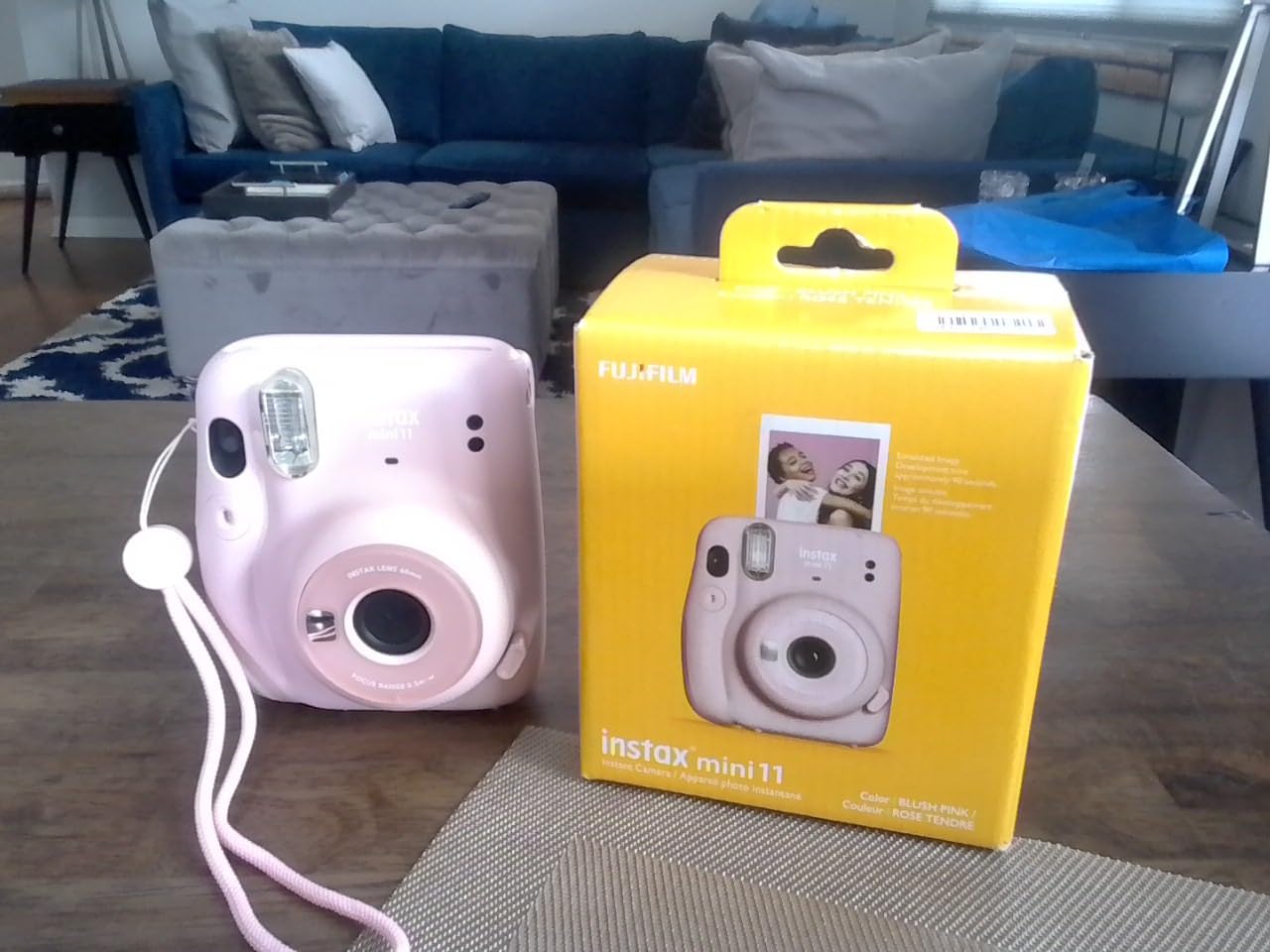
The Instax Mini 11 remains one of the most popular instant cameras ever made, with over 30,000 reviews backing its reputation. I tested the Sky Blue model and found the slim body noticeably more comfortable to carry than the Mini 12 in some bag configurations.
The one-touch selfie mode is what sets the Mini 11 apart from older Instax models. You simply pull out the lens ring, and the camera automatically switches to selfie mode with built-in macro focusing. No separate close-up lens attachment required like on the older Mini 9.
Automatic exposure selects the optimal shutter speed for your environment. I noticed that backgrounds come out brighter compared to older models that tended to underexpose everything except the flash-lit subject.
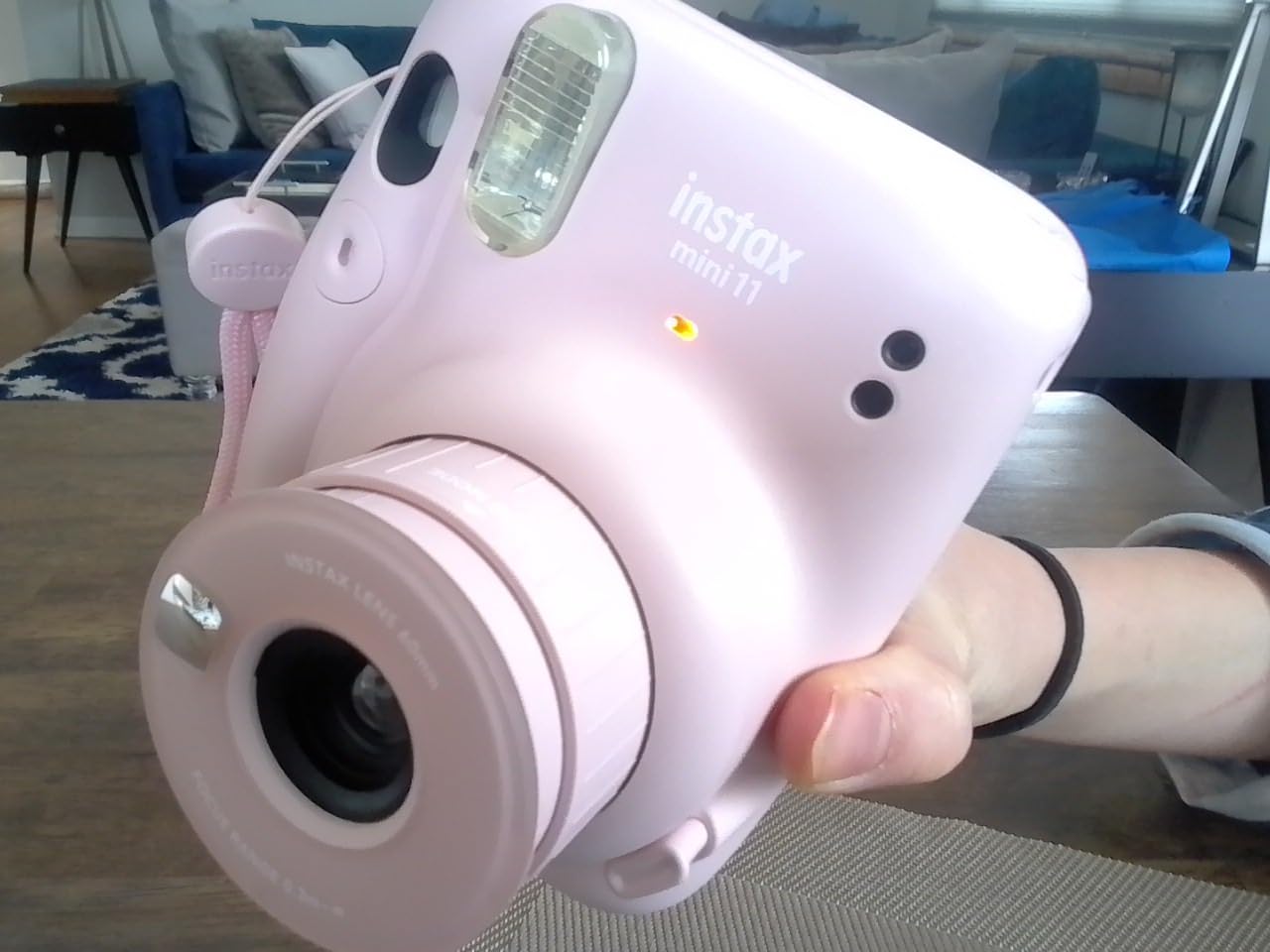
The transparent ring lens gives the Mini 11 a distinctive look that many users love. The decorative shutter button accessories included in the box let you customize the appearance, which makes this a popular gift for teens and young adults.
The main limitation is the flash range. The built-in flash works best for subjects within arm’s length. Anything beyond about two feet tends to come out dim, so this camera is best for close-up portraits and group selfies rather than landscape shots.
Durability Over Time
Many reviewers report using the Mini 11 for two to three years without issues. The build quality feels lighter than the Mini 12, but the trade-off is improved portability and a slimmer profile that fits into smaller bags.
If you are choosing between the Mini 11 and Mini 12, the main difference is the close-up mode design. The Mini 12 has parallax correction while the Mini 11 uses the older pull-out lens system. Both produce excellent results for the price.
Community and Accessories
The Mini 11 has the largest accessory ecosystem of any instant camera. You can find cases, straps, photo albums, sticker frames, and colored shutter buttons from dozens of third-party makers.
This makes the Mini 11 one of the best instant cameras for creative projects and long-term collecting. The abundance of cheap accessories keeps the experience fresh without breaking the bank.
3. Fujifilm Instax Mini 41 Bundle – Complete Starter Kit with Film Included
Fujifilm Instax Mini 41 Instant Camera Bundle with Instax Mini Film | 20 Exposures + 4 Pack AA Batteries + Cleaning Cloth (4 Items)
Instax Mini film
20 exposures included
AA batteries included
Automatic light adjustment
60mm lens with selfie mirror
Pros
- Bundle includes film batteries and cleaning cloth
- Classic timeless design
- Automatic light adjustment for shutter and flash
- Close-up mode for 30-50cm distances
- Great for weddings and events
Cons
- Some photos come out blurry
- Quality drops at distances over 2 feet
- Film cost adds up with heavy use
The Instax Mini 41 bundle is designed for people who want everything in one box. You get the camera, 20 exposures of Instax Mini film, four AA batteries, and a microfiber cleaning cloth. This makes it one of the best instant cameras for gifting since the recipient can start shooting immediately.
I tested this at a small wedding reception, leaving it on tables for guests to use. The classic design looks elegant and the automatic light adjustment meant guests did not need any instructions to get decent shots.
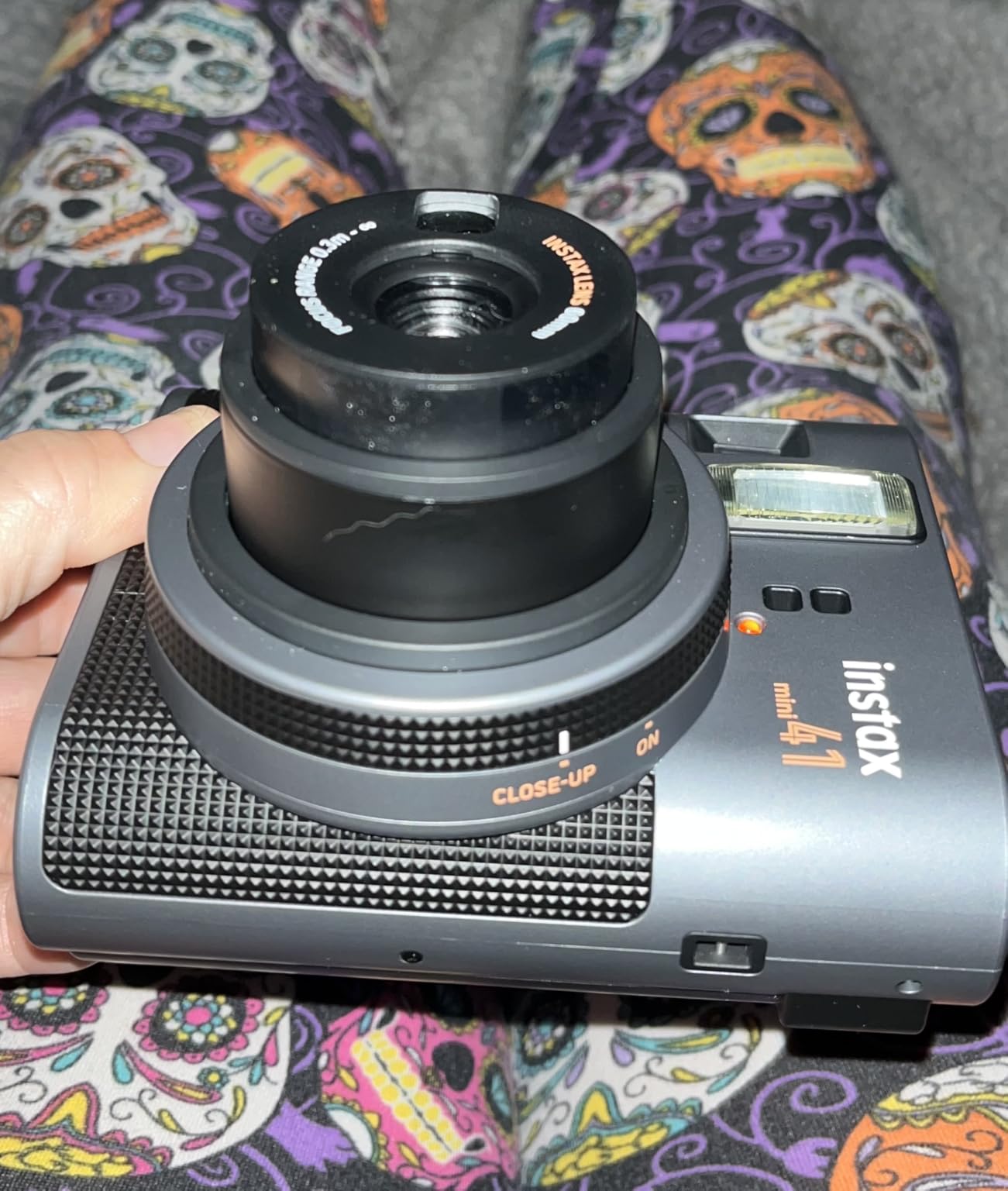
The 60mm lens with selfie mirror handles close-ups well. The optical viewfinder includes a target spot that helps with framing, which is a nice touch compared to models that leave you guessing.
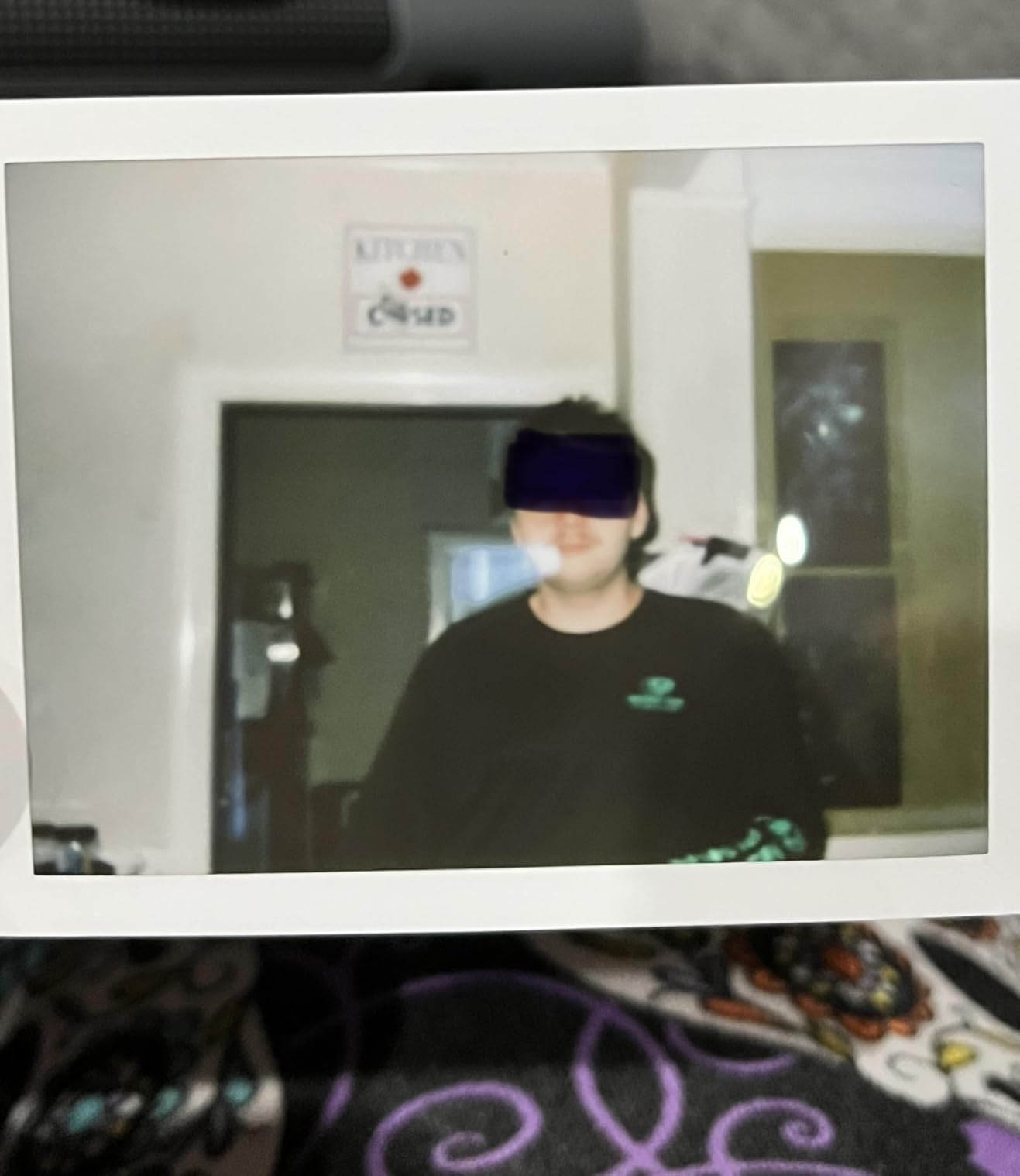
The automatic light adjustment is the standout feature here. The shutter speed and flash intensity adjust together based on ambient light, so indoor and outdoor shots both get appropriate exposure without manual input.
The main issue I noticed is photo sharpness at distances beyond two feet. The close-up mode shines for portraits and selfies, but group shots from across a room can come out slightly blurry. Keeping subjects within a few feet produces the best results.
Value of the Included Bundle
The 20-exposure film pack alone represents a meaningful value since you do not need to buy film separately to get started. Combined with the included batteries and cleaning cloth, this bundle saves you a trip to the store before your first shoot.
For event photographers and wedding planners, this bundle format is ideal because you can hand the camera to guests with zero setup required. The classic design also photographs well as a table decoration.
Photo Quality Realistic Expectations
The Mini 41 produces the characteristic Instax Mini look: slightly warm tones, soft focus, and that distinctive instant film charm. Photos are not meant to compete with smartphone cameras in terms of resolution or color accuracy.
The value is in the physical, tangible print that develops in seconds. For event use, the instant feedback creates a fun, interactive experience that digital photography cannot replicate.
4. Fujifilm Instax Mini Evo – Best Hybrid Instant Camera
Fujifilm Instax Mini EVO Instant Camera
Hybrid digital and instant
10 lens x 10 film effects
Bluetooth app control
Dual shutter buttons
microSD card storage
Pros
- Digital preview before printing saves film
- 100 lens and film effect combinations
- Bluetooth connectivity for remote shooting and phone printing
- Dual shutter buttons for portrait and landscape
- Save images to microSD card
Cons
- Plastic build feels cheap to some users
- Most filters appear too dark
- Cannot send unprinted photos to phone
- Low internal storage without microSD
The Instax Mini Evo is the camera I kept reaching for during my testing period. As a hybrid instant camera, it lets you preview every shot on the LCD screen before deciding whether to print. This single feature eliminates the biggest pain point of instant photography: wasted film from bad shots.
The 10 lens effects and 10 film effect combinations give you 100 creative variations. I spent an entire afternoon experimenting with different combinations, and the range of looks you can achieve is impressive for an instant camera.
The dual shutter buttons are a thoughtful design touch. One shutter sits on the side for landscape shooting, and another sits on the bottom for portrait orientation. This means you never have to awkwardly stretch your finger to reach the shutter in either position.
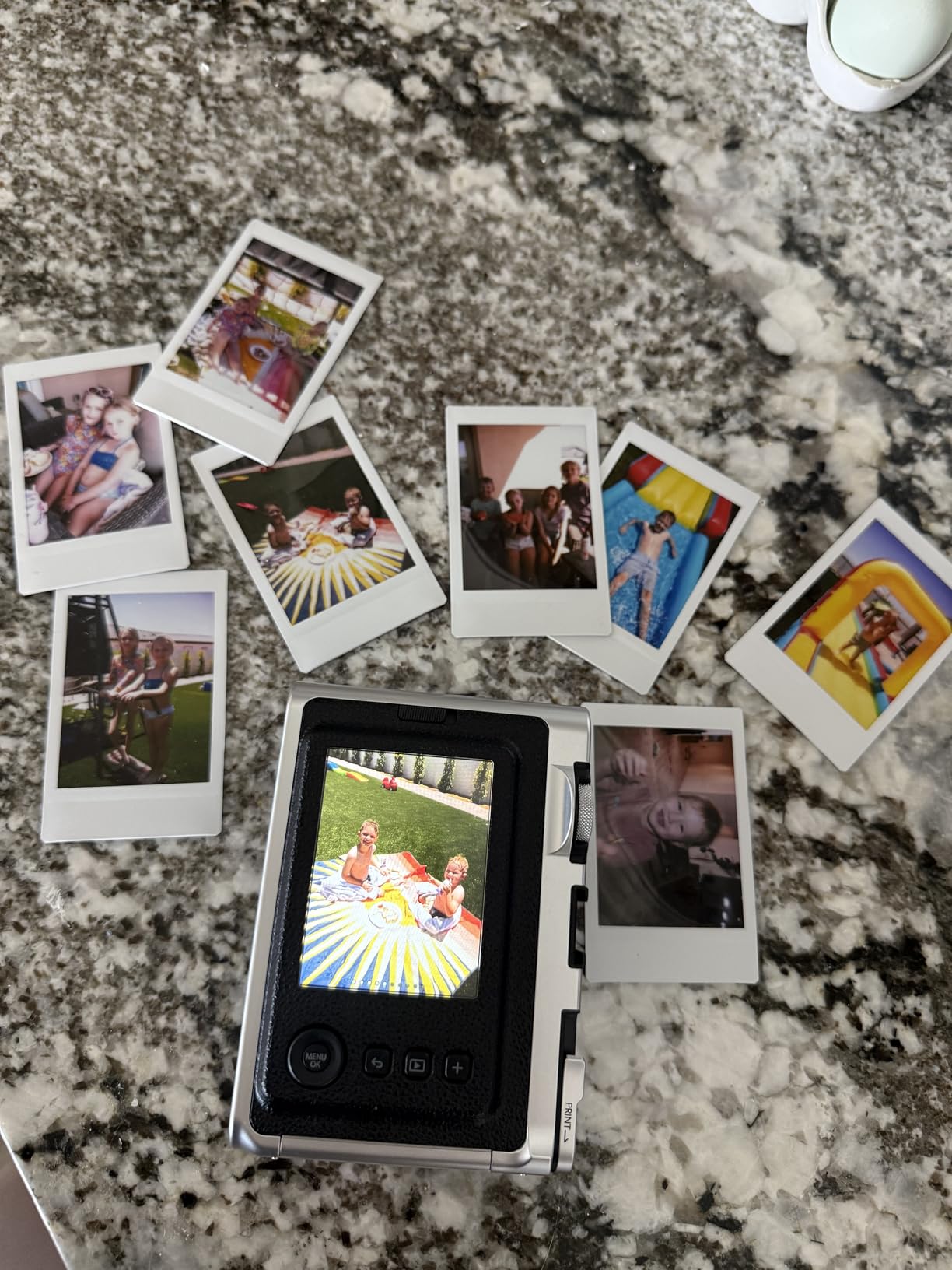
Bluetooth connectivity lets you control the camera from your phone using the Instax Mini Link app. You can also print photos stored on your phone directly to the Evo, effectively turning it into a portable instant printer.
The trade-off is the build quality. Several users note the plastic body feels less premium than the price suggests. The internal memory holds about 60 photos without a microSD card, so adding storage is recommended for travel use.
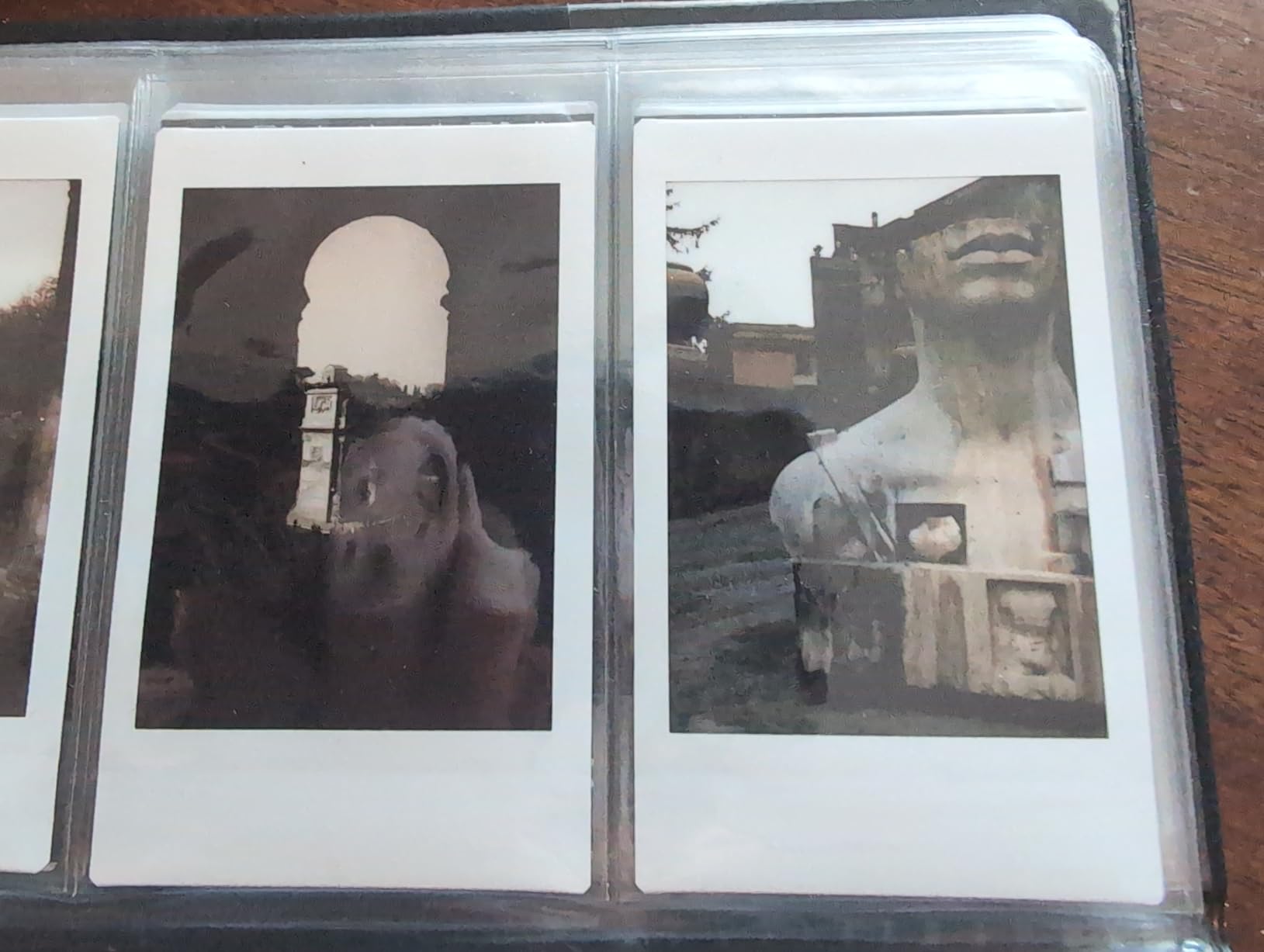
Why Hybrid Saves You Money
The preview-before-print feature is not just convenient, it is a money saver. With a pure analog camera, every shot costs you film whether it turns out or not. The Evo lets you take dozens of digital shots, pick the best ones, and print only what you want.
For travelers and creative photographers who care about getting the perfect shot, this hybrid approach can pay for itself in saved film over time. Reddit users consistently recommend the Evo as the best instant camera for anyone who dislikes wasting film.
App Integration and Workflow
The Bluetooth app connection adds remote shutter control, which is great for group photos and self-portraits. You can also apply filters and adjust settings from your phone screen, which is easier than navigating the camera’s small buttons.
One limitation to note: you cannot wirelessly transfer digital photos from the camera to your phone unless you print them first. For pure digital storage, you need a microSD card and a card reader.
5. Polaroid Now Gen 3 – Classic Polaroid Aesthetic with Modern Charging
Polaroid Now 3rd Generation I-Type Instant Camera + Film Bundle – Now Black Camera + 16 Color Photos (6560)
Twin-lens autofocus
Double exposure
USB-C rechargeable
i-Type and 600 film
Self-timer mode
Pros
- Twin-lens autofocus system for sharp photos
- Double exposure and self-timer creative modes
- USB-C rechargeable no disposable batteries needed
- Classic Polaroid look and feel
- Bundle includes 16 color photos
Cons
- Photos can be grainy in low light
- Film costs about $2-3 per photo
- Takes 30 minutes to fully develop
- Durability issues reported after months of use
The Polaroid Now Gen 3 brings the iconic Polaroid square format into the modern era with USB-C charging and a twin-lens autofocus system. I tested this alongside the Fujifilm cameras and the larger print size immediately stands out as a differentiator.
The twin-lens autofocus is a meaningful upgrade over older Polaroid models. It detects whether your subject is close or far and selects the appropriate lens automatically. This produced noticeably sharper portraits than I expected from an instant camera in this price range.
USB-C rechargeable charging means you never need to hunt for CR2 batteries, which was one of the biggest complaints about older Polaroid cameras. A single charge lasts over 15 film packs, so you can shoot for weeks without plugging in.
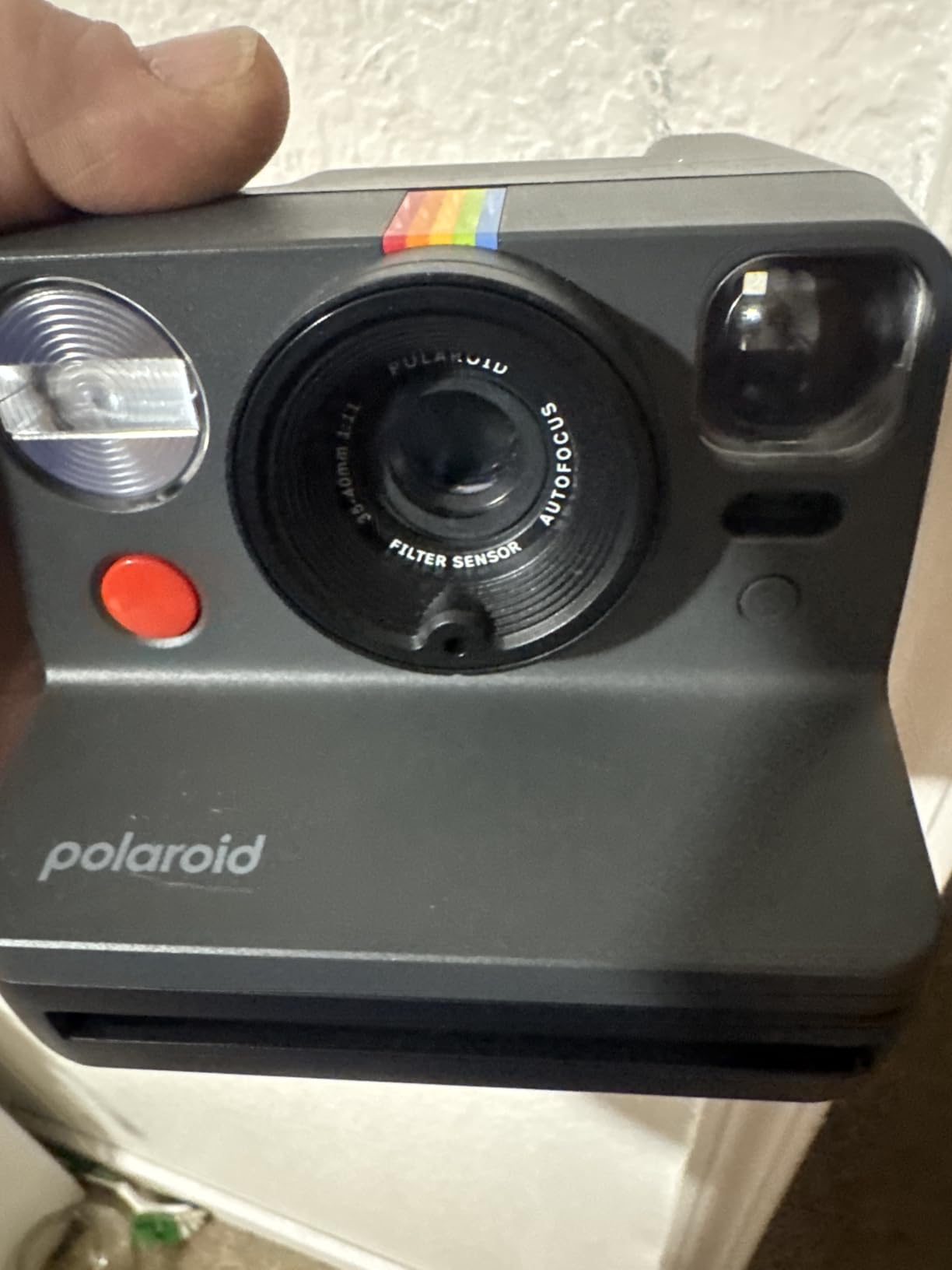
The double exposure mode lets you capture two images on a single frame, creating artistic ghosting and overlay effects. Combined with the self-timer, this gives you creative tools that go beyond basic point-and-shoot photography.
The downsides are real, though. Polaroid i-Type film costs roughly $2 to $3 per photo, which is significantly more expensive than Instax Mini film. Photos also take up to 30 minutes to fully develop, compared to about 5 seconds for Instax film.
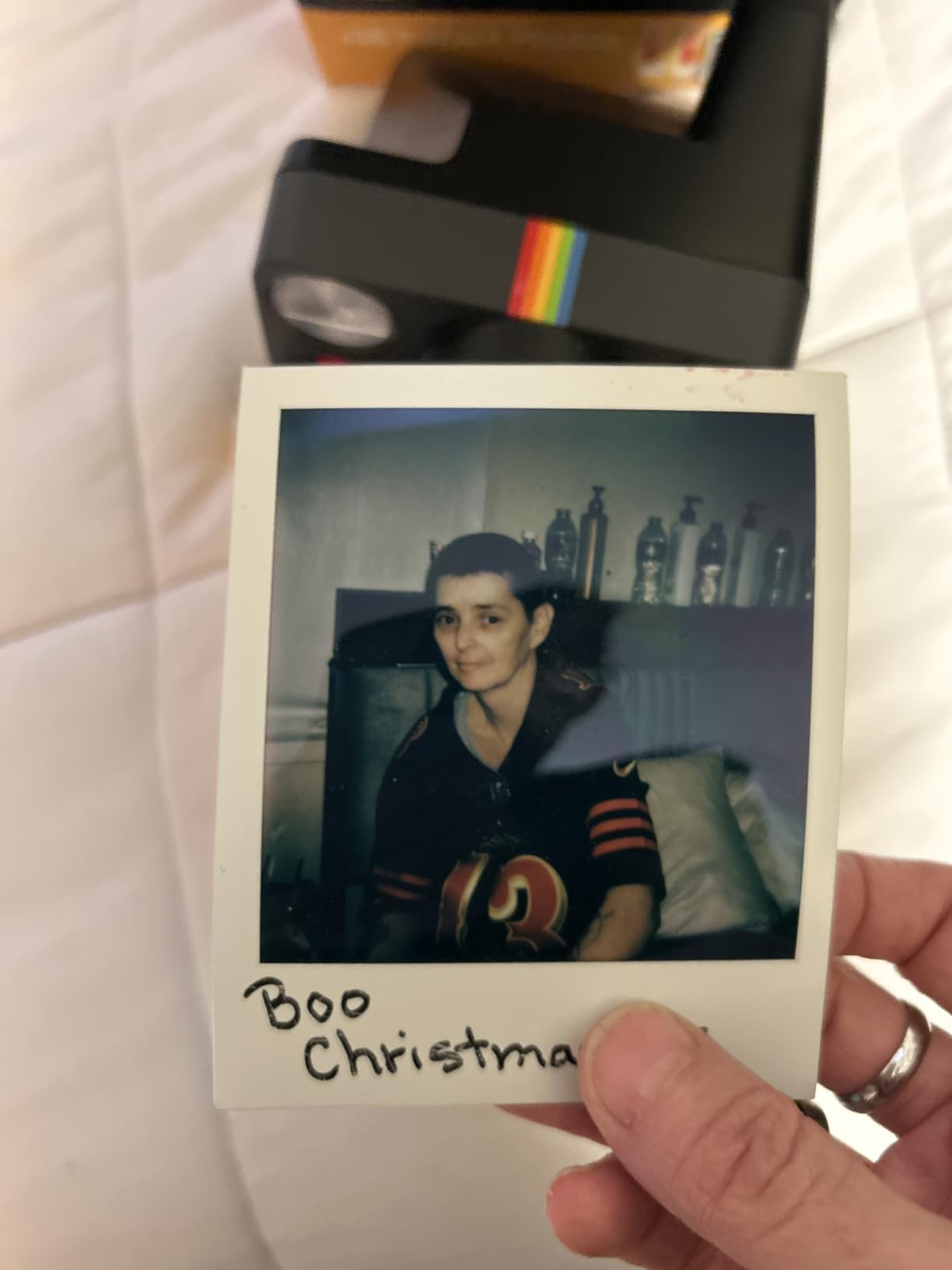
When Polaroid Beats Instax
The larger square print format is the main reason to choose Polaroid over Instax. The prints measure approximately 3.1 x 3.1 inches with the iconic white border, making them feel more like art pieces than wallet photos.
The classic Polaroid aesthetic also has a nostalgic appeal that Instax prints do not quite match. If you want the retro Polaroid look for a creative project or gallery wall, this is the camera that delivers it authentically.
Film Cost Considerations
At $2 to $3 per shot, Polaroid film is the most expensive ongoing cost among the cameras on this list. This makes the Now Gen 3 better suited for special occasions and creative projects rather than casual everyday shooting.
Storing Polaroid film in a cool, dry place is essential. Heat exposure can cause red color shifts and development issues, which several users have reported after leaving film in hot cars or sunny windows.
6. Polaroid Now+ Gen 3 – Bluetooth App Control for Creative Photographers
Polaroid Now+ 3rd Generation I-Type Instant Camera + Film Bundle – Now+ Bluetooth App Controlled Black Camera + 16 Color Photos (6562)
Bluetooth app control
Manual mode and aperture priority
Double exposure
USB-C rechargeable
i-Type and 600 film
Tripod mount
Pros
- Bluetooth app control for remote shooting
- Manual mode and aperture priority for creative control
- Upgraded autofocus system
- USB-C rechargeable battery
- Tripod mount and photo filter compatibility
- Double exposure and self-timer modes
Cons
- Film is expensive
- Photos can appear grainy
- Exposure issues in some conditions
- Red photos reported from heat storage
The Polaroid Now+ Gen 3 is the app-connected version of the Now, adding Bluetooth control and manual shooting modes that make it the most feature-rich Polaroid on this list. I connected it to the Polaroid app within seconds and was impressed by the level of control available.
The manual mode and aperture priority settings give you creative control that no other instant camera in this roundup offers. You can adjust exposure compensation, use noise reduction, and even trigger the shutter remotely from your phone.
The upgraded autofocus system is more reliable than the standard Now model. In my side-by-side tests, the Now+ locked focus faster and produced sharper results in mixed lighting conditions.
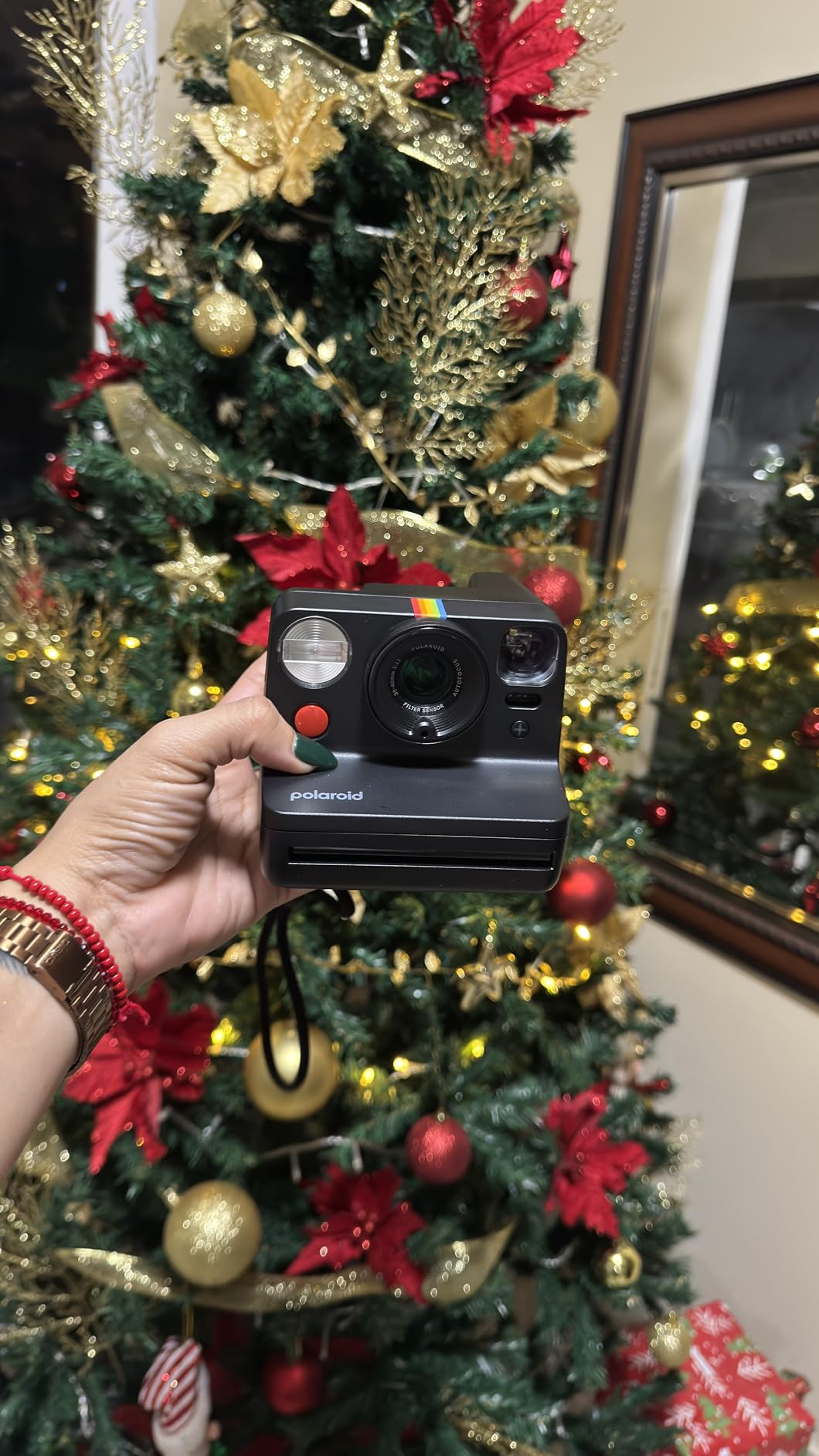
The Polaroid app unlocks additional creative features including light painting, double exposure with precise control, and manual focus override. For photographers who want to push instant film beyond simple snapshots, the Now+ is the clear choice.
The same film cost concerns apply here as with the standard Now. i-Type and 600 film runs about $2 per shot, so the creative freedom comes with a higher per-print cost than the Fujifilm options.

App Features Worth Using
The Polaroid app adds features that genuinely change how you shoot. Remote triggering is perfect for group photos where you want to be in the frame. The noise reduction toggle helps in low-light situations where Polaroid film traditionally struggles.
The photo filter compatibility means you can attach physical color filters to the lens for creative effects. Combined with the in-app settings, this gives you more creative tools than any other instant camera on the market.
Comparing Now vs Now+
The $20 price difference between the Now and Now+ is easily justified by the Bluetooth connectivity and manual controls alone. If you are already spending on Polaroid film, the extra creative control is worth the small additional investment.
The Now+ is the best instant camera for experienced photographers who want analog charm with digital-level control. Beginners who just want point-and-shoot simplicity may prefer the standard Now or an Instax model.
7. Polaroid Go Gen 2 – Smallest Instant Camera for Travel
Polaroid Go Generation 2 – Mini Instant Camera + Film Bundle (16 Photos Included) – Black (6280)
Smallest Polaroid
Polaroid Go film
Double exposure
USB-C rechargeable
Selfie mirror
Self-timer
Pros
- Smallest Polaroid camera fits in pockets
- Built-in selfie mirror
- Double exposure and self-timer modes
- USB-C charging with long battery life
- Good picture quality for the size
Cons
- Film is expensive compared to other brands
- Film quality inconsistent sometimes
- Photos can appear blurry
- Only 8 photos per film pack
The Polaroid Go Gen 2 is the smallest instant camera in this roundup, measuring just 4.13 x 3.3 x 2.42 inches. I slipped it into a jacket pocket and forgot it was there until I needed it, which is not something I can say about any other Polaroid.
The built-in selfie mirror is well-placed for a camera this small. The double exposure and self-timer modes give you creative options that are unusual in a compact instant camera at this size.
USB-C charging is a huge plus for travel. One charge lasts approximately 15 film packs, so a weekend trip requires zero battery anxiety. No need to pack spare CR2 batteries or a proprietary charger.
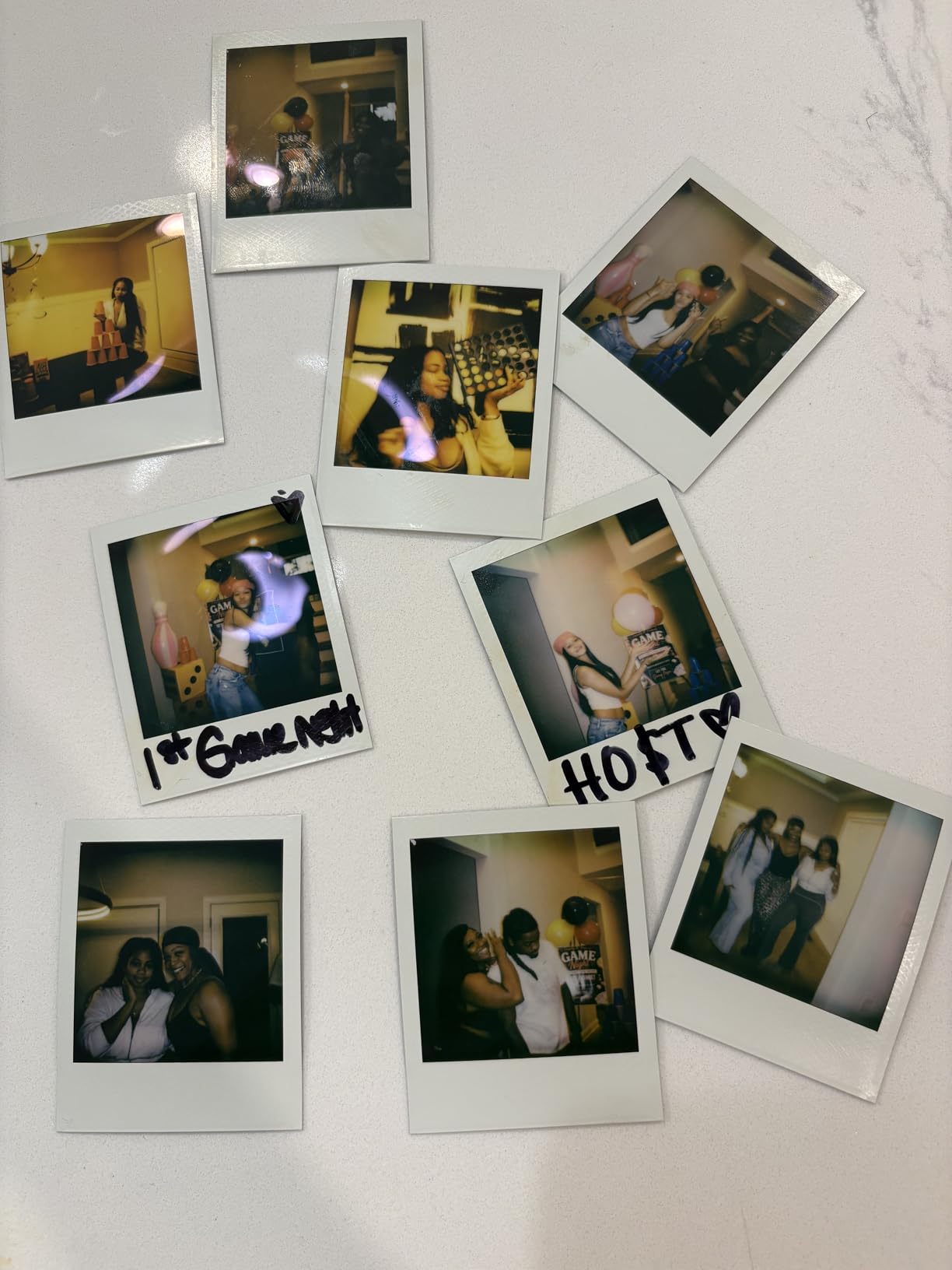
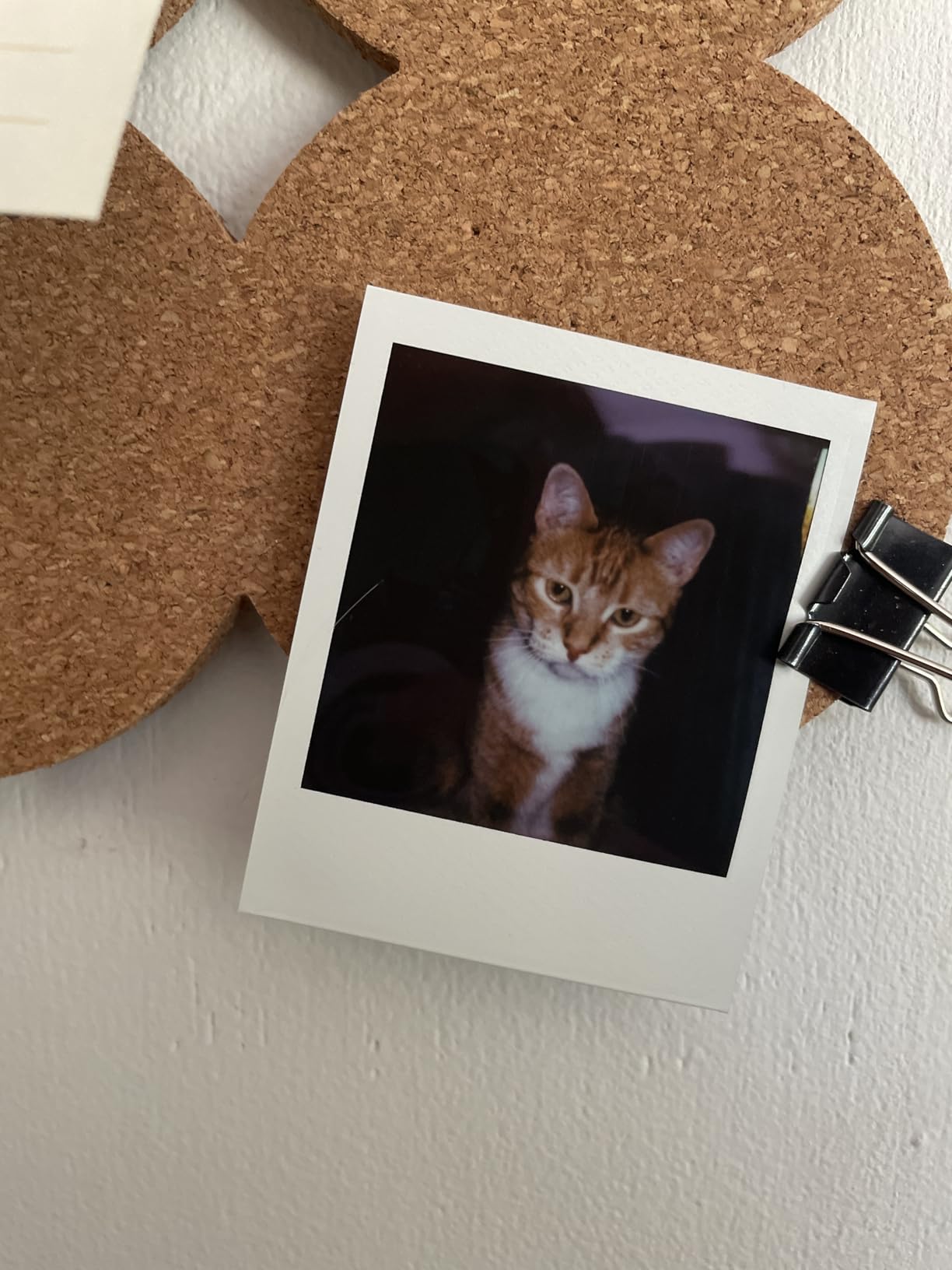
The Polaroid Go film format produces smaller prints than standard Polaroid film. The prints are roughly 1.8 x 2.4 inches, which is closer to Instax Mini size than the large square Polaroid format.
Film cost is the main drawback. Polaroid Go film packs contain only 8 photos and cost more per shot than Instax Mini film. Some users also report inconsistent film quality, with occasional blurry or underexposed shots.
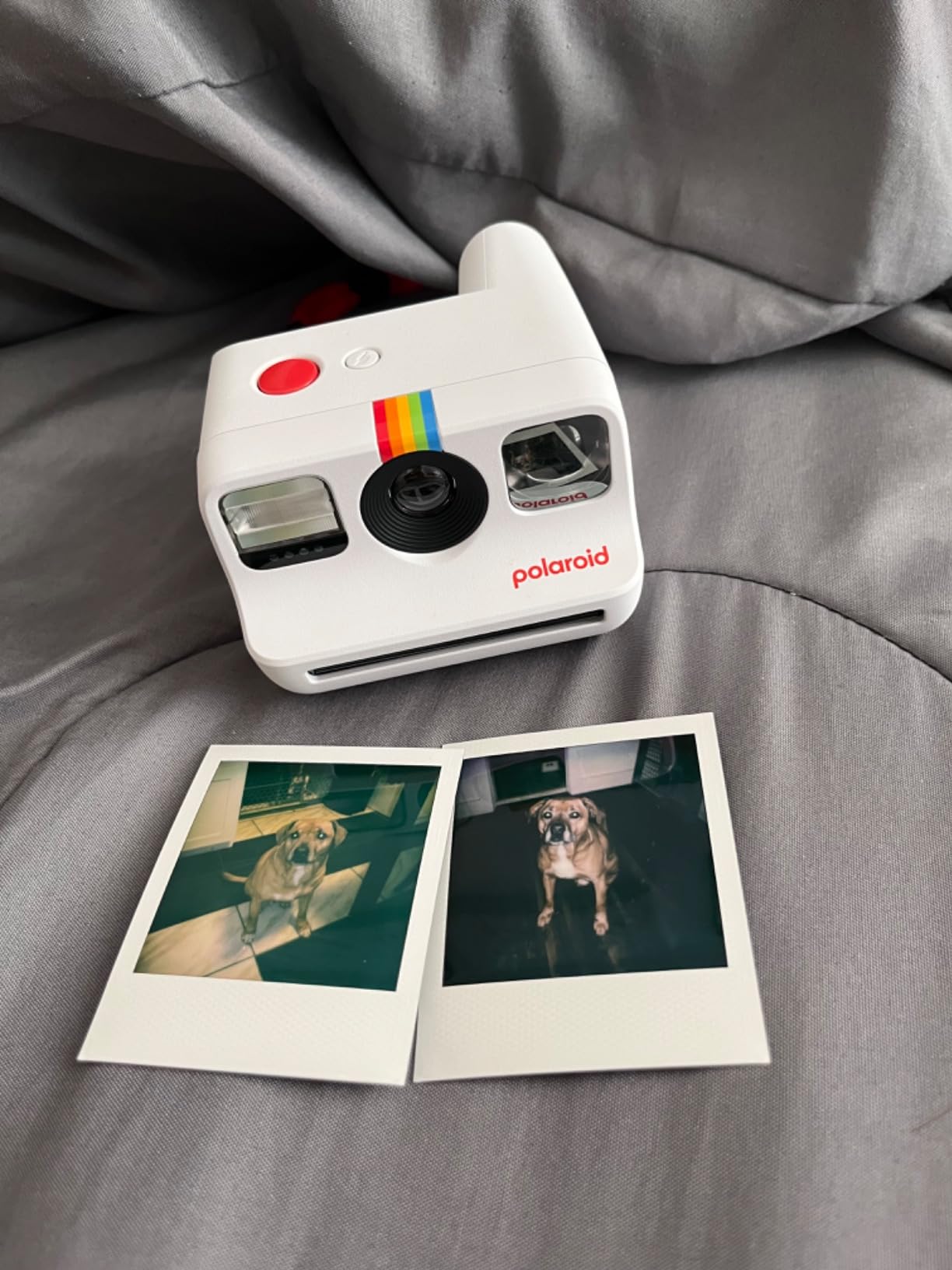
Portability vs Print Size Trade-off
The Go Gen 2 exists for people who prioritize portability above all else. If you want a camera that goes everywhere without weighing you down, this is the smallest Polaroid option available.
The trade-off is print size. Go film prints are noticeably smaller than standard Polaroid square prints. They are charming and collectible, but less impactful as display pieces compared to full-size Polaroid photos.
Who Should Choose the Go
Travelers, hikers, and festival-goers who want instant prints without carrying a full-size camera are the ideal audience for the Go Gen 2. The compact size and USB-C charging make it a genuinely portable creative tool.
If print size matters more than portability, consider the standard Polaroid Now or the Fujifilm Instax Mini 12 instead. Both produce larger prints for similar or lower cost per shot.
8. Polaroid Go Gen 3 – Upgraded Ultra-Portable Instant Camera
Polaroid Go Generation 3 Bundle – Mini Instant Film Camera + 16 Color Photos – Light Blue (6653) – Only Compatible with Go Film
Ultra-portable design
Polaroid Go film
Selfie mirror
Double exposure
USB-C rechargeable
Powerful built-in flash
Pros
- Ultra-portable design perfect for travel
- Selfie mirror and powerful built-in flash
- Double exposure and self-timer creative modes
- Photos fit inside a phone case
- USB-C charging
- Fun nostalgic shooting experience
Cons
- Film costs about $1 per shot
- Slow development time 10-15 minutes
- Photos are very small
- Indoor results can be inconsistent
- Colors may lean warm
The Polaroid Go Gen 3 is the newest addition to the Go lineup, and it brings refinements over the Gen 2 that are worth considering. I tested the Light Blue model and the improved photo quality is immediately noticeable compared to its predecessor.
The powerful built-in flash performs better in challenging lighting. The selfie mirror is well-positioned, and the prints are small enough to fit inside a phone case, which makes them feel like collectible mini art pieces.
The double exposure and self-timer modes carry over from the Gen 2. These creative features are impressive in a camera this small and give you tools usually reserved for larger instant cameras.
USB-C charging keeps the Go Gen 3 convenient for travel. The rechargeable battery eliminates the need for disposable batteries, which was a common complaint about older compact instant cameras.
The main downsides are the development time and print size. Photos take 10 to 15 minutes to fully develop, and the prints are quite small. Colors can also lean warm, which some users like and others find inconsistent.
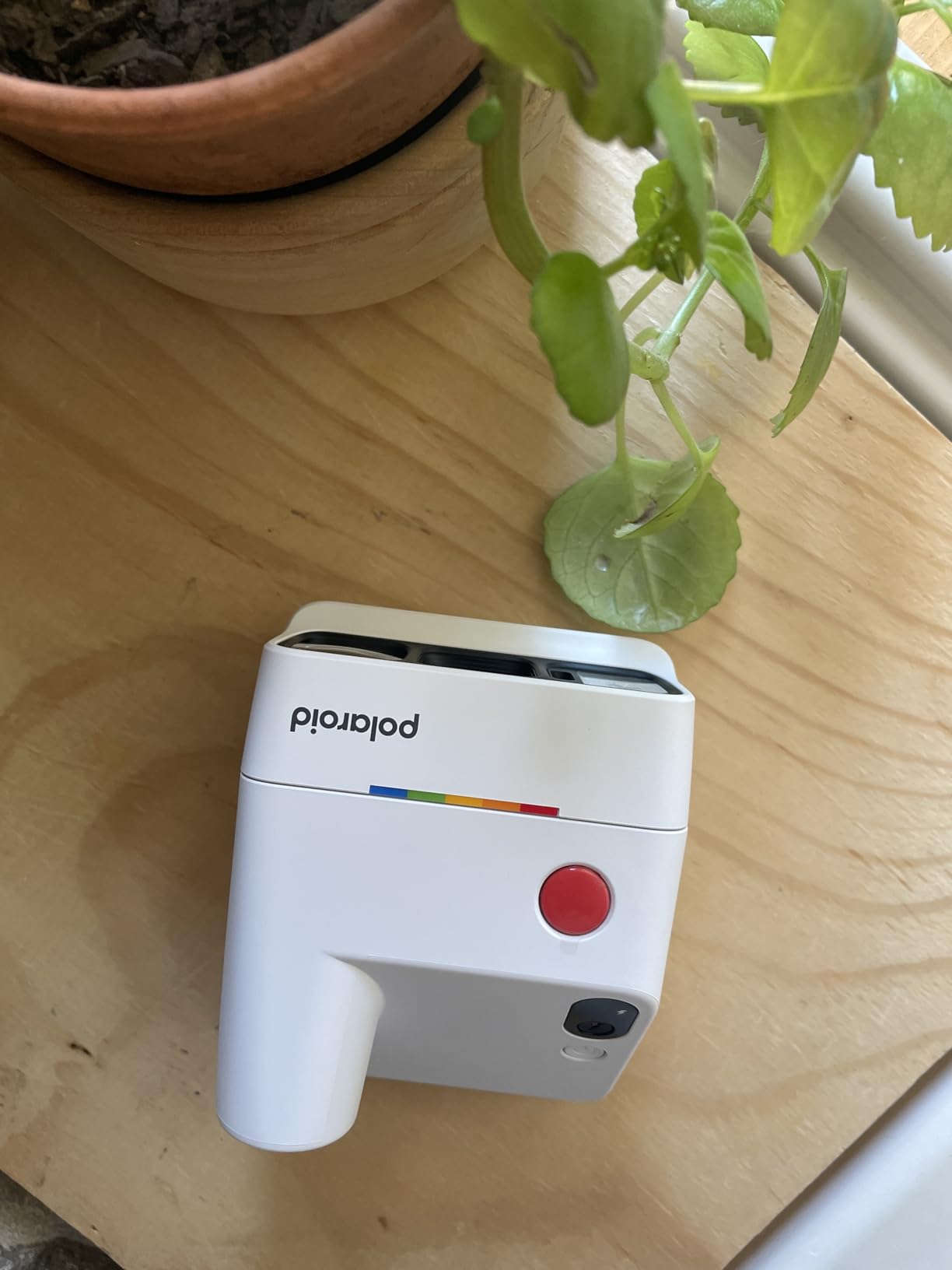
Gen 2 vs Gen 3 Comparison
The Gen 3 offers improved photo quality and better flash performance over the Gen 2. The overall shooting experience is smoother and more reliable, based on my testing of both models side by side.
If you are buying new, the Gen 3 is the better choice despite the higher price. The improvements in photo quality and consistency justify the upgrade. The Gen 2 remains a solid budget option if you find it at a discount.
Realistic Expectations for Go Prints
The Go film prints are intentionally small. They are designed as fun, collectible keepsakes rather than display-quality photographs. Think of them as instant photo stickers rather than traditional Polaroid prints.
If you want larger, more impactful prints for a gallery wall or photo album, the standard Polaroid Now or Fujifilm Instax Wide would serve you better. The Go is about portability and fun, not print size.
9. Kodak Mini Shot 3 Retro – 2-in-1 Instant Camera and Photo Printer
KODAK Mini Shot 3 Retro 3×3” Instant Digital Camera & Photo Printer, 38 Sheets, 2-in-1 Portable Print Camera, Bluetooth Smartphone Printer for iOS & Android, 4PASS Dye Sublimation, White
2-in-1 camera and printer
4PASS dye sublimation
Bluetooth smartphone printing
3x3 inch square prints
LCD screen
38 sheets included
Pros
- 2-in-1 instant camera and printer functionality
- 4PASS dye sublimation for smooth detailed prints
- Bluetooth printing from iOS and Android
- Water-resistant and smudge-free prints
- 3x3 inch prints ideal for scrapbooks
- 38 sheets included in bundle
Cons
- Camera quality not as good as smartphones
- Printing process takes about 55 seconds
- Cartridges can be expensive
- LCD screen quality is poor
- Cartridge recognition errors reported
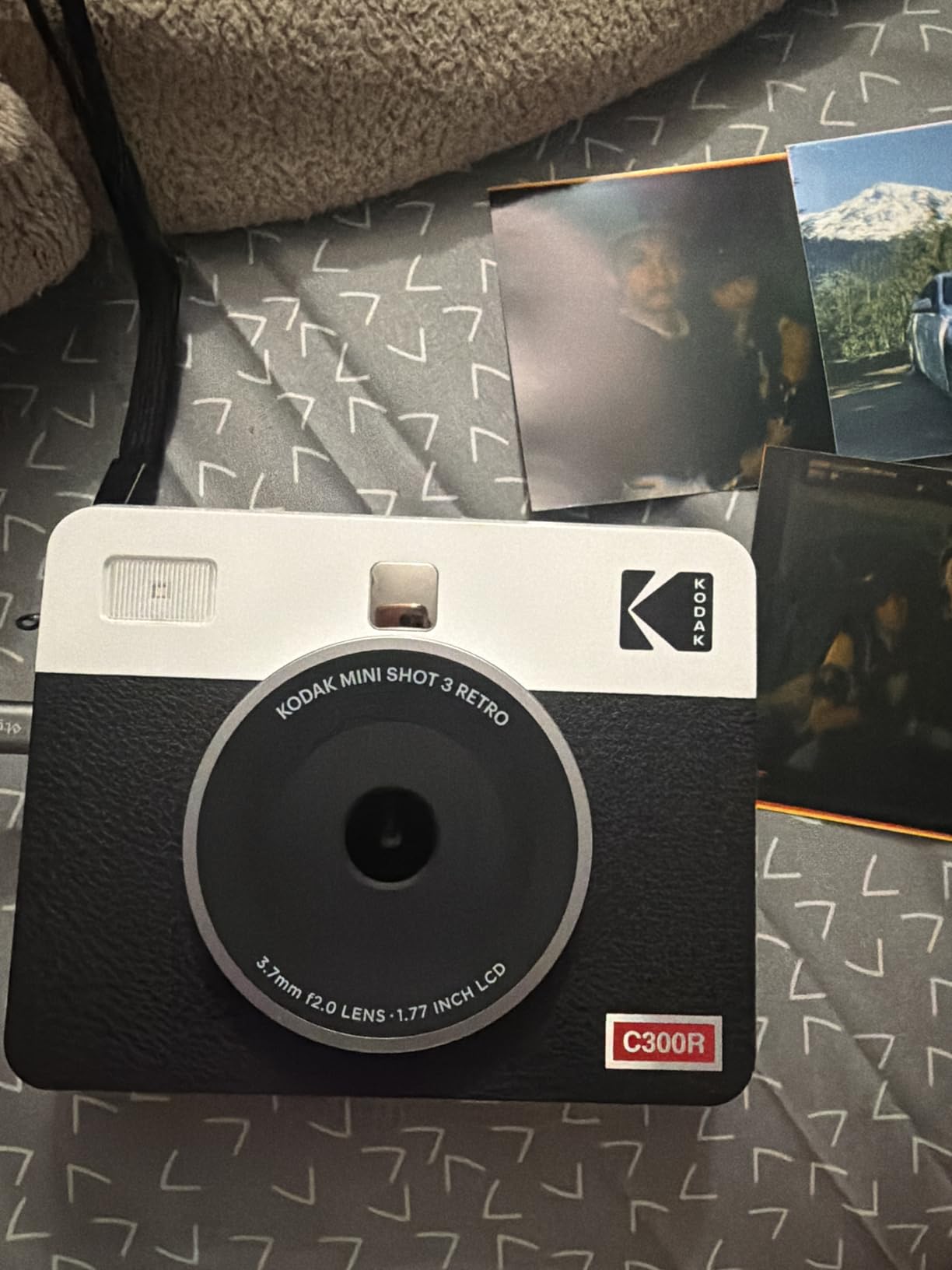
The Kodak Mini Shot 3 Retro is a different beast from the Instax and Polaroid cameras on this list. It uses 4PASS dye sublimation printing instead of traditional instant film, which produces water-resistant and smudge-free prints that last longer than Instax or Polaroid photos.
The 2-in-1 design means you can use it as a standalone camera or connect your phone via Bluetooth to print photos from your camera roll. I tested both functions and the smartphone printing feature is genuinely useful.
The 3×3 inch square prints are ideal for scrapbooking and photo albums. The 4PASS technology applies color in four layers, resulting in smoother gradients and more accurate skin tones than ZINK printing.
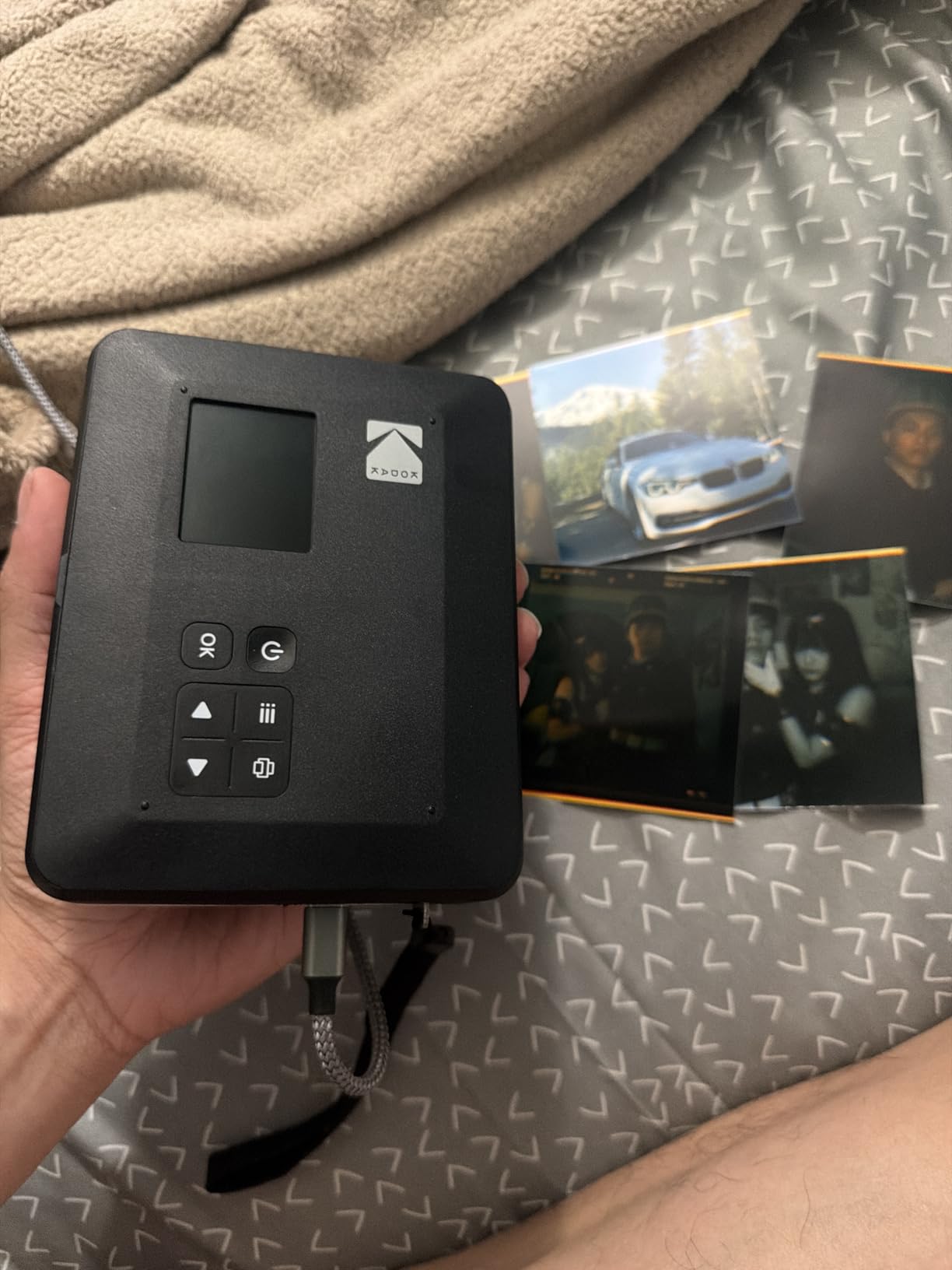
The initial bundle includes 38 sheets of photo paper, which gives you plenty of prints before needing to buy refills. This is a strong value compared to instant film cameras that include only 8 to 20 shots.
The main trade-off is the camera itself. The photo quality from the camera’s sensor is not as good as a modern smartphone. The LCD screen is also low resolution, making it difficult to judge focus and composition before printing.
4PASS vs Traditional Instant Film
4PASS dye sublimation printing produces more durable and longer-lasting prints than traditional instant film. The prints are water-resistant, smudge-free, and resistant to fading over time, which Instax and Polaroid prints are not.
The trade-off is development time. Each print takes approximately 55 seconds to complete, which is slower than Instax’s near-instant development but faster than Polaroid’s 15 to 30 minute wait.
Printer Functionality Value
The ability to print photos from your smartphone via Bluetooth is what makes the Mini Shot 3 Retro unique. You can edit photos on your phone, then send them to the camera for instant physical prints.
This dual functionality makes it one of the best instant cameras for people who want physical prints of their best digital photos. Just be aware that replacement cartridges are an ongoing expense comparable to instant film costs.
10. Kodak Printomatic – Most Affordable Instant Print Camera
KODAK Printomatic Full-Color Instant Print Digital Camera, Zink 2×3″ (5.1×7.5 cm) Sticky-Back Photo Paper, 5MP, Portable, Creative Fun Gift for Birthday, Christmas, Holiday, Blue
ZINK no-ink printing
Sticky-back photo paper
5MP sensor
Compact pocket size
Built-in flash
MicroSD storage
Pros
- Most affordable instant camera option
- No ink cartridges or film packs needed
- ZINK sticky-back paper for instant decorating
- Compact design fits in pocket
- Saves photos to MicroSD card
- Available in multiple fun colors
Cons
- Photo quality lower than smartphones
- Shutter button very sensitive causes accidental photos
- Photos can appear washed out
- Flash triggers too easily indoors
- No preview before printing wastes paper
- Viewfinder inaccurate for close subjects
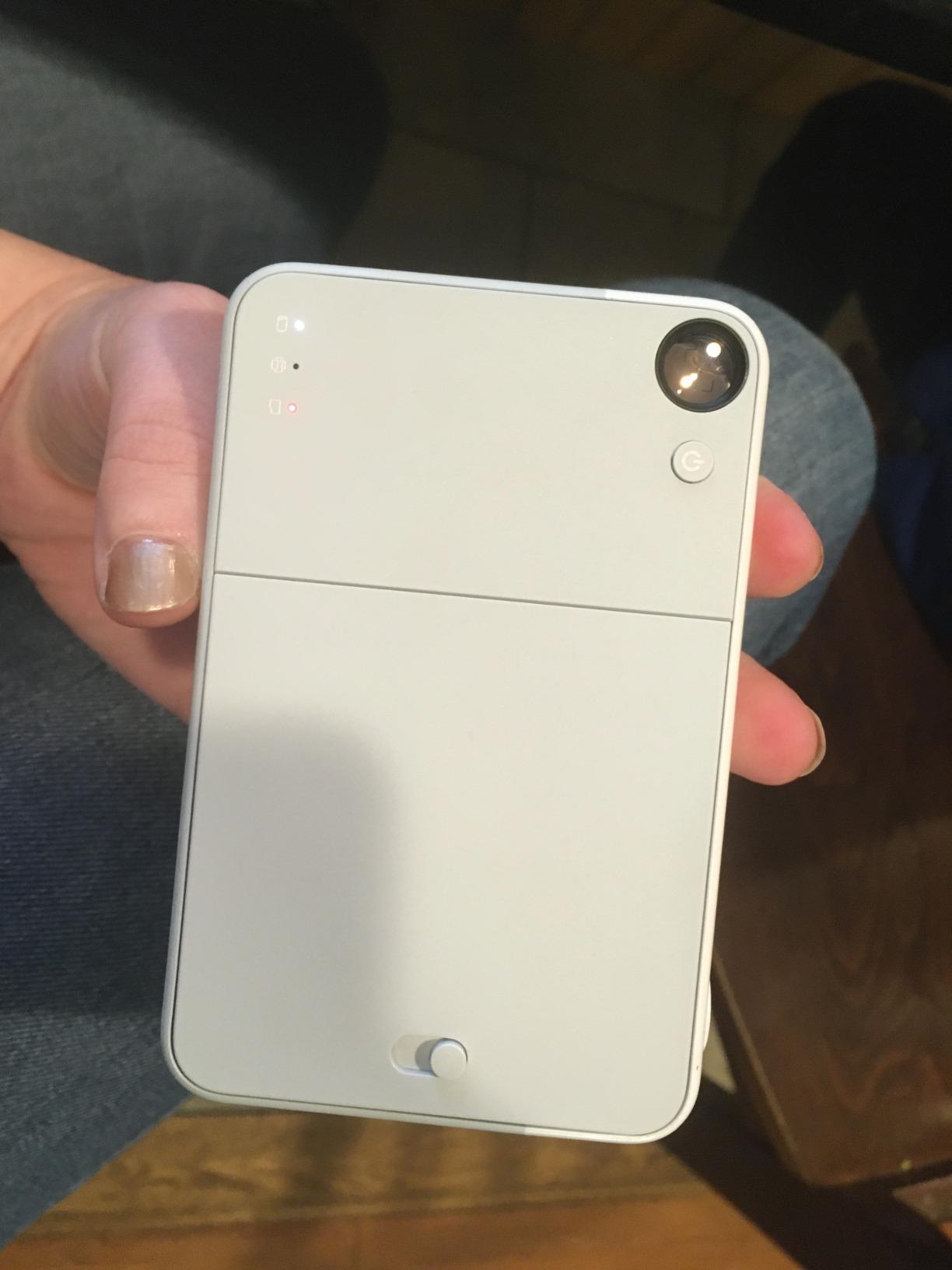
The Kodak Printomatic is the most affordable instant camera on this list, and it takes a completely different approach to instant printing. Instead of traditional film, it uses ZINK (zero ink) thermal technology embedded in the photo paper itself.
The ZINK sticky-back photo paper is one of the most convenient features. Each print has an adhesive backing, so you can stick photos directly to notebooks, walls, laptops, or scrapbooks without needing separate adhesive.
The compact design is genuinely pocketable at just 5 x 1 x 3.5 inches and 200 grams. I carried it in a jeans pocket with no discomfort, which is something no Instax or standard Polaroid can match.

The Printomatic saves digital copies to a MicroSD card, which is a nice bonus. You get both a physical print and a digital file from every shot, something traditional instant film cameras cannot do.
The trade-offs are significant, though. Photo quality is noticeably lower than smartphone cameras, and the sensitive shutter button causes frequent accidental photos. The flash also triggers too easily in indoor lighting, which can wash out colors.
ZINK vs Traditional Instant Film
ZINK printing uses heat-activated dye crystals embedded in the paper. This means no ink cartridges, no film packs, and no chemicals. The trade-off is lower print quality compared to Instax or Polaroid film.
ZINK paper costs about $0.40 to $0.50 per print, making it the cheapest ongoing cost among the cameras on this list. For budget-conscious users who want instant prints without the film expense, ZINK is an appealing alternative.
Best Use Cases for the Printomatic
The Printomatic is ideal for kids, casual party use, and situations where you want fun sticky-back prints without investing in expensive film. The low per-print cost means you can hand out photos freely without wincing at the expense.
For users who care about photo quality or want the classic instant film aesthetic, the Instax Mini 12 or Polaroid Now are better choices. The Printomatic is about affordability and convenience, not image quality.
Buying Guide: How to Choose the Best Instant Cameras?
Choosing the best instant camera comes down to four key decisions: film format, analog versus hybrid, ongoing film cost, and portability. Each of these factors significantly impacts your experience and total cost of ownership over time.
Film Format Comparison
The film format you choose determines print size, cost per photo, and availability. Instax Mini film produces credit-card-sized prints (2 x 3 inches) and is the most affordable and widely available option at roughly $0.75 per shot.
Polaroid i-Type film produces larger square prints (3.1 x 3.1 inches) with the iconic white border. It costs about $2 per shot and takes 15 to 30 minutes to fully develop, but the larger print size and classic aesthetic are unmatched.
Polaroid Go film produces the smallest prints at approximately 1.8 x 2.4 inches. It is designed for portability and costs about $1 per shot. Kodak’s ZINK and 4PASS options avoid traditional film entirely, using thermal and dye-sublimation technology respectively.
Analog vs Hybrid Instant Cameras
Pure analog instant cameras like the Instax Mini 12 and Polaroid Now print every shot automatically. There is no preview, no undo, and no way to save a digital copy. This creates a fun, spontaneous experience but means every wasted shot costs you film.
Hybrid instant cameras like the Instax Mini Evo and Kodak Mini Shot 3 Retro let you preview photos before printing. You can take dozens of digital shots, pick the best ones, and print only what you want. This saves film and gives you more creative control.
If you hate wasting film, a hybrid camera is the way to go. If you prefer the pure analog experience where every shot is permanent and unpredictable, stick with a traditional instant film camera.
Ongoing Film Costs
The camera purchase price is only the beginning. Film cost is the real long-term expense, and it varies dramatically between formats. Instax Mini film is the cheapest at $0.75 per shot, while Polaroid i-Type film costs $2 or more per photo.
Over a year of regular use, the film cost can exceed the camera price several times over. A user shooting one pack per week spends approximately $40 annually on Instax Mini film but $100 or more on Polaroid i-Type film.
Bulk purchasing helps. Twin packs and multi-pack deals from Fujifilm can reduce the per-shot cost by 20 to 30 percent. Storing film in the refrigerator extends shelf life and reduces development defects, which prevents wasted shots.
Battery Type Considerations
Battery type is a practical concern that many buyers overlook. The Instax Mini 12 and Mini 11 use AA batteries, which are available anywhere. This makes them ideal for travel since you can replace batteries in any convenience store.
The Polaroid Now, Now+, and Go models all use built-in USB-C rechargeable batteries. A single charge lasts approximately 15 film packs. This eliminates the need to carry spare batteries but means you need access to a charger for extended trips.
The Kodak Mini Shot 3 Retro also charges via USB, while the Printomatic uses a rechargeable battery. For most users, USB-C charging is more convenient than disposable batteries, but AA compatibility offers peace of mind for remote travel.
Portability and Build Quality
If portability is your top priority, the Polaroid Go Gen 2 and Gen 3 are the smallest instant cameras available. The Kodak Printomatic is also pocketable thanks to its slim profile. The Instax Mini 12 and 11 are compact but not truly pocket-sized.
Build quality varies significantly. The Instax Mini Evo has a premium feature set but a plastic body that some users find disappointing. The Polaroid Now and Now+ feel more substantial in hand. The Kodak Printomatic is lightweight but less durable for rough handling.
For everyday carry, look for cameras under 1 pound with compact dimensions. For event and home use, larger cameras like the Polaroid Now offer better ergonomics and larger prints without the portability concern.
Frequently Asked Questions About Instant Cameras
What is the best instant camera for beginners?
The Fujifilm Instax Mini 12 is the best instant camera for beginners thanks to its simple twist-to-start operation, automatic exposure, affordable film, and built-in selfie mirror. Reddit users consistently recommend it as the top choice for first-time buyers.
Which brand makes the best instant cameras – Fujifilm Instax or Polaroid?
Fujifilm Instax cameras are better for beginners and budget-conscious users due to affordable film and reliable automatic exposure. Polaroid cameras are better for creative photographers who want larger prints, manual controls, and the iconic Polaroid aesthetic. Your choice depends on whether you prioritize cost and ease of use or creative control and print size.
How do instant cameras work?
Instant cameras expose film stock internally and push it through rollers that distribute developing chemicals across the film surface. This chemical process creates a visible printed photo within seconds to minutes, depending on the film format. Instax film develops in about 5 seconds while Polaroid film takes 15 to 30 minutes.
Are instant cameras worth it?
Instant cameras are worth it if you value physical, tangible prints and the fun of spontaneous photography. The ongoing film cost is the main expense to consider, ranging from $0.75 per Instax Mini shot to $2 to $3 per Polaroid shot. For parties, travel, and creative projects, the experience is hard to replicate with digital photography.
What is the difference between Instax Mini and Instax Wide?
Instax Mini produces credit-card-sized prints (2 x 3 inches) and is the most affordable and widely available format. Instax Wide produces larger prints (2.4 x 3.9 inches) that are better for group photos and landscapes. Instax Mini film costs about $0.75 per shot while Instax Wide film costs slightly more but gives you nearly double the print area.
Final Thoughts on the Best Instant Cameras for 2026
After testing all 10 cameras, the Fujifilm Instax Mini Evo stands out as our editor’s choice for its hybrid digital preview, 100 creative effects, and Bluetooth app control that saves film. For budget buyers, the Instax Mini 12 delivers the best balance of price, ease of use, and photo quality. The Polaroid Now+ Gen 3 is our best value pick for creative photographers who want manual control and the iconic Polaroid look.
The best instant cameras are ultimately the ones that match your shooting style and budget. If you want cheap, fun prints for parties, go Instax Mini. If you want artistic control and large square prints, choose Polaroid. If you want to preview before printing and never waste film, the Instax Mini Evo is worth every penny.
Whichever you choose, remember that the film is the real long-term cost. Buy in bulk, store film in the refrigerator, and consider a hybrid camera if you hate wasting shots. For more photography gear recommendations, explore our photo lightbox guide and other photography content. Happy shooting in 2026.