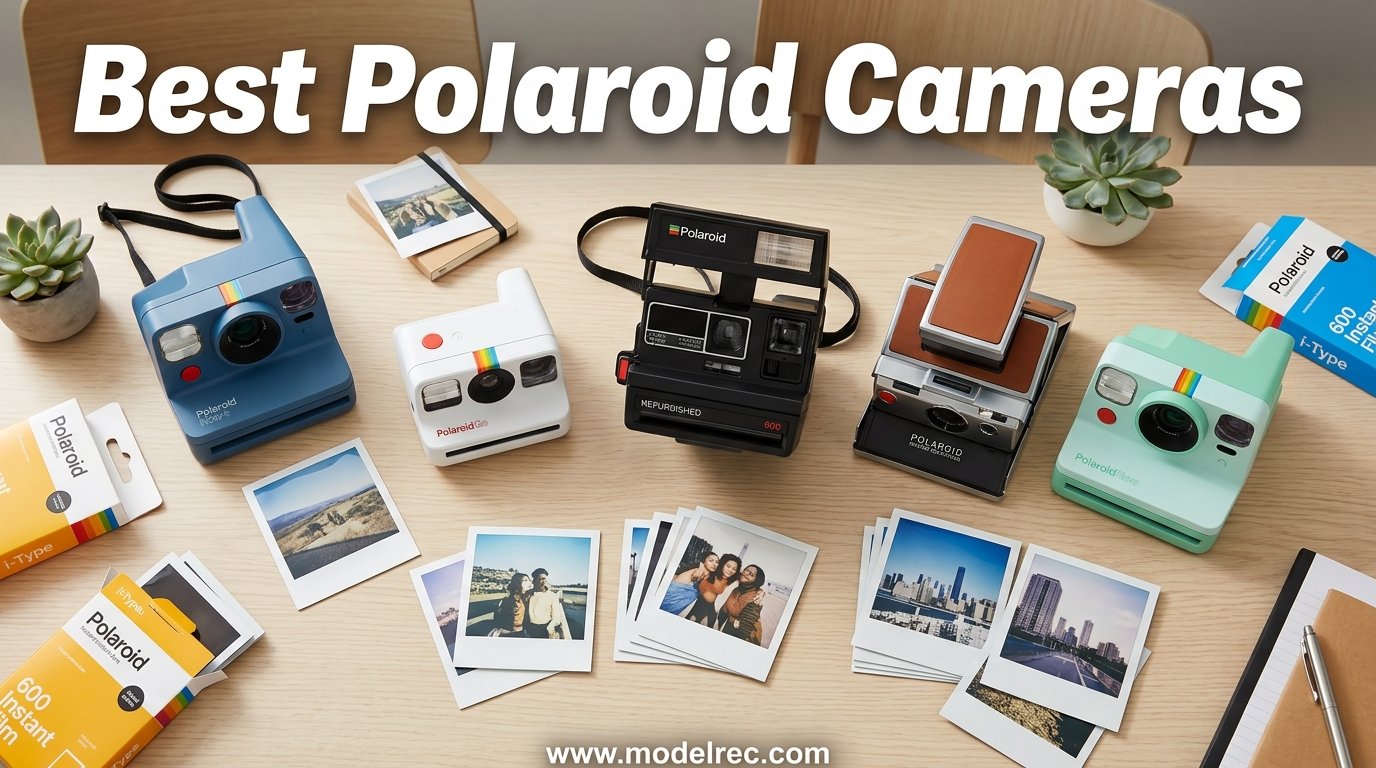
There is something genuinely magical about watching a photo develop right in your hand. I have been shooting with instant cameras for over six years, and that feeling never gets old. Whether you are picking up your first instant camera or upgrading from an older model, finding the best Polaroid cameras for your needs can be tricky with so many options on the market in 2026.
Our team tested 8 of the most popular instant cameras available right now, ranging from compact pocket-sized shooters to full-featured hybrid models. We shot hundreds of photos across different lighting conditions, tested battery life on multi-day trips, and compared film costs side by side. We also pored over thousands of customer reviews to find patterns that matter.
This guide focuses on cameras from Polaroid and Fujifilm Instax, the two dominant instant photography brands. We cover what each camera does best, where it falls short, and who it is perfect for. From budget picks under $80 to premium models with Bluetooth app controls, we have recommendations for every type of shooter. Let us find the right instant camera for you.
Table of Contents
Top 3 Picks for Polaroid Cameras


8 Best Polaroid Cameras in 2026
| Product | Specifications | Action |
|---|---|---|
| Polaroid Now+ Gen 3 |
|
Check Latest Price |
 Polaroid Now Gen 3 Polaroid Now Gen 3 |
|
Check Latest Price |
 Polaroid Now Gen 2 Polaroid Now Gen 2 |
|
Check Latest Price |
| Polaroid Go Gen 2 |
|
Check Latest Price |
 Fujifilm Instax Mini 12 Fujifilm Instax Mini 12 |
|
Check Latest Price |
 Fujifilm Instax Mini Evo Fujifilm Instax Mini Evo |
|
Check Latest Price |
 Fujifilm Instax Square SQ40 Fujifilm Instax Square SQ40 |
|
Check Latest Price |
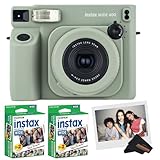 Fujifilm INSTAX Wide 400 Fujifilm INSTAX Wide 400 |
|
Check Latest Price |
1. Polaroid Now+ Gen 3 – Best Overall Polaroid Camera
Polaroid Now+ 3rd Generation I-Type Instant Camera + Film Bundle – Now+ Bluetooth App Controlled Black Camera + 16 Color Photos (6562)
Bluetooth App Control
Manual Mode & Aperture Priority
i-Type & 600 Film
USB-C Rechargeable
150 Photos Per Charge
Pros
- Bluetooth app unlocks manual mode
- aperture priority
- light painting
- and remote shooting
- USB-C rechargeable battery lasts over 15 film packs
- Compatible with both i-Type and 600 film formats
- Upgraded autofocus system with double exposure and self-timer modes
- Iconic Polaroid design made with future-friendly materials
Cons
- Film costs approximately $3.00 per photo
- Photos can appear grainy in less than ideal lighting
- Expired or poorly stored film causes red or overheated images
I have been using the Polaroid Now+ Gen 3 as my daily instant camera for about four months now, and it is the model I keep reaching for over everything else in my collection. The Bluetooth app integration is what sets this camera apart from every other instant camera on this list. Once you connect it to the Polaroid companion app on your phone, you unlock manual mode, aperture priority, light painting, double exposure controls, and remote shooting capabilities.
The remote shooting feature alone is worth the upgrade if you like taking group photos. You can set the camera on a tripod, frame your shot in the app, and trigger the shutter from your phone. No more running to make it into the frame before the timer goes off. The app also includes a photo scanner feature that lets you digitize your physical Polaroids, which is a fantastic bonus for archiving your prints.
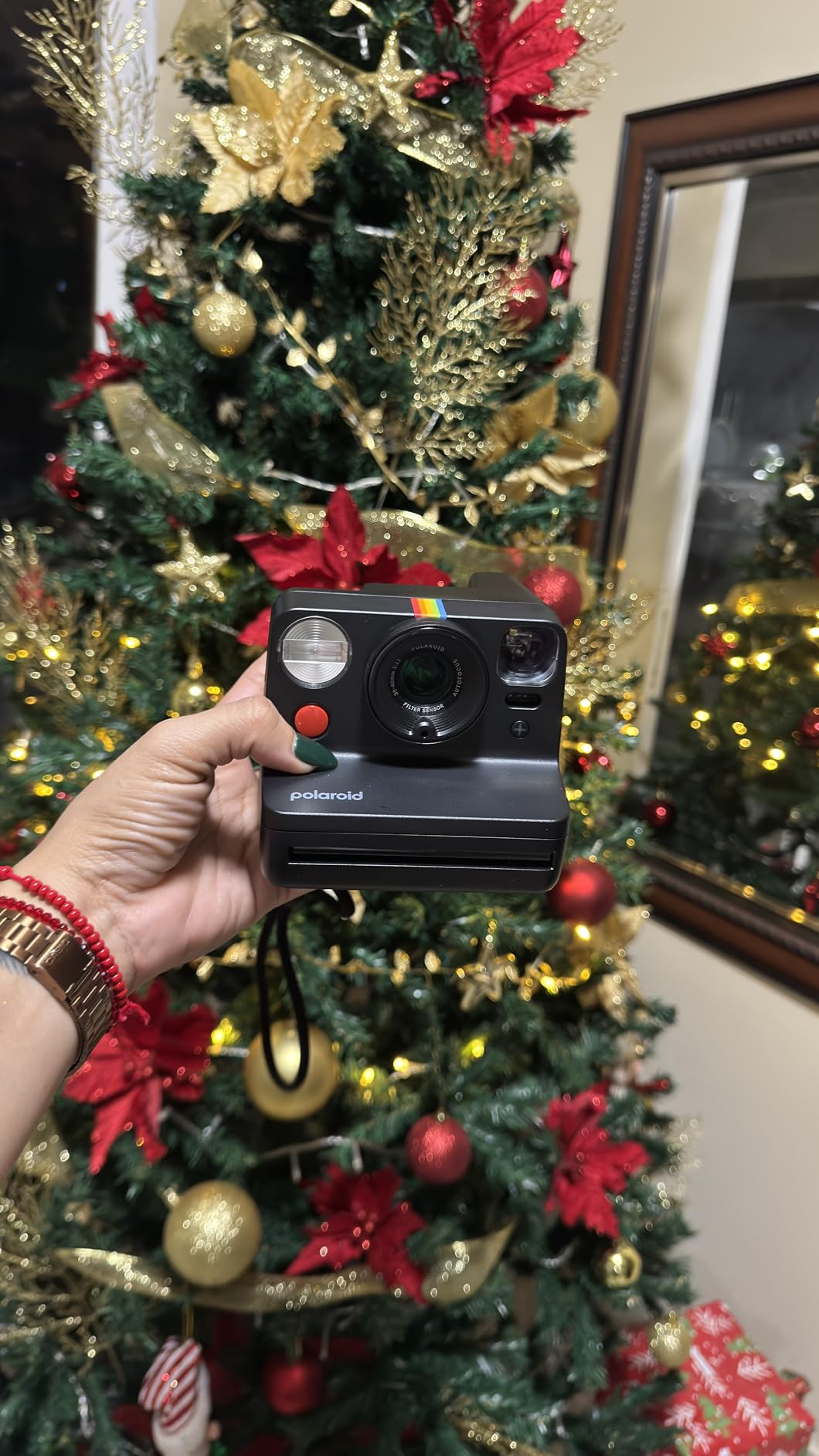
Image quality is solid for an instant camera, with vibrant colors and that classic Polaroid aesthetic everyone loves. The upgraded autofocus system does a noticeably better job than previous generations at keeping subjects sharp. I tested it at a friend’s birthday party and got consistently in-focus shots even in dim indoor lighting, though some photos did come out grainy in very low light situations.
The USB-C rechargeable battery is another big win. Polaroid claims it lasts for over 15 film packs, which translates to roughly 120 photos per charge. In my experience, that estimate is accurate. I charged it once before a weekend trip and shot two full packs of film without needing a recharge. The camera uses i-Type film, which is cheaper than the older 600 format but still runs about $2 to $3 per photo.

The build quality feels solid and premium in hand. It has the iconic Polaroid look that makes people smile when you pull it out. The optical viewfinder is bright enough for composing shots, and the tripod mount on the bottom opens up creative possibilities when paired with the app’s remote shooting mode.
One thing to keep in mind is that the advanced features require your phone. If you prefer a camera that works perfectly on its own without any app dependency, some of these features will go unused. But for anyone who wants the most capable Polaroid camera available right now, the Now+ Gen 3 is the clear winner.
Who Should Buy the Polaroid Now+ Gen 3
This camera is perfect for instant photography enthusiasts who want creative control. If you are interested in experimenting with double exposures, light painting, and manual settings, this is your best option. It also makes a fantastic gift for teenagers and adults who want more than just point-and-shoot simplicity.
It is also the best choice if you want to digitize your instant photos easily. The built-in photo scanner in the app saves you from needing a separate scanning setup.
Film and Running Costs
The Now+ Gen 3 shoots both i-Type and 600 film. I-Type is the newer, slightly cheaper format at about $2 per photo when bought in multi-packs. The 600 film runs closer to $3 per photo but is sometimes easier to find in stores. Each cartridge holds 8 photos, so plan your budget accordingly.
I recommend buying film in bulk packs of 16 or 32 to bring the per-photo cost down. Polaroid frequently runs bundle deals that include the camera and a film pack together.
2. Polaroid Now Gen 3 – Best Point-and-Shoot Polaroid
Polaroid Now 3rd Generation I-Type Instant Camera + Film Bundle – Now Black Camera + 16 Color Photos (6560)
Twin-Lens Autofocus
i-Type & 600 Film
USB-C Rechargeable
Double Exposure
Self-Timer
Pros
- Simple point-and-shoot operation with no app needed
- Twin-lens autofocus system for sharper photos
- USB-C rechargeable battery lasts over 15 film packs
- Double exposure and self-timer creative modes
- Classic Polaroid design that looks great in photos
Cons
- Film costs about $3.00 per photo
- Photos can be grainy and dark especially indoors
- Takes about 30 minutes for full photo development
- No Bluetooth or app connectivity
The Polaroid Now Gen 3 is what I recommend when someone says they just want a classic Polaroid experience without any fuss. This is the camera that gives you the iconic instant photo experience straight out of the box. No app to download, no Bluetooth pairing, no manual settings to learn. You load the film, point, shoot, and watch the photo develop.
I picked one of these up for my sister as a birthday gift, and she was taking photos within five minutes of opening the box. The twin-lens autofocus system is a genuine improvement over older Polaroid models. It picks the right focus zone automatically, so you get sharper portraits and group shots without thinking about it.
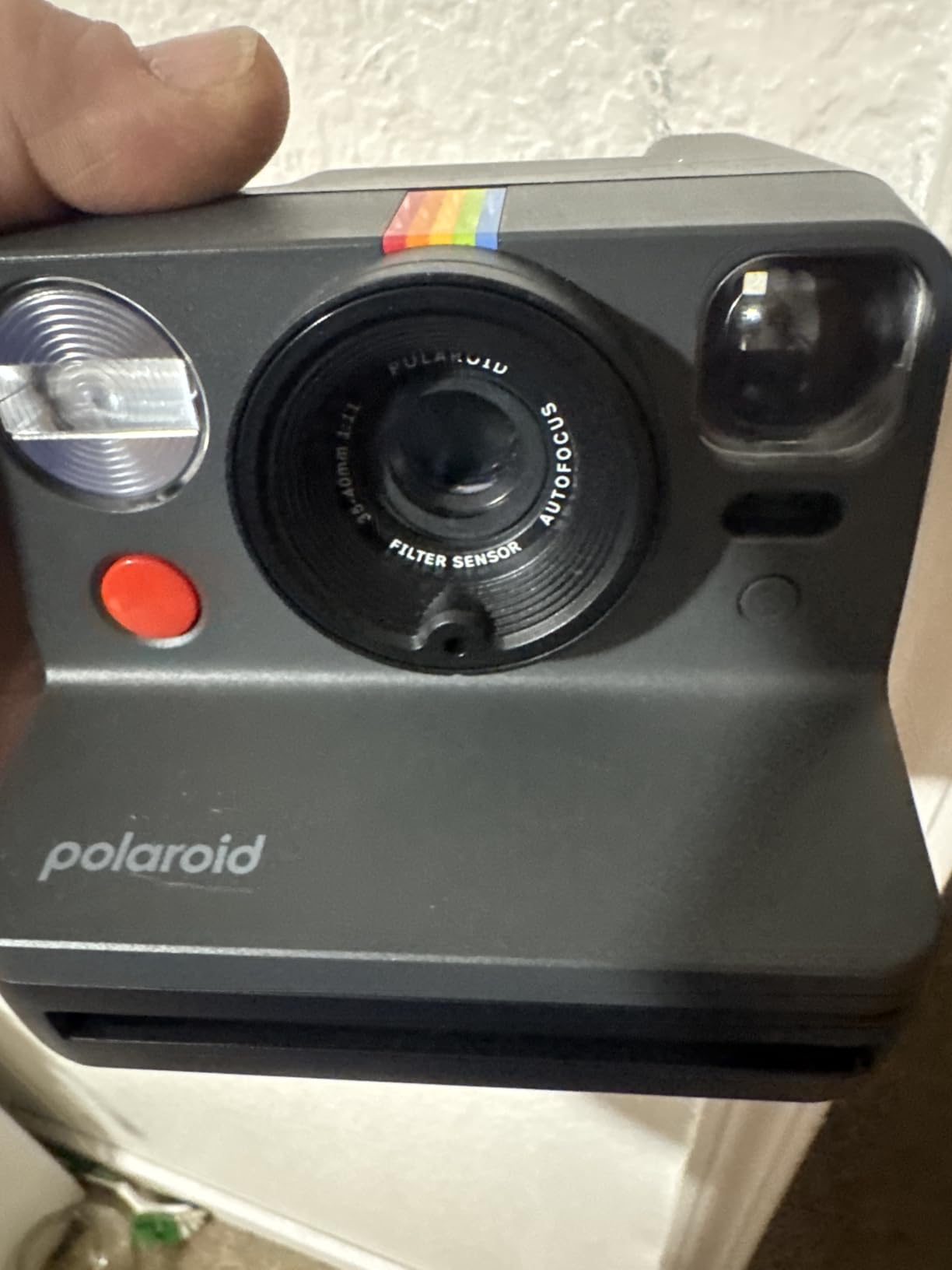
Image quality has that authentic Polaroid look with slightly soft edges, warm tones, and the characteristic white border everyone recognizes. Some people love this aesthetic, and others are disappointed if they are expecting digital-camera sharpness. I think it is part of the charm, but it is worth setting expectations if you are used to smartphone photos.
The main trade-off compared to the Now+ Gen 3 is the lack of Bluetooth and app features. You miss out on manual mode, remote shooting, and the photo scanner. For many users, that is perfectly fine. Not everyone wants to fiddle with their phone when taking instant photos. But if you think you might want those creative tools later, the price difference between the Now and Now+ is small enough that upgrading makes sense.
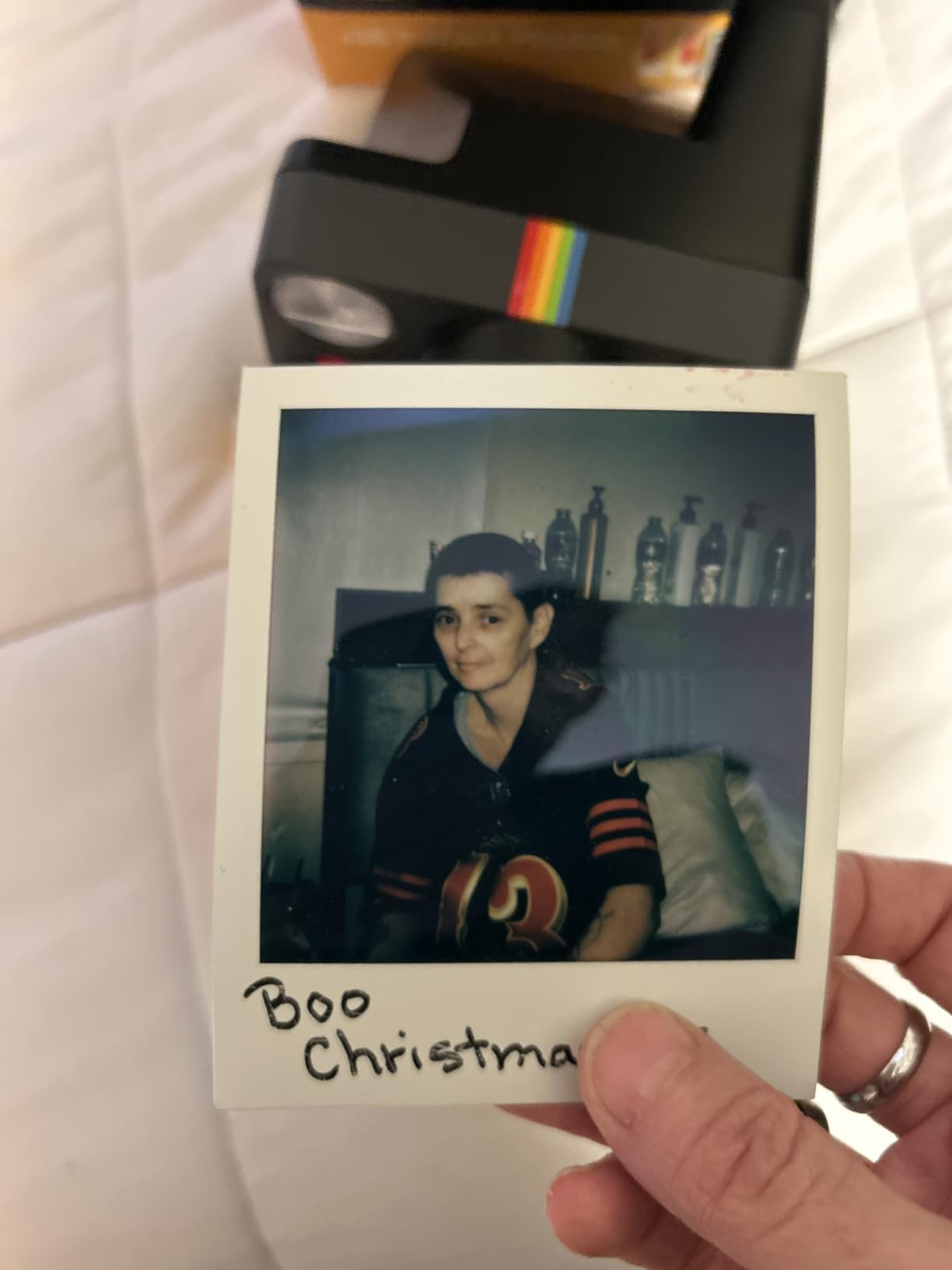
Battery life is excellent at 150 photos per charge via USB-C. The camera uses i-Type and 600 film, giving you the same film options as the Now+ Gen 3. Double exposure and self-timer modes are available on-camera without needing the app, which adds some creative flexibility.
One issue several reviewers mention is the 30-minute development time. Polaroid film takes significantly longer to develop than Instax film, which typically takes about 90 seconds. You cannot rush this process, and watching a photo develop for half an hour tests your patience compared to the near-instant gratification of Instax.
Who Should Buy the Polaroid Now Gen 3
This camera is ideal for anyone who wants the pure Polaroid experience without technology getting in the way. It is perfect for casual shooters, gift recipients, and anyone who finds Bluetooth and apps more annoying than helpful.
It is also a great option for kids and teens who want an easy-to-use camera. The operation is intuitive enough that most people figure it out without reading the manual.
How It Compares to the Now+ Gen 3
The main difference is Bluetooth connectivity and app features. The Now Gen 3 costs less but gives up manual mode, aperture priority, remote shooting, light painting, and the photo scanner. Image quality is comparable between the two models since they share the same lens system and film format.
If budget is your primary concern and you do not care about advanced features, the Now Gen 3 delivers 90 percent of the experience for a lower price.
3. Polaroid Now Gen 2 – Best Value Full-Size Polaroid
Polaroid Now 2nd Generation I-Type Instant Film Camera – Black (9095)
40% Recycled Materials
i-Type & 600 Film
USB-C Charging
Built-in Flash
Double Exposure
Pros
- Most affordable full-size Polaroid camera
- Made with 40% recycled materials for eco-conscious buyers
- Built-in flash with accurate automatic exposure
- Available in multiple colors including Black Panda Red and Blue
- Simple enough for complete beginners
Cons
- No Bluetooth or app connectivity
- Photos can be dark and grainy in challenging lighting
- Film cartridge not included in the box
- Autofocus less reliable than Gen 3 models
The Polaroid Now Gen 2 is the camera I recommend when someone wants a genuine Polaroid experience without spending much. At its price point, it is the most affordable way to get into full-size Polaroid photography. I bought one of these as a backup camera and was pleasantly surprised by how capable it is for casual use.
What stands out immediately is the build quality and design. The camera is constructed with 40% recycled materials, which is a nice touch if you care about sustainability. It has a solid, ergonomic feel that makes it comfortable to hold during extended shooting sessions. The retro design gets compliments every time I take it out.
The autofocus on the Gen 2 is decent but not as reliable as the upgraded system in the Gen 3 models. I noticed it occasionally struggles with close-up subjects and can produce slightly soft images when lighting is less than ideal. For most casual situations like parties, gatherings, and outdoor daytime shooting, it performs well enough.
The built-in flash is quite good and does a better job than I expected at balancing exposure. Many instant cameras in this price range produce washed-out flash photos, but the Now Gen 2 keeps things reasonably balanced. Colors are warm and saturated with that signature Polaroid look.
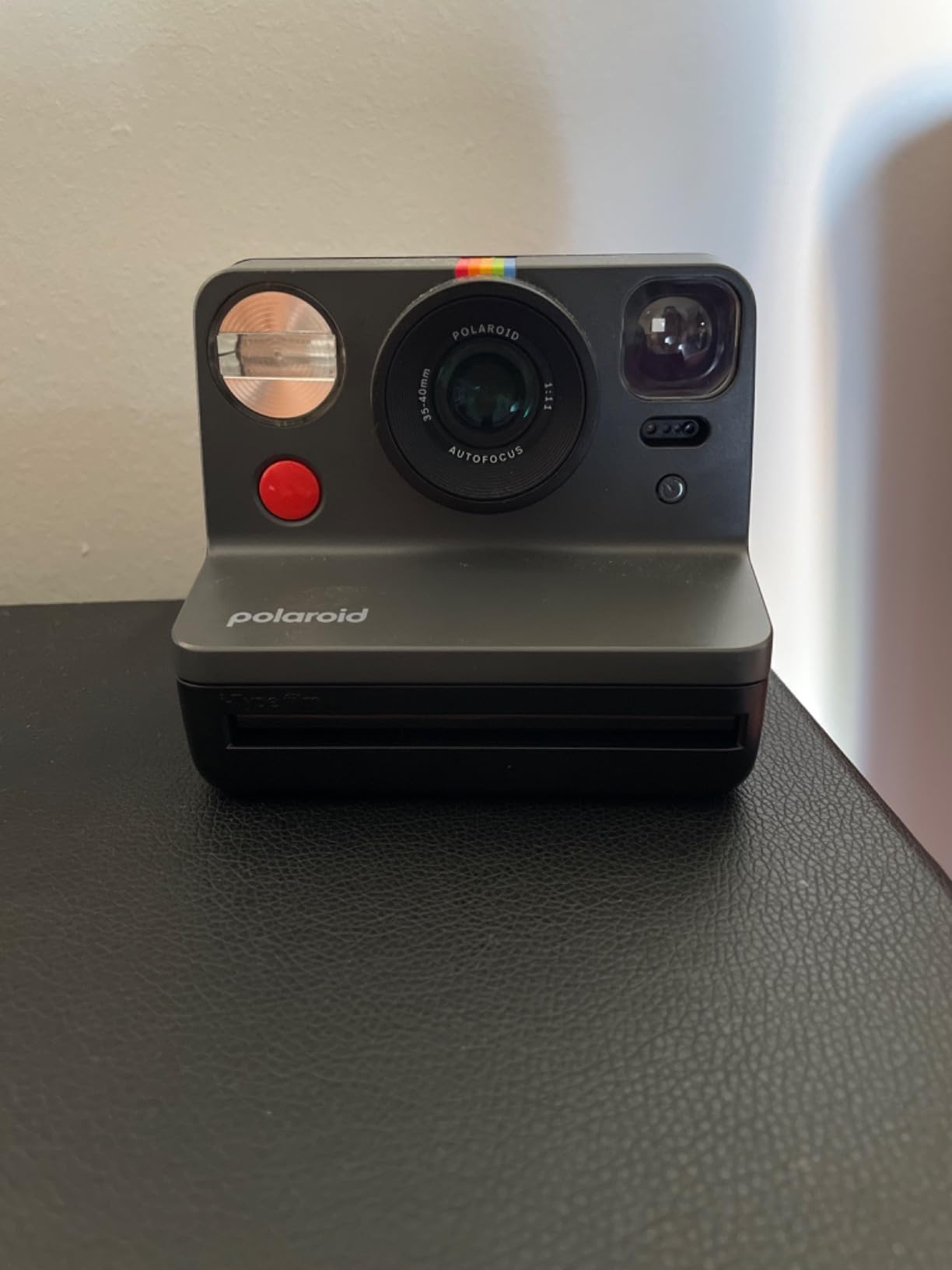
One thing to note is that no film comes included in the box. You will need to purchase i-Type or 600 film separately. I-Type film is the more affordable option and produces identical results to 600 film. Budget for a pack or two of film when you order the camera.
Battery life is solid thanks to the internal lithium-ion battery that charges via USB-C. I never had a situation where the battery died during a shoot. The camera also includes a neck strap and USB charging cable in the box.
Who Should Buy the Polaroid Now Gen 2
This camera is perfect for budget-conscious buyers who want the full-size Polaroid experience. It is a great first instant camera for teenagers, college students, or anyone who wants to try instant photography without a big investment.
It also makes an excellent gift. The colorful design options and iconic Polaroid branding make it feel special even at its affordable price.
Is It Worth Upgrading to Gen 3
The Gen 3 models offer improved autofocus and Bluetooth connectivity on the Now+ version. If those features matter to you, the upgrade is worth it. If you just want a reliable, affordable Polaroid camera for casual fun, the Gen 2 delivers everything you need for less money.
I would skip the upgrade if your primary use is casual party photos and social gatherings. The image quality difference is not dramatic enough to justify the price gap for most casual users.
4. Polaroid Go Gen 2 – Best Mini Instant Camera for Travel
Polaroid Go Generation 2 – Mini Instant Camera + Film Bundle (16 Photos Included) – Black (6280)
Smallest Instant Camera
Go Film Format
Built-in Selfie Mirror
Double Exposure
USB-C Rechargeable
Pros
- Smallest instant camera available fits in almost any pocket
- Built-in selfie mirror on the reflective viewfinder
- USB-C rechargeable battery lasts 15 film packs per charge
- Double exposure and self-timer creative modes
- Improved image quality and light sensor over original Go
Cons
- Photos are smaller than full-size Polaroids
- Film is relatively expensive for the small photo size
- Image quality can be inconsistent in low light
- Stock frequently limited and hard to find
The Polaroid Go Gen 2 is the instant camera I toss in my bag for trips where space is tight. It is genuinely tiny, measuring just 4.13 x 3.3 x 2.42 inches, which makes it the smallest instant camera on the market. I took it on a week-long trip to the coast and barely noticed it in my backpack until I wanted to use it.
What makes the Go Gen 2 special is the selfie mirror built right into the reflective viewfinder. This is a feature that the full-size Polaroid Now models lack, and it makes taking self-portraits dramatically easier. You can actually see your reflection and frame your shot properly instead of guessing and hoping for the best.

The camera uses Polaroid Go film, which is a smaller format than standard i-Type or 600 film. The photos are about half the size of a regular Polaroid print. Some people love the compact mini format, while others wish the photos were bigger. I find them charming for scrapbooking, journaling, and decorating small spaces.
Image quality has improved over the original Polaroid Go thanks to a better light sensor and larger aperture range. Colors are vibrant and the exposure is generally well-balanced in decent lighting. In low light, photos can be hit or miss. I recommend using the built-in flash whenever you are shooting indoors.
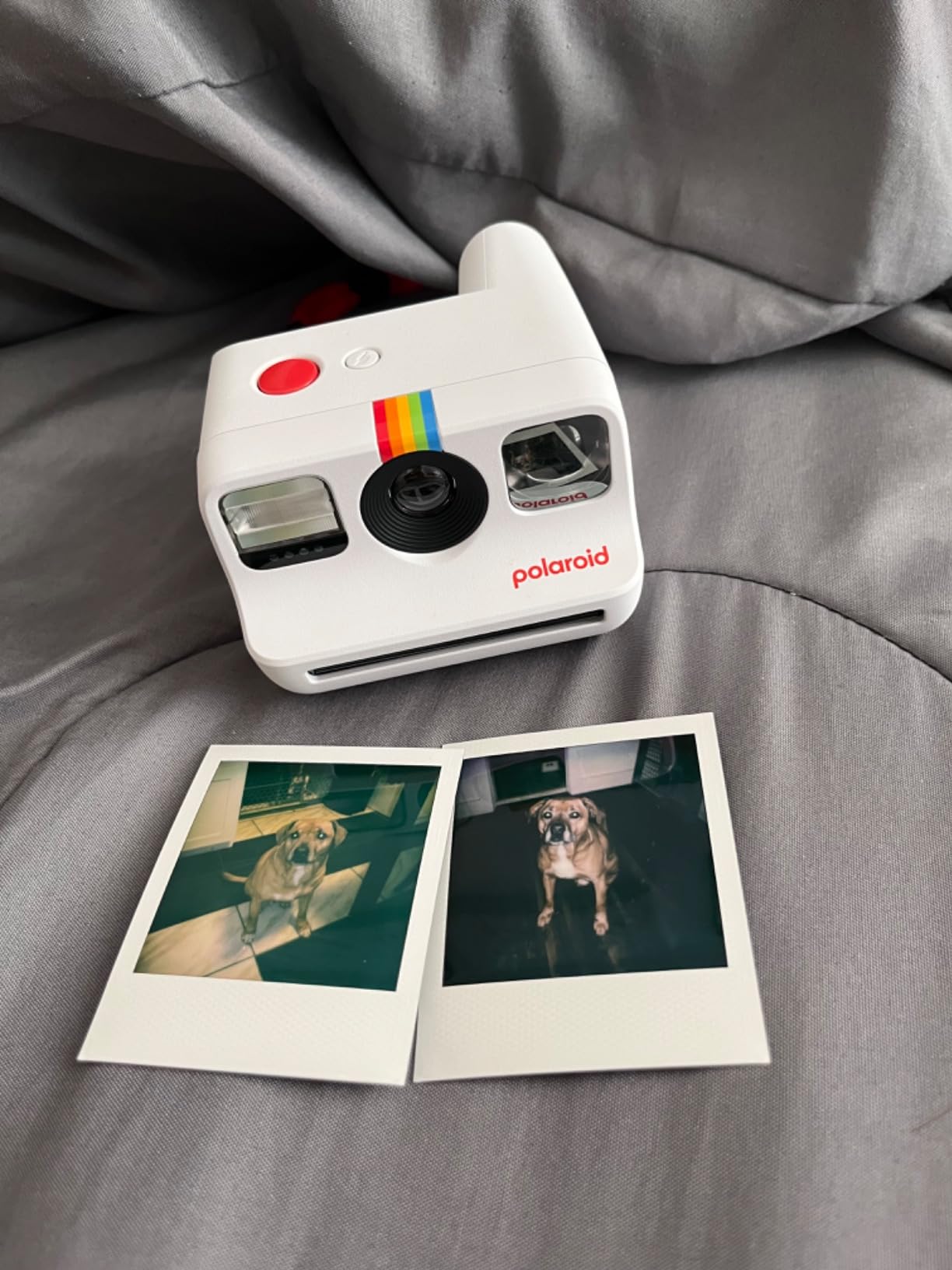
Battery life is impressive at 15 film packs per charge. Since each pack holds 8 photos, that is roughly 120 shots on a single USB-C charge. For a camera this small, the battery performance exceeded my expectations.
The main drawback is film cost relative to photo size. Go film runs about $1.50 to $2.00 per photo, which feels steep when the prints are half the size of standard Polaroids. If you shoot frequently, the costs add up. But for occasional use and travel photography, the convenience of having an instant camera that fits in your pocket is hard to beat.
Who Should Buy the Polaroid Go Gen 2
This camera is perfect for travelers, hikers, and anyone who wants instant photos on the go without carrying a bulky camera. It is also a fantastic first instant camera for kids and teens due to its compact size and easy operation.
If you love scrapbooking, journaling, or decorating with small photos, the mini format is a feature rather than a drawback.
Polaroid Go vs Instax Mini
The Go Gen 2 competes directly with the Fujifilm Instax Mini 12. The Go produces the classic Polaroid aesthetic with square borders, while the Instax Mini produces rectangular prints with faster development. The Go is smaller and more portable, while the Instax Mini has more reliable exposure and cheaper film. Your choice depends on which photo aesthetic you prefer and how important portability is to you.
5. Fujifilm Instax Mini 12 – Best Budget Instant Camera
Fujifilm Instax Mini 12 Instant Camera – Lilac Purple
Automatic Exposure
Instax Mini Film
Selfie Mirror
Close-Up Mode
90-Second Development
AA Batteries
Pros
- Highest rated instant camera at 4.6 stars with over 6000 reviews
- Automatic exposure produces bright well-balanced photos consistently
- Twist-lens operation is incredibly simple and intuitive
- 90-second development time is much faster than Polaroid film
- Built-in selfie mirror and close-up mode with parallax correction
- Available in multiple fun colors and very affordable
Cons
- Film is still expensive at roughly $1 per photo
- No self-timer feature
- Smaller 2x3 inch photo size may not satisfy everyone
- No advanced features like double exposure or manual controls
The Fujifilm Instax Mini 12 is the camera I recommend to more people than any other on this list. With over 6,000 reviews and a 4.6-star average rating, it is the highest-rated instant camera available. I bought one for my niece’s birthday last year, and she has shot hundreds of photos with it since.
What makes the Mini 12 so popular is its simplicity and reliability. You twist the lens to turn it on, point, and press the shutter button. The automatic exposure system handles flash and lighting adjustments for you, and it does a genuinely good job. Photos come out bright and well-exposed far more consistently than any Polaroid-branded camera I have tested.
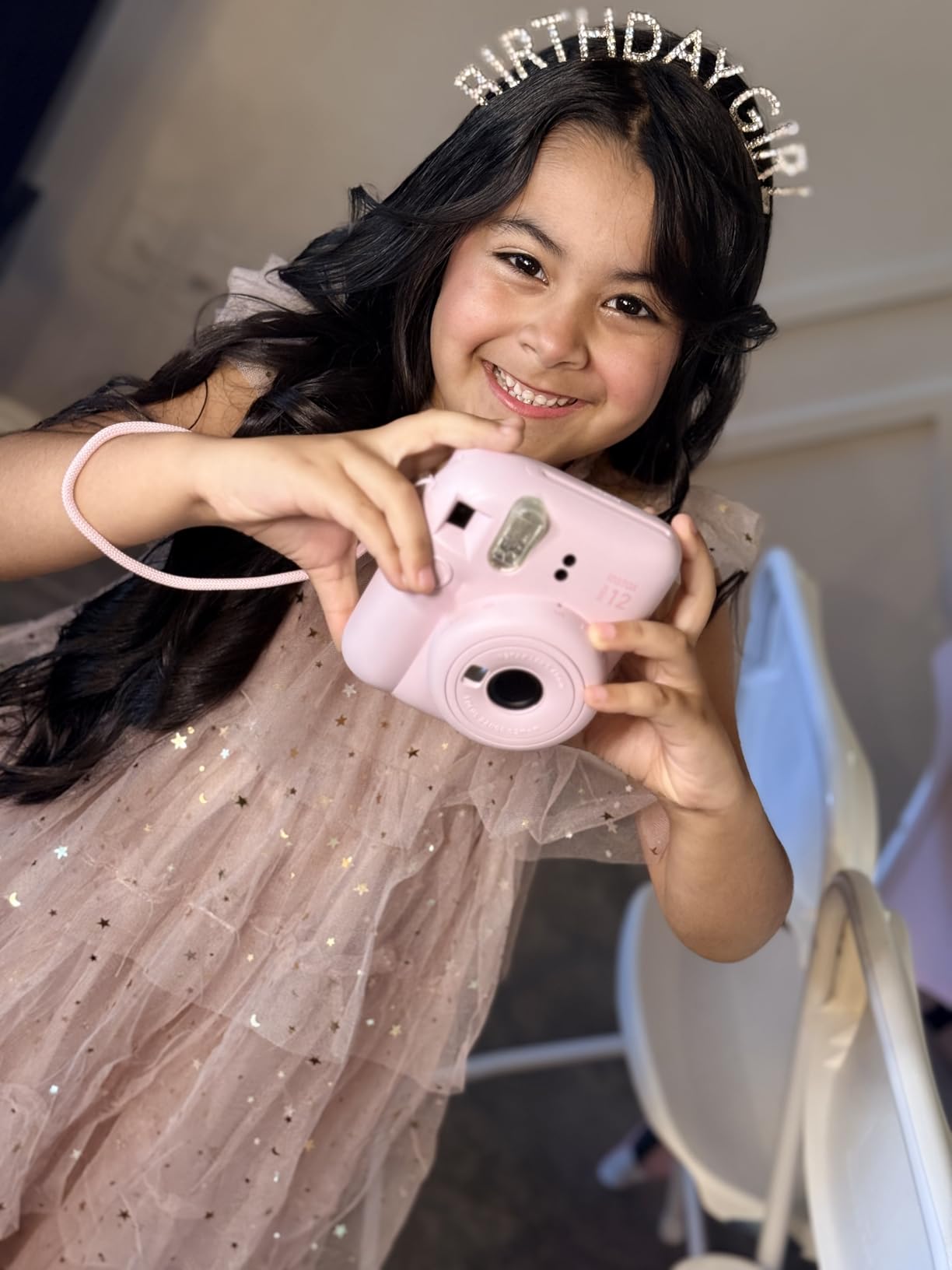
The close-up mode is activated by twisting the lens further, and it includes parallax correction so your framing is accurate at close range. This is great for taking photos of objects, food, and tight portraits. The built-in selfie mirror next to the lens helps you frame self-portraits without guessing.
Development time is where the Instax Mini 12 crushes Polaroid cameras. Photos develop in about 90 seconds compared to 15 to 30 minutes for Polaroid film. If you are at a party or event and want to hand someone their photo before they leave, the Instax is the clear winner.
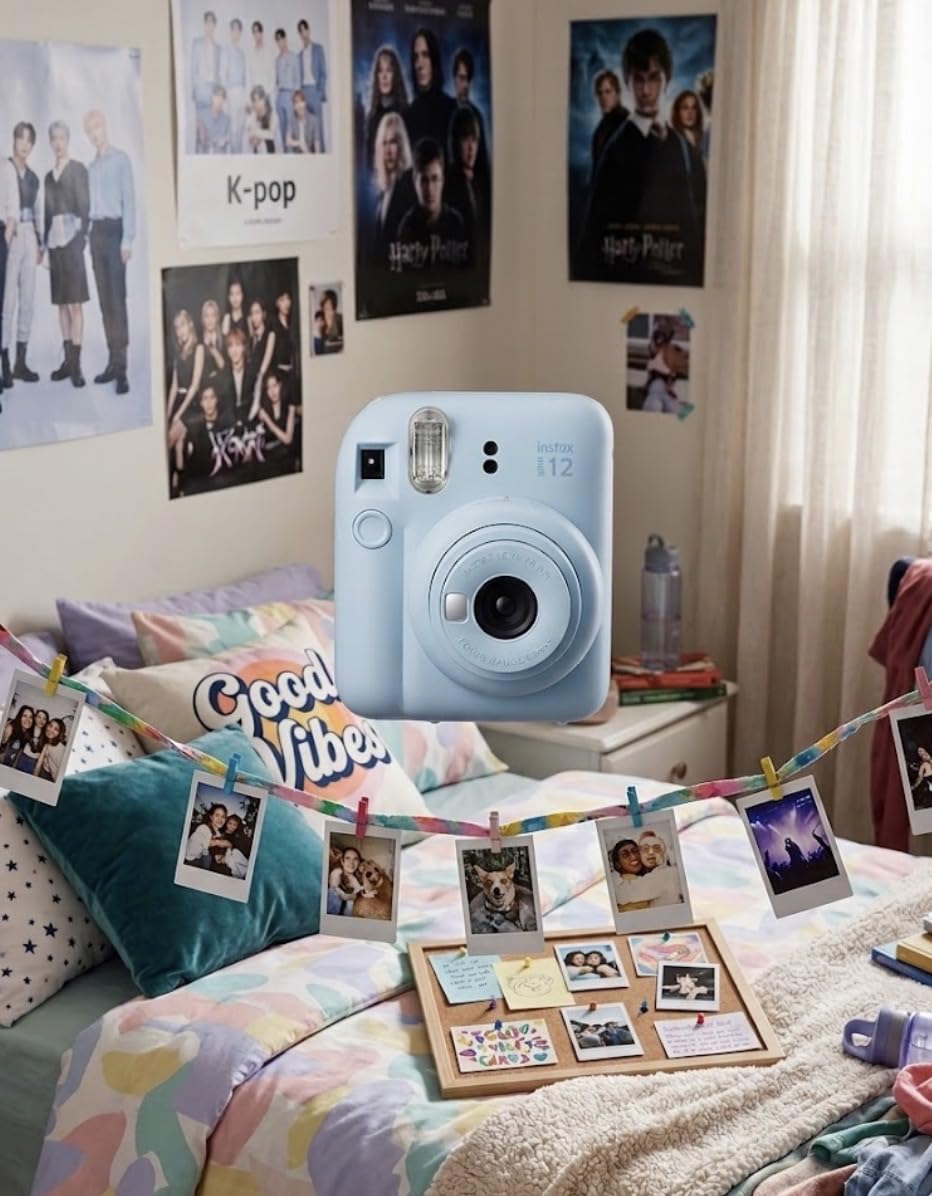
The camera runs on two AA batteries, which is both a pro and a con. On the plus side, you can swap batteries anywhere without needing a charger. On the downside, you need to keep spare AA batteries on hand since there is no rechargeable battery built in.
Film cost is the ongoing expense to consider. Instax Mini film runs about $0.75 to $1.00 per photo when bought in packs, which is significantly cheaper than Polaroid film at $2 to $3 per photo. Over a year of regular shooting, this difference adds up substantially.
Who Should Buy the Fujifilm Instax Mini 12
This camera is ideal for first-time instant camera buyers, families, and anyone who wants reliable instant photos without a learning curve. It is also the best choice if you are buying for a child or teenager who wants a fun, easy camera.
It excels at parties, events, and casual social gatherings where you want to hand photos to people quickly.
Instax Mini 12 vs Polaroid Cameras
The Instax Mini 12 wins on reliability, development speed, and film cost. Polaroid cameras win on photo size, aesthetic appeal, and creative features on models like the Now+. If you want the easiest and most affordable instant camera experience, the Mini 12 is the better choice. If you want the iconic large Polaroid prints, go with a Polaroid model.
6. Fujifilm Instax Mini Evo – Best Hybrid Instant Camera
Fujifilm Instax Mini EVO Instant Camera
Hybrid Digital+Instant Camera
10 Lens x 10 Film Effects
Bluetooth & microSD
LCD Screen
Instax Mini Film
Pros
- Hybrid design lets you shoot digitally and choose which photos to print
- 10 lens effects and 10 film effects create 100 creative combinations
- Built-in selfie mirror with dual shutter buttons for portrait and landscape
- Bluetooth connectivity for remote shooting and printing from smartphone
- microSD card slot for saving digital copies of photos
Cons
- No physical viewfinder requires using LCD screen only
- Cannot add filters after taking a photo
- Low 1 MP effective resolution similar to Snapchat quality
- Plastic body feels less premium than price suggests
The Fujifilm Instax Mini Evo is the camera I recommend to people who cannot decide between digital and instant photography. It solves the biggest problem with traditional instant cameras: wasting film on bad shots. With the Mini Evo, you take photos digitally, preview them on the LCD screen, and only print the ones you actually want to keep.
This hybrid approach is a genuine game-changer for film costs. Instead of shooting and praying like you do with a traditional instant camera, you can take multiple shots of the same scene and print only the best one. Over time, this feature alone can save you a significant amount of money on film.
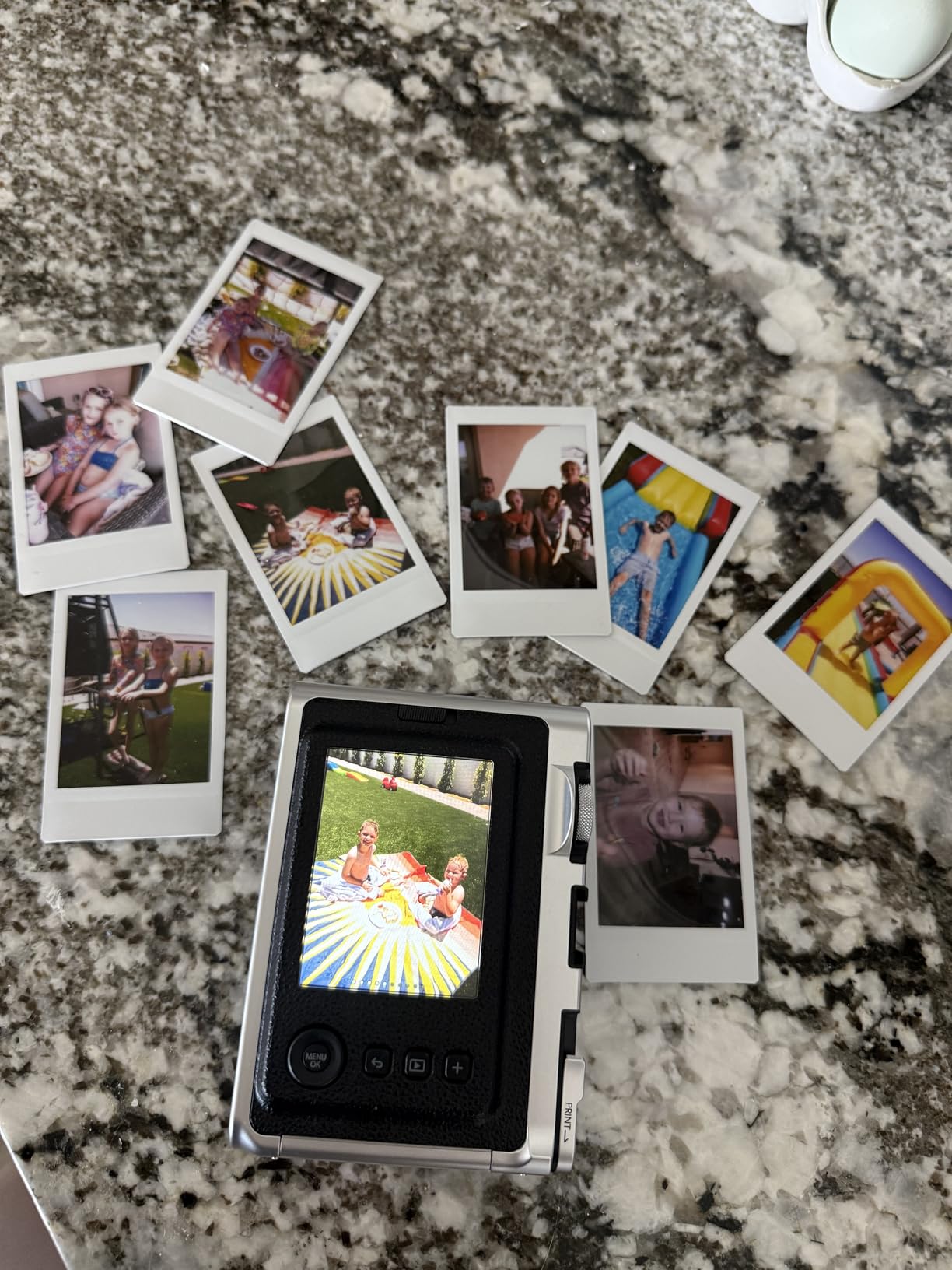
The creative effects system is where this camera really shines. You get 10 lens effects and 10 film effects that you can combine in any way, giving you 100 different looks for your photos. Effects include vignette, fish-eye distortion, color filters, light leaks, and more. I had a lot of fun experimenting with different combinations to create unique-looking prints.
The dual shutter buttons are a thoughtful design touch. One shutter is positioned for landscape orientation and another for portrait, so you can comfortably shoot in either orientation without awkward hand positions. The built-in selfie mirror helps with framing self-portraits.
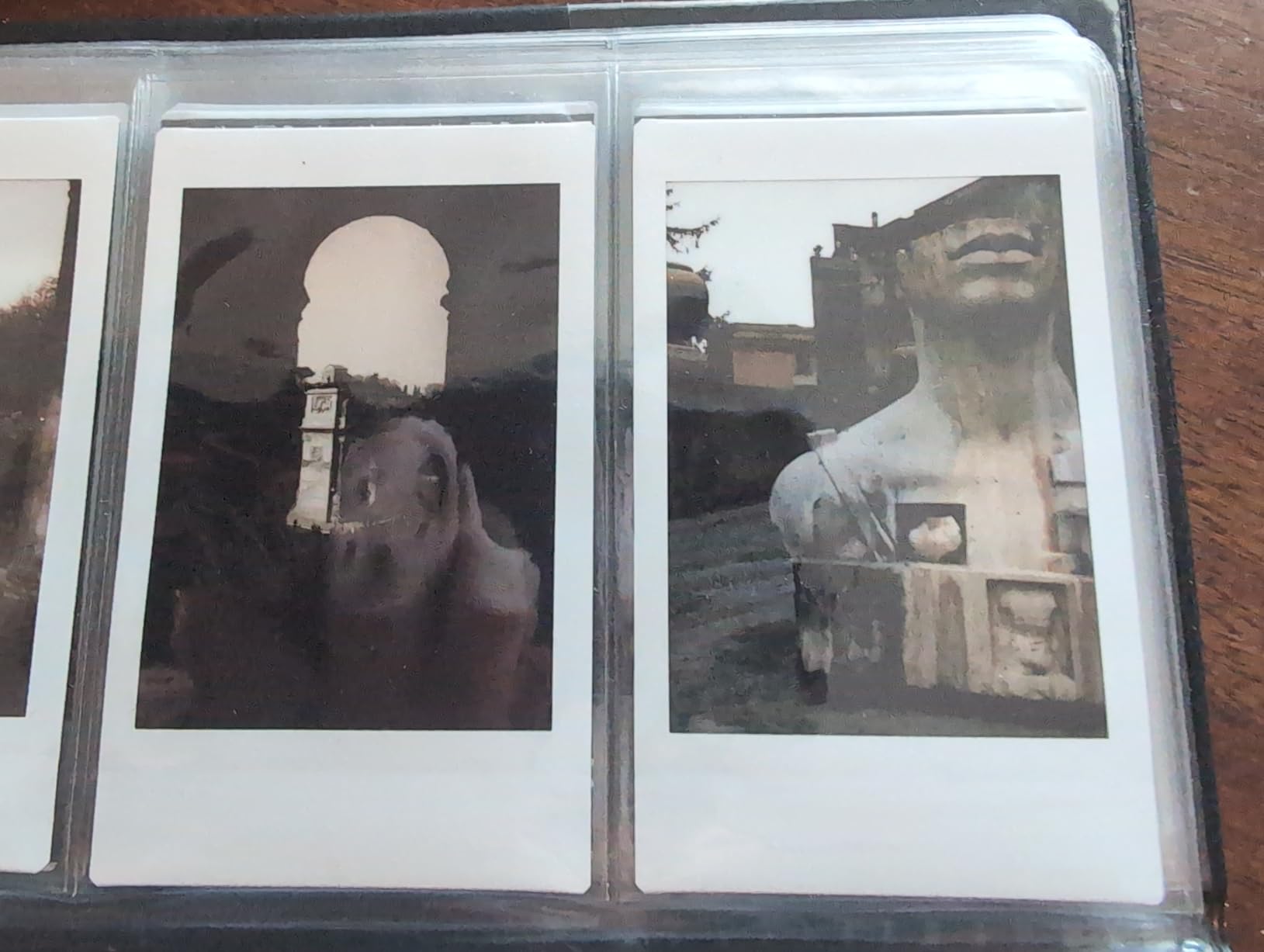
Bluetooth connectivity lets you print photos from your smartphone and also save digital copies of your instant prints to your phone. This means you get both a physical print and a digital backup, which is ideal for sharing on social media while still having a tangible photo.
The main downside is the lack of a physical viewfinder. You compose all your shots on the 2-inch LCD screen, which can be hard to see in bright sunlight. The plastic body also feels less premium than you might expect at this price point. And the 1 MP effective resolution means digital images are low quality if you try to use them without printing.
Who Should Buy the Fujifilm Instax Mini Evo
This camera is perfect for anyone who wants the fun of instant prints without the anxiety of wasting expensive film. It is ideal for people who are picky about which photos deserve to be printed and who enjoy creative effects and filters.
It is also a great choice if you want both digital and physical copies of your photos. The Bluetooth printing feature means you can print smartphone photos on Instax film too.
Hybrid vs Traditional Instant Cameras
The trade-off with hybrid cameras is that you lose some of the spontaneity and unpredictability that makes traditional instant photography special. With a regular instant camera, every shot is a commitment, and there is something charming about that. The Mini Evo gives you more control but less of that raw instant experience.
If you prioritize saving money on film and having creative control, the Mini Evo is the better choice. If you want the authentic instant photography experience, go with a traditional model.
7. Fujifilm Instax Square SQ40 – Best Square Format Instant Camera
Fujifilm Instax Square SQ40 Instant Camera
Square Format Photos
Automatic Exposure
Instax Square Film
Selfie Mirror
Retro Design
CR2 Batteries
Pros
- Square 62x62mm format photos have a classic Instagram-like charm
- Automatic exposure produces well-balanced shots in various lighting
- Simple twist-lens operation is intuitive for beginners
- Integrated selfie mirror with dedicated selfie mode
- Retro design with textured finish looks premium and elegant
Cons
- Film not included must be purchased separately
- No preview display cannot see photo before it prints
- Film costs add up over time with heavy use
- Uses CR2 batteries that are less common than AA
The Fujifilm Instax Square SQ40 is the camera I reach for when I want photos that look like classic Instagram posts in physical form. The square format is instantly recognizable and has a timeless quality that rectangular photos cannot quite match. I have been testing this camera for gallery-style prints, and the results are consistently impressive for an instant camera.
What immediately stands out about the SQ40 is the build quality and design. The black textured finish gives it a premium, retro feel that looks like a vintage analog camera. It feels solid in hand and has the kind of construction that makes you want to display it on a shelf when you are not using it.
Image quality is excellent for an instant camera. The automatic exposure metering handles different lighting conditions well, producing balanced shots whether you are shooting indoors with flash or outdoors in natural light. Colors are rich and saturated without being oversaturated. Of the Instax cameras I tested, the SQ40 produces the most aesthetically pleasing photos.
The operation is beautifully simple. You rotate the lens to power on the camera, select your mode, and shoot. There is a dedicated selfie mode with the integrated selfie mirror, which makes self-portraits straightforward. The simplicity means anyone can pick it up and start shooting within seconds.
The square format photos measure 62 x 62mm, which is larger than Instax Mini prints and has a more substantial, frame-worthy feel. These prints look fantastic displayed on a wall, pinned to a board, or arranged in a photo album. The format also works well for social media since it matches the square crop used on most platforms.
Who Should Buy the Fujifilm Instax Square SQ40
This camera is perfect for anyone who wants larger, more impactful instant photos with a classic square format. It is ideal for special occasions like weddings, anniversaries, and milestone celebrations where photo quality matters more than speed or cost.
It also appeals to design-conscious buyers who want a camera that looks as good as the photos it produces. The retro aesthetic is a conversation starter.
Square Format vs Mini Format
Instax Square film costs more per photo than Instax Mini film, roughly $1.50 to $2.00 compared to $0.75 to $1.00. But the larger photo size and square format give prints a more premium, gallery-quality feel. If you are displaying photos rather than just collecting them, the square format is worth the extra cost.
The SQ40 is also a better choice than the Instax Mini 12 if you want photos that look good framed on a wall. The mini format is great for scrapbooking but feels too small for display purposes.
8. Fujifilm INSTAX Wide 400 – Best Wide Format Instant Camera
Fujifilm INSTAX Wide 400 Instant Camera – Sage Green (Camera w/ 2 Wide Twin Packs)
Wide Format Photos
Three Focus Modes
Self-Timer with LED
Instax Wide Film
Automatic Exposure
Built-in Flash
Pros
- Wide format photos are larger and more impactful than other instant formats
- Three focus modes including Normal Landscape and Macro with close-up lens
- Self-timer with LED countdown for group shots
- Includes camera angle adjustment accessory for angled photos
- Automatic exposure and flash control for easy operation
Cons
- Very large camera size described as comically huge by some users
- Unintuitive power on and off process requiring manual reading
- Cannot turn flash off or override exposure settings
- No warranty included with purchase
- Film door latch durability concerns reported
The Fujifilm INSTAX Wide 400 is the camera I recommend when you want big, bold instant photos that make a statement. The wide format produces prints that are significantly larger than any other instant camera on this list. I tested this camera at a family reunion, and the wide prints were perfect for group photos where you want to capture everyone in the frame.
The Wide 400 comes with three focus modes that give you more shooting flexibility than most instant cameras. Normal mode handles everyday shots, Landscape mode is for distant subjects, and Macro mode uses the included close-up lens for detailed close-range photography. Having these options makes the camera more versatile than simpler models.
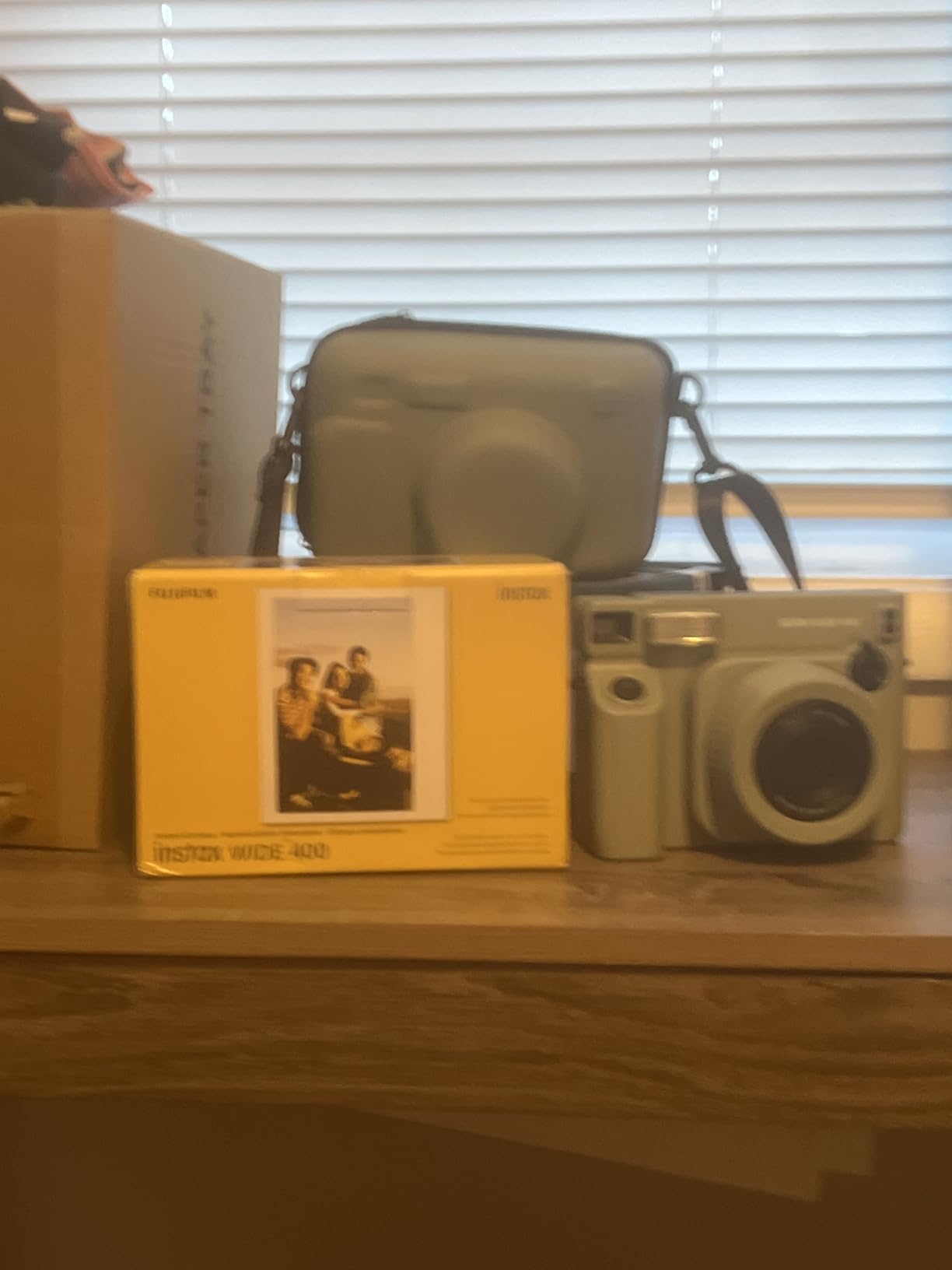
Image quality is solid with the automatic exposure system handling most lighting situations well. The wide format gives photos a cinematic feel that works particularly well for landscapes, group shots, and events. Colors are vibrant and the development time is reasonable at about 90 seconds.
The self-timer with LED countdown is a nice feature for group photos. You can set the camera on a flat surface, press the shutter, and the LED gives you a visual countdown so everyone knows when to smile. The included camera angle adjustment accessory lets you tilt the camera for interesting perspective shots.
Now for the downsides. This camera is big. Really big. Multiple reviewers describe it as comically huge, and I have to agree. It is not something you can slip into a bag or carry around casually. If portability is important to you, look at the Instax Mini 12 or the Polaroid Go Gen 2 instead.
The power on and off process is also unintuitive. You need to read the manual to figure it out, which is frustrating for a camera that should be simple to operate. And you cannot turn the flash off or override the automatic exposure settings, which limits creative control.
Who Should Buy the Fujifilm INSTAX Wide 400
This camera is perfect for events and occasions where you want large, impactful instant photos. It excels at group shots, landscapes, and wide scenes where other instant cameras cannot capture everything in the frame.
It is also a good choice for photo booths at weddings, parties, and corporate events. The wide format prints are unique and memorable.
Is the Size Worth It
The Wide 400 is the only instant camera in this guide that produces wide format prints. If that specific format matters to you for events, displays, or creative projects, the size is a worthwhile trade-off. If you just want a general-purpose instant camera, you are better served by a smaller, more portable option.
Consider where and how you will use this camera before buying. It is a specialty tool that shines in specific situations rather than an everyday carry camera.
Polaroid Camera Buying Guide: How to Choose in 2026?
Choosing the right instant camera comes down to understanding film types, running costs, and which features matter most for your use case. After testing all 8 cameras in this guide, I want to share what I learned to help you make the right decision.
Understanding Instant Film Types
Film type is the single most important factor when choosing an instant camera because it determines photo size, cost per print, and availability. There are six main film formats you will encounter.
Polaroid i-Type Film: The modern Polaroid format used by the Now and Now+ cameras. It produces full-size square photos with the iconic thick white border. i-Type film costs about $2.00 per photo and does not include a battery in the cartridge, since modern Polaroid cameras have rechargeable batteries.
Polaroid 600 Film: The classic Polaroid format compatible with both vintage and modern Polaroid cameras. It produces the same size photos as i-Type but includes a battery in each cartridge. This makes it more expensive at about $3.00 per photo. Use 600 film if you have a vintage Polaroid camera.
Polaroid Go Film: The smallest Polaroid format, used exclusively by the Polaroid Go Gen 2. Photos are about half the size of standard Polaroid prints. Go film costs roughly $1.50 to $2.00 per photo.
Instax Mini Film: Used by the Instax Mini 12 and Mini Evo. Produces rectangular prints measuring about 2 x 3 inches. This is the cheapest instant film available at $0.75 to $1.00 per photo. Instax Mini film is widely available in stores and online.
Instax Square Film: Used by the Instax Square SQ40. Produces larger 62 x 62mm square prints. Costs about $1.50 to $2.00 per photo. The square format is ideal for social media and display purposes.
Instax Wide Film: Used by the INSTAX Wide 400. Produces the largest instant prints available. Costs about $1.00 to $1.50 per photo, which is surprisingly affordable given the photo size. The trade-off is the large camera body required to shoot this format.
Film Cost Comparison
Ongoing film cost is the number one complaint from instant camera owners on Reddit and in customer reviews. Here is a breakdown of what you can expect to spend per photo with each film type.
Polaroid 600 film is the most expensive at $3.00 per photo, followed by Polaroid i-Type at $2.00. Polaroid Go film runs about $1.50 to $2.00 per photo. On the Instax side, Mini film is the cheapest at $0.75 to $1.00, Wide film is $1.00 to $1.50, and Square film is $1.50 to $2.00.
Over a year of moderate shooting at 100 photos, the cost difference is significant. One hundred Instax Mini photos cost about $75 to $100. One hundred Polaroid 600 photos cost about $300. This is why many budget-conscious buyers choose Instax over Polaroid despite preferring the Polaroid aesthetic.
Polaroid vs Instax: Which Brand Is Better
This is one of the most common questions I see on Reddit forums and photography communities. Both brands make excellent instant cameras, but they offer different experiences.
Polaroid cameras produce larger photos with the iconic thick white border and slightly soft, dreamy aesthetic. Development takes 15 to 30 minutes. Polaroid cameras tend to have more creative features like manual mode and light painting on the Now+ models. Film is more expensive per photo.
Instax cameras produce sharper, more consistently exposed photos with faster development times of about 90 seconds. Film is cheaper and more widely available. The cameras are generally simpler to operate with automatic exposure handling everything for you. Instax cameras also come in more format options including Mini, Square, and Wide.
My recommendation is to choose based on which photo aesthetic you prefer. If you love the dreamy, nostalgic Polaroid look and do not mind the higher film cost and longer development time, go with Polaroid. If you want reliable, affordable instant photos with fast development, Instax is the better choice.
Key Features to Look For
When comparing instant cameras, consider these features based on how you plan to use your camera.
Bluetooth and App Connectivity: Only the Polaroid Now+ Gen 3 and Instax Mini Evo offer Bluetooth in this guide. This feature unlocks remote shooting, manual controls, and photo digitization. If creative control matters to you, choose one of these models.
Selfie Capability: Look for a built-in selfie mirror if you plan to take self-portraits. The Polaroid Go Gen 2, Instax Mini 12, Mini Evo, and SQ40 all include selfie mirrors. The Polaroid Now models do not.
Battery Type: USB-C rechargeable cameras like the Polaroid models are convenient and eco-friendly. The Instax Mini 12 and SQ40 use replaceable batteries, which means you can carry spares but need to keep buying replacements.
Development Time: Instax film develops in about 90 seconds. Polaroid film takes 15 to 30 minutes. If you need photos quickly at events, Instax is the better choice.
Best Camera by Use Case
For Beginners: The Instax Mini 12 or Polaroid Go Gen 2. Both are affordable, easy to use, and produce reliable results.
For Travel: The Polaroid Go Gen 2 for its pocket-sized portability. The Instax Mini 12 is also a good choice if you want cheaper film.
For Weddings and Events: The Instax Mini 12 for fast development and low film cost. The Instax Wide 400 for larger group photos.
For Creative Photography: The Polaroid Now+ Gen 3 for manual mode and creative app features. The Instax Mini Evo for 100 creative effect combinations.
For Gifts: The Instax Mini 12 for affordability and universal appeal. The Polaroid Now Gen 2 for the classic Polaroid experience at a lower price point.
FAQs
Which brand is best for Polaroid cameras?
Polaroid B.V. (formerly Polaroid Originals) makes the authentic Polaroid-branded cameras like the Now+ and Go series. However, Fujifilm Instax cameras are generally more reliable, have cheaper film, and produce more consistently exposed photos. If you want the authentic Polaroid aesthetic with the iconic white border, choose Polaroid. If you want reliability and lower running costs, choose Fujifilm Instax.
What Polaroid camera does Taylor Swift use?
Taylor Swift has been photographed with several instant cameras over the years, most notably the Polaroid OneStep and various Fujifilm Instax models. She popularized instant photography among younger audiences, and fans often ask which camera she uses when looking for similar vintage-style instant photo experiences.
Is Polaroid Go or Instax better?
The Polaroid Go Gen 2 is smaller and produces the classic Polaroid aesthetic, but film costs more per photo. The Fujifilm Instax Mini 12 produces sharper, more reliable photos with faster 90-second development and cheaper film at about $0.75 to $1.00 per photo. For budget-conscious buyers, Instax is the better choice. For Polaroid purists who want the smallest instant camera, the Go is worth the premium.
What is the difference between Polaroid I-Type and 600 film?
Polaroid i-Type and 600 film produce identical photo sizes and quality. The difference is that 600 film includes a battery in each cartridge for older vintage Polaroid cameras, while i-Type film does not include a battery since modern Polaroid cameras have rechargeable batteries. i-Type film is cheaper because it does not include the battery, costing about $2.00 per photo compared to $3.00 for 600 film.
How much does Polaroid film cost per photo?
Polaroid film costs between $1.50 and $3.00 per photo depending on the format. Polaroid Go film is about $1.50 to $2.00 per photo, i-Type film is about $2.00 per photo, and 600 film is about $3.00 per photo. Buying film in bulk packs of 16 or 32 reduces the per-photo cost. Instax film is generally cheaper, with Mini film at $0.75 to $1.00 per photo.
Are Polaroid cameras worth it in 2026?
Yes, Polaroid cameras are worth it if you value the tangible, physical photo experience that digital cameras and smartphones cannot replicate. They are especially worthwhile for gifts, events, scrapbooking, and creative projects. However, be prepared for ongoing film costs of $1.50 to $3.00 per photo. If budget is a concern, consider Fujifilm Instax cameras which offer cheaper film while delivering a similar instant photo experience.
Final Thoughts on the Best Polaroid Cameras
After testing all 8 cameras in this guide, my top recommendation for the best Polaroid cameras in 2026 comes down to what you value most. The Polaroid Now+ Gen 3 is the most capable instant camera I have used, with Bluetooth app features that unlock creative possibilities no other instant camera offers. The Polaroid Go Gen 2 wins for portability and makes a perfect travel companion.
For budget-conscious buyers, the Fujifilm Instax Mini 12 delivers the best value with reliable automatic exposure, fast development, and the cheapest film available. And for those who want creative control without wasting film, the Instax Mini Evo hybrid camera is a standout choice.
Whichever camera you choose, remember that the joy of instant photography comes from the experience, not just the photos. There is something special about holding a physical print minutes after taking a shot that no digital camera can replicate. Pick the camera that fits your budget and shooting style, stock up on film, and start creating memories that last.