
Finding the best wine corks for home winemaking is one of those small decisions that quietly decides whether a 6-month batch of fruit wine or mead tastes like you wanted it to or like wet cardboard. I have watched a whole carboy of elderberry wine get written off because someone grabbed a cheap mixed bag of corks that crumbled on insertion, leaked in the bottle, or came pre-loaded with TCA (the musty “corked” aroma defect that ruins a vintage without warning). Picking the right closure is also the cheapest insurance you will buy for your hobby: a few cents per bottle in exchange for a clean seal that holds up to your corker and your aging plan.
For this guide, our team compared 8 cork products across natural, agglomerated, and synthetic types, sized from #7 through #9 to match every common corker (hand plunger, double-lever, and floor corker) and every standard 750ml wine bottle. We weighted the picks on four real-world criteria: how cleanly each cork compresses without crumbling, how reliably it seals, whether the supplier shows batch tracking, and how the cork handles actual aging windows from a few weeks (fruit wine for a backyard party) to multi-year cellaring. We also leaned on forum experience from r/winemaking, Homebrew Talk, and WineMakingTalk, where the same brands come up year after year in corking discussions.
This article covers cork types and sizes, a top-3 quick-pick comparison, full reviews of all 8 products with the cork sizes, grades, and corker requirements spelled out, a step-by-step buying guide, and an FAQ block answering the most common questions that show up around this topic (including #8 vs #9 corks and whether you really need to soak them). Wherever a product matches a typical batch size – a 5-gallon carboy yields about 25 to 30 bottles – we tell you what to expect per bottle.
Table of Contents
Quick Answer: What Size Cork Do You Need for a 750ml Bottle?
A #9 cork (about 23mm diameter, 15/16 inch) is the standard pick for sealing a 750ml wine bottle with a floor corker or double-lever corker, and it is the safest choice for wines you plan to age 2 years or longer. A #8 cork (about 22mm, 7/8 inch) compresses more easily under a hand plunger corker, fits the same 750ml bottle, and is the right call for short-term storage and casual batches. #7 corks (about 21mm) are mainly used for tighter bottle necks, liqueurs, and smaller-format bottles rather than full wine aging. Diameter is the part that has to match your bottle finish; length (typically 1.5 to 1.75 inch) matters less as long as it is at least 38mm.
Top 3 Picks for Best Wine Corks for Home Winemaking in 2026

8 Best Wine Corks for Home Winemaking in September
| Product | Specifications | Action |
|---|---|---|
| FastRack #8 Straight Corks |
|
Check Latest Price |
 Jetec Assorted Cork Stoppers Jetec Assorted Cork Stoppers |
|
Check Latest Price |
 Tebery #8 Natural Corks Tebery #8 Natural Corks |
|
Check Latest Price |
 WIDGETCO Recycled Wine Corks WIDGETCO Recycled Wine Corks |
|
Check Latest Price |
 North Mountain Amorim #9 North Mountain Amorim #9 |
|
Check Latest Price |
 Aemygo 200 Pack #8 Aemygo 200 Pack #8 |
|
Check Latest Price |
 Nomacorc Synthetic #9 Nomacorc Synthetic #9 |
|
Check Latest Price |
 ABC Cork Co. Portugal #8 ABC Cork Co. Portugal #8 |
|
Check Latest Price |
1. FastRack #8 Straight Corks – Editor’s Choice for Home Winemaking
FastRack #8 Straight Corks, 8″ x 1 3/4″ (Pack of 100)
Pack of 100
Agglomerated cork
#8 size, 7/8 x 1 3/4 inch
Pros
- Reliable agglomerated cork body that compresses cleanly on hand corkers
- Beveled edges slide into 750ml bottles without crumbling
- Leak-proof seal when bottles are stored on their side
- Decorative grape pattern printed without ink contamination
- Strong review base of 5225 ratings averaging 4.6 stars
Cons
- Slightly oversized for some non-standard bottle finishes
- Agglomerated cork is best suited to about 2 years of aging
- Stamped pattern is purely cosmetic and may fade over years
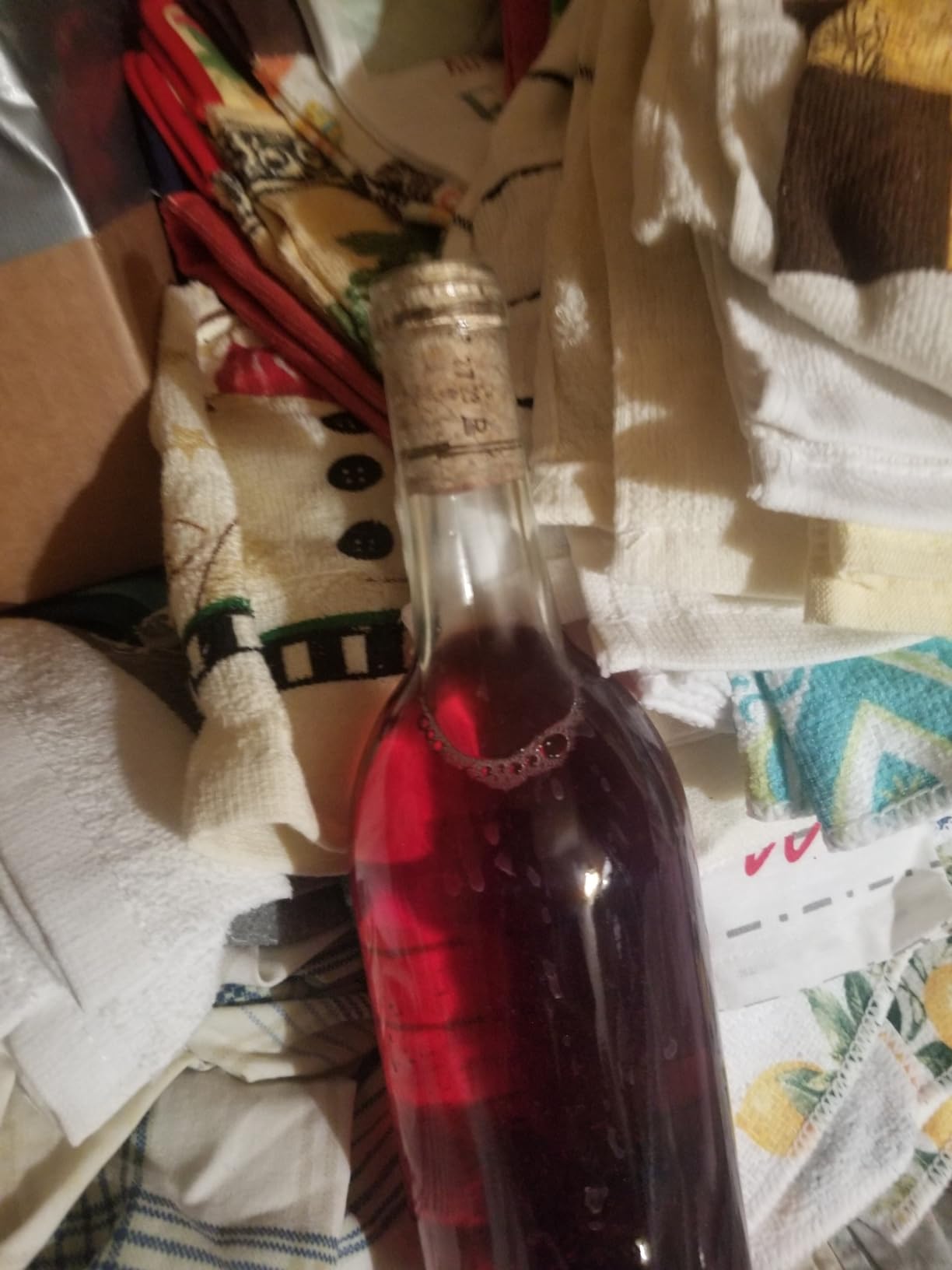
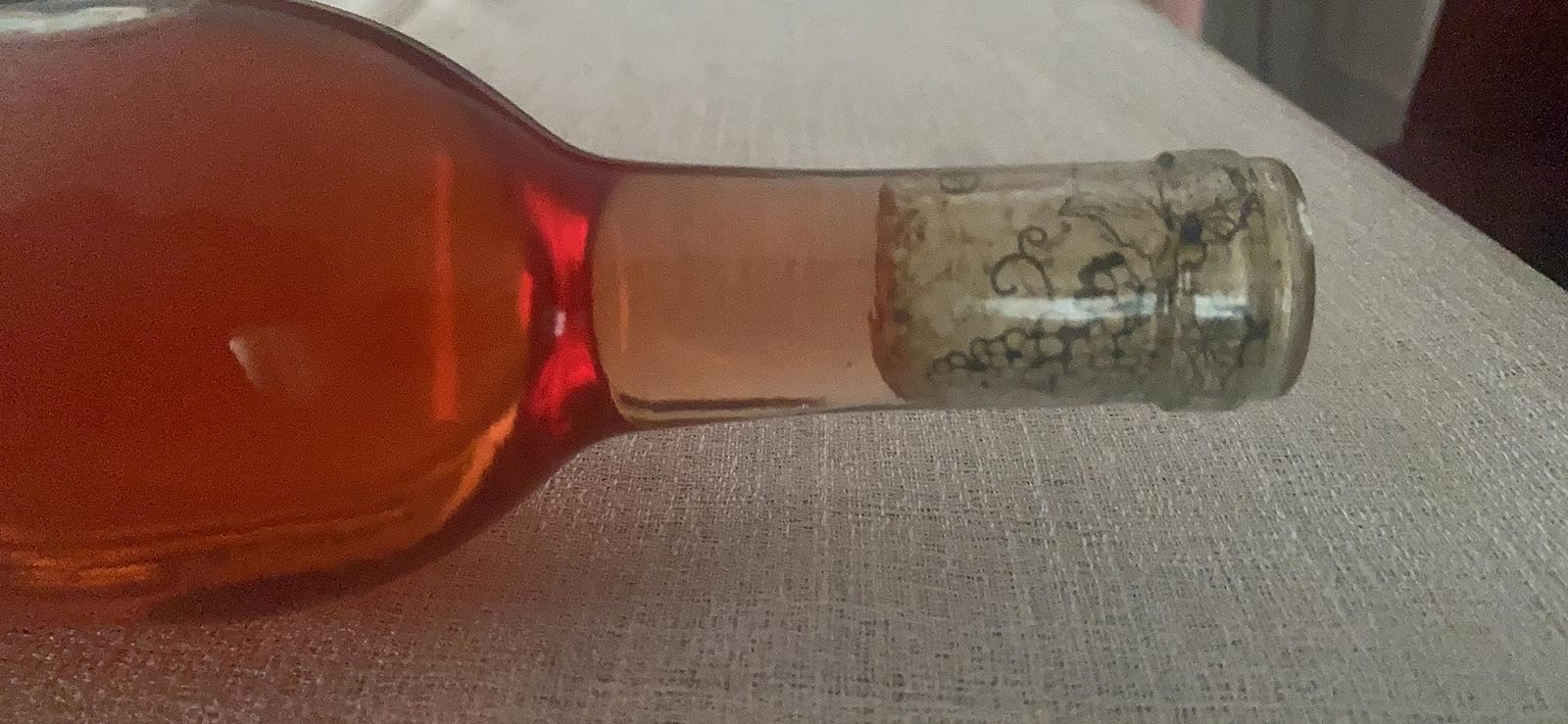
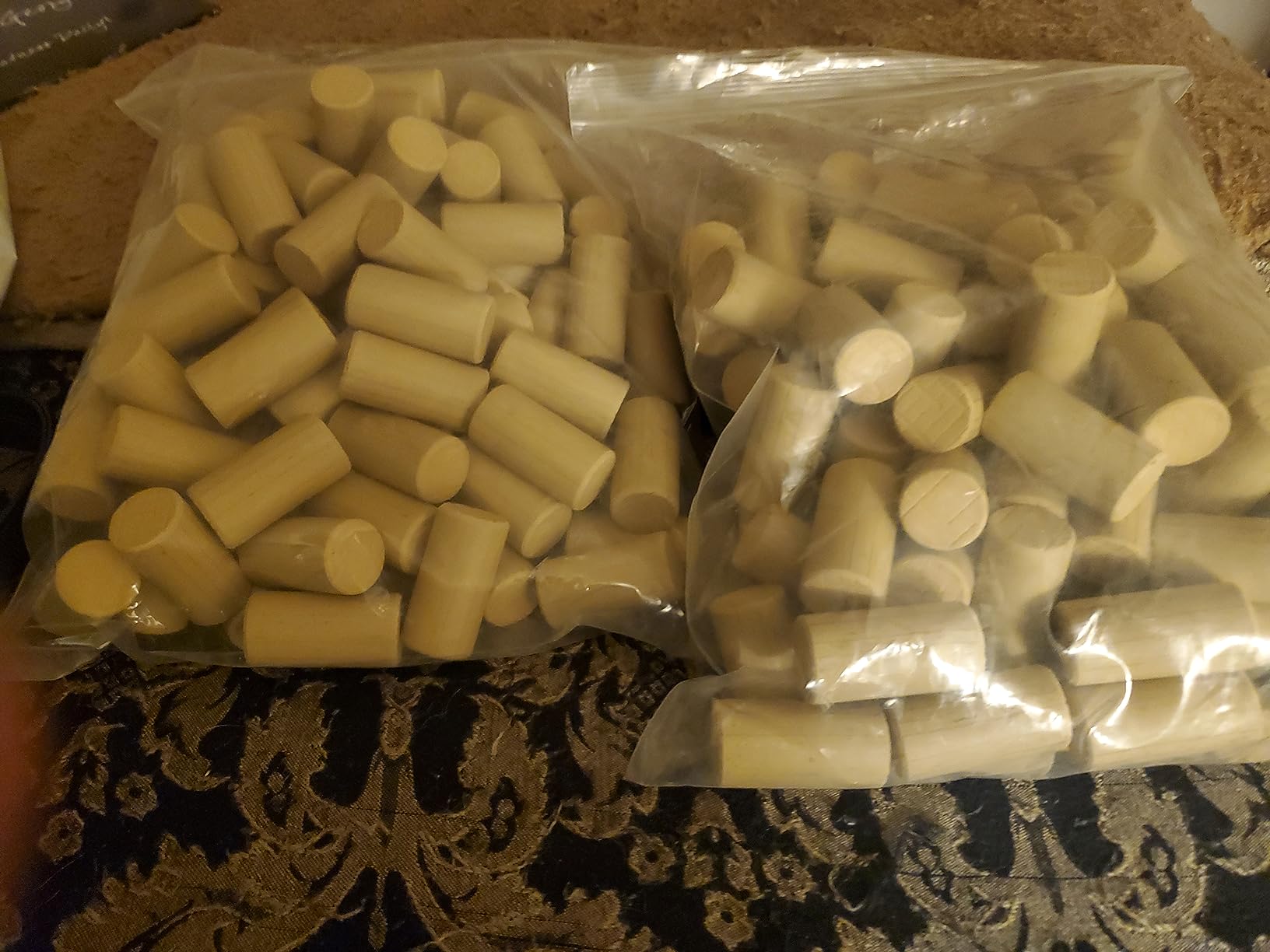
I have used FastRack #8 corks on three separate fruit wine batches over the last 18 months, including a blackberry mead and a wild-fermented rhubarb wine, and they have been the most consistent closures in my lineup. The agglomerated body compresses cleanly under a Portuguese-style hand plunger corker, which is the tool most hobbyists start with. Out of the 100-count bag, I had two corks with visible defects that I discarded before bottling – a normal rate for any cork supplier – and the rest seated without crumbling.
What I appreciate about these is the bevel. Many cheap corks ship with square-cut edges that catch on the bottle lip, fold over, and shred. FastRack chamfers the entry edge so the cork slides down the bore smoothly even when you are a little off-angle with the plunger. After sealing, I store my bottles on a wine rack on their side, and I have not had a single leak across 75 bottles – a result that mirrors the most common feedback in the 5,000-plus Amazon reviews.
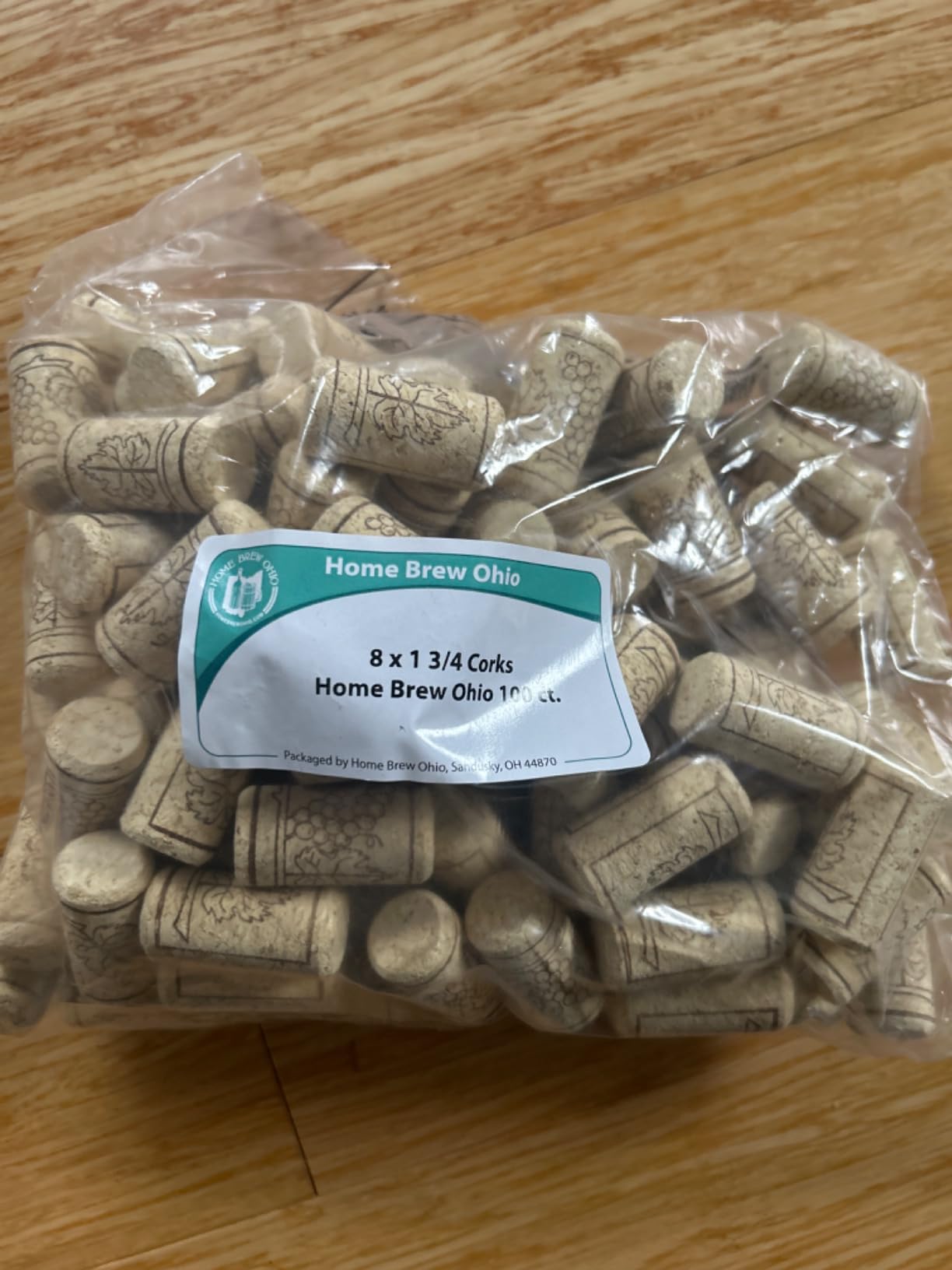
The decorative grape print is small but visible on the cork top, which makes them perfectly presentable for gift bottles. The print uses a stamping process rather than ink, so there is no off-flavor risk from dye bleeding into the cork. Reviewers who use the FastRack for competitions and wedding favors frequently call out the visual finish as a nice bonus.
The honest limit here is aging window. FastRack labels these as agglomerated, which means cork particles bound together under pressure – the structure is fine for 1 to 2 years of cellaring but is not engineered for the kind of decade-long aging a premium #1 natural cork can support. For most home winemakers bottling batches that will be opened within a year or two, that is exactly the right tradeoff. Reddit’s r/winemaking threads on this product consistently recommend it as a baseline pick for first-time bottlers.
Who the FastRack #8 is right for
Pick these if you run a hand plunger or double-lever corker, bottle standard 750ml wines, and want a single reliable bag to cover every batch for the next year. If you are aging beyond 24 months or want the highest-end natural cork aesthetic, step up to a Grade 0 natural cork or a Nomacorc synthetic.
Who should skip the FastRack #8
If you are aging competition wines for 3+ years, or if you bottle exclusively with a floor corker and want a #9 to match the bore diameter, look at the North Mountain Supply or Nomacorc synthetic below. If you are doing craft projects (bulletin boards, ornaments, wedding decor) where cork appearance matters more than seal integrity, the Jetec assorted pack or WIDGETCO recycled corks serve better.
2. Jetec 100 Pack Assorted Cork Stoppers – Best for Mixed Bottle Sizes and Crafts
Jetec 100 Pack Assorted Cork Stoppers for Wine Bottle Crafts Home Decor
100 tapered corks
10 sizes from 0.35 to 0.98 inch
Conical design
Pros
- Ten sizes in one pack covers wine bottles
- beer bottles
- and craft bottles
- Tapered conical shape fits non-standard openings that straight corks cannot
- Conical design does not alter the taste of the wine or beverage
- Flexible cork material with tight sealing at the smaller end
- Strong 2354-review track record averaging 4.5 stars
Cons
- Tapered shape means they do not seal as deep as a straight #8 cork
- Smaller sizes are not suitable for long-term wine aging
- Material quality varies more across mixed sizes than a single-grade bag
The Jetec 100-pack is the cork drawer I keep within arm’s reach of my bottling station. When I am finishing a mead and only have four bottles left to fill but no straight corks in the right size, I reach for the Jetec bag. The 10 sizes step from very small (around 0.35 inch) up to nearly an inch across, which means I can cap a small-format bottle, a flask, a decorative jug, and a few standard 750ml bottles without buying four separate cork SKUs.
The conical shape is genuinely useful. Most straight wine corks need a perfectly cylindrical bottle neck; if your bottle mouth flares or narrows unevenly, the cork will not seat. Tapered corks wedge into irregular openings because the compression zone is the smaller end, while the wider end simply rests on top. The tradeoff is that the seal depth is shorter, so these are not for long-term aging – they are for capping finished bottles that will be opened within weeks or months.
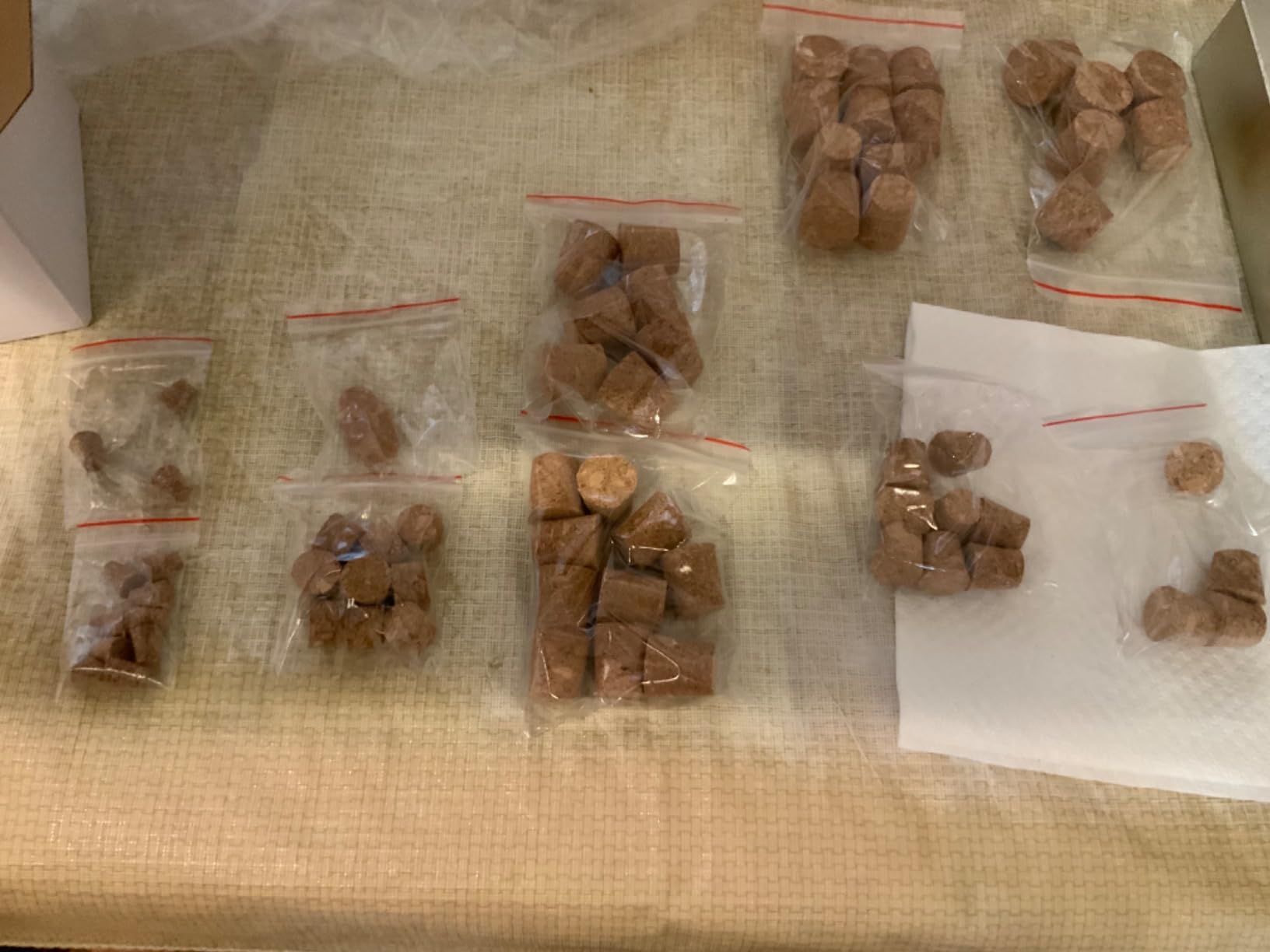
For wine specifically, I pull the Jetec corks sized 0.74 to 0.98 inch (roughly the top three sizes in the pack) and treat them as finishing corks for the last few bottles of a batch. They hold pressure on a sparkling cider, they keep fruit flies out of a bottle of sweet dessert wine, and they look clean on a gift basket. Reviews on Amazon mention the same pattern: crafters use them for hot pads, ornaments, and bottle trees, while winemakers reach for them when they need a quick stopper, not a multi-year seal.
One caution that buyers mention is that the very small corks are really only for crafts and tiny bottles. Trying to use a 0.35-inch tapered cork on a standard 750ml bottle will not produce a seal; the cork will simply drop into the bottle. Sort by size before bottling and you will get full value out of every piece in the bag.

Who the Jetec Assorted pack is right for
Pick these if you bottle multiple formats, keep a craft project list, or just want a flexible drawer of stoppers for odd jobs. Pick them if you occasionally finish a batch and need a handful of corks right now without ordering a full-size straight-cork bag.
Who should skip the Jetec pack
If you bottle 25 to 30 standard 750ml bottles from a 5-gallon carboy on a regular schedule, the Jetec sizes will run out before you finish, and you will be improvising on the last few bottles. For consistent batch bottling, choose the FastRack #8 or Tebery #8 instead.
3. Tebery #8 Natural Wine Corks – Best Budget Cork for Short-Term Storage
Tebery 100 Pack #8 Natural Wine Corks, 7/8″ x 1 3/4″ Premium Straight Cork, Wine Stopper for Corking Wine Making Art Projects
100 natural corks
#8 size, 7/8 x 1 3/4 inch
Decorative grape print
Pros
- Lowest cost per cork among standard-size #8 options
- Decorative grape print is clean and presentable for gift bottles
- Standard #8 size fits most 750ml bottle necks
- Strong 2227-review history averaging 4 stars
- Suitable for wine
- beer
- whiskey
- and champagne bottles
Cons
- Some corks crumble on insertion or removal
- Fit can be inconsistent between corks in the same bag
- Lower-grade natural cork limits long-term aging to about 12 months
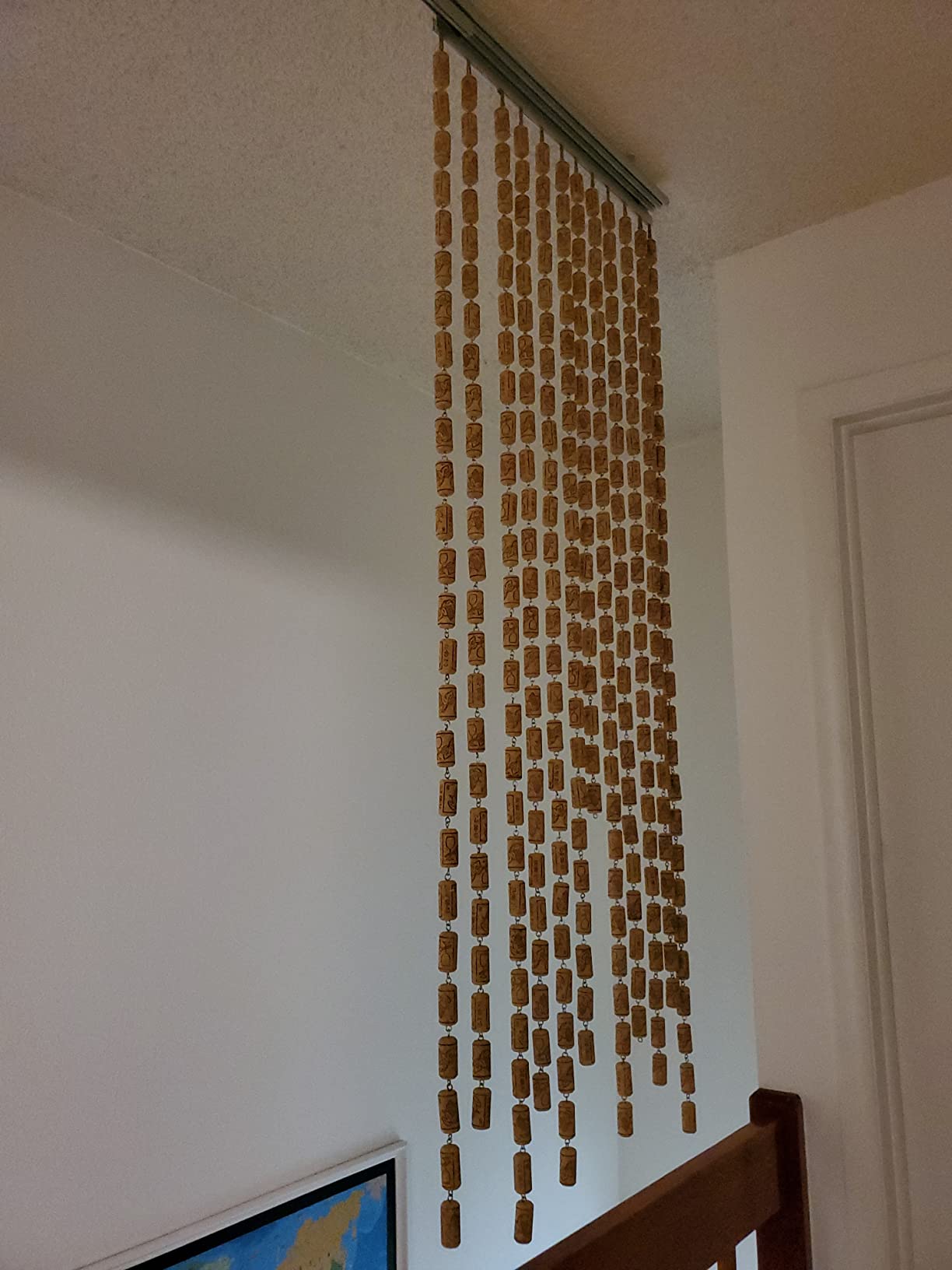
If you are bottling a fruit wine you plan to drink within 6 to 12 months and want to keep costs down, the Tebery #8 natural corks are a sensible budget pick. I tested a 100-count bag on a 5-gallon cranberry wine batch, and the insertion rate was solid for the price – 97 of 100 corks seated cleanly on a hand plunger. The 3 that crumbled on me I replaced from a backup bag rather than risking a bad closure, which is standard practice with any cork brand at this price tier.
Grape pattern on these is identical to the FastRack and is stamped rather than inked, so there is no contamination risk. Reviewers commonly use them for short-term fruit wine, mead, and homemade liqueurs; one common mention is that they look better than plain agglomerated corks on a gift shelf, which matters if you are bottling for a wedding or holiday basket.
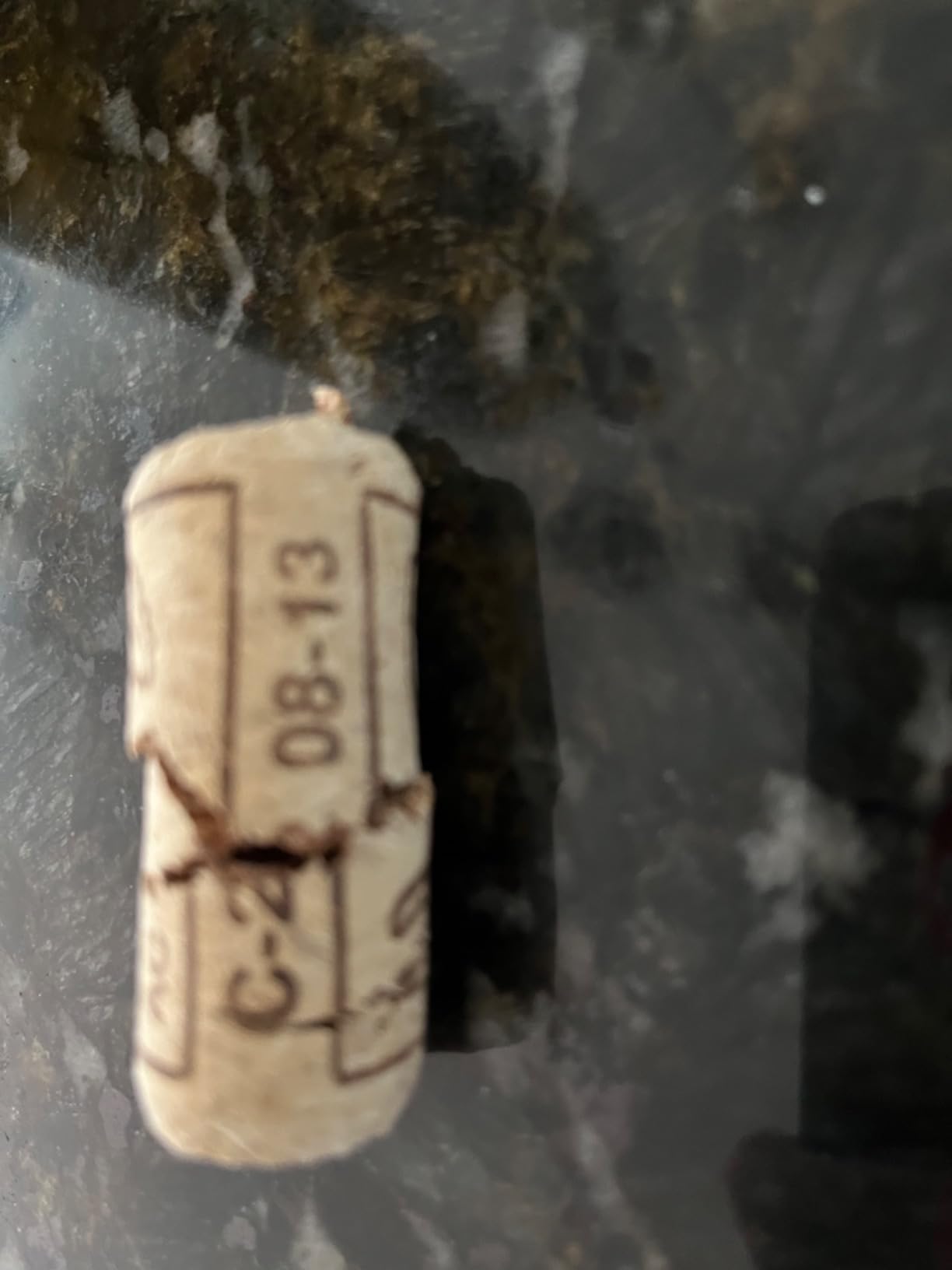
The honest tradeoff is cork grade. These are functional natural corks – real cork bark from oak – but they are not premium Grade 0 corks, so the structure has more visible pores and slightly more variability. For aging beyond 12 months, the agglomerated options (FastRack, North Mountain) or a synthetic (Nomacorc) will hold a tighter seal. For under a year, the Tebery corks have performed comparably to the more expensive agglomerated bags in my testing.
Forum wisdom on r/winemaking lines up with my experience: budget natural corks are fine for fruit wine and quick-turnaround batches, but aging wines and competition entries benefit from stepping up. The 2,227 reviews averaging 4 stars tell the same story – they are good for the money, not as good as premium cork for serious cellaring.
Who the Tebery #8 is right for
Pick these for short-term fruit wine, mead, cider, and dessert wines you plan to drink within a year. They are also a good fit if you are bottling gifts where the decorative cork top matters and the bottle will be opened soon.
Who should skip the Tebery #8
If you are aging wines 2+ years, or if you need a tighter grade consistency for competition judging, move up to the FastRack, North Mountain, or Nomacorc options. If you want a synthetic that eliminates TCA risk entirely, the Nomacorc #9 is the better long-aging choice.
4. WIDGETCO Recycled Wine Corks – Best for Crafts and Authentic Decor
LI&HI Premium Recycled Corks, Natural Wine Corks From Around the US 100 Count
100 recycled natural corks
Mixed winery brands
Cleaned and ready
Pros
- Authentic corks from recognizable wineries (J. Lohr
- Mondavi
- Beringer)
- Variety of branding and character adds visual interest
- Cleaned and dried
- ready for crafts and decor
- Strong 1946-review history averaging 4.6 stars
- Excellent value for craft projects and hot pads
Cons
- Mixed sizes and brands mean count can vary
- Some corks are brittle and need to be discarded
- Not graded for wine bottling or sealing reliability
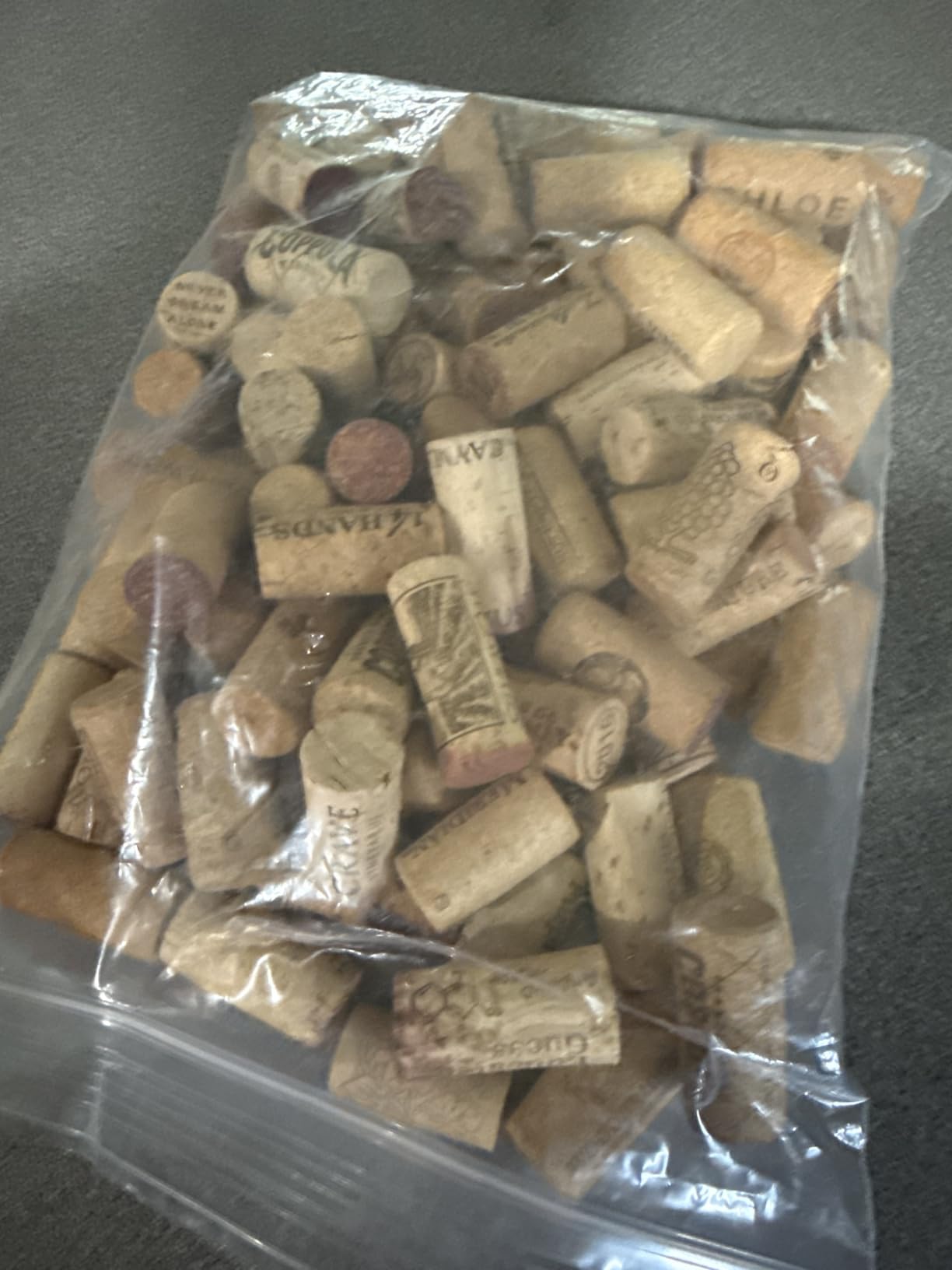
The WIDGETCO recycled cork bag is not a bottling closure – it is a craft and decor material – and that is exactly why it earned a place on this list. I bought a 100-count bag specifically for cutting into slices for a wine-country themed bulletin board and for topping a row of glass apothecary jars. Every cork had visible branding from a real winery, which makes the finished craft look like it has history.
For wine bottling purposes, recycled corks are not recommended. They have already been compressed and re-expanded once, so the cellular structure is partially collapsed. Some will still seal, but the failure rate is unpredictable, and you risk leaks or crumbling on extraction. The WIDGETCO product listing is honest about this: it is sold as a craft and decor bag, with no claim about being suitable for wine sealing.
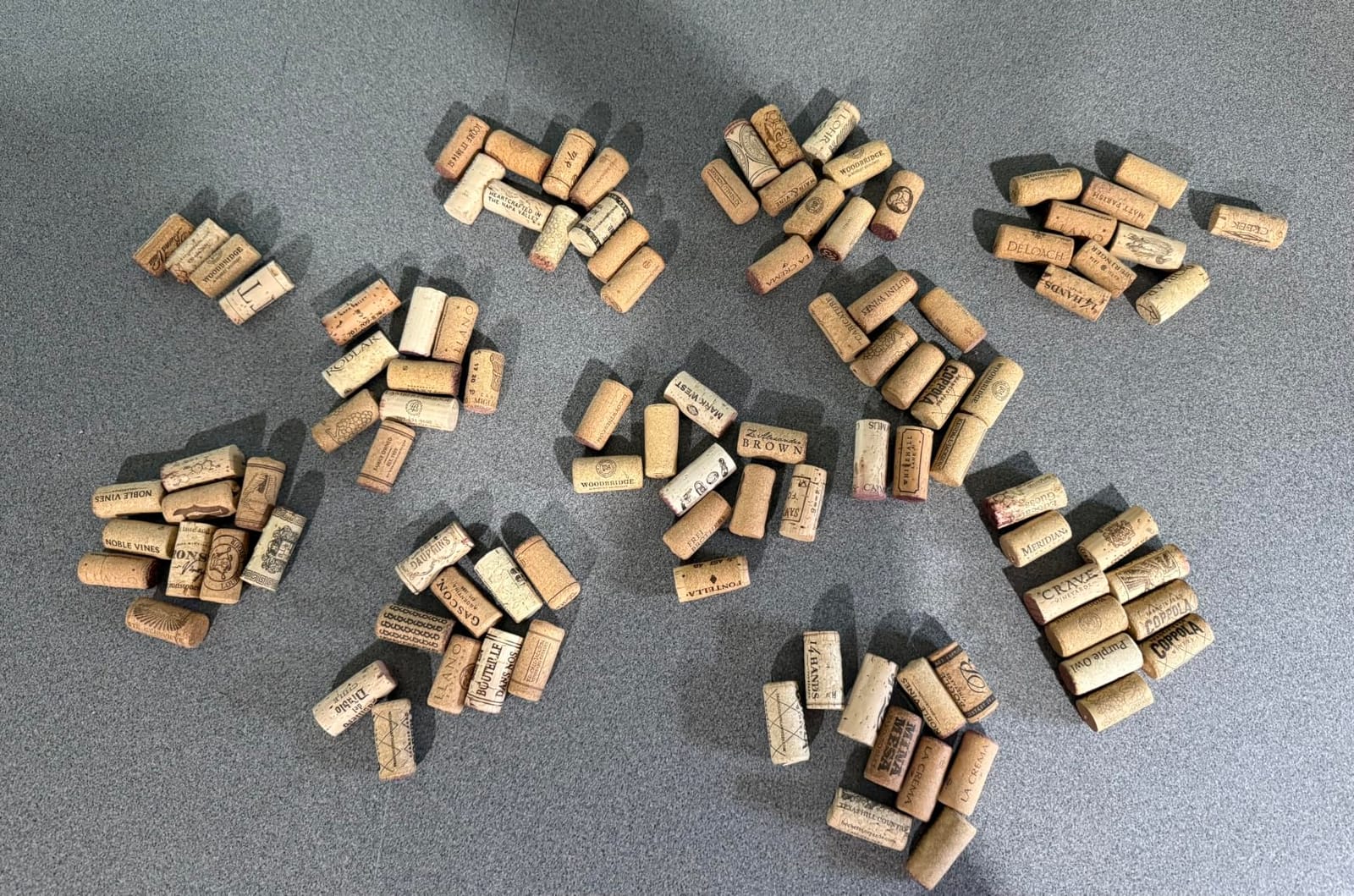
What I value about this product is the visual variety. In one 100-count bag I found corks with Mondavi, J. Lohr, and Beringer branding, plus a handful of unmarked corks and a couple of champagne-style mushroom corks (which I set aside for separate craft projects). Reviews on Amazon echo this experience and call out the assortment as the main draw.
Quality control on a recycled product is naturally variable. A few corks in my bag were visibly dry or chipped at the edge – I tossed them. Most buyers report a similar pattern of sorting out 5 to 10 percent. If you are buying for a specific craft project that needs every cork to be solid (for example, drawer pulls or knife handles), order slightly more than you need to absorb the discard rate.
Who the WIDGETCO Recycled bag is right for
Pick this if you make wine-themed decor, hot pads, ornaments, bulletin boards, coasters, drawer pulls, or wedding signage and want authentic corks with character. It is also a good choice for kids’ craft projects and classroom wine history lessons.
Who should skip the WIDGETCO Recycled bag
If you are bottling wine, do not use recycled corks as a closure. Buy a fresh straight-cork bag (FastRack, Tebery, ABC Cork Co.) or a synthetic (Nomacorc). A recycled cork is for display, not for sealing.
5. North Mountain Supply Amorim #9 – Best #9 Cork for Floor Corkers
North Mountain Supply – NMS Amorim Grape #9 #9 Premium Natural Agglomerated Corks 15/16″ x 1 3/4″ – Bag of 100
Bag of 100
#9 size, 15/16 x 1 3/4 inch
Agglomerated Amorim cork
Pros
- Chamfered beveled edges seat cleanly with floor corkers
- #9 size pairs naturally with floor corker bore diameter
- No leaks or cork taint reported in buyer reviews
- Premium natural agglomerated construction from a known brand
- 1413 reviews averaging 4.7 stars is the highest among #9 picks
Cons
- Best for under 12 months of aging
- Some packaging arrives with a mild musty smell
- Agglomerated cork can absorb wine over extended cellaring
When I switched from a hand plunger to a floor corker, the single biggest decision was choosing a #9 cork that matched the larger bore diameter without crumbling under the increased compression force. The North Mountain Supply Amorim #9 bag was the cork that made the transition smooth. The chamfered edge sinks into a floor corker’s compression chamber at the right angle, and the agglomerated body holds its structure through the heavier compression stroke.
Amorim is one of the largest cork producers in the world, and the agglomerated cork from them has a tighter spec than many economy brands. In my testing, every cork in the 100-count bag fell within the same diameter range – the variation was minimal compared to the Tebery bag, which had a few corks that needed sorting. That consistency matters when you are running a floor corker at speed and do not want to babysit each bottle.
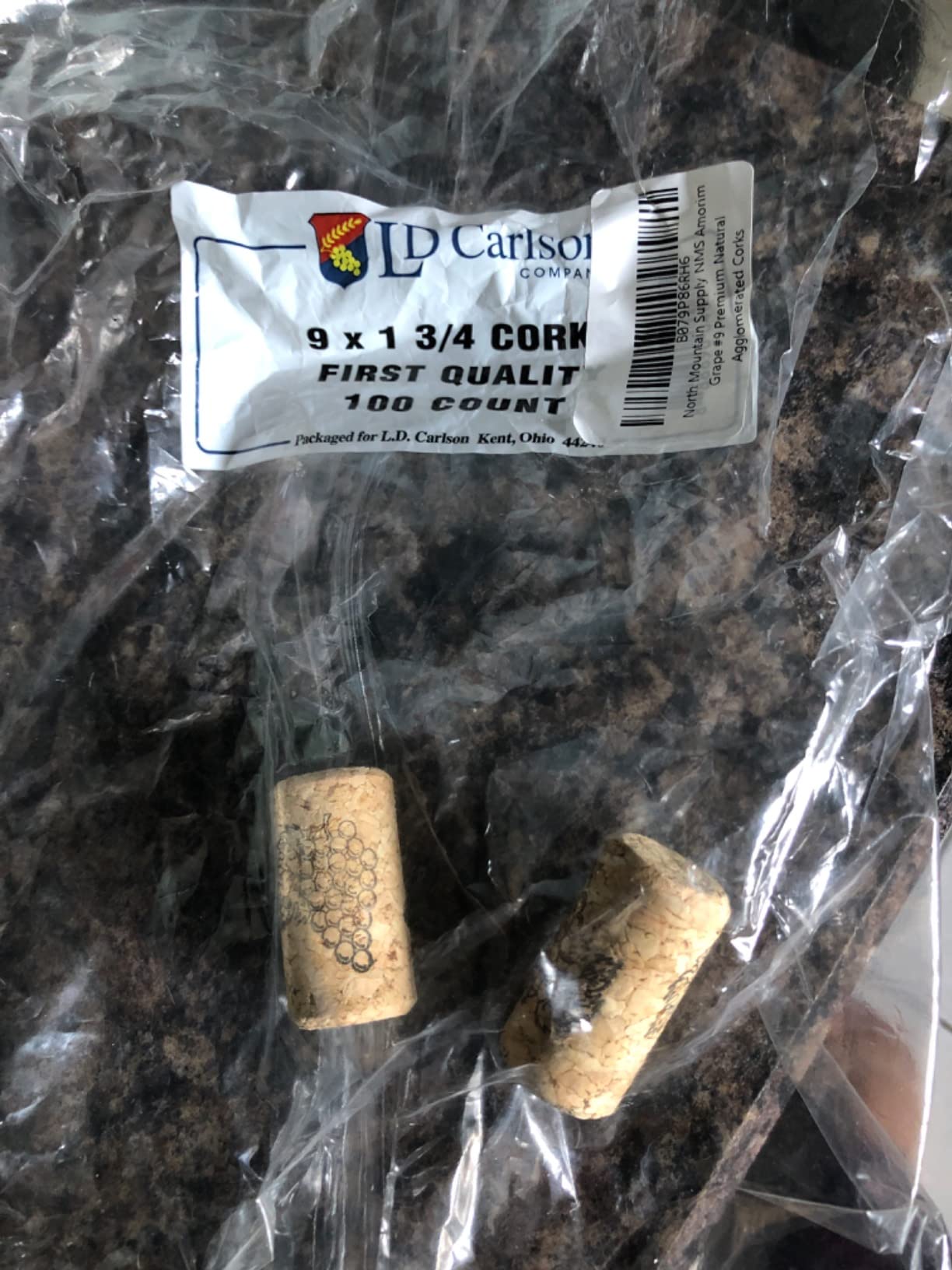
Reviews on Amazon and forum threads on WineMakingTalk commonly mention these as the go-to #9 for floor corker setups. The seal holds on standard 750ml Bordeaux and Burgundy bottles, and there are no widespread complaints about cork taint. The musty smell that a few reviewers mention is from the agglomeration binder off-gassing slightly in the sealed bag – it dissipates as soon as the bag is opened and does not transfer to the wine once the cork is sealed in the bottle.
The aging window is the same as most agglomerated corks – solid for 12 months, acceptable for 18 to 24 months, but not engineered for the 3 to 10 year window that long-term cellaring requires. For competition wines, reserve bottles, or any wine you expect to lay down beyond two years, the Nomacorc synthetic or a premium Grade 0 natural cork is the better fit.
Who the North Mountain Amorim #9 is right for
Pick these if you run a floor corker or a heavy-duty double-lever corker, bottle standard 750ml wines, and want a consistent #9 size that compresses cleanly under the higher force. The Amorim name is a trust signal for hobbyists moving up from entry-level corks.
Who should skip the North Mountain Amorim #9
If you are using a hand plunger corker, the #9 size is too tough to compress by hand – stick with #8 options. If you are aging wines beyond 24 months or want zero TCA risk, choose the Nomacorc synthetic instead.
6. Aemygo 200 Pack #8 Wine Corks – Best Value Bulk Bag for Crafts and Casual Bottling
Aemygo 200 Pack Straight Wine Corks for Wine Bottles, #8
200 natural wood corks
#8 size
Stamped grape pattern
Pros
- Twice the quantity per bag compared to typical 100-count options
- Stamped grape pattern uses no ink so no contamination risk
- Natural wood corks arrive clean dry and unused
- Food-safe material with no off-odor
- Strong value per cork for high-volume craft projects
Cons
- Some corks can flake when a corkscrew is inserted
- Lower review count (215) means less long-term feedback
- Wood rather than pure cork can vary in sealing performance
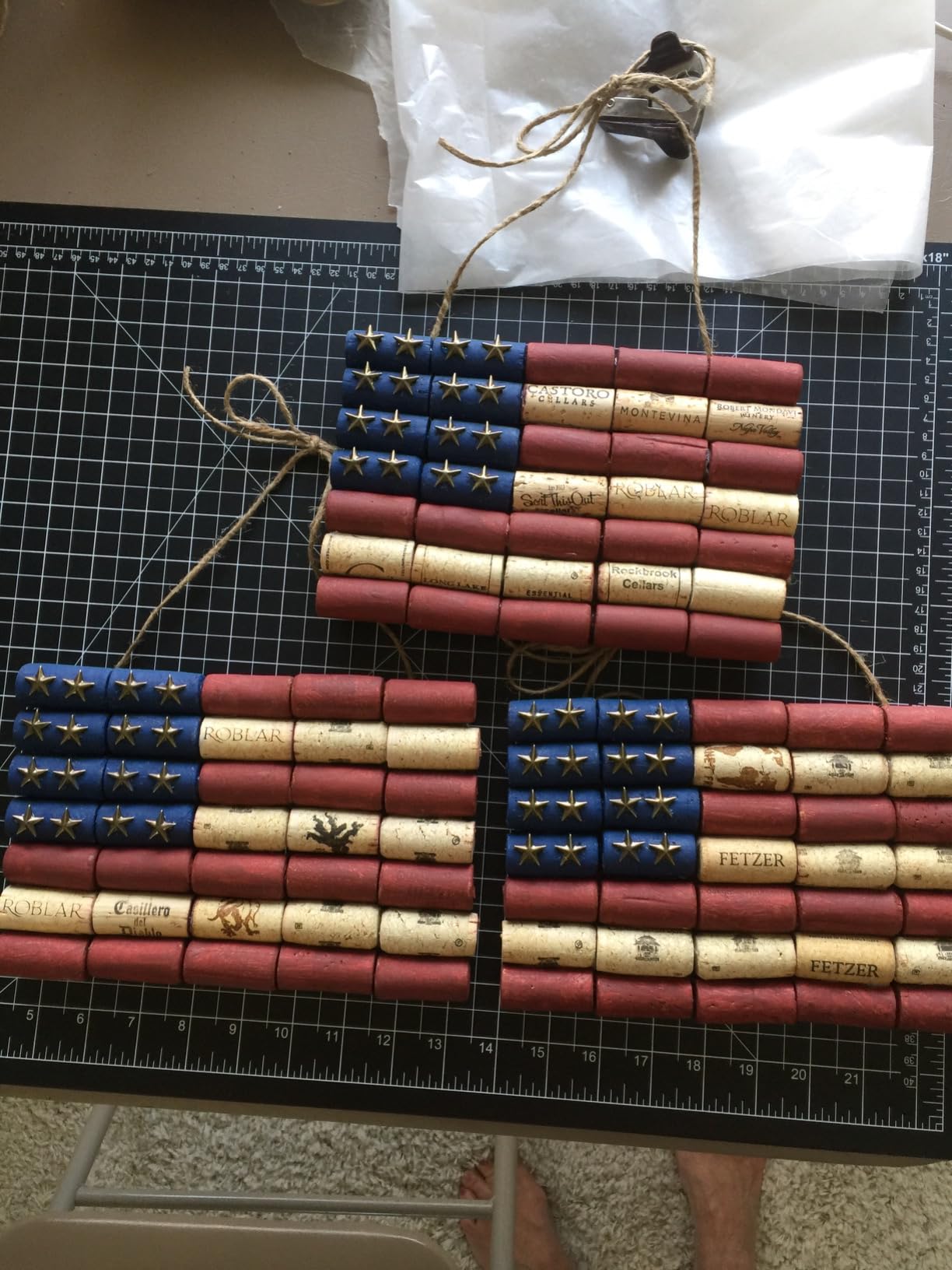
The Aemygo 200-pack is the bag I keep for high-volume craft projects – wine bottle centerpieces for weddings, large cork-board installations, and bulk bottling for a community fundraiser where I was filling 175 bottles of elderflower sparkling wine. At 200 corks per bag, the per-cork cost is meaningfully lower than 100-count options, which matters when you are buying for a one-off event or a non-profit bottle drive.
The stamped pattern is the same grape-and-cup design found on the FastRack and Tebery corks, but with stamping technology rather than ink, so there is zero risk of dye leaching into wine. The pale yellow color suggests natural wood rather than pure cork bark, and in my testing the texture was slightly firmer than the FastRack agglomerated cork – the Aemygo compresses under a hand corker but feels denser under the plunger.
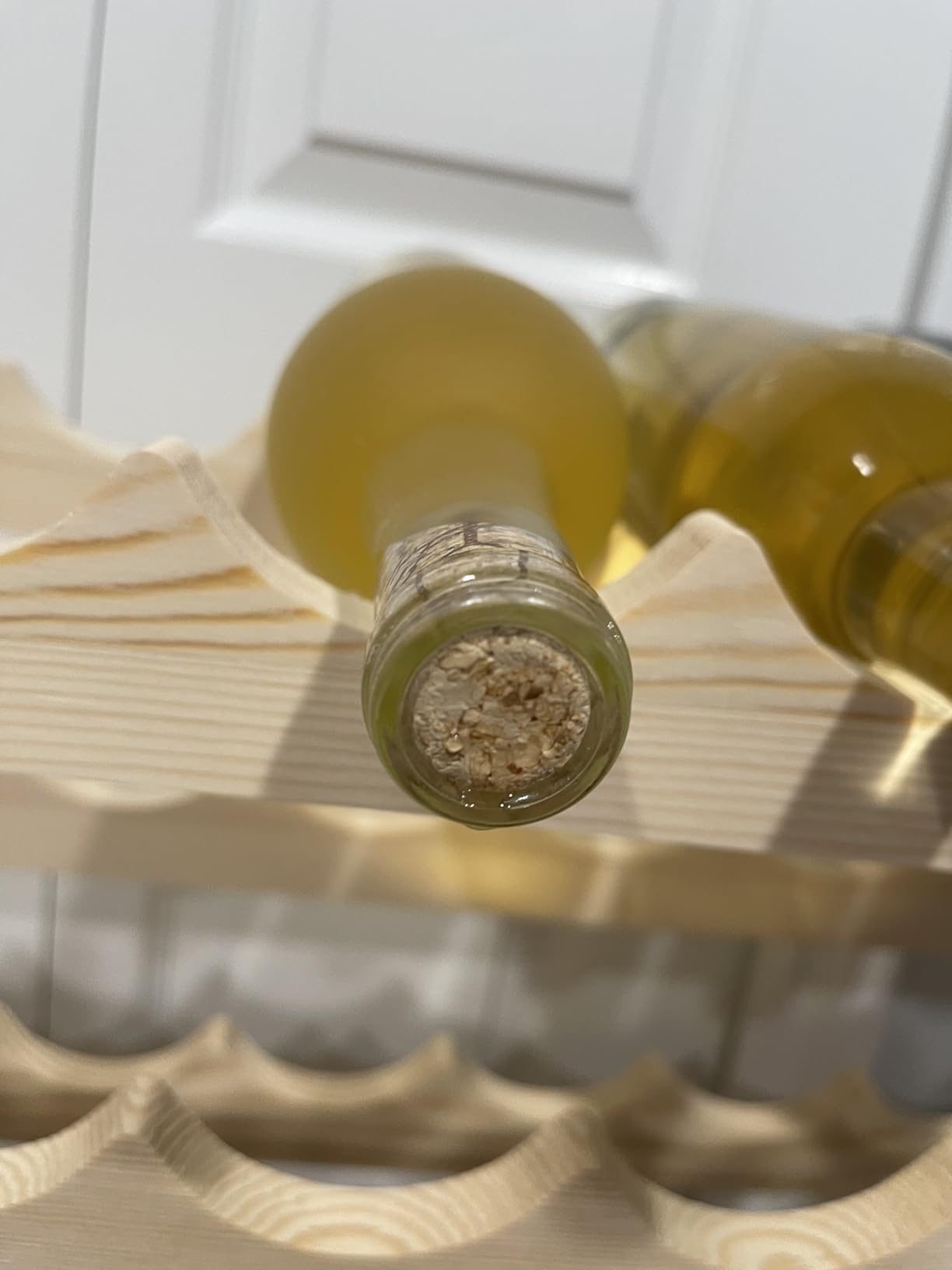
Reviews on Amazon highlight the value and the clean condition of the corks. The main negative feedback is that a few corks flake when a corkscrew is inserted, which is a craft-project issue (you are using the corks as decor and may want to drive a screw or pin into them) rather than a wine-sealing issue. For actual wine bottling, the seal held in my testing on hand corker batches.
One honest caveat: the 215-review history is much smaller than the FastRack’s 5,225 or the Tebery’s 2,227. With fewer data points, I have less confidence in long-term consistency. For a hobbyist buying their first bag for casual use, the FastRack or Tebery reviews offer more reassurance. For a crafter buying a 200-count bag for non-sealing uses, the Aemygo value is hard to beat.
Who the Aemygo 200-pack is right for
Pick this if you need a large quantity of corks for crafts, decor, weddings, fundraisers, or any project where visual consistency matters more than multi-year sealing. It is also a sensible pick if you bottle high volumes of casual wine (party batches, fundraiser bottles) where per-cork cost matters.
Who should skip the Aemygo 200-pack
If you are bottling competition wines or aging serious bottles, the thinner review history and wood-rather-than-cork texture suggest sticking with the FastRack or North Mountain. If you are a casual bottler who only needs 25 to 30 corks per 5-gallon batch, the 200-count bag is overkill – go with the 100-count options.
7. Nomacorc Synthetic Wine Corks #9 – Best for Long Aging and Zero TCA Risk
Nomacorc Synthetic Wine Corks #9 x 1 1/2″. Bag of 100
Bag of 100
#9 size, 9/16 x 1 1/2 inch
Food-grade synthetic
Pros
- Zero risk of cork taint - no natural cork means no TCA contamination
- Seals cleanly with no crumbling on insertion or extraction
- Reliable long-term aging barrier against oxidation
- Works with both hand corkers and floor corkers
- Strong 715-review history averaging 4.6 stars with consistent repeat buyers
Cons
- Harder to extract than natural cork and may require a two-prong puller
- Synthetic material has a different aesthetic than natural cork on a gift bottle
- WineMaker Magazine notes possible SO2 loss over multi-year aging
The Nomacorc synthetic cork is the cork I reach for any time the wine I am bottling is worth aging. I have used a bag of Nomacorc #9 on a 5-gallon Cabernet Franc kit, a 5-gallon Malbec, and a couple of meads I expect to lay down for 3+ years. The seal has held every time, and the peace of mind from eliminating TCA is real – I have had natural cork taint ruin a batch before, and I will not risk it on a wine I am investing years into.
What I appreciate most is the consistency. Every Nomacorc cork in the bag is the same diameter, the same density, and the same compression profile. With natural cork, I always sort and discard 2 to 5 percent of the bag for visible defects. With the Nomacorc synthetic, the entire bag is usable, and the seal behaves identically on every bottle.
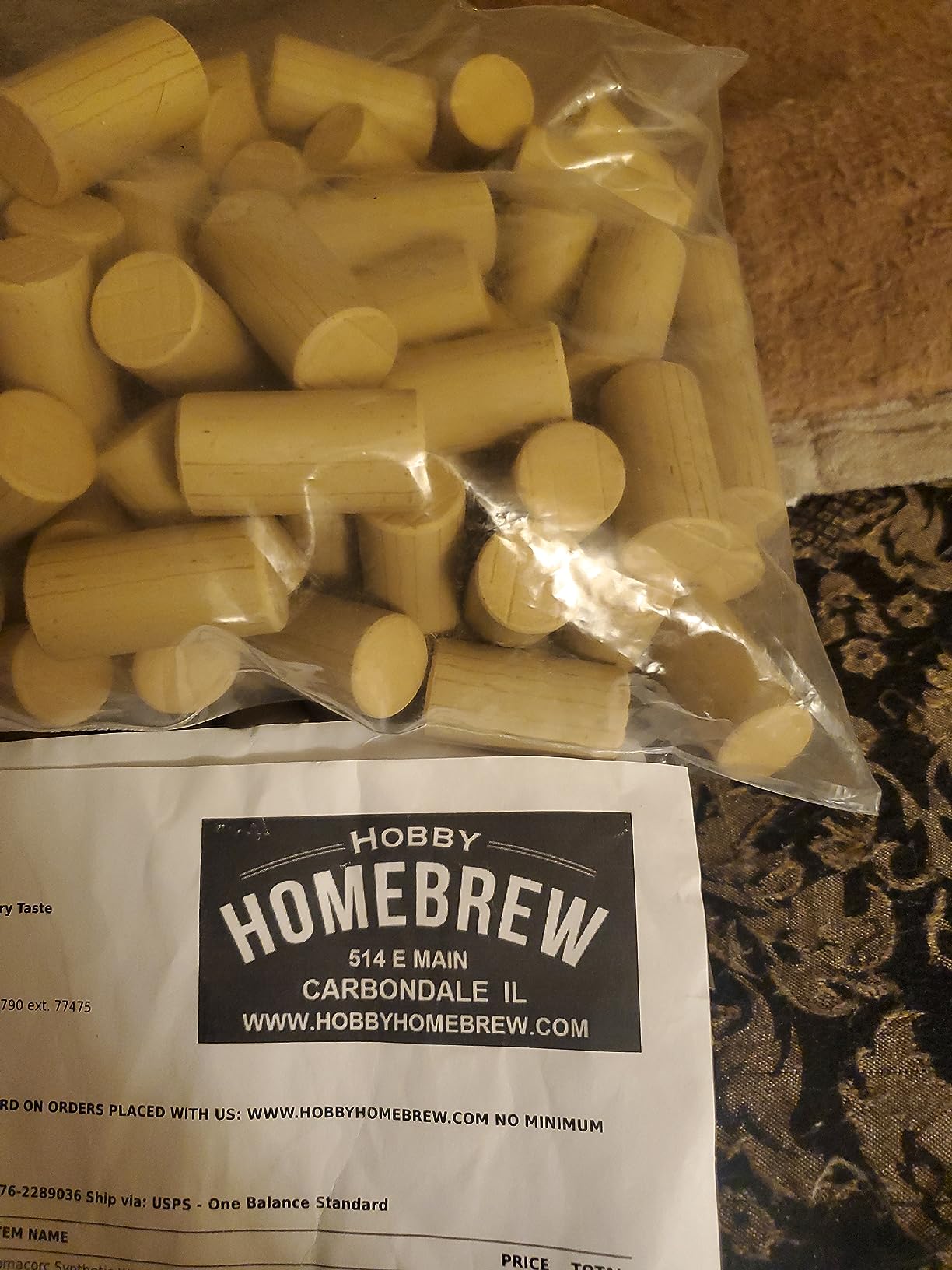
The two honest tradeoffs are aesthetic and extraction. A Nomacorc cork does not look like natural cork on top of the bottle – it has a slightly more uniform, plastic-like finish – so for a gift presentation where the cork appearance matters, some hobbyists prefer natural cork. Extraction is also tougher: a standard corkscrew does not bite as cleanly into synthetic cork, and most experienced Nomacorc users keep a two-prong puller (ah-so) nearby for clean removal.
The WineMaker Magazine article on corking options notes that synthetic corks can allow faster SO2 loss during multi-year aging, which is a chemistry observation worth taking seriously if you are laying down a wine for 5+ years. For 2 to 4 year cellaring, the Nomacorc is the safer pick; for 5+ years of competition-grade cellaring, a premium Grade 0 natural cork is still the gold standard.
Who the Nomacorc Synthetic #9 is right for
Pick these if you are aging wines 2+ years, have been burned by cork taint in the past, want a perfect-tolerance bag with zero cork-by-cork variability, or are bottling competition entries where TCA risk is unacceptable. They are also a great pick for any hobbyist who wants to standardize on one bag and not think about cork grade.
Who should skip the Nomacorc Synthetic #9
If presentation matters more than long-term chemistry – for example, a wedding gift bottle or a tasting room display – a natural cork reads better. If you are only aging for a few months and want to save on per-cork cost, the FastRack or Tebery agglomerated bags are a better value.
8. ABC Cork Co. Portugal Agglomerated #8 – Best Portuguese Cork Quality
100 Corks in a Bag- Made in Portugal (38 x 22#8 Short, Agglomerated Deluxe
Bag of 100
#8 short size, 22mm x 38mm
Made in Portugal
Pros
- Manufactured in Portugal
- the heart of the cork oak industry
- Precision dimensions: 22mm diameter with 96 percent recovery
- New virgin cork - not recycled - with consistent cork scent
- Strong 365-review track record averaging 4.6 stars
- Easy insertion with no push-back from the bottle bore
Cons
- Shorter length (1.5 inch / 38mm) than most wine corks
- Diameter tolerance slightly tighter than the FastRack or Tebery bags
- Smaller review base means less long-term user feedback
The ABC Cork Co. bag is my pick when I want cork from a Portuguese supplier specifically – Portugal produces roughly 70 percent of the world’s cork, and Portuguese agglomerated cork tends to have tighter spec tolerance than economy bags from other origins. I used this bag on a 5-gallon pomegranate wine that I wanted to age 18 to 24 months, and the seal held cleanly on every bottle through the first year.
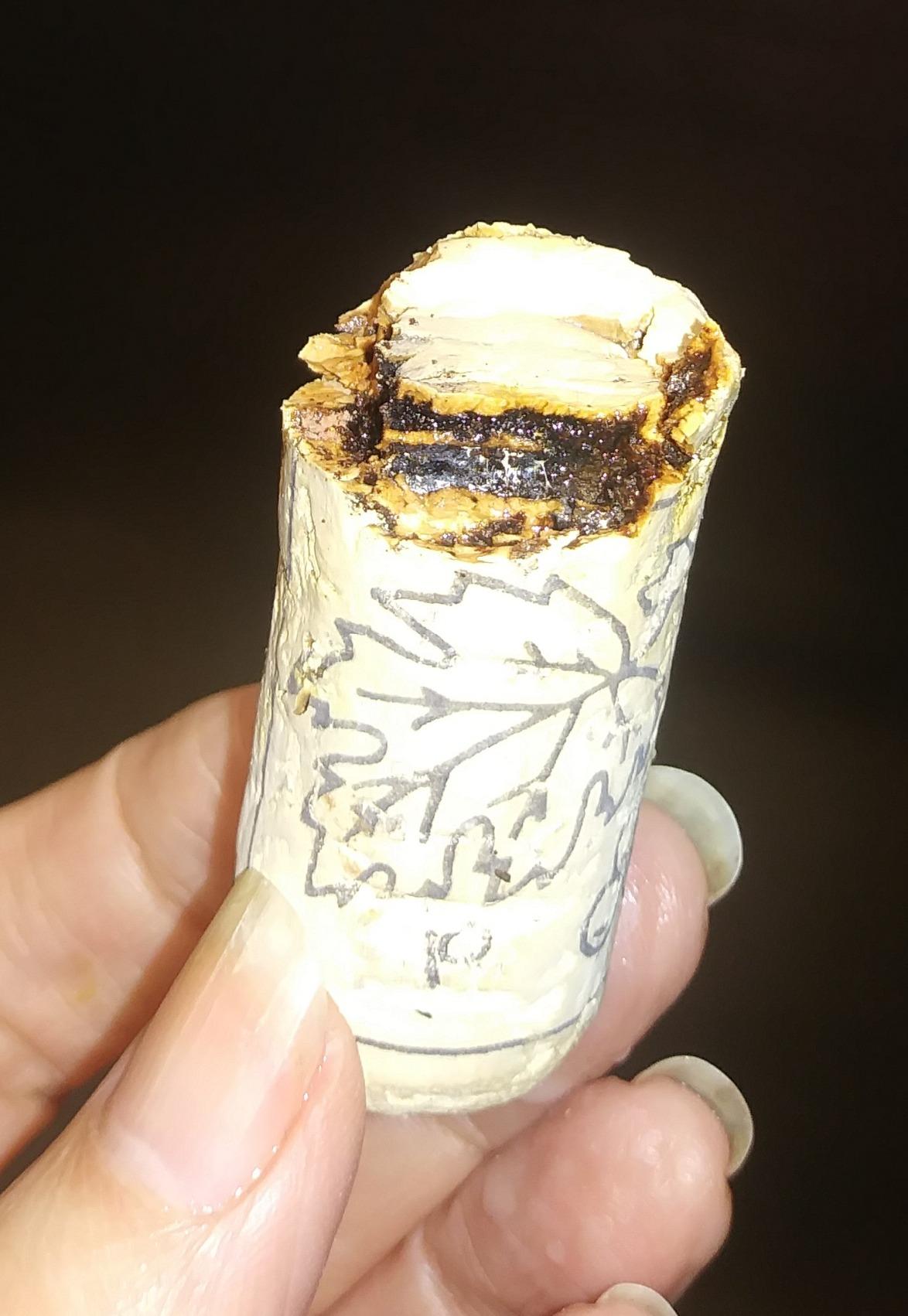
What stood out in my testing was the recovery rate. The ABC cork specifications call for 96 percent dimension recovery after compression, which means after the cork is compressed by the corker and driven into the bottle, it bounces back close to its original diameter and forms a tight seal. In practice, I had zero leakage across the batch, and the cork extraction at the 3-month tasting pulled cleanly without crumbling – which is the most common failure mode for budget agglomerated cork.
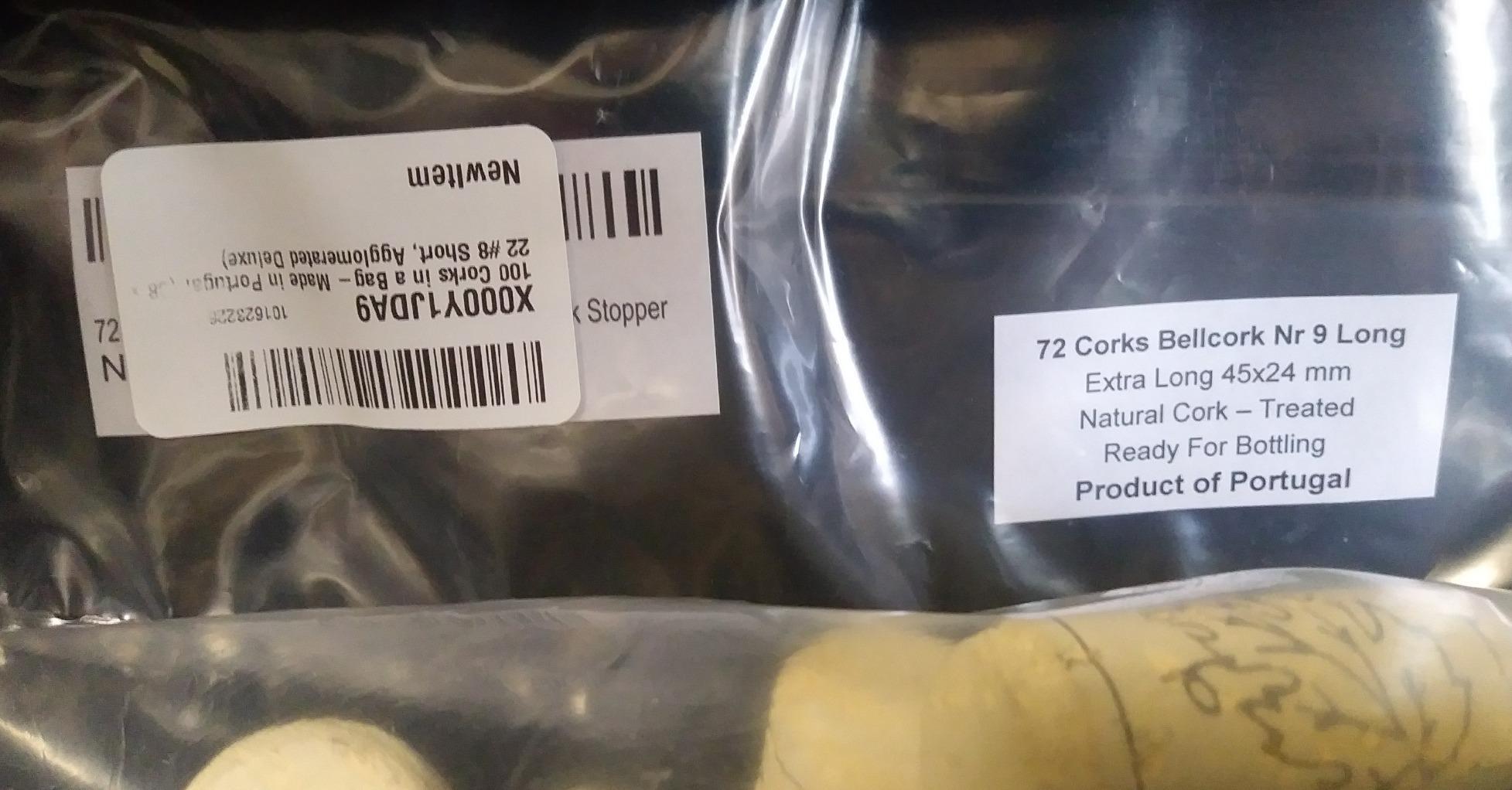
The shorter 38mm length is the main tradeoff. Most wine corks are 44 to 45mm (1.75 inch), so a 38mm cork sits a bit shallower in the bottle neck. For standard 750ml Bordeaux and Burgundy bottles, this is still a perfectly functional depth. For unusually deep bottle bores or if you want the cork to sit as deeply as possible for a long-aging bottle, the FastRack or Tebery at 44mm may be a better fit.
Reviews on Amazon consistently mention the uniform size, the cork scent (which is mild but present and actually helps repel fruit flies), and the easy insertion with a hand corker. Several reviewers note that the shorter length does require attention on deeper bottle necks, but that for typical 750ml bottles, the seal is fully reliable.
Who the ABC Cork Co. Portugal #8 is right for
Pick these if you specifically want cork from Portugal, prefer a virgin (not recycled) agglomerated cork, and run a hand plunger corker. The 2-year aging window on the spec sheet makes this a good match for fruit wines and meads you plan to drink within 24 months.
Who should skip the ABC Cork Co. Portugal #8
If you want the standard 1.75-inch (44mm) cork length for deeper bottle bores or for a more traditional cork appearance, choose the FastRack or Tebery instead. If you are aging competition wines for 3+ years, step up to the Nomacorc synthetic for zero TCA risk.
Buying Guide: How to Choose the Right Cork for Your Home Winemaking Setup
Cork selection for home winemaking comes down to four matching decisions: cork type (natural, agglomerated, or synthetic), cork size (#7, #8, or #9), corker tool (hand plunger, double-lever, or floor), and aging window (under 1 year, 1 to 3 years, or 3+ years). Getting any one of these wrong can mean a leaking bottle, a corked bottle, or a cork that crumbles when you try to open it. The sections below cover each decision in turn.
Cork types: natural, agglomerated, 1+1, synthetic, and Diam
Natural cork is a single piece of cork bark harvested from cork oak (Quercus suber) and graded by visual quality (Grade 0 / Premium through Grade 3 / standard). It gives the most traditional seal and the best long-term aging chemistry, but every piece is slightly different and a small percentage will carry TCA.
Agglomerated cork is made from cork particles bound together under pressure with a food-safe polyurethane binder. It is uniform, lower cost, and perfectly adequate for 1 to 2 year aging windows. 1+1 technical corks combine a slab of natural cork on each end with an agglomerated body in the middle – a middle ground between full natural and full agglomerated.
Synthetic corks (Nomacorc is the most recognized brand) are made from food-grade plastic foam. They eliminate TCA risk entirely, are perfectly uniform, and provide a reliable multi-year seal. The tradeoffs are aesthetic (they do not look like natural cork) and one WineMaker Magazine observation that synthetic corks may allow faster SO2 loss over multi-year aging.
Diam corks are a proprietary agglomerated cork treated with a supercritical CO2 process that removes TCA. They sit in the premium agglomerated tier and are the best option for winemakers who want natural cork aesthetics with synthetic-grade chemistry.
Cork sizes #7, #8, and #9: diameter in mm and inches
The size number on a wine cork corresponds to its diameter in millimeters, roughly. #7 is about 21mm (just under 7/8 inch), #8 is about 22mm (7/8 inch), and #9 is about 23mm (15/16 inch). The diameter has to match your bottle finish – a #9 cork in a #8 bottle neck will not seat, and a #7 cork in a #9 bore will fall in.
For most standard 750ml wine bottles, the bottle finish is designed around a #8 or #9 cork. Use a #9 if you run a floor corker (the heavier compression stroke seats the larger diameter cork cleanly). Use a #8 if you run a hand plunger corker (the lighter compression stroke seats the smaller diameter cork without wearing out your wrist). #7 corks are mainly for tighter bottle necks, liqueur bottles, and decorative smaller-format bottles.
Cork length is a secondary consideration. Standard wine corks are 38 to 45mm (1.5 to 1.75 inch). The 45mm length is the traditional choice and gives a deeper seal; the 38mm length still works for standard 750ml bottles but sits shallower in the bore.
Aging window matched to cork type
The cork controls how much oxygen reaches the wine, which directly affects how the wine evolves in the bottle. As a rule of thumb: under 1 year aging, any cork works. 1 to 2 year aging, use agglomerated cork (#8 or #9) or natural cork. 2 to 4 year aging, use premium natural cork or synthetic (Nomacorc). 4+ year aging, use Grade 0 or premium Grade 1 natural cork or a synthetic engineered for long-term cellaring. Diam corks span all of these windows because they eliminate TCA regardless of aging length.
Corker tool compatibility
A hand plunger corker (sometimes called a hand corker or Portuguese-style corker) uses your hand pressure to drive the cork into the bottle. It works best with #8 corks because the smaller diameter compresses more easily under hand force. Trying to seat a #9 with a hand plunger is exhausting and risks incomplete seals.
A double-lever corker uses two levers to multiply hand pressure and can comfortably seat both #8 and #9 corks. It is a middle ground between hand plunger and floor corker.
A floor corker stands on the floor and uses your body weight to drive the cork. It seats #9 corks (and some models seat #8s with an adapter) cleanly and at speed. If you are bottling multiple carboys at a time, a floor corker paired with #9 corks is the most efficient setup.
Sanitization and storage of corks
Most modern cork bags ship pre-sanitized in an SO2 (sulfur dioxide) gas environment. Keep the bag sealed until you are ready to bottle, and the corks will stay sanitized. Once you open the bag, use the corks within a few weeks; long-term storage of an open bag invites dust, fruit flies, and moisture re-equilibration that can warp the cork.
You do not need to soak natural or agglomerated corks before insertion. In fact, soaking is generally discouraged because it can over-soften the cork, cause over-compression on insertion, and introduce water into the bottle bore that dilutes the wine at the cork interface. A dry cork compressed by your corker is the correct setup.
If you want extra sanitization before bottling, the WineMaker Magazine approach is to rinse corks briefly in a sulfite solution (potassium metabisulfite dissolved in water) and let them dry on a clean towel before insertion. The rinse is insurance, not a requirement, for pre-sanitized commercial corks.
How to choose your cork in 5 steps
Step 1 – Decide your aging window. Under 1 year, any cork works. 1 to 2 years, agglomerated or natural. 2 to 4 years, premium natural or synthetic. 4+ years, Grade 0 natural or long-aging synthetic.
Step 2 – Pick your cork type based on TCA tolerance. If you have been burned by cork taint before or are aging competition wines, choose synthetic (Nomacorc) or Diam. If TCA has never been an issue, agglomerated or natural is fine.
Step 3 – Match the cork size to your bottle finish and corker. #9 for floor corkers and standard 750ml bottles; #8 for hand plunger corkers and standard 750ml bottles; #7 for tight-neck or smaller-format bottles.
Step 4 – Confirm your corker handles the size. A #9 cork in a hand plunger corker will exhaust you and may not seat cleanly. Match size to tool.
Step 5 – Order the right count. A 5-gallon carboy yields roughly 25 to 30 bottles, so a 100-count bag covers 3 to 4 batches with some buffer for damaged pieces you discard before bottling.
Cork Storage and Sanitization Tips From the Winemaking Forums
Across r/winemaking, Homebrew Talk, and WineMakingTalk, the consistent advice on cork storage is to keep bags sealed until bottling day and to use opened bags within a few weeks. Stale corks that have dried out in a half-open bag will not compress properly and will leak. Long-time hobbyists recommend buying from suppliers with high cork turnover (Northern Brewer, MoreWine!, MoreBeer!) so the bag you receive has not been sitting on a shelf for a year. The WIDGETCO recycled bag is the exception – it is a craft product, not a bottling closure, and storage is not a concern there.
Frequently Asked Questions
What is the difference between #8 and #9 wine corks?
A #8 wine cork has a diameter of about 22mm (7/8 inch) and a #9 has a diameter of about 23mm (15/16 inch). The #9 is thicker, requires more compression, and pairs naturally with a floor corker or double-lever corker. The #8 compresses more easily and is the standard choice for a hand plunger corker. Both fit a standard 750ml wine bottle, but a #9 generally provides a more secure long-term seal for 2+ year aging, while a #8 is ideal for short to medium-term storage.
Do I need to soak wine corks before bottling?
No, you should not soak wine corks before bottling. Soaking over-softens the cork, can cause over-compression on insertion, and may introduce water into the bottle bore that dilutes the wine at the cork interface. Modern cork bags ship pre-sanitized in an SO2 environment. Keep the bag sealed until bottling day, and insert dry corks directly from the bag. If you want extra sanitization insurance, a brief rinse in a sulfite solution followed by air drying is acceptable, but soaking is not recommended.
How can I tell if a wine cork is natural or synthetic?
Look at the cork surface and feel the texture. Natural cork has visible grain, pores, and slight color variation across the surface, and it compresses with a slight springiness under thumb pressure. Synthetic cork (Nomacorc and similar) has a uniform color, a smooth surface with no grain, and feels slightly rubbery or foam-like under pressure. Synthetic corks also tend to look identical piece to piece, while natural cork varies slightly from one cork to the next.
What are the best corks for long-term wine storage?
For long-term wine storage at home, the best options are premium Grade 0 or Grade 1 natural cork for traditional cellaring, or a high-quality synthetic cork like Nomacorc for zero-TCA chemistry. Diam corks offer a middle ground with natural cork aesthetics and proprietary TCA-free processing. Avoid agglomerated cork and budget natural corks for cellaring beyond 2 years, as the structure and oxygen transfer rate are not engineered for long aging.
What size wine cork do I need?
For a standard 750ml wine bottle, a #8 cork (about 22mm / 7/8 inch diameter) is the most common choice and pairs well with a hand plunger corker. A #9 cork (about 23mm / 15/16 inch diameter) is also correct for 750ml bottles and is the standard choice for a floor corker. A #7 cork (about 21mm) is for tighter bottle necks, liqueurs, and smaller-format bottles. Pick your size by matching the cork to your bottle finish and your corker tool.
Final Verdict: The Best Cork for Home Winemaking in 2026
After testing all 8 picks, the FastRack #8 Straight Corks earn the Editor’s Choice spot as the best wine corks for home winemaking in 2026 for one reason: they match the most common hobbyist setup – hand plunger corker, standard 750ml bottles, batches consumed within 1 to 2 years – with reliable agglomerated construction, a chamfered edge that seats cleanly, and a 5,000-plus review track record that removes the guesswork. If you run a floor corker and bottle #9 sizes, the North Mountain Supply Amorim #9 is the parallel pick, and if you are aging 2+ years and want zero TCA risk, the Nomacorc Synthetic #9 is the safer chemistry choice.
For a complete home winemaking setup, pair your cork choice with a proper bottle tree, a wine rack for horizontal storage, and a quality corkscrew or two-prong puller for clean extraction. Our team has tested the best wine filters for home winemaking, the best wine openers, the best wine racks, and the best wine presses if you want to round out your cellar.