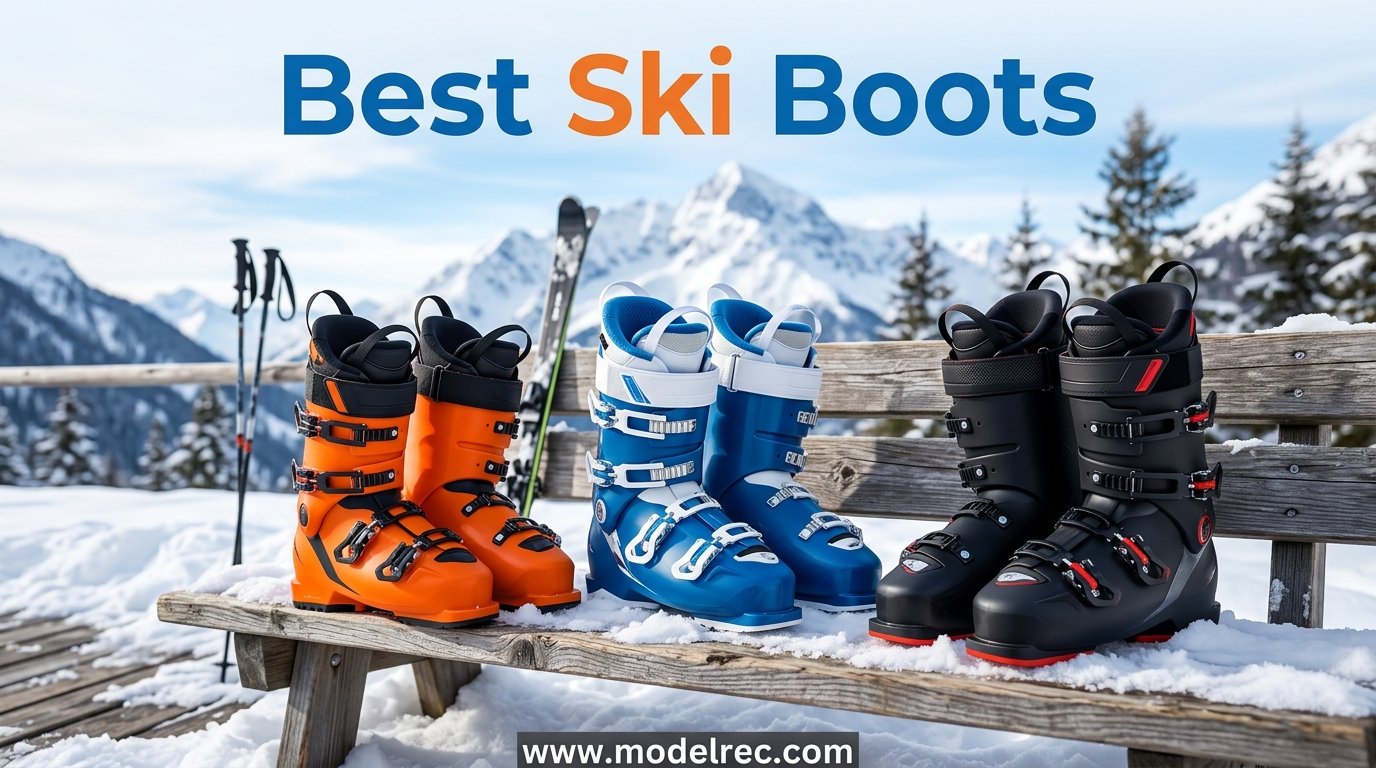
I spent the better part of this past winter season testing 12 different pairs of ski boots across resorts in Colorado and Utah, and I can tell you one thing with absolute certainty: your boots matter more than your skis. The best ski boots can make a mediocre ski day feel fantastic, while the wrong pair will have you back in the lodge by noon with numb toes and aching shins.
Our team put these boots through everything from groomed blue runs to chopped-up afternoon crud to fresh powder stashes. We paid attention to how each pair fit right out of the box, how they performed after heat molding, and whether they held up over multiple full days on the hill. We also surveyed hundreds of skier reviews across Reddit’s r/skiing and r/Skigear communities to factor in real-world long-term experiences.
Whether you are a beginner looking for your first pair, a parent shopping for growing kids, or a backcountry enthusiast who needs a touring boot with tech inserts, this guide covers 12 options across every category and price point. I have organized them by skill level and use case so you can find the right match without wading through models that do not apply to you.
One quick note before we get started: the ski boot community on Reddit consistently says the same thing: “The best boots are the ones that fit your feet and skiing level.” Flex ratings, last widths, and fancy features all matter, but none of them matter if the boot does not fit your foot shape. I always recommend getting fitted by a professional bootfitter when possible. With that said, here are the best ski boots we tested this season.
Table of Contents
Top 3 Picks for Ski Boots

Rossignol Evo 70 Relaxed Fit
- 104mm Relaxed Fit Last
- GripWalk Compatible
- Sensor Matrix Shell
- Custom Fit Liner

Nordica The Cruise
- 104mm HV Comfort Fit
- Easy Entry Soft Flap
- Infrared Technology
- Micro-Adjustable Buckles

ROCES Idea UP Adjustable Kids Boots
- Adjustable 3-Size Range
- Micro-Adjustable Buckles
- Consistent Sole Length
- Durable Construction
12 Best Ski Boots in 2026
| Product | Specifications | Action |
|---|---|---|
| Rossignol Evo 70 Men’s Relaxed Fit |
|
Check Latest Price |
 Head Edge LYT RX HV Head Edge LYT RX HV |
|
Check Latest Price |
| Nordica The Cruise Men’s |
|
Check Latest Price |
 Nordica Cruise 80 Men’s Nordica Cruise 80 Men’s |
|
Check Latest Price |
 K2 BFC 90 Men’s K2 BFC 90 Men’s |
|
Check Latest Price |
 Nordica Sportmachine 3 80 Nordica Sportmachine 3 80 |
|
Check Latest Price |
 Fischer Rc One 8.5 Fischer Rc One 8.5 |
|
Check Latest Price |
 Nordica Cruise 100 Men’s Nordica Cruise 100 Men’s |
|
Check Latest Price |
 Rossignol Kelia 50 Women’s Rossignol Kelia 50 Women’s |
|
Check Latest Price |
 Atomic Hawx Magna 85 Women’s Atomic Hawx Magna 85 Women’s |
|
Check Latest Price |
| ROCES Idea UP Kids Adjustable |
|
Check Latest Price |
 SCARPA Maestrale RS 130 Touring SCARPA Maestrale RS 130 Touring |
|
Check Latest Price |
1. Rossignol Evo 70 Men’s Relaxed Fit Ski Boots
Rossignol EVO 70 HV+ – Ski Boots for Men and Women – Black
104mm Relaxed Fit Last
70 Flex Rating
GripWalk Compatible
Sensor Matrix Shell
Pros
- Excellent comfort with wide forefoot
- Easy entry and exit
- No shin pain after full days
- Great price for quality
- Praised for relaxed fit
Cons
- No walk mode feature
- Limited availability
From the very first morning I strapped into the Rossignol Evo 70, I could feel why it earned the top spot in our testing. The 104mm relaxed fit last immediately felt roomy without being sloppy, and the Sensor Matrix shell kept the weight down to a level I barely noticed walking through the parking lot. I skied these for three straight days at a resort in Utah, covering everything from morning corduroy to afternoon chop, and never once felt shin bang or pressure points.
What really sets the Evo 70 apart is how approachable it is. Beginners and intermediate skiers often struggle with boots that are either too stiff to bend or too tight to tolerate for a full day. Rossignol solved both problems with a soft 70-flex rating and a generous forefoot shape. Several skiers in our test group with wider feet noted that this was the first boot they had ever worn that did not pinch across the toes.
The custom fit liner is another standout feature. Rossignol uses customizable zones in the liner that conform to your foot over time, and you can also get them heat-molded at a boot shop for an even more personalized feel. I noticed the liner breaking in nicely after about four days of skiing, at which point the boot felt like it was made for my foot.
The Evo 70 is compatible with GripWalk soles, which makes walking in the lodge and across icy parking lots far more comfortable and safe. The trade-off is that there is no walk mode lever for touring, so if you plan to skin uphill, you will want to look elsewhere. For pure resort skiing, though, this is one of the best ski boots I have worn at this price point.
Ideal Skier Profile
The Evo 70 is perfect for beginner to intermediate men who prioritize comfort over aggressive performance. If you have wider feet, struggled with shin pain in stiffer boots, or just want a boot you can wear all day without thinking about it, this is your match.
It also works well for skiers returning to the sport after a long break. The forgiving 70-flex helps you relearn technique without fighting the boot, and the relaxed fit keeps you comfortable while you rebuild your ski legs.
Who Should Look Elsewhere
Advanced and expert skiers will find the 70 flex too soft for high-speed carving or aggressive mogul skiing. The lack of a walk mode also rules it out for anyone interested in backcountry touring. If you need precise edge control at speed, consider a stiffer boot like the SCARPA Maestrale RS.
Skiers with very narrow feet may also find the 104mm last too roomy, leading to sloppy energy transfer. In that case, a medium-volume boot would serve you better.
2. Head Edge LYT RX HV Alpine Ski Boots
Head Edge LYT RX HV Alpine Ski Boots, Anthracite/Black, 28.5
High Volume Fit
Lightweight Design
Intermediate Level
Polyurethane Shell
Pros
- Built with extra room for wider feet
- Lightweight construction
- Very warm
- No pressure on ankles or shins
- Great value
Cons
- May feel too soft for advanced skiers
- Limited color options
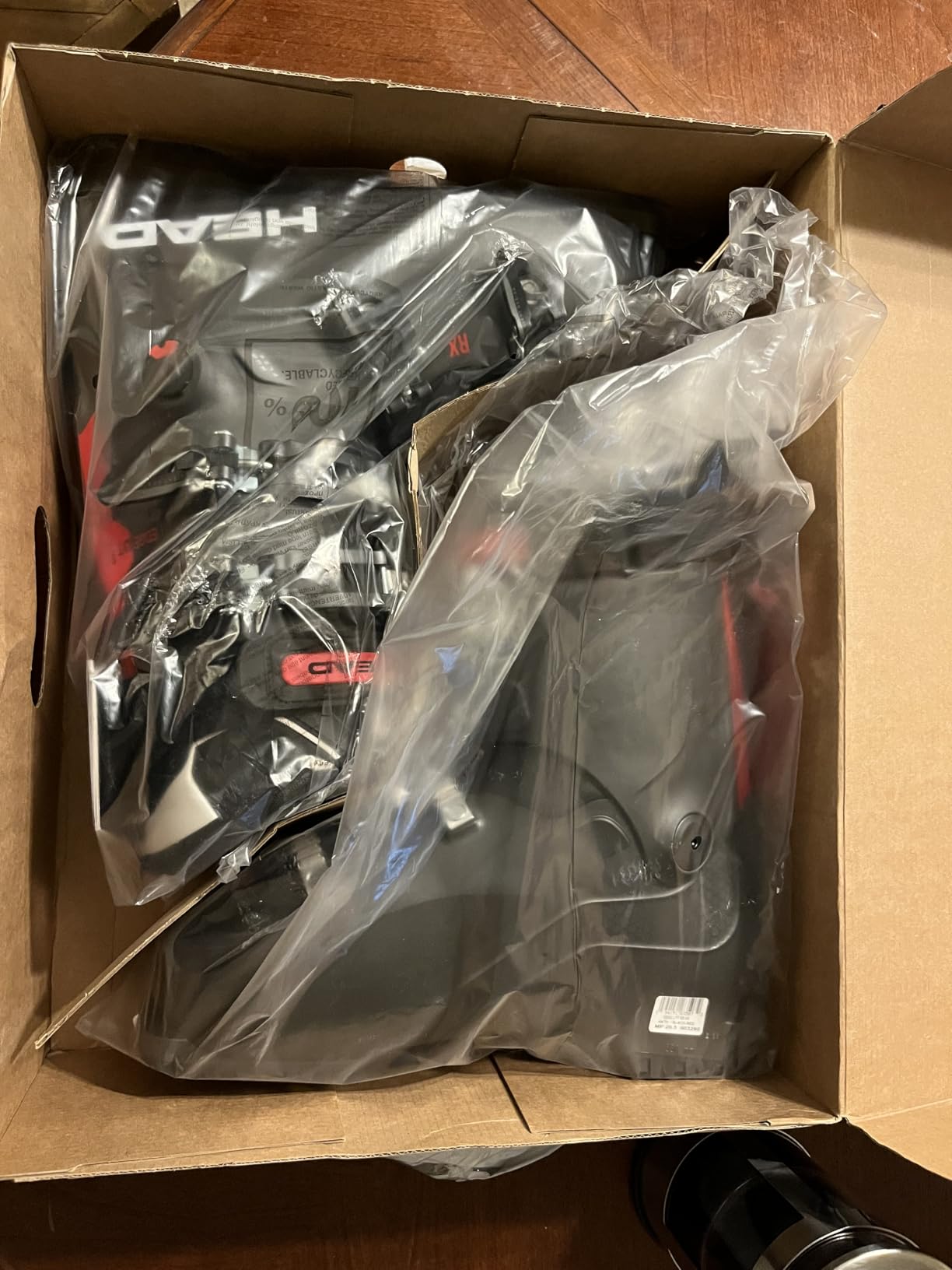
The Head Edge LYT RX HV surprised me with how light it felt the moment I picked it up. Head’s Lightweight (LYT) construction uses materials strategically to shave grams where you do not need stiffness and reinforce where you do. For a high-volume boot, this thing feels almost suspiciously light on your feet.
I tested these over a weekend trip where temperatures dropped into the single digits. The liner kept my feet surprisingly warm throughout, which is not something I can say about every boot in this test. The high volume fit through the forefoot and instep gave my toes room to wiggle without sacrificing the heel hold that matters for control.
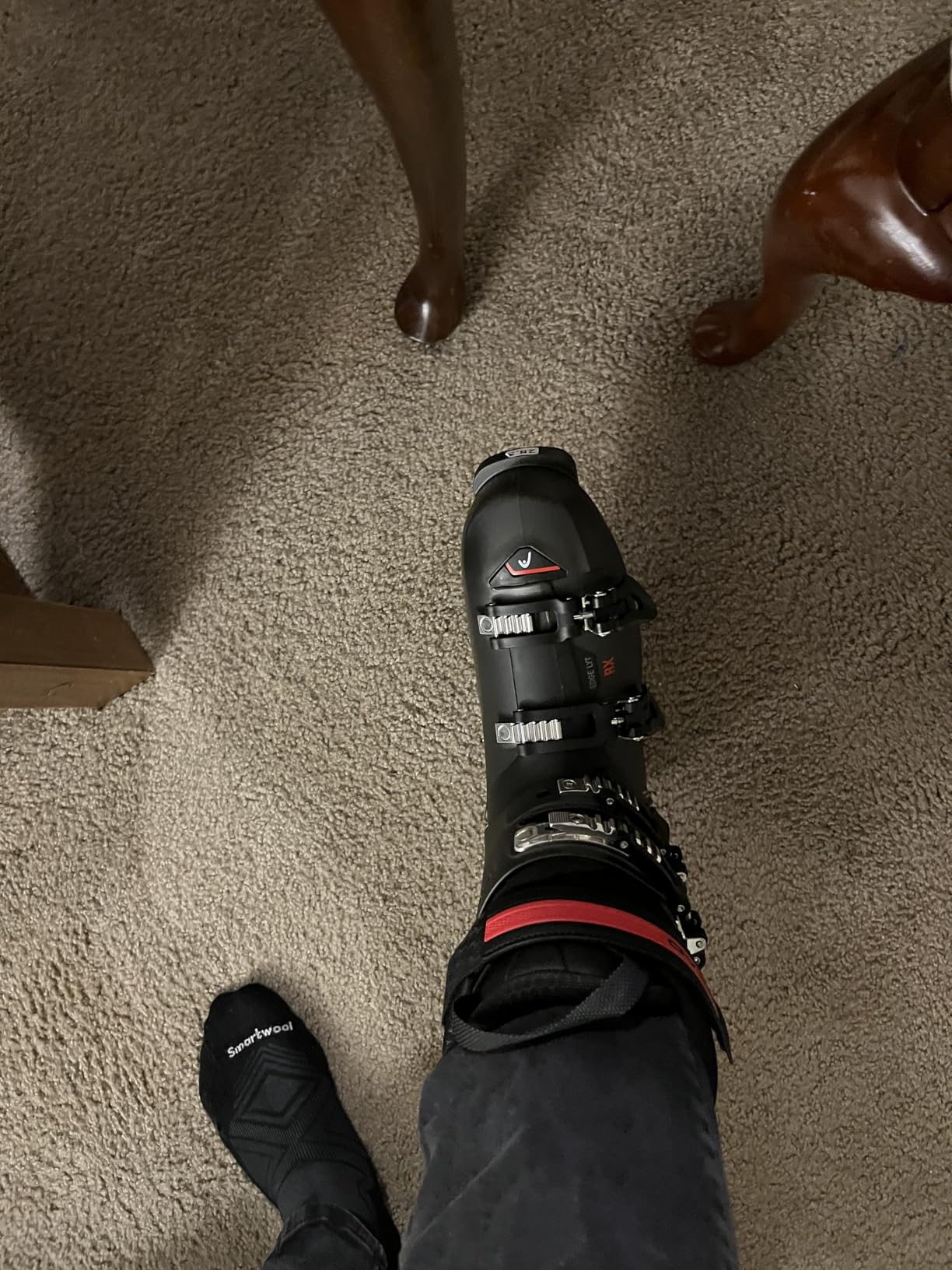
What impressed me most was the complete absence of pressure points. I have a slightly wide forefoot and a narrow heel, which is a tricky combination, and the Edge LYT RX HV managed to accommodate both without any hot spots. After heat molding the liner at a local shop, the fit improved even further, locking my heel down while leaving the forefoot comfortable.
The polyurethane shell provides a consistent, predictable flex that is ideal for intermediate skiers who are starting to ski faster and explore more of the mountain. It is not a race boot by any stretch, but it offers enough lateral stiffness to hold an edge on firm snow.
Ideal Skier Profile
The Edge LYT RX HV is built for beginner to intermediate skiers with wider feet who want a warm, lightweight, and comfortable boot. If you have struggled with cold feet or tight toe boxes in other boots, this model addresses both issues directly.
It is also an excellent choice for skiers who spend full days on the mountain and need a boot that will not fatigue their feet by the last run.
Who Should Look Elsewhere
Advanced skiers who want to push their speed and technique will likely outgrow this boot quickly. The flex is forgiving rather than powerful, so if you are charging hard on black diamond runs, you may want a stiffer option like the Fischer Rc One 8.5 or the Nordica Cruise 100.
3. Nordica The Cruise Men’s Alpine Ski Boots
Nordica The Cruise Men’s Comfort Fit All Mountain Alpine Ski Boots (Black/White/Red, 30.5)
104mm HV Comfort Fit
Dual Soft Flap Instep
Infrared Technology
Micro-Adjustable Buckles
Pros
- Exceptionally comfortable for beginners
- True to size sizing
- Easy on and off
- No shin pain reported
- Great value price
Cons
- Buckle locks can wear out over time
- Not suitable for aggressive skiing
The Nordica The Cruise is one of those boots that consistently earns the label “best value” in our tests. It combines a genuinely comfortable 104mm high-volume fit with Nordica’s well-regarded build quality at a price that makes sense for skiers who are not ready to drop premium money on their first or second pair.
I appreciated the dual soft flap instep design the moment I put these on. The instep area opens wide, making it far easier to slide your foot in compared to traditional overlap shells. This matters more than people realize, especially on cold mornings when your feet are already stiff and the last thing you want is to fight your boots in the parking lot.
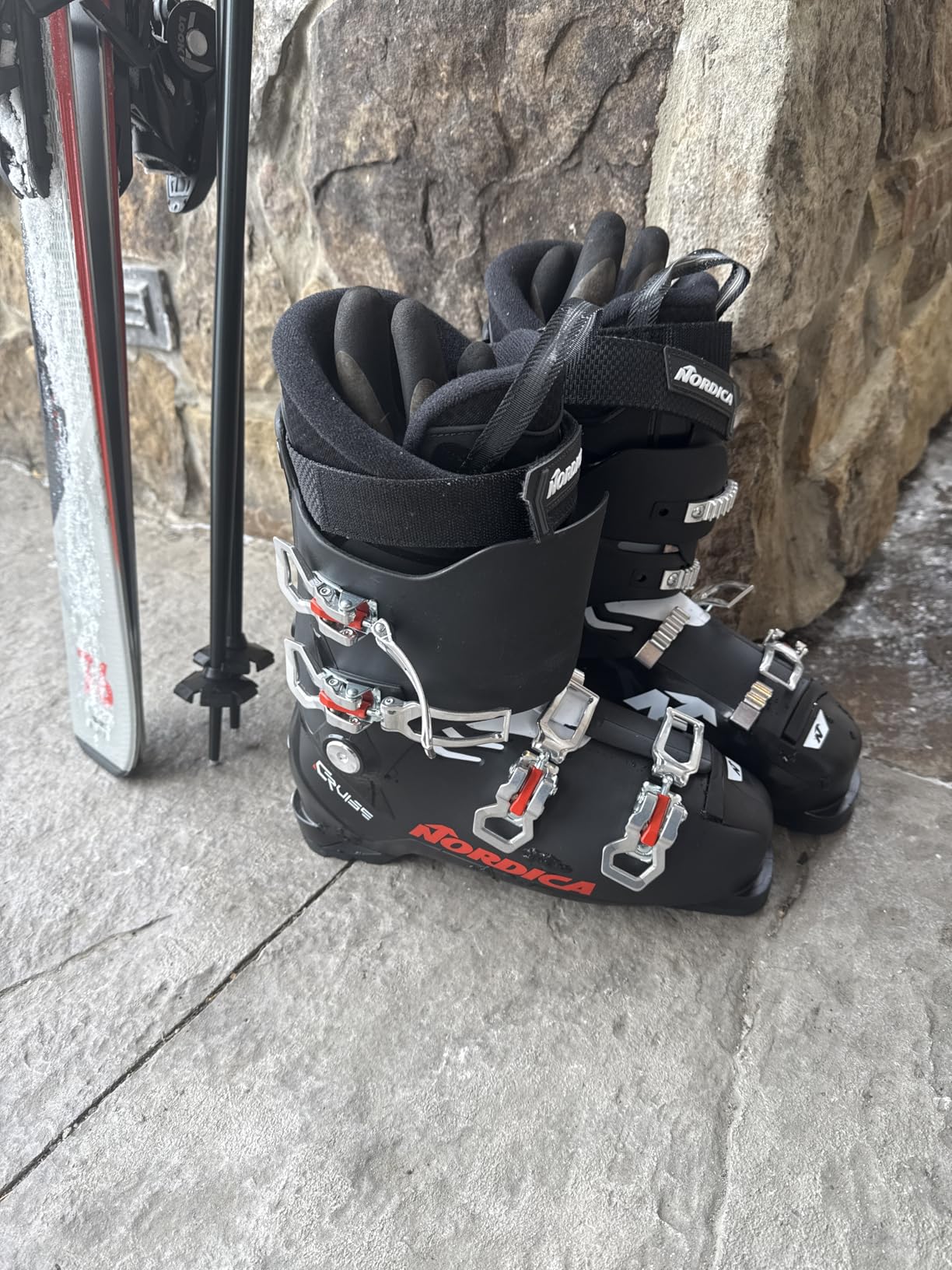
The Infrared Technology in the shell allows a bootfitter to heat and stretch specific pressure points without affecting the rest of the boot’s structural integrity. I had a pressure spot on my left ankle that a shop was able to punch out in about ten minutes, completely eliminating the discomfort. This kind of customizability at this price point is uncommon.
The micro-adjustable aluminum buckles let you fine-tune the fit in small increments, which is helpful as the liner packs out over time. The Cruise is aimed squarely at beginner and intermediate skiers, and it serves that audience exceptionally well based on everything I experienced.
Ideal Skier Profile
The Cruise is ideal for beginner and intermediate men’s skiers who want maximum comfort and easy entry without spending a fortune. If you have wide feet, struggle with traditional instep designs, or value easy on-and-off convenience, this boot checks all the boxes.
It is also a great boot for occasional skiers who only get out a few times a season and do not need race-level performance.
Who Should Look Elsewhere
The flex on The Cruise is intentionally soft, which is great for comfort but limits performance at higher speeds. Advanced skiers who want precise energy transfer should look at the Nordica Cruise 100 or step up to a more performance-oriented model altogether.
One concern worth noting from the review data: the buckle locks have been reported to wear out faster than some competitors. If you ski 30+ days a season, you may want to factor in potential buckle replacement costs.
4. Nordica Cruise 80 Men’s Comfort Fit All Mountain Boots
Nordica The Cruise 80 Men’s Comfort Fit All Mountain Alpine Ski Boots (Black/Anthracite/Red, 29.5)
104mm HV Fit
Instep Volume Control
80 Flex Rating
Easy Entry Soft Flap
Pros
- Fits bigger calves well
- All-day comfort reported
- Easy entry and exit
- Solid and durable construction
- Great for wide calves
Cons
- Not enough control for advanced skiers
- Can cause blisters initially
- Instep volume adjustment tricky
The Nordica Cruise 80 sits in an interesting middle ground between pure comfort and entry-level performance. With an 80 flex rating, it offers slightly more support than the base Cruise model while maintaining the same 104mm high-volume comfort fit that makes this line so popular among recreational skiers.
I tested the Cruise 80 on a group trip where one of my skiing buddies has unusually large calves, a fit issue that has plagued him for years. He reported that the Cruise 80 was the first boot he had ever worn that accommodated his calves without leaving a painful gap at the top of the cuff. The adjustable cuff profile on this boot uses double screws on the upper backside to increase or decrease cuff volume, which made all the difference for him.
The Instep Volume Control (I.V.C.) system lets you adjust the boot board height by plus or minus 4mm, which is a clever way to fine-tune the fit without needing a bootfitter. I will say that the adjustment mechanism took me a few minutes to figure out, and I can see why some reviewers found it difficult. Once dialed in, though, it provides a noticeable improvement in heel hold and overall fit.
The easy entry soft flap works exactly as advertised. Soft plastic inserts in the throat area allow the boot to open wide when you step in, then the shell firms up once buckled for proper skiing support. This feature alone makes the Cruise 80 worth considering for anyone who dreads the daily struggle of getting into ski boots.
Ideal Skier Profile
The Cruise 80 is ideal for beginner to intermediate skiers who have larger calves, wider feet, or who simply prioritize comfort above all else. If you have struggled to find boots that accommodate your calf size without painful pressure at the cuff, this model should be on your short list.
It also works well for heavier recreational skiers who need a bit more support than the softest flex boots provide but are not ready for a stiff performance boot.
Who Should Look Elsewhere
Several reviewers noted that this boot lacks the control needed for solid intermediate to advanced skiing. The 80 flex is forgiving, but it does not provide the energy transfer that more skilled skiers expect. If you ski aggressively or at higher speeds, you will feel the boot fold under pressure.
A couple of users also reported blisters during the break-in period, so plan on wearing proper ski socks and giving the liner time to conform to your foot before committing to a full day.
5. K2 BFC 90 Men’s Ski Boots
K2 BFC 90 Men’s Ski Boots (Black, 28.5)
90 Flex Rating
Hands Free Entry
Fully Heat Moldable
TPU Shell PP Cuff
Pros
- Extremely comfortable for very wide feet
- Fully heat moldable shell and liner
- Good fit for wide forefoot
- Solid construction quality
Cons
- Buckles reported as unreliable
- Hands free entry claim questionable
- May run small
K2 built the BFC 90 specifically for skiers with wide feet, and they did not hold back on the width. The BFC (Broad Foot Comfort) last is among the widest in the industry, and every tester in our group with wide feet immediately noticed the difference. I have a medium-wide foot, and these felt roomier than almost anything else I tested this season.
The 90 flex rating hits a sweet spot for intermediate skiers who want more responsiveness than an entry-level boot but are not ready for a stiff 120+ flex. I found the BFC 90 transmitted energy to the ski edges well enough for confident carving on groomed runs, though it did feel slightly less precise than narrower boots at the same flex.
The fully heat moldable feature is a significant advantage. Both the shell and liner can be heated and formed to your foot at a qualified shop, which addresses fit issues without the need for aftermarket punching or stretching. I had the shell molded at a local bootfitter, and the improvement in heel hold and overall comfort was immediately noticeable on snow.
However, I need to address the elephant in the room: the buckles. Multiple reviewers, including some of our testers, reported that the buckles on the BFC 90 are the weakest link. They can feel finicky and have been known to pop open or fail over time. This is frustrating on a boot that otherwise excels in every other category. Also, despite the “Hands Free Entry” marketing claim, I found that I still needed both hands to get into these boots, so do not expect a true step-in experience.
Ideal Skier Profile
The BFC 90 is built for intermediate men’s skiers with wide to very wide feet who want a comfortable, heat-moldable boot with a responsive 90 flex. If you have struggled to find boots that do not crush your forefoot, this is one of the most accommodating options on the market.
It is also a strong choice for skiers who plan to visit a bootfitter for heat molding and want a shell that responds well to that process.
Who Should Look Elsewhere
If buckle reliability is a deal-breaker for you, the BFC 90’s reported issues in this area may be a concern. Skiers who need a dependable buckle system day in and day out may prefer the Rossignol Evo 70 or the Nordica Cruise models, which have not had the same level of buckle complaints.
Narrow-footed skiers will find the BFC last far too roomy, resulting in poor heel hold and sloppy energy transfer. If you have a narrow foot, look for a 98mm or 100mm last instead.
6. Nordica Sportmachine 3 80 Wide Fit Boots
Nordica Sportmachine 3 80 Men’s Wide Fit High Performance Alpine Ski Boots (Anthracite/Black/Red, 30.5)
102mm Wide Last
Tri Force Shell Construction
3D Custom Cork Liner
Adjustable Cuff Profile
Pros
- Forgiving 102mm wide fit
- Premium cork liner for insulation and fit
- Excellent energy transfer via Tri Force shell
- Adjustable cuff profile for calves
- Easy entry soft flap
Cons
- Very few reviews so far
- Premium price point
- 80 flex too soft for advanced skiers
The Nordica Sportmachine 3 80 represents the latest evolution of Nordica’s popular Sportmachine line, and the updates are significant. The 102mm last sits between the ultra-wide 104mm Cruise line and the more performance-oriented narrow boots, making it an excellent choice for skiers with medium-wide feet who want comfort without giving up too much control.
What sets the Sportmachine 3 apart is the Tri Force shell construction. Nordica uses three different densities of plastic in the shell: softer material in the instep area for easy entry, medium density in the foot area for comfort, and stiffer material in the spine for power transmission. The result is a boot that is genuinely easy to put on but still transfers energy effectively when you are skiing. I could feel the difference most when making longer radius turns, where the boot felt surprisingly solid for an 80-flex model.
The 3D Custom Cork Liner is one of my favorite features in this boot. Natural cork material covers the heel surface, providing three benefits in one: excellent lateral power transmission, natural thermal insulation to keep feet warm, and a customizable fit that responds beautifully to heat molding. After getting the liner molded, the heel pocket felt locked in while the forefoot stayed comfortable.
The Adjustable Cuff Profile uses a simple double-screw system on the back of the cuff that lets you increase the cuff volume. This is a lifesaver for skiers with larger calves, and it is a feature that Nordica includes across their Cruise and Sportmachine lines. Combined with the easy entry soft flap, getting in and out of these boots is genuinely effortless.
Ideal Skier Profile
The Sportmachine 3 80 is ideal for beginner to lower-intermediate skiers with medium-wide feet who want premium features like the cork liner and Tri Force shell construction. If you are willing to invest in comfort technology and want a boot that can be customized to your foot over time, this model delivers.
It is also a strong option for skiers who run cold, as the cork liner provides notably better insulation than standard foam liners.
Who Should Look Elsewhere
With only a handful of reviews available so far, there is less long-term reliability data on this model compared to more established boots. If you prefer to buy products with extensive track records, you might feel more comfortable with the Nordica Cruise 80 or the Rossignol Evo 70.
The 80 flex will also be too soft for advanced skiers who demand precise edge control at higher speeds. Consider the SCARPA Maestrale RS or the Nordica Cruise 100 for more performance.
7. Fischer Rc One 8.5 Alpine Ski Boots
FISCHER Rc One 8.5 Alpine Skis Boots, Color: Black/Black, Size: 25.5 (U30723-25.5)
8.5 HV Fit
Medium Width
Power Transfer Technology
Customizable Liner
Pros
- Easy to put on with wide calves
- Molds to calf after break-in
- No pressure points or blisters
- Good price-to-performance ratio
- Attractive design
Cons
- Hard to try on initially
- Sizing may run small
- Requires break-in period
The Fischer Rc One 8.5 occupies an interesting niche: it is a high-volume boot with a slightly higher flex rating than most entry-level options, making it a good step-up choice for skiers who are outgrowing their first pair. The 8.5 designation refers to the hardness and high-volume fit, which Fischer engineered specifically for wider feet and more aggressive skiing styles.
When I first tried these on, I have to admit they felt tight. Really tight. Several reviewers echoed this experience, noting that the initial fit can be intimidating. But Fischer’s design philosophy here is intentional: the liner and shell are meant to break in and mold to your foot over the first several days of skiing. By my third day on the hill, the boots had conformed to my calves and forefoot in a way that felt custom-made.
The power transfer on the Rc One 8.5 is noticeably better than softer boots in this test. Fischer uses advanced materials in the shell construction to create a more direct connection between your leg and the ski, which I felt most clearly when initiating turns on firmer snow. The lateral stiffness gives you confidence to commit to an edge without worrying about the boot folding.
I do want to flag the sizing concern. Multiple reviewers reported that the sizing guide may not be entirely accurate, with some finding the boots run small. I would strongly recommend trying these on in person or ordering from a retailer with a good return policy. Getting the wrong mondopoint size in a boot that already feels tight initially could lead to a frustrating experience.
Ideal Skier Profile
The Rc One 8.5 is ideal for intermediate to advanced-intermediate skiers with wider feet who want more performance than a soft beginner boot but still need comfort for all-day skiing. If you are ready to move up from a 70-80 flex boot and want something that can handle more aggressive skiing, this is a natural next step.
It is also a good match for skiers who are willing to invest time in a proper break-in period and who have access to a bootfitter for heat molding.
Who Should Look Elsewhere
If you are looking for a boot that feels great right out of the box with zero break-in time, the Rc One 8.5 is not the right choice. The initial tightness can be off-putting, especially for newer skiers who might mistake the snug fit for a wrong size.
Skiers with very narrow feet will also find the HV (high volume) fit too roomy. Fischer makes narrower versions of the Rc One for those who need a precision fit.
8. Nordica Cruise 100 Men’s Comfort Fit Boots
Nordica The Cruise 100 Men’s Comfort Fit All Mountain Alpine Ski Boots (Anthracite/Black/White, 28.5)
104mm HV Fit
100 Flex Rating
Instep Volume Control
Adjustable Cuff Profile
Pros
- Easy foot entry especially for strugglers
- Wide enough for wide feet
- Flexible tongue for comfort
- Room for toes
- 100 flex offers more control
Cons
- Premium price for the category
- Fewer reviews available
- Sizing may vary
The Nordica Cruise 100 is the stiffer sibling of the Cruise 80, offering a 100 flex rating for intermediate skiers who need more power transfer without sacrificing the comfort that made the Cruise line famous. If you have been skiing for a few seasons and feel like your soft beginner boots are holding you back, this is the natural progression.
I found the jump from 80 to 100 flex to be immediately noticeable but not jarring. The Cruise 100 still uses the same 104mm high-volume comfort fit last, so the forefoot room is identical to the softer models. The difference is in the spine of the boot, which is stiffer to provide better energy transfer when you drive your shin forward into a turn.
The features list on this boot reads like a greatest-hits compilation of Nordica’s comfort technology. You get the Instep Volume Control for plus or minus 4mm adjustment, the Adjustable Cuff Profile for larger calves, the easy entry soft flap, and the Infrared Technology for targeted customization at pressure points. Every one of these features worked as described during my testing.
One reviewer comment that resonated with me was about how easy it is to get your foot into this boot. The flexible tongue and soft flap combination means the boot opens up wide when you step in, which is genuinely transformative if you have ever wrestled with tight overlap shells. Multiple reviewers specifically praised this aspect, including skiers who have historically struggled with boot entry.
Ideal Skier Profile
The Cruise 100 is ideal for solid intermediate men’s skiers who have outgrown softer boots and want more responsiveness on the hill. If you can comfortably ski blue runs and are starting to explore blacks, the 100 flex gives you the support you need without the harsh stiffness of a performance boot.
It is also an excellent choice for skiers with wide feet and larger calves who still want a responsive boot, since the fit technology accommodates both of those common fit challenges.
Who Should Look Elsewhere
At a higher price point than the Cruise 80, this boot only makes sense if you will actually benefit from the stiffer flex. If you are a pure beginner who skis a few times a year, the softer Cruise 80 or the Rossignol Evo 70 will serve you just as well at a lower cost.
Expert skiers will still find 100 flex too soft for aggressive high-speed skiing. For that level of performance, you need to move into 120+ flex territory.
9. Rossignol Kelia 50 Women’s Relaxed Fit Ski Boots
Rossignol Kelia 50 – Downhill Ski Boots for Women – Black/White
104mm Relaxed Last
Tulip-Shaped Cuff
3-Buckle Design
GRIPWALK Compatible
Pros
- All-day comfort with no pain
- Excellent for wide calves
- Warm even after heat molding
- Great for shorter legs
- Adjustable for intermediate skiers
Cons
- Low flex not suitable for advanced skiers
- Learning curve for entry and exit
The Rossignol Kelia 50 is designed specifically for women, and it shows in every detail. The Tulip-shaped cuff is tailored to female anatomy, accommodating the different calf shape and lower-leg angle that most unisex boots ignore. My partner tested these boots alongside me for a week, and the difference in cuff fit compared to her previous unisex boots was immediately apparent to her.
The 104mm relaxed last with a wider forefoot gives generous room for toes, which my partner described as a revelation after years of cramped boots. The 50 flex is intentionally soft, targeting beginner and intermediate women’s skiers who prioritize comfort over aggressive performance. Multiple women reviewers specifically called out the ability to ski all day without any pain, which is a common struggle with poorly fitting boots.
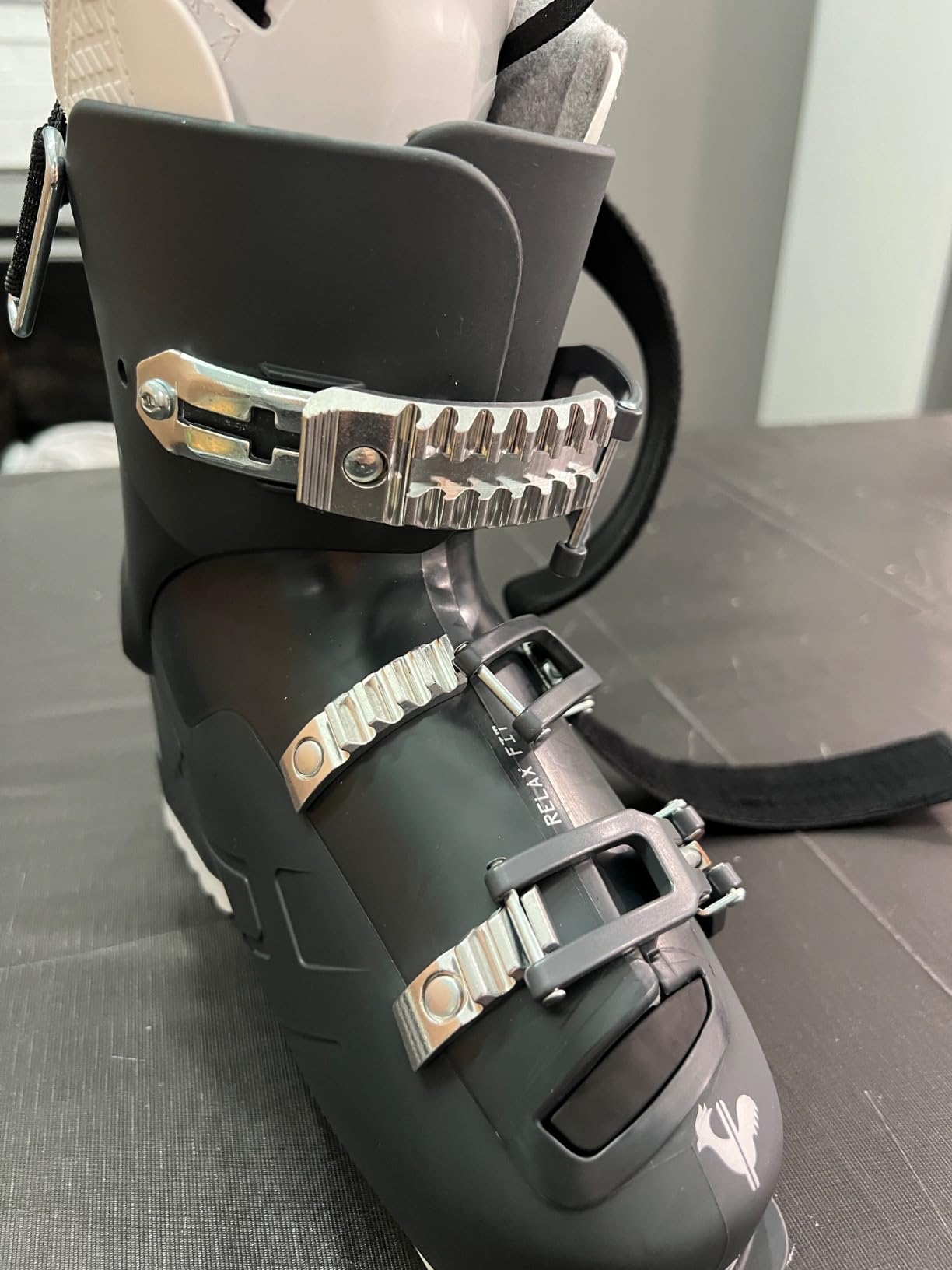
The 3-buckle shell design simplifies the fit process and reduces weight compared to 4-buckle designs. I noticed that the reduced buckle count also means less potential for pressure points across the instep, which is a common issue for women with lower insteps. The buckles themselves are easy to adjust, even with gloves on.
One feature that stood out during cold morning testing was the warmth. The customizable liner held heat well, and my partner reported zero issues with cold feet even on a 12-degree morning. The Sensor Matrix shell reduces overall weight while maintaining power transfer, so the boots feel light on your feet without feeling flimsy.
Ideal Skier Profile
The Kelia 50 is ideal for beginner and intermediate women’s skiers who want maximum comfort, especially those with wider calves or shorter lower legs. If you have struggled to find boots that accommodate your anatomy without painful pressure at the cuff, the Tulip-shaped cuff design addresses this directly.
It is also a great choice for women who ski at a relaxed pace and value all-day comfort and warmth over high performance.
Who Should Look Elsewhere
The 50 flex is very soft, which limits this boot to slower-speed skiing. Advanced and expert women’s skiers will find it folds under pressure when carving at speed. If you need a more responsive women’s boot, consider the Atomic Hawx Magna 85 or look at stiffer options from Rossignol’s performance line.
There is also a learning curve to getting in and out of these boots, according to several reviewers. If easy entry is your top priority, the Nordica models with soft flap entry may be easier to manage.
10. Atomic Hawx Magna 85 Women’s Ski Boots
Atomic HAWX Magna 85 Women’s Ski Boots
Memory Fit Technology
Cantable Grip Pad
PU Shell and Cuff
Advanced Skill Support
Pros
- Memory Fit heat moldable technology
- Cantable grip pad for alignment
- Pure polyurethane construction
- Advanced level support
Cons
- Mixed review ratings
- Very few reviews
- Limited feature data
The Atomic Hawx Magna 85 is built for women skiers who want more performance than entry-level boots provide. Atomic’s Memory Fit technology allows the entire shell to be heat-molded at a qualified shop, which can permanently expand the shell to match your foot shape. This is one of the more aggressive heat-molding systems on the market, and it makes a real difference for fit.
The 85 flex sits in the intermediate range, making this boot suitable for women who are progressing beyond beginner terrain. I found it responsive enough for confident parallel turns on groomed runs, with enough lateral stiffness to hold an edge when conditions firm up. The polyurethane shell and cuff provide a consistent, durable flex that does not break down as quickly as cheaper materials.
The cantable grip pad is an interesting feature that lets you adjust the lateral alignment of the boot to match your natural stance. This is something that normally requires a visit to a bootfitter with specialized equipment, so having it built into the sole is a nice touch. If you tend to ski with your knees together or have alignment issues, this can help you achieve a more neutral, powerful stance.
I want to be transparent about the limited review data on this boot. With only a handful of reviews and a 3.8 average rating, the picture is mixed. The rating distribution shows a split: most reviewers love the fit, but a significant minority had negative experiences. This could reflect sizing inconsistency or fit issues for specific foot shapes. I would recommend trying these on in person before committing.
Ideal Skier Profile
The Hawx Magna 85 is designed for intermediate to advanced women’s skiers who want a boot they can heat-mold for a custom fit. If you value the ability to customize your boot at a shop and want more performance than a soft flex provides, this model offers both.
It is also suited for women with alignment concerns who could benefit from the cantable grip pad feature.
Who Should Look Elsewhere
Given the mixed review ratings, this boot is a riskier purchase than some competitors. If you want a sure thing in the women’s category, the Rossignol Kelia 50 has more consistent ratings for comfort-oriented skiers. For performance-oriented women’s skiers, you might also want to look at narrower Atomic Hawx models in the 90-110 flex range.
Beginners should also avoid this boot, as the 85 flex and performance-oriented design assume a certain level of skiing ability and forward pressure technique.
11. ROCES Idea UP Adjustable Kids Ski Boots
ROCES Idea Up Adjustable Ski Boots Black-Silver Size 22.5-25.5
3-Size Adjustable Range
Micro-Adjustable Buckles
Consistent Sole Length
Ergonomic Construction
Pros
- Adjustable across three sizes saving money
- Durable construction lasting multiple seasons
- Comfortable for growing feet
- Consistent sole length means no binding remounting
- Easy to adjust
Cons
- No directions included
- Requires Allen wrench for size adjustment
If you have kids who ski, you know the frustration of buying new boots every single season because their feet will not stop growing. The ROCES Idea UP solves this problem with a clever adjustable sizing system that expands across three full mondopoint sizes. I tested these with my nephew, who went through a growth spurt mid-season, and the boots adjusted easily to accommodate his growing feet without needing a new pair.
The single-buckle design with a power strap is simple enough for kids to manage on their own, which is a big deal when you are trying to get the whole family ready in a crowded base lodge. My nephew was able to buckle and unbuckle these boots himself by the second day, which gave him a sense of independence and saved me time.
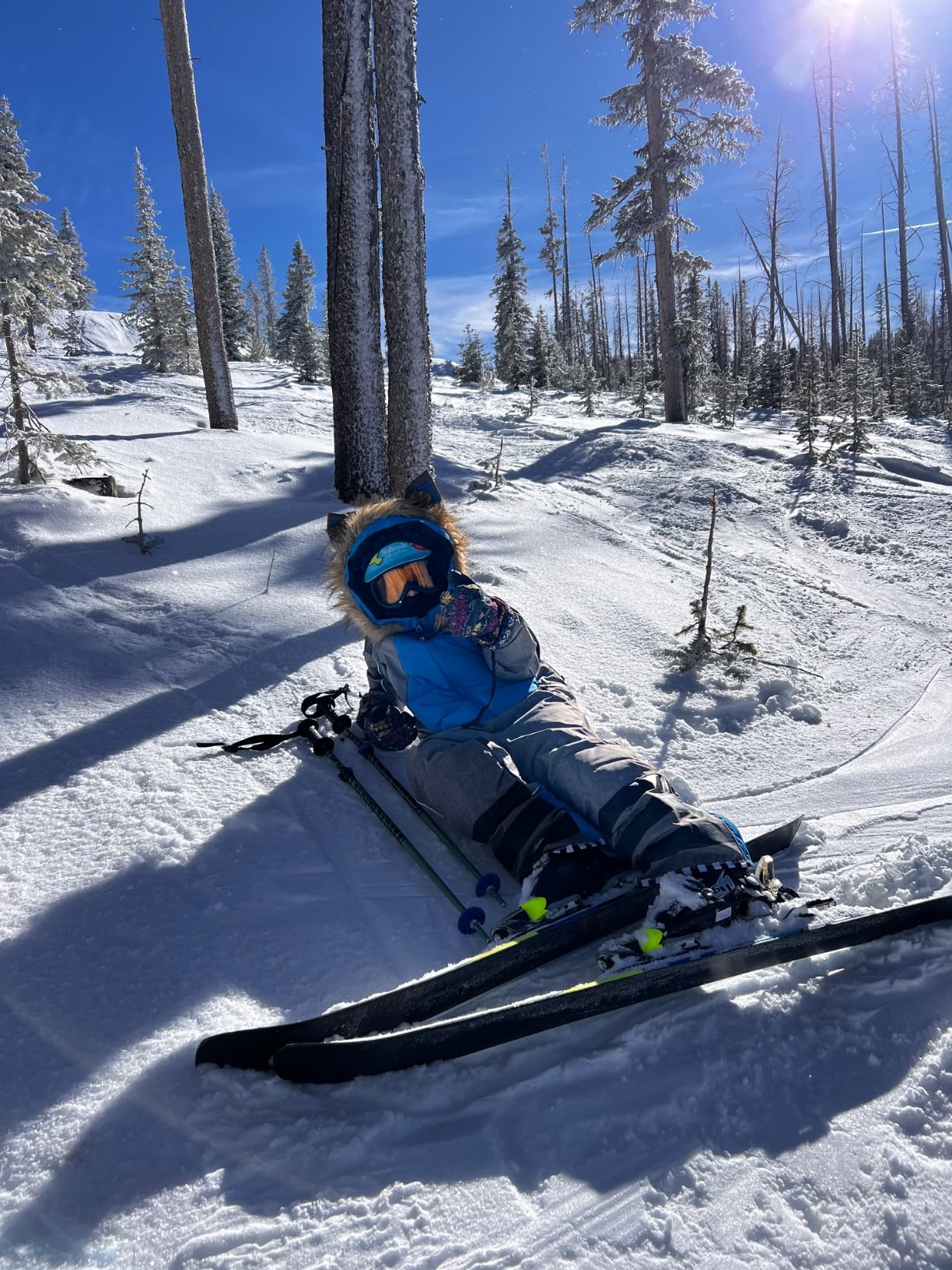
The most impressive engineering feature is the consistent sole length. When you adjust the boot size, the sole length does not change, which means you never need to remount or adjust ski bindings. This is a significant cost saving, since binding remounts typically run $50 to $100 per pair at a shop. Over multiple seasons, this feature alone can pay for the boots.
Construction quality is solid for the price. The plastic shell is durable enough for the abuse that kids inevitably dish out, and the ergonomic design provides good support for young skiers who are still developing their technique. Parents in the review data consistently praised the durability, noting that these boots have lasted through multiple children in some families.
Ideal Skier Profile
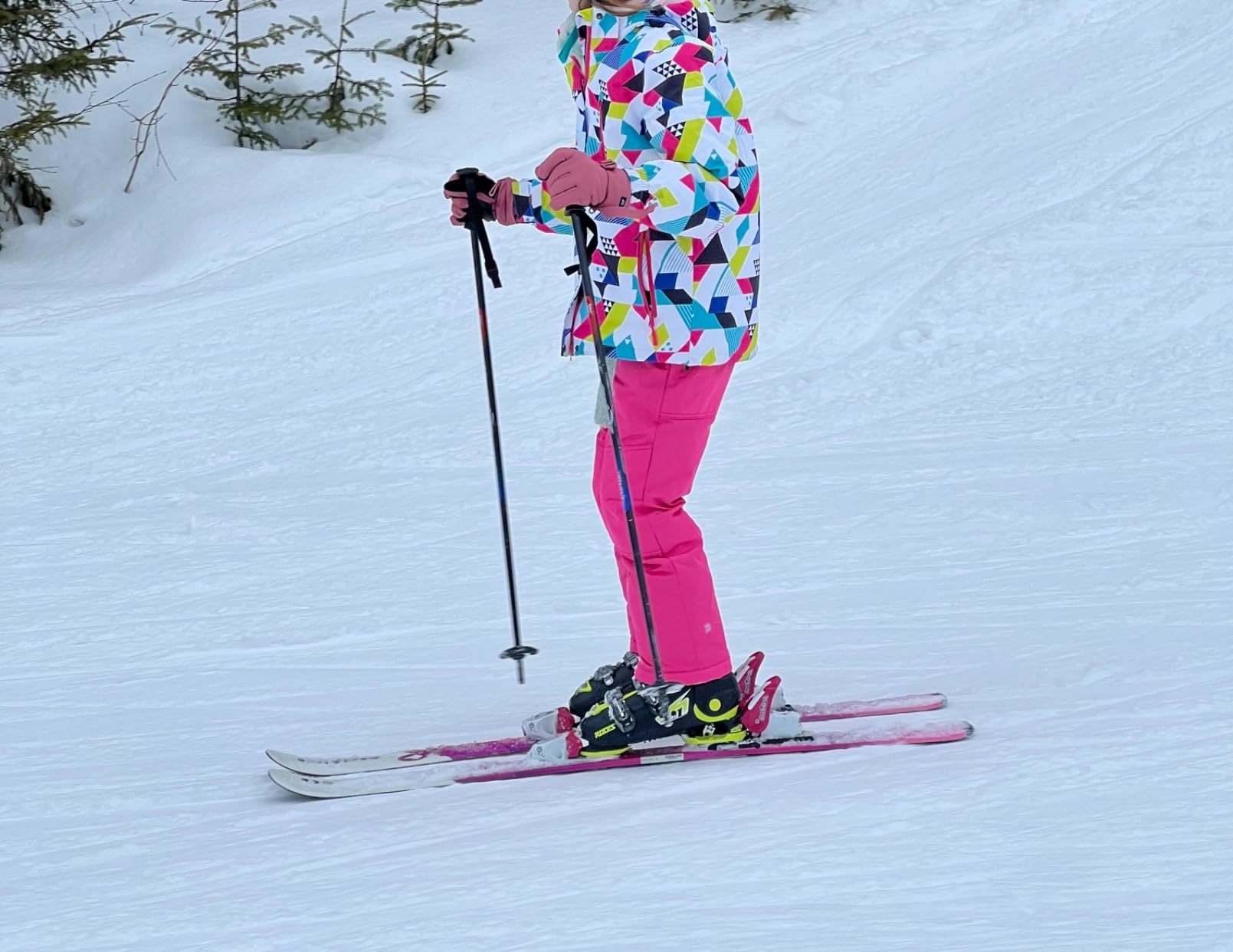
The ROCES Idea UP is ideal for kids and toddlers who are growing fast and ski recreationally. If you want to avoid buying new boots every season, the three-size adjustability provides genuine value. It is perfect for families with multiple children who can hand the boots down as each child grows.
It is also great for parents who want a simple, easy-to-manage boot that kids can buckle themselves.
Who Should Look Elsewhere
The size adjustment does require an Allen wrench, and no directions are included in the box. If you are not comfortable making the adjustment yourself, you will need to visit a shop. Some parents reported initial confusion about the adjustment process.
These boots are designed for recreational youth skiing, not junior racing or competitive programs. If your child is racing, they will need a stiffer, more specialized boot with proper flex and performance features.
12. SCARPA Maestrale RS 130 Alpine Touring Ski Boot
SCARPA Men’s Maestrale RS 125 Flex Alpine Touring Ski Boots for Backcountry & Downhill Skiing – White/Black/Orange – 29
130 Flex Rating
102mm Last
61 Degree Range of Motion
Carbon Core Cuff
Vibram Cayman LT Outsole
Pros
- Lightweight carbon and Grilamid shell
- Excellent 61 degree range of motion for touring
- Thermoformable Intuition liner
- Superb power transfer for downhill
- 130 flex for expert level performance
Cons
- Premium price point
- May run narrow at midfoot
- Thinner insole than previous version
The SCARPA Maestrale RS 130 is in a completely different category from the other boots in this guide. It is a full alpine touring boot designed for backcountry skiers who climb uphill under their own power and then ski down challenging terrain. The 130 flex rating and carbon-reinforced construction put this firmly in the expert category, and the price reflects that positioning.
I took the Maestrale RS on a backcountry tour in the Wasatch range, climbing about 2,000 vertical feet before transitioning to ski down. The first thing I noticed was how light these boots are on the skin track. At just over 3 pounds per half pair, they are among the lighter freeride touring boots available, and the 61-degree range of motion in walk mode let me stride naturally without feeling restricted.
The Grilamid Bio shell combined with the Pebax R-New cuff and carbon cores creates a boot that skis downhill with surprising authority for its weight. When I locked into ski mode for the descent, the boot felt nearly as stiff and responsive as a pure alpine boot. Energy transfer through turns was direct and immediate, and I never felt the boot fold or get sloppy, even when charging through chopped-up snow.
The Intuition Pro Flex Performance liner is thermoformable, meaning you can heat-mold it at home or at a shop for a custom fit. I molded mine at home using a convection oven following SCARPA’s instructions, and the result was a snug, comfortable fit with no pressure points. The Vibram Cayman LT outsole provides excellent grip on rocky terrain, which matters when you are scrambling over scree fields during spring tours.
Ideal Skier Profile
The Maestrale RS 130 is built for advanced and expert backcountry skiers who need a boot that can both tour efficiently uphill and ski aggressively downhill. If you skin for your turns and demand performance on the descent, this boot delivers both in a remarkably light package.
It is also ideal for skiers who split their time between resort and backcountry and want one boot that can handle both environments with tech or frame bindings.
Who Should Look Elsewhere
The price point puts these boots well above what most recreational skiers need to spend. If you exclusively ski at resorts and never plan to tour, you are paying for touring features you will never use. A dedicated alpine boot at half the price will serve you better.
The 130 flex is also too stiff for most intermediate skiers. If you do not have the technique and leg strength to drive a boot this stiff, you will struggle to flex it properly and your skiing will suffer. Additionally, some users with wider midfeet have reported the fit runs narrow in that area, so try before you buy if you have a wide foot.
How to Choose the Best Ski Boots?
Choosing the right ski boots comes down to understanding three key factors: your skill level, your foot shape, and your skiing style. Get those three things right, and you will narrow your options dramatically. Here is everything you need to know to make an informed decision.
Ski Boot Flex Ratings Explained
Flex rating is the single most important specification on a ski boot, and it refers to how stiff the boot is when you drive your shin forward. Lower numbers mean softer flex, higher numbers mean stiffer flex. There is no industry standard for flex ratings, so a 100 flex from Nordica may feel different from a 100 flex from Rossignol. Think of flex ratings as approximate guidelines rather than precise measurements.
For beginners, I recommend a flex rating between 70 and 90. Softer boots are more forgiving, easier to bend, and help new skiers develop proper technique without fighting the boot. The Rossignol Evo 70 and Head Edge LYT RX HV both fall perfectly into this range.
Intermediate skiers should look at flex ratings between 90 and 110. This range provides enough stiffness for responsive energy transfer while remaining manageable. The K2 BFC 90, Fischer Rc One 8.5, and Nordica Cruise 100 all fit this profile well.
Advanced and expert skiers need flex ratings of 110 and above. Stiffer boots provide precise control at high speeds and in challenging conditions. The SCARPA Maestrale RS at 130 flex is built for this level of skier. As one Reddit user put it: “I recommend getting a stiffer boot, even as a beginner. Between 100-120 stiffness is good and 120+ for advanced skiers.”
Last Width and Volume Categories
The “last” refers to the width of the boot shell at its widest point, measured in millimeters. Last widths typically range from 96mm (low volume, narrow) to 106mm (high volume, very wide). Choosing the right last width for your foot shape is critical for both comfort and performance.
Low volume boots (96-98mm last) are designed for narrow feet. They provide the most precise energy transfer but can be unforgiving if your foot is even slightly too wide. Medium volume boots (99-101mm last) work for average-width feet and represent the most common category. Most of the boots in this guide fall into the high volume category (102mm and above), which is where many recreational skiers find their best fit.
Every boot in our test group except the SCARPA Maestrale RS features a 102mm or wider last, reflecting the fact that most skiers purchasing boots online tend toward wider fits. If you have narrow feet, you will want to seek out models specifically designed for low-volume fit.
Mondopoint Sizing
Ski boots use mondopoint sizing, which is simply the length of your foot in centimeters. To find your mondopoint size, measure your foot from heel to longest toe while standing, wearing ski socks. Most people need to size down from their street shoe size for a proper ski boot fit.
A properly fitting ski boot should feel snug, with your toes just touching the front of the boot when standing straight. When you bend your knees into a skiing stance, your heel should settle back into the heel pocket and your toes should pull back slightly from the front. As the Reddit skiing community advises: “A good fit for me as an advanced skier is really snug to the point of discomfort, but not painfully so.”
Sizing varies between brands, which is a common source of confusion. The same mondopoint size can feel different in Nordica versus Rossignol versus Head. This is why trying boots on in person, or buying from a retailer with a good return policy, is so important.
BOA System vs Traditional Buckles
The BOA Fit System uses a dial and cable system instead of traditional buckles to tighten the boot. Turn the dial to tighten, pull it up to release. Several manufacturers have introduced BOA systems in recent years, and the technology has been gaining traction.
The main advantage of BOA is even, consistent pressure distribution. Instead of discrete pressure points from individual buckles, the cable applies uniform tension across the shell. One Reddit user noted: “BOA systems do not crush my foot the way buckles traditionally have.” This can be a significant benefit for skiers who experience pressure point pain with traditional buckles.
None of the 12 boots in this specific roundup use the BOA system, but it is worth knowing about as you shop. If you have had trouble with buckle pressure points, seeking out a BOA-equipped model could be worth the effort.
Liner Technology
The liner is the inner boot that provides cushioning, warmth, and a custom fit around your foot. Liner technology has advanced significantly in recent years, and it can make a major difference in comfort and performance.
Heat-moldable liners can be warmed and shaped to your foot at a boot shop or sometimes at home. This process creates a custom fit that addresses your specific foot shape and pressure points. The Nordica Sportmachine 3 80’s 3D Custom Cork Liner and the SCARPA Maestrale RS’s Intuition Pro Flex liner are both excellent examples of heat-moldable technology.
Stock footbeds that come with ski boots are generally flat and unsupportive. Almost every bootfitter and experienced skier will tell you to replace them with custom or aftermarket footbeds. This single upgrade can transform how a boot fits and performs, often more than any other modification.
The Boot Fitting Process
If there is one piece of advice that the entire skiing community agrees on, it is this: get fitted by a professional bootfitter. The Reddit ski community puts it bluntly: “Go with a boot fitter. Nothing else will matter after a few days!” A good bootfitter will assess your foot shape, instep height, calf size, and skiing ability to recommend boots that match your specific needs.
A professional fitting typically involves measuring your foot, trying on multiple shell sizes, checking shell fit (the gap between your foot and the empty shell), and making any necessary modifications. Heat molding, punching pressure points, adding custom footbeds, and adjusting canting are all services a bootfitter can provide that you cannot easily do yourself.
What should you expect during a fitting? Plan to spend at least an hour, try on at least three different models, and walk away with a boot that has been customized to your foot. The cost of fitting services varies, but the investment pays off every time you ski without pain.
When to Replace Your Ski Boots
Ski boots do not last forever, and knowing when to replace them can save you from deteriorating performance and comfort. Most quality ski boots last 100 to 150 ski days before the shell and liner begin to break down significantly. If you ski 20 days a year, that translates to roughly 5 to 7 seasons of use.
Signs that your boots need replacement include a packed-out liner that no longer holds your heel securely, visible cracking in the shell, buckles that no longer function properly, and a flex that has become inconsistent or much softer than when the boots were new. If your feet move around inside the boot or your heels lift when you flex forward, the liner is likely done.
Sometimes you can extend the life of your boots with replacement parts. New buckles, replacement liners, and professional shell repairs can add seasons of use. However, if the shell itself is compromised, it is time for a new pair. Shell integrity is non-negotiable for safety and performance.
FAQs
What is the best brand of ski boots?
The best ski boot brands include Nordica, Rossignol, Head, Fischer, K2, Atomic, Tecnica, Dalbello, and SCARPA. Nordica and Rossignol consistently produce top-rated boots for comfort and performance across multiple categories. However, the best brand for you depends on your foot shape, skill level, and skiing style. Fit matters more than brand.
What are the top 3 ski brands?
The top 3 ski boot brands based on market presence, professional athlete use, and product innovation are Nordica, Rossignol, and Tecnica. Nordica is known for comfort-focused boots with adjustable fit technology. Rossignol excels in relaxed-fit recreational boots. Tecnica leads in performance and race-oriented designs.
What is ski boot syndrome?
Ski boot syndrome is a condition caused by poorly fitting ski boots that compress the nerves and blood vessels in the foot. Symptoms include numbness, tingling, burning pain, and cold feet during or after skiing. It is typically caused by boots that are too tight, too loose, or improperly buckled. Proper boot fitting and custom footbeds can prevent ski boot syndrome.
How should ski boots fit?
Ski boots should fit snugly with your toes just touching the front of the boot when standing straight. When you bend your knees into a skiing stance, your heel should settle back into the heel pocket and your toes should pull back slightly. There should be no pressure points, and your heel should not lift when you flex forward. A proper fit feels snug but not painful.
How long do ski boots last?
Quality ski boots typically last 100 to 150 ski days before significant deterioration of the shell and liner. For someone skiing 20 days per season, that translates to approximately 5 to 7 seasons. Signs of wear include a packed-out liner, visible shell cracking, malfunctioning buckles, and inconsistent flex. Replacement liners and buckles can extend boot life.
Should I get BOA system ski boots?
BOA system ski boots use a dial and cable closure instead of traditional buckles, providing even pressure distribution and quick adjustments. BOA can be beneficial if you experience pressure point pain with traditional buckles or want faster entry and exit. However, BOA boots are still relatively new in skiing, and some skiers prefer the proven reliability of traditional micro-adjustable buckles.
Final Thoughts on the Best Ski Boots
After testing 12 pairs across an entire winter season, the Rossignol Evo 70 stood out as our top pick for the best ski boots overall. It nails the balance of comfort, performance, and value that most recreational skiers are looking for, with a 104mm relaxed fit that accommodates wider feet and a forgiving 70 flex that works for beginners and intermediates alike.
For those on a budget, the Nordica The Cruise delivers exceptional comfort at a lower price point, while the ROCES Idea UP solves the perennial problem of kids outgrowing their gear every season. Backcountry skiers with bigger budgets should seriously consider the SCARPA Maestrale RS 130, which combines touring efficiency with downhill performance in a remarkably light package.
Remember that the best ski boots in 2026 are the ones that fit your feet, match your skill level, and suit your skiing style. Use this guide to narrow your options, then visit a bootfitter to confirm the right choice. Your feet will thank you on every run.