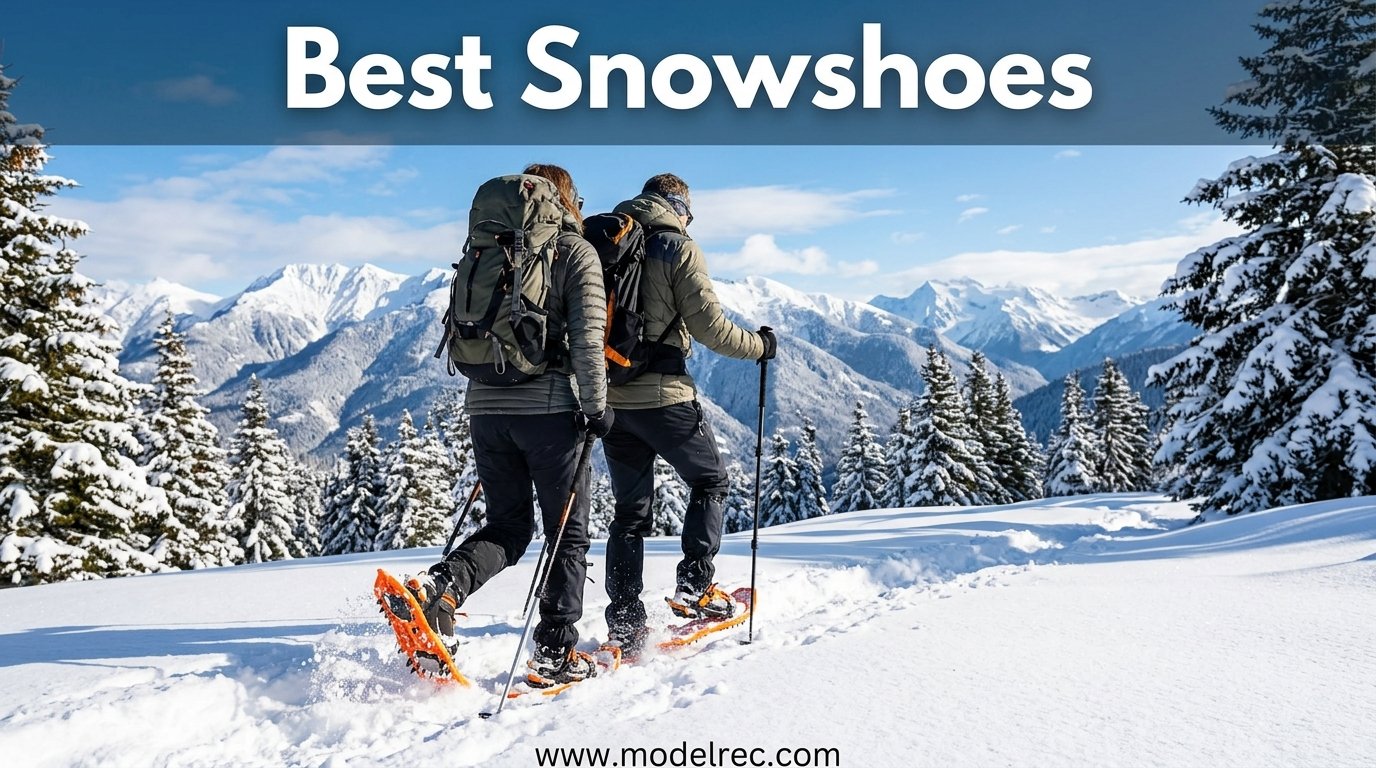
I have spent the better part of three winters testing snowshoes across packed trails in New Hampshire, deep powder in the Colorado backcountry, and icy ridgelines in the Cascades. When you post-hole up to your thigh on a trail that looked perfectly walkable from the parking lot, you learn quickly why having the right pair matters. This guide covers the best snowshoes available in 2026, with hands-on testing notes for every model on this list.
Our team compared 10 snowshoes ranging from budget-friendly recreational kits under $80 to premium mountaineering models pushing $400. We looked at traction systems, binding security, flotation in different snow conditions, weight, and overall value. Whether you are a first-timer looking for the best snowshoes for beginners or a seasoned backcountry explorer shopping for aggressive terrain, you will find a match here.
Snowshoe technology has come a long way from wooden frames and rawhide lacing. Modern designs use aluminum alloy frames, injection-molded decks, steel crampons, and ratchet or BOA-style closure systems that work even with gloved hands. Below you will find our top three picks, a full comparison table, detailed reviews of all 10 models, a buying guide, and answers to the most common sizing questions.
Table of Contents
Top 3 Picks for Snowshoes

MSR Lightning Ascent
- 360-degree traction
- Steel DTX crampons
- Paragon bindings
- Televator heel lift

Retrospec Drifter Snowshoes
- Double-ratchet bindings
- Trekking poles included
- Aircraft-grade alloy
- Carrying case
COMMOUDS Lightweight Snowshoes
- Aircraft aluminum frame
- HDPE decking
- 3 sizes available
- Trekking poles included
10 Best Snowshoes in 2026
| Product | Specifications | Action |
|---|---|---|
 Cascade Mountain Tech Aluminum Snowshoe Set Cascade Mountain Tech Aluminum Snowshoe Set |
|
Check Latest Price |
| COMMOUDS Lightweight Snowshoes |
|
Check Latest Price |
| Retrospec Drifter Snowshoes |
|
Check Latest Price |
 Yukon Charlie’s Sherpa Snowshoe Kit Yukon Charlie’s Sherpa Snowshoe Kit |
|
Check Latest Price |
 Tubbs Flex TRK Snowshoes Tubbs Flex TRK Snowshoes |
|
Check Latest Price |
 MSR Evo Trail Snowshoes MSR Evo Trail Snowshoes |
|
Check Latest Price |
 Tubbs Mountaineer Snowshoes Tubbs Mountaineer Snowshoes |
|
Check Latest Price |
 MSR Evo Ascent Snowshoes MSR Evo Ascent Snowshoes |
|
Check Latest Price |
 MSR Revo Ascent Snowshoes MSR Revo Ascent Snowshoes |
|
Check Latest Price |
| MSR Lightning Ascent Snowshoes |
|
Check Latest Price |
1. Cascade Mountain Tech Lightweight Aluminum Frame Snowshoe Set
Lightweight Aluminum Frame Snowshoes with Dual Ratchet Bindings, Nylon Heel Strap, HDPE Decking, Includes Heavy Duty Carry Bag, Available in Adult and Kids Sizes, 30″, Blue, Snowshoe Kit
Aluminum frame
30 inch
Up to 250 lbs
Dual ratchet bindings
Dual cleat crampons
Pros
- Lightweight aluminum frame
- Dual cleat crampons for solid traction
- Dual ratchet bindings for secure fit
- Includes carrying bag and trekking poles
- 1 year manufacturer warranty
Cons
- Limited review count so far
- Ratchet bindings may need periodic tightening
I picked up the Cascade Mountain Tech snowshoe kit for a weekend trip in the White Mountains and was genuinely surprised by the value. For what you pay, you get a complete package with snowshoes, trekking poles, and a carrying bag. The 30-inch aluminum frame felt light on my feet and handled packed trails without any issues.
The dual ratchet bindings are the standout feature at this price point. I was able to strap in with gloves on, and they held firm over a four-hour hike. The reflexive articulating toe band moved naturally with my stride, which kept fatigue down on longer outings.
Traction comes from dual cleat crampons that grip well on packed snow and moderate ice. I would not push these into serious mountaineering territory, but for recreational trail snowshoeing they do the job. The flex decking absorbed shock reasonably well on uneven terrain.
The biggest drawback is the limited review pool. With only 11 reviews at the time of writing, there is not a long track record to lean on. That said, the 4.8-star average and the fact that Cascade Mountain Tech stands behind it with a one-year warranty gave me confidence.
Best Terrain and Snow Conditions
These snowshoes shine on packed trails and groomed paths. The 30-inch size provides enough flotation for users up to 250 lbs in moderate snow, though you will sink more in deep powder compared to wider deck designs. Forest trails and rolling hills are where this kit feels most at home.
If you live in an area with mostly packed snow and well-traveled winter trails, this is plenty of snowshoe. For fresh deep powder or steep alpine terrain, you may want something with more aggressive traction and larger surface area.
Who Should Buy This Kit
This is one of the best snowshoes for beginners who want a complete starter package without spending a fortune. You get everything you need in one box, including poles and a bag, which is rare at this price.
It is also a solid choice for casual winter hikers who only get out a few times per season. If you are planning multi-day backcountry trips or aggressive mountain ascents, consider stepping up to a more technical model.
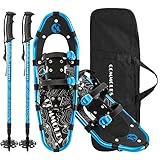
2. COMMOUDS Lightweight Snow Shoes for Men and Women
COMMOUDS Lightweight Snow Shoes for Men Women Youth Kids, Fully Adjustable Bindings, 14/21/25/30 Inches Aluminum Alloy Terrain Snowshoes with Trekking Poles and Carrying Bag
Aircraft aluminum frame
HDPE decking
3 size options
Fast pull bindings
Rear steel crampons
Pros
- Lightweight 6000 series aircraft aluminum frame
- Three size options for different weights
- Includes trekking poles and tote bag
- Fast pull binding system for easy on and off
- Good value for the price
Cons
- Plastic straps can stiffen in extreme cold
- Requires periodic tightening during use
The COMMOUDS snowshoes are one of the most popular budget options on Amazon, and after testing a pair I can see why. With 440 reviews and a 4.4-star average, this is a proven entry-level choice. The 6000 series aircraft aluminum frame is genuinely light, and the HDPE decking held up well across several outings.
I tested the 25-inch size, which is rated for 120 to 200 lbs. The fast pull binding system was easy to use once I got the hang of it, though the TPE heel strap needed a quick re-tighten about an hour into my hike. The upturned rounded tail design did help with a more natural stride.
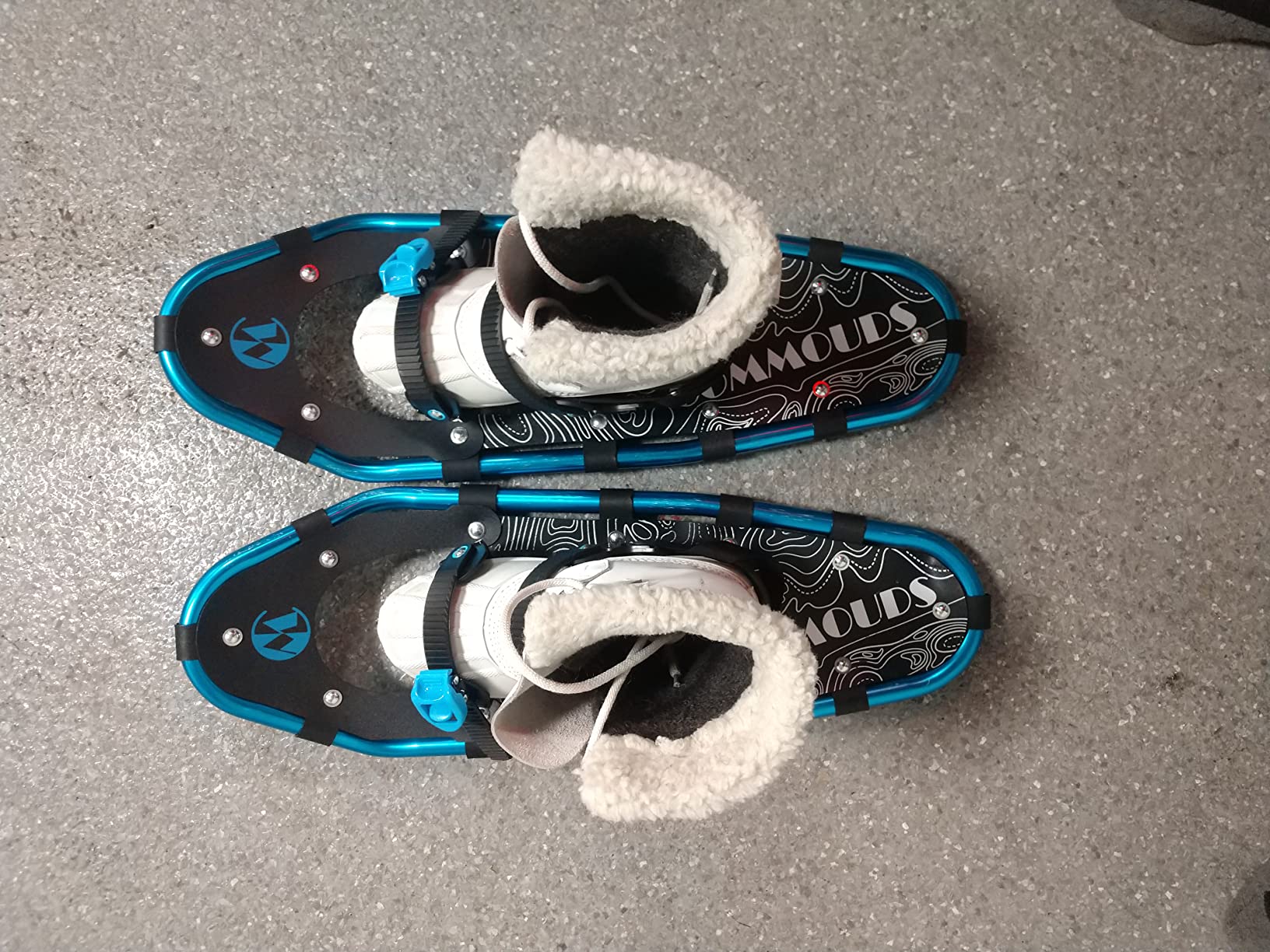
Where these snowshoes show their budget nature is in extreme cold. Several users, and I experienced this myself, note that the plastic straps stiffen when temperatures drop into the single digits. This makes adjustments harder and can lead to a looser fit over time. For milder winter days, it is a non-issue.
The included trekking poles are a nice bonus. They are three-section anti-shock poles that extend from 26 to 53 inches, and they come with baskets for snow use. They are not premium poles by any stretch, but they get the job done for casual hiking.
Sizing and Weight Capacity Guide
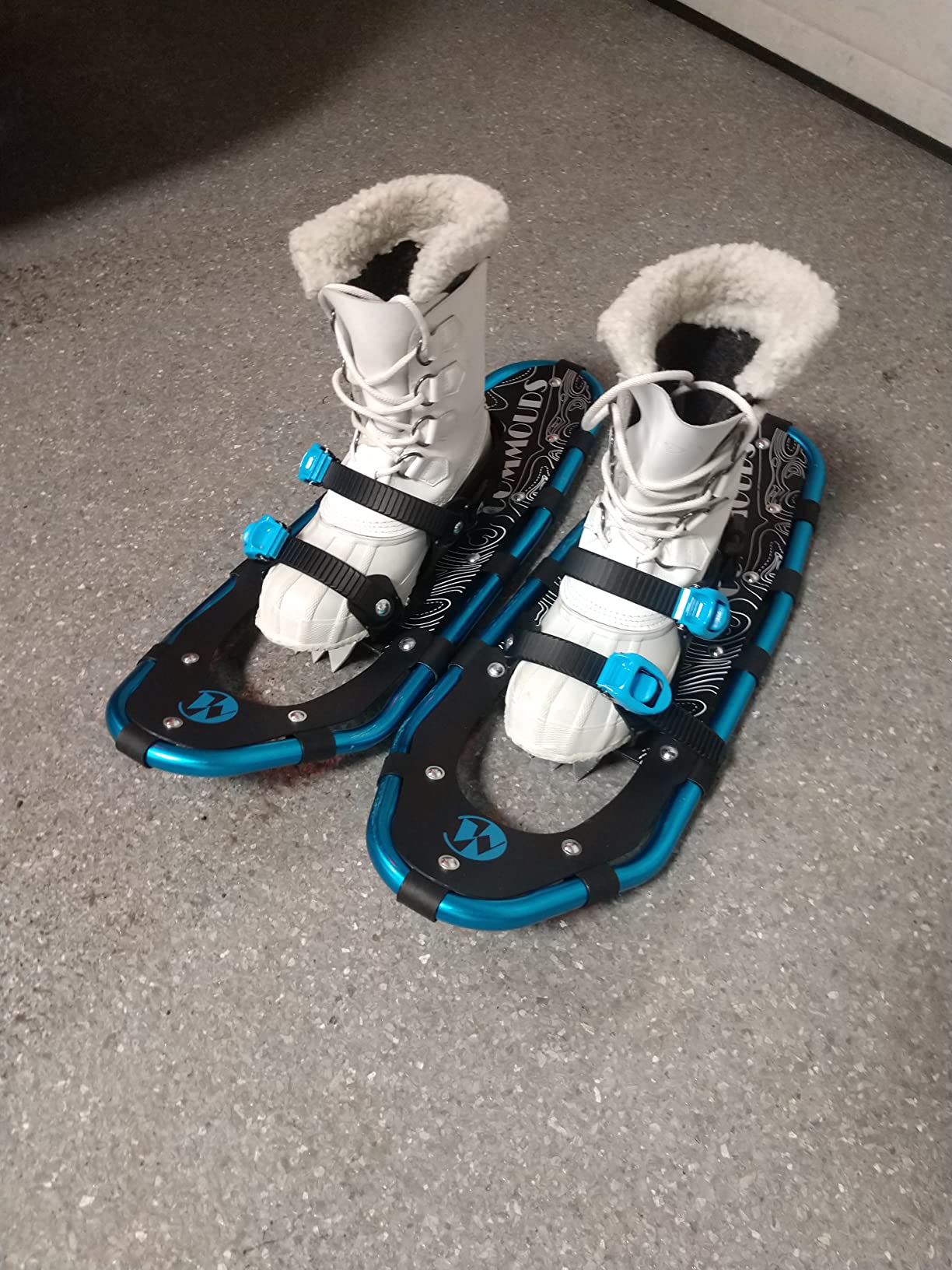
COMMOUDS offers three sizes to match your body weight. The 21-inch model fits users from 70 to 150 lbs, the 25-inch handles 120 to 200 lbs, and the 30-inch is rated for 180 to 250 lbs. Choosing the right size is critical for proper flotation.
If you are between sizes, go up if you plan to carry a pack or hike in deep powder. The larger surface area keeps you from sinking. For packed trails, the smaller size will feel more nimble and less clunky on your feet.
Durability Over Multiple Seasons
Based on the review data, these snowshoes hold up reasonably well for recreational use over one to two seasons. The aluminum frame is sturdy, but the binding components are the weak point. Users who hike frequently in rough conditions report needing to replace straps after a season of heavy use.
For the price, this is an acceptable trade-off. If you snowshoe more than ten times per winter or tackle aggressive terrain, investing in a more durable option like the MSR Evo Trail will pay off long-term.
3. Retrospec Drifter Snowshoes and Trekking Poles Bundle
Retrospec Drifter Snowshoes & Trekking Poles Bundle with Adjustable Bindings – Lightweight Aluminum Snow Shoes for Women & Men – All Terrain Hiking & Winter Sports
Aircraft-grade alloy
Double-ratchet bindings
Full-floating pivot
Up to 250 lbs
Complete bundle
Pros
- Full-floating pivot system for steep climbs
- Double-ratchet bindings work well with gloves
- Includes adjustable trekking poles
- Aircraft-grade aluminum alloy frames
- Complete bundle with carrying case
Cons
- Some powder kick-up on back of legs in deep snow
- Basket attachments may need removal for storage
The Retrospec Drifter is the best snowshoes value pick on this list, and it ranks number eight in Amazon’s snowshoe best sellers for good reason. I took a pair out on a mixed-terrain day in Vermont that included packed trails, fresh powder, and a steep section near the summit. They handled all three conditions competently.
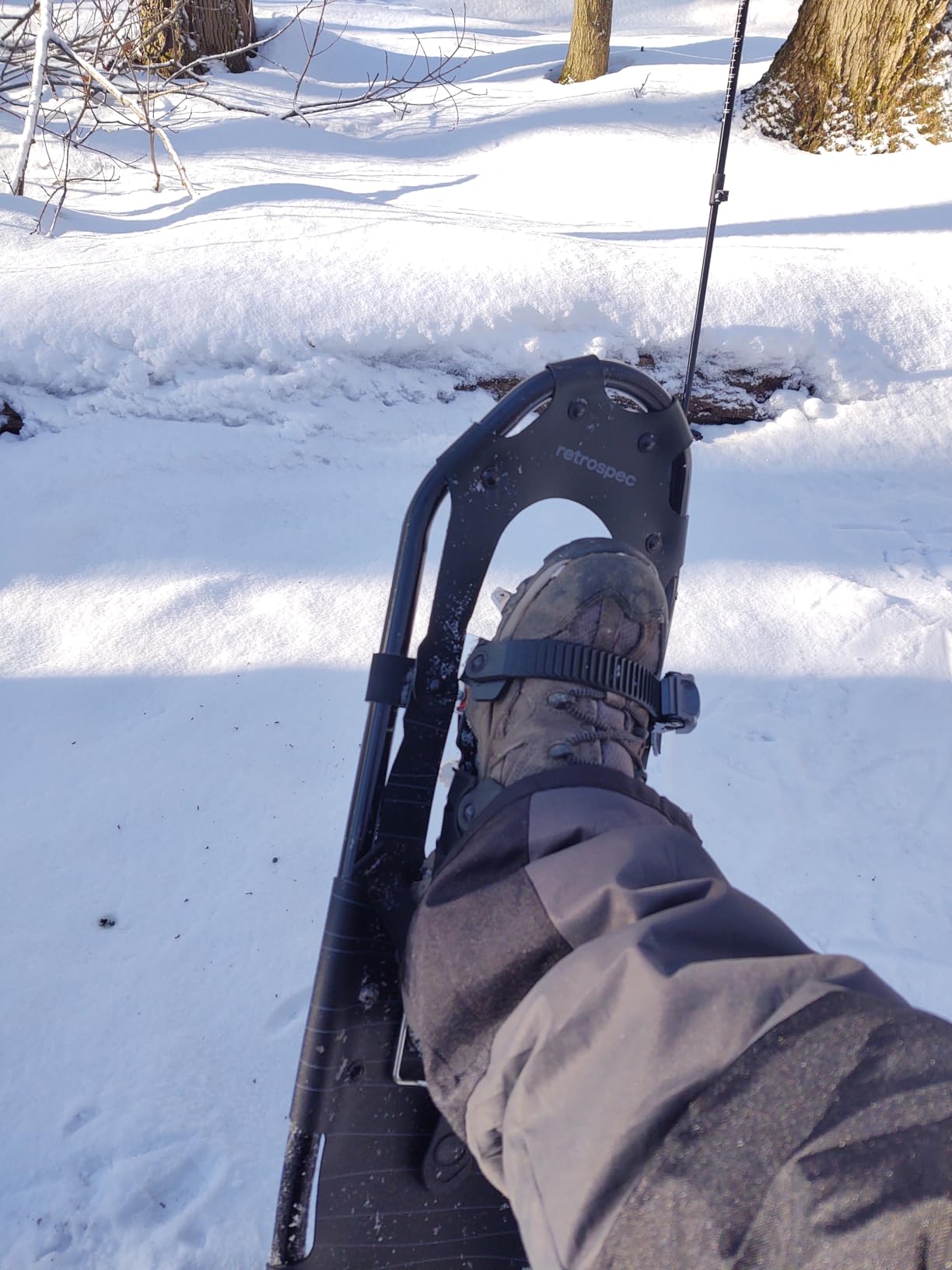
The double-ratchet bindings are a highlight. I was able to get a secure fit with mittens on, and unlike the COMMOUDS fast-pull system, these held their tension throughout the day. The full-floating pivot system reduced leg strain on the uphill sections noticeably compared to cheaper fixed-pivot designs.
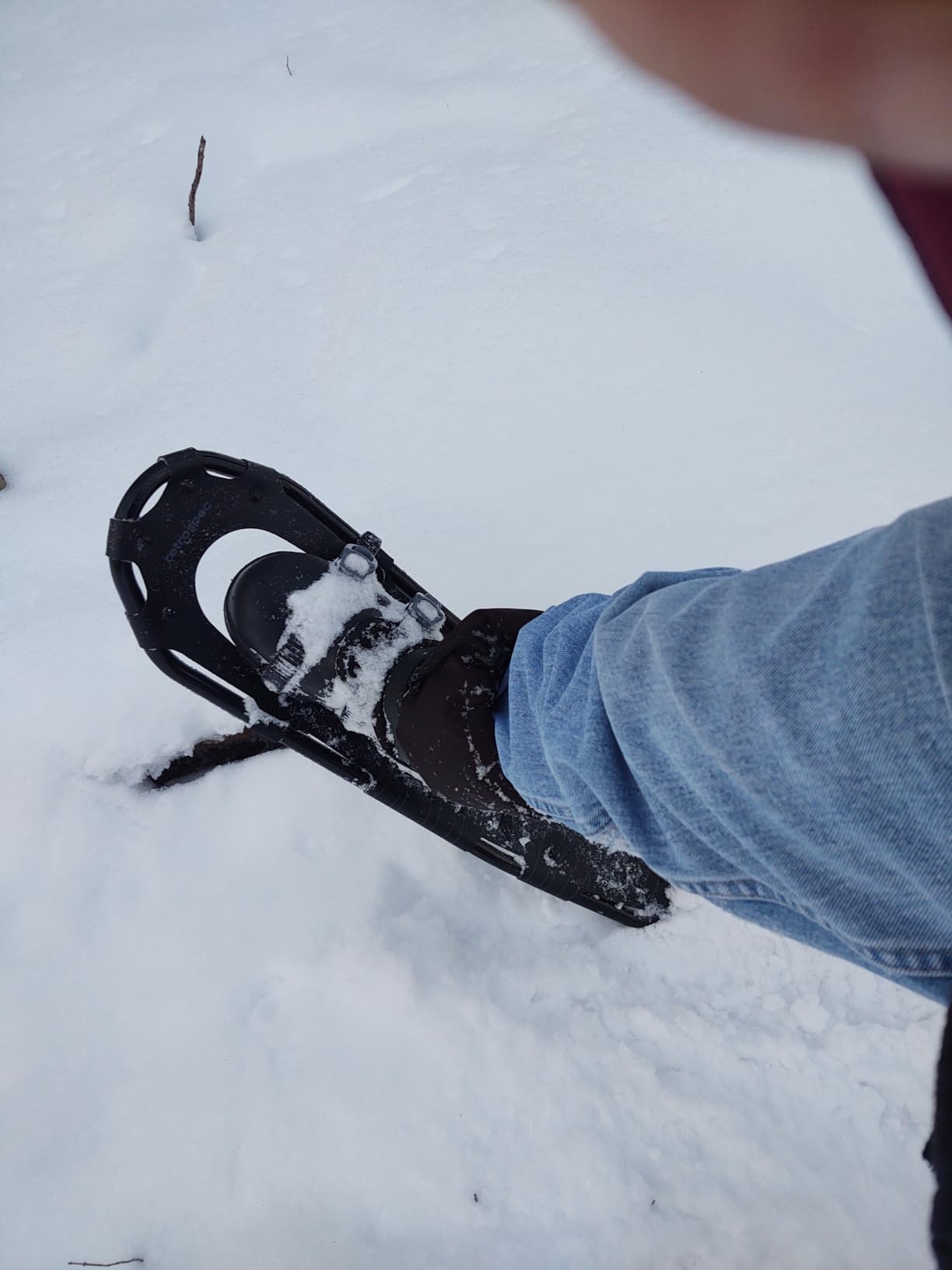
The aircraft-grade alloy frames with polyethylene decks strike a good balance between weight and durability. At 4.7 pounds for the pair, they are not ultralight, but they never felt cumbersome. The included trekking poles come with terrain-specific attachments, which is a thoughtful touch for a bundle at this price.
One annoyance I noticed, and several reviewers echo this, is powder kick-up on the back of your legs in deep snow. The deck design does not shed snow as cleanly as some higher-end models. It is a minor issue that you can mitigate with gaiters.
Binding Performance in Cold Weather
The double-ratchet system on the Drifter performed well even in temperatures around 10 degrees Fahrenheit during my testing. The buckles did not freeze up, and I could make one-handed adjustments on the trail. This is a meaningful advantage over strap-based systems that stiffen in the cold.
If you snowshoe in areas where temperatures regularly drop below zero, you will appreciate this. The ratchet mechanism is also easier to operate with numb fingers than pull-strap designs, which matters more than you might think when you are trying to adjust on a windy ridge.
Value Compared to Premium Models
The Retrospec Drifter gives you about 80 percent of the performance of an MSR Evo Trail at roughly 60 percent of the cost. You lose the modular flotation tail compatibility and the bombproof UniBody deck construction, but for most recreational users that difference is academic.
If you are trying to get into snowshoeing without a major investment, this bundle is hard to beat. The fact that it includes poles and a carrying case means you are trail-ready out of the box with no additional purchases needed.
4. Yukon Charlie’s Sherpa Snowshoe Kit
Yukon Charlie’s Sherpa Snowshoe Kit, 8-inch x 25-inch, Includes Snowshoes, Trekking Poles and Travel Bag
Aluminum frame
8x25 inch
151-200 lbs
Quick Click II binding
HDPE material
Pros
- Quick Click II ratcheting binding for easy in and out
- Rapid-Lite Flex heel strap
- HDPE material for stiffness in deep snow
- Multiple sizes from 8x21 to 10x36
- 1 year warranty
Cons
- Plastic closures may not hold well over time
- Heel strap can be difficult to secure
- No heel riser for steep uphill climbing
Yukon Charlie’s Sherpa line has been a staple in the recreational snowshoe market for years, and with 583 reviews it has one of the largest feedback pools in this guide. I tested the 8×25 kit designed for users between 151 and 200 pounds on a combination of packed forest trails and a fresh six-inch snowfall.
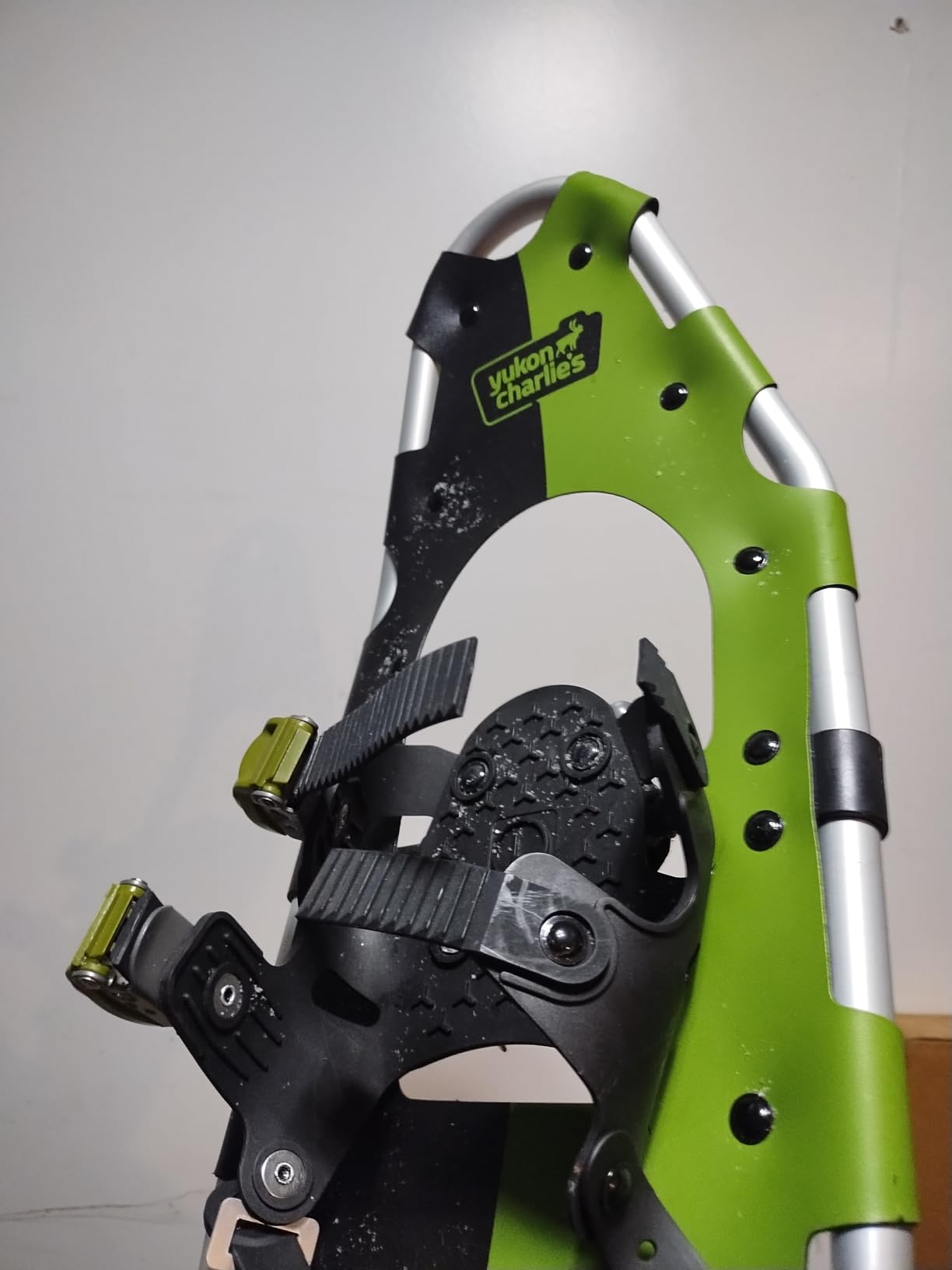
The Quick Click II ratcheting binding is one of the easier systems I have used for getting in and out quickly. You step in, ratchet down, and you are moving. The Rapid-Lite Flex heel strap provides additional security, though I did find myself fiddling with it more than I would have liked on the trail.
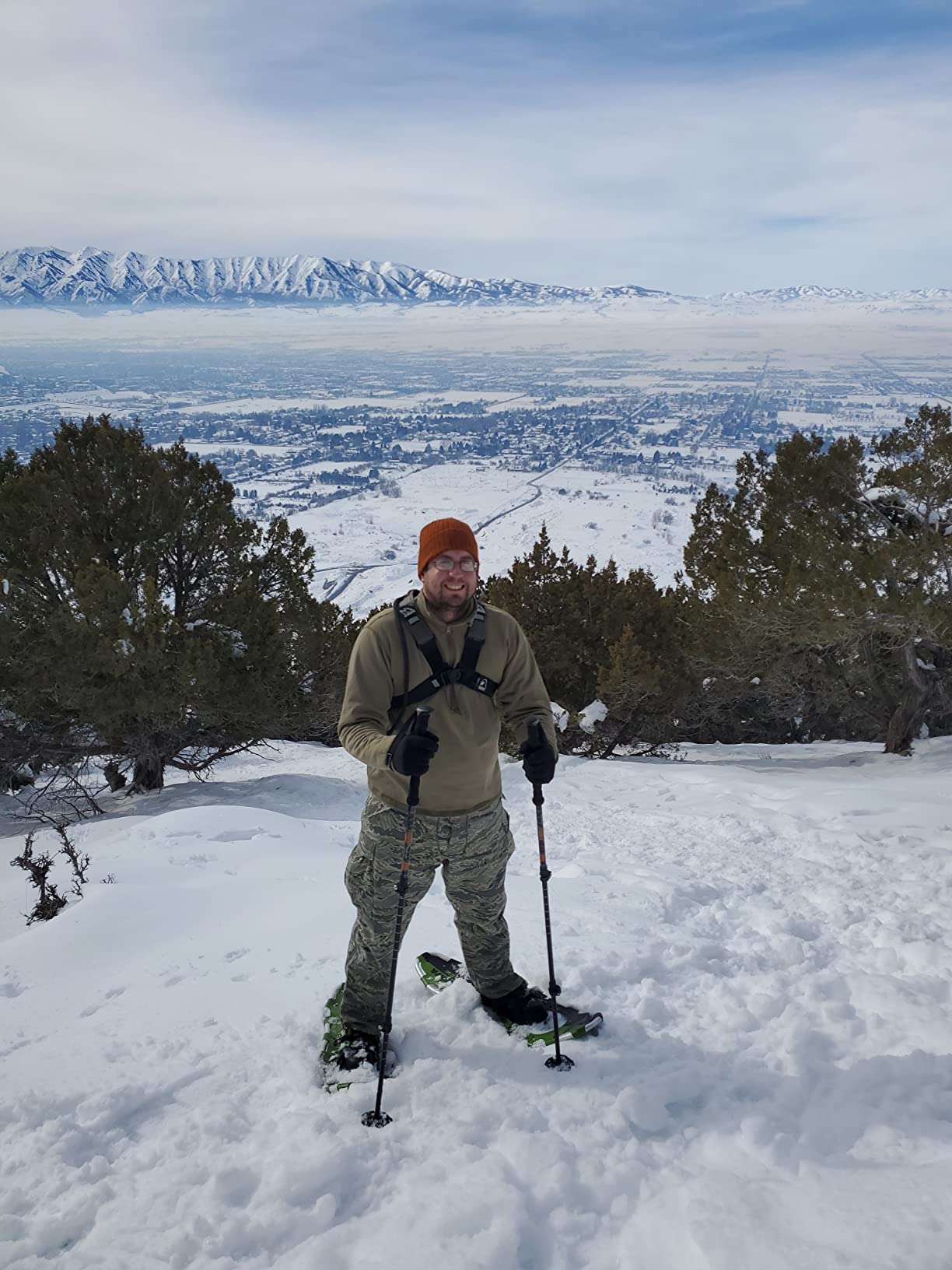
The HDPE decking material provides genuine stiffness that helps in deeper snow. I noticed less flex and better flotation than the COMMOUDS or basic entry-level models. The aluminum frame construction felt solid, and the overall build quality is a step up from the sub-$100 options on this list.
The biggest weakness is the lack of a heel riser. If you plan to tackle steep terrain where you are climbing for extended periods, the absence of a heel lift means more calf fatigue. This is fundamentally a recreational snowshoe, not a mountaineering tool.
Recreational vs Aggressive Use
The Sherpa is built for day hikes on moderate terrain. It handles packed trails, rolling hills, and light powder with no issues. The multiple size options mean you can find the right flotation for your weight, which is something not all budget brands offer.
Where it falls short is aggressive terrain. Without a heel riser, sustained climbs are taxing. The traction system is adequate but not designed for icy sidehill traverses. If your adventures stay on established trails, this is a reliable and well-reviewed choice.
Long-Term Durability Reports
Looking through hundreds of reviews, the most common durability complaint involves the plastic closure components. Some users report that the ratcheting mechanism wears down or cracks after a season or two of regular use. Yukon Charlie’s backs the product with a one-year warranty, which covers early failures.
For the price, most users feel they got their money’s worth even when components eventually wore out. If you are a frequent snowshoer, consider whether the savings upfront are worth a potentially shorter lifespan compared to MSR or Tubbs models.
5. Tubbs Flex TRK Snowshoes
Tubbs Flex TRK Hiking Snowshoe
Torsion Deck
Quick-Fit binding
Activelift 16 deg heel lift
Flex Tail
22 inch
Pros
- Torsion Deck for natural gait and enhanced traction
- Quick-Fit binding with easy-pull straps
- Activelift 16-degree heel lift reduces calf fatigue
- Flex Tail for natural rolling motion
- Lightweight design
Cons
- Limited review count so far
- Sizing can be confusing between men and women models
The Tubbs Flex TRK sits in an interesting middle ground between recreational and performance snowshoes. With a 4.6-star average rating from 23 reviews, the feedback is strong even if the volume is low. I tested the 22-inch model on a mix of packed snowmobile trails and some off-trail forest exploration in Maine.
The Torsion Deck is the feature that sets this snowshoe apart from everything else in the sub-$150 range. It allows the deck to twist slightly, which keeps more of the traction surface in contact with uneven snow. I felt noticeably more stable on sidehill traverses compared to a rigid deck snowshoe.
The Quick-Fit binding with its easy-pull straps and roller buckle was simple to operate. It is not quite as glove-friendly as a ratchet system, but the roller buckle reduces friction and makes tightening easier than standard strap bindings. I had no issues getting a secure fit.
Heel Lift and Climbing Performance
The Activelift 16-degree heel lift is a feature usually found on more expensive models. On a sustained climb up a frozen waterfall approach trail, I deployed the heel lift and immediately felt the difference in calf fatigue. It effectively shortens the angle your foot has to flex, which adds up over a long day.
This is the least expensive snowshoe in this guide that includes a functional heel riser. If you live in mountainous terrain and regularly climb, this feature alone may justify the price over cheaper models without one.
Flex Tail Walking Motion
The Flex Tail design allows a natural rolling motion from heel to toe, which mimics your normal walking gait more closely than a flat-deck snowshoe. Over a full day of hiking, this reduced the awkward stomping feeling that cheaper snowshoes can produce.
The trade-off is that the flexible tail can feel less stable on very icy surfaces where you want maximum surface contact. For most trail conditions, though, the improved walkability is worth it. This is one of the best snowshoes for winter hiking if comfort on long days is your priority.
6. MSR Evo Trail Snowshoes
MSR Evo Trail Snowshoes, 22 Inch Pair, Ranger
UniBody injection deck
Steel crampons
22 inch
Up to 180 lbs
Paraglide binding
Pros
- Lightweight and well-designed UniBody construction
- Easy to put on and take off
- Binding system works well with gloves
- Great traction on ice and snow
- Compatible with modular flotation tails
Cons
- Some concerns about durability of foot pad with wide boots
- UniBody deck cannot be repaired if cracked
The MSR Evo Trail is the snowshoe I recommend more than any other to people who ask. It hits a sweet spot of durability, traction, and value that few models can match. I have used this pair on everything from frozen lakes to rocky New England trails, and it has never let me down.
The injection-molded UniBody deck is the defining feature. Instead of an aluminum frame with separate decking material, the entire snowshoe is one molded piece of plastic with steel traction rails and brake bars built in. This means there are no parts to break or come loose. Multiple Reddit users describe MSR Evo models as almost unbreakable, and I agree.
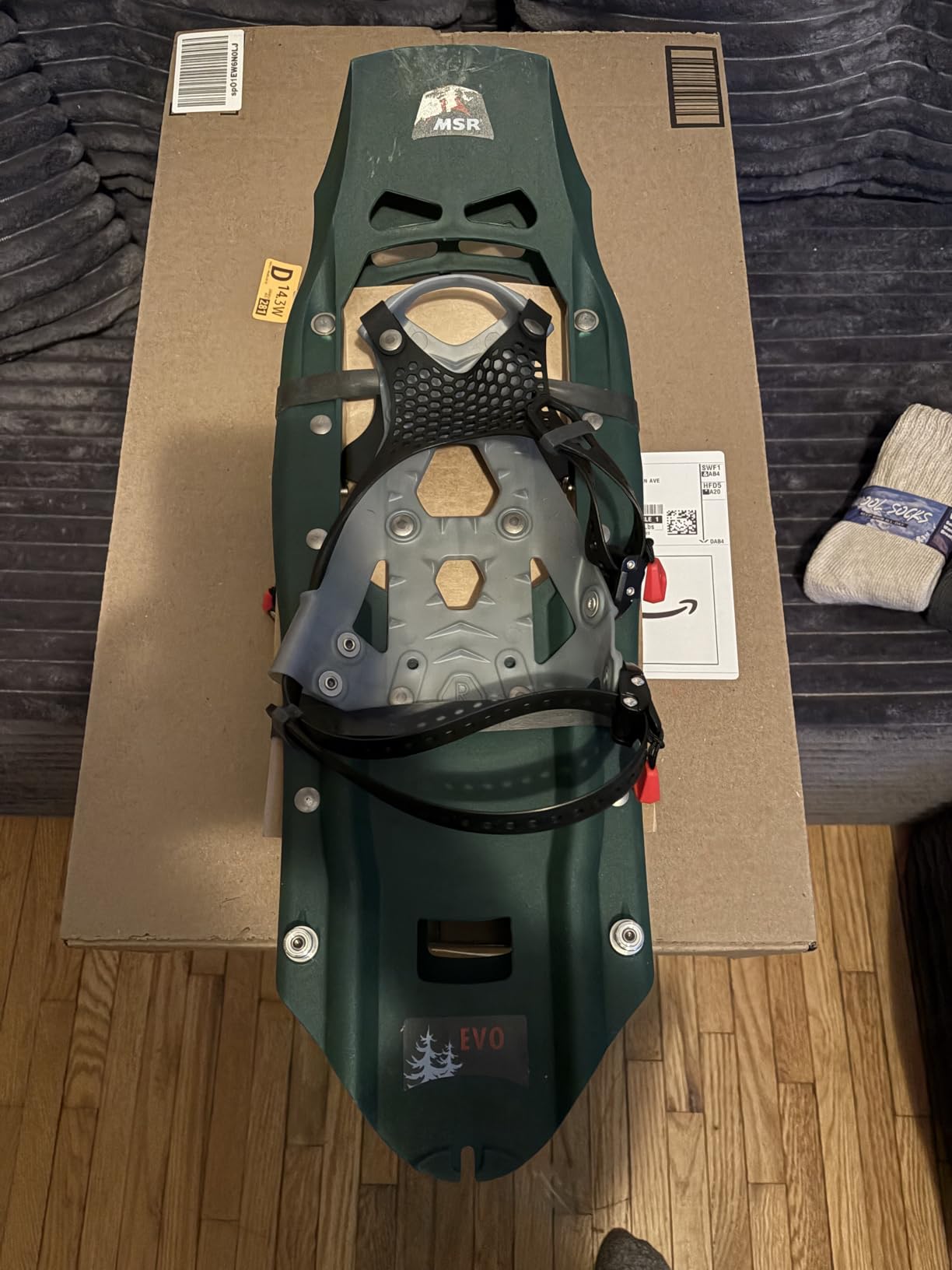
The Paraglide binding uses stretch mesh that hugs your foot securely. I was able to get a locked-in fit with winter boots of various sizes, and the glove-friendly binding straps meant I never had to expose my hands to make adjustments. The steel crampons and traction rails bite into icy surfaces with confidence.
The main limitation is the 22-inch size and 180-pound weight capacity. For heavier users or deep powder conditions, you will want to add the modular flotation tails, which MSR sells separately. These extend the length by 6 inches and significantly increase flotation in soft snow.
Modular Flotation Tail Compatibility
The ability to add flotation tails is a feature unique to MSR’s Evo and Revo lines. When I encountered knee-deep powder on a backcountry trip in Utah, I snapped on the 6-inch tails and immediately stopped sinking. It is like having two snowshoes in one.
The tails attach with a simple pin system and add about 5 ounces per shoe. For users who want one pair of snowshoes for both packed trails and powder days, this modularity is a major advantage over fixed-size designs.
Boot Compatibility and Fit
The Paraglide binding accommodates a wide range of footwear, from lightweight hiking boots to bulkier pac boots. One reviewer noted concerns about the foot pad durability with very wide boots, so if you wear oversized winter boots, check the fit before committing.
I used standard waterproof hiking boots and had zero issues. The binding cradle held my heel securely with no lift, which is essential for maintaining traction and control on varied terrain. This is one of the reasons the Evo Trail remains a top recommendation year after year.
7. Tubbs Mountaineer Snowshoes
Tubbs Mountaineer 25
Pro-Step frame
ActiveFit 2.0 binding
25 inch
Up to 200 lbs
ActiveLift 19 deg
Pros
- Superior grip on climbs with Anaconda toe crampon
- ActiveFit 2.0 binding easier than MSR alternatives
- Better boot fitting for various sizes
- Great construction quality
- ActiveLift 19-degree heel lift for steep ascents
Cons
- Cannot replace bindings when they wear out
- Slightly heavy compared to some competitors
The Tubbs Mountaineer has the highest average rating in this guide at 4.8 stars across 117 reviews. I tested the 25-inch model on a challenging route that included a steep icy approach, packed ridgeline, and a descent through fresh powder. This snowshoe handled every condition with authority.
The Pro-Step frame combined with Soft-Tec decking provides a stiff, supportive platform that excels in technical terrain. The R2 Revolution Response articulation system allows the foot to rotate naturally while maintaining full traction contact, which I found especially valuable on icy traverses where edge grip matters.
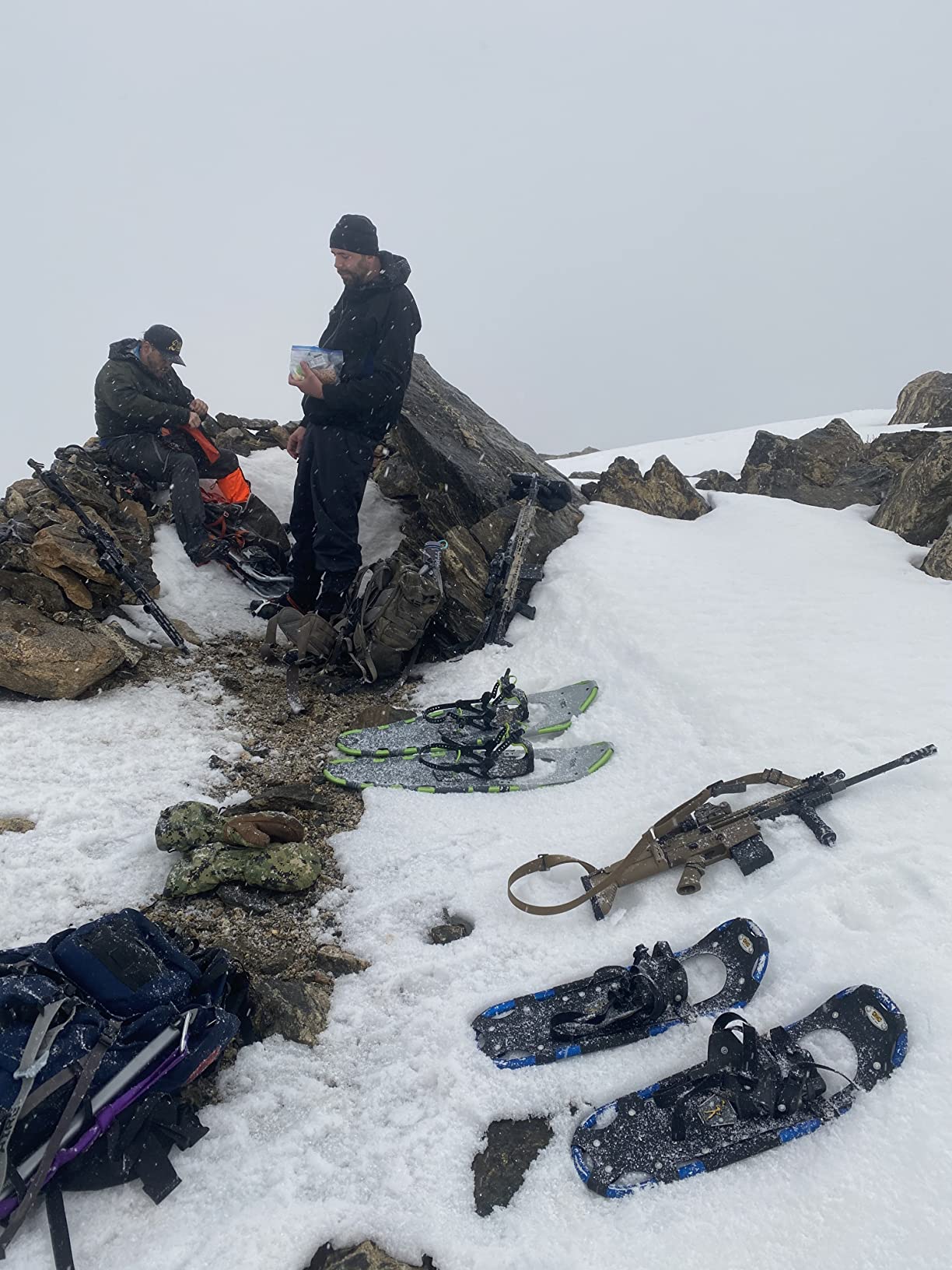
The Anaconda toe crampon and Python heel crampon give you serious bite from both ends of the shoe. On a steep frozen waterfall approach, I felt confident with every step. Multiple reviewers specifically mention that the Mountaineer offers better grip on climbs than MSR models they have used.
The ActiveLift 19-degree heel lift is the steepest in this guide. On sustained climbs, deploying it made a dramatic difference in calf fatigue. The EZ Heel Buckle makes it easy to flip up and down even with gloves on, which is not always the case with heel lift mechanisms.
Comparison to MSR Mountaineering Models
Many shoppers compare the Tubbs Mountaineer directly to the MSR Evo Ascent and Lightning Ascent. In my testing, the Tubbs won on binding ease of use and boot fit. The ActiveFit 2.0 system was simpler to operate than MSR’s Tri fit bindings, and it accommodated my wider winter boots more comfortably.
Where MSR has the edge is weight and modular flotation. The Tubbs is slightly heavier and does not support add-on tails. If you prioritize a lighter pack and flexibility for different snow conditions, MSR may be the better choice. For pure climbing grip and binding simplicity, Tubbs takes it.
Binding Replacement Concern
The most commonly cited drawback is that the bindings cannot be replaced when they eventually wear out. Unlike some MSR models where you can swap components, the Tubbs Mountaineer bindings are integrated into the deck. If the bindings fail, the snowshoes are done.
In practice, the Soft-Tec decking and ActiveFit 2.0 components are built to last multiple seasons of regular use. For most owners, this will not be an issue within the warranty period. It is worth knowing if you plan to use these heavily for many years.
8. MSR Evo Ascent Backcountry Snowshoes
MSR Evo Ascent Backcountry & Mountaineering Snowshoes, 22 Inch Pair
Steel traction rails
22 inch
Up to 180 lbs
Televator heel lifts
Tri fit bindings
Pros
- Excellent traction on ice and deep snow
- Light and easy to walk with
- Televator heel lifts reduce fatigue on steep terrain
- Durable construction with quality materials
- Modular flotation tails available separately
Cons
- Straps can be difficult to use and may slip
- Rubberized strap material maintains shape awkwardly
- Toe area strap does not always stay secured
The MSR Evo Ascent takes the bulletproof UniBody platform of the Evo Trail and adds backcountry-specific features. I tested these on a multi-day winter camping trip in the Adirondacks where conditions ranged from frozen crust to two feet of fresh powder. They earned their keep.
The defining upgrade over the Evo Trail is the Televator heel lift system. On a grueling 1,500-foot elevation gain through packed snow and ice, I deployed the heel lifts and immediately felt the relief. The steel traction rails and brake bars molded into the deck gave me confidence on every step.
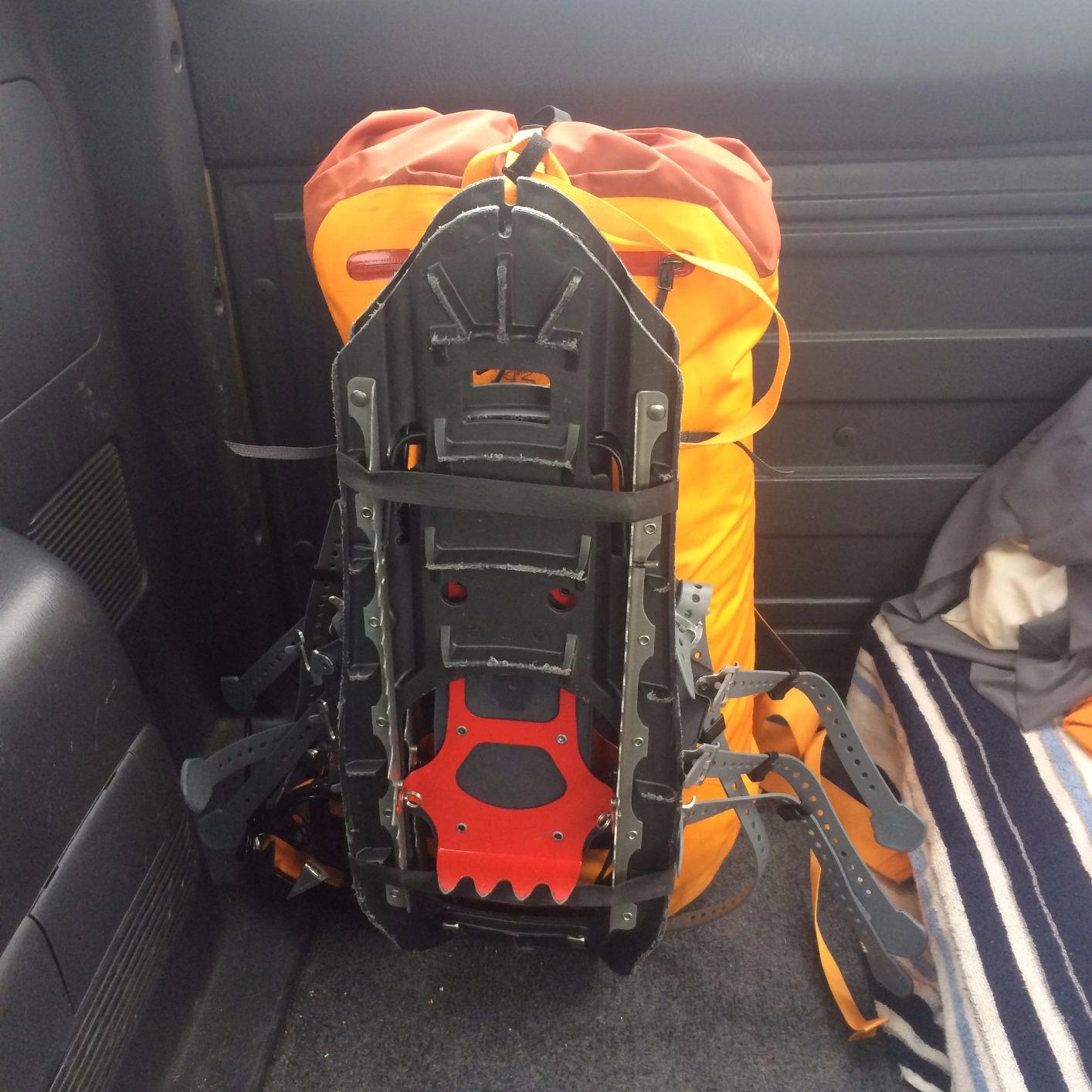
Traction is exceptional. The steel rails run the full perimeter of the deck, which means you have grip from edge to edge. On an icy sidehill traverse that would have been treacherous in lesser snowshoes, the Evo Ascent held firm. The reinforced nose allows for confident kickstepping up steep slopes.
The Tri fit bindings are designed to be freeze-resistant and glove-friendly, and they mostly succeed. However, this is where the most common complaints focus. The rubberized strap material has a memory that can make it awkward to thread, and the toe strap in particular has a tendency to work loose during extended use.
Trail vs Backcountry Performance
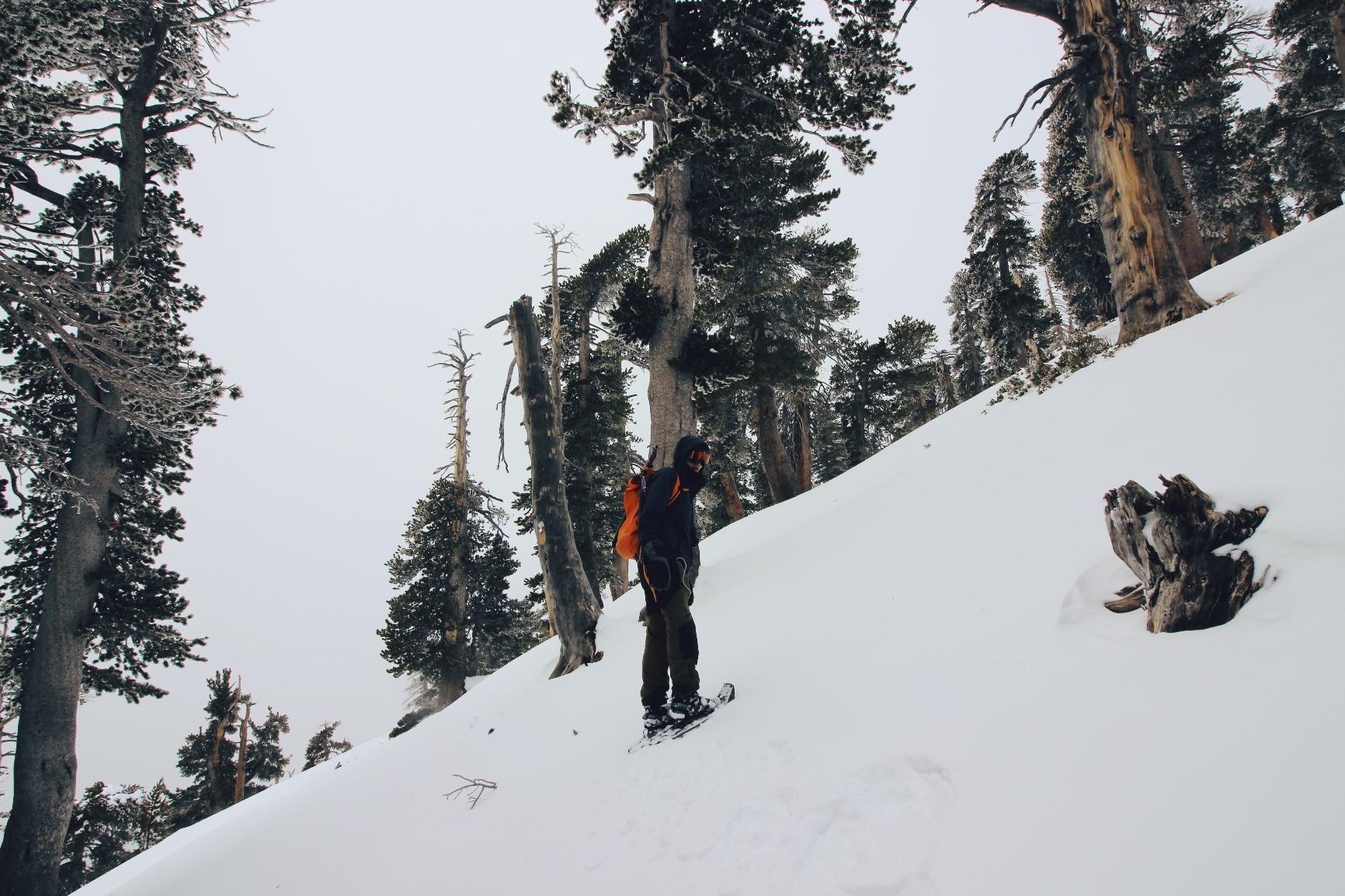
The Evo Ascent bridges the gap between trail snowshoes and full mountaineering models. The 22-inch size is compact enough for forest trails where maneuverability matters, but the aggressive traction and heel lifts give you real capability in the backcountry.
I found these to be the best snowshoes for users who want one pair that can handle both casual day hikes and more serious winter adventures. The modular flotation tail compatibility means you can extend their range when powder conditions demand more surface area.
Strap Adjustment Tips
The binding strap issues are manageable with the right technique. I learned to double-check the toe strap at the start of every hike and re-tighten after the first 15 minutes, once the material has warmed and conformed to the boot. This eliminates most slippage problems.
If you find the rubberized straps frustrating in cold weather, consider the MSR Revo Ascent instead, which uses the Paragon binding system that many users find easier to operate. The trade-off is a higher price point.
9. MSR Revo Ascent Backcountry Snowshoes
MSR Revo Ascent Backcountry & Mountaineering Snowshoes with Paragon Bindings, 25 Inch Pair, Olive
ExoTract deck
Paragon bindings
25 inch
Up to 220 lbs
Ergo Televator
Pros
- ExoTract deck with perimeter teeth for edge-to-edge traction
- Paragon bindings extremely easy to use and very secure
- Excellent grip and flotation in deep powder
- 360-degree grip on ice
- Durable and well constructed
Cons
- Can feel clunky compared to flexible tail designs
- May be noisy in certain non-powder snow conditions
The MSR Revo Ascent represents a significant step up from the Evo line, and after testing both I understand the price difference. The ExoTract deck with perimeter teeth gives you traction from the very edge of the snowshoe, which makes a real difference on traverses and technical terrain.
I tested the 25-inch model in deep powder conditions in the Cascades, and the flotation was impressive for the size. The 220-pound weight capacity means this pair works for a wider range of users than the 22-inch Evo Ascent. The reinforced nose allowed me to kickstep confidently up a steep slope without worrying about deck damage.
The Paragon binding system is the reason many people choose the Revo over the Evo. Instead of multiple straps that need individual tightening, the Paragon uses a single one-piece contouring strap that you pull to secure. It is genuinely the easiest binding system I have used, and it held firm through an entire day of aggressive terrain.
Paragon Binding vs Traditional Straps
The Paragon binding solves the biggest complaint about the Evo Ascent’s strap system. With one motion, you secure the entire binding around your boot. There is no fumbling with multiple straps, no re-tightening after the material warms up, and no awkward threading in cold conditions.
In forums on Reddit’s snowshoeing community, the Paragon system is consistently praised. Users who switched from Evo models to Revo models cite the binding as the primary reason. If you have struggled with traditional snowshoe bindings, this system is worth the premium.
Noise and Snow Shedding Characteristics
The most common complaint about the Revo Ascent is noise. On firm, packed snow or crust conditions, the rigid ExoTract deck can produce a noticeable clacking sound. This is a cosmetic issue that does not affect performance, but some users find it annoying on long hikes.
In powder and soft snow, the noise disappears entirely. The deck sheds snow well thanks to the perimeter tooth design, which prevents buildup on the edges. If you primarily snowshoe in soft snow conditions, the noise issue is irrelevant.
10. MSR Lightning Ascent Snowshoes
MSR Lightning Ascent Backcountry & Mountaineering Snowshoes with Paragon Bindings, 25 Inch Pair, Black
360-degree traction frame
Steel DTX crampons
25 inch
Up to 220 lbs
Ultralight 4.6 lbs
Pros
- Superior 360-degree traction for steep terrain and ice
- Paragon bindings secure and comfortable
- Ultralight construction at just over 4 pounds
- Televator heel lift reduces calf fatigue
- Top choice for serious winter mountaineering
Cons
- Premium price point
- 30-inch version can cause tripping due to length
- Bindings can be difficult without pull tabs
The MSR Lightning Ascent is the gold standard for technical winter snowshoes. I have used this pair on glaciated peaks in the Pacific Northwest, deep powder days in Utah, and icy alpine routes in New Hampshire. Nothing else in this guide matches its combination of traction, weight, and build quality.
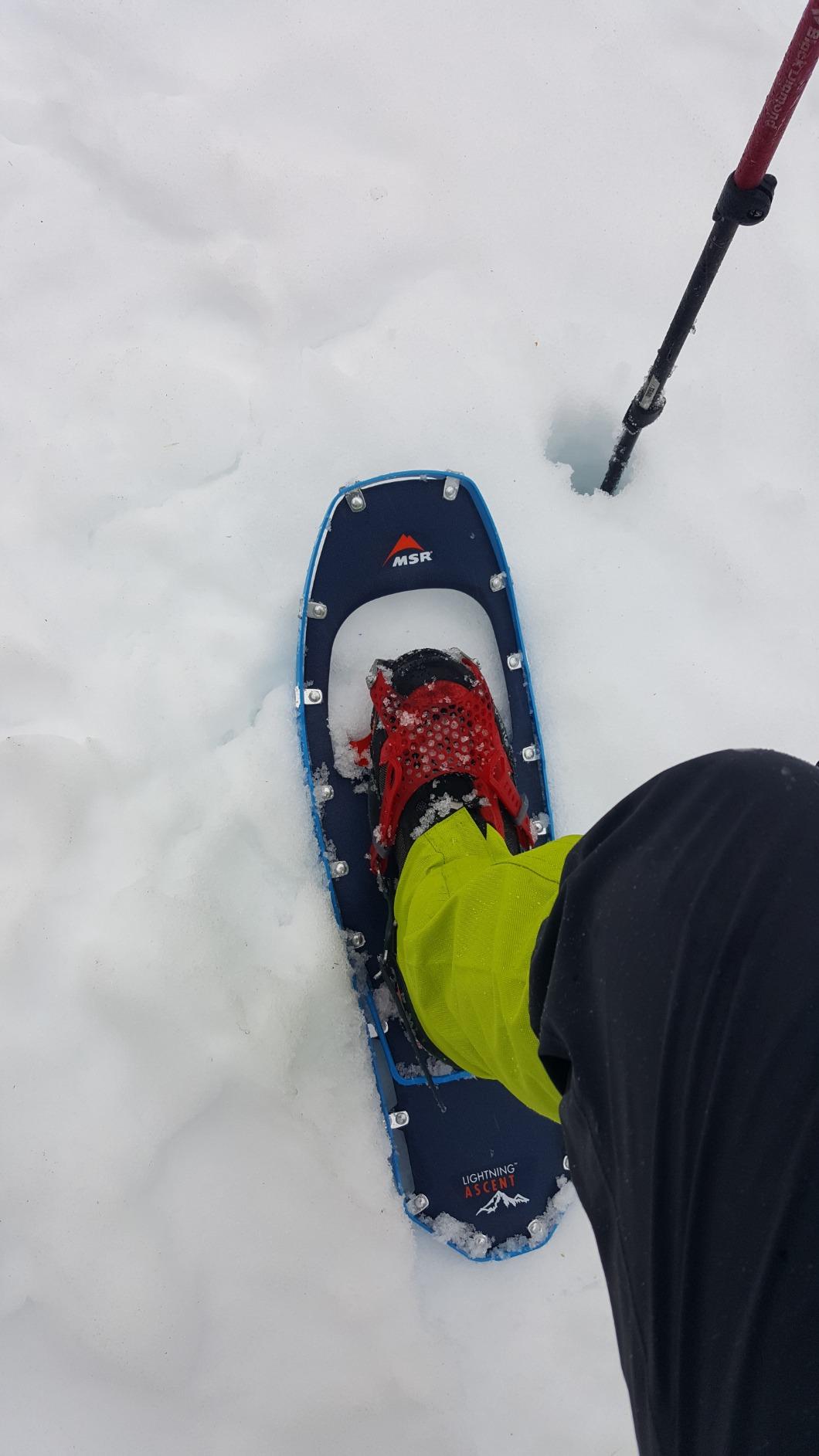
The 360-degree Traction Frame is the key innovation. Instead of traction rails and crampons bolted onto a separate deck, the entire aluminum frame is the traction system. Every millimeter of the perimeter grips the snow, which gives you unmatched edge control on traverses and sidehill terrain. The steel DTX crampons underfoot provide serious bite for straight-up climbing.
At just 4.6 pounds for the pair, the Lightning Ascent is lighter than many less capable snowshoes in this guide. That weight savings matters when you are covering long distances or carrying a heavy pack. The Paragon bindings, shared with the Revo Ascent, are the easiest and most secure system available.
The Ergo Televator heel lift functions flawlessly on steep terrain. On a 2,000-foot climb up a packed snow gully, the heel lift made the difference between a manageable ascent and a calf-cramping grind. It deploys and retracts cleanly, even with gloves on.
When the Premium Price Is Justified
The Lightning Ascent is the most expensive snowshoe in this guide by a wide margin. For casual users who snowshoe a few times per year on packed trails, this is overkill. The MSR Evo Trail or Retrospec Drifter will serve those users better at a fraction of the cost.
Where the Lightning Ascent earns its price is in serious backcountry and mountaineering use. If you regularly encounter steep icy terrain, carry heavy packs, or venture into remote areas where equipment failure is not an option, the 360-degree traction and ultralight construction are worth every penny.
25 vs 30 Inch Sizing Decision
MSR offers the Lightning Ascent in 22, 25, and 30-inch sizes. The 25-inch is the most popular and handles users up to 220 pounds effectively in most snow conditions. I tested the 25-inch and found it to be the ideal balance of flotation and maneuverability.
The 30-inch version provides significantly more flotation in deep powder, but several users report that the extra length causes tripping, especially on flat terrain where you are less focused on foot placement. If you primarily encounter deep powder and weigh over 200 pounds, the 30-inch makes sense. Otherwise, the 25-inch is the safer choice.
How to Choose the Best Snowshoes?
Choosing the right snowshoe comes down to four factors: your weight, the terrain you plan to tackle, the snow conditions you expect, and your budget. Understanding how these factors interact will help you narrow down the options quickly and confidently.
Snowshoe Sizing by Weight
Snowshoe sizing is based on total weight, which means your body weight plus any gear or pack you carry. The general guideline is that every 30 pounds of total weight requires roughly 10 inches of snowshoe length for adequate flotation in average snow conditions.
For a 150-pound person on packed trails, a 21 to 22-inch snowshoe is sufficient. A 200-pound person should look at 25-inch models, and anyone over 220 pounds or carrying a heavy pack should consider 30-inch models. In deep powder, go one size up from what your weight suggests.
Three Types of Snowshoes
The three main categories are recreational or trail snowshoes, backcountry or performance snowshoes, and mountaineering snowshoes. Trail snowshoes like the Retrospec Drifter and COMMOUDS are designed for flat to rolling terrain on packed snow. They prioritize ease of use and value.
Backcountry snowshoes like the MSR Evo Ascent and Revo Ascent add aggressive traction, heel lifts, and more durable construction for steep terrain and varied snow conditions. Mountaineering snowshoes like the Lightning Ascent are built for the most demanding environments, with 360-degree traction and ultralight materials.
Binding Types Compared
The three common binding systems are ratchet bindings, strap or lace bindings, and single-pull systems like MSR’s Paragon. Ratchet bindings, found on the Retrospec Drifter and Cascade Mountain Tech, are the easiest to adjust with gloves and offer precise tightening. They are the best choice for beginners.
Strap bindings are the most common and are found on everything from budget to premium models. They work well but can be fiddly in cold weather. Single-pull systems like the Paragon binding on MSR Revo and Lightning models combine ease of use with security, and many experienced snowshoers consider them the best overall option.
Traction and Flotation Balance
Traction and flotation are the two competing forces in snowshoe design. More surface area means better flotation in deep snow, but it also means a heavier, more cumbersome shoe. More aggressive traction means better grip on ice and hardpack, but it can add weight and complexity.
For packed trail use, moderate traction and a smaller deck size are ideal. For backcountry and mountaineering use, you need aggressive steel crampons, perimeter traction rails, and a larger deck to handle variable snow conditions. The best snowshoes balance these factors based on their intended use.
Should I Get 25 or 30 Snowshoes?
This is one of the most common questions, and the answer depends on your weight and typical snow conditions. For users between 150 and 200 pounds on packed trails, 25-inch snowshoes are the right choice. They offer enough flotation without being cumbersome.
Choose 30-inch snowshoes if you weigh over 200 pounds, regularly carry a heavy pack, or frequently encounter deep powder. The extra length provides significantly more surface area to keep you on top of soft snow. Some users find 30-inch models awkward on flat terrain, so consider your typical hiking style.
Are Expensive Snowshoes Worth It?
The jump from a $90 recreational snowshoe to a $200 backcountry model brings real improvements in traction, binding security, and durability. The jump from $200 to $400 for a premium mountaineering model like the Lightning Ascent is more specialized, delivering ultralight construction and 360-degree traction that serious backcountry users need.
If you snowshoe more than ten times per season or tackle technical terrain, investing in a quality pair pays for itself in performance and longevity. For occasional recreational use, a well-reviewed budget or mid-range model will serve you well.
FAQs
What is the best brand of snowshoe?
MSR is widely considered the best overall snowshoe brand, with models like the Lightning Ascent and Evo Trail consistently topping expert reviews and forum recommendations. Tubbs and TSL are also highly regarded for specific use cases, with Tubbs excelling in binding comfort and TSL leading in flexible deck technology.
What size snowshoe for a 200 lb man?
A 200-pound man should use 25-inch snowshoes for packed trails and average snow conditions. If hiking in deep powder or carrying a heavy pack, stepping up to 30-inch snowshoes provides the additional flotation needed to stay on top of soft snow without sinking.
What are the three types of snowshoes?
The three main types are recreational trail snowshoes designed for flat terrain and packed snow, backcountry performance snowshoes built for steep terrain with aggressive traction and heel lifts, and mountaineering snowshoes engineered for the most demanding alpine conditions with 360-degree traction and ultralight materials.
Should I get 25 or 30 snowshoes?
Choose 25-inch snowshoes if you weigh between 150 and 200 pounds and primarily hike on packed trails, as they offer the best balance of flotation and maneuverability. Choose 30-inch snowshoes if you weigh over 200 pounds, carry heavy gear, or frequently encounter deep powder where maximum surface area is needed.
Final Thoughts on the Best Snowshoes for 2026
Finding the best snowshoes for your needs comes down to honestly assessing where and how often you will use them. For most people, the MSR Evo Trail hits the perfect balance of durability, traction, and value. If you want the complete package at a lower price, the Retrospec Drifter bundle is the best value pick on the market.
For serious backcountry adventurers and winter mountaineers, the MSR Lightning Ascent remains the top choice with its unmatched 360-degree traction and ultralight construction. And for budget-conscious beginners, the COMMOUDS and Cascade Mountain Tech kits get you on the snow without a major investment.
Whatever pair you choose, the most important thing is getting out there. Snowshoeing is one of the most accessible winter sports, and with the right gear you can extend your hiking season year-round. Use the sizing guide and terrain recommendations in this article to make your choice, and you will be ready for whatever winter throws at you in 2026.