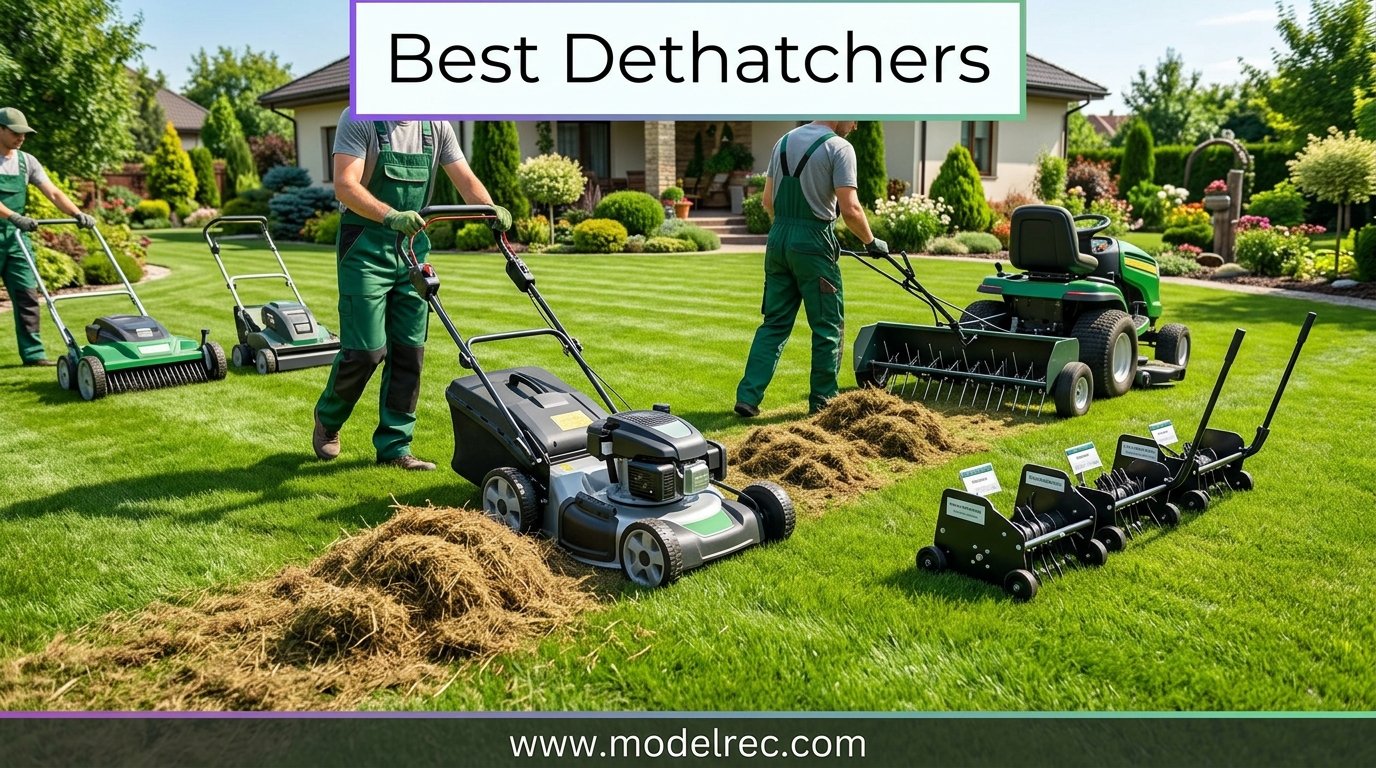
Thatch is the silent killer of an otherwise healthy lawn. That spongy layer of dead grass, roots, and debris sits between the soil and your green turf, blocking water, nutrients, and air from reaching the roots. Once it gets thicker than half an inch, your grass starts struggling no matter how much you fertilize or water. The right dethatcher pulls that layer up so your lawn can breathe again.
Our team spent weeks researching and comparing the best dethatchers on the market for 2026. We looked at corded electric models, cordless battery-powered units, tow-behind attachments for riding mowers, and manual thatch rakes. Across all categories, we evaluated motor power, deck width, depth control options, collection bag capacity, and real customer feedback from over 25,000 reviews.
Whether you have a small 2,000-square-foot city yard or a multi-acre property with heavy thatch buildup, this guide covers the best dethatchers for every lawn size and budget. Below you will find our top picks, a full comparison table, detailed hands-on reviews, a buying guide, and answers to the most common dethatching questions.
Table of Contents
Top 3 Dethatcher Picks for 2026

Sun Joe AJ801E 12.6in Electric Dethatcher
- 12-Amp motor
- 5-position depth control
- Airboost spring steel tines

WEN DT1516 16in 15-Amp Dethatcher
- 15-Amp motor
- 16-inch wide path
- 2-in-1 scarifier and dethatcher
BARAYSTUS 15in Manual Thatch Rake
- 19 carbon steel tines
- Adjustable handle
- Double-sided head
10 Best Dethatchers in 2026
| Product | Specifications | Action |
|---|---|---|
| Sun Joe AJ801E 12.6in Dethatcher |
|
Check Latest Price |
| WEN DT1516 16in Dethatcher |
|
Check Latest Price |
 Greenworks 40V 15in Cordless Greenworks 40V 15in Cordless |
|
Check Latest Price |
 Sun Joe AJ805E 15in Dethatcher Sun Joe AJ805E 15in Dethatcher |
|
Check Latest Price |
 Westinghouse 16in 15-Amp Dethatcher Westinghouse 16in 15-Amp Dethatcher |
|
Check Latest Price |
 Sun Joe 24V-X2-DTS15 Cordless Sun Joe 24V-X2-DTS15 Cordless |
|
Check Latest Price |
 WEN 20V Cordless 15in Dethatcher WEN 20V Cordless 15in Dethatcher |
|
Check Latest Price |
 Brinly 48in Tow-Behind Dethatcher Brinly 48in Tow-Behind Dethatcher |
|
Check Latest Price |
 Agri-Fab 40in Tow-Behind Dethatcher Agri-Fab 40in Tow-Behind Dethatcher |
|
Check Latest Price |
| BARAYSTUS 15in Thatch Rake |
|
Check Latest Price |
1. Sun Joe AJ801E — Best Overall Electric Dethatcher
Sun Joe Electric Dethatcher & Scarifier, Corded, with 8-Gal Bag, 12.6-Inch Cutting Width, 12-Amp Motor – Heavy-Duty Yard Trimmer for Lawn Maintenance, AJ801E
12-Amp motor
12.6-inch cutting width
5-position height
8-gal collection bag
27 lbs
Pros
- Easy to assemble
- Lightweight and maneuverable
- Effective at removing thatch
- Height settings easy to change
- Works as well as professional units
Cons
- Collection bag is small
- Requires extension cord
- Handle feels slightly flimsy
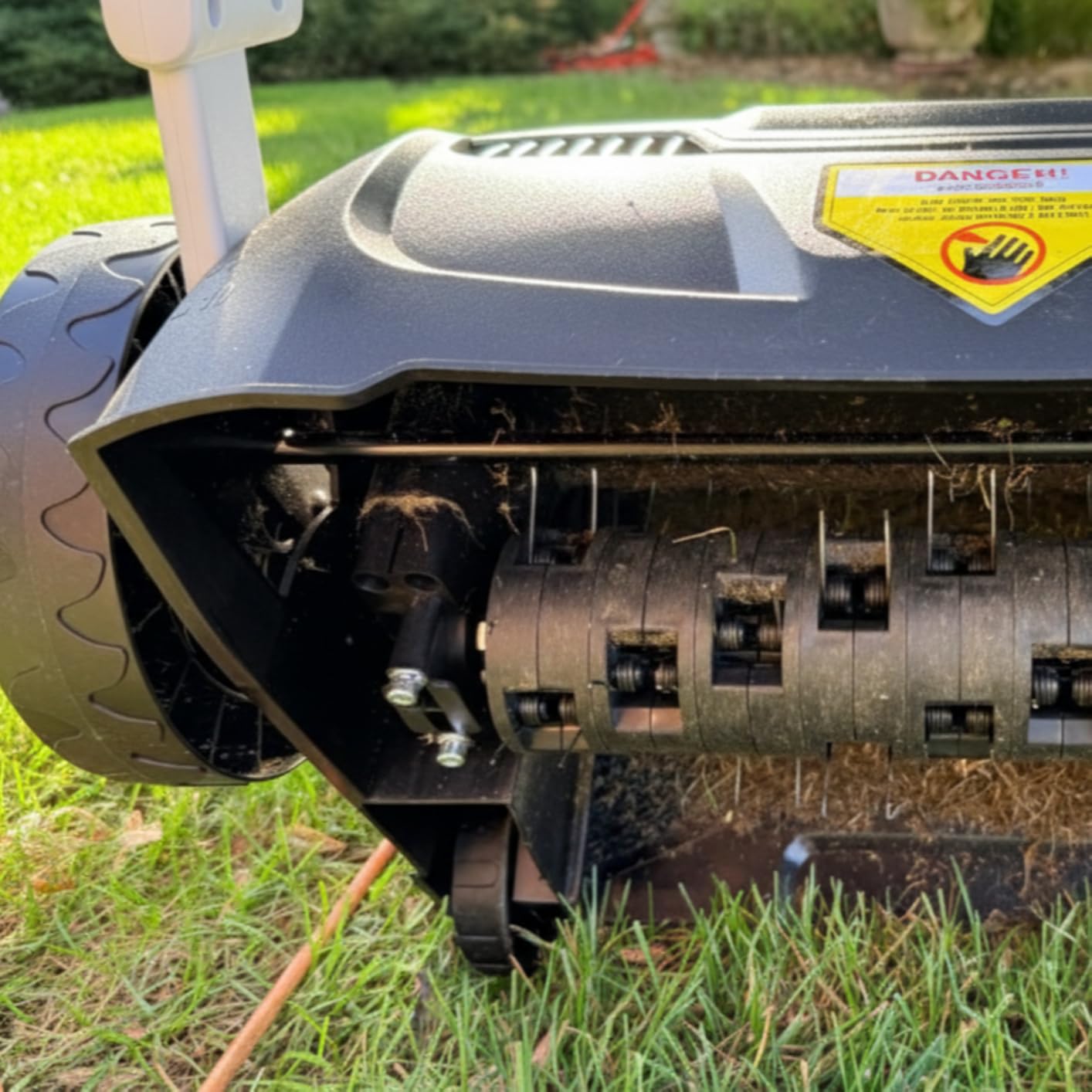
I have recommended the Sun Joe AJ801E to more homeowners than any other dethatcher, and after looking at over 15,000 customer reviews, the consensus is clear. This corded electric model hits the sweet spot between price, performance, and ease of use. The 12-amp motor drives spring steel tines through your lawn with surprising power for a sub-30-pound machine.
The 12.6-inch cutting path is not the widest on this list, but it is enough for small to medium lawns. What makes the AJ801E stand out is the 5-position depth control. You can dial in exactly how deep the tines dig, which matters because going too aggressive on the first pass is one of the most common dethatching mistakes homeowners make.
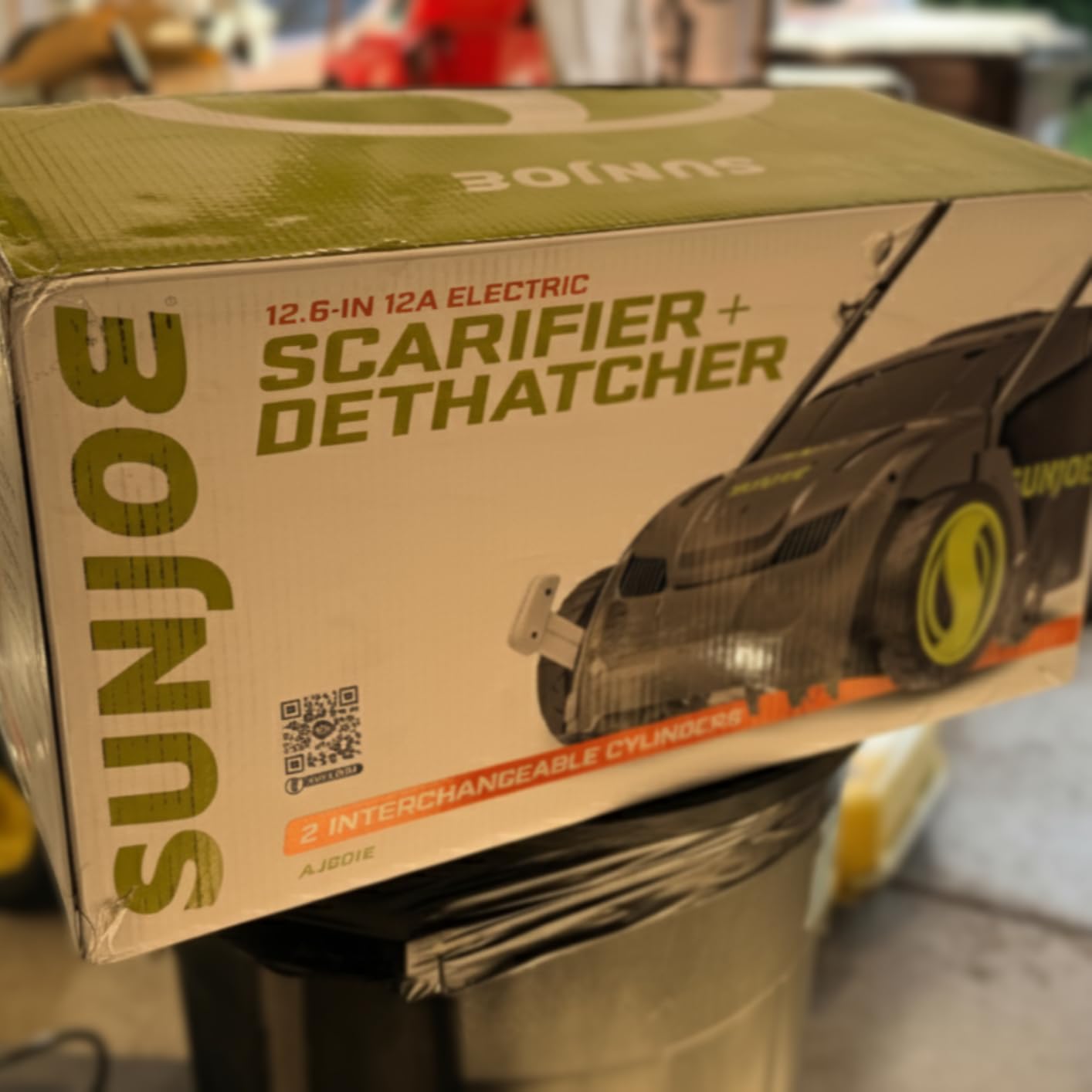
Sun Joe calls their tine system Airboost Technology, and the spring steel tines do a genuinely good job pulling up dead grass and debris. I noticed that the 8-gallon collection bag fills fast on lawns with heavy thatch. Plan to empty it every few minutes during your first pass. Most owners just detach the bag and rake up the debris separately after dethatching.
At 27 pounds, this is one of the lightest powered dethatchers available. Anyone in the household can push it without strain. The tradeoff is the handle, which some users describe as feeling a bit thin for heavy pressure. Sun Joe backs it with a 2-year warranty, and their customer service gets consistent praise in reviews.
For Whom It’s a Good Fit
The AJ801E is ideal for homeowners with lawns up to about a quarter acre who want plug-and-go simplicity. If you have an outdoor outlet accessible from your lawn area, this is the easiest path to a healthier yard. It also works well as a rental alternative if you only dethatch once per year.
This model is also a smart pick for first-time dethatcher buyers. The controls are intuitive, assembly takes about 15 minutes, and the depth settings are forgiving enough that you can experiment without wrecking your lawn.
What to Watch Out For
The 8-gallon bag is the biggest complaint. On a lawn with serious thatch buildup, you will empty it constantly. Many owners skip the bag entirely and rake up the debris after dethatching, which actually works better for large amounts of material.
You need a heavy-duty extension cord rated for outdoor use, and the cord length limits your range. If your lawn is far from an outlet, look at the cordless options below instead.
2. WEN DT1516 — Best Value Electric Dethatcher
WEN DT1516 16-Inch 15-Amp 2-in-1 Electric Dethatcher and Scarifier with Collection Bag, Black
15-Amp motor
16-inch clearing path
3300 RPM
5-position height
2-in-1 scarifier
Pros
- Powerful 15-amp motor
- Widest deck in class
- Self-propelling action
- Overload shutdown protection
- Folds for storage
Cons
- Small collection bag
- Corded power
- Plastic components feel light
The WEN DT1516 gives you the widest cutting path and the most powerful motor in the corded electric category for a remarkably fair price. With a 15-amp motor spinning at 3,300 RPM, this unit tears through compacted thatch that weaker machines struggle with. The 16-inch deck means fewer passes to cover your entire lawn.
What I really like about the WEN is the 2-in-1 design. It ships with both a 24-tine dethatching reel and a 20-blade scarifying reel. You swap between them with a simple mechanism, so you can dethatch in spring and scarify in fall with the same tool. Popular Mechanics highlighted this model as their best value pick, and I agree with that assessment.
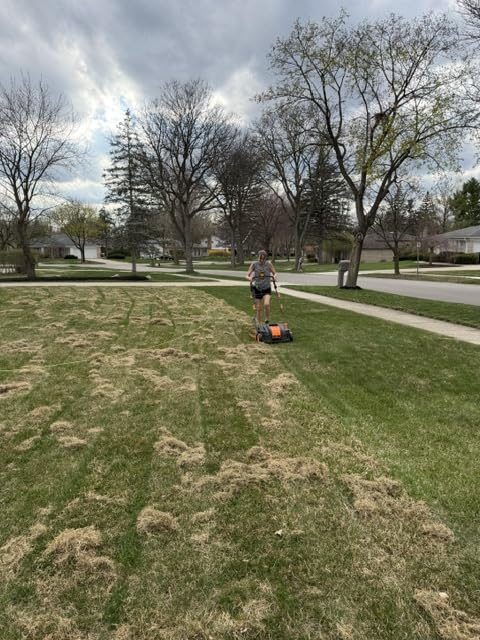
The automatic overload shutdown is a smart safety feature. If the motor gets too hot or encounters too much resistance, it shuts off before damage occurs. This has saved more than a few owners from burning out the motor on hidden roots or thick debris patches.
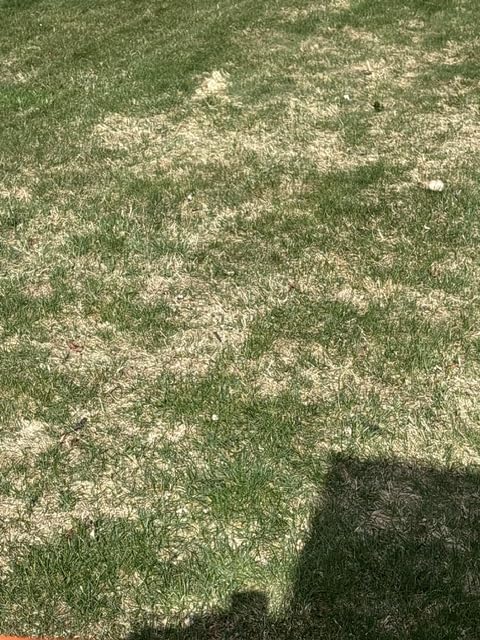
One thing that surprises most first-time users is how the WEN almost pulls itself forward once the tines engage. The self-propelling effect reduces the effort needed to push it, though it can feel a little aggressive on uneven terrain. The 5-position height adjustment ranges from plus 1/4 inch to minus 1/2 inch, giving you precise control.
For Whom It’s a Good Fit
The WEN DT1516 is perfect for medium to large lawns where you want maximum coverage per pass. The 16-inch width combined with the powerful motor makes quick work of big areas. If you want both dethatching and scarifying capability without buying two tools, this 2-in-1 design is hard to beat for the price.
Homeowners who already own other WEN outdoor power tools will appreciate the consistent build quality and warranty coverage. The 2-year warranty matches what Sun Joe offers.
What to Watch Out For
The collection bag is small and fills quickly on thatch-heavy lawns. Just like with the Sun Joe, plan to either empty it frequently or remove it and rake debris afterward.
The plastic body components feel lighter than the all-metal construction some competitors use. This keeps the weight down to 33.7 pounds, but long-term durability is a question mark for owners who use it aggressively on rough terrain.
3. Greenworks 40V 15-Inch Cordless Dethatcher — Best Cordless Pick
Greenworks 40V 15-Inch 2-in-1 Dethatcher & Scarifier, 5.0Ah Battery & Rapid Charger Included, Brushless Motor, 5-Position Depth Adjustment
40V brushless motor
15-inch width
5-position depth
60 min runtime
5.0Ah battery included
Pros
- Cordless freedom
- Brushless motor for power and longevity
- Battery works with other Greenworks 40V tools
- Tool-free reel swapping
- Lightweight at 26.4 lbs
Cons
- Small collection bag
- Battery compartment not dust-proof
- Limited reviews so far
The Greenworks 40V cordless dethatcher is the pick that Reddit lawn care communities recommend most often, and for good reason. The brushless motor delivers consistent power without the maintenance headaches of gas engines, and the 5.0Ah battery gives you up to 60 minutes of runtime on a single charge. That is enough to cover most residential lawns in one session.
The biggest advantage here is freedom from the extension cord. If you have a large yard or your nearest outdoor outlet is far from the lawn, cordless eliminates the constant cord management that frustrates corded dethatcher owners. The tradeoff is battery life, but Greenworks designed this unit to squeeze maximum runtime from the 40V platform.
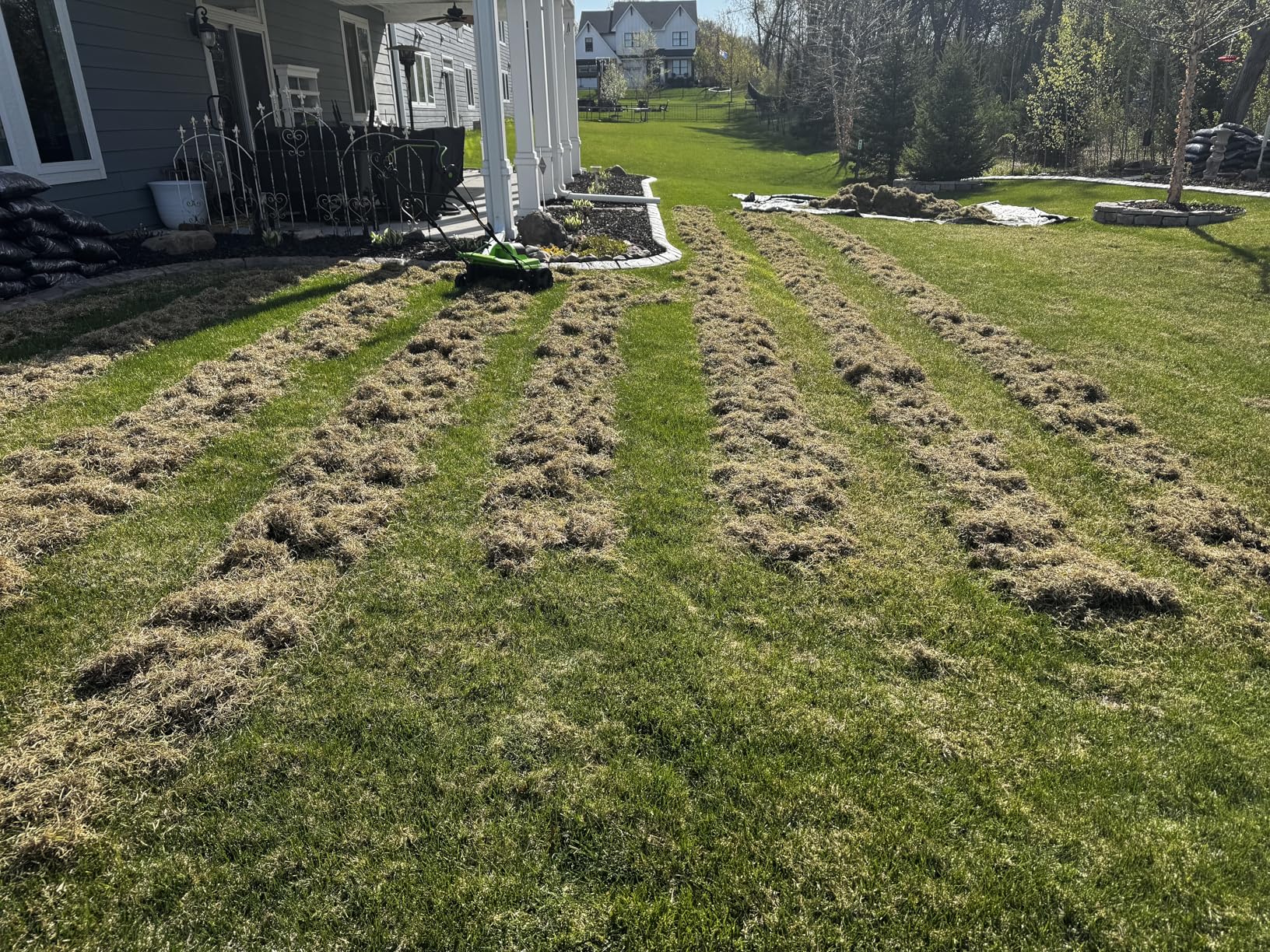
The Quick-Swap tine reels let you switch between dethatching and scarifying without tools. The 5-position depth adjustment covers the same range as the corded models, from minus 15/32 inch to plus 1/4 inch. At 26.4 pounds, this is the lightest powered dethatcher on our list.
If you already own Greenworks 40V tools, the battery and charger from those tools work with this dethatcher. That cross-compatibility is a real money saver since you do not need to buy into a new battery ecosystem. The 3-year warranty on both the tool and battery is the longest coverage in this roundup.
For Whom It’s a Good Fit
The Greenworks 40V is the best dethatcher for homeowners who hate dealing with cords or who already own Greenworks 40V outdoor power equipment. The cordless design shines on larger properties where running a 100-foot extension cord is impractical.
This model also appeals to anyone who values a long warranty. Three years of coverage on both the tool and battery gives peace of mind that corded models at similar prices do not match.
What to Watch Out For
The collection bag is very small, which is a recurring theme across cordless dethatchers. The battery compartment is spring-loaded rather than sealed, so dust and debris can work their way in over time. Wiping it down after each use helps.
This is a relatively new model with fewer reviews than the Sun Joe or WEN corded options. While early feedback is positive, the long-term durability track record is still being established.
4. Sun Joe AJ805E 15-Inch Electric Dethatcher — Best Wider Sun Joe
Sun Joe 15-Inch Electric Powered Lawn Dethatcher with Scarifier Blade Reel and Collection Bag – 13-Amp Corded Yard Power Rake Tool Machine for Grass Thatch Removal, AJ805E
13-Amp motor
15-inch cutting width
5-position depth
13.2-gal bag
27.1 lbs
Pros
- Wider 15-inch path
- Larger 13.2-gallon bag
- 2-in-1 dethatcher and scarifier
- Powerful 13-amp motor
- Lightweight maneuverability
Cons
- Collection bag still fills fast
- Small rear wheels can clog
- Foam grip not very durable
- Plastic body feels light
The Sun Joe AJ805E is the bigger sibling to the AJ801E, with a 15-inch cutting width and a more powerful 13-amp motor. If you liked the idea of the AJ801E but wanted more coverage per pass and a larger collection bag, this model addresses both concerns. The 13.2-gallon bag is significantly bigger than the 8-gallon bag on the smaller AJ801E.
I found that the extra 2.4 inches of cutting width makes a noticeable difference on medium lawns. You complete each pass faster, which matters when you are emptying the bag every few minutes. The 5-position depth control works the same way as the AJ801E, with the same Airboost spring steel tine system.
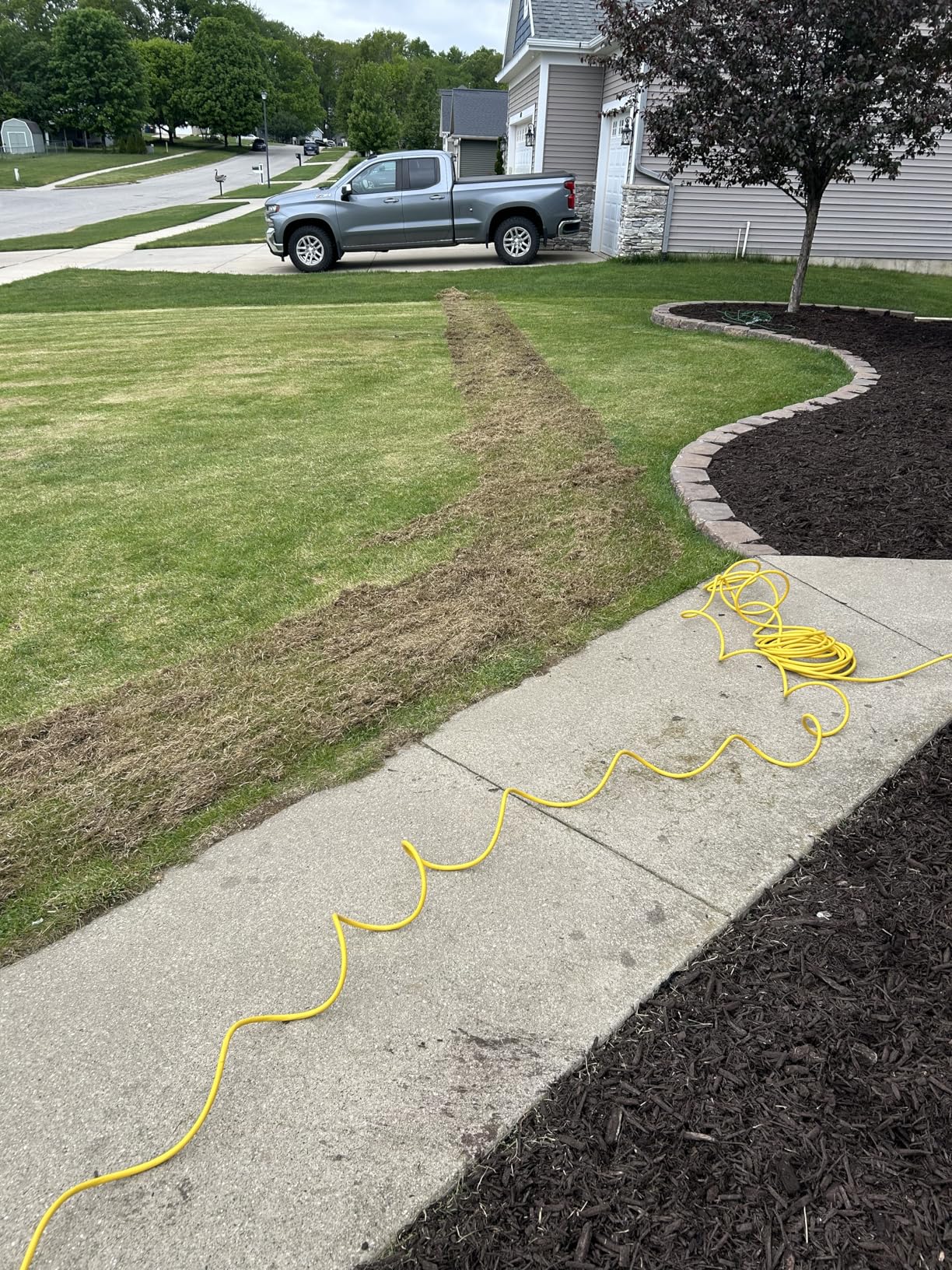
The 2-in-1 design means you get both dethatching tines and a scarifying blade reel. This adds versatility for lawns that need both processes throughout the growing season. The scarifier blades cut shallow slits in the soil surface, improving aeration and water absorption.
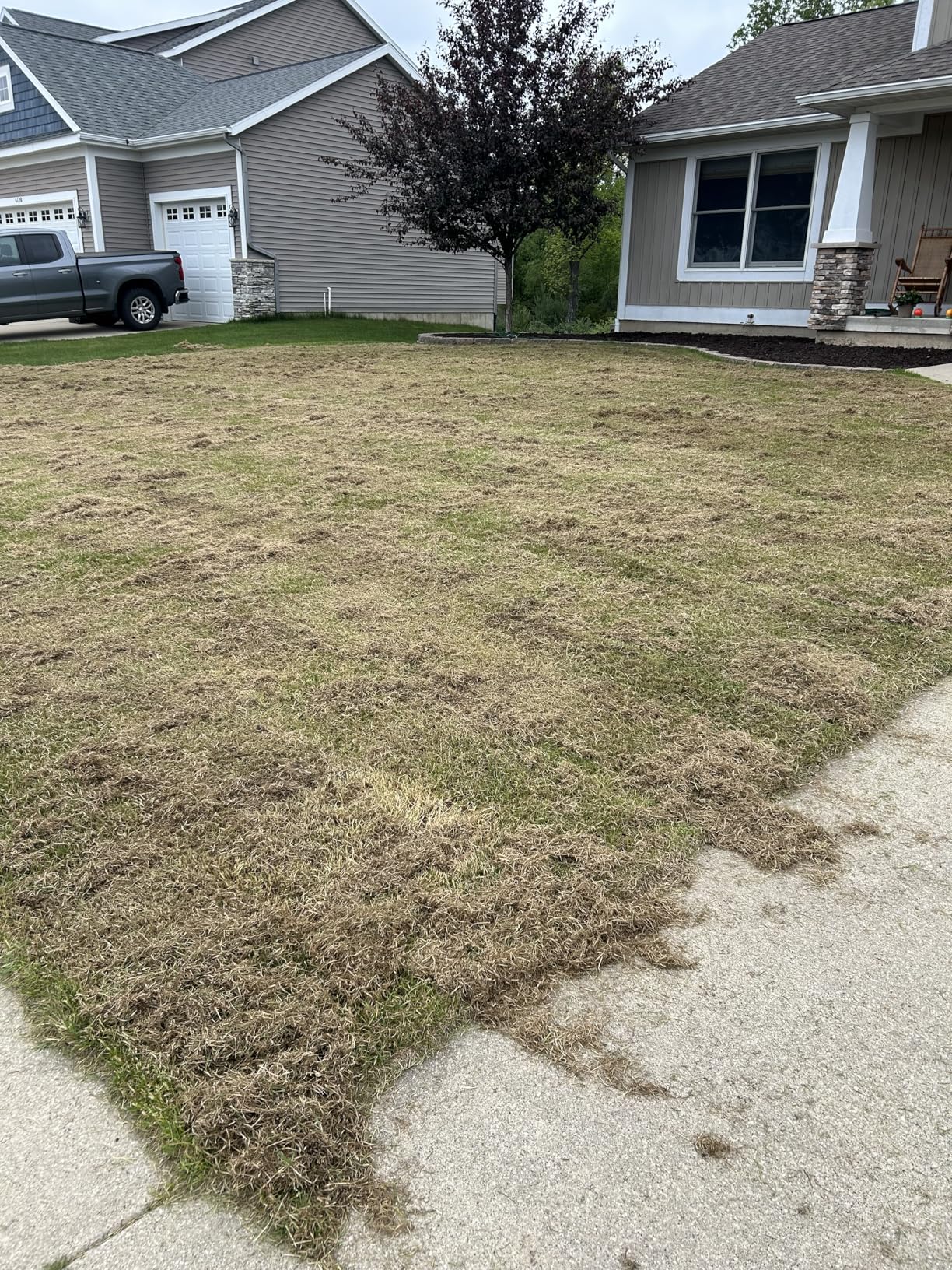
The rear wheels are smaller than I would prefer, and they can clog with debris during heavy dethatching sessions. The foam handle grip deteriorates faster than rubber alternatives. These are minor issues, but they explain why the AJ805E has a slightly lower average rating than the AJ801E despite offering more features.
For Whom It’s a Good Fit
The AJ805E targets homeowners with medium lawns who want a wider path than the AJ801E offers but still want the Sun Joe simplicity and warranty. The larger bag means fewer stops to empty, and the included scarifier adds year-round value.
If you dethatch and scarify at different times of year, having both reels in one tool saves storage space compared to keeping two separate machines.
What to Watch Out For
Despite the larger bag, it still fills quickly on heavy thatch. The ejector flap that directs debris into the bag can crack if debris backs up and you keep pushing. Clear clogs promptly rather than forcing through them.
The plastic body is functional but does not feel as rugged as the all-steel construction of the tow-behind models. This is a tradeoff for keeping the weight under 28 pounds.
5. Westinghouse 16-Inch 15-Amp 2-in-1 Dethatcher — Best Mid-Range Corded
Westinghouse 16″ 15-Amp 2-in-1 Electric Dethatcher and Scarifier with Collection Bag
15-Amp motor
16-inch cutting width
3500 RPM
14.5-gal bag
5 depth settings
Pros
- Largest collection bag in class
- Powerful 15-amp motor
- 2-in-1 dethatcher and scarifier
- Widest 16-inch path
- Adjustable handle height
Cons
- Bag still fills with heavy thatch
- Assembly instructions unclear
- Newer model with fewer reviews
The Westinghouse 16-inch dethatcher competes directly with the WEN DT1516, and it brings two advantages to the table: a 14.5-gallon collection bag and an adjustable handle height. That bag is the largest of any push dethatcher in this roundup, nearly double the capacity of the Sun Joe AJ801E.
The 15-amp motor spins at up to 3,500 RPM, which is slightly faster than the WEN’s 3,300 RPM. In practice, both machines handle compacted thatch well, but the Westinghouse feels a touch more aggressive on the deepest settings. The 5 depth settings range from minus 1/2 inch to plus 1/4 inch.
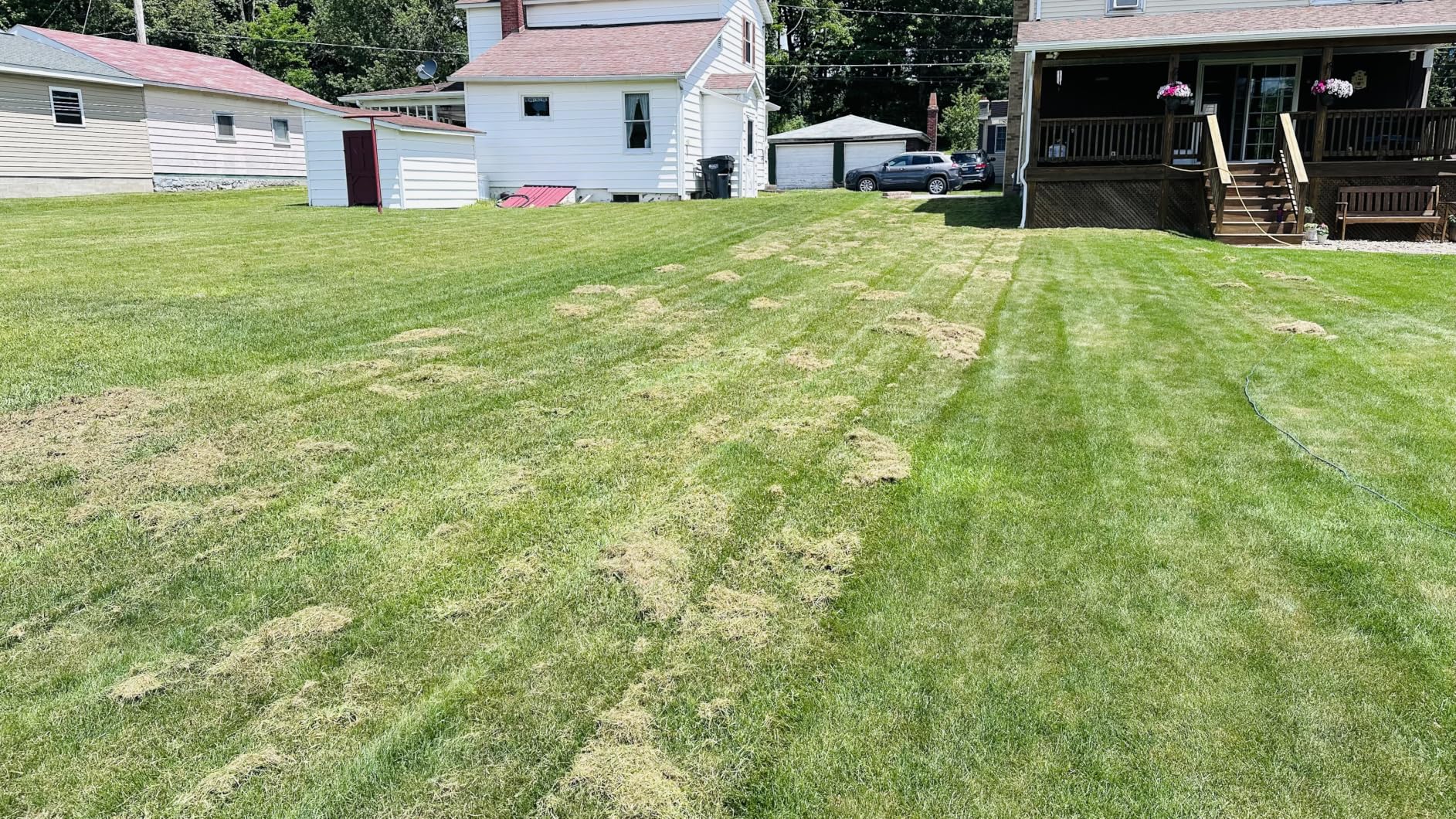
The 2-in-1 design includes both dethatching tines and scarifying blades, and switching between them is straightforward. The adjustable handle height is a feature that taller homeowners appreciate, since fixed-height handles on competing models can be uncomfortable for users above six feet.
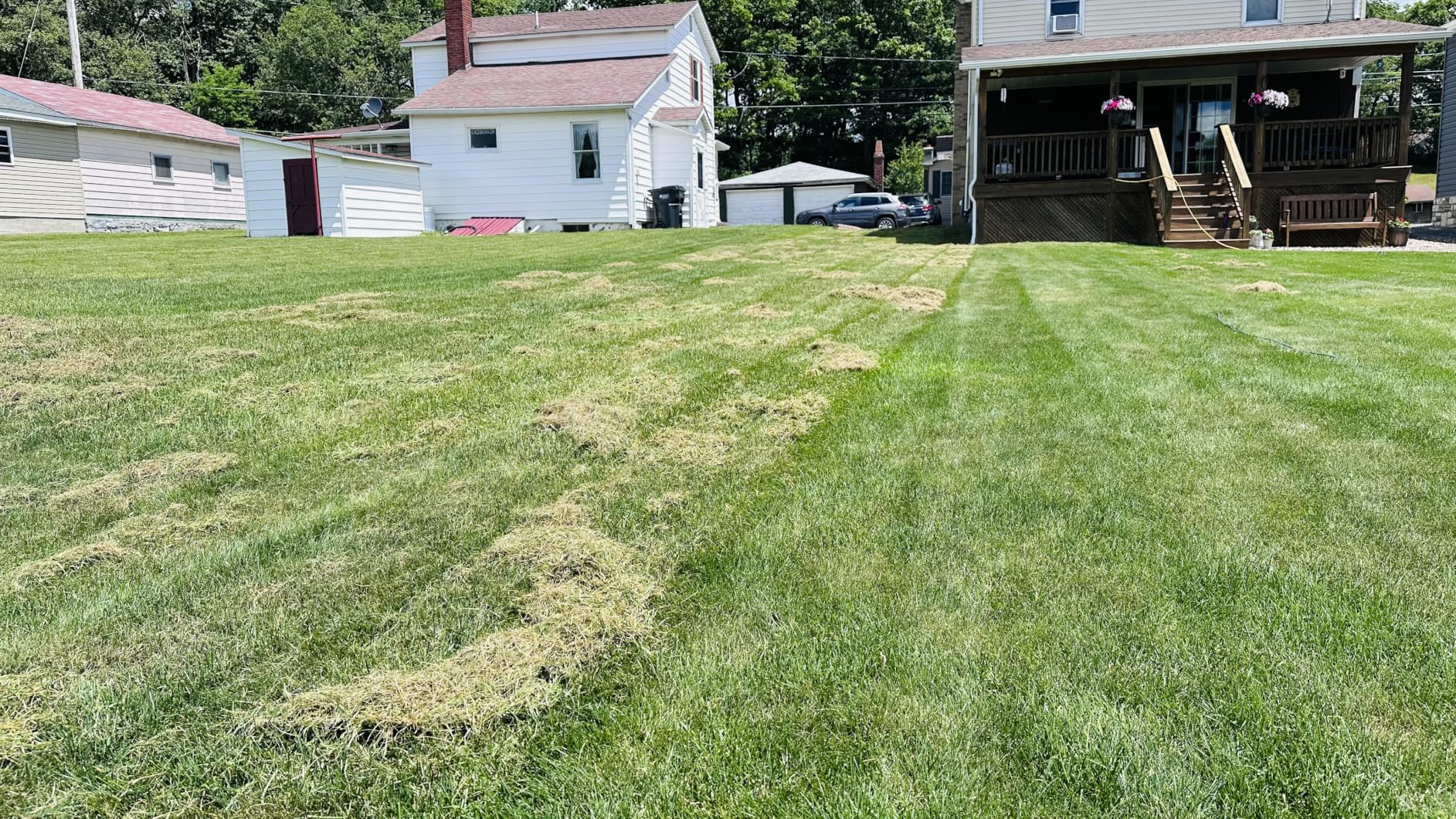
At 29.5 pounds, the Westinghouse is light enough for anyone to maneuver. The no-assembly-required design is a plus, since most competing dethatchers require at least 15 minutes of bolt-together work before first use. The 2-year warranty matches the industry standard for this category.
For Whom It’s a Good Fit
The Westinghouse is ideal for medium to large lawns where bag capacity matters. If you are tired of emptying small collection bags every few minutes, the 14.5-gallon capacity here reduces those interruptions significantly. Taller users will appreciate the adjustable handle height.
This is also a strong pick for anyone who wants a no-assembly dethatcher. Most models require some bolt-together work, but the Westinghouse arrives ready to use.
What to Watch Out For
The assembly instructions have drawn complaints, though most of the feedback relates to the scarifier reel swap rather than initial setup. The bag still fills fast during heavy thatch removal, even with the larger capacity.
As a newer model with just over 200 reviews, the Westinghouse has less long-term durability data than the Sun Joe or WEN options. The 2-year warranty provides some protection, but only time will tell how the components hold up.
6. Sun Joe 24V-X2-DTS15 Cordless Dethatcher — Best Compact Cordless
Sun Joe Cordless Scarifier & Dethatcher w/ 5 Depth Positions & 600W Brushless Motor, 15-Inch Cutting Width – Heavy-Duty Yard Trimmer, Lawn Maintenance, 24V-X2-DTS15
600W brushless motor
15-inch width
Dual 24V 4.0Ah batteries
5-position depth
10.6-gal bag
Pros
- True cordless convenience
- 600W brushless motor
- 2-in-1 dethatcher and scarifier
- Dual battery system included
- 5-position depth control
Cons
- Battery life about 20 minutes
- Long charge times
- Small collection bag
- Some motor reliability concerns
The Sun Joe 24V-X2-DTS15 uses a dual 24V battery system that delivers 48V of combined power to a 600W brushless motor. The cordless design eliminates cord management entirely, which is the single biggest pain point forum users mention about corded electric dethatchers. You get two 4.0Ah batteries and a dual-port charger included in the box.
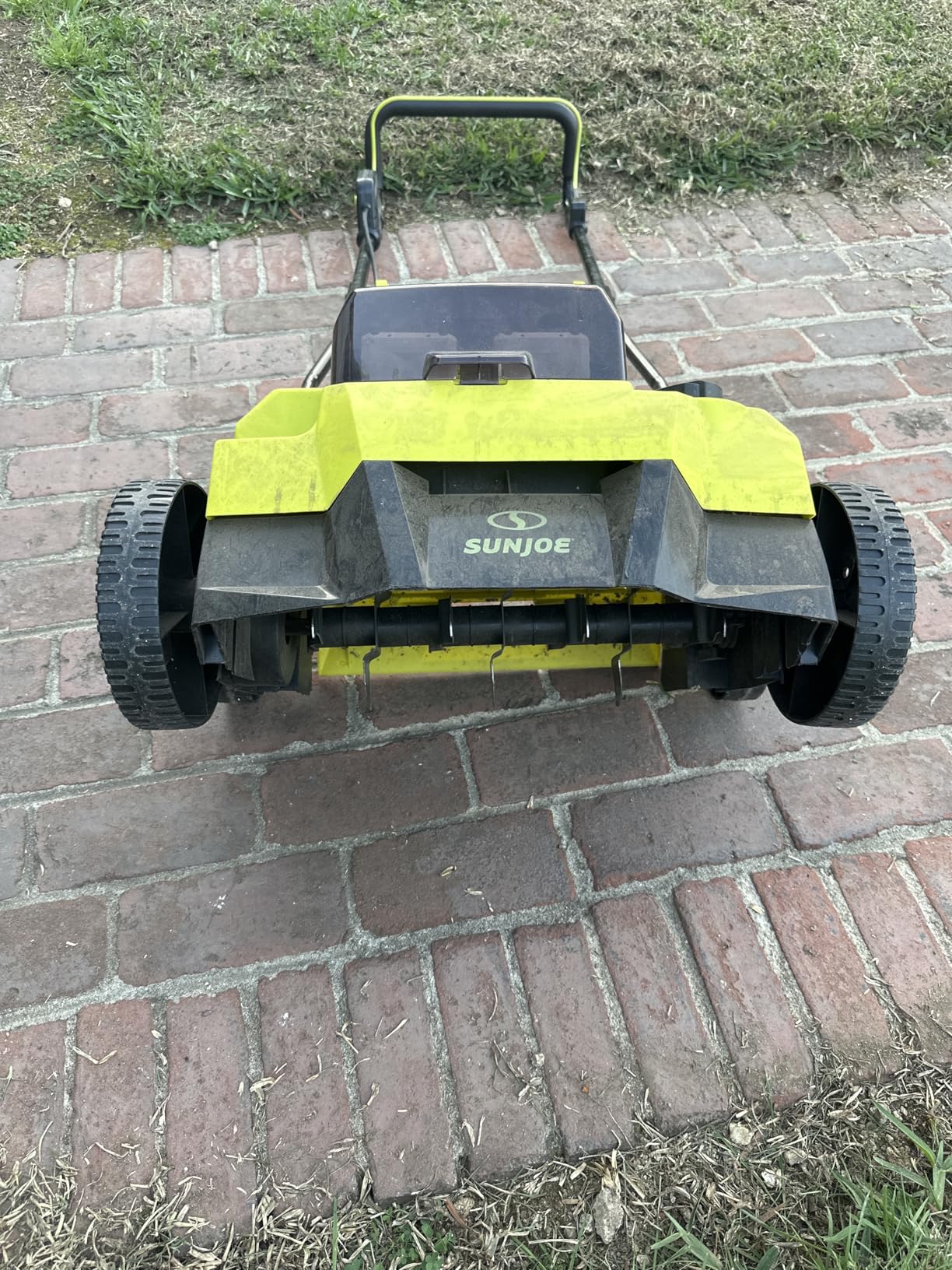
The 15-inch cutting width matches the larger Sun Joe AJ805E corded model, and the 5-position depth control offers the same flexibility. The 24-tine dethatching cylinder uses the same spring steel construction as the corded Sun Joe models. Airboost Technology is present here as well.
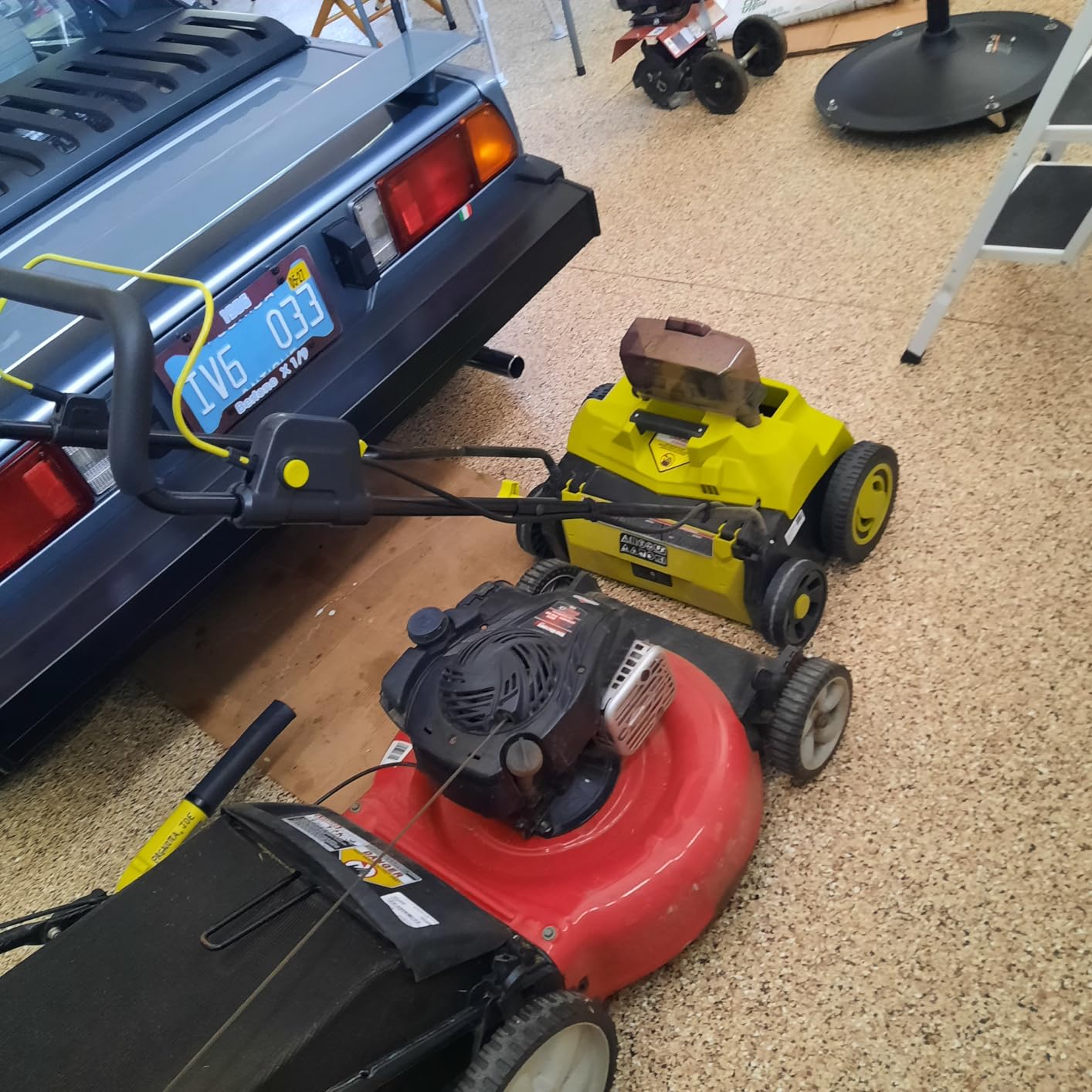
The tradeoff with any cordless dethatcher is battery runtime. Real-world testing shows about 20 minutes of continuous use per charge, which is shorter than the Greenworks 40V. The included dual-port charger lets you charge both batteries simultaneously, but full charges still take a couple of hours.
The 7-blade scarifying cylinder gives you the same 2-in-1 functionality as the corded Sun Joe models. At 36.4 pounds, this is heavier than the corded options because of the battery weight, but it is still manageable for most users.
For Whom It’s a Good Fit
This Sun Joe cordless model suits small to medium lawns where 20 minutes of runtime covers the area. If you want the convenience of cordless operation and already trust the Sun Joe brand from their corded models, this is a natural upgrade path.
The included scarifier reel adds value for homeowners who want to address soil compaction in addition to thatch removal.
What to Watch Out For
Battery life is the headline concern. Twenty minutes goes fast on a lawn with heavy thatch. Some owners report motor issues after limited use, so pay attention to warranty coverage. The 10.6-gallon bag is adequate for light thatch but fills fast on heavier jobs.
If your lawn is larger than about 5,000 square feet, consider the Greenworks 40V with its longer runtime or stick with a corded model.
7. WEN 20V Max Cordless 15-Inch Dethatcher — Best Cordless Value
WEN 20V Max Cordless 15-Inch 2-in-1 Brushless Electric Dethatcher and Scarifier with Collection Bag, Two 4.0 Ah Batteries, and Dual-Port Charger (20716)
650W brushless motor
15-inch path
Two 4.0Ah batteries
5-position height
3000 RPM
Pros
- Powerful 650W brushless motor
- Two batteries and dual charger included
- Cordless convenience
- 2-in-1 dethatcher and scarifier
- Good value for cordless
Cons
- Battery life 30-45 minutes
- Long 3-hour charge time
- Small collection bag
- Battery durability questions
The WEN 20V cordless dethatcher brings the same 2-in-1 functionality and 24-tine dethatching system as the corded WEN DT1516, but in a battery-powered package. The 650W brushless motor delivers up to 3,000 RPM, and the package includes two 4.0Ah batteries plus a dual-port charger. This makes it one of the best cordless dethatcher values available.
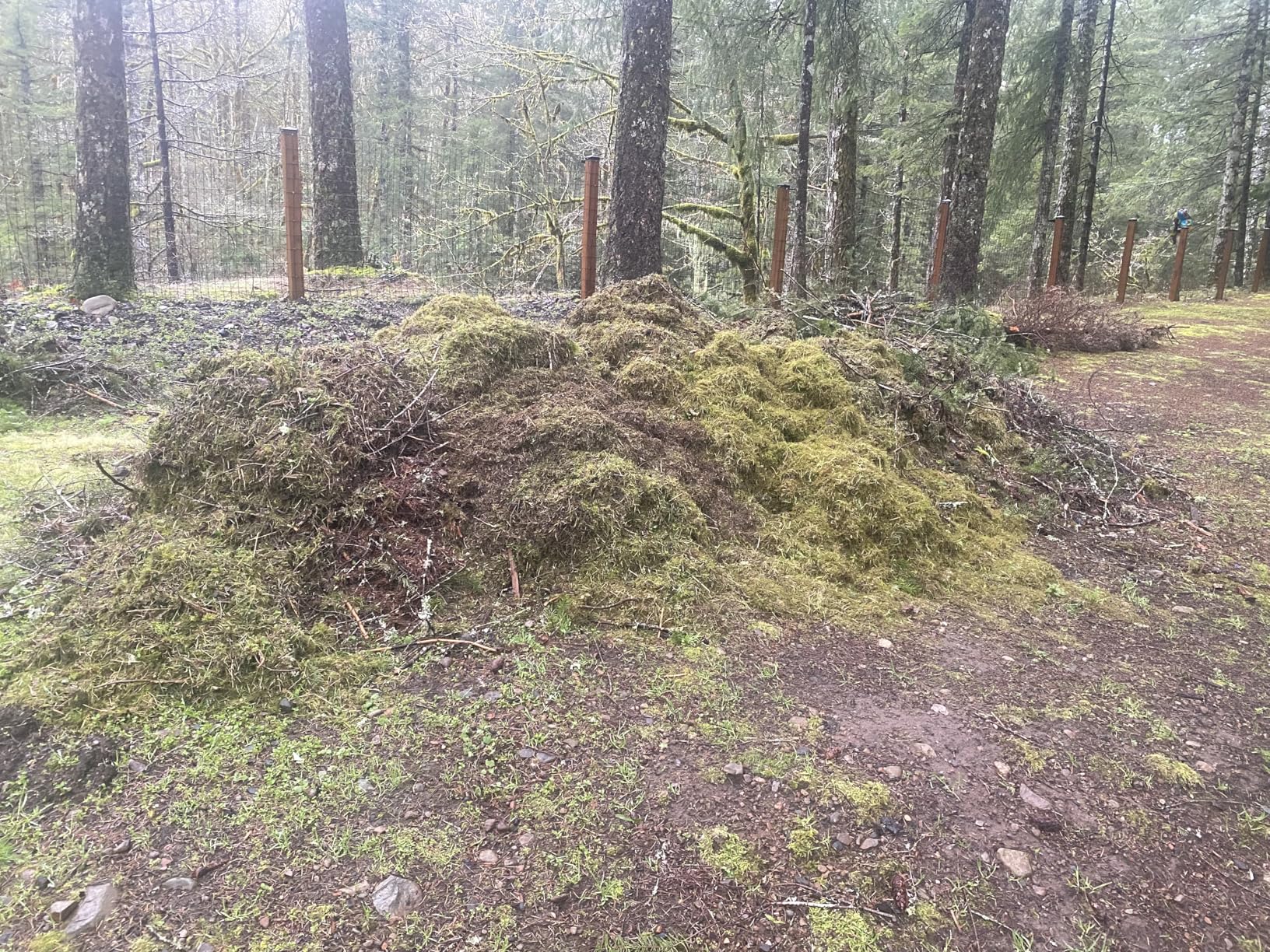
I appreciate that WEN includes both batteries in the box rather than selling them separately. The dual-port charger means you can have both batteries topped up and ready, extending your effective working time. With 30 to 45 minutes of runtime per battery, you get about an hour to 90 minutes of total dethatching time across both packs.
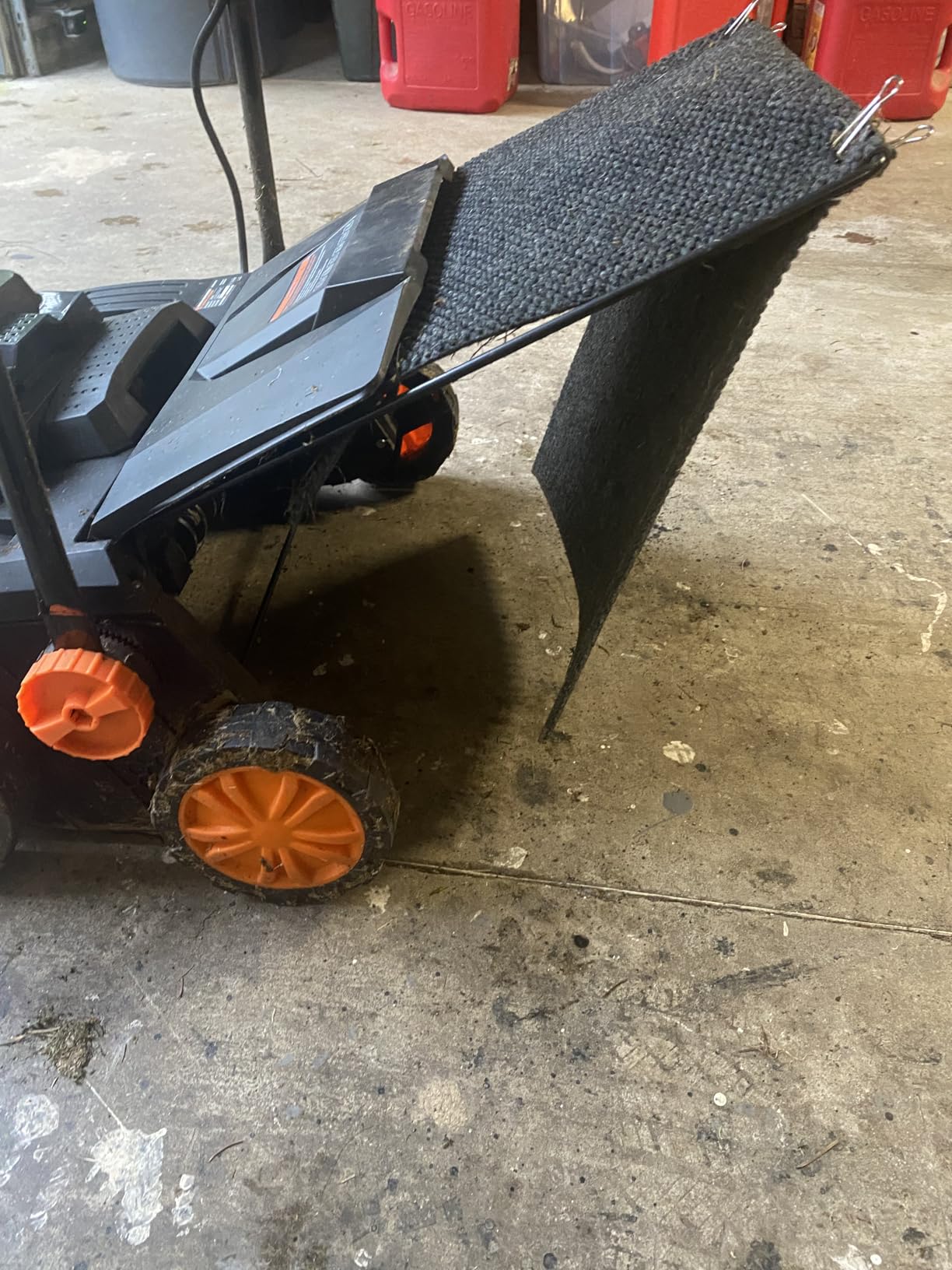
The 15-inch clearing path matches the WEN corded model, and the 5-position height adjustment covers the same range from plus 1/4 inch to minus 1/2 inch. The 2-in-1 design includes both the dethatching tines and a scarifying reel, giving you the same versatility as the corded version.
The brushless motor is a key feature here. Brushless motors run cooler, last longer, and deliver more consistent power than brushed alternatives. WEN backs this unit with a 2-year warranty, matching their corded model coverage.
For Whom It’s a Good Fit
The WEN 20V cordless is ideal for homeowners who want cordless freedom at a lower price than the Greenworks 40V. The included dual-battery system extends working time enough for most residential lawns. If you already own WEN 20V tools and batteries, the shared ecosystem adds value.
This is also a solid pick for anyone who wants a 2-in-1 cordless dethatcher and scarifier without paying premium brand prices.
What to Watch Out For
The 3-hour charge time per battery is the main drawback. If both batteries drain before you finish, you face a long wait before you can resume. The collection bag is small, consistent with most dethatchers in this category.
Some early reviews mention battery durability concerns over time. The 2-year warranty covers battery defects, but battery degradation after the warranty period is an ongoing cost to consider.
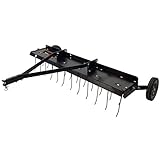
8. Brinly 48-Inch Tow-Behind Dethatcher — Best for Large Lawns
Brinly 48″ Tow Behind Grass Dethatcher, Removes Thatch on Large Lawns in Less Time – Flat Black
48-inch working width
24 triple-coil spring tines
All-steel construction
Never-flat wheels
Fits any lawn tractor
Pros
- Massive 48-inch coverage
- Heavy-duty all-steel build
- 24 triple-coil spring tines
- No extra weight needed
- Never-flat transport wheels
Cons
- Assembly can be challenging
- No raise and lower handle
- Heavy to lift manually
- Missing parts reported
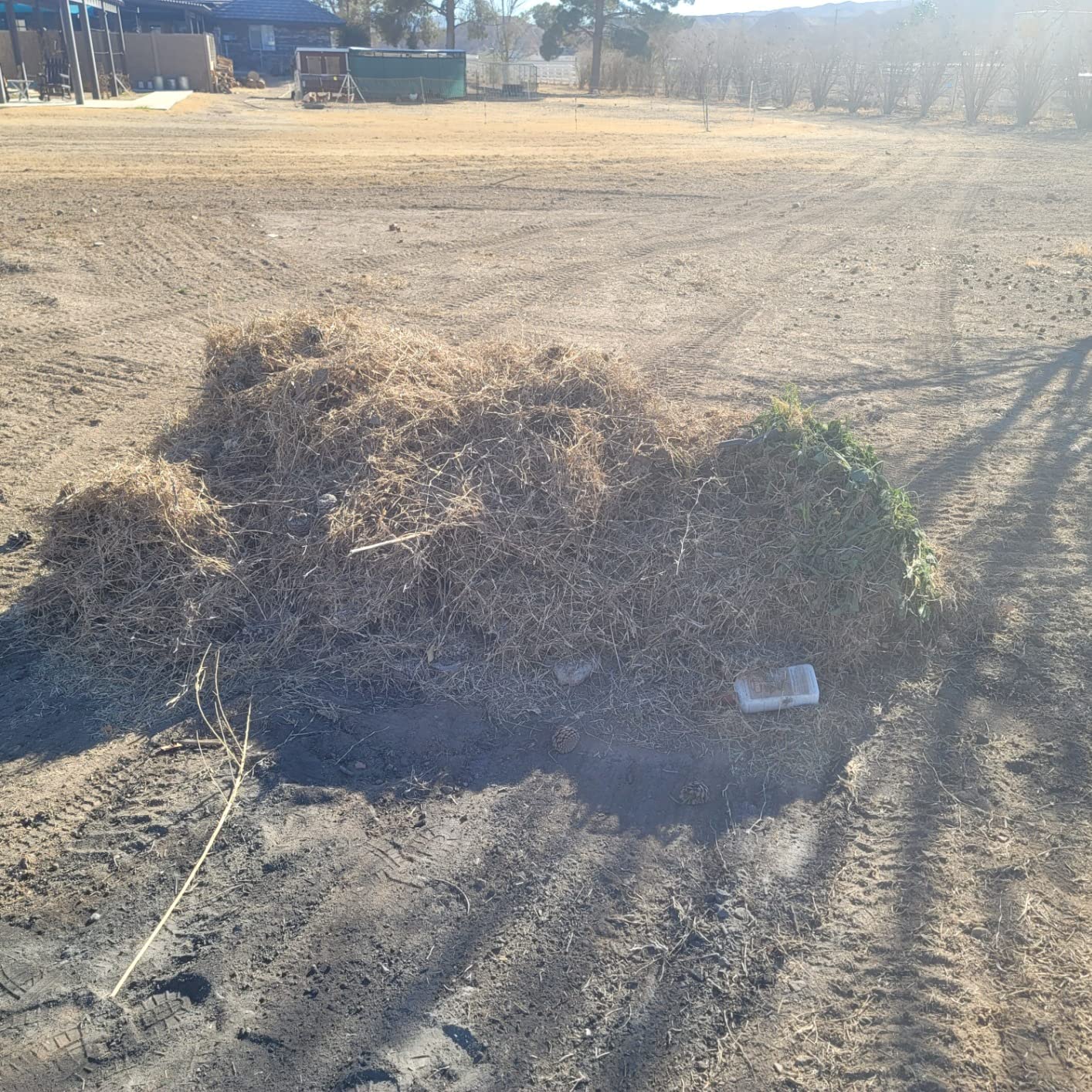
The Brinly 48-inch tow-behind dethatcher is built for large properties where walking behind a push dethatcher would take all day. With a 48-inch working width, you dethatch a four-foot swath with every pass behind your riding mower or lawn tractor. Two rows of 12 independently flexing spring steel tines deliver serious thatch-pulling power.
The 24 triple-coil spring tines are made from 3/16-inch diameter spring steel. This is professional-grade construction that holds up to heavy use across multiple seasons. The independently flexing design means each tine can move independently, conforming to uneven ground without skipping spots or digging too deep.
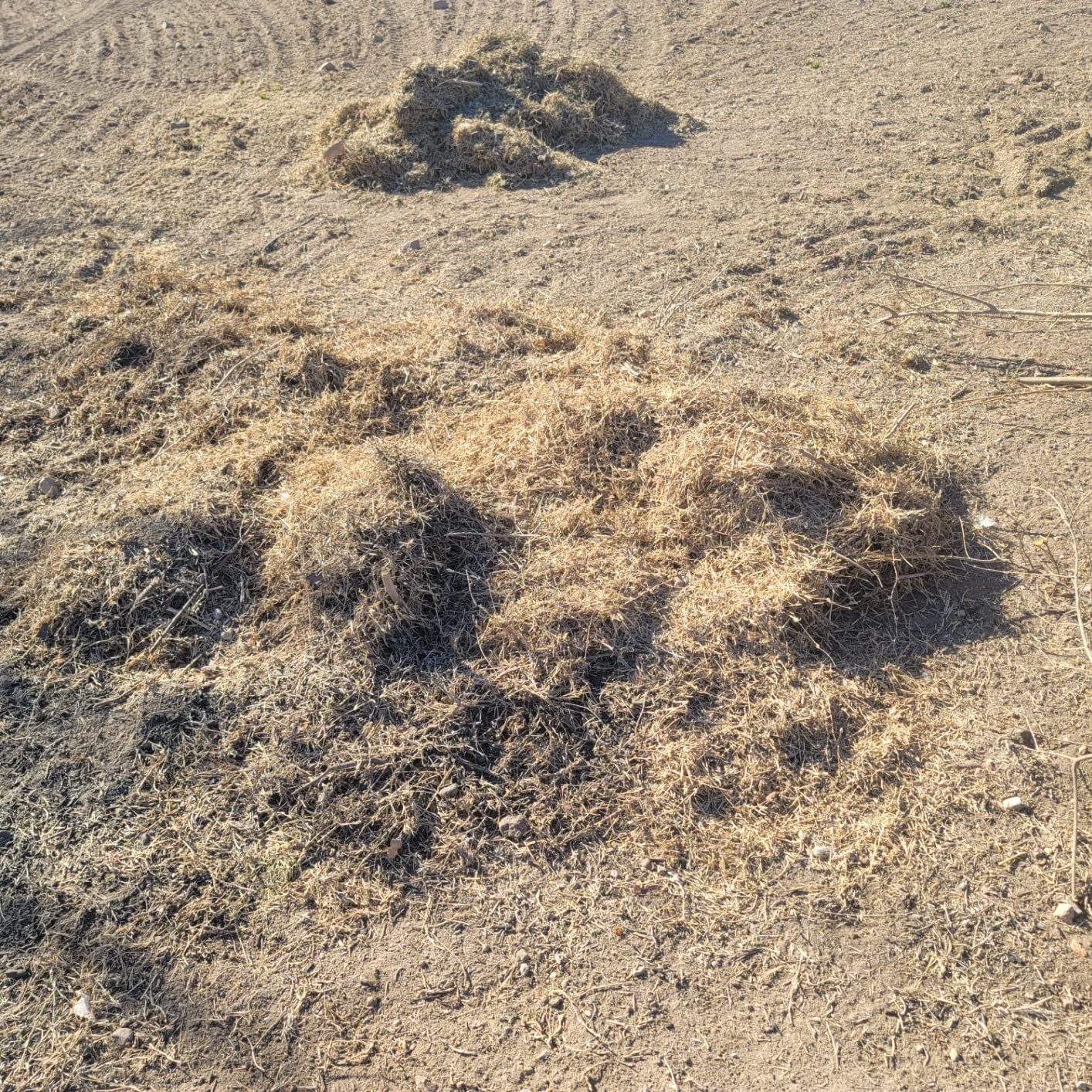
The all-steel construction is a step up from the plastic-body push dethatchers. At 36.7 pounds, the Brinly has enough mass to maintain tine contact with the ground without adding extra weight, which sets it apart from competitors that require you to stack concrete blocks on top for effective dethatching.
The 8-inch never-flat transport wheels are a practical touch. You tow the dethatcher to your work area without the tines dragging on pavement, then lower it into working position. A safety rod catches any broken tines before they become projectiles, which is a thoughtful engineering detail.
For Whom It’s a Good Fit
The Brinly 48-inch is purpose-built for large lawns and properties of an acre or more. If you already own a riding mower or lawn tractor with a pin-hitch, this attachment turns your mower into a serious dethatching machine. The 48-inch width covers ground roughly three times faster than a 16-inch push dethatcher.
Property owners with extensive grass areas, sports fields, or rural acreage will appreciate the all-steel durability and the fact that no extra weight is needed for effective tine penetration.
What to Watch Out For
Assembly is the biggest pain point. The unit ships flat and requires significant bolt-together work. Set aside an hour or two and have basic hand tools ready. Some owners reported missing hardware, so verify all parts against the parts list before starting.
There is no raise-and-lower handle for transport. You manually lift and lower the unit, which is awkward at 36.7 pounds. The Brinly works with any standard pin-hitch lawn tractor, but check your hitch type before ordering.
9. Agri-Fab 45-0294 40-Inch Tow-Behind Dethatcher — Best Budget Tow-Behind
Agri-Fab 45-0294 40in Tow Behind Lawn Dethatcher, 20 Durable Spring Steel Tines Lawn dethatcher, Designed to pull behind Lawn and Garden Tractors, Black
40-inch cutting width
20 spring steel tines
Heat-treated tines
Transport handle
Made in USA
Pros
- Made in USA quality
- 40-inch wide coverage
- Rust-proof replaceable tines
- Transport handle for raising and lowering
- Durable long-lasting construction
Cons
- Assembly instructions confusing
- Hitch may be short for some tractors
- Handle feels flimsy
- Some bolt size mismatches
The Agri-Fab 40-inch tow-behind dethatcher has been a workhorse for large-property owners for years. Forum users on TractorByNet and IH Cub Cadet report units still going strong after 20-plus years of seasonal use. That kind of real-world longevity is rare in any power equipment category, and it speaks to the quality of American-made construction.
The 40-inch width is slightly narrower than the Brinly’s 48 inches, but the 20 heat-treated spring steel tines still cover serious ground. The tines are rust-proof and replaceable, so when one eventually wears out after years of service, you swap it rather than replacing the entire unit.
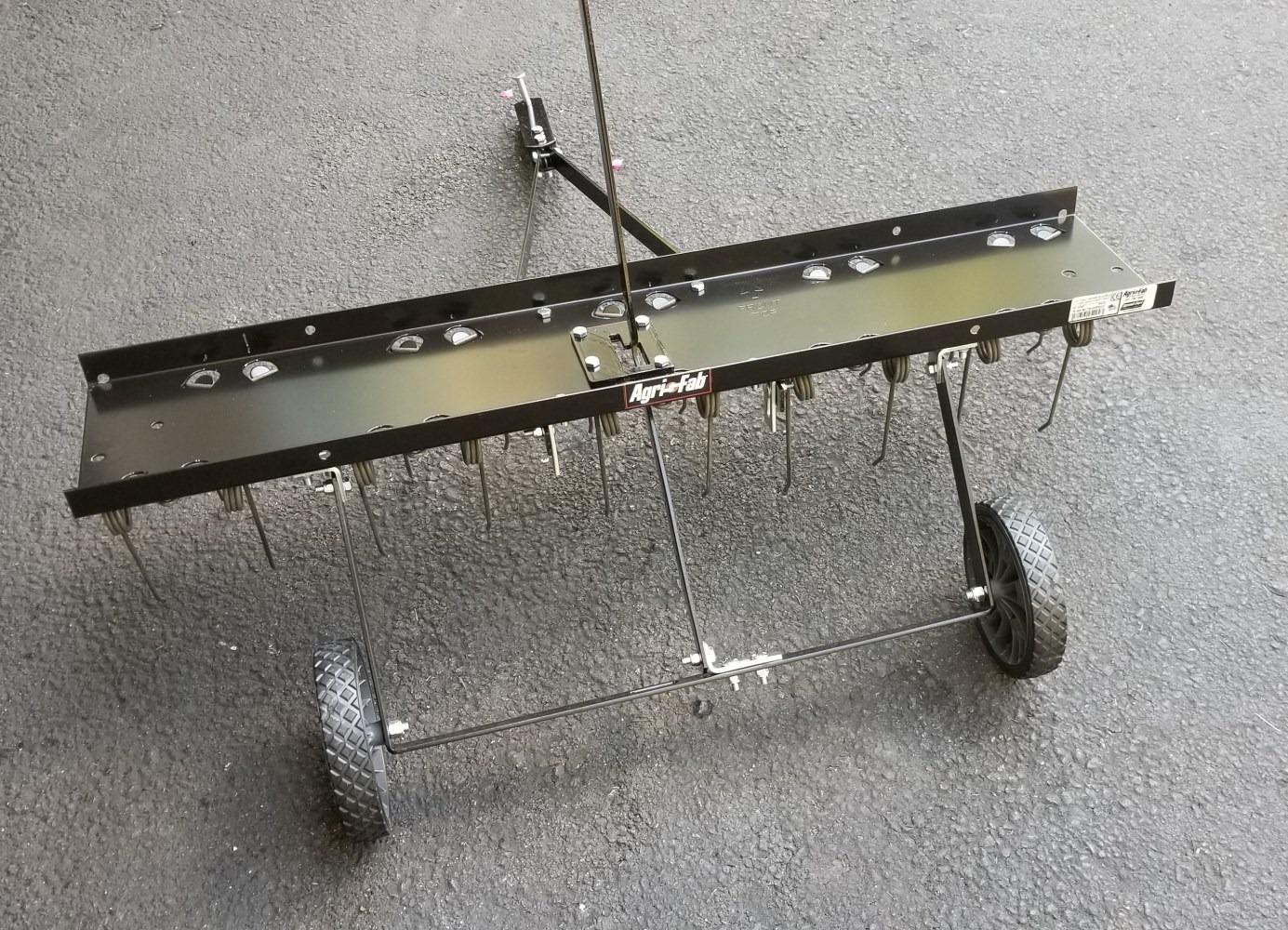
The transport handle is a feature the Brinly lacks. You raise and lower the tines using a lever-style handle, making it easier to tow across driveways and paths without dragging the tines. This practical design difference matters more than you might think during everyday use.
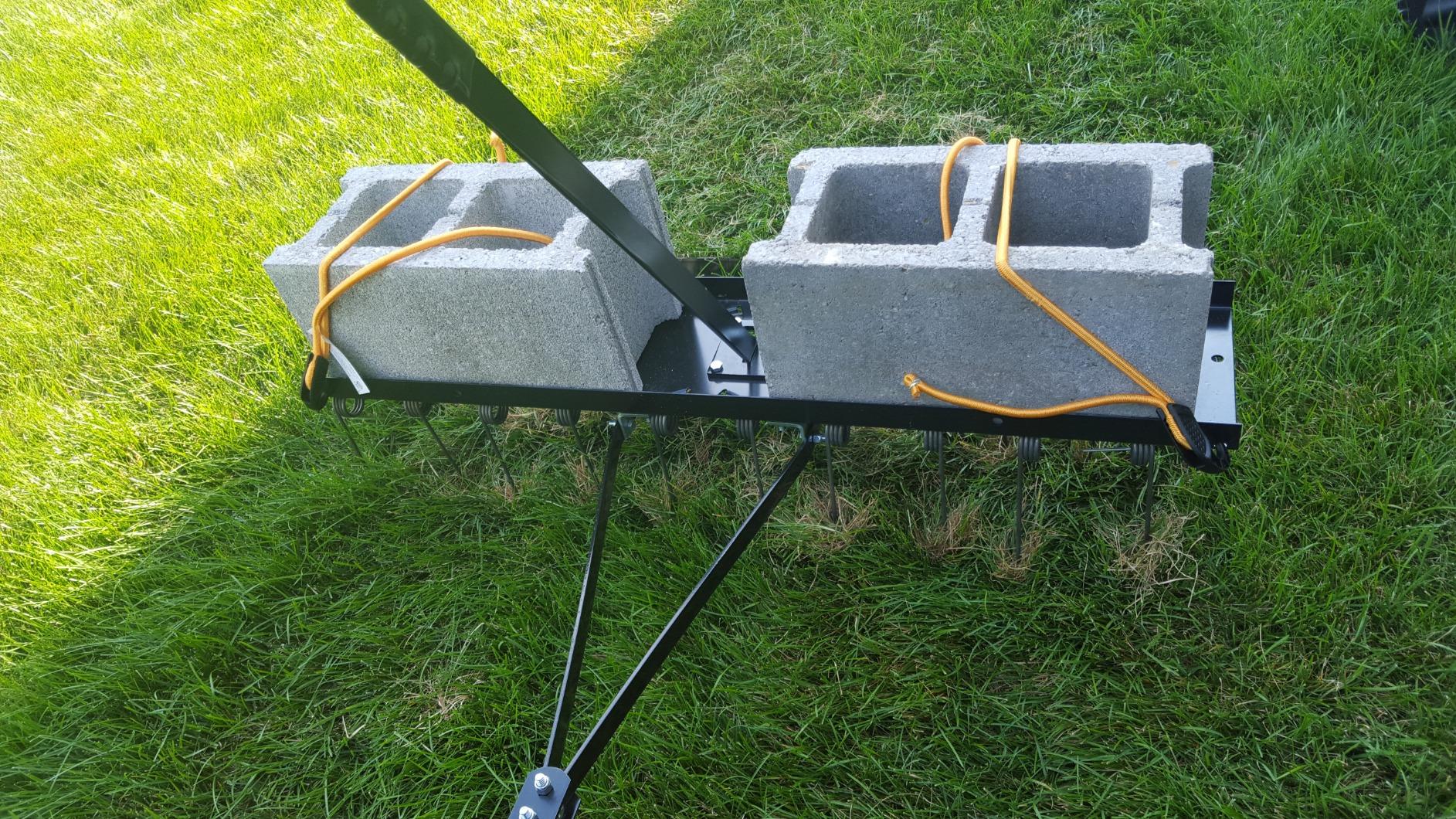
Most owners report effective dethatching without adding weight, though some recommend stacking 30 to 50 pounds on top for deeper tine penetration on compacted soils. The universal pin hitch fits virtually all lawn and garden tractors, though some users with non-standard hitches needed a short extension bracket.
For Whom It’s a Good Fit
The Agri-Fab is the go-to tow-behind dethatcher for anyone with a half acre or more who values long-term durability. If you want a dethatcher that outlasts the tractor pulling it, this American-made unit has the track record to back that expectation. The transport handle makes it more convenient to use than the Brinly in daily operation.
Budget-conscious buyers will appreciate that the Agri-Fab typically costs less than the Brinly while offering comparable dethatching performance across a slightly narrower path.
What to Watch Out For
Assembly takes one to two hours, and the instructions are a common complaint. Some users reported bolt and nut sizes that did not match the listed hardware, requiring a trip to the hardware store. Have your own socket set and some spare bolts ready.
The hitch arm may be too short for some mower models. Measure your tractor’s hitch reach before purchasing, and budget for a possible extension bracket if you have a non-standard setup.
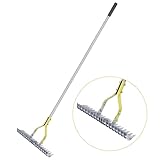
10. BARAYSTUS 15-Inch Thatch Rake — Best Manual Dethatcher
BARAYSTUS Thatch Rake Dethatcher – 15-Inch Wide Lawn Rake for Dead Grass Removal, Stainless Steel Adjustable Handle Garden Rake for Soil Loosening, Aeration & Thatching, 58.5-Inch Length
15-inch head
19 carbon steel tines
58.5-inch adjustable handle
Double-sided head
3.3 lbs
Pros
- Lowest cost option
- No motor or battery to maintain
- Double-sided versatile head
- Adjustable handle length
- Lightweight at 3.3 pounds
Cons
- Manual labor required
- Handle can loosen during use
- Tines may bend with heavy use
- Threads need threadlock glue
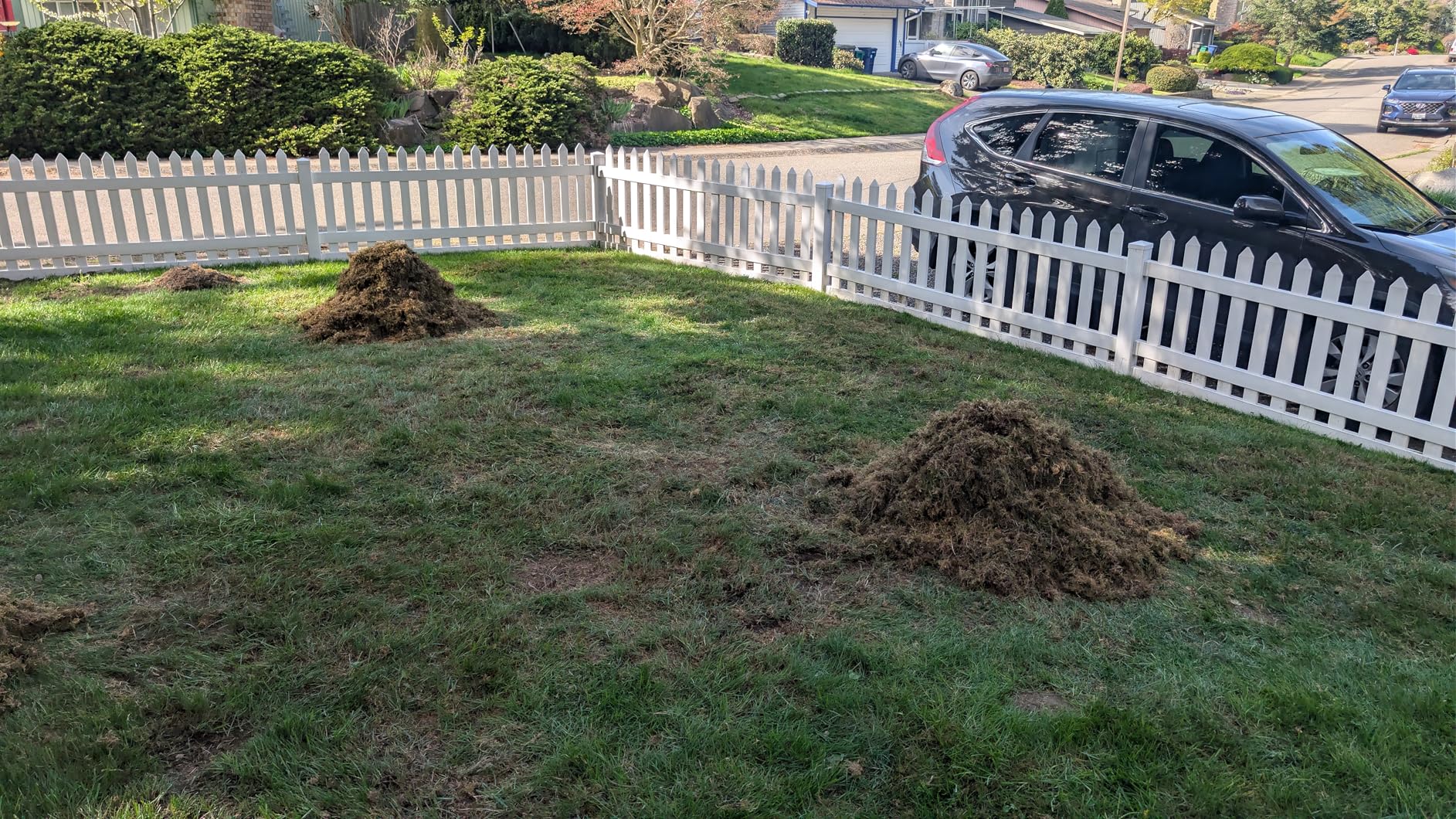
The BARAYSTUS thatch rake is the lowest-cost entry into lawn dethatching. Popular Mechanics recommends a manual thatch rake for small yards, and this model is the most popular option in its category on Amazon. The 15-inch head carries 19 curved carbon steel tines that pull up dead grass and moss with each rake stroke.
The double-sided design is more versatile than it sounds. One side features curved tines for removing thatch and dead grass. Flip it over and the other side has straighter tines for loosening compacted soil and working in grass seed. This dual functionality means one tool handles dethatching, soil preparation, and overseeding prep.
The 58.5-inch handle uses a 4-section pole design that lets you adjust the length. This accommodates different user heights and storage constraints. The handle breaks down into sections for compact storage, which is useful if garage space is tight.
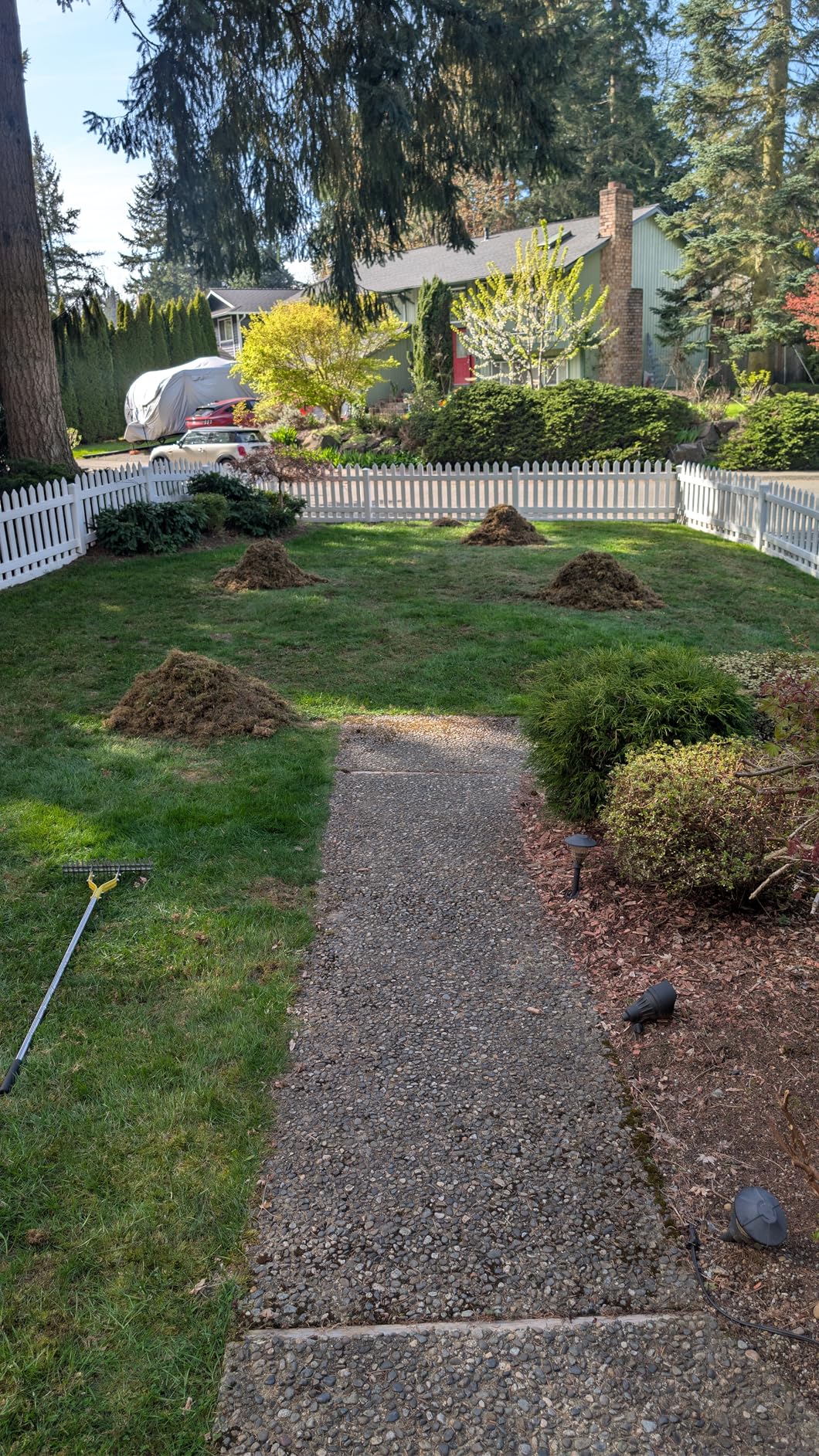
At just 3.3 pounds, anyone can use this rake without strain. The tradeoff is that you are the motor. For a small lawn with light to moderate thatch, a manual rake gets the job done in 20 to 30 minutes. For larger areas or heavy thatch buildup, a powered dethatcher saves hours of labor.
For Whom It’s a Good Fit
The BARAYSTUS rake is ideal for small lawns under 2,000 square feet with light thatch. It is also the right choice for anyone who wants to spot-dethatch problem areas without firing up a powered machine. If you are on a tight budget or only need to dethatch once a season, a manual rake is the most cost-effective solution.
Gardeners who already do manual yard work will find this rake fits naturally into their existing routine. The dual-sided head makes it useful well beyond just dethatching season.
What to Watch Out For
The screw-together handle sections can loosen during aggressive raking. Apply threadlock glue to the joints during assembly to prevent this. The carbon steel tines are durable for normal use but can bend if you rake aggressively against roots or rocks.
This is manual labor. If your lawn is large or the thatch layer is thick, a powered dethatcher will save you significant time and effort. The rake is a tool for targeted work and small areas, not for dethatching a half-acre property.
Buying Guide: How to Choose the Best Dethatcher?
Power Source Comparison
Corded electric dethatchers like the Sun Joe and WEN models offer unlimited runtime and consistent power. The tradeoff is cord management, which becomes frustrating on large properties. You need a heavy-duty outdoor extension cord, and the cord length limits your range from the nearest outlet.
Cordless battery-powered dethatchers from Greenworks, WEN, and Sun Joe eliminate cord hassles. The tradeoff is limited runtime, typically 20 to 60 minutes depending on the model and battery capacity. Charge times range from one to three hours, so plan your dethatching sessions around battery availability.
Tow-behind dethatchers from Brinly and Agri-Fab require a riding mower or lawn tractor but cover massive areas quickly. These are the right choice for properties of a half acre or more. You trade walking effort for tractor fuel costs, but the time savings are enormous.
Manual thatch rakes cost the least and require zero maintenance. They make sense for small lawns, spot treatment, and budget-conscious homeowners. The tradeoff is physical effort and time, which scales poorly with lawn size.
Key Specifications to Consider
Motor power matters most for corded electric models. A 12-amp motor handles light to moderate thatch, while 15-amp motors power through compacted thatch on larger lawns. For cordless models, look for brushless motors, which run cooler and last longer than brushed alternatives.
Deck width determines how many passes you need to cover your lawn. A 12.6-inch deck requires more passes than a 16-inch deck. For lawns under a quarter acre, any width works. For larger areas, wider decks or tow-behind units save significant time.
Depth control is the feature that prevents lawn damage. Look for at least 5 adjustable positions. Start on the shallowest setting and increase depth gradually. Going too deep on the first pass is the most common dethatching mistake homeowners report on lawn care forums.
Collection bag capacity ranges from 8 to 14.5 gallons on push dethatchers. Larger bags mean fewer stops to empty, but every bag fills fast during heavy thatch removal. Many experienced users skip the bag and rake debris after dethatching, which works better for large volumes.
Dethatching vs Scarifying vs Aerating
Dethatching uses spring tines to pull up the dead grass layer between soil and living grass. This is the gentlest process and should be your first step if you have never treated your lawn. Dethatch when the thatch layer exceeds half an inch in thickness.
Scarifying uses metal blades to cut shallow vertical slits in the soil surface. This process is more aggressive than dethatching and addresses soil compaction in addition to thatch. Scarify in fall when grass can recover before winter stress. Most 2-in-1 dethatchers on this list include both tine reels and scarifying reels.
Core aeration removes small plugs of soil to relieve deep compaction. Aeration does not remove thatch directly but improves soil structure so thatch decomposes naturally. Many lawns benefit from both dethatching and aeration on an annual rotation.
When to Dethatch by Grass Type
Cool-season grasses like Kentucky bluegrass, tall fescue, and perennial ryegrass should be dethatched in early fall or early spring. These grasses recover most actively during cool temperatures, so dethatching during peak growth periods lets them fill back in quickly. Late summer through early fall is ideal in most regions.
Warm-season grasses like Bermuda, Zoysia, and St. Augustine should be dethatched in late spring through early summer. These grasses grow most aggressively during warm weather, so dethatching during their active growth period ensures rapid recovery. Never dethatch warm-season grasses in fall when they are entering dormancy.
For both grass types, never dethatch during periods of heat stress, drought, or disease pressure. The lawn needs energy reserves to recover from the temporary stress of dethatching.
Common Dethatching Mistakes to Avoid
Setting the depth too aggressive on the first pass damages healthy grass alongside the thatch. Start shallow and increase depth gradually across multiple passes. Your lawn will look rough after dethatching, but it should recover within two to three weeks during active growth periods.
Dethatching at the wrong time of year stresses grass when it cannot recover. Follow the seasonal timing above for your grass type. Dethatching dormant or heat-stressed grass can cause permanent damage.
Skipping post-dethatching care is another common error. After dethatching, your lawn needs water, and in many cases overseeding and fertilizer. The newly exposed soil is an opportunity for new grass seed to establish, so take advantage of it within a week of dethatching.
Not testing thatch depth before dethatching leads to unnecessary lawn stress. Cut a small wedge of turf with a knife and measure the brown layer between soil and green grass. If it is under half an inch, your lawn does not need dethatching yet.
FAQs
Who makes the best dethatcher?
Sun Joe makes the best dethatcher for most homeowners. The AJ801E model earns top ratings across thousands of reviews for its combination of power, ease of use, and value. Greenworks makes the best cordless option, while Brinly and Agri-Fab make the best tow-behind models for large properties.
What is the best month to dethatch your lawn?
For cool-season grasses like Kentucky bluegrass and fescue, the best months to dethatch are March through May or September through October. For warm-season grasses like Bermuda and Zoysia, dethatch in late May through July. Always dethatch during your grass type’s peak growth period so the lawn can recover quickly.
What are common dethatching mistakes?
The most common dethatching mistakes are setting the depth too aggressive on the first pass, dethatching at the wrong time of year for your grass type, skipping post-dethatching watering and overseeding, and dethatching a lawn that does not actually need it. Always test thatch depth before dethatching, start shallow, and time the process for your grass’s active growth season.
Is it better to aerate or dethatch?
Both serve different purposes. Dethatching removes the dead grass layer blocking water and nutrients, while aeration relieves soil compaction by removing small soil plugs. If your thatch layer exceeds half an inch, dethatch first. If your soil is hard and compacted, aerate. Many lawns benefit from both processes done in rotation across different seasons.
Is a lawn dethatcher worth it?
Yes, a lawn dethatcher is worth it if your thatch layer exceeds half an inch. Thatch blocks water, nutrients, and air from reaching grass roots, leading to shallow rooting, weak growth, and increased disease risk. A dethatcher costing under $200 pays for itself in a single season compared to renting equipment or hiring a lawn service.
When should I dethatch my lawn?
Dethatch cool-season grasses in early fall or early spring when temperatures are moderate and grass is actively growing. Dethatch warm-season grasses in late spring to early summer during their peak growth period. Never dethatch during drought, extreme heat, or when grass is dormant, as recovery will be poor.
Conclusion
The best dethatchers in 2026 range from the affordable Sun Joe AJ801E for small lawns to the heavy-duty Brinly 48-inch tow-behind for large properties. For most homeowners, a corded electric model from Sun Joe or WEN provides the best balance of power, convenience, and value. If you need cordless freedom, the Greenworks 40V leads the pack. Match the dethatcher to your lawn size, power preference, and budget, and your grass will breathe easier within weeks of your first pass.