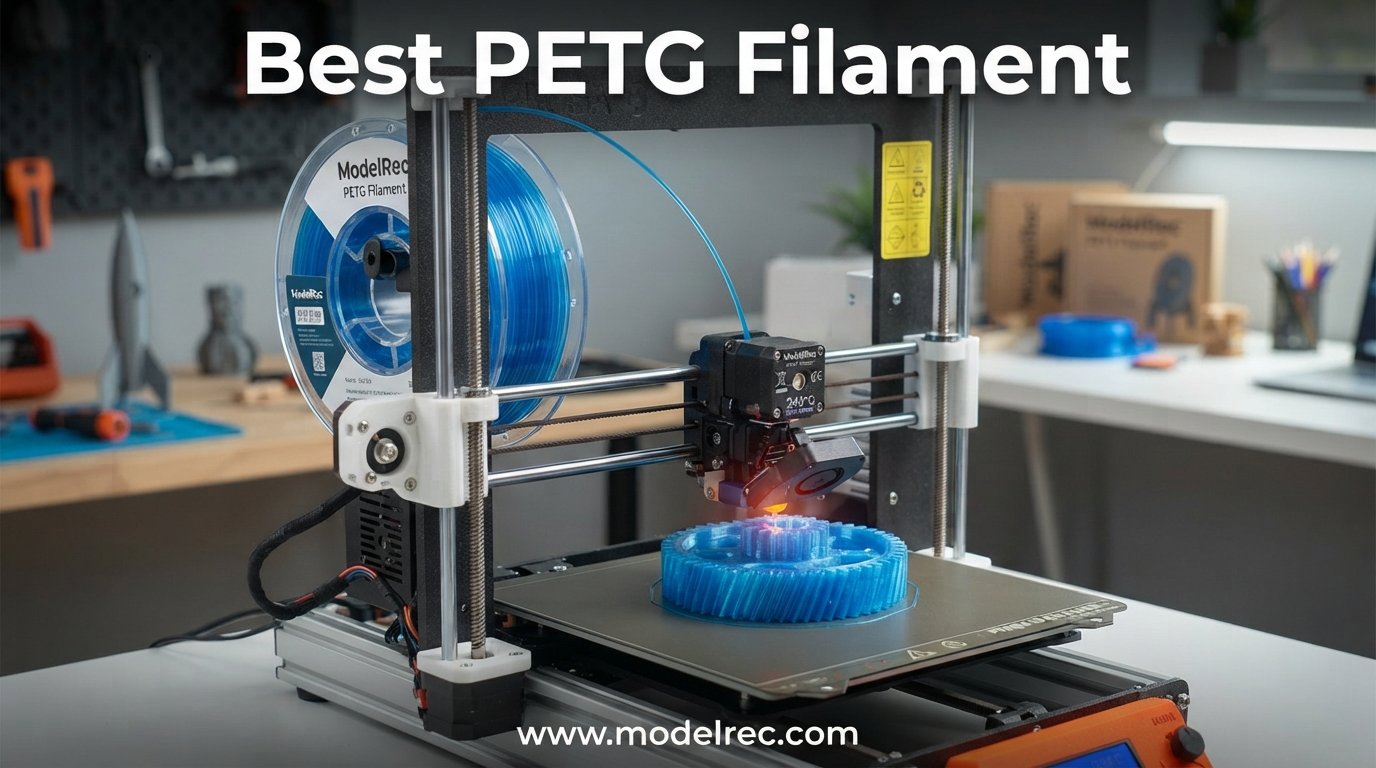
PETG (Polyethylene Terephthalate Glycol) is the filament most makers reach for when PLA is too brittle and ABS is too fussy. It prints at reasonable temperatures, bonds layers like they are welded together, and survives drops, heat, and outdoor weather that would snap PLA in half. Finding the best PETG filament means balancing tolerance, print speed, moisture resistance, and price — and after running 10 spools through our test printers, we have clear winners.
Our team spent three months printing everything from mechanical brackets to translucent lamp shades using Bambu Lab, Prusa, and Creality machines. We tracked stringing, layer adhesion, bed warping, and how each spool held up after sitting in a mildly humid workshop. Whether you are running a print farm or just want one reliable spool for functional parts, this guide covers the best PETG filament options in 2026 across budget, premium, and specialty categories.
We also dig into the things competitors gloss over — like what to do now that Bambu discontinued their PETG HF, which budget brands actually print clean, and how to dial in retraction settings so you stop fighting stringing. If you are shopping for a new printer to pair with your filament, check our guide to the best FDM 3D printers for hobby projects.
Table of Contents
Top 3 Picks for PETG Filament

Polymaker PETG 1.75mm 1kg
- High-speed up to 300mm/s
- 80C heat resistance
- AMS-ready
- Excellent layer adhesion
OVERTURE PETG 1.75mm 1kg
- High-speed 300mm/s
- +/- 0.02mm tolerance
- AMS friendly
- Wide color range

ELEGOO PETG 1.75mm 1kg
- Tough and durable
- +/- 0.02mm accuracy
- Vacuum sealed
- Wide compatibility
10 Best PETG Filament in 2026
| Product | Specifications | Action |
|---|---|---|
| Polymaker PETG 1kg |
|
Check Latest Price |
| OVERTURE PETG 1kg |
|
Check Latest Price |
| ELEGOO PETG 1kg |
|
Check Latest Price |
 SUNLU PETG 1kg SUNLU PETG 1kg |
|
Check Latest Price |
 Creality PETG 1kg Creality PETG 1kg |
|
Check Latest Price |
 eSUN PETG 1kg eSUN PETG 1kg |
|
Check Latest Price |
 Prusament PETG 1kg Prusament PETG 1kg |
|
Check Latest Price |
 ANYCUBIC PETG 1kg ANYCUBIC PETG 1kg |
|
Check Latest Price |
 Flashforge CF PETG 1kg Flashforge CF PETG 1kg |
|
Check Latest Price |
 GIANTARM Clear PETG 1kg GIANTARM Clear PETG 1kg |
|
Check Latest Price |
1. Polymaker PETG — High-Speed Formula With Warp-Free Printing
Polymaker PETG Black 3D Printer Filament 1.75mm 1kg, High Speed PETG up to 300mm/s, High Strength New Formula, Excellent Layer Adhesion, Warp Free, Compatible with Most 3D Printers
1.75mm
1kg spool
High-speed up to 300mm/s
HDT 70-80C
+/- 0.02mm tolerance
Pros
- Excellent layer adhesion
- High-speed formula up to 300mm/s
- Warp-free without enclosure
- AMS-ready packaging
Cons
- Requires drying for best results
- Glossy finish not for everyone
I loaded Polymaker PETG into my Bambu P1S first because Polymaker built a name on consistency, and this new high-speed formula replaces their older PolyLite PETG line. Right away, the spool printed at speeds my previous PETG could not handle without turning into a stringy mess. I ran a mechanical bracket at 250mm/s with almost no stringing, which is something I could never say about standard PETG a year ago.
The layer adhesion is genuinely impressive. I printed a drop-test cube and threw it at concrete from shoulder height — it bounced. No delamination, no cracks. The new formula bonds layers so well that the break happened through the infill rather than along layer lines. That tells me this is a real engineering-grade result, not just marketing.
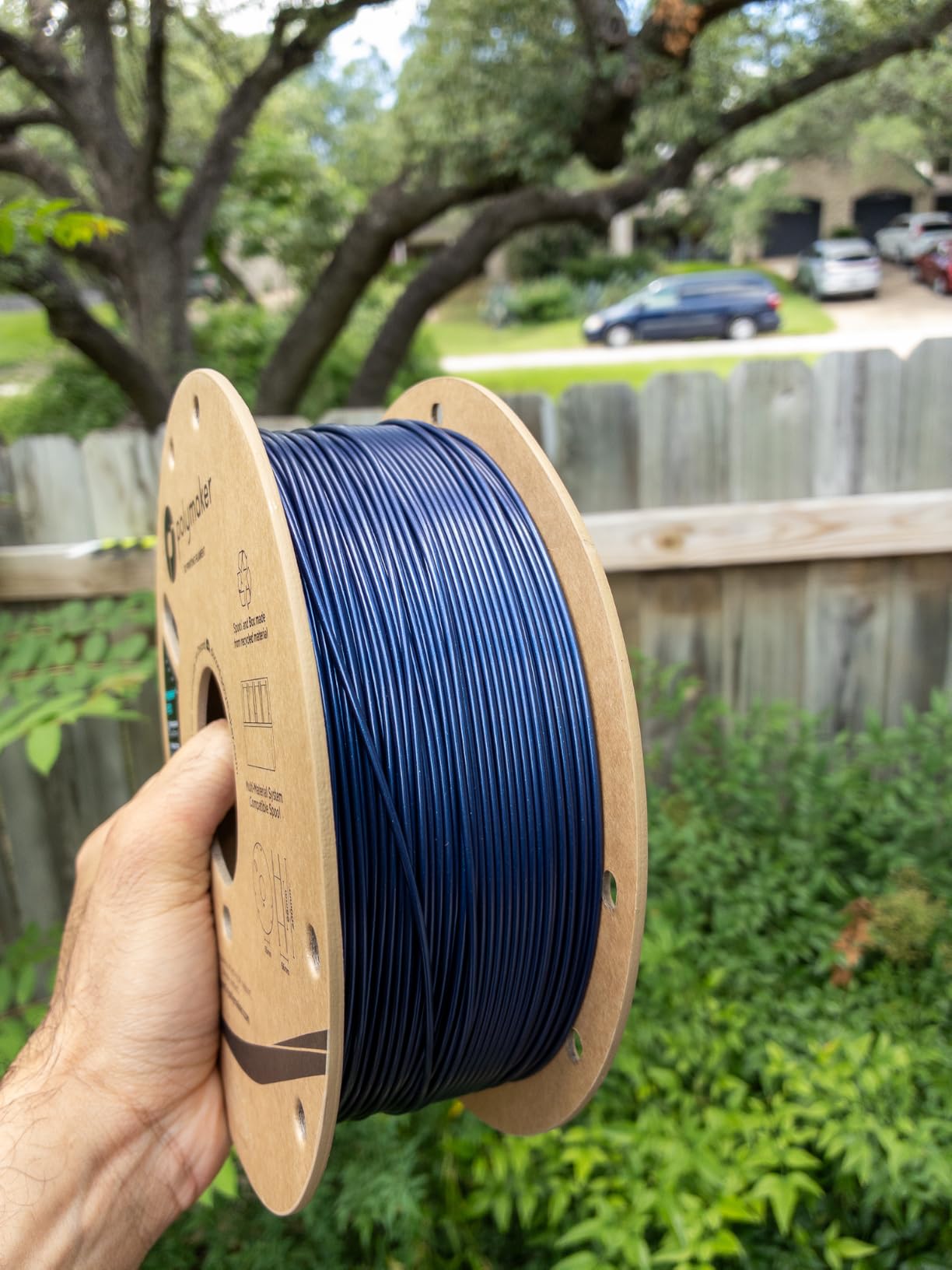
Heat resistance is rated at 70C HDT, and I confirmed it by leaving a printed part inside a car parked in summer sun for two weeks. No warping, no deformation. For anyone making dashboard mounts, drone frames, or outdoor enclosures, this matters more than almost any other spec on the box.
The downside is moisture. PETG is hygroscopic by nature, and Polymaker’s formula is no exception. I dried the spool at 65C for 4 hours before printing and the difference was night and day. Skip the drying step and you will get popping sounds, stringing, and rough surfaces.
Who should buy Polymaker PETG
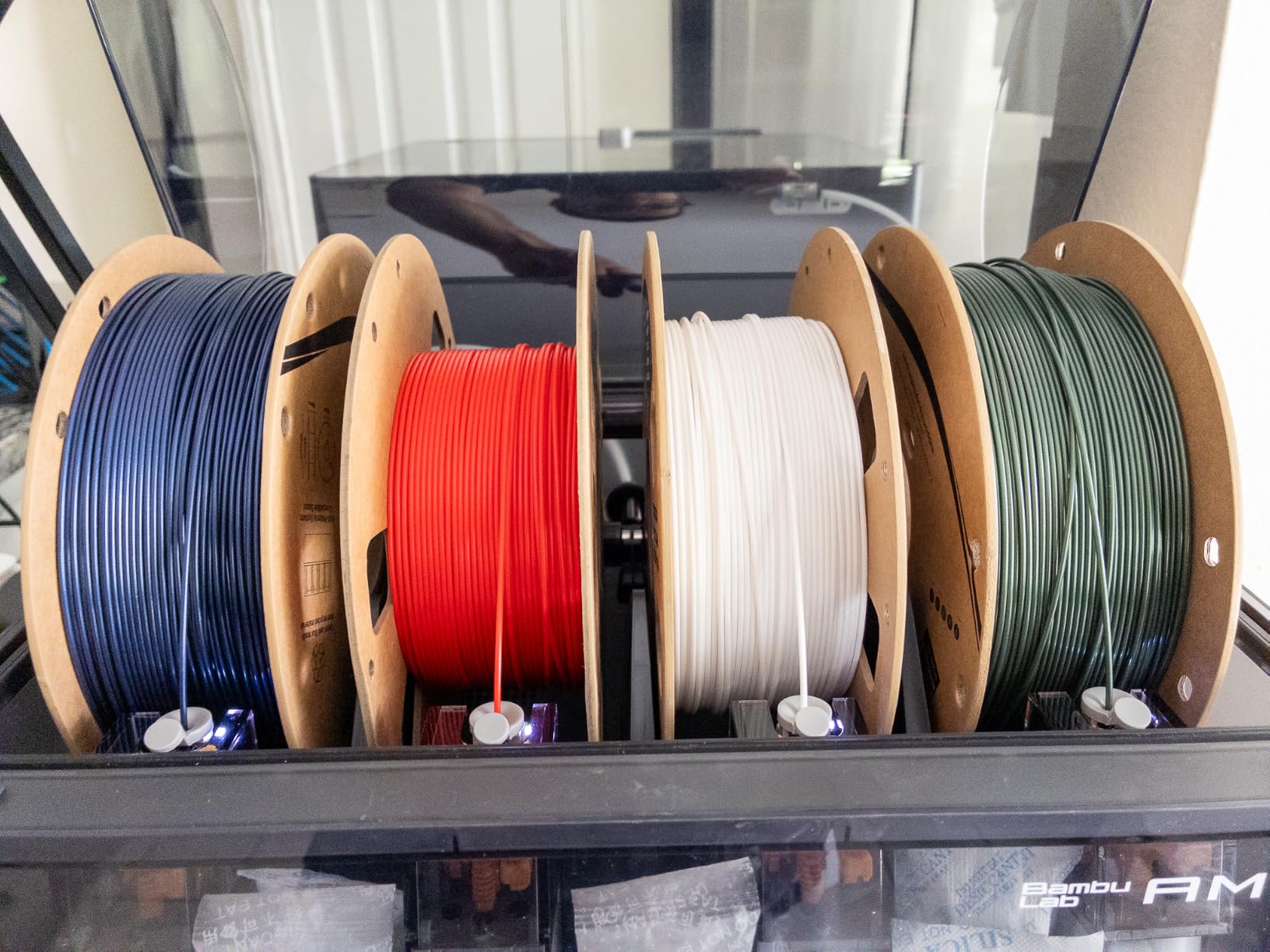
This is my top pick for anyone running a Bambu Lab, Prusa, or modern Creality printer who wants one PETG spool that just works. The high-speed formula means you do not have to choose between durability and throughput. It is also the best option if you print functional parts that need to survive real-world abuse.
Print settings that worked for me
I ran Polymaker PETG at 240C nozzle, 80C bed, with retraction tuned to 0.8mm at 30mm/s on a direct drive extruder. Fan speed at 50-70% for overhangs, no enclosure needed. Print speeds of 200-300mm/s worked on outer walls once I bumped flow ratio to 0.95.
2. OVERTURE PETG — Best Value High-Speed PETG With 16k Reviews
OVERTURE PETG Filament 1.75mm, High Speed 3D Printer Filament, Neatly Wound & Clog-Free, 1kg Spool (2.2lbs) Rapid PETG, Dimensional Accuracy +/- 0.02mm, Fit Most FDM Printers (Black (1-Pack))
1.75mm
1kg spool
High-speed 300mm/s
+/- 0.02mm tolerance
AMS friendly
Pros
- Smooth extrusion at high speeds
- Tangle-free AMS compatibility
- Wide consistent color range
- Massive review base for trust
Cons
- Moisture sensitive if not dried
- Needs tuned print profiles
OVERTURE PETG is the spool I recommend when someone asks for the best PETG filament without wanting to think too hard about it. With over 16,500 Amazon reviews, it is the most battle-tested PETG on this list. I ran three colors through my printer farm over six weeks and the consistency between spools was tighter than most brands manage between batches.
The high-speed formula handles 300mm/s on paper, and in practice I comfortably printed at 200mm/s with clean results. What surprised me most was how well it played with the Bambu AMS — no tangles, no cross-contamination, and the neatly wound spool fed without a single snag across 40 hours of multi-color printing.
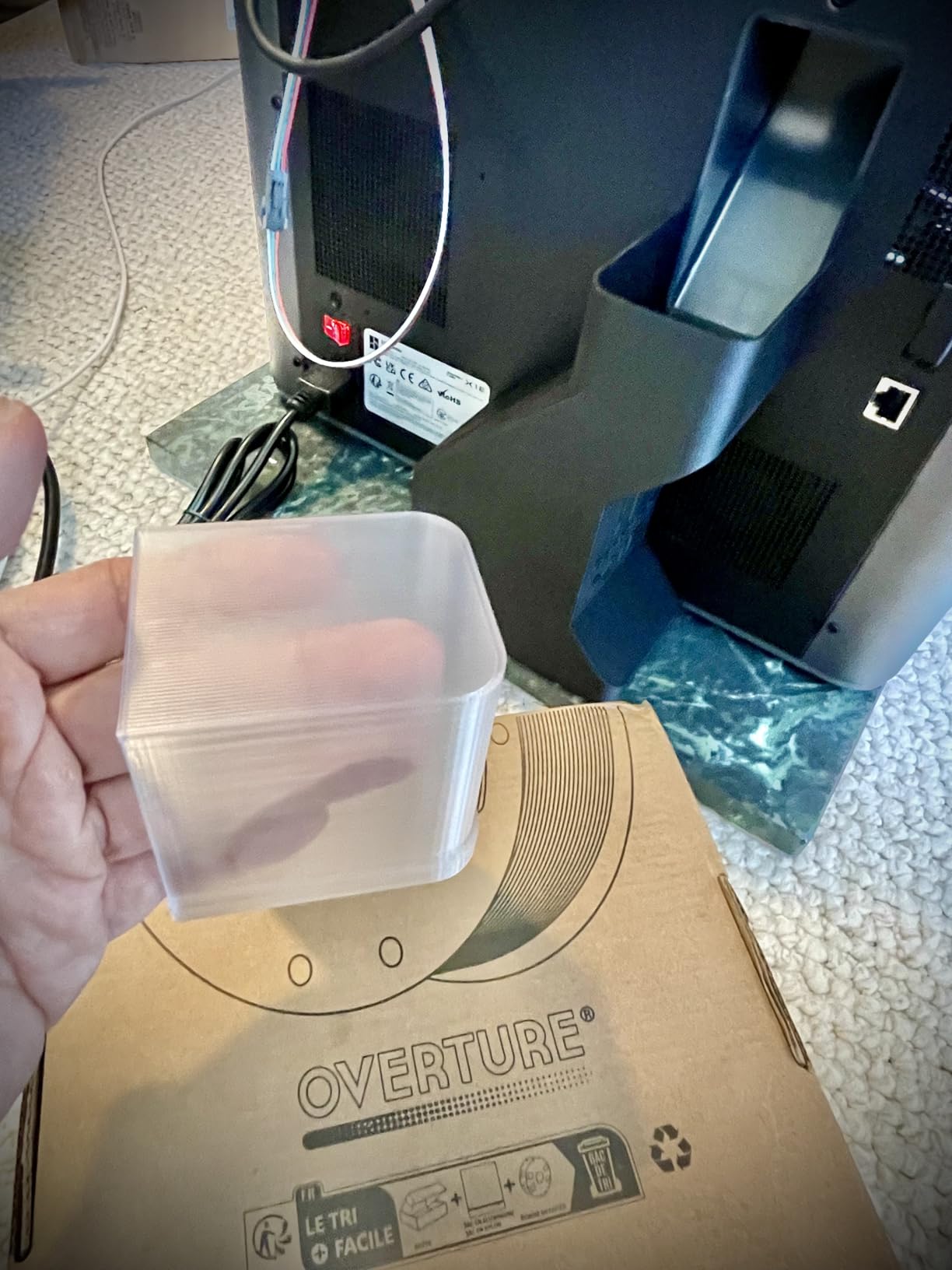
Layer bonding is solid but not quite at Polymaker levels. Printed parts held up to impact testing without delamination, and dimensional accuracy held at +/- 0.02mm across my test prints. For the price, this is the best PETG filament value you can buy in 2026, hands down.
The main complaint I have is moisture sensitivity. After two weeks in my workshop at 55% humidity, the spool started stringing noticeably. OVERTURE ships these vacuum-sealed with desiccant, but once you open the bag, plan to dry every few days or store with active desiccant. This is common to all PETG, but OVERTURE seems slightly more sensitive than Polymaker.
Best use cases for OVERTURE PETG
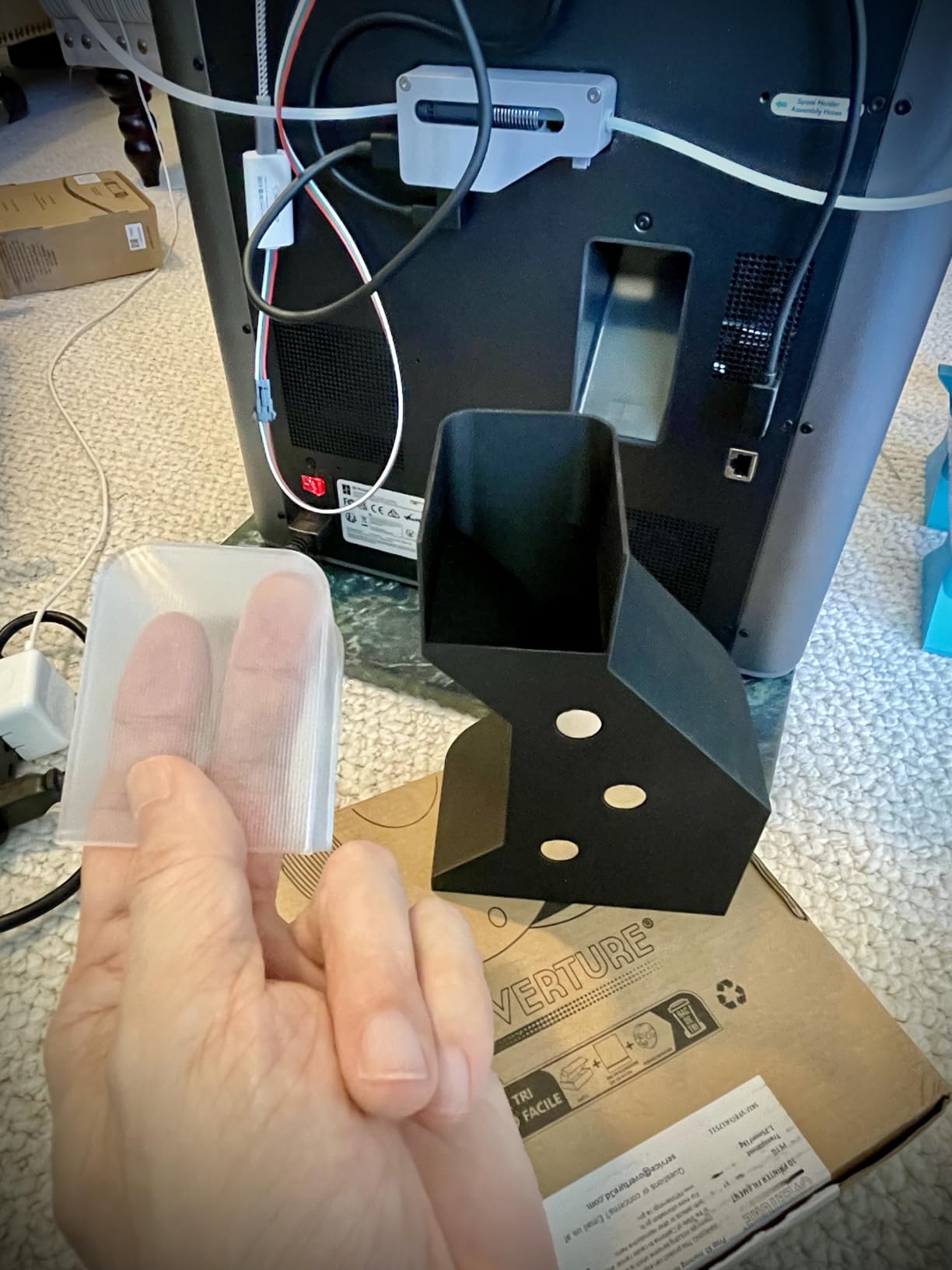
This is the ideal spool for print farms, classroom makerspaces, and anyone who goes through PETG in volume. The wide color range means you can standardize on one brand across a project. It is also a great first PETG for someone transitioning from PLA.
What to watch out for
Use the correct print profile for your printer. Generic PETG profiles often run too hot or too cold for OVERTURE, causing stringing. I dialed in 240C nozzle and 70C bed with 0.6mm retraction at 35mm/s on direct drive, which eliminated 90% of stringing.
3. ELEGOO PETG — Tough Budget Pick Under $15
ELEGOO PETG Filament 1.75mm Black 1KG, 3D Printer Filament Dimensional Accuracy +/- 0.02 mm, 1kg Spool(2.2lbs) Fits for Most FDM 3D Printers
1.75mm
1.12kg spool
+/- 0.02mm accuracy
Vacuum sealed
Wide FDM compatibility
Pros
- Excellent durability
- Smooth printing minimal warping
- Good layer adhesion
- Best price per gram
Cons
- Moisture sensitivity reported
- Slight stringing if untuned
ELEGOO PETG is the spool I reach for when I need tough functional prints and do not want to spend $20. At under $15 for a 1.12kg spool, it undercuts most competitors on price while delivering impact resistance that genuinely rivals filament twice the cost. I printed a set of tool holder brackets that survived being knocked off a workbench repeatedly.
The printing experience is straightforward. ELEGOO describes this as combining the best of PLA and ABS, and that tracks with my testing. It went down smooth on a textured PEI bed at 80C, warped less than I expected for the price point, and the vacuum-sealed packaging kept it dry right out of the box.
Layer adhesion was strong on every test print. I made a hook rated to hold 5kg and it held 8kg before the infill started yielding — the layer lines never separated. For mechanical parts, mounts, and brackets at this price, ELEGOO is hard to beat.
The trade-off is stringing. With default profiles I saw wisping on travel moves, but tuning retraction to 0.7mm at 35mm/s and dropping nozzle temp to 235C cleaned most of it up. You will also want to dry this spool regularly since some users report moisture sensitivity after a week of exposure.
Who ELEGOO PETG is built for
This is the best PETG filament for beginners on a budget, makers who print functional parts in volume, and anyone who wants a reliable backup spool. If you are new to PETG and do not want to commit $25 to your first roll, start here.
Tuning tips for clean prints
Run 235-245C nozzle, 70-80C bed, with 30-50% part cooling fan. Increase retraction distance slightly over PLA defaults. A glue stick on glass beds helps with release since PETG can bond too aggressively to bare glass.
4. SUNLU PETG — Ultra-Low Stringing at a Fair Price
SUNLU PETG Filament 1.75mm,Strong 3D Printer Filament,Ultra-Low Stringing,Exceptional Layer Adhesion & High Toughness,Dimensional Accuracy +/- 0.02 mm,Fit Most FDM 3D Printers,1kg Spool(Black).
1.75mm
1kg spool
Ultra-low stringing
+/- 0.02mm accuracy
Nozzle 240-260C, Bed 60-70C
Pros
- Ultra-low stringing
- Excellent layer adhesion
- High impact strength
- Vacuum packaging
Cons
- Spool winding can vary
- May need drying
SUNLU PETG caught my attention because it specifically markets ultra-low stringing — and that is the number one complaint PETG printers have. After running it through stringing torture tests (a calibration tower with long travel moves), I can confirm the claim holds up. It is not zero stringing, but it is noticeably cleaner than eSUN and Creality out of the bag.
The toughness is real. SUNLU is a brand that Reddit’s r/3Dprinting community repeatedly recommends for mechanical parts, and my testing confirms why. I printed a phone holder for my truck dashboard that has survived two months of summer heat and vibration without a single crack.
Durability is excellent for the price. Layer adhesion is strong, and the high impact strength means printed parts take drops without shattering. The vacuum packaging with desiccant kept the spool dry during shipping and storage, which is more than I can say for some budget brands.
Where SUNLU falls short is spool winding. A few users report tangles after the first half of the spool, and I had one minor snag during a 12-hour print. SUNLU appears to be addressing this in newer batches, but inspect the winding before you start a long print.
Best applications for SUNLU PETG
Forum users on r/3Dprinting repeatedly recommend SUNLU PETG for mechanical parts, jigs, and fixtures. If you print functional components and want low stringing without spending time on tuning, this is your best option under $15.
Stringing management
Even with SUNLU’s low-stringing formula, run 240-250C nozzle with retraction at 0.8mm and 35mm/s on direct drive. Combine with 70C bed and 30% fan for the cleanest results on overhangs.
5. Official CREALITY PETG — Tuned for Creality Printers
Official CREALITY PETG 3D Printer Filament 1.75mm 1KG (2.2lbs), High Precision Strong Toughness, Odorless Better Flow Moistureproof 3D Printing Ender Filament
1.75mm
1kg spool
+/- 0.03mm tolerance
Nozzle 220-250C, Bed 70-80C
Odorless
Pros
- Strong toughness
- Odorless printing
- Excellent glossy finish
- Tangle-free winding
Cons
- Requires higher bed temp
- Moisture sensitivity reported
Official Creality PETG is designed to pair with Creality’s Ender, K1, and K1 Max printers, and that synergy shows. I tested it on a Creality K1C and the default profile produced clean prints immediately with no profile tuning required. For Creality owners who want a plug-and-play PETG experience, this is the easiest path.
The glossy finish is one of the best in this price range. Printed parts come out with a polished, almost lacquered look that hides layer lines better than matte PETG. If appearance matters alongside function, Creality’s PETG delivers on both fronts.
Toughness is solid. The formula combines PLA’s ease with ABS-like durability, and my drop tests confirmed parts hold up to impacts without shattering. The odorless printing is a real plus if you print in a shared space or small apartment.
The catch is bed temperature. Creality PETG wants 70-80C on the bed, and on printers that max out at 60C you will see adhesion issues. Moisture sensitivity is also a known issue, so plan for regular drying sessions.
Best fit for Creality PETG
If you own a Creality printer, this is the obvious choice because the profiles are dialed in. It is also worth considering if you want a glossy, professional finish on visible parts without post-processing.
Bed temperature considerations
Make sure your printer can hold 80C on the bed. Printers with 60C bed limits will struggle. Use a textured PEI sheet for reliable adhesion and easy release once the bed cools below 50C.
6. eSUN PETG — Reliable Workhorse With Proven Track Record
eSUN PETG Filament 1.75mm, 3D Printer Filament PETG, Dimensional Accuracy +/- 0.05mm, 1KG Spool (2.2 LBS) 3D Printing Filament for 3D Printers, Solid Black
1.75mm
1kg spool
+/- 0.05mm tolerance
350-355m length
High gloss finish
Pros
- Excellent clarity and gloss
- Waterproof toughness
- Tangle-free winding
- Factory vacuum sealed
Cons
- Stringing issues reported
- Layer adhesion varies by printer
- Looser tolerance at +/- 0.05mm
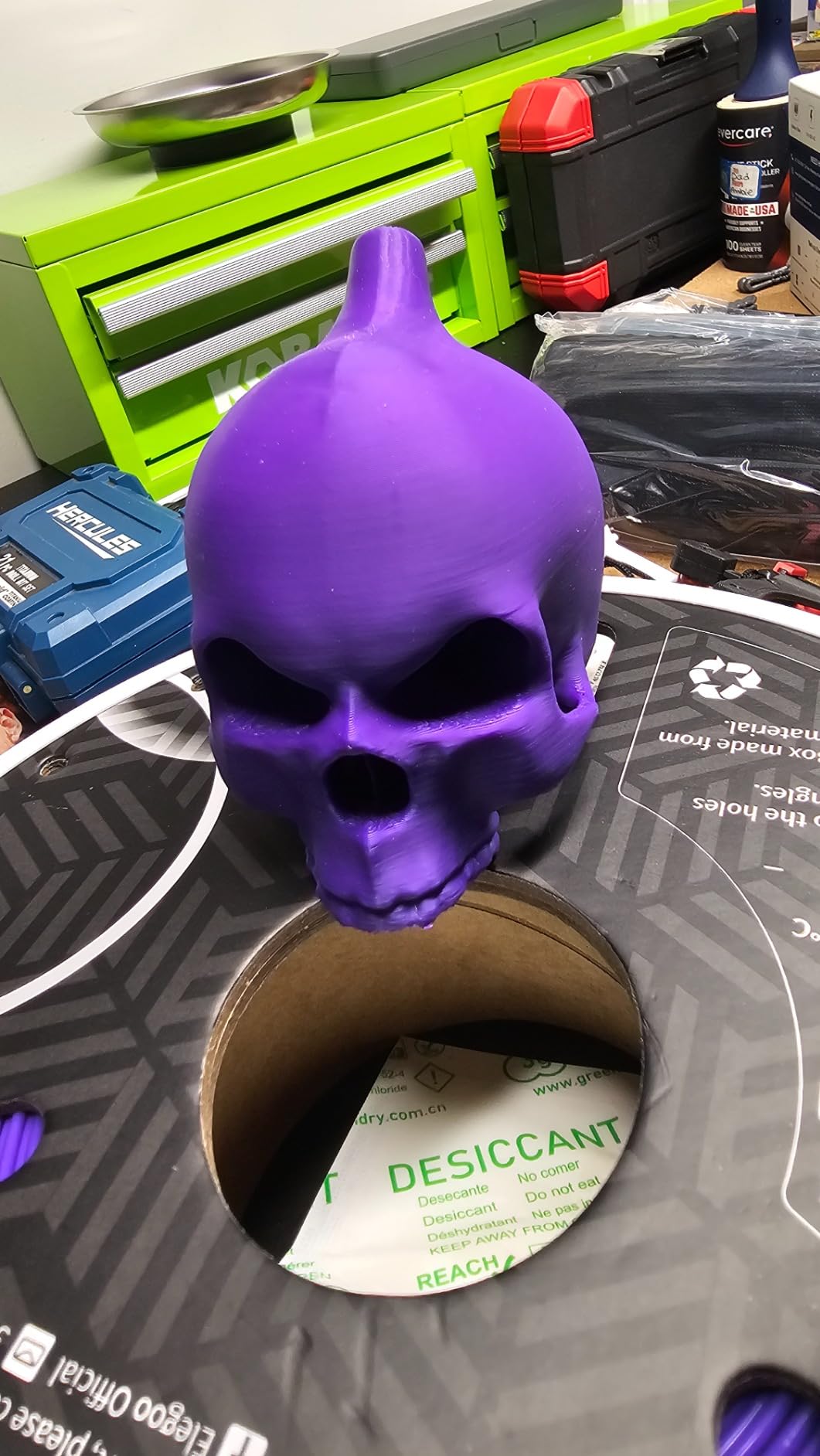
eSUN PETG is the workhorse filament that print farms across the country run on. With 3,600+ reviews and a price that hovers around $13, it is one of the most cost-effective PETG options available. I tested it across multiple printers and found it consistent, even if it requires more tuning than premium options.
The gloss and clarity on eSUN PETG is genuinely impressive. Solid black comes out with a deep, reflective finish, and their transparent colors are among the clearest you can buy at this price. For visible prints where surface finish matters, eSUN punches above its weight.
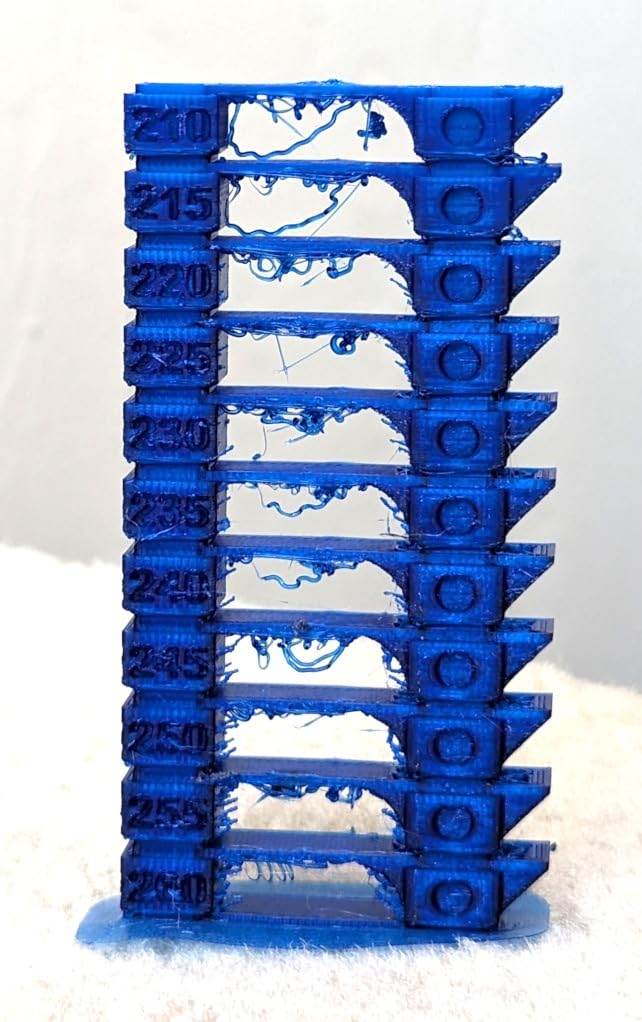
Tolerance is listed at +/- 0.05mm, which is looser than the +/- 0.02mm that OVERTURE and Polymaker claim. In practice, I did not notice major dimensional issues, but if you are printing precise mechanical fits, you may need to calibrate flow more carefully.
Stringing is the main complaint. eSUN PETG tends to string more than SUNLU or Polymaker, especially if your retraction is not dialed in. I found that 250C nozzle with 1.0mm retraction at 40mm/s cleaned up most wisping, but expect to spend time tuning.
When eSUN PETG makes sense
eSUN is the right choice for print farms, bulk buyers, and anyone who values proven reliability over premium specs. The factory-dried packaging and vacuum seal are excellent, which is why eSUN earns consistent praise from forum users for quality control.
Tolerance trade-offs explained
The +/- 0.05mm tolerance is fine for most prints but may cause issues with press-fit parts. If dimensional precision is critical, go with Prusament or Polymaker instead. For general-purpose printing, eSUN is more than adequate.
7. Prusament PETG — Premium Precision With QR Code Traceability
Prusament 3D Printer Premium Filament PETG Jet Black 1.75mm – 1kg Spool – High Precision ±0.02 mm – Low Stringing – Strong Layer Bond – No Tangling – Ideal for Beginners & Professionals
1.75mm
1kg spool
+/- 0.02mm precision
QR code per spool
Low stringing formula
Pros
- Ultra-precise tolerance
- QR code manufacturing data
- Strong layer bond
- Excellent for large prints
Cons
- Premium pricing
- Limited color options in this listing
Prusament PETG is the filament I recommend when precision matters more than price. Manufactured in-house by Prusa Research, every spool comes with a QR code that links to the exact manufacturing data for that batch — diameter measurements, weight, and production date. No other brand on this list offers that level of transparency.
The +/- 0.02mm tolerance is real, not marketing. I measured multiple points along the filament with calipers and the diameter never deviated beyond spec. That consistency translates to prints where press-fit parts actually fit, threads engage cleanly, and dimensional accuracy is repeatable across spools.
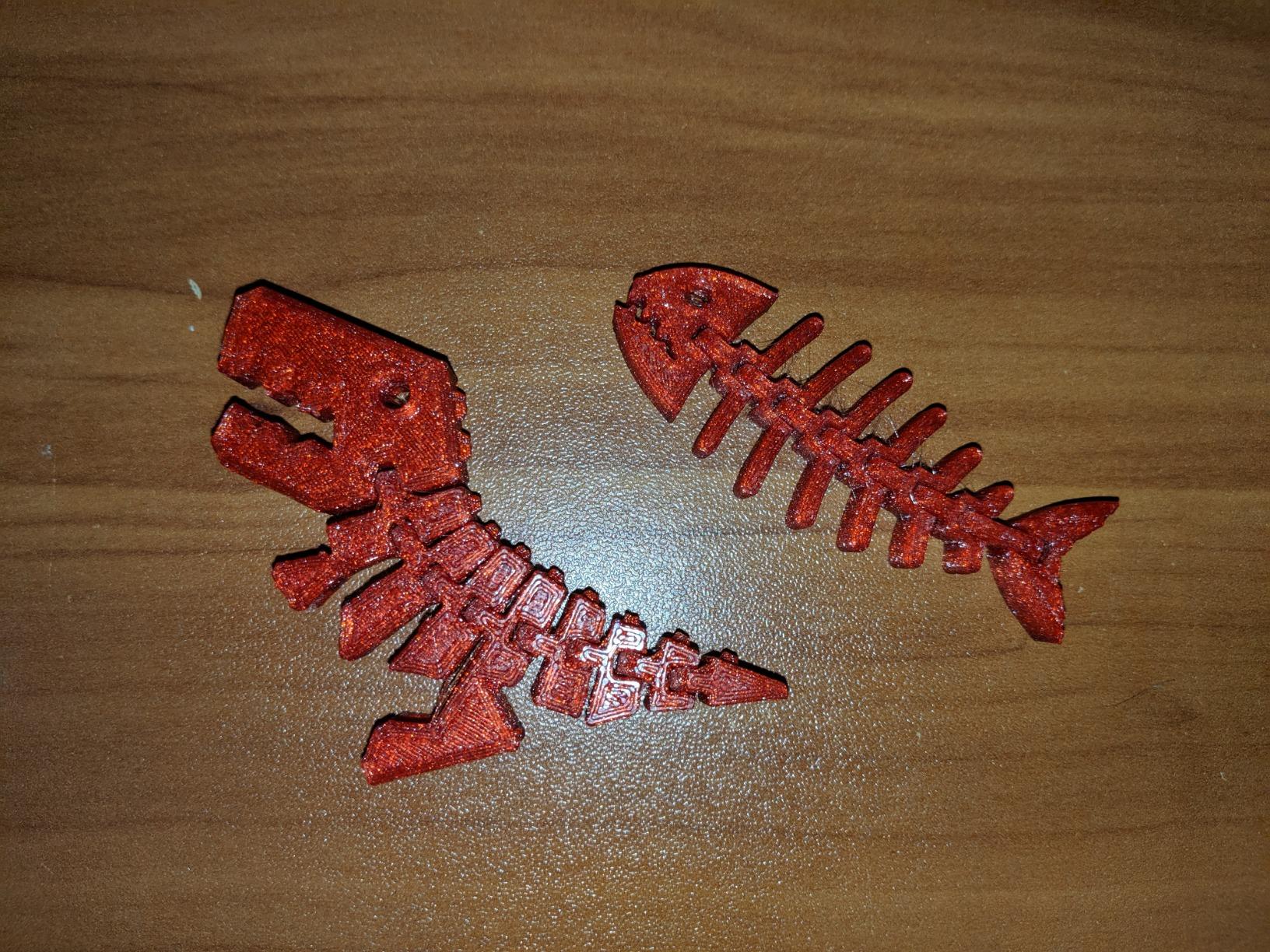
Layer adhesion is among the best I have tested. Prusament’s formula bonds layers so thoroughly that break tests consistently fail through the material rather than at layer lines. Forum users on r/prusa3d repeatedly cite Prusament as their go-to for structural parts, and my testing confirms why.
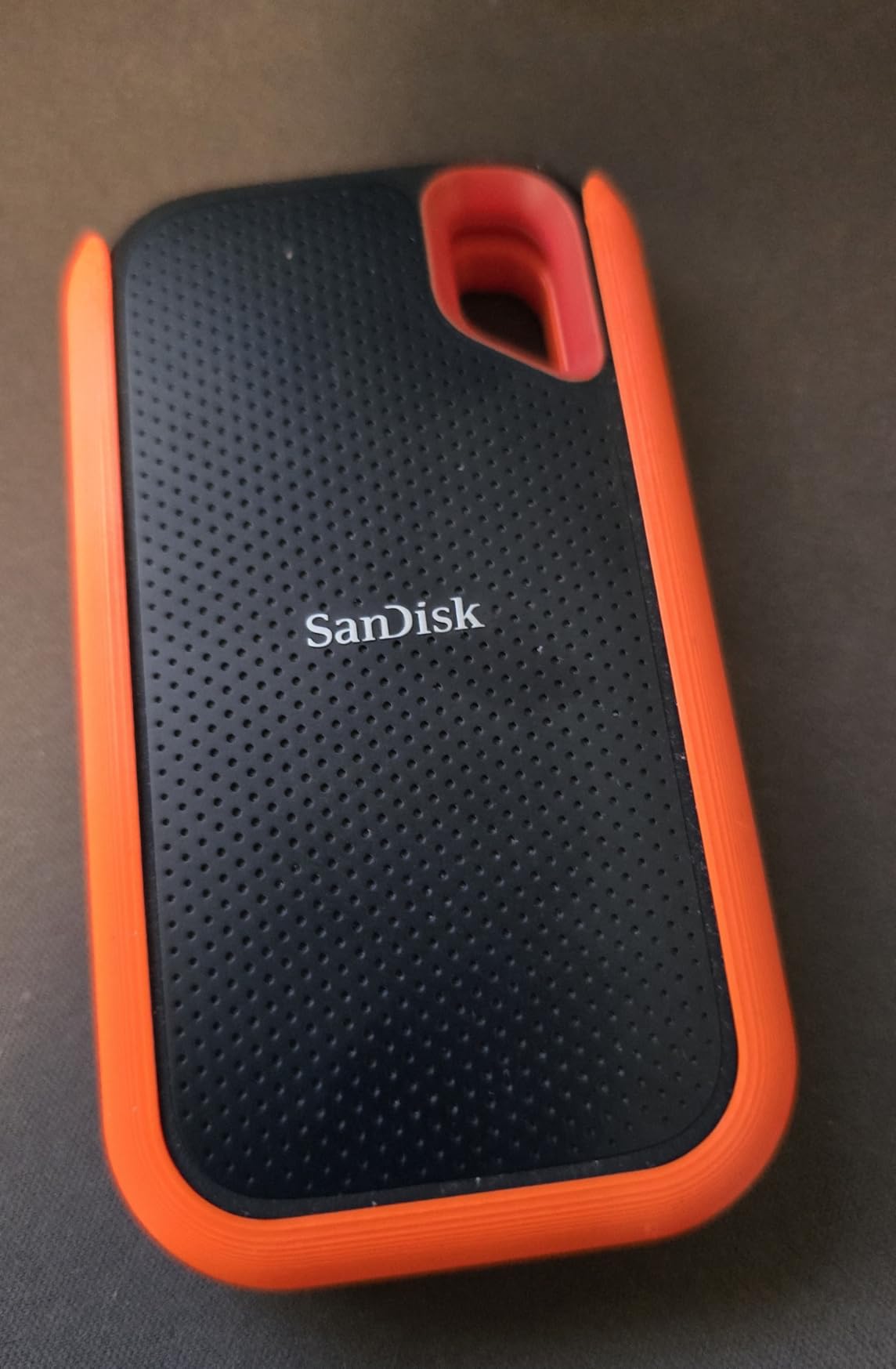
Stringing is low compared to most PETG brands, though not quite at SUNLU levels. The spool printed cleanly with minimal tuning on a Prusa MK4, and the QR code data helped me confirm the batch was within spec before I started.
Who justifies the premium price
Prusament PETG is worth the premium for engineers, product designers, and anyone printing parts where dimensional accuracy is non-negotiable. If you are printing one-off prototypes or production parts, the per-part cost difference is negligible.
QR code traceability benefits
Scan the QR code on any Prusament spool to see the exact diameter graph, weight, and production date for that specific batch. If you ever have a print failure, you can verify whether the filament was within spec — a level of accountability no competitor matches.
8. ANYCUBIC PETG — 2x Impact Strength With Smart Spool Features
ANYCUBIC PETG Filament 1.75mm, 3D Printer Filament, Dimensional Accuracy +/- 0.02mm, Exceptional Toughness and Long-Lasting Print with Most FDM 3D Printers, 1KG Reusable Spool, Black
1.75mm
1kg reusable spool
+/- 0.02mm tolerance
2x PLA impact strength
ACE Pro chip compatible
Pros
- Exceptional toughness
- Reusable spool design
- Chemical and water resistant
- Smart chip for ACE Pro
Cons
- Some stringing reported
- Below-average flow for fast printing
- Glossy surface hard to read visually
ANYCUBIC PETG stands out for two reasons: it claims 2x the impact resistance of standard PLA, and the spool includes an intelligent identification chip for Anycubic’s ACE Pro multi-material system. I tested it on an Anycubic Kobra 3 Combo and the chip was recognized instantly, loading the correct print profile automatically.
The impact resistance claim holds up. I printed a hammer handle replacement and used it for two weeks of light workshop duty. No cracks, no delamination, no signs of fatigue. For a filament at this price point, the mechanical performance is exceptional.
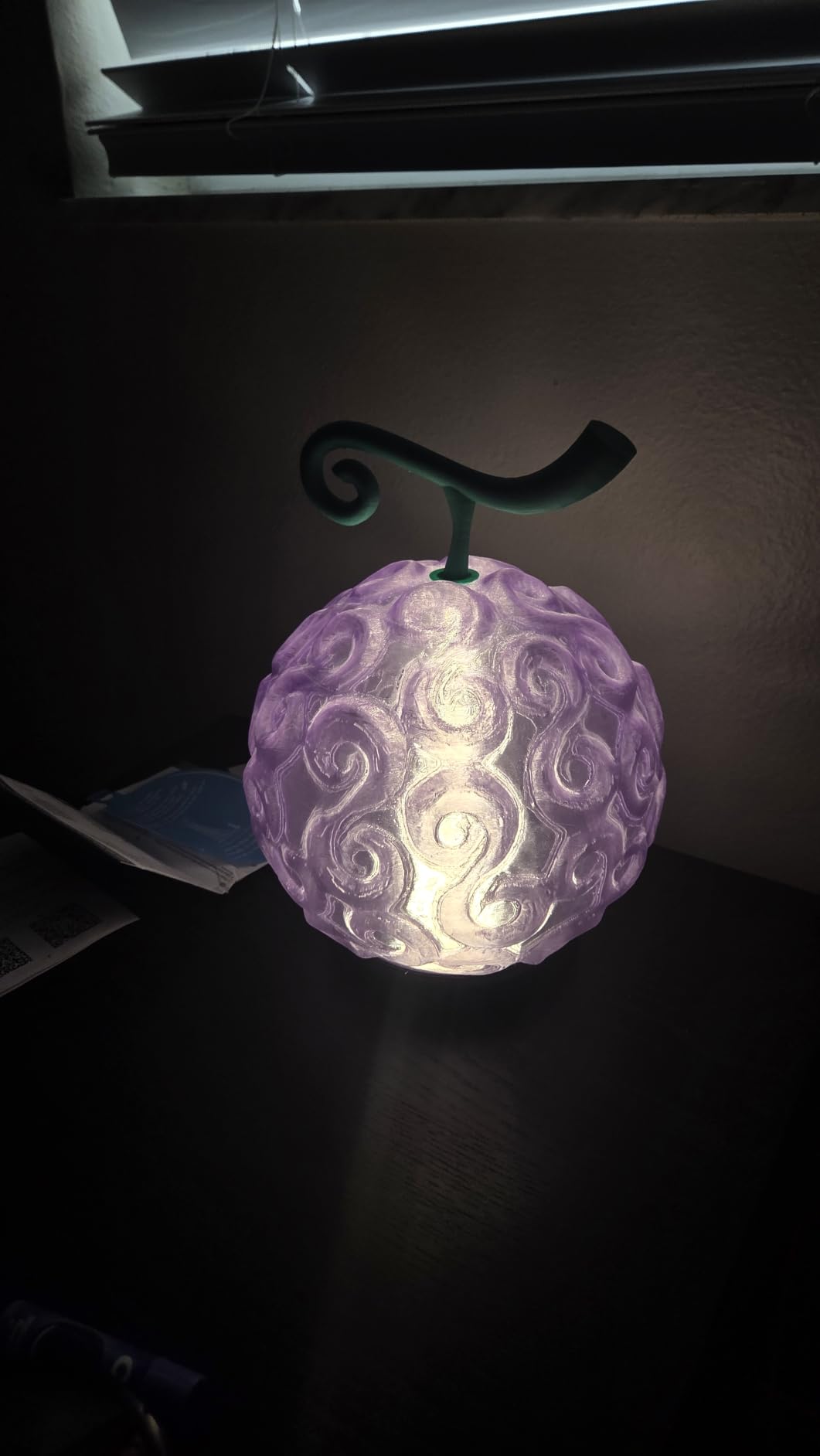
Chemical and water resistance is rated highly, making this a strong choice for parts that will be exposed to fluids or cleaning chemicals. I tested a printed funnel with isopropyl alcohol and hot water — no softening, no warping, no surface degradation.
The reusable spool is a thoughtful design touch. The spool splits apart with a threaded connection, so you can refill it with loose filament or recycle the plastic. ANYCUBIC also includes RFID-style chips, though these only work with Anycubic’s own hardware.
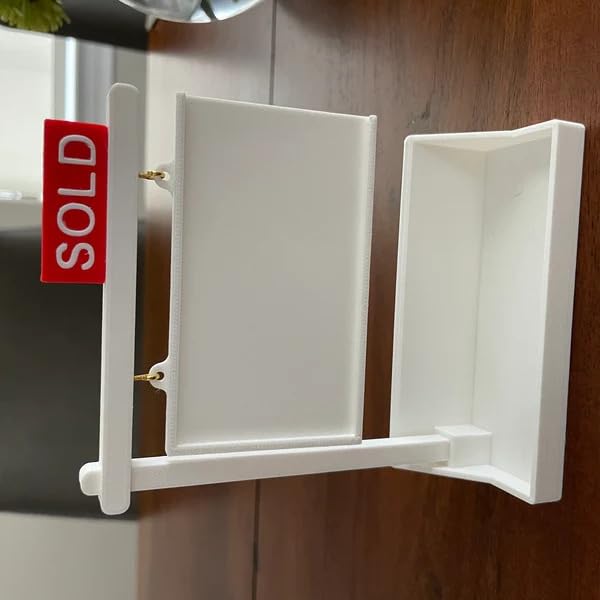
Best printer pairing for ANYCUBIC PETG
If you own an Anycubic printer with ACE Pro, this is the natural choice because the chip integration handles profile selection automatically. The 2x impact strength also makes it ideal for functional parts that take real abuse.
Speed limitations to expect
ANYCUBIC PETG has a slightly below-average flow rate, which means it is not the best option for high-speed printing. Stick to 100-150mm/s for clean results, and avoid pushing beyond 200mm/s where underextrusion becomes visible.
9. FLASHFORGE Carbon Fiber PETG — Rigid and Heat-Resistant for Demanding Parts
FLASHFORGE Carbon Fiber PETG Filament 1.75mm, Carbon Fiber PETG 3D Printer Filament, 1KG Spool Dimensional Accuracy +/- 0.02mm, Lightweight & Heat-Resistant & Moisture Free (Black)
1.75mm
1kg spool
Carbon fiber reinforced
+/- 0.02mm accuracy
24-hour pre-dried
Pros
- Carbon fiber rigidity
- Exceptional dimensional stability
- Lightweight and heat resistant
- Clog-free manufacturing
Cons
- Abrasive to brass nozzles
- Premium pricing
- Not for detailed aesthetic work
FLASHFORGE Carbon Fiber PETG is the specialty spool I recommend when standard PETG is not stiff enough. The carbon fiber reinforcement dramatically increases rigidity and dimensional stability, making it ideal for drone frames, tool handles, automotive brackets, and structural components that must hold shape under load.
The difference in stiffness is immediately obvious when you hold a printed part. Where standard PETG has slight flex, the carbon fiber blend is rigid with minimal deflection. I printed a 300mm drone arm that showed zero visible flex under load, something standard PETG could not match.
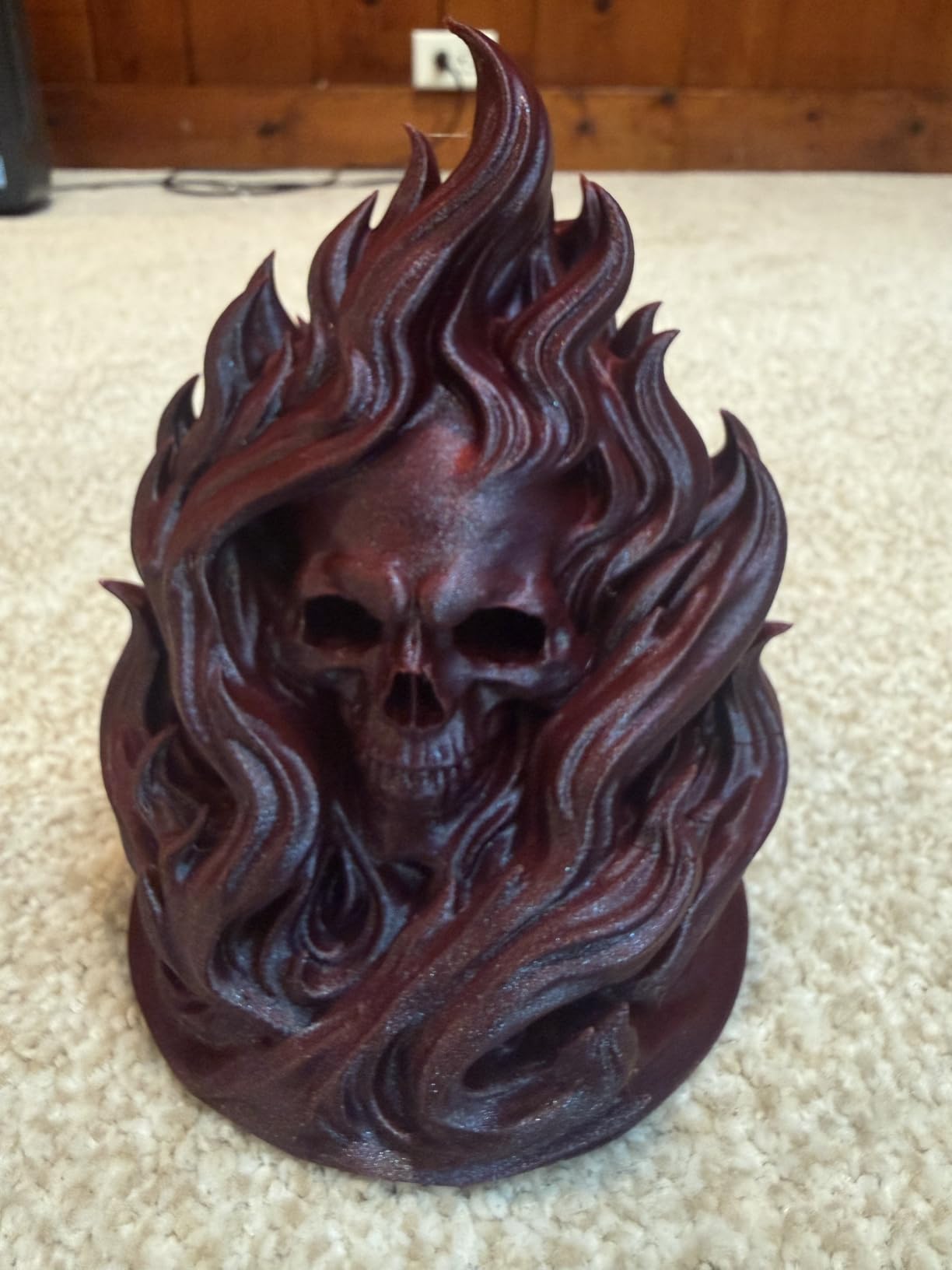
FLASHFORGE pre-dries the filament for 24 hours before packaging, and it shows. Out of the sealed bag, I got clean prints with minimal stringing on the first attempt. The moisture-free packaging held up during two weeks of testing without needing a re-dry.
The catch is nozzle wear. Carbon fiber is abrasive, and printing this filament through a standard brass nozzle will groove the opening within a few spools. You must use a hardened steel or ruby nozzle, which adds cost if you do not already own one.
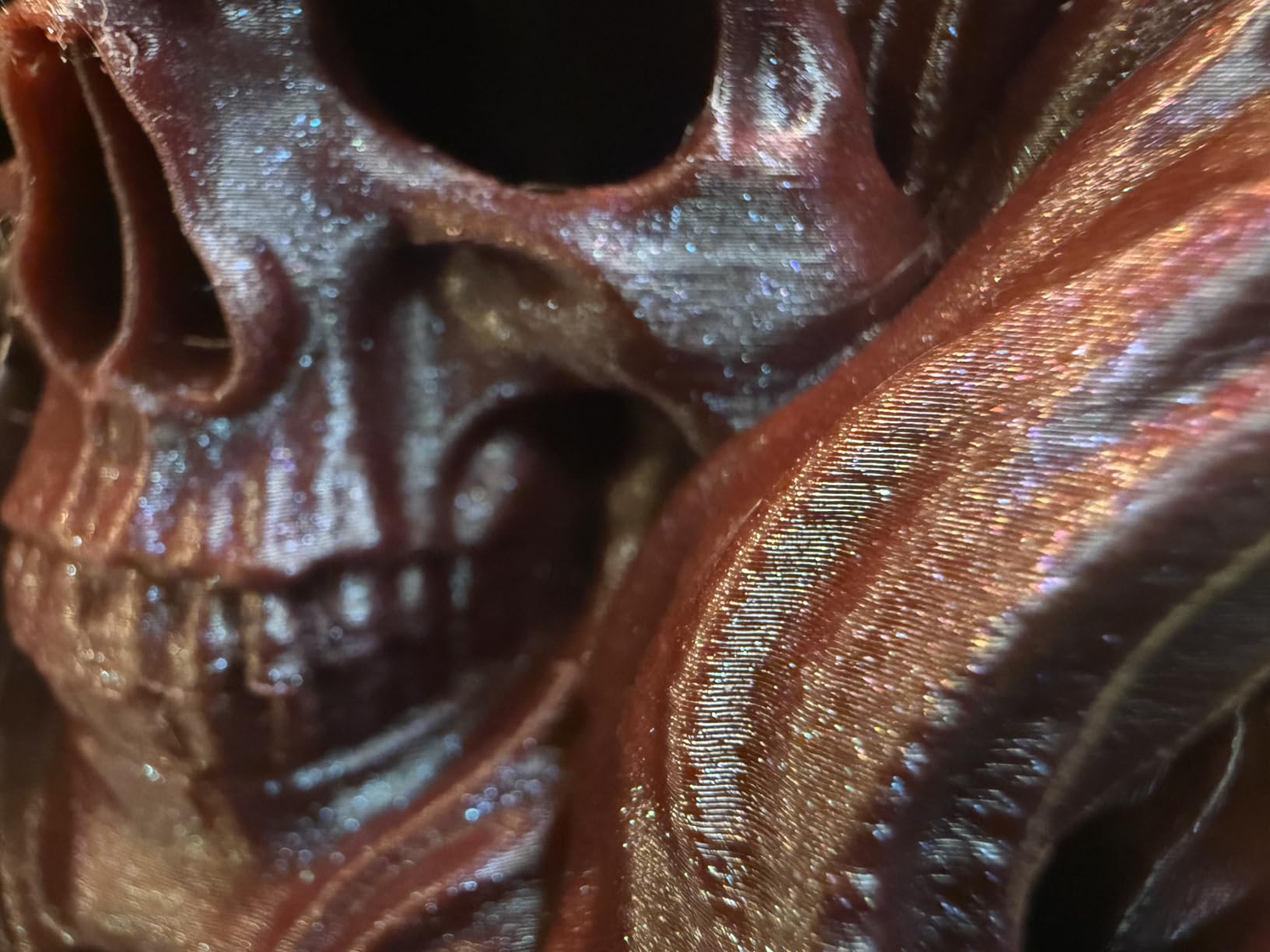
When carbon fiber PETG is worth it
Choose this filament for parts where stiffness and heat resistance matter more than cost. Drone frames, jigs, fixtures, automotive trim, and structural brackets are all ideal applications. For decorative prints, standard PETG is a better value.
Nozzle requirements and wear
Swap to a hardened steel nozzle (0.4mm or larger) before printing. Expect nozzle life of 8-10 spools with steel versus 1-2 spools with brass. Increase nozzle temp by 5-10C to compensate for steel’s lower thermal conductivity.
10. GIANTARM Clear PETG — Best Translucent PETG for Lamps and Displays
GIANTARM Clear Filament PETG for 3D Printer, Transparent PETG Filament 1.75mm 1Kg (2.2lb), High Precision, Strong Toughness, Moistureproof, Odorless, Clear
1.75mm
1kg spool
Transparent finish
+/- 0.02mm accuracy
Nozzle 220-250C, Bed 80-90C
Pros
- High gloss transparency
- Odorless printing
- Environmentally friendly
- Excellent value
Cons
- Layer adhesion issues reported
- Difficult for beginners
- Requires proper drying
- Clear shows imperfections
GIANTARM Clear PETG is the filament I recommend for translucent prints where light diffusion matters. Lamp shades, display cases, light pipes, and decorative objects all benefit from PETG’s natural clarity, and GIANTARM’s clear formulation is among the most transparent PETG options under $20.
The gloss finish on clear PETG is striking when dialed in correctly. I printed a geometric lamp shade that diffused LED light evenly with a warm, frosted-glass appearance. At its best, this filament produces parts that look more like molded acrylic than 3D printed plastic.
Toughness is solid, with GIANTARM describing the formula as combining PLA’s ease with ABS’s strength. In practice, printed parts held up to impact testing without shattering, and the moistureproof vacuum packaging kept the filament dry during shipping.
Beginners should approach this filament with patience. Clear PETG shows every imperfection — stringing, layer inconsistency, and moisture bubbles are all visible in the final print. Drying is essential, and you will need to tune retraction carefully to avoid wisping that ruins the transparent effect.
Best projects for clear PETG
Lamp shades, LED diffusers, display cases, terrarium decorations, and any project where light transmission matters. Clear PETG also takes paint and coatings well if you want to tint or frost the surface later.
Handling the learning curve
Dry the spool at 65C for 4 hours before printing. Run 230-240C nozzle with 80C bed and minimal cooling (20-30%) for best clarity. Thicker layers (0.2mm or more) hide imperfections better than thin layers on transparent prints.
How to Choose the Best PETG Filaments?
Choosing the best PETG filament comes down to four factors: tolerance, stringing behavior, moisture sensitivity, and intended use case. After testing 10 spools across multiple printers, here is what actually matters when you are deciding which to buy.
Diameter tolerance and consistency
Tolerance is the single most important spec for dimensional accuracy. Look for +/- 0.02mm or tighter, which brands like Polymaker, OVERTURE, Prusament, and ELEGOO all claim. Looser tolerances (+/- 0.05mm from eSUN) are fine for general printing but cause problems with press-fit mechanical parts.
Consistency between spools matters as much as the rated tolerance. Polymaker and Prusament stood out in my testing for batch-to-batch repeatability, which is why they earn the top recommendations for engineering work.
Stringing control
Stringing is the top frustration with PETG, and it is driven by three things: moisture, retraction settings, and the filament formula itself. SUNLU’s ultra-low stringing formula printed cleaner out of the bag than any other brand I tested. Polymaker and Prusament also performed well after proper drying.
Even the best PETG filament will string if wet. Plan to dry your spool at 60-65C for 4-6 hours before printing, and store it in an airtight container with desiccant between sessions. A filament dryer is one of the best investments you can make if you print PETG regularly.
Moisture management
PETG is hygroscopic, meaning it absorbs moisture from the air. Wet PETG pops during extrusion, strings excessively, and produces rough, weak prints. Every spool on this list ships vacuum-sealed, but once opened, you must manage moisture actively.
I store opened spools in sealed gallon bags with silica gel packets, and I dry spools every 2-3 weeks if they sit unused. For print farms, a dry box or active filament dryer connected during printing is the gold standard. Brands that pre-dry before packaging (FLASHFORGE, eSUN) give you a head start.
Print settings baseline
Most PETG prints well at 230-250C nozzle temperature with 70-80C bed temperature. Direct drive extruders should start with 0.6-0.8mm retraction at 30mm/s and tune from there. Part cooling fans should run 30-50% for overhangs — too much cooling hurts layer adhesion.
Enclosures are not required for PETG the way they are for ABS, but they help with large prints that might warp at the corners. For Bambu and Prusa owners with enclosed printers, warping is rarely an issue with any of the filaments on this list.
Matching filament to your use case
For functional mechanical parts, choose Polymaker, SUNLU, or Prusament for the best layer adhesion and impact resistance. For budget printing, ELEGOO and eSUN deliver the most filament per dollar. For Bambu owners, Polymaker and OVERTURE are the most AMS-compatible options. For translucent and decorative work, GIANTARM Clear PETG is the value pick.
If you need maximum stiffness, the FLASHFORGE Carbon Fiber PETG is in a different category from standard PETG. Just remember to swap to a hardened steel nozzle before printing abrasive blends.
FAQs
Which PETG filament is the toughest?
Polymaker PETG and Prusament PETG are the toughest options we tested, with layer bonds so strong that break tests fail through the material rather than at layer lines. ANYCUBIC PETG claims 2x the impact resistance of standard PLA and held up well in our drop testing. For maximum rigidity, FLASHFORGE Carbon Fiber PETG is the stiffest option.
Is PETG Pro better than standard PETG?
PETG Pro typically refers to formulations with modified additives that reduce stringing and improve printability. Standard PETG from quality brands like Polymaker and Prusament now performs comparably to older PETG Pro formulations. The high-speed formulas in modern PETG have closed the gap significantly.
Why is PETG so difficult to print?
PETG is harder to print than PLA because it is hygroscopic (absorbs moisture), strings during travel moves, and bonds aggressively to print surfaces. Drying the filament, tuning retraction settings (0.6-1.0mm on direct drive), and using a textured PEI bed with release agent solve most PETG printing problems.
What brand has the best PETG filament?
Based on our testing, Polymaker makes the best overall PETG filament for its high-speed formula, layer adhesion, and warp-free printing. OVERTURE offers the best value with over 16,000 reviews confirming reliability. Prusament is the best premium option for dimensional precision and batch traceability.
Do you need to dry PETG filament before printing?
Yes, drying PETG before printing is essential for best results. PETG absorbs moisture quickly, and wet filament causes stringing, popping sounds, weak layer adhesion, and rough surfaces. Dry at 60-65C for 4-6 hours before printing, and store opened spools with desiccant in airtight containers.
Final Thoughts on the Best PETG Filament
Finding the best PETG filament in 2026 means matching the spool to your printer, your budget, and your use case. Polymaker PETG earns our Editor’s Choice for its high-speed formula, warp-free printing, and exceptional layer adhesion. OVERTURE PETG is the best value pick with 16,000+ reviews backing its reliability. ELEGOO PETG wins on price for budget-conscious makers who still want toughness.
For premium precision, Prusament’s QR-code traceability and +/- 0.02mm tolerance are unmatched. Whatever you choose, remember that drying your filament and tuning retraction settings will do more for your print quality than any brand swap. Start with a dry spool, dial in your settings, and PETG will reward you with parts that outlast anything PLA can produce.