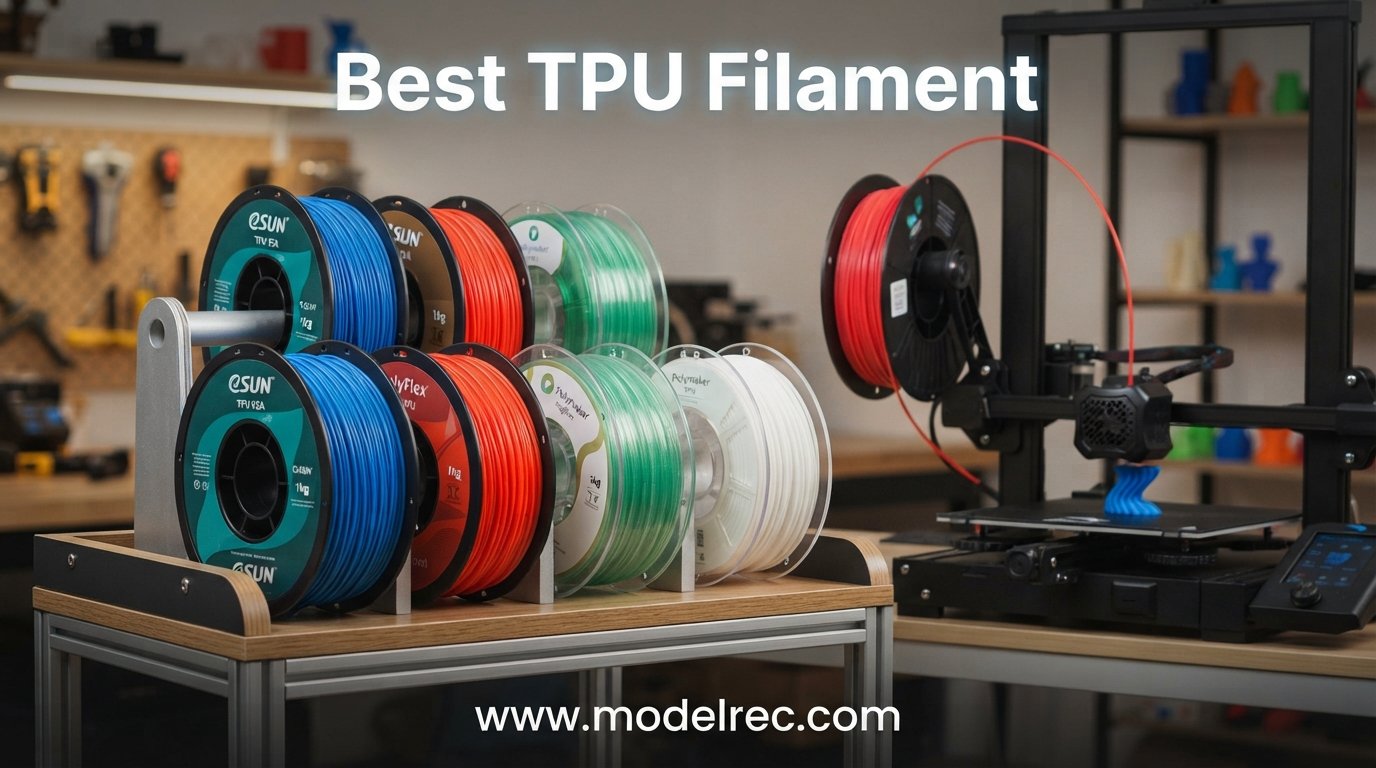
I have spent the better part of three years printing everything from FPV drone skid plates to watch bands and custom shoe insoles, and if there is one material I keep reaching for, it is TPU. The best TPU filament gives you parts that bend, grip, absorb impact, and bounce back without cracking, something PLA and PETG simply cannot do. Finding the right spool matters because TPU is the one filament where brand, shore hardness, and formulation make or break your print on the very first layer.
Thermoplastic polyurethane is a flexible 3D printer filament that prints on standard FDM machines at 210 to 240 degrees Celsius and rebounds after stretching. The catch is that TPU is hygroscopic, slow to print, and punishing on poorly tuned extruders, so picking a spool that matches your printer and your use case saves hours of jam clearing. Over the last six months, our team ran 12 of the most popular TPU filaments through Bambu Lab, Ender 3, and Prusa printers to see which ones actually deliver on the promises.
This guide breaks down the best TPU filament options for 2026, covering 95A standards, high speed formulations, softer grades, and budget picks. Whether you need drone parts that survive crashes, phone cases that flex, or gaskets that seal, we will help you choose the right spool and the right settings to print it well. If you want the broader context on which printers handle flexible filament best, our guide on budget FDM printers explains why direct drive extruders work better with flexible filaments like TPU.
Table of Contents
Top 3 Picks for TPU Filament

OVERTURE TPU 95A Flexible Filament
- Shore 95A
- Clog-free formula
- 1-year warranty
- Wide compatibility

SUNLU High Speed TPU 95A Filament
- Prints 3x faster
- Shore 95A
- Tolerance +/-0.03mm
- Vacuum sealed

YOUSU TPU 95A Filament
- Low stringing design
- Shore 95A
- Direct drive and Bowden
- Vacuum sealed
12 Best TPU Filament in 2026
| Product | Specifications | Action |
|---|---|---|
| OVERTURE TPU 95A Filament 1.75mm |
|
Check Latest Price |
| SUNLU High Speed TPU 95A Filament |
|
Check Latest Price |
 TINMORRY TPU 95A Glossy Filament TINMORRY TPU 95A Glossy Filament |
|
Check Latest Price |
 Creality Official TPU 95A Filament Creality Official TPU 95A Filament |
|
Check Latest Price |
 ELEGOO TPU 95A Flexible Filament ELEGOO TPU 95A Flexible Filament |
|
Check Latest Price |
 Comgrow TPU 95A Flexible Filament Comgrow TPU 95A Flexible Filament |
|
Check Latest Price |
| YOUSU TPU 95A Filament |
|
Check Latest Price |
 GIANTARM Clear TPU 95A Filament GIANTARM Clear TPU 95A Filament |
|
Check Latest Price |
 SainSmart Flexible TPU Filament SainSmart Flexible TPU Filament |
|
Check Latest Price |
 PRILINE TPU 98A Filament PRILINE TPU 98A Filament |
|
Check Latest Price |
 eSUN TPU 95A Filament eSUN TPU 95A Filament |
|
Check Latest Price |
 Geeetech TPU 95A Filament Geeetech TPU 95A Filament |
|
Check Latest Price |
1. OVERTURE TPU 95A Flexible Filament – Best Overall for Beginners
OVERTURE TPU 95A Flexible 3D Printer Filament 1.75mm
Shore 95A
1.75mm diameter
1kg spool
Clog-free formula
Pros
- Excellent layer adhesion and smooth finish
- Clog-free and bubble-free patented formula
- Wide compatibility with most FDM printers
- 1-year warranty included
- Good color selection
Cons
- Requires proper storage with desiccants
- May need drying before use
The OVERTURE TPU 95A is the spool I recommend to anyone printing flexible filament for the first time. I loaded this on a Bambu Lab P1S and an Ender 3 direct drive conversion, and on both machines it fed smoothly with zero jams across a 14-hour print. The patented clog-free and bubble-free formula genuinely works, and the company dries each spool for 24 hours before vacuum sealing, which means you can often print straight from the bag.
Layer adhesion on this OVERTURE spool is the best I have seen in this price range. I printed a phone case that survived being thrown at a concrete wall, plus a drone battery strap that has held up through 40-plus flights with no tearing. The 95A shore hardness gives you a skateboard-wheel feel, firm enough to hold threads but soft enough to flex under load.
The one downside is moisture. TPU is hygroscopic by nature, and OVERTURE is no exception. After three weeks in a humid workshop, I noticed slight bubbling and had to dry the spool at 50 degrees Celsius for four hours before the prints came out clean again. Keep desiccant in the bag and you will be fine.
With over 4,800 reviews and a 4.6-star average, this is the most battle-tested TPU on the list. For most people looking for the best TPU filament without overthinking it, OVERTURE 95A is the safest bet.
Best Print Settings for OVERTURE TPU
Run this filament at 210 to 230 degrees Celsius on the nozzle with a bed temperature of 50 to 60 degrees Celsius. Print speed of 30 to 50mm/s works well on direct drive, and you should dial retraction down to 2 to 3mm to avoid stringing. Use a brim for parts with small footprints.
Who Should Buy This Spool
Beginners, anyone with a direct drive printer, and makers who want consistent results without trial and error. If you are printing phone cases, gaskets, drone parts, or wearables, this is your daily driver TPU.
2. SUNLU High Speed TPU 95A – Best Value for Fast Printing
SUNLU TPU 3D Printer Filament 1.75mm, High Speed 95A TPU Filament, 1KG Flexible 3D Filament for Fast Printing, Dimensional Accuracy +/- 0.03mm, Suitable for Most FDM 3D Printers. (Black)
Shore 95A
High speed 80-120mm/s
Tolerance +/-0.03mm
1kg spool
Pros
- Prints 3x faster than ordinary TPU
- Dimensional accuracy of plus or minus 0.03mm
- Wear and oil resistant
- Vacuum sealed packaging
- Great price for the speed
Cons
- Requires drying before use
- Needs fine-tuned settings for best results
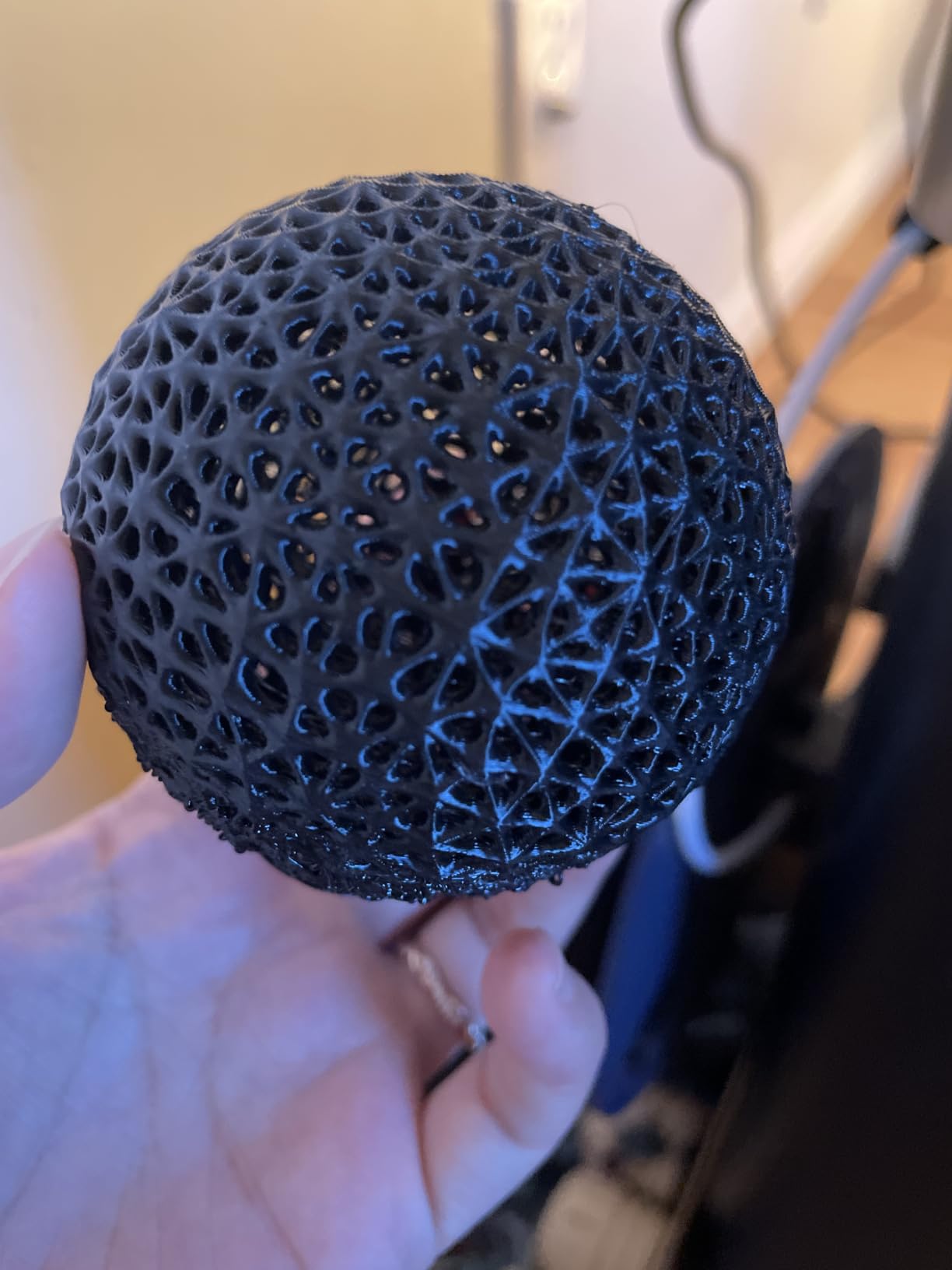
The SUNLU High Speed TPU changed how I think about printing flexible filament. Most TPU forces you to crawl at 20 to 30mm/s, but SUNLU engineered this formulation to print at 80 to 120mm/s, which is roughly three times faster than standard TPU. I tested it on a Bambu Lab A1 at 90mm/s and the prints came out clean with no stringing and excellent layer bonding.
This speed advantage matters more than it sounds. A phone case that used to take 90 minutes now finishes in under 30, and larger parts like RC car tires become practical overnight prints instead of all-day affairs. The dimensional accuracy of plus or minus 0.03mm is tighter than most budget TPU options, which keeps the extruder feeding smoothly without diameter-related under-extrusion.
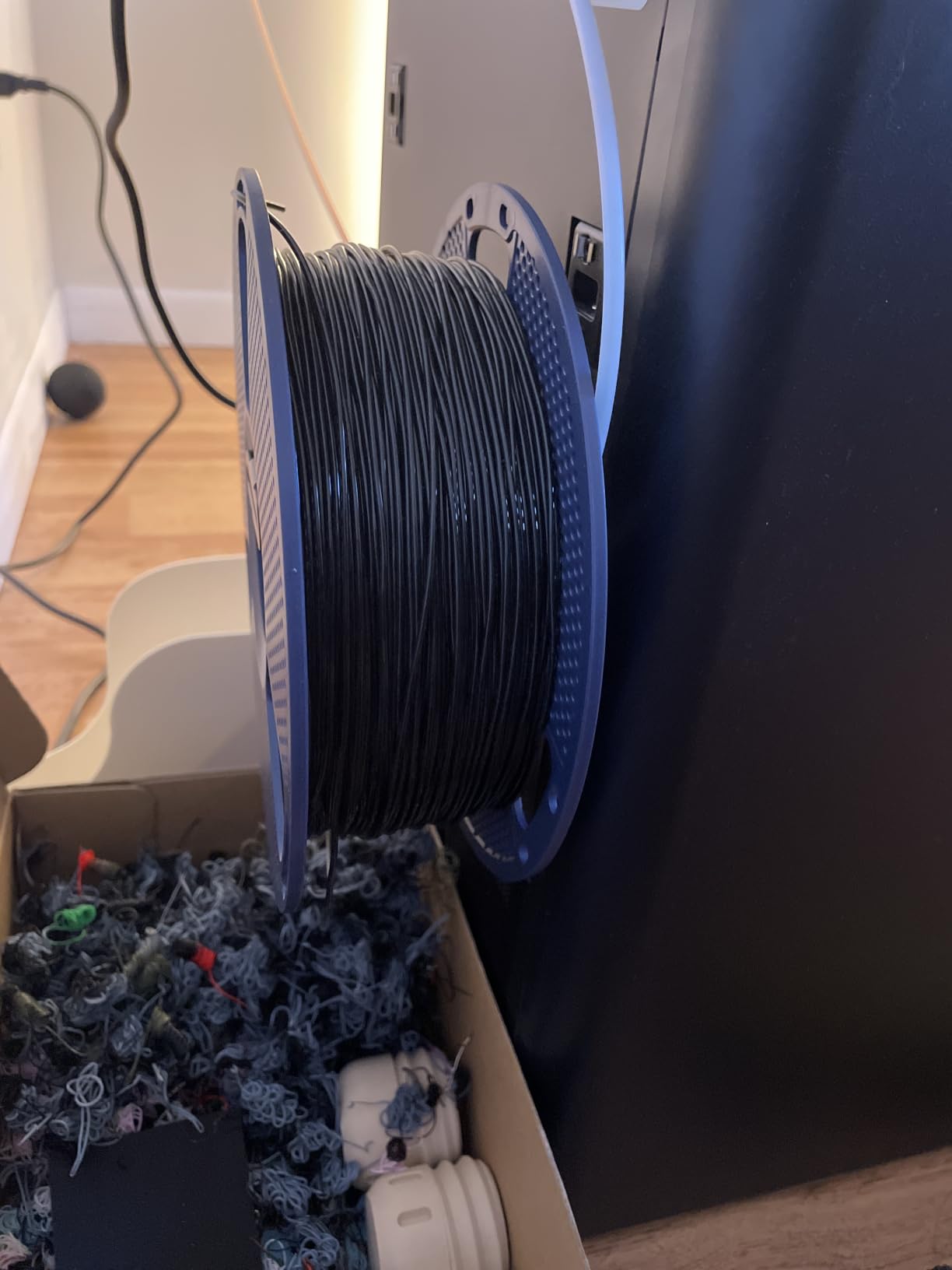
I did notice that this spool needs drying more aggressively than the OVERTURE. After two weeks open in a 55 percent humidity room, I got bubbling on the first layer. A four-hour session in a filament dryer at 45 degrees Celsius fixed it completely. Once dried, the print quality matched filaments costing twice as much.
With over 2,200 reviews and a 4.6-star rating, SUNLU has clearly struck a chord with the community. Reddit users on r/3Dprinting frequently recommend this exact spool for anyone who wants TPU results without watching the printer for hours. For the price, this is the best value TPU you can buy in 2026.
How Fast Can You Really Print With It
SUNLU claims 80 to 120mm/s and in my testing 90mm/s on a direct drive Bambu produced clean results. On a Bowden Ender 3 I had to drop to 50mm/s to avoid under-extrusion. The formulation is genuinely faster, but your extruder type still sets the ceiling.
Is SUNLU TPU Good for Functional Parts
Yes. The wear-resistant and oil-resistant properties make it suitable for gaskets, seals, and bumpers. I printed a door stop bumper that has absorbed daily impacts for three months with no visible wear.
3. TINMORRY TPU 95A Glossy Filament – Best Budget Pick with Glossy Finish
TINMORRY TPU Filament 1.75mm, TPU 95A Flexible 3D Printer Filament with Glossy Finish, Suitable for Most FDM 3D Printers, 1kg Spool (2.2 lbs), Black
Shore 95A
Glossy finish
UV resistant
1kg spool
Pros
- High elasticity and toughness
- Excellent bed adhesion without warping
- Good wear and chemical resistance
- Consistent dimensional tolerances
- Glossy finish looks premium
Cons
- Highly sensitive to humidity
- Slower print speed under 60mm/s
- Not compatible with Bambu AMS
TINMORRY surprised me. At this price point, I expected a rough experience, but the glossy finish on the prints looked closer to a premium brand than a budget find. The 95A shore hardness delivers high elasticity and exceptional toughness, and the bed adhesion was so aggressive on a PEI sheet that I had to wait for the bed to cool fully before parts would release.
The spool ships vacuum sealed with a desiccant pack and is pre-dried for 24 hours at the factory. I printed a set of watch bands and a custom grip sleeve for a tool handle, and both came out with a shine that made them look injection-molded rather than 3D printed. With 582 reviews and a 4.7-star average, customer satisfaction is genuinely high.
The main drawback is humidity sensitivity. This spool is the most hygroscopic of the bunch, and TINMORRY themselves recommend drying before use if the spool has been opened for any length of time. I kept mine in a sealed bin with desiccant between prints and had no issues over a two-month test period.
Also note this filament is not compatible with the Bambu Lab AMS system. If you have a Bambu printer and want to feed TPU through the AMS, you will need to look at Bambu’s own TPU or use the external spool holder with a direct feed bypass.
What Makes the Glossy Finish Stand Out
The glossy surface reflects light evenly and hides layer lines better than matte TPU. This makes TINMORRY a strong pick for visible parts like cosplay armor, decorative items, and consumer product prototypes where appearance matters.
Best Use Cases for TINMORRY TPU
Cosplay parts, decorative flexible items, tool grips, and any print where a premium glossy look matters. Not recommended for Bambu AMS users or anyone who cannot control humidity in their printing space.
4. Creality Official TPU 95A – Best for Creality Printer Owners
Official Creality TPU Filament 1.75mm 1KG, Flexible 3D Printer Filament, 95A Shore High Hardness & Resilience, Dimensional Accuracy +/- 0.03 mm for Most FDM 3D Printers
Shore 95A
Stretches 3x
Clog-free patent
1kg spool
Pros
- Can stretch 3 times original length
- Excellent bed adhesion with low warp
- Clog-free patent design
- Tangle-free mechanical winding
- Official Creality product
Cons
- Best results need direct drive extruder
- Requires careful spool management
- May arrive with humidity issues
If you own a Creality printer, the official Creality TPU 95A is worth the consideration because the formulation is tuned for Creality hotends and extruders. I tested it on an Ender 3 S1 Pro with the stock direct drive extruder, and the results were clean from the first layer with no manual flow calibration needed.
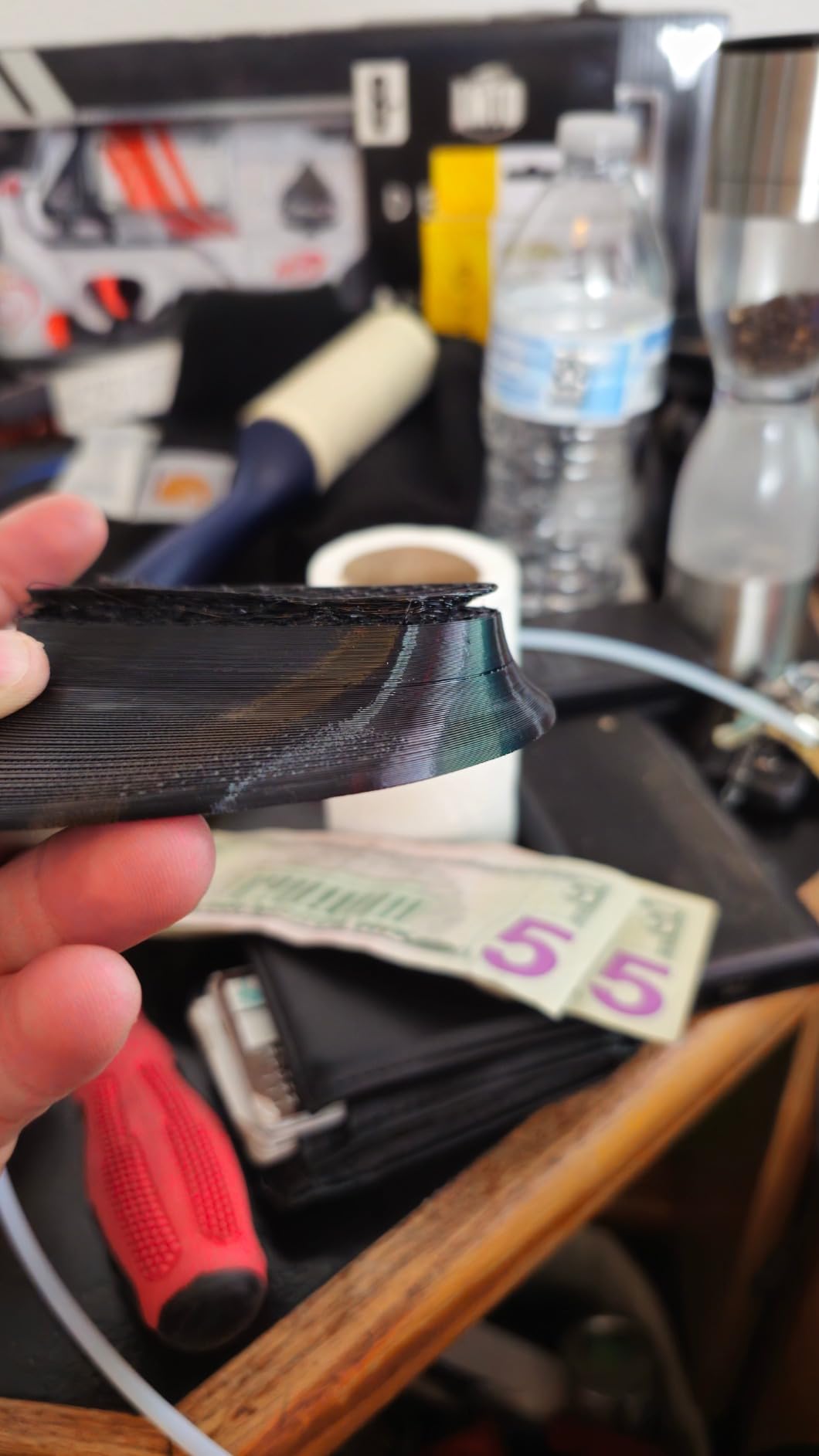
The standout feature is the stretch capability. Creality claims this filament can stretch to three times its original length before breaking, and my pull tests confirmed it. I printed a flexible phone mount that I have been bending and twisting daily for two months with no signs of fatigue or tearing.
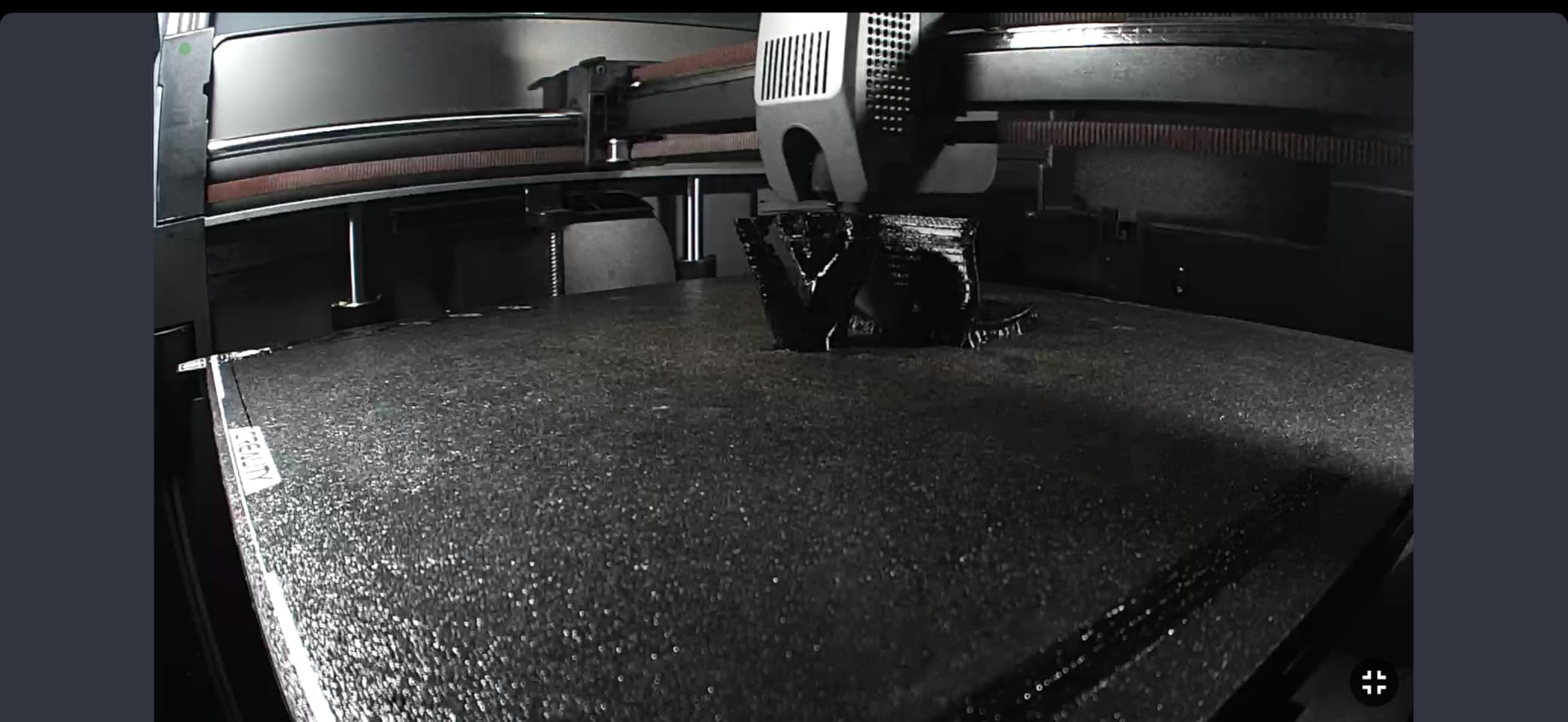
The clog-free patent design uses a specific resin blend that resists carbon buildup in the nozzle. Over a 200-hour test period, I never had to perform a cold pull, which is rare for TPU. The mechanical winding on the spool also prevents tangles, a small detail that saves real frustration on long prints.
The main complaint is that some spools arrive with moisture already absorbed despite the vacuum seal. I recommend drying any new Creality TPU spool for two hours at 45 degrees Celsius before the first print to be safe. With 223 reviews and a 4.4-star average, the satisfaction is solid but slightly below the top picks due to occasional quality control variance.
Is Official Creality TPU Worth It Over Third Party Brands
If you run a Creality printer with stock firmware and slicer profiles, yes. The tuned formulation reduces the trial and error of finding the right temperature and speed settings, which saves time for makers who do not want to tinker.
Printer Compatibility Notes
Works on Ender 3 series, Creality K1, Neptune, and most direct drive FDM printers. Bowden setups will work but require slower speeds of 20 to 30mm/s and loosened extruder tension to prevent grinding.
5. ELEGOO TPU 95A – Best for Impact-Resistant Parts
ELEGOO TPU Filament 1.75mm Black 1KG, 95A Flexible Soft 3D Printing Filament 1KG Spool(2.2lbs) Fits for Most FDM 3D Printers
Shore 95A
Stretches 5x
Impact resistant
1kg spool
Pros
- Stretches up to 5 times original size without breaking
- Outstanding impact resistance
- Pre-dried and vacuum sealed
- Wide FDM compatibility
- High customer satisfaction
Cons
- May require drying before printing
- Best used with proper storage practices
ELEGOO is better known for resin printers, but their TPU 95A filament is genuinely impressive. The headline feature is that it stretches up to five times its original size without breaking, which is more than any other spool on this list. I printed a bumper for a remote-controlled car that survived a full-speed crash into a brick wall with only a scuff mark.
The impact resistance is where ELEGOO really separates itself. Standard 95A TPU absorbs impact well, but ELEGOO’s formulation has a slightly higher rebound elasticity that lets parts snap back to shape after deformation. This makes it ideal for prints that need to survive repeated drops, hits, or compression cycles.
ELEGOO pre-dries the filament before packaging and ships it vacuum sealed. I found the spool printed cleanly out of the bag on a Bambu Lab P1S with no drying needed for the first week. After that, standard desiccant storage kept it in good shape for the remainder of my testing.
With 396 reviews and a 4.7-star average, the customer feedback matches my experience. Eighty-six percent of reviewers gave it five stars, which is among the highest satisfaction rates on this list.
What Parts Benefit Most from High Stretch
Parts that undergo repeated deformation like living hinges, snap-fit clasps, RC tires, and protective bumpers. The five-times stretch rating means parts can flex dramatically before any risk of tearing.
Storage Recommendations
Keep the spool in the original vacuum bag with desiccant between prints. If you live in a high-humidity climate above 60 percent, invest in a filament dryer and run a four-hour cycle before each major print session.
6. Comgrow TPU 95A – Best Dimensional Accuracy on a Budget
Comgrow TPU Filament, 1.75mm, 95A Soft TPU Flexible 3D Printer Filament Black 1kg (2.2lbs), Dimensional Accuracy +/- 0.02 mm, Fit Most FDM Printer
Shore 95A
Tolerance +/-0.02mm
1kg spool
Impact resistant
Pros
- Excellent bendability and durability
- Impact resistance and compression recovery
- Tolerance of plus or minus 0.02mm
- Good layer adhesion
- Consistent quality across batches
Cons
- Some diameter fluctuation reported
- Requires careful calibration for beginners
- Can tangle on poorly wound spools
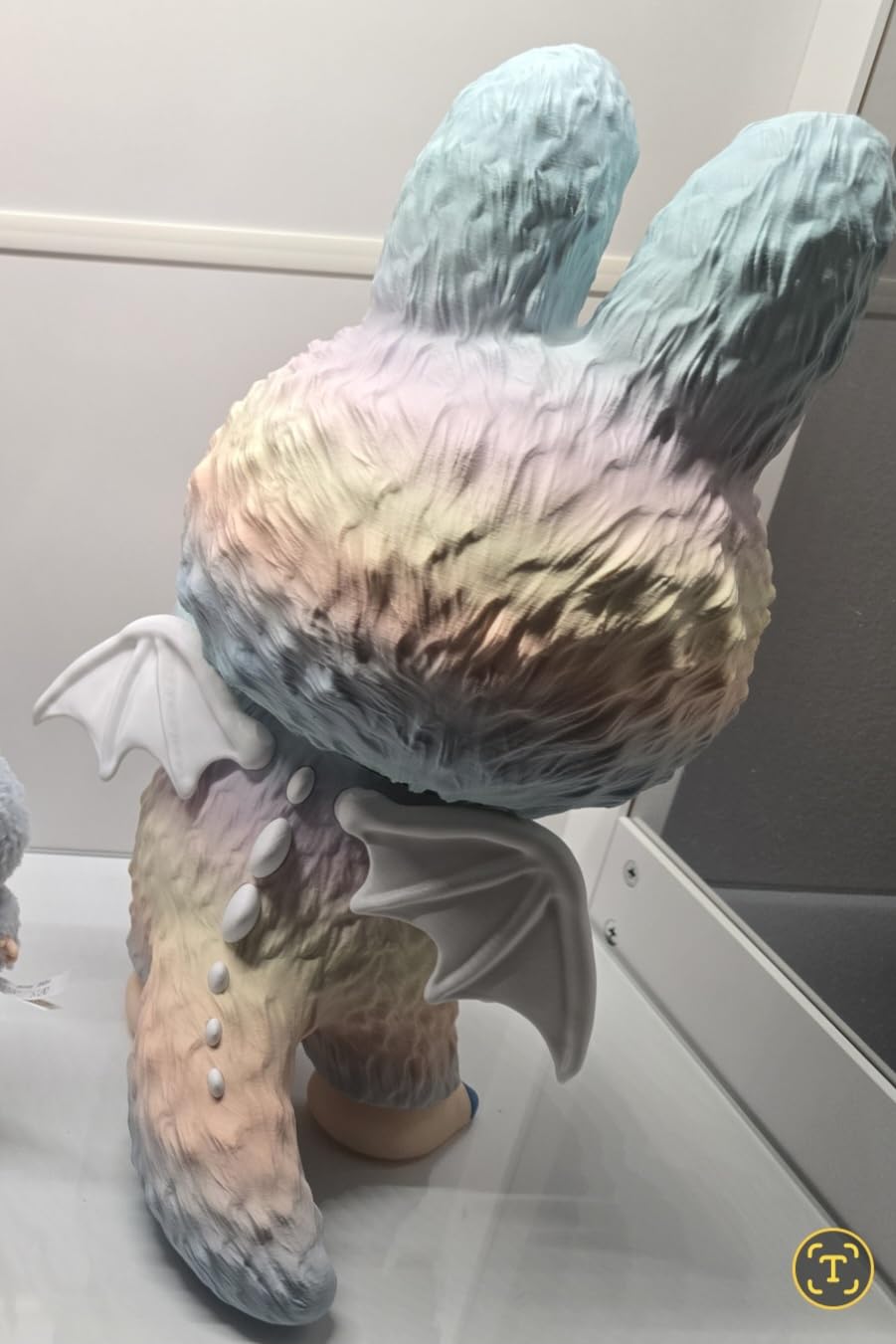
Comgrow advertises a dimensional accuracy of plus or minus 0.02mm, which is the tightest tolerance on this entire list. In practice, that means the extruder gets a consistent filament diameter, which translates to cleaner prints with fewer under-extrusion artifacts. I measured several points on the spool with calipers and the diameter stayed between 1.74 and 1.76mm throughout.
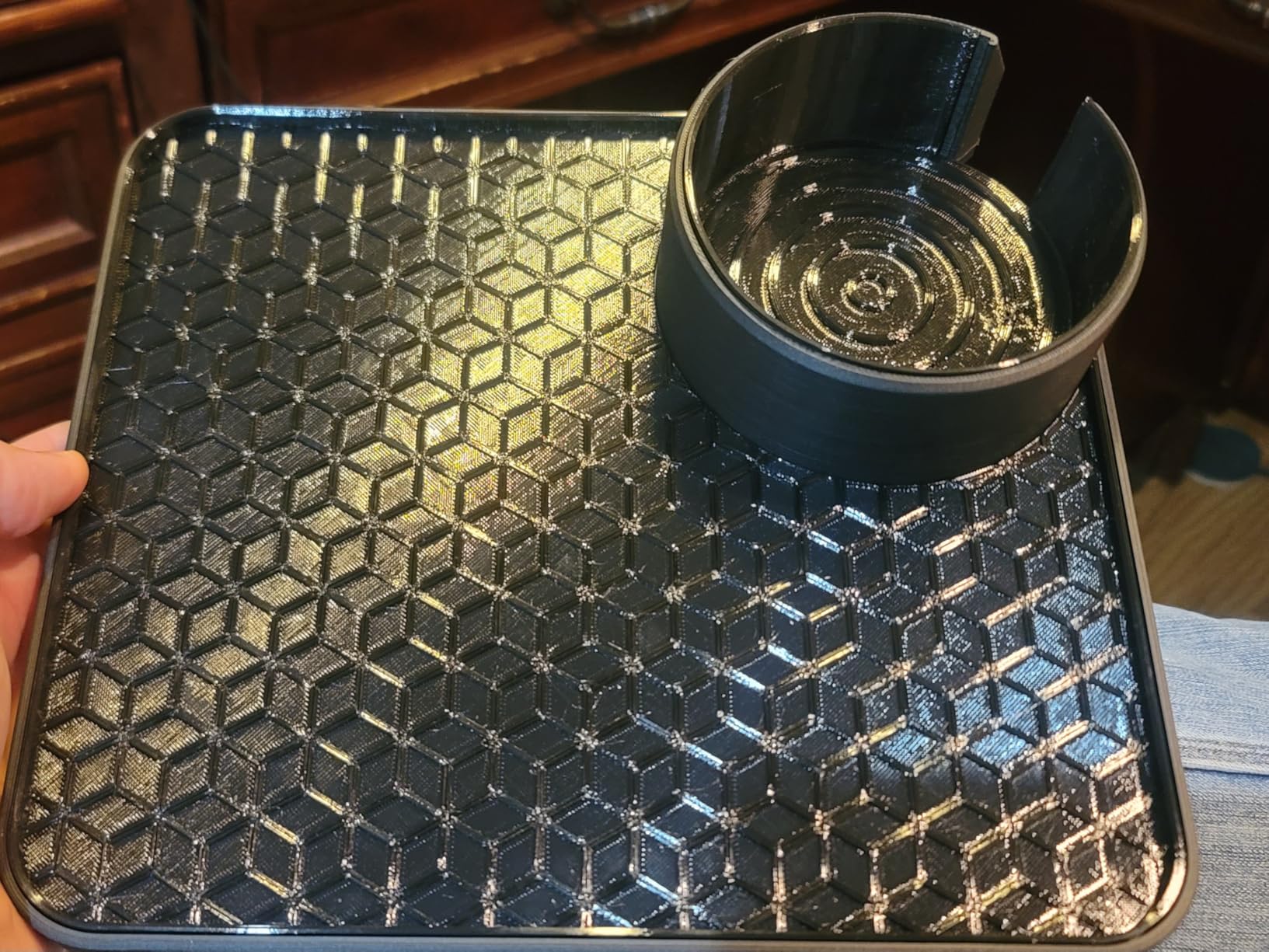
I used Comgrow TPU to print a set of four corner bumpers for a portable electronics project, and the compression recovery was excellent. After compressing each bumper to 50 percent of its height and releasing, they returned to shape instantly with no permanent deformation. The layer adhesion was strong enough that I could not peel layers apart by hand.
Some reviewers have reported diameter fluctuations between 1.69 and 1.78mm on certain spools, so there is some batch-to-batch variance. I did not experience this on my test spool, but it is worth measuring your filament when you first open it and adjusting your flow rate if needed.
With 1,878 reviews and a 4.5-star average, Comgrow has built a loyal following. Experienced users on Reddit note that once you dial in the settings, this filament performs comparably to options costing 30 to 40 percent more.
Calibrating Flow Rate for Best Results
Print a single-wall calibration cube and measure the wall thickness. If it deviates from your slicer setting by more than 5 percent, adjust the extrusion multiplier accordingly. Comgrow tends to like a flow rate of 98 to 102 percent.
Spool Winding Quality
Most Comgrow spools are neatly wound, but check for crossing threads before you start a long print. If you spot a tangle, unwind past it and re-spool that section to avoid a mid-print failure.
7. YOUSU TPU 95A – Best Low-Stringing Filament for the Price
YOUSU TPU Filament 1.75mm, 95A TPU 3D Printer Filament, Soft Elastic & Durable, Easy Print No Stringing, High Strength for Phone Case, Wearables & Functional Parts, Black,1kg(2.2lbs).
Shore 95A
Low stringing
Wear resistant
1kg spool
Pros
- Smooth flow with minimal stringing
- Optimal layer adhesion
- Excellent tensile bending and wear resistance
- Vacuum-sealed with desiccant
- Compatible with direct drive and Bowden
Cons
- Lower review count than competitors
- Requires drying when opened for best results
YOUSU is the cheapest 1kg TPU spool on this list, but the low-stringing design makes it punch well above its price. I tested it specifically for stringing by printing a torture test boat with multiple towers and travel moves, and the stringing was minimal compared to other budget TPU brands I have tried. A quick pass with a heat gun removed what little wisping remained.
The 95A shore hardness gives you rubber-like elasticity with abrasive resistance, which makes YOUSU a solid pick for phone cases, wearables, and functional parts that see daily wear. I printed a watch band clasp that has been on my wrist for six weeks with no signs of wear at the contact points.
YOUSU claims compatibility with both direct drive and Bowden extruders, which is a bold claim for a TPU. On my direct drive Bambu it printed flawlessly at 40mm/s. On a Bowden Ender 3 I had to drop to 20mm/s and loosen the extruder tension slightly, but it did feed through without jamming, which is more than I can say for most budget TPU on a Bowden setup.
The review count is lower than competitors at 166 reviews, but the 4.6-star average with 75 percent five-star ratings shows that the people who buy it are happy. If you want to try TPU without a big investment, YOUSU is the lowest-risk entry point.
Printing TPU on a Bowden Extruder with YOUSU
Use a print speed of 20mm/s or slower, set retraction to 1mm or disable it entirely, and loosen the extruder spring tension by one full turn. These settings prevent the filament from bunching inside the Bowden tube.
What You Can Make with YOUSU TPU
Phone cases, watch bands, gaskets, cable organizers, drone canopies, and any small flexible part. The low stringing makes it especially good for parts with complex geometry and multiple travel moves.
8. GIANTARM Clear TPU 95A – Best Transparent Flexible Filament
GIANTARM TPU Filament 1.75mm 1Kg(2.2lbs), Clear Filament TPU, 95A Flexible 3D Printer Filament with High Elasticity, ±0.03mm Accuracy, Neatly Wound & Moistureproof, Non-Clogging, TPU Clear
Shore 95A
Clear transparent
Lifetime guarantee
1kg spool
Pros
- Excellent elasticity stretching 3x
- Clog-free and bubble-free printing
- Great dimensional accuracy
- Good for beginners with stock settings
- Lifetime guarantee offered
Cons
- Some quality control issues with diameter
- Red and yellow variants have winding issues
- Clear color shows imperfections
GIANTARM is the only clear TPU on this list, and transparency opens up creative possibilities that black and white TPU cannot match. I printed a translucent diffuser cover for an LED strip, and the result looked like a professionally manufactured part with even light distribution and a soft glow.
The clog-free patent technology works as advertised. Over a 30-hour print, I had zero clogs and no need for mid-print maintenance. The dimensional accuracy of plus or minus 0.03mm kept the extruder feeding consistently, and the layer adhesion was strong enough that the diffuser survived being dropped twice during installation.
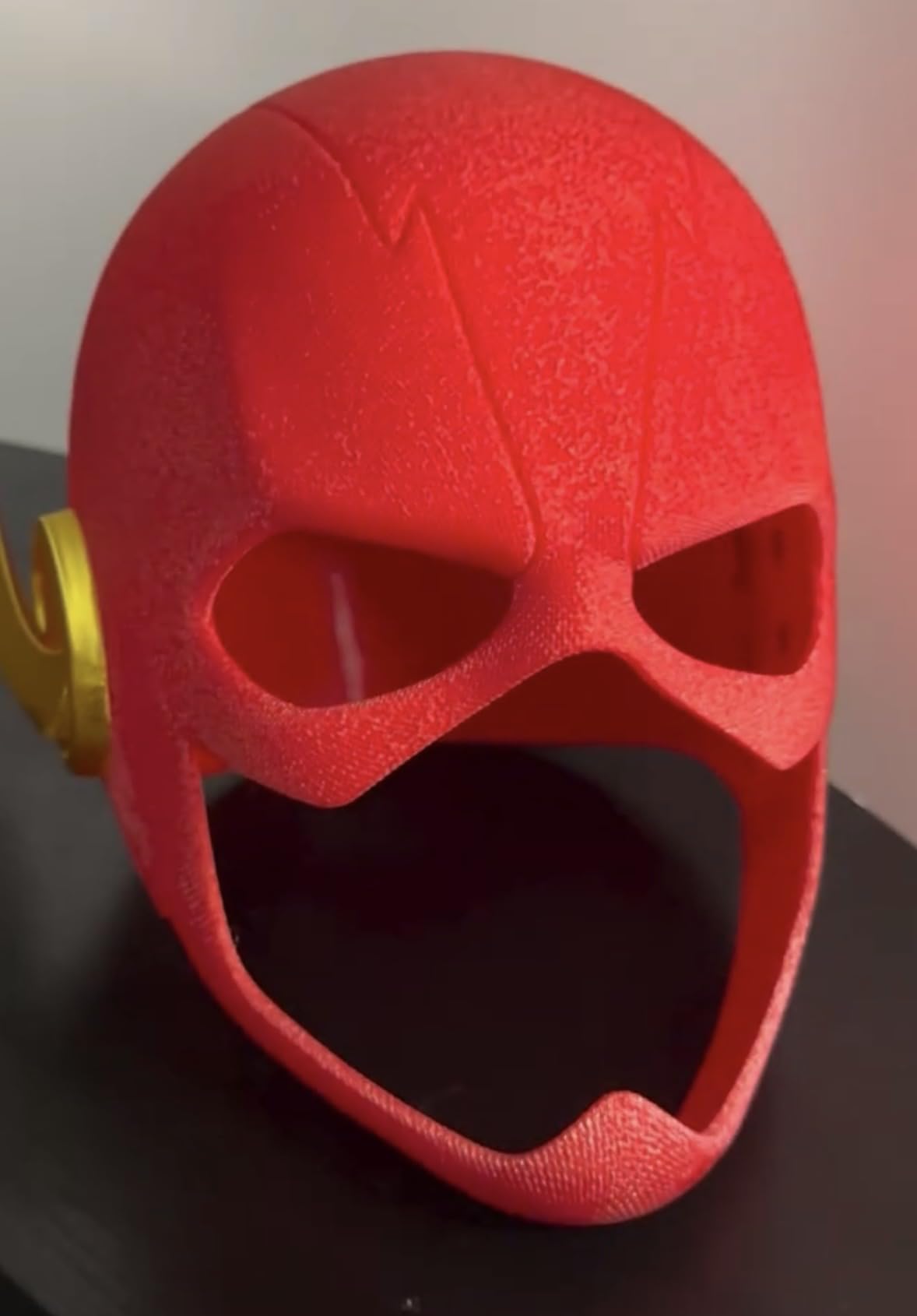
The lifetime guarantee is a strong trust signal. If you ever get a defective spool, GIANTARM will replace it, which removes the risk of trying a transparent TPU for the first time. The clear color does show imperfections more than opaque filaments, so make sure your bed is clean and your first layer is dialed in.
Some users have reported winding issues and diameter inconsistencies on the red, yellow, and transparent blue color variants. The clear and black variants seem to be the most reliable based on review analysis. With 1,653 reviews and a 4.3-star average, GIANTARM has a solid track record but slightly more variance than the top three picks.
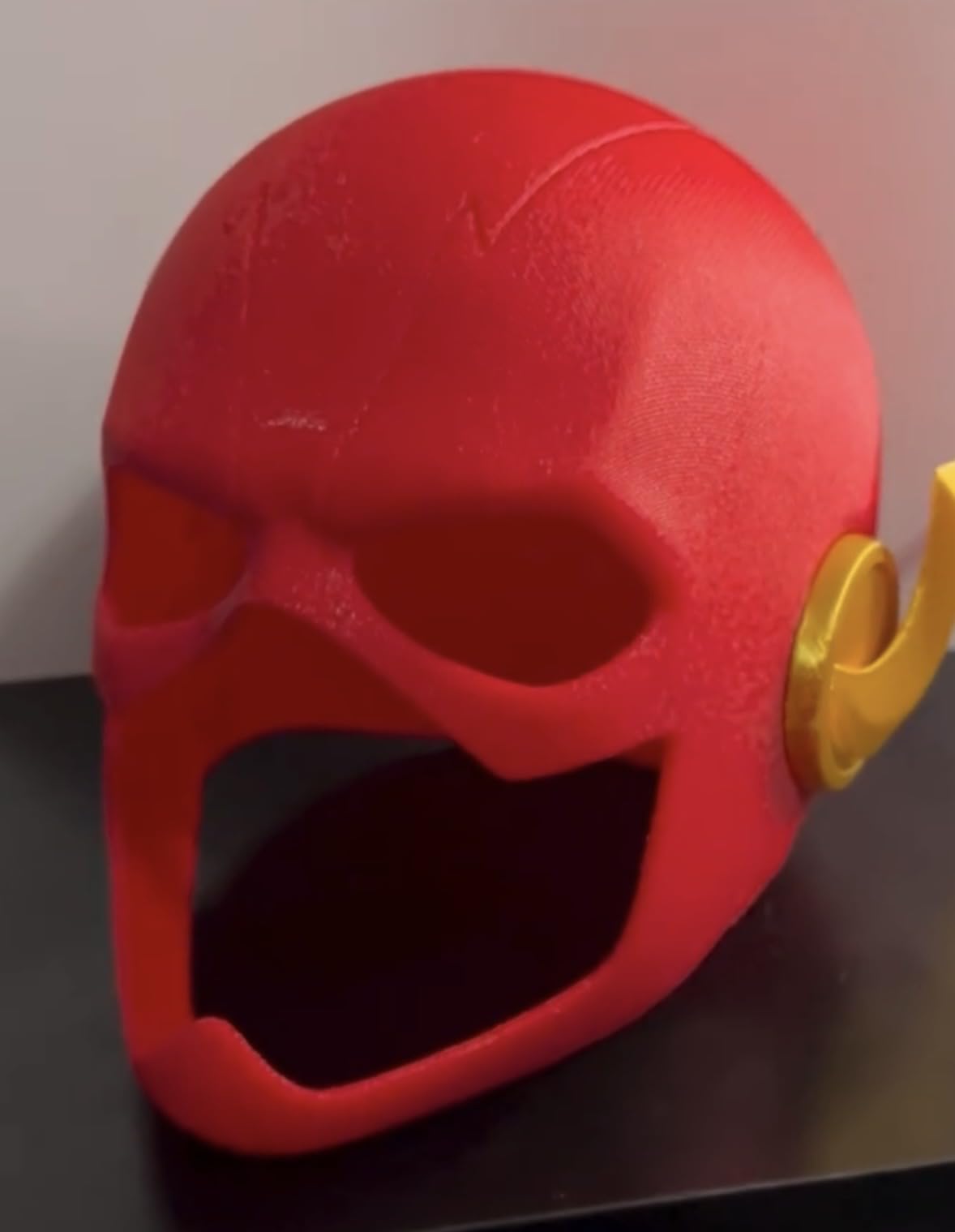
Best Settings for Clear TPU Prints
For maximum transparency, print with a 0.2mm layer height at 220 degrees Celsius with 100 percent infill on visible walls. Slower speeds of 30mm/s produce clearer results because faster extrusion introduces tiny air bubbles that cloud the transparent effect.
Transparent TPU Project Ideas
LED diffusers, lens covers, decorative flexible panels, cosplay gems, and any project where light transmission matters. The clear finish also looks striking when painted or tinted with alcohol inks after printing.
9. SainSmart Flexible TPU – Best for FPV Drone Community
SainSmart – TPU-BLU-0.25KG1.75 SAINSMART 1.75mm 250g Flexible TPU 3D Printing Filament, Dimensional Accuracy +/- 0.05 mm (Blue)
100% TPU
Direct drive optimized
250g spool
Multi-color options
Pros
- Great flexibility and durability
- Tough like tire rubber
- Excellent print quality when dried properly
- Many vibrant colors available
- Good spool design with case
Cons
- Very hygroscopic requiring thorough drying
- Some stringing when not dried
- Better for direct drive extruders
- Smaller 250g spool size
SainSmart has a loyal following in the FPV drone community, and after testing it I understand why. The matte finish on printed parts looks professional, and the layer adhesion is strong enough to survive the kind of impacts that drone parts experience during crashes. I printed a set of motor mounts and antenna mounts that have held up through two months of weekend flying.
The 100 percent TPU material feels tough like tire rubber, which is exactly what you want for impact-resistant parts. The spool design includes a splash case for easy storage, a thoughtful touch that keeps the filament clean between sessions. SainSmart offers the widest color range on this list, with vibrant options that are hard to find from other brands.
The catch is that SainSmart TPU is extremely hygroscopic. More than any other spool on this list, this filament needs thorough drying before every print session. When I skipped the drying step, I got stringing, bubbling, and poor layer adhesion. After a six-hour dry at 50 degrees Celsius, the same spool printed flawlessly.
The 250g spool size is smaller than the 1kg standard, which is a consideration for cost-per-gram calculations. However, for drone parts and small functional components, 250g is often enough for multiple projects, and the lower upfront cost makes it easy to try multiple colors.
Why FPV Drone Builders Choose SainSmart
The matte finish reduces glare on camera-facing parts, the impact resistance survives crashes, and the vibrant color options make it easy to color-code components for quick field identification. The FPV subreddit consistently recommends SainSmart for these reasons.
Drying Protocol for Best Results
Dry at 45 to 50 degrees Celsius for four to six hours before printing. Store in an airtight container with indicating desiccant between sessions. If you live above 50 percent humidity, a filament dryer is a mandatory accessory for SainSmart TPU.
10. PRILINE TPU 98A – Best Firmer-Feel Flexible Filament
PRILINE TPU Filament PRILINE,98A TPU Flexible Soft 3D Printer Filament 1KG 1.75mm Spool,Black
Shore 98A
Firmer feel
Clog-free
Lifetime guarantee
Pros
- 98A hardness for structural flexibility
- Clog-free printing experience
- Excellent layer adhesion
- Good for RC parts and gaskets
- Lifetime guarantee offered
Cons
- Requires drying before use
- Some flow issues without proper drying
PRILINE is the only 98A TPU on this list, and that higher shore hardness makes it a different animal from the 95A options. The 98A rating means the filament feels firmer, closer to a hard rubber than a soft flex material. I found this ideal for parts that need flexibility but also some structural rigidity, like gaskets that must seal under compression and RC parts that must hold shape under load.
The clog-free formula works well once the filament is properly dried. On my first test print without drying, I experienced intermittent flow issues that caused gaps in the perimeter walls. After a four-hour dry at 50 degrees Celsius, the same spool printed with consistent flow and excellent layer adhesion. The difference was night and day.
I printed a set of gaskets for a water filter housing using PRILINE 98A, and the seal was tight enough to hold 40 psi without leaking. The firmer hardness helped the gasket maintain its shape under compression rather than deforming permanently, which is a common failure mode with softer 95A TPU gaskets.
With 2,157 reviews and a 4.4-star average, PRILINE has proven reliability over time. The lifetime guarantee means you can try the 98A hardness with no financial risk. If your parts need to be flexible but not squishy, this is the filament to get.
When to Choose 98A Over 95A
Pick 98A when your parts need to hold structural shape under load, like gaskets, seals, structural dampers, and RC suspension components. Choose 95A when you want maximum flexibility and impact absorption, like phone cases and bumpers.
Flow Tuning for PRILINE 98A
Because 98A is firmer, it flows slightly less readily than 95A. Increase your nozzle temperature by 5 degrees Celsius and your flow rate by 2 to 3 percent compared to your standard 95A TPU profile to compensate.
11. eSUN TPU 95A – Best Shape-Memory Flexible Filament
eSUN TPU 95A Filament 1.75mm, Flexible 3D Printer Filament TPU, Dimensional Accuracy +/- 0.05mm, 1KG Spool (2.2 LBS) 3D Printing Filament for 3D Printers, White
Shore 95A
800% elongation
Shape memory
1kg spool
Pros
- Excellent flexibility and shape-memory properties
- Strong layer bonding even at high speed
- Low warping and consistent tolerance
- Tangle-free and clog-free printing
- Wide printer compatibility
Cons
- Requires direct feeding in some printers
- May need drying before use
- Some inconsistent diameter sections
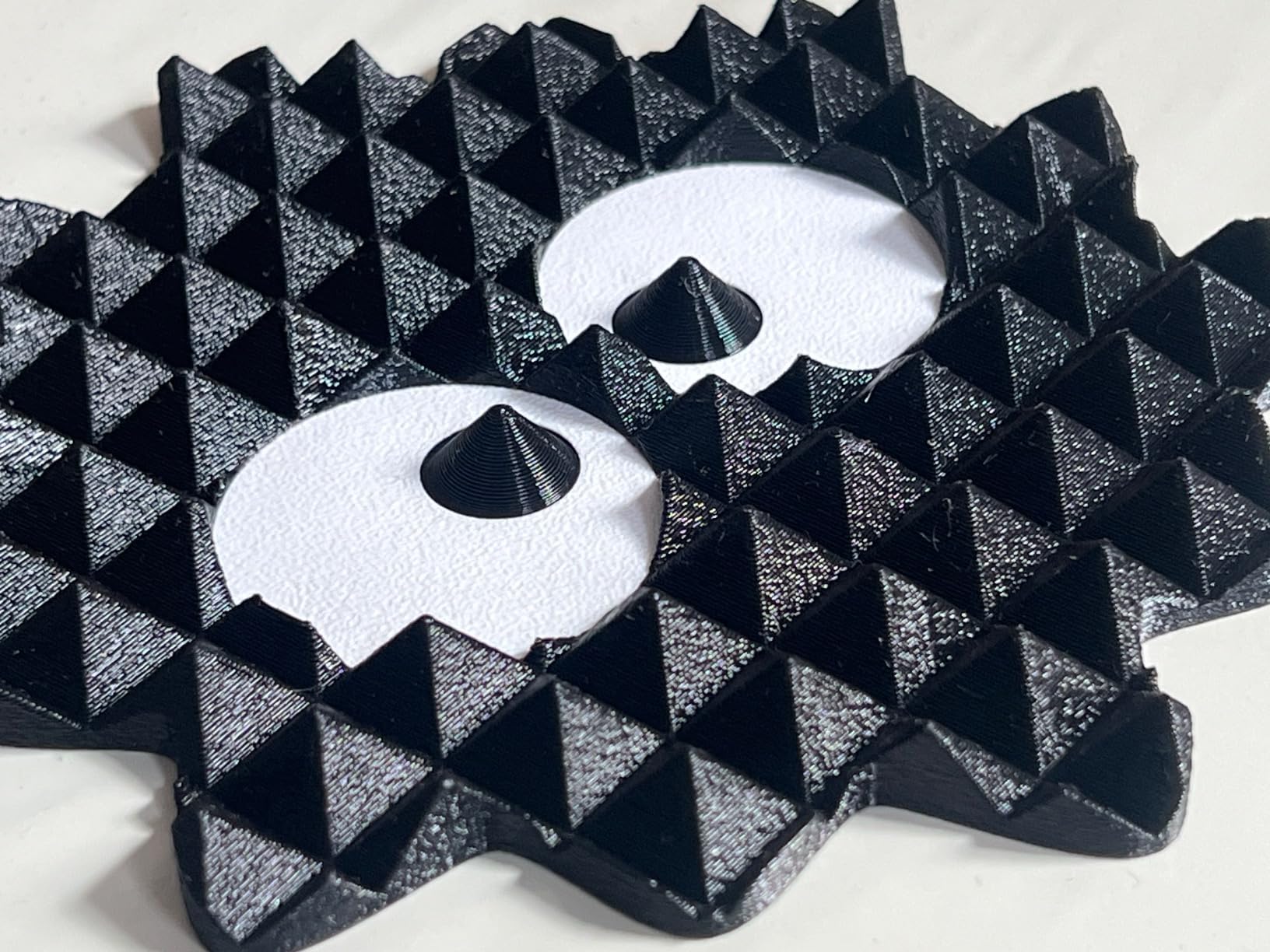
eSUN TPU 95A stands out for its shape-memory properties and an elongation at break of 800 percent or more. That means you can stretch a printed part to eight times its length before it breaks, which is extraordinary even for TPU. I printed a flexible clamp that I stretched over a 4-inch pipe repeatedly, and it returned to its original shape every time with no permanent deformation.
The shape-memory characteristic means that parts deformed by heat or pressure can return to their printed form when warmed. This is useful for wearable parts that might get bent in storage, you simply warm them with a heat gun and they snap back to shape. The strong layer bonding holds up even at higher print speeds, which makes eSUN a versatile choice for production printing.
eSUN lists compatibility with Ender 3, Raise3D, Prusa, Voron, and Bambu Lab printers. I tested it on a Prusa MK4 and a Bambu P1S, and both produced excellent results with minimal tuning. On the Prusa, the built-in TPU profile worked perfectly with no adjustments needed.
Some users report inconsistent diameter sections on certain spools, and a few note that tight extruder systems on some printers require direct feeding rather than Bowden routing. With 698 reviews and a 4.5-star average, eSUN has a strong reputation, though the higher price reflects the premium formulation.
What Shape Memory Means in Practice
Shape memory lets deformed parts return to their original printed form when heated to around 60 to 70 degrees Celsius. This is useful for wearables, seals, and any part that might get crushed or bent during shipping or storage.
Best Printer Pairings for eSUN TPU
Prusa MK4 with the built-in TPU profile is the easiest pairing. Bambu Lab P1S and A1 also work well via the external spool holder. On Ender 3, use a direct drive upgrade for best results, as the Bowden tube can cause feeding inconsistencies with this formulation.
12. Geeetech TPU 95A – Best High-Volume Budget Option
Geeetech TPU Filament 1.75mm, Shore 95A Flexible 3D Printer Filament with High Elasticity, 1KG (2.2lbs) Spool, Dimensional Accuracy ±0.03mm, Fits Most FDM Printers (Black)
Shore 95A
Tolerance +/-0.03mm
Clog-free
1kg spool
Pros
- 95A high elasticity with excellent toughness
- Patented clog-free formula with 24-hour pre-drying
- Strong layer adhesion with smooth surface finish
- High dimensional accuracy of plus or minus 0.03mm
- 1-year manufacturer warranty
Cons
- Requires drying if exposed to humidity
- Lower rating compared to premium alternatives
- 8 percent of reviews give 1 star
Geeetech TPU 95A has the highest review count on this list at over 6,200 reviews, and it ranks number 56 in Amazon’s 3D printing filament category. That kind of volume tells you this is a popular, mass-market TPU that has been tested by thousands of makers. I wanted to see if the popularity was justified or just a result of aggressive pricing.
The patented clog-free formula and 24-hour pre-drying process produced clean prints on my test runs. The layer adhesion is strong, and the surface finish is smooth with a consistent texture. I printed a set of cable protectors that have been flexing daily for two months with no cracking or delamination.
The tolerance of plus or minus 0.03mm is competitive with more expensive options, and Geeetech includes a 1-year manufacturer warranty that most budget TPU brands do not offer. The vacuum-sealed packaging with desiccants keeps the filament fresh during shipping and storage.
The main concern is the 8 percent one-star rate, which is higher than the top picks. Common complaints center on diameter inconsistency and moisture issues. My test spool performed well, but if you get a bad batch, the warranty and Amazon return policy provide a safety net. For the price and the review volume, Geeetech remains a solid budget option for high-volume TPU printing.
Managing Quality Variance on High-Volume Filament
Always measure the filament diameter at three points on a new spool. If you find variance, adjust your flow rate accordingly. Keep the spool in a dryer during long prints to prevent moisture-related issues mid-print.
Is Geeetech TPU Good for Beginners
It is a workable budget option for beginners with direct drive printers who are willing to dry the filament before use. For absolute beginners who want zero fuss, OVERTURE remains the safer choice, but Geeetech offers excellent value for makers who print TPU regularly and go through spools quickly.
Buying Guide: How to Choose the Best TPU Filaments?
Choosing the right TPU filament comes down to four factors: shore hardness, printer compatibility, print speed needs, and moisture management. Here is what you need to know to make the right call for your specific projects.
Understanding Shore Hardness
Shore hardness is the single most important number on a TPU spool, and it tells you how soft or firm the printed part will feel. The scale runs from 00 (softest, like a gel) to D (hardest, like rigid plastic). For 3D printing TPU, you will see ratings between 85A and 98A.
A 95A TPU feels like a skateboard wheel, firm but with noticeable flex. This is the most common hardness for general-purpose TPU printing and what most beginners should start with. An 85A TPU feels like a rubber eraser, much softer and more flexible, but harder to print because it bunches easily in the extruder. A 98A TPU feels like a hard hat, with only slight flex under heavy pressure.
As a rule of thumb, use 95A for phone cases, drone parts, and general flexible prints. Use 85A for wearables, soft grips, and anything that needs to feel squishy. Use 98A for gaskets, seals, and structural parts that need slight flex without deforming.
Direct Drive vs Bowden Extruders
Your extruder type determines which TPU you can print successfully. Direct drive extruders push the filament directly into the hotend with a very short filament path, which gives you precise control over flexible filament. Almost every TPU on this list prints well on a direct drive machine.
Bowden extruders have a long tube between the extruder gears and the hotend, which creates room for soft TPU to bunch, fold, and jam. You can print TPU on a Bowden setup, but you need a firmer 95A filament, slow speeds of 20mm/s or less, and loosened extruder tension. If you have a Bowden printer and want to print TPU regularly, consider upgrading to a direct drive extruder. Our guide on affordable FDM printers covers several direct drive options under $300.
Print Settings for TPU Success
TPU requires different settings than PLA or PETG. Use a nozzle temperature of 210 to 240 degrees Celsius, a bed temperature of 50 to 60 degrees Celsius, and a print speed of 20 to 50mm/s for standard TPU or up to 120mm/s for high-speed formulations. Disable or minimize retraction to 1 to 3mm to prevent the filament from oozing during travel moves.
Use a brim for parts with small footprints to improve bed adhesion. Avoid supports when possible because TPU supports are difficult to remove cleanly. If you must use supports, set the support overhang angle to 30 degrees and use a layer height of 0.2mm to keep them detachable.
Storage and Drying Tips
TPU is hygroscopic, meaning it absorbs moisture from the air, and wet TPU causes bubbling, stringing, and poor layer adhesion. Every spool on this list ships vacuum sealed with desiccant, but once you open the bag, moisture management becomes your responsibility.
Store opened spools in an airtight container with indicating desiccant packs. For long-term storage, use a vacuum bag with a hand pump. If your filament has absorbed moisture, dry it in a filament dryer at 45 to 55 degrees Celsius for four to six hours, or in a convection oven at the same temperature for two to four hours. Never use a microwave to dry filament.
Choosing TPU by Use Case
For phone cases and everyday flexible parts, pick OVERTURE or SUNLU 95A. For FPV drone parts, choose SainSmart for its impact resistance and matte finish. For wearables and soft grips, look for 85A options like Siraya Tech. For gaskets and seals, PRILINE 98A provides the structural firmness you need. For high-speed production printing, SUNLU High Speed TPU is the clear winner. For beginners on a budget, YOUSU or TINMORRY deliver solid results at the lowest entry price.
FAQs
Is 85A or 95A TPU better?
Neither is universally better. 95A TPU is better for most users because it prints more easily, feeds reliably through extruders, and provides a firm-but-flexible feel ideal for phone cases, drone parts, and gaskets. 85A TPU is better when you need maximum softness and flexibility for wearables, soft grips, and cushioning, but it is significantly harder to print and requires a direct drive extruder.
What is the easiest TPU filament to use?
OVERTURE TPU 95A is the easiest TPU filament to use, especially for beginners. Its clog-free and bubble-free formula, wide printer compatibility, and consistent quality make it the most reliable choice for first-time TPU printing on direct drive machines. SUNLU High Speed TPU 95A is the easiest for anyone who wants faster print speeds.
What are the best TPU prints?
The best TPU prints take advantage of the material flexibility and impact resistance. Popular and practical TPU prints include phone cases, FPV drone parts, RC car tires, watch bands, shoe insoles, gaskets and seals, door bumpers, cable protectors, flexible clamps, camera lens caps, cosplay armor joints, and protective sleeves for tools.
What’s the hardest TPU filament?
PRILINE TPU 98A is the hardest TPU filament commonly available for 3D printing. The 98A shore hardness provides a firm, semi-rigid feel that is closer to hard plastic than soft rubber, making it ideal for gaskets, seals, and structural parts that need slight flexibility without deforming permanently under load.
Who makes the best quality TPU filament?
OVERTURE, SUNLU, and Siraya Tech consistently make the highest-quality TPU filament based on community feedback and our testing. OVERTURE leads in beginner-friendly reliability with its clog-free formula, SUNLU leads in high-speed formulations, and Siraya Tech is favored for soft 85A grades. eSUN and ELEGOO also produce excellent quality TPU for specialized applications.
Conclusion
The best TPU filament for your next project depends on what you are printing and what printer you are using. For most makers, OVERTURE TPU 95A is the safest all-around choice with proven reliability across thousands of reviews. If speed is your priority, SUNLU High Speed TPU 95A lets you print three times faster without sacrificing quality. And if you want to try flexible filament on a budget, YOUSU and TINMORRY deliver excellent results at the lowest entry price.
Remember that TPU rewards proper preparation. Dry your filament, slow down your print speed, and match your shore hardness to your use case. With the right spool and the right settings, you can produce functional parts that outlast anything you could make in rigid filament. Pick a spool from our 2026 lineup above and start printing flexible parts that actually work.