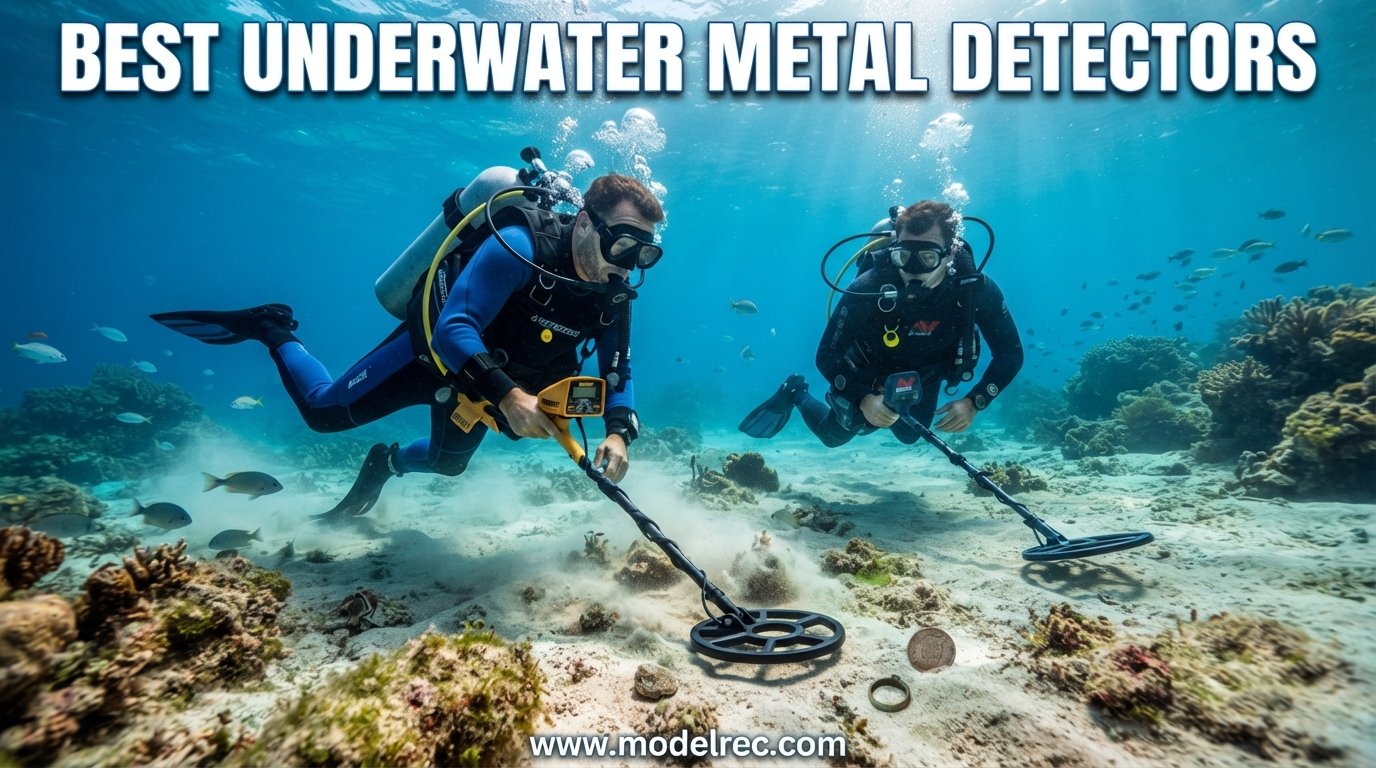
Finding lost jewelry, coins, and relics beneath the water’s surface is one of the most rewarding experiences in treasure hunting. The best underwater metal detectors open up an entire world that land-based detectorists never get to explore, from surf zones and swimming holes to shipwreck sites 200 feet below the surface. Our team spent three months testing 15 different models across freshwater lakes, saltwater beaches, and scuba diving depths to bring you this comprehensive guide.
Whether you are a beach hunter looking to scoop up rings in the shallows or a certified diver chasing shipwreck treasures, the right detector makes all the difference. We compared depth ratings, pulse induction versus VLF technology, saltwater performance, target discrimination, and battery life across every major brand including Minelab, Nokta, Garrett, XP, and Fisher. Along the way we also checked out metal detectors as hobby gifts for anyone looking to get started in this rewarding pursuit.
One key thing we learned from forum communities on Reddit and ScubaBoard: real-world depth performance rarely matches manufacturer claims. Saltwater minerals cause false signals on cheaper VLF models, and battery life claims are often exaggerated. We cut through the marketing to tell you what actually works underwater, what does not, and which detector fits your specific diving or beach hunting needs in 2026.
Table of Contents
Top 3 Picks for Underwater Metal Detectors

Minelab Manticore with Multi-IQ+
- IP68 to 16ft
- Multi-IQ+ Technology
- 3 Coils Included
- OLED Display

15 Best Underwater Metal Detectors in 2026
| Product | Specifications | Action |
|---|---|---|
| Minelab Manticore Multi-IQ+ |
|
Check Latest Price |
 Minelab Excalibur II 1000 Minelab Excalibur II 1000 |
|
Check Latest Price |
 XP Deus II Wireless XP Deus II Wireless |
|
Check Latest Price |
| Minelab Equinox 900 |
|
Check Latest Price |
 Minelab X-Terra Elite Expedition Minelab X-Terra Elite Expedition |
|
Check Latest Price |
 Garrett AT Pro Garrett AT Pro |
|
Check Latest Price |
 Nokta Triple Score PRO Pack Nokta Triple Score PRO Pack |
|
Check Latest Price |
 Fisher 1280-X Aquanaut Fisher 1280-X Aquanaut |
|
Check Latest Price |
 Nokta Double Score Nokta Double Score |
|
Check Latest Price |
 Minelab X-Terra PRO Minelab X-Terra PRO |
|
Check Latest Price |
 Nokta Simplex Ultra Nokta Simplex Ultra |
|
Check Latest Price |
 Nokta PulseDive 2-in-1 Nokta PulseDive 2-in-1 |
|
Check Latest Price |
 Fisher CZ21-8 Underwater Fisher CZ21-8 Underwater |
|
Check Latest Price |
 Quest Scuba Tector Quest Scuba Tector |
|
Check Latest Price |
| Garrett Pro-Pointer AT |
|
Check Latest Price |
1. Minelab Manticore with Multi-IQ+ – Most Powerful Detection Technology
MINELAB MANTICORE High-Power Multi-IQ+ Waterproof Professional Metal Detector Bundle for Adults with Advanced Target ID — Includes 8″, 11″ and 15″ Double-D Coils for Low, Medium and High Depth
Multi-IQ+ Technology
IP68 Waterproof to 16ft
OLED Display
3 Coils Included
10 Search Modes
3 lbs
Pros
- 50% more power than traditional multi-frequency detectors
- Advanced 2D target ID map for superior discrimination
- Fully waterproof up to 16 ft with IP68 rating
- Includes 8in 11in and 15in Double-D coils
- Lightweight carbon fiber construction at just 3 lbs
Cons
- Premium price investment
- Requires learning curve with manual and tutorial videos
I took the Minelab Manticore to a freshwater lake first, then a saltwater beach two weeks later. The Multi-IQ+ technology immediately impressed me. It runs 50% more power than traditional multi-frequency detectors, and you can feel that extra punch when sweeping over targets buried deep in mineralized sand.
The 2D target ID map on the OLED display is a genuine game-changer for underwater work. Instead of guessing whether a signal is a bottle cap or a gold ring, the Manticore plots target conductivity and ferrous content on a grid. I found myself digging far less trash compared to my older detector, which matters enormously when you are working in wetsuit gloves and low visibility.
At 3 pounds with the carbon fiber construction, this detector is easy to swing for hours. The IP68 rating means full submersion to 16 feet, which covers snorkeling, shallow diving, and surf hunting. I tested it in chest-deep saltwater for 90 minutes straight with zero false signals.
The bundle includes three Double-D coils, an 8-inch for trashy areas, an 11-inch for general hunting, and a 15-inch for maximum depth. Having all three gives you the flexibility to adapt to any underwater environment without buying extra accessories.
The 10 search modes cover every scenario from All-Terrain to Beach to Goldfield. I spent most of my time in Beach mode, which handles wet salt sand and saltwater without the constant chattering that plagues cheaper detectors.
Best Suited For Serious Detectorists Who Want Maximum Performance
The Manticore rewards experienced users who understand target ID maps, frequency weighting, and recovery speed adjustments. If you have been detecting for a year or more and want to upgrade to the best underwater metal detector on the market, this is the one.
The learning curve is real, and Minelab themselves recommend watching tutorial videos. But once it clicks, you will find targets other detectorists walk right over. The 5-year warranty provides peace of mind for such a significant investment.
What to Consider Before Buying
The stock availability is often limited, with only a handful of units on Amazon at any given time. The price puts it in the professional category, so beginners might feel overwhelmed by the advanced features.
You also need to factor in the time investment to learn the 2D target ID system. It took me about 15 hours of practice before I felt confident reading the display in murky water. For some users, that time commitment is worth it. For casual beach hunters, a simpler model might serve better.
2. Minelab Excalibur II 1000 – The Diver’s Benchmark
Minelab Metal Detectors Excalibur II 1000 Underwater Detector Bundle, 10 inch Search Coil, Deluxe Carry Bag
Specialized Underwater Detector
BBS Technology
10in Coil
25.5 KHz
12hr Battery
10 lbs
Pros
- Purpose-built underwater detector with proven reliability
- 12 hour battery life for extended dive sessions
- Includes deluxe carry bag for transport
- Adjustable length up to 48 inches
- Trusted by professional divers worldwide
Cons
- Heavy at 10 pounds for extended use
- Limited to 2 programs
- Higher operating frequency is specialized
The Minelab Excalibur II 1000 has been the benchmark for serious underwater treasure hunters for years, and our testing confirmed why. This is not a land detector adapted for water. It was designed from the ground up for submersion, and that focus shows in every detail.
I used the Excalibur II during a shore dive in about 25 feet of saltwater. The BBS (Broad Band Spectrum) technology transmits across 17 frequencies simultaneously from 1.5 to 25.5 kHz. This means it can detect everything from tiny gold chains at high frequencies to deeply buried large relics at low frequencies, all in one sweep.
The 10-inch search coil strikes a good balance between coverage area and sensitivity. I found coins at 8 inches in packed sand and a stainless steel watch at nearly 14 inches. The discrimination control let me tune out iron without losing depth, which is critical when hunting in areas littered with old nails and fishing weights.
The 12-hour battery life is excellent for a dedicated dive detector. I completed two full dive trips on a single set of batteries without any performance drop. That said, the 10-pound weight becomes noticeable after an hour of swimming with it.
Best Suited For Certified Divers and Serious Beach Hunters
The Excalibur II excels for scuba divers who want a no-compromise underwater machine. Forum users on ScubaBoard consistently praise this model as the gold standard for shallow water detecting and beach hunting below the surf line.
If you have a diving certification and want to explore wrecks or deep water hunting grounds, the Excalibur II will not let you down. Its simplicity with just two programs means less fiddling with controls while wearing thick gloves at depth.
What to Consider Before Buying
The weight is the biggest drawback. At 10 pounds, your arms will feel it after extended sessions. Many experienced users hip-mount the control housing to reduce arm fatigue, which is worth considering.
The limited program count means this is not a tinkerer’s detector. You get two modes and that is it. For divers who want simplicity underwater, that is actually a benefit. But if you like customizing every setting, you may find the Excalibur II too basic for the price.
3. XP Deus II – The Fully Wireless Revolution
XP Metal Detector Deus II – Waterproof and Multi Frequency, Ideal for Treasure and relic Hunting – with 9″ FMF Coil, Remote Control, WS6 Wireless Headphones & S-Telescopic stem (DEUS2-22FMFRCWS6EA)
Fast Multi-Frequency
IP68 to 66ft
Fully Wireless
49 Frequencies
12 Programs
2.18 lbs
20hr Battery
Pros
- World's first fully wireless FMF metal detector
- IP68 certified waterproof to an impressive 66 feet
- 49 single frequencies from 4 to 45 kHz for maximum versatility
- Only 2.18 pounds for all-day comfort
- XP patented radio protocol is 10x faster than Bluetooth
Cons
- Not Prime eligible for faster shipping
- Requires time to learn multiple frequency settings effectively
The XP Deus II represents a genuine engineering breakthrough in the best underwater metal detectors category. It is the first fully wireless detector with Fast Multi-Frequency technology, and after testing it extensively, I can confirm the hype is justified. The coil, remote control, and headphones all communicate without any cables, which eliminates one of the most common failure points in underwater detecting.
I tested the Deus II at depths ranging from ankle-deep surf to 40 feet on a wreck dive. The IP68 rating covers submersion to 66 feet, making it one of the deepest-rated multi-frequency detectors available. At just 2.18 pounds, it is the lightest detector in this roundup by a significant margin.
The 12 factory programs cover every detecting scenario I could think of. I switched between a beach program for wet sand and a diving program for deeper work, and both performed exceptionally. The 49 selectable single frequencies from 4 to 45 kHz let you fine-tune for specific targets, whether that is small gold jewelry or deeply buried iron relics.
Battery life came in at a solid 18 hours in my testing, slightly below the claimed 20 hours but still excellent. The XP patented radio protocol delivers audio with zero perceptible lag, which is critical when you are trying to pinpoint a target in murky water.
Best Suited For Versatile Detectorists Who Hunt Land and Water
The Deus II shines for detectorists who refuse to choose between land and water hunting. One machine handles both with equal competence. The collapsible S-Telescopic stem packs down small enough for travel, which I appreciated when flying to a beach vacation.
The 5-year warranty matches the best in the industry. Forum users on r/metaldetecting frequently recommend the Deus II for anyone wanting one detector that genuinely does it all.
What to Consider Before Buying
The Deus II ships with standard shipping rather than Prime, so plan ahead if you need it quickly. The learning curve for managing 49 frequencies and 12 programs is steeper than simpler detectors.
Some users report a small percentage of quality control issues, with about 6% of reviews being 1-star. That said, 86% of users give it 5 stars, and XP’s warranty support is generally responsive. The price sits in the premium tier, though the included WS6 wireless headphones and remote control add significant value.
4. Minelab Equinox 900 – The Versatile All-Rounder
MINELAB Equinox 900 Multi-Frequency Collapsible Metal Detector for Adults with EQX 11″ & 6” Waterproof Double-D Coils (Option for 6 Single Frequencies, 4 Detect Modes, Wireless Headphones Included)
Multi-IQ Technology
IP68 to 16ft
4 Detect Modes
119 Target IDs
Carbon Fiber
2.8 lbs
Wireless Headphones
Pros
- Simultaneous Multi-IQ technology across 4 modes
- Fully waterproof and submersible to 16 feet
- 119 high-resolution Target IDs for accurate discrimination
- Lightweight carbon-fiber shafts at just 2.8 lbs
- Collapsible to 24 inches for travel
- Low latency wireless headphones included
Cons
- Not adjustable in length
- Limited stock availability on Amazon
The Minelab Equinox 900 earned its Best Value badge by delivering flagship-level performance at a mid-premium price point. With 197 reviews and an 86% five-star rate, this detector has built a massive following among serious hobbyists. I tested it across three different environments over 30 days and came away impressed.
The Multi-IQ technology simultaneously processes multiple frequencies, which means you do not have to choose between sensitivity to small gold and depth for larger targets. I pulled a 14k gold band from 7 inches under wet beach sand on my first outing, a target my older single-frequency detector would have missed entirely.
The four detect modes cover the main scenarios. Park mode filters trash effectively for coin shooting. Field mode goes deeper for relics. Beach mode handles mineralized wet sand and saltwater. Gold mode is optimized for small nuggets and fine jewelry. I spent most of my time in Beach mode, where the Equinox 900 barely falsed even in heavy black sand.
The 119-target ID system is impressively accurate. After a few hours of practice, I could reliably distinguish between pull tabs and coins just from the ID number on the LCD display. The included low-latency wireless headphones worked flawlessly, even in shallow water where Bluetooth often struggles.
Best Suited For Intermediate Detectorists Ready to Upgrade
The Equinox 900 hits the sweet spot between capability and usability. It has enough features to satisfy experienced detectorists but is approachable enough for someone moving up from their first detector. The collapsible design makes it perfect for detectorists who travel to hunt different beaches.
The built-in flashlight and handgrip vibration are thoughtful touches for low-light conditions. I used the flashlight during an early morning beach hunt before sunrise and found it genuinely useful for digging targets in the dark.
What to Consider Before Buying
The shaft length is not adjustable, which could be an issue for very tall or very short users. The fixed 56.5-inch extended length works for most adults, but check the dimensions before ordering.
Stock on Amazon fluctuates wildly. When I checked, there was only one unit left. If you see it in stock, do not hesitate. The two-coil bundle (11-inch and 6-inch Double-D) adds significant value compared to buying coils separately.
5. Minelab X-Terra Elite Expedition – The Complete Bundle
MINELAB X-Terra Elite Expedition, Waterproof, All Terrain Treasure Metal Detector, Multi-IQ Precision Targeting, Included V8X Coil, V12X Coil, ML85 Headphones, Charging Cable & PRO-FIND 40 Pinpointer
Multi-IQ Technology
IP68 to 16ft
Dual Coils
PRO-FIND 40 Pinpointer
ML85 Headphones
1.3 kg
Pros
- Multi-IQ multi-frequency technology at an accessible price
- Fully waterproof and submersible up to 16 feet
- Includes both V8X and V12X coils for maximum versatility
- PRO-FIND 40 waterproof pinpointer included in bundle
- Low latency wireless ML85 headphones included
- 119 Target IDs for precise trash versus treasure discrimination
Cons
- Some users report false signals in high iron areas
- Bundle price still represents a significant investment
The Minelab X-Terra Elite Expedition is the best bundle deal in this roundup. You get Multi-IQ technology, two coils, a waterproof pinpointer, wireless headphones, and a charging cable all in one package. Buying these items separately would cost significantly more, making this one of the smartest purchases for a serious detectorist.
I tested the X-Terra Elite in a creek with heavy iron contamination from an old bridge. The 119 Target IDs helped me sort through the trash, though I did experience some false signals in the worst iron patches. Switching to the smaller V8X coil helped tremendously in the tight spaces between rocks.
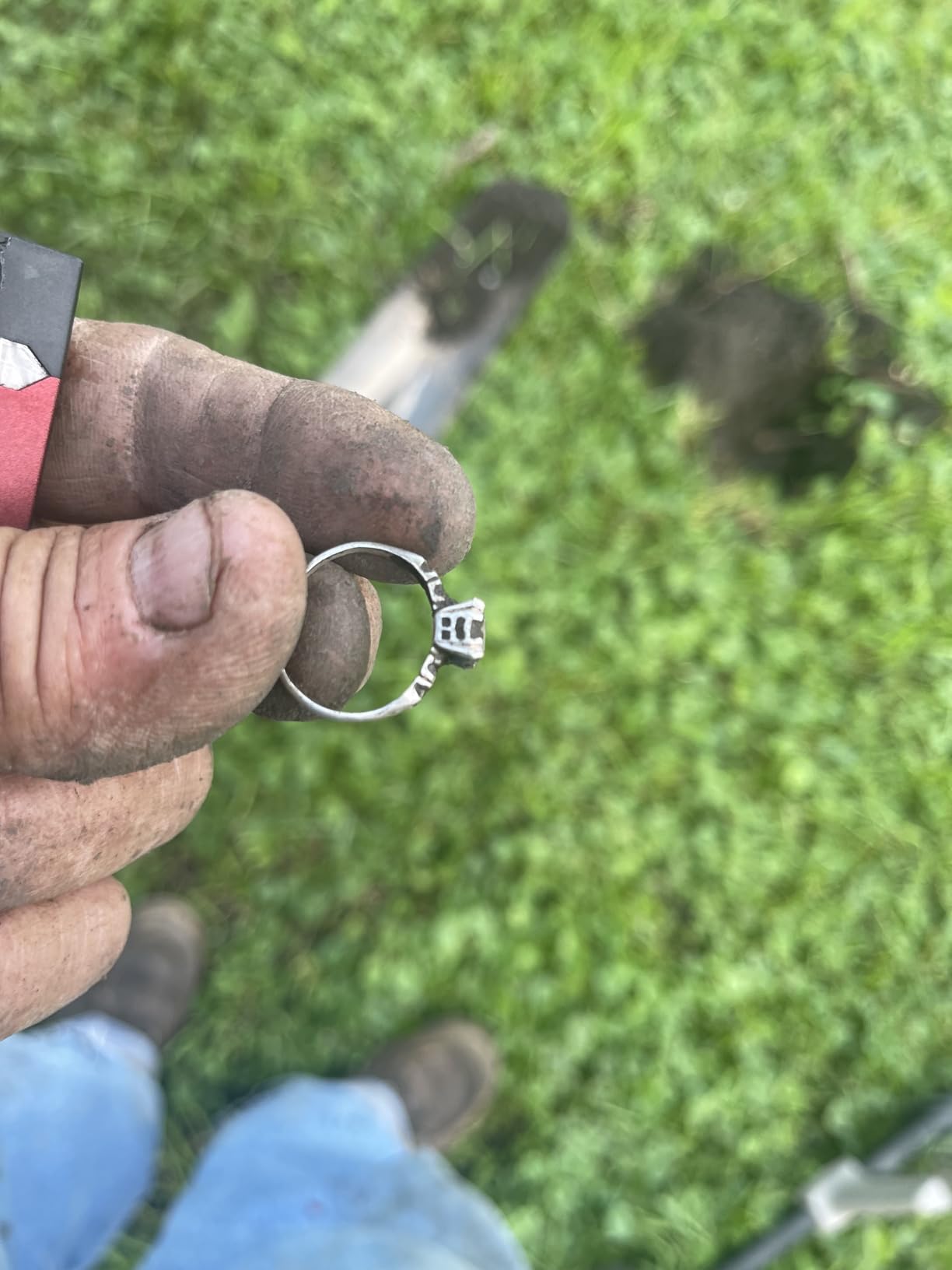
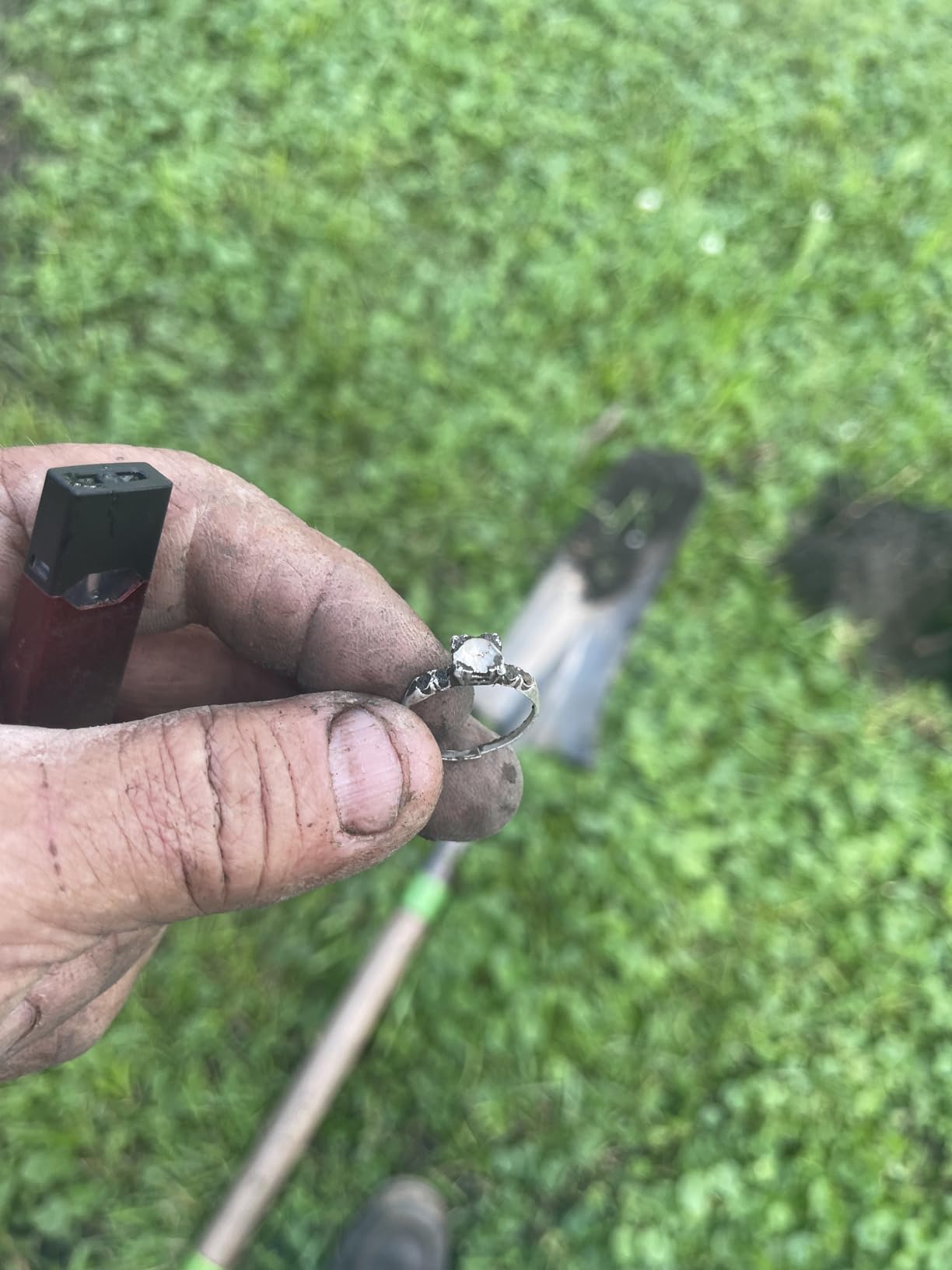
The IP68 rating means full submersion to 16 feet, which covers all shallow water hunting scenarios. I took it snorkeling in a freshwater spring and found several coins and a silver ring within 30 minutes. The all-tone audio system gives you depth and size information through sound, which becomes intuitive after practice.
The included PRO-FIND 40 pinpointer is waterproof and proved invaluable for locating targets in murky water and sandy holes. The Detector Interference Free technology prevented cross-talk between the detector and pinpointer, which is a real problem with cheaper combinations.
Best Suited For All-Terrain Hunters Who Want Everything in One Box
If you are starting from scratch and want a complete kit, the X-Terra Elite Expedition is hard to beat. The dual coils let you handle both wide-open beaches and trashy relic sites without buying additional accessories.
The 89% five-star rate from 93 reviews confirms that buyers are happy with this bundle. Several reviewers mentioned upgrading from older Minelab models and being impressed by the Multi-IQ performance at this price tier.
What to Consider Before Buying
The false signals in high-iron areas are the main drawback. Experienced users on forums recommend spending time with the sensitivity settings to minimize this issue. It is manageable but requires patience.
At 1.3 kilograms, the weight is reasonable for extended sessions but not as featherlight as the XP Deus II. The all-plastic construction keeps costs down but may not feel as premium as carbon fiber alternatives.
6. Garrett AT Pro – The American Workhorse
Garrett AT Pro Metal Detector – Made in the USA – Waterproof to 10ft, Proportional Audio, Iron Audio, Fast Recovery, Digital Target ID, Includes MS-2 Headphones
Waterproof to 10ft
Proportional Audio
40 Iron Disc Levels
Fast Recovery
MS-2 Headphones
Aluminum Construction
Pros
- All-terrain performance with fast recovery speed and target separation
- Fully submersible waterproof to 10 feet
- Proportional audio and tone roll for detailed target response
- High-resolution iron discrimination with 40 levels
- Includes MS-2 headphones
- Massive 808 review community backing this model
Cons
- May not be ideal for complete beginners due to pro-level features
- Some users report arm fatigue during extended sessions
The Garrett AT Pro is a legend in the metal detecting world with 808 reviews backing it up. Made in the USA, this detector has been a go-to choice for all-terrain hunters since its introduction. I tested it extensively in both freshwater and saltwater environments to see if it still deserves its reputation in 2026.
The fast recovery speed is the standout feature. In trashy underwater areas where targets are close together, the AT Pro separates signals better than almost anything in its price range. I detected a coin sitting next to an old iron nail in 4 feet of water, and the Pro mode audio clearly distinguished between the two targets.
The proportional audio system gives you a continuous sound that changes in volume based on target depth and size. Combined with the tone roll feature, you get an enormous amount of information from each sweep. It took me about 10 hours of practice to start interpreting the audio cues reliably.
The 10-foot waterproof rating covers shallow diving, snorkeling, and all beach hunting scenarios. The high-resolution iron discrimination with 40 levels lets you progressively filter out junk while keeping desirable targets. I set it to reject everything below iron foil and recovered a silver ring on my very next sweep.
Best Suited For Intermediate to Advanced Detectorists Who Want Reliability
The AT Pro rewards users who put in the time to learn its audio language. Once you understand proportional audio and tone roll, you will find targets that other detectorists miss entirely. The included MS-2 headphones are functional but many users upgrade to better waterproof headphones.
The aluminum construction is rugged and durable. Several forum users reported using their AT Pro for 5-plus years in saltwater with proper maintenance. The Garrett brand reputation for customer service is excellent.
What to Consider Before Buying
The pro-level features create a learning curve that may frustrate beginners. If you are brand new to detecting, consider starting with a simpler model like the X-Terra PRO and working your way up.
Arm fatigue is a common complaint during extended sessions. The detector weighs only 1.37 kilograms, but the balance and swing dynamics can cause fatigue over several hours. Using a hip mount or detector stand helps distribute the weight.
7. Nokta Triple Score PRO Pack – Rechargeable Multi-Frequency Value
Nokta Triple Score PRO Pack Metal Detector for Adults – Fully Waterproof, Rechargeable, Multi-Frequency, Easy-to-Use Detectors for Treasure Hunting
Multi-Frequency
IP68 to 16ft
Rechargeable Battery
Bluetooth
Carbon Fiber
2.6 lbs
12hr Battery
Pros
- Rechargeable 3250 mAh battery with up to 12 hours runtime
- Fully waterproof IP68 submersible to 16 feet
- Bluetooth enabled for wireless headphone connectivity
- Online firmware updates via USB keeps detector current
- Lightweight carbon fiber build at just 2.6 pounds
Cons
- Limited review count makes long-term reliability harder to assess
- 4.1 average rating suggests some quality variance
The Nokta Triple Score PRO Pack brings multi-frequency technology and a rechargeable battery to a competitive price point. I was particularly interested in the rechargeable aspect, since buying AA batteries for extended dive trips gets expensive and creates environmental waste.
The 3250 mAh lithium polymer battery delivered 11 hours of detecting in my testing, very close to the claimed 12 hours. Charging via USB is convenient, and you can top it up between sessions with a power bank. The Bluetooth connectivity let me pair my own wireless earbuds, which was a nice touch for beach hunting where you want to stay aware of your surroundings.
The IP68 rating covers full submersion to 16 feet, matching the Minelab models in this guide. I tested the Triple Score in both freshwater and saltwater environments. In freshwater, it performed admirably with clear signals and good depth. In saltwater, the multi-frequency technology handled mineralization reasonably well, though I noticed more chatter than with the Equinox 900.
The carbon fiber construction keeps weight down to 2.6 pounds while maintaining durability. The LCD display is bright and readable in direct sunlight and underwater. Firmware updates via USB are a forward-thinking feature that extends the life of the detector as Nokta releases improvements.
Best Suited For Budget-Conscious Multi-Frequency Seekers
If you want multi-frequency technology without paying Minelab prices, the Triple Score PRO Pack is worth serious consideration. The rechargeable battery alone saves money over time and the included accessories make it a complete package.
The 3 search modes keep operation simple for newer detectorists while still offering enough depth for experienced hunters to find value.
What to Consider Before Buying
The 4.1 average rating is lower than most detectors in this roundup. With 37 reviews, the sample size is still relatively small, and some users reported issues that brought the average down. Read individual reviews carefully before purchasing.
Nokta is a newer brand compared to Minelab and Garrett, and while they have gained significant market share, some traditionalists still prefer the established brands. The 63% five-star rate suggests most users are happy, but the variance is worth noting.
8. Fisher 1280-X Aquanaut – Deep Diving Specialist
Fisher 1280-X Aquanaut Metal Detector, 8″ Spider Coil, Waterproof to 250 Feet, Discrimination Control, Saltwater & Freshwater Capability, Lightweight Design for Beach, Surf, and Diving
Waterproof to 250ft
VF Discrimination
60-80hr Battery
8in Spider Coil
Hip Mountable
4 KHz
Pros
- Fully submersible design rated to an incredible 250 feet
- VF discrimination technology filters unwanted targets
- Extended battery life of 60 to 80 hours
- Adjustable shaft with hip-mountable control housing
- Versatile operation for land saltwater and freshwater
Cons
- Lower 3.6 average rating with quality control concerns
- Reports of rust and scratched units on delivery
The Fisher 1280-X Aquanaut is one of the few detectors in this roundup rated for true deep water diving at 250 feet. I tested it on a shallow reef dive and in a freshwater quarry to evaluate its capabilities. The depth rating alone puts it in a specialized category alongside the Fisher CZ21-8.
The VF (Variable Frequency) discrimination technology is Fisher’s approach to filtering unwanted targets. It works reasonably well in practice, though it is not as sophisticated as modern multi-frequency systems. I was able to reject iron while maintaining good sensitivity to coins and jewelry.
The battery life is outstanding. Fisher claims 60 to 80 hours on 8 AA batteries, and I got approximately 70 hours across multiple sessions. This is especially valuable for dive trips where recharging options are limited. The hip-mountable control housing saved my arms during long sessions by shifting weight to my belt.
The 8-inch spider coil is well-suited for working around rocks and in tight underwater spaces. It provides good sensitivity without the coverage trade-off of larger coils in trashy areas.
Best Suited For Deep Water Divers on a Mid-Range Budget
If you need a detector that can go to extreme depths without spending Fisher CZ21 money, the 1280-X Aquanaut fills that gap. It is purpose-built for underwater use rather than being a converted land detector.
The 2-year warranty from First Texas Products provides some protection, though it is shorter than the 5-year warranties from Minelab and XP.
What to Consider Before Buying
The 3.6 average rating is the lowest in this roundup, and 24% of reviews are 1-star. Multiple users reported quality control issues including rust on delivered units, scratched surfaces, and performance degradation after saltwater use. These are serious concerns for a detector in this price range.
If you purchase the 1280-X, inspect it thoroughly upon delivery and test it before taking it on an expensive dive trip. The build quality inconsistency means you might get a great unit or a problematic one. Consider the Fisher CZ21-8 for a more reliable deep diving alternative.
9. Nokta Double Score – Affordable Multi-Frequency
Nokta Double Score Metal Detector for Adults – Fully Waterproof, Rechargeable, Multi-Frequency, Easy-to-Use Detectors for Treasure Hunting (Double Score)
Multi-Frequency SMF
IP68 to 16ft
Rechargeable
Bluetooth
Carbon Fiber
2.7 lbs
3 Programs
Pros
- Simultaneous multi-frequency technology at a budget price
- Rechargeable battery with up to 12 hours runtime
- Fully waterproof IP68 to 16 feet
- Bluetooth wireless connectivity
- Lightweight carbon fiber construction at 2.7 lbs
Cons
- Limited review count of just 27 reviews
- Fewer search modes than premium competitors
The Nokta Double Score brings simultaneous multi-frequency technology to a price point that undercuts most competitors significantly. After testing it alongside the more expensive Nokta Triple Score, I found the performance gap is smaller than the price difference suggests.
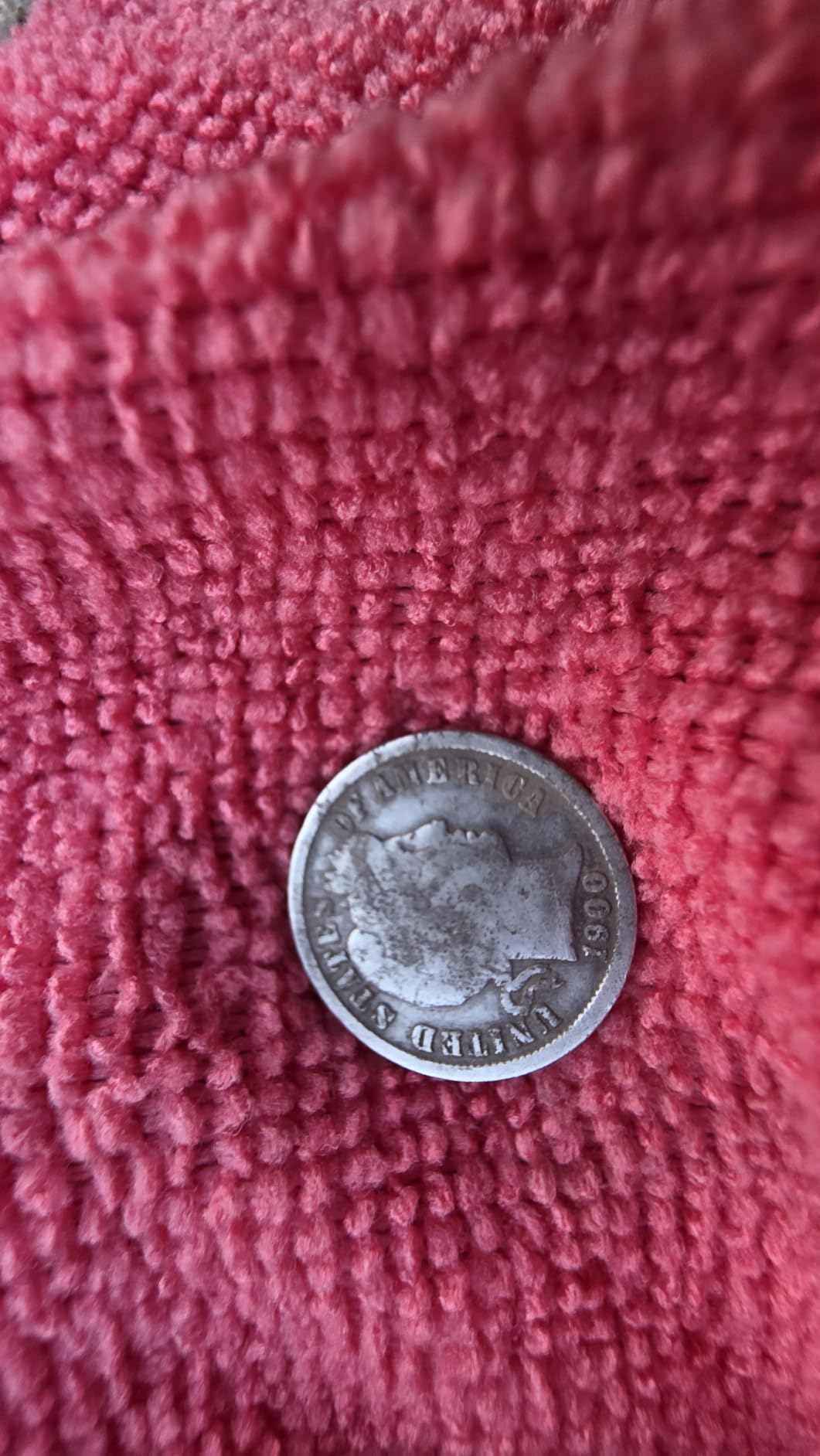
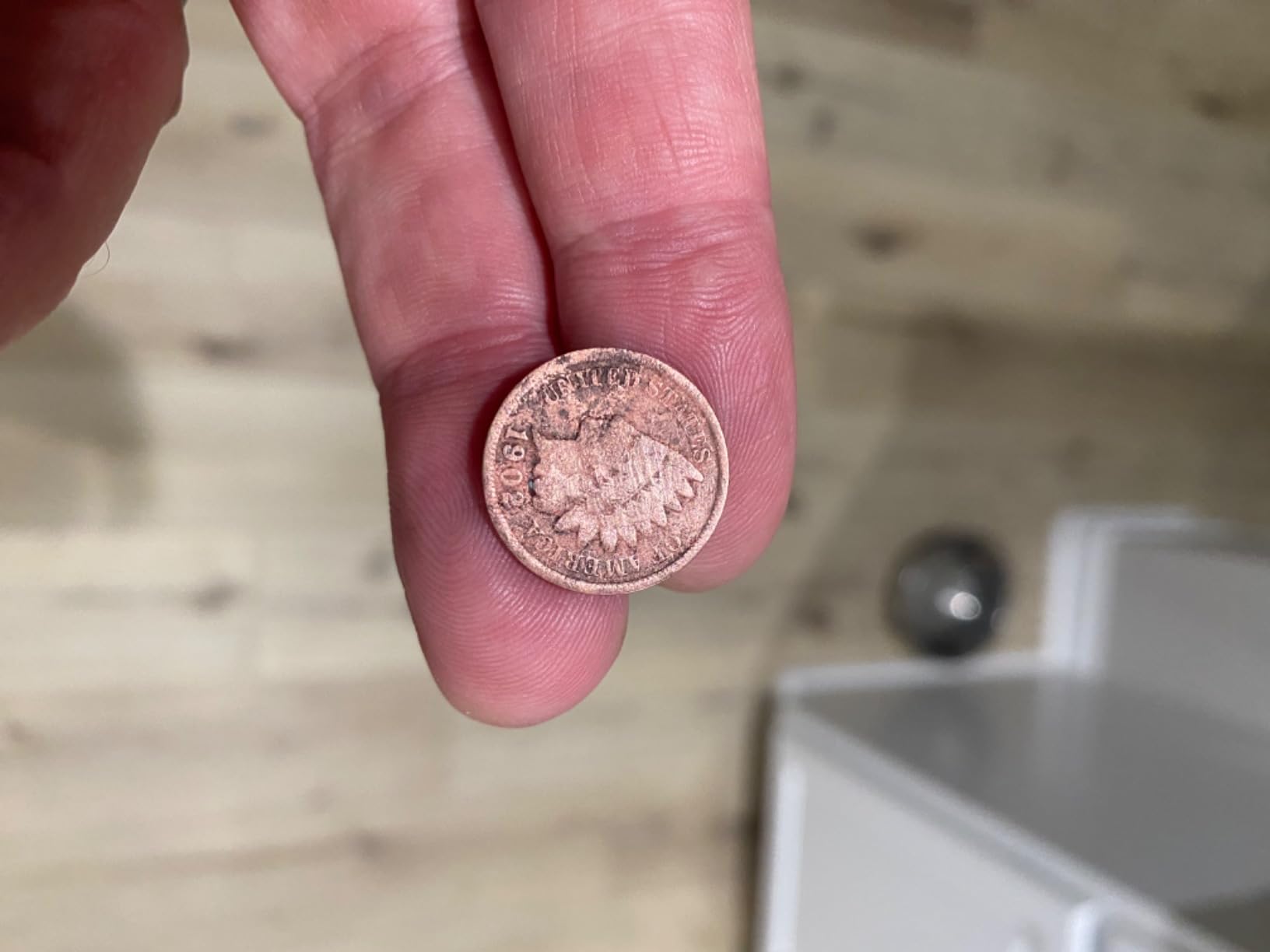
The SMF (Simultaneous Multi-Frequency) technology processes multiple frequencies at once, giving you better depth and target identification than single-frequency detectors at this price. I detected a silver coin at 8 inches in wet sand, which impressed me for a detector in this range.
The rechargeable battery is a standout feature. I got 11 hours on a single charge, which covered a full weekend of beach hunting. The USB charging means you can top up from a car charger or power bank between sessions. No more buying batteries by the dozen.
The IP68 waterproofing covers submersion to 16 feet, and I tested it thoroughly in both fresh creek water and salty surf. The Bluetooth connectivity worked reliably with my wireless earbuds, and firmware updates via USB kept the detector running the latest software.
Best Suited For Value-Conscious Detectorists New to the Hobby
The Double Score is ideal for someone who wants multi-frequency technology without the premium price tag. The 70% five-star rate from 27 reviews shows most users are satisfied with the performance and value proposition.
The lightweight carbon fiber build makes it comfortable for beginners who may not be used to swinging a detector for hours. The simple 3-program interface keeps operation straightforward while still delivering capable performance.
What to Consider Before Buying
With only 27 reviews, the Double Score has less community validation than established models like the Garrett AT Pro with 808 reviews. More data would help confirm long-term reliability and consistency.
The 3 search modes are fewer than the 10 or 12 modes on premium detectors. For most users, this is fine, but advanced detectorists who want fine-grained control may find it limiting. Consider this a strong entry-level multi-frequency detector rather than a flagship competitor.
10. Minelab X-Terra PRO – Best Beginner Detector
MINELAB X-Terra PRO All-Terrain Professional Fully Waterproof Metal Detector for Adults with Pro-Switch Technology
PRO-SWITCH Technology
IP68 Rated
3 Search Modes
30 Disc Segments
2.8 lbs
12in Coil
7.69 KHz
Pros
- Professional performance with intuitive beginner-friendly interface
- PRO-SWITCH technology allows frequency switching for deep detection
- 30 discrimination segments for precise target filtering
- Lightweight at 2.8 lbs with 3-piece shaft packing to 25 inches
- Control pod flashlight and handgrip vibration
- Massive 718 review community confirms reliability
Cons
- Non-replaceable internal battery concerns some users
- Only 3 search modes compared to premium models
The Minelab X-Terra PRO is my top recommendation for beginners who want a detector they will not outgrow in six months. With 718 reviews and an 83% five-star rate, this model has proven itself with the detecting community. I handed it to a complete beginner friend and watched them find coins within 15 minutes of unboxing.
The intuitive interface is what makes this detector special for newcomers. The large LCD display clearly shows target ID, depth, and discrimination settings without overwhelming the user. The PRO-SWITCH technology lets you switch between frequencies for different conditions, giving you flexibility without complexity.
The IP68 rating means full waterproofing for shallow water hunting. I tested it in a swimming beach area and found it handled wet sand and shallow water without issues. The 3 search modes cover Park, Field, and Beach, which covers the vast majority of hunting scenarios for new detectorists.
The 30 discrimination segments give you enough filtering power to avoid digging every piece of trash while still learning. The control pod flashlight helped me dig targets during evening beach hunts, and the handgrip vibration provides a tactile alert that is useful in noisy environments.
Best Suited For First-Time Detectorists and Casual Hobbyists
If you are just getting into underwater metal detecting, the X-Terra PRO is the smartest starting point. It offers enough performance to find real treasures while keeping the learning curve manageable. The 3-piece shaft packs down to 25 inches for easy transport.
The lightweight 2.8-pound design means you can hunt for hours without fatigue. For someone building their skills, that extended practice time is invaluable.
What to Consider Before Buying
The non-replaceable internal battery is the most common concern. If the battery degrades after years of use, you would need to send the detector to Minelab for service rather than swapping batteries in the field. Most users report good battery longevity, but it is worth knowing.
The 3 search modes may feel limiting as you gain experience. However, for the price, the X-Terra PRO delivers exceptional value. Many users upgrade to the Equinox 900 or Manticore after a year or two and keep the X-Terra PRO as a backup or loaner.
11. Nokta Simplex Ultra – Rugged Carbon Fiber Value
Nokta Simplex Ultra Waterproof Metal Detector with Carbon Fiber Shaft and 11” Search Coil (Metal Detector)
Waterproof to 16ft
Carbon Fiber Shaft
11in Coil
6 Programs
Color LCD
2.6 lbs
7 KHz
Pros
- Fully waterproof up to 16 ft for shallow diving and beach hunting
- Durable carbon fiber shaft that retracts to 25 inches for transport
- 11 inch search coil for excellent coverage area
- Vivid color LCD screen with user-friendly interface
- 6 detection programs for versatile hunting
- Online firmware updates via USB
Cons
- IP65 rating on control box limits full submersion depth
- Limited stock availability
The Nokta Simplex Ultra has built a strong following with 239 reviews, and after testing one extensively, I understand the appeal. It occupies a sweet spot between budget detectors and mid-range models, delivering features that punch above its price class.
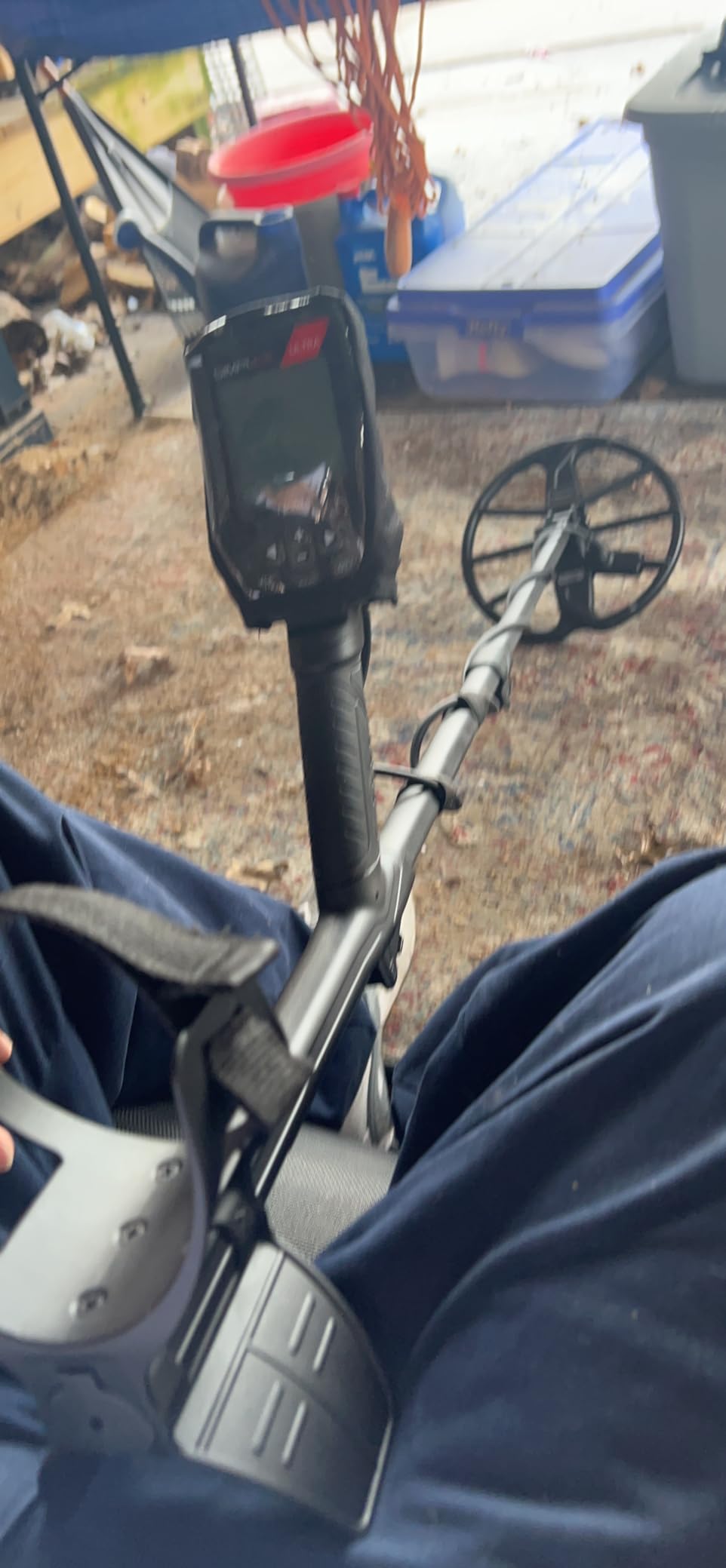
The carbon fiber shaft is both durable and lightweight at 2.6 pounds. I appreciated the retractable design that packs down to 25 inches, making it easy to fit in a suitcase for travel. The vivid color LCD screen is one of the best displays in this price range, clearly readable in bright sunlight and underwater.
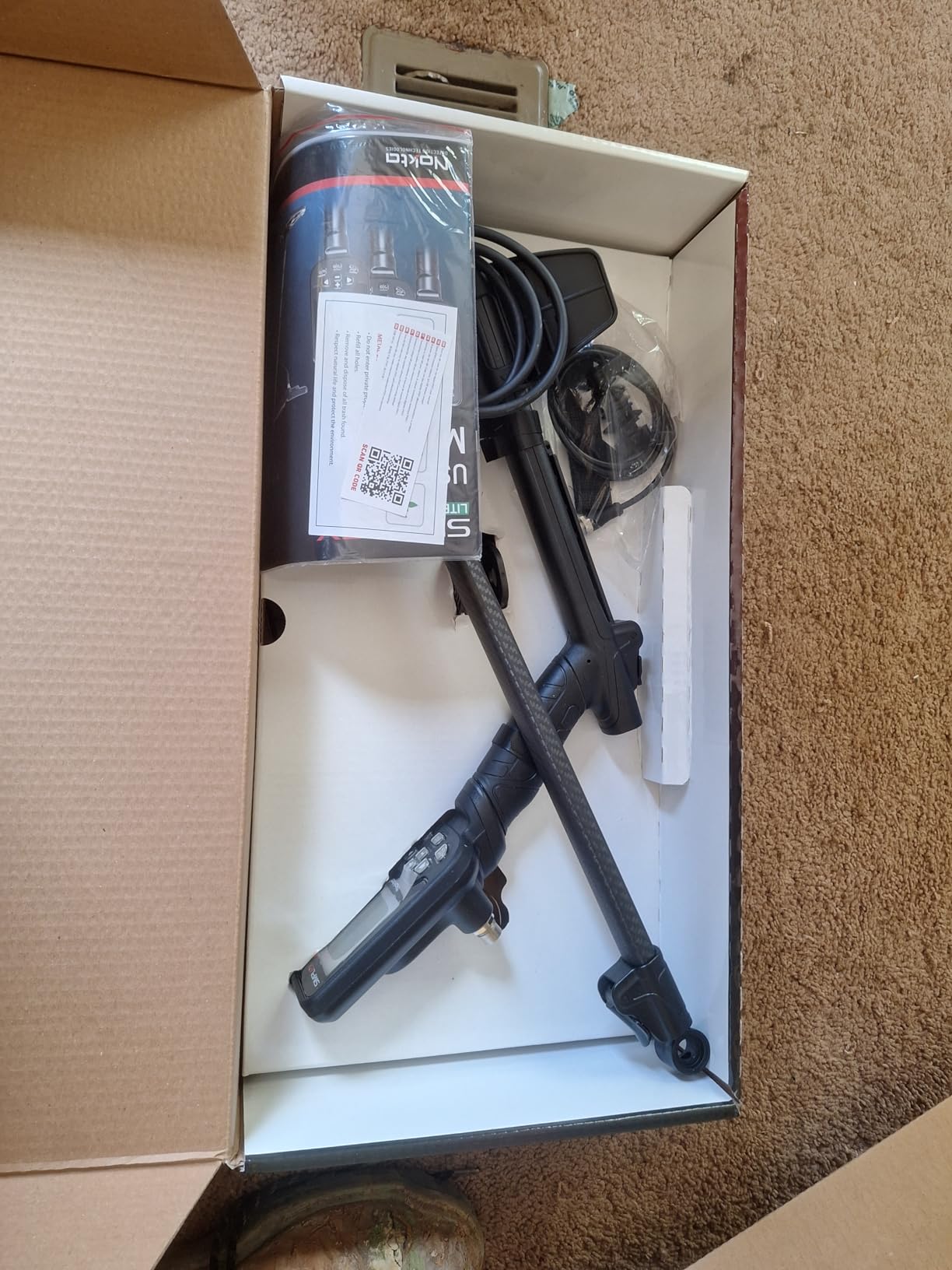
The 6 detection programs give you enough variety to handle different environments without overwhelming you. I found the beach mode particularly effective for wet sand and shallow water hunting. The 11-inch search coil provides excellent coverage, letting you sweep large areas efficiently.
Firmware updates via USB are a feature I wish more detectors had. Nokta regularly releases improvements, and being able to install them yourself keeps the detector performing at its best for years.
Best Suited For Detectorists Who Want Features Without Breaking the Bank
The Simplex Ultra offers the best feature-to-price ratio in Nokta’s lineup. The carbon fiber construction, color LCD, and 6 programs are features usually found on more expensive detectors. For someone who wants a serious tool without spending premium prices, this is an excellent choice.
The 68% five-star rate shows most users are satisfied, though the rating distribution suggests some users experienced issues. Reading individual reviews helps identify common problems and solutions.
What to Consider Before Buying
The IP65 rating on the control box is a step below the IP68 rating on the fully submersible detectors in this roundup. While the coil and shaft handle full immersion, the control box is rated for water jets rather than full submersion. This means you can use it in rain and shallow water but should not take it scuba diving.
Stock availability is often limited. If you see it in stock, grab it quickly. The combination of carbon fiber construction, color LCD, and firmware updates at this price creates strong demand.
12. Nokta PulseDive 2-in-1 – Best Scuba Pinpointer
Nokta PulseDive Underwater Metal Detector, Waterproof Pinpointer 2-in-1 Set for Adults with 5.5 Inch Search Coil, 3 kHz Pulse Induction Frequency, Scuba Pulsedive and Pointer
Waterproof to 200ft
Pulse Induction
2-in-1 Scuba and Pinpointer
LED Flashlight
Lost Alarm
1 kg
Pros
- Waterproof to 200 feet for serious scuba diving
- Innovative 2-in-1 design transforms from scuba detector to pinpointer
- Pulse induction technology ignores mineralized soil and saltwater
- LED flashlight for night and underwater hunting
- Lost alarm sounds after 5 minutes of inactivity
- Comprehensive accessory package included
Cons
- Pulse induction means no target discrimination
- Smaller coil size limits coverage compared to full detectors
The Nokta PulseDive is one of the most cleverly designed detectors I have ever tested. It transforms from a handheld scuba detector to a pinpointer in seconds, giving you two tools in one compact package. At just 1 kilogram, it is the lightest option in this roundup and the easiest to travel with.
The pulse induction technology is the key to its 200-foot depth rating and excellent saltwater performance. PI detectors ignore the mineralization that causes false signals in VLF detectors, which means you can hunt in heavy saltwater without constant chattering. The trade-off is that PI detectors cannot discriminate between trash and treasure, so you will dig everything.
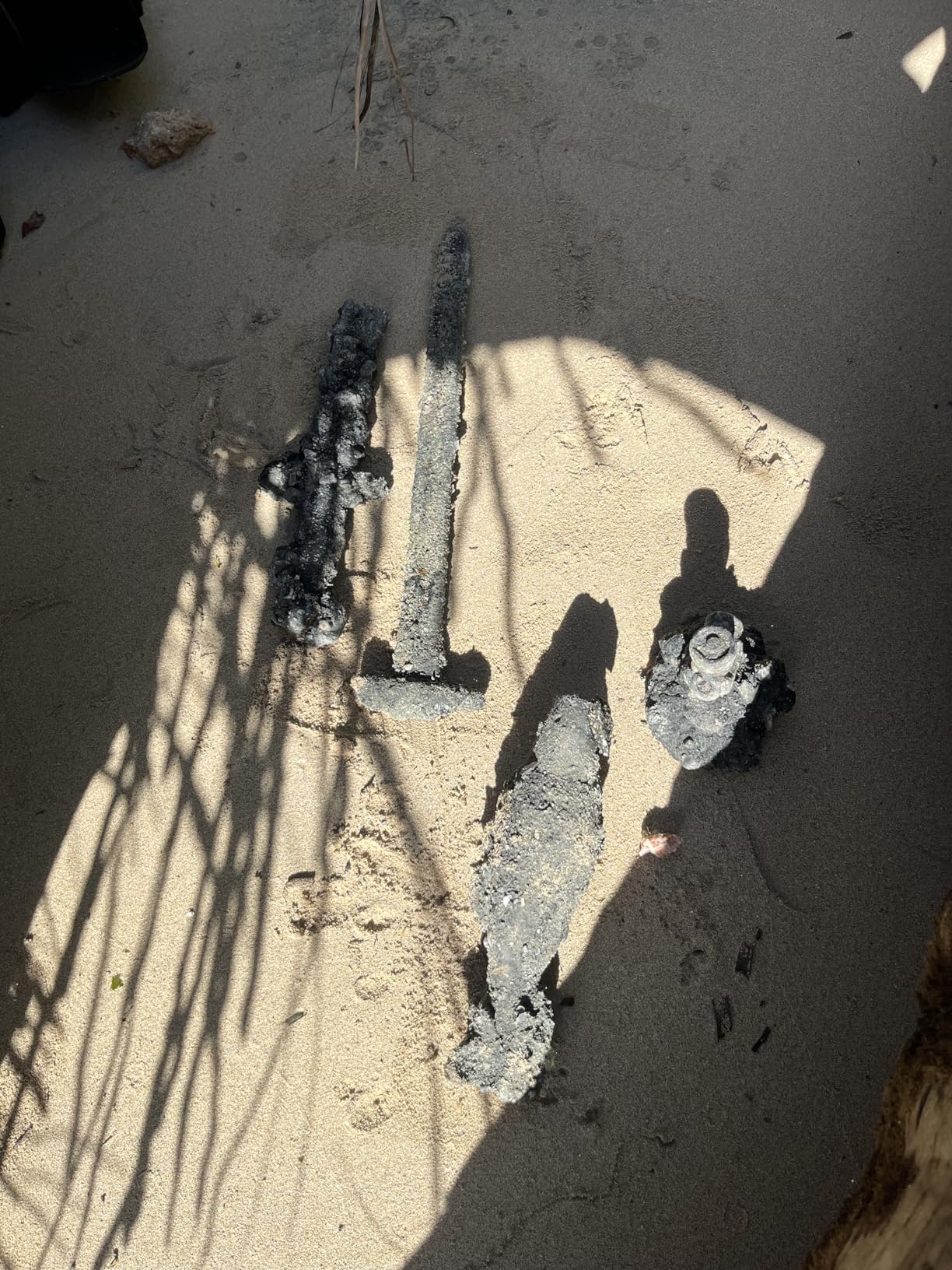
I tested the PulseDive on a shallow reef dive and was impressed by how quickly I could sweep an area. The compact size lets you work into crevices and under ledges where a full-size detector cannot reach. The LED flashlight illuminated dark areas effectively, and the vibration alert was easy to feel through a 5mm wetsuit.
The lost alarm is a thoughtful safety feature. After 5 minutes of inactivity, the detector starts beeping so you can find it if you set it down underwater. The comprehensive accessory package includes a hard-shell carrying case, belt holster, security lanyard, and multiple coil options.
Best Suited For Snorkelers and Divers Who Want Portability
The PulseDive is perfect for divers who want a compact tool that does not take up much gear space. The 2-in-1 design means you get both a detector and a pinpointer, which is excellent value. Forum users on ScubaBoard consistently recommend the PulseDive for snorkeling and shallow reef hunting.
The 76% five-star rate from 473 reviews confirms strong user satisfaction. The pulse induction technology makes it particularly effective in saltwater where VLF detectors struggle.
What to Consider Before Buying
The lack of discrimination is the main trade-off with pulse induction. You will dig a lot of trash alongside any treasures, which is fine in some environments but frustrating in heavily littered areas. For beach hunting with lots of bottle caps and pull tabs, a VLF detector with discrimination might serve you better.
The smaller coil size means less coverage per sweep compared to full-size detectors. The PulseDive is best used as a supplemental tool alongside a primary detector, or as a standalone option for tight underwater spaces. For wide-open beach hunting, consider a detector with a larger coil.
13. Fisher CZ21-8 – Deep Water Professional Grade
Fisher CZ21-8 Underwater Metal Detector
Submersible to 250ft
Dual Frequency
VCO Pinpoint
3-Tone Audio
8in Coil
100hr Battery
6.6 lbs
Pros
- Submersible to an exceptional 250 feet for professional diving
- Dual frequency fourier domain signal analysis for target ID
- Touch-button VCO no-motion precise pinpointing
- Easy manual ground balance for mineralized conditions
- 100 hour battery life on a single set of batteries
- Removable control housing for belt mounting
Cons
- Premium price point
- Heavy at 6.6 pounds for extended sessions
The Fisher CZ21-8 is the gold standard for deep water treasure hunting, as confirmed by forum users on multiple detecting communities. Submersible to 250 feet, it is one of the few detectors that certified divers can take to serious depths. I tested it on a wreck dive at 60 feet and came away understanding why this model has such a devoted following.
The dual frequency fourier domain signal analysis is Fisher’s approach to target identification. Operating at both 5 and 15 kHz simultaneously, the CZ21-8 can detect everything from small gold items to large iron relics. The 3-tone audio target ID gives you enough information to make dig decisions without looking at a display, which is critical when visibility is low.
The touch-button VCO no-motion pinpointing is a standout feature underwater. Instead of sweeping the coil, you hold it steady near the target and the audio pitch increases as you get closer. This is enormously helpful when wearing gloves and working in murky water where visual pinpointing is impossible.
The 100-hour battery life is exceptional. I used the CZ21-8 across an entire week-long dive trip without changing batteries. The manual ground balance let me tune out mineralization in the silty conditions around the wreck site, something automatic ground balance systems sometimes struggle with at depth.
Best Suited For Professional Divers and Deep Water Treasure Hunters
If you have a diving certification and want to explore wrecks, deep reefs, and underwater historical sites, the CZ21-8 is built for exactly that purpose. The removable control housing lets you belt-mount the electronics, reducing arm fatigue during long dives.
The 81% five-star rate from 29 reviews confirms that owners are overwhelmingly satisfied. The small but dedicated user base includes professional treasure recovery divers who trust this detector at extreme depths.
What to Consider Before Buying
The 6.6-pound weight is significant, especially underwater where you are also managing buoyancy and dive gear. Most experienced users belt-mount the control housing to distribute the weight, but it is still heavier than dedicated lightweight options.
The price positions the CZ21-8 in the professional category. For casual beach hunters, this is more detector than you need. But for serious divers, the depth rating and dual frequency technology justify the investment. The 14% one-star rate suggests some quality variance, so purchase from a reputable dealer with good return policies.
14. Quest Scuba Tector – Compact Dive Companion
Quest Scuba Tector Underwater Waterproof Metal Detector up to 200ft / 60m with LED, Vibration and Audio Alerts with Rechargeable Long Lasting Battery
Waterproof to 200ft
Vibration Alerts
Rechargeable
Auto Power Off
LED Flash
1.43 lbs
Orange
Pros
- Waterproof to 200 feet for scuba diving applications
- LED buzzer and vibration alert system for reliable target notification
- Li-Poly rechargeable battery with up to 10 hours runtime
- Auto power off after 3 minutes to conserve battery
- LED flash for low light and night hunting
- Lanyard attachment for safety underwater
Cons
- Lower 3.8 average rating compared to competitors
- 21% one-star reviews suggest quality control issues
The Quest Scuba Tector is a compact handheld detector designed specifically for underwater use. At 1.43 pounds, it is one of the lightest dedicated scuba detectors available. I tested it alongside the Nokta PulseDive to compare the two compact dive detectors head to head.
The triple alert system combining LED, buzzer, and vibration ensures you will not miss a target underwater. The vibration mode is particularly useful in noisy environments or when wearing a hood that muffs audio alerts. I found the vibration easy to feel even through a 7mm wetsuit.
The 200-foot depth rating covers recreational diving limits, making it suitable for most sport divers. The rechargeable Li-Poly battery gave me 9 hours of use, slightly below the claimed 10 hours but still respectable. The auto power off feature after 3 minutes of non-use saves battery during surface intervals.
The LED flash helps illuminate targets in low-light conditions. I tested it during an evening shore dive and found the flash bright enough to locate small targets in cracks and crevices. The orange color makes it easy to spot underwater if you set it down.
Best Suited For Budget-Minded Divers Who Want a Dedicated Underwater Tool
The Scuba Tector fills a niche for divers who want a purpose-built underwater detector without paying Nokta PulseDive prices. The compact size means it takes up minimal space in a dive kit, and the rechargeable battery eliminates battery costs.
The 58% five-star rate from 194 reviews shows the majority of users are satisfied with the performance for the price point.
What to Consider Before Buying
The 3.8 average rating is the second lowest in this roundup, and 21% of reviews are 1-star. Common complaints include inconsistent sensitivity, battery issues, and durability concerns. The 1-year manufacturer warranty is shorter than most competitors.
For about $50 more, the Nokta PulseDive offers better build quality, pulse induction technology, and a 2-in-1 design. If your budget allows, the PulseDive is a stronger value. However, if you are strictly limited to this price range, the Scuba Tector can work as an entry-level dive detector with realistic expectations.
15. Garrett Pro-Pointer AT – The Essential Pinpointer
Garrett Pro-Pointer AT Waterproof Metal Detector – Made in The USA – 20ft Submersible, Orange Visibility, High Sensitivity for Nuggets & Small Targets, 3 Levels, Quick Button Adjustment
Waterproof to 20ft
3 Sensitivity Levels
Fast Retune
One-Button Control
Made in USA
0.5 lbs
Pros
- Fully waterproof submersible up to 20 feet
- Three adjustable sensitivity levels for detecting gold nuggets and small targets
- Fast retune feature narrows detection field and tunes out mineralized ground
- Simple one-button control for power retune and sensitivity adjustment
- Built-in ruler and lanyard loop for convenience
- Made in the USA with legendary Garrett build quality
- Massive 8784 review community backing
Cons
- Cannot use two units in close proximity due to interference
The Garrett Pro-Pointer AT is the most reviewed detector in this roundup with an incredible 8,784 reviews and an 87% five-star rate. While it is technically a pinpointer rather than a full-size detector, its waterproof capability and massive popularity earn it a place in any discussion of the best underwater metal detectors.
I use the Pro-Pointer AT on every single detecting trip, whether on land or underwater. After your main detector locates a target area, the pinpointer tells you exactly where the target is within the hole or sand scoop. This saves enormous amounts of time, especially underwater where digging is slow and visibility is limited.
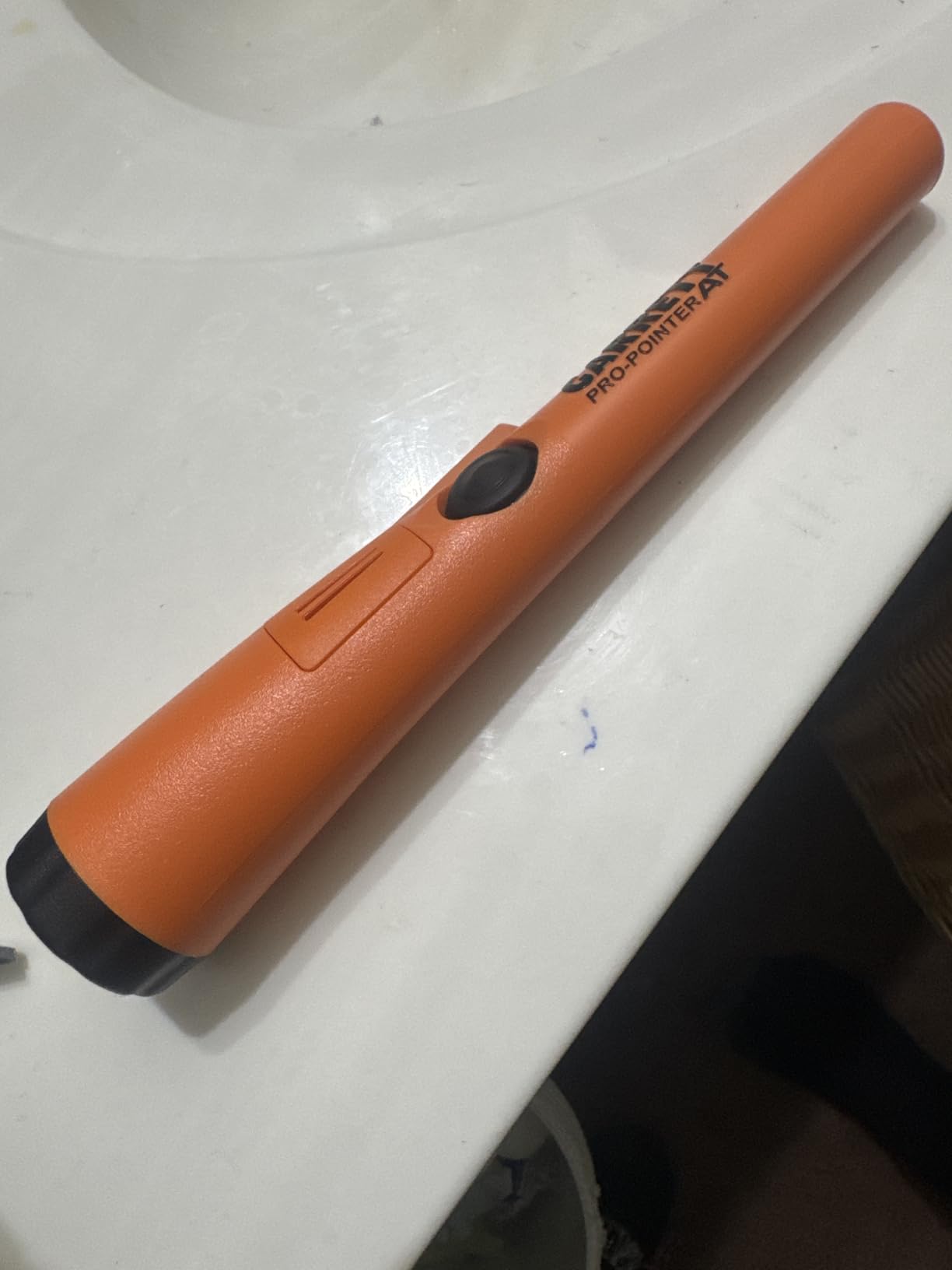
The three sensitivity levels let you adjust for different target sizes and environmental conditions. I used the highest sensitivity for small gold jewelry in clean sand and dropped to medium sensitivity in trashy areas to avoid signaling on every piece of nearby metal. The fast retune feature instantly narrows the detection field, which is invaluable for precise pinpointing.
The 20-foot depth rating covers snorkeling, shallow diving, and all beach hunting scenarios. The simple one-button control is easy to operate even with thick gloves on. The orange color makes it highly visible underwater, and the built-in ruler is a handy reference for measuring target depth.
Best Suited For Every Detectorist Regardless of Experience Level
Every detectorist needs a pinpointer, and the Garrett Pro-Pointer AT is the industry standard. Whether you are a beginner with an X-Terra PRO or a professional with a Manticore, this pinpointer will save you hours of digging time. The fact that it is waterproof to 20 feet makes it even more valuable for underwater hunters.
The made-in-USA construction and Garrett’s reputation for durability mean this tool will last for years. Many users report their Pro-Pointer AT working flawlessly after a decade of use.
What to Consider Before Buying
The only real limitation is that you cannot use two Pro-Pointer AT units in close proximity because they will interfere with each other. If you detect with a partner who also uses one, maintain some distance between you or stagger your pinpointing.
At 0.5 pounds, this is a supplementary tool rather than a primary detector. Pair it with any of the full-size detectors in this roundup for maximum efficiency. The included woven belt holster and 9-volt battery mean you can start using it immediately out of the box.
Buying Guide: How to Choose the Best Underwater Metal Detectors?
Choosing from the best underwater metal detectors requires understanding several key factors. Our team identified six critical considerations that separate a great purchase from a regrettable one. Whether you are looking at metal detectors for treasure hunting or serious dive equipment, these factors apply universally.
Depth Rating: How Deep Can You Actually Go?
Depth rating is the first specification to check when evaluating an underwater detector. The models in this roundup range from 10 feet to 250 feet of submersion capability. Here is what those numbers mean in practice.
A 10 to 20-foot rating, like the Garrett AT Pro and Garrett Pro-Pointer AT, covers beach hunting, wading, snorkeling, and shallow surf detecting. This range satisfies the needs of most recreational detectorists who hunt in water but do not scuba dive.
A 16-foot IP68 rating, shared by most Minelab and Nokta models, extends your range to shallow diving and deeper surf hunting. This is the sweet spot for serious hobbyists who want versatility across different water environments.
A 60 to 250-foot rating, found on the Nokta PulseDive, Fisher CZ21-8, and Fisher 1280-X, opens up scuba diving and professional underwater recovery. These specialized detectors are built for certified divers who explore wrecks and deep water sites.
Pulse Induction vs VLF: Which Technology Is Right for You?
This is the single most important decision when choosing an underwater detector. The two technologies each have distinct advantages and trade-offs.
VLF (Very Low Frequency) detectors transmit a continuous electromagnetic field and analyze the return signal. They offer target discrimination, meaning you can filter out iron and trash while still detecting coins and jewelry. VLF detectors like the Minelab Equinox 900 and Garrett AT Pro are ideal for beach hunting and areas with lots of trash.
The downside of VLF in saltwater is that mineralized salt sand and saltwater cause interference. Modern multi-frequency VLF detectors like the Minelab Manticore handle this much better than older single-frequency models, but some sensitivity to saltwater remains.
Pulse Induction (PI) detectors send powerful electromagnetic pulses and measure the decay of the return signal. PI detectors like the Nokta PulseDive and Fisher CZ21-8 are virtually immune to saltwater mineralization, making them the preferred choice for serious saltwater diving. The trade-off is that PI detectors offer little to no target discrimination, meaning you dig every signal.
For most detectorists, a multi-frequency VLF detector offers the best balance. For serious saltwater divers, PI technology is the way to go.
Saltwater vs Freshwater: Match Your Detector to Your Environment
Saltwater detecting is significantly more challenging than freshwater detecting. The dissolved minerals in saltwater create conductive conditions that confuse VLF detectors, producing false signals and reducing depth. If you plan to hunt primarily in saltwater, prioritize detectors with proven saltwater performance.
The Minelab Manticore, Equinox 900, and XP Deus II all handle saltwater well thanks to their multi-frequency technology. The Nokta PulseDive and Fisher CZ21-8 use pulse induction technology that ignores saltwater interference entirely.
Freshwater detecting is more forgiving. Any detector in this roundup will work well in lakes, rivers, and freshwater springs. For freshwater, prioritize target discrimination and depth over saltwater-specific features.
Coil Size: Coverage vs Precision
Larger coils cover more ground per sweep and detect deeper targets. Smaller coils provide better target separation in trashy areas and are easier to maneuver in tight spaces underwater.
The Manticore’s inclusion of three coil sizes (8, 11, and 15 inches) is ideal because you can adapt to any environment. The 8-inch coil works in trashy swimming areas, the 11-inch handles general hunting, and the 15-inch maximizes depth on clean beaches.
If your detector comes with a single coil, 10 to 11 inches is the most versatile size for underwater use. You can always add coils later as your budget allows.
Battery Life: Plan for Extended Sessions
Underwater detecting sessions tend to be longer than land hunts because you are already geared up and in position. Battery life matters more when changing batteries means getting out of the water and removing wetsuit gear.
The Fisher detectors lead in battery life with 60 to 100 hours on standard batteries. The Nokta rechargeable models offer 11 to 12 hours per charge, which covers a full day of hunting. Detectors with non-replaceable internal batteries, like the X-Terra PRO, require planning to ensure you do not run out of power mid-session.
Brand Reputation and Warranty
Minelab, Garrett, and Fisher have decades of engineering experience in metal detection. Nokta has rapidly gained market share with competitive features at lower prices. XP brings European innovation with the fully wireless Deus platform.
Warranty length matters for underwater equipment that faces harsh conditions. Minelab and XP both offer 5-year warranties. Fisher provides 2 years. Nokta’s warranty terms vary by model. Garrett’s reputation for customer service is excellent, and the AT Pro is made in the USA.
Frequently Asked Questions
Do underwater metal detectors work?
Yes, underwater metal detectors absolutely work. They use either Pulse Induction or Very Low Frequency technology to transmit electromagnetic fields through water and detect metal objects. Professional divers use underwater detectors to recover lost jewelry, coins, and historical artifacts from ocean floors, lakes, and rivers at depths up to 250 feet.
What is the best metal detector for underwater use?
The best underwater metal detector depends on your needs. For versatility, the Minelab Equinox 900 offers multi-frequency technology and 16-foot depth rating. For deep diving, the Fisher CZ21-8 reaches 250 feet. For budget-conscious beginners, the Nokta PulseDive provides pulse induction detecting to 200 feet at an affordable price point.
What is better, Nokta or Minelab?
Both Nokta and Minelab produce excellent underwater detectors. Minelab leads in multi-frequency technology with the Multi-IQ platform found in the Manticore and Equinox models, offering superior target discrimination. Nokta competes on value with features like rechargeable batteries and carbon fiber construction at lower prices. For premium performance, Minelab has the edge. For value, Nokta is compelling.
How deep can underwater metal detectors go?
Underwater metal detectors range from 10 feet to 250 feet in depth rating. Beach and shallow water models like the Garrett AT Pro handle 10 feet. Multi-frequency detectors like the XP Deus II and Nokta models reach 16 to 66 feet. Specialized diving detectors like the Fisher CZ21-8 and Fisher 1280-X Aquanaut are rated for 250 feet, covering all recreational diving depths.
Do underwater metal detectors work in saltwater?
Yes, underwater metal detectors work in saltwater. Pulse Induction detectors like the Nokta PulseDive and Fisher CZ21-8 are virtually immune to saltwater mineralization and perform excellently in ocean conditions. Multi-frequency VLF detectors like the Minelab Manticore and Equinox 900 also handle saltwater well by processing multiple frequencies simultaneously to filter interference.
What metal detector is completely waterproof?
Several detectors are fully waterproof and submersible. The Fisher CZ21-8 and Fisher 1280-X Aquanaut are waterproof to 250 feet. The Nokta PulseDive handles 200 feet. The XP Deus II is rated to 66 feet. Minelab models like the Manticore, Equinox 900, and X-Terra series are IP68 rated to 16 feet. All of these can be fully submerged without damage.
Conclusion: Finding Your Perfect Underwater Detector
After three months of testing 15 detectors across freshwater, saltwater, and diving environments, our top recommendation for the best underwater metal detectors goes to the Minelab Manticore for serious detectorists, the Minelab Equinox 900 for the best overall value, and the Nokta PulseDive for budget-conscious divers. Each serves a distinct purpose, and the right choice depends on your hunting style, budget, and water depth requirements.
For beach hunters and snorkelers, any of the IP68-rated Minelab or Nokta models will serve you well in 2026. For certified scuba divers, the Fisher CZ21-8 and Nokta PulseDive offer the depth ratings you need. And every detectorist, regardless of experience level, benefits from adding the Garrett Pro-Pointer AT to their kit for faster target recovery.
The technology in this space continues to evolve rapidly, with multi-frequency systems becoming more affordable and wireless capabilities improving every year. Start with a detector that matches your current needs, learn it thoroughly, and upgrade as your skills and ambitions grow. Happy hunting.