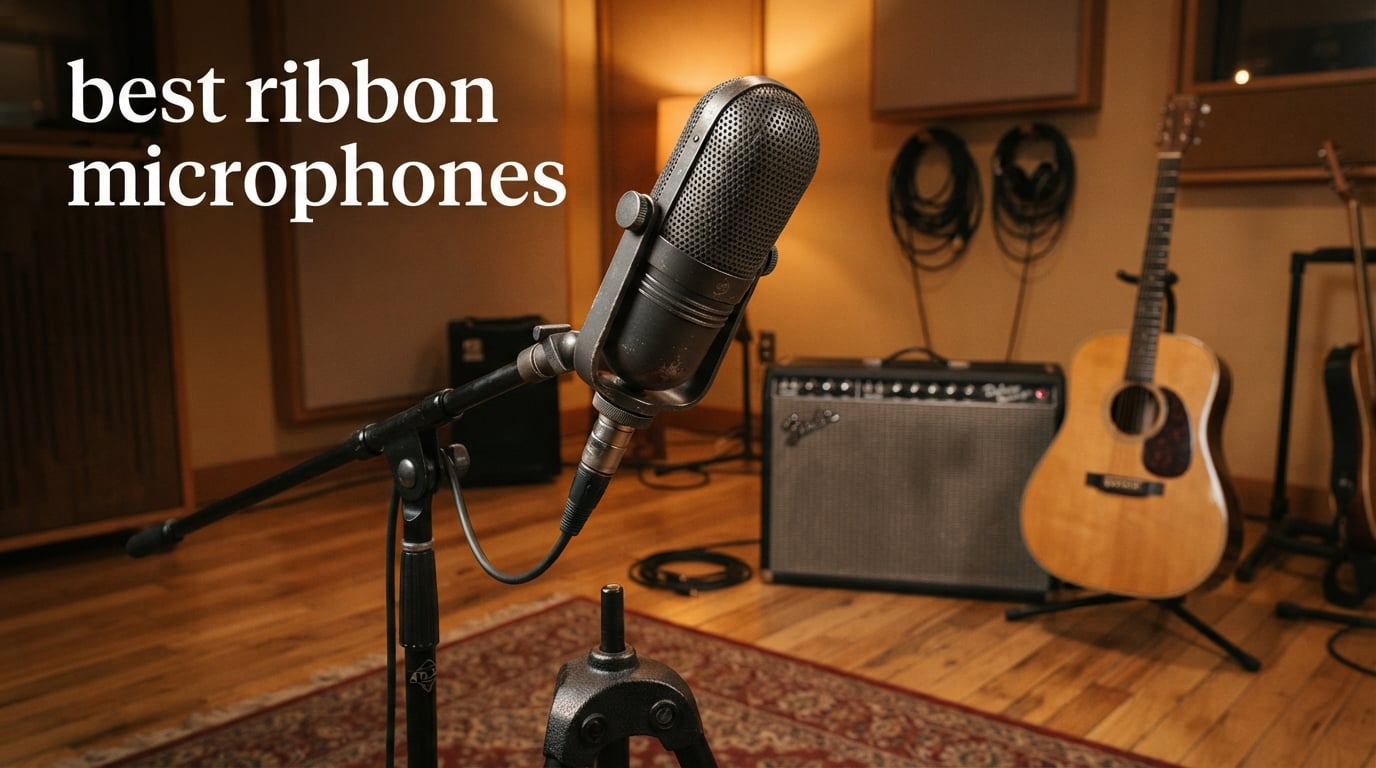
There is a reason ribbon microphones have survived nearly a century of audio technology evolution. No other microphone type captures that warm, natural, vintage character quite like a well-made ribbon. While condensers give you detail and dynamics give you punch, ribbons give you something harder to describe — a smoothness that makes harsh sources sound musical.
Our team spent weeks testing 10 of the best ribbon microphones available right now. We tracked them through electric guitar cabinets, drum overheads, horn sections, acoustic guitars, and vocals. Some impressed us immediately. Others took time to reveal their strengths. A few surprised us with capabilities we did not expect at their price point.
Whether you are building a home studio or expanding a professional mic locker, this guide covers ribbon mics from budget-friendly options under $130 to studio-grade instruments approaching $1,600. We will walk you through what makes each one special, who it serves best, and what you need to know before plugging it in. Let us find the right ribbon microphone for your recordings.
Table of Contents
Top 3 Ribbon Microphones for 2026
Not everyone has time to read through ten detailed reviews. If you want the short version, here are our three top picks based on extensive testing across multiple instruments and recording scenarios.

Royer Labs R-10 Ribbon Microphone
- Patented offset ribbon design
- Figure-8 polar pattern
- High SPL handling
- Custom Royer transformer

MXL R144 Ribbon Microphone
- Figure-8 polar pattern
- High SPL capability
- Includes shockmount
- Classic ribbon warmth

Royer Labs R-121 Studio Ribbon
- Patented offset ribbon technology
- Lifetime warranty
- High SPL without distortion
- Studio standard for guitar cabs
The Royer R-10 earns our Editor’s Choice spot for delivering genuine Royer quality at an accessible price point. The MXL R144 wins Best Value with its sub-$130 price tag and sound that punches well above its weight. The Royer R-121 takes the Premium Pick as the studio standard that professional engineers have trusted for decades.
10 Best Ribbon Microphones in 2026
Here is a quick comparison of all 10 ribbon microphones we reviewed. This table gives you the bird’s-eye view before we get into the detailed breakdowns.
| Product | Specifications | Action |
|---|---|---|
| MXL R144 Ribbon Microphone |
|
Check Latest Price |
 Golden Age Project R2 MKII Golden Age Project R2 MKII |
|
Check Latest Price |
 sE Electronics X1 R Passive Ribbon sE Electronics X1 R Passive Ribbon |
|
Check Latest Price |
 Golden Age Project R1 Active MKIII Golden Age Project R1 Active MKIII |
|
Check Latest Price |
 MXL R77 Professional Ribbon Mic MXL R77 Professional Ribbon Mic |
|
Check Latest Price |
 sE Electronics VR1 Passive Ribbon sE Electronics VR1 Passive Ribbon |
|
Check Latest Price |
 sE Electronics VR2 Voodoo Active Ribbon sE Electronics VR2 Voodoo Active Ribbon |
|
Check Latest Price |
| Royer Labs R-10 Ribbon Microphone |
|
Check Latest Price |
 Warm Audio WA-44 Studio Ribbon Warm Audio WA-44 Studio Ribbon |
|
Check Latest Price |
| Royer Labs R-121 Studio Ribbon |
|
Check Latest Price |
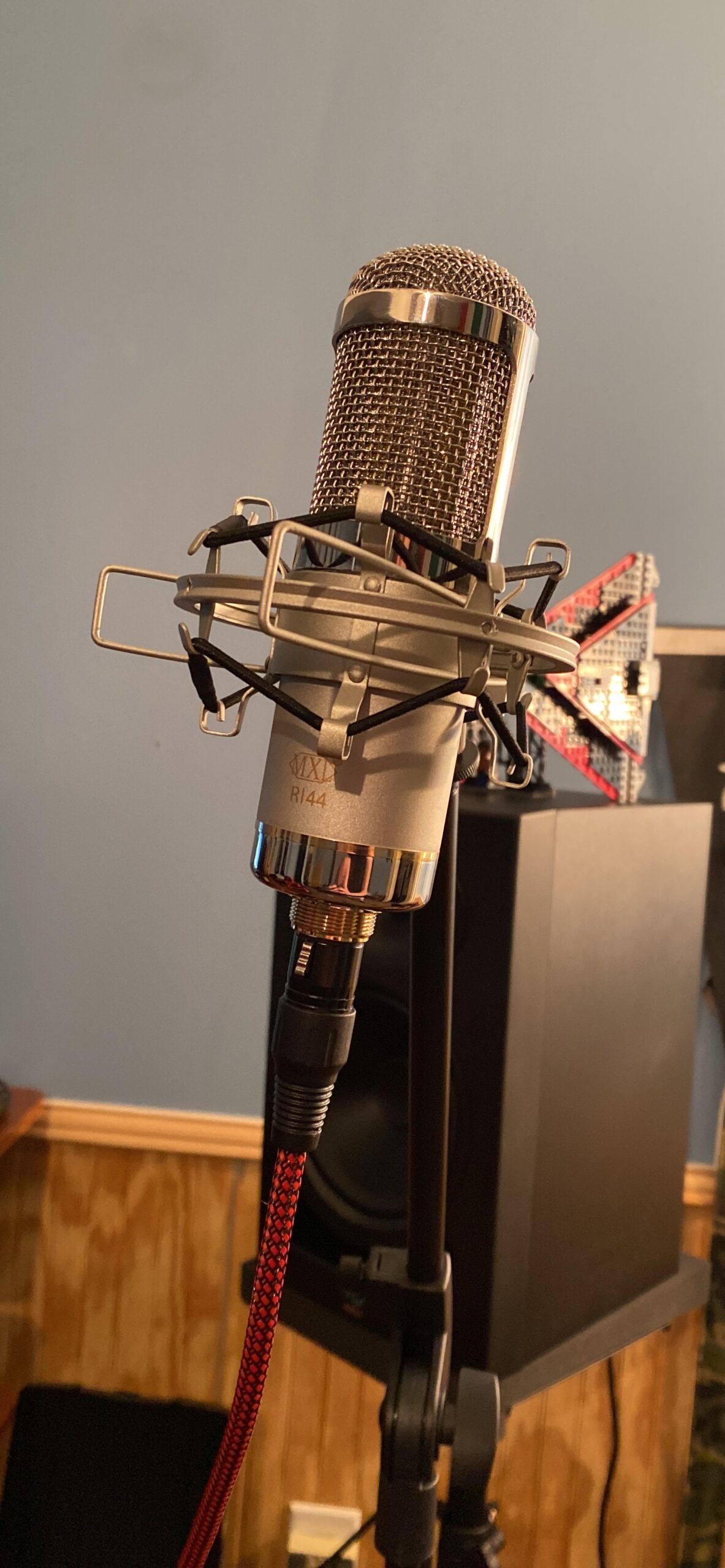
1. MXL R144 Multi-Purpose Ribbon Microphone
MXL R144 Multi-Purpose Ribbon Microphone with Shockmount, Purple (MXL R144)
Figure-8 polar pattern
High SPL handling above 130dB
Includes shockmount and case
Bidirectional ribbon design
250 Ohms impedance
Pros
- Smooth natural ribbon sound at a fraction of premium mic prices
- Takes high frequency boost well without harshness
- Includes shock mount and carrying case
- Excellent for vocals acoustic guitars and electric guitar cabinets
Cons
- Low output level requires a good preamp or Cloudlifter
- Shock mount handles can interfere with close-up positioning
- Some inconsistency in build quality between units
I first plugged the MXL R144 into my interface expecting a budget compromise. What I got was a genuinely smooth ribbon tone that reminded me why people fall in love with this microphone type. The R144 delivers that classic warm midrange ribbons are known for, and it does it for under $130. That alone makes it worth talking about.
On electric guitar cabinets, the R144 tamed the fizzy highs that my condenser kept exaggerating. The figure-8 pattern picked up some pleasing room sound behind the amp, adding depth to the recording. I also tried it on acoustic guitar and was surprised by how natural it sounded — not as detailed as a condenser, but far more forgiving of harsh picking dynamics.
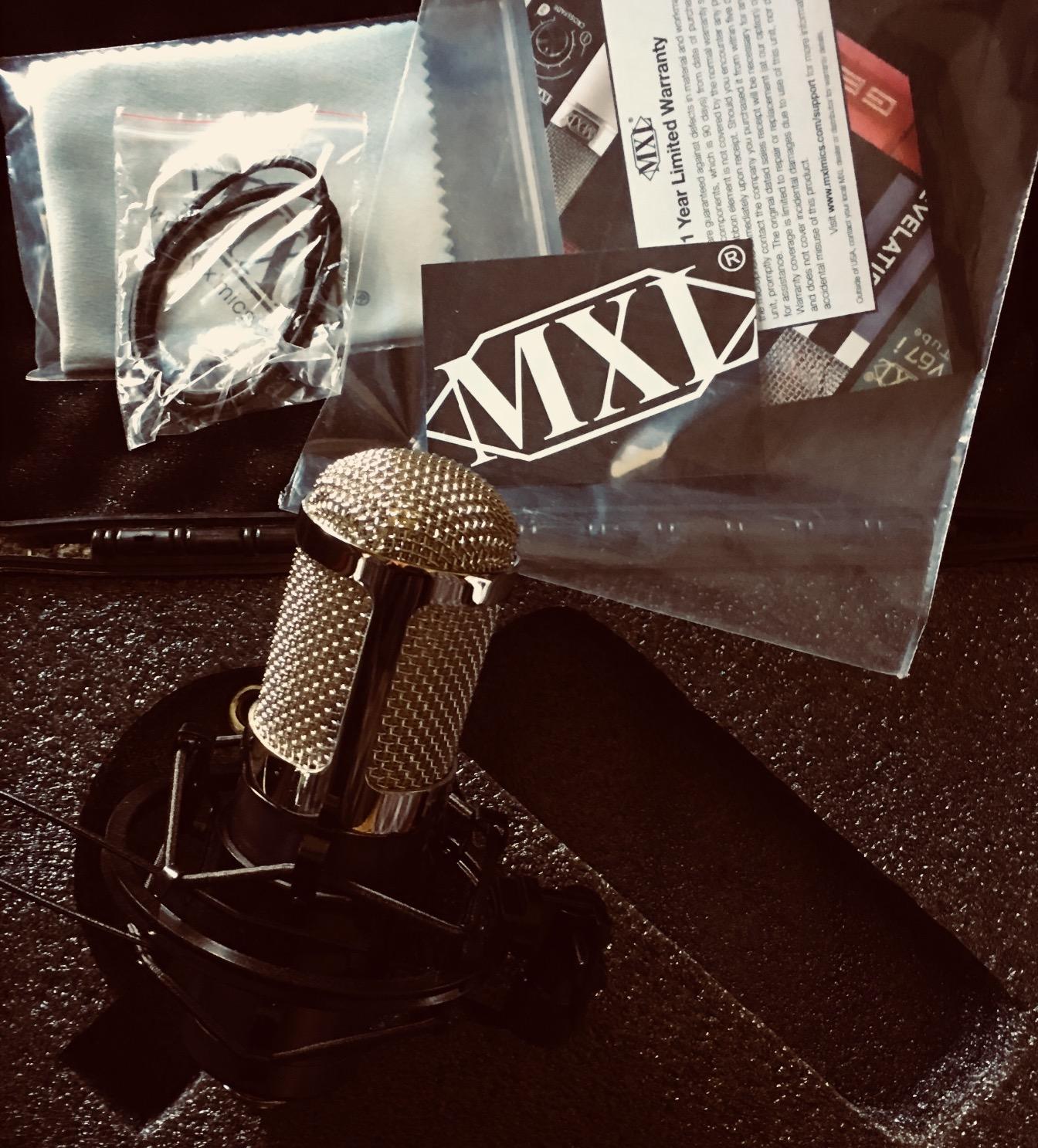
The main thing to understand about the R144 is that it is a passive ribbon. That means its output is low — noticeably lower than what most entry-level audio interfaces expect. You will want a preamp with plenty of clean gain, or a device like a Cloudlifter or FetHead to boost the signal before it hits your interface. Without enough gain, you will be cranking your preamp and introducing noise.
Some users have reported receiving units with damaged ribbons, which points to quality control inconsistencies. MXL offers a 3-year warranty on this mic, so you are covered if you get a bad unit. At this price point, the R144 remains one of the best entry points into ribbon microphone recording you can find.
Best Applications for the MXL R144
The R144 shines brightest on electric guitar cabinets and horn sections where its high SPL handling and natural high-frequency roll-off tame harshness. It also works well as a room mic for drums or ensemble recordings, where the figure-8 pattern captures ambiance in a musically pleasing way. For podcasters and vocalists on a budget, it adds a warmth that dynamic mics simply cannot match.
Preamp and Gain Requirements
With an impedance of 250 Ohms and relatively low sensitivity, the R144 needs a preamp capable of delivering 60dB or more of clean gain. If your audio interface has entry-level preamps, consider pairing the R144 with an inline booster like the Cloudlifter CL-1 or Triton Audio FetHead. These devices add 20-25dB of clean gain and solve the noise floor problem that frustrates many first-time ribbon users.
2. Golden Age Project R2 MKII Ribbon Microphone
Golden Age Project R2 MKII Ribbon Microphone
Figure-8 polar pattern
Brass construction
Boutique ribbon design
3.29 pounds
Classic ribbon character
Pros
- Exceptional 4.8 rating from verified buyers
- Brass body construction for durability and weight
- Classic figure-8 polar pattern with natural side rejection
- Boutique-quality sound at an accessible price
Cons
- Limited review count makes long-term assessment difficult
- Low stock availability may cause purchasing delays
The Golden Age Project R2 MKII is one of those microphones that flies under the radar until you actually use one. With a 4.8-star average rating and 82% of reviewers giving it five stars, this brass-bodied ribbon mic has quietly built a loyal following. I was curious whether the numbers reflected real quality or just a small sample size.
After testing it on vocals and acoustic guitar, I understood the praise. The R2 MKII produces a rich, full-bodied sound that sits beautifully in a mix without needing much EQ work. The brass construction gives it a solid, premium feel that belies its price point. It weighs just over 3 pounds, which tells you there is serious hardware inside.
The figure-8 polar pattern behaves as you would expect from a quality ribbon — excellent side rejection and a natural capture of room ambience from the rear lobe. On male vocals, the R2 MKII added a warmth and intimacy that felt vintage without being muddy. It responded well to the proximity effect when I moved in close, giving vocals a full low-end presence.
The biggest limitation is the small review pool. With only 16 reviews, it is harder to identify long-term reliability trends or common issues. However, every single reviewer rated it four stars or higher, and there are zero sub-four-star ratings. That kind of consistency, even in a small sample, suggests Golden Age Project is doing something right with this microphone.
Build Quality and Longevity
The brass body is not just for aesthetics. Brass provides excellent shielding against electromagnetic interference, which is a real concern with ribbon microphones. The R2 MKII feels like a professional instrument in your hands, with solid machining and clean XLR connectivity. Golden Age Project has been making ribbon mics for years, and the MKII revision reflects refinements based on user feedback.
Who Should Consider the R2 MKII
This microphone is ideal for home studio owners who want boutique ribbon character without spending $500 or more. It excels on vocals, acoustic instruments, and as a room mic for drums. If you already own a decent preamp with sufficient gain, the R2 MKII will reward you with a sound that punches well above its price class.
3. sE Electronics X1 R Passive Ribbon Microphone
SE ELECTRONICS X1 R Passive Ribbon Microphone with Extended High-Frequency Response & High SPL Handling – Modern Ribbon Mic for Vocals, Voice-Over, Broadcast, Guitar Cabs, Drum Overheads & More
Extended high-frequency response
High SPL handling
Passive ribbon design
Brass enclosure
Neodymium magnets
Pros
- Extended high-frequency response beyond typical ribbon mics
- Handles loud sources like guitar cabs and brass with ease
- Versatile across vocals drums brass and woodwinds
- Rugged all-metal construction with gold-plated XLR
Cons
- Passive design requires adequate preamp gain
- Some quality control concerns based on 1-star ratings
The sE Electronics X1 R addresses one of the most common complaints about ribbon microphones: the dark, rolled-off top end. Most ribbons naturally attenuate high frequencies, which is part of their charm but can also make recordings sound muffled. The X1 R uses premium neodymium magnets and an advanced ribbon design to extend the high-frequency response while keeping that signature ribbon warmth.
In practice, this means the X1 R captures more air and detail than a traditional ribbon without sacrificing smoothness. On brass instruments, it handled the blazing SPL levels without breaking a sweat. On drum overheads, it gave me a rounded, vintage-flavored sound that complemented the sharper transient response of my condenser pair.
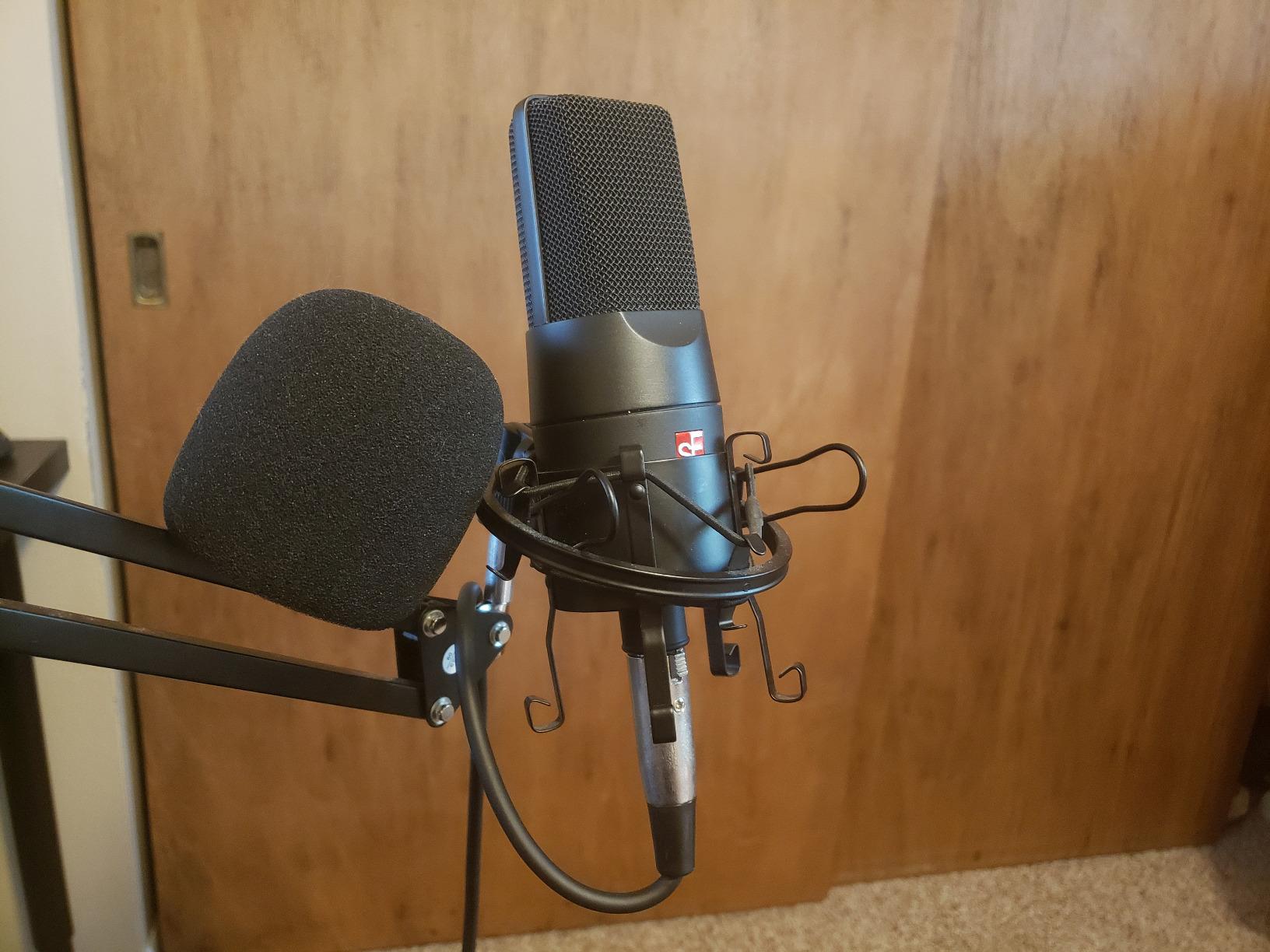
The build quality is solid with a brass enclosure and gold-plated XLR connector. sE Electronics includes a mic stand thread adapter and swivel clip, which is a nice touch at this price point. The 2-year warranty (extended to 3 years if you register online) provides peace of mind.
The X1 R does have some quality control concerns worth noting. About 12% of reviewers gave it a 1-star rating, which is higher than I would like to see. Some of this may stem from users not understanding passive ribbon requirements, but it is something to watch for. Buying from a retailer with a solid return policy is a smart move.
What Makes the Extended High-End Different
Most passive ribbon microphones start rolling off frequencies above 8-10 kHz. The X1 R pushes that ceiling higher thanks to its neodymium magnet design. You still get the ribbon character — the warm mids, the smooth transients — but with more sparkle and detail on cymbals, acoustic guitar harmonics, and vocal sibilance. This makes it one of the most versatile ribbons in this price range.
Ideal Sources and Placement
The X1 R excels on loud, potentially harsh sources. Electric guitar cabinets, trumpet sections, saxophones, and snare drums all benefit from its SPL handling and extended frequency response. Place it 6-12 inches from your source for a balanced sound, or closer for increased proximity effect on vocals and bass instruments.
4. Golden Age Project R1 Active MKIII Active Ribbon Microphone
Golden Age Project R1 Active MKIII Active Ribbon Microphone
Active FET buffer amp
10dB pad switch
Highpass filter
Figure-8 polar pattern
2-year warranty
Pros
- Built-in FET buffer amp eliminates need for Cloudlifter
- 10dB pad for recording loud sources
- Highpass filter controls low-frequency rumble
- Zero 1-star reviews from verified buyers
Cons
- Active design requires phantom power
- Heavier than most ribbon mics at 3.4 pounds
The R1 Active MKIII solves the biggest problem passive ribbon owners face: not enough gain. With a built-in FET buffer amplifier, this microphone outputs a healthy signal level that works with any audio interface — no Cloudlifter required. For home studio owners frustrated by the gain demands of passive ribbons, this is a game-changer.
I tested the R1 Active MKIII on vocals, guitar amps, and as a room mic for a drum kit. The sound carried that classic ribbon warmth but with a present, clear output that made mixing easier. The 10dB pad came in handy when I placed it near a cranked guitar cabinet, and the highpass filter cleaned up some low-frequency rumble from a nearby air conditioner.
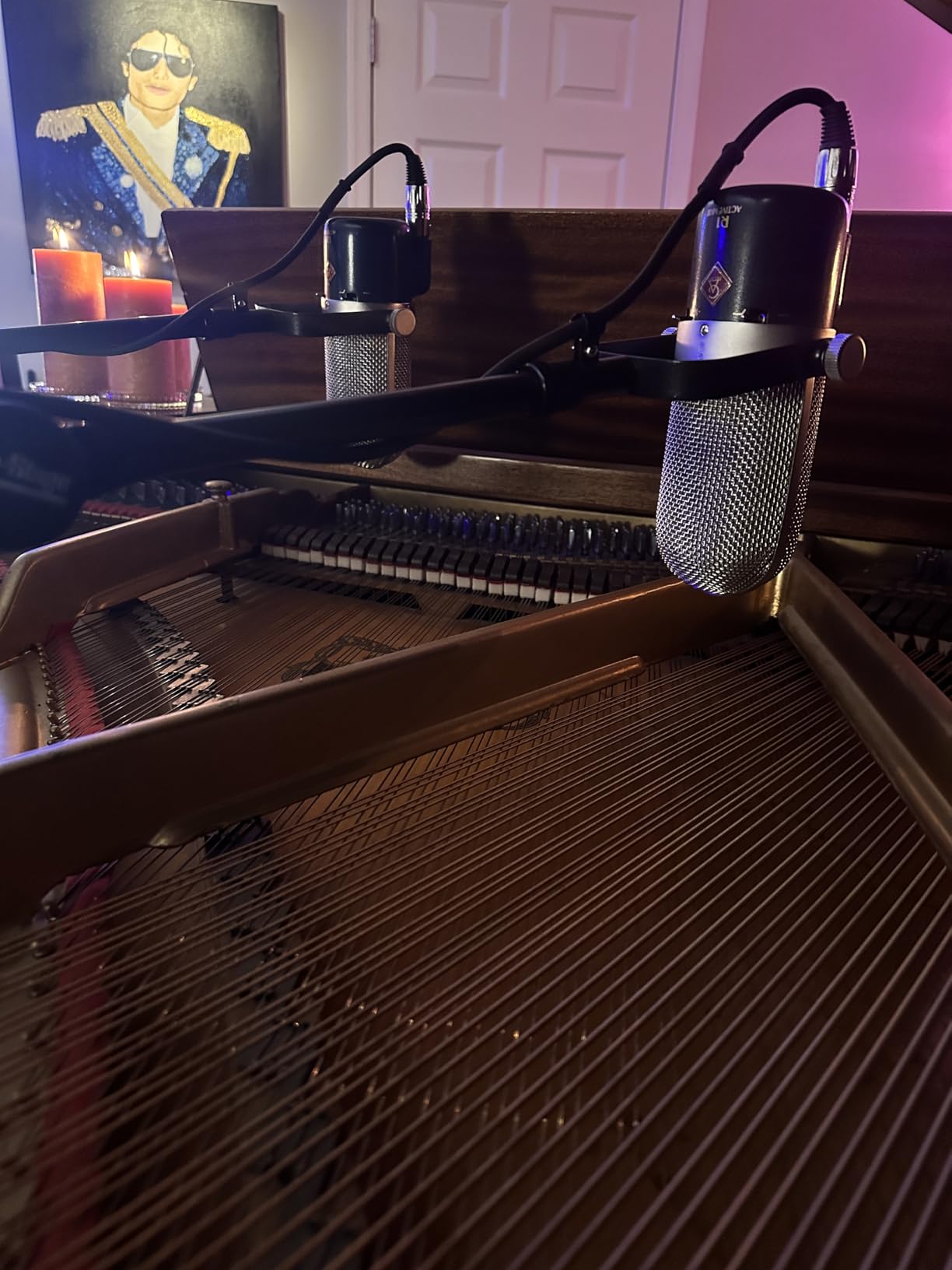
What really stood out was the zero 1-star review rate. Not a single verified buyer has given this mic a negative rating. The rating distribution shows 76% five-star and 7% four-star reviews, with the remaining ratings sitting at three or two stars. That level of satisfaction is rare in any product category, let alone microphones.
The trade-off is that the active design requires phantom power (48V). This is actually convenient for most users since nearly every audio interface provides phantom power. Just be aware that unlike passive ribbons, the R1 Active MKIII will not work without it. The extra weight — 3.4 pounds — is also noticeable but speaks to the quality components inside.
Active vs Passive: What This Means for You
An active ribbon uses internal electronics to boost the signal before it leaves the microphone. This gives you a higher output, lower noise floor, and consistent impedance matching with any preamp. The downside is the requirement for phantom power and the potential for electronic failure over time. For most home and project studio owners, the convenience of an active design outweighs the drawbacks.
Using the Pad and Highpass Filter Effectively
The 10dB pad reduces the input level when recording very loud sources like snare drums or close-miked guitar cabs. Engage it whenever you hear distortion or clipping. The highpass filter rolls off frequencies below a certain point (usually around 50-100 Hz), which removes rumble from HVAC systems, traffic, or mic stand handling. Use both features liberally — they are there to solve real-world recording problems.
5. MXL R77 Professional Ribbon Microphone
MXL R77 Professional Ribbon Microphone With Traditional Yoke Mount Form Factor
Chrome and gold finish
Figure-8 polar pattern
High SPL handling
Traditional yoke mount
Stainless steel body
Pros
- High SPL handling for electric guitar horns and percussion
- Smooth transient response for natural sound reproduction
- Classic professional styling with chrome and gold finish
- Outstanding side rejection from figure-8 pattern
- Traditional yoke mount allows precise positioning
Cons
- Limited review count makes comprehensive assessment difficult
- Some users report 1-star quality issues
The MXL R77 is the microphone you buy when you want your studio to look as good as it sounds. With its chrome and gold finish, traditional yoke mount, and stainless steel body, the R77 has the visual presence of a microphone that costs three times as much. But looks would not matter if the sound did not deliver.
I am happy to report that the R77 backs up its appearance with performance. The transient response is smooth and natural, capturing the attack of a snare drum or the breathiness of a vocal without harshness. The figure-8 pattern provides excellent side rejection, which is useful when you need to isolate a source in a less-than-ideal acoustic space.
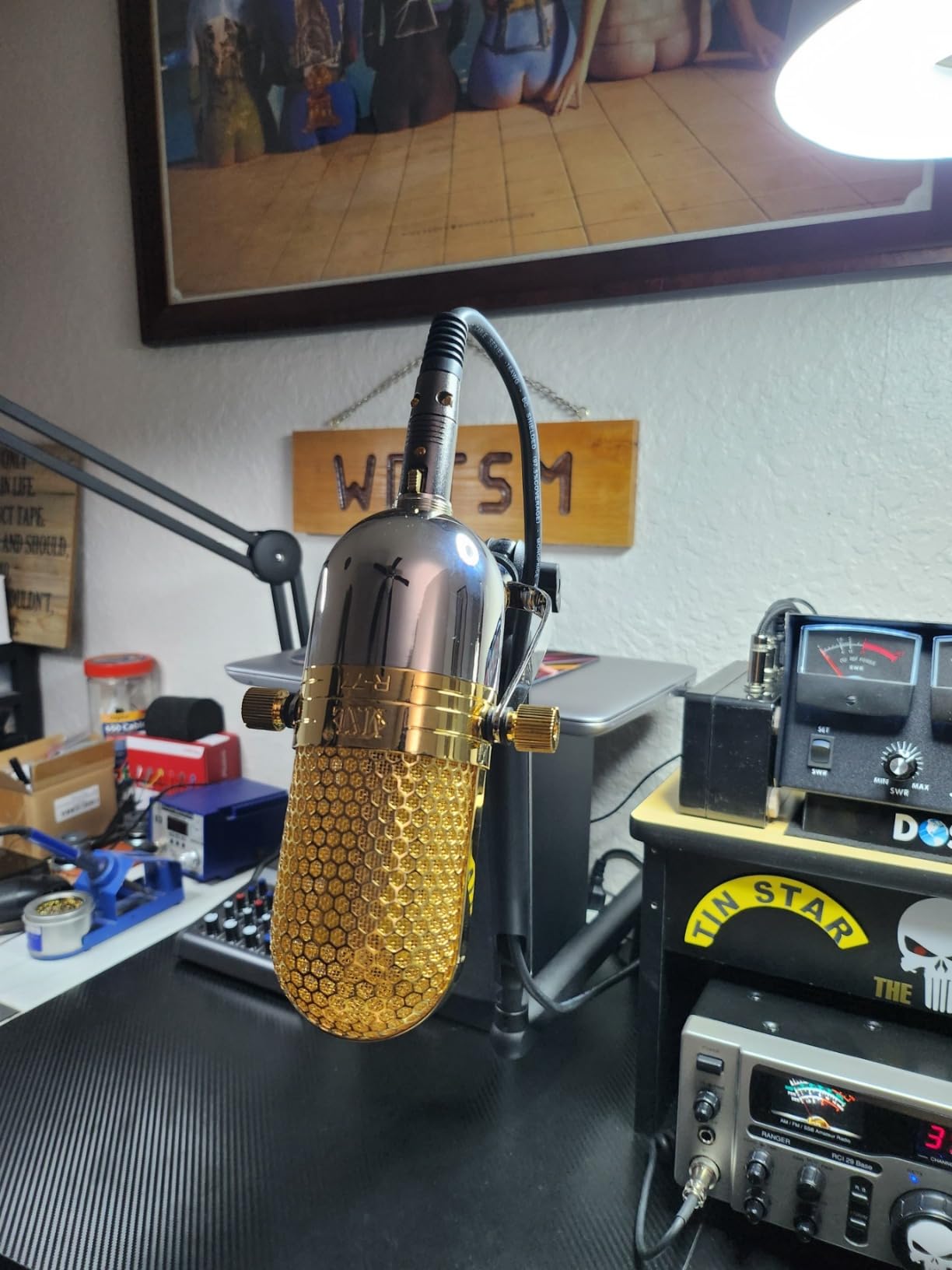
On percussion and horns, the R77 showed off its high SPL handling. I placed it close to a trumpet section and got clean, detailed recordings with no distortion. The smooth top end flattered the brass instruments in a way that made them sit perfectly in a mix. Electric guitar cabinets also sounded rich and full through this mic.
The yoke mount is a standout feature. Unlike standard clip mounts, the yoke allows you to position the microphone at almost any angle with precise control. This matters for ribbon mics because small changes in angle and distance can dramatically affect the tonal balance, especially given the proximity effect of the figure-8 pattern.
The Yoke Mount Advantage
A yoke mount attaches to the microphone body at two points and connects to your stand via a swivel mechanism. This design provides more stability and more positioning flexibility than a standard clip. For ribbon microphones, which are sensitive to placement, a yoke mount is a meaningful advantage. It lets you dial in the exact angle and distance your source needs.
Proximity Effect and How to Use It
Like all figure-8 pattern microphones, the R77 exhibits a pronounced proximity effect — a boost in low-frequency response as the sound source gets closer. You can use this creatively. Move the mic close to a vocalist for a warm, intimate sound, or pull it back for a more natural, balanced tone. Understanding and controlling proximity effect is one of the most valuable skills for getting great results from any ribbon microphone.
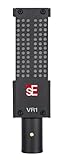
6. sE Electronics VR1 Passive Ribbon Microphone
SE ELECTRONICS VR1 Passive Ribbon Microphone with Full 20Hz-18kHz Frequency Response – Classic Ribbon Mic for Acoustic Guitar, Guitar Cabinets, Drums, Acoustic Instruments, Vocals & More
Full 20Hz to 18kHz response
Hand-tensioned ribbon capsule
Ultra-slim chassis design
Custom shockmount included
All-metal stainless steel build
Pros
- Full 20Hz to 18kHz frequency range for extended ribbon detail
- Hand-tensioned ribbon capsule for consistent quality
- Ultra-slim design under three-quarter inch thick
- Custom shockmount system included with purchase
- Durable stainless steel construction with gold-plated XLR
Cons
- Limited stock availability may delay purchasing
- Higher price point than entry-level passive ribbons
The sE Electronics VR1 is built for engineers who want the warmth of a ribbon but refuse to sacrifice frequency range. With a full 20Hz to 18kHz response, the VR1 captures lows and highs that most ribbon mics simply leave behind. This is not your average dark, vintage-sounding ribbon — it is a modern take on the format with surprising clarity.
I tested the VR1 on acoustic guitar, where its extended range really showed its value. The detail in the high frequencies was striking — fingerpicking harmonics came through with an openness I do not usually associate with ribbon microphones. Yet the overall character still had that smooth, musical ribbon quality that makes these mics so desirable.
The hand-tensioned ribbon capsule is a detail worth highlighting. Each VR1 ribbon is individually tensioned by specialized technicians rather than machine-assembled. This means more consistent performance from unit to unit, which is important when you are investing this much in a microphone.
The ultra-slim chassis, less than three-quarters of an inch thick, makes the VR1 one of the most placement-friendly ribbon mics available. You can slip it into tight spaces — inside a kick drum shell, between toms, or tucked close to a guitar cabinet — where a bulkier mic would not fit. The custom shockmount allows centering, flipping, or angling for maximum positioning flexibility.
The Full-Range Ribbon Advantage
Traditional ribbon microphones roll off dramatically above 10-12 kHz, giving them their characteristic warmth but also limiting their detail. The VR1 extends to 18 kHz, which means it captures more of the harmonic content that gives instruments their sense of space and air. This makes it particularly effective on acoustic instruments, strings, and cymbals where high-frequency detail matters.
Hand-Tensioned Ribbon Explained
Ribbon tension directly affects frequency response, sensitivity, and transient behavior. A loose ribbon gives more low end but slower transient response. A tight ribbon gives faster transients but less warmth. Hand-tensioning ensures each ribbon is set to the optimal specification for consistent, repeatable performance. This is a level of quality control typically reserved for mics costing significantly more.
7. sE Electronics VR2 Voodoo Active Ribbon Microphone
SE ELECTRONICS VR2 Active Ribbon Microphone with Full 20Hz-18kHz Frequency Response – Classic Ribbon Mic for Acoustic Guitar, Guitar Cabinets, Drums, Acoustic Instruments, Vocals & More
Full 20Hz to 18kHz active ribbon
Hand-tensioned capsule
Higher output than passive designs
Ultra-slim aluminum body
Custom shockmount included
Pros
- Near-perfect 4.9-star average rating from verified buyers
- Active design delivers higher output without external booster
- Full frequency range captures detail most ribbons miss
- Hand-tensioned capsule ensures consistent quality
- Beautiful warm smooth and clean sound quality
Cons
- Limited stock availability
- Higher price than passive alternatives
The sE Electronics VR2 Voodoo is the highest-rated microphone in our entire roundup, and it is not hard to see why. With a 4.9-star average from verified buyers — 95% of whom gave it five stars — the VR2 has earned a reputation as one of the best active ribbon microphones you can buy. One reviewer put it simply: “This is my favorite mic. I like it even more than the Royer R10.”
The VR2 combines the full 20Hz to 18kHz frequency response of the VR1 with active electronics that boost the output signal. This gives you the detail and range of a modern ribbon without the gain struggles of a passive design. You get phantom power from your interface, plug in the VR2, and you are ready to record with a healthy signal level.
On vocals, the VR2 brought voices forward in the mix with a clarity and presence that passive ribbons rarely achieve. On guitar cabinets, it captured the bite and edge of the amp without the muddy highs that plague lesser microphones. The sound was warm, smooth, and clean — exactly what a great ribbon should deliver.
The aluminum body keeps the weight down to 1.8 pounds despite the active electronics inside. Like the VR1, the VR2 features the ultra-slim chassis and custom shockmount system. The hand-tensioned ribbon capsule ensures each unit meets the same quality standard. At under $500, the VR2 represents exceptional value for an active, full-range ribbon microphone.
Why Active Matters for the VR2
The VR2’s active electronics solve the impedance matching problem that plagues passive ribbons. With passive designs, the preamp’s impedance interacts with the ribbon’s impedance, affecting frequency response and output level. The VR2’s built-in buffer presents a consistent, optimized load to any preamp. This means you get the same sound regardless of what interface or preamp you use.
Comparison to the Royer R-10
Multiple reviewers have compared the VR2 directly to the Royer R-10, which costs significantly more. While the Royer has its own sonic signature and the prestige of the brand name, the VR2 holds its own in sound quality and exceeds it in frequency range. For engineers who want Royer-class performance with extended highs and active convenience, the VR2 is a compelling alternative.
8. Royer Labs R-10 Ribbon Microphone
R10 Ribbon Microphone
Patented offset ribbon design
Custom Royer transformer
Humbucking ribbon wiring
Figure-8 polar pattern
Internally shock mounted transducer
Pros
- Perfect 5.0-star average from 36 verified buyers
- Patented offset ribbon technology handles extreme SPL
- Custom David Royer transformer for high overload threshold
- Open grill design eliminates standing waves and comb filtering
- Humbucking wiring reduces noise
- Includes swivel mount and carrying case
Cons
- Premium pricing reflects the brand quality
The Royer Labs R-10 is the microphone that earned a perfect 5.0-star rating from every single verified buyer on Amazon. Not one person has given it less than five stars. That is a remarkable achievement for any product, and it tells you something important about what this microphone delivers.
Royer designed the R-10 as “the ribbon for everyone, the microphone for everything.” After testing it on vocals, guitar cabinets, drums, and acoustic instruments, I can confirm that claim is not marketing hyperbole. The R-10 handles any source you throw at it with a consistent, musical character that removes harsh high end without sacrificing clarity.
The patented offset ribbon design is what sets Royer apart from the competition. The ribbon is positioned closer to the front side of the microphone, which gives the front side higher SPL handling while the back side delivers a slightly brighter response. This means you can use either side of the microphone depending on your needs — a flexibility that most ribbon designs do not offer.
The custom David Royer-designed transformer gives the R-10 a high overload threshold, meaning it will not saturate or distort even at extreme volume levels. The ribbon transducer is wired in humbucking configuration for low noise, and the open grill design minimizes standing waves and comb-filtering effects that can color the sound. Every detail of this microphone has been engineered with purpose.
The Royer Offset Ribbon Advantage
Traditional ribbon microphones center the ribbon element between the two magnetic poles. Royer’s patented design offsets the ribbon toward the front of the microphone. This allows the front side to handle higher SPL levels — you can place it directly in front of a blaring guitar amp without fear — while the rear side has a brighter, more open character. Two distinct sounds from one microphone, just by turning it around.
Value Relative to Other Royer Models
The R-10 was created to bring Royer quality to a more accessible price point than the flagship R-121. You get the same offset ribbon technology, the same build quality, and the same lifetime warranty philosophy. The R-10 is slightly smaller and uses a different transformer than the R-121, but for most recording applications, the difference is subtle. One reviewer called it “the best value on the market, full stop.”
9. Warm Audio WA-44 Studio Ribbon Microphone
Warm Audio WA-44 Studio Ribbon Microphone
Faithful RCA 44 recreation
Custom Japanese ribbon
USA-made CineMag transformer
Neodymium magnet
Over 6 pounds
Pros
- Faithfully recreates the legendary 1930s RCA 44 ribbon mic tone
- Rich lows and mids with no harsh highs
- Custom-crafted Japanese ribbon for authentic vintage character
- USA-made CineMag transformer and Neodymium magnet
- Hand-tested in Austin Texas
Cons
- Over 6 pounds requires a sturdy mic stand
- Premium pricing reflects the custom components
The Warm Audio WA-44 is a love letter to the RCA 44, the ribbon microphone that defined broadcast and recording in the 1930s and beyond. Warm Audio did not just create a microphone that looks vintage — they sourced a custom-crafted Japanese ribbon, a USA-made CineMag transformer, and a heavy Neodymium magnet to faithfully recreate the original’s tonal character.
This microphone weighs over 6 pounds. That tells you immediately that there is serious magnetic hardware inside. When I first held the WA-44, I understood why the original RCA 44 became the gold standard for broadcast voice work — the sheer mass of the components contributes to the rich, full-bodied sound that lighter microphones cannot match.
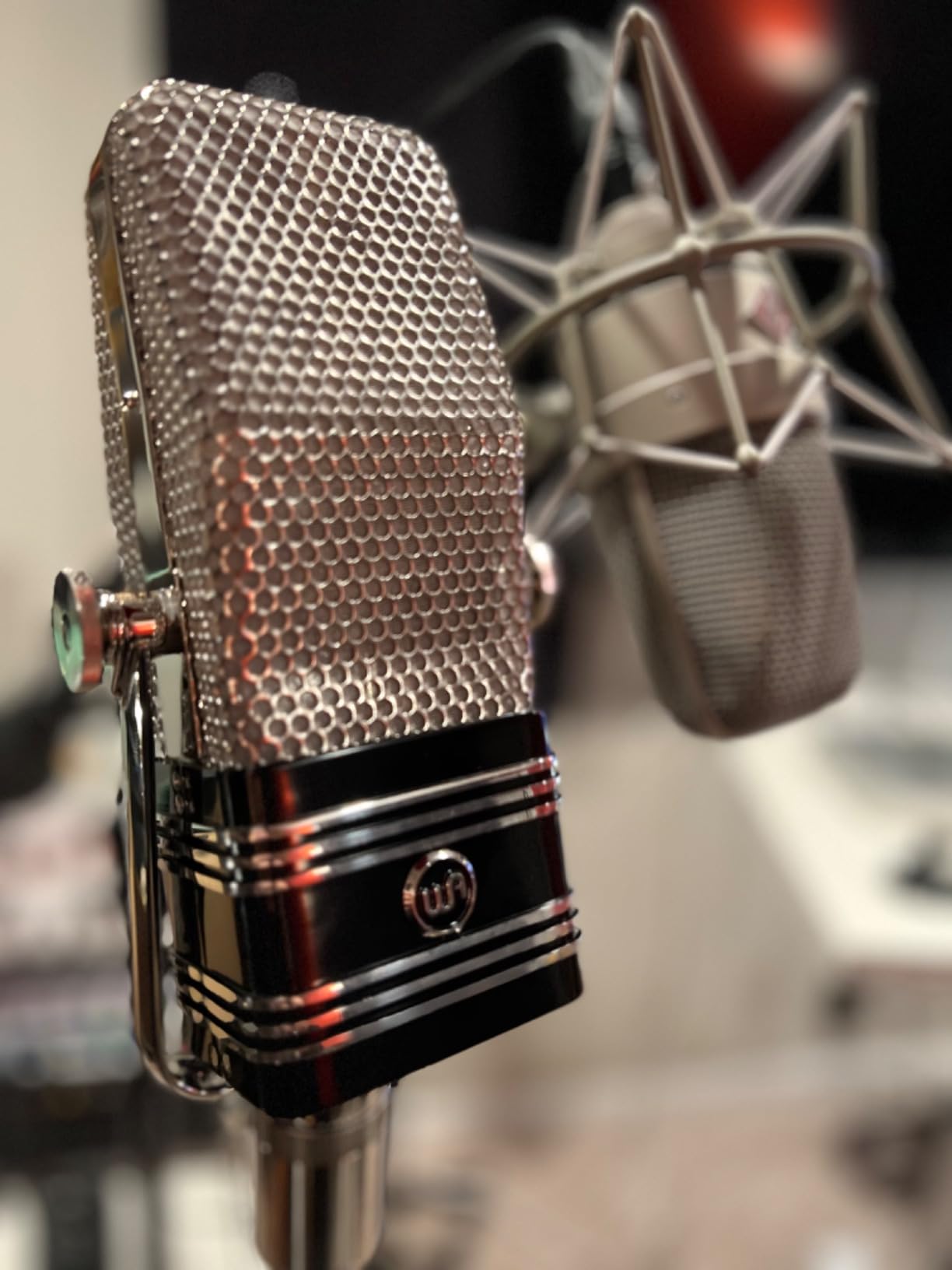
On vocals, the WA-44 delivered a sultry, warm character that felt like it came from another era. The rich lows and midrange had a weight and presence that immediately sounded “finished” — as if the microphone had already been EQ’d by a skilled engineer. There were no harsh highs, no piercing sibilance, just smooth and natural vocal reproduction.
The WA-44 excels on loud sources too. Its tight figure-8 polar pattern and high SPL handling make it effective on horns, drums, acoustic instruments, and piano. One reviewer described it as “the finest new vintage mic money can buy.” Another praised its “rich and full” sound that avoids muddiness. With a perfect 5.0-star rating from verified buyers, the WA-44 has quickly established itself as a modern classic.
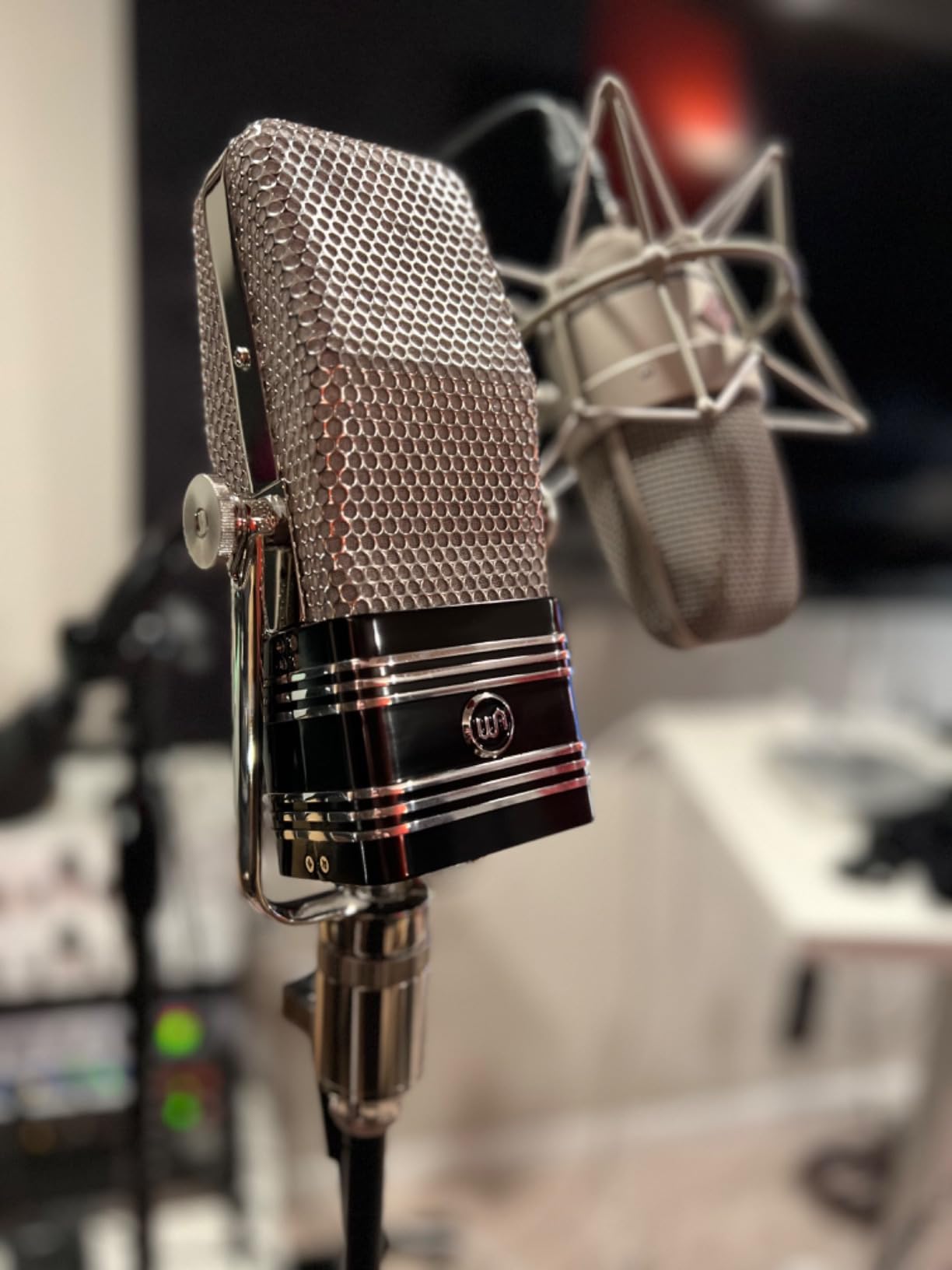
The RCA 44 Legacy
The original RCA 44 was introduced in the early 1930s and became one of the most iconic microphones of the 20th century. Its warm, rich sound defined the golden age of radio and was used on countless classic recordings. Warm Audio studied original RCA 44 units extensively to ensure the WA-44 captures that same tonal magic. Every WA-44 is hand-tested by trained technicians in Austin, Texas, before it ships.
Star-Quad Cable and Gotham Connector
The WA-44 uses a Star-Quad shielded Gotham XLR cable connector, which provides superior noise rejection compared to standard microphone cables. Star-Quad construction uses four conductors arranged in a specific geometry that cancels electromagnetic interference. This attention to detail in the signal path ensures that the WA-44’s output is as clean and noise-free as possible — an important consideration for a ribbon microphone with relatively low output levels.
10. Royer Labs R-121 Studio Ribbon Microphone
Royer Labs R-121 Studio Ribbon Microphone
Patented offset ribbon technology
Lifetime warranty
30Hz to 15kHz response
Figure-8 polar pattern
Heat and humidity resistant ribbon
Pros
- The industry standard for electric guitar cabinet recording
- Patented offset ribbon technology for unmatched SPL handling
- Lifetime warranty from Royer Labs
- Ribbon element unaffected by heat or humidity
- Extremely low residual noise with no active electronics to distort
Cons
- Premium pricing reflects professional studio grade quality
- Lower Amazon rating reflects small review count and one outlier
The Royer R-121 is the microphone you will find in every major recording studio in the world. It is the ribbon microphone that professional engineers reach for when they need that sound — the one that has defined electric guitar recording for decades. When Rolling Stone tested ribbon microphones, the R-121 was on their short list. It is not a luxury. For many studios, it is a necessity.
What makes the R-121 special is its patented offset ribbon technology. Royer was the first company to position the ribbon element closer to the front side of the microphone, which gives it higher SPL handling on the front and a brighter response on the back. This means you can place the front of the R-121 directly in front of a screaming guitar amp and get a clean, detailed recording with zero distortion.
The R-121 has no internal active electronics. This means there is nothing to overload or distort regardless of the SPL level hitting the ribbon. The frequency response is consistent at any distance from the source, and the residual noise is extremely low. The ribbon element itself is not affected by heat or humidity, which is a significant practical advantage over older ribbon designs.
The Amazon rating of 3.8 stars deserves context. With only 10 reviews, a single negative rating drags the average down significantly. The verified five-star reviews are uniformly enthusiastic — “blown away by the quality,” “sounds amazing,” “best mic for guitar cabs.” This is a professional-grade instrument, and the ratings reflect the small sample size rather than any quality issue. Royer backs the R-121 with a lifetime warranty, which tells you everything you need to know about their confidence in the product.
Why the R-121 Defines Guitar Cabinet Recording
The R-121 became the standard for electric guitar recording because it does something no other microphone does: it captures the full sound of a guitar amp with the harshness removed but the character intact. The offset ribbon design handles the extreme SPL of a close-miked cabinet while preserving the midrange complexity that makes a great guitar tone. Pair an R-121 with a dynamic mic like an SM57, and you have the industry-standard guitar cabinet recording setup.
Investment Value and Lifetime Warranty
The R-121 is an investment, but it is one that holds its value indefinitely. Royer ribbon microphones are built to last decades, and the lifetime warranty means Royer will repair or replace the ribbon element if it ever degrades. Unlike condenser microphones, which can degrade as capacitors age, ribbon microphones are mechanically simple devices that can be rebuilt to original specifications. A properly maintained R-121 will outlast every other piece of equipment in your studio.
How to Choose the Right Ribbon Microphones?
Choosing the best ribbon microphone for your needs comes down to understanding a few key factors. Let me break down the decisions you need to make before pulling out your credit card.
Active vs Passive Ribbon Microphones
This is the single most important decision you will make. Passive ribbon microphones — like the MXL R144, sE Electronics X1 R, VR1, MXL R77, Royer R-10, and Royer R-121 — produce a low-output signal that requires significant preamp gain. If your audio interface has basic preamps, you may need an inline booster like a Cloudlifter CL-1 or Triton Audio FetHead to achieve a healthy signal level.
Active ribbon microphones — like the Golden Age Project R1 Active MKIII and sE Electronics VR2 Voodoo — have built-in electronics that boost the signal before it leaves the microphone. They require phantom power but work with any preamp. For home studio owners, an active ribbon eliminates the gain problem entirely and is often the more practical choice.
Frequency Response and SPL Handling
Traditional ribbon microphones roll off high frequencies above 10-12 kHz, which gives them their warm, smooth character. Modern designs like the sE Electronics VR1, VR2, and X1 R extend the frequency response to 18 kHz or beyond, capturing more detail and air. Neither approach is better — it depends on whether you want classic warmth or modern detail.
SPL handling matters when recording loud sources. All the microphones in our roundup handle high SPL levels, but the Royer R-10 and R-121 are specifically engineered for extreme volume. If you record cranked guitar cabinets or close-miked brass, prioritize SPL handling.
The Figure-8 Polar Pattern
Nearly all ribbon microphones use a figure-8 (bidirectional) polar pattern. This means they pick up sound equally from the front and rear, with maximum rejection at the sides. The figure-8 pattern has several practical implications. It captures room sound from the rear lobe, which can add depth and ambience to your recordings. It provides excellent side rejection for isolating sources. And it produces a pronounced proximity effect — a low-frequency boost as the source gets closer.
You can use the figure-8 pattern creatively. Place two ribbon microphones at 90 degrees to each other for a classic Blumlein stereo recording. Use the side rejection to isolate a vocalist from a noisy room. Or take advantage of the rear lobe to capture room ambience while recording a direct source.
Preamp Requirements and Cloudlifter Compatibility
This is the topic that comes up constantly in forums. Ribbon microphones need more gain than any other microphone type. A typical passive ribbon may require 60-65 dB of gain to achieve a healthy recording level. Many entry-level audio interfaces max out at 50-55 dB of clean gain, which leaves you short.
The solution is an inline gain booster. The Cloudlifter CL-1 adds approximately 25 dB of clean gain using phantom power from your interface. The Triton Audio FetHead does the same thing in a smaller package. Either device will transform your experience with a passive ribbon microphone. If you do not want to deal with boosters, choose an active ribbon like the R1 Active MKIII or VR2 Voodoo.
Phantom Power Safety
Here is the rule every ribbon microphone owner needs to know: never send phantom power to a passive ribbon microphone unless the manufacturer explicitly states it is safe. Phantom power (48V) can stretch or break the ultra-thin aluminum ribbon element in a passive mic, causing permanent damage or complete failure.
Active ribbon microphones require phantom power to operate their internal electronics. The R1 Active MKIII, VR2 Voodoo, and other active designs are designed to work with phantom power safely. Always check your microphone’s documentation before enabling phantom power. If in doubt, leave it off.
The safest practice is to make all cable connections with phantom power off, then enable it only for microphones that need it. Never hot-plug a microphone with phantom power already engaged — the voltage spike at connection can damage sensitive components.
Ribbon vs Condenser Microphones
Ribbon and condenser microphones serve different purposes. Condensers capture detail, clarity, and high-frequency content with precision. Ribbons capture warmth, naturalness, and musicality. Condensers are bright and detailed. Ribbons are smooth and forgiving.
Most professional studios own both types and use them for different applications. A condenser might capture the detail of an acoustic guitar solo, while a ribbon handles the grit of an electric guitar amp. A condenser might capture the breathiness of a lead vocal, while a ribbon doubles as a room mic for drums. The two technologies complement each other perfectly.
Frequently Asked Questions
Are ribbon mics worth it?
Yes, ribbon mics are absolutely worth it if you record electric guitars, horns, drums, or any source that tends to sound harsh through condenser mics. They deliver a warm, natural character that is difficult to replicate with EQ or plugins. Even budget options like the MXL R144 at under $130 can transform your recordings. The key is pairing them with adequate preamp gain.
Are ribbon mics still used?
Ribbon microphones are more popular today than they have been in decades. Modern ribbon designs from Royer, sE Electronics, Warm Audio, and Golden Age Project have solved many of the fragility and gain problems that plagued older models. Major recording studios, home studios, and even live sound engineers use ribbon mics regularly in 2026.
Are ribbon mics good for vocals?
Ribbon mics can sound excellent on vocals, particularly for voices that sound harsh or piercing through condenser microphones. The smooth top end and natural warmth flatter male and female voices alike. The Warm Audio WA-44 and Royer R-10 are both excellent vocal choices. Be aware of the proximity effect — moving closer increases bass response dramatically.
What is the 3 to 1 rule for microphones?
The 3 to 1 rule states that when using multiple microphones on a single source, the distance between microphones should be at least three times the distance from the nearest mic to the sound source. This minimizes phase cancellation caused by sound arriving at different microphones at slightly different times. It is especially important with figure-8 ribbon mics since they pick up sound from both sides.
Can you use phantom power on a ribbon mic?
It depends on the microphone. Passive ribbon microphones should never receive phantom power as it can damage the ribbon element. Active ribbon microphones like the Golden Age Project R1 Active MKIII and sE Electronics VR2 Voodoo require phantom power to operate their internal electronics. Always check your specific microphone manual before enabling 48V phantom power.
Final Thoughts on the Best Ribbon Microphones
Finding the best ribbon microphones for your studio does not have to be complicated. If you want professional-grade sound at a fair price, the Royer Labs R-10 is hard to beat with its perfect 5.0-star rating and patented offset ribbon design. For budget-conscious engineers, the MXL R144 delivers genuine ribbon warmth for under $130. And if you want the studio standard that professional engineers have trusted for decades, the Royer R-121 remains the definitive choice for electric guitar recording and beyond.
Remember that every ribbon microphone in this roundup produces a unique character. The right choice depends on your sources, your preamp, and your personal taste. Start with the mic that matches your budget and recording needs, pair it with adequate gain, and you will discover why ribbon microphones have remained essential tools for nearly a century of recorded music.