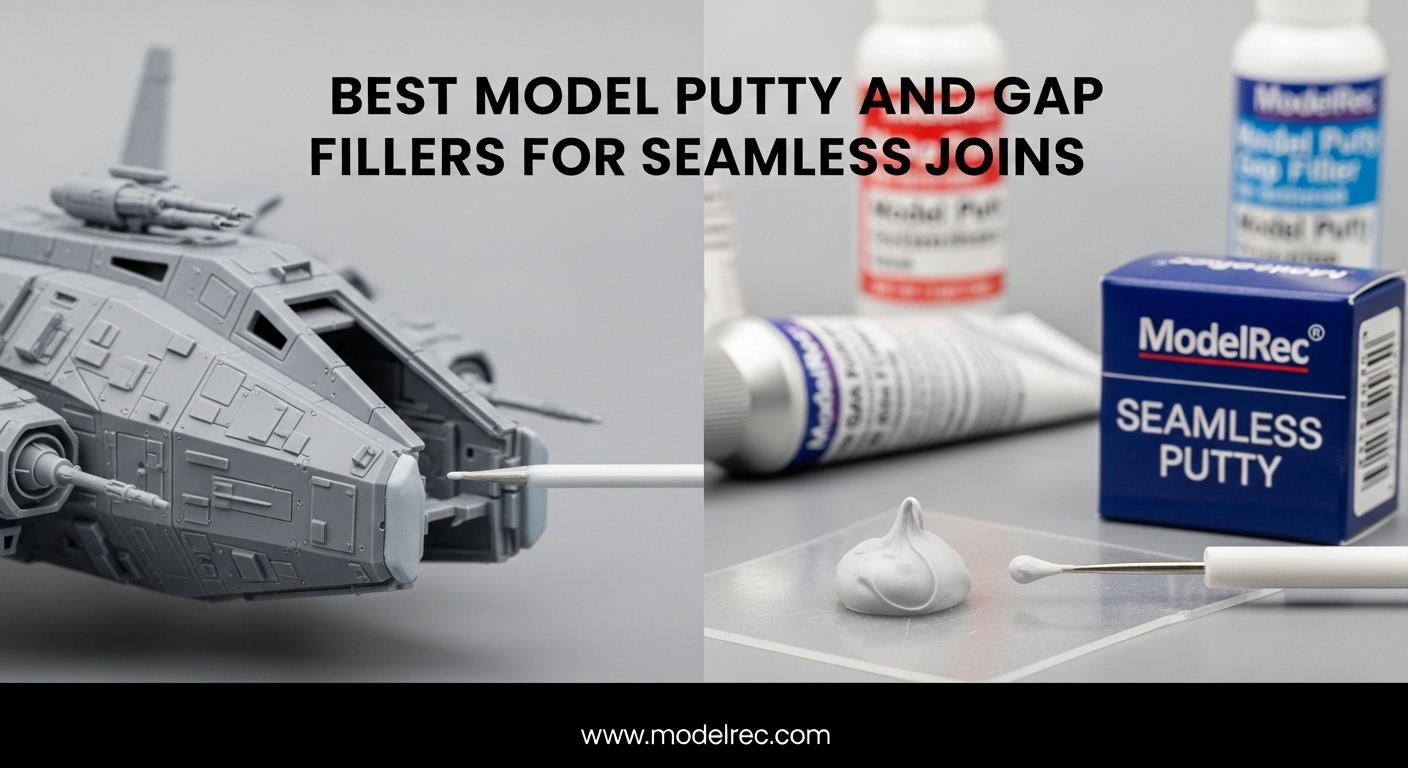
Building scale models and miniatures requires attention to detail at every stage. Even the best-designed kits often have visible seams where parts join, and those gaps need filling before you can achieve a professional finish. The right model putty gap filler bridges those imperfections, creating a smooth surface ready for primer and paint.
We spent months testing nine of the most popular gap fillers available, evaluating each on adhesion, ease of application, sanding properties, and final finish quality. Whether you work with plastic model kits, resin miniatures, or 3D printed parts, this guide covers the best model putty and gap fillers for seamless joins in 2026.
Table of Contents
Top 3 Picks for Model Putty and Gap Fillers
Our testing identified three standout products that excel for different needs and experience levels.

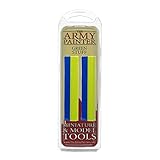
The Army Painter Green Stuff
- 20-30 min worktime
- 8 hour cure
- Great for conversions
- Includes tools

Tamiya Epoxy Sculpting Putty
- 12 hour worktime
- Smooth finish
- Very hard when cured
- Sculpting grade
9 Best Model Putty and Gap Fillers for Seamless Joins in 2026
This comparison table shows all nine products we tested, with key specifications to help you make an informed decision.
| Product | Specifications | Action |
|---|---|---|
| Tamiya Putty Basic Type |
|
Check Latest Price |
| The Army Painter Green Stuff |
|
Check Latest Price |
| Tamiya Epoxy Sculpting Putty |
|
Check Latest Price |
 Vallejo Plastic Putty Vallejo Plastic Putty |
|
Check Latest Price |
 Tamiya Epoxy Putty Quick Type Tamiya Epoxy Putty Quick Type |
|
Check Latest Price |
 Hartem Plastic Putty Hartem Plastic Putty |
|
Check Latest Price |
 AK Interactive Hard Putty AK Interactive Hard Putty |
|
Check Latest Price |
 Deluxe Materials Model Lite Deluxe Materials Model Lite |
|
Check Latest Price |
 Testors Contour Putty Testors Contour Putty |
|
Check Latest Price |
1. Tamiya Putty Basic Type
Tamiya USA TAM87053 Putty Basic Type
Gray colored
Quick drying
Minimum shrinkage
Pros
- Quick drying time
- Sands easily
- Excellent adhesion
- Works on multiple materials
- No solvent odor
Cons
- Limited stock availability
- Small quantity per tube
I applied this putty to several 1/35 scale tank kits where the hull halves had visible seam lines. The gray color blends well with plastic and becomes nearly invisible under primer. Using a modeling spatula, I pressed the putty into the gaps and let it sit for about 30 minutes.
The drying time impressed me most. Unlike water-based fillers that can remain soft for hours, Tamiya Basic Type firms up quickly without cracking. When I sanded it the next morning, it carved smoothly without gumming up my sandpaper.
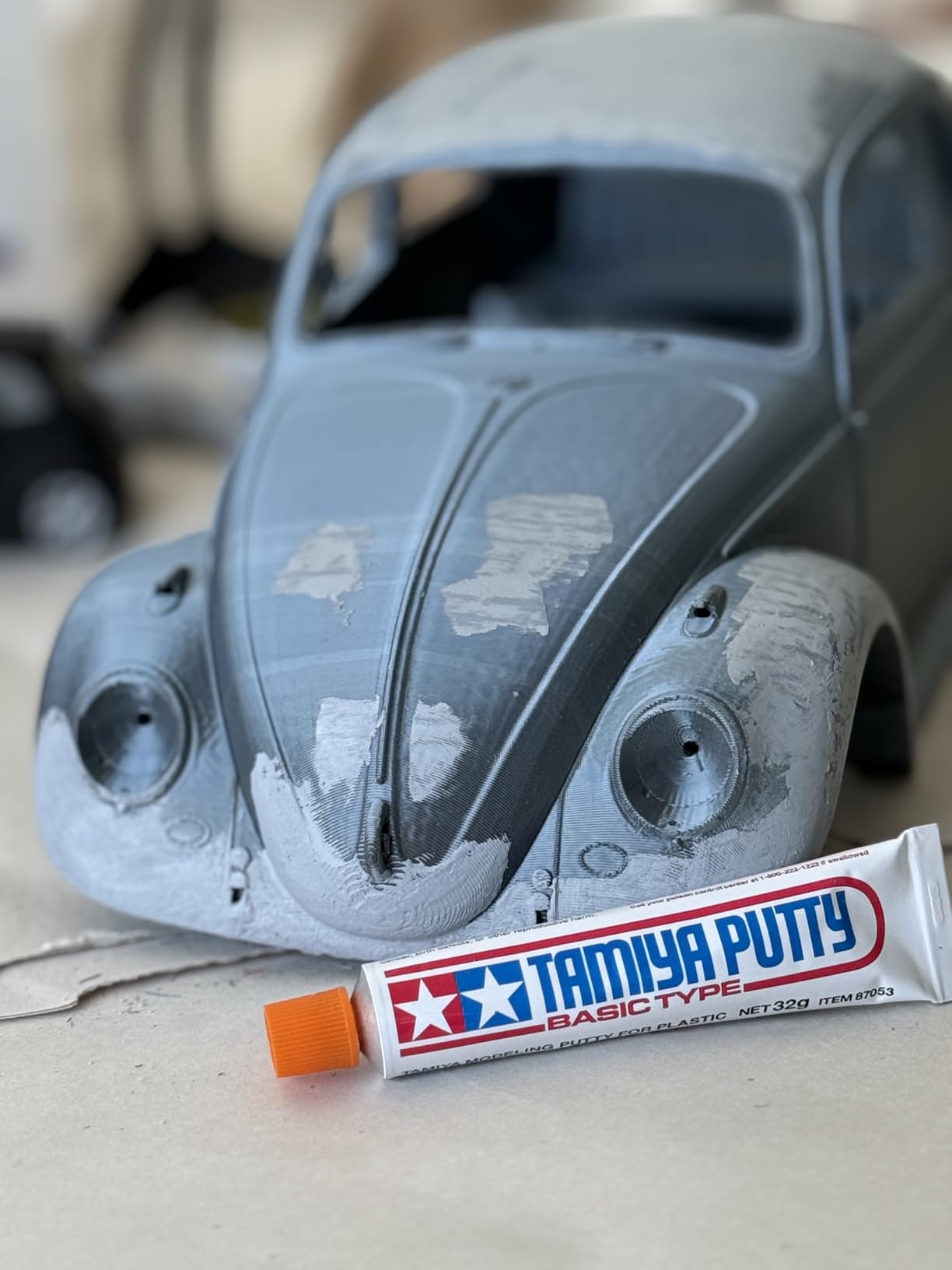
Shrinkage was minimal even on deeper gaps, though I did need a second thin application on gaps wider than 0.5mm. The adhesion works equally well on plastic, metal, and wood, making this my go-to choice for general model building.
Best for
This putty excels when you need fast results on standard plastic model kits. The quick drying time means you can sand and continue assembly the same day. It handles small to medium gaps effectively and requires no special preparation.
Considerations
Only one left in stock when we checked, so order soon if you want this product. Some users feel the tube contains less product than expected for the price, though the quality justifies the cost for most builders.
2. The Army Painter Green Stuff
The Army Painter Green Stuff, 2 Part Modelling Compound, 20 cm, 25 g, Mouldable Putty for Miniatures, Easy-to-Knead Epoxy for Sculpting
40g epoxy clay
20-30 min worktime
Fully cures in 8 hours
Pros
- Excellent worktime
- Strong adhesion
- Versatile for sculpting
- Includes tools
- Durable when cured
Cons
- Can stick to fingers
- Small amount for price
- Learning curve for best results
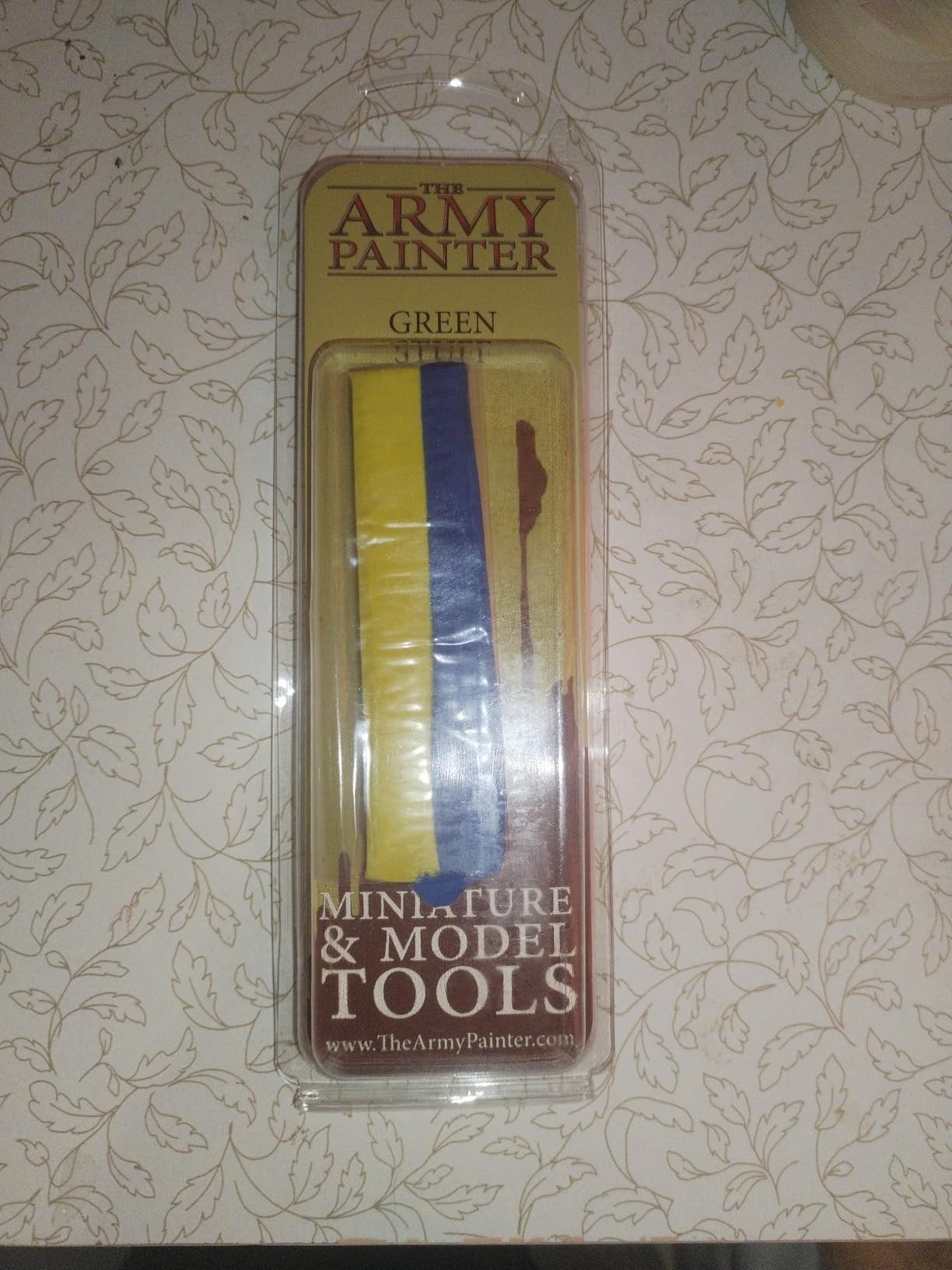
Green Stuff has been a hobby staple for decades, and The Army Painter’s version delivers the quality expect with added convenience. The two-part yellow and blue epoxy clay comes as a 20cm strip with tools included, giving you everything to start filling and sculpting.
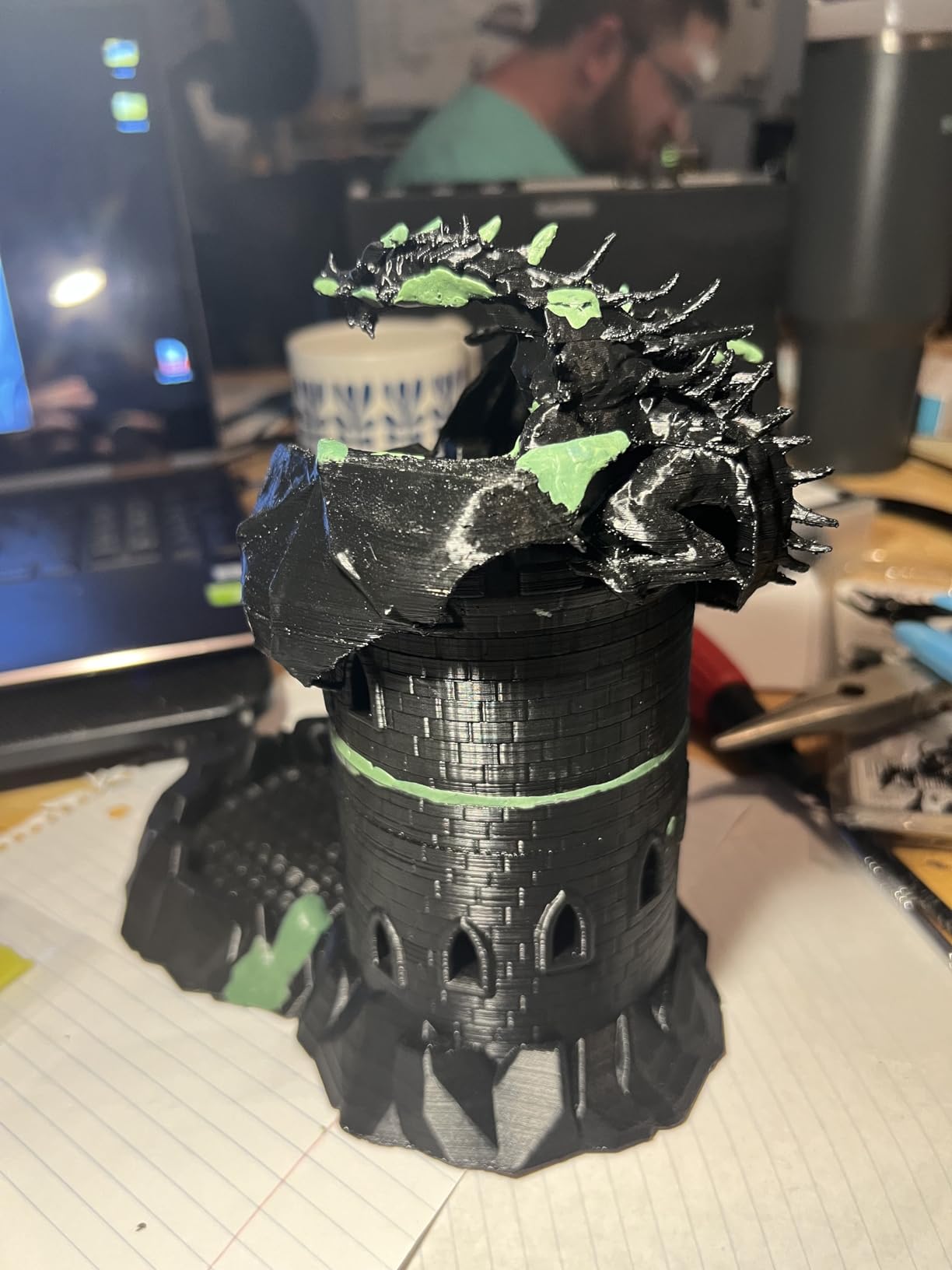
I mixed equal parts yellow and blue until I achieved a bright green color, then pressed it into gaps on a resin miniature that had several air bubble voids. The working time of 20-30 minutes gave me ample opportunity to shape and smooth the material before it began setting.
After eight hours of curing, the Green Stuff became rock solid yet remained workable with sharp tools. Unlike acrylic fillers that can chip or crack under stress, this epoxy formulation bonds tenaciously to both plastic and resin surfaces.
Best for
This product shines for miniature painters working with Warhammer-style figures, fantasy models, or any project requiring sculpting ability. The 8-hour cure time balances working convenience with fast turnaround compared to 24-hour alternatives.
Considerations
Damp tools help prevent sticking during application. The high tackiness means you may need practice to achieve smooth, clean edges on detailed work. For geometric shapes requiring sharp corners, alternative products may perform better.
3. Tamiya Epoxy Sculpting Putty
Epoxy Sculpting Putty by Tamiya
25g two-part
Can shape for 12 hours
Smooth surface finish
Pros
- Extended worktime
- Smooth consistency
- Holds fine details
- Cures very hard
- Great for modifications
Cons
- Small quantity
- High price per gram
- Limited stock
This two-part epoxy putty from Tamiya impressed me with its exceptional workability. Unlike standard modeling putties, this formulation stays workable for up to 12 hours after mixing, giving you unprecedented control over detailed sculpting and shaping work.
I used it to rebuild a damaged turret on a 1/16 scale tank, adding subtle cast texture and correcting mismatched panel lines. The blue and white components mix to a smooth consistency that does not stick to fingers, yet holds intricate surface details beautifully.
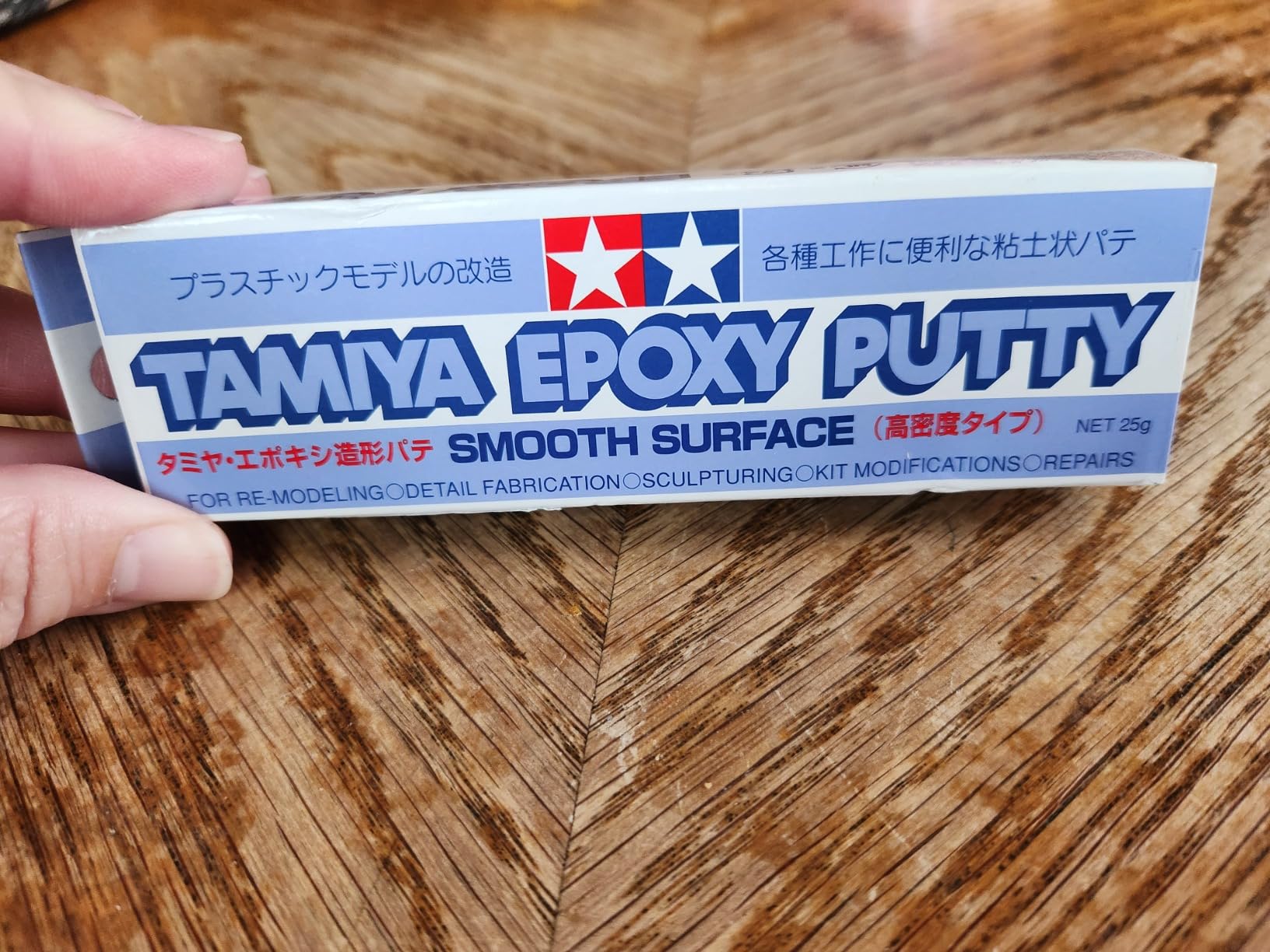
After full cure, the material becomes extremely hard yet remains carveable with sharp modeling tools. This makes it ideal for projects requiring fine adjustments or additions to existing kits. The cured surface accepts primer and paint without any additional preparation.
Best for
Experienced modelers tackling complex modifications, scratch building, or restoration work will appreciate this putty the most. The extended working time eliminates rush decisions during detailed sculpting sessions.
Considerations
The 25g quantity feels small for the price, making this better suited for spot repairs and detailed work rather than large-scale gap filling. Plan your projects carefully to maximize the product effectively.
4. Vallejo Plastic Putty
Vallejo – Plastic Putty 20 ml (0.67 fl.oz.) | White, Opaque, Consistent Finish
20ml tube
Water soluble
Acrylic formula
Pros
- Water cleanup
- Consistent finish
- Sands smooth
- Opaque white
- Great adhesion
Cons
- Shrinks when drying
- Hardens in tube after opening
- Requires multiple applications
Vallejo Plastic Putty has earned its reputation among modelers for good reason. This water-based acrylic formula applies smoothly and cleans up with just water, making it beginner-friendly without sacrificing quality results. I tested it across multiple gap sizes on plastic kit parts.
The consistency resembles thick cream, which allows smooth application with a modeling stick or brush. On shallow seams, a single application dried to an opaque white finish within 12 hours. However, deeper gaps revealed the main drawback: noticeable shrinkage during curing.
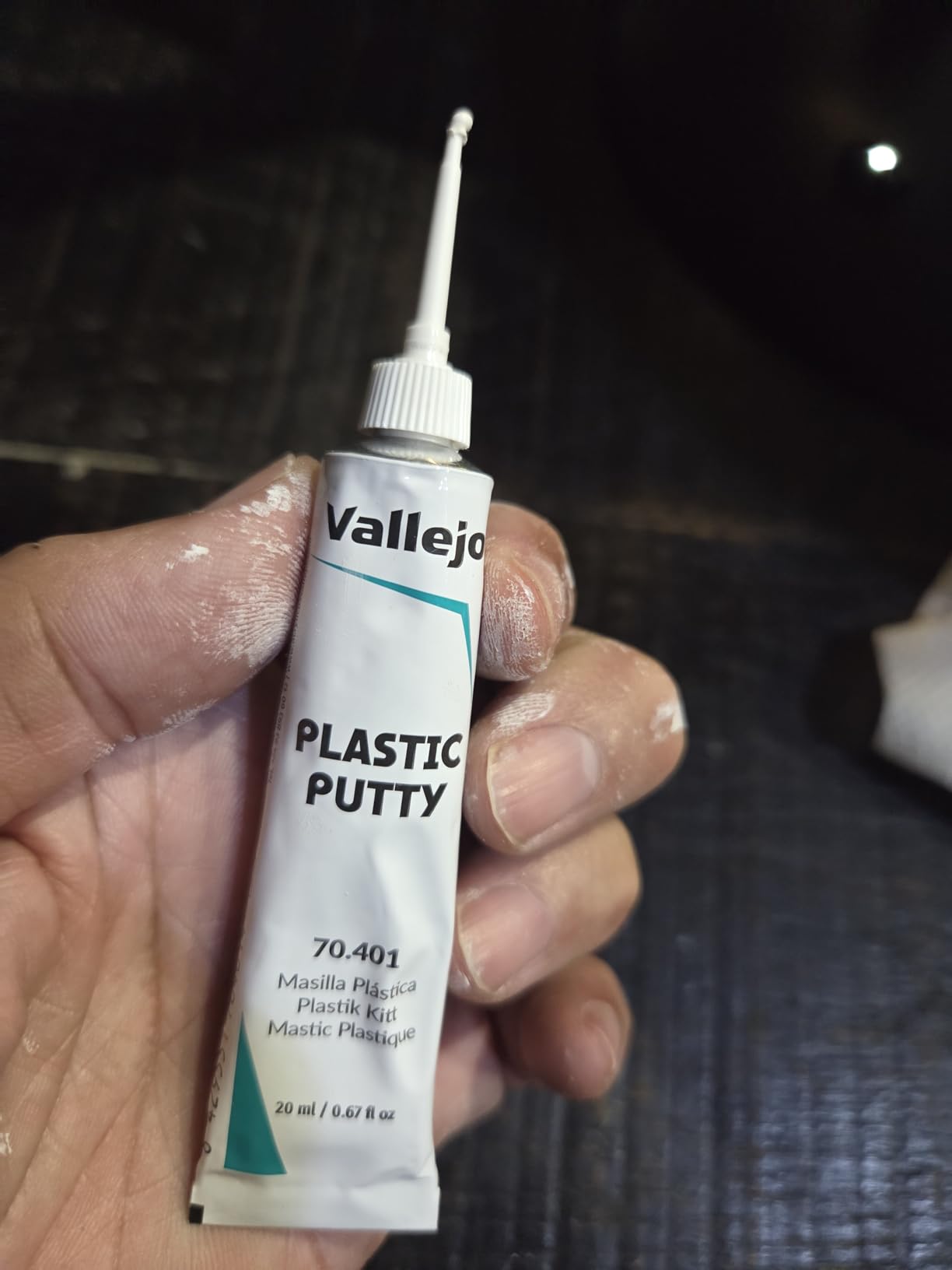
After the initial cure, I needed to apply a second thin layer to fill gaps that had pulled back from the edges. This multi-application process works but extends project timeline significantly compared to epoxy alternatives.

Best for
Beginners and hobbyists who prioritize easy cleanup and non-toxic application will appreciate this product. It works well on shallow seams and detail work where precision matters more than filling capacity.
Considerations
Once opened, the tube hardens relatively quickly. Use the entire contents within a few weeks for best results. Plan multiple thin applications rather than attempting to fill deep gaps in one pass.
5. Tamiya Epoxy Putty Quick Type
Tamiya Epoxy Putty (Quick Type)
25ml volume
6 hour full cure
Water resistant
Pros
- Fast cure
- Reliable brand
- Easy application
- Predictable results
- Solid adhesion
Cons
- Quick setting limits work time
- Can stick to fingers
- Not ideal for detailed sculpting
When you need strong adhesion and water resistance, Tamiya Quick Type delivers in a fraction of the time compared to standard epoxy putties. The 6-hour full cure time makes this my choice for projects with tight deadlines or when assembly must proceed quickly.
I applied this to several 1/48 scale aircraft kits where the cockpit seam needed reinforcement before paint. The beige and white colors available let you match the product to your kit’s plastic tone, reducing visibility under camouflage paint schemes.
The moderate to high viscosity stays where you place it without running, though you should work quickly since the quick-setting nature limits adjustment time after mixing. Gloves help prevent the material from sticking to your fingers during application.
Best for
Modelers working on aircraft, vehicles, or any kit where water resistance matters will benefit from this formulation. The fast cure time suits production work where turnaround speed influences output.
Considerations
Not recommended for detailed sculpting work where extended worktime is essential. The quick set time requires efficient application technique and proper preparation before mixing begins.
6. Hartem Plastic Putty
Hartem – Plastic Putty | Liquid Modeling Filler | Quick-Drying White Matte Finish | Ideal for Filling Gaps and Seams | Direct Application or Brush | for Models and Texture Effects | 20 ml / 0.37 oz
20ml bottle
Precision nozzle
Fast drying formula
Pros
- Precision applicator
- Water based
- Good on 3D prints
- Layers well
- Easy cleanup
Cons
- Tends to shrink
- No instructions included
- Cap may not seal tightly
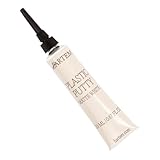
Hartem Plastic Putty brings something valuable to the table with its precision nozzle design. Unlike tube-based products that require spatula application, this bottle lets you dispense material directly into seams with control that spachula users can only dream of achieving.
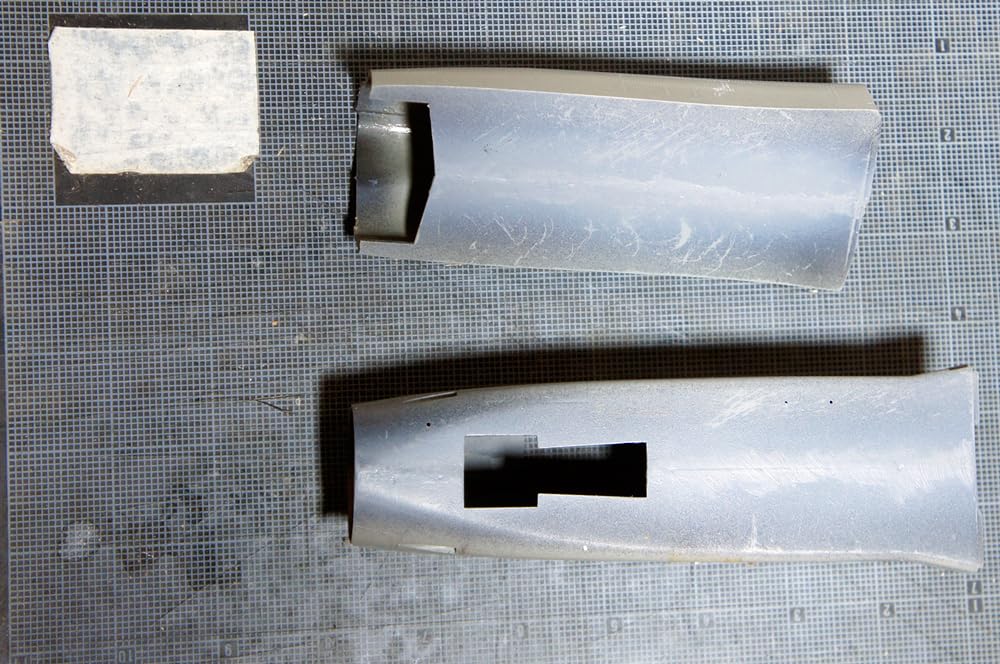
I tested it extensively on 3D printed parts where layer lines and small gaps needed attention before painting. The water-based formula cleaned up effortlessly with a damp brush, and the fast-drying nature meant I could sand and recoat within hours rather than days.
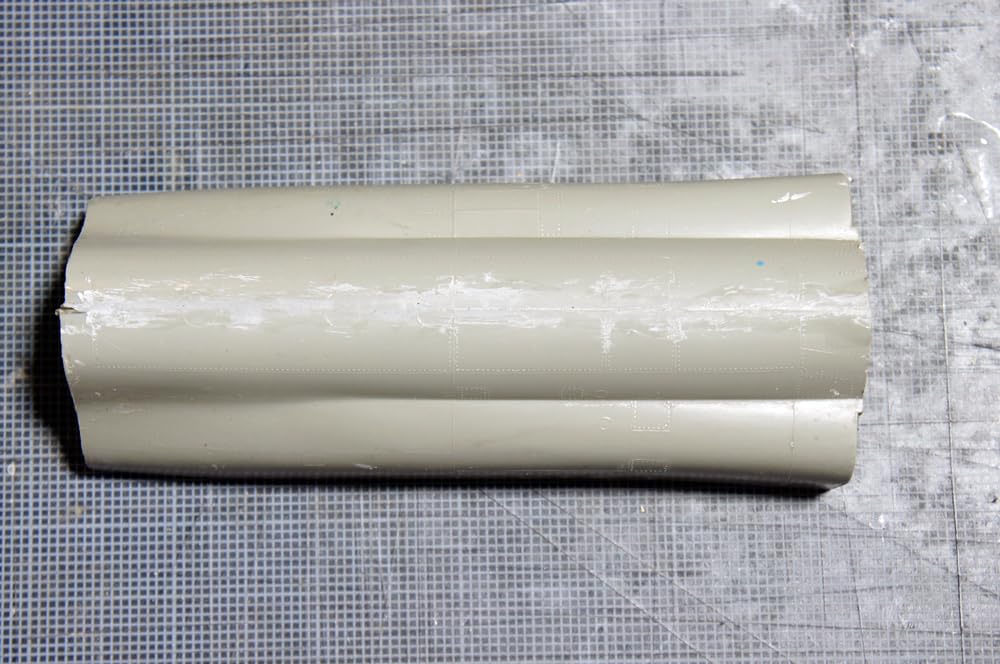
The shrinkage issue appeared on deeper fills, requiring the same multi-approach technique I noted with Vallejo. However, the precision application saves significant time on shallow seam work where you previously needed to tape off surrounding areas.
Best for
3D print enthusiasts and anyone working with resin-printed miniatures will appreciate the precision application. The water-based formula makes it forgiving for beginners still learning application techniques.
Considerations
The product arrives without usage instructions, which frustrates first-time buyers. Additionally, some users report the cap does not screw on securely, potentially causing the product to dry out prematurely.
7. AK Interactive White Acrylic Hard Putty
AK Interactive White Acrylic Modeling Hard Putty 20ml Tube
20ml tube
High viscosity
Acrylic formula
Pros
- Smooth application
- Quick drying
- Sands well
- Good coverage
- Cost effective
Cons
- Less sticky than Tamiya
- Can fall off during sanding
- Hard to sand when fully cured
AK Interactive targets the demanding aircraft modeling community with this hard-setting acrylic putty. The high viscosity formula holds shape on vertical surfaces without slumping, which proves essential when filling fuselage seams on assembled aircraft models.
During testing on 1/48 scale aircraft kits, I found the smooth creamy consistency spread evenly with a modeling spatula. The white color dries completely opaque and accepts primer without any interaction issues. Water-based cleanup remained simple throughout the process.
The adhesion proved adequate for horizontal seams and flat surfaces, though vertical applications required more care to prevent the material from moving before curing. Some users report it falling away during sanding, which I mitigated by ensuring the gap was completely dry before applying pressure.
Best for
Aircraft modelers and automotive kit builders working on flat panels and horizontal seams will find this product performs reliably. The cost effectiveness makes it attractive for high-volume builders.
Considerations
Not the best choice for vertical surface repairs or areas subject to stress during sanding. Consider alternative products for critical structural gaps requiring maximum adhesion.
8. Deluxe Materials Model Lite Balsa Filler
Deluxe Materials DLMBD5 Model Lite Balsa Filler White: 240cc
240ml volume
Lightweight formula
For balsa and foam
Pros
- Lightweight
- Sands easily
- Thins with water
- Great for RC aircraft
- Smooth finish
Cons
- Not structural
- May arrive dry
- Forgiving on foam/wood only
Model Lite stands apart from other products in this roundup as a specialized balsa wood and foam filler rather than a general model putty. If you build RC aircraft, wooden ship models, or foam-core projects, this formulation addresses specific needs that standard modeling putties cannot.
I applied it to balsa wood wing panels on an RC glider project where the wood grain showed through the paint. The lightweight formula fills grain effectively without adding significant weight, which matters enormously in aerial applications where every gram affects flight performance.
Water-based thinning allows you to adjust consistency from thick gap filler to thin grain filler. The easy sanding characteristic means you can achieve smooth surfaces without destroying your sandpaper, and the 1-hour cure time keeps projects moving forward.
Best for
RC aircraft builders, wooden ship modelers, and anyone working with balsa wood, foam, or fiberglass composites should consider this product essential. Do not attempt to use it as a structural gap filler on rigid plastic models.
Considerations
This product does not provide structural bonding. It serves purely as a surface filler and cannot replace proper assembly techniques or structural adhesives where joint strength matters.
9. Testors Contour Putty
Testors Contour Putty, Modeling Putty, 5/8 Oz Tube, Includes 1 Tube, Big Kid, Youth
5/8 oz tube
Small gap formula
Holds paint well
Pros
- Good for small gaps
- Sands easily
- Versatile
- Long-standing reputation
- Holds paint well
Cons
- Can be watery
- Requires multiple coats for larger gaps
- May arrive dry
Testors Contour Putty has served model builders for decades, earning its place as a reliable option for small gap filling. The small 5/8 ounce tube contains enough product for countless touch-up applications, making it economical for modelers who need occasional gap coverage.
I used it to fill panel lines and small imperfections on several plastic car models. The material spreads thin and fills crevices effectively, though the watery consistency directly from the tube requires some technique adjustment compared to thicker alternatives.
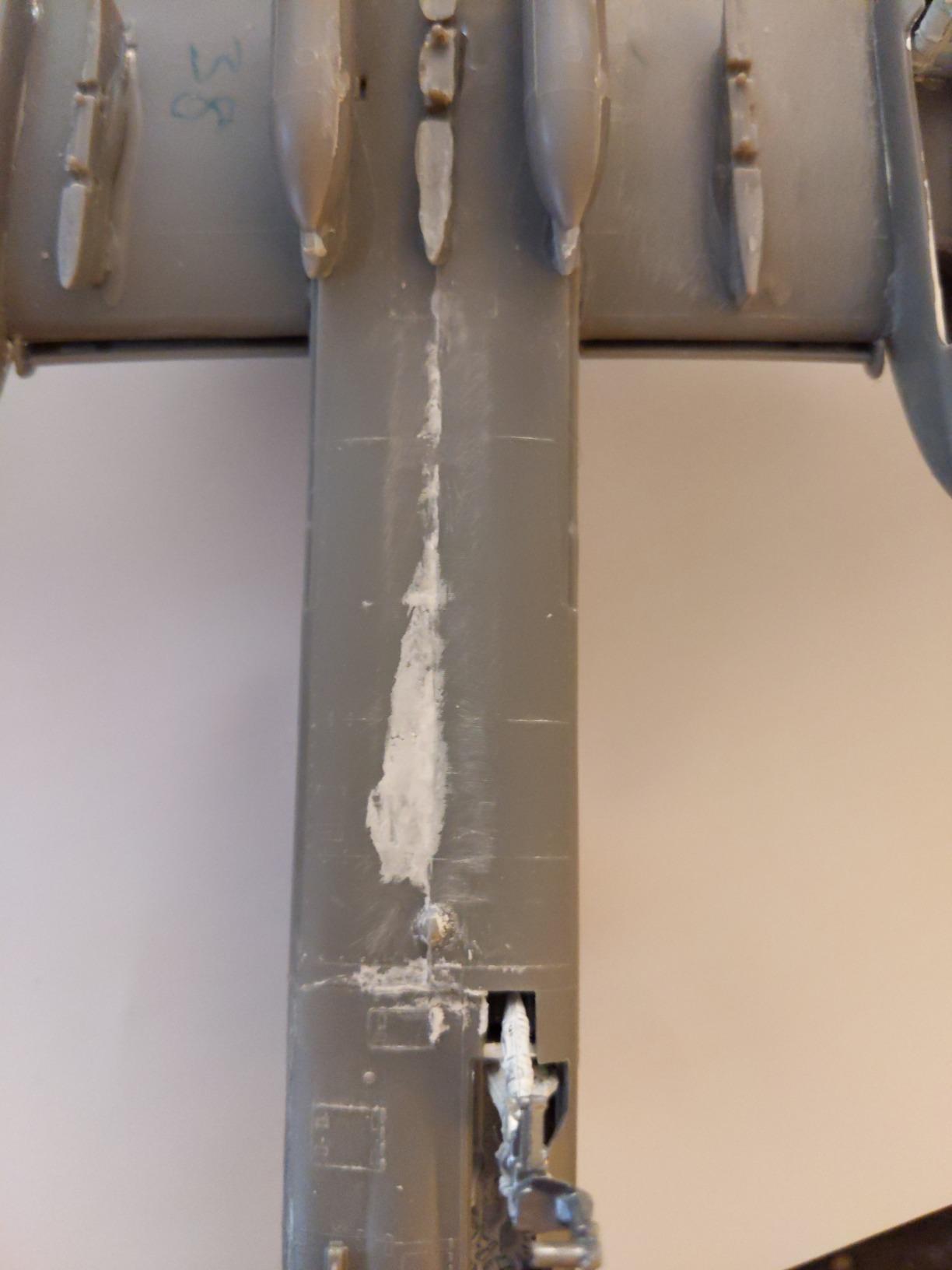
After drying, sanding produces smooth results without clogging sandpaper. The surface accepts paint readily and holds color without interaction issues, which matters for modelers applying intricate paint schemes to visible areas.
Best for
Modelers working primarily on small gaps and panel lines will find this product adequate for their needs. The long reputation suggests it has stood the test of time for specific applications.
Considerations
The small tube size and watery consistency make this unsuitable for filling medium or large gaps effectively. Some users report receiving dry product, which may indicate storage or shipping issues rather than formulation problems.
How to Choose the Right Model Putty Gap Fillers?
Selecting the appropriate gap filler depends on several factors unique to your project and experience level. Understanding the fundamental differences between putty types helps narrow down choices quickly.
Types of Model Putty
Acrylic-based putties like Vallejo Plastic Putty and AK Interactive use water as their primary solvent. These clean up easily with water, dry to a hard finish, and sand smoothly. They work best for shallow to medium gaps on plastic models and are generally safer for beginners due to non-toxic fumes. However, they tend to shrink during curing and may require multiple applications for deeper gaps.
Epoxy putties like Tamiya Epoxy Sculpting Putty and Army Painter Green Stuff come as two-part systems that chemically cure rather than simply drying. This curing process creates extremely strong bonds and minimal shrinkage. Epoxy products offer longer working times in some formulations, making them ideal for sculpting and detailed work. The trade-off involves mixing requirements and shorter shelf life once the package is opened.
Solvent-based putties like Tamiya Basic Type contain solvents that partially melt plastic, creating a bond stronger than simple adhesion. These work exceptionally well on plastic models but require adequate ventilation during application. The fast drying time speeds up workflow but reduces working time for adjustments.
Key Features to Consider
Cure time determines how quickly you can proceed with sanding and additional assembly. Fast-curing products like Tamiya Basic Type (30 minutes to sand) suit production builders needing quick turnaround. Extended-cure products like Tamiya Epoxy Sculpting Putty (12 hours working time) benefit detailed sculpting work where patience matters more than speed.
Shrinkage rate varies significantly between products and directly impacts the number of applications required. Zero or minimal shrinkage products cost more but reduce total project time. High shrinkage products require multiple thin applications, extending project timelines substantially.
Adhesion properties matter when working with mixed materials. Some putties bond only to plastic, while others adhere to metal, resin, and 3D printed surfaces. Always match the putty formulation to your specific material combination for optimal results.
Sanding characteristics determine final surface quality. Products that gum up sandpaper waste time and create mess. The best model putty gap fillers carve cleanly, leaving smooth surfaces ready for primer with minimal additional preparation.
Common Mistakes to Avoid
Applying thick layers in a single application causes cracking and poor adhesion. Always build up deep gaps with multiple thin layers, allowing each to cure fully before adding the next. This technique reduces shrinkage and improves overall bond strength.
Skipping surface preparation before application leads to adhesion failure. Clean both surfaces with isopropyl alcohol, remove any release agents from plastic kits, and ensure surfaces are completely dry before applying any putty product.
Using the wrong putty type for your material combination wastes time and money. Research compatibility before purchasing, particularly when working with resin miniatures, metal parts, or 3D printed components that may require specialized formulations.
FAQ
What is the best model filler?
The best model filler depends on your specific needs. For general plastic model building, Tamiya Putty Basic Type earns our Editor’s Choice for its quick drying time, minimal shrinkage, and excellent sanding properties. If you need something for sculpting or miniatures, The Army Painter Green Stuff provides the best value with its 20-30 minute worktime and strong adhesion.
How to fill seams in plastic models?
Clean the seam with isopropyl alcohol and let it dry completely. Apply a thin layer of putty using a spatula or tool, pressing it firmly into the gap. Allow it to cure fully before sanding smooth with fine-grit sandpaper. For deeper gaps, apply multiple thin layers rather than one thick application to minimize shrinkage.
How long does model putty take to dry?
Drying times vary by product type. Acrylic putties like Vallejo typically require 12-24 hours for full cure. Epoxy putties like Tamiya Epoxy Sculpting Putty need 8-12 hours but offer extended working time after mixing. Tamiya Basic Type can be sanded after 30 minutes, making it one of the fastest options available.
Is Tamiya putty better than Vallejo?
Neither is universally better. Tamiya Basic Type offers faster drying and minimal shrinkage, making it ideal for production model builders. Vallejo provides easier water cleanup and more forgiving application for beginners. For deep gaps requiring multiple applications, Tamiya’s solvent-based formula typically outperforms Vallejo’s acrylic formula.
Can you thin Tamiya putty with water?
Tamiya Basic Type is solvent-based and cannot be thinned with water. Attempting to add water will break down the formula and ruin the product. For water-thinnable alternatives, consider Vallejo Plastic Putty or AK Interactive products which use water-based formulas.
Final Recommendation
The best model putty gap filler for your project depends on your specific needs and working style. For general plastic model building, Tamiya Putty Basic Type delivers the fastest results with minimal shrinkage and excellent workability. The Army Painter Green Stuff offers the best value for miniature painters and modelers needing sculpting versatility. Experienced builders tackling complex modifications will appreciate Tamiya Epoxy Sculpting Putty for its extended working time and fine detail retention.
Keep this guide handy when selecting products for your next build. The right gap filler transforms rough assembly into show-quality surfaces ready for painting.