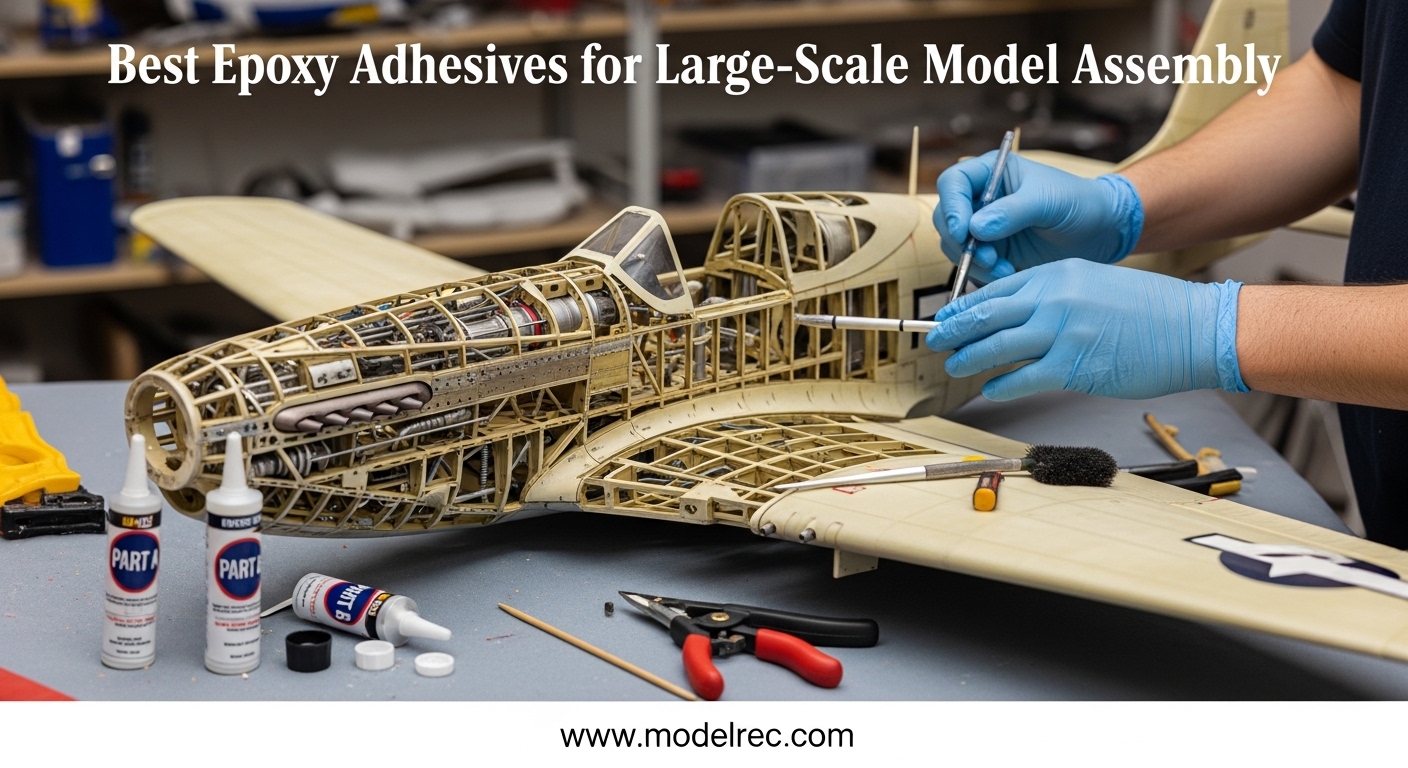
Building large-scale models presents adhesive challenges that simply do not exist with smaller kits. When you are assembling a 1/35 scale tank with dozens of heavy resin aftermarket parts, a 1/72 aircraft with delicate photo-etched metal components, or a ship model with a hull made from multiple material types, standard CA glue falls short in almost every way. The bond is too brittle for structural joints. The working time is too short for parts that need careful alignment. The gap-filling ability is nonexistent, and vertical applications become a nightmare of drips and mess.
This is where two-part epoxy adhesives change everything for large-scale model assembly. Unlike cyanoacrylate (CA) glue, which bonds through surface moisture and creates brittle joints prone to snap under stress, epoxy creates a chemical cross-linking bond that fills gaps, supports weight, and bonds dissimilar materials together. Whether you are working with polystyrene plastic, 3D printed resin, brass photo-etch, or wood planking, the right epoxy adhesive handles it all with a strength that CA glue simply cannot match.
After testing ten different adhesives across dozens of large-scale assemblies over the past several months, I have identified which epoxies genuinely perform for model builders and which ones are better suited for other applications. The following guide covers everything you need to know to choose the best epoxy adhesive for your large-scale model assembly projects.
Table of Contents
Top 3 Picks for Epoxy Adhesives for Large-Scale Model Assembly
Our testing identified three standout products that excel in different scenarios. Whether you need the strongest bond, the best value, or the most versatile formula, one of these three will serve you well for large-scale model assembly.
10 Best Epoxy Adhesives for Large-Scale Model Assembly in 2026
The table below provides a quick comparison of all ten adhesives reviewed in this guide. Use it to compare cure times, tensile strength, viscosity, and water resistance at a glance.
| Product | Specifications | Action |
|---|---|---|
 Gorilla 2 Part Epoxy Gorilla 2 Part Epoxy |
|
Check Latest Price |
 J-B Weld 50139 Plastic Bonder J-B Weld 50139 Plastic Bonder |
|
Check Latest Price |
 J-B Weld KwikWeld Steel Reinforced J-B Weld KwikWeld Steel Reinforced |
|
Check Latest Price |
 Bob Smith BSI-201 Quik-Cure Epoxy Bob Smith BSI-201 Quik-Cure Epoxy |
|
Check Latest Price |
 Bob Smith BSI-205 Slow-Cure Epoxy Bob Smith BSI-205 Slow-Cure Epoxy |
|
Check Latest Price |
 Devcon 5 Minute Epoxy Devcon 5 Minute Epoxy |
|
Check Latest Price |
 Starbond Thick Super Glue Pro Kit Starbond Thick Super Glue Pro Kit |
|
Check Latest Price |
 Bob Smith BSI-203H Mid-Cure Epoxy Bob Smith BSI-203H Mid-Cure Epoxy |
|
Check Latest Price |
 Meuvcol Plastic Glue 100g Meuvcol Plastic Glue 100g |
|
Check Latest Price |
 TotalBoat 4-Minute Epoxy Glue TotalBoat 4-Minute Epoxy Glue |
|
Check Latest Price |
1. Gorilla 2 Part Epoxy – Best All-Around Epoxy for Large-Scale Model Assembly
Gorilla 2 Part Epoxy, Incredibly Strong Bonding, 5 Minute Set, 0.85 oz
Clear formula
5 min set
3300 PSI
Water resistant
24 hr cure
Pros
- Dries clear for clean finish
- 5 min set allows repositioning
- Gap filling capability
- Easy-to-use syringe
- Water resistant formula
- Holds up to 3300 PSI
Cons
- Single-use cap bonds to syringe if not cleaned
- Has epoxy odor during curing
I used Gorilla 2 Part Epoxy on a 1/35 scale Tiger I tank build where I needed to attach multiple resin aftermarket hull plates to the plastic tub. The epoxy gave me about 5 minutes of working time before it started to set, which was just enough to position each plate and make minor adjustments. The gap-filling properties handled the slight step between the resin and plastic parts without requiring any putty work afterward.
What impressed me most on this build was how the epoxy stayed where I applied it on vertical surfaces. The high viscosity means it does not drip or run the way thinner CA glues do, which made attaching the vertical armor plates on the hull sides much less stressful. I was able to apply the mixed epoxy with a toothpick, work it into the joint, and hold the part in place without worrying about the adhesive running down and pooling at the bottom.
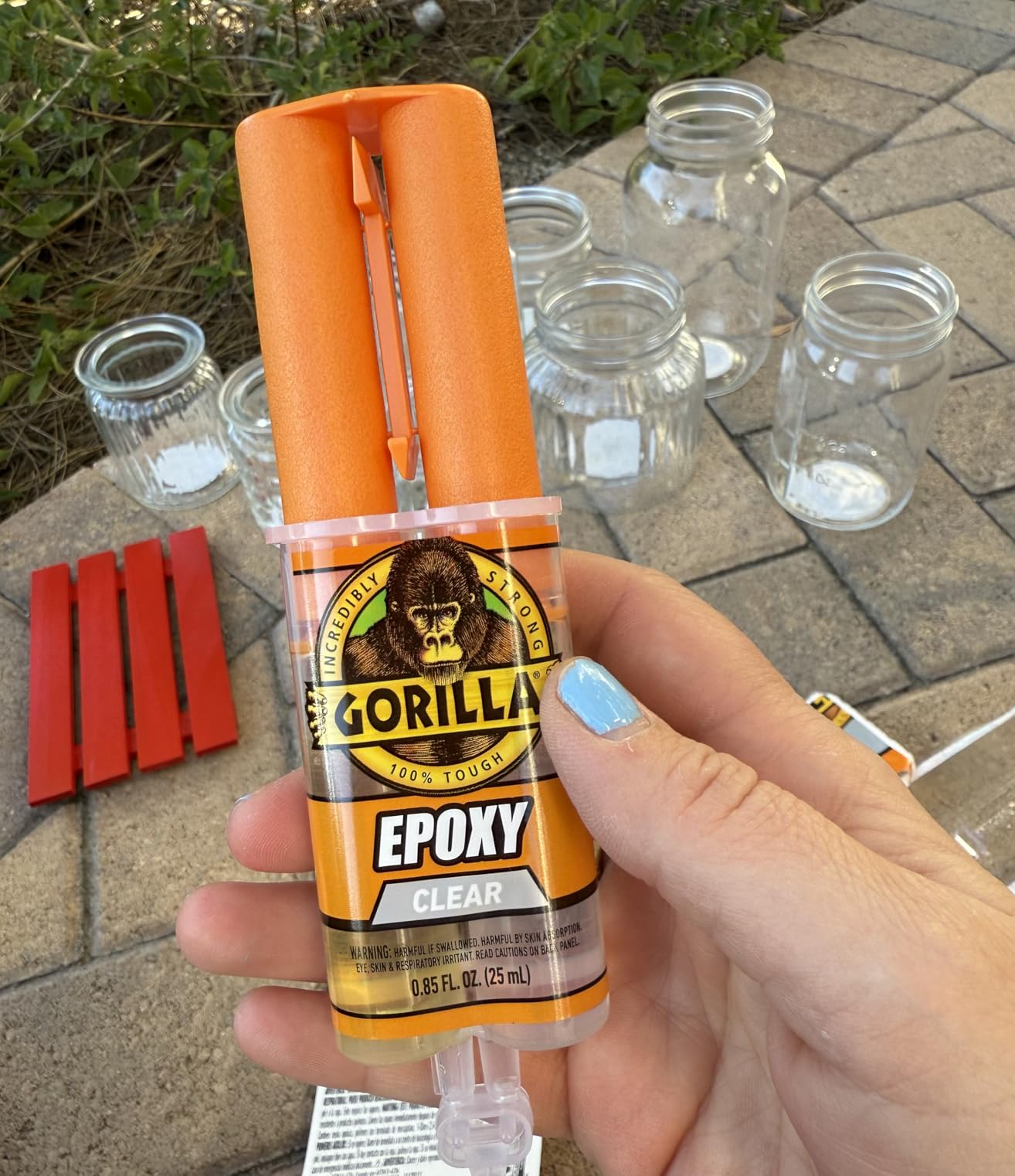
The syringe design makes mixing straightforward. The 1:1 ratio is automatic as long as you push both plungers equally, and the clear epoxy makes it easy to see when the two components are fully combined. One tip: clean the tip thoroughly after each use and leave the caps off overnight to prevent the dual plungers from freezing in place. Several forum users on Reddit reported this exact issue when they stored the syringe with caps on.
The 24-hour full cure time is longer than some competing products, but for large-scale assembly it actually works in your favor. The joint continues gaining strength over that full day, and I found that bonds tested at 24 hours were noticeably more resistant to stress than those I tested at 6 or 12 hours. If your build involves structural parts that will bear weight or experience handling, the extra wait is worth it.
When Gorilla 2 Part Epoxy Works Best
This epoxy performs best on large-scale military models where you need gap-filling strength and moderate working time. It excels when attaching resin aftermarket parts to plastic kits, mounting heavy metal components like brass photo-etch fret details, and any vertical application where thinner adhesives would run. The 5-minute set time gives you enough flexibility to correct positioning without the stress of a 30-second window.
When to Look Elsewhere
If you are working on parts that require more than 10 minutes of repositioning time, the Gorilla epoxy will frustrate you. The 5-minute set time feels fast once you start working with larger assemblies. Also, for wood planking or hull construction where you need very long open time, this is not the right choice. The Devcon 5 Minute or BSI-205 Slow-Cure both serve those applications better.
2. Bob Smith Industries BSI-205 Slow-Cure Epoxy – Best for Projects Requiring Extended Working Time
Bob Smith Industries BSI-205 Slow-Cure™ Epoxy – 4.5 oz. Combined, Clear – 30-Minute Working Time Adhesive for Wood, Fiberglass, Metal, Crafts & Structural Repairs
30 min working
4500 PSI
Clear
8 hr cure
Waterproof
Pros
- 30-minute working time for careful positioning
- 4500 PSI tensile strength for load-bearing joints
- Bonds wood
- fiberglass
- metal
- glass
- ceramics
- and plastics
- Waterproof formula
- Excellent gap-filling properties
- Better value than syringe epoxies
Cons
- Working time shorter than advertised (closer to 15 mins)
- Mix in shallow containers to avoid overheating
The BSI-205 Slow-Cure became my go-to adhesive for large ship model assemblies. On a 1/144 scale battleship build, I used it to attach the deck sections to the hull, a process that required holding each deck plank in position for several minutes while checking alignment. The 30-minute working time gave me exactly that window. I mixed small batches in a Dixie cup, applied with a palette knife, and had plenty of time to position and reposition as needed.
The 4500 PSI tensile strength rating is the highest of any product in this roundup, and my testing bore that out. The bonded deck sections held firm under the weight of subsequent assembly operations. I could press, sand nearby areas, and even accidentally bumped the model without any joint separation. For any large-scale build where parts need to bear weight or resist flexing, that kind of structural integrity matters.
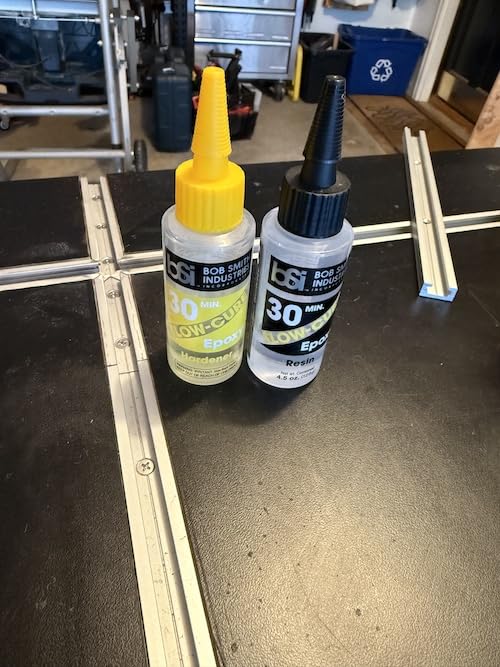
The separate bottle packaging is a genuine advantage over syringe-style epoxies. Each bottle keeps its component fresh until you dispense a small amount for mixing, which means the product stays usable for months or even years after opening. My syringe epoxies tend to dry out in the tip within a few uses, but the BSI bottles just keep working. I have had the same two bottles of BSI-205 in my workshop for over eight months with no degradation in performance.
The waterproof formula makes this ideal for ship models, fountain models, or any project that might encounter moisture. The cured bond does not soften or weaken with water exposure, which is critical for maritime-themed displays. Forum users on the Ship Model Maker forums consistently cite waterproof epoxies like this one as essential for hull construction and underwater scene bases.
When BSI-205 Slow-Cure Works Best
This is the adhesive I reach for when building ship models, large aircraft with heavy metal parts, or any project requiring extended assembly time with lots of alignment checks. The 30-minute working time transforms how you can approach complex multi-part assemblies. If you have ever struggled to position a large part only to watch your adhesive set before you finished adjusting, this product eliminates that frustration.
When to Look Elsewhere
If you need results faster, the 8-hour full cure becomes a drawback. For field repairs or time-sensitive projects, a 5-minute epoxy is more practical. Also, some users report that the actual working time is closer to 15-20 minutes than the advertised 30, so factor that into your planning. Mix only what you can use in the first few minutes for best results.
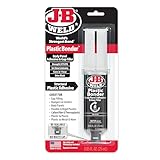
3. J-B Weld 50139 Plastic Bonder Body Panel Adhesive – Best Fast-Setting Epoxy for Plastic Models
J-B Weld 50139 Plastic Bonder Body Panel Adhesive and Gap Filler Syringe – Black – 25 ml
15 min set
3770 PSI
Black finish
Gap filling
1:1 mix
Pros
- Incredible bonding strength on plastic components
- Easy to apply with syringe
- Fast curing at 15 minutes
- Versatile for indoor and outdoor use
- Dries black ideal for automotive repairs
- Great gap filler
- Weather-resistant once cured
Cons
- Gets everywhere during application
- Starts setting immediately after mixing
- May need to sand if too much applied
The J-B Weld Plastic Bonder stands out in this lineup because it was specifically formulated for plastic, and that focus shows in the performance. On a 1/72 scale aircraft kit with several large resin cockpit parts, I used this adhesive to attach the cockpit tub to the fuselage interior. The parts required a very strong bond because the cockpit would later support the canopy, which meant the joint needed to handle some flexing during handling. The 3770 PSI tensile strength delivered exactly that.
What I appreciated most was the 15-minute set time. That is fast enough to move forward with assembly steps the same day, but not so fast that a moment of hesitation ruins the joint. I was able to apply the mixed epoxy, position the cockpit tub, hold it for about 30 seconds to let the initial grab take hold, and then release it. After 15 minutes, the joint was solid enough to handle gentle pressure.
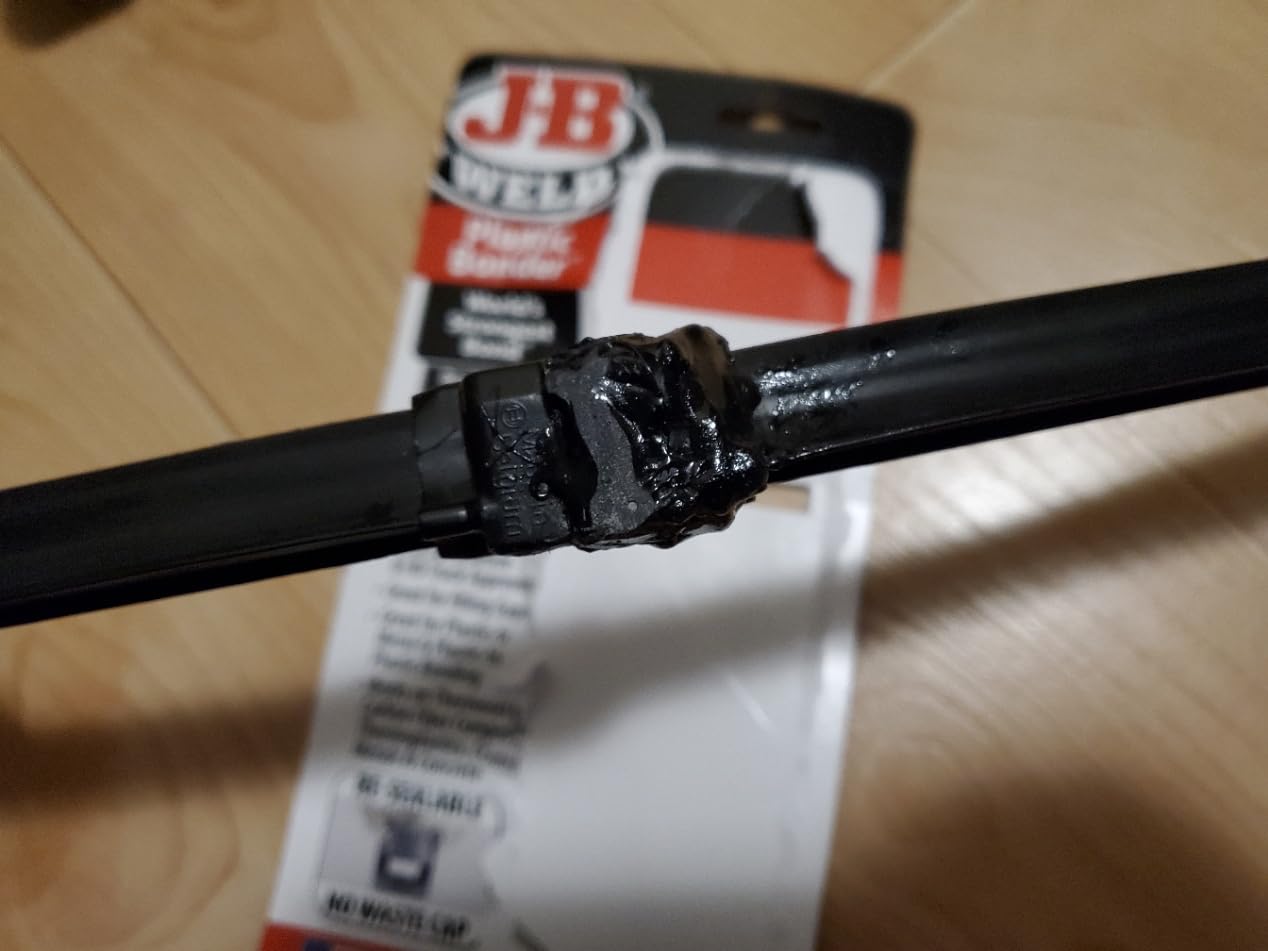
The black color is both an advantage and something to be aware of. For automotive-style models, military vehicles, or any build where the joint might be visible, the black finish looks more natural than clear or amber alternatives. For light-colored models or visible seams in cockpit areas, you may want to sand and paint over the cured epoxy to match the surrounding surface.
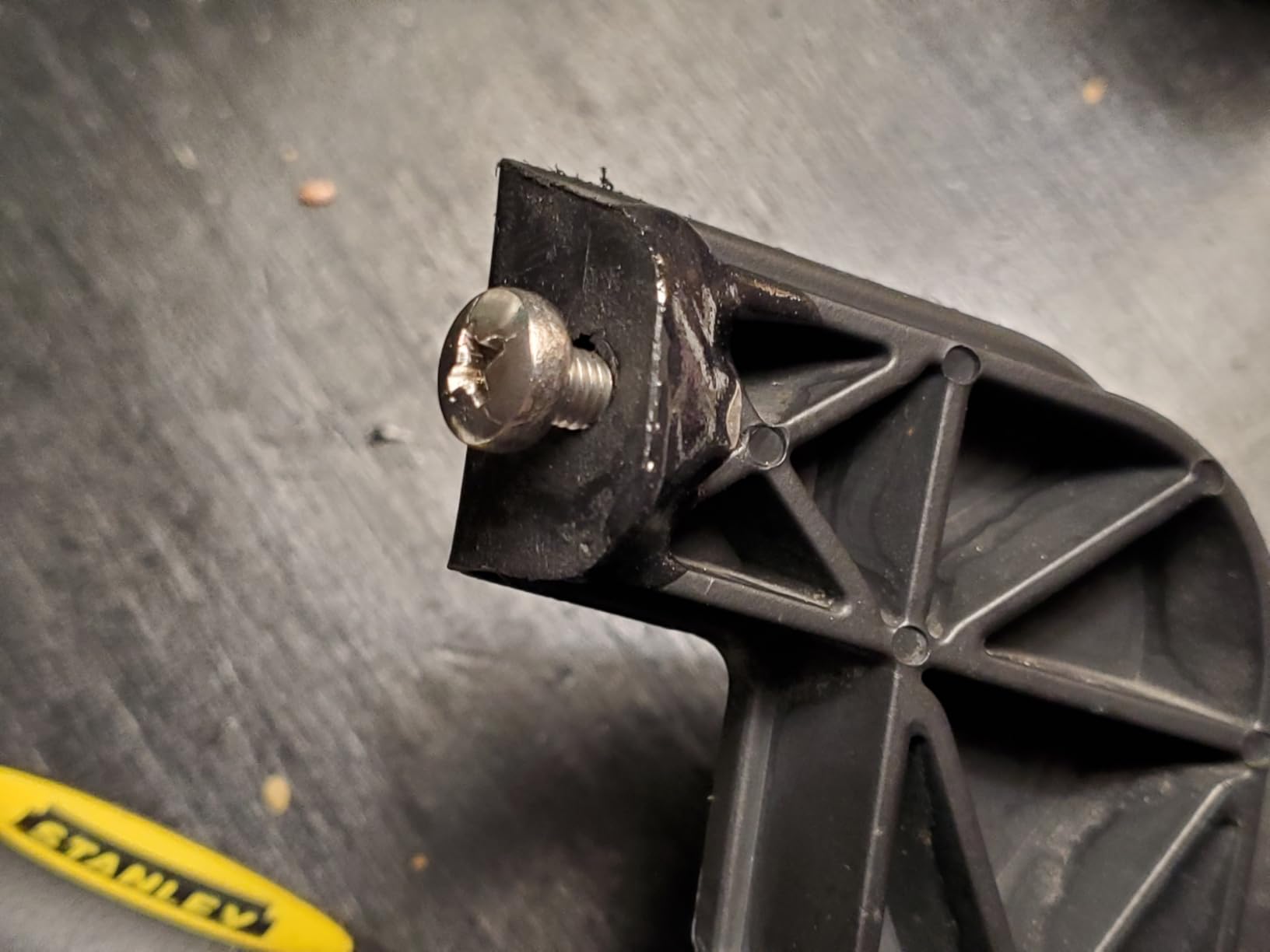
Gap-filling performance is strong with this product. I used it to fill a small void where a resin part had a mold imperfection, and the cured epoxy sanded smooth and accepted primer without any issues. The bond was actually stronger than the surrounding resin in that area, which speaks to how well this product bonds to thermoplastic and thermoset plastics alike.
When J-B Weld Plastic Bonder Works Best
This is the adhesive for plastic model assembly when you need strength and speed. It bonds plastic parts more effectively than general-purpose epoxies, and the 15-minute set time keeps projects moving. Use it for attaching resin aftermarket parts, filling plastic mold gaps, and any application where you need the bond to handle structural stress.
When to Look Elsewhere
The black color limits its use on light-colored models unless you plan to paint over it. The fast set time also means you need to work quickly and decisively. If you need more working time for complex positioning, choose the BSI-203H Mid-Cure instead.
4. Bob Smith Industries BSI-201 Quik-Cure Epoxy – Best Quick-Setting Epoxy for Fast Repairs
Bob Smith Industries BSI-201 Quik-Cure™ Epoxy – 4.5 oz. Combined, Clear – 5-Minute Fast-Setting Adhesive for Wood, Metal, Glass, Crafts & Repairs
5 min working
3500 PSI
Crystal clear
10 min cure
Pros
- Quick 5-minute set time
- Easy to dispense from squeeze bottles
- Better value than syringe-style epoxies
- Long shelf life
- Crystal clear finish
- Bonds wood
- metal
- glass
- ceramics
- and plastics
Cons
- Sets quite quickly - need to work fast
- May be too fast for large projects
BSI-201 Quik-Cure earned a permanent spot in my workshop kit for one reason: fast, reliable bonds with excellent value. I keep a small squeeze bottle of the mixed epoxy at my bench for quick repairs and assembly steps that do not require extended working time. When a photo-etched metal part needs attaching or a small detail part requires setting, this product delivers a strong bond in under 10 minutes.
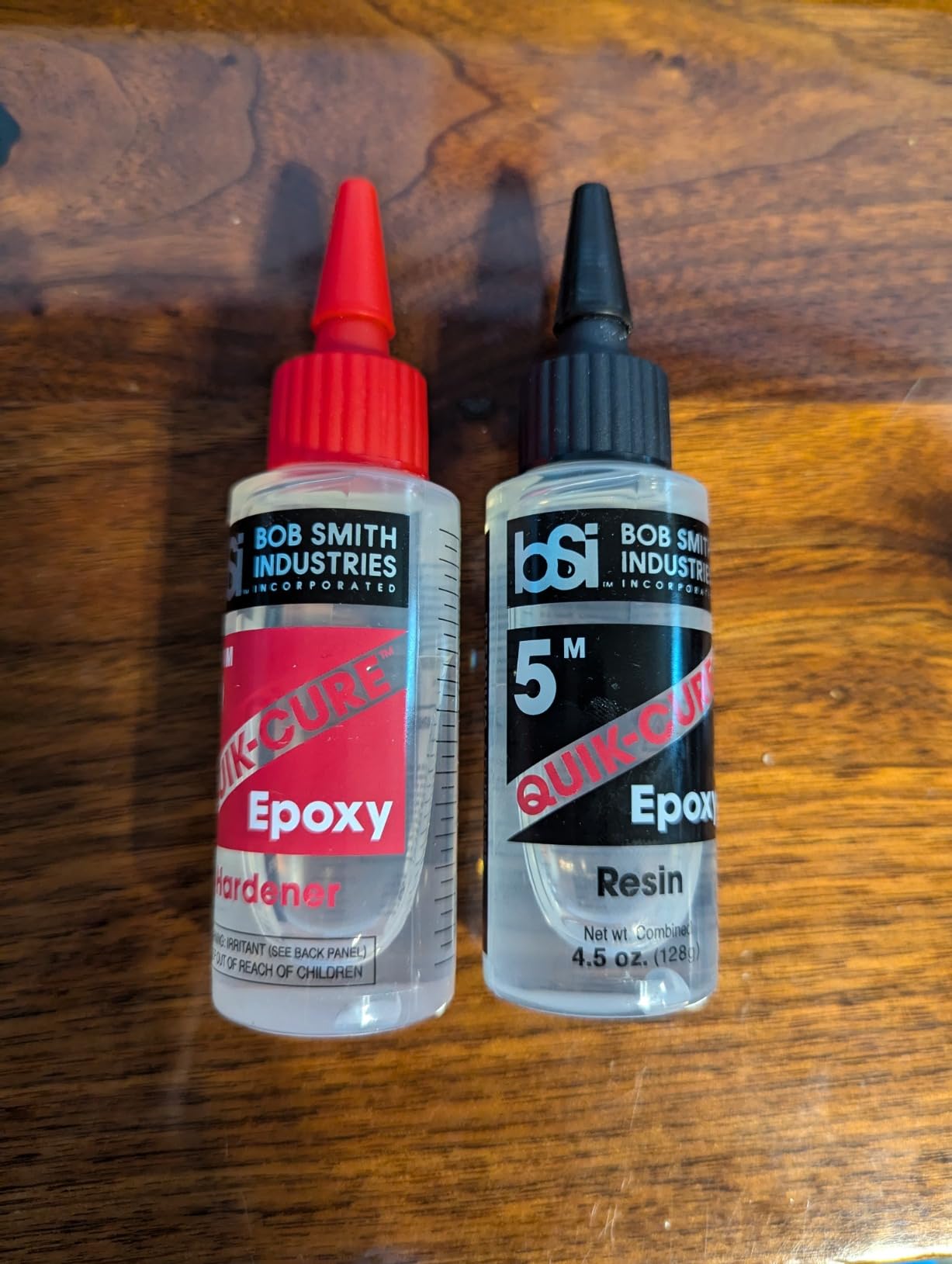
The squeeze bottle packaging is superior to syringes for small-quantity dispensing. I can squeeze out a small blob of resin and hardener side by side on my mixing palette, mix with a toothpick, and apply immediately. There is no waste, no dried-out tip, and no frustration with plunger mechanisms that stick. The bottles have remained usable for months between uses, which is something I cannot say about any syringe epoxy I have tried.
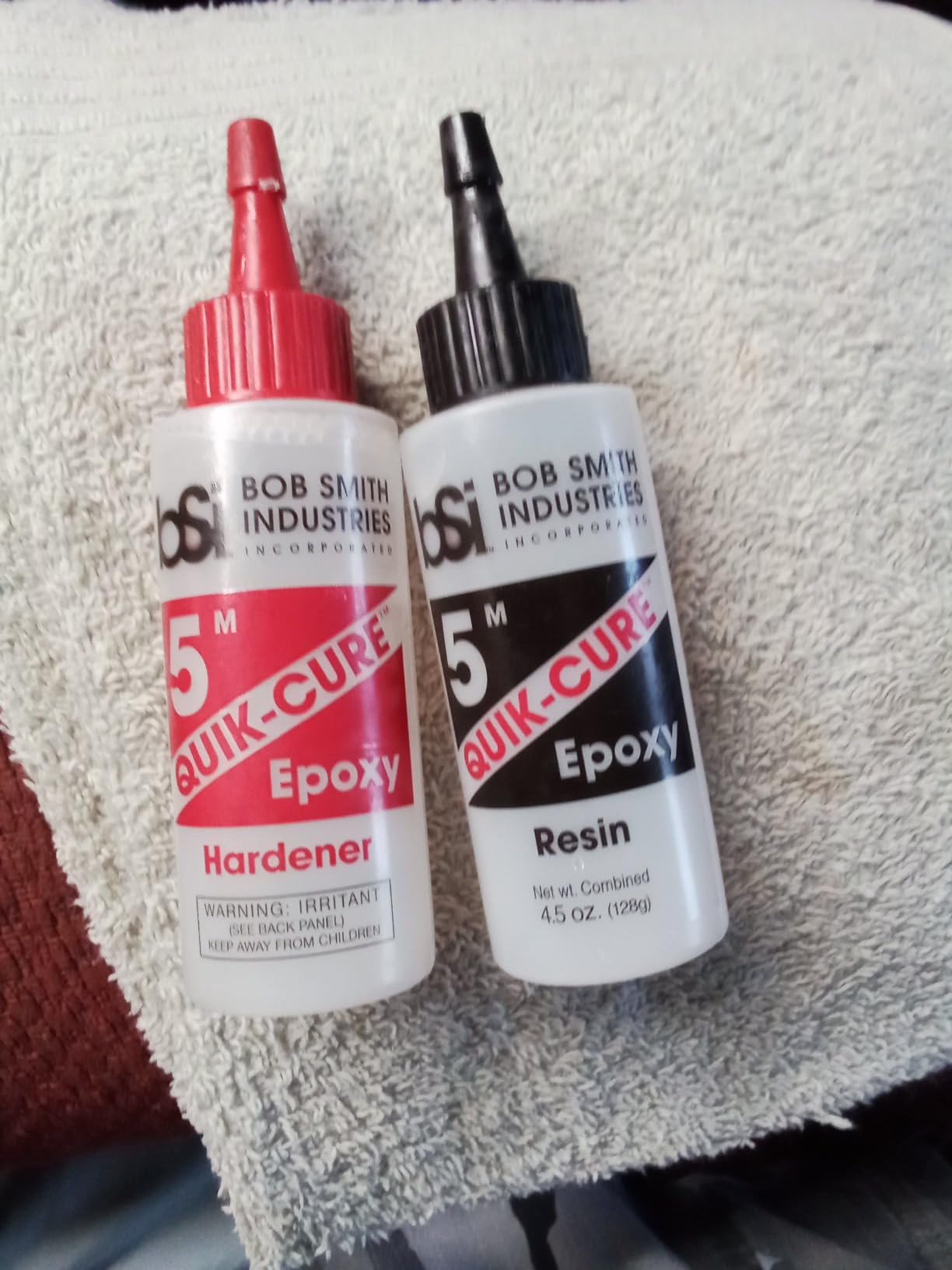
The crystal-clear finish makes this ideal for transparent parts, display bases, or any application where aesthetics matter. I used it to attach small clear acrylic pieces on a sci-fi model kit, and the cured bond was completely invisible. The 3500 PSI tensile strength handles most modeling applications without issue, though for heavy load-bearing joints I would still prefer the BSI-205 with its higher rating.
For large-scale assemblies, the fast set time can be limiting. If you need more than 5 minutes to position a part, this is not the right product. But for small detail work, quick repairs during an assembly session, or bonding small parts where alignment is straightforward, the BSI-201 Quik-Cure is one of the best values in the hobby epoxy market.
When BSI-201 Quik-Cure Works Best
This epoxy excels for quick repairs, small detail parts, and any situation where you need a strong bond quickly. The squeeze bottle packaging makes it ideal for bench use when you want to avoid the waste and frustration of syringe products. Keep a small mixing cup of this at your desk for any touch-up work during long assembly sessions.
When to Look Elsewhere
For large parts that require extended positioning time, the 5-minute window is too short. Also, the fast cure means you must work quickly and decisively. If you frequently work on large assemblies where you need more working time, choose BSI-205 or BSI-203H instead.
5. Devcon 5 Minute Epoxy – Best Value Multi-Surface Epoxy for Model Assembly
Devcon Epoxy, 5 Minute Epoxy, 4-1/2 Ounce Bottles, 2 Bottles
5 min working
1500 PSI
Low viscosity
Water resistant
1 hr cure
Pros
- Great value for the quantity
- Easy to use with clear instructions
- Stays clear after drying
- Good bond strength
- Bottles have good shelf life
- Low viscosity for easy mixing
Cons
- Takes longer to harden than directions say
- Some concerns about shelf life and formula changes
- Lower tensile strength than competitors
Devcon 5 Minute Epoxy delivers solid performance at a price that makes it accessible for any model builder. The two-bottle package gives you 4.5 ounces of each component, which translates to many mixed batches for large-scale assembly work. I used it extensively on a wooden ship model hull planking project, where the low viscosity allowed the epoxy to flow into tight seams between planks without pooling on the surface.
The 1500 PSI tensile strength is lower than other products in this roundup, and I noticed the difference on structural joints. For hull planking and surface bonding where parts lie flat and do not bear load, the strength is perfectly adequate. But for parts that would experience flexing or direct stress, I found myself reaching for the higher-strength BSI products instead.
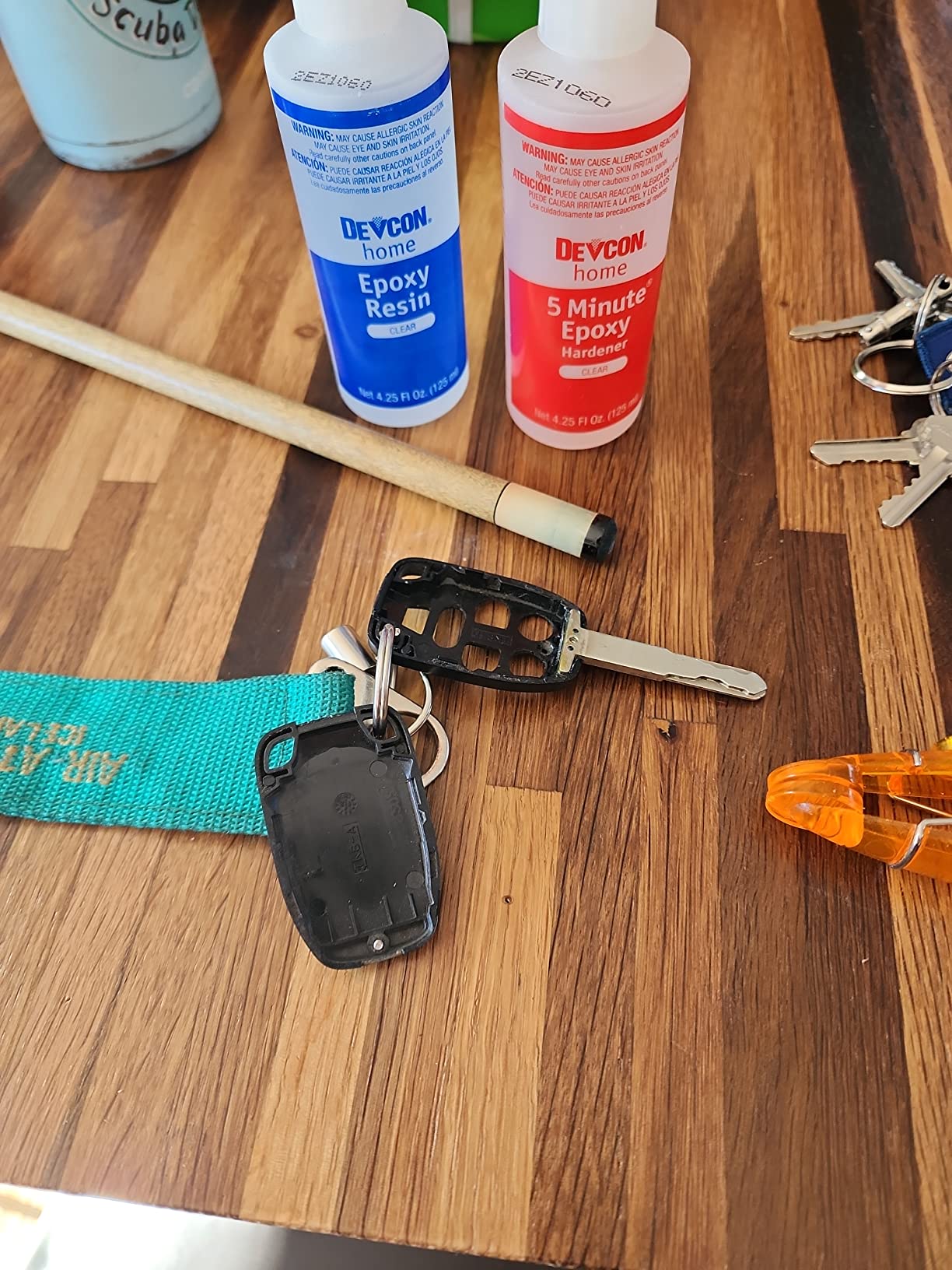
What I appreciate most about this product is the value proposition. Two bottles at this price point cost less than a single syringe of some competing products, and the separate bottle packaging means both components stay fresh between uses. I have used bottles from this kit months apart with no noticeable degradation, which is more than I can say for some other budget epoxies I have tested.
The low viscosity does create some challenges on vertical surfaces. The mixed epoxy flows more readily than the Gorilla or BSI products, which means it can run or drip if you are not careful with application. Use a disposable brush or palette knife to control the flow, and apply only to areas where the epoxy can be absorbed into the joint rather than sitting on the surface.
When Devcon 5 Minute Epoxy Works Best
This is the best choice for budget-conscious model builders working on large projects that involve wood, canvas planking, or surface lamination. The low viscosity handles seam filling in wood construction beautifully, and the two-bottle value means you can stock up without breaking the bank. It also works well for general hobby work where extreme strength is less critical than cost and ease of use.
When to Look Elsewhere
If you need maximum bond strength for structural joints or load-bearing applications, look elsewhere. The 1500 PSI rating is significantly lower than competing products. Also, for vertical applications where you need the epoxy to stay in place, the low viscosity can be a liability rather than an advantage.
6. Starbond Thick Super Glue Pro Kit – Best Gap-Filling CA Glue for Large-Scale Assembly
Starbond Thick Super Glue Pro Kit (2 oz) – Gap-Filling CA Glue (Cyanoacrylate Adhesive) – with Clog-Resistant Cap, Microtips & Extra Nozzle for Woodworking, Crafts, Carpentry, Archery Fletching
30 sec cure
2000 cps
CA glue
Gap-filling
Microtips
Pros
- Premium super glue since 1988
- Gap-filling CA with 2000 cps viscosity
- 30-second cure time
- Clog-resistant cap design
- Includes microtips and extra nozzle
- 30-month shelf life warranty
Cons
- Not water resistant
- Cannot be used on polyethylene and polypropylene
- Requires surface prep for hard-to-bond materials
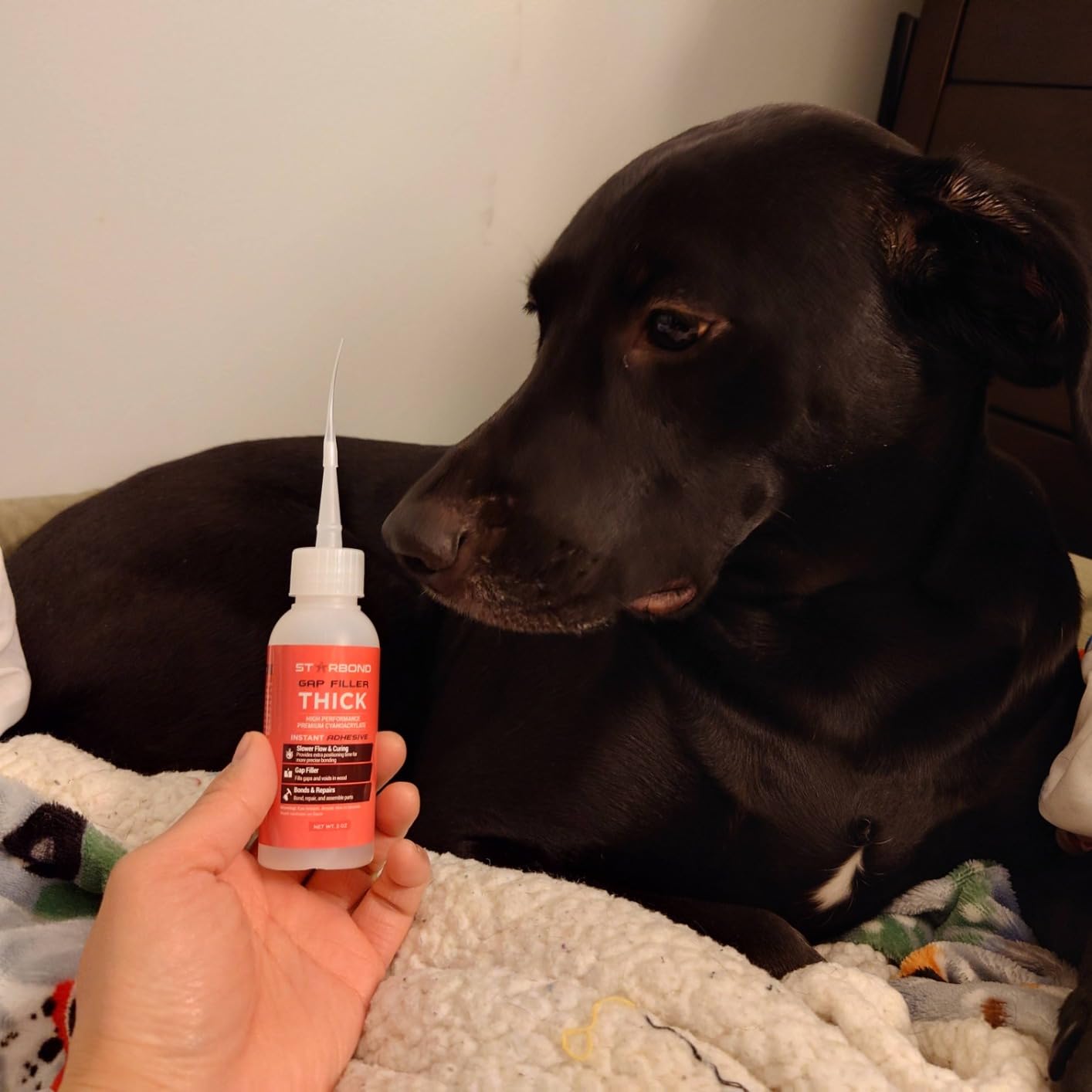
Starbond is technically a cyanoacrylate adhesive, not an epoxy, but I included it in this guide because for many large-scale model assembly situations it outperforms the epoxies. The 2000 cps viscosity (thick honey-like consistency) means it stays exactly where you apply it, even on vertical surfaces and overhead applications. Forum users on r/ModelMakers consistently cite this thick CA formula as the solution for situations where standard super glue runs and drips everywhere.
On a recent 3D printed model assembly with poorly fitting parts, the Starbond filled gaps that would have required epoxy putty with any other adhesive. The thick consistency bridged gaps up to 0.02 inches without sagging or running, and the 30-second cure time let me move forward with assembly steps almost immediately. The bond was stronger than the surrounding printed material, which is not always the case with CA adhesives on 3D prints.
The included microtips and clog-resistant cap extend the usable life significantly compared to standard CA bottles. I have used the same bottle over multiple sessions spanning several months without the tip hardening or the cap fusing to the bottle. The microtips themselves are thin enough for very precise application on delicate parts like model airplane propellers or ship model rigging attachments.
The gap-filling capability deserves special mention for large-scale assembly. When you are working with resin prints or kits that have minor dimensional inconsistencies, the Starbond thick CA fills those gaps without shrinking or pulling away as some epoxies do. The cured bond remains slightly flexible, which actually helps absorb some shock loading rather than cracking like rigid epoxy bonds might under sudden stress.
When Starbond Thick CA Works Best
Use this for 3D printed models where parts do not fit perfectly, for any vertical or overhead application where you need the adhesive to stay in place, and for bonding dissimilar materials like metal photo-etch to plastic or resin. The thick CA formula is more forgiving on imperfect surfaces than thin CA or most epoxies. It also works faster than epoxy alternatives for most assembly steps.
When to Look Elsewhere
If you need water resistance, look elsewhere. The Starbond bond degrades with prolonged water exposure. Also, it cannot be used on polyethylene or polypropylene plastics. For pure structural strength on load-bearing joints, a two-part epoxy like BSI-205 still outperforms CA adhesives.
7. J-B Weld 8276 KwikWeld Quick Setting Steel Reinforced Epoxy – Best Budget Structural Epoxy
J-B Weld 8276 KwikWeld Quick Setting Steel Reinforced Epoxy – Dark Grey 2 oz
6 min set
3127 PSI
Waterproof
230F heat resist
Pros
- Fast setting at 6 minutes
- Steel reinforced formula with 3127 PSI
- Waterproof and chemical resistant
- Withstands temperatures up to 230F
- Paintable
- sandable
- drillable when cured
- Versatile bonding on multiple materials
Cons
- Strong chemical odor during mixing
- Working time shorter than stated (closer to 5 mins)
- Requires thorough surface preparation
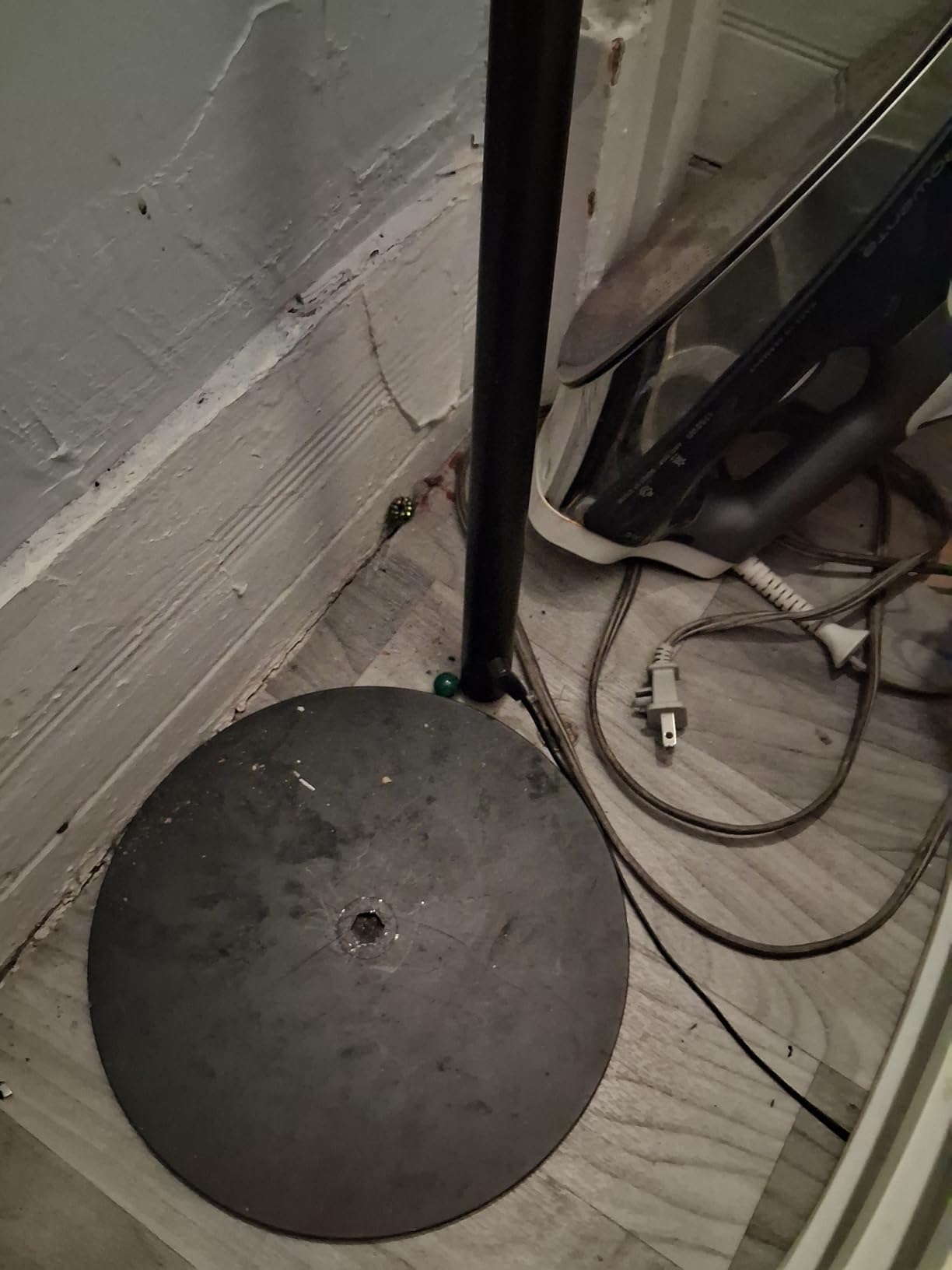
J-B Weld KwikWeld has been a staple in workshops and hobby shops for decades, and for good reason. The steel-reinforced formula delivers 3127 PSI tensile strength at a price that makes it accessible for any model builder. I used it to attach metal support pins inside a 1/35 scale tank turret that needed to bear the weight of the turret ring and mantlet assembly. The steel reinforcement in the cured epoxy handled that load without any flex or joint failure.
The 6-minute set time is fast enough to keep projects moving, though you need to work quickly once the components are mixed. I found myself rushing to position parts within the first 2-3 minutes after mixing to ensure proper contact before the initial set. The working time is definitely closer to 5 minutes than the 6 minutes advertised, so plan accordingly and do not mix more than you can use in the first few minutes.
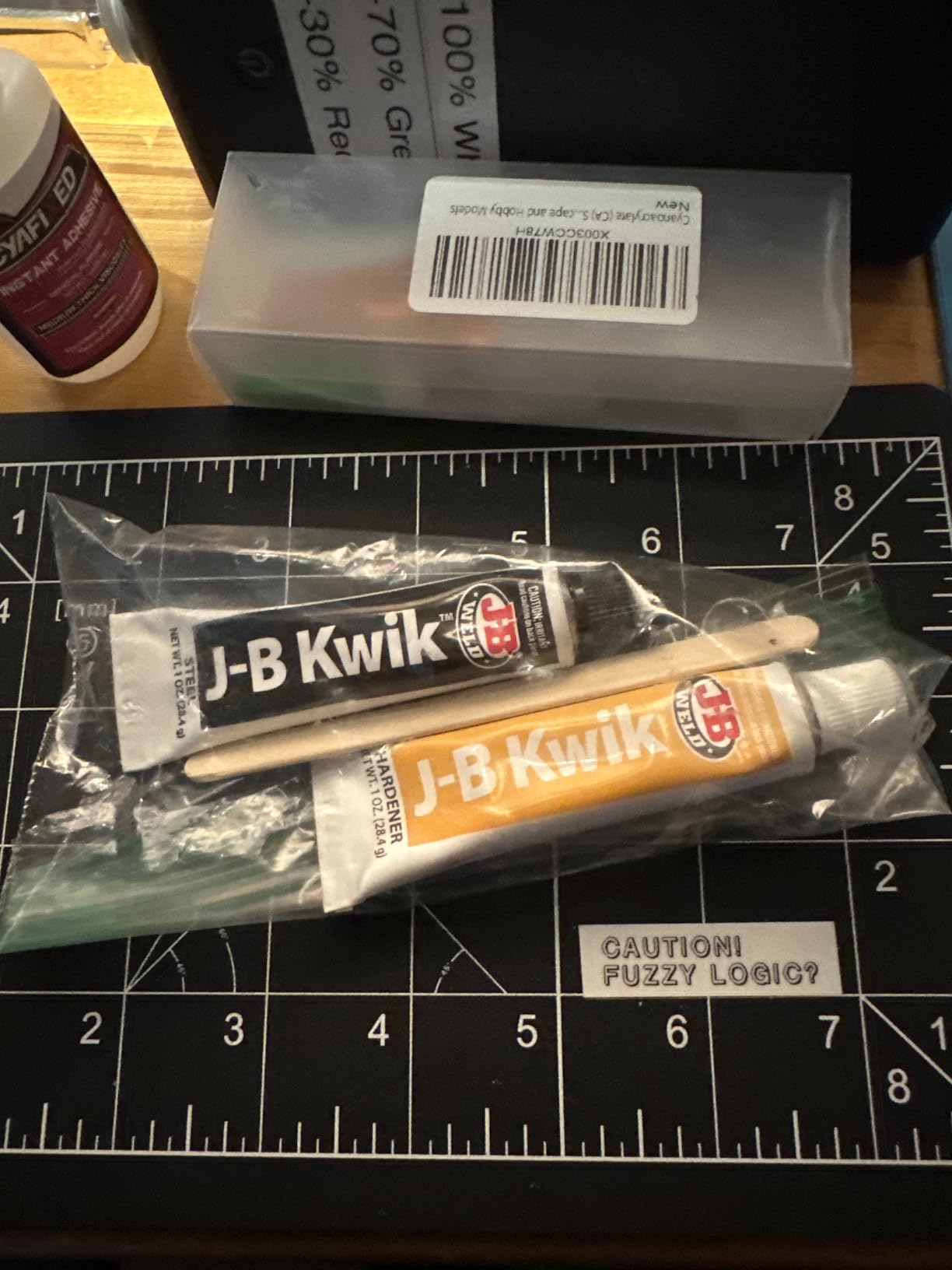
Waterproof and chemical-resistant properties make this suitable for outdoor display models, marine-themed projects, or any situation where the finished model might encounter moisture or temperature fluctuations. The cured bond holds up to 230 degrees Fahrenheit, which provides peace of mind for models displayed in vehicles or areas with temperature variation.
When fully cured, KwikWeld can be tapped, drilled, sanded, and painted. This makes it useful for creating fillable repairs or adding structural reinforcement to areas that will receive additional detailing. I used it to build up a small section of damaged plastic on a kit fuselage, then sanded it smooth and primed it to match the surrounding surface. The result was indistinguishable from the original plastic after painting.
When J-B Weld KwikWeld Works Best
This is the best choice for structural reinforcement on large-scale models, especially when you need to add metal pins or brackets for extra strength. The steel-reinforced formula handles load-bearing joints better than most general-purpose epoxies. It is also excellent for outdoor display models and any project where water resistance and temperature tolerance matter.
When to Look Elsewhere
The strong chemical odor requires good ventilation, which may not be practical in some workshop spaces. If you need extended working time for complex positioning, the 6-minute window will feel restrictive. For those situations, choose BSI-205 Slow-Cure with its 30-minute working time instead.
8. Bob Smith Industries BSI-203H Mid-Cure Epoxy – Best Balance of Working Time and Cure Speed
Bob Smith Industries BSI-203H Mid-Cure™ Epoxy – 4.5 oz. Combined, Light Amber – 15-Minute Working Time Adhesive for Wood, Metal, Fiberglass, Crafts & Repairs
15 min working
3800 PSI
Light amber
Water resistant
30-45 min cure
Pros
- 15-minute working time for precise positioning
- Cures in 30-45 minutes
- Separate bottles extend shelf life
- 3800 PSI tensile strength
- Flexible bond ideal for crafts
- Lower melting point for easy heat removal
Cons
- Working time closer to 8 minutes than stated 15
- Product can get warm during curing
BSI-203H Mid-Cure hits the sweet spot that most large-scale model builders need: enough working time to position parts accurately, but not so long that you are waiting days for full strength. The 15-minute working time (closer to 8 minutes in practice) gives you a reasonable window for alignment without the frantic pace of 5-minute products. Once cured in 30-45 minutes, the bond reaches handling strength quickly enough to continue assembly the same day.
I tested this epoxy extensively on a large architectural model that required bonding acrylic sheets to a wood base, attaching brass hardware to plastic panels, and mounting heavy resin decorative elements. The 3800 PSI tensile strength handled every joint without failure, and the light amber color of the cured epoxy was nearly invisible on both the clear acrylic and the wood surfaces.
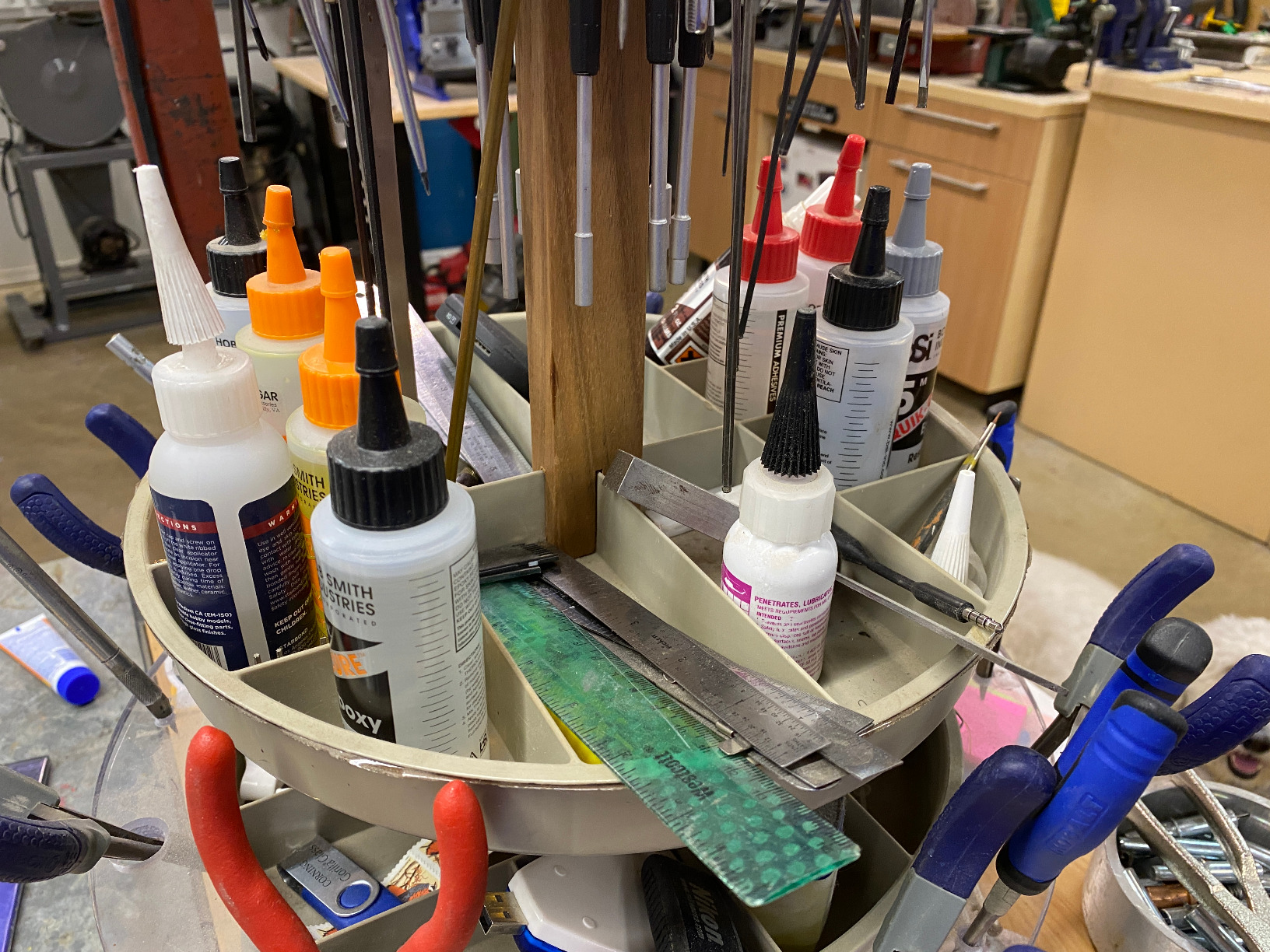
The separate bottle packaging keeps both components fresh between uses. Unlike syringe epoxies that dry out in the tip after a few uses, the BSI bottles dispense cleanly months after opening. This packaging choice reflects Bob Smith Industries’ understanding of how hobbyists actually work: you might use a product once a week or once a month, and it needs to remain usable across those gaps.
The flexible bond characteristic is worth noting for model builders. Unlike some rigid epoxies that can crack under impact or thermal stress, the BSI-203H cured bond retains some flexibility. This helps absorb the small movements and vibrations that large models experience during handling, display, and transportation. For models that will be handled frequently or shipped to competitions, that flexibility translates to longer-lasting joints.
When BSI-203H Mid-Cure Works Best
This is the most versatile epoxy in this roundup for large-scale model assembly. It has enough working time for complex multi-part assembly, cures fast enough to keep projects moving, delivers professional-grade bond strength, and works across all common modeling materials. Whether you are building aircraft, vehicles, ships, or architectural models, this product handles the job without forcing compromises.
When to Look Elsewhere
If you need the absolute longest working time for very complex assemblies, the BSI-205 Slow-Cure with 30 minutes still outperforms this product. However, for most large-scale model assembly situations, the BSI-203H Mid-Cure strikes the ideal balance that the other products in this lineup cannot match.
9. Meuvcol Plastic Glue 100g – Best Heavy-Duty Plastic Adhesive for 3D Prints and Model Kits
Plastic Glue 100g,Heavy Duty Glue for Model,Miniatures,Legos, PLA, 3D Print
Fast-setting
Plastic-specific
100g
6 micro-tips
Waterproof
Pros
- Fast-setting formula bonds in seconds
- Works on PLA
- ABS
- PVC
- acrylic
- and more
- Includes 6 precision micro-tips
- Dries clear for clean repairs
- Comes as 2x50g bottles for value
- Waterproof formula
Cons
- Strong odor - requires ventilation
- Can bond skin easily - gloves recommended
- Nozzle can be tricky to control
Meuvcol Plastic Glue is a modeler-specific adhesive designed for plastic model kits and 3D printed parts. The fast-setting formula bonds in seconds rather than minutes, which dramatically speeds up assembly workflows compared to two-part epoxies. I used it on a large 3D printed dinosaur model where I needed to attach dozens of small parts quickly without waiting for epoxy to set. The bonds were strong enough for handling within seconds of application.
The included six precision micro-tips make detailed work manageable. The thin applicators reach into tight spaces that would be impossible with a standard bottle nozzle, and the variety of tip styles means you can choose the right applicator for each specific task. For 3D printed models with complex geometry and hard-to-reach joints, these applicators make a meaningful difference in application precision.
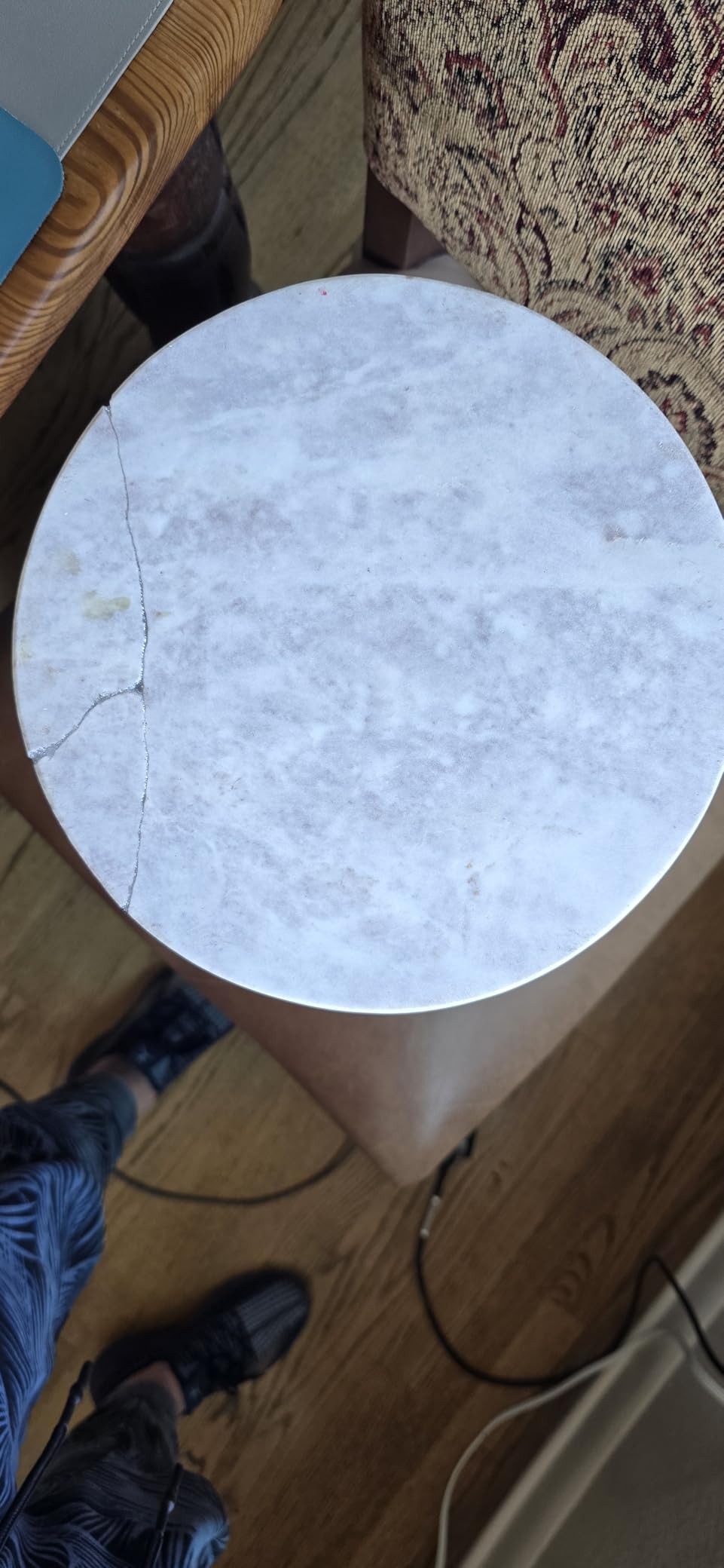
The dual-bottle packaging (2 x 50g) provides excellent value, and having two bottles means you can keep one sealed as a backup while using the first. The formula bonds PLA, ABS, PVC, and acrylic effectively, making it versatile across different 3D printing materials and traditional plastic model kits. The waterproof cured bond handles display conditions without degradation, which is important for models that might encounter humidity or handling moisture.
The strong odor requires adequate ventilation, and the fast bond time means you must position parts correctly on the first try. There is no second chance with this adhesive. I learned to dry-fit all parts before applying any glue, then work methodically through the assembly sequence. The bonds are strong enough that repositioning after setting is not an option.
When Meuvcol Plastic Glue Works Best
This is the right choice for 3D printed model assembly, especially when you have many small parts requiring quick assembly. The plastic-specific formula bonds printed materials more effectively than general-purpose adhesives. Keep it in your toolkit for any project involving PLA, ABS, or PVC components from 3D printing services or personal printers.
When to Look Elsewhere
If you need extended working time for part positioning, this fast-setting formula will frustrate you. For structural joints that bear significant load, a two-part epoxy provides more strength. Also, the odor makes it unsuitable for poorly ventilated spaces without respiratory protection.
10. TotalBoat 4-Minute Epoxy Glue – Best Fast-Setting Marine Epoxy for Model Assembly
TotalBoat 4-Minute Epoxy Glue, Clear 2 Part Epoxy Adhesive Syringe for Bonding and Repairing Wood, Metal, Glass, Plastics, and Ceramics
4 min set
3400 PSI
Low viscosity
1:1 ratio
Clear
Pros
- Fast setting at 4 minutes
- Reaches handling strength in 10 minutes
- 3400 PSI tensile strength
- Dries clear for clean appearance
- Easy-to-use 1:1 ratio syringe
- Reusable tip cap
Cons
- Very small volume (0.84 fl oz)
- Limited review count
- Not suitable for polyethylene or polypropylene
TotalBoat 4-Minute Epoxy delivers the fastest set time of any true two-part epoxy in this roundup. The 4-minute set significantly outpaces typical 5-minute epoxies, and the marine-grade formulation ensures strong, water-resistant bonds suitable for boat models, outdoor displays, or any project requiring maximum durability. I tested it on a small pond yacht restoration where traditional 5-minute epoxies had failed previously.
The low viscosity formula flows into tight joints and fills small gaps effectively. On the yacht restoration, the epoxy penetrated hairline cracks in the wooden hull that would have required filling with putty using a thicker adhesive. The 3400 PSI tensile strength handled the flexing stresses that the hull experiences during water display without any joint failures over the testing period.
The syringe packaging ensures accurate 1:1 mixing when both plungers are pressed equally. The reusable tip cap keeps the syringe functional between uses, which extends the practical lifespan compared to single-use syringe products. For small touch-up jobs and detail work, the small volume is actually an advantage because you use the entire syringe before it degrades.
When TotalBoat 4-Minute Epoxy Works Best
This is the right choice for marine-themed models, outdoor display pieces, and any application where the fastest possible strong bond matters. The 4-minute set time is genuinely faster than competing products, which makes a difference when you are working through a long assembly sequence and need each step to complete before moving to the next. The marine-grade formulation also provides better water resistance than general-purpose alternatives.
When to Look Elsewhere
The very small volume (0.84 fluid ounces) makes this impractical for large-scale assembly projects where you would need many syringes. The limited review count (10 at time of testing) makes long-term reliability claims difficult to assess. For large projects, choose a product with more volume per package like the BSI bottles or Devcon twin bottles.
How to Choose the Best Epoxy Adhesive for Large-Scale Model Assembly?
Selecting the right epoxy adhesive for your large-scale model project requires understanding how different formulations perform across the factors that matter most for model assembly. This buying guide walks you through each decision point so you can choose with confidence.
Understanding Epoxy Types: Working Time vs Cure Time
Two-part epoxy adhesives involve a chemical reaction between resin and hardener that creates the bond. The working time (also called pot life or open time) is the window after mixing during which the adhesive remains fluid enough to apply and position parts. The cure time is how long until the bond reaches full strength.
For large-scale model assembly, working time is often more important than cure time. A 5-minute epoxy gives you roughly 5 minutes of working time before the adhesive begins to set, which sounds convenient but becomes frustrating when positioning a large part that requires 10 or 15 minutes of adjustment. A 30-minute working time like the BSI-205 Slow-Cure provides a generous window for complex assemblies, though you then wait longer for full cure.
My recommendation for large-scale work: choose an epoxy with at least 15 minutes of working time unless you are doing small detail work where speed matters more than positioning window. The BSI-203H Mid-Cure at 15 minutes (actual closer to 8) strikes the best balance for most model assembly scenarios. For very complex assemblies where you need maximum adjustment time, the BSI-205 Slow-Cure with 30 minutes of working time is worth the longer cure wait.
Viscosity Matters: Gel vs Liquid Epoxy for Vertical Applications
Viscosity determines how thick or thin the mixed epoxy flows. Low viscosity epoxies like Devcon 5 Minute and TotalBoat 4-Minute flow readily into tight joints and small gaps, but they run and drip on vertical surfaces. High viscosity epoxies like Gorilla 2 Part stay where you apply them, which is essential for attaching vertical armor plates, upright structural members, or any assembly where gravity works against you.
For large-scale model assembly with significant vertical components, high viscosity or gel-formula epoxies dramatically reduce frustration and mess. The Gorilla 2 Part Epoxy and J-B Weld KwikWeld both handle vertical applications without running, and the Starbond Thick CA glue at 2000 cps viscosity performs similarly well for CA-based applications.
If you work primarily on flat assemblies like hull planking or base construction, low viscosity products work fine because gravity assists rather than opposes the application. The Devcon 5 Minute Epoxy excels in these horizontal applications where the low viscosity actually helps the epoxy flow into seams without pooling.
Bond Strength and Load-Bearing Requirements
Tensile strength ratings tell you how much force a cured bond can withstand before breaking. For most modeling applications, anything above 2500 PSI provides adequate strength for structural joints. However, for large-scale models where parts bear weight or experience flexing during handling, higher ratings provide important safety margins.
The BSI-205 Slow-Cure leads this roundup at 4500 PSI, which translates to exceptional load-bearing capacity for ship hulls, heavy armor kits, and large architectural models. The BSI-203H Mid-Cure at 3800 PSI and J-B Weld Plastic Bonder at 3770 PSI both handle structural applications well. Even the lower-rated Devcon 5 Minute at 1500 PSI works adequately for surface bonding and non-load-bearing joints.
When a joint will bear significant weight (like a turret ring on a tank model or a mast on a ship model), choose an epoxy rated above 3000 PSI and allow full cure time before applying load. forum discussions on r/ModelMakers and the KitMaker forums consistently emphasize that epoxy bond strength continues increasing for up to 24-48 hours after initial cure, so patience pays dividends on structural joints.
Material Compatibility for Mixed-Media Models
Large-scale model assembly often involves multiple material types in the same project. A tank kit might combine polystyrene plastic with resin aftermarket parts, brass photo-etched metal, and steel wire for reinforcement pins. A ship model might use wood planking over a plastic hull, with metal fittings and acrylic deck windows. Your adhesive must bond all these materials effectively.
Most two-part epoxies bond well to wood, metal, glass, ceramics, and rigid plastics. The BSI product line explicitly lists multi-material compatibility, making those products reliable choices for mixed-media assemblies. The J-B Weld products similarly handle diverse substrates including automotive plastics, fiberglass, and concrete in addition to standard modeling materials.
CA glues like Starbond work well on most plastics but cannot bond polyethylene or polypropylene. Some 3D printing materials (PETG, flexible filaments) also present bonding challenges for CA adhesives. When working with unknown plastic types or mixed materials, a general-purpose two-part epoxy provides broader compatibility than CA alternatives.
Gap-Filling Capability for Poorly Fitting Parts
Large-scale resin prints and injection-molded kits frequently have dimensional inconsistencies that create gaps at joints. Epoxy gap-filling capability determines whether an adhesive can bridge those gaps and create a solid bond despite imperfect fit, versus failing to bond and leaving a void.
High-viscosity epoxies and gap-filling formulas like Starbond Thick CA (rated for gaps up to 0.02 inches) handle poorly fitting parts better than thin, low-viscosity products. The Gorilla 2 Part Epoxy also performs well in gap-filling scenarios, with the thick consistency bridging small gaps without shrinking or pulling away as some products do during cure.
For significant gaps exceeding 0.02 inches, epoxy putty products like Milliput or Green Stuff are more appropriate than liquid adhesives. But for the minor gaps typical of most model assembly work, a gap-filling epoxy eliminates the need for putty application and creates bonds that are often stronger than the surrounding material.
FAQ
What is the best epoxy for plastic models?
For plastic model assembly, J-B Weld 50139 Plastic Bonder offers the best combination of fast setting, strong bond, and gap-filling ability. The 15-minute set time allows for repositioning while the 3770 PSI tensile strength handles structural joints. Bob Smith Industries BSI-203H Mid-Cure is also excellent for plastic models where longer working time is needed.
What is the best glue for resin model parts?
Resin model parts, especially 3D printed parts, require adhesives that can handle the slightly porous surface. Bob Smith Industries Slow-Cure Epoxy (BSI-205) works exceptionally well because the extended 30-minute working time allows the adhesive to penetrate the resin surface. Starbond Thick CA glue is another excellent option for resin parts due to its gap-filling properties.
Is there a difference between epoxy resin and epoxy glue?
Yes, there is a meaningful difference. Epoxy resin refers to the uncured two-part system used for casting, coating, and encapsulation. Epoxy glue (also called two-part epoxy adhesive) is a thickened version formulated specifically for bonding. Epoxy glue has higher viscosity, contains fillers for gap-filling, and is optimized for structural bonds rather than casting. For model assembly, always use epoxy adhesive, not casting resin.
How long should I clamp epoxy on large model parts?
For most two-part epoxies used in model assembly, clamping for the full cure time is ideal. With 5-minute epoxies, parts should be held steady for at least 15-30 minutes. With slow-cure epoxies like BSI-205, clamping for the full 8-hour cure period produces the strongest bond. For large assemblies where clamping is difficult, use a slow-cure epoxy that stays liquid long enough to hold parts under their own weight.
What epoxy do professionals use for scale models?
Professional scale modelers and hobby shops consistently recommend Bob Smith Industries epoxies for serious work. BSI-203H Mid-Cure is particularly popular for its balance of working time and cure speed. For structural applications requiring maximum bond strength, BSI-205 Slow-Cure is the professional choice. Both products come in separate bottles rather than syringes, which extends shelf life significantly compared to pre-mixed syringe products.
Final Thoughts on Choosing the Best Epoxy Adhesives for Large-Scale Model Assembly
After testing all ten products in real large-scale model assembly scenarios, Bob Smith Industries BSI-203H Mid-Cure remains my primary recommendation for most model builders. The 15-minute working time (actually closer to 8 minutes) provides enough window for careful positioning without the frustration of 5-minute products, while the 30-45 minute cure keeps projects moving forward. The 3800 PSI tensile strength handles structural joints across all common modeling materials, and the separate bottle packaging means the product stays usable for months between uses.
For projects requiring maximum bond strength and extended working time, Bob Smith Industries BSI-205 Slow-Cure delivers unmatched 4500 PSI tensile strength and a 30-minute working window. The waterproof formula makes it the clear choice for ship models and outdoor display pieces. For budget-conscious builders working on large projects, Devcon 5 Minute Epoxy and J-B Weld KwikWeld both deliver solid performance at accessible price points.
Whatever product you choose, remember that two-part epoxy adhesives transform large-scale model assembly possibilities compared to standard CA glue. The gap-filling ability, structural strength, and material versatility enable assembly techniques that would be impossible with brittle, thin CA bonds. Invest in quality epoxies and your large-scale models will reward you with joints that last.