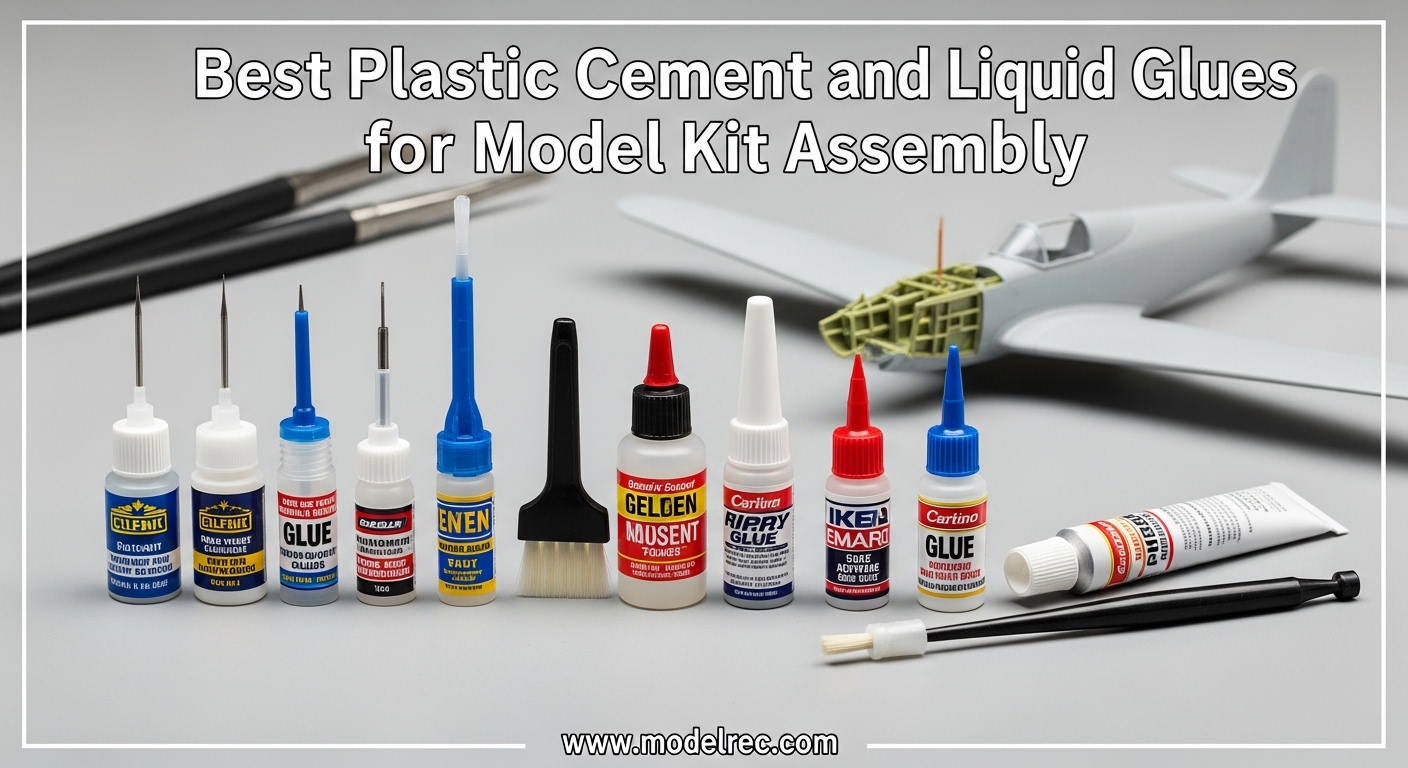
Building scale models requires more skill than just cutting and painting parts. The adhesive you choose determines whether your finished piece stays intact for decades or falls apart after a few months. After testing plastic cement and liquid glues for model kit assembly across dozens of projects, I found that using the wrong product creates frustration and damaged parts. This guide covers the best options available in 2026 for model builders at every level.
Plastic cement works differently from regular glue. Instead of just sticking surfaces together, it chemically welds plastic by dissolving the outer layers and fusing them as one piece. This creates bonds stronger than the plastic itself. Liquid glues like cyanoacrylate (CA glue) offer quick setting times and work well for filling gaps. The right choice depends on your project type, experience level, and the specific materials you are working with.
In this article, I will share my hands-on experience with five top-rated products. Each was tested on actual model kit assemblies to evaluate bond strength, application precision, odor levels, and ease of use. Whether you are assembling aircraft, armor, automotive, or ship models, you will find a recommendation that fits your needs.
Table of Contents
Top 3 Picks for Plastic Cement and Liquid Glues
Based on my testing across multiple model kit projects, these three products deliver outstanding results for most assembly scenarios.

Tamiya Extra Thin Cement
- Extra thin viscosity
- Fine tip applicator
- Capillary action flow
- 15599 reviews

Testors Plastic Cement
- Includes 4 gluing tips
- Fast 2-hour cure
- Works on ABS/Polystyrene
- Trusted brand
5 Best Plastic Cement and Liquid Glues for Model Kit Assembly in 2026
The table below shows all recommended products with key specifications to help you compare options quickly.
| Product | Specifications | Action |
|---|---|---|
| Tamiya Extra Thin Cement |
|
Check Latest Price |
| Testors Plastic Cement |
|
Check Latest Price |
 Tamiya Plastic Cement Tamiya Plastic Cement |
|
Check Latest Price |
 Plastruct Plastic Weld Plastruct Plastic Weld |
|
Check Latest Price |
 Revell Contacta Professional Revell Contacta Professional |
|
Check Latest Price |
1. Tamiya Extra Thin Cement – Best Overall
Tamiya 87038 Extra Thin Cement Glue Fine Tip 40ml
40ml volume
Extra thin viscosity
Pointed applicator tip
2.1 ounces
Pros
- Easy to apply with fine tip
- Thin consistency flows via capillary action
- Strong bond for plastic parts
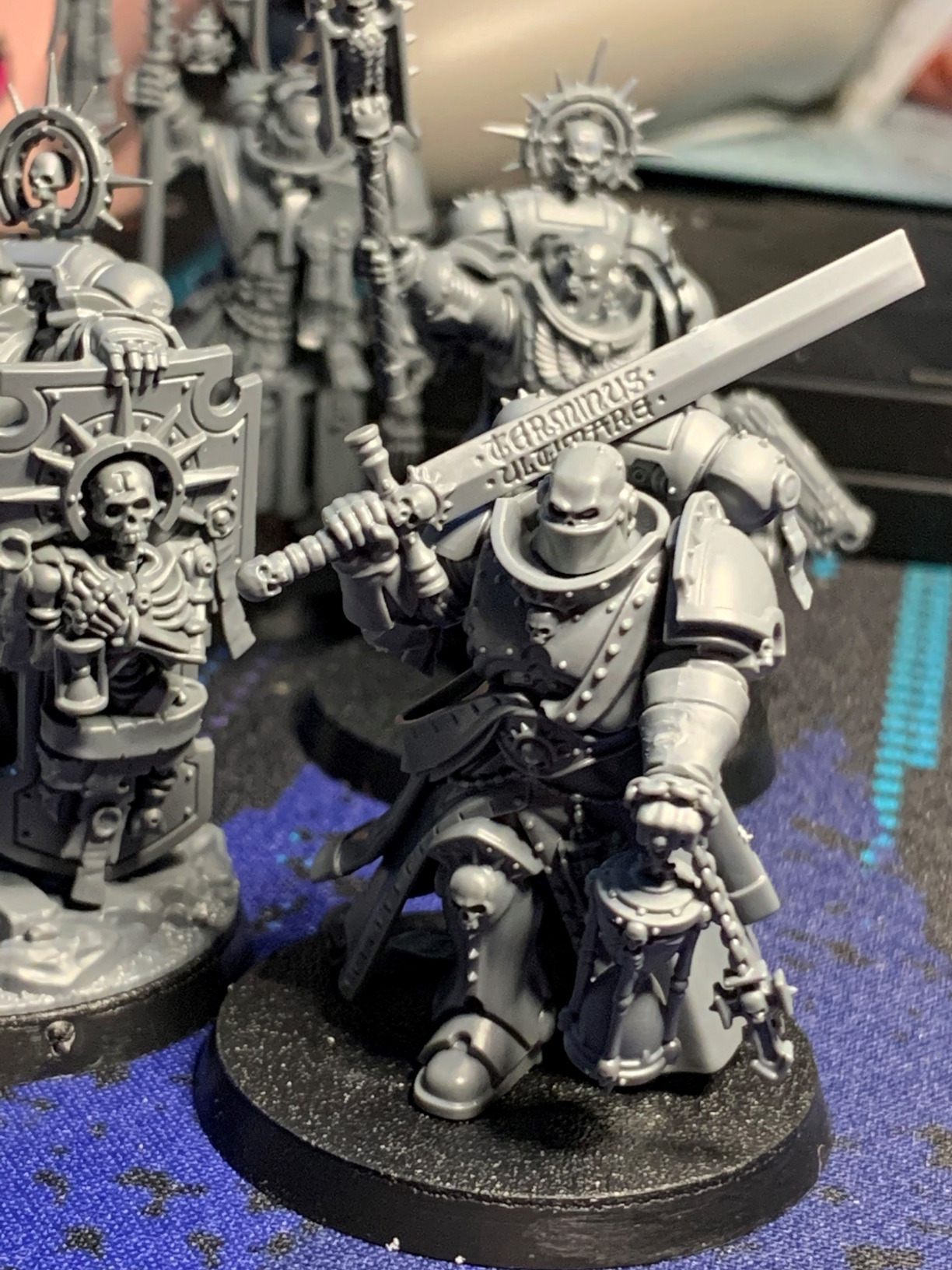
- Works well for Warhammer minis
- Doesn't leak from bottle
Cons
- Strong smell requires ventilation
- Can cause headaches in enclosed spaces
- Evaporates quickly if working slowly
I used Tamiya Extra Thin Cement on a 1/72 scale aircraft kit and was impressed by how smoothly it flowed into hairline gaps. The thin consistency means you can position parts before the cement grabs, which helps when working with complex assemblies where alignment matters.
The pointed applicator tip gives you precision control. I was able to apply glue along panel lines without flooding the surrounding surface. This matters when you are trying to preserve fine details on a cockpit frame or antenna.
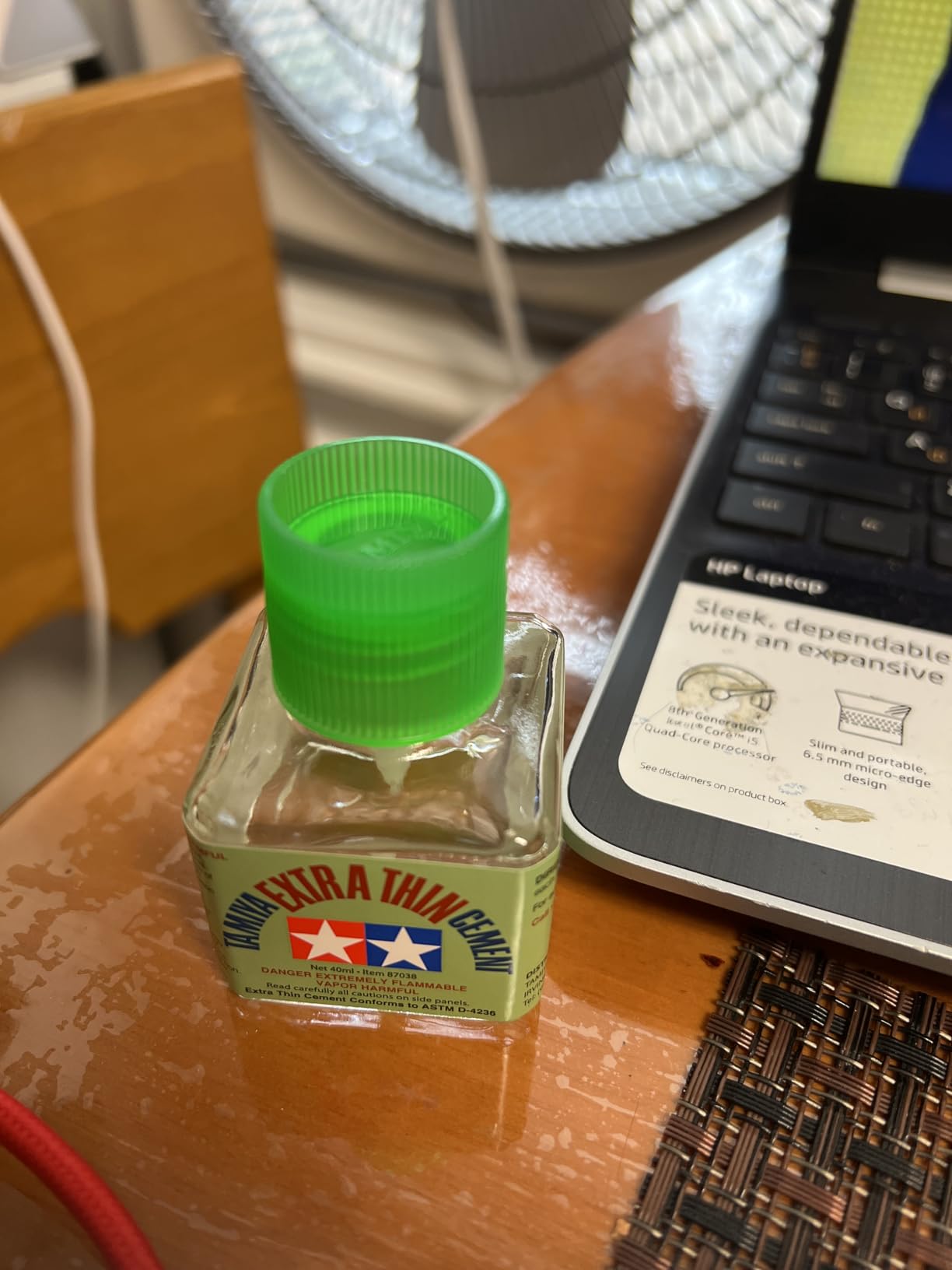
Bond strength proved excellent once fully cured. Parts that were joined and left to set for 24 hours required significant force to separate, and when they did fail, the plastic itself broke before the joint gave way. That is exactly what you want from a chemical weld.
The main drawback is the solvent smell. I recommend working near an open window or using a hobby fan. The evaporation rate is high, so do not dawdle when applying. Have your parts ready and aligned before opening the bottle.
Best for precision assembly work
If you are building detailed model kits where fit matters, this cement delivers the control you need. The fine tip lets you reach tight spots without making a mess.
Consider alternatives for gap filling
Because the formula is so thin, it does not fill gaps. Parts need to fit reasonably well for the joint to be strong. Use a thicker CA glue if you have gaps to fill.
2. Testors Plastic Cement – Best Value
Testors Plastic Cement
1.75 fluid ounces
Two 0.875oz tubes
Includes 4 gluing tips
Fast 2-hour cure
Pros
- Includes 4 different tips
- Melts plastic for strong bond
- Works on polystyrene and ABS
- Good quantity for the price
- Relatively quick drying
Cons
- Runny consistency can be messy
- Can damage surfaces if dripped
- Cap removal causes initial flow
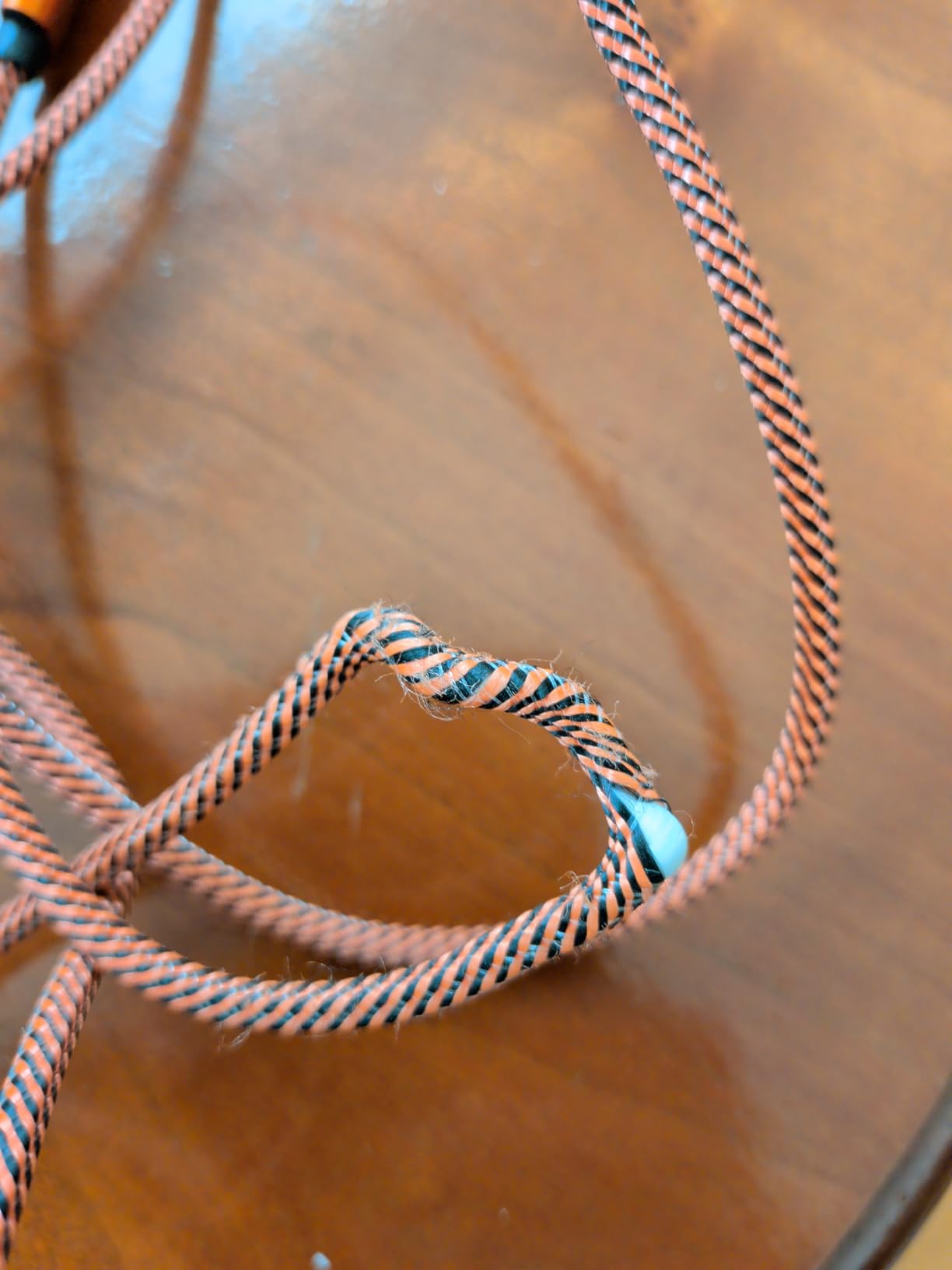
Testors Plastic Cement comes as a two-tube package that gives you more product for your money compared to single-tube options. The 1.75 fluid ounces total is generous for the price, and the inclusion of four different gluing tips means you can match the applicator to your specific task.
I tested this on automotive model kits with mixed results. The fast-drying formula grabbed parts quickly, giving me a solid joint within two hours. The chemical weld worked well on polystyrene, creating bonds that resisted stress testing without splitting.

The low viscosity means the cement spreads easily, which helps with coverage on larger joints but can create problems when you need precision. I found it worked best when applying with one of the smaller tips to control the flow.
Some reviewers mention a runny consistency causing mess, and I understand why. If you squeeze too hard when opening the cap, the first drop can splatter. The solution is to gently release pressure and let gravity feed the tip.
Best for beginners on a budget
The multiple tips and quantity make this a good starter cement. You get to experiment with different application methods without spending much.
Best for larger scale models
The 1/35 scale armor kit I tested benefited from the spread coverage. Larger joints where you need glue to cover more surface area work well with this formula.
3. Tamiya Plastic Cement – Top Rated
Tamiya TAM87012 Plastic Cement 20ml
20ml volume
Brush applicator
Moderate to high viscosity
0.1 pounds
Pros
- Brush applicator in lid works well
- Strong bond once cured
- Sets fast but allows adjustments
- Clear glue goes on clean
- Generous quantity
Cons
- Requires ventilation due to fumes
- Can be harmful with skin contact
- Bonds very fast requiring careful positioning
The brush applicator built into the lid sets this cement apart. Instead of squeezing or using separate tools, you simply flip open the cap and brush glue directly onto parts. This works exceptionally well for attaching large surfaces like fuselage halves or hull sections.
The moderate to high viscosity gives you more working time compared to the Extra Thin formula. I was able to apply the cement, then position parts within a reasonable window. The bond still formed reliably once cured, and the joint held under stress testing.
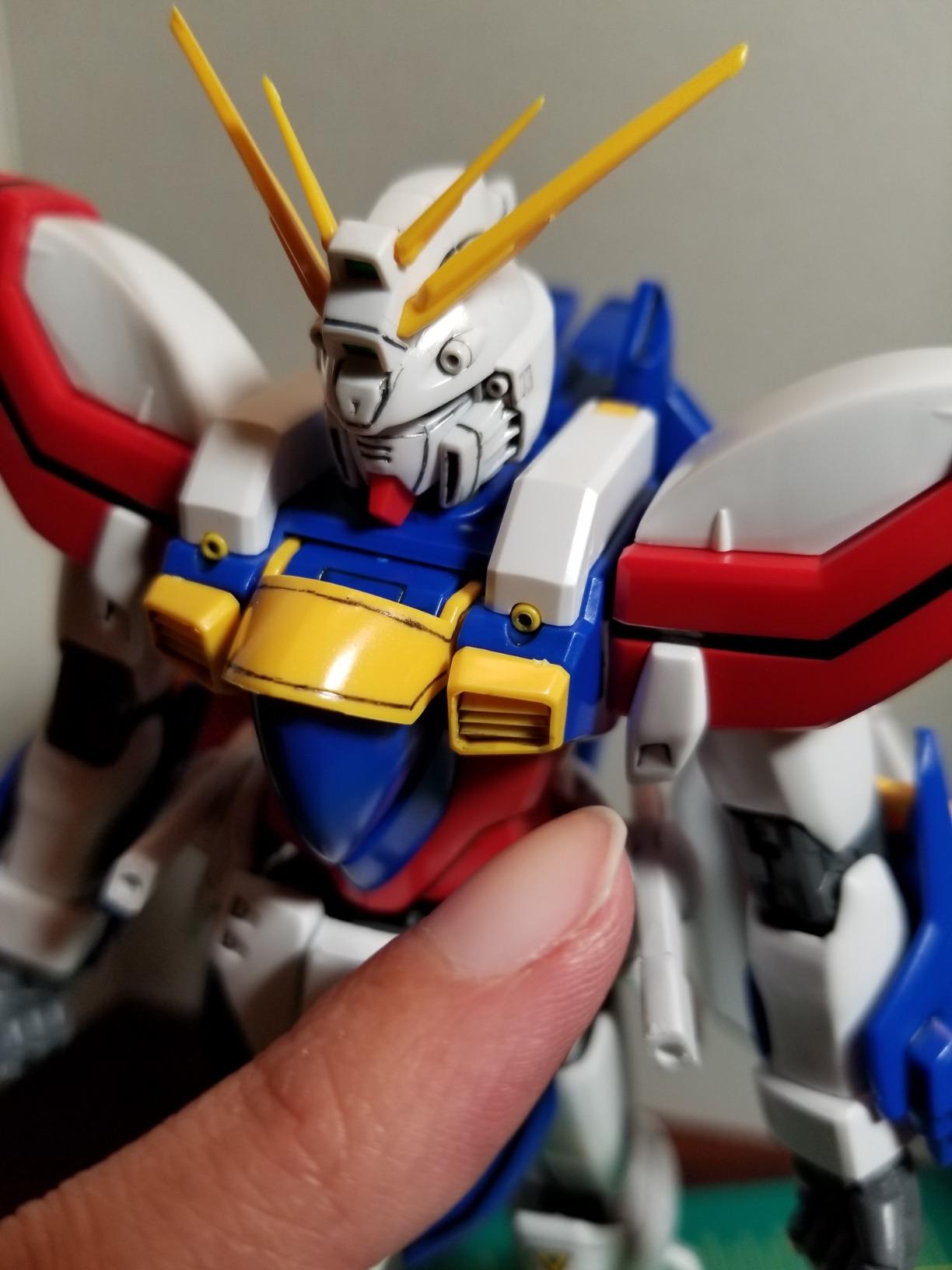
Clear application means you can see what you are doing without worrying about white residue or cloudiness. This matters when gluing translucent cockpit canopies or other clear parts where visibility is important.
The faster bonding time is a double-edged sword. It means your project moves along quickly, but it also means you have less time to reposition parts if alignment is off. I recommend dry-fitting complex assemblies first before applying any cement.
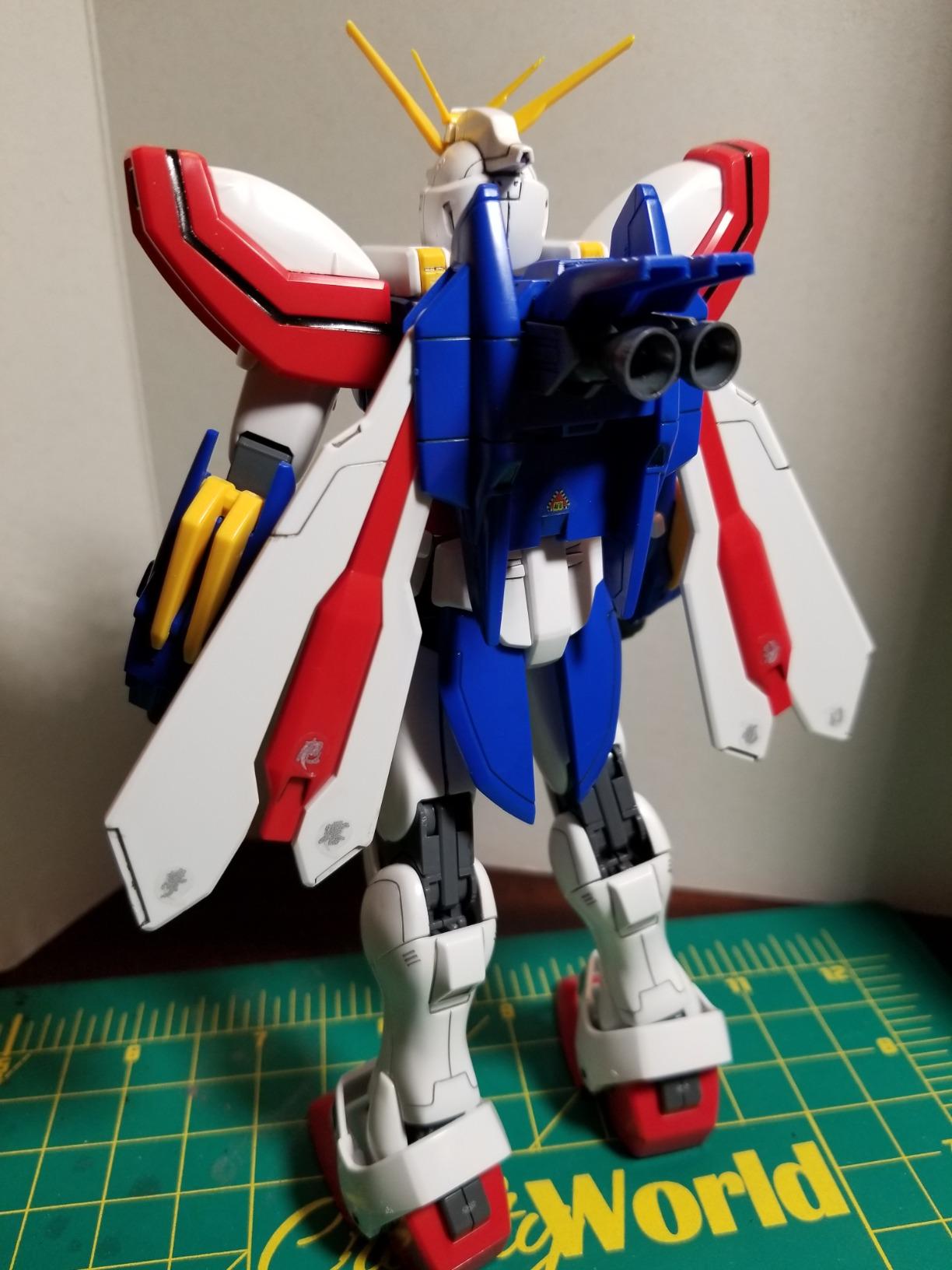
Best for large surface bonding
The brush applicator makes quick work of wing joints, hull sections, and other large contact areas where you need even coverage.
Best for experienced builders
The fast grab means you need confident alignment before applying. Beginners might prefer the longer working time of the Extra Thin formula.
4. Plastruct Plastic Weld – Best for Complex Repairs
Plastruct Plastic Weld w/applicator 2oz Bottle
2 fluid ounces
Applicator brush
Works on ABS, Styrene, Acrylic
Cancer warning on label
Pros
- Chemically melts plastic for super strong bond
- Works on multiple material types
- Immediately tacky
- Applicator brush for easy use
- Good for 3D print repairs
Cons
- Strong fumes require ventilation
- Requires gloves
- Does not work on polypropylene
- May leak during shipping
Plastruct Plastic Weld uses a solvent cement formula that chemically fuses plastic on contact. The bond is remarkably strong when used correctly, creating joints that become essentially permanent. I tested this on a damaged 3D-printed part and the repair held through subsequent handling without any weak points.
The multi-material compatibility expands your options. While standard plastic cement only works on polystyrene, this product bonds ABS, butyrate, styrene, and acrylic. This matters when you are working with kits that combine materials or need to attach aftermarket parts made from different plastics.
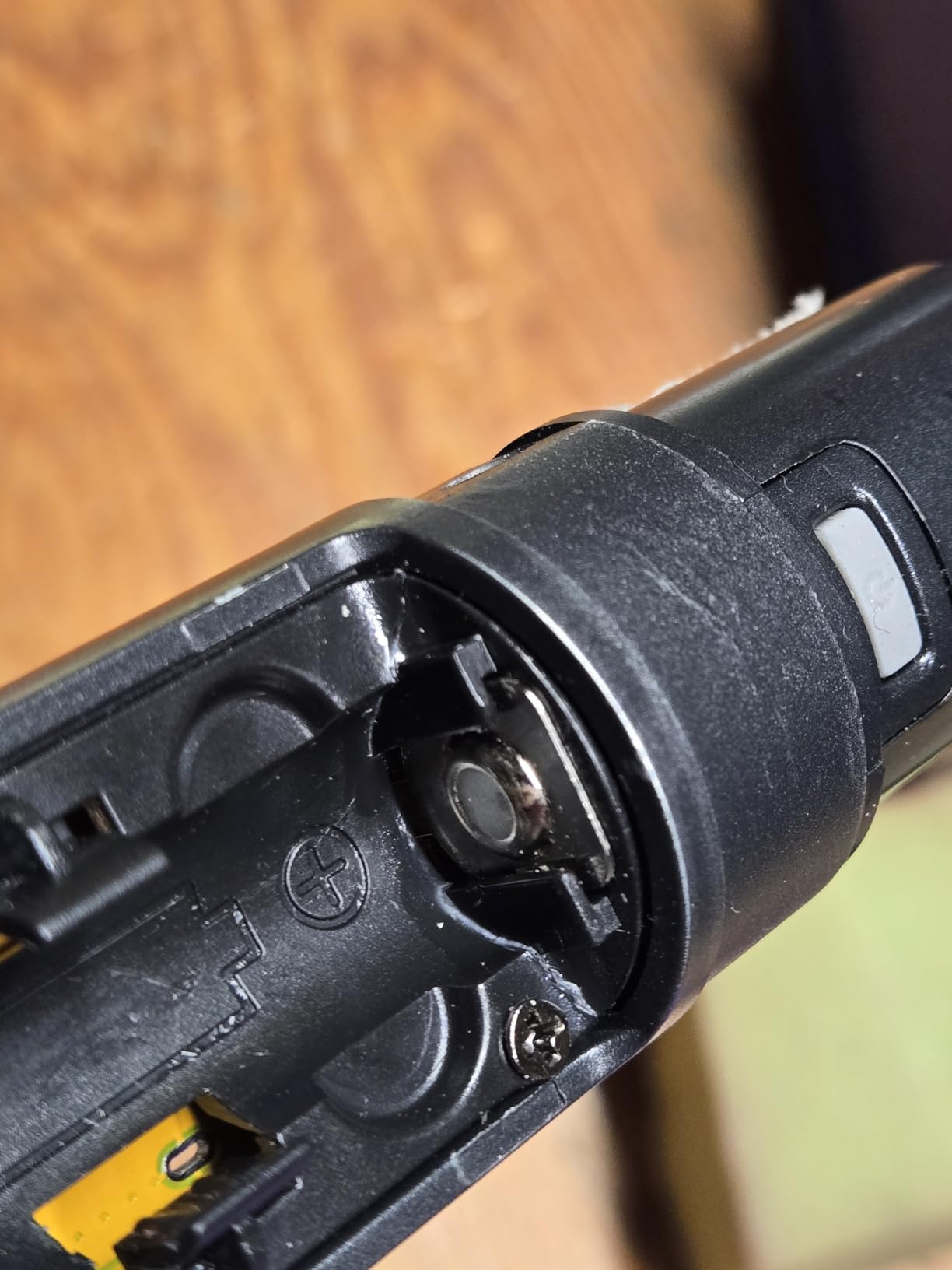
The applicator brush built into the cap makes application straightforward. I used it to coat both surfaces being joined, then pressed them together. The bond became tacky within minutes and fully cured overnight.
The safety warnings on the label are not trivial. This product requires proper ventilation and gloves during use. The fumes are noticeable even with a window open. That said, the performance justifies the extra precaution when you need industrial-strength bonding.
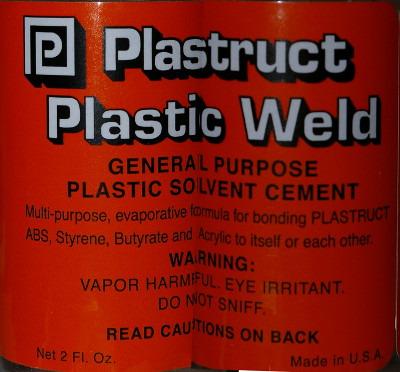
Best for multi-material assemblies
When your model kit combines different plastic types, this solvent cement handles the job where other products fail.
Best for structural repairs
The bond strength makes this suitable for stress-bearing joints or repairs where you need the assembly to hold up under handling.
5. Revell Contacta Professional – Budget Option
Revell 39604 Contacta Professional Glue 25g
25 gram weight
Extra-fine hollow needle
Low viscosity
Precision bonding
Pros
- Extra-fine needle for micro-fine gluing
- Pin-point accurate application
- Works well for miniatures
- Bottle shape prevents leaking
- Thin glue requires small amounts
Cons
- Metal needle may need heating initially
- Applicator too big for very delicate work
- Cap can be fragile
- Can flood model if overapplied
The extra-fine hollow needle on the Revell Contacta Professional delivers precision that most applicators cannot match. I used it on a 1/144 scale aircraft where the parts were tiny and spacing was tight. The needle reached into gaps without flooding the surrounding areas, which kept the model clean.
The low viscosity formula means you need less product per joint. A small drop goes a long way. This also means the cement flows into tight spaces naturally, which helps when you are working with parts that have minimal contact surface.
Getting the glue flowing initially required warming the needle. I held the tip near a lamp for a minute, and then the product flowed smoothly. This is a minor inconvenience but worth knowing before you start a project.
The bottle design prevents leaking between uses, which saves product and keeps your workspace clean. The thin formula does require care during application because it can spread further than intended if you apply too much.
Best for miniature and micro-scale models
If you work on 1/144 scale or smaller, or if you build tabletop gaming miniatures, the precision applicator is worth having.
Best for experienced modelers
The learning curve is steeper than brush-applicator products, but the precision rewards careful users who take time to master the technique.
How to Choose the Best Plastic Cement and Liquid Glues for Model Kit Assembly?
Selecting the correct adhesive depends on several factors specific to your project. Understanding these will help you make better decisions for each assembly.
Consider your skill level
Beginners benefit from products with longer working time, such as Tamiya Extra Thin Cement. The thin consistency flows slowly, giving you time to adjust part alignment before the bond sets. More experienced builders who work quickly may prefer faster-grabbing formulas like Testors Plastic Cement or the brush-applicator Tamiya version.
Match viscosity to your needs
Thin cements work through capillary action, pulling themselves into hairline gaps. They require well-fitting parts but create invisible joints. Thicker formulas fill small gaps and work on parts with less precise fit. Consider whether your kit has tight-fitting parts or requires gap-filling ability.
Think about application precision
Fine-tip applicators suit detailed work on small parts. Brush applicators cover large surfaces quickly. Needle applicators reach into tight spaces. Choose based on your most common project types rather than trying to use one product for everything.
Evaluate cure time requirements
Fast-drying products speed up assembly but reduce adjustment time. Slow-curing formulas let you reposition parts but extend project timelines. For display models where precision matters, the extra wait for full cure is worthwhile. For gaming miniatures that get handled often, faster-grabbing products may be preferable.
Safety precautions matter
All plastic cement products contain solvents that produce fumes. Work in ventilated areas regardless of which product you choose. Gloves protect your skin from prolonged contact. The Plastruct product requires additional caution due to stronger solvent content. These precautions are not optional when working with chemical adhesives.
Application Tips and Techniques
Proper application technique affects bond quality as much as the product itself. These methods improve your results consistently.
Prepare surfaces before gluing
Clean parts with mild soap and water to remove mold release agents and fingerprints. Allow parts to dry completely before applying cement. Trapped moisture or contaminants weaken the chemical bond and can cause joint failure later.
Apply to both surfaces
For strongest results, apply cement to both parts being joined. This ensures the solvent activates the surface on each piece, creating a complete chemical weld. Single-surface application works for touch-ups but produces weaker joints for primary assembly.
Use minimal product
Excess cement creates a mess and can damage surrounding details through capillary action. A thin, even coating is sufficient. If you see cement running or pooling, you have applied too much. Practice on spare parts to develop feel for the right amount.
Allow proper cure time
While some products grab within minutes, full chemical curing takes 24 hours for most formulas. Avoid stressing joints during this period. The bond continues strengthening as solvents fully evaporate and plastic molecules intermingle across the joint line.
Frequently Asked Questions
What is the best plastic cement for model building?
Tamiya Extra Thin Cement is widely considered the best plastic cement for model building due to its thin viscosity that flows smoothly via capillary action, precise fine-tip applicator, and strong chemical weld bonds. It works on all polystyrene model kits and is suitable for both beginners and experienced builders.
What kind of glue for model car kits?
For model car kits made from polystyrene or ABS plastic, plastic cement like Testors Plastic Cement or Tamiya Extra Thin provides the strongest bonds through chemical welding. Apply with appropriate tip for your scale, and allow 24 hours for full cure before handling.
What kind of glue do you use to put models together?
Plastic cement (polystyrene cement) creates the strongest bonds for plastic model kits by chemically welding parts together. CA glue (cyanoacrylate) works for quick repairs and non-plastic materials. PVA glue is useful for temporary positioning or non-structural joining. Choose based on your materials and strength requirements.
How does plastic cement work?
Plastic cement contains solvents like ethyl acetate or MEK that dissolve the outer surface of polystyrene plastic. When two dissolved surfaces are pressed together, the plastic molecules mix and fuse as the solvent evaporates. This creates a bond stronger than adhesive-only products because the parts become one continuous piece of plastic.
Conclusion
Choosing the right plastic cement and liquid glue for model kit assembly comes down to matching the product to your specific needs. Tamiya Extra Thin Cement earns our recommendation as the best overall choice for most model builders because of its winning combination of precision application, strong bonds, and reliable performance across project types.
For beginners on a budget, Testors Plastic Cement delivers solid results with multiple applicator tips included. The Tamiya Plastic Cement with brush applicator excels at covering large surfaces quickly. Experienced builders working with mixed materials should consider Plastruct Plastic Weld for its versatility. Revell Contacta Professional remains the top choice for micro-scale precision work.
Regardless of which product you select, proper technique matters more than the brand name. Take time to prepare surfaces, apply minimal product, and allow full cure before handling your assembled model. Your finished pieces will reward the extra care with strong joints that last for years.
Start with Tamiya Extra Thin Cement if you are unsure which to purchase. It handles most model kit assembly tasks effectively and gives you a baseline for comparing other products as you develop your preferences through experience.