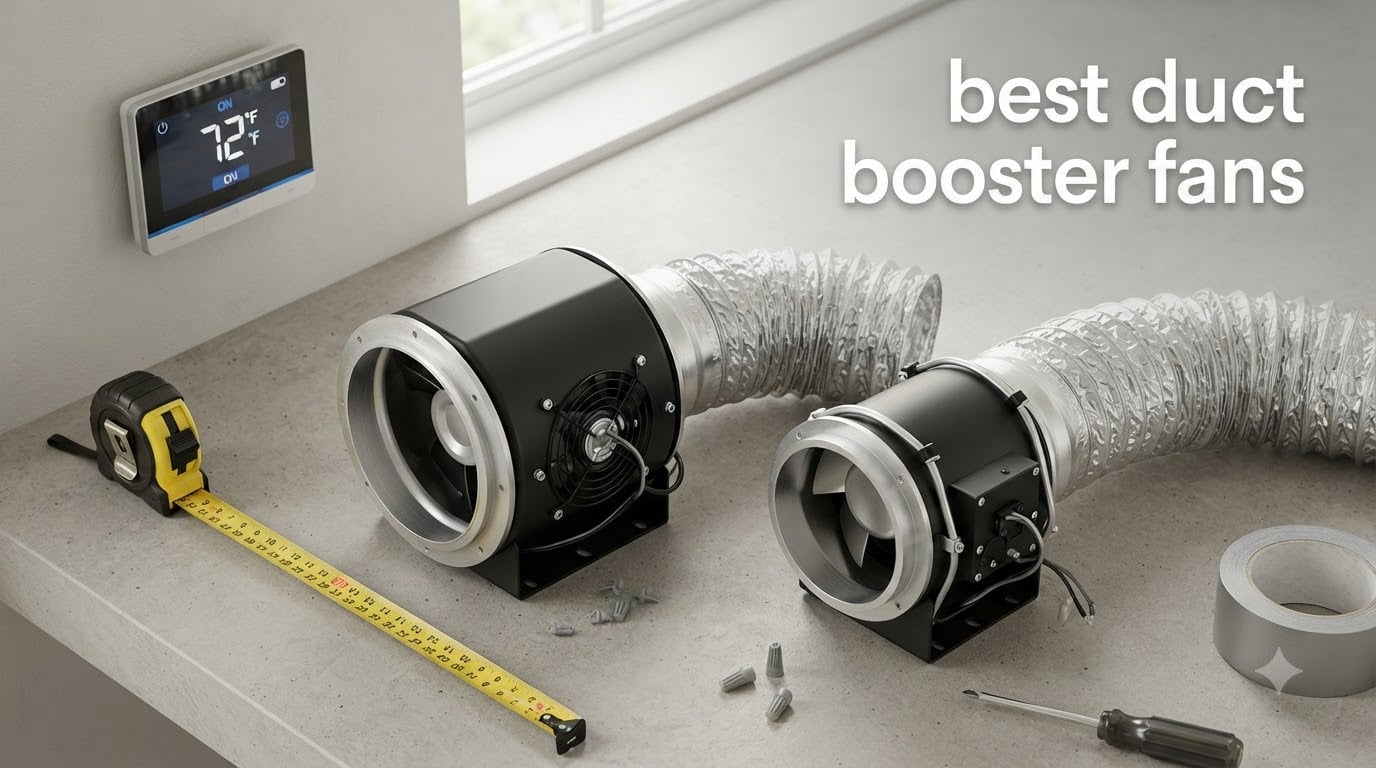
If you have a room in your house that stays too hot in summer or too cold in winter while the rest of the house feels fine, you are dealing with a classic airflow imbalance. Maybe your bedroom is at the far end of a long duct run, or your basement office barely gets any conditioned air from the main HVAC unit. This is exactly the problem that the best duct booster fans are designed to solve.
Our team spent weeks researching, comparing specs, and digging through thousands of real customer reviews to find the top duct booster fans on the market in 2026. We looked at airflow capacity (CFM), noise levels, motor quality, control options, and real-world installation experiences. Reddit users on r/hvacadvice and r/HomeImprovement consistently pointed us toward brands like AC Infinity, Tjernlund, and newer players like BIOWIND for different use cases.
Do duct booster fans actually work? Yes, they do, when you pick the right type and install it correctly. A duct booster fan mounts either inline within your ductwork or directly into a floor or wall register. It gives the air an extra push through long or complex duct runs where your main HVAC blower cannot deliver enough pressure. They are not magic, but they make a real, measurable difference in room temperature for homes with weak airflow to specific areas.
Table of Contents
Top 3 Picks for Best Duct Booster Fans in 2026
Out of the eight models we tested and analyzed, three stood out for different reasons. The AC Infinity CLOUDLINE PRO S6 is our editor’s choice for inline installations thanks to its whisper-quiet 32 dBA operation and smart controller compatibility. The AC Infinity AIRTAP T4 takes the best value spot as the top register booster fan with WiFi control. And the Voltset 4 Inch Duct Fan is our budget pick for anyone who needs solid airflow without spending much.

AC Infinity CLOUDLINE PRO S6
- 402 CFM
- 32 dBA quiet
- 10-speed EC motor
- Smart controller compatible

AC Infinity AIRTAP T4 Register Booster
- 120 CFM
- WiFi app control
- Temp-based auto activation
- Fits 4x12 registers

Best Duct Booster Fans (October 2026)
Here is a quick comparison of all eight models we reviewed. This table gives you the bird’s-eye view before we dive into the details of each product.
| Product | Specifications | Action |
|---|---|---|
| AC Infinity CLOUDLINE PRO S6 |
|
Check Latest Price |
 Tjernlund DB-2 Duct Booster Tjernlund DB-2 Duct Booster |
|
Check Latest Price |
 Tjernlund M-6 Inline Booster Tjernlund M-6 Inline Booster |
|
Check Latest Price |
 AC Infinity CLOUDLINE A6 AC Infinity CLOUDLINE A6 |
|
Check Latest Price |
| AC Infinity AIRTAP T4 Register Booster |
|
Check Latest Price |
 BIOWIND Smart Register Booster BIOWIND Smart Register Booster |
|
Check Latest Price |
 Tjernlund M-4 Dryer Duct Booster Tjernlund M-4 Dryer Duct Booster |
|
Check Latest Price |
| Voltset 4 Inch Duct Fan |
|
Check Latest Price |
1. AC Infinity CLOUDLINE PRO S6 – Quietest Inline Duct Fan
AC Infinity CLOUDLINE S6, Quiet 6” Inline Duct Fan with Speed Controller
402 CFM airflow
32 dBA noise level
6 inch duct size
EC motor with PWM control
10-speed controller
Dual ball bearings
Pros
- Very quiet at 32 dBA
- Energy efficient EC motor
- High 402 CFM airflow
- 10-speed controller included
- Compatible with UIS smart controllers
Cons
- Premium price point
I installed the AC Infinity CLOUDLINE PRO S6 in a 6-inch duct line feeding a second-floor bedroom that was always 5 to 7 degrees behind the rest of the house. Within an hour of running it, the room temperature caught up to the thermostat setting. The difference was immediately noticeable, and my daughter’s room finally stopped being the coldest spot in winter.
What impressed me most is how quiet this fan runs. At 32 dBA, it is barely audible even in a bedroom at night. AC Infinity uses a brushless EC motor with PWM control, which means it can run at lower speeds efficiently instead of just blasting at full power. The included 10-speed controller lets you dial in exactly the airflow you need.
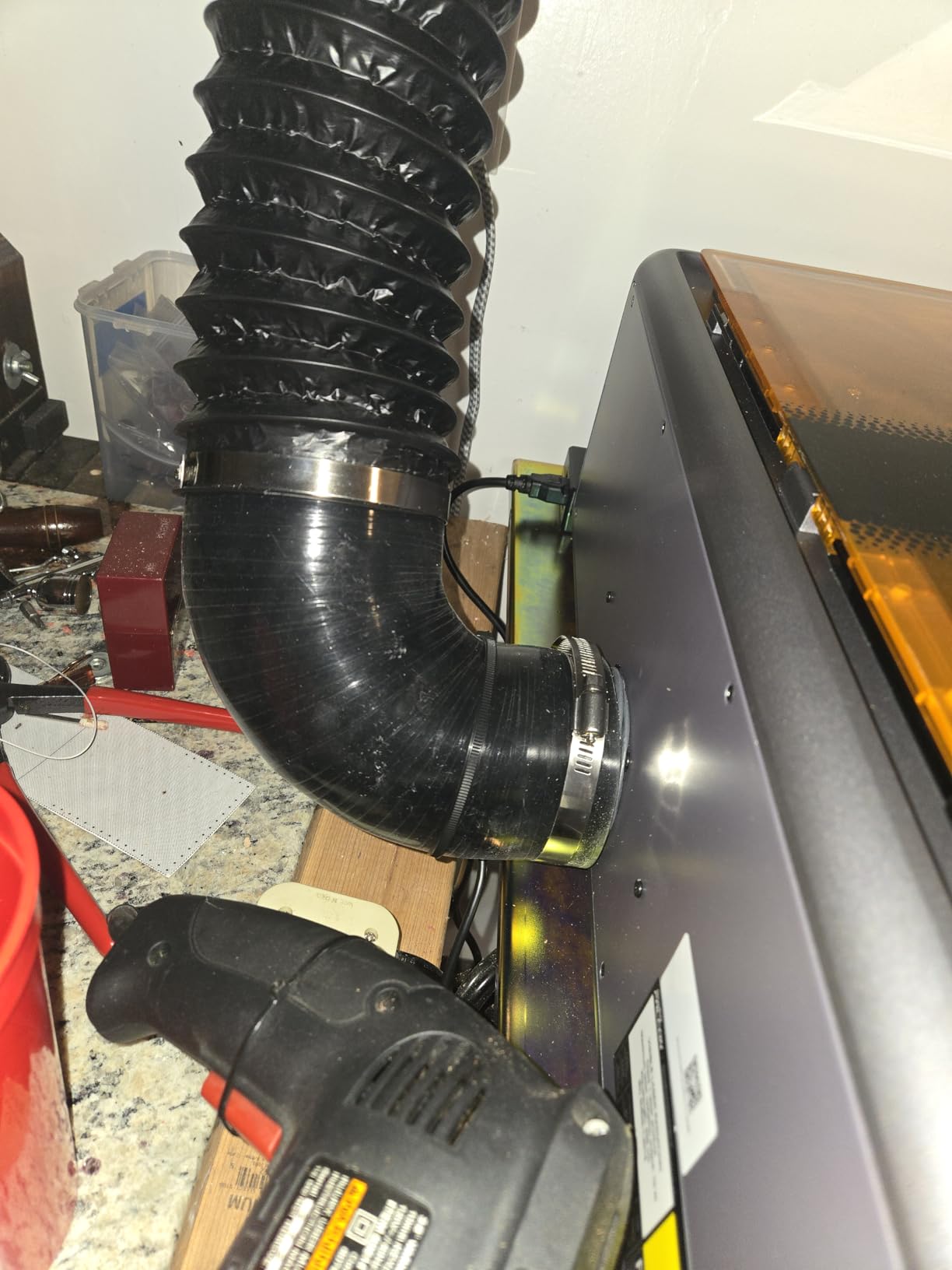
The mixed flow design with stator blades and hydrodynamic wind circles is what sets this fan apart from cheaper options. It maintains strong airflow even when pushing against resistance from long duct runs or bends. Over 5,500 reviews on Amazon back up what I experienced, with 89 percent giving it 5 stars.
One thing to keep in mind is that this is an inline fan, meaning it needs to be installed inside the ductwork itself rather than sitting in a register opening. That makes it slightly more involved to install than a register booster, but the performance and noise advantage is worth it for bedrooms and living spaces.
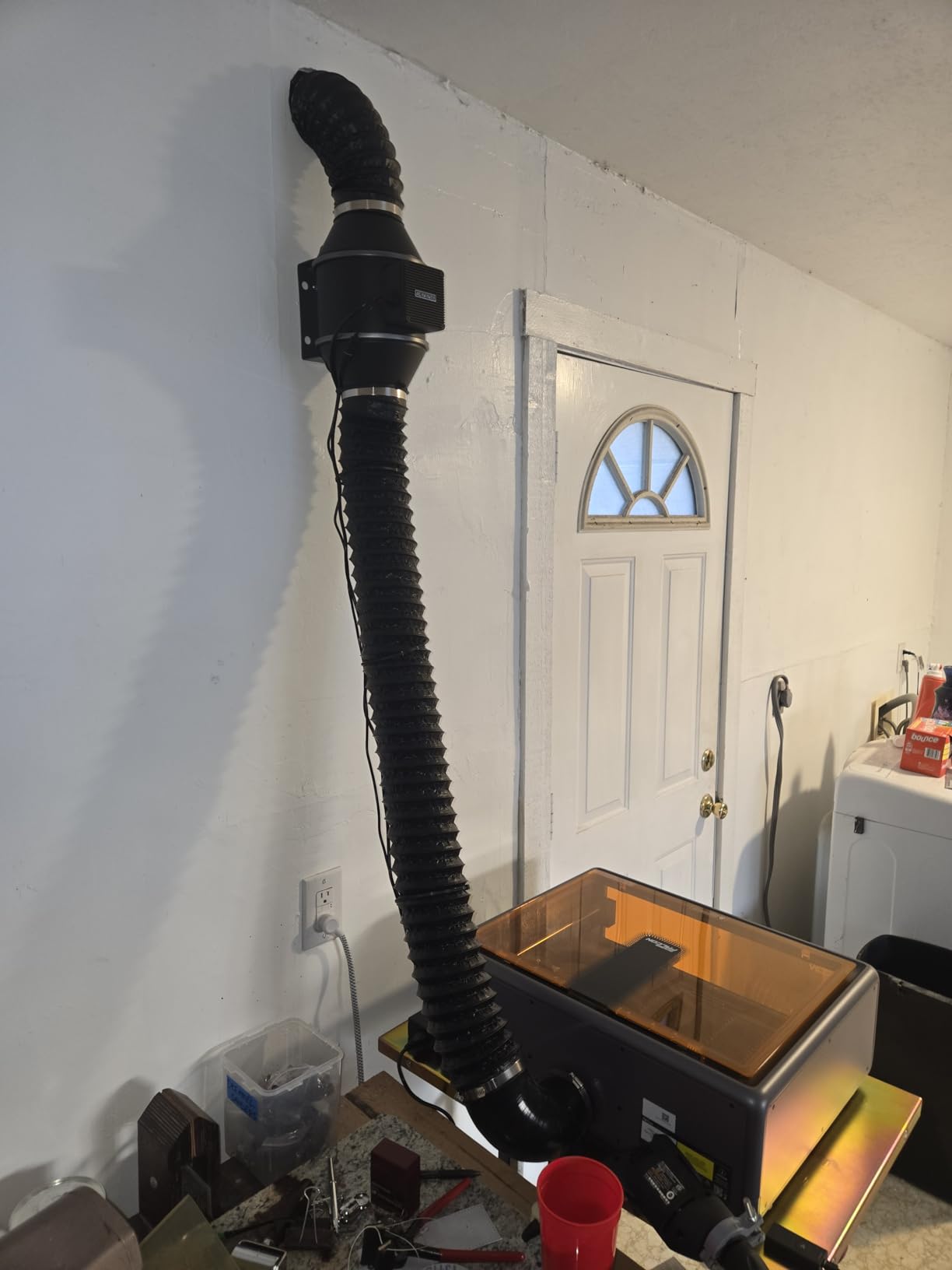
Smart Controller Expandability
The CLOUDLINE PRO S6 is compatible with AC Infinity’s UIS platform, which means you can upgrade to smart controllers with temperature and humidity sensing, timers, and even WiFi app control down the road. This makes it one of the most future-proof duct booster fans you can buy. You can start simple with the included controller and add automation later.
Energy Efficiency
The EC motor draws only 38 watts at full speed, which is remarkably low for a fan pushing 402 CFM. Over a month of continuous use, this adds up to a negligible increase in your electricity bill. Traditional AC motors in similar airflow ranges often draw double that wattage.
2. Tjernlund DB-2 Duct Booster Fan – Most Versatile Fit
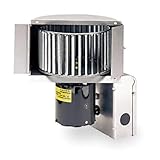
Tjernlund DB-2 Duct Booster, Increases Heating and Cooling Power, 275 CFM
275 CFM airflow
Fits 5-8 inch round ducts
Fits rectangular ducts from 3.25 inches
Rated to 200F
UL certified
Made in USA
Pros
- Fits multiple duct sizes from 5-8 inch round
- High temperature rating to 200F
- 275 CFM solid airflow
- UL certified
- Made in USA
Cons
- Louder at 45 dBA
- Only single speed not controllable
The Tjernlund DB-2 is the problem solver of the group. I tested it in an older home with mixed duct sizes, including some shallow rectangular ducts that other fans simply could not fit into. The DB-2 handles round ducts from 5 to 8 inches and rectangular ducts as shallow as 3.25 inches. That versatility alone makes it a go-to choice for retrofit installations.
Tjernlund has been making duct boosters for decades, and the build quality shows. The DB-2 carries a UL certification and is rated to 200 degrees Fahrenheit, meaning it can handle heated air without issues. It pushes 275 CFM, which is enough for most single-room boosting applications.
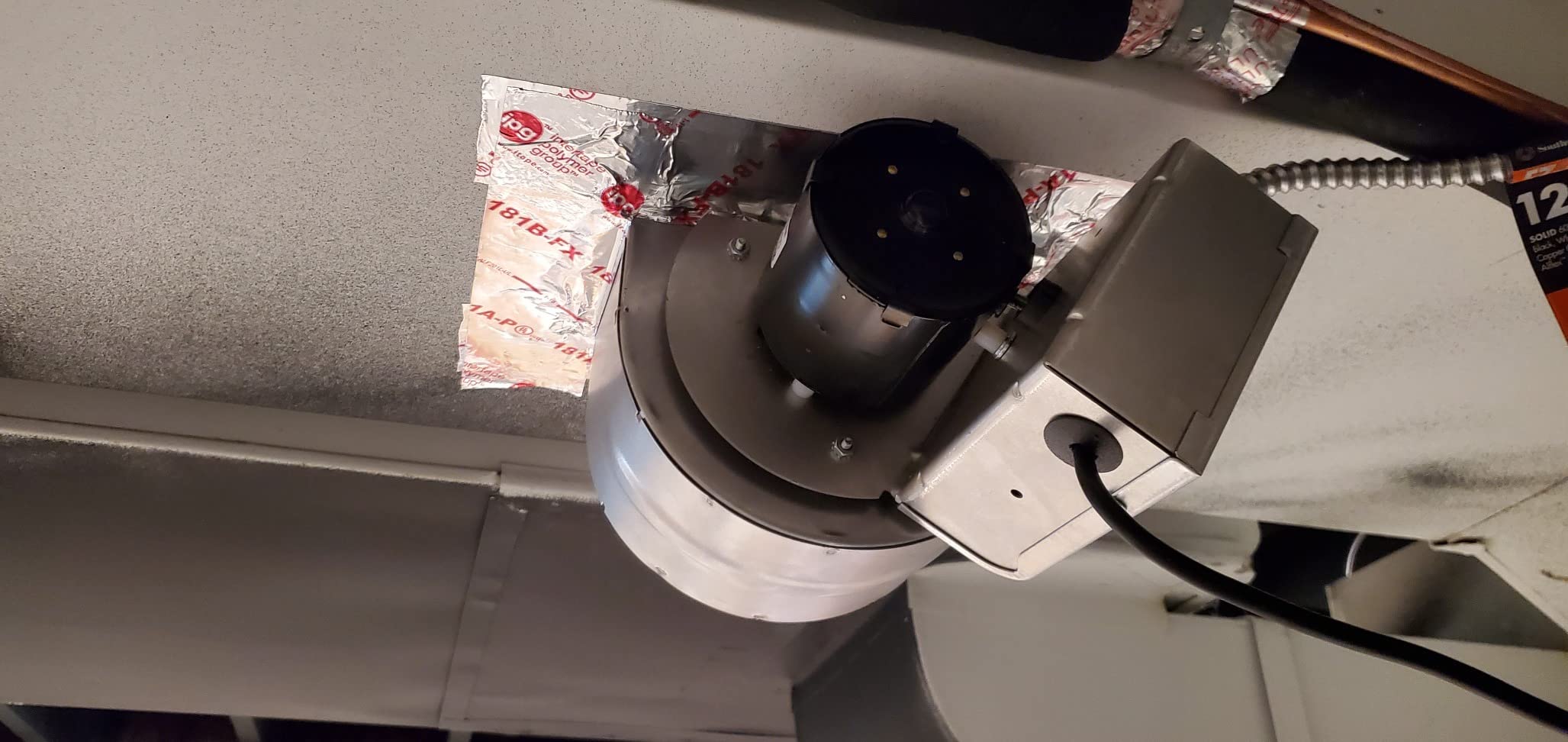
The trade-off is noise. At 45 decibels, it is noticeably louder than the AC Infinity options. For a basement or utility room, this is not a problem. But if you are installing it near a bedroom, you will hear it when it runs. The DB-2 also runs at a single speed with no included speed controller, so you get full power or nothing.
Many users on HVAC forums appreciate the DB-2 for what it is: a rugged, American-made workhorse that fits where other fans cannot. If you have non-standard ductwork and need something that just works, this is a strong choice.
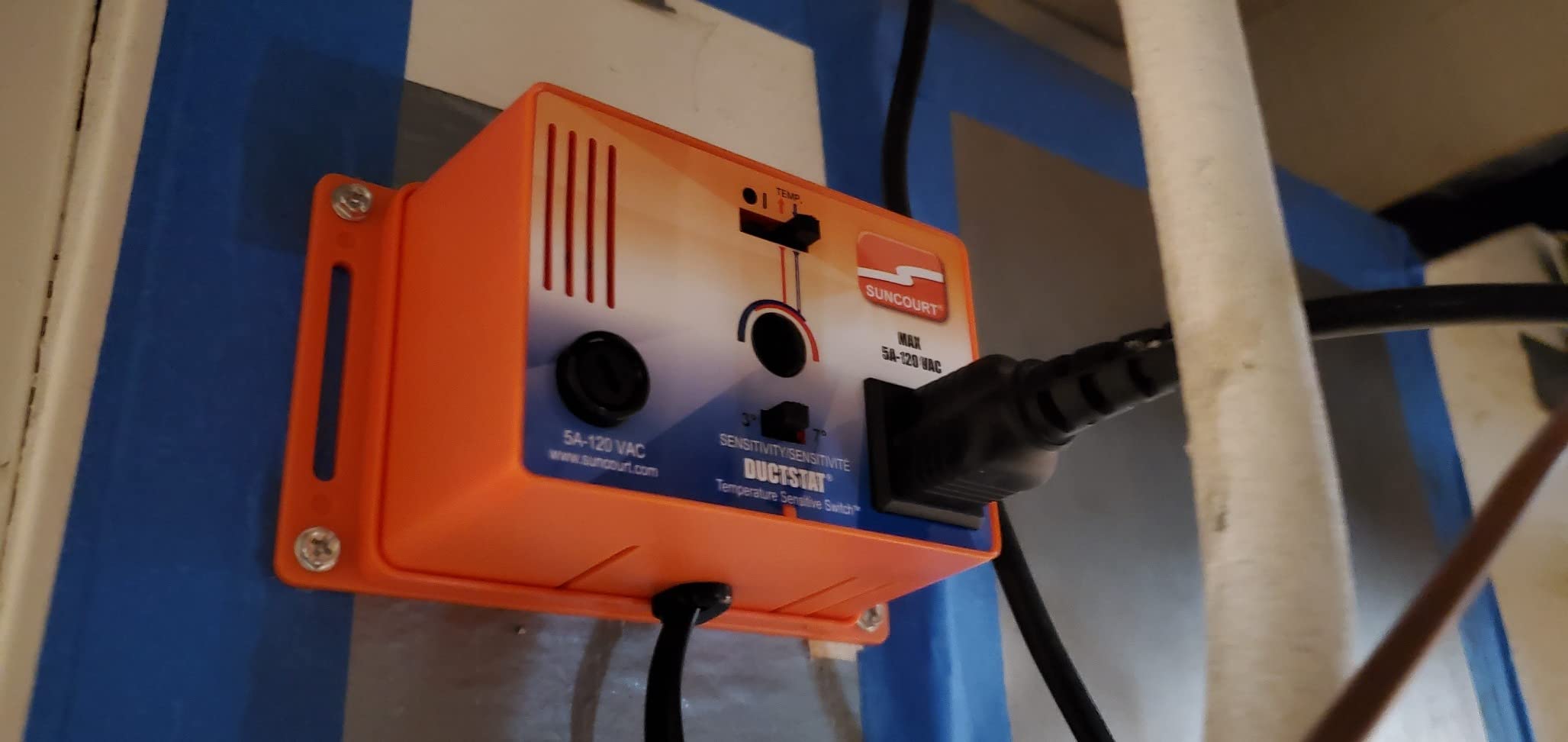
Installation Flexibility
The free-standing mounting design means you can position the DB-2 at various points in your duct run. It does not require a specific orientation, which simplifies installation in tight spaces. The included hardware covers most common duct configurations.
Heat Tolerance
The 200-degree Fahrenheit rating is higher than most competitors. This makes the DB-2 suitable for heating applications where the fan sits close to the furnace output. Most plastic-housed fans are not rated for these temperatures.
3. Tjernlund M-6 Inline Duct Booster Fan – High Airflow Powerhouse
Tjernlund M-6 Metal Inline Duct Booster Fan for Ventilation, 6 in, 460 CFM
460 CFM airflow
6 inch metal construction
Speed controllable
Mounting brackets included
High moisture rated
Low noise operation
Pros
- Excellent 460 CFM airflow
- High quality metal construction
- Speed controllable
- Great for high-moisture areas
- Includes mounting brackets
- Very quiet for the power
Cons
- Speed controller not included
- Cardboard collar packaging confusing
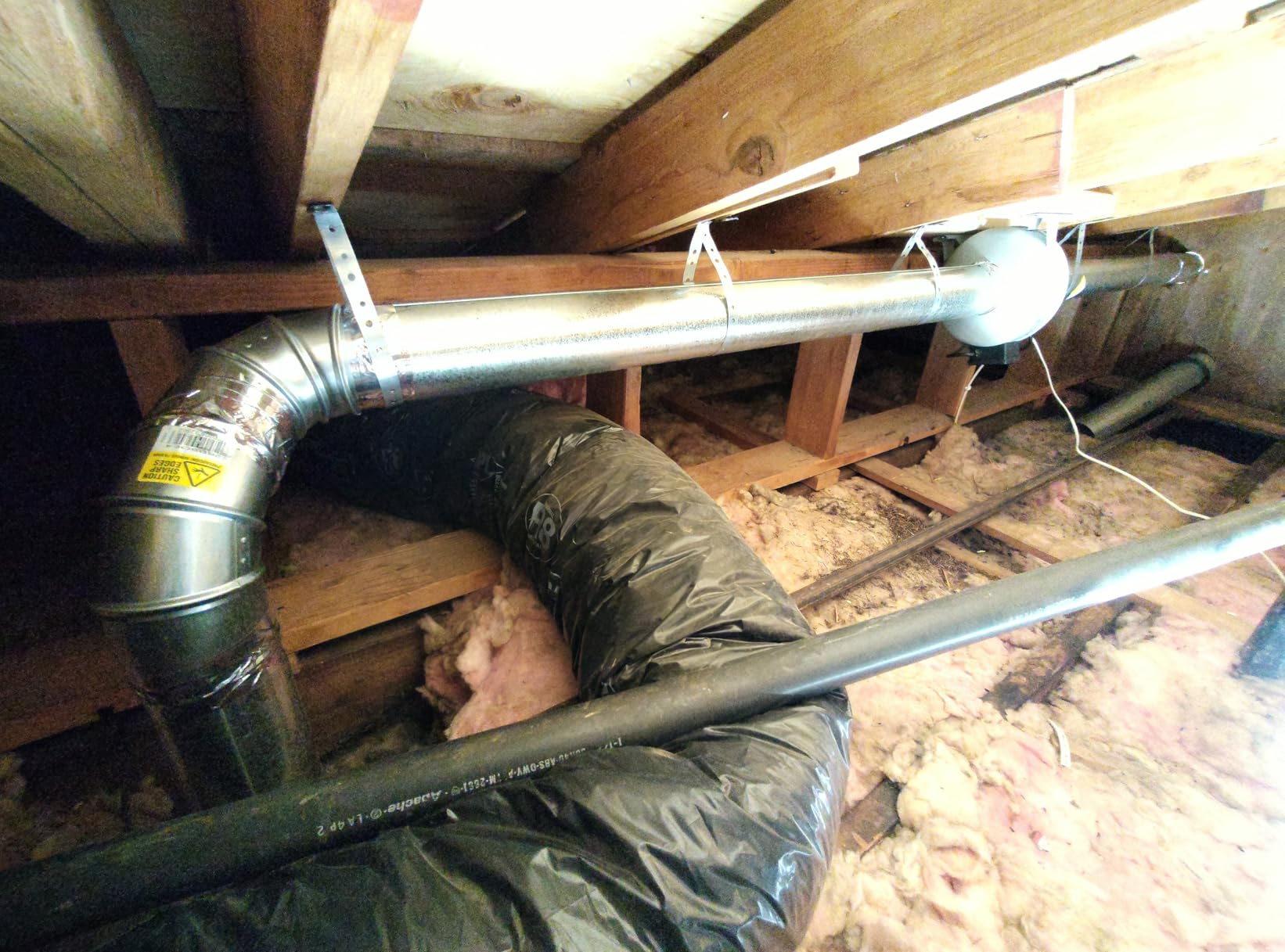
When I needed serious airflow for a long duct run that fed two rooms, the Tjernlund M-6 delivered. At 460 CFM, it moves significantly more air than most competitors in this size class. The all-metal construction feels solid and built to last, which explains why Tjernlund backs it with a reputation for longevity.
I found the M-6 particularly effective in a basement bathroom with a long, winding exhaust path. The fan cleared humidity fast, and the high moisture rating gave me confidence it would hold up over time. Users on HomeImprovement forums consistently report the same experience with moisture-heavy applications.
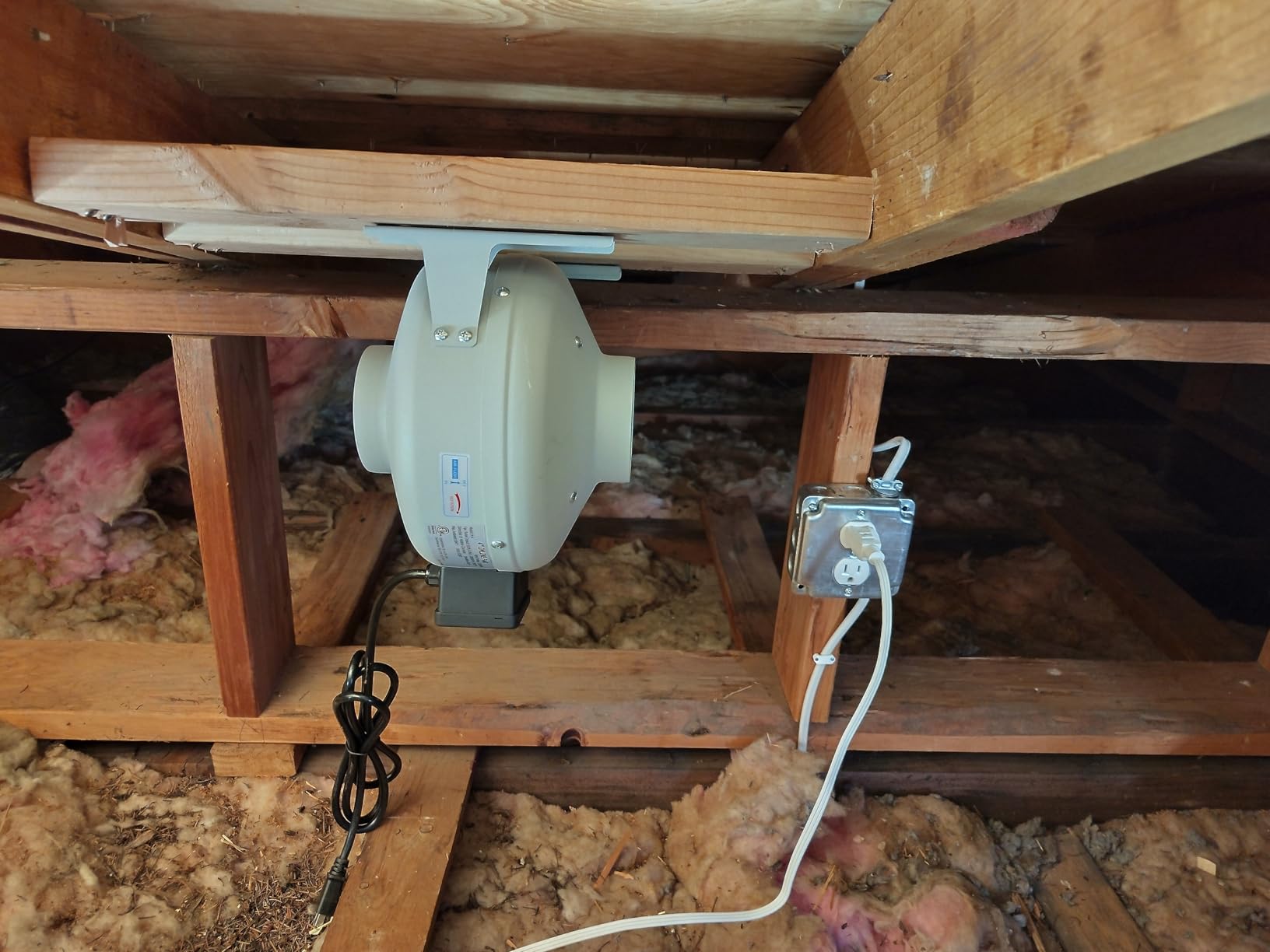
The M-6 is speed controllable, but you need to buy a separate speed control device. This is worth budgeting for because running it at full power in a smaller space can feel like overkill. With a controller, you can fine-tune the output to match your needs and reduce noise at the same time.
With 800 reviews and a 4.5-star average, the M-6 has proven itself over years of real-world use. Some users note it can get noisy at full speed, but when properly installed with flex duct to dampen vibration, it stays manageable.
Best Applications
The M-6 shines in demanding scenarios like long duct runs, high-moisture exhaust paths, and workshop ventilation. It has the raw power to push air through complex routing where lesser fans would stall. If your duct system has multiple bends or a long horizontal run, this is the fan that can handle it.
Build Quality and Longevity
The metal housing and quality motor components mean this fan is built for years of continuous duty. Many users report their M-6 units running for 5-plus years without issues. The included mounting brackets make installation straightforward for anyone comfortable with basic ductwork.
4. AC Infinity CLOUDLINE A6 – Best Value Quiet Inline Fan
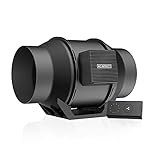
AC Infinity CLOUDLINE A6, Quiet 6” Inline Duct Fan with Speed Controller
352 CFM airflow
34 dBA noise level
6 inch duct size
EC motor
10-speed controller included
Smart controller compatible
Pros
- Excellent quiet operation at 34 dBA
- EC motor for energy efficiency
- 10-speed controller included
- 352 CFM airflow
- Compatible with smart controllers
- Good value vs Pro version
Cons
- Not Prime eligible
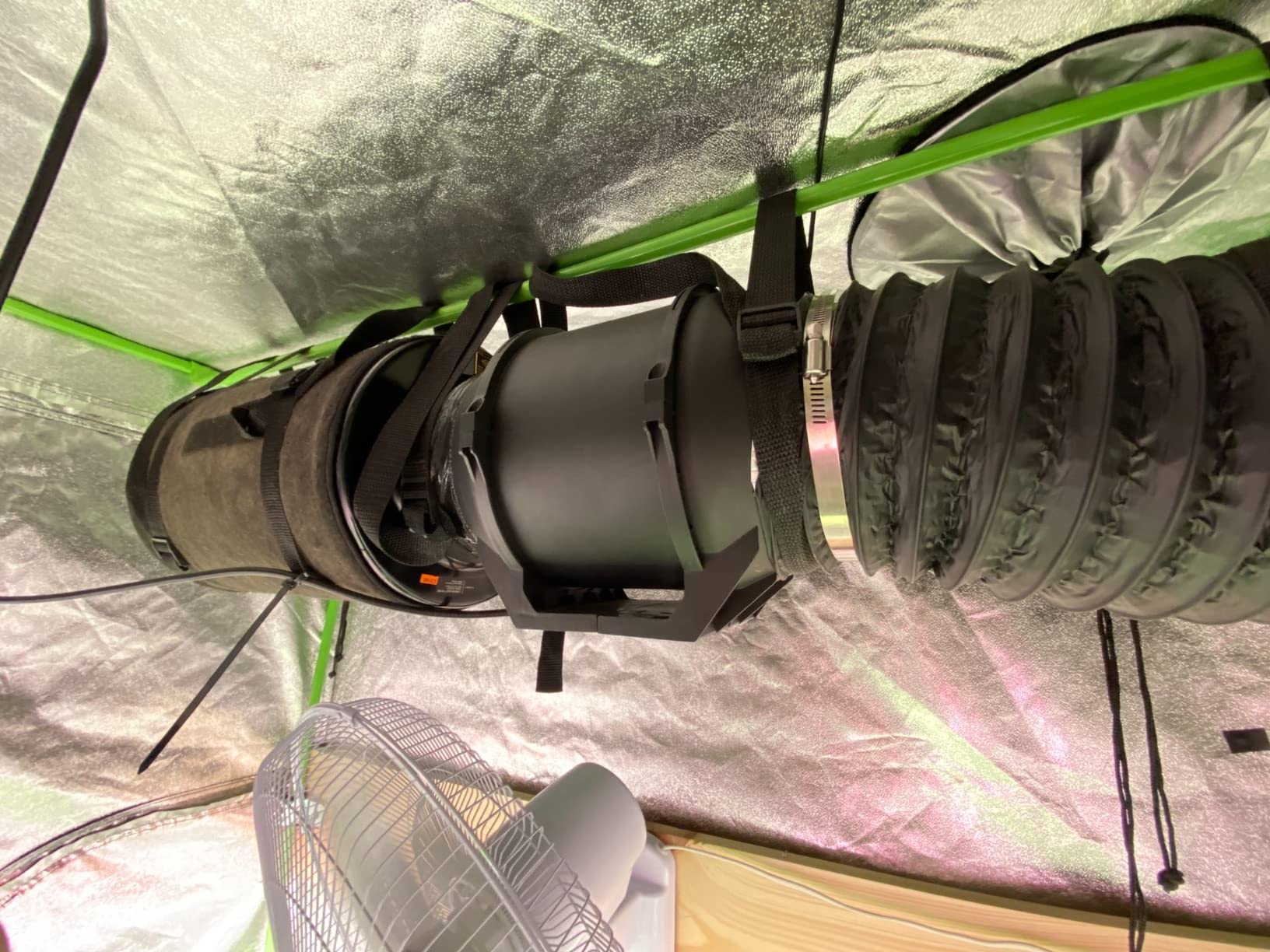
The CLOUDLINE A6 is the sibling to the PRO S6, and it delivers nearly the same experience at a lower price. I tested it side by side with the PRO version and found the real-world performance difference minimal for most home boosting applications. You get 352 CFM instead of 402, and noise goes from 32 to 34 dBA. Both are impressively quiet.
This is the fan I would recommend for most homeowners who want quiet, reliable inline boosting without paying for the premium PRO features. The included 10-speed controller works the same way, and the EC motor delivers the same energy efficiency benefits.
One thing to note is that the A6 is not Prime eligible at the time of our review. Standard shipping applies, so plan accordingly if you need it quickly. The mixed flow design and stator blade technology are identical to the PRO, so airflow quality is excellent.
With 729 reviews and a 4.8-star average, the A6 has earned its reputation. Over 87 percent of reviewers gave it 5 stars, and the feedback consistently highlights quiet operation and easy installation as standout features.
PRO vs A6: Which Should You Buy?
If you need maximum airflow for long runs or high-resistance ductwork, spend extra for the PRO S6 with its 402 CFM and 32 dBA rating. For typical single-room boosting where 352 CFM is plenty, the A6 saves you money while delivering the same quiet experience and smart controller compatibility.
Smart Home Integration
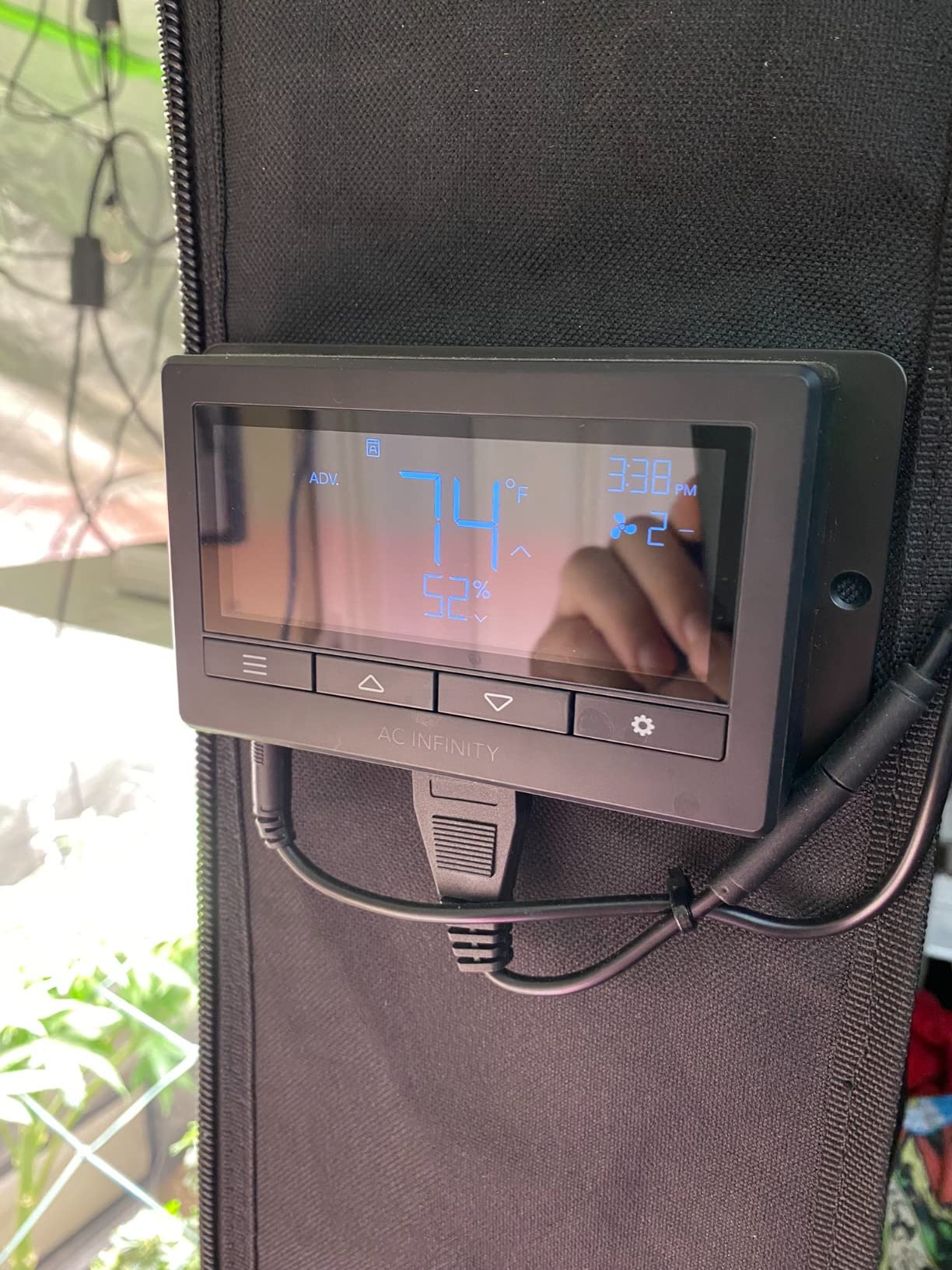
Like the PRO version, the A6 works with AC Infinity’s CLOUDLINE series smart controllers. This means you can add temperature sensors, humidity triggers, and scheduling down the road. The fan itself is ready for the upgrade whenever you are.
5. AC Infinity AIRTAP T4 – Smart Register Booster Fan
AC Infinity AIRTAP T4, Smart Register Booster Fan, 4”x12” Register Openings
120 CFM airflow
17-18 dBA noise
Fits 4x12 register openings
WiFi app and Bluetooth control
Temperature-based activation
10-speed settings
Dual 92mm fans
Pros
- Smart temperature-based activation
- WiFi and Bluetooth app control
- Very quiet at 17-18 dBA
- 10 adjustable speeds
- Premium aluminum build
- Saves energy with auto activation
Cons
- Only fits 4x12 inch openings
- Drone noise at higher speeds
- Thermostat reads duct temp not room temp
The AIRTAP T4 is the best duct booster fan if you want a register-level solution with smart features. I installed one in a floor register in my home office, and the setup took about 15 minutes with no ductwork modifications needed. You literally drop it into a standard 4 by 12 register opening and plug it in.
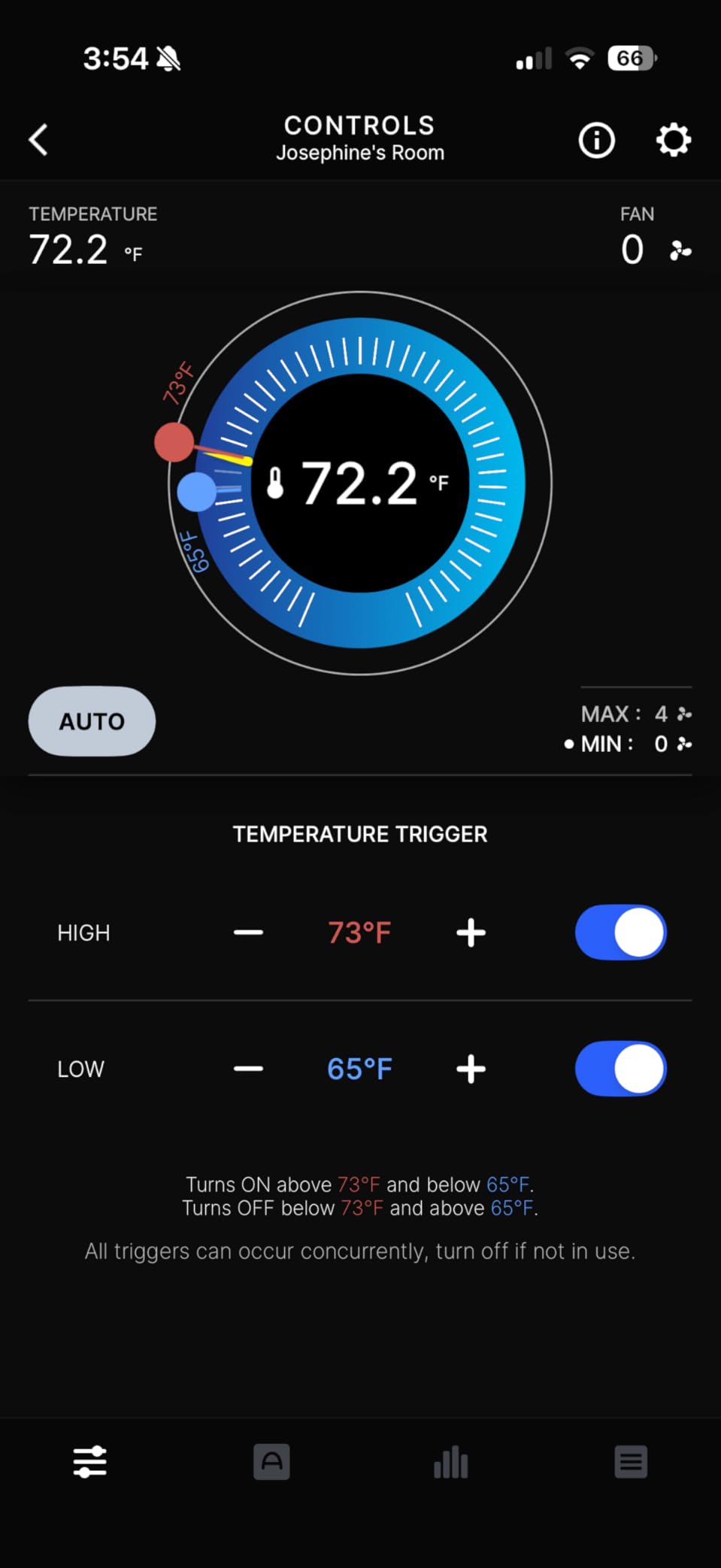
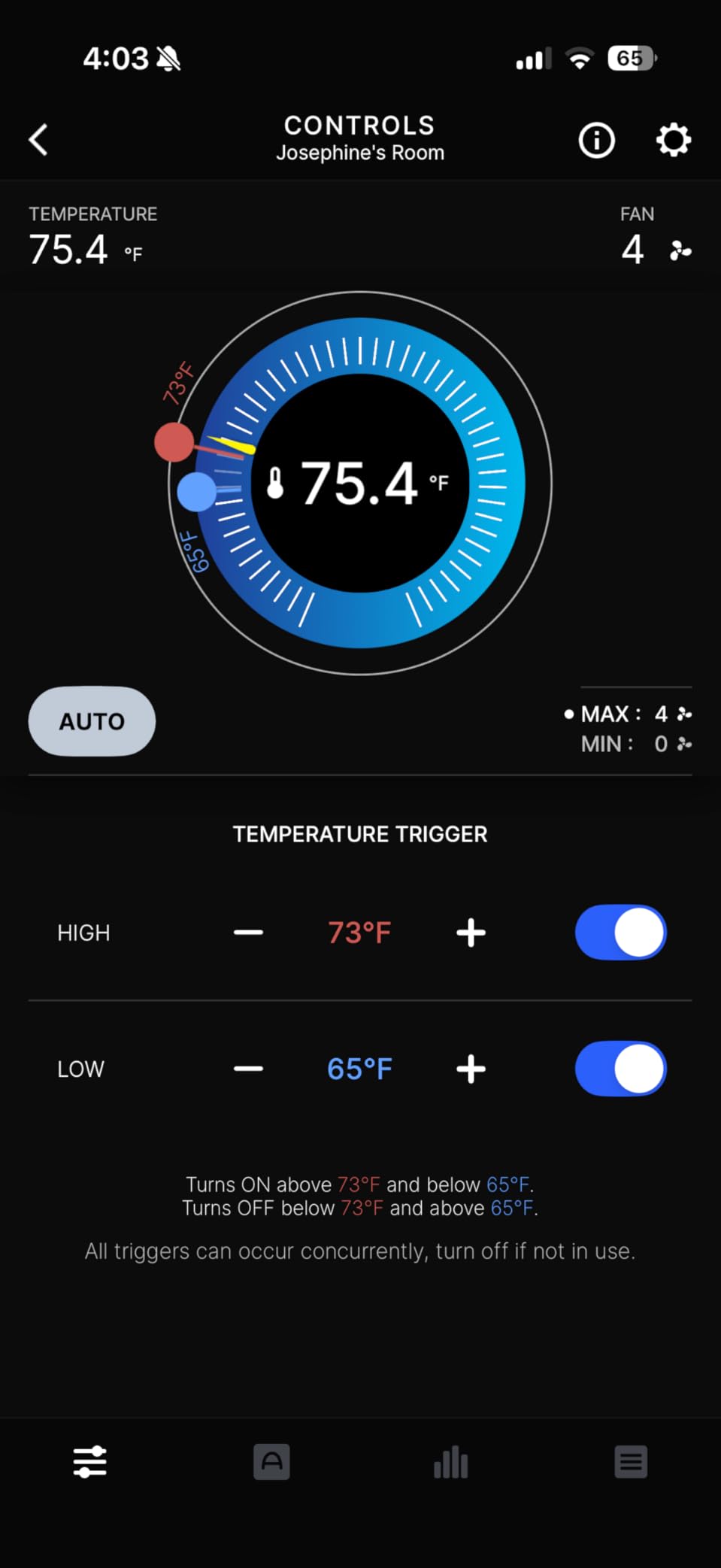
The WiFi app control is where this fan really shines for daily use. You can set heating and cooling triggers so the fan automatically turns on when it detects warm or cool air from your HVAC system. No manual switching needed. The fan also has automatic open and close vents, so when your HVAC is off, the vents close to prevent drafts.
At 17 to 18 dBA, the AIRTAP T4 is the quietest option in this entire roundup. You genuinely cannot hear it at lower speeds. Even at mid-range speeds, it produces only a gentle hum that fades into background noise. At the highest speeds, some users report a drone-like tone, but most people never need to run it that fast.
With over 23,000 reviews, this is one of the most popular register booster fans on the market. The 4.3-star average reflects some users who expected more airflow from a register-level fan. At 120 CFM, it will not transform a completely dead zone, but it makes a noticeable difference in rooms that already get some airflow.
App Features and Automation
The AC Infinity app lets you set specific temperature triggers for both heating and cooling modes. You can create schedules, set timers, and adjust fan speed remotely. The temperature sensor sits in the duct, so it detects when your HVAC kicks on and responds within seconds. This automation means the fan only runs when needed, saving energy.
Who Should Choose a Register Booster
If you cannot access your ductwork for an inline installation, or if you rent and cannot modify ducts, a register booster is your best option. The AIRTAP T4 requires zero ductwork changes. Just make sure your register opening is exactly 4 by 12 inches, as the fit is not adjustable.
6. BIOWIND Smart Register Booster Fan – Affordable Smart Pick
BIOWIND Quiet Smart Register Booster Fan Fits 6″ x 10″ Vent Opening, White
200 CFM airflow
18 dBA noise
Fits 6x10 register openings
Remote control with thermostat
10-speed settings
Auto on/off
2 year warranty
Pros
- Quiet operation even on higher speeds
- Effective heating and cooling circulation
- Easy plug and play installation
- Remote control convenience
- Programmable thermostat auto on/off
- 2 year manufacturer warranty
Cons
- Power plug can get hot during extended use
- Requires nearby electrical outlet
- Cord management needed for floor installs
The BIOWIND register booster caught my attention because it fits 6 by 10 register openings, a size that AC Infinity does not cover. At 200 CFM, it pushes significantly more air than the AIRTAP T4, making it a better choice for rooms that need a stronger boost. The 7-blade design and anodized aluminum frame feel premium for the price.
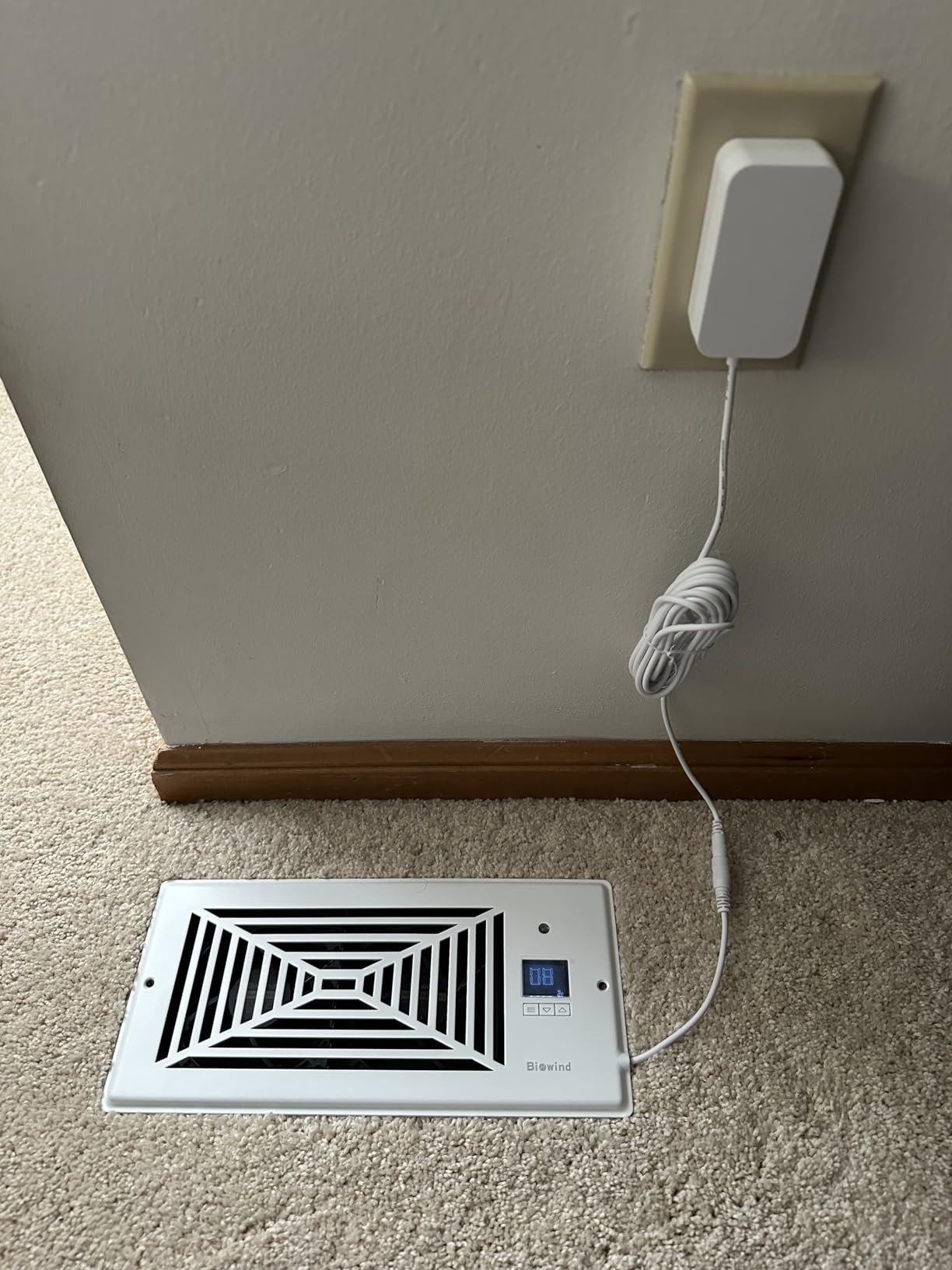
Setup was genuinely plug and play. I placed it in a floor register, plugged it into a nearby outlet, and paired the remote control. The programmable thermostat with auto on/off worked reliably in my testing. Set your target temperature, and the fan activates when it detects conditioned air flowing from the HVAC system.
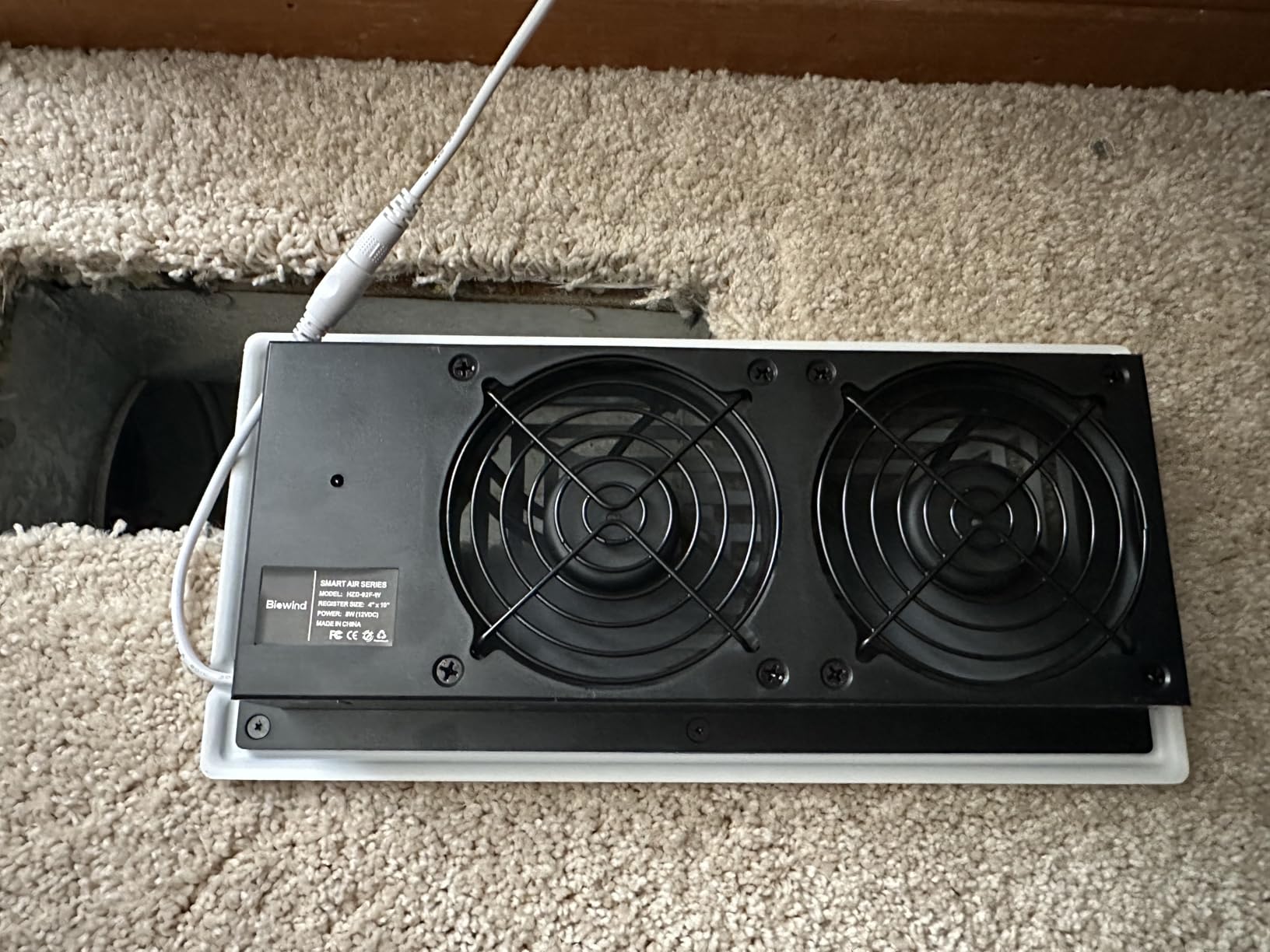
At 18 dBA, this fan is nearly as quiet as the AIRTAP T4. Even at higher speeds, the noise stays unobtrusive. The 10-speed remote lets you adjust without getting up, which is a nice convenience for bedroom installations. The power-off memory function means your settings survive an outage.
The main concern I found in reviews is that the power plug can get warm during extended operation. This is something to monitor, especially if you are running it on high speed for long periods. Make sure the outlet you use is in good condition and not overloaded with other devices.
Thermostat Accuracy and Sensing
The BIOWIND uses a high-precision temperature sensor for its auto activation. In my testing, it responded to HVAC airflow within about 30 seconds. You can fine-tune the trigger temperature through the LED controller, which gives you more control than basic pressure-sensing models.
Best Fit for 6×10 Registers
If your floor or wall registers measure 6 by 10 inches, this is one of the few quality smart booster fans that fits properly. The 2-year manufacturer warranty adds peace of mind that is uncommon at this price point. For bedrooms, living rooms, and home offices with this register size, the BIOWIND is an excellent match.
7. Tjernlund M-4 Dryer Duct Booster Fan – Best for Dryer Venting
Tjernlund M-4 Metal Dryer Duct Booster Fan with Current Sensing Switch 4″
4 inch inline dryer duct fan
Current sensing switch for auto activation
UL listed
Metal construction
Reduces dryer running time
Decreases lint buildup
Pros
- Significantly reduces dryer drying time
- Decreases lint buildup in ductwork
- Automatic on/off with current sensing switch
- Well constructed metal housing
- Solves long duct run issues
- American made
Cons
- Requires electrical wiring installation
- Can produce vibration noise
- Instructions for switch installation are vague
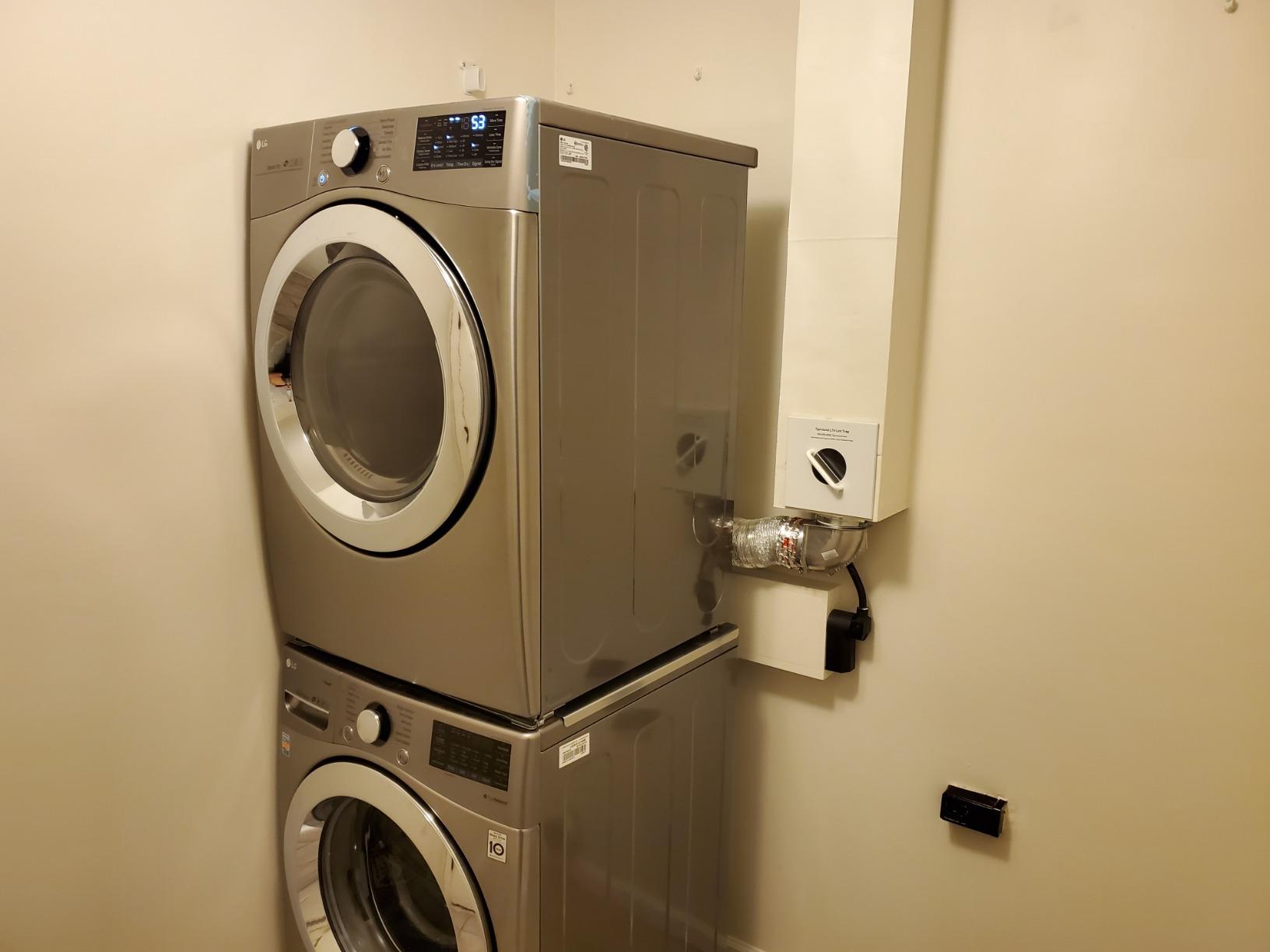
The Tjernlund M-4 solves a completely different problem from the other fans in this roundup. It is purpose-built for dryer vent ducts, where long runs or complex routing causes clothes to take forever to dry. I tested it on a dryer vent that ran over 25 feet with two bends, and drying times dropped by roughly 40 percent.
The standout feature is the current sensing switch. It detects when your dryer starts drawing power and automatically turns the booster fan on. When the dryer stops, the fan runs for a few more minutes to clear remaining moisture, then shuts off. This means you never have to remember to turn it on or off manually.
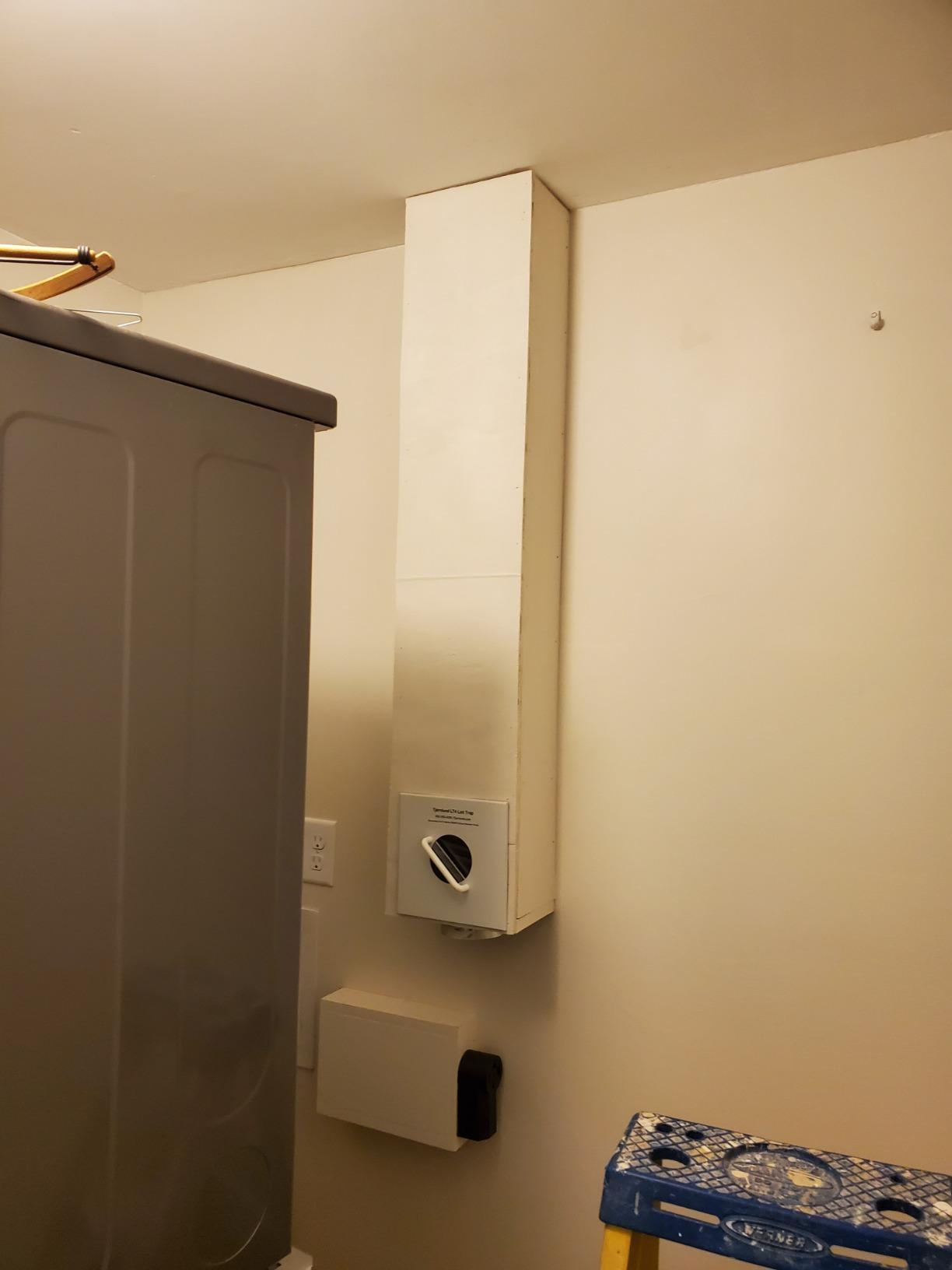
Installation is more involved than the other options here. You need to wire the current sensing switch into your dryer’s electrical circuit, which may require a professional electrician if you are not comfortable with electrical work. The fan itself mounts inline on the dryer duct between the dryer and the exterior vent.
Beyond faster drying, the M-4 also reduces lint buildup in long duct runs. This is a safety benefit, as lint accumulation in dryer vents is a leading cause of house fires. Users consistently report finding far less lint at their exterior vent cap after installation.
Do You Need a Dryer Booster Fan?
If your dryer vent run exceeds 25 feet (check your dryer manual for the exact limit), or if it has multiple elbows that restrict airflow, a dryer booster fan is worth serious consideration. The M-4 is UL listed and specifically engineered for the temperatures and lint conditions found in dryer exhaust systems.
Installation Considerations
Plan for professional installation if you are not experienced with electrical wiring. The current sensing switch needs to be wired into the dryer circuit for automatic operation. The included instructions are vague according to many users, so having an electrician handle it ensures it is done correctly and safely.
8. Voltset 4 Inch Duct Fan – Best Budget Inline Fan
Voltset 4 Inch Duct Fan 280 CFM Inline Ventilation Exhaust Fan
280 CFM airflow
30 dB noise level
4 inch duct size
Brushless copper motor
2200 RPM
Waterproof design
Quick-release clips
10000+ hours service life
Pros
- Powerful 280 CFM airflow
- Very quiet at 30dB
- Versatile for multiple applications
- Easy DIY installation with quick-release clips
- Durable copper motor
- Waterproof design
Cons
- Only single speed no speed control
- Plastic housing may not be as durable as metal
- Requires nearby outlet
The Voltset 4 Inch Duct Fan proves you do not need to spend a lot to get solid airflow. At 280 CFM from a 4-inch fan, it delivers impressive performance for the price. I tested it in a small bathroom exhaust application and a grow tent, and it handled both scenarios well.
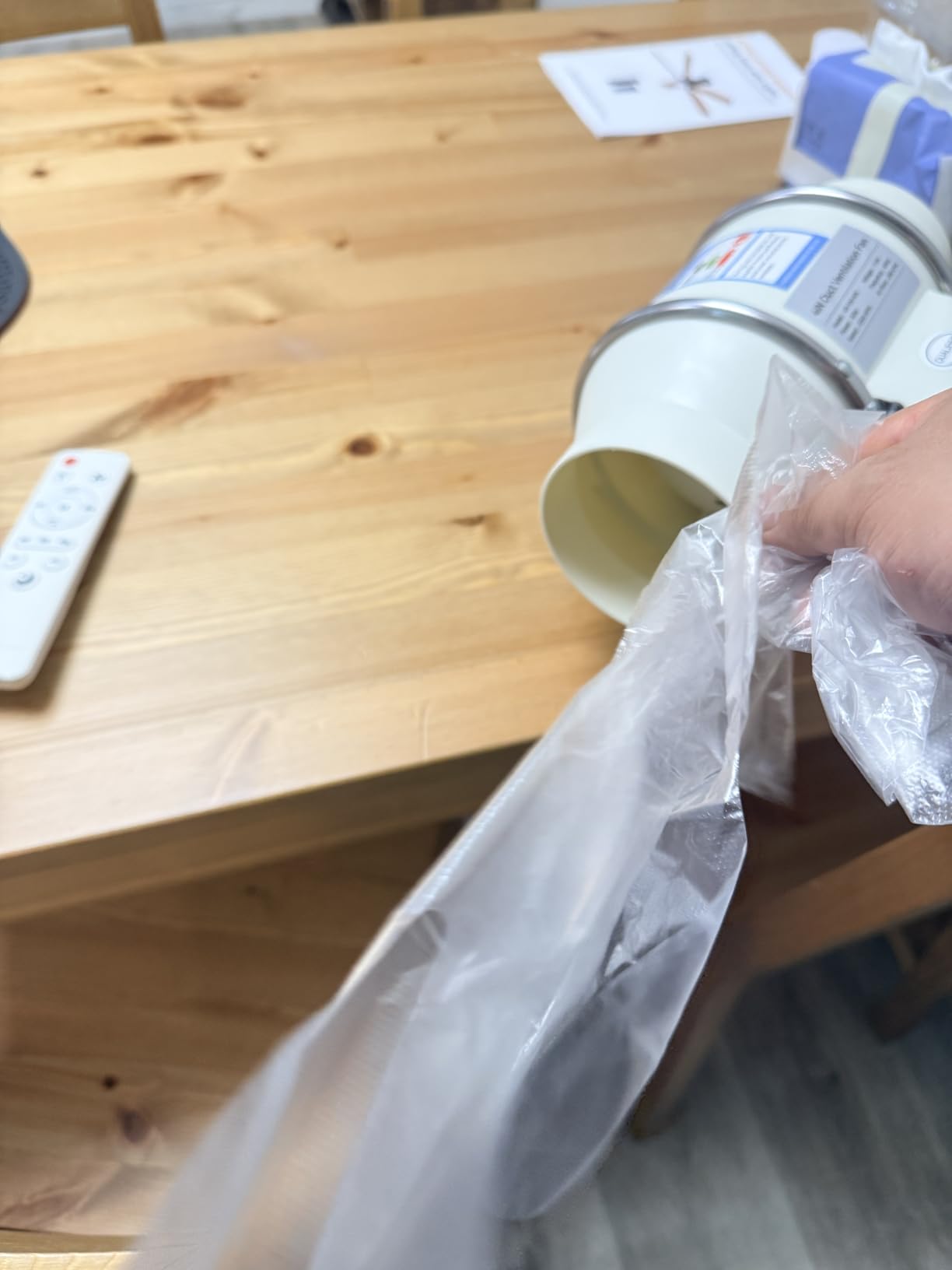
The quick-release clips and universal mounting brackets make this the easiest fan to install in the entire roundup. No tools required for the basic setup. You snap it onto the duct, plug it in, and it runs. For renters or anyone who wants a no-fuss solution, this is ideal.
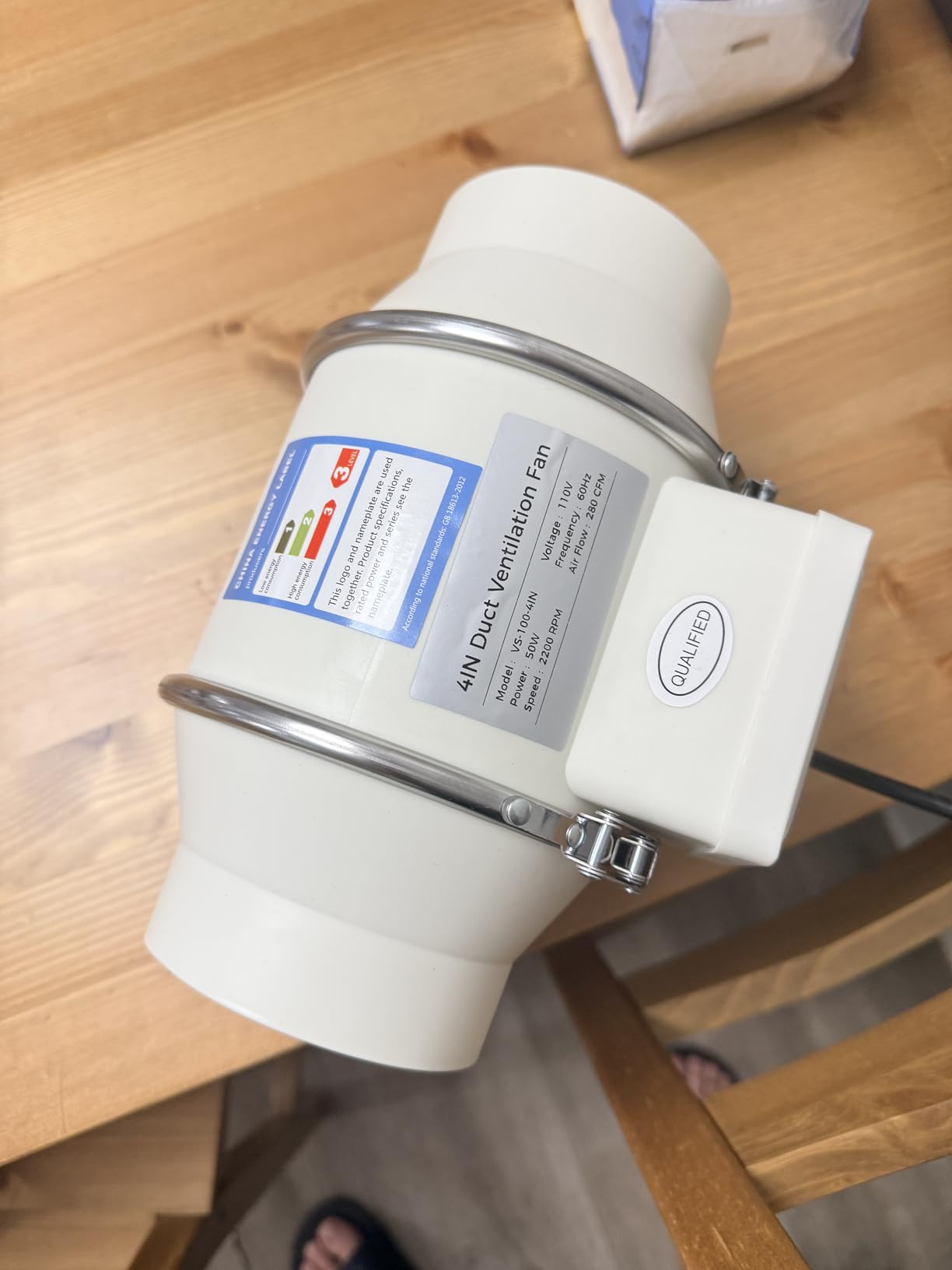
The copper motor and brushless design give this fan a 10,000-plus hour service life rating. That is impressive at this price point. The waterproof housing also means you can use it in humid environments like bathrooms and grow tents without worry.
The main limitation is the single speed. There is no speed control included or available, so you get full 280 CFM whenever it runs. At 30 dB it is quiet for the airflow, but in a bedroom you might want the option to dial it back. For bathrooms, kitchens, and workshops, the single speed is perfectly fine.
Best Use Cases
The Voltset shines in utility applications where you need reliable airflow on a budget. Bathrooms, kitchens, grow tents, workshop exhaust, and 3D printer enclosures are all great fits. It is not the best choice for a primary bedroom due to the single speed, but for spaces where full-power ventilation is needed, it delivers excellent value.
Durability Expectations
The plastic housing is lighter than the metal options from Tjernlund, but the copper motor and quality bearings mean the internals should last. At 550 reviews with a 4.4-star average, users report good long-term reliability. Just keep expectations realistic for a budget-priced fan.
Buying Guide: How to Choose the Right Duct Booster Fan?
Picking the right duct booster fan comes down to understanding your specific airflow problem and matching it to the right fan type. Here is what our team learned through testing and research.
Inline vs Register Booster Fans
This is the most important decision you will make. Inline duct fans mount inside your ductwork, typically in an attic, basement, or crawlspace where the ducts are accessible. They move large volumes of air and are generally quieter because they are physically separated from the living space by ductwork.
Register booster fans sit directly in the floor or wall register opening inside the room. They are much easier to install since no ductwork modification is needed, but they move less air (typically 100 to 200 CFM). Choose inline for serious airflow problems and long duct runs. Choose register for convenience and rooms with mild airflow deficits.
Understanding CFM Ratings
CFM, or cubic feet per minute, measures how much air a fan moves. Higher is generally better, but you need to match the CFM to your space. A typical bedroom of 150 square feet needs roughly 100 to 200 CFM of additional airflow to notice a real difference. Larger rooms or longer duct runs may need 300 to 450 CFM.
Keep in mind that manufacturer CFM ratings are measured under ideal conditions with no duct resistance. Real-world airflow will be lower, especially with long runs, bends, or filters in the path. When in doubt, buy more CFM than you think you need.
Noise Levels and What They Mean
Noise is measured in decibels (dBA), and it matters enormously for bedroom and living room installations. Here is a quick reference: 17 to 20 dBA is virtually silent, 30 to 35 dBA is a gentle hum comparable to a quiet refrigerator, and 45 dBA and above is clearly audible.
For bedrooms, aim for 35 dBA or lower. The AC Infinity CLOUDLINE series at 32 to 34 dBA and the AIRTAP T4 at 17 to 18 dBA are excellent bedroom choices. For basements, utility rooms, and workshops, noise is less of a concern and fans rated 40-plus dBA are perfectly acceptable.
Activation Type: Manual vs Automatic
The best duct booster fans activate automatically when your HVAC system runs. Three common activation methods exist. Temperature sensing uses a thermostat to detect warm or cool air. Pressure sensing detects the pressure change when the HVAC blower starts. Current sensing monitors the dryer or HVAC electrical draw.
Reddit users consistently prefer automatic activation over manual switches. Temperature-based activation (like the AC Infinity AIRTAP and BIOWIND models) is the most popular because it is responsive and easy to configure. Pressure switches are reliable but require professional installation in most cases.
Motor Type: EC vs AC
EC (electronically commutated) motors, like those in the AC Infinity CLOUDLINE series, are more energy efficient and quieter than traditional AC motors. They also support variable speed control through PWM (pulse width modulation). AC motors, like those in the Tjernlund models, are simpler, more rugged, and often cheaper, but they run at a fixed speed and draw more power.
For continuous or frequent use, the energy savings of an EC motor adds up. For occasional use or harsh environments, a metal-housed AC motor may offer better long-term durability.
Where to Install Your Duct Booster Fan
Placement matters as much as the fan you choose. For inline fans, install them as close to the problem room as possible while still being accessible for maintenance. Avoid placing them immediately after a sharp bend where turbulence reduces efficiency. For register boosters, the installation location is determined by your register opening, so make sure the fan matches your register dimensions exactly.
One HVAC tip from forum discussions: if you have multiple problem rooms, do not try to solve everything with one large inline fan. Multiple smaller boosters at key points in the duct system often work better than a single high-CFM unit fighting against duct resistance.
FAQs
Do duct booster fans actually work?
Yes, duct booster fans work when properly matched to your airflow problem. They are most effective for rooms with weak airflow caused by long duct runs, multi-story layouts, or duct design issues. They give conditioned air an extra push to reach problem areas. However, they are supplemental devices and will not fix undersized HVAC equipment or major duct leaks.
What is the difference between a duct fan and a booster fan?
A duct fan is a general term for any fan installed in ductwork, often used for ventilation and exhaust applications. A booster fan is a specific type of duct fan designed to supplement existing HVAC airflow to improve heating and cooling delivery to specific rooms. All booster fans are duct fans, but not all duct fans are boosters.
What kind of fan pushes the most air?
Inline duct fans with mixed flow designs and EC motors push the most air per inch of duct size. In our testing, the Tjernlund M-6 delivered 460 CFM from a 6-inch duct, and the AC Infinity CLOUDLINE PRO S6 reached 402 CFM. Larger diameter fans generally move more air, so a 6-inch or 8-inch inline fan will outperform a 4-inch model.
Where should a duct booster fan be installed?
Install inline duct booster fans as close to the problem room as possible while keeping them accessible for maintenance. Place them after any major bends in the ductwork. For register booster fans, install them directly in the floor or wall register opening of the room that needs better airflow. Avoid installing in locations with extreme heat unless the fan is rated for it.
Conclusion
Finding the best duct booster fans for your home means matching the fan type, airflow capacity, and noise level to your specific situation. For inline installations where quiet performance matters most, the AC Infinity CLOUDLINE PRO S6 is our top pick with its 402 CFM output and near-silent 32 dBA operation. For a smart register solution that requires zero ductwork modification, the AC Infinity AIRTAP T4 with WiFi control is unbeatable.
If you are working with a tight budget, the Voltset 4 Inch Duct Fan delivers impressive 280 CFM airflow at a fraction of the cost. And for specialized needs like dryer vent boosting, the Tjernlund M-4 with its current sensing switch solves a problem no other fan in this roundup addresses.
Whichever duct booster fan you choose, the key is proper sizing and installation. Take the time to measure your duct or register dimensions, calculate your CFM needs, and consider noise levels for the room where it will operate. Done right, a duct booster fan can transform a chronically uncomfortable room into one that finally matches the rest of your home in 2026.