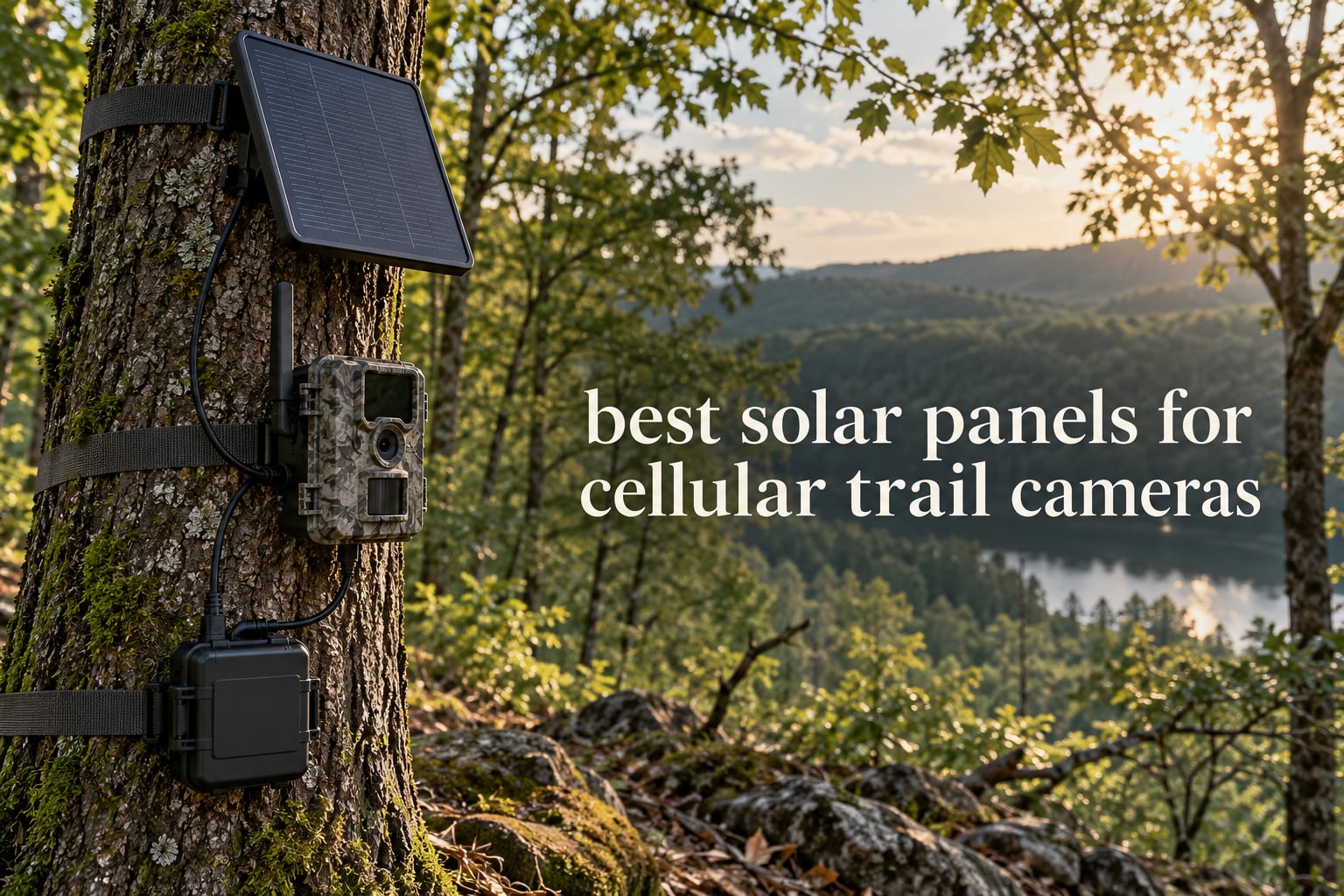
If you run a 4G LTE trail camera, your three best solar panel picks right now are the WingHome 2000mAh kit for all-around use, the SPYPOINT SPLB-10 for the cleanest single-cable setup, and the Stealth Cam FieldMax 10-inch panel when you want a very large battery bank. All three are covered in detail below, along with seven more options for different budgets and camera brands.
The reason a cellular trail camera needs more solar than a plain trail camera is simple. A non-cellular camera sleeps most of the day and writes photos to an SD card. A cellular camera wakes on every trigger, shoots a burst or a video clip, compresses the file, and pushes it over the LTE network to the cloud. Add scheduled check-ins, live view, and a camera running in video mode, and you can burn through a night of charge in a day.
That is why the sizing advice on this page is not generic. Forum threads on r/trailcam and r/Hunting keep circling the same complaint: a panel that looked fine with a normal camera simply cannot keep up once the camera starts transmitting every few hours. If you are still choosing the camera itself, our guide to the best cellular trail cameras is worth reading first, and the best solar powered trail cameras roundup covers panels that ship as a matched set.
We went through the specs, the connector types, the battery capacities, and the customer review patterns for all ten panels below, then sorted them by how well each one holds up under cellular draw in real conditions. Every capacity, voltage, dimension, and rating quoted here comes straight from the manufacturer listing and the customer review record. Where a claim belongs to a specific forum, we name the forum. Where it does not, we say reviewers report it.
Table of Contents
Top 3 Best Solar Panels for Cellular Trail Cameras in October
WingHome 2000mAh Solar Kit
- 2000mAh built-in battery
- 6V and 12V outputs
- IP66 waterproof
- Metal adjustable bracket

SPYPOINT SPLB-10 Solar Panel
- Integrated lithium battery
- 12V 9V and 6V outlets
- All-in-one compact design
- Brand-backed support

Stealth Cam FieldMax 10 Inch
- 10000mAh lithium battery
- 10-inch adjustable panel
- 12V DC jack
- All-weather housing
All 10 Solar Panels Compared Side by Side in 2026
| Product | Specifications | Action |
|---|---|---|
| WingHome Solar Battery Kit 2000mAh |
|
Check Latest Price |
 Stealth Cam Sol-Pak 3000mAh Stealth Cam Sol-Pak 3000mAh |
|
Check Latest Price |
| SPYPOINT SPLB-10 Solar Panel |
|
Check Latest Price |
 Wildgame Innovations Sol-Pak 3000mAh Wildgame Innovations Sol-Pak 3000mAh |
|
Check Latest Price |
 Stealth Cam Lithium Panel Two-Pack Stealth Cam Lithium Panel Two-Pack |
|
Check Latest Price |
 Augstci 4W Solar Charging Kit Augstci 4W Solar Charging Kit |
|
Check Latest Price |
 WingHome SP200 5000mAh 18W WingHome SP200 5000mAh 18W |
|
Check Latest Price |
| Stealth Cam FieldMax 10 Inch |
|
Check Latest Price |
 HME 5000mAh Solar Power Panel HME 5000mAh Solar Power Panel |
|
Check Latest Price |
 VUEBEE 10W 10400mAh Panel VUEBEE 10W 10400mAh Panel |
|
Check Latest Price |
1. WingHome Solar Battery Kit 2000mAh — The Most Proven All-Round Panel
Trail Camera Solar Panel, WingHome Solar Battery Charger Kit 12V/1A 6V/1.5A with Build-in 2000mAH Rechargeable Lithium Battery IP66 Waterproof Hunting Accessory
2000mAh built-in battery
6V and 12V output
IP66 waterproof
6.5 x 5.51 x 1.18 inches
Pros
- Largest review base of any panel here
- Built-in lithium battery covers cloudy days
- Metal bracket allows many angles
- Works with 6V and 12V cameras
- Fast install with pre-drilled holes
Cons
- Included cables get chewed by rodents
- 2000mAh is thin for heavy-draw setups
- Does not recharge camera battery packs
- A minority of internal batteries lose charge
The first thing that stands out about this panel is how many people already run it. At 1466 reviews it has the largest installed base of anything in this roundup, and that matters more than any spec line when you are trusting a device to power a camera through a closed hunting season with no winter access.
Reviewers consistently describe the same pattern: attach the panel, aim it at open sky, and stop swapping disposable batteries. The built-in 2000mAh rechargeable lithium battery stores what the panel collects during the day, and the camera draws from that bank around the clock. The panel only has to recover what the camera spends, which is the entire sizing logic in one sentence.
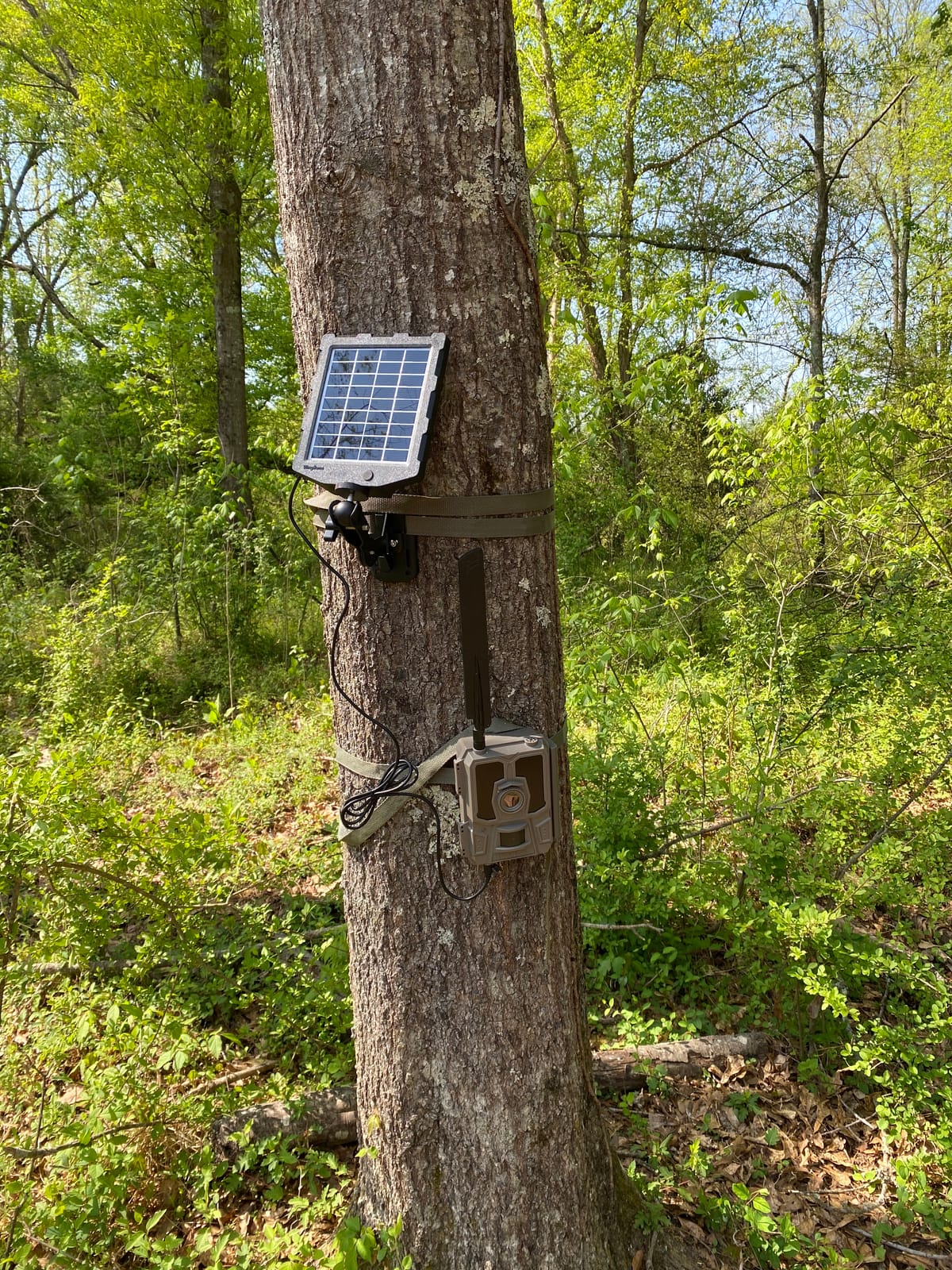
Output is 12 volts DC with a 1.5 amp capacity, using monocrystalline silicon cells. The kit includes a metal adjustable mounting bracket, three cables, and an installation kit, and it covers both 6V and 12V outdoor cameras through 4.0 by 1.7mm and 5.5 by 2.1mm male plugs. That connector coverage is why this one is so widely adopted — it works across Tactacam, Spartan, and SPYPOINT bodies that use a 12V barrel jack.
The panel measures 6.5 by 5.51 by 1.18 inches, which is compact enough to strap above the camera without looking like a satellite dish. Reviewers report mounting it in under five minutes using the pre-drilled holes and the included strap.
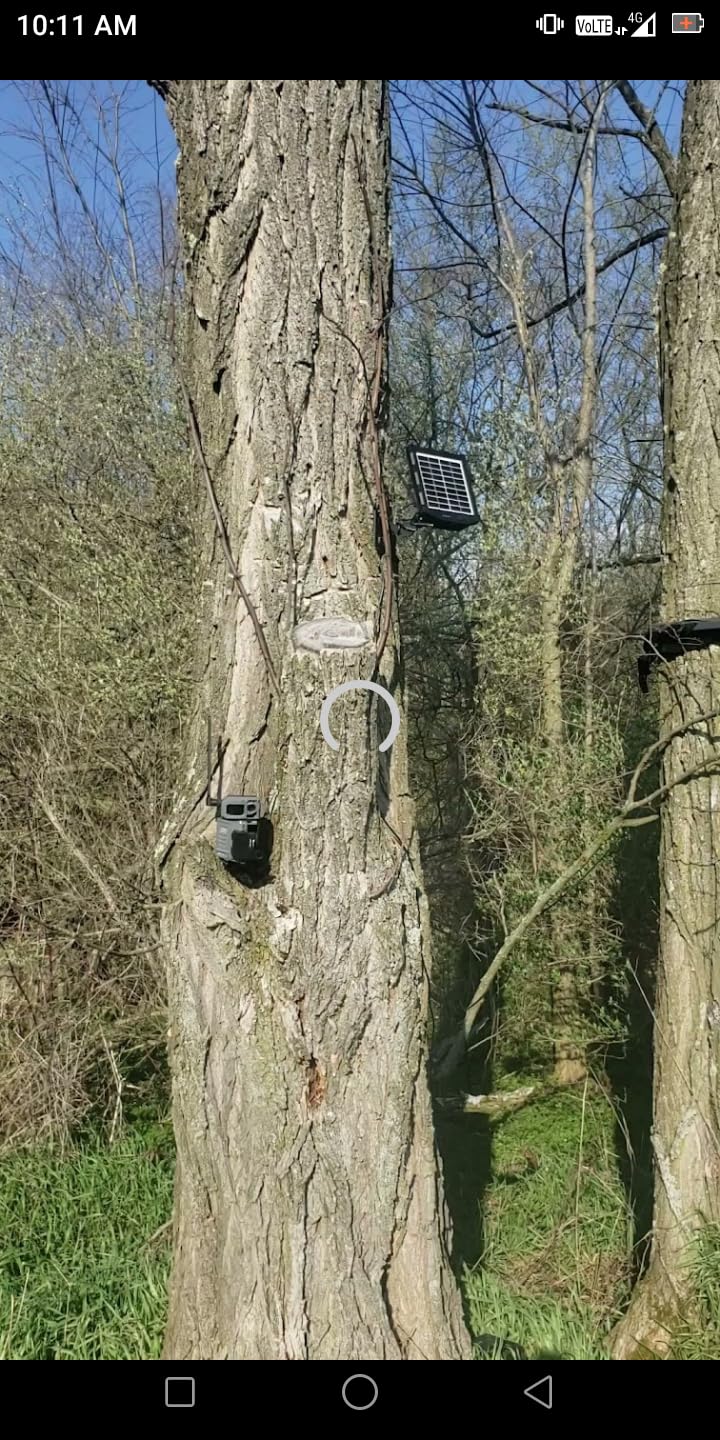
There is one behavior worth knowing before you buy. This panel fills its own internal battery; it does not top up the removable battery pack sitting in your camera. Some buyers expect a trickle charger for their lithium pack and find out in week two that the camera batteries still drain. The panel replaces the batteries, it does not refill them.
What works well for cellular cameras in the field
The multi-voltage plug set is the standout. When your camera is a 12V Tactacam Reveal or a 6V unit, the same kit handles both without a separate adapter, and reviewers of competitor panels constantly report frustration with undersized 6V plugs. The metal bracket also holds its adjustment better than the plastic mounts used by several cheaper kits, which matters when a panel has to stay aimed at the sun through a season of wind.
Owners on r/trailcam describe pairing this with a cellular camera in video mode and still going a full season without a battery visit. That is the group where most complaints about solar live, and the 2000mAh bank handles it better than most, though it is not unlimited.
Where it falls short
Rodent damage to the cable is the single most repeated complaint. Forum and review threads both describe squirrels and raccoons working at the connector where the cable meets the panel. Budget for a chew-resistant sleeve or route the cable inside a metal conduit if the tree is active.
Second, 2000mAh is modest. A camera in constant video mode with hourly check-ins can pull that bank down between sunny stretches, and reviewers report needing a second panel in heavy-canopy country. A minority of buyers also report internal batteries that stopped holding a charge after a few months, and customer support responsiveness is inconsistent, so treat the warranty as something to confirm at purchase rather than rely on later.
2. Stealth Cam Sol-Pak 3000mAh — The Winter Workhorse
Stealth CAM Sol-Pak Solar Battery Pack, 12V Solar Power Panel, Compatible
3000mAh Li-ion battery
12V DC output
7.5 x 3 x 7.9 inches
10ft insulated cable
Pros
- Proven through freezing winters
- 3000mAh extends camera runtime
- 10ft cable allows flexible placement
- LED charge indicator
- USB port for off-grid top-ups
Cons
- Some stop accepting solar charge after months
- Screw-in barrel plug can work loose
- Plastic housing feels inexpensive
- Amorphous panel needs careful sun positioning
This is the panel with the second-highest number of reviews in the group, and the theme across 1319 reviews is endurance. Owners running it year-round report that the 3000mAh lithium-ion bank carries a cellular camera through northern winters without a service visit, which is exactly the scenario where lesser panels start failing.
The build is deliberately simple: a 12V amorphous solar panel in a weather-resistant ABS housing, adjustable T-swivel brackets, and a 10ft insulated metal cable. The long cable is the underrated feature. It lets you mount the panel on a nearby limb or pole with real sun exposure while the camera itself sits in better camouflage position, which reviewers say makes the setup less noticeable to deer.
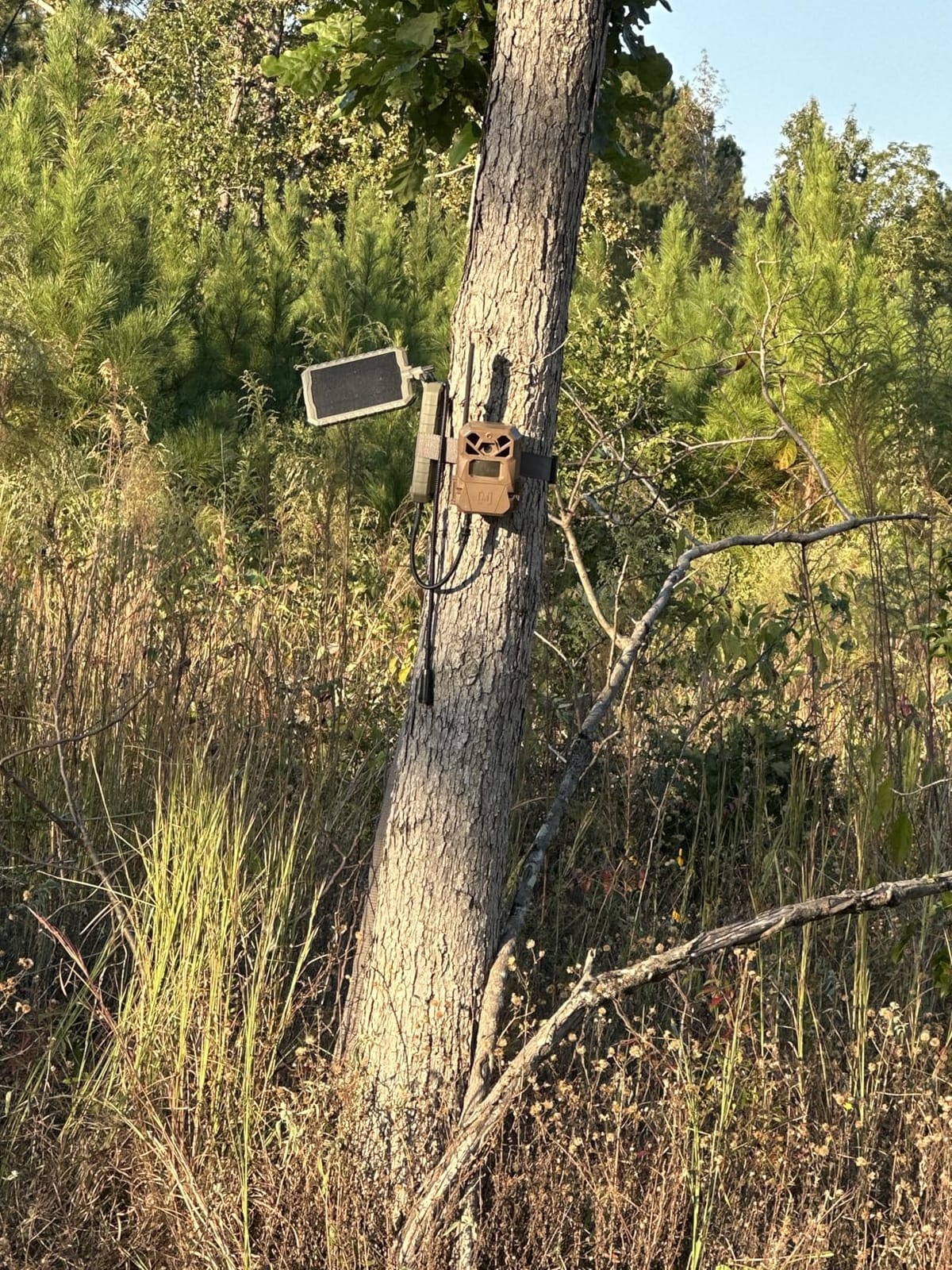
Output is 12 volts DC through a screw-in 12V barrel jack, and the panel is rated for Stealth Cam wireless and cellular cameras with an external 12V DC jack. The LED battery indicator is small but genuinely useful: you can check remaining charge without pulling the camera down or pulling up the app.
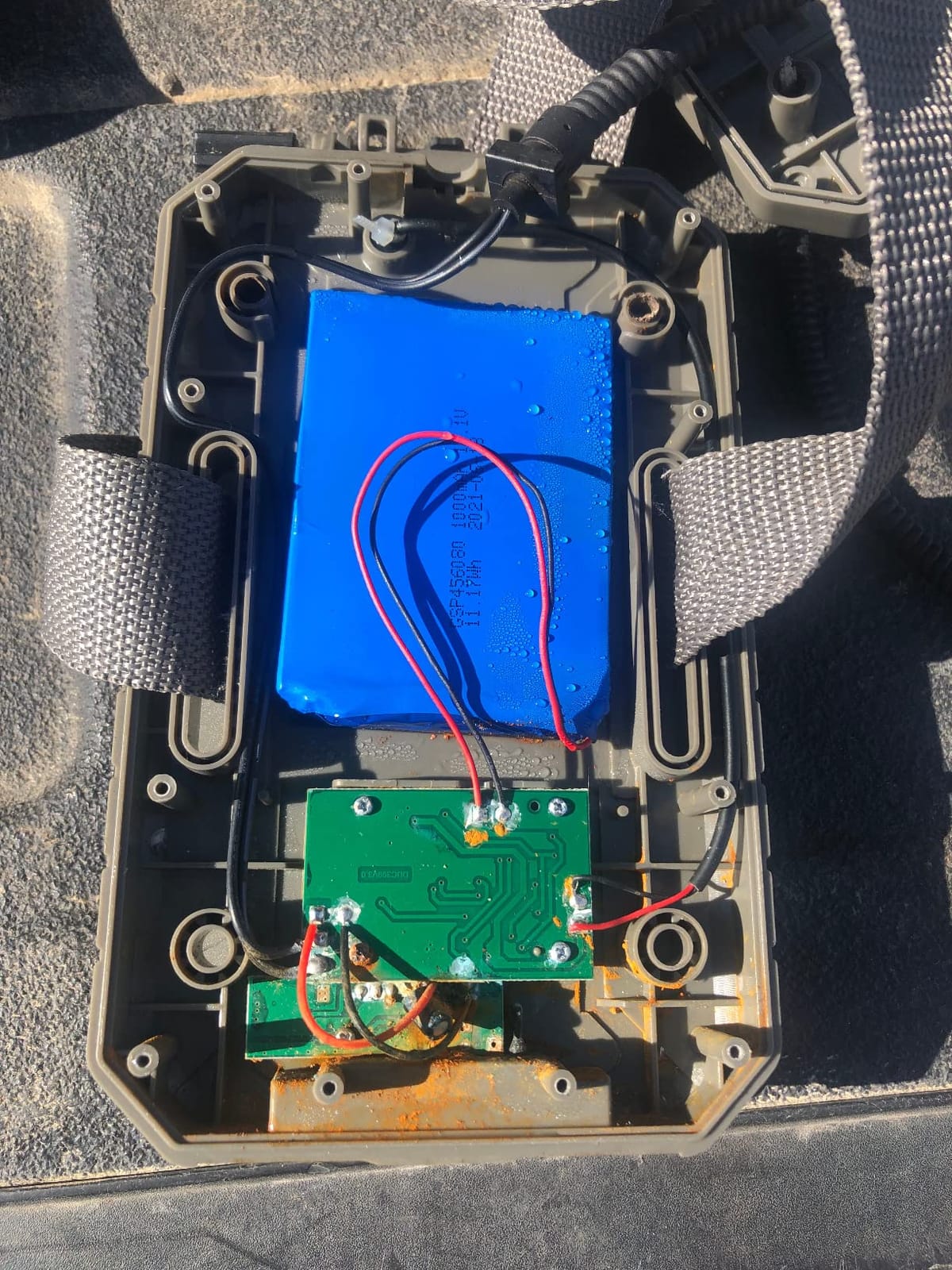
There is also a USB charging port, so you can top the unit up indoors on a gray week before a deployment, and a 12V DC input for daisy-chaining multiple panels together. That chaining capability is how buyers run one camera on two panels when a site is shaded.
One caution on compatibility. Because the output is a fixed 12V barrel jack, this panel is designed for cameras with a 12V external power input. It will not drive a 6V camera directly, so check your camera’s spec before ordering.
Why it holds up in cold and snow
Two things work in its favor in winter. The 3000mAh bank is half again the capacity of the WingHome kit’s, so there is more stored energy to carry the camera through a dark December. And the adjustable T-swivel brackets let you re-aim the panel as the sun tracks lower and as snow accumulates, which matters more in northern latitudes than the brand name suggests.
Reviewers report steady multi-year service, and the 4.1 average reflects durability more than features. If your camera sits on a lease with no winter road access, this is a panel whose failure mode is rare rather than dramatic.
Where it falls short
The screw-in barrel plug is a weak point. Owners report it working loose after months of weather cycling, and the bulky connector can conflict with security boxes and cable locks. A short length of tape or a second locking connector solves it, but it is a real annoyance in wet conditions.
Some reviewers also report examples that stopped accepting a solar charge after a few months, and the amorphous panel performs noticeably worse than monocrystalline cells in flat or hazy light. If your site is shaded rather than open, a monocrystalline option is the better bet.
3. SPYPOINT SPLB-10 — The Cleanest One-Piece Setup
SPYPOINT Solar Panel for Trail Camera with Internal Battery for Outdoor Trail Camera Solar Panel (SPLB-10)
2.31 amp hour lithium battery
12V 9V and 6V outlets
8.86 x 2.68 x 8.58 inches
45g battery
Pros
- Panel and battery in one compact body
- Highest five-star share in the group at 80 percent
- Multiple output voltages
- Very few cables to route in the field
- Backed by a major camera brand
Cons
- Onboard capacity is modest next to 5000mAh packs
- Fewer plug sizes than generic panels
- Single lithium cell limits cold-weather recovery
Most solar panels for trail cameras are a panel bolted to a battery box. The SPLB-10 merges the two into a single 8.86 by 2.68 by 8.58 inch body, and that design decision removes the wiring clutter that makes remote installs fiddly. There is no loose battery sitting at the base of the tree and no separate cable run between panel and pack.
The satisfaction profile is the strongest in the group relative to volume. At 471 reviews the panel holds a 4.5 average, and 80 percent of those reviews are five stars, the highest five-star share in this group. Reviewers repeatedly describe the setup process as simple, which matters when you are strapping a camera to a tree in the dark.
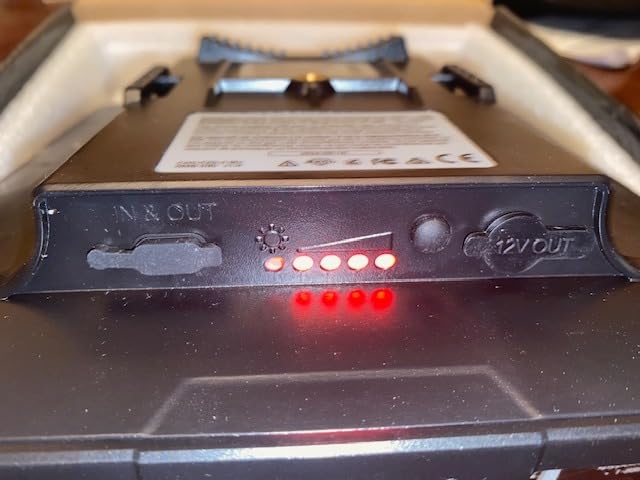
Output is the differentiator. Rather than a single 12V barrel, this panel offers 12V, 9V, and 6V solar power outlets, so it can also run deer feeders and other devices alongside a trail camera. The lithium-ion battery is rated at 2.31 amp hours, and the cell itself weighs only 45g, which keeps the whole package light enough to reposition easily between setups.
Because it comes from a major camera manufacturer, the fit with that brand’s own cellular cameras is predictable. Buyers of SPYPOINT cameras consistently report that the panel integrates without guesswork, which is not something you can say for a generic panel with a barrel jack of the wrong size.
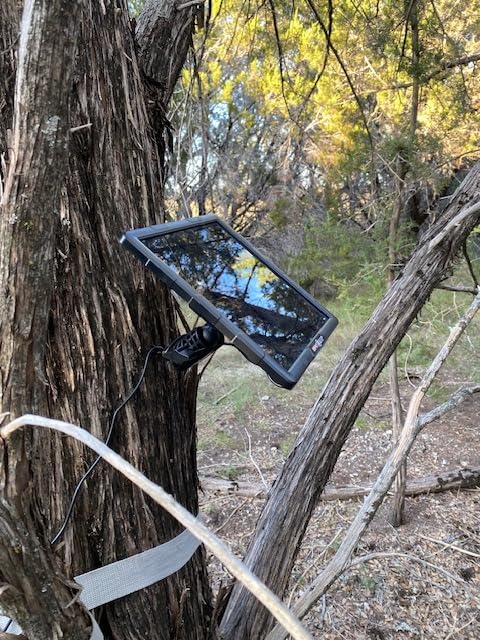
It is worth being clear about one common misconception. Owners on hunting forums ask whether the Tactacam-style solar panel actually charges the camera’s internal battery, and the answer is generally that these panels are designed to run a camera as a permanently powered device rather than refill a removable pack. Treat the panel as a battery replacement, not a trickle charger.
Where this design wins in the field
Fewer failure points. A separate battery box has two connections that can corrode, back out, or get gnawed. This has one. Fewer cables to route also means less chance of a snag or a trip hazard on the strap, and a lighter package is easier to reposition when you move the camera to a new scrape or ridge.
The multi-voltage outlets also make it a dual-purpose device. A hunter running a feeder and a camera at the same site can use one panel for both, which reviewers who own feeders mention as a genuine saving on equipment.
Where it falls short
Capacity is the honest limitation. At 2.31 amp hours the onboard battery is modest next to the 5000mAh and 10,000mAh packs in this roundup. It maintains a camera in photo mode without drama, but buyers running video with frequent check-ins are the ones who later go looking for a second panel or a bigger unit.
There are also fewer connector options than a generic kit supplies, and a single lithium cell gives you less recovery after a deep drain than a pack with multiple cells in parallel. For a camera with predictable draw, it is more than enough. For a camera running hot, size up.
4. Wildgame Innovations Sol-Pak 3000mAh — Built for WGI Cameras
Wildgame Innovations Durable Sol-Pak Solar Battery Pack, 12V Solar Power Panel, Rechargeable Battery & 3ft Insulated Cable, Compatible with All Wireless/Cellular Trail Cameras – 3000 mAh
3000mAh Li-ion battery
12V DC output
USB-C charging
7.5 x 3 x 7.9 inches
Pros
- 3000mAh bank suits cellular draw
- Weather-resistant housing
- LED charge indicator
- USB-C top-ups when off-grid
- Mounting hardware and strap included
Cons
- Only fits Wildgame cameras with a 12V DC jack
- 3ft cable is short for repositioning
- Ecosystem lock-in with no cross-brand option
If your cellular camera is a Wildgame Innovations model, this panel is the low-friction choice. The 3000mAh lithium-ion battery is a sensible size for a camera that transmits on every trigger, and the 12V DC jack is the connection those cameras actually expose.
At 95 reviews and a 4.5 average, the satisfaction rate is excellent, with 73 percent of ratings at five stars. The pattern in the reviews is that the product does exactly what it says: it extends camera field life and it survives wind and rain. This is not a panel generating excitement, it is one that quietly works.
The practical details are good. There is an LED battery indicator for a quick remaining-power check, a USB-C charging port for topping up away from a vehicle, and a weather-resistant housing rated for wind and rain. The panel continuously recharges from solar, so a site with partial sun still sees the bank cycling rather than sitting flat.
Mounting hardware and a panel strap are included, and the unit is the same physical footprint as the Stealth Cam Sol-Pak at 7.5 by 3 by 7.9 inches. Buyers who already know the Sol-Pak shape will find installation familiar.
Why it is worth a dedicated pick for WGI owners
Fit certainty. When a panel is designed around one brand’s power input, there is no barrel size guesswork and no voltage mismatch. Forum threads about wrong-size connectors are one of the most common sources of returns in this category, and this panel removes that risk entirely if you are already in that ecosystem.
The USB-C port is the underrated feature for people with several remote sites. You can pre-charge a unit in the truck over the weekend and deploy it without depending on the first day of sun to bring it up. Reviewers with multiple cameras mention this specifically.
Where it falls short
Ecosystem lock-in is the big one. If you later change camera brands, this panel becomes a paperweight unless your new camera has a 12V DC jack. The 3ft supplied cable is also the shortest in this roundup, and short cables constrain you to mounting the panel close to the camera, which frequently means mounting it somewhere with worse sun exposure.
The 95-review base is thin compared with the leaders here, so the long-term reliability record is less well documented. Buy it because the fit is right for your camera, not because it out-tests anything else.
5. Stealth Cam Lithium Solar Panel Two-Pack — For More Than One Camera
Stealth Cam Lithium Solar Power Panel Bundle
Two panels plus card reader
1000mAh Li-ion per panel
12V DC output
16 ounce bundle
Pros
- Two panels in one purchase
- Includes a USB 2.0 card reader
- Good low-light performance for the size
- 10ft cable places the panel away from the camera
- Two-year-plus service reported by owners
Cons
- 1000mAh per panel means two per camera
- Power feed cable can work loose
- Older Fusion models need a conversion plug
- Costs more per panel than generic packs
This bundle packages two Stealth Cam lithium solar power panels with a high speed USB 2.0 card reader, and that is a different use case from every other pick here. It is aimed at people running two cameras, or running one camera and one feeder, from a single purchase.
Owners report two years or more of service and substantial savings on disposable batteries. The 4.5 average across 93 reviews is strong, with 74 percent at five stars. The card reader turns out to be a genuinely useful inclusion for anyone who retrieves footage in person rather than over cellular, since it speeds up offloading large video files.
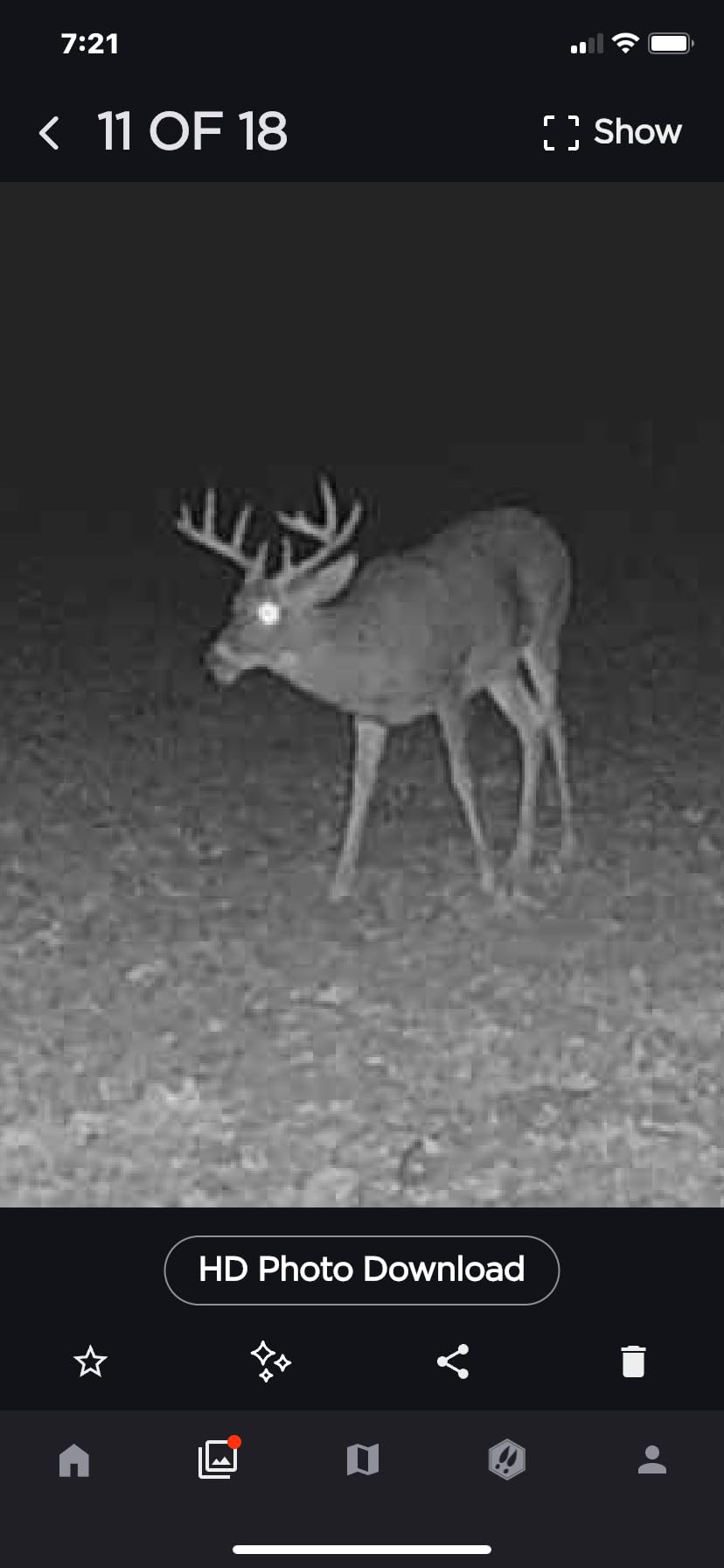
Each panel carries a 1000mAh lithium-ion battery behind a 12V amorphous solar panel, with a 10-foot insulated metal cable, a notification LED for battery level, and all-weather nylon construction with a durable strap and serrated bracket mount. The 16-ounce bundle is light enough to carry to two separate trees in one trip.
The performance detail reviewers single out is low-light charging. A 1000mAh cell sounds modest, but because the panel recharges the small bank continuously, the unit performs respectably in morning and evening light and under partial shade, which is where larger amorphous panels disappoint.
When two panels beat one big panel
Two panels in different sun angles beat one panel in a mediocre spot. If your tree line gives you two decent exposures rather than one great one, splitting the collection across both is more productive than aiming a single panel at the best compromise direction.
It also gives you redundancy and a swap. With two identical panels you can pre-charge one and swap it in on a maintenance trip instead of carrying a spare battery, which several buyers on hunting forums describe as the arrangement that finally stopped their seasonal battery budget.
Where it falls short
Capacity per panel is the limitation reviewers name most. 1000mAh is thin, and several owners say they ended up running two panels per camera to keep a cellular camera alive. That is fine if you planned for it, and frustrating if you assumed the bundle covered a single high-draw camera.
The power feed cable can also work loose from the camera because there is no locking connection, and older Fusion cameras lack the screw-in power component and need a conversion plug. Check your camera model before you rely on the included cable.
6. Augstci 4W Solar Charging Kit — The Low-Cost Starter Option
Solar Panel for Trail Camera, 12V/1A & 6V/1.5A Outdoor Solar Power Supply with 360° Mounting Bracket, IP66 Waterproof Solar Charging Kit for Hunting, Wildlife Monitoring & Deer Cameras
4W monocrystalline panel
12V/1A and 6V/1.5A
IP66 waterproof
6 x 4 x 0.19 inches
Pros
- Entry-level build suits low-draw cameras
- Multiple plug sizes for 12V and 6V cameras
- 360 degree bracket for fast mounting
- IP66 rated for year-round outdoor use
- Reported to run through extreme summer heat
Cons
- 4W output maintains rather than tops off
- 6V plug can be undersized for some Moultrie bodies
- Some stopped charging after about three months
- One reported unit produced no 12V output
This is the panel to buy if your goal is to stop swapping disposable batteries on a camera with moderate draw, and you want to test whether solar suits your site before committing to a bigger build. At 4 watts it is a small collector, and the reviews are honest about what that means.
The spec is a 4-watt monocrystalline silicon panel rated to 12 volts, with 12V/1A and 6V/1.5A outputs and an IP66 weatherproof rating. At 6 by 4 by 0.19 inches and 16 ounces it is thin and light, which makes it easy to mount flush against a tree or a pole without the bulk of a boxy battery pack.
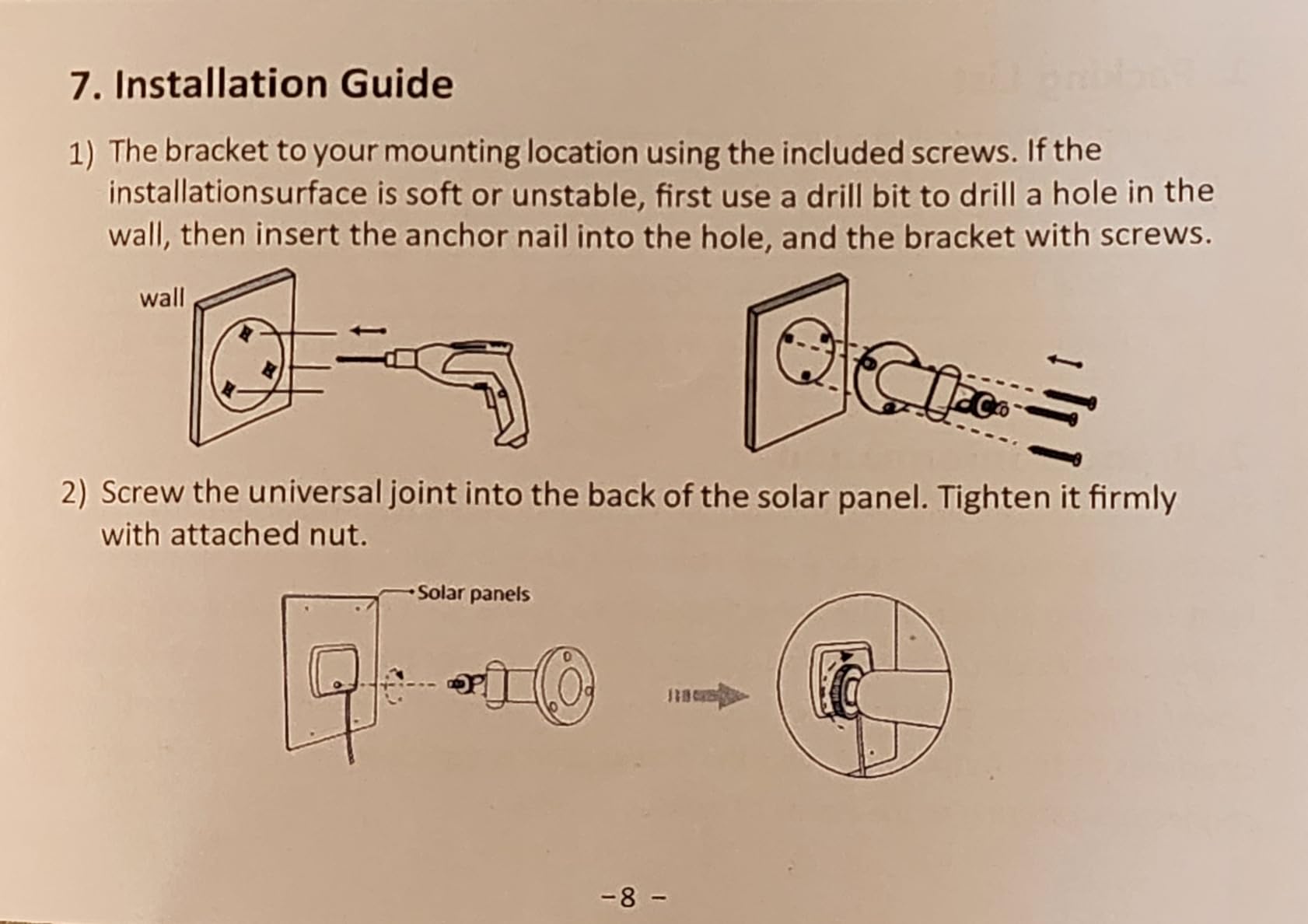
Reviewers report months of continuous operation, including through 100 degree Fahrenheit summer heat. The 360-degree adjustable mounting bracket is included along with a connection cable, installation hardware, and a manual, so a first-time installer has everything needed in the box.
Because it has no internal battery, it works as a maintenance trickle rather than a reserve bank. That is a deliberate trade at this price: the panel keeps an existing battery topped up through clear days, but a depleted pack will not refill quickly once the weather turns. If your site is anything other than open sky, budget for a second run of cable and a panel with storage built in.
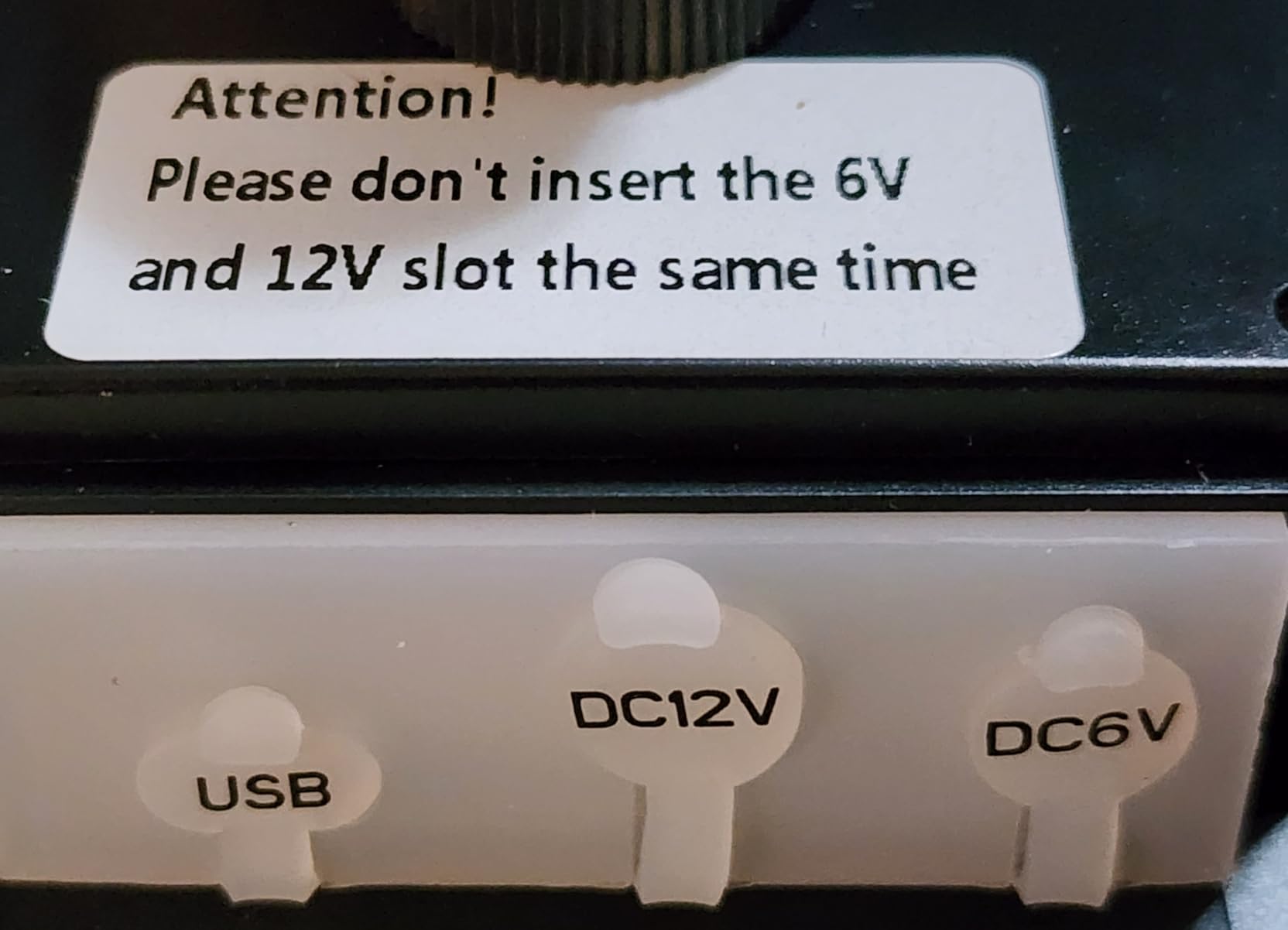
Owners also note that the included cable length is modest, so the panel usually ends up mounted within a few feet of the camera. If the best sun on your tree is above or beside the camera rather than at it, budget for a longer cable run before you climb the ladder.
Where a small panel is genuinely enough
A camera in photo-only mode on a standard PIR schedule, in a site with open sky, does not need a large collector. The panel’s job is to refill what the camera spent overnight. If that figure is modest, 4W keeps pace and the whole system stays simple and light.
For anyone who backpacks in, a panel this size is the difference between carrying a power brick and carrying a sheet of glass. Installers who pack in on foot mention the low weight as much as the charging ability.
Where it falls short
Four watts cannot bring a depleted 12V battery to full charge. Reviewers are consistent on this: the panel maintains, it does not replenish. If your camera drains faster than 4W can recover, you will be running a smaller bank than you planned and reach for a bigger panel by the second season.
The 6V plug is also undersized for some 6V Moultrie bodies and may need an adapter. Several reviewers report examples that stopped accepting a solar charge after roughly three months, one panel that failed to output 12V at all, and some arriving with box damage. The 4.3 average is good, but the 1-star share is real. Buy it as a low-risk trial, not as the only power for a camera you cannot easily reach.
7. WingHome SP200 5000mAh 18W — Our Pick for Shaded Woods
Trail Camera Solar Panel, WingHome 5000mAh Built-in Battery, 12V/1A & 6V/1.5A Output, IP66 Waterproof, High-Efficiency Power Durable Solar Charger Supply for Outdoor Wildlife Monitoring
5000mAh 7.4V lithium battery
18W monocrystalline panel
24 percent conversion
12V and 6V outputs
Pros
- 18-watt panel for heavy cellular draw
- 5000mAh bank covers heavy cellular draw
- Reported to hold over 93 percent through a shaded winter
- Antiglare finish looks less industrial
- USB-C option and tree strap included
Cons
- Mounting bracket is plastic and the stud can bottom out
- Test button failed on one example
- Charging cable not included
- A few examples dropped output within two months
- Heavier at 1.01 kg
Everything about this panel is scaled up from the WingHome kit in pick number one: an 18-watt monocrystalline panel with 24 percent conversion efficiency, feeding a 5000mAh 7.4V lithium battery, with 12V/1A (up to 1.5A) and 6V/1.5A (up to 2A) outputs. The 5000mAh bank is roughly two and a half times the capacity of the entry model in pick one, and the panel carries far more collector area.
The reason to step up is shaded ground. Field reports from owners in Wisconsin describe this panel holding over 93 percent charge through a harsh winter in heavy shade, which is exactly the condition forum threads complain about endlessly. Bigger collector plus bigger bank is the answer when the sky is mostly trees.
Construction is aluminum, monocrystalline silicon, and tempered glass, and the case carries an IP66 waterproof rating. The antiglare finish gives it a sleeker look than the blockier industrial panels, which matters if the camera is on a lease where you do not want an obvious installation.
Why the size difference matters under canopy
A shaded site does not reduce the panel’s rated wattage, but it cuts delivered current hard and often unpredictably. Moving up to a larger collector is how you buy back that headroom. Combined with a 5000mAh bank, this panel has enough stored energy to coast through a multi-day gray stretch that would flatten a 2000mAh unit.
Reviewers confirm broad brand compatibility, including SPYPOINT and Browning bodies, and note that the 4.0 by 1.7mm and 5.5 by 2.1mm plugs cover most barrel-jack cameras. The USB-C option and included tree strap make the install straightforward.
Where it falls short
The mounting bracket is plastic rather than metal, and reviewers report the threaded stud can bottom out before the panel reaches the angle you set. On a 1.01 kg unit, that is the part of the build most worth inspecting at setup.
The charging cable is not included, and one owner’s battery capacity test button stopped working after several months. A minority of examples also dropped voltage output below usable levels within two months. The 52-review base is small among the picks here, so the long-term record is still being written.
8. Stealth Cam FieldMax 10-Inch 10000mAh — Maximum Battery Reserve
FieldMax External 10″ Solar Panel
10,000mAh lithium battery
10-inch adjustable panel
12V DC output
MC4 connector
Pros
- 10000mAh battery for long remote runtime
- Highest average rating in the group
- 10-inch panel repositions for changing sun
- Extends time between visits substantially
- Durable all-weather build with cable and hardware included
Cons
- Larger and heavier than compact panels
- Limited to cameras with a 12V external power jack
- Not a small-pack-and-walk option
This is the panel to buy when the cost of a missed visit is high. It pairs a 10-inch adjustable solar panel with a 10,000mAh rechargeable lithium battery, a very large reserve for this category, and it posts the highest average rating of the group at 4.6 across 52 reviews with 81 percent of ratings at five stars.
The logic is straightforward. On a lease you cannot reach until season end, a 10,000mAh bank gives you days of stored energy on top of daily collection, so a long overcast stretch stops being a crisis. Reviewers describe the practical effect as dramatically more time between maintenance visits at remote hunting locations.
The 10-inch panel is adjustable, so you can reposition it through the season as the sun angle changes and as foliage comes in. That flexibility is not cosmetic; it is the difference between a panel that stays in useful sun through October and one that does not.
Where the extra capacity pays for itself
High-activity sites. Where game movement keeps a camera triggering all day, or where the camera runs video with frequent check-ins, the energy budget is far larger than a 3000mAh bank can absorb. This panel collects faster and stores more, so it absorbs a bad week without a service trip.
It also works well paired with a second smaller panel, because the MC4 connector and 12V output are standard solar components rather than a proprietary barrel. Owners running multi-camera properties report that the combination stretches service intervals to where they stop tracking them.
Where it falls short
It is a larger, heavier format than the compact panels in this list, and that matters if you are moving cameras on foot or working on a small tree. Compatibility is limited to cameras with a 12V external power jack, so a 6V-only body will not work.
The 52-review base is small, so the 4.6 rating reflects a limited number of long-term deployments rather than a deep history. If you want the proven track record instead of the maximum capacity, the Stealth Cam Sol-Pak in pick two carries more than twenty times as many reviews behind it.
9. HME 5000mAh Solar Power Panel — Big Battery, Small Panel
Hunting Made Easy 5,000 MAH Solar Power Panel
5000mAh Li-ion battery
5 watt panel
12V output
10ft insulated cable
Pros
- 5000mAh bank handles high-activity cameras
- Adjustable T-Swivel brackets aid camouflage
- Weather-resistant ABS housing
- LED battery indicator
- Owners report swapping a pre-charged unit about once a year
Cons
- 5W output drops sharply without full sun
- Power cord can be pulled loose by squirrels
- Some stopped charging after about a month
- Boxes often arrive damaged
- Limited to HME cameras with a 12V jack
The HME panel inverts the usual logic: a very large 5000mAh lithium-ion battery fed by a small 5-watt 12V amorphous panel. Owners like it for the same reason they like a large power bank, because the bank absorbs the daytime peaks and covers the camera when the sun is not there.
At a 4.0 average across 54 reviews it sits at the bottom of the rating range here, and the review themes explain why. The battery is clearly the star. Reviewers running cellular cameras through high activity levels report the 5000mAh capacity keeping them going, and several describe reducing battery changes to swapping in a pre-charged unit about once a year.
Build details are solid for the class: adjustable T-Swivel brackets that blend into the surroundings and gather low light, a weather-resistant ABS housing, a 10ft insulated metal cable, and a convenient LED battery indicator. Rated upper temperature is 110 degrees Fahrenheit.
When a large bank beats a large panel
On a site with consistent sun but occasional multi-day weather events, stored energy is worth more than collection rate. The 5000mAh bank rides through the event, and the small panel refills it in the following clear days. That is a reasonable trade in open country with predictable weather.
Reviewers also value the T-Swivel brackets for concealment. Because the panel can be angled low and tucked against the trunk, the installation reads as part of the tree rather than as added hardware.
Where it falls short
The 5-watt panel is the weakness, and reviewers do not soften it. Performance drops sharply without full, unobstructed sun, and in poor conditions the panel may never give a full charge. A camera in video mode with hourly check-ins on a partially shaded tree will drain this panel faster than it recovers.
Other repeated complaints: the power cord can be pulled loose by squirrels and raccoons climbing the tree, some examples stopped charging entirely after about a month, boxes frequently arrive smashed because of loose packaging, and compatibility is limited to HME cameras with an external 12V DC jack. Inspect the box on arrival and check your camera brand before ordering.
10. VUEBEE 10W 10400mAh — The Best Connector Coverage
VUEBEE 10W Solar Panel with 10400mAh Battery for Trail Cameras
10W monocrystalline panel
10400mAh battery
6V and 12V slide switch
IP66 rated
Pros
- Very large 10400mAh battery bank
- 10W panel handles variable sunlight
- 6V and 12V slide switch is simple and safe
- Three DC plug sizes plus USB-C
- IP66 rated from minus 20C to 70C
- Includes both wall/pole and tree strap kits
Cons
- Only one output usable at a time
- Not compatible with AC or PoE cameras
- Smaller review base than most rivals
- Plastic enclosure
If you own more than one camera brand and you have no idea which barrel size each one wants, this panel removes the guesswork. The box includes DC 5.5 by 2.1mm, 4.0 by 1.7mm, and 3.5 by 1.35mm plugs plus a USB-C cable, and a 6V/12V slide switch selects the output voltage.
Underneath the mounting hardware is a capable power section: a 10-watt monocrystalline panel and a 10400mAh rechargeable battery. That is one of the larger capacity-to-cost combinations here, and reviewers consistently single out the size of the battery as the reason to buy.
It is also the most fully specced panel here on environmental tolerance. The IP66 rating is specified across an operating range of minus 20 to 70 degrees Celsius, which covers deep winter and summer heat in most of North America, and the enclosure is a plastic wall-mount and tree-mount format at 9.37 by 8.77 by 1.57 inches.
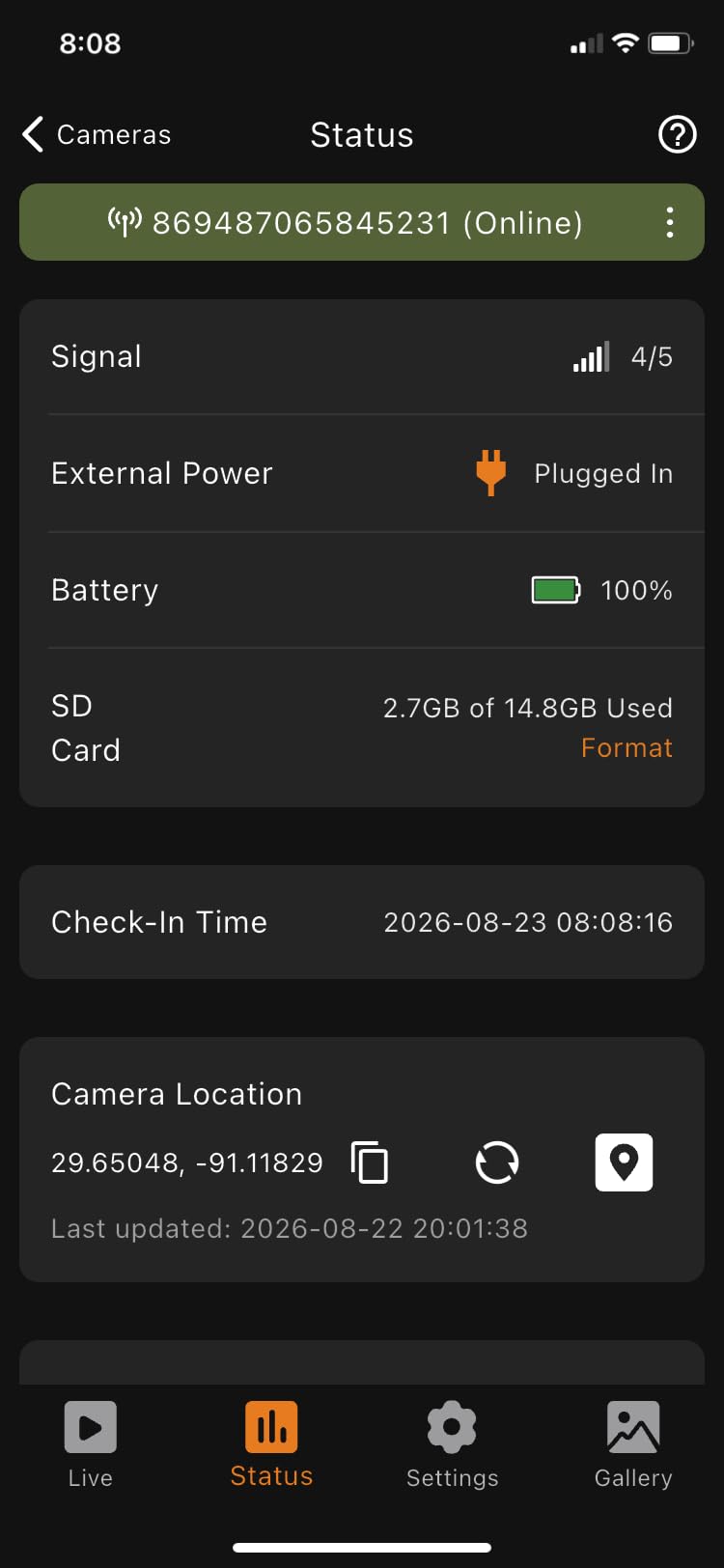
Mounting is the most complete in the roundup too. The box contains a 10W solar panel, a metal ring and nylon strap kit for trees, a wall and pole mount bracket set, two DC plug adapters, a charging cable, a manual, and a mounting screw, all on a 360-degree adjustable bracket.
The rating is a 4.0 across 33 reviews, with 54 percent at five stars and 26 percent at four. Those who like it rate it highly on specifications; those who do not tend to point at the limited review history rather than at performance.
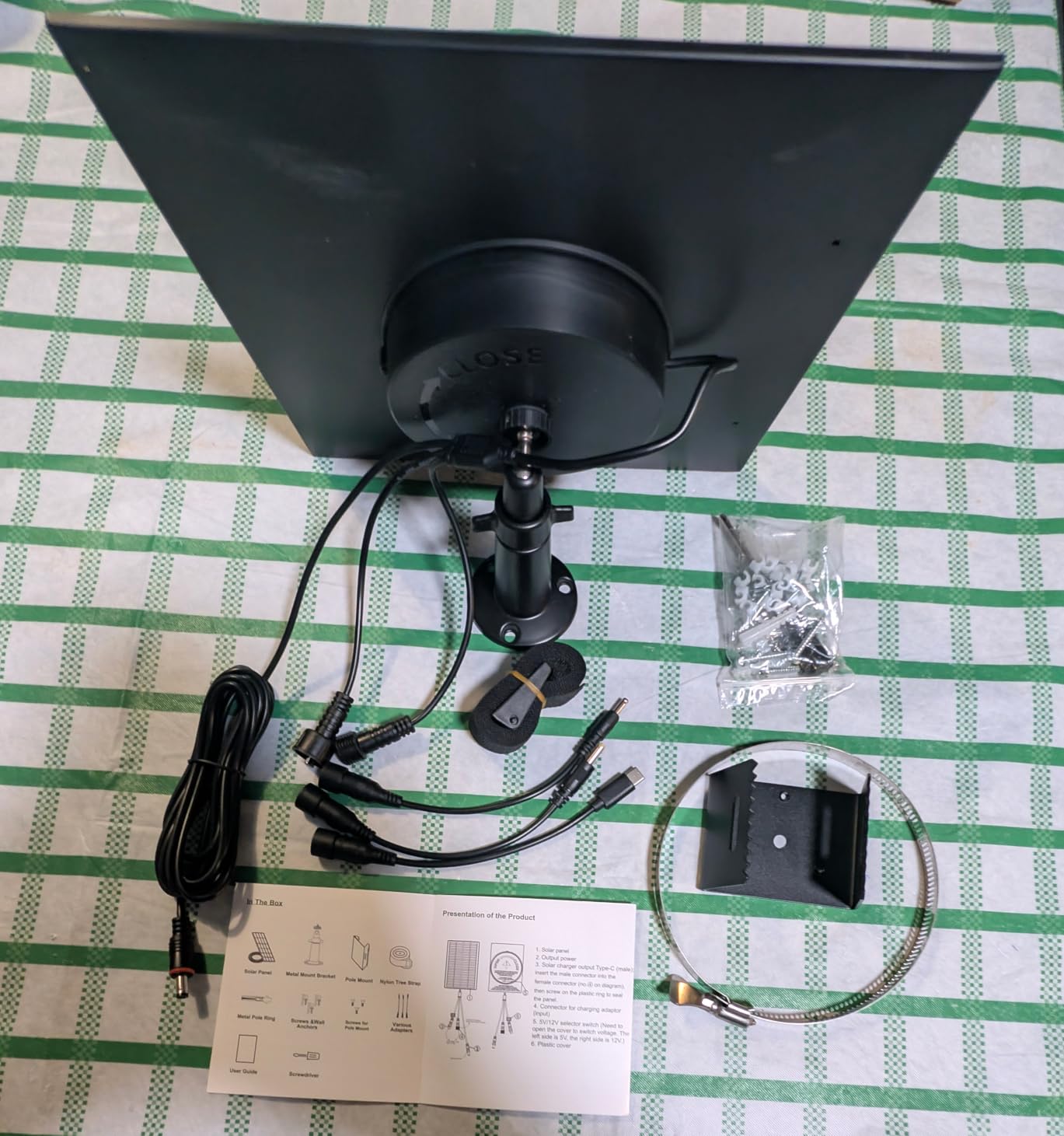
One thing to plan around: only one output can be used at a time. You cannot run two cameras off it simultaneously, which makes it a single-camera solution despite the generous capacity. If you need multi-camera, look at a shared panel or a panel with a 12V DC input for daisy-chaining.
Why the plug coverage is the deciding factor for many buyers
Wrong connector is the most common reason solar panels get returned. Barrel jacks look identical and differ by under a millimeter, and a 6V plug that fits loosely delivers inconsistent current. Including three DC sizes plus USB-C means the panel fits whatever camera you already own rather than forcing a camera change to match the panel.
The slide switch is also better than a fixed-output panel for a mixed fleet. A ranch owner with one 6V feeder camera and a 12V cellular camera can use one unit for both, switching rather than buying two.
Where it falls short
Single-output operation and the plastic enclosure are the two structural limits. The plastic case is also what earns the panel its IP66 rating, so it handles weather well but does not survive being dropped from a ladder as well as an aluminum-bodied panel would.
It will not work with AC-powered or PoE cameras, which rules out some off-grid security camera setups. At 33 reviews it has a limited history in this roundup, so treat the specification sheet as promising and the long-term record as unproven.
How to Size Solar for a 4G LTE Camera
The rule of thumb that matters: 10 watts minimum for a 4G LTE cellular camera, and 15 watts or more if the site is shaded or the camera runs video. That is higher than the panel most non-cellular cameras ship with, and it is the single biggest source of disappointment we found in forum threads.
Here is the reasoning. A camera wakes, detects, captures, compresses, and transmits. Each of those steps costs energy, and the transmission step is the expensive one. When you add scheduled check-ins and live view, the daily draw can be several times what a card-writing camera uses, which means the panel has to collect more during the hours of sun you actually get.
Three steps to size it properly:
1. Identify the draw. A camera in photo mode on a modest PIR schedule is the easiest case. A camera in video mode with hourly uploads is the hardest. If you are unsure, assume the harder case and size up.
2. Add the weather derating. Panel ratings are measured at perfect conditions. Real delivered output is lower, and the gap widens in heat, haze, and partial shade. Design for a 30 percent derating so that a clear day recovers what a merely average week spent.
3. Add battery capacity for the gap. A large battery is what carries the camera through multi-day overcast or snowy stretches when the panel collects nothing. The FieldMax at 10,000mAh and the VUEBEE at 10400mAh exist for exactly this reason, and reviewers in northern climates repeatedly credit large banks for surviving January.
Two more definitions worth knowing. Watts tell you how much the panel collects right now; mAh tells you how much is stored for later. You need both, and a panel with a large wattage and a tiny battery will disappoint you on a cloudy week even in a good site.
Panel-Only vs Panel-with-Battery: Which One You Need
Almost every panel in this roundup ships with a built-in rechargeable battery, and that is not a gimmick. A panel with no battery is really just a trickle charger, and it has nothing to give the camera when the sky closes.
The DIY alternative is a real option and hunters on forums use it widely: a sealed 12V 7Ah lead-acid battery in a .30-caliber ammo can, a small panel, and a power cord, with some owners reporting their batteries never drop below full. It is cheaper and it is serviceable, and it is heavier and harder to mount in a tree.
Choose a panel with an integrated battery when the camera is high in a tree, when weight matters, when you cannot service it often, and when you want the whole thing weather-sealed as one unit. Choose the ammo-can build when the camera is accessible, when you want a much larger reserve than any panel here offers, and when you are comfortable running wire.
Whichever route you take, budget for a cellular data plan alongside the hardware. A monthly data charge is part of the running cost of a cellular camera, and the plan structure matters as much as the panel. If you are still choosing the camera, our cellular trail camera picks for remote properties covers the plan angle in more detail.
Matching a Panel to Your Camera Brand
Connector and voltage mismatch is where most buying mistakes happen. Barrel jacks are not a standard, and the same camera brand can use different power inputs across models.
Tactacam Reveal and similar 12V bodies: Look for a 12V output with a 5.5 by 2.1mm plug. The WingHome kit and the VUEBEE both include that size, and most generic 12V barrel panels will fit.
Spartan GoLive and GoCam: These are 12V barrel jack cameras, so the same rule applies. Check whether your model takes a barrel jack or a proprietary connector before ordering, because the wrong barrel is the classic return reason in this category.
SPYPOINT cellular models: The SPYPOINT SPLB-10 is the clean answer because it is built for its own ecosystem. The WingHome SP200 also reports working with SPYPOINT bodies and other major brands.
Stealth Cam wireless and cellular: The Sol-Pak, the lithium two-pack, and the FieldMax are all designed around the 12V external DC jack those cameras expose.
Wildgame Innovations: The WGI Sol-Pak is purpose-built for their 12V DC jack and will not cross brands.
HME cellular models: The HME 5000mAh panel is designed for HME cameras with an external 12V DC jack.
Moultrie and Cuddeback: More of these run 6V than their modern competitors, so verify the required voltage before buying. Several reviewers report 6V plugs being undersized on certain Moultrie bodies, and a panel with a 6V/12V switch avoids the problem entirely.
Covert and generic 12V bodies: A 12V DC jack is common, so any of the barrel-jack panels will usually work. Confirm the plug diameter with a caliper if you can, since a loose fit is what causes intermittent charging.
One clarification that comes up constantly on buying forums: these panels are designed to run a camera as a permanently powered device, not to refill a removable camera battery pack. Owners expecting a trickle charger for their AA or lithium pack are the ones most often disappointed.
Solar Panel vs 12V Battery Box vs Disposable Batteries
Solar wins on convenience. Once installed, a panel removes the calendar from your life. Nobody enjoys planning a battery trip around weather and access, and that is the entire argument for solar.
A 12V battery box wins on capacity and serviceability. Seven amp hours or more is far more reserve than any panel here stores, and you can swap a fresh battery in minutes with hand tools. The cost is weight, wiring, and weatherproofing your own connections.
Disposable batteries still make sense in one case: a camera you visit regularly on a route you drive anyway. If you pass the tree twice a month, the labor savings from solar may not justify the installation.
The honest middle ground is to run both. A panel keeps the camera alive day to day, and a spare battery box gives you a recovery reserve for the worst stretch of the year. Several experienced owners on hunting forums describe this as the arrangement that finally made the camera a set-and-forget device.
For general solar gear sizing outside the trail camera niche, our guide to the best solar panels covers larger panel formats, and the best cellular security cameras roundup applies the same connector logic to property monitoring.
Installation, Shade, and Seasonal Maintenance
Aim for the sun, not for the camera. A panel mounted behind the camera for tidiness is the most common placement mistake and the most common cause of disappointment. Mount it above or beside the tree on a strap with a clear southern exposure in the northern hemisphere.
Re-aim through the season. Sun angle moves and foliage arrives. The adjustable brackets on the Stealth Cam and HME panels exist for this, and a two-minute adjustment in October can be the difference between a full bank and a draining one at season end.
Expect less under canopy than the spec sheet implies. Dense woods cut delivered current hard. No forum thread about shaded placements ends well, and the recurring lesson is that a bigger panel and a bigger battery are the only real answer. Shading is the reason we put the WingHome SP200 ahead of the smaller kits for this use case.
Plan for winter honestly. Snow cover on the panel is worse than cloud, because it blocks collection entirely. Panels with adjustable mounts let you brush or tilt the face clear. Northern users should weight a large battery more heavily than a large panel.
Seasonal maintenance is short if you do four things. Clean the panel face twice a year with a damp cloth, since dust and pollen cut output noticeably. Check the cable run at each visit for rodent damage, which is the most common failure we found. Re-seat every barrel connection, because weather cycling loosens screw-in plugs. And check the battery indicator before you leave, so a dying bank becomes a scheduled visit rather than a lost season.
Finally, confirm your camera’s own health before blaming the panel. Forum threads on brands like Spartan include cameras sitting fully charged in direct sun that still would not sync or update firmware. If the voltage is right and the images still fail, the panel is not the problem.
Frequently Asked Questions
Do solar panels work for trail cameras?
Yes. A solar panel with a built-in battery maintains the camera indefinitely by replacing what it spends each day, as long as the panel gets enough sun to outpace the draw. For a 4G LTE cellular camera that transmits on every trigger, size to at least 10 watts, or 15 watts and up in shaded or snowy sites.
How do solar panels work on trail cameras?
The panel converts sunlight to direct current, an internal charging controller regulates it, and the energy is stored in a built-in lithium battery. The camera then draws from that battery around the clock, including at night. The panel only needs to recover what the camera spends, so daily draw and sun exposure set the size.
What size solar panel does my cellular trail camera need?
For a 4G LTE cellular camera, 10 watts is the practical minimum, and 15 watts or more is safer if the camera runs video, transmits frequently, or sits in partial shade. Add a battery of 3000mAh or larger so the camera can coast through multi-day overcast stretches when the panel collects little or nothing.
Do I need a solar panel with a built-in battery for a cellular camera?
In most cases, yes. A panel with no battery is only a trickle charger and leaves the camera with nothing to draw on during a cloudy or snowy stretch. A built-in lithium bank decouples charging from usage, which is what lets a cellular camera run a full season without anyone visiting the tree.
Do you have to pay a monthly fee for a cellular trail camera?
Normally, yes. Cellular trail cameras transmit over a carrier network, so they run on a data plan with a monthly or annual charge on top of the hardware. Plan structures vary by carrier and by expected upload volume, so factor the plan into your budget alongside the solar panel rather than treating power as the only recurring cost.
Does a solar panel charge the removable battery inside my camera?
Usually not. Solar panels for trail cameras are designed to run the camera as a permanently powered device, replacing the removable batteries rather than refilling them. A few units include a DC input that can top up an external battery, but check the specific panel’s output ports before assuming it will charge camera batteries.
What connector does my trail camera solar panel use?
It depends on the camera. Barrel jacks are not standardized, and common sizes include 5.5 by 2.1mm, 4.0 by 1.7mm, and 3.5 by 1.35mm, with some newer panels using USB-C. Check your camera’s power input and voltage, and choose a panel that ships the matching plug or a switchable 6V and 12V output.
What is the 33% rule in solar panels?
The 33% rule is a derating guideline from the North American Board of Energy Governors standard. It states that a photovoltaic system should be sized so that once a year, no more than 33 percent of the time does the system deliver less than 66 percent of its rated output. In practice it means designing with headroom, because rated wattage is measured in perfect conditions.
The Bottom Line on Solar Power for Cell Cams in 2026
Our pick for the best solar panel for a cellular trail camera is the WingHome 2000mAh kit. It covers both 6V and 12V cameras with the plugs in the box, it has a metal bracket that holds its aim, and at 1466 reviews it has the longest field history here by a wide margin.
Buy the SPYPOINT SPLB-10 if you want the fewest cables and the cleanest tree mount, and the Stealth Cam FieldMax 10-inch if the site is remote enough that a missed visit would cost you the season. For shaded woods, step up to the WingHome SP200 for its 18-watt panel and 5000mAh bank.
Whichever you choose, remember the sizing rule that solves most problems: 10 watts as a floor for a 4G LTE camera, 15 watts or more under canopy, and a battery of at least 3000mAh so the camera survives the weather you cannot plan around. Get those three right, and solar stops being a project and becomes a set-and-forget install.