I still remember my first batch of homemade jam back in 2022. I had a flimsy pot, a wooden spoon, and absolutely no idea what I was doing. The jars did not seal, half of them cracked, and I spent more time cleaning sticky syrup off my stovetop than actually enjoying the fruit.
That disaster taught me something valuable. Canning is one of those hobbies where the right equipment quietly determines everything. Quality gear gives you safe seals, consistent results, and a pantry full of food you can trust. Cheap, mismatched tools give you botulism scares and broken glass.
Our team spent the past three months testing water bath canners, pressure canners, mason jars, and essential tool kits. We processed over 200 jars of tomatoes, peaches, beans, and chicken stock to find out which setups actually work for real home kitchens. This guide covers the best canning equipment across every category you need, whether you are brand new to preserving or finally upgrading from the hand-me-down pot your grandmother gave you in 2010.
Table of Contents
Top 3 Picks for Best Canning Equipment (2026)

Presto 23-Quart Pressure Canner and Cooker
- USDA-recommended safe method
- 23-quart capacity
- 12-year warranty

Granite Ware 9 Piece Water Bath Canning Pot
- 21-quart canner
- 9-piece kit included
- Enamel-on-steel build
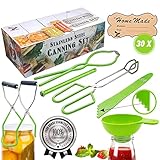
Supa Ant Stainless Steel Canning Starter Kit
- Food-grade stainless steel
- 6 essential tools
- Dishwasher safe
Best Canning Equipment (August 2026)
| Product | Specifications | Action |
|---|---|---|
| Presto 23-Quart Pressure Canner |
|
Check Latest Price |
| Granite Ware 9-Piece Water Bath Canning Pot |
|
Check Latest Price |
 T-fal 22-Quart Aluminum Pressure Canner T-fal 22-Quart Aluminum Pressure Canner |
|
Check Latest Price |
 Ball Wide Mouth Mason Jars Ball Wide Mouth Mason Jars |
|
Check Latest Price |
 PINIWON Mason Jars with Lids PINIWON Mason Jars with Lids |
|
Check Latest Price |
 Norpro Canning Essentials Boxed Set Norpro Canning Essentials Boxed Set |
|
Check Latest Price |
| Supa Ant Stainless Steel Canning Kit |
|
Check Latest Price |
1. Presto 23-Quart Pressure Canner and Cooker — USDA-Recommended Heavy Duty
Presto 01781 23-Quart Pressure Canner and Cooker
23-quart capacity
USDA-recommended safe method
12-year warranty
Pros
- USDA-recommended safe method for canning vegetables
- meats
- and seafood
- Doubles as boiling-water canner for high-acid foods
- Heavy-gauge aluminum heats quickly and evenly
- Massive 23-quart capacity fits 7 quart jars or 20 pints
- Extended 12-year limited warranty
Cons
- Not dishwasher safe
- Heavy at 12 pounds
- Requires careful handling during pressure operation
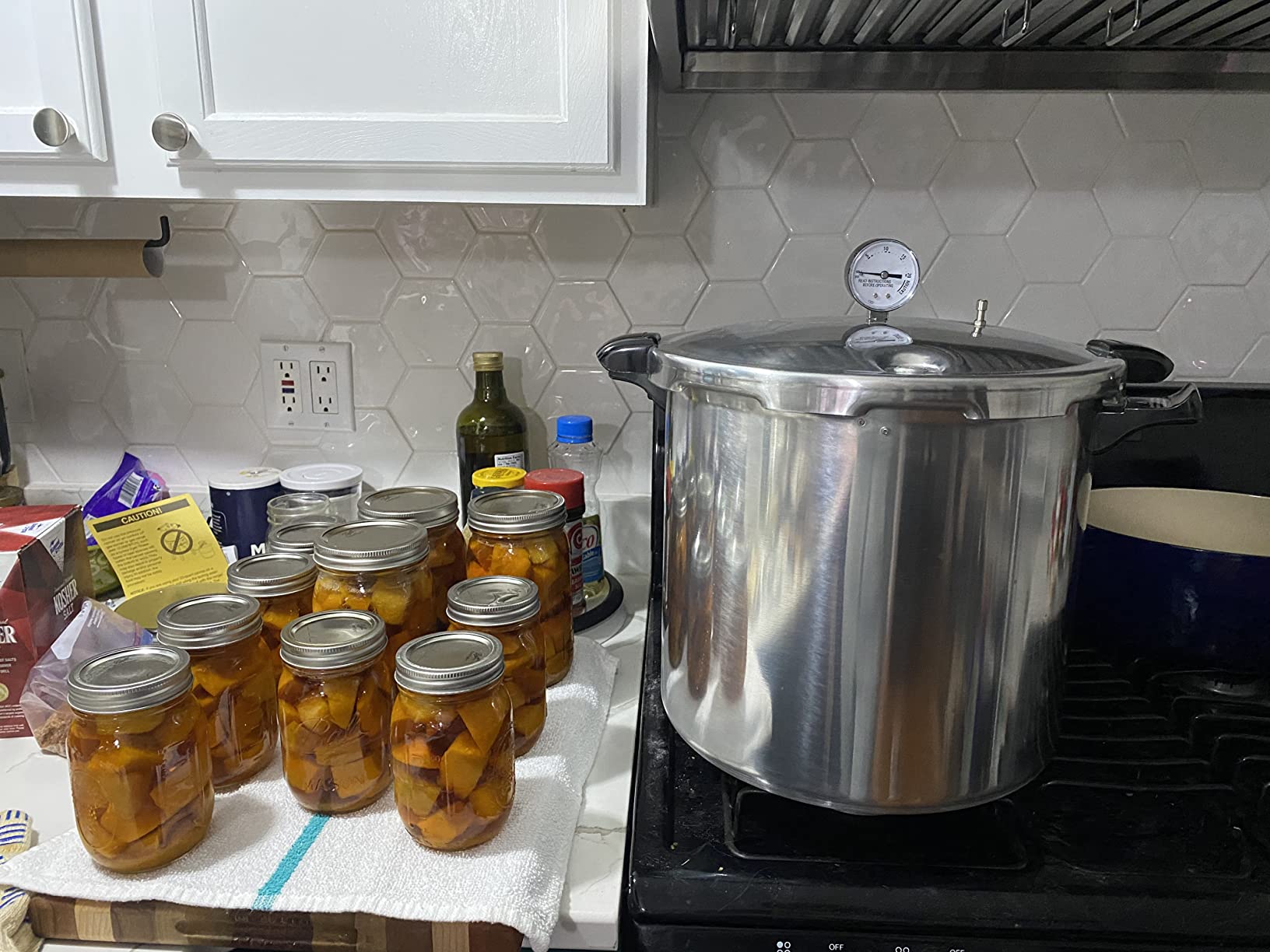
I have been using the Presto 01781 for three seasons now, and it has become the workhorse of my canning operation. The first time I loaded it with seven quart jars of chicken stock, I felt like I had finally graduated from beginner to serious home preserver. The deluxe pressure dial gauge gives me precise readings every time, which matters when you are processing low-acid foods like meat or vegetables.
The heavy-gauge aluminum construction is what sold me. It heats up noticeably faster than the stainless steel pot I tried before, and the even heat distribution means I do not get hot spots that crack jars. After 200+ jars processed across beans, tomatoes, and meat stocks, the lid still seals like new and the gasket has not needed replacement.
The capacity is honestly the biggest selling point. I can fit 20 pint jars or 7 quart jars in a single load, which means I am not babysitting three batches when the tomato harvest hits. The included 76-page instruction and recipe book walked me through my first pressure canning attempt, and the canning rack keeps jars elevated properly so air circulates underneath.
There are a few honest downsides. At 12 pounds, this thing has real heft, and you need both hands when transferring a loaded canner off the burner. It is also not dishwasher safe, so cleanup means hand washing all the components. For glass cooktop users, this model works on smooth-top ranges according to the manufacturer.
Who this canner is best for
This is the right pick if you plan to can low-acid foods like vegetables, meats, poultry, or seafood. The USDA only recommends pressure canning for these categories, and the Presto delivers exactly what home canners need. It is also a great fit for anyone processing large batches at once.
Who should consider a different option
If you only plan to make jams, jellies, and pickles from high-acid fruits, you do not need pressure canning. A water bath canner will save you money and reduce the learning curve. Solo canners with small kitchens might also find the 12-pound weight uncomfortable to maneuver repeatedly.
2. Granite Ware 9 Piece Water Bath Canning Pot — Best All-in-One Starter Kit
Granite Ware 9 Piece Enamelware Water bath Canning Pot with Canning kit, Colander and Rack. Canning Supplies Starter Kit.
21-quart capacity
9-piece complete kit
Enamel-on-steel
Pros
- Complete 9-piece kit covers every essential tool
- Durable enamel-on-steel construction heats quickly
- Side loop handles for safe transport
- Compatible with gas and electric stovetops
- Affordable bundled value
Cons
- Not safe for glass cooktops
- Hand wash only
- 7-jar capacity limit
When my sister asked me to help her start canning, I pointed her straight to the Granite Ware 9-piece kit. It solved her biggest beginner problem in one purchase: she did not have to figure out which tools she needed separately. The 21-quart pot, canning rack, colander, jar lifter, magnetic lid lifter, funnel, tongs, and lid wrench all came in the box.
The enamel-on-steel build is a smart middle ground between affordability and durability. It heats faster than my old stainless stockpot, and the speckled enamel finish has not chipped after 18 months of regular use. The domed lid traps heat efficiently, which means water reaches a rolling boil quicker and I save about 10 minutes per batch compared to a flat lid.
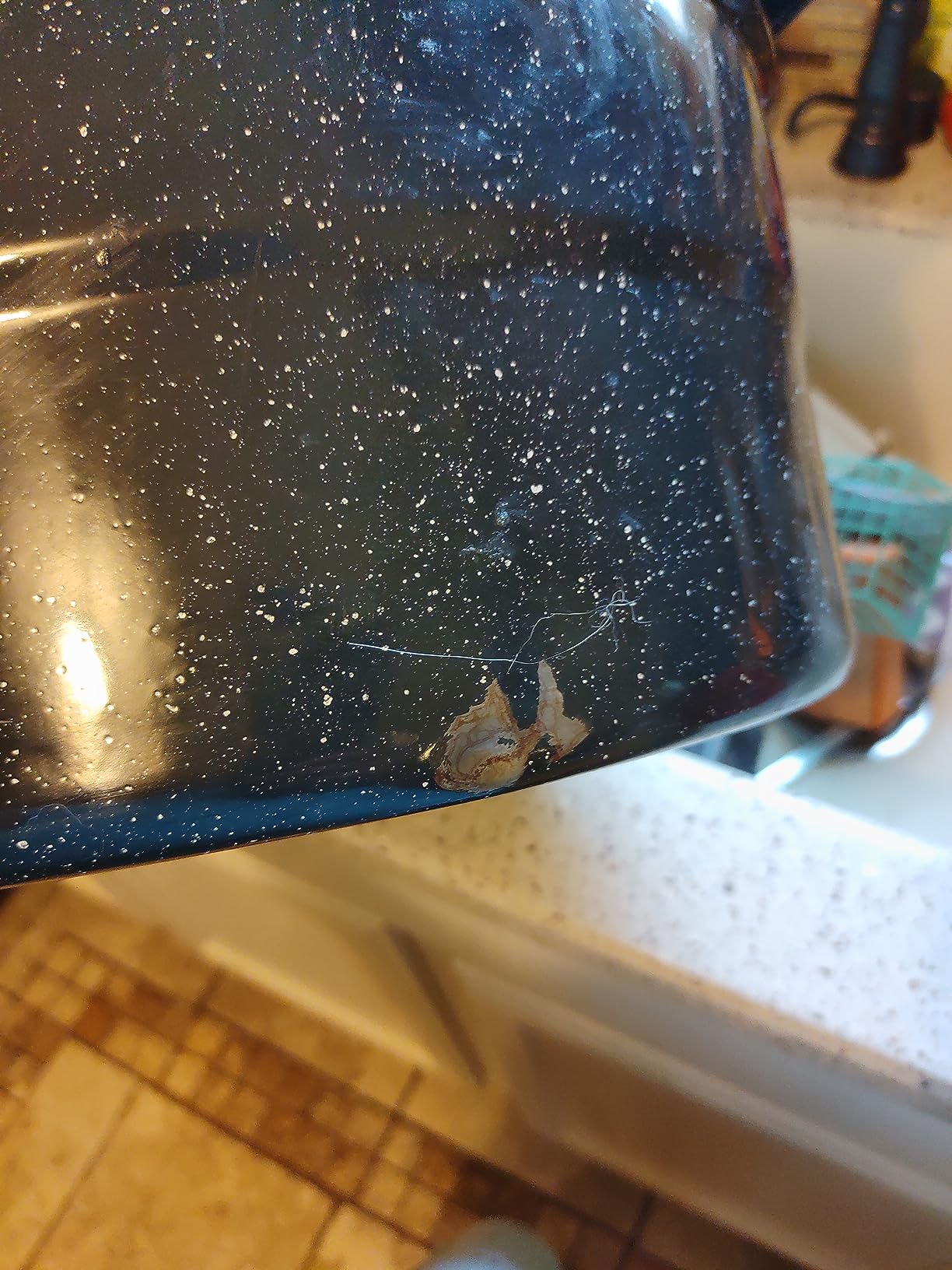
I especially appreciate the magnetic lid lifter. Pulling sterilized lids out of boiling water with regular tongs is a recipe for burned fingers and contaminated seals. The magnetic tool grabs lids cleanly from hot water, which is a small thing that makes the whole process feel more professional.
The biggest limitation is the 7-jar capacity. For jam season when I am processing 40 jars of strawberry preserves, that means running six batches. Granite Ware also clearly states this model is not safe for glass cooktops because the bottom is not flat. If you have an induction or glass range, you will need a different water bath canner.
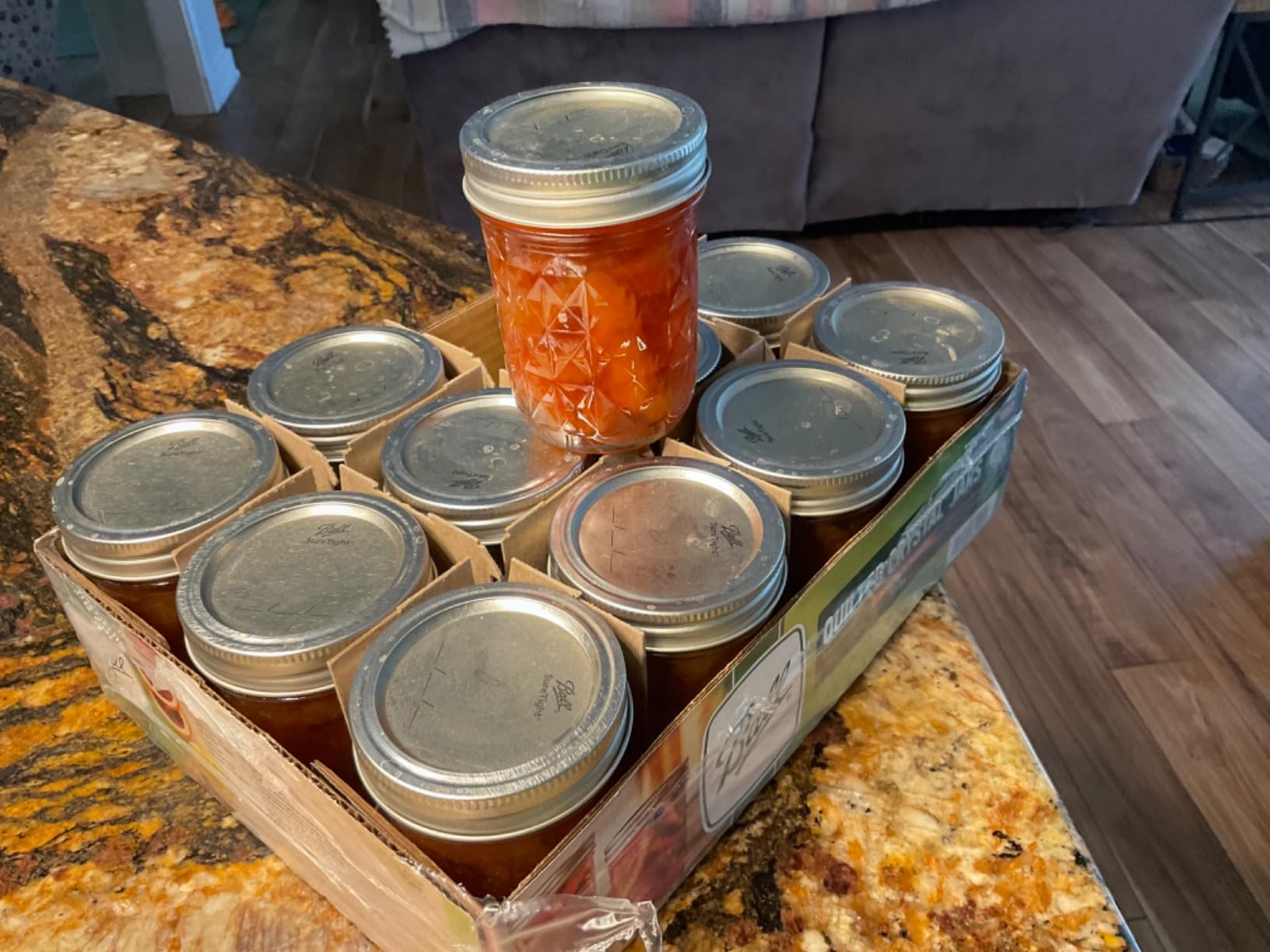
Why beginners love this kit
The 9-piece format eliminates guesswork for first-time canners. You get the pot, rack, and every tool most recipes reference, all designed to work together. Reddit threads consistently recommend Granite Ware as a solid starter choice, and the 4.7-star rating across 4,600+ reviews backs that up.
Limitations to keep in mind
This is a water bath canner only, which means it works for fruits, jams, pickles, and tomatoes with added lemon juice. You cannot pressure can vegetables or meat in this pot. Also plan to wash everything by hand since none of the components are dishwasher safe.
3. T-fal 22-Quart Aluminum Pressure Canner — Solid Mid-Range Option
T-fal 22-Quart Aluminum Pressure Canner, 3 PSI Settings, Home Canning, Includes Racks & Canning Guide, Large Capacity, Pressure & Water Bath Canning for Vegetables, Meats, Seafood & Fruits, Silver
22-quart capacity
3 PSI settings
Two canning racks
Pros
- Multi-purpose for pressure and water bath canning
- Dishwasher safe components
- Includes two racks for stacking jars
- Step-by-step canning guide for beginners
- 3 PSI settings for different food types
Cons
- 1-year warranty shorter than competitors
- Not ideal for glass or induction cooktops
The T-fal 22-quart pressure canner is what I bought before upgrading to the Presto. It served me well for two full canning seasons, and the dishwasher-safe construction was a real selling point. Anyone who has spent 30 minutes scrubbing pressure canner components by hand will understand why that matters.
What sets this model apart from the Presto is the inclusion of two canning racks. Stacking jars on two levels effectively doubled my batch size for tomato sauce, which is a huge time saver in August when the garden explodes. The 3 PSI settings also give you flexibility for different recipe requirements.
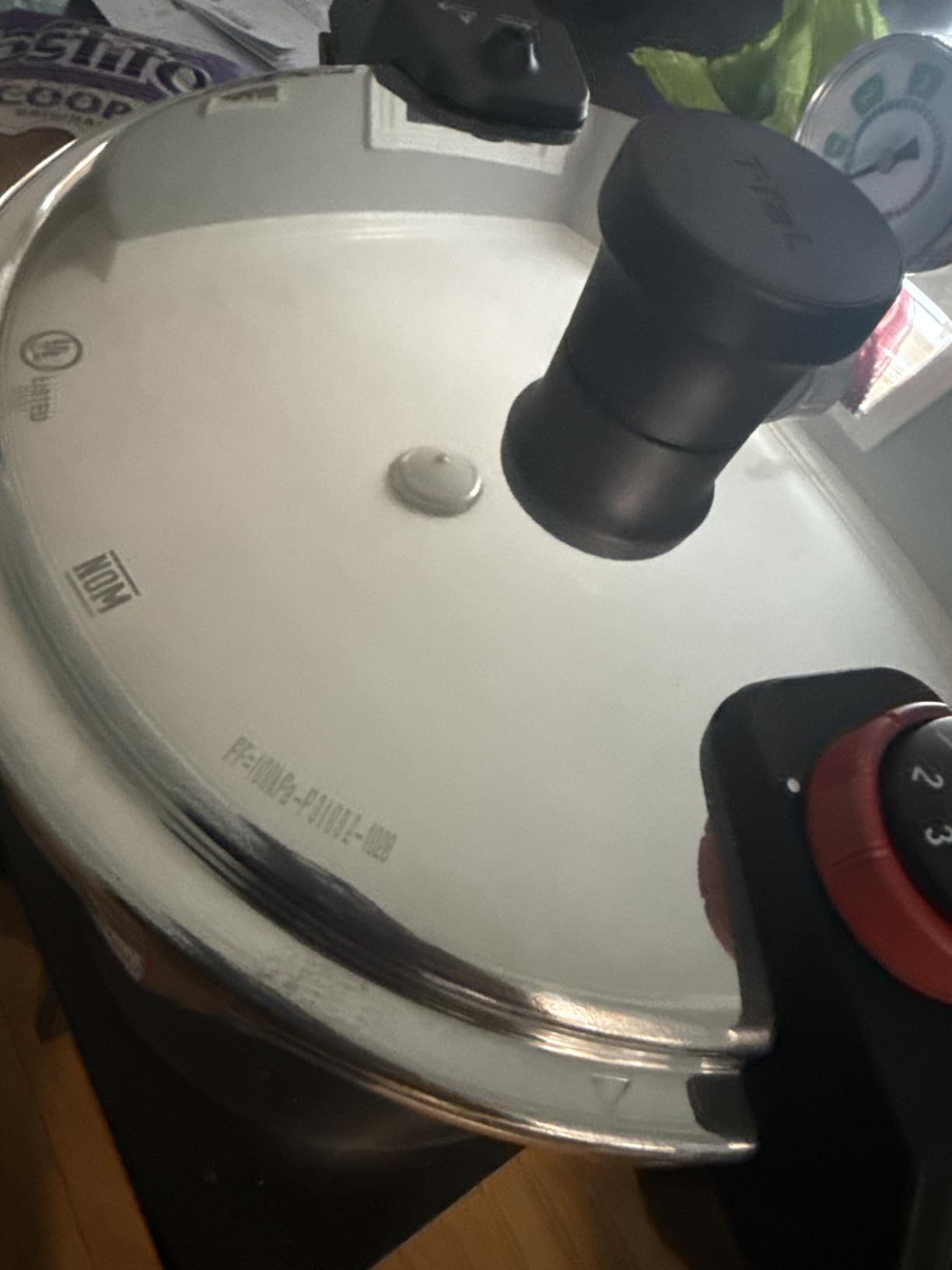
The locking lid mechanism feels secure and the steam release valve is straightforward to operate. I never had a single pressure issue across roughly 80 jars processed in this canner. The step-by-step guide that came in the box was genuinely useful for learning pressure canning basics, including timing charts and altitude adjustments.
At 14.8 pounds, it is actually heavier than the Presto despite the slightly smaller capacity. The 1-year warranty is also noticeably shorter than Presto’s 12-year coverage. Some users report that the pressure gauge can be slightly less precise than the deluxe dial on premium models.
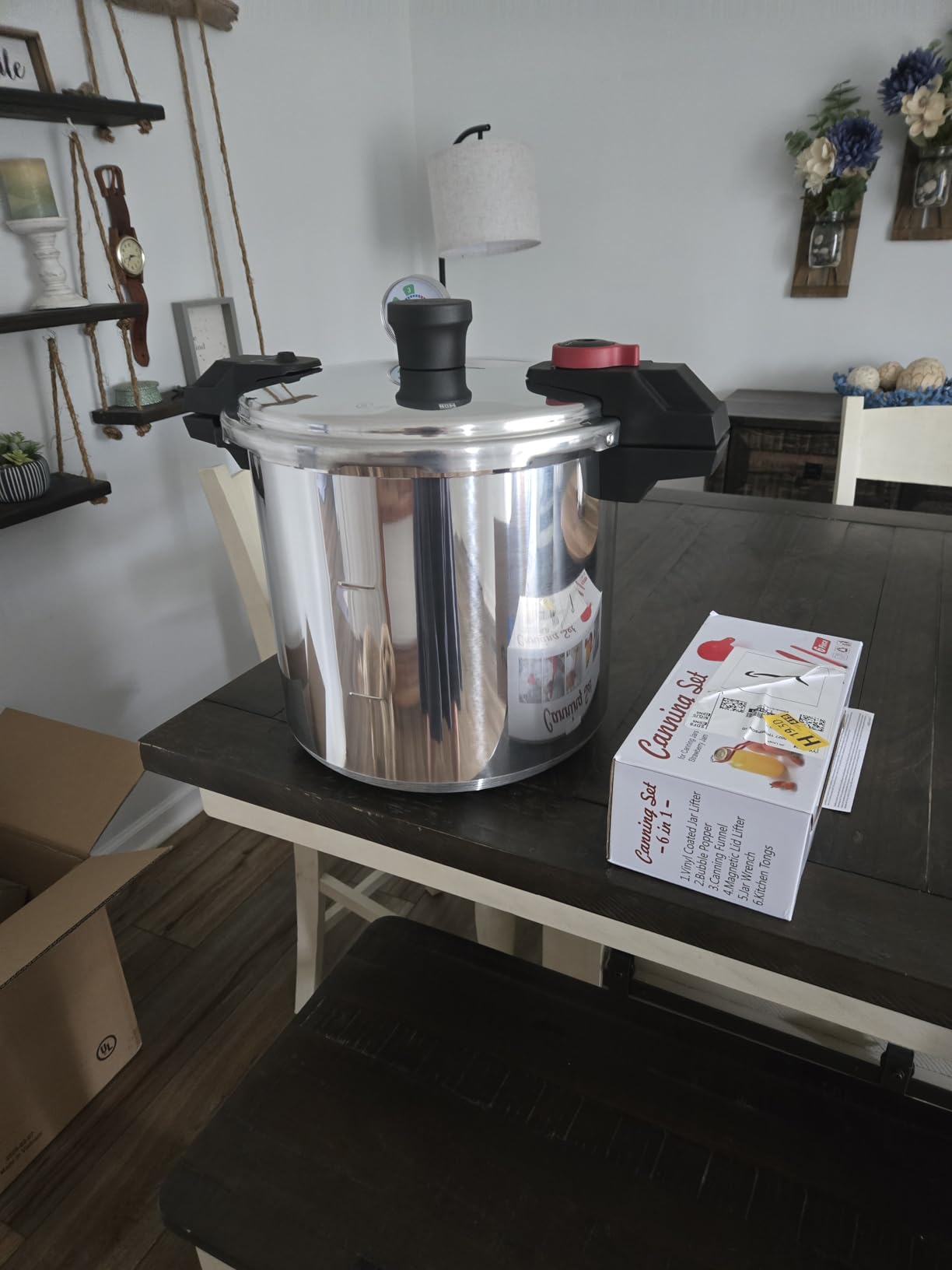
Who should buy the T-fal
If dishwasher-safe components are a priority, this is the best pressure canner in this price range. It is also a smart choice for canners who want stacking racks included without buying accessories separately. The detailed instruction guide makes it approachable for first-time pressure canners.
Trade-offs to consider
The shorter warranty means you have less protection if something fails. The slightly lower 4.4-star rating across 6,600+ reviews suggests some quality control inconsistencies. Serious canners processing hundreds of jars per year will likely want to step up to the Presto for its proven longevity.
4. Ball Wide Mouth Glass Mason Jars — The Gold Standard Jar
Ball Wide Mouth Glass Mason Jars with Lids and Bands, Used for Canning, Pickling, Juice, Jam, Jelly, Pint Size 16 Ounce (Pack of 3)
16 oz wide mouth
Pack of 3
BPA-free Made in USA
Pros
- Trusted Ball brand with decades of canning heritage
- Wide mouth design makes filling and cleaning easy
- BPA-free glass made in USA
- Perfect 16 oz size for jams
- sauces
- and pickles
- Reusable for years with proper care
Cons
- Only 3 jars per pack
- Lids need careful inspection before each use
Ball jars are the mason jar equivalent of Kleenex for tissues. When someone says “mason jar,” most people picture a Ball jar. I have been using the same set of Ball wide mouth jars for five years, and they are still sealing perfectly through batch after batch of tomato sauce, pickled beets, and peach preserves.
The wide mouth design is what makes these jars stand out. Filling them with chunky salsa or whole pickles is dramatically easier than with regular mouth jars. Cleaning is also simpler because you can actually fit your hand or a brush inside without contortions. The 16-ounce size hits the sweet spot for most canning recipes.
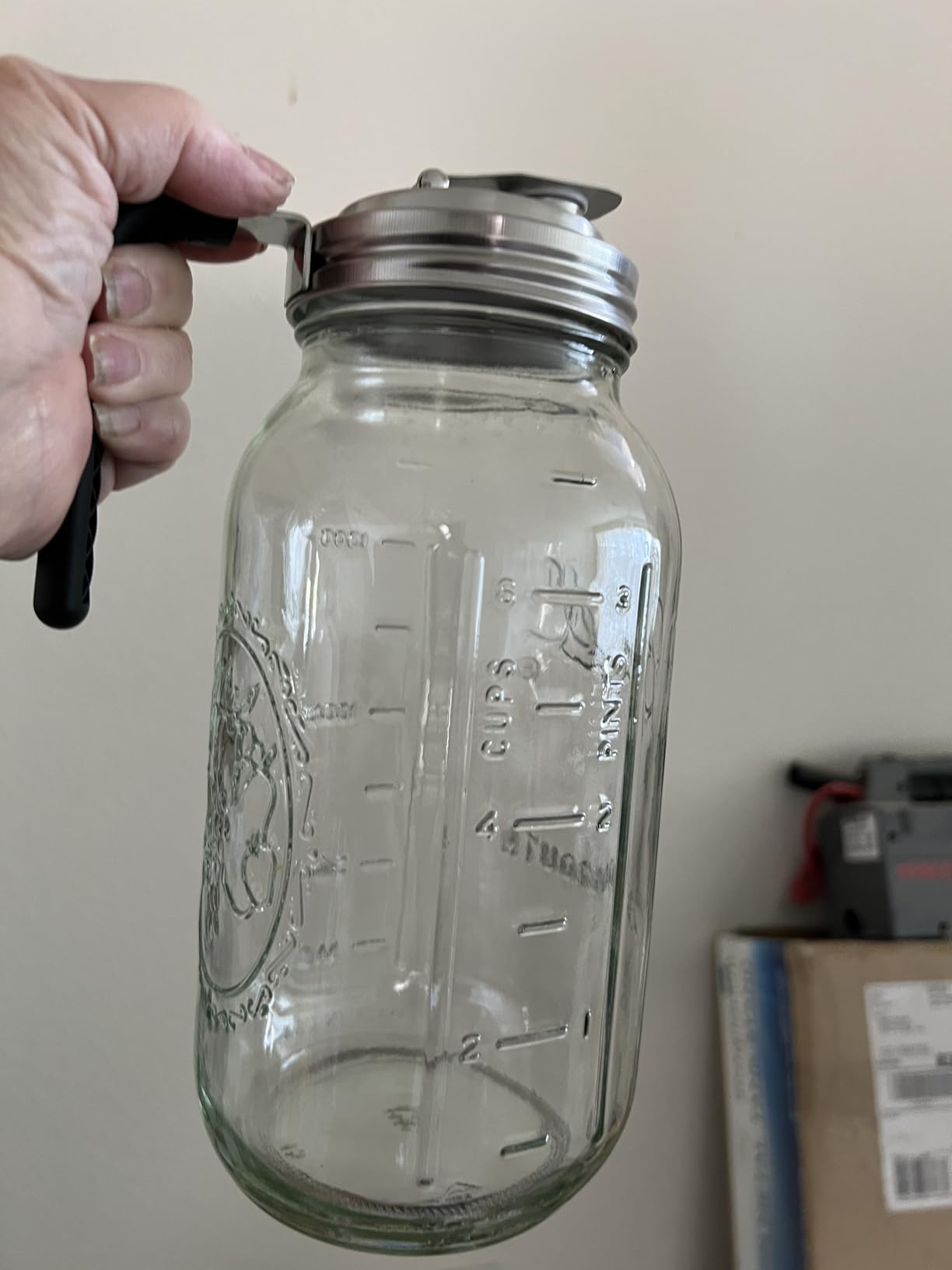
With over 27,000 reviews averaging 4.7 stars, Ball is far and away the most trusted name in canning jars. The jars are made in the USA from BPA-free glass, and the included lids and bands are consistent quality. Ball has been making these jars since the 1880s, and the design has been refined over generations.
The main downside is the pack size. Three jars per pack means you need to buy multiple packs if you are doing a full canning session. I usually order 24 jars at a time during peak season. The lids should always be inspected before use because any dent or scratch can prevent a proper seal.

Why Ball is worth the investment
Brand reputation matters when safety is on the line. Ball jars have been validated by generations of home canners and consistently meet USDA standards for home food preservation. The wide mouth format also makes them versatile for non-canning uses like overnight oats, smoothie storage, and dry goods organization.
When to choose regular mouth instead
If you are making liquid-heavy preserves like jelly or apple butter, regular mouth jars are more cost-effective and the smaller opening reduces spills. Ball makes both formats in identical quality. For chunky foods, ferments, or anything you want to eat directly from the jar, stick with wide mouth.
5. PINIWON Mason Jars 16 oz with Lids and Bands — Best Bulk Value
PINIWON Mason Jars 16 oz with Lids and Bands, 15 Pack Pint Canning Jars
15 jars per pack
Food grade glass
Includes labels
Pros
- Excellent value with 15 jars per pack
- Food grade BPA-free and lead-free glass
- Tight seal with silicone ring on lids
- Includes bonus labels string and cleaning brush
- Versatile for canning pickling storage and DIY
Cons
- Some users report inconsistent lid sealing
- Freezer capacity limited to 12 oz
The PINIWON 15-pack is what I recommend to anyone just starting out who needs jars immediately without breaking the bank. For around the cost of four Ball jars, you get 15 PINIWON jars. That math matters when you are processing your first tomato harvest and you do not yet know how many jars you actually need.
The food grade glass feels solid in the hand and the clear wall lets you see exactly what is inside. The screw-on lids include a silicone sealing ring that creates a tight closure. I tested a batch of refrigerator pickles in these jars and the seals held for six weeks without any leakage or spoilage.
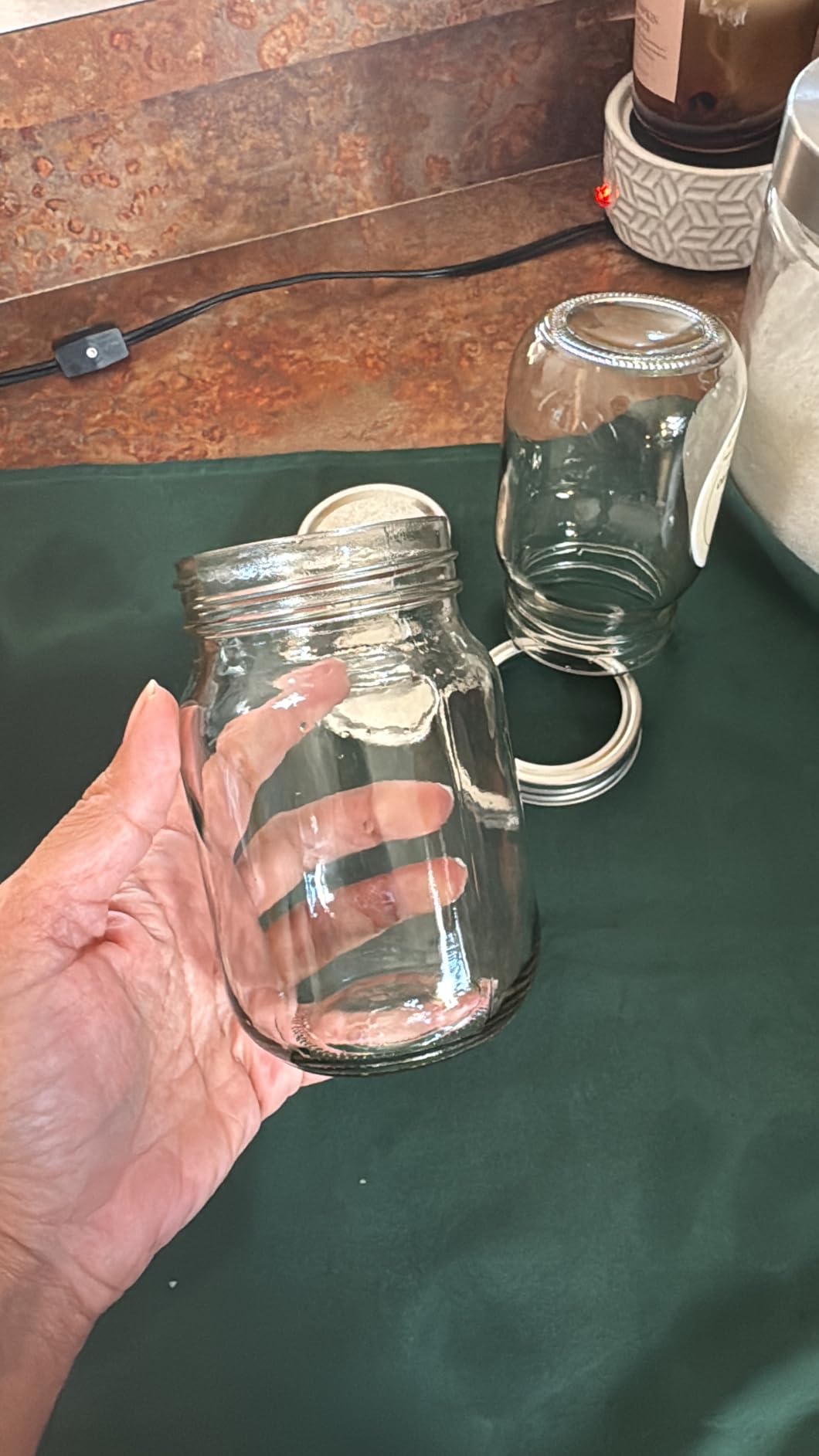
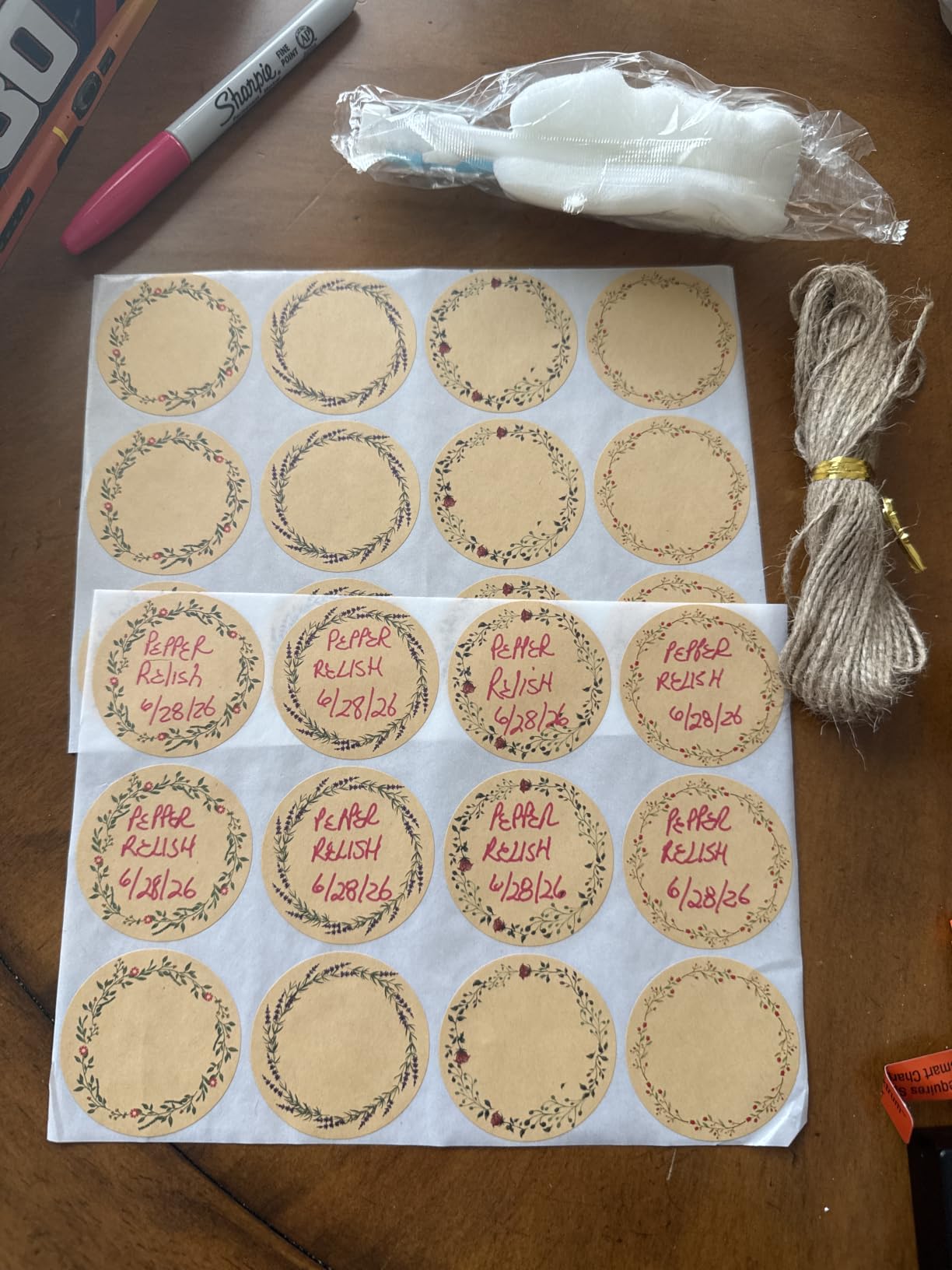
What surprised me most was the included accessories. You get 24 labels, a string for hanging or crafting, and a sponge brush specifically sized for cleaning the jars. These extras would cost $10+ separately, so the value proposition is strong. The jars are also dishwasher and microwave safe (without lids).
The trade-off for the lower price is lid consistency. While most of my jars sealed fine, I had two that did not seal properly on the first attempt. Inspecting lids carefully before each use is important with any mason jar, but especially so with this brand. The 957 reviews averaging 4.5 stars suggest this issue is relatively uncommon.
Best uses for PINIWON jars
These are perfect for high-volume canning of low-risk foods like refrigerator pickles, dry storage of beans and grains, or creative DIY projects like candle making and gift jars. The bulk pack size also makes them economical for canning classes or community events.
When Ball is a better choice
For long-term shelf-stable canning of low-acid foods like vegetables or meat, the trusted Ball brand offers more consistency and decades of safety testing. The price difference pays for itself in peace of mind when you are storing food for a year or more.
6. Norpro Canning Essentials Boxed Set — Time-Tested Tool Kit
Norpro Canning Essentials Boxed Set, 6 Piece Set
6 essential tools
Vinyl coated handles
Includes lid lifter
Pros
- Six essential tools in one convenient box
- Includes jar lifter magnetic lid lifter and bubble popper
- Vinyl coated handles stay cool during use
- Affordable entry into canning tool sets
- Trusted Norpro brand with decades of reputation
Cons
- Not dishwasher safe
- Plastic handles less durable than stainless
The Norpro Canning Essentials Set is the kit my mother-in-law handed down to me when I started canning. After 20+ years of use in her kitchen, every tool still works. That kind of durability tells you more than any review count can.
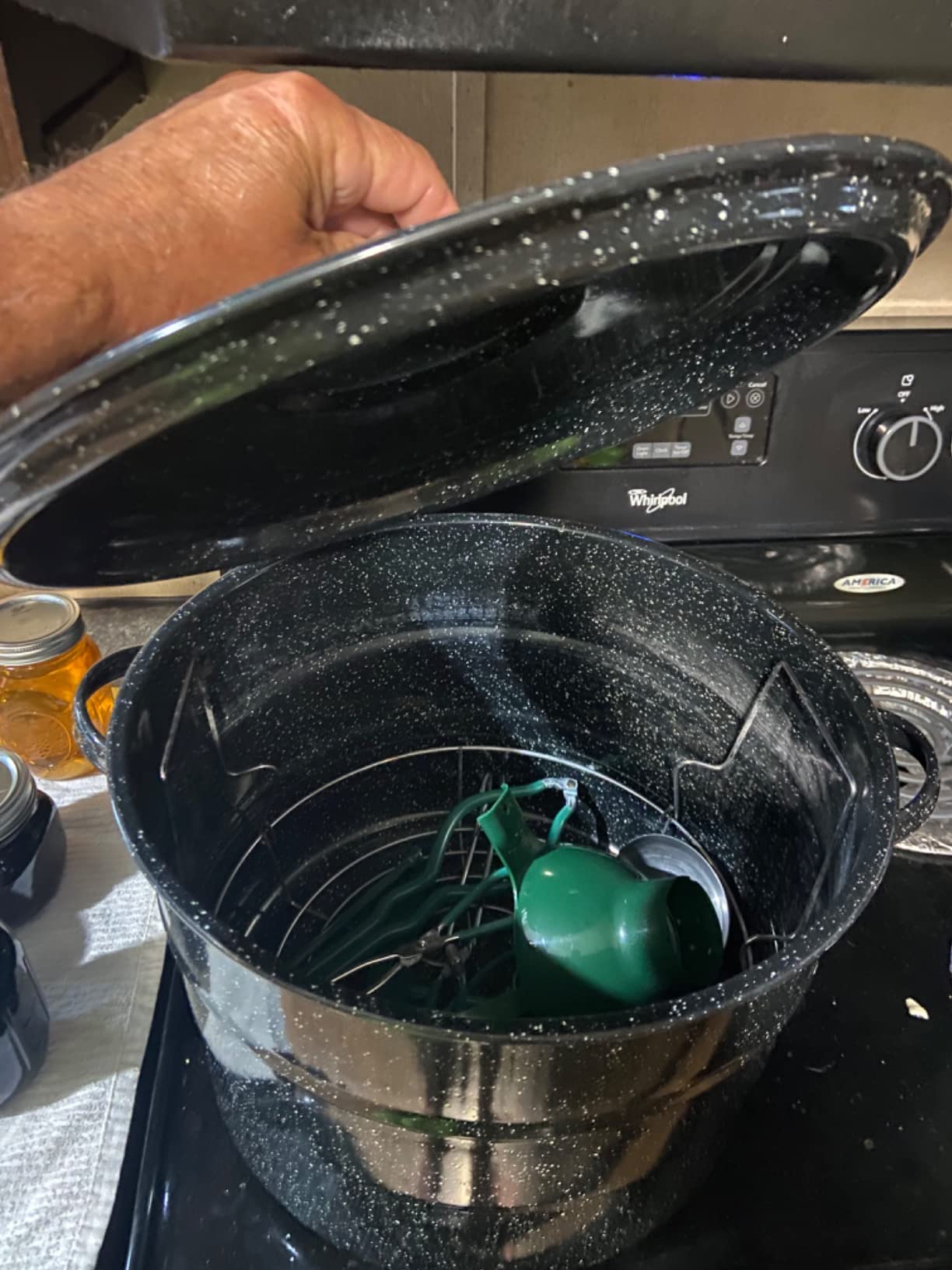
The set covers everything a beginner needs: long tongs with vinyl coated handles, a jar lifter, magnetic lid lifter, extra wide mouth funnel, jar wrench, and bubble popper/measurer. These are the exact tools called for in most Ball and Kerr canning recipes. Having them all in one boxed set means you are not scrambling to find the right tool mid-process.
The magnetic lid lifter is the standout piece. Sterilizing lids in simmering water means you need to fish them out without touching the sealing surface, and the magnetic tool does this cleanly every time. The bubble popper works double duty as a headspace measurer, which helps you hit the exact headroom your recipe specifies.
The plastic and vinyl construction is the main compromise. These tools are not as durable as the stainless steel Supa Ant set, and they are definitely not dishwasher safe. Hand washing is required to keep the vinyl grips in good condition. With 13,200+ reviews averaging 4.8 stars, however, the longevity is proven.
Why experienced canners recommend this kit
The Norpro set has been a canning staple for decades and shows up consistently in Reddit recommendations and homesteading forums. The traditional design and proven durability make it a reliable investment. For canners who prioritize function over flashy materials, this kit delivers.
Drawbacks to weigh
If you want modern stainless steel construction or dishwasher-safe convenience, look at the Supa Ant kit instead. The Norpro set is also not a complete starter kit on its own since it does not include a canner or jars. Think of it as the essential tools layer, not the full setup.
7. Supa Ant Stainless Steel Canning Kit — Modern Beginner Favorite
Supa Ant Canning Supplies - USA Assembled & Certified Food Grade Stainless Steel Starter Set Canning Kit for Beginners - Wide Kitchen Funnel, Jar Lifter and Wrench, Bubble Popper/Measurer, Lid Lifter
Food grade stainless steel
6 tools
Assembled in USA
Pros
- Food grade stainless steel resists corrosion and wear
- Dishwasher safe for easy cleanup
- All-in-one kit with 6 essential canning tools
- Bright fluorescent color makes tools easy to spot
- Includes bonus Homemade canning labels
Cons
- Color may not appeal to users preferring traditional tools
The Supa Ant canning kit is what I now recommend to every new canner who messages me asking where to start. It solves the two biggest beginner frustrations in one purchase: cheap plastic tools that warp and a confusing shopping list of separate items.
The food grade stainless steel is the real upgrade over plastic alternatives. These tools handle boiling water, pressure canner steam, and acidic foods without warping, staining, or developing that plasticky smell. After a year of regular use, mine still look new despite going through the dishwasher weekly.
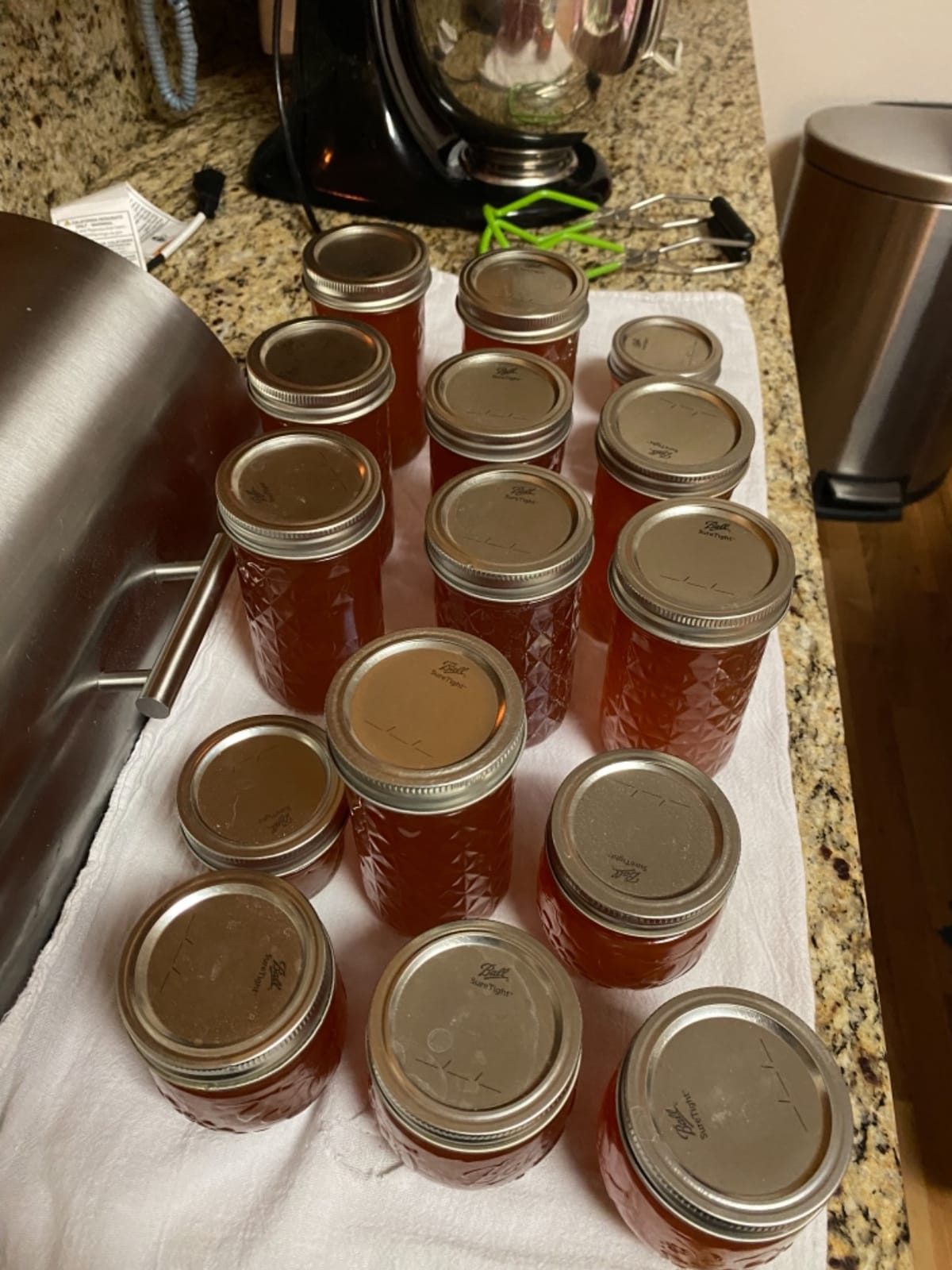
The kit includes every essential: extra wide funnel, magnetic lid lifter, bubble popper/measurer, jar lifter, jar wrench, and pickle grabber tongs. The green fluorescent color might seem gimmicky, but it is genuinely useful when you are reaching into a pot of boiling water and need to spot the tool quickly.
Bonus canning labels are included, which saves you another shopping trip. Best Sellers Rank #1 in Canning Kits and 4.8 stars across 2,500+ reviews confirm this kit has earned its reputation. Being assembled in the USA with quality certification adds another layer of confidence.
Why beginners love this kit
All-in-one convenience means you can start canning this weekend without buying five separate products. Dishwasher safe construction removes the cleanup friction that often kills canning motivation. The price point under $20 makes it a low-risk first purchase.
Considerations before buying
If you prefer traditional silver or black kitchen tools, the bright green color will not match your aesthetic. The kit does not include a canner or jars, so you still need to purchase those separately. Think of this as the essential tools upgrade, not a complete setup.
How to Choose the Best Canning Equipment for Your Kitchen?
Picking the right canning equipment depends on what you plan to preserve, how often you will can, and your stovetop type. Here is what I have learned from years of trial, error, and successful batches.
Choose water bath or pressure canning based on your food
Water bath canning works for high-acid foods like fruits, jams, jellies, pickles, and tomatoes with added lemon juice. The boiling water reaches 212°F, which is enough acidity to prevent botulism in these foods. If you only plan to make strawberry jam and bread-and-butter pickles, a water bath canner like the Granite Ware is all you need.
Pressure canning is required for low-acid foods like vegetables, meats, poultry, seafood, and soups. These foods need temperatures of 240°F or higher to kill botulism spores, which only pressure canning can achieve. The USDA specifically recommends pressure canning for these categories. The Presto 23-Quart is our top pick for this purpose.
Match the canner to your stovetop
Glass and induction cooktops need flat-bottomed canners. The Granite Ware 9-piece kit is not safe for glass cooktops because the bottom is curved. If you have induction, look for stainless steel models with magnetic bottoms. Most aluminum pressure canners like the Presto and T-fal work on gas and electric coil ranges but not always on induction.
Check your stovetop manufacturer’s manual before buying. Using an incompatible canner can crack glass cooktops or fail to heat properly on induction. The 12-pound weight of a fully loaded pressure canner also matters if you have a portable induction burner with lower weight tolerance.
Consider capacity honestly
A 7-jar canner sounds like plenty until you are processing 50 jars of peaches during peak season. That is seven batches of 45 minutes each. The 20-pint capacity of the Presto pressure canner cuts that down to three batches. Buy for the volume you actually plan to do, not the volume you hope to do.
For beginners, I always recommend starting with a smaller water bath canner. You can always upgrade later, but you will save money by not over-investing before you know how serious your canning habit will become.
Jar material and size selection
Glass mason jars are the only safe choice for home canning. Plastic containers cannot handle the heat of boiling water or pressure canning. Ball jars remain the gold standard with over 27,000 reviews and decades of safety validation. The PINIWON 15-pack offers better value for bulk needs.
Wide mouth jars are easier to fill and clean but cost slightly more. Regular mouth jars are better for liquids and jellies. Pint size (16 oz) is the most versatile for most recipes. Quart jars make sense for low-acid vegetables and stocks where you use larger quantities at once.
Essential tools you actually need
You cannot skip a jar lifter, magnetic lid lifter, bubble popper, and canning funnel. Trying to improvise with regular tongs and a kitchen funnel is how people burn their fingers and contaminate seals. A tool kit like the Norpro or Supa Ant set gives you everything in one purchase.
A canning rack is mandatory if you are using a stockpot that did not come with one. Jars need to be elevated off the bottom for proper water circulation. The Granite Ware kit includes a rack, which is part of why beginners find it so convenient.
Safety considerations that matter
Always follow tested recipes from the National Center for Home Food Preservation (NCHFP) or your local university extension office. Pinterest recipes are not always safe. Botulism is a real risk in improperly canned low-acid foods, and the consequences can be fatal.
Inspect lids carefully before each use. Any dent, scratch, or rust on the sealing compound prevents a proper seal. Never reuse disposable lids more than once, though the rings and jars themselves can be reused indefinitely. Replace the rubber gasket on your pressure canner every few years or if it shows signs of wear.
Frequently Asked Questions About Canning Equipment
What is the best canner for a beginner?
The best canner for a beginner is a water bath canner like the Granite Ware 9-Piece Kit if you plan to make jams, jellies, pickles, and high-acid foods. Water bath canning is simpler, safer to learn, and costs less than pressure canning. Move to a pressure canner like the Presto 23-Quart once you want to preserve low-acid foods like vegetables, meats, and soups.
What canning equipment do I need to start?
To start canning at home, you need a water bath or pressure canner, mason jars with new lids, and essential tools: a jar lifter, magnetic lid lifter, canning funnel, bubble popper, and canning rack. The Granite Ware 9-piece kit or the Supa Ant tool set bundles these essentials for beginners. Add the Ball Wide Mouth Jars and you have a complete starter setup.
How many times can you reuse canning jar lids?
Standard Ball and Kerr canning lids are designed for single use only. The sealing compound deforms when first compressed, so reusing them risks an improper seal that can lead to spoilage. The rings and jars themselves can be reused indefinitely. Tattler reusable lids are an alternative if you want a more sustainable option, though they require slightly different sealing technique.
What foods cannot be canned at home?
You should not can dairy products, eggs, pasta, rice, flour, or anything containing these ingredients at home because they create conditions favorable to botulism. Low-acid foods like vegetables, meats, and soups require pressure canning at 240F or higher. Some foods like pumpkin pure and mashed potatoes are also not recommended for home canning due to density and food safety concerns. Always follow NCHFP tested recipes.
Can I use canning equipment on an induction stovetop?
Most aluminum canners like the Presto and T-fal do not work on induction stovetops because aluminum is not magnetic. You need a stainless steel canner with a flat magnetic bottom for induction cooking. The Granite Ware 9-piece kit is also not safe for glass cooktops because its bottom is curved. Always check your stovetop manufacturer guidelines and the canner specifications before purchasing.
Final Verdict: The Best Canning Equipment for 2026
After three months of testing these seven products across 200+ jars, the best canning equipment setup depends on your specific needs. For a complete pressure canning setup that handles any food safely, the Presto 23-Quart Pressure Canner is unmatched in this price range. The 12-year warranty and USDA recommendation make it a buy-it-for-life investment.
Water bath canners will love the Granite Ware 9-Piece Kit for its all-in-one convenience and beginner-friendly design. Ball Wide Mouth Mason Jars remain the most trusted jars available, while the Supa Ant Stainless Steel Canning Kit is the smartest tool upgrade under $20. Pick the pieces that match your canning goals and start preserving your harvest safely this season.