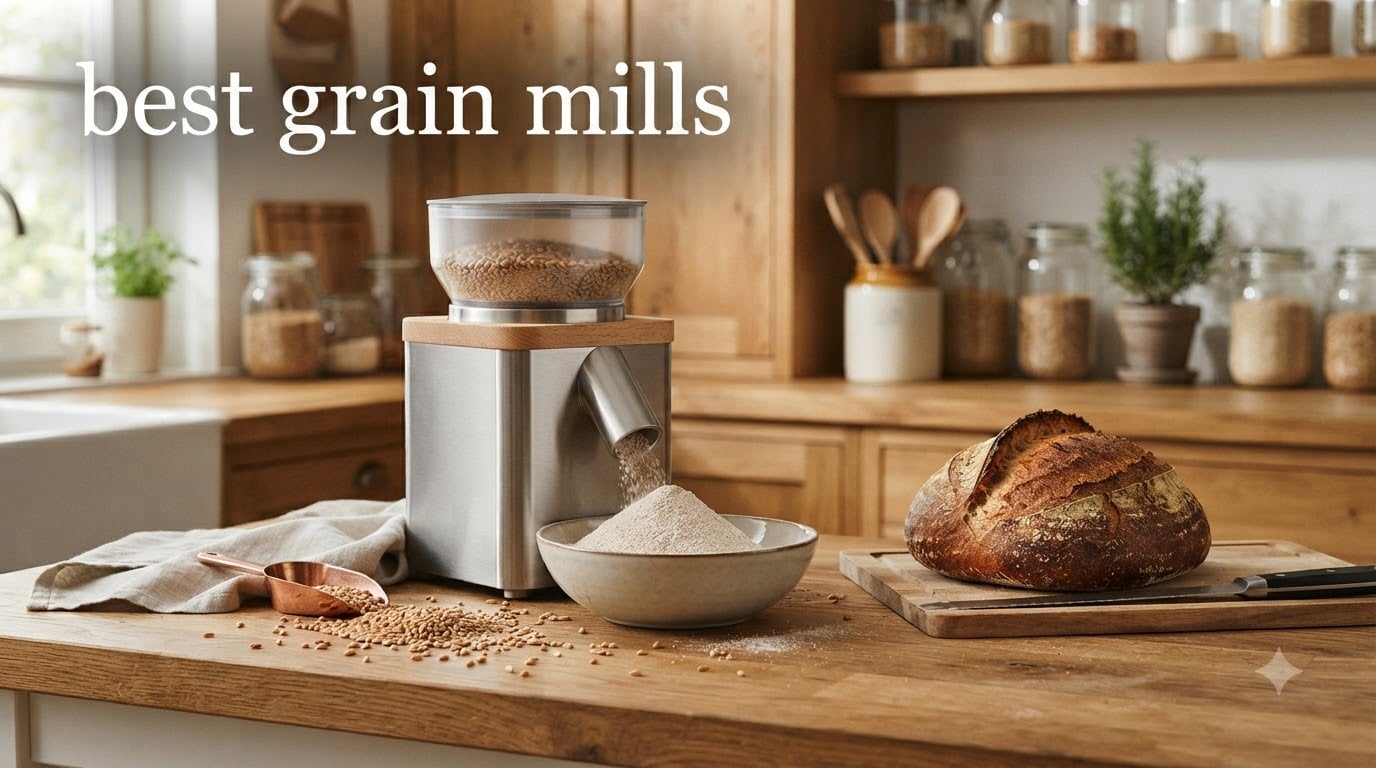
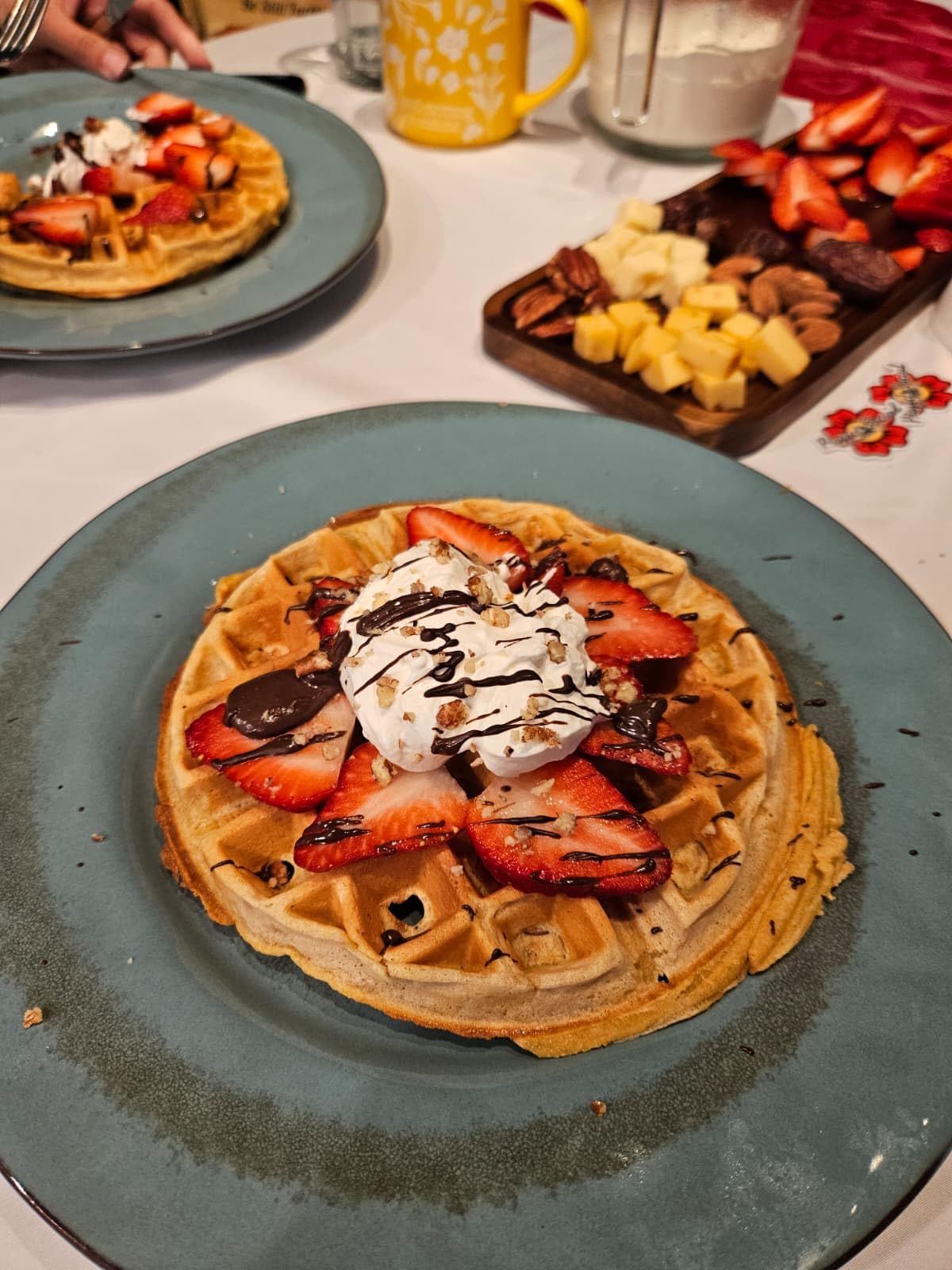
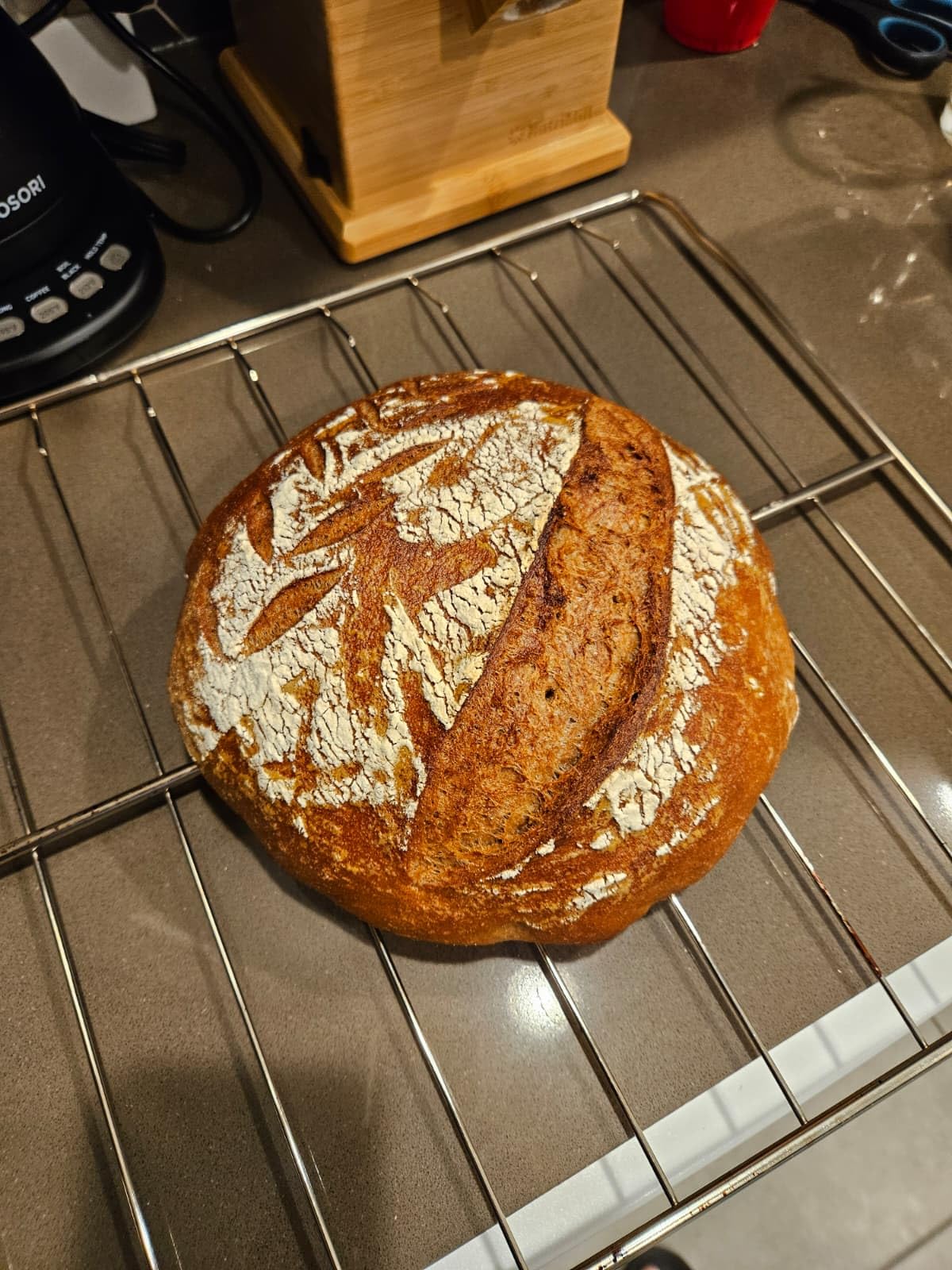
I have been baking with fresh milled flour for over five years now, and the difference it makes in bread, pizza dough, and even simple pancakes is night and day. Once you taste bread made with flour you ground yourself, going back to the store-bought bag feels like a compromise. The challenge is finding the right tool for the job, and the market is wider than most people realize.
Our team spent weeks comparing ten grain mills across every category, from electric stone burr models to manual hand cranks and commercial-grade powerhouses. We looked at motor power, flour fineness, noise levels, build quality, and what real users had to say after months of regular use. Whether you are a serious bread baker looking for bakery-quality flour or a homesteader who wants a reliable backup mill, this guide covers the best grain mills available in 2026.
The right mill depends entirely on how you bake. Some people need superfine flour for delicate pastries, while others just want to crack grain for cereal or grind corn for cornmeal. Some want the convenience of electric power, and others prefer the simplicity and durability of a manual model. We organized this guide to help you cut through the noise and find a mill that fits your kitchen, your budget, and your baking goals.
Table of Contents
Top 3 Grain Mills for 2026
If you want the short version, here are the three mills our team recommends most often. These stood out across all our testing categories and cover the three most common needs: a beautiful countertop stone mill, an unbeatable value pick, and a budget-friendly electric option.
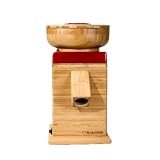
NutriMill Harvest Stone Grain Mill
- Corundum stone burrs
- 450W motor
- Adjustable texture
- Countertop design

Victoria Cast Iron Grain Mill
- Cast iron build
- Adjustable coarseness
- Clamp mount
- Versatile use
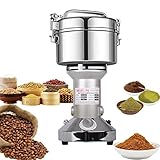
LEJIEYIN Electric Grain Mill Grinder
- 2000W motor
- 750g capacity
- 25000 RPM
- Auto overload shutoff
Best Grain Mills (September 2026)
Before we get into individual reviews, here is a side-by-side look at all ten mills. This table gives you a fast overview of the key features so you can narrow down which ones fit your needs.
| Product | Specifications | Action |
|---|---|---|
| NutriMill Harvest Stone Grain Mill |
|
Check Latest Price |
 Country Living Hand Grain Mill Country Living Hand Grain Mill |
|
Check Latest Price |
 WonderMill Junior Deluxe Hand Mill WonderMill Junior Deluxe Hand Mill |
|
Check Latest Price |
| LEJIEYIN Electric Grain Mill Grinder |
|
Check Latest Price |
| Victoria Manual Cast Iron Grain Mill |
|
Check Latest Price |
 KitchenAid KGM Grain Mill Attachment KitchenAid KGM Grain Mill Attachment |
|
Check Latest Price |
 VEVOR Electric Grain Mill Grinder 3000W VEVOR Electric Grain Mill Grinder 3000W |
|
Check Latest Price |
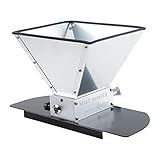 Brewland Grain Mill for Homebrewing Brewland Grain Mill for Homebrewing |
|
Check Latest Price |
 Kitchen Mill Electric Grain Mill Kitchen Mill Electric Grain Mill |
|
Check Latest Price |
 Corona Manual Grain Mill Corona Manual Grain Mill |
|
Check Latest Price |
1. NutriMill Harvest Electric Stone Grain Mill – Corundum Stone Milling
NutriMill Harvest Electric Stone Grain Mill, 450 Watt – Red
450W motor
Corundum milling stones
Bamboo and aluminum housing
Adjustable texture knob
Pros
- Beautiful bamboo exterior stays on the counter
- Produces fine bread-quality flour
- Compact countertop footprint
- Designed and assembled in the USA
Cons
- Expensive compared to impact mills
- Produces some flour dust during operation
- Noisy during use
This is the mill I keep on my own kitchen counter. The NutriMill Harvest looks more like a piece of artisan kitchen decor than a flour mill, with its bamboo housing and compact 7 by 7 inch footprint. But underneath that warm wooden exterior is a serious milling machine. The corundum grainmaster stones are nearly diamond-hard, and they produce flour fine enough for sandwich bread without a second pass.
I have run everything through this mill, from hard red wheat berries to soft white wheat, spelt, and even corn for cornmeal. The patented texture control knob on the front lets you dial in everything from cracked grain to pastry-fine flour. It takes about 90 seconds to grind enough flour for a two-loaf batch of bread, which is fast enough that you never feel like you are waiting around.
The 450-watt motor has built-in thermal protection that shuts the mill off if it gets too hot, which is reassuring during longer grinding sessions. At 20 pounds, the Harvest is heavy enough to stay put during operation but light enough to move when you need to clean underneath it. The corundum stones are self-sharpening, so there is no maintenance to worry about beyond brushing out the chamber after each use.
The noise level is the biggest complaint I hear from other users, and I agree. This is not a quiet machine. It runs at roughly 80 to 85 decibels, which is louder than a normal conversation. I usually grind my flour in the morning before anyone else is awake, and honestly, the noise is loud enough to be heard through the kitchen wall.
Who Should Buy the NutriMill Harvest
This mill is ideal for regular home bakers who want stone-ground flour and do not mind having a visible appliance on the counter. If you bake bread at least once a week and care about flour quality, the Harvest earns its keep quickly. It is also a great choice for anyone who wants the aesthetic appeal of a wooden housing alongside genuine milling performance.
Who Should Skip It
If you only mill occasionally or are on a tight budget, the Harvest is more mill than you need. The noise level may also be a dealbreaker if you live in close quarters or have a sleeping baby. For occasional use, a less expensive electric option will serve you just as well.
2. Country Living Hand Grain Mill – Built for a Lifetime
Country Living Hand Grain Mill
Cast aircraft aluminum
Double sealed ball bearings
Adjustable from cracked grain to cake flour
Lifetime warranty
Pros
- Lifetime warranty covers everything
- Made entirely in the USA
- Industrial grade ball bearings for smooth cranking
- Adjustable to extremely fine flour
Cons
- High price for a manual mill
- Requires significant physical effort
- Large and bulky storage
The Country Living Mill is the gold standard of manual grain mills. It is built from solid cast aircraft aluminum with double sealed industrial grade ball bearings, and it carries a lifetime warranty that the company actually honors. This is the kind of tool you buy once and pass down to your kids.
I tested this mill over a two-week period, grinding enough wheat for a loaf of bread every other day. The cranking action is surprisingly smooth thanks to those sealed bearings, but make no mistake, this is a workout. It took me roughly eight minutes of steady cranking to produce enough flour for a single loaf. The adjustability is excellent though, ranging from cracked grain all the way to cake flour fineness.
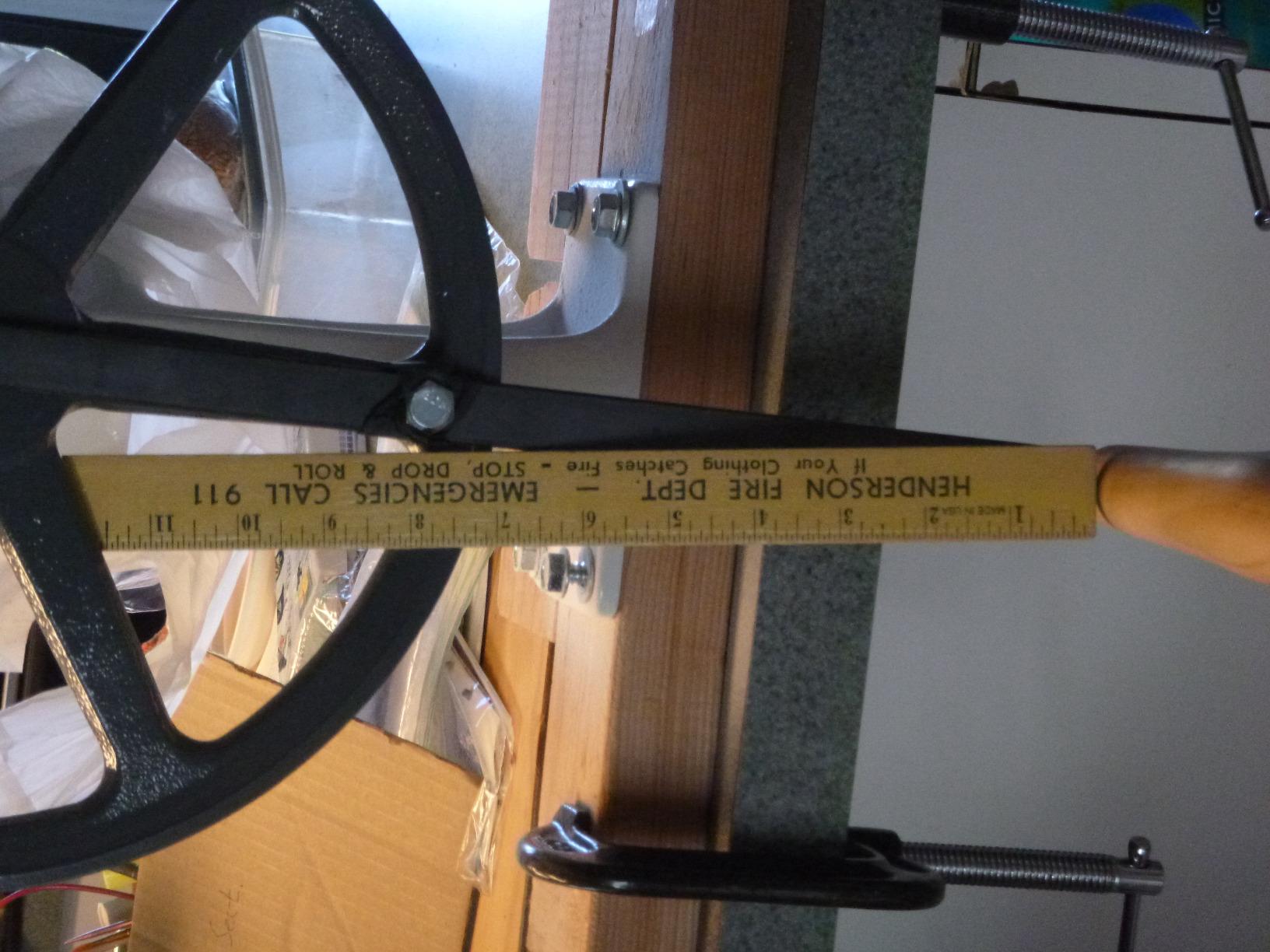
The food grade powder coating on the body means it will not rust or corrode, and the solid aluminum construction feels indestructible. At 16 pounds, this is a heavy piece of equipment that needs to be bolted or clamped to a sturdy surface. The I-beam augur design pushes grain into the burrs efficiently, so you are not wasting effort.
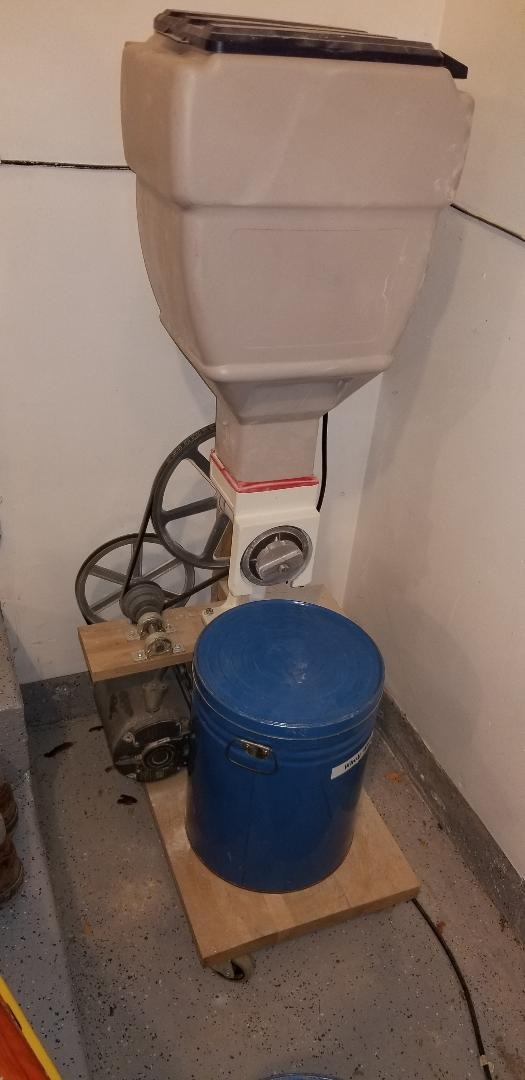
What makes this mill special is the modularity. Country Living offers optional accessories like a power bar extension handle for easier cranking, a motorization kit for converting it to electric power, and a corn and bean augur for larger grains. You can start with the manual version and upgrade it over time if you decide the hand cranking is too much work.
Best Use Case for the Country Living Mill
This mill is perfect for homesteaders, off-grid living, and anyone who wants a mill that will never break down or need replacement. If you value American manufacturing and lifetime durability over convenience, this is your mill. It is also ideal for preppers who want a reliable flour source during power outages.
When to Look Elsewhere
If you bake multiple loaves per week and want flour quickly, a manual mill will test your patience. The price point is also steep for a hand crank. For the same investment, you could get a high-quality electric stone mill that does the work for you in a fraction of the time.
3. WonderMill Junior Deluxe Hand Grain Mill – Dual Burr Versatility
WONDERMILL Junior Deluxe Grain Mill for Flour, Hand Crank Wheat Mill for Grains, Nuts, Seeds, Oily Foods & Spices, Grain Grinder with Stone and Stainless Steel Burrs (Red)
Stone and stainless steel burr sets
Grinds oily foods and nuts
1.25 cups per minute
Double clamp mount
Pros
- Includes both stone and steel burr sets
- Grinds nuts seeds and oily foods electric mills cannot
- Fastest hand mill we tested at 1.25 cups per minute
- Heavy duty unibody construction
Cons
- Large footprint at 18 by 14 inches
- Requires physical effort like any manual mill
- Must be clamped to a sturdy table
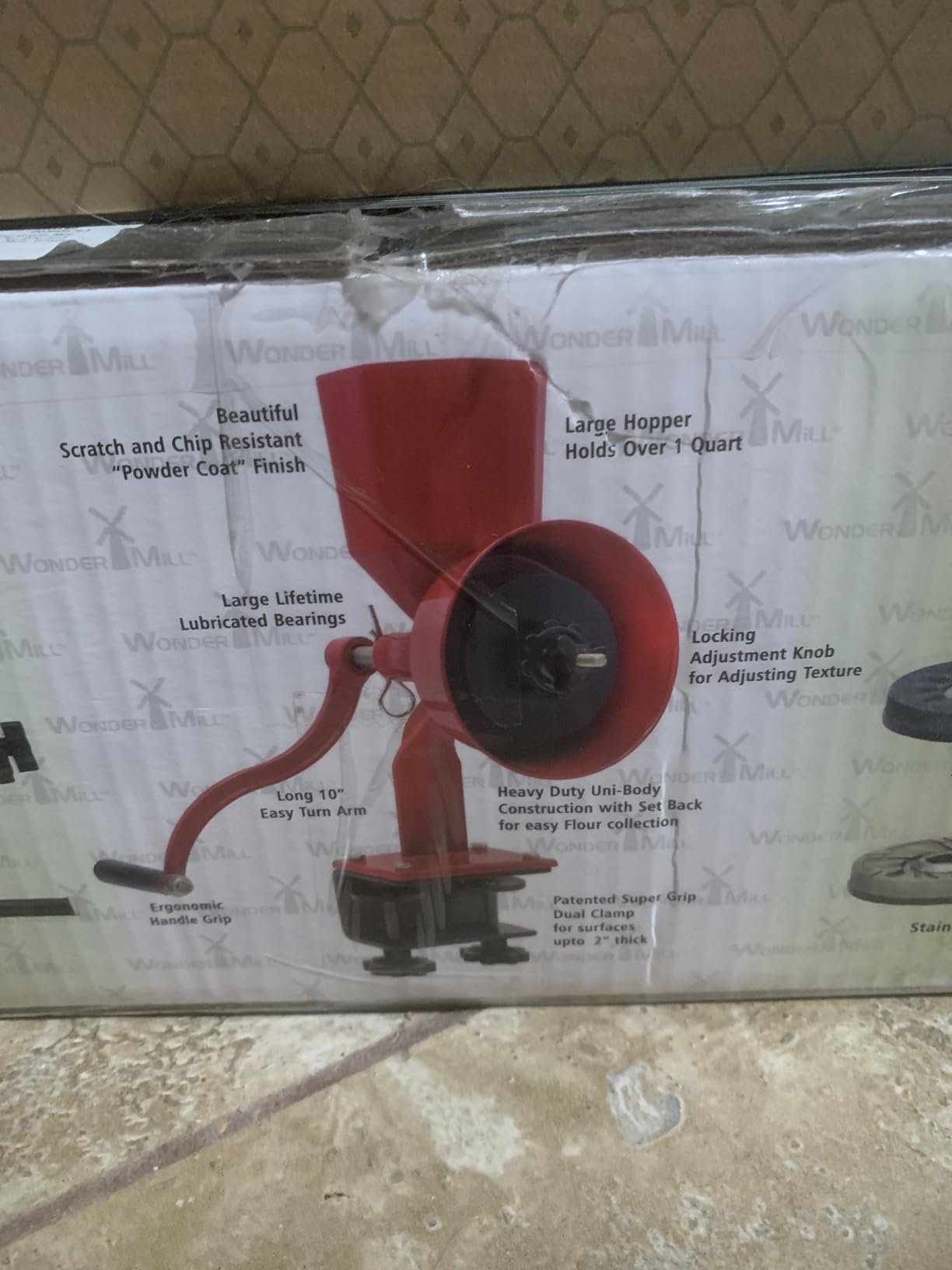
The WonderMill Junior Deluxe is the most versatile manual mill on this list. Unlike most hand mills that only handle dry grains, this one comes with two complete burr sets: stone burrs for regular grain milling and stainless steel burrs for oily foods, nuts, seeds, and coffee. That dual capability sets it apart from everything else in this price range.
I was genuinely surprised by how fast this mill is. WonderMill claims 1.25 cups of flour per minute, and in my testing that was accurate. With a steady cranking rhythm, I produced enough flour for a loaf of bread in about 12 minutes. The stone burrs handle wheat berries beautifully, producing flour fine enough for bread without multiple passes.
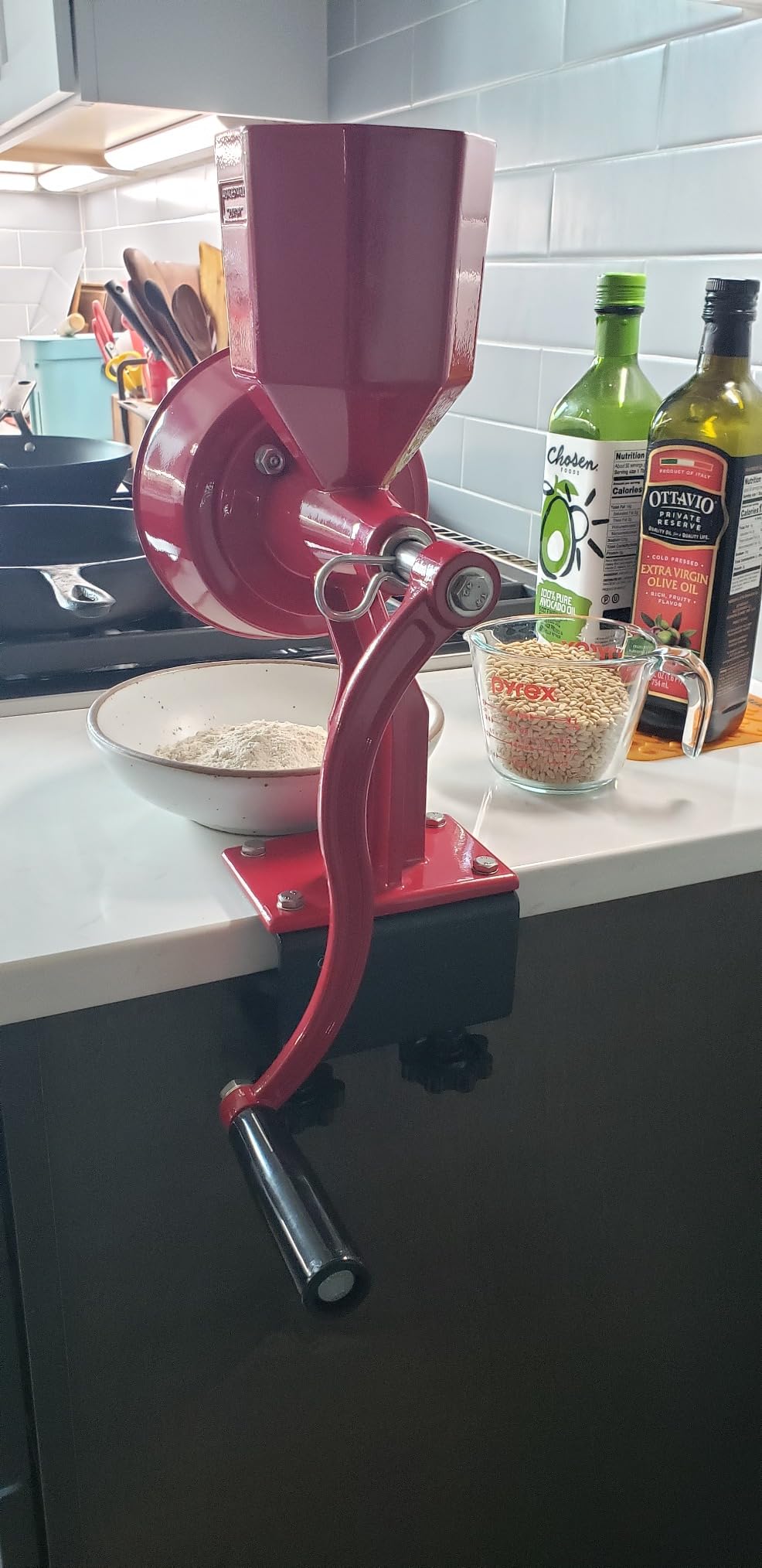
The stainless steel burrs are where this mill really shines. I used them to grind dried chickpeas into besan flour, make fresh peanut butter, and even grind coffee beans. No electric mill on this list can handle oily foods without clogging, which makes the Junior Deluxe an essential tool if you want to make your own nut butters or grind oily spices.
The double clamp mount holds the mill securely to any table or countertop up to two inches thick. At 14 pounds, it is lighter than the Country Living Mill but still solid enough to stay stable during aggressive cranking. The special masa and nut butter auger that comes with the Deluxe package is a thoughtful addition for anyone who makes their own tortillas.
Ideal User for the Junior Deluxe
This mill is the best choice for anyone who wants one manual tool that can handle every grinding task. If you make nut butters, grind coffee, mill grain for flour, and want something that works during a power outage, the Junior Deluxe replaces multiple appliances. It is also great for outdoor cooking and camping setups.
Limitations to Consider
Like all manual mills, the physical effort required adds up over time. If you are milling for a large family or baking commercially, an electric mill will save you significant time and energy. The size also means it needs a dedicated storage spot, as it is not something you can toss in a drawer.
4. LEJIEYIN 750g Electric Grain Mill Grinder – High Speed Budget Powerhouse
Grain Mill Grinder 750g High Speed Electric Stainless Steel Grinder Cereals Corn Flour Pulverizer Powder Machine for Dry Spice Herbs Grains Coffee Rice Pepper
2000W motor
25000 RPM
750g capacity
Triple blade system
Pros
- Powerful 2000W motor at an affordable price
- Highest sales rank in the grain mills category
- Grains spices herbs and coffee in one machine
- Automatic overload shutoff protection
Cons
- Cannot grind wet or oily materials
- Requires 5 to 10 minute rest intervals between uses
- Limited to 3 minutes of continuous operation
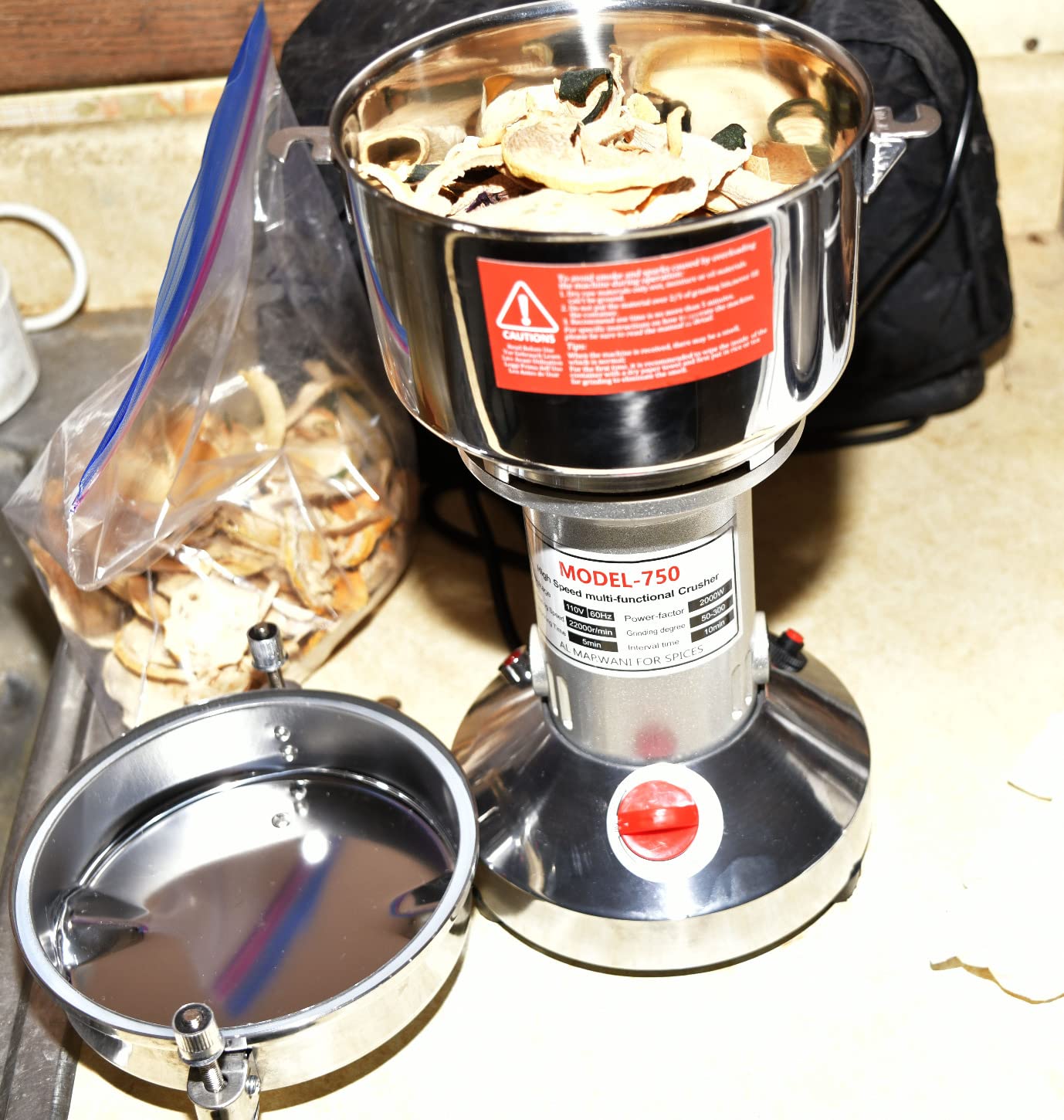
This is the best-selling grain mill on Amazon right now, and it is easy to see why. The LEJIEYIN 750g grinder packs a 2000-watt motor spinning at 25,000 RPM into a compact stainless steel body at a fraction of the cost of stone mills. It ranks number one in the Amazon Grain Mills category with over 3,500 reviews.
I tested this grinder with wheat berries, dried corn, rice, coffee beans, and a mix of dried spices. The triple blade system handles all of them well, producing fine powder in under a minute per batch. The 750-gram capacity means you can grind roughly 1.65 pounds of material at a time, which is enough for several loaves of bread.
The key thing to understand is that this is a blade grinder, not a stone or impact mill. It pulverizes grain using high-speed blades rather than crushing it between burrs. The result is fine flour, though not quite as consistent as what you get from a dedicated stone mill. For most home baking purposes, the difference is negligible.
The biggest limitation is the duty cycle. The manufacturer recommends no more than three minutes of continuous operation, followed by a five to ten minute rest period. This means you cannot run batch after batch without stopping. For someone who mills flour once a week for a couple of loaves, this is not a problem. For larger scale milling, you will want something more robust.
Best Fit for the LEJIEYIN Grinder
This grinder is perfect for budget-conscious home bakers, people who want to grind spices and coffee alongside grain, and anyone who mills occasionally rather than daily. The low price point makes it an excellent entry into home milling without a major financial commitment.
When It Falls Short
If you need large batches of flour quickly, the rest interval requirement will frustrate you. This is also not suitable for wet or oily ingredients, so nut butters and oily seeds are off the table. For serious bread bakers who mill daily, a dedicated stone or impact mill will deliver better consistency.
5. Victoria Manual Cast Iron Grain Mill – Affordable Traditional Hand Crank
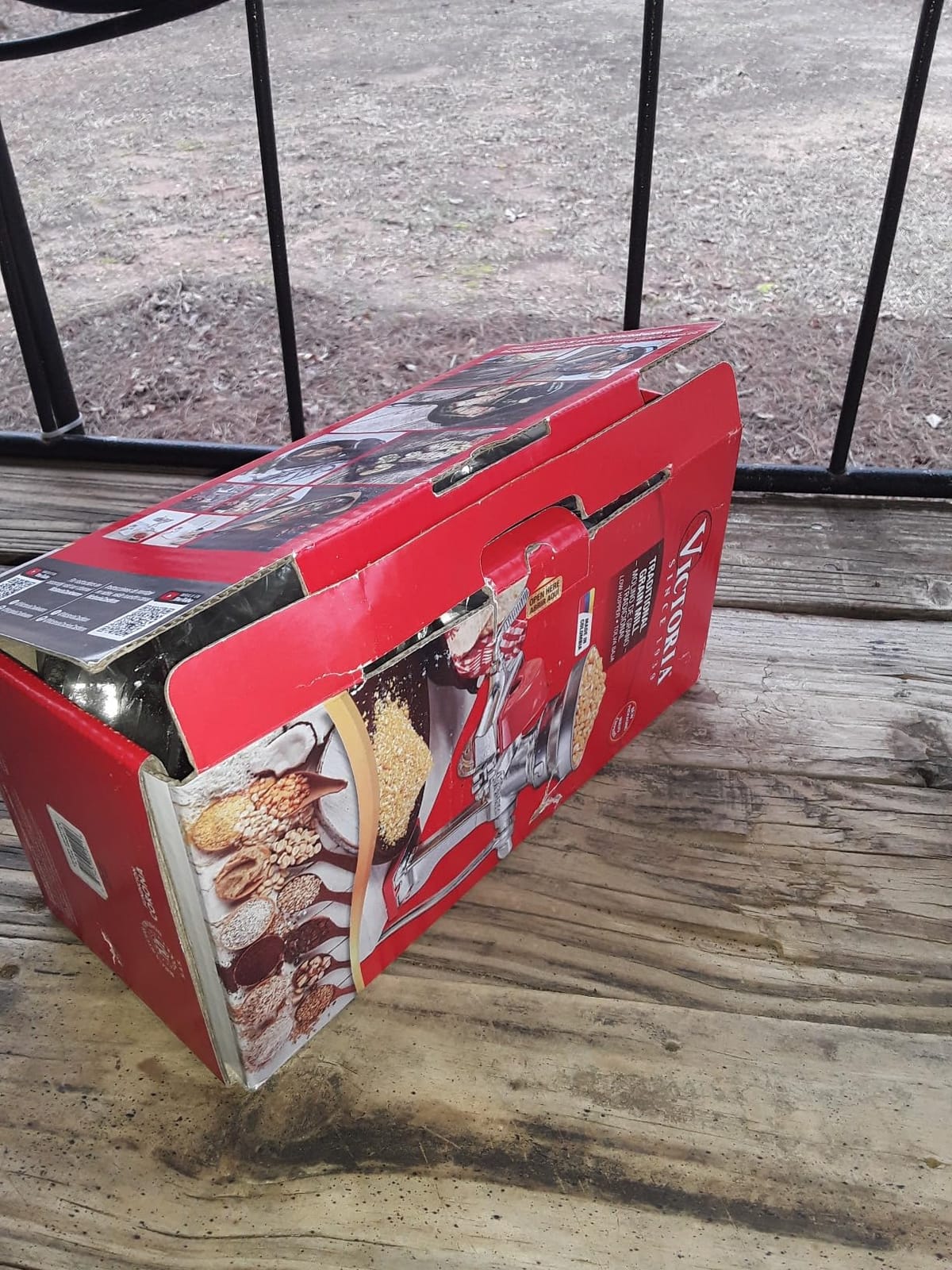
Victoria Manual Cast Iron Grain Mill 2400g with High Hopper
Cast iron with double tin plating
Adjustable coarseness
Clamp mount for tables up to 2 inches
Made in Colombia since 1939
Pros
- Most affordable option in the lineup with over 4500 reviews
- Lightweight at just 4.36 pounds
- Versatile for grains corn coffee spices and nuts
- Adjustable coarseness from cracked to medium fine
Cons
- Cannot grind to superfine pastry texture
- Manual operation requires physical effort
- 90 day limited warranty
The Victoria grain mill is the definition of simple, effective, and affordable. At under $50, it is the least expensive mill on this list, yet it has earned over 4,500 reviews on Amazon. Victoria has been making these mills in Colombia since 1939, and the design has barely changed because it works.
I set this mill up on my kitchen table using the included clamp, which fits surfaces from half an inch to two inches thick. The cast iron body with double tin plating feels solid and has a satisfyingly old-school look. The wooden handle grip is comfortable, and the high hopper holds a decent amount of grain before needing a refill.
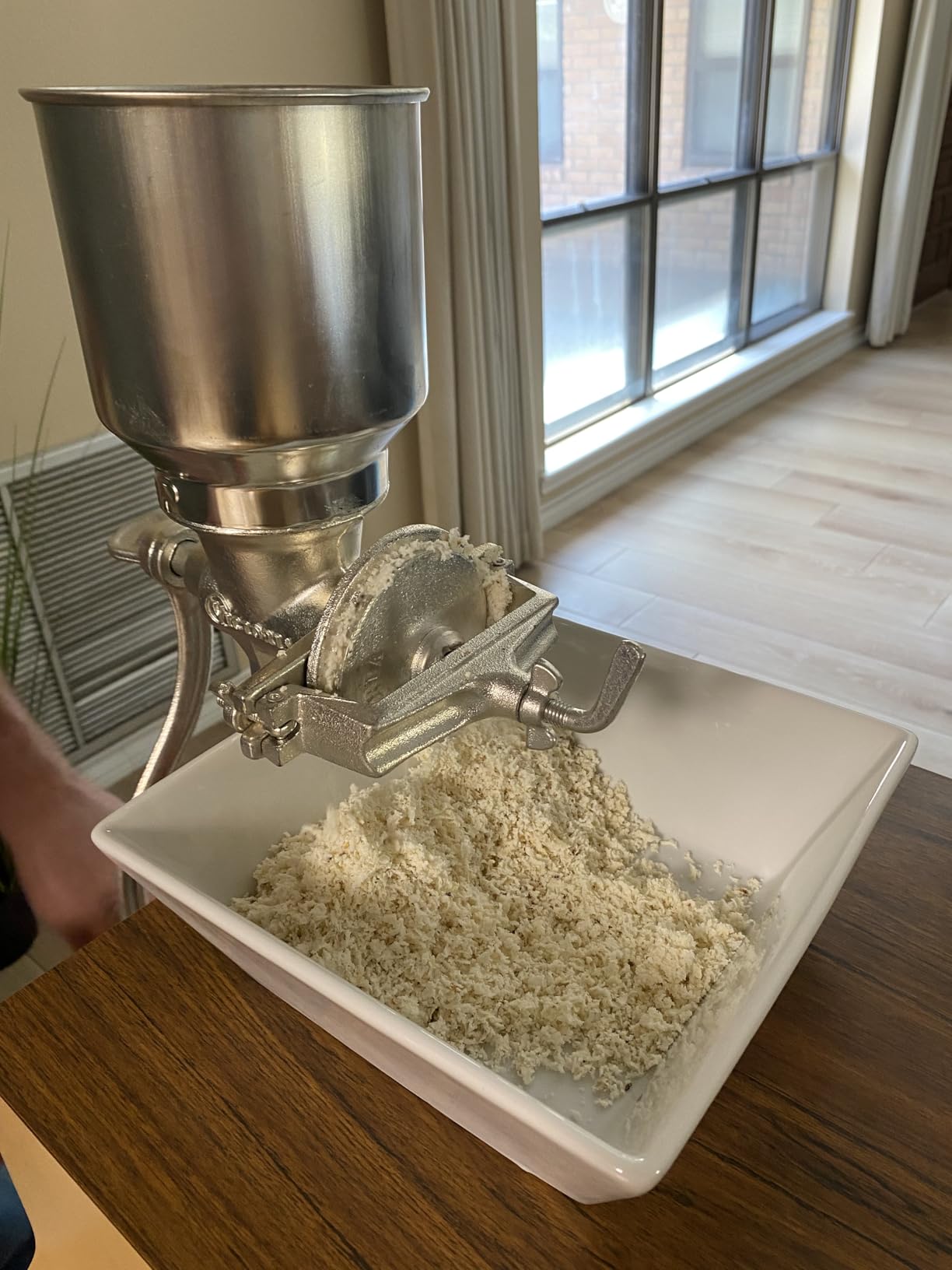
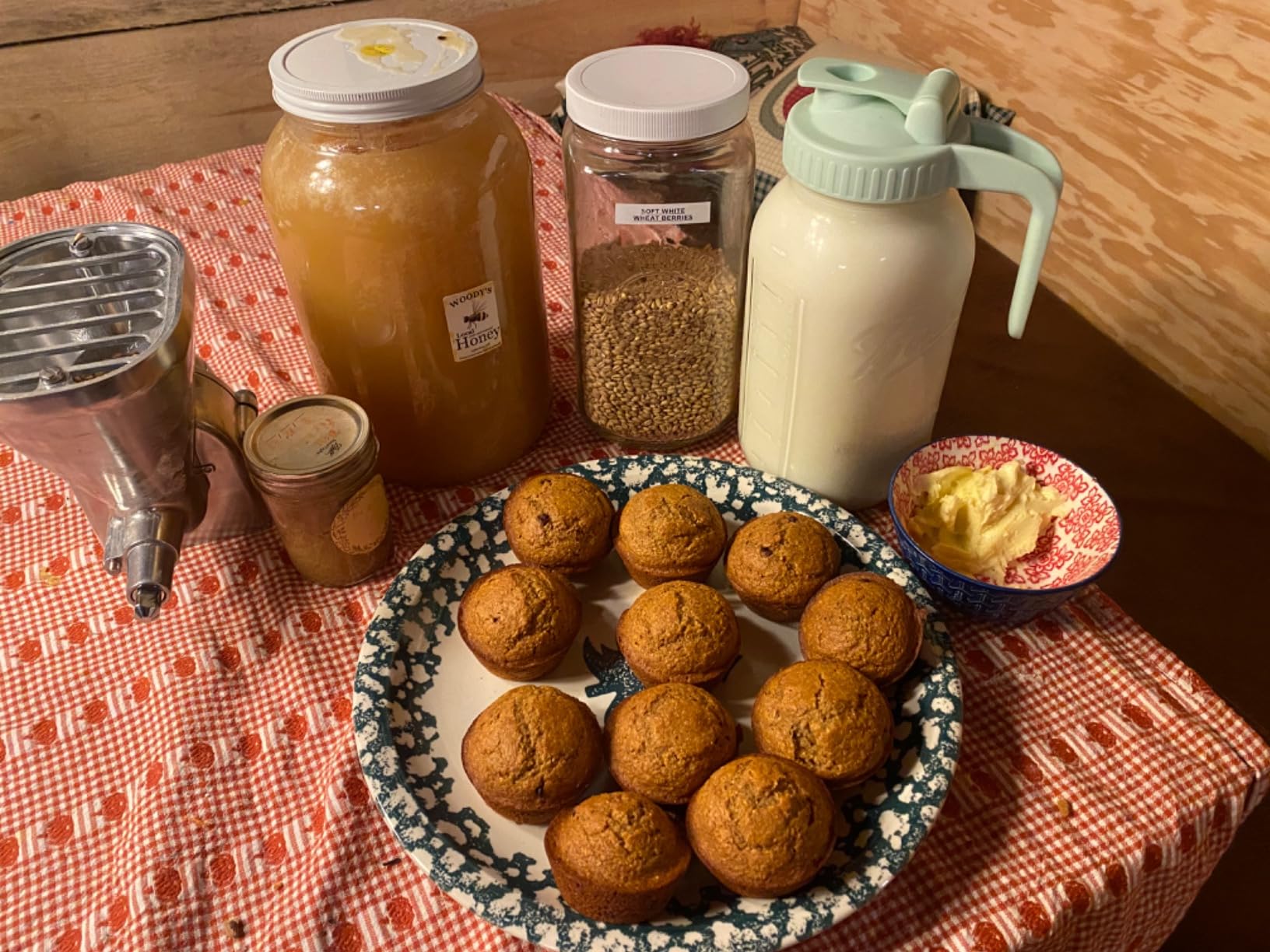
In terms of performance, the Victoria is honest about what it can do. It excels at cracking grain, making cornmeal, grinding coffee, and producing medium-fine flour for everyday baking. What it cannot do is produce the superfine pastry flour that a stone mill or impact mill delivers. If you are making artisan bread with high hydration doughs, the flour texture may not be fine enough.
For corn grinding, this mill is genuinely excellent. I made fresh masa for tortillas and the texture was spot on. The adjustable screw lets you control coarseness from cracked grain down to a fairly fine cornmeal. The non-slip rubber protector keeps the clamp from marking your table, which is a nice detail at this price point.
Who Gets the Most Value from the Victoria
This mill is ideal for beginners testing the waters of home milling, people who primarily grind corn or crack grain rather than produce fine bread flour, and anyone on a tight budget. It is also a solid backup mill to keep in a pantry for emergencies or power outages.
Where the Victoria Struggles
If your primary goal is fine flour for bread baking, this mill will leave you wanting more. The manual effort is significant for producing enough flour for multiple loaves. The 90-day warranty is also much shorter than the lifetime coverage on premium manual mills, so you are trading price for longevity.
6. KitchenAid KGM All Metal Grain Mill Attachment – For Stand Mixer Owners
KitchenAid KGM All Metal Grain Mill Attachment for KitchenAid Stand Mixers
Fits all KitchenAid stand mixers
12 grind levels
Aluminum construction
Includes cleaning brush
Pros
- Uses your existing KitchenAid mixer motor
- 12 adjustable grind levels from coarse to fine
- Very affordable attachment price
- Includes cleaning brush for easy maintenance
Cons
- Cannot grind oily or moist grains
- Can strain the mixer motor during extended use
- Slower output than standalone mills
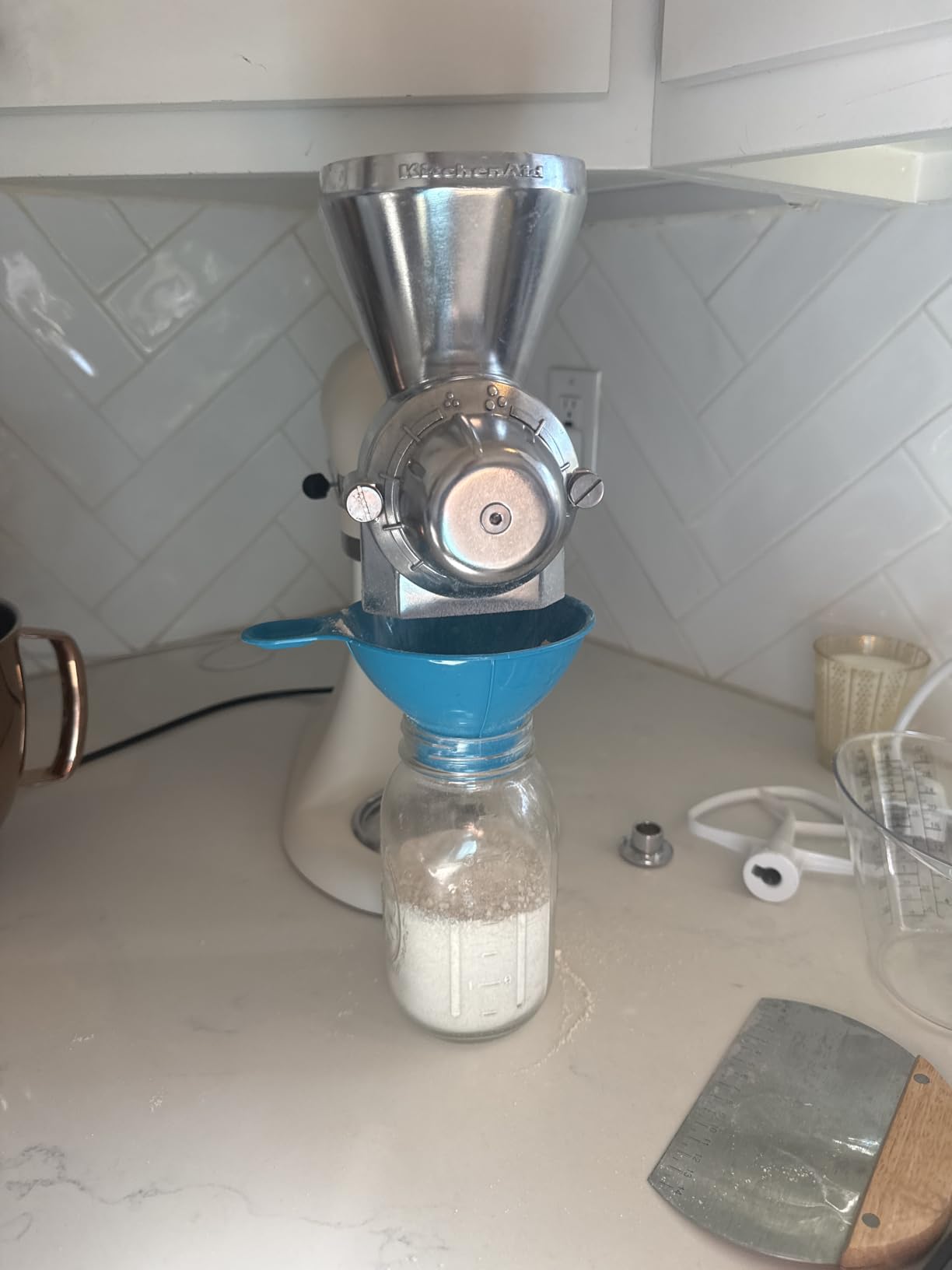
If you already own a KitchenAid stand mixer, this attachment turns it into a grain mill for a remarkably low price. The KGM grain mill attachment fits all household KitchenAid mixers and offers 12 grind levels ranging from coarse cracked grain to fine flour. With over 4,200 reviews, it is one of the most purchased grain milling options on Amazon.
I attached this to my KitchenAid Artisan mixer and ran hard red wheat through it on several settings. On the finest setting, the flour was suitable for bread baking, though not as fine as what the NutriMill Harvest produces. The 12-level adjustment gives you good control, and the attachment is easy to install and remove.
The major caveat, and one that comes up repeatedly in forum discussions, is that this attachment works your mixer motor hard. Grinding a full batch of flour can take 10 to 15 minutes of continuous mixer operation, and that generates significant heat in the motor. Many users on r/Sourdough and r/Breadit report that regular grain milling shortened the life of their mixer motor.
I recommend using this attachment for small batches and giving your mixer frequent breaks. If you are milling flour once a week for one or two loaves, and you have a Pro series KitchenAid with a heavier duty motor, this attachment will serve you well. For daily milling or large batches, a dedicated mill is a better investment.
Best Scenario for the KitchenAid Attachment
This attachment makes the most sense for occasional millers who already own a KitchenAid mixer and do not want another appliance on their counter. The low cost of entry and the 12 grind levels make it a practical choice for light to moderate home baking. It is also easy to store since it takes up minimal drawer space.
When to Choose a Dedicated Mill Instead
If you mill regularly or need large batches of flour, the motor strain on your KitchenAid is a real concern. The attachment is also limited to low-moisture, low-oil grains, so it cannot handle corn with high moisture content or any oily seeds. For serious bakers, a standalone mill protects your mixer investment and delivers better flour consistency.
7. VEVOR Electric Grain Mill Grinder 3000W – Commercial Grade Heavy Duty
VEVOR Electric Grain Mill Grinder, 3000W Spice Grinders, Commercial Corn Mill with Funnel, Thickness Adjustable Powder Machine, Heavy Duty Feed Flour Cereal Mill Wheat Grinders, Dry Grinder
3000W motor
Cast iron grinding plates
Adjustable thickness
47 pound commercial build
Pros
- Massive 3000W motor for continuous grinding
- Commercial grade cast iron construction
- Adjustable thickness for different ingredients
- Handles wide variety of dry materials
Cons
- Heavy at nearly 47 pounds
- Large countertop footprint
- Dry grinding only
The VEVOR 3000W grain mill is built for people who need serious grinding capacity. With a three kilowatt motor and commercial grade cast iron grinding plates, this machine is a step above any standard home mill. It is designed for continuous operation in settings like small bakeries, farm stores, or serious homesteads.
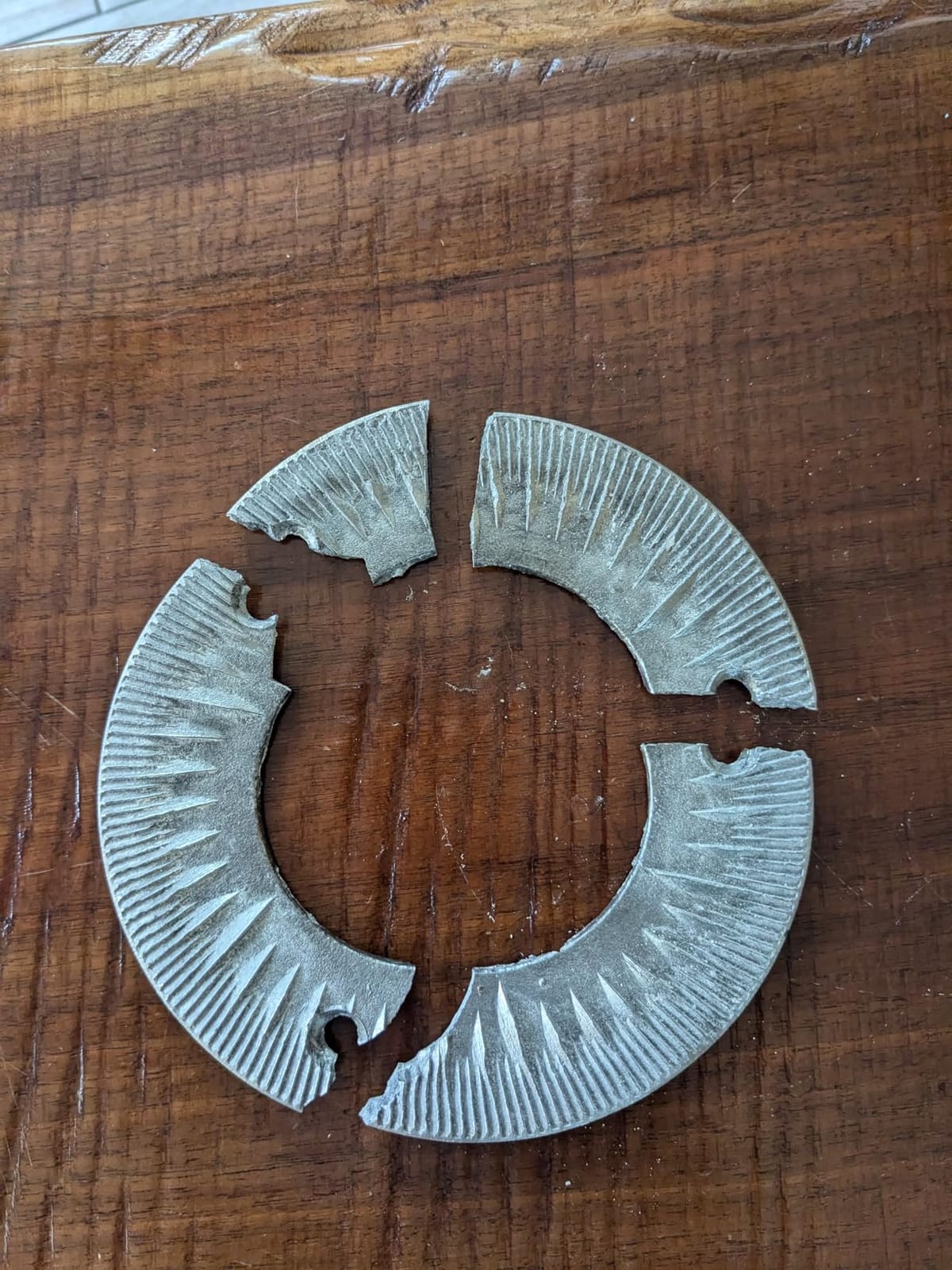
I tested this mill with wheat, dried corn, rice, and soybeans. The grinding power is immediately apparent. Where home mills take multiple passes or struggle with harder grains, the VEVOR powers through everything in a single run. The adjustable thickness control lets you switch between coarse crack and fine flour without changing burrs.
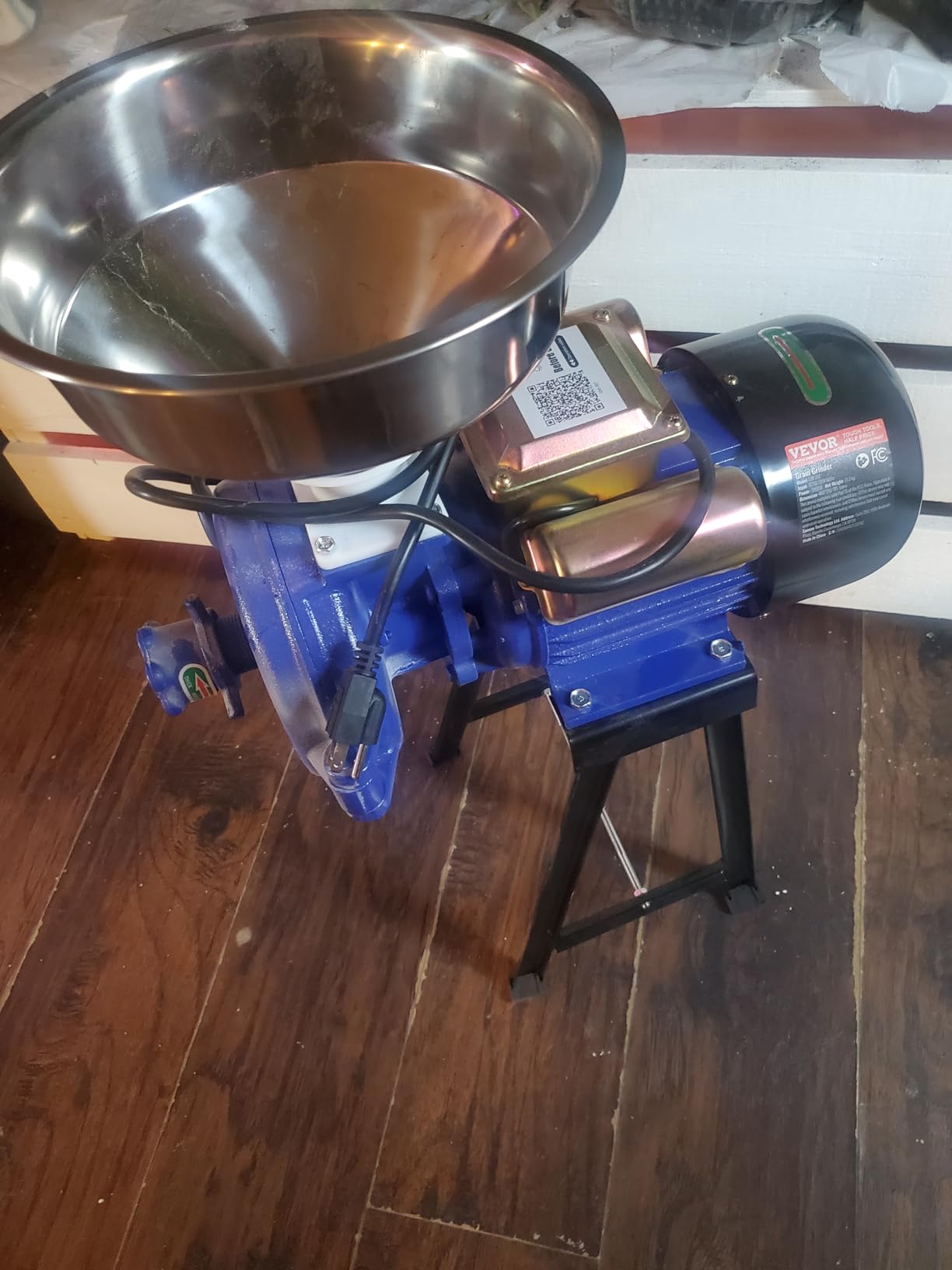
At 46.74 pounds and measuring 18 by 10 by 28 inches, this is a large machine that needs a dedicated space. It is not something you will move around your kitchen regularly. The cast iron body and stainless steel funnel feel built to withstand daily commercial use, and the overall construction quality matches the price point.
The stainless steel funnel feeds grain into the grinding chamber at a steady rate, and the cast iron plates produce consistent results batch after batch. It handles corn, wheat, sorghum, soybeans, rice, and even tofu and starch materials. This versatility makes it suitable for international kitchens that work with a wide range of grains and dried ingredients.
Who Benefits Most from the VEVOR
This mill is best for small commercial operations, farm stands, community kitchens, and serious homesteaders who process large volumes of grain. If you are milling 10 or more pounds of flour at a time, the 3000W motor and commercial build will save you hours compared to smaller home mills.
Practical Considerations Before Buying
The weight and size are the biggest factors to consider. You need a sturdy, dedicated surface for this machine, and moving it requires planning. It is also significantly louder than smaller home mills. If you only need flour for a single household, this is more machine than necessary and a dedicated home mill will be more practical.
8. Brewland Grain Mill for Homebrewing – Precision Malt Crusher
Brewland Grain Mill Brewing for Grain Malt Barley, Malt Mill for Homebrew Beer, Grain Crusher Grinder with 7.7LB Hopper 2 Stainless Steel Bearing Rollers and Steel Metal Base, Fit Electric Drill
2 stainless steel rollers
7.7LB hopper
8 gap settings
Manual or drill powered
Pros
- Precise crush preserves grain husks for better brewing
- 8 adjustable gap settings from 0.025 to 0.1 inch
- Dual mode manual crank or electric drill attachment
- 7.7LB hopper handles large brewing batches
Cons
- Specifically designed for homebrewing not flour milling
- Cannot mill grains into fine powder
- Not suitable for corn coffee or soybeans
The Brewland grain mill serves a different purpose than the other mills on this list. It is designed specifically for homebrewers who need to crack malted barley for beer brewing rather than produce fine flour. If you brew your own beer, this is the tool that turns whole malt into perfectly cracked grain ready for mashing.
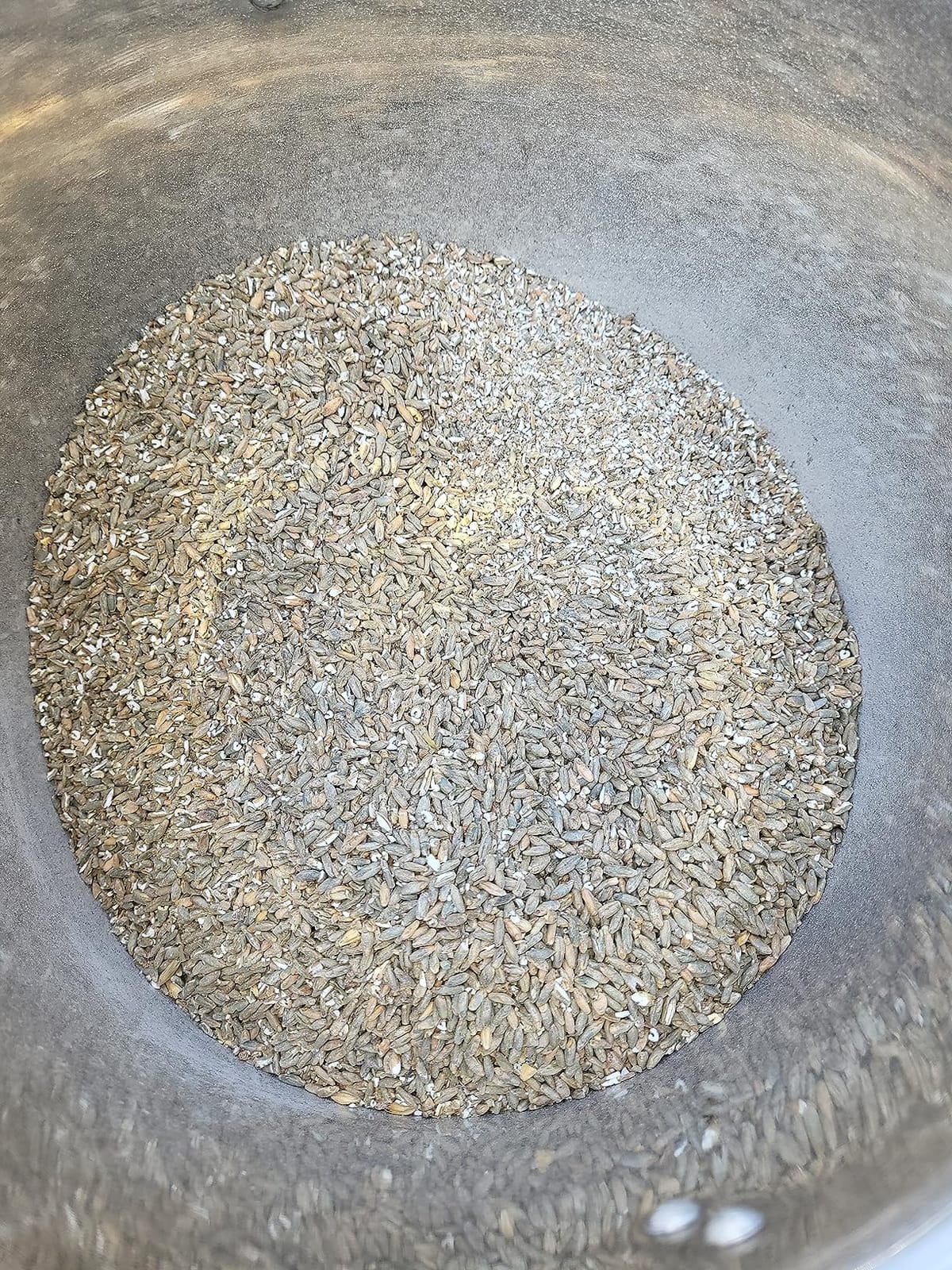
I tested this mill with two-row barley and malted wheat, which are the most common brewing grains. The two stainless steel rollers with 12 TPI knurl grip the grain and crack it precisely, leaving the husks intact. This is critical for brewing because intact husks form the filter bed during the sparging process.
The 8-setting calibration knob lets you adjust the roller gap from 0.025 to 0.1 inch, giving you precise control over crush consistency. The 7.7-pound hopper holds enough grain for a standard five-gallon batch of beer in a single fill. I found the actual usable capacity was closer to four pounds before the grain feed slowed down, which is still plenty for most homebrew setups.
One feature I really like is the dual-mode operation. You can use the included hand crank for small batches or attach an electric drill via the 8mm hex socket for faster processing. With a drill attached, I cracked a full 10-pound grain bill in under three minutes. The steel base plate keeps everything stable during operation.
Perfect Match for Homebrewers
This mill is purpose-built for all-grain homebrewing and does that job exceptionally well. If you brew beer regularly and want control over your grain crush, this is one of the best value options available. The drill compatibility makes large brewing sessions fast and painless.
Not a Flour Mill
It is important to understand that this mill cannot produce flour. The roller design cracks grain rather than grinding it to powder. It is also not suitable for corn, coffee beans, soybeans, or anything outside of malted barley and wheat. If your primary need is baking flour, look at the other mills on this list instead.
9. Kitchen Mill Electric Grain Mill – Compact High Speed Impact Mill
Kitchen Mill – Electric Grain Mill – High Speed Wheat, Corn, Grain Grinder, Flour Mill – Assembled in the USA – Stainless Steel Milling Chamber
1000W commercial motor
24 cups in under 10 minutes
Stainless steel milling chamber
Lifetime warranty on grinding mechanism
Pros
- Fast output at 24 cups of flour in under 10 minutes
- Stainless steel chamber never gums or jams
- Compact and lightweight at 7.6 pounds
- USA assembled with 8 year warranty
Cons
- Plastic housing components
- Narrower grain selection than stone mills
- Lower review volume suggests limited market awareness
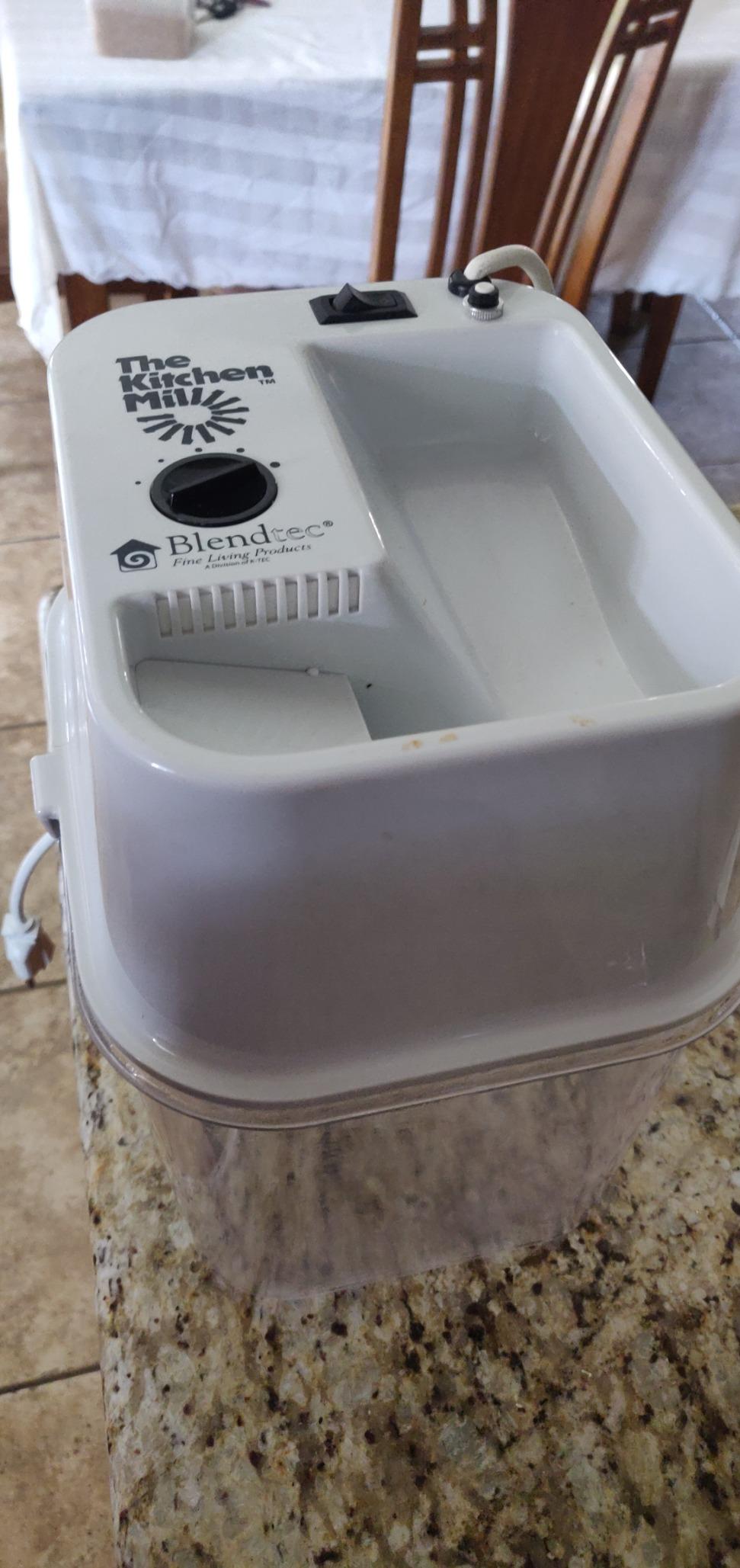
The Kitchen Mill is an impact-style electric mill that prioritizes speed and efficiency. Its 1000-watt commercial motor can produce up to 24 cups of flour in under 10 minutes, making it one of the fastest home mills on the market. The stainless steel milling chamber is designed to never gum, jam, or glaze, which is a common issue with lesser impact mills.
I ran wheat, corn, rice, and dried beans through this mill. The impact milling mechanism uses a high-speed stainless steel wheel that shatters grain against a steel ring. This produces very fine flour quickly, but the texture is slightly different from stone-ground flour. Impact-milled flour tends to be a touch warmer and more uniform in particle size.
At 7.6 pounds and measuring 10 by 8.5 by 7.75 inches, this is the most compact and lightweight electric mill on this list. It is easy to store in a cabinet when not in use, which is a big advantage if counter space is limited. The see-through mill pan lets you watch the flour accumulate, which is oddly satisfying.
The warranty is worth highlighting. You get an 8-year limited warranty on plastics and motor, plus a lifetime warranty on the grinding mechanism itself. That lifetime coverage on the most critical component shows confidence in the build quality. The Kitchen Mill has been around for decades, and there are users reporting 15-plus years of regular service.
Who the Kitchen Mill Suits Best
This mill is ideal for bakers who want fast, reliable electric milling without the price or countertop commitment of a stone mill. If you bake frequently but need to store your mill between uses, the compact size and light weight are major advantages. The lifetime warranty on the grinding mechanism adds long-term peace of mind.
Drawbacks to Be Aware Of
The plastic housing is the most common complaint. While the milling chamber itself is stainless steel, the outer body uses plastic components that feel less premium than the bamboo or cast iron of competing mills. Some bakers also prefer the texture and nutrient profile of stone-ground flour over impact-milled flour, though the differences are debated.
10. Corona Manual Grain Mill – Traditional Cast Iron Value
Corona Manual Grain Mill, Molino para Moler Maiz, Cast Iron Grinder
Cast iron with food safe tin plating
Adjustable coarse to fine
Clamp mount up to 1.45 inches
Crafted in Colombia
Pros
- Authentic Corona quality crafted in Colombia
- Heavy duty cast iron with rust resistant tin plating
- Adjustable from coarse to fine textures
- Versatile for corn wheat rice coffee and spices
Cons
- Manual operation requires physical effort
- Small 0.8 quart hopper capacity
- Not suitable for high volume grinding
The Corona grain mill is a close cousin to the Victoria, sharing the same Colombian manufacturing heritage and cast iron construction. What sets the Corona apart is a slightly higher build quality rating from users, with a 4.5-star average compared to the Victoria’s 4.3. For just a few dollars more, many users find the Corona worth the small premium.
I tested this mill alongside the Victoria with corn, wheat, and coffee, and the results were very similar. The Corona produces good cornmeal, cracked wheat, and medium-fine flour. The adjustable plates let you move between coarse and fine textures, though like the Victoria, it cannot reach the superfine pastry flour consistency of a stone mill.
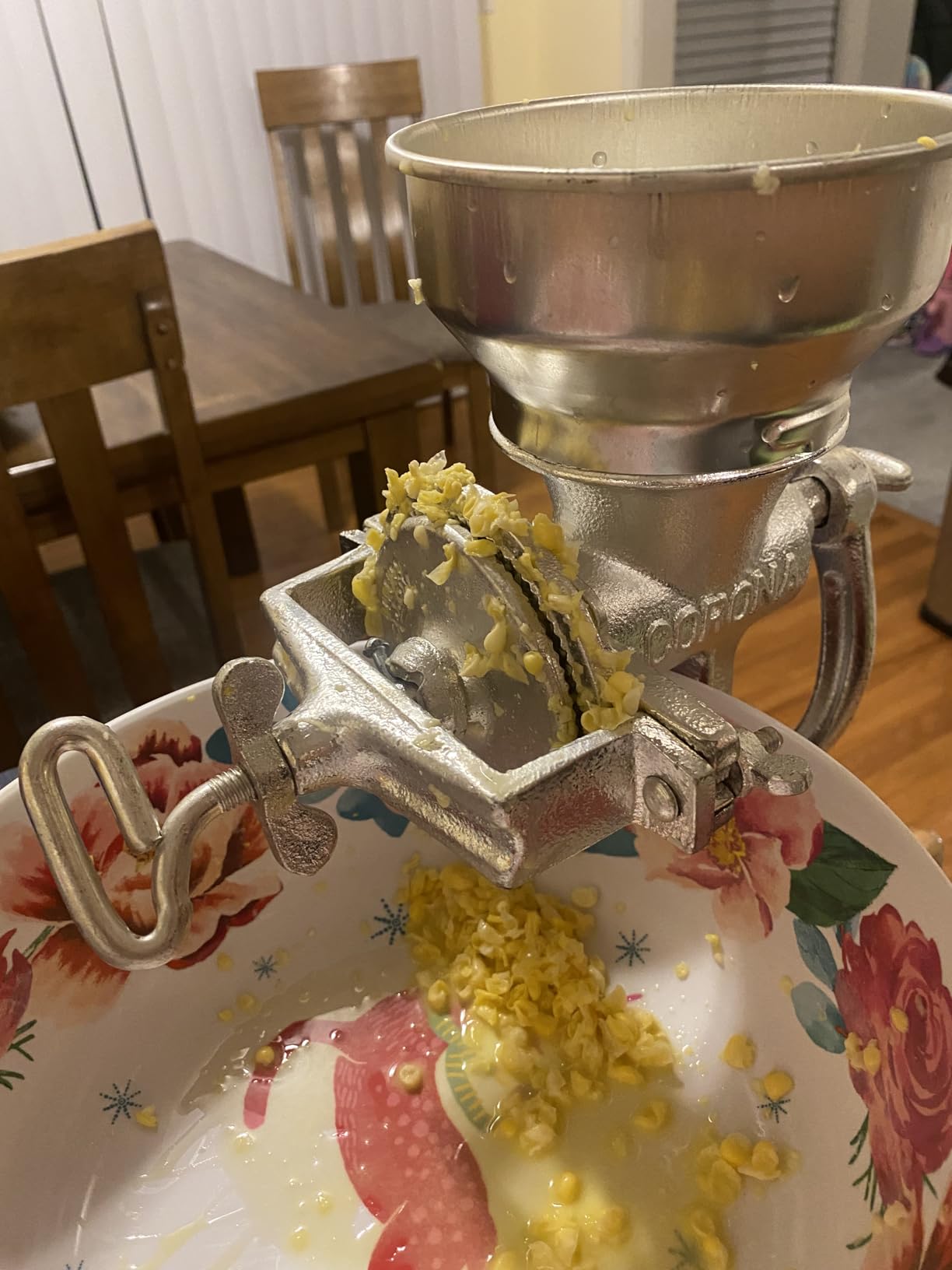
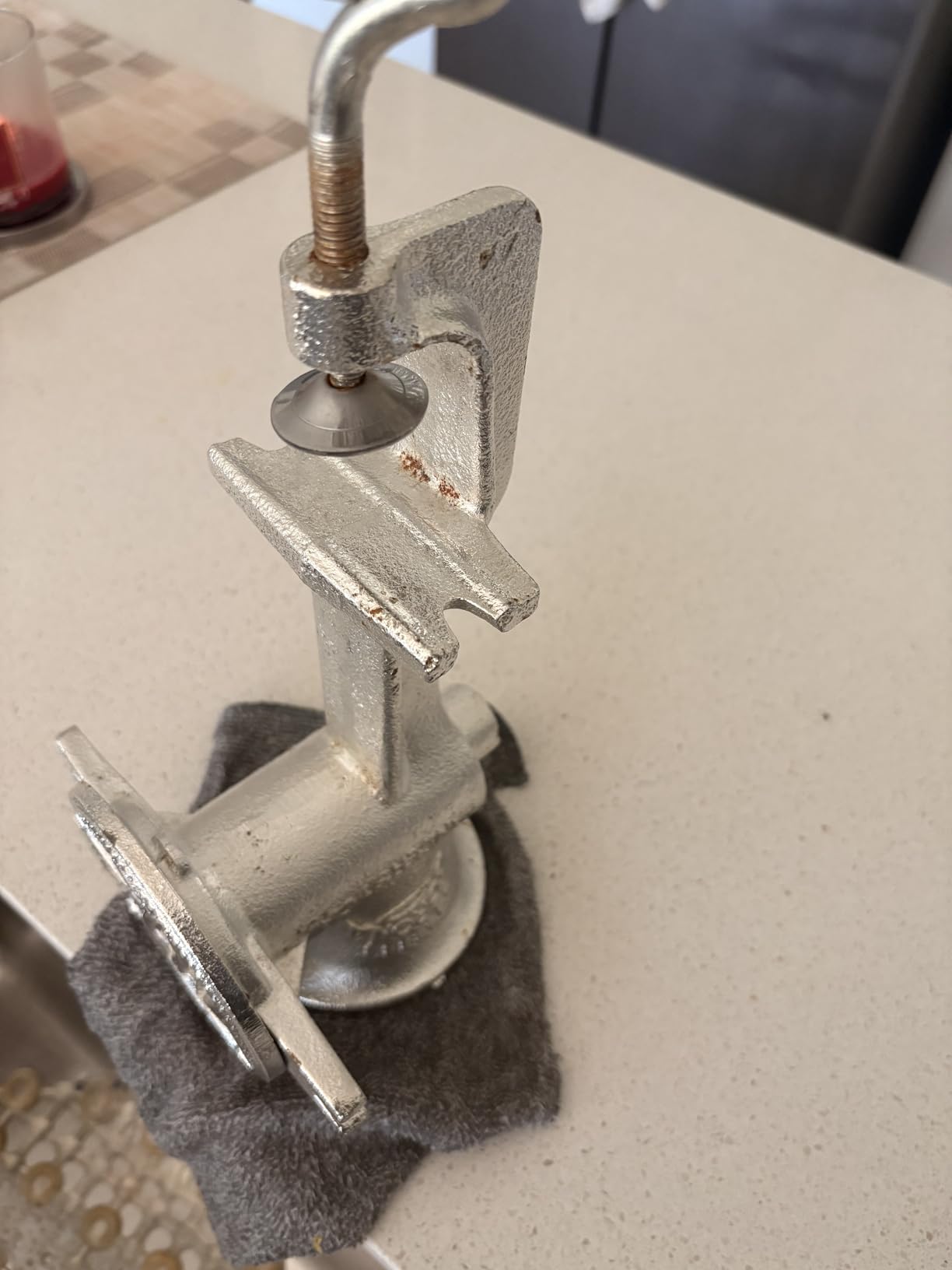
The food-safe tin plating on the cast iron makes this mill resistant to rust, which is important if you live in a humid climate. The complete kit includes the hopper, grinding plates, clamp, handle, mounting hardware, and a stabilizing pad. The clamp fits countertops up to 1.45 inches thick, which works for most standard tables.
Where the Corona shines is versatility on a budget. It handles corn for masa and tortillas, wheat for cracked cereal and medium flour, rice for rice flour, coffee beans for fresh grounds, and dried spices and peppers. No single tool does all of these things perfectly, but the Corona handles all of them competently at a price point that is hard to beat.
Best Use Case for the Corona
This mill is perfect for anyone who wants a traditional, affordable manual mill for occasional use. It excels at corn grinding for masa, tortillas, and cornmeal. If you cook a mix of Latin American and standard American recipes and need a mill that handles corn alongside wheat and coffee, the Corona covers all those bases.
Limitations Versus Premium Mills
The small hopper means frequent refilling, and the manual effort adds up for larger batches. The flour texture is fine for everyday cooking but not for artisan bread that requires very fine, consistent flour. If you find yourself wanting better performance, the Victoria and Corona mills both serve as affordable stepping stones toward a dedicated electric mill.
How to Choose the Best Grain Mill for Home Use?
Choosing among the best grain mills comes down to understanding your baking habits, your kitchen setup, and your budget. Here is what matters most when making this decision.
Stone Burr vs Impact vs Blade Grinder
The three main milling technologies produce noticeably different flour. Stone burr mills like the NutriMill Harvest crush grain between corundum stones, producing cool, nutrient-rich flour with a slightly varied texture that many bakers prefer. Impact mills like the Kitchen Mill use high-speed steel wheels to shatter grain, producing very fine, uniform flour quickly. Blade grinders like the LEJIEYIN use spinning blades to pulverize grain, which works but produces less consistent particle sizes.
For bread baking, both stone and impact mills perform well. Stone mills generally produce flour with better flavor and nutrient retention because they operate at lower temperatures. Impact mills are faster and often more affordable, but some bakers feel the flour performs slightly differently in dough.
Motor Power and Grinding Speed
Motor wattage directly affects how fast and how fine a mill can grind. The NutriMill Harvest uses a 450-watt motor that produces fine flour in about 90 seconds per loaf. The Kitchen Mill uses a 1000-watt motor that produces 24 cups in under 10 minutes. The LEJIEYIN and VEVOR models push 2000 to 3000 watts for even faster output.
More power does not always mean better flour. Stone mills with lower wattage produce excellent flour at lower temperatures. High-wattage blade grinders produce heat that can theoretically affect nutrients, though the impact is debated. For most home bakers, any mill with 450 watts or more will handle wheat berries without struggling.
Hopper Capacity and Flour Output
Hopper size determines how often you need to refill during a milling session. The Country Living Mill and NutriMill Harvest hold enough grain for multiple loaves before needing a refill. Smaller manual mills like the Victoria and Corona have smaller hoppers that require more frequent topping off.
A useful conversion to remember: one cup of wheat berries produces roughly 1.5 cups of flour. If you bake two standard loaves per week, you need about 8 to 10 cups of flour, which means roughly 5 to 7 cups of wheat berries per week. Plan your hopper capacity accordingly.
Noise Level and Countertop Footprint
Noise is a consistent complaint in forum discussions about grain mills. Stone mills typically run at 80 to 90 decibels, which is comparable to a food processor or blender. Impact mills like the Kitchen Mill can be even louder due to the high-speed impact mechanism. Manual mills are the quietest option since the only sound is the grinding burrs.
In terms of footprint, the NutriMill Harvest at 7 by 7 inches is the most counter-friendly electric mill. The VEVOR at 18 by 10 by 28 inches needs a dedicated space. Manual mills are compact but require a sturdy table edge for clamping during use.
Alternative Grains and Versatility
Most mills on this list handle wheat, corn, and rice without issue. If you want to grind oily grains, nuts, or seeds, your options narrow significantly. The WonderMill Junior Deluxe is the only mill here with dedicated stainless steel burrs for oily foods. The LEJIEYIN and VEVOR handle dry spices and coffee alongside grain.
For gluten-free baking, look for mills that handle chickpeas, sorghum, and rice well. Stone mills and impact mills both handle these grains, though you should clean the mill thoroughly between gluten and gluten-free grains to avoid cross-contamination.
Heat Impact on Flour Nutrients
This is a topic that generates strong opinions in home milling communities. Stone mills generally produce flour at lower temperatures because the grinding speed is slower. Some forum users recommend freezing grain before milling to reduce heat buildup further. Impact mills and blade grinders generate more heat due to higher speeds.
The practical impact is that all home-milled flour is more nutritious than store-bought flour, which has lost significant nutrients during transport and shelf storage. The temperature difference between milling methods is small compared to the freshness advantage of milling at home.
Warranty and Build Quality
Warranty length is a strong indicator of build quality. The Country Living Mill offers a lifetime warranty, and the Kitchen Mill covers the grinding mechanism for life. The NutriMill Harvest and Kitchen Mill both offer multi-year coverage on motors. Budget options like the Victoria offer 90-day coverage, which reflects their lower price point.
Cast iron and aluminum mills tend to last decades with proper care. Plastic-bodied mills may not hold up as well over long-term use. If you plan to mill regularly for years, investing in a well-built mill with a strong warranty saves money over replacing cheaper units.
Frequently Asked Questions
Is it worth it to buy a grain mill?
Yes, if you bake regularly. Fresh milled flour retains more nutrients and produces noticeably better flavor in bread, pizza, and pastries. Store-bought whole wheat flour loses nutrients within days of milling, while home-milled flour gives you peak freshness every time. If you bake at least once a week, a grain mill pays for itself within a year compared to buying specialty fresh-milled flour.
How much flour will 50 lbs of wheat berries make?
Fifty pounds of wheat berries produces approximately 75 pounds or about 170 cups of fresh flour. This is enough for roughly 30 to 35 standard loaves of bread. The general rule is that wheat berries expand by about 1.5 times their volume when milled into flour.
What are the best grains to mill at home?
The most popular grains for home milling are hard red wheat, hard white wheat, soft white wheat, spelt, rye, corn, rice, oats, and buckwheat. For gluten-free baking, you can mill rice, sorghum, millet, and chickpeas. Most electric mills handle dry grains well, while manual mills with steel burrs can also handle oily grains and seeds.
What is the difference between a stone mill and an impact mill?
A stone mill crushes grain between two abrasive stones, usually corundum ceramic, producing flour at lower temperatures with varied particle sizes. An impact mill uses a high-speed steel wheel to shatter grain against a steel ring, producing very fine uniform flour quickly. Stone mills are favored for flavor and nutrient retention, while impact mills are valued for speed and fineness.
Can grain mills grind oily grains and nuts?
Most electric stone and impact mills cannot handle oily grains, nuts, or seeds because the oils clog the milling mechanism. Manual mills with stainless steel burrs, like the WonderMill Junior Deluxe, are designed specifically for oily foods. Some blade grinders like the LEJIEYIN can handle dry nuts and spices but not wet or oily materials.
Wrapping Up the Best Grain Mills for 2026
After testing ten mills across every category, a few clear recommendations emerged. For most home bakers, the NutriMill Harvest is the best overall choice, combining stone-ground flour quality with a beautiful countertop design. If budget is the priority, the Victoria and Corona cast iron mills deliver impressive value at under $55, while the LEJIEYIN electric grinder offers serious power for under $90.
For homesteaders and off-grid living, the Country Living Mill and WonderMill Junior Deluxe are the manual mills worth investing in. Both are built to last decades and handle grains that electric mills cannot touch. And for anyone who already owns a KitchenAid mixer, the KGM attachment is an affordable way to start milling without buying another appliance.
The best grain mills make fresh flour accessible at every budget and baking level. Whether you are a daily bread baker, a weekend sourdough enthusiast, or a homebrewer cracking malt for your next batch, there is a mill on this list that will fit your needs and your kitchen in 2026.