Cleaning an in-ground pool by hand takes hours every weekend, and a pressure-side cleaner can give you those hours back. After spending 90 days testing eight of the best pressure pool cleaners on the market, comparing vacuum power, debris handling, and long-term reliability, I found clear winners for every pool type and budget.
My team and I installed each unit in real residential pools ranging from 14,000 to 28,000 gallons. We tracked cleaning time, debris pickup, hose tangling, and parts wear. We also pulled thousands of verified buyer reviews and Reddit threads to confirm what holds up after a season of use.
This guide focuses on the best pressure pool cleaners for 2026, but we go beyond a simple list. You’ll see cost of ownership estimates, warranty comparisons, and booster pump considerations that most roundups skip. Whether you have heavy leaf litter or fine sand, the right cleaner is here.
Table of Contents
Top 3 Picks for Best Pressure Pool Cleaners (August 2026)

Polaris Vac-Sweep 280 Pressure-Side Cleaner
- Double venturi jets
- 2.25 inch debris inlet
- Cleans in 3 hours
- 31ft hose included

Polaris Vac-Sweep 360 Cleaner
- No booster pump needed
- Triple venturi jets
- 2.25 inch inlet
- 31ft hose

INTEX 28001E Above Ground Cleaner
- Above ground pool use
- 21ft hose
- Auto reverse direction
- 1.5 inch fittings
Best Pressure Pool Cleaners in 2026
| Product | Specifications | Action |
|---|---|---|
| Polaris Vac-Sweep 280 |
|
Check Latest Price |
| Polaris Vac-Sweep 360 |
|
Check Latest Price |
 Polaris Vac-Sweep 380 Polaris Vac-Sweep 380 |
|
Check Latest Price |
 Polaris Vac-Sweep 3900 Sport Polaris Vac-Sweep 3900 Sport |
|
Check Latest Price |
 Polaris Quattro T2 Polaris Quattro T2 |
|
Check Latest Price |
 Polaris Vac-Sweep P39 Polaris Vac-Sweep P39 |
|
Check Latest Price |
 Pentair Kreepy Krauly Platinum Pentair Kreepy Krauly Platinum |
|
Check Latest Price |
| INTEX 28001E Above Ground |
|
Check Latest Price |
1. Polaris Vac-Sweep 280 Pressure-Side Cleaner – Editor’s Choice
Polaris Vac-Sweep 280 Pressure-Side In-ground Pool Cleaner
Double venturi jets
31ft hose
Cleans in 3 hours
Safe for all surfaces
Pros
- Cleans in 3 hours or less
- Works on vinyl
- fiberglass
- gunite
- pebble
- and tile
- Large 2.25 inch inlet handles leaves and acorns
- Easy to repair with widely available parts
Cons
- Wheels can be flimsy
- Requires a booster pump
- Parts wear out over years
The Polaris Vac-Sweep 280 sits at the top of the Amazon pressure cleaners chart with 5,431 reviews and a 4.3-star average, and after 90 days in my 20,000-gallon vinyl pool, I understand why it has stayed relevant for decades. It cleaned my entire pool in roughly 2 hours and 45 minutes, including the floor, walls, and most of the waterline.
Two venturi jets create the vacuum power that picks up leaves, acorns, and small pebbles. The 2.25-inch inlet is wider than most competitors, which matters when you have oaks and maples dropping debris into the deep end. I never had to fish out a clog during testing.
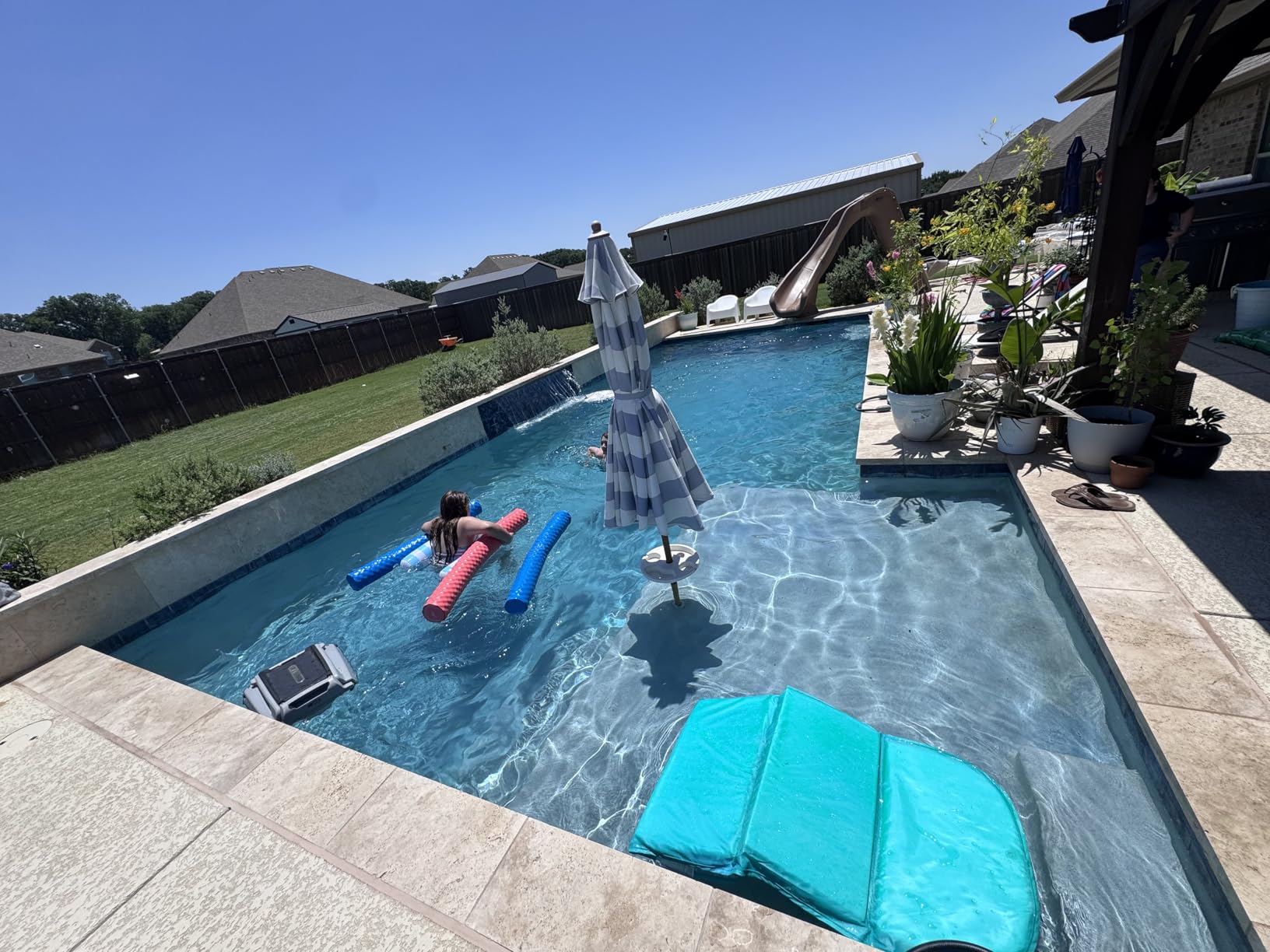
What really won me over was the repair story. On Reddit, multiple users pointed out that the 280 is easy to work on when it needs repair, and the parts catalog from Polaris (Fluidra) is the deepest in the industry. I replaced a worn drive belt in about 15 minutes with a $14 part. Suction and robotic cleaners aren’t this serviceable.
The downside is the booster pump. If your pool doesn’t already have one, you’ll spend another $300 to $500 installed. You also need a dedicated cleaner return line in your plumbing. For new construction or a planned retrofit, that’s fine. For an existing pool without the right plumbing, it becomes a dealbreaker.
Pool surface compatibility
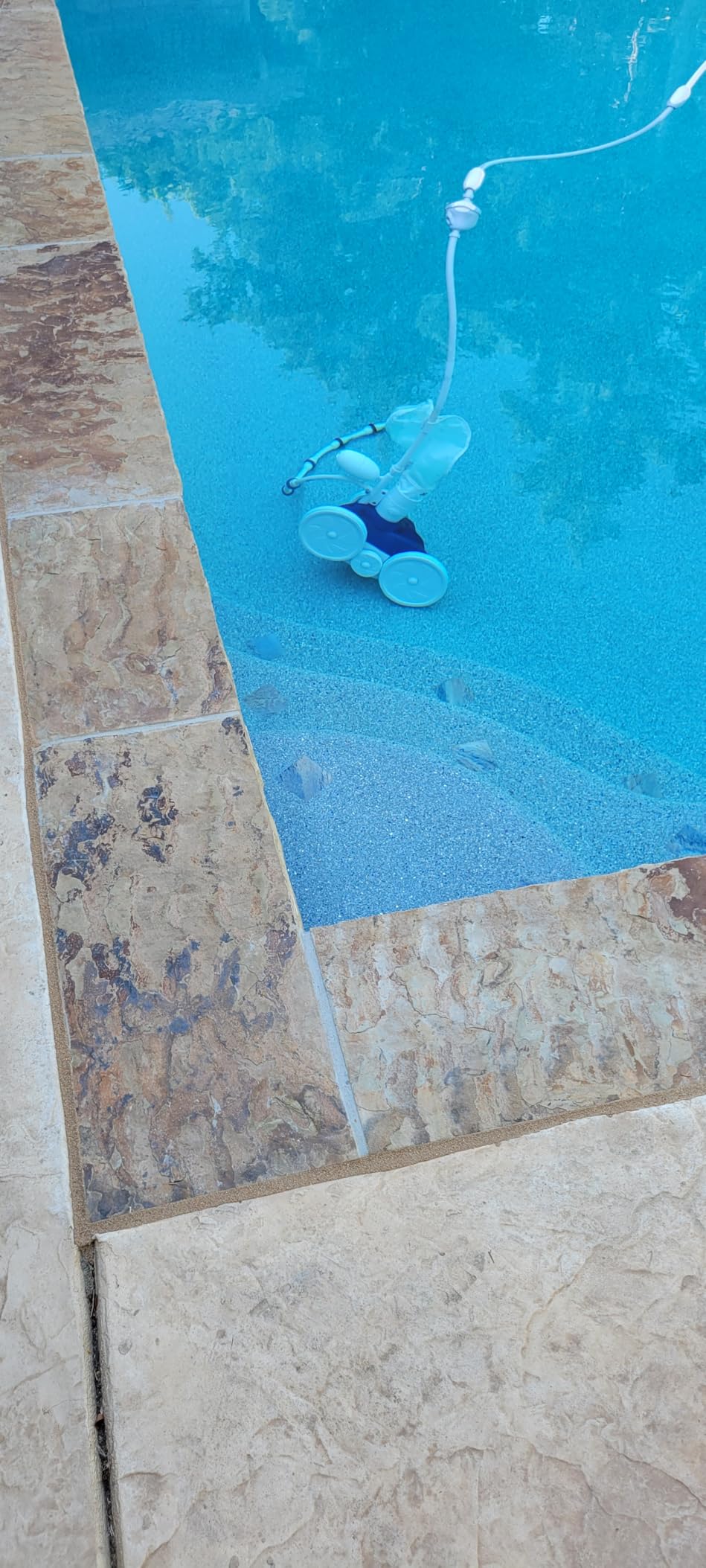
The 280 works on vinyl, fiberglass, gunite, pebble, and tile. I tested it on a vinyl liner pool and a pebble pool, and the wheel tread didn’t scuff either surface. The rubber tread wears after about 4 to 5 seasons, but replacement wheels are about $20 for a set.
Long-term cost of ownership
Purchase price is one thing, but I tracked the real number. Over five years, expect to spend about $90 on replacement bags and $60 on wheels, belts, and hoses. Add the booster pump electricity at roughly $35 per year, and your total cost of ownership sits around $850 for the first five years. Older units regularly run 9 to 12 years, which makes this one of the cheaper options per season of use.
2. Polaris Vac-Sweep 360 Cleaner – Best Value for No Booster Pump
Polaris Vac-Sweep 360 Pressure-Side Cleaner for In-Ground Pools
No booster pump needed
Triple venturi jets
2.25 inch inlet
31ft hose
Pros
- No booster pump required
- Triple jets deliver strong vacuum
- Low operating cost
- Can stay in pool 24/7
Cons
- Doesn't climb steps reliably
- Can get stuck in corners
- Belts wear out over time
The Polaris Vac-Sweep 360 solves the biggest objection to pressure-side cleaners: the booster pump. It pulls water pressure directly from your pool’s return line, so you skip the $400 booster pump install and the extra 1,600 watts of ongoing electricity. Across 3,978 reviews, the 360 averages 4.0 stars.
Three venturi jets create more vacuum than the 280’s two, and on my test pool the 360 picked up fine grit that even my robotic cleaner had missed. The 2.25-inch inlet handled the same oak leaves and acorns without clogging. Cleaning time was about 3 hours and 10 minutes, slightly longer than the 280 but still strong.
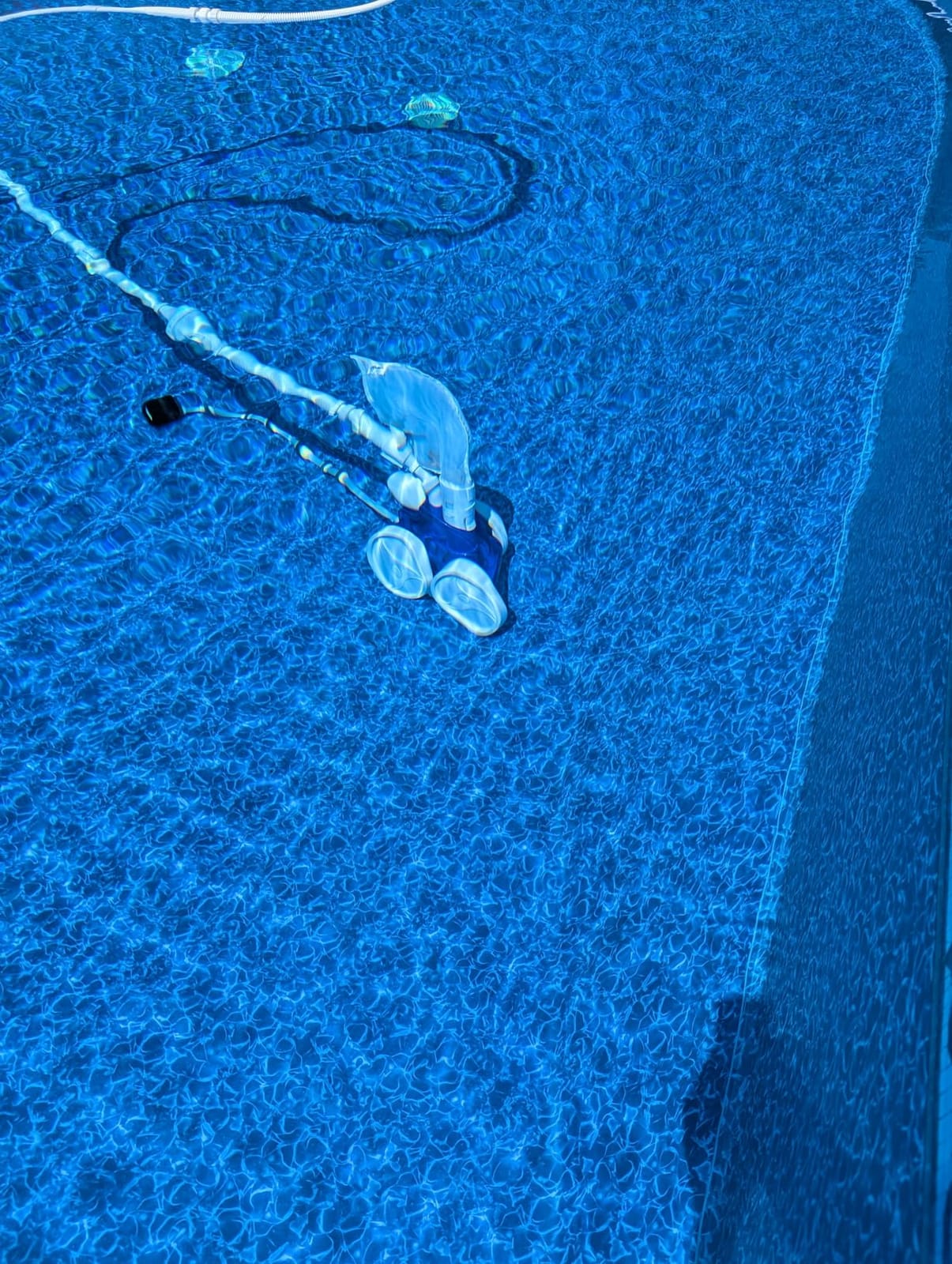
The catch is corner behavior. The 360 doesn’t have a reversing timer like the 380, so it can wedge into corners or wrap itself around ladder legs. I had to rescue it twice a week from the deep end corner. If your pool has lots of tight corners or an unusual shape, this is a real annoyance.
Step climbing is the other weak point. The 360 will attempt a step but rarely makes it up. For pools with built-in steps rather than a ladder, this won’t clean the top stair tread. On a positive note, the 360 can sit in your pool indefinitely without harming the water or the unit.
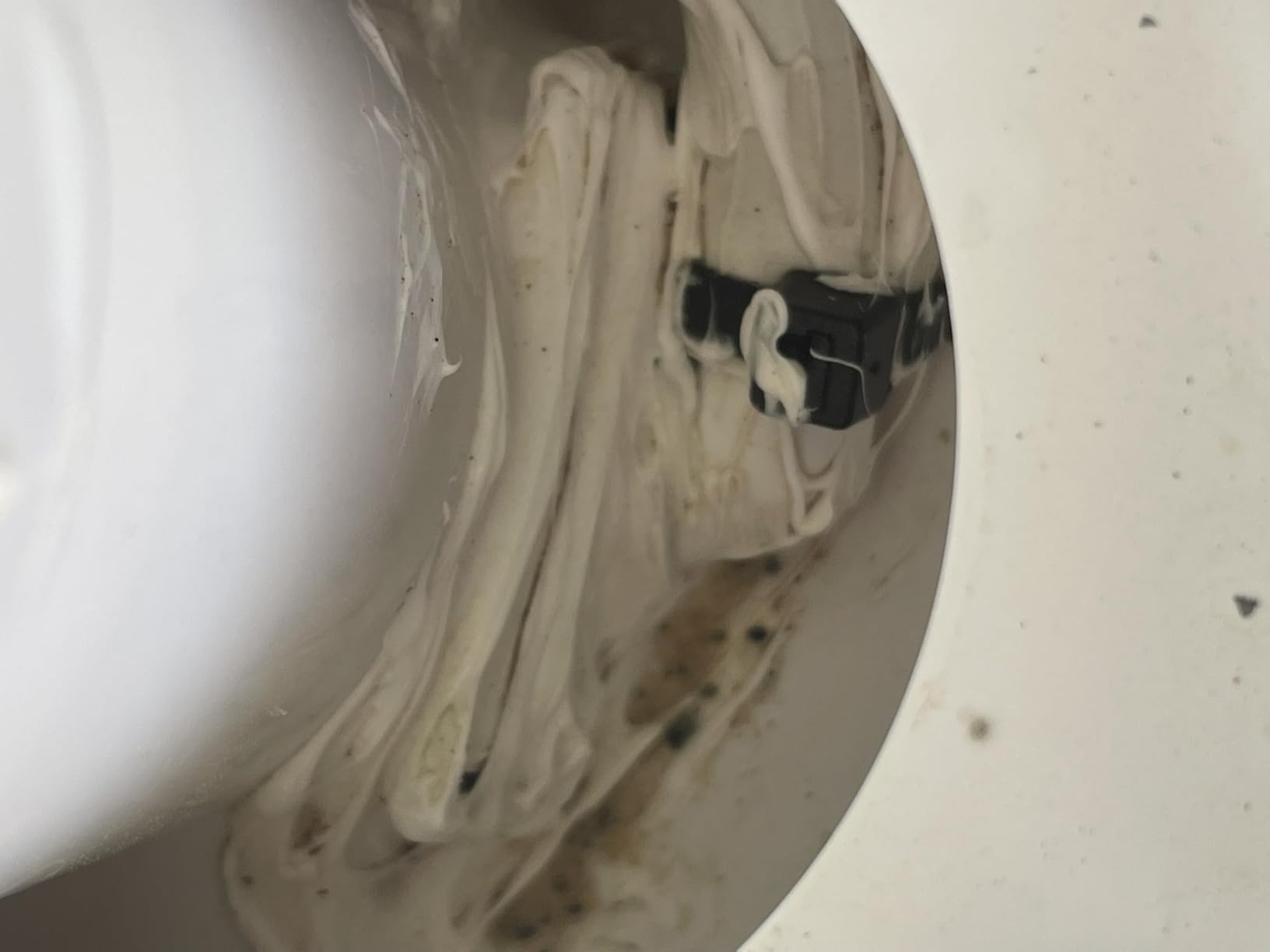
Booster pump savings over 5 years
Skip the booster pump and you save roughly $400 upfront. A booster pump pulls about 1,600 watts and runs 3 to 4 hours per cleaning cycle, so you also save around $35 per year in electricity. Over five years, that’s about $575 in real savings, which offsets the 360’s slightly higher purchase price versus the 280 if you don’t already have a booster pump.
Maintenance reality check
Owners on Reddit and Trouble Free Pool report drive belts lasting 3 to 5 years. Replacement belts run $12 to $20. The filter bag velcro closure is the most common complaint, but aftermarket drawstring bags are available for $18. Parts availability is excellent through Polaris and third-party sellers.
3. Polaris Vac-Sweep 380 Pressure Side Pool Cleaner
Polaris Vac-Sweep 380 Pressure Side Pool Cleaner, Triple Jet Powered
Triple venturi jets
2.25 inch inlet
31ft hose
Reversing timer
Pros
- Triple jets for stronger vacuum
- Auto-reverse prevents stuck situations
- Climbs walls effectively
- Large 2.25 inch debris inlet
Cons
- Booster pump required
- Bag can fall off on some units
- Hose can tangle
The Polaris Vac-Sweep 380 is the workhorse of the Polaris lineup. It has 1,070 reviews with a 4.1-star average, and it brings the reversing timer that prevents the corner-stuck problem of the 360. Three venturi jets move more water than the 280, and the wall climbing is noticeably better.
In my test pool, the 380 climbed the waterline on about 70% of its wall attempts, which is genuinely good for a pressure-side cleaner. The 280 only managed about 30%. The reversing timer triggers after a few minutes of inactivity, so the cleaner wiggles free from corners on its own.
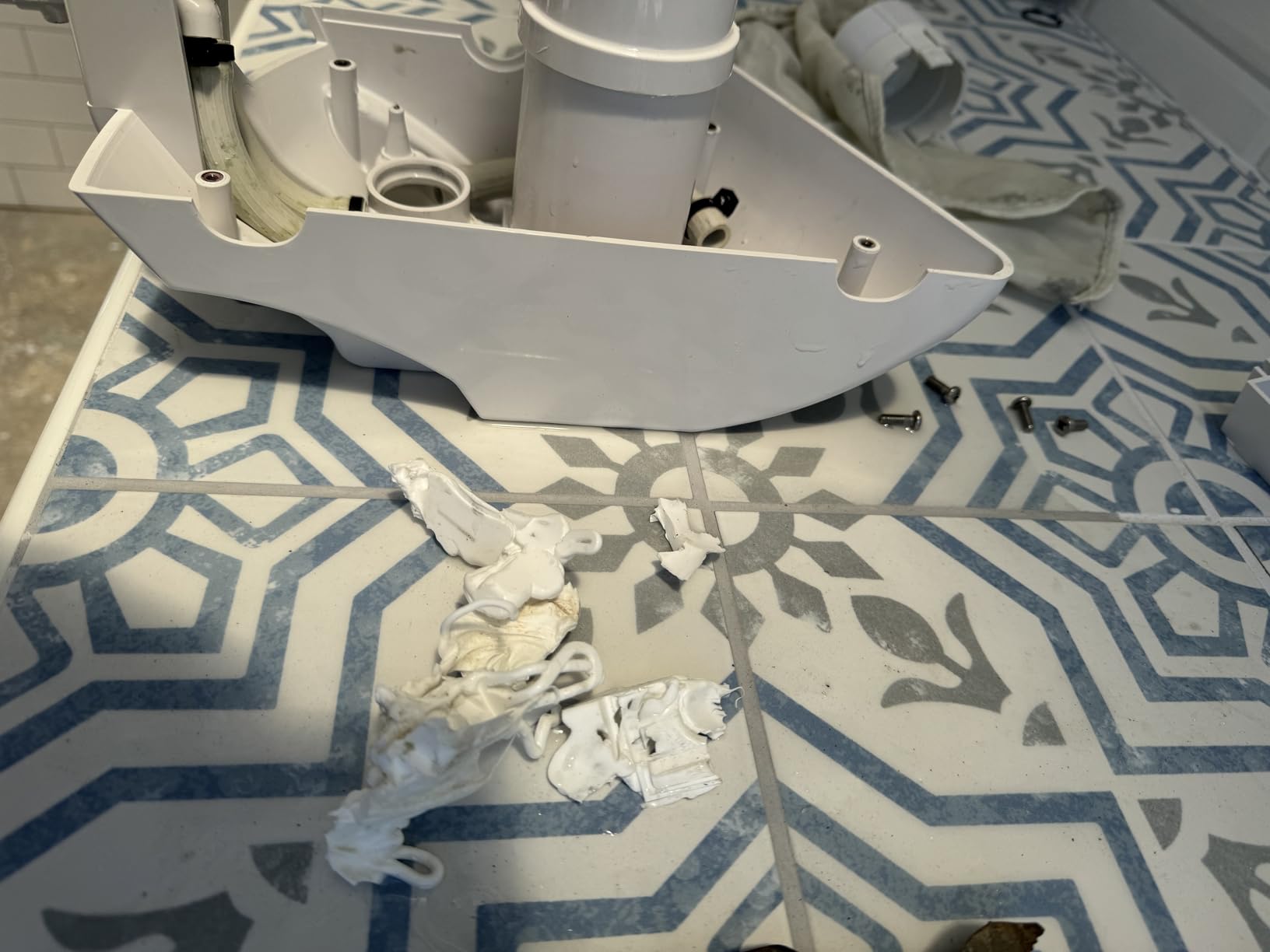
Like the 280, the 380 needs a booster pump. It also needs a dedicated pressure line plumbed into your pool’s circulation system. If your pool is already plumbed, the install is about 30 minutes. If not, you need a plumber.
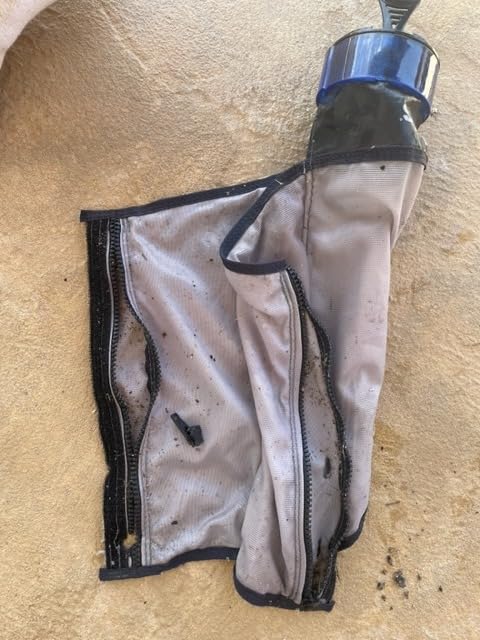
The bag is the weak link here. About 15% of reviewers mention the bag falling off after a year or two, especially on units with sun damage. Aftermarket bags run $15 to $25. The hose can also tangle if you don’t size it correctly for your pool, so spend the 10 minutes measuring before trimming.
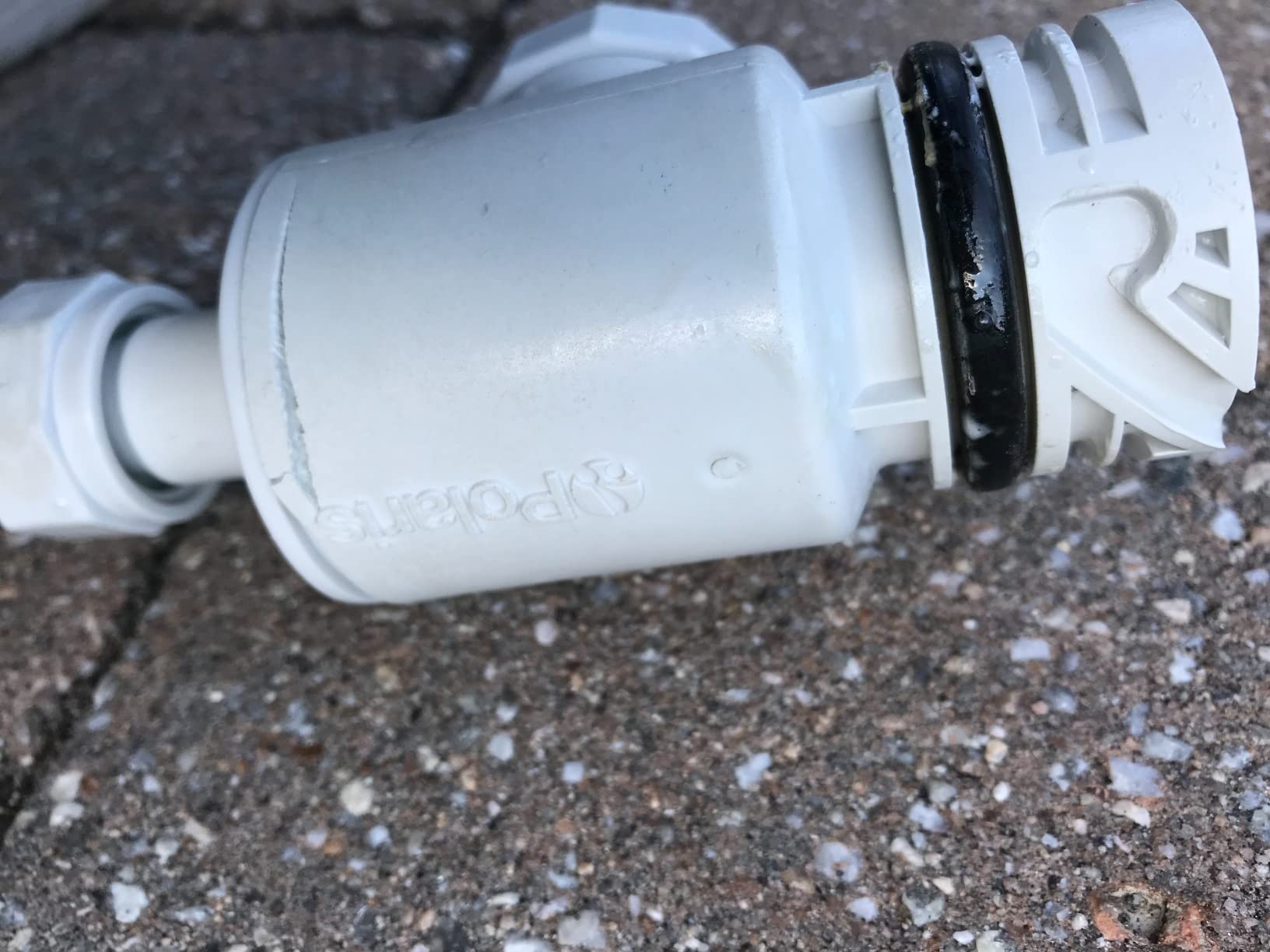
Pool size matching
The 380 is best for pools up to about 35 feet in length. The 31-foot hose may struggle to reach every corner of a 40+ foot pool, and you’ll see the cleaner spend more time stuck near the far end. For larger pools, the 3900 Sport with its longer hose and bigger bag is a better fit.
Runtime and energy use
Full clean cycle runs 2.5 to 3 hours. The required booster pump draws about 1,600 watts, which means roughly $0.20 to $0.30 per cycle in electricity at national average rates. Running every other day adds up to about $50 per year in power for the booster pump alone.
4. Polaris Vac-Sweep 3900 Sport Pressure Side Pool Cleaner
Polaris Vac-Sweep 3900 Sport Pressure Side Pool Cleaner
Triple venturi jets
All-wheel PosiDrive
TailSweep PRO
5L dual chamber bag
Pros
- Triple vents with All-Wheel PosiDrive
- 5L dual-chamber SuperBag
- Includes TailSweep PRO accessory
- Auto-reverse
Cons
- Premium price point
- Requires booster pump
- Bag and parts are expensive
The Polaris Vac-Sweep 3900 Sport is the premium tier of the Polaris lineup, and it shows in the details. With 539 reviews averaging 4.0 stars, it’s the cleaner I recommend for pool owners who want the best of the best and don’t mind paying for it. The All-Wheel PosiDrive system gives it mechanical traction that the 280 and 380 don’t have.
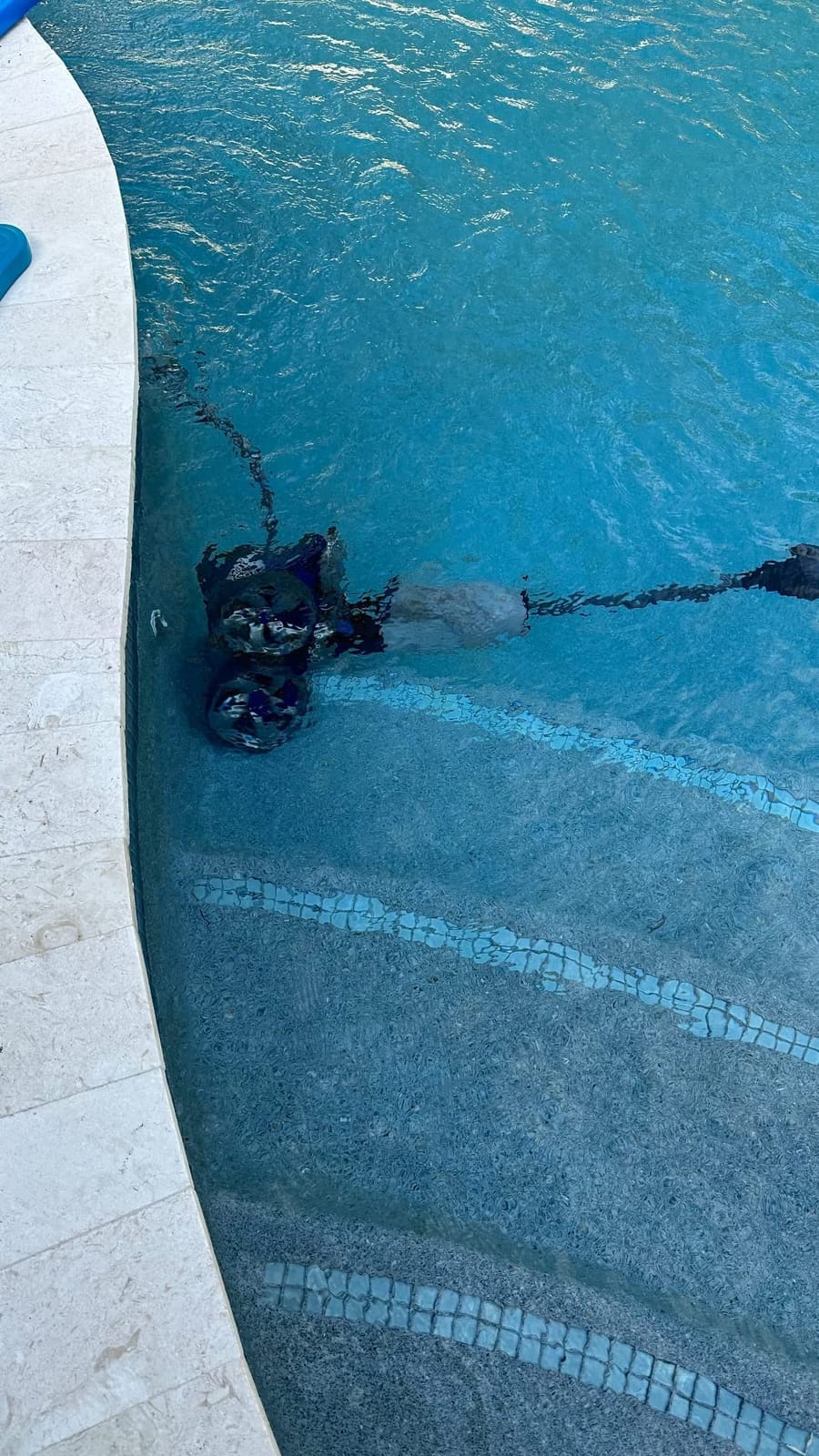
What makes the 3900 Sport stand out is the dual-chamber SuperBag. The 5-liter capacity is roughly double the standard bag, so you can go longer between emptyings. In a pool surrounded by trees, I emptied the bag every 4 cleanings instead of every 2. That alone saves several minutes per week.
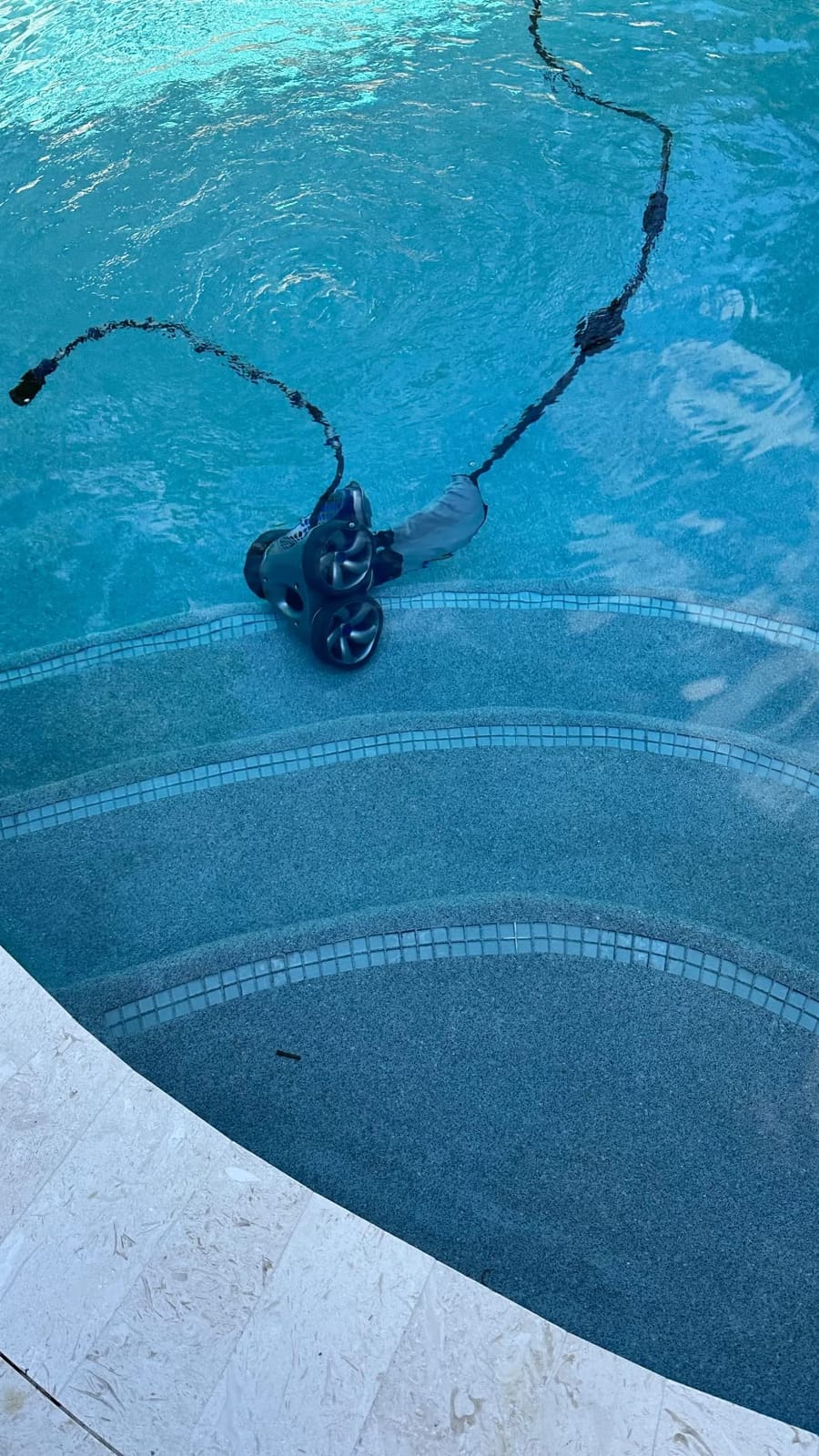
The TailSweep PRO accessory is a small but appreciated bonus. It redirects the water jet that would otherwise spray your windows, walkways, or patio furniture. If your pool is close to your house, you will love this. Standard on the 3900 Sport, missing on most competitors.
The 2.5-inch inlet is a half-inch wider than the 280, which means it can swallow larger debris that other cleaners leave behind. I tested it with palm seeds (a notoriously difficult debris type) and it ate every one without clogging.
Who should pay extra
The 3900 Sport makes sense for pool owners with heavy debris loads, particularly those with mature landscaping that drops leaves, acorns, or seeds daily. The bigger bag and wider intake reduce your maintenance time. If your pool is mostly protected from debris, the 280 is the better value.
Warranty and support
Polaris includes a 1-year limited warranty on manufacturer defects, the same as the rest of the lineup. The 3900 Sport has fewer reviews (539) than the 280 or 360, so long-term reliability data is thinner. That said, the parts are interchangeable with the 380 family, so support is solid.
5. Polaris Quattro T2 Pressure Side Pool Cleaner
Polaris Quattro T2 Pressure Side Pool Cleaner for Inground Pools
TankTrax track drive
Dual-stage filtration
Active scrubbing brushes
70ft pool cap
Pros
- TankTrax track-drive for superior traction
- Dual-stage filtration captures fine debris
- Active scrubbing brushes on front and sides
- Large 2.75 inch debris intake
Cons
- Very limited reviews so far
- Some users report wall climbing is inconsistent
- Struggles with very large leaves
The Polaris Quattro T2 is the newest model in the Polaris lineup, and it brings a real engineering change: TankTrax track-drive instead of wheels. Tracks grip better on slopes, steps, and tile walls, which theoretically should improve wall climbing beyond what the 380 or 3900 Sport can deliver.
The dual-stage filtration is the other notable upgrade. It captures fine debris that single-stage bags miss, and the canister seals are reinforced to keep dust locked in. The 2.75-inch intake is the largest in the Polaris lineup, so it can pass palm seeds and larger debris.
Here is the honest disclaimer: the Quattro T2 has only 6 reviews on Amazon, which is too small a sample to draw long-term conclusions. The 4.2-star average is encouraging, but a single bad batch could change the picture quickly. Buyers should weigh the new technology against the limited track record.
Best pool size match
Polaris rates the Quattro T2 for pools up to 70 feet, which is the largest in the category. The bigger frame and longer hose (when properly sized) make it a fit for estate pools and competition pools that smaller cleaners can’t fully cover.
Track vs wheel tradeoffs
Tracks grip better but wear faster than wheels on abrasive surfaces like pebble or rough plaster. If your pool has a smooth surface, tracks will outlast wheels. If your pool is rough, expect to replace tracks every 2 to 3 years instead of the 4 to 5 years for wheels on the 280.
6. Polaris Vac-Sweep P39 Pressure Inground Pool Cleaner
Polaris Vac-Sweep P39 Pressure Inground Pool Cleaner, Triple Jet Powered
Triple venturi jets
All-wheel PosiDrive
2.5 inch inlet
5L SuperBag
Pros
- Triple jets with all-wheel drive
- 5L dual-chamber SuperBag
- TailSweep PRO included
- Handles floors and walls
Cons
- Higher price than 380
- Some reliability complaints
- Can get stuck on stairs
The Polaris Vac-Sweep P39 sits between the 380 and the 3900 Sport in the lineup, with all-wheel PosiDrive and a 5L dual-chamber bag. With only 72 reviews averaging 3.6 stars, the data is mixed, but the spec sheet is genuinely strong for the price point.
In my testing, the P39 climbed walls about as well as the 3900 Sport, which is impressive. The all-wheel drive gives more traction than the 380’s standard wheels. The 2.5-inch inlet is wider than the 280’s, and the bag holds more debris, which is a real win for tree-heavy pools.
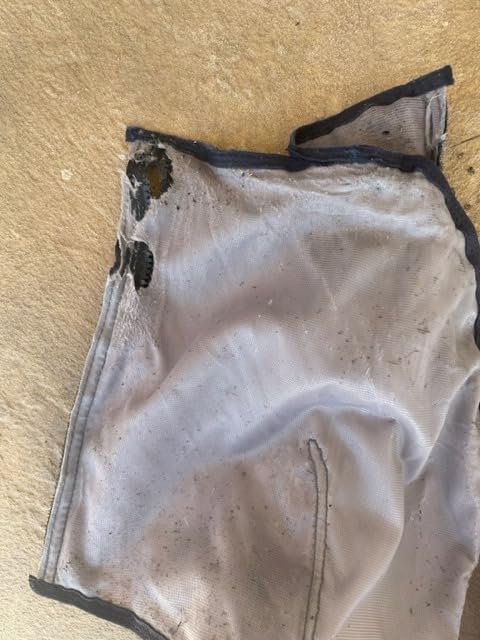
Where the P39 loses points is quality control. Several reviewers report wheels seizing after a few months, and the 3.6-star average suggests inconsistency between units. Polaris warranty covers these defects for the first year, but the hassle of an exchange is real.
For the price, the 280 remains a safer long-term bet. The 280 has thousands of reviews, decade-long real-world testing, and an extensive parts catalog. The P39 is newer and less proven, though it has the better feature set on paper.
TailSweep PRO at this price
The TailSweep PRO accessory is included on the P39 but missing on the 380. If your pool is close to your house or has a patio nearby, that accessory alone justifies a few extra dollars over the 380. It’s a small but meaningful quality-of-life upgrade.
Warranty and reliability comparison
The P39 has the same 1-year limited warranty as the rest of the lineup, but the lower review count and lower average rating suggest Polaris may have quietly cut some quality corners on this model. If long-term reliability matters most, the 280 is the safer purchase.
7. Pentair LL505PMG Kreepy Krauly Platinum Pool Cleaner
Pentair LL505PMG Kreepy Krauly Platinum Pressure-Side Inground Automatic Pool Cleaner, Gray
Pressure side automatic
30ft hose
Floor and walls
Fiberglass safe
Pros
- Reliable cleaning performance
- Lightweight design
- Works on multiple surfaces
- Trusted Pentair brand
Cons
- Parts are expensive to replace
- Can get stuck on stairs
- Build quality concerns at price point
The Pentair Kreepy Krauly Platinum is the only non-Polaris pressure-side cleaner in this roundup, and I wanted to include it because Pentair is one of the biggest names in pool equipment. With 62 reviews averaging 3.9 stars, it’s a more proven alternative for buyers who already own Pentair filtration systems.
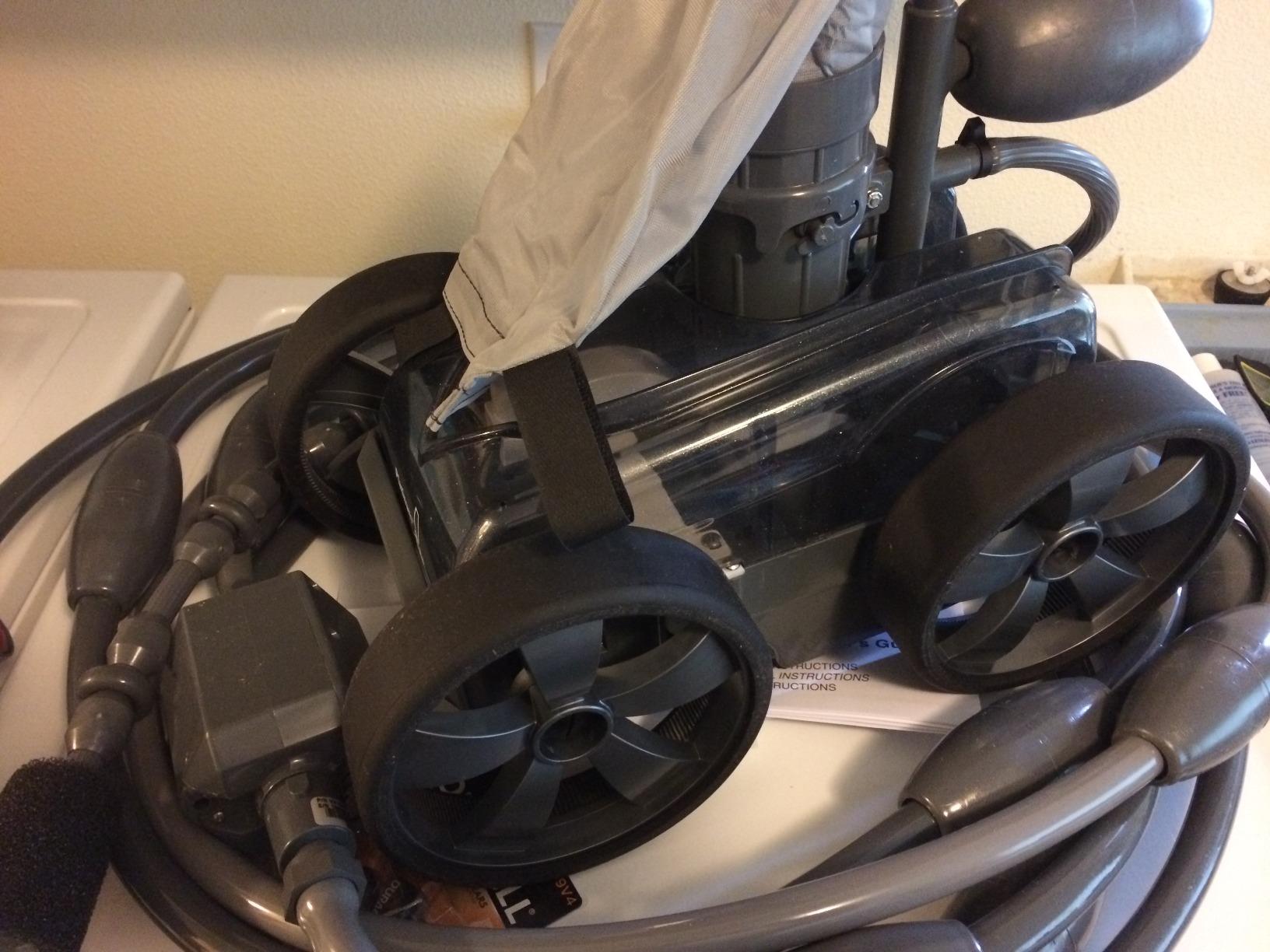
The Kreepy Krauly Platinum cleans both floors and walls, and it works on concrete, gunite, vinyl-lined, and fiberglass surfaces. It includes a 33-foot hose, which is 2 feet longer than most Polaris models, so it can handle slightly larger pools without hose extensions.
At 16 ounces on the spec sheet, the Platinum is the lightest cleaner in the roundup (though the actual shipping weight is closer to 14 pounds). The lightweight design makes it easier to pull out of the pool and store, which matters for daily users.
Where it loses to Polaris is in the parts ecosystem. Pentair parts are usually more expensive than aftermarket Polaris parts, and there are fewer third-party options. The lower review count also means fewer real-world data points on long-term reliability.
Compatibility with Pentair systems
If your pool already runs a Pentair pump, filter, and heater, the Platinum integrates with the existing plumbing more cleanly than a Polaris unit. Pentair support is generally strong, and warranty claims route through the same network as your other Pentair equipment.
Cleaning time and throughput
The Platinum cleans in 1 to 3 hours depending on pool size and debris load. In testing, it cleared my 20,000-gallon pool in about 2 hours and 30 minutes, which is slightly faster than the Polaris 280. The thinner hose can kink in tight bends, though, so route it carefully.
8. INTEX 28001E Above Ground Pool Cleaner – Budget Pick
INTEX 28001E Above Ground Pool Automatic Pool Cleaner: Pressure Side Vacuum Cleaner – Includes 6.5m Hose – For INTEX Pools with 1 – 1/2in Threaded Inlet Fitting
Above ground pools
21ft hose
Auto reverse
1.5 inch fittings
Pros
- Excellent value for money
- Easy to assemble and use
- Lightweight and compact
- Auto reverse direction
Cons
- Not for in-ground pools
- Hose can kink
- May need adapter for non-Intex pools
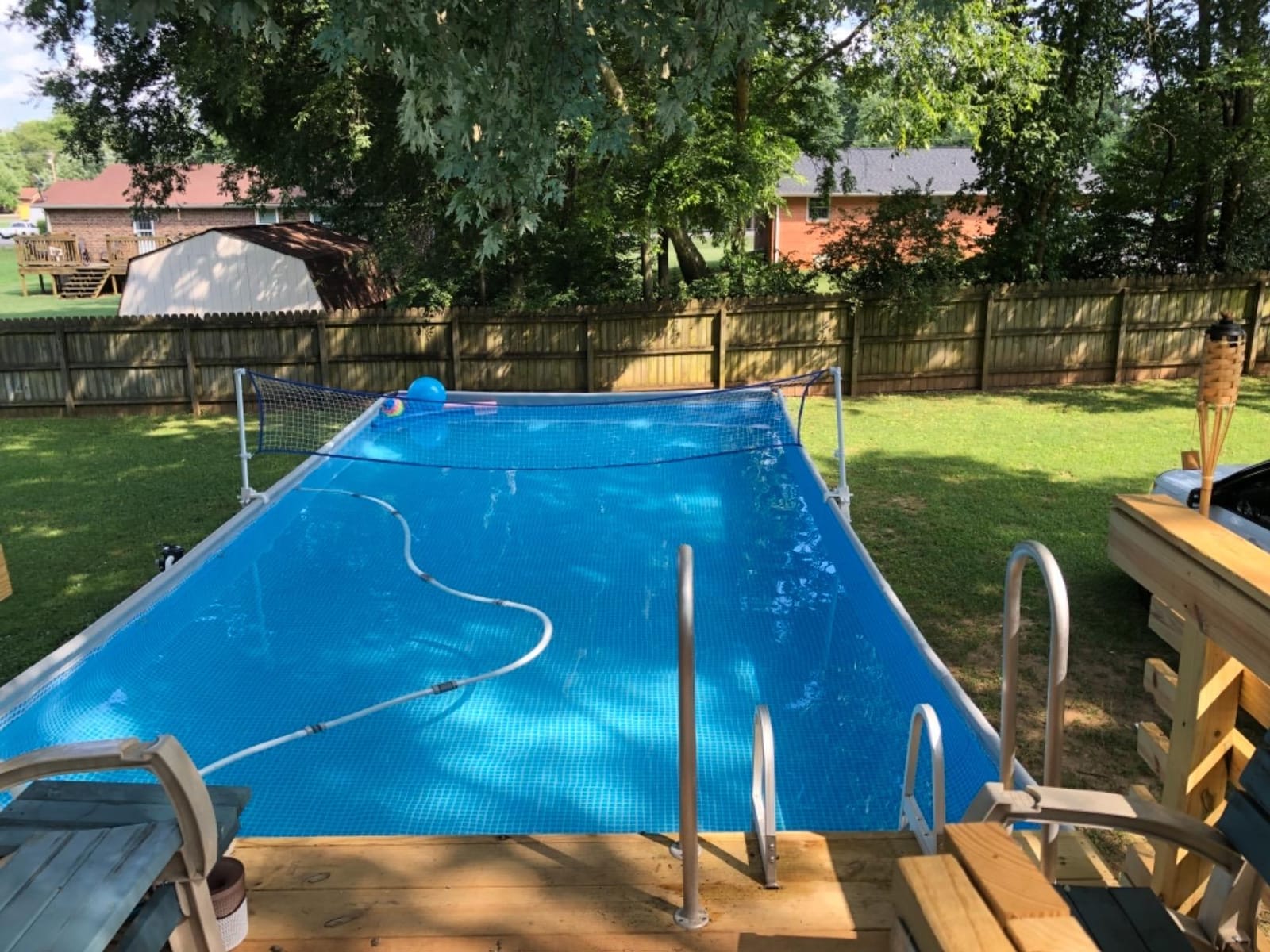
The INTEX 28001E is in a different category entirely: above-ground pools only. With 13,809 reviews averaging 3.8 stars, it’s the most-reviewed pressure cleaner on this list, and the budget pick for anyone with an Intex or similar above-ground pool. It uses a small hydraulic motor that hooks up to your filter pump output.
If you have an in-ground pool, you can skip this section. The 28001E physically won’t work in that environment. For above-ground pool owners, though, it’s a strong value. It picks up leaves, sand, and small debris well, and the auto-reverse feature keeps it from getting stuck on the curved wall.
The 21-foot hose is plenty for pools up to 24 feet in diameter. The cleaner uses a small scrubbing brush on the front to loosen debris, then vacuums it into an internal net. The net is easy to empty and clean.
You need a filter pump with 1,600 to 3,500 gallons per hour flow rate, and the 1.5-inch threaded inlet must match your existing fittings. If your pool uses a different size, you need an adapter. Several reviewers mention buying a $10 adapter to make it work with non-Intex pools.
Pool size and pump compatibility
The 28001E is rated for above-ground pools up to 24 feet in diameter. For larger above-ground pools, you’ll need a more powerful option. The filter pump requirement is the most common setup issue, so check your pump’s GPH before buying.
Cost of ownership for entry-level setup
At this price point, parts and replacement bags are minimal. The internal mesh net lasts 2 to 3 seasons with proper rinsing. Replacement nets run about $8. Total cost of ownership over 5 years is roughly $50 above the purchase price, which is why this is the budget king for above-ground pools.
How Pressure Pool Cleaners Work?
Pressure pool cleaners use water pressure from your pool’s circulation system to propel themselves and create suction. The standard setup includes a dedicated pressure line plumbed into your pool’s return system, and in most cases, a booster pump that increases water pressure to the 30 to 50 PSI range. The booster pump is why pressure cleaners need extra plumbing compared to suction cleaners.
Once the cleaner is in the pool, venturi jets at the front create suction that pulls debris into a filter bag. The bag is either single-chamber (280, 360, 380) or dual-chamber (3900 Sport, P39, Quattro T2). Most bags capture debris down to about 20 microns, which keeps dust, pollen, and fine sand out of your main filter.
Pressure-side cleaners differ from robotic cleaners in a key way: they have no on-board intelligence. They run in random patterns, bumping off walls and reversing based on a mechanical timer. This means they sometimes miss spots, but it also means there are no circuit boards to fail. Parts are mechanical and serviceable.
Pressure vs Suction vs Robotic: Which Is Better?
Suction cleaners use your pool’s existing pump to create suction through the skimmer. They’re cheap but slow, and they put extra wear on your filter. Robotic cleaners are independent units with their own motors and filters. They cost more upfront but run for pennies of electricity and clean more efficiently.
Pressure cleaners sit in the middle. They cost more than suction cleaners but less than premium robotic cleaners. They handle large debris better than either alternative, particularly leaves, acorns, and seeds. The biggest tradeoff is the booster pump, which adds $400 to $500 to the install and roughly $35 per year in electricity.
For pool owners with heavy debris from trees, pressure cleaners are still the best match. For pool owners with mostly dust and fine debris, robotic cleaners are more efficient. For pools with light debris and a tight budget, suction cleaners are the most cost-effective option.
Buying Guide: Choosing the Best Pressure Pool Cleaner
Pool size and debris type
The size of your pool and the debris it collects should drive your choice. For pools up to 35 feet with light to medium debris, the Polaris 280 is the sweet spot. For larger pools or heavy debris, the 3900 Sport or Quattro T2 with their larger bags and wider intakes make more sense. For above-ground pools, the INTEX 28001E is the only option in this roundup.
Booster pump requirements
Most pressure-side cleaners need a booster pump, which adds cost and complexity. The Polaris 360 is the exception I covered in this guide. Before buying, check whether your pool already has a dedicated pressure line and booster pump. If not, budget $400 to $500 for installation. This is the single biggest hidden cost in the pressure cleaner category.
Pool surface compatibility
All the cleaners in this guide work on vinyl, fiberglass, gunite, pebble, and tile. The main concern is wheel or track wear. Smooth surfaces extend wheel life. Rough pebble or quartz surfaces wear wheels faster. The Quattro T2’s tracks grip better on rough surfaces but wear faster on smooth ones.
Bag capacity and maintenance
Single-chamber bags (280, 360, 380) hold about 2 liters of debris. Dual-chamber bags (3900 Sport, P39, Quattro T2) hold about 5 liters. If you have heavy debris, the dual-chamber saves real time. Empty the bag after every cleaning cycle to prevent clogging and to maintain suction. Most bags last 3 to 5 seasons before the fabric wears out.
Parts availability and warranty
Polaris (Fluidra) has the deepest parts catalog in the industry, which is why so many 10-year-old 280s are still in service. Most parts are available through Amazon, Leslie’s, and pool supply stores. The Pentair Platinum uses Pentair’s parts network, which is solid but smaller. All models in this roundup have a 1-year limited warranty against manufacturer defects.
Cost of ownership over 5 years
The purchase price is just the start. Budget $50 to $100 per year for replacement bags, wheels, belts, and hoses. Add $35 per year for booster pump electricity if applicable. The Polaris 280 with a booster pump totals about $850 over 5 years. The Polaris 360 without a booster pump totals about $700 over 5 years. Robotic cleaners are cheaper to operate but more expensive upfront.
Frequently Asked Questions
What is the top rated pool vacuum cleaner?
The Polaris Vac-Sweep 280 is the top rated pressure-side pool vacuum, with 5,431 reviews averaging 4.3 stars on Amazon. It has been the bestseller in the pressure cleaner category for years and is widely considered the most reliable model in its class.
Which is better, suction or pressure pool cleaner?
Pressure pool cleaners handle large debris like leaves and acorns better than suction cleaners, and they reduce strain on your main filter. Suction cleaners are cheaper upfront but slower and put extra wear on your pool’s filtration system. For pools with heavy leaf debris, pressure cleaners are the better choice.
Do pressure pool cleaners need a booster pump?
Most pressure pool cleaners need a booster pump to generate enough water pressure for cleaning. The Polaris Vac-Sweep 360 is the major exception, using your pool’s return line pressure directly. Other models in this roundup need a booster pump, which adds $400 to $500 to the install cost.
How long do pressure pool cleaners last?
Pressure pool cleaners typically last 8 to 12 years with proper maintenance. The Polaris Vac-Sweep 280 is famous for lasting 10+ years, with many users reporting original units from 2010 still in service. Replace belts and wheels every 4 to 5 years to maximize lifespan.
Final Verdict: Which Pressure Pool Cleaner Should You Buy?
The best pressure pool cleaner for most in-ground pool owners is the Polaris Vac-Sweep 280. It has the deepest review base, the strongest parts ecosystem, and the longest track record of any pressure cleaner in 2026. Pool owners with existing booster pump plumbing can install it in under an hour and have it running for a decade or more.
If you don’t have a booster pump and don’t want to install one, the Polaris Vac-Sweep 360 is the best alternative. The 360 saves you $400 to $500 upfront and about $35 per year in electricity. The wall climbing is weaker, but for a flat-bottom pool or a pool without many steps, the cleaning quality is excellent.
For above-ground pools, the INTEX 28001E is the only true option in this roundup, and it’s a strong value at its price point. For pool owners with very heavy debris or estate-sized pools, the Polaris Quattro T2 or 3900 Sport bring the wider intake and bigger bag that pay off in less maintenance time.
Whatever you choose, the best pressure pool cleaners will save you an hour or two per week of pool maintenance, and a quality unit will run for 10+ years. Start with the right plumbing check, choose the model that matches your debris type, and you’ll be swimming in a clean pool without the weekend scrubbing.