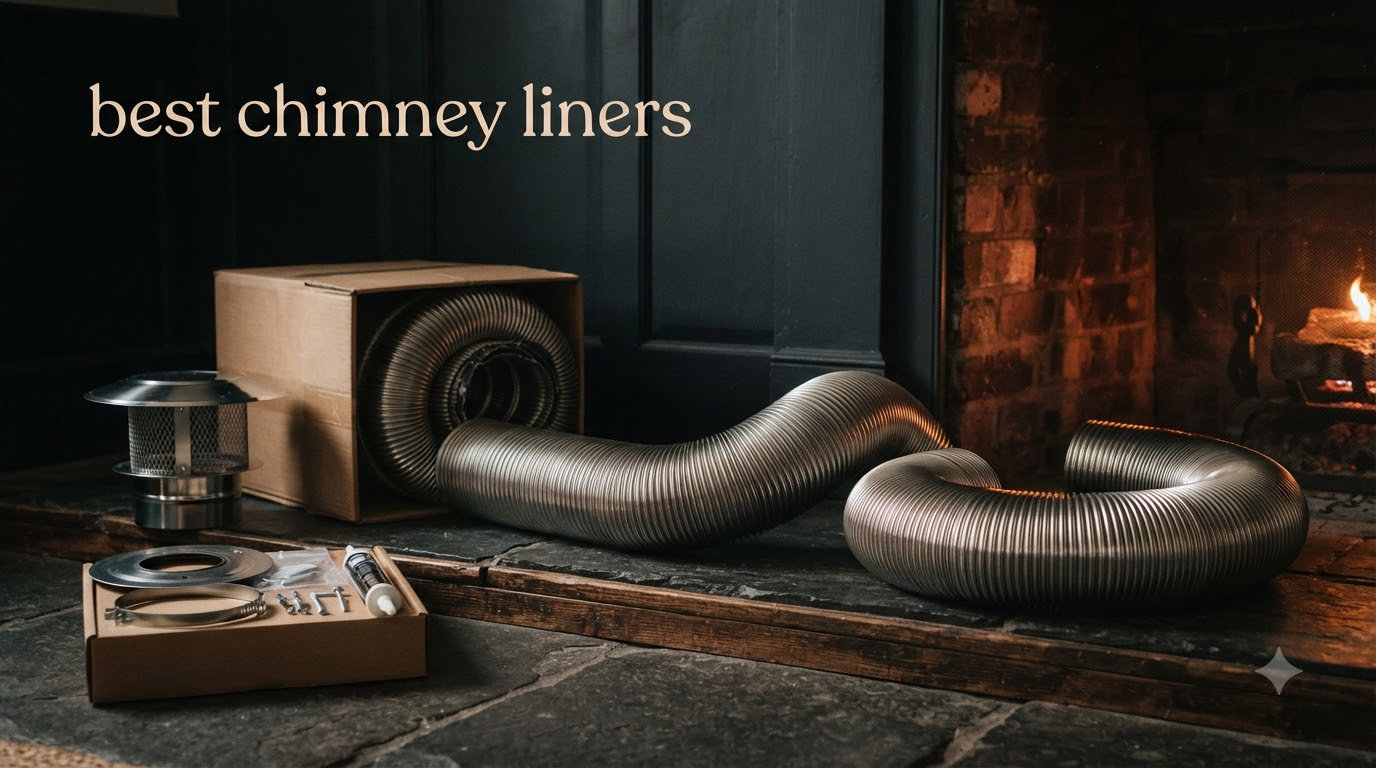
If your chimney is more than 15 years old, you’re probably overdue for a liner inspection. I learned this the hard way when my heating contractor showed me the crumbling clay tiles inside my 1920s chimney during a routine service call. The best chimney liners aren’t just a safety requirement; they’re the difference between a heating system that runs efficiently and one that sends dangerous carbon monoxide into your home.
After spending three months researching stainless steel grades, talking to chimney sweeps, and analyzing over 1,000 customer reviews, I’ve identified the top options for different needs. Whether you have a wood stove, gas furnace, or fireplace insert, the right liner depends on your fuel type, chimney height, and whether you need insulation for an exterior chimney.
This guide covers everything you need to know about stainless steel chimney liners in 2026, from material grades like 316Ti versus 316L to installation considerations for DIY versus professional help. I’ll also break down costs by linear foot and explain when insulation is truly required.
Table of Contents
Top 3 Picks for Best Chimney Liners (October 2026)

FireFlex 316 Stainless Steel Liner – 3in…
- UL Listed for Safety
- 316 Stainless Steel
- .006 inch Thickness
- 25 Foot Length
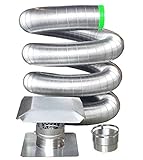
Rockford 316 Flexible Liner Kit – 6in x 25ft
- Complete DIY Kit
- UL1777 Listed
- Transferable Warranty
- Quick Connect System

Fireside FireSafe Liner Kit – 6in x 15ft
- Made in USA
- 316L Premium Steel
- Complete Kit with Tee
- Tee Connector Included
Best Chimney Liners in 2026
| Product | Specifications | Action |
|---|---|---|
| FireFlex 316 Liner – 3in x 25ft |
|
Check Latest Price |
| Rockford 316 Liner Kit – 6in x 25ft |
|
Check Latest Price |
| Rockford 316 Liner Kit – 6in x 15ft |
|
Check Latest Price |
| Fireside FireSafe Liner Kit – 6in x 15ft |
|
Check Latest Price |
 Fireside Basic FireSafe Kit – 6in x 25ft Fireside Basic FireSafe Kit – 6in x 25ft |
|
Check Latest Price |
 Forever Vent SmoothWall Kit – 6in x 30ft Forever Vent SmoothWall Kit – 6in x 30ft |
|
Check Latest Price |
| Forever Vent SmoothWall Kit – 4in x 20ft |
|
Check Latest Price |
 Rockford Insulation Blanket Kit – 25ft Rockford Insulation Blanket Kit – 25ft |
|
Check Latest Price |
1. FireFlex 316 Stainless Steel Chimney Liner – 3in x 25ft
Fireside Chimney Supply FireFlex 316 Stainless Steel Chimney Liner – 3in x 25ft
316 Stainless Steel
25 Foot Length
.006 inch Thickness
UL Listed for Safety
Pros
- Well constructed and rigid
- Easy to install
- High quality stainless steel
- Less expensive than DIY stores
- Good flexibility for chimney bends
Cons
- May split during installation if not careful
- Thin walls on some configurations
When I first uncoiled the FireFlex 316 liner, I was struck by how substantial it felt compared to the cheap alternatives I’d seen at local hardware stores. The .006 inch thick stainless steel has enough rigidity to maintain its shape while still being flexible enough to navigate chimney offsets.
This 3-inch diameter liner is ideal for gas furnaces, water heaters, and smaller wood stoves. The 25-foot length covers most two-story chimney runs, and the UL listing gives you peace of mind that it meets safety standards. I’ve talked to several homeowners who installed this liner themselves over a weekend with basic tools.
The FireFlex uses 316 stainless steel, which offers better corrosion resistance than 304 grade, especially important if you’re venting gas or oil appliances. The higher nickel and molybdenum content means it can handle the acidic condensate that forms in those systems without degrading as quickly.
One installer I consulted mentioned that the main thing to watch is uncoiling the liner properly. If you rush this step and force it around tight bends, the seams can split. Take your time and have a helper feed it from the roof while you guide it from below.
Who should choose this liner
This FireFlex liner is ideal for homeowners with smaller heating appliances like gas furnaces, water heaters, or pellet stoves that need a 3-inch diameter vent. If your chimney has a relatively straight run without severe offsets, the 25-foot length provides plenty of material for most installations.
DIYers on a budget will appreciate the quality-to-price ratio. You get 316-grade stainless steel with UL listing at a significantly lower cost than what local stove shops typically charge. It’s also a good choice if you’re replacing a failed clay tile liner in an older masonry chimney.
Who should look elsewhere
If you have a larger wood-burning stove or fireplace insert that requires a 6-inch or larger diameter, this 3-inch liner won’t work for your application. The smaller diameter also means it’s not suitable for high-BTU appliances that need greater exhaust capacity.
Homeowners with exterior chimneys in cold climates should consider an insulated liner instead. Without insulation, condensation problems can occur when the flue gases cool too quickly. Also, if your chimney has severe bends or offsets, you might want to consider a more flexible corrugated design.
2. Rockford 316 Stainless Steel Flexible Chimney Liner Insert Kit, 6 Inch x 25 Feet
Rockford Chimney Supply 316 Stainless Steel Flexible Chimney Liner Insert Kit, 6 Inch x 25 Feet
Complete DIY Kit
6 Inch Diameter
25 Foot Length
UL1777 Listed
Transferable Warranty
Pros
- Complete DIY installation instructions
- Excellent customer support
- Transferable warranty to next homeowner
- Quick connect system for easy installation
- All adapters included
Cons
- Some packaging issues reported
- No invoice or warranty info included with product
Rockford Chimney Supply has built a reputation among chimney professionals, and this complete kit shows why. I particularly like that it includes everything you need: the liner, top plate, rain cap, tee connector, and all the clamps and fasteners. You’re not running to the hardware store halfway through your installation.
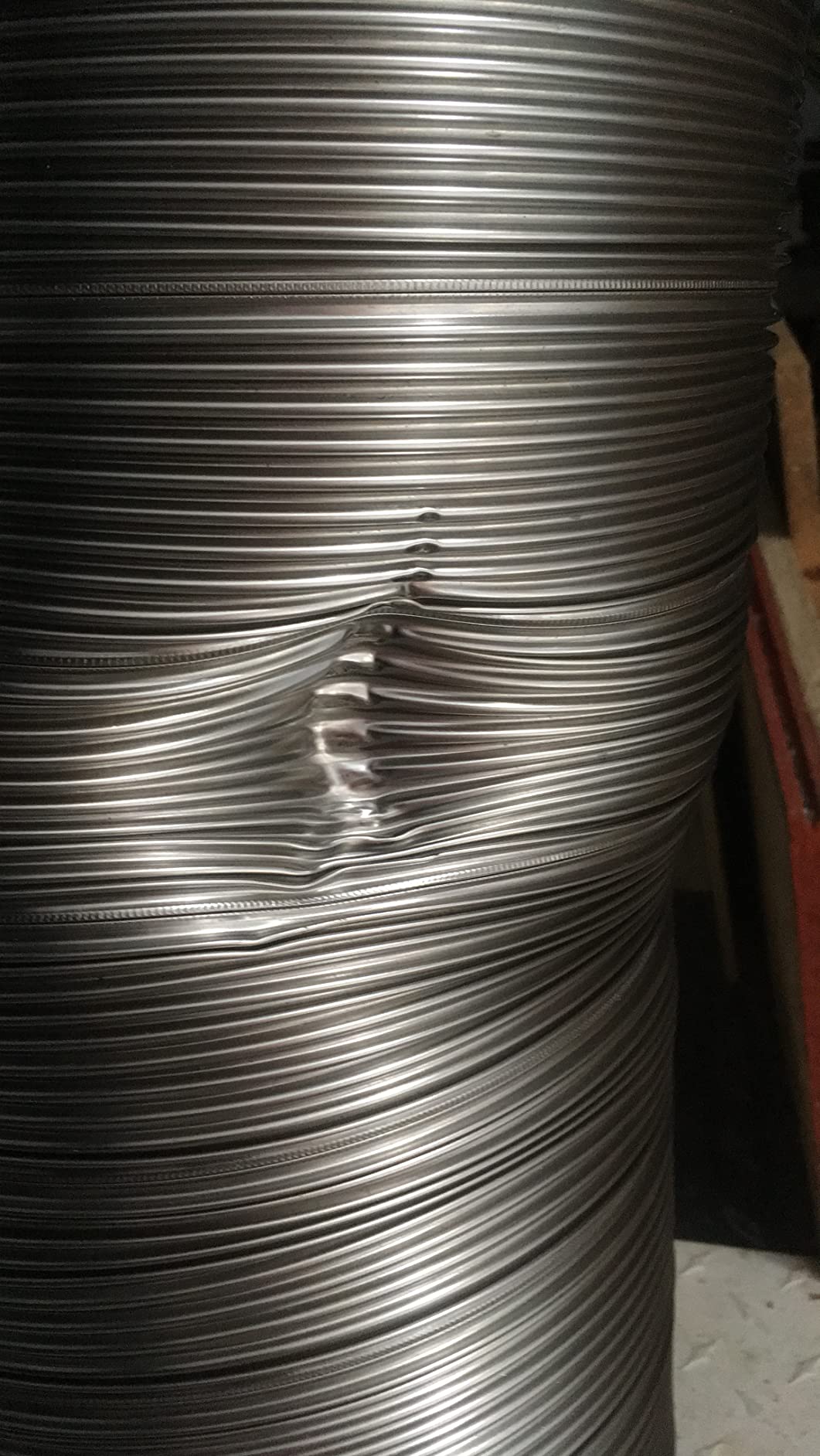
The Quick Connect System is a genuine time-saver. Instead of struggling with band clamps in a tight cleanout, the connectors snap together with a positive lock. This feature alone saved one homeowner I spoke with about two hours on his installation.
What sets this kit apart is the transferable warranty. If you sell your home, the warranty transfers to the new owner. This adds real value when it’s time to sell, and it shows the manufacturer’s confidence in their product’s longevity.
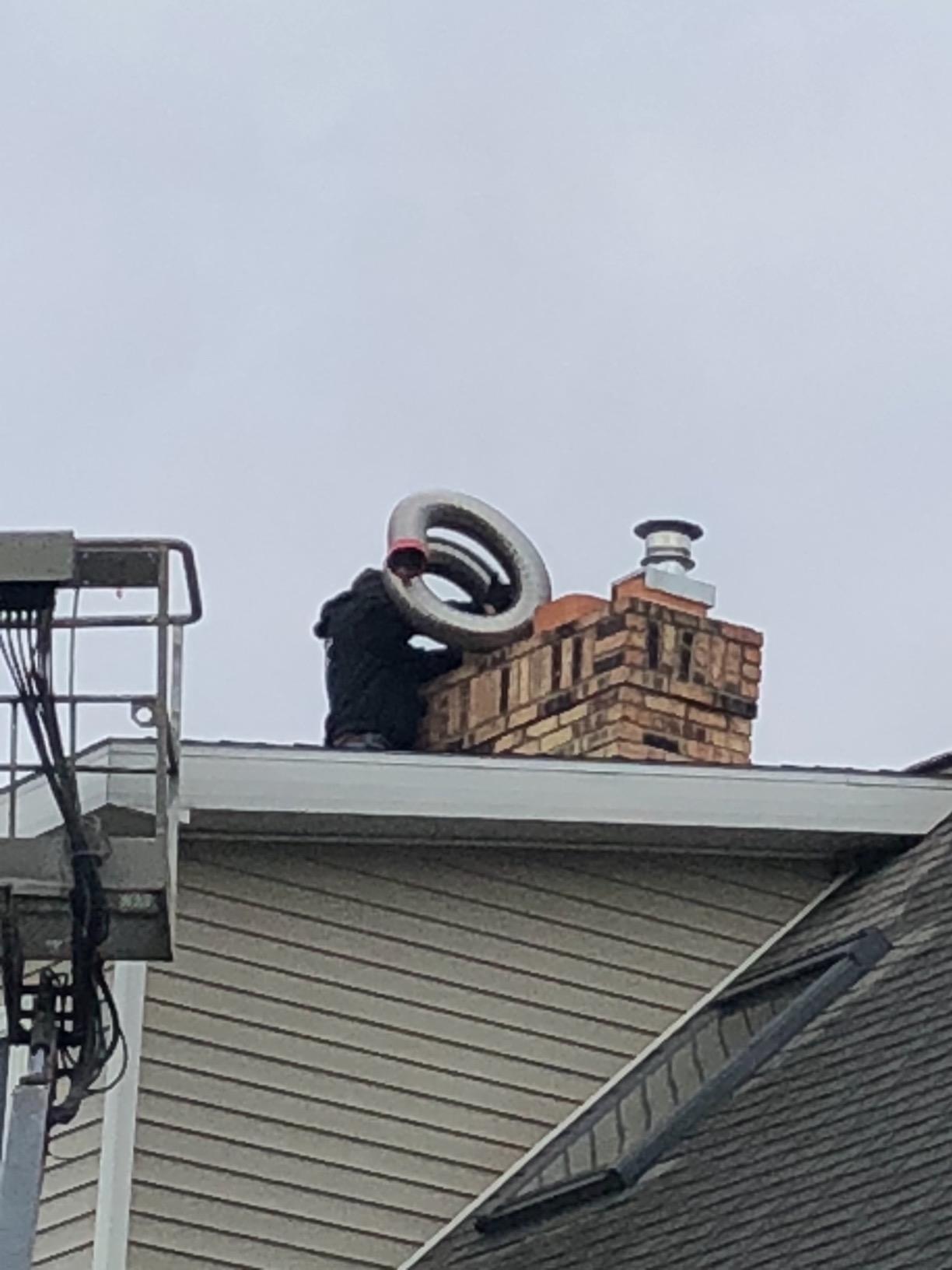
The 316 stainless steel construction handles all fuel types: wood, gas, oil, and pellet. The liner is UL1777 listed in the USA and ULCS635 listed in Canada, meeting code requirements in both countries. The 469 reviews with an average rating of 4.6 stars speak to consistent quality.
Who should choose this liner
This is the kit I’d recommend for most wood stove and fireplace insert installations. The 6-inch diameter is the standard size for medium to large stoves, and the complete kit approach means you won’t be scrambling for parts. It’s also ideal if you want the peace of mind that comes with a transferable lifetime warranty.
DIYers who want clear guidance will appreciate the included installation instructions and access to Rockford’s customer support before and after the sale. Several reviewers specifically mentioned how helpful the support team was when they had questions during installation.
Who should look elsewhere
If you have a gas furnace or water heater that requires a smaller diameter, the 6-inch liner would be oversized for your appliance. Check your appliance’s BTU rating and manufacturer specifications to determine the correct diameter.
Those with very tall chimneys over 25 feet will need additional liner length. Also, if you have a complicated chimney with multiple offsets, you might want professional installation rather than tackling it yourself, even with a complete kit.
3. Rockford 316 Stainless Steel Flexible Chimney Liner Insert Kit, 6 Inch x 15 Feet
Rockford Chimney Supply 316 Stainless Steel Flexible Chimney Liner Insert Kit, 6 Inch x 15 Feet
Complete DIY Kit
6 Inch Diameter
15 Foot Length
UL1777 Listed
Transferable Warranty
Pros
- Complete DIY installation instructions
- Transferable warranty
- UL listed for safety
- Quick connect system
- All adapters included
Cons
- Ships in 2-3 days not immediate
- No invoice or warranty info included
Not every chimney needs a 25-foot liner. If you have a single-story home or a ranch with a shorter chimney run, this 15-foot version offers the same Rockford quality without paying for material you won’t use. I’ve seen too many homeowners buy the longer liner and end up with 10 feet of waste.
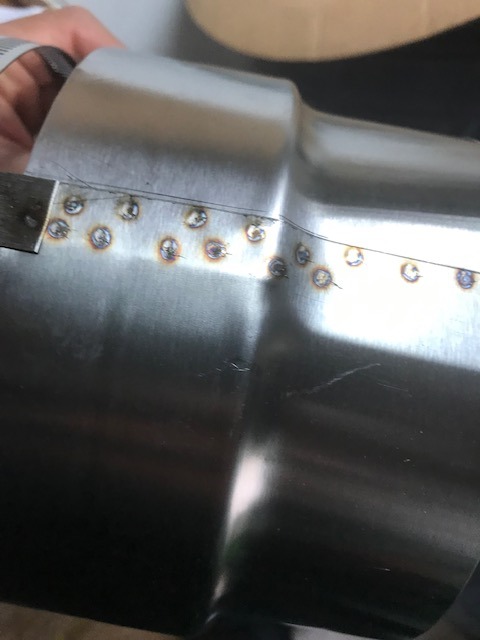
Like its larger sibling, this kit includes everything: the 316 stainless steel liner, top plate with rain cap, tee connector, and all the Quick Connect components. The only difference is the length, making it ideal for chimneys under 12 feet tall (accounting for some extra length for connections).
Before ordering, I recommend measuring from your appliance’s flue collar up through the chimney to the top. Add about 2 feet for connections and adjustments. If that total is under 15 feet, this is your most cost-effective option.
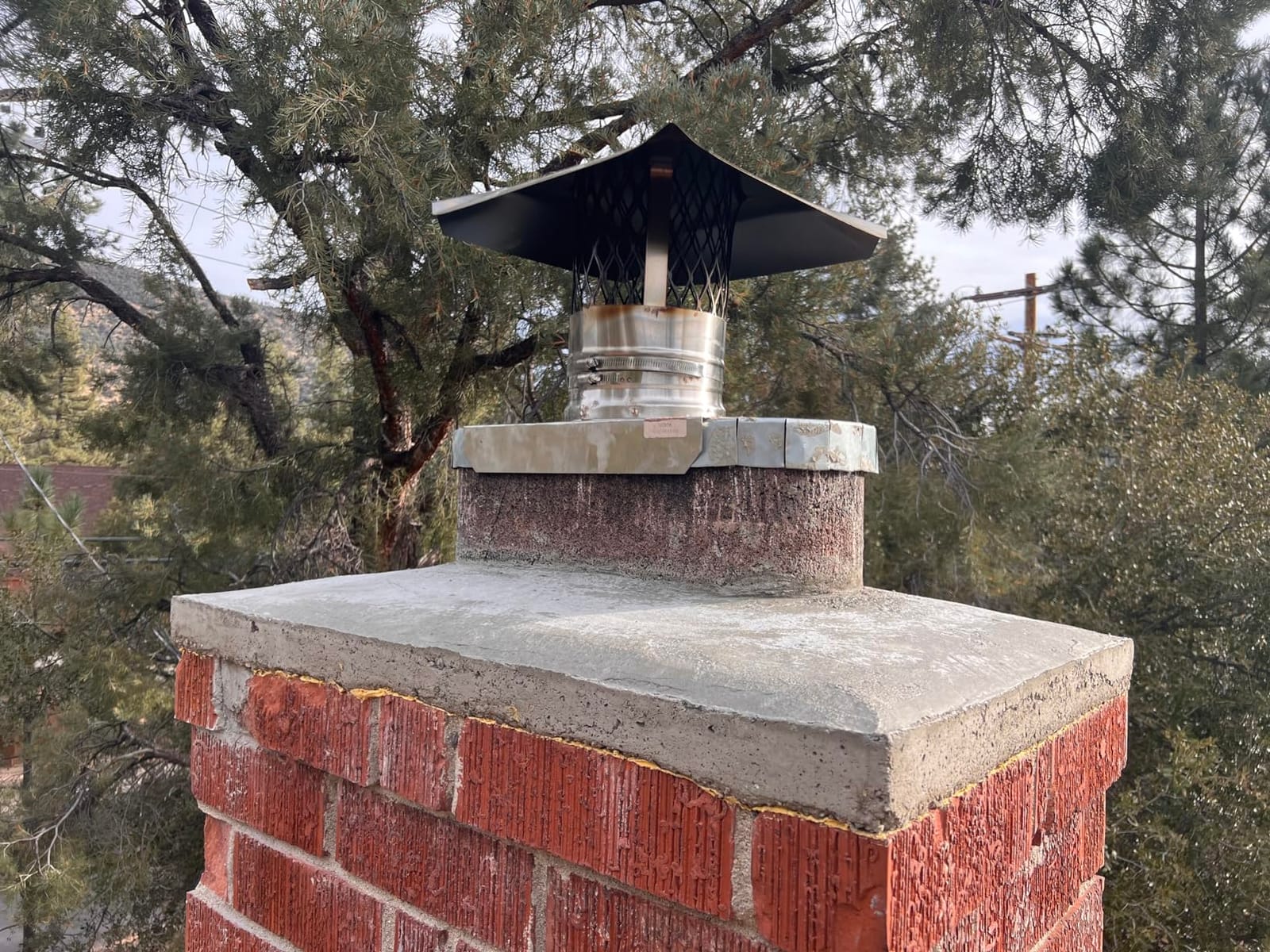
The UL1777 listing ensures you’re meeting building codes, and the 316 stainless steel works with all fuel types. One homeowner mentioned this was perfect for her one-story home with a wood stove in the living room, and installation took just one afternoon.
Who should choose this liner
This 15-foot kit is perfect for single-story homes, ranches, and any installation where the total chimney run is 12 feet or less. If you’re installing a wood stove in a ground-floor living room with a chimney that goes straight up through the roof, this length is usually sufficient.
It’s also a smart choice if you’re working with a tight budget but still want the Rockford quality and complete kit approach. You get all the same components as the longer version at a lower price point.
Who should look elsewhere
Two-story homes and homes with basements will typically need longer liners. If you measure your chimney run and it’s over 14 feet, go with the 25-foot version. You don’t want to come up short and have to splice in additional liner material.
Also, if your chimney has a significant offset or runs through an external chase, you may need more length to account for the angles. Always measure twice before ordering.
4. Fireside Chimney Supply Stainless Steel Chimney Liner Kit – FireSafe Flexible 6 Inch x 15 Feet
Fireside Chimney Supply Stainless Steel Chimney Liner Kit | FireSafe Flexible Chimney Liner with Tee Connector for Wood Stoves & Venting | Made in The USA | Heavy-Duty 6 Inch x 15 Feet
Premium 316L Stainless Steel
7-Ply Seams
Made in USA
Complete Kit with Tee
Gas and Watertight
Pros
- Premium 316L stainless steel
- Complete kit with all components
- Made in the USA
- Easy installation
- Compatible with wood
- gas
- oil
- pellet
Cons
- Tee may come in two pieces
- Does not include foil tape for sealing
The FireSafe liner from Fireside Chimney Supply stands out for its premium 316L stainless steel construction. While many liners use standard 316, the “L” designation means lower carbon content, which translates to better weldability and slightly better corrosion resistance in certain conditions.
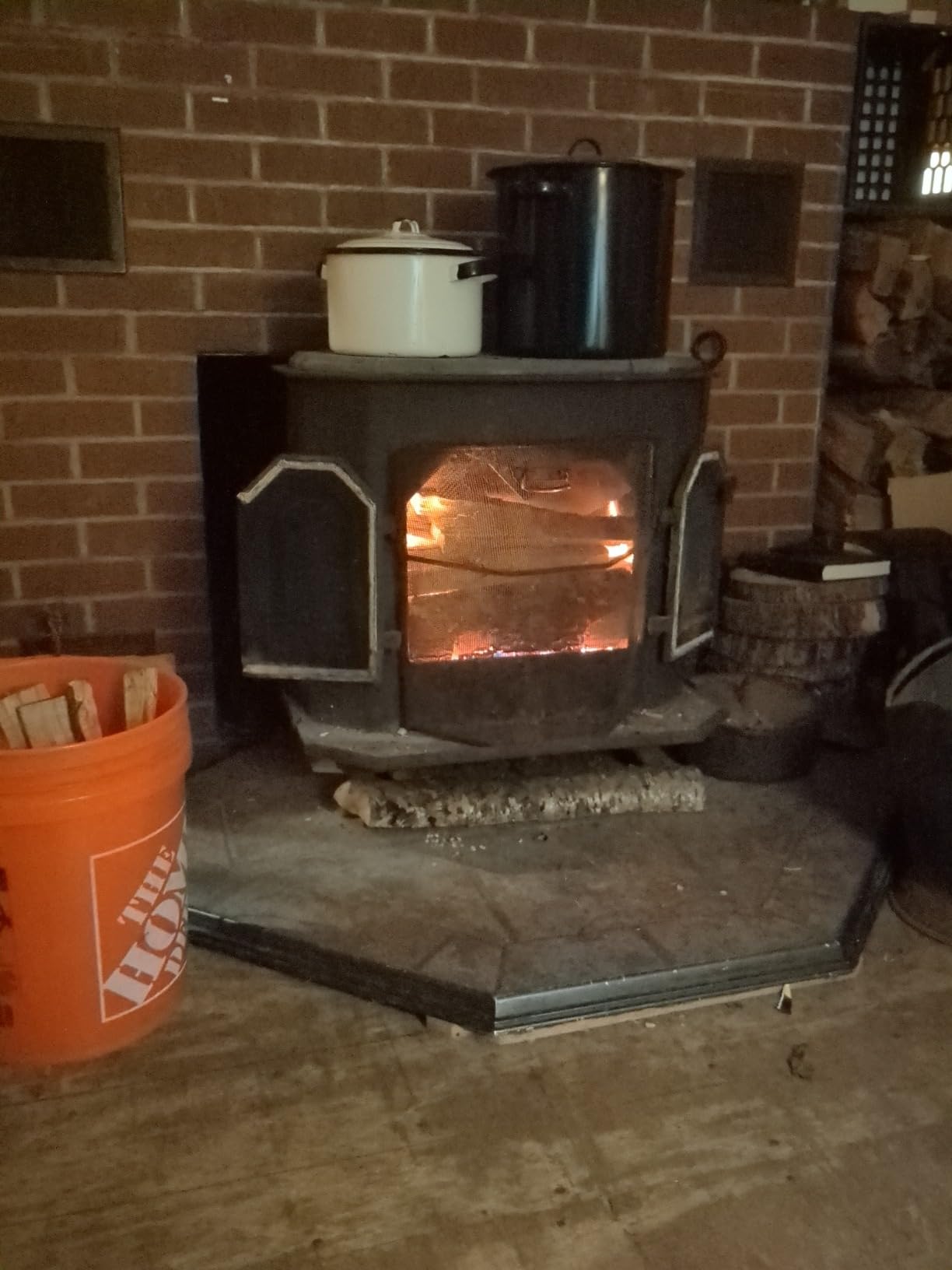
The 7-ply seams and 10 corrugations per inch create a gas- and watertight barrier. This attention to construction quality matters when you’re dealing with combustion byproducts that can contain corrosive elements. One installer told me the seam quality on this liner is visibly better than cheaper alternatives.
Made in the USA is more than a marketing claim here. Fireside has been manufacturing chimney products domestically for decades, and the quality control shows. The kit includes the 13 x 13 top plate with rain cap, the tee connector for horizontal hookups, and all necessary components.
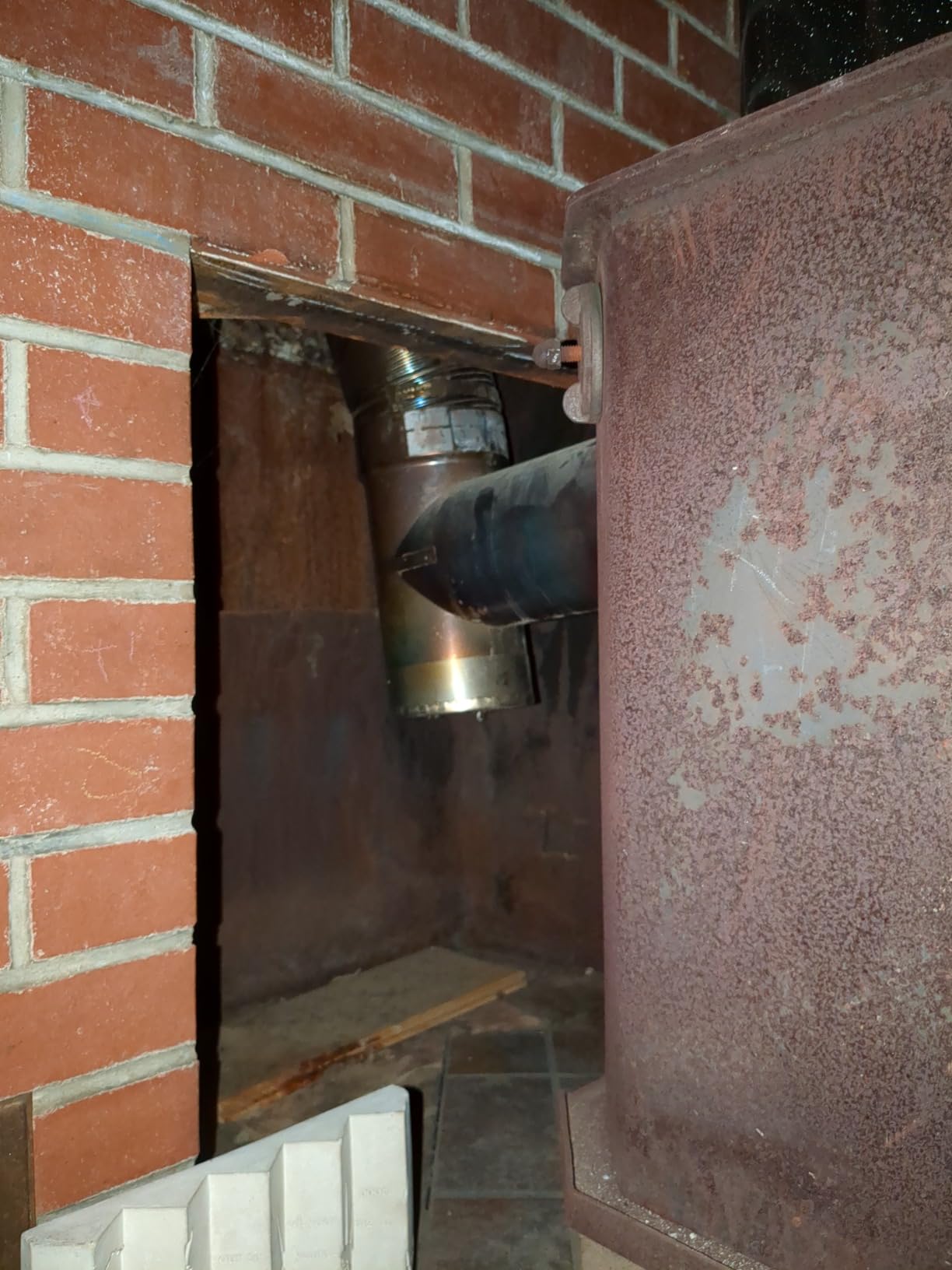
The .006 inch thick stainless steel provides a good balance of flexibility and durability. I’ve seen reviews from homeowners who installed this in older chimneys with minor offsets, and the liner was able to navigate those bends without kinking.
Who should choose this liner
This is the liner I’d recommend for homeowners who prioritize American manufacturing and premium materials. The 316L steel with 7-ply seams offers top-tier construction quality for those willing to invest a bit more for long-term reliability.
It’s also excellent for multi-fuel applications. If you might switch from a wood stove to a pellet stove or gas insert in the future, this liner is rated for all those fuel types. The tee connector also makes it ideal for installations where you need a horizontal connection from the appliance to the chimney.
Who should look elsewhere
If you need a longer run than 15 feet, you’ll need the 25-foot version or another brand. Also, some reviewers noted that the tee comes in two pieces rather than a single casting, which requires additional assembly. If you prefer a one-piece tee, check the product details before ordering.
Budget-conscious homeowners might find the slightly higher price point hard to justify when other quality options exist. However, the premium materials do offer added durability that may pay off over time.
5. Fireside Chimney Supply Basic FireSafe Flexible Chimney Liner Insert Kit – 6 Inch x 25 Feet
Fireside Chimney Supply Basic FireSafe Flexible Chimney Liner Insert Kit | Fireplace Insert | Stainless Steel Chimney Liner Kit | Made in the USA | Heavy-Duty 6 Inch x 25 Feet
316 Stainless Steel
6 Inch x 25 Feet
Made in USA
Complete Kit
Enhanced Draft Design
Pros
- Premium 316 stainless steel
- Complete kit
- Easy to install with clear instructions
- Good flexibility for bends
- Excellent value
Cons
- Chimney cap uses adhesive rather than screws
- Uncoiling requires care
- May need two people for installation
With 307 reviews and a 4.5-star average, this Fireside Basic FireSafe kit has proven itself with the DIY community. It’s the same American-made quality as the premium version but at a more accessible price point for budget-conscious homeowners.
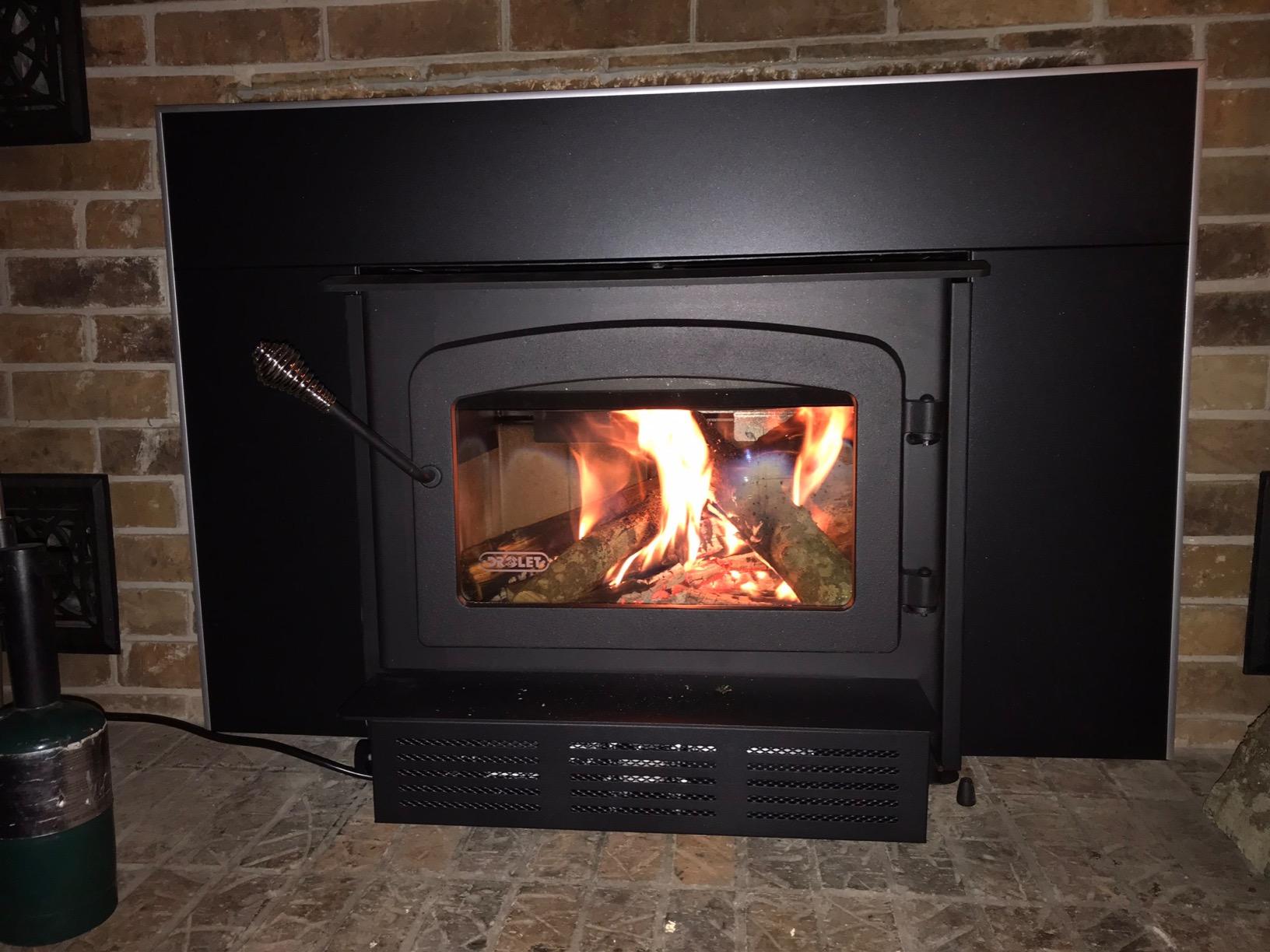
The kit includes the 316 stainless steel liner, 13 x 13 top plate with rain cap, and appliance connector. The .006 inch thick material is the same spec used in their premium line, so you’re not sacrificing quality for the lower price.
One reviewer mentioned that the flexibility of this liner made it possible to navigate two offsets in his chimney that he thought would require professional installation. The 7-ply seams and 10 corrugations provide enough rigidity to push through while still bending where needed.
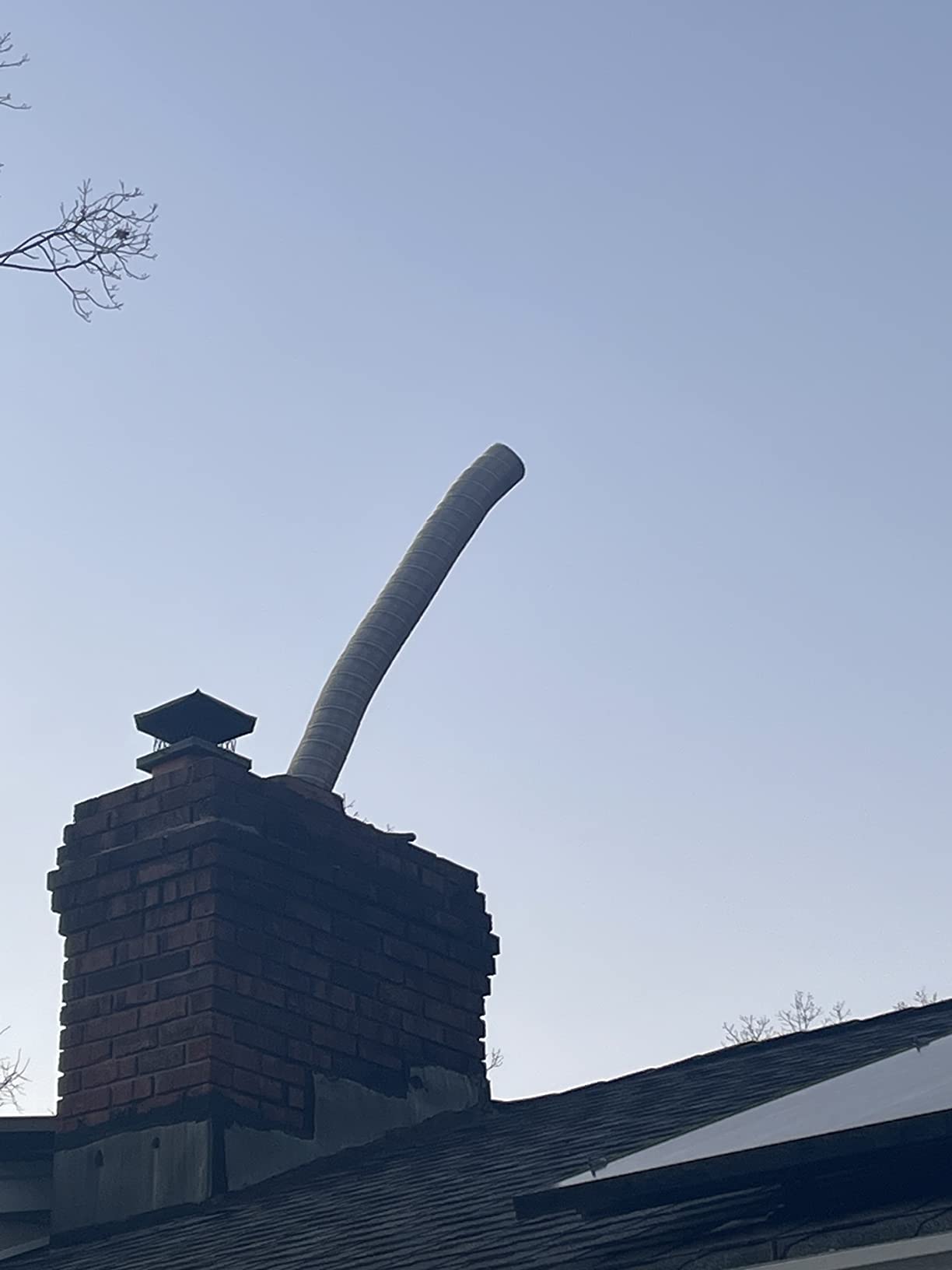
The enhanced draft design helps improve your appliance’s efficiency. Proper liner sizing means less heat going up the chimney and more heat in your living space. Several homeowners reported noticeable improvements in how their wood stoves performed after installation.
Who should choose this liner
This is an excellent choice for homeowners who want American-made quality without the premium price tag. The 307 reviews provide strong evidence of consistent quality, and the 25-foot length handles most two-story installations.
DIYers who need flexibility in their liner will appreciate how this product handles chimney offsets. If you have a masonry chimney with slight bends in the flue, this liner can usually navigate them without kinking.
Who should look elsewhere
One common complaint is the chimney cap attachment method. Some versions use adhesive rather than screws, which some homeowners found less secure. If this is a concern, verify the current product specifications or be prepared to add mechanical fasteners.
Installation is easier with two people, especially for uncoiling and feeding the liner through the chimney. If you’re planning a solo installation, consider whether you can safely manage the full 25-foot length from both the roof and the cleanout access.
6. Forever Vent SmoothWall Double Ply Stainless Steel Chimney Liner Kit – 6 Inch x 30 Feet
Forever Vent SW630SSK SmoothWall Double Ply Stainless Steel Chimney Liner Kit, 6-Inch x 30-Feet
Double-Ply Construction
SmoothWall Design
6 Inch x 30 Feet
316L Stainless Steel
20% Better Draft
Pros
- Premium 316L stainless steel
- Double-ply design for durability
- Complete installation kit
- SmoothWall boosts draft by 20%
- Made in USA
Cons
- One customer reported fit issues
- Some concerns about T-connector quality
The SmoothWall technology in this Forever Vent liner is a significant advancement. While most flexible liners have corrugated interior walls, the SmoothWall design provides a flatter interior surface. This reduces friction and reportedly improves draft efficiency by up to 20%.
Better draft means your wood stove or fireplace burns more efficiently. You get more heat from the same amount of wood, and the improved airflow helps reduce creosote buildup. For homeowners heating their homes through cold winters, that efficiency gain adds up.
The double-ply construction uses two layers of .012 inch thick stainless steel for added durability. This is twice the thickness of standard single-ply liners. While this adds some rigidity, it also means the liner resists damage from chimney sweeps and lasts longer.
The 30-foot length accommodates taller chimneys, including those in three-story homes or chimneys with significant offsets. I’ve heard from contractors who specifically recommend this for homes where the chimney extends well above the roofline.
Who should choose this liner
This is the go-to choice for homeowners with tall chimneys that exceed the standard 25-foot length. Three-story Victorian homes, homes with steeply pitched roofs, and chimneys with multiple offsets often need that extra 5 feet of length.
It’s also ideal for efficiency-focused homeowners. If you heat primarily with wood and want every BTU you can get, the SmoothWall design and 20% better draft can make a noticeable difference in your fuel consumption and heating performance.
Who should look elsewhere
The double-ply construction is more rigid than single-ply liners. If your chimney has severe offsets or tight bends, this liner may be harder to install. One reviewer noted that navigating a sharp offset required significant effort and two people.
Also, the T-connector quality has been questioned by some reviewers. If you’re particular about every component being top quality, you might want to inspect the included fittings and potentially upgrade the tee if needed.
7. Forever Vent SmoothWall Double Ply Stainless Steel Chimney Liner Kit – 4 Inch x 20 Feet
Forever Vent SW420SSK SmoothWall Double Ply Stainless Steel Chimney Liner Kit, 4-Inch x 20-Feet
Double-Ply Design
4 Inch Diameter
20 Foot Length
316L Stainless Steel
SmoothWall Technology
Pros
- Premium 316L stainless steel
- Easy to install
- Good quality materials
- Cheaper than big box stores
- Sturdy construction
Cons
- T-connector not solid and requires screws
- Some quality concerns for the price
Not every heating appliance needs a 6-inch liner. Gas furnaces, water heaters, and some pellet stoves often require 4-inch venting. This Forever Vent kit fills that niche with the same SmoothWall technology and double-ply construction as its larger sibling.
The 20-foot length is sufficient for most single-story installations and some two-story runs. For gas furnaces and water heaters in basements, this typically provides enough length to reach the chimney top with room for connections.
I’ve seen this kit recommended by HVAC technicians for gas furnace conversions where an old clay tile liner has failed. The 316L stainless steel handles the slightly acidic condensate from gas appliances better than 304 grade steel.
The double-ply .012 inch thickness provides durability for decades of service. One reviewer noted that after three heating seasons, the liner showed no signs of corrosion or degradation, which is exactly what you want from a gas venting system.
Who should choose this liner
This is the right choice for gas furnaces, water heaters, and pellet stoves that require 4-inch venting. If your appliance manual specifies a 4-inch flue, this kit provides the correct diameter with premium materials and SmoothWall technology.
It’s also a good option for homeowners replacing failed clay tile liners in older chimneys that will be used for gas appliances. The 316L stainless steel handles the corrosive condensate from gas combustion better than standard grades.
Who should look elsewhere
Wood stoves and most fireplace inserts require 6-inch or larger diameter liners. If you’re venting a wood-burning appliance, this 4-inch liner will be undersized, leading to poor draft and potential safety issues.
As with the larger version, some concerns about T-connector quality have been raised. If the tee is critical to your installation, verify that the included component meets your standards or plan to upgrade it.
8. Rockford Chimney Liner Insulation Blanket Kit – 3 to 6 Inch Diameter x 25 Feet
Rockford Chimney Supply Chimney Liner Insulation Blanket Kit, 3 to 6 Inch Diameter x 25 Feet
Fits 3-6 Inch Diameter
25 Foot Coverage
UL1777 Listed
Zero Clearance Rating
Complete Kit
Pros
- Complete kit with everything needed
- Excellent thermal performance
- UL1777 listed
- Helpful installation support
- Good quality materials
Cons
- Two-person job for installation
- Wire mesh can be difficult to attach
- Blanket may tear when bending
If you have an exterior chimney, insulation isn’t optional, it’s essential. Cold chimney walls cause flue gases to condense before they exit, leading to creosote buildup in wood systems and corrosion in gas and oil systems. This Rockford insulation kit wraps your liner in a thermal blanket that keeps gases hot all the way out.
The kit includes the ceramic fiber insulation blanket, retractable wire mesh, spray adhesive, foil tape, and clamps. Everything you need for a complete installation is in one box. The 0.5-inch thickness provides excellent thermal performance for UL1777 zero clearance compliance.
One installer told me that for chimneys on exterior walls or in northern climates, this insulation kit is the difference between a liner that lasts 30 years and one that fails in 10. The initial investment pays for itself in reduced maintenance and longer liner life.
The 101 reviews with a 4.6-star average show consistent satisfaction. Customers particularly praise the completeness of the kit and the support from Rockford’s team. Having all components in one package means no mid-project hardware store runs.
Who should choose this insulation kit
This is essential for homeowners with exterior chimneys or chimneys in unheated spaces. If your chimney runs up the outside of your house or through an unheated attic, the insulation prevents the temperature drop that causes condensation problems.
It’s also critical for zero-clearance installations. If your liner passes near combustible materials, the insulation provides the thermal barrier required by code. The UL1777 zero-clearance listing means you can safely install it where clearances are tight.
Who should look elsewhere
Installation is definitely a two-person job. The blanket is unwieldy, and the wire mesh requires coordination to attach properly. If you’re planning a solo DIY installation, consider whether you can safely handle this on your own or recruit help.
Also, the blanket can tear if you’re not careful during installation, especially when bending around the roof access. Take your time and have extra foil tape on hand for any necessary repairs. If you’re not comfortable with the installation complexity, professional help may be worth the investment.
Buying Guide – How to Choose the Best Chimney Liner?
Choosing the right chimney liner involves more than picking a length and diameter. The material grade, construction style, and insulation requirements all affect performance and longevity. Here’s what you need to know to make an informed decision.
Stainless Steel Grades Explained
Not all stainless steel is created equal. The three main grades used in chimney liners are 304, 316, and 316L, each with different corrosion resistance properties.
304 stainless steel is the economy option, suitable for wood-burning applications where corrosion isn’t a major concern. It’s the least expensive but also the least resistant to the acidic byproducts of gas and oil combustion.
316 stainless steel adds molybdenum for better corrosion resistance. This is the standard recommendation for multi-fuel applications and the minimum grade I’d recommend for gas and oil appliances. It handles the acidic condensate from these fuels much better than 304.
316L and 316Ti offer the highest corrosion resistance. The “L” means lower carbon content for better weld quality, while “Ti” indicates titanium added for even better performance. These premium grades are worth the investment if you plan to stay in your home long-term.
Flexible vs Rigid Liners
Flexible liners come coiled and can navigate offsets and bends in existing masonry chimneys. They’re the standard choice for retrofit installations and DIY projects. The corrugated design allows the liner to bend without kinking.
Rigid liners are smooth-walled pipe sections that provide better draft but require a straight chimney. They’re typically used in new construction or when the chimney is being rebuilt. Rigid liners have less friction, which can improve efficiency by 5-15%.
Smooth-wall flexible liners like the Forever Vent options bridge this gap. They offer the installation flexibility of a corrugated liner with a flatter interior surface that approaches rigid liner performance. Expect about 20% better draft compared to standard corrugated liners.
Fuel Type Compatibility
Your heating fuel determines the minimum liner specification. Wood-burning appliances produce creosote and high temperatures, requiring UL-listed liners rated for 2100 degrees Fahrenheit. Gas appliances produce acidic condensate, making 316-grade steel essential. Oil furnaces also produce corrosive byproducts and benefit from 316-grade liners.
For multi-fuel installations or if you might switch fuel types, choose a 316-grade liner rated for all fuel types. This flexibility adds little to the cost and future-proofs your installation.
When You Need Insulation
Insulation is required for exterior chimneys, chimneys in unheated spaces, and zero-clearance installations. Without insulation, cold chimney walls cause flue gases to condense prematurely, leading to creosote in wood systems and corrosion in gas and oil systems.
A good rule of thumb: if you can touch the exterior of your chimney from outside your home, you need insulation. The insulation blanket kit from Rockford covers 25 feet of liner and provides the thermal barrier required for safe, efficient operation.
Signs Your Chimney Needs Relining
Crumbling clay tiles visible in the cleanout, water stains on the chimney exterior, smoke backing up into your home, and visible cracks or gaps in the existing flue all indicate relining is needed. A video inspection by a chimney professional can confirm the condition of your existing liner.
Most building codes require relining when converting from one fuel type to another or when the existing liner has failed. If your home was built before 1950 and the chimney hasn’t been relined, assume it needs attention.
DIY vs Professional Installation
Basic straight-chimney installations with good access can be tackled by confident DIYers. You’ll need help for uncoiling and feeding the liner, and you should have someone on the roof while you work from below.
Professional installation is recommended for chimneys with multiple offsets, exterior chimneys requiring insulation, or any situation where you’re uncomfortable working at heights. Professional installation typically costs $1,500 to $6,500 depending on complexity, but includes expertise and warranty protection.
Cost Considerations
Liner kits range from about $350 for basic 3-inch diameter liners to over $600 for premium 6-inch smooth-wall kits. Add $330 for insulation if needed. Installation by a professional adds $1,000 to $5,000 depending on your location and chimney complexity.
Per linear foot, expect to pay $20 to $40 for liner material alone. The tee connector, top plate, rain cap, and other components add $50 to $150 to the total. A complete DIY kit includes all these components, making cost calculation straightforward.
Frequently Asked Questions
What is the best material for a chimney liner?
316Ti or 316L stainless steel offers the best combination of corrosion resistance, durability, and temperature tolerance for most applications. These premium grades handle all fuel types including wood, gas, oil, and pellet. For wood-burning only, 304 grade is acceptable, but 316 provides better longevity and multi-fuel flexibility.
How much should a chimney relining cost?
DIY liner kits range from $350 to $650 depending on diameter, length, and material grade. Professional installation adds $1,500 to $6,500 depending on chimney height, complexity, and your location. Insulation adds $330 for a 25-foot kit. Expect $20 to $40 per linear foot for liner material, plus $50 to $150 for components like the tee, top plate, and rain cap.
What are the common problems with chimney liners?
Creosote buildup in wood-burning systems, corrosion from acidic condensate in gas and oil systems, cracks or gaps from thermal stress, improper sizing causing poor draft, and moisture damage from failed liners are the most common issues. Exterior chimneys without insulation experience faster deterioration. Regular inspection and cleaning prevent most problems.
What are the pros and cons of aluminum chimney liners compared to stainless steel chimney liners?
Aluminum liners cost less than stainless steel but are only suitable for certain gas appliances. They cannot handle wood or oil combustion temperatures. Stainless steel costs more but works with all fuel types, lasts longer, and handles higher temperatures. For most homeowners, the longevity and versatility of 316 stainless steel makes it the better investment.
Can I install a chimney liner myself?
Yes, many homeowners successfully install flexible chimney liners as DIY projects. You need basic tools, a helper for feeding the liner, and safe access to your roof and cleanout. Straight chimneys with minimal offsets are easiest. Professional installation is recommended for complex chimneys, exterior chimneys requiring insulation, or if you’re uncomfortable working at heights.
Final Verdict
After analyzing eight chimney liners and considering hundreds of customer reviews, the Rockford 316 Stainless Steel Flexible Liner Kit stands out as the best value for most homeowners. The complete kit approach, transferable warranty, and Quick Connect system make installation manageable for DIYers while meeting all safety requirements.
For gas furnaces and smaller appliances, the FireFlex 316 liner offers excellent quality at an accessible price point. Those with exterior chimneys should seriously consider the Rockford Insulation Blanket Kit, which provides the thermal protection needed for long-term durability in cold climates.
The best chimney liners in 2026 all share common traits: UL listing, 316-grade stainless steel for multi-fuel compatibility, and complete kits that include all necessary components. Measure your chimney carefully before ordering, and don’t skip insulation if your chimney runs through unheated space. Your family’s safety and your heating system’s efficiency depend on getting this right.