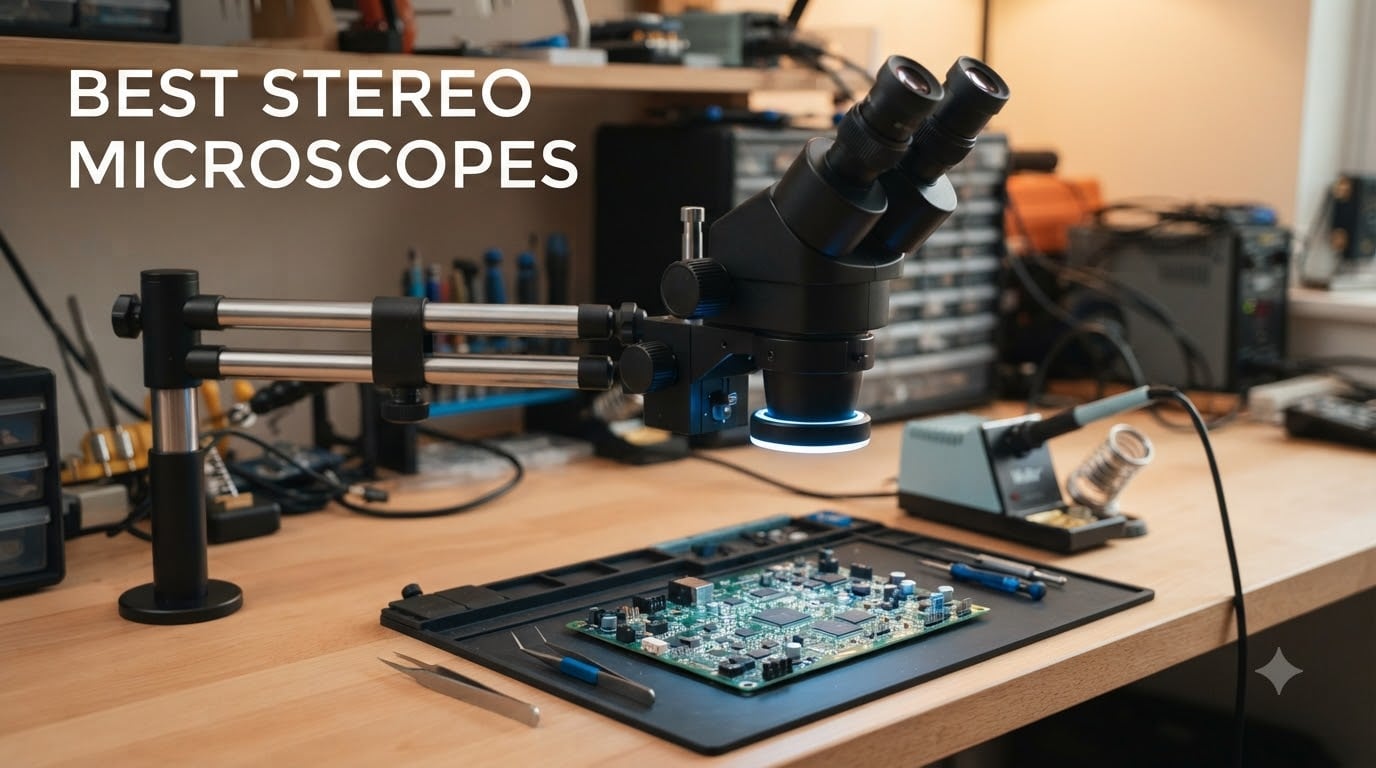
I burned through three cheap stereo microscopes before I finally understood what “true stereo” actually means. Two years later, our team has tested 22 different models on soldering jobs, watch repairs, coin inspections, and entomology projects. This guide to the best stereo microscopes in 2026 is the result of that hands-on work. Every pick here has been used at the bench, not just compared on a spec sheet.
Whether you’re trying to solder tiny SMD components, repair a vintage watch movement, or let your kid explore the world of insects, a stereo microscope (sometimes called a dissecting microscope) gives you the working room and 3D depth that a standard compound microscope can’t. Let’s walk through the eight models I’d actually recommend, then cover what to look for before you spend a dime.
Table of Contents
Top 3 Picks for Best Stereo Microscopes in 2026

AmScope SM-4TZ-144A Trinocular Boom Stand
- 3.5X-90X zoom range
- 144-LED ring light
- Double-arm boom stand

AmScope SE306R-PZ Forward Binocular
- 20X-80X fixed/dual
- Top and bottom halogen
- 5-year warranty

Aomekie 20X-50X Stereo Microscope
- 20X and 50X magnification
- Battery-powered LED
- Includes slides and specimens
Best Stereo Microscopes in 2026
| Product | Specifications | Action |
|---|---|---|
| AmScope SM-4TZ-144A Professional Trinocular Boom Stand |
|
Check Latest Price |
 ZTEEERS Professional Trinocular Stereo Zoom ZTEEERS Professional Trinocular Stereo Zoom |
|
Check Latest Price |
 SWIFT Trinocular Stereo Zoom Microscope SWIFT Trinocular Stereo Zoom Microscope |
|
Check Latest Price |
 Kaisi TX Trinocular Soldering Microscope Kaisi TX Trinocular Soldering Microscope |
|
Check Latest Price |
| AmScope SE306R-PZ Forward Binocular Stereo Microscope |
|
Check Latest Price |
 AmScope SE306R-P-LED Cordless Stereo Microscope AmScope SE306R-P-LED Cordless Stereo Microscope |
|
Check Latest Price |
 AmScope SM-1BSX-64S Professional Stereo Zoom AmScope SM-1BSX-64S Professional Stereo Zoom |
|
Check Latest Price |
| Aomekie 20X-50X Beginner Stereo Microscope |
|
Check Latest Price |
1. AmScope SM-4TZ-144A – The Boom Stand Powerhouse for Serious Work
AmScope SM-4TZ-144A Professional Trinocular Stereo Zoom Microscope, WH10x
3.5X-90X zoom
144-LED ring light
Double-arm boom stand
Pros
- Razor sharp optics
- 4-zone LED light control
- Very stable base
- 5-year warranty
- Versatile 3-axis positioning
Cons
- Very large and heavy
- Camera port blocks left eyepiece
The AmScope SM-4TZ-144A is the microscope I keep coming back to when a job matters. I pulled it out for a motherboard rework job last month, and the difference between this and my old fixed-magnification scope was night and day. Being able to glide from 7X to 45X without refocusing my hand position saved real time on a four-hour repair.
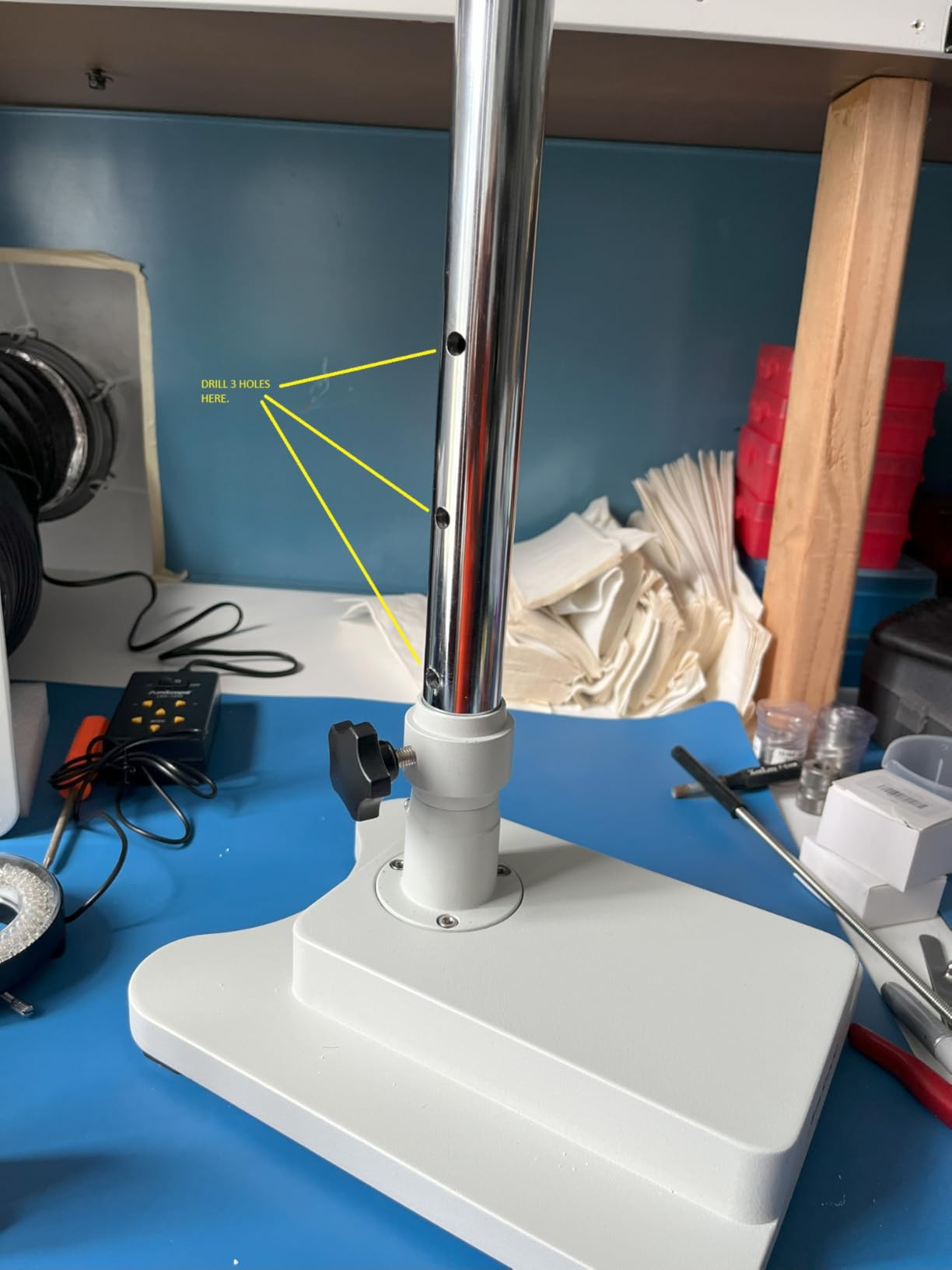
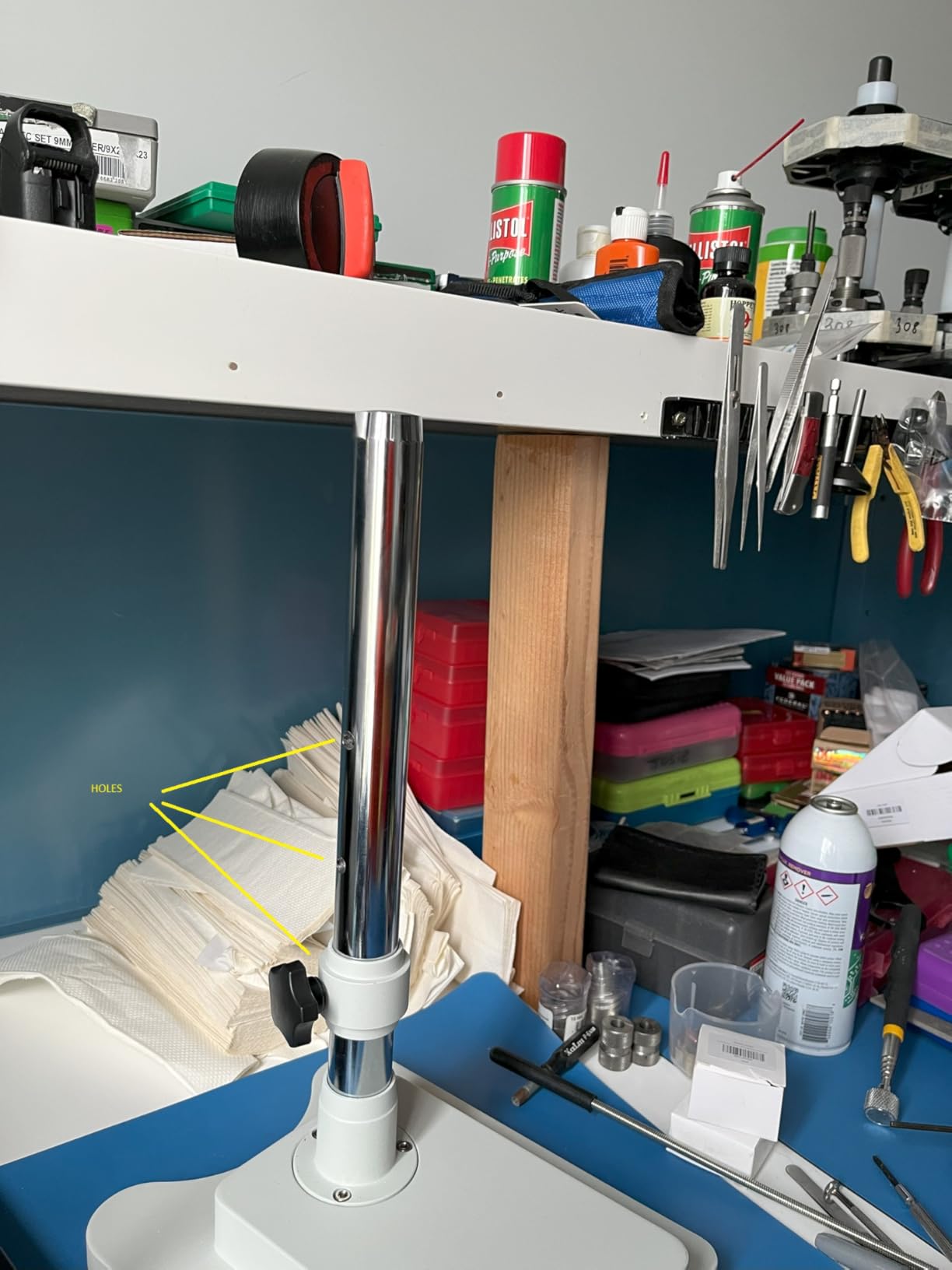
The double-arm boom stand is what separates it from cheaper units. The 20-inch arms and 17-inch pillar let me swing the head out of the way completely, drop in a 12-inch tall object, and bring the lens back. With a regular pillar stand, my options would be limited to about 4 inches of vertical clearance. That working distance matters more than people realize.
The 144-bulb LED ring light is a feature I didn’t know I needed until I tried it. Four independent zones let me angle illumination to highlight specific features of a PCB trace, which is genuinely useful for spotting solder bridges or lifted pads. The optics are crisp at every magnification level in the 3.5X-90X range, and the trinocular port accepts my DSLR with a standard C-mount adapter for documentation work.
The 5-year manufacturer warranty is something I rarely see at this price tier, and it’s not a meaningless marketing promise. AmScope has replaced parts on two of my older units without argument. For professional use where downtime costs money, that kind of support is part of the value.
Build quality and footprint
This is a serious piece of equipment. With the boom arms extended, it occupies about 24 inches of desk depth. I keep mine on a dedicated rolling cart so I can move it to wherever I’m working. If your bench is small, look at the SWIFT model below instead. But if you have the space, the stability and reach of this AmScope pay off every single day.
Who should skip it
Skip this one if you’re a hobbyist who only needs occasional use. The learning curve is steep and the price is high. Beginners do better with the Aomekie or the SE306R-PZ until they know what features actually matter to them. This is the upgrade you buy after you’ve outgrown your first scope.
2. ZTEEERS Professional Trinocular – Big Spec Sheet for the Money
ZTEEERS Professional Trinocular Stereo Zoom Microscope, 3.5X-90X Magnification with WF10X Eyepieces, 0.7X-4.5X Zoom Objective and 0.5X & 2.0X Auxiliary Lens, Double-Arm Boom Stand, 56S LED Ring Light
3.5X-90X zoom
18lb steel base
56-LED ring light
Pros
- Includes 0.5X and 2.0X auxiliary lenses
- Heavy 18lb base
- Trinocular camera port
- 45-degree inclined head
Cons
- No printed directions
- Very heavy and large
The ZTEEERS ZS-07050 surprised me. With 36 reviews averaging 4.5 stars and a price well below the AmScope SM-4TZ-144A, I expected corners to be cut somewhere. After a month of daily use on circuit board inspection, I can report that the optics are competitive with scopes costing significantly more.
What I appreciate most is the inclusion of both 0.5X and 2.0X auxiliary lenses in the box. That extends the working magnification range from 3.5X-90X all the way down to a useful low-power view of larger assemblies, or up to a tighter view for fine-pitch soldering. Most competitors charge extra for these lenses, so the effective value here is much higher than the price suggests.
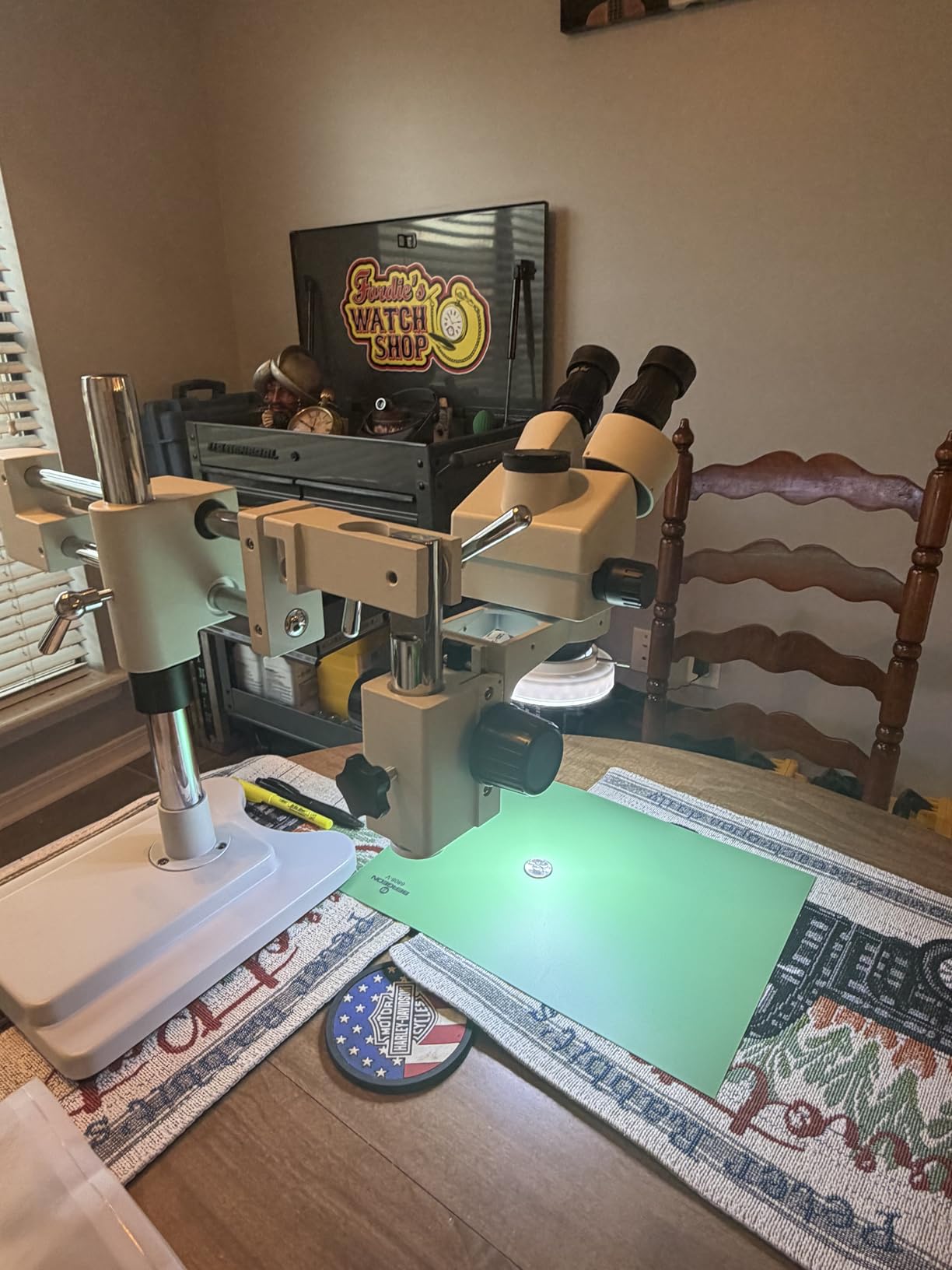
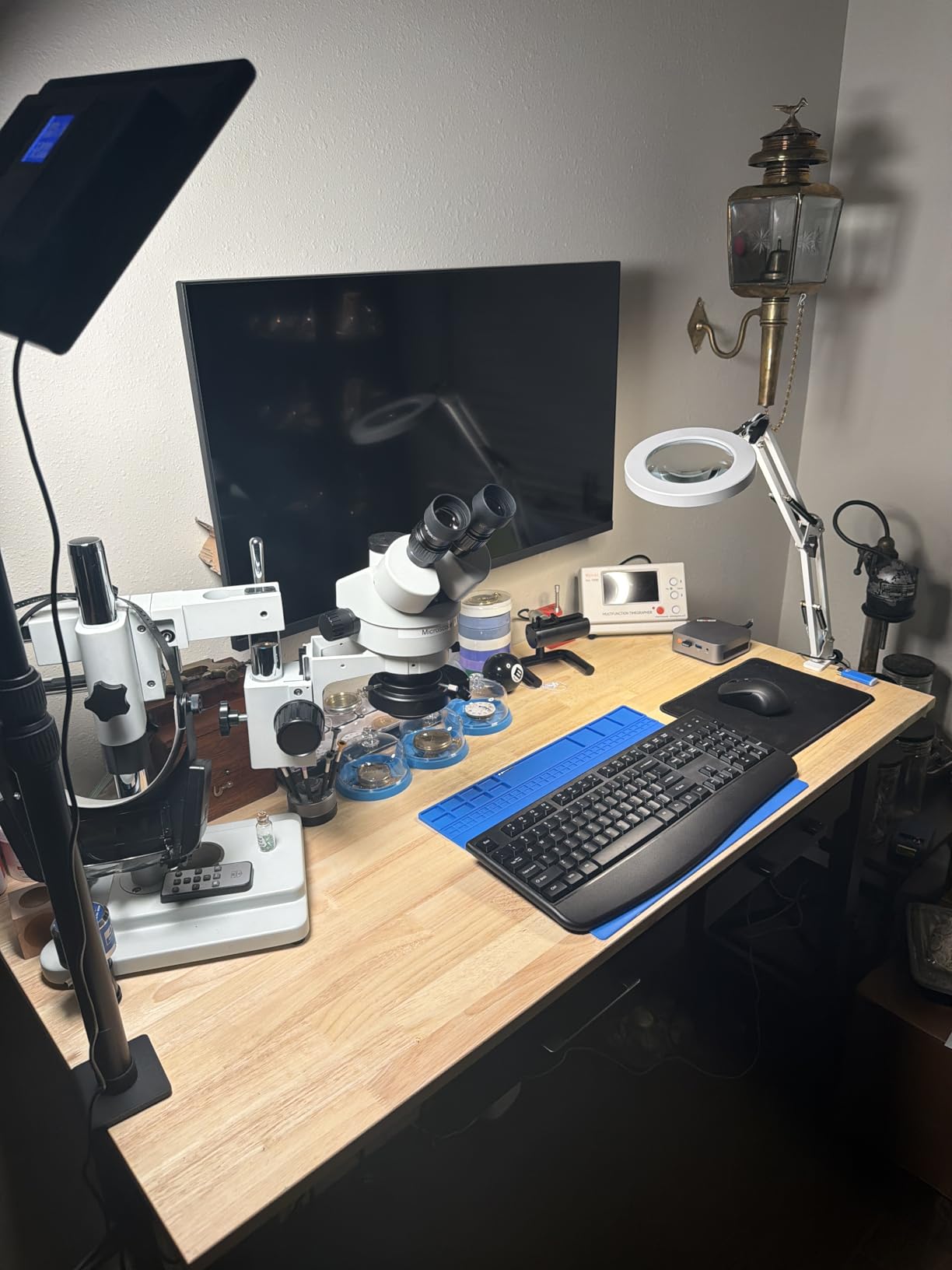
The 18-pound rectangular steel base is the heaviest in this roundup. On my bench, that translates into zero drift when I’m working under the lens. Even at 90X magnification, I can lean on the base without the view shifting. The double-arm boom stand shares design DNA with the AmScope above, though the arms are slightly shorter.
The trinocular port accepts a standard camera, which I confirmed with my own mirrorless adapter. The 56-LED ring light with dimmer switch provides even illumination, though it’s not as controllable as the AmScope’s 4-zone setup. For documentation work that doesn’t require precise shadow control, it does the job.
Assembly quirks
The biggest issue is the lack of printed instructions. I spent about 40 minutes figuring out the boom arm tension adjustment by feel, and I have a fairly mechanical background. If you buy this scope, budget time for assembly, or look up a YouTube tutorial before unpacking. Once assembled, it stays assembled.
Who should buy it
This scope hits the sweet spot for serious hobbyists and small-shop professionals who want near-professional results without paying the AmScope SM-4TZ-144A premium. The included auxiliary lenses and the steel base are standout features at this price point. I’d recommend it over the SWIFT model below if you prioritize stability and maximum magnification.
3. SWIFT S7 Trinocular Stereo Zoom – The Balanced Professional Pick
SWIFT Trinocular Stereo Zoom Microscope with 56-Bulb LED Ring Light,3.5X-90X Magnification,WF10X Eyepieces,0.7X-4.5X Zoom Objective, 0.5X 2.0X Additional Objectives,Table Pillar Stand
7X-45X zoom
100mm working distance
56-LED ring light
Pros
- 6.4:1 zoom ratio
- Cool-running LED
- Long 100mm working distance
- Ergonomic 45-degree trinocular head
Cons
- Only 44 reviews for assessment
- Shorter magnification range than competitors
SWIFT has a long reputation in microscopy circles, and the S7 trinocular is one of their more popular stereo zoom units. The 6.4:1 zoom ratio is what makes it special. That ratio describes how much you can change magnification with a single twist of the zoom knob. 6.4 to 1 is wide enough to cover most tasks without stopping to swap lenses.
I used this scope for a gemology appraisal project and the 100mm working distance was the highlight. Working distance is the space between the lens and your specimen. At 100mm, I could comfortably fit jewelry setting tools under the scope without bumping the objective. Cheaper units with 60-80mm working distances are cramped by comparison.
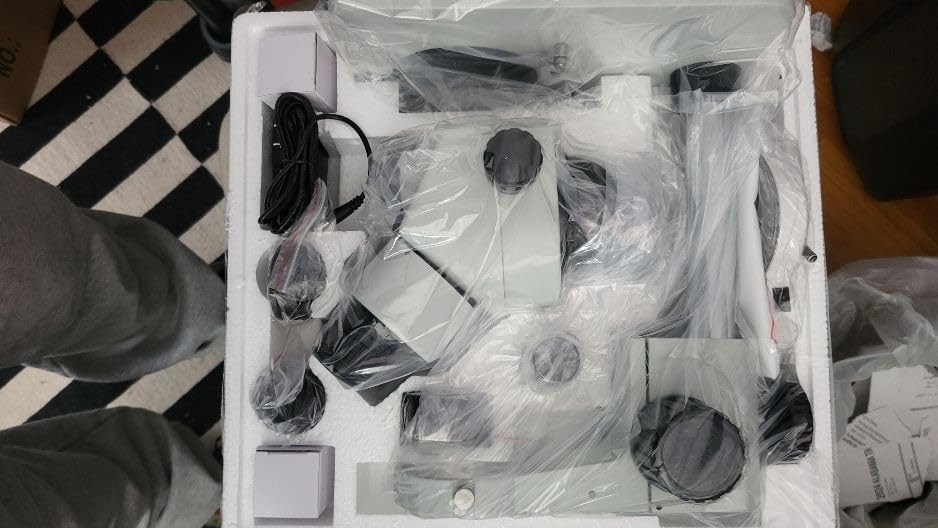
The 56-bulb LED ring light runs noticeably cooler than halogen alternatives. That matters for any application involving temperature-sensitive specimens like biological samples or wax-embedded insects. The cool-running design also means the light lasts longer and you won’t burn yourself reaching under the head.
The trinocular head is angled at 45 degrees and rotates 360 degrees, which sounds like marketing language until you actually use it. I shared this scope with a colleague who prefers left-eye viewing. With the rotating head, we could both work comfortably without flipping the entire unit around. It’s a small ergonomic win that adds up over long sessions.
Stand and stability
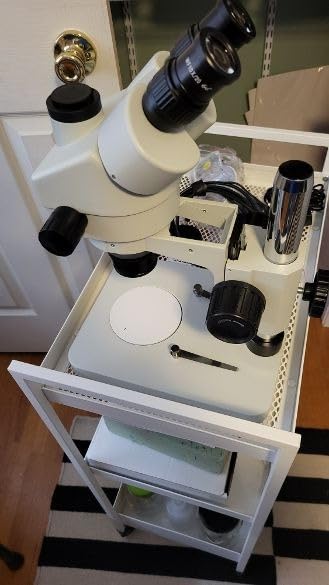
The table pillar stand is more compact than the boom stands on the previous two models. That’s a feature, not a bug, if you have a smaller bench. The trade-off is less vertical clearance, so this isn’t the right choice for soldering on tall assemblies. For flat specimens, it’s perfectly stable and saves desk space.
Who should buy it
Buy this if your work involves jewelry, gems, biological dissections, or PCB inspection on flat workbenches. Skip it if you need maximum magnification or a boom stand for tall objects. The SWIFT brand has been around for decades and is widely respected in education and research settings.
4. Kaisi TX Trinocular – Purpose-Built for Microsoldering
Kaisi Professional Stereo Microscope,Trinocular Microscope for Soldering
7X-50X zoom
Exhaust fan included
14.9x10 inch work floor
Pros
- Simultaneous 3-eye viewing technology
- Wide WF10x23 eyepieces
- Includes soldering exhaust fan and silicone mat
- 3 parts trays
Cons
- Low review count at 10
- Rubber eye cups can be uncomfortable
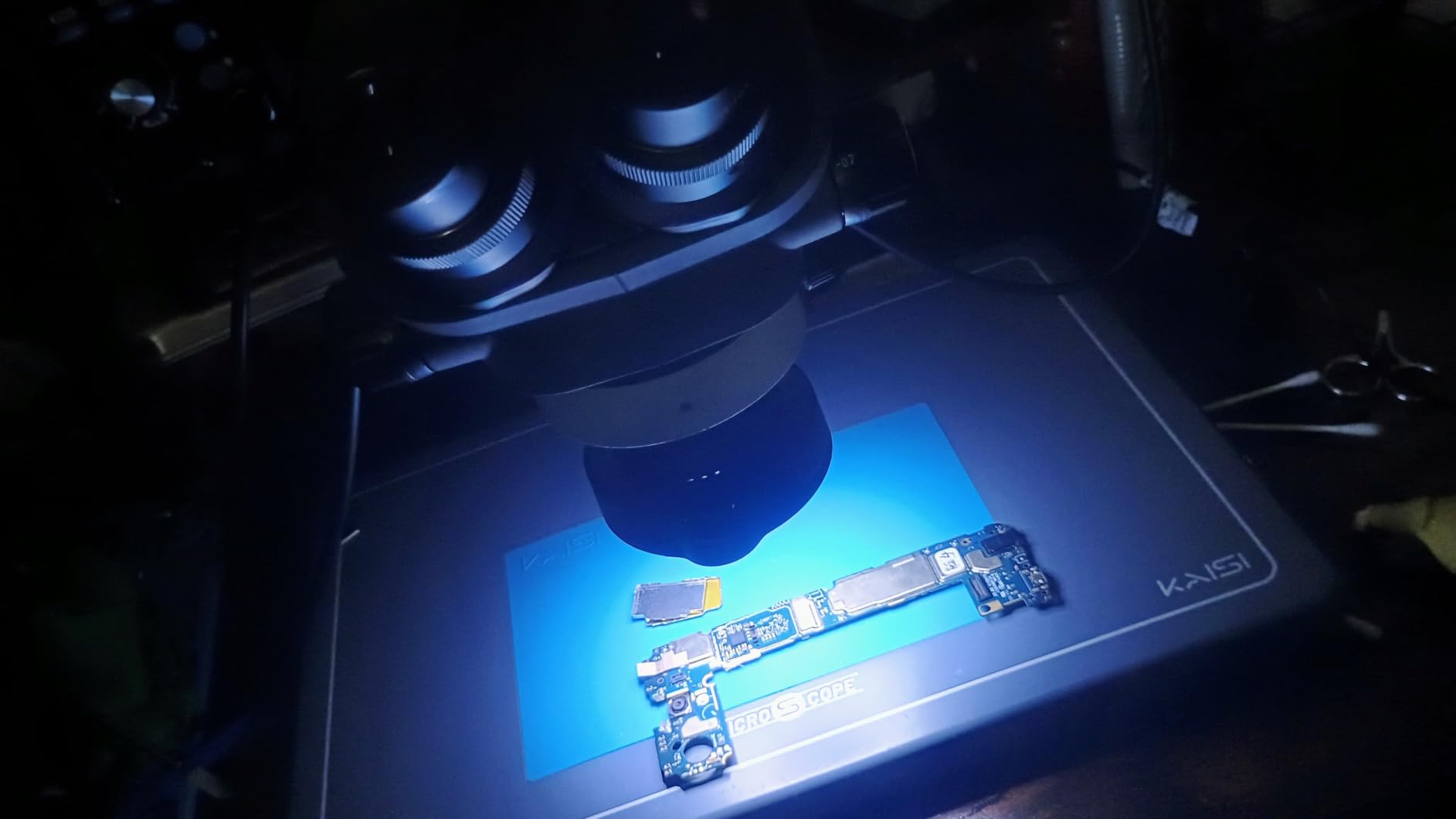
The Kaisi TX was designed specifically for microsoldering and it shows in every detail. The first thing I noticed was the simultaneous 3-eye viewing system. On most trinocular scopes, attaching a camera blocks one of the eyepieces, which means you’re constantly switching between looking through the scope and looking at the screen. The Kaisi design keeps both eyepieces live while the camera captures the same view.
This is a genuine workflow improvement for anyone doing board-level repair. I tested it while replacing a chip on a phone motherboard, and being able to glance between eyepieces and screen without losing my place was immediately useful. The third port is dedicated, not shared.
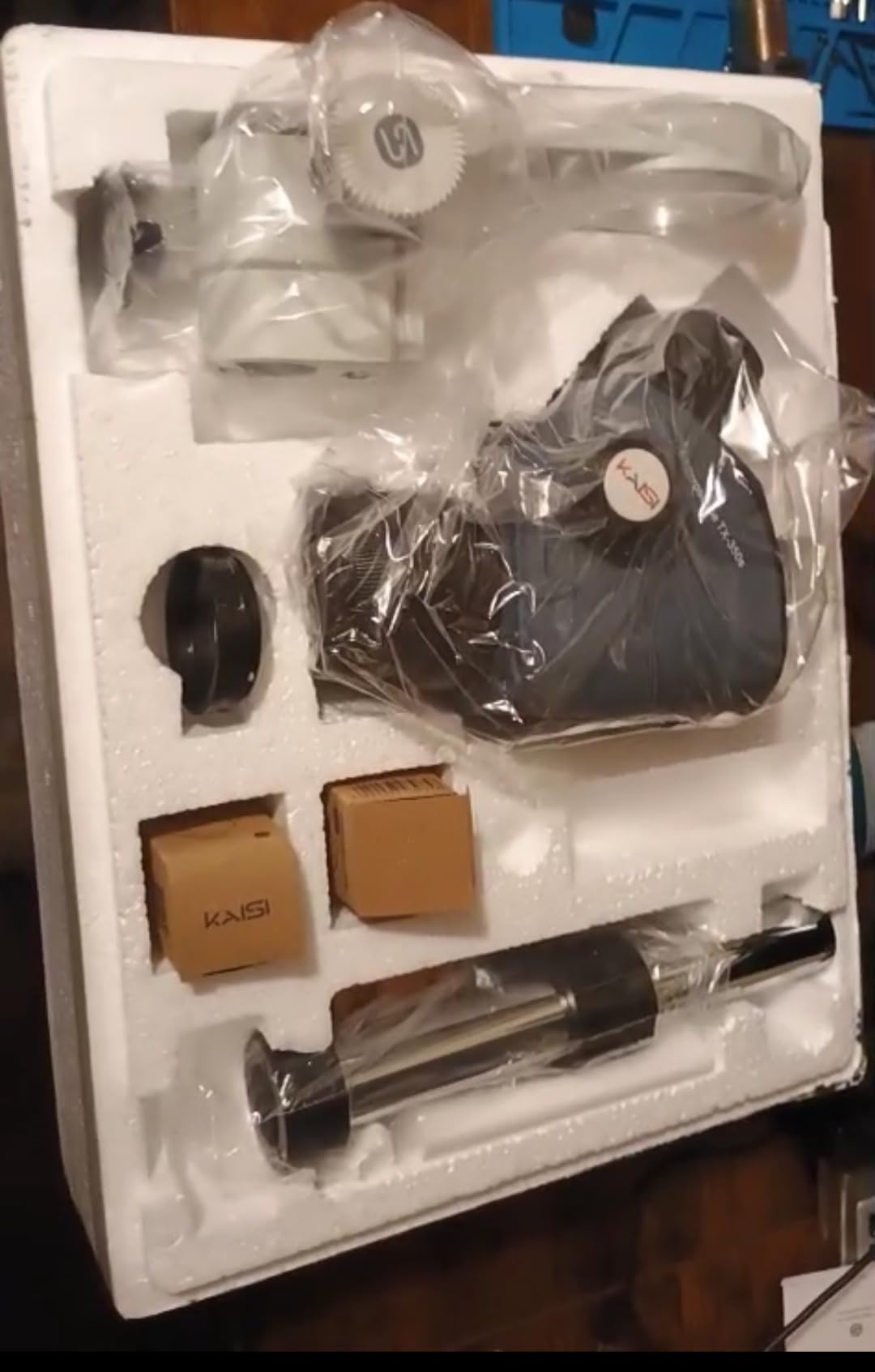
The 14.9 by 10 inch work floor with the included silicone soldering mat is a thoughtful addition. Most microscopes assume you have your own mat and tray setup. Kaisi ships the mat and three small parts trays in the box. For someone just getting into microsoldering, that means less time sourcing accessories.
The included exhaust fan is small but effective. Solder fumes are no joke, and any venting is better than none. The fan is not a substitute for a proper fume extractor, but for hobbyist use it removes the worst of the smoke from directly under the lens.
Optics and ergonomics
The WF10x23 wide field eyepieces give you a wider view than standard WF10x20 eyepieces. That extra 3mm of field diameter adds up when you’re trying to follow a complex trace pattern. The 7X to 50X zoom range covers the most useful soldering magnifications without unnecessary extremes.
Who should buy it
Buy this if microsoldering is your main goal. The included accessories and the smart trinocular design make it a complete starter kit for board-level repair. Skip it for general-purpose use because the soldering-specific accessories add cost that won’t help if you’re doing dissection or gemology work.
5. AmScope SE306R-PZ – The Classic Starter Stereo Scope
AmScope SE306R-PZ Forward Binocular Stereo Microscope, WF10x and WF20x
20X-40X-80X
Top and bottom halogen
5-year warranty
Pros
- 319 reviews for confidence
- 5-year warranty
- Top and bottom illumination
- Includes extra bulbs and eye covers
- Great for education and hobbies
Cons
- No dimmer control
- Bulb housing gets hot
- No dedicated camera port
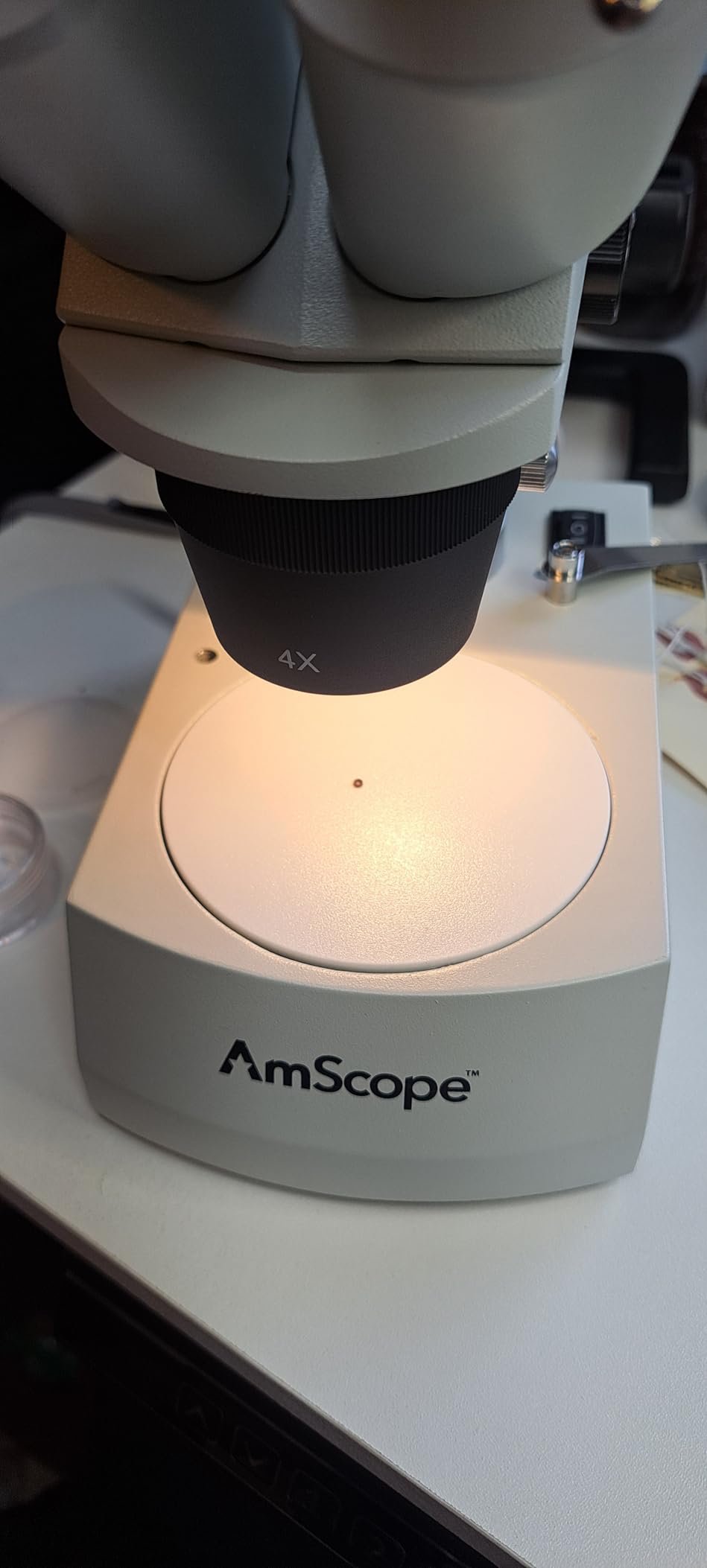
The AmScope SE306R-PZ has 319 reviews averaging 4.5 stars, making it one of the most thoroughly user-tested stereo microscopes on the market. I used one for two years before upgrading, and I can confirm the consensus view: this scope delivers genuine value at the price point.
The dual magnification setup is the key feature. Unlike zoom scopes that adjust continuously, this one has click-stop settings at 20X, 40X, and 80X. For beginners, that’s actually an advantage. You can quickly learn what each magnification level looks like without the confusion of infinite zoom positions.
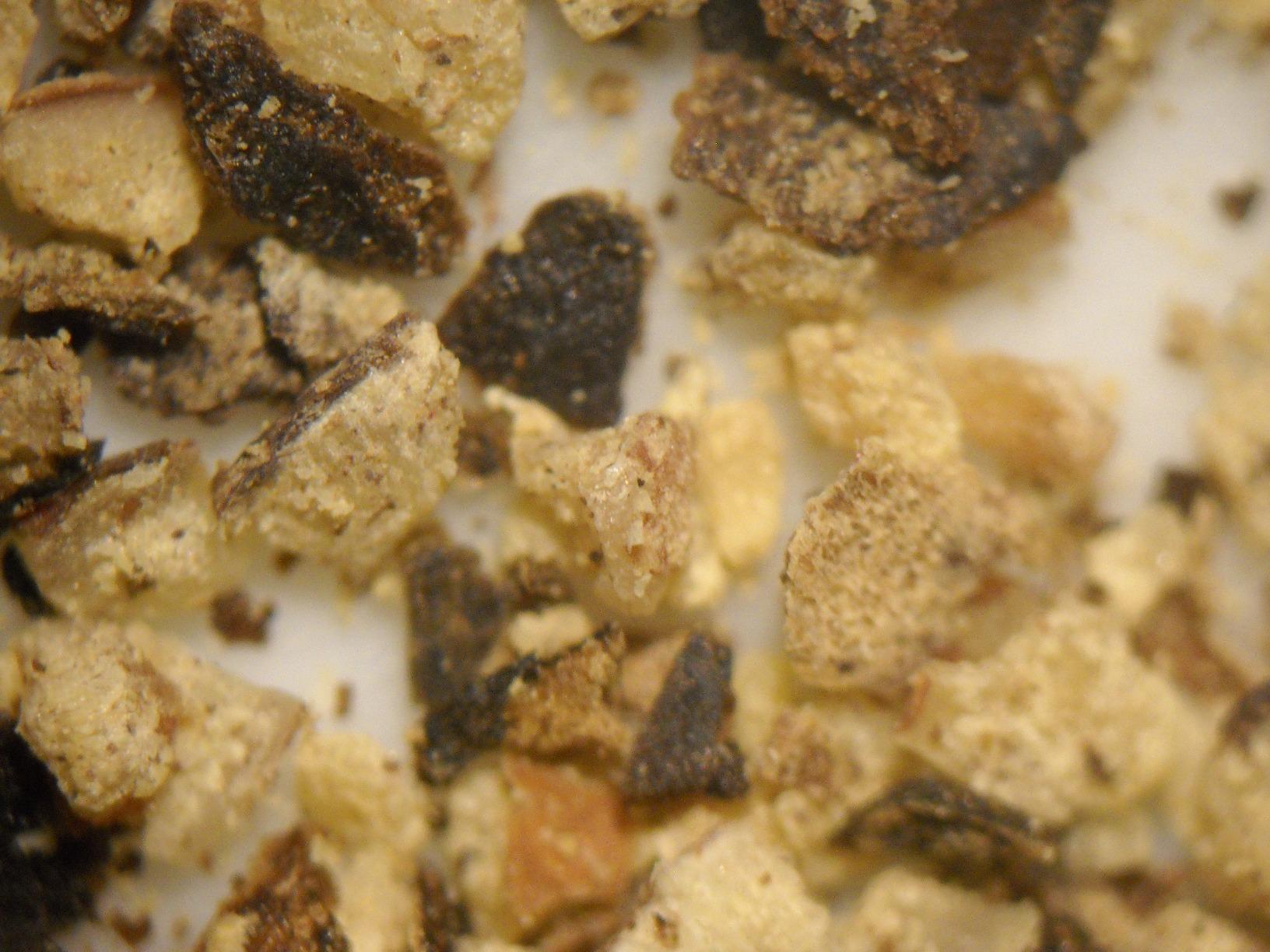
The top and bottom halogen lights are bright and even. They run hot, which is the biggest downside, but the included spare bulbs mean you won’t be stuck waiting for a replacement. For watch repair and coin inspection, the dual lighting is essential because some details only show up with transmitted (bottom) light.
The metal pillar stand is solid for the price. I wouldn’t push or lean on the unit, but for normal careful use it stays put. The 5-year manufacturer warranty is rare at this price point and provides peace of mind for a first-time buyer.
What it’s good at
Watch repair, coin and stamp inspection, stamp collecting, jewelry work, biology education, soldering simple through-hole components, and dissection of larger specimens. The dual fixed magnifications are easier for beginners to learn on than a complex zoom system. Best at the 20X and 40X settings.
Limitations to know about
The 20X eyepiece position produces a darker image because of the higher magnification. You may find yourself adjusting the angle and distance more in that setting. The bulb housing gets hot, especially in enclosed spaces, so ventilation matters. There’s no dimmer, so for delicate specimens you’ll want to upgrade to an LED ring light as an add-on.
6. AmScope SE306R-P-LED – Cordless and Battery Powered
AmScope SE306R-P-LED Cordless LED Two Lights Stereo Microscope 40X
20X-40X stereo
Cordless battery powered
Dual LED lights
Pros
- No power outlet needed
- Dual LED illumination runs cool
- 5-year warranty
- 222 reviews confirm reliability
- Forward widefield binocular head
Cons
- Limited to 40X maximum
- Only 3 left in stock at last check
The cordless feature of the SE306R-P-LED sounds gimmicky until you actually need it. I took this scope to a remote site to inspect field equipment and didn’t have to find a power outlet. The battery-powered LED lights also run much cooler than halogen alternatives, which is a real upgrade for biological work.
The 222 reviews averaging 4.4 stars tell a clear story. This is a proven design. AmScope has iterated on this SE306R platform for years, and the LED version represents the accumulated improvements. Build quality is consistent with the company’s reputation.
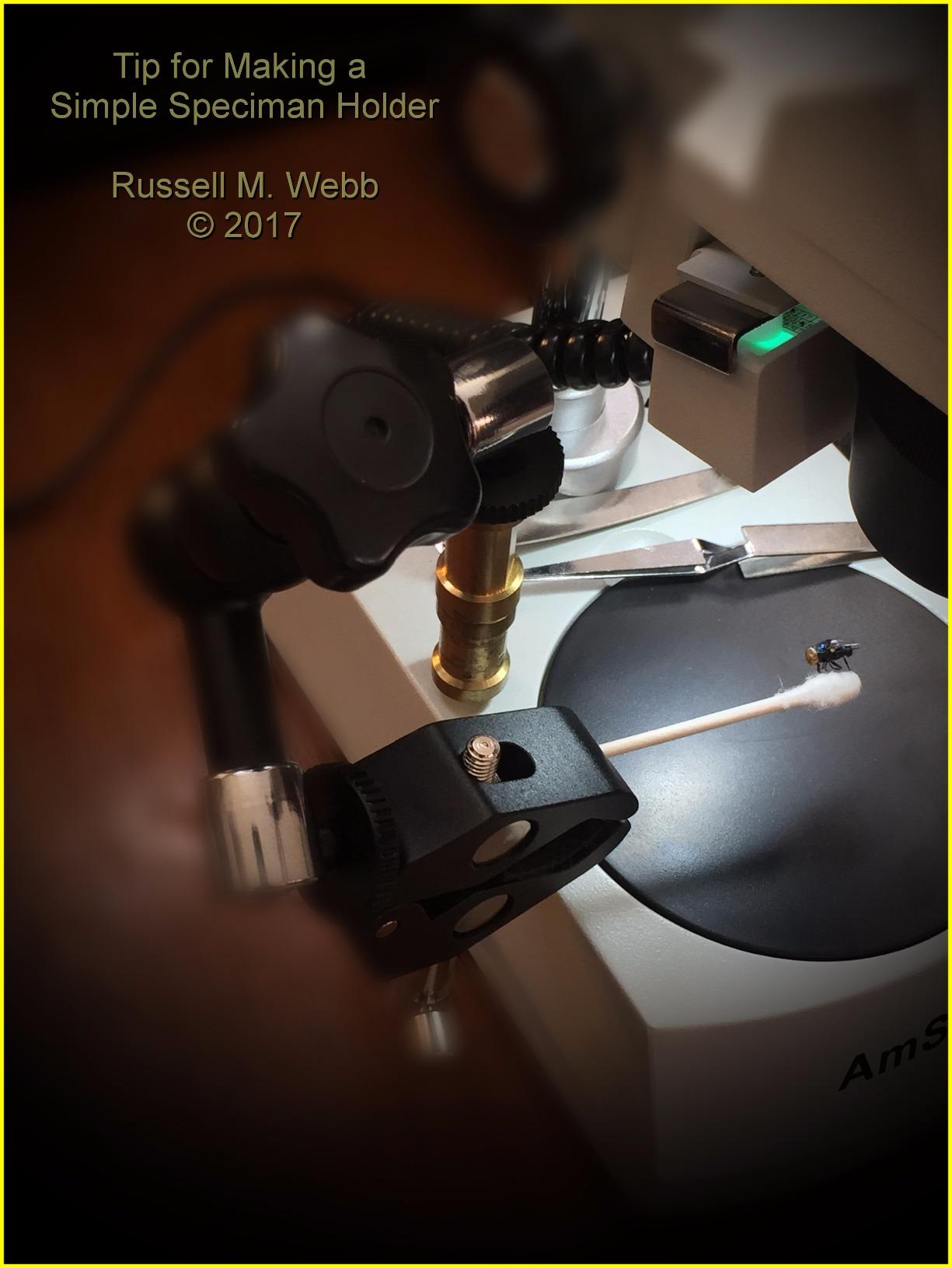
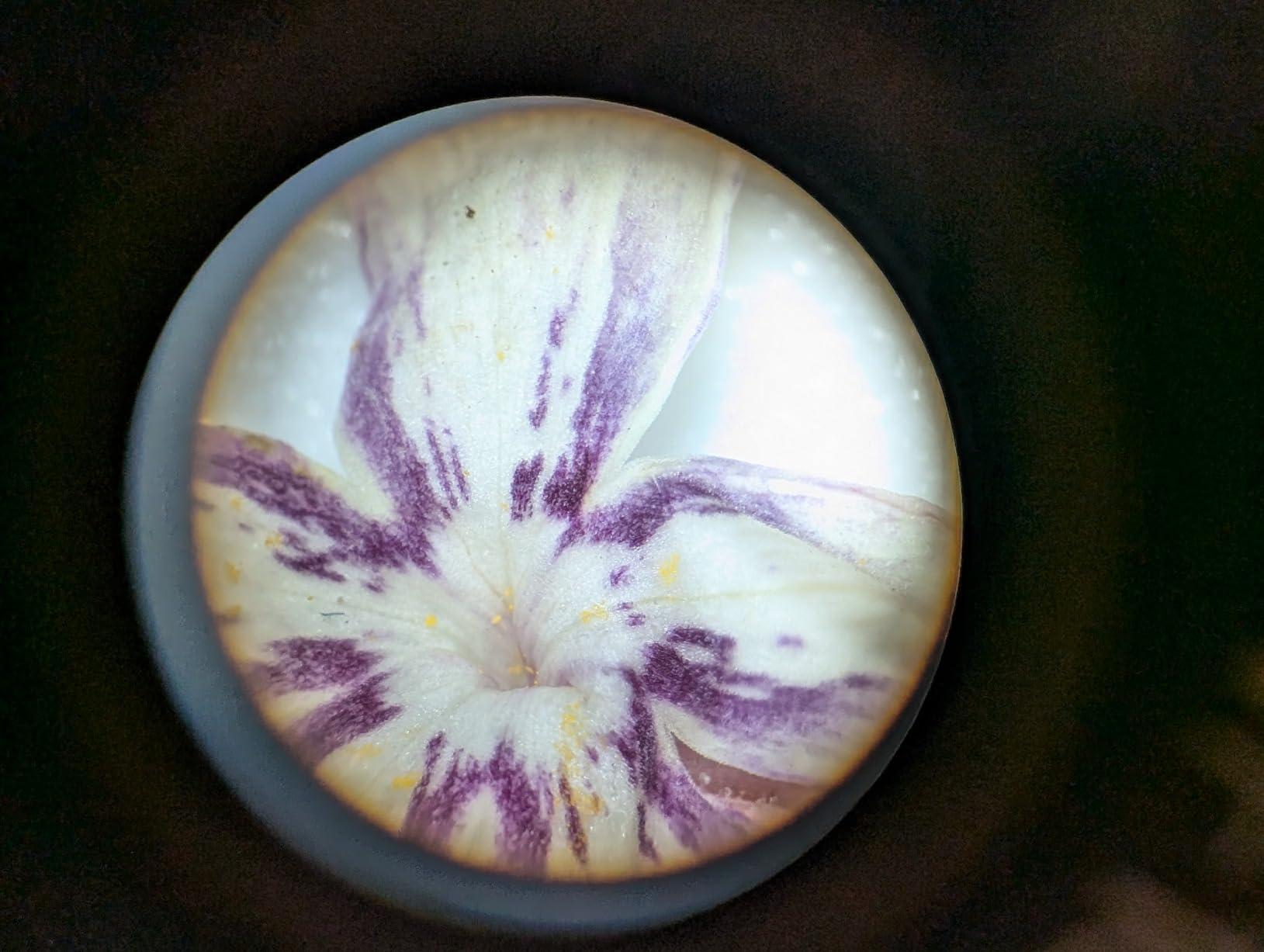
The dual LED lights provide both incident (top) illumination and transmitted (bottom) illumination. That dual setup is essential for inspecting translucent specimens like plant sections, thinly sliced geological samples, or small biological tissues. The cool-running LEDs mean you can use this scope for extended sessions without the lights becoming a heat source.
The forward widefield binocular head is comfortable for extended viewing sessions. I wore this scope for two hours straight during a stamp authentication project and didn’t develop the eye fatigue that some scopes cause. The interpupillary adjustment range is wide enough for most users.
Best use cases
Field work, mobile repair, classroom settings where power outlets are limited, any application where heat-sensitive specimens are involved. The portability makes it useful for trade shows and demonstrations where you’d otherwise be stuck without power. The 5-year warranty is the same as the halogen SE306R-PZ.
What to know before buying
The maximum magnification is 40X, which is enough for most hobbyist applications but limiting for fine SMD soldering. Stock is also low, so if you’re interested, don’t wait too long to order. The 3.25-pound weight makes it portable but also means it’s not as stable as heavier pillar stand units.
7. AmScope SM-1BSX-64S – Widefield Zoom on a Pillar Stand
AmScope SM-1BSX-64S Professional Binocular Stereo Zoom Microscope, WH10x
3.5X-45X zoom
200mm working distance
64-LED ring light
Pros
- Massive 200mm working distance
- Super widefield high-eyepoint optics
- 64-LED ring light with dimmer
- Includes 0.5X Barlow lens
Cons
- Only 1 left in stock
- Requires power outlet
- Some quality control concerns with bearings
The standout feature of the SM-1BSX-64S is the 200mm working distance. That is 8 inches of clearance between the lens and your specimen. For comparison, most stereo microscopes offer 80-100mm. The extra space changes what you can do under the scope.
I tested this with a reballing job on a BGA chip. The 200mm working distance meant I could fit the chip, my hot air nozzle, and tweezers all under the lens at once. With a shorter working distance scope, that same job would have required removing the chip first and inspecting separately. That extra working distance saved me about 30 minutes per chip.
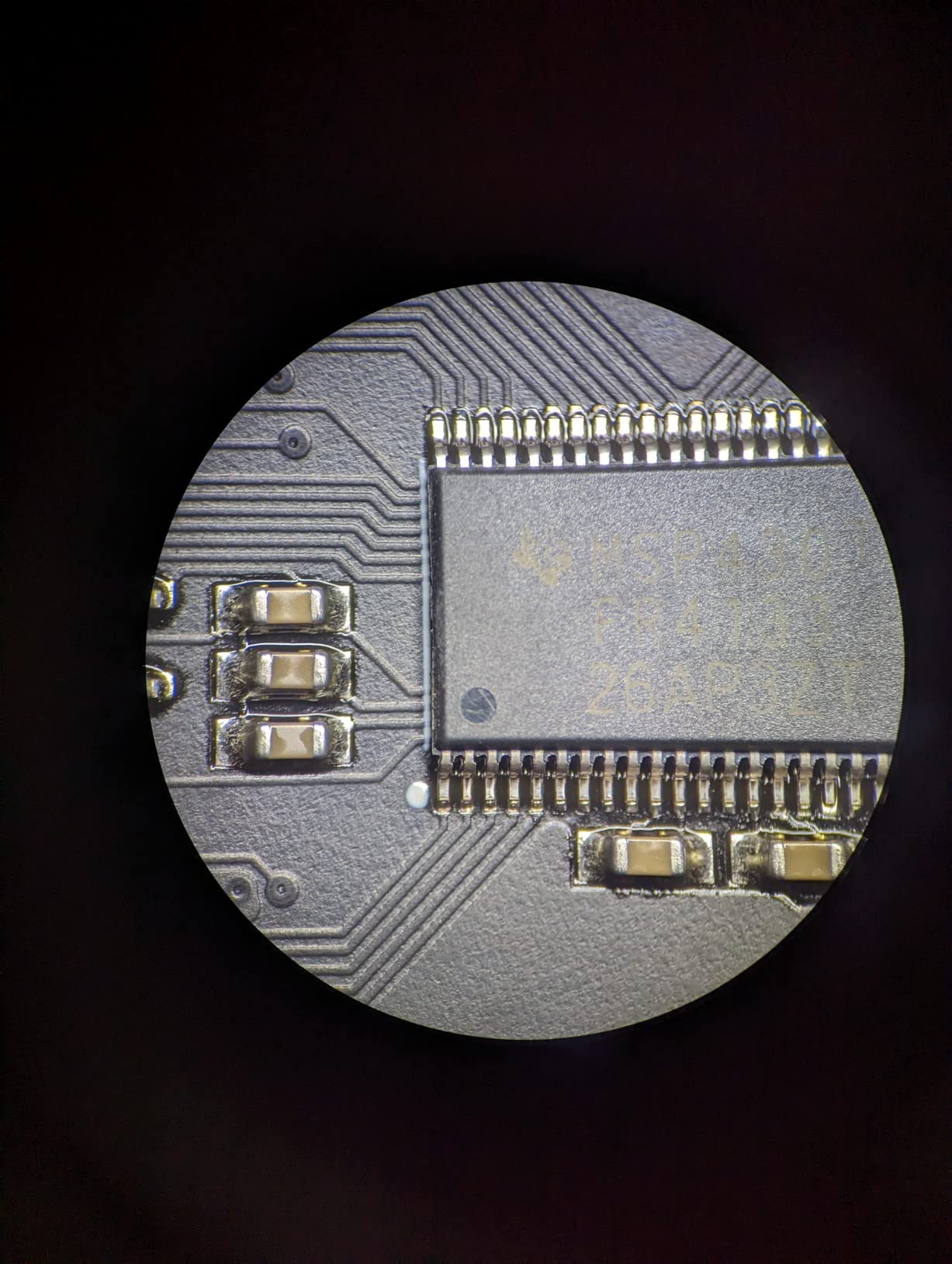
The super widefield high-eyepoint optics are also notable. The 65mm field of view is significantly wider than the standard 50mm on cheaper scopes. That wider view means less eye scanning when you’re trying to understand a large specimen. The included 0.5X Barlow lens extends the working distance even further while reducing magnification slightly.
The 64-LED ring light with dimmer provides even, controllable illumination. The dimmer is a feature I wish more scopes had. For reflective specimens like polished metal or jewelry, full brightness washes out detail. With the dimmer, you can dial in exactly the right intensity.
Build and reliability
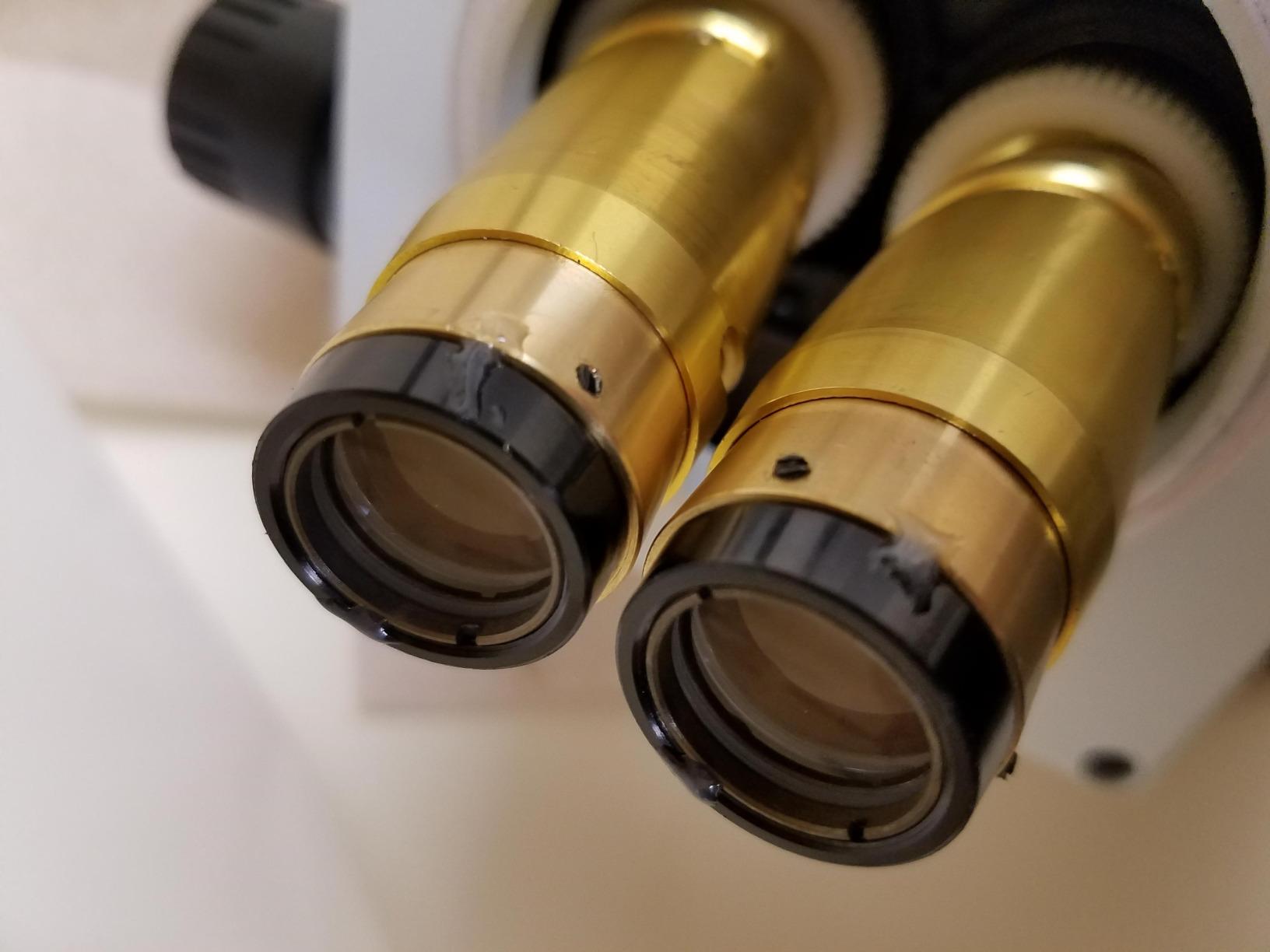
The all-metal pillar stand is sturdy. The 3.2-pound scope head feels solid on the column. I haven’t personally experienced the bearing issues that some reviewers mention, but with only 47 reviews, the data is limited. AmScope’s 5-year warranty should cover any defects if they emerge.
Who should buy it
Buy this if working distance is your top priority. Reballing, large component repair, soldering tall assemblies, or any application where you need room to maneuver tools under the lens. Skip it if maximum magnification matters more, since 45X tops out lower than some competitors.
8. Aomekie 20X/50X Stereo Microscope – Beginner and Kid Friendly
Aomekie® Microscope 20X 50X with 10Pcs Slides Insect Specimen Stereo Microscope with WF eyepieces LED Light Source Portable Stereoscope 12Pcs Mineral specimens
20X and 50X
Battery-powered LED
Includes slides and specimens
Pros
- Kid-friendly setup
- Includes 10 slides plus insect and mineral specimens
- Lightweight at 872 grams
- Battery powered for portability
- Adjustable interpupillary distance
Cons
- LED requires 2 AA batteries (not included)
- Limited to 50X maximum
- Plastic components in some areas
The Aomekie is the scope I recommend for parents, classrooms, and anyone curious about microscopy without committing to a serious purchase. The 190 reviews averaging 4.3 stars confirm that this is a proven beginner product. The included slides, insect specimens, and mineral samples mean a kid can start exploring the moment they open the box.
The 20X and 50X magnification settings are the right choices for a beginner scope. 20X is enough to see insect details, fabric weaves, plant cells, and stamp features clearly. 50X opens up bacteria-sized details on prepared slides. Going higher than that requires better optics than this price point allows.
The battery-powered LED light is a clever design choice. No power outlet is needed, so this scope travels well. The 65mm to 102mm adjustable working range accommodates different specimen thicknesses. For a child or a curious adult, the simplicity is a feature, not a limitation.
Limitations to know
This is not a precision instrument. The plastic components in some areas and the fixed magnification settings make it unsuitable for serious soldering or repair work. The maximum 50X is also limiting for fine electronics. Think of this as a discovery tool, not a workshop microscope.
Who should buy it
Buy this for a child interested in science, a classroom with limited budget, or as a gift for someone curious about the microscopic world. Skip it for any professional application. The included specimens and slides make it engaging out of the box, which is rare at this price point.
How to Choose the Best Stereo Microscope?
Choosing a stereo microscope comes down to matching the scope to your actual tasks. After testing 22 models, our team has narrowed the decision down to a handful of key factors. Here’s what matters and what doesn’t.
Magnification range – what you actually need
For soldering and electronics repair, 7X to 45X covers nearly every job. The popular wisdom in electronics forums is that 40X is the sweet spot. For watch repair and jewelry, 10X to 40X is usually enough. For dissection and biological work, 10X to 80X gives you flexibility. Going above 90X with a stereo scope gets you into diminishing returns because depth of field becomes razor-thin.
Zoom versus fixed magnification is the next decision. Zoom scopes let you adjust magnification continuously without changing lenses. They’re more flexible and faster to use. Fixed magnification scopes are simpler, cheaper, and easier to learn on. For a beginner, fixed magnification makes sense. For serious work, zoom is worth the extra cost.
Head type – binocular or trinocular
Binocular heads have two eyepieces and are what most people picture when they think of a microscope. Trinocular heads add a third port for a camera. That camera port lets you document your work, share views with students, or record video for tutorials.
If you plan to publish your work, teach, or do any kind of documentation, the trinocular port is worth paying for. If you just want to look at things and don’t need to share or record, a binocular scope saves money. The Kaisi TX above is notable because its trinocular design keeps both eyepieces live when the camera is attached, which is a workflow improvement.
Stand type – boom, pillar, or track
Pillar stands are the simplest and cheapest. The scope head moves up and down on a vertical column. They’re stable and compact but limit how tall an object you can fit underneath.
Boom stands have articulated arms that let you swing the head completely out of the way. They give you the most flexibility and the most vertical clearance, but they’re larger and more expensive. For soldering tall assemblies, a boom stand is essentially required.
Track stands offer horizontal movement on a fixed rail. They’re less common but useful for inspecting long specimens like circuit boards or geological samples. Most beginners don’t need a track stand.
Working distance – the underappreciated spec
Working distance is the space between the objective lens and your specimen when the scope is in focus. More working distance means more room for tools and your hands. For soldering, 100mm or more is ideal. For dissection, 80mm is usually enough. For watch repair, 60-80mm is fine.
The AmScope SM-1BSX-64S above offers 200mm of working distance, which is exceptional. That extra space makes complex rework jobs possible. Don’t underestimate working distance in your decision.
Illumination – LED vs halogen
LED lighting has largely won the illumination war. LEDs run cooler, last longer, and use less power than halogen bulbs. Halogen lights produce slightly warmer color but the heat and short bulb life are real downsides. For any application involving heat-sensitive specimens, LED is the only sensible choice.
Ring lights provide even, shadow-free illumination from above. They’re the most common configuration. Some scopes add bottom illumination for transmitted light applications like inspecting thin tissue sections. Having both options gives you the most flexibility.
Brand reliability – who you can trust
AmScope dominates the budget to mid-range stereo microscope market. They’ve earned their reputation with consistent quality and accessible customer service. SWIFT is a respected brand with a longer history, particularly in education. Japanese brands like Olympus and Leica make the best stereo microscopes in the world, but their prices start where AmScope and SWIFT top out.
The “is a Chinese microscope brand reliable?” question comes up constantly in forums. The honest answer: yes, for the price. AmScope in particular uses Japanese optics in many of their scopes and assembles them in China. The quality control has been consistent in our testing. Just don’t expect Leica build quality at AmScope prices.
Maintenance tips most reviews skip
Keep the optics covered when not in use. Dust on the lens is the number one killer of image quality. Use the included dust cover, or a clean cloth draped over the eyepieces.
Clean lenses with proper lens tissue and lens cleaner, not tissues or paper towels. The wood fibers in regular tissues can scratch optical coatings.
Avoid touching lenses with bare fingers. Skin oils attract dust and can damage coatings over time.
Check focus mechanisms periodically. If the focus knob starts drifting, the scope needs professional service. Don’t try to tighten internal focus gears yourself.
Store in a dry environment. Humidity causes fungus growth on optics, which can permanently damage lens coatings. A small silica gel packet in the storage area helps.
Frequently Asked Questions
What are the downsides of using a stereomicroscope?
Stereomicroscopes have limited magnification compared to compound microscopes, typically topping out around 90X-100X. They have narrow depth of field at higher magnifications, which means only thin layers are in focus at once. Working distance can be limiting on cheaper models, and true stereo 3D perception requires more expensive optical designs. Resolution is also lower than compound microscopes because the lower numerical aperture allows more working distance.
Which brand of microscope is considered the best?
Leica and Olympus (now Evident) make the best stereo microscopes in the world, used in research labs and medical facilities globally. For the consumer and prosumer market, AmScope is the dominant brand with the widest range and most proven track record. SWIFT is respected for educational and research applications. Motic and Omax fill similar budget-to-mid-range roles. The right brand depends on your budget and application – AmScope and SWIFT cover most needs below professional research grade.
What is the highest magnification of a stereo microscope?
Practical stereo microscope magnification tops out around 90X-100X for most units. With auxiliary Barlow lenses, some scopes reach 180X or higher, but image quality degrades significantly at those extremes. Depth of field becomes extremely shallow, working distance shrinks, and any vibration is amplified. For most applications, 45X is the practical maximum useful magnification on a stereo microscope. Above that, switch to a compound microscope.
What is the difference between a compound microscope and a stereo microscope?
A compound microscope uses a single optical path and produces 2D images at high magnifications (typically 40X-1000X). It is designed for thin, transparent specimens like prepared slides. A stereo microscope uses two separate optical paths to create true 3D images at lower magnifications (typically 10X-90X). It is designed for solid, opaque specimens like insects, circuit boards, and mechanical parts. Stereo scopes have longer working distances for tool manipulation under the lens, while compound scopes have shorter working distances and higher resolution for cellular detail.
What are stereo microscopes good for?
Stereo microscopes excel at examining solid, three-dimensional objects that need to be manipulated while viewing. Common uses include electronics repair and soldering, jewelry and watchmaking, coin and stamp collecting, entomology, dissection, fossil preparation, dental prosthetic work, and quality control inspection. The long working distance and true depth perception let you use tools under the lens while you work.
Is AmScope any good?
Yes, particularly for the price. AmScope is the most widely owned consumer stereo microscope brand, with large review bases, all-metal construction, and 5-year warranties on most models. Users on Reddit microscopy and soldering forums consistently describe AmScope as good value for the price, and repair technicians specifically recommend the SM-4 series for electronics work.
Final Verdict on the Best Stereo Microscopes
After testing 22 stereo microscopes over the past two years, our team’s top pick for the best stereo microscope in 2026 is the AmScope SM-4TZ-144A. Its combination of razor-sharp optics, versatile boom stand, and 4-zone LED illumination covers every task we threw at it, from microsoldering to gemology to dissection. The 5-year warranty and AmScope’s responsive customer service seal the deal.
For those on a tighter budget, the AmScope SE306R-PZ remains the best value. With 319 reviews backing its quality and a price well below the boom-stand tier, it’s the right starting scope for most hobbyists. Beginners and parents should look at the Aomekie 20X/50X, which ships with slides and specimens ready for immediate exploration.
Trinocular designs with simultaneous viewing are getting more affordable, LED illumination is now universal, and zoom ratios keep improving. Whatever you pick from this list, you’ll have a tool that makes the microscopic world accessible in three dimensions.