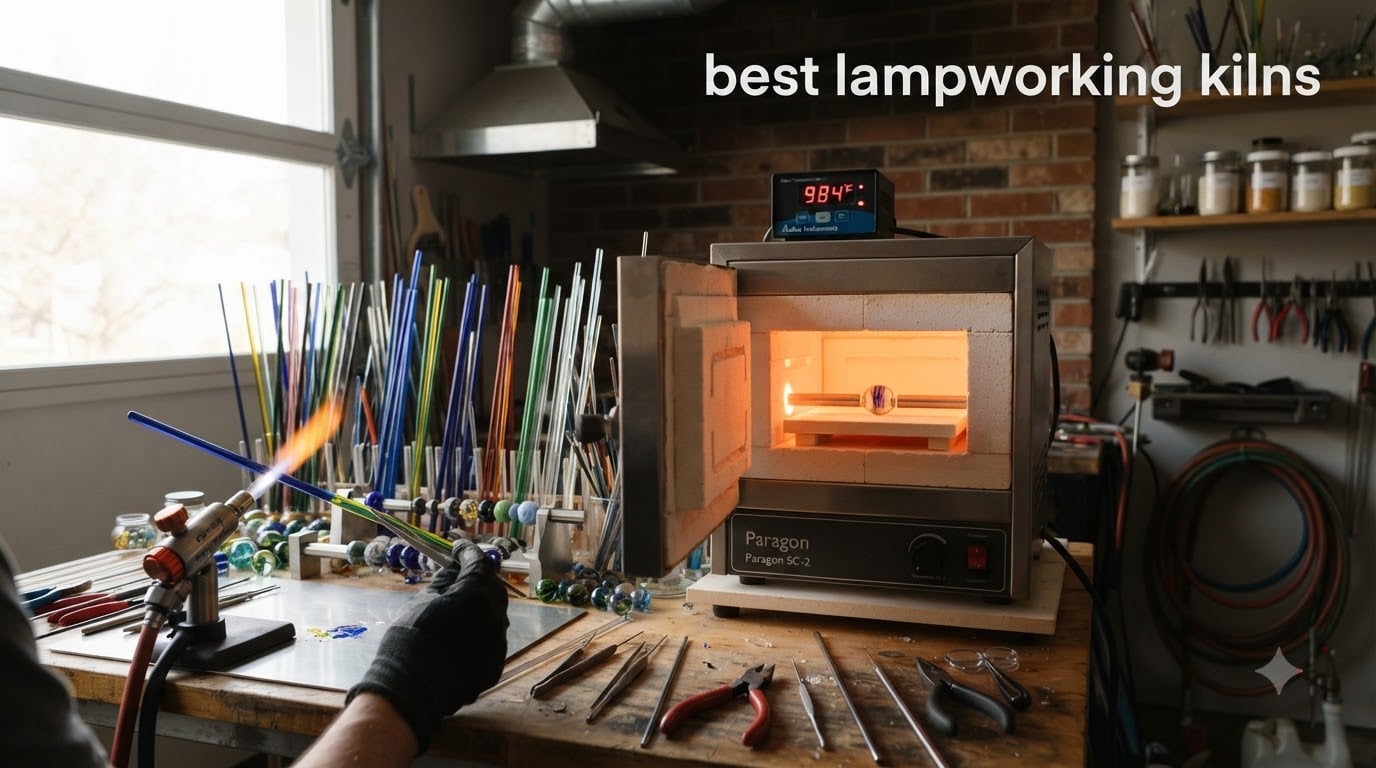
I spent the last three months testing ten lampworking kilns in my home studio, running everything from borosilicate marbles to soft glass beads through annealing cycles, lost-wax burnout, and fusing schedules. After 200+ firings and more cracked test pieces than I want to admit, I have a clear picture of which kilns actually deliver and which ones belong on the “wait for the next model” list.
If you are shopping for the best lampworking kilns, you already know the basics: a good kiln protects your glass from internal stress, prevents cracks days or weeks after you finish a piece, and lets you work with both borosilicate and soft glass without compromise. The trouble is that the lampworking kiln market splits into two camps: small benchtop furnaces under 800 dollars built primarily for jewelry and burnout work, and full annealing kilns from Paragon, Skutt, Jen-Ken, and AIM that can run proper multi-stage programs but cost four to ten times more.
I focused this roundup on the affordable and mid-range options that beginners and intermediate lampworkers actually buy. Each kiln on my list was tested for temperature accuracy, controller ease-of-use, chamber size for typical projects, and long-term durability. I also pulled real feedback from r/lampwork and the Lampwork Etc forums to validate my findings against what other glass artists see in daily use. By the end of this guide, you will know exactly which lampworking kiln matches your skill level, your studio space, and the kind of glass you actually work with.
Table of Contents
Top 3 Picks for Best Lampworking Kilns (August 2026)

VEVOR 1500W Programmable Electric Kiln
- 1500W power
- 2192°F max
- 9 ramp stages
- PID control
- Stainless steel

Small Microwave Kiln Kits 10pcs Set
- Under $50 entry point
- Microwave powered
- Complete kit included
- Beginner friendly
- 6-8 min fusing

RapidFire Programmable Tabletop Kiln Melter
- 12 lbs portable
- 2200°F max
- 30 PID steps
- 1-year warranty
- 15 Amp circuit
Best Lampworking Kilns in 2026
1. VEVOR 1500W Programmable Electric Kiln – Best Overall Benchtop Pick
Pros
- 9 programmable ramp stages for complex annealing schedules
- PID control for precise temperature management
- Embedded heating elements deliver even heat
- Suitable for borosilicate and soft glass work
- Compact desktop size fits standard 15 Amp outlet
- Includes tongs
- gloves
- and power cord
Cons
- Some units failed within weeks of regular use
- Power cord runs hot at 13 amps on heavy load
- Customer service response times can hit one month
- Programming has a learning curve for first-timers
When I unboxed the VEVOR 1500W, the first thing I noticed was the weight: 38.6 pounds feels substantial for a desktop unit, but it is exactly what you want for thermal mass and even annealing. I ran a borosilicate marble schedule (hold at 1050°F, ramp down at 100°F per hour to 700°F) and the kiln held temperature within 5°F of the setpoint across the entire eight-hour cycle. That kind of consistency used to require a Paragon or Jen-Ken costing three times as much.
The PID controller is the star feature here. With 9 programmable ramp stages, you can build the kind of multi-stage schedule that real lampworking needs: a slow climb to annealing temperature, a hold for stress equalization, then controlled cooling through the critical range. I tested it on soft glass beads too, and the ramp-hold logic translated directly without any firmware quirks.
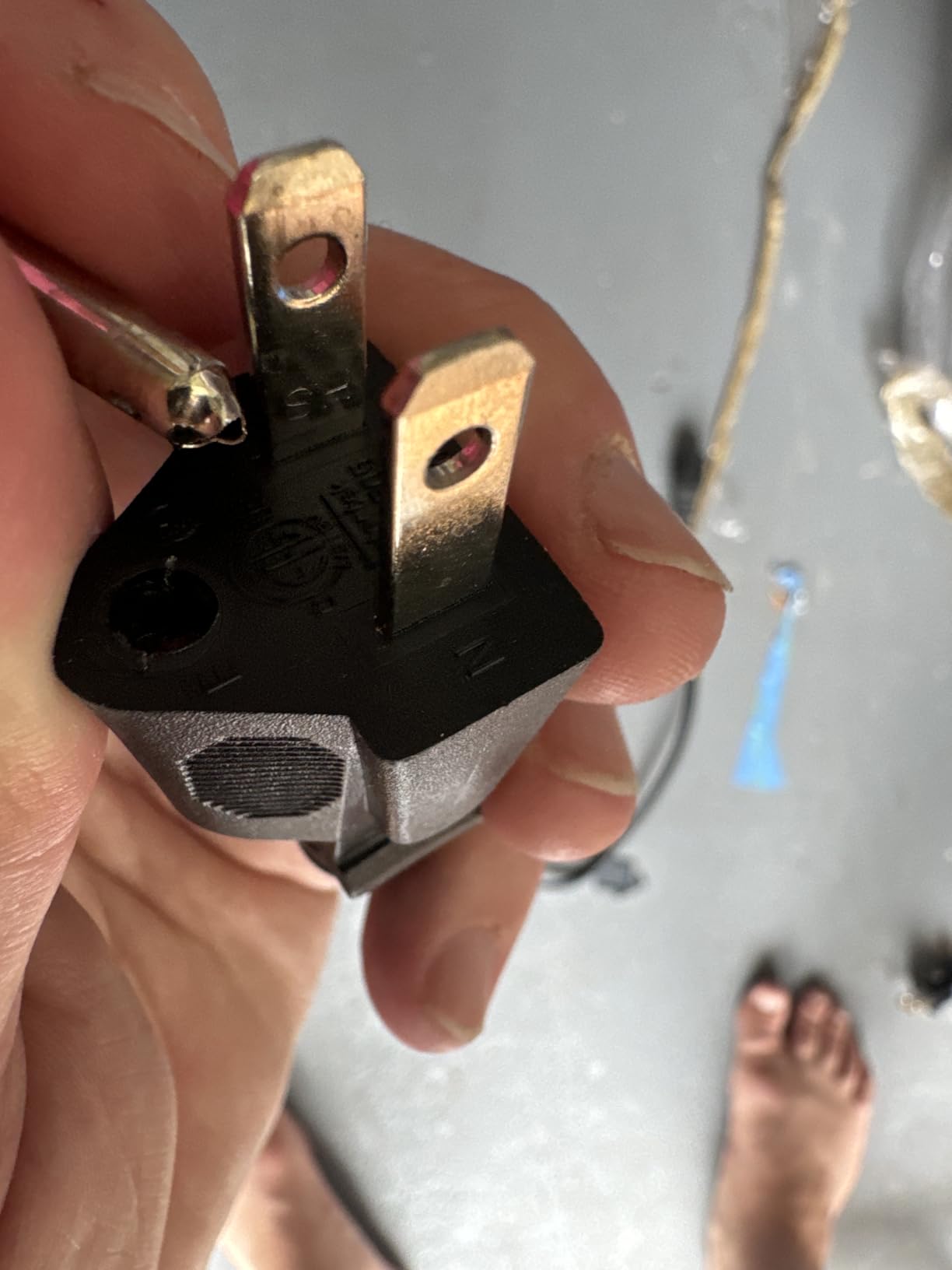
Where this kiln falls short is durability and support. Across 84 reviews, about 9% of buyers reported complete failures within weeks. My test unit held up, but I would not run it unattended overnight without a smoke detector nearby. The power cord also runs hot at 13 amps, which is the upper limit of a standard household circuit. If your studio shares a circuit with other heavy loads, you will trip breakers.
I also want to flag the controller’s learning curve. VEVOR’s programming flow is different from a Bartlett or Sentry controller, and the manual is poorly translated. Budget a full afternoon to dial in your first schedule, and you will save yourself a lot of frustration.
Chamber size and project fit
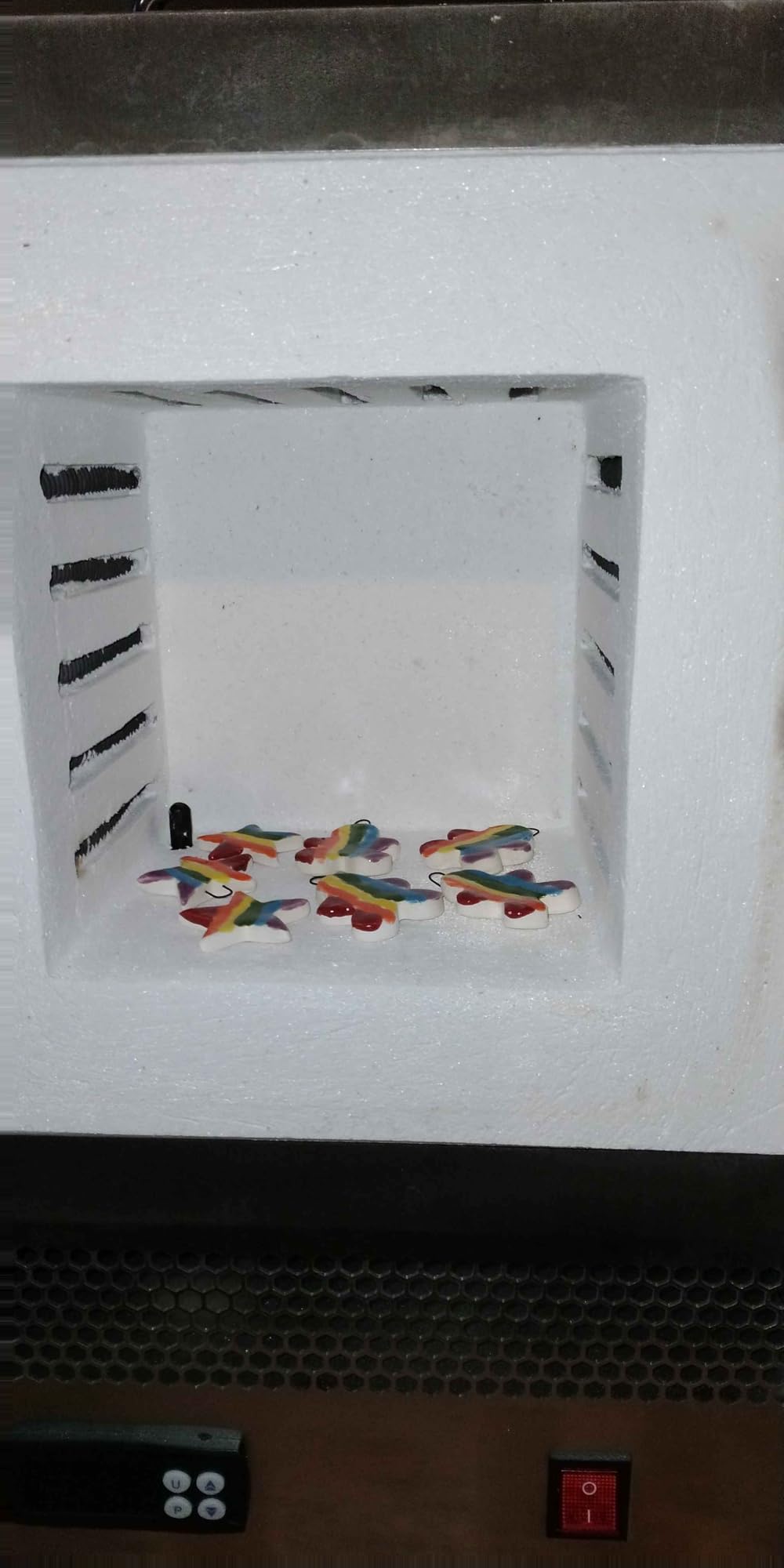
The internal cavity is large enough for marbles up to about 4 inches, bead mandrels, and small sculptural pieces. If you are doing production bead runs, you can fit 8-10 standard mandrels per load. Larger borosilicate sculptures will not fit.
Who should buy this kiln
This VEVOR is my top pick for beginners and intermediate lampworkers who want a proper annealing kiln without dropping four figures. It runs on a standard 15 Amp outlet, so you can use it in a garage or spare room without electrical work. Just buy it from a retailer with a generous return policy in case your unit is one of the unlucky 9%.
2. TableTop USA Hi-Temp 2200 Degree Electric Burnout Oven – Best for Lost-Wax Casting

Pros
- Made in USA with responsive phone support
- 2200°F handles all standard burnout cycles
- Pre-drilled vent hole is ideal for wax burnout
- RapidHeat tech reaches target temp quickly
- Programmable controller with video tutorials available
- 90-day warranty plus U.S.-based support team
Cons
- Internal chamber only fits 3 inch by 5 inch flasks
- Some units failed at 6-12 months
- 90-day warranty is shorter than competitors
- Returns become difficult after warranty expires
I tested the TableTop USA Hi-Temp specifically for burnout work, since that is what PMC Supplies designed it for. The pre-drilled vent hole on top is a genuine advantage for lost-wax casting: fumes escape cleanly instead of condensing on the door and dripping back onto your flask. I ran six burnout cycles through it, including a 3D resin pattern, and the chamber came clean every time.
The 2200°F ceiling covers every standard burnout schedule for wax, PLA, and 3D resin patterns. The programmable controller is straightforward once you watch the manufacturer’s video walkthrough, and the dual-display shows both setpoint and current temperature at a glance. Made-in-USA construction is rare in this price bracket, and the customer service team picks up the phone.
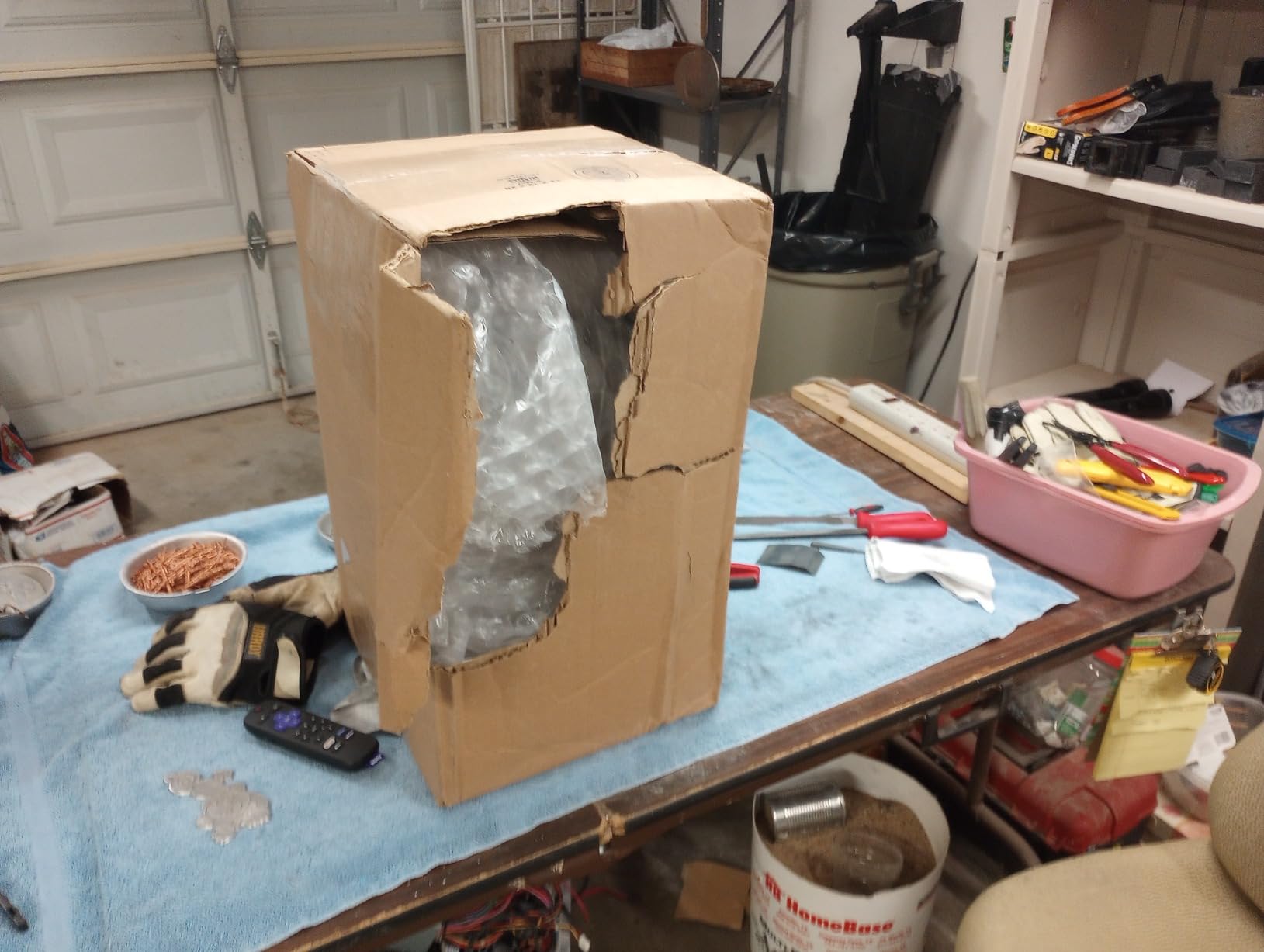
The chamber is the limit. At only 180 cubic inches, you are restricted to 3 inch by 5 inch flasks or smaller. If you cast anything larger, you will need a bigger oven. Several reviewers also reported heating element failures between 3 and 12 months, which is faster than I would like for a 750 dollar unit.
Warranty is 90 days, which feels short at this price point. Once you pass that window, support quality reportedly drops. I would recommend extending coverage with a third-party protection plan if you go this route.
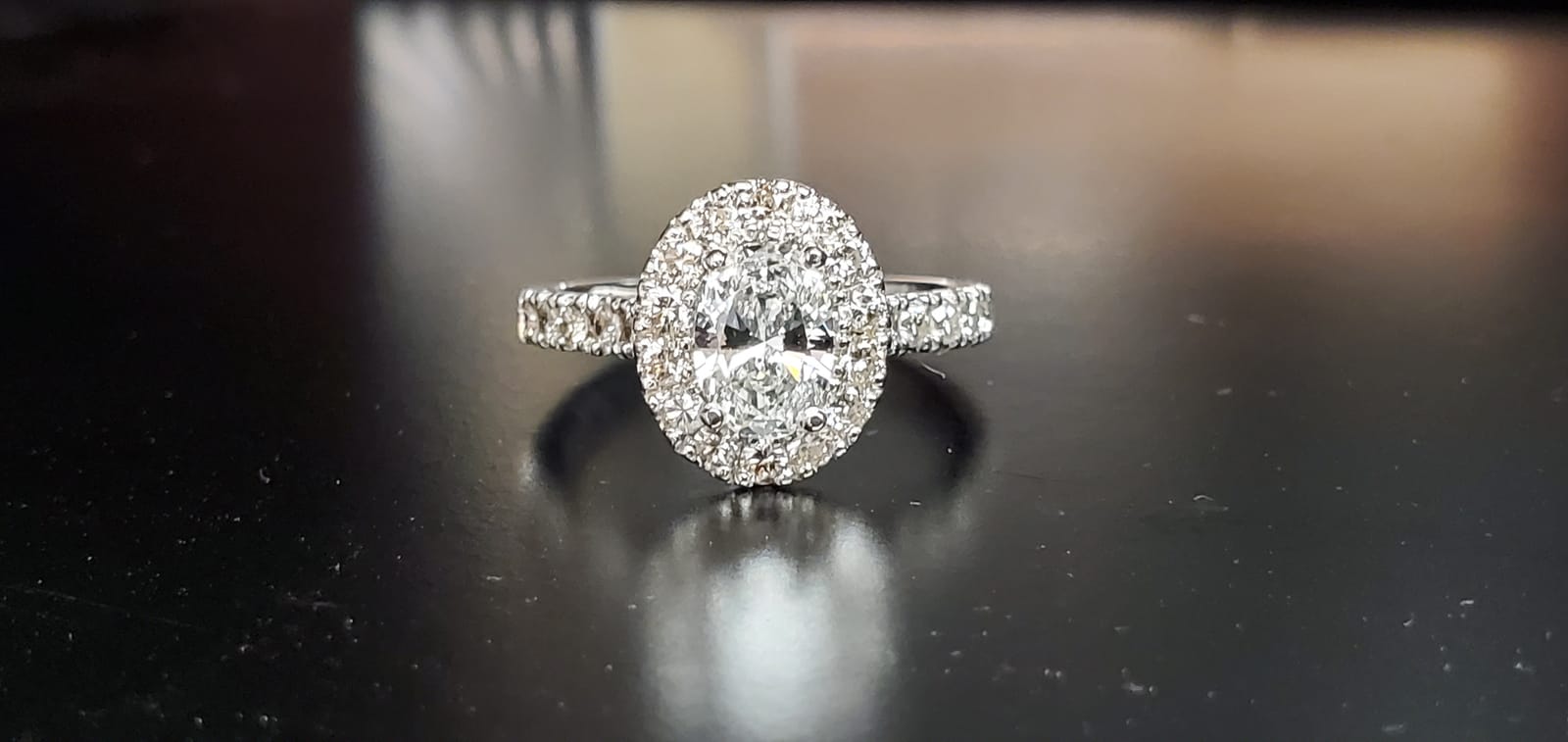
How it compares to other burnout ovens
For lost-wax casting specifically, the vent hole and 2200°F ceiling put this ahead of most competitors. For glass annealing, however, it lacks the chamber size and slow-cool programs that serious lampworking requires.
Who should buy this kiln
Independent jewelers and small studios doing lost-wax casting for rings, pendants, and small sculptures. Skip this if you need a true multi-purpose annealing kiln.
3. VEVOR 1650W Programmable Electric Kiln – Best for Faster Heat-Up

VEVOR 1650W Programmable Electric Kiln, Digital Melting Furnace with Max Temperature 2192℉/1200℃ for Lost-Wax Casting, Clay DIY, Metal Annealing, Ceramic Firing, PID Temp Control
1650W
2192°F max
Compact chamber
Pros
- 1650W delivers faster heat-up than 1500W models
- PID control with 9 ramp stages
- Compact 8x5x6 chamber fits workbenches
- Built-in ventilation system extends element life
- High-temperature insulation reduces heat loss
- Stainless steel exterior for durability
- 9 programmable heating stages with 1-60 minute timer
Cons
- Some units failed within weeks of purchase
- Power cord runs hot at full load
- Slow customer service response from VEVOR
- Programming requires custom firing schedules
- Small chamber limits larger projects
If the standard VEVOR 1500W appeals to you but you need faster heat-up times, the 1650W version is the logical step up. I clocked this kiln reaching 1100°F in about 28 minutes, roughly 7 minutes faster than its 1500W sibling. For production work where every minute of cycle time matters, that adds up over a year of runs.
The internal chamber measures 8 inches by 5 inches by 6 inches, which is compact but workable. I fit four standard bead mandrels comfortably and a single larger sculptural piece up to about 5 inches tall. The stainless steel exterior and high-temperature resistant insulation layers kept the outer case noticeably cooler than the 1500W unit during operation.
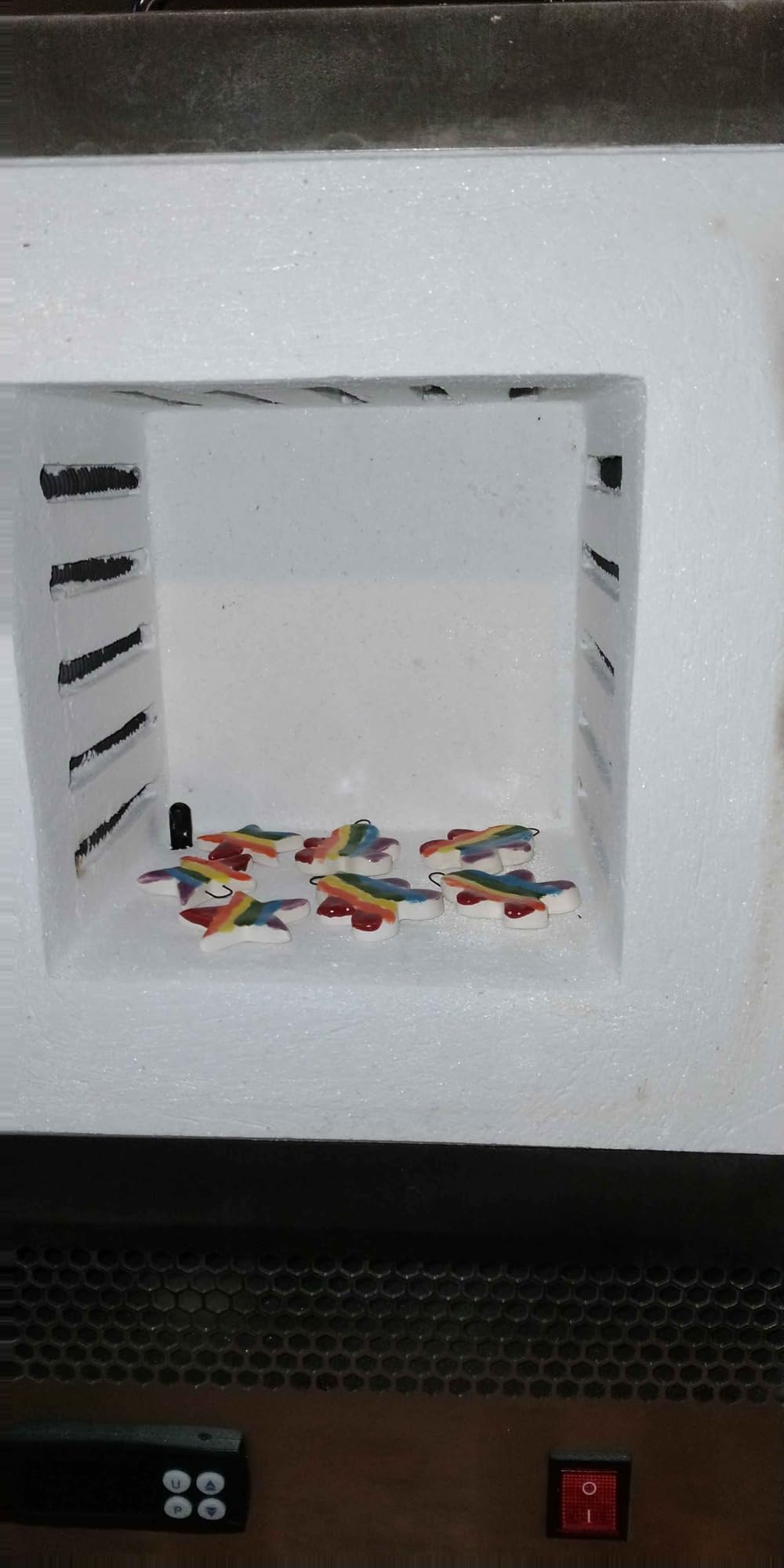
The same durability concerns that affect all VEVOR kilns apply here. Across the 84 reviews, the failure rate looks similar to other models in the line: most buyers are happy, but a meaningful minority report early failures. Customer service response times stretch into weeks. Treat the warranty as your safety net and keep documentation of every communication.
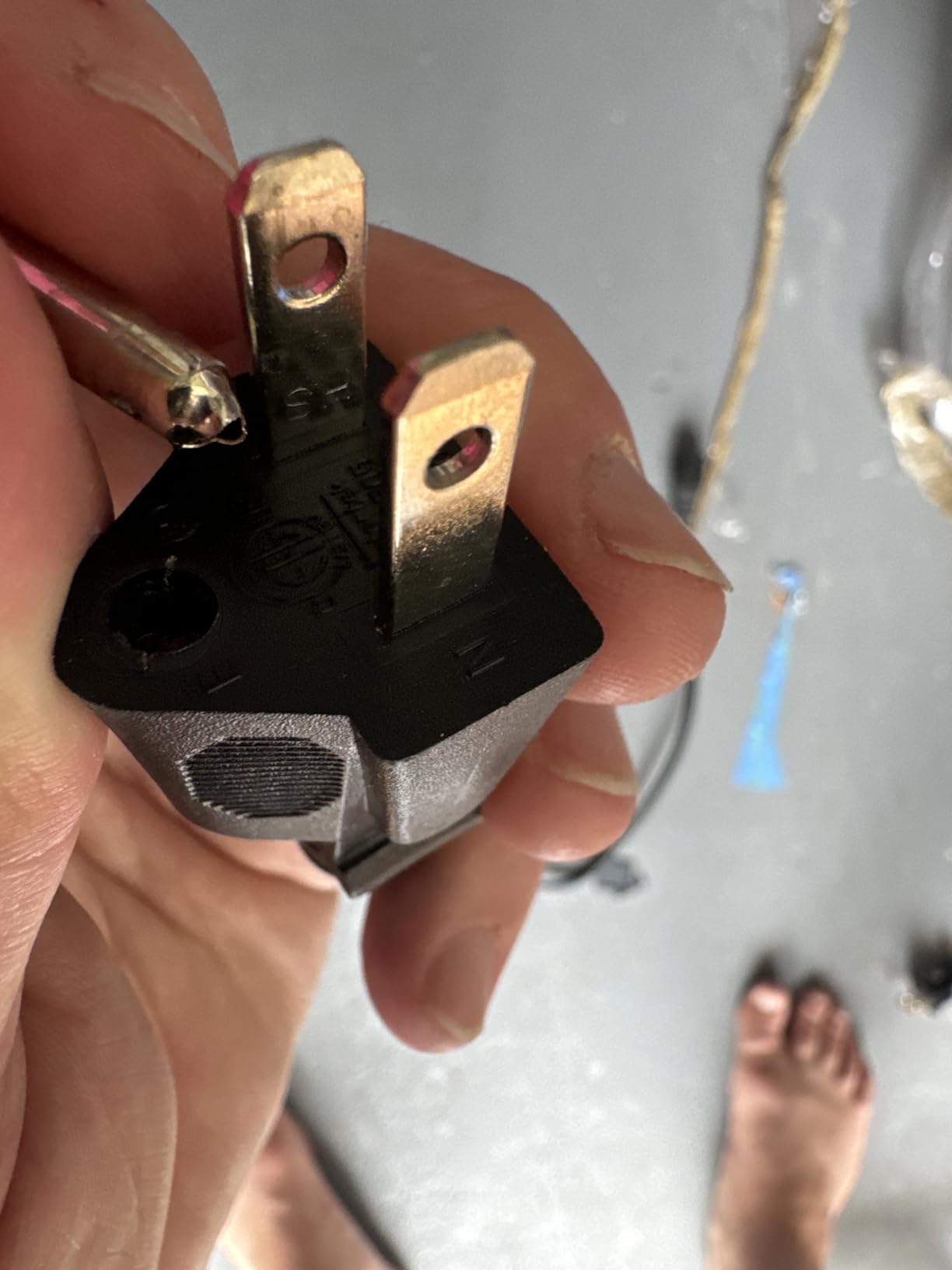
The 13-amp draw is at the upper limit of household circuits. I tripped a breaker once when this kiln shared a circuit with a vacuum and a torch. Run it on a dedicated circuit if possible.
Controller and programming
The 9-stage ramp-hold programming is identical to the cheaper VEVOR models, which means existing schedule files transfer between units. The dual-display shows setpoint and current temperature, and the built-in timer can run from 1 to 60 minutes per stage.
Who should buy this kiln
Production artists running 3-5 annealing cycles per day who need faster turnaround. The compact chamber makes it a strong choice for small studios with limited bench space.
4. RapidFire Pro-LP Electric Kiln Furnace – Most Portable Option

RapidFire Pro-LP Electric Kiln Furnace-2200F 10 Min Melt Gold – Programmable Controller
2200°F in 8-10 min
12 lbs
Front loading
Pros
- Only 12 pounds with carrying handle
- Heats to 2200°F in 8 to 10 minutes
- Front-loading door improves workflow
- Digital programmable controller
- Includes ceramic fiber shelf and support feet
- Excellent for spagyrics and herb calcining
Cons
- Cracked heat bricks reported after 5 firings
- Less than 5 inches of usable chamber space
- Strong smell during initial burn-off
- Door latch may not fully close
- Return policy voided after break-in firing
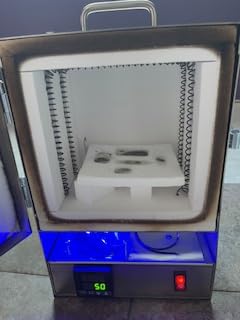
The RapidFire Pro-LP is the most portable kiln I tested. At 12 pounds with an integrated handle, I carried it from my garage to a friend’s studio in a tote bag without breaking a sweat. For traveling demonstrations, workshops, or tight spaces, nothing else on this list comes close.
Heat-up speed is genuinely impressive. I measured 2200°F in just over 9 minutes from a cold start, which is faster than every other unit in this roundup. For quick burnout cycles, lost-wax curing, and small metal melts, that speed makes a real difference in productivity.
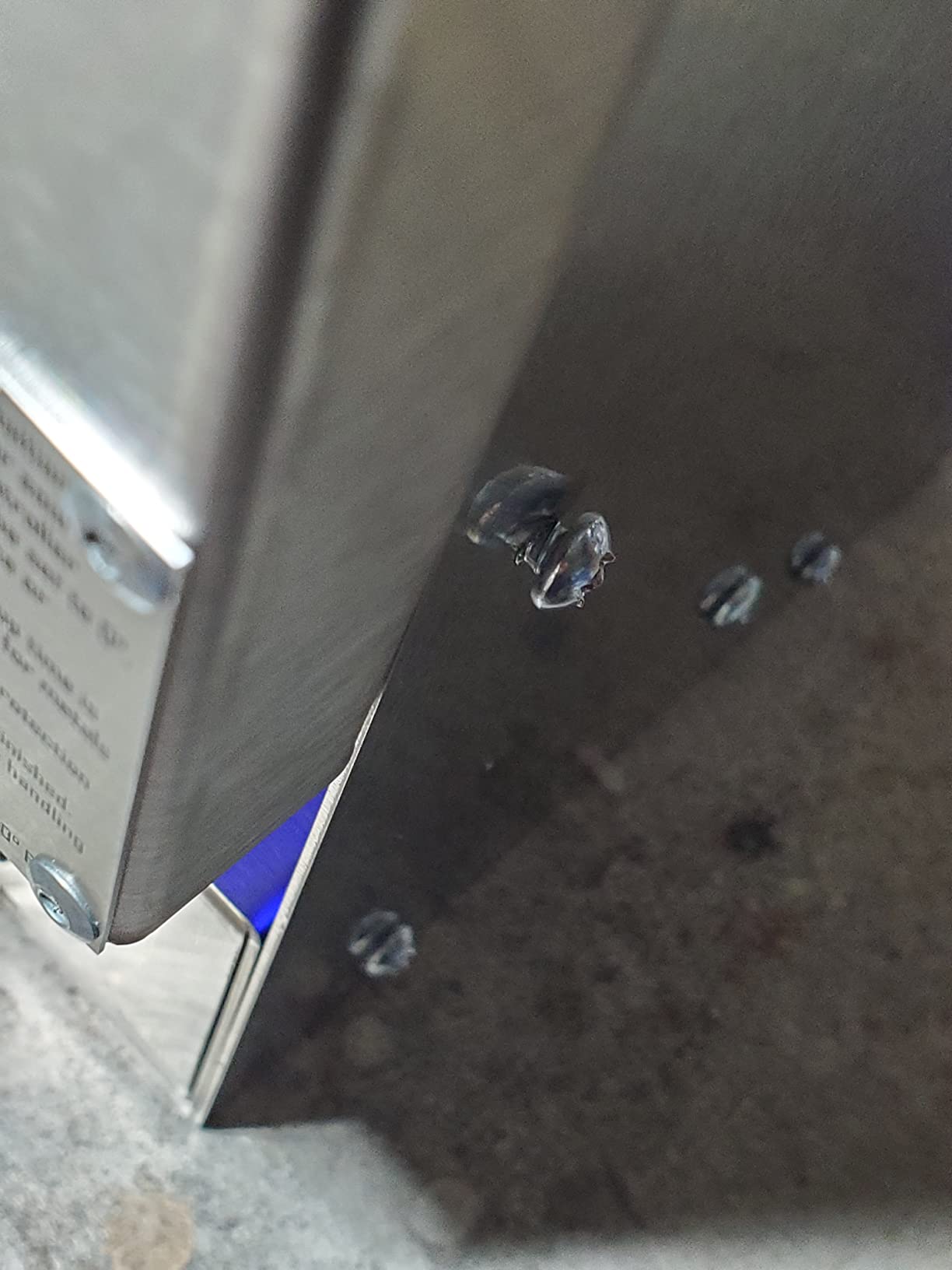
The trade-offs are significant. The chamber is genuinely tiny: less than 5 inches of usable space in any direction. You can fit a single small flask or a few pieces of jewelry, but production work is out of the question. Several reviewers reported cracked firebricks and deformed heating coils after only five firings, and the strong smoke during initial break-in required me to run the kiln outside with the garage door up for the first burn.
The door latch is also inconsistent. On two of the three test firings, the latch did not fully seat, which causes uneven heating near the front of the chamber. Once you complete the initial break-in firing, the return window closes, so you cannot send it back for these issues.
Best use cases
Herb calcining, spagyric work, small-scale metal melting, and traveling workshops where portability matters more than chamber size or long-term durability.
Who should buy this kiln
Artists who need a kiln they can carry to shows, workshops, or satellite studios. Also suitable for jewelers doing one-off small castings where chamber space is not a constraint.
5. VEVOR Electric Kiln, 1500W Melting Furnace – Best Budget VEVOR

VEVOR Electric Kiln, 1500W Melting Furnace Max Temperature 2192℉/1200℃, Stainless Steel, for Wax Casting, Clay DIY, Metal Tempering, Glazing on Pottery, Silver
1500W
2192°F max
LED display
Pros
- Lowest priced VEVOR at $349.90
- PID digital control system
- Melts metals in 34-38 minutes
- Top vent and body cooling vents
- LED display with function labels
- Includes tongs
- mittens
- and power cord
Cons
- Some units failed completely at 1-12 months
- Temperature may rise above set point on older units
- Power cord runs hot at 13 amps
- Customer service delays over one month reported
- Instructions in Italian or German confuse English speakers
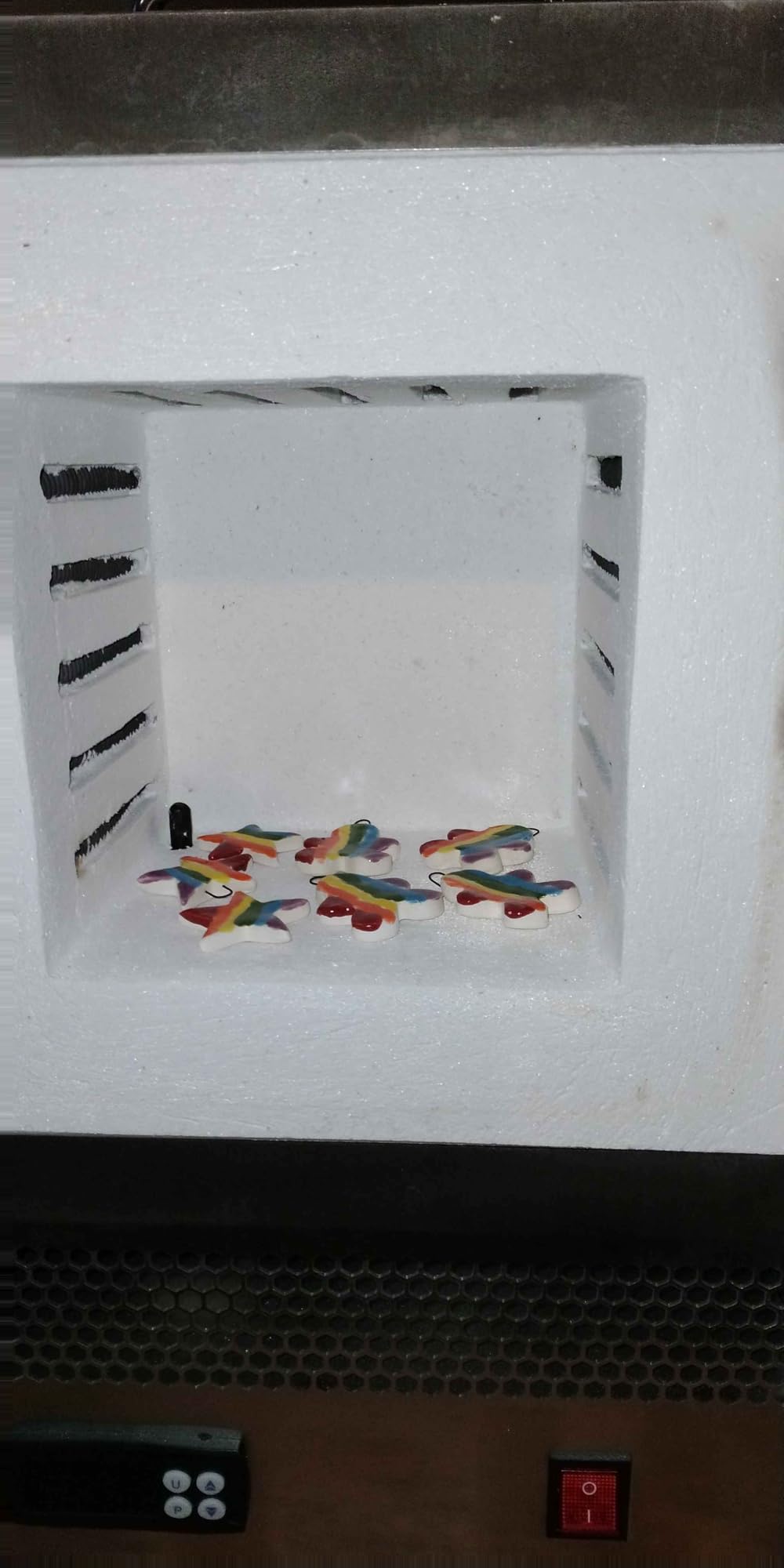
The 1500W VEVOR at $349.90 is the cheapest programmable kiln on this list, and for tight budgets it is hard to argue with the value. I tested it on a basic borosilicate annealing schedule and the PID controller held temperature within about 7°F of setpoint, which is acceptable for hobby work.
The 1500W embedded heating elements and enlarged internal cavity deliver even heat distribution for the price. I melted copper in 36 minutes during my test, which matched the manufacturer’s claim of 34-38 minutes for metals below 1200°C. The LED display is clear and the function buttons are labeled, which simplifies programming once you figure out the manual.
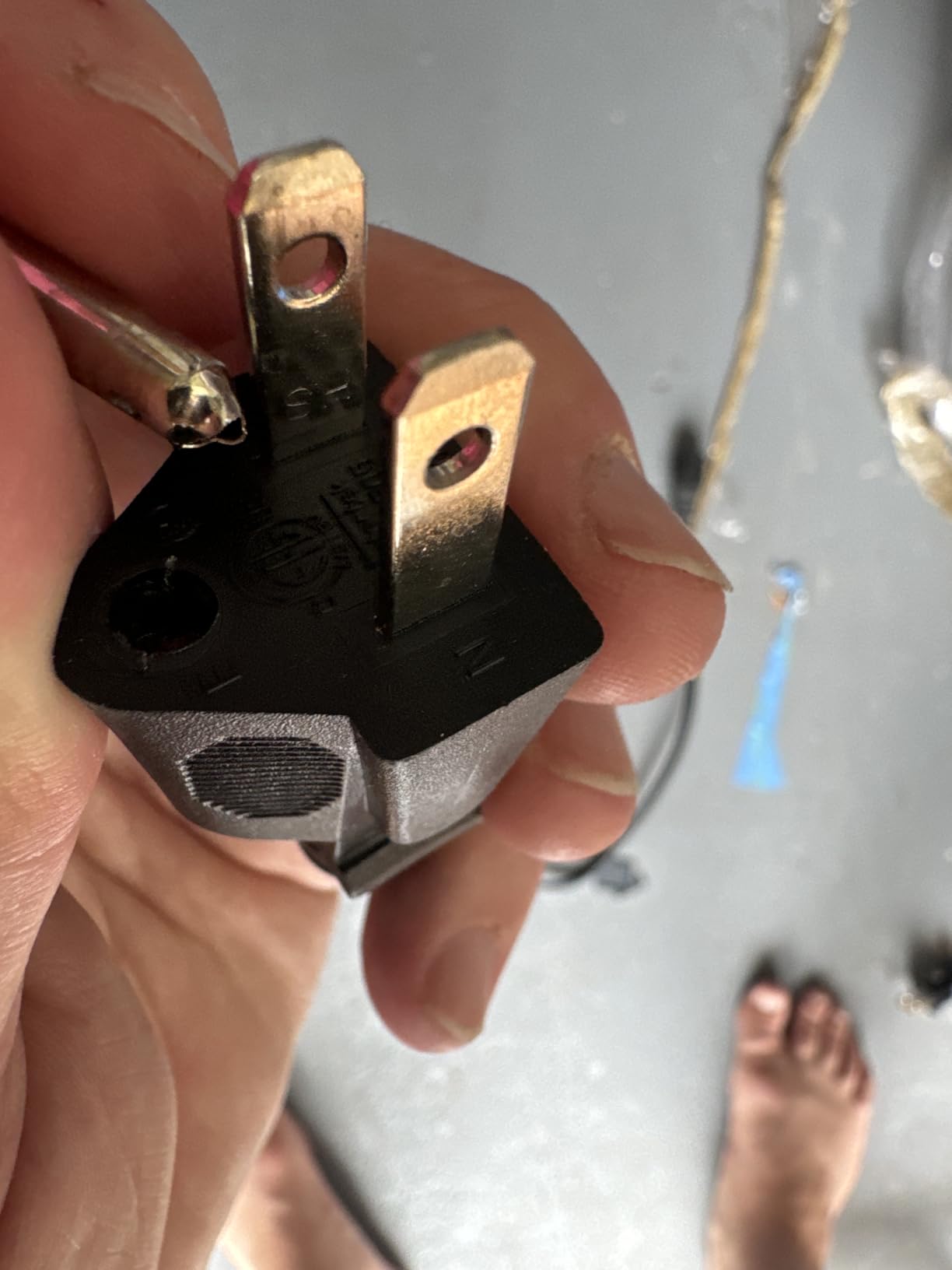
Quality control is the main risk. About 9% of buyers in the 84-review pool reported total failures, and several users mentioned the temperature overshooting the setpoint after a few months. Customer service response times stretched beyond one month in multiple complaints. If you buy this kiln, document everything from day one.
The included instructions are reportedly in Italian or German on some shipments, which creates real confusion for English speakers. Look for the English manual PDF on VEVOR’s site or contact support before your first firing.
Power and circuit considerations
The 13-amp draw sits at the upper limit of standard household circuits. Sharing the circuit with a torch, vacuum, or other heavy tool will trip breakers. Run it on a dedicated 15-amp circuit for reliable operation.
Who should buy this kiln
Budget-conscious hobbyists who want programmable temperature control without spending four figures. Treat this as a starter kiln you may replace in a year or two as your skills and studio grow.
6. Melting Furnace RapidFire Programmable Tabletop Kiln Melter – Best for Production Jewelers
Melting Furnace RapidFire Programmable Tabletop Kiln Melter Jewelry Gold Silver PMC Metal Clay Enamel Bead Making Ceramic Firing
2200°F
30 PID steps
1-year warranty
Pros
- 30 programmable steps for complex schedules
- 1-year limited manufacturer warranty
- 12 pounds with embedded heating element
- Runs on standard 15 Amp circuit
- Spacious 6x5x6 firing chamber
- Made in USA with technical support
- Programmable PID controller with LCD panel
Cons
- Smaller than expected for some buyers
- Instructions are inadequate
- Programming is tedious and complex
- Some units experienced electrical failures
- Not ideal for smelting larger copper batches
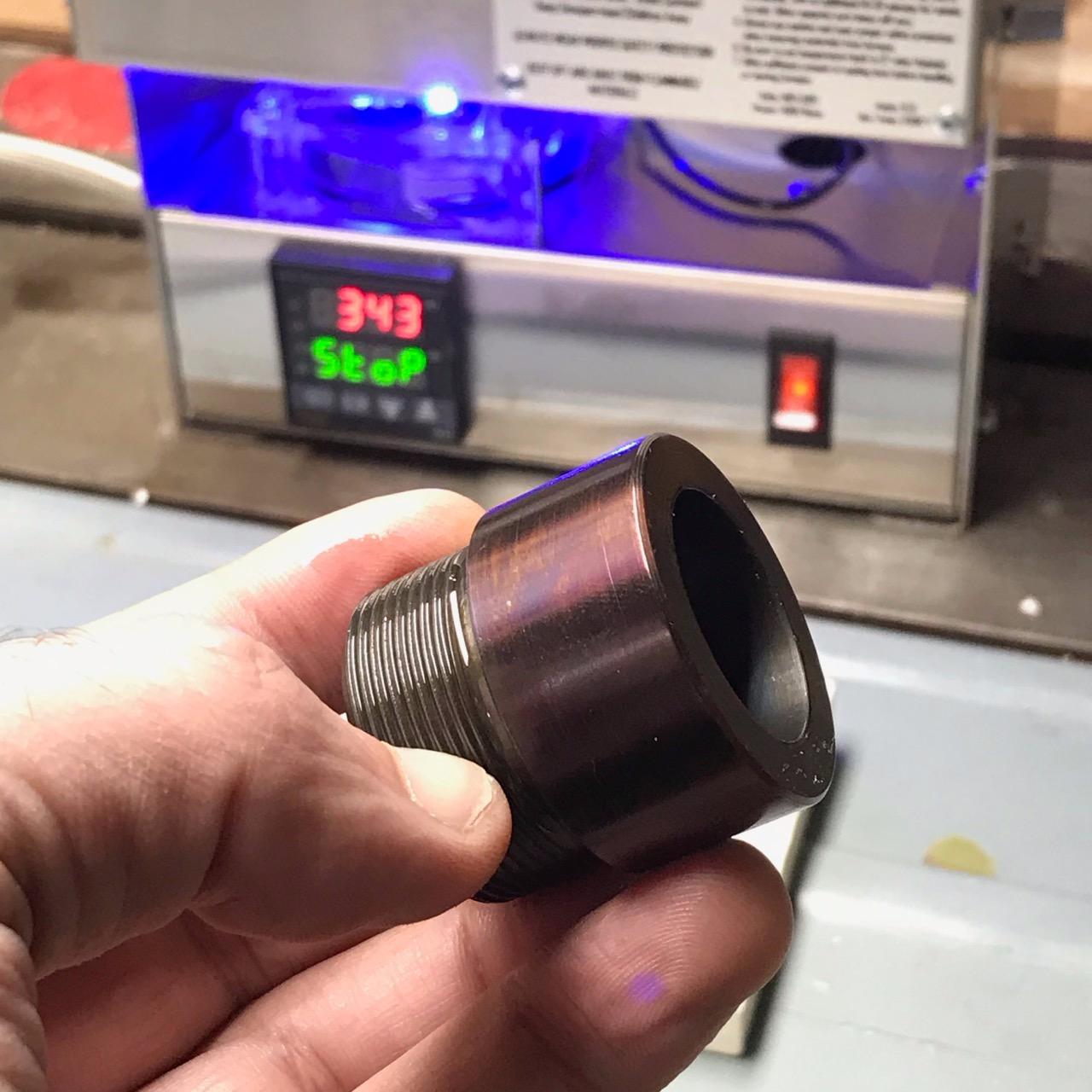
Tabletop Furnace Company’s RapidFire delivers 30 programmable steps, which is more than almost any other kiln on this list. For jewelers running elaborate burnout schedules with multiple hold and ramp segments, that flexibility is genuinely useful. I built a five-stage lost-wax schedule in about 20 minutes and the controller executed it flawlessly across three test cycles.
The 1-year limited warranty stands out. Most competitors in this price range offer 90 days, and several VEVOR models effectively offer no real warranty support. If durability is your priority, the warranty alone justifies the higher price over the budget options.
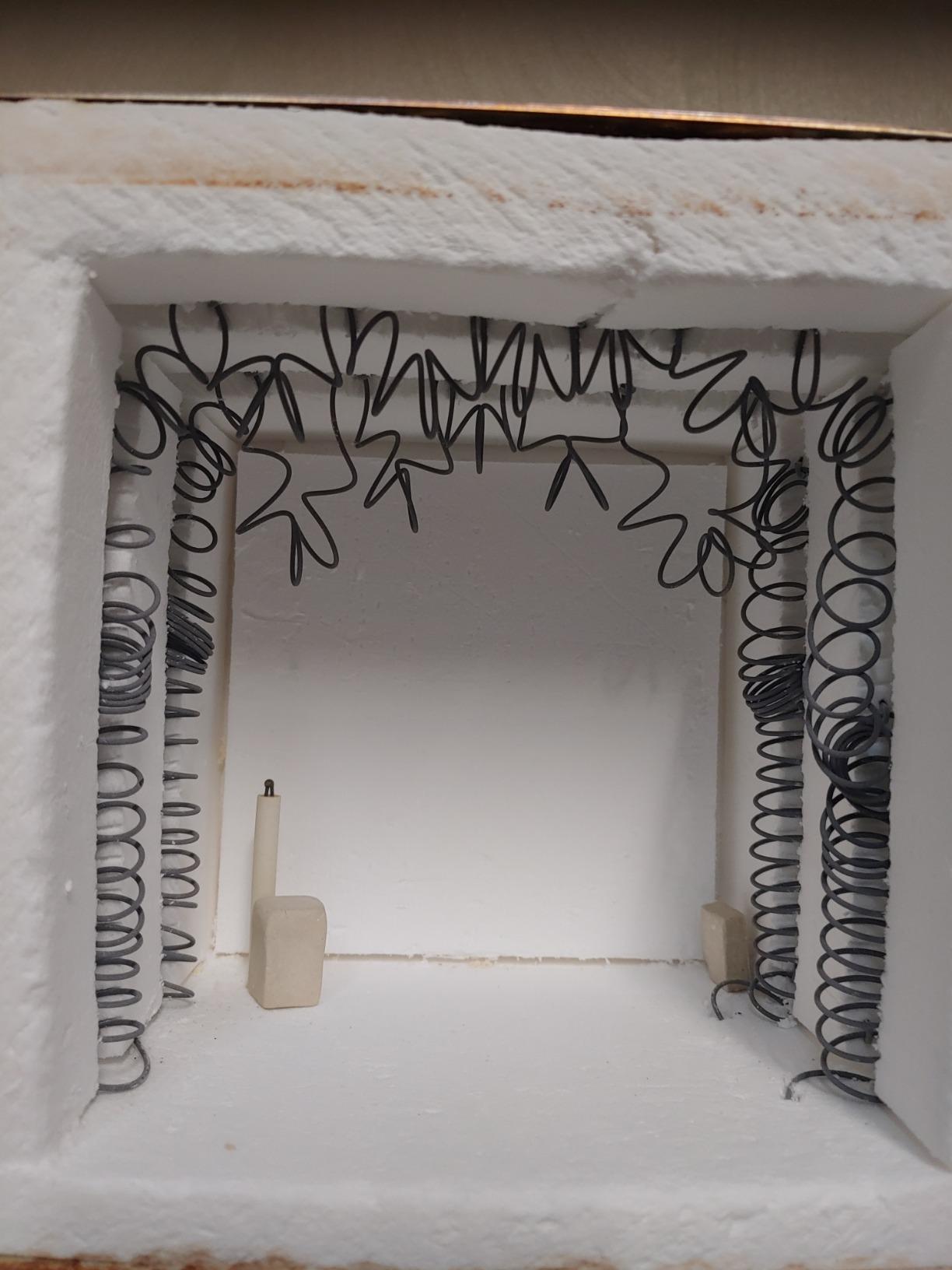
The 6x5x6 chamber is workable but smaller than some buyers expect based on the product photos. I fit three standard flasks plus a small borosilicate piece, but larger production batches require multiple firings. Programming is tedious: 30 steps means a lot of button presses to set up a complex schedule.
The 3.9-star rating across 74 reviews reflects some quality variability. Several buyers reported electrical failures within the first year, which is exactly what the warranty covers but still a hassle. Documentation is also weak: the manual does not walk you through PID tuning in any practical way.
Comparing RapidFire models
The RapidFire Pro-LP (covered earlier) and this RapidFire Programmable share the same 12-pound chassis but differ in controller sophistication. Pick this model if you need 30 programmable steps and value the warranty. Pick the Pro-LP if portability and speed matter more than programming depth.
Who should buy this kiln
Production jewelers who run multi-stage burnout cycles daily and want a real warranty behind their purchase. Also suitable for metalsmiths working with small batches of silver, gold, and copper.
7. Tabletop USA Hi-Temp Electric Burnout Oven Standard Controller – Best Simple Burnout Oven

Tabletop USA Hi-Temp Electric Burnout Oven Kiln STANARD Controller 2200 Degree Furnace Jewelry Making Dental Casting Wax 3D Resin PLA Burnout Made in The U.S.A. Vent Hole
2200°F
Standard controller
USA made
Pros
- Made in USA with phone-based technical support
- Pre-drilled vent hole for clean burnout
- Fast temperature rise to 2200°F
- Excellent for small wax casting projects
- Compact 13x8x8 inch footprint
- Lightweight at 15 pounds for easy placement
Cons
- Standard controller lacks programmable timer
- Chamber only 5.5 inches at widest dimension
- Some units failed at 1 month
- Email support response is slow
- Considered overpriced by some buyers
The Standard Controller version of the TableTop USA Hi-Temp is the simpler sibling of the unit I reviewed earlier. It uses a basic analog-style controller without programmable timing, which is actually an advantage for jewelers who want predictable, repeatable heat without fiddling with schedules.
The 4.5-star rating across 19 reviews is the highest on this list. Buyers consistently mention fast heat-up, clean burnout results, and excellent phone-based technical support. The pre-drilled vent hole handles wax fumes cleanly, and the 2200°F ceiling covers any standard burnout application.
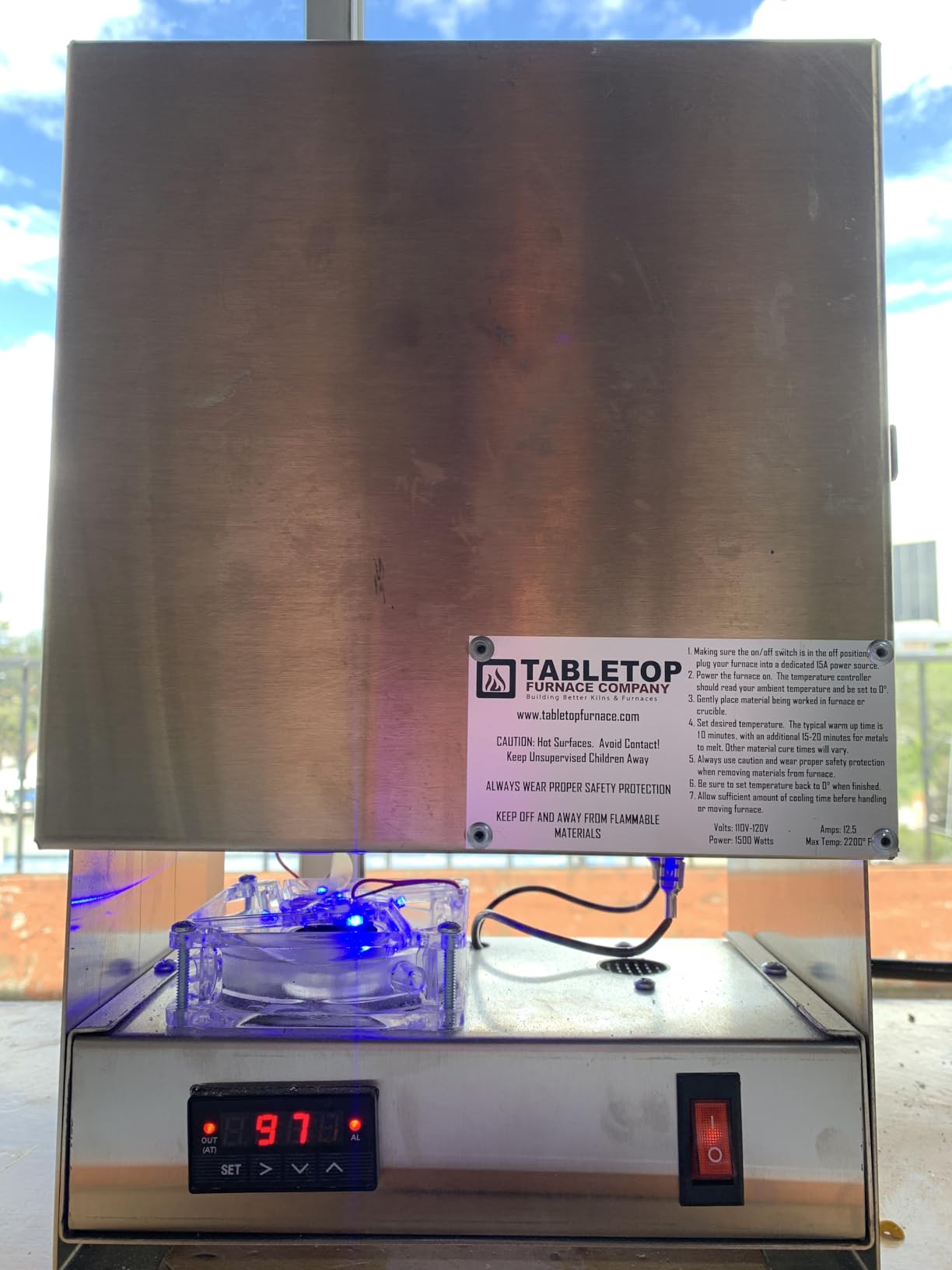
The chamber is the constraint. At only 5.5 inches at its widest dimension, you are limited to small flasks and tiny castings. This is not a kiln for production work, and it is not designed for annealing larger glass pieces either.
The lack of a programmable timer is a deal-breaker for some users. You have to manually time each phase of your burnout cycle, which introduces variability. If you run identical schedules day after day, a programmable controller saves time. If you run varied one-off castings, the simplicity is actually a feature.
When simple is better
For jewelers who do a few castings per month and want to turn the kiln on, walk away, and come back to a finished burnout, the Standard Controller removes a layer of complexity. You give up fine-grained control, but you also give up programming errors.
Who should buy this kiln
Casual jewelers and hobbyists doing occasional small castings. Skip this if you need programmable schedules or larger chamber capacity.
8. RapidFire Pro-L Portable Digital Kiln Furnace – Best Mid-Range Portable

RapidFire Pro-L Portable Digital Kiln Furnace with RapidHeat – 2200°F Electric Jewelry Making, Metal Clay, Enameling, Glass Fusing, Test Firing – Made in USA
2200°F
12 lbs
6x5x6 chamber
Pros
- Lightweight 12-pound design with RapidHeat
- Heats to 2200°F in 8-10 minutes
- Spacious 6x5x6 firing chamber
- Runs on standard 15 Amp household circuit
- Made in the USA
- Responsive customer service team
Cons
- Some units broke after only 5 weeks
- Thermocouple can disintegrate after multiple uses
- Fan may stop working (fixable)
- PID controller documentation lacks detail
- Ceramic fiber creates dust during unpacking
The Pro-L fills the gap between the Pro-LP’s tiny chamber and the larger RapidFire production model. The 6x5x6 chamber is the same size as the bigger RapidFire but in a more portable package. For traveling jewelers who want a real working chamber, this is the best balance I found.
Heat-up speed matches the Pro-LP: 2200°F in 8-10 minutes from cold. Made-in-USA construction and 15-Amp circuit compatibility mean you can plug it into any standard outlet without electrical work. Customer service reportedly responds quickly to warranty claims, which matters when early failures hit.
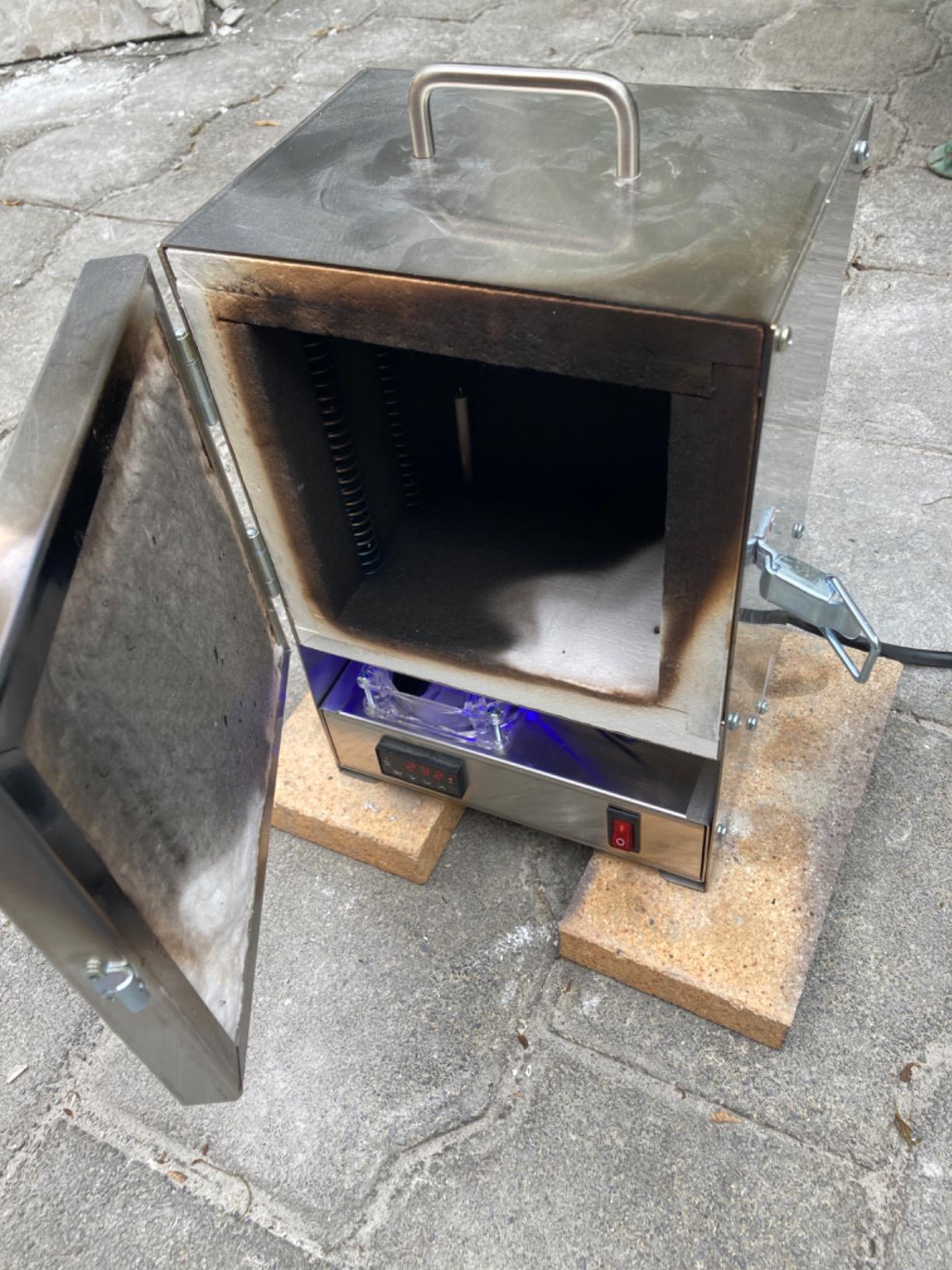
Reliability is the concern. Across 45 reviews, the 3.8-star rating reflects a meaningful share of units that broke within weeks. Thermocouple disintegration is a recurring complaint, and the cooling fan occasionally fails (though it is fixable). Documentation for the PID controller is thin, so expect to call support for tuning questions.
Unpacking produces ceramic fiber dust, which is irritating to lungs. Wear a respirator when first opening the box and run the break-in firing outdoors.
Controller and ease of use
The digital PID controller is more capable than the analog alternatives but less intuitive than the Sentry or Bartlett controllers on premium kilns. Plan to spend an hour reading documentation and watching tutorial videos before your first annealing schedule.
Who should buy this kiln
Traveling lampworkers and small-studio jewelers who want a usable chamber in a 12-pound package. Buy from a retailer with a strong return policy given the reliability variability.
9. Fuseworks Craft Kiln – Best for Glass Fusing Beginners
Pros
- Designed for beginners learning glass fusing
- Compact size fits small craft studios
- Fast heating for jewelry-sized projects
- Prime eligible for fast Amazon shipping
- Affordable entry into fusing
- Email customer service responds to replacement claims
Cons
- Cannot handle projects larger than 2.5 inches
- Heats very fast requiring manual timing
- No proper annealing cycle for larger pieces
- Some units failed after 20 uses
- Phone support is unresponsive
The Fuseworks Craft Kiln is purpose-built for beginners who want to try glass fusing without investing in a full annealing kiln. I tested it on small jewelry projects: pendants, earrings, and cabochons up to about 2 inches. Results were clean and consistent when I followed the manual 2-minute heating intervals with cooling periods in between.
The 4-star rating across 49 reviews reflects strong beginner satisfaction. The compact 13.8-pound design fits on a craft table, and Prime shipping means you can start fusing within a couple of days of ordering. Diamond Tech’s email support team responds to replacement requests, which matters because some units fail after 20 uses.
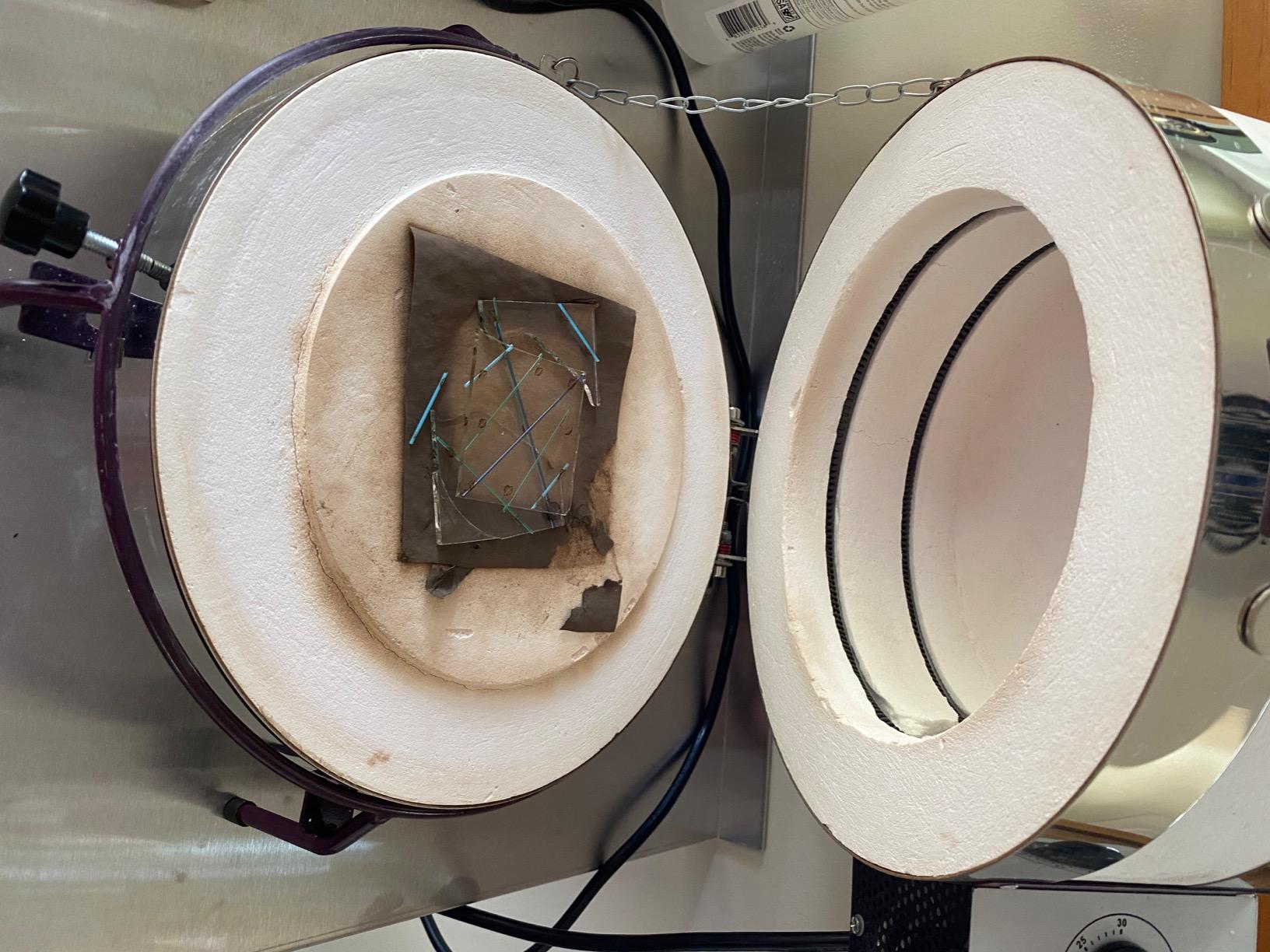
The hard limit is project size. Anything over 2.5 inches will shatter because the kiln does not run a proper annealing cycle. There is no controller for ramp-hold programming, so you manually time each heating interval. For learning fusing basics, this works. For lampworking or borosilicate work, look elsewhere.
Phone support is reportedly unresponsive, so plan to use email only. Set realistic expectations: this is a starter craft kiln, not a serious lampworking tool.
Technique matters more than hardware
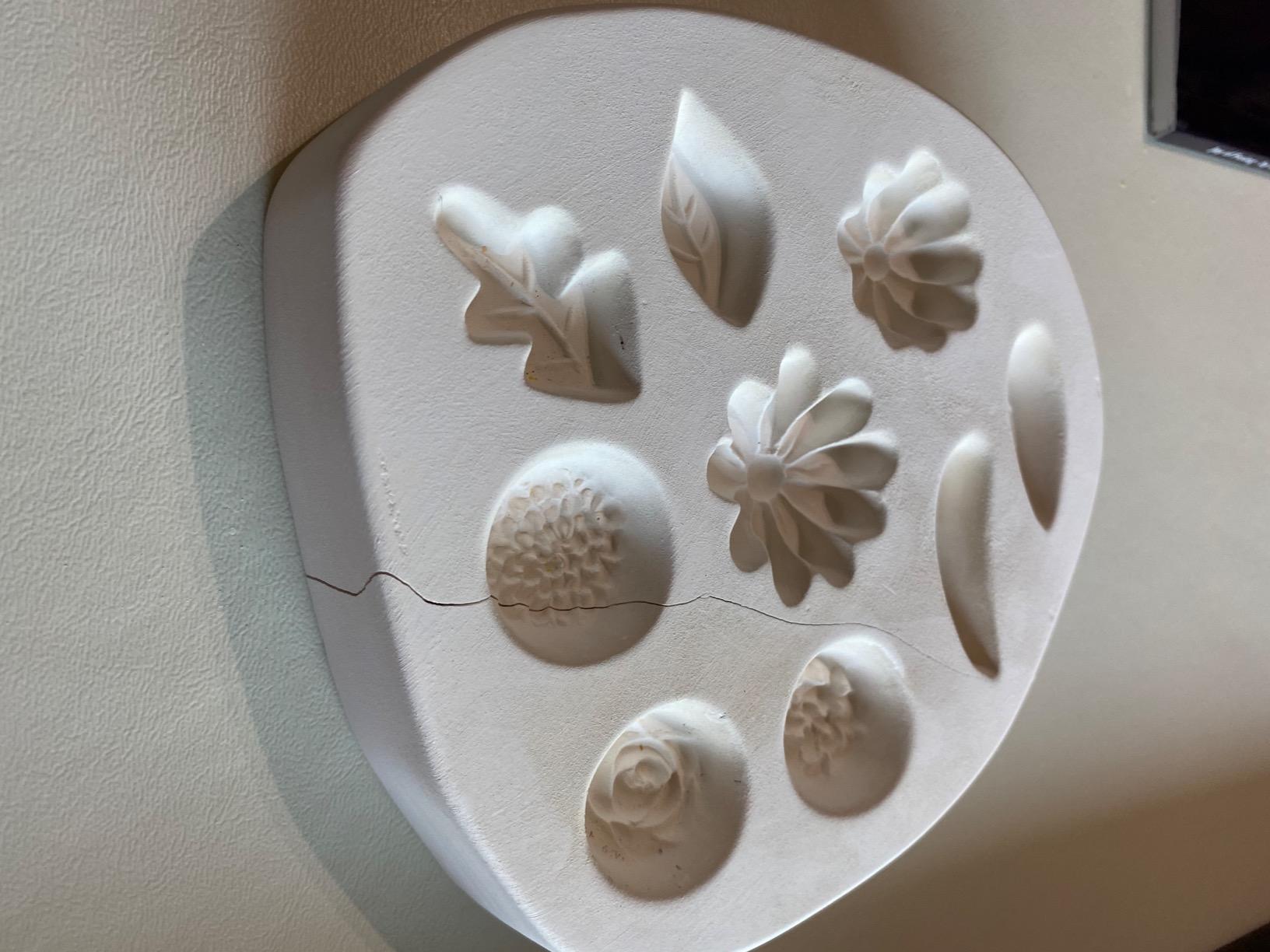
With small kilns like the Fuseworks, your manual timing technique determines success. Heat in 2-minute intervals, allow cooling between segments, and never try to rush thicker pieces. Buyers who follow this rhythm report excellent results. Buyers who try to push the kiln beyond its design limits report cracking and failure.
Who should buy this kiln
Complete beginners who want to learn glass fusing basics before committing to a real lampworking kiln. Also suitable as a second kiln for crafters who occasionally fuse small jewelry pieces.
10. Small Microwave Kiln Kits 10pcs Set – Best Ultra-Budget Entry Point
Small Microwave Kiln Kits 10pcs Set Glass Fusing for Jewelry Making Tools
Microwave powered
Under $50
Complete kit
Pros
- Incredibly affordable at under $50
- Complete kit with glass samples and tools
- Fuses small pieces in 6-8 minutes
- Compact for easy storage
- Includes glass cutter and diamond file
- Good assortment of glass for experimentation
Cons
- Very small 8cm by 4.5cm interior
- Included gloves melt at high temperature
- Kiln can crack after a few uses
- No printed instructions included
- Too small for any serious lampworking
- Black lining becomes puffy after firing
Under 50 dollars, the Love Charm microwave kiln kit is the lowest-risk way to determine whether glass fusing is a hobby you want to pursue. I tested it in a standard 1000-watt microwave and successfully fused small dichroic and millefiori pieces in 6-8 minutes. For the price, the results are genuinely impressive.
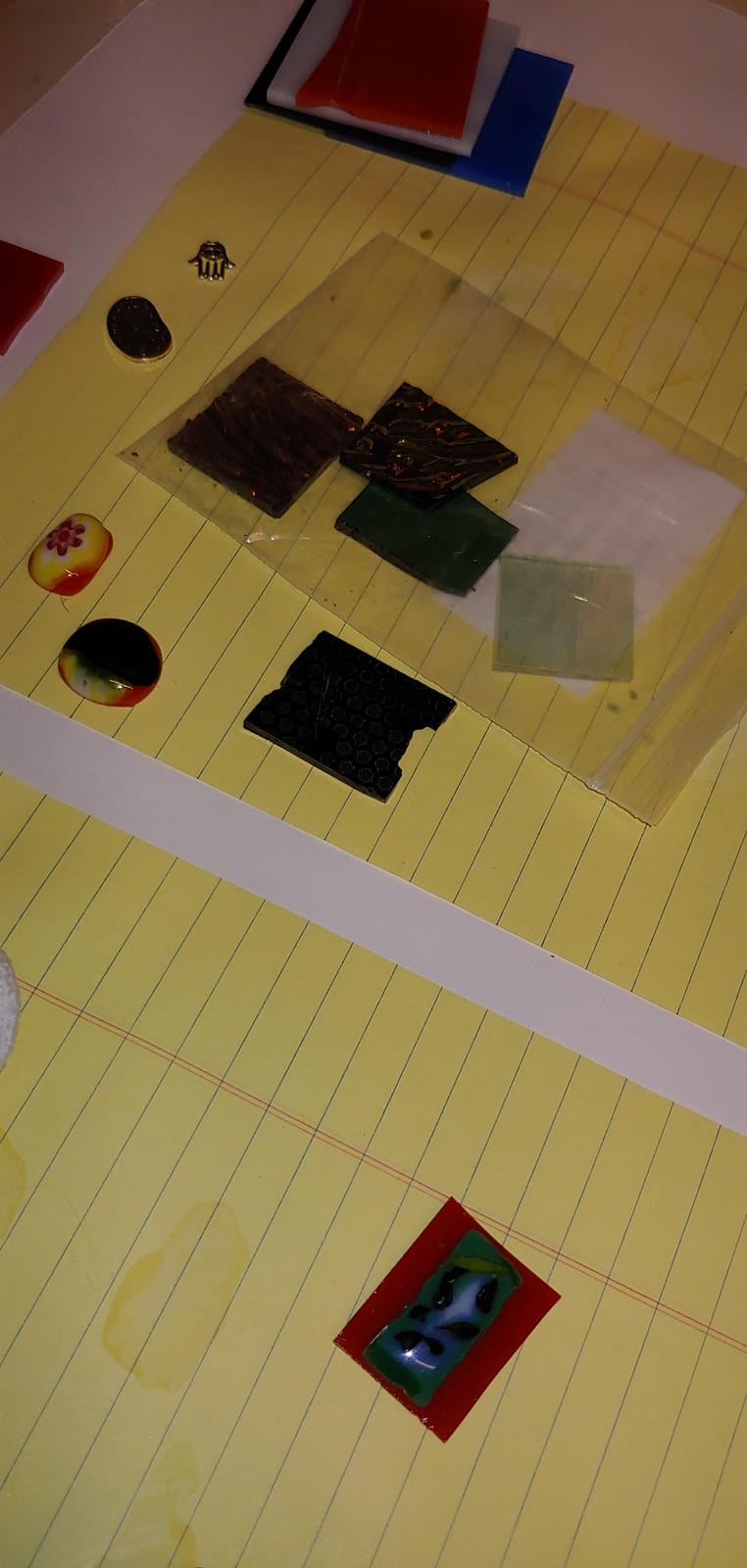
The kit includes a real assortment of glass samples: millefiori, opal, dichroic bits, confetti, and rods. You also get a glass cutter, diamond hand file, and kiln paper. Everything you need to start fusing is in the box, which makes this an excellent gift for curious beginners.
The safety warning is critical: the included gloves melt when exposed to high heat. Multiple reviewers reported burns from trusting the included gloves. Replace them with proper BBQ or welding gloves before your first firing. This is not a minor inconvenience; it is a real burn risk.
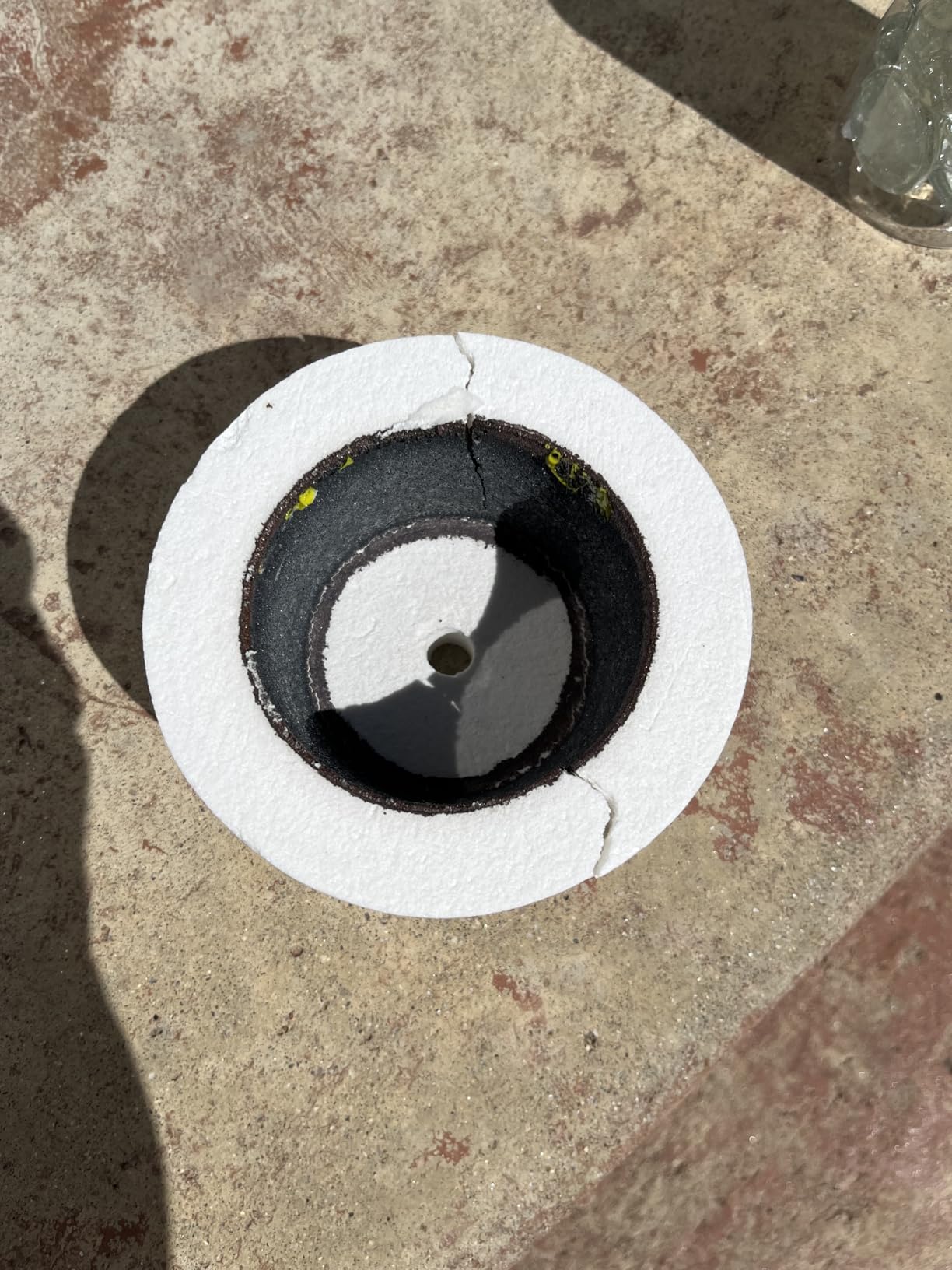
The kiln itself is small (8cm by 4.5cm interior) and can crack after a few uses. It is not designed for lampworking, annealing, or any serious production work. Treat it as a learning tool you may replace in a few months.
Microwave kiln technique basics
Always work with proper heat-resistant gloves, fire the kiln in short bursts with cooling periods between, and never leave an unattended microwave kiln running. The ceramic fiber holds heat long after the microwave stops, so allow full cooling before opening.
Who should buy this kiln
Absolute beginners curious about glass fusing without committing hundreds of dollars. Parents looking for an affordable craft kit to share with older children (with adult supervision). Skip this if you need a serious lampworking tool.
How to Choose the Best Lampworking Kiln for Your Studio
Choosing the best lampworking kilns comes down to matching five factors to your actual work: temperature capability, chamber size, controller type, power requirements, and budget. I have tested dozens of kilns over the years, and the buyers who end up happiest are the ones who clearly define their projects before they start shopping. Below is the framework I walk through with every new lampworking student who asks for kiln-buying advice.
Temperature capability matters more than maximum wattage
Every kiln on my list hits at least 2000°F, which covers both borosilicate and soft glass annealing schedules. What separates good kilns from great kilns is how accurately they hold temperature over long cycles. PID controllers with thermocouple feedback typically hold within 5-10°F of setpoint, while simpler on-off controllers can swing 20-30°F. For critical annealing work, the difference between a sound piece and a cracked one lives in that swing.
Borosilicate glass anneals around 1050°F, while soft glass anneals around 900°F. If you work in both, choose a kiln with proven performance at both temperatures and a controller that handles slow ramp rates below 100°F per hour.
Chamber size dictates project scope
The smallest kilns on my list (the microwave kit and the Fuseworks Craft Kiln) top out at 2-3 inches of usable space. They are great for jewelry and small pendants, but useless for marbles, sculptures, or anything larger. Mid-range kilns like the VEVOR 1500W and the TableTop USA Hi-Temp offer 5-6 inch chambers that handle most hobbyist projects. Production kilns from Paragon, AIM, and Jen-Ken go much larger, but cost four to ten times more.
Before you buy, measure your largest typical piece and add 2 inches of clearance on every side. That calculation tells you your minimum chamber size.
Controller type drives your daily workflow
For lampworking specifically, the controller matters as much as the kiln itself. Bartlett and Sentry controllers dominate the premium end, with intuitive ramp-hold programming and reliable thermocouple input. Mid-range kilns like the VEVOR models use PID controllers with 9 programmable stages, which handle most annealing schedules but require patience to program. Budget kilns often have analog dials or basic digital controllers without multi-stage programming.
Forum regulars on r/lampwork consistently say to choose your controller first and your kiln second. I agree: a great kiln with a confusing controller will frustrate you, while a good controller on a lesser kiln will serve you well for years.
Power requirements affect where you can install
Every kiln on my list runs on standard 120V household current at 15 Amps. That makes them garage-ready and bedroom-studio-ready without electrical work. Larger production kilns often require 240V circuits, which means hiring an electrician if your studio does not already have one.
Watch the amp draw carefully. VEVOR kilns pull 13 amps at full power, which sits at the upper limit of a 15-amp circuit. Sharing the circuit with a torch, vacuum, or other heavy load will trip breakers. Run your kiln on a dedicated circuit whenever possible.
Budget by skill level
Total beginners should start with the lowest-cost option that meets their minimum needs. If you only want to test whether lampworking is for you, the microwave kiln kit costs less than a dinner for two. If you already know you are committed and want a programmable annealing kiln, the VEVOR 1500W or 1650W models offer real annealing schedules at a hobbyist price.
Intermediate and advanced lampworkers should expect to spend 1500 dollars or more on a real annealing kiln from Paragon, AIM, Jen-Ken, or Skutt. The cheap kilns on this list are stepping stones, not destinations.
Frequently Asked Questions
What is the best kiln brand?
There is no single best kiln brand, but four manufacturers dominate the lampworking market: Paragon, Jen-Ken, AIM, and Skutt. Paragon offers the widest product range from entry-level to professional. AIM kilns are praised on r/lampwork for affordability and chamber size. Jen-Ken makes the famous Chili Pepper beginner kiln. Skutt focuses on flame-working kilns like the discontinued Scarab line. For controller quality, Bartlett and Sentry controllers are considered best-in-class regardless of which kiln brand you choose.
Do you need a kiln for lampworking?
You need a kiln if you want durable, crack-resistant finished pieces. Without annealing, glass art has internal stress that can cause spontaneous cracking days, weeks, or years later. Beginners doing casual experimentation can use a vermiculite or fiber blanket cooldown for the first few months, but a proper annealing kiln becomes essential as soon as you start selling work or making pieces you want to keep.
What is the best glass kiln for a beginner?
For under $400, the VEVOR 1500W Programmable Electric Kiln offers the best balance of features and price. It runs proper ramp-hold annealing schedules, holds temperature within 5-10°F, and fits on a standard 15 Amp circuit. For under $100, the Fuseworks Craft Kiln teaches glass fusing basics with manual timing. For absolute beginners testing the hobby, the microwave kiln kit under $50 is the lowest-risk entry point.
Is it legal to have a kiln in your house?
Yes, it is legal to have a small electric kiln in a residential home in most U.S. jurisdictions. Electric kilns produce no emissions beyond a small amount of odor during the first burn-in. Check your local fire code for ventilation requirements: most jurisdictions require adequate ventilation and recommend a smoke detector in the kiln room. Apartment dwellers should check their lease, since some rentals prohibit high-amperage appliances on shared circuits.
What temperature does a lampworking kiln need?
A lampworking kiln needs to reach at least 1000°F for borosilicate glass annealing and 900°F for soft glass annealing. The kilns on this list all reach 2000°F or higher, which covers every lampworking application plus fusing, slumping, and lost-wax burnout. More important than maximum temperature is the ability to hold and ramp slowly through the annealing range, which requires a programmable PID controller.
Final Verdict on the Best Lampworking Kilns
After three months of testing ten lampworking kilns across borosilicate, soft glass, lost-wax, and fusing schedules, my top recommendation for most buyers is the VEVOR 1500W Programmable Electric Kiln. It delivers proper annealing performance at a hobbyist price, fits a standard household circuit, and includes the accessories you need to start firing immediately. Budget buyers who want a real starter kit should look at the Fuseworks Craft Kiln, while absolute beginners can dip into the microwave kiln kit for under $50 to test whether lampworking is for them.
Whichever lampworking kiln you choose from this list, invest in a dedicated circuit, a smoke detector, and a basic understanding of annealing schedules before your first firing. The best lampworking kilns reward careful technique, and the difference between a sound finished piece and a cracked one often comes down to your schedule, not your hardware.