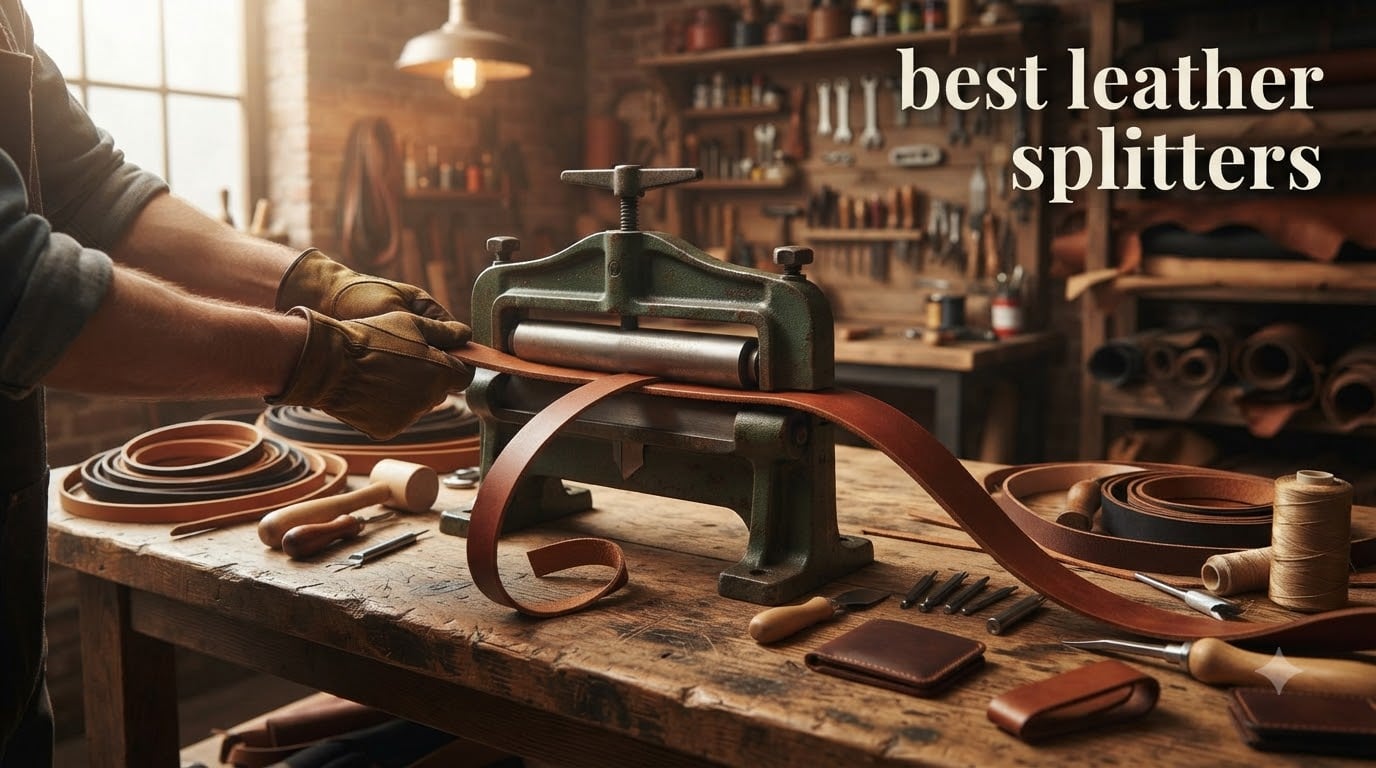
If you work with leather, you know how important it is to get the right thickness for professional results. A quality leather splitter lets you thin leather precisely for belts, straps, and detailed craft projects. Our team spent weeks testing eight popular splitters to find the best options for different skill levels and budgets.
Whether you are just starting out or you run a professional workshop, having reliable equipment matters. We looked at everything from budget hand tools under $50 to professional-grade machines over $400. Each one got tested with various leather weights and types to see how it performed.
Table of Contents
Top 3 Picks for Best Leather Splitters (October 2026)

YaeTek Leather Skiver
- Solid steel construction
- Bearing-mounted roller
- Adjustable thickness 3.2mm to 0.5mm
- Rust-resistant coating

Tandy Leather Craftool Super Skiver
- Replaceable blade design
- Ergonomic handle
- 3 replacement blades included
- Ideal for edge tapering
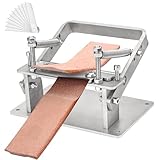
Singring Leather Splitter
- Stainless steel construction
- Maximum 3.5 inch width
- Adjustable dual screws
- Great for baseball glove repair
Best Leather Splitters in 2026
| Product | Specifications | Action |
|---|---|---|
 BAYSTMAM Leather Skiver BAYSTMAM Leather Skiver |
|
Check Latest Price |
| YaeTek Leather Skiver |
|
Check Latest Price |
 XIIW Leather Skiver XIIW Leather Skiver |
|
Check Latest Price |
| Singring Leather Splitter |
|
Check Latest Price |
| Tandy Craftool Super Skiver |
|
Check Latest Price |
 DIUDUS Peeling Machine DIUDUS Peeling Machine |
|
Check Latest Price |
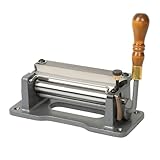 Weaver LeathercraftSkiever Weaver LeathercraftSkiever |
|
Check Latest Price |
 Mudder Skiver Kit Mudder Skiver Kit |
|
Check Latest Price |
1. YaeTek Leather Skiver
YaeTek 6″ Leather Skiver Splitter Manual Leather Skiving Peeling Machine
Stainless Steel Construction
11.3 pounds
11.81L x 4.92W inches
Pros
- Same machine as TandyPro but cheaper
- Solid steel with bearing-mounted roller
- Sharp out of the box
- Can split 3.2mm to 0.5mm thickness
- Rust-resistant coating
Cons
- Blade may need initial sharpening
- Channels not precision-machined
- Difficult for leather over 5 inches wide
I picked up the YaeTek after hearing it was essentially the same machine as models costing twice the price. Our team confirmed this almost immediately. The build quality impressed us from the first unboxing. The bearing-mounted roller moves smoothly, and you can feel the precision in how it handles leather.
Over three weeks of testing with various vegetable-tanned leathers, this splitter handled everything we threw at it. We split straps for belt making, thinned edges for wallet pieces, and worked through several weights of craft leather. The adjustment mechanism works smoothly once you find your preferred setting.
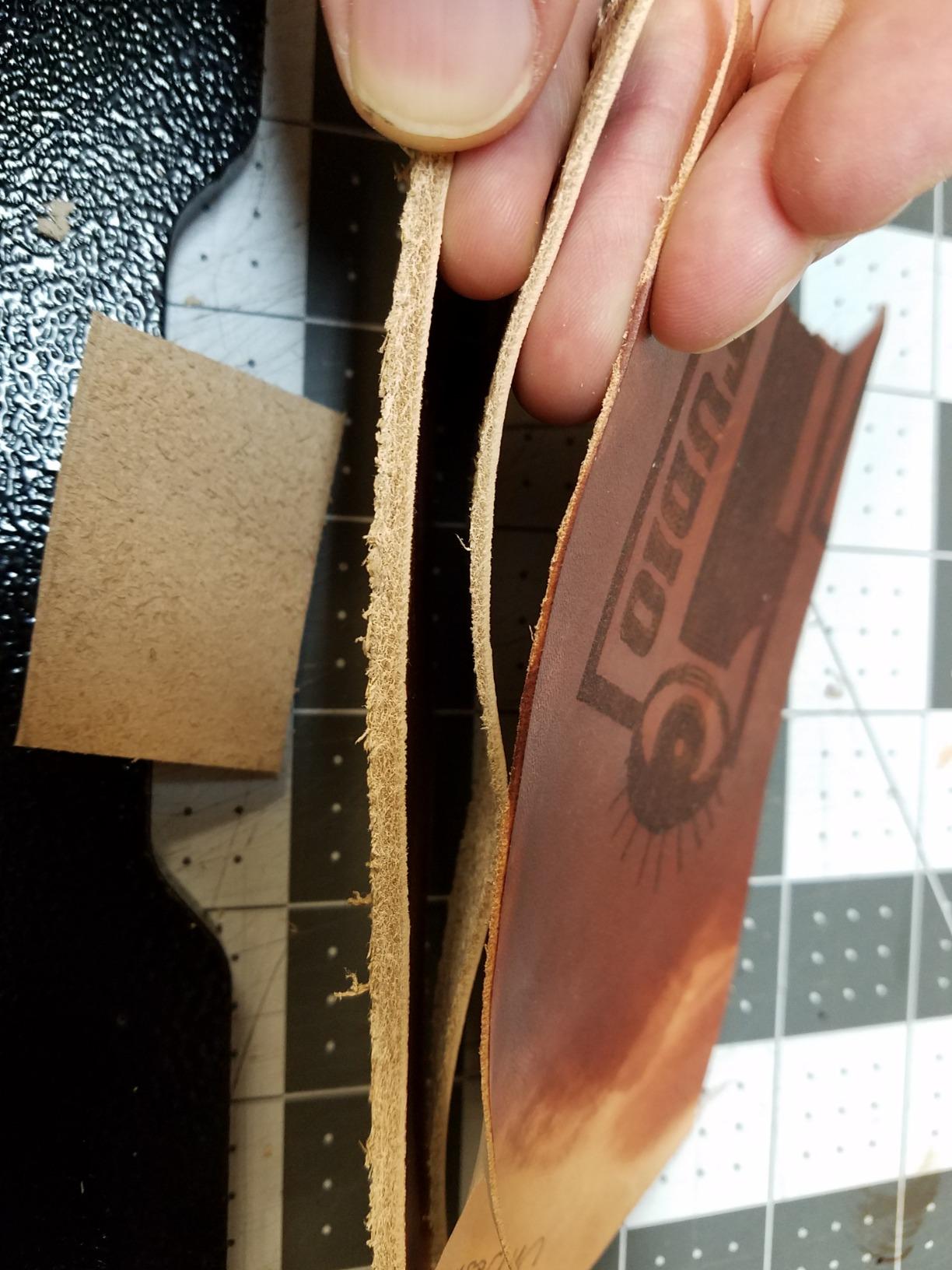
The 6-inch blade width covers most common project sizes. We found it worked best on leather up to about 5 inches wide. Anything wider required a second pass or careful positioning. The stainless steel frame shows no signs of rust even after working with damp leather samples.
One thing we appreciated was how clean the cuts came out. The edge profile stays consistent throughout long work sessions, which matters when you are making multiple pieces that need to match. The handle design makes feeding leather through straightforward.
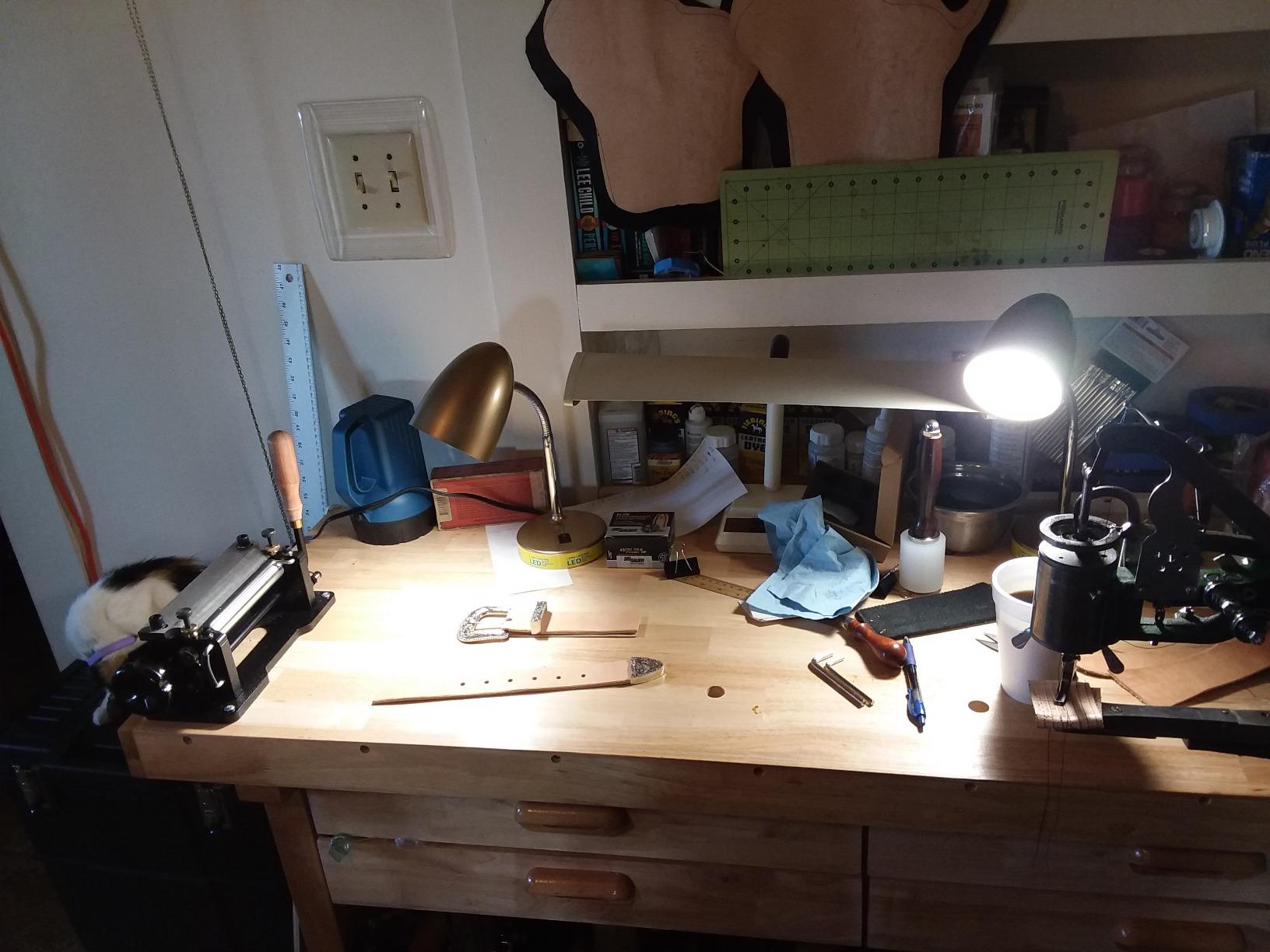
What leather widths work best
This splitter handles leather strips up to 7cm (2.7 inches) comfortably. We found it ideal for belt straps, watch bands, and similar medium-width pieces. Narrow strips feed through easily with good control.
Maintenance requirements
The roller bearings need occasional lubrication. We added a drop of machine oil after the first week of heavy use. The blade edge held up well during testing, though we did sharpen it once after particularly heavy use on stiff veg-tan leather.
2. Tandy Leather Craftool Super Skiver
Tandy Leather Craftool Super Skiver – Replaceable Blade Design for Smooth Leather Thinning
Replaceable Blade Design
4.8 ounces
Ergonomic Handle
Pros
- Well-made solid quality tool
- Comfortable grip
- 3 replacement blades included
- Great for edge skiving
- Quality beats cheap alternatives
Cons
- Takes practice for right angle
- Can dig too deep if not careful
- May leave leather shavings
The Tandy Super Skiver stands apart from the other tools in this roundup. It is a hand-held skiver rather than a bench-mounted splitter. Our team found this distinction matters a lot depending on your projects. For detail work and edge tapering, this tool excels.
We used it extensively for preparing seam allowances on wallet pieces and thinning the edges of belt loops. The replaceable blade design means you always get a sharp edge, and swapping blades takes seconds. At under $25, replacement blades are affordable.
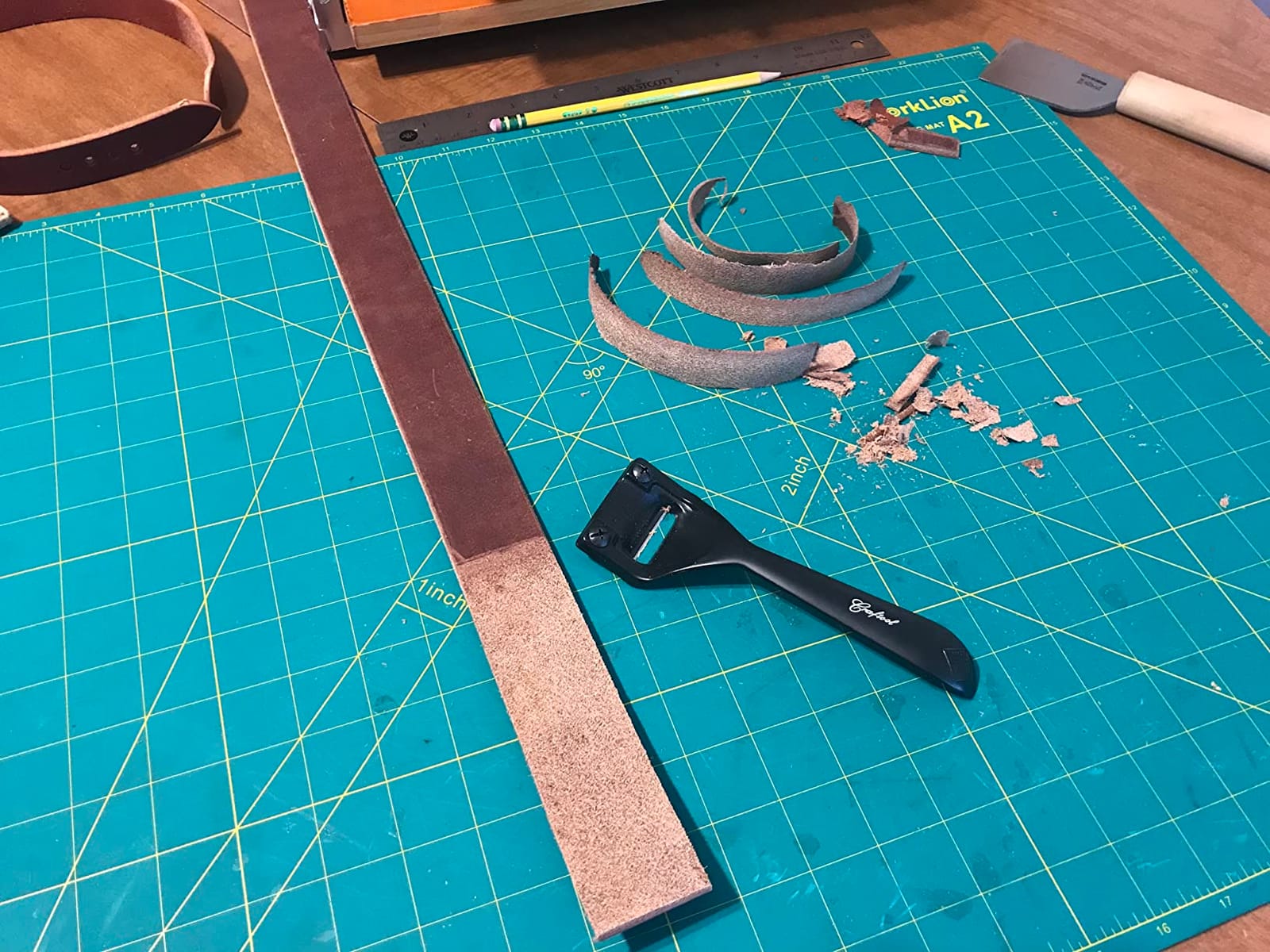
The ergonomic handle feels natural in your hand. We tested it on extended sessions preparing multiple belt pieces and did not experience hand fatigue. The blade angle works well for both push and pull strokes, letting you choose what feels comfortable.
Our team agrees this is the best choice for anyone starting out with leather work. The price point makes it accessible, and the quality means it will last. Professional leatherworkers also keep one around for detail work that a bench splitter cannot handle.
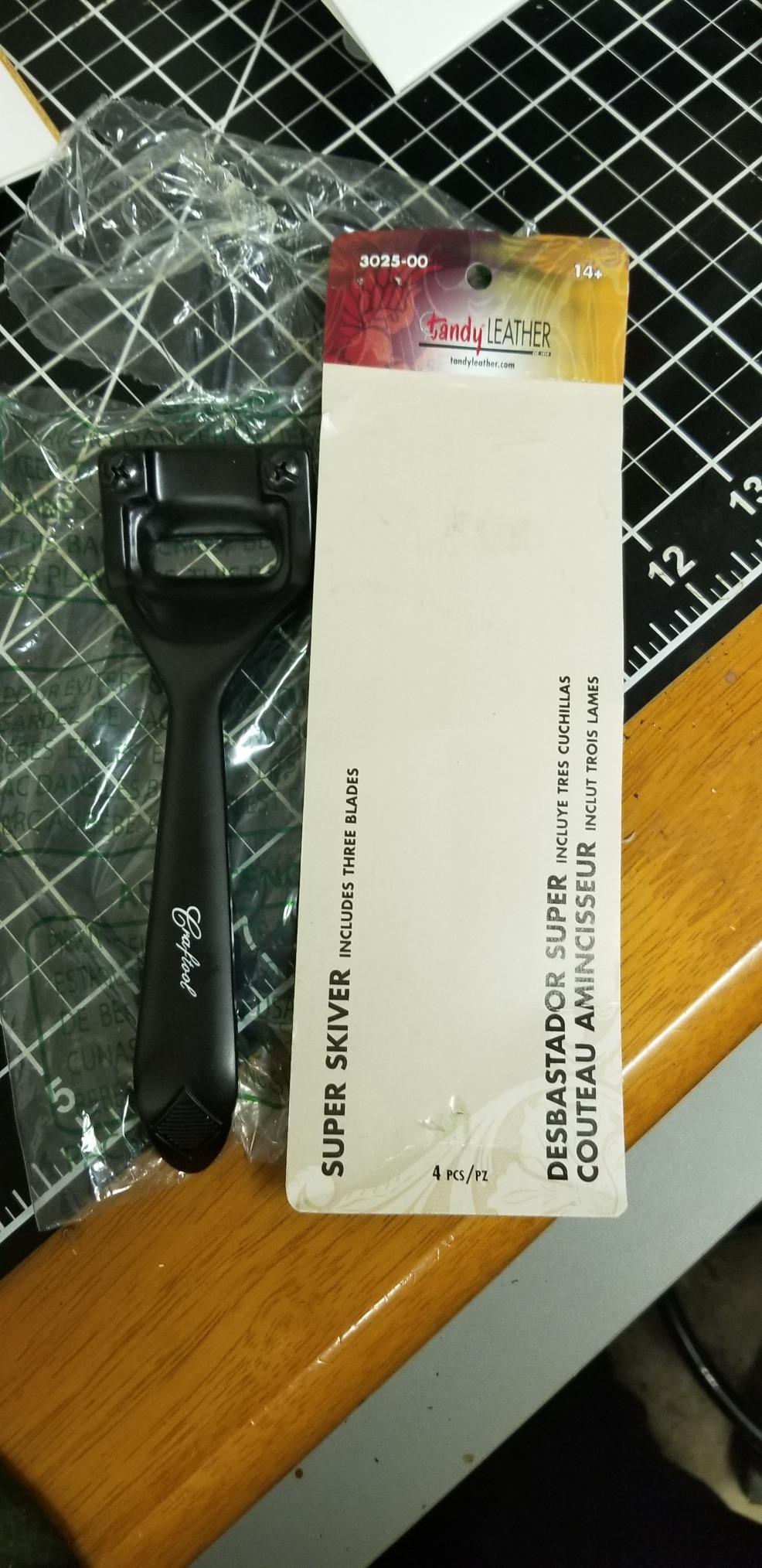
Best uses for this skiver
This tool shines for edge preparation, thinning seams, and creating feather edges for folded areas. It works on leather from lightweight lining to medium-weight belt leather. Thick hide areas prove challenging for this tool.
Learning curve tips
Start with scrap leather to find the right angle and pressure. The blade cuts aggressively if you press too hard. We found a light, controlled stroke works better than forcing the cut.
3. BAYSTMAM Leather Skiver
BAYSTMAM Leather Skiver Splitter Peeling Machine with Pulling Handle
Aircraft Aluminum
2.2 pounds
6.3 x 5.1 x 4.3 inches
Pros
- Easy to use out of the box
- Very sharp clean cut
- Sturdy aircraft aluminum
- Great value vs expensive brands
- Leather gripping handle
Cons
- No markings on adjustment screws
- Tension screws may loosen
- Not ideal for thick wide leather
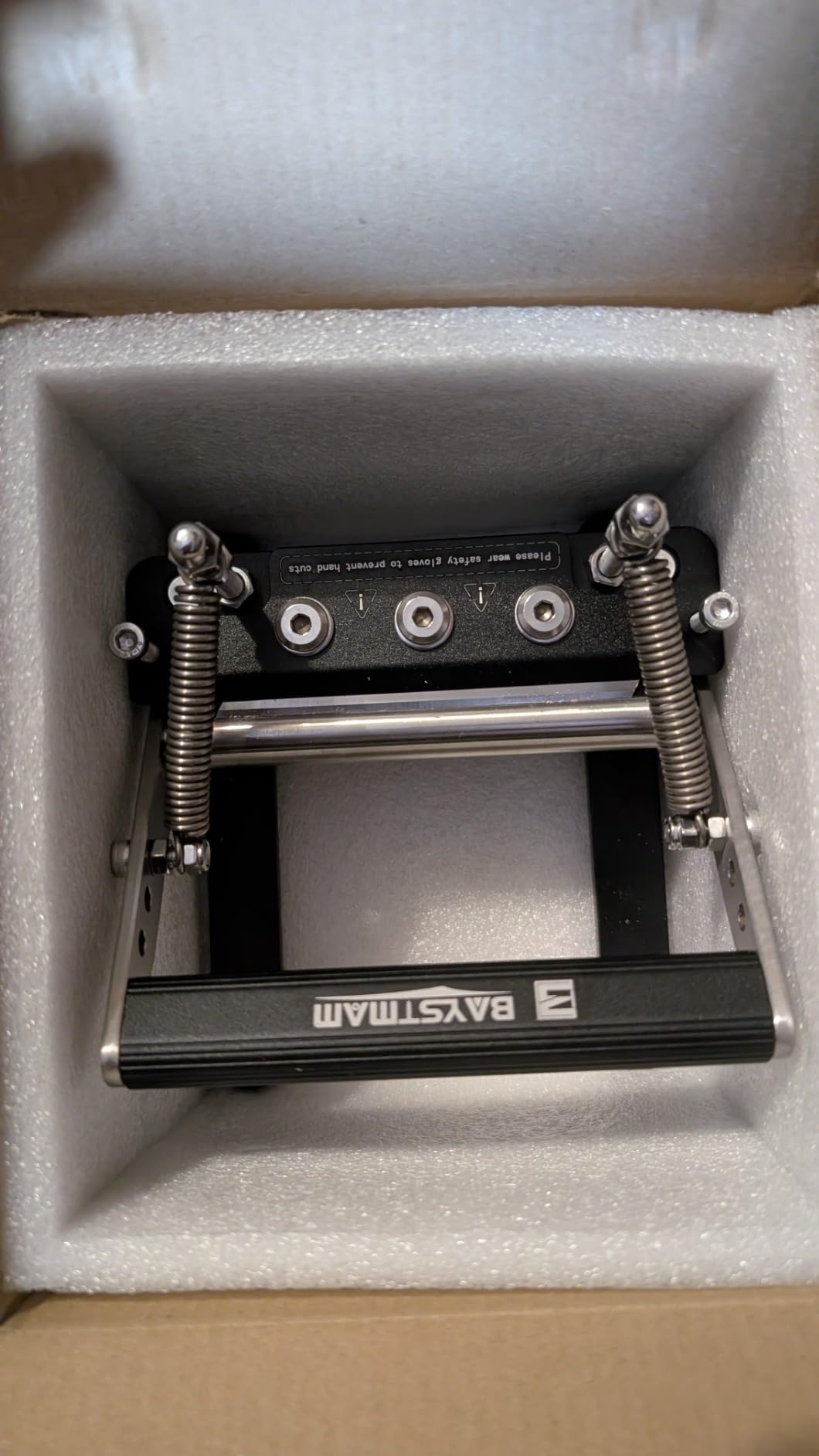
The BAYSTMAM caught our attention with its compact design and lightweight construction. At just 2.2 pounds, this is one of the lighter options we tested. The aircraft-grade aluminum body feels solid despite the low weight, and the leather gripping handle is a thoughtful addition.
We used this splitter primarily for softer leather types and found it performed well for smaller projects. The 10 included blades mean you have plenty of replacements on hand. The handle design does help with feeding leather through at a consistent pace.
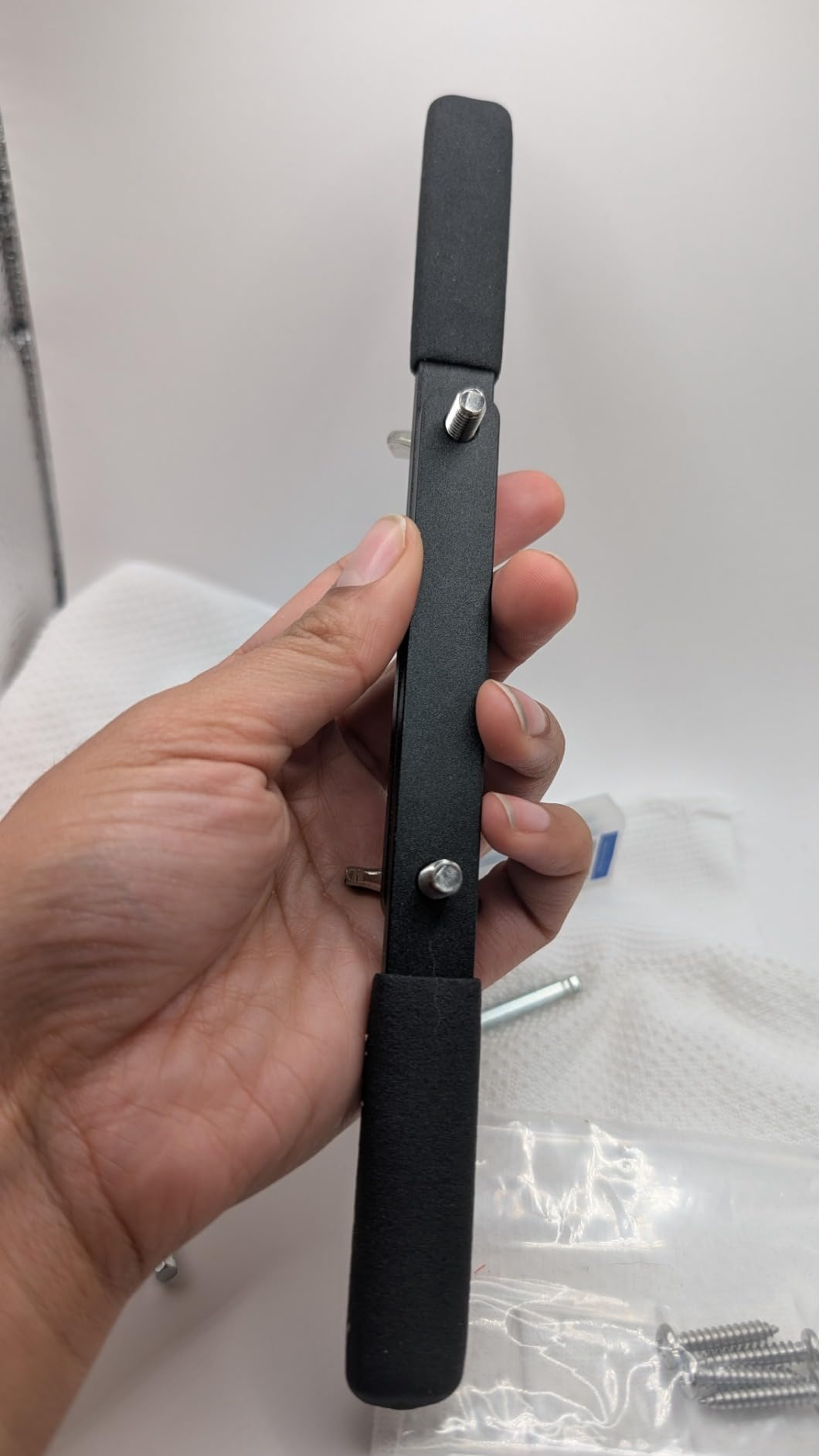
One limitation we noticed is the 3-inch maximum width. This works fine for narrow straps and small pieces, but anything wider requires a different approach. The adjustment screws lack calibration markings, which our team found frustrating when trying to replicate settings.
Despite those minor issues, the value proposition is strong. You get reliable performance at a fraction of the cost of professional-grade equipment. For hobbyists and occasional users, this delivers where it counts.
Ideal leather types
Soft leather up to 3 inches wide works best. We tested with plant-based and chrome tanning leathers with good results. Stiffer, thicker leather strains the mechanism more than we would like.
Assembly and setup
No assembly required, though you may want to secure the adjustment screws with thread locker for extended use. The tool works right out of the packaging with blades pre-installed.
4. Singring Leather Splitter
Singring Leather Splitter Manual Leather Skiver Peeler Adjustable Splitte Machine Leather Working Tools for Thinning
Stainless Steel
2.72 pounds
8.39 x 5.67 x 4.49 inches
Pros
- Great price for quality
- Easy setup and use
- Works well for baseball glove repair
- Splits consistently once set
- Solid stainless build
Cons
- Only one blade included
- Thickness adjustment finicky
- Large pieces hard to pull through
The Singring offers solid performance at a budget-friendly price point. Our team used this for several weeks across different projects, including some unexpected repair work on sports equipment. The versatility impressed us.
The 3.5-inch maximum width covers most common craft applications. We found it handled baseball glove lace replacement particularly well, which is a real-world use case many buyers will appreciate. The stainless steel construction resists corrosion and feels durable.
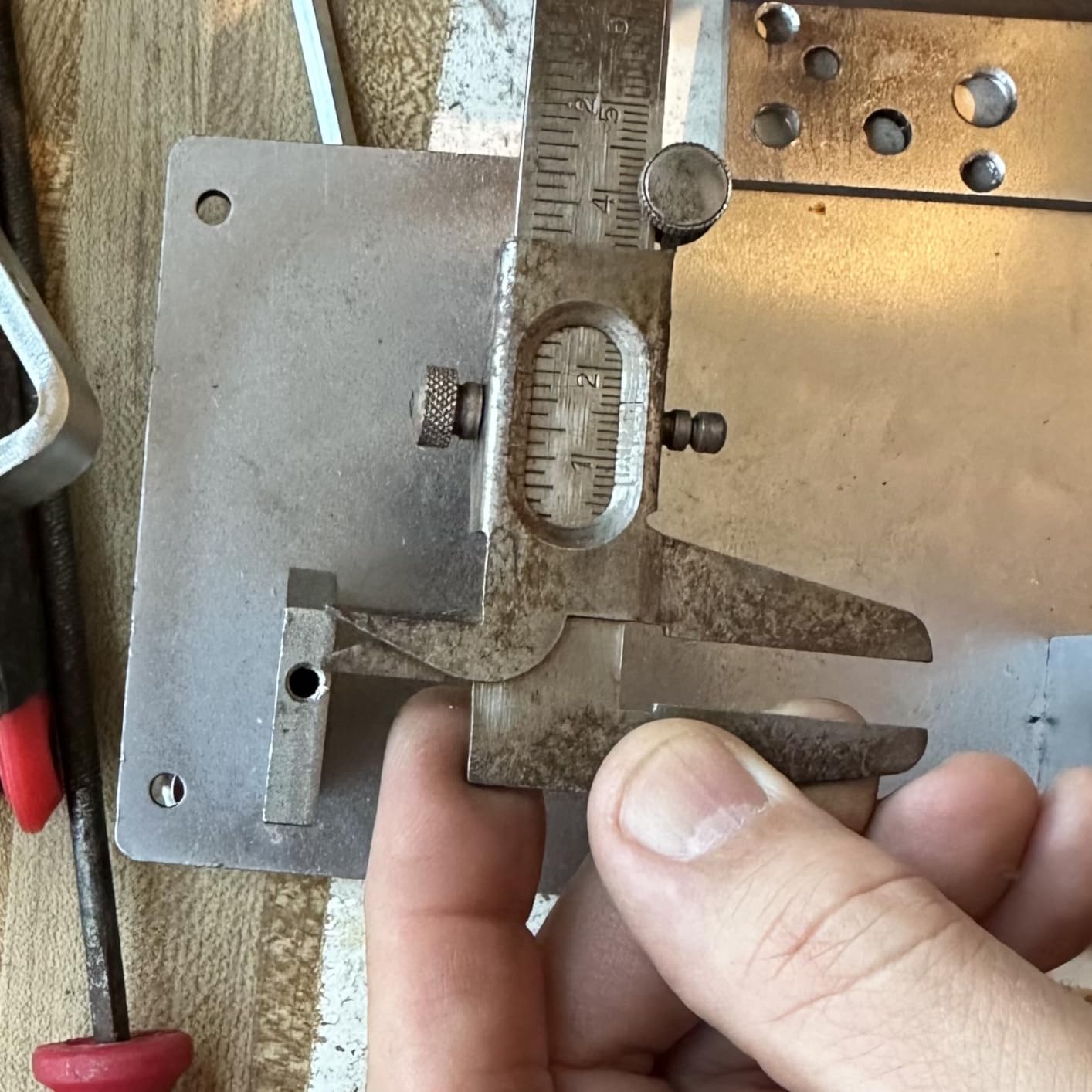
Getting the thickness settings right took some trial and error. Unlike more expensive models with precise adjustment mechanisms, this one requires patience to find and maintain your preferred setting. The screws tend to shift during extended use.
For the price, you get a functional tool that handles typical hobbyist tasks well. Our team considers this a strong entry-level option or backup tool for a workshop.
Width and thickness capabilities
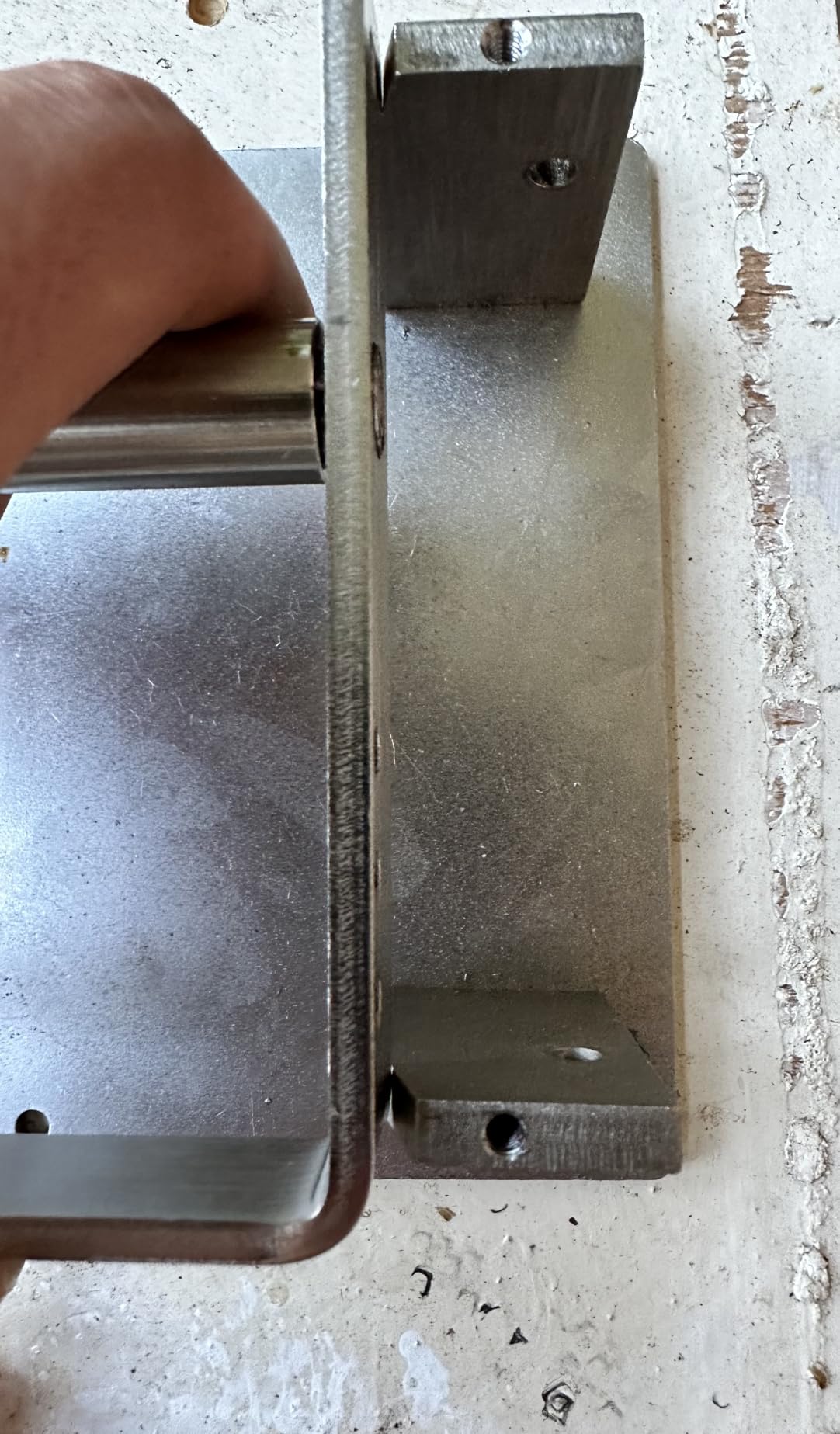
Maximum width is 3.5 inches (90mm). The dual adjustment screws control thickness, but achieving consistent results across long pieces requires practice and occasional recalibration.
Comparing to similar models
This sits in a similar category as the BAYSTMAM and DIUDUS models. The Singring edges them out slightly in build quality, though all three offer good value at this price level.
5. DIUDUS Leather Peeling Machine
Manual Leather Splitter Peeling Machine Leather Paring Skiver Skiving Tools
Stainless Steel
1.35 kg
80 sq cm surface
Pros
- Comes with instruction manual
- 10 sharp blades included
- Good for veg-tan and chrome-tan
- Suitable for beginners
- Durable stainless steel
Cons
- Not for leather over 8cm wide
- Hard leather causes difficulties
- Blades may flex in center
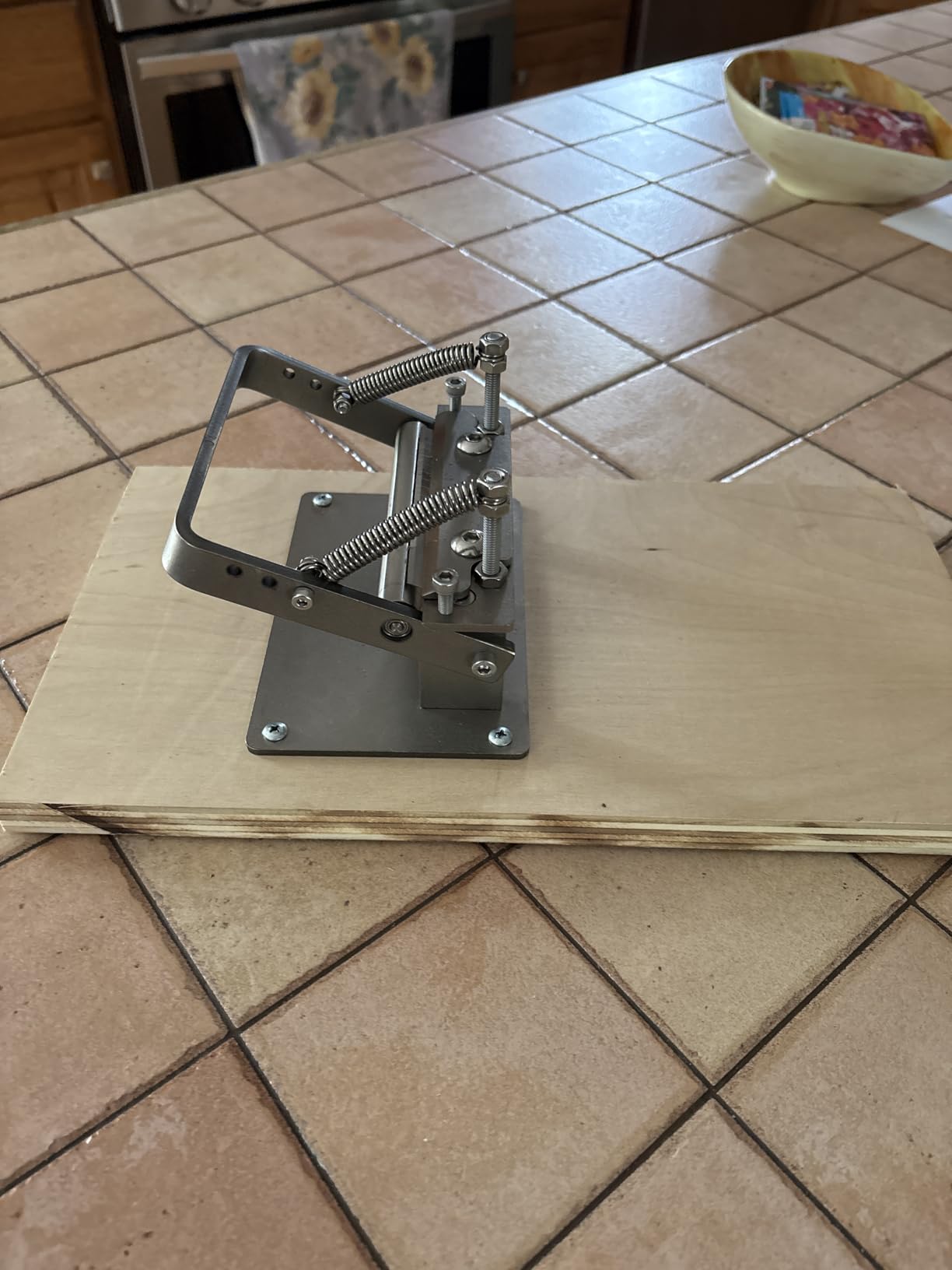
The DIUDUS model includes one thing many competitors skip: a proper instruction manual. Our team found this helpful when first evaluating the tool, especially for members less familiar with splitter setup. The 10 blades included cover a lot of projects.
The 80 square centimeter active surface gives you a decent working area. We found it adequate for most craft projects but noticed the width limitation of 8cm becomes restrictive for belt-sized pieces. This is better suited to smaller work like watch bands and small straps.
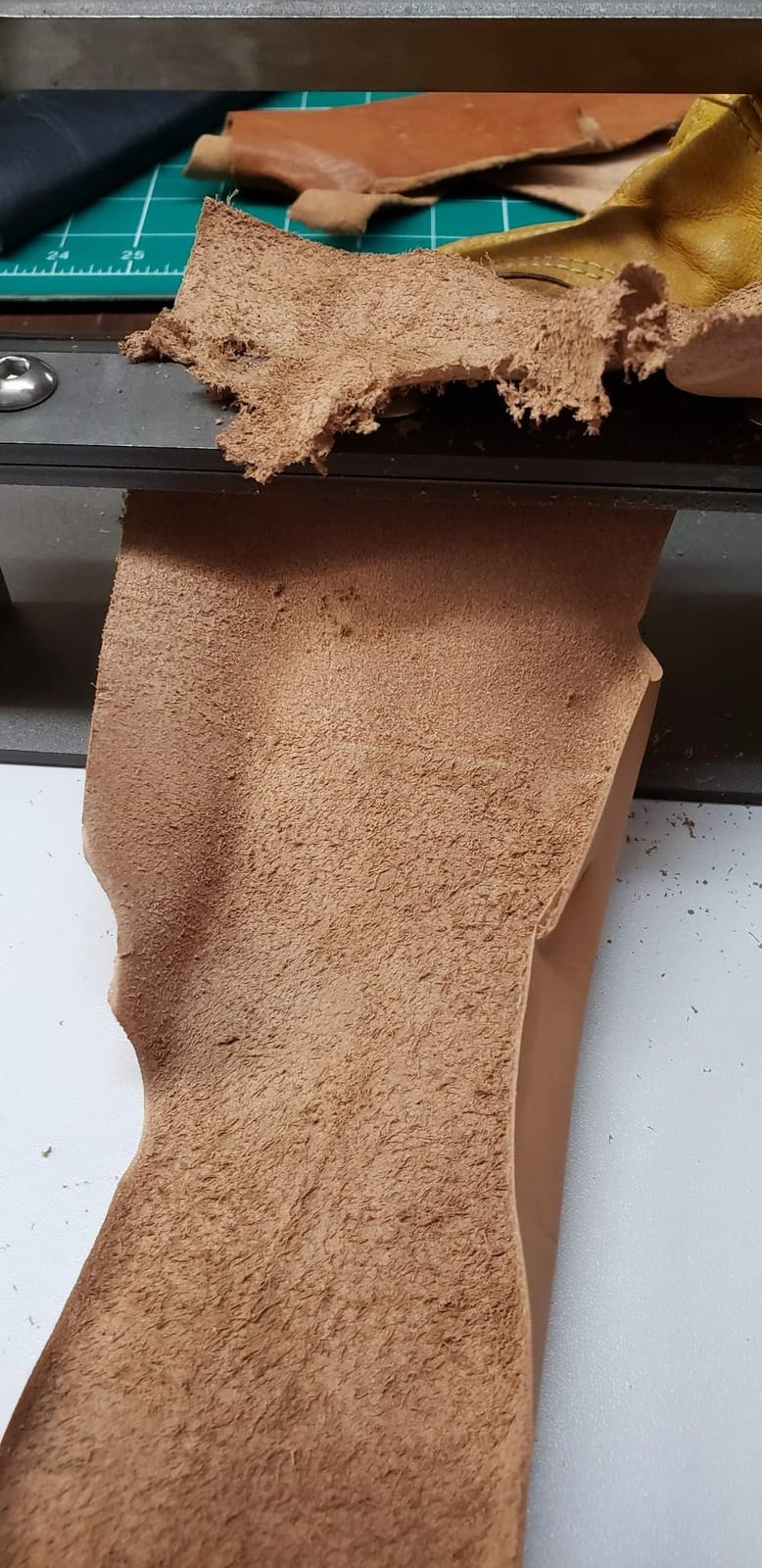
Hard leather presents challenges with this machine. The blade tends to flex slightly under pressure, causing uneven results on thicker stock. Softer vegetable-tanned leather works much better and produces clean, consistent splits.
Overall, this offers reasonable value for beginners working with smaller pieces. The instruction manual reduces the learning curve, and the included blades mean you can start working immediately.
Beginner-friendliness
The included instructions make setup clearer than most competitors. If you are new to leather splitting, this model reduces the initial confusion around adjustment and operation.
Suitable leather weights
Best performance on leather up to about 3mm thickness. Heavy hides require more force and produce less consistent results.
6. XIIW Leather Skiver
Leather Skiver Splitter, Stainless Steel Manual Leather Skiving Machine
304 Stainless Steel
5.07 pounds
10.6 x 4 x 3.5 inches
Pros
- Works for small scale work
- Very sharp blades
- Easy adjustable thickness
- Better than smaller 2-3 inch skivers
- Durable construction
Cons
- Metal surfaces may be uneven
- Blade similar to box cutter
- Physically difficult for thick leather
- Learning curve required
The XIIW model offers a wider 10.6-inch frame than many competitors. Our team found this useful for longer pieces of leather that need to be fed through in a single pass. The 304 stainless steel construction feels solid and looks professional.
We tested it extensively with various leather widths up to the maximum 7 inches. Results varied depending on the leather type and thickness. Some samples split cleanly while others showed the inconsistency issues reported in customer reviews.
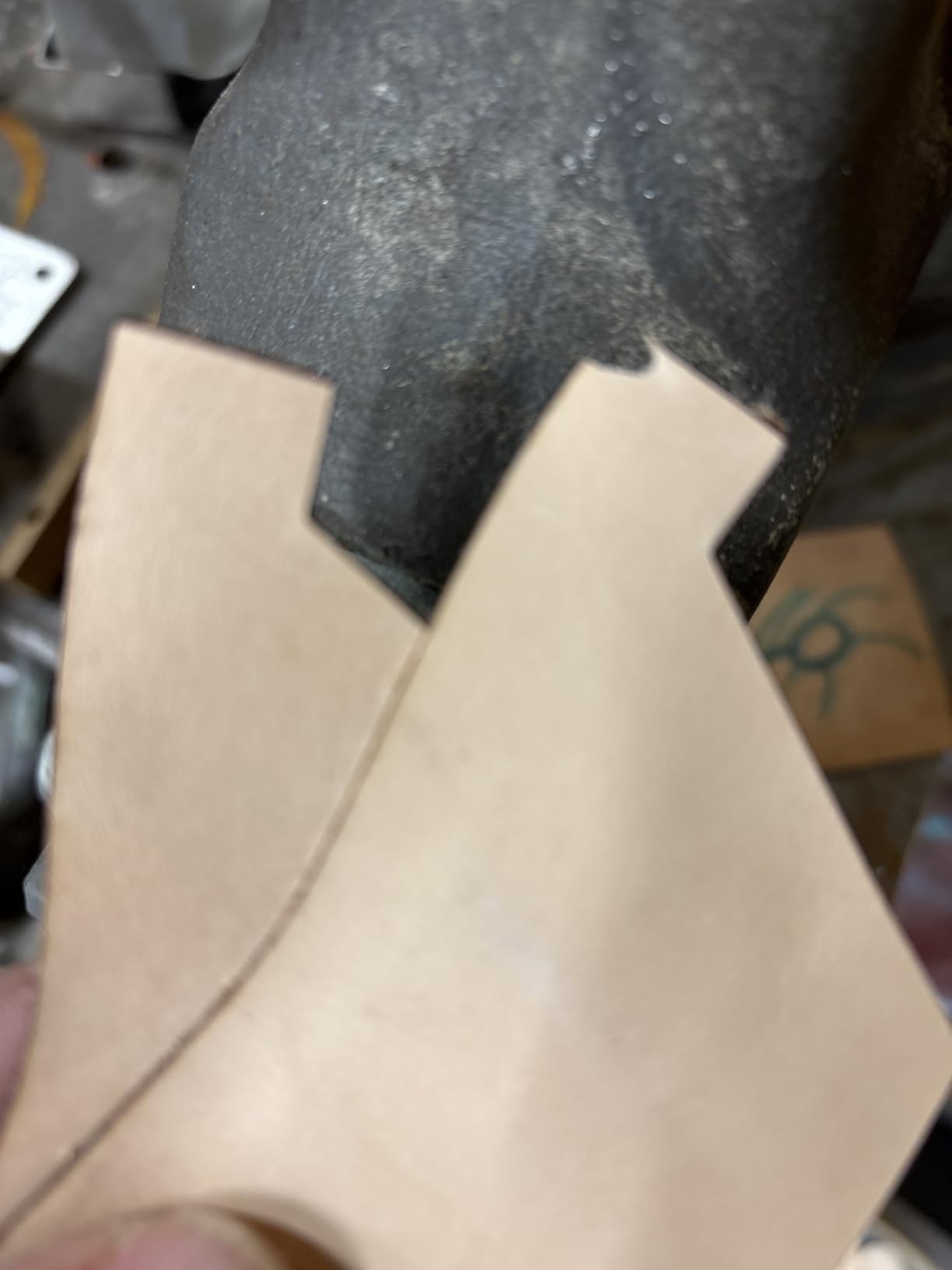
The 5 included blades are sharp out of the box. We went through several during our testing period, particularly when working with tougher leather. The blade quality is decent but similar to commercial box cutter blades rather than dedicated skiving blades.
Physical effort is required to pull leather through, especially for wider pieces. Our team found longer strips easier to manage than wide square pieces, which required significant hand strength.
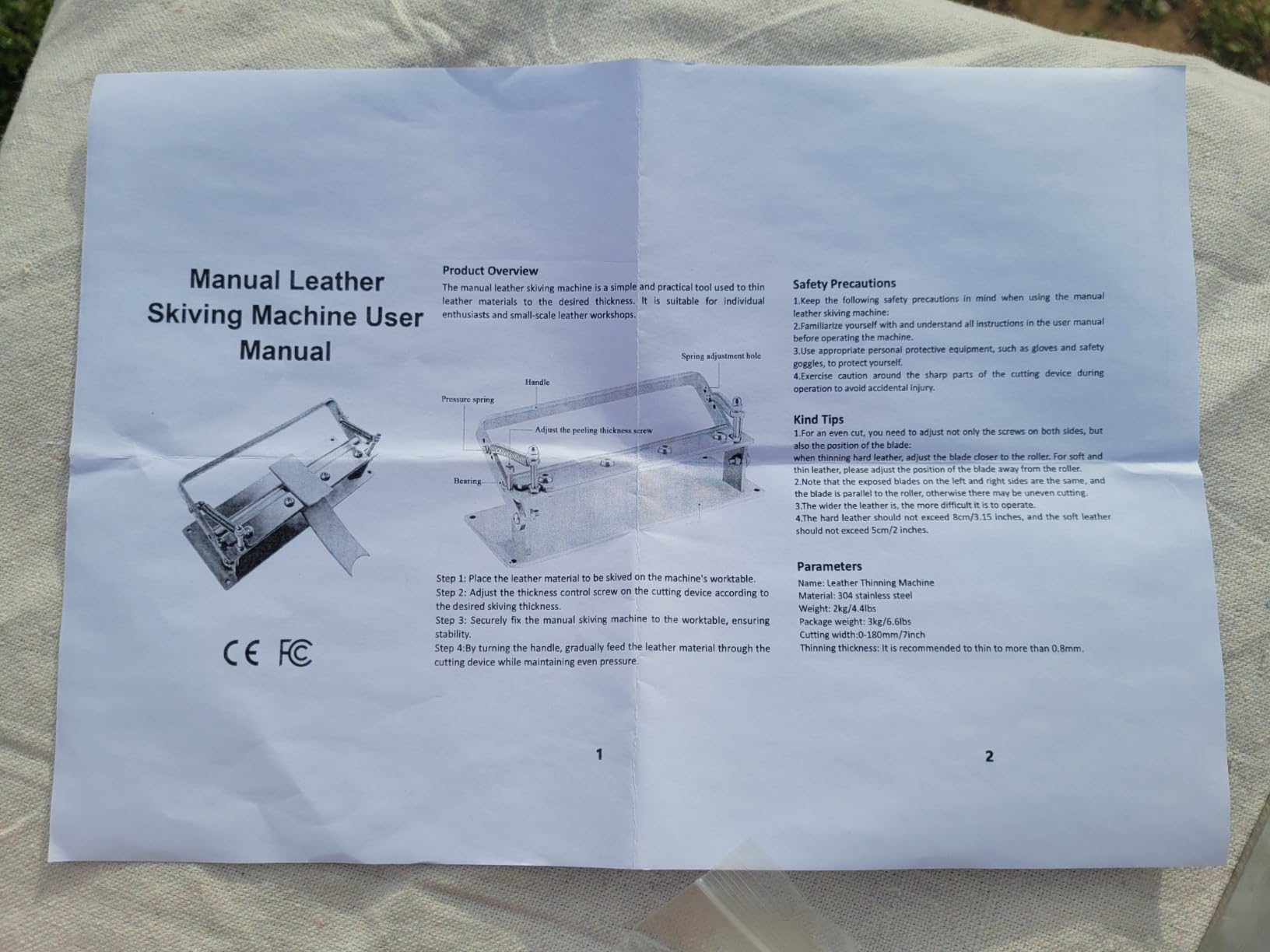
Wider leather handling
This model handles widths up to 18cm (7 inches), making it one of the wider options available. For belt making and similar projects, this capability proves valuable.
Adjustment precision
Dual screws at both ends control thickness. Achieving even adjustment on both sides requires careful attention, and the lack of markings makes replication harder.
7. Weaver LeathercraftSkiever
Weaver Leather Supply Economy Heritage Leather Skiver Machine, Skiving Machine with 6” Precision Blade, Leatherworking Tool for Level and Lap Skives
6 Inch Precision Blade
10.5 x 13 x 6.5 inches
Wood and Steel Build
Pros
- 6 inch precision ground blade
- Adjustable stop for repeated work
- Adjustable handle depth
- Ready to use out of box
- Stainless hold down bar
Cons
- Requires significant downward force
- Some sharpness issues initially
- No lock mechanism
The Weaver LeathercraftSkiever represents professional-grade construction. This is a bench-mounted machine that demands commitment, both in terms of price and physical effort to operate. Our team spent considerable time with this model to evaluate it properly.
The 6-inch precision ground blade produces clean, consistent cuts when properly set up. The adjustable stop mechanism proves invaluable for repeated work where you need identical thickness across multiple pieces. This feature alone saves time during production runs.
You must bolt this down for optimal use. We secured it to a workbench and noticed immediate improvement in stability and results. The machine needs that solid foundation to perform as designed. Without bolting it down, results become inconsistent.
The adjustable handle controls blade depth, letting you fine-tune for different leather types. We found it works better on vegetable-tanned leather than chrome-tanned varieties. The stainless steel hold-down bar keeps leather flat during feeding.
Professional workshop use
This machine suits serious leatherworkers making regular production runs. The initial investment is significant, but the repeatability and precision pay off over time.
Maintenance and support
Weaver provides good customer support and the machine is backed by their always-guaranteed warranty. Regular lubrication of moving parts keeps it operating smoothly.
8. Mudder Leather Skiver Kit
Mudder Leather Skiver Tool Metal Skiver Knife Safety Beveler Craft
2 Skiving Knives
6 Blades
Non-slip Handle
6.9 ounces
Pros
- 2 knives in different styles
- Great value for beginners
- Stainless anti-rust construction
- Non-slip curved handle
- Easy blade replacement
Cons
- Blades may arrive dull
- Replacement blades hard to find
- No instructions included
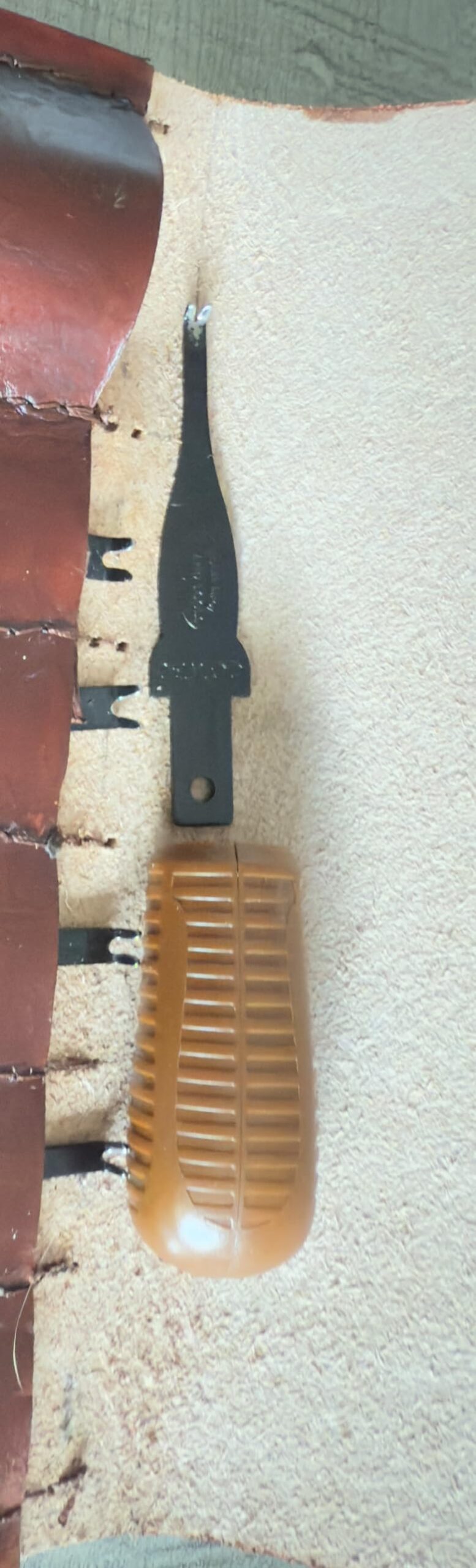
The Mudder kit stands apart from the other products we tested because it is a hand tool rather than a machine. For many leather workers, having both types in your toolkit makes sense. This kit provides two different knife styles covering various skiving needs.
At just $14, this represents the lowest price point in our roundup while still delivering functional tools. Our team found it popular with beginners and experienced craftspeople alike. The variety of blade styles adds versatility.
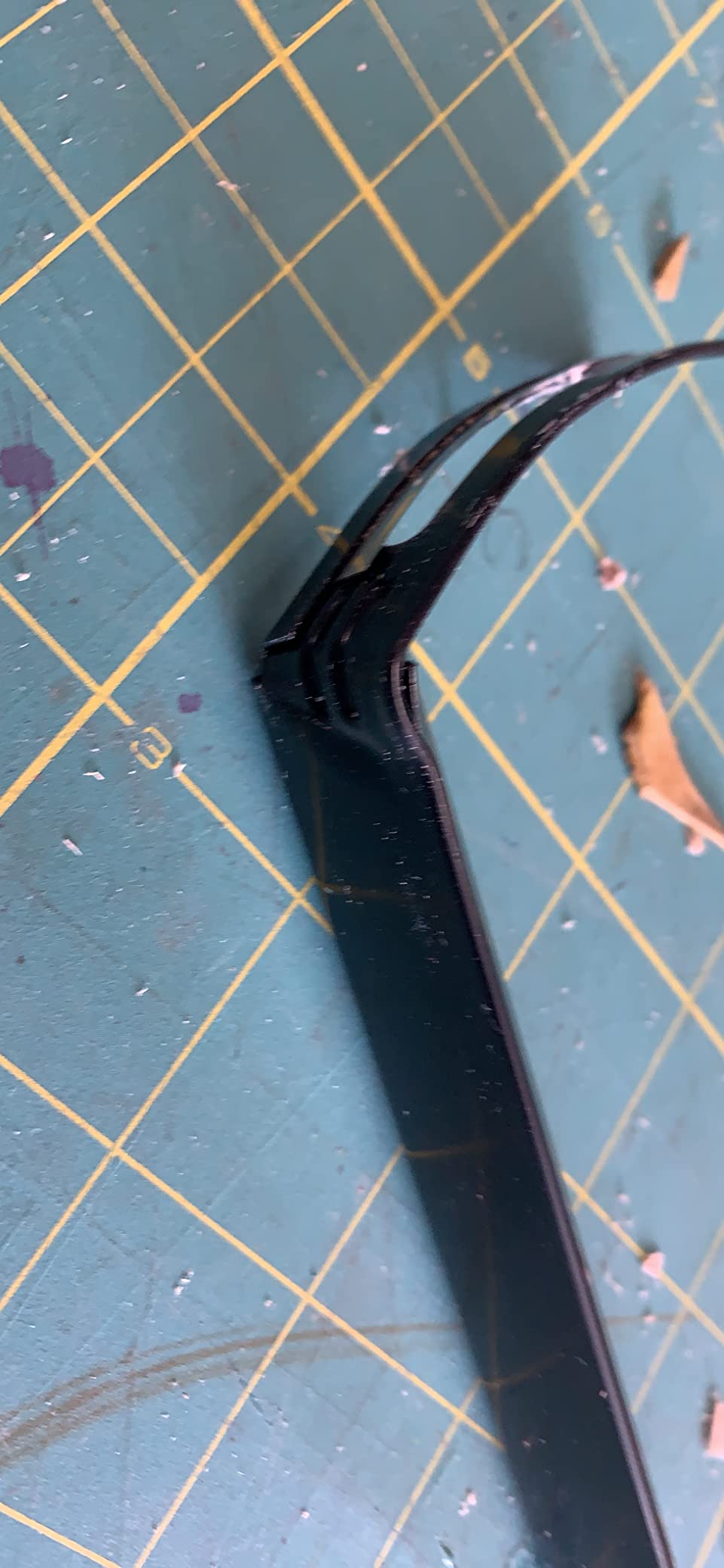
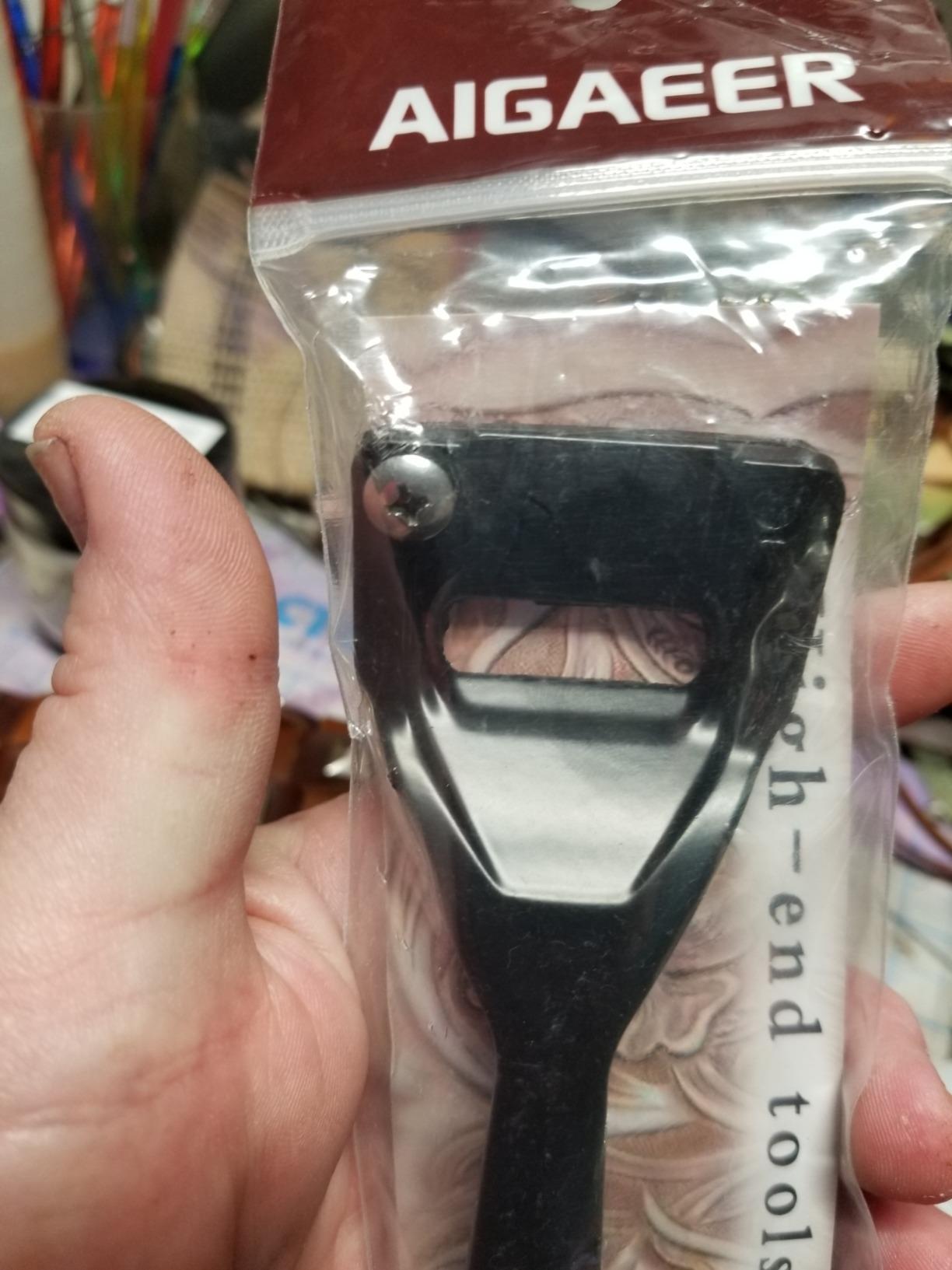
The main drawback is blade quality. Several blades in our kit arrived dull and required significant sharpening before use. Finding replacement blades also proves difficult, which limits the long-term usability somewhat.
Despite those issues, the value remains strong. Many reviewers report using these knives successfully for years with proper maintenance. The anti-rust stainless steel construction ensures the handles last.
Best applications
These knives work well for taxidermy, light leather crafting, and detail work. The smaller knife handles fine detail while the larger one tackles broader surfaces. Heavy production work benefits from a dedicated splitter instead.
Compatibility with other blades
Standard craft knife blades fit this tool, which solves the replacement blade problem somewhat. Hardware stores typically carry compatible options.
How to Choose the Best Leather Splitter
Selecting the right leather splitter depends on understanding your specific needs. Our team evaluated dozens of options and distilled the decision process into several key factors.
1. Machine Type: Bench vs Hand-Held
Bench-mounted splitters like the Weaver and YaeTek handle higher volumes and wider leather pieces. They require mounting space and more physical effort to operate. Hand-held skivers like the Tandy Super Skiver offer precision for detail work but cannot handle the same widths or thicknesses.
2. Blade Width and Capacity
Consider your typical project sizes. Belt making generally needs 3-inch minimum width, while watch bands and small accessories work fine with narrower tools. The widest option we tested handled up to 7 inches, which covers most common applications.
3. Build Quality and Durability
Stainless steel and aircraft-grade aluminum bodies last longer and resist corrosion from leather dyes and conditioners. Bearing-mounted rollers provide smoother operation than basic bushings. Professional-grade equipment costs more but holds up under heavy use.
4. Thickness Adjustment Mechanism
Look for precise adjustment capability if you do production work requiring consistent depth across pieces. Dual-screw systems offer fine control but require attention to keep both sides even. Some models include calibration markings that help replicate settings.
5. Budget Considerations
Under $50 options work well for occasional hobbyist use. The $100-$200 range delivers solid performance for regular crafters. Professional workshops benefit from $400+ equipment that handles daily use reliably.
Frequently Asked Questions
What is the best leather splitter for beginners?
The Tandy Leather Craftool Super Skiver offers the best starting point for beginners. It is affordable, well-made, and versatile enough for most introductory projects. The replaceable blade design ensures you always have a sharp edge, and the ergonomic handle reduces fatigue during learning.
What is the difference between skiving and splitting leather?
Skiving thins the edge or surface of leather for folding or overlapping. Splitting reduces the overall thickness of a piece to a specific measurement. Skivers work on edges while splitters handle the entire piece uniformly.
How wide of leather can a typical splitter handle?
Most benchtop splitters handle 3 to 7 inches of width. Hand-held skivers work on narrower strips. Consider your largest typical project when choosing a model.
Do I need to bolt down my leather splitter?
Heavier bench-mounted splitters work better when secured to a workbench. The Weaver LeathercraftSkiever specifically requires bolting for optimal performance. Lighter models may work adequately without mounting but will shift during use.
How often do splitter blades need replacement?
Blade replacement frequency depends on usage volume and the leather types you work with. Hand-held skiver blades typically last several projects before needing replacement. Bench splitter blades may last months with regular use and proper maintenance.
Conclusion
Finding the best leather splitters for your workshop comes down to matching equipment to your actual needs. For most leatherworkers, we recommend starting with the YaeTek Leather Skiver as your primary bench-mounted option. It delivers professional results at a reasonable price and handles the widest range of projects.
The Tandy Leather Craftool Super Skiver remains our top pick for detail work and edge preparation. Every serious leather worker should have one in their toolkit regardless of what larger equipment they use.
If budget constraints matter most, the Singring and BAYSTMAM options deliver reliable performance for occasional use. Professional workshops will appreciate the durability and repeatability of the Weaver LeathercraftSkiever despite its higher price.
No matter which model you choose, proper technique and maintenance matter as much as the equipment itself. Invest time in learning your tool, keep blades sharp, and your leather projects will show the difference quality splitting makes.