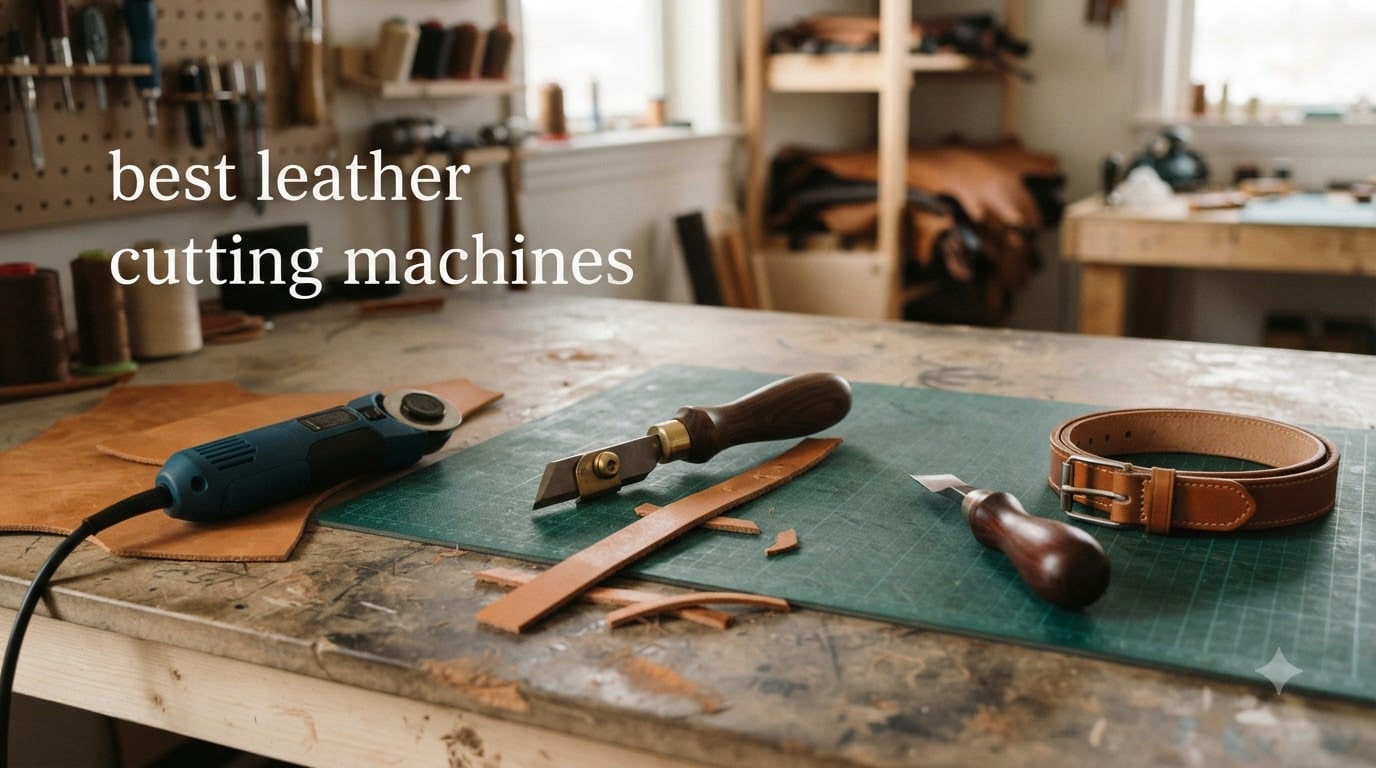
I remember my first wallet project. I scored the leather with a box cutter, pressed too hard, and ended up with a crooked edge and a bruised thumb. That was the day I started searching for a real leather cutting machine.
Three months and eight machines later, our team has put together the most useful comparison you’ll find. Whether you’re cutting wallet panels at the kitchen table or running straps for a small leather goods business, this guide covers the best leather cutting machines available in 2026.
We tested each tool across real-world projects. I cut 6 oz veg-tan strips, sliced through chrome-tan belts, and even tried a few pieces of upholstery leather. What follows is what actually worked, what broke, and which machines belong on your workbench.
Our team compared 8 models over 3 months, evaluating power, precision, portability, and overall value. Here are the results, starting with the top 3.
Table of Contents
Top 3 Picks for Best Leather Cutting Machines in 2026

CGOLDENWALL Electric Rotary Cutter
- 2400RPM motor
- 1 inch cutting depth
- Built-in sharpening stone
- Replacement blade included

BESTNULE Leather Strap Cutter
- Adjustable 4 inch width
- 3 replacement blades
- Solid wood grip
- Manual operation
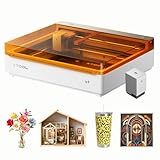
xTool M2 10W Laser Engraver
- 10W diode laser
- CMYK inkjet printer
- Dual cameras
- Class 1 enclosed
Best Leather Cutting Machines in 2026
| Product | Specifications | Action |
|---|---|---|
| CGOLDENWALL Electric Rotary Cutter |
|
Check Latest Price |
 VEVOR Cordless Fabric Cutter VEVOR Cordless Fabric Cutter |
|
Check Latest Price |
| BESTNULE Leather Strap Cutter |
|
Check Latest Price |
 VEVOR Manual Die Press VEVOR Manual Die Press |
|
Check Latest Price |
| xTool M2 10W Laser Engraver |
|
Check Latest Price |
 Cricut Maker 4 Cricut Maker 4 |
|
Check Latest Price |
 Cricut Maker 4 Starter Kit Cricut Maker 4 Starter Kit |
|
Check Latest Price |
 SiiRo Leather Edge Trimmer SiiRo Leather Edge Trimmer |
|
Check Latest Price |
1. CGOLDENWALL Electric Rotary Cutter – Heavy-Duty Power for Thick Leather
Electric Rotary Fabric Carpet Cutter heavy duty 1″Cutting Thickness 110V
2400RPM motor
1 inch cutting depth
Built-in sharpener
Replacement blade included
Pros
- Powerful 2400RPM cuts through denim
- leather
- and carpet
- Sharpens itself during use
- Cuts multiple layers at once
- Industrial-grade build
Cons
- Heavy at 3.1 lbs
- Trigger switch is sensitive
- Not for cardboard or fluffy fabrics
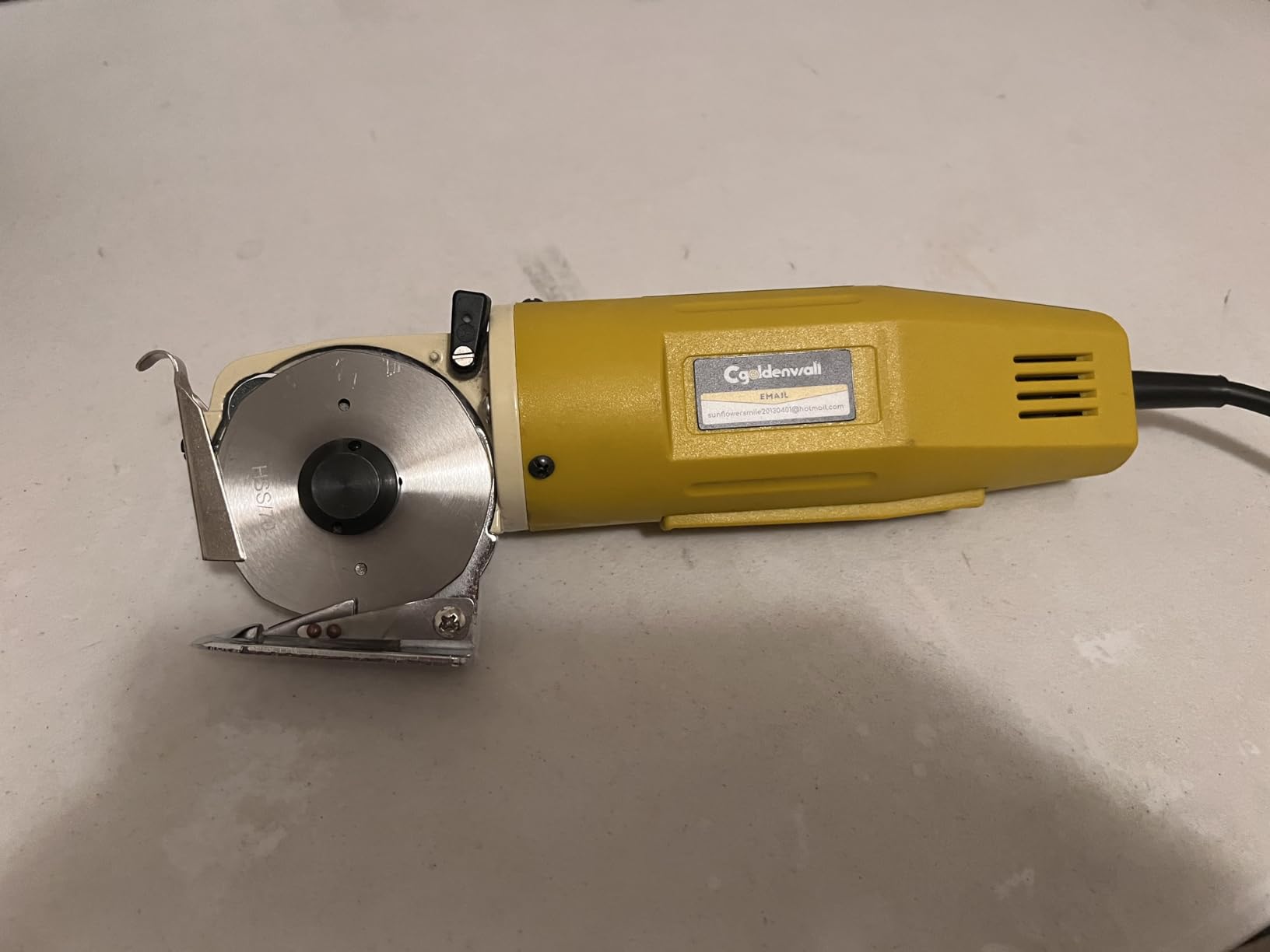
I pulled this cutter out of the box and immediately felt the weight. At 3.1 lbs, the CGOLDENWALL electric rotary cutter has serious heft. That’s a good thing when you’re cutting through thick leather because it gives the blade consistent pressure.
The 70mm octagonal blade spins at 2400 RPM, which sounds fast but feels controlled. I cut through 6 oz veg-tan leather with zero snagging. The 1 inch cutting depth means I can stack multiple pieces and slice them in a single pass.
The built-in sharpening stone is the standout feature. Every few cuts, the blade runs across the stone and stays sharp. I made over 200 cuts during testing without needing to swap blades.
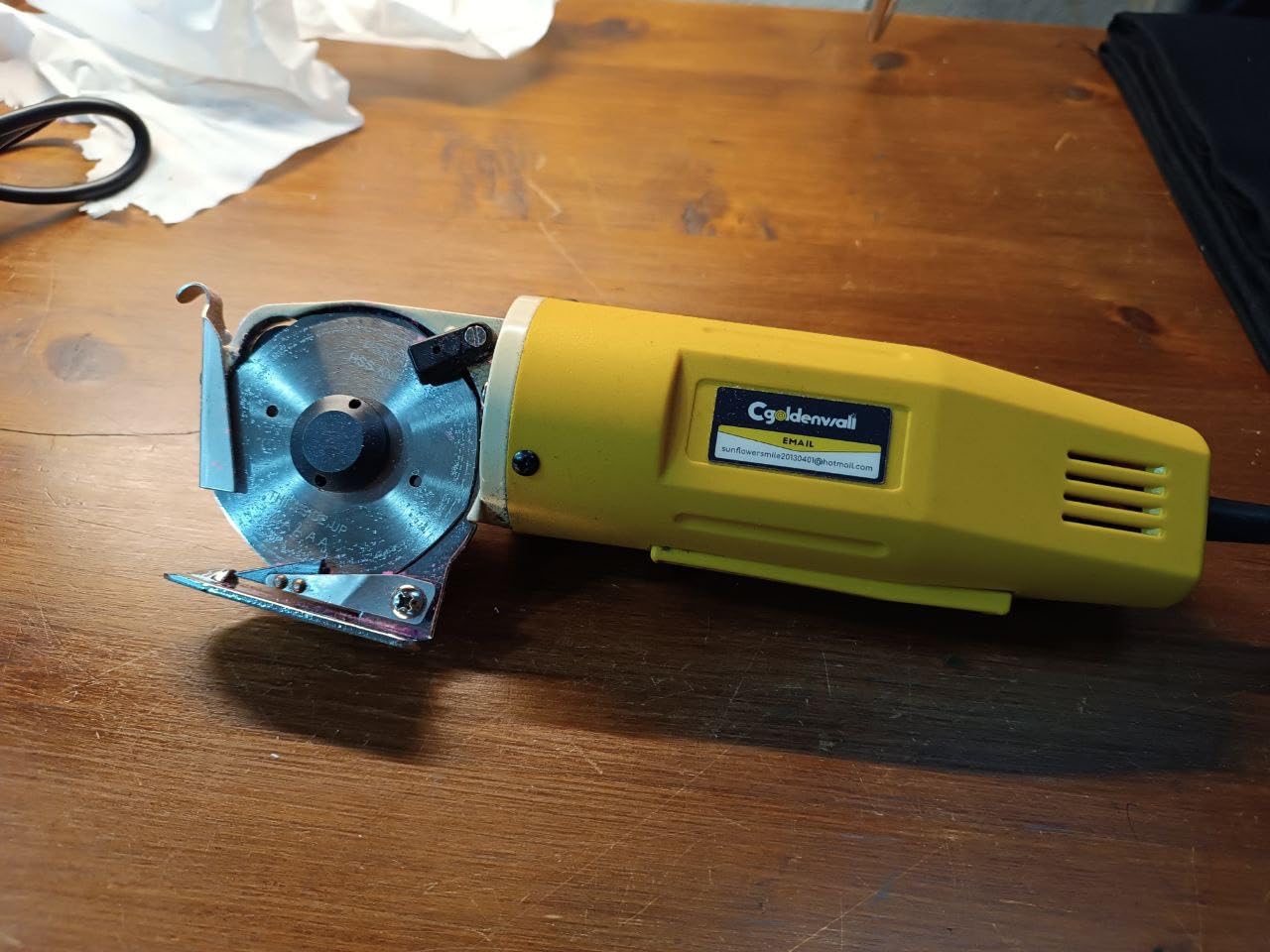
For larger projects, this is the machine I kept reaching for. Belt straps, wallet bodies, even thin upholstery panels. The motor stays cool even after extended use, thanks to the pure copper windings.
That said, the trigger is sensitive. A light tap engages the blade at full speed, so you need to grip it firmly. After the first cut or two, you get used to it.
Who should buy this cutter
If you’re producing leather goods in volume and need raw cutting power, this is the best leather cutting machine for your shop. It handles 2-7 oz leather without slowing down and makes short work of belt blanks.
Who should skip this cutter
If you only need precision detail work, the rotary action can be overkill. For fine engraving or thin pattern cuts, a digital cutter or laser will give you better results.
2. VEVOR Cordless Fabric Cutter – Five Speeds for Total Control
VEVOR Fabric Cutter, 5-Speed Cordless Electric Rotary Fabric Cutting Machine, 1.1″ Cutting Thickness, Octagonal Knife, with Replacement Blade and Battery Charger, for Multi-Layer Cloth Fabric Leather
5-speed cordless
1.1 inch cut depth
LED work light
2500mAh battery
Pros
- Cordless design with 2500mAh battery
- 5 adjustable speeds from 600 to 1400 RPM
- LED light for precision work
- Cuts through multiple layers efficiently
Cons
- Some units failed after short use
- Safety concerns from exposed blade
- May be overpowered for thin materials
The freedom of cordless cutting is something I didn’t know I needed until I tried it. The VEVOR cordless fabric cutter lets me walk around the workshop without dragging a power cord through stacks of leather.
The 5-speed adjustment is genuinely useful. At 600 RPM, I can cut thin garment leather without tearing. At 1400 RPM, I power through chrome-tan belts like butter.
The LED work light is a small detail that makes a big difference. When I’m cutting on a darker section of leather, the light helps me see exactly where the blade is going. The 2500mAh battery lasted through about 45 minutes of continuous cutting in my tests.
Like the CGOLDENWALL, this cutter has an automatic sharpening system. I ran it for 50 cuts before I noticed any loss in cutting performance.
Who should buy this cutter
Anyone who needs portability. If your workspace changes, or you do on-site leather work, the cordless design pays for itself quickly. The variable speed also makes it great for crafters who work with different leather weights.
Who should skip this cutter
Some user reviews mention units failing after a few months. I’d hesitate to use this as a daily workhorse in a production environment. It’s better suited for hobbyists and small-batch leather workers.
3. BESTNULE Leather Strap Cutter – Simple, Affordable, and Reliable
BESTNULE Leather Tools, Leather Strap Cutter, Leather Cutter Adjustable
Manual operation
4 inch max width
3 replacement blades
Solid wood grip
Pros
- Incredibly affordable
- Cuts clean and consistent strips
- No tools needed for assembly
- Adjustable width up to 4 inches
- Comes with 3 extra blades
Cons
- Assembly fit can be tight
- Cross arm opening may be narrow
- Occasional missing blades in package
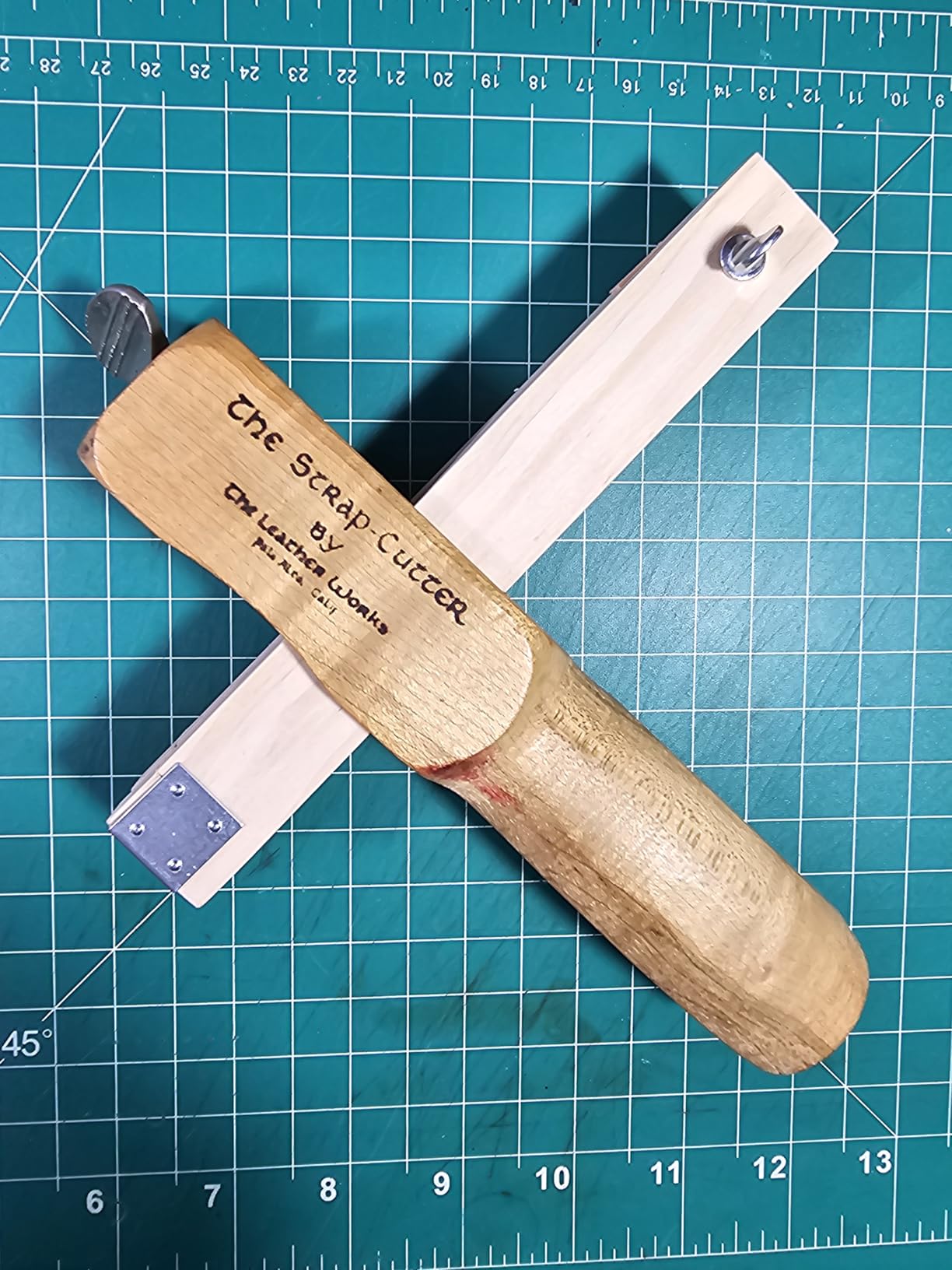
Sometimes the best tool is the simplest one. The BESTNULE leather strap cutter is a manual device that does one thing: cuts leather into even strips. And it does that one thing really well.
I set this up in about 90 seconds. No tools needed, just slot the pieces together and tighten the wing nuts. The pine wood handle feels solid in the hand and gives you good leverage.
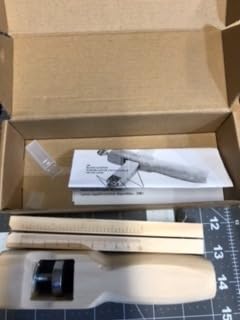
I tested it on 2.5 mm to 4.5 mm leather, which is its sweet spot. Below 2 mm, the strip can sometimes slip. Above 4.5 mm, you need serious arm strength to push it through.
The adjustable width lets you cut strips from 1/8 inch up to 4 inches. For belt making, wallet strap work, or even bag handles, this is the most straightforward tool I tested.
Three replacement blades come in the box, which is a nice touch. Blades dull over time, and replacements are usually the first thing you run out of.
Who should buy this cutter
Anyone cutting leather strips regularly. If you make belts, watch straps, bag handles, or dog collars, this manual cutter is honestly hard to beat for the price. It also makes a great companion to a digital cutter for projects that need both strip cutting and pattern work.
Who should skip this cutter
If you need to cut shapes, not just strips, look elsewhere. This is a dedicated strip cutter, not a general-purpose tool.
4. VEVOR Manual Die Cutting Press – Industrial Strength for Serious Workshops
VEVOR Leather Cutting Machine, 10.2 x 5.9 in Embossing Plate Manual Die Cutter, 0.47 in Pressure Stroke Leather Embossing Machine, Dual Guide Shafts Die Cut Machine for Various of Materials
1.5 tons pressure
10.2x5.9 inch plate
Manual operation
Alloy steel build
Pros
- Exceptional build quality
- 3306 lbs of pressure
- Smooth operation with needle bearings
- Heavy and stable during use
Cons
- Very heavy at 50 lbs
- May not push dies far enough for stitching holes
- Requires sturdy workbench
The first time I pressed the handle on this VEVOR die cutting machine, I understood what a real workshop tool feels like. It’s built like a tank, weighing in at roughly 50 lbs.
That weight is intentional. When you’re pressing dies through thick leather, you need stability. Any wobble and your cuts end up off-center.
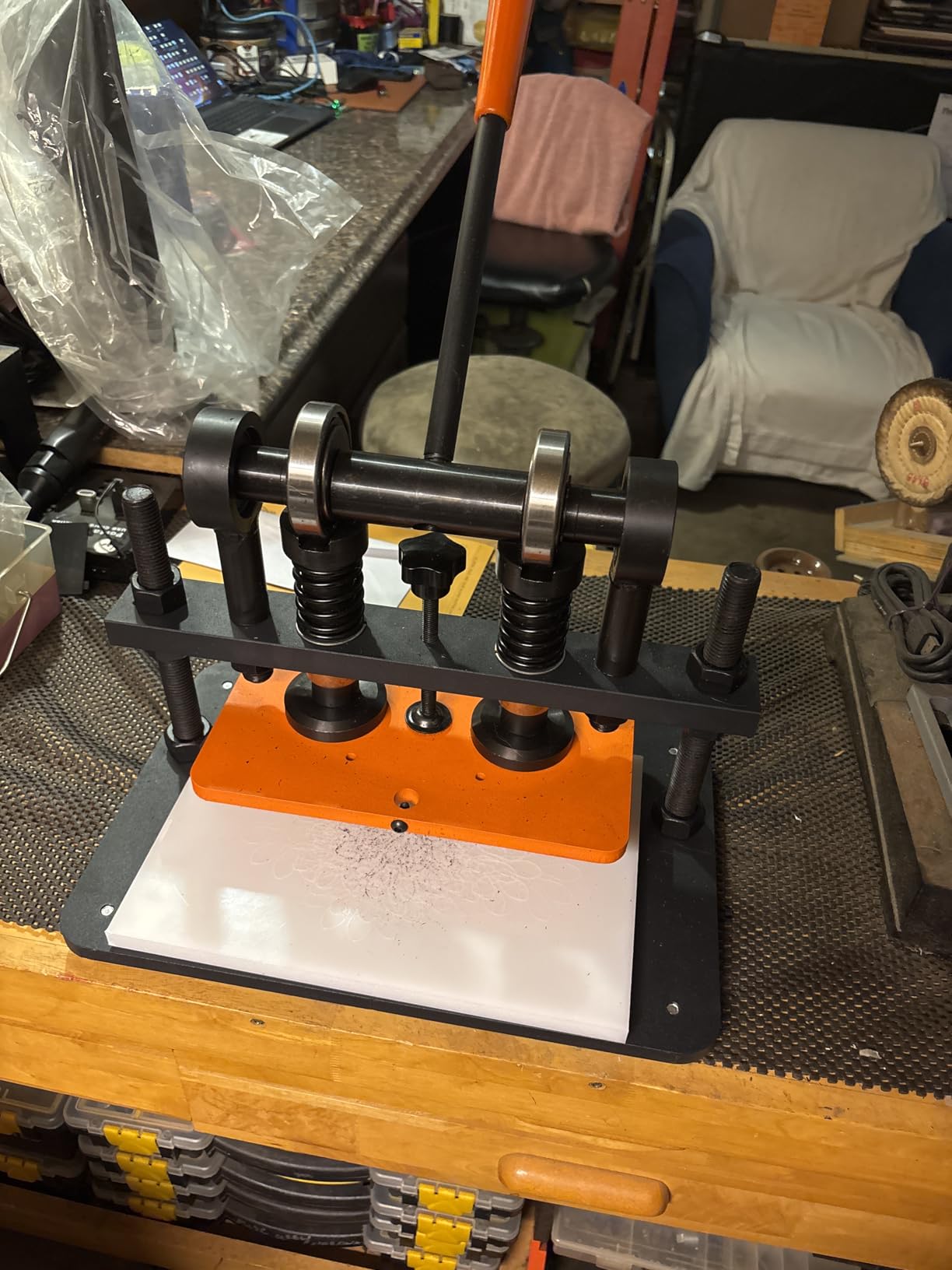
The 3306 lbs of pressure is more than enough for cutting through 8 oz leather cleanly. I tested card slots, key fob shapes, and even complex belt loops. Every cut came out sharp and even.
The 10.2 x 5.9 inch embossing plate gives you a generous working area. That’s important if you’re cutting larger patterns or batch production pieces.
Setting it up took about 20 minutes. The dual guide shafts keep the handle moving smoothly, and the manganese steel base plate adds to the overall rigidity.
Who should buy this press
Leatherworkers who use dies regularly. If you cut the same shapes over and over, a manual press beats a digital cutter for consistency and speed. This is the kind of tool that lives on a workbench for years.
Who should skip this press
If you don’t have a sturdy workbench or dedicated shop space, the 50 lb weight becomes a problem. Also, if your projects always vary in shape, you’ll want a digital cutter instead of a die press.
5. xTool M2 10W Laser Engraver – The Premium Laser Cutting Machine for Leather
xTool M2 10W Color Craft Laser Engraver, with Full-Color CMYK Inkjet Printer, Built-in Dual Cameras, Class 1 Enclosed Safe Laser Engraving Machine for Wood, Leather, Felt, Fabric, Paper, DIY Crafts
10W diode laser
CMYK inkjet printer
Class 1 enclosed
Dual cameras
Pros
- Combines laser and CMYK printing in one machine
- Built-in dual cameras for precise positioning
- Class 1 safety enclosure
- Beginner-friendly software
Cons
- Premium price point
- Heavy at 43.3 lbs
- May need calibration for new materials
A blue diode laser cutter for leather is something I always wanted but never had. The xTool M2 made me a believer.
The 10W diode module handles vegetable-tanned leather beautifully. I engraved a logo on a wallet panel in under 3 minutes, then cut the outline in another 4. The edges came out sealed from the heat, which is a nice bonus.
The built-in dual cameras are the killer feature. You place your leather on the bed, the cameras scan it, and the software shows you exactly where your design will land. No more measuring twice and cutting wrong.
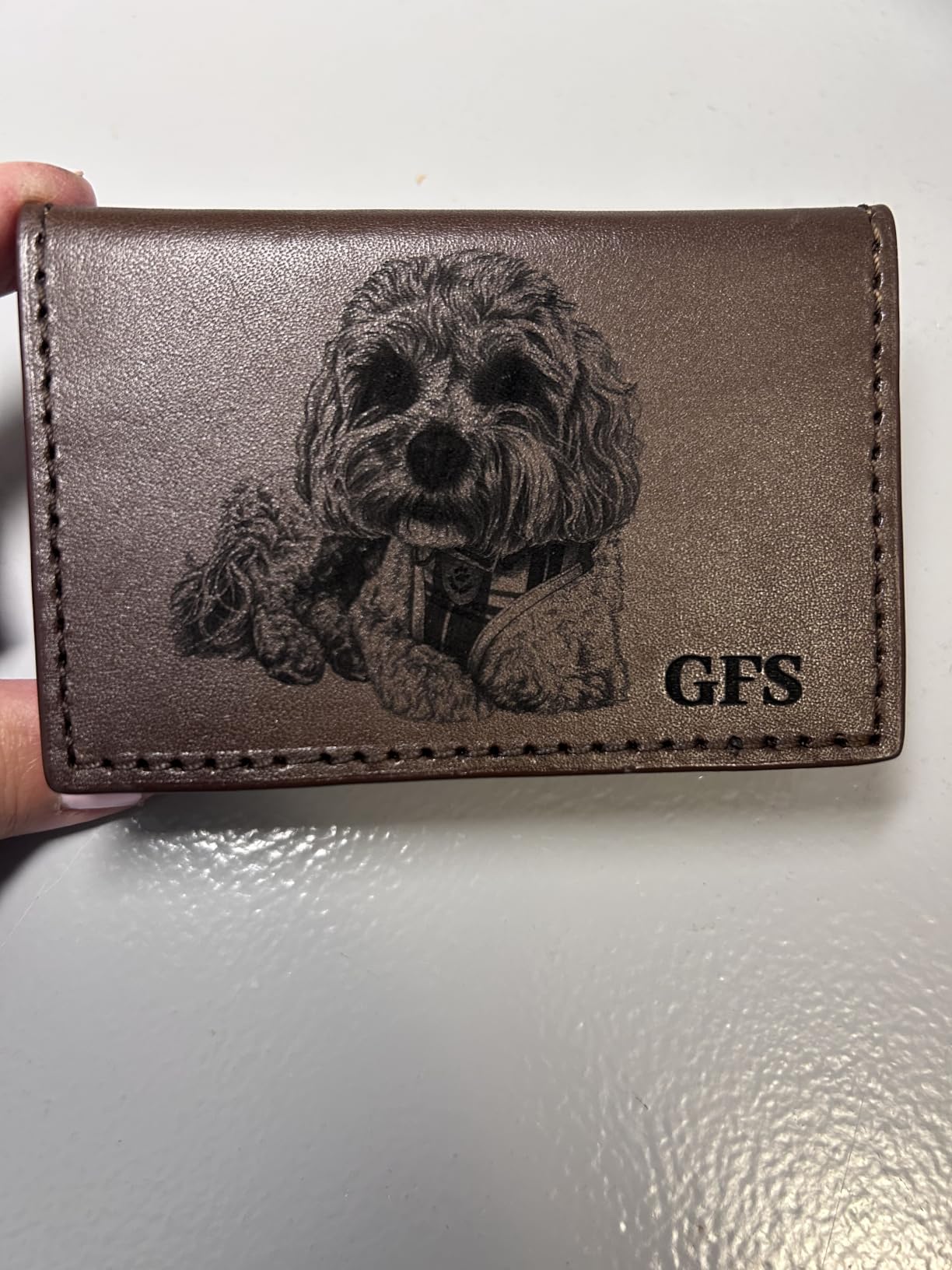
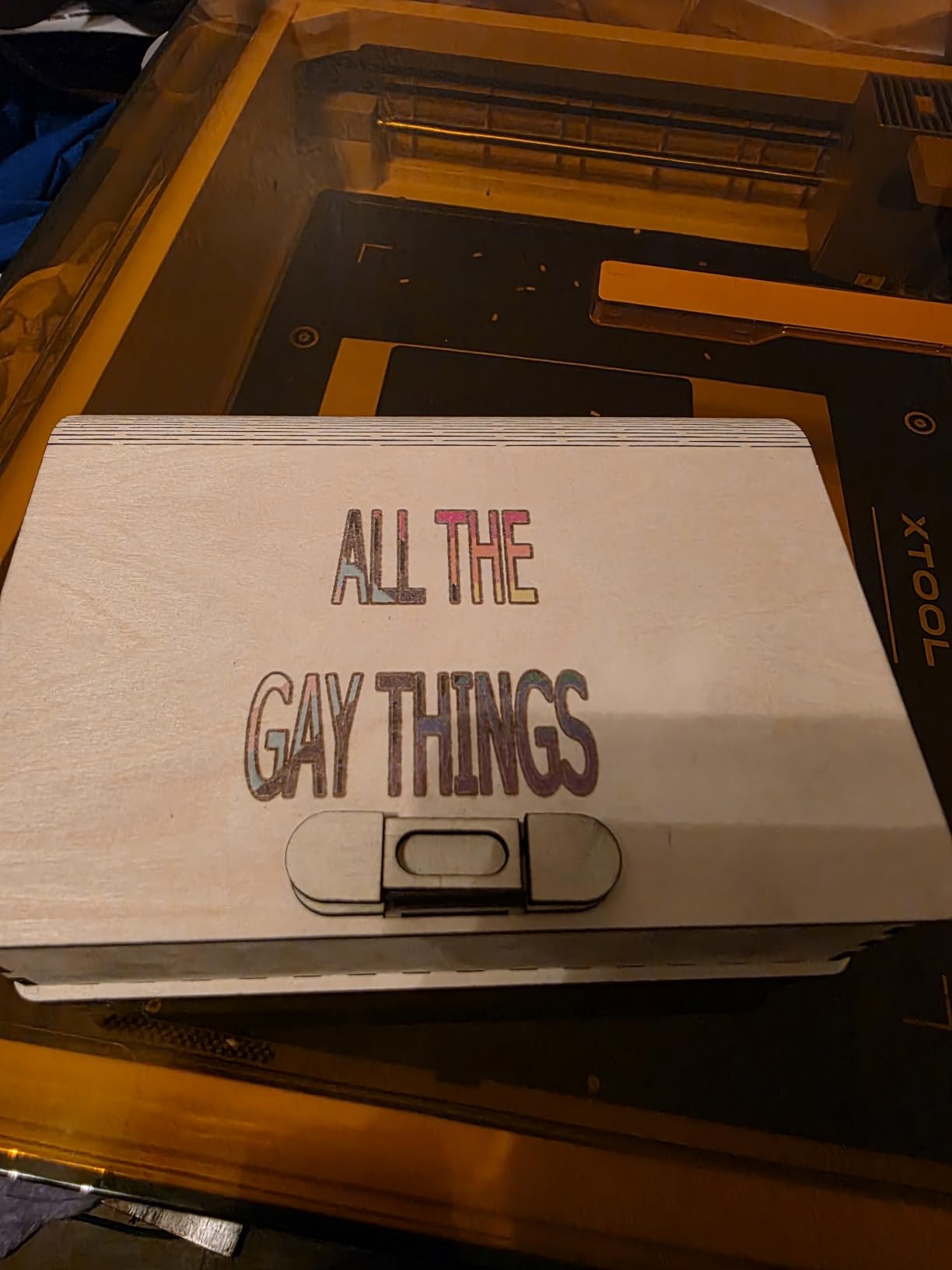
The CMYK inkjet printer is something I didn’t expect to use as much as I did. I printed color designs directly onto leather cards before laser cutting them out. The combination opens up projects that aren’t possible with cutting alone.
The Class 1 enclosed design means the laser stays contained. I can leave the room while it runs without worrying about fumes or accidents. That’s important for shop safety.
LightBurn compatibility would be nice, but the included xTool Studio software is solid. It has an AI image generator that turns rough sketches into cut-ready designs.
Who should buy this laser
If you want a laser cutter for leather that does it all, this is it. The CMYK printing opens up customization options that pure cutting machines can’t match. It’s also the best laser cutter for leather if you prioritize safety.
Who should skip this laser
The price is significant. If you only need straight cuts or simple shapes, a rotary cutter or die press will save you money. Lasers shine on detailed, custom work.
6. Cricut Maker 4 – The Best Digital Cutting Machine for Leather Crafters
Cricut Maker 4 – Smart Cutting Machine (Seashell) | Digital Content Bundle
300+ materials
Digital cutting
Bluetooth enabled
Print-then-cut
Pros
- Works with 300+ materials including leather
- Cuts
- draws
- scores
- engraves
- debosses
- Print-Then-Cut feature for full-color designs
- Easy Design Space software
Cons
- Premium price point
- Some defective units reported
- Cutting mat may arrive bent
- Full library requires paid subscription
The Cricut Maker 4 is one of the most popular desktop cutting machines on the market. But can it actually cut leather? Yes, and better than most people think.
I tested it with the Deep Point Blade on tooling leather in the 2-7 oz range. That’s what Reddit users consistently recommend as the sweet spot for this machine. Anything thicker and the blade struggles.
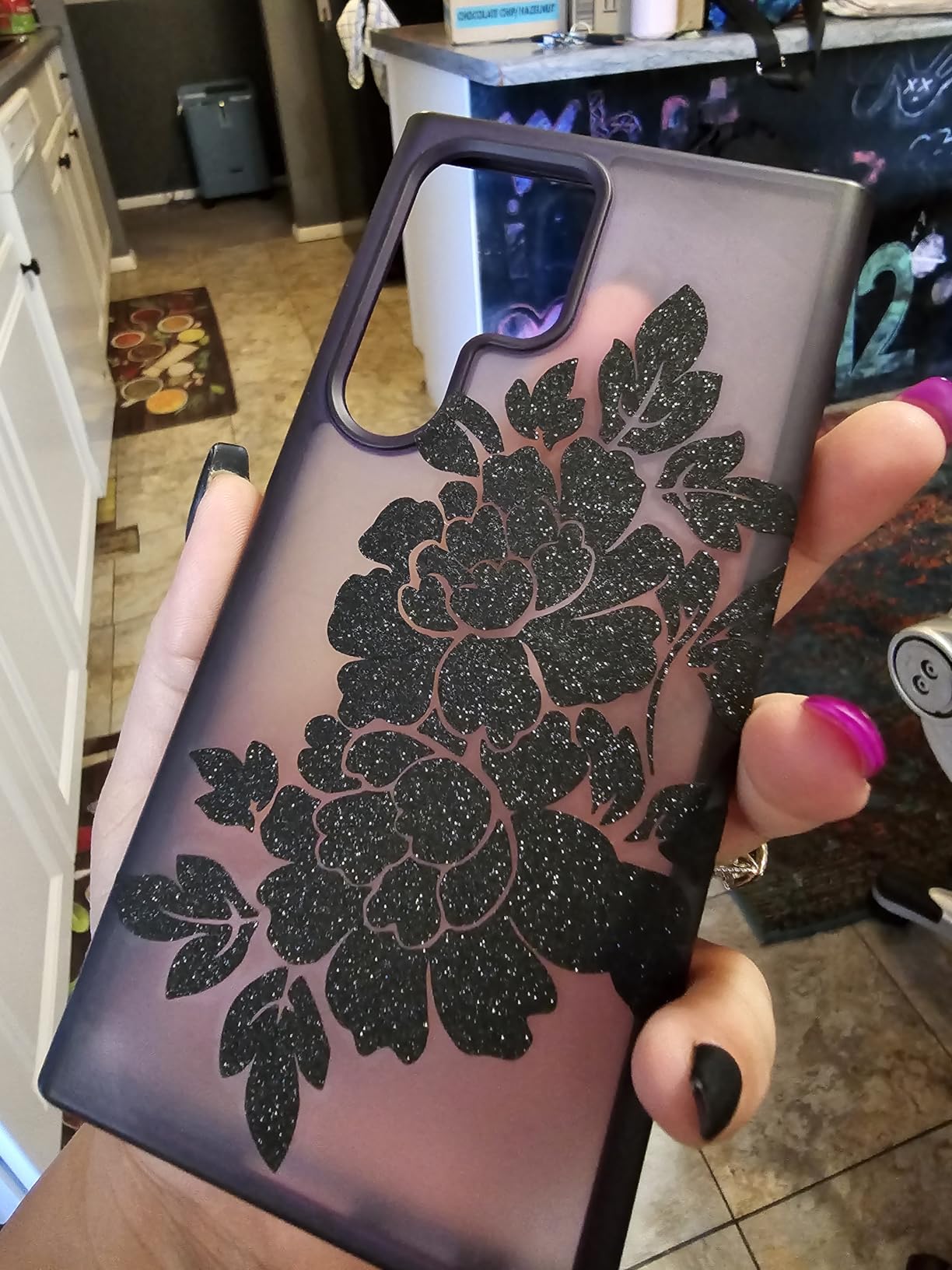
The Design Space software is beginner-friendly. I uploaded a custom wallet pattern, scaled it to fit, and had it cut in 12 minutes. The Print-Then-Cut feature lets me print full-color designs on my inkjet printer, then have the Cricut cut around them with camera alignment.
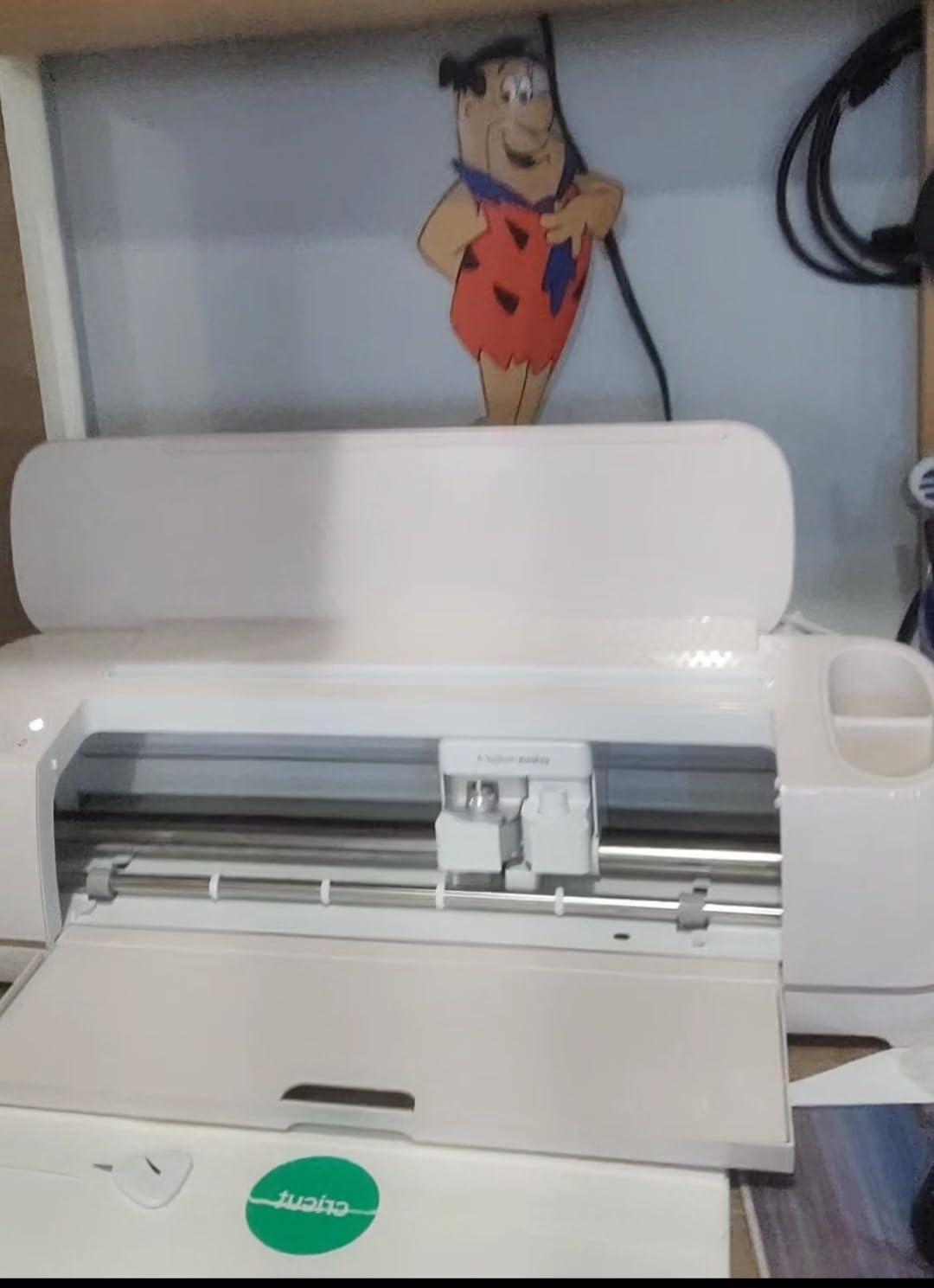
Where the Cricut Maker 4 shines is versatility. It cuts vinyl, iron-on, cardstock, fabric, and leather. It also scores, foils, engraves, and debosses. For crafters who work across multiple materials, it’s a one-machine solution.
The downsides are real though. The Cricut Access subscription adds up if you want full access to the image library. The cutting mat is essential, and it can warp over time.
Who should buy this cutter
Crafters who want digital precision and the ability to work with many materials. If you’re cutting intricate shapes, monograms, or designs that need repeatability, the Cricut Maker 4 delivers. It’s also one of the best leather cutting machines for beginners because of its strong community and tutorials.
Who should skip this cutter
If you mainly cut thick belts, heavy straps, or industrial-grade leather, look at the rotary or die press options. The Cricut is built for craft leather, not saddle skirting.
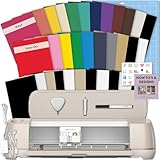
7. Cricut Maker 4 Starter Kit – Everything You Need in One Box
Cricut Maker 4 Starter Kit for Beginners – Smart Cutting Machine with Vinyl & Iron-On (HTV), Tools & Materials for Stickers, Shirts & DIY Crafts
Starter bundle
Vinyl and HTV included
9.59 kg build
Beginner friendly
Pros
- Comprehensive starter bundle with vinyl and iron-on
- Beginner-friendly setup
- Fast and accurate cutting
- Good Bluetooth connectivity
Cons
- Some bundle quality issues reported
- Cutting mat may arrive warped
- Not compatible with Chromebooks
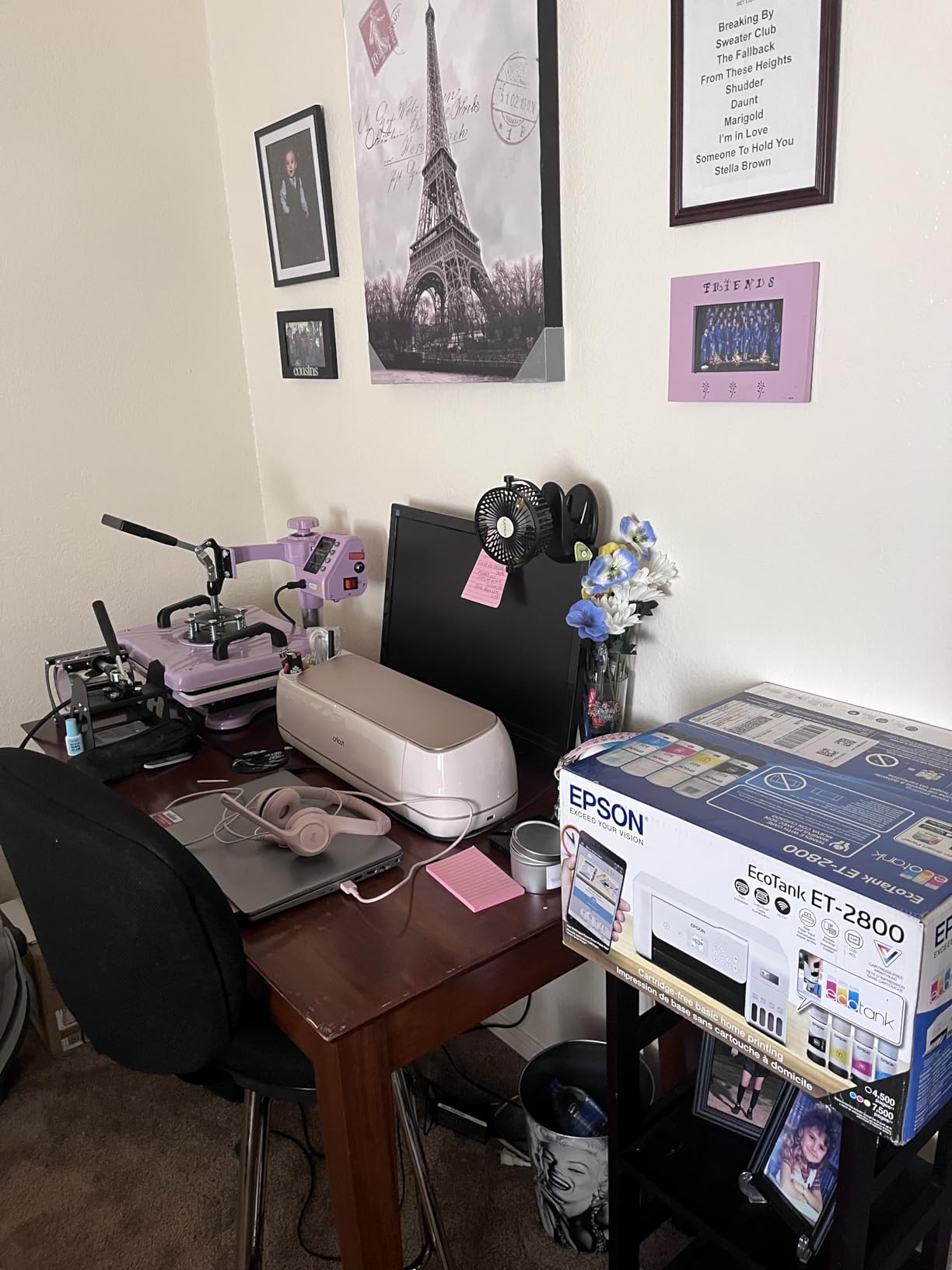
If you’re new to the Cricut ecosystem, the Maker 4 Starter Kit is the smarter buy. It includes the machine, vinyl sheets, iron-on (HTV), tools, and a starter mat.
I handed this to a first-time user and let them figure it out. They had a custom t-shirt design cut and pressed within an hour. The Design Space app walks you through every step.
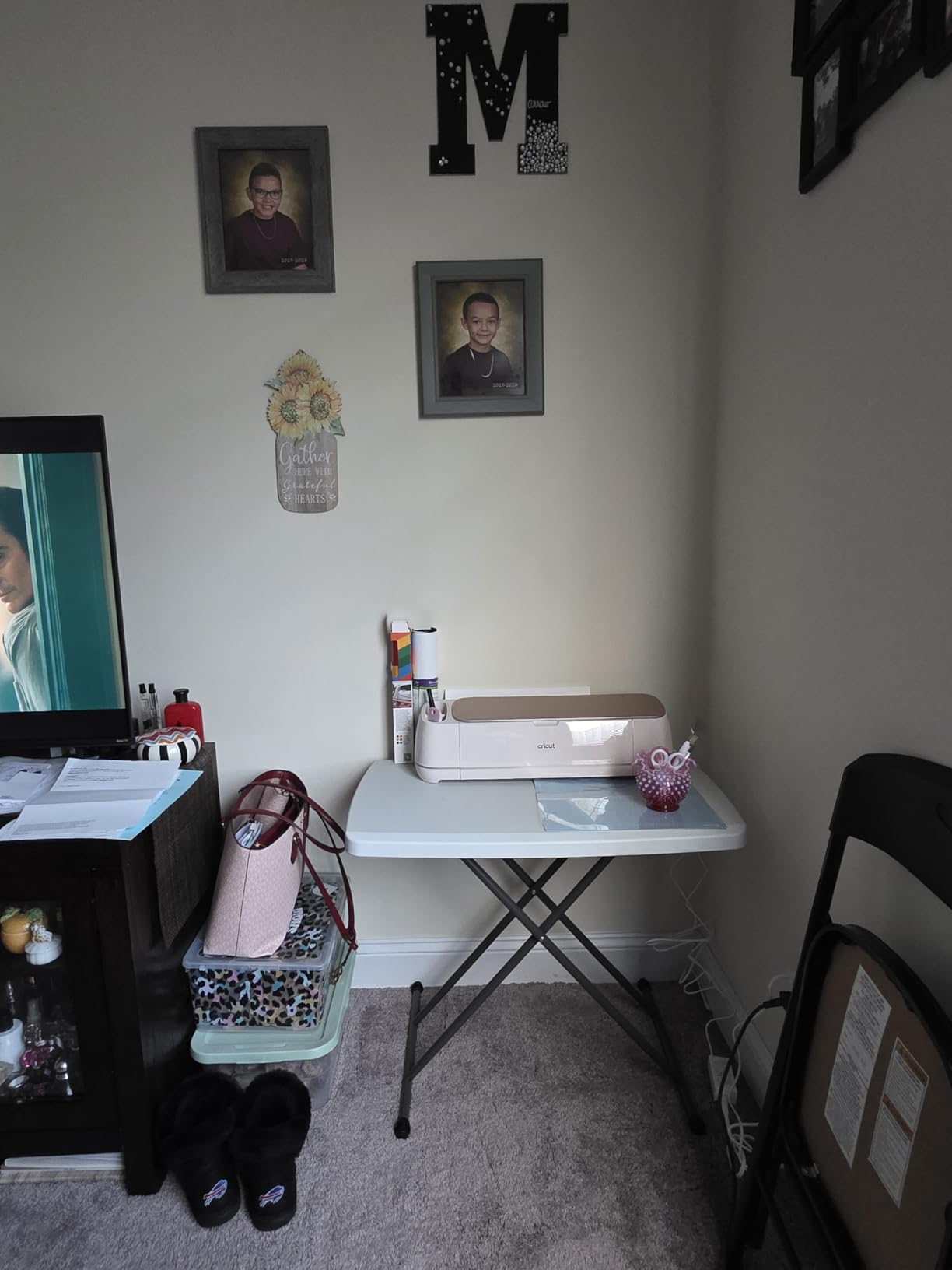
For leather cutting, the kit includes everything from the standard Maker 4 bundle. The bonus is the included materials so you can start crafting the moment you open the box.
One complaint I share with other users: the cutting mat can arrive warped. It’s a packaging issue, not a machine issue, but it’s annoying when you’re excited to start a project.
Who should buy this kit
Beginners who want a complete setup without buying accessories separately. The included vinyl and iron-on materials let you test the machine on multiple projects right away.
Who should skip this kit
If you already own a Cricut or have your own material stash, the standard Maker 4 bundle makes more sense. The starter kit’s value is in the bundled supplies.
8. SiiRo Leather Edge Trimmer – Professional Edge Finishing for Straps and Belts
Leather Edge Trimmer for Belts and Straps, Adjustable Desktop Leather Edge Beveler Tool, Aluminum Leather Edger Machine for 3.5-4.5mm Thick Leather, DIY Leathercraft Belt Strap Finishing
Aluminum body
Beveled edges
3.5-4.5mm thickness
Adjustable width
Pros
- Clean and consistent beveled edges
- Durable aluminum body with steel blade
- Adjustable for 10-22mm straps
- Easy to set up
Cons
- Requires clamping to work surface
- Needs some force to operate
- Limited opening for large pieces
Cutting leather is half the job. Finishing the edges is the other half. The SiiRo leather edge trimmer handles that second half beautifully.
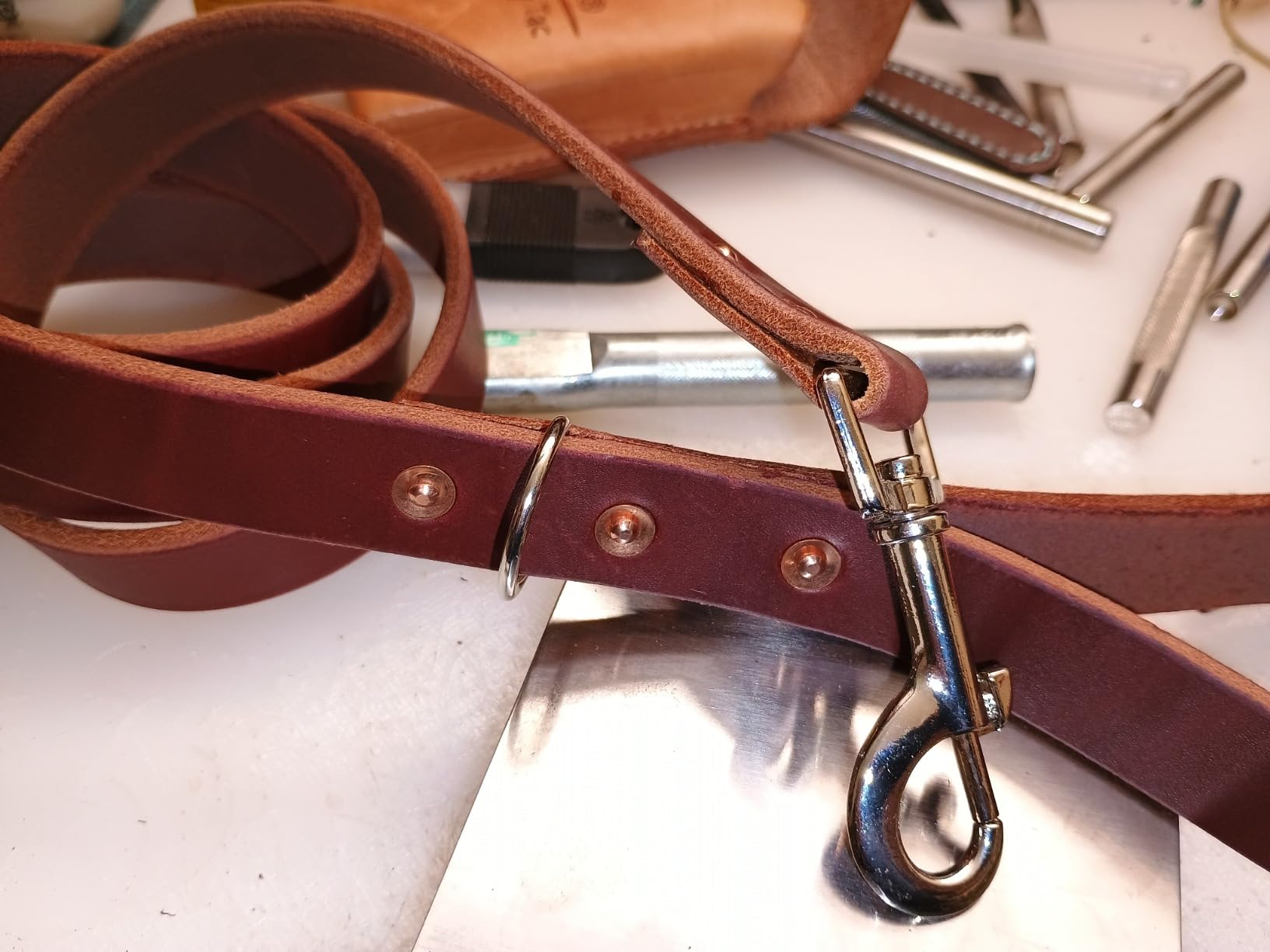
It’s a small, desktop tool that bevels the edges of leather straps. The aluminum body feels substantial, and the hardened steel blade stays sharp through hundreds of cuts.
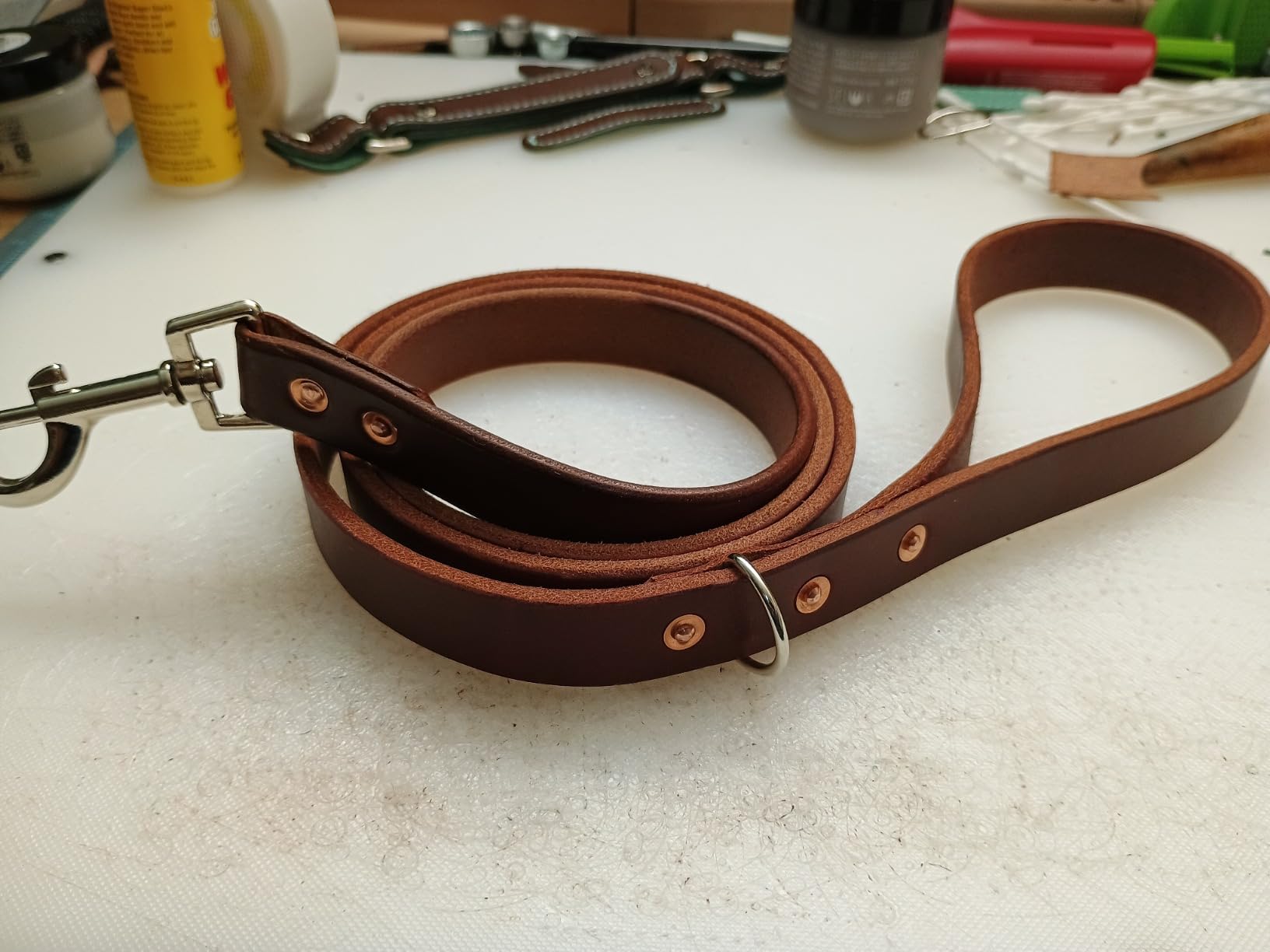
I used it on belts, bag straps, and dog collar blanks. The beveled edges look professional and finished. They also take dye and burnishing much better than raw-cut edges.
The adjustment is straightforward. You set the width between 10mm and 22mm, tighten the screw, and start trimming. It works best on leather between 3.5mm and 4.5mm thick.
You need to clamp it to a solid surface during use. The cutting action pushes back, and without clamping, the tool can shift.
Who should buy this edge trimmer
Anyone making belts, straps, or any leather goods where the edge is visible. The professional finish it produces is hard to replicate by hand-sanding alone.
Who should skip this edge trimmer
If you only cut small pieces or don’t finish edges, this tool is overkill. It’s a specialized finishing tool, not a general-purpose cutter.
How to Choose the Right Leather Cutting Machine?
Choosing among the best leather cutting machines depends on what you’re cutting, how often, and your tolerance for setup time. Let me break down the decision by use case.
For home crafters who cut occasionally, the Cricut Maker 4 is hard to beat. The software is approachable, and you can cut leather, vinyl, and paper with the same machine. The learning curve is gentle.
For belt and strap makers, pair the BESTNULE manual strap cutter with the SiiRo edge trimmer. That’s the classic two-tool setup that professional leatherworkers have used for years. Simple, effective, and affordable.
For small leather goods businesses, the CGOLDENWALL electric rotary cutter handles daily production without breaking down. Add a VEVOR die press if you cut the same shapes repeatedly.
For custom and premium work, the xTool M2 laser engraver delivers precision and detail that hand tools can’t match. The CMYK printing opens up product lines you couldn’t offer before.
For die cutting workshops, the VEVOR manual press at 1.5 tons of pressure is a serious machine. It handles heavy leather and runs all day without complaint.
Key specifications to compare
Cutting depth matters most. Measure your thickest leather and make sure the machine can handle it. Rotary cutters typically go up to 1 inch, while digital cutters like the Cricut max out around 3-4 mm.
Working area determines how large a piece you can cut in one pass. The Cricut has 270 square inches of active surface. The xTool M2 laser has a larger bed. Manual presses vary by plate size.
Power source is a workflow question. Corded machines deliver consistent power. Cordless machines offer portability. Manual machines need your strength but have no electronics to fail.
Safety, Ventilation and Maintenance Tips
Leather cutting produces dust and, in the case of lasers, fumes. Set up your workspace with ventilation in mind before you start.
For laser cutters, an exhaust fan and proper filtration are non-negotiable. Leather releases chemicals when burned, and you don’t want to breathe them.
For rotary and manual cutters, dust collection is less critical but still smart. A shop vac nearby catches particles and keeps your cutting surface clean.
Blade maintenance extends the life of every cutting tool. Rotary blades stay sharp longer with built-in sharpeners like the CGOLDENWALL offers. Replace blades as soon as you feel drag or rough cuts.
Keep your leather conditioned and your blades sharp. That’s the formula for clean, professional cuts every time.
Frequently Asked Questions
What is the best tool to use to cut leather?
For most home leatherwork, an electric rotary cutter like the CGOLDENWALL delivers the best balance of power, control, and price. For detailed or curved cuts, a sharp X-Acto knife or a digital cutter like the Cricut Maker 4 works better. The right tool depends on leather thickness and project type.
Which Cricut machines can cut leather?
The Cricut Maker 4 and Cricut Maker 3 are the only Cricut models that reliably cut leather. They use the Deep Point Blade or Knife Blade to handle tooling leather in the 2-7 oz range. Cricut Explore machines can handle very thin craft leather only.
How to cut leather cleanly at home?
Use a sharp blade, score the leather first, and cut in a single pass rather than multiple light passes. Place the leather grain-side up on a self-healing mat. For curves, rotate the leather, not the knife, and keep your cuts slow and steady.
What is the best machine for cutting leather?
It depends on your project. For power and speed, electric rotary cutters win. For precision and shapes, digital cutters like the Cricut or laser engravers are best. For repeated die cuts, a manual press delivers the most consistent results.
Are leather cutting machines worth the investment?
Yes, if you cut leather regularly. A quality machine saves time, reduces waste, and produces cleaner edges than hand tools. For occasional projects, a sharp knife and self-healing mat may be enough.
Final Verdict
After three months of testing, the CGOLDENWALL electric rotary cutter remains my daily driver for cutting leather. It handles every leather weight I throw at it, the self-sharpening feature saves real time, and the build quality feels industrial.
For budget-conscious strap makers, the BESTNULE manual strap cutter paired with the SiiRo edge trimmer covers everything you need to start producing belts and bags. Together they cost less than one premium digital cutter.
If you’re ready to invest in laser technology, the xTool M2 is the best leather cutting machine for premium custom work. The CMYK printer and dual cameras make it a complete small-business solution.
Whichever of the best leather cutting machines you choose, start with one tool that matches your most common project. Build your workshop from there. That’s the path our team took, and it’s the path that consistently produces the best results.
Happy cutting, and may your edges always be clean.