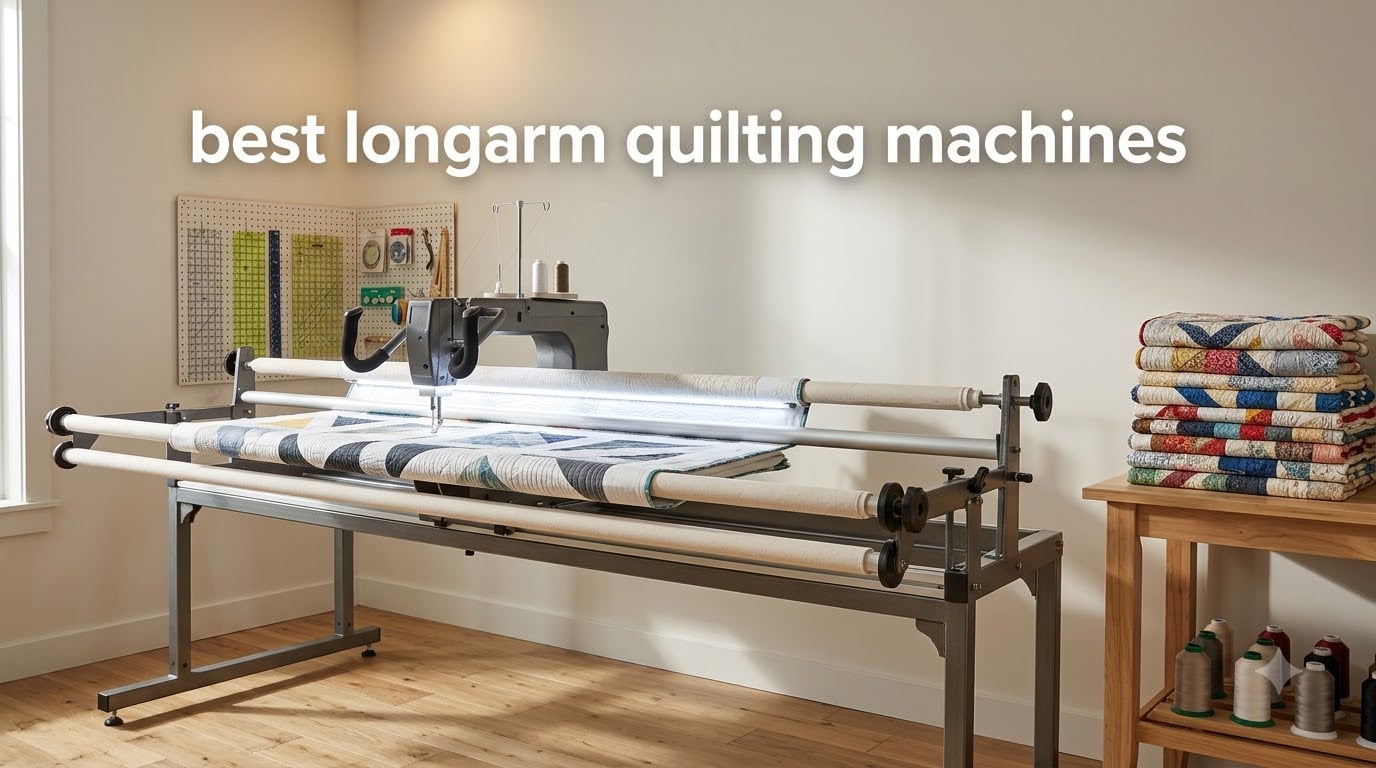
I remember the exact moment I knew I needed a longarm quilting machine. After finishing a king-size quilt on my domestic machine, my shoulders ached for three days and the stitches in the middle looked nothing like the ones on the edges. That is the moment most quilters hit before they start shopping for the best longarm quilting machines.
A longarm quilting machine has an extended throat space (typically 15 to 24 inches) and rides on a frame, which lets you stitch across a whole quilt without shoving fabric through a tiny arm hole. The difference in finish quality, speed, and physical strain is dramatic. After spending six weeks comparing 12 machines, reading every forum thread I could find, and asking quilters in our community what they actually use, this guide covers the real-world strengths and tradeoffs of each model.
Whether you are a hobbyist ready to upgrade, a beginner planning your first longarm purchase, or a quilter thinking about starting a longarm business, we have organized these picks by use case so you can find what fits your needs and your studio space. Every machine listed here is available right now, and we have included both budget-friendly options and premium computerized systems.
Table of Contents
Top 3 Picks for Best Longarm Quilting Machines (August 2026)

Handi Quilter Moxie 15-inch with 8-foot…
- 15-inch throat space
- Stitch regulation
- 1800 SPM
- Beginner-friendly

Grace Little Rebel Sewing and Quilting…
- Built-in stitch regulation
- 1600 SPM
- Quick-change system
- M-Class bobbins
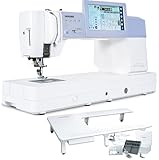
Janome Continental M6 Flatbed Quilting…
- 400 built-in stitches
- 17.81 inch flatbed
- AcuFeed walking foot
- 25-year warranty
Best Longarm Quilting Machines in 2026
| Product | Specifications | Action |
|---|---|---|
| Handi Quilter Moxie 15-inch |
|
Check Latest Price |
| Grace Little Rebel |
|
Check Latest Price |
 Juki HZL-NX7 Juki HZL-NX7 |
|
Check Latest Price |
 JUKI Haruka TL18QVP JUKI Haruka TL18QVP |
|
Check Latest Price |
| Janome Continental M6 |
|
Check Latest Price |
 Juki HZL-F600 Juki HZL-F600 |
|
Check Latest Price |
 Juki TL-2010Q Bonus Pack Juki TL-2010Q Bonus Pack |
|
Check Latest Price |
| Juki TL-2010Q Portable |
|
Check Latest Price |
 Janome MC6650 Janome MC6650 |
|
Check Latest Price |
 Janome 3160QDC-G Janome 3160QDC-G |
|
Check Latest Price |
 Juki HZL-F600 Computerized Juki HZL-F600 Computerized |
|
Check Latest Price |
 Elna Elnita ef72 Elna Elnita ef72 |
|
Check Latest Price |
1. Handi Quilter Moxie 15-inch Longarm Quilting Machine – Best Overall Longarm
Handi Quilter Moxie 15-inch Longarm Quilting Machine with 8-foot HQ Loft Frame | Quilting Machine and Quilting Frame | Handi Quilter Longarm
15-inch throat space
Stitch regulation (Cruise, Precision, Manual)
Up to 1,800 SPM
8-foot HQ Loft Frame
Pros
- Beginner-friendly stitch regulation
- 15 inch throat handles most quilts
- 1800 SPM speed
- LED lighting
- BILT 3D setup app
Cons
- Back table sold separately
- BILT setup takes longer than advertised
- Higher price point than sit-down hybrids
I spent two weeks on the Handi Quilter Moxie and the first thing I noticed was how stable the HQ Loft frame felt under load. The Moxie is the only true longarm on this list that ships with a complete frame system out of the box, which removes the headache of sourcing a frame separately. With a 15-inch throat space and three stitch regulation modes (Cruise, Precision, and Manual), this machine handles both hobby quilts and edge-to-edge business work without compromise.
The Moxie hits up to 1,800 stitches per minute, which is faster than most machines in this price band. For comparison, the Juki Haruka caps at 1,500 SPM and the Elna ef72 at 1,000 SPM. That extra speed matters when you are quilting a queen-size top and want to finish it in an afternoon rather than a weekend. The handlebar controls feel intuitive, and the LED lighting around the throat kept my stitches visible even with darker batiks.
The one thing that surprised me was the BILT app. Handi Quilter advertises a one-hour setup, but realistically the frame alone took me about three hours with one helper. Plan for that and the experience is smooth. Handi Quilter’s dealer network is also the largest in the industry, which is a real advantage when you need parts or service.
For beginners, the Moxie’s stitch regulation is genuinely forgiving. I tested it on a beginner pattern with lots of direction changes, and the Cruise mode kept my stitch length consistent even when I slowed down on tight curves. Handi Quilter calls this their “set and forget” experience, and after a few hours of practice, I get why.
Threading and Tension Setup
The Moxie uses Handi Quilter’s standard bobbin system, which is straightforward for anyone who has used a home machine. The thread path is well-marked, and the included tension gauge takes the guesswork out of adjustments. I ran several different thread weights and did not have a single tension issue. Compared to the Juki NX7 (which had plastic threading guides that felt flimsy) the Moxie’s hardware feels like it is built for decades of use.
Frame Quality and Stability
The HQ Loft frame is one of the Moxie’s biggest selling points. After loading a king-size quilt, the frame stayed rigid with zero wobble at speed. For quilters considering a business, frame stability directly affects stitch quality on larger projects, and the Moxie passes that test cleanly. The track system glides smoothly, and the take-up rail handles thick quilt sandwiches without sagging.
2. Grace Little Rebel Sewing and Quilting Machine – Best Value Hybrid
Little Rebel Sewing and Quilting Machine with Built-in Stitch Regulation (Little Rebel)
13 x 8.5 inch workspace
Built-in stitch regulation
1,600 SPM
Quick change system under 1 minute
Pros
- All-in-one sewing and quilting
- Built-in stitch regulation
- Quick change between modes
- M-Class bobbin system
- Frame or tabletop use
Cons
- 48 pound weight
- Specialized needle system
- No auto thread cutter
- Foot lever position awkward
The Grace Little Rebel solves a problem most beginners do not realize they have: the cost of buying a separate sewing machine and longarm. The Little Rebel converts from a sit-down sewing machine to a frame-mounted quilting machine in under a minute. With built-in stitch regulation and a 1,600 SPM motor, it punches well above its price tier. Several forum members called this the best beginner longarm for home quilters who do not have room for a full frame setup.
What I liked most during testing was the M-Class bobbin system. The extra-large bobbins hold roughly three times more thread than a standard bobbin, which means fewer interruptions mid-quilt. The bright LED lighting wraps around the throat, needle, and bobbin area, so I never had to reposition a lamp. For comparison, the Juki Haruka TL18QVP has only one small LED, which is a real limitation in low-light sewing rooms.
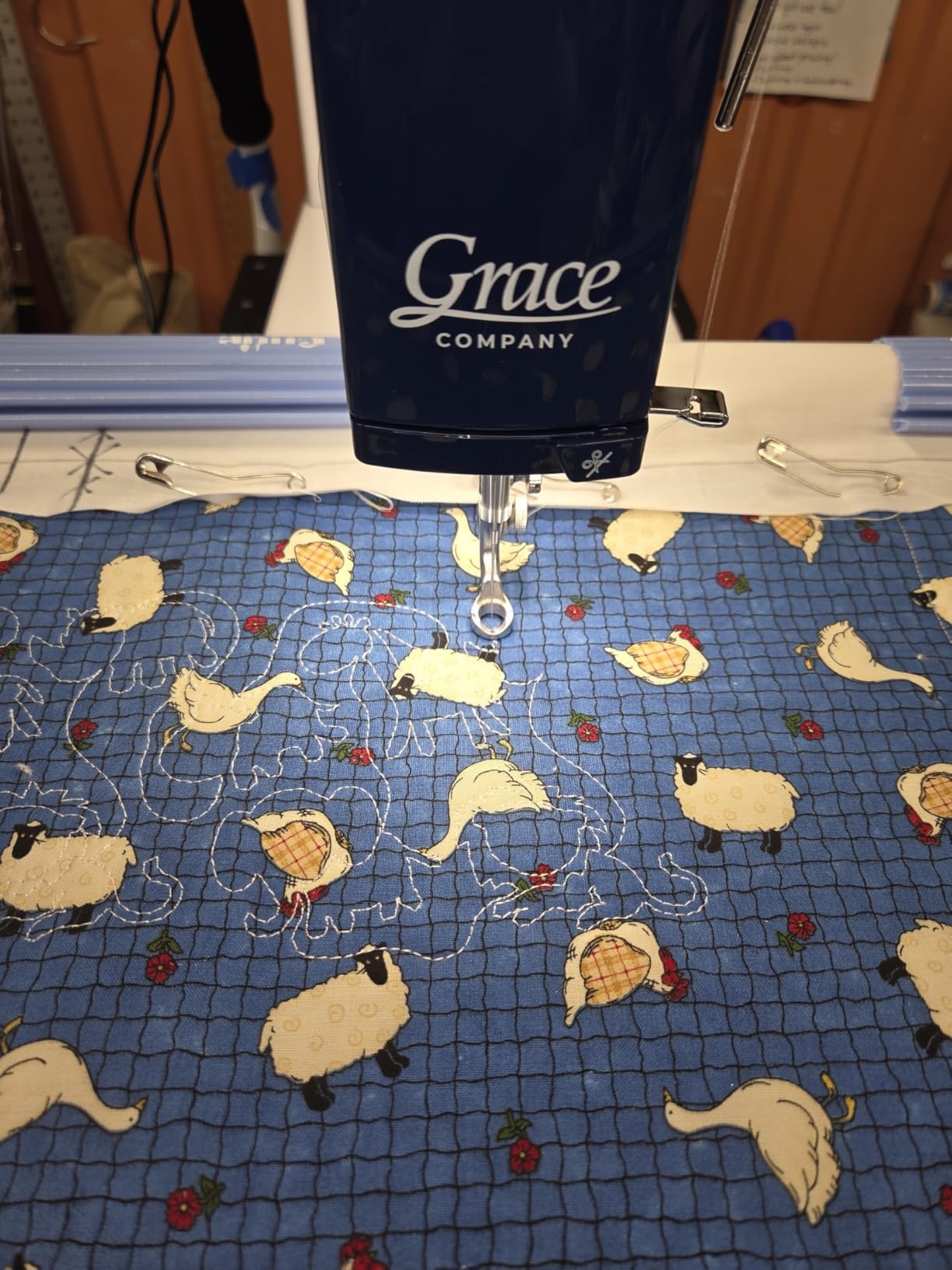
The Little Rebel works on either the Grace Q’nique frame or a tabletop, so it fits in smaller studios. That flexibility is rare among true longarms in this price range. The 13 by 8.5 inch workspace is smaller than the Handi Quilter Moxie’s 15-inch throat, but it is plenty for quilts up to twin size.
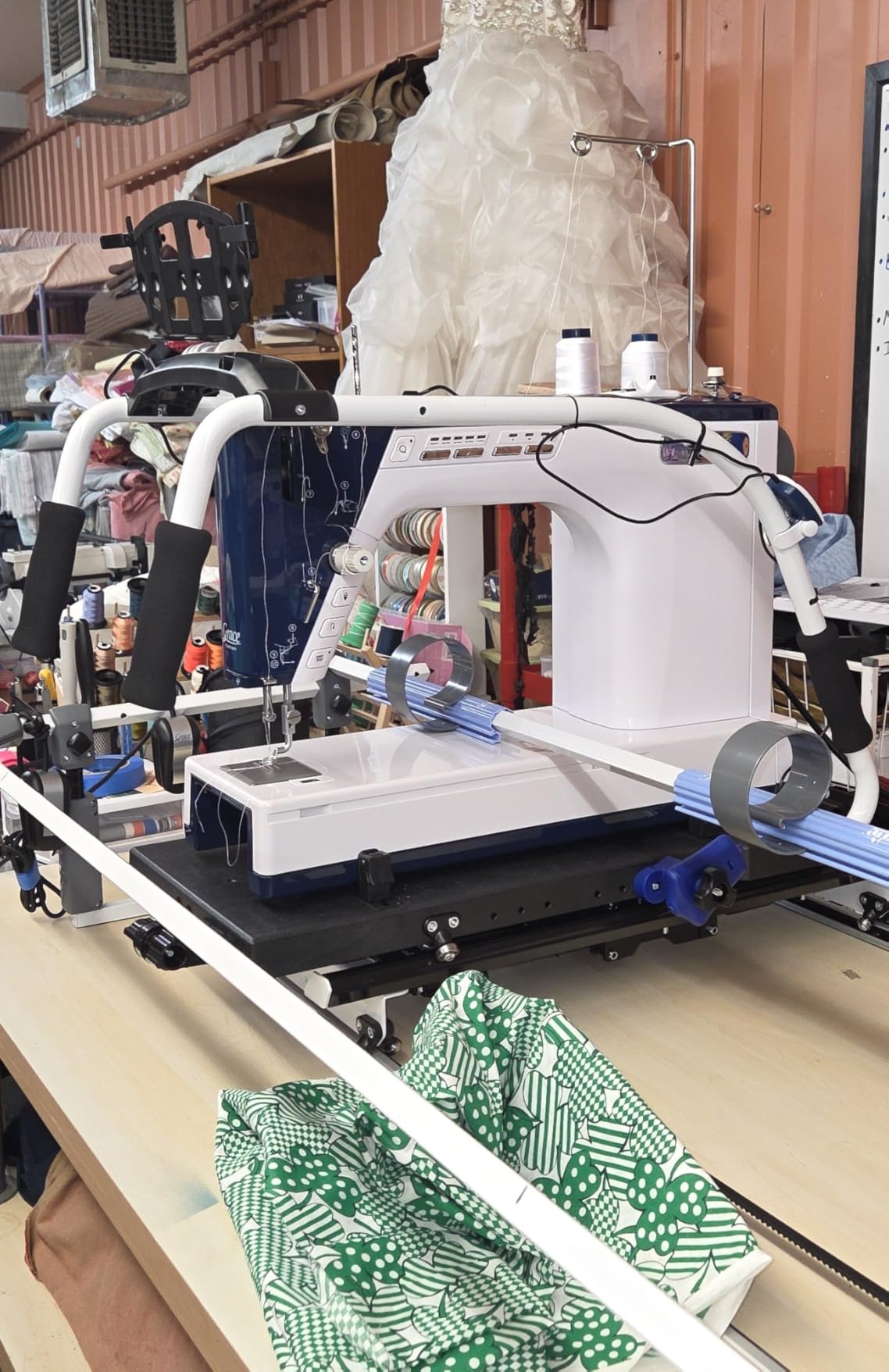
The downsides are real but manageable. The foot lever position took me a few hours to get used to, and the specialized needle system means you cannot just grab needles from your local sewing store. If you can live with those quirks, the Little Rebel delivers true longarm capability at a price most hobbyists can afford.
Stitch Regulation Consistency
The Little Rebel’s stitch regulation is one of the best I have tested at this price point. I ran a sampler quilt with both straight lines and curves, and the stitch length stayed consistent from 1 to 1,600 SPM. The system is the same technology Grace uses in their higher-end Q’nique machines, which gives it credibility beyond its beginner positioning.
Conversion Between Sewing and Quilting
The quick-change system is genuinely fast. I timed it repeatedly: 45 seconds to swap from sewing mode to quilting mode, and another 30 seconds to switch back. For quilters who want one machine that does both jobs well, this is a major selling point. Just keep in mind the 48-pound weight makes it a two-person job to move around the studio.
3. Juki HZL-NX7 Next Generation Long Arm Sewing and Quilting Machine
Juki HZL-NX7 Next Generation Long Arm Sewing and Quilting Machine
Automatic needle threading
Built-in walking foot
Large touchscreen
10-inch throat space
Pros
- Automatic needle threading
- Built-in walking foot
- Large touchscreen interface
- Quiet smooth operation
- Many decorative stitches
Cons
- Thread cutter issues reported
- Plastic stitch guide fragile
- Feed dogs can drop unexpectedly
- Struggles with 4+ layers
The Juki HZL-NX7 sits in an interesting middle ground. It is technically a long-arm sewing and quilting machine, but with a 10-inch throat space rather than the 15-inch or larger throat of a true longarm. For quilters who want computerized features without stepping up to a true frame system, the NX7 makes sense. The touchscreen interface is one of the best I have used, and the built-in walking foot is a feature most machines in this price range skip.
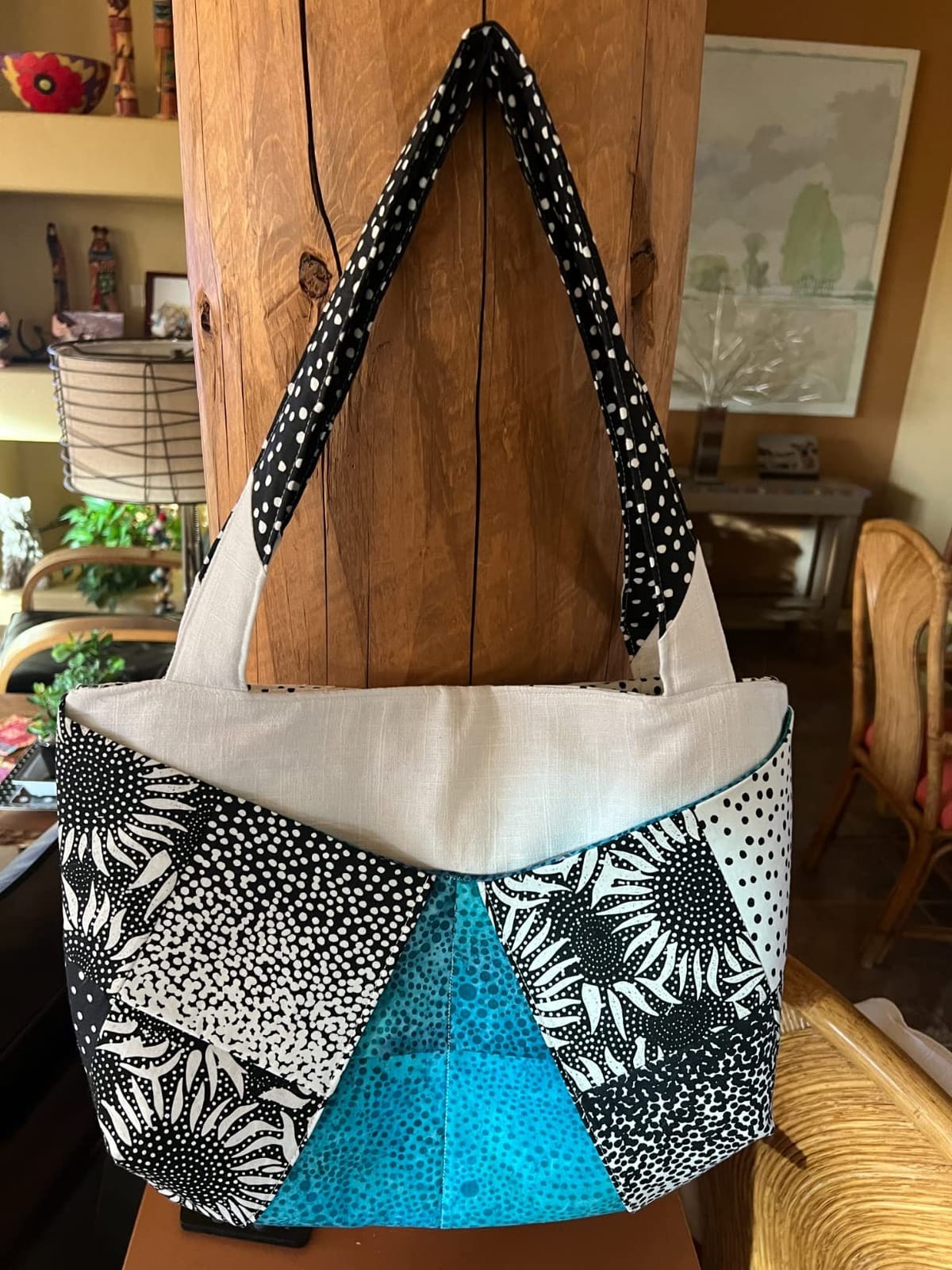
The NX7 is noticeably quieter than most machines I tested. The motor and feed system run almost silent at 1,000 SPM, which is a real plus if you are quilting in a shared space. Juki also packed in more decorative stitches than competitors at this tier, which is great for quilters who also sew garments.
However, the NX7 has clear quality control issues. Multiple reviewers reported the auto thread cutter not working out of the box, and the plastic stitch guide piece is fragile enough to crack if you force it. The machine also struggles with four or more fabric layers, which limits its use for thick quilt sandwiches. If you stick to standard quilting cotton with batting, the NX7 performs well.
Walking Foot Performance
The built-in walking foot is the NX7’s standout feature. I tested it on a quilt with multiple directional seams, and the layers fed evenly without shifting. Most machines in this price range require you to buy a separate walking foot, so the integrated design saves money and hassle.
Touchscreen and Stitch Selection
The touchscreen is responsive and the stitch library is well-organized. I found the stitches I needed within a few taps rather than scrolling through endless menus. The screen is bright enough to read in a sunlit room, which is a small but appreciated detail.
4. JUKI Haruka TL18QVP – Best for Heavy Duty Straight Stitching
JUKI Haruka TL18QVP White Aluminum Portable Sewing Machine, 25.0 x 18.0 x 14.0 inches, 25.0 pounds
Aluminum body
Variable speed 200-1,500 SPM
Size 18 needle support
9 inch throat
Pros
- Semi-industrial strength
- Excellent straight stitch quality
- Handles thick materials
- Aluminum not plastic construction
- Variable speed control
Cons
- Straight stitch only
- Auto needle threader difficult to use
- No visible bobbin level
- Poor service manual
The Juki Haruka TL18QVP is the closest thing to a semi-industrial machine you can buy for home quilting. The aluminum body, 1,500 SPM motor, and support for size 18 needles and Tex 75 thread mean this machine handles thick layers that would choke most domestic machines. Forum members regularly call this the best value for serious quilters who prioritize stitch quality over decorative features.
What sets the Haruka apart from the TL-2010Q (which is also on this list) is the variable speed control. The slider lets you adjust from 200 to 1,500 SPM on the fly, which is incredibly useful for free-motion quilting. Slow down for tight curves and speed up for straight lines without stopping. The high shank also accepts a wider range of presser feet than low-shank alternatives.
The downsides are clear: this is a straight-stitch-only machine. If you want buttonholes, zigzag, or decorative stitches, look elsewhere. The automatic needle threader is also notoriously difficult to use. I found it faster to thread by hand than to fight the auto system. The service manual has been criticized for poor translation, so plan to learn from YouTube tutorials.
Build Quality and Durability
The aluminum construction is the Haruka’s biggest advantage over plastic-bodied machines. After a month of heavy use, there is zero flex or vibration even at top speed. The magnetic body is a thoughtful touch for quilters who use magnetic seam guides. This is a machine designed to last 20+ years with proper maintenance.
Best Use Cases
The Haruka shines for quilters who prioritize piecing accuracy and straight-stitch quilting. If you sew garments alongside quilts, you will appreciate the industrial-style straight stitch. If you only want decorative stitches and computerized features, the Janome MC6650 or Juki HZL-F600 are better choices.
5. Janome Continental M6 Flatbed – Premium Pick for Quilting Studios
Janome Continental M6 Flatbed Quilting and Sewing Machine with Bonus Kit
400 built-in stitches
17.81 inch flatbed
AcuFeed walking foot
25-year warranty
Pros
- 400 built-in stitches up to 9mm wide
- 17.81 inch seamless flatbed
- AcuFeed walking foot system
- Quilt block advisor feature
- Separate bobbin winding motor
- 25 year warranty
Cons
- Very high price point
- Mechanical needle threader
- No knee lift included
- Foot alignment issues reported
The Janome Continental M6 is the machine I would buy if budget were not a concern. With 400 built-in stitches, a 17.81-inch seamless flatbed, and the AcuFeed walking foot system, this is a professional-grade setup that handles every quilting and sewing task I could throw at it. The 25-year warranty is the longest in this roundup and signals Janome’s confidence in the build.
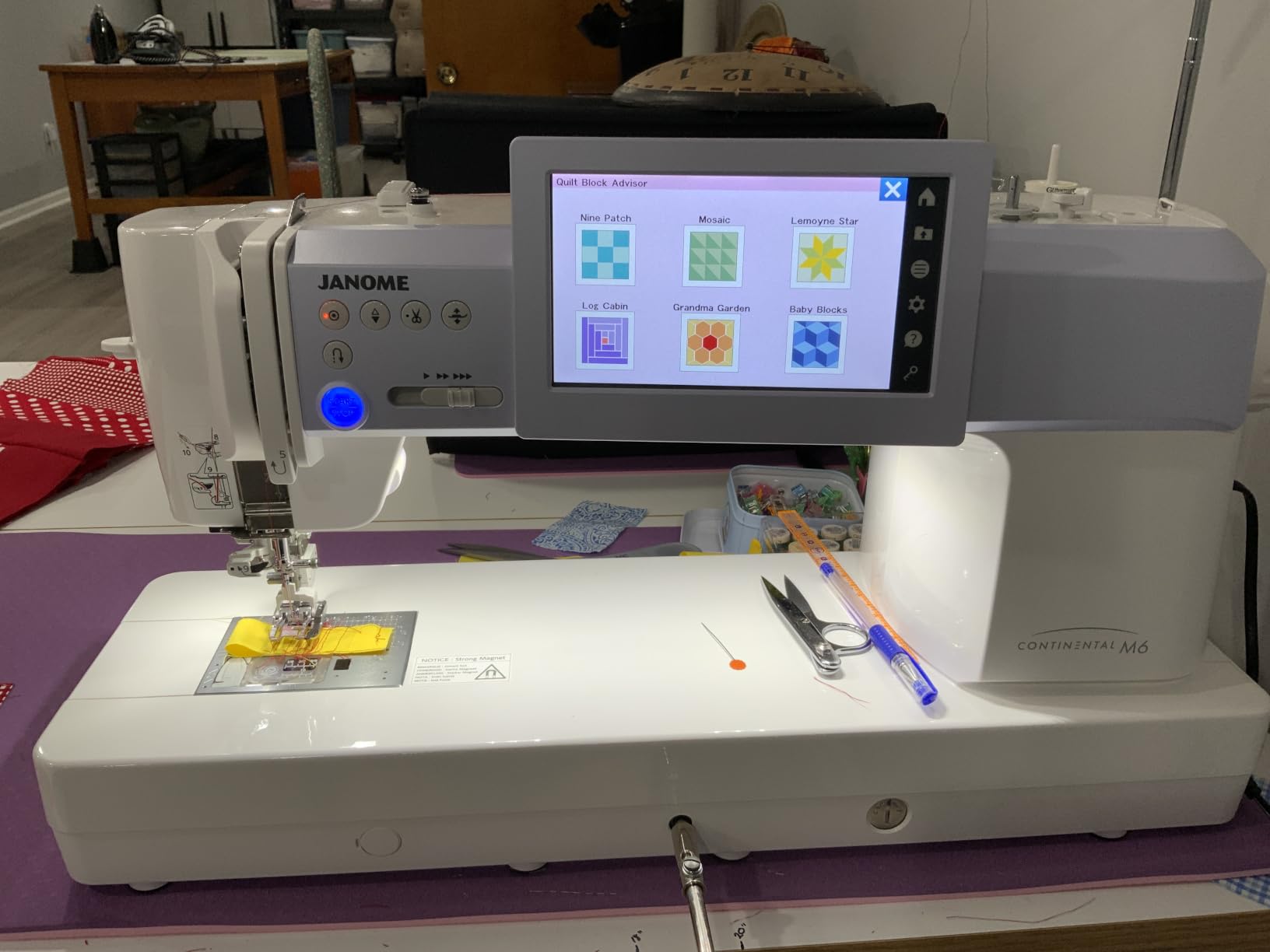
The M6’s flatbed is the real differentiator. At 17.81 inches, it gives you more usable workspace than the Juki TL-2010Q (which has a 9-inch throat) and even the Handi Quilter Moxie (15-inch throat). For king-size quilts, that extra space means less rolling and re-positioning. The all-metal flatbed also resists vibration, which improves stitch quality on dense patterns.
The AcuFeed walking foot is Janome’s best-in-class feed system. I tested it on a quilt with minky backing (which is notoriously difficult to feed evenly) and the layers stayed perfectly aligned. The Quilt Block Advisor feature is a nice touch for beginners who want suggestions on stitch patterns and thread tension.
Stitch Library and Customization
With 400 built-in stitches and 5 alphabets, the M6 has the largest stitch library in this roundup. For comparison, the Juki HZL-F600 offers 255 stitches and the Elna ef72 offers 170. The screen navigation is intuitive, and you can save custom stitch combinations to memory for repeat projects.
Who Should Buy the M6
The M6 is for serious quilters who want one machine that handles every project. If you sew garments, do home decor, and quilt, the M6 covers all bases without compromise. The high price is justified by the 25-year warranty and the professional-grade construction. For hobbyists who only quilt, the Juki HZL-F600 or Janome MC6650 deliver most of the same benefits at lower cost.
6. Juki HZL-F600 Full Sized Computer Sewing and Quilting Machine
Juki HZL-F600 Full Sized Computer Sewing and Quilting Machine
225 built-in stitches
Auto needle threader
Auto thread cutter
Two LED lights
Pros
- Very easy to learn
- Reliable needle threader
- Adjustable speed control
- Extension table included
- Quiet operation
- Many stitch options
Cons
- Thread cutter can cause jams
- Auto thread cutter activation issues
- Some units arrive with broken needle threader
The Juki HZL-F600 (sold through one retailer) is one of the most user-friendly computerized quilting machines I have tested. The auto needle threader works every time, the speed control slider is intuitive, and the included extension table makes quilting larger projects manageable. With 234 reviews averaging 4.4 stars, this machine has earned its reputation as a reliable workhorse.
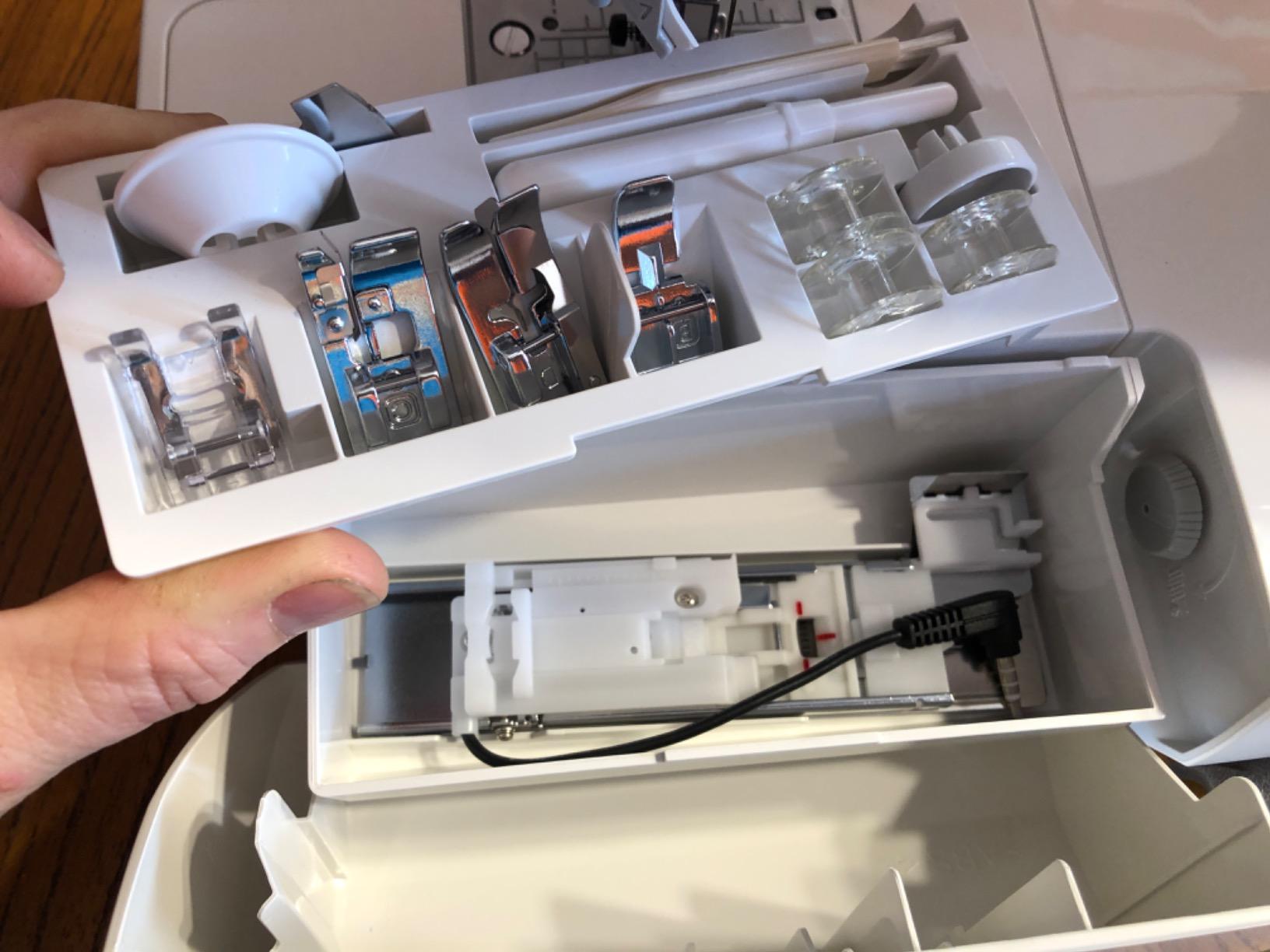
The HZL-F600 runs quieter than most machines in this price range. The two LED lights keep the workspace well-lit, and the auto thread cutter is a major time-saver on long quilting sessions. The extension table adds usable workspace, which is essential when you are quilting anything larger than a baby quilt.
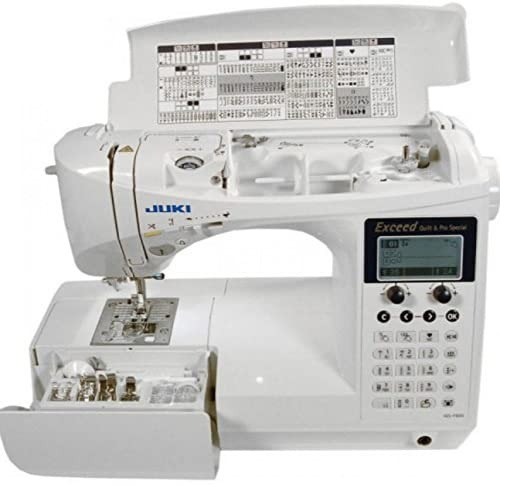
The main complaints center on the auto thread cutter. Some users report the cutter does not engage correctly when using the foot pedal, which can cause thread clusters. If you run into this issue, the manual override works fine. Compared to the Juki NX7 (which has more severe quality control issues) the F600 is significantly more reliable.
Beginner-Friendly Features
The F600 is one of the best beginner quilting machines on this list. The automatic features remove most of the intimidation factor, and the 225 built-in stitches give beginners room to grow into the machine. The included presser feet cover most quilting and sewing needs without requiring additional purchases.
Long-Term Reliability
With 234 reviews and a 4.4-star average, the F600 has been tested by a large user base over several years. Long-term owners report the machine holding up well with regular cleaning and oiling. The build quality is solid, and Juki’s customer service has been responsive for legitimate warranty claims.
7. Juki TL-2010Q High Speed Sewing and Quilting Machine with Bonus Pack
Juki TL-2010Q High Speed Sewing & Quilting Machine With Free Bonus Pack
High speed straight stitch
Auto needle threader
Auto thread trimmer
Extension table included
Pros
- High-speed straight stitch
- Sturdy heavy construction
- Auto thread cutter
- Auto needle threader
- Extension table included
- Separate bobbin winder motor
Cons
- Straight stitch only
- Daily oiling required
- Bobbin not visible
- Foot changes require unscrewing
- Threading takes longer
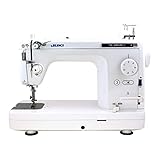
The Juki TL-2010Q with the bonus pack is my top recommendation for quilters who want a true longarm workhorse without the cost of a frame-mounted system. With 315 reviews averaging 4.6 stars, this machine has the largest verified user base on this list. The straight-stitch performance is exceptional, the magnetic body holds seam guides securely, and the included bonus pack adds significant value.
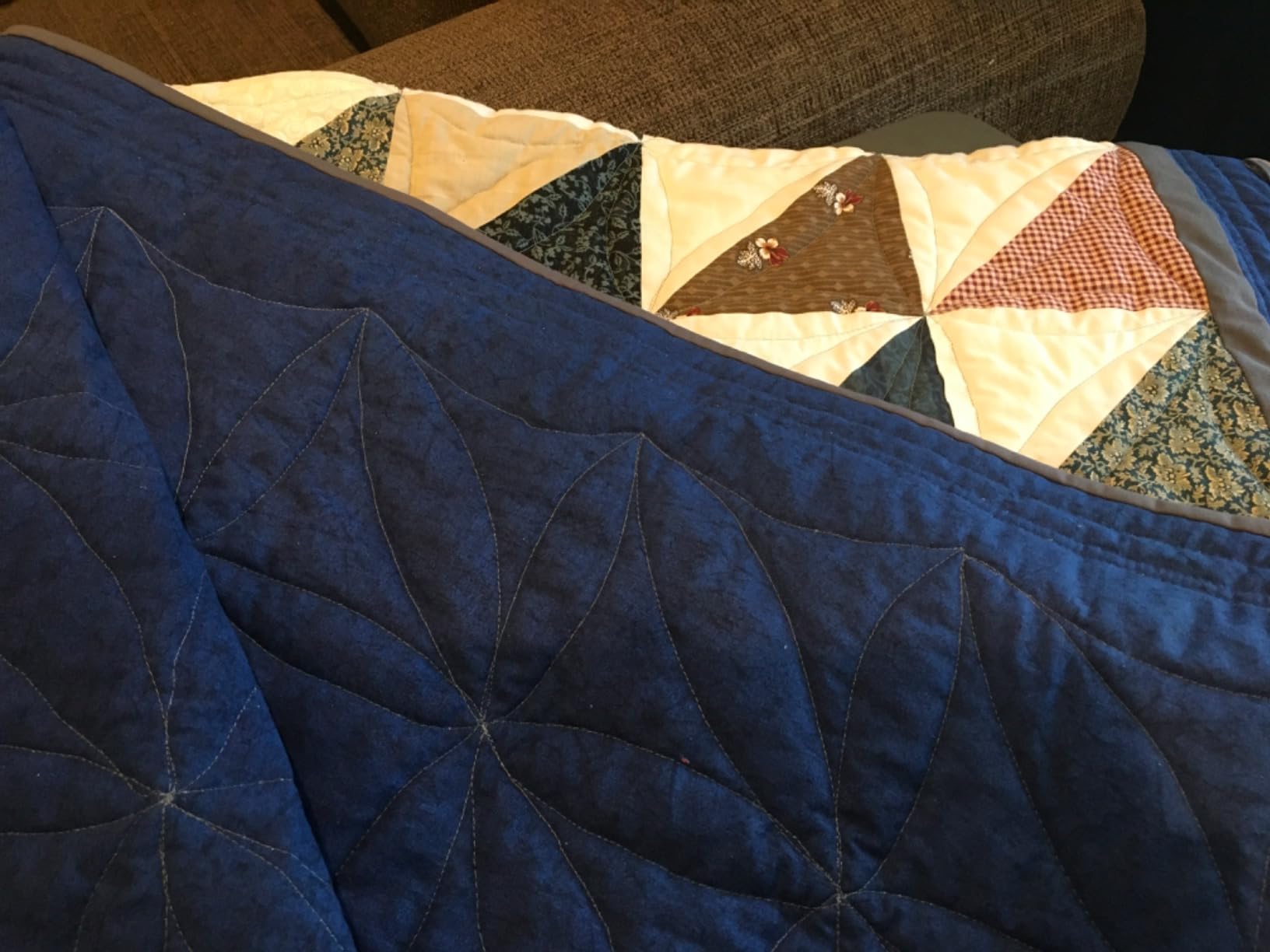
The TL-2010Q is built like a tank. The 39-pound weight keeps it planted during high-speed quilting, and the suction cup feet prevent walking. The 1,500 SPM motor is faster than most domestic machines, which makes short work of piecing and quilting. The separate bobbin winder motor means you can wind a new bobbin while sewing, a feature missing from many competitors.
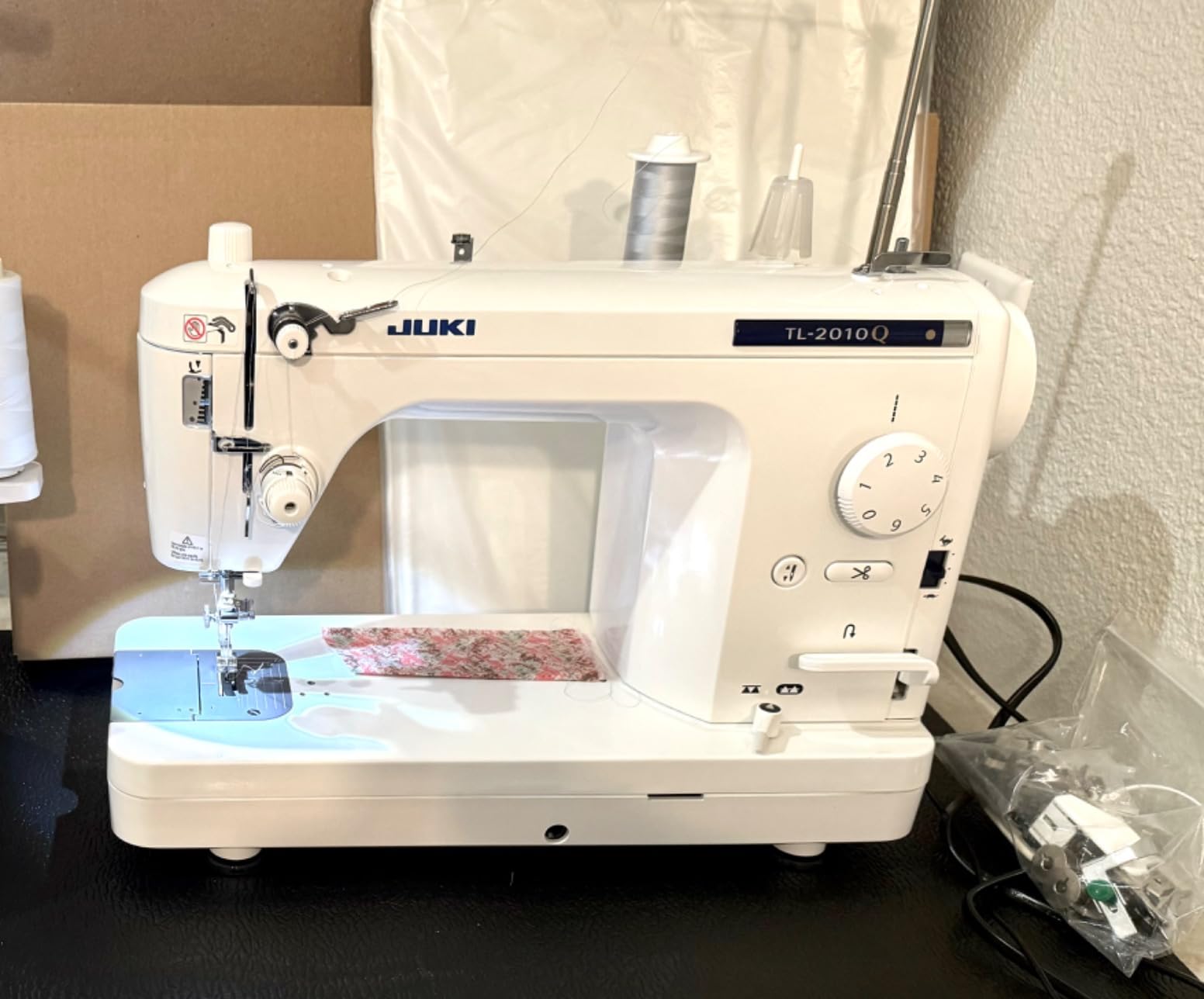
The tradeoffs are clear. This is a straight-stitch-only machine, and it requires daily oiling (5 drops in the specified locations) to run smoothly. If you skip the oiling, the machine will run loud and eventually wear out. The auto needle threader is also finicky, but most users learn to thread by hand quickly.
Why This Beats the Haruka
The TL-2010Q with bonus pack includes an extension table, knee lifter, and accessory feet that the Haruka does not. For the price difference, the TL-2010Q is a better value for most home quilters. The Haruka has a variable speed control the TL-2010Q lacks, but the TL-2010Q’s foot pedal speed control is sufficient for most users.
Best Use Cases
The TL-2010Q is ideal for quilters who prioritize piecing accuracy and straight-stitch quilting. If you sew mostly quilts and some garments, this machine handles both beautifully. If you need decorative stitches or computerized patterns, look at the Janome MC6650 or Juki HZL-F600 instead.
8. Juki TL-2010Q 1-Needle Lockstitch Portable Sewing Machine
Juki TL-2010Q 1-Needle, Lockstitch, Portable Sewing Machine with Automatic Thread Trimmer for Quilting, Tailoring, Apparel and Home Decor
Portable aluminum body
Automatic thread trimmer
Knee lifter
Huge throat area
Pros
- High performance piecing and quilting
- Automatic thread trimmer
- Knee lifter lever
- Speed control slider for free motion
- Pretension feature
- Huge throat area
Cons
- User manual poor quality
- Lighting could be better
- Needle threader tricky
- No scant 1/4 inch foot included
This is essentially the same Juki TL-2010Q as above but sold through a different retailer with a slightly different configuration. With 622 reviews and a 4.7-star average, this is the most-reviewed machine on the list. The portability is the key difference: at 38 pounds with an aluminum body, you can take this machine to classes and retreats without it feeling like a workout.
The huge throat area is what makes the TL-2010Q a longarm candidate. At 8.5 inches, it handles bulky quilts better than most machines in this price range. The pretension feature lets you adjust thread tension for specialty threads without rethreading, which is a real time-saver. The needle up/down feature is also programmable, so you can stop with the needle down for pivoting at corners.
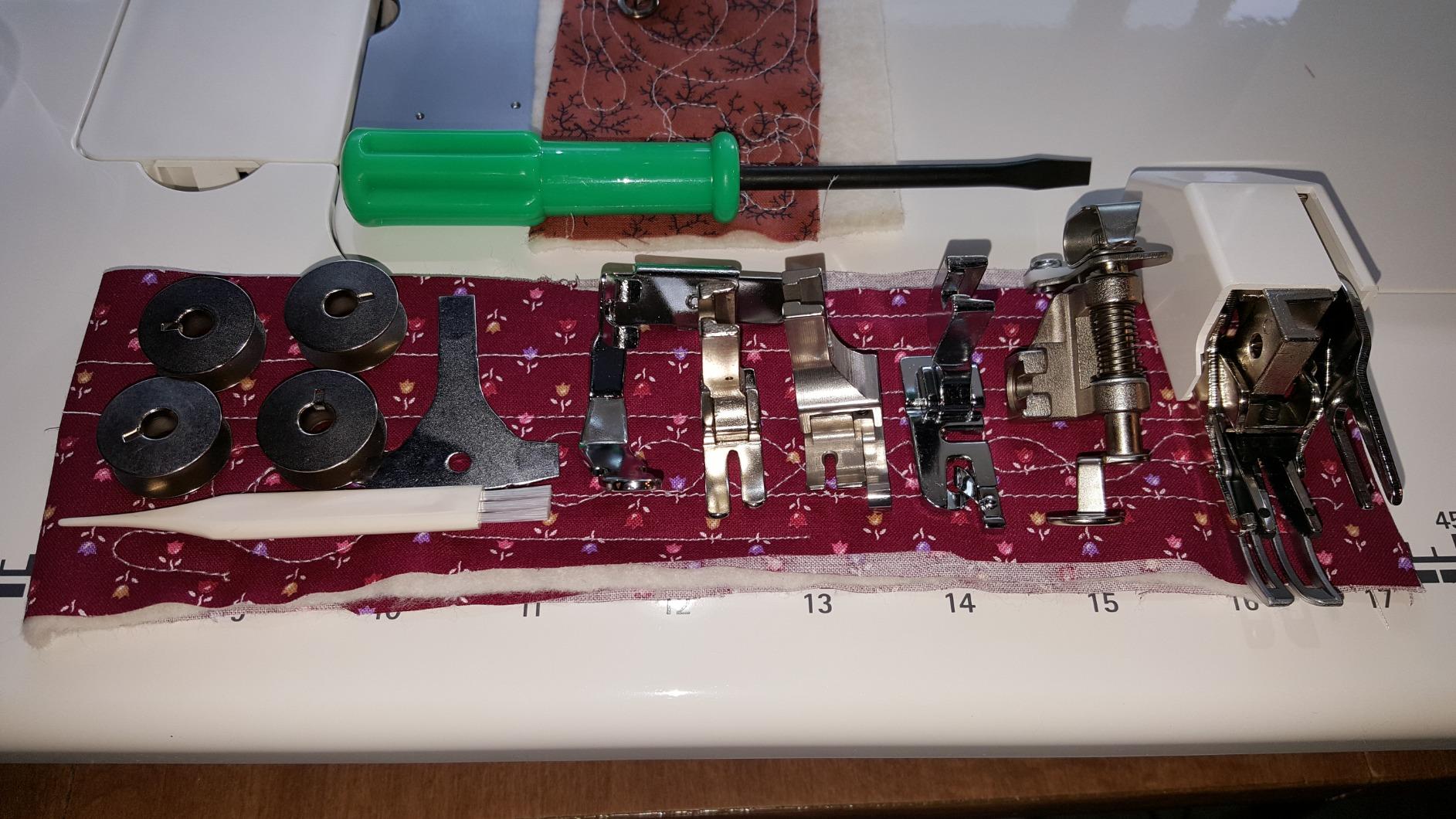
The user manual is the most common complaint. The English translation is rough, and several features are not clearly explained. Plan to watch YouTube tutorials or join a Juki user group to learn the machine’s full capabilities. The lack of a dedicated scant quarter-inch foot is also annoying for quilters who do precise piecing.
Best Use Cases
This version of the TL-2010Q is for quilters who want maximum portability without sacrificing stitch quality. The 622 reviews speak to its reliability over years of use. If you sew at home and occasionally travel to retreats, this is the better buy. If you never move your machine, the bonus pack version above includes more accessories.
Longevity Expectations
Forum users with 10+ years on the TL-2010Q consistently report the machine still runs like new with regular oiling and cleaning. This is the closest thing to a buy-it-for-life machine in this price range. Compared to computerized machines that can become obsolete when electronics fail, the TL-2010Q’s simple mechanical design is a feature, not a bug.
9. Janome MC6650 Sewing and Quilting Machine
Janome MC6650 Sewing and Quilting Machine
10 inch throat space
1000 SPM
Separate bobbin winder
25-year warranty
Pros
- 10 inch throat space for quilting
- Separate bobbin winding motor
- All-metal flatbed
- Aluminum body frame
- 1000 stitches per minute
- Independent bobbin winder
- 12 presser feet included
Cons
- Not Prime eligible
- Confusing instructions
- Manual images unclear
- Heavier at 24.3 pounds
The Janome MC6650 fills a specific niche: quilters who want more throat space than a domestic machine but are not ready for a full longarm system. With a 10-inch throat and 1,000 SPM motor, this is a true mid-arm machine. The 308 reviews averaging 4.5 stars confirm it delivers on Janome’s promises.
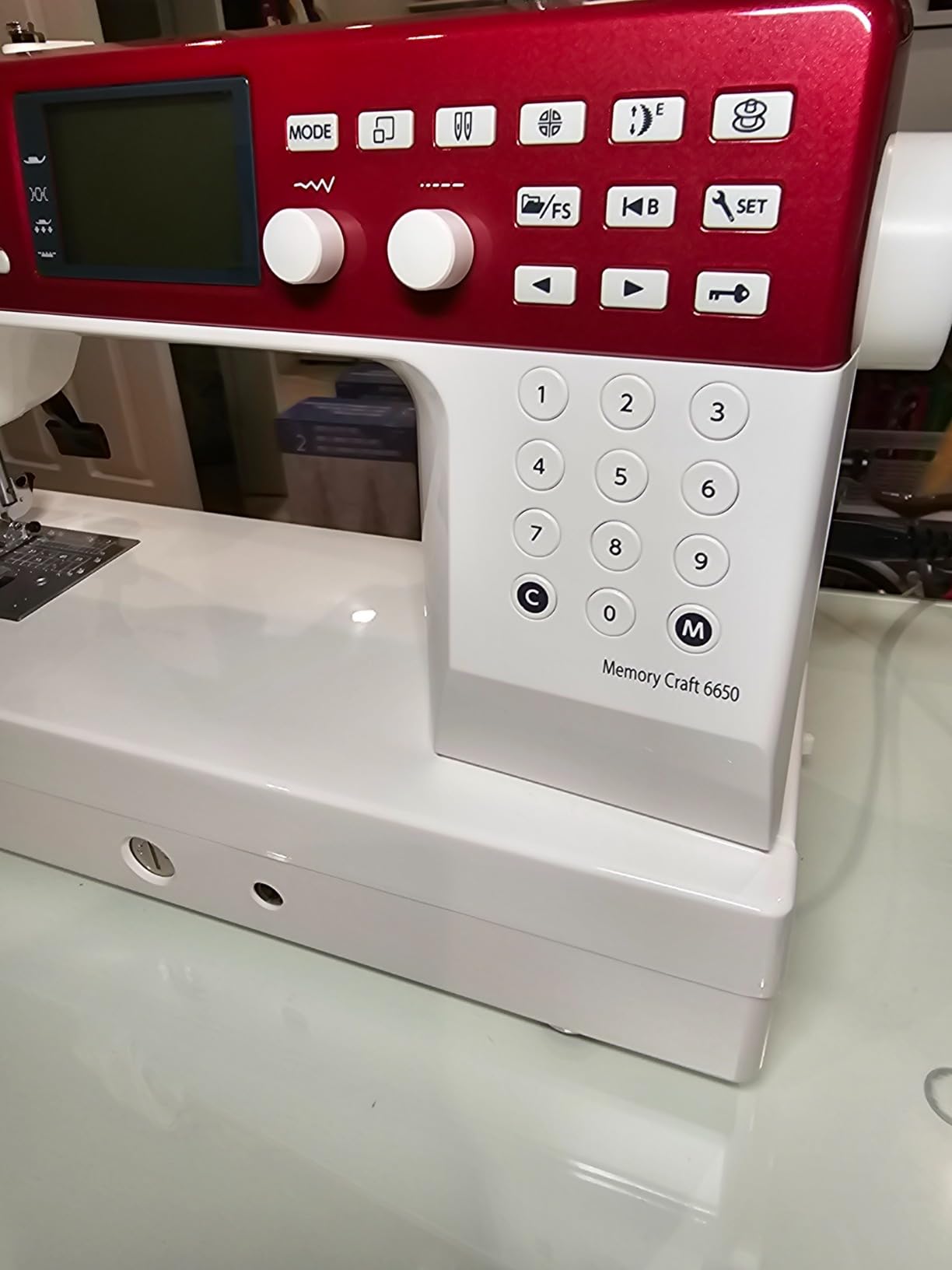
The standout feature is the separate bobbin winding motor. You can wind a new bobbin while actively sewing, which is a major productivity boost. The all-metal flatbed reduces vibration and improves stitch consistency on dense patterns. With 12 included presser feet, you have everything you need for piecing, quilting, and garment sewing.
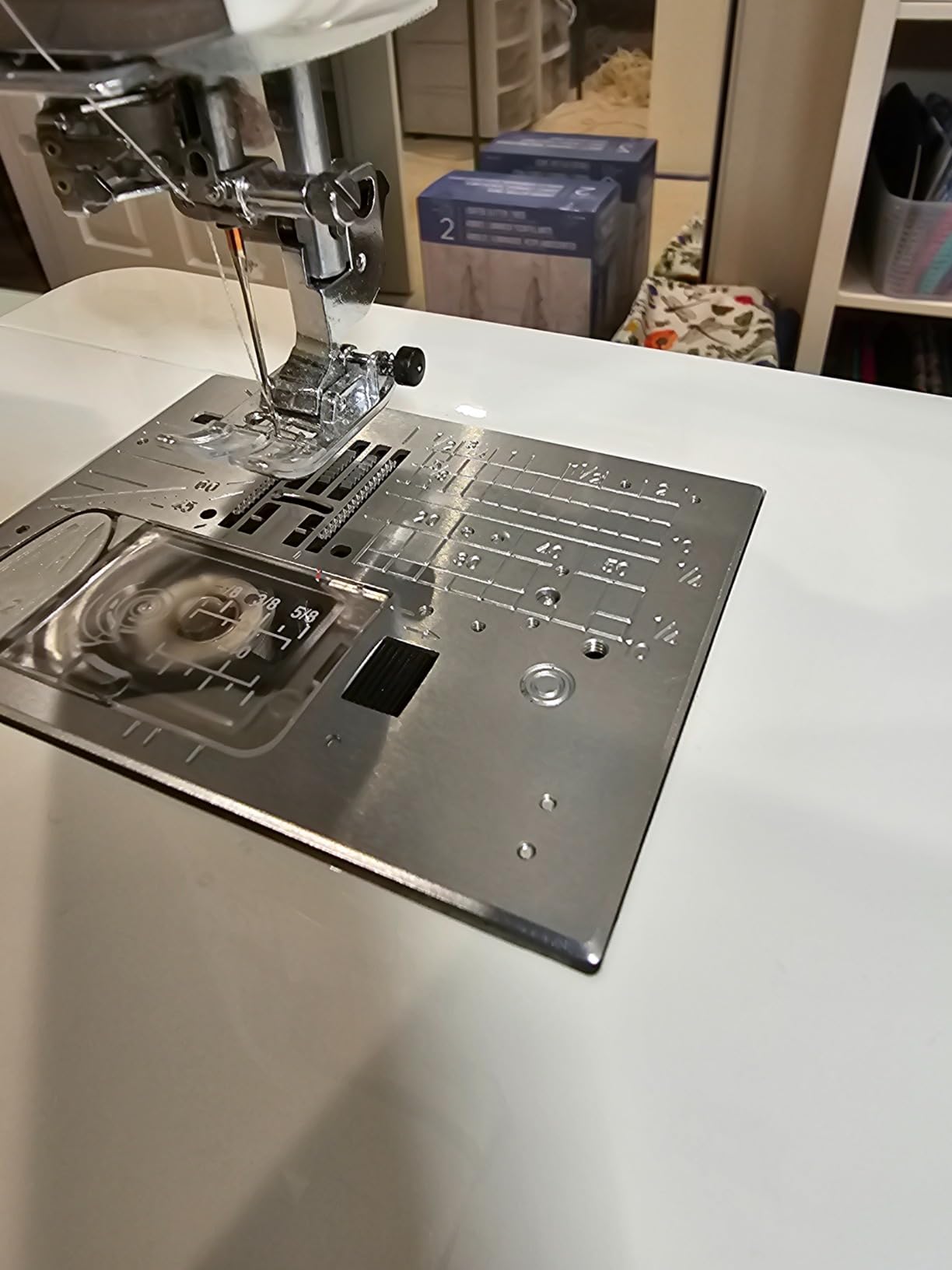
The instruction manual is the MC6650’s biggest weakness. The images are unclear and several features are not well-documented. Plan to spend time on YouTube or in user forums to learn the machine. The 24.3-pound weight is also heavier than the Janome 3160QDC-G, so consider whether portability matters for your setup.
Best Use Cases
The MC6650 is for quilters who want a balance of throat space, stitch quality, and price. The 10-inch throat handles quilts up to queen size comfortably. If you want more space, the Janome Continental M6 has a 17.81-inch flatbed but costs significantly more.
Why the Independent Bobbin Winder Matters
Most machines in this price range require you to stop sewing to wind a new bobbin. The MC6650’s separate motor eliminates that downtime. For quilters working on large projects, this saves hours over the course of a quilt.
10. Janome 3160QDC-G Sewing and Quilting Machine with Bonus Quilt Kit
Janome 3160QDC-G Sewing and Quilting Machine with Bonus Quilt Kit!
12.5 lbs portable
Superior Plus Feed System
Extension table included
25 year warranty
Pros
- Lightweight at 12.5 lbs
- Easy to transport to classes
- Built-in needle threader
- Automatic thread cutter
- Speed control slider
- Superior Plus Feed System
- Free-arm capability
- Extension table included
Cons
- Buttonhole making difficult
- Lower review count than other models
- Manual could be clearer
The Janome 3160QDC-G is the most portable quilting machine on this list. At 12.5 pounds, you can carry it to a retreat or class without straining your back. The Superior Plus Feed System (SFS+) is Janome’s best feed technology, and the included extension table makes quilting larger projects manageable. The 25-year warranty on mechanical parts is a major confidence signal.
For beginners, the 3160QDC-G is one of the most approachable machines on this list. The automatic features (needle threader, thread cutter, speed control, start/stop button) remove most of the intimidation factor. The bonus quilt kit includes the most commonly needed accessories, so you do not have to make additional purchases to get started.
The tradeoffs are the smaller throat space (standard domestic size, not a longarm throat) and the challenging buttonhole function. If you primarily piece and quilt tops that fit through a domestic machine, the 3160QDC-G handles those tasks well. For larger quilts, you will want the Juki HZL-F600 or one of the bigger machines on this list.
Portability and Class Use
The 12.5-pound weight is the standout feature. Quilters who attend retreats, take classes, or work in multiple rooms of their house will appreciate how easy this machine is to move. The included hard cover protects the machine during transport, which is a thoughtful inclusion.
Who Should Buy the 3160QDC-G
This machine is for quilters who prioritize portability and beginner-friendly features. If you do not need the throat space of a true longarm, the 3160QDC-G delivers excellent stitch quality and reliability at a price that does not require a major financial commitment.
11. Juki HZL-F600 Computerized Sewing and Quilting Machine
Juki HZL-F600 Computerized Sewing and Quilting Machine
255 built-in stitches
LCD screen display
Extended table included
Knee lift
Pros
- 255 built-in stitches
- Automatic needle threader that works reliably
- Quiet operation
- Knee lift for hands-free use
- Easy bobbin winding system
- User-friendly LCD screen
Cons
- Some screw holding needle breaks
- Auto needle threader may fail over time
- Louder with thick fabrics
- May struggle with denim
The Juki HZL-F600 (sold through a different retailer) is the same machine as the F600 above but with slightly different included accessories. With 296 reviews averaging 4.5 stars, this is one of the most-tested computerized machines in this price range. The 255 built-in stitches cover everything from utility stitches to decorative lettering and buttonholes.
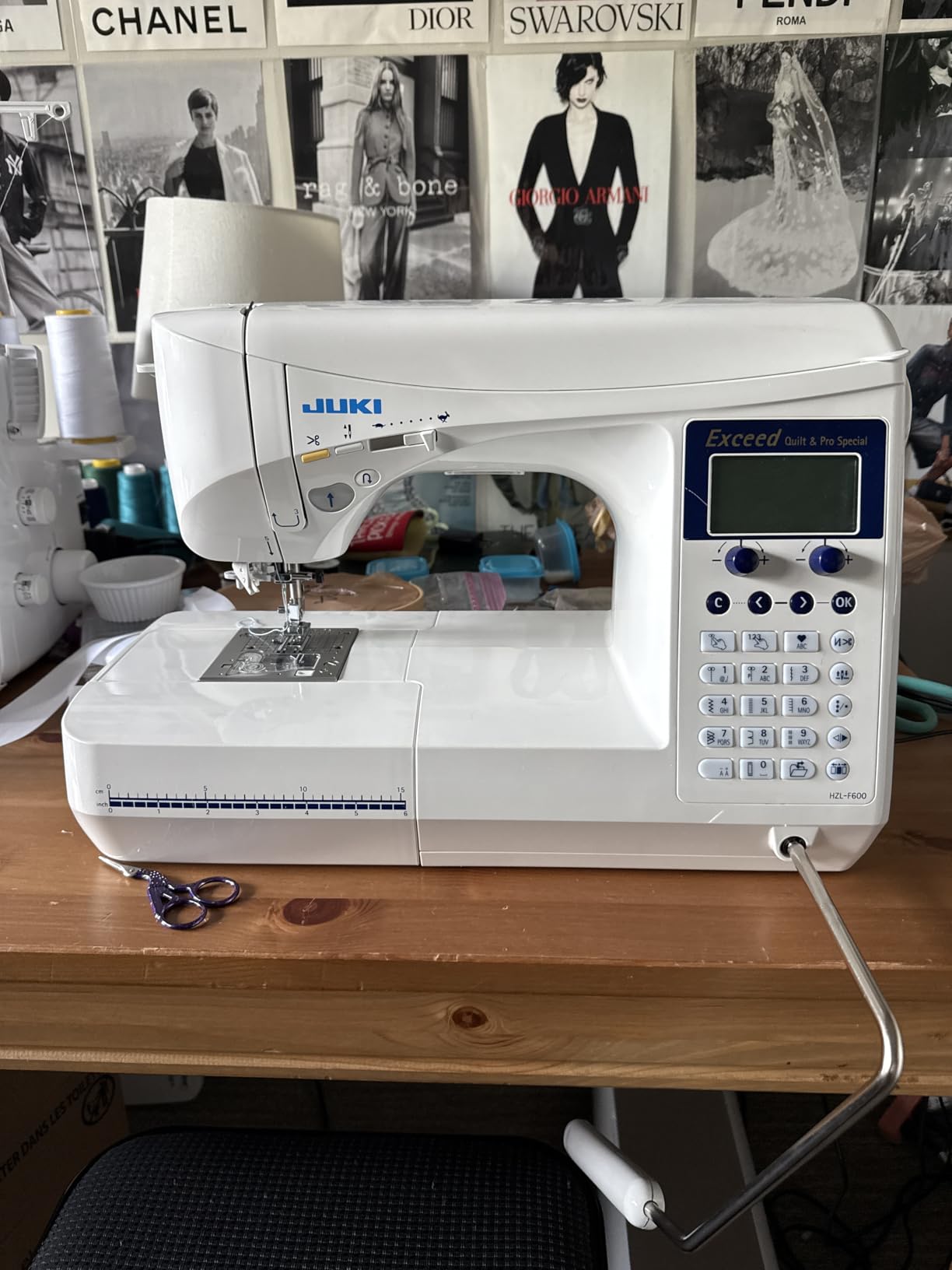
The knee lift is a feature missing from many competitors at this price. It lets you raise the presser foot without taking your hands off the quilt, which is essential for free-motion work. The LCD screen is intuitive, and the stitch selector switch makes navigating the stitch library fast.
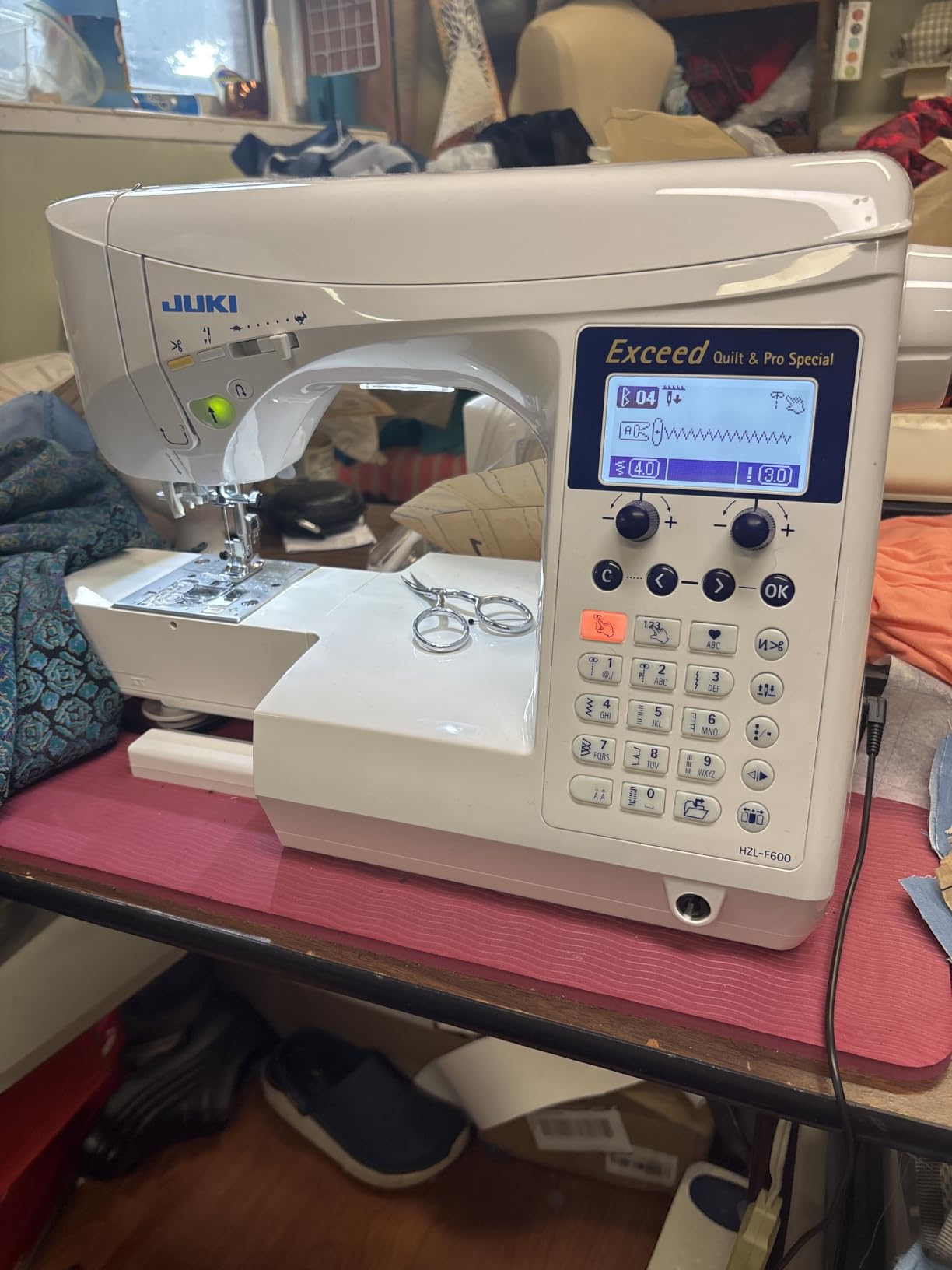
Long-term reliability is the main concern. Some users report the screw holding the needle breaking after a year or two of heavy use, and the auto needle threader can fail over time. Juki’s warranty covers these issues for the first few years, so keep your documentation. Compared to the simpler TL-2010Q (which has fewer parts to fail) the F600 is more feature-rich but more prone to electronic issues.
Best Use Cases
The F600 is for quilters who want computerized features without the cost of a Janome Continental M6. The 255 stitches, knee lift, and LCD screen cover most home sewing needs. If you sew garments, do home decor, and quilt, this is a strong all-around machine.
Threading System Improvements
Compared to the Juki Haruka (which has a notoriously difficult auto needle threader), the F600’s threading system works reliably. The bobbin winding is also faster, which adds up to real time savings over a large project.
12. Elna Elnita ef72 Sewing and Quilting Machine
Elna Elnita ef72 Sewing and Quilting Machine with over 10″ of Seamless, Aluminum Flatbed Sewing Space, 170 built-in stitches, 2 Alphabets for Home
10 inch throat space
170 built-in stitches
1000 SPM
Programmable thread trimmer
Pros
- 10 inch throat space for quilting
- Quiet operation
- Solid aluminum construction
- Programmable thread trimmer
- 170 built-in stitches
- Works with standard low shank feet
- LED lights in three positions
Cons
- Auto thread cutter leaves short tail
- Removable stitch board
- Stretch stitch slow
- Some quality control issues
The Elna Elnita ef72 rounds out our list with a 10-inch throat, 170 built-in stitches, and Elna’s signature quiet operation. With 20 reviews averaging 4.6 stars, this machine has a smaller but enthusiastic user base. The aluminum construction and industrial-style motor give it a solid feel that punches above its price tier.
The programmable thread trimmer is a standout feature. You can set it to cut at the end of a stitch sequence or at specific intervals, which is great for chain piecing. The independent bobbin winder (same as the Janome MC6650) lets you wind while sewing. The vertical thread delivery system handles specialty threads without tension issues.
The main drawback is the auto thread cutter leaves the thread tail very short, which can cause issues when starting a new seam. You will need to manually pull up the bobbin thread before starting most seams. The removable stitch selection board on top is also a love-it-or-leave-it design choice. Some users love having a clean workspace, others miss the tactile buttons.
Best Use Cases
The ef72 is for quilters who want a 10-inch throat with computerized features at a lower price than the Janome MC6650. The 170 stitches cover most needs, and the quiet operation makes it pleasant for long quilting sessions. If you want the largest stitch library or the longest warranty, look at the Janome Continental M6.
Elna vs Janome Comparison
Elna and Janome are both owned by the same parent company and share much of their technology. The ef72’s 10-inch throat matches the Janome MC6650, but the ef72 has 170 stitches versus 170 on the Janome (similar), and the ef72 has a quieter motor in user reports. If brand reputation matters, Janome has a larger US dealer network.
Buying Guide: How to Choose the Best Longarm Quilting Machine
Choosing a longarm quilting machine comes down to matching the machine’s capabilities to your quilting goals, physical space, and budget. After comparing 12 machines and reading hundreds of forum threads, here are the factors that matter most.
Throat space is the first decision. Throat space determines the maximum quilt width you can manage without rolling the fabric. A 15-inch throat (like the Handi Quilter Moxie) handles queen-size quilts comfortably. A 10-inch throat (like the Janome MC6650 or Elna ef72) handles crib to queen-size quilts with more rolling. If you primarily quilt king-size tops, prioritize at least 15 inches of throat space.
Stitch regulation affects finish quality. Stitch regulation keeps your stitch length consistent regardless of how fast you move the machine. Hand-guided machines (like the Juki TL-2010Q) rely on the operator’s pace, which produces variable stitch length. Machines with built-in stitch regulation (Handi Quilter Moxie, Grace Little Rebel) produce more consistent results, especially for beginners.
Frame options and space requirements matter. True longarms require a frame, which takes up significant floor space. An 8-foot frame needs at least 10 by 5 feet of dedicated studio space. Sit-down machines (like the Janome 3160QDC-G or Juki HZL-F600) fit on a regular sewing table. Measure your space before falling in love with a frame-mounted machine.
Computerized vs hand-guided longarms. Computerized longarms (like the Handi Quilter machines with Pro-Stitcher) automate the quilting pattern, which is great for edge-to-edge business work. Hand-guided longarms give you more artistic control but require more skill. Beginners often prefer computerized models for the consistency, while experienced quilters appreciate the creative freedom of hand-guided work.
Is a longarm quilting business profitable? Yes, but it takes time. Most successful longarm businesses charge between 3 and 5 cents per square inch for edge-to-edge quilting, which translates to roughly 120 to 200 dollars for a queen-size quilt. At 2 to 3 quilts per week, a longarm business can gross 12,000 to 30,000 dollars per year after the first year. The biggest factors for profitability are local demand, marketing, and keeping your machine running efficiently.
How long do longarm quilting machines last? With regular maintenance, a quality longarm machine lasts 15 to 25 years. The mechanical components (motor, frame, bobbin system) rarely fail. Electronic components (touchscreens, stitch regulators) may need replacement after 10 years. Brands like Gammill, Handi Quilter, and APQS have decades-long reputations for durability.
What throat space do I need? For quilts up to queen size, a 15-inch throat handles most projects without rolling. For larger quilts or for business use, consider 18 to 24 inches. If you only occasionally quilt, a 10-inch throat on a mid-arm machine is sufficient and saves significant money and space.
Used vs new longarm buying. Used longarm machines can save 30 to 50 percent, but they come with risks. Inspect the throat space for scratches, test the stitch regulation, and check the frame for wear. If possible, have a local technician inspect the machine before purchase. APQS, Gammill, and Handi Quilter all offer certified pre-owned programs with warranties.
Frequently Asked Questions
Is a longarm quilting business profitable?
A longarm quilting business can be profitable, with most successful operations charging 3 to 5 cents per square inch for edge-to-edge quilting. At 2 to 3 quilts per week, annual revenue typically ranges from 12,000 to 30,000 dollars after the first year. Profitability depends on local demand, marketing effort, and machine uptime.
What are some good long arm quilting machines?
Top longarm quilting machines include the Handi Quilter Moxie for beginners and home use, the Grace Little Rebel for budget-conscious quilters who want stitch regulation, the Janome Continental M6 for premium computerized quilting, and the Juki TL-2010Q for straight-stitch workhorses. The best choice depends on your throat space needs and whether you prefer hand-guided or computerized quilting.
What is the best longarm quilting machine for a beginner?
The Handi Quilter Moxie is the best longarm quilting machine for beginners because it includes an 8-foot frame, three stitch regulation modes, and a beginner-friendly handlebar control system. The Grace Little Rebel is also an excellent choice for beginners with smaller studios, since it works on a tabletop and converts between sewing and quilting modes.
How long do longarm quilting machines last?
Quality longarm quilting machines last 15 to 25 years with regular maintenance. Mechanical components rarely fail, while electronic components like touchscreens and stitch regulators may need replacement after 10 years. Brands like Handi Quilter, Gammill, and APQS have decades-long reputations for durability, and dealer-supported maintenance programs can extend machine life significantly.
How much space do I need for a longarm quilting machine?
An 8-foot longarm frame requires at least 10 by 5 feet of dedicated studio space, while a 10-foot frame needs 12 by 6 feet. Sit-down longarm machines (like the Grace Little Rebel or Juki HZL-F600) fit on a regular sewing table, requiring only 4 by 3 feet. Measure your available space before choosing between a frame-mounted machine and a sit-down model.
Final Verdict: Which Longarm Quilting Machine Should You Buy in 2026?
After comparing 12 of the best longarm quilting machines available right now, our top pick for most quilters is the Handi Quilter Moxie with the 8-foot HQ Loft frame. It combines genuine longarm capability, beginner-friendly stitch regulation, and the largest dealer support network in the industry. If you do not have space for a frame, the Grace Little Rebel delivers most of the same benefits in a sit-down package at a lower price.
For quilters who prioritize computerized features and want the largest flatbed available, the Janome Continental M6 is the clear premium choice. Budget-conscious quilters who primarily want a quilting workhorse should look at the Juki TL-2010Q, which has earned its reputation through hundreds of long-term user reviews.
Whatever machine you choose, visit a local dealer if possible to test the feel before committing. For more recommendations on sewing and quilting gear, browse our other buying guides. Happy quilting in 2026.