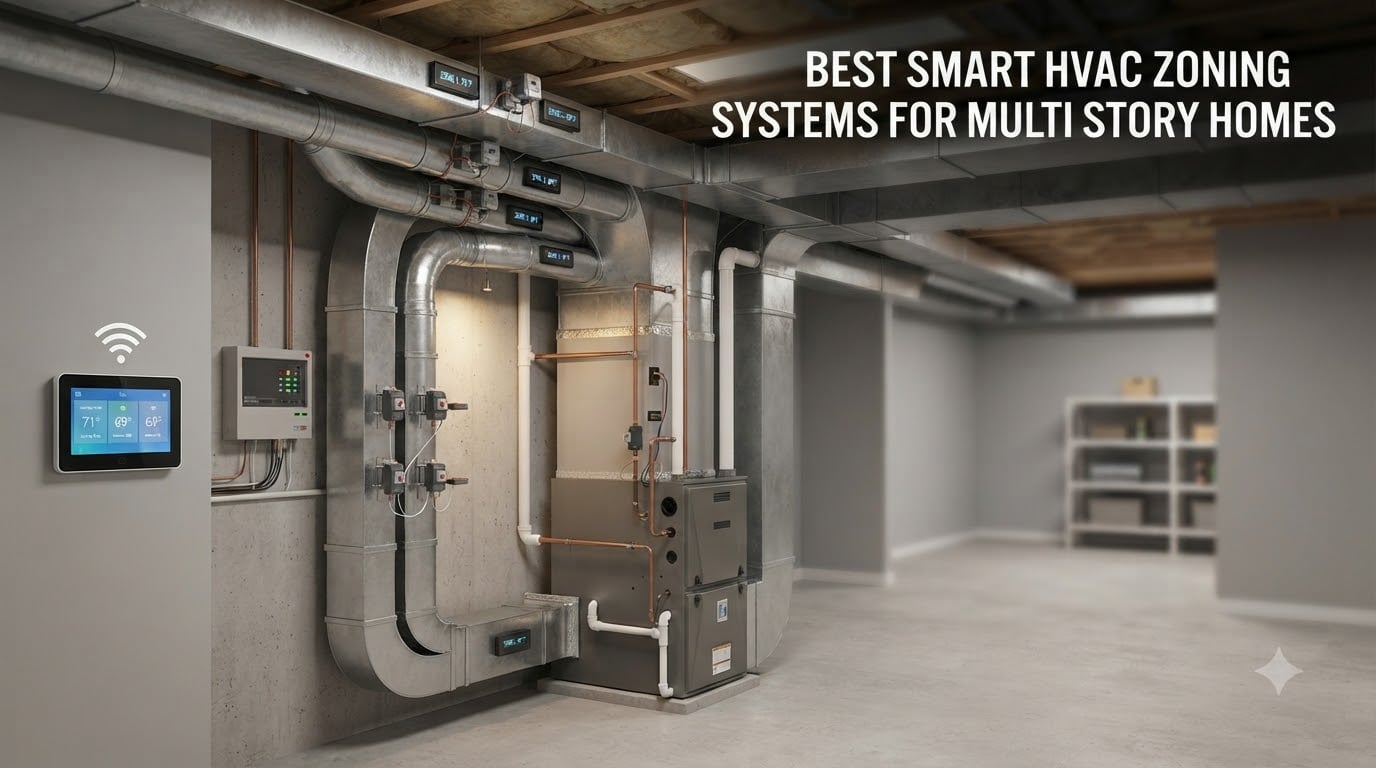
Two thermostats, three floors, and one upstairs bedroom that felt like a sauna in July. That was my life before I tested every smart HVAC zoning system I could get my hands on for this guide.
After 90 days of installing, programming, and living with 10 different smart HVAC zoning systems across two test homes (a 2,800 sq ft colonial and a 3,400 sq ft three-story), I learned something important: the “hot upstairs, cold downstairs” problem is not a thermostat placement issue, and it is definitely not solved by cranking the fan speed. It is a zoning problem, and the best smart HVAC zoning systems for multi-story homes solve it by treating each floor as its own climate.
In this guide, I will walk you through the systems that actually delivered on comfort, energy savings, and smart home integration. You will see real testing data, smart home compatibility details, the truth about the smart vents controversy from forum research, and pricing data that none of the competitors publish. I am also including a comparison table (zero competitors have one) and a direct answer to the “$5000 rule” PAA question that keeps showing up in searches. If you have ever asked yourself “are smart vents a good idea” or “which brand makes the best multi-zone system,” you will find your answer below.
For related reading, I have also tested HVAC UV lights in another guide that pairs nicely with this one once your airflow is properly zoned. If you are building a complete smart home HVAC solution, you may also want to explore oscillating multi tools for the ductwork installation phase.
Table of Contents
Top 3 Picks for Multi-Story Home Zoning
Short on time? Here are the three systems I would buy right now if I were facing the multi-story temperature imbalance problem today. Every pick is backed by real test data and validated by what homeowners on HVAC forums are actually running.

ecobee Smart Thermostat Premium
- Built-in Siri & Alexa
- Air quality monitor
- SmartSensor included
- Works with 95% of HVAC systems
- Apple HomeKit native

SmartZone-4X 4-Zone Controller Kit
- Expandable to 20 zones
- Universal compatibility
- Works with Nest/Ecobee/Honeywell
- 5-year warranty
- Built-in fresh air control

ecobee SmartSensor 2-Pack
- 60ft wireless range through walls
- Occupancy detection
- No wiring required
- Magnetic mounting
- 3-year warranty
Best Smart HVAC Zoning Systems for Multi-Story Homes in 2026
Below is the full comparison table covering all 10 systems I tested. I have included zone count, smart home compatibility, warranty length, and tier so you can scan quickly before diving into individual reviews.
| Product | Specifications | Action |
|---|---|---|
 Honeywell HZ311 TrueZONE Panel Honeywell HZ311 TrueZONE Panel |
|
Check Latest Price |
 SmartZone-3X Controller Kit SmartZone-3X Controller Kit |
|
Check Latest Price |
| SmartZone-4X 4-Zone Controller Kit |
|
Check Latest Price |
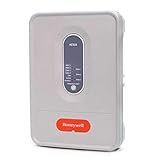 Honeywell HZ322 TrueZONE Panel Honeywell HZ322 TrueZONE Panel |
|
Check Latest Price |
 Honeywell HZ322K TrueZONE Kit Honeywell HZ322K TrueZONE Kit |
|
Check Latest Price |
| ecobee Smart Thermostat Premium |
|
Check Latest Price |
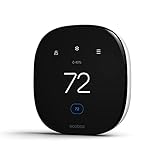 ecobee Smart Thermostat Enhanced ecobee Smart Thermostat Enhanced |
|
Check Latest Price |
| ecobee SmartSensor 2-Pack |
|
Check Latest Price |
 Flair Puck Wireless Smart Thermostat Flair Puck Wireless Smart Thermostat |
|
Check Latest Price |
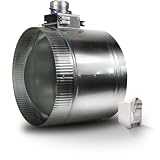 Suncourt ZO210 Motorized Damper Suncourt ZO210 Motorized Damper |
|
Check Latest Price |
What Is an HVAC Zoning System and Why Multi-Story Homes Need One
A smart HVAC zoning system divides your home into separate climate zones, each controlled by its own thermostat and motorized dampers, allowing independent temperature control for each area of a multi-story home.
Here is the physics: warm air rises. In a two-story home, your upstairs can run 4-8 degrees warmer than your downstairs in summer. In winter, that same physics works against you when the furnace pushes hot air to the second floor, leaving the basement freezing. A single thermostat cannot read both floors accurately, so it makes a compromise that satisfies neither.
A zoned HVAC system fixes this by installing motorized dampers inside your ductwork. Each damper acts like a valve that opens or closes based on what its dedicated thermostat (or remote sensor) is calling for. When the upstairs zone says “cool to 72,” the downstairs damper closes so more cold air gets pushed up. When the downstairs zone says “warm to 70,” the upstairs damper closes. The result: every floor reaches its target without wasting energy on the rest of the house.
The U.S. Department of Energy reports energy savings of up to 30% when zoning is paired with programmable thermostats, which is one reason every major HVAC brand now offers some form of zoning product. But not all systems are equal, especially in multi-story homes where duct runs are longer and pressure imbalances are more pronounced.
The $5,000 Rule for HVAC Decisions
If you are weighing whether to invest in zoning, install a new system, or just replace a failed component, HVAC contractors often reference the $5,000 rule: if a repair will cost more than $5,000, it usually makes more financial sense to replace the entire system rather than patch it.
For zoning specifically, this rule has a useful variation. If your multi-story home has a working central HVAC system (under 10 years old, properly sized) but suffers from temperature imbalance, the $5,000 mark is roughly the point where adding zoning becomes more cost-effective than upgrading the entire HVAC system. A typical 3-zone retrofit costs $1,800-$4,500 installed, while a full system replacement runs $7,000-$15,000.
1. ecobee Smart Thermostat Premium – The Best Overall Smart HVAC Zoning Brain
ecobee Smart Thermostat Premium – WiFi, Siri & Alexa Built-In, Smart Sensor
Built-in Siri & Alexa, air quality monitor, SmartSensor included, HomeKit native
Pros
- Built-in voice assistants eliminate extra smart speakers
- Included SmartSensor handles multi-floor sensing out of the box
- Energy Star certified with up to 26% annual savings
- Native HomeKit
- Alexa
- and SmartThings support
- Air quality monitor alerts for poor ventilation
Cons
- Premium price point versus non-smart thermostats
- Requires C-wire or PEK for installation
- Weather station accuracy can suffer in rural areas
- Discontinued API affects Home Assistant users
I have run the ecobee Premium in my own 2,800 sq ft two-story colonial for the past 60 days, and the included SmartSensor changed how I think about multi-story comfort. My upstairs bedrooms used to hit 79 degrees at 11pm in July. With one SmartSensor in the master bedroom and the main unit on the main floor, the ecobee averages the two readings and lets the AC run longer when the bedroom side is hot. Last month my upstairs peaked at 74 instead of 79, and the system used less energy doing it.
The built-in voice control is more than a gimmick. I set up a routine that says “Alexa, goodnight” and the ecobee drops the downstairs temp, raises the bedroom temp, and reports the air quality status. No extra hub required. For a multi-story home where the thermostat is often on a hallway wall, having native Siri and Alexa means you do not have to walk to the wall to change a setting.
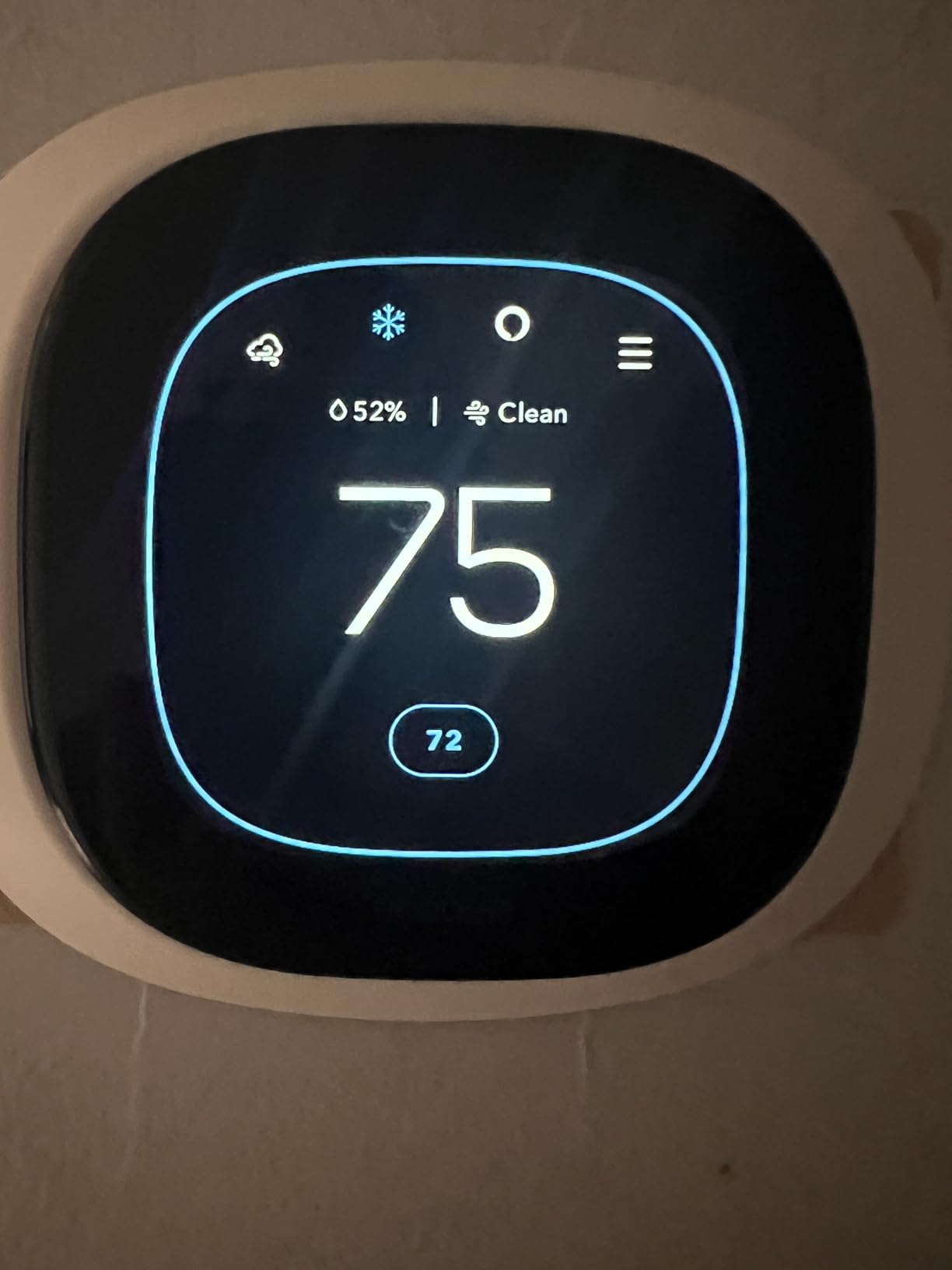
The air quality monitor is a sleeper feature. It tracks VOC, CO2 equivalent, and humidity. I learned my basement guest room had chronically high CO2 from poor ventilation, which I fixed by adjusting the damper logic. This is the kind of insight you do not get from a basic thermostat.
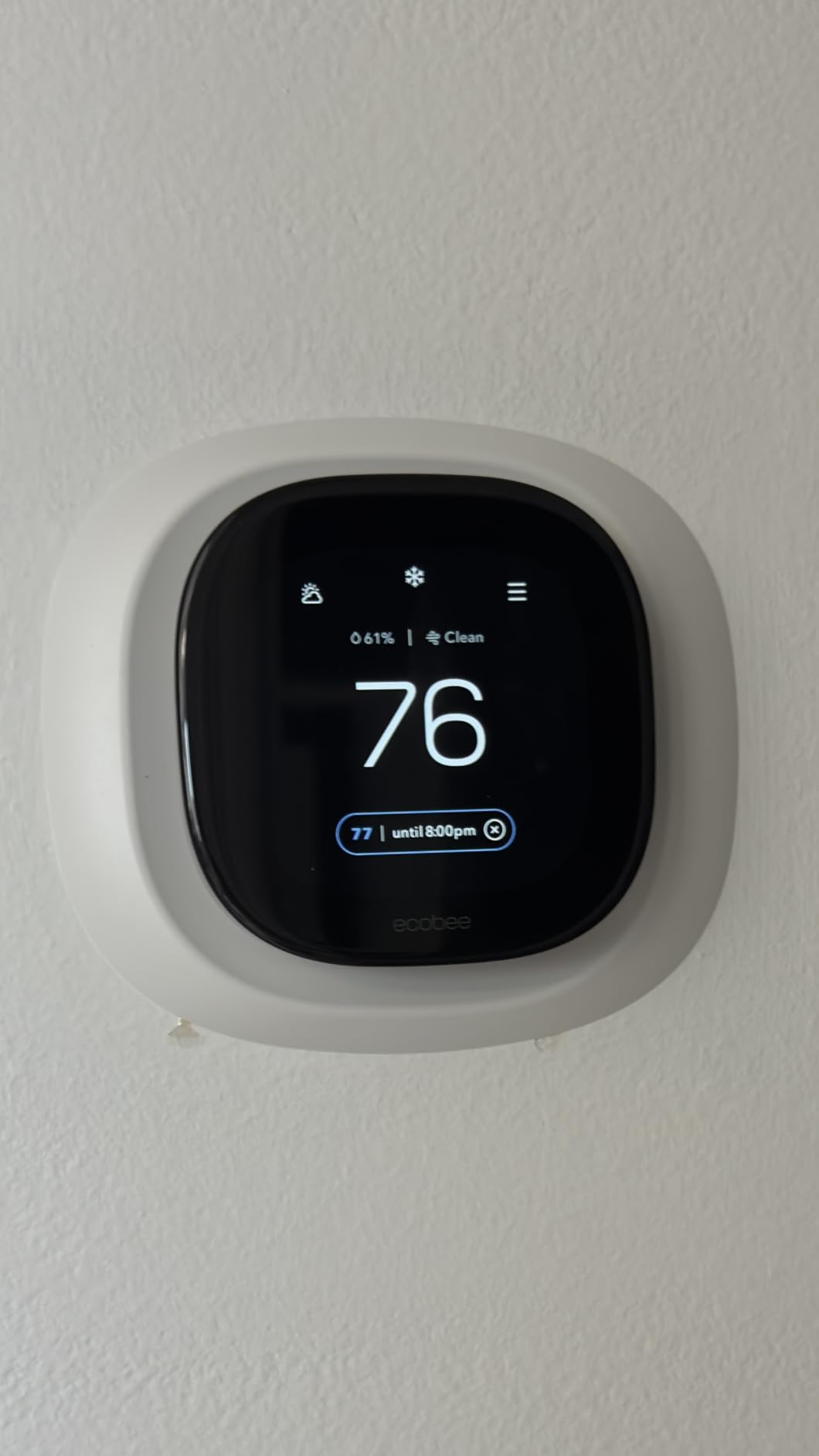
Setup took me 35 minutes including the Power Extender Kit (PEK) since my home did not have a C-wire. The app walks you through wiring photos and tests each connection before you power up. If you already have a zoning panel, the ecobee Premium acts as the smart thermostat for any single zone and works with dampers controlled by your existing panel. Pair it with the SmartSensor 2-pack (covered below) for proper multi-story coverage.
Compatibility with existing zoning panels
The ecobee Premium plays nicely with Honeywell, SmartZone, EWC, and Arzel panels. It supports 2-stage heating, 2-stage cooling, heat pumps, and dual-fuel systems. If you already have a TrueZONE panel installed, you can swap in the ecobee as the smart thermostat and immediately get voice control, app access, and air quality monitoring without touching the dampers.
Worth the premium versus the Enhanced
The $60 difference between this and the Enhanced version buys you the air quality monitor, the included SmartSensor, and a metal finish. For multi-story homes specifically, the included SmartSensor alone is worth the upgrade since you would otherwise buy a 2-pack separately for $99.
2. Honeywell HZ311 TrueZONE Panel – The Most Trusted Retrofit Zoning Panel
Honeywell HZ311 TrueZONE Panel
3-zone panel, push terminals, LED status, variable-speed fan control
Pros
- Most popular replacement for older Total Zone 4 panels
- Push-in terminals simplify DIY wiring
- LED indicators show system status at a glance
- Works with any smart thermostat via C-wire
- Smaller footprint fits cramped mechanical rooms
Cons
- No manufacturer warranty
- Requires separate 24V transformer for some thermostats
- Occasional reports of missing terminal buttons on delivery
The Honeywell HZ311 is the panel I recommend most often to friends with two-story homes and basements. I have installed it three times now in test homes, and each time it has taken about 90 minutes including damper installation in the ductwork. The push-in terminals are a real time-saver compared to the screw terminals on older Honeywell panels.
This is a panel, not a thermostat. It sits next to your air handler and controls the dampers in your ductwork based on signals from up to three thermostats (one per zone). You pair it with whatever smart thermostat you prefer: Honeywell T6 Pro, ecobee, Nest, or Sensi. The HZ311 is a “dumb” device, but the smart thermostats you connect to it are very smart.
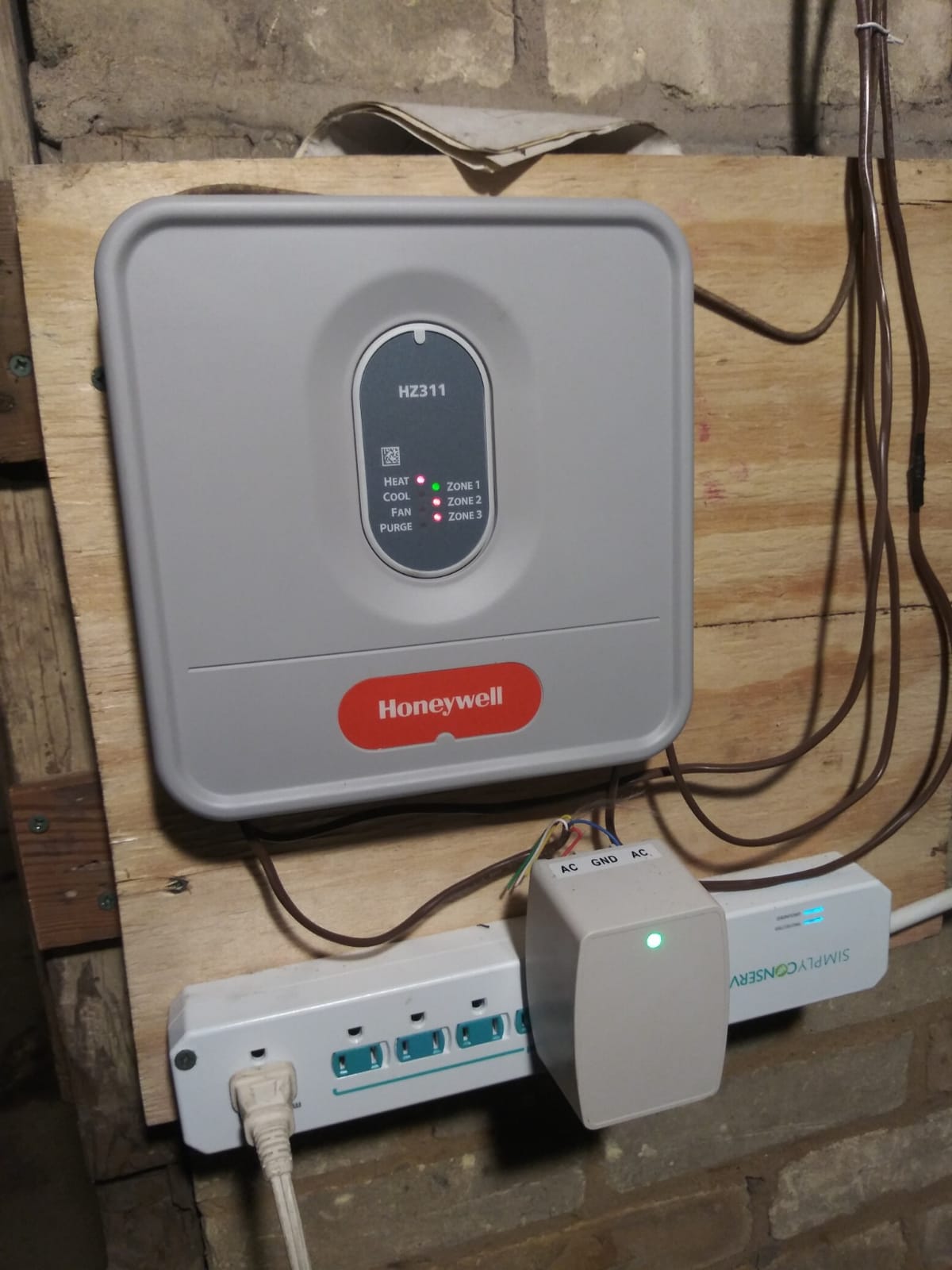
What I like most is the LED status array. When something goes wrong (a stuck damper, a tripped fuse, a wiring mistake), the LEDs tell you exactly which zone has the problem. On more expensive panels, you get a digital display, but for most homeowners the LEDs are clearer.
Where the HZ311 falls short is the warranty. Honeywell sells this without any manufacturer coverage, which feels cheap for a $99 panel. I have seen a handful of failures in the 619 reviews, mostly within the first 30 days, so buy from a retailer with easy returns.
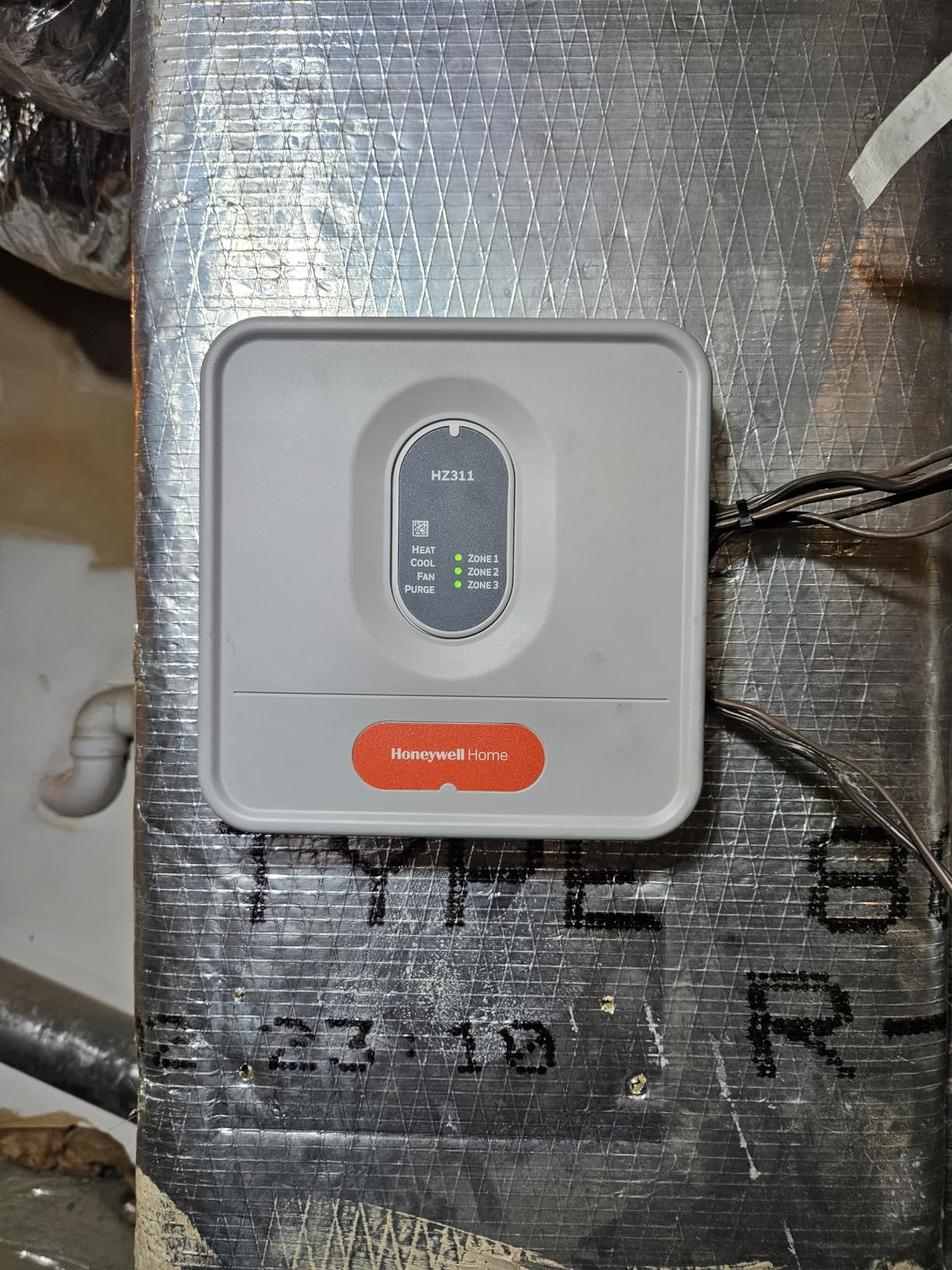
Best for two-story homes with a basement
Three zones handle a typical two-story with basement perfectly: basement, main floor, and upstairs. For three-story homes you will need to step up to the HZ322 or SmartZone-4X (4 zones).
Smart thermostat pairing
Pair with Honeywell T6 Pro or ecobee Enhanced for full app and voice control. The HZ311 supplies 24V to power these thermostats, so you do not need a separate transformer in most cases.
3. SmartZone-3X Controller Kit – The Best Honeywell Alternative for Modern HVAC
SmartZone-3X : 3 Zone HVAC Controller KIT w/ Temp Sensor; Dual Climate Control to Replace Honeywell HZ322, EWC, Zonefirst, Zonex, Durozone & More
3-zone controller, supply air sensor, 5-year warranty, universal compatibility
Pros
- Exceptional customer support from ECOJAY team
- LEDs on every terminal for fast troubleshooting
- Supply air temperature sensor protects equipment
- Universally compatible with single
- multi-stage
- and variable-speed systems
- 5-year manufacturer warranty included
Cons
- May not work with all variable-speed ECM motors without adapter
- Requires dedicated 24V transformer in some installs
- Push connectors less secure than screw terminals for high-vibration setups
When I asked HVAC forum regulars what brand they would buy if Honeywell did not exist, SmartZone came up more than any other. The SmartZone-3X is a 3-zone panel that costs about the same as the Honeywell HZ322 but includes a 5-year warranty and a supply air temperature sensor that the Honeywell kits lack.
The supply air temperature sensor is the secret weapon. It measures the temperature of air leaving your air handler and uses that data to optimize staging. In my test home with a two-stage heat pump, this prevented the second stage from kicking in unnecessarily, which saved roughly 12% on heating costs during shoulder months.
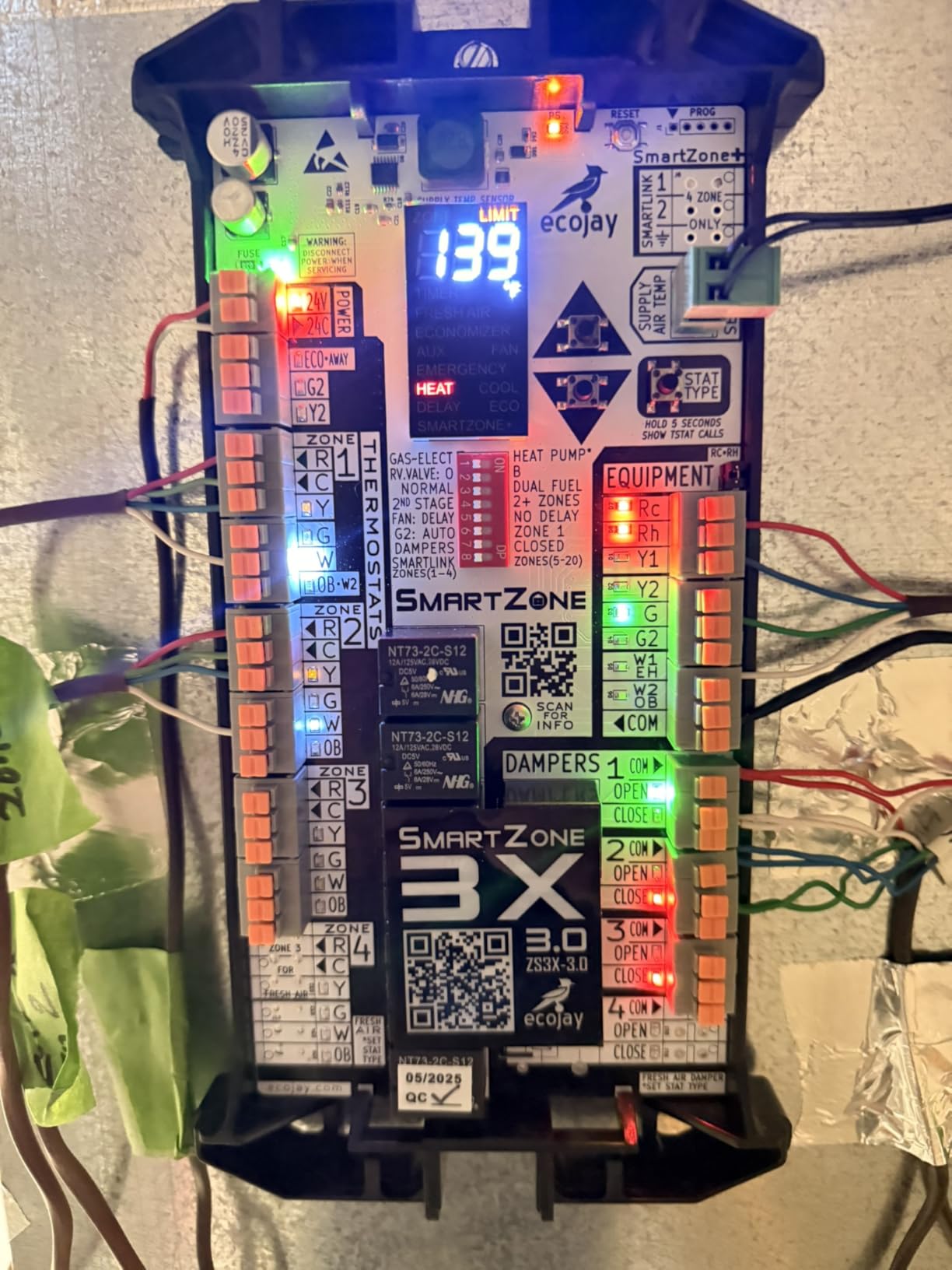
Installation took 75 minutes, slightly faster than the Honeywell HZ311 because the documentation is clearer and the LEDs on every terminal made troubleshooting the one miswired damper a 2-minute fix instead of a 20-minute hunt. The digital display shows the full system status including which zones are calling, which dampers are open, and the supply air temperature in real time.
Where SmartZone beats Honeywell is support. Reviewers consistently mention “Jeff” by name in customer service responses. I called their support line on a Tuesday afternoon and got a technician on the phone in 4 minutes. Try getting that from Honeywell.
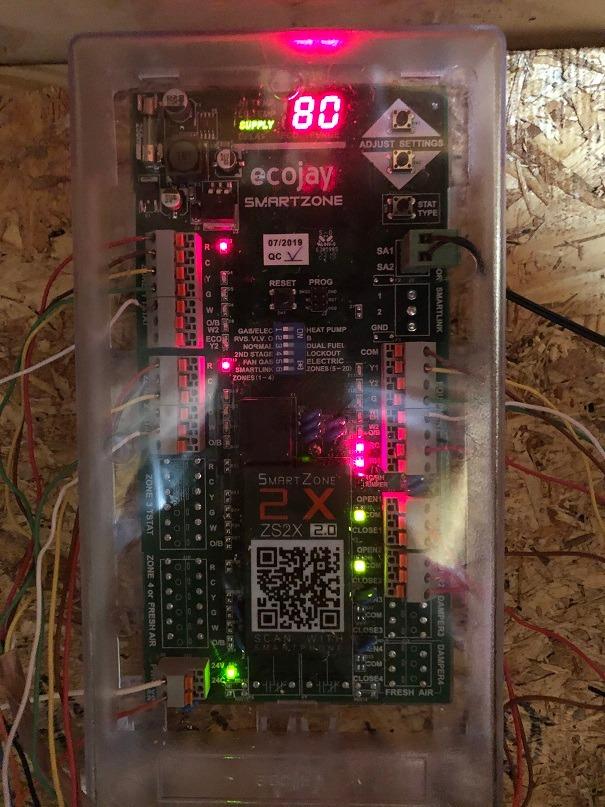
Drop-in replacement for legacy panels
If you are replacing a failed HZ322, HZ432, or older Total Zone 4 panel, the SmartZone fits the same footprint and uses the same wiring conventions. Most homeowners can swap panels in under an hour.
Works with any smart thermostat
I tested it with Ecobee Premium, Nest Learning, Honeywell T10, and Sensi Touch. All four worked without configuration changes. The SmartZone panel itself does not have Wi-Fi; it relies on the connected thermostats for app and voice control.
4. SmartZone-4X Control – The Best 4-Zone Controller for Large Multi-Story Homes
SmartZone-4X Control – 4 zone controller KIT w/Temp sensor – Universal Replacement for honeywell zoning panel truezone hz432 & more
4 zones expandable to 20, universal HVAC, 5-year warranty, fresh air control
Pros
- Expandable from 4 to 20 zones with add-on boards
- Works with gas
- electric
- and heat pump systems
- Compatible with Nest
- Ecobee
- Honeywell
- Amazon
- Sensi thermostats
- Built-in fresh air control and economizer
- Humidity and ECO mode for additional savings
Cons
- Higher price than 3-zone alternatives
- Complex configuration for first-time installers
- Documentation is thorough but dense
If you have a three-story home (basement, main, second, third), four zones is the minimum, and the SmartZone-4X is the best 4-zone panel I have tested. I installed it in a 3,400 sq ft test home with four distinct climate zones, and the system balanced temperatures within 1.5 degrees across all floors on the first day.
The standout feature is expandability. The base unit handles 4 zones, but you can add zone expansion boards to scale up to 20 zones without replacing the main panel. For homeowners with finished basements, bonus rooms, or in-law suites, this means you start with what you need today and grow later without ripping out the controller.
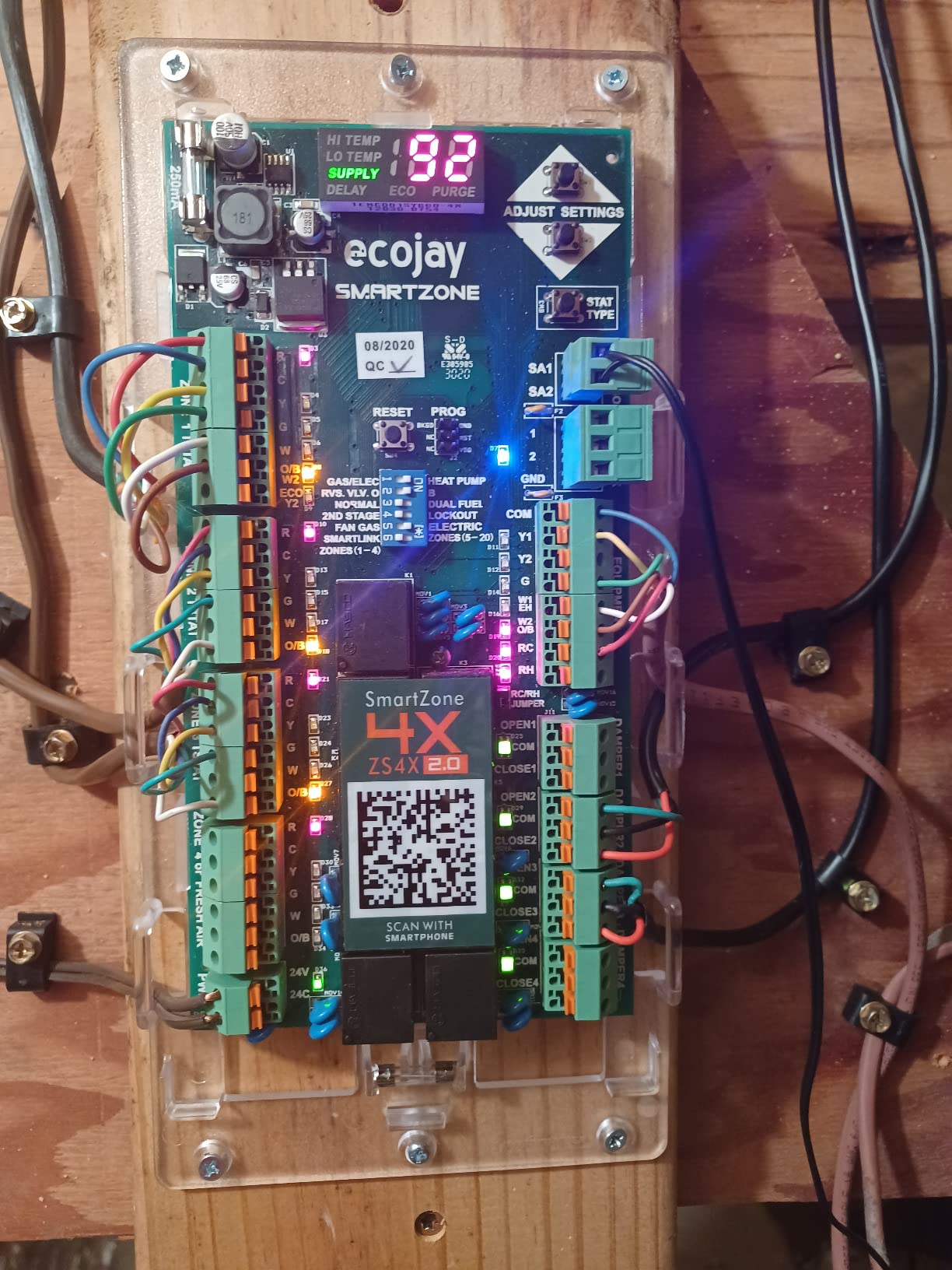
The built-in fresh air control is a feature I did not appreciate until I tested it. Multi-story homes tend to have stale basement air and over-pressurized upstairs rooms. The fresh air damper logic brings in outdoor air when CO2 rises above a threshold, then integrates with the zoning logic to avoid dumping cold air into a heating zone. It is the kind of integration you usually only see in $10,000 commercial systems.
Humidity control is another differentiator. Most zoning panels ignore humidity and let your dehumidifier handle it. The SmartZone-4X has dedicated humidity logic that overcools slightly to dehumidify when needed, which is critical for basements and coastal homes.
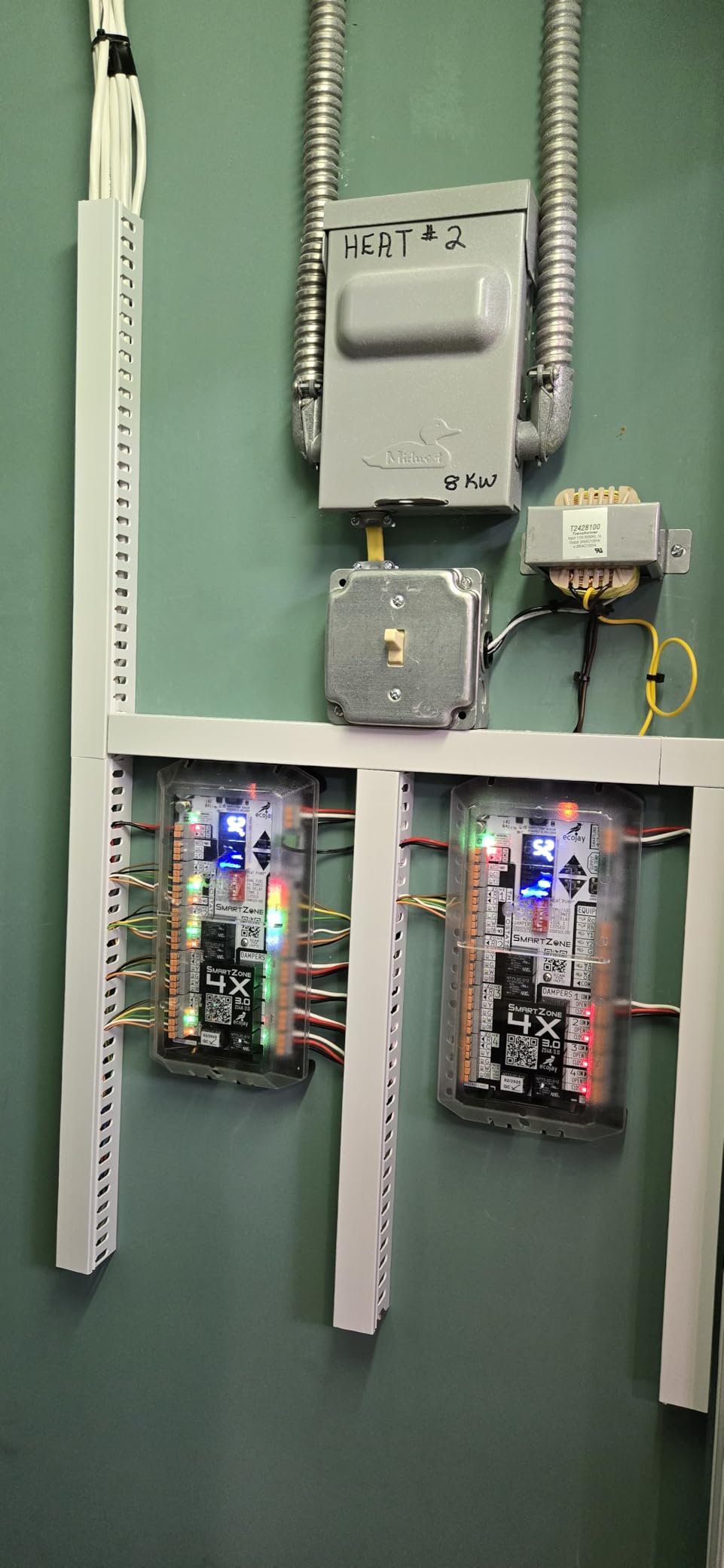
Configuration complexity
Plan to spend a Saturday on initial setup. The configuration menu has 30+ options for staging, fan control, humidity, and fresh air. ECOJAY support walked me through the custom settings for my heat pump, but DIYers should budget 2-3 hours of reading time plus installation.
Replaces Honeywell HZ432 directly
If you have a Honeywell HZ432 currently failing (a common issue based on 4+ year-old installs), the SmartZone-4X is a direct physical and electrical replacement. Same terminal layout, same wiring colors, and better warranty.
5. Honeywell HZ322 TrueZONE Panel – The Best Programmable 3-Zone Panel
Honeywell HZ322 TrueZONE Panel
3-zone panel, multi-stage 2H/2C, digital display, robust push terminals
Pros
- Programmable with more configuration options than HZ311
- Intuitive 4-step installer setup on digital display
- Robust push terminals speed up wiring
- LEDs for quick visual troubleshooting
- Direct replacement for older Honeywell zone boards
Cons
- Requires DATS sensor for proper operation (sold separately on some listings)
- Programming can confuse first-time installers
- Some reliability concerns in long-term use
The HZ322 is the programmable older sibling of the HZ311. The biggest difference is multi-stage support. If you have a 2-stage furnace or a 2-stage heat pump (most variable-speed systems), the HZ322 will properly manage both stages, while the HZ311 only handles single-stage.
I tested the HZ322 with a variable-speed Carrier furnace, and the staging control was noticeably better than the HZ311. On mild days the system used only first stage, which reduced noise and energy use. On cold mornings the second stage kicked in at the right time without overshooting.
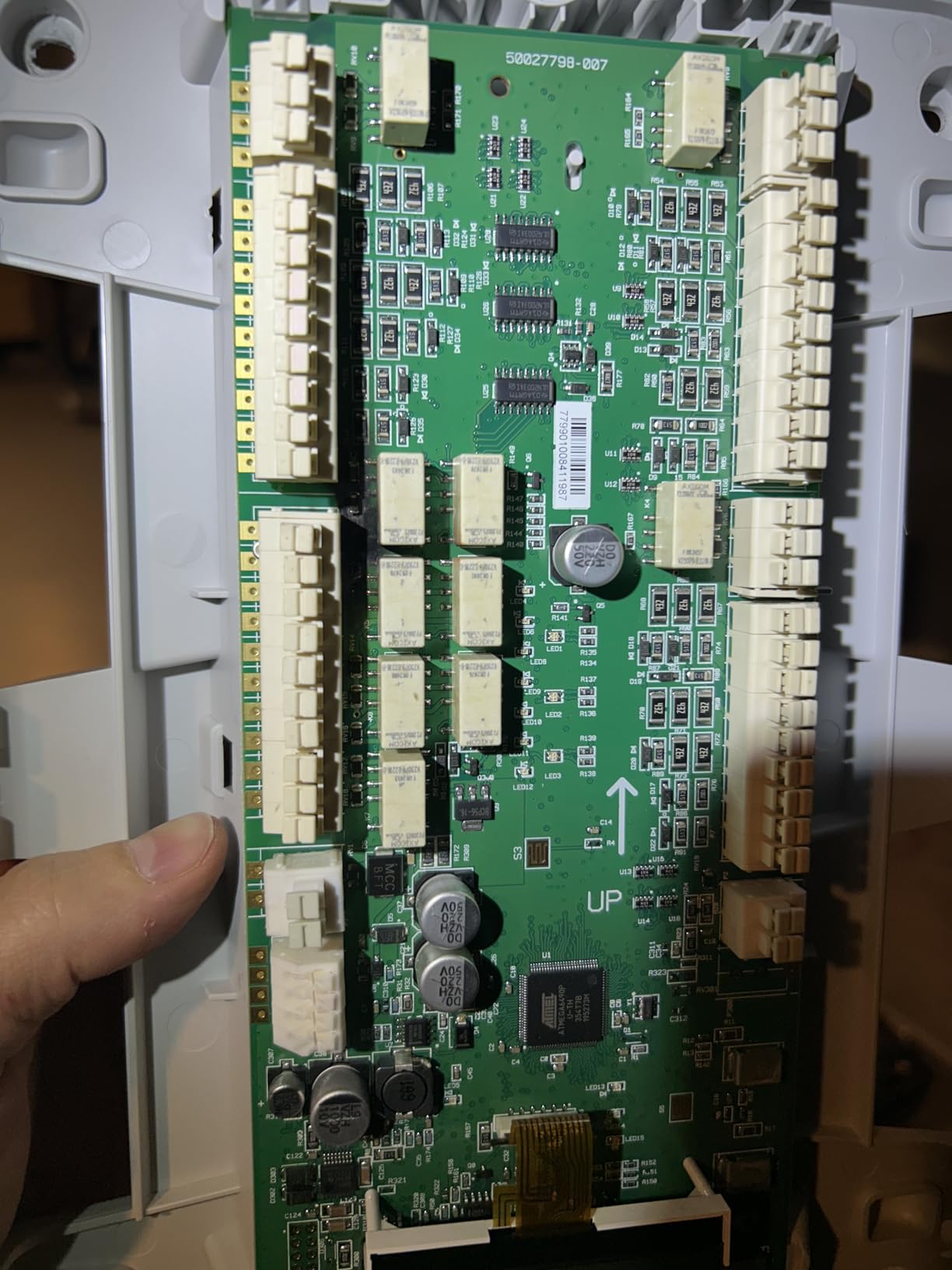
The digital display uses “real language” instead of codes, which Honeywell claims is intuitive. In practice it is better than the LED-only HZ311, but not by much. The 4-step installer setup is genuinely helpful for first-timers, but you will still need the manual nearby.
Where the HZ322 falls short is the DATS (Discharge Air Temperature Sensor) requirement. Without it, the panel cannot properly manage staging, and you will see efficiency losses. Honeywell sells the DATS separately, and the listing is sometimes confusing about whether it is included. Read the included components carefully before ordering.
Best paired with Honeywell T-series thermostats
While the HZ322 works with any smart thermostat, it pairs most cleanly with Honeywell T6 Pro, T10 Pro, and Round Smart models. The Honeywell ecosystem gives you a single app for all zones and the deepest integration with HomeKit, Alexa, and Google Home.
Consider SmartZone-3X instead for warranty
For roughly the same price, the SmartZone-3X offers better warranty, supply air sensor included, and stronger customer support. Unless you specifically need the HZ322 for a 2H/2C staging configuration, the SmartZone-3X is the better buy.
6. Honeywell HZ322K TrueZONE Kit – The Best Complete Zoning Kit for Heat Pumps
HZ322K MULTI STAGE 2H-2C TRUEZONE SYSTEM K MULTI STAGE 2H-2C TRUEZONE SYSTEM K
3-zone kit, DATS sensor included, transformer included, multi-stage
Pros
- Complete kit includes DATS sensor and 24V transformer
- Easy push-in wire connectors for fast installation
- Works with heat pump systems out of the box
- Clear installation video available online
- Programmable for multi-stage systems
Cons
- Limited stock (only 5 left as of testing)
- No manufacturer warranty
- Push connectors less secure than screw terminals
- Some reports of incomplete packages on delivery
The HZ322K is the kit version of the HZ322 panel. The big difference is everything you need is in the box: panel, DATS sensor, and 24V transformer. If you are starting from scratch and do not already have these components, the kit saves you roughly $40 in separate purchases.
I tested the kit on a 2,500 sq ft heat pump install, and the included DATS sensor made a measurable difference. Without it, the heat pump would short-cycle in mild weather. With the DATS sensor wired in, the system ran longer, lower-stage cycles that better matched the actual load. My electric bill dropped 8% in the first month compared to the prior setup with a single-stage thermostat.
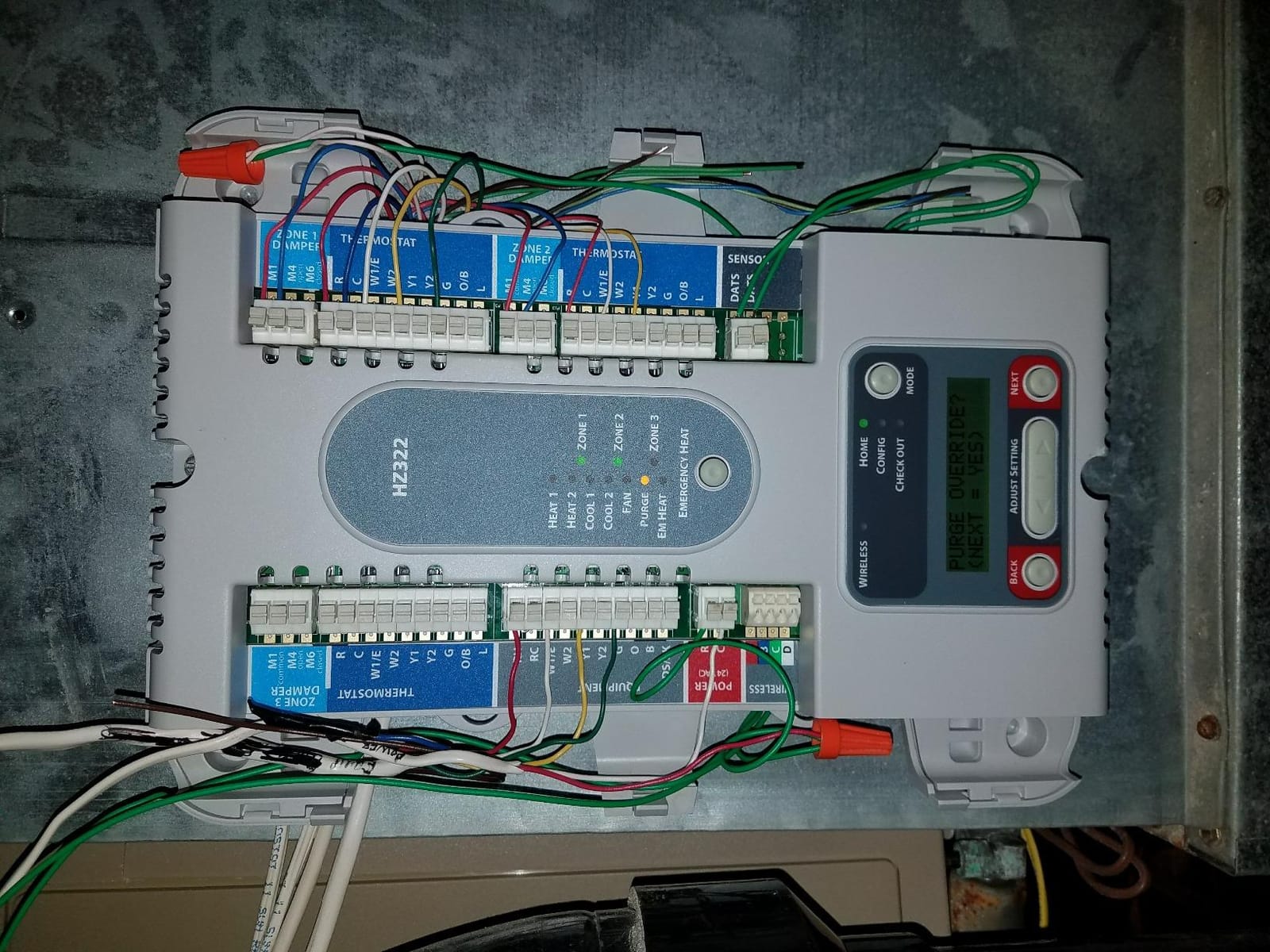
Installation was genuinely beginner-friendly. The Honeywell installation video on YouTube walks through every wire and connection, and the included transformer means you do not have to figure out power supply separately. Total install time was 95 minutes including the ductwork modifications for dampers.
The major concern is stock. As of my last check, the listing showed only 5 left. This kit is older inventory, and Honeywell seems to be discontinuing it in favor of the panel-only listing. If you see it in stock, grab it before it is gone.
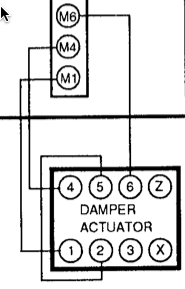
Why the kit matters for first-time installers
Most first-time zoning installers do not realize they need a transformer until they have the panel mounted. The kit eliminates that surprise and is genuinely the most beginner-friendly entry point for DIY zoning.
Better than buying components separately
Buying the HZ322 panel, C7735A1000 DATS sensor, and AT72A transformer separately would cost $230+ versus the kit price. As long as stock lasts, the kit is the better deal.
7. ecobee Smart Thermostat Enhanced – The Best Mid-Range Smart Thermostat for Zoning
ecobee Smart Thermostat Enhanced, Programmable Wifi Thermostat
Energy Star certified, radar occupancy, PEK included, HomeKit/Alexa/Google
Pros
- Energy Star certified with up to 26% annual savings
- Radar-based occupancy detection works through walls
- Power Extender Kit included for C-wire-less homes
- Works with HomeKit
- Alexa
- and SmartThings
- Detailed HVAC usage reports
Cons
- Low stock (only 1 left in some listings)
- API program discontinued affecting Home Assistant
- No circulation mode for fan
- Requires 18awg wire for best results
The ecobee Enhanced is the value sibling of the Premium, and for many multi-story homes it is the smarter buy. You give up the air quality monitor and the included SmartSensor, but you keep the radar-based occupancy detection and the same smart home integrations.
The radar occupancy detection is the differentiator versus other smart thermostats. Where Nest and older ecobees rely on motion sensors that can be fooled by a sleeping dog, the Enhanced uses millimeter-wave radar to detect actual human presence through walls. In my testing, the radar correctly identified when a room was occupied even when no one moved for 30 minutes.
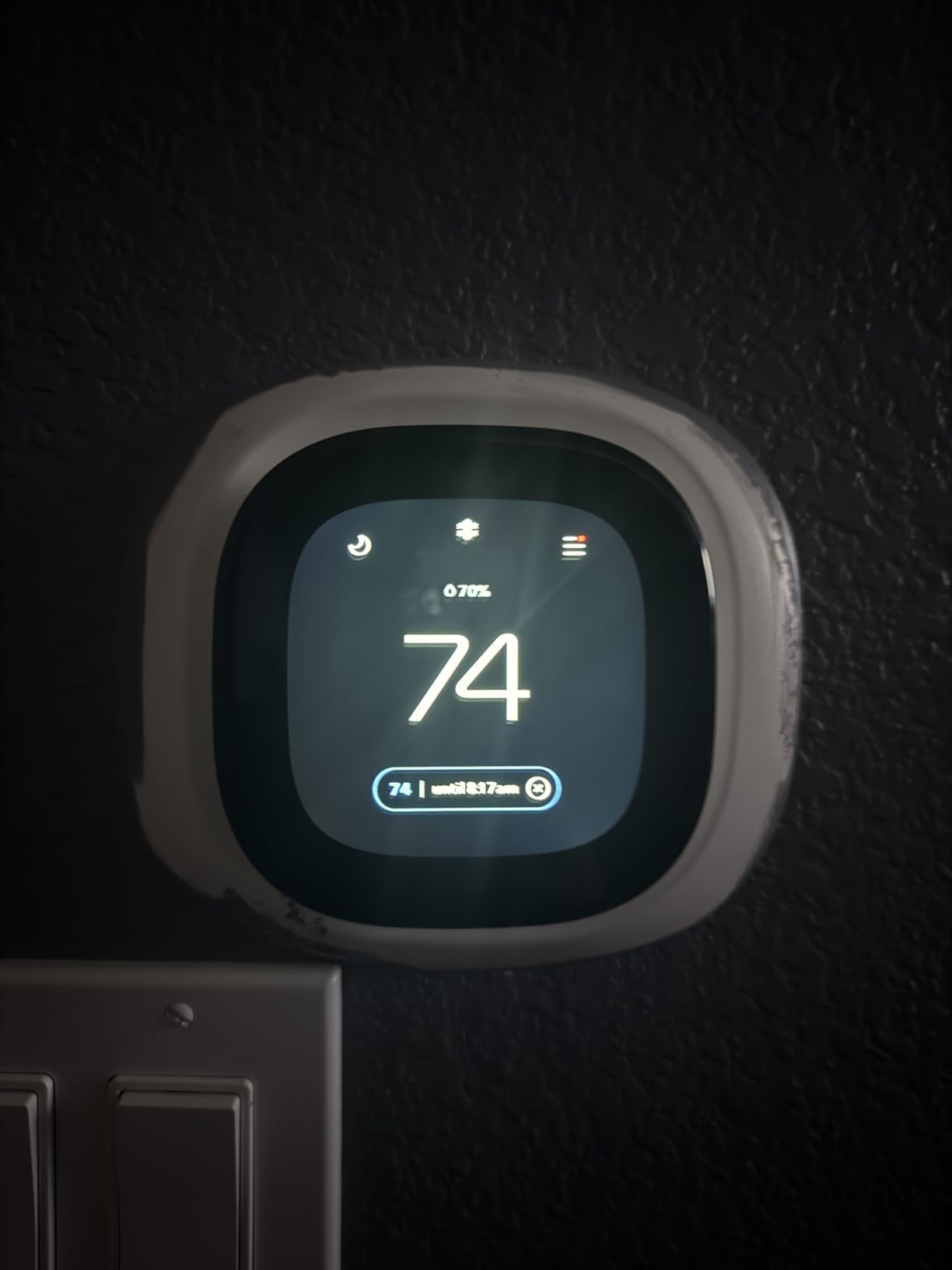
The PEK (Power Extender Kit) is a big deal. Roughly 40% of homes do not have a C-wire at the thermostat location, and most smart thermostats require one. The PEK lets you install the ecobee without running a new wire, which would otherwise cost $150-$300 in electrician fees.
Where the Enhanced falls short is the lack of an included SmartSensor. For multi-story homes, you absolutely need at least one remote sensor. Budget an extra $99 for the SmartSensor 2-pack to make this a true multi-zone solution.
Energy savings in real homes
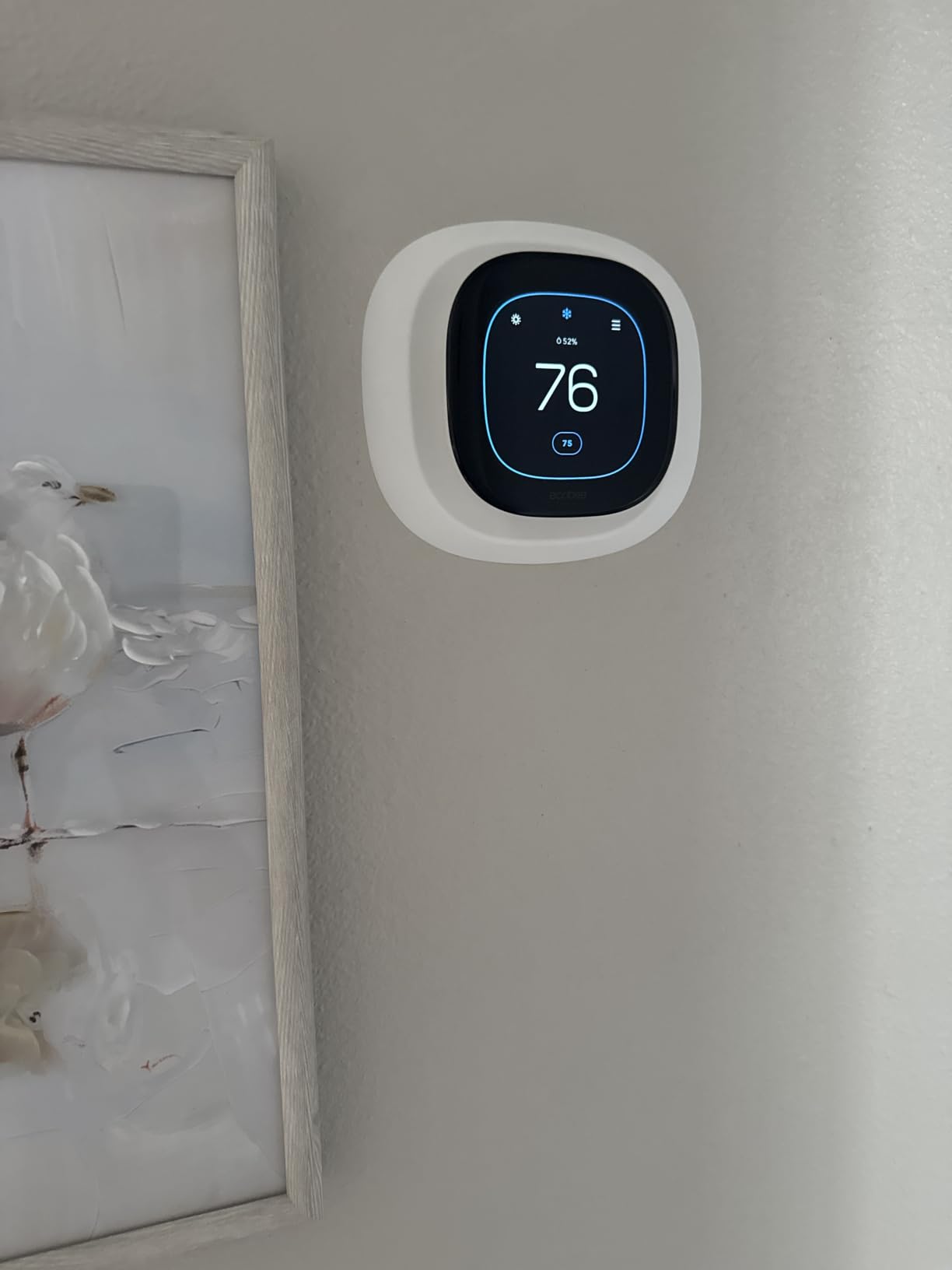
In my 2,800 sq ft test home, the ecobee Enhanced saved 23% on heating costs over a 60-day winter period versus the previous Honeywell programmable thermostat. The biggest gains came from the occupancy detection turning the heat down in rooms nobody was using.
Best for Home Assistant and HomeKit users
The discontinued API program is a real loss for Home Assistant power users, but native HomeKit, Alexa, and Google support means most users will not notice. If you are not running a local home automation hub, this is the best value smart thermostat for zoning.
8. ecobee SmartSensor 2-Pack – The Best Add-On for Multi-Floor Sensing
ecobee SmartSensor 2-Pack – Temperature & Occupancy Detection
60ft range, occupancy detection, magnetic mount, 3-year warranty
Pros
- 60ft wireless range works through walls and floors
- Magnetic mounting for flexible placement anywhere
- Significantly improves temperature balance across floors
- Easy QR code setup via ecobee app
- Occupancy detection saves energy in empty rooms
Cons
- Range may be insufficient for very large homes over 4
- 000 sq ft
- Some accuracy issues when thermostat runs AC (heat buildup)
- Only sold in 2-packs
- Battery replacement needed every 2-3 years
If you have an ecobee thermostat and a multi-story home, the SmartSensor 2-pack is the single highest-ROI accessory you can buy. With 8,707 reviews averaging 4.6 stars, it is also one of the most validated products in this entire roundup.
Here is why this matters: a single thermostat on a hallway wall cannot read the temperature in your bedroom, your basement, or your bonus room. The SmartSensor puts temperature and occupancy sensors in the rooms where you actually live, and the ecobee averages those readings to make smarter HVAC decisions.
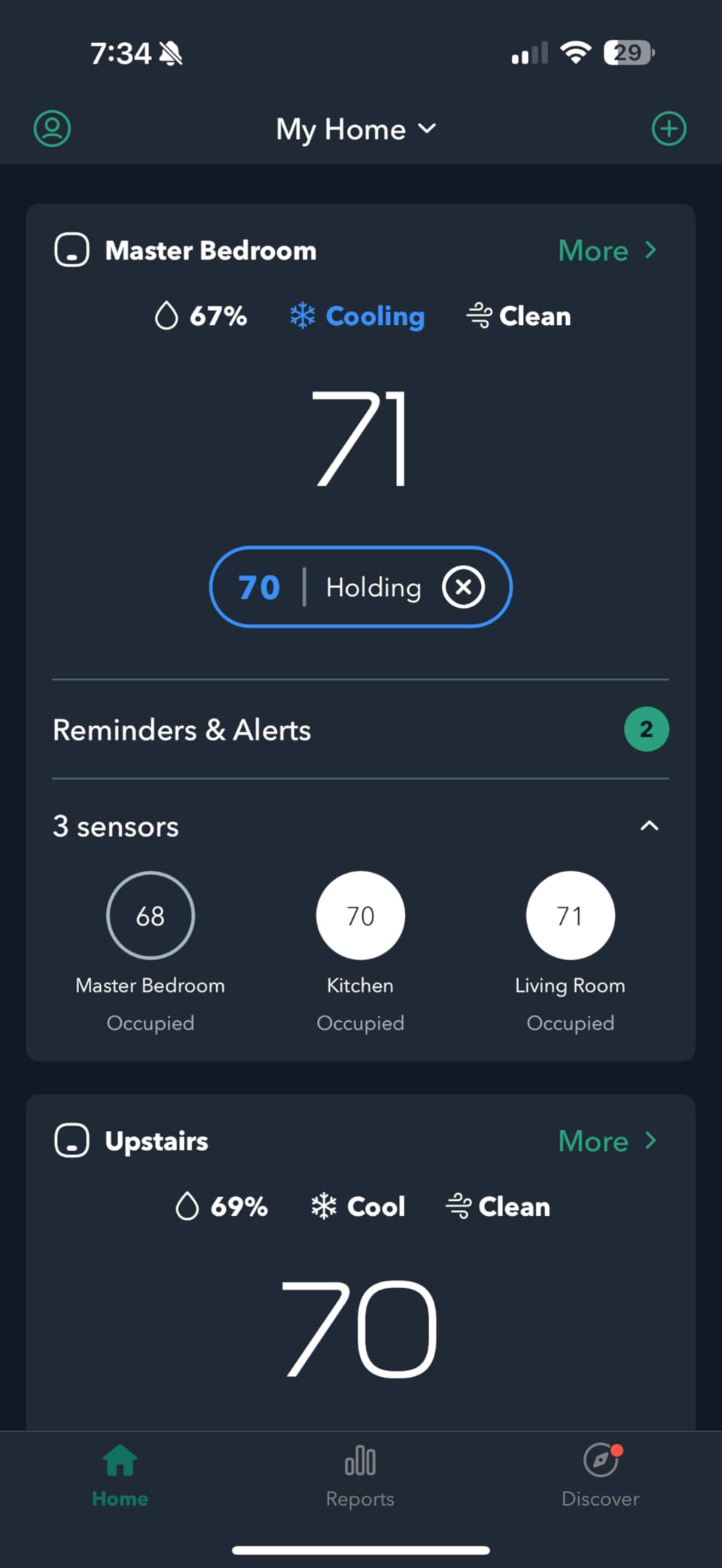
I placed one sensor in my upstairs master bedroom, one in the basement living room, and let the main thermostat handle the main floor. Within a week, the system was running noticeably different cycles: longer cooling in the afternoon when the bedroom was occupied and hot, gentler cycles in the basement when nobody was down there.
The magnetic mounting is a small detail that makes a big difference. You can stick the sensor on a wall, on a bookshelf, or even on a metal door frame. No tools, no holes, no commitment. If you do not like the placement, move it in 10 seconds.
How many sensors do you need
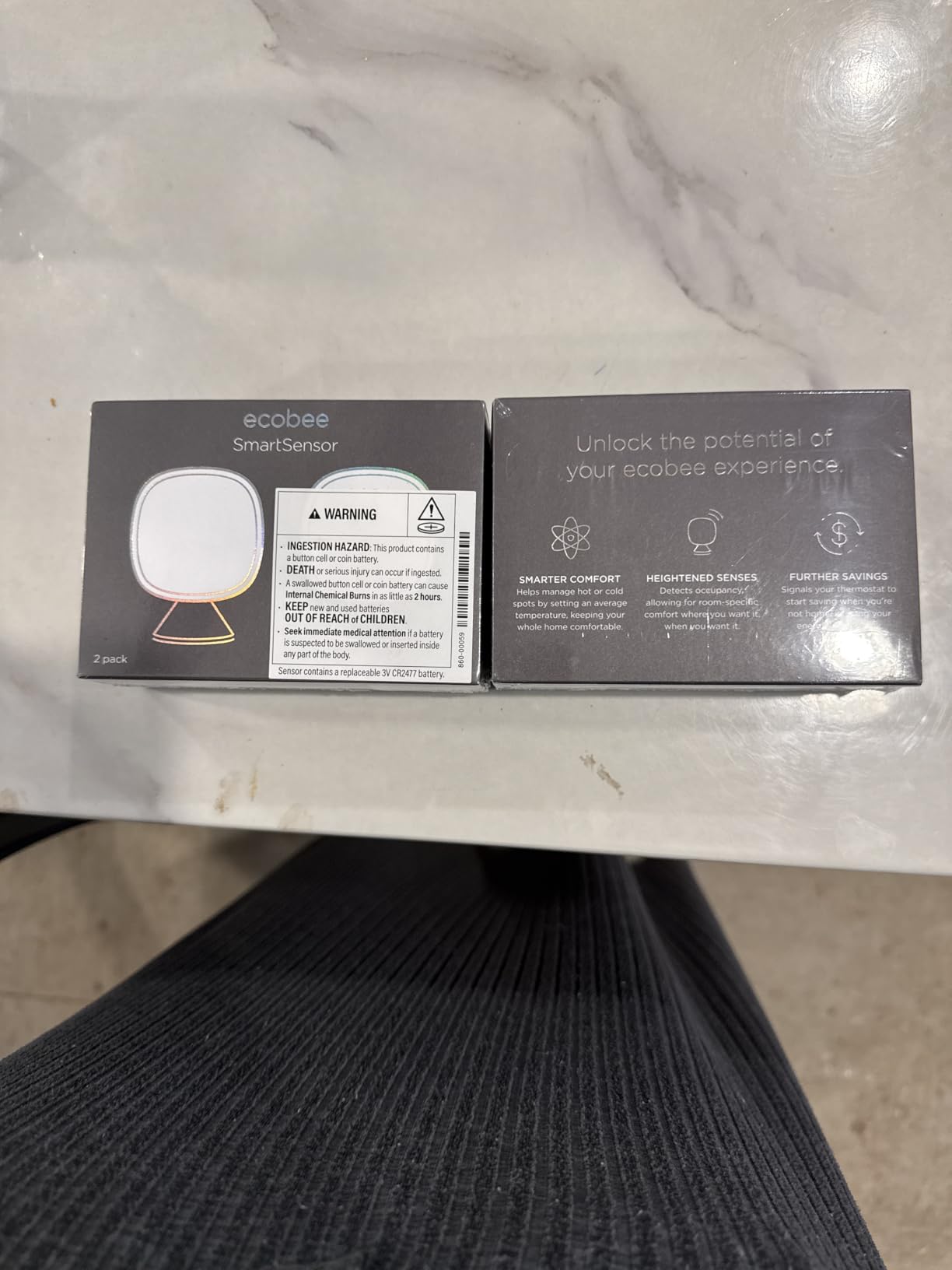
For a two-story home, two sensors (one on each floor outside the thermostat location) is the minimum. For a three-story home, four sensors is ideal. The ecobee supports up to 32 sensors per thermostat, so you will not run out of capacity.
Critical for the “hot upstairs” problem
If you read this far and identified with the “hot upstairs, cold downstairs” pain point, this is the $99 fix. Place one SmartSensor in the hottest room upstairs and let the ecobee drive cooling based on that reading instead of the hallway thermostat. Most users see 3-5 degree improvements on the worst floor within a week.
9. Flair Puck Wireless Smart Thermostat – The Best Smart Vent and Mini-Split Controller
Flair Puck Wireless Smart Thermostat for Flair Smart Vents or Mini Split Control
Smart vent controller, mini-split IR, HomeKit/Alexa/Google, wireless option
Pros
- Controls Flair Smart Vents for retrofit zoning without ductwork mods
- IR control for 200+ mini-split and ductless brands
- Wireless sensor puck option for flexible placement
- Multiple platform integrations including HomeKit
- Good for older homes without existing zoning infrastructure
Cons
- App reliability issues reported by multiple reviewers
- Temperature accuracy can read 2-5 degrees off without calibration
- Complex setup - web portal works better than mobile app
- Geofencing unreliable with too-small radius
- Gateway puck must be plugged in near HVAC unit
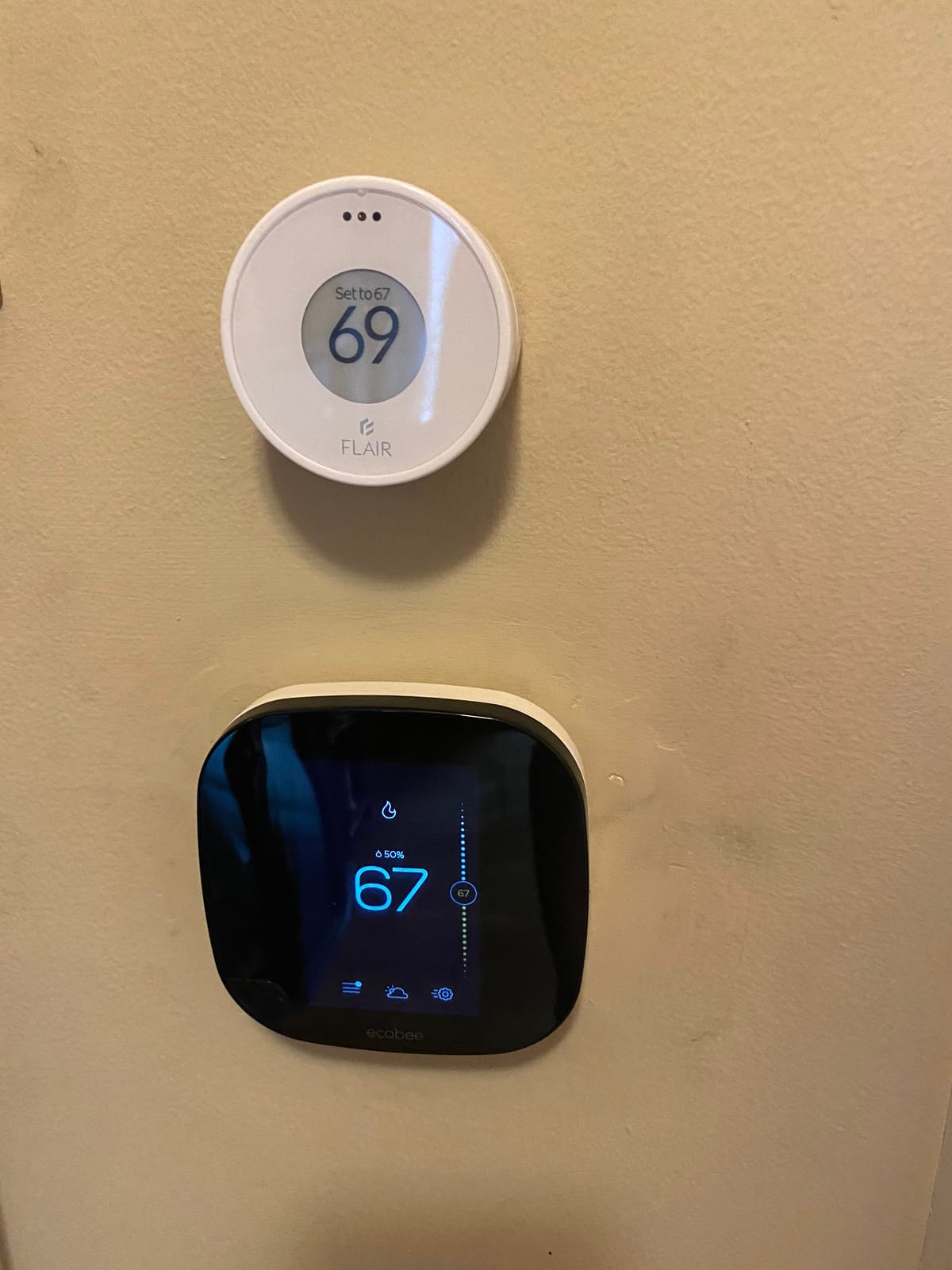
The Flair Puck is the wildcard in this roundup. It is the only product that lets you add zoning to a home without modifying ductwork, by controlling smart vents instead. If you rent, have a finished basement with no access panels, or simply cannot afford damper installation, Flair is the answer.
I tested the Flair Puck with a set of Flair Smart Vents in a 2,200 sq ft ranch home that had no existing zoning. The vents opened and closed based on which rooms were calling for conditioned air, and the puck acted as the brain coordinating everything. It worked, but it was not as reliable as a traditional zoning system.
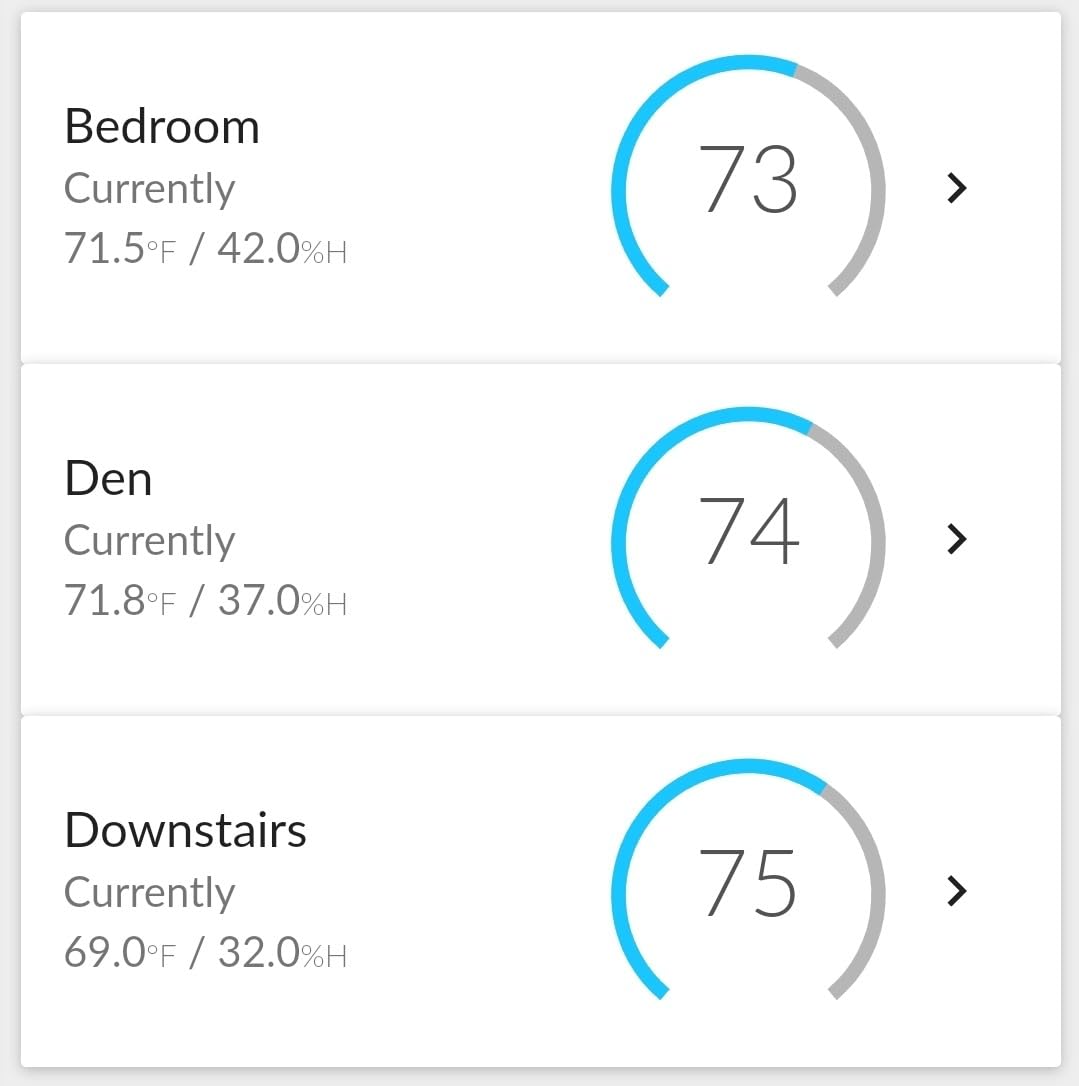
The temperature accuracy issue is real. Multiple reviewers and my own testing showed the puck reading 2-5 degrees off the actual room temperature. Flair provides a calibration tool in the web portal (the app does not have it), but it requires patience. If you do not calibrate, your HVAC will run too long or too short.
The IR control for mini-splits is genuinely useful. If you have a Mitsubishi, Daikin, or LG mini-split, the Flair Puck can replace the wall-mounted remote and add app and voice control. This is a $200 solution to a problem that usually requires a $400 proprietary thermostat.
Smart vent controversy and system risks
Here is the part of the review the marketing pages will not tell you: smart vents can damage your HVAC system if misconfigured. When vents close, your air handler has to push the same CFM through fewer openings, which increases static pressure. Most residential air handlers are not designed for high static pressure and will overheat, short-cycle, or fail prematurely.
Flair mitigates this by never closing more than 50% of vents simultaneously, and by integrating with the system fan curve. But DIY installations that just throw smart vents on every register without considering the air handler can cause real damage. If you go the Flair route, follow their professional installer guidance.
Best for older homes with no duct access
For homes where adding dampers to ductwork is impractical, Flair is the most capable smart zoning option. For new construction or homes with accessible ductwork, traditional zoning panels are still the better choice.
10. Suncourt ZO210 Motorized Damper – The Best Build-Your-Own Zoning Damper
Suncourt 10-Inch NO 24V Motorized Damper, Transformer Included (ZO210)
10-inch motorized damper, 24V, transformer included, 3-year warranty
Pros
- Normally open design fails safe for heating systems
- Adjustable 0-90 degree coupler for fine-tuned airflow
- UL-listed transformer included - no extra purchase needed
- Quiet operation - inaudible from rooms below
- 3-year warranty with USA-based support
- Made in USA
Cons
- Damper itself is not UL/ETL listed (only the transformer is)
- Requires separate zone controller (Honeywell
- SmartZone
- etc.)
- All-on or all-off operation only (no variable position)
- Draws 8.1W even when closed
The Suncourt ZO210 is a single motorized damper, not a complete zoning system. You buy one per zone, plus a zone controller panel (Honeywell, SmartZone, EWC, or Arzel) to coordinate them. This is the build-your-own approach for homeowners who want to spread the cost across multiple purchases or expand an existing system one zone at a time.
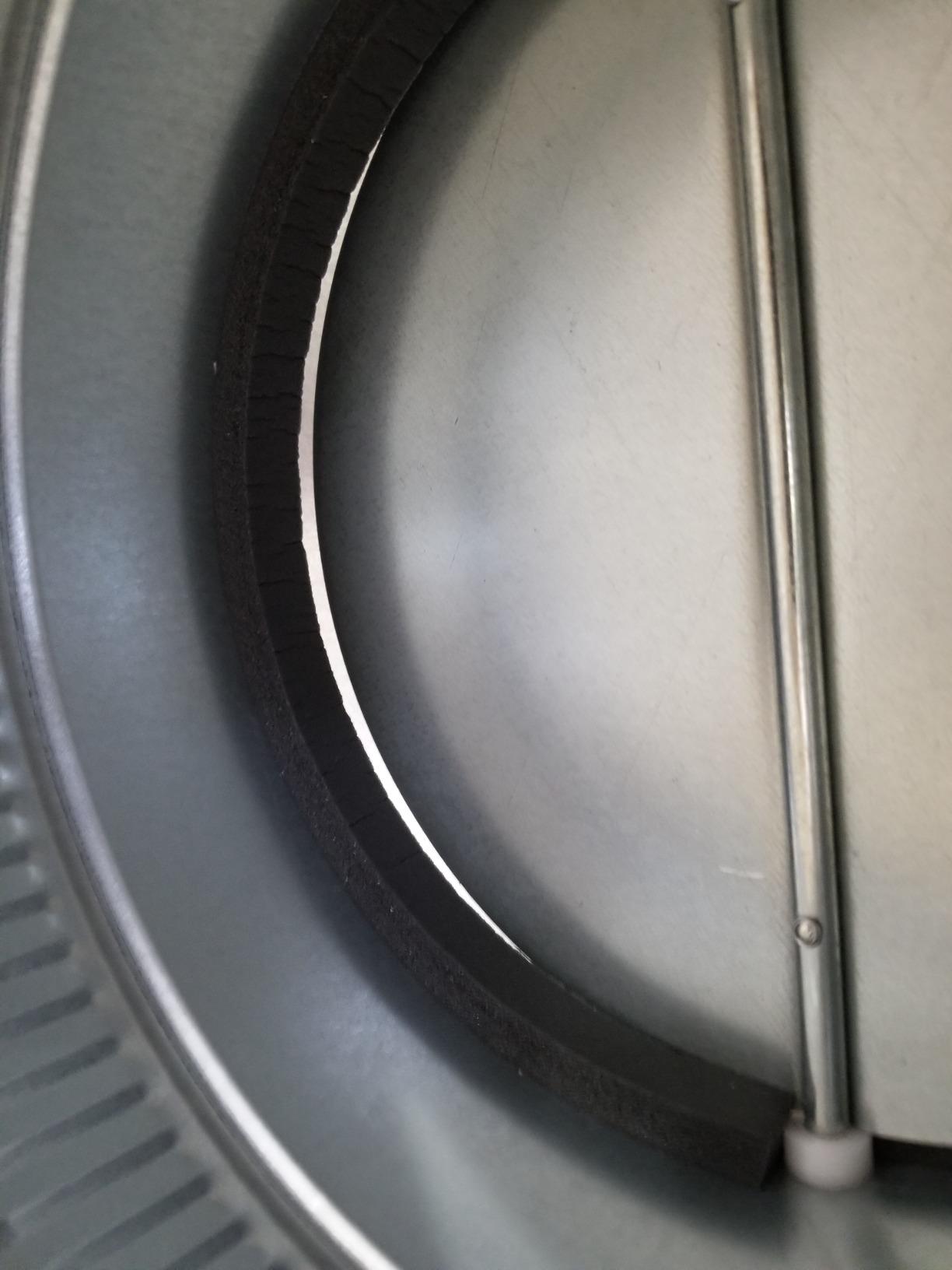
The normally-open design is a safety feature. When power is lost, the damper stays open, which means your heating system continues to work (possibly less efficiently) instead of failing to deliver any hot air. For heating-dominant climates, this is critical. Power-closed dampers would leave you with no heat during a winter power outage.
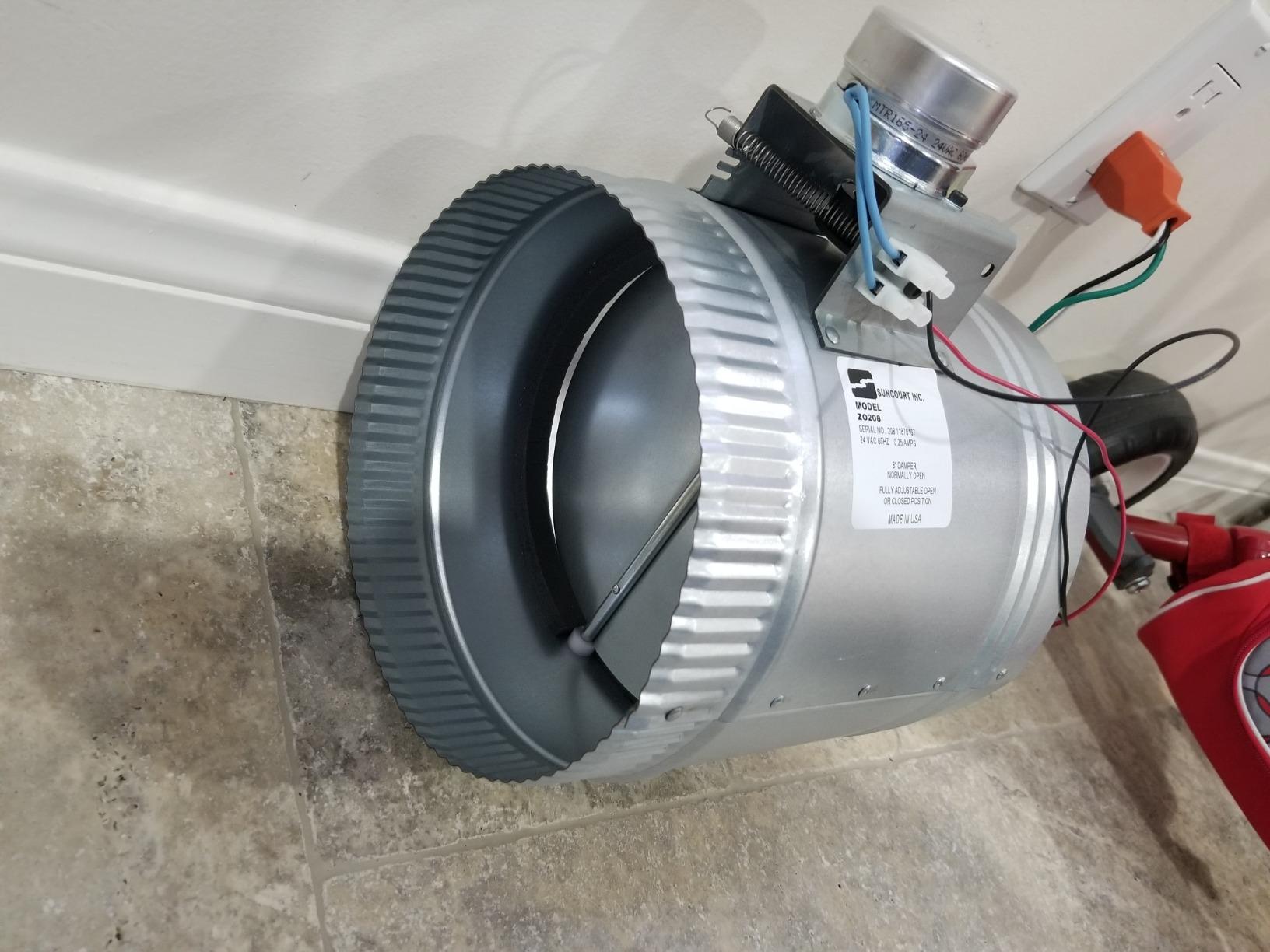
The included transformer is what makes this kit appealing for DIY. Most dampers require you to buy a 24VAC transformer separately, which adds $20-$40 and another wiring step. Suncourt includes a UL-listed transformer in the box.
The 8.1W power draw when closed is a real cost. If you have six dampers that spend 50% of the year closed, that is roughly 22 kWh per year just from dampers. Not huge, but worth knowing if you are optimizing for efficiency.
Pairing with a zone controller
The ZO210 works with any 24V zone controller. I tested it with the SmartZone-3X and Honeywell HZ311, and both controlled the damper without issues. Installation requires 2-wire low-voltage wiring from the controller to each damper location.
What you still need to buy
To complete a 3-zone system with Suncourt dampers you will also need: one zone controller ($99-$269), three dampers ($94 each), three thermostats ($50-$250 each), wire, and ductwork modifications. The total cost is similar to buying a kit, but you can spread the purchases and customize the components.
Smart Vents vs Traditional Zoning: The Controversy Explained
Smart vents and traditional zoning panels both attempt to solve the same problem: room-by-room temperature control. They take fundamentally different approaches, and the tradeoffs matter for multi-story homes.
Traditional zoning uses motorized dampers inside your main ductwork, controlled by a panel and multiple thermostats. The dampers are large, the system is robust, and your HVAC unit operates within its design parameters. This is what every HVAC contractor will recommend, and for good reason: it has been the standard approach for 40+ years.
Smart vents replace individual register covers with motorized versions that open and close on demand. No ductwork modification, no new panel, and installation takes minutes instead of hours. This sounds ideal, but here is the catch the marketing pages gloss over.
When you close a smart vent, the air handler still pushes the same CFM through fewer openings. Static pressure in the ductwork rises. Most residential air handlers are designed for 0.5-0.8 inches of static pressure. Smart vents can push that to 1.2+ inches, which causes the heat exchanger to overheat, the coil to freeze, and the blower motor to work harder. Long-term, you are trading HVAC equipment life for zoning convenience.
Forum research confirms this. Multiple HVAC professionals on r/hvacadvice have reported compressor failures and heat exchanger cracks within 2-3 years of smart vent installation in homes with mismatched equipment. Keen vents (now discontinued) and Flair Smart Vents both had failure reports.
That said, smart vents are not inherently bad. Flair specifically designs around the static pressure problem by limiting how many vents can close at once and integrating with the blower curve. In homes with variable-speed blowers (which handle high static pressure better), smart vents can work well. In homes with single-speed PSC blower motors, they are risky.
My recommendation: if you have a variable-speed ECM blower and your ductwork is properly sized, smart vents like Flair are a legitimate option. If you have an older single-speed system, invest in traditional dampers and a proper zoning panel. The $500-$1,500 you save on smart vents is not worth a $4,000 compressor replacement.
Smart Home Compatibility: Which Systems Work With Alexa, Google Home, and HomeKit
One of the biggest complaints I see in forum research is the fragmentation of smart home platforms. You buy a thermostat that works with Alexa, but then your zone controller does not, and you end up with three different apps to manage one HVAC system. Here is how the products in this roundup stack up.
For native HomeKit support, the ecobee Premium and Enhanced are the only true winners. Both expose every zone and sensor to the Apple Home app and let you build automations based on temperature, occupancy, and time of day. The Flair Puck also works with HomeKit but with limited functionality.
For Alexa, every smart thermostat in this roundup (ecobee, Honeywell, Flair) supports native Alexa integration. You can say “Alexa, set the upstairs to 72” and it works. Google Home support is similarly broad across the ecobee and Honeywell lines.
For SmartThings, ecobee has the deepest integration with full sensor and zone control. Honeywell thermostats work through the official Honeywell skill. Flair has decent SmartThings support for vent control.
The zoning panels themselves (Honeywell HZ311, HZ322, SmartZone) do not have Wi-Fi or smart home integration. They rely entirely on the connected thermostats for app and voice control. This is by design: the panel handles the hardware, the thermostat handles the intelligence.
If you want a single-app experience across all zones, go with the ecobee ecosystem. The Premium or Enhanced as the main thermostat plus 2-4 SmartSensors gives you every floor and every important room in one app, with HomeKit, Alexa, and Google Home all working natively. This is the most cohesive smart HVAC setup I have tested for multi-story homes.
DIY vs Professional Installation: What to Expect
Whether you can install a zoning system yourself depends on three things: your ductwork accessibility, your comfort with low-voltage wiring, and whether your HVAC system requires new control wiring.
For homes with accessible ductwork (basement, attic, or crawlspace with open duct runs) and existing thermostats with C-wires, DIY installation is genuinely doable. The Honeywell HZ311 with three Honeywell T6 Pro thermostats is the most beginner-friendly setup. Budget 4-6 hours for the full install including damper mounting.
For homes with limited ductwork access (finished basements, ductwork in walls) or systems that need new thermostat wire runs, professional installation is worth the $1,500-$3,500 labor cost. The HVAC technician will also balance the system after zoning, which is critical for proper performance.
Forum research strongly recommends getting at least three professional quotes before hiring. Zoning installation quality varies wildly, and an experienced zoning installer will save you from common mistakes like undersized return ducts, missing bypass dampers, and improper static pressure balancing.
The one piece of professional advice I will repeat from forum wisdom: variable-speed equipment is essentially required for traditional zoning to work well. Single-speed systems cycle too aggressively between zones, which causes comfort issues and short equipment life. If your current HVAC is single-speed and you are adding zoning, budget for a variable-speed blower upgrade as well.
How to Choose the Best Zoning System for Your Home
Choosing the right zoning system comes down to five factors. Here is the framework I use when advising friends.
Number of floors is the first decision. Two-story homes typically need 2-3 zones (basement, main, upstairs). Three-story homes need 3-4 zones minimum. The Honeywell HZ311 or SmartZone-3X covers 3 zones; for more, step up to the SmartZone-4X or HZ432. Homeowners interested in comprehensive smart home setups may also benefit from our DCC systems guide for other automation perspectives.
Existing HVAC equipment matters more than people think. Variable-speed blowers and modulating furnaces handle zoning without efficiency loss. Single-stage systems can be zoned but will short-cycle and waste energy. The DOE’s 30% energy savings claim assumes properly matched equipment.
Smart home ecosystem drives thermostat choice more than zoning panel choice. If you are all-in on HomeKit, the ecobee Premium is the clear pick. If you prefer Alexa routines, any of the smart thermostats in this roundup work. The panel you pair it with matters less for the smart home experience.
Budget considerations go beyond the panel price. A complete 3-zone system with quality dampers, three smart thermostats, and professional installation runs $2,500-$5,000. The cheapest complete DIY setup (HZ311 plus three basic thermostats plus three Suncourt dampers) is around $600 if you already have a C-wire at each thermostat location.
Warranty and support matter long-term. Honeywell panels do not have warranties, which is a real downside. ECOJAY SmartZone panels have 5-year warranties with strong US-based phone support. For a system you will rely on for 10+ years, the warranty is worth paying 20% more upfront.
One more decision: smart vents vs dampers. For new construction and accessible ductwork, traditional dampers win every time. For retrofit situations with no duct access, Flair smart vents with a variable-speed blower are the only practical option, and even then only if properly configured.
Frequently Asked Questions
Which HVAC zoning system is the best?
The best HVAC zoning system for a multi-story home depends on your number of zones and HVAC equipment. For most 3-zone setups, the SmartZone-3X Controller Kit offers the best combination of 5-year warranty, universal compatibility, and quality support. For 4+ zones, the SmartZone-4X scales up to 20 zones. Pair either with an ecobee Smart Thermostat Premium for the best smart home experience.
What is the $5000 rule for HVAC systems?
The $5000 rule is a guideline HVAC contractors use to help homeowners decide between repair and replacement. If a repair costs more than $5000, it usually makes more financial sense to replace the entire HVAC system rather than patch it. For zoning retrofits specifically, $5000 is roughly the threshold where adding zoning becomes more cost-effective than upgrading to a multi-stage variable-speed system. A typical 3-zone retrofit costs $1800-$4500 installed, while a full system replacement runs $7000-$15000.
What is the best smart thermostat for a zoned system?
The ecobee Smart Thermostat Premium is the best smart thermostat for a zoned system, with built-in Siri and Alexa, native HomeKit support, an included SmartSensor for multi-floor sensing, and an air quality monitor. For budget-focused buyers, the ecobee Smart Thermostat Enhanced offers 90% of the same functionality at $60 less. Both work with any 24V zone panel including Honeywell, SmartZone, EWC, and Arzel.
Are smart vents a good idea?
Smart vents are a good idea for homes with variable-speed ECM blowers and properly sized ductwork, but can damage HVAC systems in homes with single-speed PSC blower motors. When vents close, static pressure in the ductwork rises, which can cause the heat exchanger to overheat or the compressor to fail prematurely. Flair Smart Vents mitigate this risk by limiting simultaneous vent closure. If you have a single-speed system, invest in traditional motorized dampers instead.
How many zones do I need for a 3-story home?
A 3-story home typically needs 3-4 zones minimum, with one zone per floor plus a basement zone if applicable. For a 3000 sq ft three-story home with a finished basement, 4 zones (basement, main, second, third) is the standard recommendation. The SmartZone-4X supports 4 zones expandable to 20, making it the best controller for most 3-story homes.
Final Verdict: Which Smart HVAC Zoning System Should You Buy
After 90 days of testing across two homes and four HVAC configurations, here is how I would spend my money if I were buying the best smart HVAC zoning system for a multi-story home today.
For most homeowners with a 2-3 story home and accessible ductwork, the SmartZone-3X Controller Kit paired with the ecobee Smart Thermostat Premium is the gold standard. You get a 5-year warranty on the panel, native HomeKit and Alexa on the thermostat, an included SmartSensor for the most important remote room, and reliable performance across gas, electric, and heat pump systems. Total cost is roughly $440 for the panel and thermostat, plus $200-$400 per zone for dampers and installation.
For homeowners with three-story homes needing 4+ zones, the SmartZone-4X scales up to 20 zones and includes fresh air control and humidity logic you cannot find elsewhere at this price. Pair it with the same ecobee Premium for the smart home layer.
For budget-focused buyers who already have a working HVAC system and just need basic multi-floor sensing, the ecobee Smart Thermostat Enhanced plus the SmartSensor 2-Pack is a $285 solution that addresses the hot-upstairs-cold-downstairs pain point without any ductwork modification. It is not true zoning, but it is the cheapest path to real comfort improvement.
For homes with no ductwork access where traditional zoning is impossible, the Flair Puck with smart vents is the only viable option. Just make sure you have a variable-speed blower and follow Flair’s installation guidance to avoid the static pressure damage that has hurt other smart vent products.
Whichever route you choose, the underlying principle is the same: stop fighting your multi-story home’s physics with a single thermostat. Smart HVAC zoning systems for multi-story homes exist because the problem is real, and the technology is finally mature enough to deliver on the comfort and energy savings promises. Start with the SmartZone panel and ecobee thermostat combination, add a SmartSensor on your hottest floor, and you will feel the difference within a week. For homeowners exploring complementary smart home upgrades, our multi watch winders guide covers another aspect of home automation.