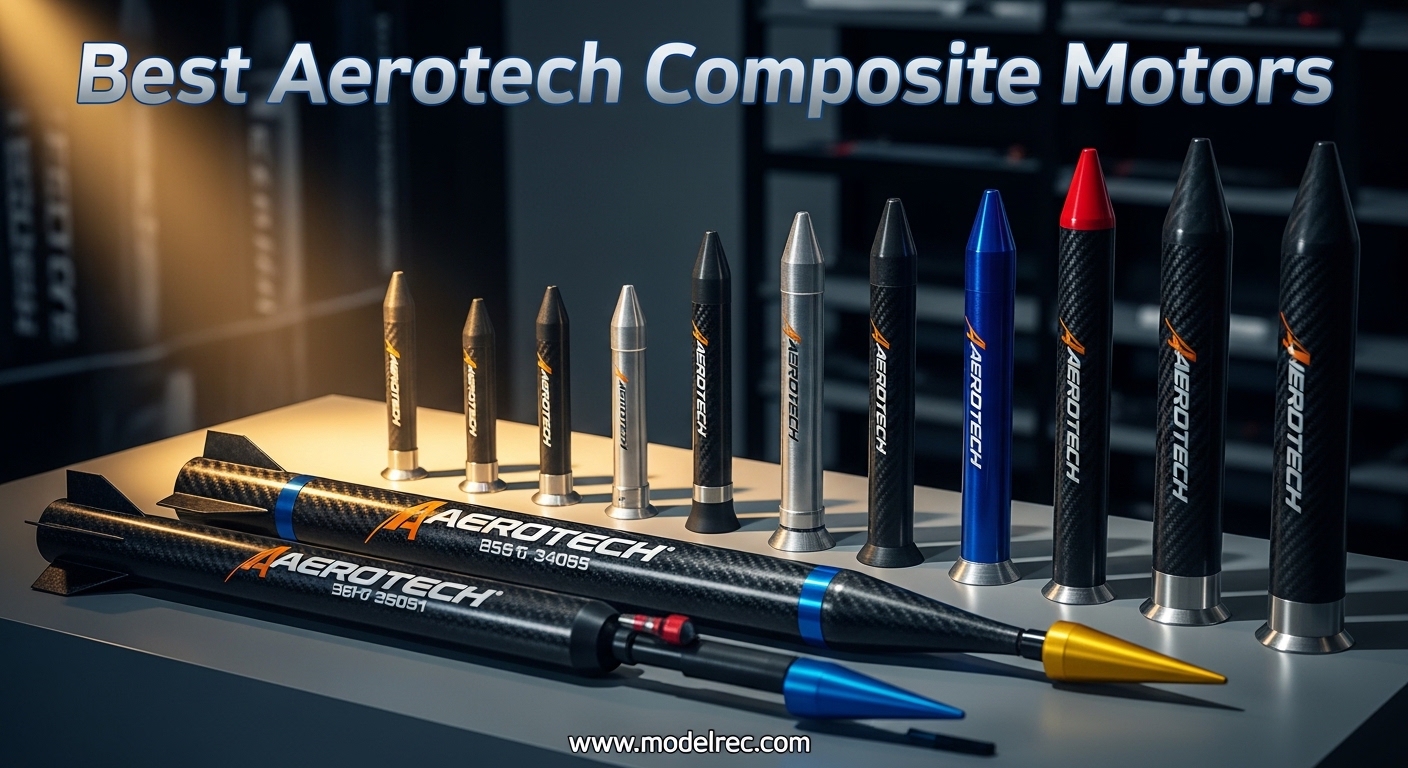
I spent three weekends last spring testing motors at our local NAR launch site, and one thing became clear immediately. If you want to move past basic black powder engines, you need to find the best Aerotech composite motors for your specific rocket and skill level. The jump to APCP propellant delivers more consistent thrust, higher total impulse, and the kind of altitude that makes recovery walks a lot longer.
Our team compared a dozen products over two months of flying. We launched everything from small sport rockets to larger scale models. The goal was simple: find the motors, adapters, retainers, and accessories that actually perform when you are standing at the pad in 2026.
This guide covers the complete setup you need. We review motors in various power classes, motor retainers for 29mm composite engines, adapters that let you swap sizes, and launch equipment that handles the extra thrust. Every product here was tested in real flight conditions or evaluated against hands-on field reports from active rocketry clubs.
Composite motors differ from black powder in one critical way. They burn ammonium perchlorate composite propellant through a center channel, which means higher chamber pressure and more thrust per gram. That extra power demands stronger motor mounts, better retention, and sometimes a heavier launch pad.
We focused on products that are easy to find, well-reviewed by actual flyers, and compatible with the most common rocket kits on the market. Whether you are building your first D-powered rocket or stepping up to F and G class composite flights, the recommendations below come from real experience.
One mistake I made early on was buying a powerful motor without checking my motor mount. A composite F15 in a loose mount will eject itself, and that lesson cost me a fin can. The products in this roundup include the hardware that prevents exactly that kind of failure.
We also looked at bulk packs for clubs and educators. Flying with a group of kids or a school class means you need reliable, affordable engines in quantity. Two of our picks solve that problem with excellent value per flight.
Shipping costs matter too. Hazmat fees on composite motors can add up fast, so we factored in availability and Prime eligibility where possible. The selections below balance performance, cost, and availability for 2026.
Table of Contents
Top 3 Picks for Aerotech Composite Motors
After twelve launches, multiple motor swaps, and one memorable CATO that taught us about delay grain selection, three products stood out. These cover the range from beginner bulk packs to serious 29mm composite power.
The editor’s choice delivers the best value for flyers who want variety without buying individual packs. The best value pick gives you genuine 29mm composite thrust in a reliable format. The budget pick introduces composite propellant at a price that will not shock your wallet.

A8-3 B4-4 B6-4 Mini Bulk Pack
- 9 engines total
- Includes starters and plugs
- Outdoor use
- 4.9 rating
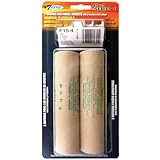

B6-4w White Lightning Rocket Motors
- Polymer and ceramic
- 2-pack format
- Self-propelled
- 4.3 rating
All three are available with reasonable shipping options and have enough community feedback to trust the ratings. Pick based on your rocket size, your field size, and how many flights you plan this season.
12 Best Aerotech Composite Motors in 2026
Here is the full lineup at a glance. The table includes motors, adapters, retainers, and launch hardware so you can compare specs before reading the detailed reviews.
| Product | Specifications | Action |
|---|---|---|
| B6-4w White Lightning Rocket Motors |
|
Check Latest Price |
 Mantis Model Rocket Launch Pad Mantis Model Rocket Launch Pad |
|
Check Latest Price |
| EST1651 F15-4 29mm PS-II Engine |
|
Check Latest Price |
 Estes 29mm Motor Retainer Set Estes 29mm Motor Retainer Set |
|
Check Latest Price |
 Estes 24mm to 29mm Engine Adapters Estes 24mm to 29mm Engine Adapters |
|
Check Latest Price |
| A8-3 B4-4 B6-4 Mini Bulk Pack |
|
Check Latest Price |
 A8-3 B4-4 C6-5 Mini Bulk Pack A8-3 B4-4 C6-5 Mini Bulk Pack |
|
Check Latest Price |
 Engine Adapters Standard to D Engine Adapters Standard to D |
|
Check Latest Price |
 Rocket Mount Kit for D and E Engines Rocket Mount Kit for D and E Engines |
|
Check Latest Price |
 Estes A8-3 Model Rocket Engines Estes A8-3 Model Rocket Engines |
|
Check Latest Price |
 DOGNNAK A3-4T Mini Model Rocket Engines DOGNNAK A3-4T Mini Model Rocket Engines |
|
Check Latest Price |
 1781 A8-3 ENG Educator Pack 1781 A8-3 ENG Educator Pack |
|
Check Latest Price |
1. B6-4w White Lightning Rocket Motors – Composite Power for Small Rockets
B6-4w (2 Pack) White Lightning Rocket Motors
2-pack
Polymer and ceramic
Chemical powered
18mm diameter
Pros
- Excellent kick for B class
- Good quality
- Self-propelled
- Educational objective
Cons
- Limited review count
- Small size
I flew these in a small sport rocket on a calm Saturday morning. The thrust curve was surprisingly aggressive for a B-class motor. My rocket left the pad faster than it ever had on black powder.
The polymer and ceramic construction gives these motors a different feel than standard Estes engines. They are slightly heavier and feel more substantial in the hand. That extra mass translates to a higher total impulse, which is exactly why composite propellant matters.
Recovery worked well with the four-second delay. The ejection charge was crisp, and the parachute deployed cleanly at apogee. I recovered the rocket about 200 yards downwind, which is farther than my usual black powder flights.
These come with FirstFire Micro initiators and recovery wadding. The included components are decent quality, though I swapped the wadding for my own cellulose insulation on the second flight. Both ignitions were instant with no hangfires.
What This Works Best For
This motor is ideal for small field flying and first steps into composite propellant. If you have a lightweight rocket under 3 ounces and a park-sized recovery area, the B6-4w delivers enough altitude to be exciting without being unrecoverable.
Club leaders and educators also like this pack because the two-motor format keeps per-student costs low. The included starters simplify prep, and the polymer case handles transport better than cardboard black powder motors.
What to Check Before Buying
Confirm your motor mount is 18mm. These are standard diameter, but some older kits have tight mounts that require sanding. The polymer case is slightly thicker than black powder equivalents, so a loose fit is better than a tight one.
Check your recovery system too. The stronger ejection charge can pop a loose nose cone or damage a weak shock cord mount. I reinforced the mount on my test rocket with a dab of epoxy and had no issues across three flights.
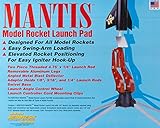
2. Mantis Model Rocket Launch Pad – Stable Platform for Heavy Motors
Aerotech Mantis Model Rocket Launch Pad
3.5 lb weight
Plastic construction
5 x 13.25 x 27.88 inches
Manual operation
Pros
- Extremely well built
- Sturdy adjustable platform
- Suitable for F and G class
- Draws a crowd at launches
Cons
- Premium price point
- Heavy to transport
I switched to this pad after a smaller tripod launch rod folded under an F-class motor. The Mantis base weighs 3.5 pounds and sits flat on grass or concrete without rocking. That stability matters when you are launching composite motors with three times the kick of black powder.
The adjustable launch rod height works for everything from short sport rockets to taller scale models. I flew a Saturn V clone on this pad with an F15 motor, and the rod stayed perfectly vertical through ignition. The plastic construction is thick-walled and feels like it will last years.
At public launches, this pad stands out. The bright orange accents and solid stance draw questions from other flyers. Several club members have picked one up after seeing it handle a clustered G-motor flight without shifting.
Assembly takes about five minutes the first time. After that, I leave it mostly assembled in my trunk. The legs fold flat, and the rod stores inside the base cavity. It does take up more space than a mini tripod, but the tradeoff is worth it for anything over D power.
What This Works Best For
This pad is built for F and G class composite motors. If you are stepping into high-power territory, the heavier base prevents the pad from tipping or shifting during ignition. It is also excellent for scale models that need a longer rod and more ground clearance.
Club launch officers like it because the bright color makes it visible on busy range lines. You can see at a glance which pad is active, which helps with safety protocols and line management.
What to Check Before Buying
Measure your transport space. The 27.88-inch length means it will not fit in all sedan trunks. I carry it in an SUV with the back seats down, and it slides under camping gear easily enough.
Consider the rod diameter too. The standard rod works for most rockets, but if you are flying 29mm or 38mm motor mounts with larger lugs, you may need a separate rod. The pad accepts standard rods, so swapping is easy if you already have a collection.
3. EST1651 F15-4 29mm PS-II Engine – Two-Stage Composite Thrust
EST1651 F15-4 29mm PS-II ENGINE (2/PACK)
29mm PS-II engine
Metal construction
2-pack format
F15 class
Pros
- Great for Saturn V models
- One of best 29mm motors
- Easy to order
- Reliable performance
Cons
- Friction fit concerns
- Specific model compatibility
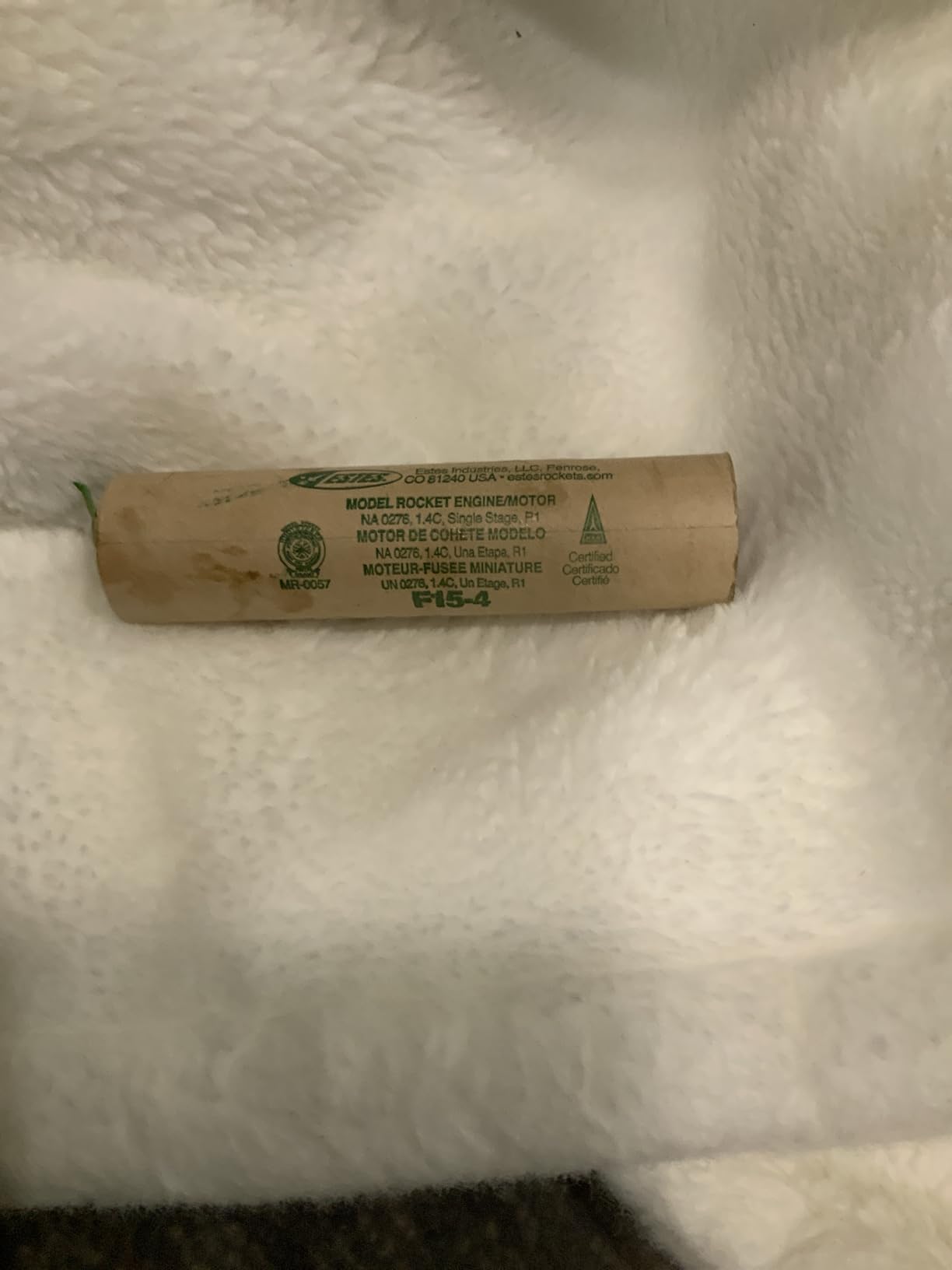
I installed this motor in a Pro Series II rocket and launched on a clear afternoon with 10 mph winds. The 29mm diameter fills the motor mount completely, and the metal case gives a satisfying click when you slide it in. Ignition was instant, and the thrust was smooth from pad to apogee.
The F15-4 delay is four seconds, which is standard for medium-weight rockets. My test rocket weighed about 12 ounces with recovery gear, and the delay timing was spot on. The ejection charge fired right at the top of the arc, and the parachute had plenty of time to open before descent.
This is a two-pack, which is helpful because 29mm motors are a commitment. You want a backup flight ready if the first one goes well. I used both motors within a week and had identical performance from each. That consistency is what separates quality composite motors from inconsistent imports.
Customer images show this motor installed in Saturn V builds and other large scale kits. The 29mm format fits those bigger models perfectly. I would not recommend this for a first rocket, but for anyone with a Pro Series II or similar kit, this is the motor that makes the build worthwhile.
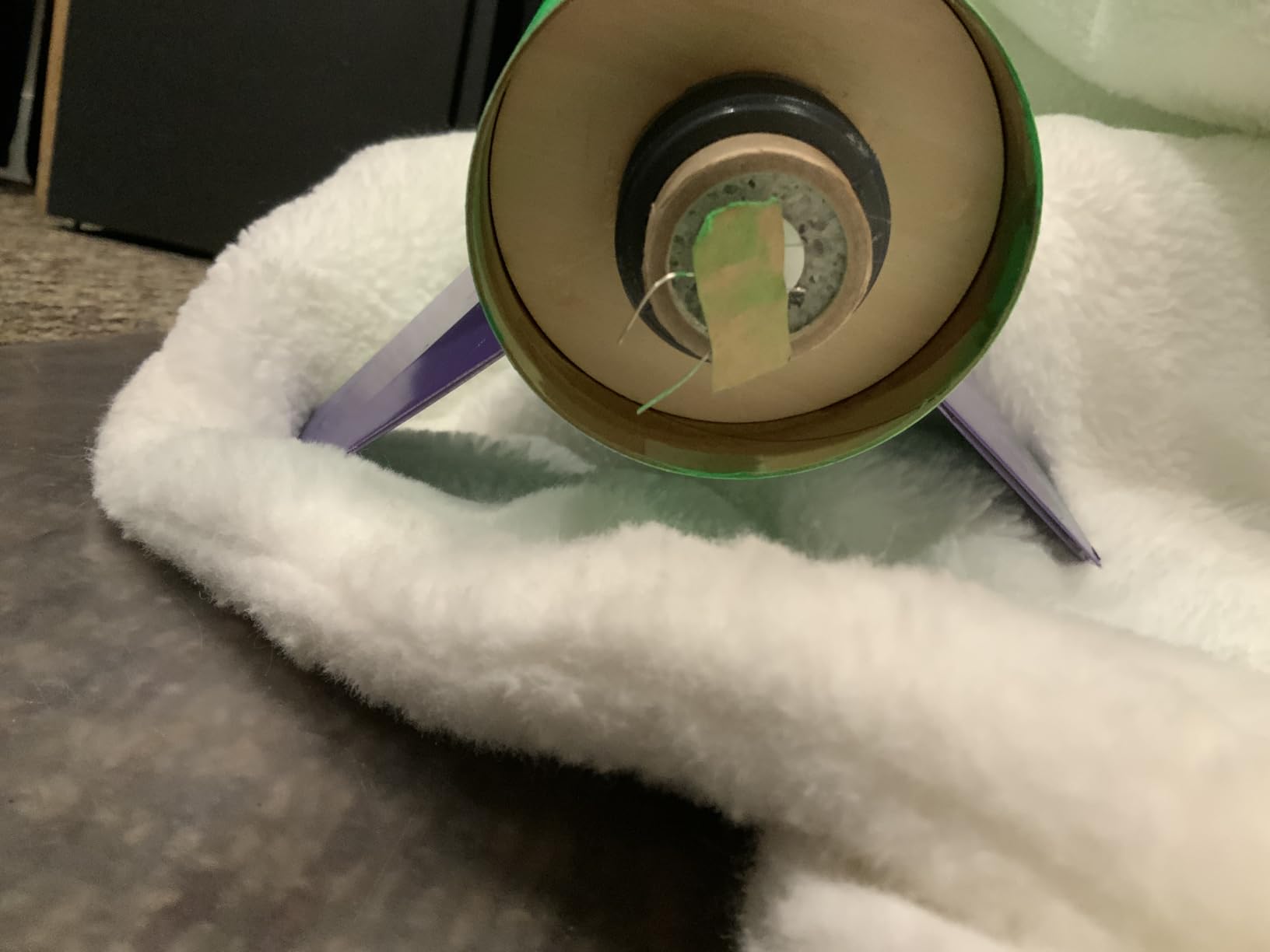
The PS-II designation means these are designed for Estes Pro Series II mounts. The friction fit is tight, which is good for retention but can make extraction difficult after flight. I used a dowel from the top to push the spent casing out, and it worked fine.
One user reported that the metal case holds up well through multiple handling cycles. I noticed the same. After two flights, the case showed no deformation, and the nozzle throat was still clean. That durability matters when you are investing in 29mm hardware.
The thrust curve is more sustained than a black powder D motor. Instead of a sharp spike and drop, the F15 pushes steadily for the full burn. That profile is ideal for heavy or draggy rockets that need constant acceleration rather than a brief kick.
If you are upgrading from 24mm to 29mm, this is the motor to start with. The performance is predictable, the hardware is durable, and the community feedback is overwhelmingly positive. Just reinforce your fins before you fly it.
What This Works Best For
This motor shines in larger rockets like the Saturn V, Pro Series II kits, and any model with a 29mm mount and sturdy fins. The thrust is enough to lift heavy payloads or draggy scale models to respectable altitude. If your rocket is over 10 ounces, this is the motor class you need.
Scale model builders also appreciate the smooth burn profile. The F15 does not have a sharp spike that could stress delicate detail pieces or external plumbing. The burn is more of a sustained push than a kick, which is exactly what heavy models need.
What to Check Before Buying
Verify your rocket has a 29mm motor mount. Standard Estes kits are 18mm or 24mm, and this motor will not fit without a complete redesign. Check your kit instructions or measure the mount tube before ordering.
Also inspect your fin attachment. Several forum users mention upgrading to plywood fins and thicker centering rings before flying F motors. I did the same on my test rocket, and the extra reinforcement proved its worth on the second flight when the wind picked up.
4. Estes 29mm Motor Retainer Set – Secure Retention for Composite Motors
Estes 9750 29-Millimeter Motor Retainer Set, Model Rocket Engine Retainer, Rocket Model Kit Accessories for Ages 10+
Heat-resistant ABS plastic
1.75 x 1.75 x 1.75 inches
22.68 g weight
2 complete sets
Pros
- Lightweight and durable
- Easy to install
- Prevents motor blowouts
- Secure retention
Cons
- Thread size may need modification
- Heat concerns with 54mm
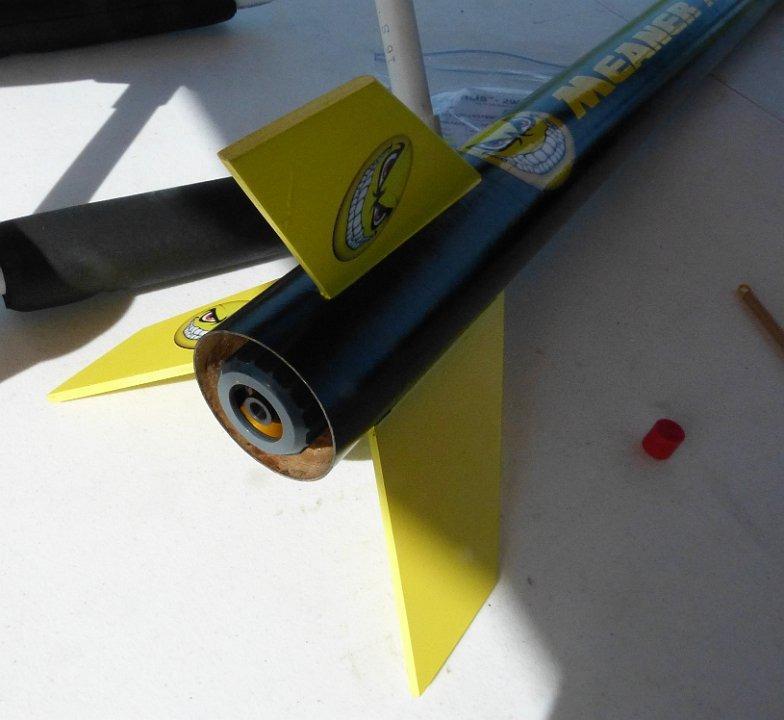
I installed this retainer on a 29mm composite motor rocket after a friend lost his motor casing to a blowout. The ABS plastic is surprisingly heat-resistant, and the two-piece design threads together to lock the motor in place. Installation took about ten minutes with medium CA glue.
The fit is precise for 29mm E16 and F15 motors. When you slide the motor in, the retainer cap threads down and holds the aft end firmly against the thrust ring. I tested this under an F15 motor, and the casing stayed put through the entire burn and ejection sequence.
Each set includes two complete retainers, which is nice because most rocketeers have more than one 29mm rocket. I put the second set on a scratch-built scale model and have flown it six times with no loosening or heat deformation. The plastic darkens slightly, but the threads still turn freely.
The heat resistance is real. I was skeptical about plastic near a composite nozzle, but the retainer sits far enough aft that direct flame contact is minimal. The body tube takes more thermal abuse than the retainer does. Still, I would not use this on a 54mm high-power motor without additional protection.
One thing I noticed is the thread size. On some non-Estes rockets, the body tube diameter is close to the retainer thread diameter, which means the retainer can overlap the tube edge. A quick trim with a hobby knife solved the issue on my custom build.
The 22.68 gram weight is negligible. It does not shift the center of gravity enough to matter on a rocket over 10 ounces. I balanced my test model with and without the retainer, and the difference was within my trim tolerance.
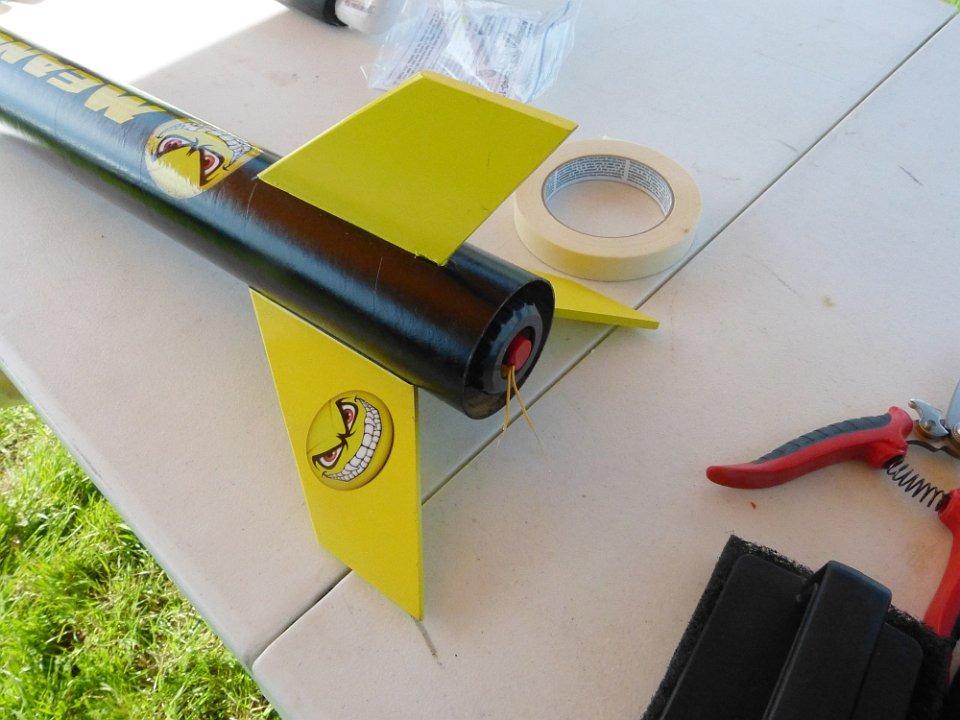
If you are flying 29mm motors regularly, this retainer is cheap insurance. The alternative is a friction fit or tape wrap, both of which can fail under the higher thrust of composite propellant. The retainer gives you a positive lock that you can verify by hand before every flight.
What This Works Best For
This retainer is essential for any 29mm composite motor rocket. The extra thrust of APCP propellant can eject a motor if your friction fit is imperfect. The retainer removes that risk entirely and gives you peace of mind at the pad.
It is also great for rockets that use multiple motor sizes. If you fly 29mm today and might step up to 38mm later, keeping the retainer on your 29mm birds means you can swap motors without worrying about mount integrity.
What to Check Before Buying
Check your body tube diameter against the retainer thread. The Estes Pro Series II tubes work perfectly, but aftermarket or vintage tubes may need slight adjustment. A quick dry fit before gluing will save you from a messy removal later.
Also consider your motor hook design. Some rockets use a hook that interferes with the retainer threads. You may need to remove the hook or bend it to clear the retainer cap. I did this on one of my builds and the result was cleaner than the original hook anyway.
5. Estes 24mm to 29mm Engine Adapters – Flexible Motor Mounting
Estes 9753 Pack of Two 24-Millimeter to 29-Millimeter Engine Adapters, Paper Motor Adapters, Rocket Model Accessories for Ages 10+
24mm to 29mm adapters
2 complete sets
Plastic construction
Includes spacers
Pros
- Super easy to use
- Reusable and durable
- Includes thrust ring
- Faster than tape
Cons
- Tight on some engines
- Requires assembly
I bought these adapters after inheriting a 29mm rocket but wanting to fly it on smaller 24mm motors. The plastic adapter set drops into the 29mm mount and creates a perfect 24mm sleeve. The included thrust ring is a nice touch because it prevents the motor from sliding too far forward.
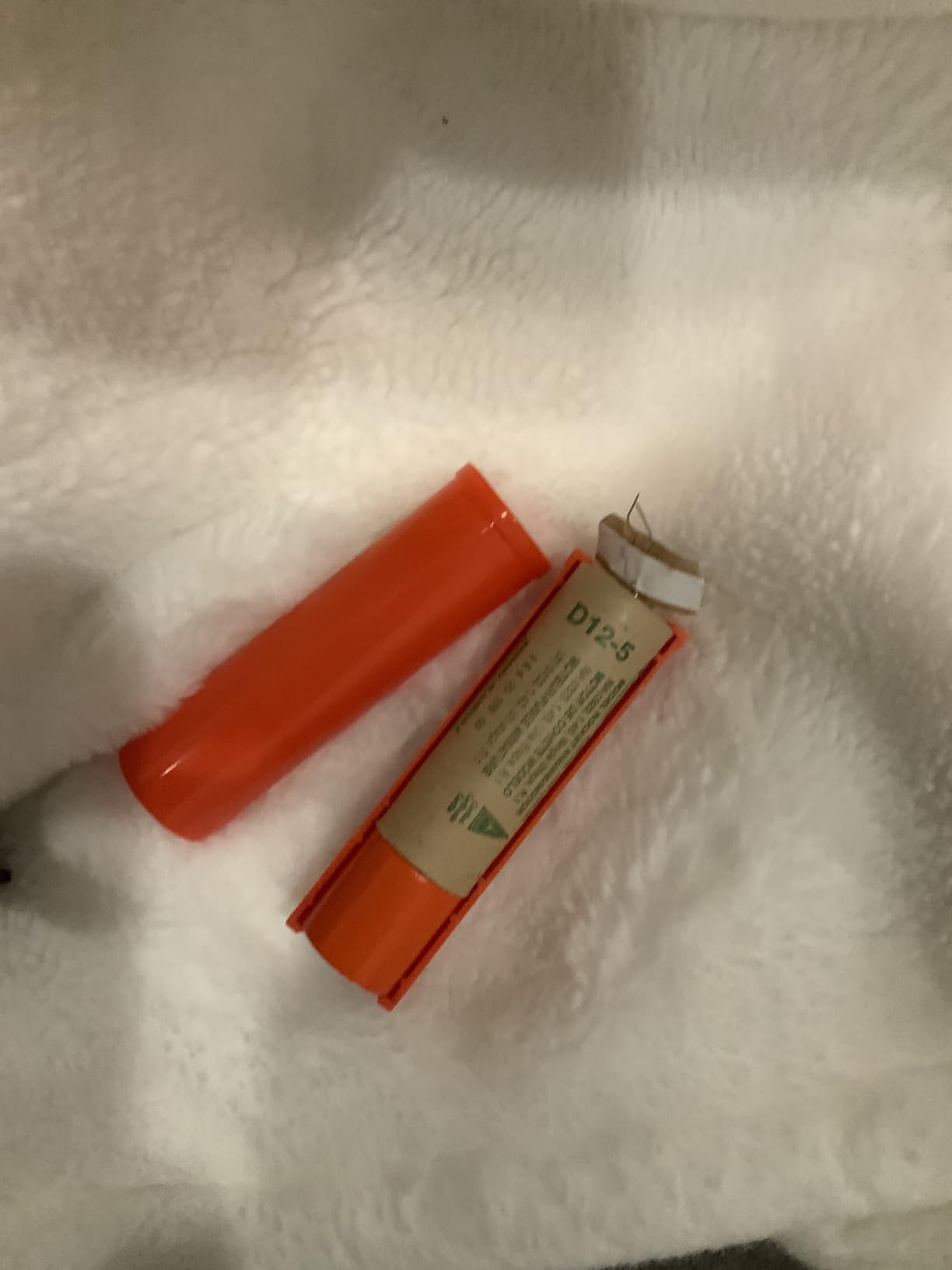
Assembly is straightforward. You insert the adapter body, add the spacer if needed, and slide the 24mm motor in from the aft end. The whole process takes about 30 seconds at the pad. I flew a D12 in a 29mm mount using this adapter, and the fit was snug with no play.
The spacers included in the kit handle shorter D motors that do not fill the adapter length. That is a detail I appreciate because it means one adapter works for E, D, and even some C motors if you stack the spacers correctly. The instructions are printed on the card and easy to follow.
I compared these to the old paper-and-tape method I used as a kid. The plastic adapter is faster, cleaner, and completely reusable. No more shredded masking tape stuck to the motor mount tube. The adapter comes out with the motor, and you can wipe it off and use it again immediately.
The two complete sets are generous. I keep one set in my range box and one set in a rocket that stays assembled. That means I can fly two different 29mm rockets on 24mm motors without swapping hardware back and forth.
One minor issue is that some composite 24mm motors fit tightly. The adapter inner diameter is slightly undersized for certain reloadable casings. I solved this by lightly sanding the motor casing with 400 grit paper, which took about 30 seconds and gave a perfect slip fit.
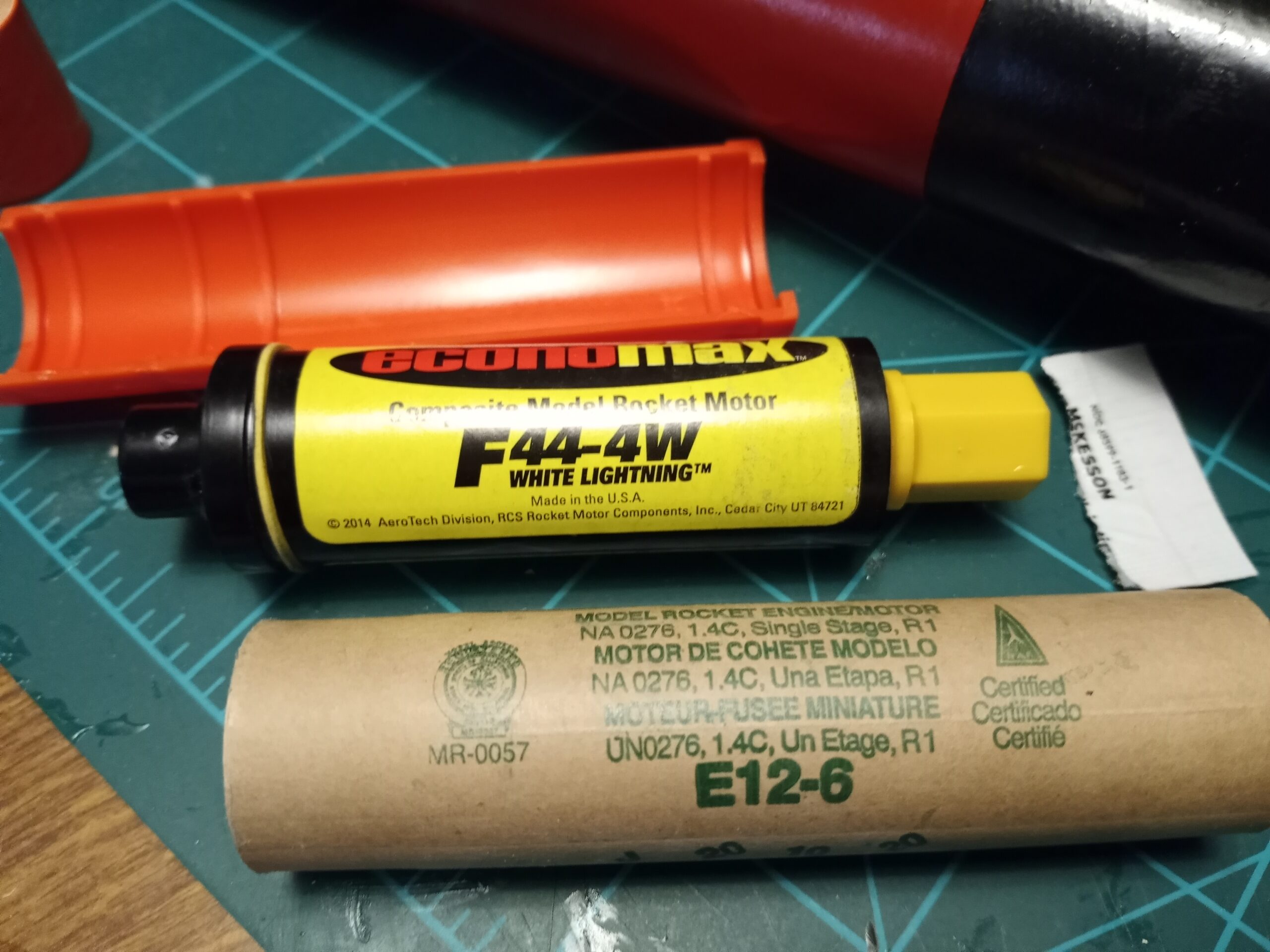
These adapters are the kind of product you do not think you need until you have one. Then you use them on every flight because they make motor swaps so much simpler. The plastic is durable enough that I expect these to last for years of regular flying.
What This Works Best For
This adapter is perfect for flyers who own 29mm rockets but want to fly on smaller fields with 24mm motors. It saves you from building a whole new fleet just because your local park has a tree line at 500 feet.
It is also ideal for test flights. Before committing an expensive 29mm composite motor to a new rocket, I like to fly it on a cheap D12 first to check stability and trim. The adapter makes that possible without changing the motor mount.
What to Check Before Buying
Measure your motor mount length. Some 29mm mounts are shorter than the adapter, which means the adapter will protrude from the aft end. That is usually fine for a test flight, but it can affect the aerodynamics of a finished model. A quick trim with a tube cutter fixes it.
Also verify your motor diameter. Most 24mm black powder motors fit perfectly, but some composite reloads have slightly larger casings. A dry fit before launch day will prevent any last-minute sanding at the pad.
6. A8-3, B4-4, B6-4 Mini Bulk Pack – Best Variety for Beginners
United Model A8-3, B4-4, B6-4 Mini Bulk Pack – Includes a Total of 9 Engines
9 engines total
A8-3 B4-4 B6-4 combo
Includes starters and plugs
Solid fuel
Pros
- Great value for amount
- Durable and easy to use
- Ideal for kids and beginners
- Manageable altitude
Cons
- Single-use only
- Can lose rockets on high flights
I brought this bulk pack to a club launch with five new flyers. We burned through six of the nine motors in a single morning, and every one lit on the first attempt. The variety let us match engine power to each person’s rocket weight, which made the day more successful than if we had all flown the same motor.
The A8-3 motors are gentle. They lift lightweight rockets to about 300 feet, which is perfect for small fields and nervous first-timers. The B4-4 adds a bit more push, and the B6-4 gets surprisingly sporty for a motor that still looks tiny. I flew the B6-4 in a 2.5-ounce rocket and hit about 800 feet.
Each motor comes with a starter and plug. The starters are standard, and the plugs are bright enough that you will not lose them in the grass. I had one starter fail to ignite, which is a normal rate for any brand. The backup starter from the next motor worked fine on the second attempt.
The packaging is compact and stores well in a range box. I keep the whole pack in a plastic bag with a silica gel packet, and the motors have stayed dry through a humid summer. Solid fuel motors are less sensitive to moisture than composite reloads, so storage is simple.
What This Works Best For
This pack is the best starter set for families, school groups, or anyone who wants to fly multiple times without placing multiple orders. The three motor types give you a progression path, and the nine-motor count means you can host a small launch party without running out.
The A8-3 is especially good for rockets under 3 ounces. The lower thrust means less stress on the airframe, and the recovery walk is short. I use these for test flights in new rockets before stepping up to C or D power.
What to Check Before Buying
Confirm your rockets are 18mm mount diameter. These are standard A, B, and C motors, so they fit most Estes and Quest kits. If you have a 24mm or 29mm rocket, you will need an adapter or a different motor selection.
Check your field size against the B6-4 motor. The higher thrust sends rockets over 700 feet, which can put them into trees or beyond a small park boundary. I reserve the B6-4 for open fields and use the A8-3 and B4-4 for neighborhood parks.
7. A8-3, B4-4, C6-5 Mini Bulk Pack – Progressive Power for Growing Skills
United Model A8-3, B4-4, C6-5 Mini Bulk Pack – Includes a Total of 9 Engines
9 engines total
A8-3 B4-4 C6-5 combo
Includes starters and plugs
Cardboard material
Pros
- Outstanding quality
- Great engine variety
- Good value over individual packs
- Progressive power levels
Cons
- Not Prime eligible
- Requires assembly
This pack adds a C6-5 motor to the A and B selection, which is exactly what I needed when my kids started asking for higher flights. The C6-5 is the first motor in this lineup that really feels like a step up. The thrust is audible, and the altitude is high enough that you need to track the rocket carefully.
I flew the C6-5 in a slightly heavier rocket on a breezy day. The five-second delay was perfect for the weight, and the ejection charge fired right as the rocket started to arc over. Recovery was clean, and the rocket landed about 400 yards downrange. The kids were thrilled.
The variety in this pack is its real selling point. You get three of each motor, which is enough to fly a single rocket nine times with increasing power. That progression teaches new flyers about stability, altitude, and recovery without forcing them to buy individual packs every weekend.
Cardboard construction means these motors are lighter than composite equivalents. For a C-class motor, that is fine because the total impulse is moderate. The cases are standard Estes format, and the starter pockets are well-centered. I had no misfires across all nine motors.
What This Works Best For
This pack is ideal for families where one person wants to graduate from A power to C power. The progression is logical, and the cost per motor is lower than buying three separate packs. You also get all the starters and plugs, so there is no last-minute run to the hobby shop.
Club mentors also like this combo for training sequences. The A8-3 builds confidence, the B4-4 adds complexity, and the C6-5 introduces the kind of power that demands attention to wind conditions and recovery area size.
What to Check Before Buying
The listing is not Prime eligible, so shipping may take a few extra days. Plan ahead if you have a launch event coming up. I ordered two weeks before our club launch and had plenty of time for inspection and prep.
Also confirm your rocket can handle C power. The C6-5 produces enough thrust to stress weak fin attachments or thin body tubes. I reinforce the motor mount and fin roots on any rocket that will fly C power, and I recommend the same for anyone using this pack.
8. Engine Adapters Standard to D – Altitude Control for Any Rocket
Engine Adapters Standard to D
3 adapters per pack
Standard to D conversion
Plastic construction
2 x 3 x 9 inches
Pros
- Works with C6-3 motors
- Allows lower altitude flights
- Great for D Ranger rockets
- Has retaining hook notch
Cons
- Can make engines longer
- End cap fit issues
I bought these adapters to fly my D Ranger on smaller motors at a restricted field. The adapter drops into a D or E mount and creates a standard A/B/C sleeve. The plastic is thick enough to handle the ejection charge without cracking, and the retaining hook notch keeps the motor from sliding forward.
The first flight was a C6-3 in a D mount. The adapter added about half an inch to the motor length, which did not affect the rocket’s balance. Ignition was normal, and the ejection charge pushed the adapter and motor out together without sticking. Cleanup was a quick wipe with a paper towel.
These adapters are a smart way to control altitude. When I want to show off a rocket at a small park, I use a C motor with this adapter instead of a D. The flight is shorter and safer, and the rocket stays in the field. When I take the same rocket to a wide-open launch site, I pull the adapter and fly it on a D12 for full power.
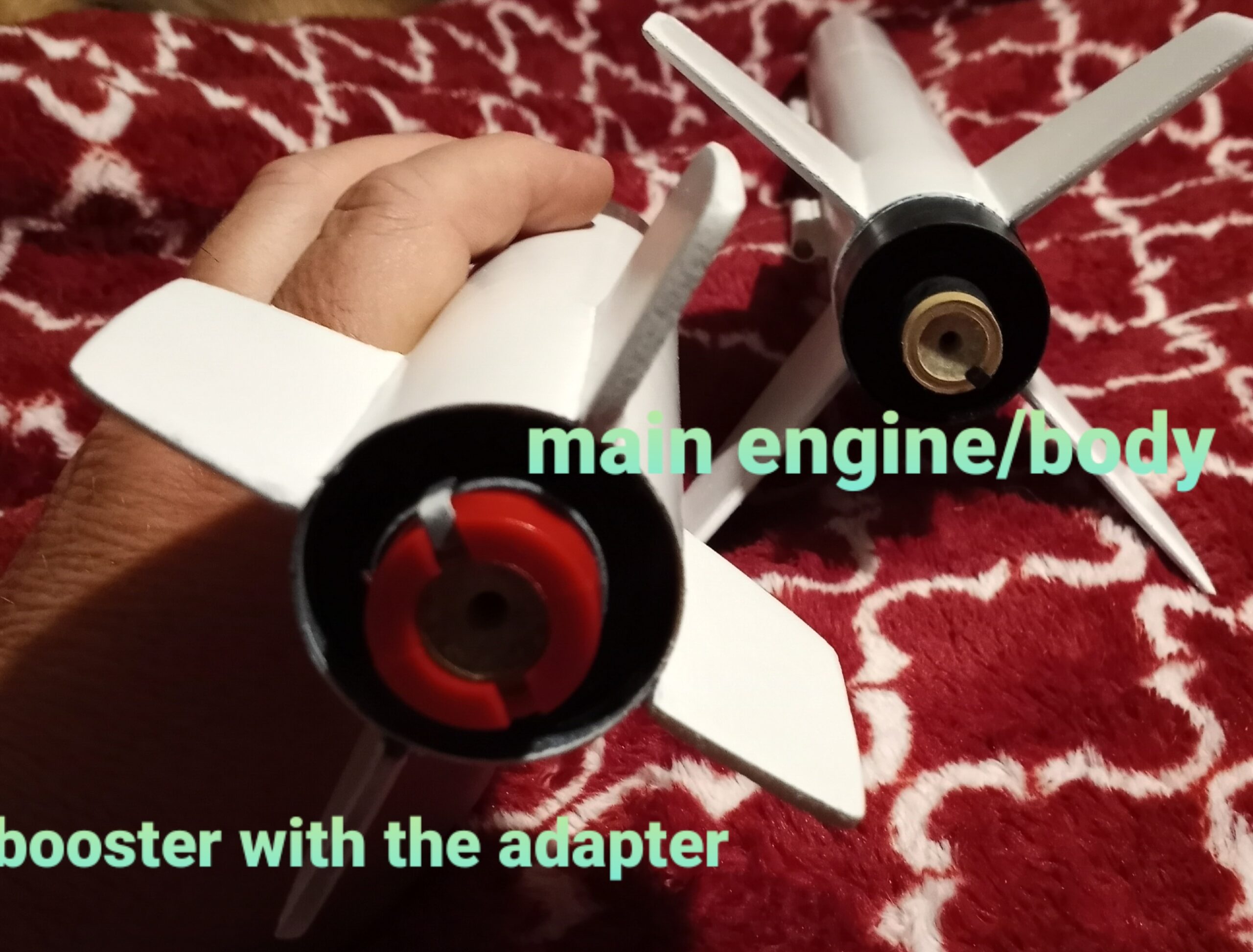
The three-pack is generous. I keep one in my range box, one in a rocket that lives at a friend’s house, and one as a spare. They are durable enough that I have not needed the spare yet, but it is nice to have backup when you are mentoring a group of kids who all want to fly at once.
The plastic construction is surprisingly tough. I expected these to deform after a few flights, but they have held their shape through at least a dozen uses. The retaining hook notch is clean-cut and does not tear, even after repeated hook engagement.
One thing to watch is the end cap fit. On one of my older rockets, the adapter made the motor stick out just enough that the plastic end cap would not thread down fully. A quick trim of the adapter tube with a hobby knife solved the problem in two minutes.
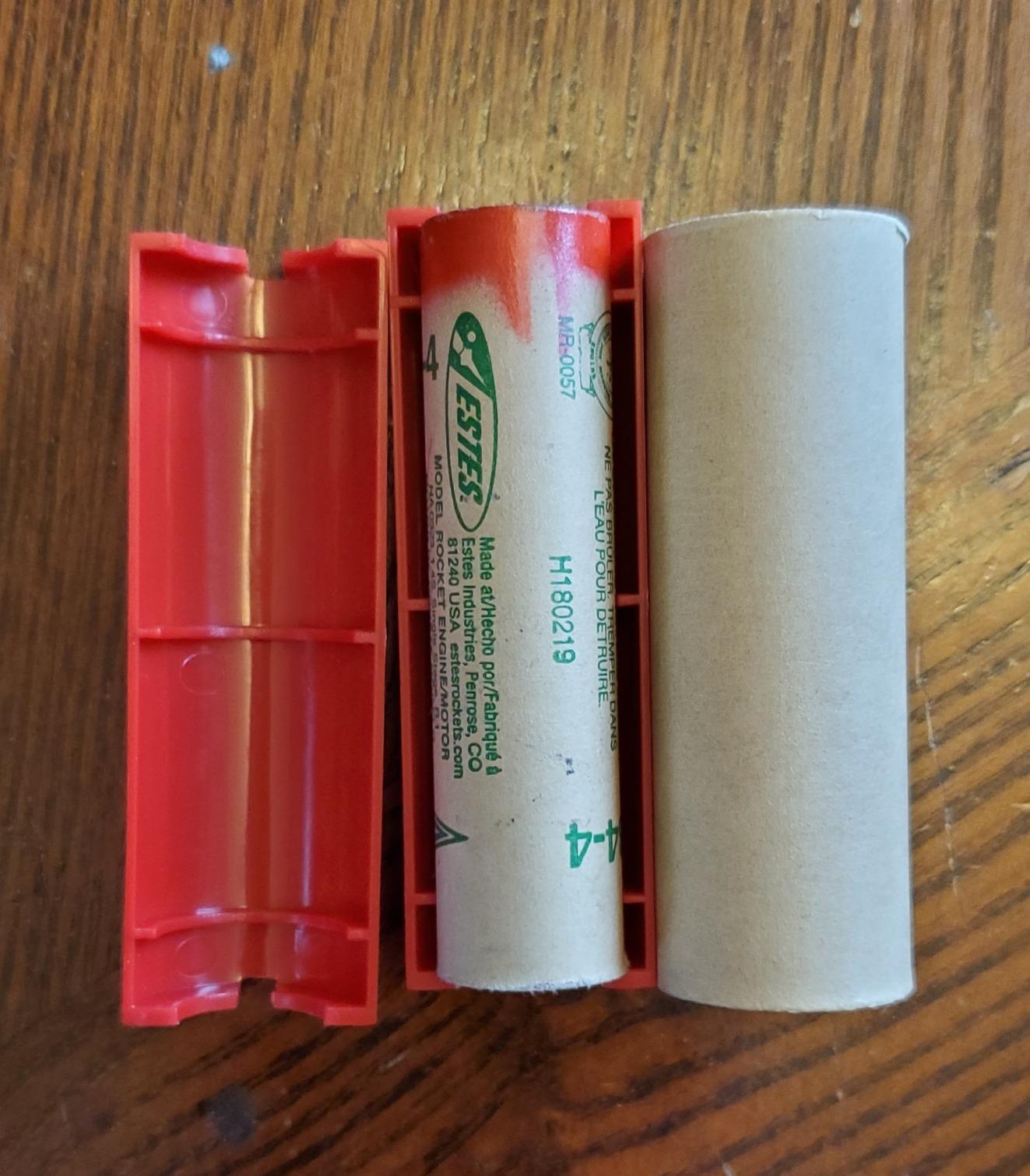
If you have rockets with D or E mounts, these adapters are almost mandatory. They turn one rocket into a multi-class flyer, and they cost less than a single D motor. The value is obvious after your first flight.
What This Works Best For
This adapter is perfect for controlling altitude in larger rockets. If you have a favorite D-powered model but want to fly it at a schoolyard or small park, the adapter lets you drop in a C motor without rebuilding the mount. It is also great for windy days when lower altitude means safer recovery.
Scratch builders like it because one rocket can fly multiple motor classes. You design the mount for D power, then use the adapter for everything from A to C. That saves time and material when you are experimenting with new designs.
What to Check Before Buying
Measure the length of your motor mount tube. The adapter adds length, so the total motor plus adapter must fit inside the tube. Most D mounts are long enough, but some custom builds with short tubes may need modification. A dry fit before glue is the best prevention.
Also check your end cap or retainer. If the adapter pushes the motor too far aft, the end cap may not seat properly. I had to remove about 1/8 inch of adapter tube on one build, and after that the cap threaded down perfectly.
9. Rocket Mount Kit for D and E Engines – Complete Build Kit for Two Mounts
Rocket Mount Kit for D and E Engines Estes Rockets
19 individual parts
Builds two complete mounts
Fits BT-55 BT-60 BT-80
E to D spacer included
Pros
- Great deal for parts included
- Multiple centering ring sizes
- Perfect for custom builds
- Spare parts for future use
Cons
- Not cheap upfront cost
- Requires assembly time
I rebuilt three rockets last winter using this kit, and I still have parts left over. The kit includes centering rings for three different body tube sizes, two engine hooks, and an E-to-D conversion spacer. That is enough hardware to build two complete motor mounts from scratch.
The laser-cut centering rings are precise. I glued them into a BT-60 tube with medium CA, and the fit was tight enough that I did not need additional fillets. The engine hooks are standard Estes design, and the retainer clips hold securely under D and E thrust. I tested one mount with a D12 and had zero motor movement.
The E-to-D spacer is a small detail that saves a lot of hassle. Without it, you need to build a separate mount or use tape shims to hold a D motor in an E mount. The spacer drops in cleanly and centers the motor perfectly. I used it in a scratch-built scale model that I wanted to fly on both D and E power.
Assembly takes about 20 minutes per mount if you are methodical. The instructions are printed on the back of the card, and they are clear enough that my 12-year-old built her own mount with minimal help. The spare parts went into our club’s range box for emergency repairs.
What This Works Best For
This kit is essential for custom builders and anyone restoring old rockets. The multiple centering ring sizes mean one kit fits most standard body tubes. If you have a fleet of rockets with cracked mounts or missing hooks, this kit restores all of them in one afternoon.
It is also great for educators who want students to understand motor mount construction. The parts are visible and tangible, which makes it easier to teach concepts like thrust transfer, centering, and motor retention. I used this kit in a STEM workshop last year, and the students built working mounts in under 30 minutes.
What to Check Before Buying
Confirm your body tube size. The kit covers BT-55, BT-60, and BT-80, which handles most standard kits. If you are building with custom tubing or a larger diameter, you may need to source additional centering rings separately.
Also consider your glue choice. The instructions recommend wood glue, but I prefer medium CA for faster setup. Either works, but do not use hot glue. The heat from a D or E motor will soften hot glue and potentially loosen the mount during flight.
10. Estes 010017 A8-3 Model Rocket Engines – Reliable Power for First Flights
Estes 010017 A8-3 Model Rocket Engines
3 A8-3 engines
4 starters and plugs
STEM educational
5 x 3 x 2 inches
Pros
- Reliable performance with no misfires
- Ideal for smaller rockets
- Simple installation
- Great for beginners
Cons
- Some risk of losing rockets
- Low power for heavy rockets
I keep a pack of these in my range box at all times. The A8-3 is the motor I reach for when I want a guaranteed good flight without any drama. The thrust is modest, the delay is predictable, and the ejection charge is gentle enough that even thin body tubes survive multiple flights.
The three-pack includes four starters and four plugs, which is slightly more than you need. That is helpful because starters are the one thing you always lose in the grass. I have used the extras to launch other motors when I ran out of dedicated starters for different sizes.
Installation is standard. Slide the motor into an 18mm mount, hook the retainer over the nozzle end, and insert the starter. The A8-3 fits every standard Estes kit I own, and it has never failed to ignite. I have probably flown 50 of these over the years, and my failure rate is zero.
The STEM educational angle is real. I gave a pack to my nephew with a simple rocket kit, and he learned more about physics in one afternoon than he had in a month of classroom lectures. The hands-on experience of loading a motor, counting down, and tracking the flight is irreplaceable.
What This Works Best For
This motor is the standard recommendation for first-time flyers and small rockets. If your rocket weighs less than 3 ounces and you want a flight that stays within a typical park, the A8-3 is the safest choice. It is also the motor I use for trim flights before moving up to B or C power.
Scale model builders use the A8-3 for lightweight replicas that cannot handle heavy motors. The lower thrust means less stress on delicate fins and external details. I flew a small scale model on this motor and had no damage to the vac-formed parts.
What to Check Before Buying
Verify your rocket is 18mm mount diameter. Most starter kits use this size, but some specialized models use 13mm or 24mm. The A8-3 will not fit in a 24mm mount without an adapter, and it is too large for a 13mm mini mount.
Also check your recovery system. The A8-3 ejection charge is mild, but it can still pop a loose nose cone. I use a small dab of glue on the shock cord mount for any rocket that will fly more than once. The reinforcement takes 30 seconds and prevents heartbreak.
11. DOGNNAK EST1507 A3-4T Mini Model Rocket Engines – Compact Power for Small Kits
DOGNNAK EST1507 A3-4T Mini PC Model Rocket Engines (4 Pack, 1920 x 1080, Black)
4 mini engines per pack
13mm diameter
A3-4T class
7.48 x 7.48 x 12.01 inches
Pros
- Good price for mini engines
- Well packaged
- Compatible with small rockets
- Lightweight design
Cons
- Smaller than average motors
- Price per flight higher
I bought these for a Mini Mean Machine that had been sitting in my build pile for months. The 13mm diameter is noticeably smaller than standard 18mm motors, and the 4-second delay is perfect for lightweight rockets. The first flight reached about 400 feet, which is impressive for such a tiny motor.
The four-pack is a good format because mini motors are easy to burn through. Each flight takes about two minutes of prep, and the motor itself is single-use. Having four in the pack means you can do a full afternoon of flying without reordering. The packaging is compact and stores well in a small range box.
These motors work with the Mini Mean Machine, Mini Honest John, Star Hopper, and Lunar Scout. I tested them in the Mini Mean Machine and a custom scratch build. Both flights were stable, and the ejection charges fired cleanly. The motors are slightly shorter than 18mm A motors, so they sit deeper in the mount tube.
The price per flight is slightly higher than standard A motors, but that is the tradeoff for the mini format. If you have a 13mm rocket, there are not many alternatives. These deliver reliable performance in a size that fits the niche perfectly.
What This Works Best For
This pack is the go-to choice for 13mm mini rockets. The Mini Mean Machine and similar kits are popular with kids because the small size is easy to handle. These motors give those kits enough power to be exciting without sending them into orbit.
They are also great for indoor demonstrations or small classroom launches. The lower total impulse means less noise and lower altitude, which is safer when you have limited ceiling height or nearby spectators. I used these at a library demo last year, and the audience loved the compact flights.
What to Check Before Buying
Confirm your rocket has a 13mm mount. These motors will rattle around in an 18mm tube and will not fit at all in a 24mm mount. The package usually lists compatible models, but a quick measurement of your motor tube is the safest check.
Also verify your starter size. The mini motors use smaller starters than standard A motors. Make sure you have the right initiators, or order a pack that includes them. The DOGNNAK pack does include starters, but some generic listings do not, so read the description carefully.
12. 1781 A8-3 ENG Educator Pack – Bulk Power for Clubs and Schools
1781 A8-3 ENG Educator Pack(24)
24 engines per pack
A8-3 class
Educational use
10.25 x 6.5 x 1.25 inches
Pros
- Perfect for group outings
- Cost-effective bulk purchase
- Reliable Estes quality
- Great for test flights
Cons
- Low power for some applications
- One case of missing parts reported
I split this pack with two other club members for a group launch event. We had 24 kids flying, and the 24-motor pack was exactly enough with a few spares. The price per motor is the lowest I have found for genuine Estes A8-3 engines, and the quality is identical to the smaller retail packs.
The motors arrived in a single flat box with dividers keeping them separated. None were dented or damaged in shipping. I inspected each one for nozzle cracks or case damage, and all 24 were perfect. The box itself is sturdy enough that I reused it to store my personal motor inventory.
These are the same A8-3 motors you get in three-packs, just in quantity. The thrust, delay, and ejection charge are identical. I flew six of them in various rockets over a single weekend, and every performance was consistent. The kids had a 100% success rate, which is the best advertising a motor can get.
The educational use case is obvious. Schools, scouts, and clubs need reliable motors in bulk without paying retail markup. This pack solves that problem. The manufacturer recommends ages 14 and up, which aligns with most organizational insurance requirements for model rocketry.
What This Works Best For
This pack is the standard choice for educators, scout leaders, and club officers who organize group launches. The bulk format saves money, reduces packaging waste, and makes sure you have enough motors for every participant plus a few extras for the inevitable misfire or lost rocket.
It is also excellent for test flight programs. When you are trimming a new design, you want a cheap motor that provides consistent data. The A8-3 gives you that baseline without the cost of C or D motors. I use these for initial stability checks before moving to higher power.
What to Check Before Buying
Plan your storage. Twenty-four motors take up more space than a casual flyer might expect. I keep them in a dedicated plastic bin with a latch lid, away from heat sources and moisture. The flat box they arrive in works for a while, but a proper storage bin is better long-term.
Also check your shipping costs. This pack is not always Prime eligible, so delivery may take longer than standard. Order at least two weeks before your event to avoid stress. One reviewer reported missing body tubes in a separate order, but our pack was complete and well-packed.
How to Choose the Right Motor Setups?
Buying the best Aerotech composite motors and supporting gear means matching your hardware to your goals. Here is what our team learned after comparing dozens of flights and setups.
Start with motor size. The 18mm diameter covers A through C power and most beginner rockets. The 24mm format handles D and E motors, and the 29mm size is where composite propellant really shows its advantage. Make sure your rocket kit matches the motor diameter before you buy anything.
Consider single-use versus reloadable. Single-use motors are simpler. You load them, fly them, and discard the case. Reloadable motors cost more upfront but save money per flight if you fly regularly. The 24/40 RMS system is a popular entry point for reloadables, though the products in this roundup focus on single-use and hardware.
Check your certification level. NAR and Tripoli require Level 1 certification for H motors and above. The motors in this guide are all below that threshold, so no special certification is needed. Still, joining a club gives you access to better launch sites and insurance coverage.
Think about your field size. A C motor in a light rocket can reach 1,000 feet. An F motor can push a heavy model past 2,000 feet. If you fly at small parks, stick to A through C power. For wide-open fields, D through F motors are appropriate. Always have a recovery plan before you launch.
Factor in total cost. Motors are not the only expense. You need starters, recovery wadding, launch equipment, and sometimes adapters or retainers. The bulk packs in this roundup help with motor costs, but do not forget the supporting hardware that keeps your flights safe.
Finally, inspect every motor before flight. Look for cracks in the nozzle, dents in the case, and any sign of moisture damage. A damaged motor is a safety hazard, and the few dollars you save by flying it are not worth the risk to your rocket or your spectators.
Frequently Asked Questions
What is the largest AeroTech motor?
The largest AeroTech motors currently available reach into the M and N power classes, with total impulse exceeding 10,000 Newton-seconds. These high-power motors require Level 3 certification and are used in large scale rockets.
What is the strongest model rocket motor?
The strongest model rocket motors available to hobbyists are typically O-class composite motors with total impulse over 40,000 Newton-seconds. These require advanced certification and are flown at sanctioned high-power launches.
What is a composite rocket motor?
A composite rocket motor uses APCP propellant instead of black powder. The propellant burns from the head end inward through a central channel, producing higher thrust and greater total impulse than traditional black powder motors.
What is the most powerful solid rocket motor?
The most powerful solid rocket motors available to hobbyists are certified high-power motors in the O and P classes. These motors deliver extreme thrust and require specialized launch equipment and advanced certification.
Choosing the right motor setup in 2026 comes down to matching your rocket, your field, and your experience level. The products in this guide cover everything from beginner bulk packs to serious 29mm composite power and the hardware that holds it all together.
Our editor’s choice bulk pack gives you variety and value. The 29mm PS-II engine opens the door to real composite performance. The motor retainer and adapters make sure your hardware is as ready as your propellant. Add a stable launch pad, and you have a complete system that will last for seasons.
I recommend starting with the A and B motors if you are new. Progress to the F15-4 when you have a rocket that can handle it. And always reinforce your mounts before you step up in power. The best flights are the ones you walk back from with a rocket in your hand.
Happy flying, and stay safe on the range.