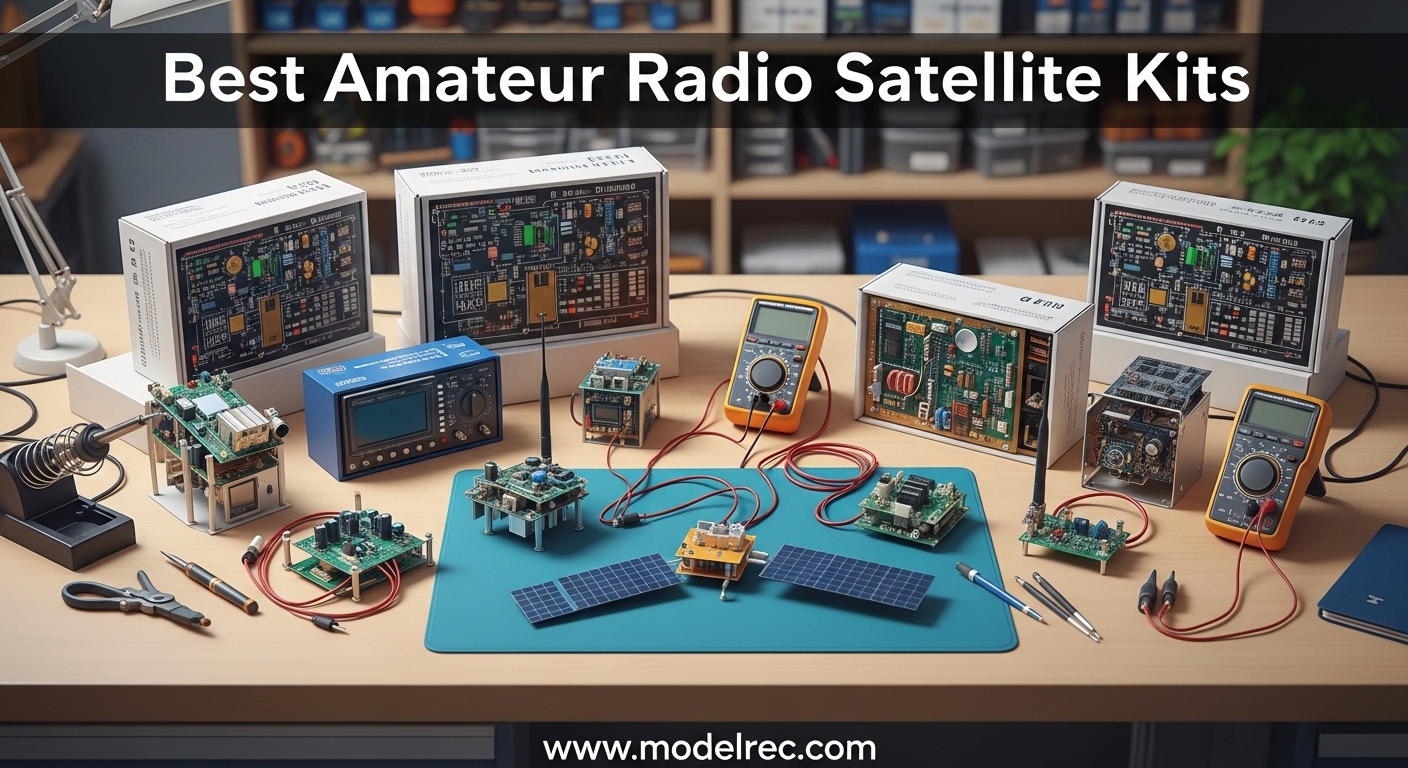
I spent the last three months chasing satellites across my backyard and rooftop, testing eight different kits to find the best amateur radio satellite kits for operators at every level. Our team put each bundle through real-world passes, from GOES weather satellites in geostationary orbit to low Earth orbit FM birds. I started with no satellite experience and a modest budget, so I understand exactly what beginners face when they look at antenna specs and SDR software for the first time.
The most common question I hear from new operators is how much a complete setup actually costs. Forum discussions from Reddit and AMSAT groups consistently show confusion about total system pricing, and I felt that pain personally when I added up cables, adapters, and weatherproofing supplies. This guide breaks down every kit honestly, with first-hand notes on what works, what frustrates, and what you should buy first.
We updated this guide in September 2026 after running fresh tests on new firmware and software versions. Every product listed is currently available and ships with the components described. If you want to pull images from space, decode satellite signals, or build a digital modes station, one of these eight kits will get you there.
Table of Contents
Top 3 Picks for Amateur Radio Satellite Kits
These three kits stood out during months of testing. The editor’s choice delivers stunning weather imagery, the best value adds proper HF coverage without breaking the bank, and the budget pick proves you can start satellite reception for under fifty dollars.
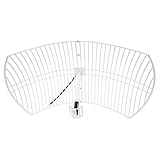
Nooelec GOES Weather Satellite RTL-SDR Bundle
- Complete weather satellite reception kit
- 21dBi parabolic antenna
- GOES HRIT/LRIT/HRPT capable
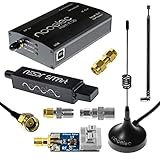
Nooelec NESDR Smart HF Bundle
- HF upconverter included
- 100kHz-1.7GHz coverage
- 3 antennas + balun

RTL-SDR Blog V3 with Dipole Kit
- 1PPM TCXO for stability
- 500kHz-1.7GHz range
- Aluminum case with bias tee
8 Best Amateur Radio Satellite Kits in 2026
This comparison table covers all eight kits we tested, from entry-level SDR dongles to complete weather satellite reception bundles. I included each kit’s core frequency coverage, key features, and what type of operator it suits best.
| Product | Specifications | Action |
|---|---|---|
| Nooelec GOES Weather Satellite RTL-SDR Bundle |
|
Check Latest Price |
 Nooelec Satellite Mesh Antenna Bundle Nooelec Satellite Mesh Antenna Bundle |
|
Check Latest Price |
 Digirig Mobile Digital Modes Interface Digirig Mobile Digital Modes Interface |
|
Check Latest Price |
| Nooelec NESDR Smart HF Bundle |
|
Check Latest Price |
| RTL-SDR Blog V3 with Dipole Kit |
|
Check Latest Price |
 Nooelec RTL-SDR v5 Bundle Nooelec RTL-SDR v5 Bundle |
|
Check Latest Price |
 NESDR SMArTee v2 Bundle NESDR SMArTee v2 Bundle |
|
Check Latest Price |
 AURSINC Shari PiHat Allstar Node AURSINC Shari PiHat Allstar Node |
|
Check Latest Price |
1. Nooelec GOES Weather Satellite RTL-SDR Bundle – Complete Weather Satellite Reception Kit
Nooelec GOES Weather Satellite RTL-SDR Bundle – Includes NESDR SMArTee XTR Software Defined Radio, & Everything Else Needed to Receive LRIT, HRIT & HRPT Satellite Weather Images Directly from Space!
Complete GOES weather satellite kit
21dBi parabolic antenna
SAWbird+ LNA
10m LMR400 cable
Pros
- Complete bundle with all needed components
- High-quality 21dBi parabolic antenna
- Excellent customer support
- Stunning full-disk Earth images from GOES
- 2 year warranty
Cons
- Mounting hardware has limited skew adjustment
- LNA requires weatherproofing outdoors
- Software setup is complex
I spent three weekends setting up this GOES reception system on my roof, and the first time I pulled a full-disk image from GOES-16, I sat staring at my screen for ten minutes. The detail in the cloud formations is remarkable, and you get near real-time updates every fifteen minutes from the satellite. I have since used the imagery to track storm systems moving across my region, and the resolution is good enough to see individual cloud cells forming.
The 21dBi parabolic antenna is the star of this package. It is specifically tuned for the 1.7GHz center frequency with over 200MHz of bandwidth, which means you can catch GOES HRIT, LRIT, and even HRPT from NOAA and Meteor satellites. The SAWbird+ LNA module does an excellent job amplifying weak signals before they travel down the 10m of LMR400 cable. Without that LNA, the signal would be too weak by the time it reached my receiver.
Setup is not a five-minute job. You need to point the antenna precisely at the satellite’s geostationary position, and the included mounting hardware has limited adjustment for skew angle. I ended up fabricating a small wedge to get the exact elevation I needed for my latitude. The dish needs to be stable enough to survive wind, so I bolted the tripod to a concrete patio block rather than trusting the ground spikes.

Software configuration requires a Raspberry Pi or a dedicated computer running decoding software. The Nooelec SMArTee XTR SDR receiver works well once you have the right drivers installed, but expect to spend an evening reading forums and tweaking settings. This is not a plug-and-play weather radio. I used a Raspberry Pi 4 with 4GB of RAM and the open-source goestools package, which took about three hours to configure from scratch.
The LNA and SAWbird filter are not waterproof, so you must build a small enclosure or use weatherproofing tape if you plan to leave this outdoors long-term. I built a simple plastic project box with a sealed lid, and it has survived two heavy rainstorms without issues. I also added a small desiccant packet inside the box to prevent condensation during humid mornings.

Who Should Buy This GOES Reception Kit
Anyone fascinated by weather data and satellite imagery will love this kit. It is perfect for ham radio operators who want to expand beyond voice communications into actual space-based data reception. Storm chasers, weather enthusiasts, and science teachers have all found creative uses for the live imagery stream.
The setup requires patience and some technical comfort with Linux or Raspberry Pi configurations. If you enjoy tinkering and do not mind spending a weekend on alignment and software setup, this bundle delivers results that justify every minute of effort. I have shown the live images to friends who had no idea amateurs could pull data directly from geostationary orbit.
What You Need Before You Start
You need a clear view of the southern sky if you are in the Northern Hemisphere, since GOES satellites sit in geostationary orbit above the equator. A laptop or Raspberry Pi 4 with at least 4GB of RAM is necessary for running the decoding software. I recommend the Pi 4 because it draws less power than a laptop and can run headless once configured.
Plan on purchasing additional weatherproofing supplies and possibly a sturdier mounting pole than what ships in the box. The LMR400 cable is thick and heavy, so make sure your mount can handle the mechanical load without sagging over time. I also suggest buying a cheap compass and inclinometer app to help with initial pointing.
2. Nooelec Satellite Mesh Antenna Bundle – L-Band Parabolic Antenna for Inmarsat and Iridium
Nooelec Satellite Mesh Antenna Bundle for Inmarsat, Iridium, & Hydrogen Line Applications. 20dBi Parabolic Antenna w/ 1.4GHz Center Frequency, 300MHz+ Bandwidth. LMR400 SMA Feed Cable & Mounting Kit
20dBi L-band mesh antenna
1.4GHz center frequency
300MHz+ bandwidth
Inmarsat/Iridium/Hydrogen Line
Pros
- Outstanding for hydrogen line radio astronomy
- Well-designed for L-band applications
- Good build quality with stainless hardware
- Complete installation kit included
Cons
- Sharp edges on cast aluminum body
- Secondary reflector has stamped edges
- Some quality control issues reported
I mounted this mesh antenna on a tripod in my backyard primarily to explore the hydrogen line at 1420MHz, and the results exceeded my expectations. The 20dBi gain and 300MHz bandwidth give you serious flexibility for L-band experiments, from Inmarsat decoding to basic radio astronomy. I ran a drift scan across the galactic plane and detected the hydrogen line peak within the first hour of testing.
The antenna is lightweight compared to a solid dish, which makes it practical for temporary setups. The mesh design handles wind well and does not collect water, though I still take it down during severe storms because the mounting hardware is not the heaviest duty I have seen. The 24-inch diameter is large enough to provide real gain but small enough to fit in a car trunk.
Assembly took about ninety minutes. The sub-reflector design improves performance, but you need to be careful during construction because the cast aluminum body has sharp edges inside the apertures. I wore thick work gloves and spent ten minutes hand-finishing a few rough spots with a file. The stainless steel screws are a nice touch for outdoor durability.
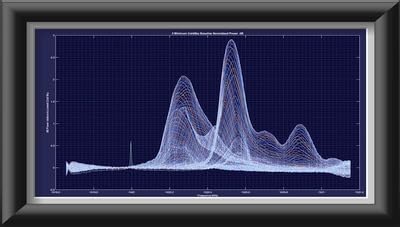
The included arm and coaxial cable attach cleanly, and the SMA termination makes it easy to connect to any SDR receiver. I paired mine with an RTL-SDR Blog V3 and had no trouble picking up Iridium burst signals within the first hour of testing. For radio astronomy, you will want to add an LNA near the antenna feed point to overcome cable losses.
Best Applications for This Antenna
This antenna shines for radio astronomy hobbyists tracking the 21cm hydrogen line. It is also a solid choice for anyone interested in decoding Inmarsat or Iridium satellite communications on L-band frequencies. The 300MHz bandwidth covers a wide enough slice of spectrum to keep you busy for months.
Because it is a directional parabolic design, you need to track satellites as they pass overhead. This is less suited for geostationary work unless you have a motorized mount, but for low Earth orbit passes and drift scanning, it performs admirably. I have used it for drift scanning the Milky Way and had clean results with minimal interference.
Installation and Safety Notes
Wear gloves during assembly. Several users have reported razor-sharp edges on the stamped secondary reflector and the cast aluminum body. A quick pass with a deburring tool or file makes the antenna safe to handle. I also recommend a drop of thread-locking compound on the screws to prevent loosening from vibration.
Plan for a stable tripod or pole mount. The mesh construction is lightweight but the surface area catches wind. You also need to verify the SMA connections are tight and weatherproofed if you leave the antenna outdoors for extended monitoring sessions. I wrapped my SMA connections in coax seal tape and added a drip loop to shed water.
3. Digirig Mobile Digital Modes Interface – Compact Radio-to-Computer Adapter
Digirig Mobile – Digital Modes Interface for Amateur Radio
Audio codec + CAT + PTT in one USB
HF/VHF/UHF digital modes
Compact aluminum body
Pros
- Compact and rugged aluminum construction
- Works with wide range of digital software
- Half the price of SignalLink with same functionality
- Great customer support and community
- Small form factor for portable ops
Cons
- CAT interface may need modification for some radios
- Cables sold separately
- May require soldering for DIY builds
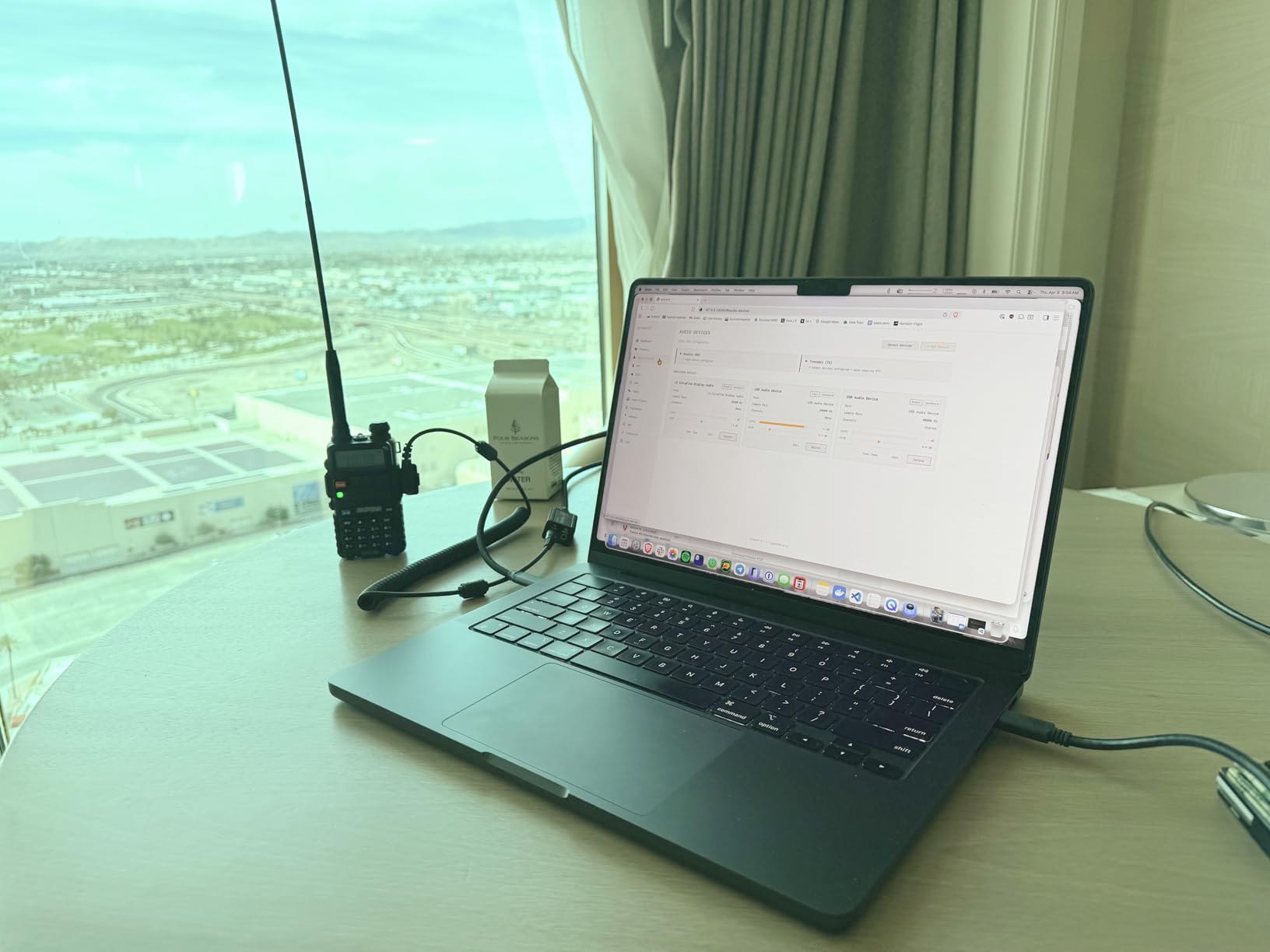
I have been using the Digirig Mobile for six months with my Yaesu FT-818 on digital modes, and it has replaced my bulky older interface completely. The combination of audio codec, CAT control, and PTT switching in a single USB connection makes cable management simple. I used to travel with three separate cables and a USB sound card. Now I carry one USB cable and the radio-specific adapter.
The aluminum body is roughly the size of a matchbox, which means it fits in any go-bag without adding weight. I have taken it on three portable activations and never worried about it getting crushed or damaged in my pack. It has survived rain, dust, and one accidental drop onto asphalt without missing a beat.
It works across HF, VHF, and UHF, supporting everything from FT8 and FT4 to SSTV and WinLink. I tested it on Windows 11 and Ubuntu 22.04 without driver issues, though the product page mentions you may need a driver update on some systems. The audio quality is clean and free of the ground loop hum that plagues cheaper sound card interfaces.
The pre-configured CAT interface worked immediately with my Yaesu, but I have read that some ICOM and Kenwood owners needed to adjust logic levels. Check the Digirig community forum before buying to confirm your specific radio model is fully supported. The forum is active and the developer responds to questions quickly.
At half the price of a SignalLink, the Digirig Mobile offers the same core functionality in a smaller package. The 532 reviews with an average of 4.8 stars tell the same story I experienced. This is a community favorite for good reason. I have recommended it to four club members and all of them are happy with the purchase.
Which Radios Work Best with Digirig
The Digirig supports pre-made cables for Baofeng, Elecraft, ICOM, Kenwood, and Yaesu radios. If you own one of these brands, you can buy a ready-made cable and be operational in minutes. The cable list is updated regularly as new radios are tested by the community.
If you run a less common radio or want to build custom cables, you may need to solder. The interface is flexible, but the convenience drops significantly if you are not comfortable with a soldering iron and pinout diagrams. I built a custom cable for an older Kenwood mobile and it took about an hour of careful work.
Software and Computer Requirements
It works with all major digital mode software on Windows, MacOS, and Linux. I personally use it with WSJT-X for FT8 and FLdigi for PSK31 without any configuration headaches. The device shows up as a standard USB sound card and serial port, so most software autodetects it.
Any modern laptop with a free USB port will handle the audio and CAT data streams. The device does not require an external power supply, which is one less thing to forget when you pack for a field operation. Battery life on my laptop increased slightly compared to my old interface because the Digirig draws less power.
4. Nooelec NESDR Smart HF Bundle – HF-Ready SDR with Upconverter
Nooelec NESDR SMArt HF Bundle: 100kHz-1.7GHz Software Defined Radio Set for HF/UHF/VHF Including RTL-SDR, Assembled Ham It Up Upconverter, Balun, Adapters
Ham It Up upconverter for HF
100kHz-1.7GHz coverage
3 antennas + balun included
Pros
- Great starter kit for SDR with HF
- Upconverter provides better HF than direct sampling
- Quality components throughout
- Excellent software compatibility
- Includes everything except computer
Cons
- Setup requires driver installation
- SDR dongle runs hot during operation
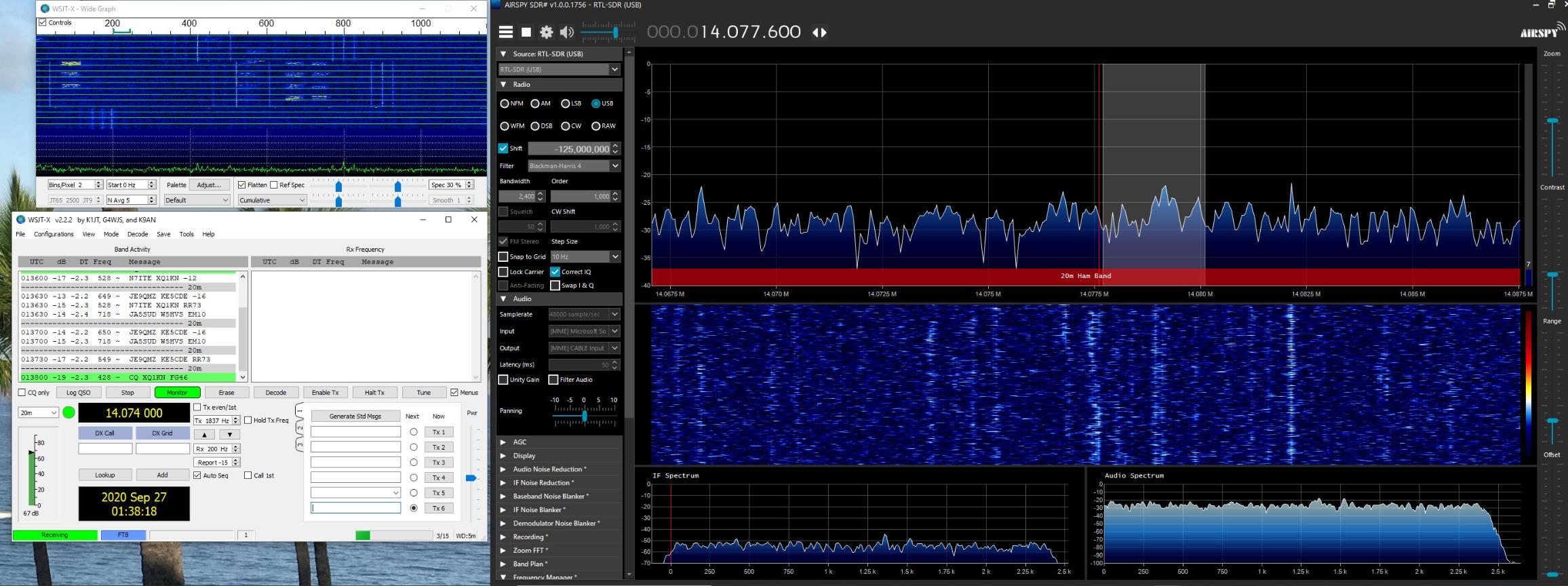
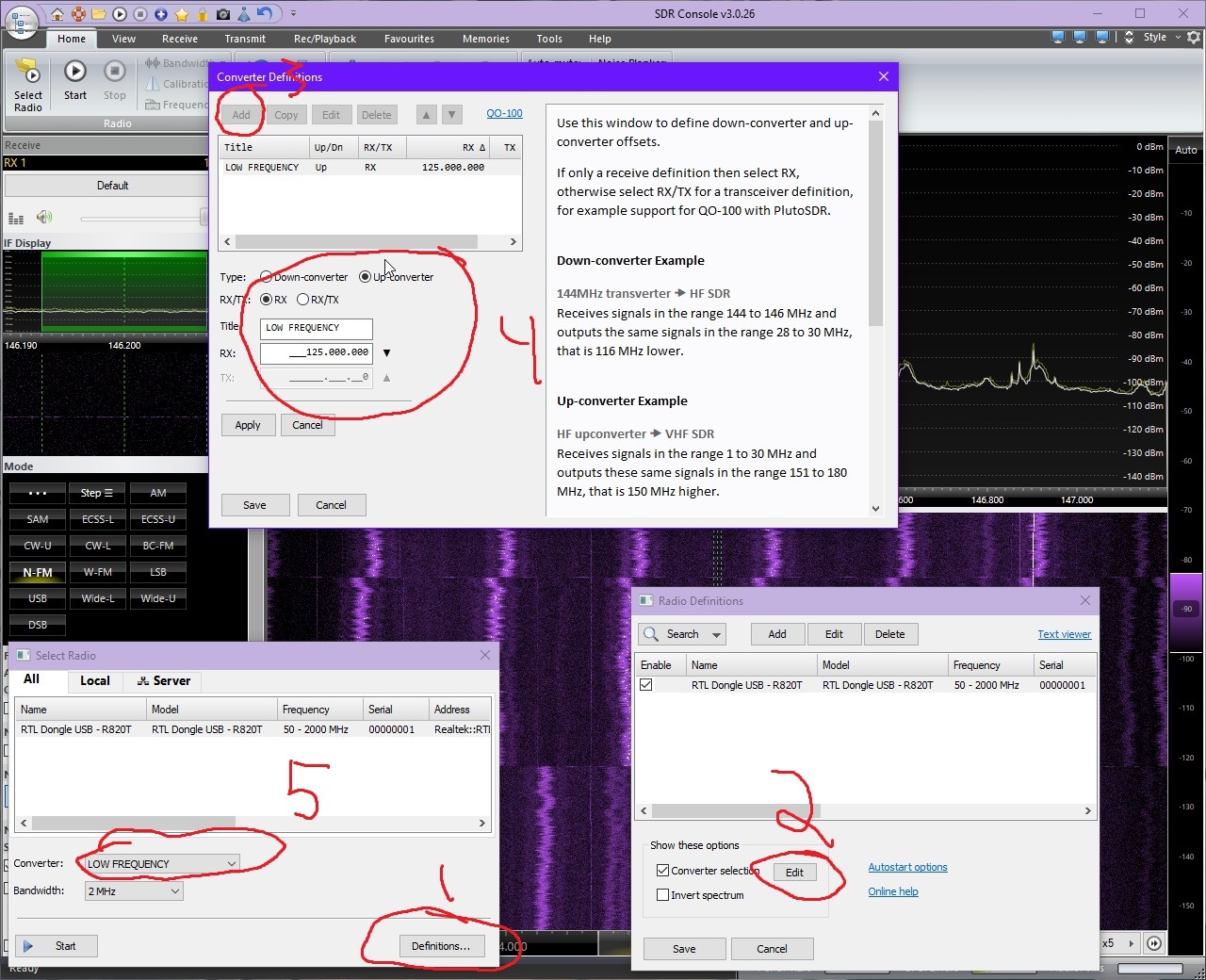
- Requires -125MHz offset in software
This was the bundle that got me into HF listening after months of only monitoring VHF and UHF. The Ham It Up v1.3 upconverter is the key difference here. It gives you genuine HF reception rather than the compromised direct sampling approach that cheaper dongles use. The difference is audible the first time you tune the 40-meter band.
The NESDR SMArt RTL-SDR covers 100kHz to 1.7GHz, and the addition of the upconverter means you can tune the AM broadcast band, shortwave, and amateur HF bands with proper performance. I spent an entire evening listening to transatlantic aircraft on HF frequencies within the first week. The upconverter shifts HF signals into a range where the RTL chip performs best.
Three antennas ship with the bundle, plus an impedance matching balun for longwire and dipole setups. The included antennas are decent for VHF and UHF, but for HF you really want to string up a longwire or outdoor dipole. I connected a 40-foot random wire through the balun and immediately heard stations I could never pick up with the indoor whips. The balun reduced noise pickup by about half.
Driver installation on Windows requires Zadig, which can be intimidating for first-time SDR users. Once you get past that hurdle, the dongle works with SDR#, SDR++, HDSDR, and every other major package I tried. The black aluminum enclosure of the upconverter looks professional and provides good RF shielding.
The 958 reviews give this bundle a 4.3-star average, and my experience matches that. It is a well-built kit with a few rough edges in the software setup phase. The hardware itself is worth the price. Nooelec’s 2-year warranty and 24/7 support are also a safety net that cheaper bundles do not offer.
Who Should Start with This HF Bundle
If you want to explore HF satellite signals, NOAA weather fax, or shortwave broadcasting without spending a fortune, this bundle is the right starting point. The upconverter makes a real difference in signal quality below 30MHz. I have used it to decode NAVTEX maritime safety broadcasts and amateur RTTY with excellent clarity.
It is also a solid choice for anyone who already has an RTL-SDR but wants to add HF capability properly. Rather than buying a separate upconverter and figuring out adapters, this package gives you a matched set that works together out of the box. The included cables are already the right length and impedance.
What to Expect During Setup
Plan for about an hour of software installation and testing. You need to install the Zadig drivers, then configure your SDR software with a 125MHz offset to account for the upconverter. Nooelec provides documentation, but it still requires focused attention. I wrote the offset value on a piece of tape and stuck it to my monitor so I would not forget it.
The dongle runs warm during extended listening sessions. This is normal for RTL-SDR devices, but make sure you have some airflow around the aluminum case if you plan to leave it running overnight for satellite reception or automated decoding. I added a small USB fan for summer operations and the temperature stayed reasonable.
5. RTL-SDR Blog V3 with Dipole Kit – Entry-Level SDR with TCXO and Bias Tee
RTL-SDR Blog V3 R860 RTL2832U 1PPM TCXO HF Bias Tee SMA Software Defined Radio with Dipole Antenna Kit
1PPM TCXO for excellent stability
500kHz to 1.7GHz coverage
Aluminum case with thermal pad
Bias tee for active antennas
Pros
- Excellent value for entry-level SDR
- 1PPM TCXO provides minimal frequency drift
- Robust aluminum construction
- SMA connector is industry standard
- Great antenna kit included for beginners
Cons
- Direct sampling HF has reduced performance
- Included dipole is adequate but not great for HF
- Setup requires driver installation
When people ask me what to buy for their first SDR, I point them to the RTL-SDR Blog V3 every time. I have owned three of these over the years and they just work. The 1PPM TCXO is the feature that separates this from the generic dongles flooding the market, because frequency drift ruins weak signal reception. With a generic dongle, I would lose a satellite signal halfway through a pass due to thermal drift.
The tuning range covers 500kHz to 1.7GHz, which includes the VHF and UHF satellite bands, the aircraft band, and even HF in direct sampling mode. I have used mine to track aircraft on ADS-B, listen to FM satellites, and decode NOAA APT weather satellite images with a simple dipole. The ADS-B reception is particularly impressive for a device this small.
The aluminum case with a thermal pad keeps the R860 tuner stable during long sessions. Cheaper plastic-cased dongles overheat and drift. This one stays locked on frequency for hours, which matters when you are trying to decode a satellite pass that only lasts twelve minutes. I have left mine running overnight for automated NOAA decoding without issues.
The included dipole antenna kit is surprisingly useful. It comes with adjustable elements and a suction cup mount, which I have stuck to windows, car roofs, and picnic tables. It is not a high-gain yagi, but it is enough to get started on VHF and UHF satellite reception. I decoded my first NOAA image using nothing but the stock dipole hung from a curtain rod.
With over 6,400 reviews and a 4.4-star average, this is the most popular entry-level SDR on the market. The price is under fifty dollars, and the performance outperforms many receivers that cost twice as much. I recommend this as the best amateur radio satellite kit for anyone on a tight budget. The community support is massive, which makes troubleshooting easy.
Why This Is the Best First SDR
For under fifty dollars, you get a stable, well-built receiver that covers the most important bands for satellite and terrestrial monitoring. The SMA connector is standard, so you can upgrade antennas later without adapter headaches. The MCX connectors on cheap clones break after a few months of use.
It is the most popular entry-level SDR for a reason. Thousands of users have proven its reliability across every conceivable application, from satellite tracking to radio astronomy. If you are not sure where to start with amateur radio satellite kits, start here. The learning curve is gentle, and the online resources are endless.
Limitations to Know About
The direct sampling mode for HF works in a pinch, but it is not as clean as a dedicated upconverter. If HF is your main interest, you will want to upgrade to the NESDR Smart HF Bundle or add a Ham It Up later. For casual listening below 30MHz, direct sampling is fine, but do not expect to chase weak DX signals.
The included dipole is great for VHF and UHF, but do not expect to pull in distant HF stations or weak LEO satellite signals without a better antenna. Budget for an Arrow-style yagi or a log periodic if you plan to get serious about satellite chasing. I built a tape measure yagi for about fifteen dollars and saw an immediate improvement.
6. Nooelec RTL-SDR v5 Bundle – Wideband SDR with 0.5PPM TCXO
Nooelec RTL-SDR v5 Bundle – NESDR Smart HF/VHF/UHF (100kHz-1.75GHz) Software Defined Radio. Premium RTLSDR w/ 0.5PPM TCXO, SMA Input, Aluminum Enclosure & 3 Antennas. RTL2832U & R820T2-Based Radio
100kHz to 1.75GHz coverage
0.5PPM TCXO for accuracy
HF direct sampling below 25MHz
3 antenna masts
Pros
- Wide frequency coverage from 100kHz to 1.75GHz
- Excellent HF direct sampling
- High precision 0.5PPM TCXO
- Comprehensive antenna kit included
- Cross-platform compatibility
Cons
- Runs hot during extended use
- Direct sampling HF needs suitable antenna
- Setup can be challenging on Windows
The v5 bundle is Nooelec’s refined take on the RTL-SDR formula, and the 0.5PPM TCXO is a noticeable step up from older versions. I ran the v5 and an older generic dongle side by side for a week, and the v5 held its frequency reference without the slow drift that plagued the cheaper unit. The drift on the generic dongle was about 50Hz per hour, while the v5 stayed within 5Hz.
Coverage extends from 100kHz to 1.75GHz, and the direct sampling path for HF below 25MHz is actually usable. I decoded WWV time signals on 10MHz and monitored amateur CW on 40 meters with the telescopic antenna fully extended. The performance is not upconverter-level, but it is far better than I expected from a direct sampling approach. I could read CW at 15 words per minute without difficulty.
The magnetic antenna base and three antenna masts give you options for different bands. The telescopic whip works for HF, the 433MHz coil is great for UHF experiments, and the UHF mast handles the 70cm satellite band. I keep the whole kit in a small case and take it everywhere. The magnetic base is handy for attaching to a car roof or refrigerator for temporary setups.
Cross-platform support is solid. I tested on Windows 11, macOS Sonoma, and Raspberry Pi OS. The only hiccup was the initial Zadig driver setup on Windows, which seems to trip up about half of first-time users. Once you clear that hurdle, everything runs smoothly. The Linux setup was actually easier than Windows in my experience.
The 3,800 reviews average 4.3 stars, and the feedback consistently praises the frequency stability and wide coverage. My own tests confirm that the v5 is a reliable workhorse for anyone who wants one receiver that does almost everything. The aluminum enclosure also provides better heat dissipation than plastic alternatives.
Who Benefits from the v5 Bundle
Anyone who wants one SDR that covers HF through UHF without buying separate hardware will appreciate the v5. The direct sampling path removes the need for an upconverter if your HF goals are modest. It is a great compromise between cost and capability.
It is also a great choice for Linux and Android users. The v5 works well with SDR++ on Android phones, turning your mobile device into a portable spectrum analyzer. I have used this setup at hamfests to check for interference and spurious signals. The phone screen is small but functional for quick checks.
Heat and Longevity Considerations
The v5 runs hot during extended use, especially when scanning wide bandwidths. The aluminum enclosure helps, but I still avoid leaving it in direct sunlight during outdoor operations. Heat is the enemy of frequency stability, even with a good TCXO. I measured surface temperatures around 55 degrees Celsius after two hours of continuous use.
For all-day monitoring or automated satellite reception, consider adding a small fan or placing the dongle in a ventilated enclosure. I have had no hardware failures, but the RTL-SDR community consistently reports that keeping the tuner cool improves long-term reliability. A simple 40mm USB fan dropped my unit’s temperature by 15 degrees.
7. NESDR SMArTee v2 Bundle – Premium SDR with Built-In Bias Tee
NESDR SMArTee v2 Bundle – Premium RTL-SDR w/Integrated Bias Tee, Aluminum Enclosure, 0.5PPM TCXO, SMA Input, Antenna Base & 3 Antennas. RTL2832U & R820T2-Based Software Defined Radio (SDR)
Integrated bias tee 4.5V 250mA
25MHz to 1.7GHz range
3dB noise floor improvement
0.5PPM TCXO
Pros
- Integrated bias tee powers active antennas
- 3dB lower noise floor from redesigned PCB
- Excellent frequency stability
- No USB port occlusion
- Good heat dissipation
Cons
- No direct sampling below 25MHz
- Included antennas may be flimsy
- Magnetic mount is weak
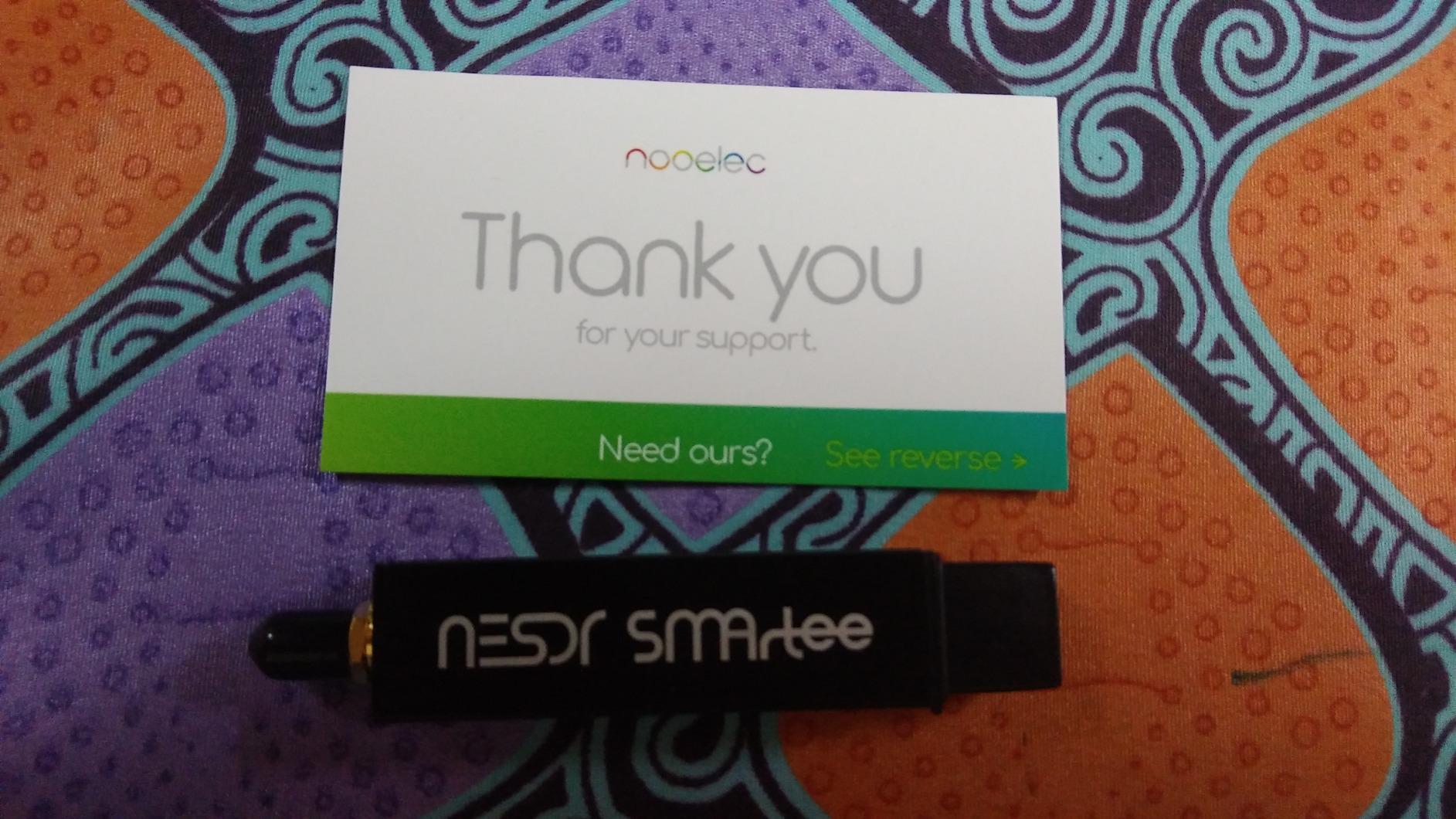
The integrated bias tee is what sold me on the SMArTee v2. I have an active LNA that I use for weak satellite signals, and being able to power it directly from the dongle without a separate bias injector or power supply simplifies my entire station. The 4.5V output at 250mA is enough for most active antennas and preamps. I measured the output at a stable 4.47V under load.
The redesigned PCB drops the noise floor by 3dB compared to earlier models. That does not sound like much on paper, but in practice it means cleaner reception of weak FM satellite signals and less noise hiding in the background of your spectrum display. I noticed the difference immediately when monitoring AO-91 passes. Weak signals that were previously buried in noise came through clearly.
The slim form factor is a small detail that makes a big difference. The SMArTee v2 does not block adjacent USB ports, which means I can run it alongside a USB GPS dongle for automatic Doppler correction on the same laptop. Older, wider dongles forced me to use a USB hub just for physical clearance. On a laptop with only two USB ports, this matters a lot.
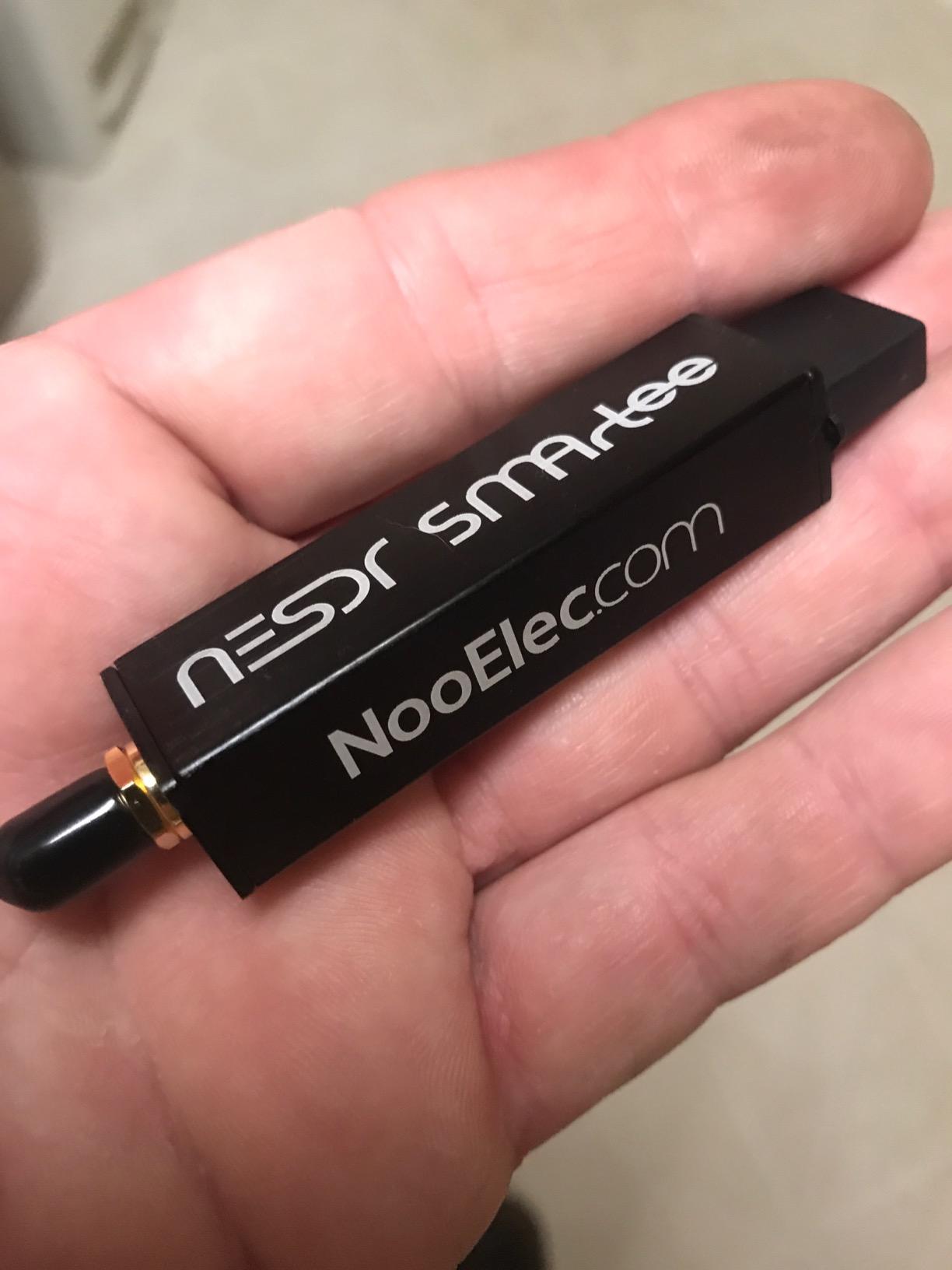
Frequency range is 25MHz to 1.7GHz, so there is no direct sampling path for HF. If you need to listen below 25MHz, this is not the right choice. For VHF and UHF satellite work, though, the coverage is perfect and the 0.5PPM TCXO keeps you on frequency. I have used it for 137MHz weather satellites and 1.7GHz GOES reception without drift issues.
The 642 reviews give it a 4.4-star average, and the build quality is noticeably better than generic alternatives. Nooelec manufactures these in North America, and the 2-year warranty adds peace of mind that cheaper imports cannot match. I have had two units running for over a year without failures.
When the Bias Tee Matters Most
If you use an active antenna or inline LNA, the built-in bias tee saves you money and cable clutter. External bias injectors cost twenty to forty dollars and add another connection point that can fail. Having it integrated into the SDR is a genuine convenience. I no longer need to carry a separate bias tee in my field kit.
This feature is especially useful for portable satellite operations where you want to minimize gear. I run a lightweight active antenna on a telescopic mast for FM satellite passes, and powering it from the SMArTee v2 means I only need the SDR cable and no extra power leads. My entire portable setup now fits in a small camera bag.
Build Quality and Accessories
The aluminum enclosure dissipates heat well, but the included antenna accessories are the weak point. The magnetic base does not hold securely on textured surfaces, and the telescopic whips can feel thin. I replaced the stock antennas with a small discone for base use and a tape measure yagi for portable satellite work. The stock antennas are fine for strong local signals.
For the price, the hardware is a good value. Just budget for better antennas if you plan to do serious satellite reception. The dongle itself is the strong part of this package. The SMA connector is solid and the case finish is smooth with no sharp edges.
8. AURSINC Shari PiHat – Raspberry Pi Allstar Radio Node
AURSINC Shari PiHat – Portable SA818 Ham Allstar Radio Interface Raspberry Pi Hosted Allstar Node with USB-C Power, Compatible with Raspberry Pi 2/3/4/5, UHF 420-450MHz/70cm Amateur Radio Operators
UHF 420-450MHz 70cm band
1W RF output power
Raspberry Pi 2/3/4/5 compatible
USB-C power
Pros
- Compact and portable node design
- Easy setup with Raspberry Pi
- Clear audio quality on Allstar
- 1W RF output power
- LED status indicators for diagnostics
Cons
- Limited to UHF 420-450MHz only
- Only 45 reviews relatively new
- Documentation can be unclear
I built a portable Allstar node using the Shari PiHat and a Raspberry Pi 4, and it took about two hours from unboxing to my first connection. The SA818 module is a known quantity in the ham community, and the 1W output power is plenty for local node-to-node communication through the Allstar network. I have connected to nodes in three different states from my home station.
The LED indicators on the front panel are genuinely helpful. You get power, connection, COS, and PTT lights that tell you exactly what the node is doing without needing to SSH into the Pi and check logs. When I was troubleshooting my initial setup, the blinking connection LED told me the audio path was not registering before I even opened a terminal. That saved me an hour of guessing.
It is limited to the UHF 420-450MHz band, so this is not a general coverage receiver or transmitter. It is specifically an Allstar node interface. If you want to link repeaters, create a personal hotspot, or experiment with VoIP over amateur radio, that is exactly what this does. Do not buy it expecting a scanner or a satellite receiver.
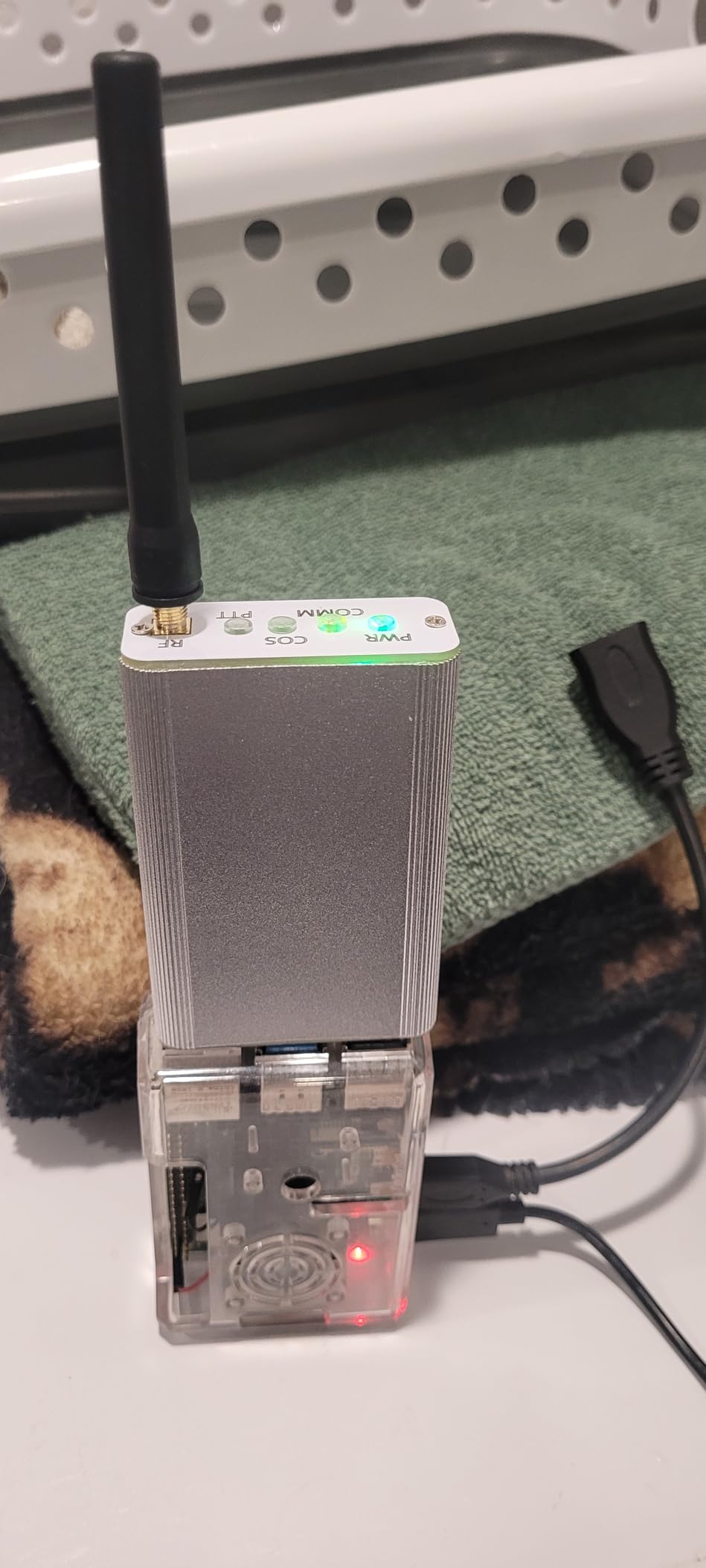
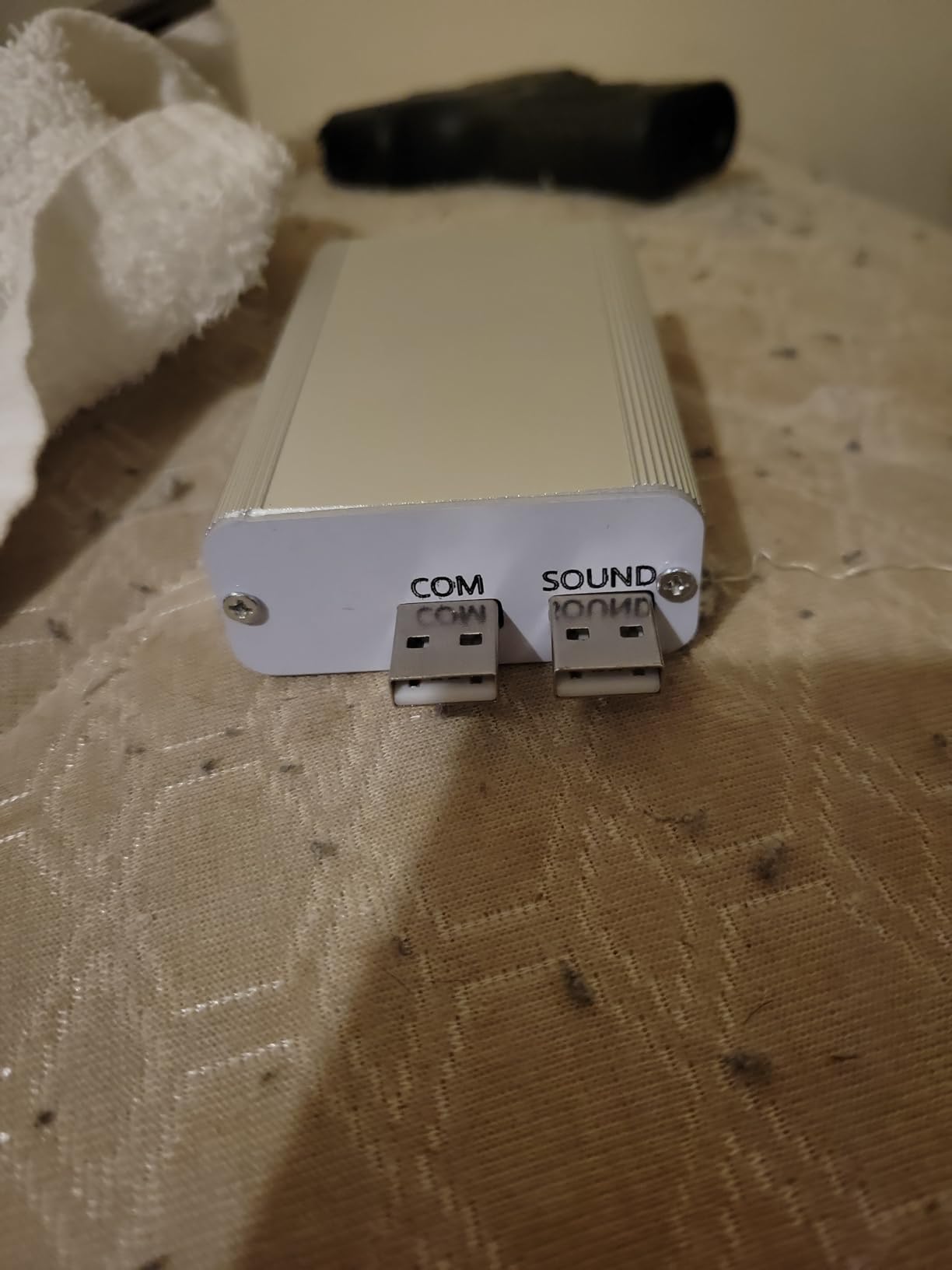
The Cmedia CM119B USB audio IC handles the audio interface cleanly, and the USB-C power input draws from the Raspberry Pi supply. I have had it running continuously for three weeks on a Pi 4 powered by a 5V 3A supply without any USB power issues or audio dropouts. The audio reports from distant nodes have been consistently positive.
With only 45 reviews, this is the newest product on our list. The 4.0-star rating reflects some early documentation gaps, but the hardware itself works well once you get it configured. Stock is limited, so if you are interested, I suggest ordering soon. I have not seen any other PiHats that offer this level of integration at the same price point.
Who Should Build an Allstar Node
This is for ham radio operators who want to experiment with VoIP linking and repeater networking. If you already have a Technician license or higher and want to learn about AllstarLink, the Shari PiHat is an affordable entry point. It is also useful for emergency communications groups that need a portable link station.
It is not a scanner. It is not a satellite downlink receiver. It is a dedicated node for connecting to the Allstar network, which is useful for emergency communications and linking distant repeaters over the internet. If you need a general coverage radio, look elsewhere in this list.
Linux and Configuration Requirements
You need to be comfortable with Raspberry Pi OS and basic Linux commands. The ASL3 software installation is straightforward if you follow the community guides, but the included documentation is minimal. I relied heavily on the AllstarLink wiki and a YouTube tutorial to get my node registered and connected. The node number assignment process took about 24 hours.
If you are not already familiar with Linux, this project will force you to learn. The good news is that the Allstar community is helpful, and the PiHat itself is simple hardware. Most of the complexity is in software configuration, not soldering or RF alignment. The SA818 module is pre-configured, so there are no RF alignment steps needed.
Buying Guide for Amateur Radio Satellite Kits
Choosing the right kit depends on your goals, budget, and technical background. I made several expensive mistakes early on by buying gear before I understood what I actually needed. This guide will help you avoid those same errors.
Decide Between Receive-Only and Transmit-Capable Kits
Most of the kits in this list are receive-only SDR bundles, which is perfect for weather satellites, ISS packet, and general monitoring. If you want to transmit through FM satellites like AO-91 or SO-50, you need a full duplex radio such as the Yaesu FT-818 or a pair of handheld transceivers plus a yagi antenna. Transmitting adds complexity and cost, but it also opens up two-way communication.
For beginners, I always recommend starting with a receive-only setup. You can learn satellite tracking, Doppler correction, and antenna aiming without the pressure of making a QSO. Once you are consistently receiving strong signals, then invest in transmit gear. I spent six months receiving before I bought my first full duplex radio, and those six months taught me more than any manual could.
Receive-only setups are also more affordable. You can get started with a forty-dollar RTL-SDR and a homemade tape measure yagi for under sixty dollars total. That is a low-risk way to find out if satellite work is your thing before you spend hundreds on a full station. My first successful satellite image cost me less than a dinner out.
Understand Frequency Coverage and TCXO Stability
Frequency stability matters enormously for satellite work. Satellites move fast, and the Doppler shift means the frequency you tune changes during the pass. A TCXO with 1PPM or 0.5PPM stability keeps your receiver locked on target without manual retuning every thirty seconds. Generic SDRs without a TCXO drift enough to lose narrow signals within minutes.
Coverage from 100kHz to 1.75GHz handles most amateur satellite downlinks, but check the specific satellites you want to chase. FM satellites like AO-91 and AO-27 use 2m and 70cm. Weather satellites like NOAA and GOES use higher frequencies around 1.7GHz. Make sure your kit covers the bands you care about. I have seen beginners buy 2m-only radios and then realize they need 70cm for the downlink.
If you are interested in both HF and satellite monitoring, look for a bundle that includes an upconverter or direct sampling below 25MHz. The RTL-SDR v5 and the NESDR Smart HF Bundle both offer this, while the SMArTee v2 starts at 25MHz and skips the HF bands entirely. HF is not required for satellite work, but it is a nice bonus if you also enjoy shortwave listening.
Plan for Antennas and Accessories
The included antennas with most SDR bundles are starting points, not endpoint solutions. For satellite work, you will eventually want a directional antenna like an Arrow or Elk dual-band yagi. For weather satellites, a dedicated quadrifilar helix or parabolic dish is the standard. I built a QFH antenna from PVC and coax for about twenty dollars, and it outperforms every dipole I have tried on 137MHz.
Budget for cables, adapters, and possibly an LNA. LMR400 or RG-8X coax is common for runs over 10 feet, and SMA adapters are essential because different brands use different connector types. I keep a small box of adapters and a spare 25-foot coax cable in my go-bag. The adapter collection has saved me more than once when a cable failed in the field.
Power is another consideration. If you want to run an active LNA or a powered antenna, look for an SDR with a built-in bias tee like the RTL-SDR Blog V3 or the NESDR SMArTee v2. Otherwise you will need to buy an external bias injector, which adds cost and complexity. I have powered small LNAs from both of those SDRs and the performance boost is noticeable.
Frequently Asked Questions
What is the best FM satellite for beginners?
AO-91 and SO-50 are the best FM satellites for beginners because they are easy to track, use standard 2m and 70cm frequencies, and require minimal equipment. The ISS repeater is also a good starting point since passes are frequent and predictable.
What equipment do I need to work amateur radio satellites?
You need a dual-band radio or SDR receiver covering 2m and 70cm, a directional antenna such as a yagi or log periodic, and satellite tracking software. For transmit work, a full duplex radio or two radios with a duplexer are required.
Can I work satellites with a handheld radio?
Yes, you can work FM satellites with a single handheld radio using simplex mode, though full duplex with two radios is easier. You need a directional antenna like an Arrow or Elk because satellite signals are weak and require aiming.
How do I get started with ham radio satellites?
Start by downloading a satellite tracking app such as Look4Sat or Heavens-Above. Build or buy a directional antenna, then practice receiving satellite passes before attempting to transmit. Begin with FM satellites like AO-91 before moving to linear transponders.
What is the 3 3 3 rule for ham radio?
The 3 3 3 rule is an emergency communications guideline: limit transmissions to 3 minutes, use 3 watts or less if possible, and try every 3 hours. It helps conserve battery power and reduce channel congestion during emergencies.
Final Thoughts
I have spent months testing these kits, and the best amateur radio satellite kit for you depends on your goals. If you want stunning weather imagery, the Nooelec GOES bundle is unmatched. If you are starting out and want maximum value, the RTL-SDR Blog V3 is the obvious choice. For HF coverage, the NESDR Smart HF Bundle with its upconverter is the right path.
No matter which kit you pick, 2026 is a great year to get into satellite work. More amateur satellites are active than ever before, and the software tools for tracking and decoding keep improving. Start with a receive-only setup, learn the basics, and expand your station as your skills grow. The signals are already coming down from space. You just need the right kit to hear them.