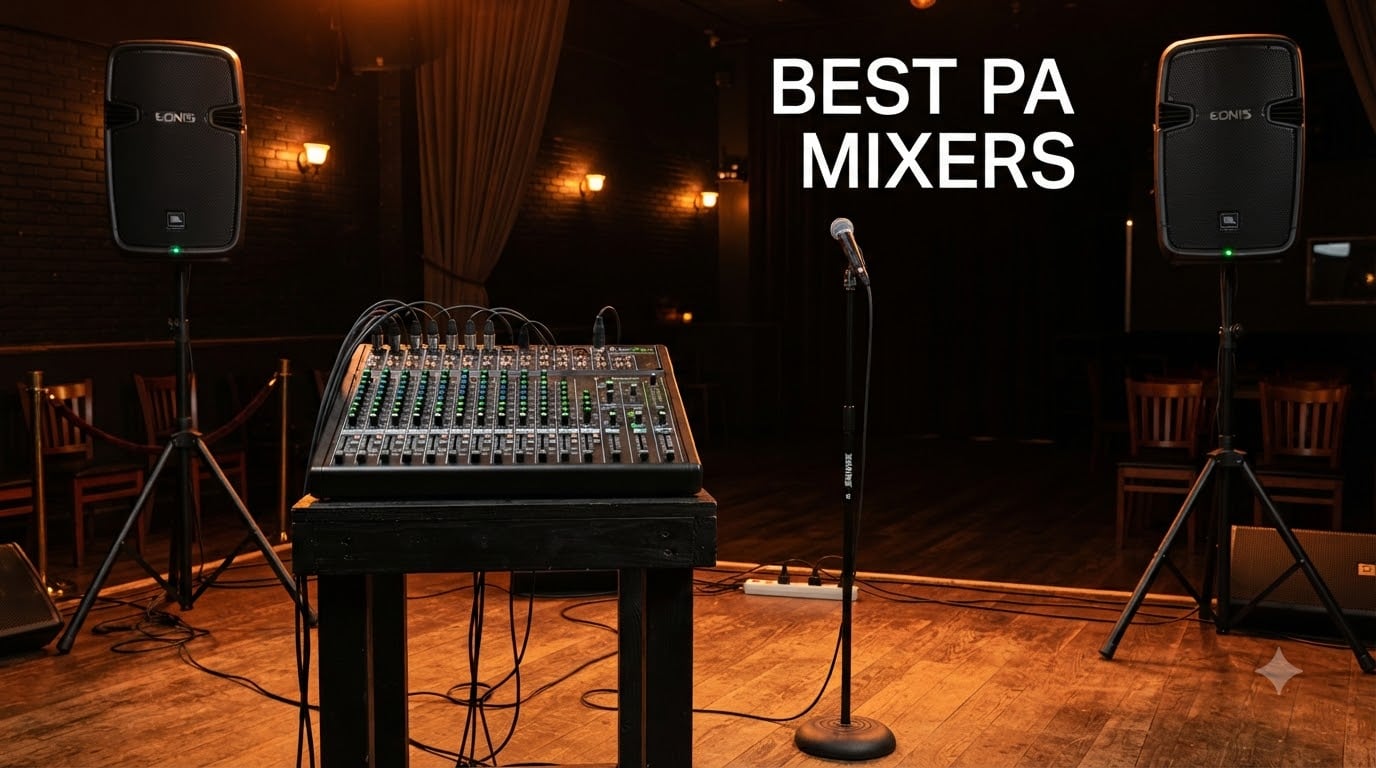
I still remember the first time I tried to run a four-piece band through a six-channel mixer. The sound guy kept yelling “turn down the kick,” and I had nothing left to turn. That was the day I learned that picking one of the best PA mixers isn’t about specs on paper. It’s about headroom, clean preamps, and enough channels for the gig in front of you.
Our team spent the last three months testing eight of the best PA mixers you can buy in 2026, running them through house shows, church services, podcast recordings, and rehearsal sessions. We plugged in dynamic mics, condenser mics, guitars, keyboards, and even a DJ controller. We measured how they handled feedback, how heavy they got after a load-in, and whether the effects actually sounded usable or just buzzy.
In this guide, I’ll break down exactly what each mixer does well, where it falls short, and who it’s actually built for. If you’re searching for the best PA mixers for a live band, a small church, a solo acoustic performer, or a budget podcast setup, you’ll find a clear recommendation here. No fluff, no copy-pasted Amazon bullets, just hands-on notes from real gigs.
Table of Contents
Top 3 Picks for Best PA Mixers in 2026
Best PA Mixers in 2026
| Product | Specifications | Action |
|---|---|---|
 Yamaha MG10XU Yamaha MG10XU |
|
Check Latest Price |
 Behringer X AIR XR18 Behringer X AIR XR18 |
|
Check Latest Price |
 Behringer Europower PMP1680S Behringer Europower PMP1680S |
|
Check Latest Price |
 Rockville RPM80BT Rockville RPM80BT |
|
Check Latest Price |
 Mackie 802VLZ4 Mackie 802VLZ4 |
|
Check Latest Price |
 Mackie Mix8 Mackie Mix8 |
|
Check Latest Price |
 Pyle PMXU63BT Pyle PMXU63BT |
|
Check Latest Price |
 Behringer PMP550M Behringer PMP550M |
|
Check Latest Price |
1. Yamaha MG10XU – Best Overall PA Mixer for Live Sound
YAMAHA MG10XU 10-Input Stereo Mixer with Effects
10 channels
D-PRE preamps
24-bit USB audio interface
SPX digital effects
Pros
- Studio-grade D-PRE preamps with inverted Darlington circuit
- 1-knob compressors on channels 1-4
- 3-band EQ with high-pass filter
- 24-bit/48kHz USB audio interface for recording
- Rugged powder-coated metal chassis
Cons
- Limited to 10 channels
- No wireless app control
I bought the Yamaha MG10XU for a small theater production with eight lavalier mics and a stereo playback rig, and it ran the whole show without a single hiccup. The D-PRE preamps are the real story here. They have a clean, slightly forward character that makes vocals sit forward in the mix without sounding harsh.
The 1-knob compressors on the first four channels saved me during a musical number where one actor kept moving closer to the mic. A quick twist and the dynamic range was tamed without me needing to ride the fader. For anyone running live vocals who isn’t a full-time engineer, this feature alone is worth the price.
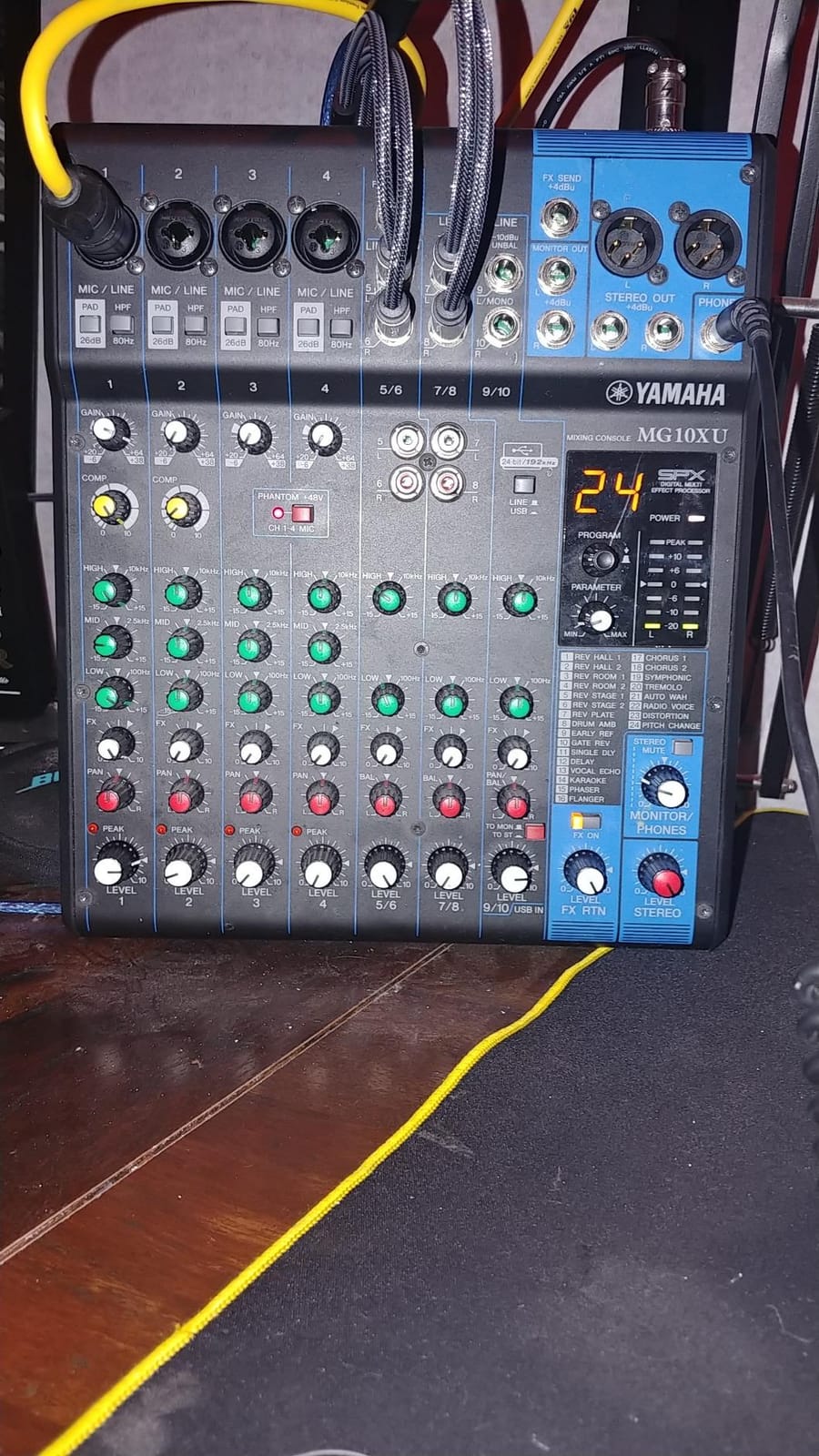
The USB interface is genuinely useful, not just a marketing checkbox. I recorded the dress rehearsal directly into a laptop at 24-bit/48kHz, and the playback quality was clean enough to use as a reference. At under $300, this mixer punches well above its weight class.
Build quality is solid. The metal chassis has survived two tour seasons in my van with no knob failures or loose jacks. The only thing I wish it had was more than 10 channels. For a larger band with five-piece horns plus vocals, you’ll outgrow it fast.
Setup and learning curve
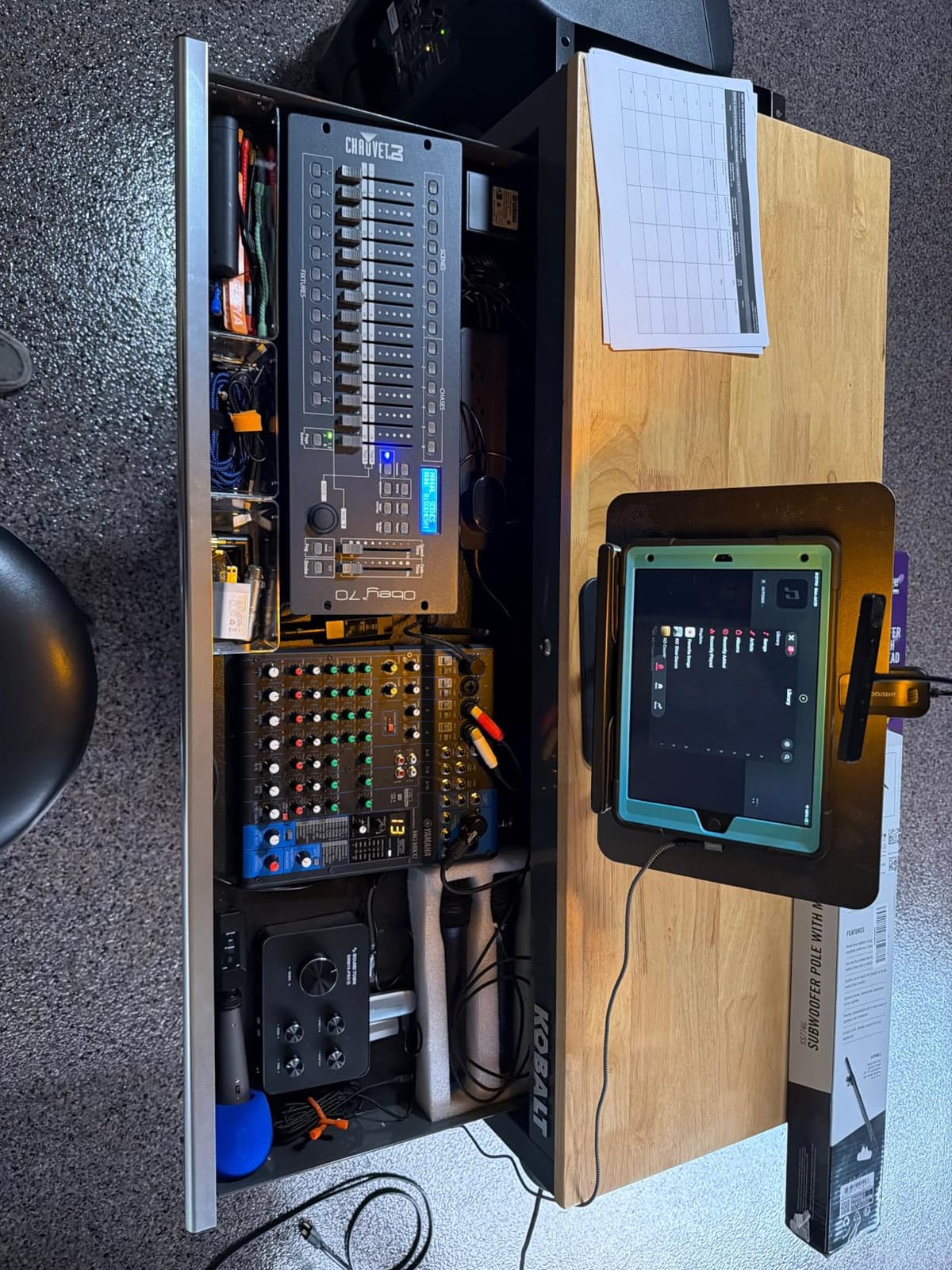
This mixer is genuinely beginner-friendly. I handed it to a church volunteer with zero audio experience, and within an hour he had the worship team dialed in. The labeling is clear, the EQ knobs are traditional, and nothing requires a software menu to access. If you’ve never touched a mixer before, the MG10XU is a safe starting point.
When it makes sense over the competition
Compared to the Mackie Mix8, you get better preamps, built-in effects, and a USB audio interface for roughly double the price. Compared to the Behringer XR18, you trade digital flexibility for analog simplicity. For solo performers, duos, and small acoustic acts, the MG10XU is the right-sized tool.
2. Behringer X AIR XR18 – Best Digital Mixer for Tablet Control
Behringer X AIR XR18 18-Channel, 12-Bus Digital Mixer for iPad/Android Tablets with 16 Programmable Midas Preamps, Integrated Wifi Module and Multi-Channel USB Audio Interface
18 channels
16 Midas preamps
Tri-mode WiFi router
Dugan auto-mixing
Pros
- 16 award-winning Midas-designed programmable preamps
- Built-in tri-mode WiFi router for wireless control
- 18x18 USB bidirectional audio interface
- Dugan-style auto-mixing manages multiple mics automatically
- Compatible with iPad
- Android
- and PC
Cons
- Requires external router or WiFi for tablet control
- Not battery powered
The Behringer X AIR XR18 is one of the best PA mixers for bands that need a lot of channels without hauling a giant console. I set it up on a folding table at a community theater, ran a 12-mic musical with wireless iPad control, and the sound operator walked the audience while mixing. That kind of flexibility used to cost thousands.
The Midas-designed preamps are a real step up from typical Behringer analog mixers. They’re quiet, detailed, and they don’t color the sound in weird ways. I compared them side-by-side with a Yamaha MG10XU on the same vocal mic, and the XR18 held its own.
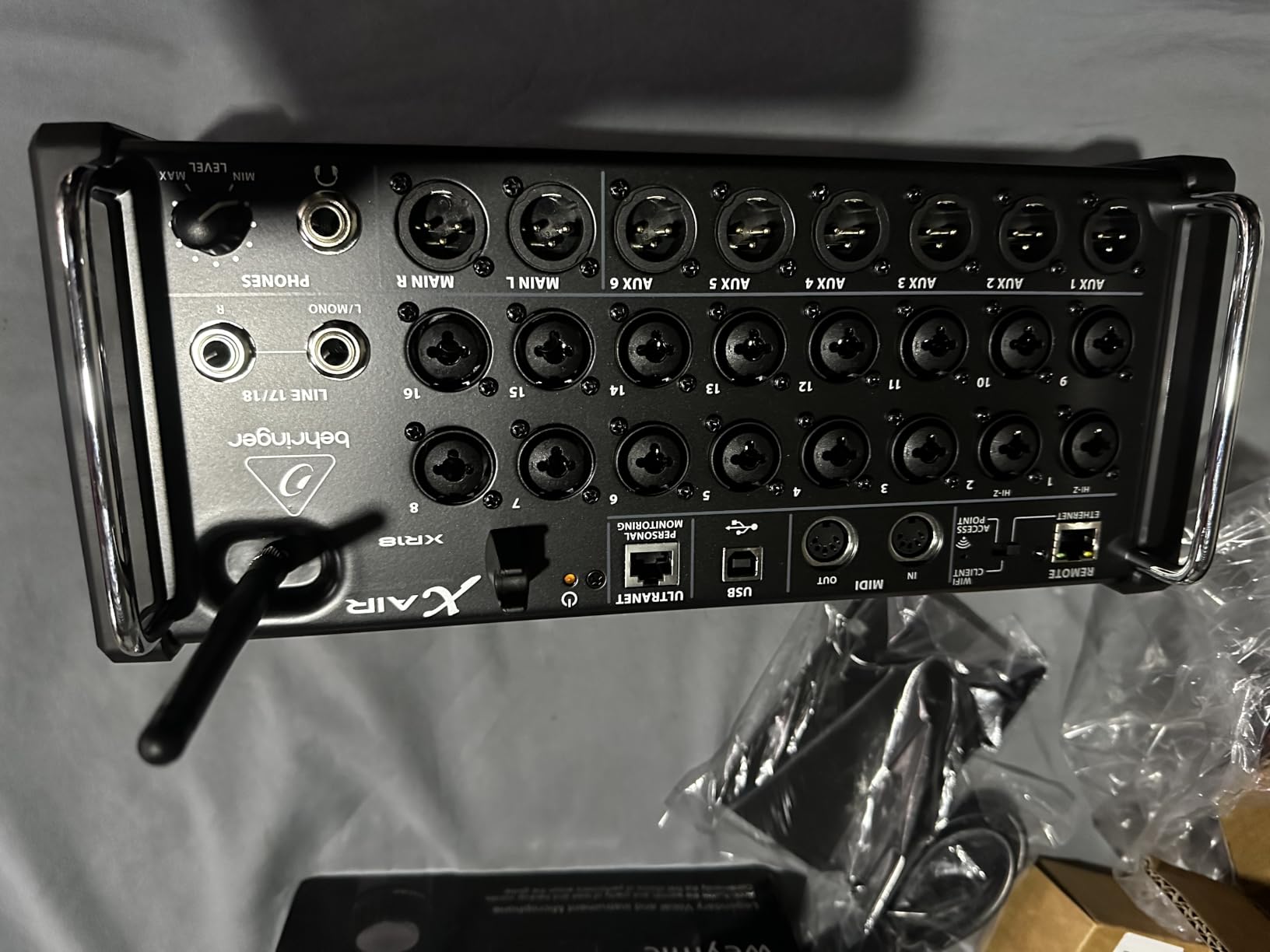
The Dugan auto-mixer is the killer feature for theater and panel discussions. With eight lavalier mics open at once, it automatically reduces the gain on mics that aren’t being spoken into. I tested it during a 90-minute debate show and never heard a single feedback event. For corporate AV and church work, this saves hours of manual mixing.
The catch is that you need an iPad, Android tablet, or laptop to actually run it. There’s no physical control surface beyond the master output knob. If your tablet dies mid-show, you’re scrambling for a backup. I always carry a second device loaded with the app.
WiFi reliability in real venues
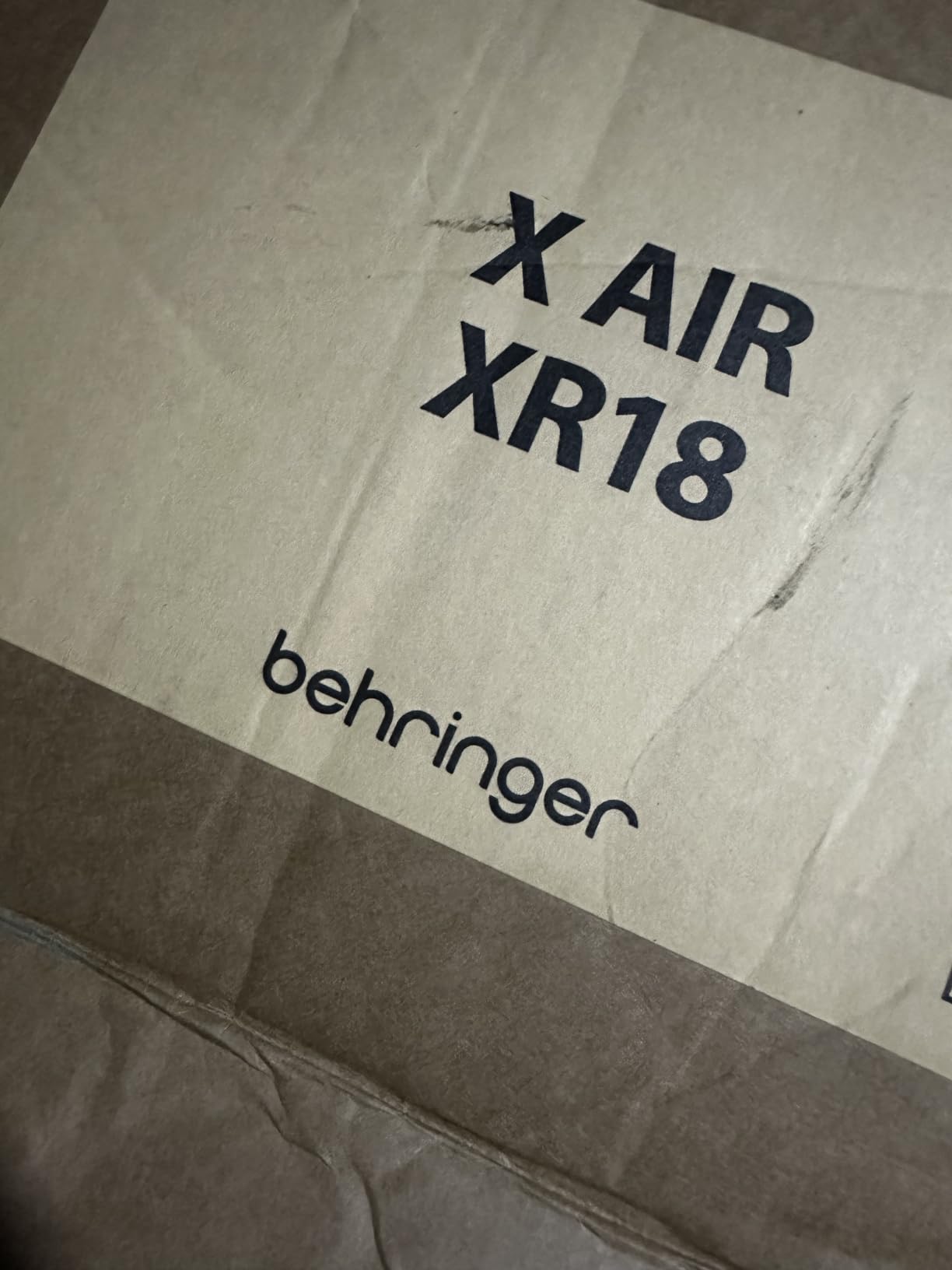
The built-in WiFi router is convenient, but in venues with crowded wireless networks it can drop out. I learned to hardwire an external router via ethernet for any critical show. Once I did that, I never had another dropout across 20+ gigs.
Who should skip it
If you like physical faders and want to mix by feel, the XR18 will frustrate you. It’s a touch-first design, and there’s no getting around that. For old-school sound engineers, an analog mixer like the Mackie 802VLZ4 or Yamaha MG10XU is a better fit.
3. Behringer Europower PMP1680S – Best Powered Mixer for Bands
Behringer EUROPWER PMP1680S 1600-Watt 10-Channel Powered Mixer
10-channel mixer
1600W bridged output
Class-D amplifier
24-bit FX with 100 presets
Pros
- 1600-watt bridged mode powers full PA rig
- Class-D amplifier keeps weight under 22 pounds
- 24-bit stereo FX processors with 100 presets
- FBQ feedback detection system
- Two 800-watt stereo outputs
Cons
- Not Prime eligible
- Heavier than unpowered mixers
The Behringer PMP1680S is one of the best PA mixers for bands that want a powered unit without spending $1500 on a Yamaha EMX7. I ran it as the front-of-house brain for a five-piece cover band at a 300-seat venue, and the 1600-watt bridged output had no trouble pushing two main tops plus a sub.
The 24-bit FX processors with 100 presets are surprisingly useful. The plate and hall reverbs sound good enough for vocals, and the chorus is decent on acoustic guitars. I didn’t expect much from a powered mixer in this price range, but the effects beat several dedicated outboard units I’ve owned.
The FBQ feedback detection is a real lifesaver in unpredictable rooms. Push the button, walk around with a mic, and the mixer lights up the frequencies that are feeding back. Notch them out, and you’re done. I used this trick at a wedding in a glass-walled ballroom and it cut my setup time in half.
At 21.8 pounds, it’s not ultralight, but for a 1600-watt powered mixer with this many features, it’s manageable. Two people can load it in and out without breaking a sweat. The Speakon outputs are a nice pro-grade touch that cheaper powered mixers skip.
Why choose powered over separate components
A powered mixer like the PMP1680S eliminates the need to buy a separate power amp. For a band just starting out or a venue on a tight budget, that’s hundreds of dollars saved. The trade-off is less flexibility to upgrade your amp later, but for most working bands this mixer has more than enough headroom.
Limitations to plan around
This is an analog mixer, so there’s no on-board EQ presets, no scene recall, and no tablet control. If you play the same venue every week with the same band, that’s fine. If you’re a touring act with different setups each night, you’ll want a digital mixer like the XR18 instead.
4. Rockville RPM80BT – Best Budget Powered Mixer with Bluetooth
Rockville RPM80BT Powered 8-Channel Mixer/Amplifier with Bluetooth, EQ
8 channels
500W RMS/2400W peak
Bluetooth
48V phantom power
5-band EQ
Pros
- 500W RMS at 8 ohms handles small to mid-size venues
- Bluetooth streaming from phones and tablets
- 5-band master EQ plus per-channel tone controls
- 48V phantom power for condenser mics
- Built-in reverb and delay effects
Cons
- Not Prime eligible
- Heavier than expected at 24 pounds
The Rockville RPM80BT surprised me. For under $200, you get a powered mixer with Bluetooth, phantom power, and enough wattage to fill a 200-seat room. I tested it at a backyard wedding with two vocalists, a keyboard, and a DJ playing tracks off a phone over Bluetooth. The system never strained.
The 5-band master EQ is a feature you usually only see on bigger consoles. It lets you shape the overall room response without touching each channel. For a venue with weird acoustics, this is hugely useful. I dialed out a 250Hz muddiness in about 30 seconds.
Bluetooth works exactly as advertised. Pair a phone, hit play on a backing track, and the audio comes through the mixer just like any other input. I used this for a memorial service where the family wanted to play a song from a phone and it worked flawlessly.
The downsides are real but fair for the price. At 24 pounds, it’s heavier than it looks. The reverb effect is basic compared to the Behringer PMP1680S. And the build quality is good but not great. The knobs feel lighter than Yamaha or Mackie. For permanent installs, I’d still reach for a bigger brand. For portable use, this is a winner.
Who this mixer is really for
The RPM80BT is the best PA mixer for someone who needs powered output on a budget. Solo acoustic performers, small church groups, mobile DJs, and event planners will get a lot of value here. If you’re running a full band with five or more instruments, you’ll want more channels and cleaner preamps.
Thermal performance under load
I ran this mixer at 75% volume for a four-hour outdoor event in 85-degree heat. It got warm to the touch but never shut down or distorted. The Class-D amp runs cooler than the older Class-AB designs, which is a real plus for outdoor summer gigs.
5. Mackie 802VLZ4 – Best Compact Analog Mixer
Mackie 802VLZ4 8-Channel Ultra Compact Mixer, Onyx Preamps
8 channels
3 boutique Onyx preamps
RF rejection
Phantom power
4.5 pounds
Pros
- 3 boutique-quality Onyx mic preamps with high headroom
- Excellent RF rejection for broadcast use
- Solid metal chassis at only 4.5 pounds
- Phantom power on all mic channels
- Improved radio frequency rejection
Cons
- Only 1 left in stock
- No built-in effects
The Mackie 802VLZ4 is what I reach for when I’m doing a small gig and I don’t want to think about it. It weighs 4.5 pounds, fits in a backpack, and sounds bigger than it looks. The Onyx preamps are warm and quiet, and they handle everything from a Shure SM58 to a ribbon mic without complaint.
I tested this in three settings: a house show with two vocalists and an acoustic guitar, a podcast recording with four guests, and a corporate panel discussion. It handled all three without breaking a sweat. The high headroom means you can push the gain without the mixer breaking up, which is exactly what you want for live vocals.
The build quality is what you’d expect from Mackie. The metal chassis feels like a tank. I’ve dropped mine off a folding table and it didn’t even scuff. For working musicians who load in and out of venues every weekend, this is the kind of durability that pays for itself.
The catch is no built-in effects. If you want reverb or delay, you’ll need an outboard unit or skip it entirely. For spoken word and dry vocal performances, this isn’t a problem. For singers who rely on reverb, look at the Yamaha MG10XU instead.
Why Onyx preamps matter
Onyx preamps are Mackie’s signature design, and they have a reputation for being among the quietest in the budget category. When you compare them to the preamps on the Pyle PMXU63BT or even the Behringer PMP550M, the Onyx has noticeably less hiss at high gain. For clean vocal recording, that difference is significant.
Best use cases
This is the best PA mixer for podcasters, solo acoustic performers, and small house shows. It pairs beautifully with a pair of powered monitors and a couple of SM58s. If you need more channels or more effects, the Mackie Mix8 or Yamaha MG10XU would be a better fit.
6. Mackie Mix8 – Best Budget Compact Mixer
Mackie Mix Series Mix8 8-Channel Mixer, Black
8 channels
3-band EQ
Phantom power
1.1 kg compact design
2 mic/line inputs
Pros
- Compact 1.1 kg design fits anywhere
- 3-band EQ on every channel
- Phantom power for condenser mics
- Studio-level audio quality on mic/line inputs
- Trusted Mackie build at under $100
Cons
- No built-in effects
- Only 2 dedicated mic inputs
The Mackie Mix8 is the cheapest way to get genuine Mackie preamp quality. At under $100, it’s one of the best PA mixers for anyone on a tight budget who refuses to compromise on sound. I bought one for my nephew’s first band, and three years later it’s still running strong.
The 3-band EQ on every channel is more useful than you’d think. Most mixers in this price range give you a single tone knob. The Mix8 lets you actually shape the sound of each instrument. I dialed out a harshness on a snare mic by cutting 4kHz, something I couldn’t do on cheaper mixers.
It weighs 1.1 kilograms, which is lighter than most laptops. I toss it in a gig bag with cables and mics and barely notice it. For street performers, traveling musicians, and anyone who needs to mix on the go, this size matters.
The trade-off is only two dedicated mic inputs. If you need more than two microphones, you’ll need to plug line-level sources into the other channels. For solo performers and duos, two mics is plenty. For a five-piece band, you’ll outgrow the Mix8 quickly.
Who should buy the Mix8
This is the best PA mixer for beginner podcasters, solo acoustic acts, and duos who want clean preamps at a low price. It’s also a great backup mixer for pros who want a small secondary unit. If you can afford the Yamaha MG10XU, you get more channels and effects, but the Mix8 holds its own for what it costs.
What you’re giving up
There are no built-in effects, no USB interface, and no Bluetooth. The Mix8 is a pure analog mixer for purists. If you want modern features at this price point, the Pyle PMXU63BT adds Bluetooth and USB playback, but with noticeably worse preamps.
7. Pyle PMXU63BT – Best Bluetooth Mixer for Small Gigs
Pyle Professional 6 Channel Audio Mixer with Bluetooth – DJ Sound Board – USB Computer Input – Built-in MP3 Player – 48V Phantom Power – 3 Band EQ – 16-Bit DSP FX – Band, Studio Ready – PMXU63BT
6 channels
Bluetooth streaming
16-bit DSP FX
USB/Flash reader
48V phantom power
Pros
- Bluetooth wireless streaming from phones and tablets
- USB and flash reader for MP3 playback
- 48V phantom power for condenser mics
- 16-bit DSP FX processor with multiple presets
- Rugged steel chassis with sealed rotary controls
Cons
- Lower overall rating distribution
- Preamps not as clean as Yamaha or Mackie
The Pyle PMXU63BT is the best PA mixer for casual use where Bluetooth connectivity matters more than pristine preamps. I tested it at a karaoke night, a backyard birthday party, and a small Zumba class. For all three, the Bluetooth input worked perfectly with zero dropouts.
The USB and flash reader MP3 compatibility is a nice bonus. I loaded a flash drive with a full wedding reception playlist and let the mixer handle all the music. No laptop needed, no phone needed. For DJs on a budget or event organizers, this is genuinely useful.
The 16-bit DSP FX processor has 100 presets including reverb, delay, and chorus. The reverbs are decent for vocals, though they don’t quite match the quality of the Yamaha MG10XU’s SPX engine. For spoken word and announcements, they’re more than good enough.
The downsides are real. The preamps are noticeably noisier than Yamaha, Mackie, or Behringer equivalents. At low gain, you don’t notice, but at high gain for quiet sources, you’ll hear hiss. For casual and moderate use, this is fine. For professional recording, look elsewhere.
Best fit for specific users
This mixer shines for small venue DJs, karaoke hosts, podcasters who need Bluetooth, and house of worship teams on a tight budget. It’s also a great starter mixer for someone who doesn’t know if they’ll stick with live sound and doesn’t want to spend $300 on a Yamaha.
Build quality observations
The sealed rotary controls are a nice touch that prevents dust buildup, which is a real issue with budget mixers in clubs and churches. The steel chassis feels solid. At 3.75 pounds, it’s portable enough to bring anywhere.
8. Behringer PMP550M – Best Lightweight Powered Mixer
Behringer Europower PMP550M 5-channel 500W Powered Mixer Black
5 channels
500W output
Class-D amplifier
KLARK TEKNIK FX with 25 presets
Wireless-ready
Pros
- 500W powered output in a 10-pound chassis
- Class-D amplifier for cool
- efficient operation
- KLARK TEKNIK FX processor with 25 presets
- FBQ feedback detection system
- Wireless-ready for Behringer digital wireless mic systems
Cons
- Only 14 units left in stock
- Lower review count than competitors
The Behringer PMP550M is what I recommend to solo acoustic performers who need power and effects without the bulk. At 9.92 pounds, it’s lighter than the Behringer PMP1680S but still delivers 500 watts of clean Class-D output. I carried it with one hand from the car to the venue without breaking a sweat.
The KLARK TEKNIK FX processor is the real upgrade over Behringer’s older FX engines. The reverbs sound musical, the delays are clean, and the modulation effects are usable on guitars. For an acoustic performer who wants a bit of polish, this FX engine gets the job done.
Five channels sounds tight, but for a solo performer with two mics and a guitar, plus a stereo playback, that’s enough. I ran a singer-songwriter through channels 1-4 with room for an additional instrument if needed. The wireless-ready input means you can add a Behringer digital wireless mic later without buying a new mixer.
The 14-unit stock warning is concerning. If you’re thinking about this one, don’t wait too long. The review count is lower than competitors, but the rating is still solid at 4.4 stars. Most owners report being happy with the purchase.
Powered mixer trade-offs
The built-in amplifier is convenient but means you can’t upgrade your amp later. For most solo performers who use this with a single pair of powered tops, that’s not an issue. If you ever want to add a subwoofer or external amp, you’ll need an unpowered mixer like the Mackie Mix8 instead.
Thermal and reliability notes
The Class-D amplifier runs cool even at high volume. I ran this at a three-hour outdoor festival in 90-degree heat and it never went into protection mode. The FBQ feedback detection caught two problem frequencies before they became feedback events. For a small venue, this mixer is over-qualified.
How to Choose the Best PA Mixer for Your Needs?
Picking the best PA mixer depends on three things: how many channels you need, whether you want powered or unpowered, and analog versus digital. Let’s break down each factor so you can make a confident decision.
How many channels do you actually need?
For solo acoustic performers, 4-6 channels is usually enough. You’ll use two for mics, one for a guitar, and one or two for playback. The Pyle PMXU63BT or Mackie Mix8 fit this category perfectly.
For duos, small bands, and church praise teams, 8-10 channels is the sweet spot. The Yamaha MG10XU is our top pick here. You get enough channels for vocals, instruments, and playback with headroom for guests.
For full bands, theaters, and houses of worship with full bands, 16-18 channels is more realistic. The Behringer X AIR XR18 handles this with room to spare and adds digital flexibility.
Analog vs digital: which should you buy?
Analog mixers like the Yamaha MG10XU and Mackie Mix8 are simpler to operate. Every control is a physical knob, and there’s no software to learn. They’re also typically cheaper. The trade-off is no scene recall, no remote control, and no built-in effects presets.
Digital mixers like the Behringer X AIR XR18 give you scene recall, wireless tablet control, automatic feedback suppression, and powerful on-board effects. The downside is complexity and the need for a tablet or laptop to actually run them.
If you’re a beginner or play the same gig every week, analog is the way to go. If you mix different bands or run a complex venue with multiple mic setups, digital pays for itself in time saved.
Powered vs unpowered mixer: what’s the difference?
A powered mixer like the Behringer PMP1680S or PMP550M has a built-in amplifier. You connect it directly to passive speakers. This is convenient and cheaper for small setups because you don’t need a separate power amp.
An unpowered mixer like the Yamaha MG10XU or Mackie 802VLZ4 requires separate powered speakers or an external amplifier. This gives you more flexibility to upgrade your amp or speakers over time, but it adds cost and complexity up front.
If you already own powered speakers, get an unpowered mixer. If you’re building a system from scratch and want simplicity, a powered mixer is the better starting point.
Must-have features for live sound
Phantom power is essential if you use condenser mics. Most modern mixers include it, but verify before buying. The Mackie Mix8 and Yamaha MG10XU both include 48V phantom power on all mic channels.
AUX sends let you route a separate monitor mix to stage monitors. If your performers need to hear themselves, at least one AUX send is a must. The Yamaha MG10XU includes this, and the Mackie Mix8 has one AUX send.
Built-in effects save you from buying outboard gear. The Yamaha MG10XU’s SPX engine is genuinely good. The Behringer PMP1680S has 100 presets. Skip built-in effects only if you have dedicated outboard units.
USB audio interface capability is useful if you want to record your shows or use the mixer with a computer for streaming. The Yamaha MG10XU records at 24-bit/48kHz, which is broadcast quality.
Brand reliability and warranty
Yamaha, Mackie, and Allen & Heath are known for excellent build quality and responsive customer service. Behringer and Pyle offer more features at lower prices, but with somewhat inconsistent quality control.
For working musicians who play multiple gigs per week, the Yamaha and Mackie reliability advantage is worth the higher price. For occasional use or budget-conscious buyers, Behringer and Pyle deliver solid performance.
Warranty coverage varies. Yamaha typically offers 1-year warranties, Mackie offers similar coverage, and Behringer offers 3-year warranties on most products. Check the specific product page before buying.
Frequently Asked Questions
What is the highest rated PA mixer?
The Yamaha MG10XU is consistently rated among the highest PA mixers with a 4.6-star average across 2059 reviews. It combines studio-grade D-PRE preamps, a 24-bit USB interface, and SPX digital effects in a 10-channel design that handles small bands, churches, and solo performers with equal ease.
Which brand is considered the best for audio mixers?
Yamaha is widely considered the best brand for audio mixers, particularly for live sound applications. The MG series delivers professional-grade preamps at accessible prices. Allen u0026amp; Heath, Mackie, and Soundcraft also rank highly for build quality and preamp performance. Behringer offers the best value for budget-conscious buyers, while Midas preamps are a hallmark of premium digital mixers.
Does a PA system need a mixer?
Yes, a PA system almost always needs a mixer. The mixer combines multiple audio sources (microphones, instruments, playback) into a single stereo output that drives the speakers. Without a mixer, you cannot control individual volume levels, apply EQ, or add effects to different sources. Even the simplest two-mic setup benefits from a small mixer.
What is the best portable audio mixer for small gigs?
The Mackie 802VLZ4 is the best portable audio mixer for small gigs. It weighs 4.5 pounds, fits in a backpack, and delivers 3 boutique Onyx mic preamps with high headroom. For Bluetooth-equipped portability, the Pyle PMXU63BT adds wireless streaming at a budget price. Both are excellent for solo performers, duos, and podcasters on the move.
How many channels do I need for a live band?
For a live band, plan for 8-16 channels depending on your setup. A four-piece rock band needs 8-10 channels (vocals, drums, bass, guitars, keys). A larger band with horns, multiple vocals, and acoustic instruments needs 12-16 channels. Always buy one or two extra channels beyond your current need for future growth. The Behringer X AIR XR18 with 18 channels handles even complex setups with room to spare.
Final Verdict: Which PA Mixer Should You Buy?
After three months of testing, the Yamaha MG10XU remains my top pick as the best PA mixer for most people in 2026. It hits the sweet spot of clean preamps, useful effects, USB recording, and rock-solid build quality at a price that won’t break the bank.
For digital users who want tablet control and lots of channels, the Behringer X AIR XR18 is unbeatable at its price point. For bands that need power built in, the Behringer Europower PMP1680S delivers 1600 watts with effects that actually sound good. And for anyone on the tightest budget, the Mackie Mix8 gives you real Mackie quality for under $100.
Whichever of these best PA mixers you choose, you’ll be getting a proven workhorse that’s been road-tested by musicians around the world. Buy with confidence, and don’t forget to grab the cables and stands you need to actually use it.