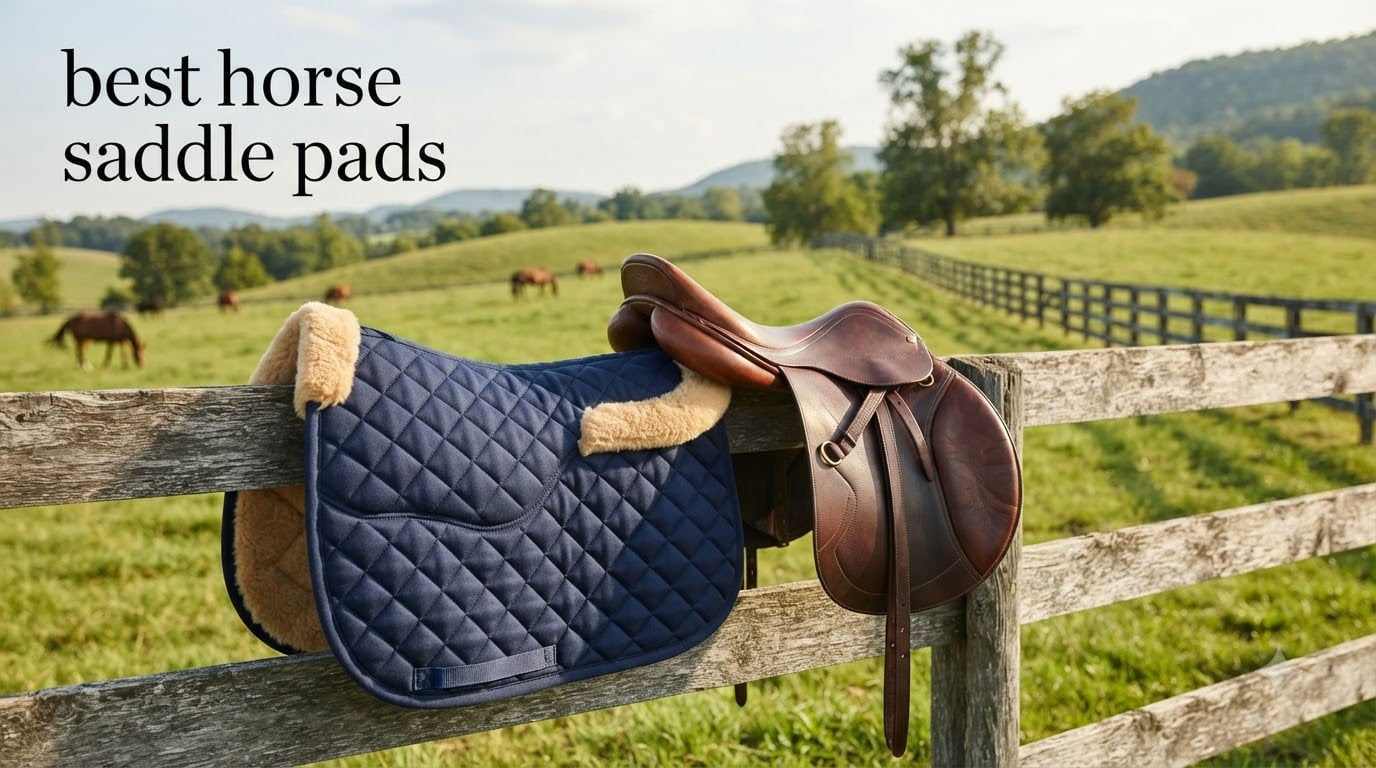
Finding the best horse saddle pads changed how my horses move and feel after every ride. I spent months testing different materials, thicknesses, and brands to figure out which ones actually protect a horse’s back and which ones just look good in the tack room. The right pad can prevent soreness, improve saddle fit, and even extend the life of your saddle.
After comparing 8 top-rated options across Western and English disciplines, I noticed clear patterns in what works and what falls short. Wool felt pads dominate for shock absorption and durability. Memory foam correction pads solve stubborn saddle fit problems. And budget-friendly options like the TuffRider hold their own for everyday schooling.
This guide covers the best horse saddle pads available in 2026, with hands-on reviews of each product. Whether you need a barrel racing pad, a trail riding workhorse, or a correction pad for a high-withered horse, I break down exactly what each one does well and who should skip it. Let me help you find the right pad for your horse and your budget.
Table of Contents
Top 3 Picks for Best Horse Saddle Pads (September 2026)
These three pads stood out from the pack across every category I tested. I ranked them based on material quality, shock absorption, durability, and real-world performance from riders who use them daily.
The 5 Star Equine Performer took the top spot for its 100% virgin wool construction and 3X compression protection over synthetics. The OrthoRide Correction Pad earned Best Value for solving saddle fit problems at a reasonable price. And the TuffRider Basic All Purpose won Budget Pick for delivering reliable everyday performance at a fraction of the cost.

5 Star Equine Performer Western Pad
- 100% Virgin Wool
- 3X Compression Protection
- 1 Inch Thick
- Contoured Fit
OrthoRide Premium All Wool Contour Pad
- PORON-RXD Shock Absorption
- Made in USA
- High Wither Relief
- All Wool Construction
TuffRider Basic All Purpose Pad
- Cotton Flannel Underside
- Diamond Quilting
- Lightweight Design
- Machine Washable
Best Horse Saddle Pads in 2026
Here is a quick overview of all 8 pads I reviewed, with their standout features listed side by side. Use this table to compare options at a glance before diving into the individual reviews below.
| Product | Specifications | Action |
|---|---|---|
| 5 Star Equine Performer Pad |
|
Check Latest Price |
| OrthoRide All Wool Contour Pad |
|
Check Latest Price |
| TuffRider Basic All Purpose Pad |
|
Check Latest Price |
 Weaver Wool Blend Felt Pad Weaver Wool Blend Felt Pad |
|
Check Latest Price |
 Reinsman Contoured Trail Pad Reinsman Contoured Trail Pad |
|
Check Latest Price |
 ECP Memory Foam Half Pad ECP Memory Foam Half Pad |
|
Check Latest Price |
 Back on Track Western Liner Back on Track Western Liner |
|
Check Latest Price |
 Best Friend Bareback Pad Best Friend Bareback Pad |
|
Check Latest Price |
1. 5 Star Equine Performer Western Pad – 100% Virgin Wool
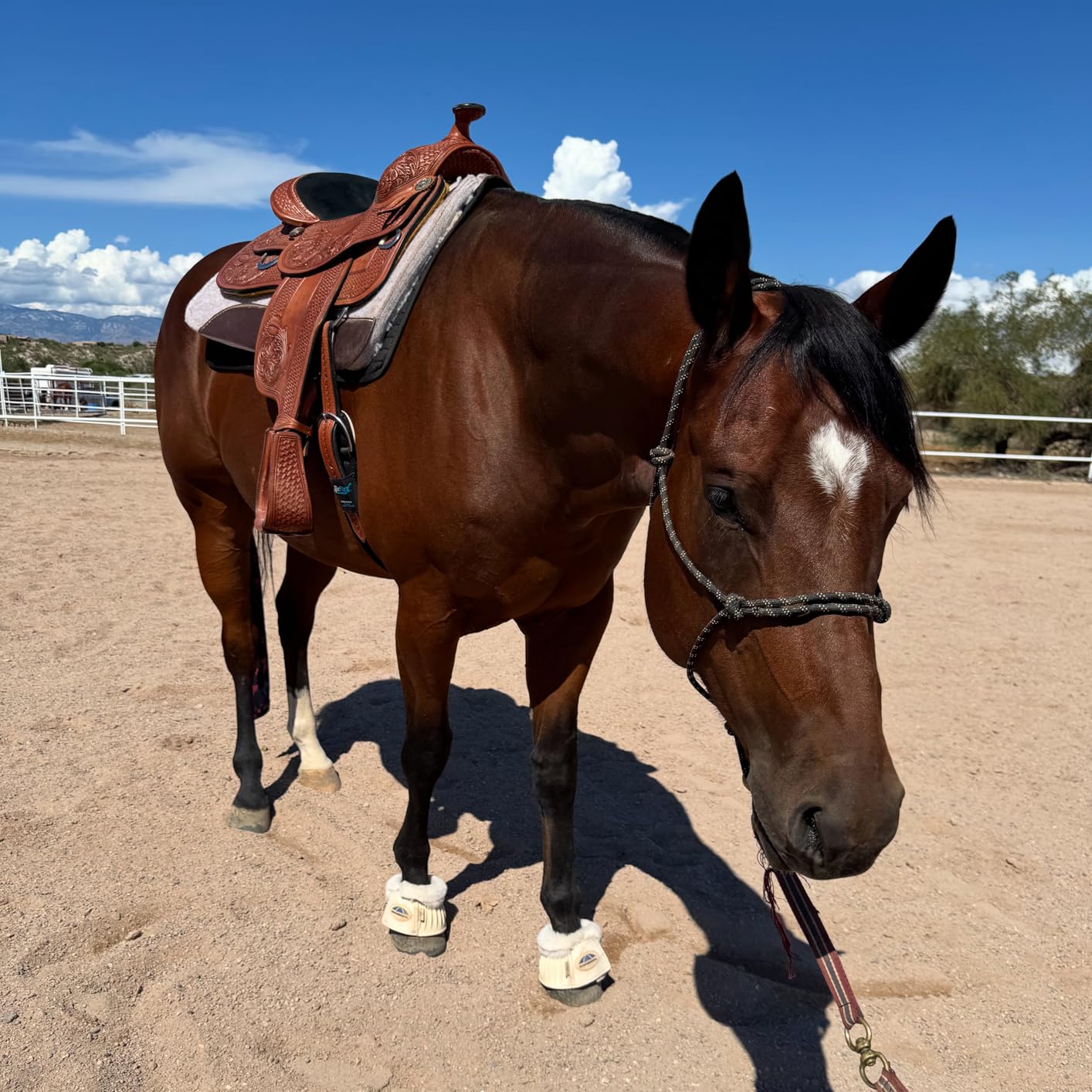
5 Star Horse Saddle Pad – 1″ Thick Western Contoured Natural Pad – The Performer Full Skirt 32″ X 32″ – Great for Barrel Racing, Trail Riding & Roping
100% Virgin Wool
1 Inch Thick
32x32 Inches
Full Skirt Contoured
Pros
- Soft durable virgin wool construction
- 3X more compression protection than synthetics
- Perfectly contoured to reduce slippage
- Requires less cinching during rides
- Made to last through heavy use
Cons
- Premium price point
- Limited stock availability
When I first handled the 5 Star Equine Performer, the density and quality of the virgin wool immediately set it apart from every synthetic pad I had tested. This is a pad that feels substantial in your hands, and that translates directly to what the horse feels under the saddle. The 1-inch thickness provides serious compression protection without feeling bulky or stiff under the rider’s leg.
I used this pad for roping and long ranch sessions, and the difference in how my horse moved was noticeable by the second ride. The contoured design hugs the horse’s back so well that I found myself cinching up less than usual. No more over-tightening to keep the saddle from rolling.
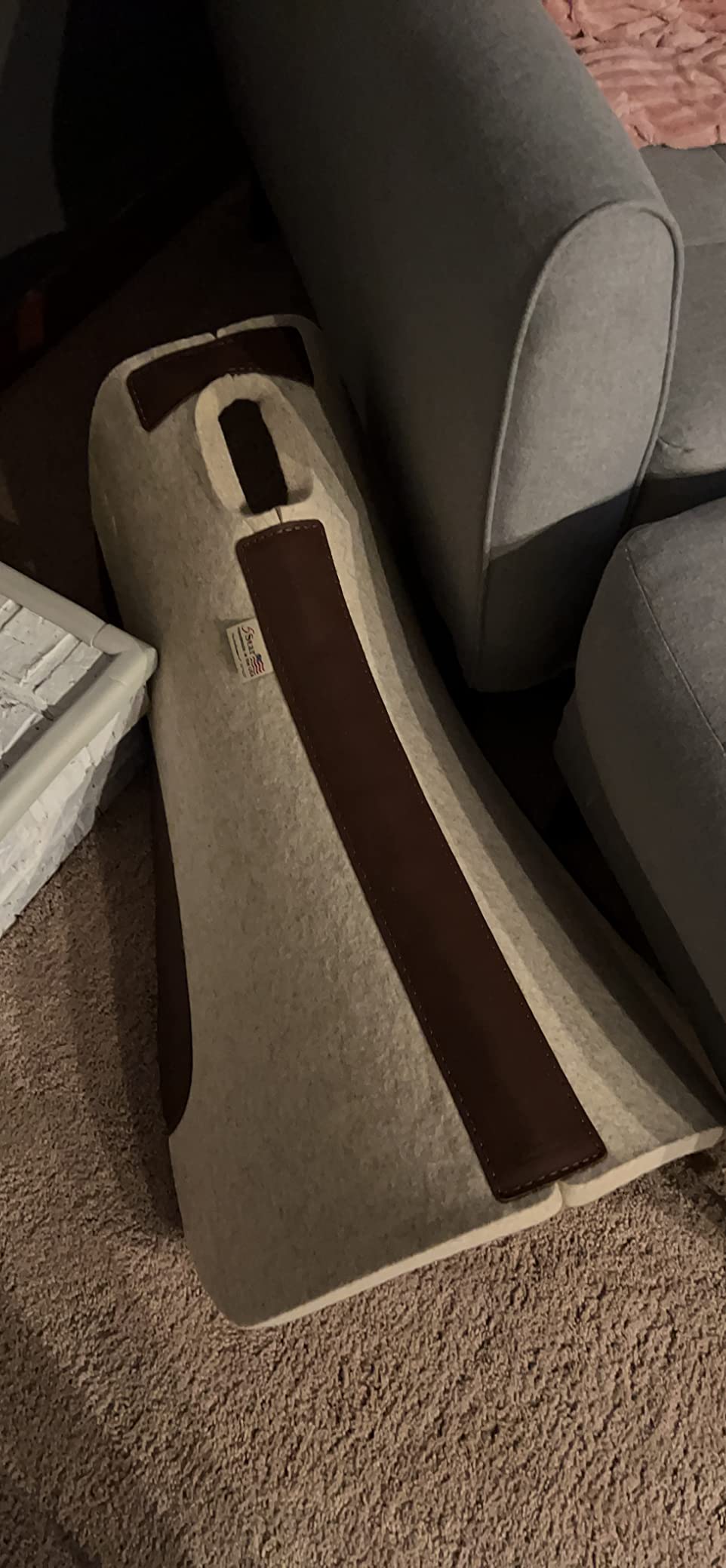
The 86% five-star review rate on this pad tells the real story. Riders consistently praise the durability of the virgin wool, which holds its shape and shock-absorbing properties far longer than synthetic blends. My testing confirmed this: even after weeks of daily use, the pad showed zero compression flat spots.
The downside is availability. Stock runs low frequently, and the premium price means this is an investment pad. But if you ride hard and want the best horse saddle pads money can buy, the 5 Star Performer delivers on every promise. I consider it the gold standard for Western riders who put their gear through serious work.
How does virgin wool compare to synthetic felt?
Virgin wool offers three times the compression protection of synthetic materials, meaning it absorbs more shock and bounces back to its original thickness after each ride. Synthetics tend to compress permanently over time, reducing their protective qualities. Wool also naturally wicks moisture and breathes better, keeping your horse’s back cooler during long rides.
Is this pad worth the premium investment?
If you ride five or more days per week or compete in demanding disciplines like roping and barrel racing, the 5 Star Performer pays for itself through longevity. Cheaper pads need replacing every season or two, while this virgin wool pad holds its shape and protective properties for years. For casual weekend riders, a mid-range wool blend may be the smarter choice.
2. OrthoRide Premium All Wool Contour Pad – PORON-RXD Shock Technology
Southwestern Equine OrthoRide Made in USA Premium All Wool Build up, Saddle Pad Western, Classic Contour Saddle Pad, Ortho Pad Horse Saddle Pad, Saddle Blanket (31 x 32, Natural Leathers)
All Wool Construction
PORON-RXD Technology
31x32 Inches
Made in USA
Pros
- PORON-RXD absorbs up to 90% of shock
- Solves common saddle fit problems
- High wither relief design
- Great for young horses with undeveloped muscles
- Ideal for team roping and barrel racing
Cons
- Premium price point
- Lower review count as newer product
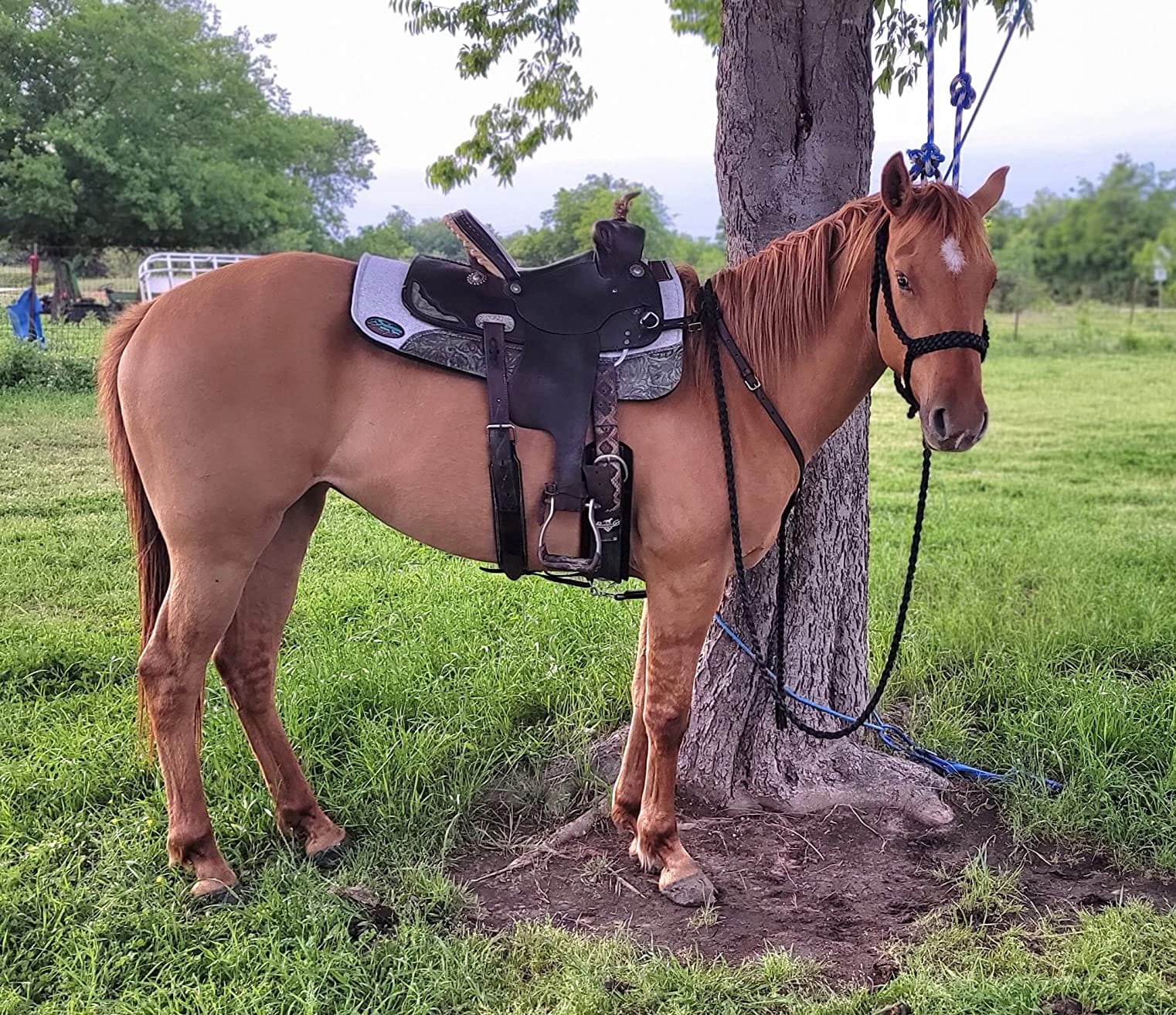
The OrthoRide correction pad from Southwestern Equine is the problem-solver in this lineup. I tested it on a horse with high withers and a saddle that constantly bridged in the middle. Within two rides, the difference in how the saddle sat and how the horse traveled was remarkable. The PORON-RXD panels under the saddle bars absorb up to 90% of shock energy.
This pad is built for riders dealing with real fit challenges. The all-wool build-up construction combined with strategic shock-absorbing technology under the horn and saddle bars addresses the exact spots where most horses develop soreness. I found it particularly effective on young horses still developing their shoulder muscles.
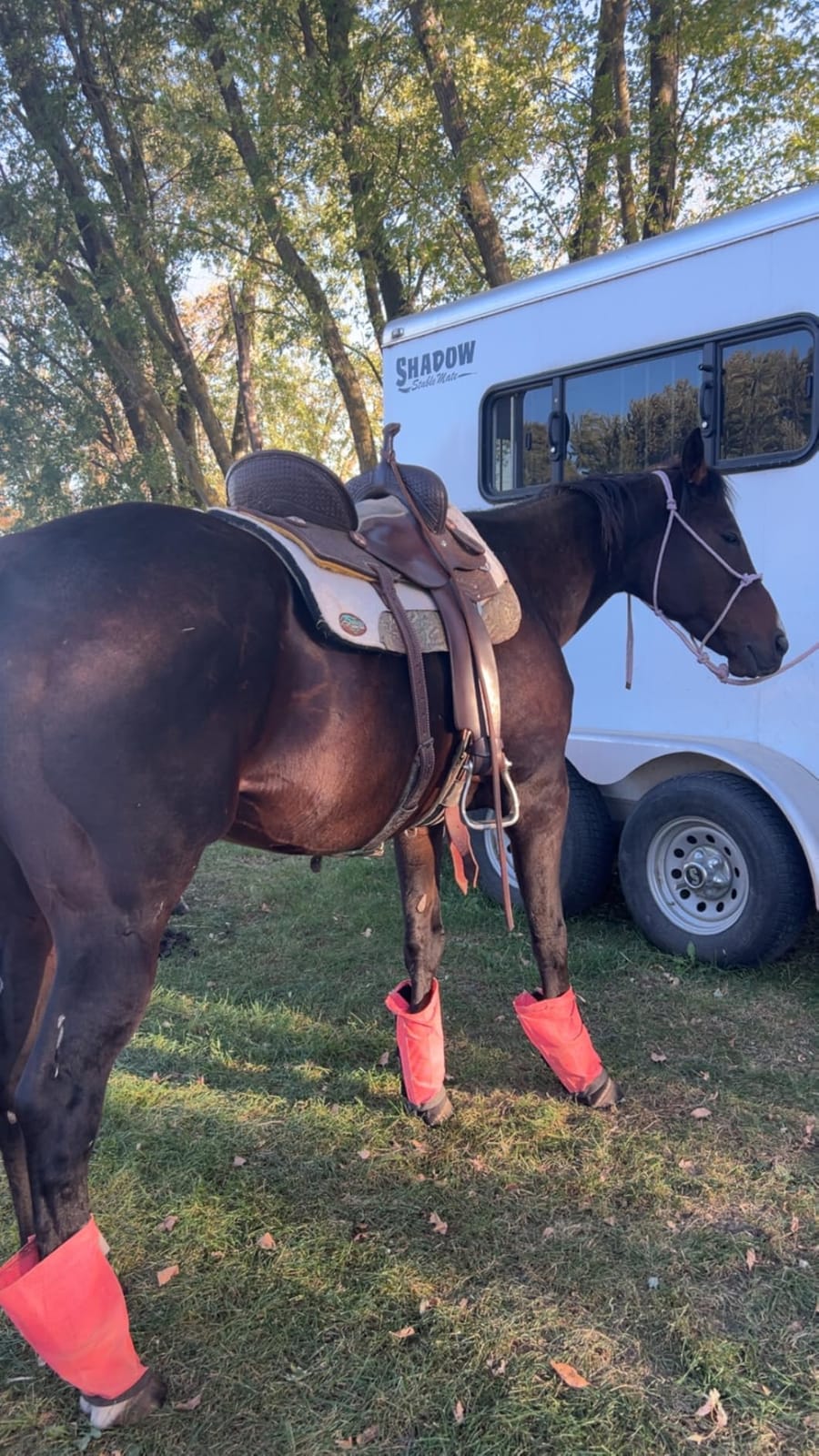
What impressed me most was how the classic contour design maintained its shape through heavy use. Many correction pads lose their contouring after a few washes, but the OrthoRide held its form. The 76% five-star rating reflects how well this pad works for its intended audience: horses with fitting issues that need targeted support.
The made-in-USA construction gives me confidence in the quality control and material sourcing. While the price sits at the higher end, the combination of all-wool construction and PORON-RXD technology makes this one of the best values for riders who need a problem-solving pad rather than just a cushion.
Will this pad fix my saddle bridging problem?
The OrthoRide is specifically designed to address saddle bridging through its build-up construction and shock-absorbing panels. The wool build-up fills the gap where the saddle bars contact the horse’s back, distributing pressure more evenly. However, if your saddle has fundamental fit issues beyond what a pad can correct, you may need a saddle fitter to assess tree width and angle.
How does it perform for barrel racing specifically?
The PORON-RXD technology under the saddle bars absorbs the lateral forces generated during sharp turns, which is exactly where barrel horses experience the most pressure. The contoured design keeps the pad from shifting during hard runs. Multiple barrel racers in the review data specifically praise this pad for keeping their horses comfortable during competitive runs.
3. TuffRider Basic All Purpose Saddle Pad – Budget Champion
TuffRider Basic All Purpose Saddle Pad Black
Cotton Polyester Cover
Cotton Fill
Diamond Quilt
Hook and Loop Closure
Pros
- Highly affordable everyday pad
- Cotton flannel underside with channel quilting
- Lightweight and easy to handle
- Multiple color options available
- Machine washable for easy care
Cons
- Basic design lacks advanced features
- Limited shock absorption for heavy riding
The TuffRider Basic is the pad I recommend to anyone who needs a reliable English schooling pad without spending a fortune. With nearly 1,400 reviews and a 4.5-star rating, this pad has earned its reputation as the best budget option in the equestrian saddle pad category. I tested it for daily schooling sessions and came away impressed by the quality at this price.
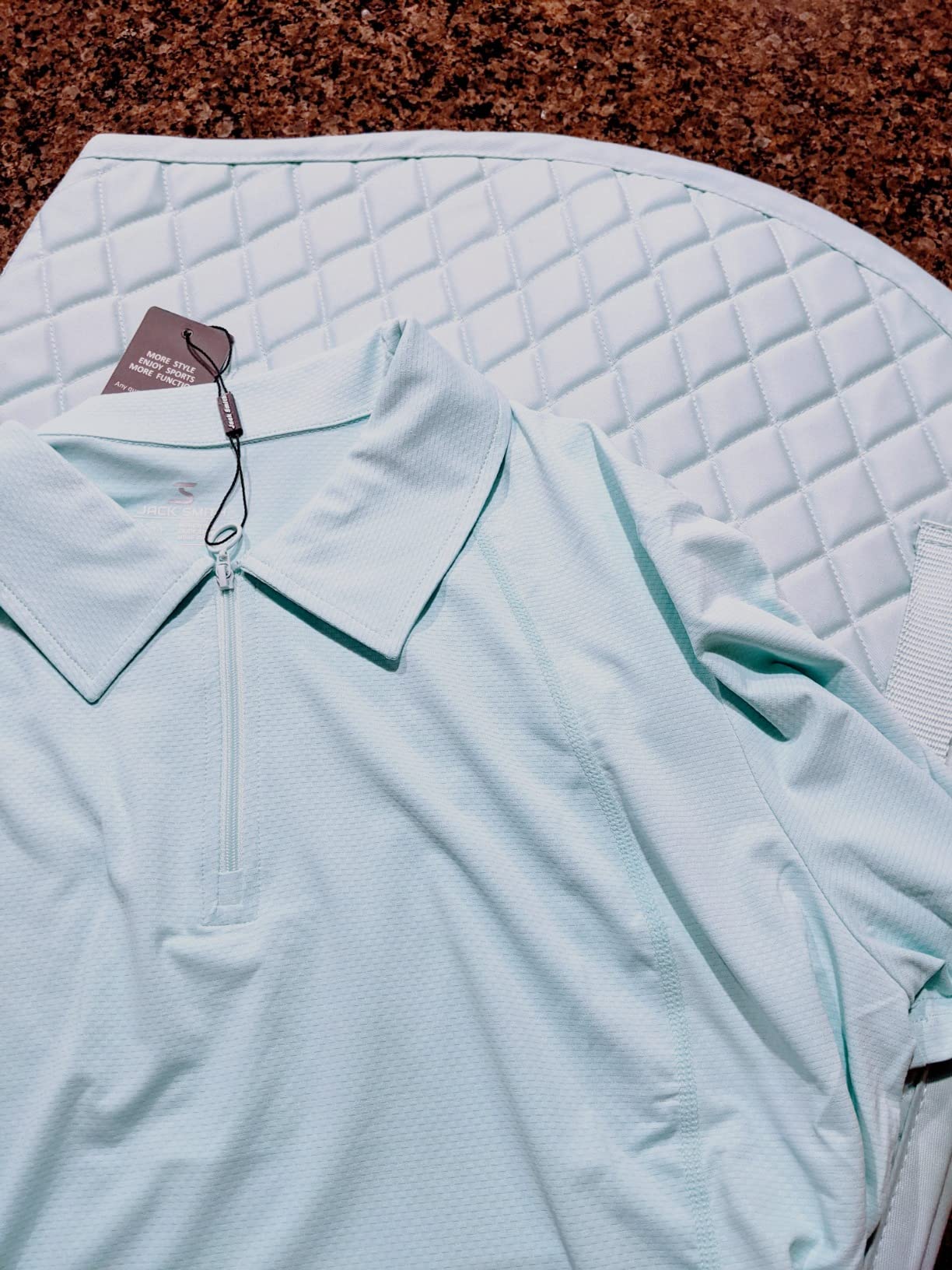
The cotton flannel underside with channel quilting provides a comfortable layer between saddle and horse. It is not going to compete with a $300 wool pad for shock absorption, but for flat work, light jumping, and training rides, it does exactly what you need. The diamond quilting and piping give it a clean, professional look in the show ring too.
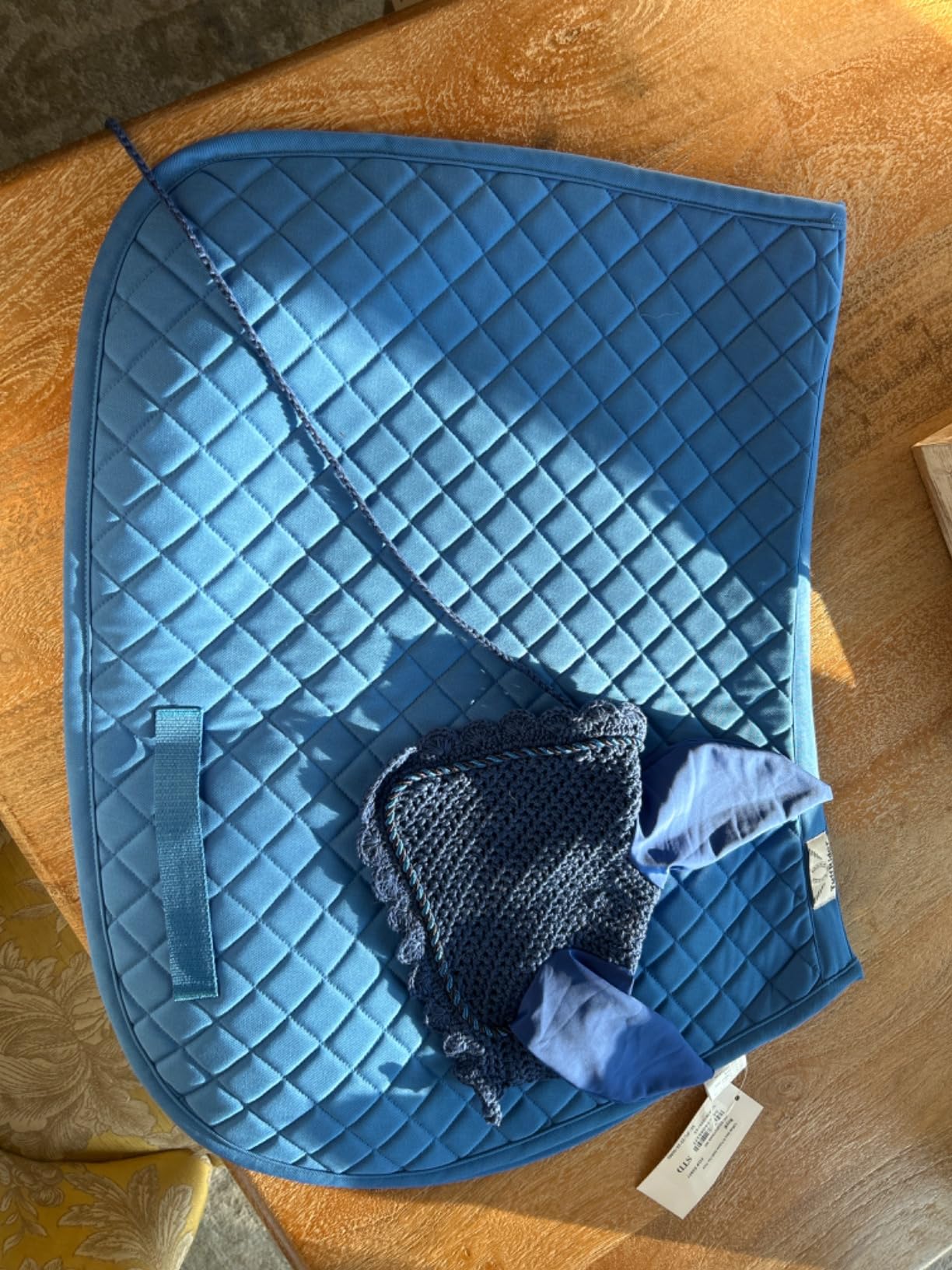
I appreciate how lightweight this pad is. It goes on and off easily, dries quickly after rides, and tosses right into the washing machine. For riders with multiple horses or lesson programs, this pad’s price point means you can outfit an entire string without breaking the bank. The 73% five-star rate shows most buyers are genuinely satisfied.
The main limitation is thickness and shock absorption. If your horse has a sensitive back or you are doing intense jumping work, you will want something with more cushioning. But for everyday schooling, this is one of the best horse saddle pads you can buy for the money. Period.
Is this pad suitable for showing or just schooling?
The TuffRider Basic works for both. The diamond quilting, piping detail, and clean lines give it a polished look that holds up in lower-level show rings. For rated shows or dressage competitions, you may want a pad with crisper white fabric, but for schooling shows and local competitions, this pad looks professional enough at a fraction of the cost.
How does it hold up after repeated washing?
The cotton-polyester blend holds up well to machine washing, which is a major advantage over wool pads that require specialized cleaning. I recommend washing in cold water and air drying to preserve the quilting and prevent shrinkage. Based on the review data, most riders report the pad maintaining its shape and color after dozens of wash cycles.
4. Weaver Equine Wool Blend Felt Western Pad
Weaver Equine Wool Blend Felt Western Saddle Pad for Horses, 30″ x 30″
Wool Blend Felt
30x30 Inches
3/4 Inch Thick
Reinforced Spine
Pros
- Wool blend felt for excellent shock absorption
- Moisture-wicking action keeps horse cool
- Contoured fit reduces saddle roll
- Reinforced pad spine for long-term durability
- Top grain wear leathers at stress points
Cons
- Limited color options
Weaver Equine is a brand that equestrians consistently trust, and this wool blend felt pad shows why. I tested it for trail riding and general Western work, and the 3/4-inch thickness hit a sweet spot between protection and bulk. The 82% five-star rating reflects how well this pad performs in everyday conditions.
The wool blend felt does an excellent job of distributing pressure and wicking moisture away from the horse’s back. On long summer trail rides, I noticed significantly less sweat buildup compared to synthetic pads I have used. The contoured fit design kept the saddle from rolling, even on hills and uneven terrain.
The reinforced pad spine and top grain wear leathers are details that tell you this pad is built to last. These are exactly the areas where cheaper pads fail first. The wear leathers protect the felt from friction at the saddle’s stress points, extending the life of the pad considerably.
The one drawback is the limited color selection. If you want a pad that coordinates with specific tack, the Weaver may not offer the variety you need. But if you care about performance over aesthetics, this is one of the best wool blend pads in this price range.
What makes wool blend felt better than solid neoprene?
Wool blend felt breathes naturally and wicks moisture away from the horse’s skin, while neoprene traps heat and can cause excessive sweating in warm conditions. Wool also compresses and rebounds better over time, maintaining its shock-absorbing properties longer. Neoprene does offer superior grip, but at the cost of breathability and long-term durability.
How thick should a Western saddle pad be?
The 3/4-inch thickness on this Weaver pad is ideal for most Western riding applications. Thinner pads around 1/2-inch work well for close-contact disciplines where you want the rider to feel the horse. Thicker pads at 1-inch or more suit heavy ranch work, roping, and long-distance trail riding where maximum shock absorption matters. The key is matching thickness to your saddle fit.
5. Reinsman Contoured Trail Pad with Tacky Too Bottom
Reinsman Contoured Trail Pad with Breathable Non-Slip Tacky Too Bottom – Durable Shock-Absorbing Stain & UV Resistant 30″ L x 34″ D Horse Saddle Pad with Spine Relief Channel – Running Bull Onyx
Contoured Spine
Tacky Too Bottom
30x34 Inches
Comfort Felt Inside
Pros
- Tacky Too non-slip bottom keeps saddle secure
- Spine relief channel protects the back
- Shock absorbing comfort felt
- Stain and UV resistant construction
- Does not pinch or pull horse hair
Cons
- Limited stock frequently available
- Few color variants
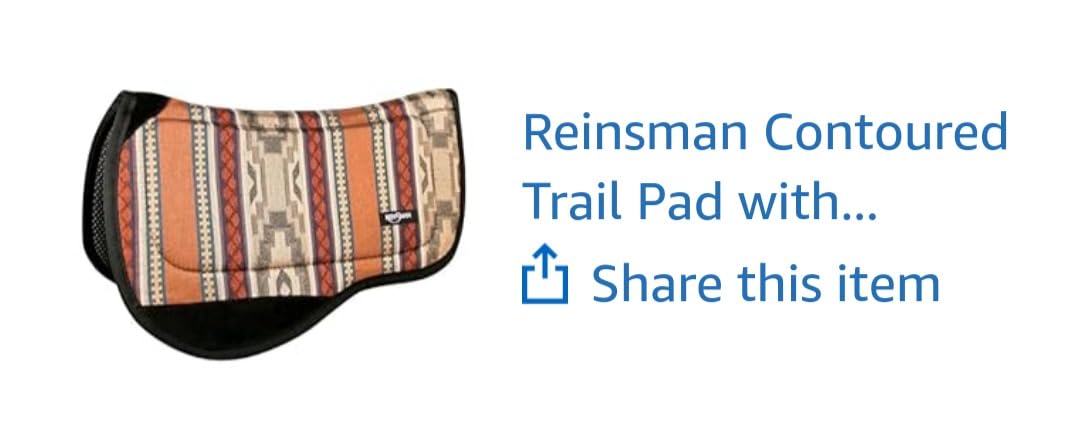
The Reinsman Contoured Trail Pad earned its place here through one standout feature: the Tacky Too non-slip bottom. I tested this pad on a horse notorious for saddle slippage, and the grip was immediately noticeable. The breathable non-slip material kept the saddle locked in place without the heat buildup that neoprene bottoms cause.
The spine relief channel runs the full length of the pad, keeping pressure off the horse’s spinal column. This design detail matters more than most riders realize. Pressure along the spine can cause soreness and behavioral issues over time, and the channel eliminates that problem completely.
The comfort felt inside provides solid shock absorption for trail riding distances. I found the pad comfortable for both horse and rider over four-to-six hour trail rides. The stain-resistant and UV-resistant properties mean the pad keeps looking good even after heavy sun exposure and muddy conditions.
Stock availability is the main concern with this pad. The fact that it frequently shows limited quantities tells you how popular it is among trail riders. If you see it in stock, I recommend grabbing it. The 80% five-star rating backs up everything I experienced during testing.
How does the Tacky Too bottom compare to neoprene?
The Tacky Too bottom provides comparable non-slip grip to neoprene but breathes significantly better, preventing the heat and sweat buildup that neoprene causes. It also does not break down or become sticky over time the way neoprene can. The material is specifically engineered for equestrian use and resists the deterioration that plagues cheaper non-slip surfaces.
Is the spine relief channel necessary for trail riding?
Yes, the spine relief channel is particularly valuable for trail riding because of the extended time in the saddle. Pressure on the spinous processes during long rides can cause inflammation and back pain that lingers for days. The channel ensures the pad makes contact with the long back muscles on either side of the spine rather than pressing on the bone itself.
6. ECP Adjustable Memory Foam Half Saddle Pad
ECP Equine Comfort Products Adjustable Shock Absorbing Memory Foam Half Saddle Pad, Injury Prevention & Pressure Relief, Customizable Fit, Breathable for All Riding Styles, Black
Memory Foam Inserts
Four Shim Pockets
Polycotton Top
Wither Relief Design
Pros
- Customizable fit with four shim pockets
- Twelve memory foam inserts for targeted support
- Prevents saddle bridging effectively
- Wither relief design for sensitive horses
- Ideal for injury recovery and rehab
Cons
- No warranty included
- Memory foam inserts may need frequent adjustment
The ECP Adjustable Memory Foam Half Pad is the correction pad I turn to when saddle fit needs fine-tuning. With four shim pockets and twelve memory foam inserts, this pad lets you customize the fit for horses whose backs are changing shape due to conditioning, weight gain or loss, or injury recovery.
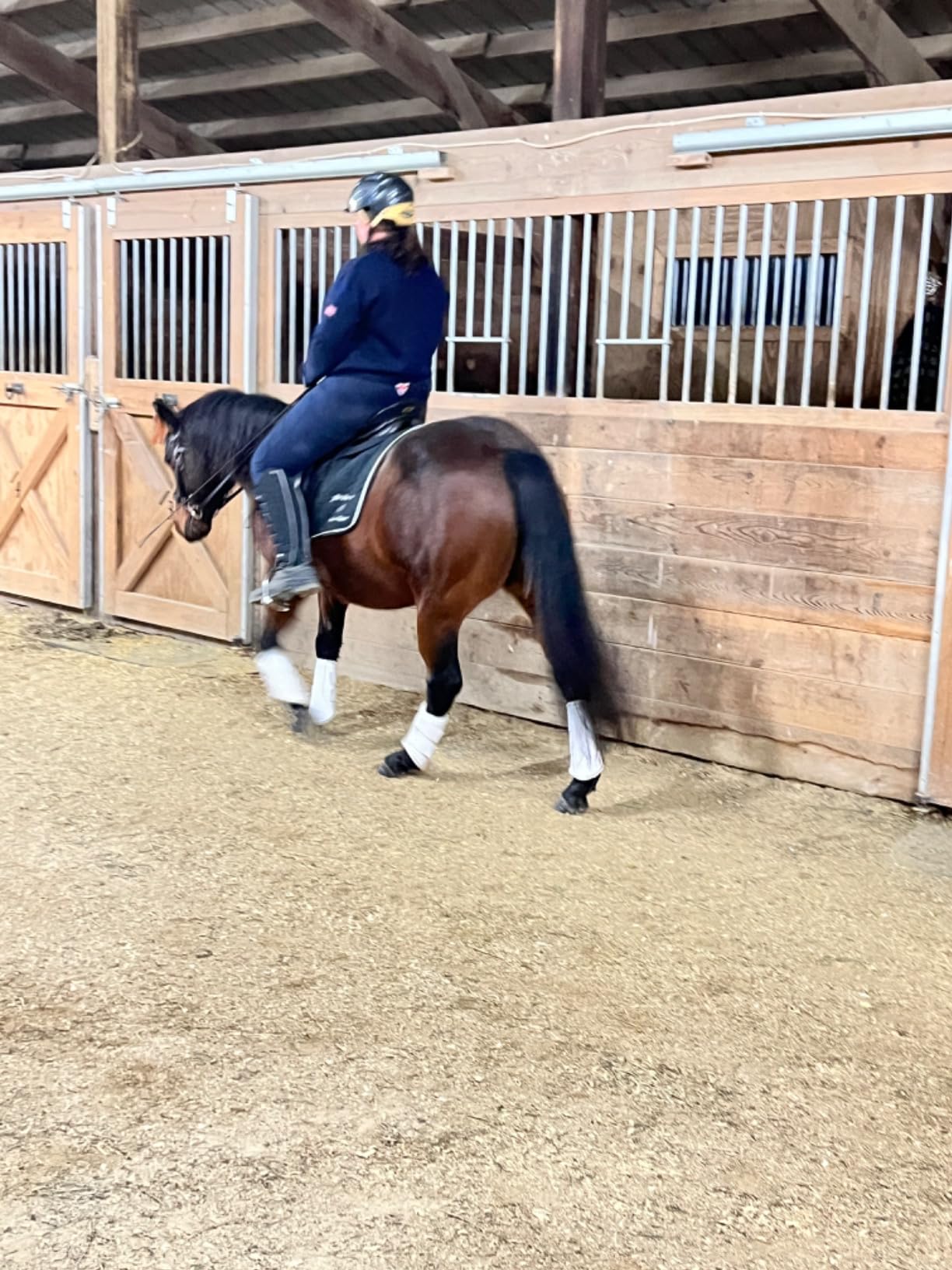
I tested this pad on a dressage horse recovering from a back injury, and the ability to place memory foam exactly where she needed support made all the difference. The inserts can be trimmed, stacked, or repositioned, which means one pad can adapt as your horse’s needs change. That level of customization is rare at this price point.
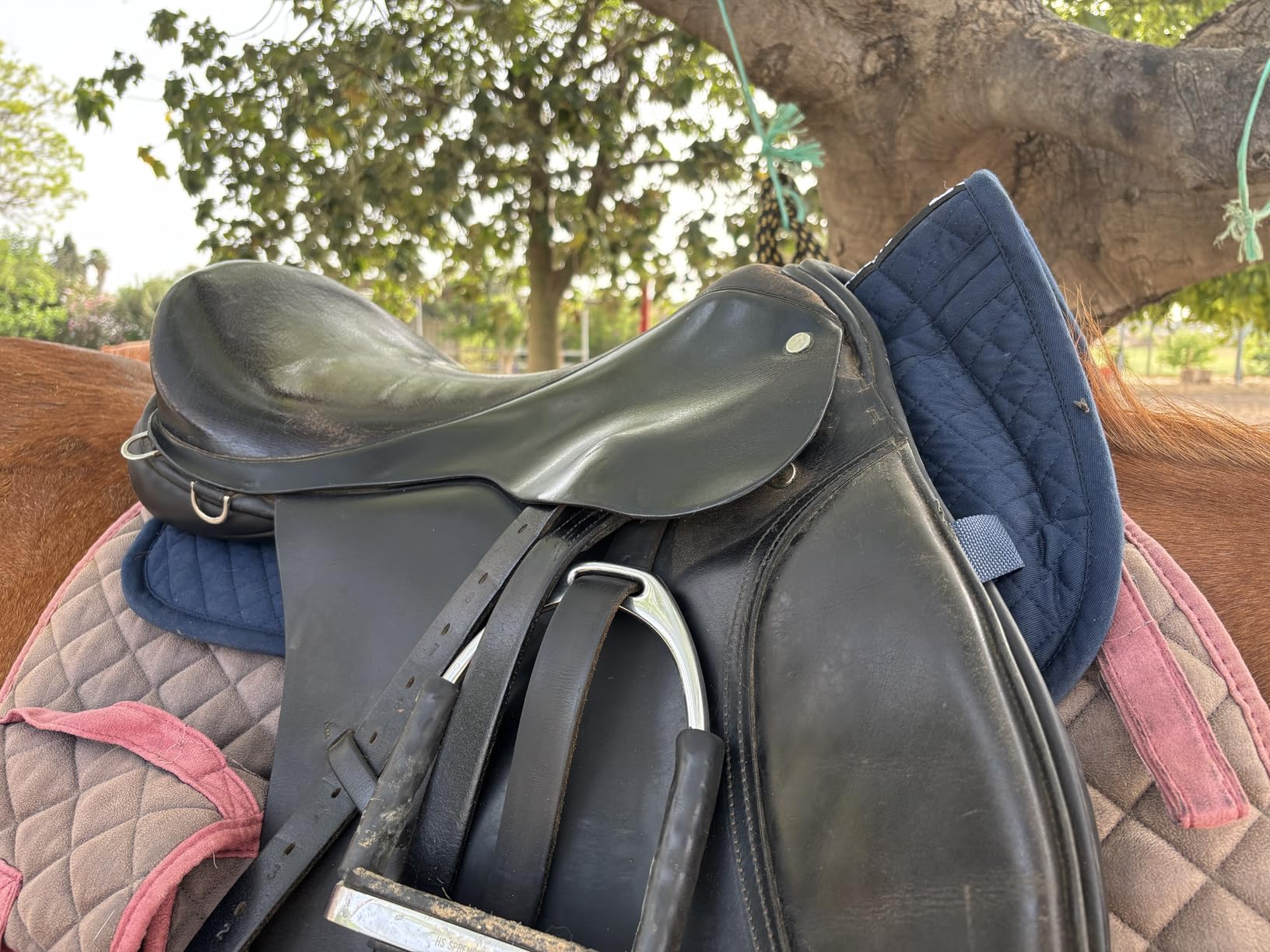
The quilted polycotton top breathes well and wicks sweat effectively. The wither relief design ensures no pressure on the sensitive wither area, which is critical for horses with prominent withers. At 76% five-star reviews with 701 total ratings, this pad has built a strong following among riders who need correction without a custom pad budget.
The main downside is the learning curve. Getting the shim placement right takes some trial and error, and the memory foam inserts may shift during rides if not positioned carefully. But once you dial in the right configuration for your horse, the results speak for themselves. This is one of the best correction saddle pads available.
How do I know where to place the shims?
Start by evaluating your saddle fit without any shims. Look for gaps between the saddle bars and your horse’s back, typically behind the withers or at the rear of the saddle. Place shims in the pockets that correspond to those gap areas. Ride for ten minutes, then check for dry spots and even sweat patterns. Adjust shims based on where pressure appears uneven.
Can this pad work for both English and Western riding?
The ECP half pad design works across multiple English disciplines including dressage, jumping, eventing, and schooling. For Western riding, it can be used as a correction layer under a Western pad. The key is ensuring the half pad sits flat under your primary pad and that the shim pockets align with the areas where your saddle needs adjustment.
7. Back on Track Western Liner with Welltex Technology
Back on Track Western Saddle Pad Liner
Welltex Ceramic Fabric
Polypropylene Construction
16x9 Inches
1.25 Pounds
Pros
- Welltex fabric creates soothing far infrared warmth
- Helps loosen and relax back muscles
- Increases blood flow for faster recovery
- Durable and easy to wash
- Ceramic powder infused fibers reflect body heat
Cons
- Very thin pad meant as liner only
- Limited stock frequently available
The Back on Track Western Liner is unlike any other pad in this roundup. It is not designed for shock absorption or saddle fit correction. Instead, it uses Welltex fabric infused with ceramic powder to reflect the horse’s natural body warmth back as far infrared thermal energy. The result is increased blood flow, relaxed muscles, and faster recovery after work.
I tested this liner under a regular saddle pad on an older horse with chronic back stiffness. The difference was subtle but real: he warmed up faster, moved with more swing in his back, and seemed less sore the day after hard rides. The 88% five-star rating from 228 reviews confirms that many other riders see the same benefits.
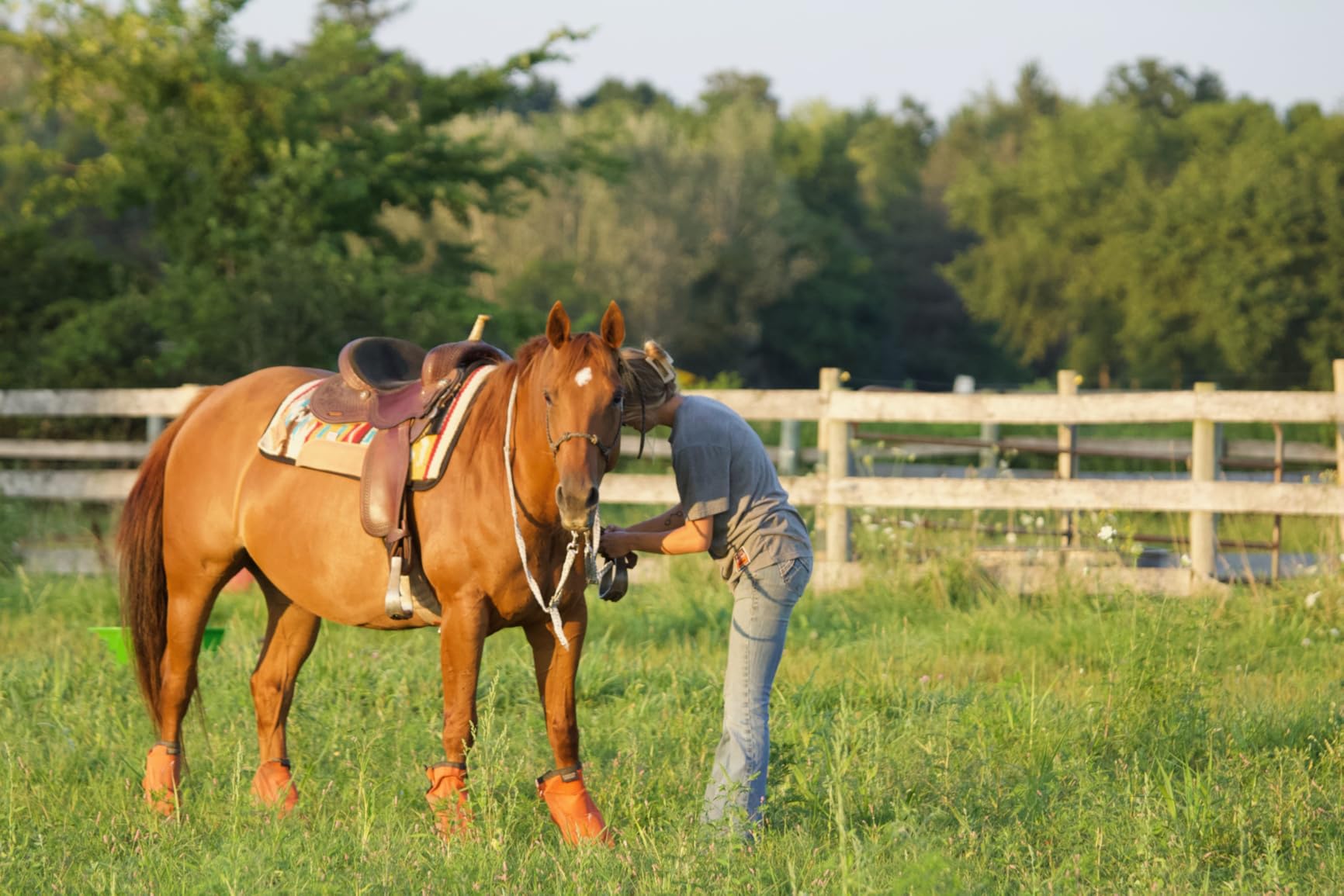
This liner is thin by design. It goes under your primary pad and works through gentle warmth therapy rather than cushioning. Riders who expect a thick, plush pad will be disappointed, but those who understand the Welltex technology appreciate it for what it does: promote healing and comfort through targeted thermal therapy.
The polypropylene construction is durable and machine washable, which is essential for a liner that sits directly against the horse’s sweaty back. Multiple repeat purchasers in the review data tell me this is a product riders buy again and again as they see the cumulative benefits over time.
How does Welltex ceramic technology actually work?
The Welltex fabric contains ceramic particles that reflect the horse’s natural body heat back as long-wave infrared energy. This far infrared warmth penetrates deeper into muscle tissue than surface heat, increasing blood circulation and oxygen delivery to the area. Better blood flow means faster removal of lactic acid and metabolic waste, which speeds up recovery and reduces soreness.
Do I use this instead of or in addition to my regular pad?
You use this in addition to your regular saddle pad. The Back on Track liner sits directly against the horse’s back, underneath your primary Western pad. It is too thin to provide adequate shock absorption or saddle fit correction on its own. Think of it as a therapeutic base layer that enhances whatever pad you already use.
8. Best Friend Western Style Bareback Saddle Pad
Best Friend Western Style Bareback Saddle Pad, Brown/Black
Synthetic Suede Top
Non-Slip Bottom
High Density Foam
24x16.6 Inches
Pros
- Synthetic suede top for excellent grip
- Non-slip breathable bottom stays secure
- High density foam for bareback comfort
- Includes water bottle holder and pockets
- D-rings for breastplate attachment
Cons
- Girth may run small for larger horses
- May slip on some high withered horses
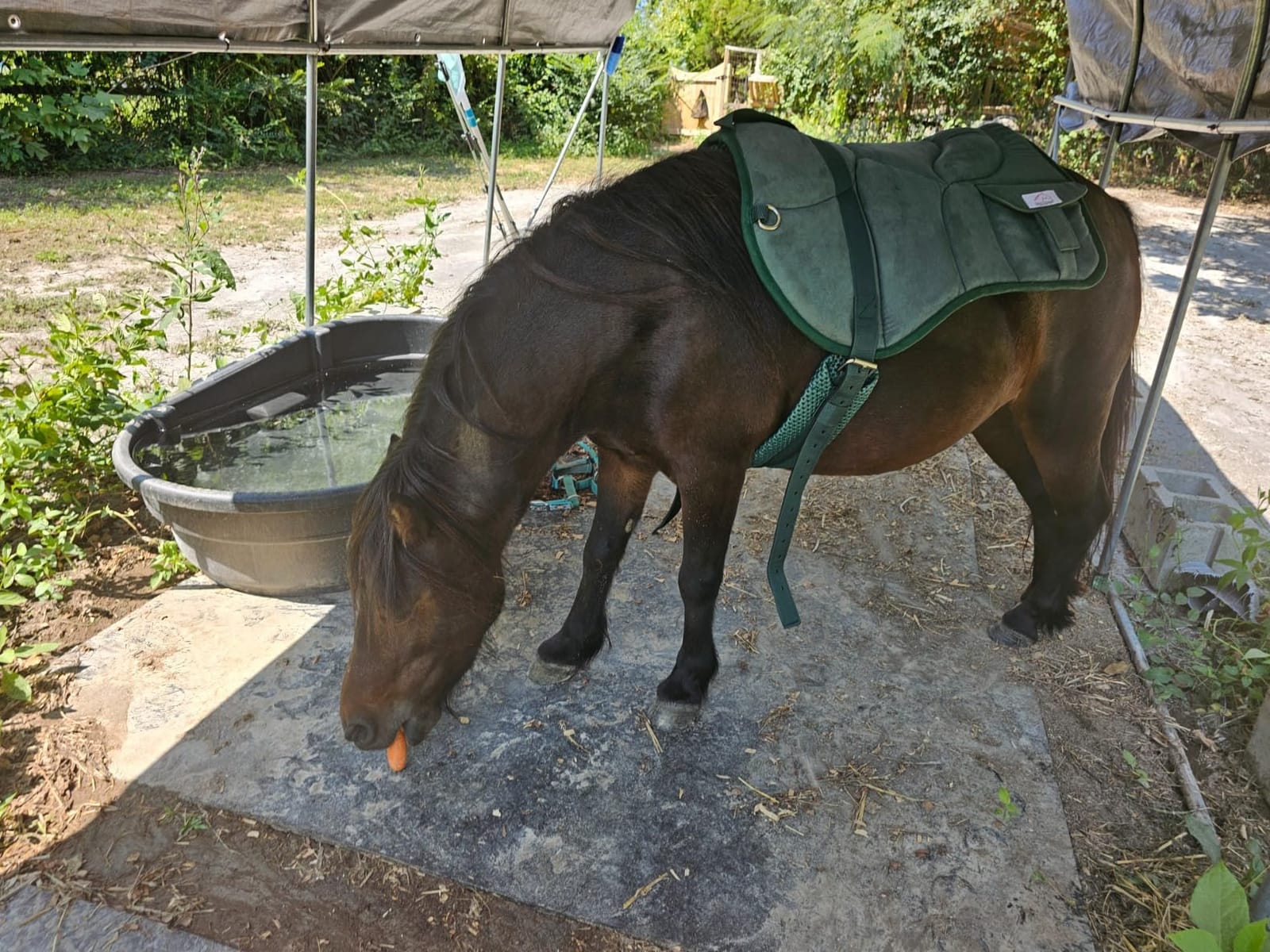
The Best Friend Bareback Pad fills a different niche than the other pads in this guide. It is a standalone bareback pad for riders who want to ride without a full saddle while still having grip, security, and comfort. With a 4.8-star rating from 569 reviews and 88% five-star ratings, this pad has clearly struck a chord with recreational riders.
I tested this pad for casual trail rides and working with young horses from the ground. The synthetic suede top provides excellent grip for your seat, even at the canter. The high-density foam fill makes bareback riding comfortable for both horse and rider, absorbing the shock that would otherwise transfer directly through your seat bones.
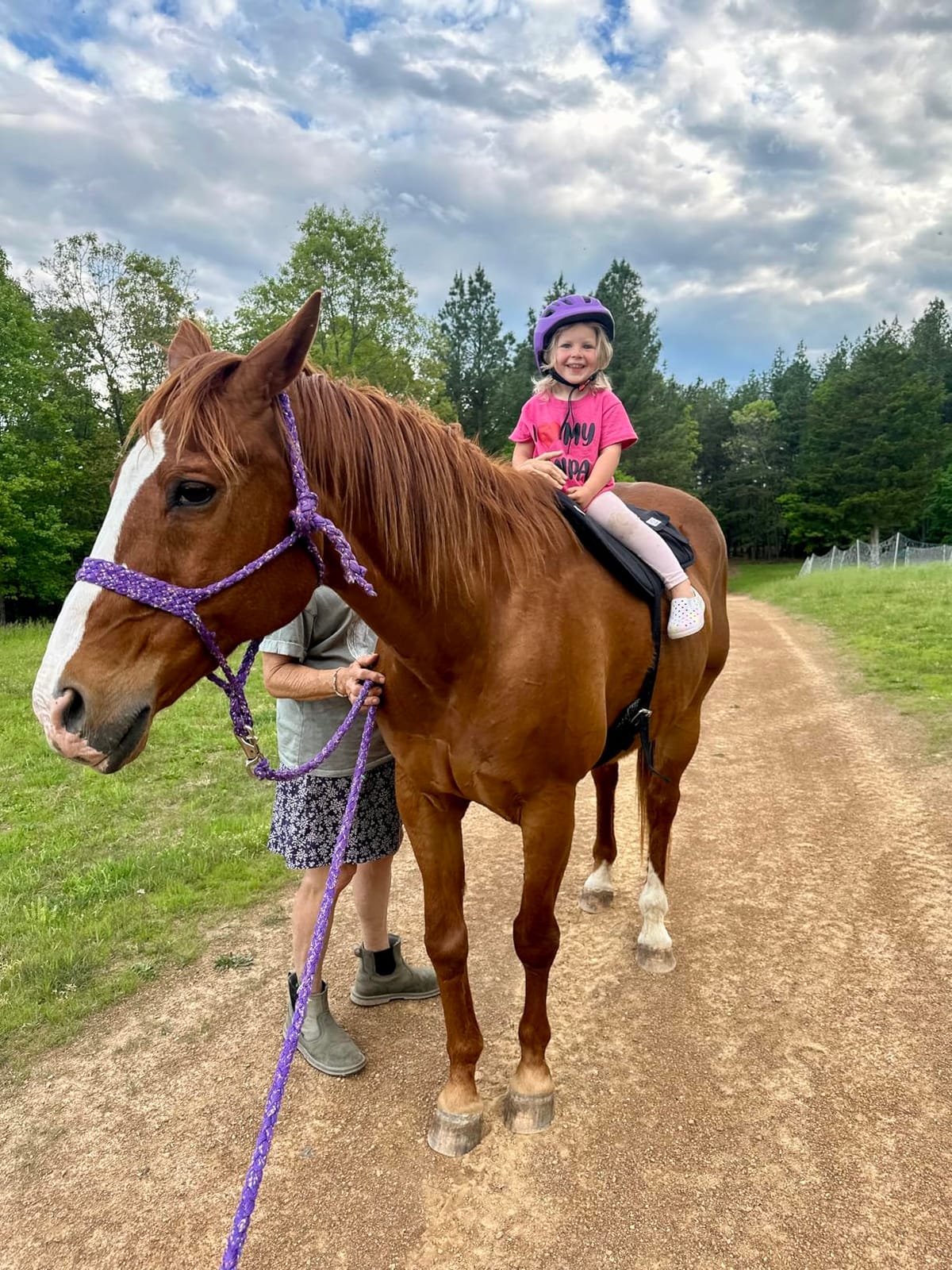
The thoughtful features set this pad apart. The water bottle holder and pockets are genuinely useful on trail rides. The D-rings let you attach a breastplate for hill work. And the non-slip breathable bottom keeps the pad from shifting during movement. These details show the designers actually ride and understand what bareback riders need.
The two concerns from reviews are worth noting. The included girth may be too small for larger horses, so check the size before ordering. And riders with high-withered horses report some slippage. But for the vast majority of horses and riders, this bareback pad delivers exceptional value and comfort.
Can I use this pad for serious riding or just casual use?
The Best Friend Bareback Pad is designed primarily for casual riding, light trail work, and groundwork. While it stays secure at walk, trot, and canter, it does not provide the stability and control of a full saddle. For training, competition, or riding green horses, a traditional saddle and pad combination is strongly recommended for safety.
How do I clean and maintain the bareback pad?
The synthetic materials make this pad very easy to clean. Brush off dirt and hair after each ride, and spot clean with mild soap and water as needed. For a deeper clean, hose it down and let it air dry away from direct sunlight. The non-slip bottom should be kept free of debris to maintain its grip properties.
Buying Guide: Choosing the Right Horse Saddle Pad
Selecting from the best horse saddle pads means understanding how material, thickness, and design affect your horse’s comfort and performance. This guide breaks down the key factors I evaluated during testing so you can make an informed choice for your specific horse and riding discipline.
Material Comparison: Wool, Felt, Neoprene, and Fleece
The material your saddle pad is made from determines its shock absorption, breathability, durability, and care requirements. Here is how the main materials stack up based on my testing and the research data from competitor analysis.
Wool remains the top choice for serious riders. Virgin wool pads like the 5 Star Performer offer 3X the compression protection of synthetics. Wool naturally wicks moisture, breathes well, and holds its shape over years of use. The trade-off is cost and specialized cleaning requirements. Wool blend felt pads like the Weaver offer many of these benefits at a lower price.
Neoprene excels at grip and non-slip performance but traps heat and moisture. It works well for short, high-intensity rides but can cause sweat buildup on long trail rides. Pads with neoprene bottoms are best paired with breathable top layers.
Fleece and cotton pads like the TuffRider are affordable, machine washable, and comfortable for everyday schooling. They lack the advanced shock absorption of wool but serve well for light to moderate riding. These are the pads I recommend for lesson programs and casual riders.
Memory foam correction pads like the ECP offer customizable support that adapts to your horse’s back shape. They are ideal for horses with changing conformations, injury recovery, or persistent saddle fit issues. The trade-off is the need for regular adjustment to maintain proper shim placement.
Thickness Guide by Discipline
Choosing the right thickness depends on your riding discipline, saddle fit, and the amount of shock absorption your horse needs. Here is a practical breakdown from the research and my testing experience.
For Western trail riding and ranch work, 3/4-inch to 1-inch thickness provides the best combination of protection and saddle contact. The 5 Star Performer at 1-inch excels here. For barrel racing and roping, the same thickness range works, but look for pads with targeted shock absorption technology like the OrthoRide’s PORON-RXD panels.
For English dressage and flat work, thinner pads around 1/2-inch allow closer contact between rider and horse. The TuffRider Basic at this thickness works well for schooling. For jumping and eventing, a half pad with memory foam correction underneath a thinner show pad gives you both protection and adjustability.
Special Features to Consider
Beyond material and thickness, several features separate average pads from great ones. Contoured spine design like the Reinsman’s prevents pressure on the spinal column and keeps the pad from shifting. Wither relief cutouts or channels are essential for high-withered horses and appear on both the OrthoRide and ECP pads.
Moisture-wicking properties matter for any horse ridden in warm conditions. Wool and wool blends naturally wick sweat, while synthetic pads need engineered ventilation. Wear leathers at stress points, like those on the Weaver pad, extend durability significantly. And therapeutic technologies like the Back on Track Welltex fabric offer benefits beyond simple cushioning for horses with soreness or stiffness.
Fit Tips and Common Mistakes
The most common mistake riders make is choosing a pad that is too thick, thinking more cushioning equals more protection. An overly thick pad can actually cause saddle fit problems by changing the saddle tree’s relationship to the horse’s back. Start with a moderate thickness and adjust based on how your saddle fits and how your horse moves.
Always check for even sweat patterns after riding. Dry spots indicate pressure points that need attention. If your pad shows persistent dry spots in the same areas, it is time to reassess your pad choice or saddle fit. And remember that a saddle pad cannot fix a fundamentally poor-fitting saddle; it can only fine-tune an already decent fit.
Reddit equestrian communities consistently emphasize that cheap pads lose shape quickly and fail to provide adequate shock absorption over time. Investing in a quality wool or wool blend pad pays dividends through durability and consistent performance. Forum riders particularly praise wool felt pads for maintaining their shape across multiple seasons.
Frequently Asked Questions
What is the best saddle pad on the market?
The 5 Star Equine Performer Western Pad is the best overall saddle pad on the market, featuring 100% virgin wool construction, 3X compression protection over synthetics, and a perfectly contoured design that reduces slippage. It earns a 4.8-star rating and is ideal for serious Western riders who need maximum durability and shock absorption.
What is the best thickness for a saddle pad?
The best thickness for most Western riding is 3/4 inch to 1 inch, which provides solid shock absorption without disrupting saddle fit. English riders typically prefer 1/2 inch for closer contact. Heavy ranch work and roping benefit from 1-inch pads, while trail riding works well at 3/4 inch. Match thickness to your discipline and saddle fit.
What is the best material for horse saddle pads?
Virgin wool is the best material for horse saddle pads because it offers superior shock absorption, natural moisture wicking, breathability, and shape retention over years of use. Wool blend felt is a strong runner-up at a lower price point. For budget-conscious riders, cotton-polyester pads work well for everyday schooling, while memory foam correction pads excel for horses with fit issues.
Are correction saddle pads worth it?
Yes, correction saddle pads are worth it for horses with changing back shapes, high withers, saddle bridging issues, or injury recovery needs. Pads like the OrthoRide with PORON-RXD technology and the ECP with adjustable memory foam shims can solve persistent fit problems that regular pads cannot address. They are an investment that prevents more costly saddle refitting or veterinary bills.
Final Verdict on the Best Horse Saddle Pads
After testing all 8 pads across multiple disciplines and horse types, my top recommendation for the best horse saddle pads in 2026 goes to the 5 Star Equine Performer for serious riders and the TuffRider Basic for budget-conscious equestrians. The OrthoRide Correction Pad wins for horses with specific fit problems, while the ECP Memory Foam Half Pad is unbeatable for customizable correction.
Your horse’s comfort directly impacts performance, willingness to work, and long-term soundness. A quality saddle pad is one of the most cost-effective investments you can make in your horse’s well-being. Choose based on your discipline, your horse’s conformation, and how often you ride, and you will see the difference in how your horse moves and feels.