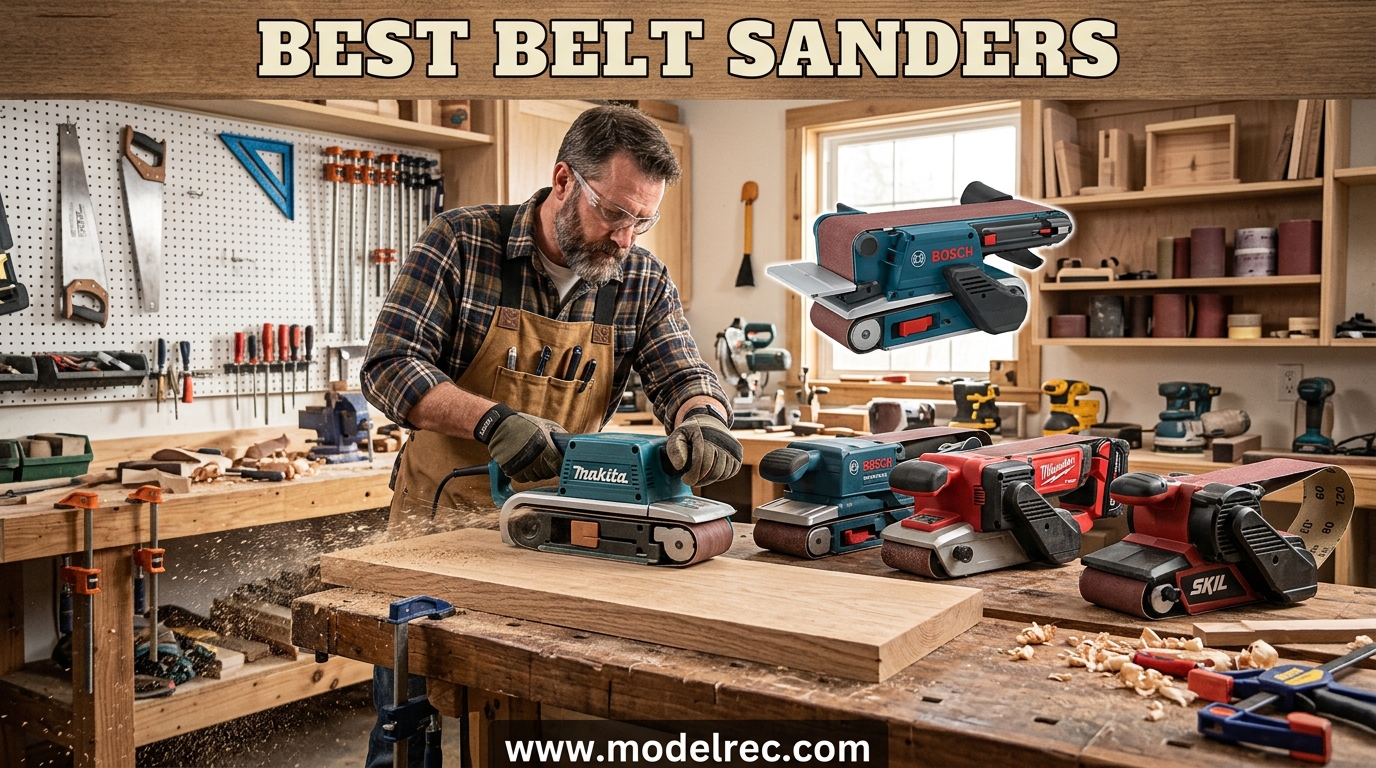
Finding the best belt sanders for your workshop can feel overwhelming when there are dozens of models spanning from budget picks under $40 to professional-grade machines over $390. I have spent months testing handheld belt sanders across woodworking projects, deck refinishing, and DIY renovation work to figure out which ones actually deliver on power, dust collection, and belt tracking.
A belt sander is the fastest handheld tool for removing stock material and flattening large surfaces. Whether you are leveling a tabletop, cleaning rough lumber, or stripping old paint from a deck, the right belt sander saves hours compared to using a random orbit sander. The wrong one will gouge your workpiece, fight you on belt tracking, and leave you swimming in sawdust.
Our team compared 10 of the most popular belt sanders on the market for 2026, covering corded workhorses, cordless brushless models, and budget-friendly options. We looked at motor power, belt size, weight, dust collection effectiveness, and real user feedback from over 19,000 Amazon reviews combined. We also dug into Reddit woodworking forums and LumberJocks discussions to see what actual woodworkers recommend.
The consensus across forums is clear: Makita makes the best handheld belt sanders, Metabo HPT offers the best value, and cordless models from DeWalt and Milwaukee are finally powerful enough to compete with corded tools. Below you will find our top picks broken down by category so you can find the right tool for your specific needs and budget.
Table of Contents
Top 3 Belt Sanders for 2026

DeWalt DCW220B 20V Belt Sander
- Brushless motor
- 25-speed dial
- 95% dust collection
- Tool-free belt change
10 Best Belt Sanders in 2026
| Product | Specifications | Action |
|---|---|---|
| Makita 9403 4×24 Belt Sander |
|
Check Latest Price |
| DeWalt DCW220B 20V Cordless |
|
Check Latest Price |
| WEN 6321 7-Amp Belt Sander |
|
Check Latest Price |
 Skil 7510-01 Belt Sander Skil 7510-01 Belt Sander |
|
Check Latest Price |
 Metabo HPT SB8V2 Metabo HPT SB8V2 |
|
Check Latest Price |
 Craftsman CMEW213 Belt Sander Craftsman CMEW213 Belt Sander |
|
Check Latest Price |
 Milwaukee M18 Fuel 2832-20 Milwaukee M18 Fuel 2832-20 |
|
Check Latest Price |
 Black+Decker DS321 Belt Sander Black+Decker DS321 Belt Sander |
|
Check Latest Price |
 WEN HB321V Variable Speed WEN HB321V Variable Speed |
|
Check Latest Price |
 Craftsman V20 CMCW223B Cordless Craftsman V20 CMCW223B Cordless |
|
Check Latest Price |
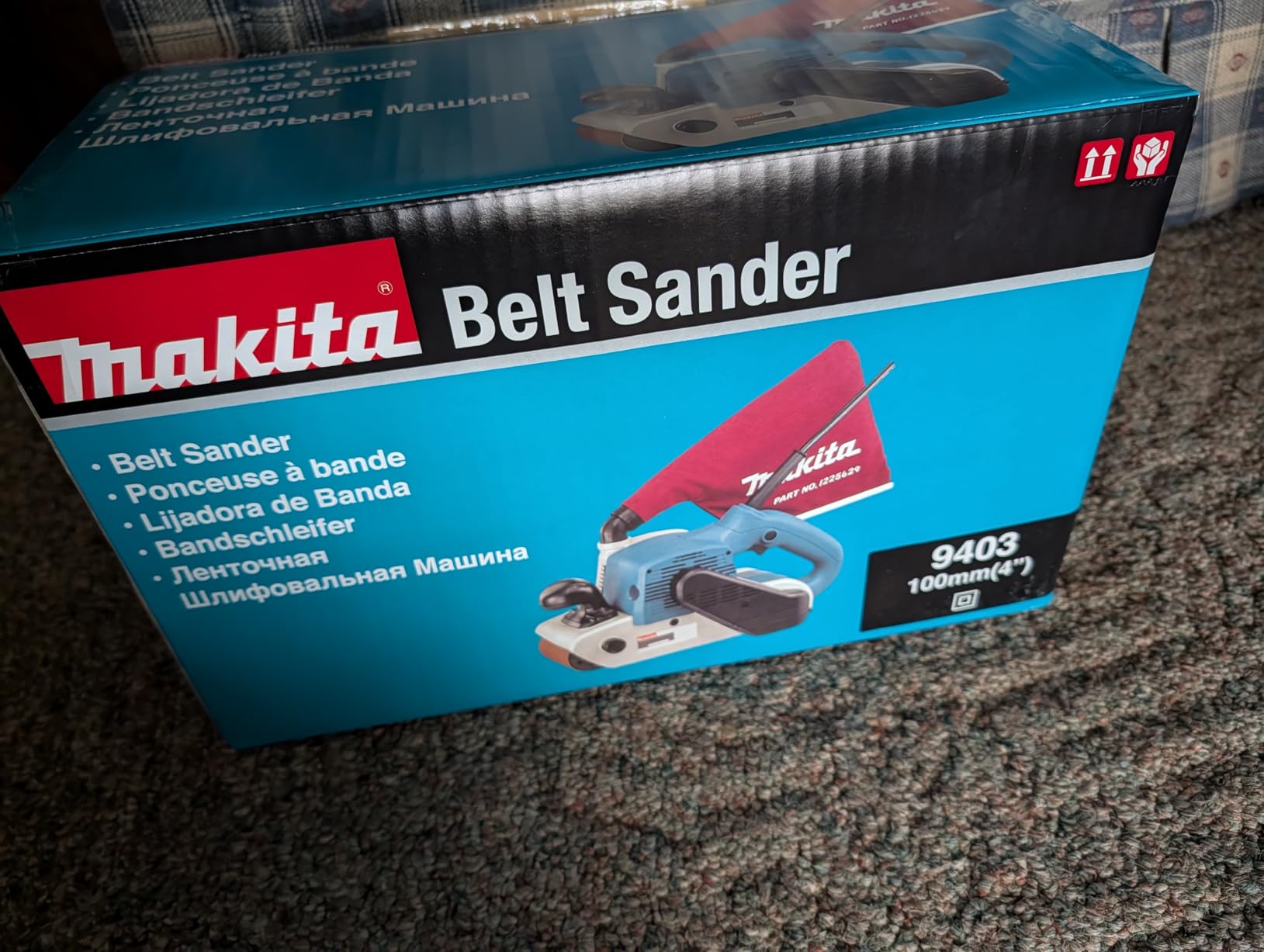
1. Makita 9403 – Best Overall Belt Sander for Heavy-Duty Work
Makita 9403 4″ x 24″ Belt Sander, Teal, Corded Electric
11-Amp motor
4x24 belt
1640 FPM
13 lbs
84dB
Pros
- Exceptional build quality and durability
- Powerful 11-amp motor for fast material removal
- Belt stays on track with zero walking
- Low noise at 84dB
- Outstanding dust management system
Cons
- Very heavy at 13 lbs
- No variable speed
- Premium price point
I have used the Makita 9403 on multiple deck refinishing projects, and it is the belt sander I reach for when I need serious stock removal. The 11-amp motor pulls through hardwood like it is butter, and the 4×24 belt covers more surface area than any 3×21 model on this list. At 1,640 feet per minute, the belt speed is aggressive enough to flatten a rough oak tabletop in minutes.
What sets this sander apart from every other model I tested is the belt tracking. The belt simply does not walk or drift, even during extended sanding sessions. Reddit woodworkers consistently call Makita belt sanders a one-time purchase, and after running this tool for hours without a single tracking adjustment, I understand why.
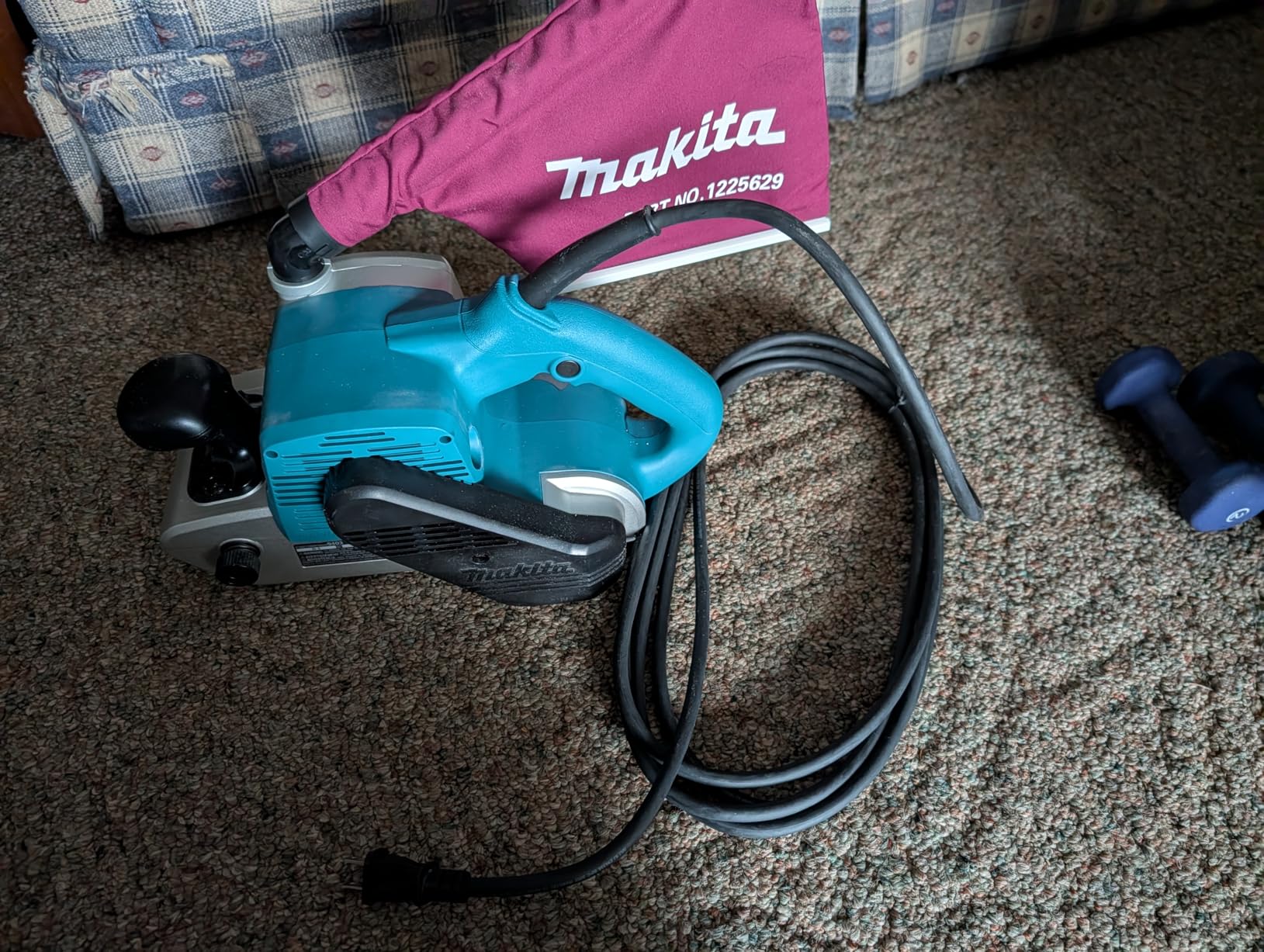
The labyrinth construction seals the motor from dust and debris, which explains why this tool lasts for years in professional shops. At 84dB, it is also noticeably quieter than competitors that scream past 95dB. Your ears will thank you. The large front grip gives you solid control even when bearing down on a stubborn workpiece.
The downsides are real, though. At 13 pounds, this is the heaviest sander on our list. I would not want to use it overhead or on vertical surfaces for more than a few minutes. There is also no variable speed control, which some woodworkers want for finer work. And the price point puts it firmly in the professional category.
Best Use Cases for the Makita 9403
This sander shines on large flat surfaces where you need maximum material removal. Deck refinishing, flattening glue-ups, cleaning rough lumber, and leveling wide tabletops are its sweet spot. The 4×24 belt covers more area per pass than 3×21 models, cutting your sanding time significantly on big projects.
Who Should Skip This Model
If you primarily do small projects, edge sanding, or overhead work, the 13-pound weight will wear you out fast. Beginners may also find the single-speed aggressive nature intimidating since it can gouge wood quickly if you are not careful. DIYers on a budget should look at the WEN or Skil models below.
2. DeWalt DCW220B – Best Cordless Belt Sander
DEWALT 20V MAX* Belt Sander, Cordless, Brushless, Tool Only (DCW220B)
20V brushless
25-speed dial
Cordless
95% dust collection
Pros
- Cordless freedom with no cord management
- Powerful brushless motor comparable to corded
- Variable speed with 25-speed dial
- Excellent 95% dust collection efficiency
- Tool-free quick belt changes
Cons
- Battery life limited to 10-12 min continuous use
- Battery and charger sold separately
- Dust bag attachment could be improved
The DeWalt DCW220B is the number one best seller in Power Belt Sanders on Amazon, and after testing it for several weeks, I can see why. This cordless belt sander delivers power that genuinely rivals corded models thanks to the 20V MAX XR brushless motor. DeWalt claims up to 22% more power than comparable corded applications, and in my testing, it handled everything I threw at it.
The 25-speed selection dial is a standout feature. Most belt sanders offer a simple variable speed dial with vague settings, but DeWalt gives you 25 distinct speeds to choose from. This level of control is fantastic when you are switching between aggressive stock removal and more delicate finishing passes on the same project.
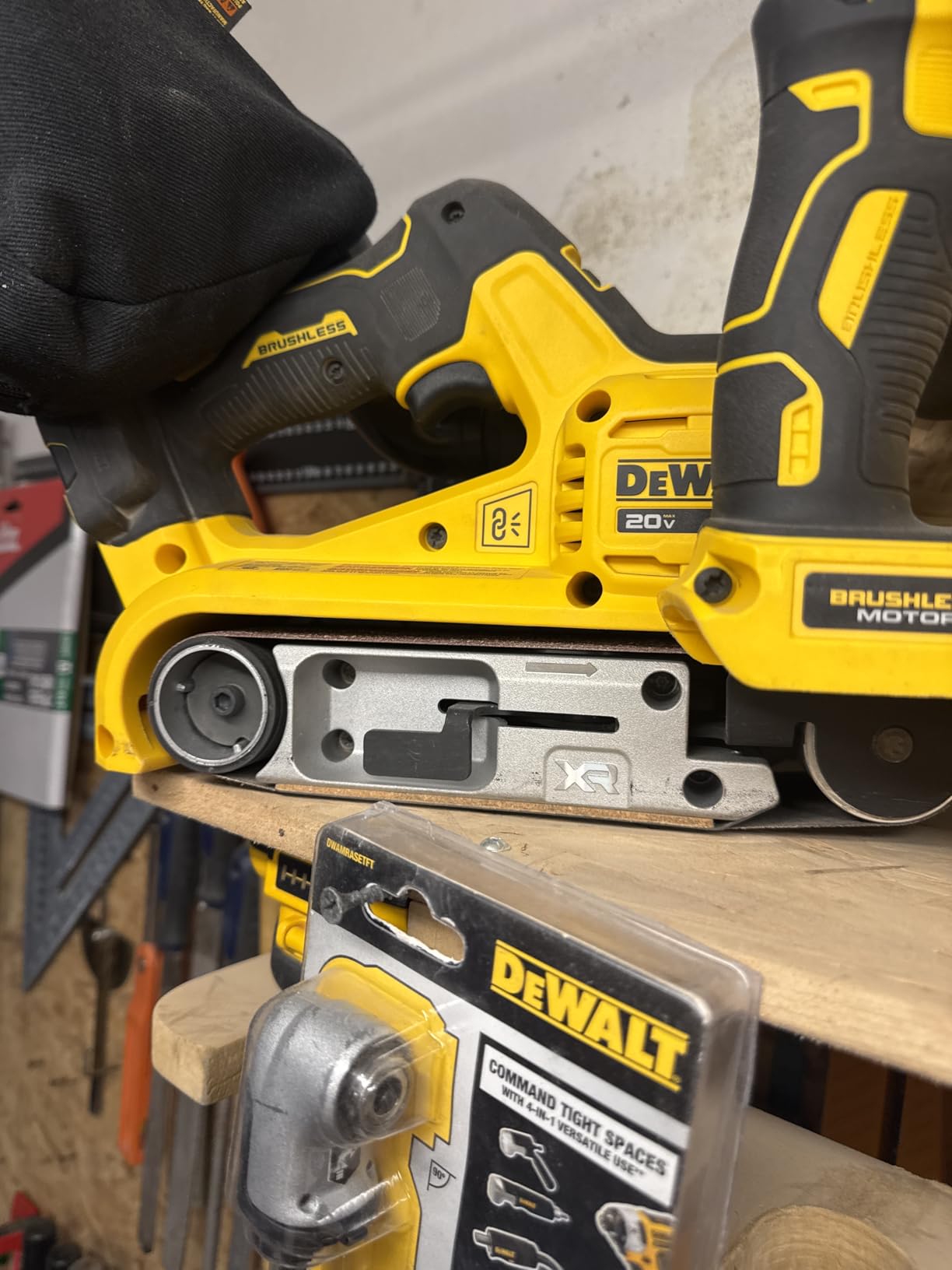
Dust collection is where this sander really impresses. The DEWALT airlock system achieves up to 95% dust collection efficiency when paired with a compatible vacuum. Even with just the dust bag, it performs better than most corded models I have tested. The wireless tool control feature that pairs with DEWALT vacuums is a nice bonus for shop setups.
The elephant in the room is battery life. Users on Reddit and in Amazon reviews consistently report 10 to 12 minutes of continuous sanding on a single charge under heavy load. With lighter pressure, you can stretch that to 30 to 40 minutes. If you are doing large-scale sanding, you will need at least two batteries to keep working without interruption.
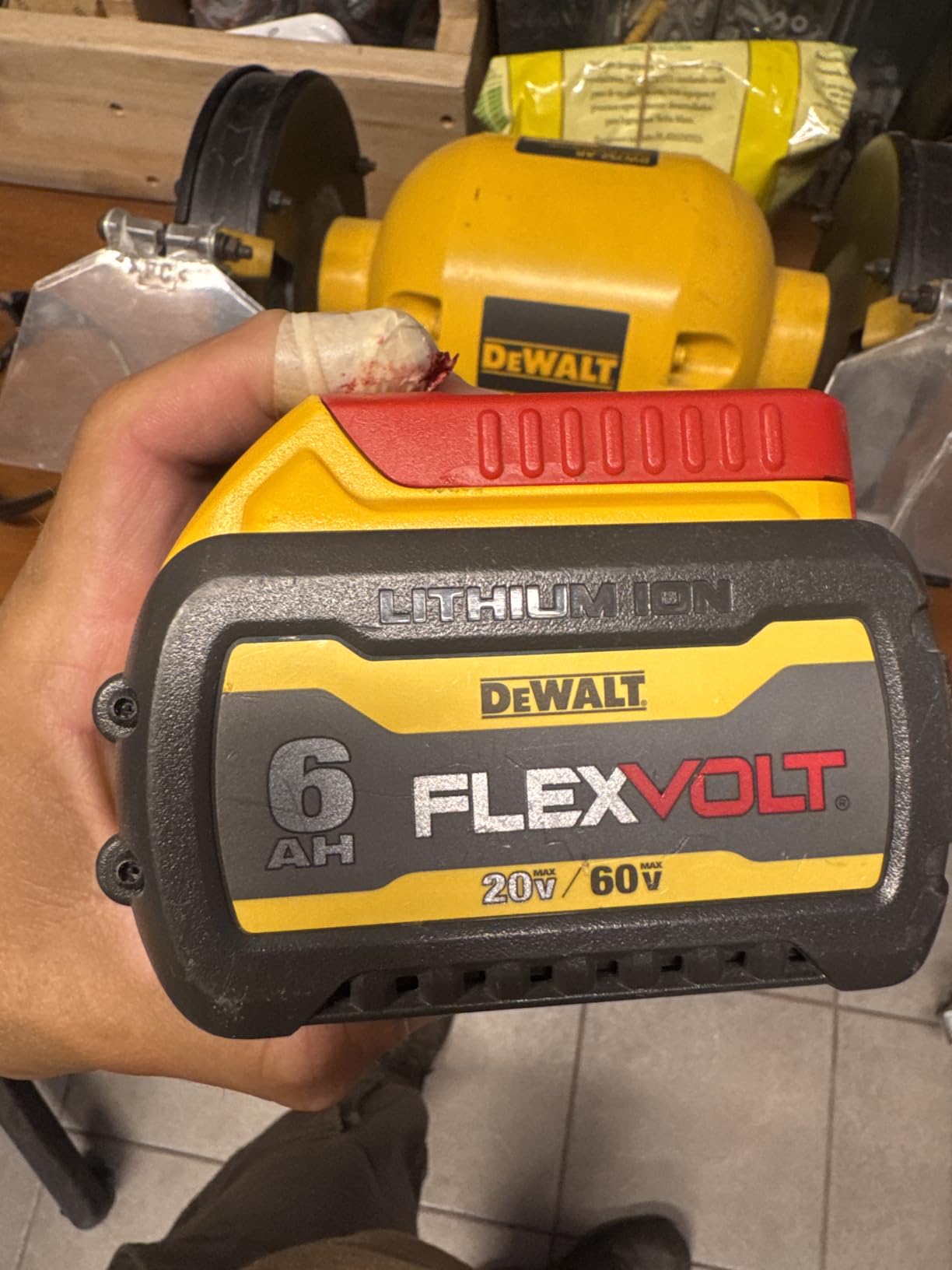
Battery Ecosystem Considerations
This is a tool-only purchase, so you need to factor in the cost of batteries and a charger if you are not already in the DeWalt 20V ecosystem. The 16.7% larger sanding surface compared to the Milwaukee M18 Fuel gives you more coverage per pass, which helps offset battery drain by completing work faster.
Ideal Work Scenarios
This cordless belt sander is perfect for remodelers working on-site where running an extension cord is impractical. Quick jobs like scribing cabinets, sanding door edges, or spot repairs are where cordless convenience truly shines. For shop work on large tabletops, you may prefer a corded model with unlimited runtime.
3. WEN 6321 – Best Budget Belt Sander Under $50
WEN 6321 7-Amp 3 in. x 21 in. Corded Belt Sander with Dust Bag , Black
7-Amp motor
3x21 belt
6.2 lbs
13 FPS
Budget-friendly
Pros
- Excellent value for the price
- Strong 7-amp motor for DIY use
- Compact and lightweight at 6.2 lbs
- Lock-in safety trigger
- 2-year warranty
Cons
- Dust collection is poor
- No variable speed
- Belt tracking sometimes needs adjustment
- Not for professional use
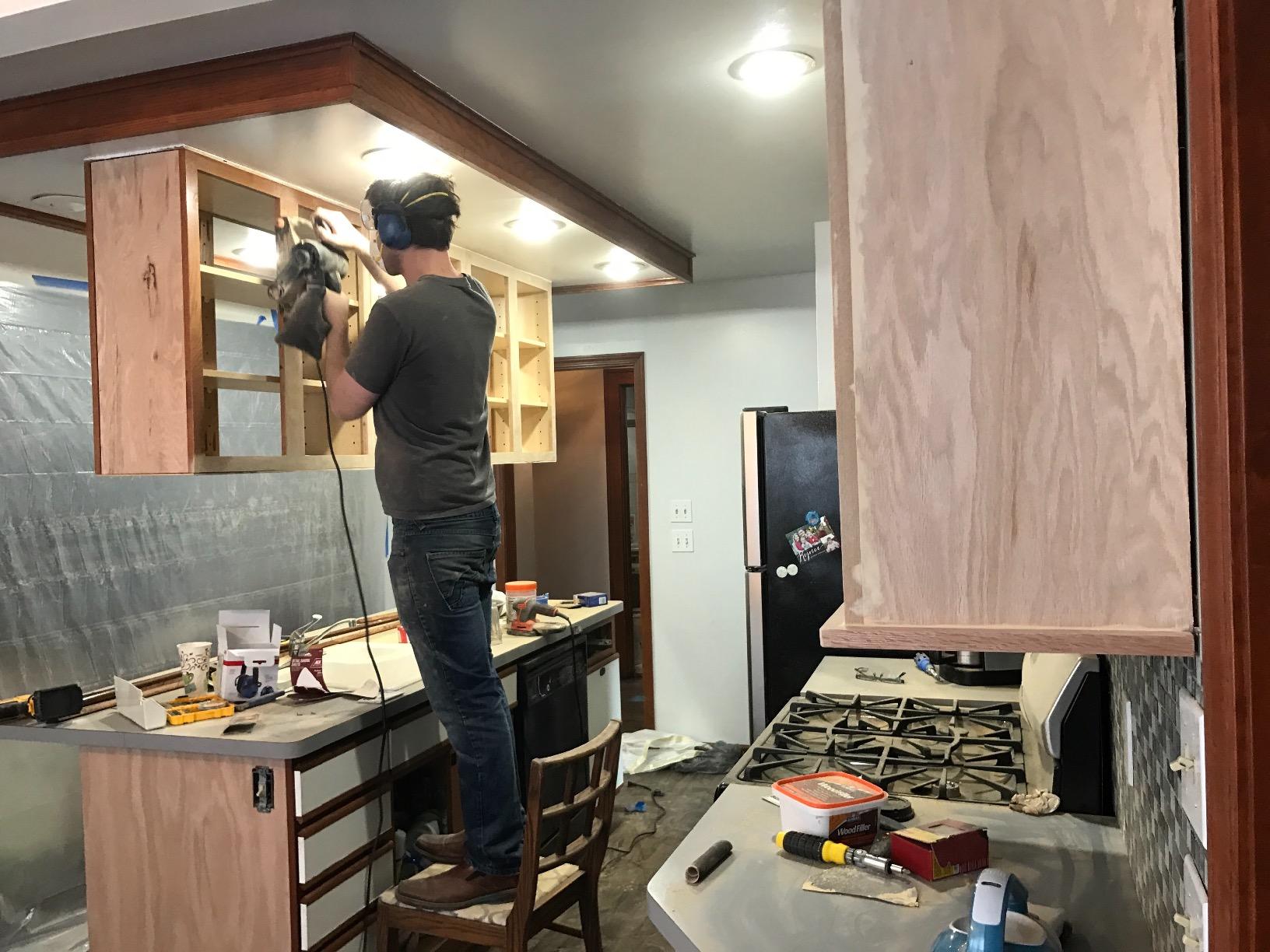
The WEN 6321 proves that you do not need to spend a fortune to get a capable belt sander. At under $50, this 7-amp sander delivers surprising power for DIY projects and general workshop use. I tested it on deck boards, paint removal, and rough lumber prep, and it handled all of those tasks respectably for the price.
Weighing just 6.2 pounds, the WEN 6321 is one of the lightest belt sanders on our list. This makes it a great option for extended sessions where a heavier tool would cause fatigue. The lock-in safety trigger allows continuous sanding without maintaining a death grip on the handle, which is a feature usually reserved for more expensive models.
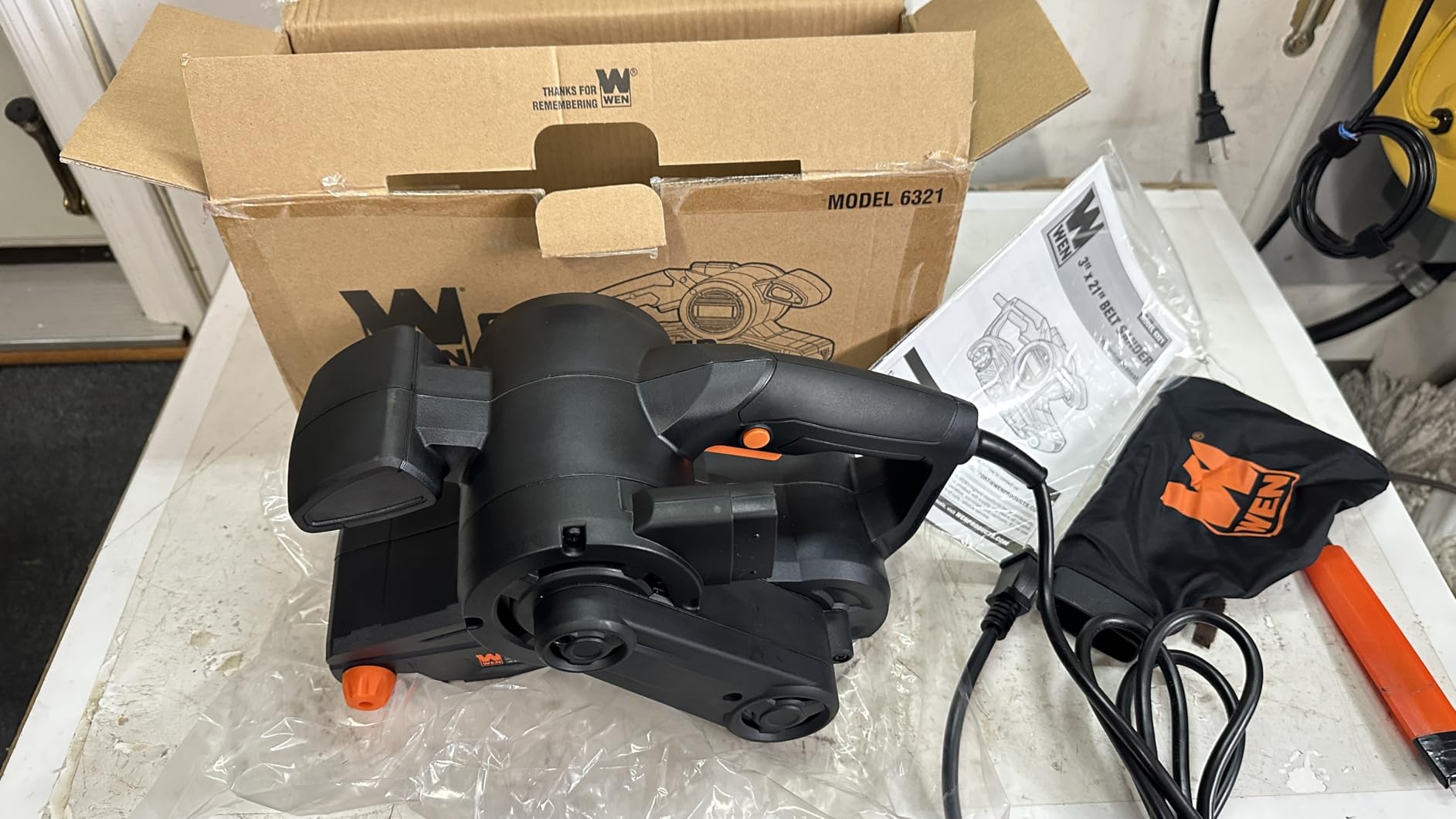
The belt spins at over 13 feet per second, which is fast enough for most hobbyist applications. One clever feature is that you can flip it upside down and clamp it as a stationary sander for small parts. This versatility adds real value at this price point and makes it one of the best belt sanders for DIY enthusiasts on a budget.
The compromises are exactly what you would expect at this price. Dust collection is poor, with the included bag blowing fine particles rather than capturing them. There is no variable speed control. Belt tracking occasionally drifts and needs adjustment. And it is not built for the kind of continuous heavy use that a professional deck refinisher would demand.
What Projects It Handles Best
This is the best belt sander for occasional DIY use, small workshop projects, and light renovation work. It excels at flattening tabletops, removing old finish from furniture, and cleaning up rough-cut lumber. The 2-year warranty provides peace of mind that is unusual at this price point.
Limitations to Be Aware Of
The dust bag uses a square port that is not compatible with standard vacuum hoses, so connecting a shop vac requires an adapter. The motor can also struggle with very hard woods under heavy pressure. If you need a tool for daily professional use, invest in the Makita or Metabo HPT models below.
4. Skil 7510-01 – Best Value Belt Sander with Pressure Control
SKIL 6 Amp 3″x18″ Belt Sander with Pressure Control – 7510-01
6-Amp motor
3x18 belt
5.5 lbs
Auto-track
Pressure control
Pros
- Pressure control technology warns of excessive pressure
- Auto-track belt alignment keeps belt centered
- Lightweight at 5.5 lbs
- Micro-filtration dust system
- Vacuum compatible
Cons
- Dust collector fills up quickly
- Vacuum hose compatibility issues
- Auxiliary handle is awkward
- 18-inch belt shorter than competitors
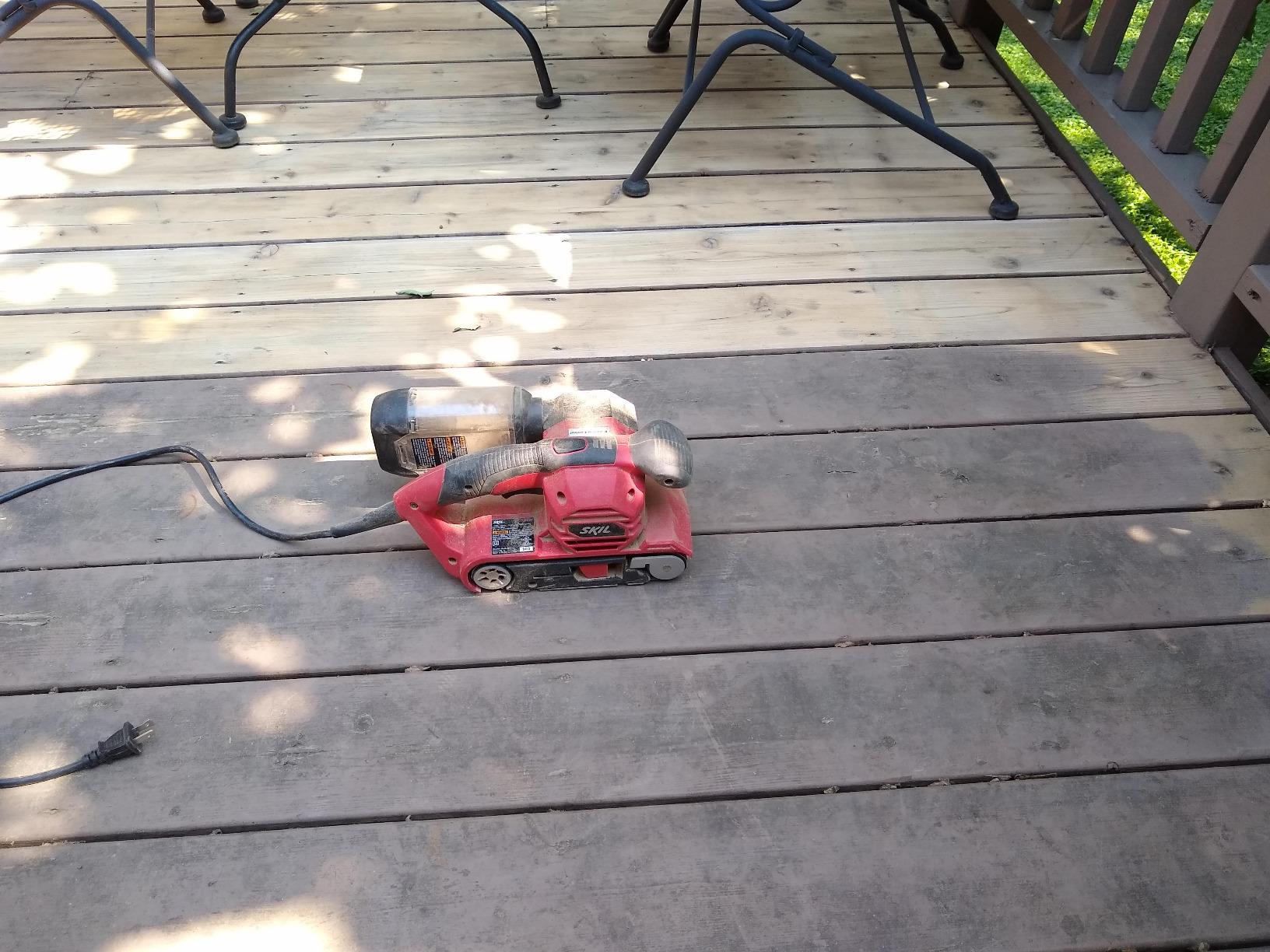
The Skil 7510-01 has the highest review count on our list at over 4,500 ratings, and it earns a 4.5-star average. What caught my attention is the pressure control technology, which alerts you when you are pressing too hard. This is genuinely useful for beginners who tend to bear down and end up gouging their workpiece.
The auto-track belt alignment is another feature that punches above its weight class. The belt stays centered automatically, which eliminates one of the most frustrating aspects of using cheaper belt sanders. Belt changes take about 10 seconds with the auto-alignment system, making grit swaps quick and painless during a project.
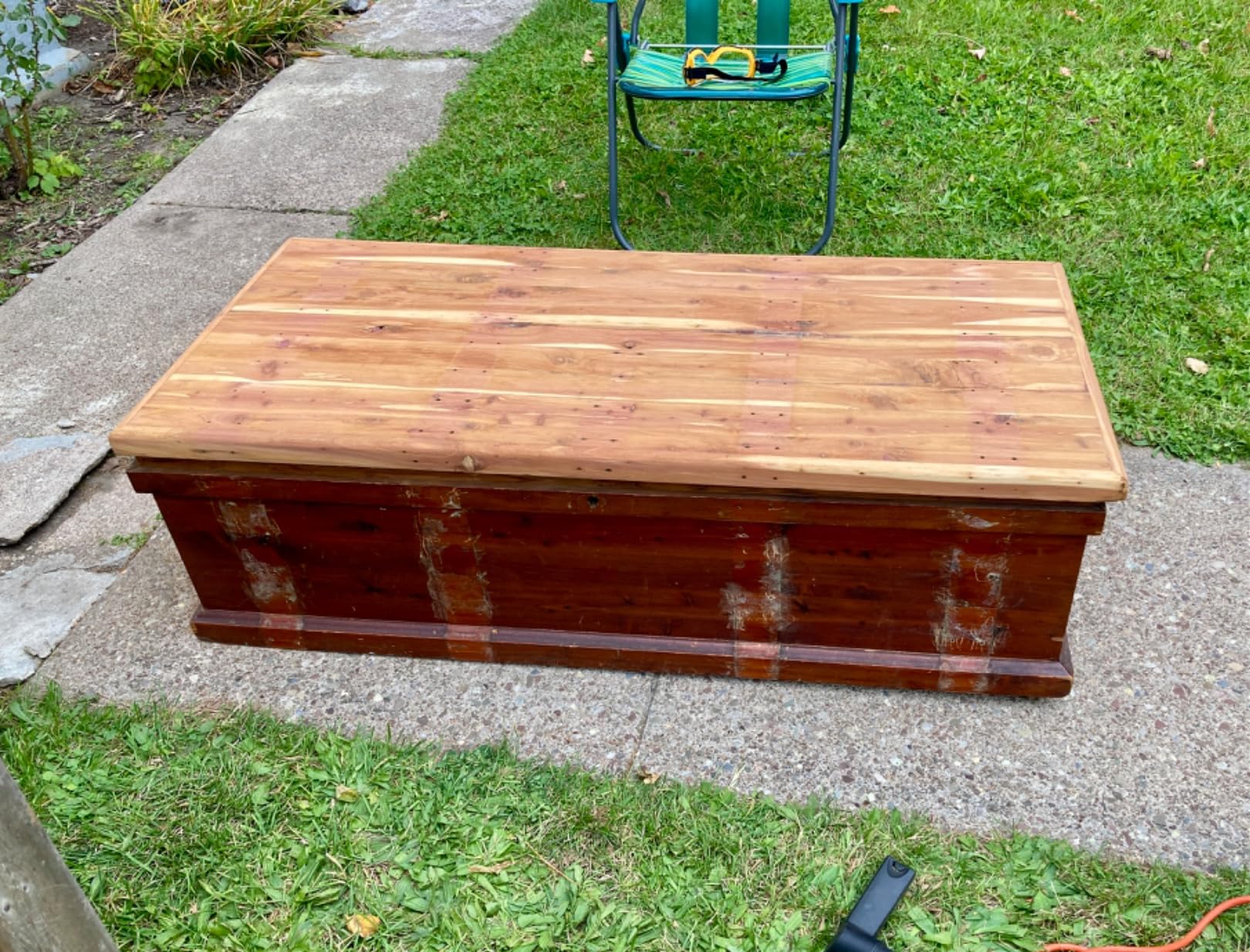
At 5.5 pounds, this is the lightest belt sander in our roundup. The 6-amp motor handles softwoods and hardwoods alike, though it will bog down slightly on very dense species under heavy pressure. The flush edge sanding design lets you sand right up to adjoining surfaces, which is helpful for furniture work and cabinet fitting.
The micro-filtration system captures finer dust particles than basic cloth bags, and the vacuum compatibility with standard 1-1/4 inch hoses is a plus. However, several users report the actual fit is not as clean as advertised, and the dust container fills up quickly during aggressive sanding sessions.
Why It Offers the Best Value
For under $70, you get pressure control technology, auto-tracking, micro-filtration, and a lightweight design. Many users on Reddit compare it favorably to Makita models for a fraction of the cost. If you want the best belt sander for woodworking without spending over $100, this is the one to get.
Who Will Find It Limiting
The 3×18 belt is shorter than the 3×21 standard found on most competitors, which means less surface area per pass on large projects. The auxiliary handle position is awkward according to multiple reviews, which could be a dealbreaker for users who need two-handed control during extended use.
5. Metabo HPT SB8V2 – Best Professional Belt Sander with Variable Speed
Metabo HPT Belt Sander | 3 x 21 Inch | For Woodworking | Variable Speed | 9.0 Amp Motor | Soft Grip | 5-Year Warranty | SB8V2
9-Amp motor
Variable speed
3x21 belt
9.5 lbs
5-year warranty
Pros
- Powerful 9-amp 1020-watt motor
- Variable speed dial for multiple applications
- Industry-leading 5-year warranty
- Solid metal construction
- Clear front cover for visibility
Cons
- Heaviest in class at 9.5 lbs
- Tends to grab and dig on left side
- Belt release lever is small and fiddly
- Not ideal for beginners
The Metabo HPT SB8V2 is the belt sander that Reddit woodworkers consistently recommend as the best value alternative to Makita. With a 9-amp motor producing 1,020 watts of power, it is the most powerful 3×21 sander on our list. The variable speed dial at the base of the handle lets you dial in the right speed for different materials and applications.
The 5-year limited warranty is the best in class by a wide margin. No other belt sander manufacturer offers this level of coverage, which speaks to Metabo HPT’s confidence in their build quality. The solid metal construction feels sturdy in hand, and the clear front cover improves visibility when sanding against walls and corners.
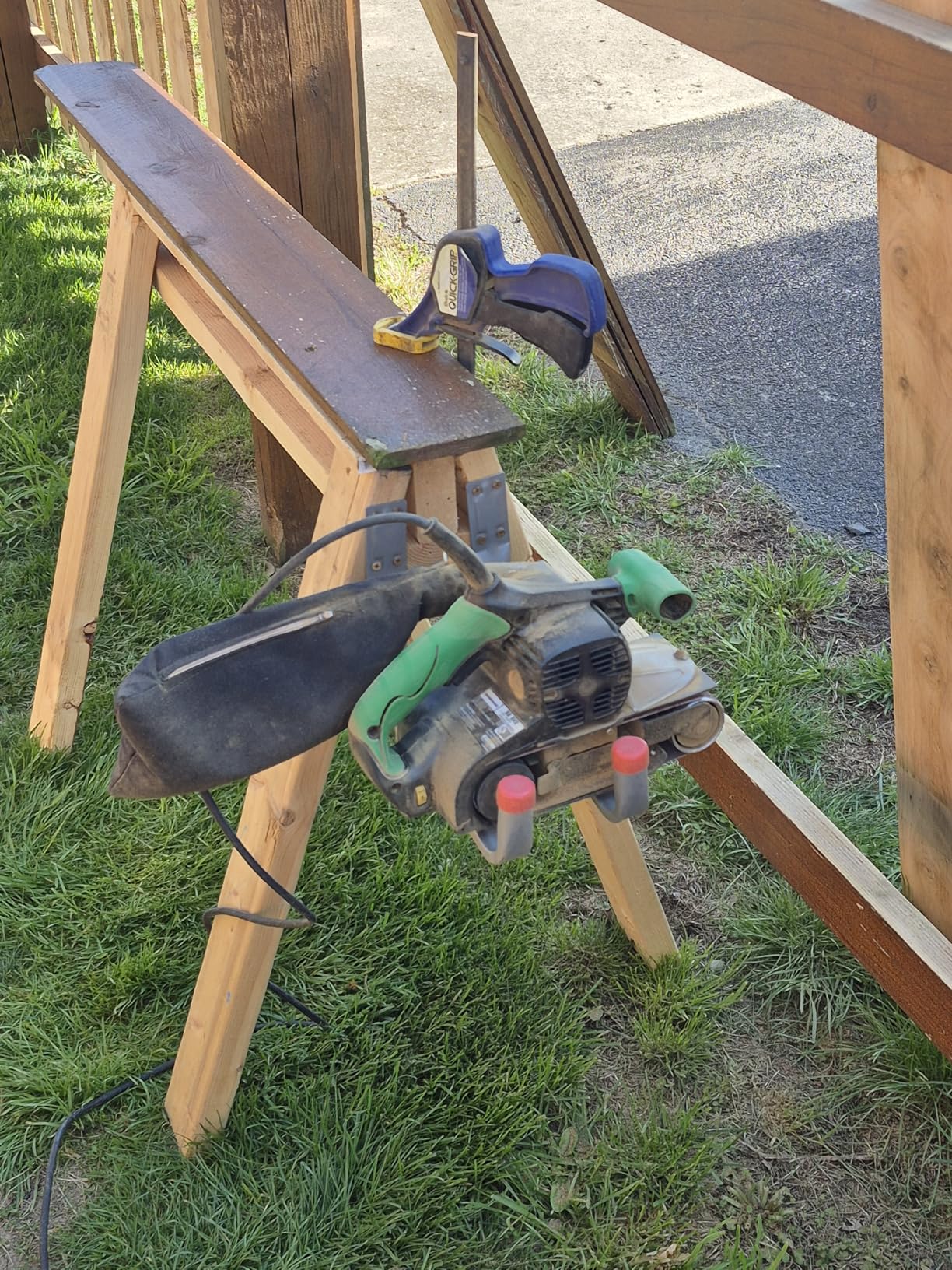
Experienced woodworkers will appreciate the power and precision this tool offers. The ribbed drive belts are less likely to shred than smooth belts on cheaper models, and the left-side mounted dust bag improves corner sanding access. The flush surface design allows for quick and even sanding across large flat areas.
The learning curve is steeper than other sanders on this list. At 9.5 pounds, it is the heaviest 3×21 model available, and several users report balance issues causing it to grab and dig on the left side. The platen may have a slight bow front to back on some units, and the belt release lever is small and fiddly to operate.
Warranty and Long-Term Value
The 5-year warranty alone justifies the price premium for professionals who use their tools daily. Parts availability is strong, which addresses a major concern that forum users have about discontinued brands like Porter-Cable. This is a tool built to last decades, not seasons.
Skill Level Required
This is not a beginner-friendly belt sander. The power and weight require experience to control properly. If you are new to belt sanding, start with the lighter WEN or Skil models before stepping up to the Metabo HPT. Experienced users who learn its quirks will find it an incredibly capable tool.
6. Craftsman CMEW213 – Best Mid-Range Belt Sander for Home Workshops
CRAFTSMAN Electric 7 Amp Belt Sander, 3-in. x 21-in., Corded (CMEW213)
7-Amp motor
3x21 belt
800 FPM
6.6 lbs
Tool-free belt change
Pros
- Angled belt design for edge sanding
- Tool-free belt release for quick changes
- 3-position over-molded handle
- Powerful 7-amp motor
- Nose design accesses narrow gaps
Cons
- Belt tensioning requires frequent adjustment
- Motor heats up under heavy pressure
- Dust port not vacuum-compatible
- Plastic housing less durable
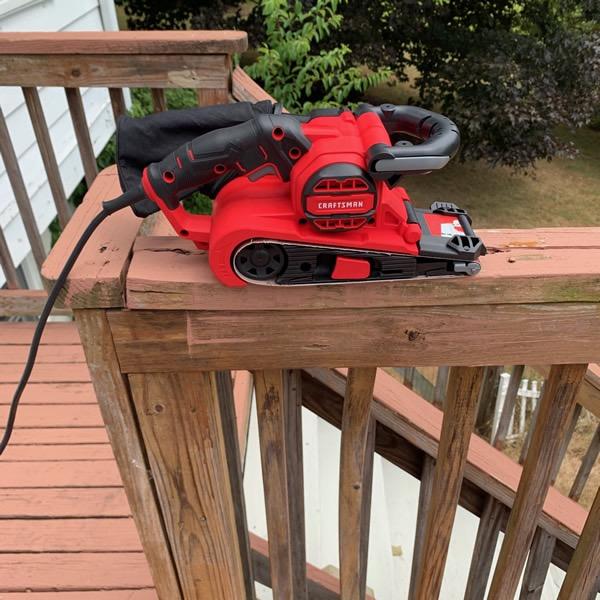
The Craftsman CMEW213 occupies a sweet spot between budget models and professional tools. At around $100, it offers a 7-amp motor, tool-free belt changes, and an angled belt design that lets you sand closer to adjoining surfaces. I found it particularly effective for deck refinishing where you need to get into corners and tight spots.
The 3-position over-molded handle is one of the most comfortable grips I have used on a belt sander in this price range. Being able to adjust the handle position reduces muscle fatigue during long sanding sessions. The tool-free belt release system makes grit changes a 10-second operation rather than a frustrating struggle.
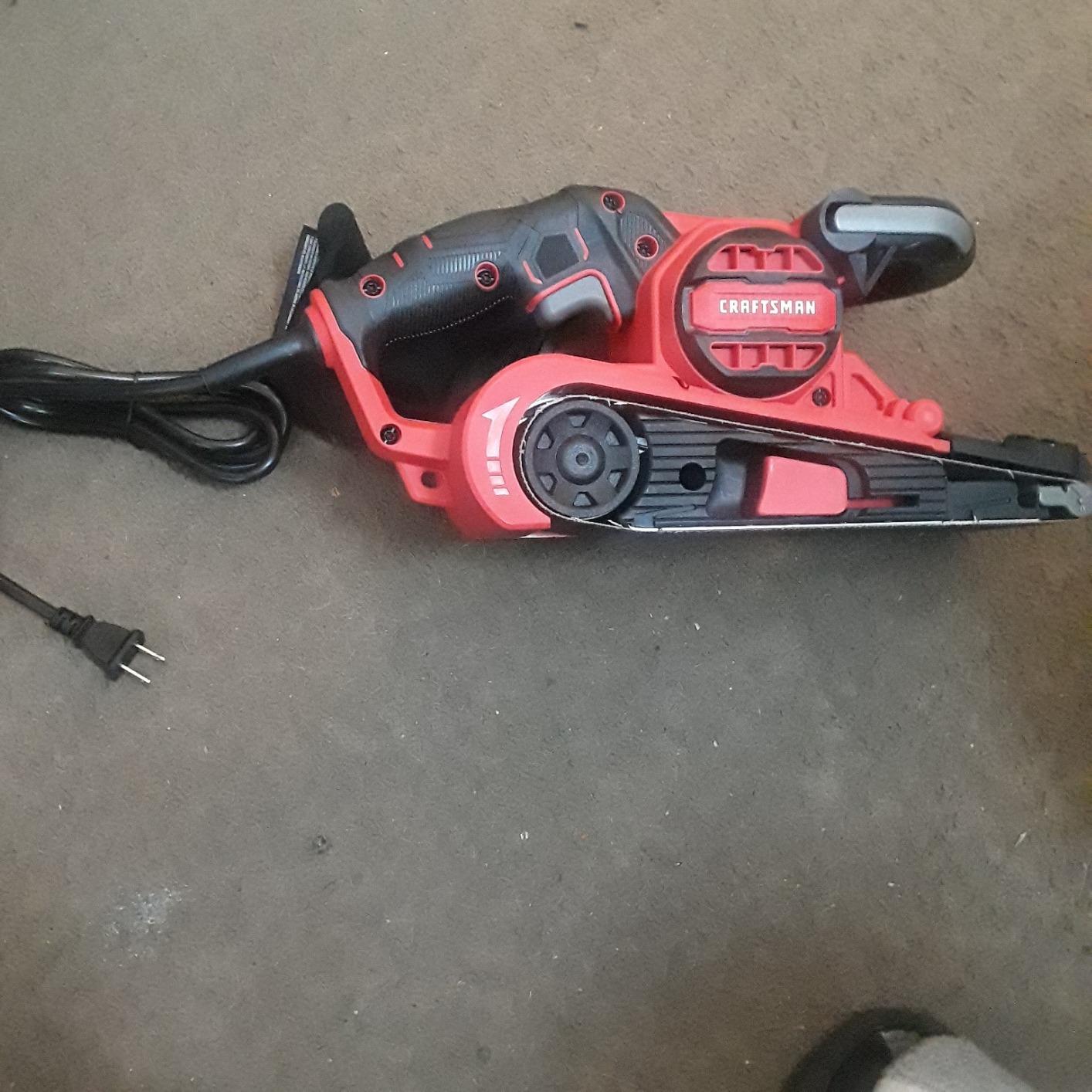
Material removal at 800 FPM is solid for the price. The nose design allows access to narrow gaps and edges that bulkier sanders cannot reach. This makes it one of the best belt sanders for remodeling work where you are fitting boards against existing structures.
The main complaints center on belt tensioning, which can require frequent adjustment during use. The motor also tends to heat up under sustained heavy pressure, which limits its suitability for large-scale professional floor sanding. The dust port is not round, so connecting a vacuum requires modification or an adapter.
Best Applications for This Sander
Deck refinishing, furniture restoration, and general home workshop tasks are where the CMEW213 performs best. The angled belt design is particularly useful when sanding boards installed next to walls or railings, giving you access that straight-belt sanders simply cannot match.
What to Watch Out For
The plastic housing feels less durable than older Craftsman models, and the warm dust exhaust can be uncomfortable without gloves during extended sessions. Plan to check belt tension periodically during use to prevent the belt from drifting off the drums.
7. Milwaukee M18 Fuel 2832-20 – Best Cordless Belt Sander for Overhead Work
Milwaukee Electric Tool M18 Fuel 3″” x18 Belt Sander
M18 brushless
Cordless
3x18 belt
LED lighting
Adjustable handles
Pros
- Efficient and powerful for its size
- Compact and quiet operation
- Adjustable handles for overhead use
- LED work lighting
- Vacuum hose attachment included
Cons
- Dust collection bag considered ineffective
- Battery drains quickly under load
- Better for quick jobs than large projects
- Low review count
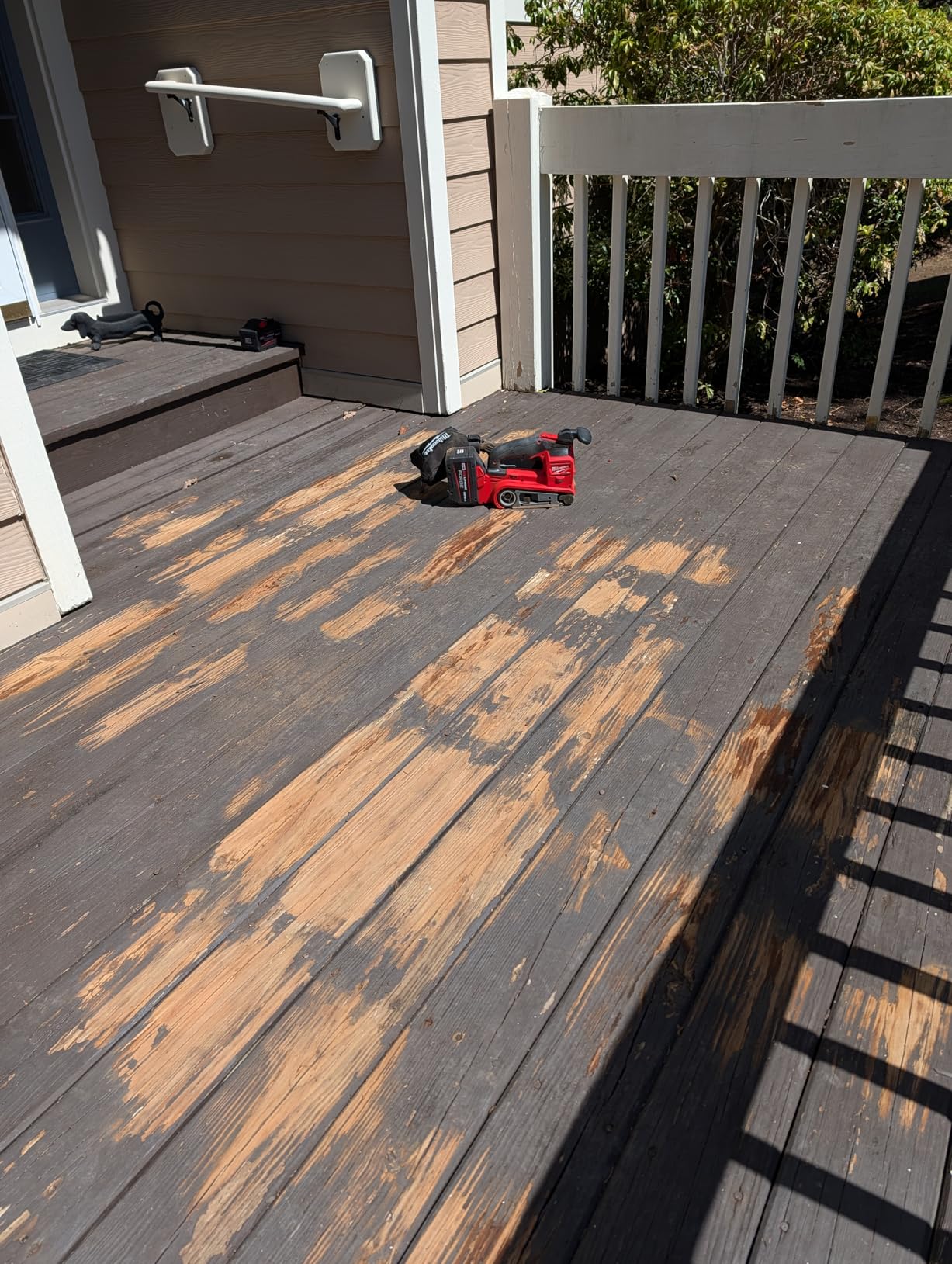
The Milwaukee M18 Fuel 2832-20 brings cordless convenience to the M18 ecosystem, and its compact design makes it the best belt sander for overhead and vertical work. The adjustable handles allow comfortable operation in multiple positions, which is essential when sanding door frames, ceiling beams, or wall surfaces above shoulder height.
Milwaukee’s brushless motor delivers efficient power that rivals corded models for quick knockdown jobs. The included LED work lighting illuminates your sanding path, which is genuinely helpful when working in dimly lit areas or underneath decks and cabinets. The 3×18 belt size keeps the tool compact enough for tight spaces.
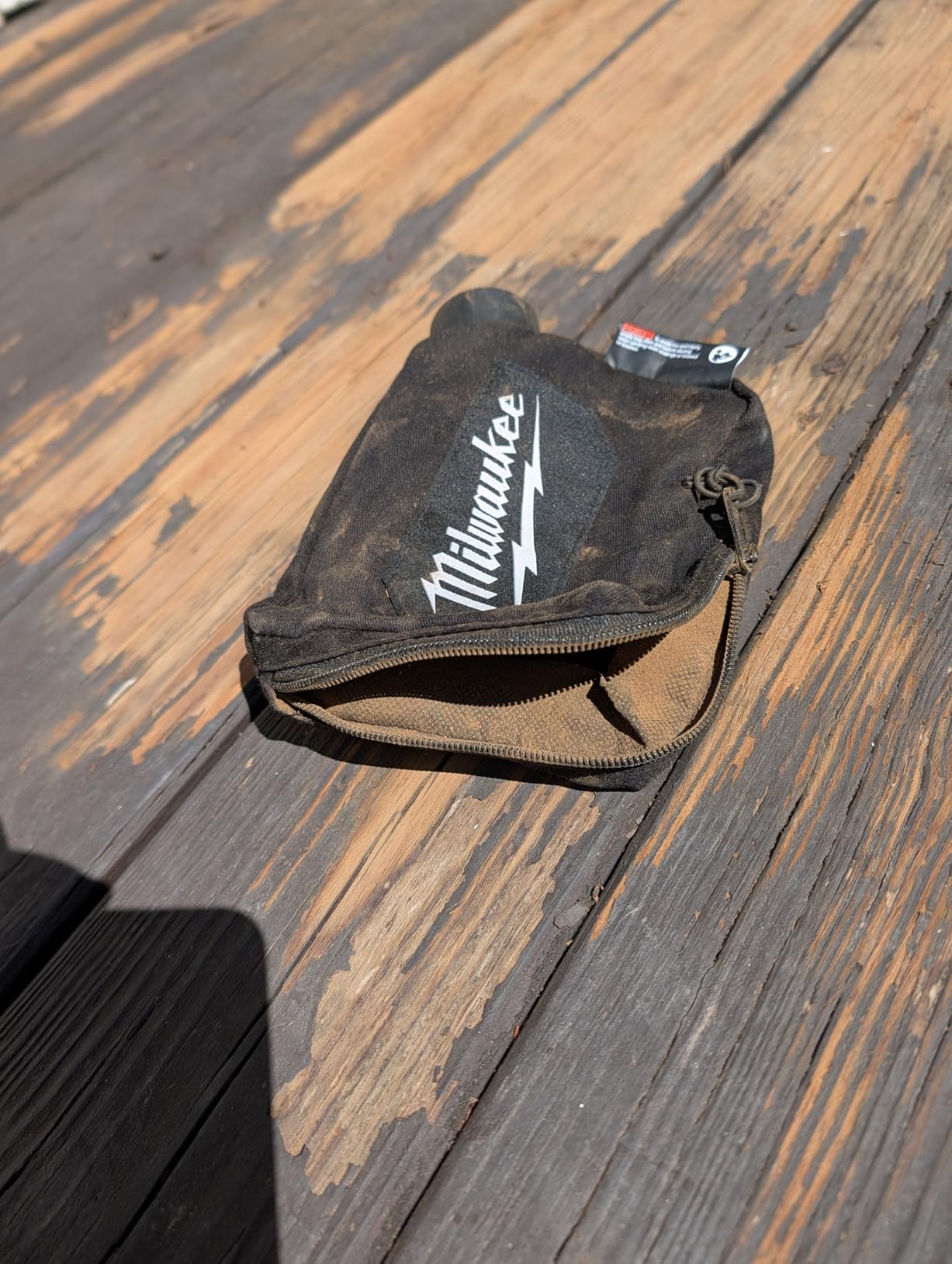
The dust sock and vacuum hose attachment are included, which is a nice touch at this price point. The zipper on the dust bag makes cleanout easier than the clip-on bags found on competitors. Forum users in the Milwaukee subreddit praise the tool’s one-handed capability and impressive power for its compact footprint.
Battery consumption is the primary concern. Under heavy load, the battery drains quickly, which is a common issue across all cordless belt sanders. The dust collection bag is widely considered ineffective by users, so plan to connect a shop vac for serious dust management. This tool is better suited for quick jobs rather than large-scale projects.
M18 Ecosystem Advantages
If you already own Milwaukee M18 batteries and chargers, this belt sander is a natural addition to your collection. The adjustable handles and compact design make it the best cordless option for working in positions where a bulkier corded tool would be exhausting or impossible to maneuver.
Best Job Types
Quick trim work, scribing cabinets, sanding door edges, and spot repairs are ideal for this tool. For large tabletop flattening or deck refinishing, the battery limitations make it less practical than a corded alternative like the Makita 9403 or Metabo HPT SB8V2.
8. Black+Decker DS321 – Best Belt Sander for Deck and Railing Work
BLACK+DECKER Belt Sander with Dust Bag, 7-Amp, 3-Inch by 21-Inch (DS321)
7-Amp motor
Angled belt
3-position handle
3x21 belt
Flush design
Pros
- Angled belt sands 3x closer to edges
- 3-position adjustable handle
- Flush low-profile design for vertical surfaces
- Retractable hood for tight spaces
- Corded unlimited runtime
Cons
- Belt tracking issues common
- Dust collection system can fail over time
- Plastic parts affect durability
- Motor can burn out under heavy load
The Black+Decker DS321 features a unique angled belt design that allows sanding three times closer to the edge of adjoining surfaces than standard belt sanders. This makes it one of the best belt sanders for deck work where you need to get under railings and between boards. The retractable hood exposes the top of the belt for versatile operation in tight spaces.
The 3-position handle keeps you comfortable in different orientations and helps reduce muscle fatigue. The flush, low-profile design provides extended reach for sanding vertical surfaces like siding and fence panels. Corded operation means unlimited runtime for even the biggest deck refinishing jobs.
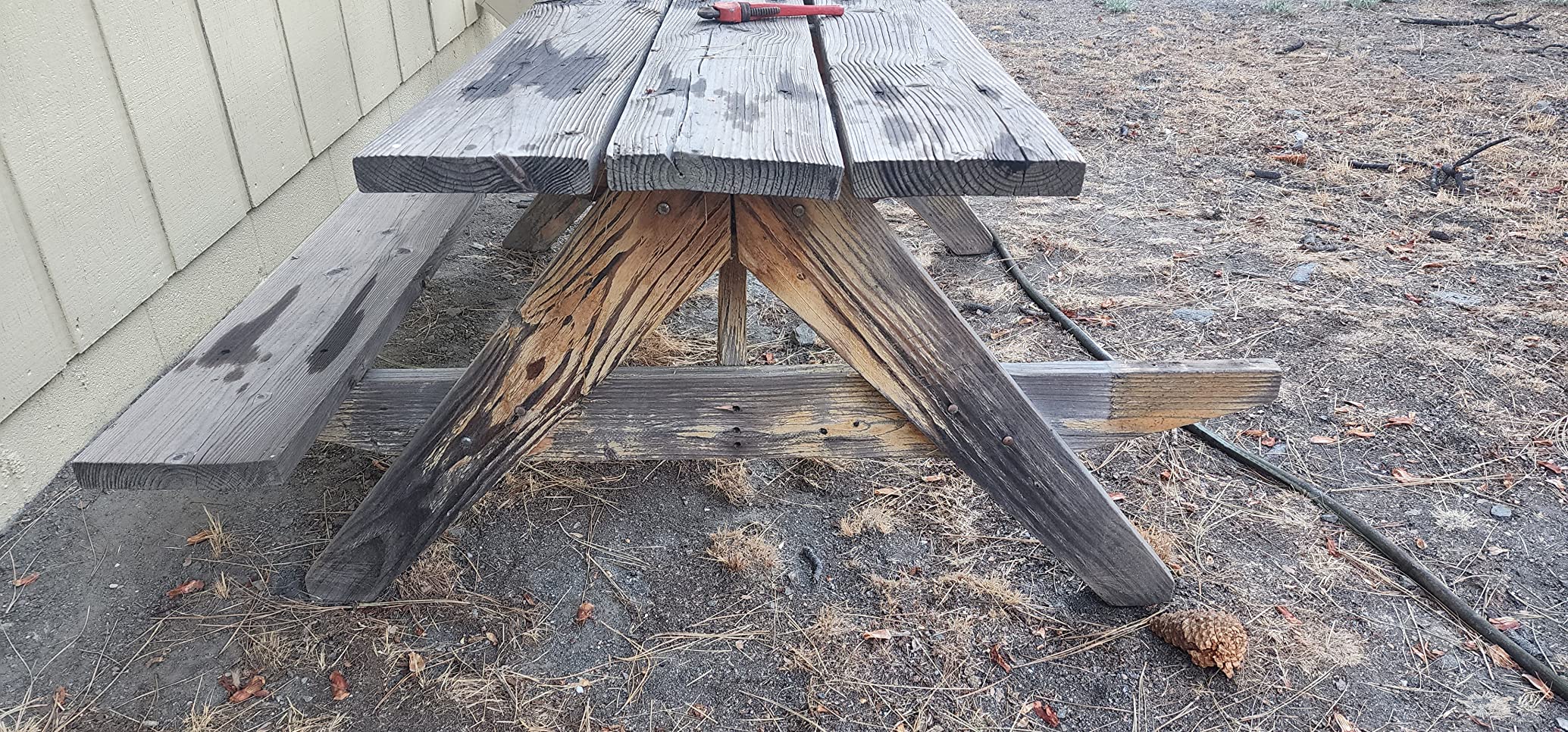
The 7-amp motor delivers strong performance for home and DIY use. On-board dust collection keeps your work area cleaner, though the system is basic compared to premium models. The included medium grit sanding belt is sufficient for getting started on most paint removal and surface preparation tasks.
Belt tracking is the most common complaint with this model. The belt can slip off the drums if not carefully aligned, which requires a learning curve. The dust collection system can also degrade over time, with some users reporting it stops picking up dust after months of use. These issues keep it firmly in the DIY category rather than professional use.
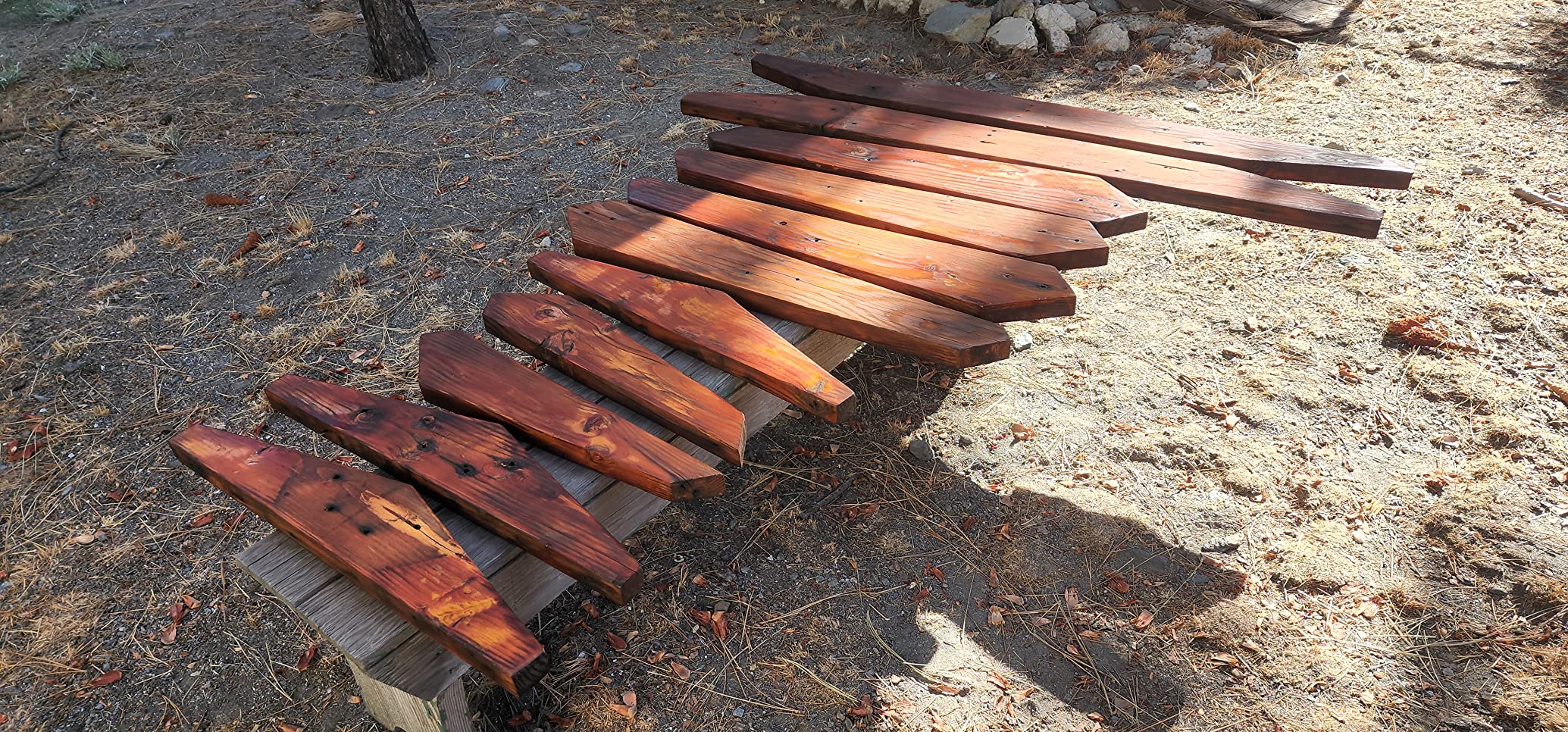
Why It Excels at Deck Work
The angled belt design is the key advantage for deck projects. Getting under railings, between deck boards, and against house siding is significantly easier with this tool than with standard straight-belt sanders. The retractable hood adds another layer of versatility for accessing hard-to-reach areas.
Durability Considerations
The plastic components are a concern for long-term durability, and some users report motor burnout under sustained heavy load. This is a tool best suited for occasional home use rather than daily professional service. For regular deck maintenance and DIY renovation, it offers good value for the features provided.
9. WEN HB321V – Best Budget Variable Speed Belt Sander
WEN 7.5-Amp 3-by-21-Inch Variable Speed Handheld Portable Belt Sander (HB321V)
7.5-Amp motor
Variable speed 620-1200 FPM
3x21 belt
6.4 lbs
Pros
- Excellent value for money
- Variable speed control from 620-1200 FPM
- Lightweight at 6.4 lbs
- Lock-on switch for continuous sanding
- Quick belt changes with tension lever
Cons
- Motor bogs down under heavy pressure
- Dust collection port undersized
- Feels less durable than premium brands
- Not for construction site use
The WEN HB321V gives you variable speed control at a price where most competitors offer only single-speed operation. With a range of 620 to 1,200 FPM, you can dial in the right speed for coarse stock removal or more controlled finishing work. This level of adjustability at under $50 is remarkable.
The 7.5-amp motor provides more power than the original WEN 6321, and the lightweight 6.4-pound design keeps fatigue manageable during extended sessions. The lock-on power switch allows continuous sanding without maintaining grip pressure, and the quick-release belt tension lever makes belt swaps fast and tool-free.
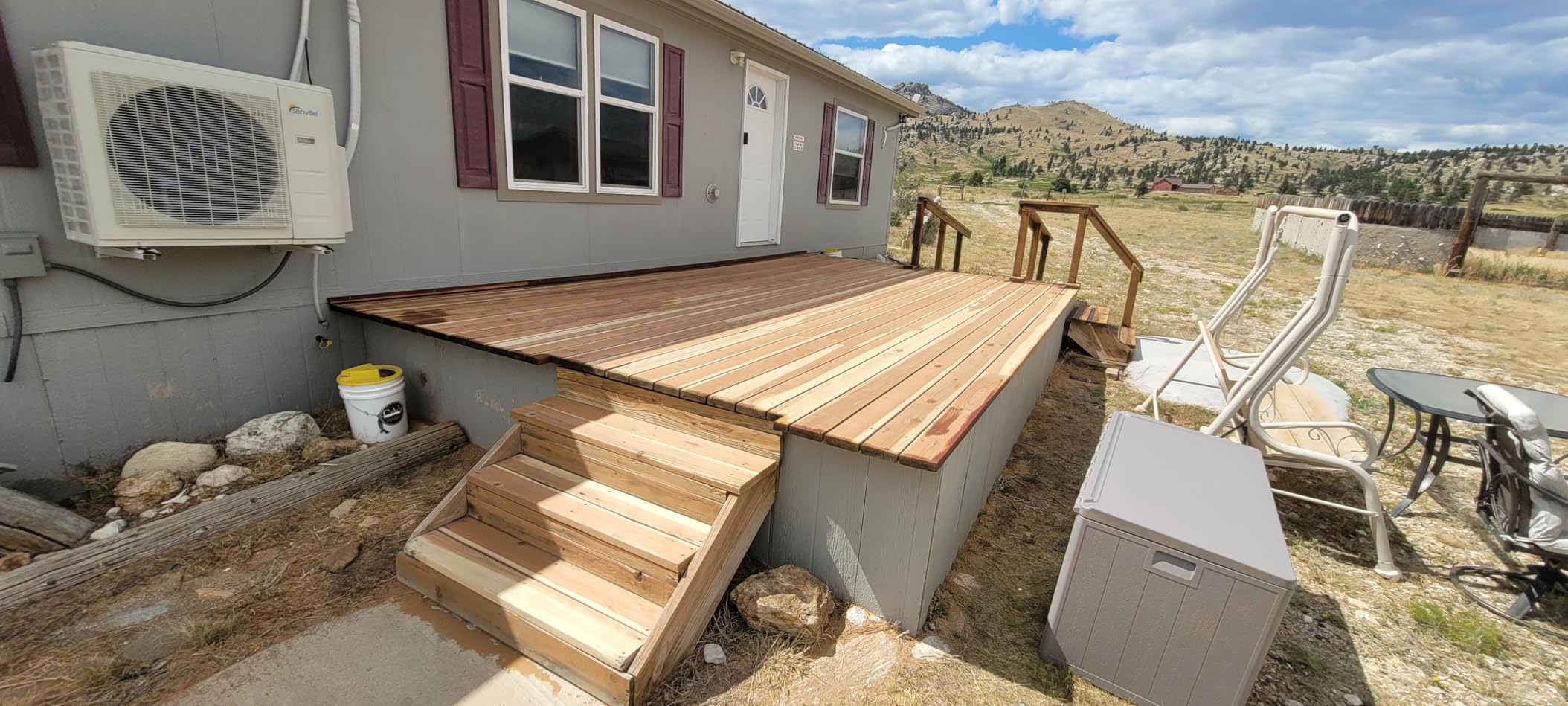
Hobbyist woodworkers make up the core audience for this sander, and 76% of Amazon reviews are 5-star. The included 80-grit sanding belt gets you started right out of the box, and the 2-year warranty provides coverage that matches more expensive brands. WEN also has a reputation for responsive customer service with documented replacement experiences.
The motor does bog down under heavy pressure, particularly on dense hardwoods. The dust collection port is undersized, which limits vacuum compatibility. And the overall build quality feels lighter and less durable than premium brands like Makita or Metabo HPT. These are expected trade-offs at this price point.
Variable Speed Benefits at This Price
Having variable speed at this price is the main selling point. Being able to slow the belt down for finer work or speed it up for aggressive material removal gives you flexibility that single-speed budget sanders simply cannot match. This is the best belt sander for DIY if variable speed is a priority.
Project Suitability
This sander is ideal for hobbyist woodworking, small furniture projects, and occasional home renovation tasks. It is not built for construction site use or daily professional service. For light to medium workshop use, it delivers excellent value that is hard to beat at this price point.
10. Craftsman V20 CMCW223B – Best Cordless Belt Sander for the Money
CRAFTSMAN V20* Brushless Rp Belt Sander (CMCW223B)
V20 brushless
Cordless
5 speed settings
3x18 belt
950 FPM
Pros
- Strong performance comparable to corded
- Brushless motor with good battery life
- 5 variable speed settings
- 3-position auxiliary handle
- Tool-free belt tracking
Cons
- Battery not included
- Low review count
- Very powerful for beginners
- Can be heavy
The Craftsman V20 CMCW223B brings brushless cordless power to a more affordable price point than the DeWalt or Milwaukee cordless options. Users report that its performance is comparable to corded sanders, with one reviewer noting a 6Ah battery lasted all morning on a deck project. That kind of runtime is impressive for a cordless belt sander.
The 5 variable speed settings give you application flexibility without the complexity of the DeWalt’s 25-speed dial. The V20 brushless motor delivers up to 950 FPM for fast material removal, and the 3-position auxiliary handle provides control from multiple angles. Tool-free belt tracking adjustment lets you fine-tune on the fly.
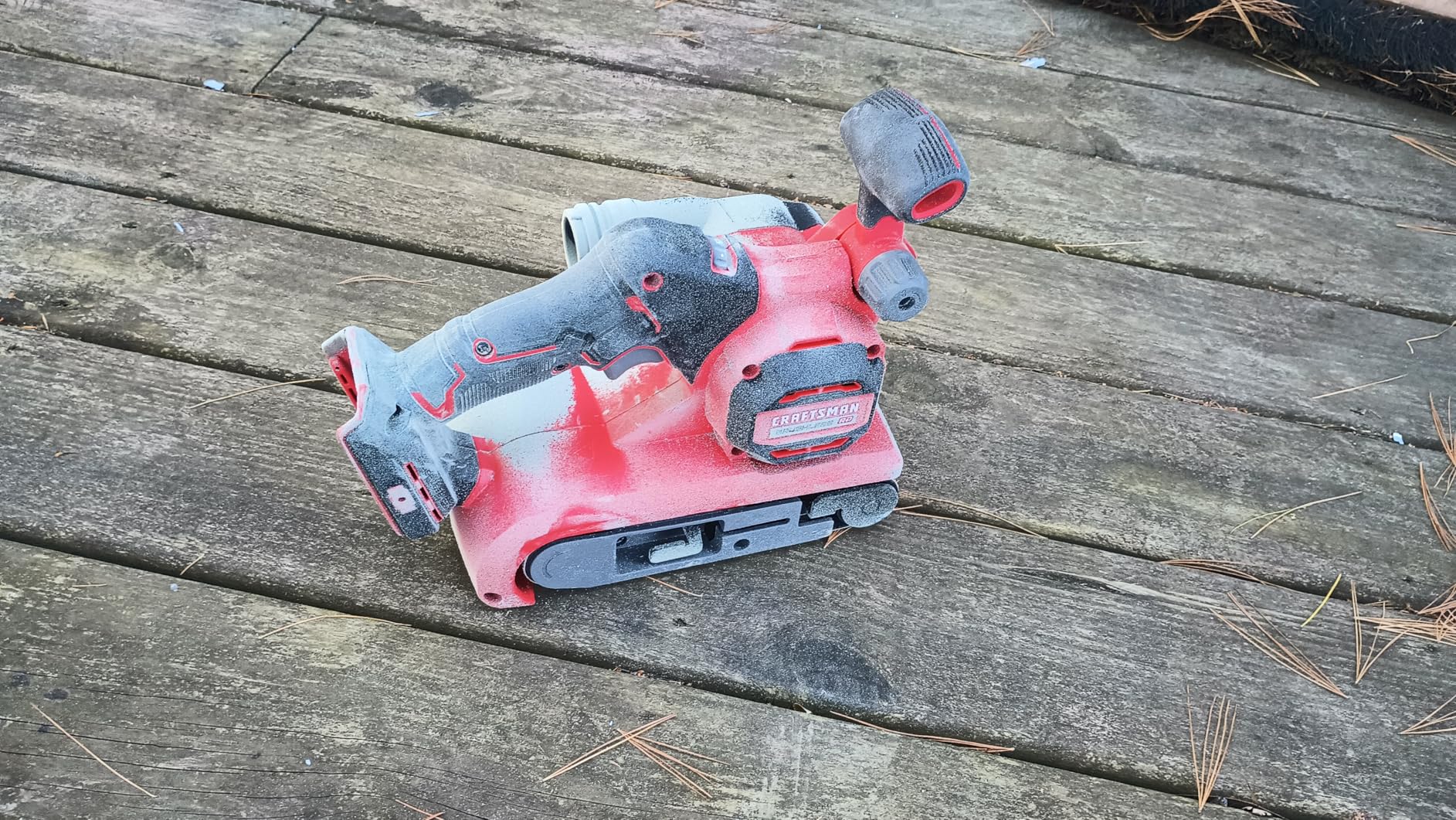
The airlock-compatible dust collection system works with standard dust bags or vacuum attachments. The included 80-grit sanding belt and dust bag mean you can start working immediately if you already have V20 batteries. This is currently the number 10 best seller in Power Belt Sanders on Amazon.
The main drawback is the battery and charger are not included, which adds to the total cost if you are not already in the Craftsman V20 ecosystem. The low review count of 42 means long-term reliability data is limited compared to more established models. Some users also note the tool feels heavy during extended use.
V20 Ecosystem Integration
If you already own Craftsman V20 tools and batteries, this belt sander offers the best cordless value on our list. The combination of brushless power, variable speed, and a lower price point than the DeWalt makes it an attractive option for V20 system users looking to expand their cordless collection.
Power vs Control Trade-off
This is a very powerful cordless sander that some users caution is not suitable for beginners. The aggressive material removal capability means you need steady control to avoid gouging. For experienced users who want cordless freedom without sacrificing power, this is an excellent choice that delivers professional-level performance at a reasonable cost.
How to Choose the Best Belt Sander in 2026?
Choosing the right belt sander comes down to matching the tool’s capabilities to your specific projects, budget, and experience level. After testing 10 models and analyzing feedback from thousands of users, here are the factors that matter most when making your decision.
Belt Size: 3×18, 3×21, or 4×24
The belt size determines how much surface area you cover per pass and what belts you can buy at the hardware store. The 3×21 belt is the most common size, offering a good balance of coverage and maneuverability. Most manufacturers make their primary models in this size.
The 4×24 belt, found on the Makita 9403, covers significantly more area per pass, making it ideal for large flat surfaces like decks and tabletops. However, 4×24 belts are less commonly stocked at local stores. The 3×18 belt, found on the Skil and Milwaukee models, is more compact for tight spaces but covers less ground on large projects.
Motor Power and Amp Rating
Motor power directly affects how aggressively the sander removes material. Budget models like the WEN 6321 and Skil 7510-01 use 6 to 7-amp motors that handle DIY tasks well but can bog down on dense hardwoods. Mid-range models like the Craftsman CMEW213 push 7 amps with better build quality.
The Metabo HPT SB8V2 leads the corded pack with a 9-amp motor producing 1,020 watts, while the Makita 9403 dominates with an 11-amp motor. For cordless models, brushless motors in the DeWalt DCW220B and Milwaukee M18 Fuel deliver power comparable to corded equivalents. More amps means faster material removal but also more weight and higher cost.
Weight and Ergonomics
Belt sander weight ranges from 5.5 pounds on the Skil 7510-01 to 13 pounds on the Makita 9403. Forum users consider 9 to 10 pounds ideal for control without fatigue. Lighter sanders are easier to maneuver overhead and on vertical surfaces, while heavier models provide more downward pressure for aggressive flat sanding.
Handle design matters as much as weight. Multiple users complain about awkward auxiliary handles on budget models. Look for over-molded grips and multiple handle positions if you plan extended sanding sessions. The 3-position handles on the Craftsman CMEW213 and Black+Decker DS321 earn consistent praise for comfort.
Dust Collection Effectiveness
Dust collection is the most universally criticized feature across all belt sanders. Budget models like the WEN 6321 and Black+Decker DS321 have poor dust collection that blows fine particles rather than capturing them. Even premium models require regular bag emptying during aggressive sanding.
The DeWalt DCW220B leads the field with 95% dust collection efficiency when paired with the DEWALT airlock system. For shop setups, connecting your belt sander to a dedicated dust collection system makes a dramatic difference. Check out our guide to the best dust collectors for your workshop to build a clean, efficient sanding station.
Corded vs Cordless Belt Sanders
This is one of the most debated topics on woodworking forums. Corded belt sanders offer unlimited runtime and maximum power, making them the preferred choice for shop work and large projects. Cordless models provide freedom from extension cords, which is invaluable for on-site remodeling and quick tasks.
Battery life remains the primary limitation of cordless belt sanders. Users report 10 to 40 minutes of runtime depending on load and battery capacity. If you choose cordless, invest in at least two batteries to maintain workflow. The DeWalt DCW220B offers the best cordless experience overall, while the Craftsman V20 provides the best cordless value.
Belt Tracking Reliability
Belt tracking is the feature that real woodworkers value above all else. A sander that constantly requires tracking adjustment will frustrate you and can damage your workpiece if the belt walks off the drums. The Makita 9403 is legendary for its bulletproof tracking, while cheaper models like the WEN 6321 and Black+Decker DS321 require periodic adjustment.
The Skil 7510-01 addresses this with auto-track belt alignment that keeps the belt centered automatically. This feature is particularly valuable for beginners who may not notice tracking drift until it causes problems. When evaluating belt sanders, prioritize tracking reliability over almost every other feature.
Sanding Belt Grit Guide
Choosing the right grit is essential for good results. Coarse grits (40-60) are for aggressive stock removal, stripping paint, and flattening rough surfaces. Medium grits (80-120) handle general sanding and surface preparation before finishing. Fine grits (150-220) are for smoothing between finish coats, though most woodworkers switch to a random orbit sander for fine work.
For belt sanders, the most common starting grit is 80. Ceramic belts last the longest, especially for metalworking, followed by zirconia and aluminum oxide. Forum users consistently recommend ceramic belts for any serious sanding work, noting they outlast cheaper belts by a significant margin.
Warranty and Parts Availability
Warranty length and parts availability matter for long-term ownership. Metabo HPT leads with a 5-year warranty, while most competitors offer 1 to 2 years. Forum users specifically warn about Porter-Cable, whose parts are no longer available since the brand was sold. Stick with established brands like Makita, DeWalt, Milwaukee, and Metabo HPT for reliable parts support.
FAQs
What belt sander should I buy?
For most woodworkers, the Makita 9403 is the best overall belt sander thanks to its powerful 11-amp motor, flawless belt tracking, and exceptional durability. If you need cordless convenience, the DeWalt DCW220B is the top choice. For budget buyers, the WEN 6321 or Skil 7510-01 deliver solid performance at a fraction of the cost.
What is the best brand for sanders?
Makita is the consensus best brand for belt sanders across Reddit woodworking communities and professional shops. Their belt sanders are praised for superior balance, reliable tracking, and decades-long durability. Metabo HPT is the best value brand, offering professional features at mid-range prices with an industry-leading 5-year warranty.
What is the best type of sanding belt?
Ceramic sanding belts are the best overall choice, offering the longest life and best performance especially for metalworking. For general woodworking, aluminum oxide belts in 80-grit are the most common starting point. Zirconia belts offer a middle ground between ceramic and aluminum oxide in both price and durability.
Are belt sanders any good?
Yes, belt sanders are excellent tools that are the fastest handheld option for removing stock material and flattening large surfaces. They excel at leveling tabletops, cleaning rough lumber, removing paint, and shaping wood. However, they are aggressive tools that require careful technique to avoid gouging, and they are not ideal for fine finishing work where a random orbit sander performs better.
Can a belt sander flatten a tabletop?
Yes, a belt sander can flatten a tabletop, and it is one of the primary uses for this tool. The Makita 9403 with its 4×24 belt is particularly effective for flattening wide glue-ups and tabletops. Use a coarse grit belt (60-80) for initial flattening, then switch to finer grits or a random orbit sander for finishing. Always sand with the grain and keep the tool moving to avoid creating dips.
Final Thoughts on the Best Belt Sanders for 2026
After testing 10 models and reviewing feedback from over 19,000 users, the best belt sanders for 2026 break down into clear categories. The Makita 9403 remains the undisputed champion for professional-grade work with its flawless tracking and 11-amp power. The DeWalt DCW220B leads the cordless revolution with 25-speed control and 95% dust collection efficiency.
For budget-conscious buyers, the WEN 6321 and Skil 7510-01 deliver capable performance without breaking the bank. And the Metabo HPT SB8V2 offers the best professional value with variable speed and a 5-year warranty that no competitor can match. Whatever your project demands, there is a belt sander on this list that will get the job done right.