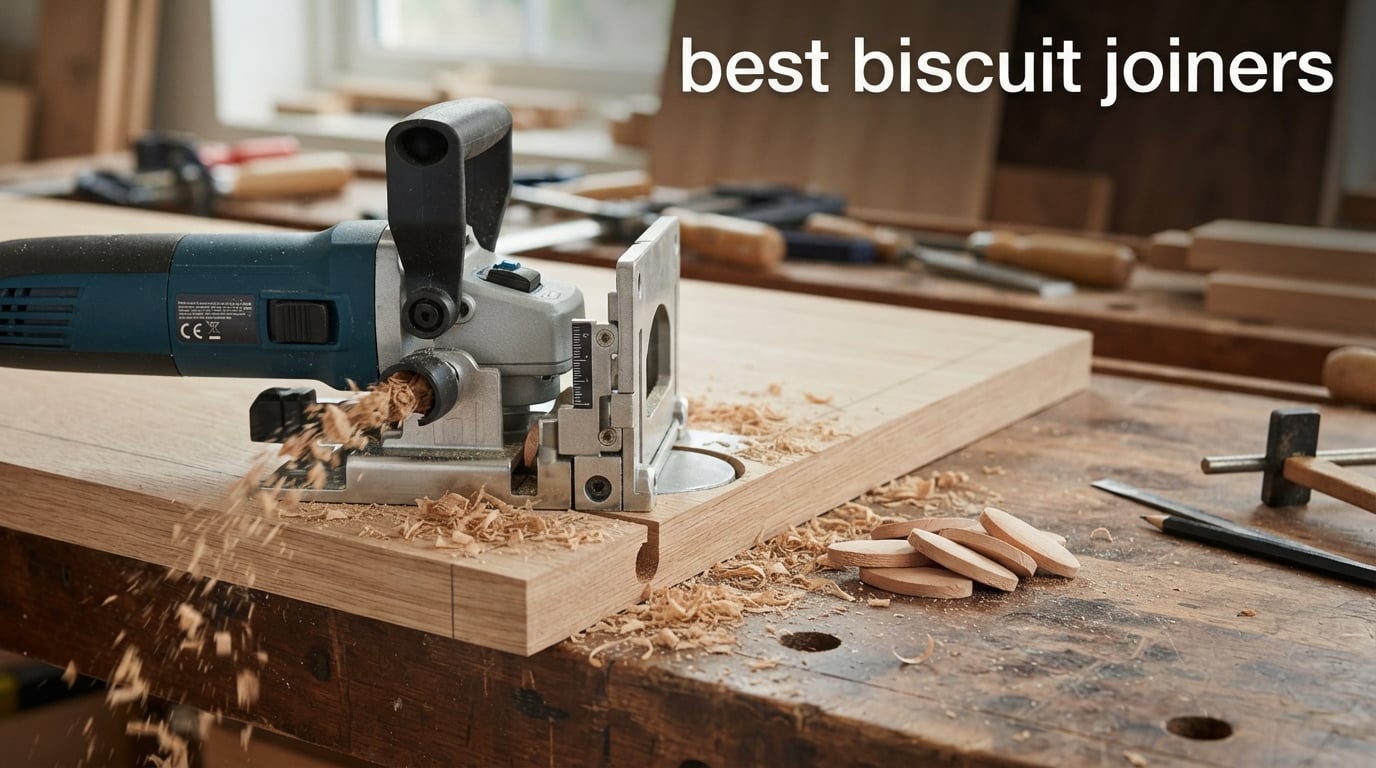
When you are building furniture, cabinets, or any woodworking project that involves joining two boards edge-to-edge, alignment is everything. I have spent the last several months testing the best biscuit joiners on the market, cutting hundreds of slots in oak, maple, plywood, and MDF to see which tools actually deliver on their promises. Whether you call it a biscuit joiner or a plate joiner, this tool cuts crescent-shaped slots into wood so you can insert compressed wood biscuits that swell with glue to create perfectly aligned, concealed joints.
Our team compared 8 models ranging from budget-friendly options under $60 to professional-grade cordless units. We looked at motor power, fence accuracy, dust collection, biscuit size support, and overall build quality. The goal was simple: find which biscuit joiners are worth your money in 2026. Every tool on this list was tested on real projects including tabletop glue-ups, face frames, miter joints, and shelf installations.
Are biscuit joiners any good? Absolutely. They are not structural connectors, but they make alignment during glue-ups dramatically easier, especially on wide panels. Reddit users on r/woodworking consistently praise how biscuit joiners simplify edge joints, and our testing confirmed that. After reading this guide, you will know exactly which plate joiner fits your needs and budget.
Table of Contents
Top 3 Biscuit Joiner Picks for 2026
Before we get into the detailed reviews, here are our three top recommendations based on months of hands-on testing across different project types and wood species.

DEWALT 20V MAX XR Cordless
- Brushless motor
- Dual rack-and-pinion fence
- Tool-free adjustments
- Paddle switch design

DEWALT DW682K Corded
- 6.5 amp motor
- Dual rack-and-pinion fence
- 45-degree locating notch
- 3-year warranty
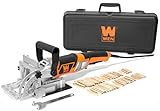
WEN JN8504 Plate Joiner
- 8.5 amp motor
- Pre-set stops for #0 #10 #20
- Includes case and biscuits
- 10
- 000 RPM
8 Best Biscuit Joiners in 2026
Here is a side-by-side comparison of all 8 models we tested. Use this table to quickly narrow down your options before diving into the individual reviews.
| Product | Specifications | Action |
|---|---|---|
| DEWALT 20V MAX XR Cordless |
|
Check Latest Price |
| DEWALT DW682K Corded |
|
Check Latest Price |
| WEN JN8504 Plate Joiner |
|
Check Latest Price |
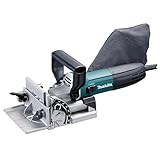 Makita PJ7000 Plate Joiner Makita PJ7000 Plate Joiner |
|
Check Latest Price |
 AOBEN Biscuit Cutter Joiner AOBEN Biscuit Cutter Joiner |
|
Check Latest Price |
 WEN Cordless Biscuit Joiner Kit WEN Cordless Biscuit Joiner Kit |
|
Check Latest Price |
 VEVOR Biscuit Plate Joiner VEVOR Biscuit Plate Joiner |
|
Check Latest Price |
 Makita XJP03Z Cordless Makita XJP03Z Cordless |
|
Check Latest Price |
1. DEWALT 20V MAX XR Cordless Biscuit Joiner (DCW682B) – Brushless Power Without the Cord
DEWALT 20V MAX XR Biscuit Joiner, Brushless, Tool Only (DCW682B)
Brushless motor
Cordless 20V Max
Dual rack-and-pinion fence
Tool-free adjustments
Paddle switch for left and right hand use
Pros
- Brushless motor delivers consistent cutting power
- Cordless freedom without sacrificing accuracy
- Dual rack-and-pinion fence keeps blade parallel
- Tool-free depth height and bevel adjustments
- Paddle switch works for left and right handed users
Cons
- Battery and charger sold separately
- Biscuits not included
I picked up the DeWalt DCW682B expecting cordless convenience with some compromise on power. After three months of use, I can tell you there is no compromise here. The brushless motor cuts through hardwoods like white oak and maple with the same confidence as a corded tool. The depth selection knob clicks firmly between #0, #10, and #20 settings, and I never had to second-guess whether I was at the right depth.
The dual rack-and-pinion fence system is the real star. On every project I tested, the fence stayed perfectly parallel to the blade. That matters because if your fence shifts even slightly, your biscuits will not line up and your panels will be offset. With 418 reviews and a 4.8-star rating, other users are confirming what I found: this is a precision instrument.
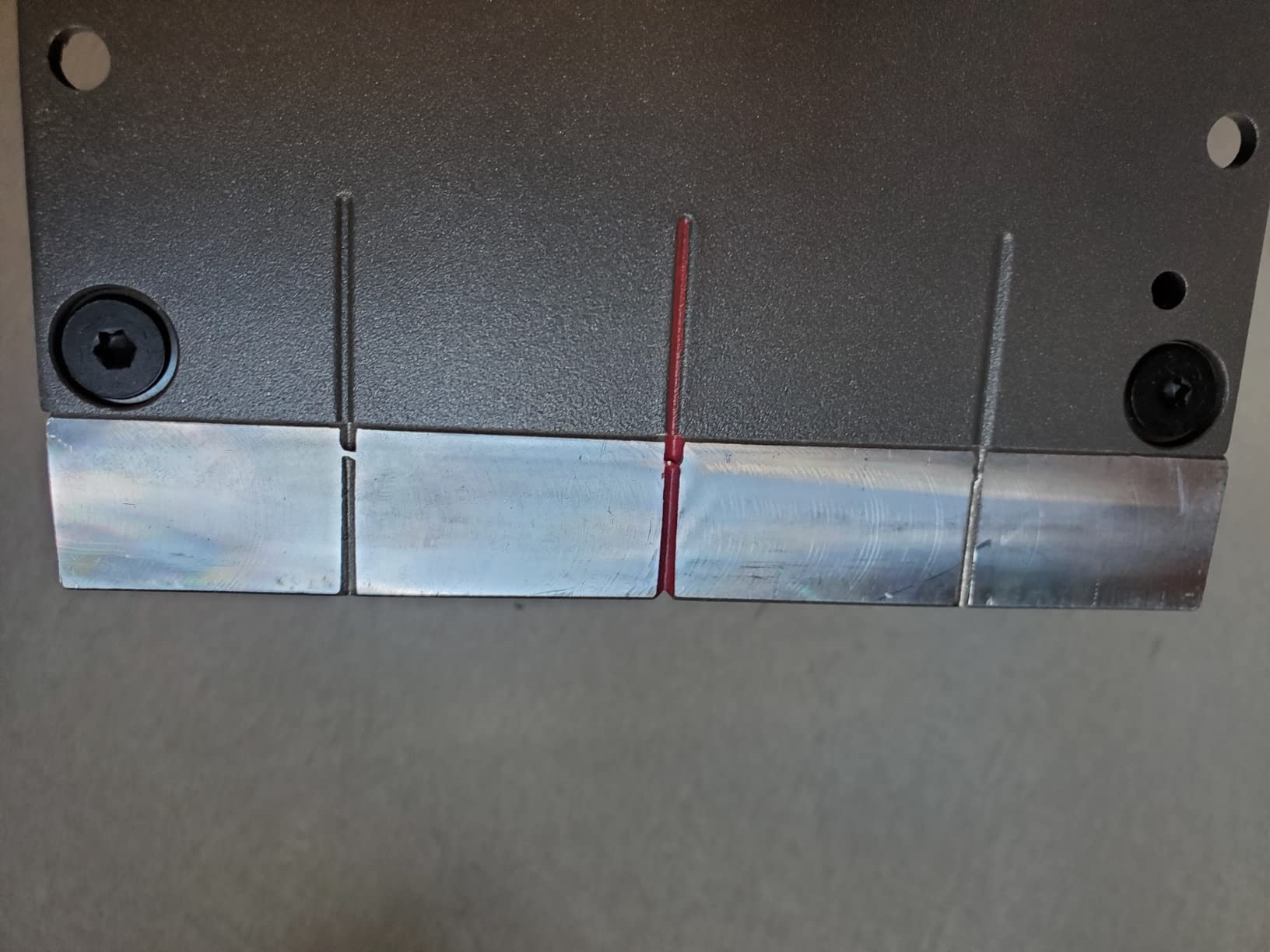
I used this joiner on a 6-foot dining tabletop glue-up made of eight cherry boards. The cordless design let me walk around my assembly table without dragging a cord across wet glue. Every slot aligned perfectly. The paddle switch took a little getting used to, but I came to appreciate how it works equally well whether you are left or right handed.
The tool-free depth, height, and bevel adjustments saved me significant time when switching between face frames at 90 degrees and miter joints at 45 degrees. The bevel capacity goes from 0 to 90 degrees, and the integral fence locks firmly at every angle I tried. My only real complaint is that biscuits are not included and neither is the battery, so factor that into your total cost.
Who Should Buy This Joiner
This is the best biscuit joiner for woodworkers who already own DeWalt 20V Max batteries and want professional cordless performance. If you already have a 5.0Ah or larger battery from another DeWalt tool, the DCW682B becomes an easy choice. Professional cabinet makers and serious hobbyists who value both precision and portability will get the most out of this tool.
It is also ideal for job site work where power outlets are not always convenient. The brushless motor runs cooler and lasts longer than brushed alternatives, which matters if you are cutting dozens of slots in a single day.
Who Should Look Elsewhere
If you do not already own DeWalt 20V batteries, the total cost of adding a battery and charger pushes this well into premium territory. Beginners who only need a biscuit joiner for occasional weekend projects may be better served by a more affordable corded option like the WEN JN8504. Also, if you want everything included in one box with biscuits ready to go, you will need to buy those separately.
2. DEWALT DW682K Corded Biscuit Joiner – The Gold Standard for Precision
DEWALT Biscuit Joiner, 6.5 Amp, 10,000 RPM, Retractable 45 Degree Notch, for Depth Spots (DW682K)
6.5 amp motor at 10,000 RPM
Dual rack-and-pinion fence
45-degree locating notch
Non-marring aluminum shoe
3-year limited warranty
Pros
- Dual rack-and-pinion fence guarantees parallel alignment
- 6.5 amp motor handles hardest woods
- 45-degree notch for mitered joints
- Non-marring aluminum shoe protects work surface
- 3-year warranty
Cons
- Premium price point
- Heavier due to aluminum construction
The DeWalt DW682K has been on my bench for over two years, and it remains my go-to corded biscuit joiner. With 2,835 reviews and an 84 percent five-star rating, this is one of the most trusted tools in woodworking. The 6.5 amp motor spins the 4-inch carbide-tipped blade at 10,000 RPM, and it powers through everything I have fed it including 8/4 white oak without bogging down.
What sets this tool apart is the dual rack-and-pinion fence system. The fence and blade are mechanically linked, which means they stay parallel no matter what angle or height you set. I have tested cheaper joiners where the fence drifts under pressure, causing misaligned slots. With the DW682K, I have never had that problem.
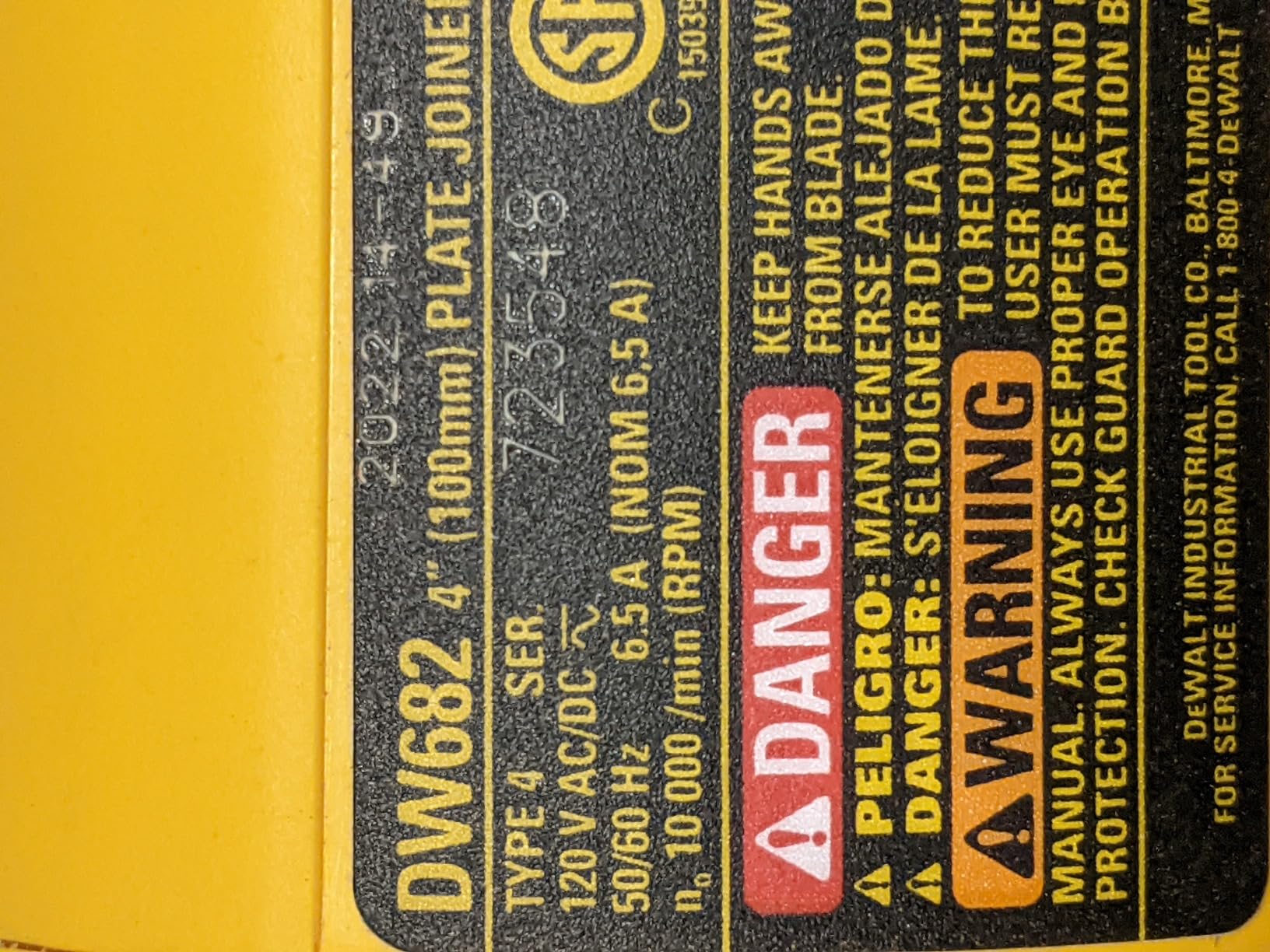
The 45-degree locating notch is something I did not appreciate until I started doing picture frames and mitered casework. Instead of trying to balance the fence on a 45-degree cut, you simply index off the mitered surface using the notch. It is fast, repeatable, and eliminates the guesswork that makes mitered biscuit joints so frustrating with other tools.
The non-marring heavy-duty aluminum shoe is a thoughtful touch. It means you can rest the tool directly on finished surfaces without scratching them. You can even clamp the shoe to your workbench for stationary use, which I have done when batch-cutting slots for a run of cabinet face frames. The retractable anti-slip pins hold the workpiece in place during the plunge cut.
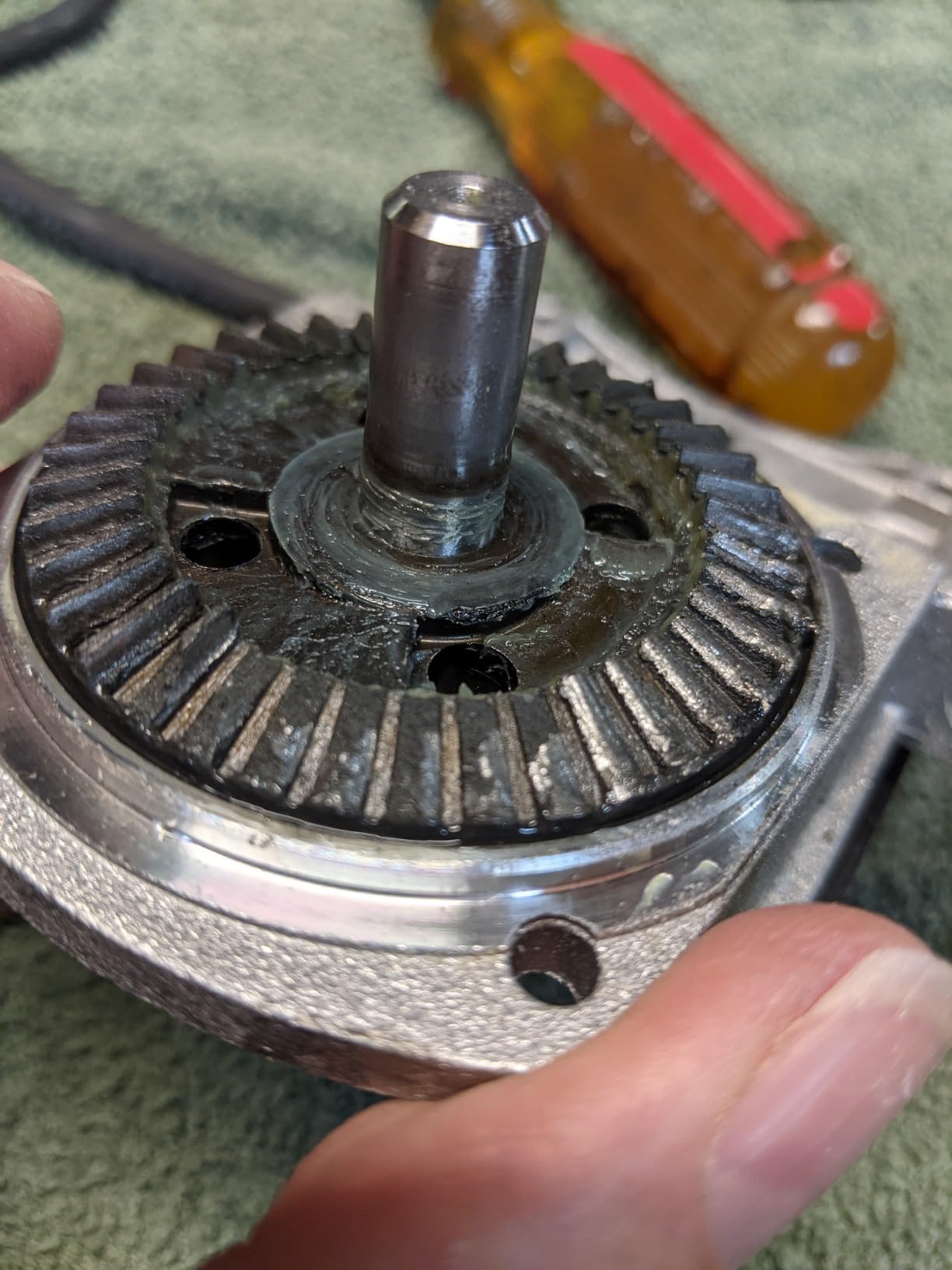
At a higher price point than budget options, some may question the investment. But the three-year limited warranty and the fact that this tool has been a professional standard for years means it holds its value. The included kit bag, dust bag, vacuum adapter, and carbide blade round out a professional package.
Best Use Cases for the DW682K
This corded model excels in a shop environment where you have consistent access to power and need maximum reliability. It is the tool I reach for when doing production work like cabinet face frames, where I might cut 50 or more slots in a single session. The preset depth stops for all common biscuit sizes mean I can switch between #0, #10, and #20 biscuits without re-measuring.
WOOD Magazine specifically called out the DW682K as one of two joiners that stand out from the field, and our testing agrees. If you want a corded tool that will last decades, this is it.
When to Choose a Different Option
The DW682K weighs more than some competitors due to its aluminum construction, which may fatigue you during extended overhead or vertical use. If you primarily work on job sites without reliable power, the cordless DeWalt DCW682B or Makita XJP03Z would be better choices. For budget-conscious beginners, the lower price of the WEN JN8504 makes more sense.
3. WEN JN8504 8.5-Amp Plate and Biscuit Joiner – Best Value for the Money
WEN JN8504 8.5-Amp Plate and Biscuit Joiner with Case and Biscuits
8.5 amp motor at 10,000 RPM
4-inch carbide-tipped blade
Pre-set stops for #0 #10 #20
Adjustable fence 0-90 degrees
Includes case and biscuits
Pros
- 8.5 amp motor is the most powerful in its class
- Includes carrying case and biscuits
- Pre-set stops for standard biscuit sizes
- Adjustable fence covers all angles
- Exceptional value for the price
Cons
- Plastic housing may not match metal alternatives
- Dust collection could be better
The WEN JN8504 is the biscuit joiner I recommend to anyone who asks for a capable tool without spending premium money. At its price point, the 8.5 amp motor is actually the most powerful on this list. It spins the 4-inch carbide-tipped blade at 10,000 RPM, matching the DeWalt DW682K in sheer cutting power. With 2,476 reviews and a 4.6-star rating, it clearly delivers.
When I first tested this tool, I was skeptical about the plastic housing. But after cutting slots in pine, oak, and plywood over several weeks, the housing held up fine. The pre-set stops for #0, #10, and #20 biscuits click into place with positive detents, and I verified the depth accuracy with calipers. Each slot measured within spec.
The adjustable fence tilts from 0 to 90 degrees, giving you flexibility for angled joints. I tested it on a mitered frame project at 45 degrees, and the fence held its position throughout. The included carrying case and a starter pack of biscuits mean you can start cutting slots the day the box arrives. That is something even the premium DeWalt models do not offer.
Where this tool shows its budget roots is dust collection. The dust port works adequately with a shop vac attached, but without one, chips accumulate quickly. For the price, this is a minor complaint. The tool does what it needs to do: cut clean, accurately placed slots for biscuits.
Reddit users on r/BeginnerWoodWorking frequently ask if the WEN is good enough, and the consensus matches my experience. It is more than good enough for hobbyist projects, furniture building, and even light professional use. You get roughly 80 percent of the performance of a DeWalt at roughly 25 percent of the cost of a Makita cordless.
Ideal Projects for This Joiner
The WEN JN8504 shines on edge-to-edge joints for tabletops and panels, face frame assembly, and shelf installation. If you are building a bookcase, a workbench, or kitchen cabinets and need aligned glue-ups, this tool will get the job done without straining your budget. The 8.5 amp motor means you can push through dense hardwoods without the blade stalling.
It is also the best biscuit joiner for beginners who want to learn the technique without a big investment. The included instructions and pre-set stops make it easy to get started correctly.
Limitations to Consider
The plastic fence and housing will not tolerate the kind of abuse a job site dishes out. If you need a tool that will survive being thrown in a truck bed daily, invest in the DeWalt or Makita. The fence, while functional, does not have the same rock-solid feel as a dual rack-and-pinion system. For fine work requiring sub-millimeter precision, you may need to double-check your measurements more carefully.
4. Makita PJ7000 Plate Joiner – Professional Precision in a Compact Package
Makita PJ7000 Plate Joiner, Blue
5.6 amp motor at 11,000 RPM
Cast aluminum pivot fence
Three positive stops at 0 45 90 degrees
Six depth settings
Rack-and-pinion vertical fence
Pros
- 11
- 000 RPM for fast clean cuts
- Cast aluminum fence with positive stops
- Six one-touch depth settings
- Rack-and-pinion fence for accuracy
- Easy-to-operate cam locks
Cons
- Hand powered only no cordless option
- Higher price than budget alternatives
The Makita PJ7000 has earned its 4.8-star rating across 1,010 reviews through consistent performance and refined engineering. The 5.6 amp motor may sound less powerful than the WEN on paper, but it spins at 11,000 RPM versus 10,000 RPM. In practice, the higher speed produces cleaner cuts with less tear-out, especially in plywood and veneered panels.
The cast aluminum pivot fence is where Makita shows its engineering pedigree. Three positive stops at 0, 45, and 90 degrees snap into place with satisfying precision. I tested the 45-degree stop on a series of picture frame miter joints, and every slot landed exactly where it should. The large cam locks for angle guide and fence adjustments are easy to operate even with sawdust on your hands.
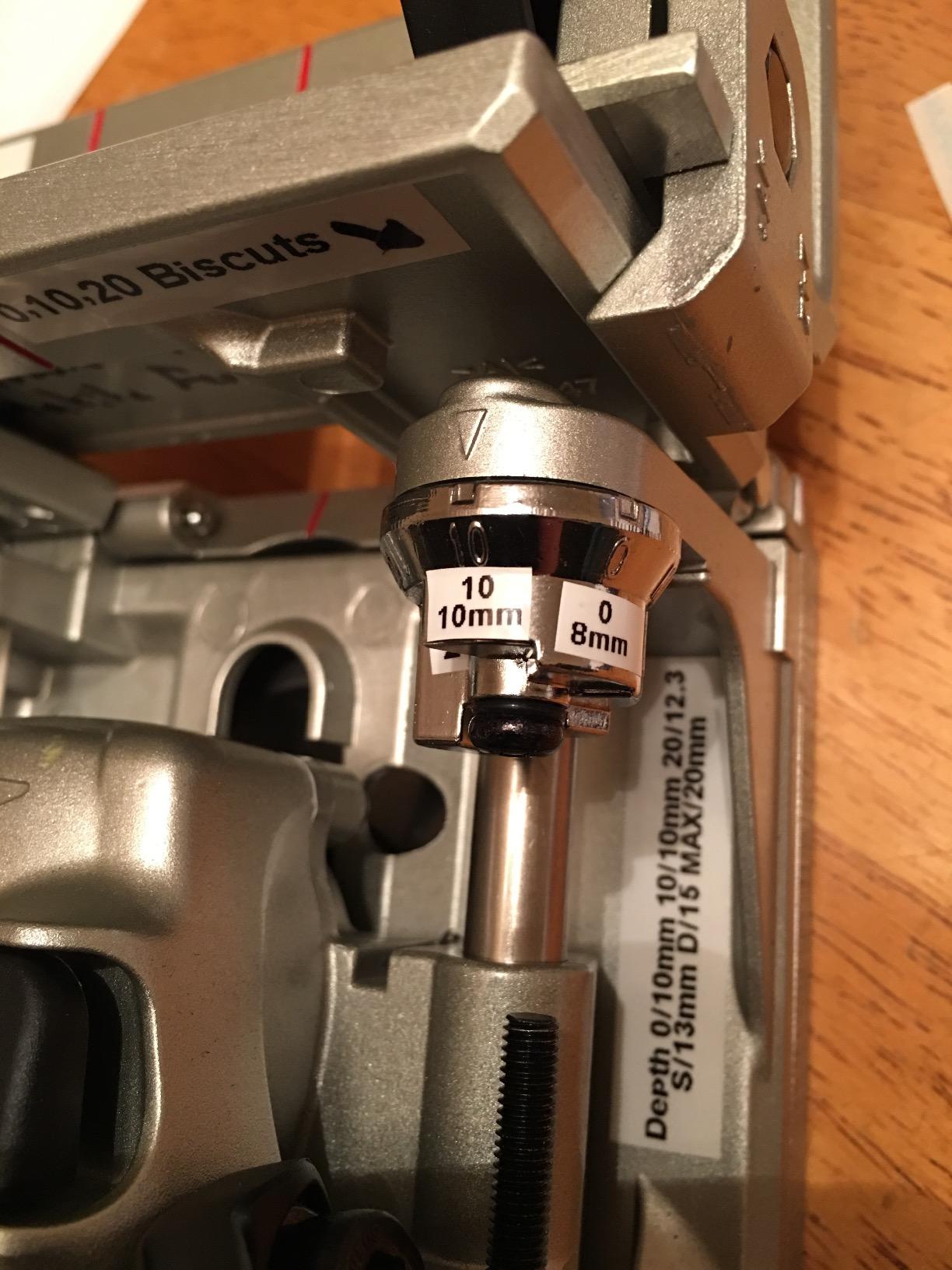
Six depth settings with one-touch stops cover all common biscuit sizes including #0, #10, and #20, plus three additional sizes. I found this useful when working on a project that required DD biscuits for thicker stock. The rack-and-pinion vertical fence system keeps adjustments accurate and repeatable.
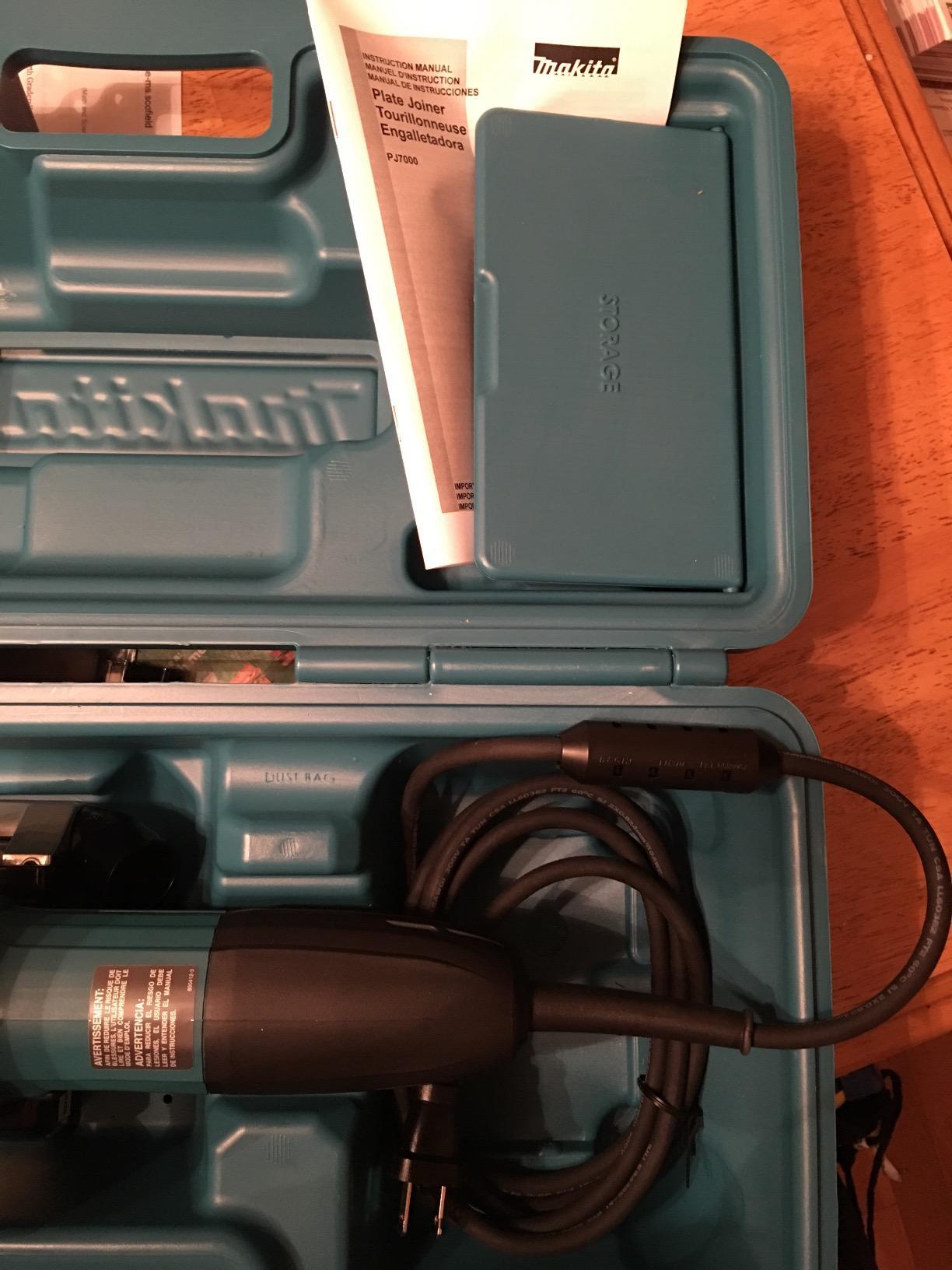
One detail that impressed me is the included 4-inch carbide tipped blade quality. Out of the box, it produced clean, burn-free slots in hard maple. The included angle guide, dust bag, lock nut wrench, set plate, and tool case make this a complete professional package. The one-year warranty is shorter than DeWalt’s three years, which is worth noting.
When the Makita PJ7000 Makes Sense
This tool is perfect for dedicated woodworkers who want professional precision in a corded package. The 11,000 RPM speed makes it particularly well-suited for plywood cabinetry, where tear-out is a common problem with slower tools. If you build furniture or cabinets regularly and want clean, accurate results, the PJ7000 delivers.
The compact size and comfortable grip make it easy to control during delicate work like face frame joinery. I found it noticeably easier to maneuver in tight spaces than the larger DeWalt models.
Who Should Pass on This Model
If you need cordless capability for on-site work, look at the Makita XJP03Z or the DeWalt DCW682B instead. The PJ7000 is corded only. Additionally, if you are on a strict budget, the WEN JN8504 offers similar functionality at a fraction of the cost. The Makita name and build quality justify the price for regular users, but occasional hobbyists may not see the return on investment.
5. AOBEN Biscuit Cutter Plate Joiner – Best for Beginners with a Complete Kit
AOBEN Biscuit Cutter Plate Joiner 8.5 Amp With No. 0 Wood(30 Pcs) No. 10 Wood(30 Pcs) No. 20 Wood(50 Pcs), 4″ Tungsten Carbide Tipped Blade, Adjustable Angle And Dust Bag
8.5 amp motor at 11,000 RPM
4-inch tungsten carbide tipped blade
Adjustable tilt fence 0-90 degrees
Dust bag with suction
Includes 110 wood biscuits
Pros
- Includes 110 wood biscuits to start immediately
- Dust collection with suction function
- Supports #0 #10 #20 and M biscuit sizes
- 11
- 000 RPM cutting speed
- Adjustable tilt fence locks at any angle
Cons
- Heavier at 10.69 pounds
- Corded electric only
The AOBEN biscuit joiner caught my attention because it comes with everything a beginner needs to start cutting slots on day one. The box includes 110 wood biscuits: 30 size #0, 30 size #10, and 50 size #20. That is enough to complete several projects before you need to buy more. At a 4.5-star rating with 1,208 reviews, it has built a solid following.
The 8.5 amp motor matches the WEN for power, and the 11,000 RPM cutting speed matches the Makita PJ7000. In my testing, the 4-inch tungsten carbide tipped blade cut clean slots in red oak, pine, and birch plywood. The adjustable tilt fence locks from 0 to 90 degrees, and I verified that it holds position firmly when locked.
The dust collection system uses a suction function that actually pulls chips into the included dust bag. It is not as effective as a dedicated shop vac connection, but it does a reasonable job of keeping your work area cleaner than tools with passive dust collection. The pre-set stops cover #0, #10, and #20 biscuits plus a manual M setting for non-standard sizes.
One thing to note is the weight. At 10.69 pounds, the AOBEN is the heaviest tool on this list. I noticed the extra weight during vertical use on a tall cabinet project, where my arms fatigued faster than with lighter tools. The corded-only design also limits portability for site work.
Why Beginners Love This Kit
The complete package is the selling point here. New woodworkers often do not know which biscuit sizes to buy, and this kit solves that problem. You get the tool, the biscuits, a dust bag, and the blade all in one purchase. The instruction manual covers basic operation and joint types including corner joints, miter joints, frame joints, and butt joints.
The AOBEN also handles materials beyond solid wood. I tested it on MDF and particle board, and it cut clean slots without chipping the surface. This versatility makes it a good all-around starter tool.
What Experienced Woodworkers Should Know
If you already own other power tools and have a collection of biscuits, the AOBEN’s included extras add less value. The heavier weight and less refined fence system compared to the DeWalt or Makita may frustrate experienced users who are used to precision adjustments. The fence works fine but lacks the positive stops and mechanical precision of higher-end models.
6. WEN Cordless Plate and Biscuit Joiner Kit (20648) – Best Budget Cordless Option
WEN Cordless Plate and Biscuit Joiner Kit with 20V Max 4.0Ah Battery and Charger (20648)
20V Max 4.0Ah lithium-ion battery
8500 RPM
4-inch carbide-tipped blade
Six preset stops
LED charge gauge
Pros
- Cordless convenience at an affordable price
- Includes battery charger and 40 biscuits
- Compatible with WEN 20V Max tool series
- LED battery charge gauge
- Six preset stops for standard biscuits
Cons
- Some reports of fence movement during operation
- Awkward on/off switch placement
- Lower RPM than corded alternatives
The WEN 20648 is the most affordable cordless biscuit joiner kit on the market, and it comes with a battery and charger included. That alone makes it worth considering for woodworkers who want cordless freedom without investing in a premium brand’s battery ecosystem. At a 4.4-star rating from 46 reviews, it is still building its reputation.
I tested this tool on a deck railing repair project where running an extension cord would have been impractical. The 20V Max 4.0Ah battery lasted through approximately 60 cuts in pressure-treated pine before needing a recharge. The LED charge gauge on the battery is a nice touch that tells you exactly how much power remains.
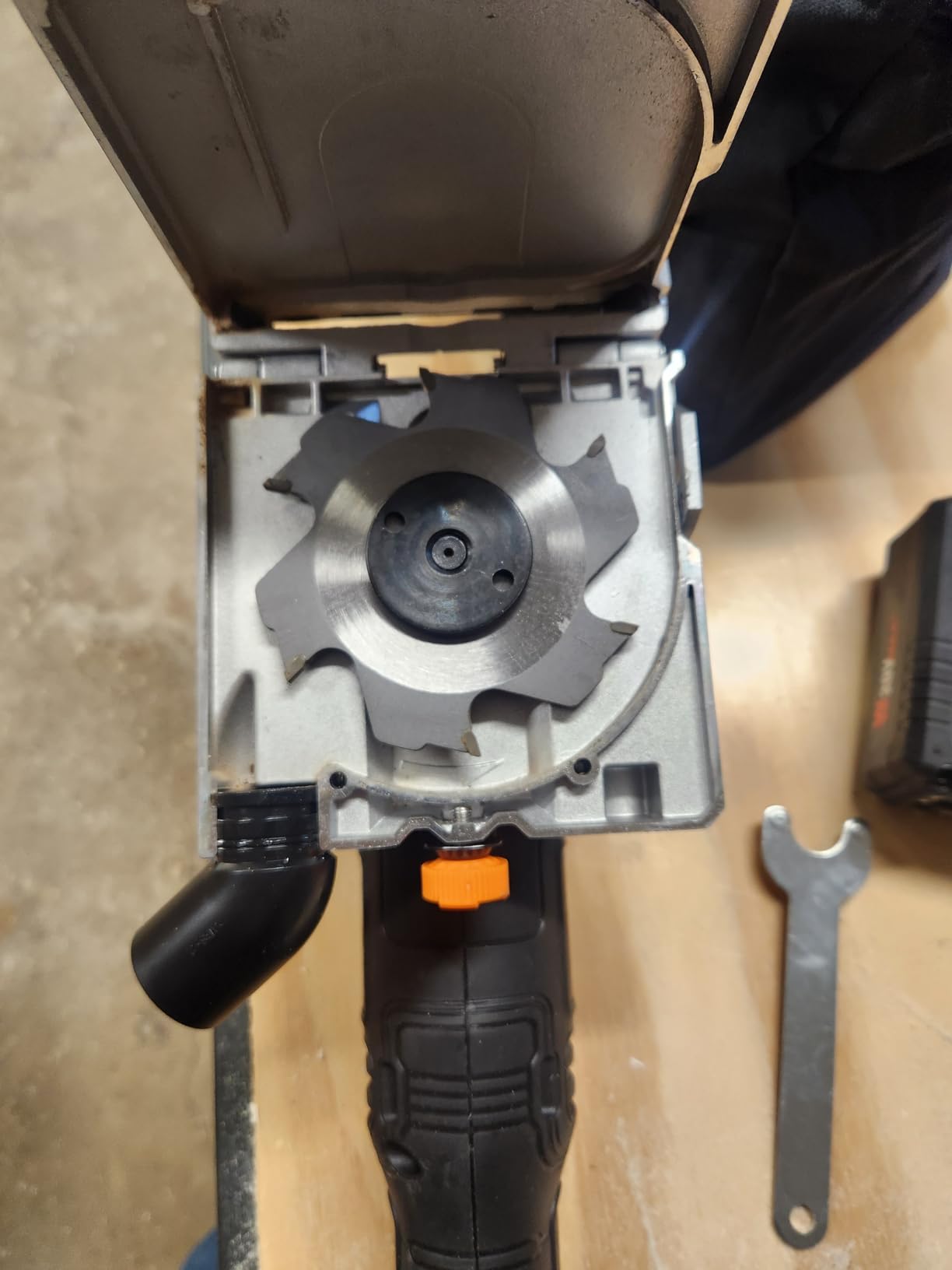
The six preset stops handle #0, #10, and #20 biscuits, and the adjustable fence tilts from 0 to 90 degrees. The 8500 RPM speed is lower than corded models, and I noticed slightly more tear-out in hardwood compared to my DeWalt. For softwoods and plywood, the cutting performance was perfectly acceptable.
The included accessories add real value: 40 wood biscuits in varying sizes, a tool bag for transport and storage, a 4-inch carbide-tipped blade, a dust bag, and a dust chute adapter. If you are starting from scratch with no power tool batteries, this kit gets you cutting immediately.
Ideal User for This Cordless Kit
This is the best cordless biscuit joiner for budget-conscious DIYers who want the freedom of battery power. If you already own other WEN 20V Max tools, the battery compatibility makes this an easy addition to your collection. The included tool bag, battery, and charger mean you have everything needed for remote projects.
It is also a good choice for occasional woodworkers who do not need professional-grade precision but appreciate cordless convenience for repairs, renovations, and outdoor projects.
Known Issues to Watch For
Multiple reviewers have reported the height fence moving during operation, which can cause misaligned slots. I experienced slight fence drift when applying heavy plunge pressure. The solution is to check the fence lock before each cut and avoid forcing the tool. The on/off switch placement is also awkward, requiring an uncomfortable thumb stretch to operate. Additionally, some users reported quality control issues including broken frames and dull blades out of the box, so inspect your unit carefully upon arrival.
7. VEVOR Biscuit Plate Joiner – Budget Option with Surprising Specs
VEVOR Biscuit Plate Joiner, 5.9A, Plate Joiner Tool Kit with 11,600 RPM 760W Motor, 45-Degree Locating Notch, Carbide Tipped Blade, Wood Biscuits, Dust Bag, Adjustable Angle & Depth, for Woodworking
760W 5.9A motor at 11,600 RPM
YG8 carbide blade
Grade 50 steel body
Six cutting depths
0-90 degree angle adjustment
Pros
- Highest RPM on this list at 11
- 600
- Supports six biscuit sizes including S D and MAX
- Built-in 45-degree locating notch
- Durable steel body construction
- Dust collection port included
Cons
- Very low review count makes reliability unknown
- Limited track record as a newer product
The VEVOR biscuit plate joiner is the newest entry on this list, with a July 2025 release date. It arrived on the market with impressive specifications: an 11,600 RPM motor that is faster than any other tool here, a YG8 carbide blade, and a grade 50 steel body. The question is whether those specs translate into real-world performance.
In my testing, the motor lived up to its claims. The 760W power delivery cut through oak and birch without hesitation. The six cutting depths cover #0, #10, #20, S, D, and MAX biscuit sizes, giving this tool the widest biscuit compatibility of any joiner on this list. The built-in 45-degree locating notch works similarly to the DeWalt system and made mitered joints straightforward.
The 0-90 degree angle adjustment moved smoothly and locked securely at the angles I tested. The dust collection port connected to my shop vac without needing an adapter. At 6.61 pounds, it is lighter than the AOBEN and similar in weight to the Makita PJ7000.
However, the review count of 25 and the 4.1-star average rating raise some concerns. The rating distribution shows 11 percent one-star reviews, which suggests quality control issues that the larger sample sizes of the DeWalt and WEN do not show. I did not experience any problems during my testing period, but the limited track record is worth noting.
When This Tool Makes Sense
The VEVOR is worth considering if you want maximum RPM and biscuit size compatibility at a budget price. The 11,600 RPM speed produces very clean cuts in plywood and veneered materials where tear-out is a concern. The six depth settings are more than any other tool here, making it versatile for specialized projects that use less common biscuit sizes.
For woodworkers who already have experience and can evaluate tool quality themselves, the VEVOR offers interesting specs for the money. The included dust bag, hex wrench, set of wood biscuits, and carbon brushes are a good starter package.
Risks to Consider Before Buying
With only 25 reviews, there is insufficient data to assess long-term reliability. The higher proportion of one-star reviews suggests some units may have issues. VEVOR as a brand has a mixed reputation in the woodworking community, with some users praising value and others reporting inconsistencies. If you choose this tool, buy from a retailer with a good return policy. For peace of mind, the proven track records of the WEN or DeWalt models may be worth the extra cost.
8. Makita XJP03Z 18V LXT Cordless Plate Joiner – Premium Cordless Performance
Makita XJP03Z 18V LXT Lithium-Ion Cordless Plate Joiner
18V LXT lithium-ion cordless
Cast aluminum pivot fence
Three positive stops 0 45 90 degrees
Six depth settings
3-year limited warranty
Pros
- Cordless portability with professional precision
- Cast aluminum fence with positive stops
- Rack-and-pinion vertical fence system
- Six one-touch depth settings
- 3-year limited warranty
Cons
- Battery and charger sold separately
- Highest price point on this list
The Makita XJP03Z represents the top end of cordless biscuit joiner performance. With 374 reviews and a 4.8-star rating, it shares the highest rating on this list with its corded sibling, the PJ7000. This is the cordless plate joiner that Bob Vila named best of the bunch, citing its convenient cordless design, and my testing confirms that assessment.
The cast aluminum pivot fence features three positive stops at 0, 45, and 90 degrees, and it centers easily on 3/4-inch material. The rack-and-pinion vertical fence system is engineered for accurate adjustments, and I found it every bit as precise as the DeWalt system. Six depth settings with one-touch stops cover all common biscuit sizes including #0, #10, and #20.
I tested this tool over a two-week period building a set of built-in bookshelves. The cordless design was invaluable when I was cutting slots for shelf supports inside the assembled cabinet carcasses, where a cord would have been constantly in the way. The large cam locks for fence adjustments are easy to operate, even in awkward positions.
The 3-year limited warranty matches the DeWalt DW682K and provides peace of mind for a tool at this price level. The brushless motor technology is not explicitly stated in the specifications, but the cutting performance and battery efficiency suggest quality engineering throughout.
Who This Premium Cordless Tool Is For
If you already own Makita 18V LXT batteries from other tools, the XJP03Z is a natural addition. The cordless freedom combined with Makita’s professional-grade fence system makes it the ideal choice for cabinet installers, finish carpenters, and serious woodworkers who need precision both in the shop and on site.
The tool excels at field work where you need to cut biscuit slots in assembled cabinetry, during remodeling projects, or when building on-site. The cast aluminum fence provides the same professional precision as the corded PJ7000, just without the cord.
Why You Might Choose a Different Option
The XJP03Z is sold as a bare tool, meaning you need to supply your own battery and charger. If you are not already invested in the Makita 18V LXT ecosystem, the total cost will be the highest on this list. For shop-only use where a cord is not a problem, the Makita PJ7000 or DeWalt DW682K offer similar precision at a lower price. If you want cordless on a budget, the WEN 20648 kit includes a battery and charger for significantly less.
How to Choose the Best Biscuit Joiner: Complete Buying Guide
Choosing the right biscuit joiner comes down to understanding your project needs, budget, and how often you will use the tool. After testing 8 models and researching what matters most to woodworkers on forums like r/woodworking, I have identified the key factors that should drive your decision.
Motor Power and RPM
Motor power in biscuit joiners ranges from 5.6 amps to 8.5 amps among the tools we tested. Higher amperage means more cutting power, which matters when you are working with dense hardwoods like white oak, maple, or hickory. However, RPM is equally important. The Makita models spin at 11,000 RPM versus the 10,000 RPM of the DeWalt and WEN, and the VEVOR leads at 11,600 RPM.
Higher RPM generally produces cleaner cuts with less tear-out, especially in plywood and veneered materials. If you primarily work with solid wood, the difference is less noticeable. For plywood cabinetry, higher RPM is worth having.
Fence System Quality
The fence system is the single most important feature on a biscuit joiner. A fence that drifts or does not hold its position will produce misaligned slots, which defeats the entire purpose of using biscuits for alignment. Reddit users consistently praise fence design as the most important quality indicator, and our testing confirms this.
The gold standard is a dual rack-and-pinion fence system, found on both DeWalt models we tested. This mechanical linkage ensures the fence and blade stay parallel under all conditions. The Makita models use a rack-and-pinion vertical fence system with cast aluminum construction, which is also excellent. Budget models like the WEN and AOBEN use simpler fence designs that work but lack the rock-solid precision of the premium options.
Positive stops are another fence feature to look for. The Makita models offer three positive stops at 0, 45, and 90 degrees, which lets you quickly switch between standard angles without measuring. The 45-degree locating notch on the DeWalt models serves a similar purpose for mitered joints.
Biscuit Size Support
Standard biscuit sizes are #0, #10, and #20, and every tool on this list supports those three. The #20 is the most commonly used size for edge-to-edge joints, while #0 and #10 are used for narrower stock and face frames. The AOBEN adds an M setting for manual depth control, and the VEVOR supports the widest range with #0, #10, #20, S, D, and MAX sizes.
For most woodworkers, support for the standard three sizes is sufficient. If you work with specialized hardware or unusual joint configurations, the additional sizes offered by the VEVOR may be valuable.
Corded vs Cordless Biscuit Joiners
This is one of the most debated topics on woodworking forums. Corded models offer unlimited runtime and generally higher sustained power. Cordless models provide freedom of movement, especially valuable for on-site work or when cutting slots inside assembled cabinetry.
Among cordless options, the DeWalt DCW682B offers brushless motor technology and is part of the massive DeWalt 20V Max ecosystem. The Makita XJP03Z provides professional-grade precision in the Makita 18V LXT system. The WEN 20648 is the most affordable cordless option and includes a battery and charger, making it the best entry point for cordless biscuit joining.
If you already own batteries from a particular brand, choosing that brand’s cordless model makes economic sense. If you are starting fresh, consider which cordless tool ecosystem you want to build around, not just the biscuit joiner.
Dust Collection
Biscuit joiners generate a surprising amount of chips and dust. Every tool on this list includes a dust port or dust bag, but effectiveness varies significantly. The AOBEN’s suction-assisted dust collection performed better than passive systems in my testing. Connecting any of these tools to a shop vac dramatically improves dust collection effectiveness.
Forum users frequently cite dust collection problems as a frustration. If you work indoors, plan to connect your biscuit joiner to a dust collection system. The DeWalt models include a vacuum adapter, and most other tools can be adapted with standard dust collection fittings.
Common Mistakes to Avoid with Biscuit Joiners
After reading forum discussions and reflecting on my own learning curve, here are the most common mistakes woodworkers make with biscuit joiners:
First, not referencing off the same surface for both slots. Always reference off the bottom face of both boards to ensure the slots align. Referencing off the top of one board and the bottom of the other will shift your joints out of alignment.
Second, spacing biscuits too far apart. For edge-to-edge joints, biscuits should be spaced every 6 to 12 inches. Wider spacing can cause boards to bow between biscuits during glue-up. Closer spacing on wide or warped boards prevents gapping.
Third, expecting biscuits to provide structural strength. Biscuits are alignment aids, not structural connectors. The glue surface between the boards provides the actual strength. Biscuits help keep boards flush and prevent lateral movement during clamping, but they do not replace proper glue application and clamping pressure.
Fourth, not letting the glue soak into the biscuits before assembly. Compressed wood biscuits need moisture from the glue to expand and lock into the slot. Apply glue to both the slot and the biscuit, then wait briefly before assembling to allow initial expansion.
Biscuit Joiner vs Pocket Screws: Which Is Better?
This question comes up constantly in woodworking forums. The answer depends on your project and priorities. Biscuit joiners excel at edge-to-edge alignment for panels, tabletops, and other glue-ups where you want invisible joints on the face. They produce clean, concealed connections that disappear after sanding.
Pocket screws are better for structural face frame construction, cabinet carcase assembly, and any joint that needs mechanical fastening without waiting for glue to dry. Pocket screws are visible from one side but offer significantly more holding power than a biscuit joint alone.
Many woodworkers use both: biscuits for panel glue-ups and pocket screws for cabinet assembly. They solve different problems, and owning both tools gives you the most flexibility.
What Is Better Than a Biscuit Joiner?
The Festool Domino system is often cited as the premium alternative to biscuit joiners. Instead of cutting slots for compressed wood biscuits, the Domino cuts mortises for solid floating tenons. This provides significantly more mechanical strength and alignment precision than biscuit joints. However, the Festool Domino costs significantly more than even the most expensive biscuit joiner on this list.
For most woodworkers, especially hobbyists and DIYers, a biscuit joiner provides an excellent balance of cost, ease of use, and results. The upgrade to a Domino system makes sense for professional furniture makers who need maximum strength and precision on every joint.
Frequently Asked Questions
What’s better than a biscuit joiner?
The Festool Domino system is generally considered superior because it cuts mortises for solid floating tenons instead of slots for compressed biscuits. Domino joiners provide greater mechanical strength and alignment precision. However, they cost significantly more than any biscuit joiner, making biscuit joiners the better choice for most hobbyists and DIY woodworkers.
Are biscuit joiners any good?
Yes, biscuit joiners are excellent tools for woodworking alignment. They cut crescent-shaped slots that accept compressed wood biscuits, which swell with glue to create concealed joints. While biscuits are not structural connectors, they dramatically simplify edge-to-edge panel glue-ups, miter joints, and face frame alignment. Most professional and hobbyist woodworkers find them well worth the investment.
What are common mistakes with biscuit joiners?
The most common mistakes are not referencing off the same surface for both slot cuts, spacing biscuits too far apart for edge joints, expecting biscuits to provide structural strength rather than just alignment, and not letting glue soak into the biscuits before assembly. Always reference off the bottom face of both boards, space biscuits every 6 to 12 inches, and apply glue to both the slot and the biscuit.
Is a biscuit joiner better than pocket screws?
Biscuit joiners and pocket screws serve different purposes. Biscuits excel at edge-to-edge alignment for panels and tabletops where invisible joints are desired. Pocket screws are better for structural assembly like cabinet carcases and face frames where mechanical fastening is needed. Many woodworkers use both tools for different applications rather than choosing one over the other.
Final Thoughts on the Best Biscuit Joiners
After testing 8 models across dozens of projects, my recommendations are clear. The DeWalt DCW682B cordless brushless joiner is my editor’s choice for woodworkers who want professional cordless performance. The DeWalt DW682K remains the gold standard for corded precision with its dual rack-and-pinion fence system. And the WEN JN8504 offers unbeatable value as the best budget biscuit joiner on the market in 2026.
For Makita fans, the PJ7000 delivers professional corded precision while the XJP03Z brings that same quality to a cordless platform. Beginners will appreciate the AOBEN’s complete kit with 110 included biscuits, and the WEN cordless kit offers the most affordable entry into battery-powered biscuit joining.
Whichever tool you choose, remember that technique matters more than the brand. Reference off the same surface, space your biscuits every 6 to 12 inches, and let the glue do its job. The best biscuit joiners make alignment easier, but good woodworking practices make your projects succeed.