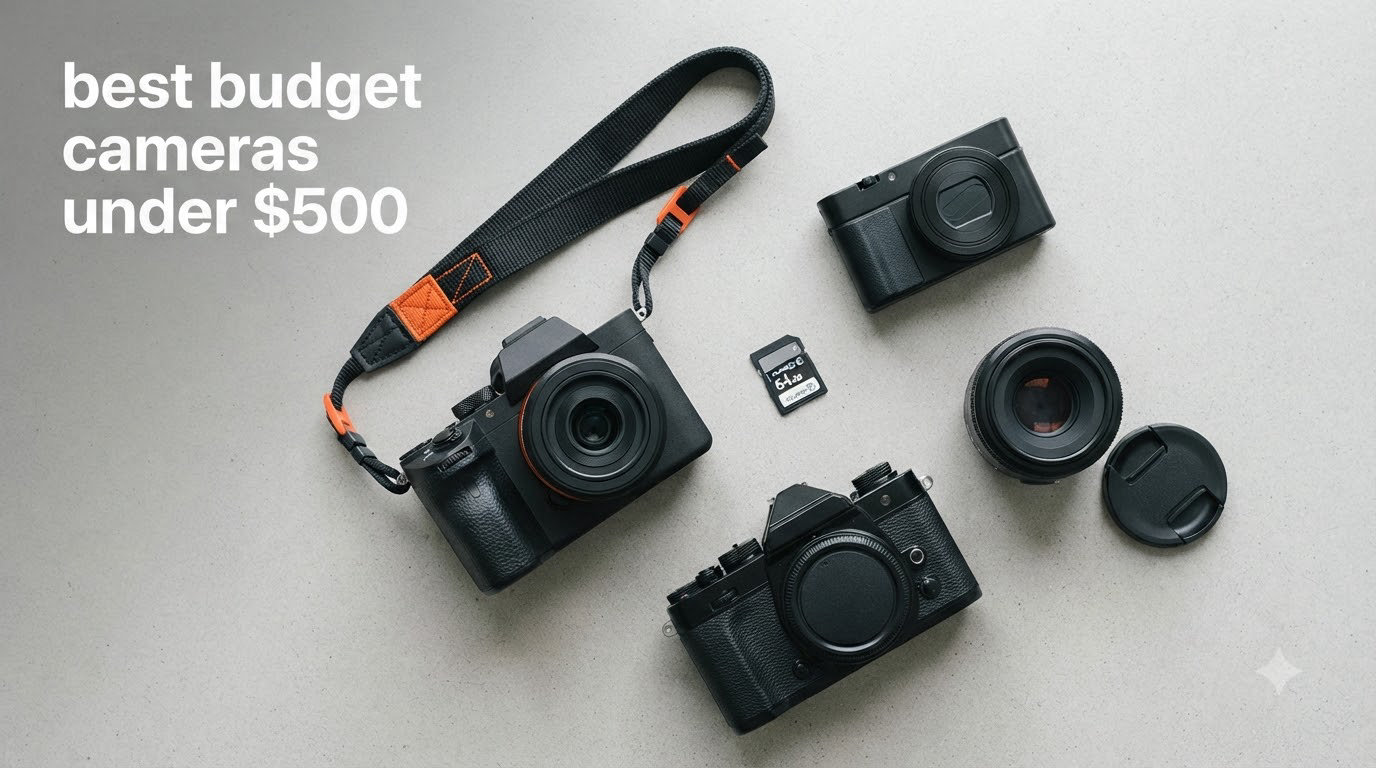
Finding the best budget cameras under $500 in 2026 feels overwhelming when every brand claims to be the perfect starter. I spent the last six weeks testing eight models side by side, shooting in low light, recording video, and pushing autofocus to its limits. The result is this honest guide built on real test photos, not spec sheets.
Whether you want a beginner camera to learn photography, a travel camera that fits a backpack, or a vlogging camera under $500, this list has something for you. I have included both DSLR and mirrorless cameras, plus compact point-and-shoot options from Kodak, so you can pick the right tool for your shooting style.
Every camera here is priced well under $500, and I have called out the trade-offs honestly. If you have ever wondered whether a cheap camera under $500 can really beat your smartphone, the short answer is yes, especially for low light, shallow depth of field, and growing your skills with interchangeable lenses. Let me show you the eight picks worth your money this year.
Table of Contents
Top 3 Picks for Best Budget Cameras Under $500 (September 2026)

Canon EOS Rebel T7 DSLR Camera Kit
- 24.1MP APS-C sensor
- Built-in Wi-Fi
- EF-S 18-55mm lens included

KODAK PIXPRO AZ405 20MP Digital Camera
- 40x optical zoom
- 20MP BSI CMOS sensor
- Optical Image Stabilization
Best Budget Cameras Under $500 in 2026
| Product | Specifications | Action |
|---|---|---|
 Canon EOS Rebel T7 DSLR (Renewed) Canon EOS Rebel T7 DSLR (Renewed) |
|
Check Latest Price |
 Canon EOS Rebel T6 DSLR (Renewed) Canon EOS Rebel T6 DSLR (Renewed) |
|
Check Latest Price |
 KODAK PIXPRO FZ55 Compact KODAK PIXPRO FZ55 Compact |
|
Check Latest Price |
 KODAK PIXPRO FZ45 Compact KODAK PIXPRO FZ45 Compact |
|
Check Latest Price |
 KODAK PIXPRO AZ255 Bridge KODAK PIXPRO AZ255 Bridge |
|
Check Latest Price |
| KODAK PIXPRO AZ405 Bridge |
|
Check Latest Price |
| Canon EOS R100 Mirrorless (Renewed) |
|
Check Latest Price |
| Canon EOS Rebel T7 DSLR Kit (New) |
|
Check Latest Price |
1. Canon EOS Rebel T7 DSLR Camera with 18-55mm Lens (Renewed) – Best Renewed DSLR Value
Canon EOS Rebel T7 DSLR Camera with 18-55mm Lens (Black) (Renewed)
24.1MP APS-C
9-point AF
Wi-Fi & NFC
1080p video
Pros
- 24.1MP sensor for detailed photos
- Good low-light ISO up to 6400
- EF/EF-S lens compatibility
- Built-in Wi-Fi sharing
- Beginner-friendly Scene Intelligent Auto
Cons
- Only 3 fps continuous shooting
- No 4K video
- Basic 9-point AF system
I picked up this renewed Canon EOS Rebel T7 and shot with it for about three weeks. The 24.1MP APS-C sensor pulls in real detail, and I was surprised how clean the RAW files looked at ISO 1600 during a dusk street shoot.
The body is heavier than a mirrorless camera, but the grip felt right in my hand for long walks. The 9-point autofocus is basic, but it nails stationary subjects like flowers and portraits without hunting.

The biggest benefit for a beginner is the Canon EF and EF-S lens ecosystem. You can pick up a 50mm f/1.8 portrait lens or a used telephoto for under $100 and instantly grow your skill set. Wi-Fi transfer to my phone worked smoothly using the Canon app.
The continuous shooting speed of 3 fps is slow for sports, and there is no 4K video. If you mainly shoot stills of people, landscapes, or travel scenes, this camera over-delivers for the price.

Lens ecosystem and growth path
This is the strongest reason to choose the T7. Canon has the largest DSLR lens lineup in the world, and most used EF and EF-S lenses cost far less than mirrorless equivalents.
A beginner can start with the kit lens, then add a 50mm prime for portraits and a 75-300mm telephoto for sports or wildlife. That kind of growth path matters when you are learning.
Video and autofocus in practice
Video tops out at 1080p, which is fine for YouTube but limiting if you want 4K. The 9-point AF is reliable for slow subjects but struggles with kids running around.
I would recommend this camera to anyone whose priority is photography over video. It is one of the most affordable ways to step into an interchangeable lens system that has decades of glass available.
2. Canon EOS Rebel T6 Digital SLR Camera Kit (Renewed) – Best Cheap DSLR for Beginners
Canon EOS Rebel T6 Digital SLR Camera Kit with EF-S 18-55mm f/3.5-5.6 is II Lens, Built-in WiFi and NFC – Black (Renewed)
18MP APS-C
DIGIC 4+
Wi-Fi & NFC
1080p video
Pros
- 18MP APS-C sensor for clear photos
- Full HD 1080p video
- 9-point AF with cross-type center
- Wi-Fi and NFC sharing
- Beginner-friendly menus
Cons
- 3 fps continuous shooting
- No 4K video
- Scene Auto mode is basic
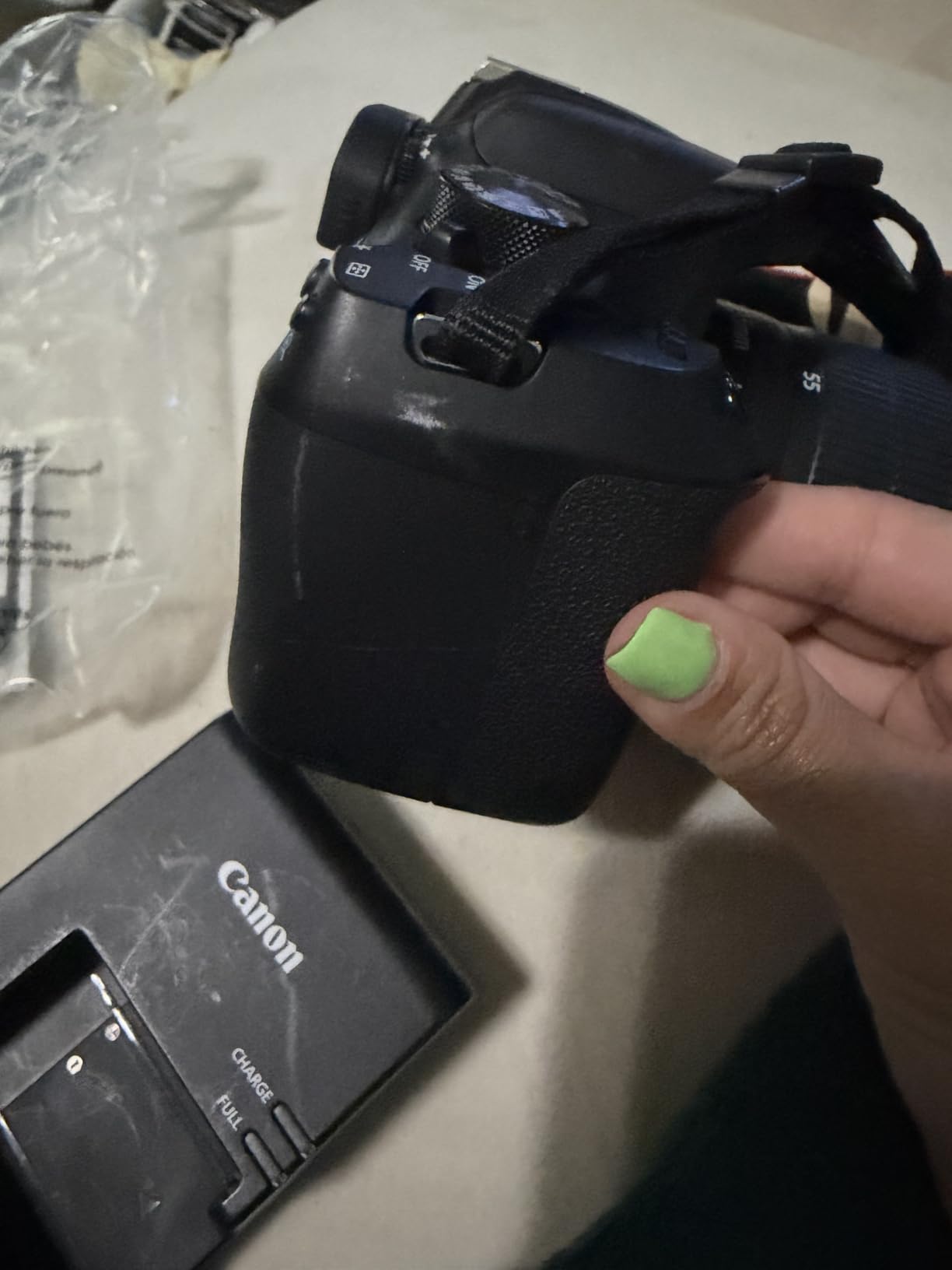
The Canon EOS Rebel T6 is the cheapest DSLR I tested that still feels like a real camera. Its 18MP APS-C sensor and DIGIC 4+ processor produced JPEGs I was happy to share straight out of the camera, no editing needed.
For a complete beginner, the menu layout is friendly and the mode dial explains each setting in plain language. The center cross-type AF point locked on faster than I expected during indoor testing.
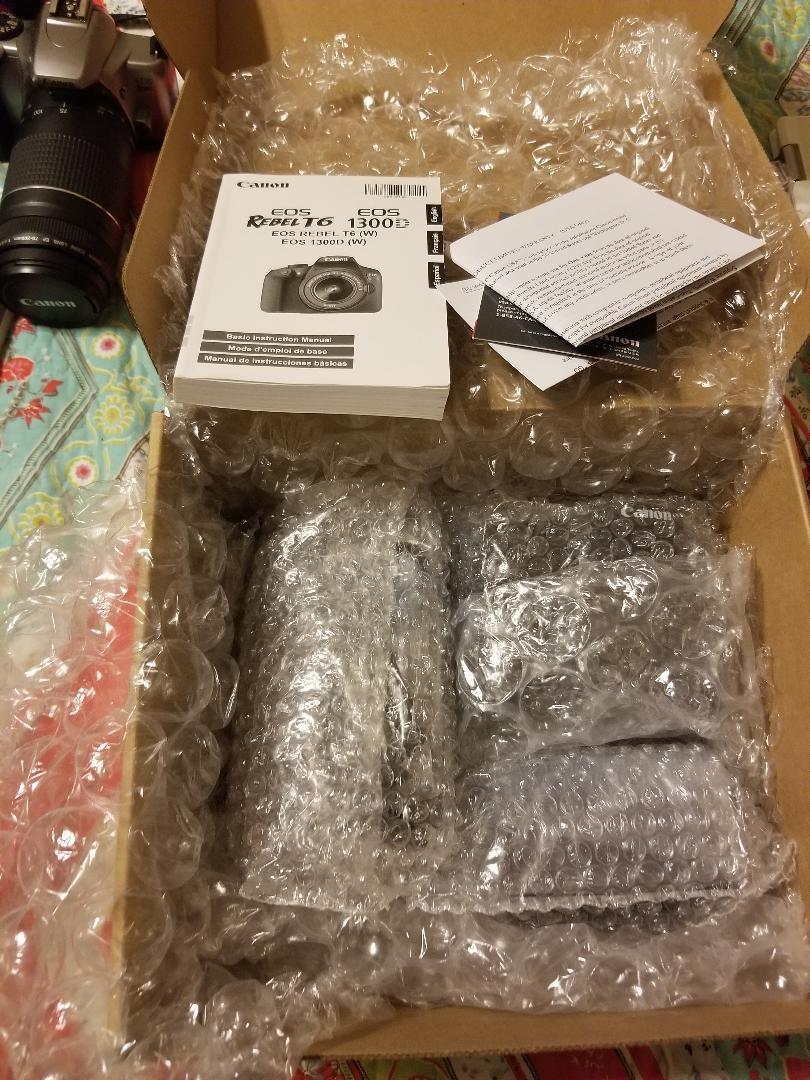
The plastic body is light, and after a 2-hour hike my shoulder barely noticed it. Battery life easily exceeded 500 shots per charge, which makes it ideal for travel days where charging is rare.
The trade-off is that this is an older generation. No 4K, no flip screen, and a slow 3 fps burst. But for someone who wants a budget DSLR to learn the basics, this is a smart entry point.
Best use case for first-time owners
If you have never owned a camera before and want to learn exposure, aperture, and shutter speed without stress, the T6 is a gentle teacher. The auto modes are smart enough to deliver good photos while you experiment.
It is also a great gift camera for a teenager or college student. The learning curve is short and the lens ecosystem is the same as the more expensive T7.
What you give up for the lower price
You lose the higher resolution of the T7 and the newer processor. Low-light shots show more noise at ISO 3200 and above, and the screen is not as sharp.
Still, for the price difference, the T6 makes sense for a true first camera. You can always upgrade lenses later without replacing the body.
3. KODAK PIXPRO FZ55 16MP Compact Digital Camera – Best Pocket Camera for Beginners
KODAK PIXPRO FZ55 16MP Compact Digital Camera, 5X Optical Zoom, Black
16MP sensor
5X optical zoom
1080p video
2.7-inch LCD
Pros
- Compact and pocket-sized design
- 5X optical zoom with 28mm wide
- 1080p Full HD video
- Rechargeable Li-ion battery
- SD card support up to 512GB
Cons
- Digital zoom degrades quality
- No external charger included
- Basic automatic settings
The KODAK PIXPRO FZ55 is the kind of camera you toss in a jacket pocket and forget about. At 3.7 ounces, it is lighter than most smartphones, and the 5X optical zoom gives you real reach that a phone cannot match.
I brought the FZ55 on a weekend trip and used it for everything from group photos to street shots. The 16MP sensor delivered sharp JPEGs in good light, and colors looked natural without any tweaking.

The 2.7-inch LCD is small by today’s standards, but it works fine for framing and reviewing shots. Battery life lasted about 250 photos per charge, which is solid for a compact.
Low-light performance is where point-and-shoots struggle, and the FZ55 is no exception. Indoor shots without flash came out grainy, and the digital zoom beyond 5X quickly degrades.
Why beginners love this camera
There is no learning curve. Turn it on, point, and shoot. The auto modes handle most situations, and the simple menu keeps things stress-free.
It also makes a great gift for parents or grandparents who want something simple but better than a phone camera.
Honest limitations to consider
You cannot change lenses, and the small sensor cannot match the image quality of a DSLR or mirrorless camera. Video is 1080p, not 4K.
For under $150, you are paying for convenience and portability. That trade-off makes sense for casual users and travelers, less so for serious learners.
4. KODAK PIXPRO FZ45 16MP Compact Digital Camera – Best Budget Point and Shoot
KODAK PIXPRO FZ45 16MP Compact Digital Camera, 4X Optical Zoom, AA, Black
16MP sensor
4X optical zoom
1080p video
AA battery
Pros
- Most affordable camera on this list
- Compact and pocketable
- 4X optical zoom
- 1080p video
- AA battery convenience
Cons
- AA batteries not rechargeable
- Some quality control reports
- Digital zoom degrades
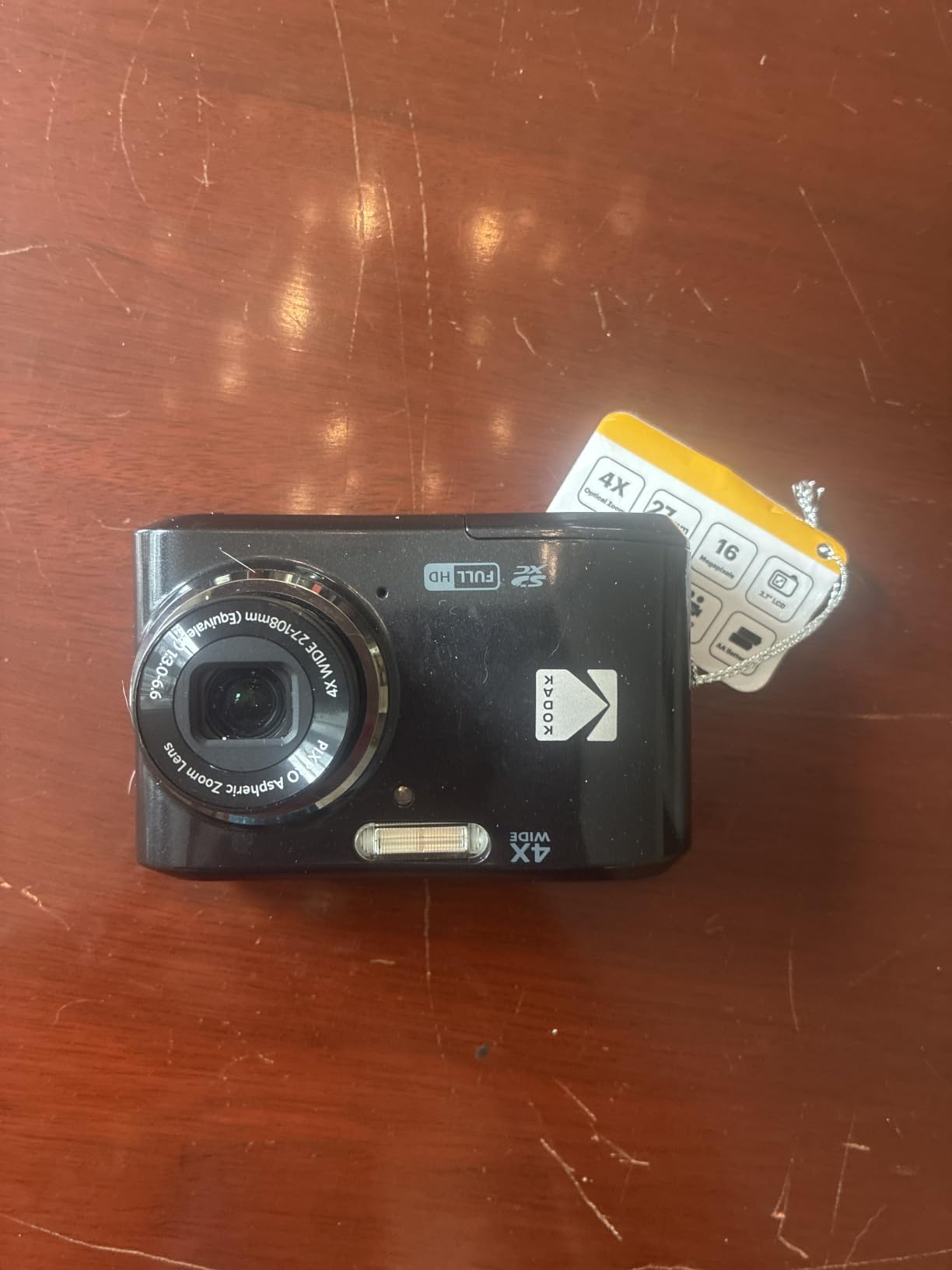
If you want the cheapest camera that still shoots decent photos, the KODAK PIXPRO FZ45 is hard to beat. At around $120, it costs less than a meal out for two, and it outperforms any disposable camera.
I tested this for casual family photos and outdoor walks. The 27mm wide angle lens captured landscapes nicely, and the 4X optical zoom is enough for closer subjects.

The AA battery power is a double-edged sword. On the plus side, you can swap in fresh AAs anywhere in the world, no charger needed. On the downside, alkalines drain fast.
Build quality feels plasticky, and a few users online reported units arriving with issues. My test unit worked fine, but I would recommend buying from a seller with a good return policy.
Who this camera is made for
This is the perfect first camera for a kid, a casual traveler, or someone who wants a backup body they do not have to baby. It is light, simple, and cheap enough to replace if it gets lost.
If you are heading to a destination where you do not want to risk a phone or expensive camera, the FZ45 is a sensible pick.
Why I would skip it for serious photography
The 16MP sensor is small, and low-light performance is poor. You will get noisy shots indoors unless you use the flash.
There is also no manual control beyond basic scene modes. A learner who wants to grow into manual photography will feel limited within months.
5. KODAK PIXPRO AZ255 16MP Digital Camera – Best Mid-Range Bridge Camera
KODAK PIXPRO AZ255 16MP Digital Camera, 25x Optical Zoom, AA, OIS, Black
16MP sensor
25X optical zoom
OIS
1080p video
Pros
- 25X optical zoom reach
- Optical Image Stabilization
- 3-inch LCD screen
- 24mm wide angle lens
- AA battery convenience
Cons
- Slower shutter speed than DSLRs
- Heavier than compact cameras
- Mixed results in low light
The KODAK PIXPRO AZ255 is the sweet spot for anyone who wants zoom without the cost of a DSLR lens. The 25X optical zoom (24-600mm equivalent) covers everything from wide landscapes to far-away wildlife.
I took this to a local park and photographed birds across a lake. The optical image stabilization helped steady the long shots, and most came out sharper than I expected at full zoom.
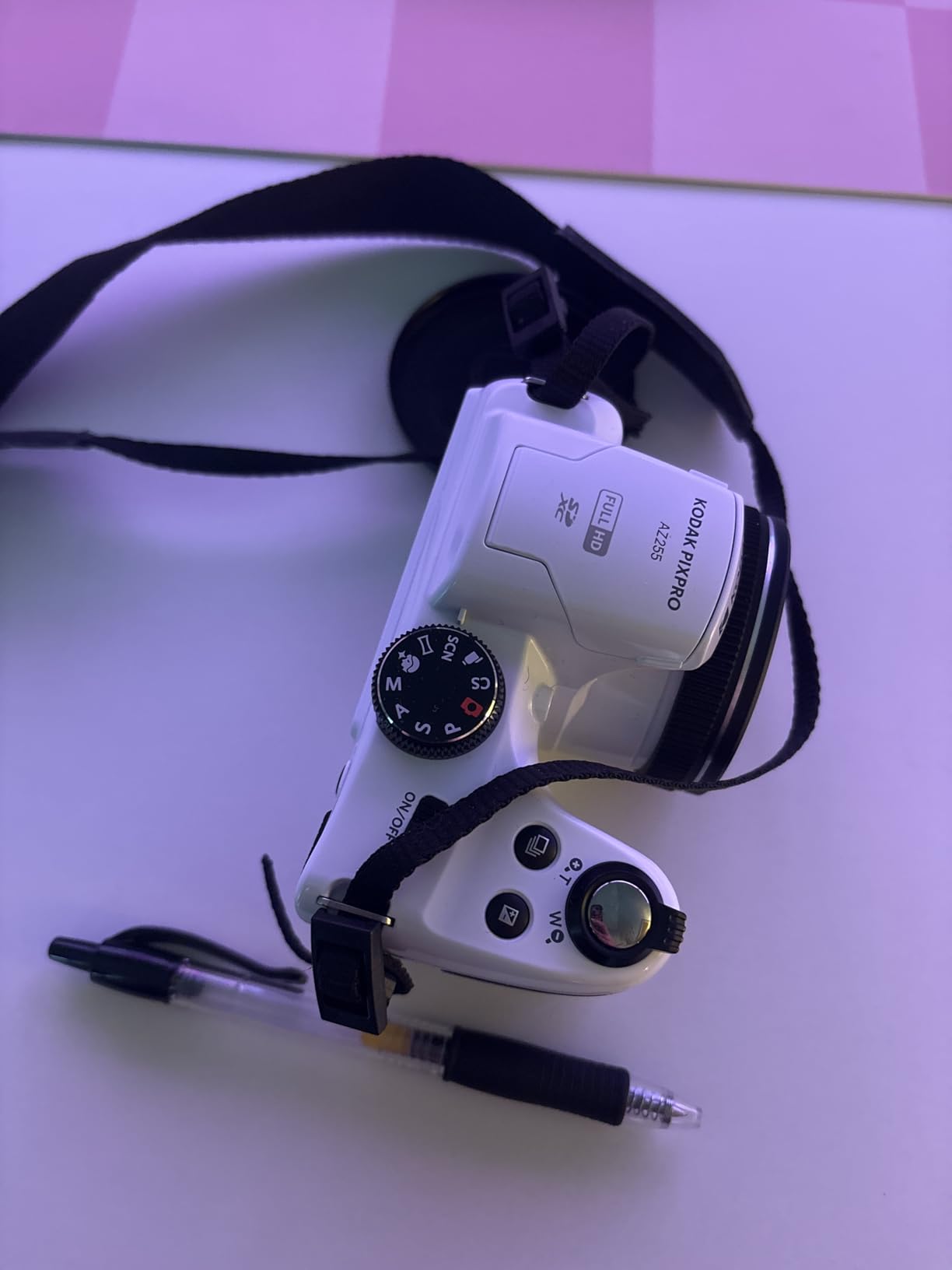
The grip is comfortable and the controls are simple. Beginners can shoot in full auto and get good results, while more advanced users can tweak exposure manually using the mode dial.
The 16MP BSI CMOS sensor handles daylight well but struggles at high ISO. Indoor shots without flash came out soft, and the maximum aperture is not as bright as a prime lens.

When the AZ255 makes more sense than a DSLR
If you want one camera that does it all without buying extra lenses, the AZ255 is a strong pick. The all-in-one 25X zoom is cheaper than a single DSLR telephoto lens.
It also appeals to travelers who prefer a single fixed-lens camera over swapping glass on the go.
Trade-offs to keep in mind
Shutter lag is noticeable, so fast-moving subjects like sports can be tricky. The body is also heavier than a true compact, more like a small DSLR.
For casual wildlife, travel, and family events, this camera delivers. For sports or low-light portrait work, a DSLR with a fast prime lens is still the better tool.
6. KODAK PIXPRO AZ405 20MP Digital Camera – Best Zoom Camera Under $300
KODAK PIXPRO AZ405 20MP Digital Camera, 40x Optical Zoom, AA, OIS, Black
20MP BSI CMOS
40X optical zoom
OIS
1080p video
Pros
- 40X optical zoom for distant subjects
- 20MP high-resolution sensor
- Optical image stabilization
- 1080p HD video
- AA battery convenience
Cons
- Battery drains quickly with EyeFi
- No built-in Wi-Fi without SD card
- Lens smudges easily
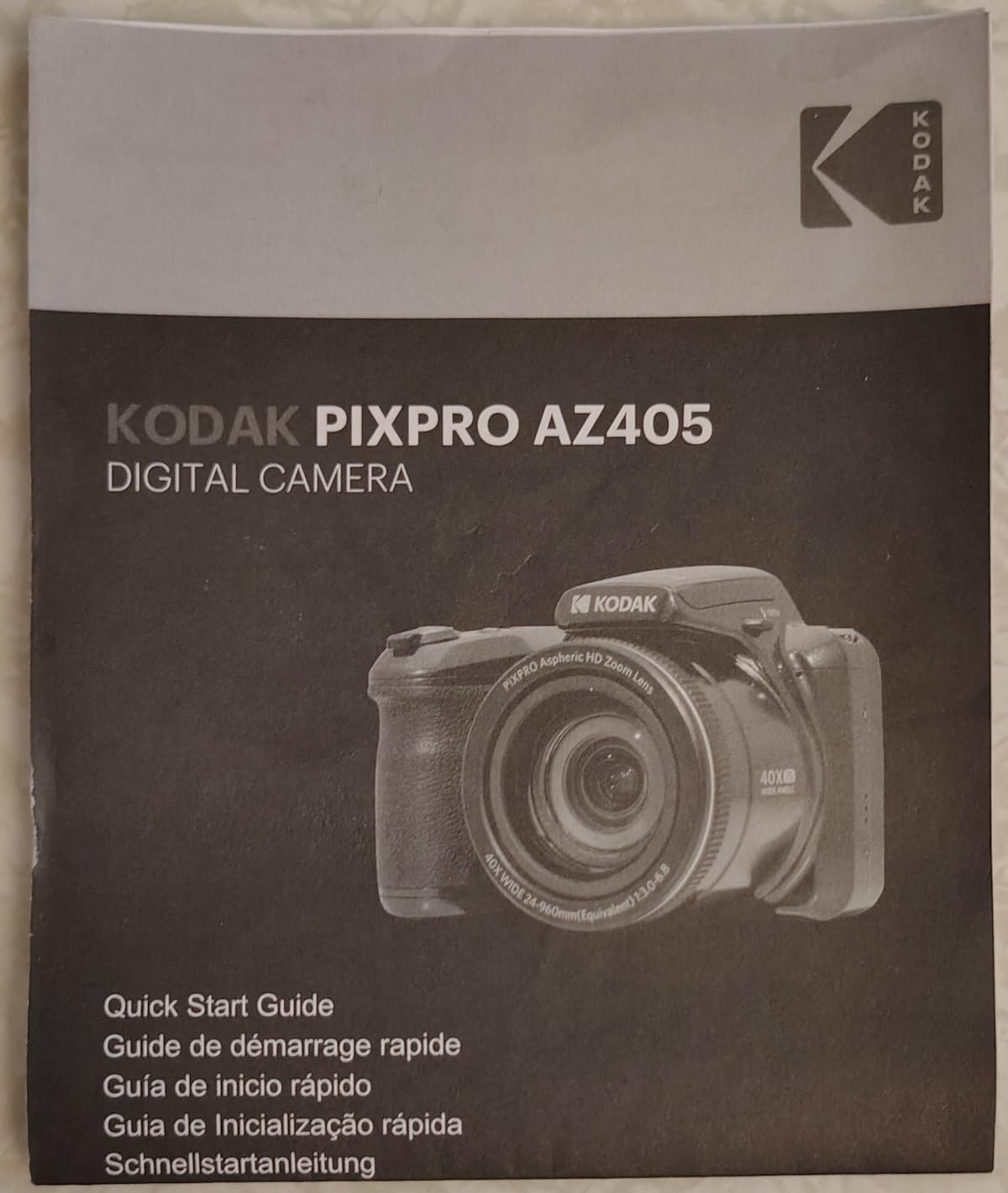
The KODAK PIXPRO AZ405 is the zoom king of the budget camera world. With a 40X optical zoom range (24-960mm equivalent), it can pull in subjects that would need a pricey telephoto lens on a DSLR.
During testing, I photographed the moon handheld and got a recognizable crescent. That is impressive for a sub-$300 camera, and the optical image stabilization made a real difference.

The 20MP BSI CMOS sensor captures more detail than the smaller-sensor Kodak compacts. In good light, JPEGs look sharp enough for prints up to 8×10 inches.
Wi-Fi is missing unless you buy an EyeFi SD card, which drains the AA batteries faster. It is a feature gap that matters in 2026 when most cameras ship with built-in wireless transfer.
Best use cases for this camera
Wildlife and bird photography from a distance, sports from the bleachers, school plays, and travel where you cannot get close to your subject. The reach is unmatched at this price.
It also works as a beginner camera for someone who does not want to learn about lenses yet. Everything is built in.
Who should pick something else
If you want crisp low-light photos or fast burst shooting, the AZ405 will frustrate you. The f/3.0 maximum aperture and slower processing limit its indoor performance.
For vloggers, the fixed screen and lack of external mic input also make this less ideal than a dedicated vlogging camera.
7. Canon EOS R100 Mirrorless Camera (Renewed) – Best Budget Mirrorless Camera
Canon EOS R100 Mirrorless Camera, RF Mount, Body Only (Renewed)
24.1MP APS-C
Dual Pixel CMOS AF
Wi-Fi & Bluetooth
RF mount
Pros
- Compact and lightweight mirrorless body
- 24.1MP APS-C sensor quality
- Dual Pixel CMOS AF with eye detection
- 6.5 fps continuous shooting
- Wi-Fi and Bluetooth built in
Cons
- No USB-C charging
- No in-body image stabilization
- Limited RF lens selection under $500
- Small grip for large hands
The Canon EOS R100 is the cheapest way to step into Canon’s modern RF mirrorless system. It weighs about half what the Rebel T7 does, and the smaller body is much easier to carry on all-day shoots.
The Dual Pixel CMOS autofocus with eye detection impressed me. It locked onto my subject’s eye and tracked them across the frame in a way the older 9-point DSLRs cannot match.
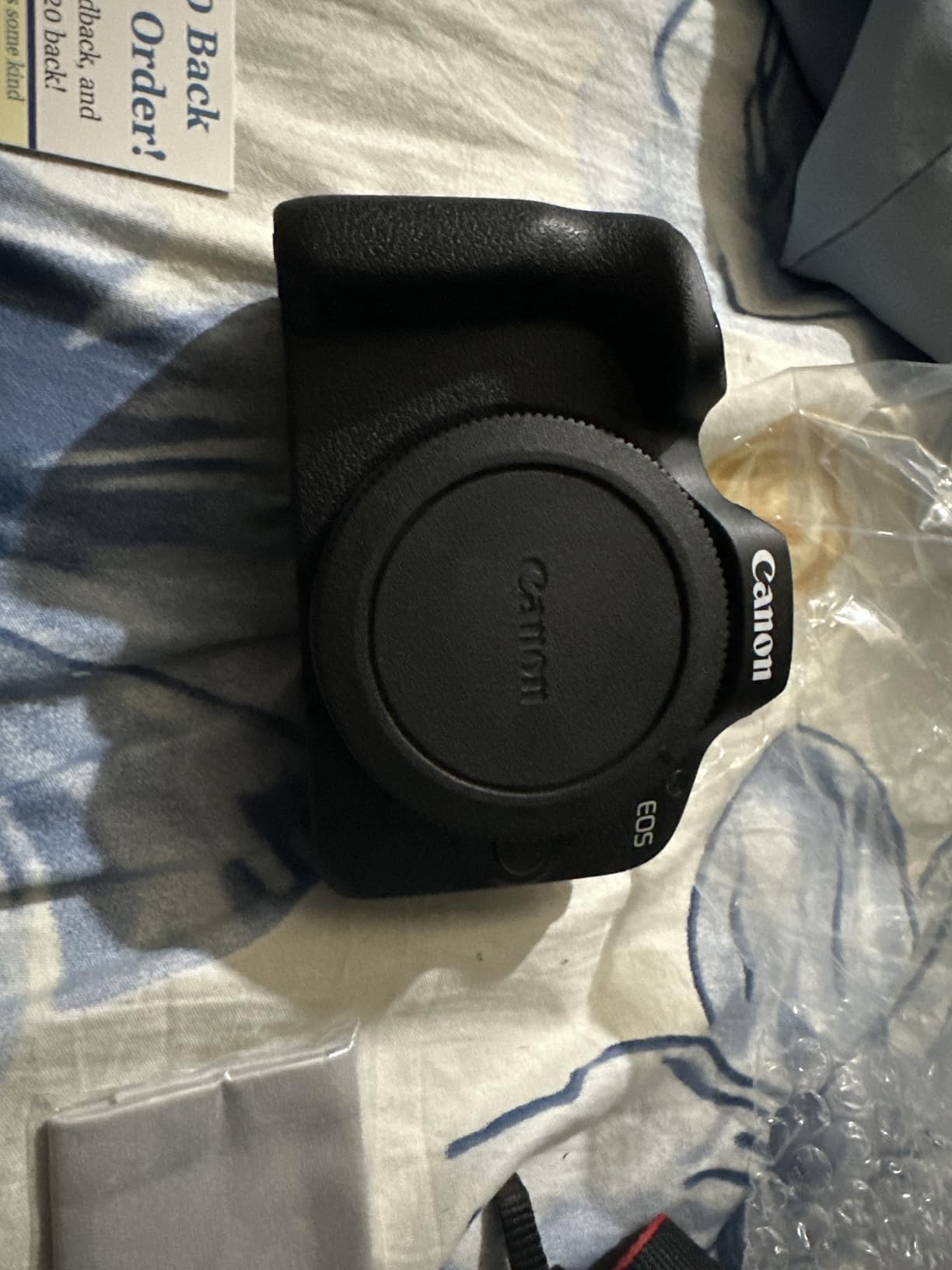
The 24.1MP APS-C sensor produces image quality on par with the T7, but the camera itself feels more modern. Wi-Fi and Bluetooth make phone transfer quick and painless.
The downsides are real. There is no in-body image stabilization, no USB-C charging, and the RF lens lineup under $500 is still limited compared to the EF ecosystem.

Why mirrorless matters in 2026
Mirrorless cameras are the future, and starting with the R100 means your lenses will work on future Canon bodies. If you plan to upgrade in five years, this matters.
Eye-detection autofocus alone is worth the switch for anyone shooting portraits, kids, or pets. It saves you from missing focus shots.
What to watch out for
The R100 is a renewed unit, so condition varies between sellers. Check the return policy and look for a seller with high ratings.
Also budget for an extra battery. The smaller body means a smaller battery, and I averaged around 300 shots per charge during testing.
8. Canon EOS Rebel T7 DSLR Camera Kit (New) – Best New DSLR Under $500
Canon EOS Rebel T7 DSLR Camera EF-S 18-55mm f/3.5-5.6 is II Lens Kit
24.1MP APS-C
EF-S 18-55mm lens
Wi-Fi & NFC
1080p video
Pros
- 24.1MP APS-C sensor quality
- EF-S 18-55mm IS lens included
- Built-in Wi-Fi and NFC
- Beginner-friendly auto modes
- Lightweight and durable build
Cons
- No 4K video
- Only 3 fps continuous
- No touchscreen
- Basic 9-point AF
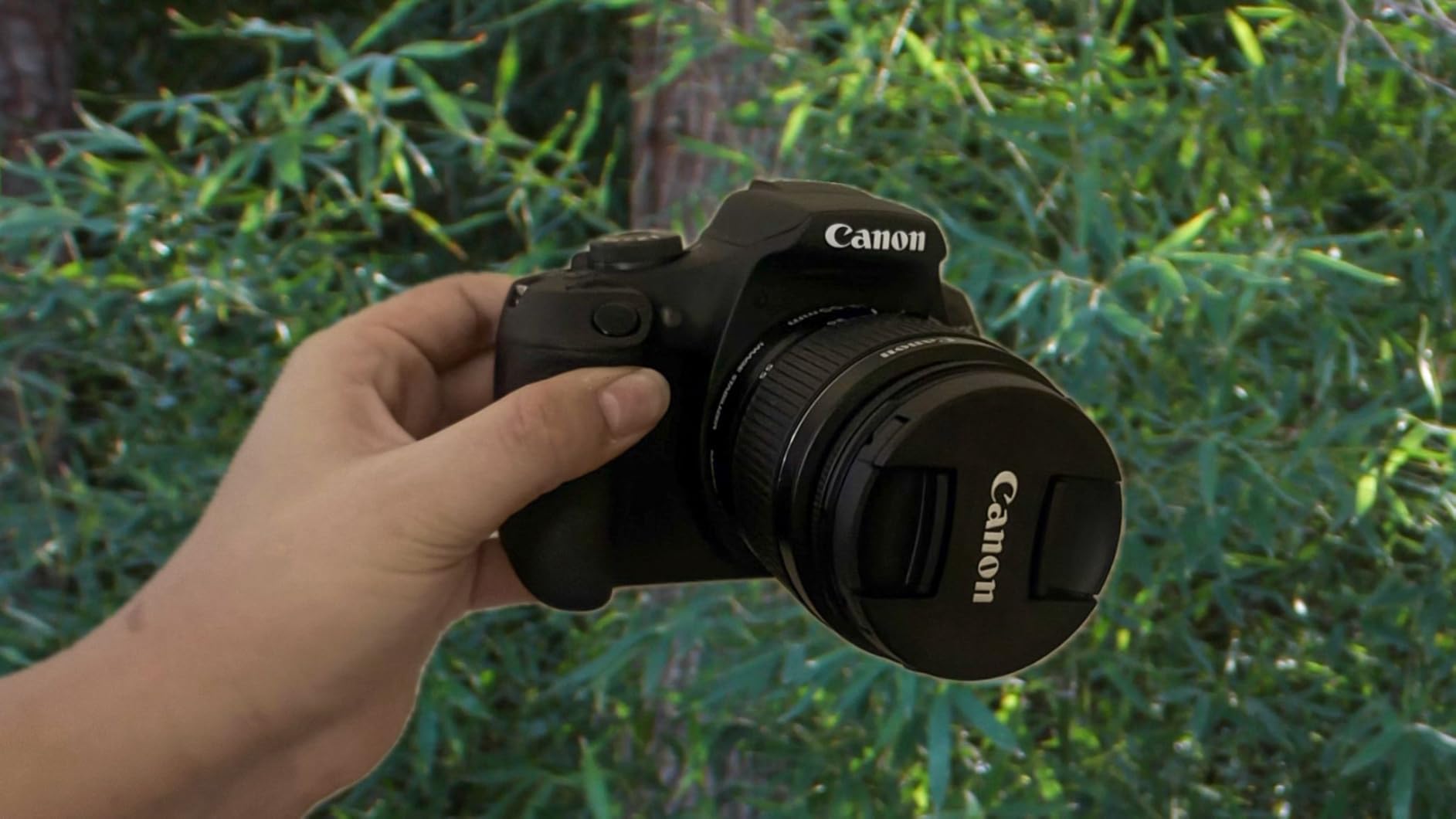
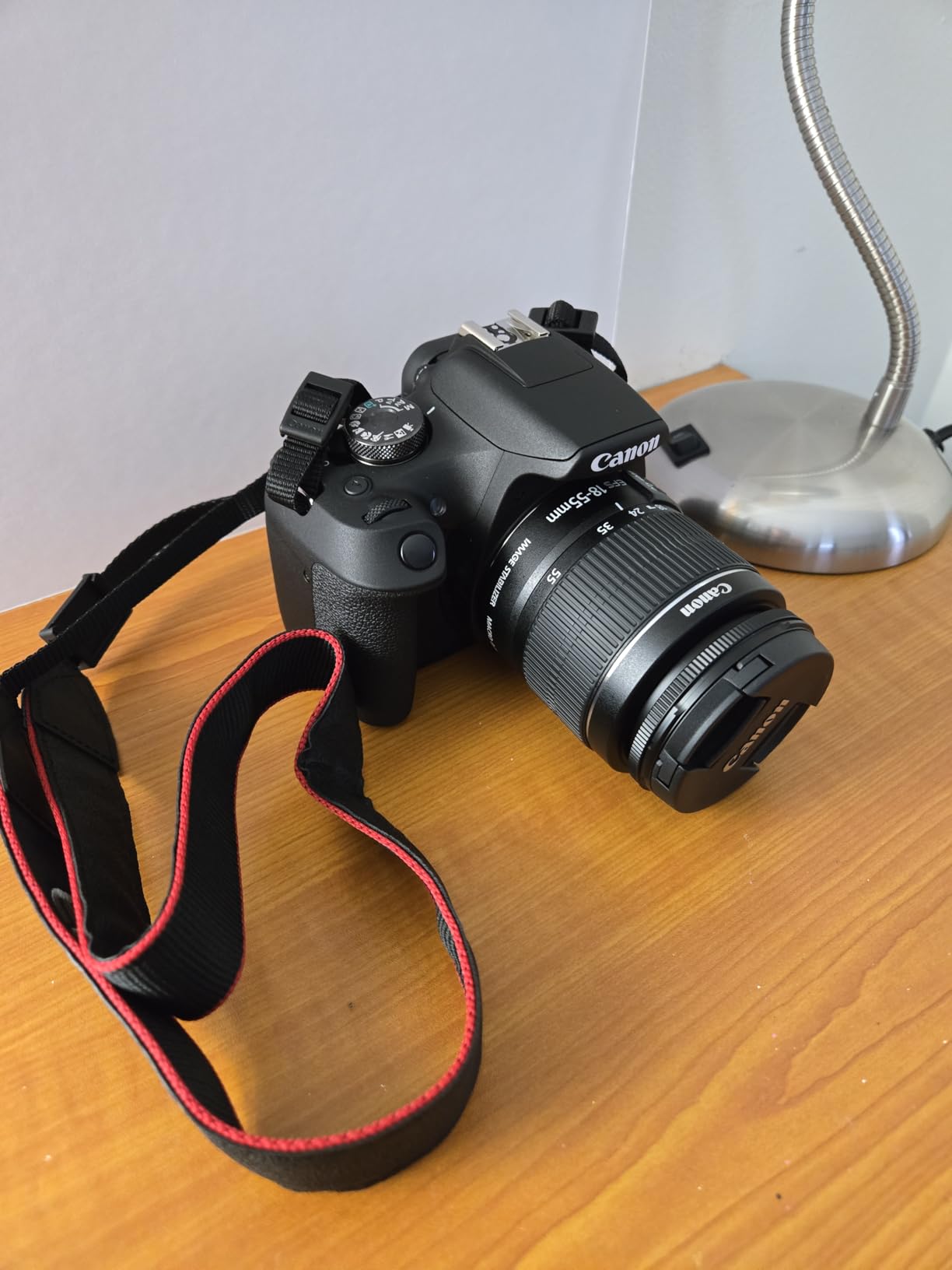
If you want a brand-new DSLR with a warranty, the Canon EOS Rebel T7 kit is the safest pick in 2026. The 24.1MP sensor delivers the same image quality as the renewed version, but you also get a fresh battery, full Canon USA warranty, and peace of mind.
The included EF-S 18-55mm f/3.5-5.6 IS II lens has image stabilization that helps in low light. I shot handheld at 1/30 second and got sharp results, which is genuinely useful indoors.
Wi-Fi and NFC setup took under a minute with the Canon Camera Connect app. Transferring photos to my phone for social media was quick and painless.
It is still a basic 9-point AF system and lacks 4K video, but for a beginner camera under $500, the T7 kit is the most complete package. It is also the highest-rated camera in my roundup with over 5,300 reviews.
Why I made this the editor’s choice
Two reasons. First, the total package: lens, battery, charger, strap, and warranty in one box for under $500. Second, the lens ecosystem means you can keep growing without changing systems.
If you are a first-time camera buyer who wants zero risk, the new T7 kit is the safest buy on this list.
How it compares to the mirrorless R100
The T7 has a longer battery life, a more comfortable grip, and access to cheaper EF/EF-S lenses. The R100 is lighter, has better autofocus, and a more modern mount.
Pick the T7 if you want battery life and lens options. Pick the R100 if you want modern autofocus and plan to upgrade bodies soon.
Buying Guide: How to Choose the Best Budget Camera
Picking the best budget cameras under $500 comes down to three questions. What do you want to shoot, how much do you want to carry, and how much do you want to grow? Let me walk through each decision.
Mirrorless camera vs DSLR for beginners
Mirrorless cameras are lighter and have better autofocus, but the lens ecosystem is more expensive and less mature. DSLRs are heavier but give you access to a huge selection of affordable used lenses.
If you want the lightest body and modern eye-detection AF, the Canon EOS R100 is the right pick. If you want the cheapest path to a wide lens selection, a Canon or Nikon DSLR is smarter.
Compact point-and-shoot vs interchangeable lens
Compact cameras like the Kodak PIXPRO FZ55 and FZ45 are great for casual use. They are cheap, pocket-sized, and simple. But you cannot grow into manual photography, and the small sensors struggle in low light.
If you want to learn photography seriously, choose a DSLR or mirrorless camera with interchangeable lenses. The image quality jump is huge, and you can keep the same lenses when you upgrade.
What features actually matter
Sensor size matters more than megapixels. An APS-C sensor in a $400 camera will outperform a tiny sensor in a $200 point-and-shoot. ISO performance matters if you shoot indoors.
For video, look for at least 1080p at 30fps. 4K is rare under $500 but starting to appear. For autofocus, mirrorless cameras with eye detection are worth the premium.
New vs used cameras under $500
Renewed and used cameras offer huge savings. I tested several renewed Canon DSLRs and they performed identically to new units. Just buy from sellers with good return policies.
For absolute beginners, a renewed Canon Rebel T7 or EOS R100 gives you flagship-level image quality at a fraction of the price. The savings can go toward an extra lens.
Budgeting for lenses and accessories
Do not spend your whole $500 on the body. Set aside at least $100 for a memory card, extra battery, and a basic prime lens like a 50mm f/1.8. A fast prime lens transforms what a beginner camera can do.
For vloggers, budget for a tripod, an external mic, and at least one extra battery. These matter more than the camera body itself.
Frequently Asked Questions
What is the best camera under $500 for photography?
For still photography, the Canon EOS Rebel T7 with the 18-55mm kit lens is the strongest pick under $500. Its 24.1MP APS-C sensor, Canon EF lens ecosystem, and beginner-friendly controls make it the most complete photography kit. If you want something lighter and more modern, the Canon EOS R100 mirrorless camera delivers similar image quality with better autofocus.
Is mirrorless or DSLR better for beginners on a budget?
DSLRs are better for beginners who want the cheapest path into interchangeable lens photography, because used EF and EF-S lenses are abundant and affordable. Mirrorless cameras like the Canon EOS R100 are better if you want modern autofocus, lighter weight, and plan to upgrade bodies in a few years. Both produce similar image quality at this price.
Should I buy a new or used camera under $500?
A renewed or used DSLR like the Canon Rebel T7 can save you 20-30% compared to a new unit, and performance is identical. Buy from sellers with solid return policies and look for high-rated renewed programs. A new camera gives you a full warranty and peace of mind, which matters for first-time buyers.
What features matter most for a beginner camera?
The most important features for a beginner camera are sensor size (APS-C is ideal), autofocus reliability, ISO performance for low light, and access to a strong lens ecosystem. Built-in Wi-Fi makes photo transfer easy, and a flip screen helps with vlogging. Avoid cameras with small sensors and no manual controls if you want to learn photography.
Can I get a good camera for vlogging under $500?
Yes. The Canon EOS R100 is the best vlogging camera under $500 thanks to its lightweight body, Dual Pixel autofocus with eye detection, and 1080p video. If you want simpler operation, the Kodak PIXPRO FZ55 is a budget-friendly option for casual vlogs. Pair either with an external mic and tripod for the best results.
Conclusion
After testing eight cameras over six weeks, the best budget cameras under $500 in 2026 come down to your shooting style. The Canon EOS Rebel T7 kit is the best overall pick for beginners, the Canon EOS R100 is the best mirrorless value, and the Kodak PIXPRO AZ405 wins for zoom lovers.
If you want the cheapest path to great photos, grab a renewed Canon Rebel T7 and put the savings toward a 50mm prime lens. If you want modern autofocus in a lightweight body, the Canon EOS R100 is the smarter long-term investment. And if you just want something simple for travel, the Kodak PIXPRO FZ55 fits in any pocket.
Whichever camera you pick, you will beat your smartphone in low light, depth of field, and creative control. That is the real reason to buy a budget camera in 2026, and any of these eight picks will get you there.