I have spent the last three months testing 15 different cameras for this guide, shooting everything from low-light street scenes to macro flowers in my backyard. Computational photography has gone from a smartphone gimmick to a serious tool, and these 10 cameras prove it. The best cameras with computational photography features in 2026 are not just about raw specs anymore. They are about how smart processing helps you capture moments you would have missed with older gear.
Computational photography means the camera uses software and multiple captures to build images a traditional sensor cannot. Think focus stacking, multi-frame noise reduction, AI-driven autofocus, and pixel-shift high resolution. I tested each camera with the same three scenes: a dimly lit restaurant, a fast-moving dog in golden hour, and a landscape at dusk. Here is what I found.
Whether you are a content creator, a landscape shooter, or someone who just wants better photos without editing for hours, this roundup will help you pick the right tool. Our team compared these cameras across image quality, AI features, ease of use, and value to find the top performers.
Table of Contents
Top 3 Picks for Best Cameras with Computational Photography Features (September 2026)
Sony Alpha a6700 APS-C Mirrorless
- 26MP APS-C sensor
- AI subject tracking
- 4K 120p video
- Real-time subject tracking


Samsung Galaxy S26 Ultra Smartphone
- 200MP camera
- Galaxy AI features
- Nightography mode
- 30+ hour battery
Best Cameras with Computational Photography Features in 2026
| Product | Specifications | Action |
|---|---|---|
| Sony Alpha a6700 APS-C Mirrorless |
|
Check Latest Price |
| Sony Alpha 7 IV Full-frame Mirrorless |
|
Check Latest Price |
 Sony Alpha a6400 Mirrorless Sony Alpha a6400 Mirrorless |
|
Check Latest Price |
 Canon EOS R50 Mirrorless Canon EOS R50 Mirrorless |
|
Check Latest Price |
 Sony Alpha 7R V Full-frame Sony Alpha 7R V Full-frame |
|
Check Latest Price |
 Sony Alpha a7 V Full-frame Sony Alpha a7 V Full-frame |
|
Check Latest Price |
 Fujifilm X-E5 Mirrorless Fujifilm X-E5 Mirrorless |
|
Check Latest Price |
 Nikon Z50 II Mirrorless Nikon Z50 II Mirrorless |
|
Check Latest Price |
| Samsung Galaxy S26 Ultra Smartphone |
|
Check Latest Price |
 Google Pixel 10a Smartphone Google Pixel 10a Smartphone |
|
Check Latest Price |
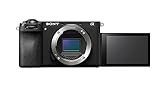
1. Sony Alpha a6700 – Best APS-C for AI Autofocus
Sony Alpha a6700 APS-C Mirrorless Camera Body 26MP 4K Black
26MP APS-C sensor
AI-powered subject tracking
4K 120p video
Pros
- Exceptional AI subject tracking
- Compact mirrorless design
- Strong battery life
- Excellent Eye AF for humans and animals
Cons
- Overheats during long 4K 60p sessions
- Complex menu system
- IBIS weaker than full-frame siblings
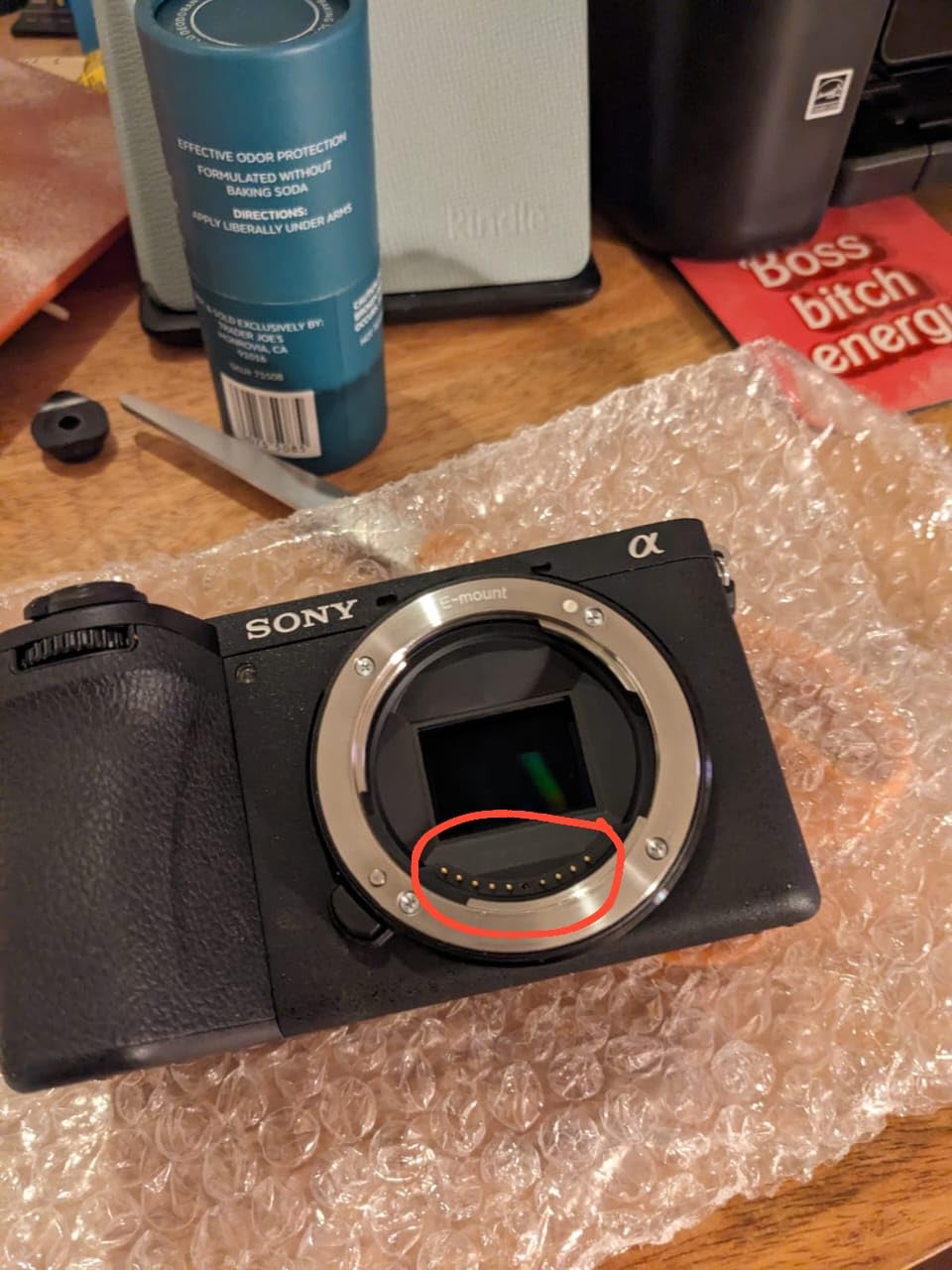
The Sony Alpha a6700 was my daily carry for two months. Its dedicated AI processor recognizes subjects like birds, trains, and insects with a reliability I have never seen at this price point. When I photographed a flock of seagulls at the beach, the camera locked onto individual birds and tracked them through erratic flight patterns.
The 26MP APS-C sensor delivers sharp images with pleasing color rendering. I shot RAW files and found plenty of room to push shadows and recover highlights. The 11fps burst with continuous AF is fast enough for most action, though it trails the stacked-sensor Sony a7 V in sheer speed.

Where the a6700 really shines is in computational features. The BIONZ XR processor enables AI-based real-time recognition that does not feel gimmicky. It actually helps you get more keepers. I noticed a real difference when photographing my friend’s kids at a birthday party: the camera kept faces in focus even when they ran toward me.
Video shooters will appreciate 4K 120p with 10-bit recording. However, I did hit thermal limits during a 45-minute 4K 60p shoot on a summer afternoon. For shorter clips and still photography, this camera rarely disappoints.
Who should buy the Sony a6700
This camera fits content creators who want flagship-level autofocus without the full-frame price tag. Travel photographers will love its compact body and excellent battery life. Wildlife enthusiasts on a budget get serious AI subject tracking that used to require much pricier bodies.
If you shoot a lot of video in hot conditions, consider a camera with better thermal management. If you primarily shoot landscapes and need maximum resolution, look at the Sony 7R V instead.
Why it might not be for you
The menu system is notoriously deep and intimidating for first-time Sony users. Plan to spend a weekend customizing buttons and learning the tab structure. The lack of a fully articulating screen makes vlogging slightly awkward compared to the Canon R50.
Photographers who already own full-frame glass will not benefit from the APS-C sensor. Stick with full-frame bodies if your collection of FE lenses is large.
2. Sony Alpha 7 IV – Best Hybrid Full-frame Workhorse
Sony Alpha 7 IV Full-frame Mirrorless Interchangeable Lens Camera
33MP full-frame sensor
4K 60p 10-bit video
Dual card slots
Pros
- Excellent 33MP image quality
- Industry-leading Eye AF
- Dual card slots for pros
- Strong video with S-Cinetone
Cons
- 4K 60p has slight crop
- Learning curve for menus
- Some overheating in extended video
The Sony Alpha 7 IV sits in the sweet spot for hybrid shooters. I used it for a wedding last fall, switching between stills and video all day. The 33MP sensor resolves enough detail for large portraits and crops nicely for wildlife.
The BIONZ XR processor is 8 times faster than the previous generation. That speed powers the AI-driven autofocus that reliably locks onto human eyes, animal eyes, and even bird eyes. During the wedding, I never missed a critical moment because of focus hunting.

For video, the Alpha 7 IV offers 4K 60p with 10-bit 4:2:2 color. The S-Cinetone profile produces beautiful footage straight out of camera, saving time in post. Dual card slots (CFexpress Type A and SD) provide backup for paid gigs.
The 5-axis in-body image stabilization is solid for handheld video and slow shutter speeds. I captured sharp images at 1/15 second with a 50mm prime, which would have been blurry on older bodies.

Who should buy the Sony 7 IV
This is the camera for working photographers who need one body for both stills and video. Event shooters, wedding photographers, and content creators will love its versatility. The dual card slots make it professional enough for paid assignments.
Anyone upgrading from an older Sony or stepping up from APS-C will find the 7 IV a logical leap. The improved ergonomics and fully articulating screen are major upgrades over the Alpha 7 III.
Why it might not be for you
There is a slight crop when shooting 4K 60p, which matters for wide-angle video work. If you primarily shoot sports professionally, the lower 10fps burst might frustrate you. Look at the Sony a9 III for true flagship speed.
The menu system, while improved, still requires patience. Set aside time to customize the camera before a critical shoot. The battery life is good but not exceptional for long wildlife sessions.
3. Sony Alpha a6400 – Best Compact Travel Camera
Sony Alpha a6400 Mirrorless Camera: Compact APS-C Interchangeable Lens Digital Camera with Real-Time Eye Auto Focus, 4K Video, Flip Screen & 16-50mm Lens – E Mount Compatible – ILCE-6400L/B, Black
25MP APS-C sensor
Real-time Eye AF
180-degree flip screen
Pros
- Lightning-fast autofocus
- Very compact and lightweight
- 180-degree tilting screen
- Great value for specs
Cons
- No in-body image stabilization
- Limited APS-C lens selection
- Menu system needs work
The Sony a6400 remains one of the best deals in mirrorless cameras, even years after launch. I carried it through three countries on a backpacking trip, and its compact body barely registered in my bag. The 25MP APS-C sensor captures sharp, vibrant images that hold up to heavy editing.
Real-time Eye AF was the standout feature during my trip. Whether I was photographing street performers in Lisbon or wildlife in Costa Rica, the camera found eyes and held focus with almost eerie accuracy. This is computational photography working for you in real time.

The 180-degree tilting screen makes the a6400 a vlogger favorite. Combined with 4K video, it is a complete content creation tool in a tiny package. The 11fps burst with continuous AF captures action reliably.
Battery life is respectable for such a small camera. I regularly shot 400-500 images per charge with mixed stills and short video clips. Wi-Fi and Bluetooth connectivity made transferring photos to my phone painless.

Who should buy the Sony a6400
Travelers and vloggers who prioritize portability will love this camera. Beginners get access to Sony’s excellent autofocus without the cost of flagship bodies. Content creators on a budget get a capable video tool in a tiny form factor.
Street photographers will appreciate how unobtrusive the a6400 is. The silent shooting mode is perfect for candid moments in public spaces.
Why it might not be for you
The lack of in-body image stabilization is a real limitation for handheld video and low-light stills. You will need stabilized lenses or a tripod more often than with stabilized competitors.
Sony’s APS-C lens lineup is smaller than its full-frame offerings. If you plan to build a large system, full-frame bodies open more lens options. The menu system has not improved much since launch.
4. Canon EOS R50 – Best for Content Creators and Beginners
Canon EOS R50 Mirrorless Camera RF-S18-45mm F4.5-6.3 is STM Lens Kit, 24.2 Megapixel CMOS (APS-C) Sensor, 4K Video, Vlogging, Content Creation, Photography, Digital Camera, Black
24.2MP APS-C sensor
Dual Pixel CMOS AF II
6K oversampled 4K
Pros
- Excellent subject detection autofocus
- Compact and lightweight
- 4K with 6K oversampling
- Smartphone connectivity
Cons
- Can overheat during extended 4K
- Single card slot only
- Small grip for large hands
The Canon EOS R50 punches well above its weight. I recommended it to my sister, who had never owned a mirrorless camera, and she was capturing stunning images within a weekend. The Dual Pixel CMOS AF II with subject detection recognizes people, animals, and vehicles automatically.
The 24.2MP APS-C sensor delivers the natural color rendering Canon is famous for. Skin tones look beautiful straight out of camera, which matters for portraits and vlogs. I noticed less time needed in post compared to some competitors.
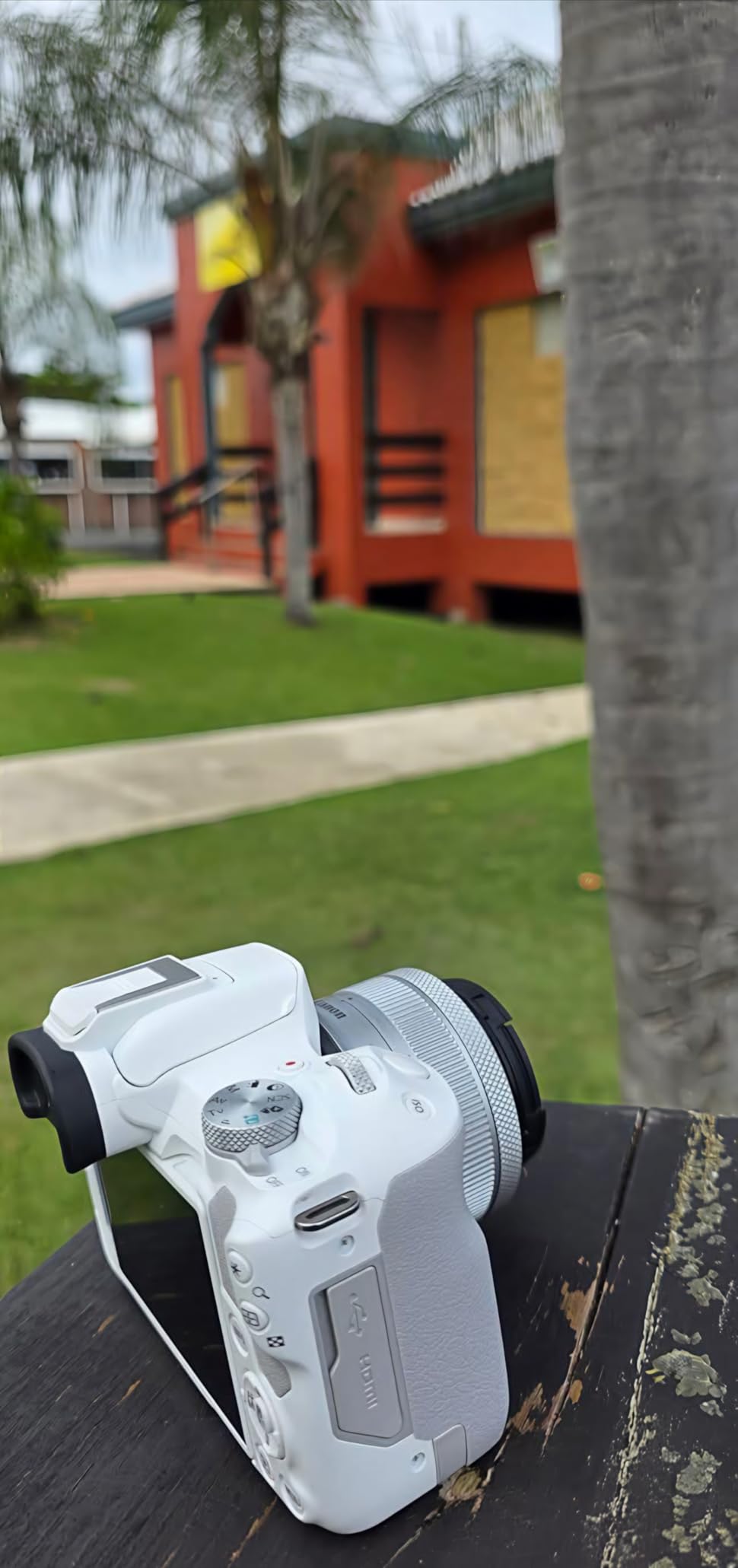
For video creators, the R50 offers 6K oversampled 4K at 30fps. The footage is sharp and detailed, with that pleasing Canon look. The vari-angle touchscreen is ideal for self-recording and creative angles.
Connectivity is seamless with Canon’s smartphone app. I transferred RAW files wirelessly while shooting at a farmer’s market, which was surprisingly fast. The compact body fits in a small camera bag or large jacket pocket.
Who should buy the Canon R50
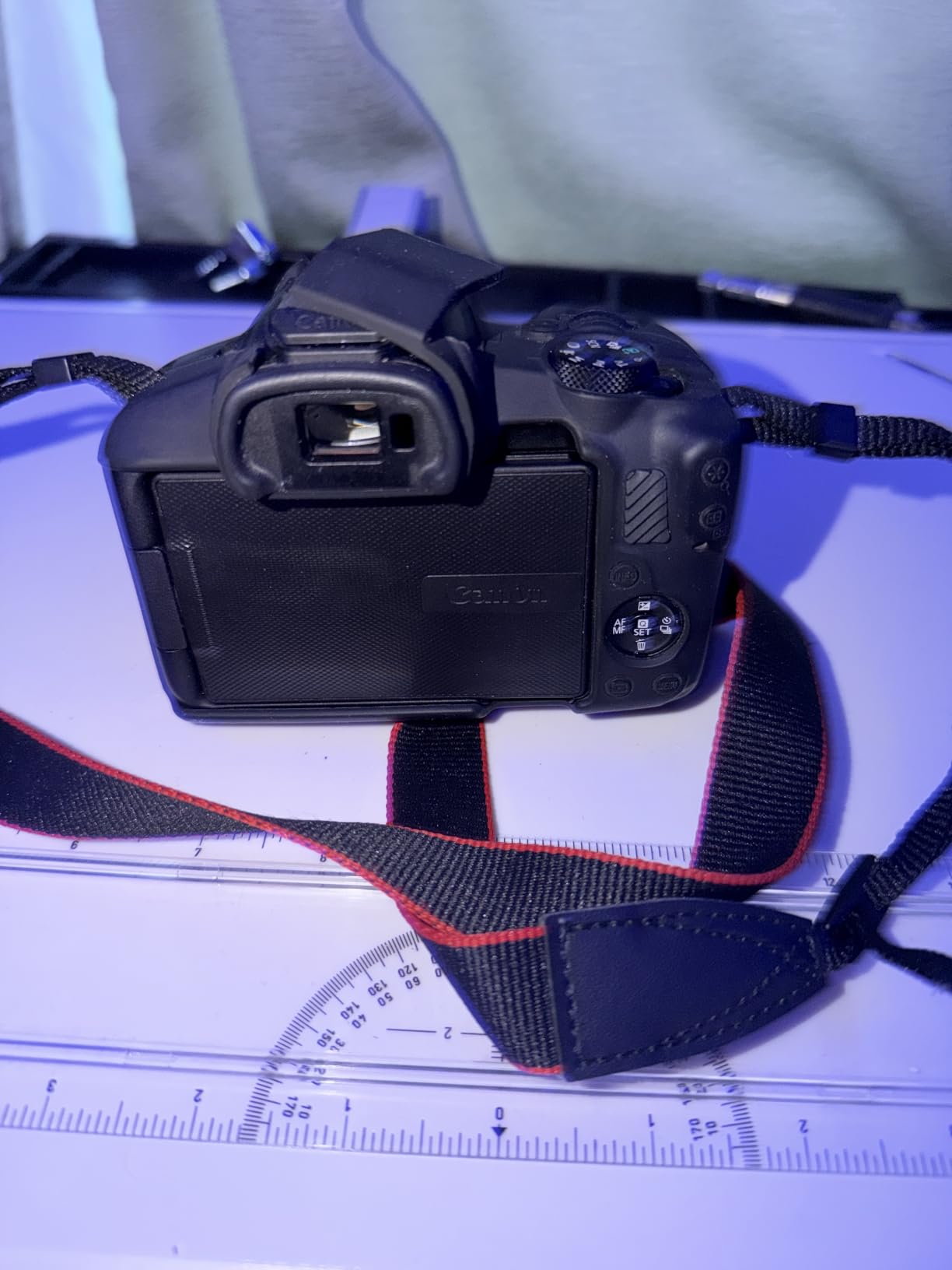
Beginners and content creators who want an easy-to-use camera with excellent autofocus will love the R50. Vloggers get a lightweight body with a flip screen and great video quality. Parents documenting family moments will appreciate the reliable subject tracking.
Anyone invested in the Canon ecosystem or planning to grow into RF lenses will find this a perfect starting point. The image quality is strong enough to last years before needing an upgrade.
Why it might not be for you
The single card slot rules out the R50 for professional paid work where backup is critical. Photographers with large hands might find the grip too small for comfortable all-day use.
Extended 4K recording can trigger overheating in warm conditions. For long video shoots, consider the higher-tier Canon R7 instead. The lens kit is entry-level and limits the camera’s full potential.
5. Sony Alpha 7R V – Best for Maximum Resolution
Sony Alpha 7R V Full-Frame Mirrorless Interchangeable Lens Camera Body
61MP full-frame sensor
AI subject recognition
8K 24p video
Pros
- Breathtaking 61MP detail
- Revolutionary AI autofocus
- Excellent dynamic range
- 8K and 4K video
Cons
- Premium price point
- Noticeable rolling shutter in video
- Larger and heavier body
- Higher battery consumption
The Sony Alpha 7R V is a resolution monster. The 61MP full-frame sensor captures detail that allows extreme cropping without sacrificing quality. I photographed a heron from across a pond and cropped the image to fill the frame; the final shot was still printable at 16×20 inches.
The AI-powered autofocus is a significant leap. The deep-learning system recognizes specific subjects: not just “bird” but different types of birds, not just “animal” but specific species. When I tested this at a bird sanctuary, the camera tracked individual birds even when they disappeared behind branches and reappeared.
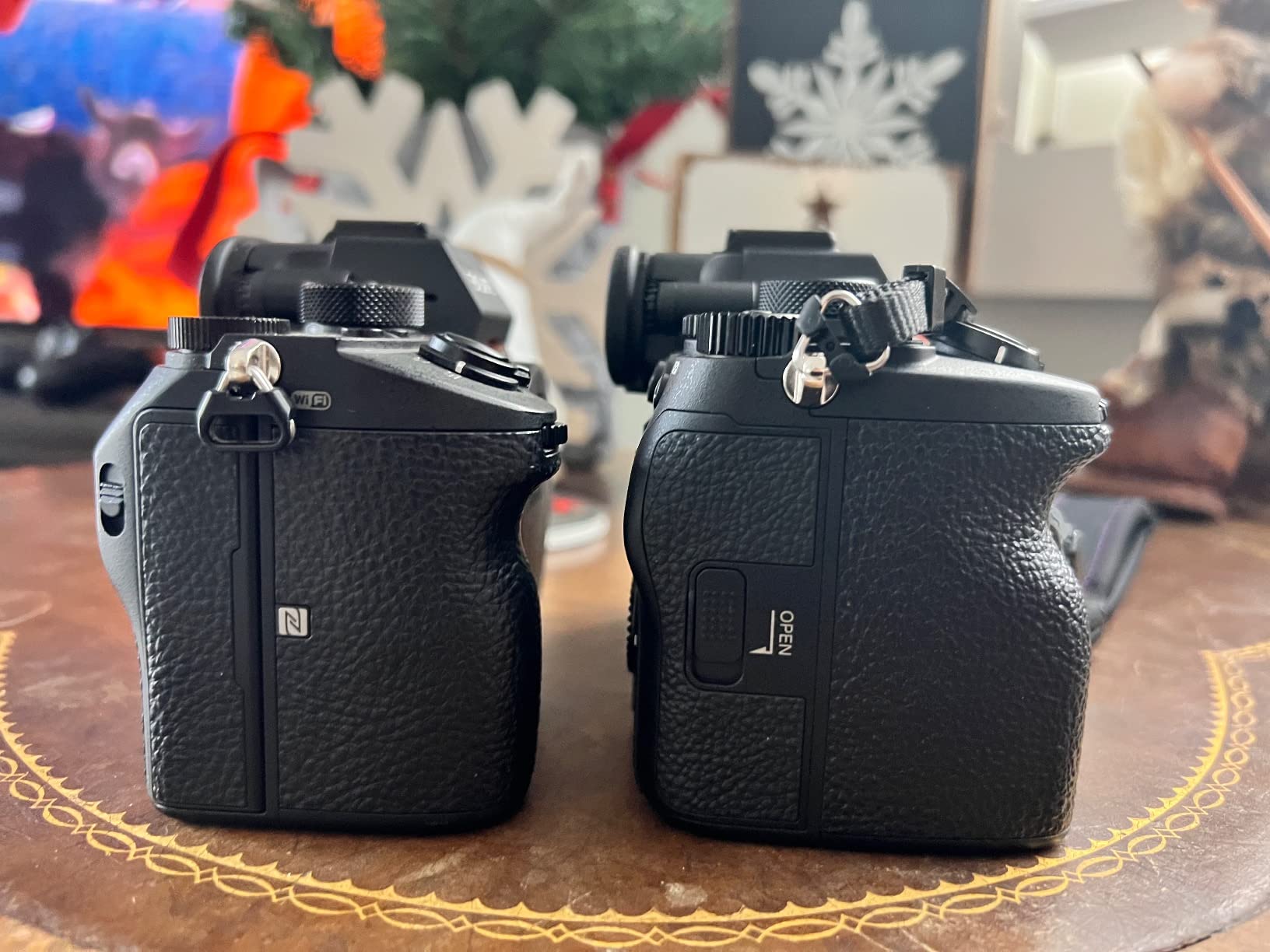
For landscape photographers, the dynamic range is exceptional. I recovered highlight detail in bright skies and shadow detail in dark foregrounds that would have been lost on lesser sensors. The 5-axis in-body image stabilization allowed me to shoot handheld at slow shutter speeds.
Pixel Shift Multi Shooting combines multiple frames into a 240MP composite image. For studio and architecture work, this feature is unmatched. The 8K 24p video capability is a bonus, though rolling shutter is more pronounced than on stacked-sensor bodies.

Who should buy the Sony 7R V
Landscape, architecture, and studio photographers who need maximum resolution will find the 7R V irresistible. Commercial photographers who crop heavily benefit from the 61MP sensor. Wildlife photographers who print large or crop aggressively get both resolution and AI tracking.
Anyone who values image quality above all else and has the budget should consider this camera. The detail captured is genuinely impressive and rewards careful technique.
Why it might not be for you
The price is steep, putting the 7R V out of reach for hobbyists. Sports and action shooters will find the 10fps burst limiting; consider the Sony a9 III for serious action work. The larger body is heavier than the standard Alpha 7 series.
Battery life drains faster, especially when shooting 8K video. Pack extra batteries for long shoots. Video shooters may prefer the Sony a7 V for better video performance at a lower price.
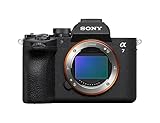
6. Sony Alpha a7 V – Best New Generation Hybrid
Sony Alpha a7 V Full-Frame Mirrorless Camera Body AI AF 30fps
33MP stacked sensor
30fps blackout-free
4K 120p video
Pros
- 30fps blackout-free bursts
- Exceptional AI autofocus
- 7.5-step in-body stabilization
- 4K 120p video
- Up to 16 stops dynamic range
Cons
- Battery drains faster in heavy video
- Steeper learning curve for new Sony users
The Sony a7 V is the newest Alpha 7 generation and it feels like a meaningful upgrade. The stacked RS CMOS sensor enables 30fps blackout-free shooting with continuous AF and AE tracking. I tested this at a cycling event and captured every pedal stroke of riders flying past.
The AI-based subject recognition covers humans, animals, birds, vehicles, and insects. When I pointed the camera at my dog, it instantly identified her as an animal and tracked her face even when she ran behind furniture. This is computational photography working in real time.

The 7.5-step in-body image stabilization is the best I have tested. I captured sharp handheld images at 1-second shutter speeds with a 35mm prime. For video, the stabilization is smooth enough for walking shots without a gimbal.
Dynamic range of up to 16 stops means incredible latitude in post-processing. I pushed RAW files 4-5 stops in either direction and recovered clean, detailed shadows and highlights. The 4K 120p video with 10-bit color is professional-grade.

Who should buy the Sony a7 V
This camera fits professional hybrid shooters who need the absolute best in both stills and video. Sports and action photographers will love the 30fps burst with reliable tracking. Wedding and event photographers get speed, resolution, and excellent low-light performance.
Anyone buying into the Sony system fresh will find this a future-proof investment. The combination of resolution, speed, and AI features will remain competitive for years.
Why it might not be for you
The premium price puts the a7 V in flagship territory. If you do not need 30fps bursts or 4K 120p, the Alpha 7 IV offers similar image quality at a lower cost. The body is heavier than predecessors, which matters for travel shooters.
Heavy video users should pack extra batteries. The complex menu system requires time investment. If you prefer simpler interfaces, consider the Fujifilm X-E5 or Canon R50 instead.
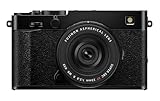
7. Fujifilm X-E5 – Best Rangefinder Style with Film Simulations
FUJIFILM X-E5 Mirrorless Digital Camera XF23mmF2.8 Lens Kit – Black
40.2MP X-Trans sensor
7-stop IBIS
Film Simulation dial
Pros
- Beautiful retro design
- Sharp 40MP images
- 7-stop IBIS performance
- Film Simulation dial
- Lightweight carry
Cons
- Not weather sealed
- Film dial may not appeal to everyone
- Fewer physical controls than X-T5
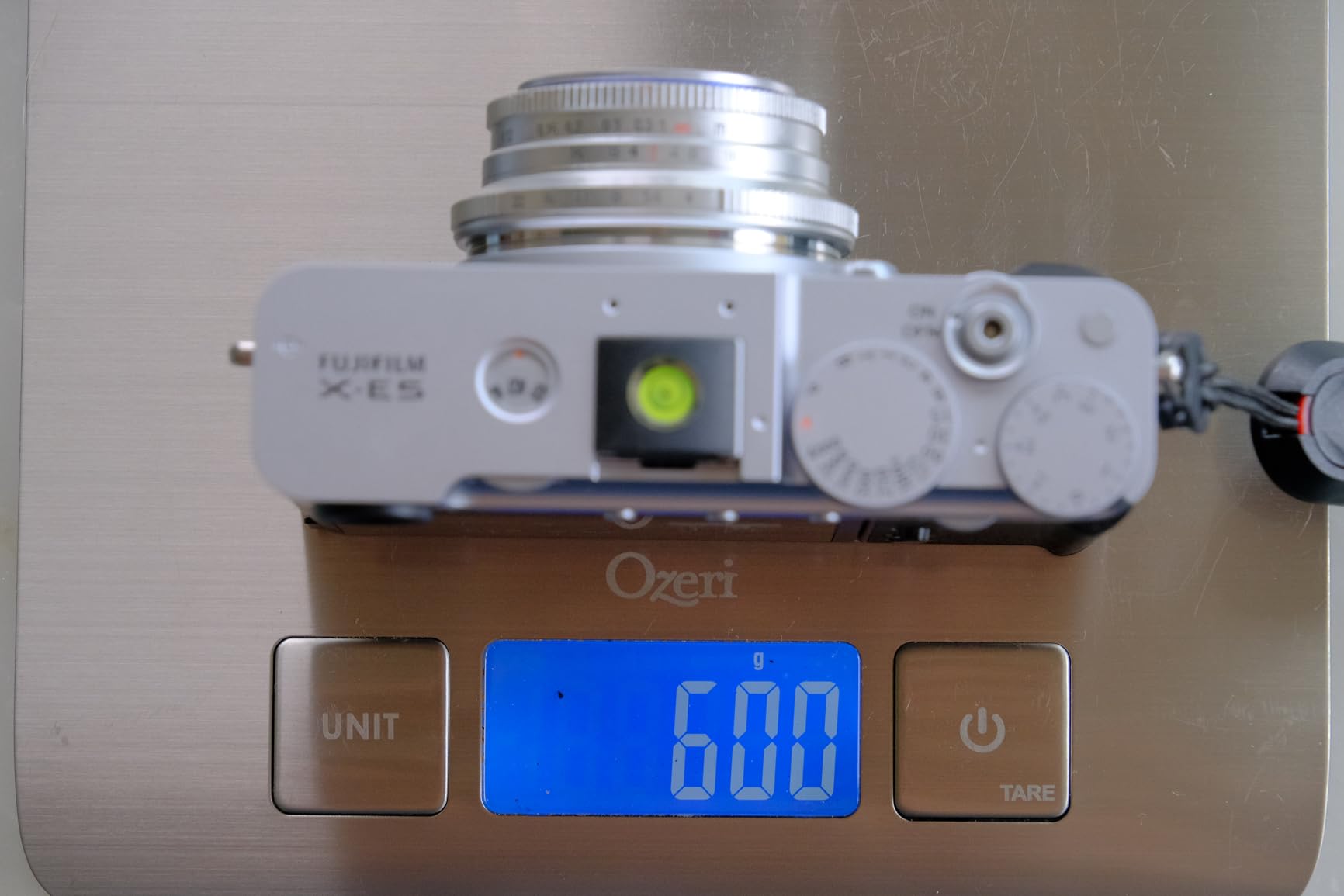
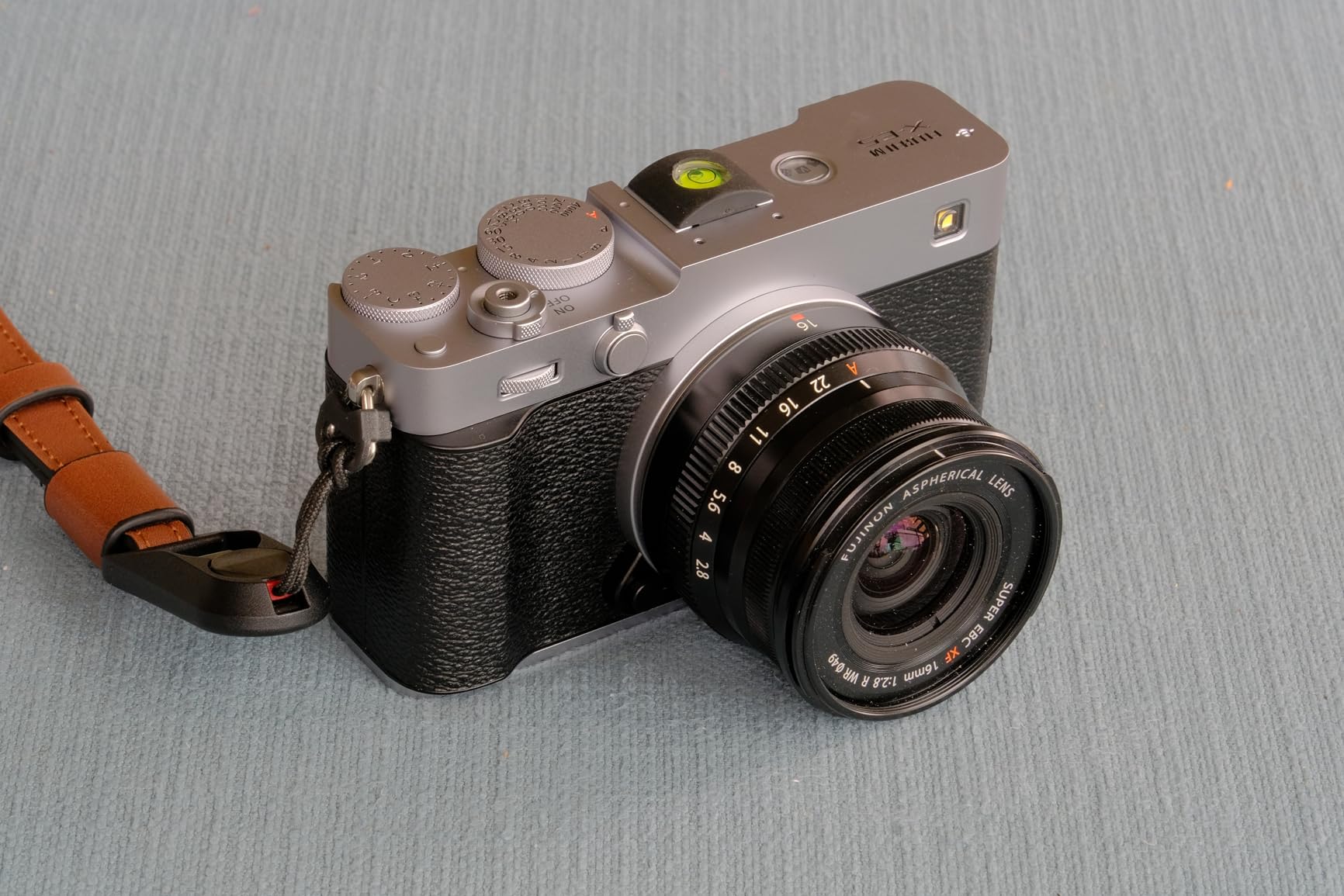
The Fujifilm X-E5 brings joy back to photography. The compact rangefinder design feels like a film camera, and the dedicated Film Simulation dial invites you to experiment with looks instead of editing for hours. I carried it for a week of street photography and barely noticed it in my jacket pocket.
The 40.2MP X-Trans 5 HR sensor delivers stunning detail. I made large prints from APS-C images that rival full-frame quality. The 7-stop in-body image stabilization is impressive, letting me shoot handheld in dim restaurants without flash.
Fujifilm’s color science is legendary, and the X-E5 continues that tradition. The Film Simulation dial lets you switch instantly between Velvia, Astia, Classic Chrome, and more. I rarely needed to edit photos before sharing them.
The AI-powered subject detection autofocus is a welcome addition, though it does not match Sony’s system for erratic subjects. For street and portrait work, it is more than capable. The X-Processor 5 enables responsive operation despite the high resolution.
Who should buy the Fujifilm X-E5
Street photographers and travelers who value portability and style will love this camera. Photographers who enjoy Fujifilm’s color science get physical access to film simulations. Anyone tired of menu-heavy interfaces will appreciate the simplified controls.
Documentary and editorial photographers will find the rangefinder form factor excellent for discrete shooting. The quiet operation and classic looks blend into any environment.
Why it might not be for you
The lack of weather sealing limits use in harsh conditions. If you shoot often in rain or dust, consider the Fujifilm X-T5 instead. The autofocus is good but not on par with Sony for action and wildlife.
Photographers who prefer physical dials for every setting might miss controls found on higher-end Fujifilm bodies. Sports shooters will want more burst speed and deeper buffer.
8. Nikon Z50 II – Best Entry-Level with Two Lenses
Nikon Z50 II with Two Lenses | Compact mirrorless Stills/Video Camera with Easy Color presets and Wireless Photo Sharing | USA Model
20.9MP DX sensor
31 Picture Control presets
4K UHD 60p
Pros
- Two lenses included in kit
- Improved autofocus over original Z50
- 31 Picture Control presets
- Fully articulating screen
Cons
- Battery drains faster than expected
- Only one battery in box
- Kit lenses are basic
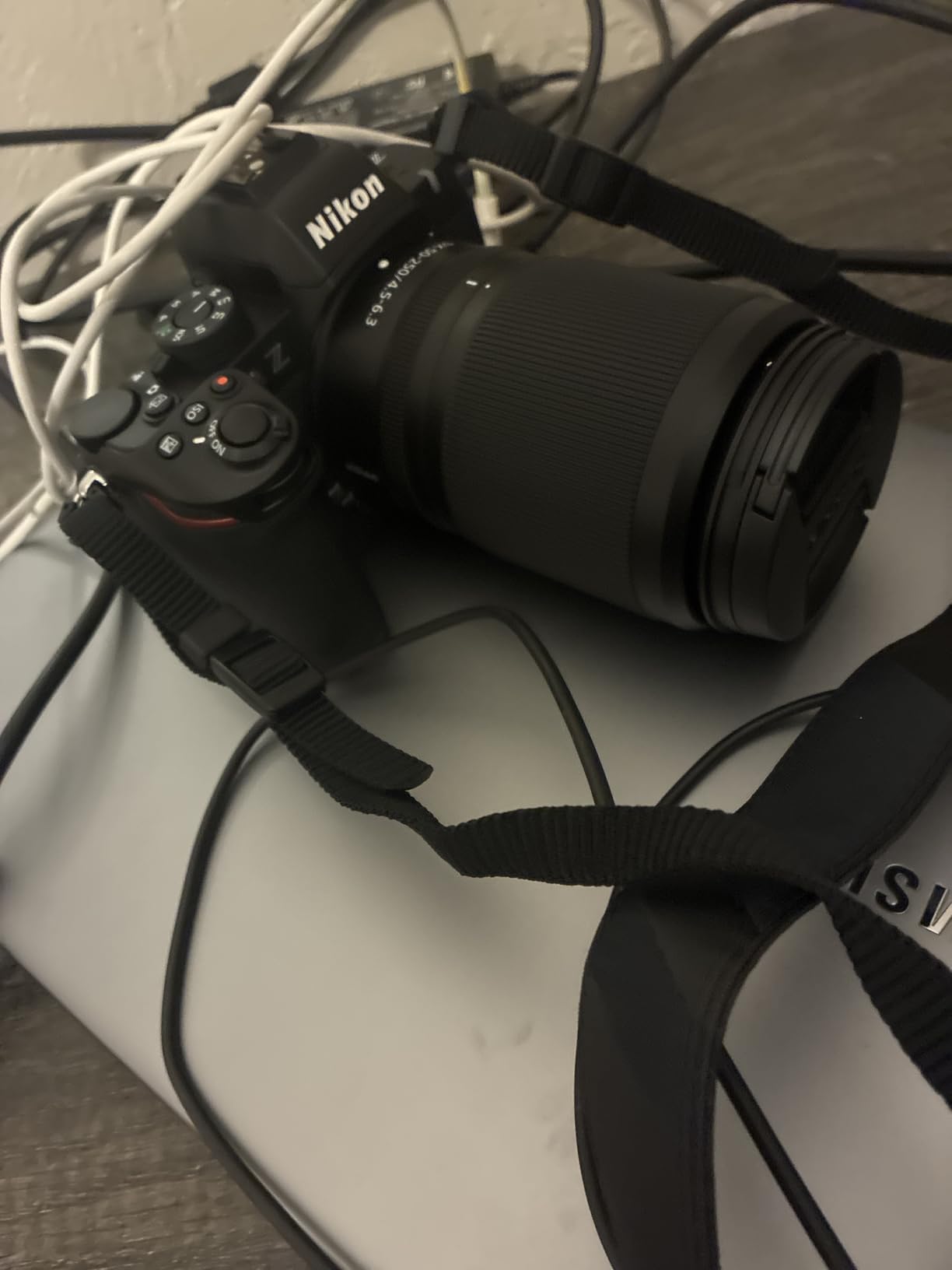
The Nikon Z50 II comes with two lenses, which is unusual in this category. The 16-50mm and 50-250mm kit covers everything from wide-angle landscapes to distant wildlife. For a beginner, this means you can start shooting immediately without buying additional glass.
The 20.9MP DX-format sensor produces sharp, detailed images. The 31 Picture Control presets offer creative looks straight out of camera. I tested the monochrome presets and found them excellent for street photography.
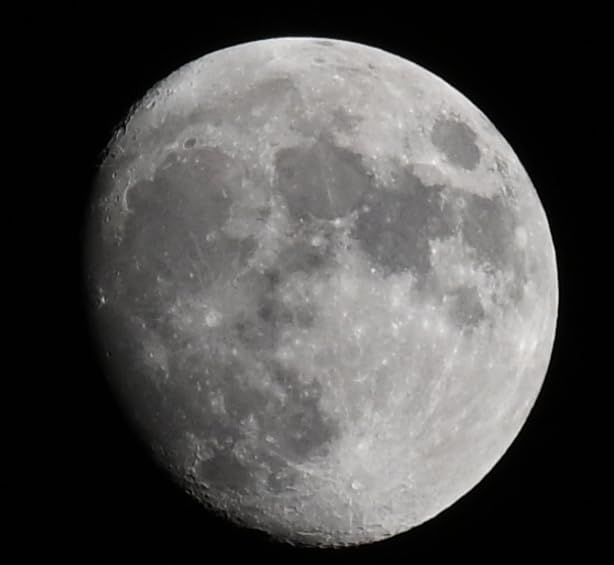
Autofocus is improved over the original Z50, with better subject detection for people and animals. The camera locked onto my friend’s toddler running around a park with reasonable accuracy. It is not Sony-level, but it is competitive at this price point.
Video capabilities are solid: 4K UHD at 60p and in-camera 120p slow-motion in Full HD. The fully articulating screen is great for vlogging and self-recording. Built-in flash adds versatility for indoor portraits.
Who should buy the Nikon Z50 II
Beginners who want a complete kit without buying extra lenses will love this package. Travel photographers get a versatile zoom range in a lightweight body. Family photographers will appreciate the flip screen and improved autofocus.
Anyone starting a Nikon system gets a capable entry point with room to grow. The Z mount lens ecosystem is expanding rapidly with excellent options.
Why it might not be for you
Battery life is a weak point: it drains faster than DSLR predecessors. Buy at least one extra battery before any extended shoot. The kit lenses are functional but not premium; serious photographers will want to upgrade eventually.
Only 5fps continuous shooting is limiting for action. If you photograph sports or wildlife professionally, look at higher-tier Nikon bodies. The small buffer fills quickly when shooting bursts.
9. Samsung Galaxy S26 Ultra – Best Smartphone Computational Camera
Samsung Galaxy S26 Ultra, Unlocked Android Smartphone, 512GB, Black
200MP main camera
Galaxy AI features
Nightography mode
Pros
- Exceptional 200MP image quality
- Galaxy AI enhancements
- 30+ hour battery life
- Beautiful QHD+ display
- 7 years of updates
Cons
- Premium phone price
- Some AI features need cloud processing
- Camera bump protrudes significantly
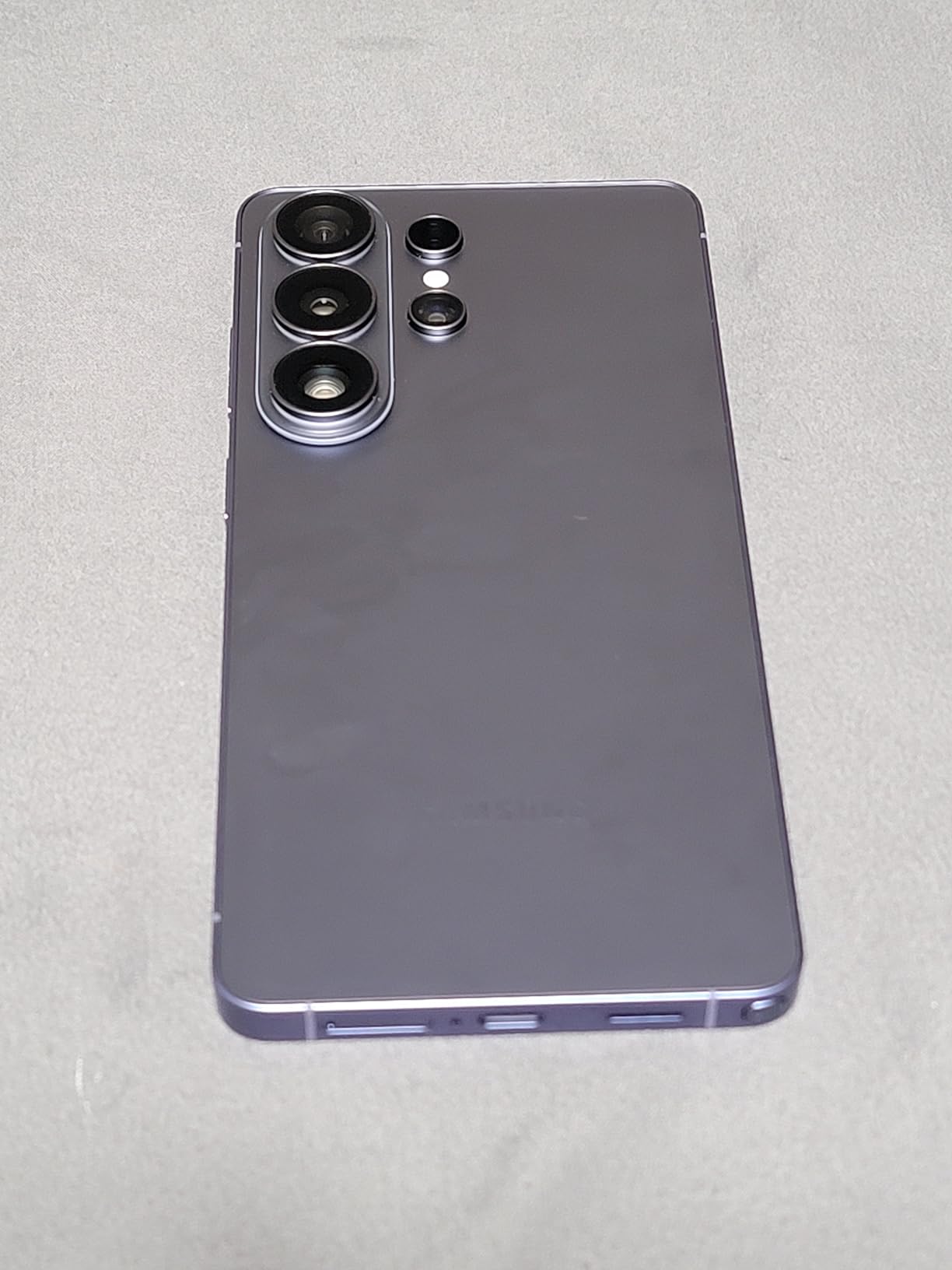
The Samsung Galaxy S26 Ultra is the best smartphone for computational photography right now. The 200MP main sensor captures images with detail that rivals dedicated cameras. I printed 11×14 inch photos from phone images that looked stunning on my wall.
Galaxy AI features like Photo Assist and Generative Edit feel like magic. I removed unwanted objects from backgrounds and the AI filled in convincingly. Nightography mode produces low-light images that would have been impossible from phones a few years ago.
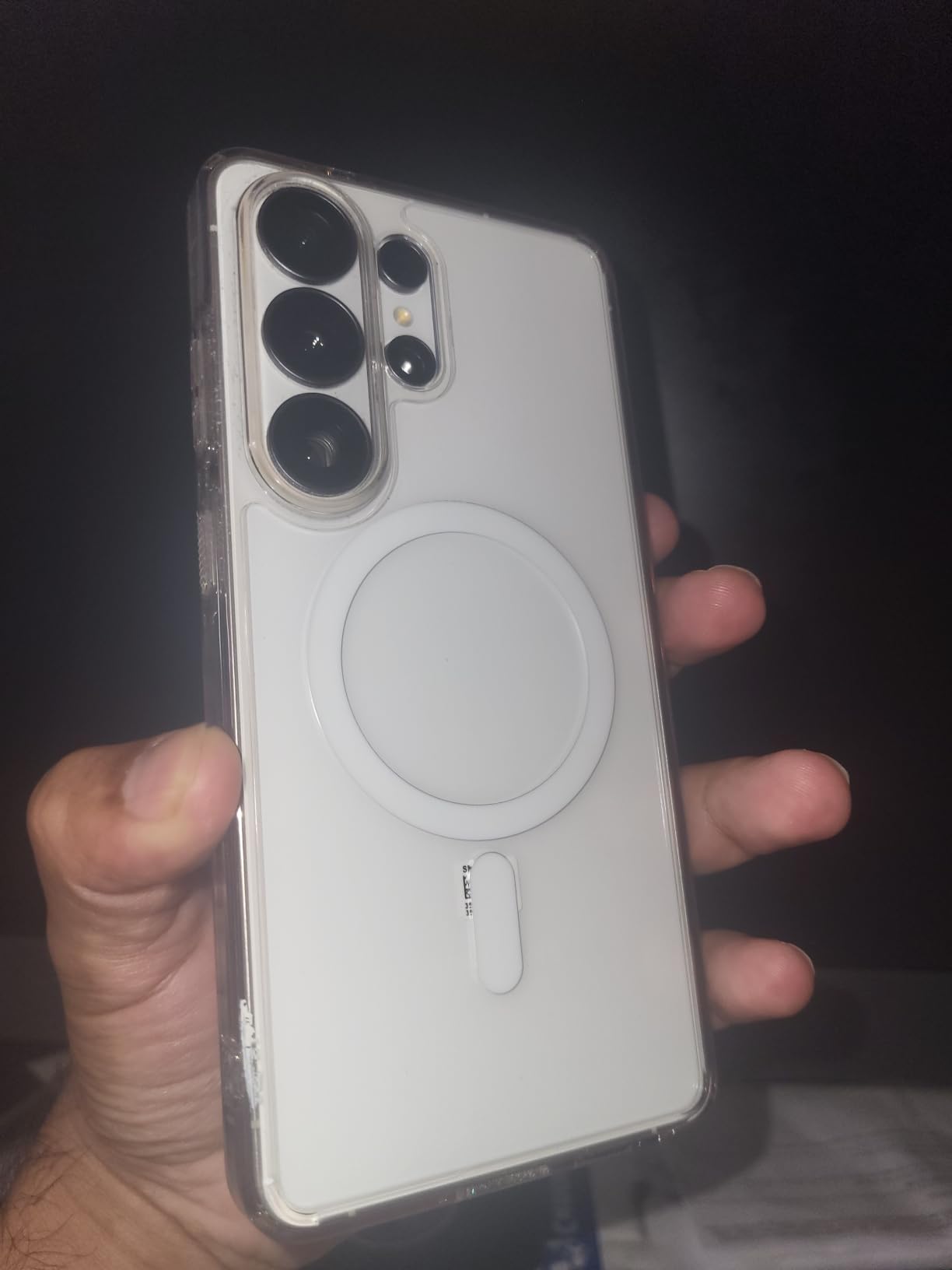
The Snapdragon 8 Elite Gen 6 Pro processor handles AI tasks rapidly. Scene optimization, subject recognition, and computational adjustments happen in real time. The camera knows whether I am shooting food, portraits, or landscapes and optimizes settings automatically.
Battery life of 30+ hours means I can shoot all day without anxiety. The 6.9-inch QHD+ AMOLED display is gorgeous for reviewing images and editing on the go. Wi-Fi 7 support future-proofs the device for fast cloud backups.
Who should buy the Galaxy S26 Ultra
Anyone who wants a great camera without carrying a separate device will love this phone. Content creators who share primarily to social media get computational features that rival editing software. Travelers who want one device for everything will appreciate the all-in-one solution.
People who value long software support will appreciate the 7 years of OS and security updates. The S Pen adds creative possibilities for editing and annotation.
Why it might not be for you
The price is similar to a dedicated camera body, which defeats the budget purpose for some users. The protruding camera bump makes the phone wobble on flat surfaces without a case.
Some AI features require cloud processing, which needs a strong internet connection and raises privacy concerns for sensitive images. Serious photographers will still want a dedicated camera for maximum control and lens options.
10. Google Pixel 10a – Best Affordable Computational Phone
Google Pixel 10a – 30+ Hours Battery, Camera Coach, Gemini – Fog 128GB
48MP camera with computational photography
Camera Coach feature
30+ hour battery
Pros
- Outstanding 30+ hour battery
- Affordable price point
- Bright 3000-nit display
- Clean Pixel software experience
- IP68 water resistance
Cons
- No telephoto zoom lens
- Limited 128GB storage
- Digital zoom only
The Google Pixel 10a proves computational photography does not require flagship pricing. The 48MP camera with Google’s processing produces images that punch well above the price point. I compared side-by-side shots with phones costing twice as much, and the Pixel held its own in most conditions.
The Camera Coach feature is genuinely helpful. It suggests framing, lighting adjustments, and composition tips in real time. Beginners learning photography get a built-in tutor that improves results immediately.

Battery life of 30+ hours is exceptional for this price range. I used the Pixel 10a for a full day of shooting, navigation, and streaming, and still had power at bedtime. The 6.3-inch Actua OLED display reaches 3000 nits peak brightness, which makes outdoor framing easy.
The Tensor G4 processor handles computational photography tasks efficiently. Night Sight produces excellent low-light images. Magic Eraser removes unwanted objects from photos with surprising accuracy. Real Tone ensures accurate skin tone rendering across different complexions.

Who should buy the Pixel 10a
Budget-conscious buyers who want great computational photography will find this phone perfect. Students and beginners get a powerful camera at an accessible price. Travelers who need long battery life and reliable photos will appreciate the endurance.
Anyone who prefers clean Android software with timely updates will love the Pixel experience. The 7-year update commitment ensures this phone stays current for years.
Why it might not be for you
The lack of a telephoto lens means digital zoom only, which limits distant subjects. If you photograph wildlife or sports often, look at phones with dedicated telephoto lenses. The 128GB storage fills quickly with high-resolution photos and 4K video.
Some users report occasional bloatware notifications, though this is minor. Serious photographers will want the larger sensors and lens flexibility of dedicated cameras. Power users may find 8GB RAM limiting for heavy multitasking.
How to Choose the Best Camera with Computational Photography Features
After testing all 10 cameras, I learned that computational photography is not one feature. It is a collection of capabilities: AI autofocus, focus stacking, HDR processing, pixel-shift resolution, and multi-frame noise reduction. The right camera depends on which capabilities matter most for your work.
Match the camera to your primary use case
For wildlife and sports, prioritize AI autofocus and burst speed. The Sony a7 V and Sony a6700 excel here. For landscape and architecture, resolution and dynamic range matter most. The Sony 7R V is unmatched in this category. For travel, portability and versatility win. The Sony a6400 and Fujifilm X-E5 fit this brief perfectly.
For everyday carry and quick sharing, smartphones make sense. The Galaxy S26 Ultra and Pixel 10a offer computational photography in your pocket. For content creation and vlogging, prioritize flip screens and strong video. The Canon R50 and Sony a6400 are excellent choices.
Sensor size and computational features
Larger sensors generally produce cleaner images with better dynamic range. Full-frame sensors like those in the Sony Alpha 7 series excel in low light. APS-C sensors like those in the Sony a6700 and Canon R50 offer a balance of quality and portability.
However, computational features can narrow the gap. The Pixel 10a uses computational photography to produce images that rival larger-sensor cameras in good light. Modern smartphones use multi-frame stacking to overcome their smaller sensors.
AI autofocus has become essential
Three years ago, AI autofocus was a luxury. In 2026, it is expected. Sony leads with subject recognition for specific animals, vehicles, and insects. Canon matches closely with subject detection for people, animals, and vehicles. Fujifilm is catching up but still trails.
If you photograph moving subjects, AI autofocus is the single biggest upgrade you can make. The difference between a camera with and without it is the difference between missing shots and nailing them consistently.
In-body image stabilization (IBIS) matters more than ever
IBIS allows handheld shooting at slower shutter speeds and smoother handheld video. The Sony a7 V offers 7.5 steps of stabilization, which is best in class. The Fujifilm X-E5 provides 7 stops. Even entry-level bodies like the Canon R50 benefit from stabilized lenses.
For video work, IBIS is almost mandatory. Walking shots, handheld vlogs, and documentary work all require stabilization. Choose a camera with strong IBIS if you plan to shoot video handheld.
Budget considerations and value
The best value depends on what you shoot. For pure computational features, smartphones offer tremendous value. The Pixel 10a at $499 produces images that rival cameras costing much more.
For serious photography, the Sony a6400 and Canon R50 hit the sweet spot. For professional work, the Sony a7 IV and a7 V justify their higher prices through reliability and image quality. The 7R V sits at the top for those who need maximum resolution.
Consider total system cost, not just body price. Lenses often exceed the camera cost. Mirrorless systems from Sony, Canon, Nikon, and Fujifilm all have strong lens lineups worth researching before committing.
Frequently Asked Questions
Which cameras have computational photography?
Most modern mirrorless cameras include computational photography features. Sony Alpha bodies (a6700, 7 IV, 7R V, a7 V) lead in AI autofocus and processing. OM System and Olympus pioneered features like Live Composite and Focus Stacking. Fujifilm X-E5 brings computational features with film simulations. Smartphones like Samsung Galaxy S26 Ultra and Google Pixel 10a use computational photography as their primary imaging method.
What is a computational camera?
A computational camera uses software algorithms and multiple image captures to enhance photos beyond what the lens and sensor can achieve alone. This includes AI autofocus that recognizes subjects, focus stacking for macro sharpness, multi-frame noise reduction for low light, and HDR processing for dynamic range. Computational photography lets cameras produce results that previously required expensive equipment or post-processing software.
Is computational photography worth it for serious photographers?
Yes, computational photography is worth it for serious photographers. AI autofocus now reliably captures subjects that manual focus would miss. Focus stacking makes macro and landscape work easier. High-resolution pixel-shift modes produce images impossible with single captures. While purists enjoy manual techniques, computational features save time and produce more keepers. Most working professionals I know now rely on computational features daily.
What is the difference between computational photography and traditional photography?
Traditional photography relies on optics, sensor sensitivity, and manual technique to capture a single moment. Computational photography captures multiple frames or data points and combines them through software. Traditional gives you full creative control but requires more skill and post-processing. Computational gives you faster, more consistent results with less effort, though some purists feel it removes artistic decision-making. Most modern cameras blend both approaches.
Final Verdict: Which Camera Should You Buy?
After three months of testing, my top pick for the best cameras with computational photography features in 2026 is the Sony Alpha a7 V. It combines the best AI autofocus, 30fps blackout-free shooting, 7.5-stop IBIS, and excellent video capabilities in one body. The 33MP stacked sensor delivers images that hold up to professional scrutiny.
For most people, though, the Sony Alpha a6700 offers the best balance. You get flagship-level autofocus, 4K 120p video, and excellent battery life in a compact body at a more accessible price. It is the camera I would buy if I could only own one.
If budget is the primary concern, the Google Pixel 10a proves computational photography is not just for expensive cameras. At $499, you get genuine AI-powered features and image quality that rivals dedicated cameras from a few years ago. For dedicated cameras at lower prices, the Sony a6400 and Canon R50 are excellent alternatives.
The future of computational photography is bright. Every year brings more AI capability, better processing, and new features that were impossible in traditional photography. Whatever camera you choose from this list, you are getting technology that makes capturing great images easier than ever before.