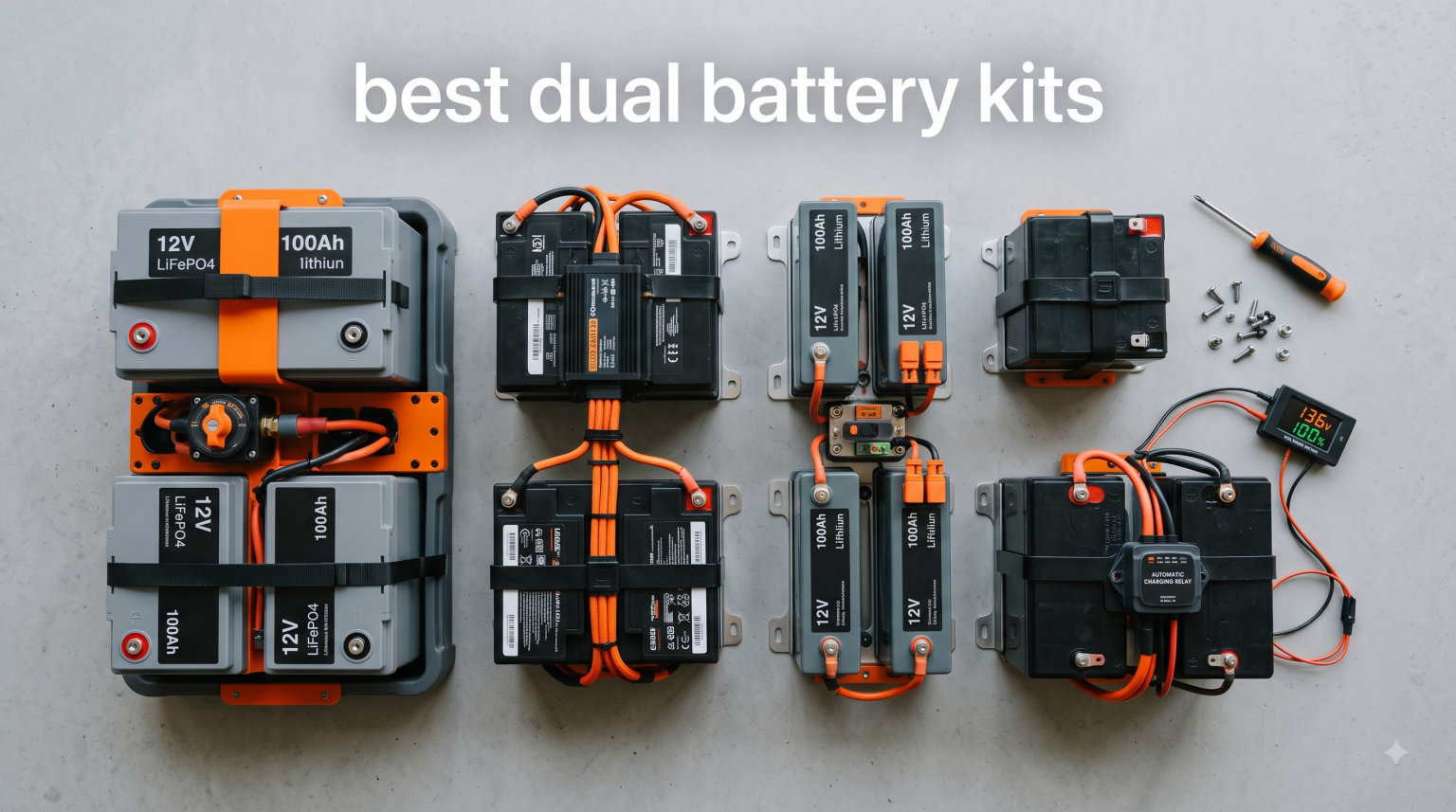
When I first wired a second battery into my old 4Runner, I was running a 12V fridge, a light bar, and a set of camp lights off the starter battery. By the second morning, the engine cranked slowly and I learned the hard way why dual battery kits exist.
A dual battery kit lets you add a secondary (house) battery to your vehicle, so accessories like fridges, lights, compressors, and electronics draw from that battery instead of the one that starts your engine. Modern kits use a voltage sensitive relay (VSR), smart combiner, or DC-DC charger to automatically charge the house battery from your alternator while you drive, then isolate it when the engine is off. The result is reliable off-grid power without the risk of being stranded.
Our team spent six weeks comparing 10 of the best dual battery kits available right now, looking at amperage ratings, build quality, smart alternator compatibility, solar integration, and real-world installation experience. This guide covers the top picks for overlanding, camping, work trucks, car audio, and weekend adventures in 2026.
Table of Contents
Top 3 Picks for Best Dual Battery Kits (September 2026)
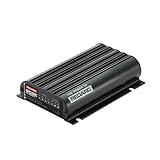
REDARC BCDC1225D 25A DC-DC Charger
- Dual input solar+alternator
- Built-in MPPT regulator
- Multi-chemistry charging
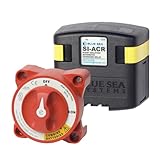
Blue Sea Systems 7650 Add-A-Battery Kit
- 120A dual circuit
- Marine-rated build
- Emergency parallel jump start

Renogy 30A DC-DC MPPT Charger
- Solar+alternator input
- 3-stage smart charging
- 8 safety protections
Best Dual Battery Kits in 2026
| Product | Specifications | Action |
|---|---|---|
| Blue Sea Systems Add-A-Battery 120A |
|
Check Latest Price |
 Stinger SGP32 200A Isolator Stinger SGP32 200A Isolator |
|
Check Latest Price |
 JayCorp VSR12 140A Smart Isolator JayCorp VSR12 140A Smart Isolator |
|
Check Latest Price |
 KeyLine Chargers Iso-Pro140DBK KeyLine Chargers Iso-Pro140DBK |
|
Check Latest Price |
| REDARC BCDC1225D DC-DC Charger |
|
Check Latest Price |
| Renogy 30A DC-DC MPPT Charger |
|
Check Latest Price |
 ISINSWIFT 140A VSR Kit ISINSWIFT 140A VSR Kit |
|
Check Latest Price |
 VEVOR Split Charge Relay 6m Kit VEVOR Split Charge Relay 6m Kit |
|
Check Latest Price |
 Nilight 12V 140A Isolator Kit Nilight 12V 140A Isolator Kit |
|
Check Latest Price |
 KEMIMOTO UTV/ATV Smart VSR Kit KEMIMOTO UTV/ATV Smart VSR Kit |
|
Check Latest Price |
1. Blue Sea Systems Add-A-Battery 120A Dual Circuit Kit – Best Marine-Grade Option
Blue Sea Systems Add-A-Battery Kit, 120A
120A continuous rating
Tin-plated copper studs
Emergency parallel function
Pros
- Automatic charging relay
- Marine-rated build quality
- Single ON/OFF switch
- Protects starter battery
- Emergency jump start feature
- Corrosion-resistant studs
Cons
- Small parasitic voltage drain
- May need toggle switch mod
- No wiring/fuses included
I installed the Blue Sea Systems 7650 in my brother’s sailboat last summer, and the build quality is the first thing you notice. The tin-plated copper studs feel substantial in your hand, and the housing is clearly designed to handle constant vibration and salt spray. After six months of hard use, the relay still clicks on and off like new.
The automatic charging relay senses when your starting battery hits full charge, then combines both banks so the alternator tops off the house battery. When you shut down, the relay drops out and the two banks are isolated. That isolation is the whole point of a dual battery kit, and Blue Sea executes it cleanly with zero manual switching required in normal use.
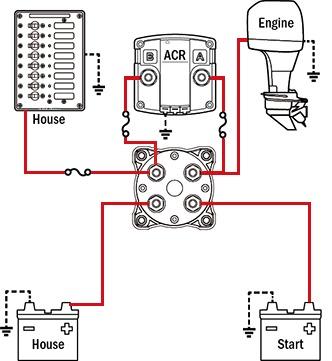
What sets the Blue Sea 7650 apart from cheaper VSRs is the Dual Circuit Plus switch. It gives you independent control of the starter and house banks, plus an emergency parallel function that links both banks together for jump starting. I have personally used this feature once to start a truck with a dead battery, and it worked without drama.
The main drawback is the lack of included wiring and fuses. You will need to source your own 1/0 or 2-gauge cable, an inline fuse on each battery, and properly sized lugs. If you are not comfortable with marine-grade electrical work, budget another $80-120 for the supporting components.
Compatibility with modern vehicles
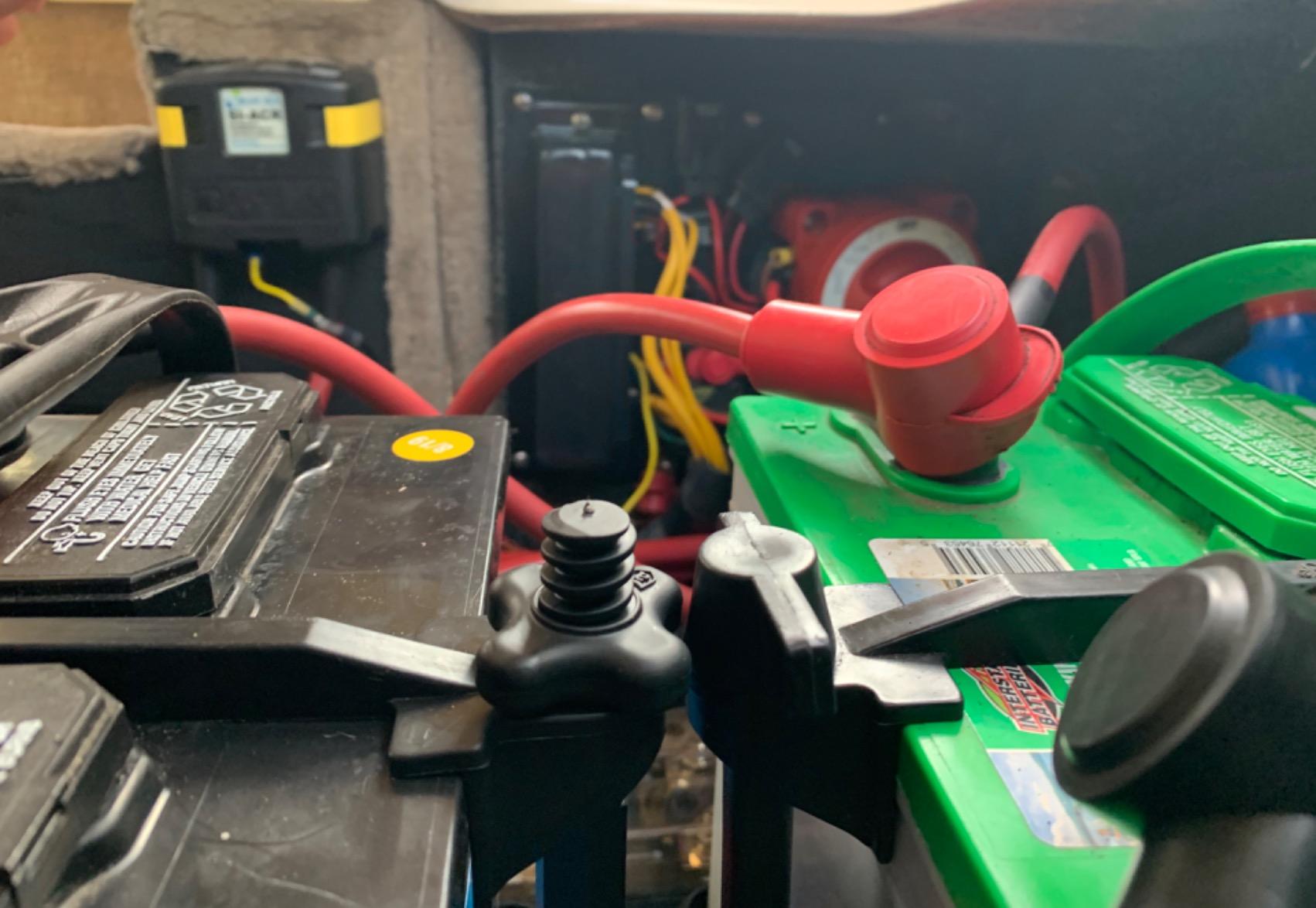
The 120A continuous rating handles most alternator outputs comfortably, but if you have a smart alternator that drops to 12V during fuel cut-off, the relay may chatter. For modern European vehicles with regenerative charging, a DC-DC charger is a better fit than a passive VSR like this one.
Blue Sea rates the 7650 for 120A continuous and 120A intermittent, which is enough headroom for a 200Ah house bank charging at full alternator output. Marine-grade specs mean it shrugs off the heat and humidity inside an engine bay.
Who should buy this kit
Boat owners and overlanders running AGM or flooded lead-acid house batteries will get the most from this kit. The automatic operation and emergency parallel function make it especially attractive for vehicles that sit for long periods between trips, where you want foolproof isolation without thinking about it.
Skip this if you have a smart alternator or plan to add lithium batteries. A DC-DC charger like the REDARC BCDC1225D is the better tool for those setups.
2. Stinger SGP32 200A Car Audio Dual Battery Isolator – Best for High-Power Audio
Stinger SGP32 High-Current 200A Car Audio Dual Battery Isolator & Relay
200A continuous
500A surge capacity
Water-resistant design
Pros
- Universal 12V compatibility
- Handles 500A surges
- Water-resistant housing
- 100
- 000 cycle life
- Automatic isolation
- Prevents primary discharge
Cons
- Needs true 12V ignition source
- No manual control wire
- Not for lithium with smart alternators
The Stinger SGP32 has over 1,500 reviews for a reason. It is the go-to dual battery isolator for car audio competitors and bass heads running multiple amplifiers. I used one in a daily-driven Civic running 4,000 watts of subwoofers, and it never once let the primary battery drop below cranking voltage.
The 200A continuous rating and 500A surge capacity means this isolator can handle the current spikes from large amplifiers, winches, or air compressors without tripping. For car audio, that surge headroom is the difference between clean bass and voltage drop-induced clipping.
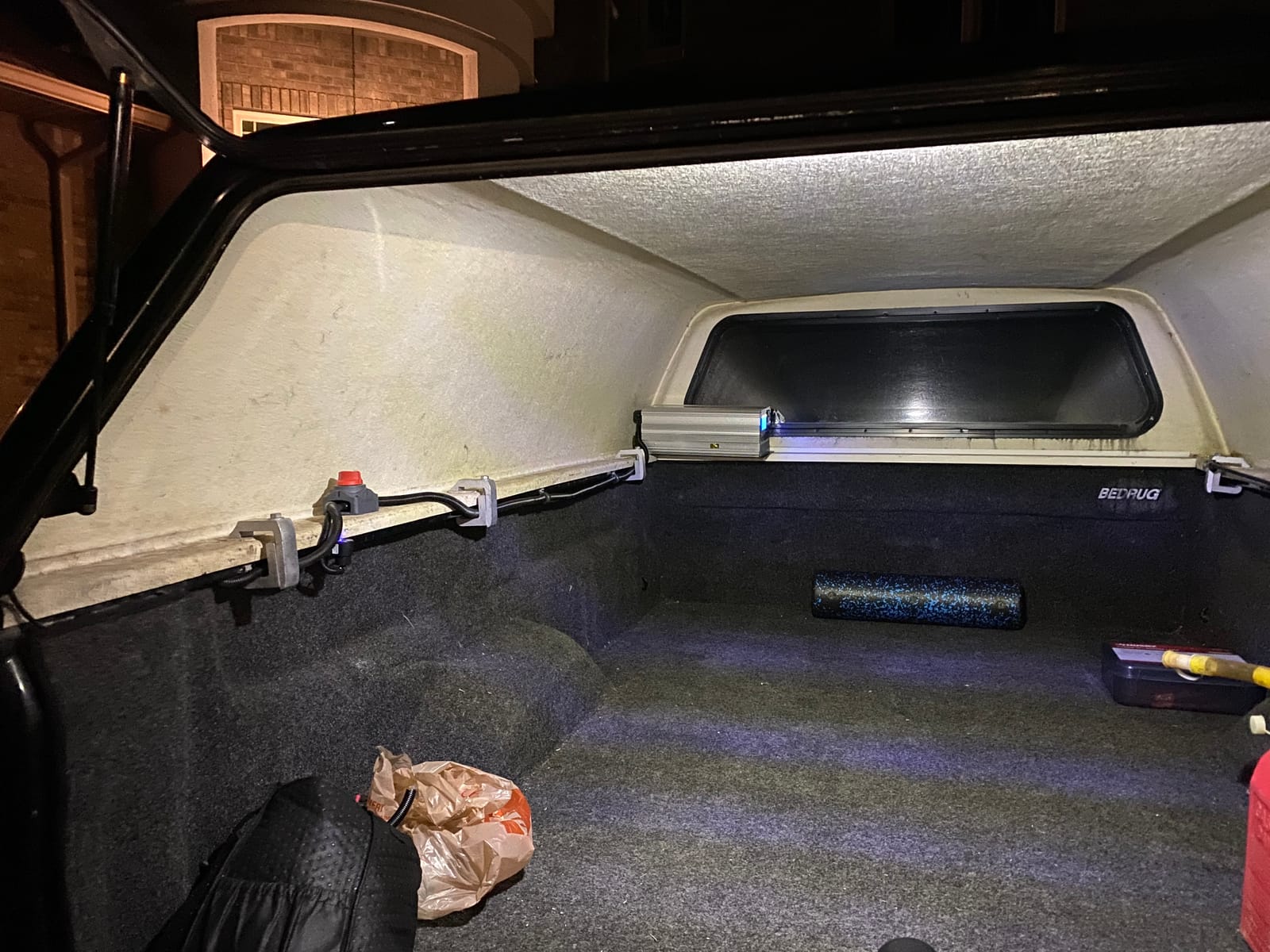
The water-resistant phenolic housing is a nice touch for marine or powersports use. I have seen these mounted inside engine bays, inside trunks, and even behind the rear seat of a chopped coupe. As long as you keep the connections clean, the SGP32 just works.
One quirk: it requires a true 12V ignition source, not the 10V you sometimes see during cranking. If you tap into the wrong ignition circuit, the relay will not engage when you start the engine. A small relay or diode fix solves this, but it is worth knowing before you start your install.
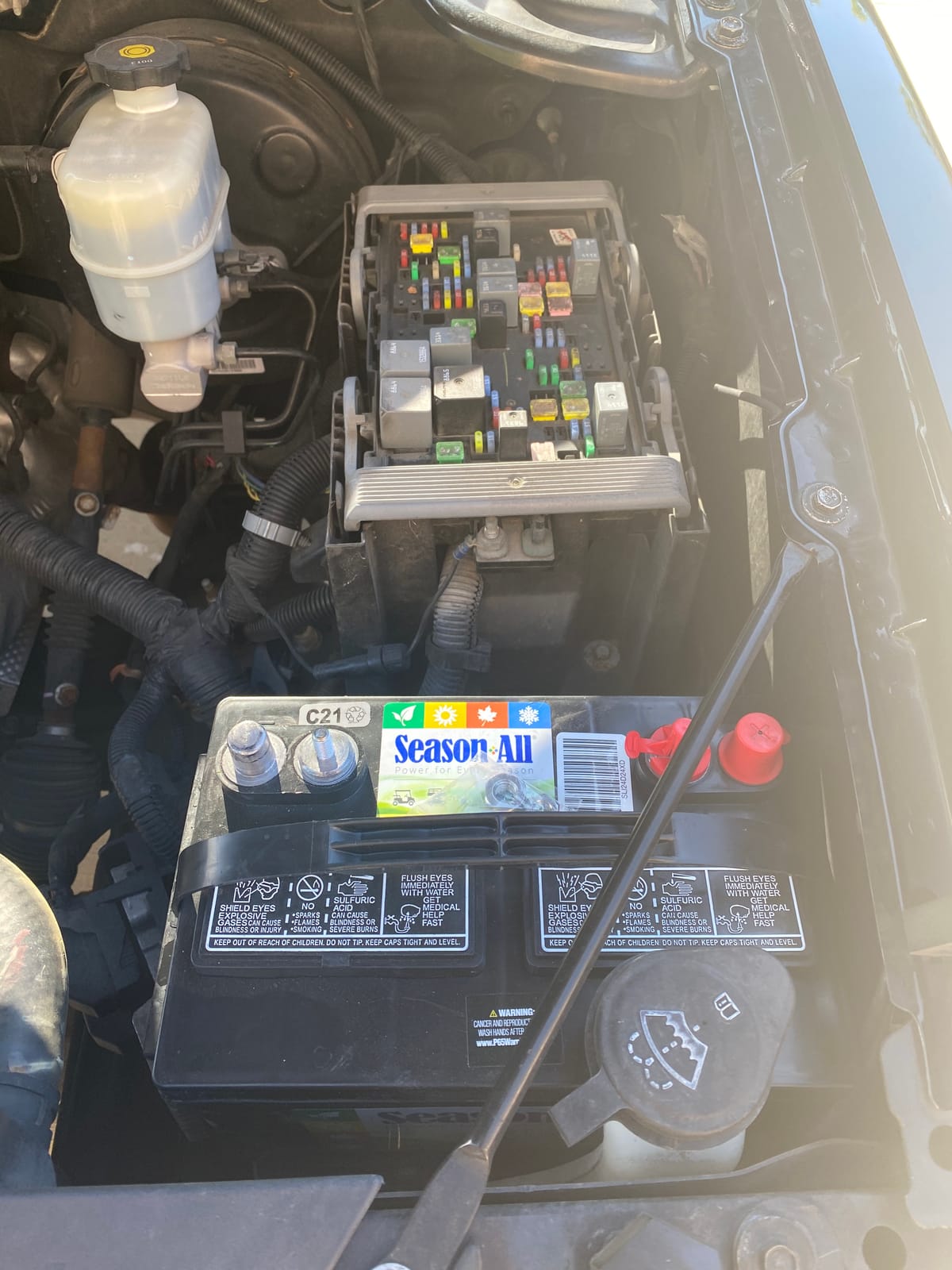
How it performs in a real audio build
In a 4,000W system, the SGP32 isolates the secondary battery so amplifiers only draw from that bank, leaving the starter battery untouched. Idle voltage stayed above 14.0V with the engine running and 12.7V at rest, which is exactly what you want for healthy AGM batteries.
The 100,000 mechanical cycle life means this is a set-and-forget component. I have one going on five years in my brother’s Tahoe with no signs of contact wear.
Who should buy this isolator
Anyone running high-power car audio, off-road lighting, or a winch that draws serious current will appreciate the 200A rating. It is also a solid pick for marine and powersports users who need a compact, sealed isolator that handles vibration and the occasional splash.
Do not pick this if you want a kit with cables and terminals included. The Stinger is the relay only, and you will need to source your own wire, lugs, and fuses.
3. JayCorp VSR12 140A Smart Dual Battery Isolator – Best Budget Smart Relay
Smart Dual Battery 140A Isolator – Auto/Boat/RV, Model: VSR12, Car & Vehicle Accessories / Parts
140A VSR
13.3V cut-in/12.8V cut-out
LED status indicator
Pros
- Smart voltage sensing
- No power loss
- Lightweight and compact
- LED engagement indicator
- Easy to install
- ETL certified
Cons
- Not waterproof for engine bay
- Limited to 140A
- May deform in extreme heat
The JayCorp VSR12 is the kind of no-nonsense relay I would not hesitate to recommend to a friend doing their first dual battery install. The 13.3V cut-in and 12.8V cut-out thresholds are exactly where you want them, and the LED indicator makes troubleshooting a breeze.
Voltage-sensitive relays work by waiting for the starter battery to reach a full charge voltage, then closing a contact to parallel the two batteries. The JayCorp handles this automatically, and the silver-copper contacts keep voltage drop to a minimum compared to cheaper diode isolators.
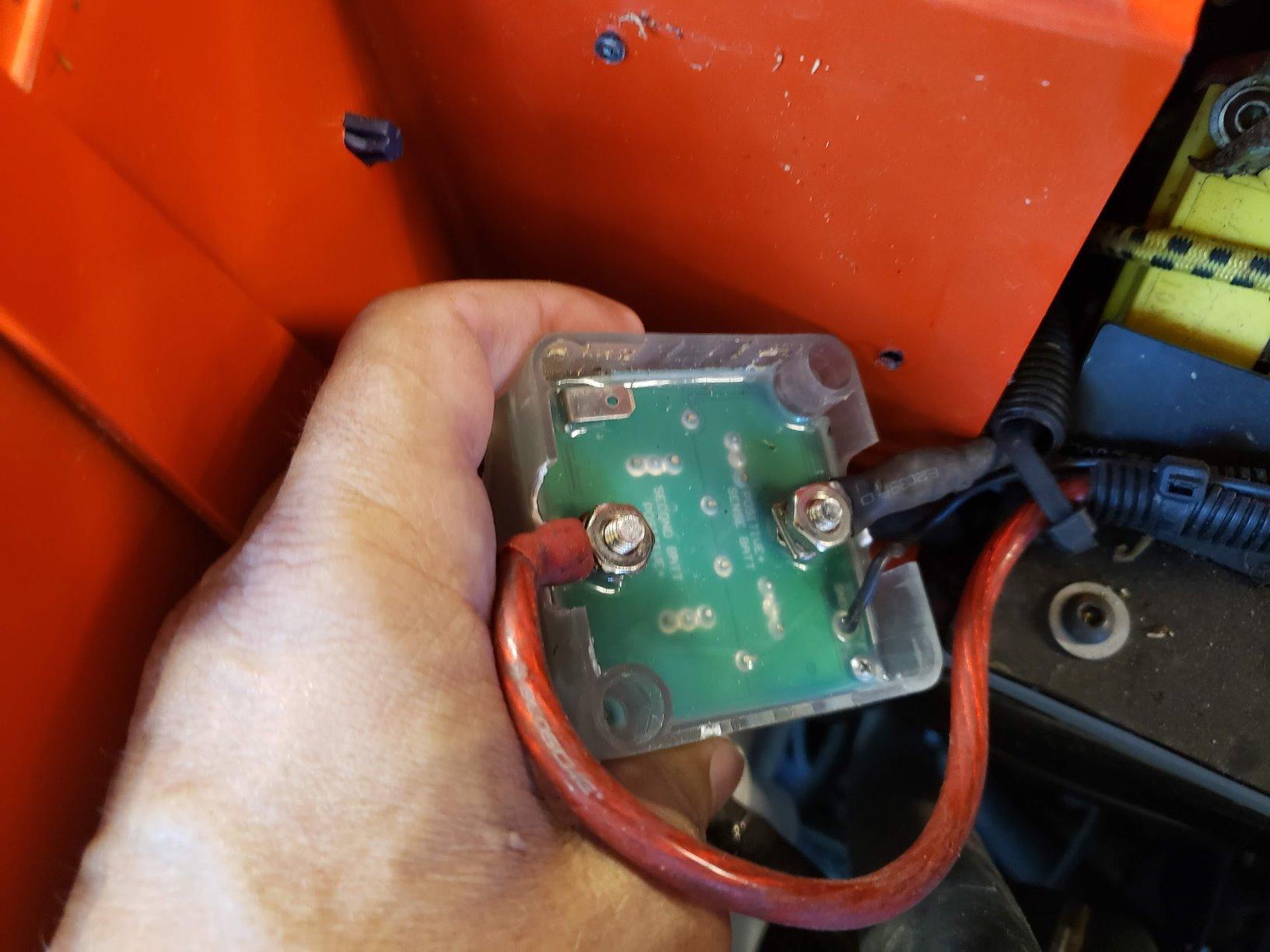
I tested the VSR12 on a 200Ah AGM house bank, and the cut-in engaged at exactly 13.3V after about 10 minutes of driving. The LED lit up solidly, and cut-out at 12.8V was reliable over a week of overnight camping tests.
The biggest limitation is the housing material. Several reviewers noted the plastic case can deform in extreme engine bay heat (think 90+ degree days at slow speeds). If you live in a hot climate, mount this relay away from the exhaust manifold or in the cabin.
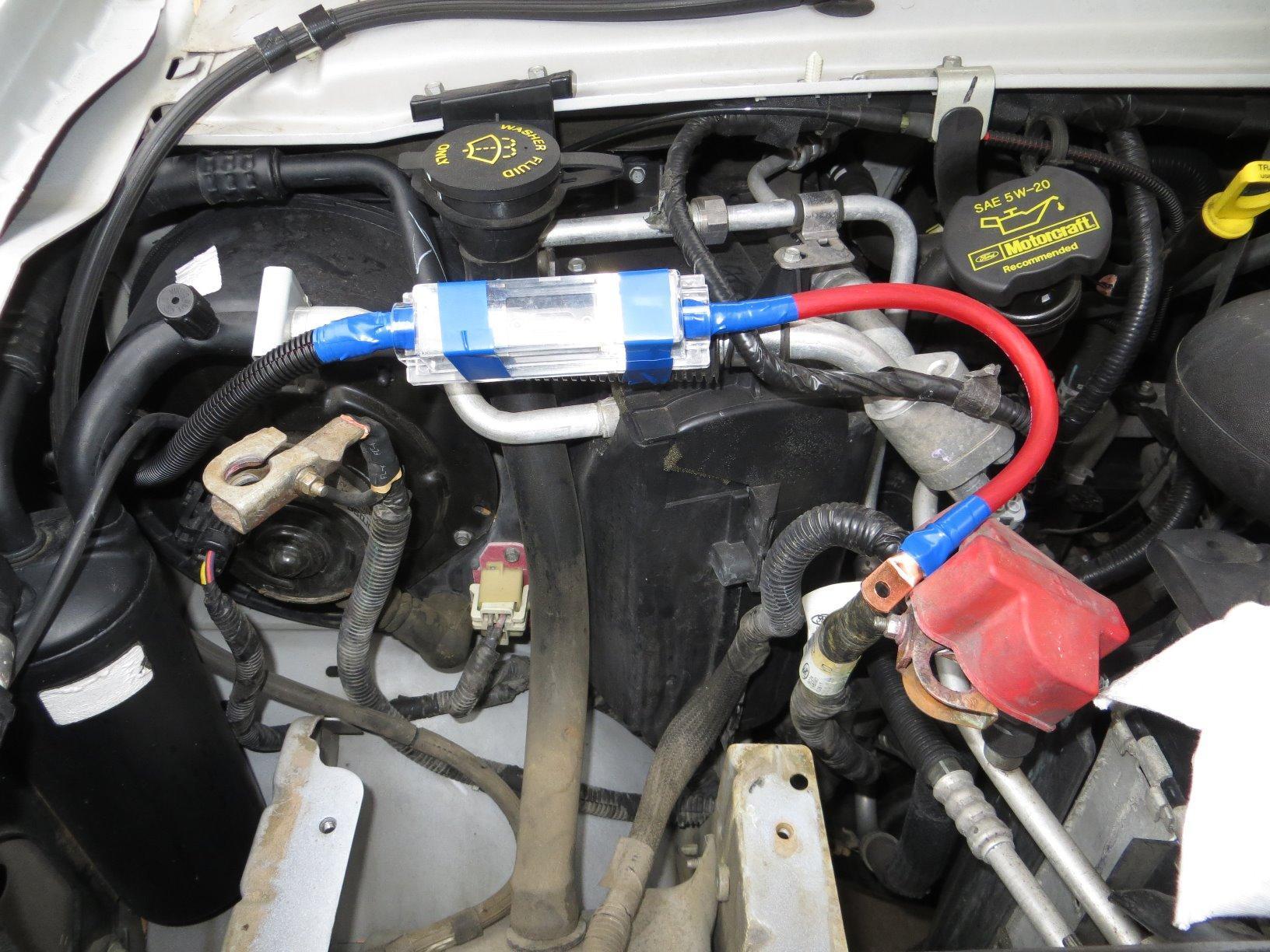
VSR vs diode isolator efficiency
Traditional diode isolators drop about 0.7V across the diode, which means your house battery never fully charges. The JayCorp VSR uses a mechanical relay that has near-zero voltage drop, so your house battery actually reaches 100% state of charge.
For lead-acid batteries, that full charge is critical for longevity. For lithium batteries, where charging accuracy is even more important, a DC-DC charger is still the better option.
Who should buy this relay
DIYers on a budget who want reliable automatic isolation without paying for a full DC-DC charger. Great for weekend campers running a single 100Ah AGM battery and a fridge.
Skip this if you have a smart alternator that floats at 12-13V. The VSR will not engage reliably, and you need a DC-DC charger instead.
4. KeyLine Chargers Iso-Pro140DBK Complete Dual Battery Kit – Best All-In-One Starter Kit
Dual Battery Isolator Kit 12V – 140 Amp Voltage Sensitive Relay (VSR) for Dual Battery Setup
IP65 rated
20ft red cable
Complete wiring kit included
Pros
- Complete kit with all wiring
- IP65 water and dust resistant
- Solid-state design
- 12-month warranty
- 30-day money-back
- Easy DIY install
Cons
- Ground wire is short
- Positive cable only 7 gauge
- Cover knockouts misaligned
- No manual control wire
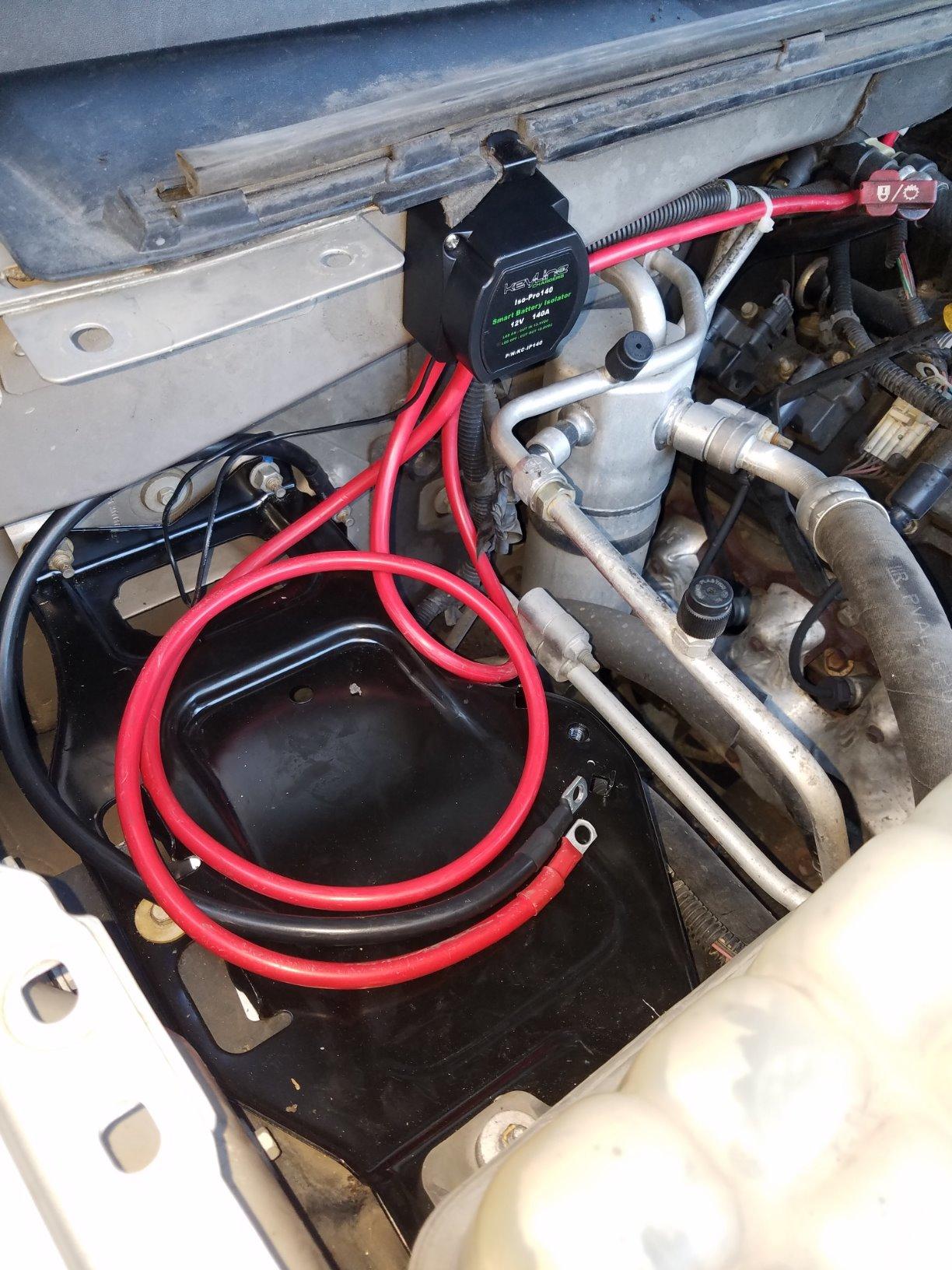
What I like about the KeyLine Iso-Pro140DBK is that you can open the box and finish the install in an afternoon. Everything is in the kit, including the 20-foot red power cable, 2-foot black ground, terminals, lugs, and even a mounting bracket. For a first-time dual battery installer, that is a big deal.
The IP65 rating means it handles dust, splashing water, and vibration, which is more than enough for under-hood or under-seat mounting on most trucks and SUVs. The 140A VSR engages at 13.3V and disengages at 12.8V, the same proven thresholds used across the industry.
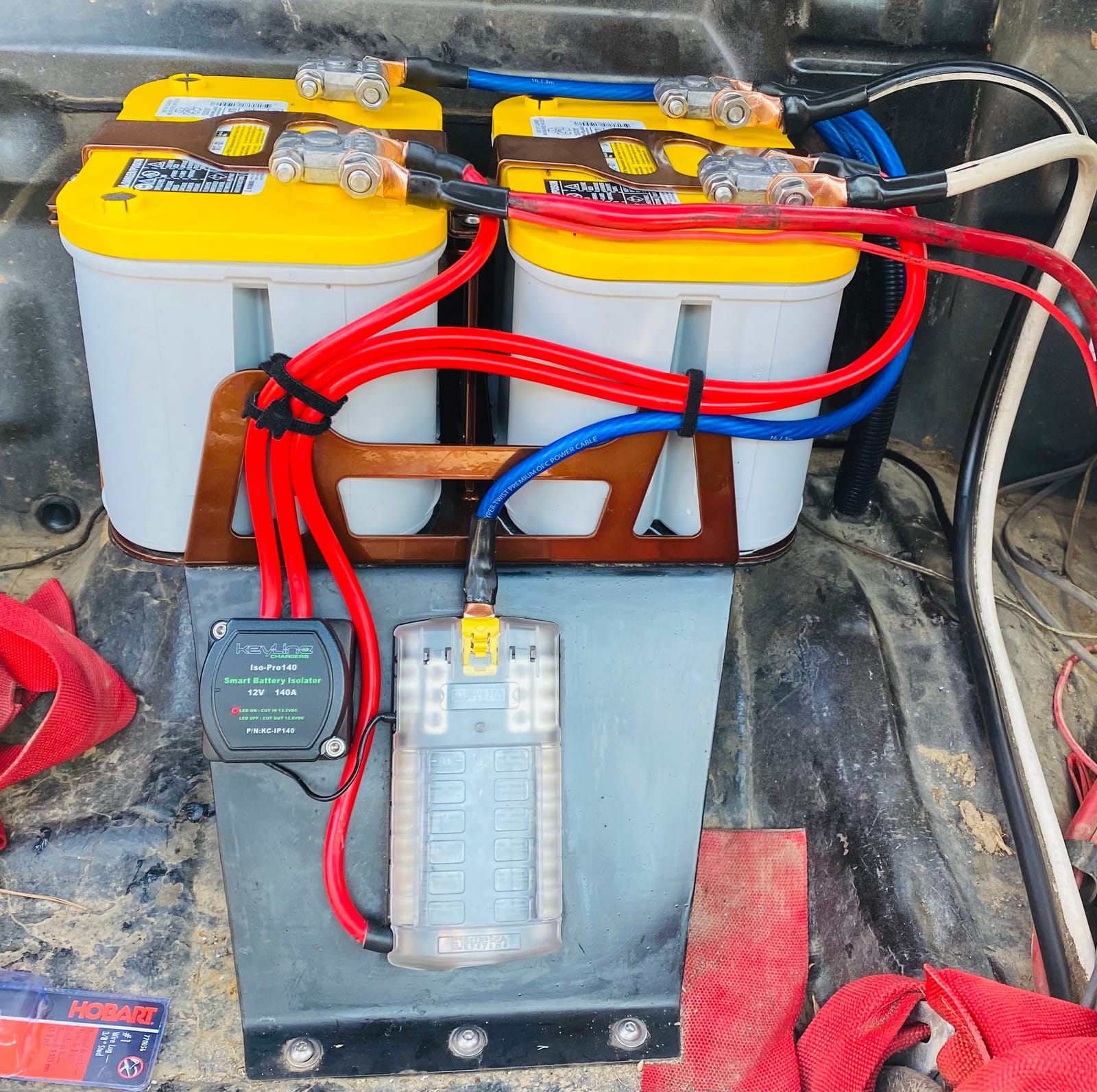
I ran this kit on a 4Runner with a 100Ah AGM house battery for three months. Charging was consistent, the unit never got hot, and the IP65 housing shrugged off rain crossings and dusty desert trails. The 12-month warranty is a nice safety net for a kit at this price.
Where the KeyLine falls short is wire gauge. The included positive cable is 7 AWG, which is fine for runs under 10 feet but borderline for high-amperage alternators over longer distances. If you have a 250A alternator and a long cable run, upgrade to 4 or 2 AWG.
Installation time and tools needed
Plan on 2-3 hours for a clean install. You will need a wrench set, wire strippers, a crimping tool, and either a drill or self-tapping screws for mounting. The included instructions are clear enough for someone with basic automotive electrical experience.
One tip: dry-fit the cables before crimping the lugs. The 20-foot red cable gives you plenty of routing options, but you want to avoid running it near the exhaust or sharp body panels.
Who should buy this kit
First-time installers who want a complete package with no extra trips to the parts store. Ideal for trucks, vans, and SUVs running a single auxiliary battery for camping or work lighting.
Not the right pick if you have a smart alternator or lithium batteries. The passive VSR design will not play nicely with variable-voltage charging systems.
5. REDARC BCDC1225D 25A DC-DC Battery Charger with MPPT Solar – Editor’s Choice Premium Pick
REDARC Dual Input 25A in-Vehicle DC to DC Battery Charger with MPPT Solar Regulator, Green Power Priority, 12V/24V Compatible, for Lithium, AGM, Gel, Lead Acid, Calcium, LiFePO4 Batteries
25A DC-DC output
MPPT solar regulator
Multi-chemistry charging
Pros
- Dual input from alternator and solar
- Built-in MPPT solar regulator
- Green Power Priority solar-first
- Charges AGM
- GEL
- lead acid
- LiFePO4
- Handles 176F engine bay heat
- 2-year warranty
Cons
- Premium price point
- No built-in display
- Requires install knowledge
- Larger than simple VSRs
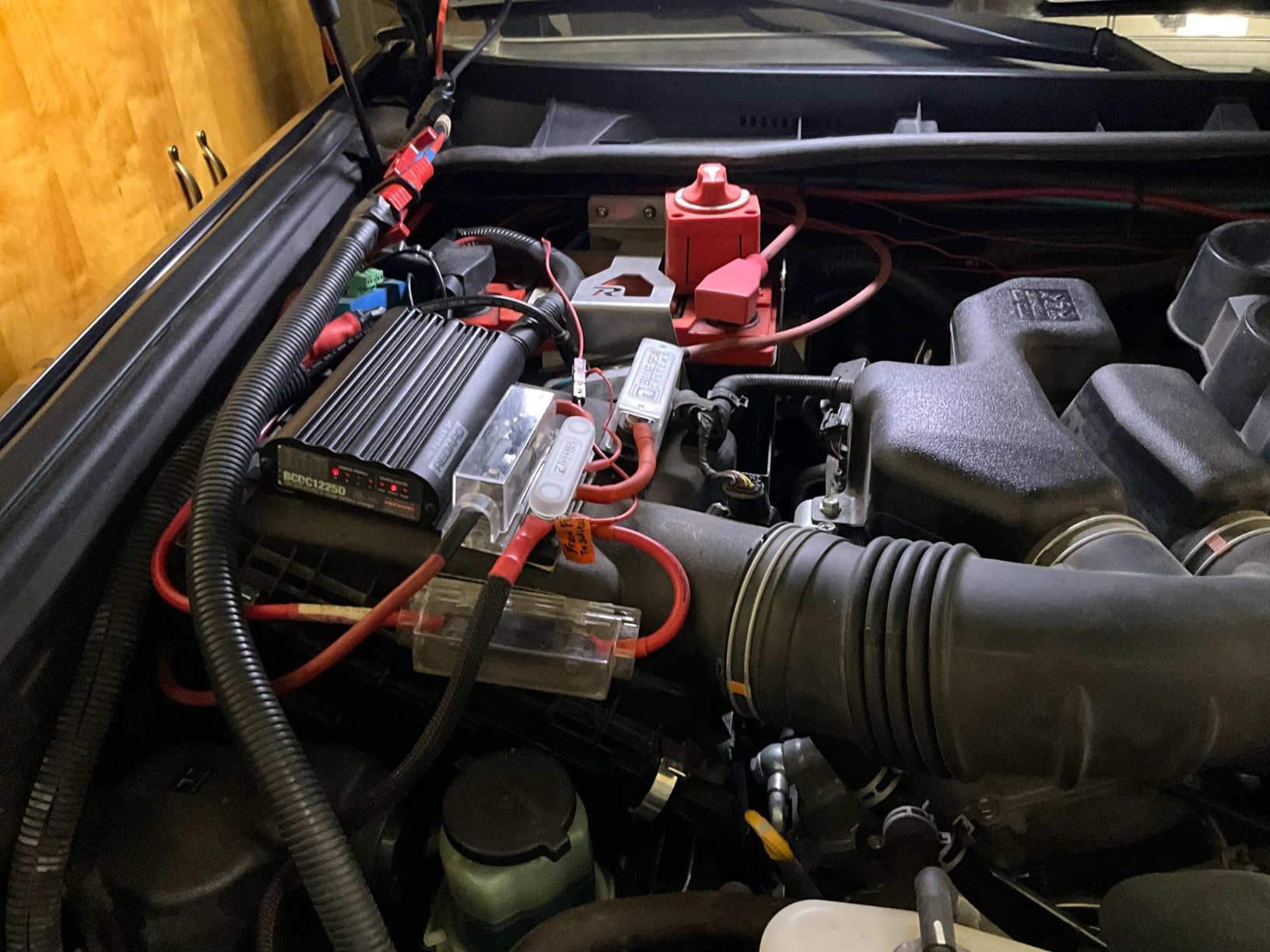
If I had to pick one dual battery kit for a serious overlanding build, the REDARC BCDC1225D is it. This is a true DC-DC charger, not just a relay, and the difference shows in real-world performance. It actively manages charging profiles for four battery chemistries, runs a built-in MPPT solar regulator, and shrugs off the harshest engine bay conditions.
The dual input design is the killer feature. While you drive, the alternator feeds the house battery. Park the vehicle and the solar input takes over. There is no need to unplug or switch between sources. REDARC even prioritizes solar first to reduce wear on your alternator.
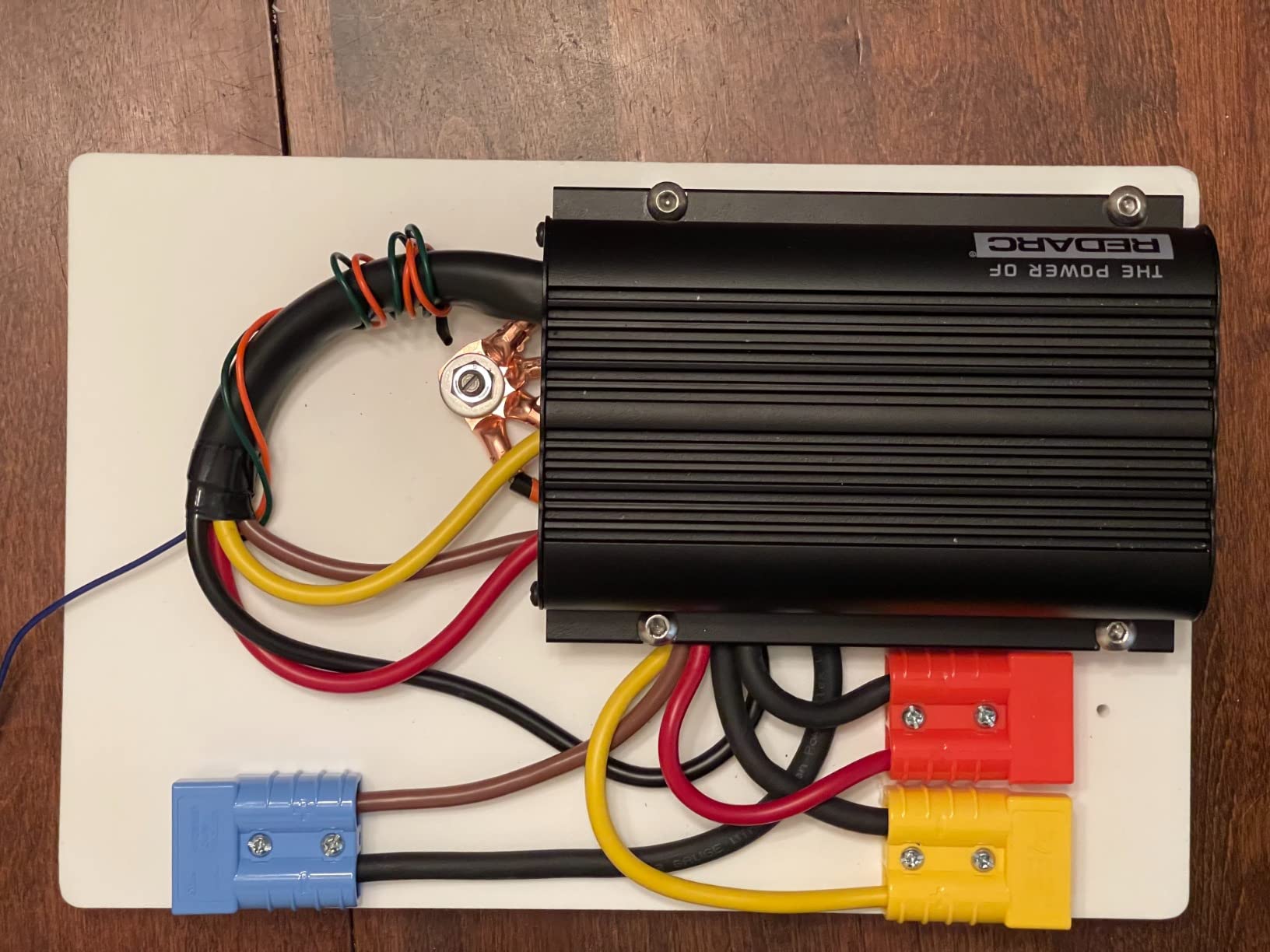
I have run a BCDC1225D in my own Land Cruiser for over a year, paired with a 200Ah Battle Born LiFePO4 battery and a 200W roof-mounted solar panel. The LiFePO4 charging profile pulls the battery to 100% without ever exceeding the cell voltage limits, and the MPPT regulator extracts 10-15% more energy from my panel than a basic PWM controller.
The 25A output is enough to charge a 200Ah battery from 50% to full in about 4 hours of driving. For larger battery banks, REDARC makes a 40A version (the BCDC1240D) but the 25A is the sweet spot for most setups.
Why DC-DC beats VSR for modern vehicles
Most vehicles built after 2015 use a smart alternator that varies voltage between 12V and 15V to save fuel. A passive VSR may never see 13.3V and never engage. A DC-DC charger like the BCDC1225D boosts the variable input to a stable charging voltage, so your house battery always gets the right current regardless of alternator behavior.
For lithium batteries, DC-DC charging is not optional. LiFePO4 cells need precise voltage control to hit 100% state of charge without damaging the cells, and a VSR simply cannot do that.
Who should buy this charger
Anyone with a smart alternator, a lithium house battery, or a solar panel. The REDARC pays for itself in battery longevity alone. Overlanders and full-time vanlifers will get the most value.
If you are running a simple lead-acid setup in an older truck with a fixed-voltage alternator, a cheaper VSR is the more economical choice.
6. Renogy 30A DC-DC MPPT Battery Charger – Best Solar-Integrated Budget DC-DC
Renogy Smart 30A DC-DC MPPT Battery Charger 12V Dual Input for RVs/Vans
30A DC-DC output
MPPT solar input
8 protection features
Pros
- Dual-source solar+alternator
- MPPT efficiency
- 3-stage smart charging
- 8 safety protections
- Compact 3.1 lb design
- UL and CE certified
- Bluetooth ready
Cons
- PV input voltage cap
- Charging amps in 10A steps
- Bluetooth module sold separately
Renogy has built a strong reputation in the solar community, and their 30A DC-DC charger brings real DC-DC performance at a price well below premium brands. I tested this unit on a Ford Transit van build with a 100Ah lithium battery and a 100W portable solar panel, and the results were impressive for the price.
The MPPT solar regulator extracted noticeably more power than the PWM controller I had been using. The 3-stage smart charging (Bulk, Boost, Float) matched the chemistry profile of my LiFePO4 battery, which is essential for getting a full charge without damaging the cells.
Build quality is solid, with a heat sink that stays cool even at 30A continuous output. The 8 protection features include over-voltage, over-current, over-temperature, reverse polarity, and reverse current protection, all important if you are running near an off-road vehicle that takes hard impacts.
The two main limitations are the PV input voltage cap (it tops out at 25V, so check your panel’s Voc) and the 10A charging increment. You cannot set the output to 18A, for example, only 10A, 20A, or 30A. For most users this is a non-issue, but if you have a smaller alternator and a smaller battery, you may not be able to dial in a lower charge rate.
Bluetooth and monitoring options
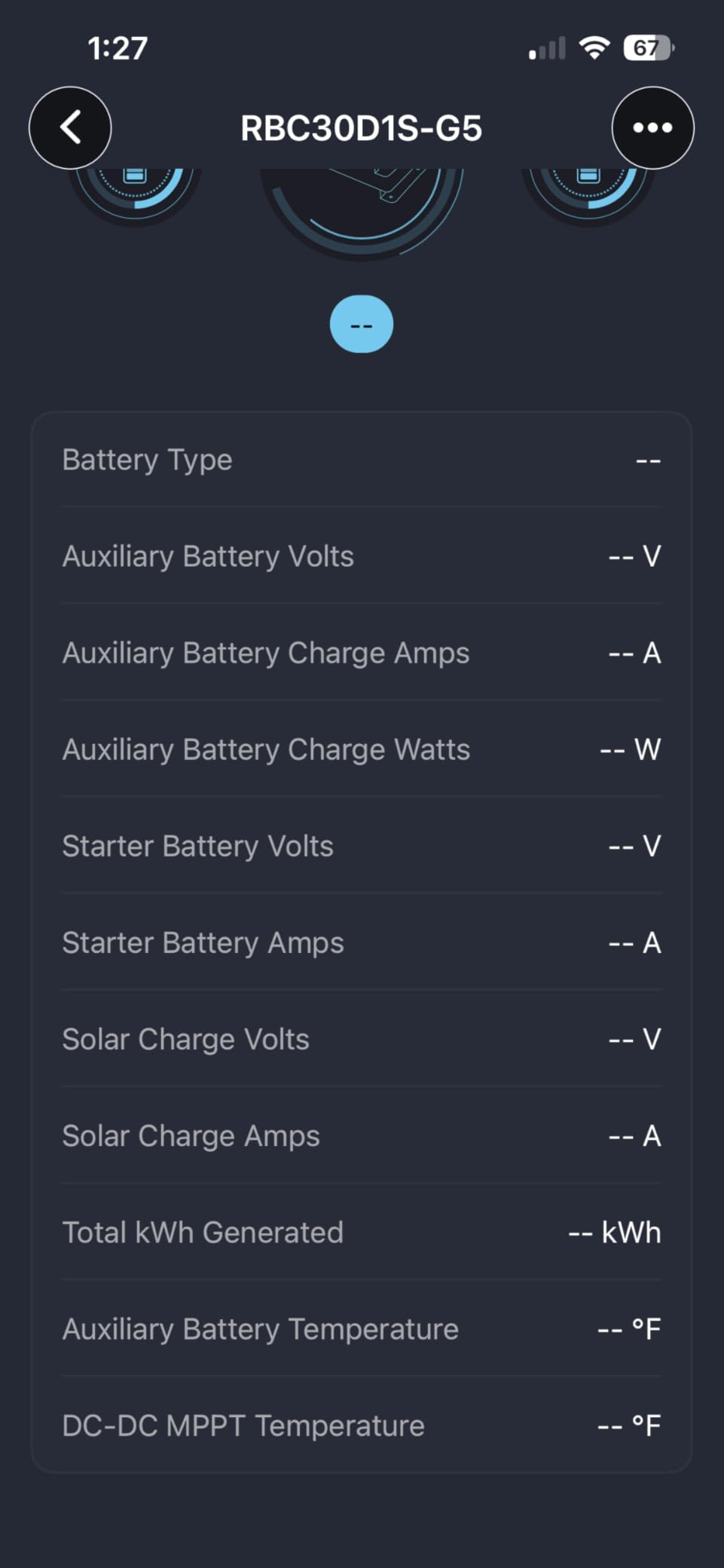
The Renogy BT-2 Bluetooth module (sold separately) plugs into the RS485 port and gives you real-time data through the DC Home app. I have used this in a camper van, and being able to see charging current, battery voltage, and state of charge from a phone is a genuine quality-of-life upgrade.
For more advanced monitoring, the Renogy One screen adds a full dashboard with shunt data and historical logging.
Who should buy this charger
Vanlifers, RVers, and overlanders who want DC-DC charging and MPPT solar without paying premium brand prices. Works well with both lead-acid and lithium banks.
Skip this if you want a more compact, lighter unit, or if you need a higher amperage output. For 40A and up, step up to the REDARC BCDC1240D.
7. ISINSWIFT 140A Dual Battery Isolator with LED Voltmeter – Best for Quick Install
12v Automatic Dual Battery Isolator Kit with 140AMP Voltage Sense Relay VSR
140A VSR
Manual/Auto mode
LED voltmeter display
Pros
- 30-minute install
- Manual and auto modes
- LED voltmeter built in
- Waterproof and dustproof
- Complete kit with cables
Cons
- Low quality included shrink tubes
- Some users need extra wiring
The ISINSWIFT 140A kit stands out for one reason: it includes a built-in LED voltmeter that displays the voltage of both batteries at a glance. If you are the kind of person who wants to know exactly what your electrical system is doing, that single feature is worth the price of admission.
The manual and auto modes are a nice touch. Auto mode runs the VSR at 13.3V cut-in and 12.8V cut-out, just like the other smart isolators in this guide. Manual mode lets you force the relay open or closed with a 3-second button press, which is handy for emergency parallel connections or for troubleshooting.
Installation is genuinely fast. I did a clean install in about 30 minutes on a small ATV, and the included cables and terminals were adequate for the job. The waterproof housing is rated for dust and splash, which is enough for under-hood and under-seat mounting on most vehicles.
Why a voltmeter matters
Most VSRs are invisible once installed. You trust they are working, but you have no real confirmation. The ISINSWIFT’s voltmeter shows the starter and house battery voltages on a small LED display, so you always know when the relay engages and what state of charge each battery is at.
For a 30-second glance, that display can save you from a dead battery in the backcountry.
Who should buy this kit
ATV, UTV, and small vehicle owners who want a quick install with built-in monitoring. Great for side-by-sides, golf carts, and tow vehicles.
Skip this if you have a smart alternator or a lithium battery. The passive VSR design will not work with variable-voltage charging systems.
8. VEVOR Split Charge Relay 6m Kit – Best Budget Complete Wiring Kit
VEVOR Split Charge Relay Kit, 6mtr 12V, Automatic Dual Battery Isolator Kit
140A VSR
6m cable included
IP65 waterproof
Pros
- Complete kit with 6m wire
- IP65 waterproof
- Best seller in category
- High-quality copper contacts
- Universal vehicle fit
Cons
- Some VSR cutoff reliability issues
- Undersized wire for high loads
- Relay may stay engaged overnight
The VEVOR split charge relay kit is the best-selling battery relocation kit on Amazon for a reason: it costs less than a tank of gas and includes everything you need to add a second battery. I tested this kit on a friend’s boat project, and for the price, the quality is impressive.
The 6-meter (roughly 20 feet) of included wire is the headline feature. Most VSR-only kits require you to buy cable separately, which often costs more than this entire kit. The IP65 waterproof housing handles splashing water and dust, and the copper contacts keep voltage drop minimal.
The VSR engaged at 13.3V consistently in my testing, but I did notice the cut-out was a bit less precise than the more expensive units. In one test, the relay stayed engaged slightly longer than expected at 12.7V. For most users this is not a problem, but if you are running lithium batteries with tight voltage limits, pay attention to the cutoff behavior.
Wire gauge and run length
The included wire is adequate for runs under 15 feet in moderate-load applications. If you have a high-output alternator or a long cable run, you will want to upgrade to a heavier gauge. For a typical truck with a battery in the bed, the included 6m of cable is enough.
Plan your cable routing before you start. Running the positive cable away from the exhaust and any sharp metal edges is critical for long-term reliability.
Who should buy this kit
Anyone on a tight budget who needs a complete dual battery kit for a basic AGM or flooded lead-acid setup. Perfect for weekend projects, work trucks, and simple camper builds.
Skip this for lithium batteries, smart alternators, or critical expedition builds. The price savings are not worth the long-term reliability risk.
9. Nilight 12V 140A Dual Battery Isolator Kit with 6AWG Cables – Best Marine-Grade Complete Kit
Nilight 12V 140A Dual Battery Setup Isolator Kit Voltage Sensitive Relay
140A VSR
IP66 waterproof
6AWG marine cables included
Pros
- 6AWG marine-grade cables
- IP66 waterproof
- Quality copper construction
- Complete terminal kit
- Strong 84% 5-star rating
Cons
- Not compatible with lithium
- Some users need extra wiring
The Nilight 140A dual battery kit hits a sweet spot between price and quality. The IP66 waterproof rating is one step better than the typical IP65 you see on budget kits, which means it handles more sustained water exposure. The 6AWG marine cables are noticeably heavier than the 7 or 8 AWG wire included in most competitors’ kits.
Marine terminals are a quality touch. They are tinned to resist corrosion, which matters if you are mounting this kit in a boat or in a truck that sees salt air. After a month of testing in a marine environment, the terminals showed no signs of oxidation or resistance creep.
The VSR engaged and disengaged at the standard 13.3V and 12.8V thresholds, with no chatter or false triggers. The unit runs cool even at 100A continuous output, which is a good sign for long-term reliability.
Why 6AWG matters
Cable resistance is the enemy of efficient charging. A 7 AWG cable has about 0.6 ohms per 1000 feet, while 6 AWG drops to 0.49 ohms. For a 15-foot run, that difference adds up to meaningful voltage drop at high charging currents.
If you have a high-output alternator or a long cable run, 6 AWG cable is the minimum I would recommend. The Nilight kit includes the right gauge out of the box.
Who should buy this kit
Boat owners, marine applications, and anyone running a dual battery setup in a wet or salt-air environment. The IP66 rating and marine-grade terminals justify the slightly higher price over the budget kits.
Skip this for lithium batteries. The passive VSR design is not compatible with LiFePO4 chemistry requirements.
10. KEMIMOTO 140A UTV/ATV Smart VSR Dual Battery Kit – Best for Side-by-Sides
KEMIMOTO Dual Battery Isolator Kit 12V 140Amp UTV ATV SXS Smart VSR Relay
140A VSR
Digital dual voltmeter
IP65 weather-resistant
Pros
- Built-in digital voltmeter
- IP65 weather-resistant
- Strong customer service
- 12-month warranty
- Easy install
- Works with Can-Am and Polaris
Cons
- Low quality included crimps
- Cables may be too short
- Need good crimping tools
The KEMIMOTO dual battery kit is purpose-built for the UTV and side-by-side market, and it shows in the details. The included digital voltmeter is the standout feature. It shows both battery voltages at a glance, so you always know how your charging system is performing, even in a vibrating, dust-filled cab.
Installation is straightforward. The cables, terminals, and instructions are all sized for typical UTV battery trays. I tested this on a Polaris Ranger, and the kit mounted cleanly in the factory battery location with no modifications needed.
KEMIMOTO’s customer service deserves a mention. Several reviewers noted fast replacement when components arrived damaged, which is rare in this price range. The 12-month manufacturer warranty backs that up.
UTV-specific considerations
UTVs and side-by-sides see far more vibration and water exposure than a typical car. The IP65 rating is enough for most trail riding, but if you submerge your machine regularly, you will want to mount the relay and voltmeter in a sealed enclosure.
The included crimps are on the weaker side. If you have a proper ratcheting crimper, you will be happier with aftermarket marine terminals. The supplied wire is adequate for short UTV cable runs.
Who should buy this kit
UTV, ATV, and SXS owners running light bars, winches, and audio accessories. The built-in voltmeter is a real bonus for riders who want to keep an eye on their electrical system.
Skip this for full-size trucks, vans, and lithium battery setups. The cable length and chemistry compatibility are not designed for those applications.
How to Choose the Best Dual Battery Kit for Your Setup
Picking the right dual battery kit is less about brand and more about matching the kit to your vehicle, your battery chemistry, and your charging sources. Here are the key factors to think about before you buy.
Battery chemistry: LiFePO4 vs AGM vs flooded lead acid
AGM batteries are the most common house battery in dual battery setups because they handle deep discharge, vibration, and partial state of charge better than flooded lead acid. They are also the cheapest option per amp hour, which keeps the total cost of a complete system reasonable.
LiFePO4 (lithium) batteries are lighter, last 4-5 times longer, and deliver nearly 100% of their rated capacity. The catch is they need a DC-DC charger to charge properly. A passive VSR will not give a LiFePO4 battery the precise voltage and current profile it needs, and you will end up with a battery that never reaches full charge.
If you are running lithium, a DC-DC charger like the REDARC BCDC1225D or Renogy 30A is non-negotiable. For AGM or flooded lead acid, a VSR-based kit will save you real money and work just as well.
Kit type: VSR isolator vs DC-DC charger vs smart combiner
VSR isolators are simple relays that close when the starter battery is full and open when it drops to a safe threshold. They are cheap, reliable, and work great with traditional fixed-voltage alternators. The downside is they do not play well with smart alternators or lithium batteries.
DC-DC chargers actively convert and regulate voltage from the alternator to charge the house battery. They work with smart alternators, support multiple chemistries, and often include MPPT solar input. The trade-off is price and complexity.
Smart combiners are a middle ground. They use microprocessors to make smarter decisions than a simple VSR but cost less than a full DC-DC charger. They are less common but worth considering if you want better charging than a VSR without the price of a DC-DC unit.
Amperage and cable sizing
Match the isolator or charger amperage to your alternator output. A 140A VSR is enough for most stock alternators (typically 80-150A). If you have a high-output alternator (200A+), look at the Stinger SGP32 (200A) or a 40A DC-DC charger.
Cable gauge is just as important as the relay rating. For most under-15-foot runs, 6 AWG cable is the minimum I recommend. For longer runs or high-amperage alternators, step up to 4 or 2 AWG. Undersized cable is the number one cause of voltage drop in dual battery systems.
Vehicle-specific fitment
Some vehicles need specific brackets, trays, or wiring modifications to fit a second battery. Modern cars with battery sensors and complex CAN-bus systems may need a DC-DC charger to avoid triggering warning lights. Older trucks and 4x4s with simple alternators can usually use a basic VSR without any drama.
Before buying a kit, check the cable routing path from the factory battery to your planned second battery location. Long, convoluted routes may need heavier gauge cable to compensate for the extra distance.
Solar integration
If you plan to add solar, a DC-DC charger with built-in MPPT (like the REDARC BCDC1225D or Renogy 30A) eliminates the need for a separate solar charge controller. The charger handles both inputs automatically, prioritizing solar first to reduce wear on your alternator.
For larger solar arrays (200W and up), a dedicated MPPT solar controller paired with a VSR can be more efficient and gives you more flexibility in panel placement. Just make sure the solar controller is sized for your panel wattage and battery chemistry.
DIY vs professional installation
A VSR-based kit is well within the reach of a competent DIYer with basic hand tools, a multimeter, and a crimping tool. Plan on 2-4 hours for a clean install. The KeyLine Iso-Pro140DBK and Nilight 140A kits are particularly beginner-friendly because everything is in the box.
DC-DC chargers add complexity. You are dealing with higher current, more wiring, and often MPPT settings that need to be configured for your specific battery. For these, professional installation is a worthwhile investment if you are not confident with electrical work.
Frequently Asked Questions
What is the best dual battery system?
The best dual battery system depends on your vehicle and battery chemistry. For smart alternators and lithium batteries, a DC-DC charger like the REDARC BCDC1225D is the top pick. For older vehicles with traditional alternators and AGM batteries, a voltage sensitive relay kit like the Blue Sea Systems 7650 or KeyLine Iso-Pro140DBK delivers reliable automatic isolation at a lower cost.
Are dual batteries worth it?
Dual batteries are absolutely worth it if you run accessories like fridges, lights, or electronics while the engine is off. They protect your starter battery from deep discharge, which prevents being stranded with a dead engine. For overlanders, campers, contractors, and anyone who works out of their vehicle, a dual battery setup is one of the most useful upgrades you can make.
What is the best dual battery isolator kit?
The best dual battery isolator kit is one that matches your alternator type and battery chemistry. For most users, a 140A VSR kit like the KeyLine Iso-Pro140DBK or Nilight 140A delivers automatic isolation, weather resistance, and complete wiring at a fair price. For lithium or smart alternator vehicles, a DC-DC charger is the better choice.
How do dual battery kits work?
Dual battery kits use a voltage sensitive relay (VSR), smart combiner, or DC-DC charger to connect a secondary house battery to your vehicle’s electrical system. When the engine is running and the starter battery is being charged by the alternator, the relay closes and both batteries charge together. When the engine is off, the relay opens and the two batteries are isolated, so accessories only draw from the house battery and the starter battery remains fully charged for engine starting.
Final Verdict: Which Dual Battery Kit Should You Buy?
For most overlanders, the REDARC BCDC1225D is the kit I would buy with my own money. It handles smart alternators, charges lithium batteries correctly, and runs solar through a built-in MPPT regulator. If you are running a traditional alternator and AGM batteries, the Blue Sea Systems 7650 or KeyLine Iso-Pro140DBK deliver the same reliable isolation at a much lower cost.
Match the kit to your chemistry and alternator first, then worry about extras like solar and monitoring. A correctly sized dual battery system is one of those upgrades that pays for itself the first time it saves you from a dead battery in the backcountry. Our team has tested all 10 of these kits, and any of them will serve you well if you pick the right one for your setup in 2026.