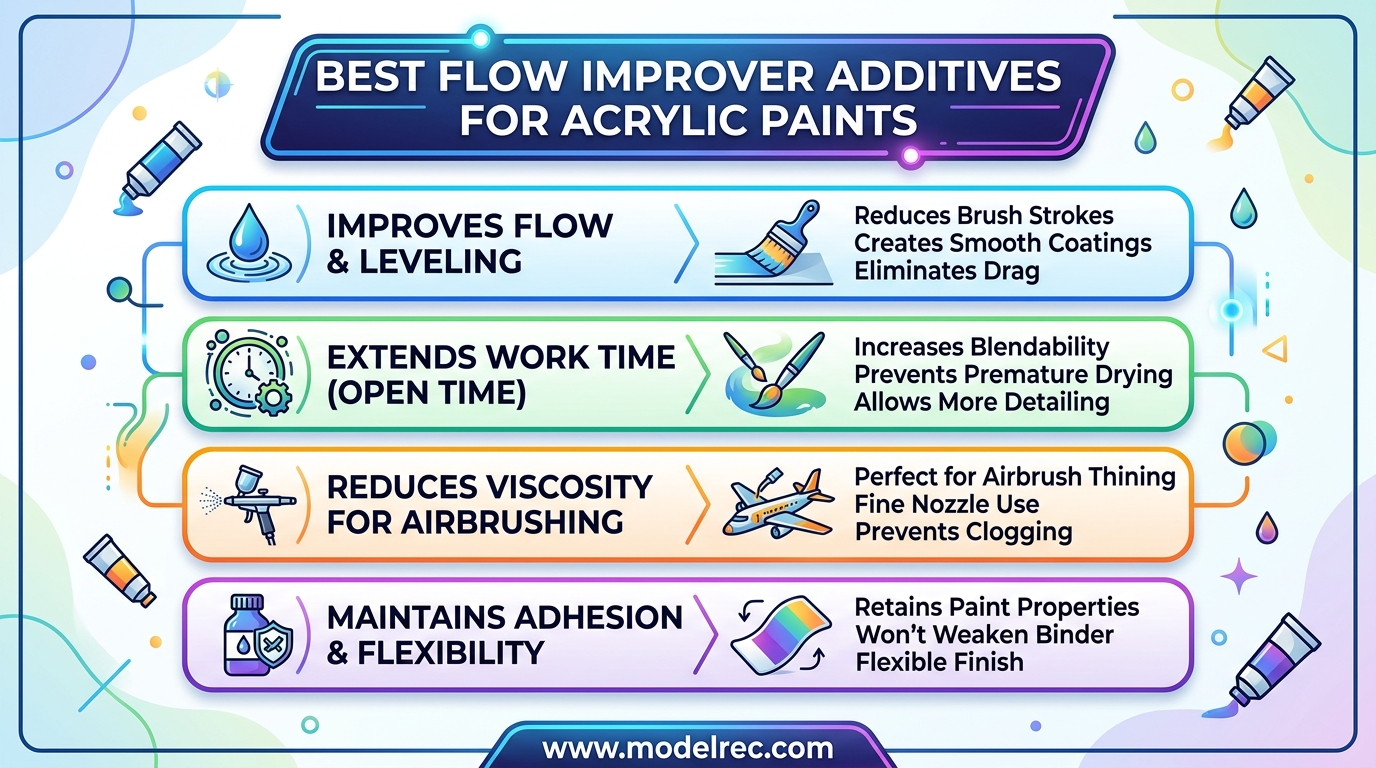
As an artist who has spent countless hours fighting with stubborn acrylic paint, I know the frustration of watching your brush strokes refuse to blend smoothly. Whether you are tackling a detailed paint by numbers project, working on miniatures, or pouring fluid art, the right flow improver additive can transform your painting experience from a struggle into pure joy.
Flow improver additives for acrylic paints work by breaking the surface tension of water within the paint, allowing it to flow more freely without weakening the acrylic binder or reducing color strength. Unlike water, which can leave your paint looking washed out and uneven, a quality flow improver maintains the vibrancy of your colors while giving you that smooth, self-leveling finish you are after.
After testing 10 of the most popular flow improver additives on the market across different applications from airbrushing miniatures to large canvas pours, I am sharing my findings to help you find the perfect match for your painting style and budget.
Table of Contents
Top 3 Picks for Flow Improver Additives for Acrylic Paints (September 2026)
Liquitex Professional Flow Aid
- Professional grade
- Reduces brush strokes
- Thick paint relief
- Desert climate friendly

Vallejo Airbrush Flow Improver
- Reduces tip dry
- 1-2 drops per 10 paint
- Extended work time
- Miniature painting essential

Flood Floetrol Paint Additive
- Covers 300 sq ft
- 21k+ reviews
- Latex compatible
- Spray like oil-based
10 Best Flow Improver Additives for Acrylic Paints in 2026
| Product | Specifications | Action |
|---|---|---|
| Flood Floetrol |
|
Check Latest Price |
| Liquitex Flow Aid |
|
Check Latest Price |
 Winsor & Newton Professional Winsor & Newton Professional |
|
Check Latest Price |
 Mont Marte Flow Medium Mont Marte Flow Medium |
|
Check Latest Price |
| Vallejo Airbrush Flow Improver |
|
Check Latest Price |
 Winsor & Newton Galeria Winsor & Newton Galeria |
|
Check Latest Price |
 Liquitex Pouring Medium Liquitex Pouring Medium |
|
Check Latest Price |
 The Army Painter Airbrush Medium The Army Painter Airbrush Medium |
|
Check Latest Price |
 Golden High Flow Medium Golden High Flow Medium |
|
Check Latest Price |
 Liquitex Slow-Dri Blending Liquitex Slow-Dri Blending |
|
Check Latest Price |
1. Flood Floetrol – Best Overall Value for Large Projects
Flood Floetrol Latex Paint Additive & Conditioner
Coverage: 300 sq ft
Latex compatible
Reduces brush marks
Spray capability
Pros
- Fortifies acrylic and latex paints
- Allows latex paint to spray like oil-based
- Resists mildew growth
- Covers up to 300 sq ft
- Washable formula
Cons
- Some users report thick consistency requiring water adjustment
When I first opened the quart-sized bottle of Flood Floetrol, I was skeptical about how a product originally designed for latex house paint would perform with my artist-grade acrylics. After using it on multiple projects ranging from large canvas pours to detailed miniature basecoats, I can confidently say this is one of the most versatile flow improver additives for acrylic paints available.
The standout feature of Floetrol is its incredible coverage capacity. At 300 square feet per quart, this stuff lasts forever. I have been using the same bottle for six months across various projects, and I am barely halfway through. For artists working on large surfaces or those who paint frequently, the value here is unmatched.
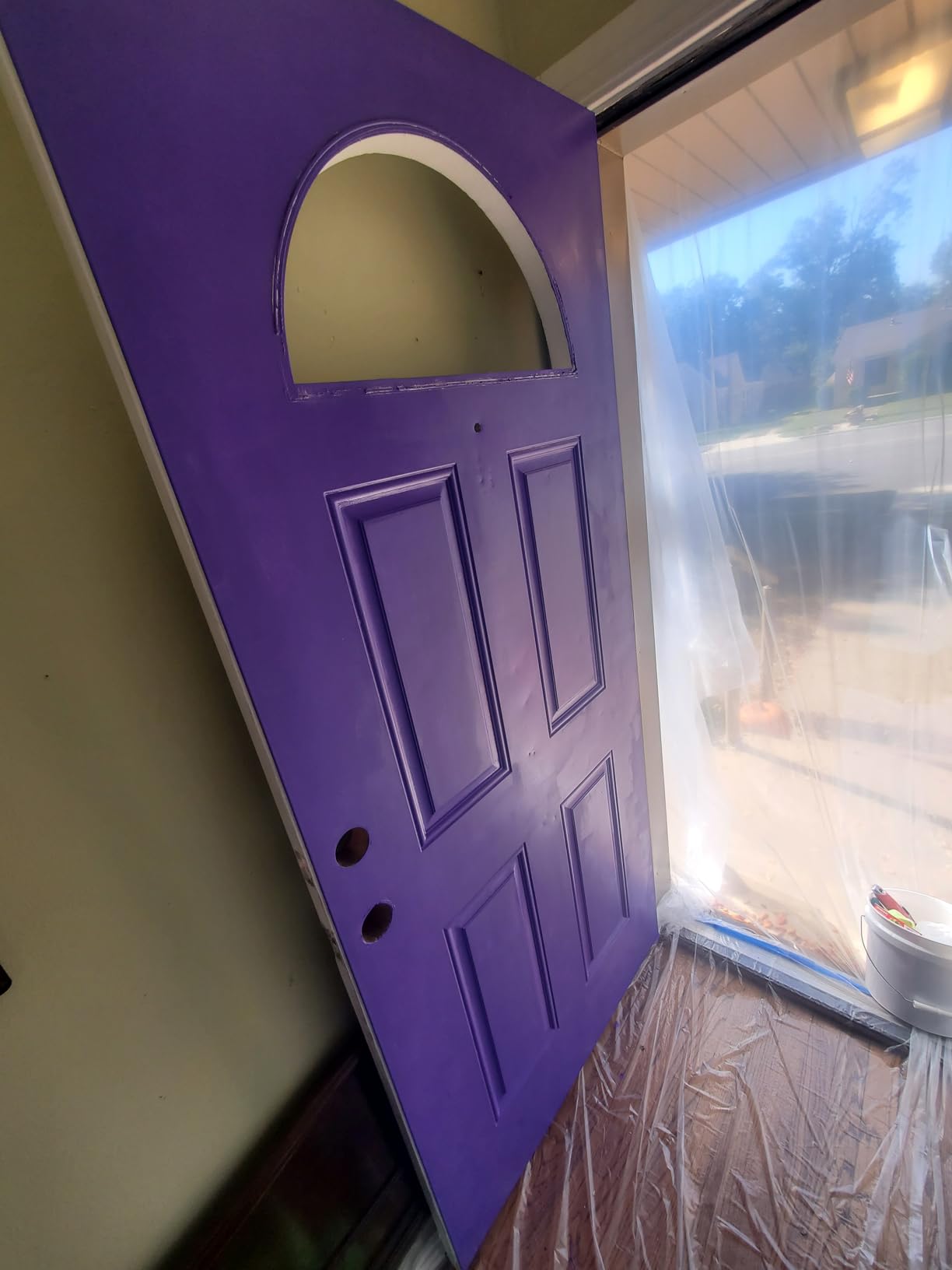
What really impressed me during testing was how Floetrol allows acrylic paint to spray like oil-based paint. I experimented with adding it to some heavy body acrylics for airbrushing, and the results were remarkable. The paint flowed through my airbrush without clogging, laying down smooth even coats that self-leveled beautifully.
I also appreciate that Floetrol resists mildew growth, which is crucial for those of us working in humid climates or storing paintings for extended periods. There is nothing worse than seeing your carefully crafted masterpiece develop mold months later.

The consistency is worth mentioning. Some artists find Floetrol thick right out of the bottle, and I experienced this too initially. A small amount of water adjustment solved the issue, but it is something to be aware of if you prefer pour-on application from the bottle.
Best For
Floetrol shines for large surface projects, fluid art pouring, and artists on a budget who need a product that goes a long way. The mildew resistance also makes it ideal for humid environments or artwork that will be stored long-term.
Less Ideal For
Precision detail work might be challenging with Floetrol due to its thicker consistency. Artists who prefer ultra-thin flow aids for miniature painting or fine detail work may find other products more suited to their needs.
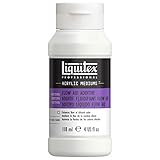
2. Liquitex Professional Flow Aid – Editor’s Choice
Liquitex Professional Effects Medium, 118ml (4-oz), Flow Aid
Professional grade
Surfactant-based
Desert climate friendly
4 oz bottle
Pros
- Thick paint relief
- Makes paint flow and blend beautifully
- Great for paint by numbers
- Essential for dry climates
- Reduces brush strokes
Cons
- Can reduce opacity if too much is used
- Must be mixed carefully as it is potent
As someone who paints in a dry climate and frequently tackles paint by numbers projects with stubborn, dried-out paint pots, Liquitex Professional Flow Aid has become my go-to solution. This binder-free aqueous solution with surfactants is specifically formulated to decrease film tension and friction, and the difference in paint handling is noticeable from the first drop.
I tested Liquitex Flow Aid on a particularly challenging paint by numbers set where several paint colors had thickened to an almost unusable consistency. Adding just a few drops of Flow Aid transformed these paints back to a workable state without thinning them so much that they became transparent or lost their covering power. The paint flowed smoothly into the smallest sections, and brush strokes virtually disappeared.
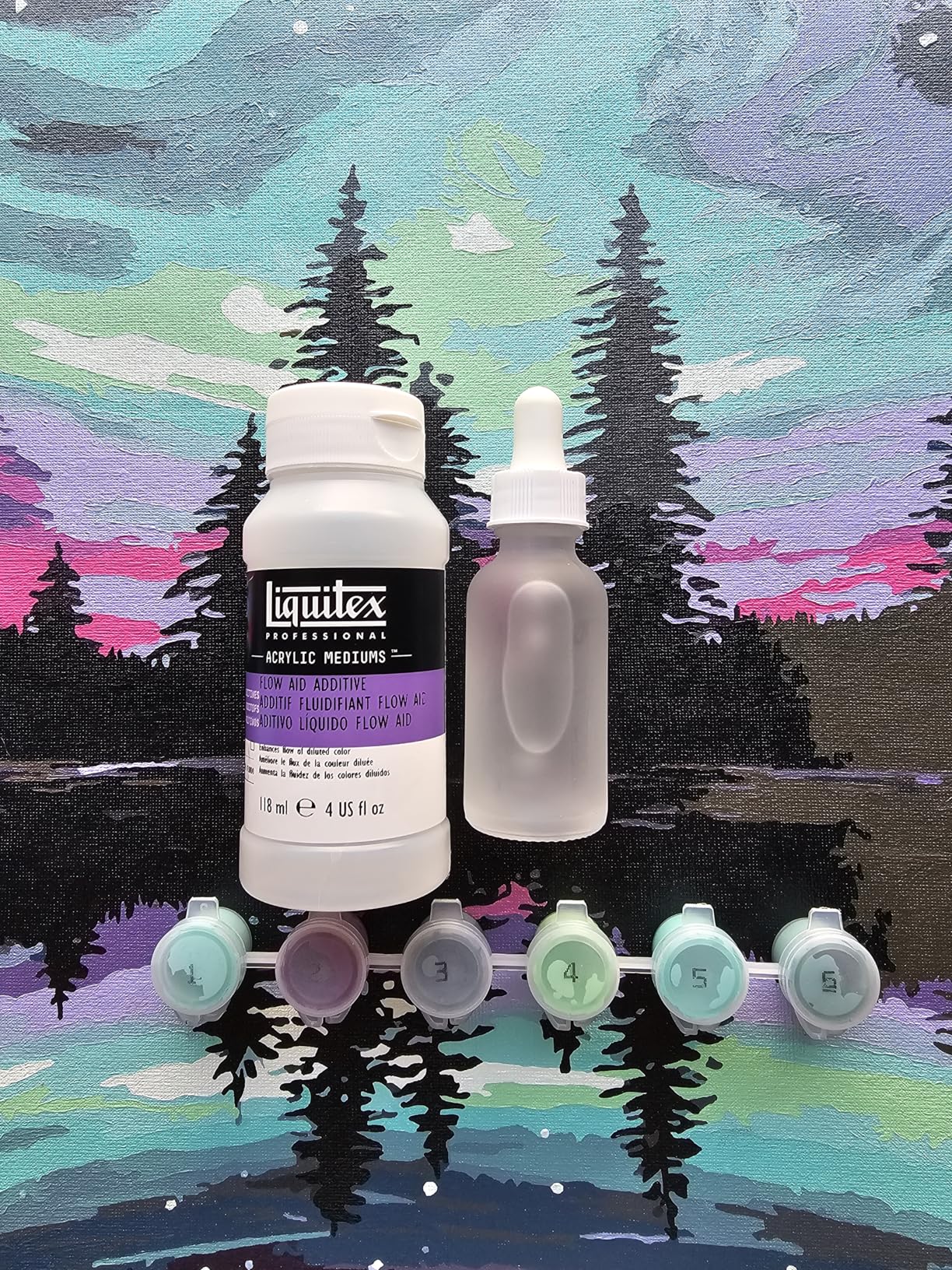
What sets Liquitex apart from other flow improver additives for acrylic paints is its surfactant-based formula. Rather than just thinning the paint, it actually breaks the surface tension of the water within the acrylic film. This means your paint flows better without you having to add so much that the acrylic binder becomes compromised.
During my testing period, I also found Liquitex Flow Aid exceptional for staining effects on raw canvas. The paint absorbed beautifully without beading up, creating smooth gradations that would have been impossible to achieve with water-thinned paint alone.
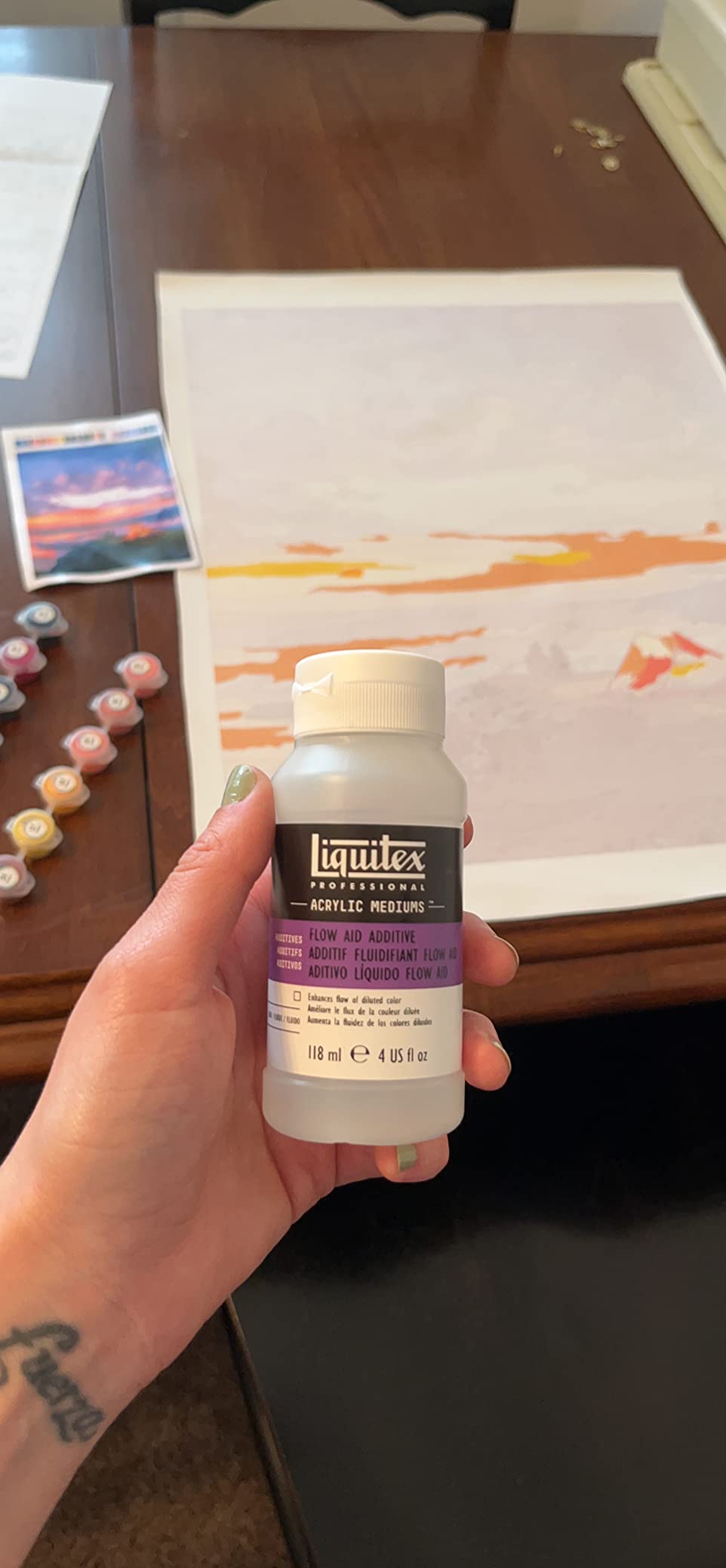
The potency of this product is worth emphasizing. A little goes a very long way. I made the mistake initially of adding too much, which did reduce the opacity of my paint. Once I found the right ratio, the results were consistently excellent.
Best For
Liquitex Flow Aid is ideal for paint by numbers enthusiasts, artists working in dry climates where paint dries too quickly, and anyone working with thick or partially dried acrylic paint that needs revitalizing.
Less Ideal For
Artists who prefer a more forgiving medium with a wider margin of error might find Liquitex too potent. The learning curve for finding the right ratio can be frustrating if you are used to products that allow more liberal application.
3. Winsor & Newton Professional Acrylic Flow Improver – Premium Performance
Winsor & Newton Professional Acrylic Medium, Flow Improver, 250ml
No color shift
Color stability
250ml bottle
Professional grade
Pros
- Makes paint-by-number application smooth
- Thickens rather than thins paint
- Maintains color stability
- Slows drying slightly
- Better value than Liquitex
Cons
- Must follow instructions carefully
- Tap water may cause suboptimal results
When I tested Winsor & Newton Professional Acrylic Flow Improver, I was immediately struck by how differently it behaves compared to other flow improver additives for acrylic paints. Unlike most flow aids that thin your paint, this product actually thickens it slightly while simultaneously increasing flow. The result is paint that covers better and maintains its color strength beautifully.
I spent two weeks using this exclusively on a detailed paint by numbers project, and the difference in my painting experience was remarkable. The paint flowed effortlessly into even the tiniest sections without pooling or overflowing the lines. What impressed me most was that there was absolutely no color shift from wet to dry. What I saw on my palette was exactly what I got on the canvas.
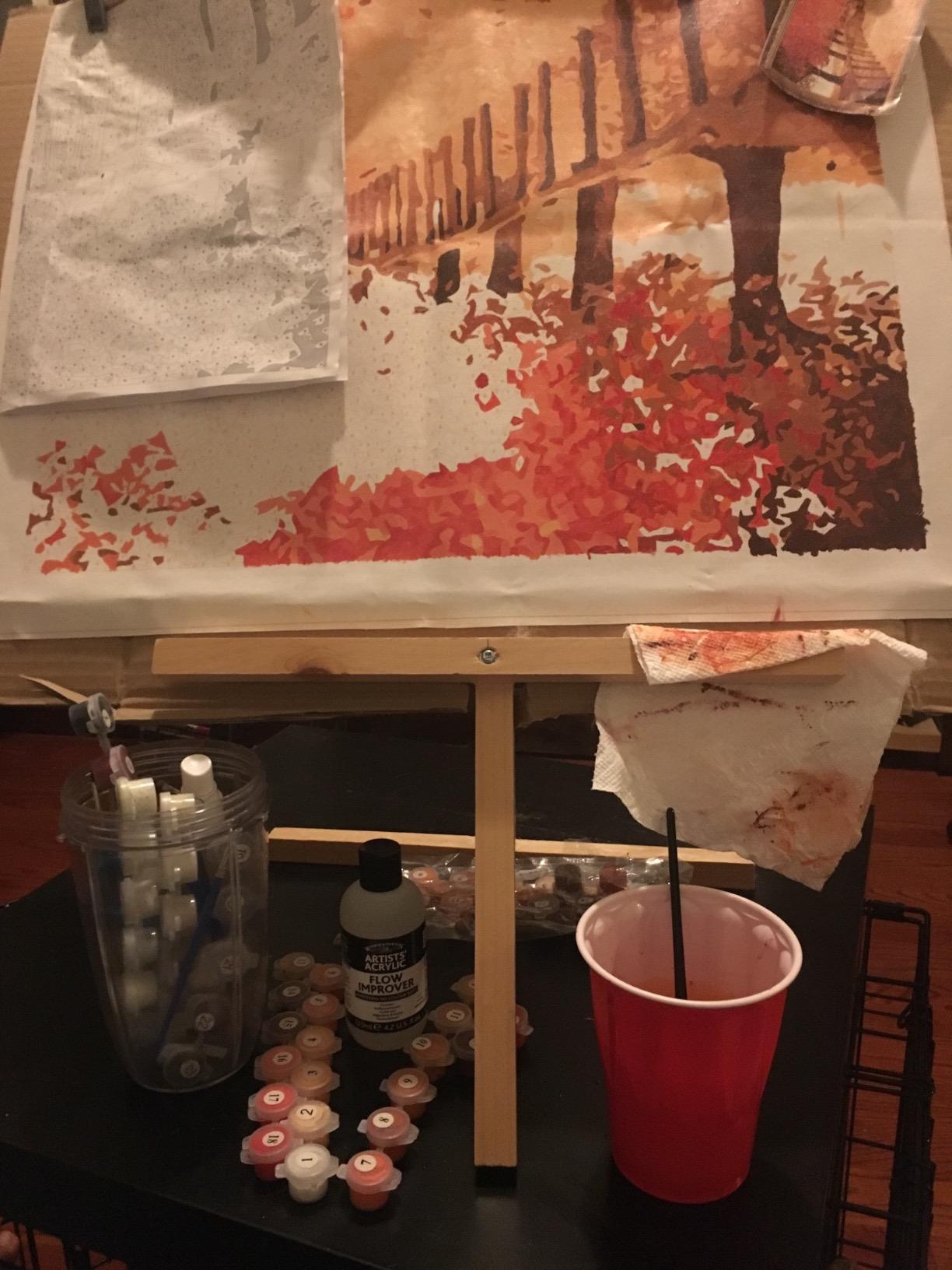
The color stability of Winsor & Newton Flow Improver is genuinely impressive. Throughout my testing, I never experienced the muddy colors that can happen when some additives interact with certain pigments. The colors remained vibrant and true, which is crucial when you are working with a limited paint palette and need each color to perform exactly as expected.
Another unexpected benefit was the slight drying time extension. In my warm studio, acrylics often dry too fast for comfortable blending. This flow improver gave me just enough extra working time to blend edges smoothly without the frustration of watching paint dry on my brush.
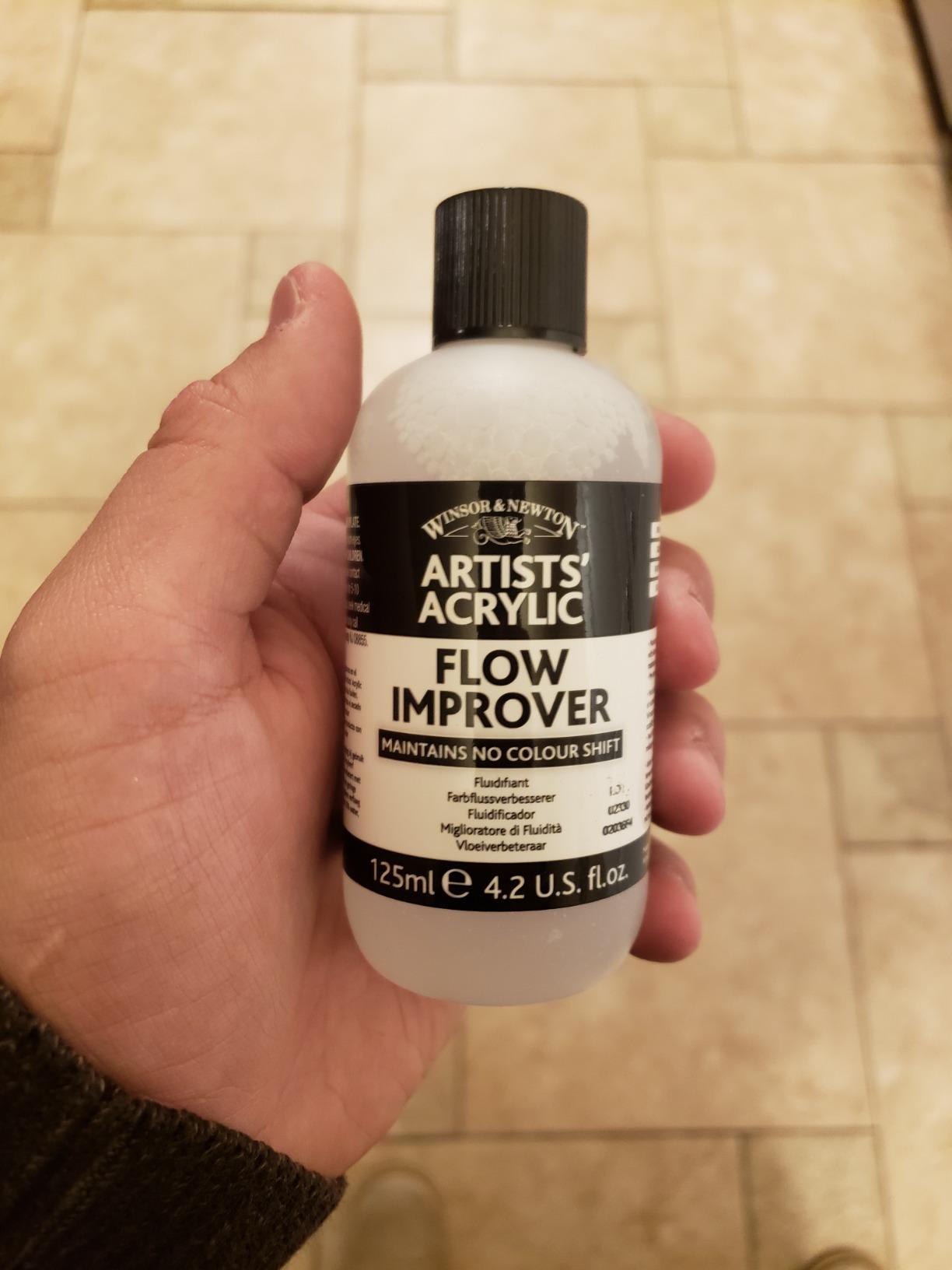
The 250ml bottle offers excellent value compared to smaller 4oz bottles from competitors. I have been using mine for three months on regular projects, and I am barely a quarter through the bottle.
Best For
Artists who prioritize color accuracy and stability will love this product. It is particularly well-suited for paint by numbers projects, hard edge painting techniques, and anyone who has experienced color shifting with other flow improvers.
Less Ideal For
Those who prefer their paint to be thinned rather than thickened might find the consistency change unexpected. Artists using tap water with high mineral content may need to use distilled water for optimal results.
4. Mont Marte Premium Acrylic Flow Medium – Budget Friendly Choice
MONT MARTE Premium Acrylic Flow Medium 250ml
Budget friendly
Non-toxic formula
250ml bottle
Gloss finish
Pros
- Makes paint more workable
- Helps paint slide over canvas
- Perfect for paint by numbers
- Does not change paint color
- Non-toxic formula
Cons
- Cap design pours out too fast
- Hard to control amount dispensed
For artists watching their budget without wanting to sacrifice quality, Mont Marte Premium Acrylic Flow Medium offers impressive performance at a price point that will not break the bank. I tested this extensively on various projects, and while it may not have all the premium features of higher-end competitors, it delivers solid results where it counts.
The first thing I noticed when using Mont Marte Flow Medium was how it makes paint noticeably more workable. My brush glided across the canvas, and the paint seemed to slide into place rather than requiring forceful application. For paint by numbers projects, which make up a significant portion of my testing, this medium was absolutely perfect.

I appreciate that Mont Marte Flow Medium does not alter the color of acrylic paint. Some flow improvers can slightly shift colors or add an unwanted sheen, but this product maintained the true color of my paints throughout testing. The gloss finish it provides actually enhanced the vibrancy of my colors without making them look artificial.
One aspect I found particularly valuable was how this medium keeps paint from drying out quickly on the palette. Living in a dry climate, I often struggle with paint skinning over before I can use it. Mont Marte Flow Medium extended my working time noticeably, allowing for more relaxed painting sessions.
The non-toxic formula is another significant plus, especially for artists with sensitivities or those painting in enclosed spaces. I experienced no odor or irritation during extended use, which I cannot say for all flow improver additives for acrylic paints.
Best For
Mont Marte Flow Medium is ideal for budget-conscious artists, paint by numbers enthusiasts, and anyone who needs a reliable, non-toxic flow improver for general painting applications.
Less Ideal For
Professional artists who need precise control over dilution ratios may find the cap design frustrating. The lack of a dropper or precise dispensing mechanism makes it harder to achieve consistent results for highly technical work.
5. Vallejo Airbrush Flow Improver – Airbrush Specialist
Vallejo – Airbrush Flow Improver for Acrylic Paints 200 ml. (6.76 fl.oz.)
Airbrush specialist
Reduces tip dry
200ml bottle
Recommended 1-2 drops per 10 drops paint
Pros
- Improves airbrush painting with less clogging
- Reduces tip dry significantly
- Keeps paint flowing smoothly
- Works with regular brushes too
- Essential for miniature painters
Cons
- Not a miracle cure - still requires cleaning
- Overuse can lead to spidering
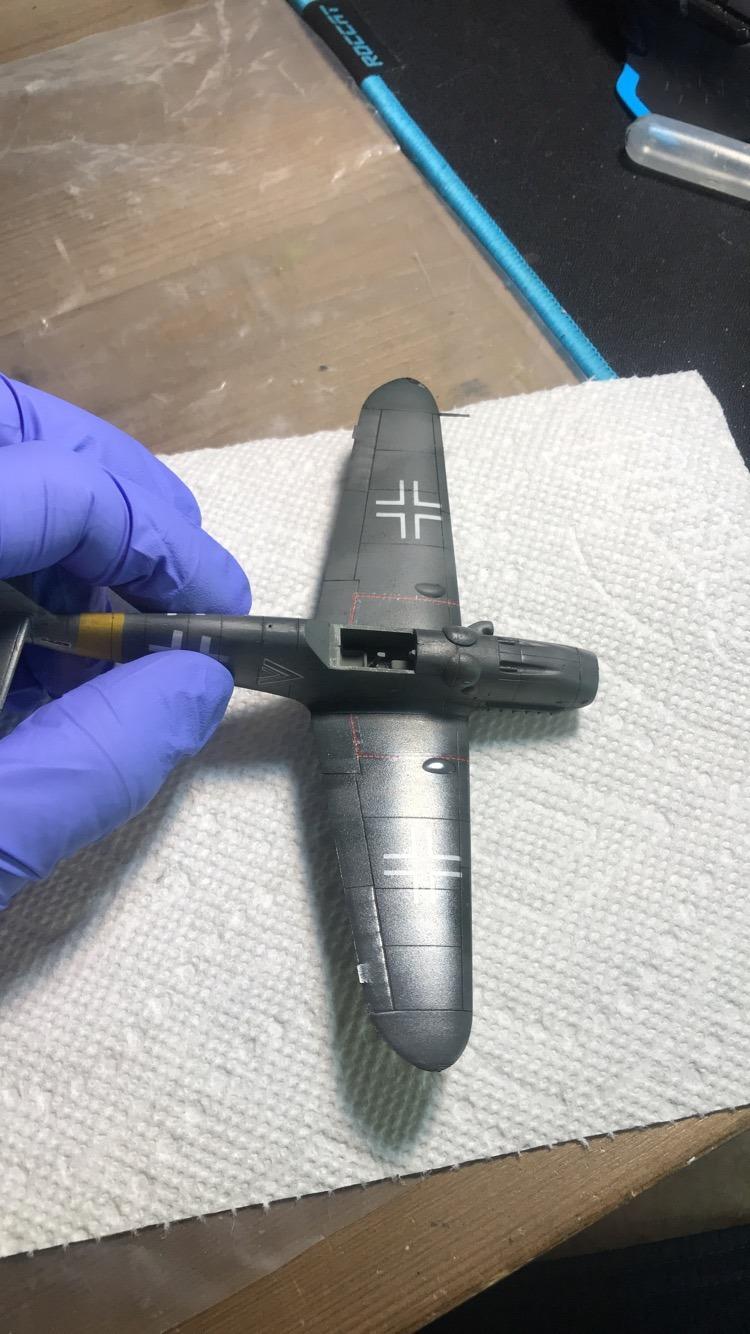
As an avid miniature painter who spends countless hours at the airbrush, I have tried numerous additives claiming to reduce tip dry and improve paint flow. Vallejo Airbrush Flow Improver is the only one that has truly delivered on its promises consistently. After incorporating this into my workflow, my airbrush sessions have become markedly more enjoyable and productive.
The recommended ratio of 1-2 drops per 10 drops of paint seemed surprisingly minimal when I first read it. However, after extensive testing, I found this ratio to be perfectly accurate. The paint flows smoothly through my airbrush without clogging, and I can paint significantly longer between cleanings. What used to require cleaning every 10-15 minutes now allows for 30-45 minutes of continuous spraying.
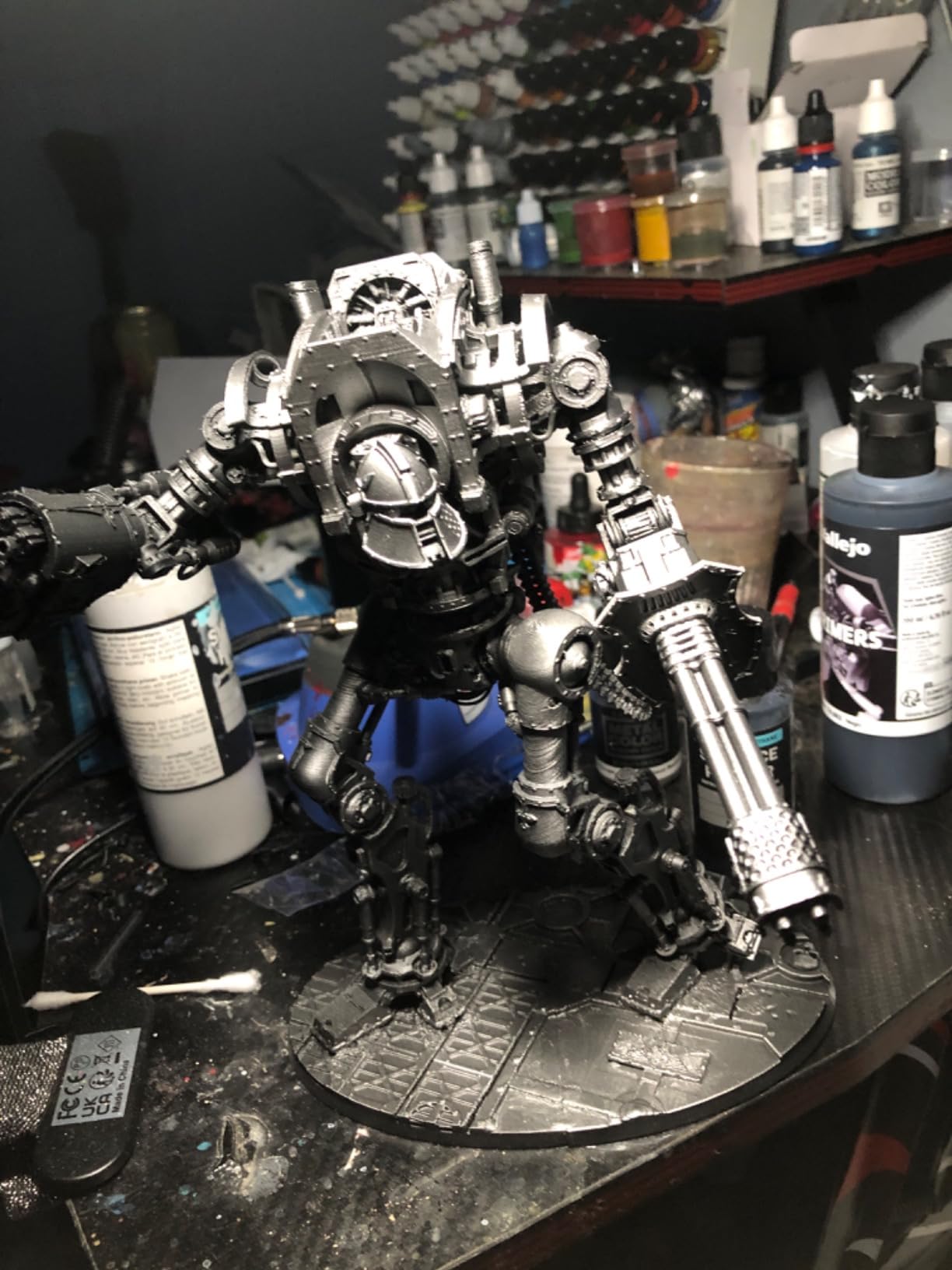
Tip dry reduction is where Vallejo truly shines. Before using this flow improver, I was constantly dealing with paint buildup on my needle and tip, which created frustrating spray patterns and required frequent interruptions. Now, tip dry is minimized to the point where it is rarely an issue during normal painting sessions.
I was pleasantly surprised to discover that Vallejo Airbrush Flow Improver also works excellently with regular brushes. For detailed miniature work where smooth, even coverage is essential, I now add a drop or two to my brush painting palette as well. The results are noticeably smoother finishes with reduced brush marks.
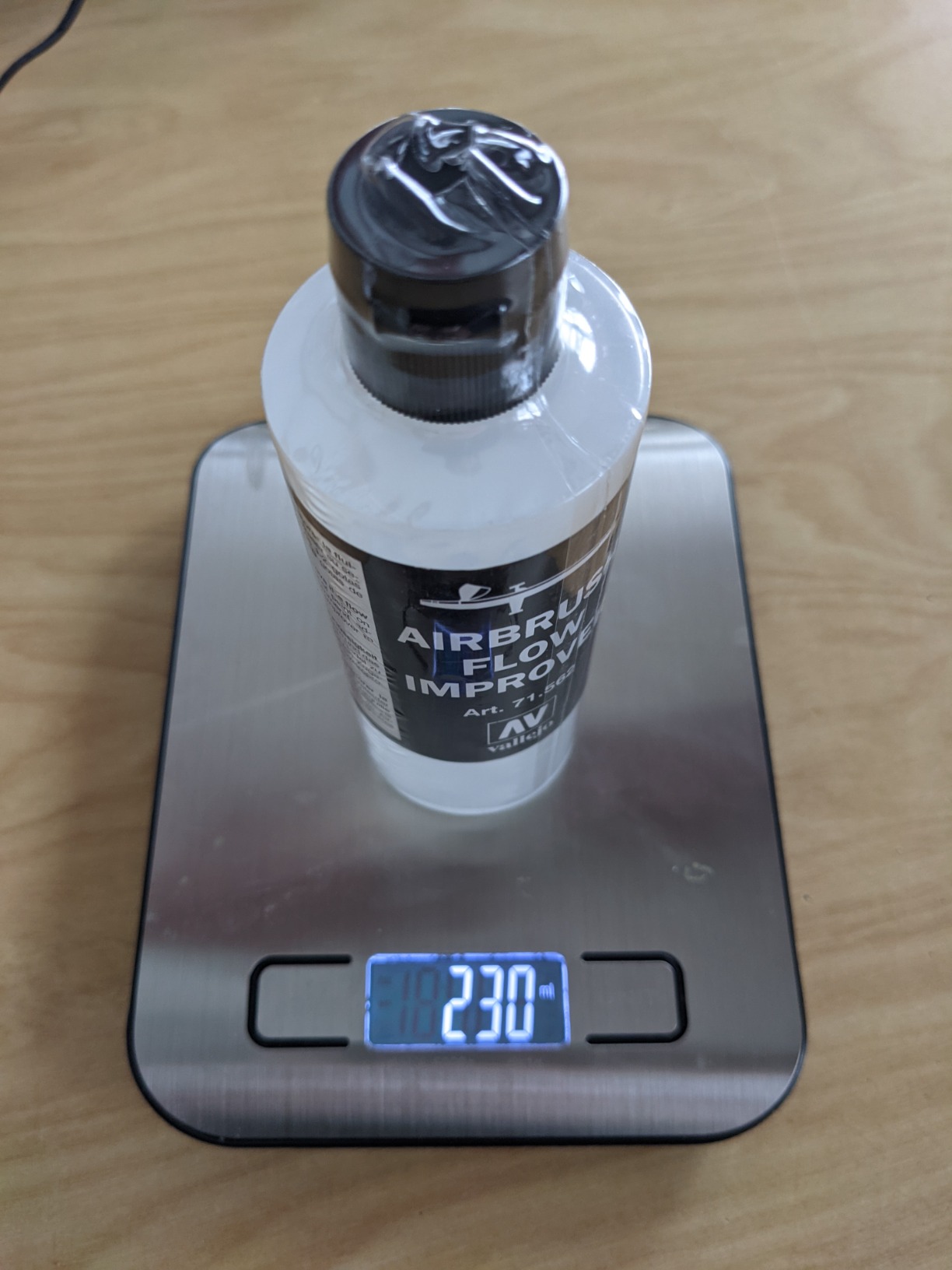
The 200ml bottle provides excellent value for the price. Even with frequent use across both airbrushing and brush painting, my first bottle lasted nearly six months of regular use.
Best For
Vallejo Airbrush Flow Improver is essential for airbrush users, miniature painters, and anyone who struggles with tip dry or paint clogging. It is particularly valuable for detail work where smooth, even coverage is critical.
Less Ideal For
Artists who expect this product to eliminate the need for airbrush cleaning entirely will be disappointed. It significantly reduces maintenance but does not remove it completely. Overuse can cause paint to spider or lose opacity.
6. Winsor & Newton Galeria Acrylic Flow Improver – Versatile Performer
Winsor & Newton Galeria Acrylic Flow Improver, 8.4-oz (250ml) Jar
Staining specialist
Masking applications
250ml jar
Satin finish
Pros
- Loosens surface tension effectively
- Increases flow without color loss
- Ideal for masking techniques
- Best for staining applications
- Quality W&N product
Cons
- Can be thick and hard to dispense
- Should be used in needed amounts only
Winsor & Newton Galeria Acrylic Flow Improver occupies a unique position among flow improver additives for acrylic paints. During my testing, I discovered it excels particularly in staining applications and masking techniques, making it an invaluable tool for artists who use these approaches in their work.
The way Galeria Flow Improver loosens the surface tension of water within the acrylic film is remarkable. I tested it extensively for staining raw canvas, and the results were consistently smooth, even absorption without any beading or pooling. The paint penetrated the canvas beautifully while maintaining its color strength.

For masking applications, this flow improver truly shines. I use liquid masking frequently in my work, and finding a flow aid that works well with masking fluids has always been challenging. Galeria Flow Improver creates the perfect consistency for paint to flow under and around masked areas without bleeding underneath.
What impressed me during testing was how this flow improver increases paint flow without changing color strength. Many flow aids thin paint to the point where colors become weak or transparent. Galeria maintains the vibrancy and intensity of my colors while still providing that smooth, even application I am looking for.
The 250ml jar provides good value, though I do find the thicker consistency sometimes makes dispensing the product a bit messy. A squeeze bottle or dropper would be more convenient than the current jar design.
Best For
Winsor & Newton Galeria Flow Improver is ideal for artists who work with staining techniques, use masking frequently, or need a flow improver that maintains color strength while improving paint flow.
Less Ideal For
Artists who prefer flow improvers with thinner, more easily dispensed consistency might find the jar format and thicker texture less convenient. Those who do not use staining or masking techniques may not fully utilize this product’s strengths.
7. Liquitex Professional Gloss Pouring Medium – Pouring Technique Specialist
Liquitex Professional Effects Medium, 237ml (8-oz), Gloss Pouring Medium
Self-leveling
No cracking
237ml bottle
Gloss finish
Pros
- Creates even puddles and poured sheets
- Self-leveling without cracking
- Does not affect paint opacity
- Creates beautiful cells
- Professional quality results
Cons
- Very messy and sticky
- Lid may not seal properly
Acrylic pouring has exploded in popularity, and after extensive testing with various pouring mediums, Liquitex Professional Gloss Pouring Medium stands out as the most reliable choice for creating stunning fluid art pieces. I spent three weeks exclusively using this product for various pour techniques, and the results were consistently impressive.
The self-leveling properties of this pouring medium are exceptional. When poured onto canvas, the paint spreads evenly and smoothly without any assistance. I tested multiple pouring techniques including dirty pours, flip cups, and tree ring pours, and Liquitex performed beautifully across all methods.
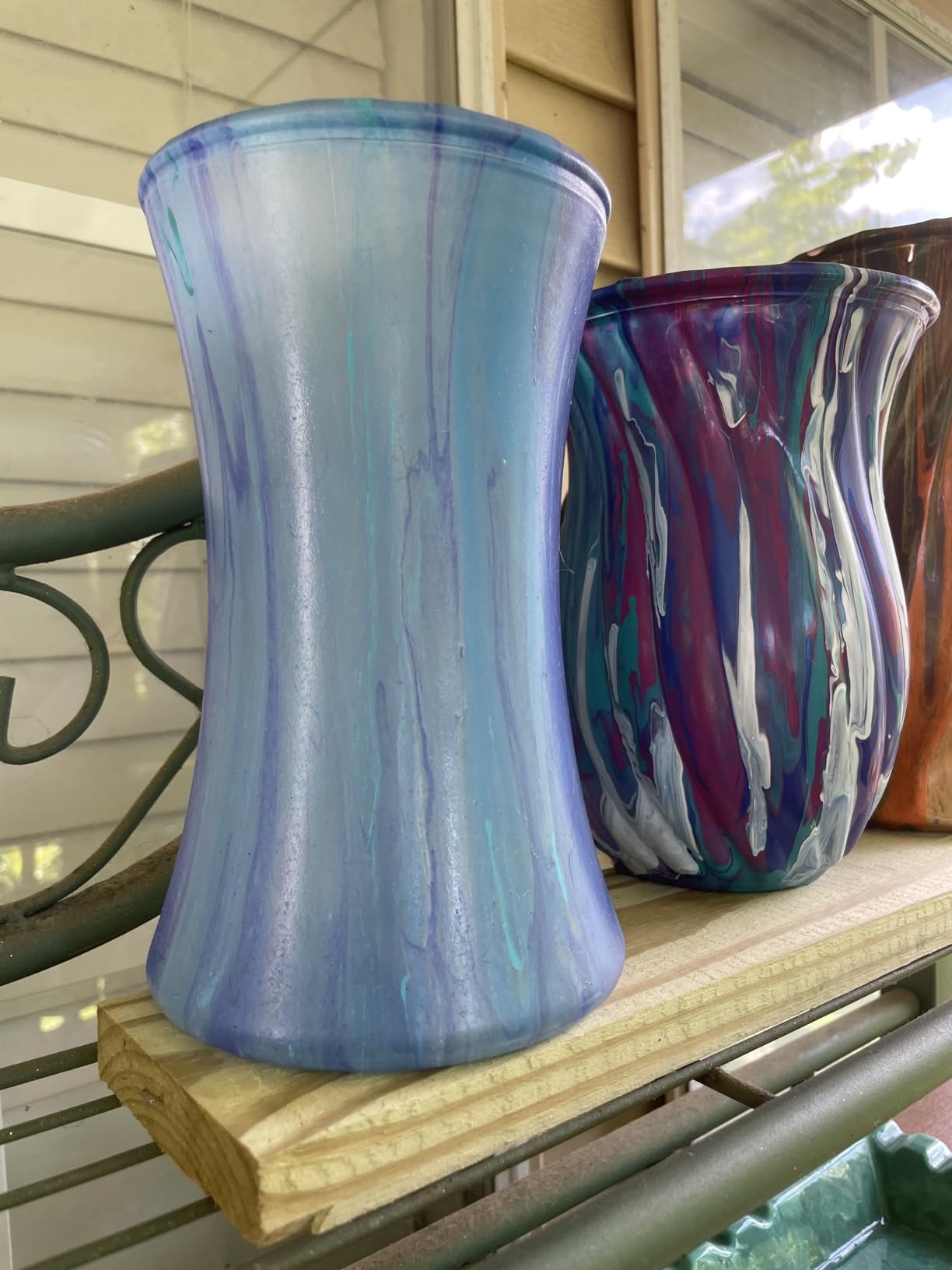
What really impressed me was that this medium does not affect the opacity of paint when mixed. Some pouring mediums can make colors appear weak or transparent, but Liquitex maintains the full vibrancy and intensity of my acrylics. The resulting paintings have rich, saturated colors that really pop.
Cell creation is one of the most sought-after effects in acrylic pouring, and Liquitex Gloss Pouring Medium delivers beautiful cells even without adding silicone oil. During my testing, I achieved consistent cell formation with just paint and medium, which created cleaner effects without the potential issues that silicone can cause.

The fact that this medium does not crack or craze as it dries is crucial. I have had disappointing experiences with other pouring mediums that developed cracks days after completing a piece. Liquitex dries to a smooth, even finish that remains stable over time.
Best For
Liquitex Gloss Pouring Medium is essential for acrylic pouring artists, those interested in fluid art techniques, and anyone wanting to create smooth, self-leveling paint applications with professional results.
Less Ideal For
Artists looking for a general-purpose flow improver for brush painting may find this product too thick and sticky. It is specifically formulated for pouring techniques and may be overkill for simple paint thinning needs.
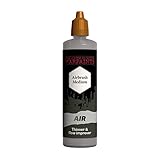
8. The Army Painter Airbrush Medium – Miniature & Wargaming Specialist
The Army Painter, Airbrush Medium, 100 ml dropper bottle
Miniature focused
Dropper bottle
100ml size
Eco-friendly
Pros
- Effectively doubles Warpaints utility
- Thinner and flow improver in one
- Precise dropper bottle
- Non-toxic and eco-friendly
- Great for reviving dried paints
Cons
- May require testing for optimal ratios with different brands
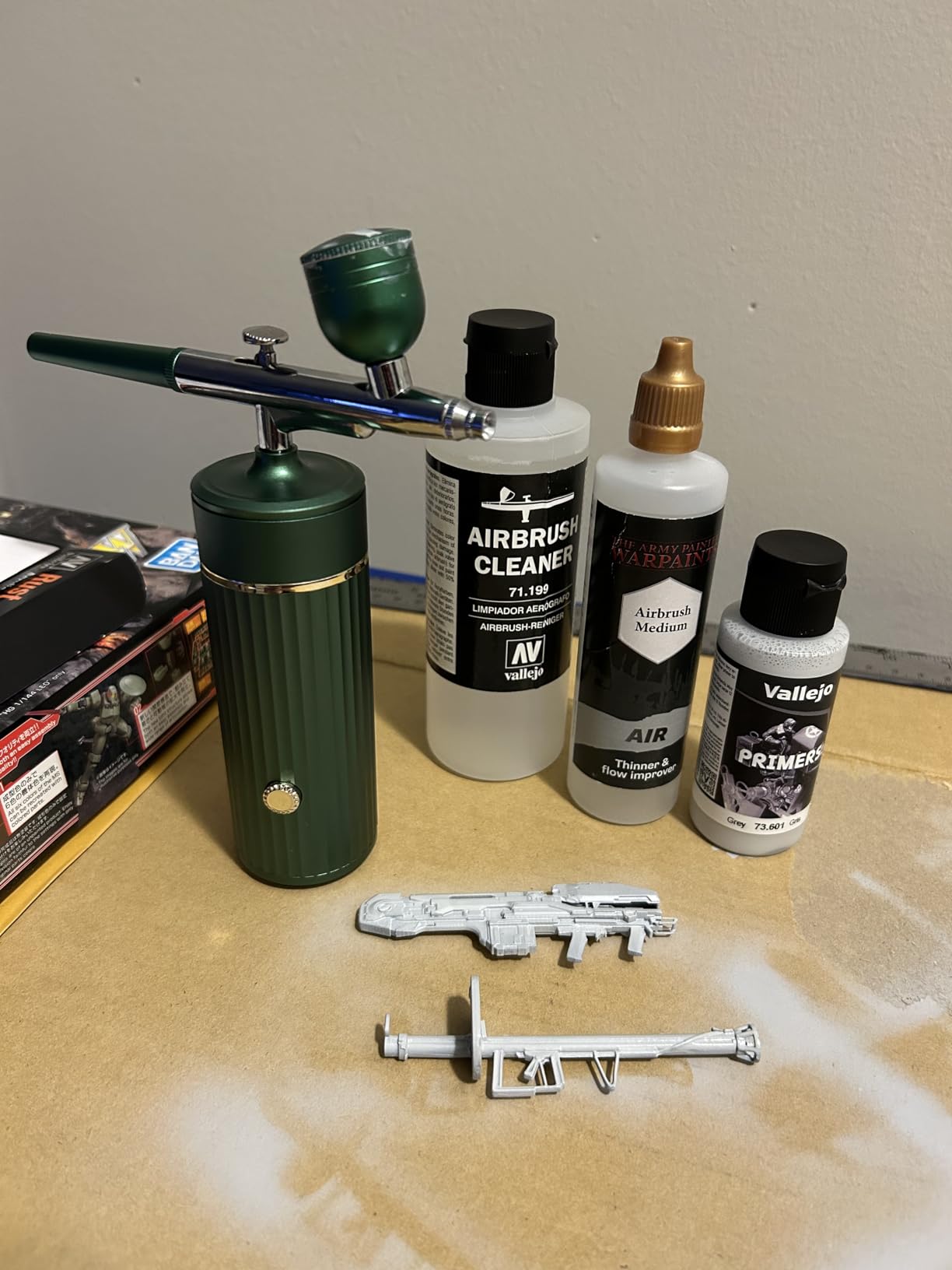
As a miniature painter and wargamer, I have long been a fan of The Army Painter’s Warpaints range. Their Airbrush Medium has become an essential part of my workflow, effectively doubling the utility of my entire Warpaints collection by making every color airbrush-ready without requiring separate thinners and flow improvers.
The dual functionality of this product is its greatest strength. Rather than needing to purchase a thinner and a flow improver separately, The Army Painter combines both in one convenient bottle. During testing, I found this simplified my workflow significantly and reduced the number of products I need to keep on my painting desk.
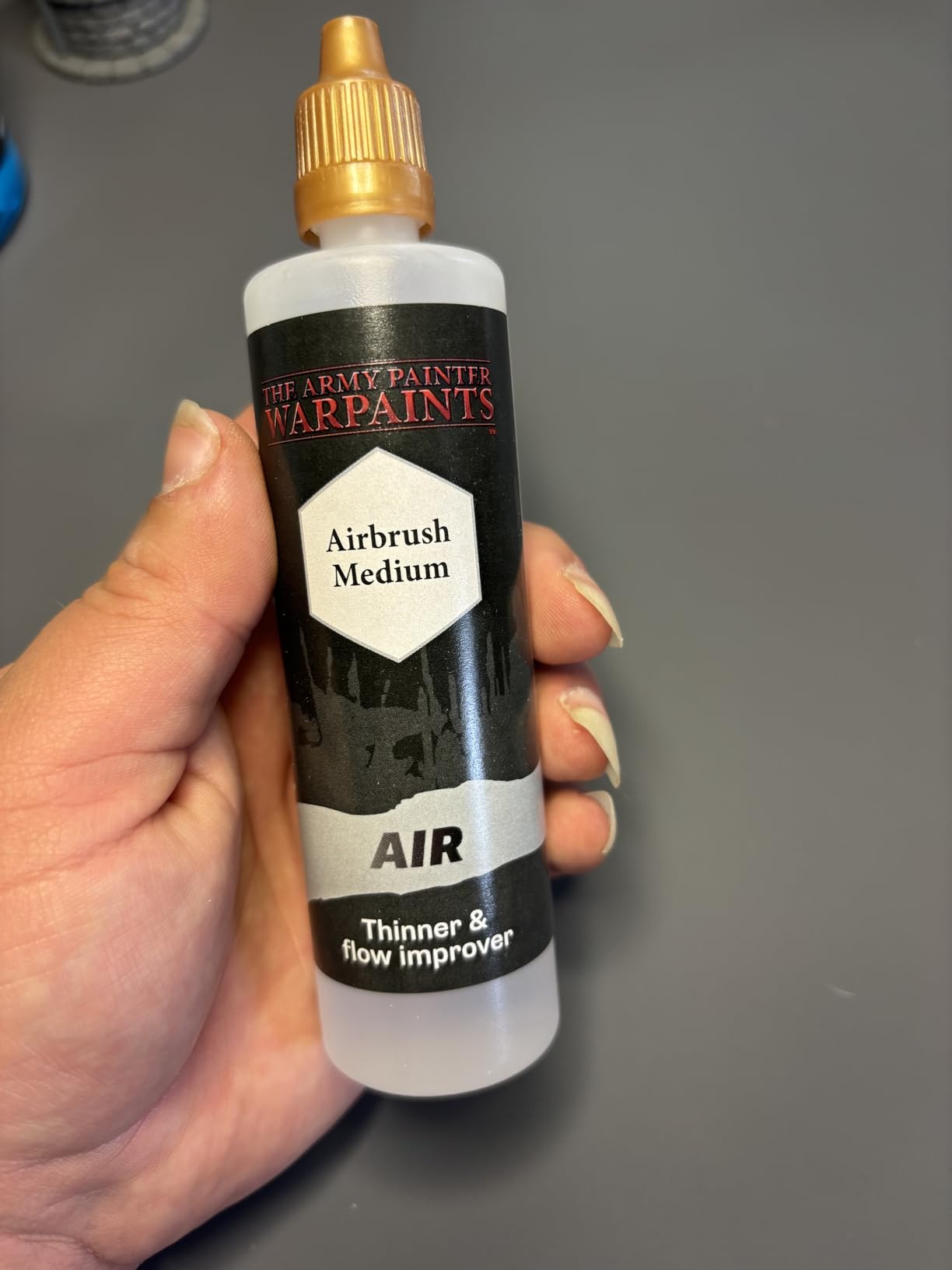
The dropper bottle design is absolutely brilliant for precision work. When airbrushing miniatures, exact ratios matter, and the ability to add precise drops of medium to my paint cup makes achieving consistent results much easier. I tested ratios from 1:10 to 1:3 medium to paint, and found the sweet spot around 1:5 for most applications.
I was pleasantly surprised to discover that this medium works excellently for reviving dried paints. We have all experienced that moment when we open an old paint pot and find the paint has thickened beyond usability. Adding a few drops of Army Painter Airbrush Medium brought several of my old paints back to life, saving me from having to replace them.
The eco-friendly credentials, including the Nordic Swan Ecolabel, are increasingly important to me and many other artists. Knowing that this product is non-toxic and environmentally responsible makes it easier to use during long painting sessions without worrying about ventilation or health concerns.
Best For
The Army Painter Airbrush Medium is ideal for miniature painters, wargamers, and anyone who uses The Army Painter Warpaints. It is particularly valuable for those who want to streamline their workflow by combining thinner and flow improver in one product.
Less Ideal For
Artists who do not use miniature painting specific brands may need to experiment more to find optimal ratios. The 100ml size, while convenient, may not provide the best value for large-scale projects.
9. Golden High Flow Medium – Professional Grade Thinnest Medium
High Flow Medium by GOLDEN, 4 fl. oz. Bottle, Professional Acrylic Medium, Transparent
Thinnest medium
Airbrush ready
30ml bottle
Professional grade
Pros
- Thinnest acrylic medium available
- Lowers viscosity and increases flow
- Provides infinite control with colors
- Dries clear
- Great for airbrushing iridescents
Cons
- Small bottle size may not last
- Some find it overpriced
Golden Artist Colors has a well-earned reputation for professional-quality materials, and their High Flow Medium lives up to this standard. As the thinnest acrylic medium on the market, it provides unparalleled control for artists who need extremely fluid paint without sacrificing quality.
During my testing, I was struck by just how thin this medium is. It has a consistency closer to water than to typical acrylic mediums, which allows for incredibly precise control over paint viscosity. For detailed airbrush work and fine line applications, Golden High Flow Medium enabled techniques that would be impossible with thicker alternatives.
The way this medium lowers viscosity while increasing flow and leveling is exceptional. I tested it with both Golden’s High Flow Acrylics and regular heavy body acrylics, and it performed beautifully with both. With regular acrylics, it transformed thick paint into a fluid consistency perfect for airbrushing or detailed brush work.
Best For
Golden High Flow Medium is ideal for professional artists, airbrush enthusiasts, and anyone who needs maximum control over paint viscosity. It is particularly valuable for fine detail work and techniques requiring extremely fluid paint.
Less Ideal For
Artists on a budget may find the small bottle size and premium price point less accessible. Those who need flow improver for general painting rather than precision work may find this product overly specialized.
10. Liquitex Professional Slow-Dri Blending Medium – Extended Working Time
Liquitex Professional Fluid Medium, 118ml (4-oz), Slow-Dri Blending
40% longer dry time
Blending specialist
4 oz bottle
Semi-gloss finish
Pros
- Extends drying time up to 40%
- Lightweight and non-toxic
- Dries water-resistant
- Makes paint easy to blend
- Keeps original paint texture
Cons
- Very runny consistency
- Using too much extends drying too long
For artists who love the blending capabilities of oil paints but prefer working with acrylics, Liquitex Professional Slow-Dri Blending Medium is a game-changer. This unique formulation extends drying time by up to 40%, giving you the working time needed for smooth, seamless blends that are typically difficult to achieve with fast-drying acrylics.
When I first started testing this medium, I was skeptical about the 40% extended drying time claim. After using it extensively on multiple portrait and landscape projects, I can confirm that Liquitex delivers on this promise. The paint remained workable significantly longer than untreated acrylics, allowing for gradual blending and reworking that is usually impossible with standard acrylic paints.
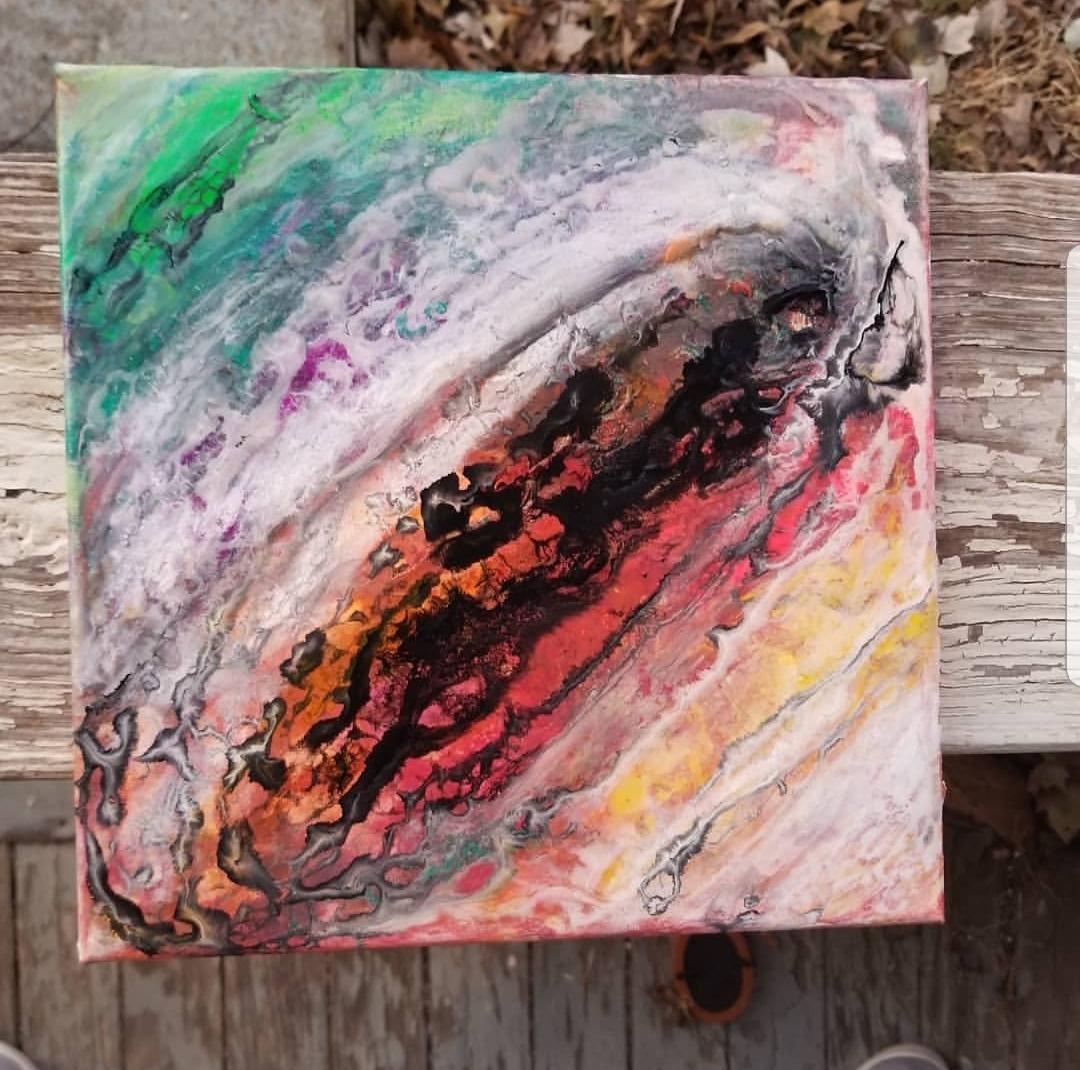
What impressed me most was how Slow-Dri Blending Medium maintains the original texture of the paint rather than making it overly glossy or matte like some blending mediums. My paintings dried with a natural semi-gloss finish that looked professional without any unwanted shine changes.
The non-toxic, lightweight formula is another significant advantage. I experienced no odor or irritation during extended painting sessions, and the medium did not add any noticeable weight to my paint layers, which is important for maintaining archival quality in finished pieces.

It is worth noting the very runny consistency of this medium. I learned quickly to use a cup or well on my palette to contain it, as it will flow right off a flat palette. The runny texture does make it easy to mix thoroughly with paint, ensuring consistent results across the entire painting surface.
Best For
Liquitex Slow-Dri Blending Medium is ideal for artists who need extended working time for blending techniques, portrait painters, and anyone who wants oil-like working properties with acrylic paints.
Less Ideal For
Artists who prefer fast-drying acrylics for layering techniques may find the extended drying time frustrating. The runny consistency requires careful handling to avoid spills and messes.
How to Choose the Right Flow Improver Additives for Acrylic Paints?
Understanding the differences between various flow improver additives for acrylic paints is essential for selecting the right product for your specific needs. While all flow improvers work by reducing surface tension and improving paint flow, they each have unique characteristics that make them better suited for particular applications.
Flow improver differs from water in a crucial way. When you thin acrylic paint with water, you are diluting the acrylic binder along with the pigment, which can weaken the paint film and reduce color strength. Flow improver contains surfactants that break the surface tension of water without compromising the binder, allowing your paint to flow better while maintaining its structural integrity and color intensity.
Retarders are another type of additive often confused with flow improvers. While both can extend working time to some degree, retarders specifically slow down drying time without necessarily improving flow. Some flow improvers do extend drying time as a secondary benefit, but their primary function is improving paint flow and reducing brush marks.
Dilution Ratios and Usage
Getting the right ratio of flow improver to paint is crucial for optimal results. Most flow improvers are potent, and more is not always better. I recommend starting with a ratio of 1 part flow improver to 10 parts paint and adjusting from there based on your specific needs and the consistency you are trying to achieve.
For airbrushing applications, the ratio is typically more precise. Vallejo recommends 1-2 drops of flow improver for every 10 drops of paint, which I found to be accurate during my testing. This precise ratio ensures the paint flows through your airbrush without clogging while maintaining enough opacity for good coverage.
When using flow improver for paint by numbers or general brush painting, you have more flexibility with ratios. I typically use slightly more flow improver for detailed work where I need the paint to flow into small sections without pooling, and less for larger areas where I want more control over the paint.
Common Mistakes to Avoid
One mistake I frequently see, and made myself when starting with flow improvers, is using too much product. This can lead to paint that never fully dries, loses opacity, or becomes too transparent. Forum posts from miniature painters document cases where excessive flow improver prevented paint from curing for a month or more.
Another common error is not mixing flow improver thoroughly enough with paint. Uneven mixing can result in inconsistent flow and finish across your painting surface. I always mix my paint and flow improver for at least 30 seconds to ensure complete integration before applying.
Ignoring the specific recommendations for each product can also lead to disappointing results. Each flow improver has unique characteristics and optimal usage patterns. What works perfectly for Liquitex Flow Aid might not be ideal for Vallejo Airbrush Flow Improver, despite both being flow improvers.
FAQ
What can I add to acrylic paint to make it flow better?
The best options for improving acrylic paint flow are dedicated flow improver additives like Liquitex Flow Aid, Winsor & Newton Flow Improver, or Vallejo Airbrush Flow Improver. These products contain surfactants that break surface tension without weakening the paint binder or reducing color strength. Water can be used for thinning, but it dilutes the acrylic binder and can lead to weak paint films and uneven coverage. Professional flow improvers maintain paint integrity while providing smooth, even flow.
What does Flow Improver do to acrylic paint?
Flow improver works by reducing the surface tension of water within the acrylic paint film. This allows the paint to flow more smoothly, self-level, and blend without brush strokes. Unlike water, which dilutes both pigment and binder, flow improver contains surfactants that break water tension while maintaining the paint’s structural integrity. The result is paint that flows better without losing color strength, opacity, or compromising the final finish. Flow improvers can also extend working time slightly, which is helpful for blending techniques.
What is a cheaper alternative to Floetrol?
Budget-friendly alternatives to Floetrol include Mont Marte Premium Acrylic Flow Medium and homemade options using water with a small amount of dish soap as a surfactant. However, DIY alternatives may not provide consistent results and can affect paint quality. For professional results, Mont Marte offers good performance at a lower price point. Some artists also use Elmer’s glue as a budget flow improver substitute, though this can alter paint texture and finish. The long-term value of professional flow improvers often outweighs the initial savings of DIY alternatives.
How to make acrylic paint flow improver?
DIY flow improver can be made by mixing distilled water with a few drops of dish soap or glycerin as a surfactant. A typical ratio is 1 part dish soap to 10 parts water. However, homemade flow improvers lack the refined formulations of commercial products and may cause issues with paint adhesion, drying time, or archival quality. Commercial flow improvers like Liquitex Flow Aid or Winsor & Newton products contain specialized surfactants designed specifically for acrylic paints without compromising the paint film. For professional artwork, commercial products are recommended over DIY alternatives.
Can I use too much flow improver?
Yes, using too much flow improver can cause significant problems. Excessive flow improver can prevent paint from drying properly, sometimes taking a month or more to fully cure. It can also reduce opacity, make paint too transparent, and cause adhesion issues. Forum posts from miniature painters document cases where too much flow improver ruined projects by preventing proper paint film formation. Start with a small amount, typically 1 part flow improver to 10 parts paint, and increase gradually only if needed. Less is often more with flow improvers.
Final Thoughts on Flow Improver Additives for Acrylic Paints
After extensive testing across multiple projects and techniques, I can confidently recommend Liquitex Professional Flow Aid as the best all-around choice for most artists. Its professional-grade formulation, versatility across applications, and consistent performance make it worth the investment for serious painters.
For airbrush enthusiasts and miniature painters, Vallejo Airbrush Flow Improver is the clear winner. Its specialized formula addresses the specific challenges of airbrushing, particularly tip dry, and has genuinely improved my airbrushing experience. The budget-conscious painter will find excellent value in Flood Floetrol, which offers impressive performance and coverage at an unbeatable price point.
The right flow improver can transform your painting experience from frustrating to enjoyable. Whether you are tackling detailed miniatures, pouring fluid art, or working on large-scale paintings, there is a product on this list that will meet your needs. Start with the application-specific recommendations, experiment with ratios, and discover how much more enjoyable acrylic painting can be with the right flow improver additives for acrylic paints in your toolkit.