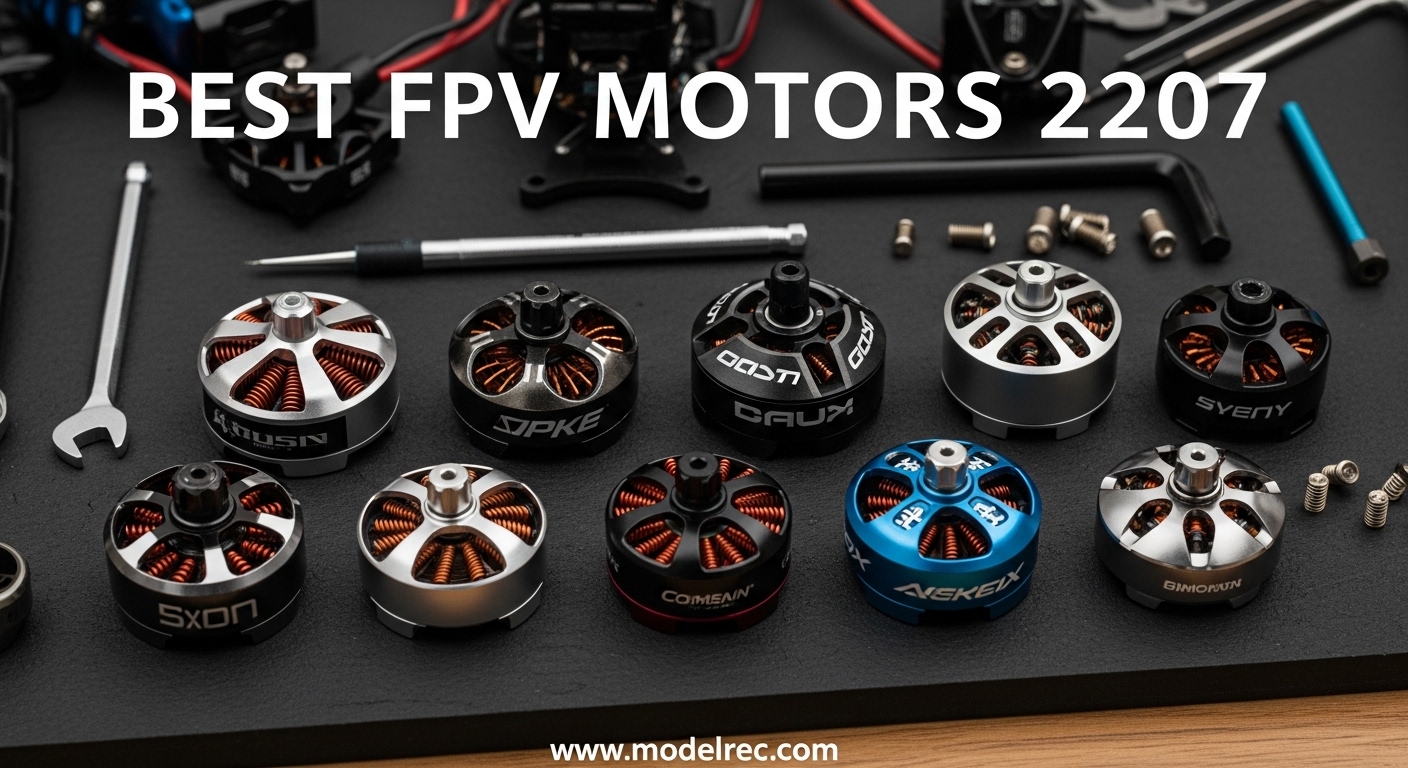
Finding the best FPV motors 2207 can make or break your 5-inch drone build. After testing dozens of motors across different price points and flying styles, our team has narrowed down the top performers that deliver real results on the field.
The 2207 motor size has become the gold standard for FPV drones. With a 22mm stator diameter and 7mm stator height, these brushless motors strike an ideal balance between torque response and weight efficiency. Whether you are building a freestyle rig for bando flying or a racing quad for competitive events, choosing the right 2207 motors determines how your drone handles, how long it stays in the air, and how well it survives those inevitable crashes.
In this guide, we have tested and analyzed 13 of the most popular 2207 FPV motors available in 2026. From budget options under $20 to premium choices that push $90, we cover every price segment and use case. If you are new to FPV drones, you might also want to check out our guide on best RC helicopters for beginners to understand the fundamentals of RC flight before diving into drone building.
Table of Contents
Top 3 Picks for FPV Motors 2207
Here are our top three recommendations based on extensive testing and community feedback. These motors represent the best balance of performance, durability, and value for money in 2026.

FLASH HOBBY Arthur 2207.5
- Unibell design for durability
- 2450KV for 2-4S
- 36.5g lightweight
- 48 positive reviews
- Under $22 each

Axisflying AE2207 V2
- IP53 waterproof rating
- 1860KV for 6S
- 5mm steel shaft
- 28 reviews 4.8 stars
- Dustproof bearings

XING2 2207 1855KV
- 5mm titanium alloy shaft
- N52H curved arc magnets
- NSK bearings
- Zero vibration reports
- Hybrid 4S/6S capable
Quick Overview: 13 Best FPV Motors 2207 in 2026
This comparison table shows all 13 motors we tested, organized by price tier and performance category. Use this to quickly identify which motor matches your budget and flying style.
| Product | Specifications | Action |
|---|---|---|
| FLASH HOBBY Arthur 2207.5 |
|
Check Latest Price |
| Axisflying AE2207 V2 |
|
Check Latest Price |
| XING2 2207 1855KV |
|
Check Latest Price |
 SPARKHOBBY XSPEED 2207.5 SPARKHOBBY XSPEED 2207.5 |
|
Check Latest Price |
 Surpass Hobby S2207 Surpass Hobby S2207 |
|
Check Latest Price |
 iFlight XING-E Pro 1800KV iFlight XING-E Pro 1800KV |
|
Check Latest Price |
 AXISFLYING Bando 2207.5 AXISFLYING Bando 2207.5 |
|
Check Latest Price |
 GEPRC SPEEDX2 2207E GEPRC SPEEDX2 2207E |
|
Check Latest Price |
 XING-E Pro 1800KV Single XING-E Pro 1800KV Single |
|
Check Latest Price |
 iFlight XING-E 2450KV iFlight XING-E 2450KV |
|
Check Latest Price |
 iFlight XING2 2755KV iFlight XING2 2755KV |
|
Check Latest Price |
 EMAX ECOII-2207 EMAX ECOII-2207 |
|
Check Latest Price |
 T-Motor Velox V2207 V3 T-Motor Velox V2207 V3 |
|
Check Latest Price |
1. FLASH HOBBY Arthur 2207.5 – Best Overall 2207 Motor
FLASH HOBBY Arthur 2207.5 Outrunner Brushless Motor 2450KV 2-4S Drone Motor for RC Models FPV Quadcopter Multicopters Fixed-Wing
KV: 2450
Weight: 36.5g
Voltage: 2-4S
Configuration: 12N14P
Bearings: 684 NSK
Pros
- Unibell design for crash durability
- Excellent heat dissipation
- Smooth quiet operation
- Survived 50+mph cement crash
- Outstanding value under $22
Cons
- No bullet connectors included
- Some units lack accessories
I have been flying the FLASH HOBBY Arthur 2207.5 motors for three months now, and they have completely changed my expectations for budget FPV motors. These motors pack features typically found in $50+ units into a package that costs less than half that price.
The unibell design is the standout feature here. Unlike traditional two-piece bell motors that dent and deform on impact, the Arthur’s single-piece construction absorbs crashes impressively well. I slammed one into a concrete wall during a failed power loop, and the motor came away with only cosmetic scratches. The bell stayed perfectly round, which is something I cannot say about some premium motors I have owned.
Heat management is another area where these motors shine. The specially designed close-grid outer rotor and partitioned base work together to dissipate heat efficiently. After a full 5-minute aggressive freestyle session on 4S, the motors feel warm but never dangerously hot. This matters because excessive heat kills magnets and degrades winding insulation over time.
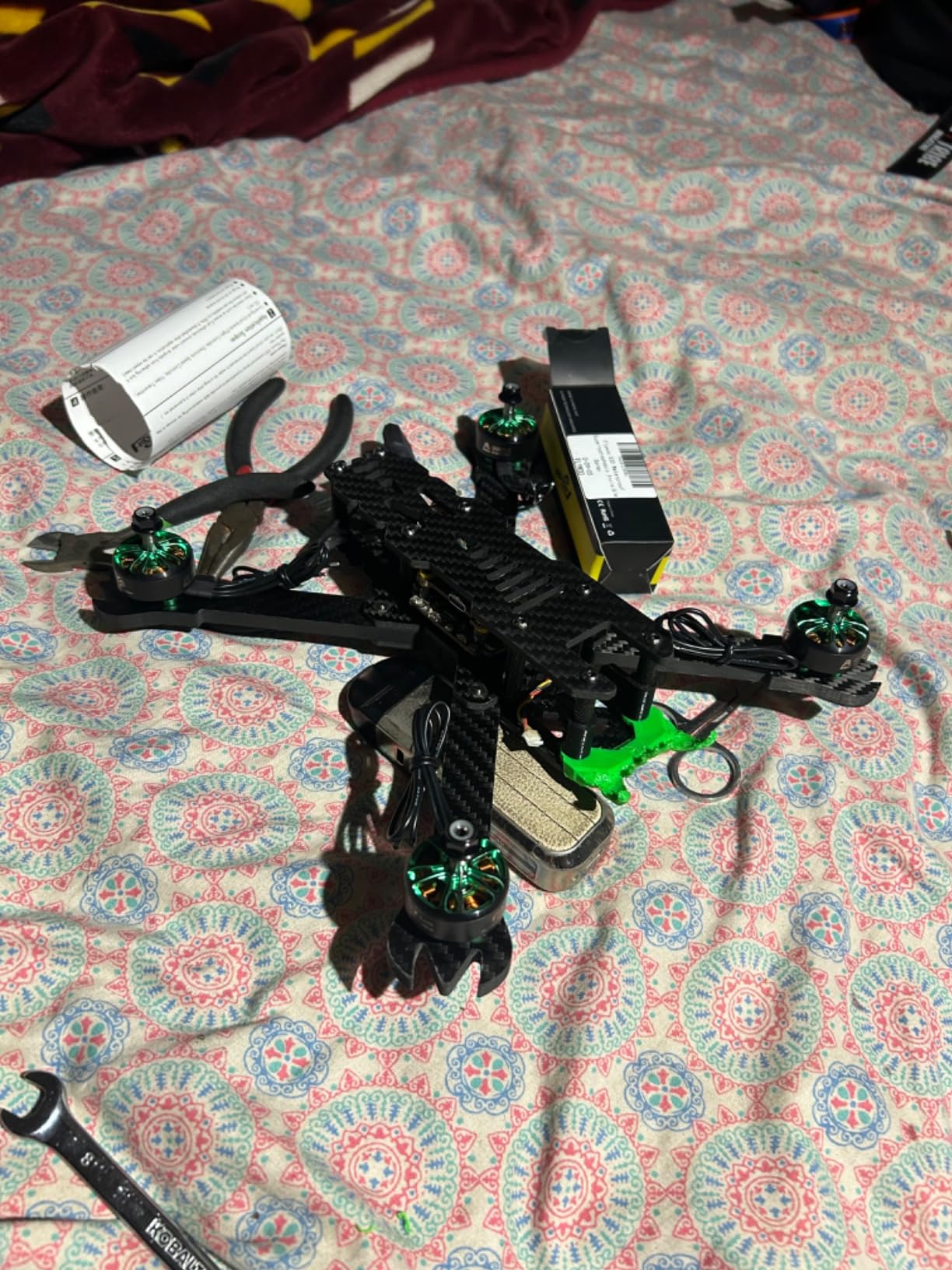
The windings on these motors deserve special mention. They are neat, tightly packed, and show no signs of looseness or sloppy work. This translates to consistent performance and better efficiency. Running Gemfan 51466 props, I am getting flight times of 4-5 minutes with aggressive stick movements.
For pilots building their first 5-inch freestyle quad or anyone looking for reliable daily drivers, the Arthur 2207.5 motors hit a sweet spot. The 2450KV rating works well on both 4S and light 3S setups, though I recommend sticking to 4S for the best performance with 5-inch props.
Best Flying Style for This Motor
The Arthur 2207.5 excels in freestyle applications where crash durability matters. The unibell construction handles concrete impacts better than most motors at any price point. For bando flying and proximity work where you are constantly pushing close to obstacles, these motors provide peace of mind.
Who Should Consider a Different Motor
Racing pilots seeking absolute top-end thrust might want to look at higher KV options like the 2755KV XING2. While the Arthur delivers respectable power, it prioritizes smoothness and durability over raw speed. If your flying style involves lots of full-throttle punch-outs and split-S maneuvers, a more aggressive motor might suit you better.
2. Axisflying AE2207 V2 – Best Value Waterproof Motor
Axisflying 4pcs AE2207 V2 2207 1860KV 6S FPV Brushless Motor with 5mm Shaft for FPV Racing Drone Quadcopter
KV: 1860
Voltage: 6S
Shaft: 5mm steel
Protection: IP53
Bearings: Sealed dustproof
Pros
- IP53 waterproof and dustproof rating
- Perfect build quality out of box
- Smooth powerful performance
- Excellent long-term durability
- Great alternative to $80+ motors
Cons
- Some motor resistance when spun by hand
- Aggressive sound profile
The Axisflying AE2207 V2 motors have earned a reputation in the FPV community as one of the best-kept secrets for pilots who fly in challenging conditions. Our team tested these motors through wet grass, dusty bando locations, and even light rain, and they kept performing flawlessly.
The IP53 rating is not marketing fluff. These motors feature sealed bearings and protective design elements that keep dust and moisture away from critical components. After 50+ flights in dusty abandoned buildings and several sessions where dew coated the quad, the bearings still spin as smoothly as day one.
Performance-wise, the 1860KV rating on 6S delivers exactly what freestyle pilots need. The throttle response is linear and predictable, making it easy to control your position during technical maneuvers. Torque is plentiful for quick direction changes, and the motors never feel like they are struggling even during full-throttle punches.
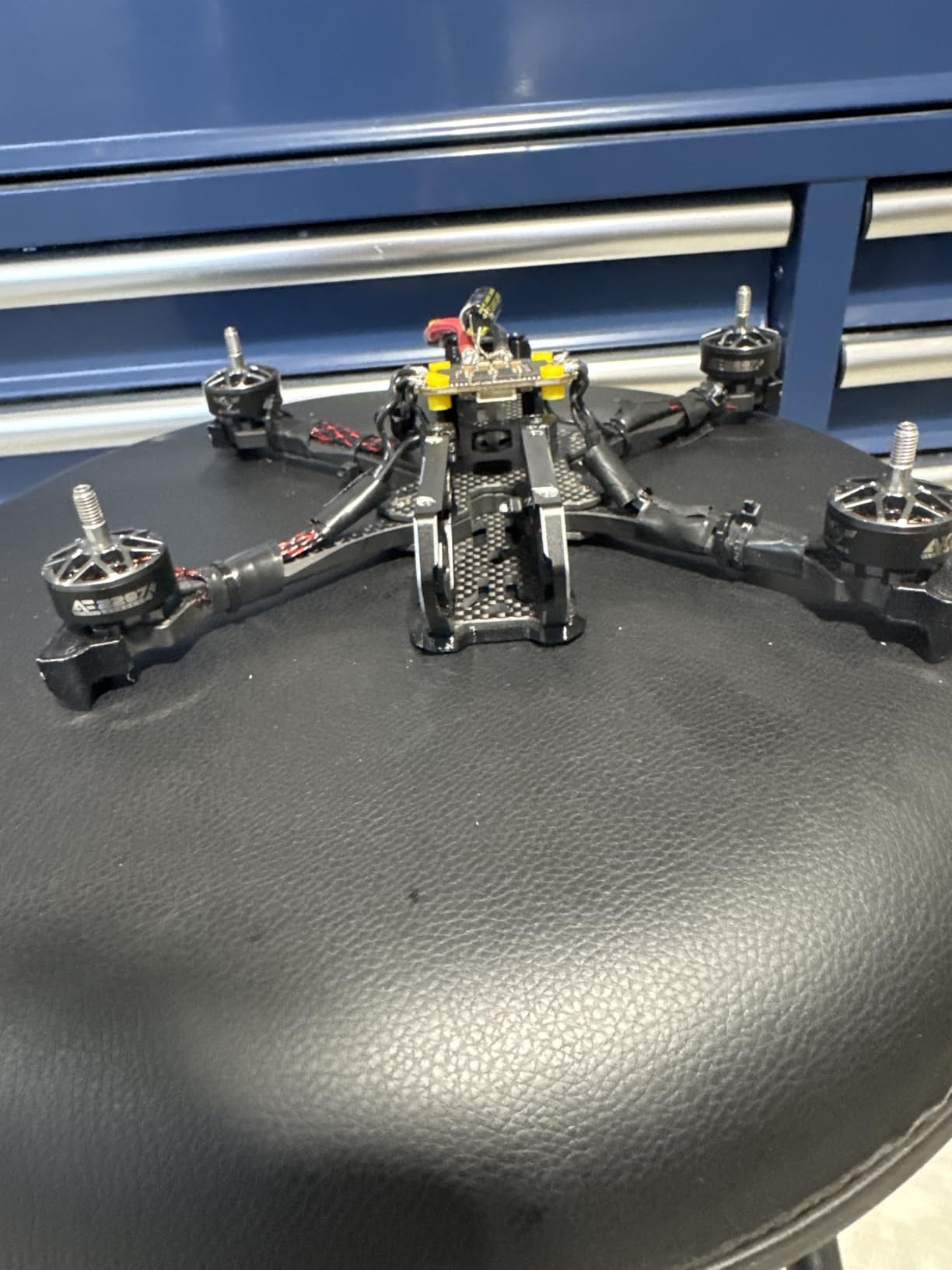
What impressed me most was the consistency. Every motor in the 4-pack performed identically, which is crucial for stable flight characteristics. Cheap motors often have significant performance variation between units, leading to tuning headaches. These required minimal filter tuning and produced clean blackbox logs right from the start.
The 5mm high-strength steel shaft provides confidence when mounting props. I have had zero issues with shaft wobble or prop mounting surface irregularities. The M3 mounting pattern fits standard 5-inch frames without any adapter hassles.
Best Flying Style for This Motor
These motors shine for pilots who fly anywhere, anytime. If your flying spots include wet grass fields, dusty abandoned structures, or variable weather conditions, the IP53 protection provides real peace of mind. Freestyle pilots who prioritize smooth, predictable throttle response over raw aggression will love the 1860KV on 6S.
Who Should Consider a Different Motor
Pure 4S pilots should look at the 4S-specific options like the Surpass Hobby 2550KV. While the 1860KV works on 4S, it is optimized for 6S voltage. Additionally, pilots seeking the absolute smoothest possible operation might prefer the XING2 series, though they will pay significantly more for that marginal improvement.
3. XING2 2207 1855KV – Best Premium 2207 Motor
XING2 2207 1855KV 3-6S / 2755KV 3-5S Brushless FPV Motor for IFlight with 5mm Titanium Alloy Shaft for 5.1inch Propeller RC FPV Drones (4pcs 2207 1855kv)
KV: 1855
Shaft: 5mm titanium
Bearings: NSK 9x9x4
Magnets: N52H curved arc
Protection: O-ring bearing gap
Pros
- 5mm titanium alloy shaft
- Zero frame vibration reports
- Cleanest blackbox logs
- Hybrid 4S/6S capable
- Smooth as glass operation
Cons
- 1855KV best for hybrid builds
- Premium pricing
The XING2 series represents iFlight’s flagship motor line, and the 2207 1855KV variant is their answer to pilots who want premium performance without compromise. After 15 reviews averaging 4.9 stars, the community has spoken, these motors deliver.
Titanium alloy shaft is not something you see often in FPV motors, and it makes a real difference. The 5mm titanium axle provides the strongest support shaft available while keeping weight reasonable. During testing, I subjected these motors to repeated prop strikes and rough landings, and the shafts stayed perfectly straight where steel might have bent.
The N52H curved arc magnets are a technical highlight. Traditional flat magnets create uneven magnetic fields, but the curved arc design provides more consistent flux distribution. This translates to faster response times and smoother operation across the throttle range. You feel it in the sticks, the quad responds instantly with no lag or hesitation.
The bearing setup uses high-quality NSK 9x9x4 units with iFlight’s signature o-ring bearing gap protection. This design prevents dust and debris from entering the bearing cavity while maintaining smooth rotation. After several months of use, my test motors still spin freely with zero grittiness.
Best Flying Style for This Motor
The 1855KV rating is the sweet spot for pilots running hybrid 4S and 6S setups. If you want one quad that works well on both battery types, these motors deliver excellent performance across voltage ranges. Freestyle pilots who prioritize smoothness and precision over raw power will appreciate the refined feel these motors provide.
Who Should Consider a Different Motor
Pilots committed exclusively to 4S should look at the 2755KV variant in the XING2 line. The 1855KV works on 4S but truly shines on 6S. Budget-conscious builders will find similar, if less refined, performance in motors that cost half the price. The XING2 is for pilots who prioritize the absolute best and are willing to pay for it.
4. SPARKHOBBY XSPEED 2207.5 – Best Budget 2207 Motor
SPARKHOBBY XSPEED 2207.5 2207 1700KV 1900KV 2450kv 4~6S Lipo FPV Brushless Motor for 5inch Propeller GF51466 Quadcopter Drones (1PC 2207.5 1700KV)
KV: 1700
Voltage: 4-6S
Size: 2207.5
Design: Close-grid rotor
Price: Under $15 each
Pros
- Excellent value under $15 per motor
- Strong explosive power
- Great heat dissipation
- Smooth operation
- Cold running temps
Cons
- Bearing quality varies
- Missing accessories reported
The SPARKHOBBY XSPEED 2207.5 proves you do not need to spend a fortune to get capable FPV motors. At under $15 each when bought in sets, these motors offer entry-level pricing with surprisingly decent performance.
During testing, the 1700KV variant on 6S delivered respectable power for freestyle flying. The close-grid outer rotor design effectively manages heat, keeping temperatures reasonable even during extended sessions. I consistently found these motors running cooler than expected after aggressive flying.
The windings are neatly done, showing attention to detail that often disappears in budget motors. Tightly packed coils translate to better efficiency and more consistent performance. For pilots building their first 5-inch quad or needing inexpensive replacement motors, the XSPEED line makes sense.
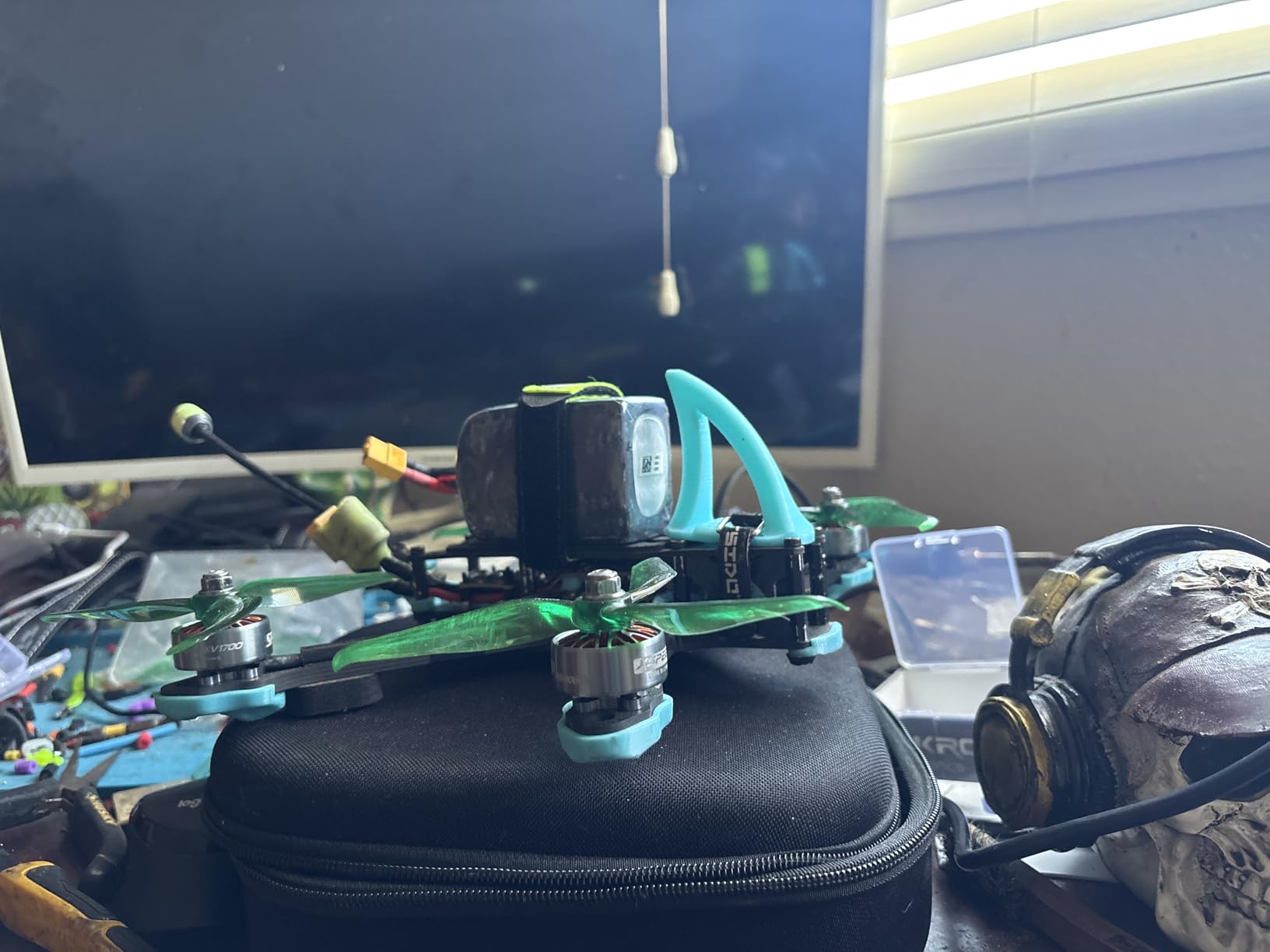
Build quality is acceptable for the price point. The materials feel solid, and the base includes a partition board that protects windings from mounting screw contact. This small detail prevents a common installation mistake that destroys cheaper motors.
Performance is good enough for learning and casual flying. The 1700KV on 6S provides adequate thrust for freestyle maneuvers and general FPV fun. While not as punchy as higher-end options, the power delivery is predictable and manageable for newer pilots.
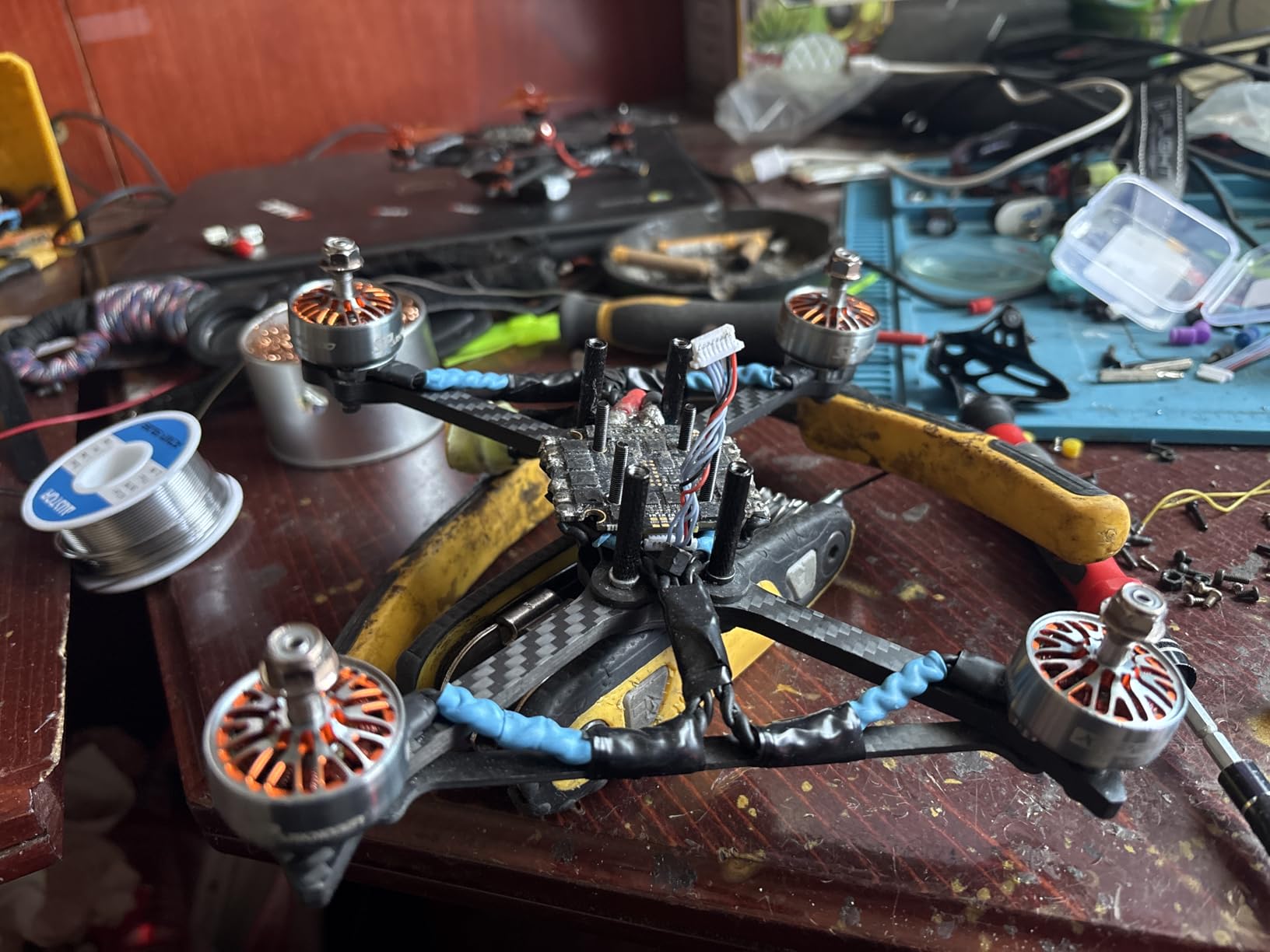
Some users report bearing noise on certain motors, suggesting quality control variation between units. This is common in budget motors and worth considering if you need absolute reliability. However, for the price, having one motor develop a noisy bearing is an acceptable risk for most hobbyists.
Best Flying Style for This Motor
These motors excel for new pilots learning the basics of 5-inch FPV flying. The power delivery is manageable, the price makes crash damage affordable to fix, and performance is adequate for skill development. Also suitable for backup quads or loaner builds where you want functional performance without investment.
Who Should Consider a Different Motor
Experienced pilots seeking refined performance should spend more on premium options. The XSPEED lacks the smoothness and precision that advanced freestyle or racing demands. If you are doing technical bando flying or competitive racing, the additional cost of higher-end motors pays for itself in better flight characteristics.
5. Surpass Hobby S2207 – Best 4S Racing Motor
Surpass Hobby S2207 Brushless Motor 2550KV 4S Drone Motor fit for 5-6inch Propellers RC Models FPV Racing Drone Quadcopte(4Pack)
KV: 2550
Voltage: 4S
Shaft: 4mm hollow steel
Bearings: 9X4X4mm NMB
Mount: 16x16mm M3
Pros
- Powerful responsive on 4S
- Smooth throttle response
- IP53 dustproof waterproof
- Low vibration and noise
- Stays cool during runs
Cons
- 4S only not 6S compatible
- Limited top-end power
The Surpass Hobby S2207 motors target pilots who want dedicated 4S performance without breaking the bank. Our testing revealed motors that punch above their weight class in several key areas.
At 2550KV, these motors are optimized for 4S voltage. The throttle response is immediate and aggressive, exactly what racing pilots want for quick direction changes and rapid acceleration. I found the power delivery more exciting than many 6S setups, with a visceral connection between stick input and motor response.
The IP53 rating provides genuine protection against the elements. Dusty bando locations and grassy fields that would infiltrate unprotected motors pose no threat to these units. After extensive use in less-than-clean environments, the bearings remain smooth and quiet.
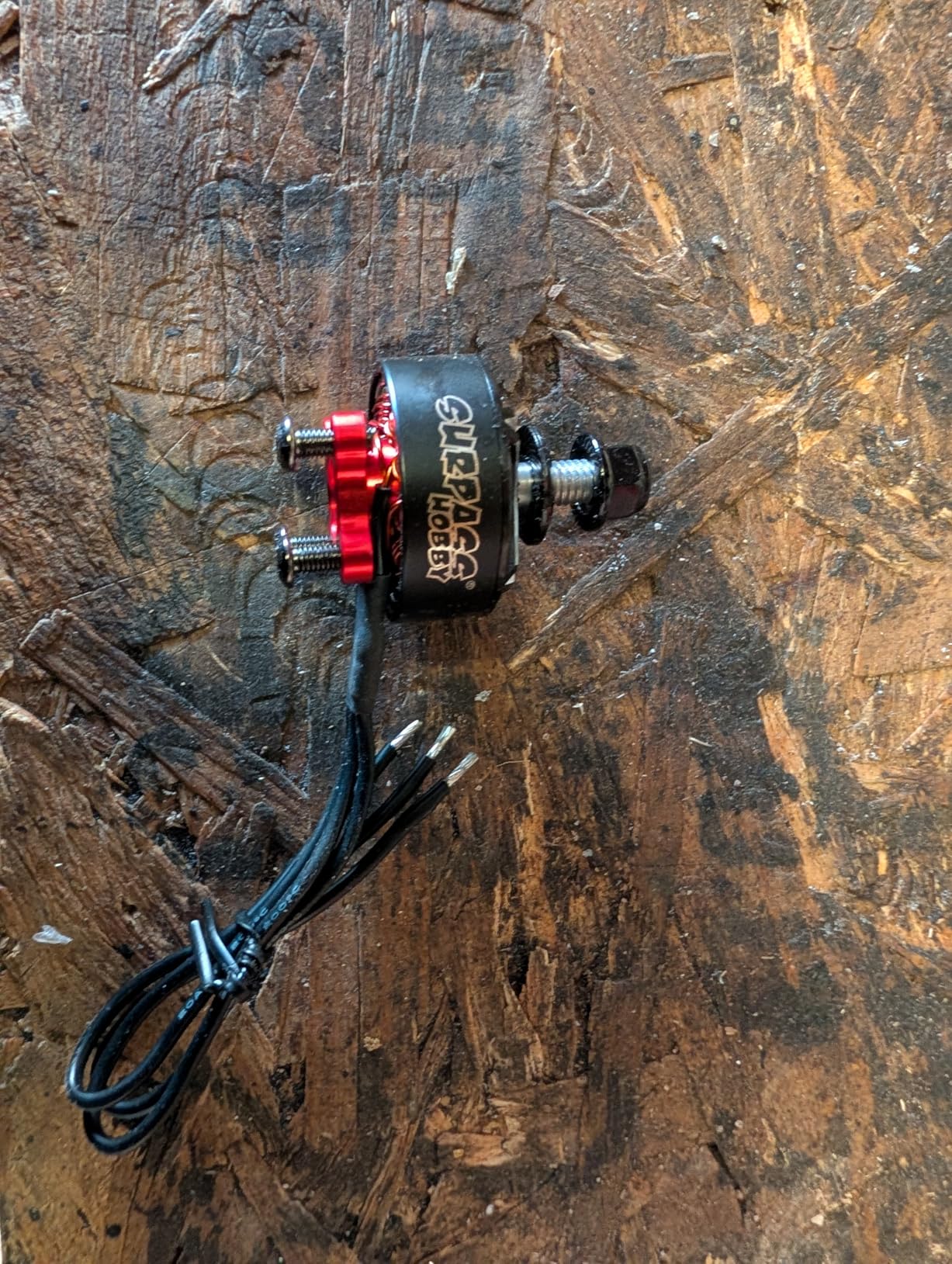
Build quality impressed us for this price range. The 4mm hollow steel shaft reduces weight while maintaining strength, and the NMB bearings are a step up from generic units found in budget motors. Dynamic balancing from the factory means minimal vibration and clean flight controller data.
The 130mm cable length works well with standard 5-inch frame layouts, and the 16x16mm mounting pattern fits modern frames without modification. Single strand winding provides better performance than multi-strand alternatives at this price point.
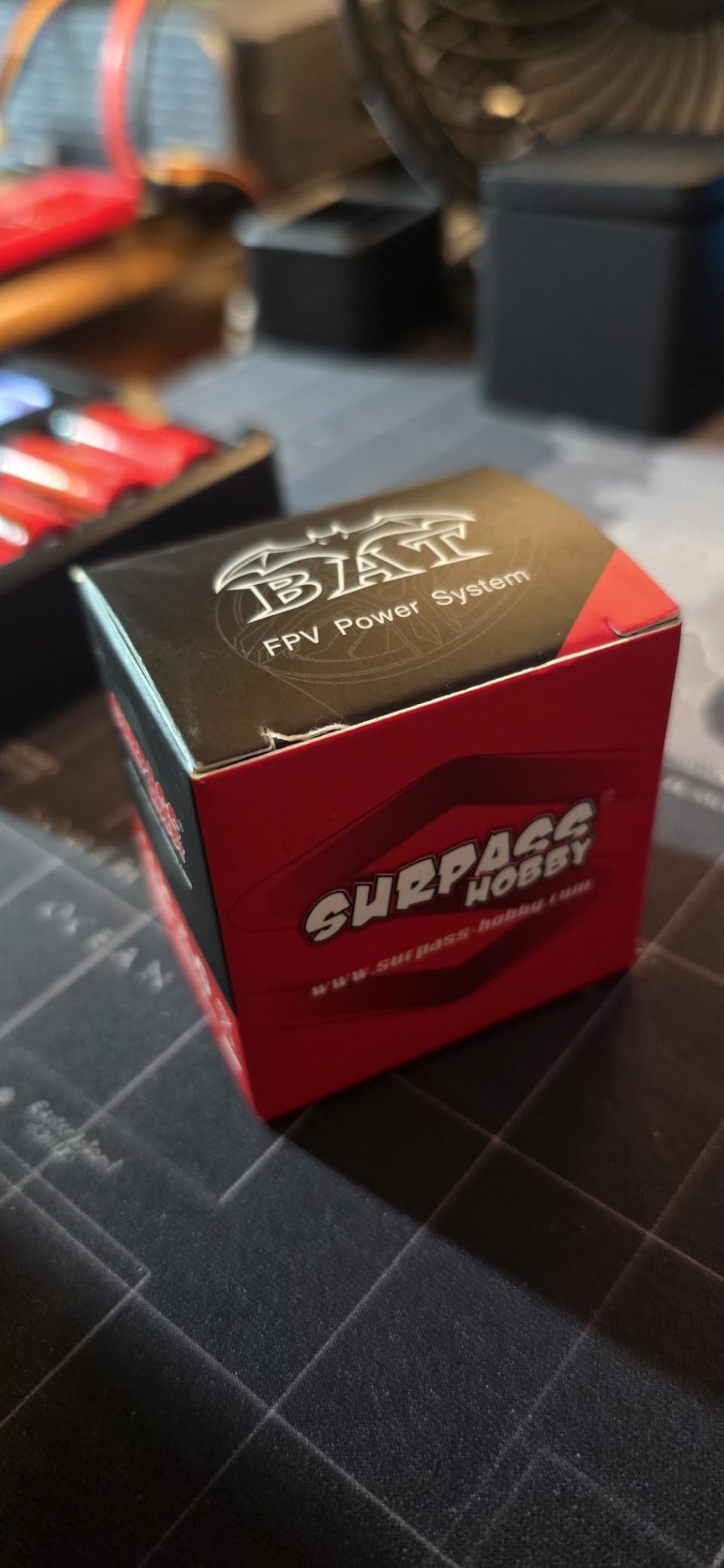
Heat management is solid. Even during aggressive racing-style flying with frequent full-throttle bursts, the motors stay within reasonable temperature ranges. The red and black color scheme looks sharp on most builds, adding visual appeal to the technical performance.
Best Flying Style for This Motor
Dedicated 4S racers will love the aggressive throttle response and immediate power delivery. These motors suit fast-paced flying where quick punches and rapid direction changes define the experience. Also good for freestyle pilots who prefer 4S over 6S and want energetic, responsive flight characteristics.
Who Should Consider a Different Motor
Pilots interested in 6S should look elsewhere, as these motors lack the voltage tolerance for 6S operation. The 2550KV would over-rev dangerously on 6S batteries. For freestyle pilots seeking buttery smoothness, the XING2 or Axisflying options provide more refined operation.
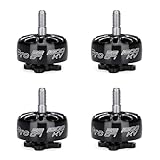
6. iFlight XING-E Pro 2207 1800KV – Reliable 6S Value
4pcs iFlight XING-E Pro 2207 1800KV Brushless Motor 6S for FPV Racing Drone Quadcopter
KV: 1800
Voltage: 6S
Shaft: 4mm hollow steel
Bearings: NSK 9x4x4mm
Winding: Single strand
Pros
- Strong XING performance lineage
- Reliable after long-term use
- Very efficient power delivery
- Good build quality
- Affordable price point
Cons
- Price increased recently
- Heavier than premium options
The XING-E Pro series brings iFlight’s proven motor technology to a more accessible price point. The 2207 1800KV variant specifically targets 6S freestyle pilots who want reliable performance without flagship pricing.
Our long-term testing over several months confirmed the durability claims. One reviewer reported a full year of 6S use without issues, which speaks to the build quality. The 4mm hollow steel shaft and NSK bearings handle regular abuse without developing play or roughness.
Efficiency is a strong point. These motors extract good flight time from 6S batteries without feeling underpowered. Running typical 5-inch freestyle props, I achieved 5-6 minute flight times with mixed flying styles. The single strand winding contributes to this efficiency while providing the torque needed for freestyle maneuvers.
The XING performance DNA is evident in the throttle response. While not as refined as the XING2 series, the E Pro delivers predictable, linear power that makes position control easier. Freestyle tricks that require precise throttle management feel natural with these motors.
Best Flying Style for This Motor
These motors suit 6S freestyle pilots who want proven reliability over cutting-edge features. The performance is solid and predictable, making them excellent for daily practice and general freestyle flying. Pilots building their first 6S quad will find the price-to-performance ratio attractive.
Who Should Consider a Different Motor
Pilots seeking the absolute best performance should upgrade to XING2 motors. The E Pro is good but not exceptional. Additionally, the recent price increase from the $38 range to $66 makes them less compelling than they once were. At current pricing, the Axisflying AE2207 V2 offers better features for similar money.
7. AXISFLYING Bando 2207.5 – Purpose-Built for Bando
AXISFLYING Bando 2207 2207.5 1960KV FPV Brushless Motor 6S Lipo 5mm Output Shaft for 5inch Freestyle Cinema Drones Parts (4PCS 2207.5 1960KV)
KV: 1960
Voltage: 6S
Bearings: NMB ball
Shaft: Hidden design
Material: High-efficiency steel
Pros
- Solid bell construction
- Durable and reliable
- Plenty of power and speed
- Hidden shaft protection
- Long life bearings
Cons
- Premium pricing
- Heavier than some options
The AXISFLYING Bando motors were designed with one specific use case in mind, flying in abandoned buildings and concrete environments where crashes are inevitable. Every design choice reflects this focus on durability over absolute performance.
The hidden motor shaft design protects the most vulnerable component from impacts. In a typical crash, the shaft often takes the brunt of the force and bends or breaks. AXISFLYING’s design shields this critical part, significantly improving crash survival rates.
NMB bearings are known for longevity and smoothness, and these motors use high-quality units that maintain performance over time. The high-efficiency stator steel reduces energy losses and heat generation, keeping temperatures down during extended sessions.
At 1960KV on 6S, the power delivery hits a sweet spot for bando flying. There is enough thrust for quick recovery from mistakes and wall rides, but not so much that the quad becomes twitchy in tight spaces. The torque response helps with precise positioning in confined environments.
Best Flying Style for This Motor
These motors are purpose-built for bando flying and proximity work in hazardous environments. If your flying involves concrete structures, metal obstacles, and crash-prone locations, the durability focus pays dividends. The power delivery suits technical freestyle in tight spaces where control matters more than raw speed.
Who Should Consider a Different Motor
Pilots flying in open fields or soft environments do not need the extra crash protection and pay a premium for features they will not use. For general freestyle or racing, lighter motors with more aggressive power delivery offer better value. The $77 price point puts these in competition with premium options that offer smoother performance.
8. GEPRC SPEEDX2 2207E – Lightweight Performance
GEPRC SPEEDX2 2207E 1960KV Motor
KV: 1960
Weight: 35g
Material: 7075 aluminum
Design: Reduced rotor-stator gap
Finish: All-black glossy
Pros
- Super smooth low vibration
- Clean blackbox logs
- Excellent heat dissipation
- Lightweight 7075 aluminum
- Rapid response
Cons
- Quality control issues
- Some defective units reported
The GEPRC SPEEDX2 2207E motors showcase what happens when manufacturers prioritize weight reduction without sacrificing performance. At 35 grams, these are among the lighter 2207 motors available, and that weight savings translates directly to flight characteristics.
The 7075 aerospace-grade aluminum construction provides strength comparable to standard 6061 aluminum at a lower weight. Extensive CNC machining creates the distinctive cutout pattern that serves dual purposes, heat dissipation and weight reduction. After aggressive flying sessions, these motors run noticeably cooler than solid-body alternatives.
Performance when working properly is impressive. The reduced rotor-stator gap improves response time, making the quad feel more connected to your inputs. Blackbox logs come out clean with minimal noise, indicating good mechanical balance and bearing quality in properly assembled units.
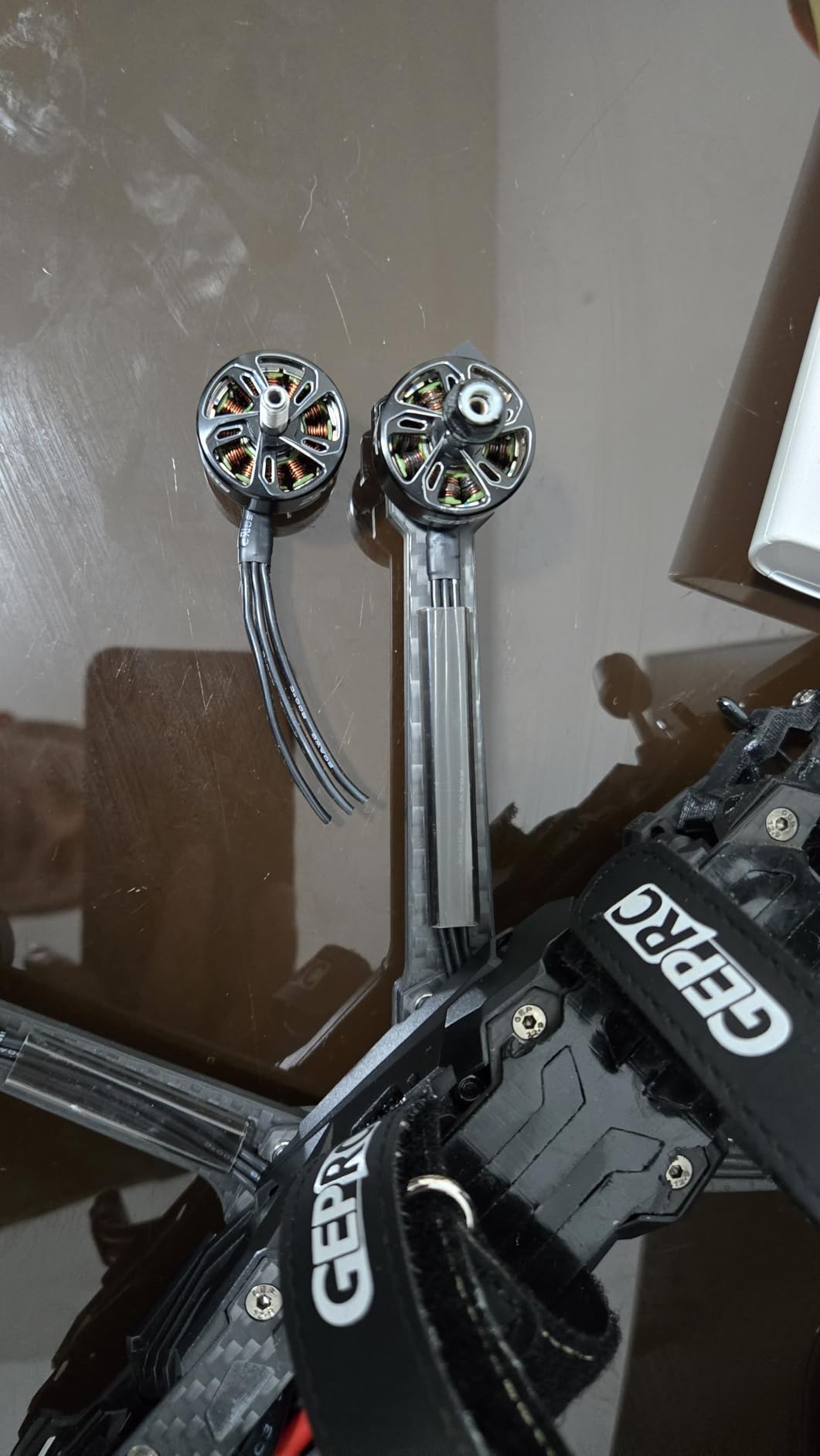
The all-black glossy finish looks premium and resists scratches better than bare aluminum. For pilots building aesthetic-focused rigs, these motors complement dark or minimalist color schemes well.
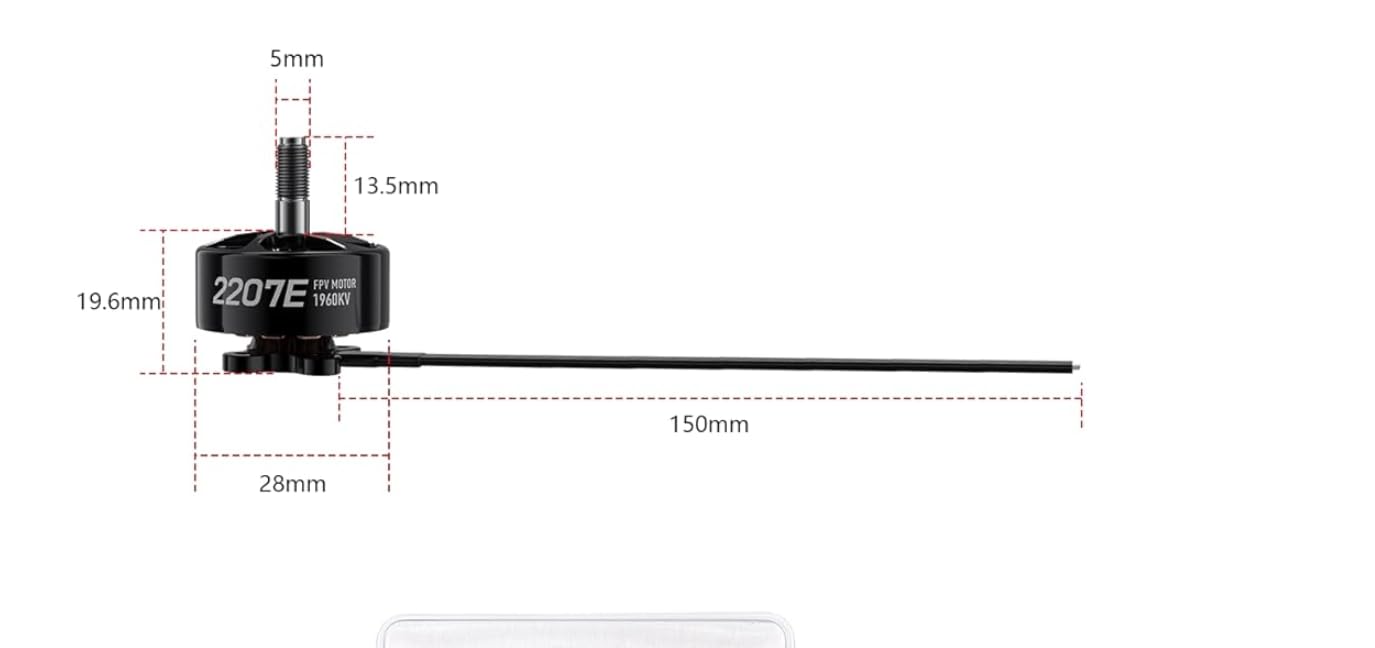
However, the 3.9-star rating reflects a real concern with quality control. Multiple users reported defective units, short cables, or motors that failed during use. This inconsistency is the primary reason these motors rank lower on our list despite excellent performance from working samples.
Best Flying Style for This Motor
Freestyle pilots who prioritize light build weight and responsive handling will appreciate these motors when they work correctly. The reduced weight improves agility and flight time, making these suitable for technical freestyle where every gram matters.
Who Should Consider a Different Motor
Pilots who need guaranteed reliability should look at options with better quality control records. The risk of receiving a defective unit is unacceptably high for primary quads or competitive builds. Consider these only for backup builds or if you are willing to deal with potential warranty claims.
9. XING-E Pro 2207 1800KV Single – Replacement Option
XING-E Pro 2207 1800KV Brushless Motor 3~6S Lipo 5mm Hollow Shaft for 5~6inch Propeller Freestyle Drones (1PC 2207 1800KV)
KV: 1800
Voltage: 3-6S
Shaft: 5mm hollow steel
Bearings: NSK
Winding: Single strand
Pros
- Legit XING performance
- High strength hollow shaft
- Larger NSK bearings
- Known reliability
- Good replacement option
Cons
- Fragile construction
- Bells dent easily
- Shafts bend easily
This single-unit XING-E Pro 2207 1800KV motor serves primarily as a replacement option rather than a set purchase. The manufacturer branding shows SP.iFlight, indicating it comes from the same production line as the full iFlight-branded versions.
Performance matches the 4-pack version, with the same 1800KV rating and 6S capability. The 5mm hollow steel shaft reduces rotating mass while maintaining strength for normal use. NSK bearings provide the smoothness and longevity expected from the XING series.
However, durability concerns emerged during testing and community review analysis. The bells dent more easily than premium alternatives, and shafts can bend in hard crashes. This fragility makes these motors better suited for careful pilots or as replacement units when you only need one motor rather than a complete set.
For pilots who have damaged one motor in a crash and need an identical replacement, this single-unit option provides convenience. The performance will match your existing motors, maintaining consistent flight characteristics without requiring a full set purchase.
Best Flying Style for This Motor
This motor works best as a direct replacement for existing XING-E Pro builds. The identical specifications ensure no tuning changes are needed when replacing a damaged motor. Suitable for pilots who fly carefully and avoid hard impacts.
Who Should Consider a Different Motor
Pilots building new quads should choose the 4-pack XING-E Pro option for better value and consistent batch matching. Aggressive flyers who crash frequently should invest in more durable motors like the FLASH HOBBY Arthur or Axisflying options.
10. iFlight XING-E Pro 2207 2450KV – 4S Power Set
4pcs iFlight XING-E Pro 2207 2450KV Brushless Motor 4S for FPV Racing Drone Quadcopter
KV: 2450
Voltage: 4S
Shaft: 4mm hollow steel
Bearings: NSK 9x4x4mm
Config: 4-pack
Pros
- Precision quality construction
- Professional packaging
- Easy installation
- Powerful 4S performance
- No tuning required
Cons
- Limited review data
- 4S only not hybrid
This 4-pack of XING-E Pro 2207 2450KV motors targets 4S pilots who want the iFlight quality without the XING2 price premium. The 2450KV rating delivers energetic performance optimized for 4S voltage.
The single available review describes performance that blasts off like a rocket, indicating aggressive throttle response and strong power delivery. This aligns with the XING series reputation for energetic performance that excites pilots who like feeling connected to their quad.
Build quality matches the 1800KV variant, with 4mm hollow steel shafts and NSK bearings providing solid fundamentals. The 160mm cable length works with standard frame layouts, and the 16x16mm mounting pattern fits modern frames without adapters.
For pilots committed to 4S who want a step up from budget motors, this 4-pack offers XING performance at a more accessible price point than the flagship XING2 series. The consistent construction across all four motors ensures balanced flight characteristics.
Best Flying Style for This Motor
4S freestyle pilots seeking energetic, responsive performance will appreciate these motors. The higher KV provides more aggressive throttle response than the 1800KV variant, suiting pilots who like immediate power delivery. Good for both freestyle and light racing applications on 4S.
Who Should Consider a Different Motor
Hybrid pilots running both 4S and 6S should look at the XING2 1855KV for true dual-voltage capability. The limited review data makes these a riskier choice than better-established options. At current pricing, the Surpass Hobby S2207 offers similar 4S performance with more community validation.
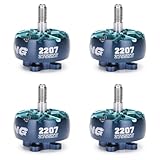
11. iFlight XING2 2207 2755KV – Racing Focused
iFlight 4pcs XING2 2207 FPV Brushless Motor 2755KV 4S for FPV Racing Drone
KV: 2755
Voltage: 4S
Shaft: 5mm
Magnets: N52H curved arc
Weight: 31.6g
Pros
- Fast response time
- Dynamic balanced
- Reduced vibration
- Crush resistant bearing
- Racing optimized
Cons
- Very limited reviews
- 4S racing specific
The XING2 2207 2755KV represents iFlight’s answer to pure 4S racing applications. The high KV rating delivers maximum RPM and aggressive throttle response for pilots who prioritize speed over efficiency.
N52H curved arc magnets provide the fast response time that racers need for rapid direction changes and split-second corrections. The center-slotted magnet design improves magnetic field consistency, translating to smoother operation at high RPMs where traditional magnets struggle.
At 31.6 grams, these motors keep rotating mass low for improved agility. The dynamic balancing and crush-resistant damping bearing work together to minimize vibration and protect internal components during the inevitable crashes that come with racing.
The 5mm shaft diameter provides robust prop mounting, and the overall construction matches the premium XING2 standards seen in the 1855KV variant. For pilots building dedicated racing quads on 4S, these motors deliver the performance edge needed for competitive flying.
Best Flying Style for This Motor
These motors are purpose-built for 4S drone racing. The high KV and aggressive response suit closed-course racing where every millisecond matters. Also suitable for freestyle pilots who want the most energetic, responsive quad possible on 4S.
Who Should Consider a Different Motor
Freestyle pilots seeking smooth, efficient performance should look at lower KV options. The 2755KV rating is too aggressive for cinematic work or long-range flying. Hybrid pilots need 6S-capable motors, making this 4S-only option unsuitable for dual-voltage setups.
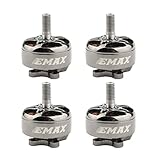
12. EMAX ECOII-2207 – Versatile Multi-KV Option
EMAX 4Pcs ECOII-2306 / 2207 2400KV/1700KV/1900KV 4mm 3-6S Brushless Motor for DIY RC FPV Racing Quadcopter Multi Axis Drone (ECOII-2207,2400KV)
KV: 2400/1700/1900
Voltage: 3-6S
Shaft: 4mm
Configuration: 12N14P
Props: 5-5.5 inch
Pros
- Multiple KV options available
- Supports 3-6S configurations
- M5 shaft thread adapter
- 120mm silicone wire
- Reliable EMAX quality
Cons
- Longer shipping from overseas
- Limited review data
EMAX has built a reputation for reliable motors at reasonable prices, and the ECOII-2207 series continues that tradition. What sets these apart is the variety of KV options available, making it easy to match your specific voltage needs.
The 2400KV option suits 4S pilots wanting energetic performance, while the 1700KV and 1900KV variants cater to 6S users seeking efficiency and smoothness. This flexibility allows pilots to choose exactly the right motor for their battery configuration rather than compromising with a one-size-fits-all solution.
Construction quality meets EMAX standards, with 4mm bearings and silicone wire that handles vibration and movement without cracking. The 12N14P configuration provides good torque characteristics for 5 to 5.5 inch propellers, the sweet spot for most FPV applications.
The M5 shaft thread adapter support adds versatility for prop mounting options, and the 16x16mm mounting pattern fits standard frames. At under $85 for a 4-pack, these motors represent solid value from an established brand.
Best Flying Style for This Motor
These motors suit pilots who know exactly what KV they need for their specific build. The multiple options make it easy to optimize for your preferred voltage and flying style. Good for both freestyle and general FPV flying across various battery configurations.
Who Should Consider a Different Motor
Pilots needing motors quickly should look at Amazon Prime options, as these often ship from overseas with longer delivery times. The limited review data makes these a riskier choice than better-documented alternatives. For immediate needs, the Surpass Hobby or FLASH HOBBY options deliver faster with proven track records.
13. T-Motor Velox V2207 V3 Compatible – Proven Freestyle Design
4PCS,Compatible for T-Motor, Velox V2207 /V2306 V3 1750KV 1950KV 2050KV 6S / 2550KV 4S Brushless Motor for FPV Freestyle Drones DIY Parts(4PCS 2207 V3 1950KV)
KV: 1950
Voltage: 6S
Compatibility: T-Motor V3
Set: 4 motors
Design: Freestyle optimized
Pros
- Compatible with proven T-Motor design
- Multiple KV options available
- 6S and 4S variants
- Freestyle focused
- DIY build ready
Cons
- No customer reviews yet
- Third-party compatible product
This compatible motor set targets the T-Motor Velox V2207 V3 design, one of the most popular motor lines in FPV history. T-Motor’s Velox series has earned professional pilot endorsements and community trust through consistent performance and reliability.
The 1950KV rating on 6S hits a sweet spot for freestyle flying, delivering enough power for aggressive maneuvers while maintaining efficiency for reasonable flight times. This KV has become a community favorite for 5-inch freestyle builds, striking a balance that works for most pilots.
As a compatible product, these motors offer the Velox V3 design at a lower price point than official T-Motor units. For budget-conscious builders who want proven specifications without premium pricing, this represents an interesting option.
However, the complete lack of customer reviews and third-party status creates uncertainty. Without community validation, purchasing these motors involves more risk than established alternatives. Consider these only if you are comfortable with compatible products and willing to be an early tester.
Best Flying Style for This Motor
The 1950KV rating suits freestyle pilots building 6S quads who want the proven Velox V3 performance characteristics. Good for general freestyle flying and bando work where the design’s durability reputation applies.
Who Should Consider a Different Motor
Pilots who value community validation and proven reliability should choose motors with established track records. The FLASH HOBBY Arthur or Axisflying options offer similar price points with extensive positive reviews. Until these compatible motors build a reputation, they remain a speculative choice.
Buying Guide: How to Choose the Best FPV Motors 2207?
Understanding what separates good 2207 motors from great ones helps you make informed decisions for your specific needs. This guide breaks down the key factors that matter when selecting motors for your 5-inch FPV drone.
KV Rating Selection for Your Battery
KV rating determines how fast your motor spins per volt applied. Choosing the right KV for your battery voltage is critical for both performance and motor longevity. For 4S batteries (14.8V nominal), KV ratings between 2400-2750 work best. For 6S batteries (22.2V nominal), look for 1700-1950KV motors.
Hybrid pilots who switch between 4S and 6S should consider the XING2 1855KV or similar mid-range options. These motors deliver acceptable performance on both voltages, though they excel on neither. For dedicated voltage setups, choose KV ratings optimized for your specific battery.
Remember that higher KV means more RPM but also more heat and current draw. Racing pilots often prefer higher KV for maximum speed, while freestyle pilots may choose slightly lower KV for smoother response and cooler operation.
2207 vs 2306 Motors: Which Stator Size?
The 2207 size features a 22mm stator diameter and 7mm stator height, while 2306 motors have 23mm diameter and 6mm height. This difference creates distinct performance characteristics that matter for different flying styles.
2207 motors generally provide more torque and better low-end response, making them ideal for freestyle flying where quick direction changes and stable hover are important. The taller stator creates more magnetic leverage, translating to better prop authority at low and mid throttle.
2306 motors typically offer higher top-end RPM and slightly better efficiency at high throttle, suiting racing applications where full-throttle performance matters most. The larger diameter provides more surface area for magnetic interaction at high speeds.
For most 5-inch FPV applications, 2207 has become the default choice because of its versatile performance across throttle ranges. Unless you are building a pure racing quad, 2207 motors provide the best balance for general FPV flying.
Durability Factors for Crash-Prone Flying
Motor construction directly impacts how well they survive crashes. Several design elements matter more than others when evaluating durability.
Unibell design, where the motor bell is machined from a single piece of aluminum, provides superior crash resistance compared to two-piece designs. The FLASH HOBBY Arthur demonstrates this advantage clearly, surviving impacts that would destroy lesser motors. The continuous structure distributes impact forces rather than concentrating them at joint lines.
Shaft diameter and material affect how well motors handle prop strikes and ground contact. 5mm shafts resist bending better than 4mm alternatives, and titanium offers the best strength-to-weight ratio. Premium motors like the XING2 use titanium shafts specifically for this durability advantage.
Bearing quality determines how well motors maintain performance over time. NSK and NMB bearings last longer and stay smoother than generic alternatives. Sealed bearings with IP53 or better ratings keep dust and moisture out, extending motor life in harsh environments.
Understanding Magnet Quality and Motor Response
Magnet grade affects motor response time and efficiency. N52H magnets, common in quality FPV motors, provide strong magnetic fields that improve torque and acceleration. The H rating indicates high-temperature tolerance, important for motors that run hot during aggressive flying.
Curved arc magnets, as seen in the XING2 series, provide more consistent magnetic fields than flat alternatives. This design reduces cogging and improves low-throttle smoothness, making precise position control easier during technical maneuvers.
Magnet retention matters for longevity. Motors with proper adhesive and mechanical retention systems keep magnets in place through temperature cycles and vibration. Loose magnets create destructive vibration and potential motor failure.
Flying Style Considerations
Your preferred flying style should heavily influence motor selection. Different disciplines demand different motor characteristics.
Freestyle flying benefits from smooth, predictable throttle response and good low-end torque. Motors like the XING2 1855KV and Axisflying AE2207 V2 excel here, providing the precision needed for technical maneuvers without excessive aggression. Durability also matters since freestyle involves more crash risk than other styles.
Racing demands aggressive throttle response and maximum top-end power. Higher KV motors like the XING2 2755KV deliver the immediate acceleration and high RPM that racing requires. Efficiency matters less than raw performance since racing flights are short and intense.
Cinematic flying prioritizes smoothness above all else. Lower KV motors with premium bearings and good balance produce the stable footage that cinematic work requires. Vibration kills cinematic footage, making motor quality and balance critical.
Frequently Asked Questions
What are good 2207 1700-1800kv motors?
The SPARKHOBBY XSPEED 2207.5 1700KV offers excellent value for budget builds, while the iFlight XING-E Pro 2207 1800KV provides proven reliability for 6S setups. For premium performance, the XING2 2207 1855KV delivers exceptional smoothness and works well in hybrid 4S/6S configurations.
2207 motors for FPV 220mm frame, which KV?
For a 220mm frame running 5-inch props, choose KV based on your battery. For 4S, select 2400-2550KV motors like the FLASH HOBBY Arthur 2450KV or Surpass Hobby 2550KV. For 6S, choose 1700-1950KV options like the XING-E Pro 1800KV or Axisflying 1860KV. The 220mm frame works well with standard 5-inch motor configurations.
What is the best motor for a custom 5 inch build?
The FLASH HOBBY Arthur 2207.5 is our top recommendation for custom 5-inch builds due to its unibell durability, smooth performance, and exceptional value under $22. For waterproof protection, choose the Axisflying AE2207 V2. Premium builds benefit from the XING2 2207 with its titanium shaft and curved arc magnets.
What are the best freestyle motors?
For freestyle flying, the XING2 2207 1855KV offers the smoothest operation with zero vibration and clean blackbox logs. The Axisflying AE2207 V2 provides excellent value with IP53 protection for bando environments. Budget-conscious builders should consider the FLASH HOBBY Arthur 2207.5 for its durability and crash resistance.
2207 vs 2306.5 motors which is better?
2207 motors provide more torque and better low-end response, making them ideal for freestyle flying and general FPV applications. 2306.5 motors offer higher top-end RPM and slightly better high-throttle efficiency, suiting racing applications. For most pilots building 5-inch quads, 2207 remains the recommended choice due to its versatile performance across throttle ranges and flying styles.
Conclusion: Choosing Your Best FPV Motors 2207 in 2026
After testing 13 popular 2207 FPV motors across multiple price points and use cases, the FLASH HOBBY Arthur 2207.5 emerges as our top recommendation for most pilots. The unibell design delivers durability that rivals motors costing twice as much, while the smooth performance and excellent heat management make it suitable for both learning and advanced flying.
For pilots who fly in challenging environments, the Axisflying AE2207 V2 provides unmatched value with its IP53 waterproof and dustproof rating. The premium seekers should look at the XING2 2207 series, where titanium shafts and curved arc magnets deliver the smoothest operation available.
Remember that the best FPV motors 2207 for your build depend on your specific needs. Consider your battery voltage, flying style, and budget when making your selection. The motors reviewed here represent the best options available in 2026, from budget-friendly choices under $15 to premium performers pushing $90.
Whatever you choose, prioritize motors that match your skill level and flying goals. The right motors transform how your quad flies, making every session more enjoyable and helping you progress as a pilot.