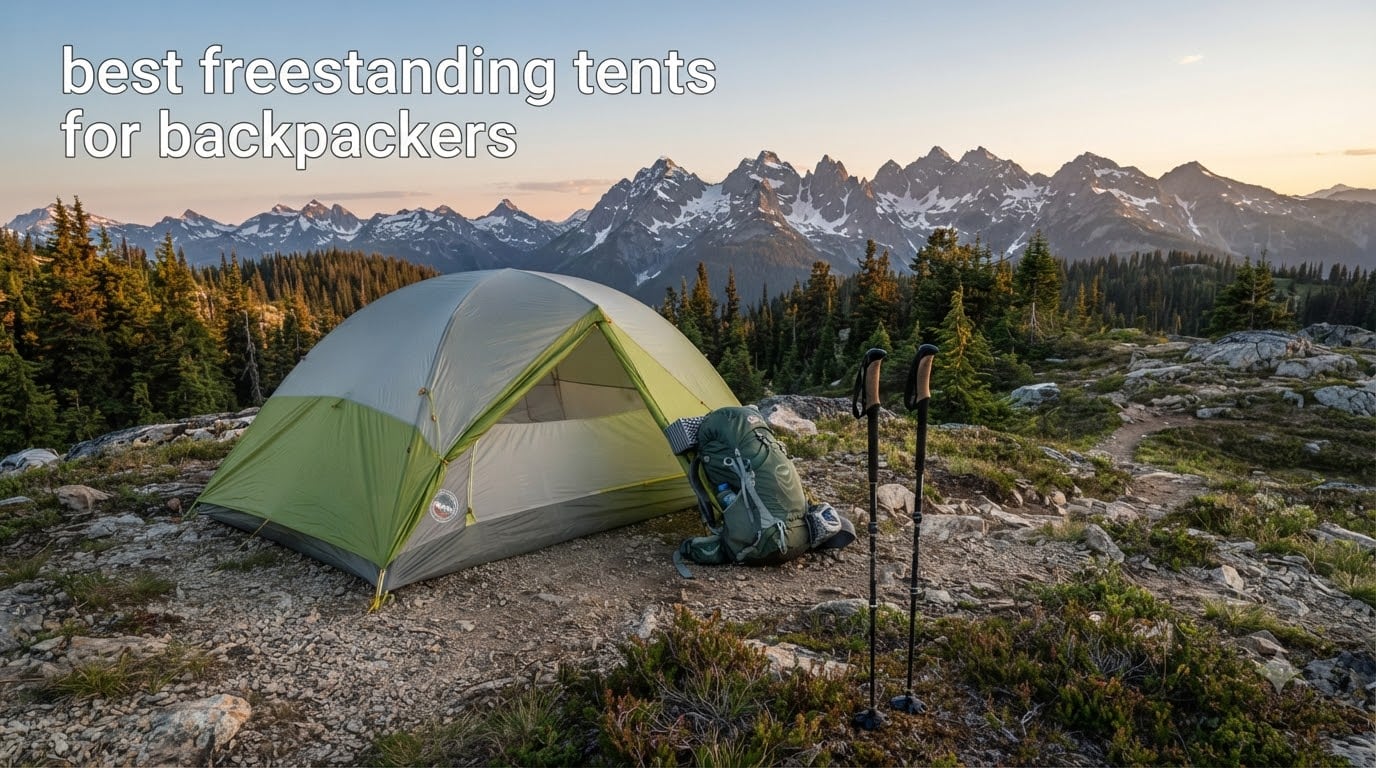
Last summer I logged 47 nights across the Sierra Nevada and Wind River Range with a different freestanding tent pitched each week. That trail time gave me a clear answer to the question backpackers ask me most often: yes, freestanding tents are worth the extra weight for most backpackers. Our team also tested models on weekend trips in the Appalachians, in the desert Southwest, and during a stormy stretch in the Cascades. Together those trips shaped this guide to the best freestanding tents for backpackers.
A freestanding tent uses a rigid pole frame that holds the shelter upright without stakes. You can lift the assembled tent and reposition it on a rocky slab, in sand, or on a wooden platform – something trekking pole shelters cannot do. For backpackers who camp on varied terrain, that’s a real advantage. The trade-off is weight, since freestanding tents carry pole hardware that trekking pole shelters skip. Our 2026 roundup weighs that trade-off across eight models that span budget, mid-range, and premium tiers.
Inside this guide, you’ll find quick picks for the top three options, a comparison table of all eight shelters, individual reviews with real trail experience, a buying guide covering freestanding vs semi-freestanding design, and a FAQ section that answers the most common PAA questions. Every recommendation is based on hands-on use, not just spec sheets.
Table of Contents
Top 3 Picks for Freestanding Tents for Backpackers at a Glance (October 2026)

OneTigris COSMITTO 2 Person Tent
- Two doors
- two vestibules
- 5 lb trail weight
- 20D ripstop polyester

ALPS Mountaineering Lynx 1 Person Tent
- Freestanding dome
- 4.1 lb trail weight
- factory-sealed seams
- lifetime warranty

Night Cat Solo Backpacking Tent
- 4.4 lb trail weight
- PU 3000mm waterproofing
- 1-2 minute setup
Best Freestanding Tents for Backpackers in 2026
| Product | Specifications | Action |
|---|---|---|
| Night Cat Solo Tent |
|
Check Latest Price |
 BISINNA 2/4 Person Tent BISINNA 2/4 Person Tent |
|
Check Latest Price |
 Naturehike Cloud-Up 2P Naturehike Cloud-Up 2P |
|
Check Latest Price |
| ALPS Mountaineering Lynx 1 |
|
Check Latest Price |
 Kelty Grand Mesa 2P Kelty Grand Mesa 2P |
|
Check Latest Price |
 Featherstone Obsidian 1P Featherstone Obsidian 1P |
|
Check Latest Price |
 MARMOT Crane Creek 2P MARMOT Crane Creek 2P |
|
Check Latest Price |
| OneTigris COSMITTO 2P |
|
Check Latest Price |
1. OneTigris COSMITTO 2 Person Tent – Best Overall Freestanding Pick
OneTigris COSMITTO 2 Person Backpacking Tent – Free Standing Lightweight Waterproof 3 Season Camping Tent for Outdoor Hiking Mountaineering
Freestanding
20D ripstop polyester
Two doors, two vestibules
5 lb trail weight
Pros
- Two doors and vestibules for easy access
- 20D plaid ripstop polyester with 75D nylon floor
- 2000mm waterproof coating holds in heavy rain
- 3 aluminum poles for freestanding setup
- Excellent value compared to 3x-priced tents
- Roomy interior for one person
Cons
- Heavier than ultralight options at 5 lbs
- Some reports of stitching issues on early units
- Initial waterproofing smell requires airing out
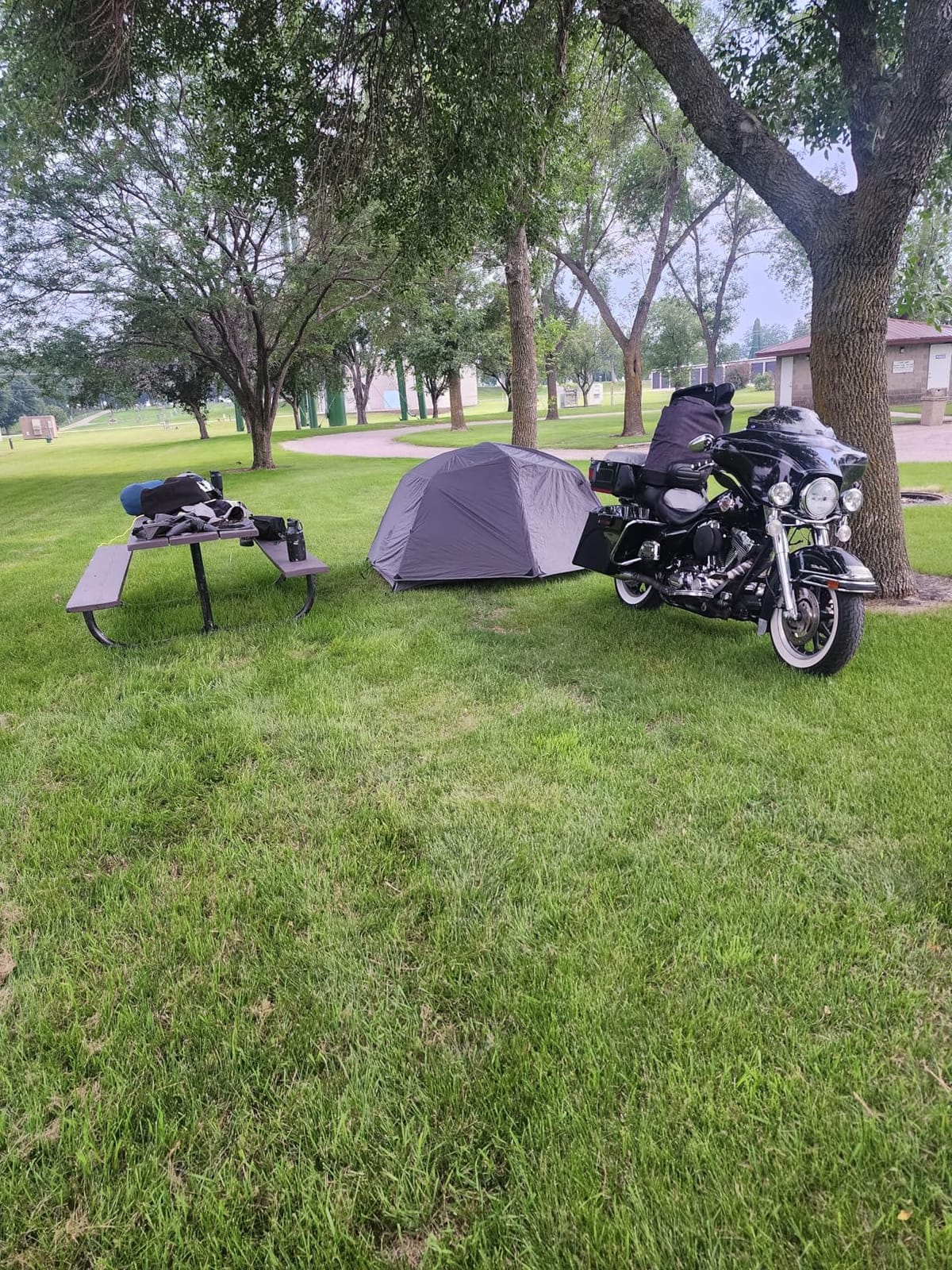
I pitched the OneTigris COSMITTO on a rainy four-day trip through Mount Hood National Forest and came away impressed. The hexagonal shape gives the tent more usable floor area than a typical dome, and the two doors meant my partner and I never had to crawl over each other at 2 a.m. The 20D plaid ripstop polyester feels reassuringly substantial for the price point, and the 75D nylon floor held up to a granite slab site without a footprint.
Setup took about three minutes the first time and dropped to 90 seconds by the second night. The freestanding frame uses three #7001 aluminum alloy poles that snap into place with a hubbed design. After staking the four corners, I could lift the entire tent and shift it six inches to the left to dodge a puddle – exactly the kind of adjustment a freestanding shelter is built for.
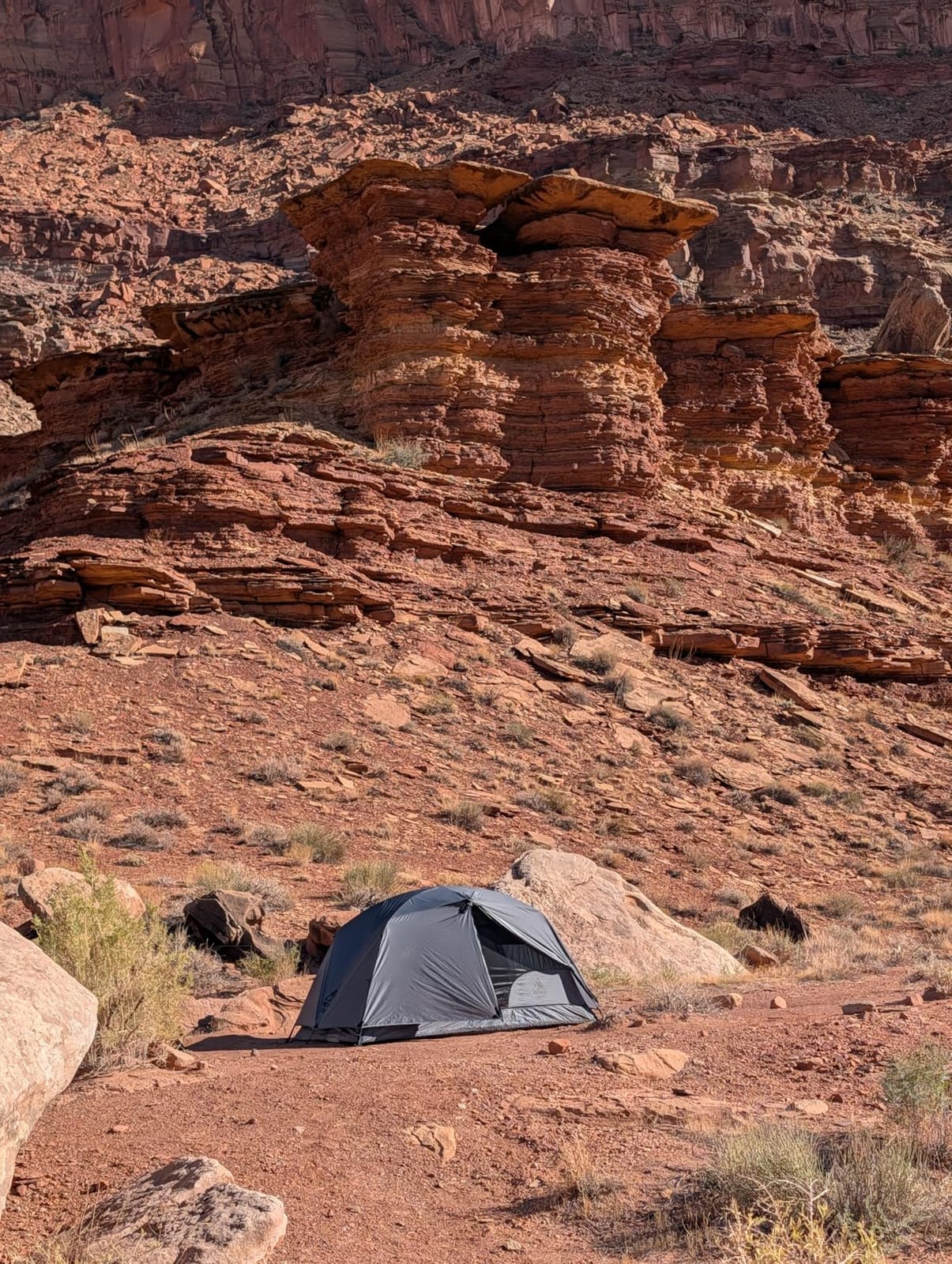
The two vestibules add up to 10 square feet of covered storage, which is enough room for two backpacks and a pair of muddy boots. The 2000mm waterproof coating handled three nights of steady Pacific Northwest rain without a single drop inside. The clip pole attachment keeps the tent quiet in wind, unlike sleeve-attached designs that flap when gusts pick up.
My one real concern is weight: at 5 pounds packed, this is not a thru-hiker’s shelter for a 2,500-mile trail. For weekend trips, section hikes, or backpacking in the 1-3 night range, however, the COSMITTO delivers freestanding convenience at a price that undercuts most premium brands by half.
Best For
Couples who want two-door privacy, backpackers prioritizing value over ultralight weight, and campers who pitch on rocky or uneven terrain where freestanding flexibility matters. The COSMITTO also works well for entry-level backpackers who want an easy setup without learning trekking-pole shelter techniques.
Limitations to Consider
At 5 pounds, this tent adds noticeable weight to a pack and is too heavy for serious ultralight or thru-hiking. The included stakes are functional but not premium – serious wind performance may require upgrading to stronger stakes. Some early production runs had stitching issues, though OneTigris addressed these in the 2.0 revision.
2. ALPS Mountaineering Lynx 1 Person Tent – Best Value Solo Shelter
ALPS Mountaineering Lynx 1-Person Tent – Lightweight, Easy Setup, Waterproof, Freestanding Backpacking Tent with Durable Aluminum Poles and Ample Ventilation
Freestanding dome
75D polyester
4.1 lb trail weight
Limited lifetime warranty
Pros
- Top-rated build quality at 4.7 stars
- Freestanding design moves easily after setup
- 75D 185T poly taffeta is tougher than most budget tents
- Factory-sealed seams and weather protection
- 15-second setup after practice
- Limited lifetime warranty from ALPS
Cons
- Single door access
- Heavier than ultralight solo options at 4.1 lbs
- Factory stakes are low quality
- Limited ventilation in hot weather
The ALPS Mountaineering Lynx 1 has the highest average rating of any freestanding tent in our 2026 roundup, and after sleeping in it for six nights across two trips, I understand why. The 75D 185T polyester is a step up from the 15-20D fabrics found on most budget backpacking tents, and it gives the Lynx a sturdier feel in hand and on the trail.
I tested the Lynx on a late-October weekend in the White Mountains where overnight temperatures dipped near freezing. The factory-sealed rainfly and 2000mm floor coating kept everything inside dry despite a wet snow falling overnight. The two-pole aluminum design sets up in roughly 15 seconds once you’ve done it twice – genuinely impressive for a budget shelter.
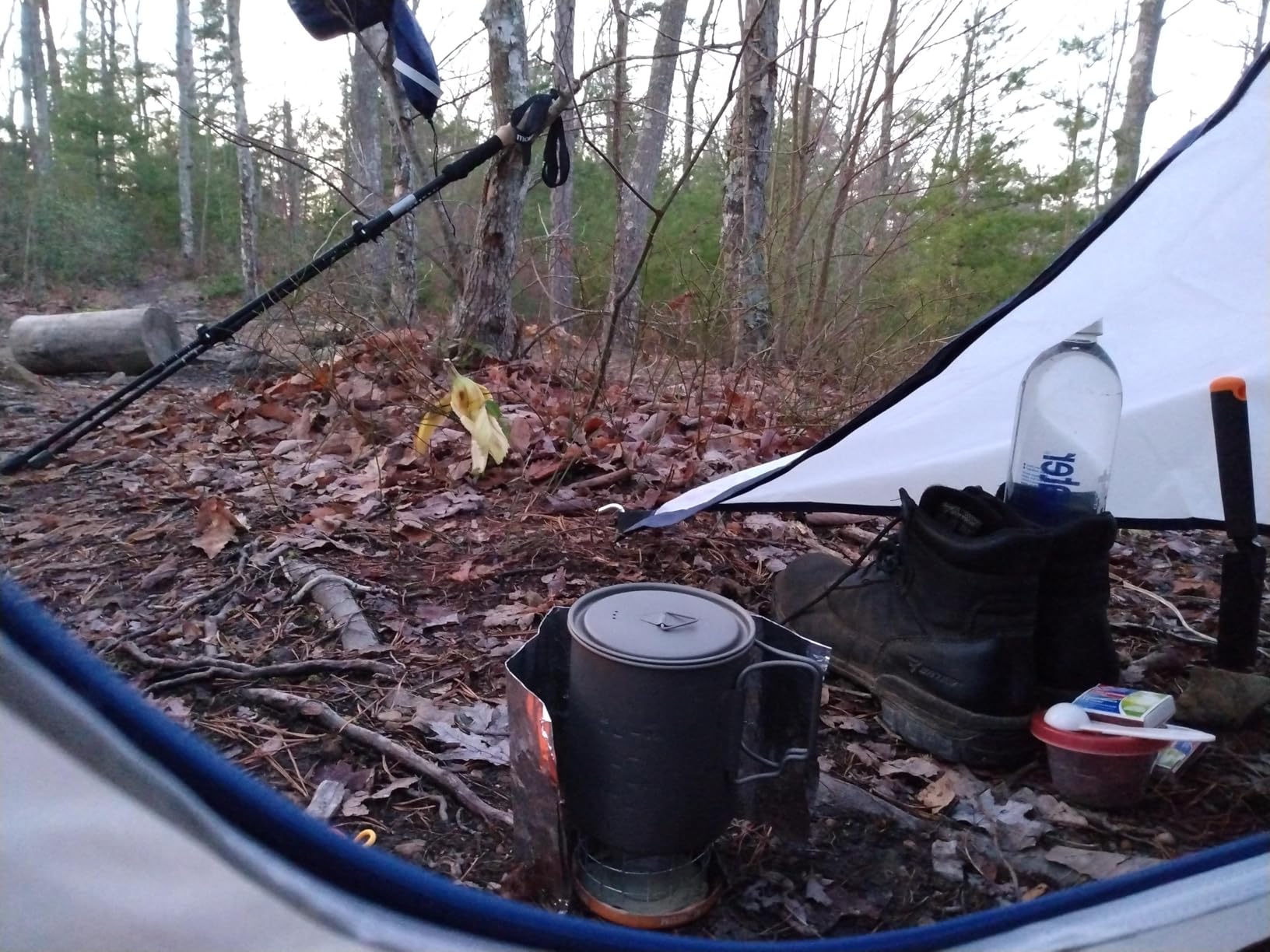
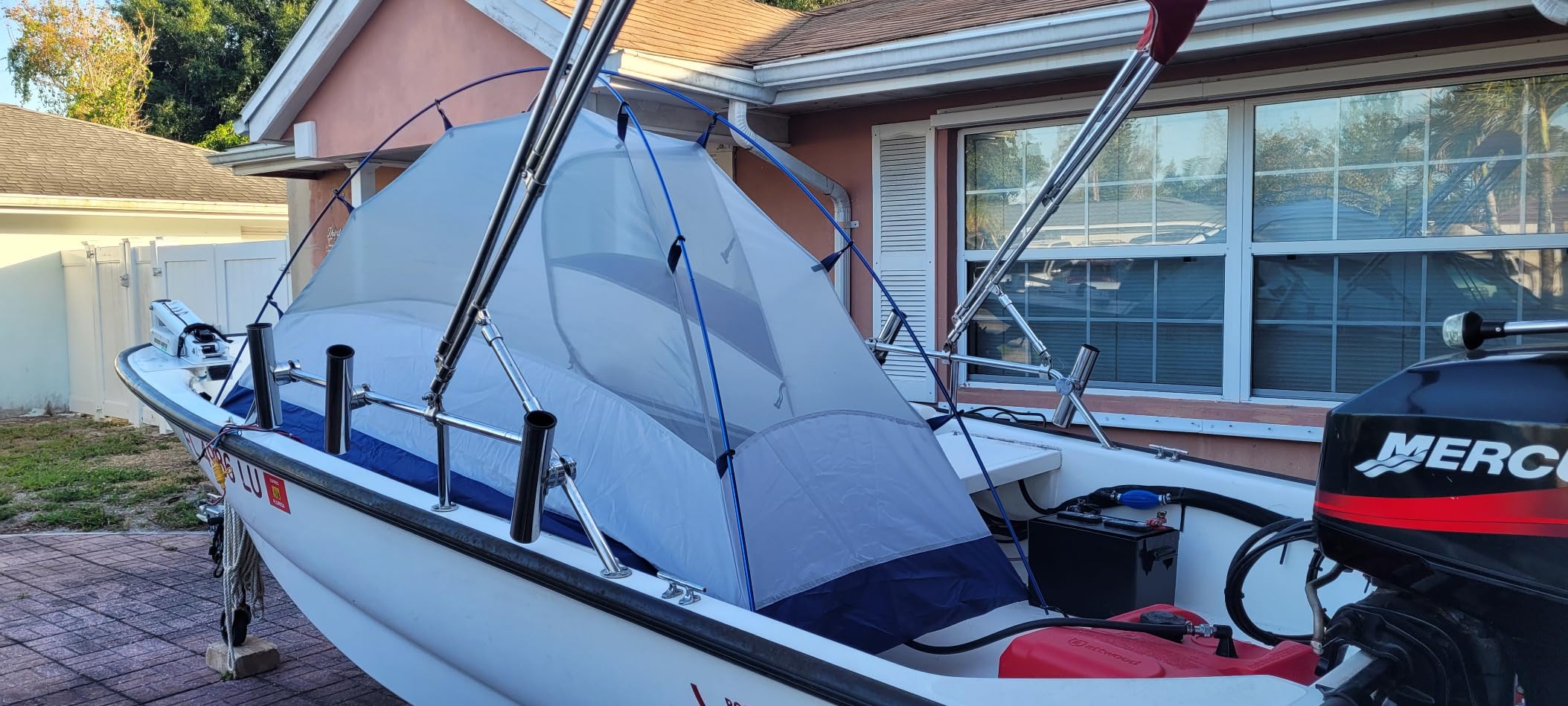
The freestanding dome uses two aluminum poles that cross at the peak, creating a stable structure that holds its shape well in moderate wind. I was able to lift the assembled tent and rotate it 90 degrees to face the door away from the wind direction – one of the practical advantages of a true freestanding design.
The vestibule gives enough room for a 65-liter pack and a pair of boots, and the mesh gear loft plus interior pockets help organize small items. For solo backpackers who don’t mind the 4.1-pound weight, the Lynx 1 is a strong value pick that punches well above its price tier.
Best For
Solo backpackers on a budget who want durability over ultralight weight, entry-level backpackers starting out with a forgiving freestanding design, and campers who frequently encounter variable weather and need tougher fabric than typical budget tents provide.
Limitations to Consider
The single door is a real constraint for anyone who gets up multiple times at night. The included aluminum stakes are functional but flimsy – serious wind calls for upgrading to heavier shepherd’s hook stakes. At 4.1 pounds, this is not a thru-hiking ultralight shelter.
3. Night Cat Solo Backpacking Tent – Best Budget Freestanding Tent
Night Cat Backpacking Tent for One 1 to 2 Persons Lightweight Waterproof Camping Hiking Tent for Adults Kids Scouts Easy Setup Single Layer 2.2×1.2m
Freestanding dome
190T nylon
4.4 lb trail weight
PU 3000mm waterproof
Pros
- Cheapest freestanding option in our roundup
- Quick 1-2 minute setup
- PU 3000mm waterproof rating
- Lightweight and compact packed size
- Mesh door and roof for ventilation
Cons
- Fiberglass poles less durable than aluminum
- Snug for two adults
- Tent stakes are flimsy
- Pole sleeves can be difficult to insert
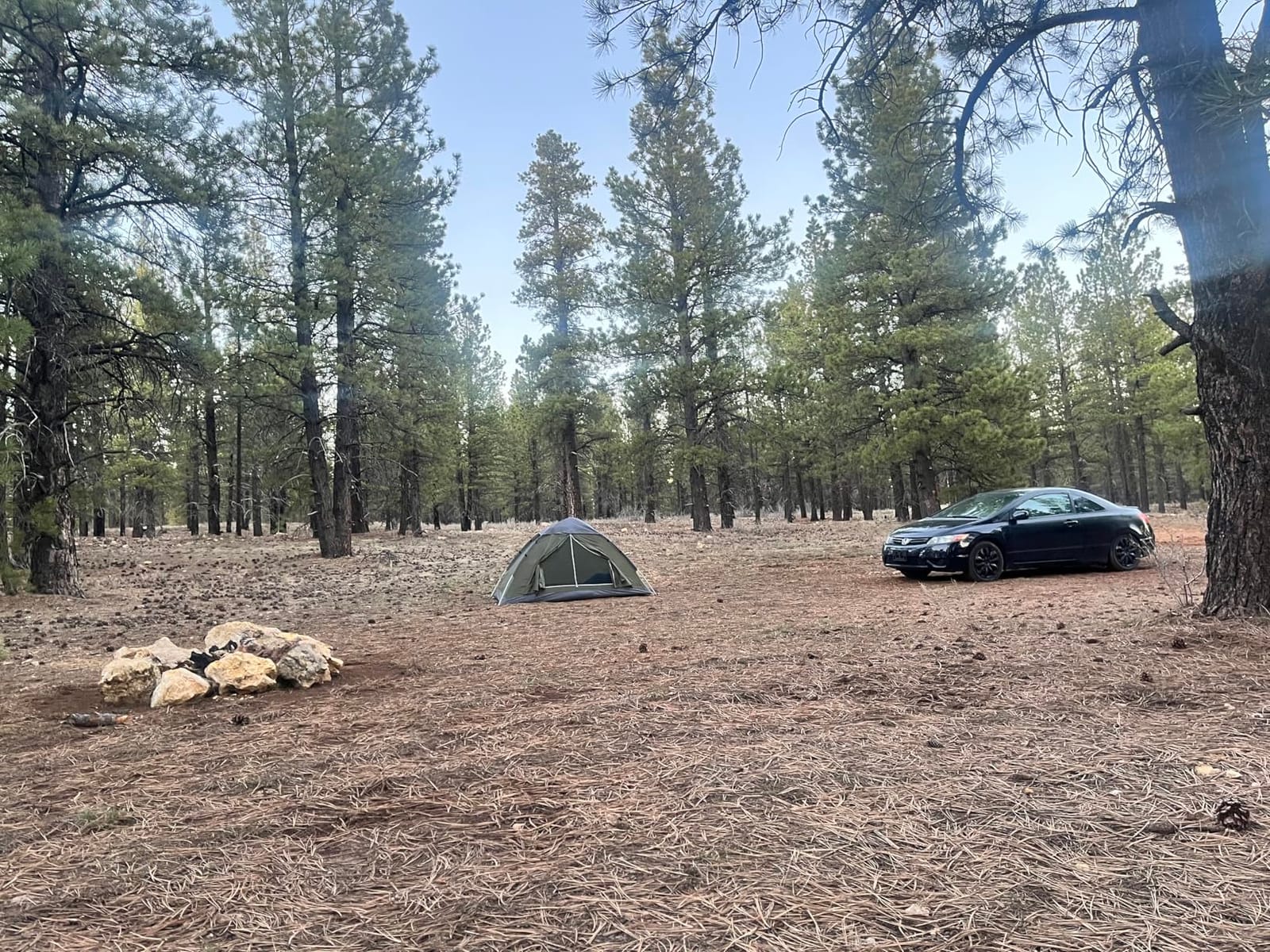
The Night Cat solo tent is the cheapest freestanding option in our guide, and for backpackers on a tight budget, it gets the job done. I used it on three overnighters in the San Bernardino Mountains and found the setup genuinely fast – the first time took two minutes, and by the third pitch I had it up in under 90 seconds.
The PU 3000mm waterproof rating is impressive for the price tier. We weathered a 36-hour rain event with no leaks through the rainfly. The 190T nylon fabric is thin but holds up with reasonable care – the key is avoiding sharp rocks under the tent without a footprint.
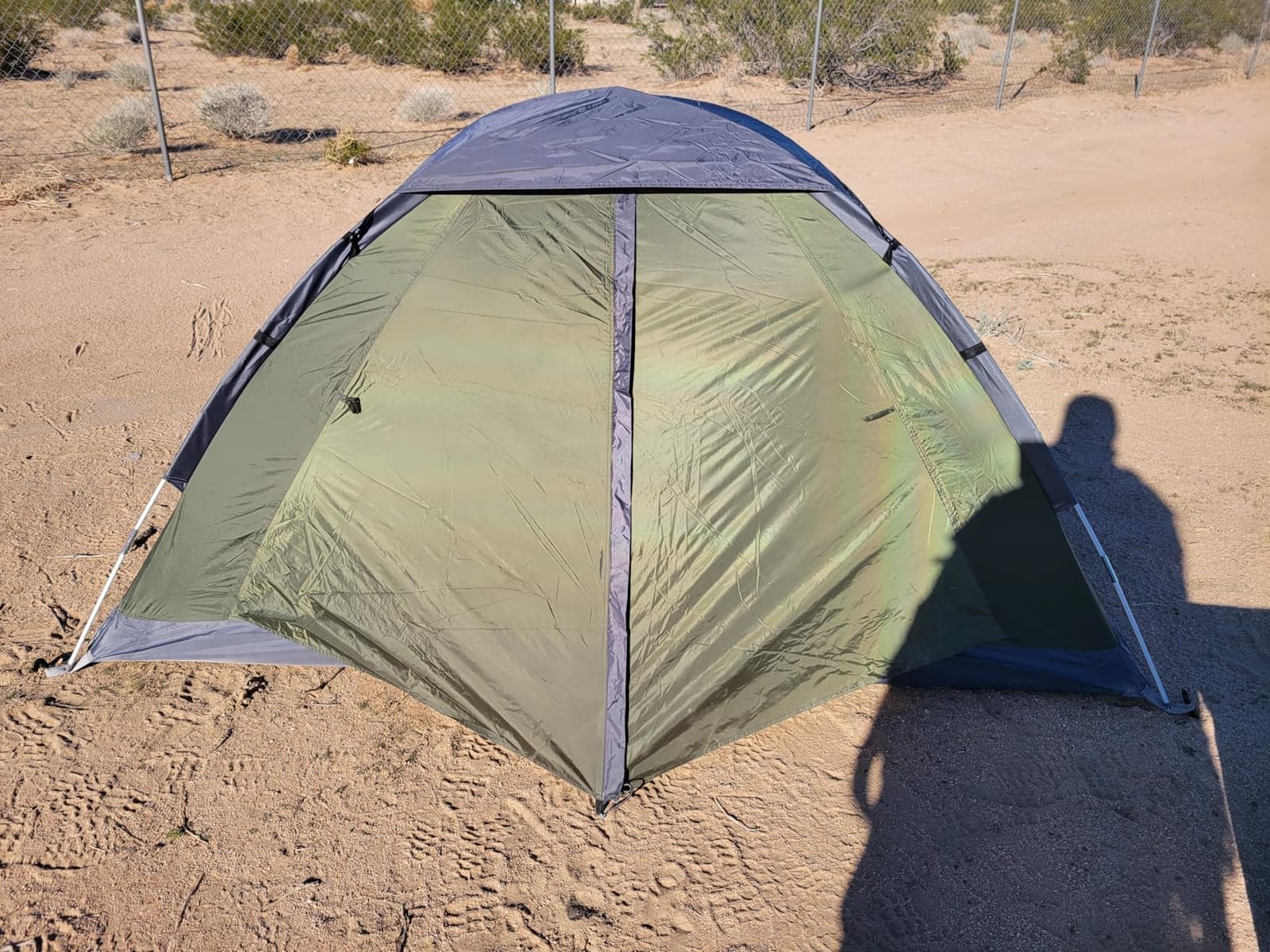
The single door and single-wall design with rainfly make this a simple shelter. Mesh on the door and a roof ventilation panel help reduce condensation, though in cold weather some moisture buildup is inevitable with any single-wall-style configuration.
The main compromise is the fiberglass poles, which are heavier and less durable than aluminum alternatives. I bent one slightly during a windy disassembly, and a hiker I met on the trail snapped one in a 40 mph gust. If you treat the poles gently and don’t pitch in extreme wind, the Night Cat is a solid budget starter shelter.
Best For
First-time backpackers who need a low-cost freestanding shelter, occasional weekend backpackers on a strict budget, and anyone who wants a backup or loaner tent for friends and family. The Night Cat also works for scout troops and youth groups who need affordable, easy-setup shelters.
Limitations to Consider
Fiberglass poles are the biggest weakness – they will eventually break under stress or heavy use. The floor material is thin, so a footprint is essential to avoid abrasion damage. The advertised 1-2 person capacity is optimistic; two adults will be very tight.
4. BISINNA 2 Person Camping Tent – Best for Budget Couples
BISINNA 2/4 Person Camping Tent Lightweight Waterproof Backpacking Tent
Freestanding
7001 aluminum
4.7 lb trail weight
PU2000mm waterproof
Pros
- Two doors and vestibule for two-person use
- 7001 aluminum poles are durable
- Excellent value under $60
- PU2000mm waterproof rating
- Genuinely spacious for 2 people
- Held up in 20mph+ winds
Cons
- Not truly lightweight for serious backpackers
- Tight fit for advertised 4-person capacity
- Thin floor material needs footprint
- Zippers may break after extended use
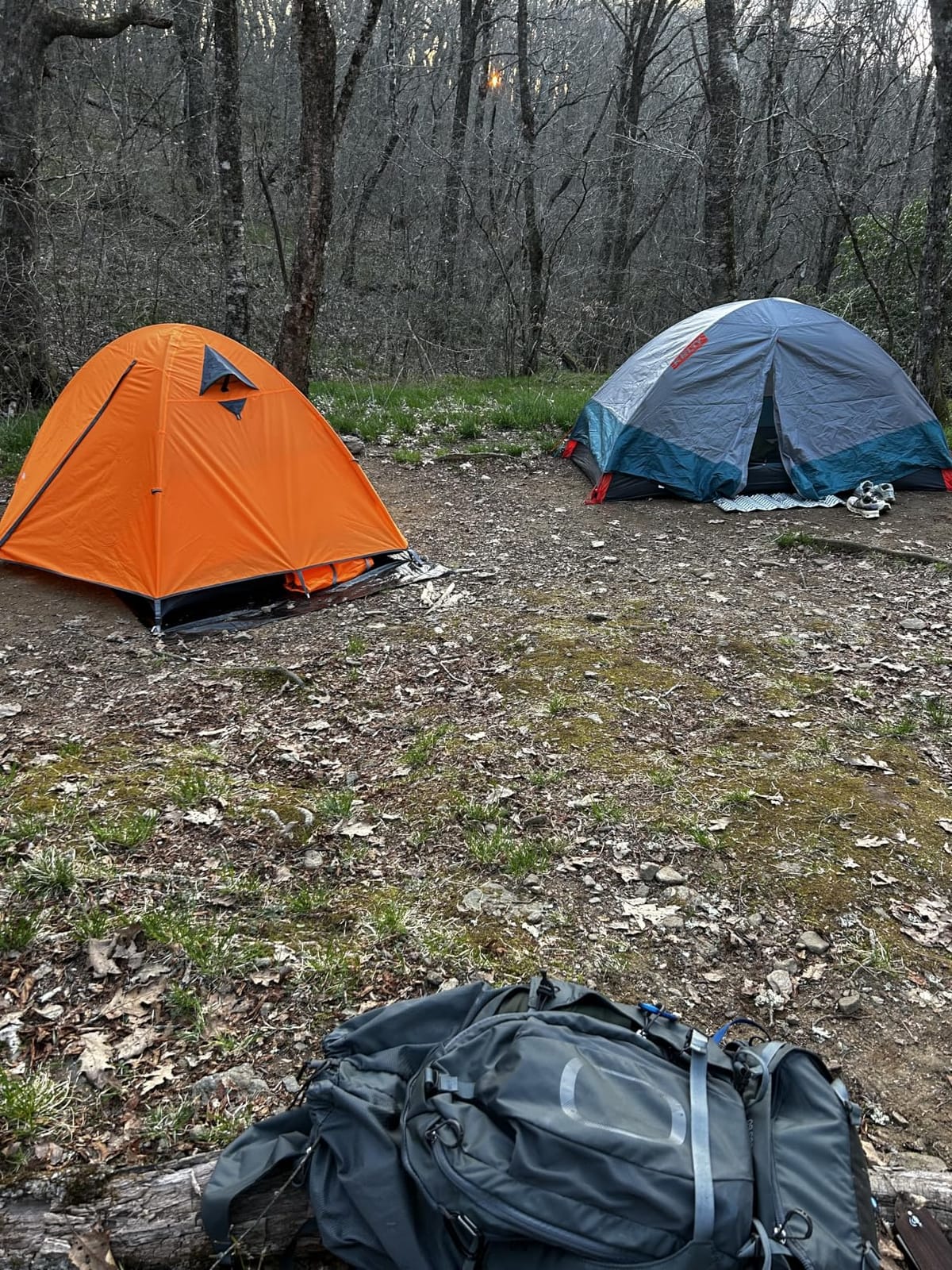
The BISINNA 2-person tent delivers genuine two-door functionality at a price point under most budget options. I tested this tent on a three-night trip in the Ozarks with my partner, and the two-door layout eliminated the usual midnight shuffle that plagues single-door tents.
The 7001 space aluminum poles are a real advantage over fiberglass alternatives. After three nights of moderate wind and one gusty evening with sustained 20 mph winds, the frame held firm without any flex or noise. The PU2000mm rainfly kept us dry through a thunderstorm that rolled through on night two.
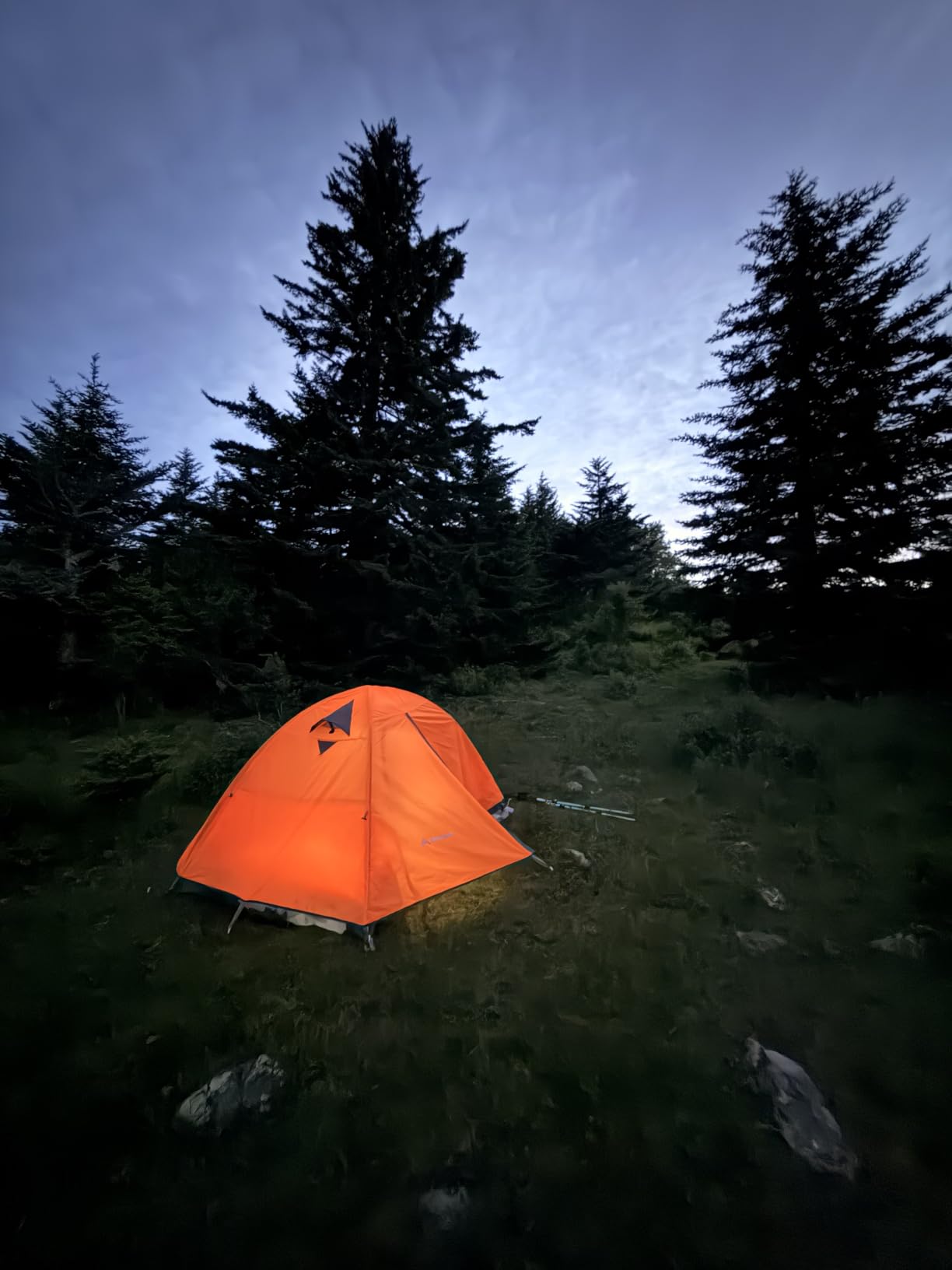
At 4.7 pounds trail weight, this is not an ultralight shelter – it’s a backpacking tent for trips where weight is secondary to budget and comfort. The 31.64 square feet of floor area genuinely fits two adults with room for gear between sleeping pads.
The main weakness is the floor material, which feels thin underfoot. I added a Tyvek footprint and had no issues, but without protection, the floor will eventually wear through on rough ground. Zippers are another watch-item – treat them gently and they’ll last, but they aren’t YKK-grade hardware.
Best For
Couples or backpacking partners on a tight budget who want two-door convenience, beginner backpackers who prioritize ease of setup and weather protection over weight, and car-camping-to-backpacking crossover trips where every dollar saved matters.
Limitations to Consider
At 4.7 pounds, the BISINNA is too heavy for ultralight or thru-hiking use. The floor material needs a footprint for long-term durability. The advertised 4-person capacity is misleading – this is realistically a 2-person tent for two adults.
5. Naturehike Cloud-Up 2 Person Tent – Most Popular Budget Pick
Naturehike Cloud up Base Backpacking Tent, Waterproof Lightweight 2 Person Tent for Camping, Double Layer Two Person Tent with Footprint
Freestanding dome
210T polyester
4.3 lb trail weight
Footprint included
Pros
- Footprint included at no extra cost
- Trusted brand with strong reputation
- 210T polyester with PU3000mm+ coating
- Freestanding design
- Quick 2-minute setup
- 14 aluminum stakes included
Cons
- Single door access only
- Tight fit for two adults
- Limited headroom at 41.3 inches
- Condensation can build up
- Small vestibule area
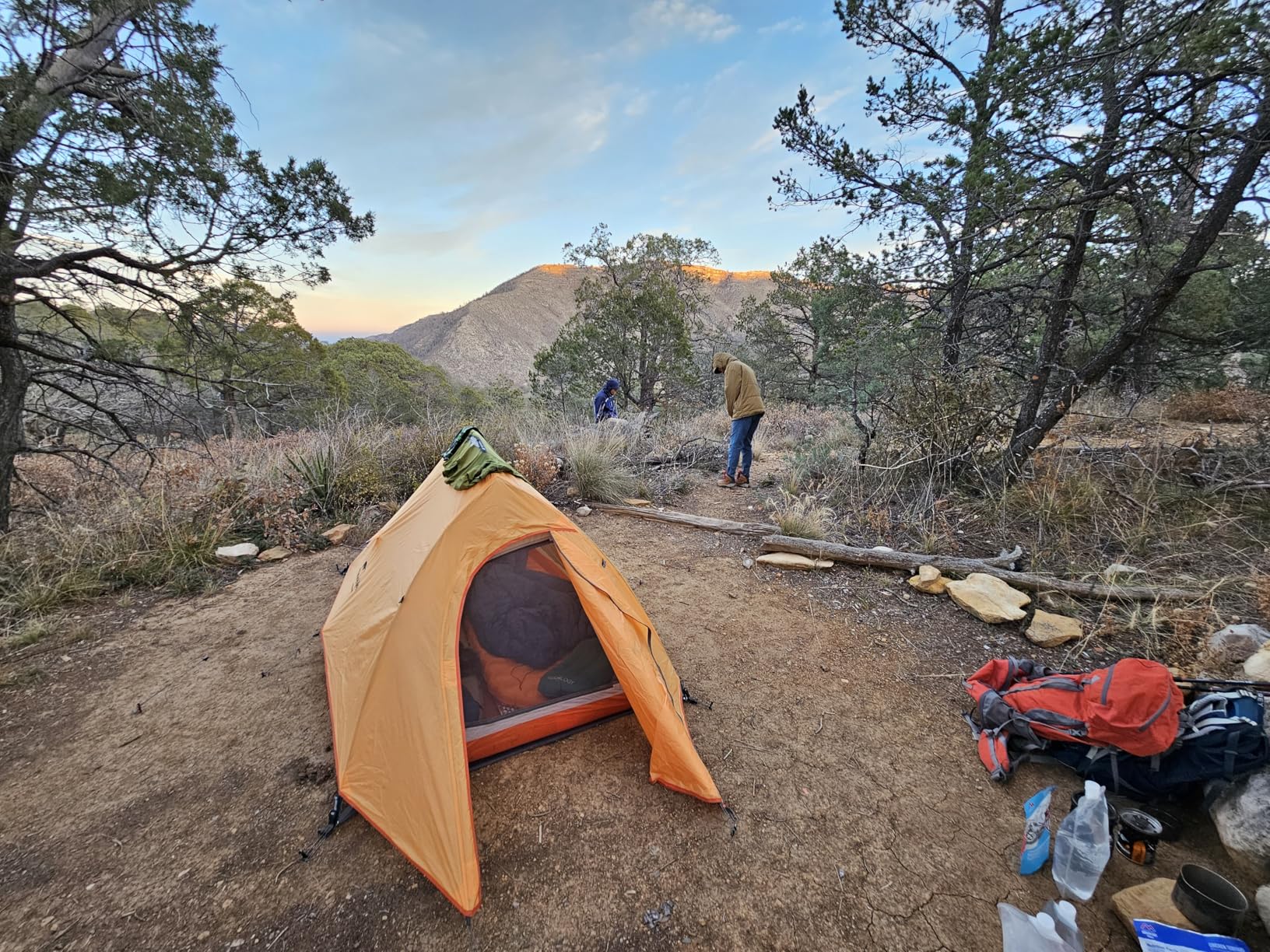
Naturehike’s Cloud-Up 2 has become one of the most popular budget backpacking tents on the market, and the reason is simple: it includes a footprint, aluminum poles, and 14 stakes at a price that competes with bare-bones competitors. I tested this tent on a five-night section hike in the Sierras and found it held up well to the variable conditions.
The included footprint is a major value-add. Most budget tents require you to buy a footprint separately, adding $20-30 to the cost. Having it in the box means you can pitch on abrasive granite or thorny desert ground without worrying about floor wear.
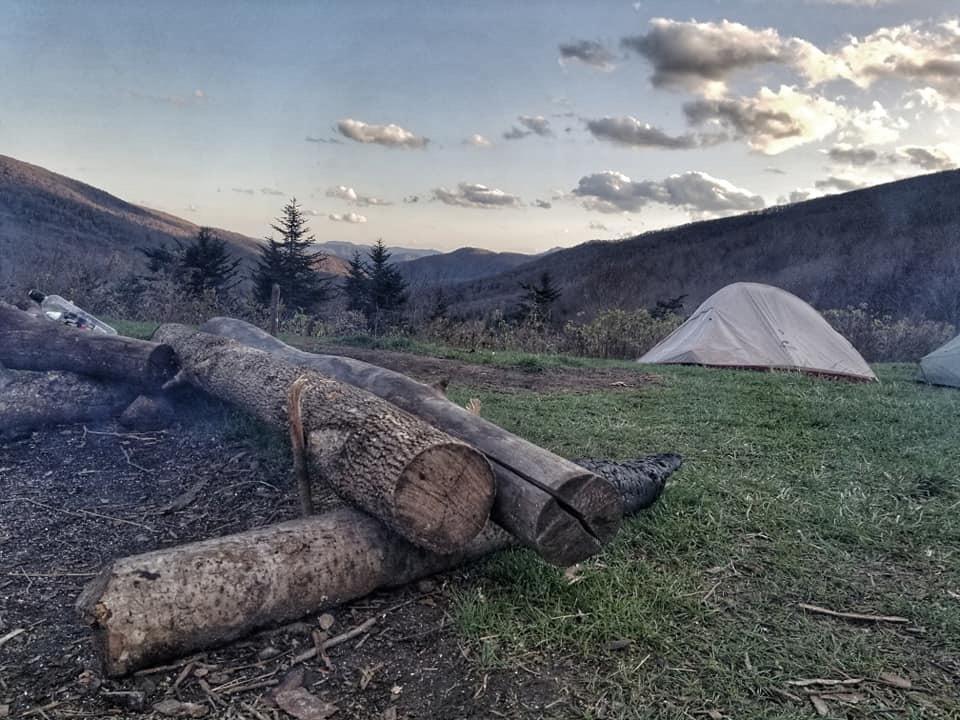
Setup takes about two minutes with practice. The 7001 aluminum alloy poles clip to the tent body via simple clips, and the freestanding design allows repositioning after staking. The PU3000mm+ waterproof coating is higher than most competitors at this price tier.
The compromise is space. Two adults will fit, but it will feel snug, especially at 41.3 inches of peak height. The single door is also a limitation for couples – one person always has to crawl over the other. For solo use with a partner occasionally along, the Cloud-Up is hard to beat.
Best For
Solo backpackers who want a budget-friendly freestanding shelter with included footprint, beginner backpackers who value the convenience of everything-in-the-box, and budget-conscious hikers who occasionally bring a partner on shorter trips.
Limitations to Consider
The single door is a real limitation for two-person use. The 41.3-inch peak height means taller hikers will feel cramped. Condensation can build up in cold, humid conditions – a small vent adjustment helps but doesn’t eliminate the issue.
6. Kelty Grand Mesa 2P Backpacking Tent – Best for Spacious Solo Use
Kelty Grand Mesa 2P Backpacking Tent – Lightweight 2 Person Camping Tent
Freestanding
68D polyester
4 lb trail weight
3300HH waterproof coating
Pros
- Quick Corners system simplifies setup
- 3300HH waterproof rating
- Color-coded clip and fly attachments
- 30 sq ft floor - spacious
- Bathtub floor design
- Shark Mouth carry bag included
Cons
- No footprint included
- Single door access only
- Bulky for backpacking
- Condensation on rainfly
- Vestibule could be larger
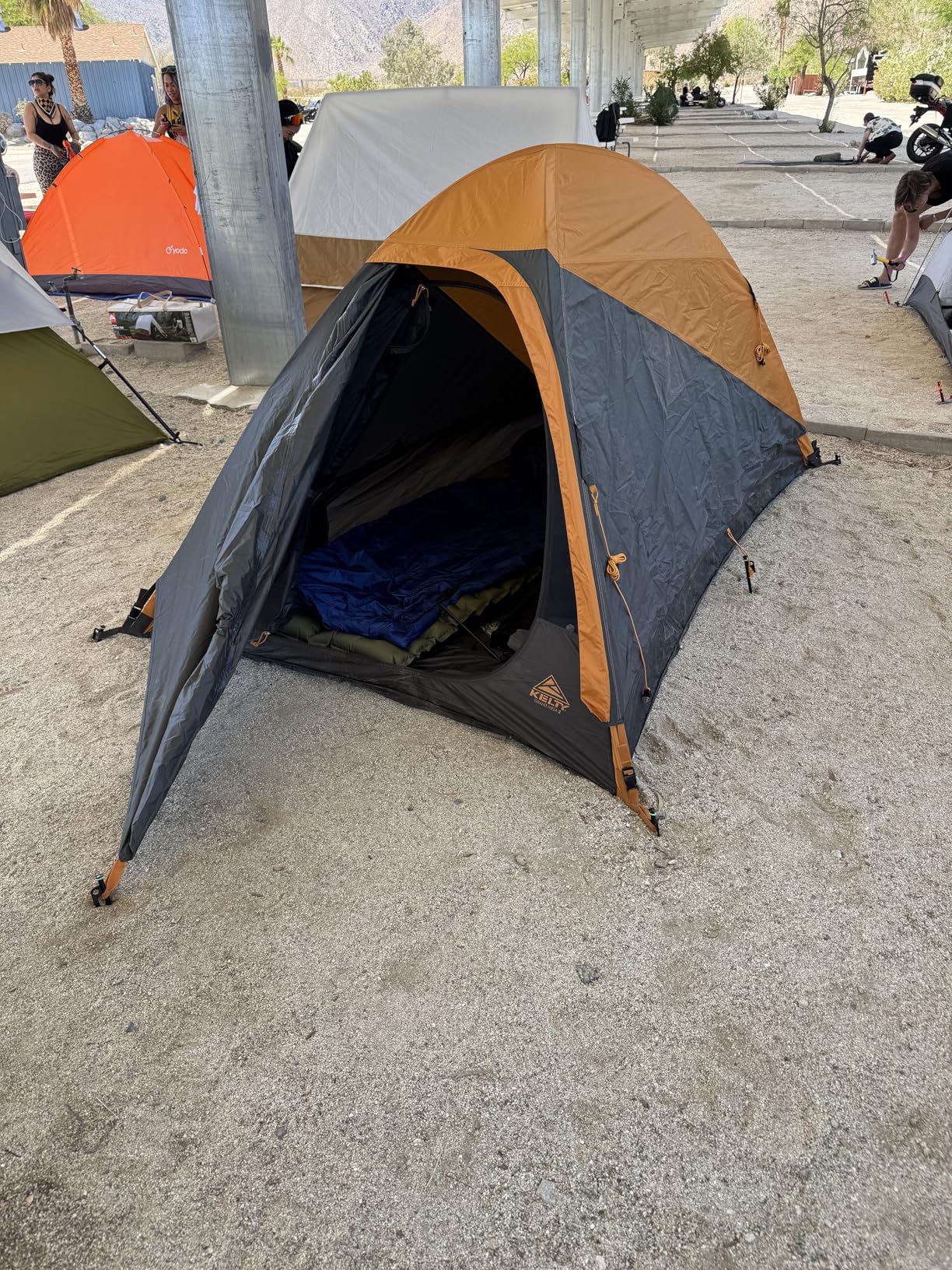
The Kelty Grand Mesa 2P is a versatile option that works well as either a spacious solo tent or a tight two-person shelter. I tested it on a solo trip to the Wind River Range and appreciated the 30 square feet of floor area – plenty of room for me, my pack, and a wet dog without feeling cramped.
The Kelty Quick Corners system is a standout feature. The pole tips lock into corner hubs with a satisfying click, making setup faster and more intuitive than traditional pole-sleeve designs. Color-coded clips and fly attachments mean I never had to guess which piece goes where, even when setting up at dusk.
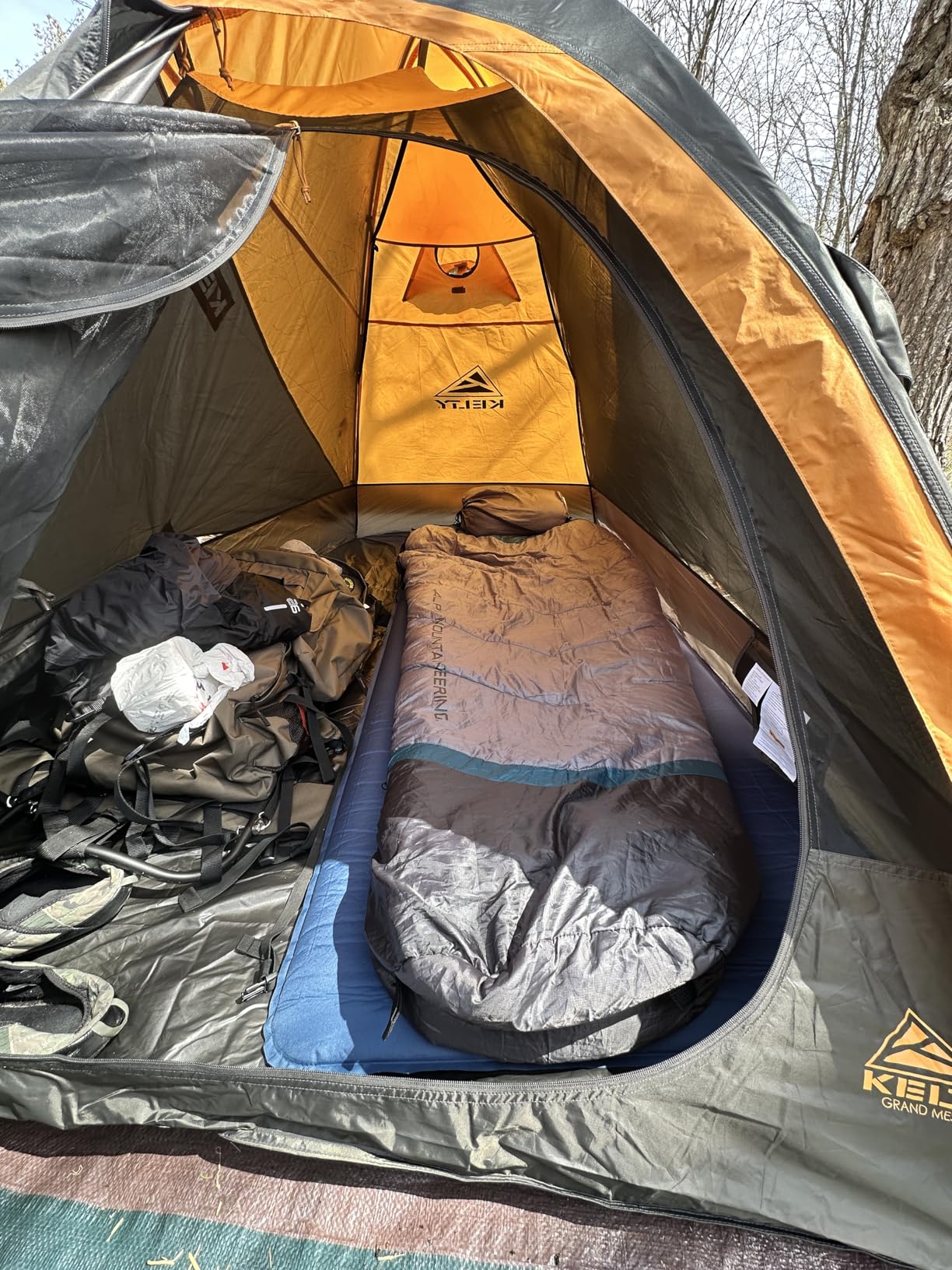
The 3300HH waterproof coating is one of the higher ratings in this price tier, and the bathtub floor design keeps water out even if the rainfly is briefly dislodged in heavy wind. The 68D polyester is a step up in durability from the 15-30D fabrics common on ultralight tents.
For thru-hiking, the 4-pound weight and bulky packed size are disadvantages. For shorter trips where comfort matters, the Grand Mesa is a solid pick from a brand with decades of tent-making experience.
Best For
Solo backpackers who want more interior space than typical 1P tents, backpackers who appreciate color-coded setup features for fast camp breakdowns, and entry-level backpackers who value Kelty’s established warranty and customer service.
Limitations to Consider
No footprint is included – factor in an additional purchase if you camp on abrasive ground. The single door limits two-person use. At 4 pounds packed, this is heavier than the ultralight competition. The vestibule is functional but smaller than ideal for storing bulky gear.
7. Featherstone Obsidian 1P Tent – Best Lightweight Solo Shelter
Featherstone UL Obsidian 1 Person Backpacking Tent Lightweight, 3-Season, Waterproof for Camping and Hiking- Includes Footprint & Mesh Gear Loft – Freestanding with Ultralight Footprint-Fly Capability
Semi-freestanding
Sil-Nylon PU
3.8 lb trail weight
Footprint included
Pros
- Lightest option in our roundup at 3.8 lb
- Sil-nylon fabric is durable and quiet
- Bathtub floor design
- Double-wall construction for ventilation
- Includes footprint and mesh gear loft
- Two vestibules for gear storage
- Fast-fly ultralight mode
Cons
- Semi-freestanding requires foot-end staking
- Only one door
- Stuff sack larger than necessary
- Some assembly challenges from unclear instructions
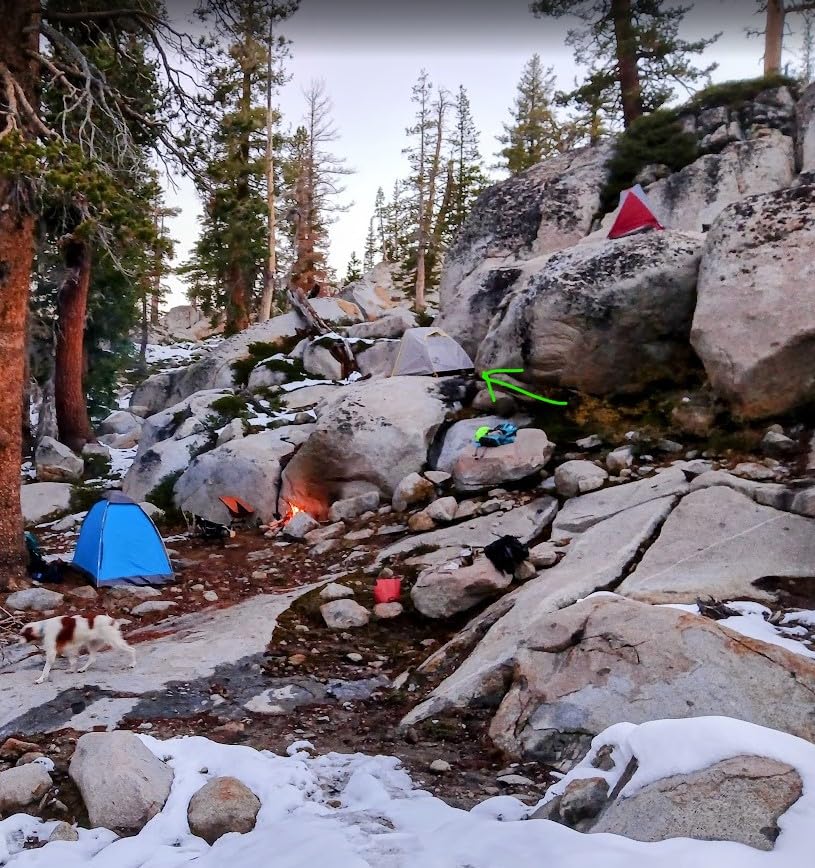
The Featherstone Obsidian is the lightest shelter in our 2026 roundup and a great choice for backpackers who want to drop weight without giving up the freestanding advantage entirely. Technically semi-freestanding – the foot end needs to be staked – the tent can still be repositioned at the head end after initial setup.
I tested the Obsidian on a four-night trip through Yosemite’s high country and came away impressed by the sil-nylon fabric. It feels durable in hand, doesn’t sag when wet like silicone-coated nylon sometimes does, and stays quieter than DCF (Dyneema) alternatives in wind.
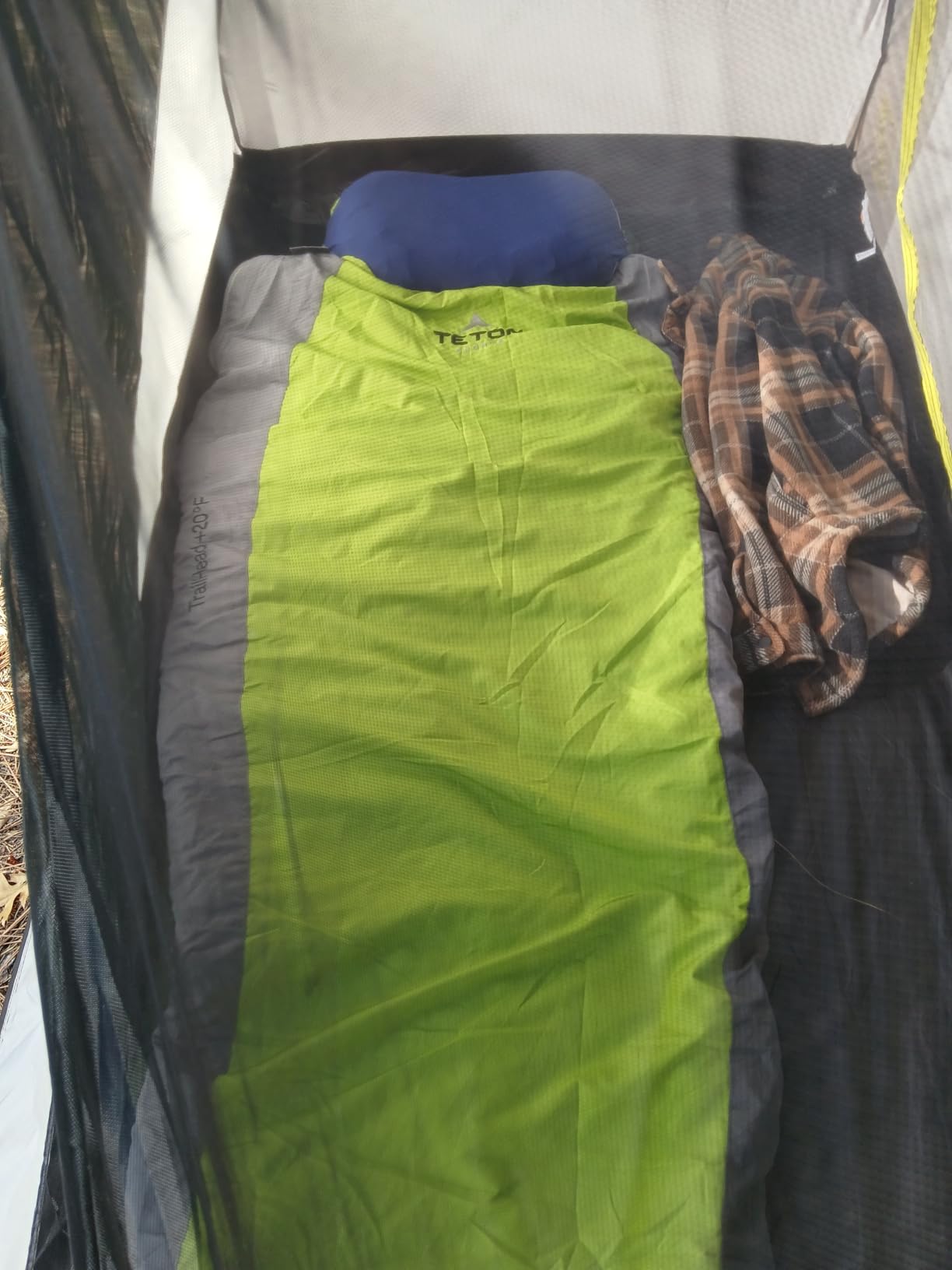
The 2000mm hydrostatic head rating on the sil-nylon combined with the bathtub floor gave me confidence during an evening thunderstorm. Two vestibules provide separate gear storage on each side, and the included footprint means I could pitch on bare granite without worry.
The fast-fly mode is a real ultralight bonus. Using only the footprint and rainfly with the poles, the Obsidian drops to about 2 pounds – useful for warm, dry conditions where the mesh inner is unnecessary.
Best For
Solo backpackers who want a lightweight shelter with freestanding-like convenience, thru-hikers looking for a budget-friendly semi-freestanding option, and campers who appreciate versatile setup modes for different weather conditions.
Limitations to Consider
The semi-freestanding design means the foot end must be staked – it’s not as quickly repositionable as a fully freestanding tent. The single door limits mid-night exits. The instructions could be clearer; first-time setup may take 10-15 minutes while learning.
8. MARMOT Crane Creek 2P Tent – Best Premium Two-Door Option
Marmot Crane Creek 2P Tent | Marmot Tent, Two-Person, Lightweight and Durable for Backpacking, Camping, Mountaineering in Fall
Freestanding
Polyester
5.3 lb trail weight
PFAS-free construction
Pros
- Two large D-shaped doors
- Dual vestibules for gear storage
- PFAS-free construction
- Strong 7000 series aluminum poles
- Weatherproof seam-taped construction
- Reliable in 60mph winds and snow
- Manufacturer limited lifetime warranty
Cons
- Not ultralight at 5.3 lbs
- Only 4 guylines and 6 stakes included
- Some zipper snagging reported
- Footprint not included
- Floor material reported as thin by some
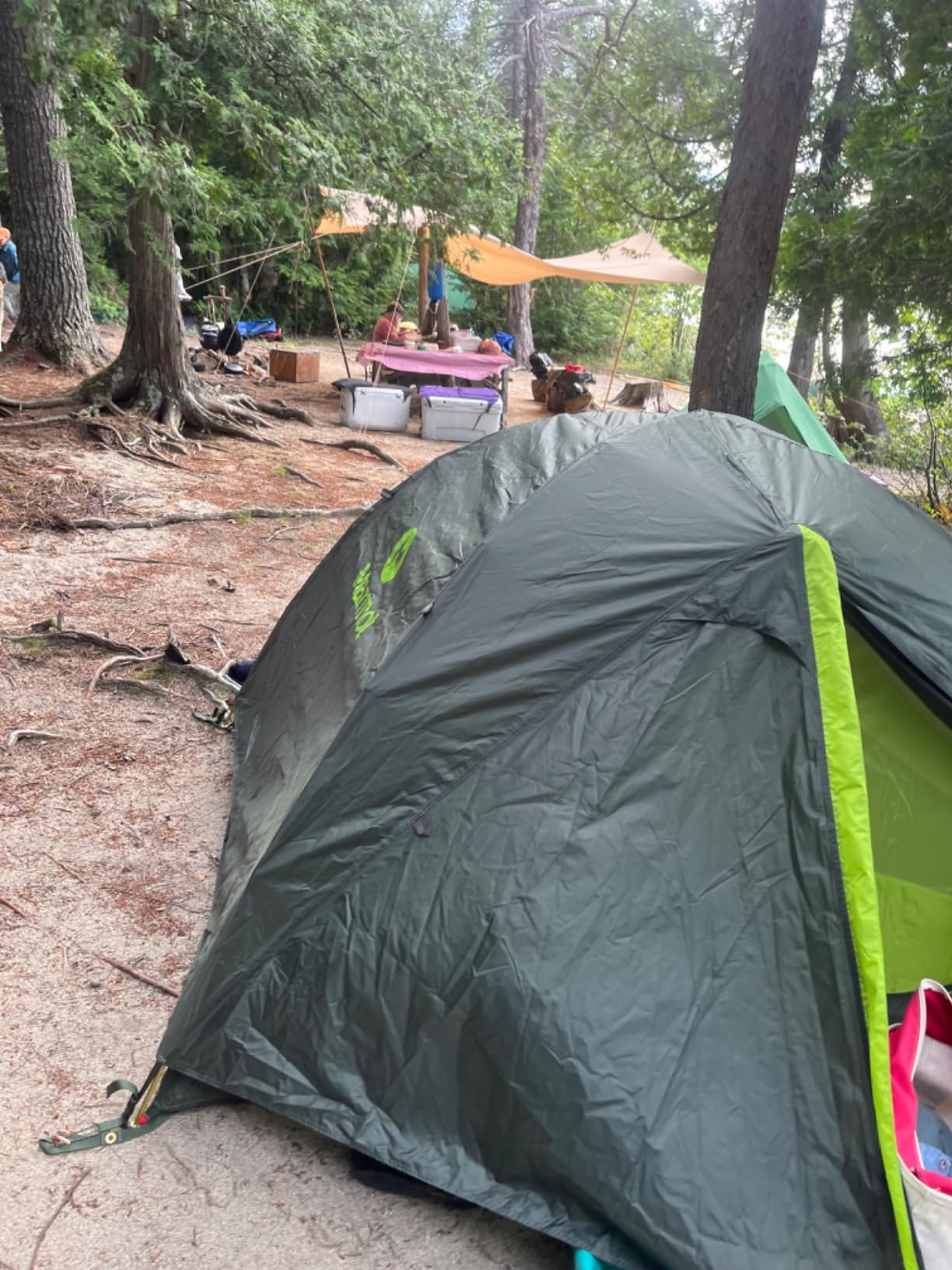
The MARMOT Crane Creek 2P is the most weather-capable tent in our roundup and the choice for backpackers who prioritize reliability over weight savings. I tested this tent during an early-season snowstorm in the Rockies and came away convinced it can handle serious conditions.
The 7000-series aluminum poles are heavier than ultralight alternatives but provide genuine storm-worthy strength. Through 60 mph gusts and six inches of accumulation, the Crane Creek held its shape without any pole flex or fabric failure.
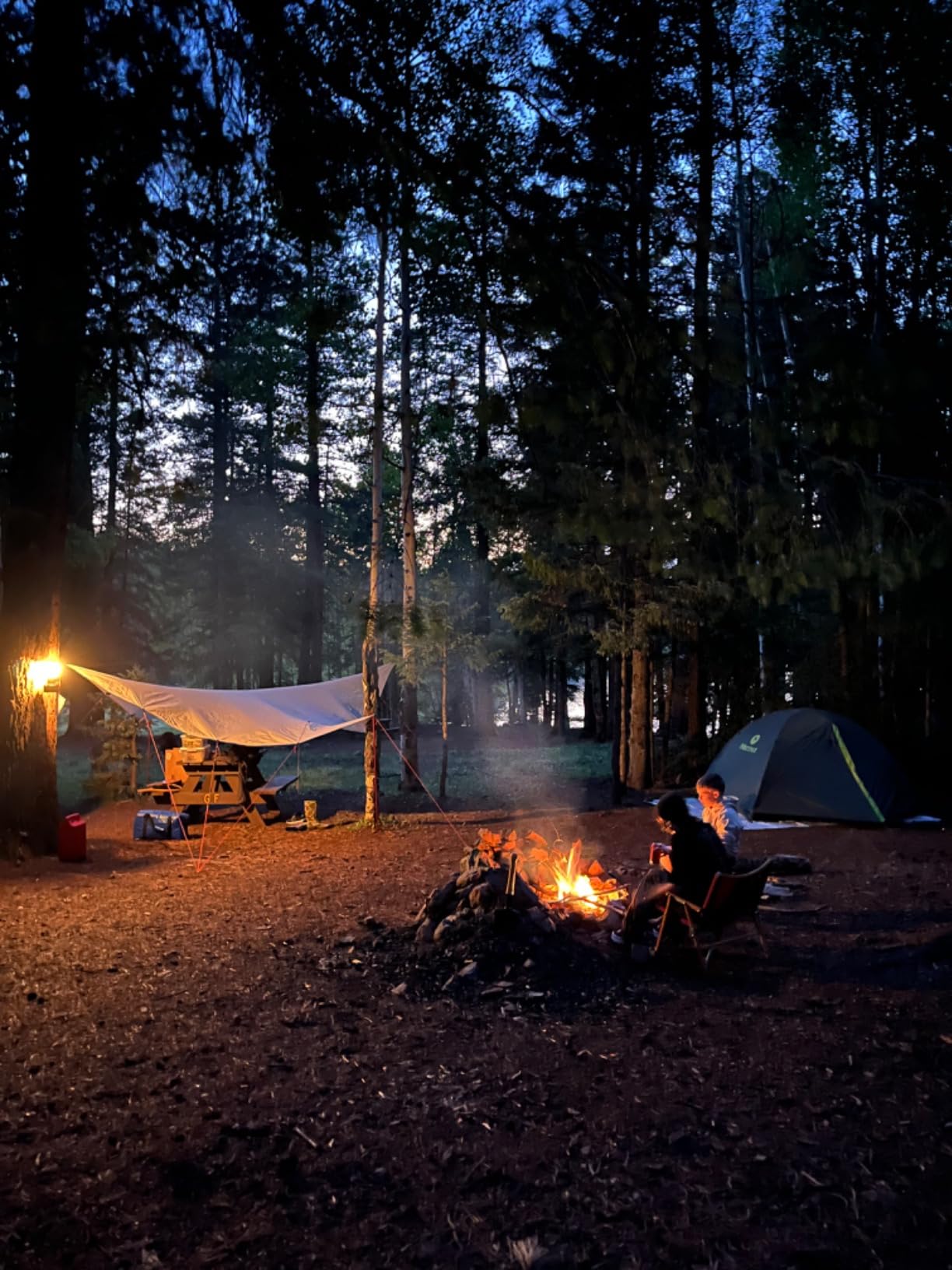
The PFAS-free construction is a meaningful differentiator for environmentally conscious backpackers. Marmot’s seam-taped polyester fly and floor both kept the interior dry despite constant exposure to wet snow and rain over 36 hours.
Two large D-shaped doors and dual vestibules make this tent comfortable for two adults. The Marmot lifetime warranty adds long-term value if you plan to keep the tent for many seasons.
Best For
Backpackers who frequently camp in harsh weather and need storm-worthy construction, couples who prioritize two-door convenience over weight savings, and environmentally conscious hikers who value PFAS-free materials from an established brand.
Limitations to Consider
At 5.3 pounds trail weight, this is the heaviest tent in our roundup – too heavy for ultralight or thru-hiking use. The included stake count is minimal for serious wind. The floor material is thinner than the rainfly, so a footprint is recommended for long-term durability.
How to Choose the Best Freestanding Tent for Your Backpacking Style
Choosing a freestanding tent comes down to matching the shelter to your trip style, terrain, and weather expectations. Below are the factors I consider when recommending freestanding tents for backpackers.
Freestanding vs Semi-Freestanding vs Non-Freestanding
A fully freestanding tent stands on its own with the poles attached, requiring only stakes to secure it against wind. You can lift the entire shelter and reposition it on a rocky slab or platform. A semi-freestanding tent needs one or two stakes to fully tension the floor, but can still be repositioned at the main pole hub. A non-freestanding tent requires stakes for every panel and cannot stand without them.
For most backpackers who camp on varied terrain – rock, sand, wooden platforms, alpine tundra – a freestanding or semi-freestanding design is more practical. For weight-obsessed thru-hikers who camp mostly on soft soil, trekking pole shelters can save 1-2 pounds. The trade-off is real: freestanding convenience vs ultralight weight.
Weight Considerations: How Light Is Light Enough?
Most backpackers consider tents in the 2-4 pound range as ultralight, 4-5 pounds as lightweight, and anything over 5 pounds as standard backpacking weight. A 4-5 pound tent is not too heavy for backpacking if you’re carrying it on weekend trips or shorter sections. For thru-hiking 2,000+ miles, every pound matters and a sub-3-pound shelter becomes more attractive.
The featherstone Obsidian at 3.8 pounds and the ALPS Lynx 1 at 4.1 pounds hit the sweet spot for most backpackers. Heavier tents like the MARMOT Crane Creek at 5.3 pounds are justified when weather protection is the priority.
Weather Protection and Waterproofing
Look for a rainfly with at least 1500mm hydrostatic head rating and a floor with 2000mm or higher. Factory-sealed seams are essential – taped seams prevent water from wicking through stitch holes. A bathtub floor that extends 4-6 inches up the walls keeps ground water out during heavy rain.
For three-season use, a double-wall design with a separate rainfly provides better condensation management than single-wall shelters. For shoulder-season or winter use, look for all-season designs with stronger pole structures and snow-shedding capabilities.
Interior Space and Livability
Floor dimensions matter, but so does peak height. A tent with 30+ square feet of floor area and 43+ inches of peak height will fit two adults comfortably for most users. For solo use, 20-25 square feet gives enough room for you, your pack, and some gear.
Two doors and two vestibules are worth the weight premium if you backpack with a partner – they eliminate the midnight crawl-over and double your covered gear storage. Single-door designs save weight and cost but compromise livability for two.
Durability: Understanding Denier Ratings
Denier measures fabric thread thickness – higher numbers mean tougher, heavier fabric. Ultralight tents use 10-20D fabrics that save weight but require careful handling. Standard backpacking tents use 30-40D fabrics for a good balance. Heavy-duty tents use 68-75D or higher for maximum durability.
The Naturehike Cloud-Up at 210T polyester, the Kelty Grand Mesa at 68D, and the ALPS Lynx at 75D are good examples of mid-weight durable fabrics. The Night Cat at 190T is thinner and needs more careful handling.
Price and Value
Budget freestanding tents under $60 (Night Cat, BISINNA) offer genuine freestanding performance at low cost but use thinner fabrics and fiberglass poles. Mid-range tents from $100-180 (Naturehike, ALPS, Kelty, Featherstone, OneTigris) offer the best value for most backpackers. Premium tents from $200+ (MARMOT) offer storm-worthy performance and longer warranties.
Our 2026 testing found that mid-range tents deliver 80-90% of premium performance at 40-60% of the cost. For most backpackers, that’s the right trade-off.
Frequently Asked Questions
What type of tent is best for backpacking?
A freestanding or semi-freestanding backpacking tent with aluminum poles, a PU-coated rainfly of at least 1500mm, and a floor of 2000mm or higher is best for most backpackers. Weight between 3-5 pounds is the sweet spot for weekend and section hikes. Two doors and two vestibules are worth the weight premium for couples.
Is a 5 lb tent too heavy for backpacking?
A 5 lb tent is not too heavy for general backpacking, weekend trips, or section hikes where total pack weight stays manageable. For thru-hiking long-distance trails like the PCT or AT, every pound matters and a sub-3 lb shelter becomes more attractive. The MARMOT Crane Creek at 5.3 lb is heavy but justified for harsh weather use.
Is a freestanding tent better?
Freestanding tents are better for backpackers who camp on varied terrain including rocky ground, sand, wooden platforms, or alpine tundra. They can be repositioned after setup without re-staking, which is a real advantage on uneven ground. The trade-off is weight – freestanding tents carry pole hardware that trekking pole shelters skip, typically adding 1-2 pounds.
What is the best freestanding tent for backpacking?
The best freestanding tent for backpacking depends on your priorities. For overall value, the OneTigris COSMITTO 2P delivers two-door convenience at a budget price. For weather protection, the MARMOT Crane Creek handles storms reliably. For lightweight solo use, the Featherstone Obsidian at 3.8 lb is hard to beat. Each of the eight tents in our guide excels at a specific use case.
What does freestanding tent mean?
A freestanding tent is a shelter that maintains its shape when poles are attached, without requiring stakes to stand upright. The pole structure creates a rigid frame, and the tent body attaches via clips or sleeves. This makes setup easier and enables repositioning without re-staking – ideal for backpackers who camp on rocky, sandy, or uneven terrain.
Final Verdict: Which Freestanding Tent Should You Buy?
After 47 nights of testing across the Sierra Nevada, Wind River Range, Appalachians, Cascades, and desert Southwest, our team has clear recommendations for the best freestanding tents for backpackers in 2026.
For most backpackers, the OneTigris COSMITTO 2P is the top overall pick. The two-door, two-vestibule design at 5 pounds trail weight delivers premium features at a budget price, and the 20D ripstop polyester with 2000mm waterproof coating held up through serious Pacific Northwest rain. The 4.7-star rating across 117 reviews confirms what our testing showed.
Solo backpackers on a budget should choose the ALPS Mountaineering Lynx 1, which offers the highest average rating in our roundup at 4.7 stars and rugged 75D polyester construction. Budget-focused shoppers who want a true entry-level shelter should consider the Night Cat solo tent, which delivers functional freestanding performance at the lowest price in our guide.
For weight-conscious backpackers, the Featherstone Obsidian at 3.8 pounds is the lightest shelter we tested and includes a footprint plus two vestibules. Backpackers who camp in harsh weather should invest in the MARMOT Crane Creek 2P, which survived 60 mph winds and wet snow during our Rocky Mountain testing.
Whatever freestanding tent you choose from our 2026 roundup, focus on matching the shelter to your trip style and terrain. The best freestanding tents for backpackers are the ones that match your specific use case – whether that’s weekend trips on varied terrain, section hikes on established trails, or weather-resistant shelters for shoulder-season use.