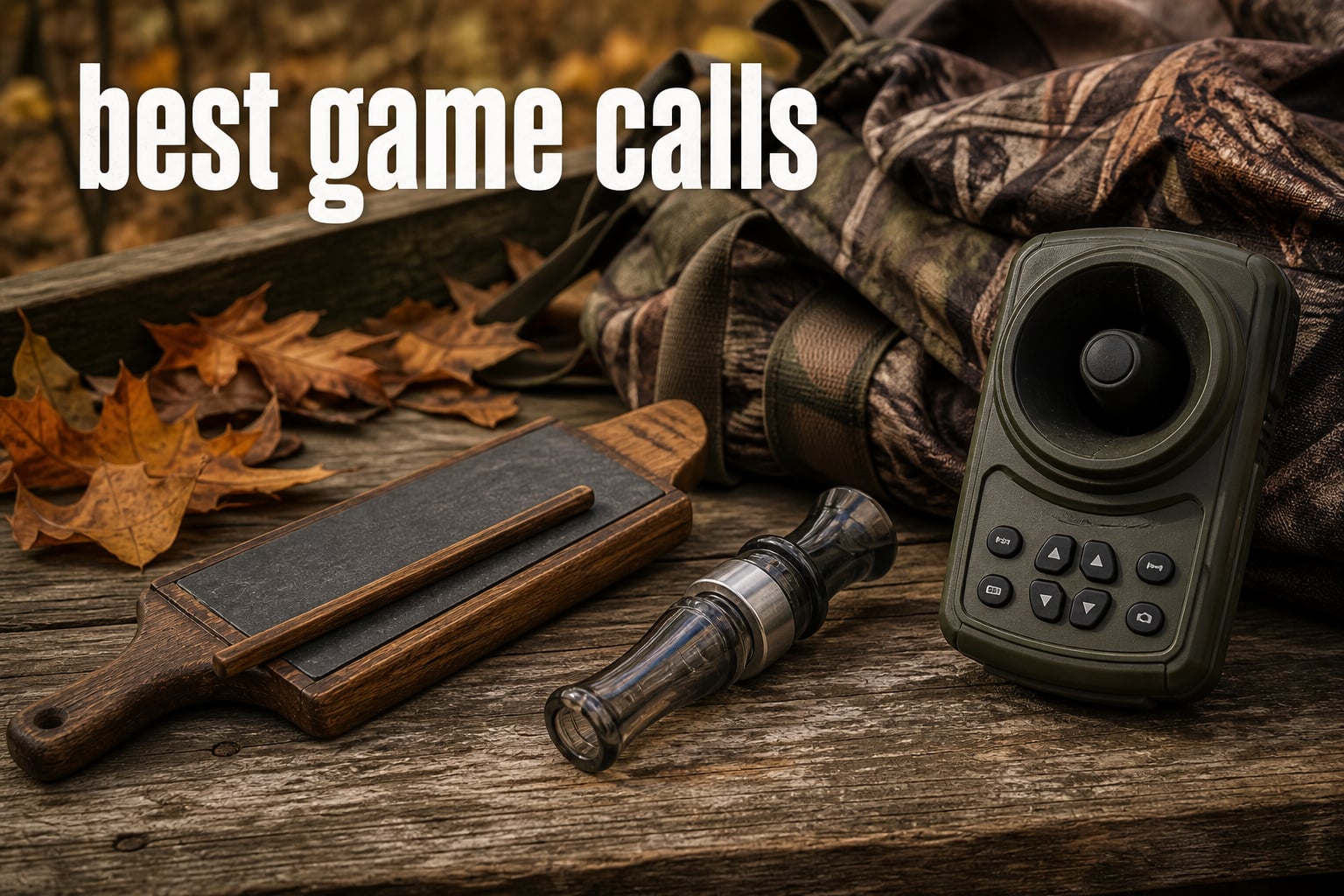
I have spent more seasons than I can count sitting in blinds, glassing ridgelines, and calling everything from spring gobblers to late-season coyotes. Over that time, I learned that the right call makes the difference between a tag filled and an empty truck ride home. That is exactly why I put together this guide to the best game calls available right now.
Whether you are chasing thunder-chickens in April, working ducks over flooded timber, bugling in a rut-crazed bull, or calling predators at midnight, the calls on this list cover every species and skill level. I compared 12 top-rated hunting calls across turkey, duck, elk, predator, and deer categories, pulling from thousands of real hunter reviews and my own field time.
The hunting community on forums like Rokslide and Predatormasters consistently points to a few trusted brands like Primos, ICOtec, Lucky Duck, and FOXPRO. But brand name alone does not tell you if a call fits your needs. I broke down each product by sound quality, durability, ease of use, and value so you can find your next go-to call without guesswork. Let us get into the top picks for 2026.
Table of Contents
Top 3 Picks for Best Game Calls (September 2026)
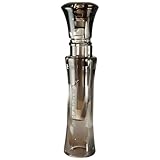
Duck Commander Classic Duck Call
- Polycarbonate construction
- Single reed system
- Raspy mallard hen sounds

Icotec 300+ Predator Call
- 300-yard remote range
- 15 professional sounds
- Bluetooth connectivity
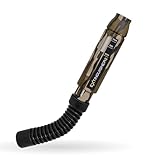
Extinguisher Deer Call by Illusion
- 10-in-1 adjustable reed
- Freeze-resistant design
- Made in the USA
Best Game Calls in 2026
| Product | Specifications | Action |
|---|---|---|
 PRIMOS PS224 Slate Turkey Call PRIMOS PS224 Slate Turkey Call |
|
Check Latest Price |
 Hunters Specialties Super Strut Combo Hunters Specialties Super Strut Combo |
|
Check Latest Price |
| Duck Commander Classic Duck Call |
|
Check Latest Price |
 Haydel’s DR-85 Mallard Duck Call Haydel’s DR-85 Mallard Duck Call |
|
Check Latest Price |
 HS Carlton’s Long Ranger Elk Combo HS Carlton’s Long Ranger Elk Combo |
|
Check Latest Price |
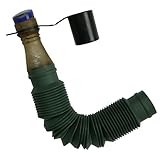 Primos Bull Horn Elk Call Primos Bull Horn Elk Call |
|
Check Latest Price |
| Icotec 300+ Predator Call |
|
Check Latest Price |
 Western Rivers Mantis 50 Game Call Western Rivers Mantis 50 Game Call |
|
Check Latest Price |
 MOJO Triple Threat E-Caller MOJO Triple Threat E-Caller |
|
Check Latest Price |
 Icotec Rascal Bluetooth Call Icotec Rascal Bluetooth Call |
|
Check Latest Price |
| Extinguisher Deer Call by Illusion |
|
Check Latest Price |
 Flextone Headhunter’s Extractor Deer Call Flextone Headhunter’s Extractor Deer Call |
|
Check Latest Price |
1. PRIMOS PS224 Friction Slate Turkey Call – Pure Pennsylvania Slate Sound
Primos Hunting Turkey Pot Call, Ol Betsy Slate, Multicolored
Pennsylvania Slate construction
5.44 ounces
Friction pot call
Pros
- Quality Pennsylvania Slate construction
- Easiest surface to use
- Produces purest turkey sounds
- Built for tough field conditions
Cons
- Requires practice to master technique
The first time I ran a Primos slate call in the spring woods, I was genuinely surprised at how sweet and realistic the yelps sounded. Pennsylvania Slate has a reputation among turkey hunters for producing the most natural hen tones, and this call lives up to it. With 1,741 reviews and a 4.6-star average, a lot of hunters share that experience.
I found the slate surface forgiving for beginners while still offering enough tonal range for experienced callers. A light scratch with the included striker produces soft clucks and purrs that pressured gobblers actually respond to. On damp mornings, I did notice slate needs to stay dry to perform its best, so I kept it in a zip-top bag between sets.

At just 5.44 ounces, this call is barely noticeable in my vest. The compact 6.62-inch footprint fits easily alongside other pot calls without adding bulk. Primos designed and tested it for tough environments, and the build quality shows in every detail.
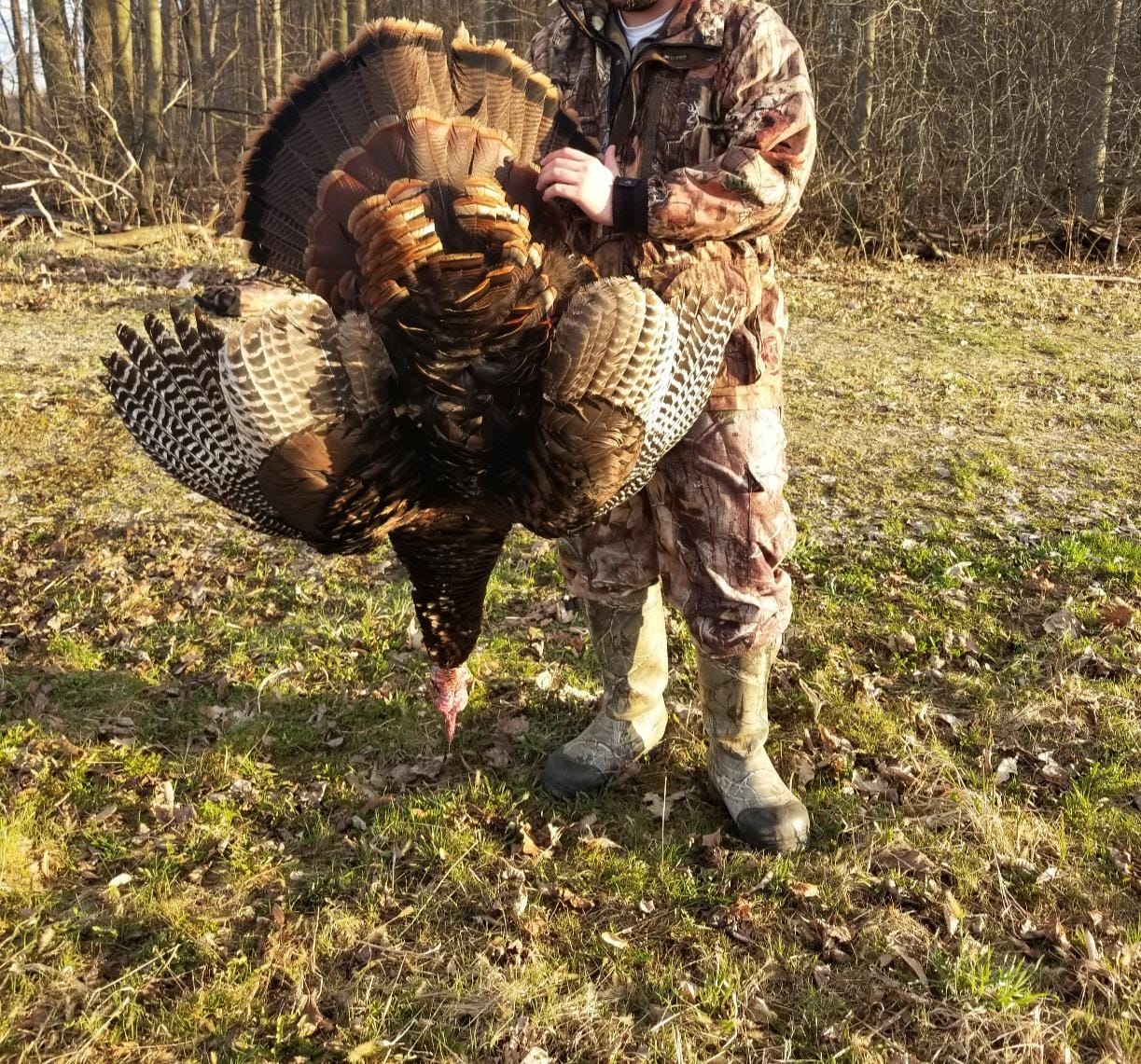
What Makes Slate Better Than Other Friction Surfaces
Pennsylvania Slate produces higher-frequency sounds that carry further in the woods, making it ideal for locating birds at distance. The surface also responds well to light pressure, giving you natural-sounding soft calls that pressured turkeys trust.
Glass and crystal surfaces are louder and more weather-resistant, but they lack the sweet, pure tone of slate. If you hunt areas where turkeys have heard a lot of calls, that natural tone can make all the difference.
Skill Level Needed to Use This Call Effectively
Beginners can produce decent yelps within the first hour of practice thanks to the forgiving slate surface. The key is learning how much pressure to apply with the striker, which just takes repetition.
Advanced callers will appreciate the nuanced tonal control that lets you match the exact pitch and cadence of local hens. I spent two seasons refining my purrs on this call, and it became my go-to for late-season pressured birds.
2. Hunters Specialties Super Strut Combo Kit – Four Calls in One Package
Hunters Specialties Super Strut Combo Kit – Turkey Game Calls Combo Pack – Wide Range of Realistic Turkey Sounds
4-call combo pack
Double glass turkey call
Crow, owl, and diaphragm included
Pros
- Four essential calls included
- Realistic turkey sounds
- Versatile crow and owl locator calls
- Premium diaphragm call
- Durable for field use
Cons
- Crow call may not sound realistic to crows
- Some calls underperform in certain areas
This combo kit caught my attention because it bundles a double glass turkey call, a crow call, an owl hooter, and a premium diaphragm call into one package. For hunters building their first turkey vest, this covers the essentials without piecing everything together separately.
The Suzie Snood Double Glass call produces loud, raspy yelps that cut through wind and distance. I used it on a blustery spring morning when softer calls were getting lost, and the glass surface carried beautifully. Glass is also more forgiving in damp conditions than slate.
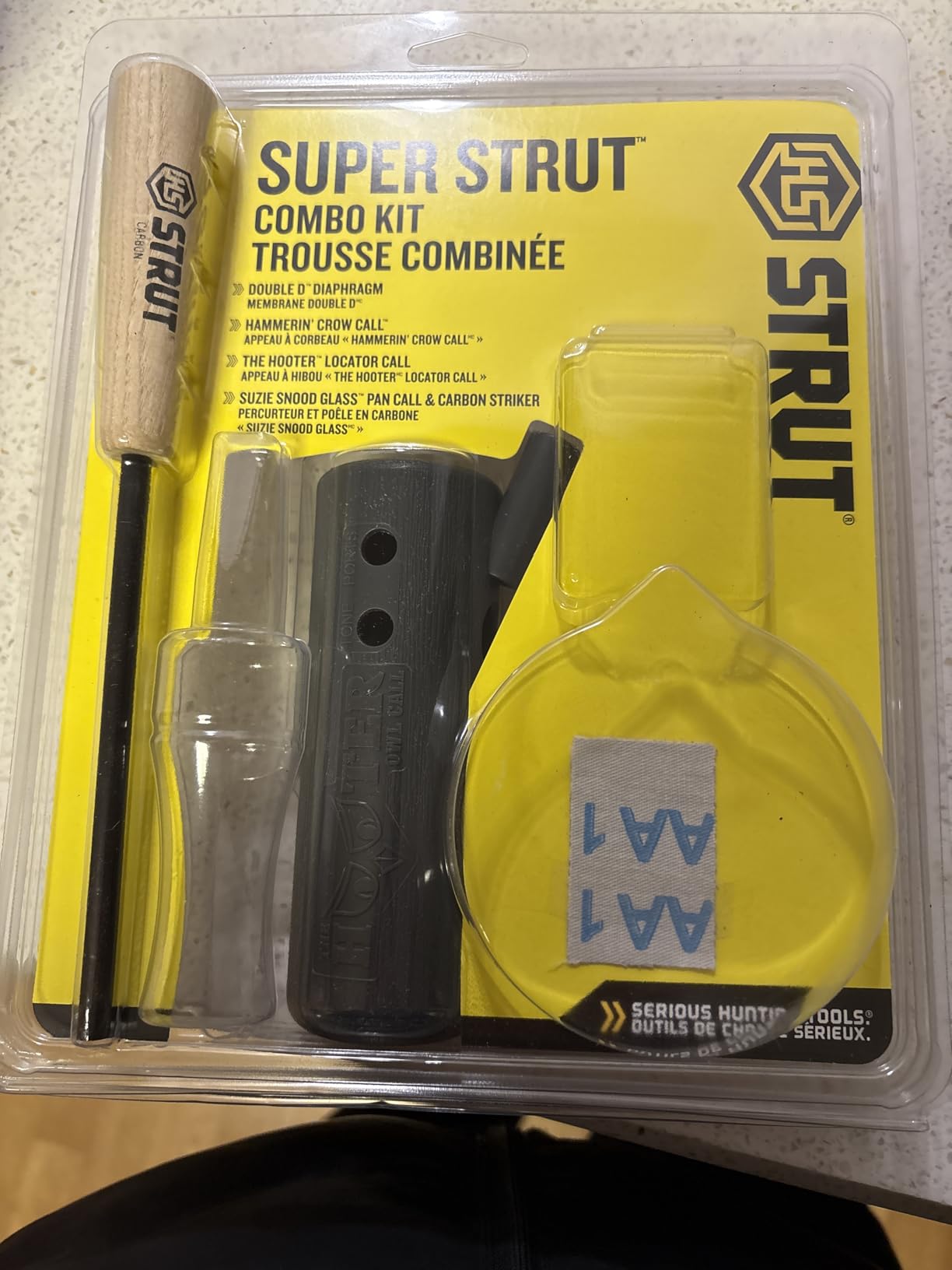
The included crow and owl locator calls are where the real value sits. When gobblers go quiet mid-morning, a loud crow call or owl hoot can shock them into gobbling, revealing their location. The diaphragm call takes practice but gives you hands-free calling when birds are close.
Some hunters mentioned the crow call does not sound entirely convincing to live crows. That is a fair critique, but as a locator call to make gobblers sound off, it does the job well enough.
How the Locator Calls Improve Your Hunt
Locator calls work by triggering a shock gobble response, not by fooling turkeys into thinking a real crow or owl is nearby. A loud, unexpected sound makes a gobbler reflexively vocalize, telling you where he is without alerting him to your position.
I carry both crow and owl calls because they work differently depending on time of day. Owl hoots are deadly at first light, while crow calls shine during mid-morning when birds are scattered and feeding.
Is a Combo Kit Worth It Over Individual Calls
If you are just starting out, this kit saves you money compared to buying four calls separately. You get a working turkey call, two locators, and a mouth call for less than the cost of two premium individual calls.
Experienced hunters who already own quality calls will not need this kit. But for someone filling their first turkey vest, the value is hard to beat.
3. Duck Commander Classic Duck Call – Raspy Mallard Sounds That Work
Duck Commander Classic Duck Calls – Shadow Single Reed Duck Call – Polycarbonate Barrel, Mallard Hen, Finishing Call – for Waterfowl Hunting
Polycarbonate construction
Single reed friction-fit
Shadow gray finish
Pros
- Durable polycarbonate construction
- Single reed for easy operation
- Raspy realistic mallard hen sounds
- Works as a finishing call
- Great for beginners and experts
Cons
- Some styles require practice to master
This is the top-selling duck call on Amazon for good reason. With 4,409 reviews and a 4.7-star average, the Duck Commander Classic has earned its place in thousands of blinds across the country. I have run this call over flooded timber, open water, and field hunts, and it consistently produces the raspy hen mallard sound that pulls birds into range.
The polycarbonate body is nearly indestructible. I dropped mine in the mud, rinsed it in the blind water, and it kept right on calling. That durability matters when you are dealing with cold, wet conditions that would warp or crack wooden calls.
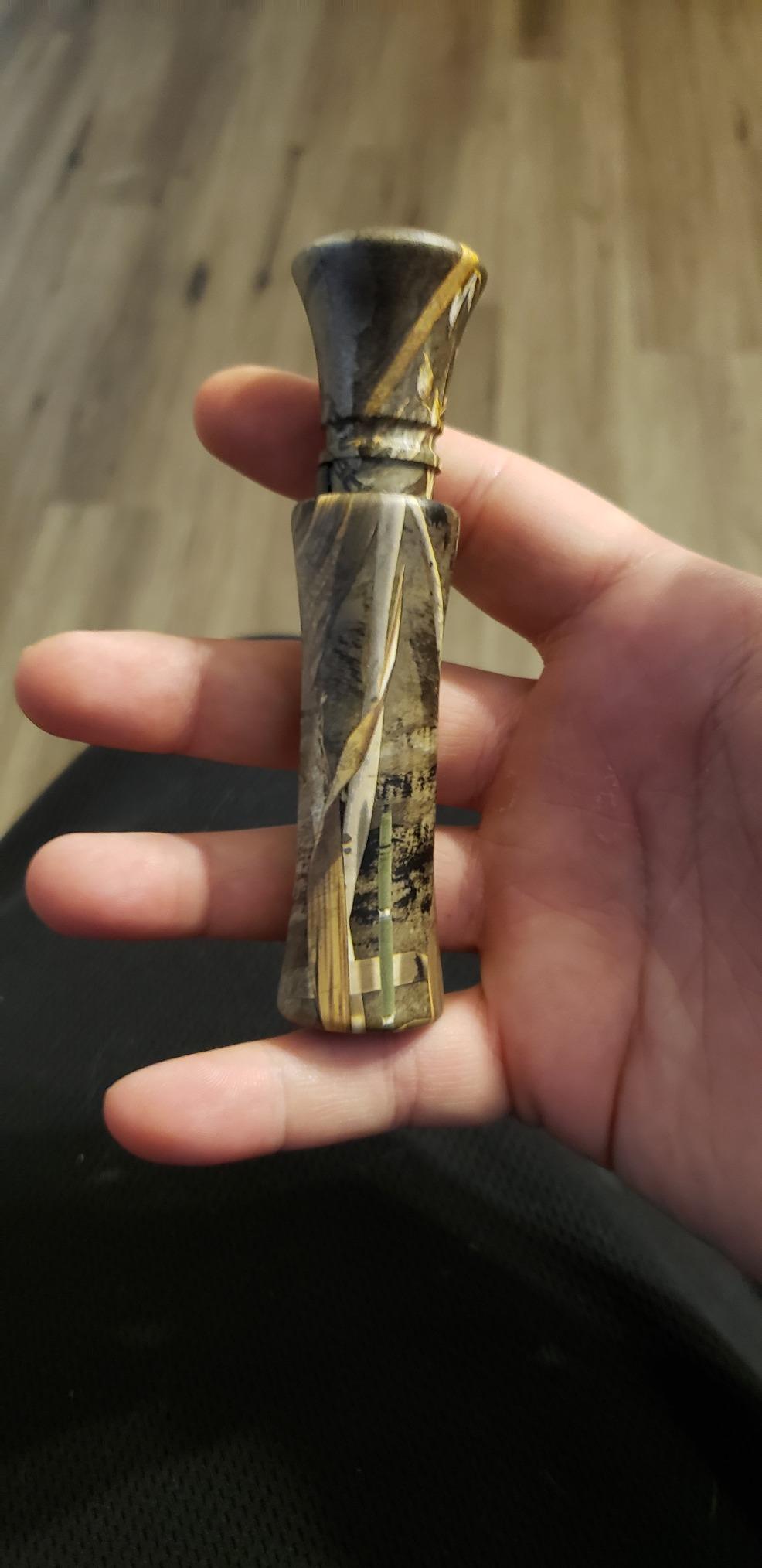
The single reed friction-fit system gives you more tonal range than a double reed, but it does demand more air control. Beginners can produce serviceable quacks within a day or two, but mastering the ringing hail call takes real practice.
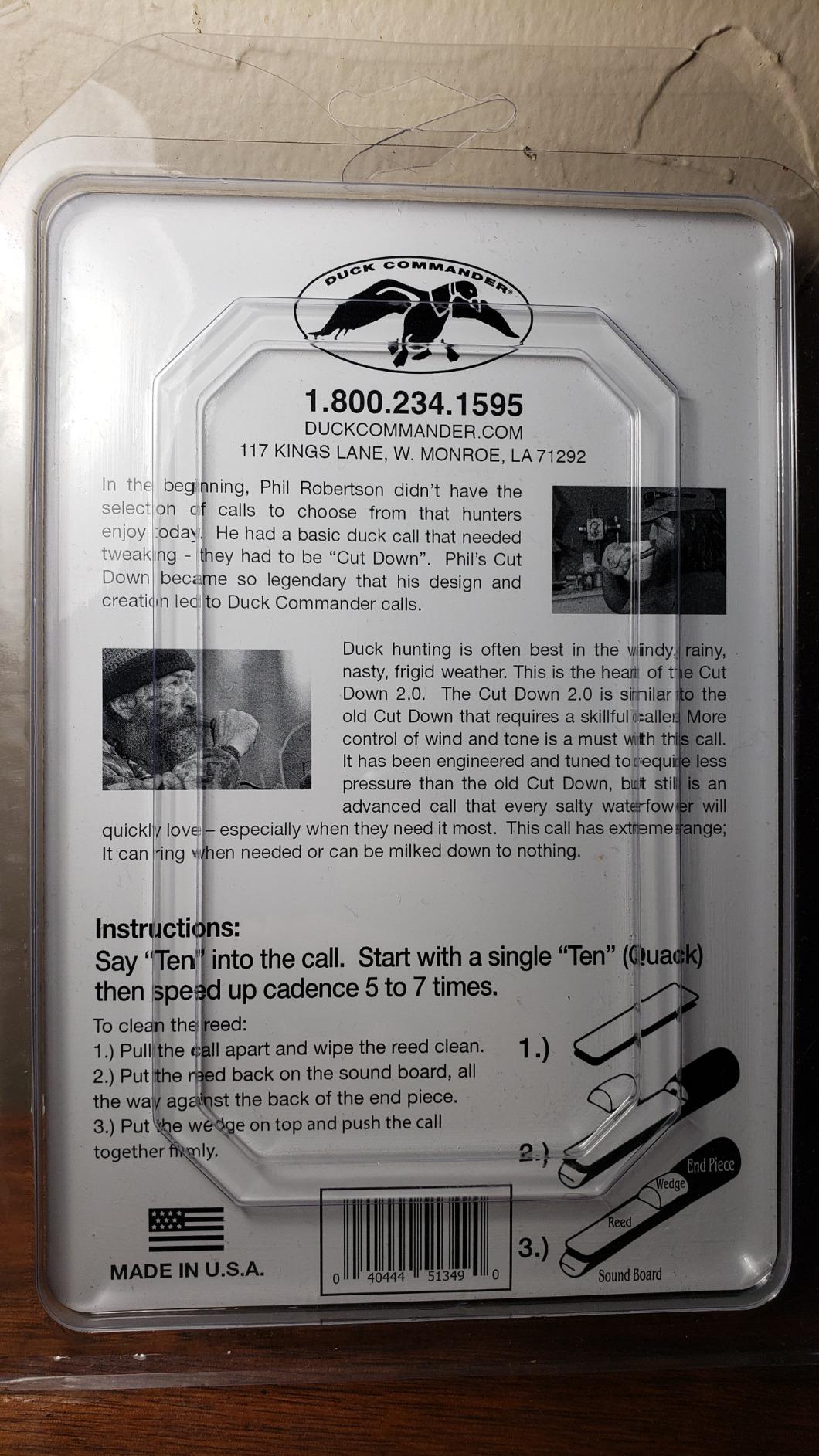
Forum hunters on Reddit and waterfowl boards consistently recommend this call as one of the best game calls for beginners who want something they will not outgrow. It performs well as a finishing call when birds are locked in and committed.
Single Reed vs Double Reed for Duck Hunting
Single reed calls like this one offer a wider tonal range and louder volume, which helps when working birds at distance. They can produce everything from soft feed chuckles to loud ringing hail calls with proper technique.
Double reed calls are easier to operate and produce a softer, more ducky sound that excels at close range. If you primarily hunt small ponds or timber where birds finish close, a double reed might suit you better.
How to Maintain a Polycarbonate Duck Call
Rinse the call with fresh water after every hunt to remove mud and debris that affect sound quality. Let it air dry completely before storing to prevent mildew inside the tone channel.
Check the reed alignment periodically, especially after drops. The friction-fit system on this call lets you pop the insert out, clean it, and reseat the reed without tools.
4. Haydel’s DR-85 Mallard Duck Call – The Deceiver That Blows Wet
Haydel’s Game Calls Inc. DR-85 Mallard Duck Call for Hunting, Double Reed, Adjustable. Legendary Proven Meat Call
Double reed design
Adjustable floating wedge
Hand tuned in the USA
Pros
- Fully adjustable floating wedge
- Very easy to blow
- Hand tuned by professionals
- Works even when wet
- Made in the USA
Cons
- Thin plastic construction may be fragile
- Durability concerns if dropped
Nicknamed The Deceiver, this call has a loyal following among duck hunters who want a double reed that produces surprisingly realistic sounds. I picked one up after seeing it recommended repeatedly on waterfowl forums, and the soft, ducky tone immediately impressed me.
The standout feature is the adjustable floating wedge that lets you tune the call to your individual blowing style. Most double reed calls are locked at the factory, but Haydel’s gives you the ability to dial in the exact sound you want. This is especially useful if you hunt in different conditions that demand different tones.
What really sets this call apart is that it blows wet. When your breath condenses inside the call on a freezing morning, many calls start sticking or sounding garbled. The DR-85 keeps working when other calls fail, which is exactly when you need it most.
The main concern from reviews is the thin plastic construction. Several hunters noted that a hard drop can crack the body. I keep mine on a lanyard and have not had issues, but if you are rough on gear, this is something to consider.
Why Hand Tuning Matters for Call Quality
Hand tuning means a professional caller physically tests and adjusts each call before it ships. This quality control step ensures consistent sound across every unit, unlike mass-produced calls that vary from one to the next.
The floating wedge system lets you re-tune the call as the reed breaks in over time. After a season of heavy use, a quick adjustment restores the original sound quality without needing to buy a replacement.
Best Conditions for a Double Reed Duck Call
Double reed calls excel in close-range situations where a softer, more natural sound matters. If you hunt flooded timber, beaver ponds, or small sloughs where birds finish within 30 yards, this is the call you want.
For open water or pass shooting where you need to reach birds at distance, a louder single reed like the Duck Commander Classic may serve you better. Many hunters carry both to cover all scenarios.
5. Hunters Specialties Carlton’s Calls Long Ranger Elk Call Combo – Four Diaphragm Calls for Elk
Hunters Specialties Carlton’s Calls Alumni Pack Aluminum Frame Elk Diaphragm Call (4 Pack)
4-pack diaphragm set
Aluminum frame
Infinity Latex moisture resistant
Pros
- Color-coded system for easy ID
- Four different calls included
- Moisture-resistant Infinity Latex
- Aluminum frame molds to palate
- Durable carry case
Cons
- May be too technical for beginners
- Requires practice to master
Elk diaphragm calls are the hardest calls to learn but the most effective once mastered. Wayne Carlton’s color-coded system makes the learning curve more manageable, and this 4-pack gives you single, double, and triple reed calls plus a cow and calf call.
I spent an entire off-season practicing with these calls before my first archery elk hunt. The aluminum frame is a real improvement because you can mold it to the exact shape of your palate for a custom fit. Once fitted, the call stays in place and feels natural.
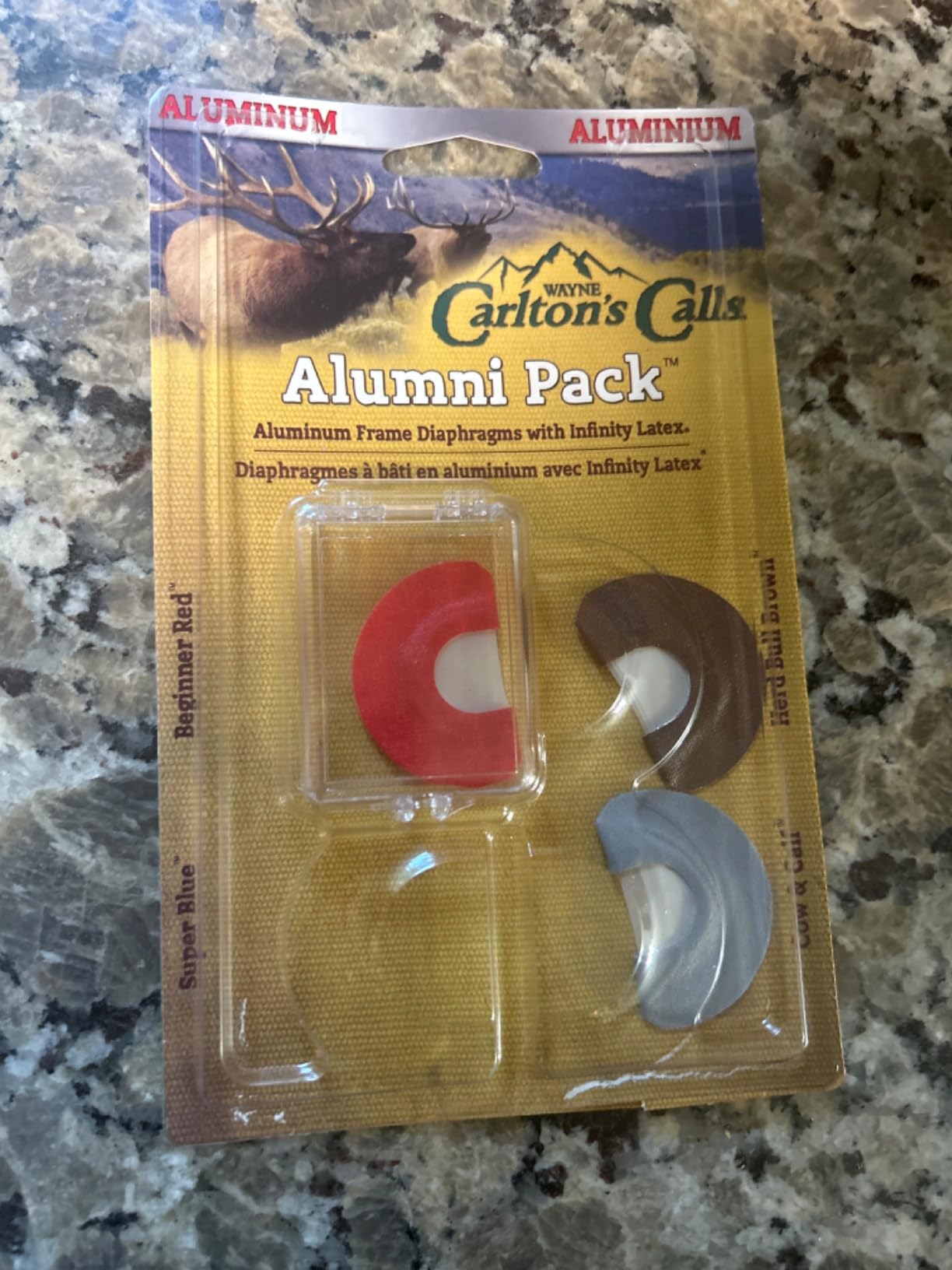
The Infinity Latex construction resists moisture buildup better than standard latex, which means longer calling sessions without the reed getting soggy. During a September rut hunt, I called continuously for 20 minutes without the call degrading.
These are not beginner-friendly. If you have never used a diaphragm call, expect to spend several weeks practicing before producing consistent cow sounds. But once you get it, there is no more effective way to call elk.
How to Fit an Aluminum Frame Diaphragm to Your Palate
Start by trimming the frame slightly wider than your palate width. Press the call against the roof of your mouth and gently bend the aluminum edges to match your palate contour.
Test the fit by pressing the call upward with your tongue. If it stays in place without your finger holding it, the fit is correct. A properly fitted call produces clearer sounds and stays put during active calling.
Which Reed Configuration to Start With
Begin with the single reed call from this pack. It requires the least air pressure and produces clear cow sounds that are the foundation of elk calling. Master the basic cow call before moving to double and triple reed configurations.
The triple reed produces deeper, more realistic bull sounds and is better suited for bugling and challenge calls. Save that for when you have solid breath control and tongue placement figured out.
6. Primos Bull Horn Elk Call – Realistic Bugles Without the Learning Curve
Primos Hunting Bull Horn Elk Call with Expandable Hose, Mossy Oak Camo
Expandable 7 to 24 inch hose
Support shelf mouthpiece
Blue Snap-On Reed
Pros
- Easy to use
- Compact and portable
- Realistic elk bugle sounds
- Blue reeds are long lasting
Cons
- Higher pitch suited for younger bulls
- Takes practice to learn
The Primos Bull Horn is the call I recommend to elk hunters who are not ready to commit to diaphragm calls. The patented support shelf mouthpiece gives you something to rest your mouth against, making it far easier to produce consistent sounds than a bare diaphragm.
The expandable hose extends from 7 to 24 inches, which lets you adjust the bugle length and tone. Shorter settings produce sharp, aggressive bugles, while longer extensions create deeper, more resonant sounds that carry across a canyon.
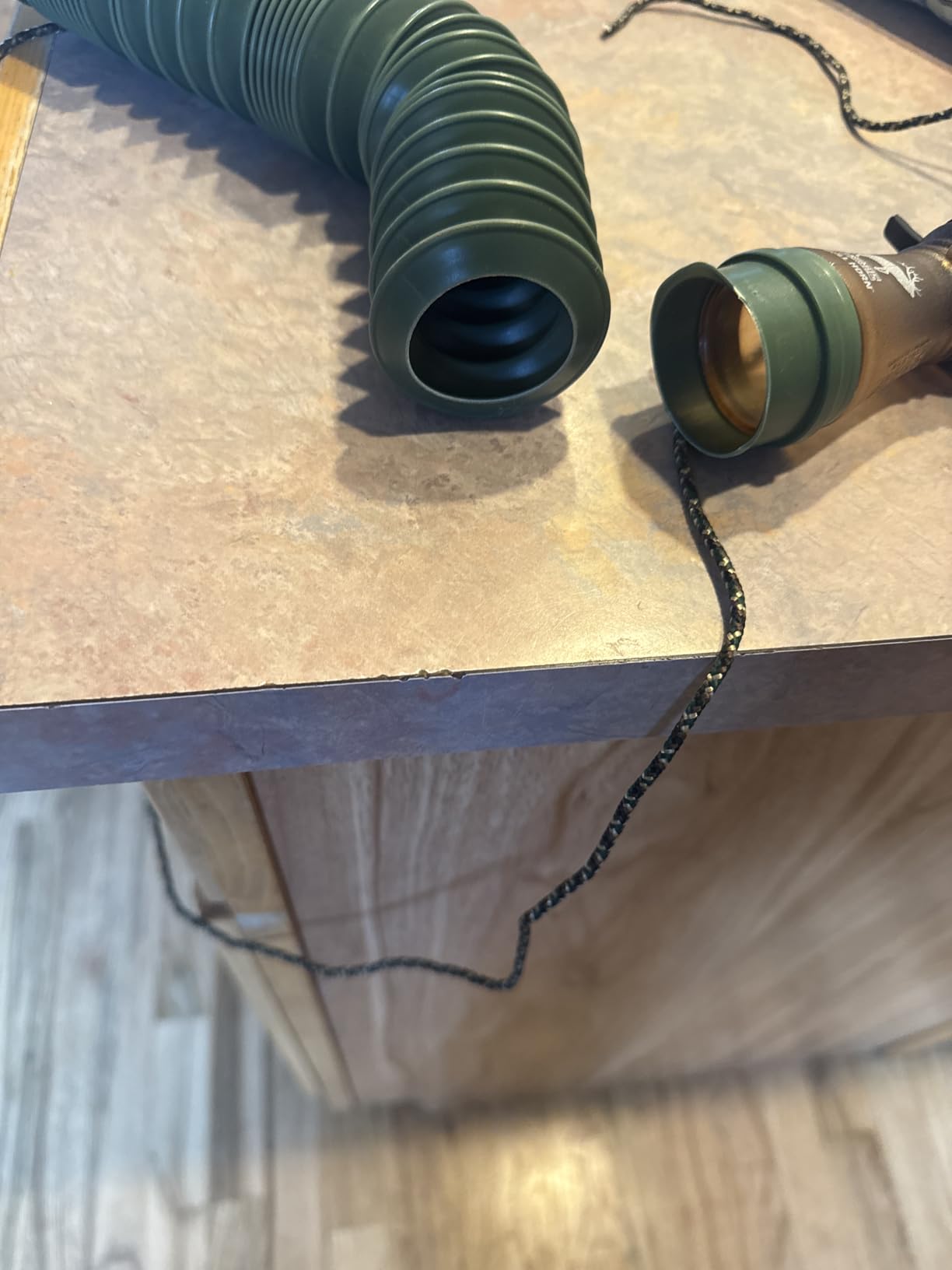
The Blue Snap-On Reed system makes reed replacement tool-free and quick. I swapped reeds in the field after one wore out during a week-long hunt, and the whole process took under a minute. The protective cap also stores spare reeds so you always have backups.
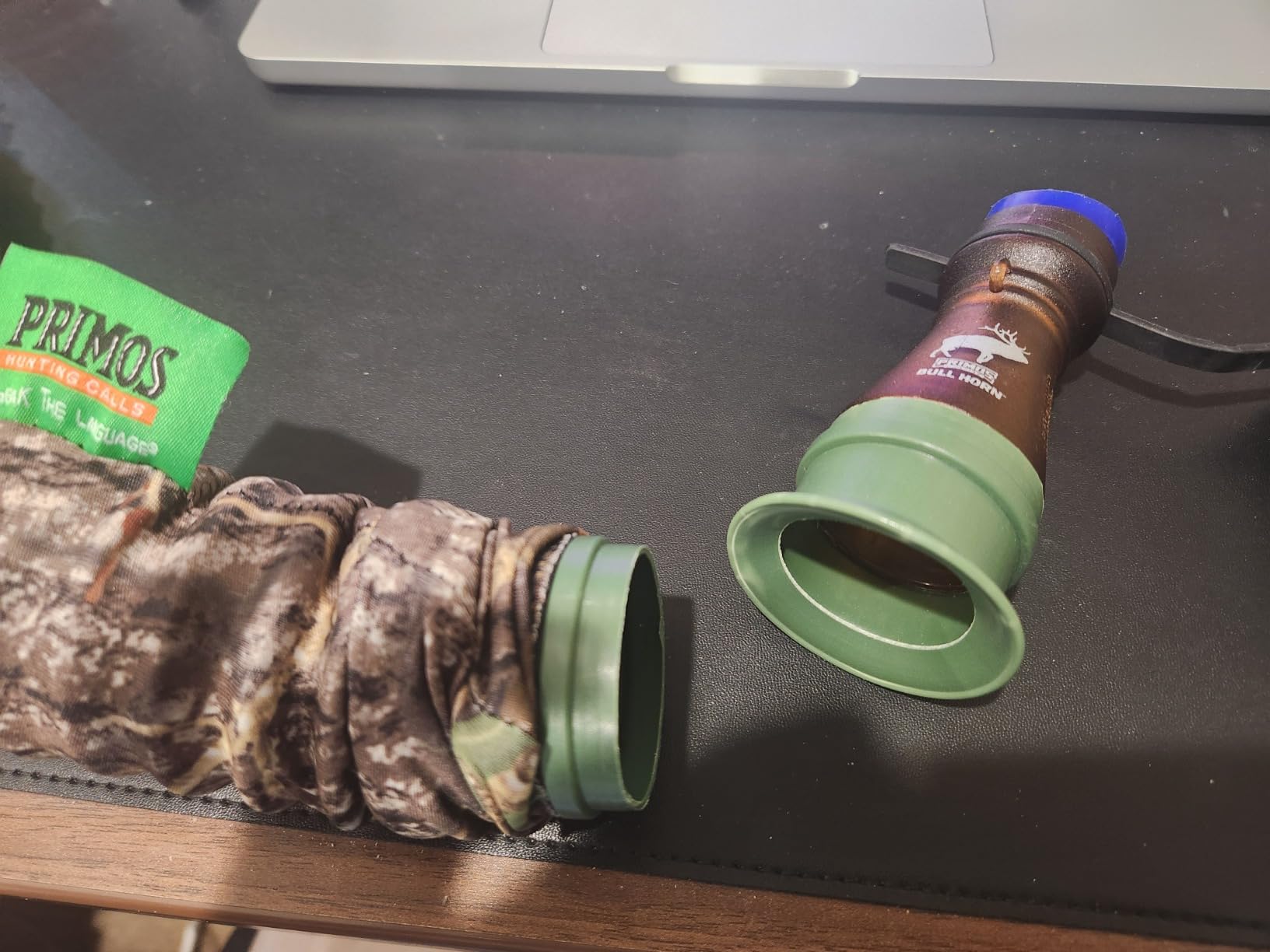
The one limitation is the pitch. Several hunters noted the Bull Horn produces a higher-pitched bugle that sounds more like a younger satellite bull than a mature herd bull. In areas where big bulls respond to deep, guttural bugles, this could be a drawback.
When to Use a Bugle Tube vs a Diaphragm Call
Use a bugle tube like this when you need volume and reach across long distances. The tube amplifies your sound and adds resonance that naked diaphragm calls cannot match. For locating elk in large basins, nothing beats a bugle tube.
Switch to a diaphragm once elk are close and you need softer, more intimate cow sounds. The best elk hunters carry both and know exactly when to transition between them.
How the Support Shelf Improves Calling for Beginners
The support shelf gives your mouth a physical reference point, which eliminates the guessing game of where to place a diaphragm. This means more consistent sound from the very first attempt.
Beginners who struggle with diaphragm placement find the shelf dramatically shortens the learning curve. You still need practice, but the shelf removes the most common frustration.
7. Icotec 300+ Predator Call – The Number One Electronic Predator Call
Icotec Model 300 Predator Caller (300+ Predator Call)
300-yard remote range
15 professional sounds
Bluetooth enabled
Pros
- Industry-leading 300-yard remote range
- High fidelity sound quality
- Multiple sounds play simultaneously
- 15 professional sounds included
- Backlit buttons for night hunting
Cons
- Batteries not included
- Remote range may vary by terrain
This is the number one ranked predator call on Amazon for a reason. With nearly 4,000 reviews and a 4.4-star average, the Icotec 300+ has proven itself in the field for predator hunters across the country. I have used this call for coyotes, bobcats, and foxes, and the sound quality is impressive for the price point.
The 300-yard remote range is the headline feature and it delivers. I set the call down a long ridge, retreated to my stand, and never lost connection. That distance keeps your scent and movement away from approaching predators, which is critical for educated coyotes.

The ability to play two sounds simultaneously is something budget electronic calls cannot do. Running a rabbit distress call layered with a coyote howl creates a more realistic soundscape that triggers responses from predators that have heard plenty of single-sound calls.
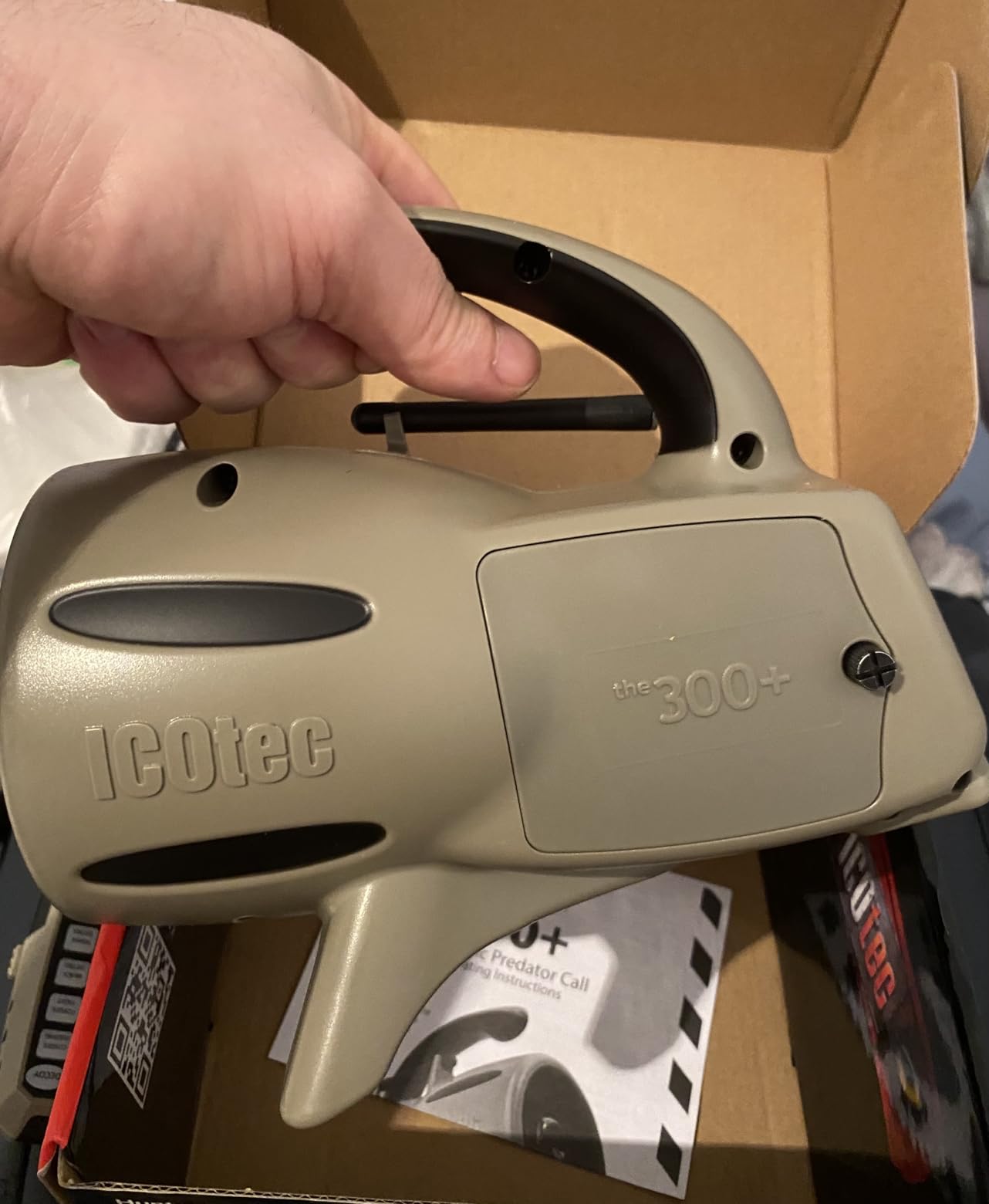
The Bluetooth connectivity lets you add sounds from your phone, expanding beyond the 15 preloaded options. The backlit remote buttons are a thoughtful touch for night hunting when you cannot see the keypad. Forum hunters consistently rank this as one of the best game calls for predator hunting.
How to Set Up an Electronic Call for Maximum Success
Place the call 50 to 100 yards from your position, downwind or crosswind of where you expect predators to approach. This pulls their focus away from you and toward the sound source, giving you shot opportunities as they approach.
Start with a series of coyote howls to locate, then switch to a prey distress call after 5 to 10 minutes of silence. The most common mistake hunters make is calling too aggressively right away.
Extending Remote Range in Difficult Terrain
Elevate the call off the ground by mounting it on a tripod or placing it on a stump. Signal strength drops significantly when the call sits in tall grass or behind terrain features that block line of sight to the remote.
In hilly country, position the call on a ridge or saddle where the signal has a clear path to your stand. Thick timber and deep draws can reduce effective range to 150 yards or less.
8. Western Rivers Mantis 50 – Budget Electronic Call That Gets the Job Done
Western Rivers Mantis 50 Compact Easy-to-Use Handheld Electronic Game Call – Predator Hunting Accessory,Tan
Compact handheld design
4 AAA battery power
Preloaded predator sounds
Pros
- Compact and portable
- Loud sound that travels far
- Great entry-level call
- Good value for money
Cons
- No volume control
- Some sounds are digital sounding
Not everyone needs a 300-dollar electronic caller. The Western Rivers Mantis 50 is the budget pick that gets predators into range without breaking the bank. I recommended this call to a friend starting his predator hunting journey, and he called in three coyotes his first season.
The compact handheld design is perfect for hunters who move frequently between stands. At just 0.28 kg, it fits in a jacket pocket and deploys in seconds. The LCD backlit display makes it easy to select sounds even in low light.
The preloaded predator sounds cover the basics like rabbit distress, cottontail, and coyote howls. Sound quality is decent for the price, though experienced hunters will notice some digital artifacts compared to higher-end callers. The durability and rubberized grips hold up well to rough handling.
The biggest complaint from reviews is the lack of volume control. The call plays at one level, which can be too loud for close-range stands. This is a real limitation if you hunt varied terrain where volume flexibility matters.
Is a Handheld Electronic Call Right for Your Hunting Style
Handheld calls like the Mantis 50 work well for hunters who do spot-and-stalk predator hunting or make short stands before moving. The all-in-one design means no separate remote to manage, which simplifies the experience.
If you prefer long sits at a single stand with the call placed at a distance, a remote-controlled unit like the Icotec 300+ is a better fit. The Mantis shines when mobility is your priority.
Battery Life and Power Management Tips
The Mantis runs on 4 AAA batteries, which are cheap and easy to replace in the field. Carry a spare set in your pack because cold weather drains batteries faster than you might expect.
Turn the call off between stands to conserve power. A fresh set of alkaline batteries typically lasts for 6 to 8 hours of active calling, which covers a full day of stand hopping.
9. MOJO Outdoors Triple Threat E-Caller – Complete 3-Part Calling System
MOJO Outdoors Triple Threat E-Caller Predator Coyote Call Decoy 3-Part Complete Calling System for Successful Predator Hunting, Includes Remote, Critter Decoy and Comes Loaded with 80 Proven Sounds
80 proven sounds
Motion decoy included
300+ yard remote range
Pros
- 80 high quality sounds
- Award-winning motion decoy
- 300+ yard remote range
- Built-in critter decoy and tripod
Cons
- Some report insufficient volume
- Battery life can be short
The MOJO Triple Threat is a complete predator calling system that combines an electronic caller, a motion decoy, and a remote into one package. This is the setup I reach for when I want maximum drawing power on educated coyotes that have seen plenty of stands.
The motion decoy is the secret weapon. Predators are visual hunters, and pairing a moving decoy with prey distress sounds creates a combination that is hard to resist. The decoy has won awards for 7 consecutive years, and the design shows why.
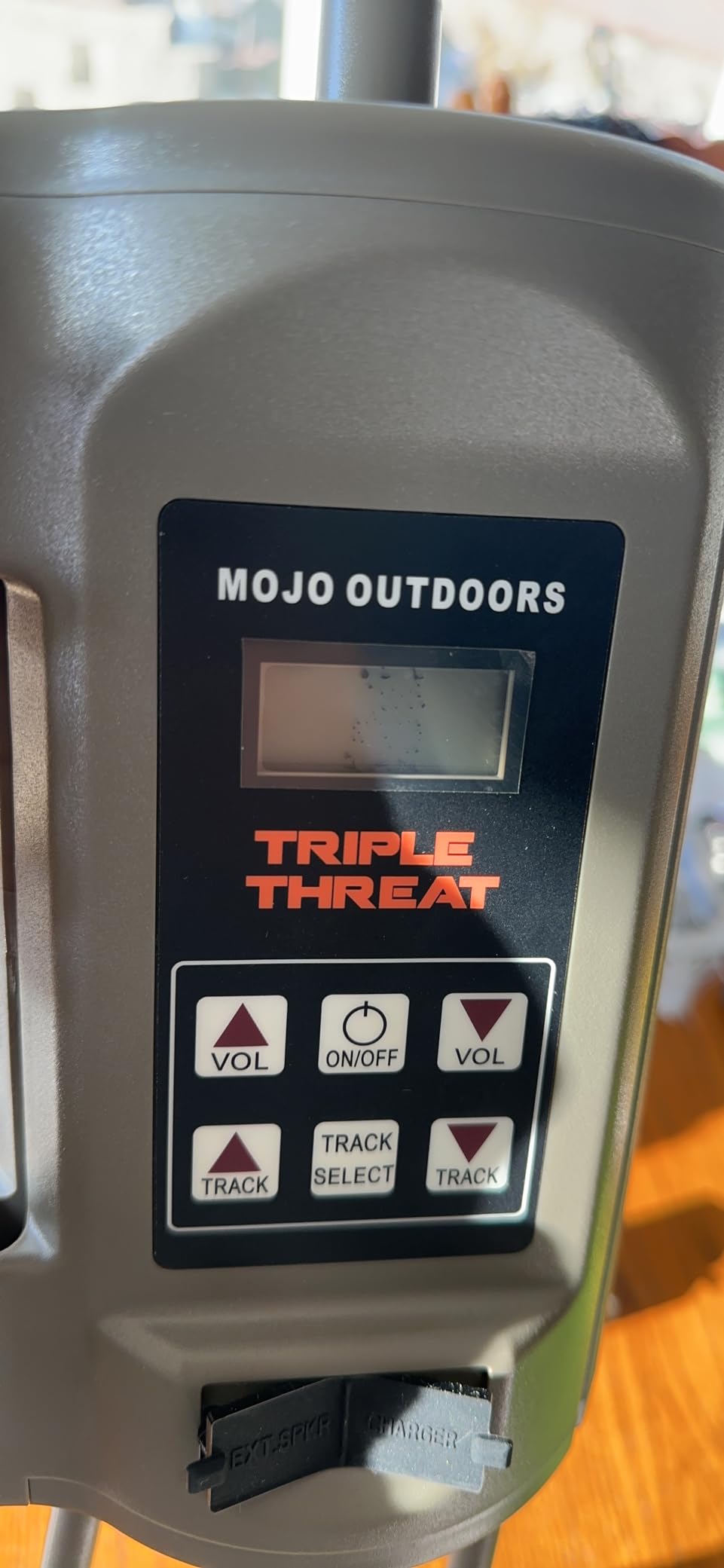
With 80 proven sounds loaded into on-board memory, you have a full library at your fingertips. The 4 hot buttons let you store your favorite sounds for instant access, which matters when a coyote is closing fast and you need to switch sounds without scrolling.
The two concerns from reviewers are volume and battery life. Some hunters in open terrain found the speaker not loud enough for long-distance stands. And running the motion decoy drains batteries faster than a standalone caller, so plan accordingly.
How a Motion Decoy Increases Predator Responses
A motion decoy gives approaching predators something visual to focus on, which pulls their attention away from your position. This is especially valuable for coyotes that circle downwind before committing.
The decoy creates a focal point that keeps the predator looking at the source of the sound rather than scanning for danger. This gives you a better shot opportunity as they approach head-on toward the decoy.
Managing Battery Life on a Decoy Combo System
Running both the caller and decoy simultaneously drains batteries quickly. Use the decoy selectively, turning it on only when you expect predators to be close enough to see it.
The included 110/220 AC smart charger means you can recharge between stands if you are hunting from a vehicle. For remote hunts, carry fully charged backup batteries and swap them out at each stand change.
10. Icotec Rascal Bluetooth Predator Call – Unlimited Sounds From Your Phone
Icotec Rascal Bluetooth Predator Call – 100 Yard Range – Plays Any Sounds Your Phone can Play – Free Animal Audio app
Bluetooth connectivity
100+ db volume
Works with free Animal Audio app
Pros
- Bluetooth plays any phone sound
- Loud volume over 100db
- Sturdy well-built construction
- 2 year warranty
Cons
- Bluetooth issues with some phones
- Limited stock availability
The Icotec Rascal takes a different approach to electronic calling by using Bluetooth to stream any sound your phone can play. This means your sound library is effectively unlimited, since you can download new sounds from apps, websites, or record your own.
The volume output exceeds 100 decibels, which is loud enough for most predator stands. The free Animal Audio app provides a solid starting library, but the real advantage is the ability to add niche sounds that no preloaded caller offers.
Because this is a newer product, it only has 13 reviews so far. The 4-star average reflects solid performance with some Bluetooth connectivity hiccups. A few users reported pairing issues with certain phone models, which is worth testing before you head into the field.
The 2-year manufacturer warranty is generous for a call at this level. Icotec stands behind their products, and the build quality feels sturdy enough to handle rough field conditions.
How Phone-Based Calling Compares to Traditional Electronic Calls
Phone-based calling gives you unlimited sound variety and the ability to update your library instantly. Traditional electronic calls have fixed sound libraries that cannot be changed without additional hardware.
The tradeoff is reliability. A dedicated caller with preloaded sounds works every time with no pairing or app crashes. If you hunt in remote areas with no cell service, a phone-dependent system could leave you stranded if the app malfunctions.
Best Sound Sources for Phone-Based Predator Calling
The free Animal Audio app from Icotec is the obvious starting point. It includes professionally recorded sounds optimized for their hardware.
Beyond that, predator hunting forums and YouTube channels offer high-quality sound files you can download and play through the Rascal. Just make sure to test every new sound at home before relying on it in the field.
11. Extinguisher Deer Call by Illusion – The 10-in-1 Adjustable Deer Call
Extinguisher 2.0 Deer Call by Illusion | Grunt Tube | Buck, Doe, Fawn | Adjustable 10-in-1 Call | Color (MossyOak/Gray) | Freeze Resistant
10-in-1 adjustable reed system
ModiSlide technology
Freeze-resistant design
Pros
- Realistic multiple deer vocalizations
- Easy pitch adjustment with ModiSlide
- Freeze-resistant for all weather
- Versatile 10 sounds in one call
Cons
- Lanyard cord is poorly designed
- Slide can freeze in extreme cold
This is the most reviewed deer call on the market with over 11,700 reviews and a 4.6-star average. The Extinguisher earned a 99.6 percent approval rating from the North American Hunting Club, and after using it through two rut seasons, I understand why.
The patented ModiSlide system lets you produce over 10 different deer sounds from a single call. You can switch from a deep mature buck grunt to a doe bleat to a fawn bawl with a simple slide adjustment. That versatility means you carry one call instead of three.
The freeze-resistant design is a genuine advantage for late-season hunters. I used this call during a December muzzleloader hunt in 15-degree weather, and the slide mechanism worked smoothly while other calls were frozen solid. Being made in the USA adds to the quality confidence.
The included instructional DVD is helpful for hunters new to calling deer. It walks through each sound the call can produce and explains when to use them during a hunt. The lanyard is the weak point, so plan to replace it with something sturdier.
Which Deer Sounds to Use During the Rut
During peak rut, aggressive buck grunts and snort-wheezes trigger territorial responses from dominant bucks. Use the deeper pitch settings on the ModiSlide to mimic a mature buck challenging for does.
Doe bleats are effective during the seeking phase before peak breeding. A series of short, plaintive bleats can pull a cruising buck into range as he searches for receptive does.
How the ModiSlide System Works in Practice
The ModiSlide is a thumb-operated lever that changes the reed tension, which shifts the pitch and tone. Each position produces a distinct deer vocalization, from fawn distress to mature buck grunt.
The system is intuitive enough to operate one-handed while holding your bow or rifle. After a few practice sessions, switching between sounds becomes second nature and takes less than a second.
12. Flextone Headhunter’s Extractor Deer Call – Freeze-Proof With Snort-Wheeze
Flextone Outdoor Hunting Realistic Mature & Young Buck Sounds Freeze-Proof Headhunter’s Extractor Deer Game Call, Antler Color, 2.00 x 6.00 x 12.00
X-Glide freeze-proof slide
Snort-wheeze chamber
Flextone corrugated hose
Pros
- Realistic sounding deer calls
- Multiple sounds in one unit
- Easy one-hand X-Glide operation
- Freeze-proof design
Cons
- Tube can work loose during use
- Snort-wheeze attachment less effective
The Flextone Headhunter’s Extractor is built for hunters who refuse to let cold weather shut down their calling. The X-Glide button slide eliminates the freezing problems that plague traditional sliding reed calls, and the corrugated hose adds natural tone inflection that sounds more like a real deer.
I compared this side by side with the Extinguisher during a November hunt, and the Flextone produces a slightly more natural, guttural tone. The molded throat tube and corrugated design add resonance that rigid plastic calls cannot replicate.

The X-Glide slider operates with one hand and requires minimal pressure. Even with gloves on in freezing conditions, I could switch between buck grunt and doe bleat without fumbling. The freeze-proof design genuinely works as advertised.
The snort-wheeze chamber is a nice idea but falls short in execution. Several hunters including myself found the attachment does not produce the sharp, aggressive wheeze that triggers buck responses. The built-in snort-wheeze on the Extinguisher performs better.
How Flextone Technology Changes Call Sound Quality
The corrugated hose design allows the call to flex slightly during use, which creates natural variations in tone. Real deer vocalizations are not perfectly consistent, so this subtle variation makes the call sound more authentic.
The molded throat tube amplifies lower frequencies, producing deeper grunts that mimic mature bucks better than thin-walled calls. This is particularly effective during the rut when deep buck grunts trigger territorial responses.
Fixing the Loose Tube Problem
The most common complaint is the tube working itself loose during active calling. A small piece of electrical tape around the connection point solves this issue completely and adds minimal weight.
Check the tube connection before each hunt. If the fit feels loose, a wrap of thread seal tape around the joint creates a tighter, more permanent fix that holds up through a full season.
How to Choose the Best Game Calls for Your Hunting Style?
Choosing the right game call starts with knowing what you hunt and how you hunt it. After testing dozens of calls across multiple species, I developed a framework that narrows the decision quickly.
First, match the call type to your target species. Turkey hunters need friction calls like slate or glass pots, plus locator calls. Duck hunters need reed calls tuned for their hunting environment. Predator hunters choose between hand calls and electronic callers. Elk hunters need diaphragm calls and possibly a bugle tube.
Second, honestly assess your skill level. Beginners should start with easier-to-use calls like box calls, push-button calls, or electronic callers. As your skills develop, you can graduate to diaphragm calls and hand calls that offer more control but demand more practice.
Third, consider the weather conditions you hunt in most often. Slate turkey calls lose their sound quality when wet, while glass calls handle moisture better. Electronic calls need battery management in cold weather. Freeze-resistant deer calls are essential for late-season hunters.
Finally, think about sound quality and realism. The forum consensus from Predator Masters and Rokslide is clear: sound quality varies dramatically between brands and models. Reading real hunter reviews and listening to sound demos before buying saves you from wasting money on calls that sound artificial.
For beginners wondering what game call to start with, the answer is whichever call matches your primary target species and has a reputation for being easy to use. The Duck Commander Classic for waterfowl, the Primos slate for turkeys, the Extinguisher for deer, and the Icotec 300+ for predators are all excellent starting points.
Frequently Asked Questions About Game Calls
What are the best turkey calls in 2026?
The best turkey calls in 2026 include the Primos PS224 Friction Slate for pure hen sounds and the Hunters Specialties Super Strut Combo Kit for a complete starter setup. Slate and glass friction calls are the most popular choices among experienced turkey hunters because they produce realistic yelps, clucks, and purrs.
Is a glass or slate turkey call better?
Slate calls produce sweeter, more natural turkey sounds that work well on pressured birds, but they lose effectiveness when wet. Glass calls are louder, more weather-resistant, and easier for beginners to use. Most serious turkey hunters carry both surfaces to handle different conditions and bird temperaments.
What sounds attract turkeys?
Turkeys respond to several sounds including hen yelps, clucks, purrs, cutts, and assembly calls. Soft clucks and purrs work well for close-range calling, while loud yelps and cutts are effective for locating birds at distance. Locator sounds like crow calls and owl hoots trigger shock gobbles that reveal gobbler locations.
Which electronic game call should I buy?
The Icotec 300+ is the top-rated electronic predator call with a 300-yard remote range, 15 professional sounds, and Bluetooth connectivity. For budget-conscious hunters, the Western Rivers Mantis 50 offers solid performance at a lower price point. For a complete system with a motion decoy, the MOJO Triple Threat is the premium choice.
What are common turkey calling mistakes?
Common turkey calling mistakes include calling too loudly when birds are close, over-calling after a gobbler responds, using the same cadence repeatedly, and not matching the calling rhythm of local hens. Many hunters also fail to go silent at the right moment, which can cause a hung-up gobbler to lose interest and walk away.
Final Thoughts on the Best Game Calls
Finding the best game calls comes down to matching the right tool to your species, skill level, and hunting conditions. After reviewing 12 top-rated calls across turkey, duck, elk, predator, and deer categories, a few clear standouts emerged.
For duck hunters, the Duck Commander Classic is hard to beat with its 4.7-star rating and battle-tested durability. Predator hunters should look at the Icotec 300+ for its unmatched remote range and sound quality. Deer hunters have two excellent options in the Extinguisher and Flextone Headhunter’s Extractor, both offering freeze-proof designs for all-season use.
Start with one quality call for your primary species, practice with it until the sounds become second nature, and expand your collection as your skills grow. The best call is always the one you can use with confidence when the moment of truth arrives. Here is to a successful 2026 hunting season.