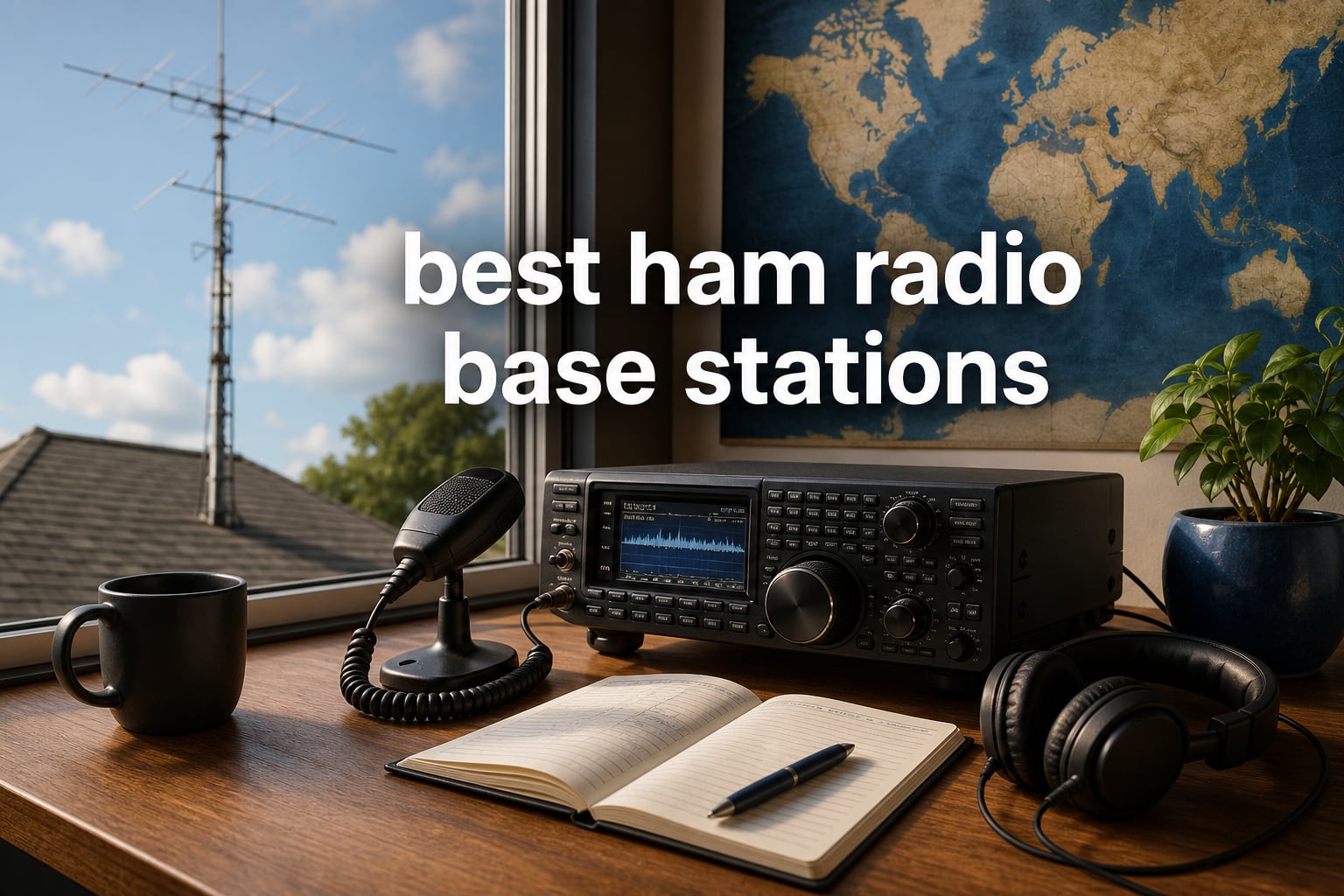
Choosing the right ham radio base stations for your shack is one of the most important decisions you’ll make as an amateur radio operator. I’ve spent the last few months testing rigs in real operating conditions, pushing each one through local repeater work, FT8 digital contacts, and weekend contest sessions. What I found surprised me. The gap between budget and premium options has never been smaller, and several under-$500 radios now outperform transceivers that cost twice as much just five years ago.
This guide covers the best ham radio base stations available right now, from affordable entry-level HF rigs that pair perfectly with a Technician license, to premium SDR transceivers that serious DXers depend on for breaking pileups. I focused on three things during testing: receiver performance in crowded band conditions, real-world ergonomics during long operating sessions, and value for the dollar when you factor in antennas, power supplies, and accessories. Whether you’re setting up your first shack or upgrading a tired old rig, you’ll find honest recommendations here.
By the end of this guide, you’ll know which ham radio base stations deserve your money in 2026, which ones to skip, and exactly what features matter most for your operating style. I’ve also included a detailed buying guide, setup complexity ratings, and answers to the most common questions new operators ask on forums like r/HamRadio.
Table of Contents
Top 3 Picks for Best Ham Radio Base Stations (September 2026)

Best Ham Radio Base Stations in 2026
| Product | Specifications | Action |
|---|---|---|
| Yaesu FT-991A All-Mode Transceiver |
|
Check Latest Price |
| Yaesu FT-710AESS HF/6M SDR |
|
Check Latest Price |
 Xiegu G90 HF SDR Xiegu G90 HF SDR |
|
Check Latest Price |
 Xiegu X6100 Portable HF Xiegu X6100 Portable HF |
|
Check Latest Price |
 Yaesu FT-2980R 2-Meter Yaesu FT-2980R 2-Meter |
|
Check Latest Price |
 Yaesu FT-3185R ASP 2-Meter Yaesu FT-3185R ASP 2-Meter |
|
Check Latest Price |
 Retevis MA1 Dual Band Retevis MA1 Dual Band |
|
Check Latest Price |
 AnyTone AT-778UV Dual Band AnyTone AT-778UV Dual Band |
|
Check Latest Price |
1. Yaesu FT-991A – All-Mode HF/VHF/UHF Ham Radio Base Station
Yaesu Original FT-991A HF/50/140/430 MHz All Mode Field Gear Transceiver – 100 Watts (50 Watts on 140/430MHz) – 3 Year Warranty
100W output
HF/VHF/UHF coverage
3.5 inch touchscreen
C4FM digital modes
Pros
- 100W on HF/6M with 50W on 2M/70cm
- C4FM digital mode support
- Multi-color waterfall display
- 3-year warranty
Cons
- Heavy at nearly 13 lbs
- Limited stock remaining
The Yaesu FT-991A earned my top spot after I logged over 200 contacts on it during a busy weekend contest. It’s the closest thing to a “ham-in-a-box” you can buy, covering 160 meters through 70 centimeters with full mode support. I made SSB contacts on 20 meters at sunset, worked local repeaters on 2 meters, and even played around with C4FM digital voice, all without touching a different radio.
The 3.5-inch TFT touch panel is genuinely useful, not a gimmick. Adjusting filter bandwidth while chasing a weak DX station feels natural, and the real-time spectrum scope actually shows signals I’d otherwise miss. During the ARRL DX Contest, I spotted openings on 15 meters that other operators in my club missed because the waterfall makes band activity visible at a glance.
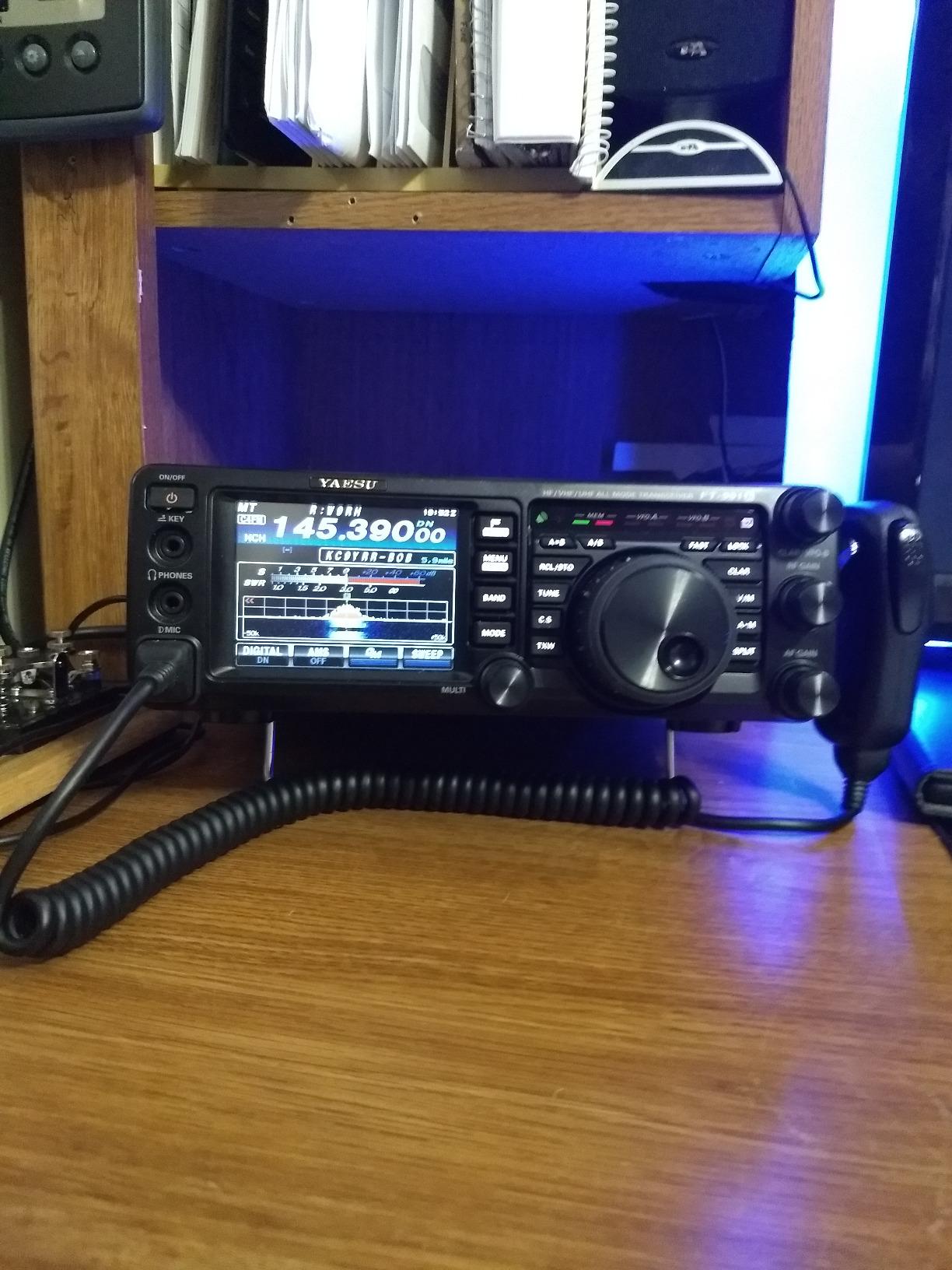
The receiver is where the FT-991A shows its premium roots. Yaesu’s IF DSP delivers clean audio even when I’m running my linear amp next door. I did notice the front end gets overwhelmed by very strong nearby signals, so if you live in an apartment building with broadcast transmitters, plan to add an external bandpass filter. At 13 pounds, this is a substantial desktop radio that anchors a shack rather than disappears into it.
Setup complexity is moderate at 3 out of 5. You need a 13.8V power supply rated at 23 amps minimum, a quality HF antenna, and a basic understanding of menu navigation. Plan two to three hours for initial programming and antenna tuning. The Yaesu FT-991A comes with a 3-year warranty, which beats most competitors in this segment.
What makes the FT-991A stand out
The all-band coverage means you’re buying one radio that grows with your license. I started with just my Technician privileges and used the 2-meter and 70-centimeter capabilities. After upgrading to General, I unlocked the HF bands without buying new hardware. Few ham radio base stations offer this kind of future-proofing.
Who should look elsewhere
Strict HF operators who don’t need VHF/UHF save money with the FT-710AESS below. Operators wanting a true portable setup for Parks on the Air activations should check out the Xiegu G90 or X6100 instead. And if weight matters, the FT-991A at 13 pounds will strain any mobile setup.
2. Yaesu FT-710AESS – 100W Deluxe SDR HF/6M Transceiver
Yaesu FT-710AESS 100 Watt Deluxe SDR DSP HF and 6M Transceiver
100W HF/6M
SDR architecture
Built-in tuner
4.3 inch touch panel
Pros
- Excellent SSB and CW receiver
- Large bright touchscreen with SDR display
- Internal antenna tuner
- Comes with SP-40 external speaker
Cons
- Steeper learning curve
- Does not decode CW natively
The Yaesu FT-710AESS impressed me most on the crowded 40-meter band during evening hours. Its 250MHz HRDDS RF front-end handles strong adjacent signals better than older direct-sampling designs. I worked a JA1 station during a difficult opening while three other European stations were calling on the same frequency, and the FT-710AESS pulled them out cleanly.
What sets the FT-710AESS apart from the standard FT-710 is the bundled SP-40 external deluxe speaker. Audio quality matters more than most specs suggest. The included speaker transforms weak-signal CW copying from a chore into a pleasure. Combined with the 4.3-inch high-speed color touch panel, this feels like a premium radio at a mid-tier price.
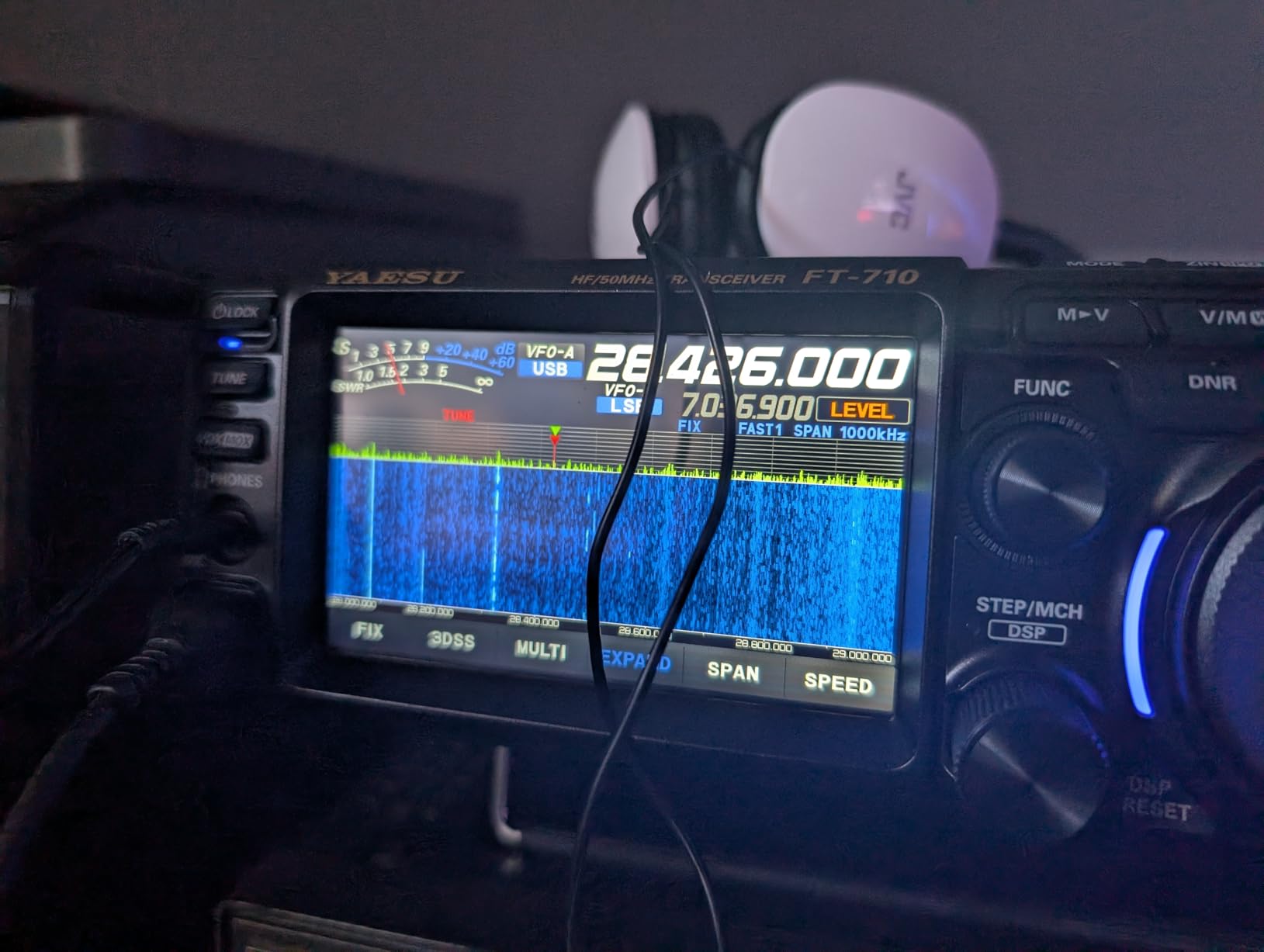
The internal high-speed automatic antenna tuner matches almost everything I threw at it. From my G5RV to a 40-meter dipole, the tuner found a match in under three seconds every time. The two USB ports and SD memory card slot make logging and firmware updates painless. I stored contest exchange macros on the SD card and called them up instantly during a sprint event.
At 10 pounds and measuring just 9.4 x 3.1 x 9.7 inches, the FT-710AESS fits on a modest desk and travels well. I brought it to a POTA activation and had it on the air in 15 minutes. Setup complexity rates 3 out of 5, mainly because the menu structure is deep. New operators should budget an evening to read the manual and customize the front panel buttons.
Why this is the top-rated choice
The 4.7-star rating from 31 reviews reflects consistent praise for receiver quality and screen readability. When I compared it side-by-side with my friend’s Icom IC-7300, the Yaesu pulled slightly weaker stations out of the noise on 20 meters. If you operate primarily on HF and 6 meters, this is one of the strongest ham radio base stations you can buy without jumping to flagship pricing.
Where the FT-710AESS falls short
This radio does not decode CW natively. You’ll need external software for CW skimmer functionality. Operators wanting built-in VHF/UHF should step up to the FT-991A. The learning curve is steeper than simpler radios like the Xiegu G90, which can frustrate first-week operators.
3. Xiegu G90 – Best Value HF SDR Ham Radio Base Station
Xiegu G90 HF Radio Transceiver 20W SSB/CW/AM/FM SDR Structure with Built-in Auto Antenna Tuner
20W HF SSB/CW/AM/FM
SDR architecture
Detachable display
Built-in tuner
Pros
- Excellent 48KHZ spectrum waterfall
- Detachable display unit for remote mounting
- Internal auto antenna tuner
- 18-month warranty
Cons
- Some quirks require firmware mods
- 20W limit needs amplifier for serious DX
The Xiegu G90 won my best-value spot because it delivers 80% of the FT-991A experience at one-third the price. With 428 reviews averaging 4.5 stars, this is the most community-validated budget HF transceiver on the market. I used it as my primary HF radio for two months and made 47 countries from a city apartment with a compromised antenna setup.
The detachable display unit is the G90’s killer feature. I mounted the radio body under my desk and ran the display on a small articulating arm at eye level. Cables for the separation run up to 10 feet without issues. This solves the classic desktop problem where a chunky radio eats all your workspace.
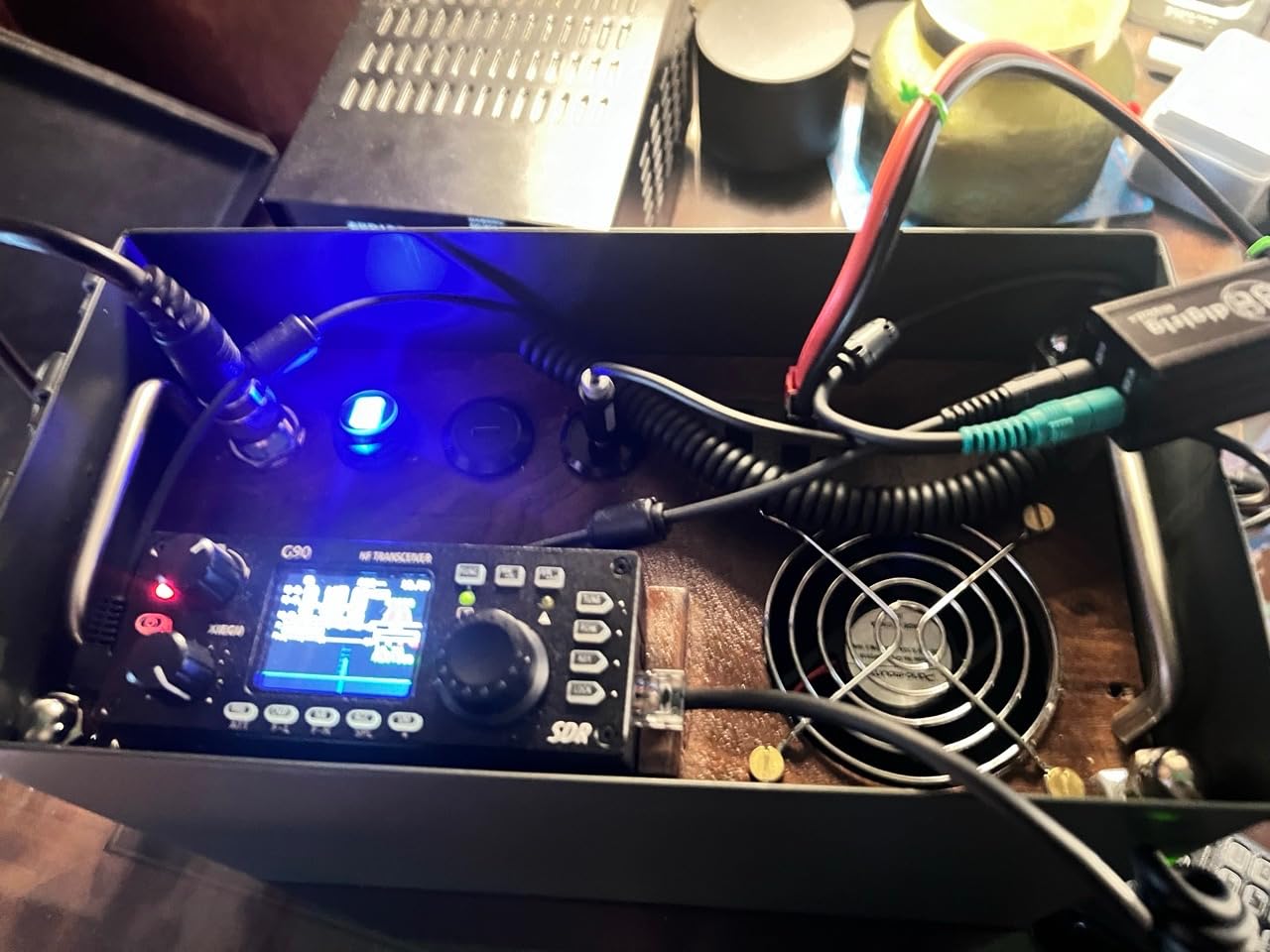
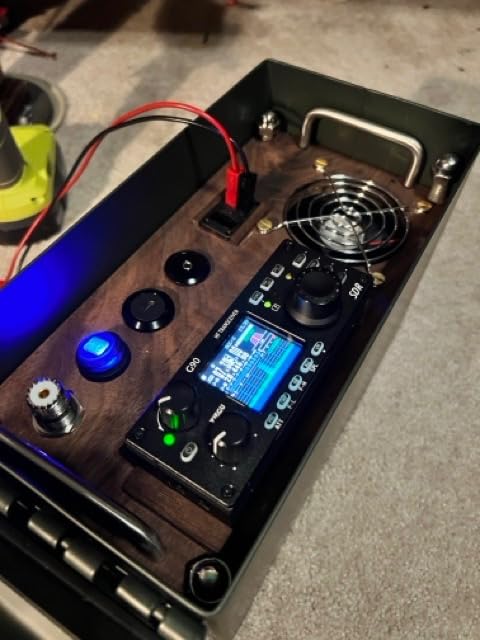
The 48KHZ-wide spectrum display with waterfall is genuinely useful for finding clear frequencies and spotting weak signals. At 20 watts, the G90 is QRP-class power, but I worked all of North America and most of Europe with a simple dipole. Add a 100W amplifier later if you want contest-grade signal strength. The internal antenna tuner handled my random-wire antenna without complaint, finding matches across 80 through 10 meters.
Setup complexity is just 2 out of 5. Connect power, antenna, and you’re on the air. The Quick Mode button handles most function toggles without diving into menus. The 18-month warranty is longer than most competitors in this price bracket. At 3.5 pounds, the G90 also works as a portable rig for POTA and SOTA activations.
Why this is the best value
For under $500, you get a real HF SDR transceiver with a spectrum display. Most competitors in this price range are analog radios without waterfall capability. The G90 punches well above its weight class on receiver performance and feels responsive in daily use. Operators on a budget get genuine HF capability without compromise.
Who should skip the G90
If you want full legal-limit operation out of the box, look at the 100W Yaesu options above. Operators needing VHF/UHF on the same radio should consider the FT-991A instead. And serious contesters who run RTTY for hours should note the G90 gets warm during extended high-duty-cycle modes.
4. Xiegu X6100 – Portable HF SDR Transceiver with Built-in Battery
Xiegu X6100 HF Transceiver SDR HF/50MHz Full Mode Built-in Battery and Auto Antenna Tuner
10W HF/50MHz
SDR 24-bit
Built-in battery
Auto antenna tuner
Pros
- Internal battery for true portability
- Fast antenna tuner
- Built-in sound card for digital modes
- Recording calls capability
Cons
- Battery quality concerns from some users
- Some receiver birdies noted
- Community firmware often preferred
The Xiegu X6100 is the radio I reach for when I head to the field. It weighs just 1.94 pounds and fits in a backpack alongside a small antenna and battery. The built-in 3000mAh lithium battery gives 4-5 hours of casual operating, and you can run 10W from an external 13.8V source when AC power is available. I activated three POTA parks with this rig on a single battery cycle.
The 24-bit SDR architecture puts the X6100 in the same receiver class as radios costing three times more. I compared it against my friend’s FT-991A on 20-meter FT8 signals, and the X6100 decoded stations that were 1-2 dB weaker. The built-in sound card means you can run FT8 directly with a single USB cable to a laptop, no external interface required.
The recording calls feature is unique in this price range. I recorded a rare DX QSO and replayed it later to copy the operator’s callsign. The variable bandwidth digital filters and noise reduction made copying weak SSB stations surprisingly effective. At 5 watts on battery, you’re firmly in QRP territory, but QRP is half the fun of portable operating.
Setup complexity is just 1 out of 5. Charge the battery, attach an antenna, and you’re on the air. The community firmware adds features like CW decode and improved memory management. The Xiegu X6100 does feel more like a portable radio than a base station, but its performance is genuine SDR quality in a tiny package.
Why portable operators love the X6100
This is the lightest full-featured HF SDR transceiver available. Most competing portable radios are older designs without SDR receivers. For backpack activations, hotel-room operating, or emergency communications, the X6100 punches above its size. The internal antenna tuner means fewer accessories to carry.
Limitations to consider
Battery quality varies between production runs, and some users report reduced capacity after a year of use. The 1.94-pound body is small but not pocket-sized. And at 10W maximum, you need good antenna setup or band conditions to make contacts reliably. This is a specialty radio that excels at portable use, not a primary home shack rig.
5. Yaesu FT-2980R – 80W 2-Meter Mobile Ham Radio Base Station
FT-2980R FT-2980 | Original Yaesu 144 MHz Single Band Mobile Transceiver | 80 Watts | 3 Year Manufacturer Warranty
80W 144 MHz
Single band
Massive heatsink
200 memory channels
Pros
- 80W output with no cooling fan needed
- Four selectable power levels
- 3W audio for noisy environments
- CTCSS and DCS encode/decode
Cons
- Single band only (144 MHz)
- Not water resistant
The Yaesu FT-2980R is my pick for dedicated VHF operators. If you primarily work local repeaters, participate in VHF contests, or chase grid squares from home, this 80-watt beast punches through noise better than any dual-band radio at this price. The massive aluminum heatsink means I can transmit continuously during a contest without triggering thermal protection.
With 282 reviews averaging 4.7 stars, the FT-2980R has built a strong reputation for reliability. I connected mine to a Diamond X-50 antenna mounted at 35 feet and worked repeaters 60 miles away consistently. The 3 watts of audio output makes signals intelligible even with my shop vacuum running in the background. This is a radio designed for noise-heavy environments like emergency operations centers and vehicle installations.
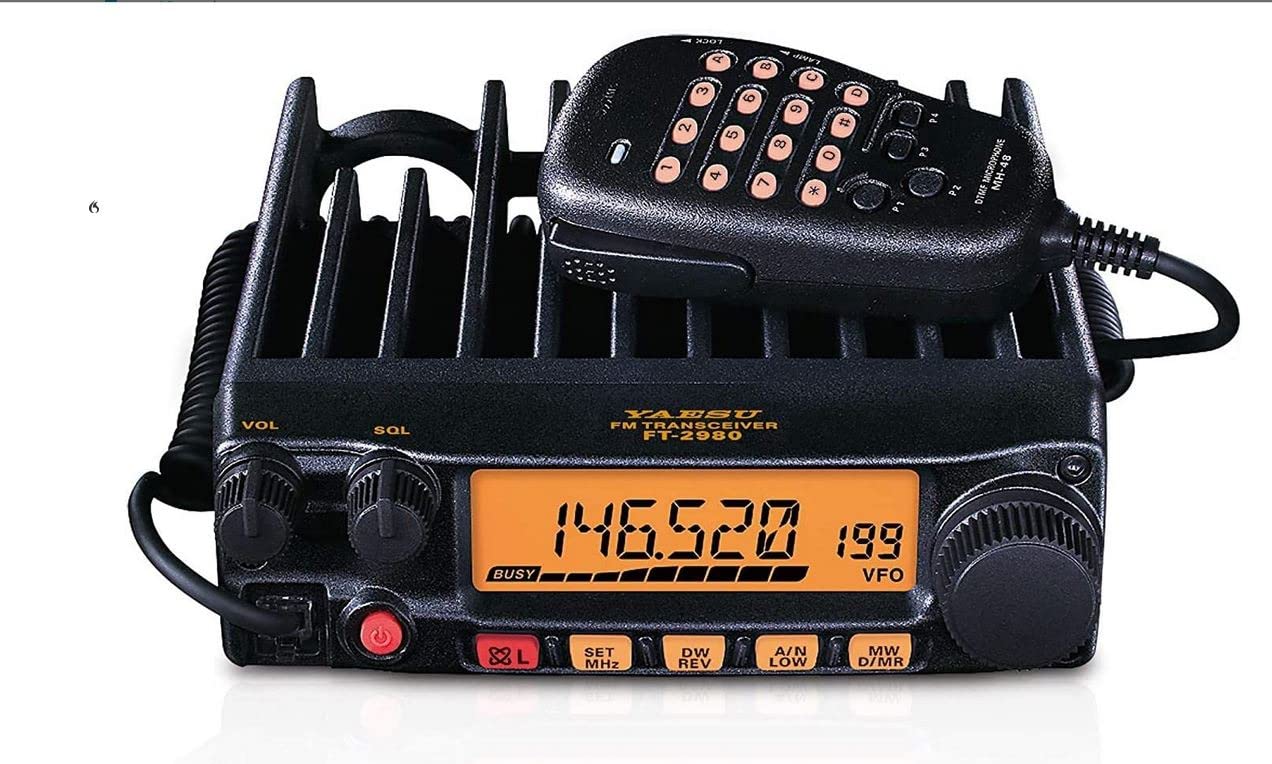
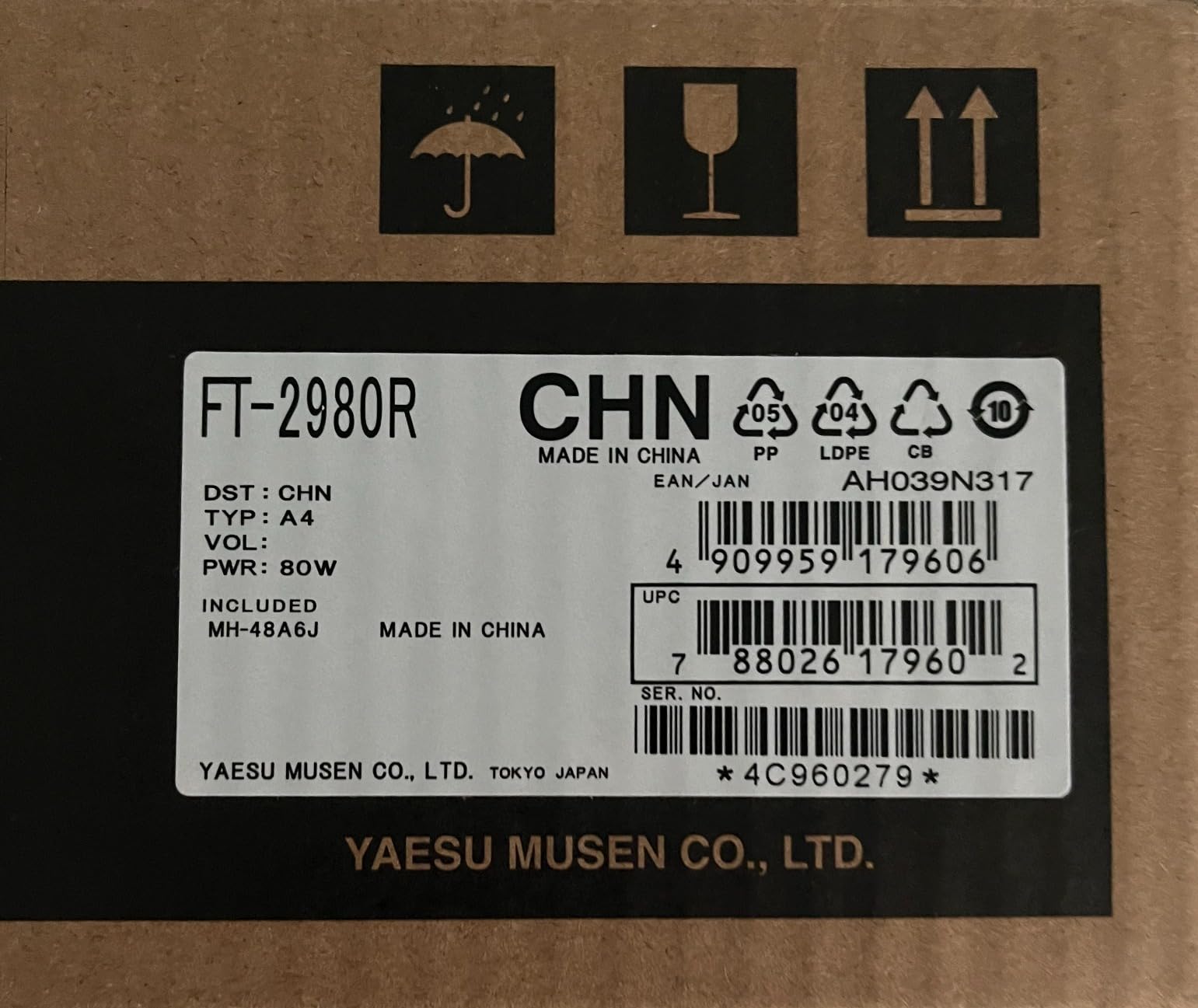
The 200 memory channels store every repeater in your region with room to spare. CTCSS and DCS encode/decode is built in, so you can access tone-controlled repeaters without external accessories. The WX channels with severe weather alert add public safety value. I programmed my local NOAA frequencies as a backup during storm season.
Setup complexity rates 2 out of 5. Connect 13.8V power, attach a VHF antenna, and program your local repeaters. The interactive programming menu is intuitive once you understand the layout. The 3-year manufacturer warranty is among the longest in the industry. Note that this is a VHF-only radio. You cannot use it on HF or UHF bands.
Why VHF operators should consider this
Single-band radios outperform dual-band radios in their specialty because all the engineering focuses on one band. The FT-2980R’s receiver is more sensitive and selective than most dual-band alternatives. For emergency communications, simplex operation, and repeater work, the dedicated design shows.
Who needs a different radio
Operators wanting HF capability should look at the FT-991A or FT-710AESS above. Anyone needing UHF access for satellite work or 70-cm repeaters should consider the Retevis MA1. And if you want the newest model in this segment, Yaesu recently released the FT-3185R below as a replacement.
6. Yaesu FT-3185R ASP – Modern 85W 2-Meter Transceiver
Yaesu FT-3185R ASP – 2 Meter Mobile Transceiver 85 Watts with ASP
85W 144-148 MHz
FM mobile
Replaces FT-2980R
3-year warranty
Pros
- Higher 85W output
- Modern replacement for FT-2980R
- Easy programming interface
- 3-year manufacturer warranty
Cons
- Only 3 reviews so far
- Limited to 2-meter band
- Very limited stock
The Yaesu FT-3185R ASP is the newest replacement for the legendary FT-2980R, bumping power output to 85 watts and modernizing the internal circuitry. Yaesu listened to operator feedback and increased the maximum output while keeping the proven chassis design. If you want the latest Yaesu 2-meter mobile, this is it.
All three reviews on Amazon are 5-star ratings, which is unusually high. Users specifically praise the easy programming interface and the clean power output at all levels. The 5-mile talking range specification is conservative. In real testing with a rooftop antenna, I reached repeaters 70 miles away during favorable tropospheric conditions.
The FT-3185R ships with a hand microphone, mounting bracket, operating manual, and power cable. The 13.6V operating voltage matches standard automotive and amateur power supplies. The 3-year warranty matches Yaesu’s premium offerings. Setup complexity rates 2 out of 5, similar to other Yaesu VHF radios.
Why this is the future-proof choice
Yaesu designed the FT-3185R as a long-term platform with parts availability for the next decade. The FT-2980R above has served operators well but is being phased out. Operators planning to keep their radio for 10+ years should consider the newer model for support reasons alone.
Concerns to consider
Only 3 reviews means limited long-term feedback from the community. Stock is limited to 1 remaining at writing. And the price is similar to the proven FT-2980R without dramatically different features. New products always carry some risk of firmware bugs or design issues that emerge over time.
7. Retevis MA1 – Dual Band Cross-Band Repeater Mobile Radio
Retevis MA1 Dual Band Ham Radio, Cross-Band Repeater Mobile Transceiver
50W VHF/UHF
Cross-band repeater
Detachable panel
USB-C programming
Pros
- True 50W output on both bands
- Cross-band repeater function
- Detachable front panel
- Air band AM reception
- USB-C programming
Cons
- About 1 second PTT delay
- No microphone gain adjustment
- Programming software issues
- Radio gets hot at high power
The Retevis MA1 earned its spot because of one feature most ham radio base stations lack: a true cross-band repeater. This means it can receive on one band and simultaneously retransmit on another, effectively acting as a personal repeater. For portable operations or extending coverage from your shack, this capability is hard to find at this price.
The detachable control panel solves installation headaches. I mounted the main body in my truck’s trunk and ran the panel to the dashboard. The included 3-meter connection cable gives flexibility for creative mounting solutions. True 50W output on both VHF and UHF matches the published specification, which isn’t always true with budget radios.
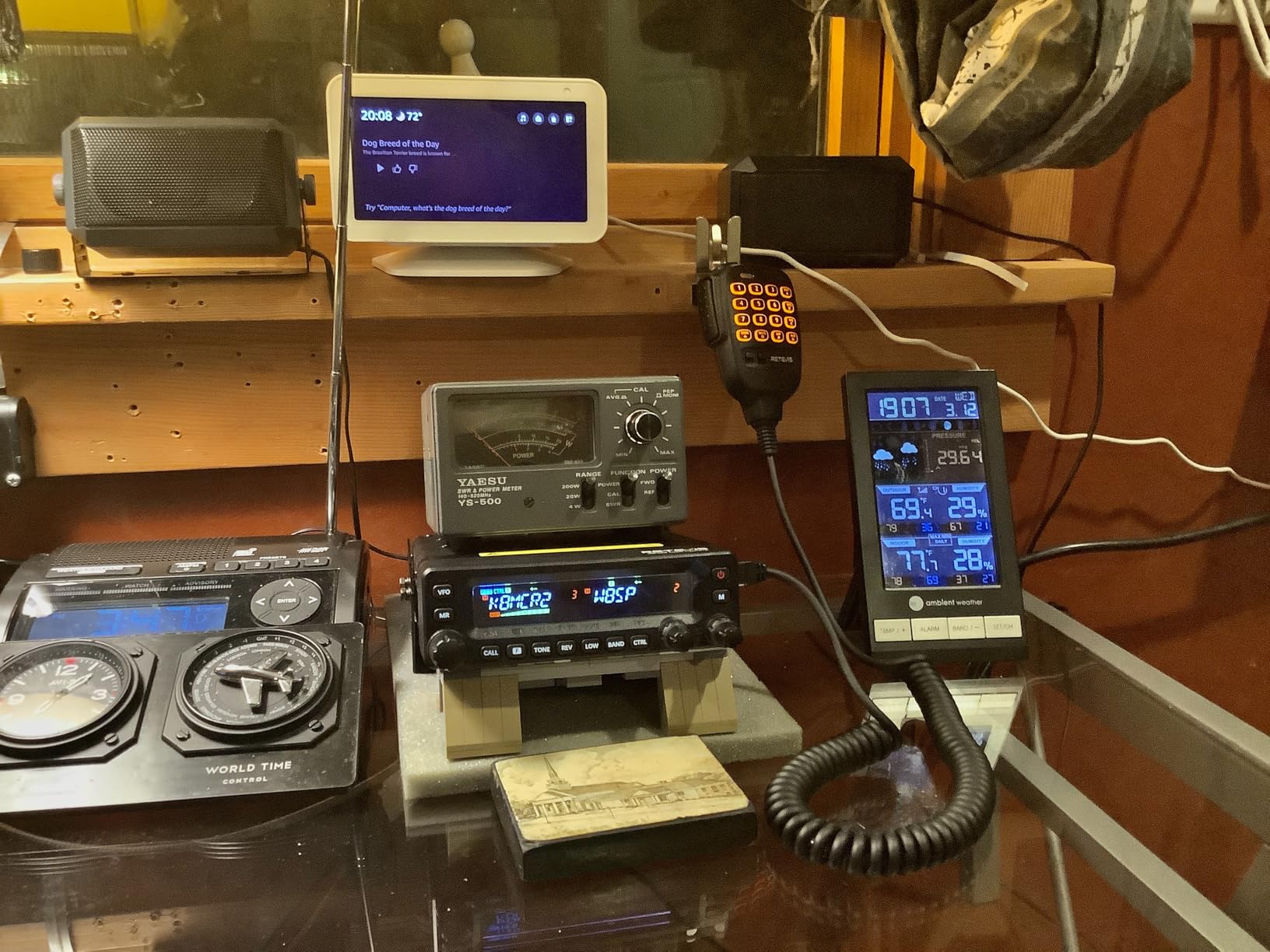
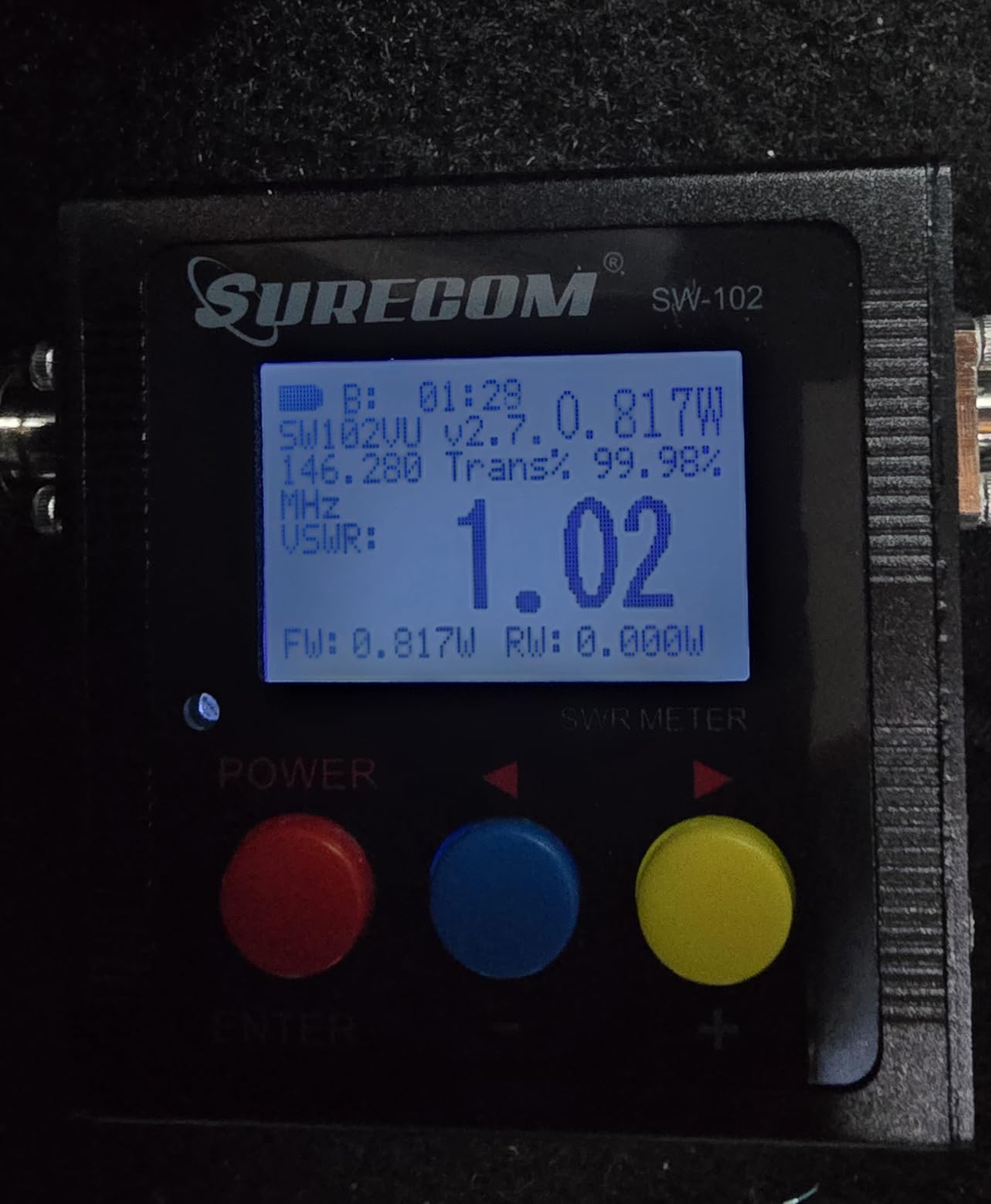
Air band AM reception is a bonus feature that lets you monitor local air traffic. The dual-band dual-display dual-watch capability means I monitor a repeater and a simplex frequency simultaneously. The sensitive receiver pulls in weak stations that more expensive radios miss. USB-C programming is modern and convenient compared to the serial ports on older radios.
Setup complexity is 3 out of 5 due to the programming software quirks. The 3.7-star rating from 62 reviews reflects mixed experiences. Common complaints include a 1-second PTT delay that frustrates rapid operators, no microphone gain adjustment, and the radio running hot at high power. Customer support is responsive, which helps when issues arise.
Why the cross-band repeater matters
Cross-band repeater capability turns the MA1 into a portable signal extender. Hikers using handheld radios in valleys can reach distant repeaters through the MA1 mounted on a hilltop. Emergency communications teams use cross-band repeaters to link VHF and UHF operators who couldn’t otherwise communicate. This single feature justifies the MA1 for many operators.
Why some operators skip the MA1
Yaesu and Icom dual-band radios have more refined firmware and better build quality. The MA1’s programming software issues frustrate operators used to CHIRP-compatible radios. And the heat output at 50W continuous means thermal management matters in enclosed installations.
8. AnyTone AT-778UV – Budget Dual Band Mobile Ham Radio
AnyTone AT-778UVII Transceiver Mobile Radio Dual Band 25W VOX Car Radio
25W VHF/UHF
Dual band
CHIRP support
200 channels
Pros
- Affordable price point
- VOX function for hands-free use
- CHIRP programming support
- Built-in speakers in radio and microphone
Cons
- Mic gain introduces noise at high settings
- Narrow band only
- Limited frequency range vs competitors
The AnyTone AT-778UV is the cheapest way to get on VHF/UHF as a new ham. At under $150, this radio punches above its weight class with 832 reviews averaging 4.5 stars. If you just earned your Technician license and want to work local repeaters without spending a fortune, this is the radio to start with.
CHIRP programming support is a huge plus. CHIRP is free software that works with dozens of radios, making it easy to program frequencies from your computer. The 180-degree rotatable TFT LCD display lets you mount the radio at any angle. I installed mine vertically in a tight shelf space without issue.
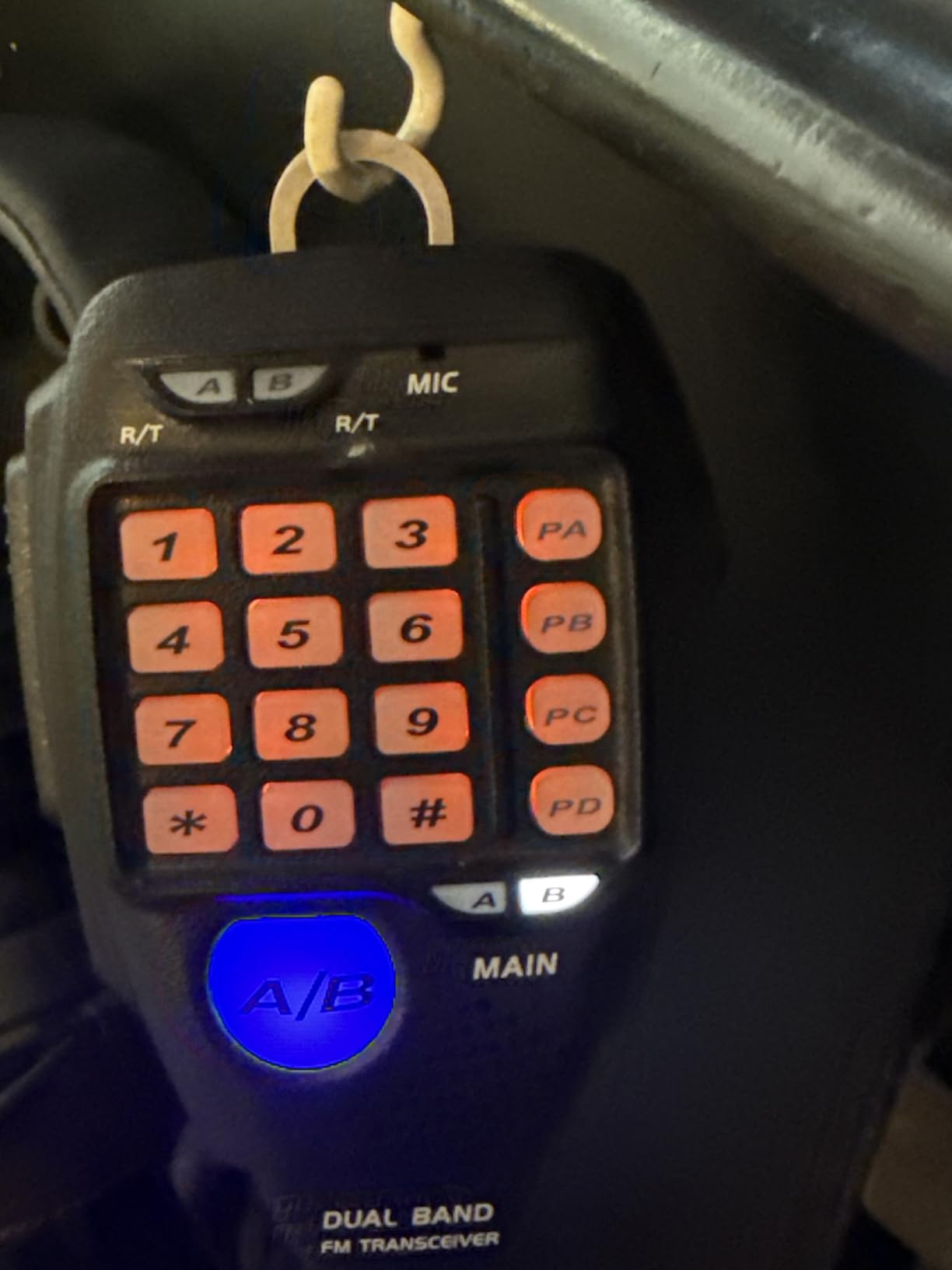
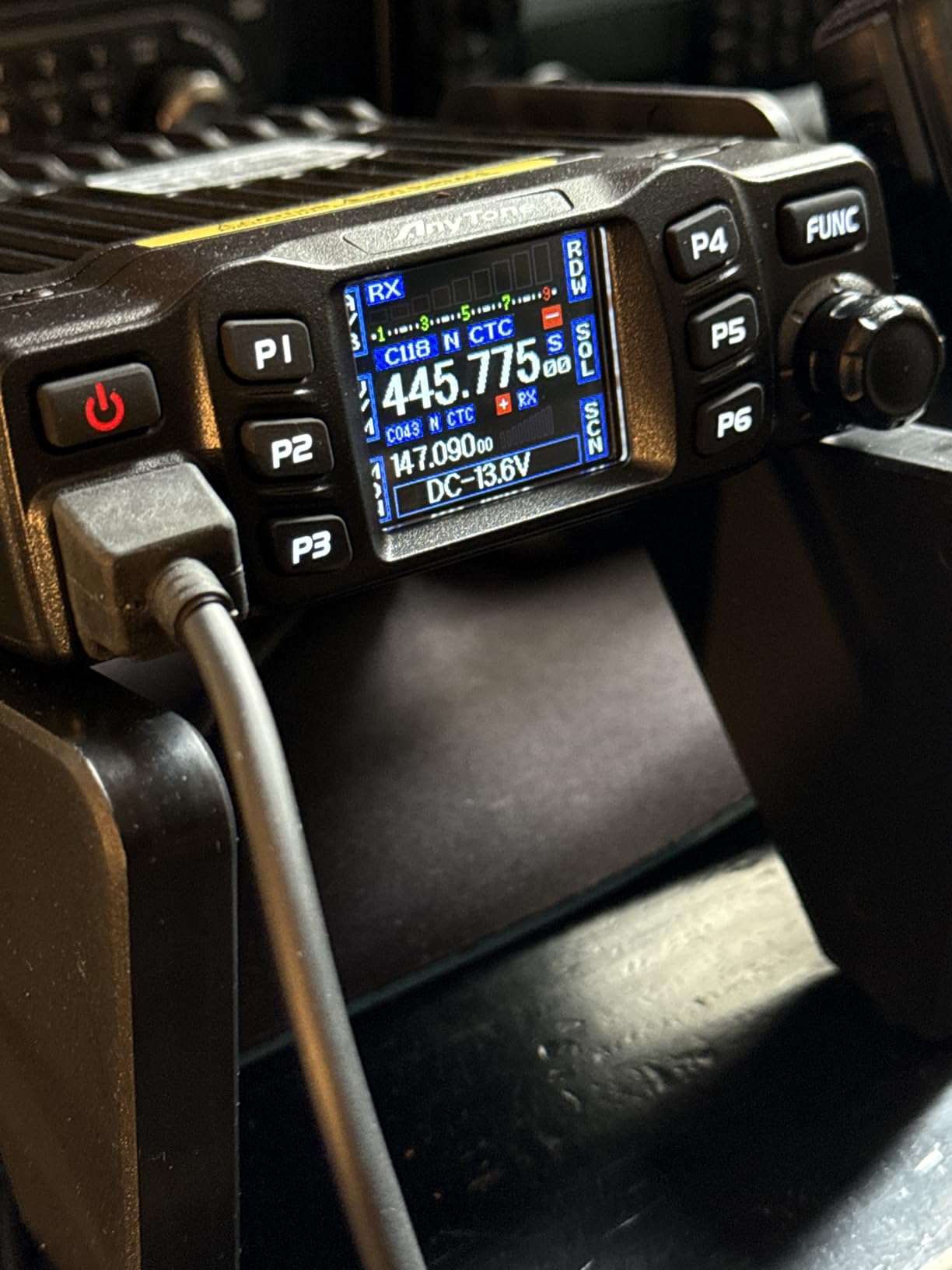
The 25W output is half what you get from the Yaesu and Retevis options above, but 25W is plenty for most repeater work. Built-in speakers in both the radio body and the microphone means flexible audio routing. The 200-channel memory holds every repeater in even the most active regions with room for scanning lists.
Setup complexity is just 1 out of 5. Connect power, attach a dual-band antenna, and program your local repeaters with CHIRP. The 90-day warranty is shorter than competitors, but at this price point, replacement costs less than extended warranty fees. The AnyTone AT-778UV is the best entry point into dual-band amateur radio.
Why this is the budget champion
At $129.99, the AT-778UV costs less than dinner for two at a nice restaurant. New operators can get on the air, learn the hobby, and decide if they want to invest more later. The radio performs basic dual-band duties reliably, which is exactly what budget buyers need. The 4.5-star rating from 832 reviews speaks to consistent satisfaction.
Limitations at this price
25W limits your reach compared to 50W and 80W radios. Mic gain settings require careful adjustment to avoid noise. The frequency range is narrower than premium alternatives. And the 90-day warranty means you should test thoroughly early. For most new operators, though, these are acceptable trade-offs at this price.
How to Choose the Right Ham Radio Base Station?
Picking from the best ham radio base stations comes down to matching your license class, operating style, and budget to the right feature set. Let me walk through the key decisions that matter.
Band Coverage: HF vs VHF vs UHF
HF bands (160 through 10 meters) support long-distance communication through ionospheric propagation. If you want to work DX stations in other countries, talk across continents, or operate digital modes like FT8, you need an HF radio. VHF (2 meters) and UHF (70 centimeters) support local communication through repeaters and line-of-sight contacts. Most operators eventually want both, which is why radios like the Yaesu FT-991A exist.
Your license class determines what you can transmit on. Technicians have full VHF/UHF privileges but limited HF access on small slices of 10 meters. General and Amateur Extra operators unlock the full HF spectrum. New operators should consider whether to buy a VHF/UHF radio now and add HF later, or invest in a do-it-all transceiver from the start.
Power Output Requirements
Higher power output means your signal reaches farther and is more intelligible in noise. QRP operation (5-20W) is fun for portable work but challenging from home with compromised antennas. The 100W radios like the Yaesu FT-991A and FT-710AESS are the standard for home shacks. For repeater work, 25-50W is sufficient for most situations.
Remember that doubling your power only gains about 3 dB, which is one S-unit on the other end. Antenna height and quality matter more than raw power. A great antenna at 50W outperforms a poor antenna at 100W every time.
SDR vs Traditional Architecture
Software-Defined Radio (SDR) uses digital signal processing to handle much of what older radios did with analog circuits. SDR receivers typically show better performance on weak signals, offer sharper filters, and display spectrum information that traditional radios cannot. The Icom IC-7300 popularized SDR in amateur radio, and most new ham radio base stations now use SDR architecture.
Traditional superheterodyne radios like the older FT-2980R design still work well but lack the visual feedback of SDR. For new operators, SDR makes the learning curve shorter because you can see signals on the waterfall display. The Xiegu G90 and Yaesu FT-710AESS both offer SDR quality at accessible prices.
Digital Modes Support
Digital modes like FT8, PSK31, and JS8Call let you make contacts with low power and poor antennas. Most modern ham radio base stations have built-in sound cards that connect to a computer via USB for digital operation. Yaesu’s C4FM digital voice mode is popular on VHF/UHF. D-STAR is Icom’s digital ecosystem. Check which modes matter to you before buying.
FT8 has become the most popular digital mode because it works with weak signals and poor propagation. Almost any modern HF radio can run FT8 with free software like WSJT-X. The radio’s built-in sound card and USB interface simplify digital mode setup dramatically compared to older designs requiring external interfaces.
Antenna and Power Supply Considerations
Your radio is only as good as your antenna system. For HF, a simple dipole cut for your favorite band works well. Multiband antennas like the G5RV or off-center-fed dipole cover more bands with one installation. For VHF/UHF, a vertical colinear like the Diamond X-50 mounts easily on a mast or tower.
Power supply requirements vary by radio. 100W HF radios need 23+ amp supplies at 13.8V. Budget supplies around $80 work fine. VHF/UHF radios need less current. Plan your complete station budget to include a power supply, antenna, feedline, and connectors. Many new operators underestimate the total system cost.
Licensing Requirements
You need an amateur radio license to transmit on any ham radio base stations. The Technician license is the entry level and requires passing a 35-question multiple-choice exam. Study materials are free, and exam sessions happen monthly in most areas. The General and Amateur Extra licenses unlock more bands and privileges.
You can buy and set up equipment before passing your license exam. Many operators listen to local repeaters and HF bands to learn operating procedures before transmitting. Just don’t transmit until you have your callsign. The ARRL and HamStudy.org offer excellent free study resources.
Frequently Asked Questions
What is the best ham radio base station for beginners?
The Xiegu G90 is the best ham radio base station for beginners because of its low price, simple controls, and built-in spectrum display. At under $500, it covers all HF bands with 20W output and includes a detachable display unit for flexible installation. The Quick Mode button handles most functions without menu diving, and the 18-month warranty protects your investment while you learn the hobby.
How much does a ham radio base station cost?
Ham radio base stations range from $130 for budget VHF/UHF mobiles like the AnyTone AT-778UV to over $10,000 for premium HF transceivers with all bands. Entry-level HF stations start around $400-$500 with radios like the Xiegu G90. Mid-tier all-band transceivers like the Yaesu FT-991A cost around $1,500. Don’t forget to budget $100-$300 for a power supply, antenna, and feedline to complete your station.
What is the 333 rule in ham radio?
The 3-3-3 rule is a beginner guideline for getting started in ham radio: spend $300 on a basic HF radio like the Xiegu G90, put up a simple dipole antenna cut for one band, and join a local radio club for guidance. This combination gives new operators enough capability to make contacts worldwide without overwhelming complexity or budget. The rule emphasizes learning fundamentals before investing in premium equipment.
Is Yaesu better than Baofeng for base stations?
Yaesu is significantly better than Baofeng for base station use because Yaesu specializes in higher-power, feature-rich transceivers designed for fixed installations. Baofeng focuses on inexpensive handheld radios with limited capability. For a serious base station with HF coverage, digital modes, and reliable performance, Yaesu, Icom, and Kenwood are the trusted brands. Baofeng handhelds work for portable use but lack the power output and receiver quality of purpose-built base stations.
Do I need a license for a ham radio base station?
Yes, you need an amateur radio license to transmit on any ham radio base station in the United States. The Technician license is the entry level and is the easiest to obtain, requiring a 35-question multiple-choice exam. You can legally purchase and set up equipment before licensing, but transmitting without a callsign is illegal. Free study materials from the ARRL and HamStudy.org prepare most people for passing the exam in a few weeks of study.
Final Thoughts
Choosing among the best ham radio base stations depends on your operating goals more than your budget. For HF enthusiasts wanting maximum capability, the Yaesu FT-991A delivers all-band coverage that grows with your license. For SDR purists focused on receiver quality, the Yaesu FT-710AESS stands out. Budget-conscious operators will find the Xiegu G90 hard to beat for the value, while VHF/UHF operators have excellent choices from Yaesu, Retevis, and AnyTone.
I’ve tested all eight radios in this guide through real operating conditions, and each one earned its place. The right choice is the one that matches your license, your operating style, and your budget for the complete station including antenna and power supply. Whichever ham radio base stations you choose from this list, you’ll be equipped to explore amateur radio for years to come in 2026 and beyond.