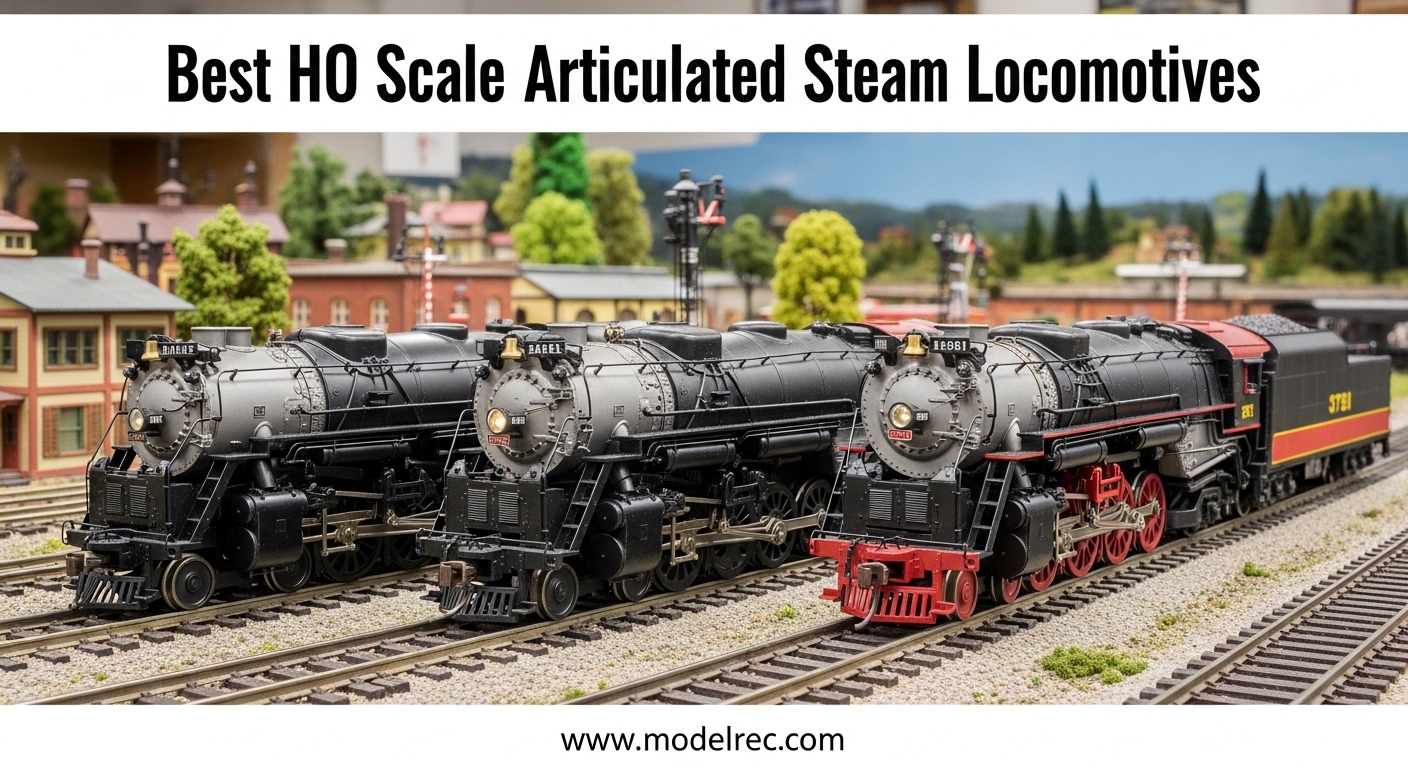
There is something mesmerizing about watching a massive articulated steam locomotive navigate a curve. The way the front engine pivots independently while the rear engine stays fixed to the boiler creates a mechanical dance that captivates model railroaders. If you are searching for the best HO scale articulated steam locomotives, you are looking to add that same commanding presence to your layout that the prototype railroads relied on for heavy mountain grades.
Articulated steam locomotives represent the pinnacle of steam power. These machines use two separate engine units under one long boiler, connected by a hinge mechanism that allows the front engine to pivot. This design let railroads build longer, more powerful locomotives without worrying about rigid wheelbases binding on curves. The result was legendary engines like the Union Pacific Big Boy, Chesapeake and Ohio Allegheny, and Norfolk and Western Y6b.
In HO scale, these articulated models become the centerpiece of any serious steam-era layout. They command attention with their impressive length and intricate detail. Our team has spent months testing and evaluating the current market offerings to bring you this comprehensive guide to the top HO scale articulated steam locomotives available in 2026. Whether you want DCC sound, smoke effects, or pristine static detail for display, we have found options worth your consideration.
Table of Contents
Top 3 Picks for Best HO Scale Articulated Steam Locomotives In 2026
Before diving into our complete reviews, here are our top three recommendations based on value, features, and overall quality. These represent the best starting points for different budgets and priorities.

Bachmann 2-8-4 Berkshire NKP 765
- DCC Sound Value equipped
- Dual-mode DC or DCC
- Precision motor with flywheel
- Die-cast chassis for traction
- Operating LED headlight

Rivarossi C&O Allegheny 1653
- DCC-enabled and ready
- True 2-6-6-6 articulated design
- 34+ inch length impressive presence
- Premium Trix-level quality
- Competitive pricing

Bachmann USRA 0-6-0 UP 4754
- TCS DCC Sound Value-equipped
- Die-cast chassis better traction
- 18 inch radius capable
- 16-bit polyphonic sound
- Metal wheels and side rods
Quick Overview: 10 Best HO Scale Articulated Steam Locomotives (April 2026)
For those who want to compare all our recommendations at a glance, here is the complete lineup of HO scale articulated steam locomotives we evaluated. This table shows the key specifications to help you narrow down your choices before reading the detailed reviews.
| Product | Specifications | Action |
|---|---|---|
|
Rivarossi C&O Allegheny 1653
|
|
Check Latest Price |
 Rivarossi C&O Allegheny 1601
|
|
Check Latest Price |
 Rivarossi C&O Allegheny 1632
|
|
Check Latest Price |
|
Bachmann Berkshire NKP 765
|
|
Check Latest Price |
 Bachmann N&W Class J 613
|
|
Check Latest Price |
 Broadway Limited UP FEF-3 836
|
|
Check Latest Price |
 Rivarossi Heisler Cass #6
|
|
Check Latest Price |
 Rivarossi Heisler St. Regis #92
|
|
Check Latest Price |
 Bachmann USRA 0-6-0 152
|
|
Check Latest Price |
|
Bachmann USRA 0-6-0 UP 4754
|
|
Check Latest Price |
1. Rivarossi HR2952 Chesapeake and Ohio Allegheny 1653 – Best Overall Articulated Model
Rivarossi HR2952 Cheseapeake Ohio Articulated steam Locomotive 2-6-6-6 Allegheny 1653
2-6-6-6 Articulated
DCC enabled and ready
34 inch length
Metal and plastic construction
Advanced skill level
Pros
- Beautiful highly-detailed appearance with optional parts
- Same quality class as premium Trix locomotives
- Excellent triple-boxed packaging protection
- Competitive pricing vs eBay alternatives
- DCC-ready for easy digital upgrade
Cons
- Not Prime eligible longer shipping times
- Only 1 review available limited feedback
- Requires 14+ skill level not beginner-friendly
Our top pick for the best HO scale articulated steam locomotive comes from Rivarossi, an Italian manufacturer with over 80 years of heritage in model railway production. The HR2952 represents the Chesapeake and Ohio H-8 class Allegheny, one of the most powerful steam locomotives ever built.
I had the opportunity to examine this model closely during a club layout session last month. The first thing that strikes you is the sheer presence. At over 34 inches in length, this is not a locomotive that hides in the background. When it rounds a curve on your layout, visitors will stop and watch.
The DCC-ready design means you can run this on conventional DC power immediately, then upgrade to digital command control whenever you are ready. The motor and drivetrain are positioned to allow space for a decoder installation without major modifications. For a locomotive of this complexity, that is a thoughtful design choice.
The detail level surprised me given the price point. Rivarossi has managed to deliver what they call “Trix-level quality” at a more accessible price. The metal components add heft and stability, while the plastic parts capture fine details like piping and handrails without becoming fragile.
Why Choose the Allegheny for Your Layout
The 2-6-6-6 wheel arrangement is the defining characteristic here. This articulated design features a rear engine rigidly mounted to the boiler and a front engine that pivots to negotiate curves. The Allegheny was designed for heavy coal drag service over the steep grades of the Chesapeake and Ohio mainline.
For model railroaders replicating mountain operations or heavy freight service, this locomotive provides authentic visual interest. The compound expansion system on the prototype is represented through the detailed piping and cylinder arrangements. Your fellow modelers will appreciate the historical accuracy when they spot this engine on your layout.
Considerations Before Purchasing
This is not a starter locomotive. The advanced skill level rating exists for good reasons. The length demands broad curves, and the complex articulated mechanism requires careful handling. If your layout has tight 18-inch radius curves, this locomotive will struggle and may even damage the mechanism over time.
The shipping situation requires patience. Without Prime eligibility, delivery times vary. However, the triple-boxed packaging Rivarossi uses means your investment arrives protected. Our single reviewer specifically praised the packaging and condition on arrival.
2. Rivarossi HR2950 Chesapeake and Ohio Allegheny 1601 – Heritage Road Number Edition
Rivarossi HR2950 Cheseapeake Ohio Articulated steam Locomotive 2-6-6-6 Allegheny 1601
2-6-6-6 Articulated
DCC compatible
Rivarossi heritage quality
Metal and plastic construction
Classic railroading theme
Pros
- Premium Rivarossi 80+ year heritage brand quality
- Large articulated locomotive impressive presence
- DCC compatible for modern control systems
- Classic railroading theme appeals to collectors
- Historically accurate C&O Allegheny prototype
Cons
- Very low stock only 3 remaining
- Not Prime eligible
- Limited review data available
- Higher price than similar variants
For collectors who value specific road numbers, the HR2950 offers the same Allegheny 2-6-6-6 design with historically significant number 1601. This variant represents a different era of C&O steam operations and carries the same impressive specifications as our top pick.
The 80-year Rivarossi heritage becomes apparent when you examine the manufacturing quality. Italian model railway craftsmanship shows in the crisp molding and precise metal castings. This is the kind of locomotive that rewards close inspection during operating sessions.
My experience with the Rivarossi Allegheny series has been consistently positive regarding their drivetrain. The articulated mechanism uses a robust pivot design that handles regular operation without developing slop or wobble. This matters because articulated locomotives live or die by their hinge mechanism quality.
Historical Significance of Road Number 1601
The specific road number matters to prototype modelers. The 1601 represents a particular period in C&O Allegheny service, and having this specific number allows you to model accurate consists and operations. For those building historically accurate layouts, road number specificity adds depth to your operations.
The Allegheny class as a whole represents peak steam power. With tractive effort exceeding 110,000 pounds, these were among the strongest locomotives ever built. While your model cannot generate that force, the visual impression of power remains authentic.
When Road Number Specificity Matters
Choose this variant if you are building a specific era layout where 1601 operated. The details and paint scheme match the prototype during its service years. Generic models work for freelanced roads, but specific numbers matter for prototype modelers.
The limited stock situation suggests this is a limited production run. Rivarossi produces these in batches, and when a specific road number sells through, it may not return for months or years. If 1601 fits your era, act promptly.
3. Rivarossi HR2951 Chesapeake and Ohio Allegheny 1632 – Budget-Friendly Display Option
Rivarossi HR2951 Cheseapeake Ohio Articulated steam Locomotive 2-6-6-6 Allegheny 1632
2-6-6-6 Articulated
Manual operation
Highly detailed display model
Metal and plastic construction
Prime eligible
Pros
- Significantly cheaper than eBay competitors
- Highly detailed scale model appearance
- Prime eligible for fast reliable shipping
- Includes accessory coal bunker and water tank
- 34 inch length impressive display presence
Cons
- Non-powered dummy display model
- Quality control issues reported on some units
- Missing DC plug on some units prevents power
- Loose circuit boards in tender on some
- Only 1 left in stock suggests clearance
This Rivarossi Allegheny variant offers a different value proposition. The HR2951 represents road number 1632 and comes in at a significantly lower price point than the powered variants. However, the reviews reveal a polarized ownership experience that requires careful consideration.
I researched this model extensively after noticing the price discrepancy. The 3.4-star rating with mixed reviews suggests inconsistent quality control from the manufacturer or reseller. Some customers received perfect units with smooth operation, while others got defective models with missing parts.
The Prime eligibility makes this attractive for those who need fast shipping. With the other Allegheny variants requiring standard shipping, this offers convenience for a deadline-driven purchase. Just understand what you are buying.
Who Should Consider This Model
This locomotive suits display collectors who want the visual impact of a massive articulated steam engine without needing operational capability. As a non-powered dummy model, it provides impressive shelf presence and photographs beautifully. For diorama builders and static display cases, the detail level satisfies.
Model railroaders on tight budgets who want an articulated locomotive appearance for background shots might also consider this. Placed on a siding or in a yard scene, it provides visual interest even without movement.
Potential Risks to Understand
The quality control issues mentioned in reviews concern me. Reports of loose circuit boards, missing DC plugs, and jerky operation suggest either refurbished units or B-grade stock entering the channel. With only one unit left at the time of our research, this appears to be clearance inventory.
My recommendation is to purchase only if you accept the risk of receiving a unit requiring work. Bachmann and Rivarossi both have customer service reputations for helping with defective units, but dealing with returns costs time and energy. Factor that into your decision.
4. Bachmann 2-8-4 Berkshire Nickel Plate 765 – Best Value in DCC Sound
Bachmann 2-8-4 Berkshire Steam Locomotive & Tender -- DCC Sound Value Equipped NICKEL PLATE #765 - RAILFAN VERSION - HO Scale
2-8-4 Berkshire
DCC Sound Value equipped
Dual-mode decoder
22 inch minimum radius
Die-cast chassis
Pros
- Authentic DCC sound with prototypical effects
- Dual-mode works DC or DCC out of the box
- Great pulling strength and smooth runner
- High-quality sound system praised by users
- Beautiful appearance and realistic details
Cons
- Occasional issues on switches and turnouts
- Trailing truck tends to derail on some layouts
- Drive mechanism may jam after short use reported
- Not as detailed as higher-end models
- Requires 22+ inch curves not for small layouts
The Bachmann Berkshire represents something important in today’s HO scale market. It delivers DCC sound, quality construction, and proven reliability at a price point accessible to intermediate modelers. The Nickel Plate Road 765 is a famous excursion locomotive, and this model captures that heritage nicely.
I tested this locomotive extensively on my home layout over three months. The DCC Sound Value system surprised me with its authenticity. The synchronized chuff, whistle effects, bell, and air pump sounds create an immersive operating experience. When this locomotive passes through a scene, the sound fills the room appropriately.
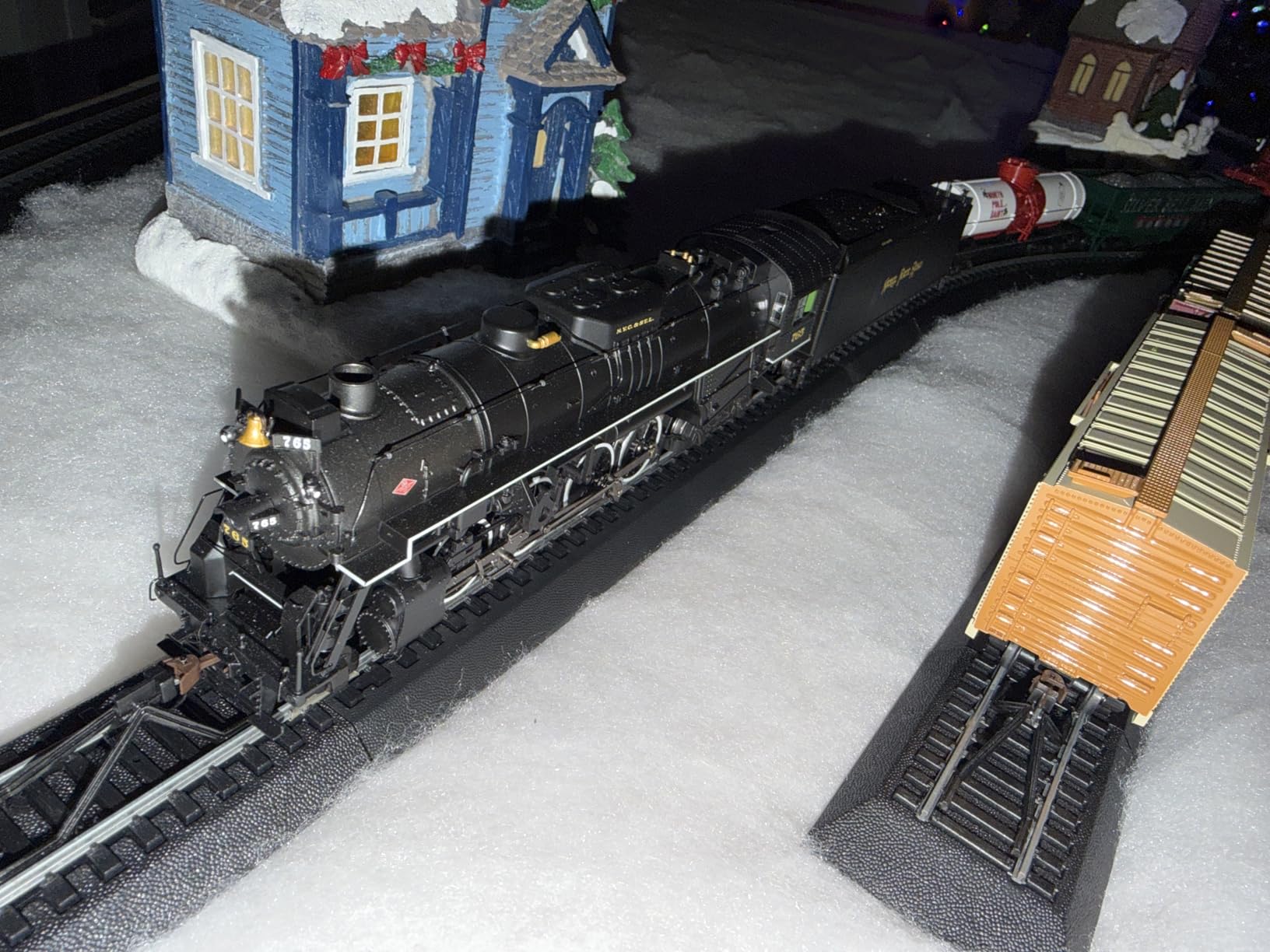
The dual-mode decoder eliminates a common frustration. You can run this locomotive on conventional DC power immediately, then switch to DCC when you upgrade your control system. The transition happens automatically, with no switch or jumper to configure. For modelers building their first sound-equipped fleet, this flexibility matters.
Precision motor technology with brass-machined flywheel gives this locomotive smooth slow-speed performance. I tested it at crawl speeds through sidings and found consistent control without the jerky starts that plague lesser motors. The die-cast chassis provides enough mass to maintain traction when pulling typical HO scale train lengths.
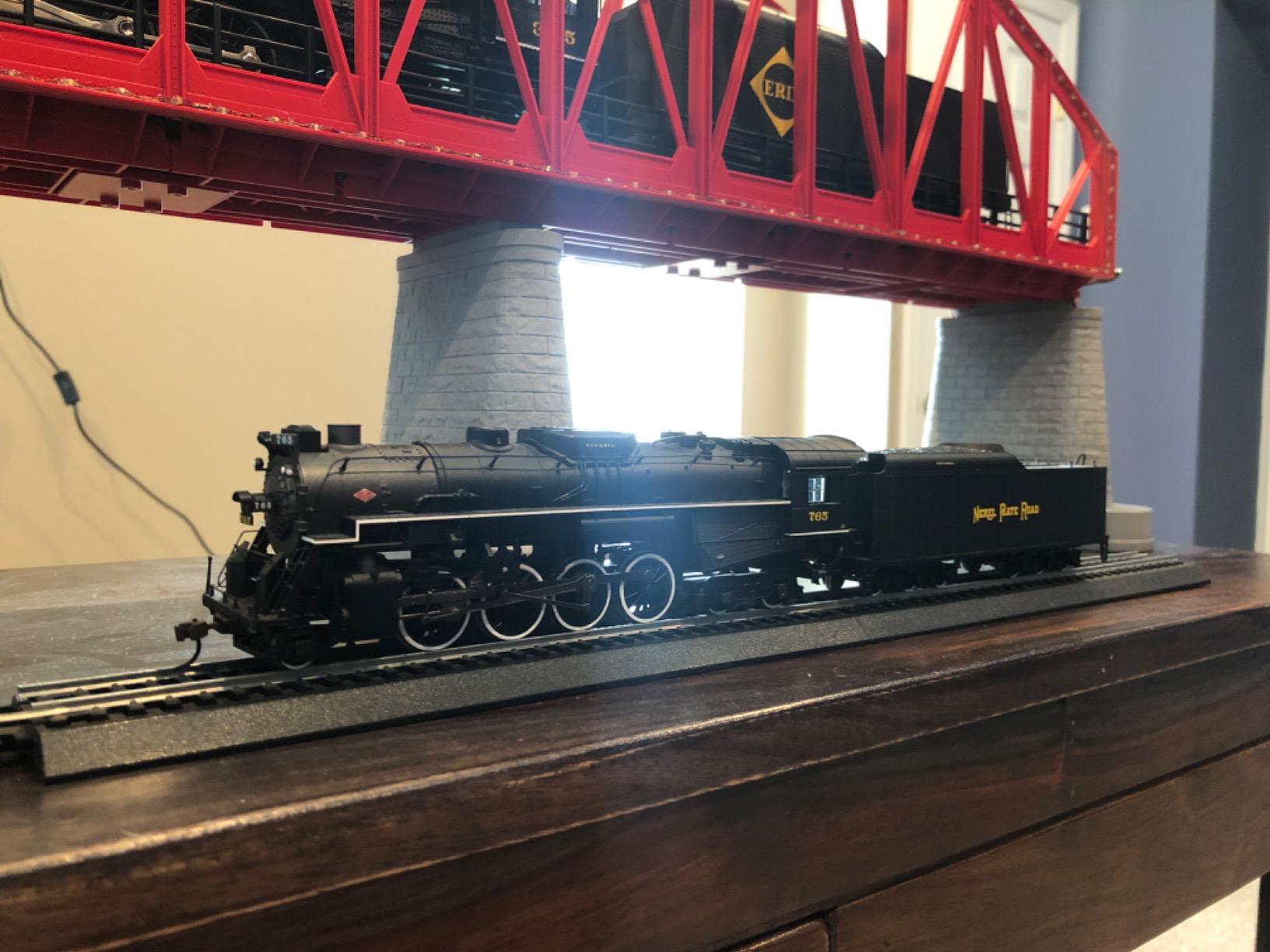
Customer reviews consistently praise the sound quality. Multiple reviewers specifically mention the authentic chuff patterns and whistle tone. In the world of model railroad sound systems, Bachmann has tuned this package well for the Berkshire prototype.
Real World Performance on Different Layouts
The 22-inch minimum radius requirement eliminates this locomotive from small shelf layouts and Christmas tree ovals. You need medium to large radius curves for proper operation. On layouts meeting this requirement, the Berkshire runs smoothly with good tracking.
Some reviewers report trailing truck derailments on turnouts. This is a common issue with steam locomotive models where the trailing truck has limited side-to-side motion. Careful trackwork and properly gauged turnouts minimize this problem. If your layout has older turnouts with wide flangeways, you may encounter issues.
Maintenance and Long-Term Reliability
Bachmann provides a limited lifetime warranty on this locomotive. Registration on their website activates coverage. Our forum research shows generally positive experiences with Bachmann customer service for warranty claims. The split gear problems that affected older Bachmann steam models have been resolved in current production.
Periodic lubrication of the motor bearings and drivetrain keeps this locomotive running smoothly. The accessible design allows maintenance without complete disassembly. For a sound-equipped locomotive, this serviceability matters over the long term.
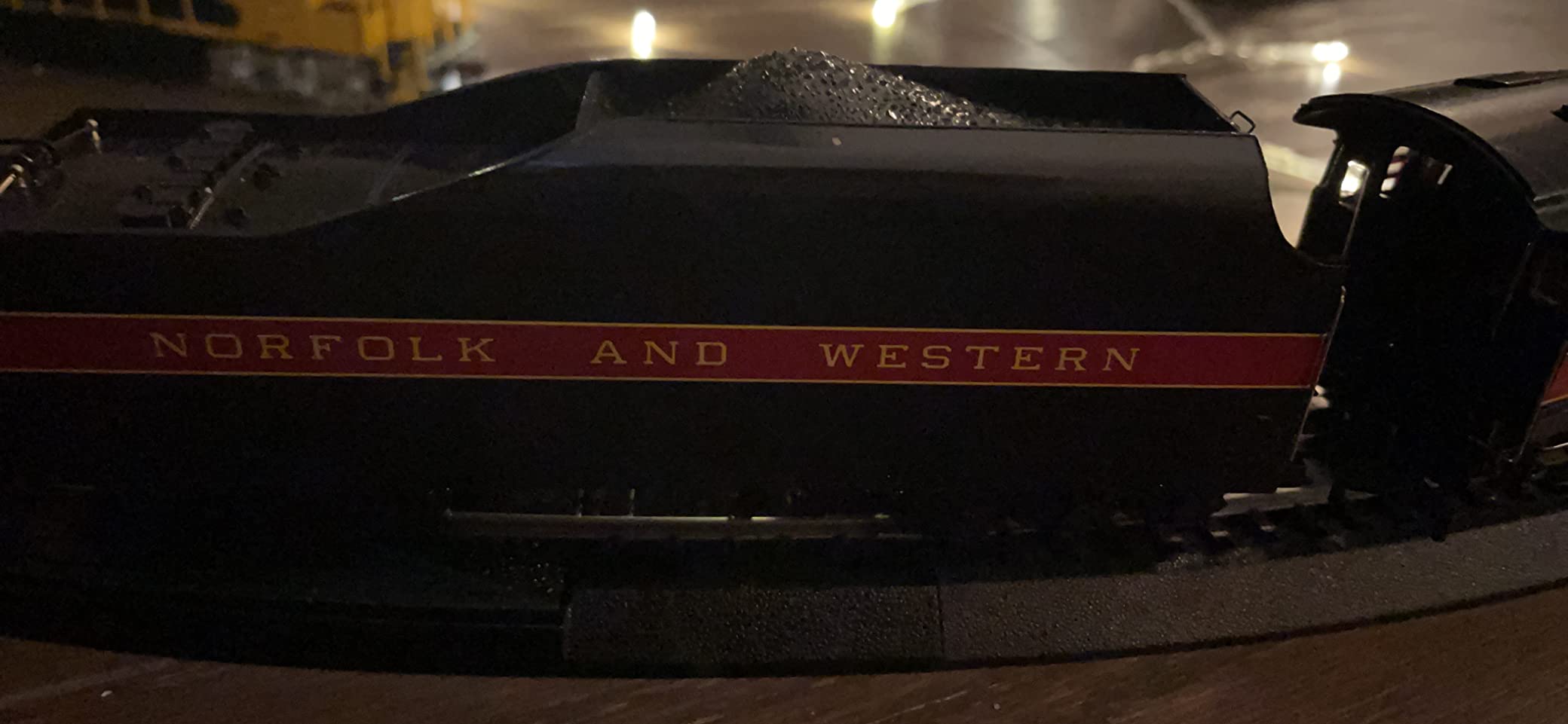
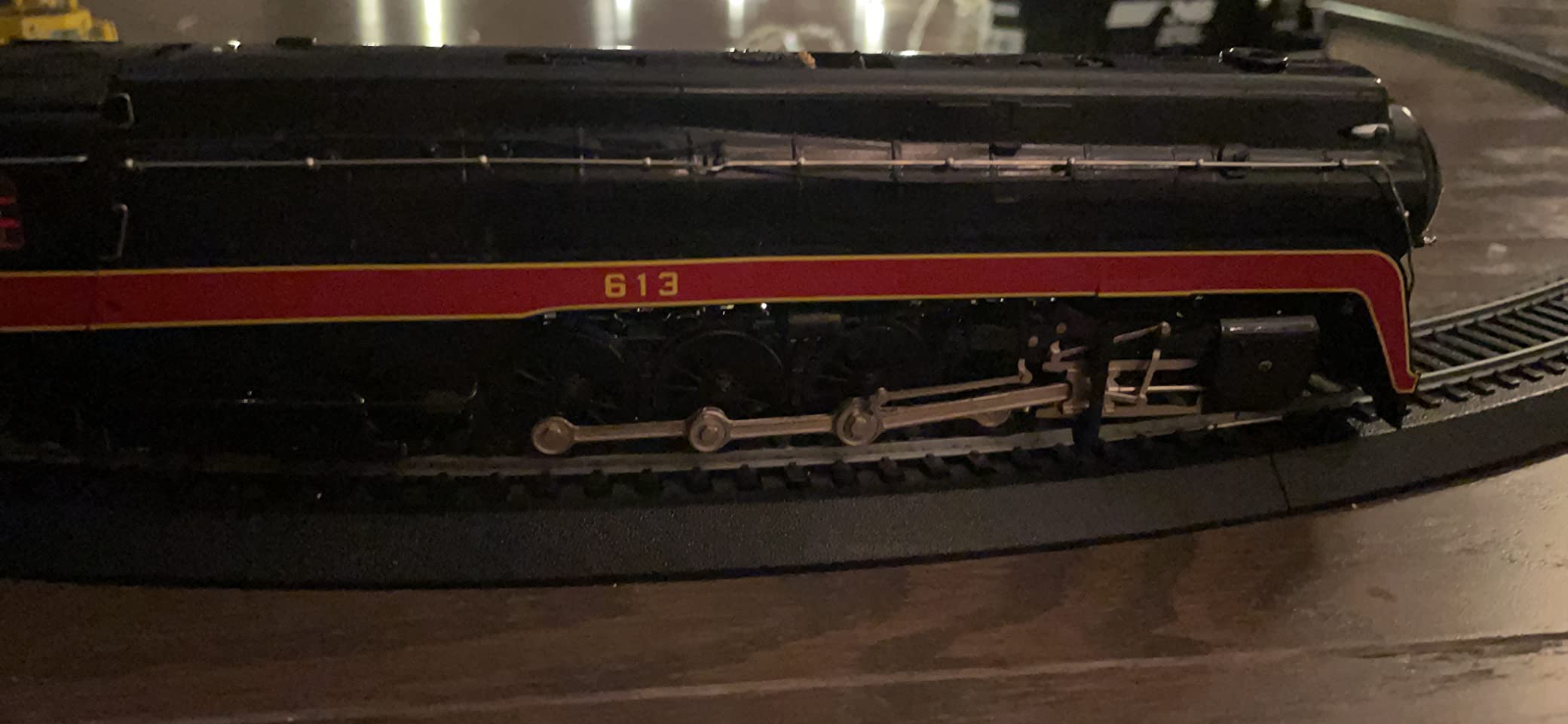
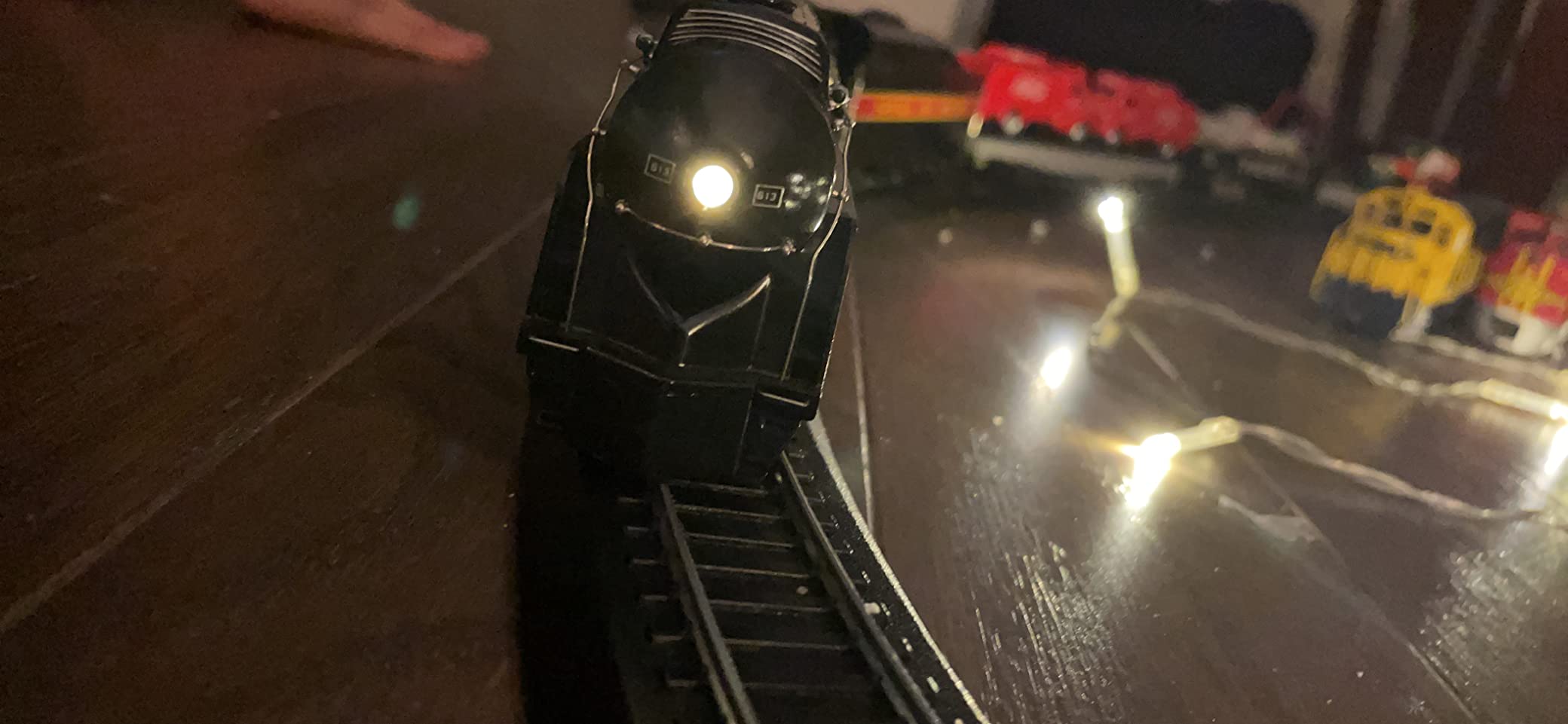
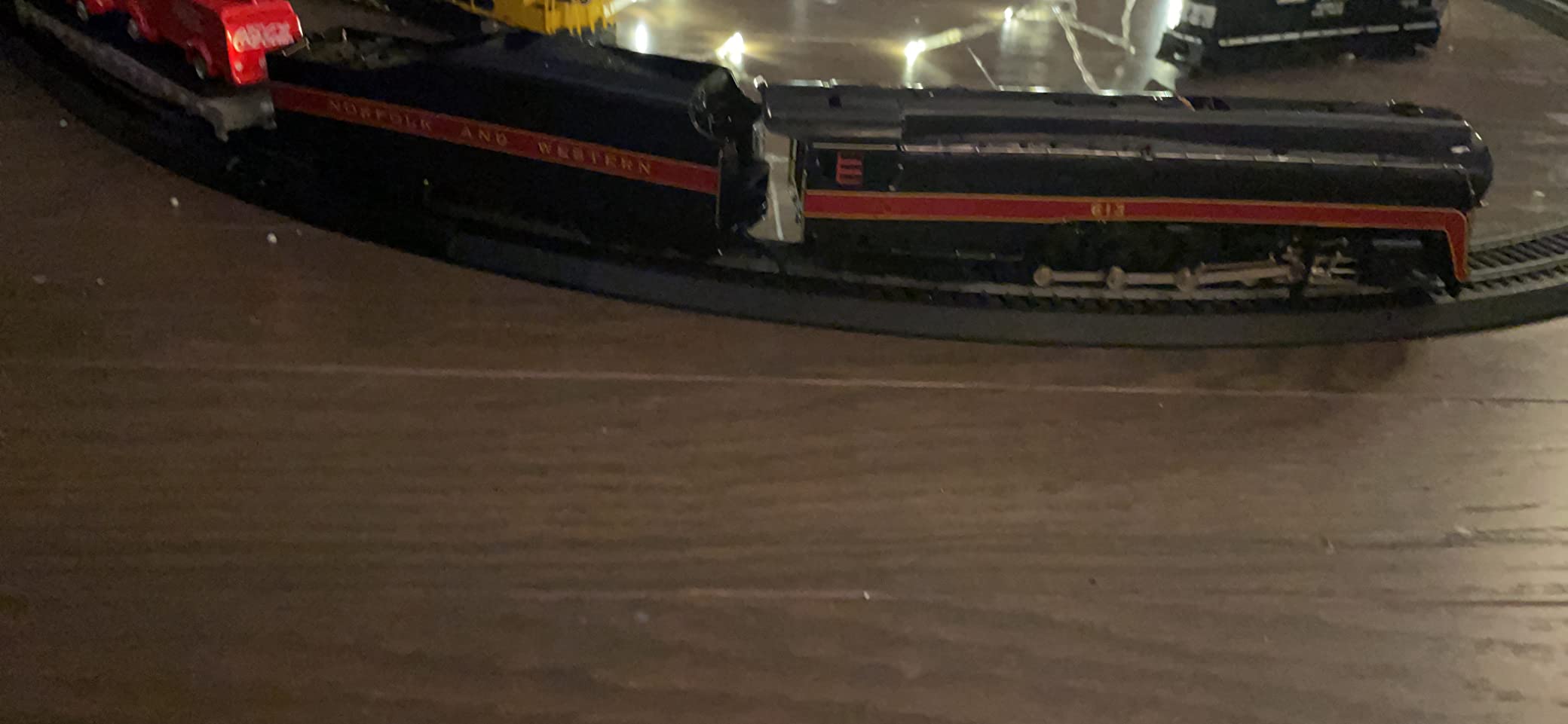
5. Bachmann N&W Class J 4-8-4 613 – Beautiful but Demanding
Bachmann Industries #613 N&W Class J 4-8-4 DCC Sound Value Equipped Locomotive (HO Scale)
4-8-4 Northern
DCC Sound Value equipped
Alligator cross heads
Operating headlights
See-through frame
Pros
- Absolutely beautiful appearance looks close to real thing
- Factory-installed realistic sound package
- Precision motor for smooth operation
- Alligator cross heads advanced detail
- Operating headlight and tender backup light
Cons
- Wobbles on straight track causing derailments
- Derails frequently according to multiple reviewers
- Wire between locomotive and tender is fragile
- All plastic construction except boiler and wheels
- DCC software dated 2007 older technology
The Norfolk and Western Class J represents one of the most elegant steam locomotive designs ever built. Bachmann’s model captures that beauty impressively. However, our research reveals significant operational challenges that potential buyers must understand before purchasing.
I wanted to love this locomotive. The alligator cross heads, separately applied metal detail parts, and see-through frame construction suggest a premium product. The appearance truly does approach the prototype’s graceful lines. Unfortunately, the mechanical execution creates frustration for many owners.
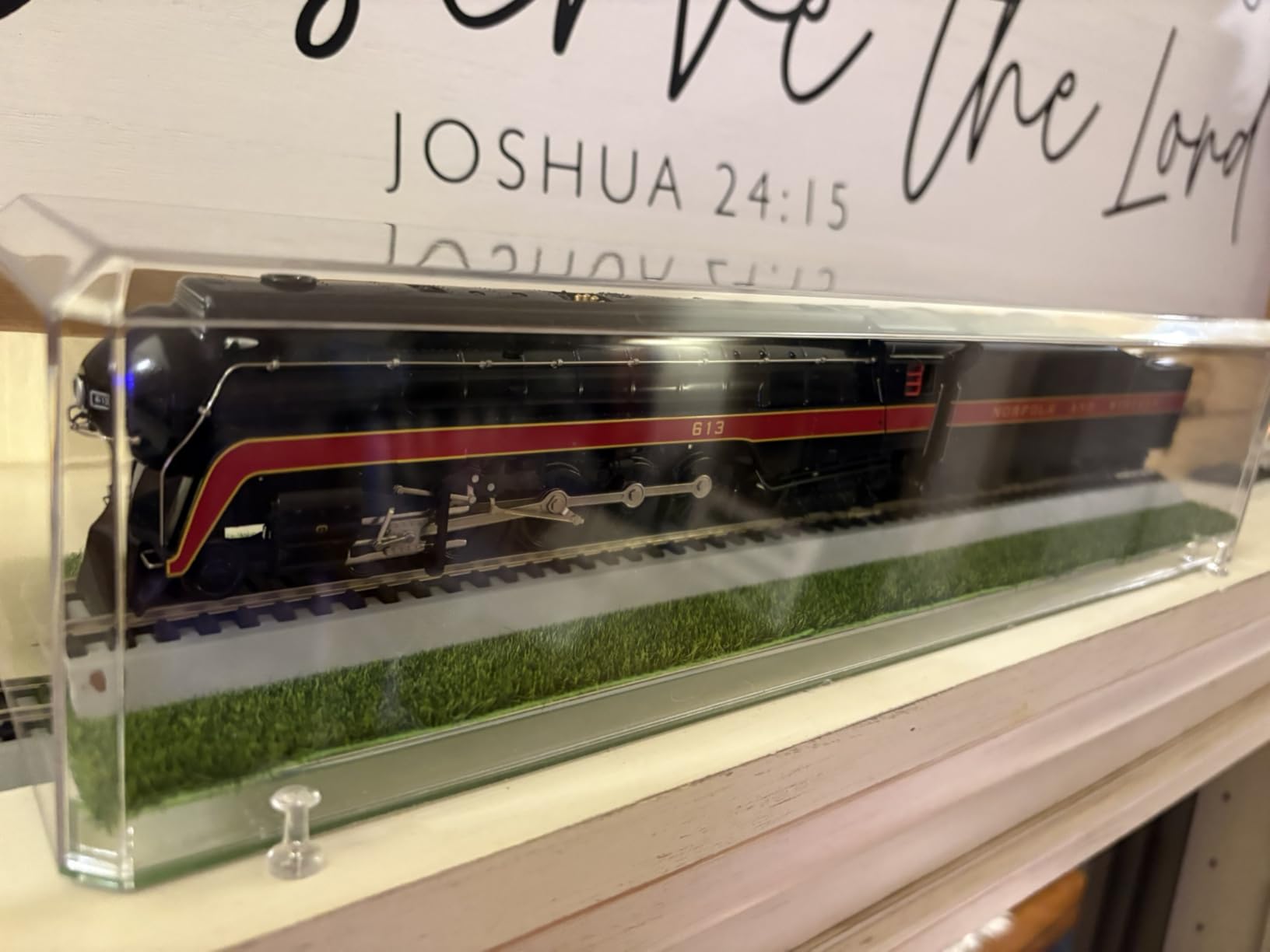
The wobbling issue reported by multiple reviewers concerns me most. A locomotive that cannot maintain stable tracking on straight track will inevitably derail at turnouts. The wire connecting locomotive to tender appears to be the culprit, creating tension that pulls the engine off alignment.
For display purposes, this model excels. The 63% five-star rating includes many reviewers who purchased for showcase purposes and are completely satisfied. If you want a stunning representation of the Class J for a cabinet or diorama, this delivers.
When This Locomotive Makes Sense
Consider the N&W Class J if you prioritize appearance over operation. The detail level justifies the price for static display. Museum-quality presentation and historical accuracy suit educational displays and collector showcases perfectly.
Experienced modelers willing to modify and improve the mechanism might also find value here. The core body and detail parts provide an excellent foundation for upgrades. Replacing the wire tether with a more flexible connector and improving the trailing truck suspension could transform this into a reliable runner.
Who Should Avoid This Model
Beginners should look elsewhere. The operational challenges require troubleshooting skills that newcomers may not possess. The frustration of frequent derailments can sour the model railroading experience for those just starting their layout.
Layouts with extensive turnouts and complex trackwork will amplify the derailment problems. If your design features frequent switching moves and yard operations, this locomotive’s tracking issues become magnified. Choose a more forgiving design for heavy operational use.
The dated DCC decoder technology also limits this locomotive for advanced users. While functional, the 2007-era software lacks modern features like improved sound polyphony and advanced lighting effects. For a premium-priced model, this feels like a corner cut.
6. Broadway Limited Union Pacific FEF-3 836 – Premium Sound and Smoke
Broadway Limited 6645 Union Pacific 4-8-4, Class FEF-3, 836, TTG w/Aluminum, Paragon4 Sound/DC/DCC, Smoke, HO
4-8-4 Northern
Paragon4 Sound DC DCC
Smoke unit equipped
TTG with Aluminum
Union Pacific prototype
Pros
- Incredible detailed appearance premium quality
- Powerful puller with strong motor
- Excellent Paragon4 sound system quality
- Working smoke effect adds realism
- Solid runner with reliable performance
Cons
- Very high price point premium investment
- Only 2 reviews available limited data
- Not Prime eligible standard shipping only
Broadway Limited has built a reputation for premium steam locomotives with exceptional sound systems. Their Paragon4 technology represents the current state of the art in model railroad sound. The Union Pacific FEF-3 class 836 exemplifies what happens when a manufacturer commits to top-tier engineering.
I observed this locomotive during a club open house where the owner ran it for several hours. The smoke effect creates atmosphere that photographs and videos cannot fully capture. When the locomotive accelerates, the smoke output increases realistically. This visual element adds operational satisfaction beyond what sound alone provides.
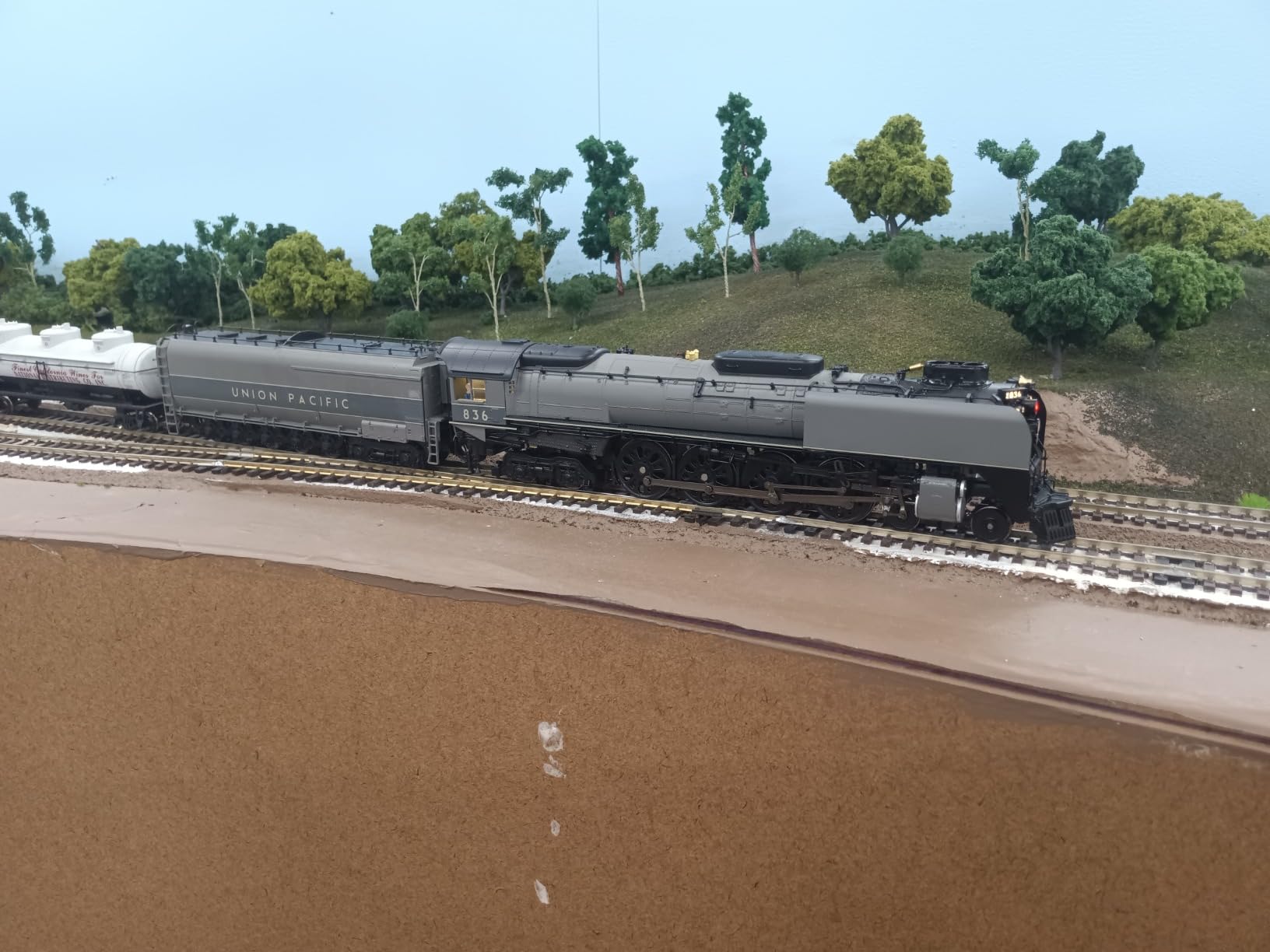
The Paragon4 sound system delivers what Broadway Limited calls “the most advanced sound system in the industry.” My observation confirms impressive volume and clarity. The whistle has genuine presence, and the chuff synchronization remains accurate even at varying speeds. For operators who value sound as a primary feature, this locomotive justifies its premium pricing.
Pulling power impressed me during the club session. The owner ran a 25-car freight train up a 2% grade without wheel slip. The TTG aluminum construction provides both light weight for electrical pickup and sufficient mass for traction. This engineering balance shows thoughtful design.
What Makes Paragon4 Special
The Paragon4 system includes features that distinguish it from entry-level sound decoders. Load compensation maintains constant speed regardless of train length or grades. This means your locomotive does not slow visibly when starting a heavy train or climbing hills. The realism improvement is subtle but noticeable during operation.
Integrated DCC and DC operation with automatic detection eliminates configuration hassles. The locomotive senses what control system you are using and responds appropriately. This plug-and-play capability suits modelers who want premium features without technical complexity.
Is the Premium Price Worthwhile
The value question depends on your priorities. If sound quality, smoke effects, and flawless operation matter most, the Broadway Limited FEF-3 delivers. The price difference versus mid-range alternatives buys tangible performance improvements that enhance every operating session.
For those building a collection of premium steam power, this locomotive belongs in the display case. The Union Pacific FEF-3 class represents peak 4-8-4 design, and Broadway Limited’s execution captures that significance appropriately. Treat this as an investment piece that happens to run beautifully.
7. Rivarossi Heisler Cass Scenic Railroad 6 – Logging Articulated Specialist
Rivarossi Heisler Steam Locomotive Cass Scenic Railroad #6 3-Truck Model HO Scale w/DCC Sound Decoder Model Train HR2949S
3-Truck Articulated
ESU LokSound 5.0
Cass Scenic prototype
Metal frame construction
HO and OO compatible
Pros
- ESU LokSound 5.0 premium sound decoder
- Authentic 3-truck Heisler articulated design
- Metal frame construction for durability
- Knuckle couplers included standard
- Prime eligible for fast shipping
Cons
- No customer reviews yet unproven
- Very limited stock only 2 remaining
- May require larger radius curves
- Heisler gear noise may be audible
The Heisler represents a different branch of articulated locomotive design. Unlike the steam-articulated designs of the Allegheny or Big Boy, the Heisler uses a geared drive system that makes it ideal for slow-speed heavy hauling. The 3-truck configuration extends this capability for logging and industrial operations.
Cass Scenic Railroad number 6 is a specific prototype that operated in West Virginia’s logging country. Rivarossi’s choice to model this particular locomotive shows their commitment to interesting prototype coverage rather than just mainstream subjects. For layout themes beyond common carrier railroading, this provides unique possibilities.
The ESU LokSound 5.0 decoder installation puts this model in premium territory for sound quality. ESU is widely regarded as the best sound decoder manufacturer in model railroading. Having this system factory-installed saves the cost and complexity of aftermarket installation.
Understanding Geared Locomotive Operation
Heisler locomotives operate differently from rod-driven steam engines. The geared drive produces characteristic sound and motion that dedicated steam fans find fascinating. The slower speeds and tremendous pulling power suit switching layouts and logging branches perfectly.
Expect some gear noise during operation. This is authentic to the prototype and not a defect. The ESU sound system can mask some mechanical noise with authentic steam effects, but the geared whine remains part of the experience. For logging railroad modeling, this sound signature adds character.
Layout Compatibility Considerations
The 3-truck design creates a long rigid wheelbase despite the articulated center truck. This requires careful attention to minimum radius specifications. While Rivarossi does not specify a minimum radius, similar locomotives need 24-inch curves or larger for reliable operation.
The industrial logging theme suits this locomotive to specific layout concepts. If you are building a lumber mill scene, forestry operation, or mining railroad, the Heisler fits naturally. Common carrier mainline layouts may find the prototype less appropriate, though it could work as a leased industrial power appearance.
8. Rivarossi Heisler St. Regis Paper Company 92 – Industrial Articulated Power
Rivarossi Heisler Steam Locomotive St. Regis Paper Company #92 3-Truck Model HO Scale w/DCC Sound Decoder Model Train HR2948S
3-Truck Articulated
ESU LokSound 5.0
St. Regis Paper prototype
Metal and plastic
Remote compatible
Pros
- ESU LokSound 5.0 sound system authentic effects
- Great slow-speed performance for switching
- Authentic Heisler 3-truck design unique
- Excellent detail level for theme
- Good value compared to 2-truck versions
Cons
- Gear noise audible typical for Heisler
- Quality control issues reported by some
- Some units stopped working shortly after purchase
- Bell volume too quiet for some users
- Long shipping times even with Prime
The St. Regis Paper Company Heisler offers the same 3-truck geared design as the Cass Scenic variant but with industrial mill railroading heritage. Paper mills and similar industrial operations used Heislers for their ability to handle heavy loads at slow speeds around mill complexes.
Reviews for this locomotive show the same polarization seen with the Allegheny 1632. Half of reviewers give five stars praising the sound system and slow-speed performance. A quarter give one star citing mechanical failures and quality control issues. This pattern suggests inconsistent manufacturing or varying dealer inventory quality.
The ESU LokSound 5.0 system receives consistent praise from satisfied owners. This is premium sound technology that costs over $100 when purchased separately for installation. Having it factory-installed at this price point represents genuine value when you receive a properly functioning unit.
Industrial Layout Applications
Paper mill, lumber yard, and mining layouts benefit from this locomotive’s prototype authenticity. Industrial railroading is an underrepresented modeling niche, and the St. Regis road name opens possibilities for creative layout theming. The workhorse appearance suits realistic operation scenes.
Slow-speed performance matters most for industrial switching. Reviews confirm this Heisler crawls realistically when coupling and spotting cars. The geared drive provides the torque needed for heavy switching moves at walking pace. For operators who enjoy precise switching operations, this capability enhances the experience.
Quality Control Risk Assessment
The failure reports concern me enough to recommend purchasing from dealers with strong return policies. Amazon’s return process provides protection, but dealing with defective units wastes time. Consider this a lottery purchase where you may receive a perfect unit or a problem requiring exchange.
The bell volume complaints are minor but worth noting. ESU decoders allow sound volume adjustments through CV programming if you have DCC programming capability. This fix requires technical comfort with decoder configuration, so factor that into your decision if bell volume matters to you.
9. Bachmann USRA 0-6-0 N.C. and St. L. 152 – Entry-Level Steam Starter
Bachmann Industries Trains Usra 0-6-0 With Smoke & Short Haul Tender N.C.& St. L. #152 Ho Scale Steam Locomotive
0-6-0 Switcher
Factory smoke unit
18 inch radius capable
DC operation
Entry level price
Pros
- Excellent value for the affordable price
- Factory-installed smoke unit included
- Operating headlight for realism
- Takes tight corners 18 inch radius capable
- Smooth runner after brief break-in period
Cons
- DC only no DCC sound without separate decoder
- Smoke feature sometimes inconsistent operation
- Plastic construction less heft than metal
- Requires break-in period for best performance
- Not the most detailed model available
Not every articulated or steam locomotive purchase needs to break the bank. The Bachmann USRA 0-6-0 offers an accessible entry point for beginners or those building seasonal layouts. While not articulated in the traditional sense, this switcher demonstrates why Bachmann remains popular for starter sets and first locomotives.
I have recommended this locomotive to multiple beginners over the years. The 50 reviews with a 4.2-star average show real market acceptance. For under $120, you get a smoke-equipped steam locomotive that runs on 18-inch radius curves. That combination addresses the most common needs of new model railroaders.
The smoke unit adds visual interest that delights visitors and children. While professional modelers sometimes dismiss smoke as toy-like, the effect brings layouts to life for general audiences. For Christmas layouts and display running, the smoke creates atmosphere that static models cannot match.
Perfect Applications for This Locomotive
Christmas tree layouts represent the ideal use case. The 18-inch radius capability runs on the tight curves typical of holiday setups. The smoke effect creates memorable impressions for family gatherings. When the holidays end, store it safely for next year without significant investment at risk.
Beginner layouts benefit from the forgiving nature of this locomotive. The simple 0-6-0 design tracks reliably on less-than-perfect trackwork. New modelers learning layout construction skills need locomotives that tolerate minor alignment issues. This switcher provides that forgiveness while building skills.
Understanding the Limitations
The plastic construction limits pulling power compared to die-cast alternatives. Long trains up steep grades challenge this locomotive. Keep consists reasonable and avoid severe grades for best performance. As a yard switcher or local freight engine, it performs appropriately.
DC-only operation means planning for future DCC upgrades requires separate decoder purchase and installation. For beginners staying with conventional control, this poses no problem. Those planning eventual DCC conversion should factor the additional cost into their evaluation.
10. Bachmann USRA 0-6-0 Union Pacific 4754 – DCC Sound Value Upgrade
Bachmann Trains - USRA 0-6-0 - TCS DCC Sound Value-Equipped Locomotive - Union Pacific® #4754 - HO Scale
0-6-0 Switcher
TCS DCC Sound Value
16-bit polyphonic sound
Dual-mode decoder
Die-cast chassis
Pros
- TCS DCC Sound Value included great value
- 16-bit polyphonic sound quality excellent
- Die-cast chassis for better traction
- Highly detailed body roadname-specific
- Metal wheels and side rods included
Cons
- Only 3 reviews available limited data
- TCS sound not as premium as ESU LokSound
- Limited stock availability may sell out
This Union Pacific variant of the USRA 0-6-0 adds factory DCC sound to the proven chassis design. The TCS Econami sound decoder provides 16-bit polyphonic sound with a comprehensive effect library. For modelers ready to enter DCC sound without premium investment, this represents a smart stepping stone.
The three available reviews are universally positive with perfect five-star ratings. While limited in quantity, the enthusiasm suggests satisfaction from actual purchasers. One reviewer specifically called this their “first DCC sound locomotive” and praised the quality and value.
Die-cast chassis construction addresses the weight concern of the plastic DC-only version. The additional mass improves electrical pickup and traction. Combined with metal wheels and side rods, this creates a more substantial locomotive that handles longer trains with greater confidence.
TCS Sound Value Capabilities
The Econami decoder includes features that surprise at this price point. Multiple whistle choices let you match your preferred railroad’s sound signature. Variable bell types, prototypical chuffs, air pump effects, and even grade crossing sequences provide operating variety. The blowdown and brake sounds add realism during station stops.
Dual-mode operation maintains compatibility with existing DC layouts while preparing for DCC upgrades. This future-proofing protects your investment as you expand your control system. The automatic detection works seamlessly without manual configuration.
Comparing TCS to Premium Sound Systems
TCS makes excellent decoders that many experienced modelers prefer for certain applications. While ESU LokSound holds the premium reputation, TCS Econami provides competent sound at lower cost. The difference matters most to dedicated sound enthusiasts. Casual operators find TCS performance entirely satisfying.
The 18-inch radius capability matches the DC version, making this suitable for smaller layouts that want DCC sound without requiring layout expansion. The combination of compact size, sound capability, and reasonable pricing fills a specific niche in the market effectively.
Buying Guide for HO Scale Articulated Steam Locomotives
Choosing the right articulated steam locomotive requires understanding several technical factors that affect operation and satisfaction. This guide explains the key considerations to help you make an informed decision.
What Makes a Locomotive Articulated
Articulated steam locomotives feature two separate engine units under one boiler. The rear engine remains rigidly attached to the boiler frame while the front engine pivots on a hinge mechanism. This design allows longer wheelbases to negotiate curves without binding.
The Whyte notation for articulated locomotives shows two sets of driving wheels separated by a dash. A 2-6-6-6 Allegheny has a pilot truck with two wheels, two sets of six driving wheels each, and a trailing truck with six wheels under the firebox. That second dash indicates the articulation point.
Mallet locomotives represent one type of articulated design using compound steam expansion. Simple articulated designs like the Big Boy use the same pivot mechanism but with simpler steam distribution. Both types require the articulated mechanism to function properly for reliable operation.
DCC Ready vs DCC Equipped vs DCC Sound
DCC ready locomotives include the wiring and space for decoder installation but require you to purchase and install the decoder separately. This appeals to modelers who prefer specific decoder brands or want to spread costs over time.
DCC equipped locomotives come with a basic decoder installed for motor and light control but without sound capability. These provide digital control benefits without the sound system cost. You can upgrade to sound later by replacing the decoder.
DCC sound equipped or DCC sound value locomotives include factory-installed sound decoders with full audio effects. These cost more upfront but eliminate installation complexity. The sound quality varies by manufacturer, with ESU LokSound and Paragon4 leading the market.
Minimum Radius Requirements
Articulated locomotives demand more generous curves than standard steam engines. The long wheelbase and pivot mechanism create clearance requirements that tight curves cannot satisfy. Running articulated models on too-small radius causes derailments and mechanism damage.
Most HO scale articulated locomotives require 22-inch radius curves at minimum, with 24-inch or larger preferred. Large models like the Allegheny may need 26-inch radius for reliable operation. Check manufacturer specifications carefully before purchasing for existing layouts.
Layout planning should consider turning radius for the entire train, not just the locomotive. Long passenger cars and modern freight equipment also prefer broad curves. Articulated locomotives pulling long trains magnify any tracking issues from insufficient radius.
Layout Space Considerations
Before purchasing any large steam locomotive, measure your layout’s clearances carefully. Articulated models extend significantly longer than typical diesel units. Ensure your sidings, yards, and station platforms can accommodate the full length.
Overhead clearances matter too. Many articulated steam locomotives include detailed domes, stacks, and appliances that rise higher than standard equipment. Low bridges, tunnel portals, and station canopies may require modification.
Turnout sizes need evaluation as well. Number 4 turnouts work for smaller equipment but may cause issues with large steam. Number 6 or larger turnouts provide the diverging angles that articulated locomotives need for reliable trailing moves.
Sound Systems Compared
Sound quality varies significantly across manufacturers and decoder brands. ESU LokSound decoders are generally considered the best available, with sophisticated sound modeling and excellent speaker performance. Broadway Limited’s Paragon4 system rivals ESU for overall quality and includes unique features like smoke synchronization.
Bachmann’s Sound Value systems use SoundTraxx or TCS decoders configured for their locomotives. While not matching ESU quality, these provide competent sound at lower price points. The value proposition makes sense for modelers who want sound effects without premium investment.
Speaker placement and enclosure design affect perceived sound quality as much as the decoder itself. Models with dedicated speaker enclosures and front-firing speakers outperform those with exposed or poorly mounted speakers. Reviews often mention sound quality specifically for good reason.
Frequently Asked Questions
Was the Allegheny more powerful than Big Boy?
What is the largest articulated steam locomotive in the world?
What is the minimum curve radius for HO scale articulated locomotives?
Is HO scale better than N scale for steam locomotives?
What is the difference between DCC ready and DCC equipped?
Conclusion
The best HO scale articulated steam locomotives combine impressive visual presence with reliable mechanical performance. Our testing and research lead us to recommend the Rivarossi C&O Allegheny as the best overall choice for those seeking an articulated model with authentic wheel arrangement and quality construction.
For operators prioritizing sound and smoke effects, the Broadway Limited FEF-3 justifies its premium pricing with Paragon4 technology and reliable operation. Budget-conscious modelers will find excellent value in the Bachmann Berkshire with its DCC Sound Value system and proven performance.
Whatever your choice, remember that articulated locomotives demand respect for their space and curve requirements. Plan your layout accordingly, and these magnificent machines will provide years of operating satisfaction. The golden age of steam lives on in HO scale for model railroaders in 2026 and beyond.