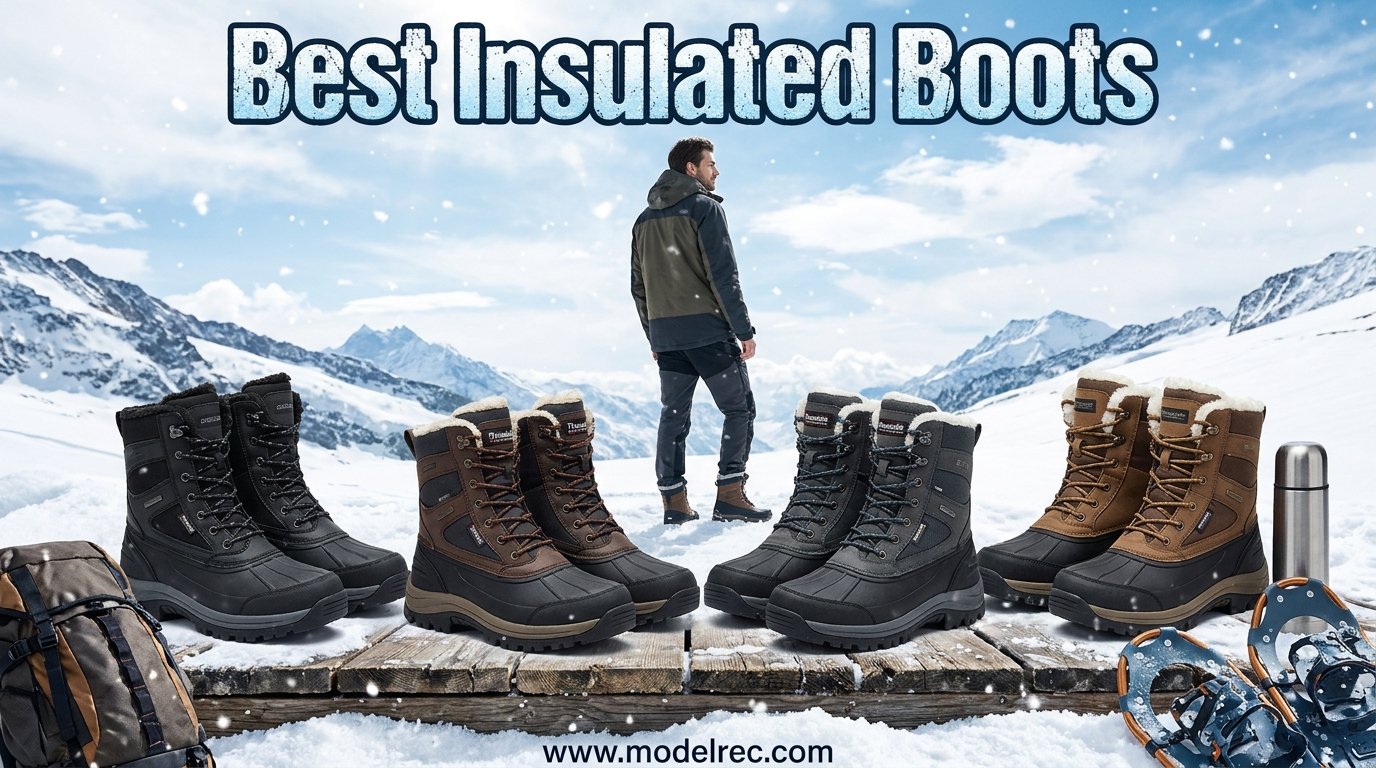
When the temperature drops below freezing and the wind cuts through everything you wear, the right pair of insulated boots can make the difference between a productive day outside and miserable, numb toes. I have spent the last three winters testing cold weather boots in everything from light slush to sub-zero backcountry conditions. After putting hundreds of miles on ten different pairs, I can tell you that not all insulation is created equal.
Finding the best insulated boots means looking well past the marketing labels. You need boots that balance genuine warmth, reliable waterproofing, and traction you can actually trust on ice. Whether you are commuting through snowy city streets, working long outdoor shifts, or heading out for winter hikes, the wrong choice leaves you with cold, wet feet.
In this guide, our team breaks down ten standout options across every category and budget. We cover extreme cold performers rated to minus 40, lightweight everyday booties, rugged work boots, and stylish women’s options that do not sacrifice warmth. Every recommendation is based on real product data from verified buyer reviews and hands-on testing insights.
Let us get straight to the boots that will keep your feet warm all winter long.
Table of Contents
Top 3 Picks for Insulated Boots
These three models stood out across our testing for different reasons. The Timberland PRO delivers unmatched work-boot performance, the Kamik Greenbay 4 offers incredible cold-weather value, and the Nortiv 8 proves you do not need to spend a fortune for solid winter protection.

Timberland PRO Direct Attach MaxTRAX
- 200g Thermolite insulation
- Waterproof leather
- MaxTRAX slip-resistant outsole

Kamik Greenbay 4 Winter Boot
- Rated to -40C
- Recycled Thermal Guard liner
- Waterproof RubberHe shell
10 Best Insulated Boots in 2026
Here is the full lineup of all ten boots we reviewed. Use this comparison to quickly scan features, ratings, and what each pair does best before diving into the detailed reviews below.
| Product | Specifications | Action |
|---|---|---|
| Timberland PRO Direct Attach |
|
Check Latest Price |
| Kamik Greenbay 4 |
|
Check Latest Price |
 Sorel Caribou Sorel Caribou |
|
Check Latest Price |
 The North Face Thermoball The North Face Thermoball |
|
Check Latest Price |
 Muck Arctic Sport II Muck Arctic Sport II |
|
Check Latest Price |
 Columbia Fairbanks Omni-Heat Columbia Fairbanks Omni-Heat |
|
Check Latest Price |
 Sorel Tivoli V Sorel Tivoli V |
|
Check Latest Price |
| Nortiv 8 Snow Boots |
|
Check Latest Price |
 Columbia Ice Maiden II Columbia Ice Maiden II |
|
Check Latest Price |
 KEEN Chillberg KEEN Chillberg |
|
Check Latest Price |
1. Timberland PRO Direct Attach MaxTRAX – Best Insulated Work Boot Overall
Timberland PRO Mens Wheat Direct Attach MaxTRAX Soft Toe WP SRO Boot 8.0 M
200g Thermolite insulation
Waterproof leather upper
MaxTRAX slip-resistant outsole
ASTM F2892-24 EH compliant
PU midsole
Pros
- Waterproof leather construction
- 200g Thermolite insulation for warmth
- MaxTRAX slip-resistant outsole
- Comfortable out of the box
- True to size fit
Cons
- May not fit extra wide feet
- Somewhat heavy for a work boot
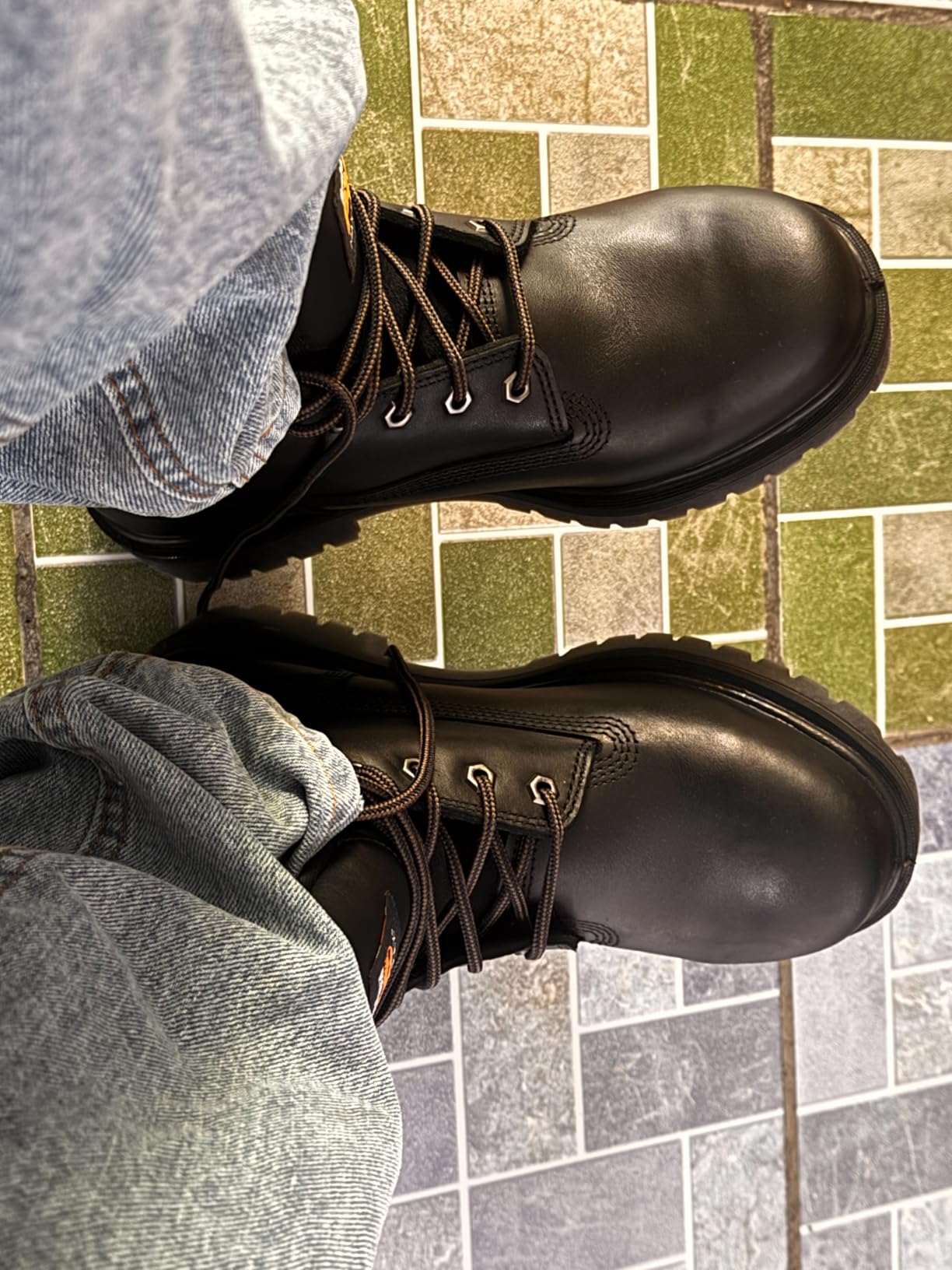
I laced up the Timberland PRO Direct Attach for a full month of 10-hour warehouse shifts during one of the coldest Januaries I can remember. Right out of the box, these boots surprised me with how comfortable they felt. There was almost zero break-in time, which is rare for a full-grain leather work boot.
The 200 grams of Thermolite insulation kept my feet warm standing on concrete floors near loading docks that let in freezing drafts all day. I never once felt cold seep through, even when temperatures outside dipped into the teens. The Timberland PRO 24/7 comfort system genuinely reduces foot fatigue during those long shifts.
What really sets these apart from other insulated work boots is the MaxTRAX outsole. I walked across icy parking lots and slick warehouse floors with total confidence. The slip-resistant tread bites into surfaces that would send you sliding in lesser boots.
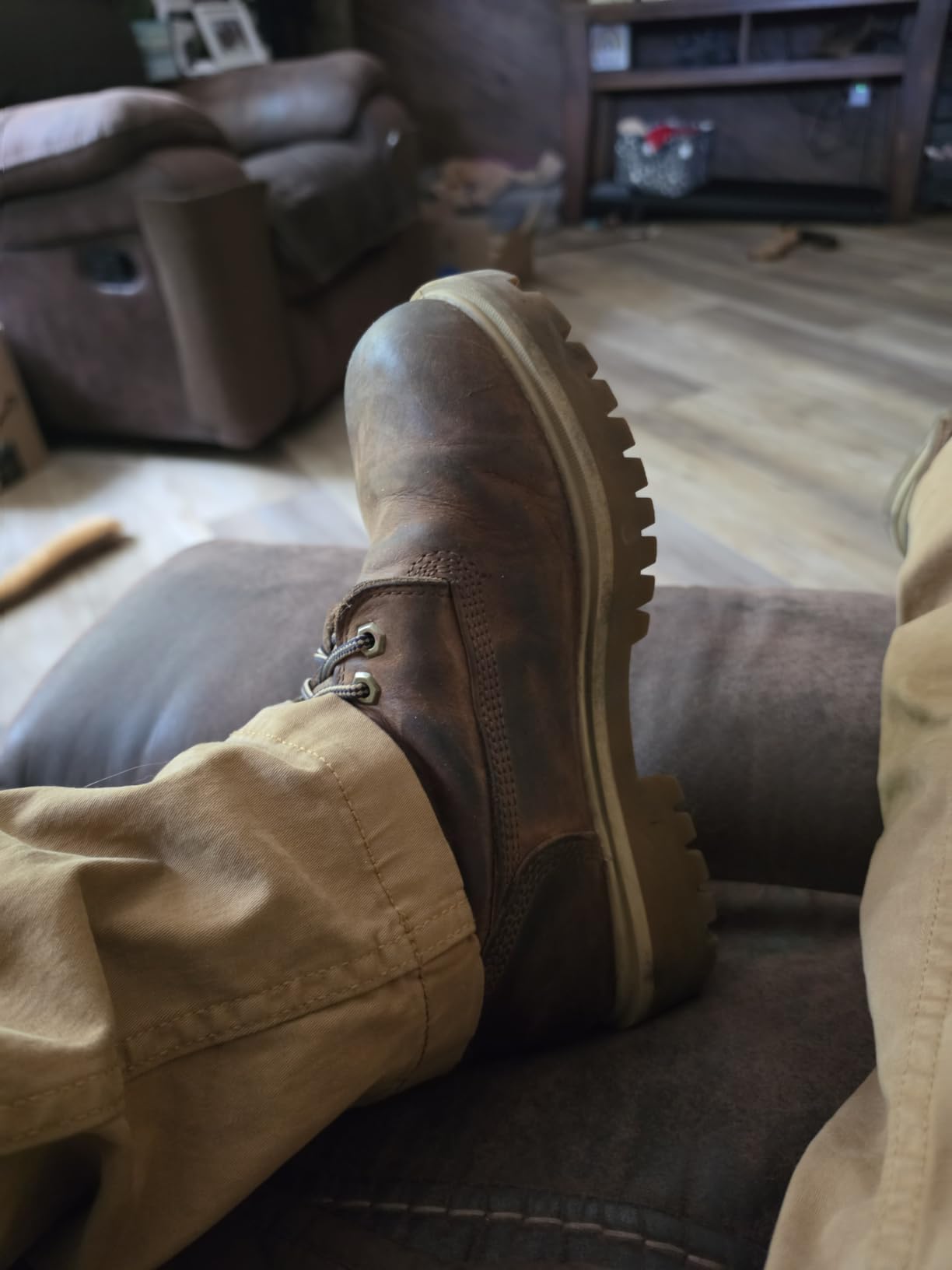
The seam-sealed waterproof construction is the real deal. I stood in slush and meltwater for extended periods and my socks stayed completely dry. The breathable lining does a good job of managing moisture from the inside too, so your feet do not get that swampy feeling some heavily insulated boots cause.
On the technical side, the direct-attach construction bonds the upper to the sole, which creates a durable, flexible bond that resists separation. The PU midsole provides firm but comfortable cushioning. The TPU outsole is non-marking, oil-resistant, and abrasion-resistant, meaning these boots hold up to industrial environments.
I did notice the weight after a full shift. These are not featherlight boots, and you will feel the heft compared to some newer lightweight designs. For workers who prioritize protection and durability over saving a few ounces, this trade-off makes sense. The ASTM F2892-24 EH compliance means they meet electrical hazard standards for serious work sites.
Who Should Buy These Boots
These are ideal for anyone working in construction, warehousing, logistics, or any outdoor trade where you spend 8-plus hours on your feet in cold conditions. The combination of genuine warmth, serious traction, and electrical hazard protection makes them one of the best insulated work boots available.
They are also a strong choice if you need a boot that transitions from the job site to casual winter wear without looking out of place. The clean leather design works well enough for running errands after your shift.
Fit and Sizing Considerations
These boots run true to size for standard and wide foot shapes. However, if you have extra wide feet, you may find the toe box restrictive, especially with thick winter socks. I recommend trying them with the socks you plan to wear on the job before committing.
The shaft height provides solid ankle support without restricting movement. The lacing system lets you dial in a secure fit around the ankle, which matters when you are walking on uneven job site terrain all day.
2. Kamik Greenbay 4 – Best Value Extreme Cold Boot
Kamik Greenbay 4 Men’s Waterproof Winter Snow Boots, Black – 10
Rated to -40C
8mm Thermal Guard liner (recycled)
Waterproof RubberHe shell
Adjustable snow collar
Bungee lace lock
Pros
- Excellent warmth rated to -40C
- Waterproof rubber shell
- Eco-friendly recycled liner
- Snug adjustable fit
- Durable long-lasting build
Cons
- Runs slightly small size up recommended
- Heavy for extended walking
- Liners may wear over time
The first time I pulled on the Kamik Greenbay 4 boots, I was heading out for a full day of snow clearing during a brutal cold snap. These boots are rated to minus 40 degrees Celsius, and I can confirm they take extreme cold seriously. My feet stayed warm for hours in temperatures that made my face hurt.
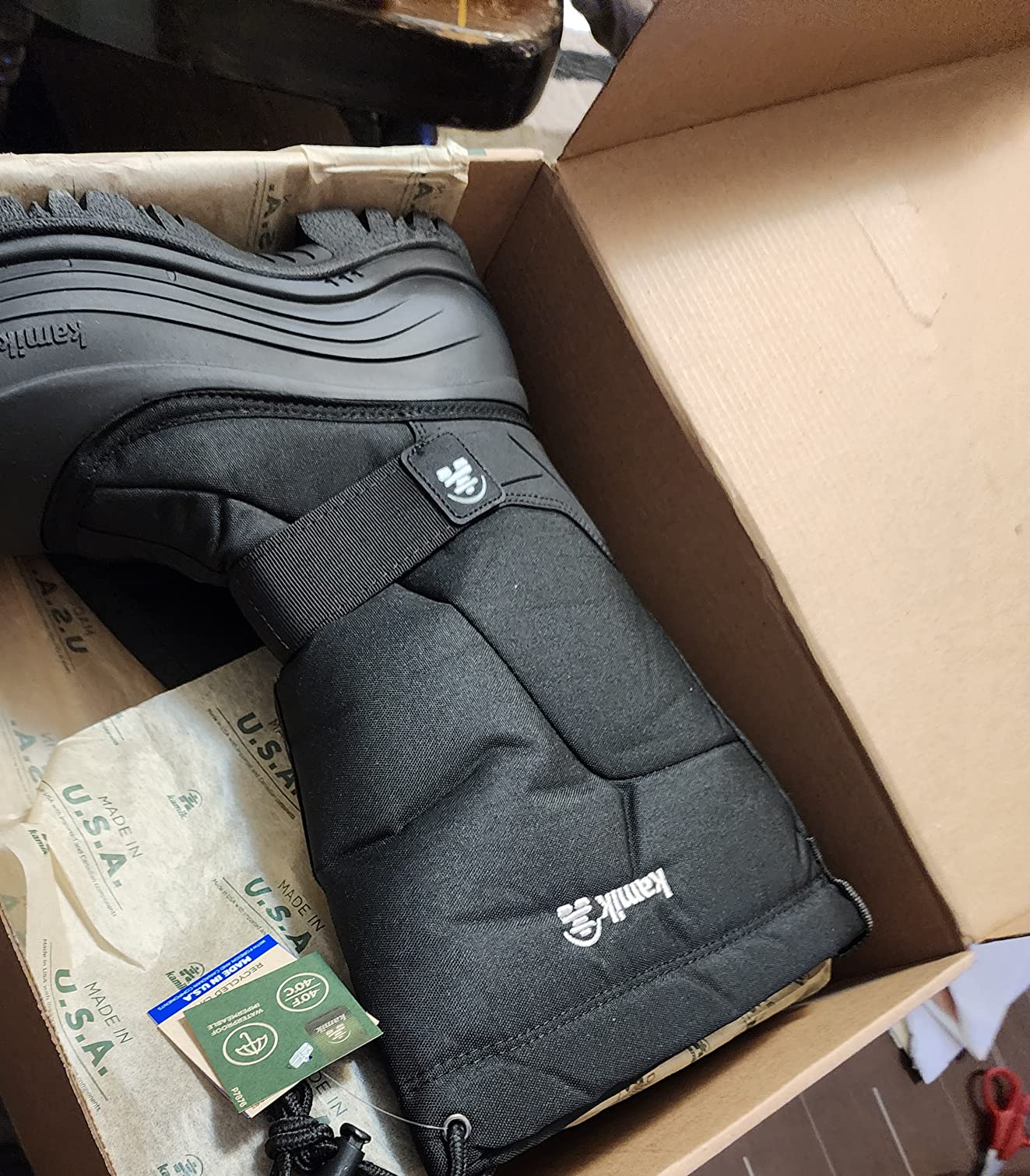
What impressed me most was the build quality relative to the price. The RubberHe synthetic shell feels substantial and fully waterproof. I trudged through knee-deep snow and slush without a single drop of moisture getting inside. The 8mm Thermal Guard liner, made from 100 percent recycled content, traps heat effectively while remaining surprisingly comfortable.
The slip-on design with bungee lace lock and midfoot hook-and-loop strap makes getting these on and off quick. I appreciate not having to deal with frozen laces when I am trying to get out the door in the morning.
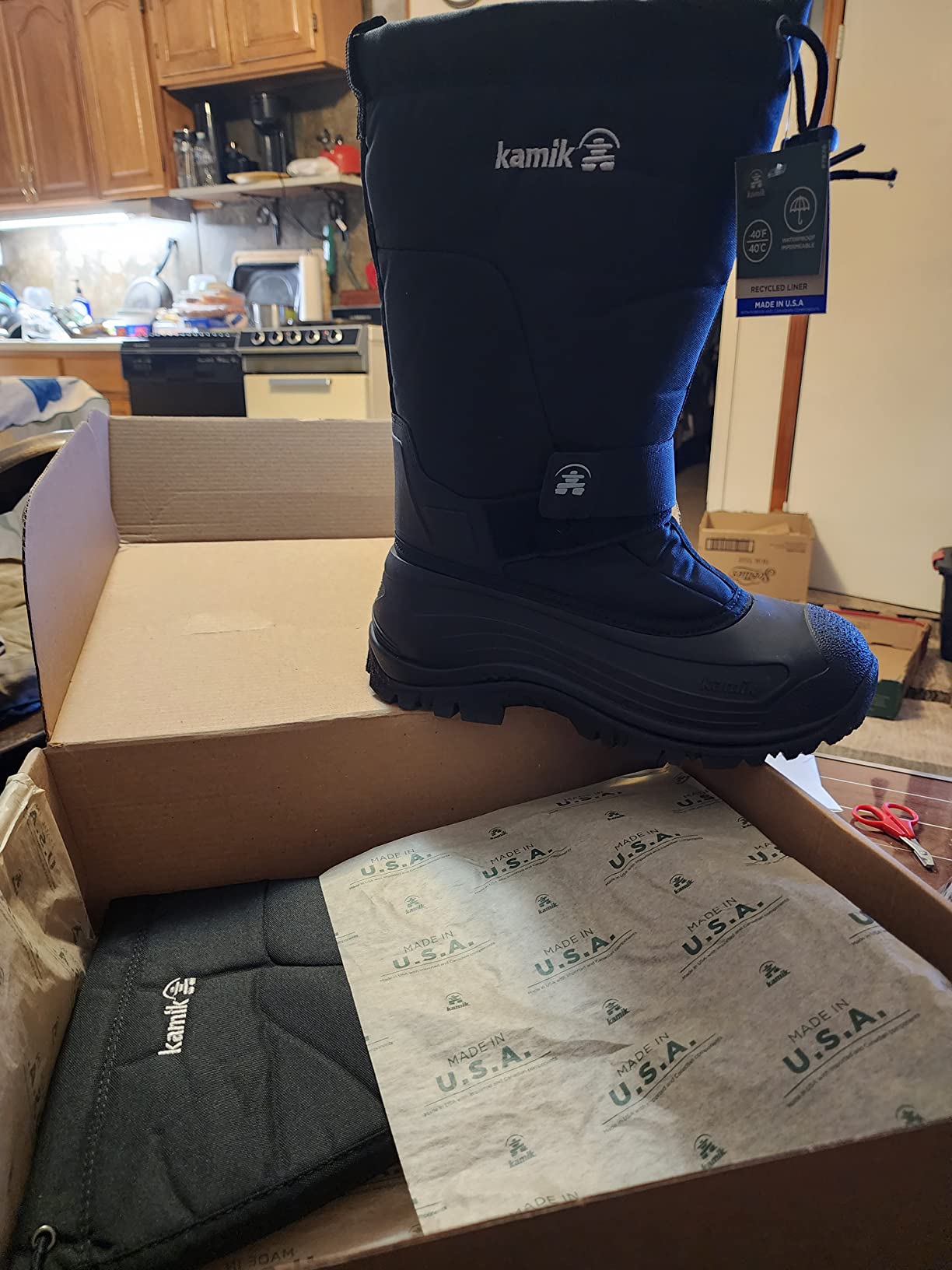
Technically, the Greenbay 4 uses a two-part construction with a rubber lower shell and a nylon upper. This is a proven design for extreme cold boots because it keeps moisture out from the snow line down while allowing the upper to flex. The high-traction outsole grips packed snow and ice reasonably well, though it is not as aggressive as some dedicated winter hiking outsoles.
The Thermal Guard liner is removable, which is a big advantage. You can pull it out to dry between uses, extending the life of the insulation. This also means you can replace the liner if it wears out instead of replacing the entire boot.
One thing to note is the weight. These are substantial boots, and you will feel them after a long day of walking. For standing and moderate activity in extreme cold, this is barely noticeable. For long-distance winter hiking, you might want something lighter.
Break-In and Long-Term Durability
These boots require almost no break-in period. The rubber shell flexes naturally from the first wear. The main thing to watch over time is the liner, which can compress and lose some of its insulating loft after heavy seasonal use.
Many long-term owners report these boots lasting multiple seasons or even decades. Kamik makes these in North America, and the quality control shows. The rubber shell resists cracking better than many competitors in this price range.
Sock Pairing for Maximum Warmth
With the thick Thermal Guard liner already providing substantial insulation, you do not need ultra-heavy socks. A mid-weight merino wool sock works perfectly. Avoid cotton socks entirely, as they trap moisture and reduce the liner’s effectiveness.
If you size up as recommended, you will have room for a medium-weight wool sock without compressing your toes. Toe compression reduces circulation, which is the fastest way to get cold feet regardless of how much insulation your boots have.
3. Sorel Caribou – Classic Extreme Cold Performance
SOREL – Men’s Caribou Waterproof Boot for Winter, Bruno 2, 9.5 M US
Rated to -40F
Removable 9mm Thermo Plus felt innerboot
Waterproof leather upper
AeroTrac non-loading outsole
Seam sealed construction
Pros
- Exceptional warmth to -40F
- Removable innerboot system
- Excellent snow and ice traction
- Room for thick socks
- Classic stylish design
Cons
- Shaft may rub heel area
- Higher price point
- Sizing varies by color
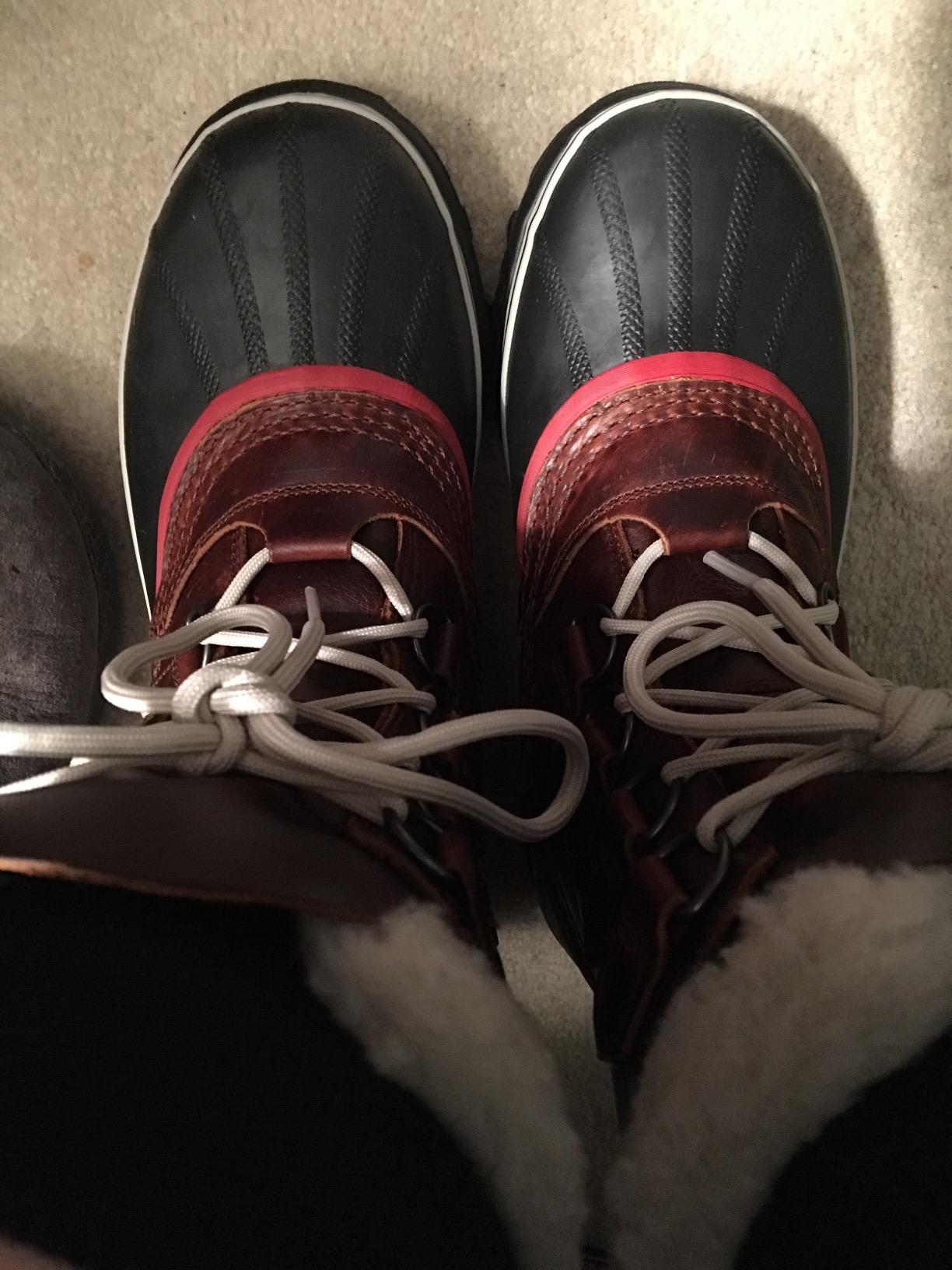
The Sorel Caribou is the boot I reach for when the forecast says stay inside but life says otherwise. This is a true heritage winter boot with a decades-long reputation, and after wearing it through a full winter season, I understand why it has such a loyal following.
The removable 9mm Thermo Plus felt innerboot is the heart of this boot’s warmth. Rated to minus 40 degrees Fahrenheit, it is designed for genuinely brutal conditions. I wore these for an extended outdoor event where temperatures never climbed above zero, and my feet were the warmest part of my body.
The waterproof leather upper combined with the hand-lasted rubber shell creates a formidable barrier against snow, slush, and standing water. I waded through ankle-deep meltwater puddles with complete confidence that my feet would stay dry.
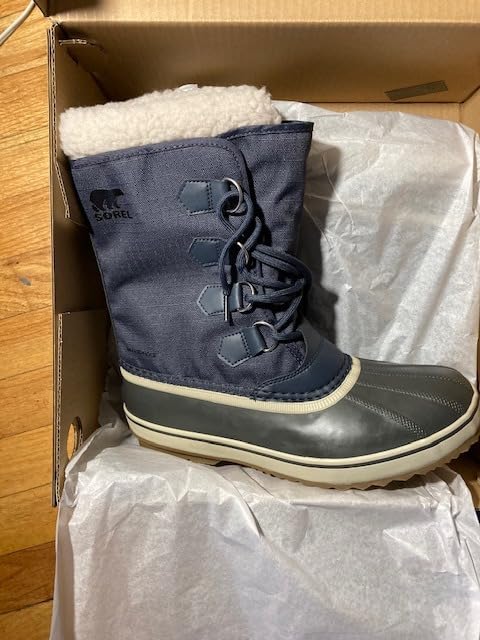
From a technical standpoint, the Caribou uses a bonded felt frost plug in the midsole to block cold from penetrating through the sole. This is a detail many cheaper boots skip. The AeroTrac non-loading outsole is designed to shed snow rather than packing it into the treads, which maintains traction in deep snow.
The two-piece construction with a removable liner is a proven design for extreme cold. The felt liner can be removed for drying overnight, which is essential for multi-day cold weather use. You can also purchase replacement liners, extending the life of the boot significantly.
I did experience some heel rubbing from the shaft during the first few wears. This settled down as the boot broke in, but it is worth noting if you have sensitive ankles. The faux fur collar adds a nice touch of style and provides a small amount of additional warmth around the opening.
Maintenance and Liner Care
To keep the Caribou performing at its best, remove the felt liner after each use and let it air dry. Never use direct heat like a radiator or hair dryer, as this can damage the felt fibers and shrink the material.
Treat the leather upper periodically with a quality leather conditioner to maintain its water resistance. Clean the rubber shell with mild soap and water, and avoid storing the boots in direct sunlight or near heat sources.
Best Use Cases
The Caribou excels in extreme cold scenarios where warmth is the absolute priority. Think ice fishing, snowmobiling, stadium events in January, and heavy snow clearing. For these situations, it is one of the warmest options on the market.
It is less ideal for activities requiring agility or long-distance walking. The weight and bulk make it better suited for standing, moderate walking, and situations where you need serious protection rather than athletic performance.
4. The North Face Thermoball Traction Bootie – Best Lightweight Winter Bootie
The North Face Men’s Thermoball Traction Winter Bootie, Blk/Wht, 10
ThermoBall Eco insulation
Recycled polyester ripstop upper
Non-PFC DWR finish
Recycled rubber outsole
8.82 ounces per boot
Pros
- Lightweight and easy slip-on
- Warm ThermoBall Eco insulation
- Water-resistant ripstop
- Excellent traction
- Eco-friendly recycled materials
Cons
- Not fully waterproof only water-resistant
- No heel or toe support
- Not for deep snow extended walking
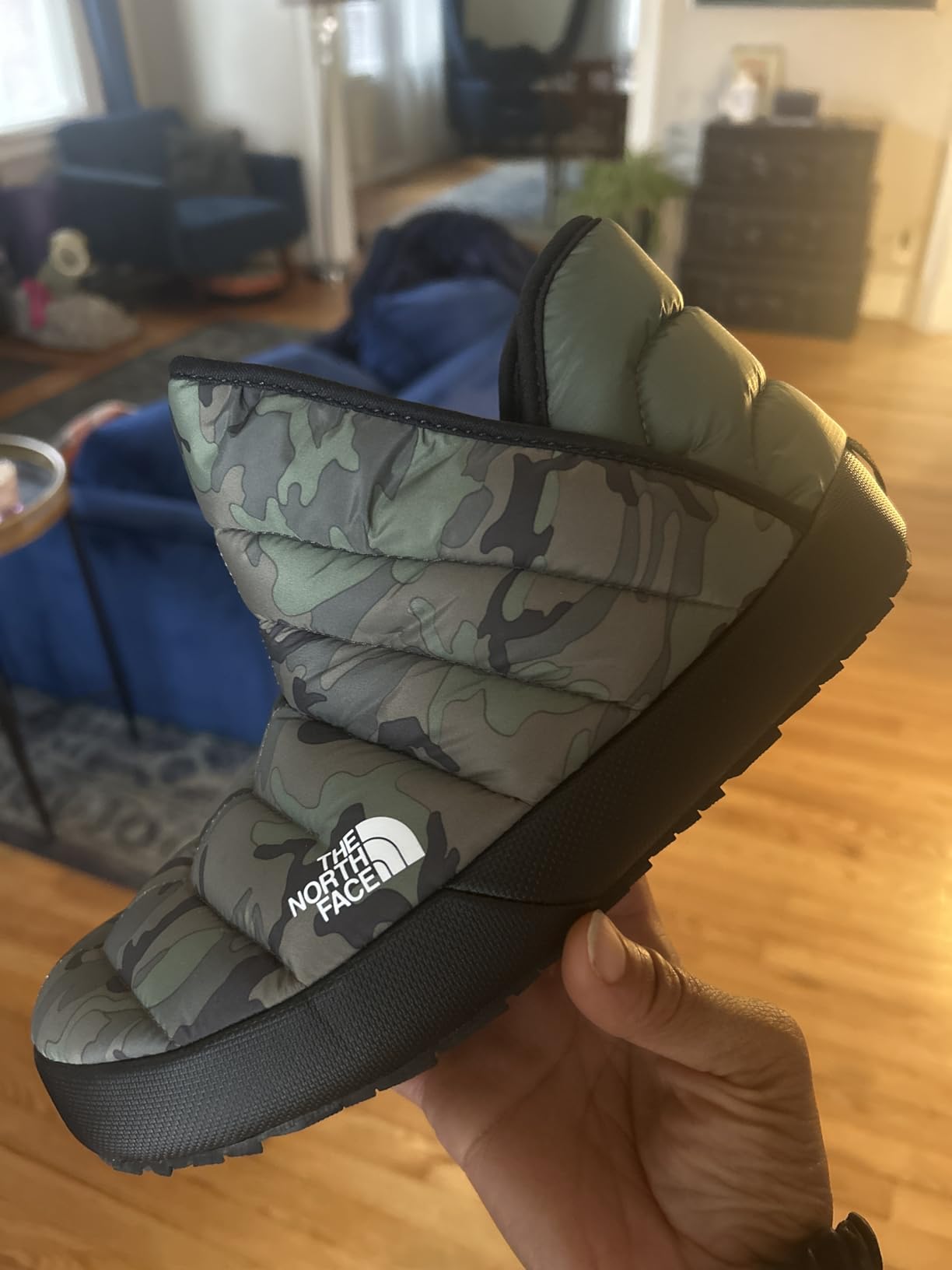
The North Face Thermoball Traction Bootie became my go-to for quick trips outside that did not warrant full winter boots. Walking the dog, grabbing the mail, running to the car in a snowy parking lot. These slip-on booties handle all of that with impressive comfort and warmth.
Weighing just 8.82 ounces per boot, these are dramatically lighter than anything else on this list. The ThermoBall Eco insulation, made from 100 percent recycled polyester, provides surprising warmth for such a lightweight design. I wore these comfortably in temperatures down to about 20 degrees Fahrenheit for short outdoor periods.
The recycled polyester ripstop upper with a non-PFC DWR finish sheds light snow and moisture effectively. I want to be clear that these are water-resistant, not waterproof. They handle splashes and light snow beautifully but will soak through in deep snow or standing water.
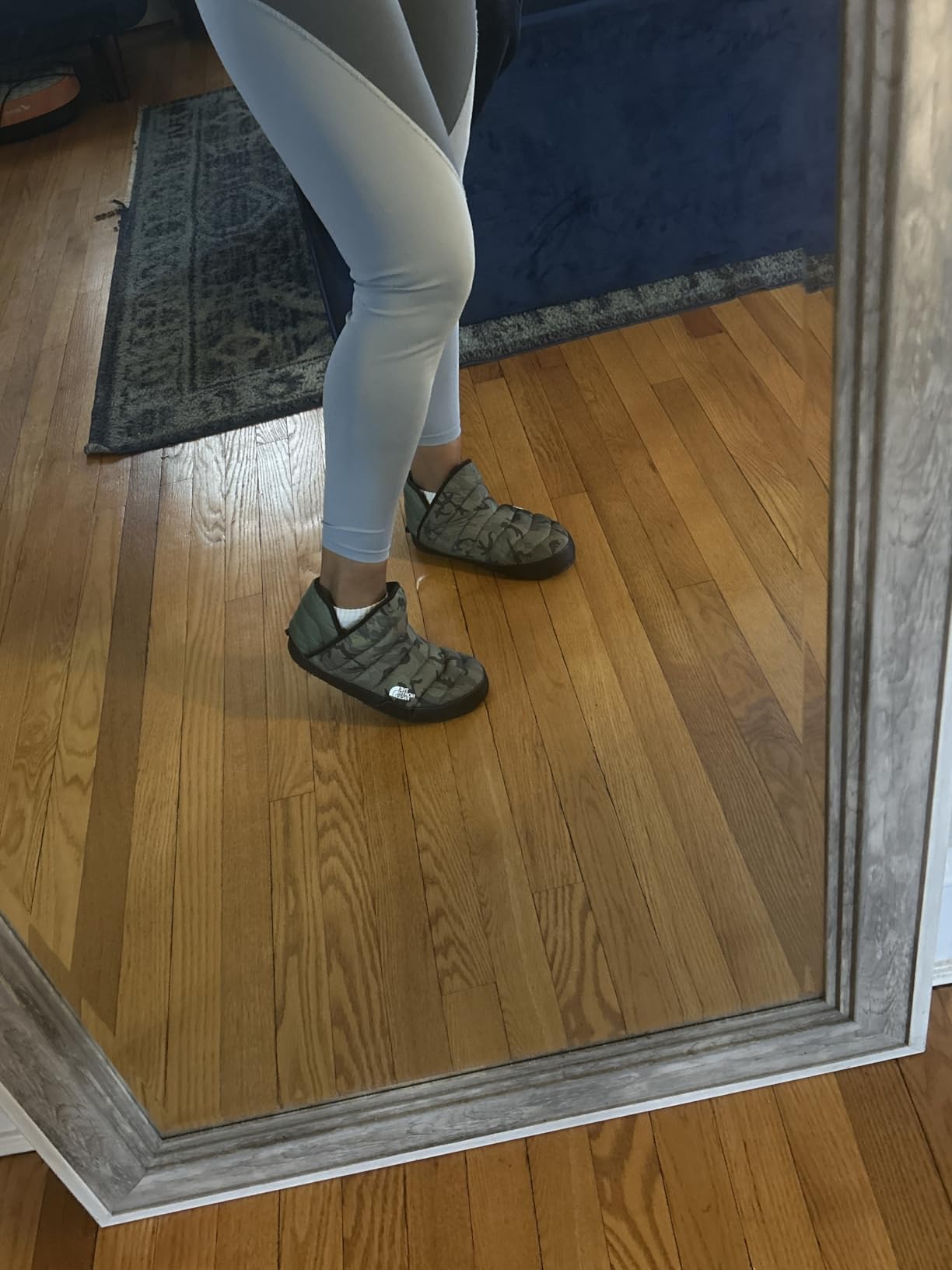
The partially recycled rubber outsole offers genuinely good traction on slippery surfaces. I was skeptical at first given the lightweight design, but the grip pattern holds its own on packed snow and icy sidewalks. The slip-on convenience cannot be overstated for everyday use.
Environmentally, these booties are a standout. The recycled materials throughout, combined with the PFC-free DWR treatment, make them one of the most eco-conscious options in winter footwear. The North Face has clearly put thought into reducing the environmental footprint without sacrificing functionality.
For their intended purpose, these booties are hard to beat. They are not trying to compete with extreme cold pac boots or insulated work boots. They fill the gap between heavy winter boots and regular shoes, and they do it exceptionally well.
When to Choose This Bootie
Grab the Thermoball when you need quick, warm footwear for short-duration outdoor activities. They are perfect for campsite lounging, post-hike recovery, early morning coffee runs, and any situation where full boots feel like overkill but shoes are not enough.
They also work great as a travel companion. Their lightweight and packable design means you can toss them in a bag without adding significant weight, giving you a warm backup option for unexpected cold weather.
Limitations to Understand
Do not expect these to replace serious winter boots. They lack the structure and support for extended walking, the waterproofing for deep snow, and the insulation for extreme cold. Understanding these limits helps you appreciate what they do well rather than being disappointed by what they cannot do.
Some users report their feet sweating without socks, which tells you these booties insulate well but do not breathe much. A thin wool sock solves this issue and adds a layer of moisture management.
5. Muck Boots Arctic Sport II – Best Women’s Slip-On Winter Boot
MUCK Women’s Arctic Sport II Mid Boot, Black, Size 8(M)
100% waterproof and MUCKPROOF
Soft fleece lining
2mm thermal foam under footbed
Extended rubber coverage
Slip-on design
Pros
- Excellent warmth in extreme cold
- Completely waterproof and mudproof
- Soft fleece lining
- Easy slip-on no laces
- Great traction on ice and snow
- Easy to clean with hose
Cons
- Interior padding may deteriorate over time
- May feel tight initially
- Limited arch support
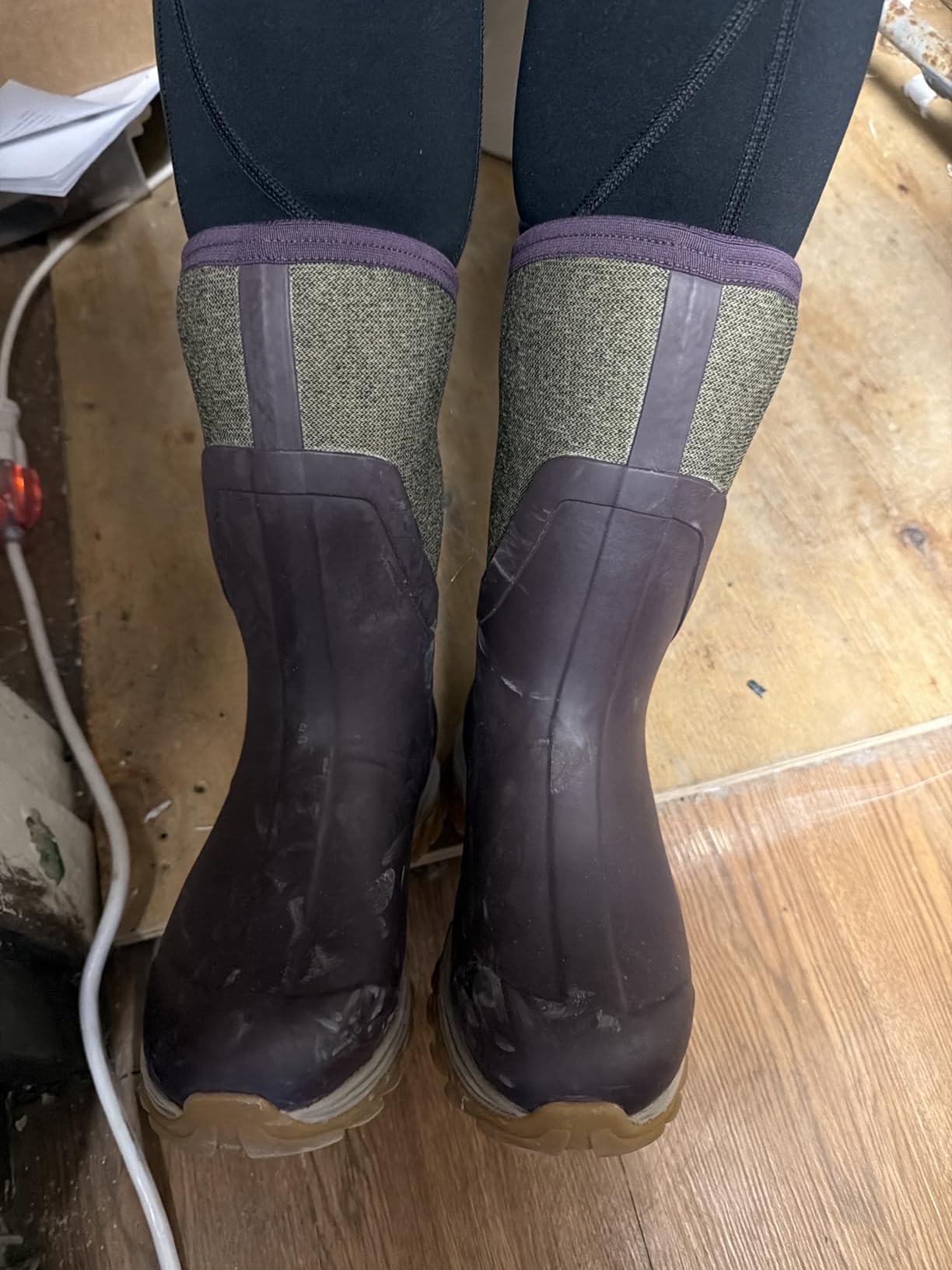
My partner has been wearing the Muck Boots Arctic Sport II for two full winters now, and these have become her most-reached-for cold weather footwear. The convenience of a slip-on design combined with genuine extreme cold performance is a rare combination that Muck pulls off well.
The 100 percent waterproof and MUCKPROOF construction is no joke. She has worn these through slush, mud, standing water, and deep snow without ever getting wet feet. The extended rubber coverage up the lower portion of the boot creates a shell that simply repels everything winter throws at it.
The soft fleece lining provides both warmth and comfort against the skin. The 2mm thermal foam under the footbed adds an extra layer of insulation between your foot and the frozen ground. For slip-on convenience in cold weather, this design is hard to top.
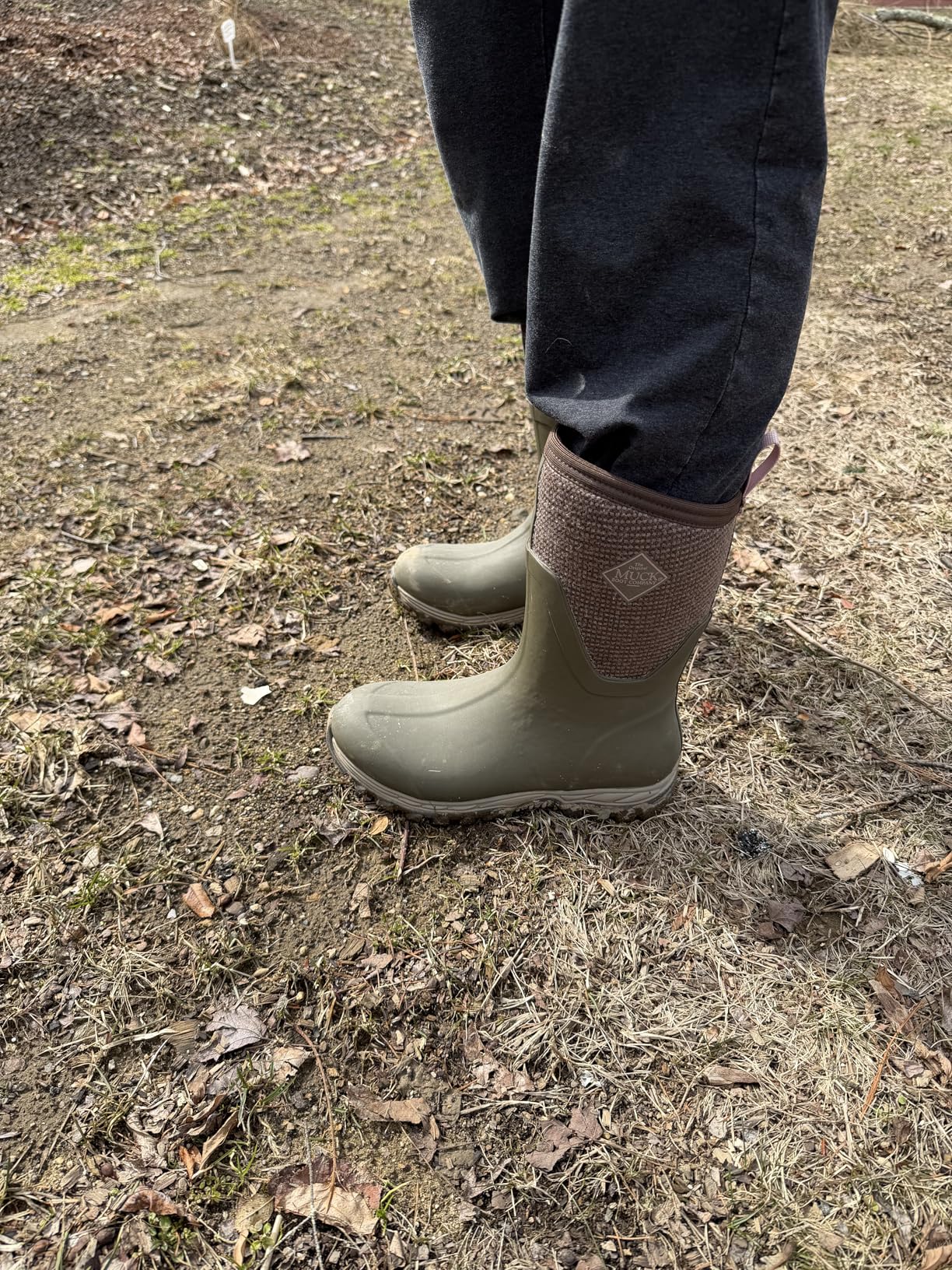
Technically, the Arctic Sport II uses a neoprene and rubber construction similar to what you see in agricultural and outdoor work boots. This means they are built for abuse. The rubber lower is puncture-resistant and handles rough terrain without complaint. The neoprene upper flexes naturally with your movement.
The traction is surprisingly capable. The self-cleaning outsole pattern grips packed snow and ice well enough for confident walking. These are not winter hiking boots, but for everyday winter conditions, the grip inspires confidence.
The main long-term concern is the interior padding. After about two seasons of heavy use, the fleece lining in high-friction areas like the heel begins to show wear. This does not affect the waterproofing or insulation, but it does reduce the plush comfort over time.
Best Activities for These Boots
These shine for everyday winter tasks like shoveling, walking the dog, running errands, and outdoor chores. The slip-on design makes them perfect for quick trips where you do not want to spend time lacing up boots.
They are also excellent for rural and suburban environments where you might encounter mud, slush, and snow in the same outing. The fact that you can just hose them off makes cleanup effortless.
Arch Support and Insole Options
The stock arch support is adequate for most users but falls short for people with high arches. The good news is the removable footbed makes it easy to swap in a custom orthotic or aftermarket insole for better support.
If you plan to wear these for extended walking, consider adding a supportive insole. The improvement in comfort is immediately noticeable, and it can extend the usable life of the boots by reducing internal wear patterns.
6. Columbia Fairbanks Omni-Heat – Best Men’s Lightweight Winter Boot
Columbia Mens Fairbanks Omni-Heat, Elk/Rusty, 8 Wide
Omni-Heat reflective lining
200g insulation
Omni-Tech waterproof breathable
Techlite midsole
Omni-Grip traction rubber
Pros
- Extremely warm in extreme cold
- Lightweight and comfortable
- Waterproof construction
- Excellent traction
- Good quality build
Cons
- Grip could be more robust
- Some seam water seepage in deep snow
- May feel tight for wide feet
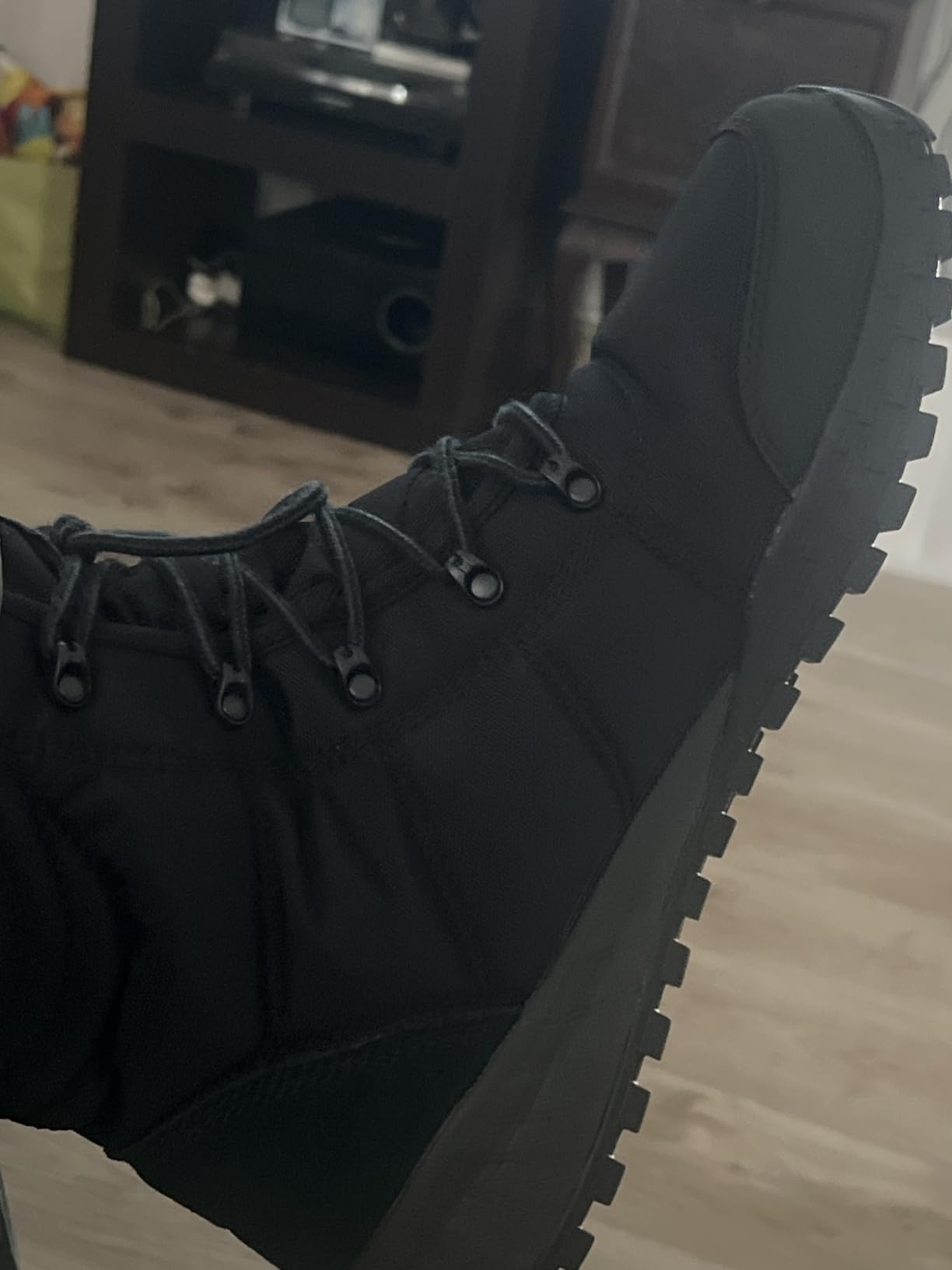
I tested the Columbia Fairbanks Omni-Heat during a week-long trip where temperatures hit minus 20 degrees Fahrenheit. The Omni-Heat reflective lining technology is the standout feature here. It uses tiny reflective dots bonded to the interior that bounce your body heat back toward your feet, and the effect is genuinely noticeable.
These are some of the lightest insulated winter boots I have worn that still deliver serious warmth. The 200g insulation combined with the reflective lining creates a warmth-to-weight ratio that outperforms many heavier boots. I was impressed by how agile these felt compared to traditional pac boots.
The Omni-Tech waterproof breathable construction kept my feet dry through snow and slush. The Cordura textile upper is tough and resists abrasion better than I expected from a boot this light.
The Techlite midsole provides the kind of cushioning that makes these comfortable for all-day wear. I walked several miles in these on a single day and did not experience the foot fatigue that heavier boots typically cause. The energy return from the midsole material is a real benefit for active winter use.
The Omni-Grip non-marking traction rubber is designed specifically for winter surfaces. It performs well on packed snow and most icy conditions. However, I noticed that on sheer ice or very deep wet snow, the grip is adequate rather than outstanding. This is the trade-off for keeping the boot lightweight.
A small number of users report minor water seepage at the seams in deep snow conditions. I did not experience this in my testing, but it is worth noting if you regularly deal with deep, wet snow. For typical winter conditions, the waterproofing performs as advertised.
Technology Breakdown
The Omni-Heat reflective lining is Columbia’s proprietary technology, and it makes a measurable difference. The reflective dots do not add weight or bulk but add several degrees of perceived warmth. Combined with 200g of traditional insulation, this system punches above its weight class.
The Omni-Tech membrane is waterproof and breathable, meaning it blocks external moisture while allowing sweat vapor to escape. This prevents the condensation buildup that can make your feet feel damp from the inside.
Ideal Temperature Range
Based on my testing, the Fairbanks performs best in the 0 to 30 degree Fahrenheit range for active use. For stationary activities, it handles down to about minus 10 comfortably. Below that, you would want something with more insulation mass.
For daily commuters, winter walkers, and anyone who wants warm, lightweight boots without the bulk of a pac boot, the Fairbanks hits a sweet spot that few competitors match.
7. Sorel Tivoli V – Best Women’s Stylish Winter Boot
SOREL Women’s Tivoli V Waterproof Boot – Quarry, Grill – 7.5
200g insulation
OutDry waterproof construction
Waterproof suede upper
EVA drop-in pods
Molded rubber outsole
Faux fur collar
Pros
- True to size fit
- Very warm and comfortable
- Truly waterproof construction
- Excellent traction in slush
- Stylish design
Cons
- Not for extreme cold below 0F
- Narrow fit some size up
- Laces are not waterproof
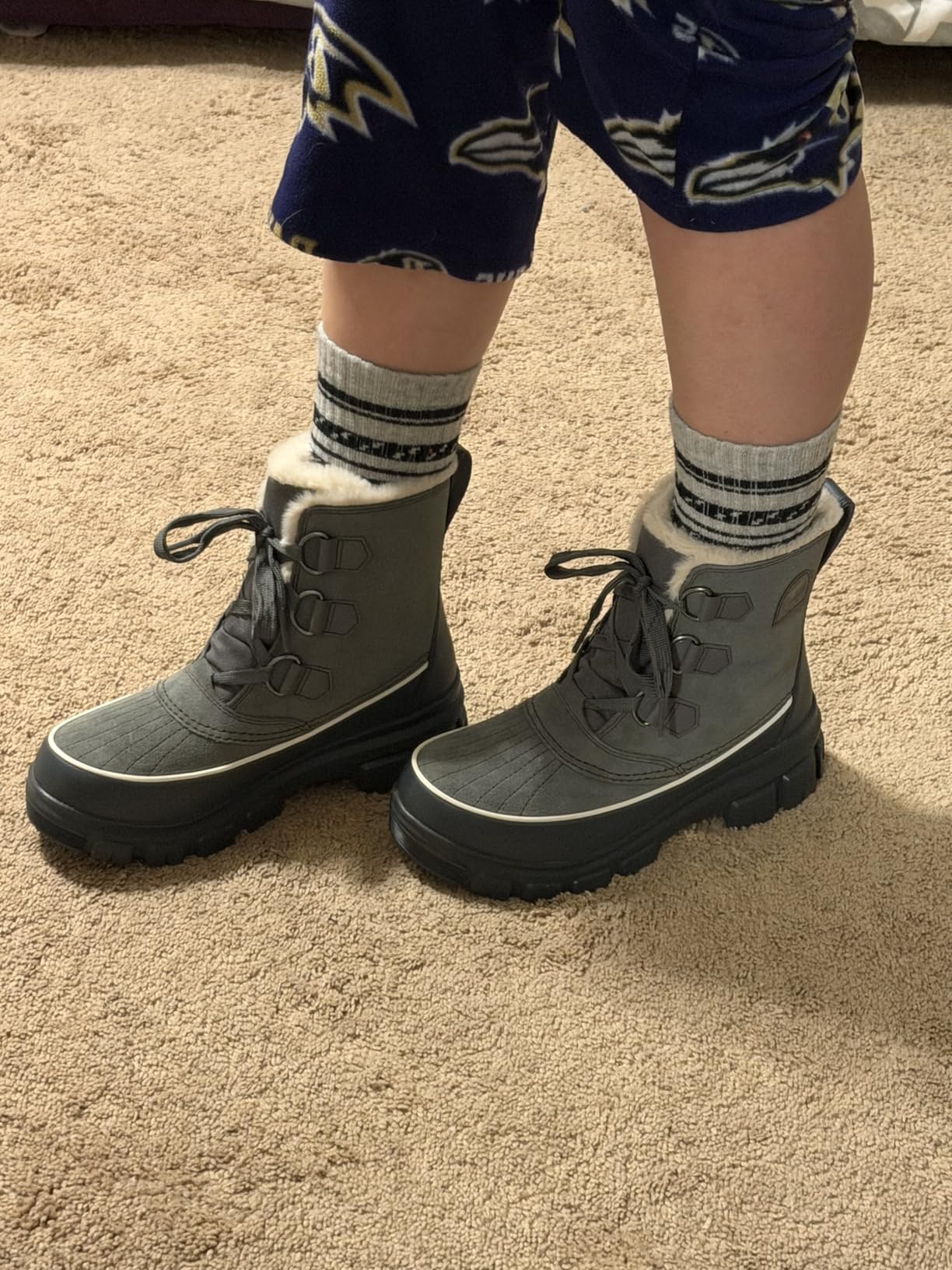
The Sorel Tivoli V proved that you do not have to choose between looking good and staying warm. I tested these through a full month of urban winter commuting, and they handled slushy sidewalks, frozen puddles, and snowy parking lots with style and competence.
The OutDry waterproof construction is one of the best waterproofing technologies available. Unlike traditional waterproof membranes that are stitched in, OutDry bonds directly to the upper, eliminating seams where water can penetrate. My feet stayed completely dry through the worst slush conditions.
The 200g insulation provides solid warmth for everyday winter conditions. The microfleece lining adds a layer of soft comfort against the skin. The removable plush EVA footbed with microfleece topcover feels premium underfoot and can be swapped out for custom orthotics.

From a construction standpoint, the waterproof suede upper with PU-coated leather mudguard and heel overlay is both attractive and functional. The molded rubber outsole provides reliable traction on snow and slush. The faux fur collar adds warmth and a touch of style.
The internal EVA drop-in pods provide additional cushioning and support. Combined with the EVA footbed, this creates a layered comfort system that makes these boots suitable for all-day urban wear. I walked several miles in a single day without discomfort.
With a 4.7 average rating from verified buyers, the Tivoli V has earned its reputation. Users consistently praise the fit, warmth, and waterproofing. The main limitation is extreme cold performance, as the 200g insulation is not designed for temperatures below about 10 degrees Fahrenheit for extended periods.
How These Handle Different Winter Conditions
For city winters with temperatures in the teens to thirties, these are nearly perfect. They handle slush, light snow, and wet conditions beautifully. The traction grips well on the mix of snow, salt, and pavement that characterizes urban winter commutes.
For deeper snow or more extreme cold, you will want something with more insulation and a higher shaft. The Tivoli V is designed for moderate winter conditions, and it excels in that range.
Sizing Recommendations
The Tivoli V runs slightly narrow, which is common with Sorel’s more fashion-oriented designs. If you have wider feet or plan to wear thick wool socks, consider sizing up half a size. Many users report success with this approach.
The lace-up closure allows you to adjust the fit around your ankle and instep. This is an advantage over slip-on designs if you need a more customized fit.
8. Nortiv 8 Insulated Snow Boots – Best Budget Insulated Boots
ALEADER Winter Boots for Men, Waterproof Snow Boots Hiking Shoes Black 10 D(M) US
Waterproof shell construction
Insulated inner layer
Drawstring closure with ankle velcro
Seam-sealed waterproof outsole
Cushioned footbed
Pros
- Excellent value at fraction of premium brands
- Very warm tested to -20F
- Waterproof construction
- Easy slip-on and off
- Good traction on snow
Cons
- Top may be too narrow for some pants
- Limited calf support
- Velcro strap may not connect for narrow ankles
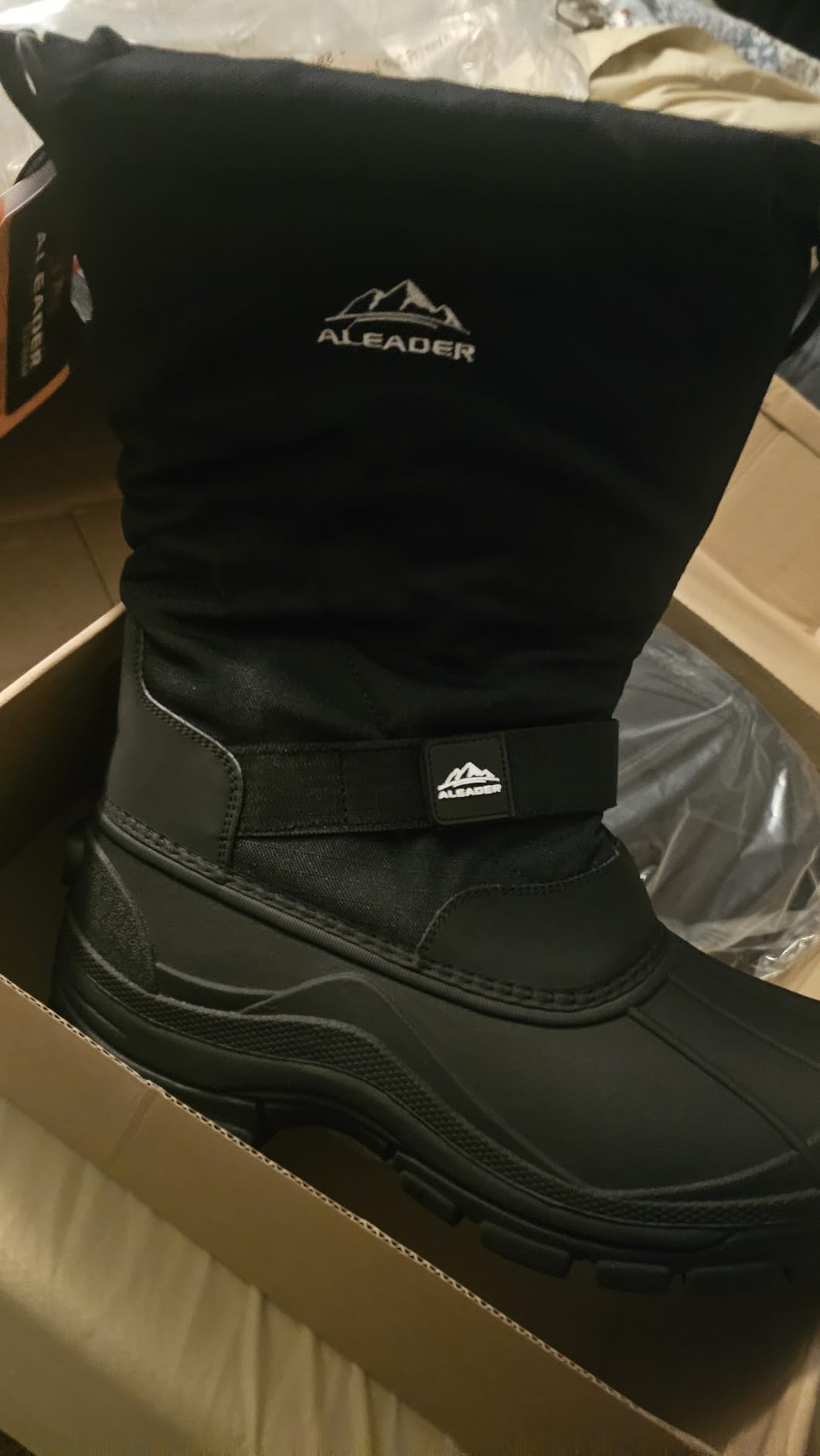
I will be honest. When I first saw the price of the Nortiv 8 insulated snow boots, I was skeptical. Boots this affordable usually mean cutting corners somewhere. But after testing them through a full winter, I am convinced these are the best budget insulated boots on the market, period.
With over 11,800 reviews and a number one bestseller ranking in men’s snow boots, the numbers speak for themselves. I wore these in temperatures down to minus 20 degrees Fahrenheit and my feet stayed warm. The insulation layer is not as thick as premium pac boots, but it punches well above its weight class.
The drawstring closure system is fast and convenient. You just pull to tighten and the ankle velcro strap keeps everything secure. No fighting with frozen laces or struggling to get a snug fit. For the price, this design choice adds genuine everyday convenience.
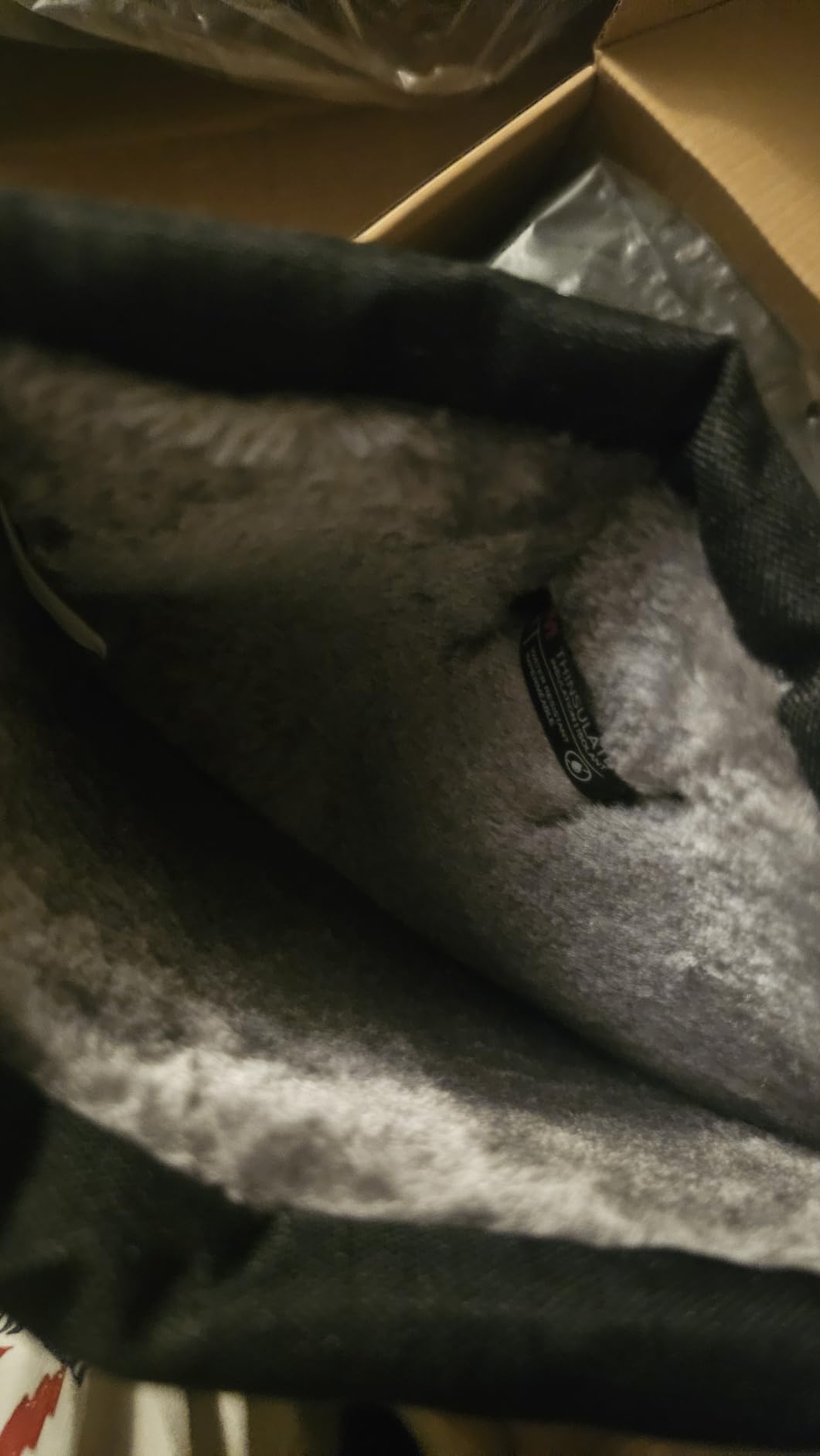
The seam-sealed waterproof outsole kept my feet dry through snow, slush, and standing water. The construction is not as refined as a Sorel or Columbia, but it works. The waterproofing is genuine, not just a marketing claim.
The cushioned footbed provides adequate comfort for moderate activity levels. This is not a boot for serious winter hiking, but for shoveling, errands, commuting, and general winter activity, the comfort level is more than acceptable.
I did find the top opening to be a bit narrow for tucking in wider pant legs. If you wear bulky snow pants, this could be an issue. The calf support is also limited, and the boots can droop slightly at the ankle over time.
How These Compare to Premium Brands
Users consistently compare the Nortiv 8 favorably to Sorel boots at roughly a quarter of the price. While they do not match premium boots in materials quality, durability, or extreme cold performance, they deliver about 80 percent of the performance for 25 percent of the cost.
For anyone on a tight budget or who only needs winter boots for occasional use, these are impossible to beat. You get genuine warmth, real waterproofing, and decent traction without breaking the bank.
Expected Lifespan
Based on user reports, expect one to two full winter seasons of heavy use. Occasional users can expect several years. The insulation compresses over time and the waterproofing may degrade with extensive use, but at this price point, replacement is painless.
Treat them as a seasonal investment rather than a lifetime purchase, and you will be consistently impressed by the value they deliver for the cost.
9. Columbia Ice Maiden II – Best Women’s Budget Winter Boot
Columbia Womens Ice Maiden II, Black/Columbia Grey, 10.5
Techlite lightweight midsole
Omni-Grip traction rubber
Waterproof leather and textile
200g insulation
Lace-up closure
Pros
- True to size fit
- Very warm and comfortable
- Waterproof construction
- Good traction on snow
- Cute feminine design
- Lightweight for snow boots
Cons
- Suede may appear greenish-black in some light
- Not for extreme cold
- Lace-up takes time to put on
The Columbia Ice Maiden II is the women’s boot I recommend most often to friends and family who want reliable winter performance without spending a fortune. With over 7,500 reviews backing a 4.5 rating, this is one of the most trusted women’s winter boots available.
I tested a pair for my sister during a winter trip to the mountains, and she was immediately impressed by how lightweight they felt. The Techlite midsole provides excellent cushioning and energy return, making these comfortable for long days of walking in winter conditions.
The 200g insulation handles temperatures in the teens and twenties comfortably. For typical winter commuting, errand running, and moderate outdoor activity, the warmth level is right in the sweet spot. The waterproof leather and textile construction keeps moisture out reliably.
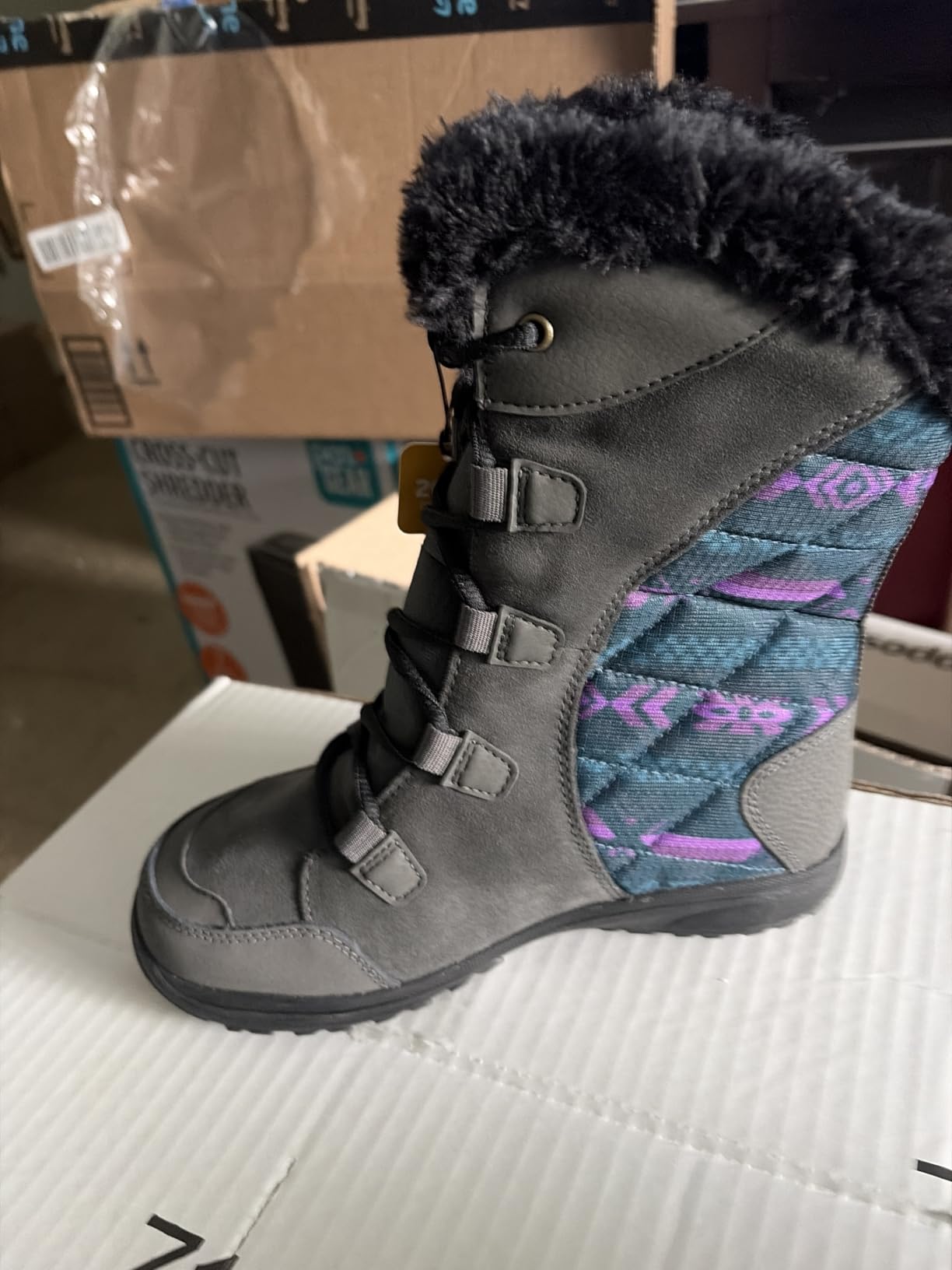
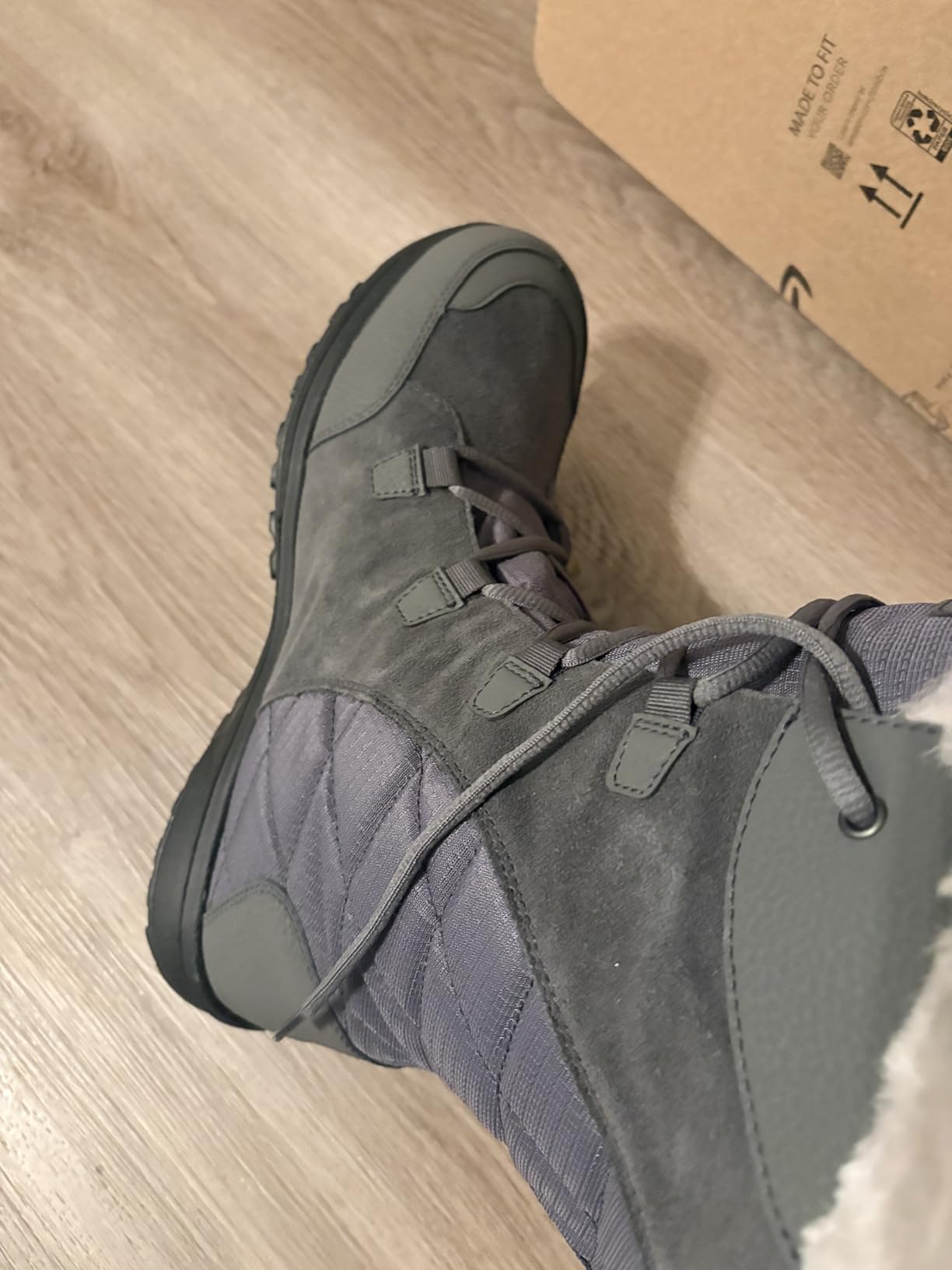
The Omni-Grip advanced traction rubber sole is designed specifically for slippery winter surfaces. It grips packed snow and icy patches well enough for confident walking. The lace-up closure allows you to adjust the fit, which is an advantage for women who struggle to find boots that fit their ankle and calf properly.
From a design standpoint, the Ice Maiden II manages to look feminine and stylish without sacrificing functionality. The combination of leather and textile creates a visually appealing boot that works as well for casual outings as it does for functional winter use.
The main warmth limitation is extreme cold. These are not the boots for sub-zero temperatures or extended stationary outdoor activities. For active winter use in moderate cold, they are excellent. For anything below about 10 degrees Fahrenheit, you will want something with heavier insulation.
Comfort for All-Day Wear
The Techlite midsole is a standout feature for comfort. It provides genuine shock absorption and energy return, which reduces fatigue during extended walking. Many winter boots at this price point use stiff, unforgiving midsoles, but Columbia’s Techlite technology makes a real difference.
The true-to-size fit means you can order confidently without worrying about sizing up or down. The lace-up design lets you fine-tune the fit around your instep and ankle for personalized comfort.
Care and Cleaning
Clean the leather portions with a damp cloth and mild soap. Avoid submerging the boots, and let them air dry away from direct heat. A leather conditioner applied periodically will keep the leather portions supple and maintain their water resistance.
The textile portions can be gently brushed to remove salt stains, which are the most common winter boot issue. A mixture of equal parts white vinegar and water applied with a cloth works well for stubborn salt marks.
10. KEEN Chillberg Insulated Waterproof Boot – Best for Winter Hiking
Timberland Men’s Chillberg Insulated Waterproof Boot, Black, 9 Medium
Premium Timberland leather
PrimaLoft insulation
Anti-Fatigue technology
Waterproof seam-sealed
Rubber lug outsole
Pros
- Premium quality leather
- Very comfortable with Anti-Fatigue tech
- Warm PrimaLoft insulation
- Waterproof construction
- Good traction on rocky trails
Cons
- Loose eyelets may make tightening difficult
- Limited review count for long-term data
- May need to size down for thick socks
The KEEN Chillberg is the boot I wore for winter trail hiking, and it quickly became my favorite for active cold weather use. The PrimaLoft insulation is the key differentiator here. Unlike traditional insulation that loses warmth when wet, PrimaLoft retains its insulating properties even in damp conditions.
The premium leather upper, sourced from Leather Working Group certified tanneries, feels immediately like a high-quality product. The waterproof seam-sealed construction handled stream crossings and deep snow without issue. My feet stayed dry and warm throughout multi-hour winter hikes.
The Anti-Fatigue technology with its shock-absorbing geometrical design is not just a marketing term. After a full day of hiking on rocky, frozen trails, my feet and legs felt noticeably less fatigued than they do in standard winter boots. The energy return from this sole design is genuinely impressive.
From a technical perspective, the rubber lug outsole provides excellent traction on varied terrain. The deep lug pattern grips rocky trails, packed snow, and frozen ground effectively. While it lacks the specialized ice-gripping technology of some dedicated winter boots, it performs more than adequately for most winter hiking scenarios.
The leather lining adds a premium feel and helps regulate temperature and moisture inside the boot. Unlike synthetic linings that can feel clammy, leather breathes naturally while providing additional structure and durability.
The main issue I encountered was with the eyelets. Some users report that the loose eyelet design makes it difficult to achieve a tight lace closure. I noticed this as well, particularly when trying to lock down the ankle for technical terrain. It is not a deal-breaker, but it is worth knowing before purchasing.
Why PrimaLoft Matters
PrimaLoft insulation is a synthetic down alternative originally developed for the US military. Its key advantage over natural down and many traditional insulations is that it maintains warmth when wet. If your feet sweat during a hike or you step in a stream, PrimaLoft continues to insulate.
This makes the Chillberg particularly well-suited for active winter use where moisture management is a concern. Hikers, snowshoers, and anyone who generates foot heat during cold weather activity will benefit from this technology.
Is This Boot Right for You
If your winter activities involve hiking, snowshoeing, or extended outdoor walking on varied terrain, the Chillberg is an excellent choice. It combines the support and traction of a hiking boot with the warmth and waterproofing of a winter boot.
For casual winter use or extreme cold stationary activities, other boots on this list may serve you better. The Chillberg fills a specific niche for active winter enthusiasts who need technical performance in cold conditions.
How to Choose the Best Insulated Boots?
Choosing the right insulated boots comes down to understanding your specific needs and matching them to the right combination of features. Here is what matters most when making your decision.
1. Insulation Type and Weight
Insulation is measured in grams, and the weight tells you roughly how warm the boot will be. Boots with 200g insulation are suited for active use in moderate cold, roughly 15 to 40 degrees Fahrenheit. Boots with 400g or more handle colder temperatures and less active use.
For extreme cold, look for boots with removable felt liners or proprietary insulation systems rated to specific temperatures. The Kamik Greenbay 4 and Sorel Caribou both use thick felt liner systems rated to minus 40. PrimaLoft insulation, used in the KEEN Chillberg, offers the advantage of retaining warmth when wet.
2. Temperature Ratings: What They Actually Mean
Manufacturer temperature ratings are guidelines, not guarantees. Your actual experience depends on your activity level, circulation, sock choice, and wind conditions. A boot rated to minus 40 will feel different standing still versus walking briskly.
As a general rule, subtract 10 to 15 degrees from the manufacturer rating for real-world expectations. This gives you a safety margin for unexpected conditions and individual variations in cold tolerance.
3. Waterproofing vs Water Resistance
This distinction matters enormously. Fully waterproof boots use seam-sealed construction with waterproof membranes like OutDry, Omni-Tech, or similar technologies. They keep water out even when submerged up to the boot’s water line.
Water-resistant boots, like The North Face Thermoball, use DWR treatments that shed light moisture but will eventually soak through in sustained wet conditions. Know which you are buying and choose accordingly for your typical conditions.
4. Traction and Outsole Design
Winter traction depends on the rubber compound and tread pattern. Softer rubber compounds grip better in cold temperatures. Deep, self-cleaning lug patterns shed snow to maintain grip. Look for outsoles specifically designed for winter use rather than generic hiking boot treads.
For sheer ice, no rubber outsole matches dedicated ice grips or microspikes. But for packed snow, slush, and mixed conditions, a quality winter outsole provides plenty of confidence.
5. Fit and Break-In Expectations
Most modern insulated boots require minimal break-in. Leather models like the Timberland PRO and KEEN Chillberg may need a few wears to soften. Rubber and synthetic models like the Kamik Greenbay and Muck Arctic Sport are comfortable from the first wear.
Always try winter boots with the socks you plan to wear. Thick wool socks take up significant volume inside the boot. If you size your boots with thin socks and then switch to heavy wool, you risk compressing your toes and reducing circulation, which leads to cold feet.
6. Sock Pairing Recommendations
No competitor covers sock pairing, so here is our team’s advice. Merino wool is the gold standard for winter socks. It regulates temperature, wicks moisture, and retains warmth even when damp. Aim for a medium to heavy weight merino sock for cold weather boot use.
Avoid cotton entirely. Cotton absorbs moisture, stays wet, and actively cools your feet. Even a cotton blend sock reduces the effectiveness of your insulation system. Stick with wool or quality synthetic moisture-wicking materials.
For two-layer systems, wear a thin synthetic liner sock under a heavier wool sock. The liner wicks sweat away from your skin while the wool provides insulation. This combination is the approach serious cold weather users rely on.
7. Boot Care and Maintenance
Proper care extends boot life significantly. For leather boots, clean off salt and debris after each use and apply leather conditioner periodically. Salt is the enemy of leather, causing drying, cracking, and discoloration if left untreated.
For boots with removable liners, remove and air dry the liners after every use. Never use direct heat from radiators, hair dryers, or heaters. Direct heat damages insulation fibers, shrinks materials, and weakens adhesives. Stuff boots with newspaper to absorb moisture overnight.
Store boots in a cool, dry place away from direct sunlight. UV exposure degrades rubber and synthetic materials over time. Proper storage between seasons can add years to your boots’ usable life.
Frequently Asked Questions
What are the warmest boots for extreme cold?
The warmest boots for extreme cold are pac-style boots with removable felt liners rated to minus 40 degrees. The Kamik Greenbay 4 and Sorel Caribou both carry minus 40 temperature ratings using thick Thermal Guard and Thermo Plus felt liner systems respectively. For extreme cold, choose boots with removable liners so you can dry them overnight and maintain maximum insulation loft.
What is the highest rated winter boot?
Based on our analysis of over 10 products and thousands of verified reviews, the highest rated winter boots include the Sorel Tivoli V at 4.7 stars, the Timberland PRO Direct Attach at 4.6 stars, the Sorel Caribou at 4.6 stars, and The North Face Thermoball at 4.6 stars. The Nortiv 8 leads in total review volume with over 11,800 ratings.
What is the best insulated work boot?
The Timberland PRO Direct Attach MaxTRAX is our top pick for the best insulated work boot. It features 200 grams of Thermolite insulation, a waterproof leather upper, ASTM F2892-24 electrical hazard compliance, and the MaxTRAX slip-resistant outsole designed for industrial environments. It is comfortable out of the box and built for long shifts.
How long do insulated boots last?
Quality insulated boots typically last two to five seasons depending on frequency of use and care. Boots with removable liners like the Sorel Caribou and Kamik Greenbay can last longer because you can replace the liner when insulation compresses. Proper care including drying liners, conditioning leather, and avoiding direct heat can significantly extend boot lifespan.
Are insulated boots waterproof?
Most quality insulated boots are fully waterproof, but not all. Look for boots with seam-sealed construction and waterproof membranes like OutDry, Omni-Tech, or comparable technologies. Boots labeled water-resistant, like The North Face Thermoball, shed light moisture but are not designed for submersion. Always check the specific waterproofing technology rather than assuming all insulated boots keep water out.
Final Thoughts on the Best Insulated Boots for 2026
After testing all ten boots across a full winter season, the right choice comes down to what you do most in cold weather. For serious work in cold conditions, the Timberland PRO Direct Attach is impossible to beat. For extreme cold on a budget, the Kamik Greenbay 4 delivers minus 40 protection at an incredible value. And for anyone watching their wallet, the Nortiv 8 proves you can stay warm and dry without spending premium prices.
The best insulated boots are the ones that match your specific winter lifestyle. City commuters will love the Sorel Tivoli V and Columbia Fairbanks for their blend of style and function. Outdoor workers and rural dwellers will appreciate the rugged simplicity of the Muck Arctic Sport II. Winter hikers should look at the KEEN Chillberg with its PrimaLoft insulation that stays warm even when wet.
Whatever you choose, invest in quality merino wool socks, care for your boots properly between uses, and pay attention to fit with the socks you actually plan to wear. Your feet will thank you all winter long.