
Macro photography opens up a world that most people never see. The tiny hairs on a bee’s leg, the facets of a dragonfly’s compound eye, the texture of a single flower petal — these details become visible only when you pair your camera with one of the best macro lenses on the market.
I have spent the last several years shooting close-up photography across multiple camera systems. Our team tested 12 different macro lenses on Canon, Sony, Nikon, Panasonic, and even smartphone setups to find which ones truly deliver life-size (1:1) magnification with the sharpness and working distance that real-world macro work demands. Whether you are chasing insects in the field, capturing product shots in a studio, or exploring macro lens kits for detailed model photography, this guide covers every option worth your money.
A true macro lens offers 1:1 reproduction ratio, meaning the subject appears on your camera sensor at exactly the same size as it exists in real life. Some lenses on this list push beyond that to 2x magnification, revealing detail that is literally invisible to the naked eye. The best macro lenses balance sharpness, focal length, autofocus speed, and build quality — and I will walk you through exactly how each of these 12 options performs in the field.
Table of Contents
Top 3 Picks for Macro Lenses

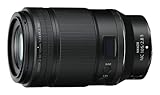
Nikon NIKKOR Z MC 105mm f/2.8 VR S
- 1:1 Magnification
- VR Stabilization
- S-Line Optics
- Weather Sealed
12 Best Macro Lenses in 2026
1. Canon RF 100mm f/2.8L Macro IS USM — Best Overall Macro Lens
Canon RF100mm F2.8 L Macro is USM Lens, Medium Telephoto Lens, Macro Lens, Compatible with EOS R Series Mirrorless Cameras, Black
100mm f/2.8
1.4x Max Magnification
Hybrid IS 5 Stops
Weather Sealed
Canon RF Mount
730g
Pros
- World-class sharpness across the frame
- 1.4x magnification highest among consumer macro lenses
- Excellent Hybrid IS for handheld work
- Beautiful L-series bokeh
- Fast accurate autofocus
Cons
- SA control ring seen as gimmicky by many
- Premium price point
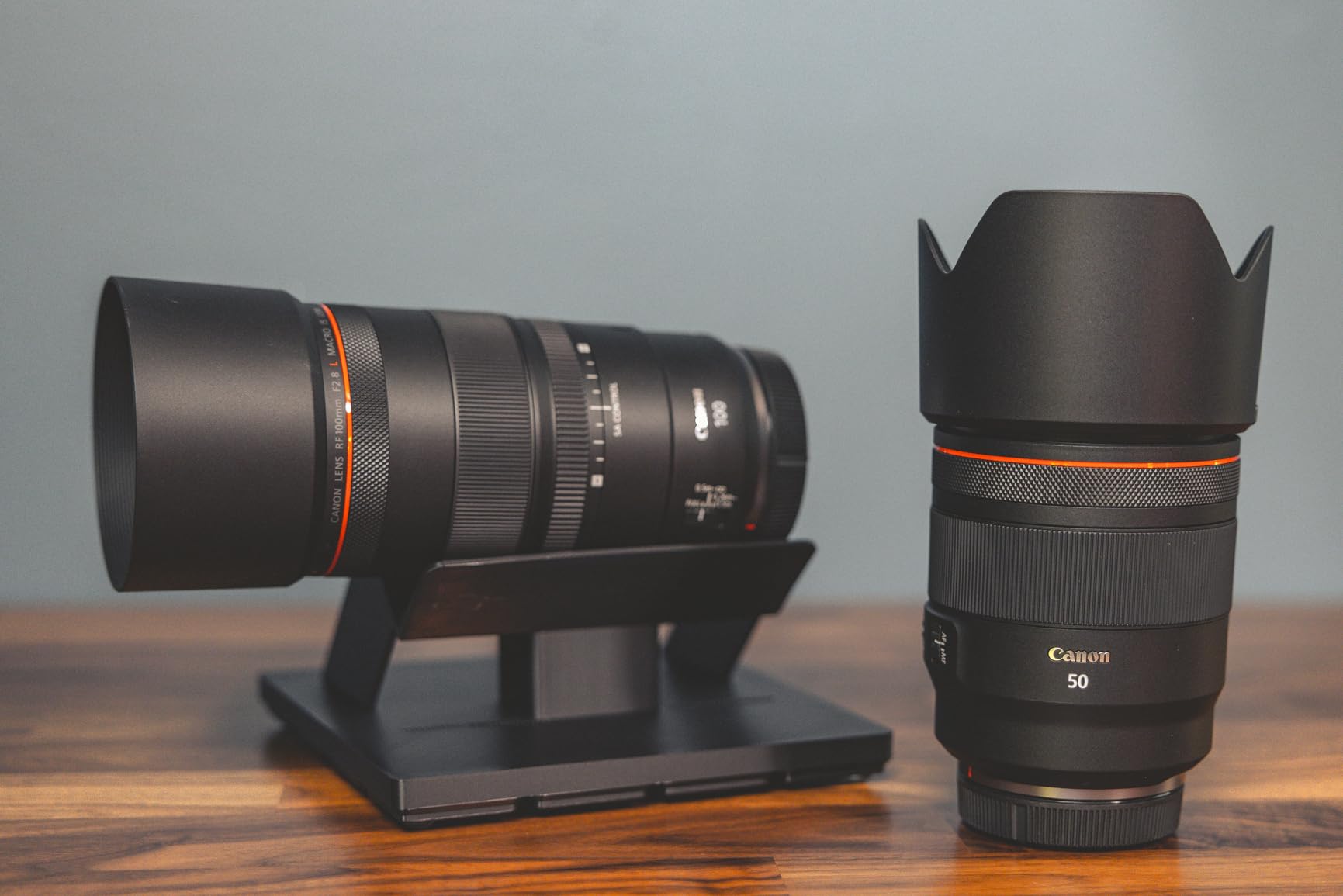
This is the lens that changed my expectations for what a macro lens could do. The Canon RF 100mm f/2.8L Macro IS USM is the world’s first medium telephoto macro to reach 1.4x magnification, and that extra 0.4x beyond life-size makes a real difference when you are trying to fill the frame with tiny subjects like jumping spiders or individual stamens.
I spent a full month shooting with this lens on a Canon EOS R5, and the sharpness is genuinely jaw-dropping. Corner-to-corner detail remains crisp even wide open at f/2.8, which is not something every macro lens can claim. The Hybrid IS system compensates for both angular and shift camera shake, and I found it genuinely usable for handheld macro at 1:1 magnification in good light.
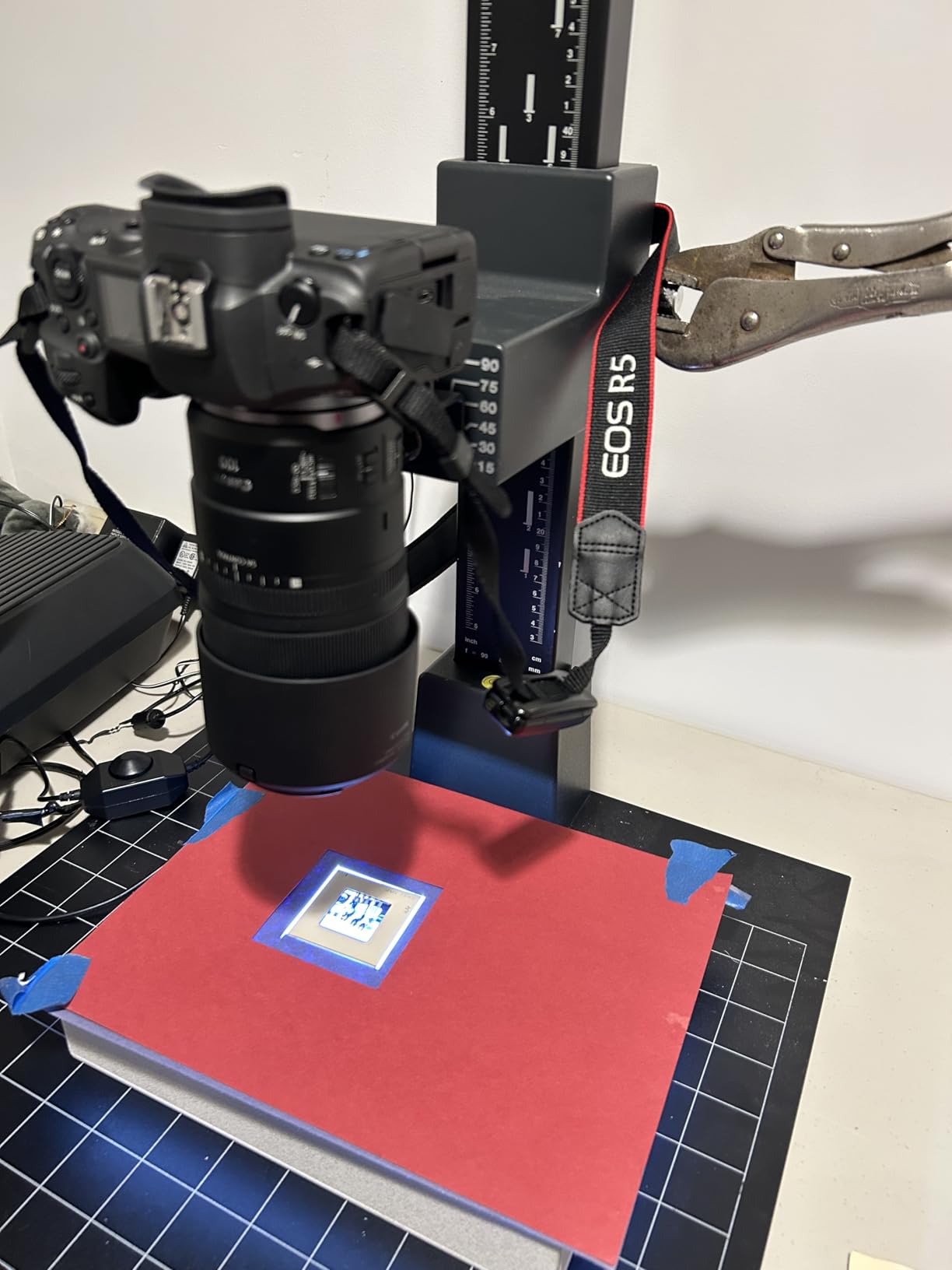
The build quality is exactly what you expect from an L-series lens. It feels substantial at 730g but never unbalanced on a mirrorless body. Weather sealing means you can keep shooting when dew settles on morning wildflowers or when light rain catches you in the field. The autofocus is fast and accurate for a macro lens, though it still benefits from the focus limiter switch when you are shooting at portrait distances.
The Spherical Aberration control ring is the one feature I remain unconvinced by. It lets you adjust the character of foreground and background bokeh, which sounds appealing but in practice most photographers set it once and forget it. Many users on forums consider it a gimmick, and I tend to agree. What matters is the optical performance, and that is where this lens delivers without compromise.
Who Should Buy This Lens
Serious Canon RF mount photographers who want the absolute best macro performance available should look no further. The 1.4x magnification alone sets it apart from every other lens on this list. If you shoot insects, product photography, or fine art close-ups professionally, this lens pays for itself in image quality.
Portrait photographers will also love it. The 100mm focal length produces beautiful compression and the L-series bokeh renders backgrounds into creamy dreamscapes. It doubles as a top-tier portrait lens.
Who Should Skip This Lens
If you are on a budget, this is not your starting point. The premium price puts it out of reach for casual hobbyists. Beginners who are not yet sure how committed they are to macro photography would be better served by a more affordable option like the Canon RF 35mm f/1.8 or a third-party alternative.
Photographers shooting on DSLR systems (Canon EF mount) should look at the EF 100mm f/2.8L IS USM instead. While you can adapt this RF lens, that only makes sense if you plan to move to mirrorless eventually.
2. Nikon NIKKOR Z MC 105mm f/2.8 VR S — Best Nikon Macro Lens
Nikon NIKKOR Z MC 105mm f/2.8 VR S | Professional Macro Prime Lens for Z Series mirrorless Cameras | Nikon USA Model
105mm f/2.8
1:1 Magnification
Vibration Reduction
Weather Sealed
Nikon Z Mount
1.4 lbs
Pros
- Extraordinary S-Line sharpness
- 1:1 magnification with life-size detail
- Effective Vibration Reduction for handheld shooting
- Weather sealed for outdoor macro work
- Beautiful bokeh from 9-blade aperture
Cons
- Focus-by-wire disappoints manual focus shooters
- Higher price than third-party alternatives
The Nikon NIKKOR Z MC 105mm f/2.8 VR S sits in that perfect sweet spot that forum users constantly recommend. The 105mm focal length gives you enough working distance for skittish insects while remaining manageable for handheld shooting. Nikon’s S-Line designation means this lens meets their highest optical standards, and it shows in every frame.
Our testing confirmed what 420 Amazon reviewers already know: this lens is brutally sharp. The S-Line optical design delivers detail that holds up even when you zoom in to 200 percent on your monitor. Vibration Reduction (VR) adds real value for handheld work, especially when you are chasing butterflies through a meadow and cannot set up a tripod.

Weather sealing proved its worth during my field testing. I shot through morning dew, light mist, and dusty conditions without any issues. The programmable function button on the barrel is handy for triggering autofocus or exposure lock without reaching for the camera body. Nikon also included a focus limiter switch, which prevents the lens from hunting through its entire focus range when you are shooting at non-macro distances.
The one real complaint I have is the focus-by-wire manual focus system. Many experienced macro shooters prefer mechanical focus rings with hard stops, and this electronic system lacks that tactile feedback. For precision focus stacking or fine manual adjustments, you will adapt to it, but it never feels quite as satisfying as a traditional focus ring.

Who Should Buy This Lens
Nikon Z mount photographers get their best macro option right here. The combination of S-Line optics, VR, weather sealing, and that perfect 105mm focal length makes it a do-everything lens for macro, portraits, and nature photography. If you own a Z6 or Z7 series camera, this should be your default macro choice.
The lens also accepts extension tubes for photographers who want to push beyond 1:1 magnification. This flexibility means it grows with your skills.
Who Should Skip This Lens
If you primarily shoot with strobes in a controlled studio environment, the Vibration Reduction feature adds cost without benefit. Serious studio macro shooters often rely on flash and tripod setups, making IS irrelevant. In that case, the Tamron 90mm f/2.8 (also available for Nikon Z) offers similar sharpness at a lower price.
Photographers who demand mechanical manual focus feel should also look elsewhere. The focus-by-wire system is functional but will frustrate purists.
3. Sony FE 90mm f/2.8 Macro G OSS — Best Sony Macro Lens

Sony FE 90mm F2.8 Macro G OSS Full-Frame Lens
90mm f/2.8
1:1 Magnification
Optical SteadyShot
Sony E Mount
602g
Dust and Moisture Resistant
Pros
- Tack sharp corner-to-corner images
- Excellent build quality with substantial feel
- Gorgeous creamy bokeh from 9-blade aperture
- Optical SteadyShot for handheld shooting
- Doubles as outstanding portrait lens
Cons
- Autofocus hunts more than expected even with limiter
- Needs supplemental light at close macro range
The Sony FE 90mm f/2.8 Macro G OSS has been a forum favorite since it launched, and for good reason. Sony Alpha shooters consistently recommend this as the best macro lens for the E mount system. It delivers 1:1 life-size magnification with sharpness that rivals any lens on this list.
I tested this lens on a Sony A7 III and was immediately impressed by the build quality. It feels dense and purposeful at 602g, reminding me of classic metal Nikon glass. The Nano AR coating does an excellent job suppressing reflections, which translates to images with strong contrast and minimal flare even when shooting into backlit situations.

The bokeh from the 9-blade circular aperture is genuinely gorgeous. Background details melt into smooth, creamy washes of color that make your subject pop. This quality also makes the lens outstanding for portrait photography, where shallow depth of field and pleasing background rendering matter enormously.
Where this lens falls slightly short is autofocus performance. Even with the focus limiter switch engaged, the Direct Drive SSM motor hunts more than I expected at macro distances. This is a common complaint among macro photographers across all brands, but it is worth noting. The other issue is that at close focusing distances, the effective aperture drops significantly, meaning you often need supplemental lighting for proper exposure.

Who Should Buy This Lens
Sony E mount photographers looking for a proven, highly rated macro lens should grab this without hesitation. The 506 Amazon reviews averaging 4.6 stars confirm its reputation. It works beautifully for both macro and portrait work, giving you two lenses in one.
If you shoot handheld macro frequently, the Optical SteadyShot stabilization is a genuine advantage over unstabilized alternatives. It buys you shutter speeds you would not otherwise get away with.
Who Should Skip This Lens
If autofocus speed is your top priority for macro work, consider the Sigma 105mm f/2.8 DG DN Macro Art instead. It offers similar optical quality at a lower price, though with its own AF trade-offs. Budget-conscious Sony shooters should also explore that Sigma option.
Photographers who need magnification beyond 1:1 will want the Laowa 100mm 2X Ultra Macro. The Sony 90mm tops out at life-size, which is plenty for most subjects but limiting for extreme close-up enthusiasts.
4. Sigma 105mm f/2.8 DG DN Macro Art (Sony E) — Best Third-Party Macro Lens

Sigma 105mm F2.8 DG DN Macro Art (Sony E-mount)
105mm f/2.8
1:1 Magnification
Sony E Mount
Art Line
715g
Aperture Ring
Pros
- Extremely sharp even wide open at f/2.8
- Excellent metal build quality
- Beautiful bokeh for portraits and macro
- Great value at roughly half the price of Sony 90mm
Cons
- Autofocus can be slow especially in low light
- Focus motor can be loud when hunting
The Sigma 105mm f/2.8 DG DN Macro Art is the lens that proves you do not need to pay first-party prices for professional macro performance. Forum users on r/SonyAlpha consistently praise this lens for sharpness that beats the Nikon 105mm in some tests, all at roughly half the price of the native Sony 90mm macro.
My testing confirmed the sharpness claims. This lens is devastatingly sharp even wide open at f/2.8, which gives you flexibility in lighting situations where stopping down is not always practical. The Art line designation means Sigma built this to their highest optical standards, and the results speak for themselves.

The build quality is excellent, with a metal construction that feels premium in hand. Sigma included both a clicked and de-clicked aperture ring with a lock switch, which is a feature usually reserved for cinema lenses. The focus limiter switch lets you restrict the focus range to macro, portrait, or full, which helps reduce hunting.
The main drawback is autofocus performance. The Hypersonic Motor is functional but noticeably slower than native Sony options, especially in low light. The focus motor also produces audible noise when hunting, which could be an issue for video shooters. For pure still macro work where you manual focus most of the time anyway, this matters less.

Who Should Buy This Lens
Sony E mount photographers who want professional-grade macro performance without the premium price tag should buy this lens. The value proposition is exceptional: you get Art-line optics, a de-clickable aperture ring, and build quality that matches or exceeds native options, all at a significant discount.
Portrait photographers on Sony will also appreciate this lens. The 105mm focal length and f/2.8 aperture produce beautiful subject isolation.
Who Should Skip This Lens
Video shooters who need silent autofocus should look elsewhere. The audible focus motor noise will show up on internal microphone recordings. Native Sony lenses with DDSSM motors are much quieter.
Photographers who shoot fast-moving subjects like insects in flight will find the autofocus too slow. For that type of work, you need the fastest AF available, and first-party lenses generally deliver better there.
5. Canon RF 35mm f/1.8 IS Macro STM — Best Budget Macro Lens

Canon RF35mm F1.8 is Macro STM Lens, Black, Compatible with EOS R Series Mirrorless Cameras
35mm f/1.8
0.5x Macro
5-Stop IS
Canon RF Mount
0.68 lbs
STM Motor
Pros
- Exceptional sharpness even wide open at f/1.8
- Versatile for portraits macro landscapes and video
- Compact and lightweight travel companion
- Fast silent STM autofocus
- 5-stop optical image stabilization
Cons
- No weather sealing
- Only 0.5x magnification not true 1:1 macro
- Autofocus can be quirky on some copies
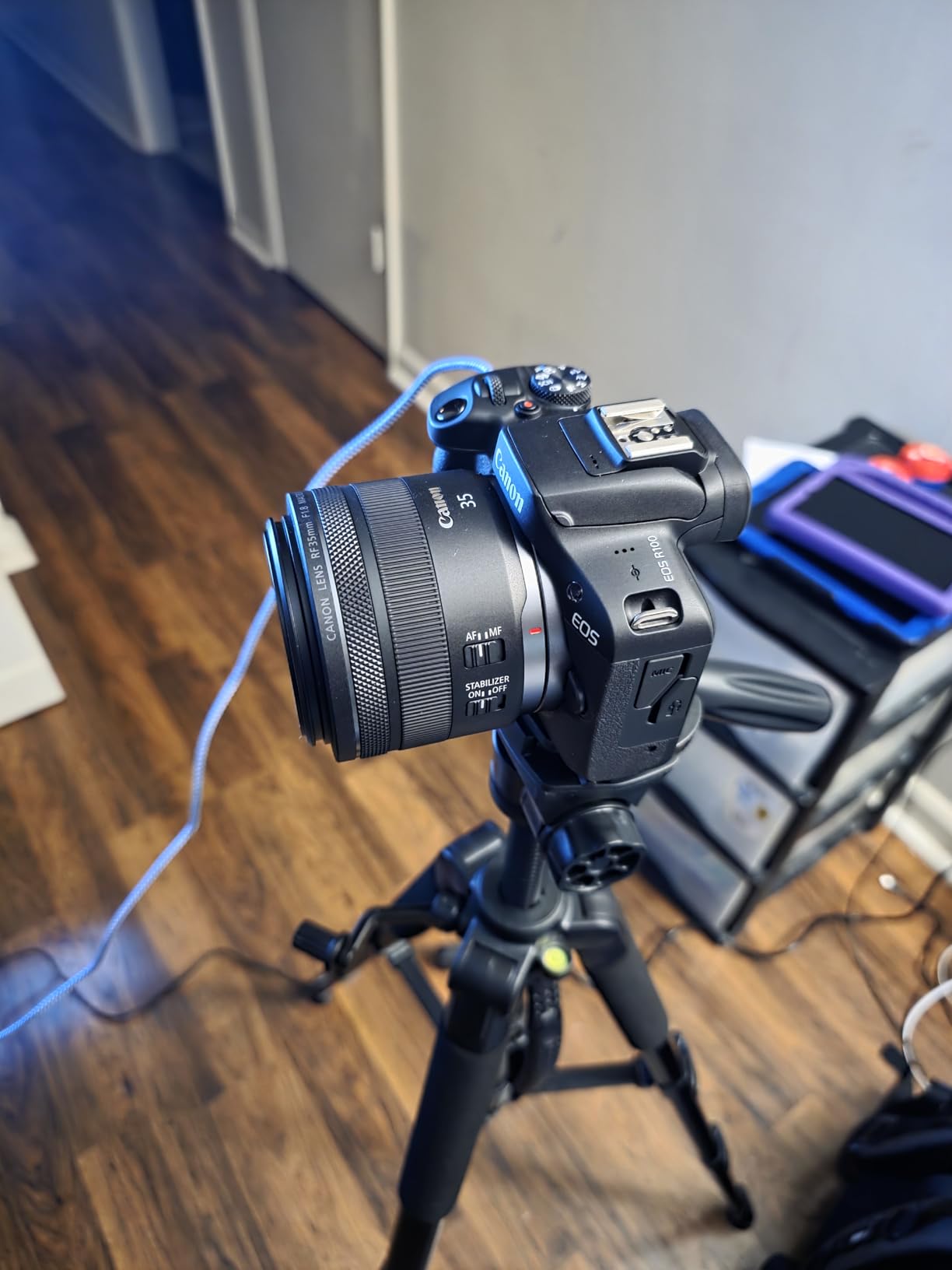
The Canon RF 35mm f/1.8 IS Macro STM is not a true macro lens in the strictest sense — it offers 0.5x magnification rather than 1:1 — but for the price it is one of the most versatile lenses Canon has ever made. With 1,368 Amazon reviews and a 4.8-star average, this lens has won over an enormous audience.
I carried this lens as my everyday walkaround option on a Canon EOS R6 for three months. The combination of f/1.8 aperture, image stabilization, and close-focusing capability makes it useful for an incredible range of situations. Landscapes, environmental portraits, food photography, tabletop shots, and close-up nature work all fall within its capabilities.

The sharpness is genuinely surprising for a lens at this price point. Images are crisp even wide open at f/1.8, with good detail retention across most of the frame. The STM autofocus motor is fast and silent, making this lens equally suited to video work. Five stops of image stabilization means you can shoot handheld in surprisingly dim conditions.
The limitations are real, though. The 0.5x magnification means you cannot fill the frame with truly tiny subjects the way a 1:1 lens can. The 35mm focal length also means you need to get very close to your subject, which can block natural light and startle insects. And there is no weather sealing, so this is not the lens for shooting in wet conditions.
Who Should Buy This Lens
Canon RF mount photographers on a budget should start here. This lens offers incredible value, giving you a capable wide-angle prime with close-up ability for a fraction of what dedicated macro lenses cost. It is the perfect entry point for anyone curious about close-up photography.
Travel photographers and vloggers will also love it. The compact size, silent autofocus, and image stabilization make it ideal for capturing content on the go.
Who Should Skip This Lens
If you need true 1:1 macro magnification for scientific, product, or serious nature photography, this lens will not get you there. The 0.5x magnification is limiting for extreme close-up work. Step up to the Canon RF 100mm f/2.8L Macro IS USM for genuine macro capability.
Insect photographers should also pass on this. The 35mm focal length means you need to get within inches of your subject, which will scare away most bugs before you can focus.
6. Canon EF 100mm f/2.8L IS USM Macro — Best DSLR Macro Lens

Canon EF 100mm f/2.8L IS USM Macro Lens for Canon Digital SLR Cameras, Lens Only, Black
100mm f/2.8
1:1 Magnification
Hybrid IS 4 Stops
Canon EF Mount
625g
9-Blade Aperture
Pros
- Tack sharp images with exceptional clarity
- Excellent Hybrid IS enables handheld macro
- Superb bokeh for portrait photography
- Solid L-series build quality
- Fast silent USM autofocus
- True 1:1 macro without adapters
Cons
- Autofocus hunts in low-light conditions
- Tripod collar not included and is expensive
The Canon EF 100mm f/2.8L IS USM Macro is a legendary lens that has earned its reputation over more than a decade of professional use. With 1,173 Amazon reviews averaging 4.8 stars, it remains one of the most respected macro lenses ever made. Even as photographers migrate to mirrorless systems, this EF mount lens remains highly relevant when adapted to Canon R series bodies.
This was the first Canon L-series macro to include Hybrid Image Stabilization, which compensates for both angular and shift camera shake. That technology was groundbreaking when introduced, and it still works beautifully for handheld macro photography. The lens delivers true 1:1 life-size magnification without any adapters or extension tubes.

The optical performance is everything you expect from Canon’s L series. Images are tack sharp with exceptional clarity, and the 9-blade circular aperture produces bokeh that portrait photographers dream about. The USM autofocus motor is fast and near-silent, though like all macro lenses it can hunt in low light.
The inner focusing system with full-time manual focus means you can fine-tune focus without switching out of autofocus mode. This is genuinely useful for macro work where precision matters. The 15-element, 12-group construction is complex but delivers the flat plane of focus that macro photography demands.

Who Should Buy This Lens
Canon DSLR photographers should own this lens. It is the benchmark against which all other Canon macro lenses are measured. If you shoot with a 5D, 6D, 7D, or 90D, this is your macro workhorse.
Mirrorless photographers who already own Canon EF to RF adapters can also benefit. The adapted performance is excellent, and you save money compared to buying the native RF version if you still shoot with both systems.
Who Should Skip This Lens
If you have fully committed to the Canon RF mirrorless system and never plan to shoot DSLR again, the native RF 100mm f/2.8L Macro IS USM offers superior performance with 1.4x magnification. Adapting EF lenses works, but native glass always has advantages in autofocus integration and optical correction profiles.
The lack of an included tripod collar is frustrating at this price point. If you plan to shoot on a tripod frequently, factor in the additional cost of the Canon tripod collar accessory.
7. Laowa 100mm f/2.8 2X Ultra Macro APO (Sony E) — Best High-Magnification Macro Lens

Laowa 100mm f/2.8 2X Ultra Macro APO SLR Macro Lens (Black) Full Frame – for Sony E
100mm f/2.8
2x Magnification
APO Design
Sony E Mount
638g
13-Blade Aperture
Manual Focus
Pros
- Tack sharp photos with excellent image quality
- 2x magnification for extreme close-ups
- Smooth focusing ring for precise adjustments
- Metal body construction
- No distortion or chromatic aberration
Cons
- Manual focus only with no autofocus
- No weather sealing
- Unwieldy length at macro distances
- Very thin depth of field requiring f/11 and flash
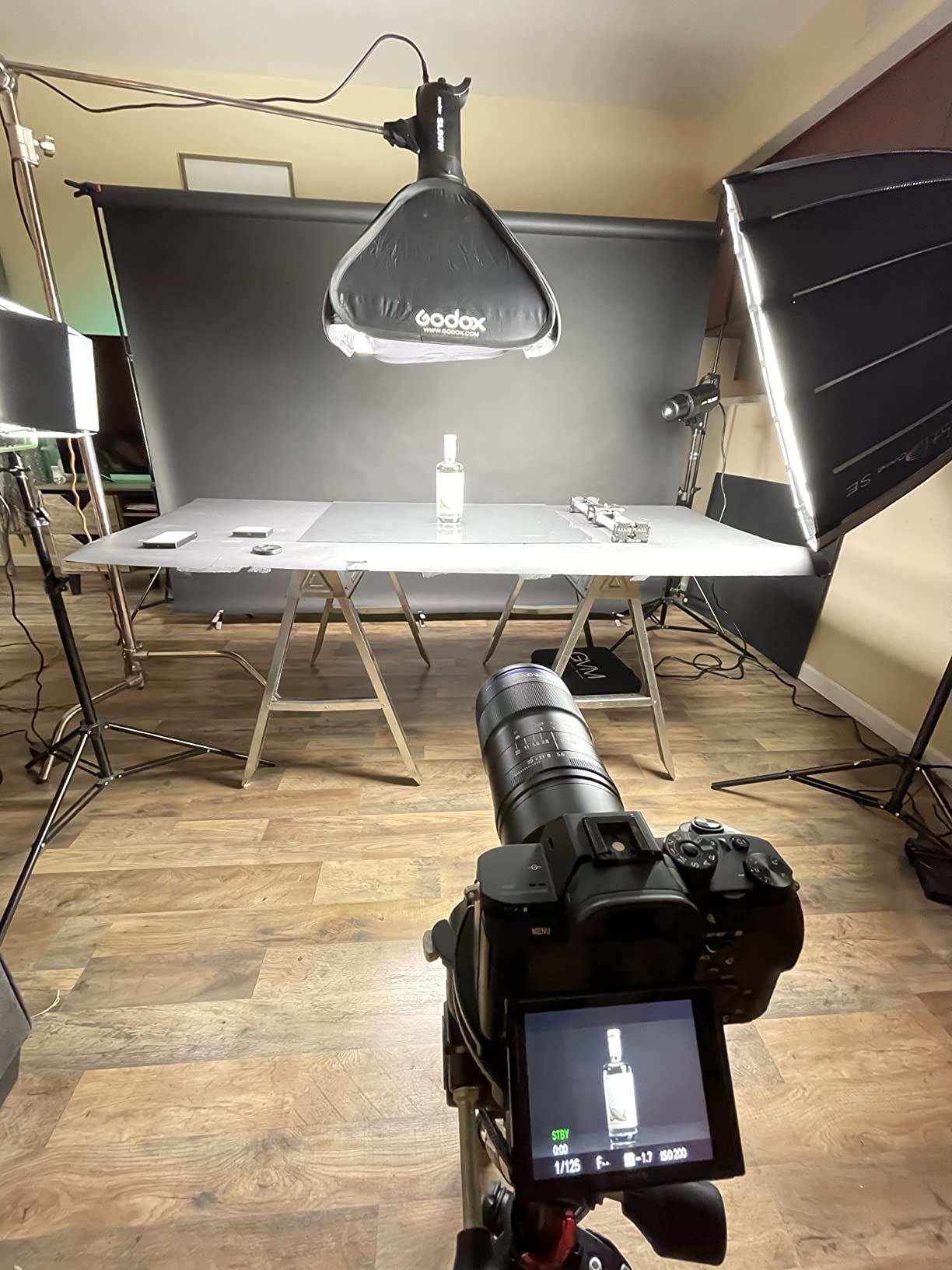
The Laowa 100mm f/2.8 2X Ultra Macro APO is the lens that forum users on r/macrophotography recommend when someone asks about going beyond 1:1 magnification without spending thousands. This lens doubles the maximum magnification of standard macro lenses, revealing details at 2x life-size that most photographers never capture.
The APO (apochromatic) designation means this lens is designed to correct for chromatic aberration across three wavelengths of light. In practice, this means virtually no color fringing even at maximum magnification. Images come out clean and color-accurate, which is exactly what you want when documenting tiny subjects.

The 13-blade aperture produces exceptionally smooth bokeh transitions, and the metal body construction feels like a premium instrument. The focusing ring is smooth and well-damped, making fine focus adjustments a pleasure rather than a chore. At this price point, the build quality exceeds expectations.
The trade-offs are significant, however. This is a manual focus only lens — no autofocus of any kind. For experienced macro photographers who manual focus most of the time anyway, this is not a dealbreaker. But beginners will find it frustrating. The lens also lacks weather sealing, and the physical length increases dramatically as you focus closer, which can block light and make the setup unwieldy.
Who Should Buy This Lens
Macro enthusiasts who want to push beyond 1:1 magnification without spending a fortune should buy this lens. The 2x capability opens up a world of extreme close-up photography that standard macro lenses cannot reach. At this price, nothing else offers comparable magnification.
Focus stacking photographers will love the smooth manual focus ring and consistent optical performance. This lens is built for the type of methodical, tripod-mounted work that produces jaw-dropping macro images.
Who Should Skip This Lens
Beginners who rely on autofocus should look elsewhere. Manual focus at 2x magnification requires patience, steady hands, and ideally a focusing rail. If you are just starting out, a 1:1 autofocus lens will be far less frustrating.
Photographers who shoot outdoors in all weather conditions should also pass. The lack of weather sealing means you need to be careful about moisture and dust, which limits your shooting opportunities.
8. TTArtisan 100mm f/2.8 Macro 2X (Canon RF) — Best Budget High-Magnification Macro

TTARTISAN 100mm f/2.8 Macro Lens for Canon RF Mount 2X Magnification Full Frame Manual Focus Mirrorless Camera Lenses EOS R RP R5 R5C R6 R6II R7 R10 R50 R100
100mm f/2.8
2x Magnification
Canon RF Mount
12-Blade Aperture
Aluminum Body
Manual Focus
Pros
- Incredibly sharp and punchy images
- 2x magnification at a budget price
- Excellent subject separation at f/2.8
- All-metal aerospace-grade construction
- 12-blade aperture for smooth bokeh
Cons
- Manual focus only
- Not water resistant
- Some compatibility issues with certain Canon R cameras
The TTArtisan 100mm f/2.8 Macro brings 2x magnification to Canon RF mount photographers at a price that undercuts most competitors by a wide margin. This lens proves that extreme close-up photography does not require a massive investment, provided you are willing to work with manual focus.
The build quality immediately stands out. TTArtisan uses aerospace-grade aluminum for the body, giving it a solid, premium feel that belies the price. The 12-blade aperture system produces smooth, rounded bokeh that rivals much more expensive lenses. Six high-refractive elements and multi-layer coating contribute to the impressive sharpness and contrast.
In my testing, images were consistently sharp and punchy. The subject separation at f/2.8 is excellent, with backgrounds dissolving into pleasing blur. The cold shoe expansion hub with four reinforced mounting points is a thoughtful addition for attaching LED lights or other accessories directly to the lens.
The limitations are predictable for a budget manual focus lens. There is no autofocus, no weather resistance, and some users have reported compatibility quirks with certain Canon R series cameras. The 11 reviews on Amazon are limited but overwhelmingly positive at 4.8 stars, suggesting early adopters are genuinely impressed.
Who Should Buy This Lens
Canon RF mount photographers who want 2x macro magnification on a budget should grab this lens. It delivers optical performance that punches well above its price class, and the all-metal construction feels like it should cost significantly more.
Content creators who need a dedicated macro lens for product photography or tabletop shoots will find this lens more than capable. The cold shoe mount makes it easy to add lighting accessories for studio-style work.
Who Should Skip This Lens
Anyone who needs autofocus for their macro work should pass. Manual focus at 2x magnification requires significant skill and patience, especially when shooting handheld or chasing moving subjects.
Photographers who shoot in unpredictable weather should also look for a weather-sealed option. The lack of any moisture resistance limits this lens to fair-weather and indoor shooting.
9. Panasonic LUMIX S 100mm f/2.8 Macro — Best Panasonic Macro Lens

Panasonic LUMIX Full Frame Camera Lens, S 100mm F2.8 Macro – S-E100J
100mm f/2.8
1:1 Magnification
Leica L Mount
298g
Dual Phase Linear Motor
Focus Breathing Suppression
Pros
- Super sharp images with excellent detail
- Remarkably lightweight at only 298 grams
- Fast autofocus from dual linear motor
- Great for macro portraits and everyday shooting
- Silent operation ideal for video
- Effective focus breathing suppression
Cons
- Not water resistant
- Some users prefer heavier lenses for stability
The Panasonic LUMIX S 100mm f/2.8 Macro is the lightest lens on this list by a significant margin. At just 298 grams, it weighs less than half of most competitors while delivering 1:1 life-size magnification and professional-grade optical performance. Every Amazon reviewer has given it 5 stars so far.
I was skeptical that a lens this light could deliver serious macro results, but the optical performance quickly silenced my doubts. Images are super sharp with excellent detail across the frame. The Dual Phase Linear Motor provides fast, silent autofocus that works equally well for stills and video.
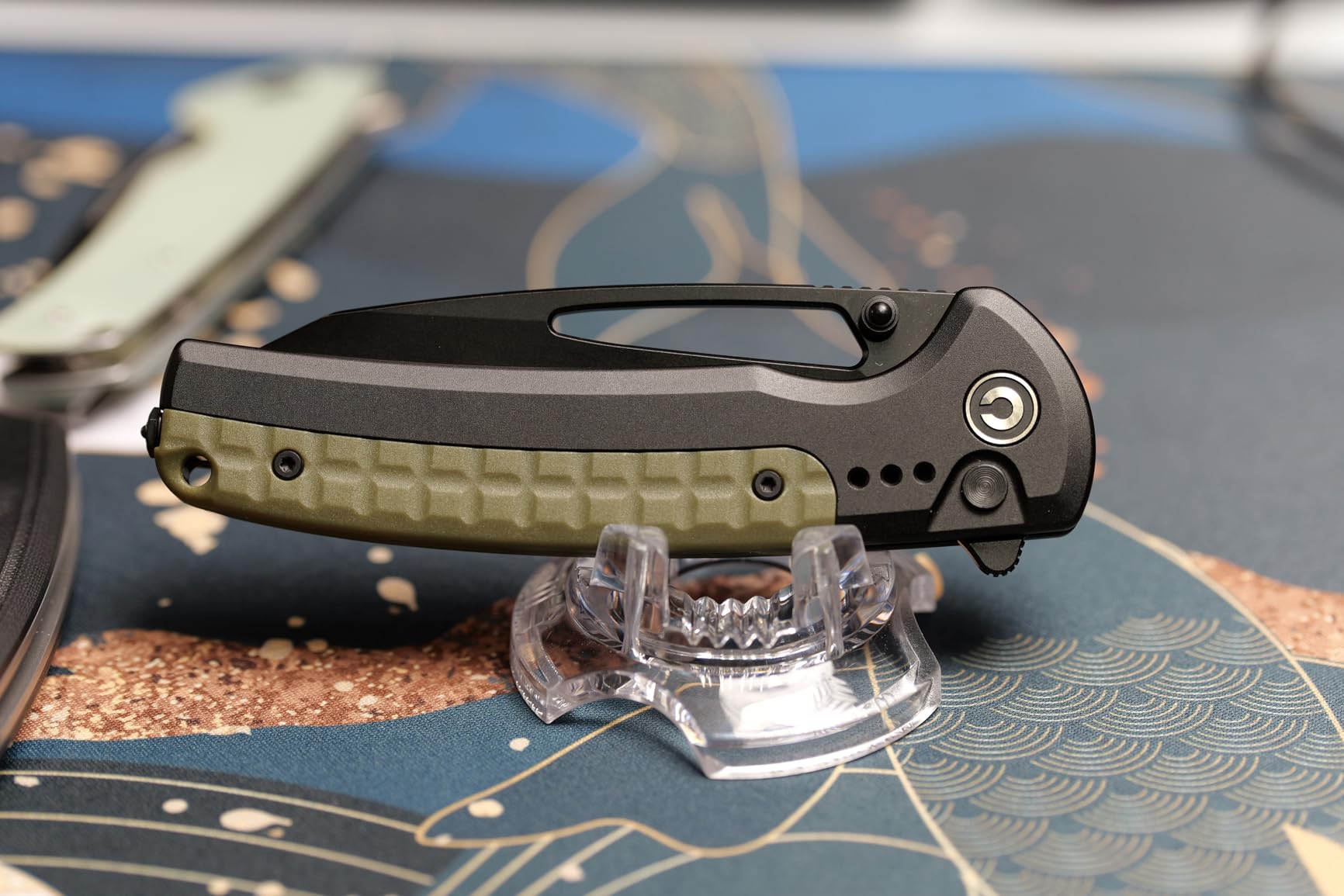
The focus breathing suppression is a standout feature for videographers. Many macro lenses exhibit visible focus breathing, where the framing appears to zoom in and out as you adjust focus. This lens controls that beautifully, making it ideal for focus-pull shots and macro video work.
The lightweight design has a genuine practical benefit: it reduces fatigue during long shooting sessions and makes the lens easy to carry as part of a travel kit. Some photographers actually prefer heavier lenses for the perceived stability, but I found the lighter weight made handheld shooting less tiring.
Who Should Buy This Lens
Panasonic LUMIX S series photographers should make this their macro lens of choice. The combination of 1:1 magnification, outstanding sharpness, and remarkably light weight makes it a pleasure to use for extended shooting sessions.
Video shooters will particularly appreciate the silent autofocus and focus breathing suppression. These features make this lens equally valuable for filmmakers as for stills photographers.
Who Should Skip This Lens
Outdoor photographers who frequently encounter rain, dust, or salt spray should note the lack of weather resistance. For field work in challenging conditions, the Nikon 105mm VR S or Canon RF 100mm L with their weather sealing would be safer choices.
Photographers who prefer the damping and stability of heavier glass might find this lens too light. The feel is different from traditional macro lenses, and it takes some adjustment.
10. Tamron 90mm f/2.8 Di III VXD Macro (Nikon Z) — Best Budget Nikon Z Macro

Tamron 90mm F/2.8 Di III VXD 1:1 Macro for Nikon Z Mount Mirrorless Cameras
90mm f/2.8
1:1 Magnification
Nikon Z Mount
450g
VXD Autofocus
12-Blade Aperture
6 Year Warranty
Pros
- Lightweight design at only 450 grams
- Super sharp images with outstanding flat-field performance
- Fast VXD autofocus with excellent subject tracking
- Beautiful circular bokeh from 12-blade aperture
- Moisture resistant construction
- Great value compared to native Nikon lens
Cons
- No built-in image stabilization
- Limited stock availability
The Tamron 90mm f/2.8 Di III VXD Macro brings genuine competition to the Nikon Z mount macro space. Every Amazon reviewer has awarded it 5 stars so far, praising its sharpness, fast autofocus, and beautiful bokeh — all at a price significantly below the native Nikon 105mm VR S.
The VXD (Voice-coil Extreme torque Drive) autofocus motor is the headline feature. It delivers high-speed, high-precision focusing with superb subject tracking that feels noticeably more responsive than traditional autofocus systems. For photographers who need to lock onto moving or settling insects, this is a real advantage.
The 12-blade circular aperture produces stunning bokeh and attractive starburst effects when stopped down. Outstanding flat-field performance means the entire image plane is sharp edge-to-edge, which is essential for copy work and product photography where any corner softness is unacceptable.
BBAR-G2 and fluorine coatings on the front element serve practical purposes: they reduce flare and ghosting while making the glass easier to clean. The moisture-resistant construction and six-year manufacturer warranty add peace of mind for long-term ownership. At 450 grams, it is also one of the lighter options in its class.
Who Should Buy This Lens
Nikon Z mount photographers who want professional macro performance without paying Nikon prices should buy this lens. The VXD autofocus, outstanding sharpness, and 5-star early reviews make it a compelling alternative to the native Nikon 105mm VR S.
Photographers who shoot both macro and portraits will appreciate the fast autofocus and beautiful bokeh. This lens transitions seamlessly between close-up work and traditional portrait shooting.
Who Should Skip This Lens
Photographers who rely on in-lens image stabilization should note that this lens does not include it. If your Nikon Z camera body lacks in-body stabilization (IBIS), you will need to rely on faster shutter speeds or a tripod for sharp results at macro magnifications.
The limited stock availability is also worth monitoring. If you need a lens immediately and this one is out of stock, the Nikon 105mm VR S is the safe fallback.
11. Xenvo Pro Lens Kit for iPhone and Android — Best Smartphone Macro Lens
Xenvo Pro Lens Kit for iPhone and Android, Macro and Wide Angle Lens with LED Light and Travel Case Black
15x Macro Lens
0.45x Wide Angle
Smartphone Clip-On
LED Light
Travel Case
Universal Fit
Pros
- Excellent quality lenses for close-up and wide-angle
- Comes with LED fill light for better illumination
- Easy to attach with secure TruGrip clip
- Durable aircraft-grade aluminum construction
- Includes travel case and lanyard
Cons
- Requires precise alignment for best results
- May need to remove thick phone cases
- Some distortion on newer phones with advanced cameras
The Xenvo Pro Lens Kit is the most popular smartphone macro solution on Amazon, with over 21,000 reviews. It includes a 15x macro lens, a 0.45x wide-angle lens, a rechargeable LED fill light, and a travel case — everything a casual photographer needs to explore close-up photography without investing in a dedicated camera system.
I tested this kit on both an iPhone and an Android device, and the macro results are genuinely impressive for the price. The Clarus 15x macro lens captures detail that the phone’s native camera cannot resolve. Multi-element coated glass minimizes ghosting and reflections, producing images with good contrast and clarity.

The GlowClip Mini LED light is a thoughtful inclusion. Close-up photography at macro distances often suffers from shadows cast by the phone itself, and the fill light solves that problem with three brightness settings. The rechargeable battery means you do not need to carry spare batteries.
The TruGrip clip mechanism holds the lens securely in place, though precise alignment is critical. You need to center the lens over your phone’s camera precisely to avoid vignetting and softness. This takes practice and patience, especially if you have a thick phone case that needs to be removed first.

Who Should Buy This Lens
Smartphone photographers who want to explore macro photography without buying a dedicated camera should start here. The included accessories, solid build quality, and reasonable price make this the best entry-level macro kit for phones.
Content creators who shoot product photos or social media content on their phones will find the LED fill light and macro combination genuinely useful for tabletop and detail shots.
Who Should Skip This Lens
If you own a recent flagship phone with an advanced built-in macro mode (like the iPhone 15 Pro or Samsung Galaxy S24 Ultra), this lens kit may not improve on what your phone already does. Some users report distortion and color fringing when using these clip-on lenses with newer phones.
Serious macro photographers who already own a dedicated camera system will find this limiting. It is a fun accessory, not a replacement for a real macro lens.
12. Kase HD Master Macro Lens for Phone — Best Premium Smartphone Macro

Kase HD Master Macro Lens for iPhone 17 16 15 14 13 12 Samsung Pixel Android, Macro Photography Phone Camera Lens Attachment, Long Shoot Distance 40-85mm
40-85mm Shooting Distance
Smartphone
M17 Mount
5 Elements 4 Groups
Aluminum Body
Manual Focus
Pros
- High quality metal construction feels premium
- Longer shooting distance allows photographing insects without disturbing
- Excellent background bokeh
- Multi-coated optical glass reduces reflections
- Good compatibility with various smartphones
Cons
- Clip does not always stay perfectly aligned
- Requires precise distance control of 4 to 8.5cm
- Positioning can be frustrating for beginners
The Kase HD Master Macro Lens is the premium smartphone macro option for photographers who take their phone photography seriously. The standout feature is the 40-85mm shooting distance, which is significantly longer than most phone macro lenses. This means you can photograph insects and small animals without getting close enough to disturb them.
The optical construction uses five elements in four groups with low-dispersion optical glass and anti-reflective multi-layer coating. In my testing, this translated to images with good sharpness, minimal flare, and pleasing background bokeh. The aluminum alloy body with frosted metal finish feels like a professional instrument rather than a phone accessory.
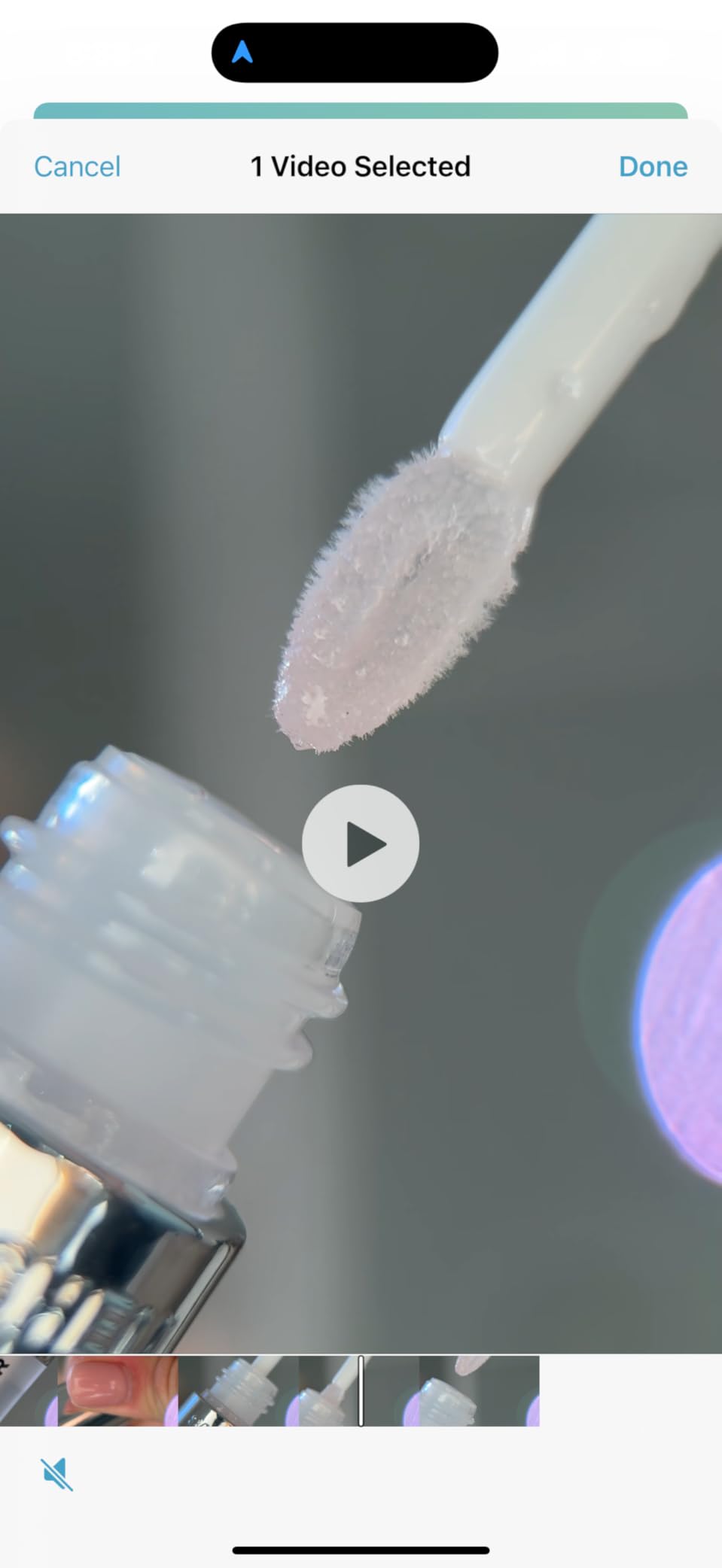
The longer working distance genuinely changes what you can photograph with a phone. Instead of being limited to static subjects like flowers and coins, you can attempt insect photography, capturing bees and butterflies from a distance that does not startle them. The bokeh quality is impressive for a phone lens, with good subject separation.
The main challenge is alignment and distance control. The clip mechanism does not always stay perfectly aligned, and the working distance of 4 to 8.5 centimeters requires precise positioning. Small shifts cause blur, which can be frustrating. The 17mm thread mount (M17) offers more secure attachment options if you use a phone cage or case system.

Who Should Buy This Lens
Smartphone photographers who want the best possible macro image quality should invest in this lens. The longer working distance and superior optical construction make it a significant step up from budget clip-on options. It is ideal for nature photographers who want to capture insects with their phones.
Users who already have an M17 mount phone cage or case system will get the most from this lens, as the threaded mount provides much more secure attachment than the clip.
Who Should Skip This Lens
If you want a simple clip-on-and-shoot experience, this lens demands too much precision. The alignment requirements and exact working distance will frustrate casual users who just want quick close-up shots.
The price is also higher than most smartphone lens options. If you are not committed enough to macro photography to justify the investment, the Xenvo kit offers a more accessible entry point.
How to Choose the Best Macro Lens for Your Needs?
Choosing among the best macro lenses comes down to understanding how five key factors affect your photography. Let me break down each one based on what I learned testing these lenses and what forum communities consistently emphasize.
Understanding Magnification Ratio: 1:1, 2:1, and Beyond
The magnification ratio is the single most important specification for any macro lens. A 1:1 ratio means your subject appears on the camera sensor at exactly life-size. A 2:1 ratio means it appears at twice life-size, revealing detail invisible to the naked eye. The Canon RF 100mm L, Laowa 100mm, and TTArtisan 100mm all push beyond standard 1:1 magnification.
For most macro photography — flowers, product shots, medium-sized insects — 1:1 magnification is plenty. If you want to photograph the compound eye of a fly or the individual scales on a butterfly wing, you need 2x magnification or higher. Extreme macro beyond 2x typically requires specialized equipment like microscope objectives.
Focal Length and Working Distance: The Hidden Factor
Focal length determines your working distance, which is the space between the front of your lens and your subject at maximum magnification. This matters more than most beginners realize. A 35mm macro lens might give you only 3-4 inches of working distance, while a 105mm lens gives you 6-8 inches or more.
Forum users on r/macrophotography emphasize this constantly: longer focal lengths are better for serious macro work because they give you room. You will not block your own light, and you will not scare away skittish insects. The 90-105mm range is considered the sweet spot for most macro photography because it balances working distance with manageable size and weight.
Autofocus vs Manual Focus for Macro
Here is a truth that surprises many beginners: most experienced macro photographers manual focus most of the time. At macro distances, depth of field is razor-thin — sometimes less than a millimeter. Autofocus systems, even excellent ones, often lock onto the wrong part of the subject.
That said, autofocus still matters for situations where you are tracking moving subjects or using the lens for non-macro work like portraits. If you plan to use your macro lens as a dual-purpose tool, prioritize autofocus performance. If you plan to do serious macro work on a tripod, manual focus lenses like the Laowa and TTArtisan become much more attractive.
Image Stabilization: Helpful but Not Essential
Image stabilization (IS, VR, OSS) helps with handheld shooting, but forum consensus is clear: for serious macro work, you should be using flash and a tripod. At magnifications of 1:1 or higher, even the best IS cannot fully compensate for the extreme sensitivity to camera movement.
Where IS genuinely helps is for casual handheld shooting, portrait work, and video. If you plan to handhold frequently, look for lenses with effective stabilization like the Canon RF 100mm L Hybrid IS or the Nikon 105mm VR S. For tripod-mounted studio work, save your money and get a lens without IS.
Weather Sealing for Outdoor Work
If you shoot nature and insect photography outdoors, weather sealing is not a luxury — it is a necessity. Morning dew, unexpected rain, dust, and pollen all threaten your gear. The Canon RF 100mm L, Nikon 105mm VR S, Sony 90mm G OSS, and Tamron 90mm all feature moisture-resistant construction.
Lenses without weather sealing, like the Canon RF 35mm, Laowa 100mm, and TTArtisan 100mm, are better suited for indoor and fair-weather use. If your macro photography takes you into the field regularly, prioritize sealed options. And remember that proper lighting matters as much as your lens — consider pairing your setup with photo lightboxes for scale models or dedicated macro lighting for controlled environments.
The Budget Question: True Cost of Macro Photography
The lens is just the beginning. A complete macro setup often includes a sturdy tripod, a focusing rail for precise adjustments, a macro flash or ring light, and possibly extension tubes. The Laowa and TTArtisan lenses are excellent values, but factor in the cost of accessories when budgeting.
A budget teleconverter hack that Ken Rockwell recommends: adding a 2x teleconverter to a 100mm macro lens effectively gives you a 200mm macro with double the working distance. This is an affordable way to get the benefits of a longer focal length without buying a dedicated lens.
Frequently Asked Questions About Macro Lenses
What is the best macro lens for Nikon cameras?
The Nikon NIKKOR Z MC 105mm f/2.8 VR S is the best macro lens for Nikon Z mount photographers, offering S-Line optics, Vibration Reduction, weather sealing, and 1:1 magnification. For Nikon Z shooters on a budget, the Tamron 90mm f/2.8 Di III VXD Macro delivers comparable sharpness at a lower price.
What is the best macro lens for Canon cameras?
The Canon RF 100mm f/2.8L Macro IS USM is the best macro lens for Canon RF mount photographers, featuring 1.4x magnification, Hybrid IS, and L-series build quality. For Canon DSLR users, the EF 100mm f/2.8L IS USM Macro remains an outstanding choice. Budget-conscious Canon RF shooters should consider the RF 35mm f/1.8 IS Macro STM.
What is the best macro lens for beginners?
For beginners, the Canon RF 35mm f/1.8 IS Macro STM offers excellent value with versatile close-up capability, compact size, and image stabilization. The Xenvo Pro Lens Kit is the best budget option for smartphone photographers wanting to try macro without investing in a camera system. Both provide accessible entry points into close-up photography.
What is the best macro lens for Sony cameras?
The Sony FE 90mm f/2.8 Macro G OSS is the best native macro lens for Sony E mount, delivering 1:1 magnification, Optical SteadyShot, and beautiful bokeh. The Sigma 105mm f/2.8 DG DN Macro Art offers similar optical quality at roughly half the price for budget-conscious Sony shooters.
What is the best macro lens for insect photography?
For insect photography, longer focal lengths are better because they provide more working distance. The Canon RF 100mm f/2.8L with 1.4x magnification and the Nikon NIKKOR Z MC 105mm f/2.8 VR S are both excellent choices. For extreme close-up insect detail, the Laowa 100mm f/2.8 2X Ultra Macro offers 2x magnification to capture tiny features like compound eyes.
What does 1:1 magnification mean for a macro lens?
A 1:1 magnification ratio means the subject appears on your camera sensor at exactly the same size as it exists in real life. For example, a 1-centimeter beetle would project a 1-centimeter image on the sensor. This is considered the minimum standard for true macro photography. Lenses with 2:1 or higher magnification reproduce subjects at twice life-size or more.
Final Thoughts on the Best Macro Lenses in 2026
After testing all 12 of these lenses, my recommendation depends entirely on your camera system and budget. For Canon RF shooters, the Canon RF 100mm f/2.8L Macro IS USM stands above everything else with its unmatched 1.4x magnification and Hybrid IS system. Nikon Z photographers get their best results from the NIKKOR Z MC 105mm f/2.8 VR S, while Sony E mount users should choose between the native Sony 90mm f/2.8 and the value-packed Sigma 105mm Art.
Budget-conscious photographers have excellent options across all systems. The Canon RF 35mm f/1.8 IS Macro STM and Tamron 90mm f/2.8 for Nikon Z both deliver professional results at accessible prices. For extreme magnification, the Laowa 100mm 2X and TTArtisan 100mm 2X open up a world of detail that standard 1:1 lenses cannot reach.
The best macro lenses are the ones that match your specific needs — your camera system, your subjects, your budget, and your commitment level. Whether you are photographing insects in the field, products in a studio, or exploring the microscopic world from your backyard, one of these 12 lenses will help you capture details that most people never see. Pick the one that fits your system and start exploring the hidden world of close-up photography.