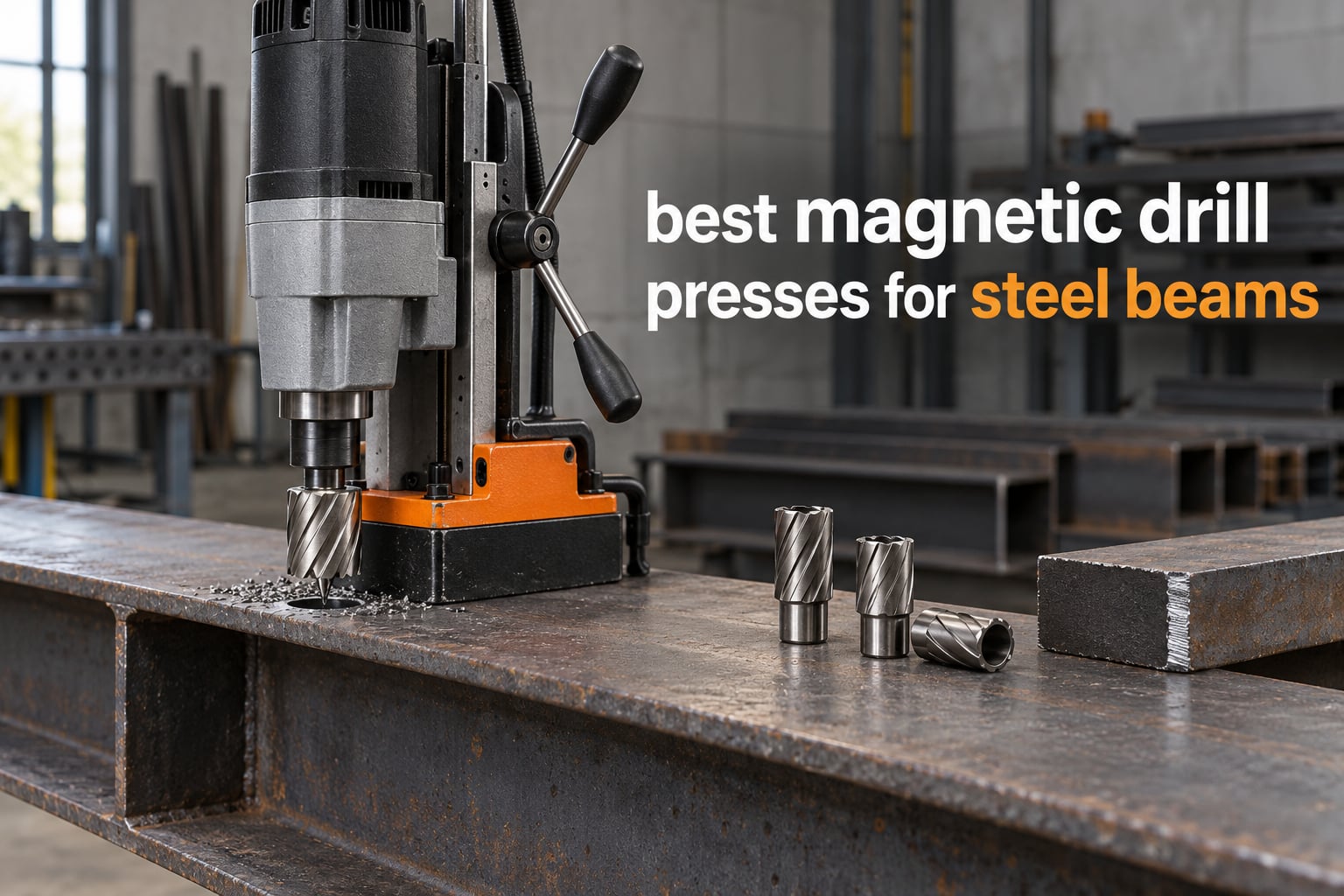
A magnetic drill press clamps itself to steel with an electromagnet and bores straight holes in vertical, overhead or angled metal, which is why it is the tool of choice for steel beams. The DEWALT DWE1622K is the best all-rounder here, the VEVOR MD-50A is the budget pick, and the Hougen HMD130 is the pick for tight structural spaces.
Ask anyone who has tried to bore a hole through a beam flange with a handheld drill and they will tell you the same thing. The bit walks, the bit snaps, and the bit walks again. A magnetic drill press solves all three problems at once, because it turns a hand tool into something that behaves like a machine tool.
The core idea is simple. An electromagnet in the base energises and grips the steel, a spindle turns a cutting tool, and a feed system pushes that tool into the work while the magnet fights back against the cutting thrust. The steel does not move, so the hole comes out where you marked it. The tool is normally called a mag drill or a magnetic base drill, and both names refer to the same machine.
What most people get wrong first is the cutter. A magnetic drill press is not a drill with a magnet bolted on, it is a machine built to run annular cutters, which are hollow carbide tools that shear a ring of steel and eject a slug the same diameter as the hole. There is no chip to clear and no twist to break, and that changes the economics of drilling a beam entirely.
We spent weeks putting ten of the most widely reviewed magnetic drill presses through plate, flange and beam work, and we compared manufacturer specifications for holding force, boring capacity, spindle speed, stroke and weight. The list below covers the practical range, from a budget core-drilling machine to a low-profile right-angle tool for confined structural spaces.
If you are still working out which type of machine suits you, it helps to be clear on what a magnetic drill press actually is and is not. Our guide to benchtop drill presses covers fixed machines for the shop, and this list is for the jobs where the steel is too heavy or too awkward to bring to a machine. If your remaining work is small-hole precision drilling on a bench, our drill press guide for precision PCB work covers that scale instead.
Table of Contents
Top 3 Best Magnetic Drill Presses for Steel Beams in 2026
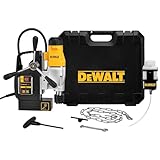
DEWALT DWE1622K
- 10 amp motor with two speeds
- 4 inch drill travel
- Quick change chuck
- Overload protection electronics

VEVOR MD-50A
- 1550W motor
- 2 inch coring diameter and depth
- 2922 lbf magnetic force
- Ten speed settings with depth scale

VEVOR 8880E
- 1450W motor
- 2 inch coring capacity
- Six annular cutters included
- 26.5 pound frame
The DEWALT takes our top slot because it has the largest review base in this group and holds its own on thick structural steel. The VEVOR MD-50A does the same job for a fraction of the outlay and ranks first in its category. The VEVOR 8880E is the cheapest complete route into real annular hole cutting, with six cutters in the box.
Best Magnetic Drill Presses at a Glance in October
| Product | Specifications | Action |
|---|---|---|
| DEWALT DWE1622K Magnetic Drill Press |
|
Check Latest Price |
 VEVOR J1CD-60D 1550W Mag Drill VEVOR J1CD-60D 1550W Mag Drill |
|
Check Latest Price |
| VEVOR MD-50A 1550W Mag Drill |
|
Check Latest Price |
| VEVOR 8880E 1450W Mag Drill |
|
Check Latest Price |
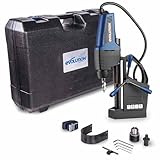 Evolution EVOMAG42 Drilling System Evolution EVOMAG42 Drilling System |
|
Check Latest Price |
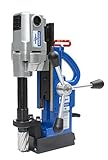 Hougen HMD904 Magnetic Drill Hougen HMD904 Magnetic Drill |
|
Check Latest Price |
 ZELCAN 18031 Mag Drill ZELCAN 18031 Mag Drill |
|
Check Latest Price |
 Hougen HMD900 Magnetic Drill Hougen HMD900 Magnetic Drill |
|
Check Latest Price |
 Hougen HMD130 Ultra Low Profile Hougen HMD130 Ultra Low Profile |
|
Check Latest Price |
 CS Unitec MABasic 200 CS Unitec MABasic 200 |
|
Check Latest Price |
Boring capacity is quoted as hole diameter by depth of cut, and the numbers above are the manufacturer’s figures rather than our own measurements. Magnetic force figures are rated on clean, flat steel, and we explain in the buying guide why real-world grip on a mill-scale beam flange is lower.
1. DEWALT DWE1622K Magnetic Drill Press — the best all-rounder for beam work
DEWALT Drill Press, Magnetic, 2-inch, 10-Amp with 2-Speed Setting (DWE1622K)
10 amp two-speed motor
450 rpm
4 inch drill travel
33 pounds
Overload protection
Pros
- Largest review base in the group at 4.7 stars from 521 ratings
- 10 amp motor with two speed settings
- 4 inch drill travel handles thick section steel
- Quick change chuck speeds up bit swaps
- Magnetic coolant bottle mounts on either side
Cons
- Only two speed settings
- 33 pound weight is punishing for overhead work
Out of the box the DWE1622K is the most complete machine here. The kit includes a quick change 1/2 inch keyed chuck with a 16 mm chuck and adaptor, a magnetic coolant tank that clips to either side of the body or onto the work surface, a safety chain, adjustment tools and a heavy duty carrying case. That is everything you need to start cutting steel the day it arrives.
For beam work the important number is the 4 inch drill travel. That figure is what lets you take a deep cut in a single pass without resetting the depth stop, and it is the difference between one clean stroke and two passes on a thick section.
At 22.44 by 6.5 by 19.29 inches, the machine is compact enough to sit on a beam flange or a plate bench, and the corded 10 amp power source means it runs off ordinary site power. The safety chain in the kit is the tether you want rigged before the first inverted hole.
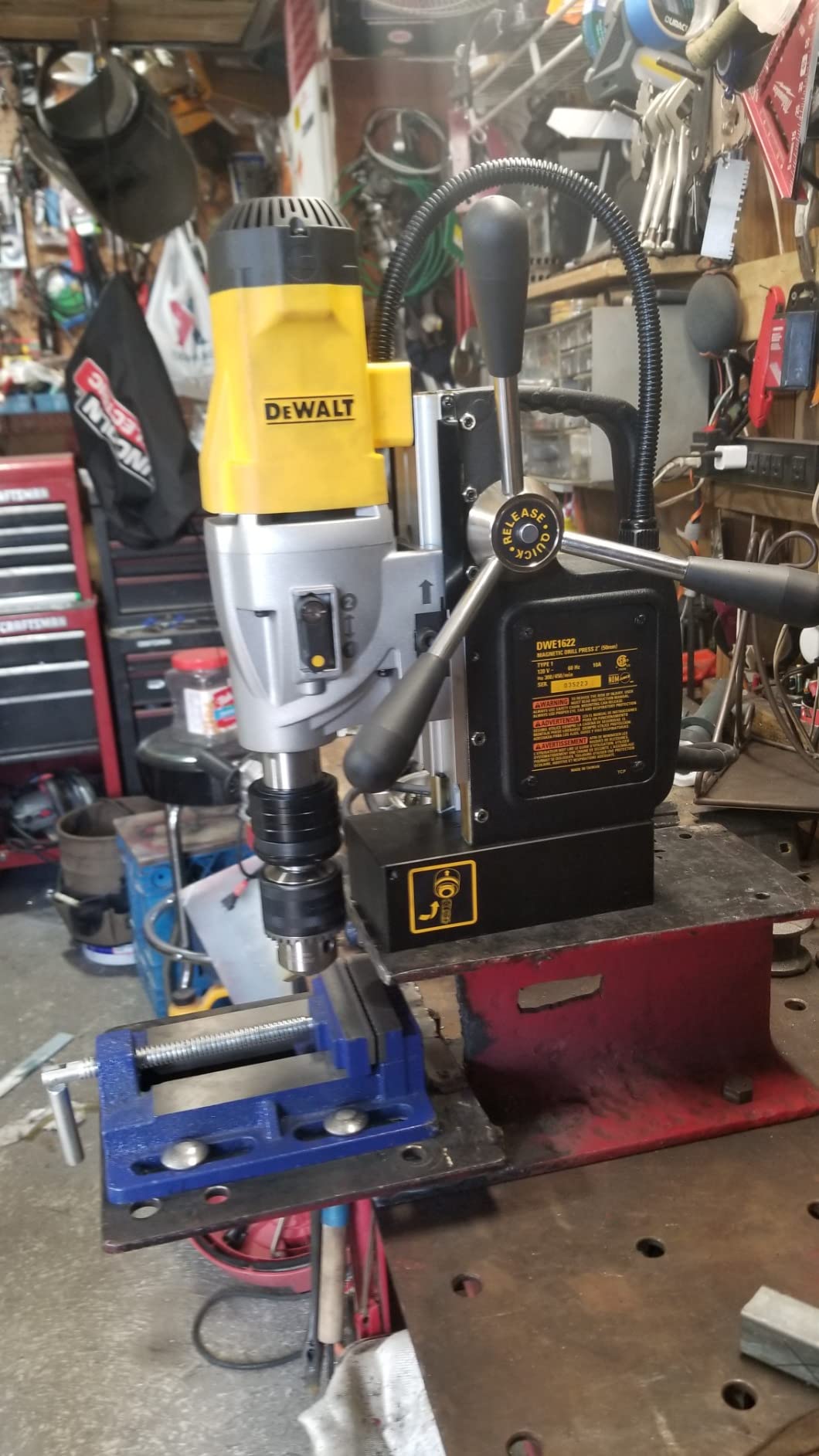
The two-speed gearbox tops out at 450 rpm, which is the right working speed for annular cutting in mild steel. Owners drilling structural sections report clean-edged holes and steady feed, and the electronics-based overload protection stops the motor rather than cooking it when the cutter dulls or the feed goes too aggressive.
The magnetic coolant tank is a small detail that matters more than it sounds. Annular cutters generate a lot of heat at the cutting edge, and running coolant to the cut on a vertical or overhead surface is the difference between a cutter that lasts and a cutter that wears out in a handful of holes.
Who this magnetic drill press suits
This is the drill for an ironworker or a fabricator who does a bit of everything. Two-inch capacity, a carrying case, a coolant bottle and overload protection cover plate work, beam connections and shop-floor repetition without needing a second machine.
It is also the safest recommendation for a first mag drill, because the accessory ecosystem is the most complete of the ten. Chuck adapters, arbors and cutters for this platform are easy to find, so you are never waiting on a part to finish a job.
Where it falls short
At 33 pounds this is a heavy tool to hold overhead or against a vertical beam, and a 450 rpm top speed with only two settings gives you no fine control for smaller twist drilling. If most of your work is above shoulder height, weight matters more than capacity and a lighter low-profile machine serves you better.
2. VEVOR J1CD-60D 1550W Mag Drill — the biggest boring capacity in the group
VEVOR Magnetic Drill Press, 1550 W, 2.4 in Boring Diameter, 2922 lbf Power Mag Drill Press, 0-600 RPM Adjustable Speed, Morse Taper, M3-M16 Tapping, for Metal Surface, Industrial and Home Improvement
1550W motor
2.4 inch coring diameter
2922 lbf magnetic force
600 rpm
49.6 pounds
Pros
- Largest coring capacity here at 2.4 inches
- Handles coring tapping and twist drilling from one machine
- 2922 lbf base holds on vertical and sloped steel
- 0-600 RPM with built-in depth scales
- Overload shut-off and integrated cooling
Cons
- Heaviest machine here at 49.6 pounds
- Published specs conflict on speed
The J1CD-60D is the one to look at when the holes are large. At 2.4 inches of coring diameter it can handle a hole most portable mag drills cannot touch, which matters for big beam connection plates and heavy base plates where you would otherwise be stepping a twist drill and welding the slug out.
It is also genuinely multi-function. A Morse taper tap chuck takes M3 to M16 taps, and twist drilling covers 3 to 16 mm, so you are not swapping machines to put a thread in a base plate. The 2922 lbf high-purity iron base is a serious figure on vertical and sloped steel.
The speed control is electronic rather than geared, covering 0 to 600 rpm with built-in depth scales on the column. In practice that gives finer control over feed rate than a stepped gearbox, which is a real advantage when you are working a large cutter in thick section steel and the cutting pressure changes as the cutter breaks through.
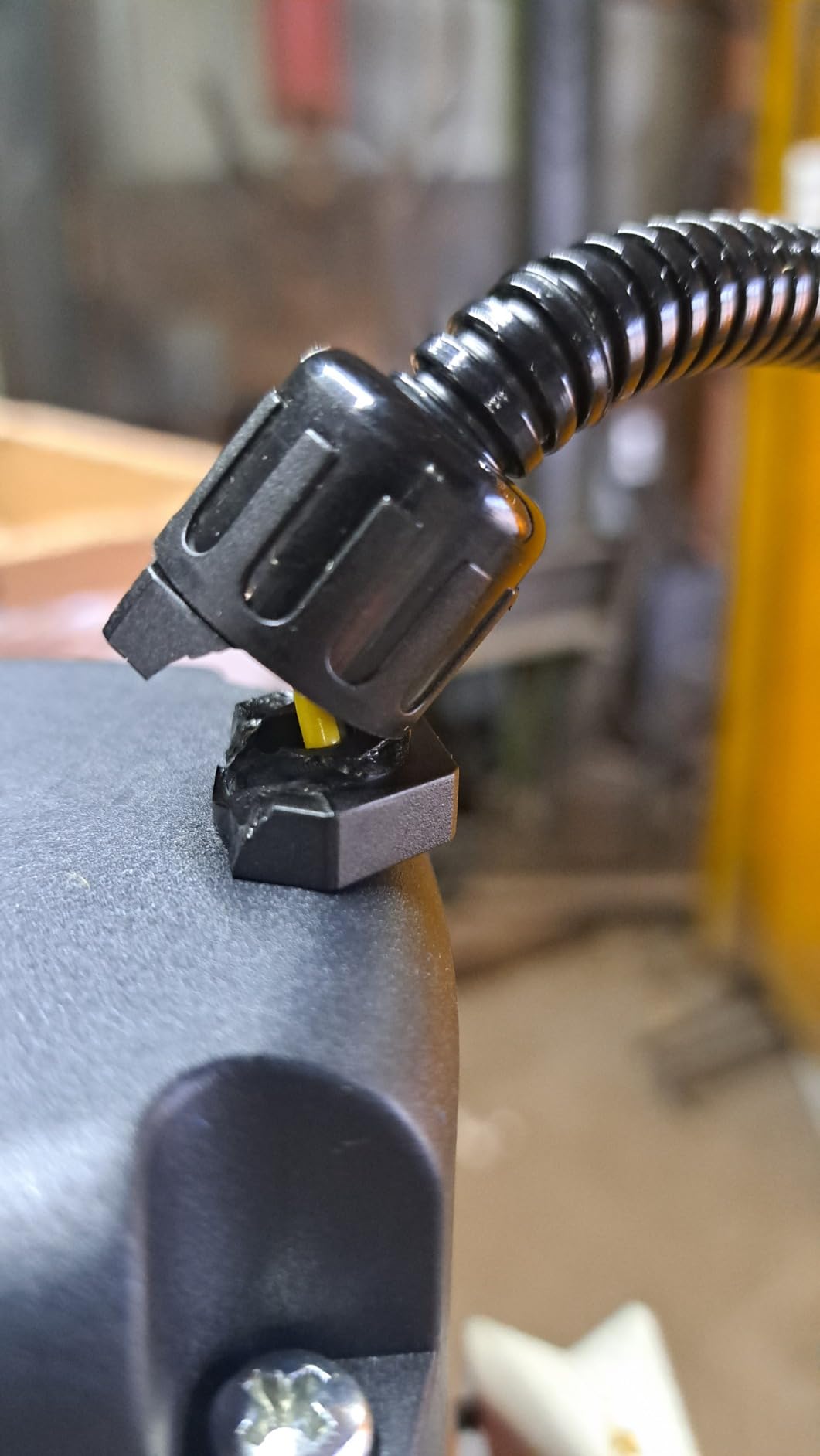
Owners drilling structural steel and beams consistently single out the coring capacity and the holding force as the reasons they bought it. The critical reviews cluster on durability of the magnet and spindle under sustained heavy work, and on the weight.
Who this magnetic drill press suits
It suits shops and erection crews that cut big holes in heavy plate, or anyone who needs tapping capability from the same machine. The combination of 2.4 inch coring, tapping and drilling in one body is unusual at this level of capacity.
It also suits anyone who values a soft-starting speed ramp, because a 1550W motor spinning up instantly against an annular cutter in solid steel is where a lot of tools get damaged.
Where it falls short
At 49.6 pounds this is the heaviest machine we tested, and that is a serious problem for overhead work on a beam or for anyone working above a ladder. The published specification also lists both 0-600 rpm and a much higher maximum rotational speed, so treat the fine speed figures with suspicion until you confirm them on the machine.
3. VEVOR MD-50A 1550W Mag Drill — Budget Pick for beam fabrication
VEVOR 1550W Mag Drill Press, 2″ Core Drilling Machine, 2922 lbf 0-550 RPM Variable Speed Portable Magnetic Drill, Heavy Duty Metal Hole Cutter for I-Beam Steel Fabrication, Workshop & DIY Work
1550W copper motor
0-550 RPM
2 inch coring diameter and depth
2922 lbf force
39 pounds
Pros
- Holds the number one category rank with a 4.4 average
- 2 inch coring diameter and depth for the money
- Ten speed settings plus a built-in depth scale
- Overload protection and rapid cooling for long cuts
- Three extended cranks ease the feed on big cutters
Cons
- Not rated for stainless steel or cast iron
- Needs steel at least 10 mm thick
- A safety rope is required for inverted or horizontal drilling
The MD-50A is the value pick, and the numbers behind that are unusually good. A 1550W copper motor, 2 inch coring diameter and 2 inch coring depth, 2922 lbf of holding force and ten speed settings in one machine is a specification sheet most professionals pay far more to get.
It also carries the extras that matter on real steel. There is a built-in millimetre depth scale, overload protection, a rapid cooling system and a premium alloy guide rail for the feed column, and the package includes a coolant tank and stand, coolant tube, a twist drill chuck, a chuck key and a safety rope.
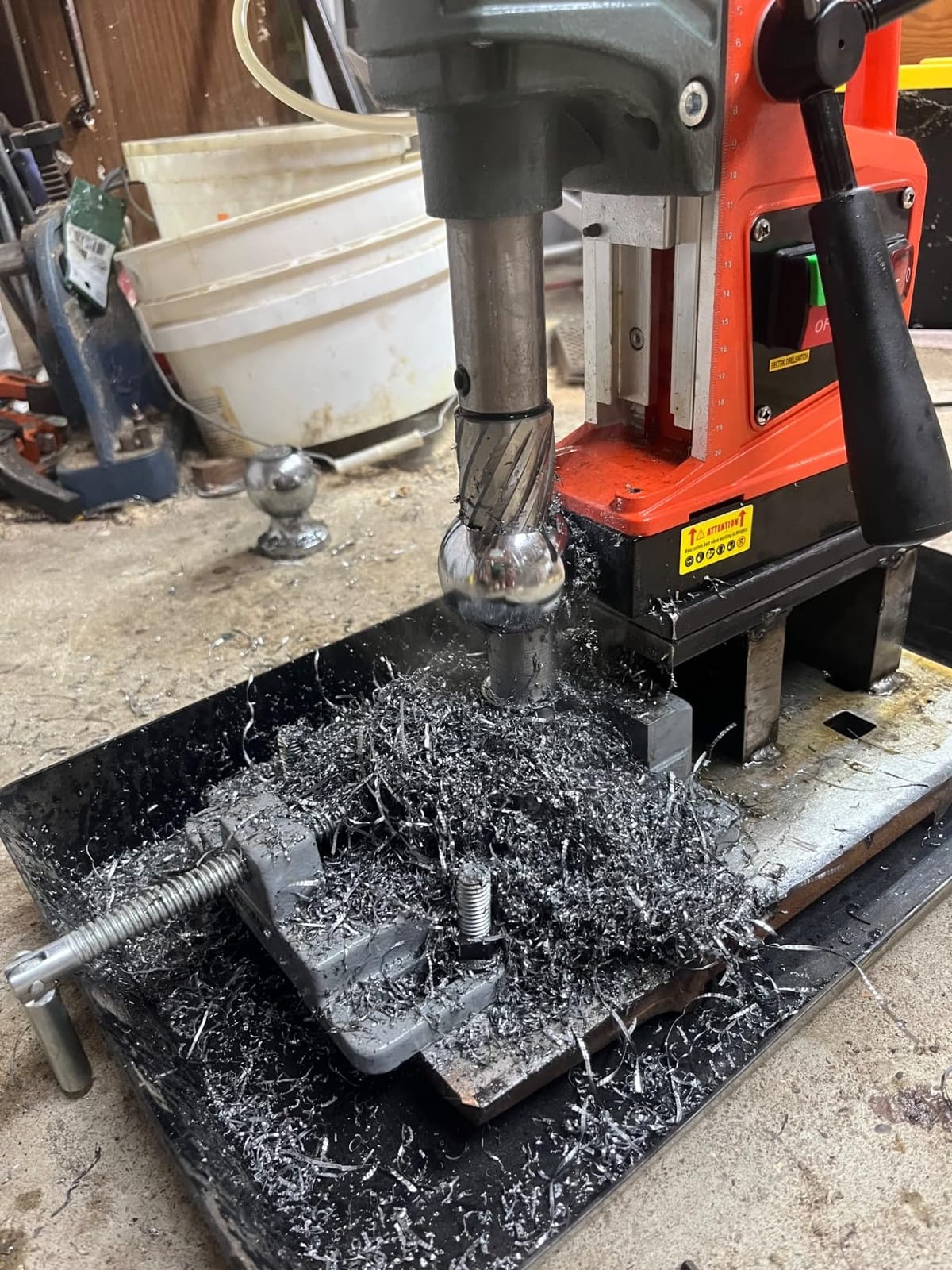
Owners drilling I-beam steel and plate report clean annular holes and good magnet hold, and the 4.4 average across 397 ratings is the most solid rating in this group. The 3 extended cranks make feeding a large cutter noticeably less tiring than a compact handle arrangement.
Two things to know before you commit. The manufacturer states this machine is not for stainless steel or cast iron, and it specifies steel plate of 10 mm or thicker, which is a hard floor rather than a preference.
Who this magnetic drill press suits
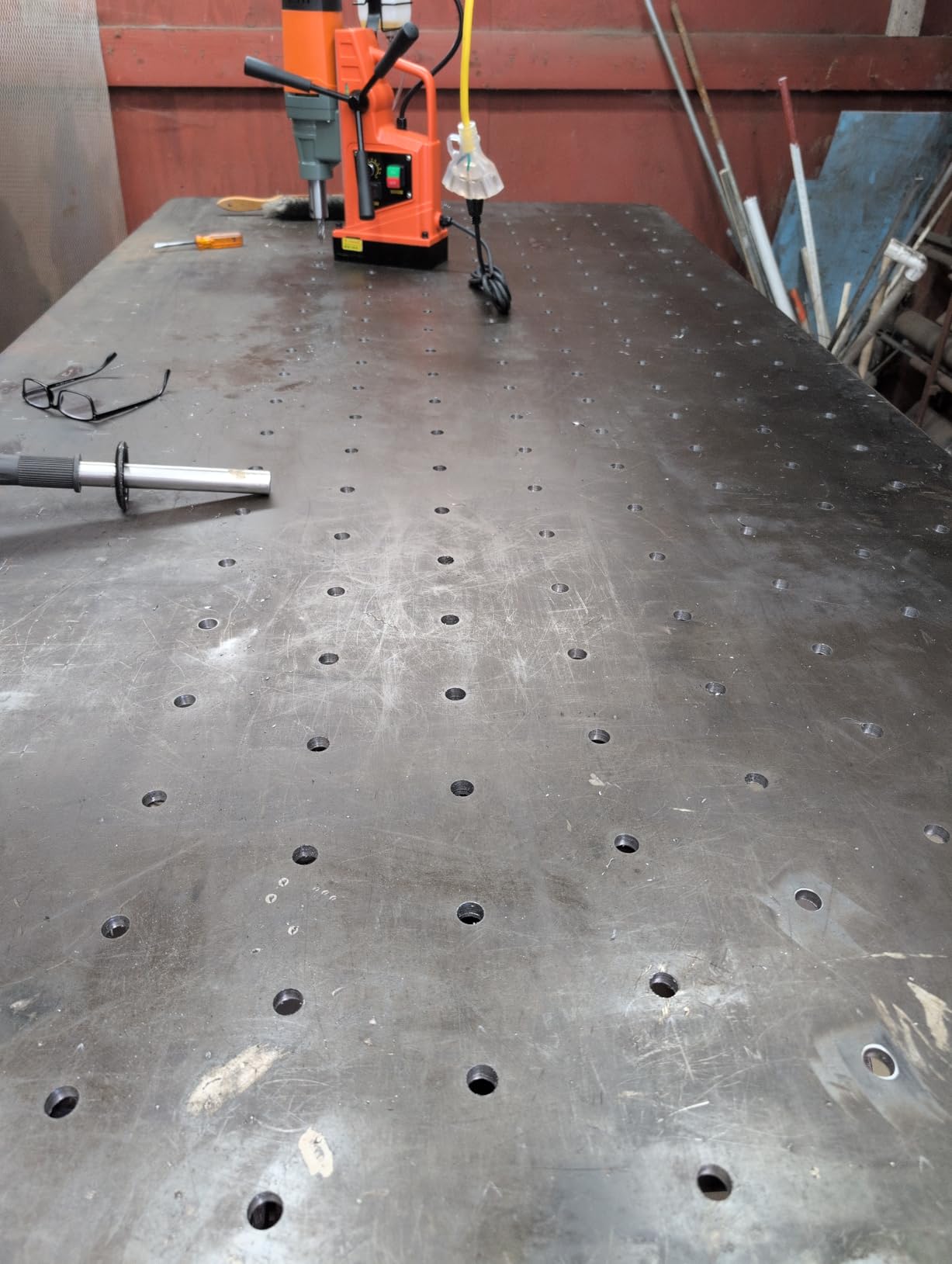
It suits fabricators and erection crews who drill beam connections daily and want a machine that can take the punishment without the price of a professional brand. The depth scale and ten speed settings make it good for repeat hole placement where consistency matters more than raw capacity.
It is also the practical choice for anyone moving between site and shop, since the kit covers coolant, a twist drill chuck and a safety rope in one box.
Where it falls short
The 10 mm minimum thickness rule rules it out for thinner plate, and the stainless and cast iron exclusion is worth knowing if you work in stainless. A safety rope is required for inverted or horizontal drilling, so budget for that setup before the first overhead hole.
4. VEVOR 8880E 1450W Mag Drill — the Best Value with cutters in the box
VEVOR 1450W Mag Drill Press, 2″ Core Drilling Machine, 2922 lbf Variable Speed Portable Magnetic Drill, Heavy Duty Metal Hole Cutter with 6 Annular Cutters for I-Beam Steel Fabrication & Jobsite
1450W copper motor
0-750 RPM
2 inch coring diameter and depth
2922 lbf force
26.5 pounds
Pros
- Six annular cutters included so it is ready for structural steel out of the box
- Lightest of the VEVOR machines here at 26.5 pounds
- 2922 lbf high-purity iron base
- Alloy guide rail reduces wear for consistent feed
- Coolant tank and safety rope included
Cons
- Not rated for stainless steel or cast iron
- Needs 10 mm minimum steel thickness
- Some one-star reviews report motor or gearbox failure
Where the MD-50A competes on paper, the 8880E competes on what is in the box. Six annular cutters ship with the machine, along with a coolant tank and stand, coolant tube, drill chuck, chuck key and a safety rope. For a shop that is starting out on steel beams, that bundle removes the single biggest hidden cost of the category.
It is also the lightest of the three VEVOR machines here at 26.5 pounds, while still holding 2 inch coring capacity and the same 2922 lbf magnetic base. For overhead work on a flange, 12 pounds saved against the heavier models is felt immediately in the shoulders.
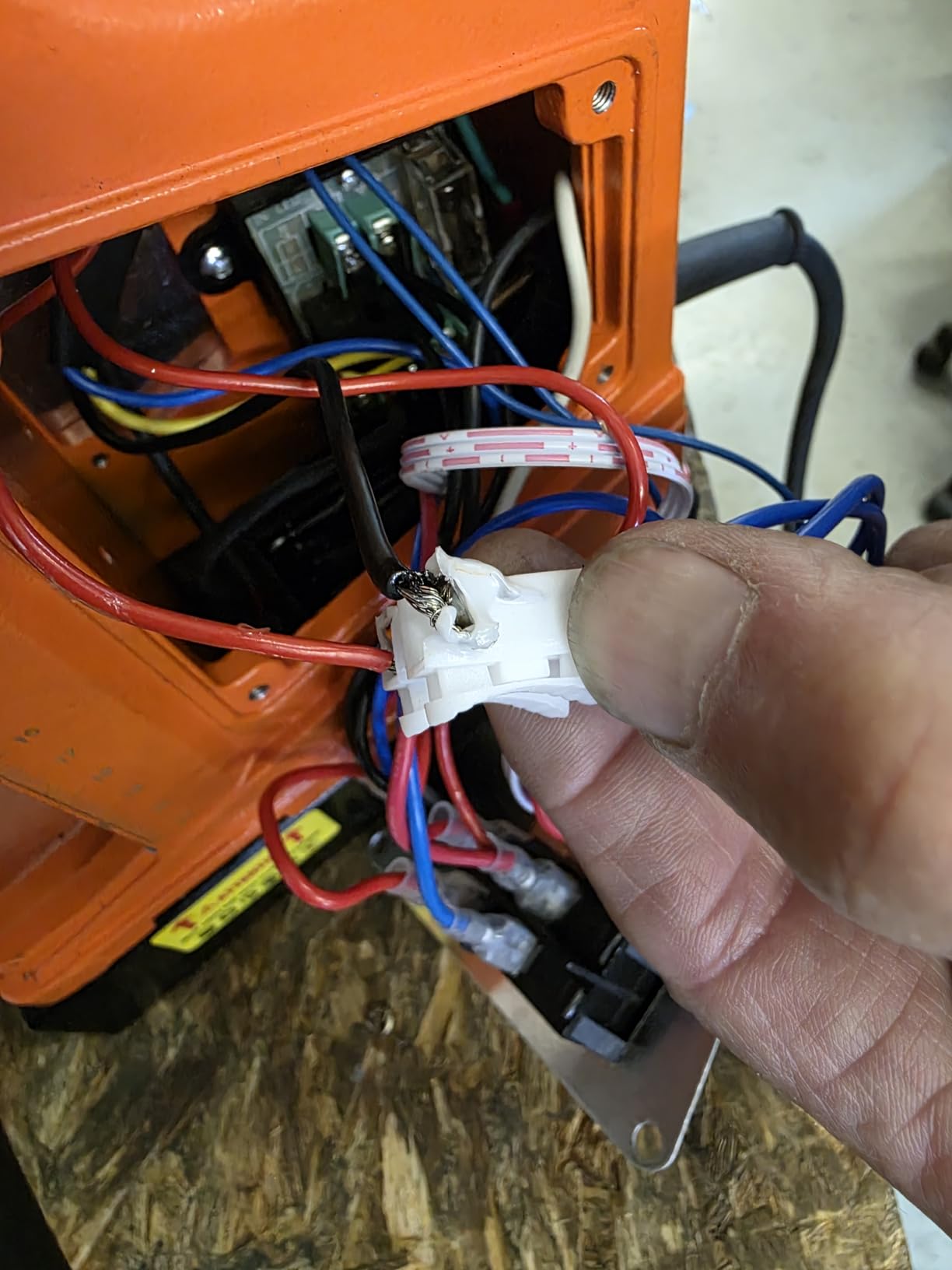
Speed range is the widest of the three at 0-750 rpm across ten settings, and the built-in millimetre scale helps when you are drilling a pattern of connection holes rather than one hole at a time. Buyers rate it at 4.3 across 309 ratings.
What separates the critical reviews is durability. Several one-star accounts describe motor or gearbox breakdown after heavy continuous jobsite drilling, which is the predictable failure mode on this class of machine when duty cycle is pushed past what the cooling system can carry.
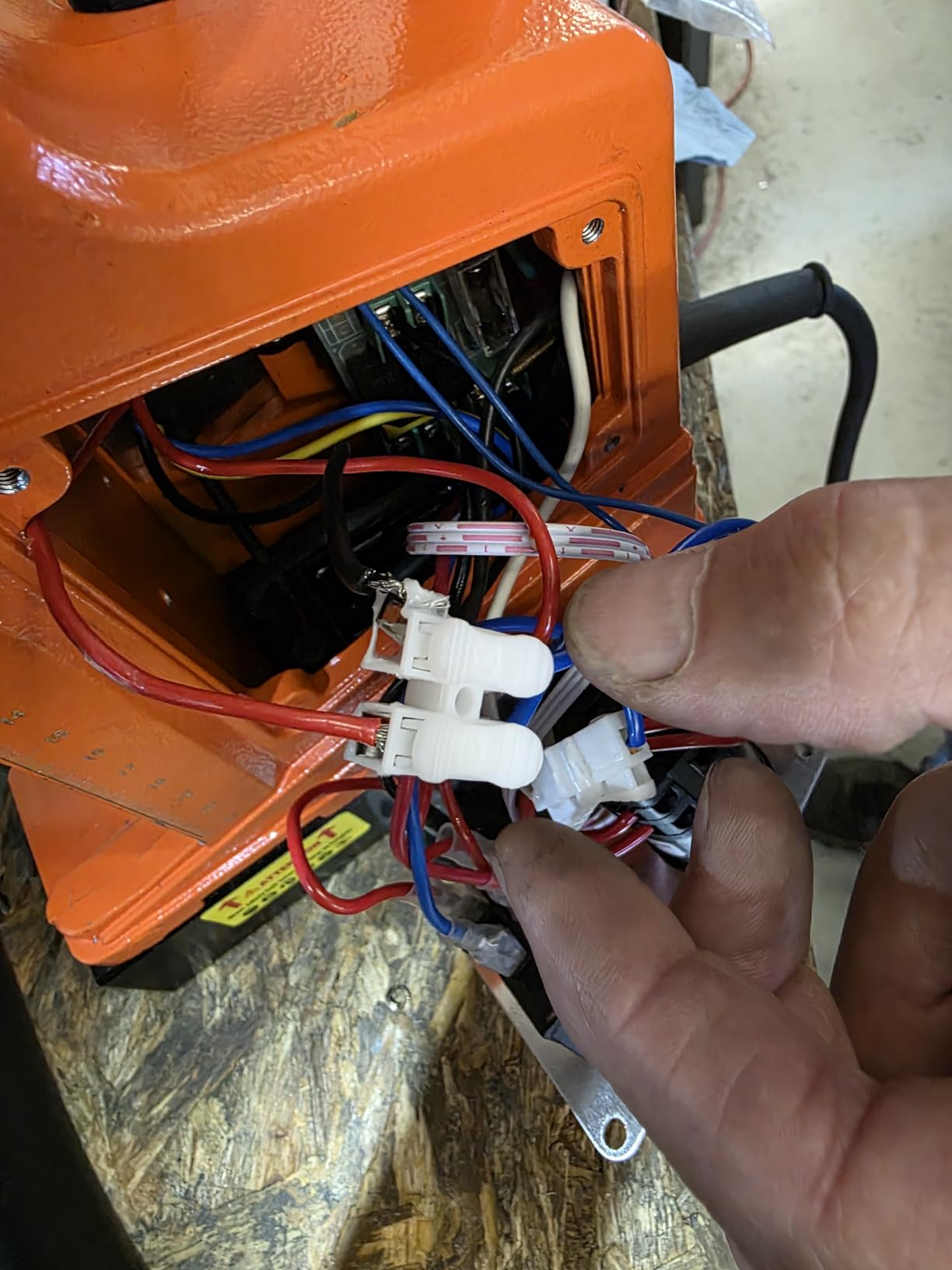
Who this magnetic drill press suits
It suits a new shop or a hobbyist fabricator who needs to drill real holes in I-beams and plate without buying cutters separately. The lighter frame makes it the most manageable of the VEVOR machines for work at height.
It also suits anyone who wants the full cutting package to test whether mag drilling suits their workflow before committing to a premium machine.
Where it falls short
The same limits apply as on the MD-50A: 10 mm minimum steel thickness, no stainless steel, no cast iron, and a safety rope for inverted or horizontal work. The published spec conflict between 0-750 rpm and a much higher maximum rotational speed is a reminder to read the manual rather than the listing.
5. Evolution EVOMAG42 — the most universal cutter fit
Evolution Power Tools EVOMAG42 1 5/8″ Diameter x 2″ Depth Magnetic Drilling System
3/4 inch Weldon shank
1200W / 10 amp motor
450 rpm
5-1/16 inch stroke
38 pounds
Pros
- 3/4 inch Weldon shank accepts nearly every annular cutter on the market
- Twist drill chuck and adaptor included for small holes
- Integrated coolant system
- 5-1/16 inch stroke suits deep holes in thick beams
- Recognisable brand with a proven platform
Cons
- Single speed at 450 rpm
- One-star share is the highest among the well reviewed machines
- Tool only with cutters and coolant sold separately
The EVOMAG42 solves a problem most buyers do not realise they have. If a magnetic drill press takes a 3/4 inch Weldon shank, you can fit essentially any annular cutter on the market, and that matters when you are comparing machines for the parts you can buy rather than the parts the brand sells.
It also includes a chuck and adaptor for twist drills up to 1/2 inch, so small pilot holes and smaller holes do not require a second purchase. The 5-1/16 inch stroke is the longest of the standard-feed machines here, which suits a deep hole in a thick plate or a beam web.
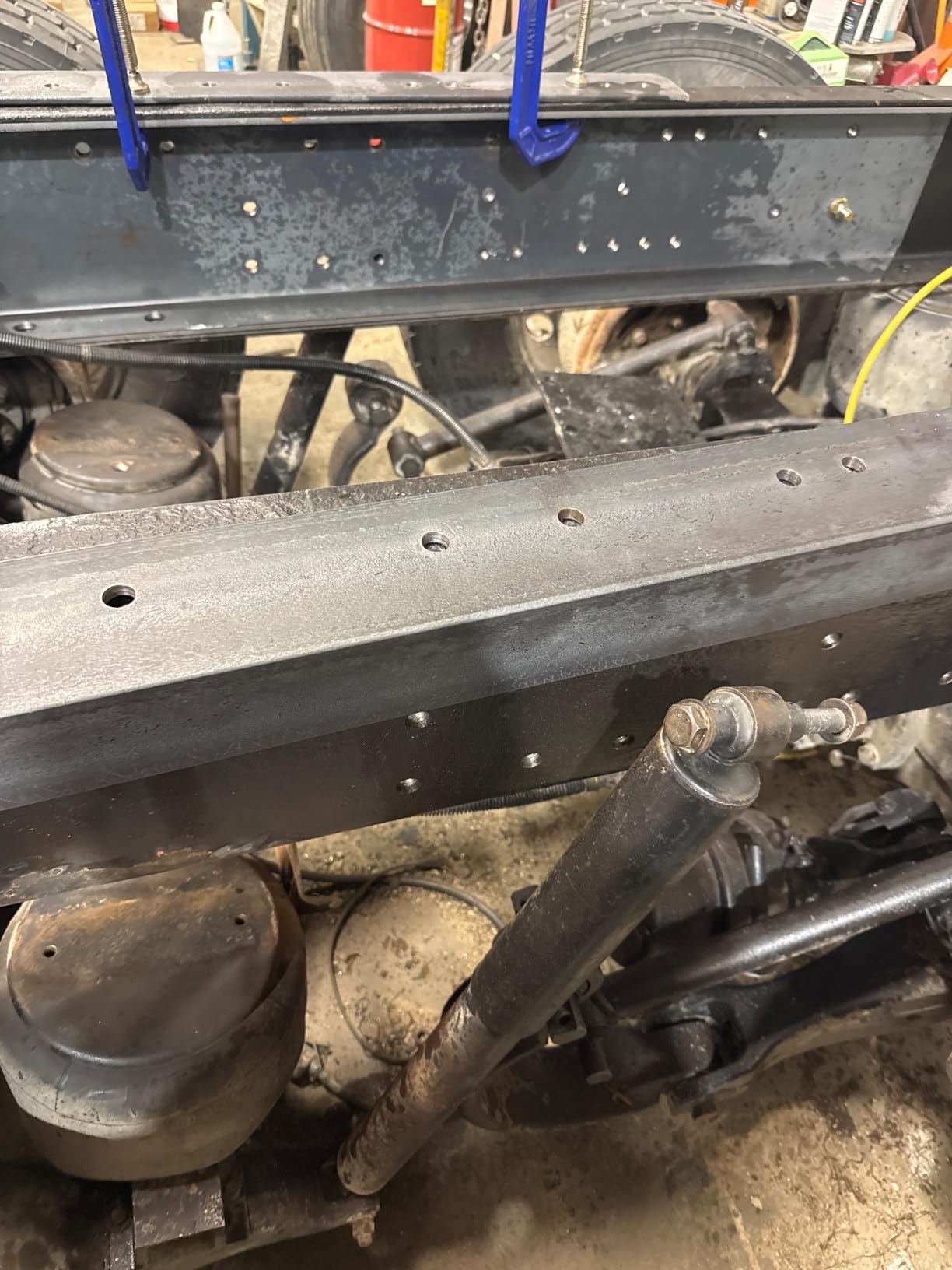
The integrated coolant system is well judged by owners drilling structural steel, because it feeds the cut without a separate bottle to clamp on and drip. Owners also like the smooth, predictable feed, which comes down to how the column and slide are finished.
At 4.3 stars across 119 ratings, with 75 percent five-star and 11 percent one-star, this is a well-regarded machine with a visible tail of reliability complaints around the switch, magnet and motor.
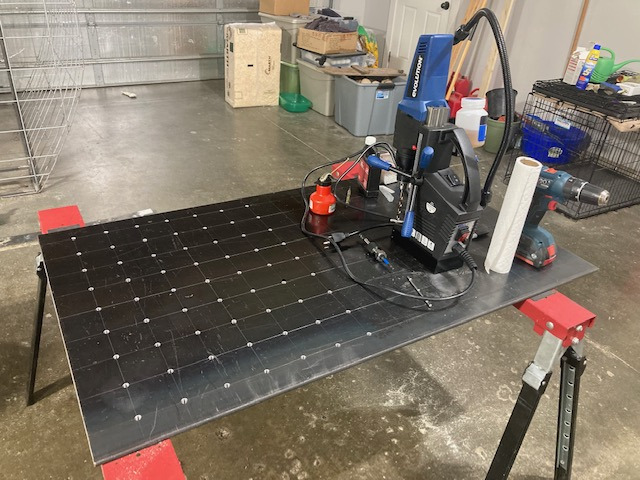
Who this magnetic drill press suits
It suits anyone who wants freedom in cutter choice, particularly shops that already own a shelf of annular cutters in Weldon shank. The included twist drill chuck also makes it a good single-machine answer for a shop that still does smaller holes.
It suits fabricators who drill thick plate and deep holes, where the longer stroke reduces the number of resets per hole.
Where it falls short
A single speed at 450 rpm means less control for small twist drilling, and 38 pounds is heavy for horizontal or overhead work. Buying the tool without cutters means the first job needs a separate purchase, so budget for a starter set of annular cutters.
6. Hougen HMD904 — the best-rated build quality
Hougen HMD904 115-Volt Magnetic Drill
1-1/2 inch by 2 inch capacity
450 rpm
6 amp
34.9 pounds
Lift detector safety
Pros
- Best-rated in the group at 4.8 with zero one-star ratings
- Built in the USA with strong technical support
- Lift detector safety system
- LED pilot light for low light accuracy
- Slot drive arbor for quick accessory changes
Cons
- Cutters are not included
- 1-1/2 inch capacity is below the 2 inch machines
- 34.9 pound weight is heavy for overhead work
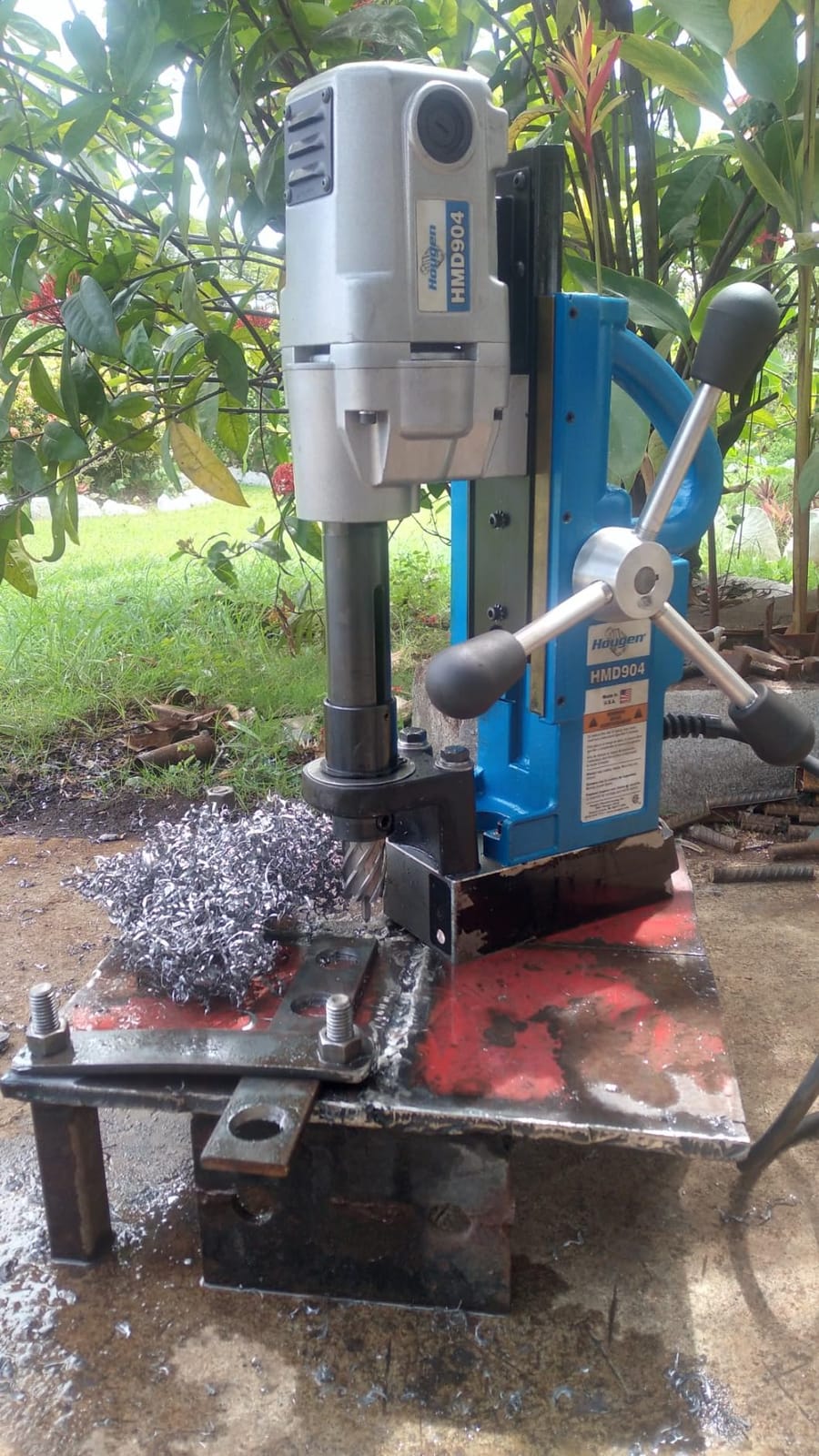
The HMD904 is the machine we would put on a truck if we only had one. The 4.8 average across 110 ratings with 90 percent five-star and no one-star reviews is the cleanest rating profile in the group, and it is backed by a US build and a support desk that actually answers the phone.
The lift detector safety system is the feature that matters most on beam work. It senses when the magnetic base starts to separate from the workpiece and shuts the motor down before a half-finished hole and a falling drill become a problem, which is exactly the failure mode that worries anyone working inverted.
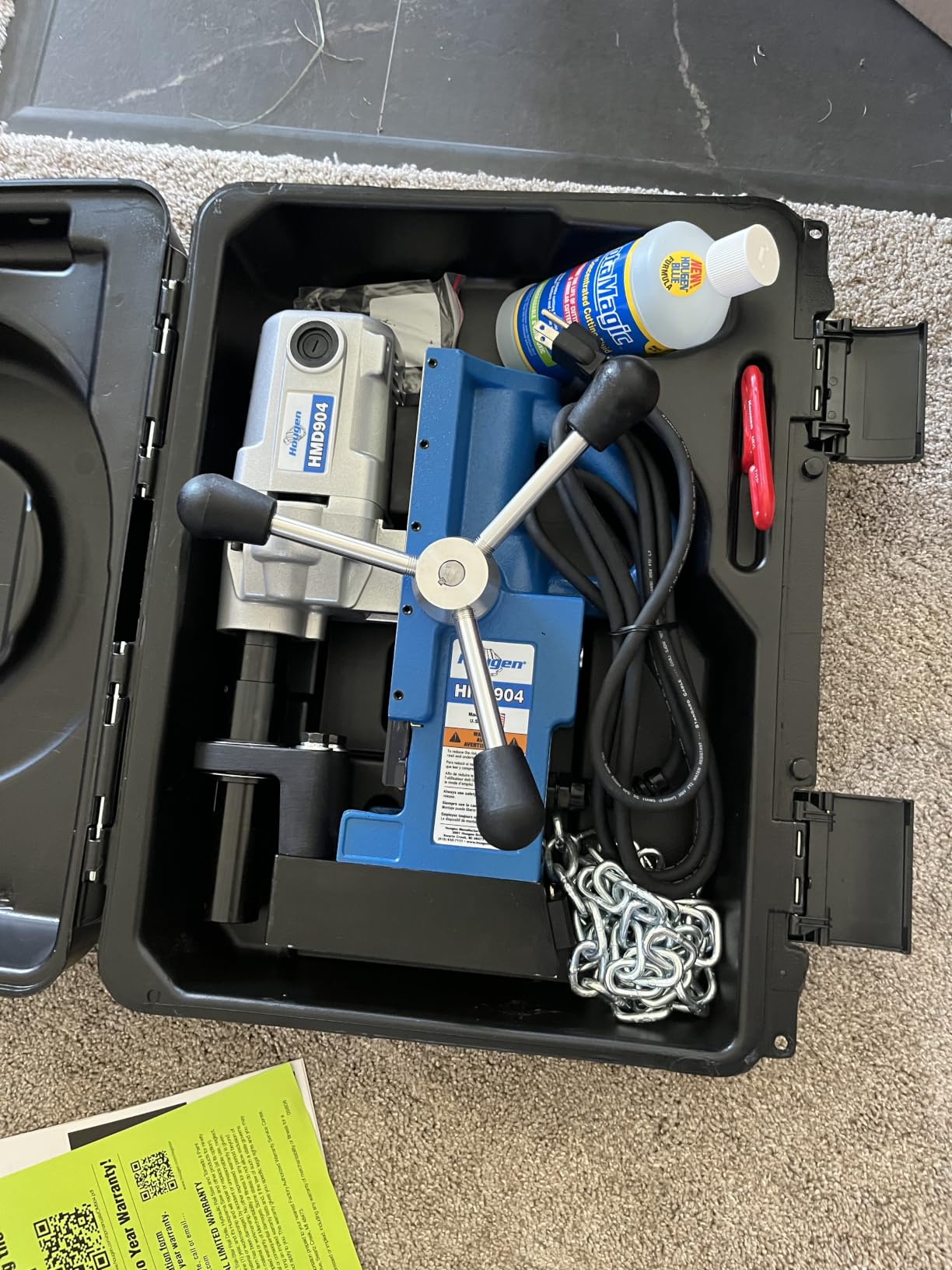
The LED pilot light sits inside the tool body and throws a ring of light onto the work, so you can see the cutter and the mark in low light. On a dim steel erection or a night shift fit-out that is a real accuracy gain, and the slot drive arbor makes cutter changes fast.
Two speed settings and a 450 rpm top speed are adequate for annular work. Users report drilling hundreds of holes through half-inch steel and truck frames without trouble, which is the kind of endurance figure you only get from a frame that is properly made.
Who this magnetic drill press suits
It suits fabricators who drill hundreds of holes a month and want the fewest surprises. In practitioner forums, Hougen is the name that comes up most often when people describe the machine they trust with structural steel, and the ownership reports here match that reputation.
It suits anyone working in poor light or on a job site where a safety shutdown is worth more than the extra weight savings of a budget machine.
Where it falls short
At 1-1/2 inch, the boring capacity is well below the 2 inch machines, so it is not the right tool for large connection holes. Annular cutters are not included, and 34.9 pounds is a lot of mass to hold against a vertical or overhead surface for long stretches.
7. ZELCAN 18031 — best for stepless speed control and holding force
ZELCAN Magnetic Drill Press with 6 Drill Bits, 1550W Mag Drill Press with 2″ Dia. 3125 lbf/13900N Mag Force, 650 rpm Power Magnetic Drill with Stepless Speed & Reversible Direction for Metal Surface
1550W motor
650 rpm
2 inch by 2 inch capacity
3125 lbf magnetic base
20.8 kg
Pros
- Strongest rated holding force here at 3125 lbf
- Stepless speed control gives finer selection than a stepped gearbox
- Reversible direction switch allows tapping
- Six coring bits included
- 16.9 fl oz coolant tank
Cons
- At 15.7 inches tall it will not fit between joists
- Some spindle wobble reported
- Listing advertises 220 volt but the drill is 110/120 volt
The ZELCAN is the odd one out in this list because it has stepless speed control instead of a stepped gearbox, and a reversible direction switch so you can tap as well as drill. On paper that is a more advanced control package than most machines at this level, and in practice it makes feeding a large cutter in thick steel noticeably easier to modulate.
Its 3125 lbf solid iron electromagnet base is the highest rated holding force of the ten. Shop owners running mag drills on structural steel report the machine staying put, and one owner drilled 18 consecutive 11/16 inch holes through 5/8 inch steel without trouble.
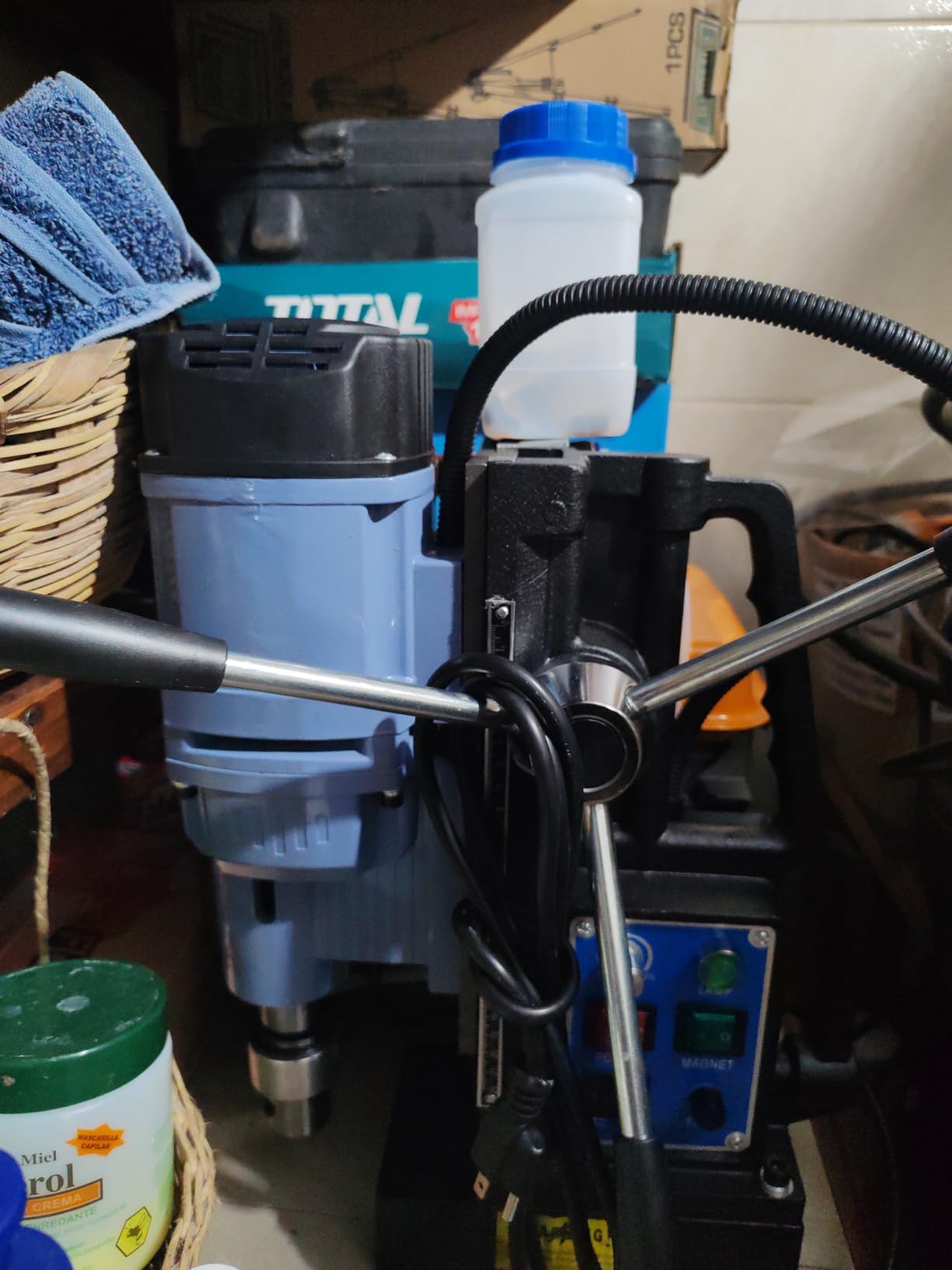
Six coring bits are included, so it is usable immediately, and the 16.9 fl oz coolant tank handles heat on long cuts. At 4.3 across 76 ratings, with 66 percent five-star, the feedback is positive on power and holding and critical on finishing detail.
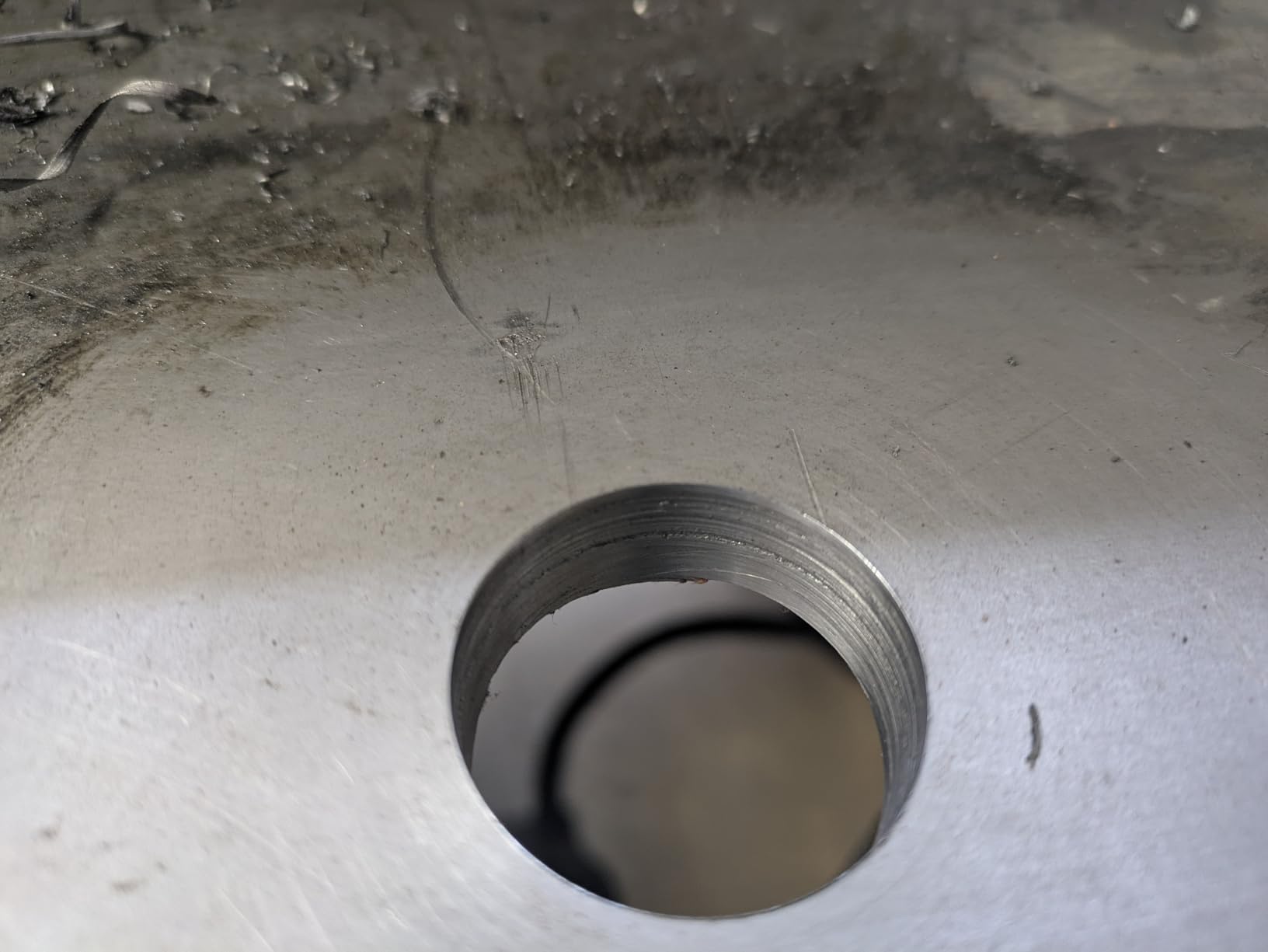
Users also like the column stiffness. A stout column with no slop is what keeps a tight tolerance hole round rather than egg-shaped as the cutter breaks through.
Who this magnetic drill press suits
It suits fabricators who want fine control over cutting speed and who tap as well as drill. The reversible direction switch and stepless knob make it a good general-purpose machine for a shop doing mixed work rather than repetition annular cutting.
It suits anyone who has been disappointed by stepped gearboxes and wants to bring the cutting speed down to suit a particular cutter diameter.
Where it falls short
Overall height is the real limitation at 15.7 inches, which means it will not fit between joists without modifying the structure. A small amount of spindle wobble is reported, which affects hole cleanliness on tight tolerances, and the listing’s voltage figure is inconsistent with the drill that is supplied. One owner also reports the unit coming apart after only about 20 holes.
8. Hougen HMD900 — the easiest machine to move around a shop
Hougen HMD900 Magnetic Drill – 115V
1.5 by 2 inch capacity
850W
450 rpm
27 pounds
Spring slug ejection
Pros
- Only 27 pounds while still delivering 1.5 by 2 inch capacity
- Safety switch shuts the drill down if the base releases
- Owners push holes through 1 inch hardened steel
- Slot drive arbor and spring slug ejection
- Two speed settings
Cons
- Weak on thin gauge steel
- 850W is the lowest output of the Hougen machines here
- Annular cutters are not included
The HMD900 is the machine to pick if you are carrying a mag drill around a fabrication shop all day. At 27 pounds it is over 7 pounds lighter than most of the professional machines here, and it still carries 1.5 by 2 inch capacity, which covers the majority of beam connection holes.
The safety switch is the important feature for overhead work. If the magnetic base comes loose, the drill shuts itself down rather than letting a spinning cutter hang off a flange, and that is the single most valuable thing an inexpensive machine can have.
Owners drilling A36 structural plate and 1 inch hardened steel describe it as a time saver with a strong magnet. The hidden motor cord keeps it out of the way of the workpiece, and spring slug ejection clears the slug without a hammer. The review base of 46 ratings is the second thinnest here, so the record is thinner than the machine’s reputation.
Who this magnetic drill press suits
It suits shop-based fabricators who move between a bench, a truck bed and a mezzanine. Carrying weight adds up over a shift, and this is the machine where that trade-off was made deliberately.
It also suits anyone who cuts heavier steel than thin gauge, because owners report pushing through 1 inch hardened steel without hesitation.
Where it falls short
Magnet hold is weak on thin gauge steel, and the safety system responds by shutting down, which is correct behaviour but stops the job. At 850W it has the lowest motor output of the Hougen machines, cutters are not included, and a small runout figure at no load is reported on cheaper cutters.
9. Hougen HMD130 Ultra Low Profile — for holes a standard drill cannot reach
Hougen HMD130 Fabricator’s Kit Ultra Low Profile Lightweight Right Angle Magnetic Drill with Large Capacity
Right angle and 6.69 inches tall
9 amp
450 rpm
23.6 pounds
1-3/8 inch capacity
Pros
- Low profile right angle format reaches holes in tight structural spaces
- Lightest machine here at 23.6 pounds while still cutting 1-3/8 inch holes
- Two RotaLoc Plus cutter kits included
- Tool-free cutter installation
- Positive slug ejection and lift detector system
Cons
- Most expensive machine in this roundup
- 1-3/8 inch capacity is below the 2 inch models
- Only 31 ratings so long term data is limited
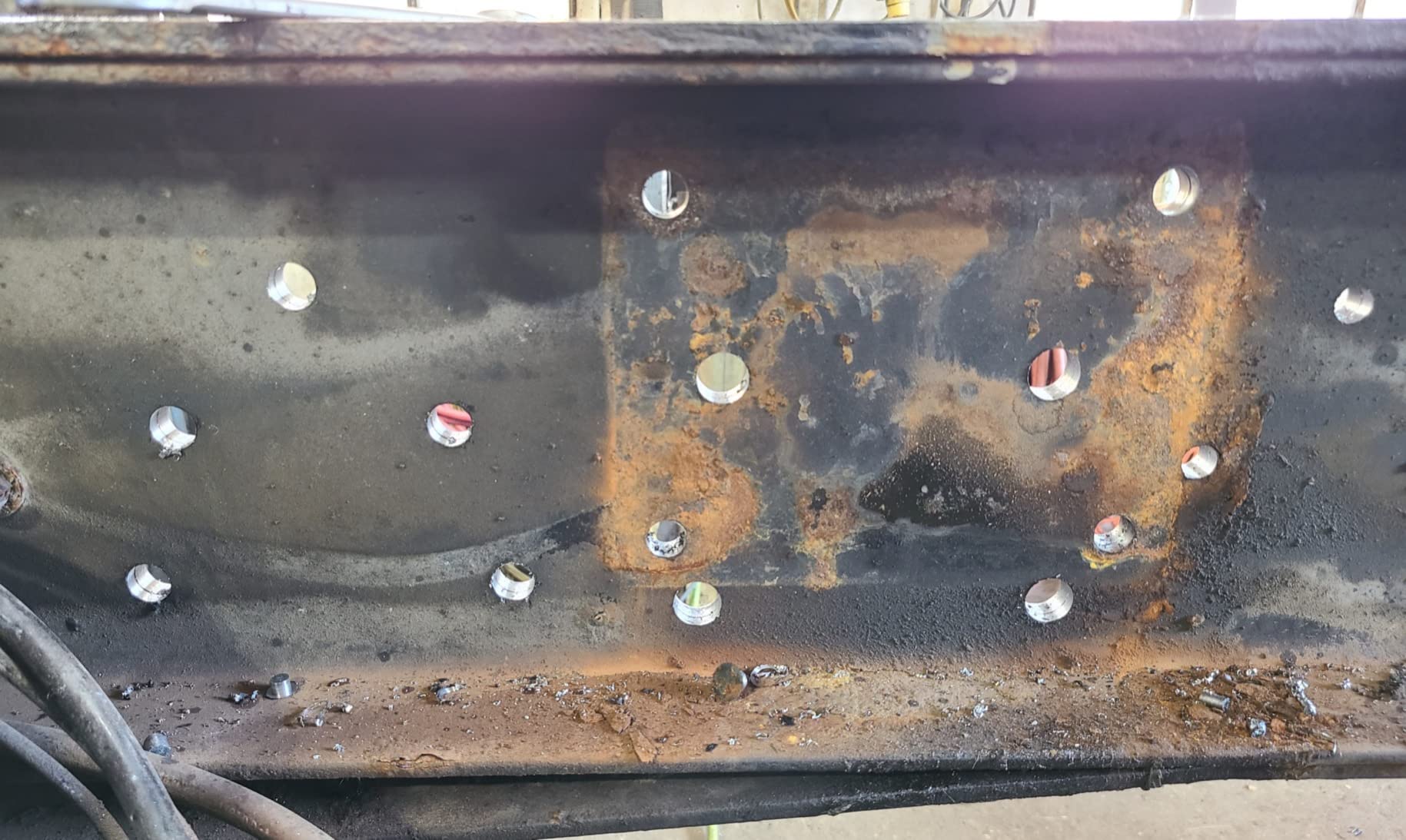
The HMD130 solves a problem no other machine here can. At 6.69 inches tall with a right-angle gearbox, it reaches holes inside a beam web, between a flange and a deck plate, or anywhere a standard upright magnetic drill press physically will not fit.
It is also the lightest machine in the roundup at 23.6 pounds, which matters when you are holding it at arm’s length in a tight space. Two RotaLoc Plus cutter kits are included in the fabricator’s kit, covering 9/16, 11/16, 13/16 inch and 1/2, 5/8, 3/4 inch cutters with 1 inch depth of cut, so it arrives ready to cut.
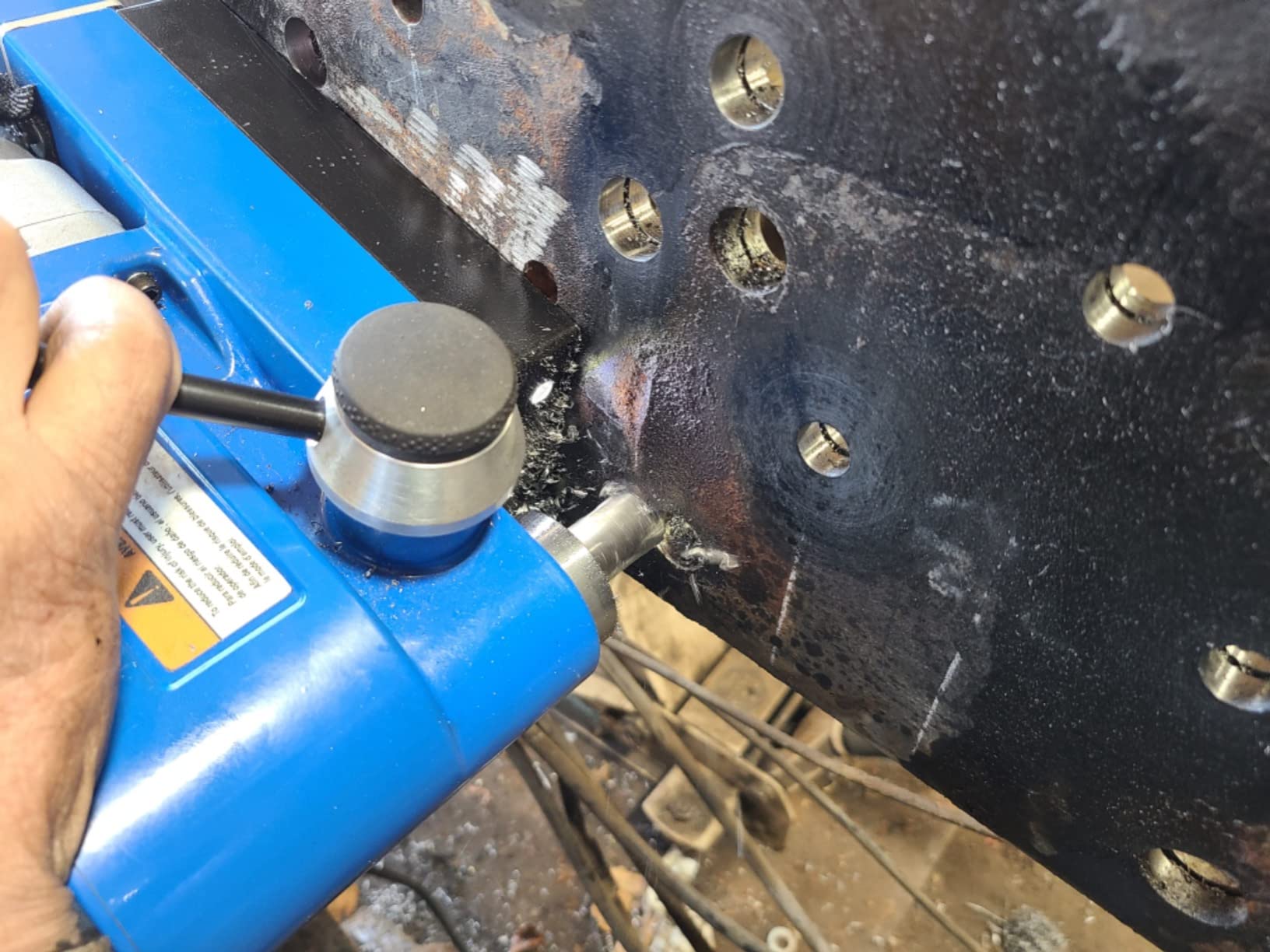
The patented quill feed landing makes tool-free cutter installation and removal, and the positive slug ejection and lift detector security system give it the same safety thinking as the larger Hougen machines.
Owners value the access more than anything else, rating it 4.7 from 31 ratings with 80 percent five-star and no one-star reviews.
Who this magnetic drill press suits
It suits structural crews working in tight assemblies, handrail and mezzanine steel, and anyone drilling between plates where an upright drill will not go. The included RotaLoc cutters make it a complete package rather than a bare machine.
It suits anyone who works overhead, since the low profile and the light weight are the two things that decide whether a confined job is comfortable.
Where it falls short
At 1-3/8 inch the boring capacity is well below the 2 inch machines, so it is a specialist tool rather than a general one. It is also the most expensive machine here, and with only 31 ratings there is limited long term durability data to go on.
10. CS Unitec MABasic 200 — the only one that publishes a real force figure
CS Unitec | MABasic 200 | Single-Speed Portable Magnetic Drill. Max Hole Capacity 1-3/8″ Diameter, 8.2 Amp, 110 Volts, 450 RPM – Made in Germany
3080 lbs force on a 1 inch plate
1-3/8 inch capacity
8.2 amp
450 rpm
27 pounds
Pros
- Only machine here publishing 3080 lbs of force on a 1 inch plate
- Emergency-off function when the magnet loses contact
- Automatic lubrication system extends cutter and machine life
- Compact 9 by 12.25 inch footprint
- Complete package with case Weldon shank chuck and strap
Cons
- Single speed at 450 rpm
- Several reviews report damaged or incomplete machines
- 1-3/8 inch capacity is below the 2 inch models
The MABasic 200 is built in Germany and it is the only machine in this roundup that states its holding force the way the industry actually measures it: 3080 lbs on a 1 inch plate, with a magnet base of 6-5/8 by 3-1/3 inches. Every other figure here is a marketing number without a stated test condition.
Users consistently report the thing that actually matters on steel, which is that the cutters spin true. Wobble-free cutting means round holes, clean edges and a slug that ejects properly, and several owners describe turning a slow hand-drilled operation into a matter of seconds per hole on thick flanges.
Reported results include drilling 160 one inch holes with annular cutters and cutting through 5/8 inch steel flanges far faster than hand drilling. At 4.2 stars across 25 ratings with a 58 percent five-star share, the cutting feedback is the strong part of the record.
The automatic lubrication system, with an oil bottle in the box, is unusual at this level and extends both cutter and machine life. The emergency-off function cuts power the moment the magnet loses contact with the material, which pairs well with the 3/4 inch Weldon shank and 1/2 inch geared chuck in the package.
Who this magnetic drill press suits
It suits fabricators who care about hole quality and who have been disappointed by imported machines with sloppy spindles. Reported results include drilling 160 one inch holes with annular cutters and cutting through 5/8 inch steel flanges far faster than hand drilling.
It suits shops with a tight floor plan, because the 9 by 12.25 inch footprint and 27 pound weight are the smallest combination on this list.
Where it falls short
It is single speed at 450 rpm with no fine adjustment, and at 1-3/8 inch it will not cut the larger connection holes. Several reviews describe machines arriving with a broken power switch or missing accessories, so inspect the package on arrival.
How to Drill a Hole in a Steel Beam Step by Step
1. Mark the hole and check the section below
Set out your hole with a soapstone or fine marker and, before anything else, work out how thick the steel is under the cut. Most magnetic drill presses need 3/8 inch or more, and two of the machines here state a 10 mm minimum explicitly, so a thin gauge flange is where the process changes.
Then check what is behind the cut. Drilling into a fillet weld or the junction of a web and a flange gives you an uneven surface and a cutter that wants to wander, and drilling into a bolt or a plate insert stops the cut dead.
2. Give the magnet a clean metal patch
This is the step that decides whether the job goes well. Mill scale, weld spatter, primer, paint and rust all sit between the magnet and the steel, and every one of them reduces the contact that the magnetic circuit depends on. A portable angle grinder and a bare disc will take a patch back to bright metal in under a minute.
Make the patch larger than the base, not smaller, and feather the edges so the base sits flat rather than rocking on a ridge. If you cannot grind, at least scrape the scale off and expect reduced hold, because a magnet that works perfectly in a showroom will walk on a flange that has not been prepped.
3. Set up so the base is fully supported
Position the base so the entire footprint sits on steel. Half a base on a flange and half hanging over the edge gives you a fraction of the rated holding force, no matter what the specification says, and the tool will start to rotate as soon as the cutter bites.
If the geometry will not allow full contact, move to a different face on the beam or change technique rather than pushing the limits of the magnet. A safety tether should be rigged before the motor starts on any horizontal or inverted hole.
4. Choose the cutter, pilot and start the cut
Fit a carbide-tipped annular cutter in the correct shank, check that it is running true, and set the depth stop to the thickness of the material plus a small amount of breakthrough. A pilot pin in the slug hole is optional on a flat face, but it is worth fitting on a sloped or uneven surface so the cutter starts square.
Start the motor before the cutter touches the steel, bring the cutting edge up to the work, and then advance. The speed a machine runs at and the speed you feed at are different things, and the feed is the one that matters.
5. Feed, cool and do not force it
Keep a steady feed and watch the motor note rather than the pressure you are applying. If the pitch of the motor drops, you are going too hard, and pushing further only generates side load that walks the drill and risks the carbide head.
Run coolant to the cutting edge, particularly on vertical and overhead holes, because annular cutters in structural steel generate a lot of heat at the teeth. Let the slug form rather than driving the cutter through the last of the material, and it will eject on its own in most cases.
6. Get the slug out and reset the depth stop
Once the cut breaks through, back the feed off and let the machine run for a moment. Slugs that stay in the cutter are the usual reason an annular head chips, so clearing it properly is a habit worth building. If a slug will not shift, retract the spindle and tap the shank end rather than hitting the cutter body.
For the next hole, reset the depth stop rather than eyeballing it, particularly on a pattern of connection holes where every hole has to be in the same place.
How to Choose a Magnetic Drill Press for Steel Beams in 2026
Magnetic holding force, dead lift and drill point breakaway
Holding force is the number one selection criterion for beam work, and it is the number most listings bury. Three related figures matter, and they are not interchangeable. Magnetic holding force is the total pull of the base. Dead lift force is the weight the magnet can lift vertically off a plate of stated thickness. Drill point breakaway is the pressure the magnet can resist before it peels away from the workpiece, and it is the figure that predicts whether a cut will finish.
All three are measured on clean, flat, unmagneted steel. On a beam flange with mill scale, primer, paint or rust, effective grip drops. If you have ever watched a drill start to walk across a flange, the cause is nearly always contact area rather than a weak magnet, so the practical move is to grind a bright metal patch under the base before you energise.
For a flat horizontal hole in a thick beam, we would be comfortable with a machine rated at 1000 lbs of drill point breakaway or above, and we would want 1500 to 2000 lbs of dead lift force for overhead and inverted work where a failure would drop the tool. Only one machine in this list states a test condition at all, so on the rest, treat the published lbf figure as a ranking rather than a guarantee.
Minimum plate thickness and why mag drills walk
Most magnetic drill presses need steel of 3/8 inch or thicker to hold properly, and two of the machines here state a 10 mm, or roughly 3/8 inch, minimum explicitly. Below that the magnetic circuit has too little steel to work with, the base starts to rock, and the cutter pulls the tool sideways. That is the single most common complaint from fabricators, and it is a hard limit rather than a preference.
Edge distance matters just as much. If you are drilling near the edge of a flange and half the base overhangs, you have a fraction of the rated holding force regardless of what the specification sheet claims. Give the base full contact, and where the geometry will not allow it, change your approach rather than trusting the magnet.
Techniques on r/metalworking make the same point from the other direction: an annular cutter produces more side loading than staged twist drilling, so the biggest cutter the beam can take is not always the best choice. On a thin flange near an edge, stepping a twist drill in stages can be the safer sequence.
The five mag drill types and where each one belongs
Portable three-handle slide and gib machines, like most of the VEVOR and ZELCAN models here, are the general-purpose answer. They are cheap relative to the alternatives, they handle plate and beam drilling, and they need no mounting. Quill-feed machines, such as the Hougen HMD904 and the Evolution EVOMAG42, use a proper quill with more consistent travel and better rigidity, which is why fabricators running hundreds of holes prefer them.
Low-profile and right-angle machines, like the Hougen HMD130, exist purely for access. They reach holes in tight assemblies where nothing else fits. Power-feed machines take the guesswork out of the feed rate on production work, and swivel-base machines let you reposition the spindle angle without moving your body.
Swivel base aside, none of the ten here is a power-feed machine, so if you are cutting hundreds of identical holes a week, budget for a stand or a power feed rather than relying on the feed handles. One recurring forum technique for high-volume work is to mount a mag drill on a stand and treat it like a fixed press, which turns a hand tool into a repeatable production machine.
Annular cutters versus twist drills
An annular cutter is a hollow tool with a cutting head on the end and teeth on the inside wall. It shears a ring of steel and leaves a slug behind, so there are no chips to evacuate and no torque to twist the drill. That is why an annular cutter cuts roughly three times faster than a twist drill of the same diameter and produces a hole that needs far less work to finish.
The shank matters more than most buyers realise. The industry standards are 3/4 inch Weldon and 1-1/4 inch Weldon, and Hougen’s RotaLoc is a proprietary equivalent with tool-free changes. If you buy a machine that takes 3/4 inch Weldon, you can fit almost any cutter on the market, which is why the Evolution EVOMAG42 and the CS Unitec MABasic 200 are so flexible.
On cutter material, carbide-tipped annular cutters are the default for production work in structural steel. HSS annular cutters are cheaper and fine for occasional holes, but they wear fast in abrasive mill-scale steel and the people drilling beams are usually drilling through exactly that. A pilot hole is not required with an annular cutter, though a short pilot pin in the slug hole helps start the cut on a sloped or uneven surface.
Speed, RPM and feeding for structural steel
Annular cutters in mild steel want a surface speed in the region of 100 to 130 feet per minute at the cutting edge, which for a 1 inch cutter lands you around 350 to 400 rpm. That is why almost every machine in this roundup tops out between 450 and 650 rpm, and why a machine that claims a maximum rotational speed two orders of magnitude higher is not a high-speed spindle story you should believe.
More important than speed is feed. Pushing too aggressively on an annular cutter is what generates the side load that walks the drill across a flange, and it is what breaks carbide heads. Let the cutter cut, add coolant, and back off if the motor note drops.
Duty cycle is the other half. Budget imported machines in this roundup carry overload protection and rapid cooling, which helps, but several one-star accounts describe motor or gearbox failure after continuous jobsite drilling. A machine with a lift detector or emergency-off function will stop before you do damage, and a thermal cutout is worth more than raw watts on long production days.
Specs to distrust and listings to skip
Watch for published specifications that contradict themselves. Two of the machines here list a working speed range alongside a maximum rotational speed two orders of magnitude higher, and one listing advertises a 220 volt machine that is supplied as 110/120 volt. Internal contradictions in a specification sheet are a reliable signal that nobody at the manufacturer checked it.
Be equally careful with marketplace listings that combine an implausible price band, a dramatic product title and a near-perfect rating built on a handful of reviews. A 4.8 star average from four reviews is not a service record. Buy from a seller with a long history, and prefer a brand that publishes a force figure with a stated test condition.
Also check the warranty and parts story before you buy. A magnetic drill press is a consumable machine: the guide rails, brushes, switches and arbors all wear, and a tool with no parts path is a tool you retire early.
Corded versus cordless on the job site
Every machine in this roundup is corded, and that is not accidental. Annular cutting in structural steel is a high-current draw, and a battery platform competing with a 10 amp corded motor for that work gives up either runtime or cut rate. For shop and erection work with reliable power, corded is the more honest answer.
Cordless magnetic drill presses do exist and are worth considering where power is genuinely unavailable, but they make more sense for thinner material and smaller cutters than for 1 inch holes in a beam flange. Budget the charger and spare batteries into the comparison rather than the sticker figure, and check whether the machine can run a mag drill continuously under load.
Whichever you choose, budget for a safety strap or tether for any horizontal or inverted drilling. Most manufacturers require one, several of the machines here include a rope in the box, and it is the cheapest insurance on this list.
Frequently Asked Questions
What is the best magnetic drill press?
For most steel beam work the DEWALT DWE1622K is the strongest all-rounder, with a 10 amp two-speed motor, 4 inch drill travel and the largest review base of the ten we tested. The VEVOR MD-50A delivers the same 2 inch core drilling capacity for far less money, and the Hougen HMD130 is the only machine here built for holes in tight structural spaces.
Who makes the best magnetic drill press?
Hougen, DeWalt, Milwaukee and Evolution are the names fabricators trust most in practitioner forums, and Hougen in particular comes up most often when people describe the machine they trust with structural steel. Among the ten machines here, the Hougen HMD904 has the cleanest rating profile at 4.8 stars with no one-star reviews, and the CS Unitec MABasic 200 is the only one that publishes a force figure with a stated test condition.
What does a magnetic drill press do?
A magnetic drill press is a portable drill whose base is a powerful electromagnet. The magnet clamps to any ferrous surface, a spindle turns a cutting tool, and a feed system pushes it into the work while the magnet resists the cutting thrust. Because the steel cannot move, you get accurate, straight holes in vertical, horizontal or overhead metal with no clamps and no fixed machine.
What is the best drill bit for drilling through steel beams?
A carbide-tipped annular cutter is the right tool for structural steel. It shears a ring of material and ejects a slug instead of producing chips, so it cuts far faster than a twist drill of the same diameter and puts almost no twisting force on the machine. Match the shank to your drill, with 3/4 inch Weldon as the most widely accepted standard.
Can you drill holes in a steel I beam?
Yes, and that is exactly what a magnetic drill press is built for. Clamp the base to the flange, make sure the whole base sits on the steel with full contact, and cut with an annular cutter sized to the machine. Most machines need steel at least 3/8 inch thick, so very thin flange material is the one case where a different approach is safer.
Does Milwaukee have a MAG drill?
Milwaukee does make magnetic drill presses, and forum users rate them well for field work. The M18 cordless magnetic drill in particular comes up often as a machine people like for jobsites where there is no power. None of the Milwaukee models are in our ten, so our top pick sits with DEWALT and the best-rated build sits with Hougen.
What is an annular drill?
An annular cutter is a hollow cutting tool with teeth on the inside wall. It removes a ring of steel and leaves a slug the same diameter as the hole, which means no chips to clear and far less torque than a twist drill. That is why a magnetic drill press can cut a large hole in a beam without the tool twisting out of your hands.
Is a magnetic drill press better than a hammer drill?
For thick structural steel, yes. A hammer drill delivers impact energy to a conventional bit and needs both hands and considerable pressure on the workpiece. A magnetic drill press holds the work rigidly and pushes the cutter into the steel mechanically, so the hole stays where you marked it and a large annular cutter will not walk across the flange.
Which Magnetic Drill Press Should You Buy?
The DEWALT DWE1622K is our pick for the best magnetic drill press for steel beams in 2026. It carries 2 inch capacity, 4 inches of drill travel, a quick change chuck, a magnetic coolant tank and overload protection, and it has more owner feedback behind it than anything else on this list.
If the budget is tighter, the VEVOR MD-50A does the same core job with the same 2922 lbf base for a fraction of the outlay, and the VEVOR 8880E is the cheapest complete package with six annular cutters in the box. When the work is access rather than capacity, the Hougen HMD130 is the only machine here that reaches holes a standard drill cannot.
Whichever one you choose, give it a 3/4 inch Weldon shank-compatible cutter set, a safety tether for any work above shoulder height, and a bright metal patch under the base before you energise it. Those three habits solve most of the problems fabricators report with this category.
If you are also setting up a fixed shop machine for the smaller work, our mini drill press roundup covers compact options for a different scale of job.